Most HOA complaints about landscaping don't start with a close inspection. They start with a drive-by. A board member passes your house, and in about three seconds, your yard either looks intentional, or it doesn't.
That first impression from the curb is where most native yards succeed or fail. The good news: you can design for it.
What HOAs actually see from the street
From 50 feet away, nobody is identifying your plant species. What they notice is structure: edges, height, color patterns, and whether the yard looks maintained.
Three things read clearly from the curb:
- Defined borders: where landscaping starts and stops
- Height layering: shorter plants in front, taller in back
- Color grouping: plants arranged in blocks, not scattered randomly
If those three cues are present, the yard reads as designed. If they're missing, even beautiful native plants can trigger a letter.
High-visibility zones: Why driveways matter most
Driveways are the single highest-visibility zone in your front yard. Everyone (neighbors, mail carriers, board members) sees them every day. Plants near the driveway get more scrutiny than plants near the house.
What works near driveways
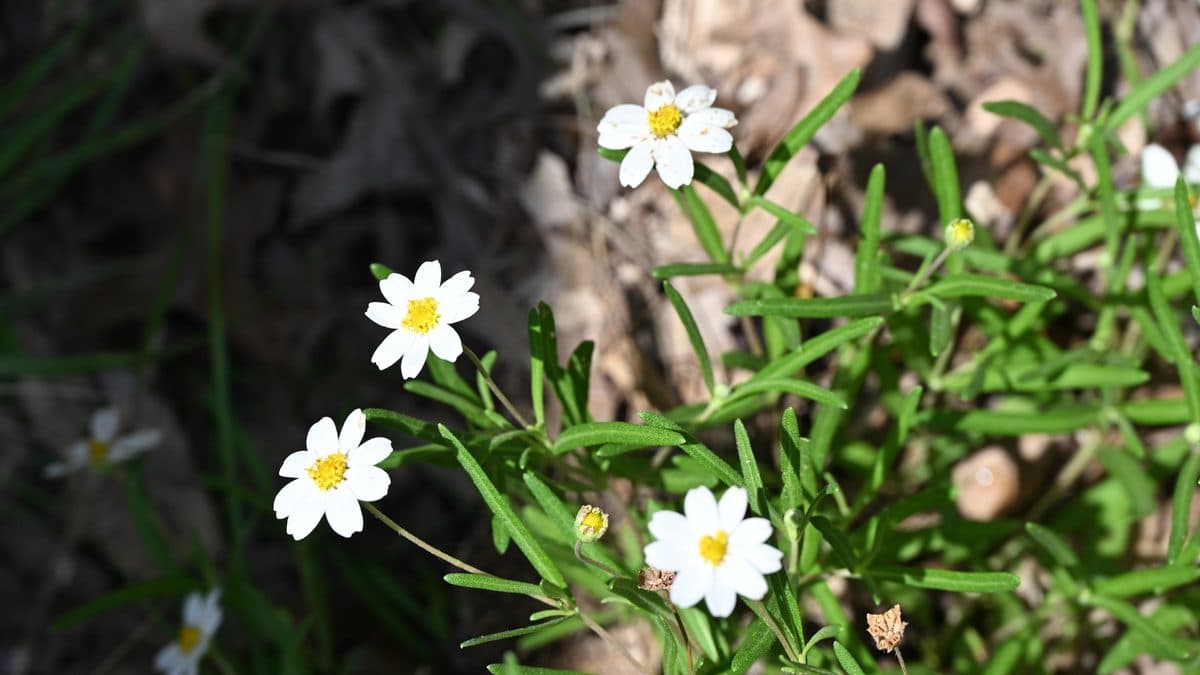
- Low-growing natives (under 12 inches): blackfoot daisy, prairie verbena, four-nerve daisy
- Clean edging separating the bed from the concrete
- Fresh mulch: signals ongoing care
What draws attention
- Tall or floppy plants near the driveway edge
- No border between bed and concrete
- Bare soil or visible gaps
Native plants that stay tidy on their own
One of the easiest ways to reduce HOA concerns is choosing native plants that naturally grow compact. Not all natives behave the same. Some spread aggressively, flop, or get leggy. Others stay upright and tidy with minimal intervention.
Tidy natives for the Edwards Plateau (San Antonio area), per the Lady Bird Johnson Wildflower Center
- Mealy blue sage (Salvia farinacea): upright, compact spikes
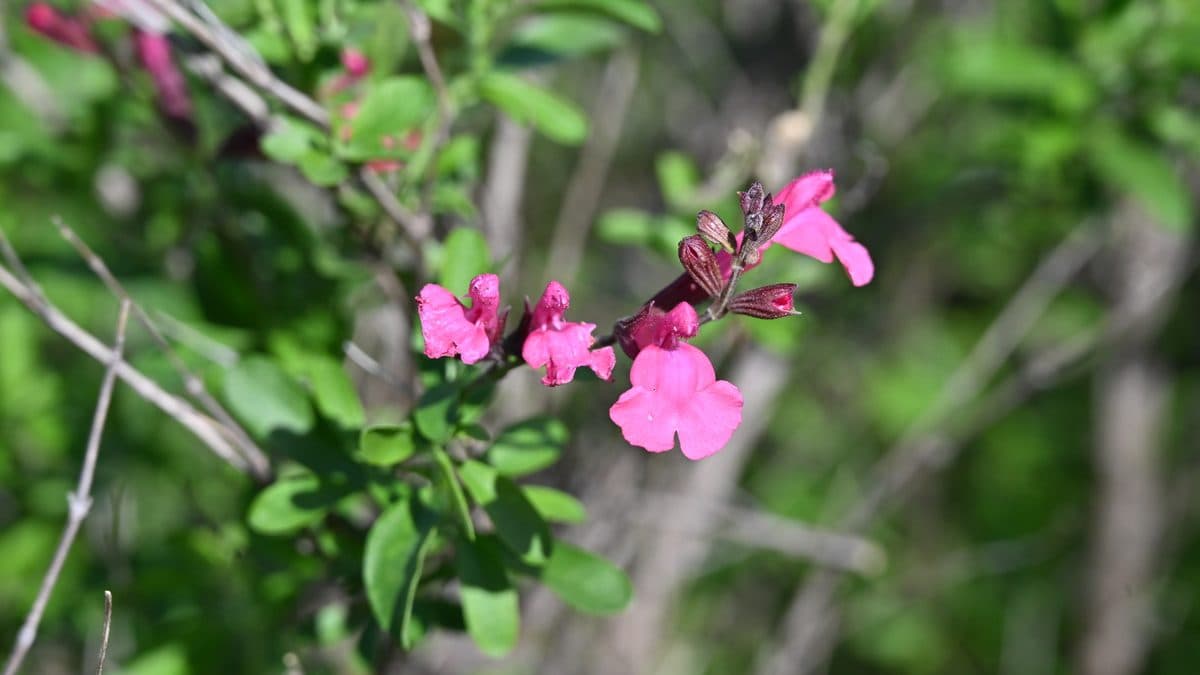
- Autumn sage (Salvia greggii): naturally rounded form
- Blackfoot daisy (Melampodium leucanthum): low, mounded, clean
- Dwarf yaupon holly: evergreen structure year-round
- Lindheimer muhly (Muhlenbergia lindheimeri): upright fountain form with silvery fall plumes
Choosing these over aggressive spreaders means less maintenance and fewer visual triggers.
"Intentional" is the word that changes everything
There's a clear pattern in how HOAs respond to native landscaping: yards that look intentional get compliments. Yards that look natural get letters.
The difference isn't the plants. It's the design cues:
- Borders define the space
- Spacing shows deliberate placement
- Height layering creates visual order
- Mulch signals ongoing care
- Repetition of plant groupings creates rhythm
When these cues are present, the message is clear: "Someone designed this on purpose."
The 50-foot test
Here's one simple step you can take this week: walk to the curb and look at your front yard from 50 feet away. Ask yourself: does it look intentional?
Where are the edges unclear? Where could height layering help? Where is bare soil showing?
That curb-level perspective is what your HOA sees. Designing for it is one of the most effective ways to reduce friction.
The takeaway
HOAs judge from the curb, not up close. Design for the 50-foot impression by focusing on borders, height layering, color grouping, and tidy plant choices. When a yard reads as "intentional" from the street, it rarely gets a second look from the board.
Want help designing a native yard that looks intentional from the curb?
Pollinator Patch helps Texas homeowners create structured, HOA-conscious native landscaping plans, with borders, height layering, and plant selection already considered.