Unenforceable HOA Rules: The 50-State Guide
An HOA rule is void when a statute overrides it, it was never recorded, a fine skipped a required hearing, the covenant expired, or it is enforced selectively. All 50 states.
by Stephen
Read moreTips, guides, and inspiration for creating beautiful native pollinator gardens, wherever you live.
We write for homeowners who want native plants in their front yard but also want to stay on good terms with their HOA and neighbors. Topics include which plants work in your ecoregion, how to design yards that look intentional from the curb, water rebate programs by city, and practical maintenance tips.
Coverage spans states across the country, with city and state guides for places like Austin, Dallas, California, Iowa, and more added as rebate programs are verified. If you're dealing with landscape committee rules, start with the HOA resources below. Under those, the full archive is searchable by topic.
HOA RESOURCES
Most HOA-conscious native landscaping problems come down to one thing: presentation. These guides cover the design cues, submission strategies, and common objections that make the difference.
A practical, month-by-month native garden maintenance guide with expert tips on navigating HOA landscaping standards and working with community rules to reduce friction.
How to design pollinator-friendly native yards that meet HOA expectations. Learn plant traits, placement strategies, and layout principles that support butterflies and bees while maintaining curb appeal.
Most HOA conflicts with native plants come from layout and structure, not plant choice. Learn why visual order matters more than species and how to design native gardens that pass HOA review.
An HOA rule is void when a statute overrides it, it was never recorded, a fine skipped a required hearing, the covenant expired, or it is enforced selectively. All 50 states.
A native swap keeps the job a plant does (hedge, shade tree, groundcover, screen) and changes the species to one native to your ecoregion. Fifteen pairs for five regions, every range sourced.
Fifteen native ground covers that are not on the ASPCA toxic plant list, three each for Orlando, Denver, Phoenix, Washington and Seattle, with the running-line and pee-spot advice that keeps them alive under a dog.
Houseplants that summered outside should come in when nights sit around 50F, well before frost. How to ease them into lower light, wash off insects, keep them apart for a month, and what to expect after the move.
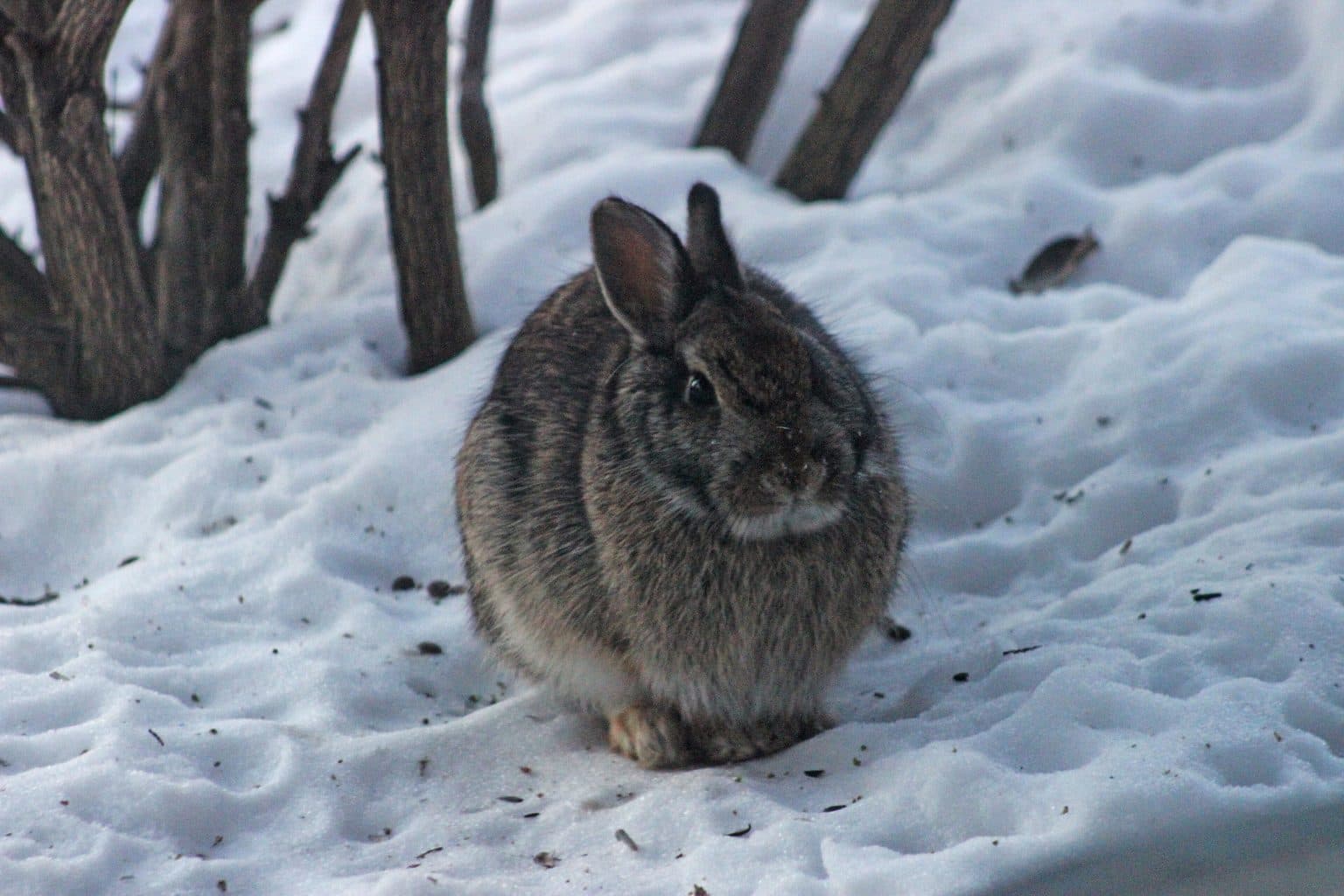
Rabbits, voles and bucks all damage thin bark over fall and winter. How to build a hardware cloth trunk guard, how tall and how deep, when stakes beat mesh, and when white tree wrap is worth it.
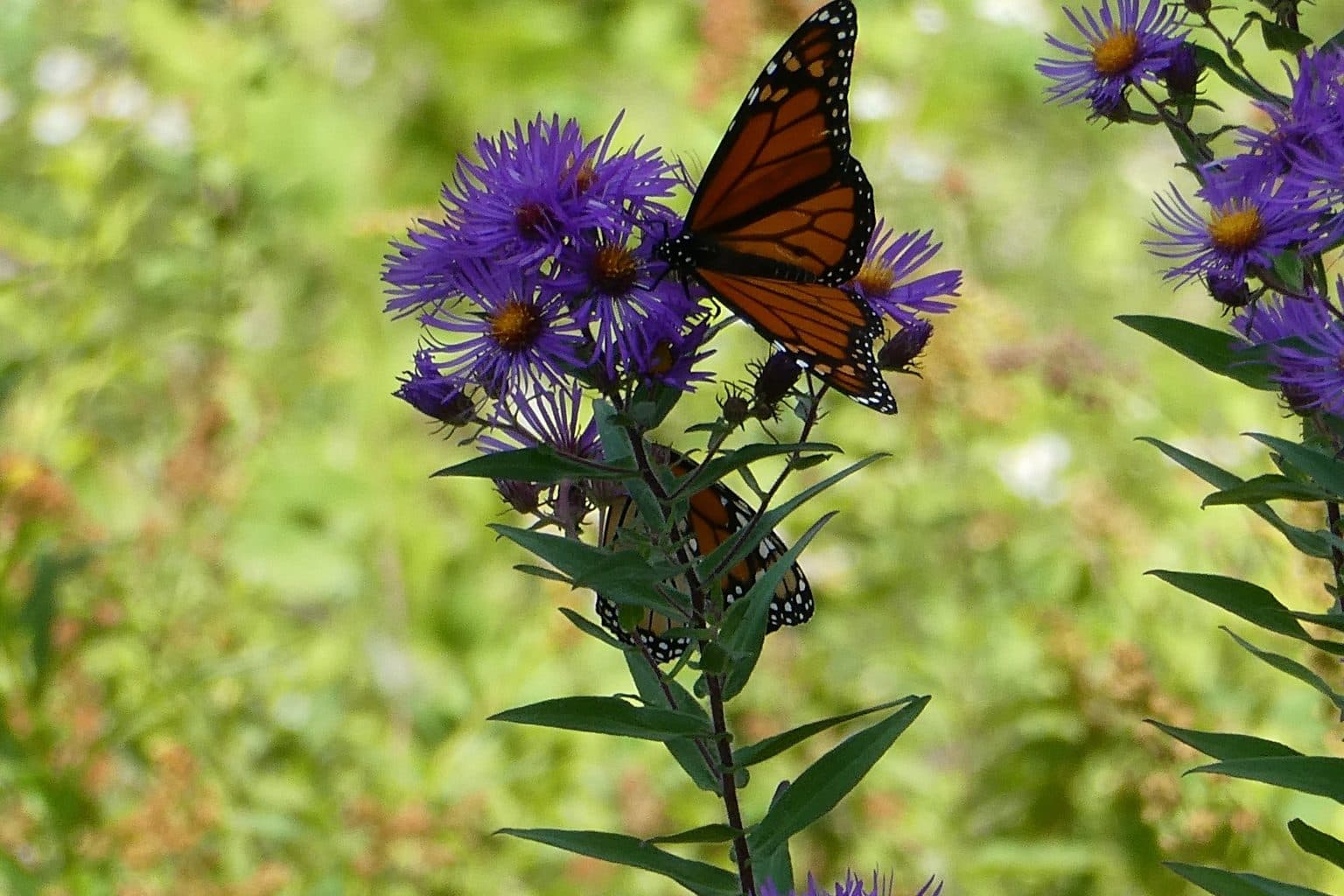
Rhode Island has no native-plant or xeriscape law and no general HOA act for single-family subdivisions. The Condominium Act and its fine caps cover condominiums only, and a 2026 bill to change that died in committee. Here is what applies to your yard.
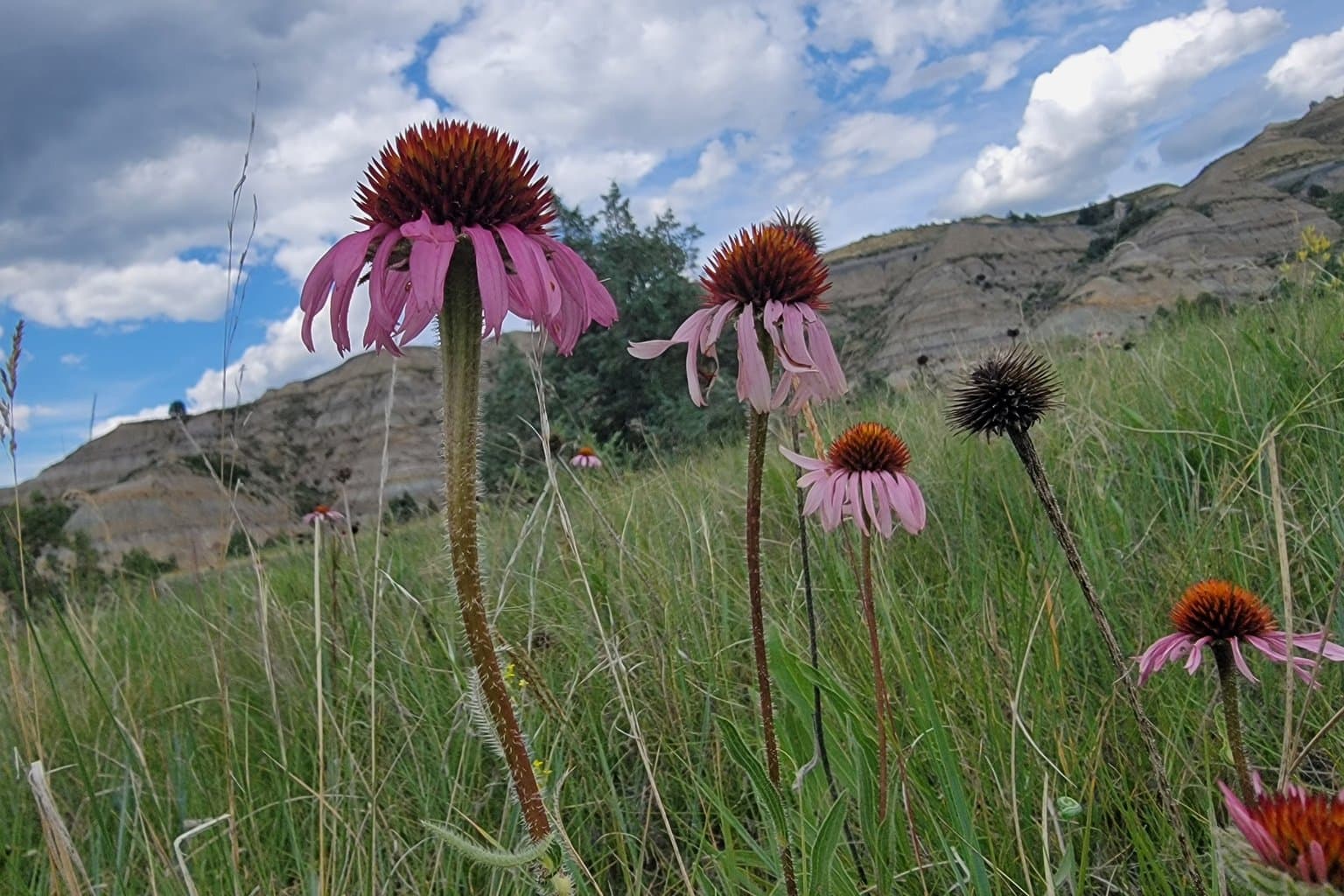
North Dakota has no native-plant or xeriscape law, no solar override, and no general HOA act for standard subdivisions. Only condominiums get a dedicated chapter. Here is what governs your yard and where you have room to push.
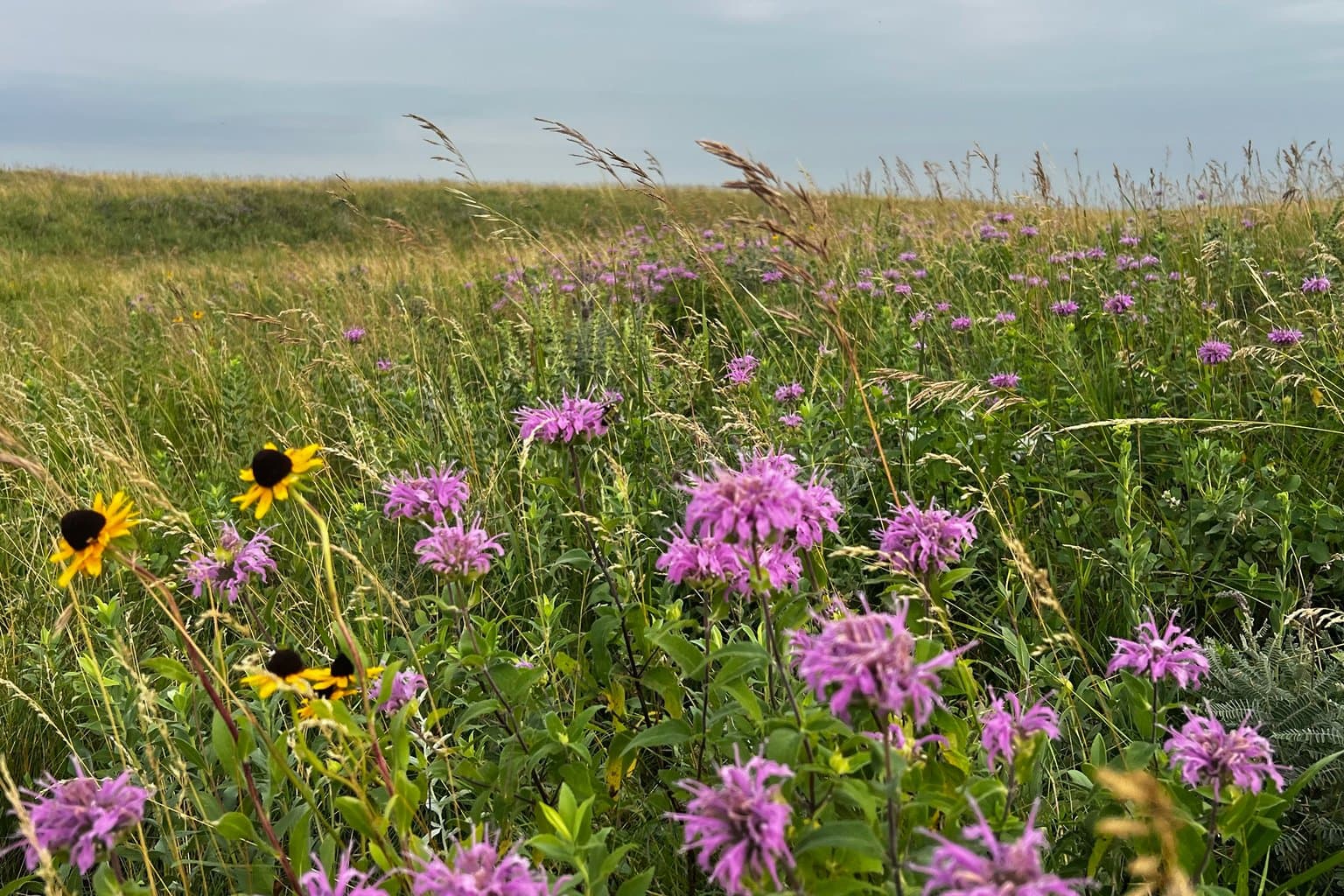
South Dakota has no native-plant or xeriscape law and no general HOA act. It does have a 1925 municipal covenant chapter with a 40-year cap, plus firearm and flag overrides. Here is what governs your yard and where you have room to work.
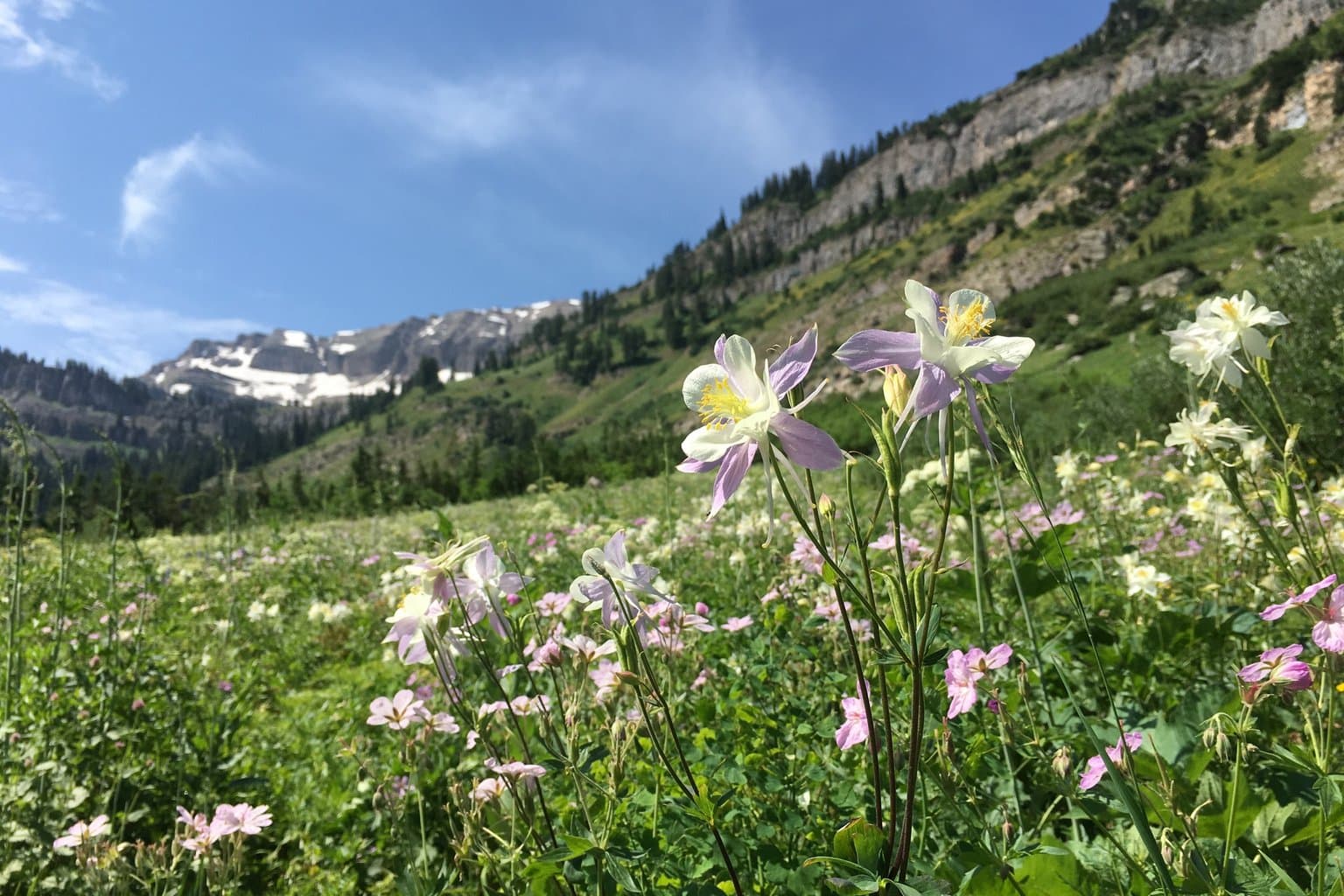
Wyoming has no native-plant or xeriscape law and no general HOA act. Its marketable title law can void an unpreserved use restriction after forty years. Here is what governs your yard and where you have room to work.
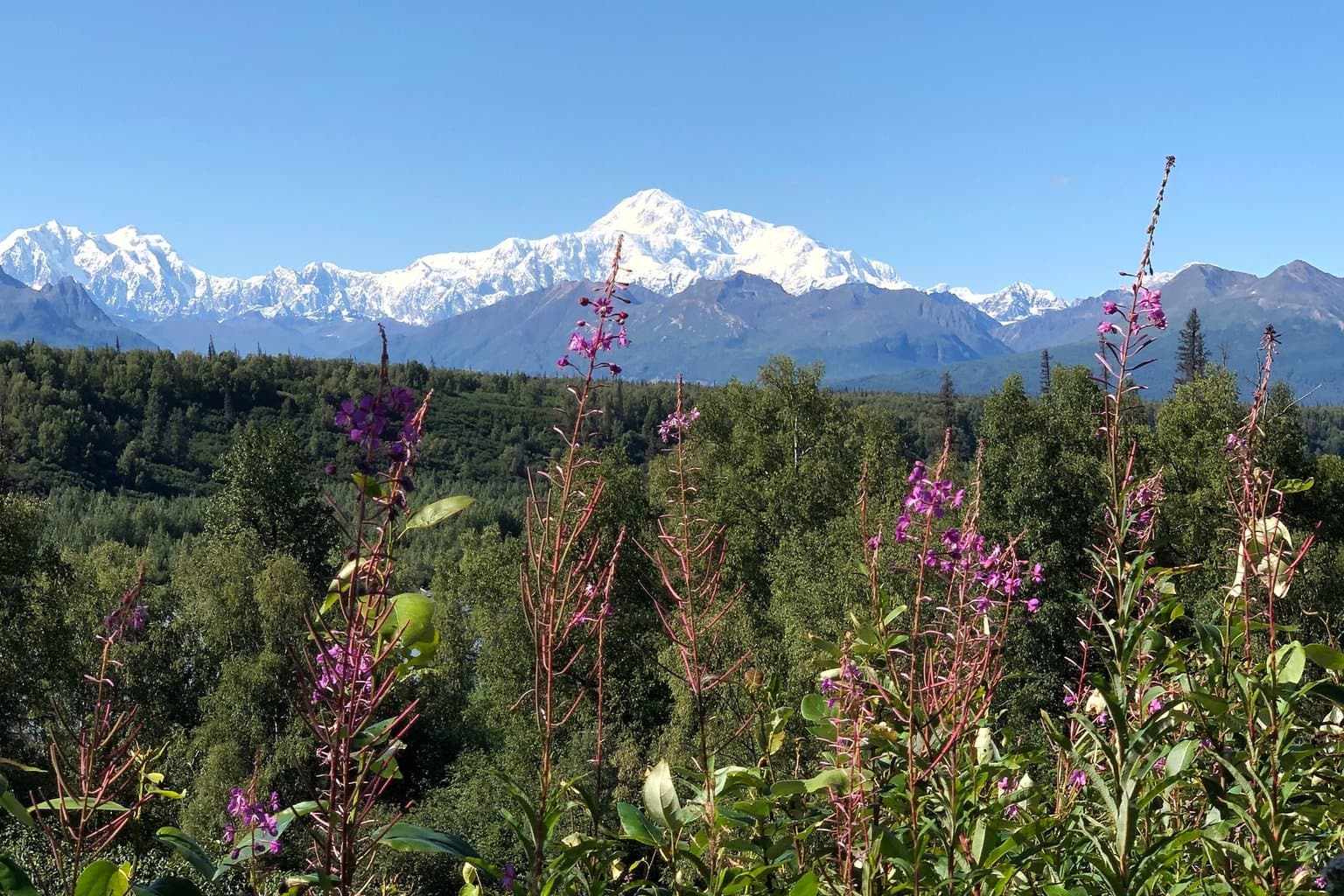
Alaska has no native-plant or landscaping law. Its Uniform Common Interest Ownership Act (AS 34.08) does require notice and an opportunity to be heard before an association can fine you. Here is what governs your yard and where you have room to work.
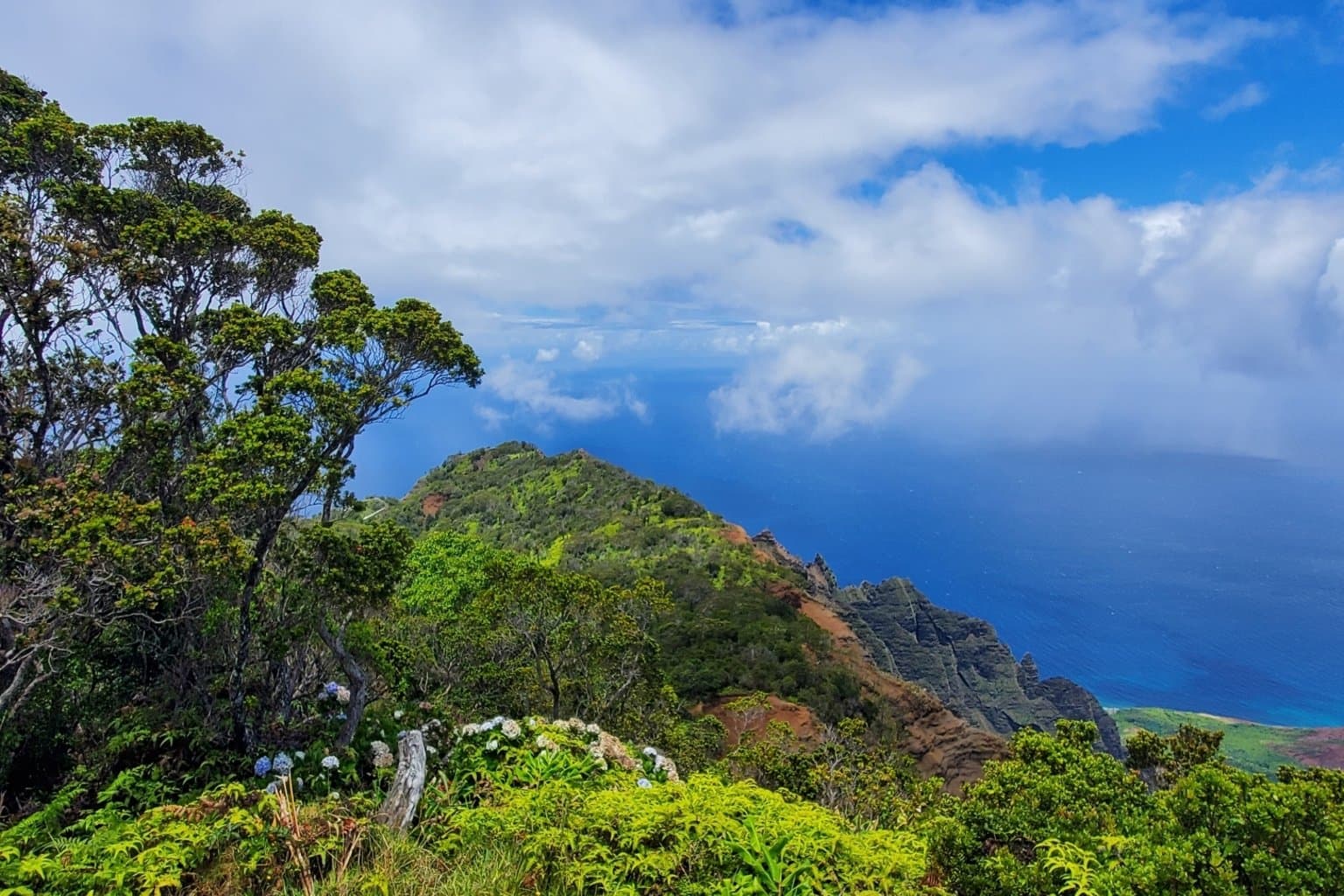
We found no Hawaii law protecting native or pollinator landscaping from an HOA. HRS 196-7 protects rooftop solar, HRS 421J-17 protects food crops in an enclosed yard, and HRS 421J-13 requires mediation on request. Here is what governs your yard.
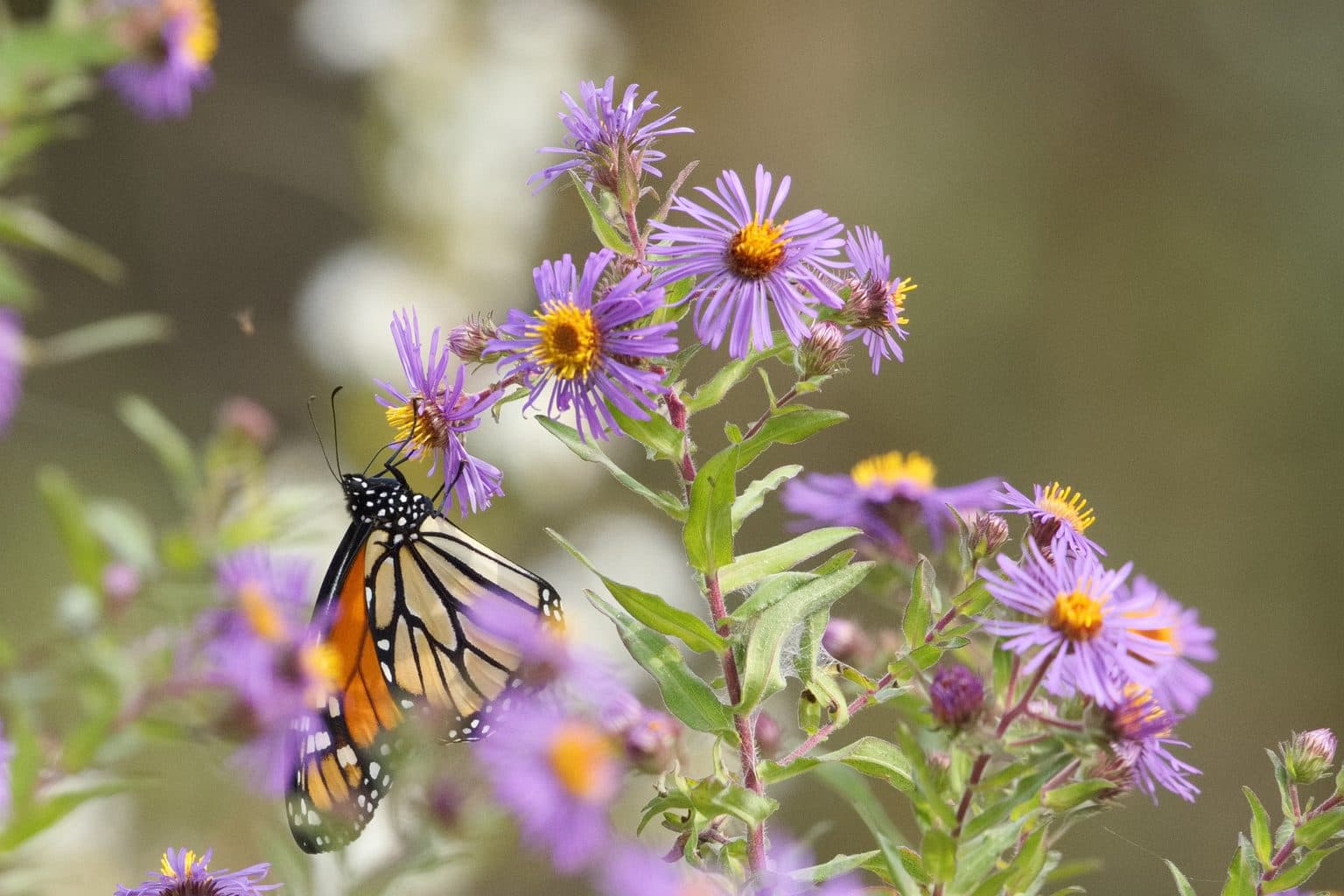
Cover vegetables, annuals and tropicals on a frost night, leave the native beds alone, and do it so the cover actually traps the soil heat. Materials, plastic, watering, pots, and when covers stop working.
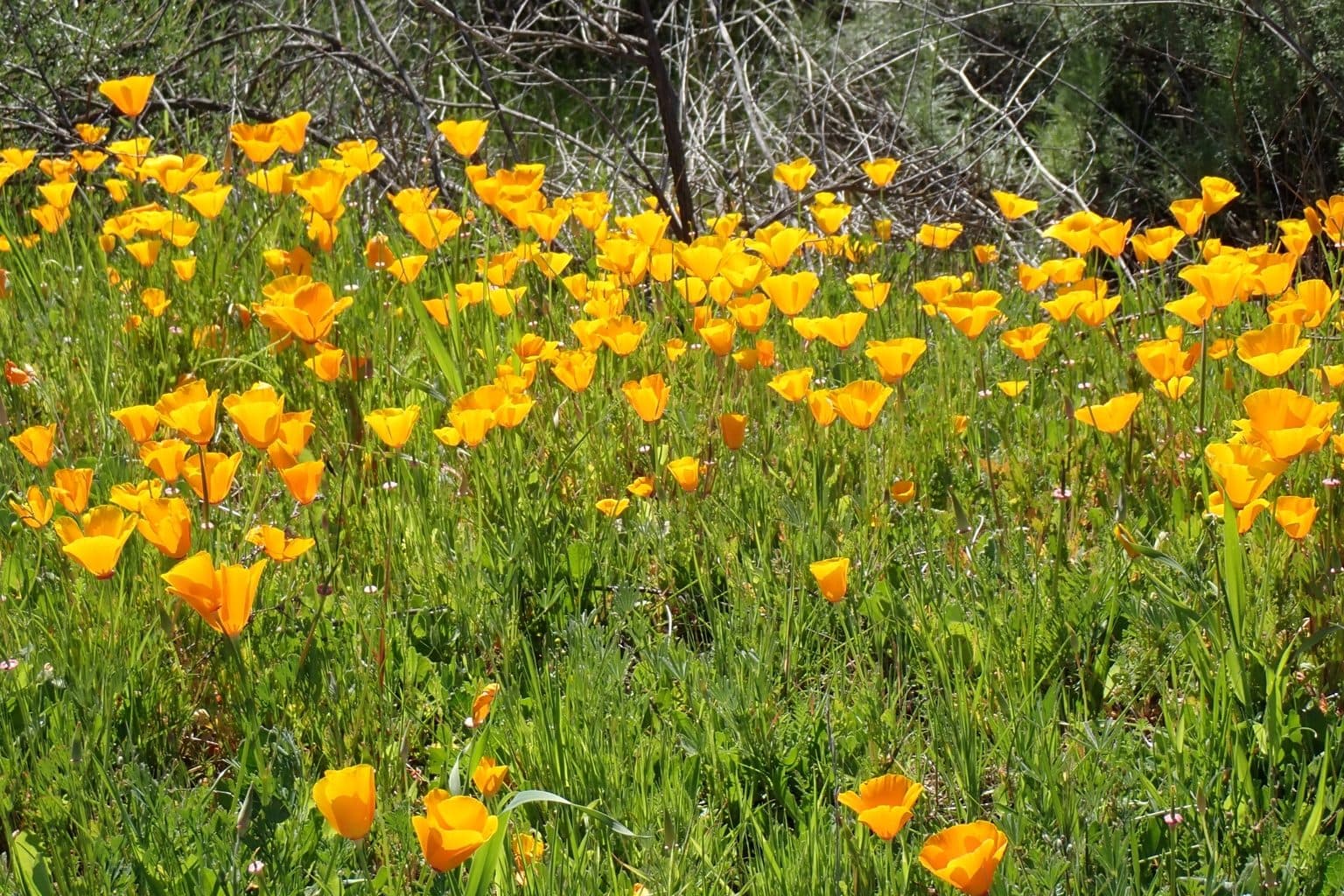
Six plants with recorded wild populations in Fresno County for a converted front yard, plus the steps for the City of Fresno Lawn to Garden rebate, now $4 per square foot while grant funds last.
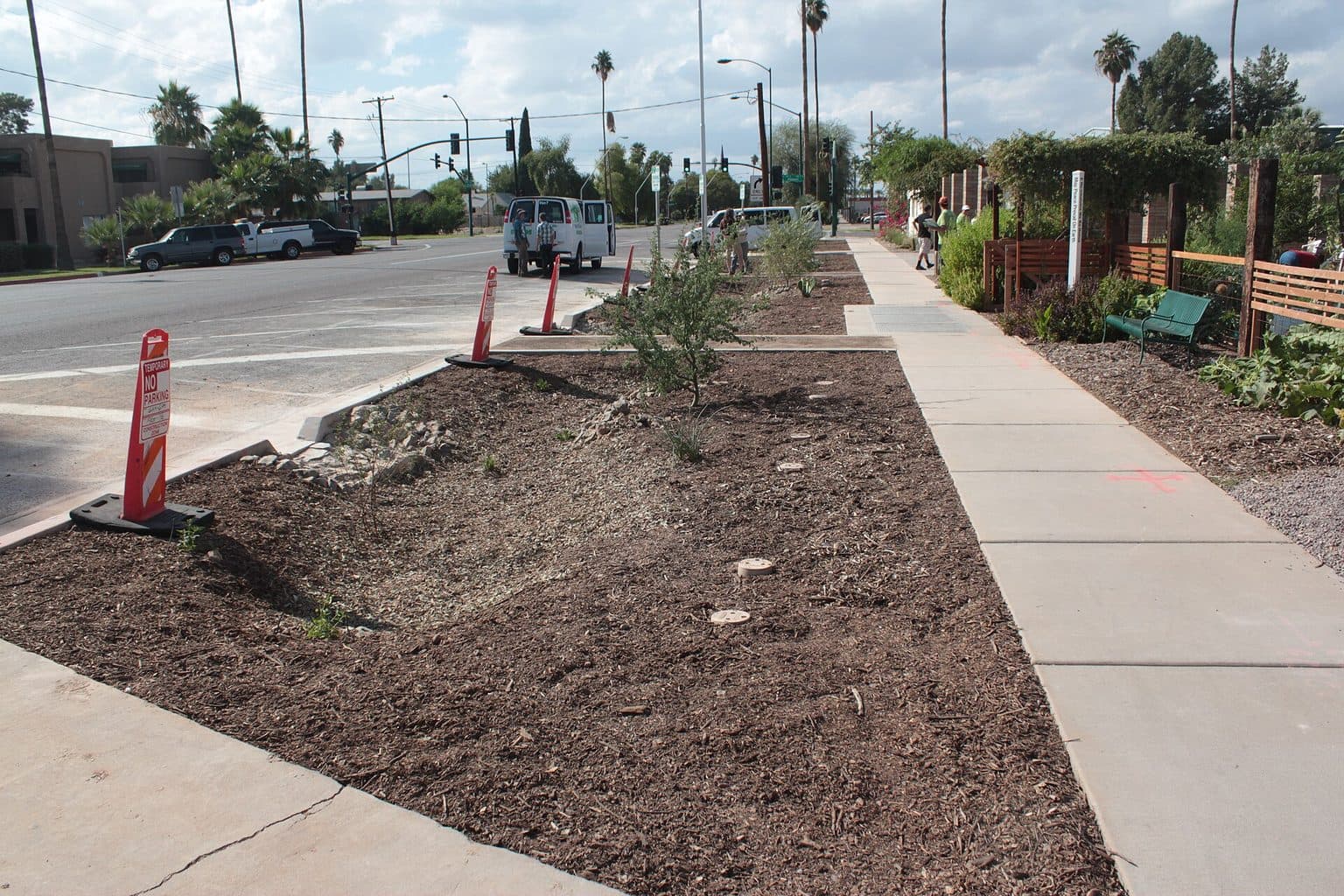
Of 458 turf replacement, native landscaping, and rain garden rebate programs in our open national directory, 421 require approval before work starts. Remove the grass first and most programs will turn you down.
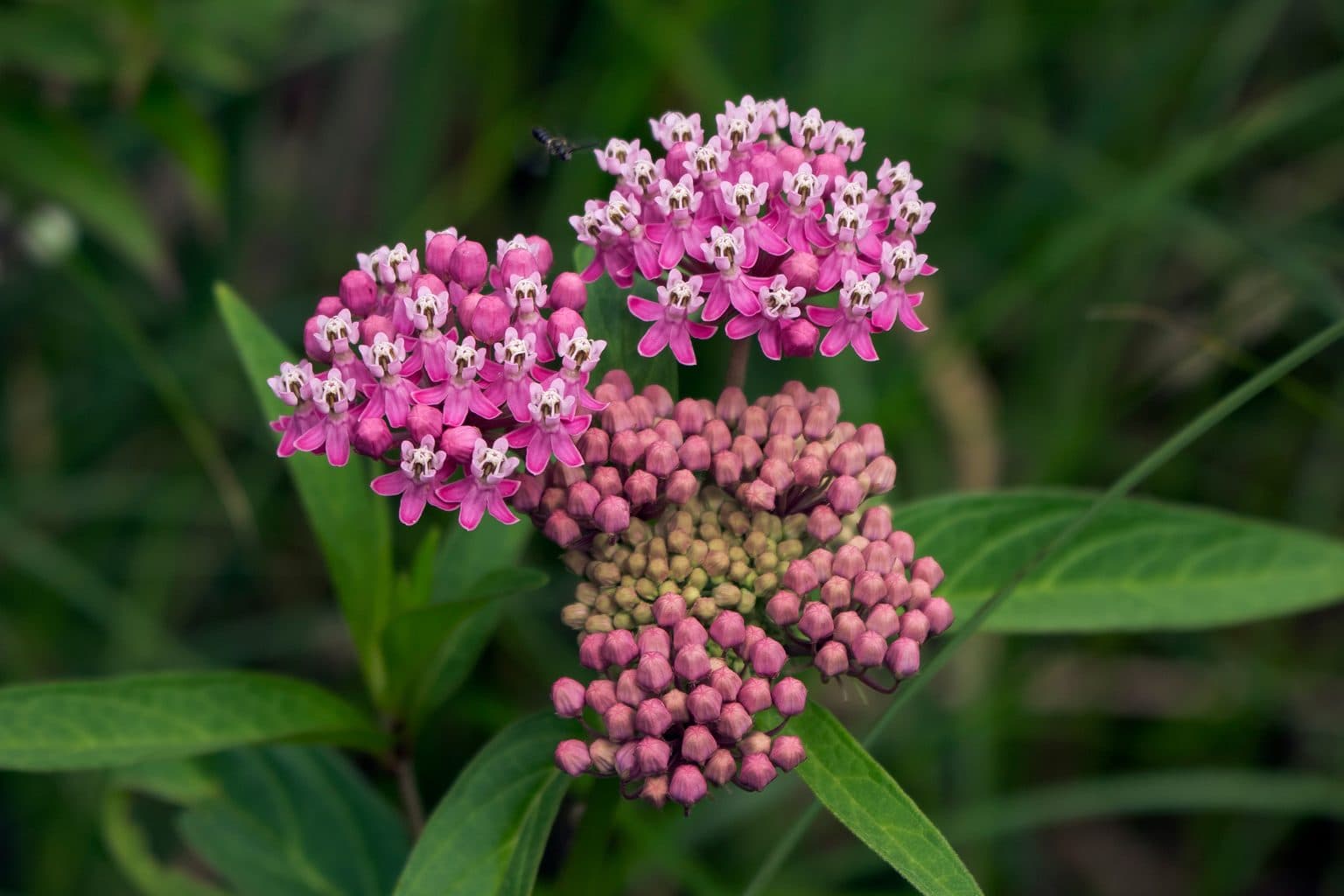
The City of Eden Prairie's Landscaping for Water Quality Rebate covers 80 percent of the cost of a residential rain garden, shoreline buffer, or pollinator garden that treats stormwater runoff, up to $2,000, with a Vegetation Management Plan Permit required before work starts.
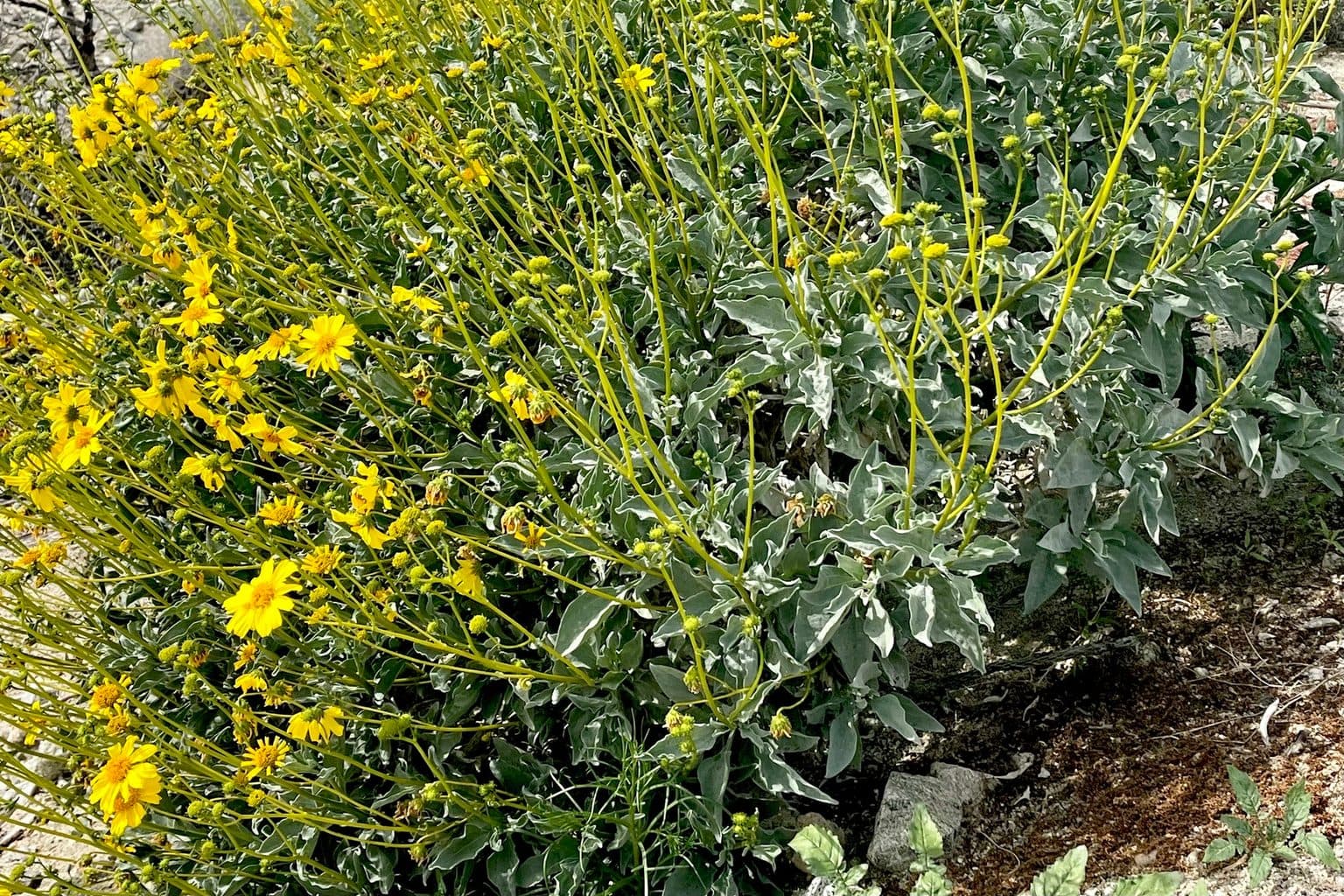
Two Coachella Valley water utilities pay residents to remove turf: the Coachella Water Authority & Sanitary District pays $3 per square foot up to $3,000, and Mission Springs Water District in Desert Hot Springs pays $2 per square foot up to $3,000. Here is how each program works and which one applies to a given address.
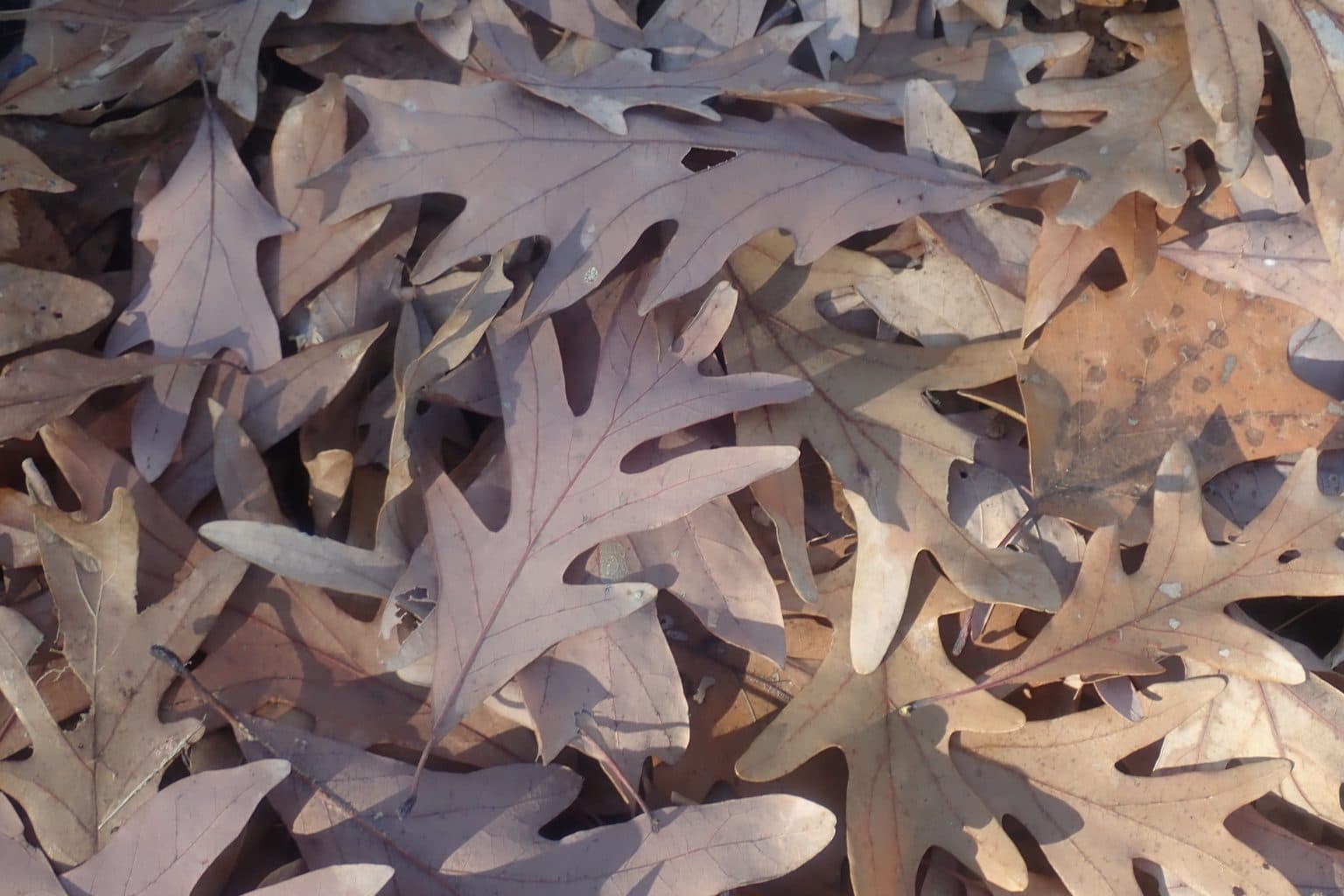
Leaves smother turfgrass but feed garden beds and shelter overwintering butterflies and moths. Where to move them, how deep, why whole leaves beat shredded ones, and when to clean up.
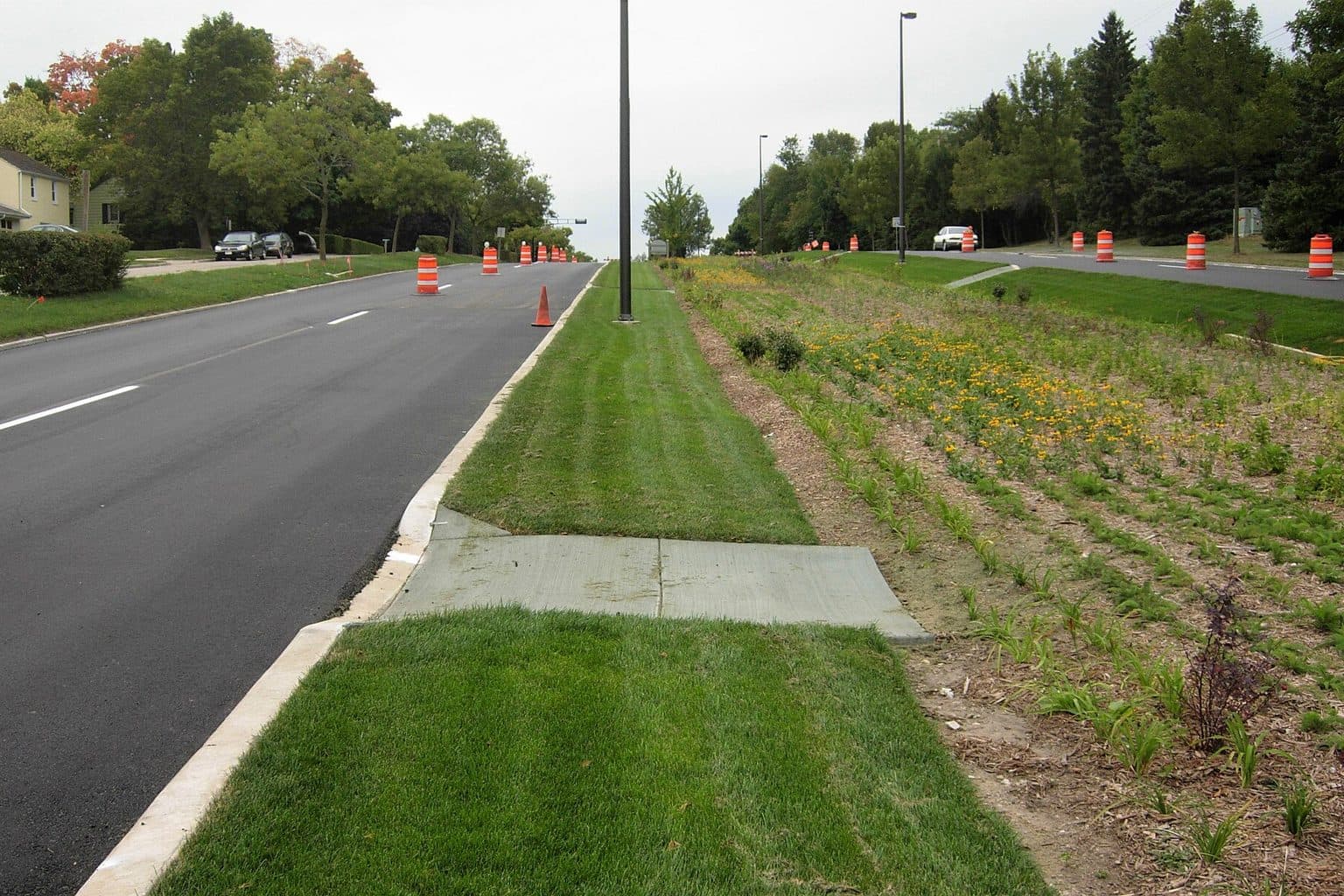
The cues-to-care research that native plant advocates cite says to keep a tidy frame, and names a mowed border as the first cue. Why all-or-nothing lawn removal is what gets yards reported.
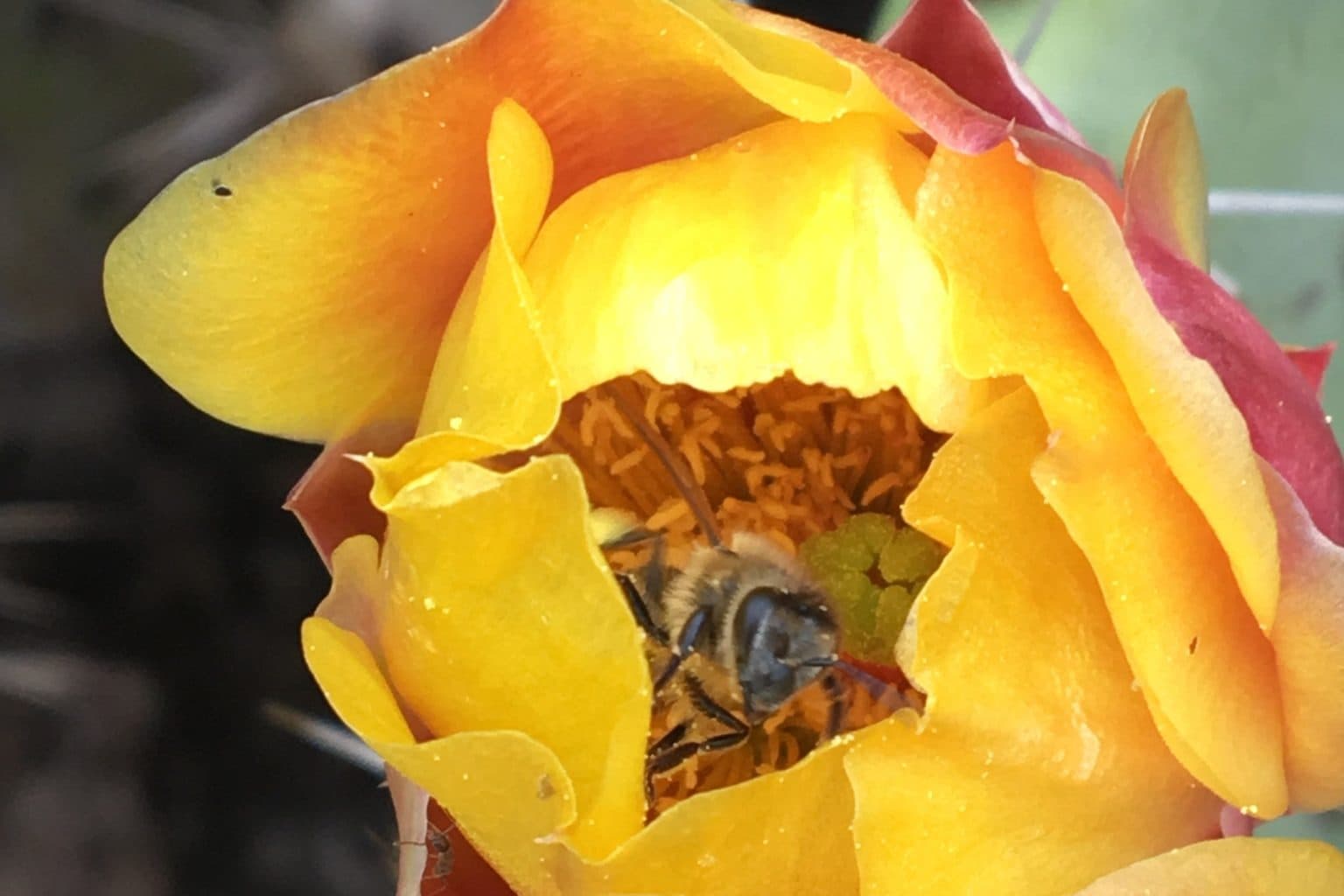
Honey bees were introduced in 1622 and are managed livestock. The United States has more than 4,000 native bee species, and those are the ones in decline. What the competition research actually shows.
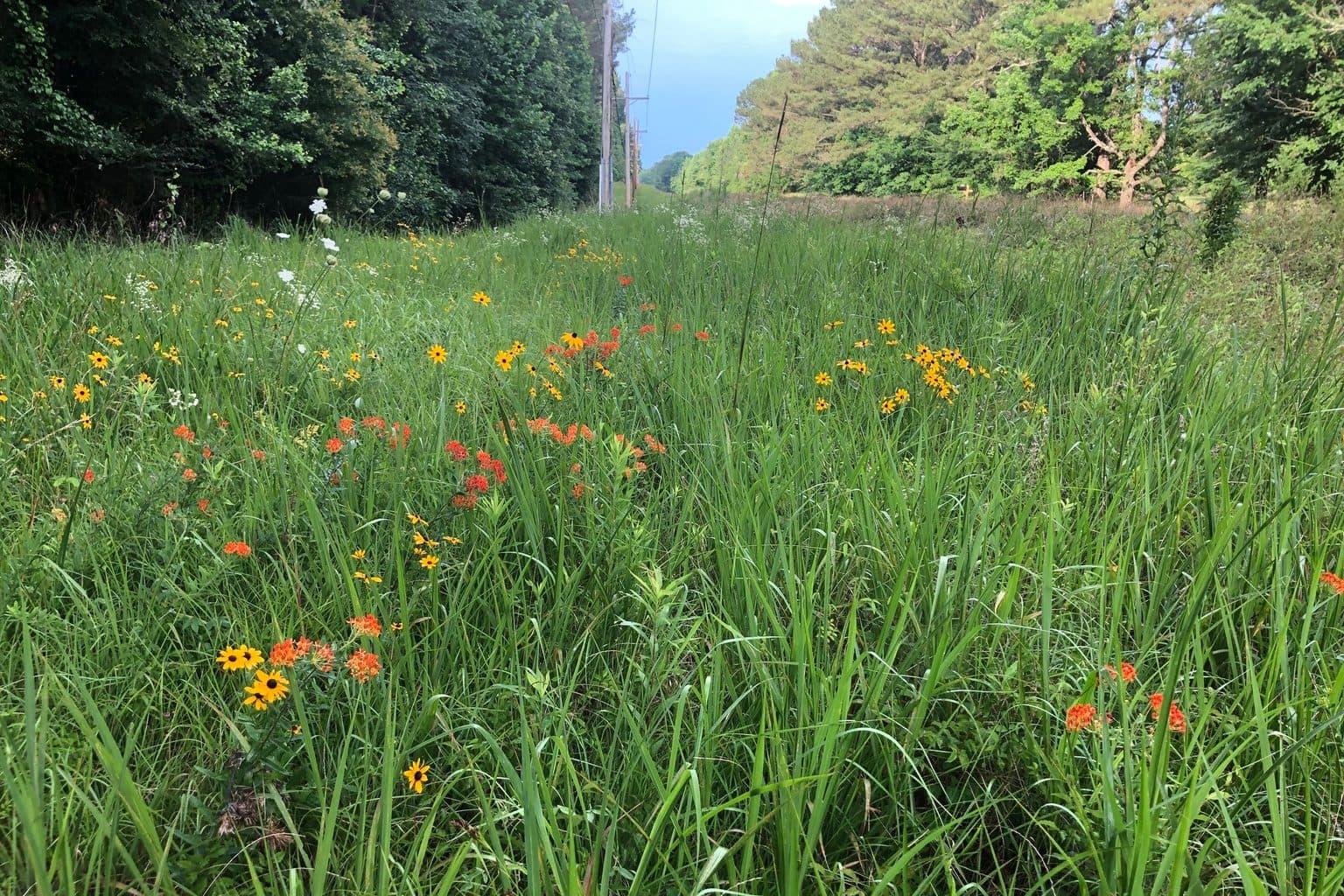
Colorado State Extension says native species are not drought-tolerant until established. Real establishment watering schedules, the two years of weeding nobody mentions, and what the payoff actually is.
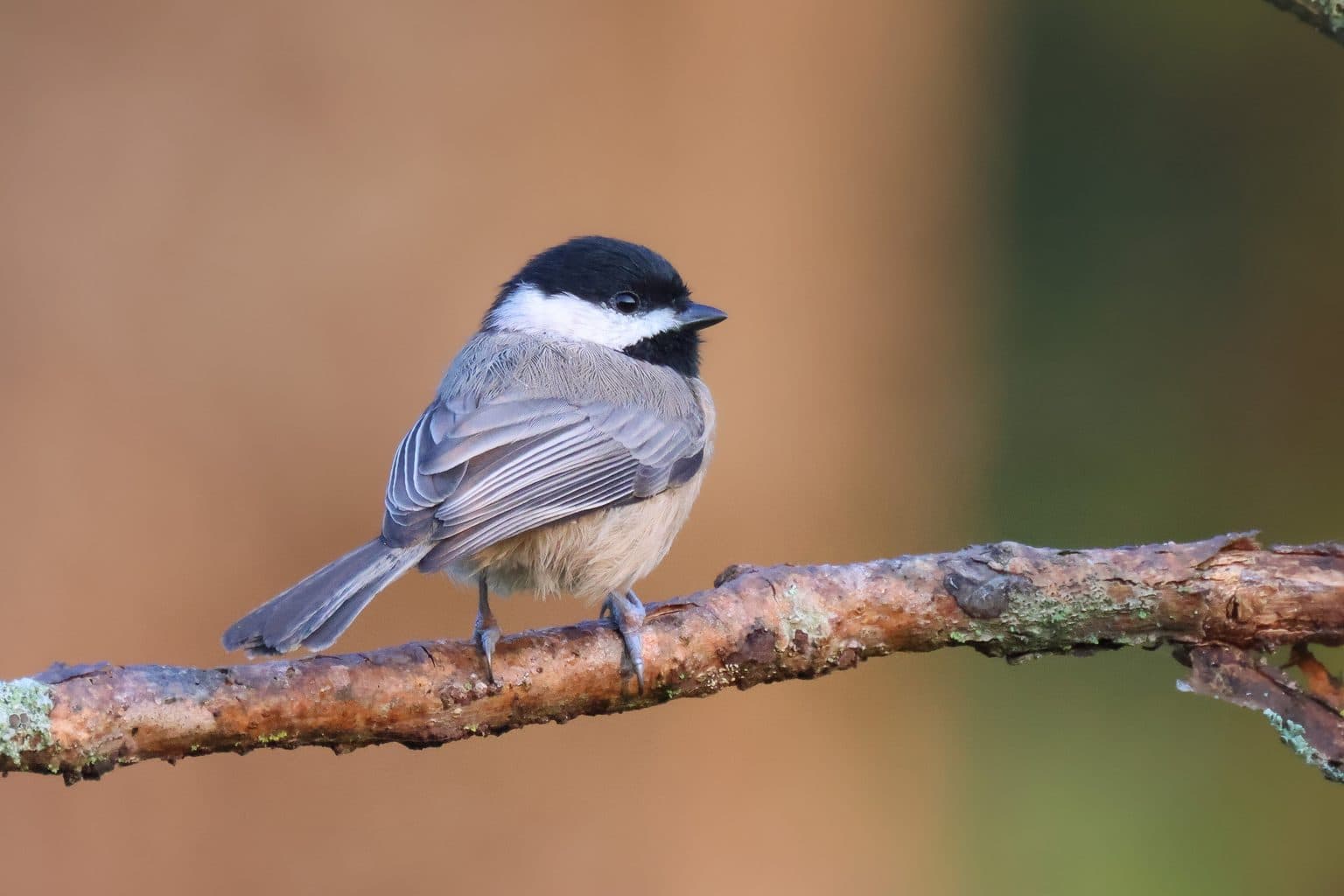
The 70 percent native figure comes from a study of Carolina chickadees measuring woody plant biomass, not plant count. Which means your trees matter far more than the hydrangea you were told to remove.
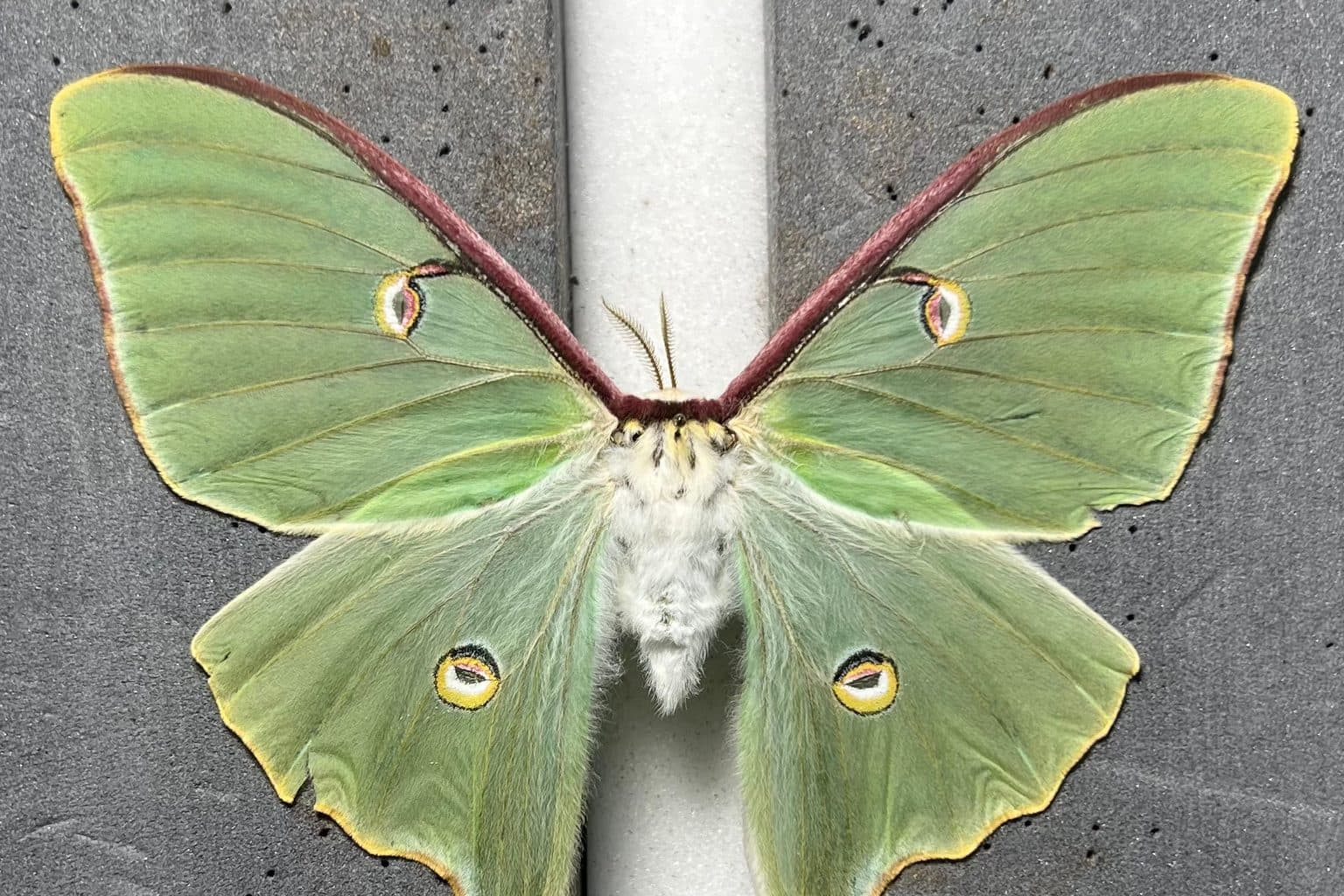
The ecology is sound. The instruction ships without a depth or a location, so people blanket their turf and quit. Real numbers from Iowa State, Michigan State and Purdue, plus why the 50-degree rule is folklore.
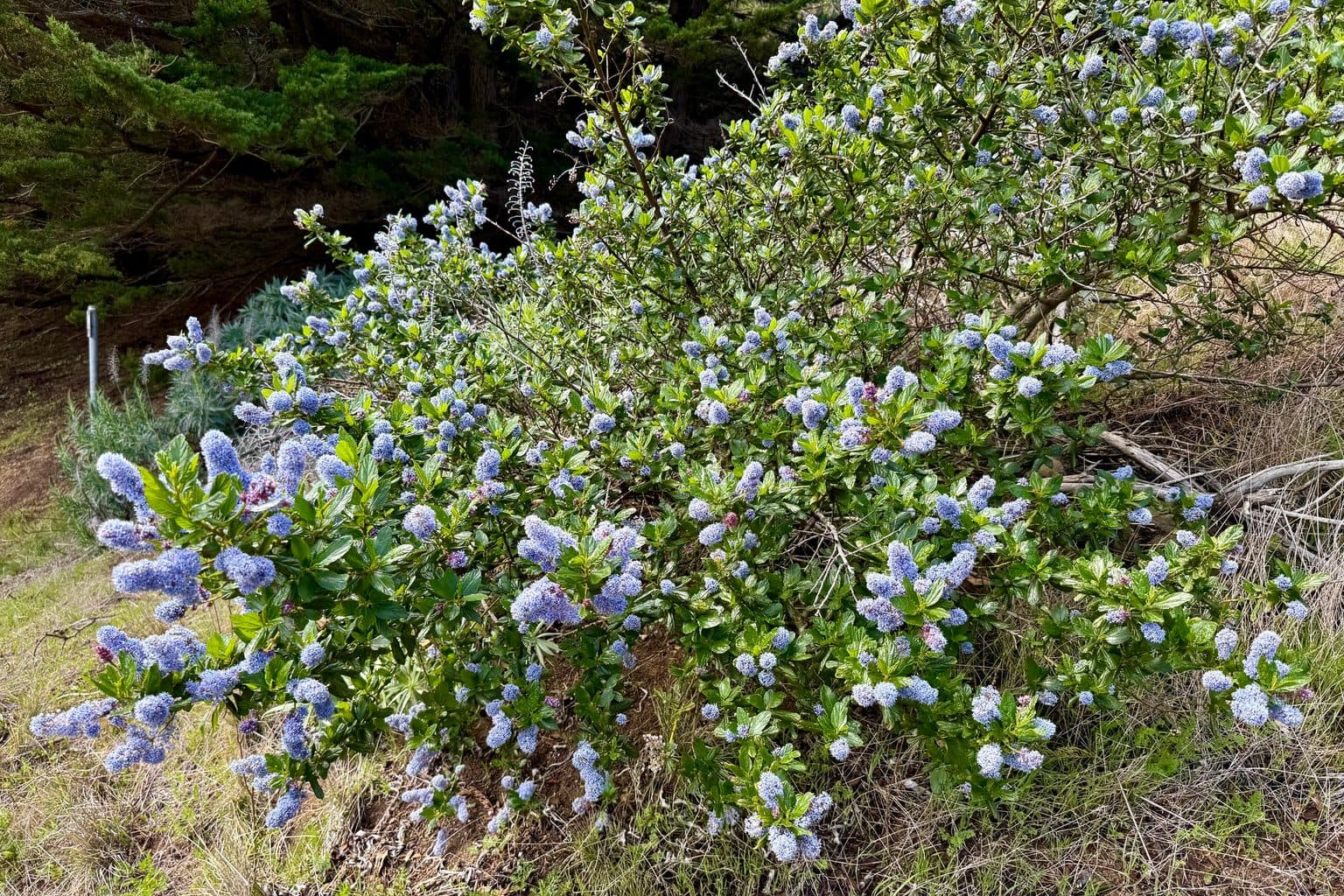
No. Ceanothus, sold as California lilac or wild lilac, is not on the ASPCA toxic plant list for dogs, cats, or horses, and neither is any other species in the genus. How to tell it from the blue-flowered shrubs that are on the list, and which Bay Area natives to plant next to it.
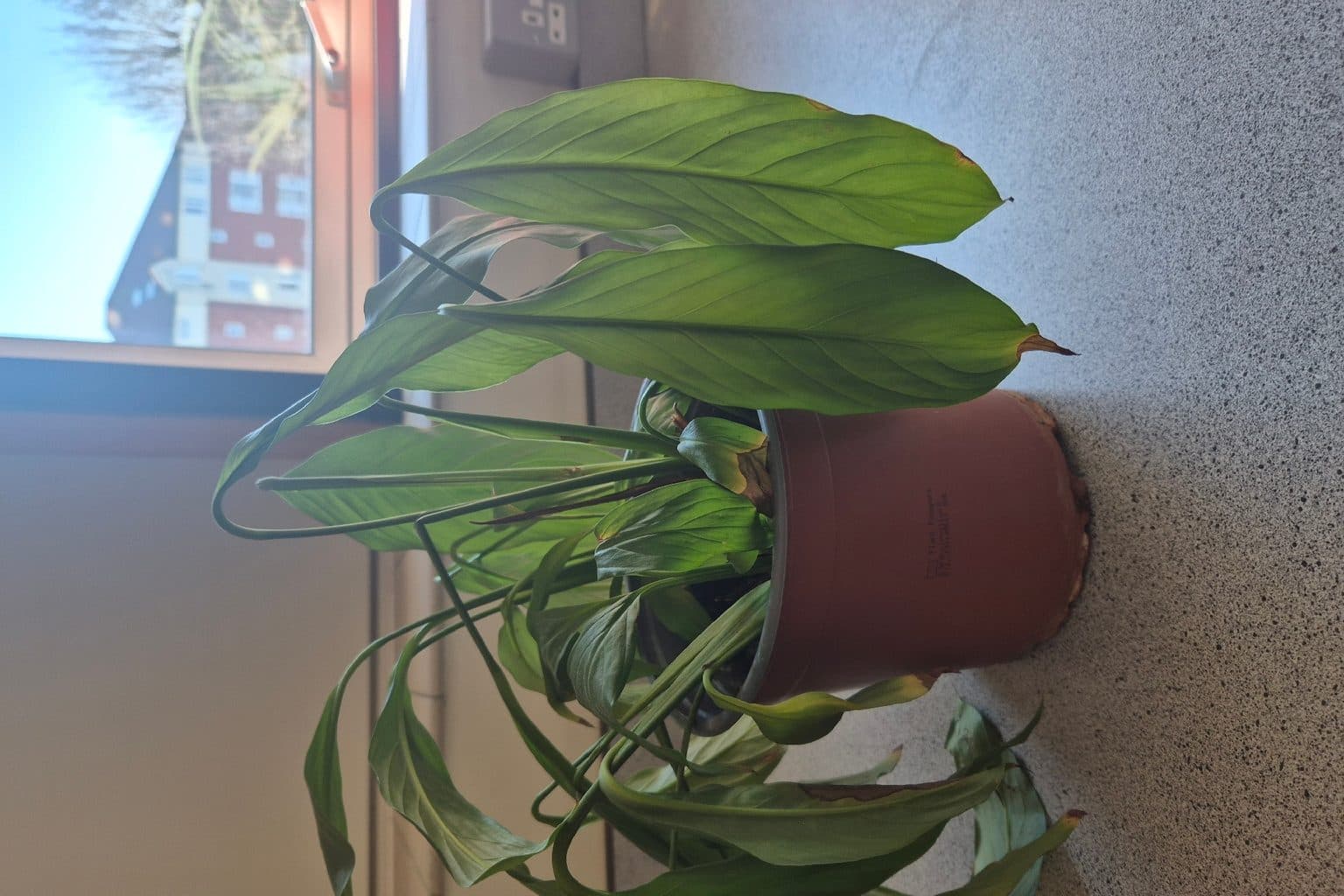
A potted plant that wilts in wet soil is drowning. One that wilts a day after watering is usually root bound, with water running past the root ball. The three-minute pot check, four ranked causes with the extension guidance behind each, and what to do for each one.
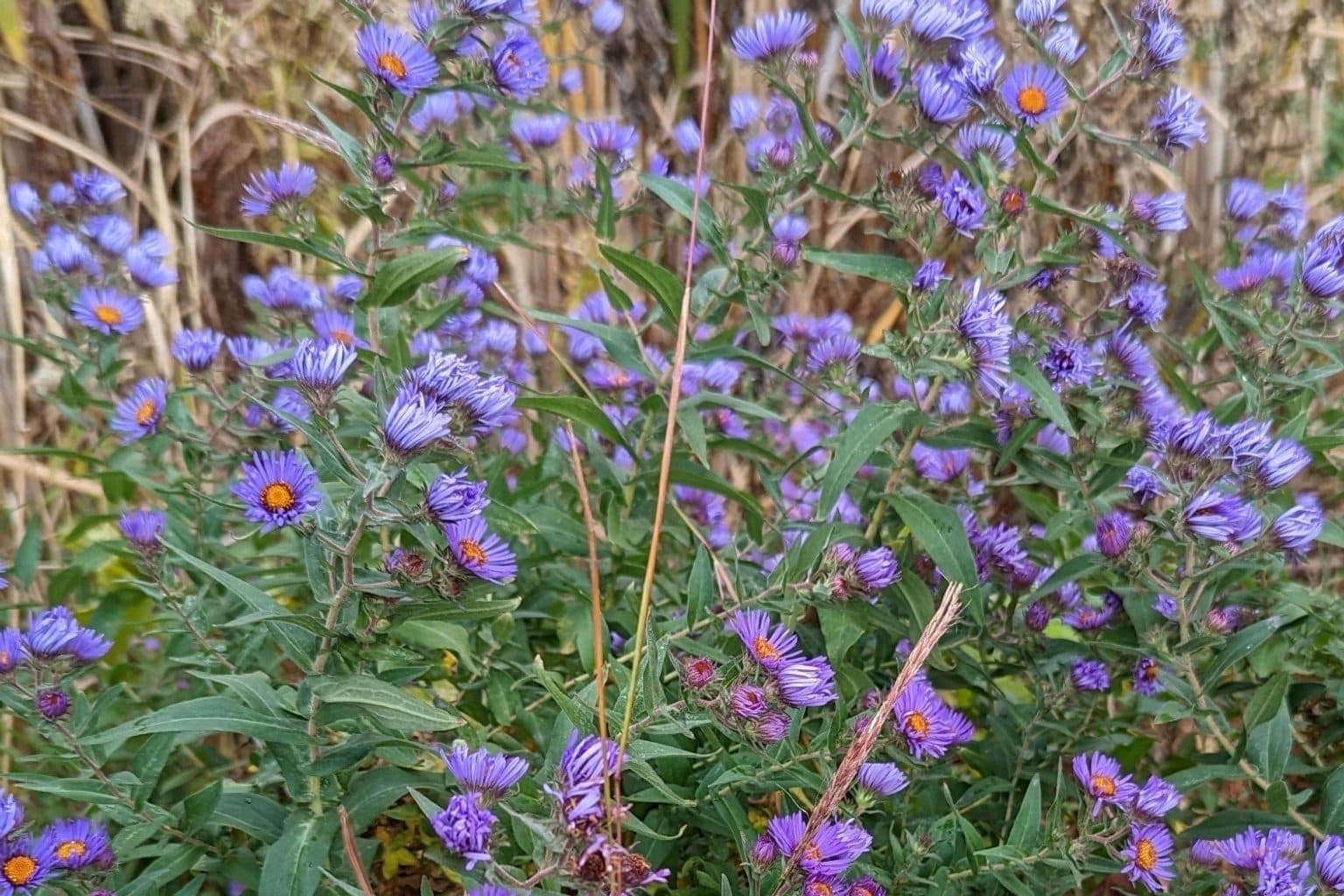
Chrysanthemums have been cultivated for more than three thousand years, yet Iowa State Extension says most florist mums will not survive an Iowa winter planted outdoors. Where mums came from, why people buy them every fall, and six native asters to plant instead, one for each region of the country.
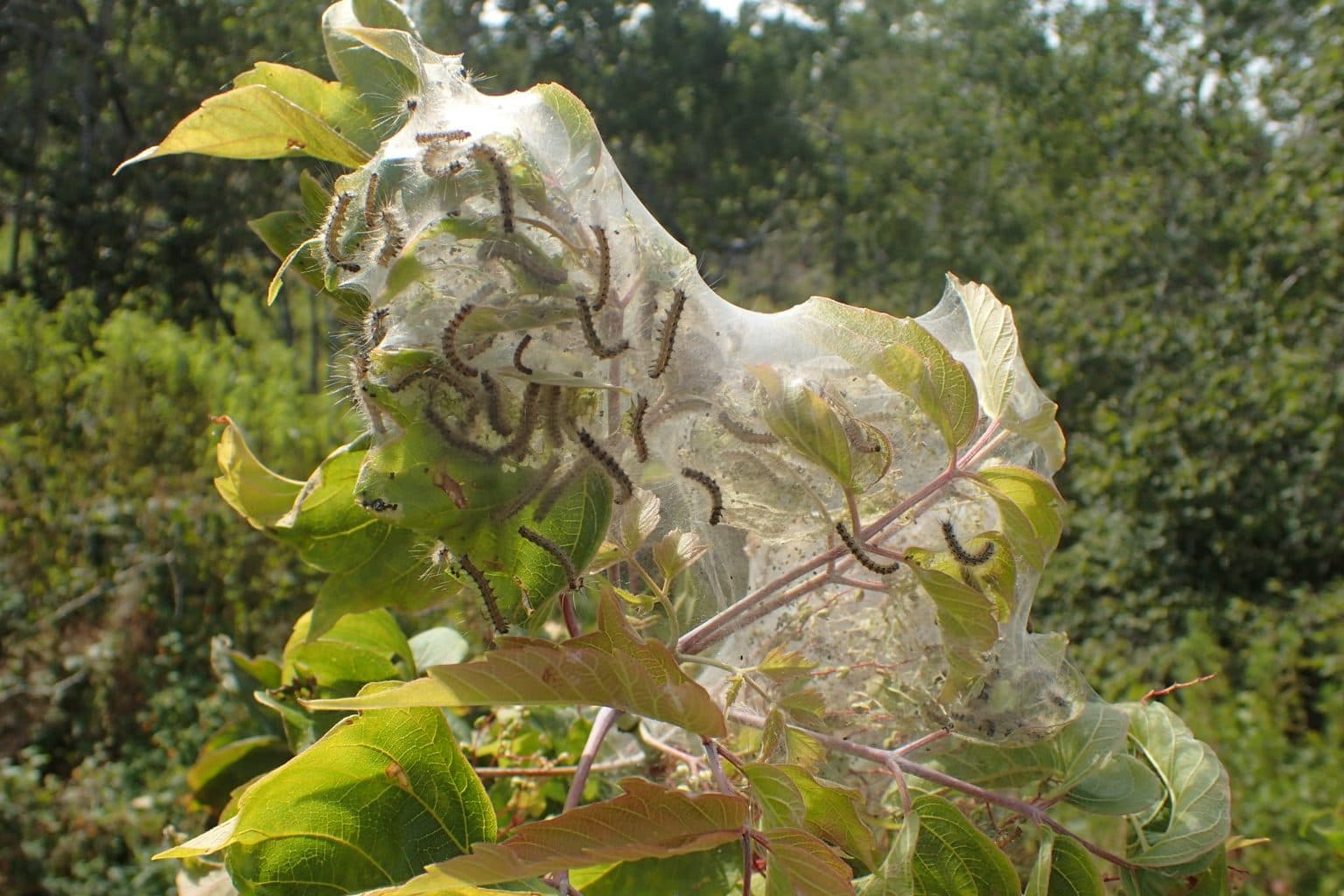
Silk webs at the tips of tree branches in late summer are almost always fall webworm, a native caterpillar. How to tell it from tent caterpillar, whether it hurts the tree, and what to do.
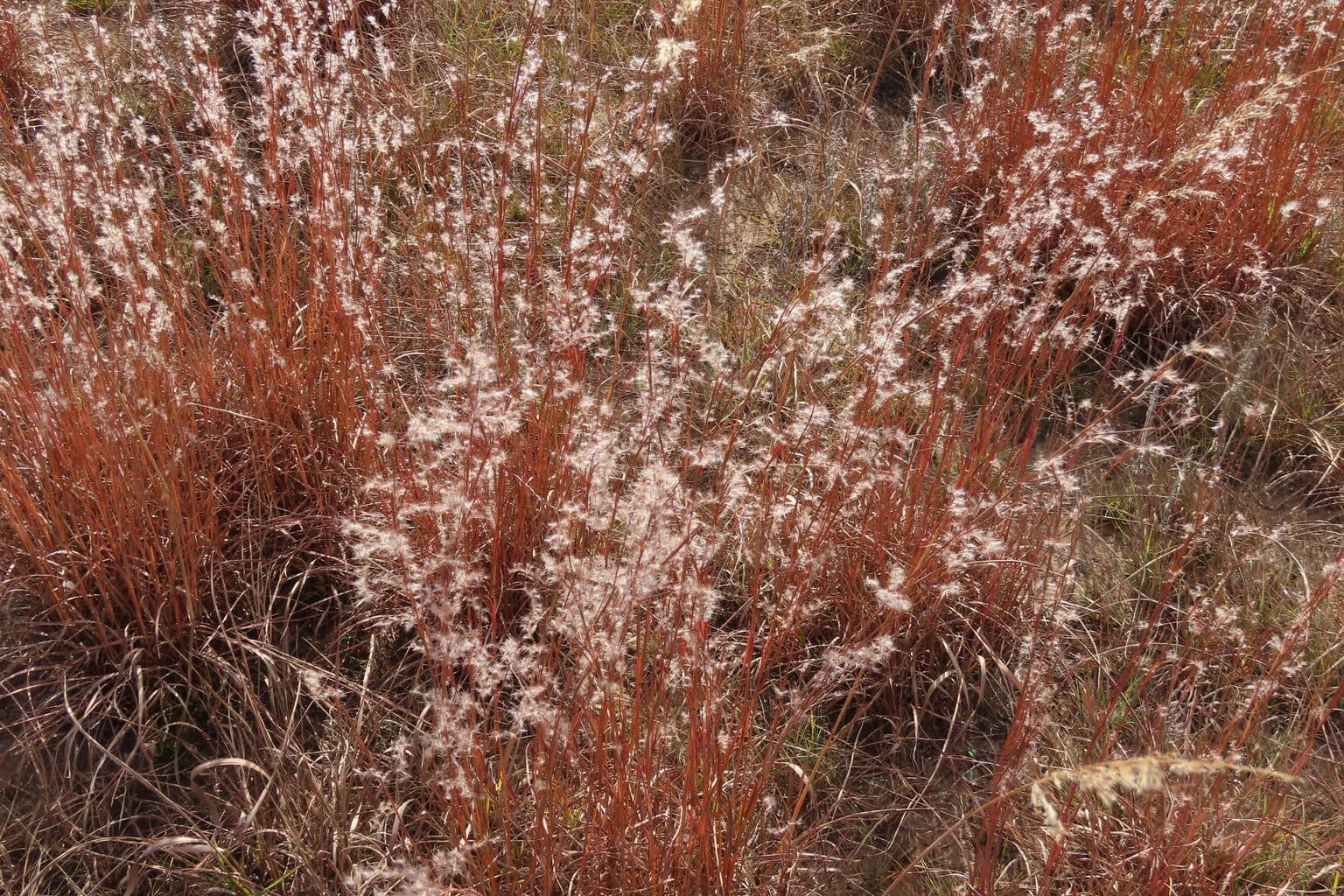
Denver's normal first freeze is October 11, but one year in ten it lands by September 27. A fall checklist built on your own date, not the state's.
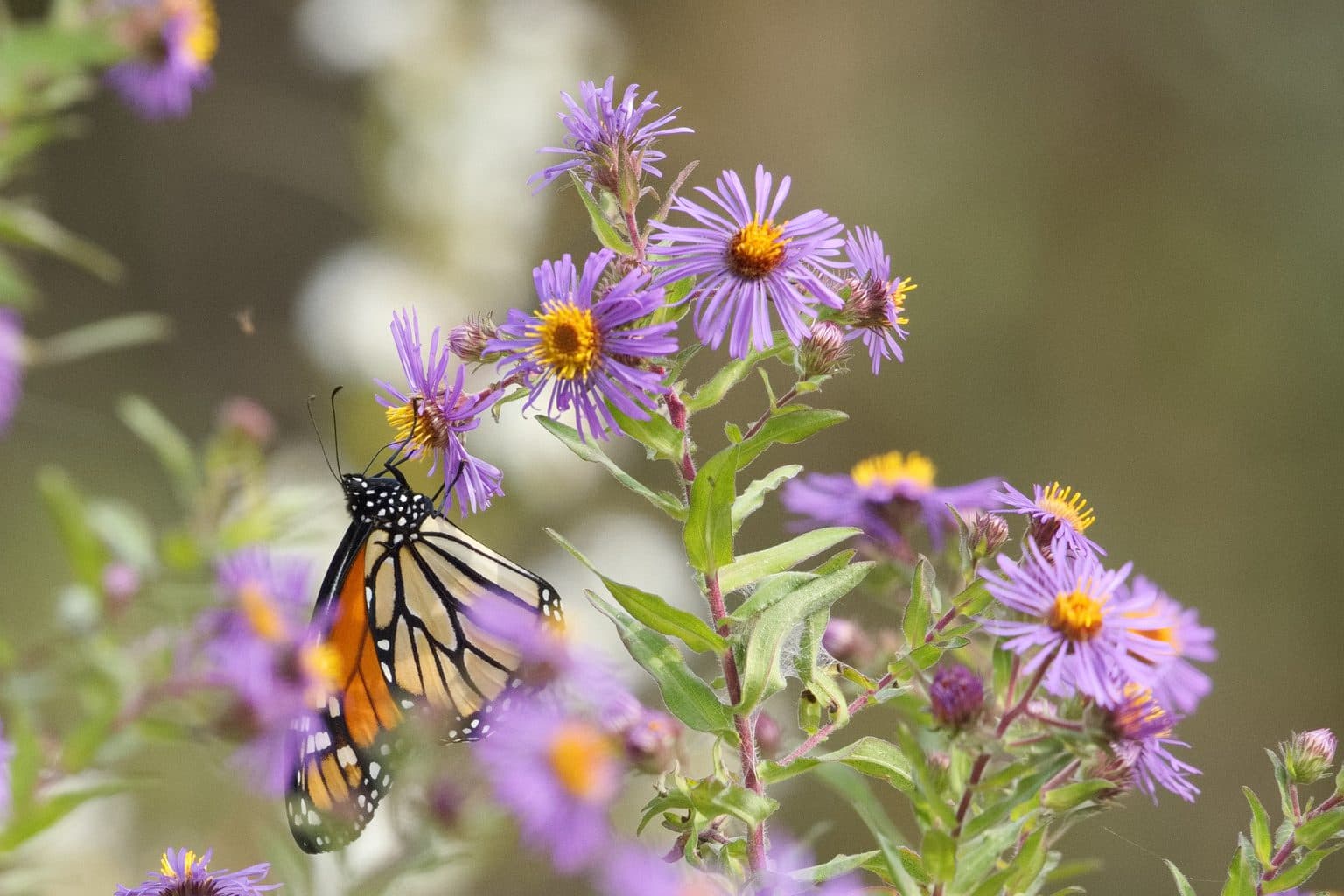
Watering stops when the air cools, weeks before the soil does. Here is the fall watering rule that works in every state, how deep a soak has to go, and why evergreens are the plants that pay for a dry September.
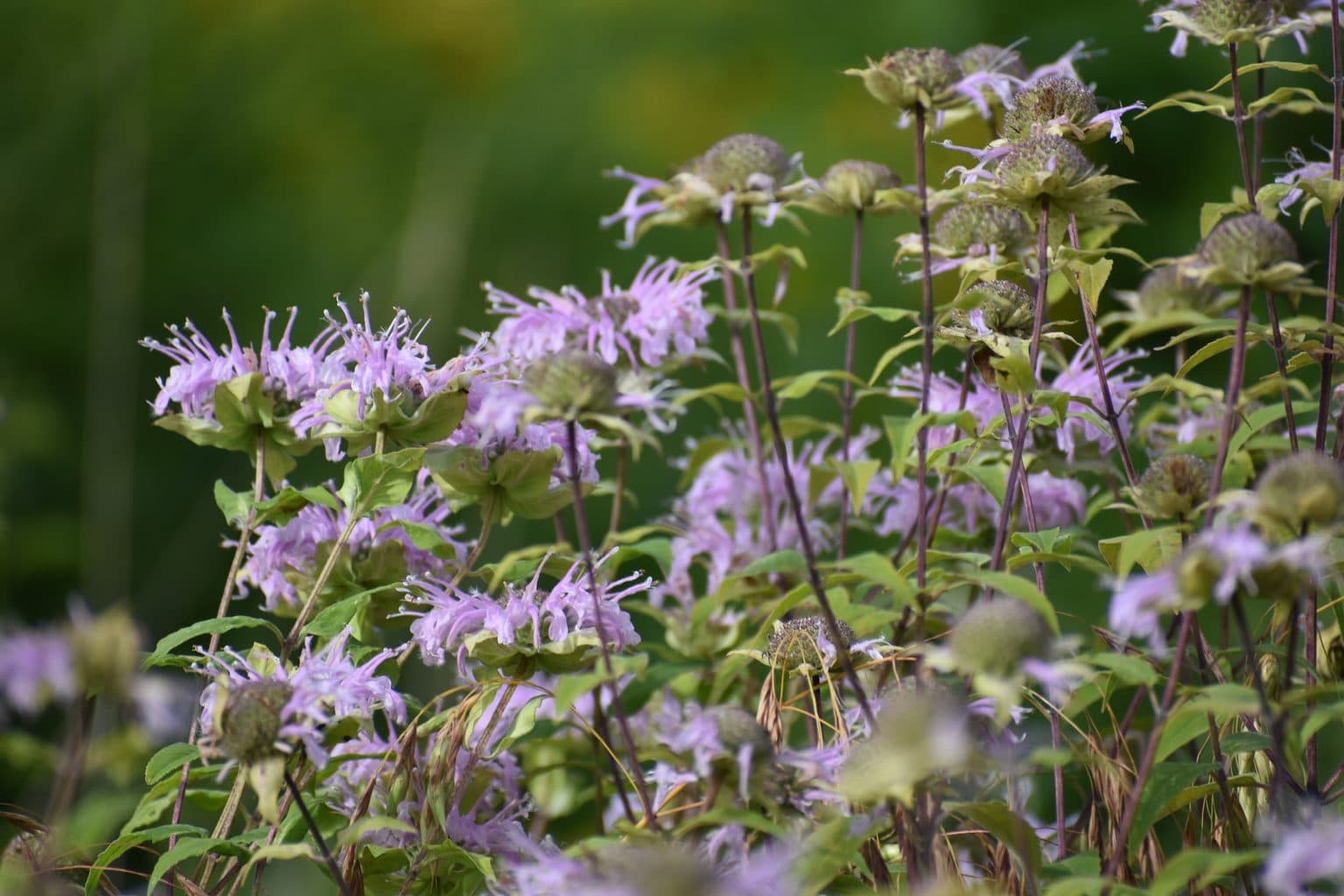
Divide spring and summer bloomers at least four to six weeks before your ground freezes, not on a fixed date. Here are the three signs a clump is ready, how to split it, and the taprooted natives that should never be dug.
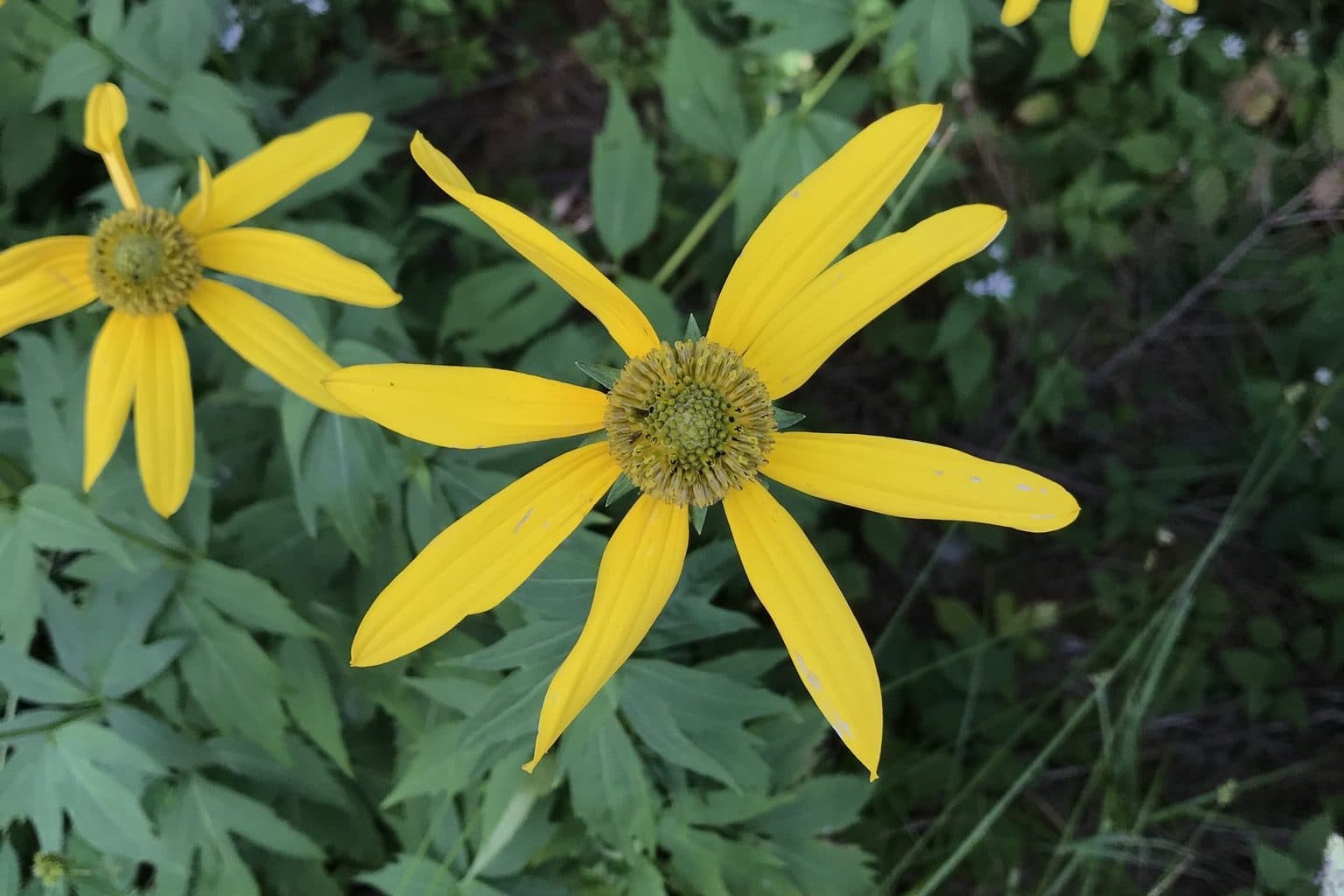
Vermont has no native-plant or xeriscape law. Before asking what the Common Interest Ownership Act requires of your association, ask whether it reaches your association at all: most of 27A V.S.A. applies only to communities of 12 or more units created after January 1, 1999.
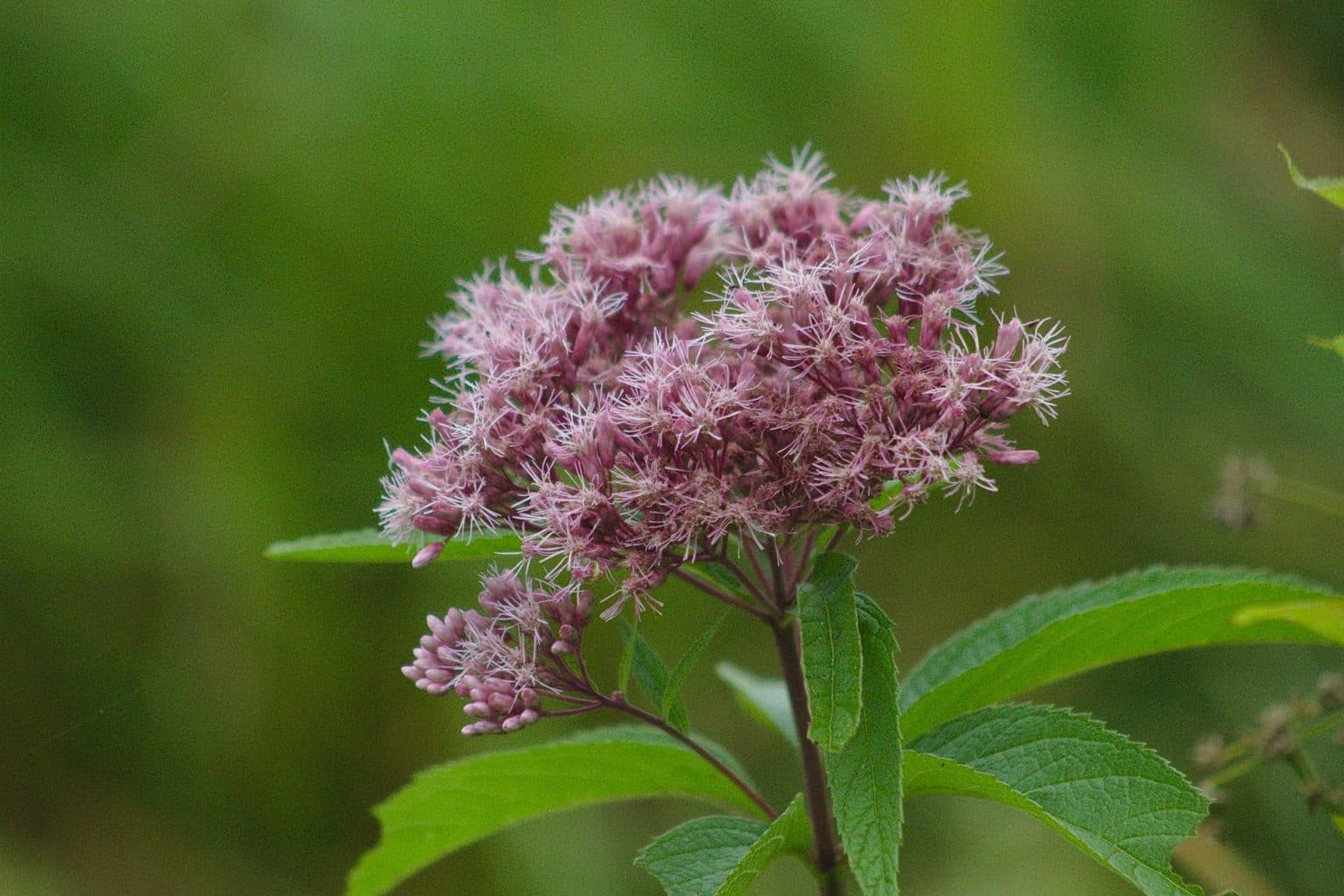
New Hampshire has no native-plant or xeriscape law, and no general HOA statute for standard subdivisions. Two fabricated citations circulate online. Here is what actually governs a landscaping dispute: your recorded declaration, RSA 292, and for condominiums RSA 356-B.
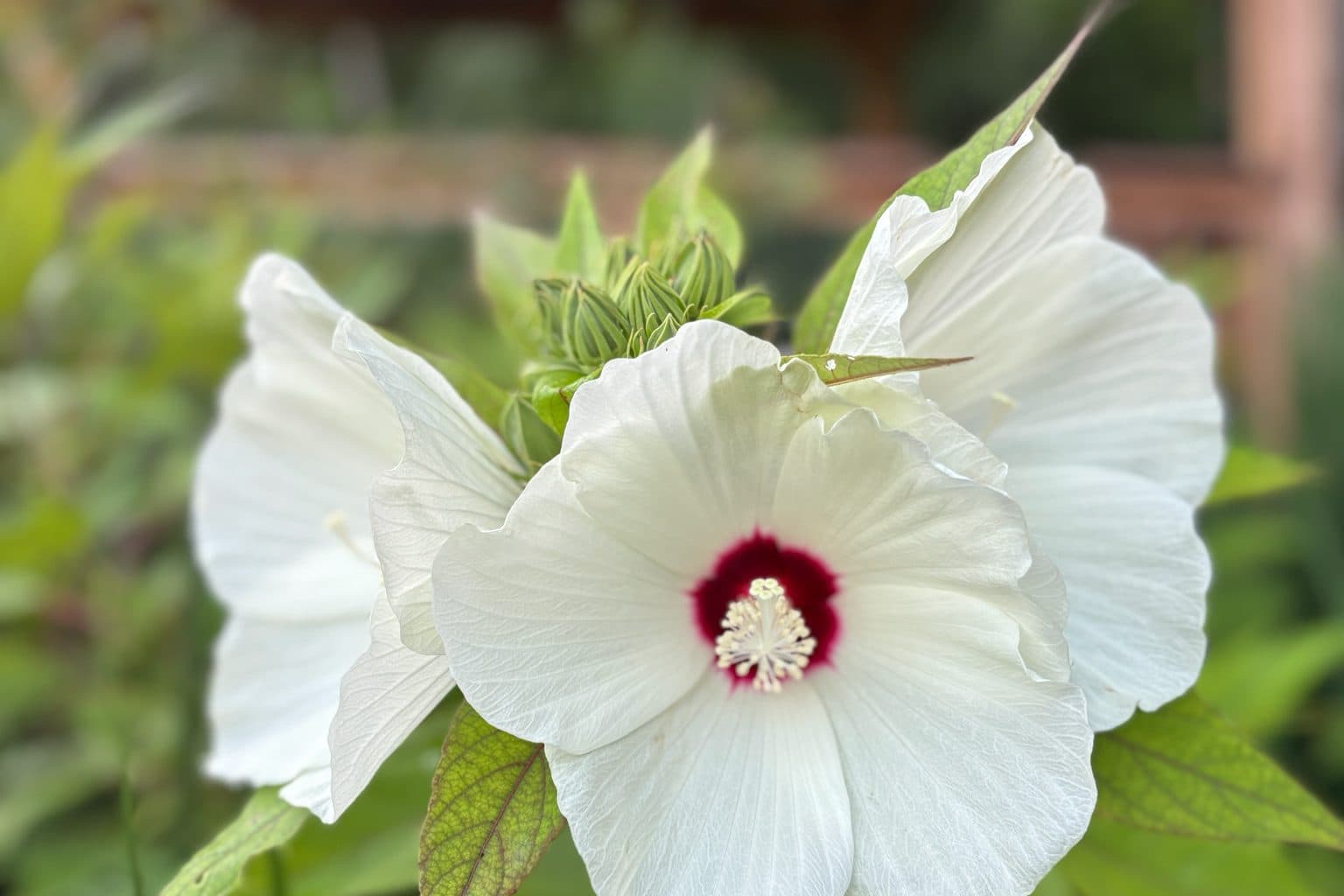
Delaware has no native-plant or xeriscape law for private yards. DUCIOA (Title 25 Chapter 81) governs your association, but only fully if it was created on or after September 30, 2009. Here is what actually applies, including the one thing Delaware does override a covenant for.
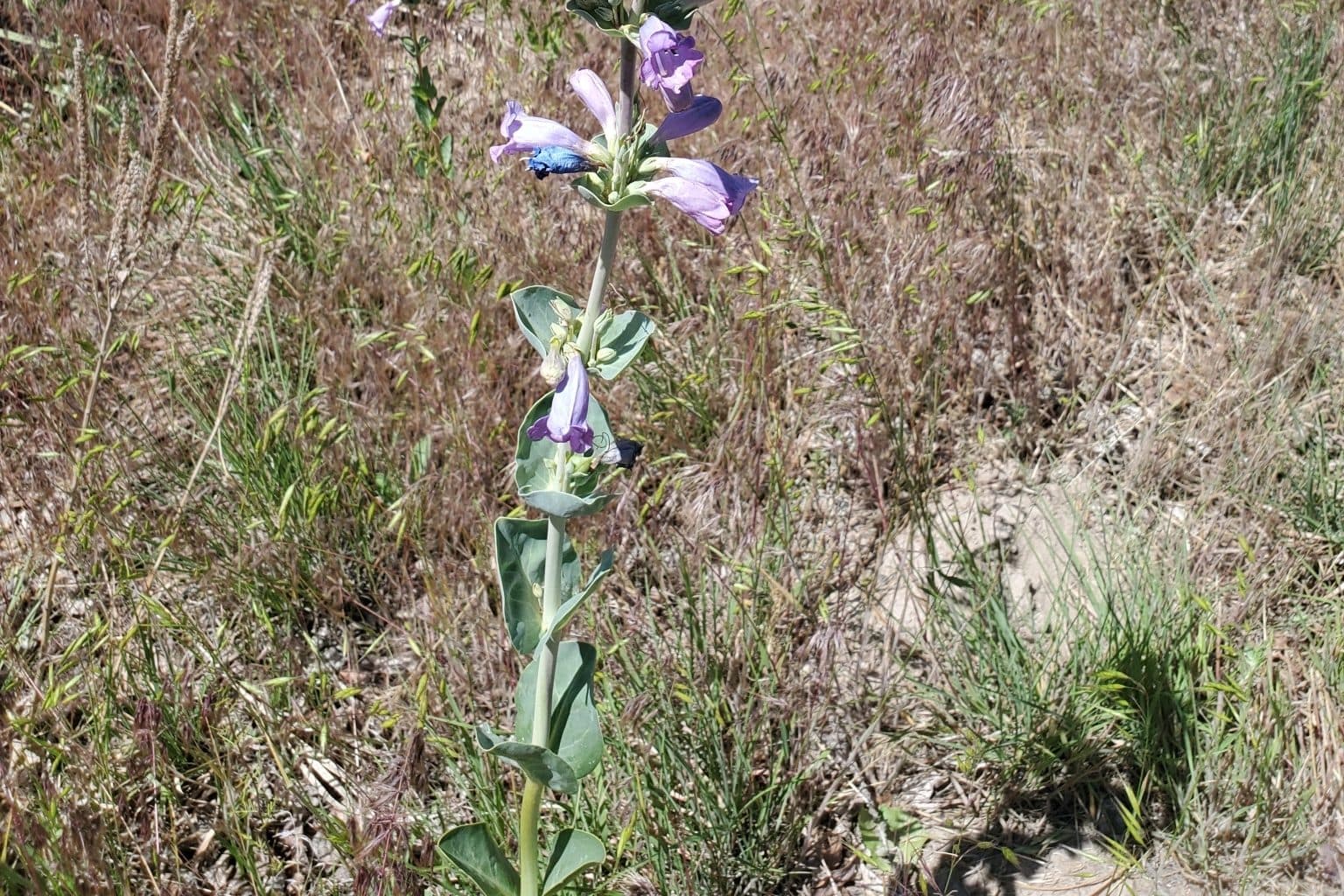
Nebraska has no native-plant or pollinator law, and no general HOA statute for standard subdivisions. Three bills tried and died. Here is what actually governs a landscaping dispute, including the case where lapsed covenants came back.
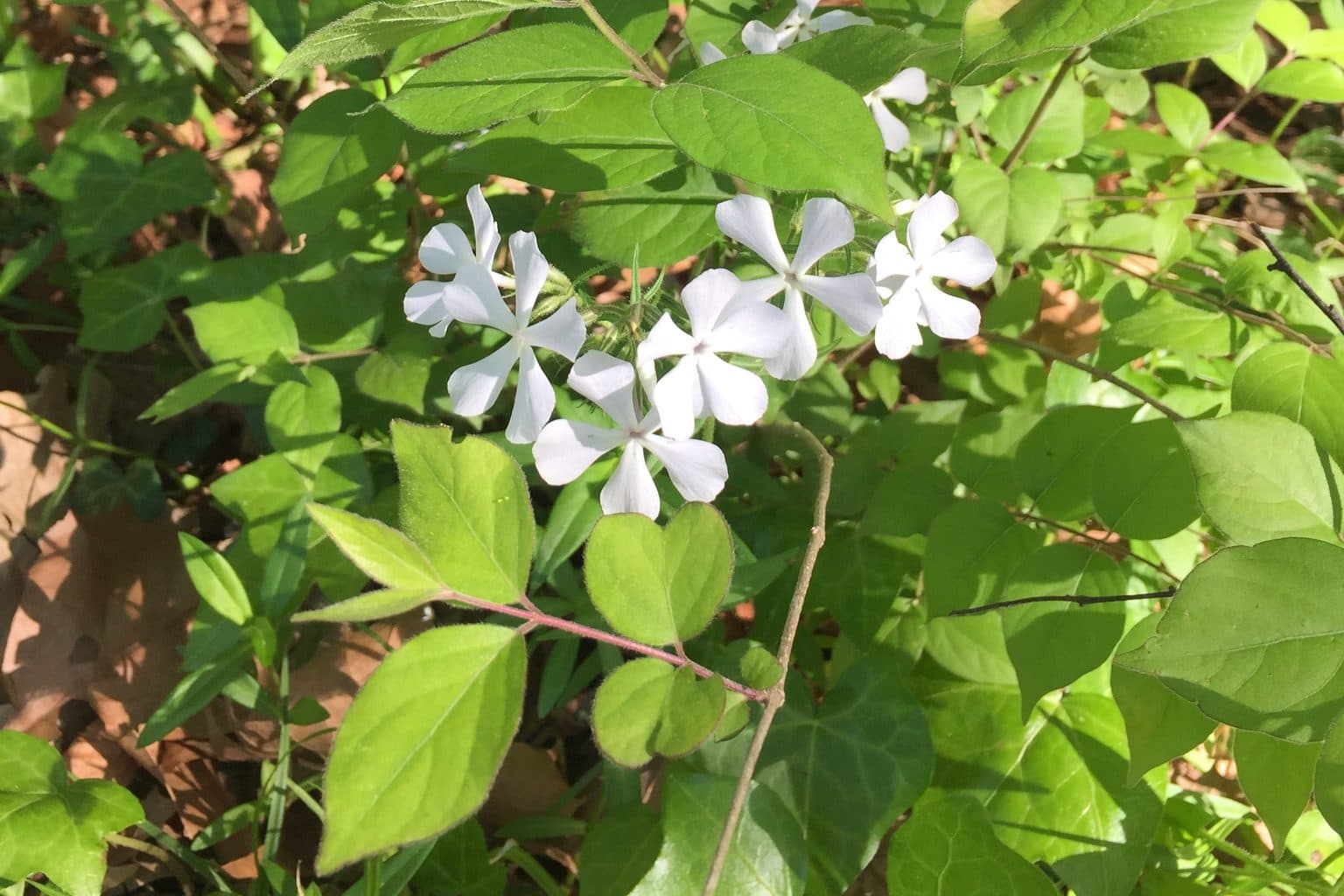
Mississippi has no native-plant or xeriscape law and no umbrella HOA act for subdivisions. Your recorded declaration governs. But one 2021 subchapter does regulate how your association handles money, and it awards legal fees to the prevailing party.
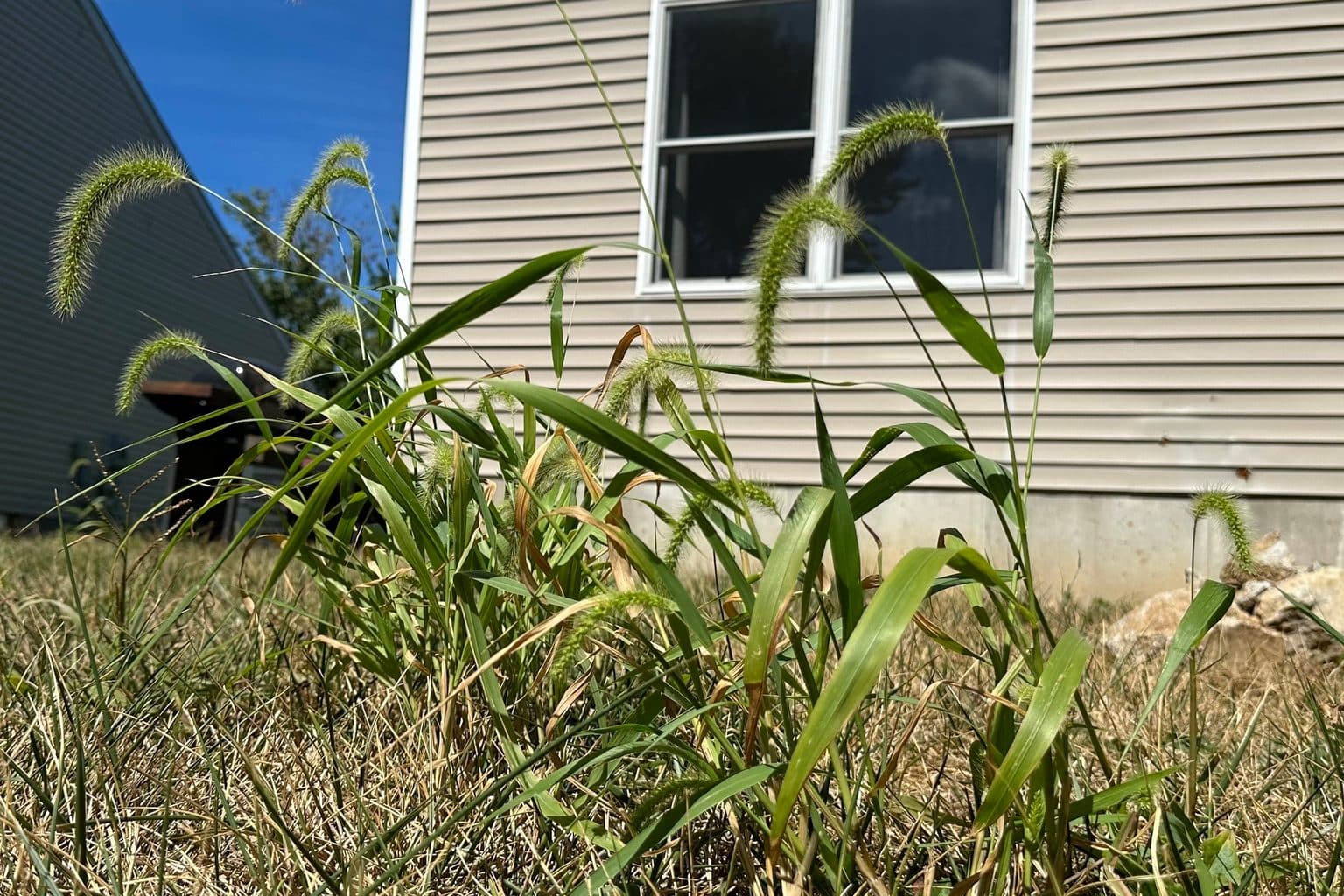
Late summer is when annual weeds set seed, and one crabgrass plant makes about 150,000 of them. Here is the late-summer weeding pass that matters, in order, and what to do with what you pull.
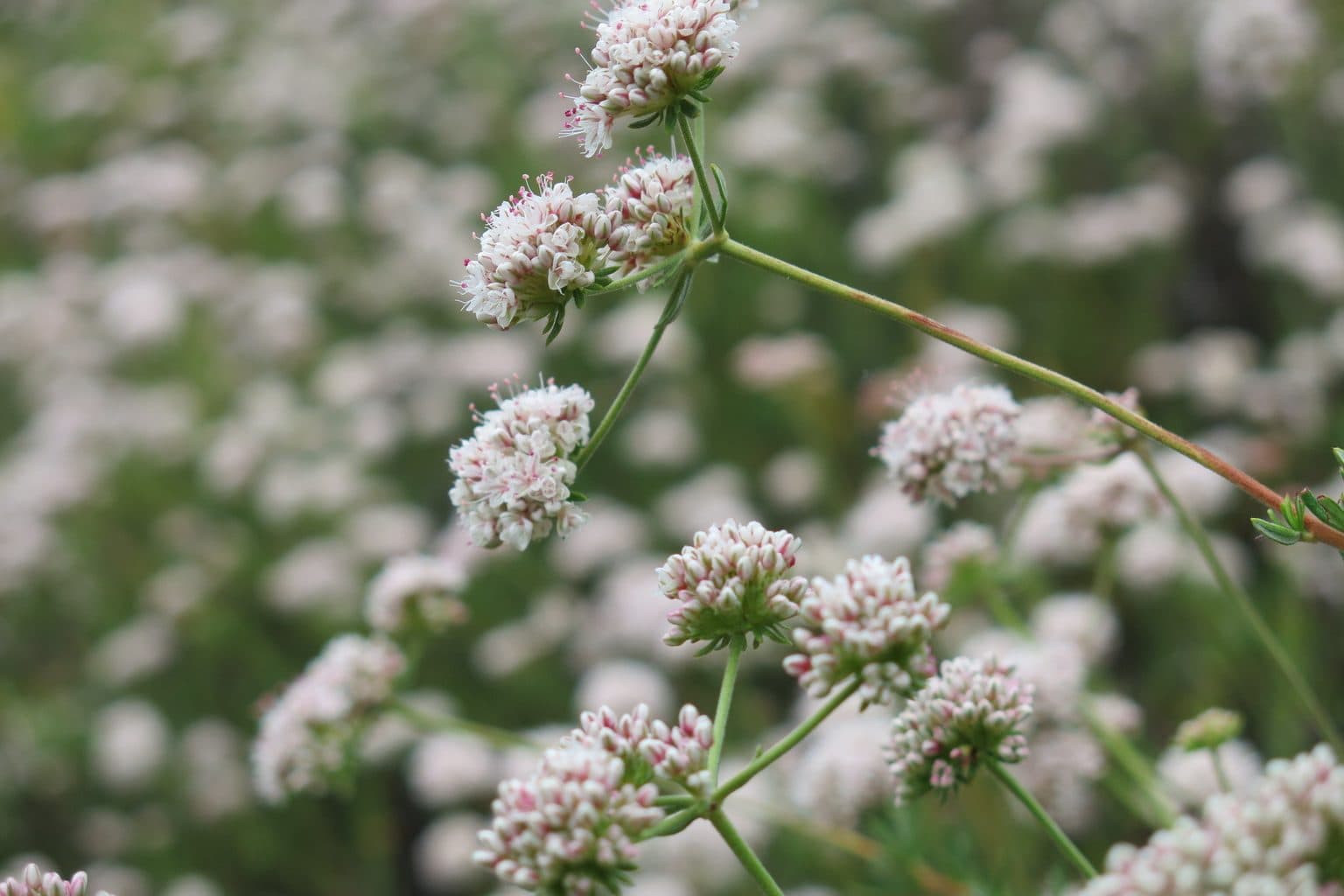
California Water Code Section 10608.14, enacted by AB 1572, bars HOAs from using potable water to irrigate nonfunctional turf in common areas starting January 1, 2029. Here is what counts as nonfunctional turf, the certification timeline through 2040, and native plant options for the conversion.
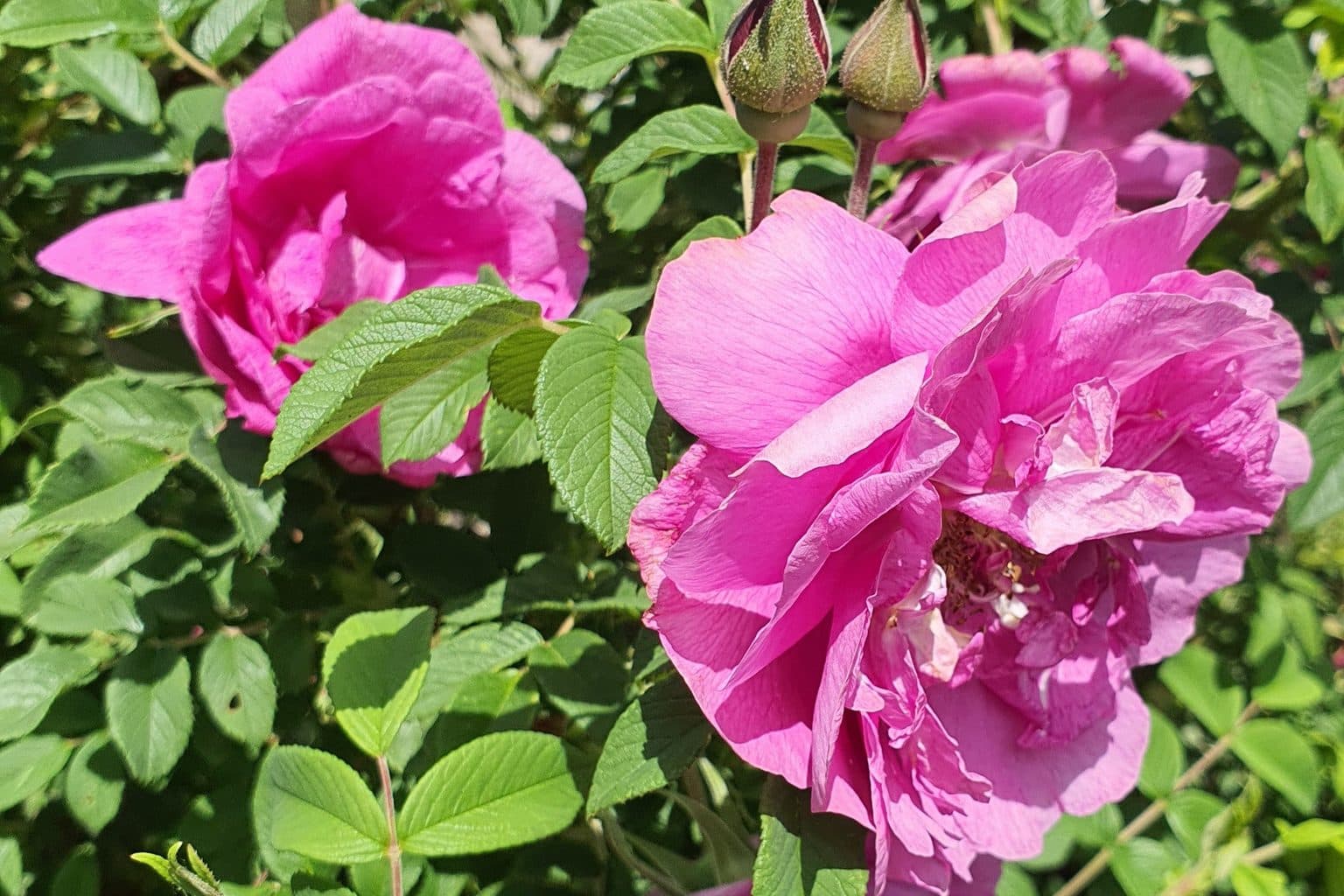
Illinois Extension says stop fertilizing roses after August 15. Clemson says stop six weeks before your first frost. Those are different dates in different cities. Here is the mid-August answer for ten metros, with the free local expert for each.
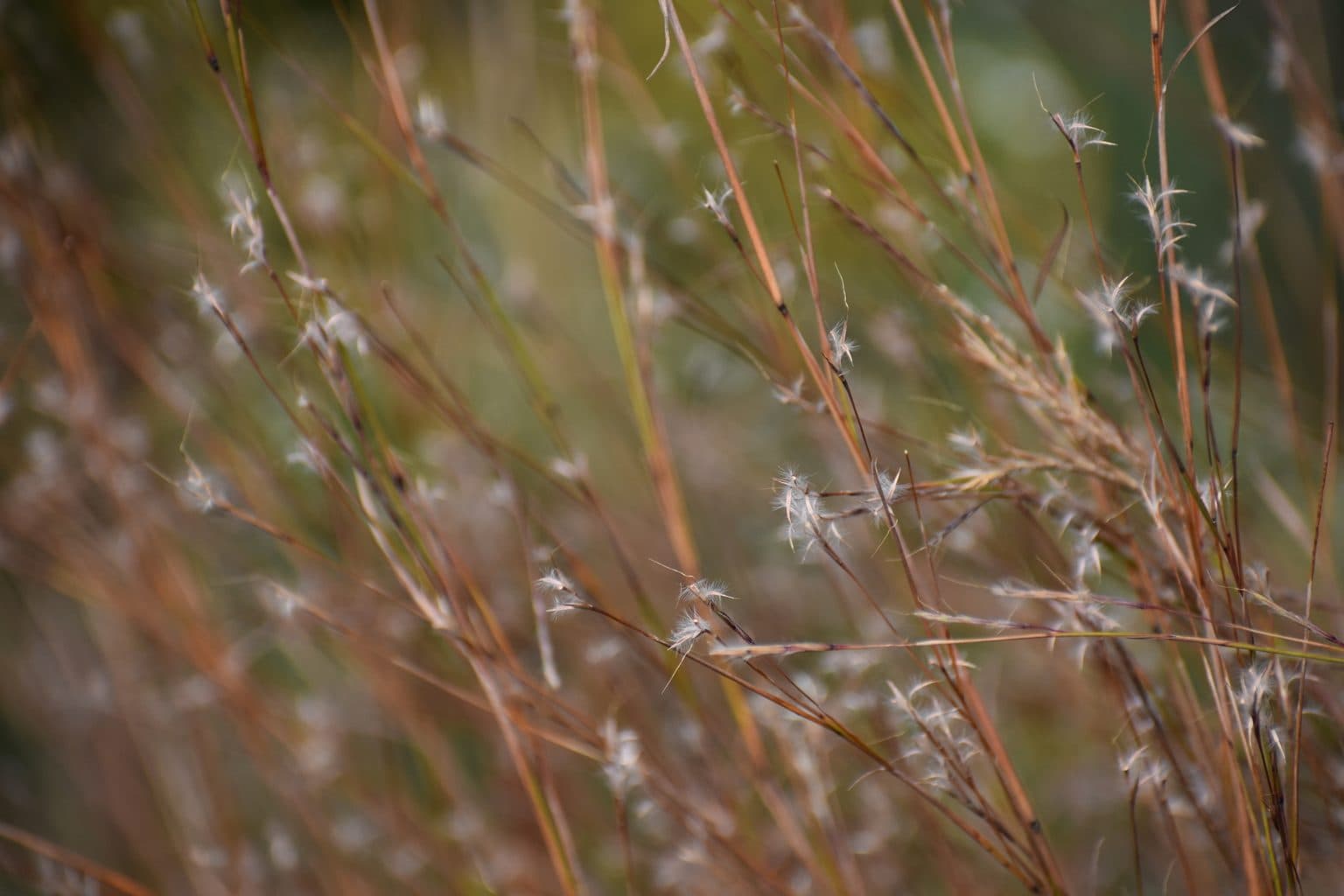
The fall planting window is not a month on the calendar. It is roughly six weeks before your average first freeze, which ranges from mid-September to December across the country. Here is how to find your date and what to do after planting.
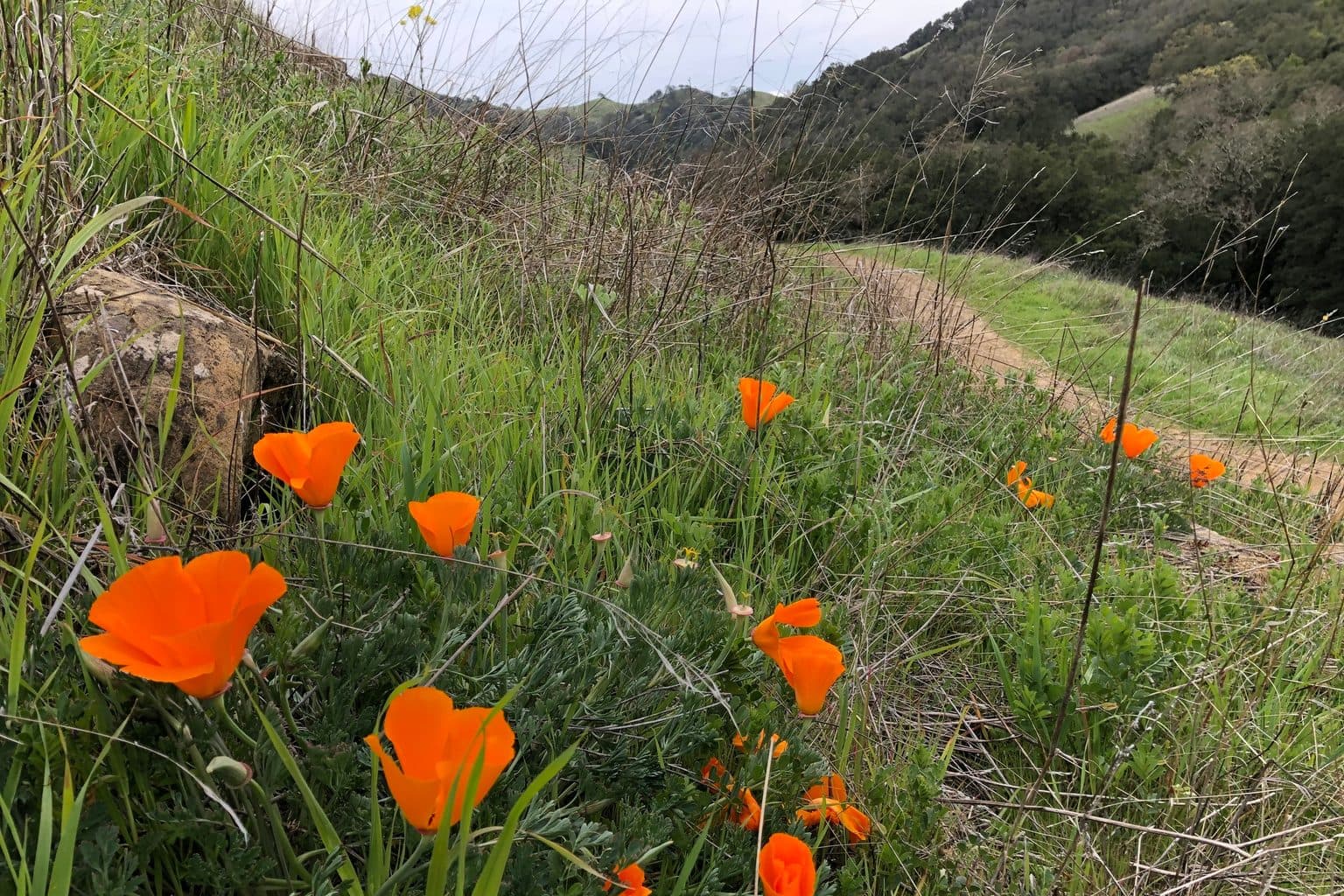
The City of Patterson pays $1 per square foot for front-yard turf removal, up to $2,000 per household per fiscal year, and applications are still open even though the program has exceeded its annual budget.
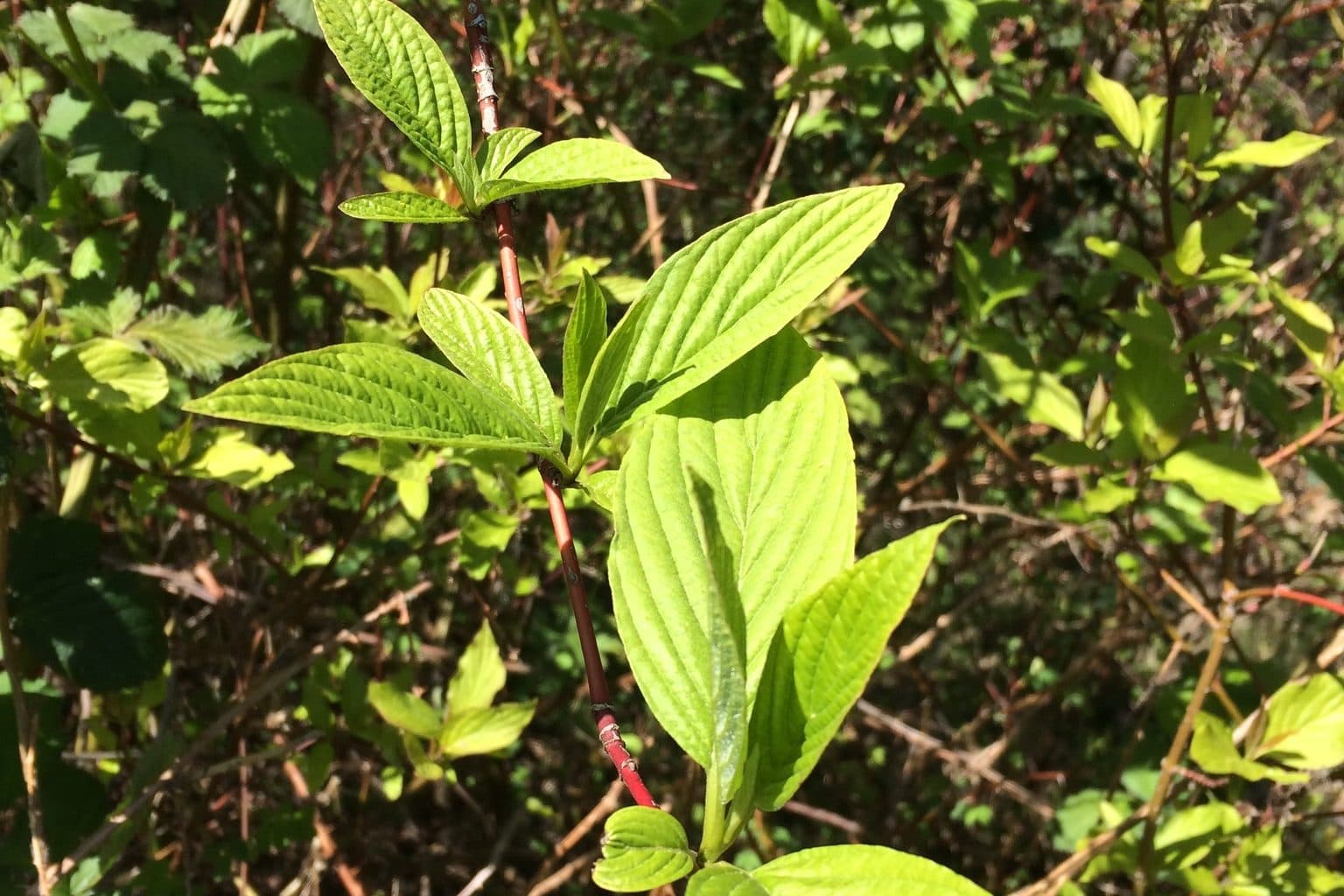
Extension services put the cutoff at mid-August. Pruning after that pushes soft growth that cannot harden off before frost. Here is the timing, the four-D exception, and what an August cut costs you next spring.
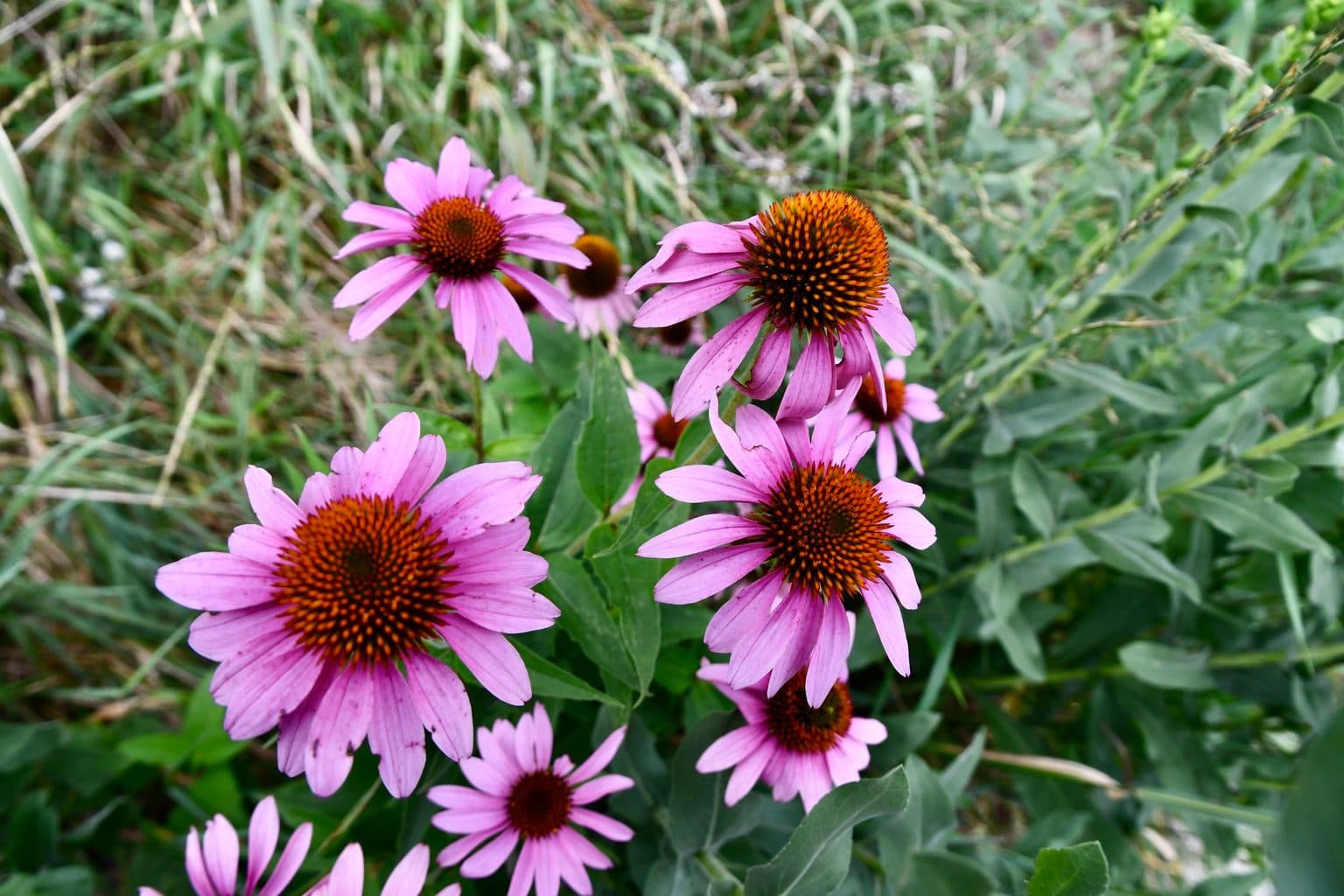
Missouri has no native-plant or xeriscape law, and no general HOA statute either. Here is what actually governs a landscaping dispute: your recorded declaration, RSMo 442.404 (which does not cover landscaping), and even-handed enforcement.
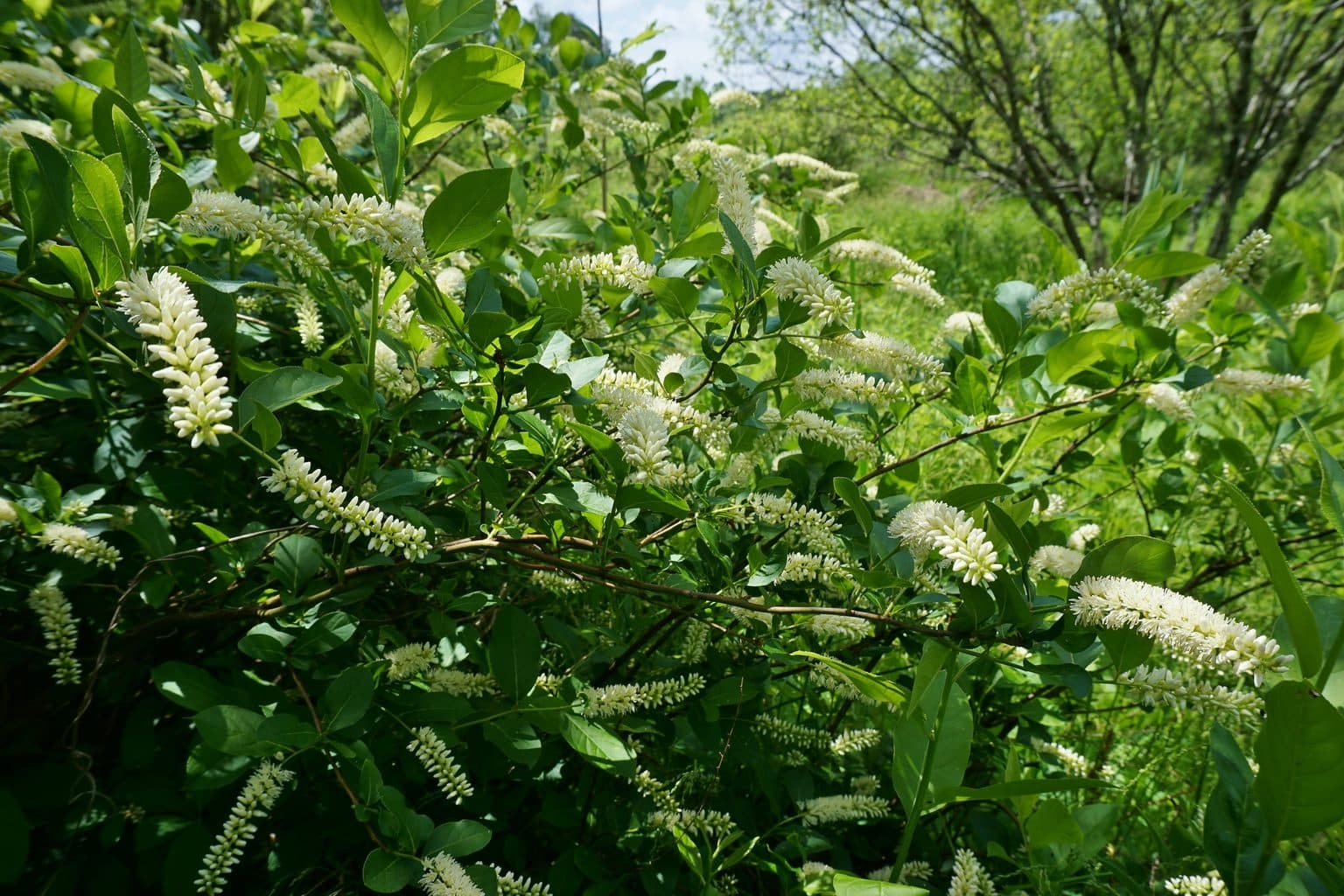
Virginia has no conservation-landscaping law, and HB 528 stalled. But the Property Owners Association Act gives you written notice, a hearing, and hard caps on what an HOA can charge. That procedure is the leverage.
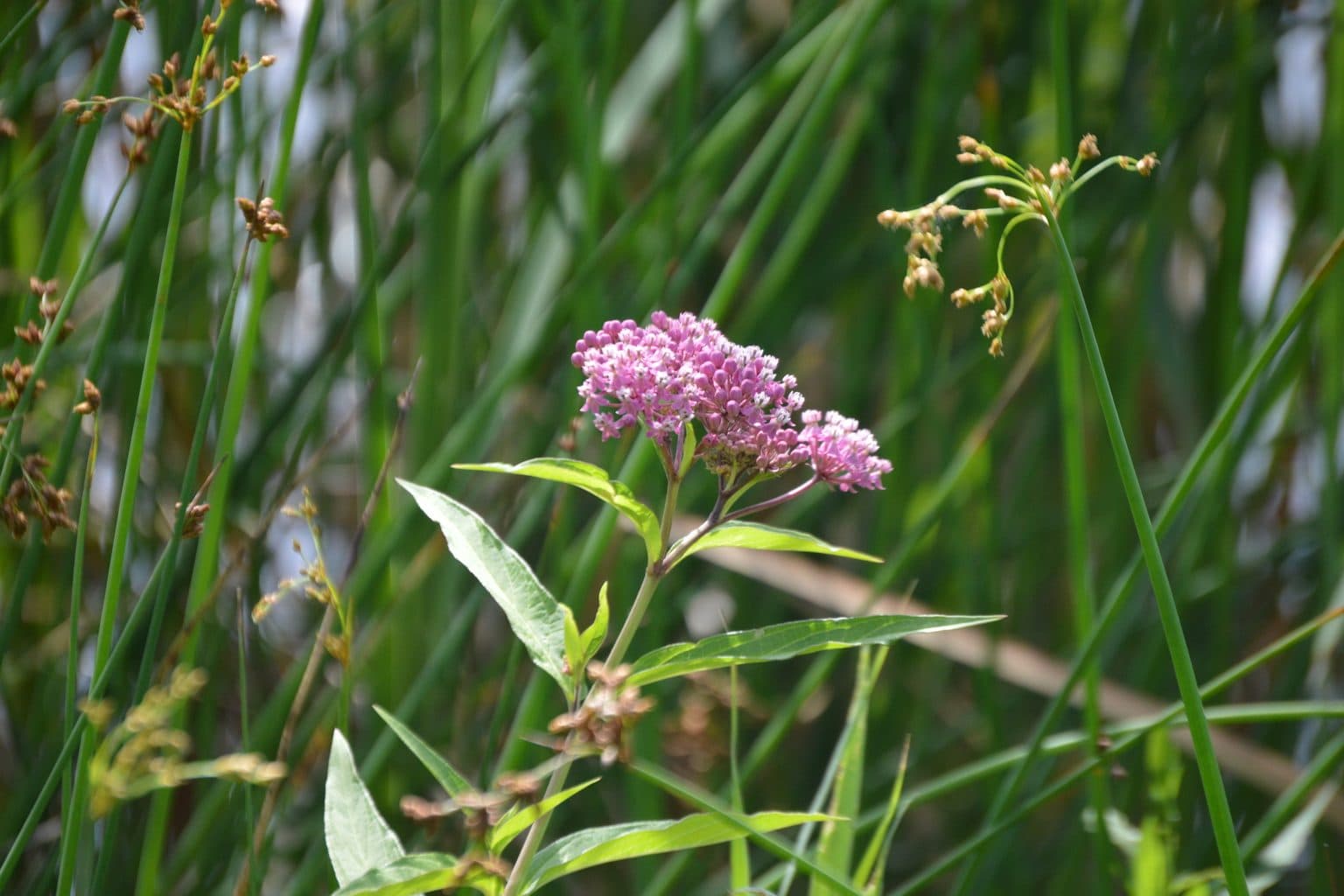
Minnesota's 2023 native landscaping law binds cities, not HOAs. Minn. Stat. 412.925 never mentions associations or declarations, so you can be protected from a city citation and still violate your HOA turf rule.
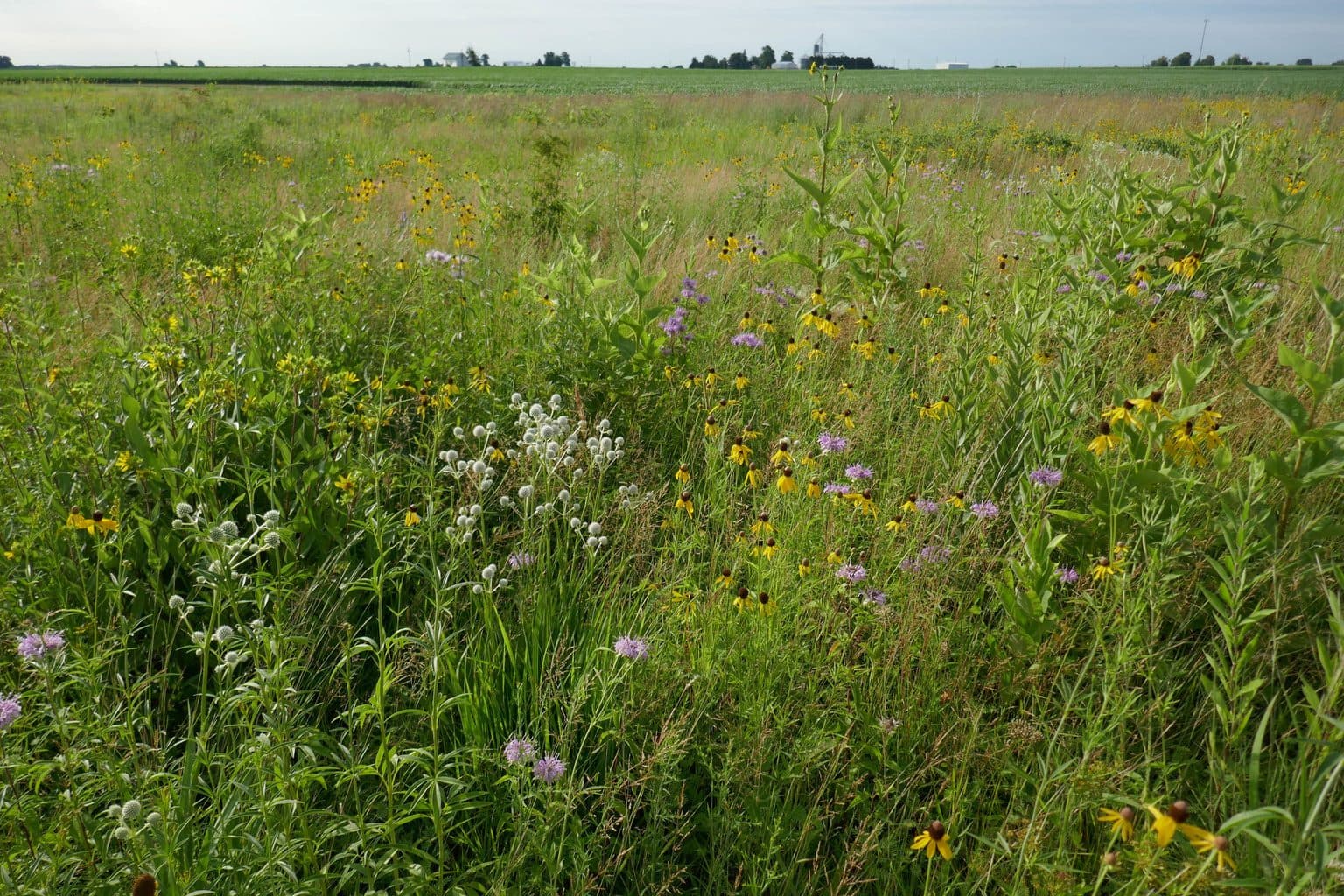
Ohio has no native-plant law, but R.C. 5312.11 gives you a hearing before an HOA can charge you. You have only 10 days to request it, and missing that window waives the right.
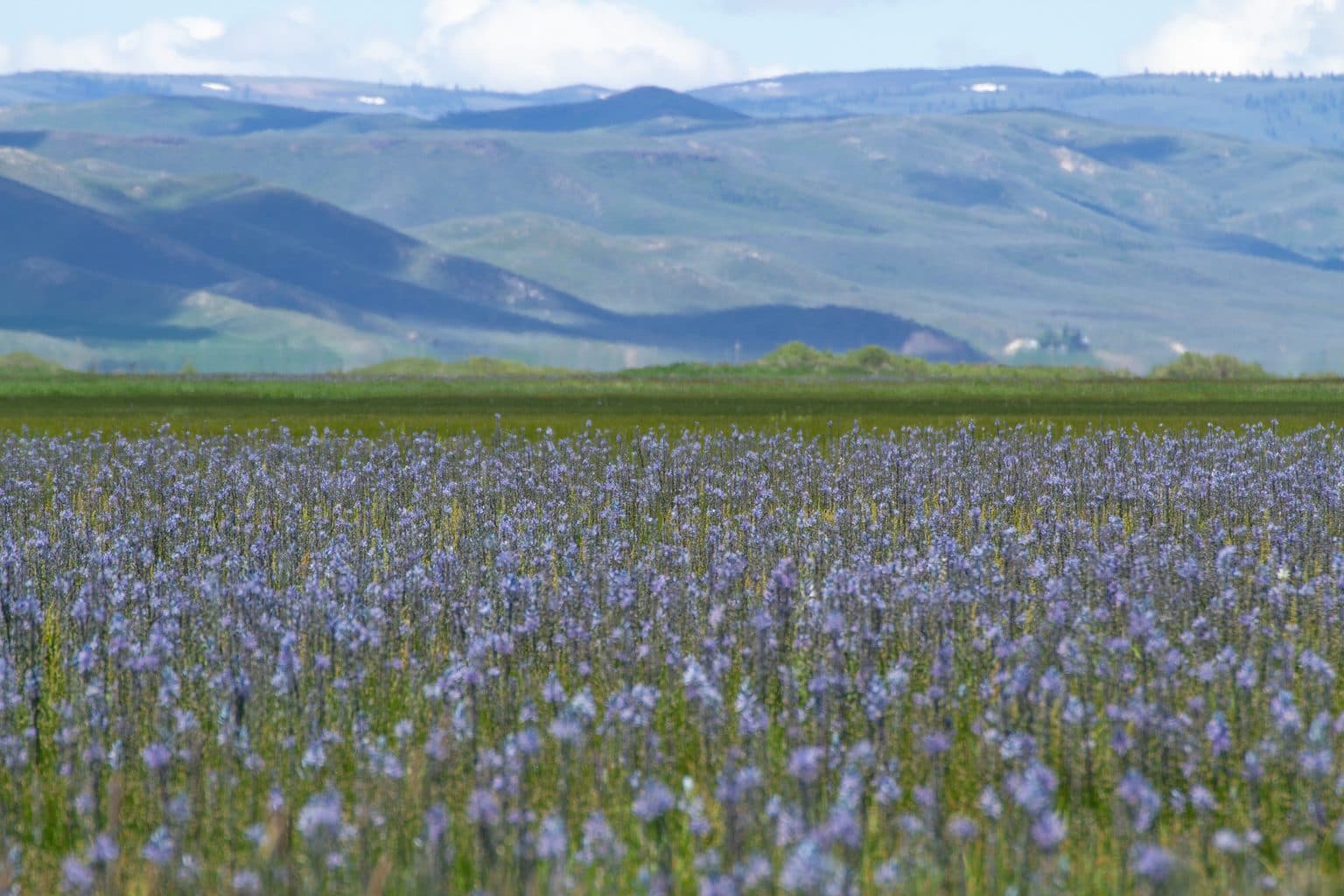
Washington HOAs may not prohibit drought resistant landscaping, pollinator habitat, or wildfire resistant landscaping under RCW 64.38.057. Here is what the protection covers, and the condominium and 2028 limits.
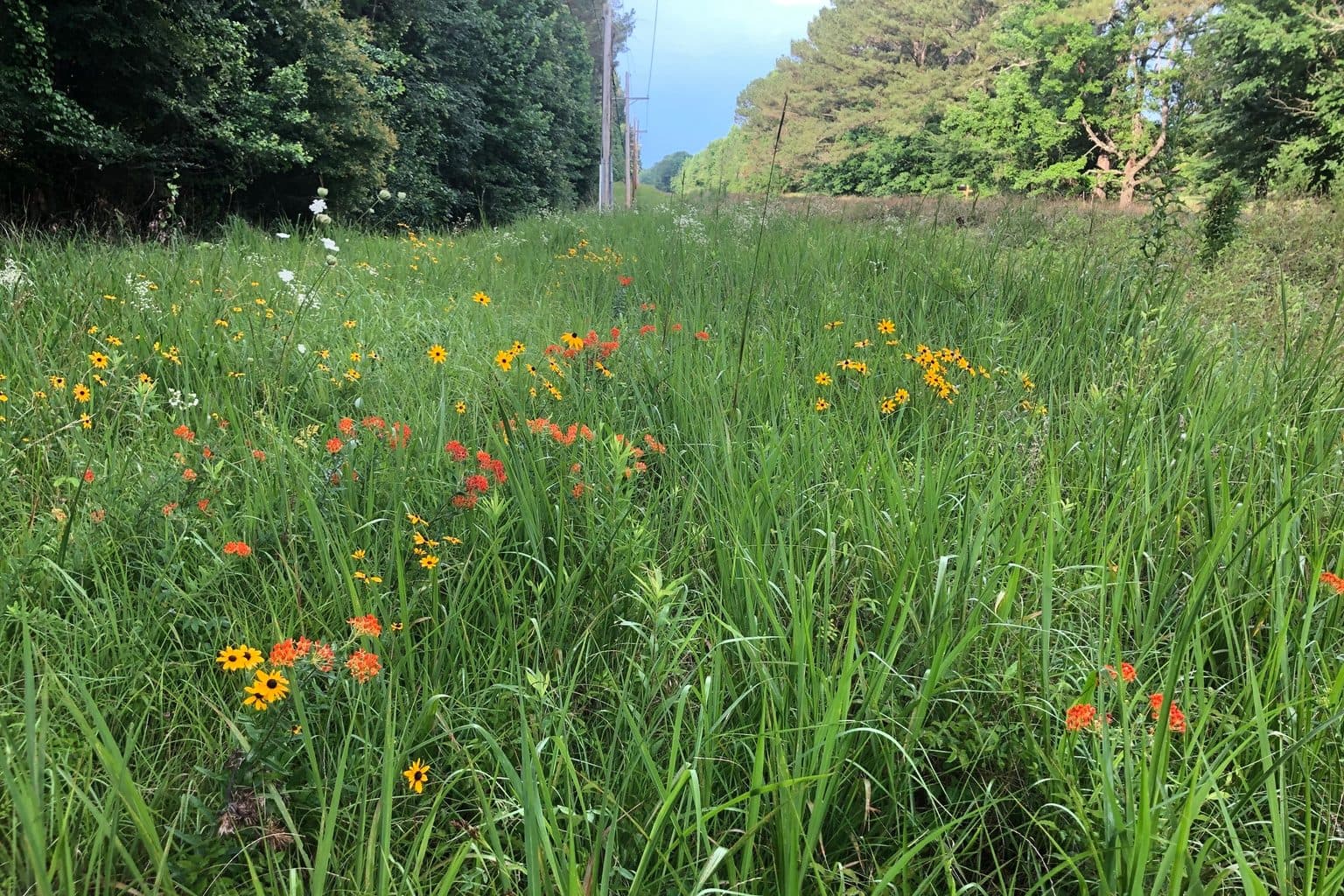
New Jersey has no native-plant law, but N.J.S.A. 45:22A-44(c) requires your association to offer dispute resolution with someone who is not on the board. Here is how to use it.
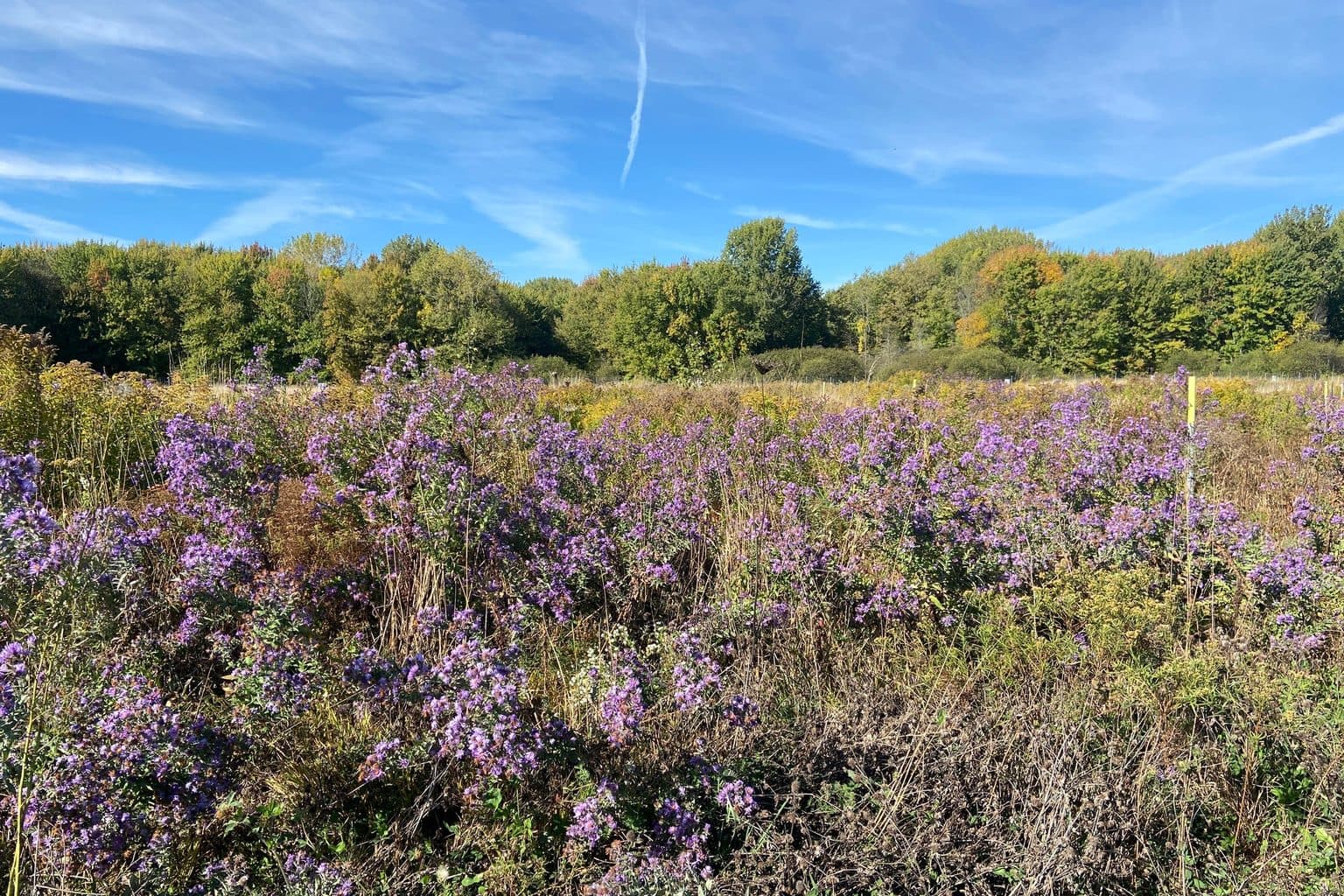
Massachusetts has no native-plant law and no HOA act, but M.G.L. c. 184 sect. 27 makes restrictions unenforceable after 30 years unless somebody re-recorded them. Check the registry of deeds first.
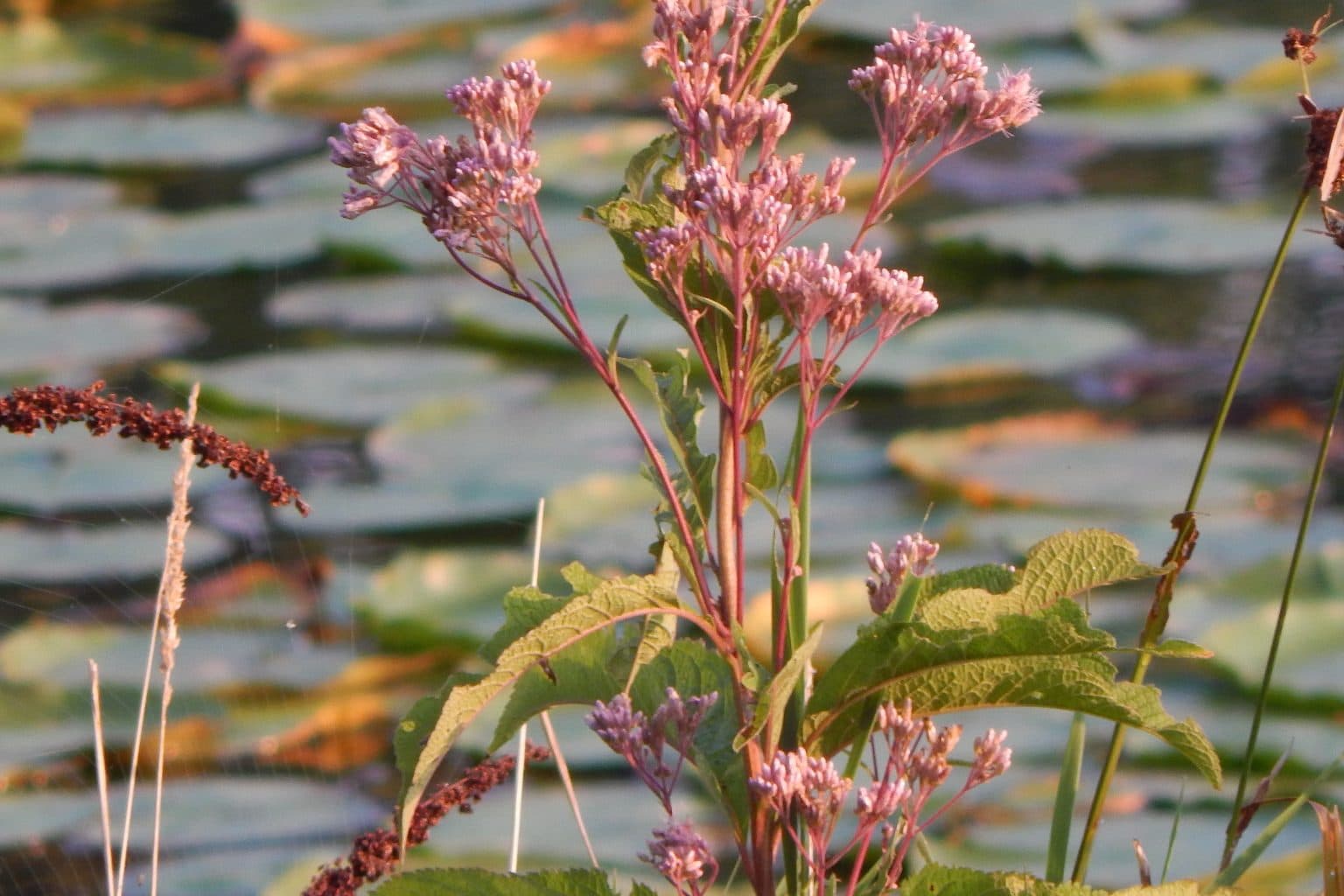
New York A10102 would bar HOAs from banning pollinator gardens, rain gardens and native plantings. It passed both houses in 2026 but is not signed, and a predecessor was vetoed. Here is where it stands.
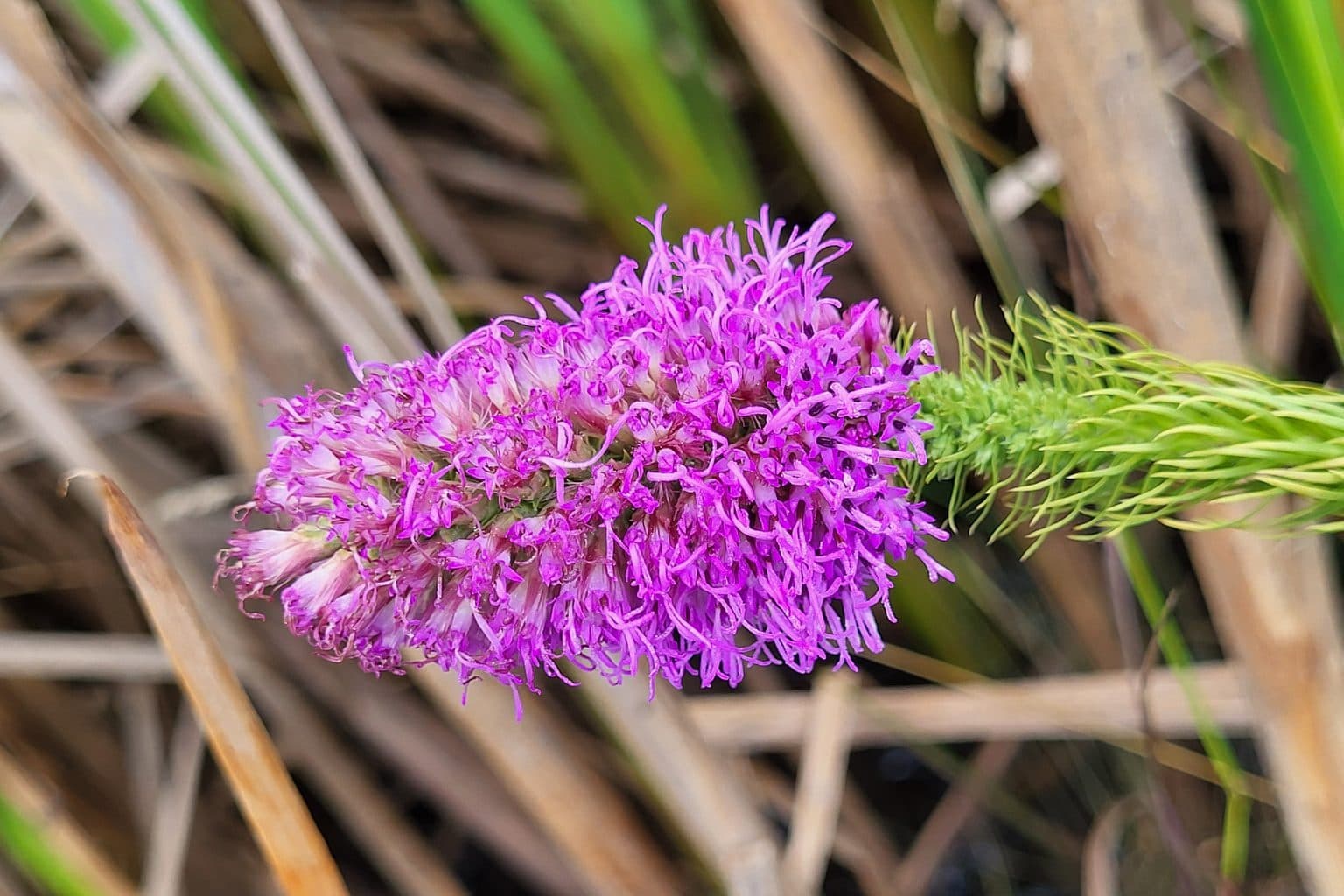
Wisconsin voids covenants that block solar but says nothing about gardens. The useful rule is Wis. Stat. 893.33(6): covenants stop being enforceable 40 years after recording unless somebody re-recorded them.
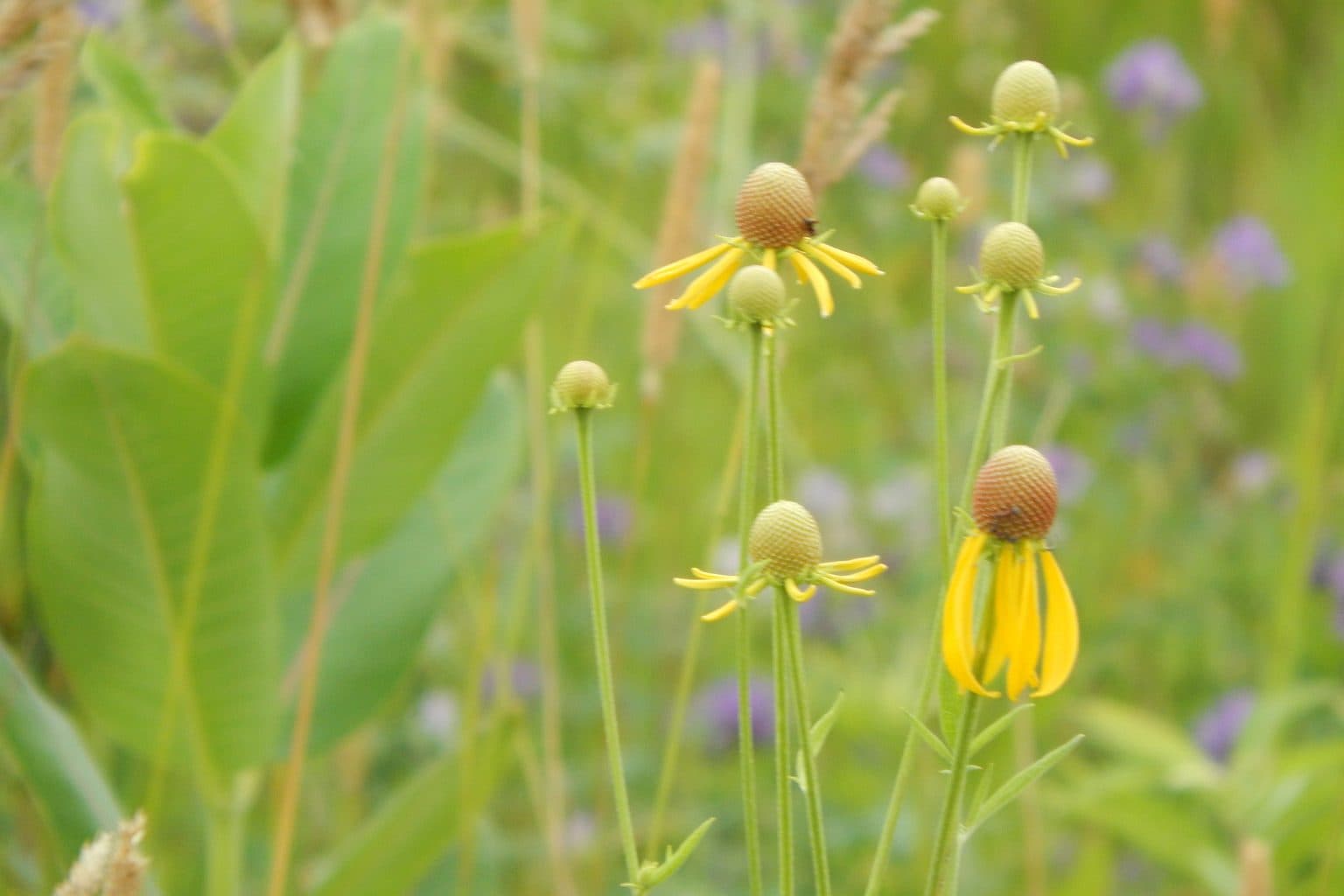
Indiana wrote a detailed HOA solar law, down to a six-inch roof limit and three hardware colours, and nothing about planting. Here is what actually governs an Indiana landscaping dispute.
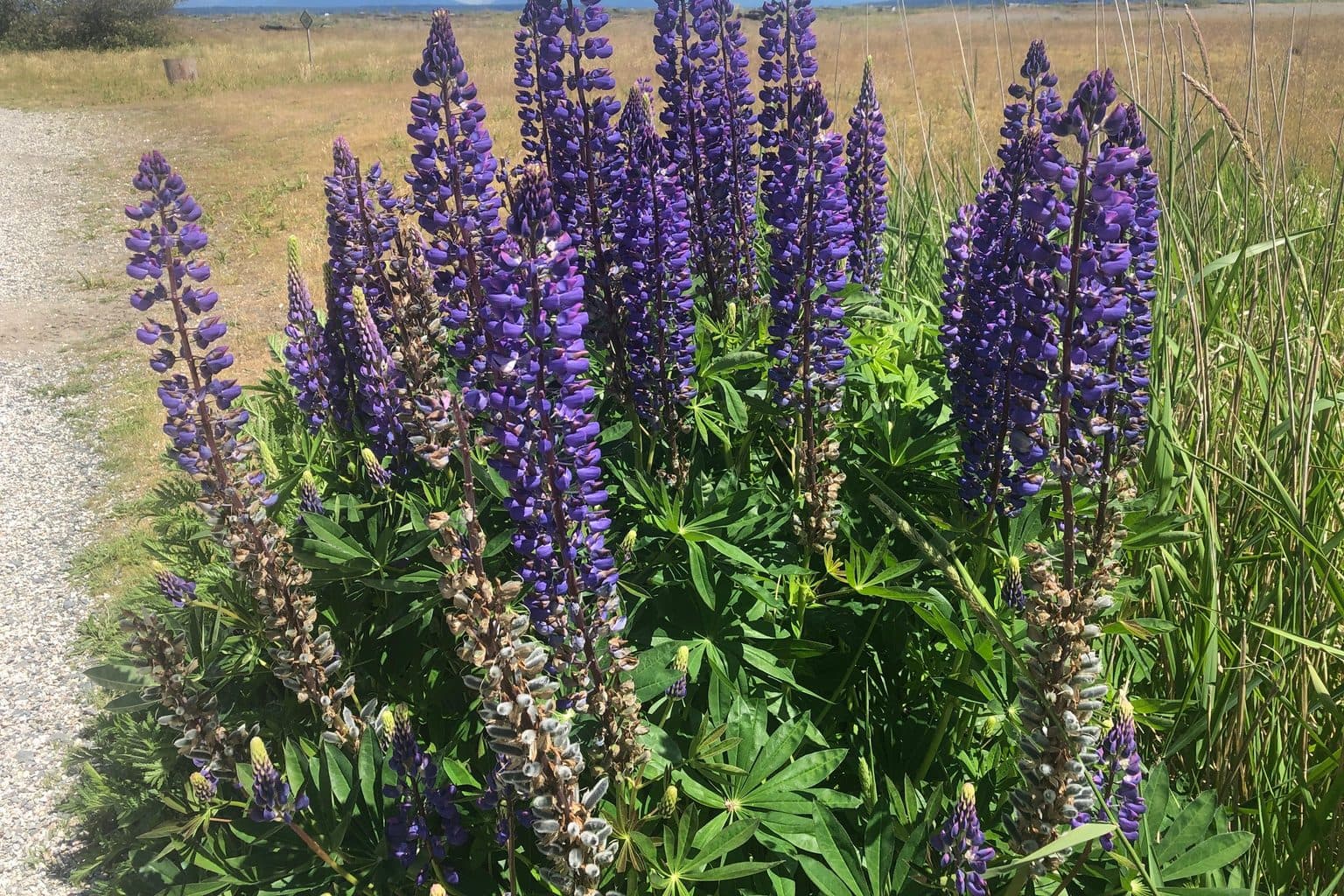
Oregon has no blanket law protecting native or pollinator landscaping from an HOA. What it has is narrower: irrigation mandates go void during a declared drought, and a fine requires notice and a hearing.
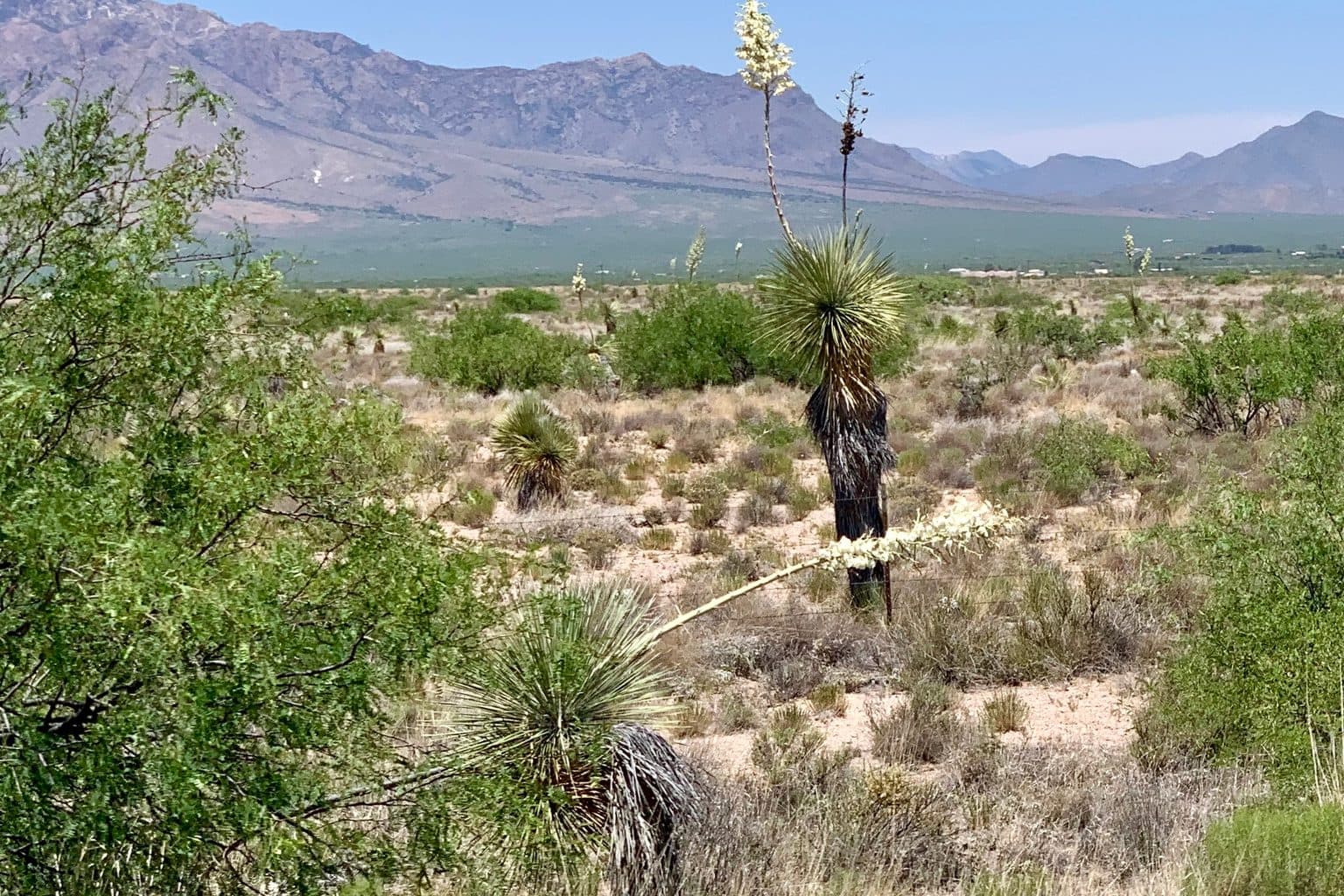
New Mexico has no xeriscape or native-landscaping protection, despite a fake citation circulating online. Here is what the Homeowner Association Act actually requires before a fine.
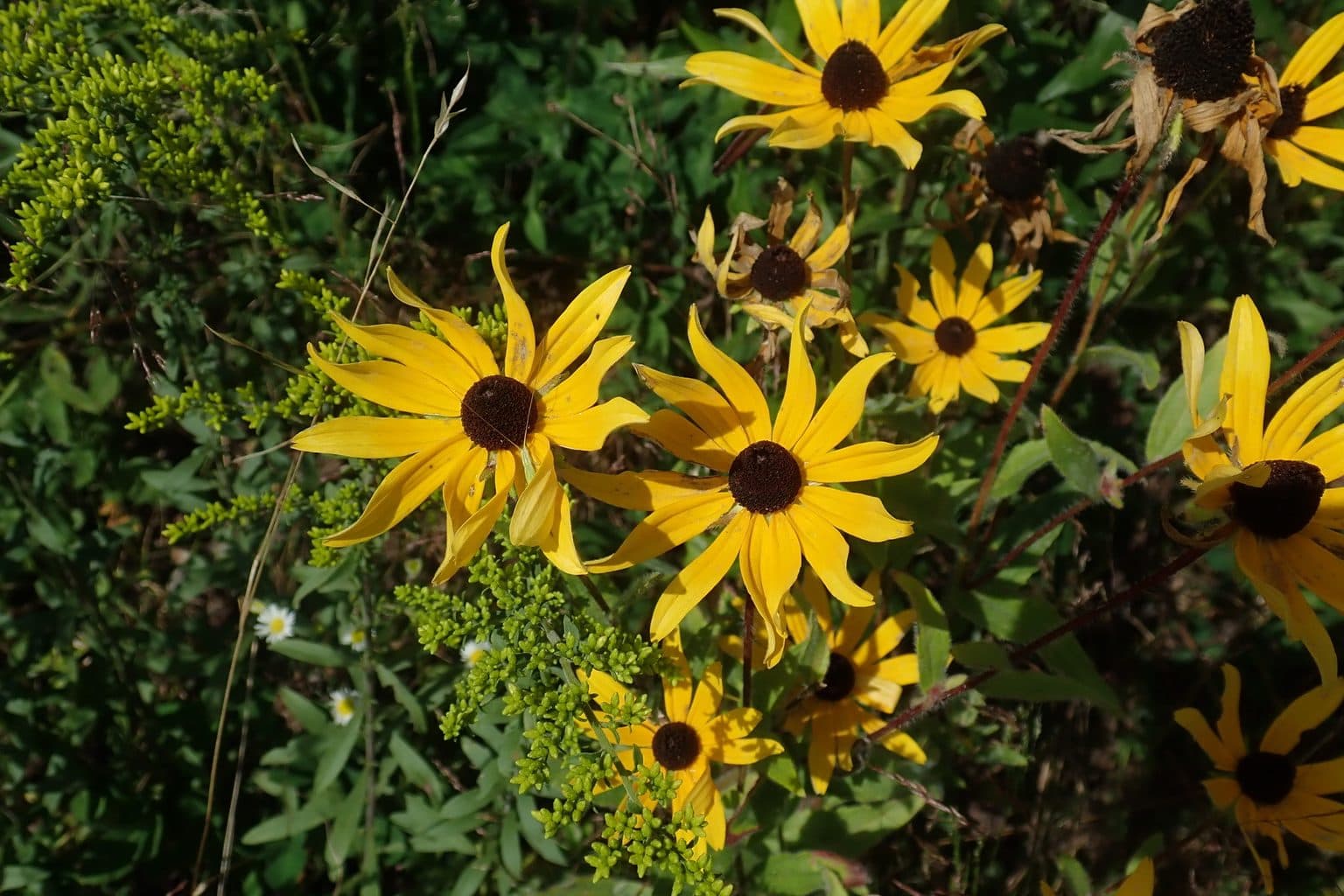
Alabama has no landscaping-protection law, and its main HOA statute only covers associations created on or after January 1, 2016. The act you find by searching may not govern you.
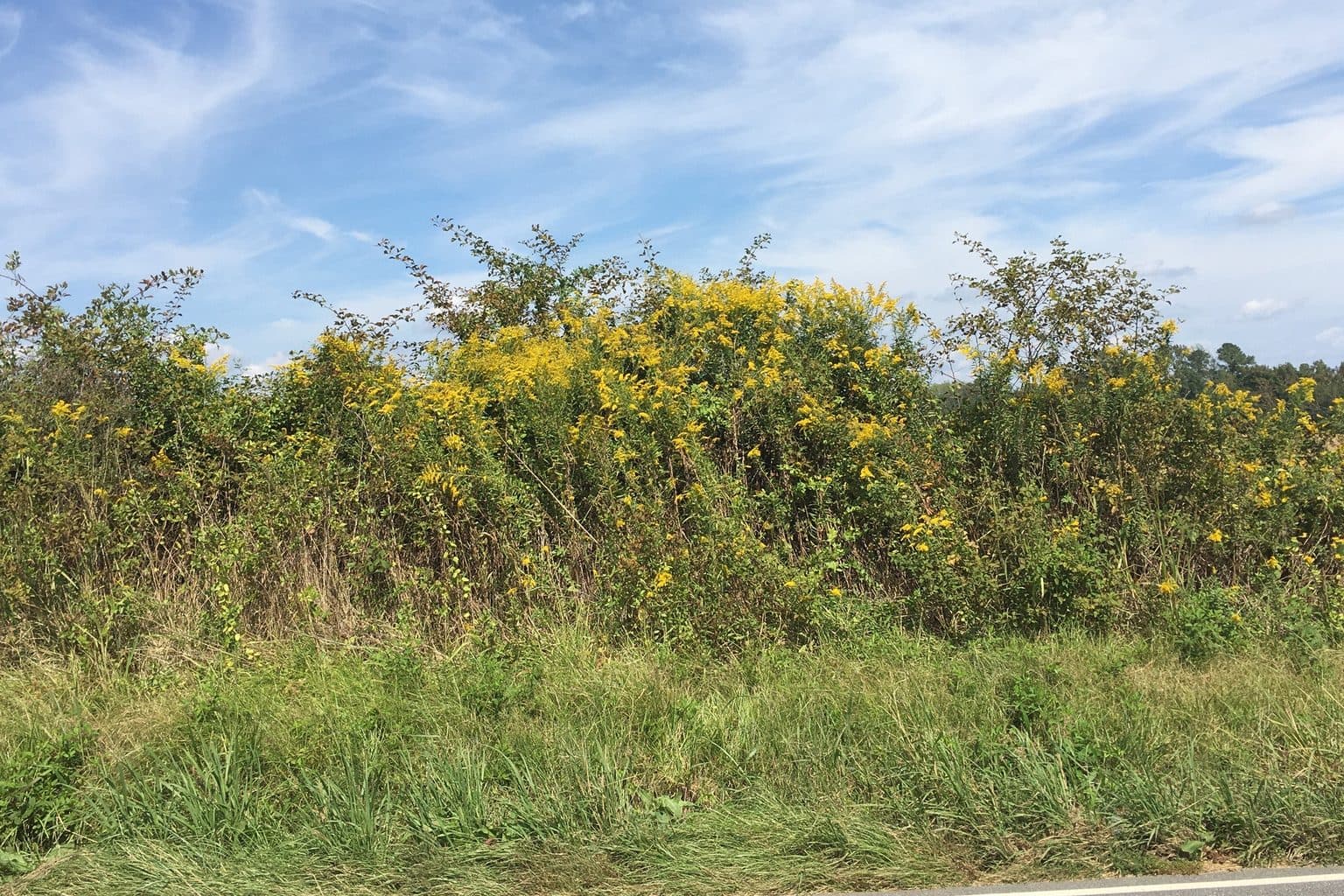
South Carolina has no native-plant HOA statute, but its 2018 Homeowners Association Act makes governing documents unenforceable unless recorded, and rules must be re-recorded every January 10.
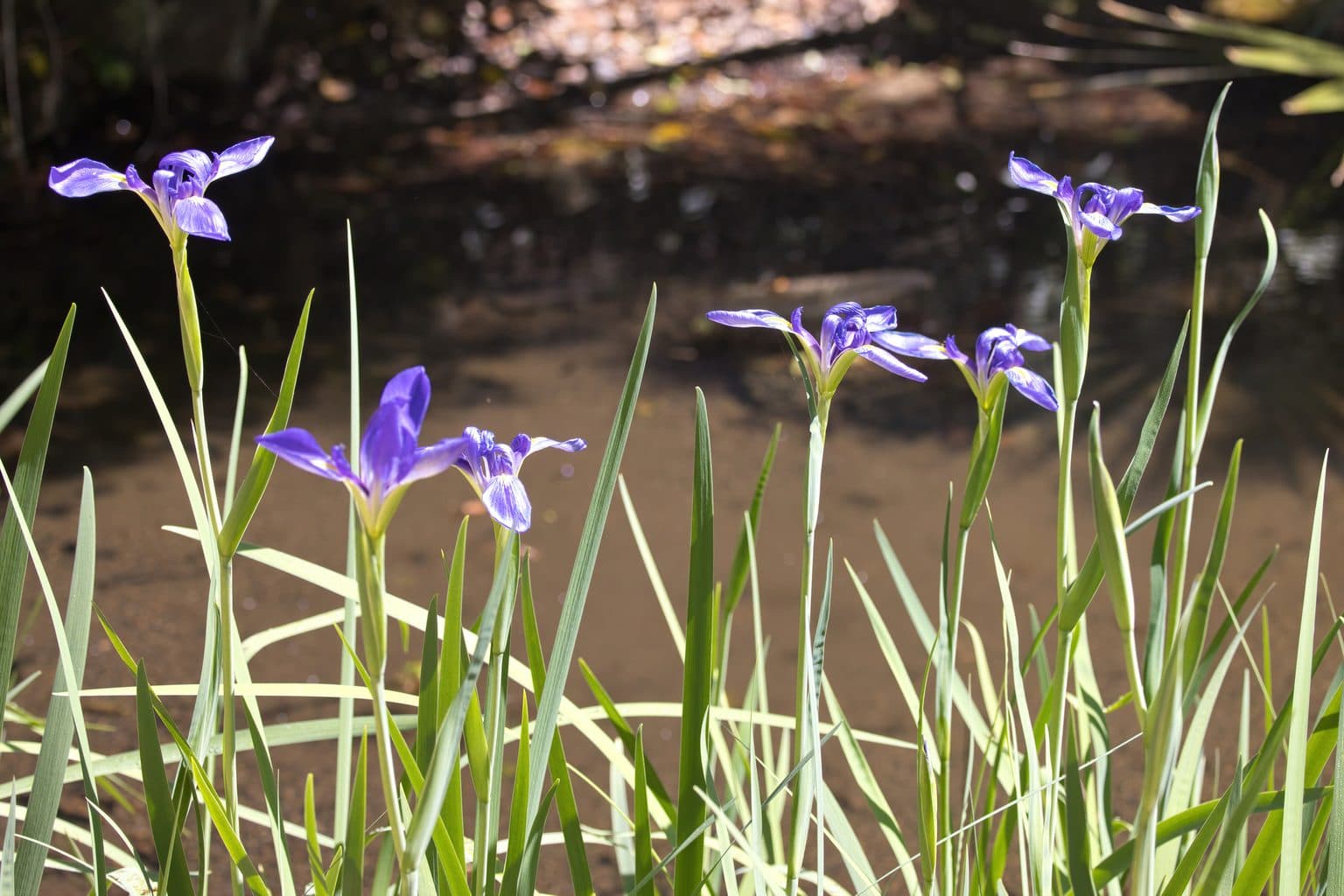
Louisiana has no native-plant statute, but Civil Code article 781 extinguishes a building restriction two years after a visible violation goes unchallenged. That is unlike any other state in this series.
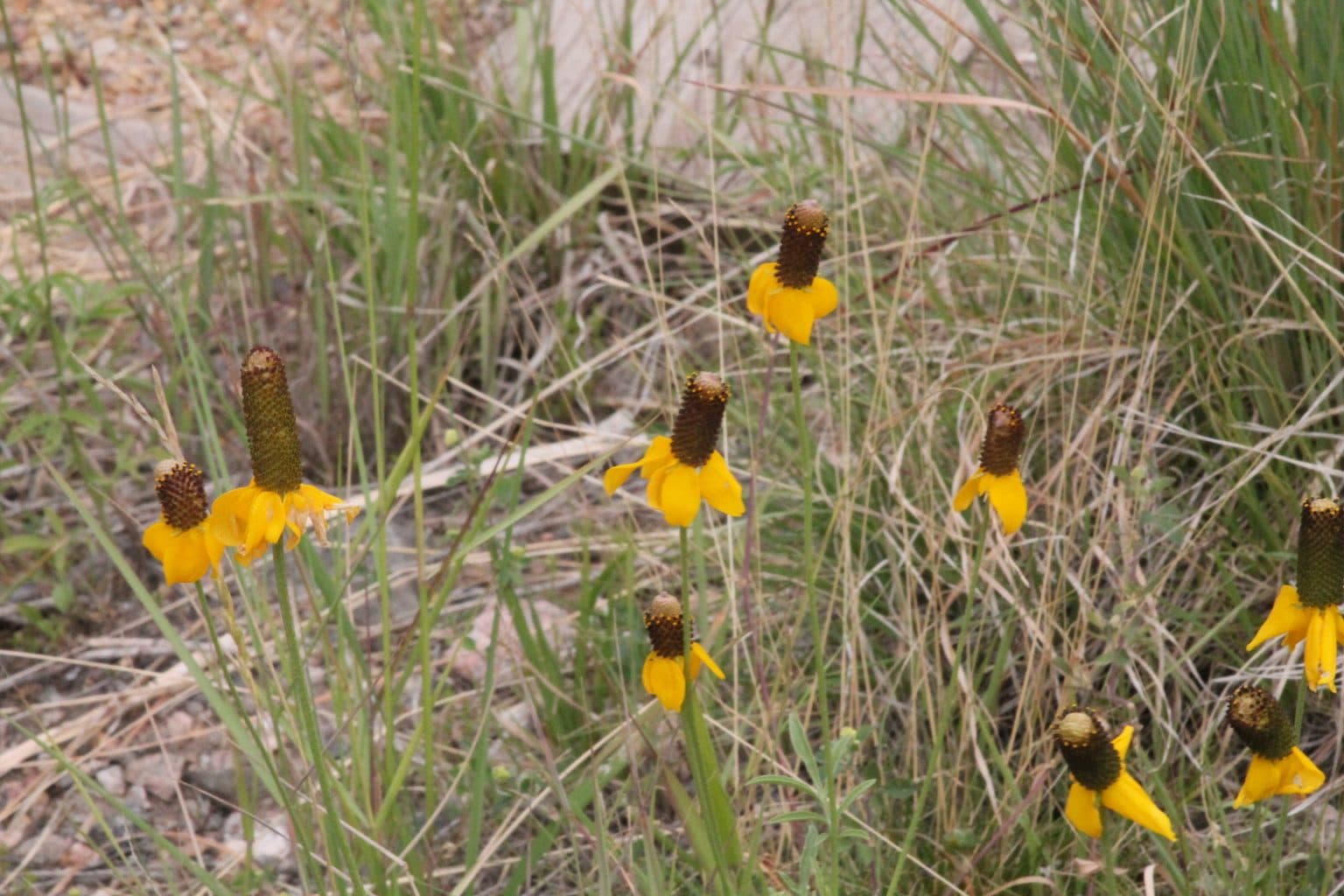
Oklahoma has no native-plant or xeriscape law, and its HOA act barely reaches landscaping. The covenant-expiry angle that works in Massachusetts and Wisconsin is closed off here by statute.
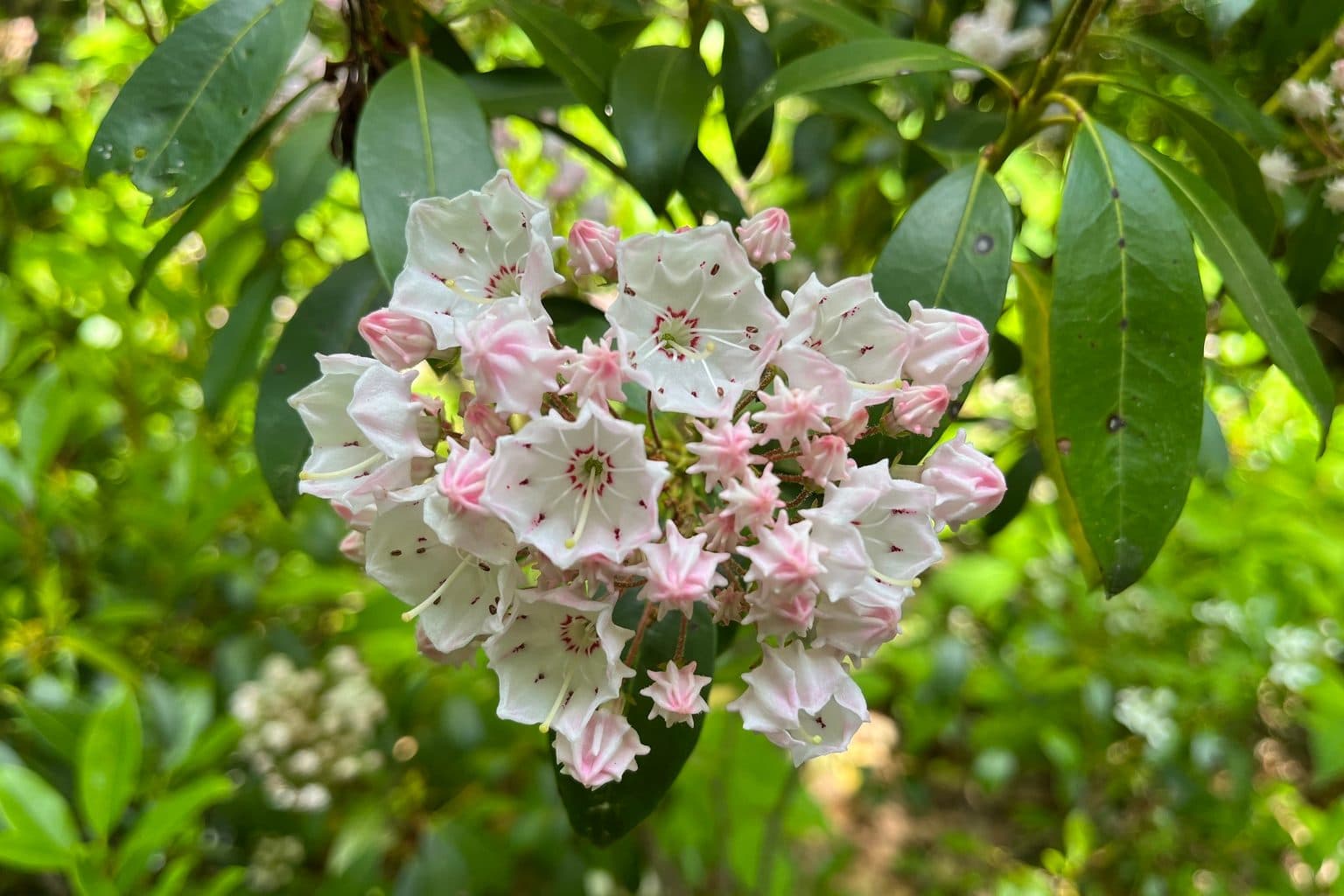
Connecticut has no native-plant law, but its Common Interest Ownership Act requires notice and a hearing before any fine, sets no dollar cap, and can exempt small communities entirely.
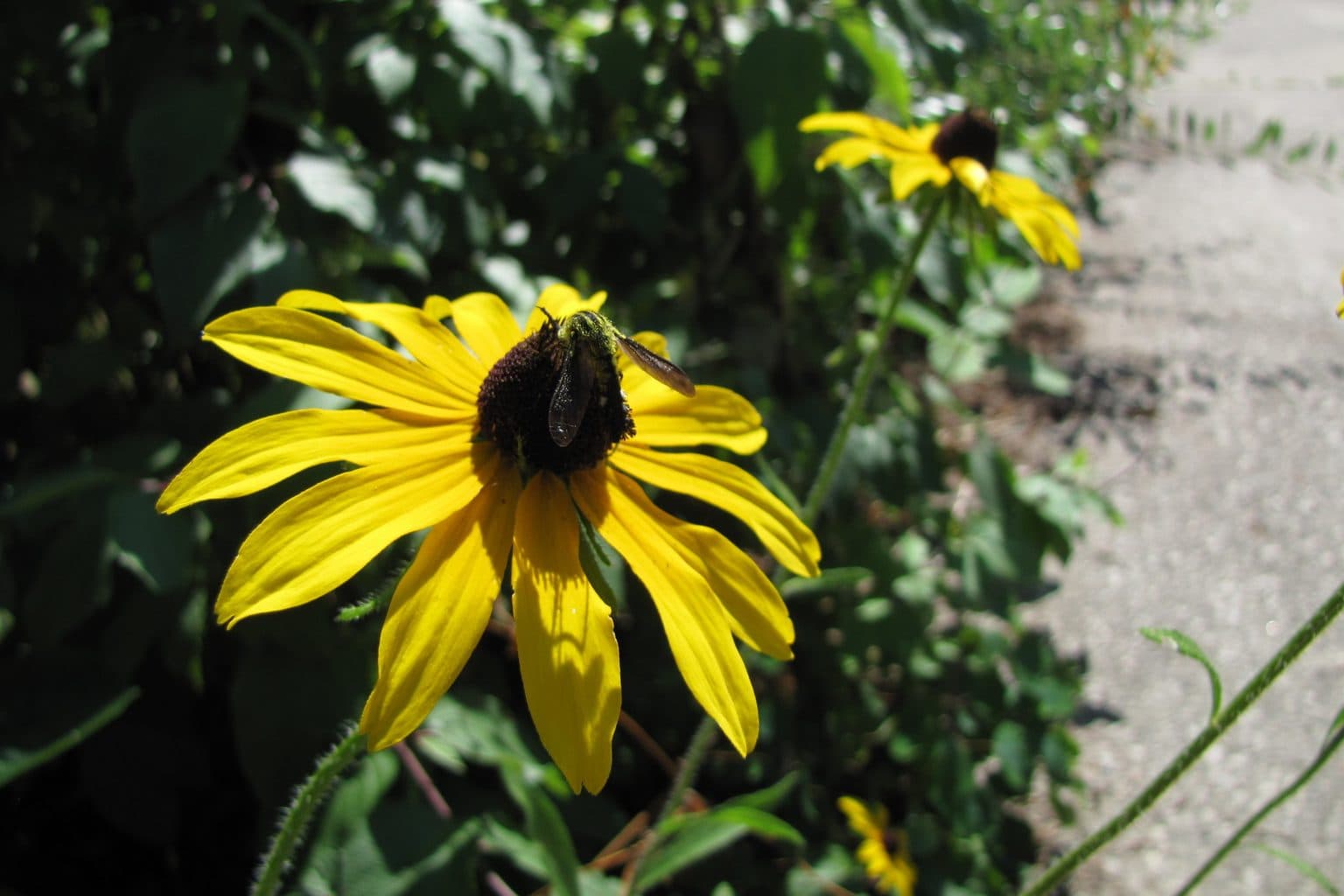
Kentucky has no landscaping statute, but its 2023 Planned Community Act gives real notice-and-hearing rights, an 80 percent path to change the declaration, and a 2025 precedent for overriding old covenants, just not for your yard.
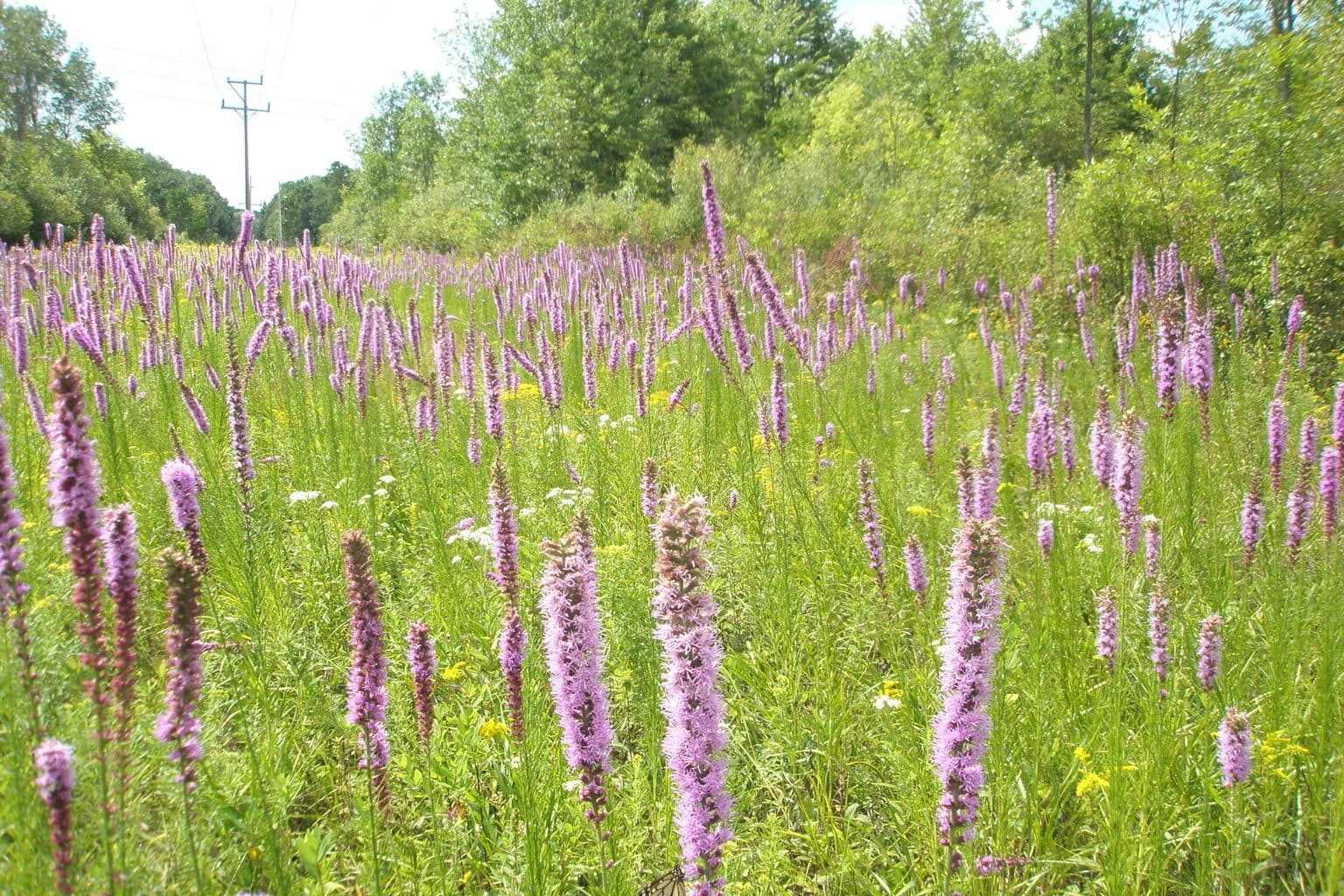
Iowa has no landscaping-protection law, but Iowa Code 614.24 lets a recorded use restriction expire after 21 years if the association never filed a renewal claim. The statute names landscaping itself.
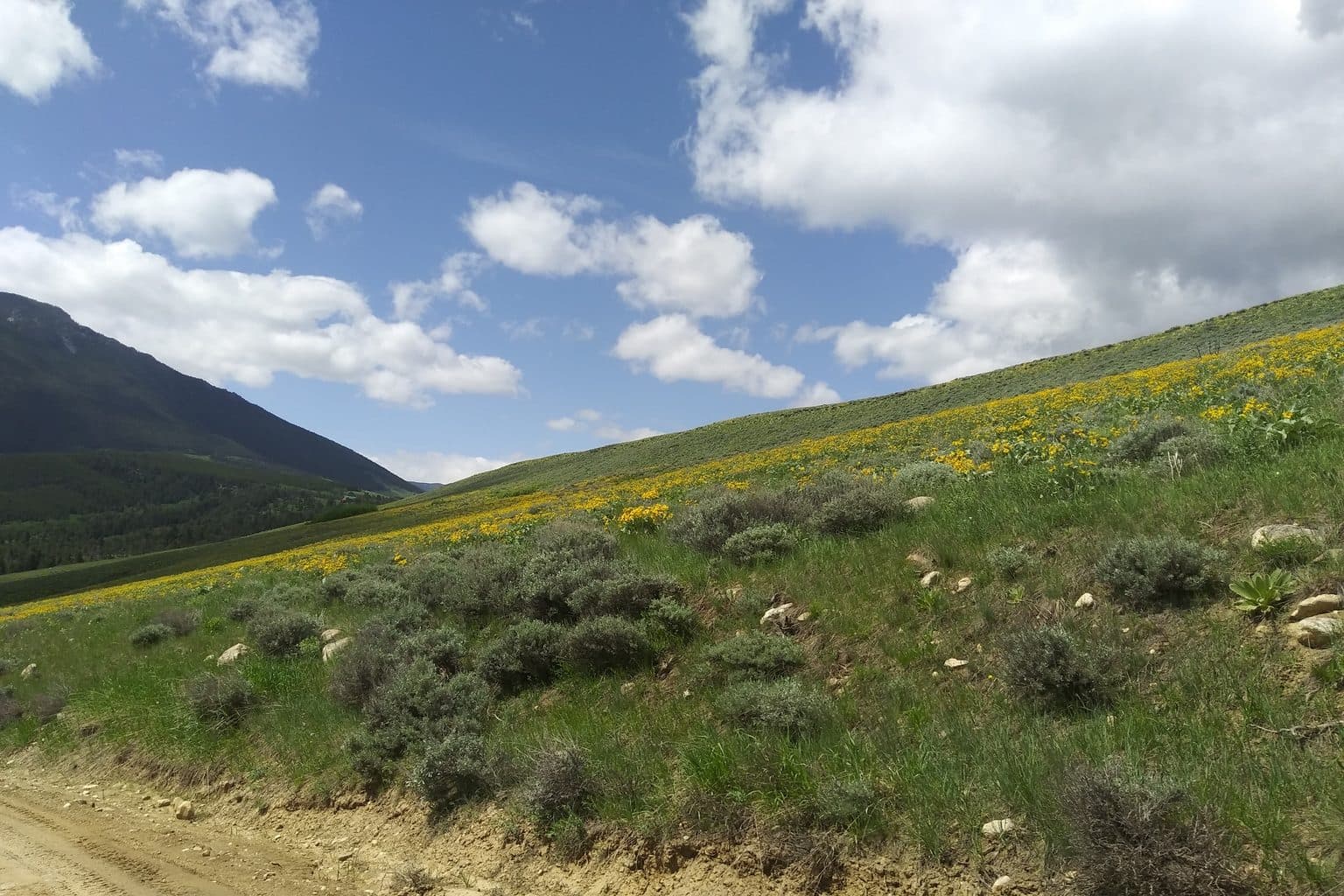
Montana has no landscaping statute and no umbrella HOA act, but a 2023 covenant-abandonment law gives homeowners real leverage that most guides miss, and one statute that looks like a shield is not one.
Arkansas has no native-plant statute, no umbrella HOA act, and no solar-override law either. Here is what actually governs a landscaping dispute in the state with the least statutory leverage in this series.
Idaho has no landscaping statute, but its 2022 Homeowner Association Act gives you an automatic cure right before a fine and bars board rules that go beyond the covenants.
West Virginia has no landscaping statute, and its Common Interest Ownership Act only fully governs communities created after July 1, 1986. Even where it applies, the fine procedure has no cap and no deadline.
Kansas has no landscaping statute, and its HOA act only applies to communities with 12 or more units. Where it does apply, board rules must be reasonable and go through notice and comment.
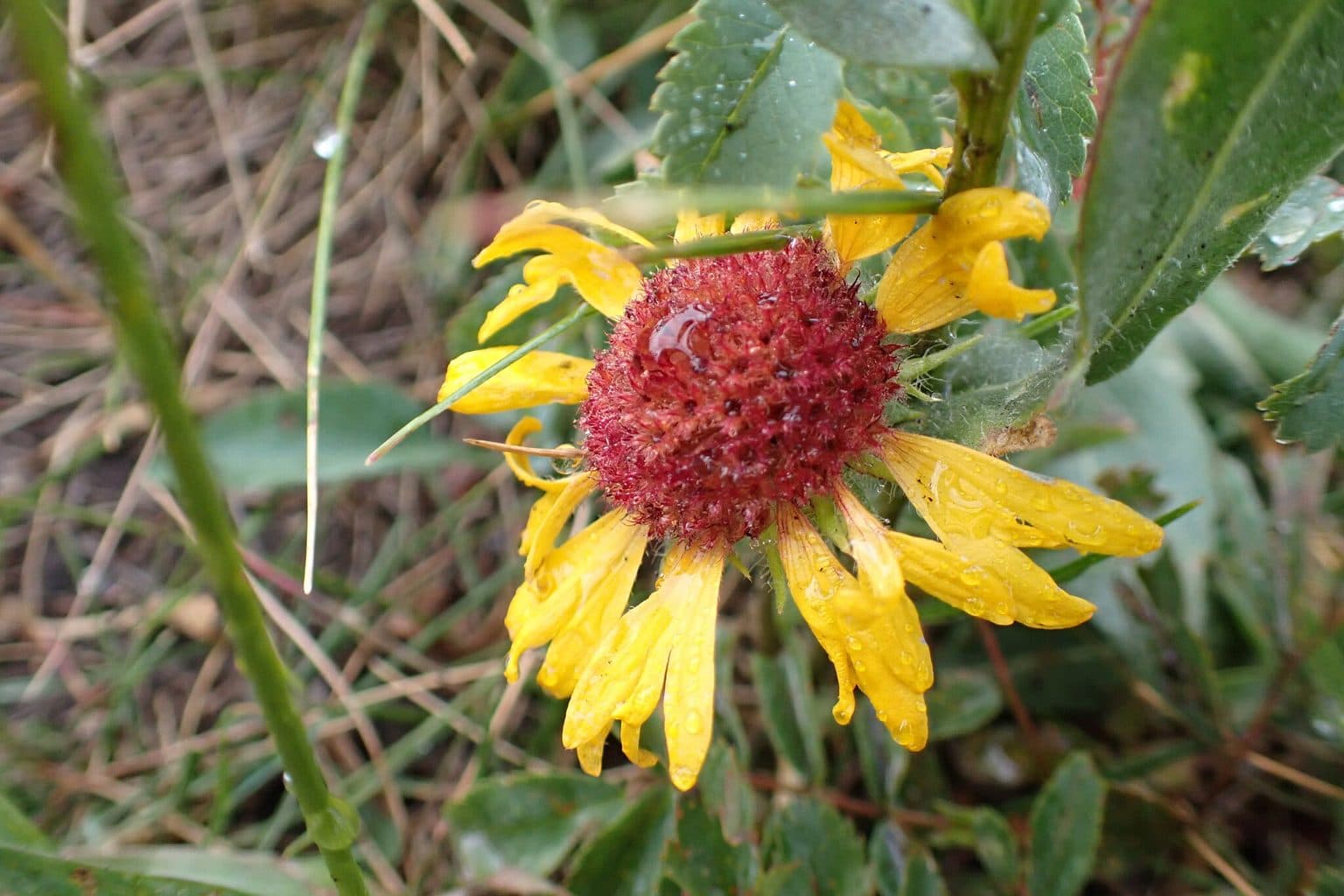
Clear Creek Conservation District funds 70 percent of project cost, up to $2,500 per property, for homeowners and businesses converting turf to a water-wise landscape in northern Wyoming.
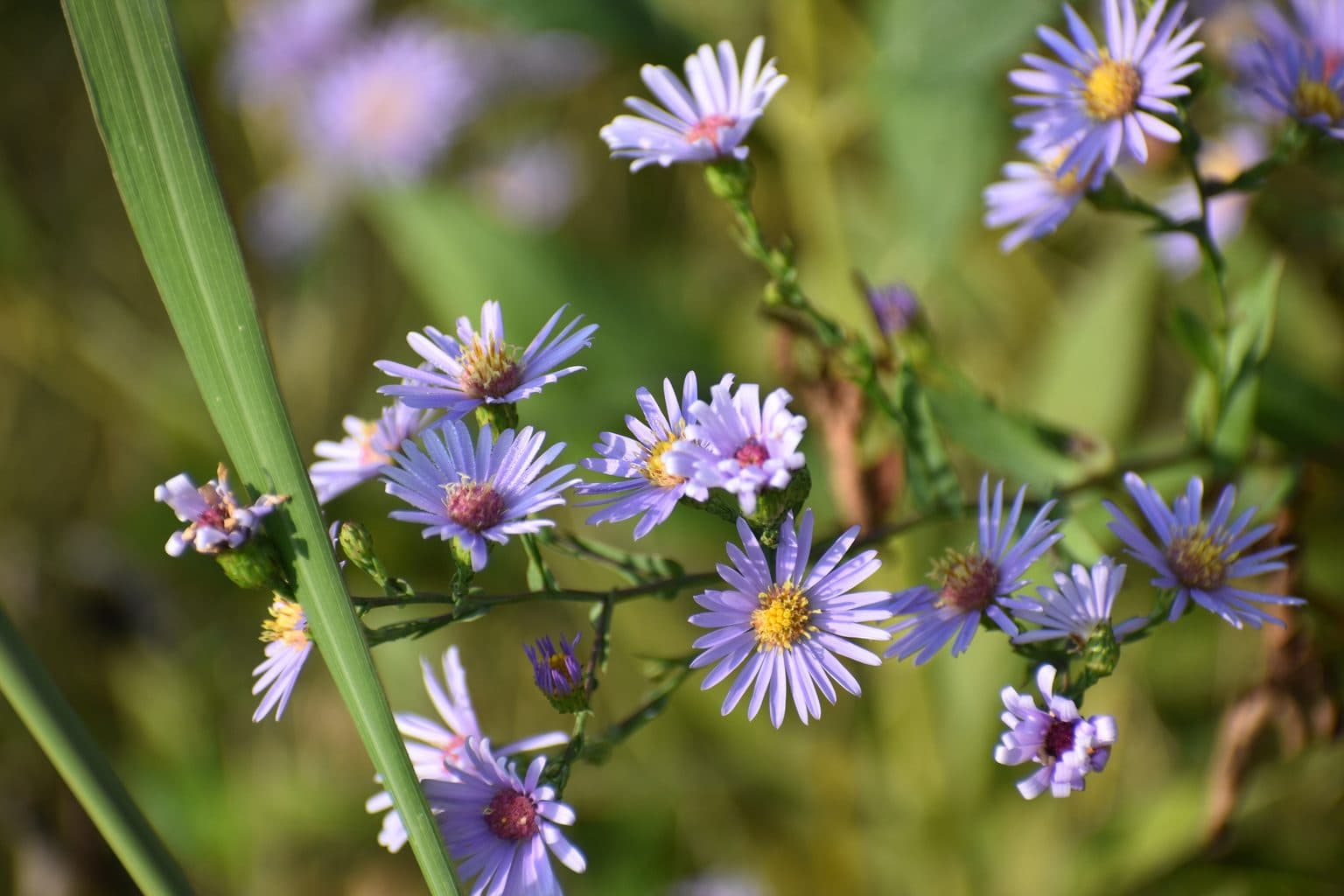
Hennepin County's Good Steward Grants fund up to 75 percent of project cost, typically $10,000 to $20,000, maximum $25,000, for individual landowners restoring native habitat.
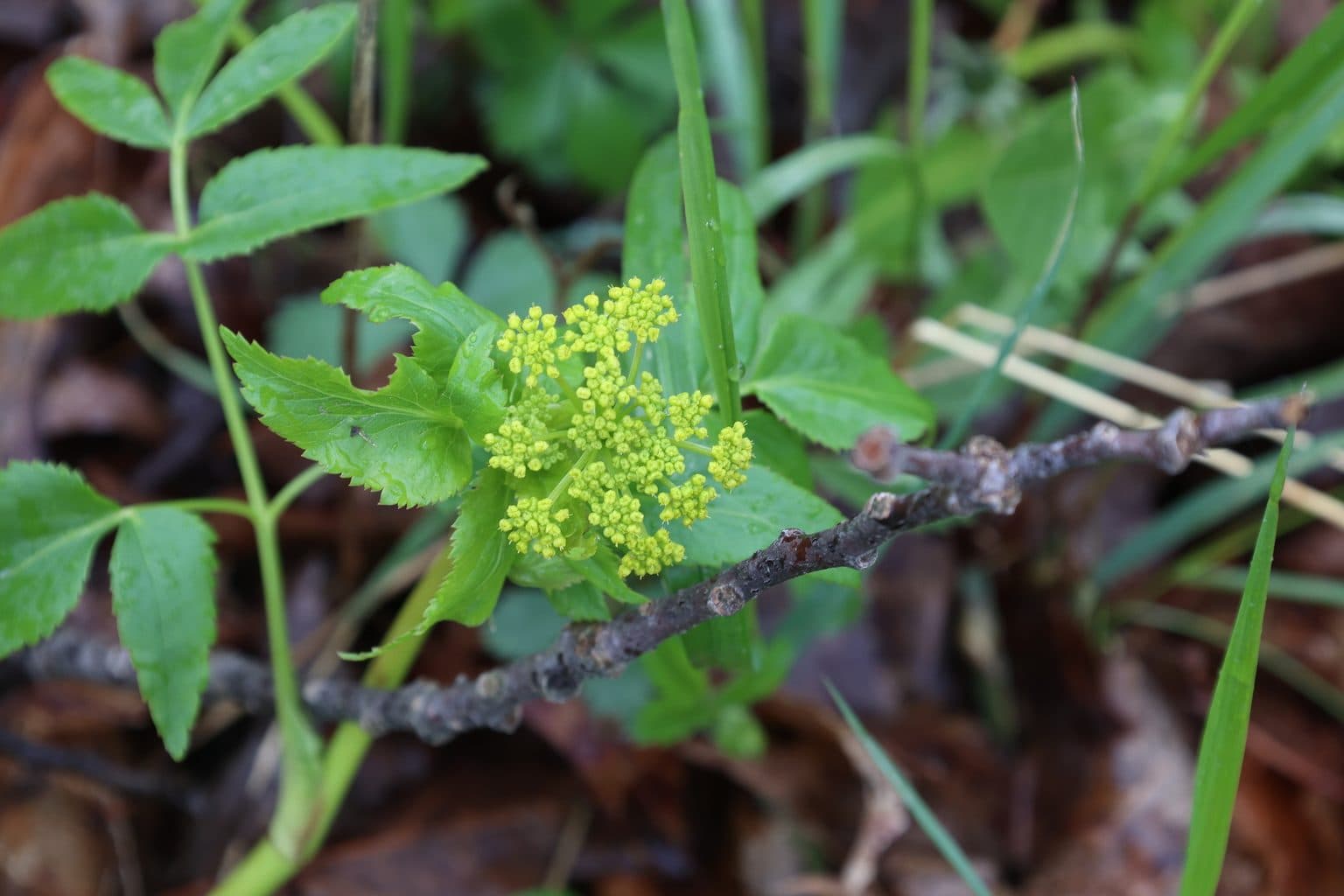
Rice Creek Watershed District's Water Quality Grants cover 25 to 50 percent of project cost, or 75 percent for a highly beneficial project, up to $10,000, for a rain garden or prairie restoration.
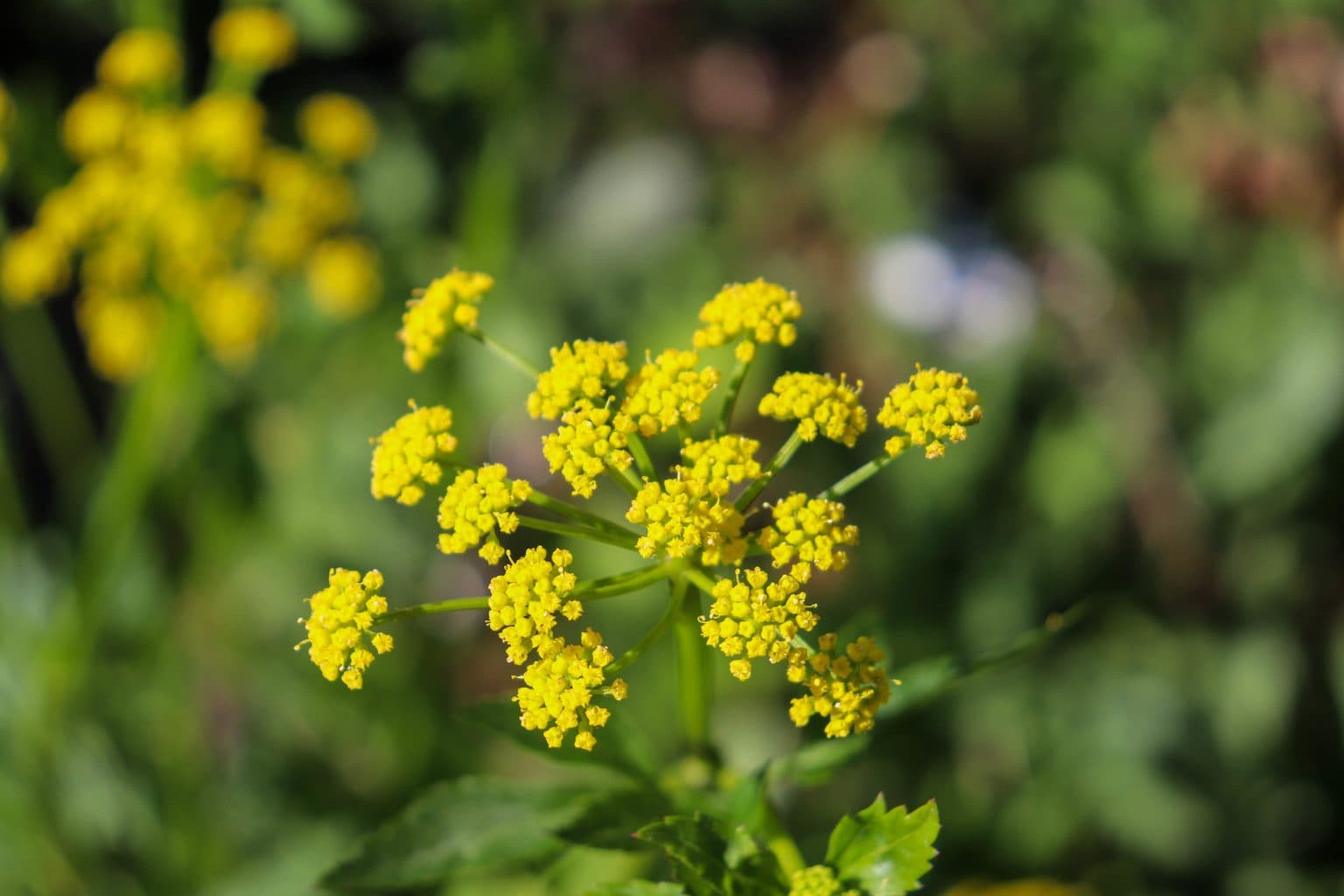
Carver County Water Management Organization funds 75 percent of eligible project cost, up to $5,000, for a rain garden, shoreline restoration, or native planting, with applications accepted year-round.
The Virginia Conservation Assistance Program reimburses 80 percent of project cost, up to $7,000, for conservation landscaping, with more than a dozen local Soil and Water Conservation Districts delivering it statewide.
The City of Waynesboro credits up to 50 percent off a homeowner's annual stormwater utility fee for installing rain gardens, native plantings, or other qualifying stormwater practices.
Midday wilting in a heat wave is usually normal, not a death sentence. How to read a young native plant's summer stress signals, the two-inch soil test that tells you whether to water, and how to tell heat wilt from overwatering.
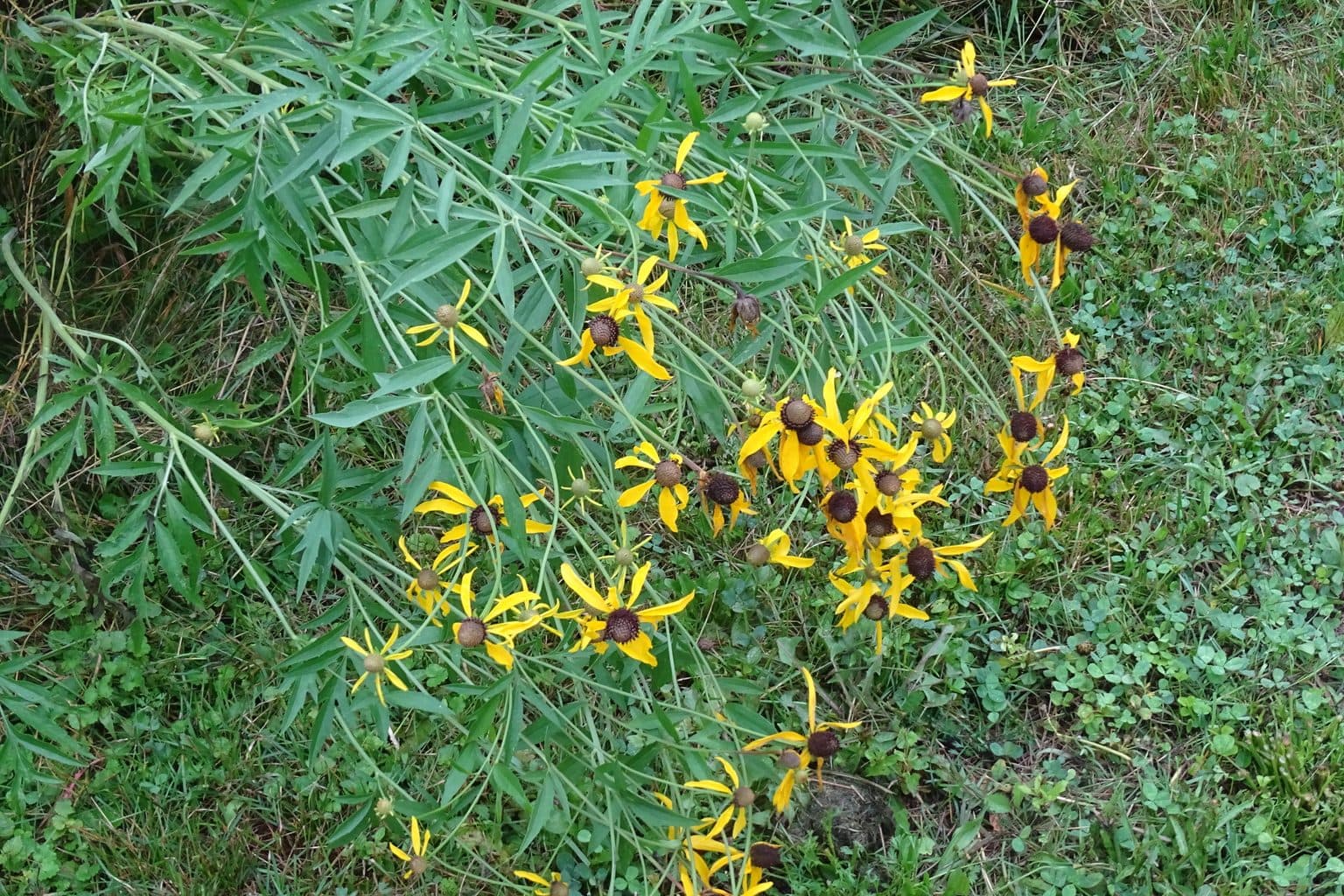
The plants that bloomed in late spring are ripening seed right now, and the window does not announce itself. How to tell when seed is ripe, how long the harvest window runs, and how to dry and sow it so winter does the rest.
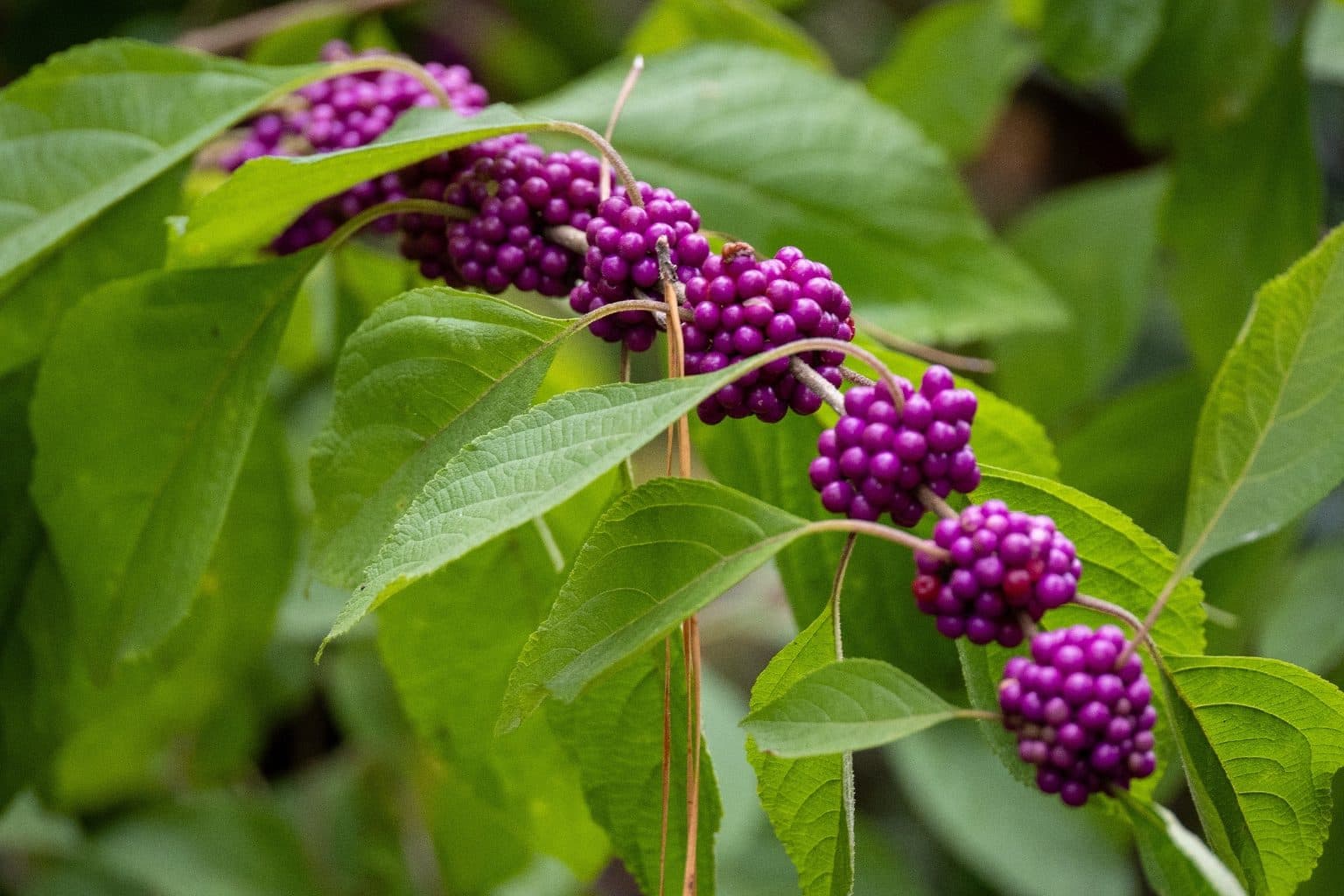
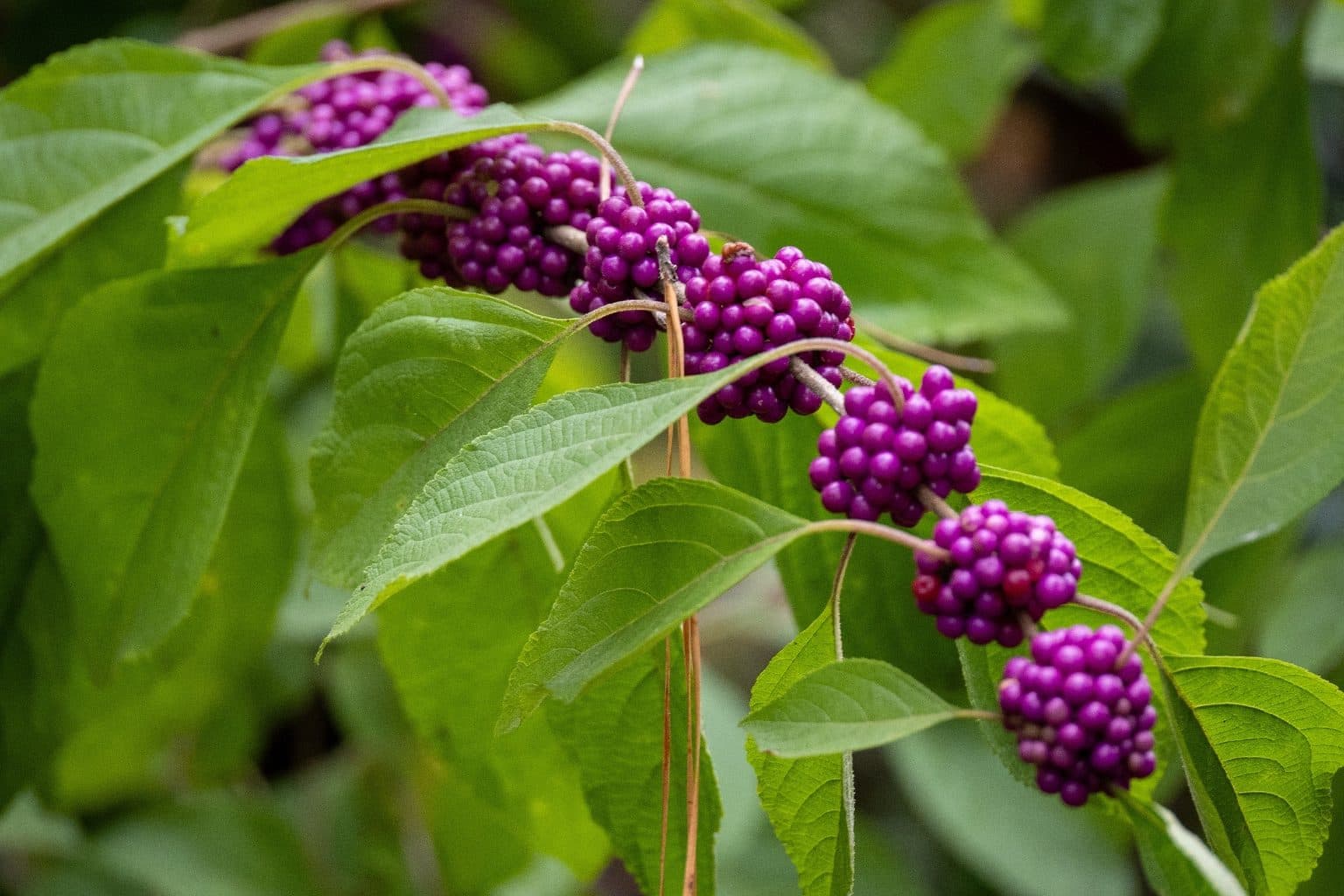
American Beautyberry (Callicarpa americana) does not appear on the ASPCA toxic plant list for dogs, cats, or horses. Why this East Texas native with fall berry clusters is a dog-reasonable landscaping pick.
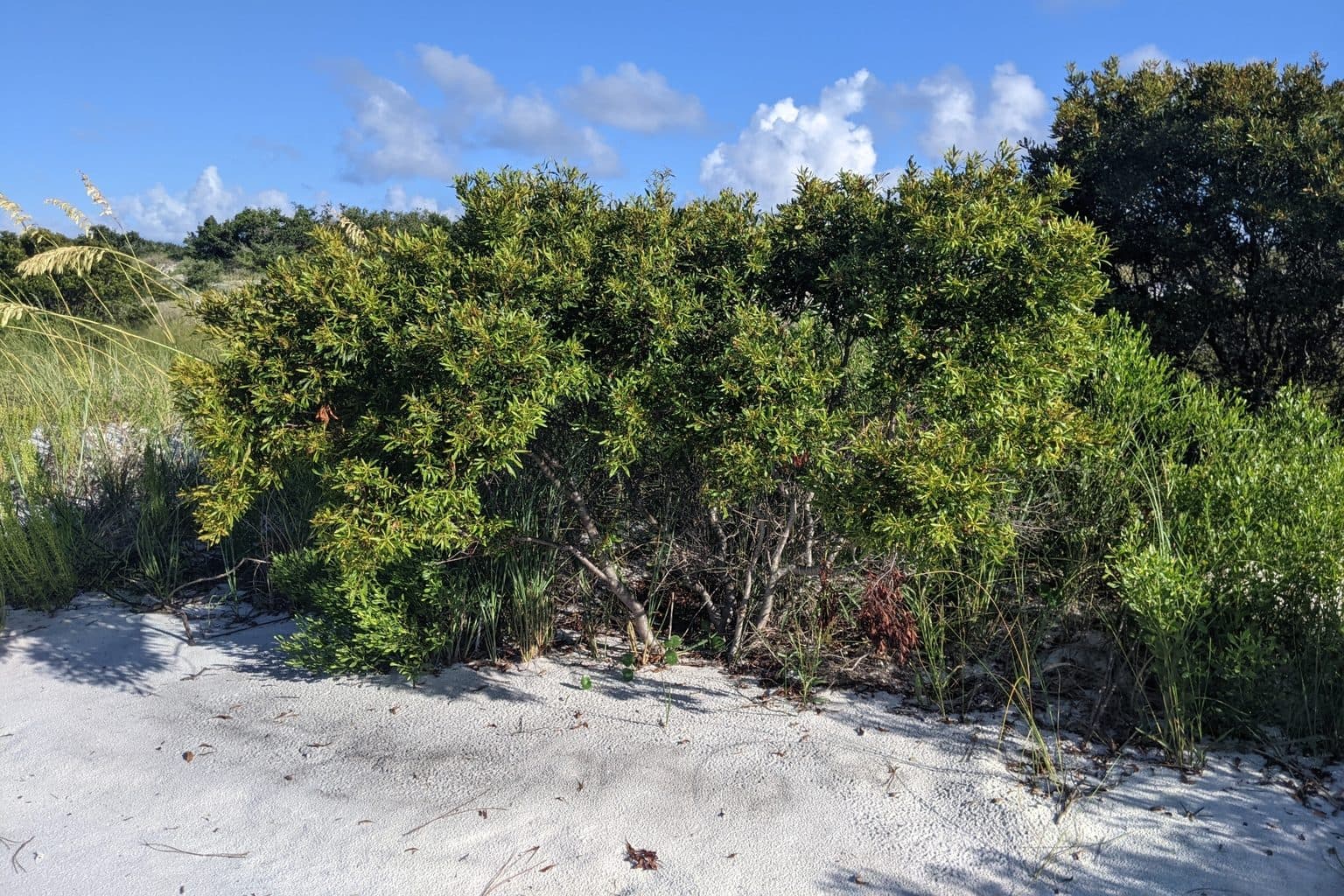
Wax Myrtle (Morella cerifera) does not appear on the ASPCA toxic plant list for dogs, cats, or horses. Why this fast, salt-tolerant Gulf Coast native is a dog-reasonable screening shrub.
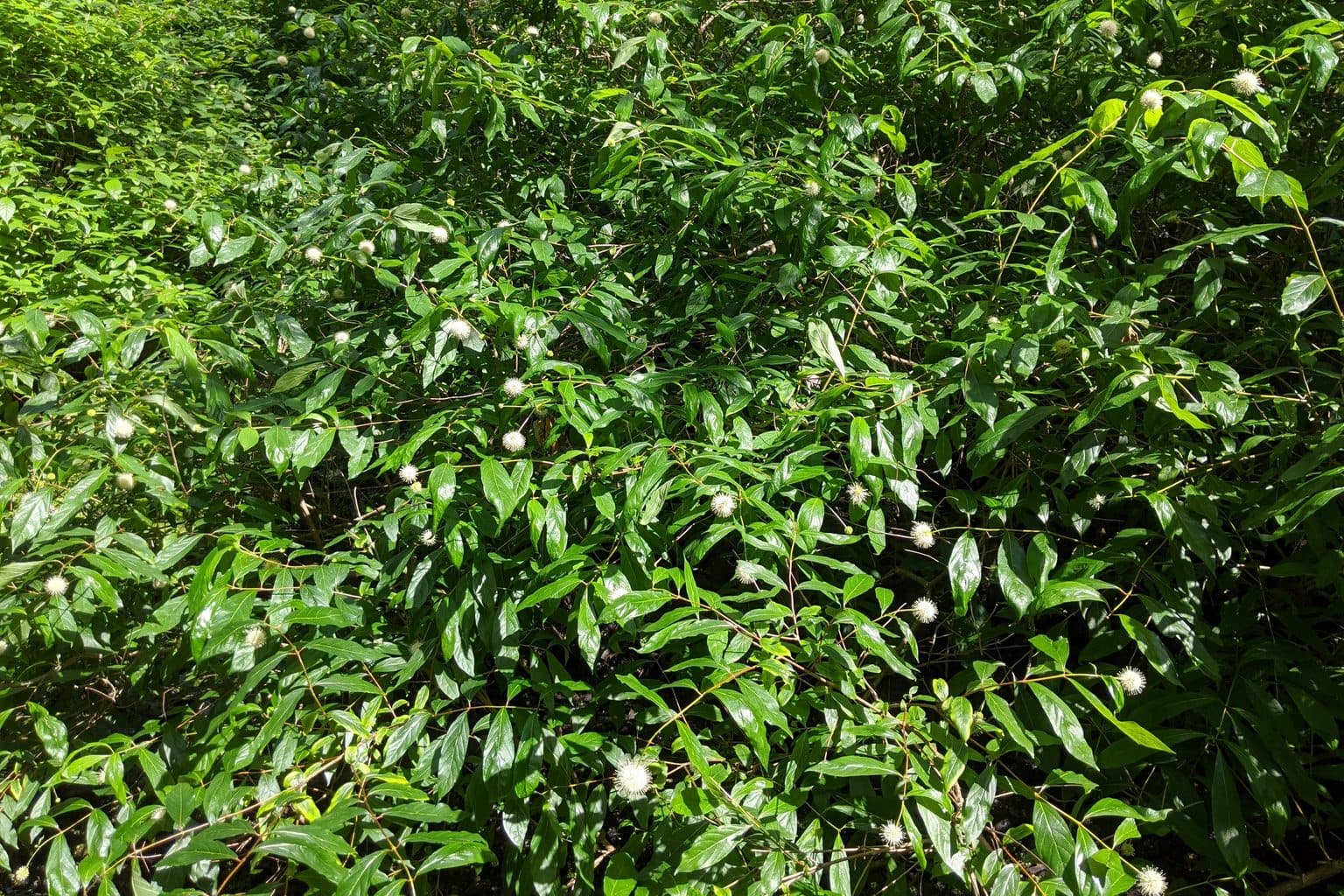
Buttonbush (Cephalanthus occidentalis) does not appear on the ASPCA toxic plant list for dogs, cats, or horses. Why this Texas wetland native with pincushion flowers is a strong pick for a wet corner of the yard.
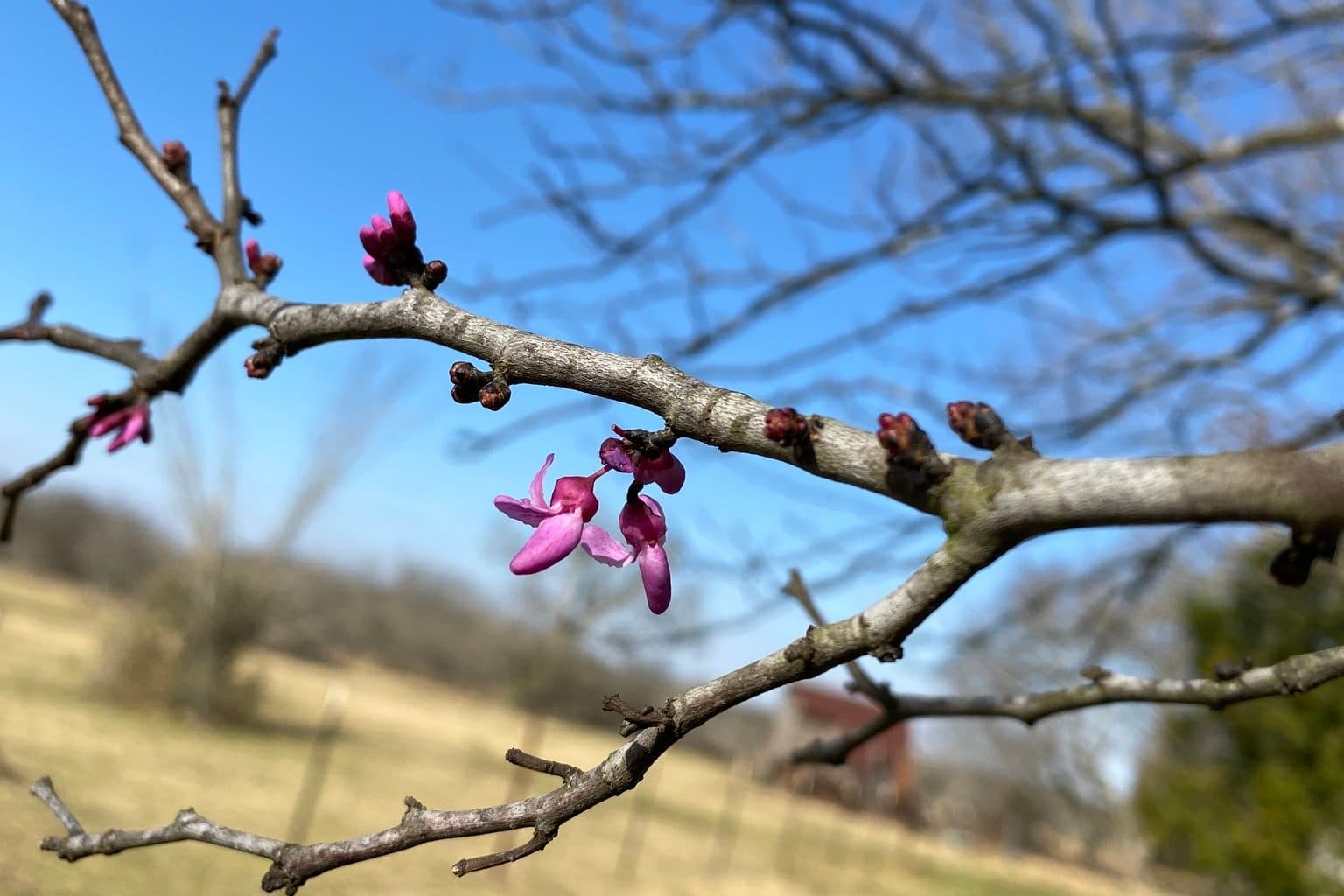
Eastern Redbud (Cercis canadensis) does not appear on the ASPCA toxic plant list for dogs, cats, or horses. Why this early-spring Hill Country native is a dog-reasonable small ornamental tree.
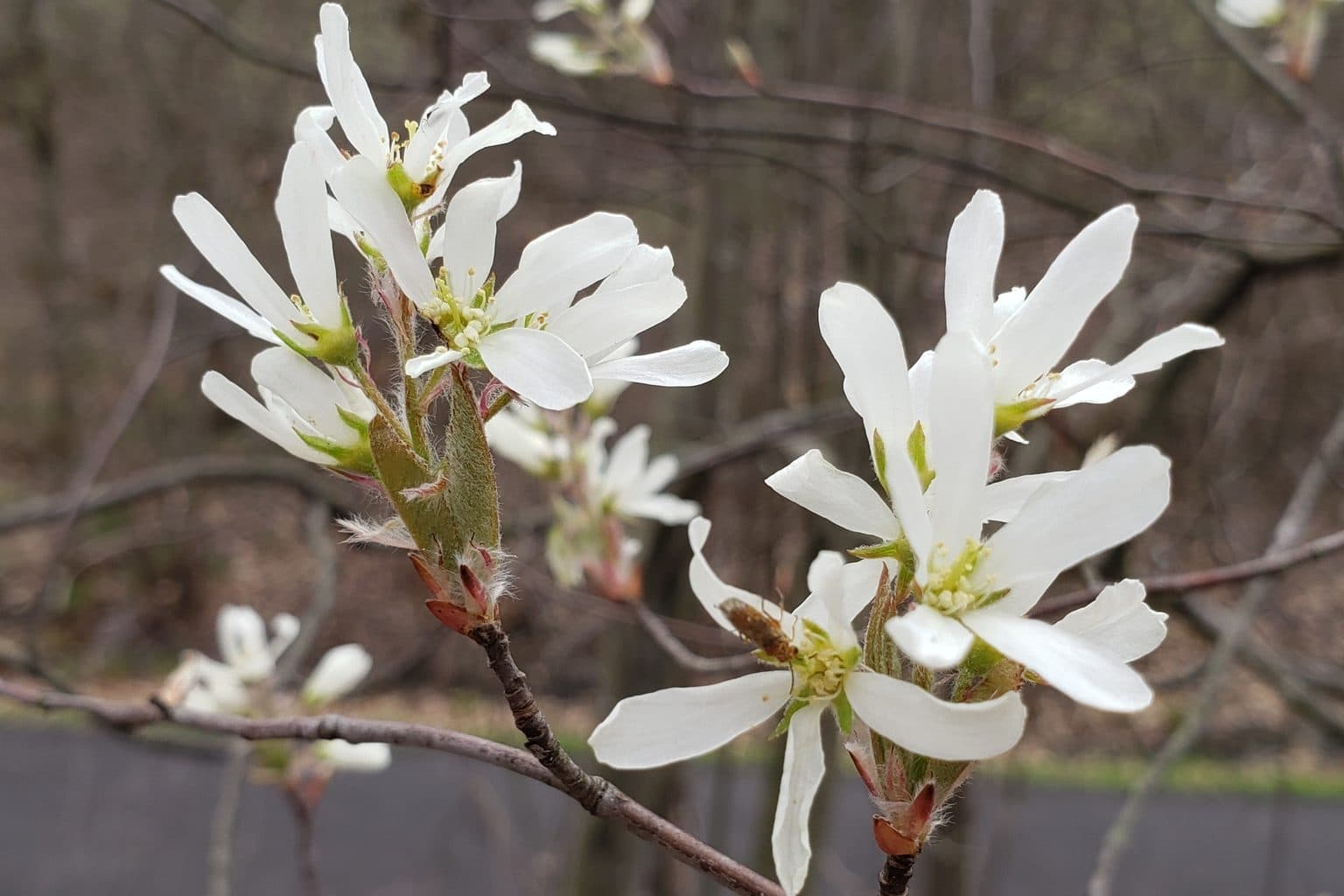
Downy Serviceberry (Amelanchier arborea) does not appear on the ASPCA toxic plant list for dogs, cats, or horses. Where this early-blooming native tree actually grows in Texas, and why it is worth planting.
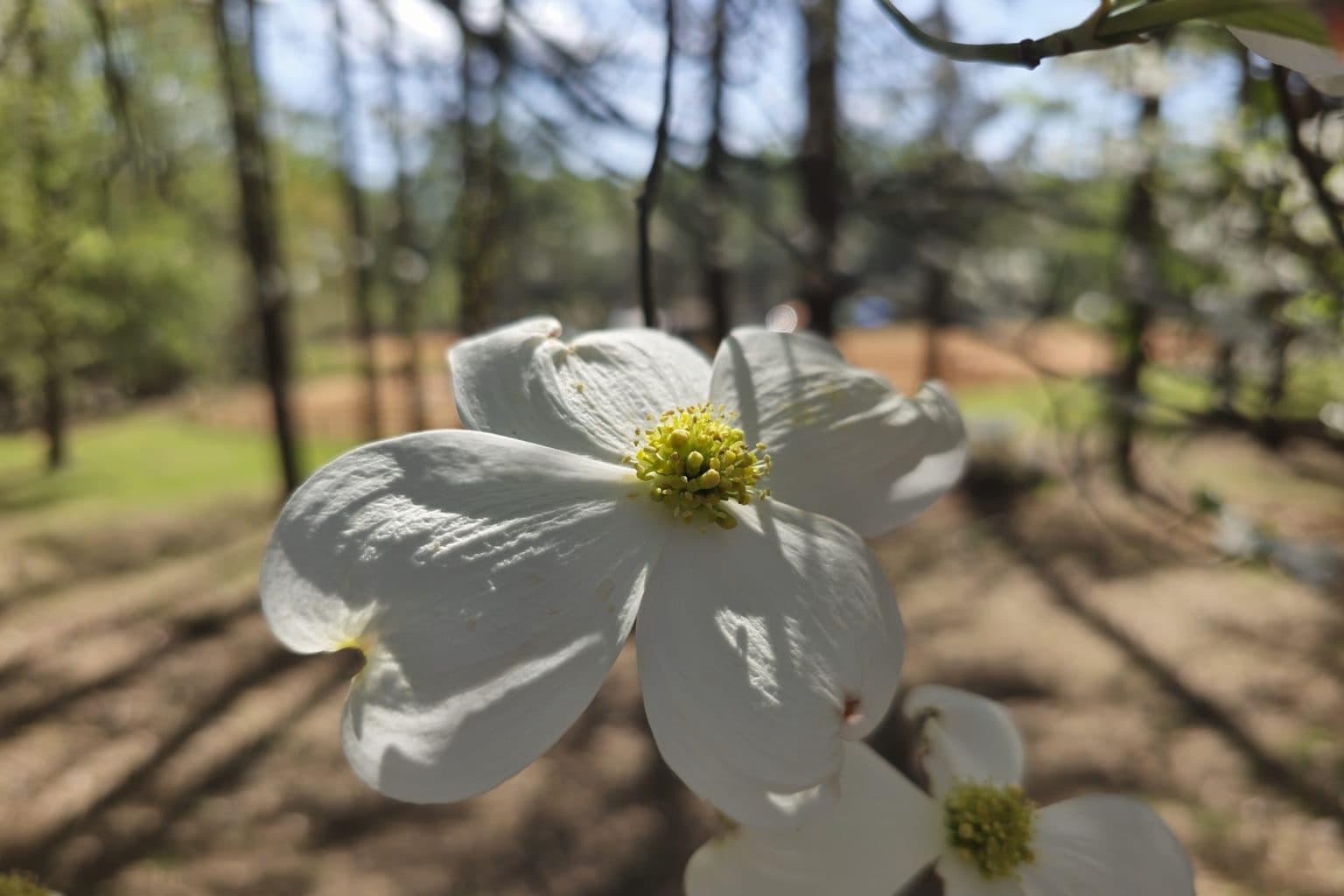
Flowering Dogwood (Cornus florida) does not appear on the ASPCA toxic plant list for dogs, cats, or horses. It is not the same plant as Dogbane or Dog Hobble, both of which ARE ASPCA-confirmed toxic.
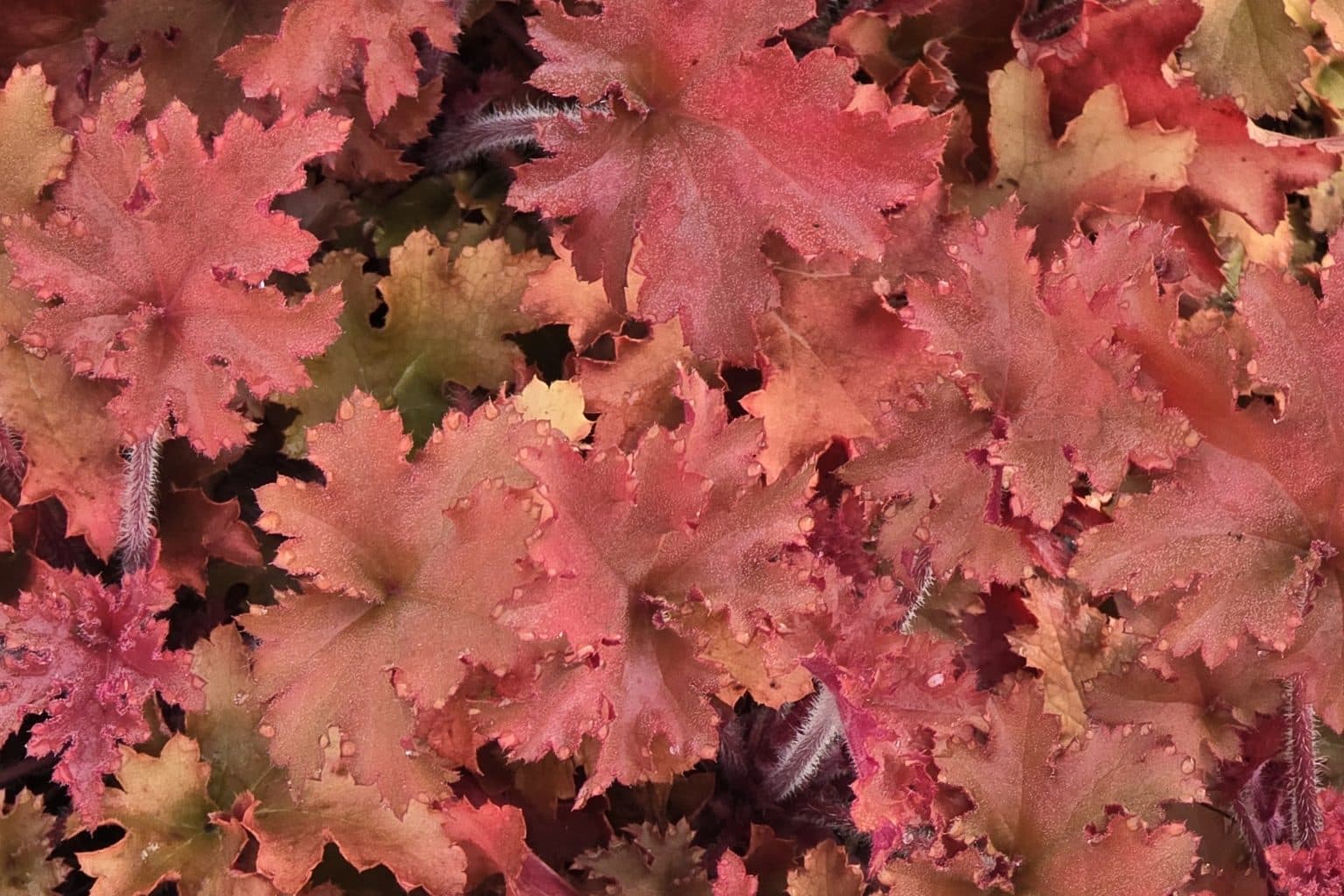
Coral Bells (Heuchera sanguinea, also called Alumroot) carries an explicit non-toxic listing from the ASPCA for dogs. Where this West Texas mountain native actually grows, and why it earns a spot in a dog yard.
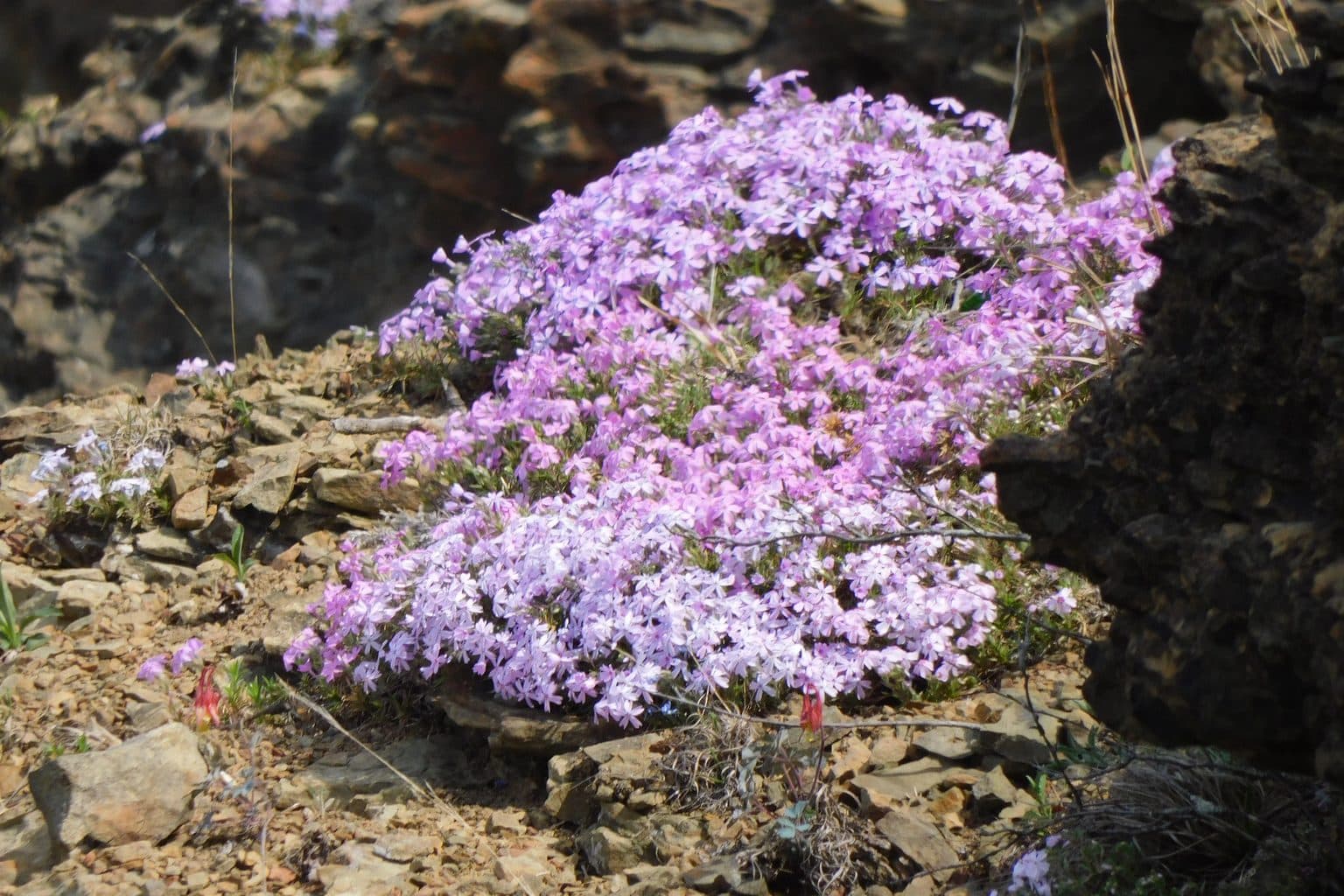
Moss Phlox (Phlox subulata) carries an explicit non-toxic listing from the ASPCA for dogs. It is not native to Texas, though a true Texas native counterpart, Texas Trailing Phlox, does exist.
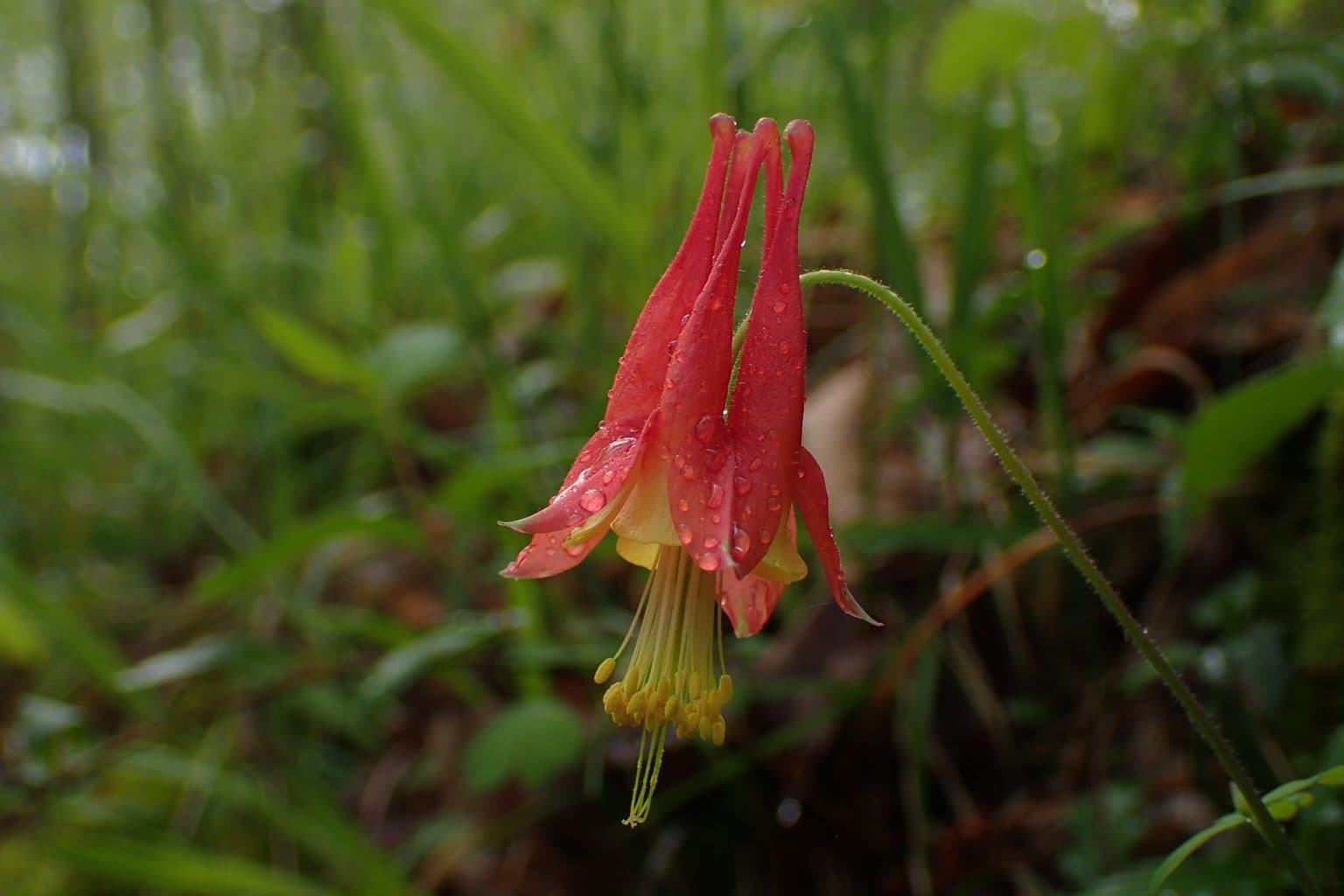
Eastern Red Columbine (Aquilegia canadensis) does not appear on the ASPCA toxic plant list for dogs, cats, or horses. Why this Hill Country shade wildflower is a strong hummingbird pick for a dog yard.
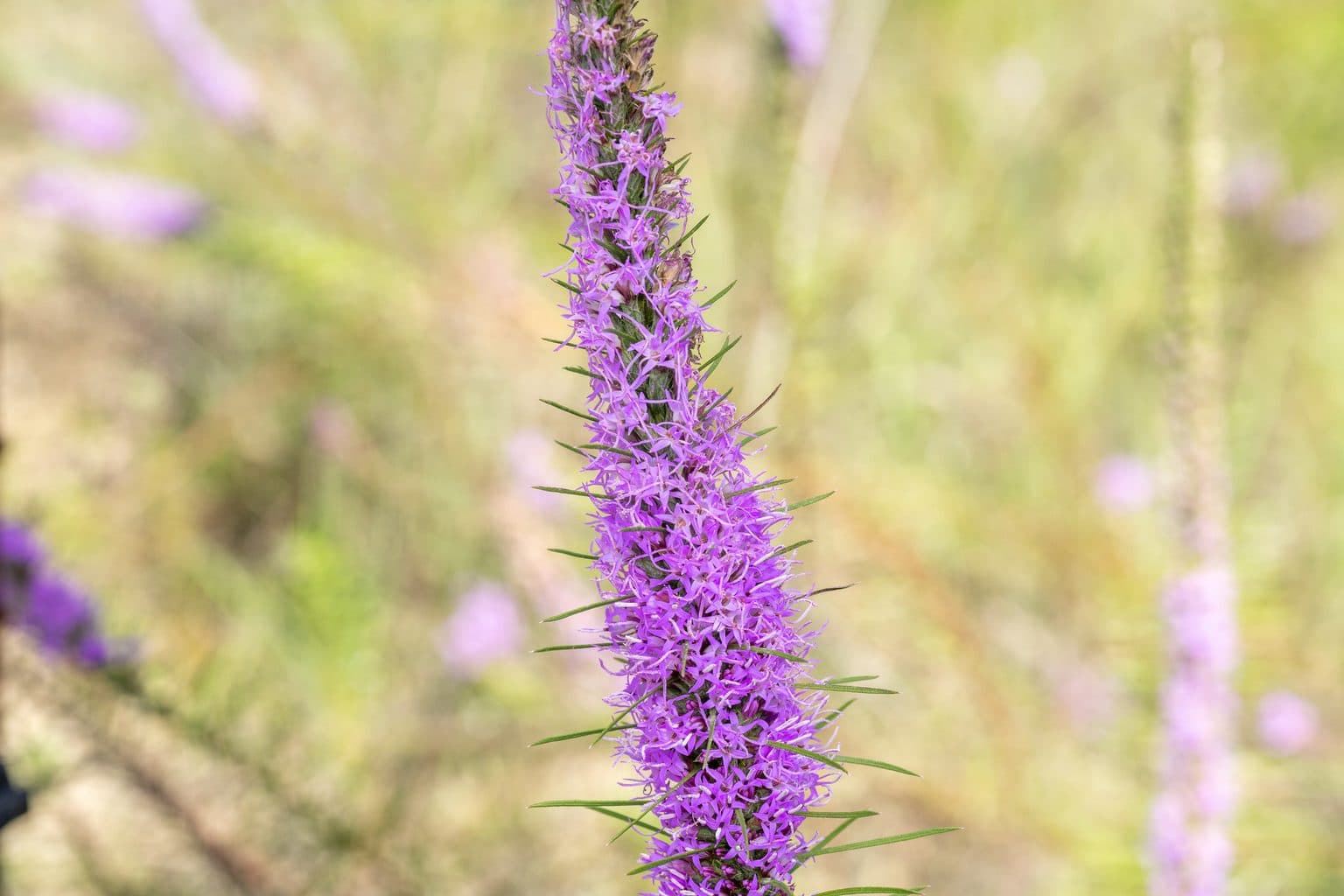
Blazing Star (Liatris spp.) does not appear on the ASPCA toxic plant list for dogs, cats, or horses. Which species is actually native to Texas, and why it is a fall monarch magnet.
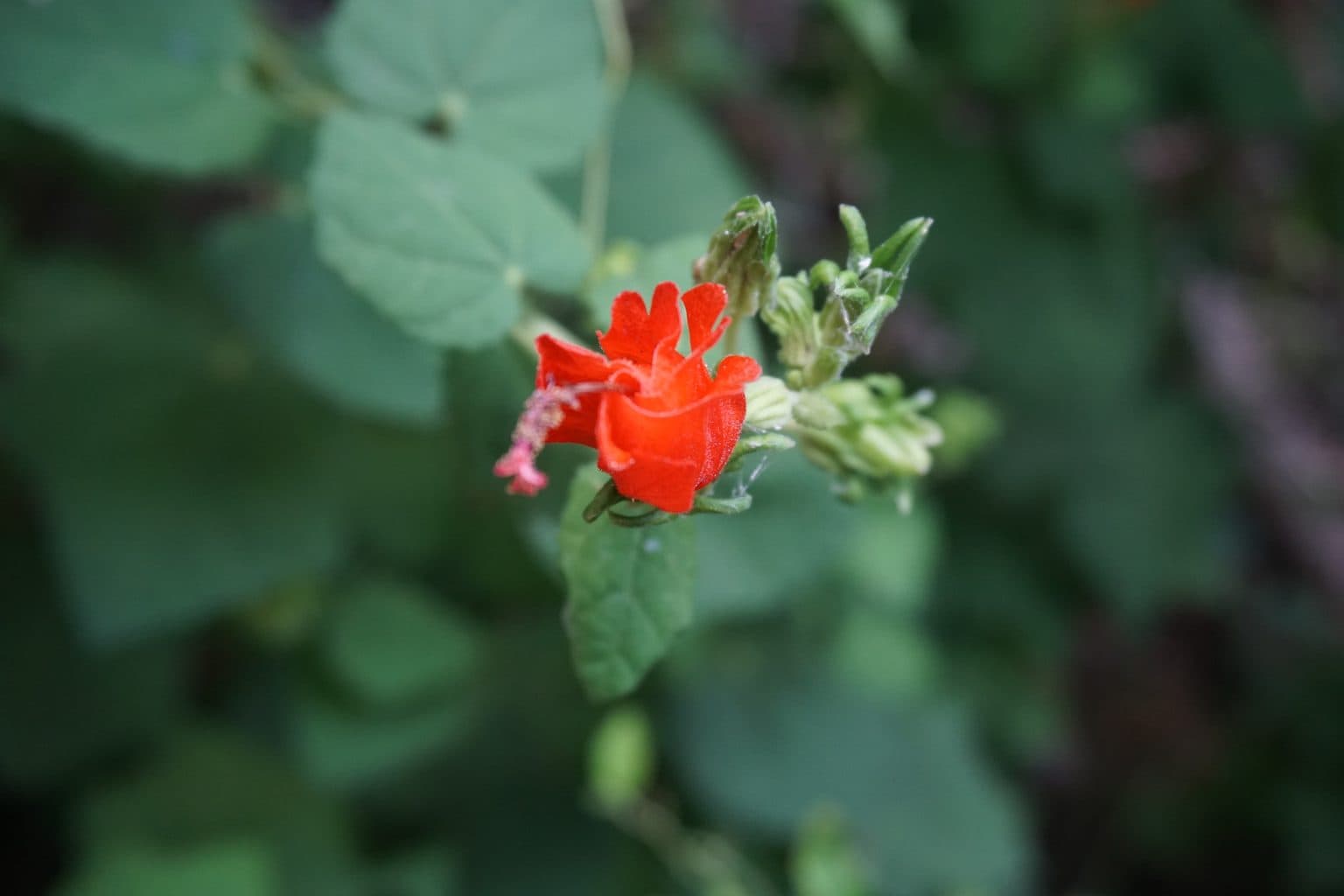
Turk's Cap (Malvaviscus arboreus var. drummondii) does not appear on the ASPCA toxic plant list for dogs, cats, or horses. Why this shade-tolerant South Texas native is one of the best hummingbird plants for a dog yard.
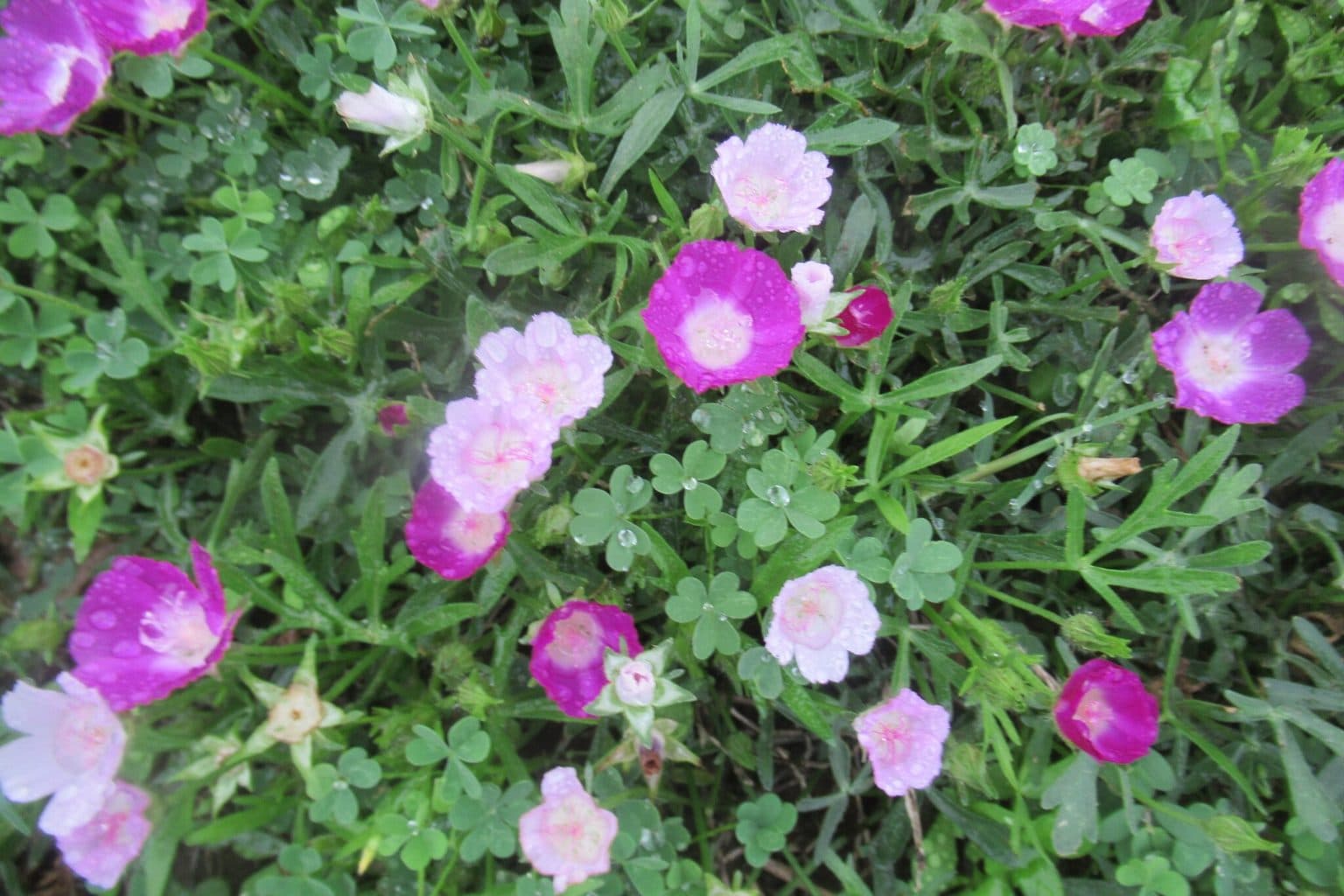
Winecup (Callirhoe involucrata) does not appear on the ASPCA toxic plant list for dogs, cats, or horses. Why this low, drought-tough High Plains native wildflower is a dog-reasonable groundcover.
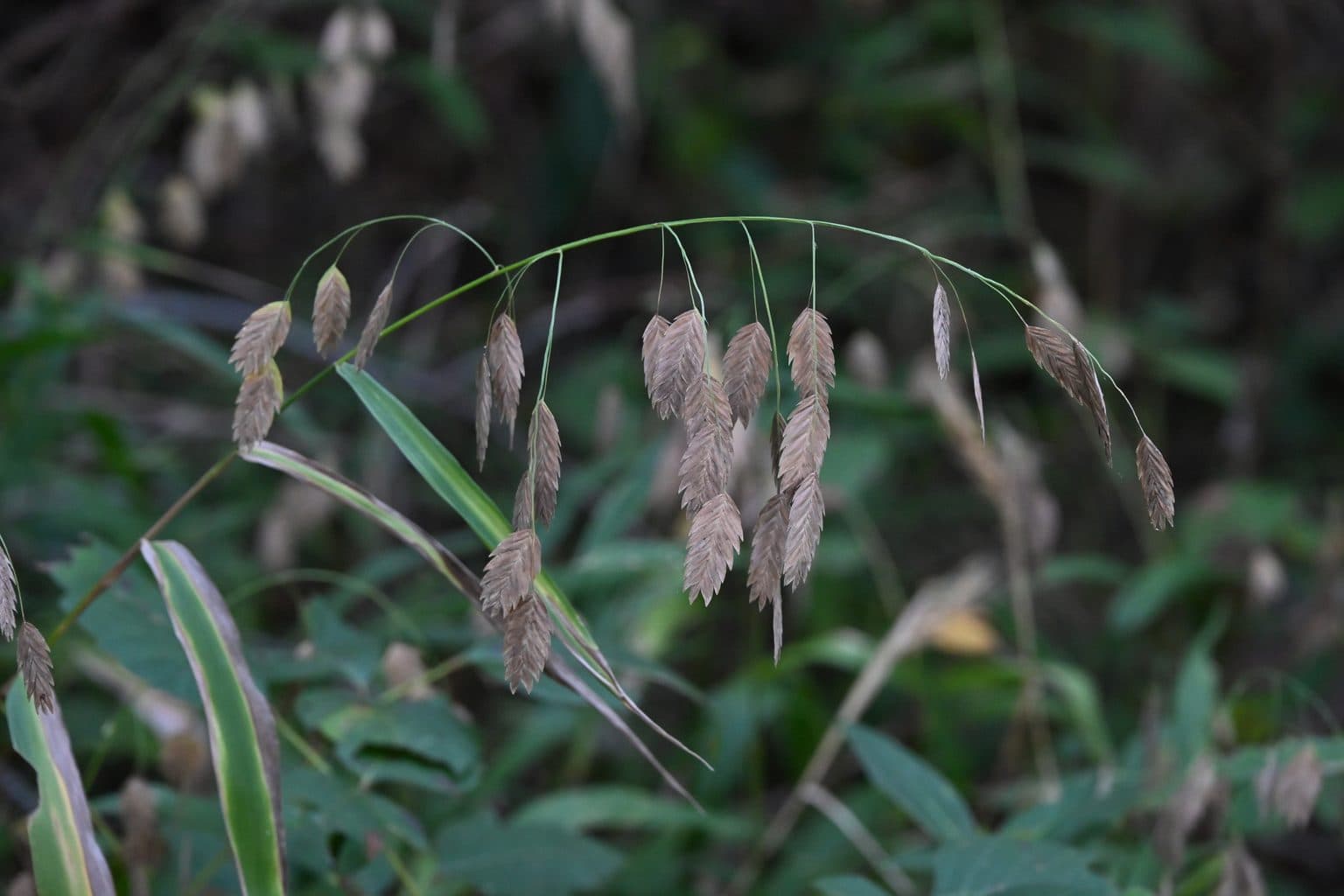
Inland Sea Oats (Chasmanthium latifolium) does not appear on the ASPCA toxic plant list for dogs, cats, or horses. Why this shade-tolerant Texas native grass is a strong pick for a wooded dog yard.
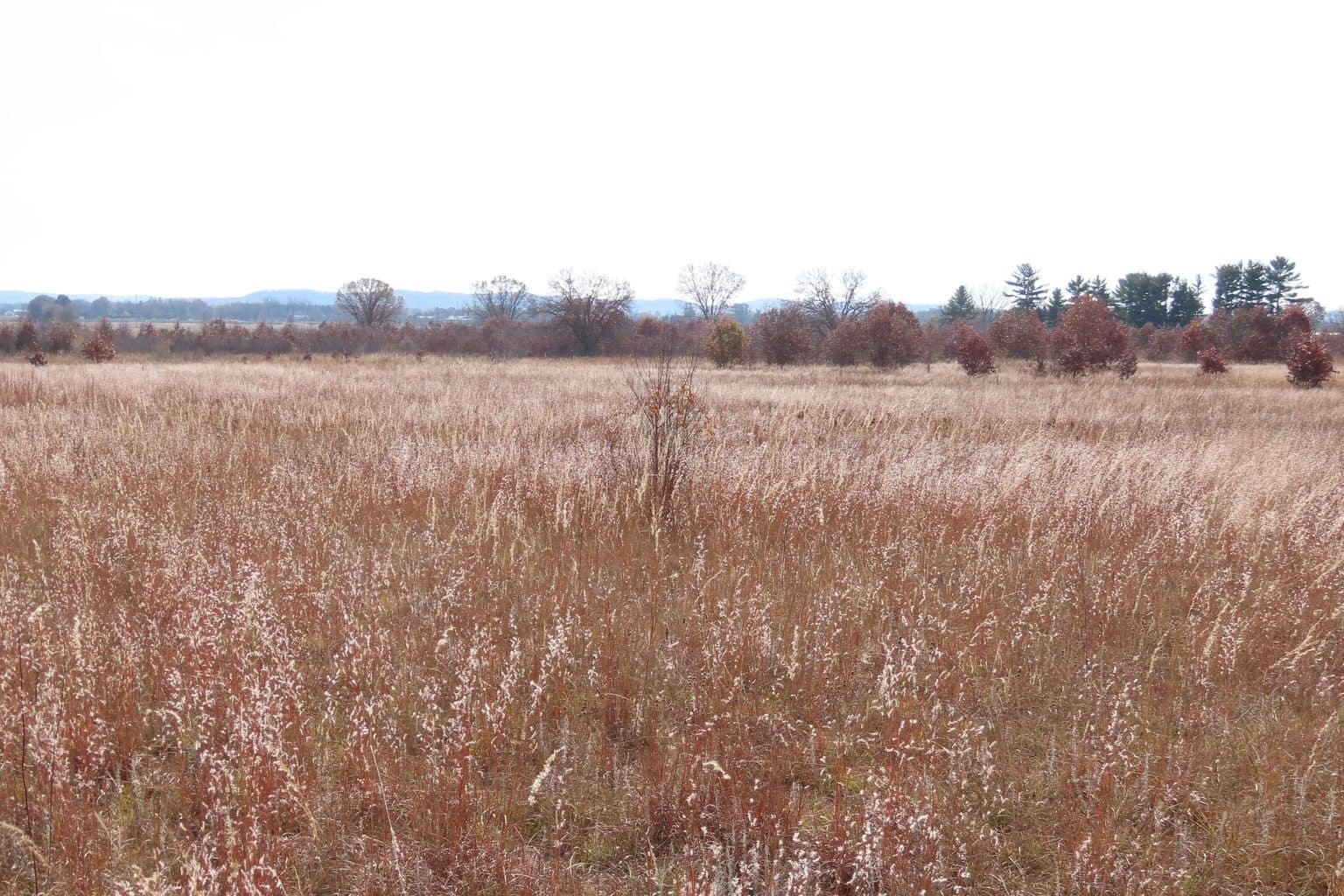
Little Bluestem (Schizachyrium scoparium), the official State Grass of Texas, does not appear on the ASPCA toxic plant list for dogs, cats, or horses. Why it earns a spot in a Blackland Prairie yard.
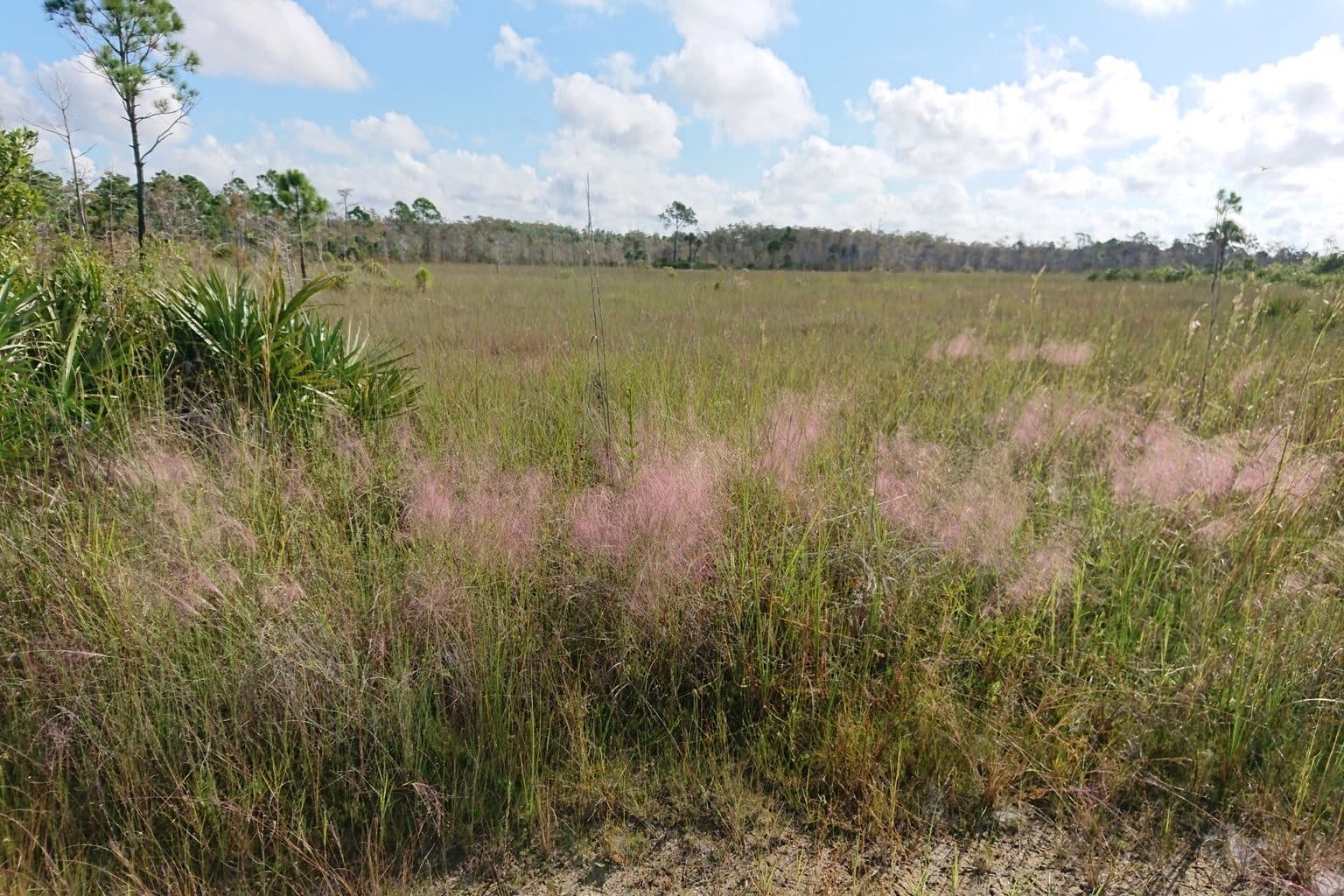
Gulf Muhly / Pink Muhly Grass (Muhlenbergia capillaris) does not appear on the ASPCA toxic plant list for dogs, cats, or horses. Why this Hill Country native grass earns its famous fall pink cloud.
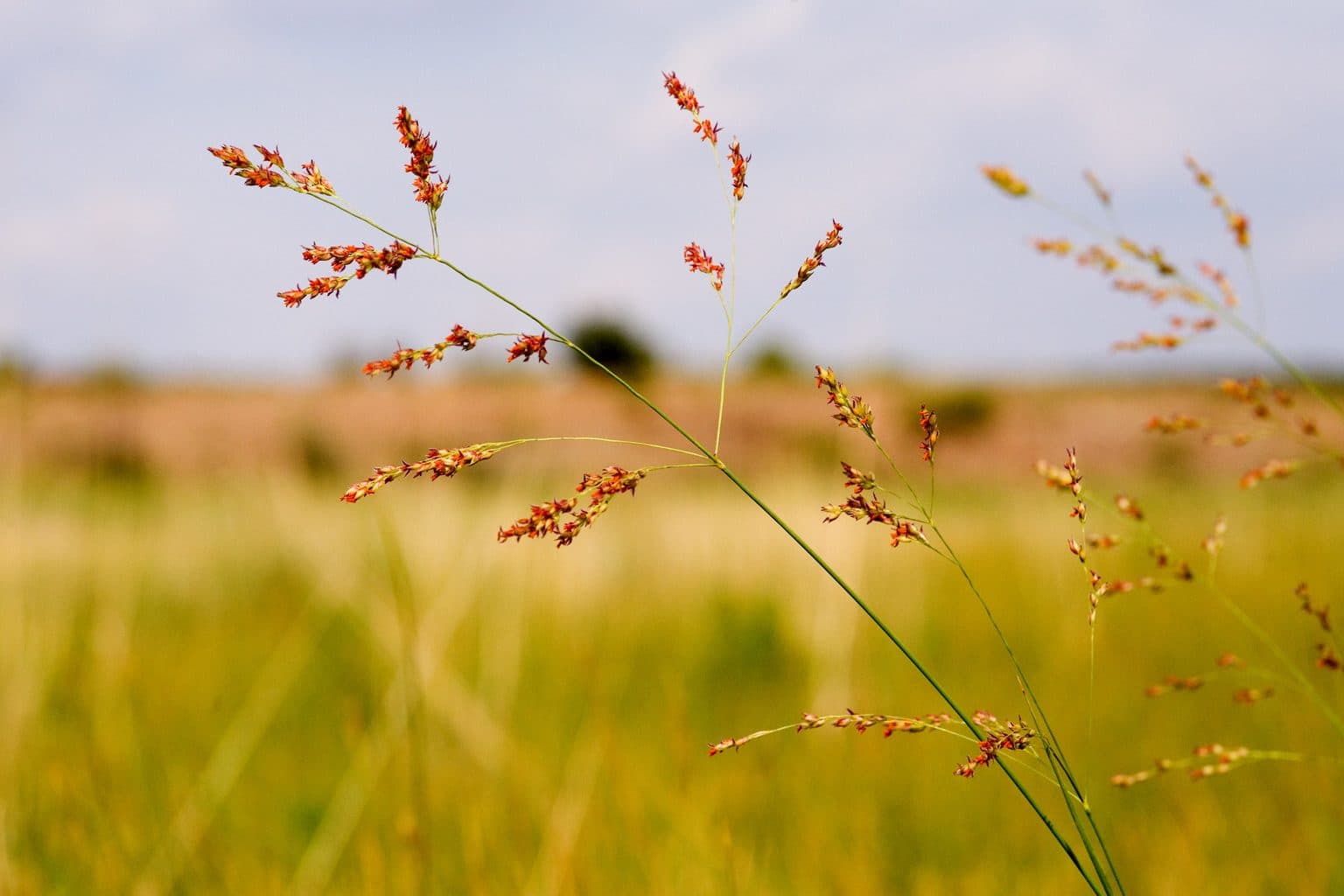
Switchgrass (Panicum virgatum) does not appear on the ASPCA toxic plant list for dogs, cats, or horses. The separate TAMU livestock-forage caveat explained, and why it does not apply to a dog in a yard.
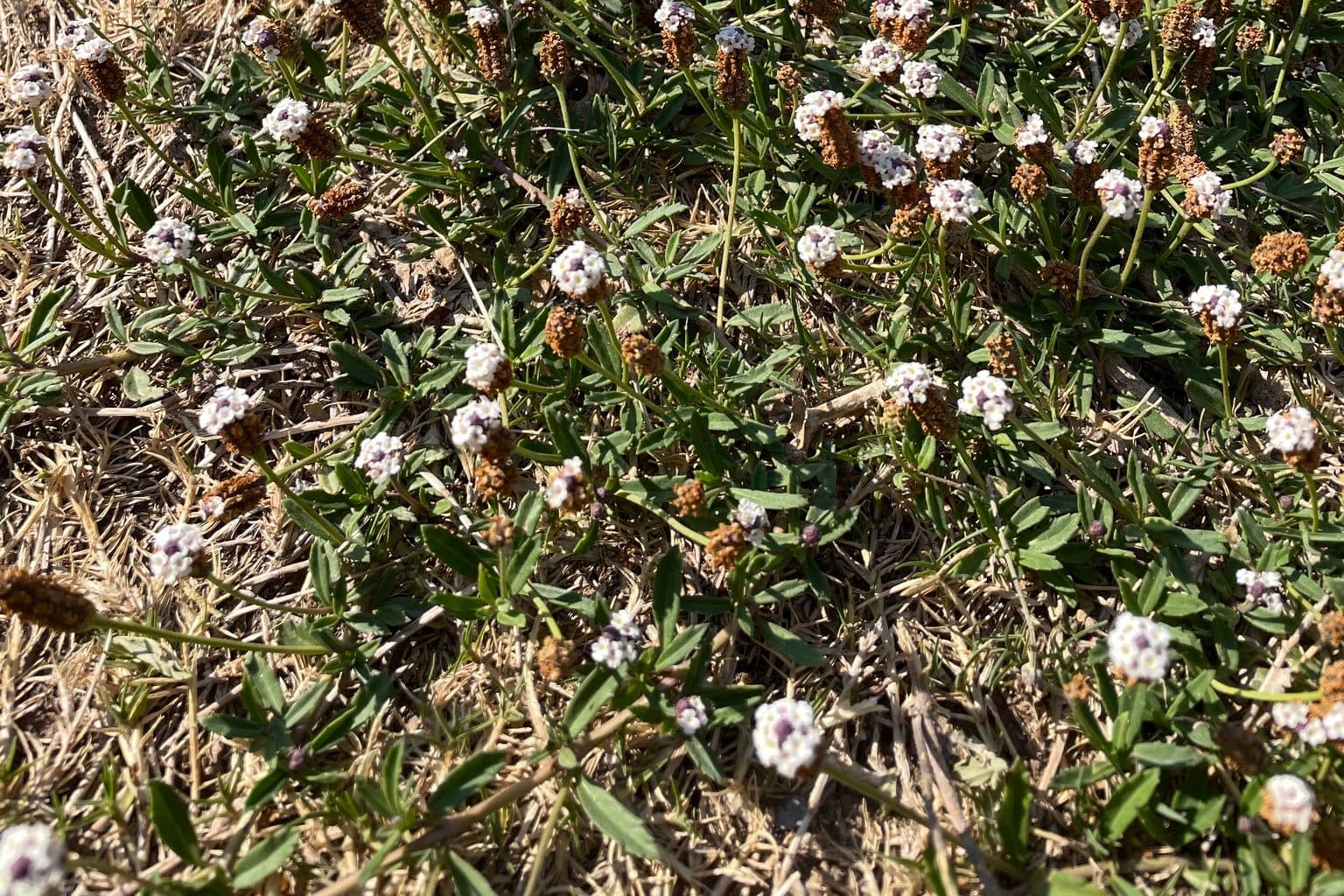
Frogfruit (Phyla nodiflora) does not appear on the ASPCA toxic plant list for dogs, cats, or horses. Why this walkable South Texas native groundcover is a genuine lawn substitute for a dog yard.
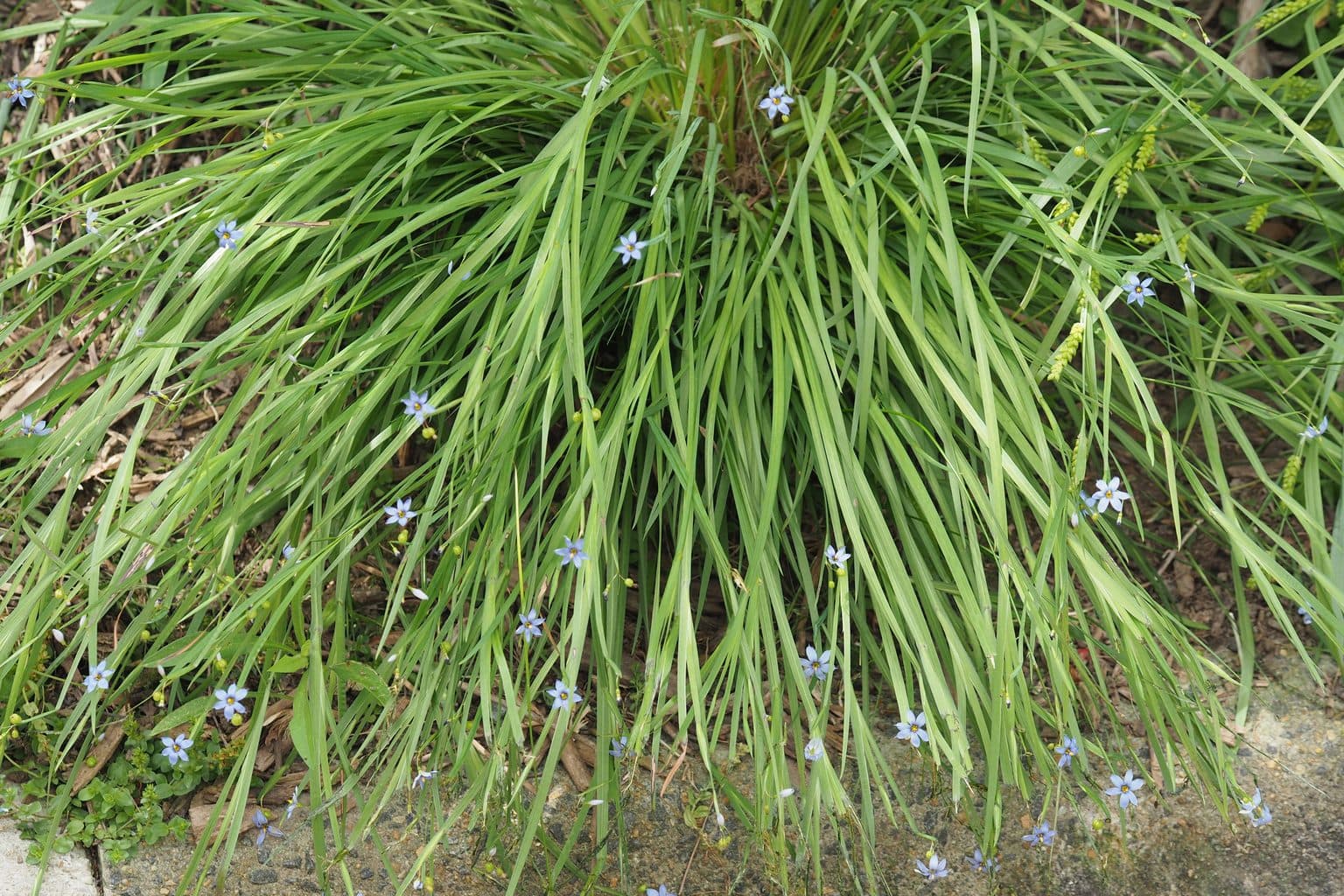
Blue-Eyed Grass (Sisyrinchium angustifolium) does not appear on the ASPCA toxic plant list for dogs, cats, or horses. It is not the same plant as true Iris, which IS ASPCA-confirmed toxic.
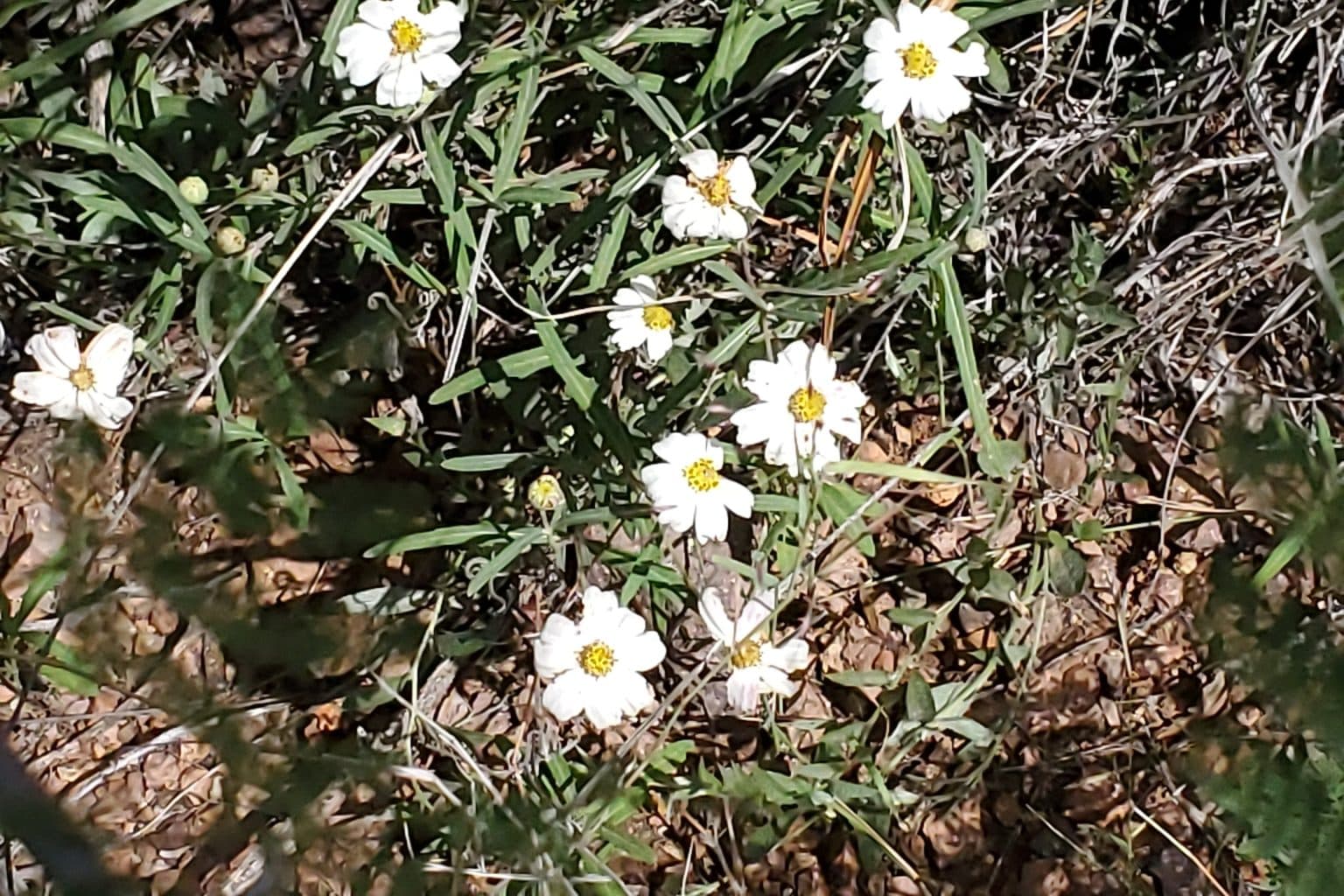
Blackfoot Daisy (Melampodium leucanthum) does not appear on the ASPCA toxic plant list for dogs, cats, or horses. Why this nearly year-round-blooming West Texas native handles extreme drought.
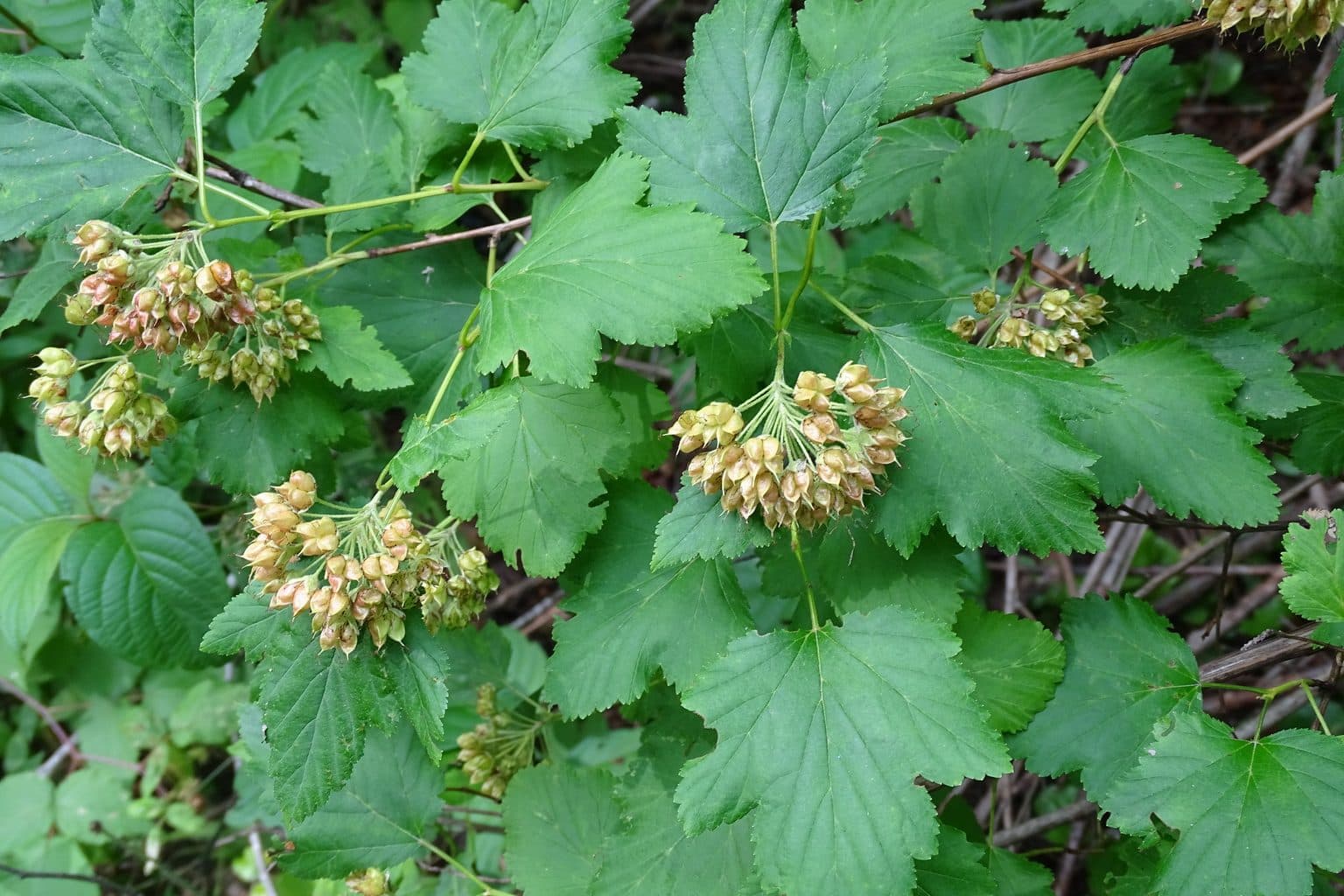
Ninebark (Physocarpus opulifolius) does not appear on the ASPCA toxic plant list for dogs, cats, or horses. Its documented native range does not reach Texas, despite being sold there as a native plant.
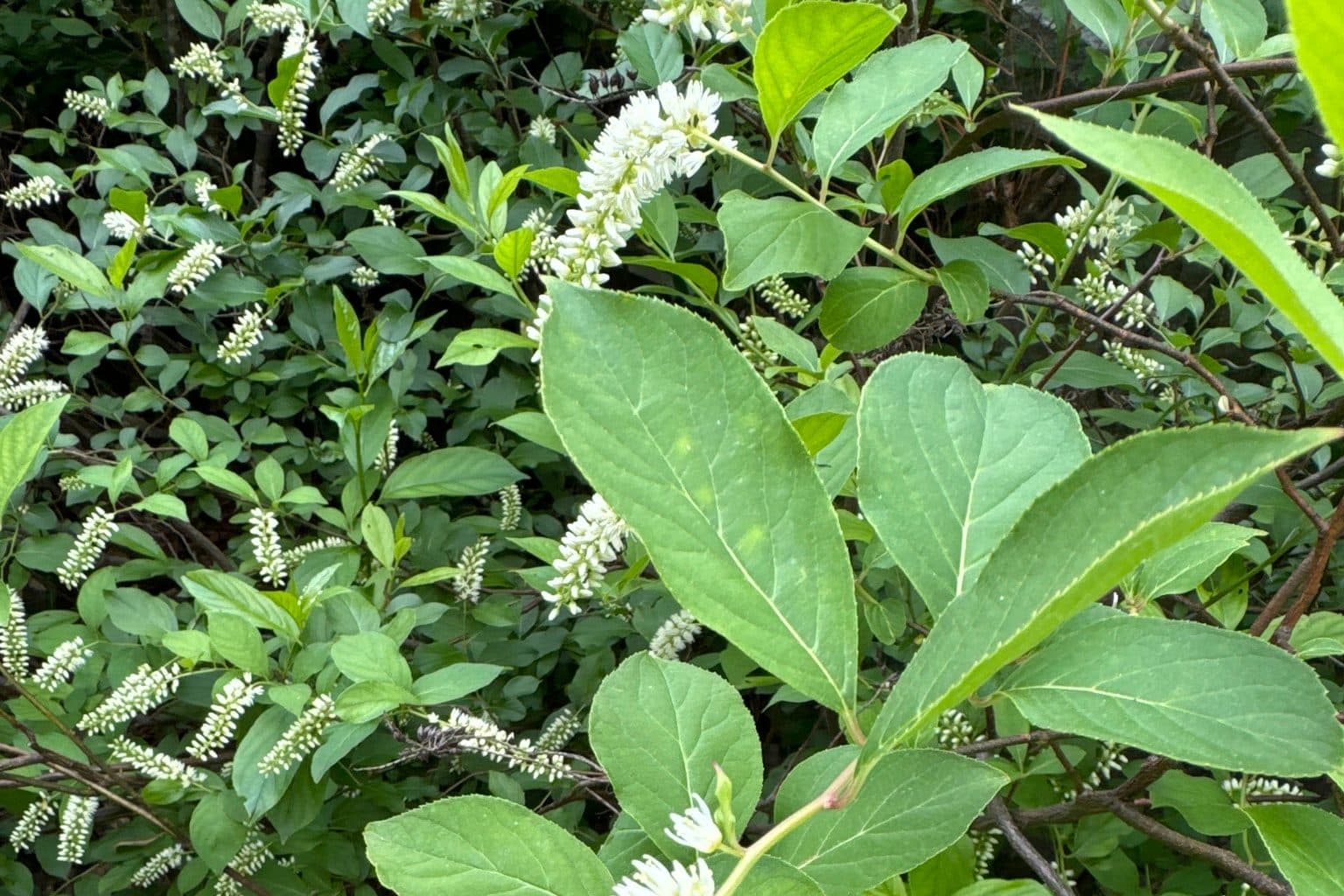
The most dangerous common landscaping plants for dogs in North Carolina yards, per the ASPCA, each paired with a North Carolina-native swap that is not on the toxic list.
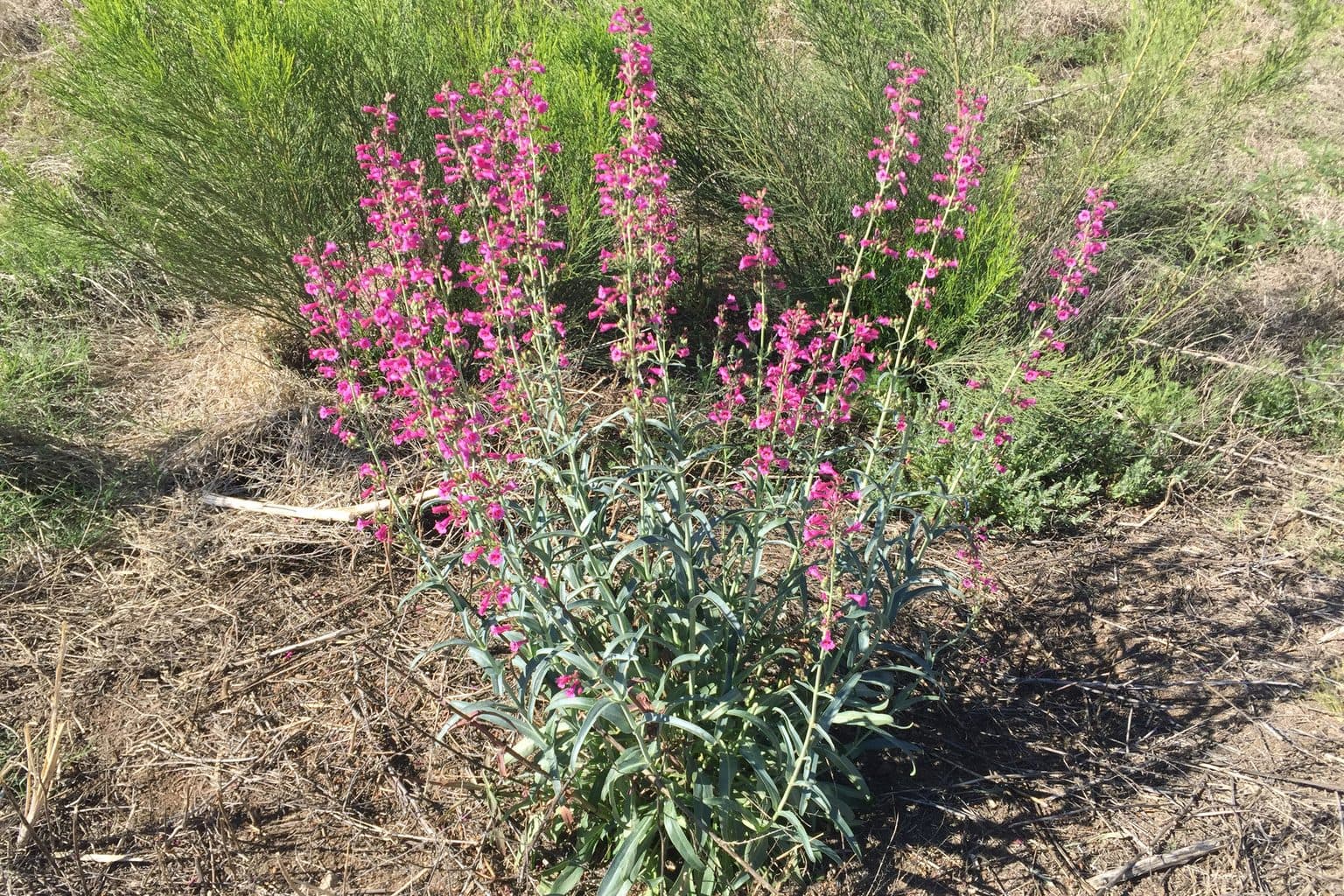
The most dangerous common landscaping plants for dogs in Arizona yards, per the ASPCA, each paired with an Arizona-native desert swap that is not on the toxic list.
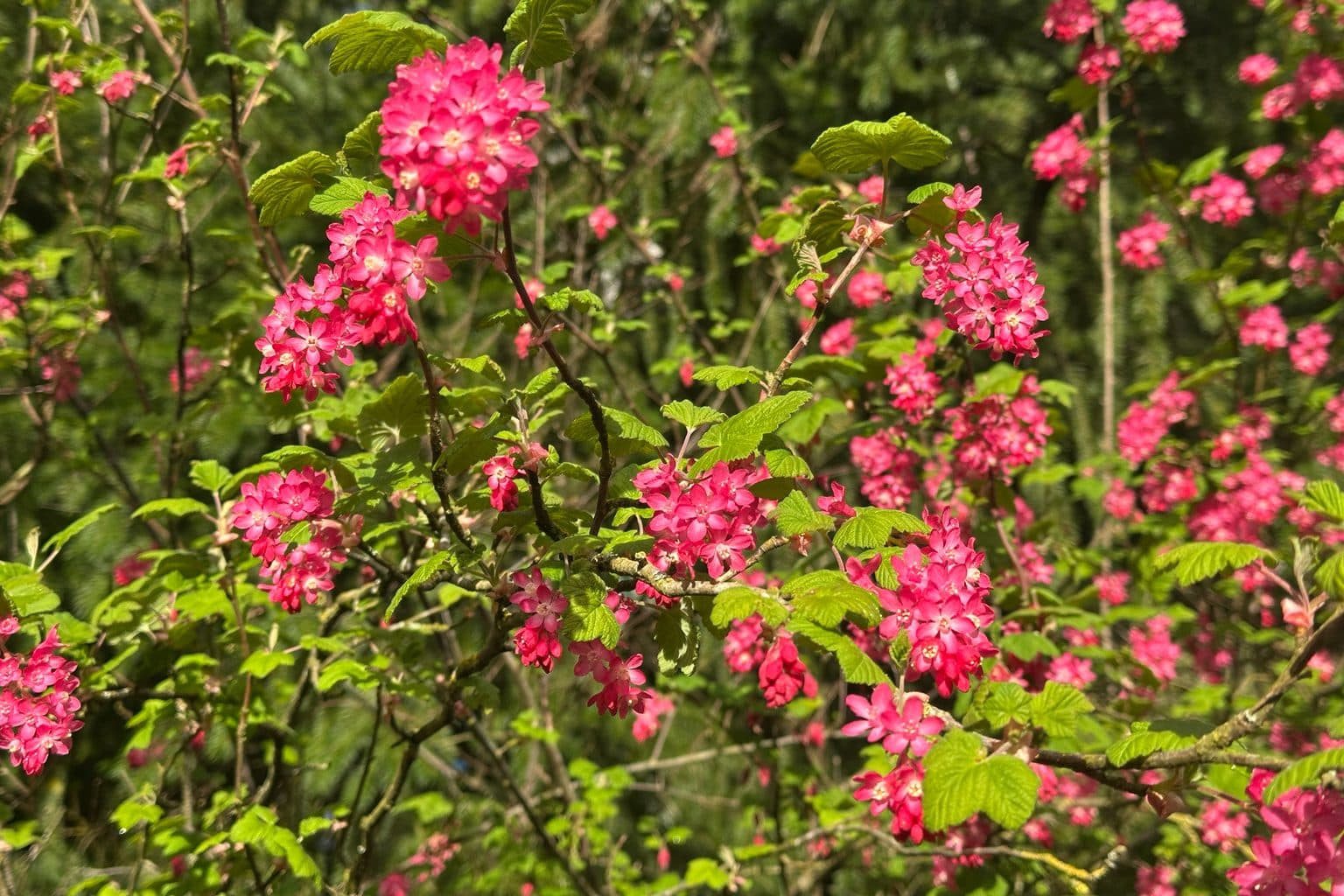
The most dangerous common landscaping plants for dogs in Washington yards, per the ASPCA, each paired with a Washington-native swap that is not on the toxic list, including the state flower itself.
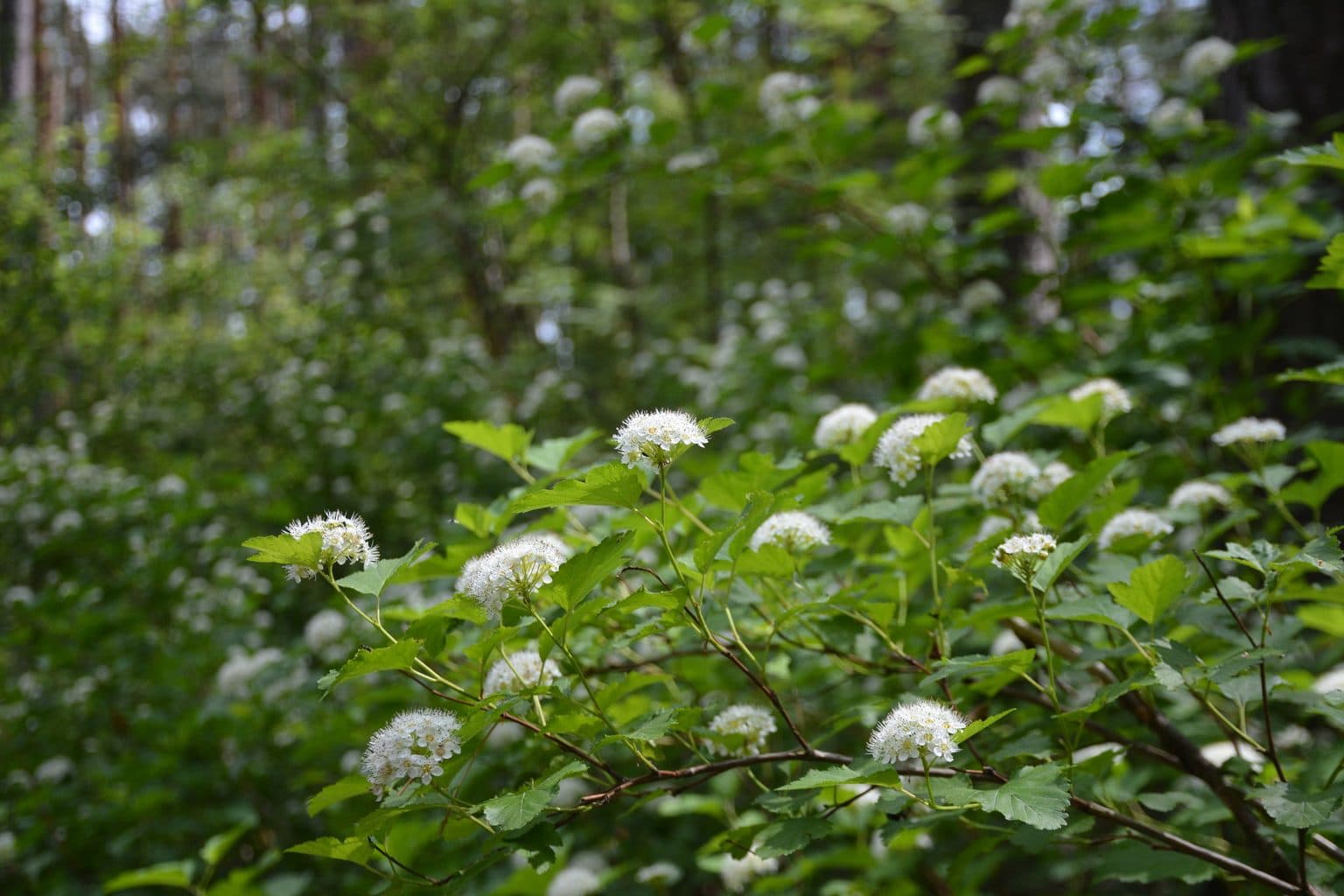
The most dangerous common landscaping plants for dogs in Ohio yards, per the ASPCA, each paired with an Ohio-native swap that is not on the toxic list, including the state's own tree.
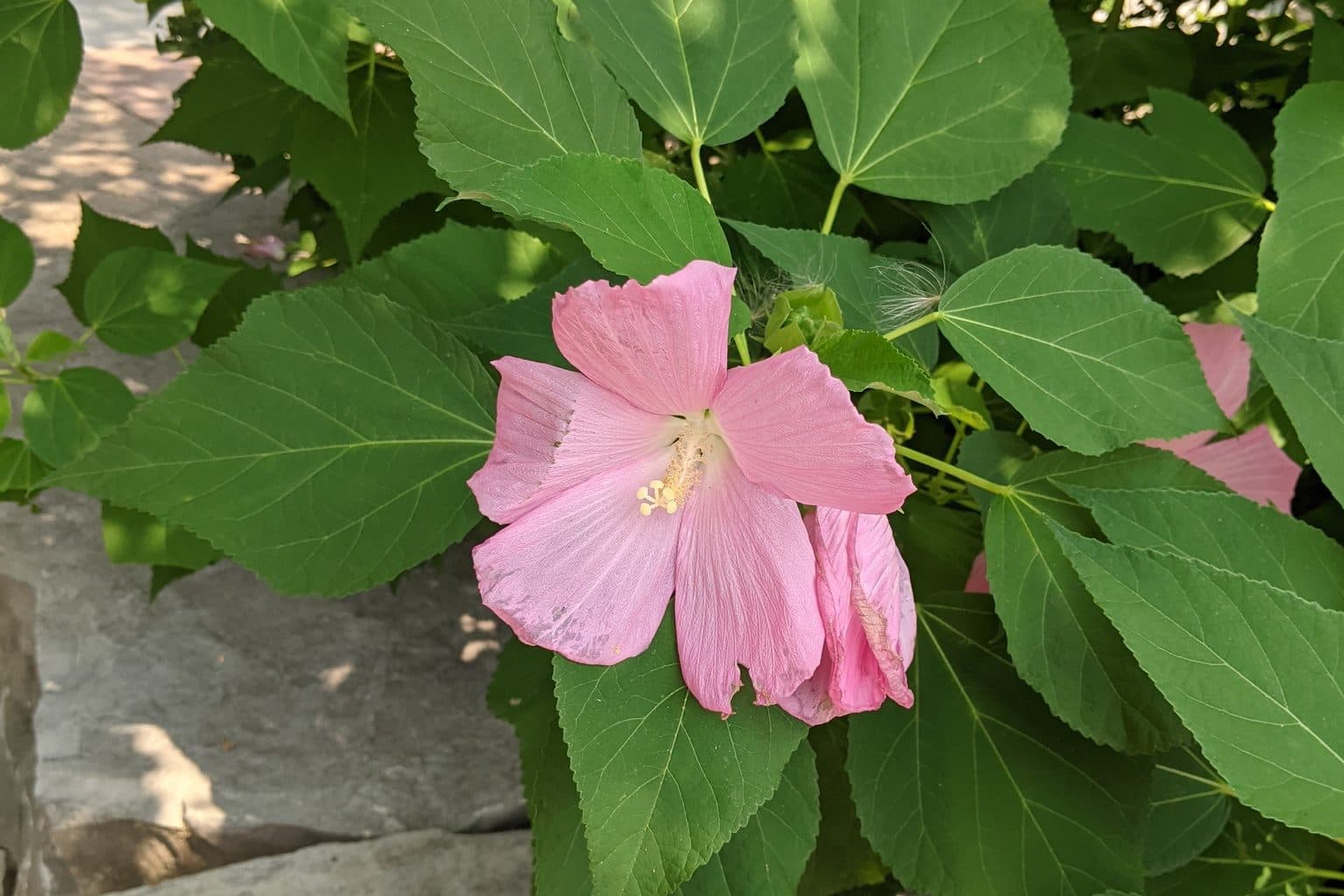
The Town of Ocean City matches project cost, up to $5,000, for native habitat, bayscape, or bioretention landscaping that improves water quality.
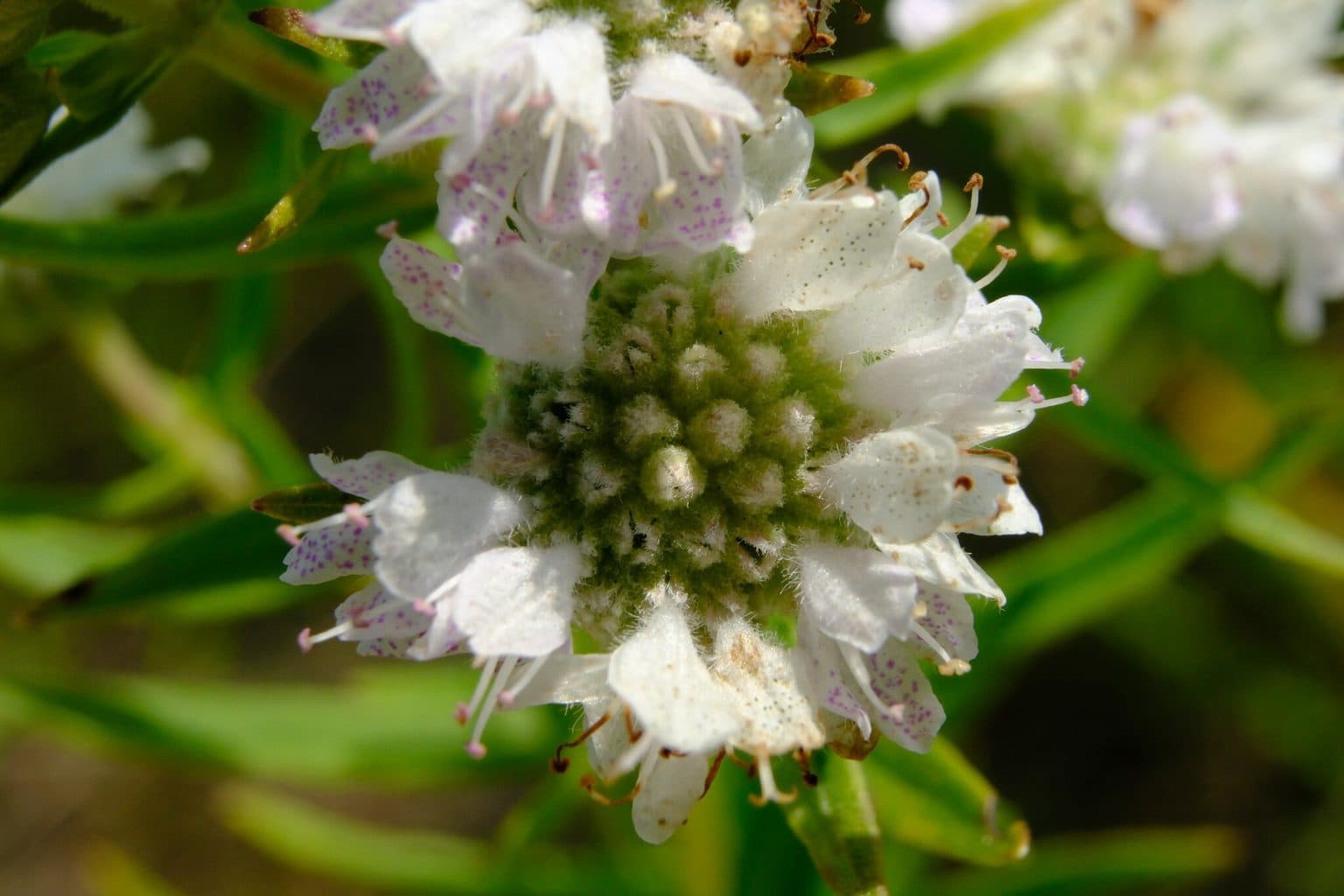
The Wabash River Enhancement Corporation funds up to 75 percent of project cost, no published dollar cap, for a rain garden, native planting, or turf-to-prairie conversion in Tippecanoe County, Indiana.
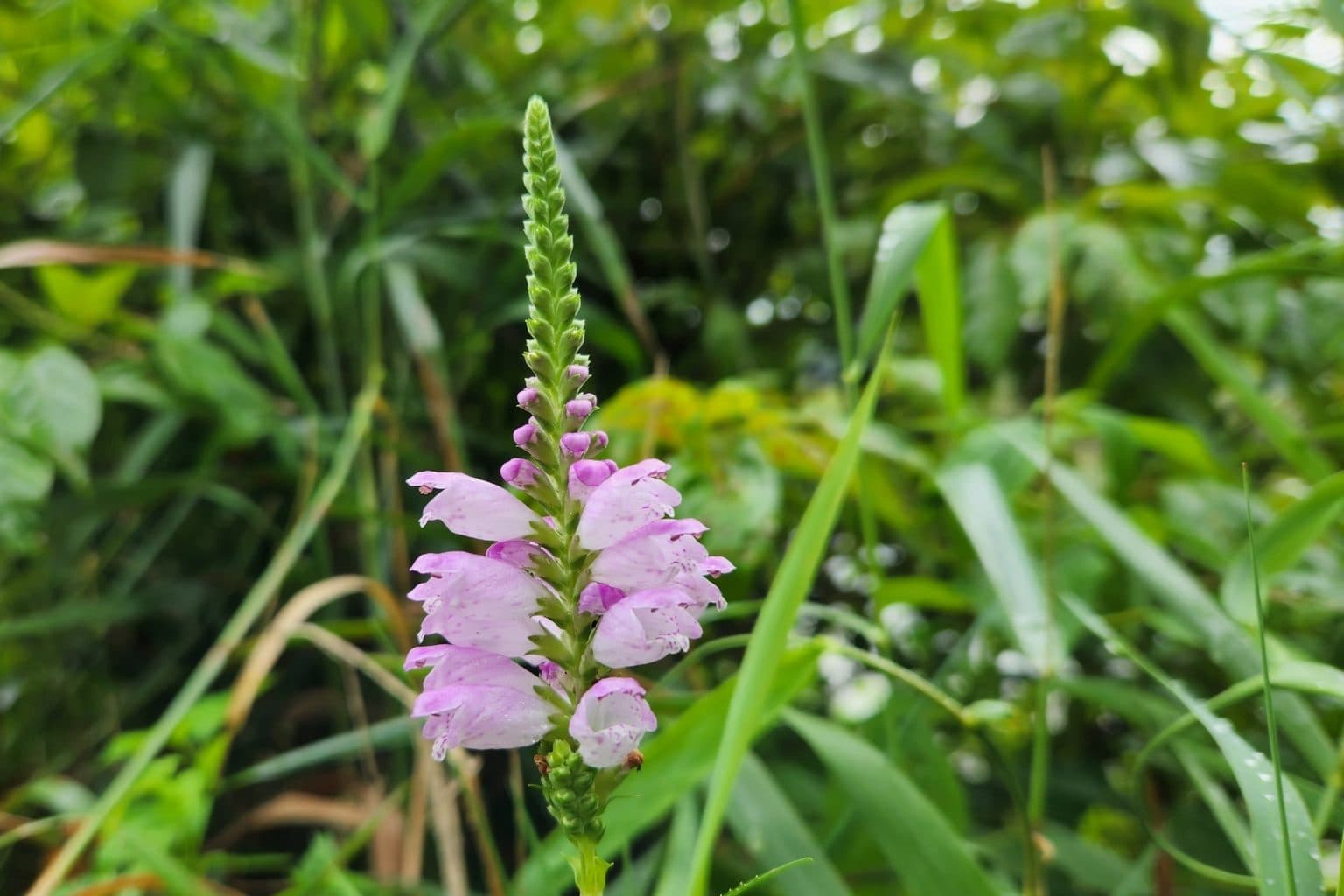
The Illinois River Watershed Partnership funds up to 50 percent of project cost, no published dollar cap, for a residential rain garden, bioswale, or permeable surface in Northwest Arkansas.
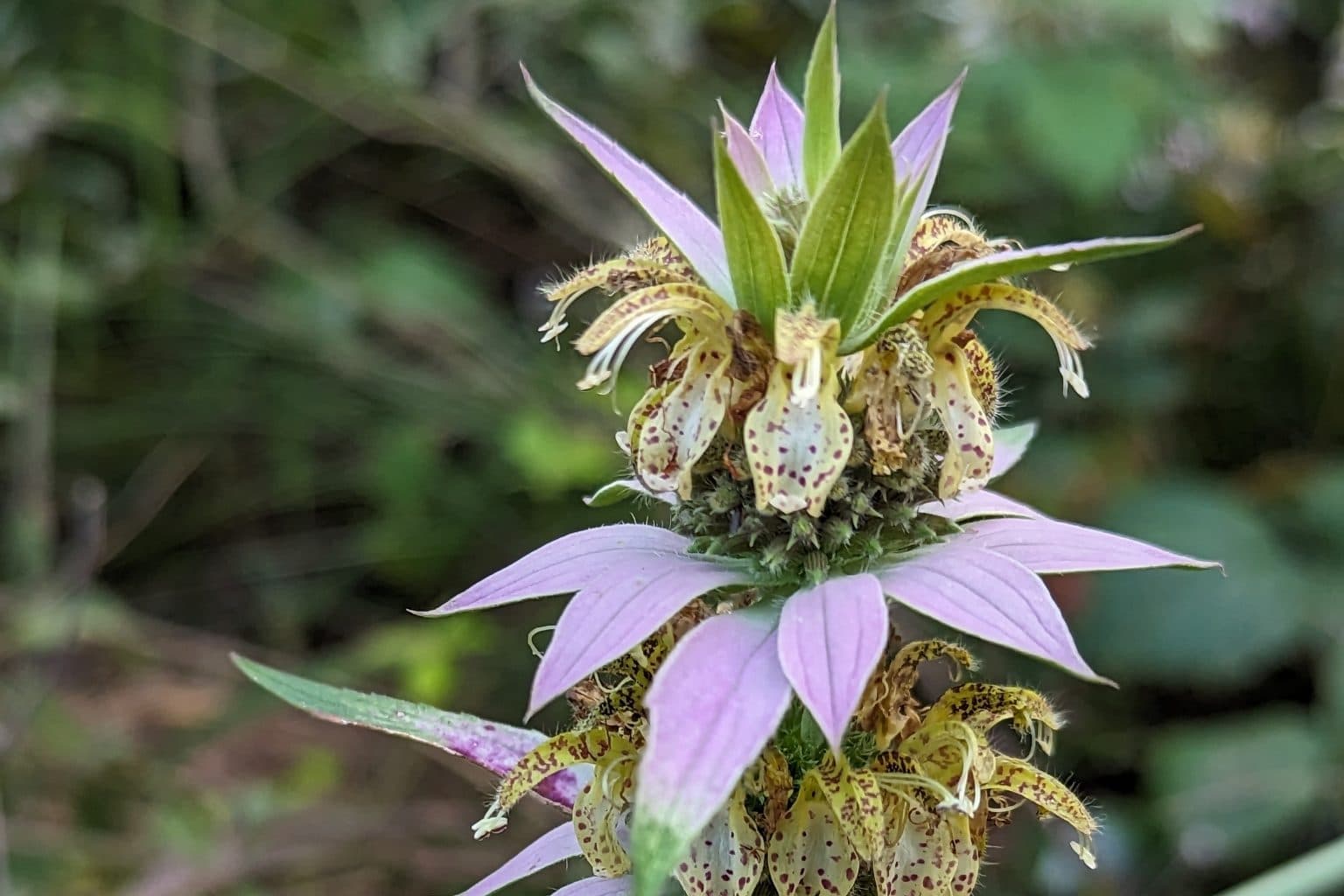
About 70% of native bees nest in the ground, and heavy summer mulch or landscape fabric can shut them out. How to leave small patches of bare, undisturbed soil for ground-nesting bees, and why they will not be a nuisance near the house.
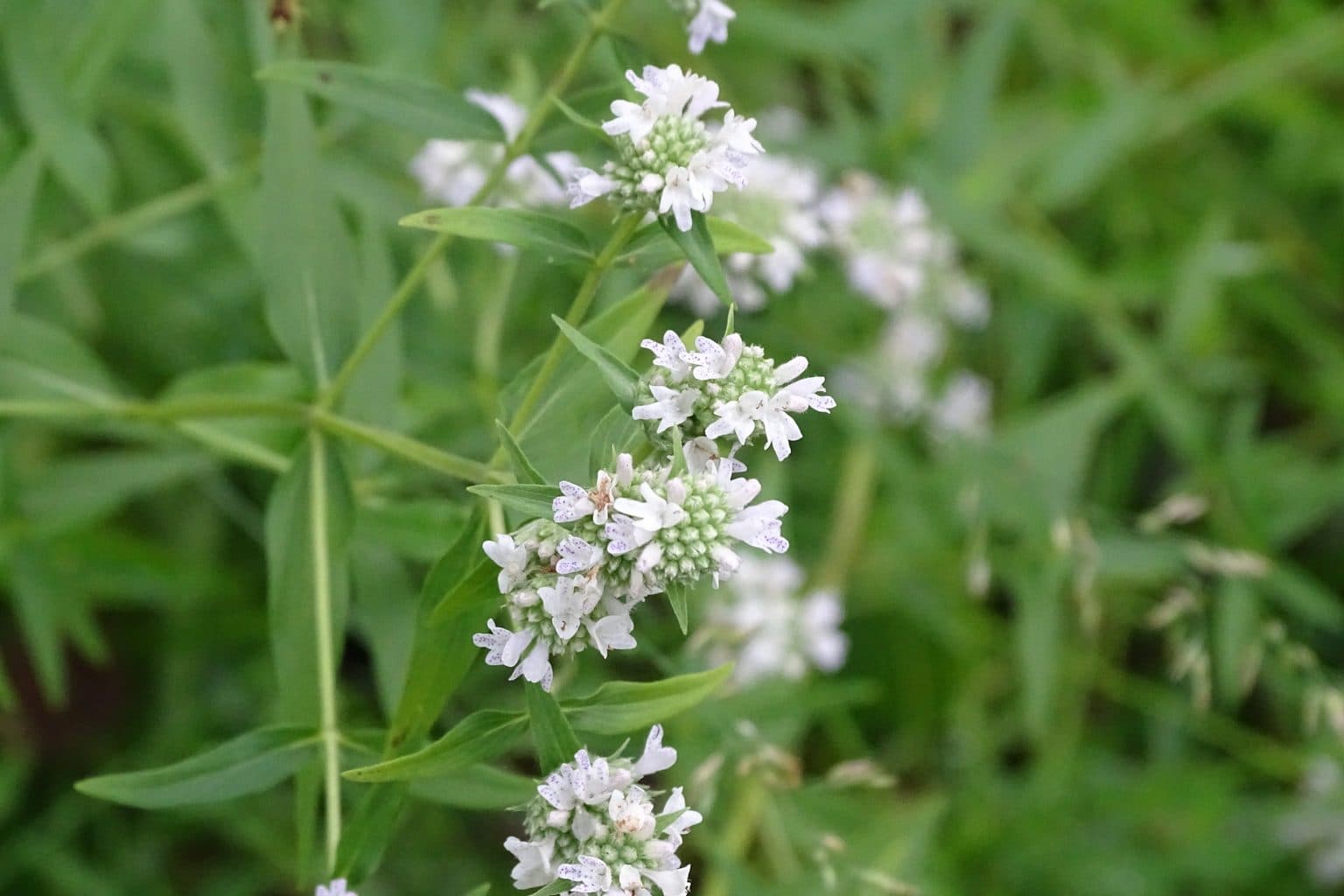
The City of Clive pays 25 to 50 percent of project cost, up to $4,000, for a rain garden, native landscaping, or other stormwater best-management practice, with City approval required before work begins.
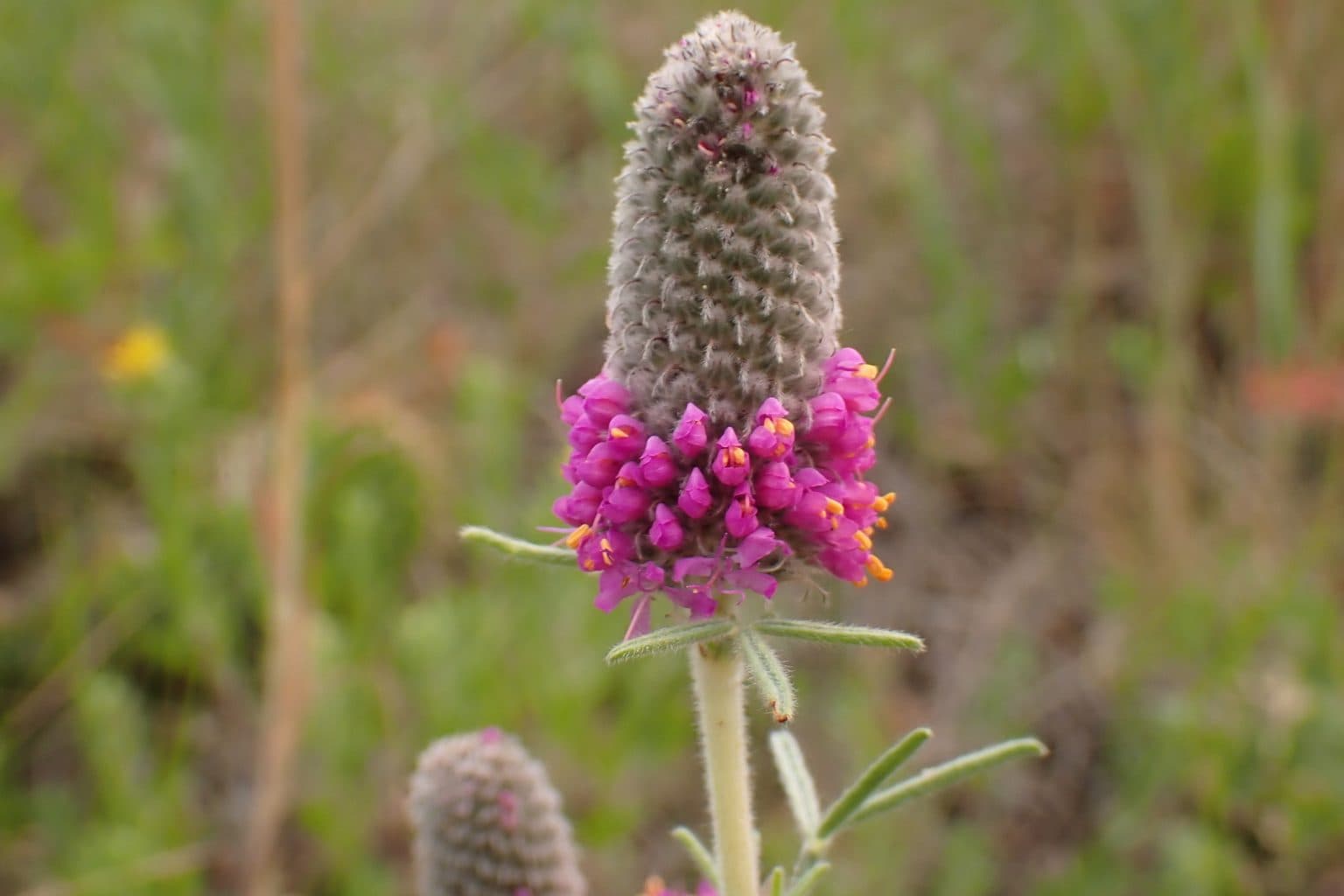
The City of Waukee pays 50 percent of qualifying project cost, up to $5,000 per single-family or townhome property, for a rain garden, bio-retention cell, or native landscaping project.
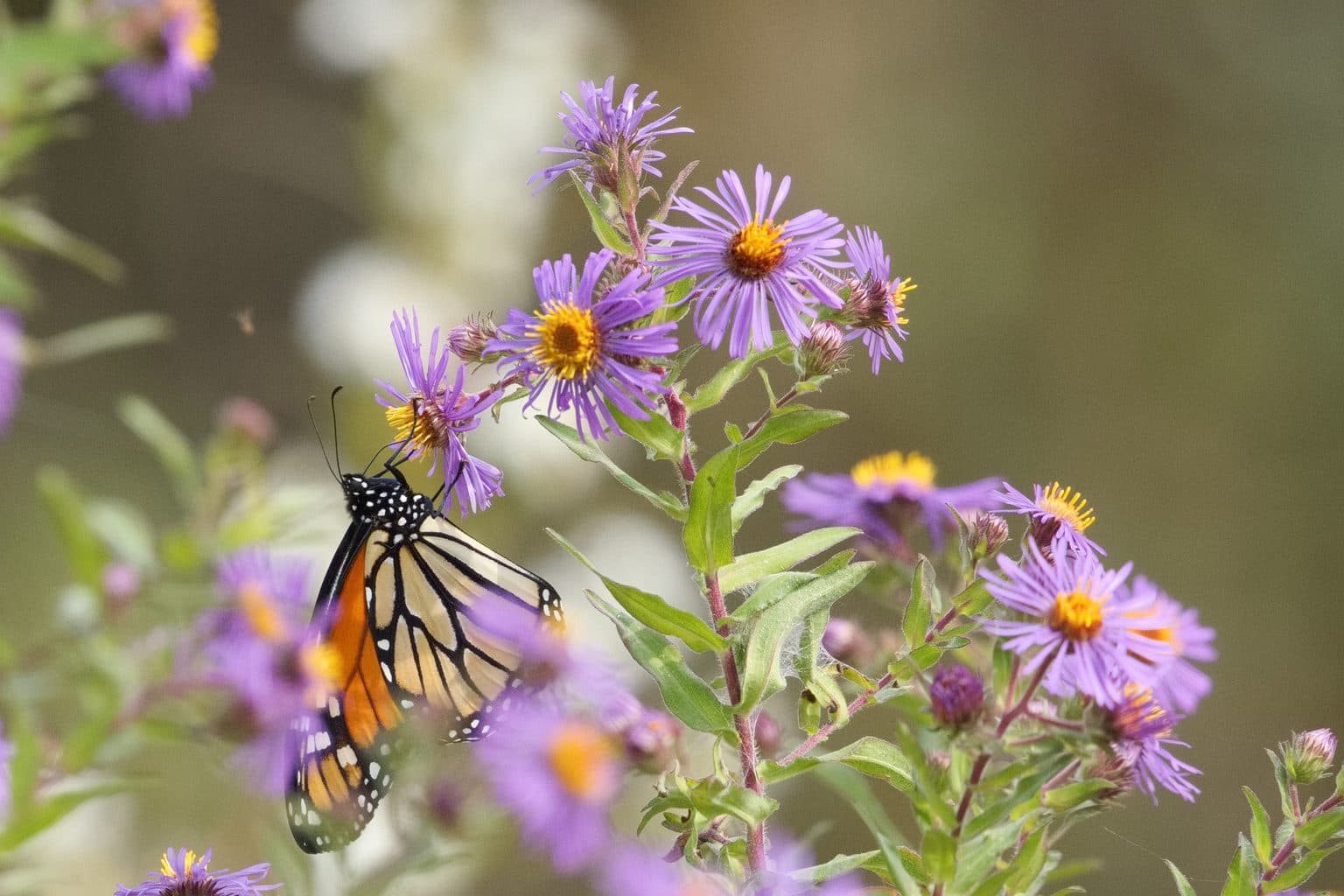
Twenty native plants with no ASPCA toxic listing for dogs or cats, grouped by ecoregion so the ones you pick are native where you actually live. Includes the ASPCA Poison Control number and what to avoid.
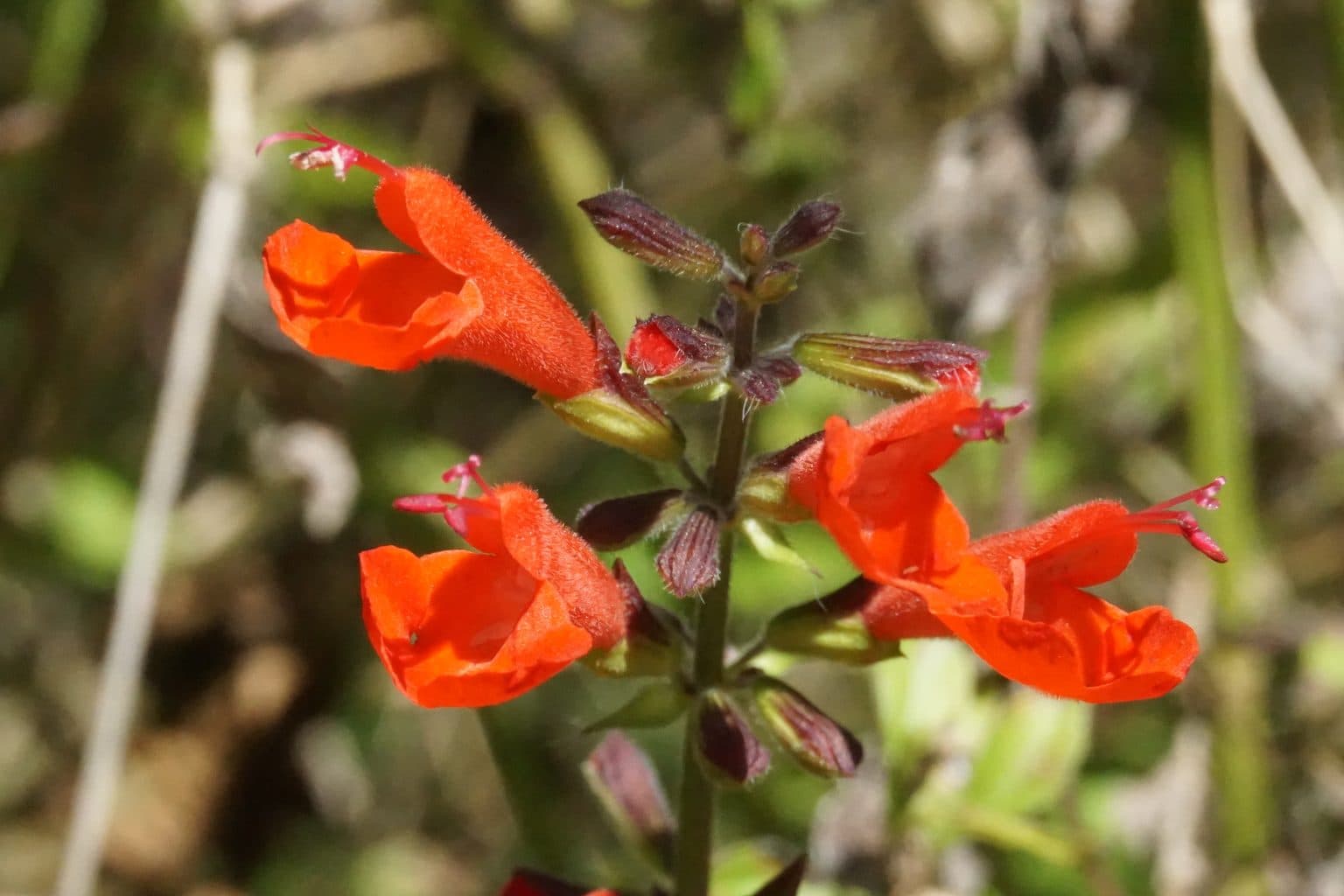
Generally no. Florida Statute §720.3075(4) bars HOAs from prohibiting Florida-Friendly Landscaping, which includes native plants. What the law protects, what your HOA can still require, and how to get a native front yard approved.
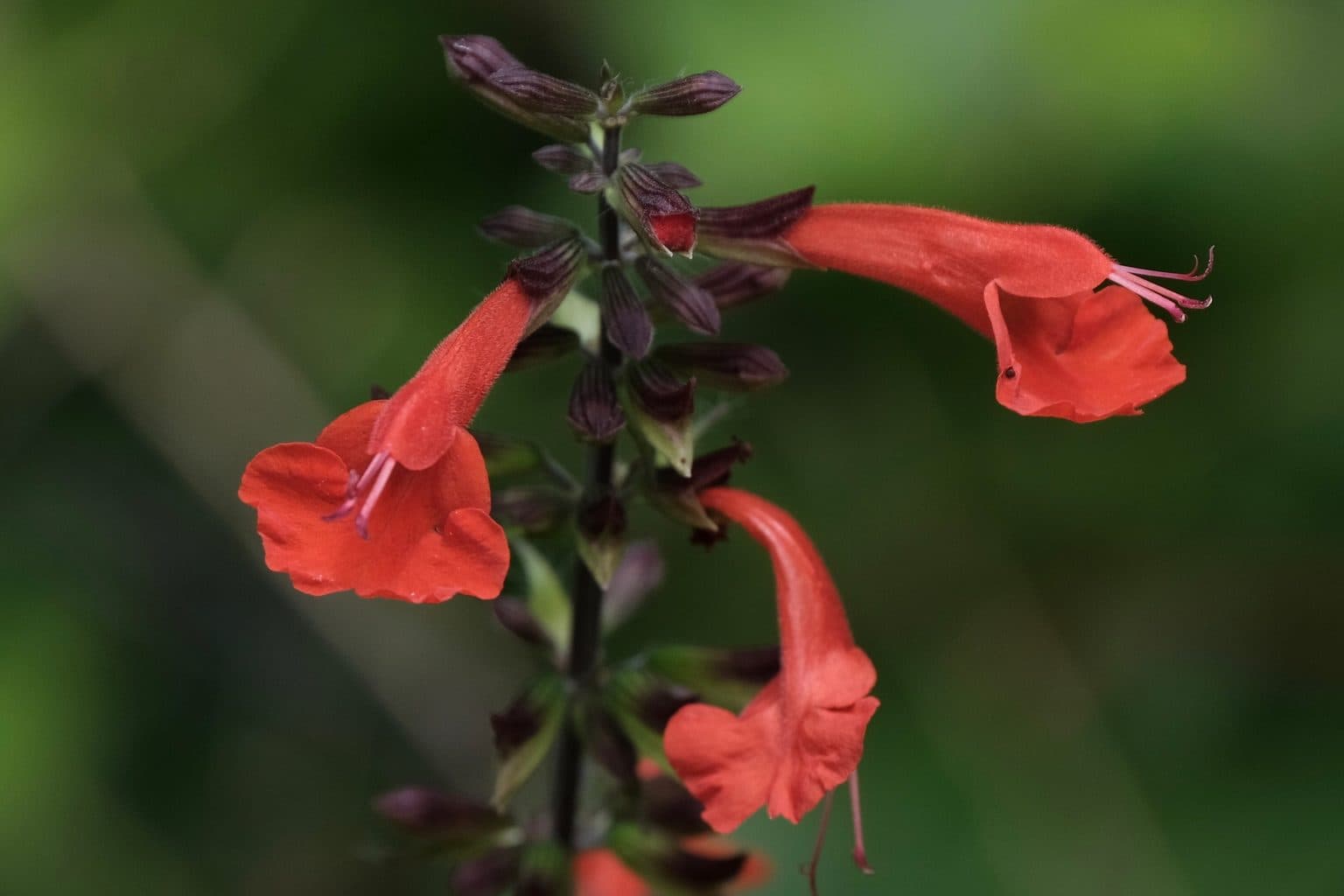
The most reliable, HOA-friendly Florida native plants for a front yard, grouped by ecoregion so the ones you pick are native where you actually live, from the panhandle to Miami.
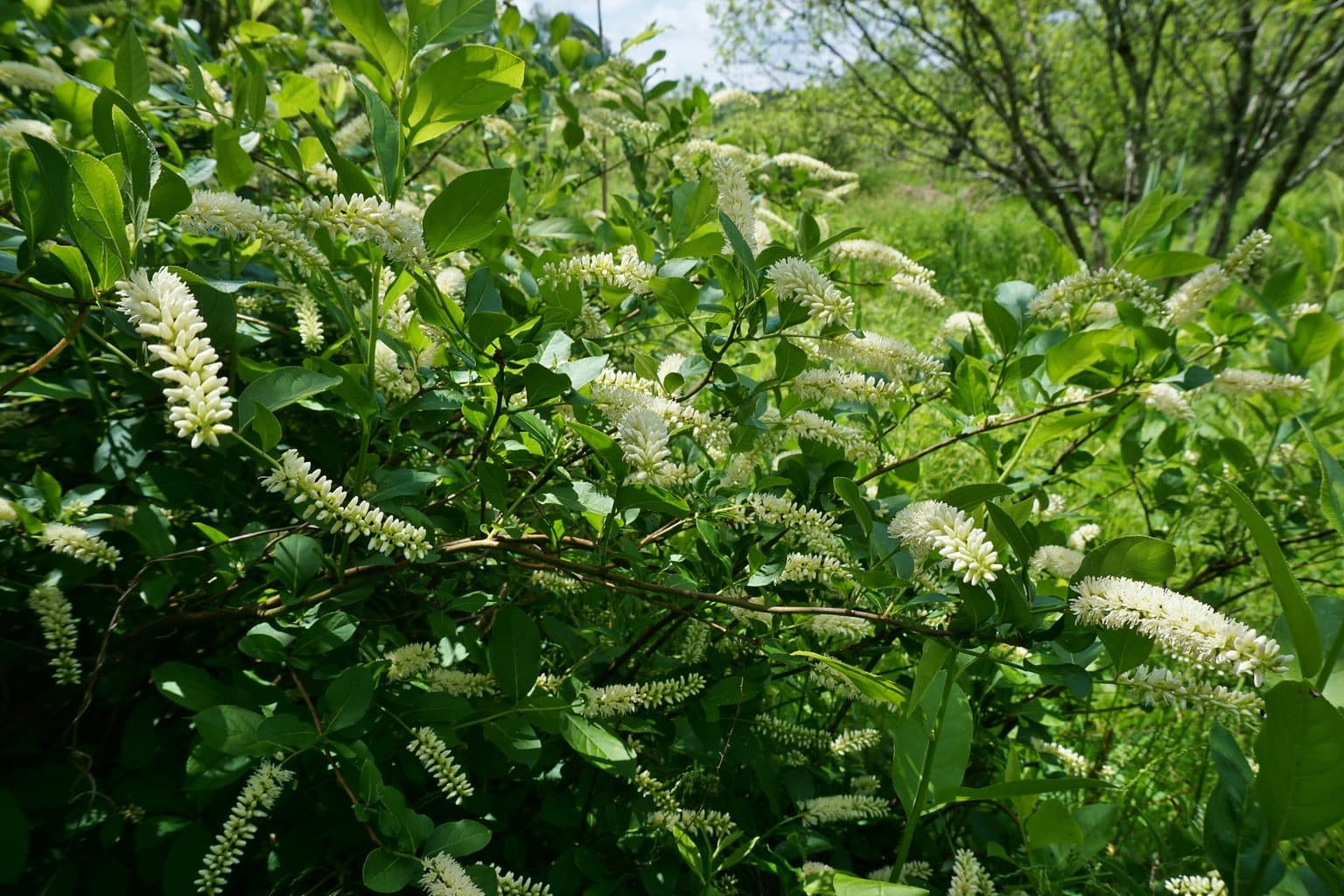
The most dangerous plants for dogs in Florida yards, what they do, and a Florida-native, non-toxic swap for each. Sago Palm, Oleander, Azalea, Lantana, Nandina, and Chinaberry.
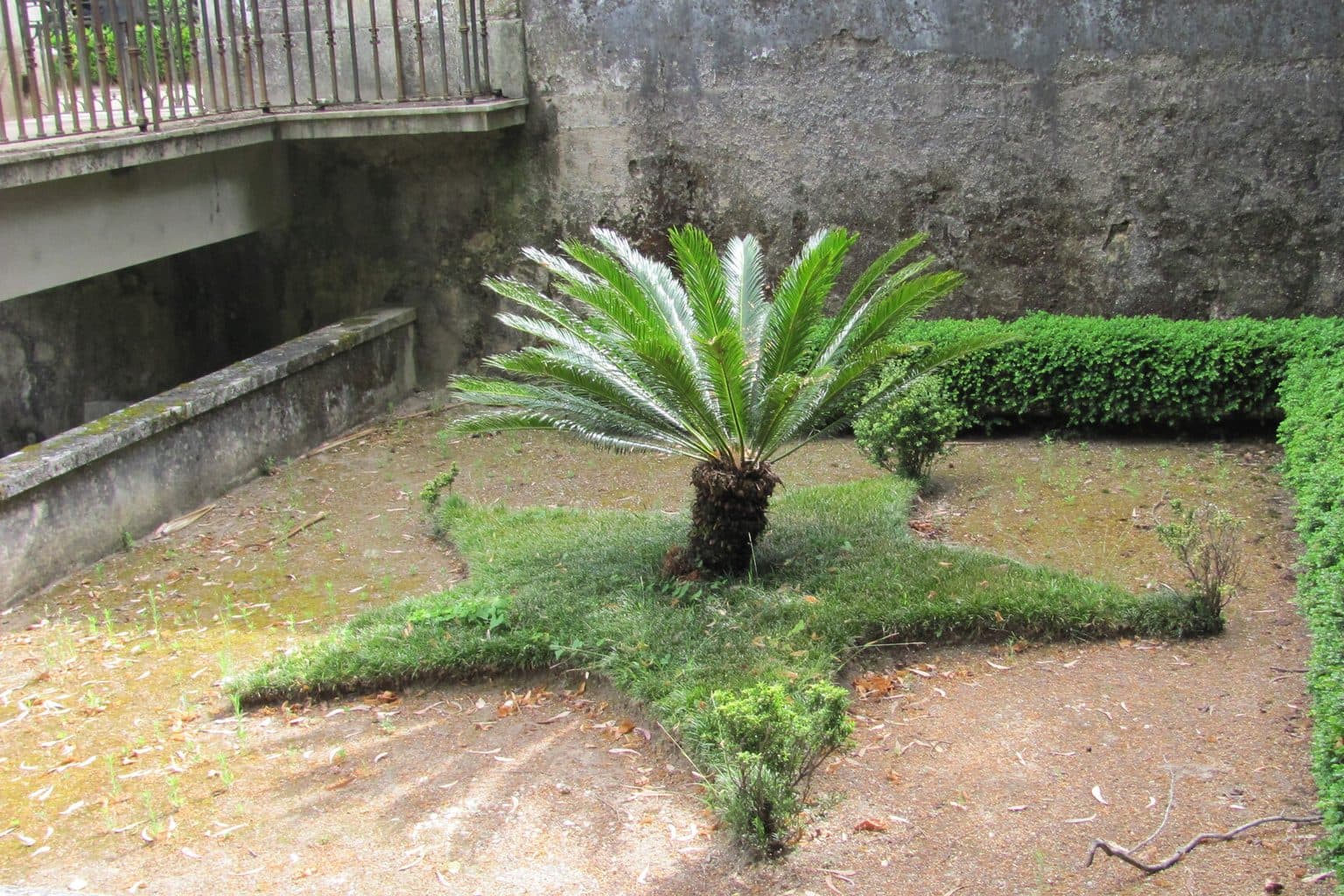
Yes. Sago Palm (Cycas revoluta) is toxic to dogs, cats, and horses per the ASPCA. Every part contains cycasin, the seeds are the worst, and ingestion can cause liver failure and death. What to do and dog-safe Florida swaps.
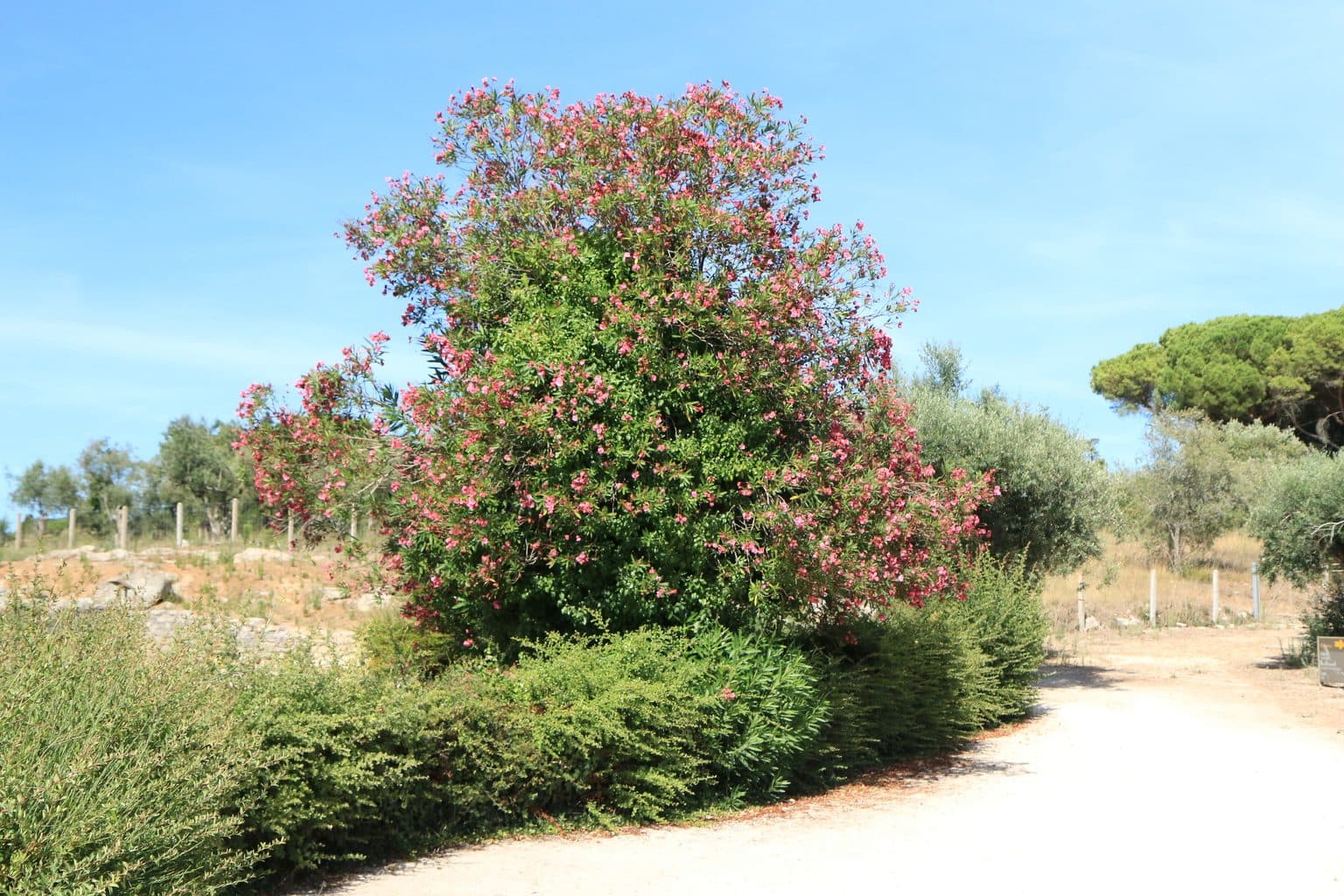
Yes. Oleander (Nerium oleander) is toxic to dogs, cats, and horses per the ASPCA. It contains cardiac glycosides, and every part is poisonous, even the water in a vase of cuttings. What to do and dog-safe Florida swaps.
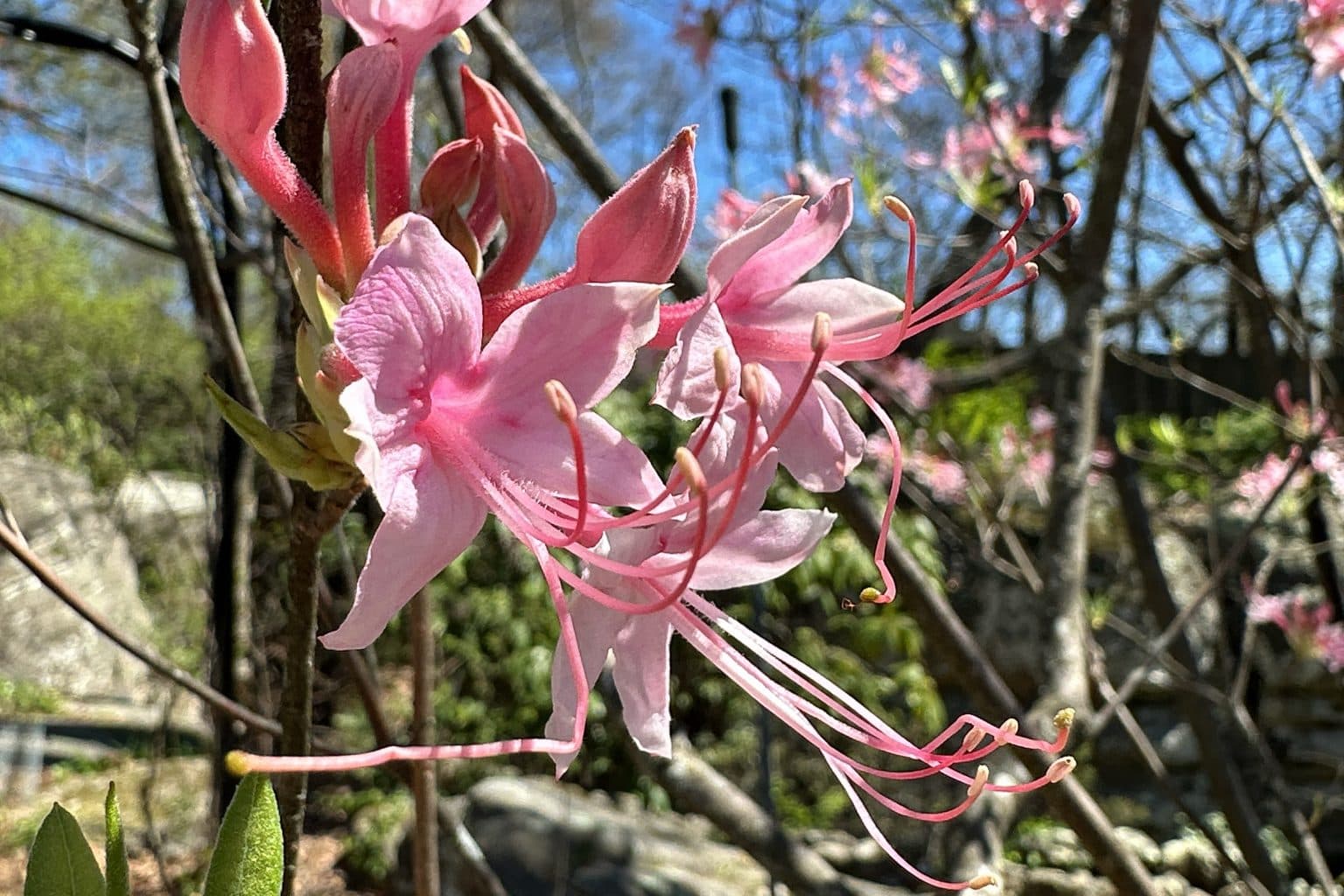
Yes. Azaleas and rhododendrons (Rhododendron spp.) are toxic to dogs, cats, and horses per the ASPCA. They contain grayanotoxins, and native azaleas are the same genus. What to do and dog-safe Florida swaps.
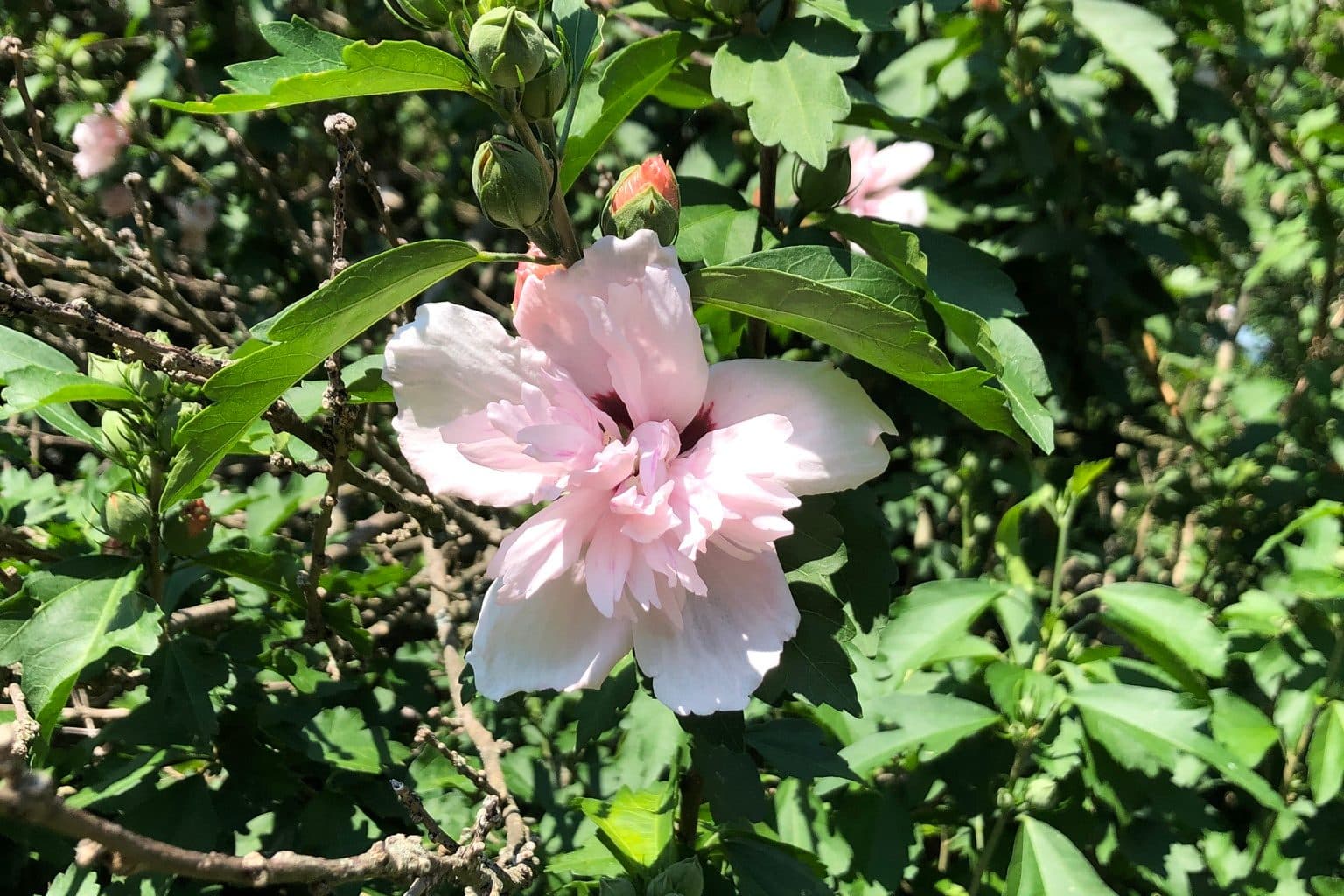
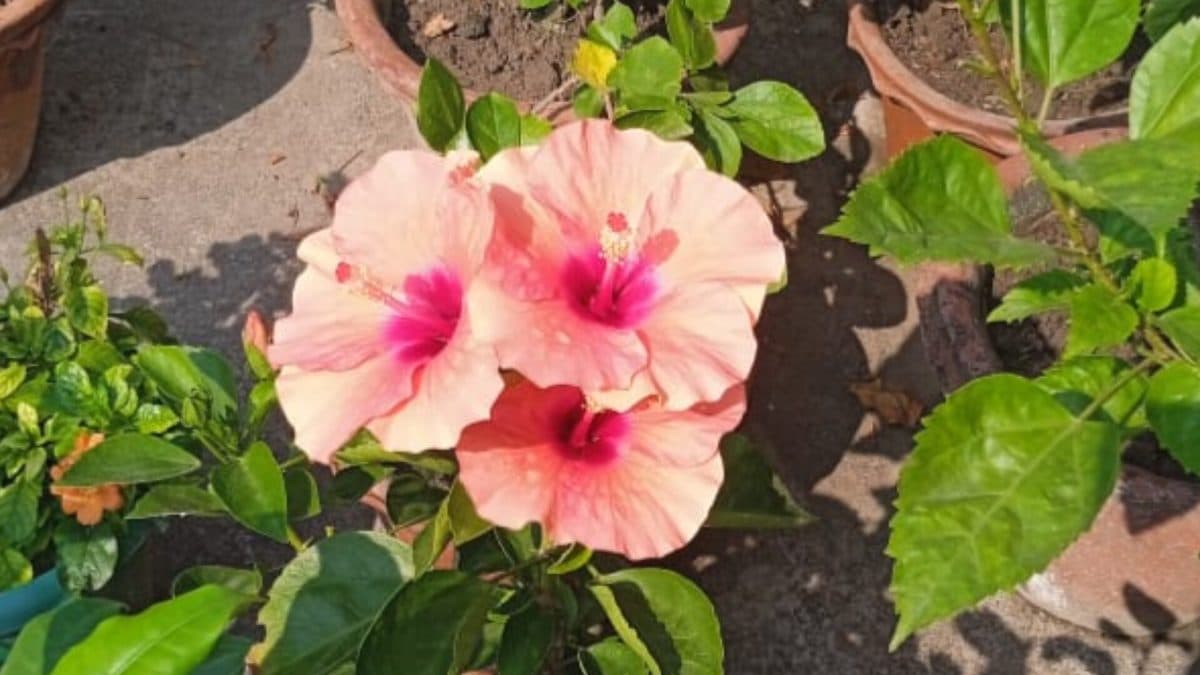
The ASPCA lists Hibiscus (Hibiscus syriacus, Rose of Sharon) as non-toxic to dogs, cats, and horses. Tropical hibiscus and the native Scarlet Rosemallow are also not on the toxic list. How to be sure which one you have.
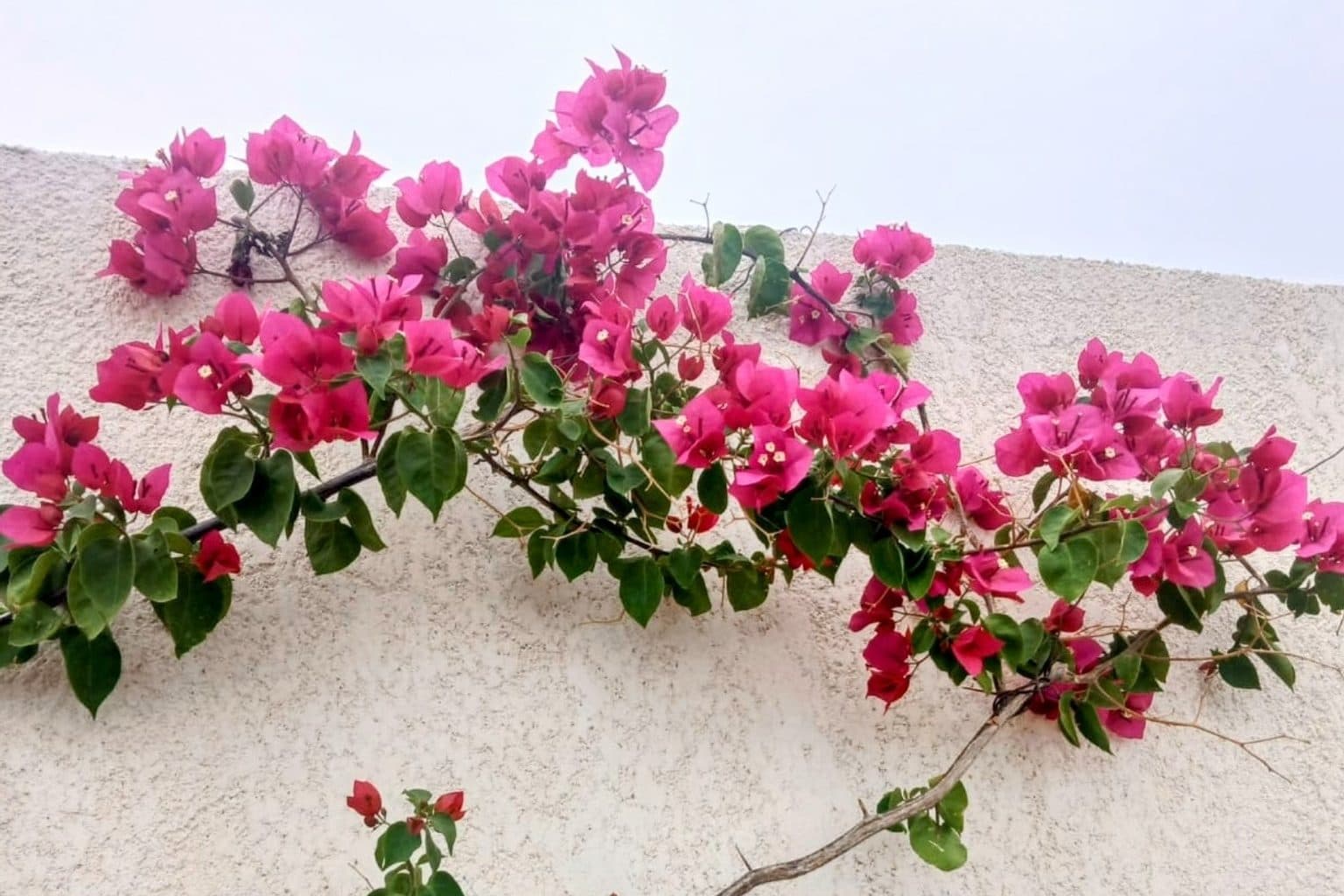
Bougainvillea is not on the ASPCA toxic plant list for dogs, cats, or horses. It is not systemically poisonous, but its sharp thorns can cause puncture wounds. What to watch for and thornless Florida-native vines.
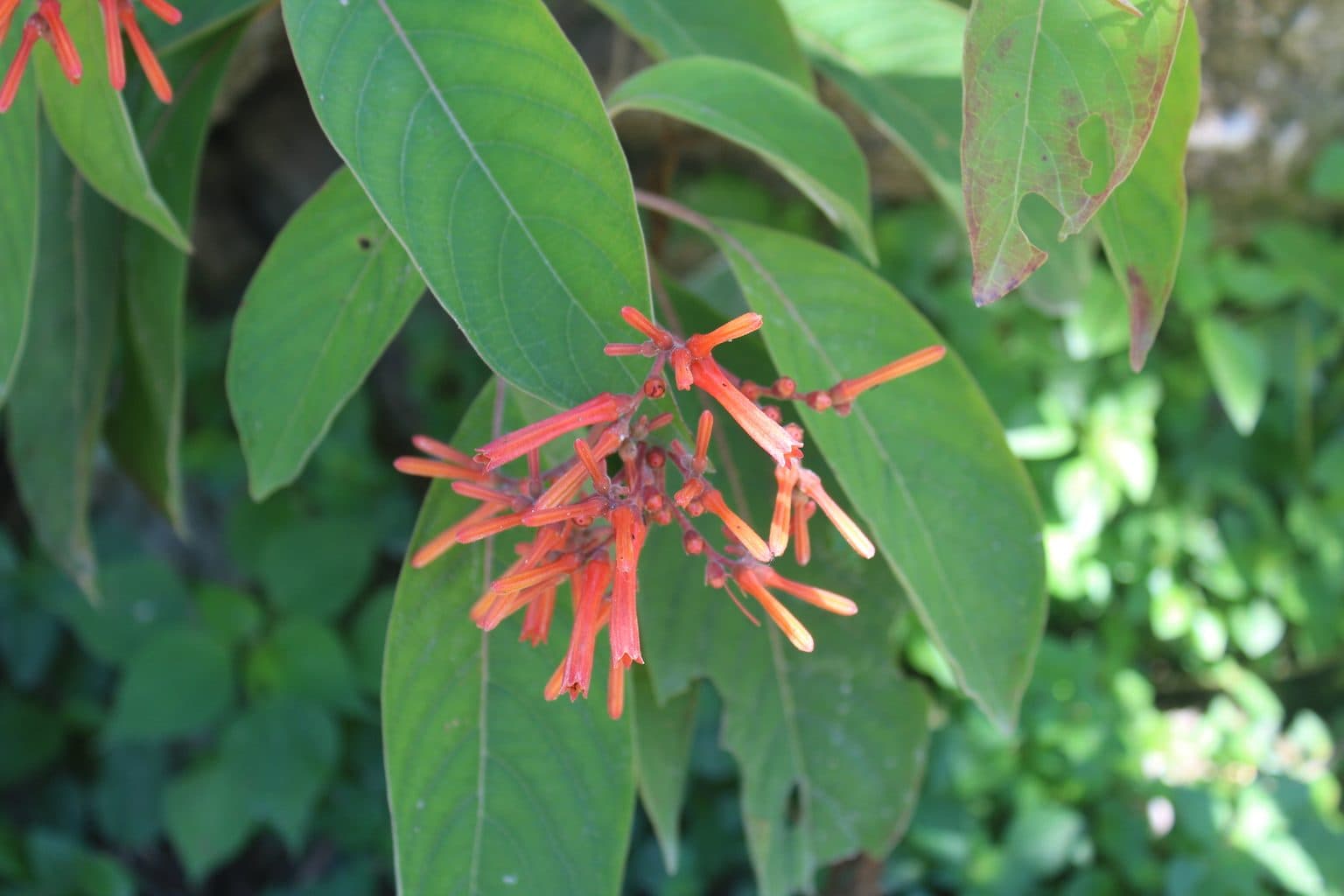
Firebush (Hamelia patens) is not on the ASPCA toxic plant list for dogs, cats, or horses. It is a Florida native that blooms much of the year and makes an ideal dog-safe replacement for toxic shrubs like oleander and lantana.
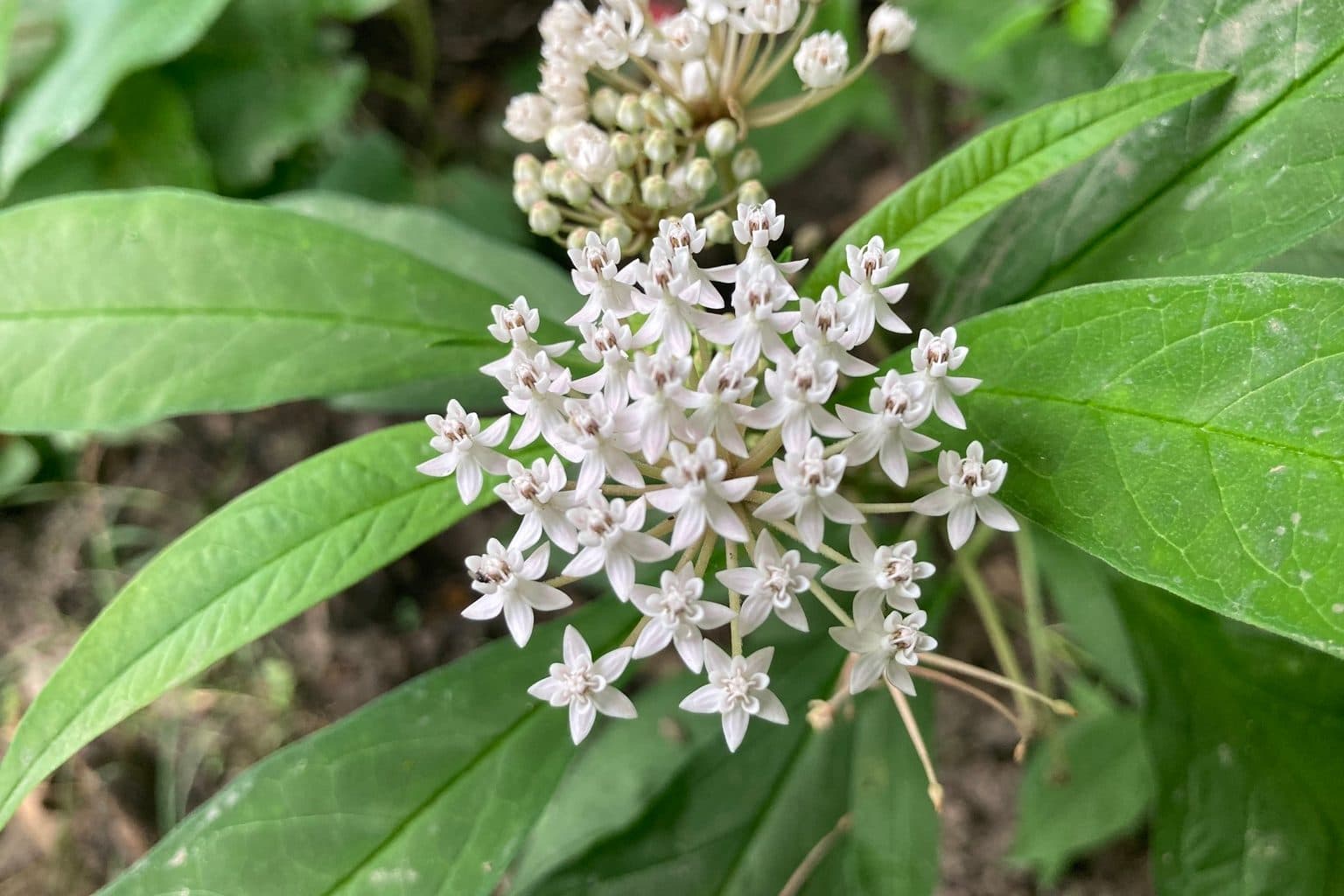
In Florida, tropical milkweed does not die back in winter, letting the OE parasite build up and disrupt monarchs. Plant native milkweed instead: Swamp, Butterfly Weed, Aquatic, and Pinewoods. Plus a dog-safety note.
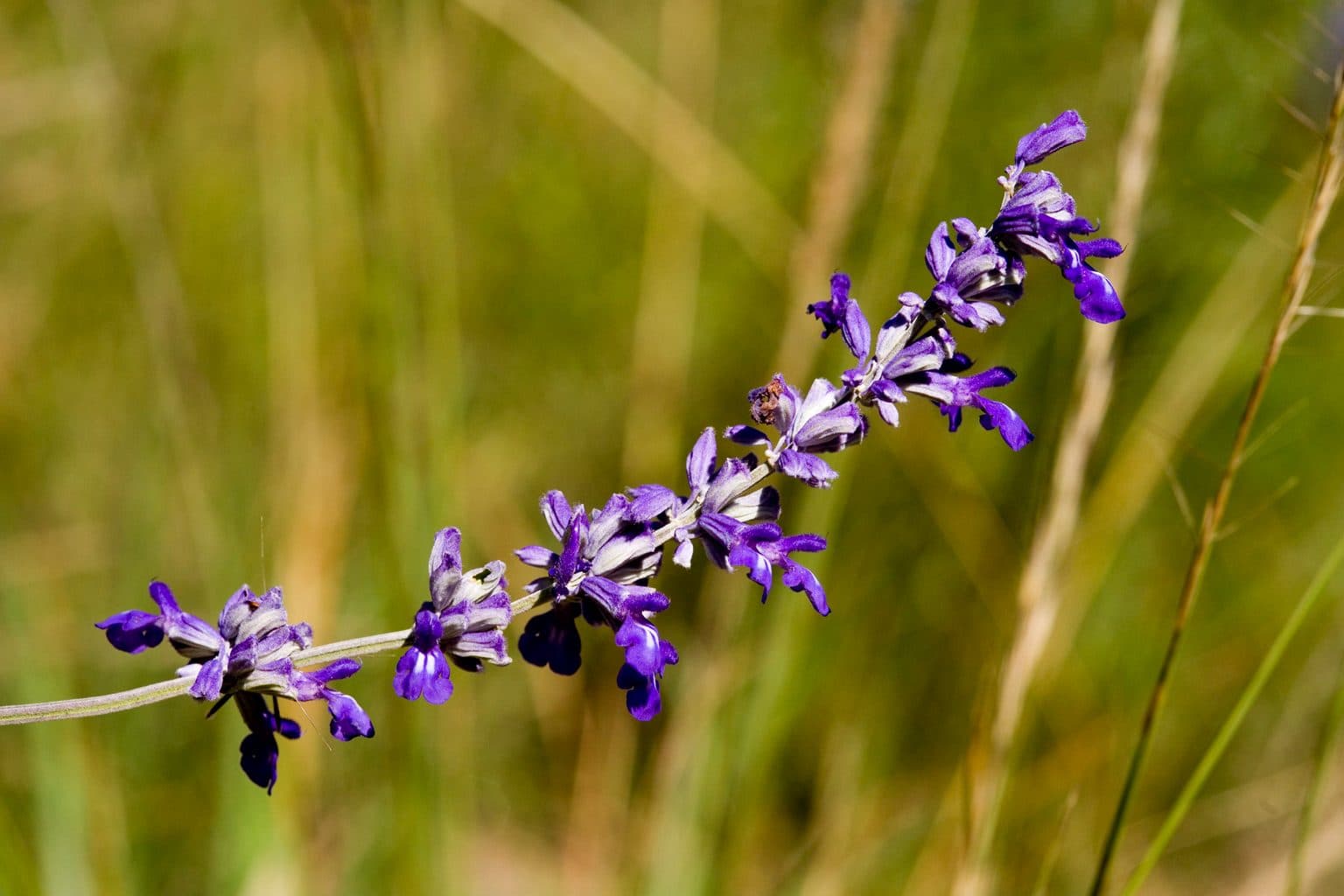
Fall is a good window to plant native perennials, which means the lawn has to go before then. Solarizing uses July heat to clear turf without herbicide. A Blackland Prairie guide to the four-to-six-week process, how to time planting off your first frost date, and why you apply for the rebate before you touch the grass.
iScape alternatives compared, including OutdoorBrite vs Neighborbrite. Most of these apps render a nicer yard. Few match plants to your region or plan for HOAs.
The Town of Windsor pays $1 to $2 per square foot for front-yard turf removal, up to $2,000 per water account per year, with pre-approval required before you start.
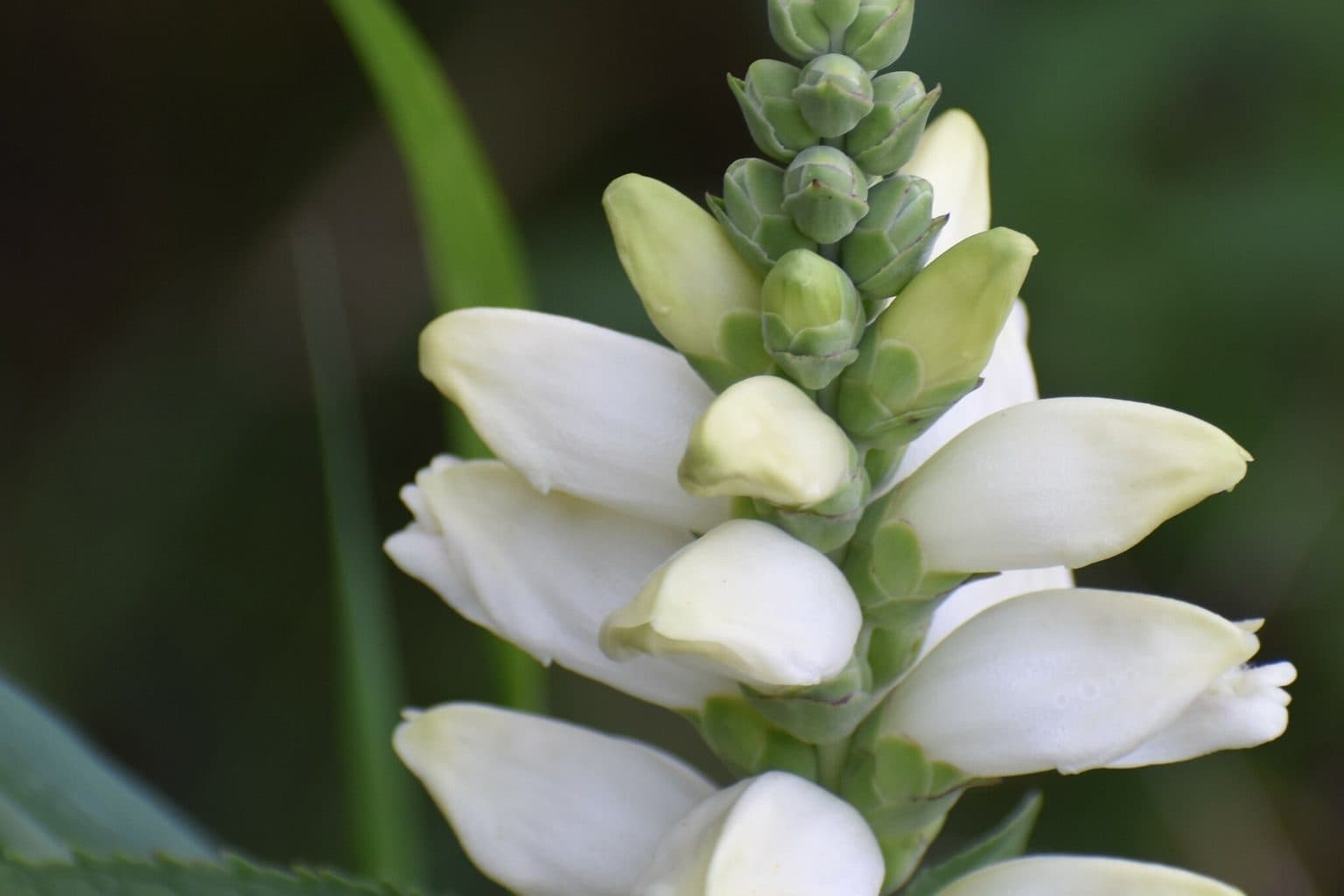
Rain Ready Alabama pays up to 75% of a rain garden or permeable pavement project, capped at $2,500 per household. The 2026 round has ended. 2027 is next.
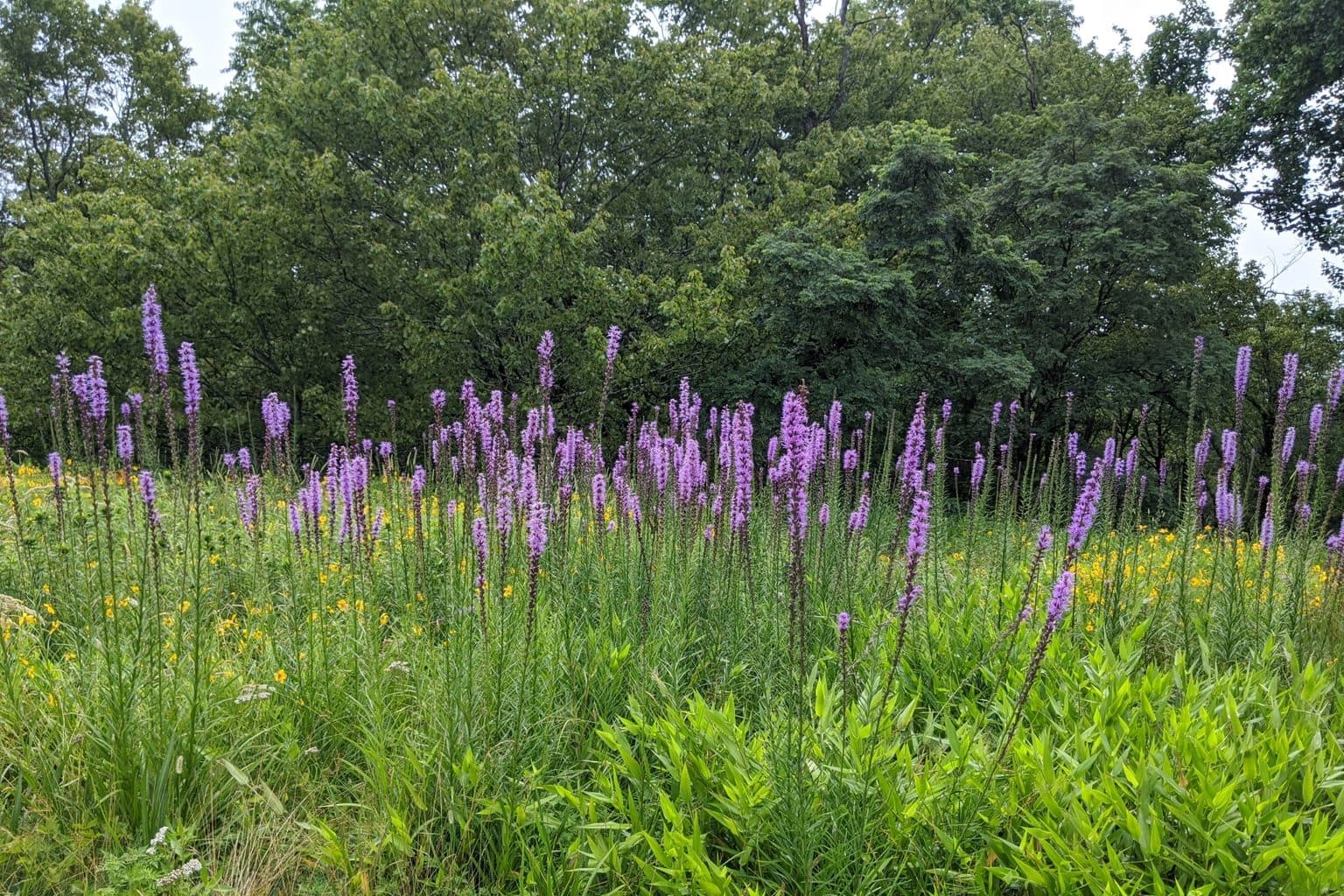
Michigan HOA bans on rain barrels, clotheslines, and solar panels are now invalid under the Homeowners Energy Policy Act (2024 PA 68). Native landscaping itself has no Michigan statute behind it. What is actually enforceable, and how to get a native yard approved anyway.
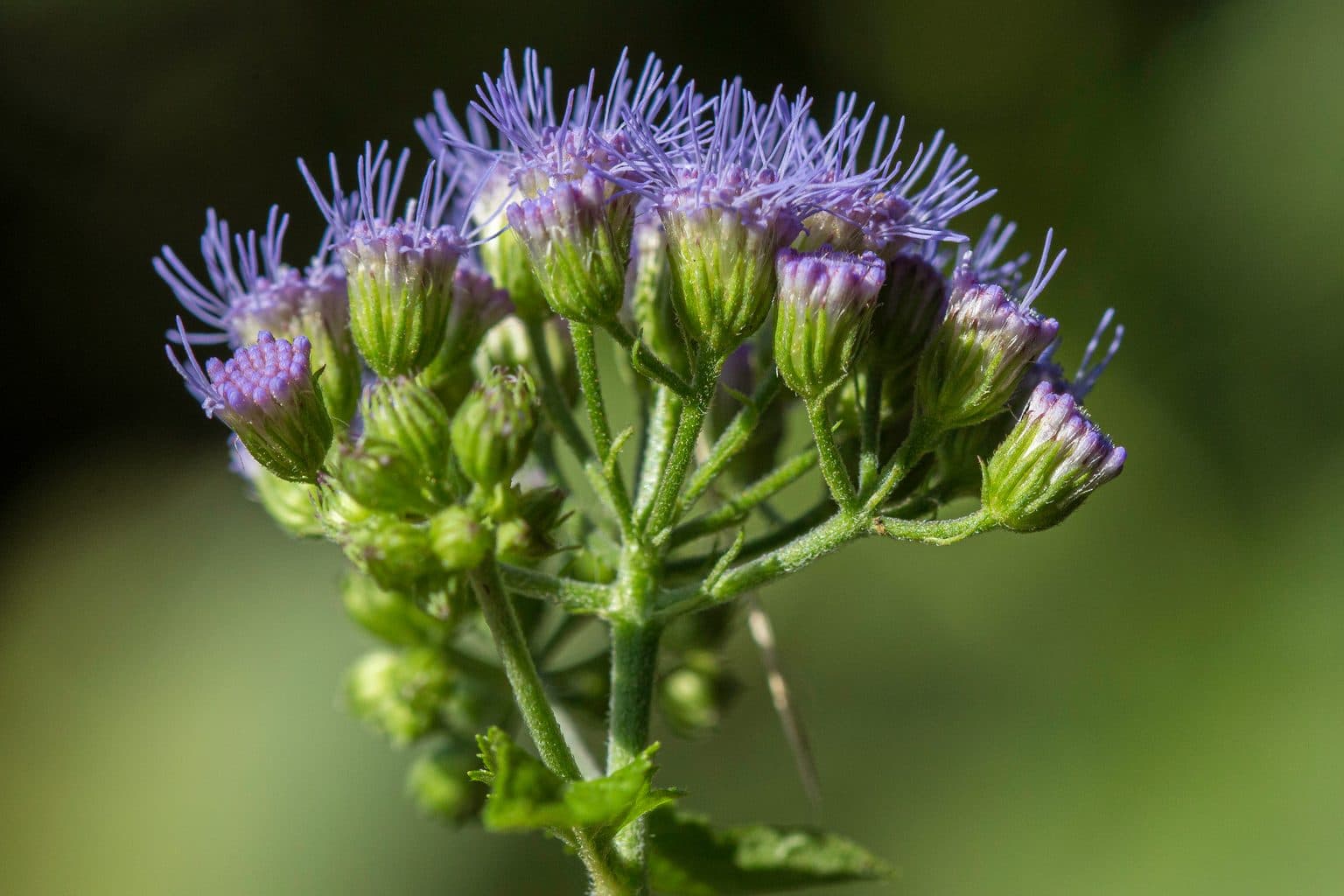
Comparing Pollinator Patch and Gardenly for a native front yard. Current pricing, native-first vs climate-adapted plants, HOA support, rebates, and which one fits your project.
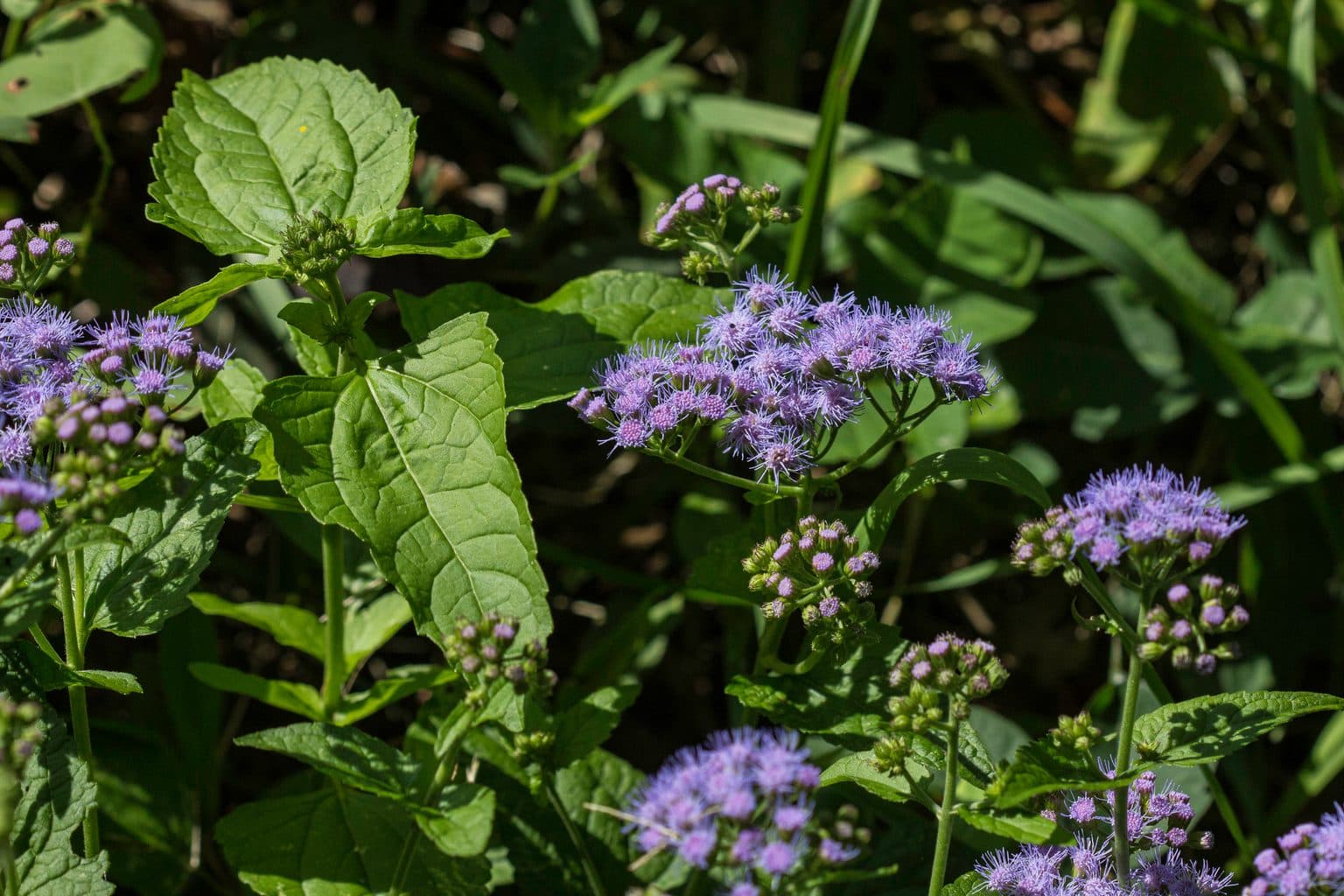
LCRA WaterSmart pays 50% of your cost, up to $3,000 per year, for converting turf to native landscaping in Hill Country communities like Leander and Marble Falls. Pre-approval and a 90-day filing window apply.
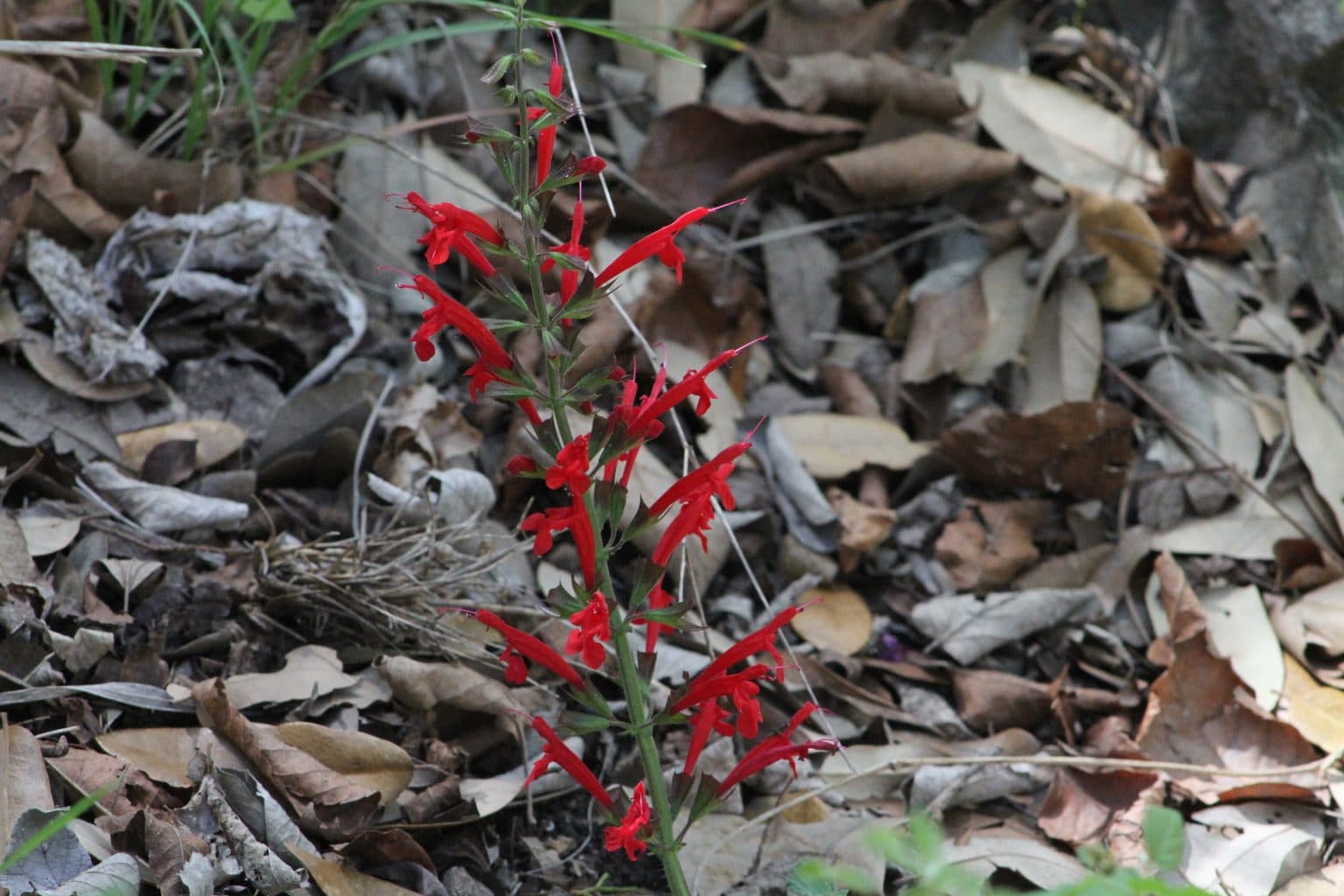
New Braunfels Utilities pays up to $2,000 for replacing grass with drought-tolerant plants, as a credit on your water bill. Before photos with markers are required, so read this before you dig.
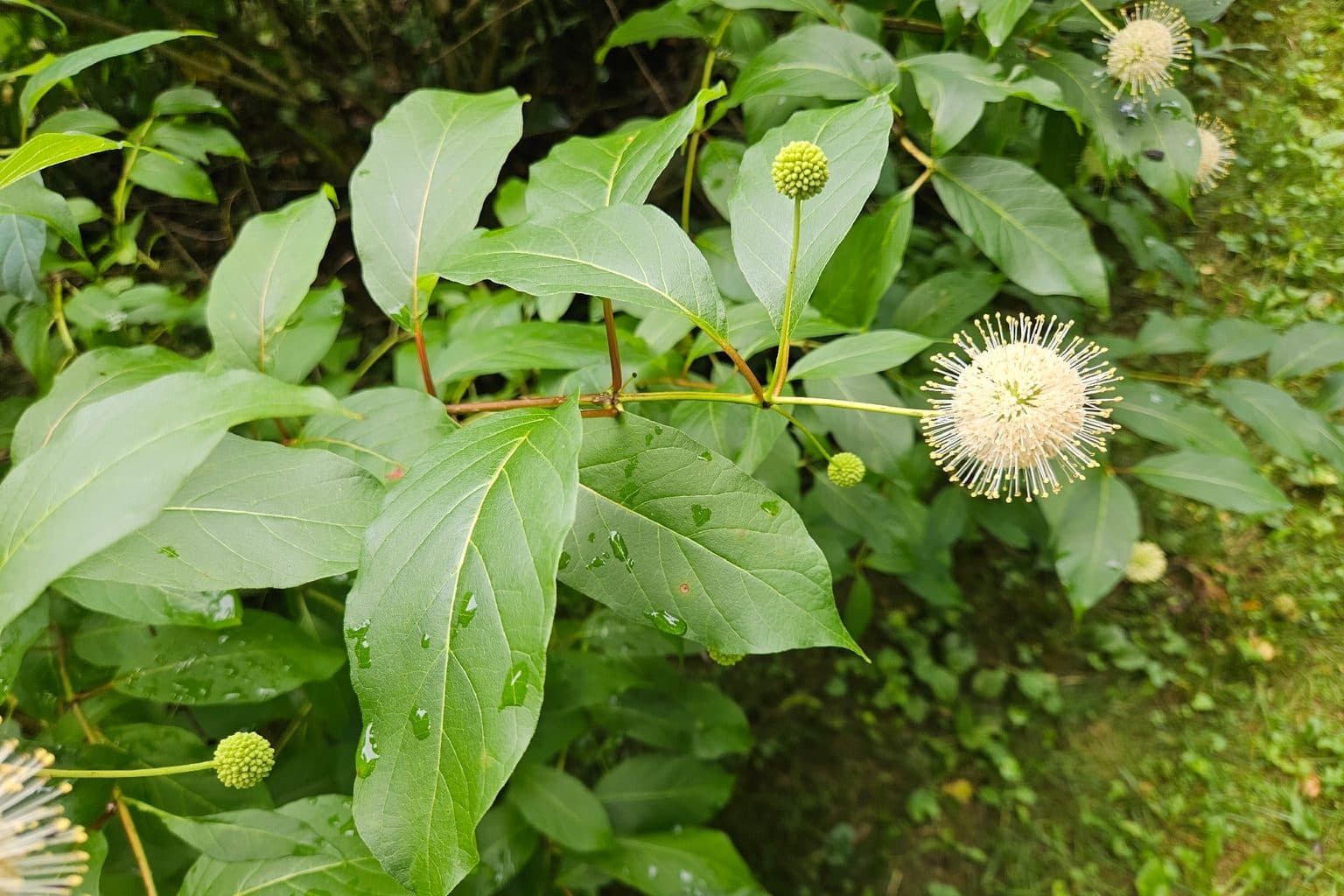
MSD Project Clear's Rainscaping Small Grants Program reimburses up to $4,000 for a residential rain garden or native planting. How to apply, step by step.
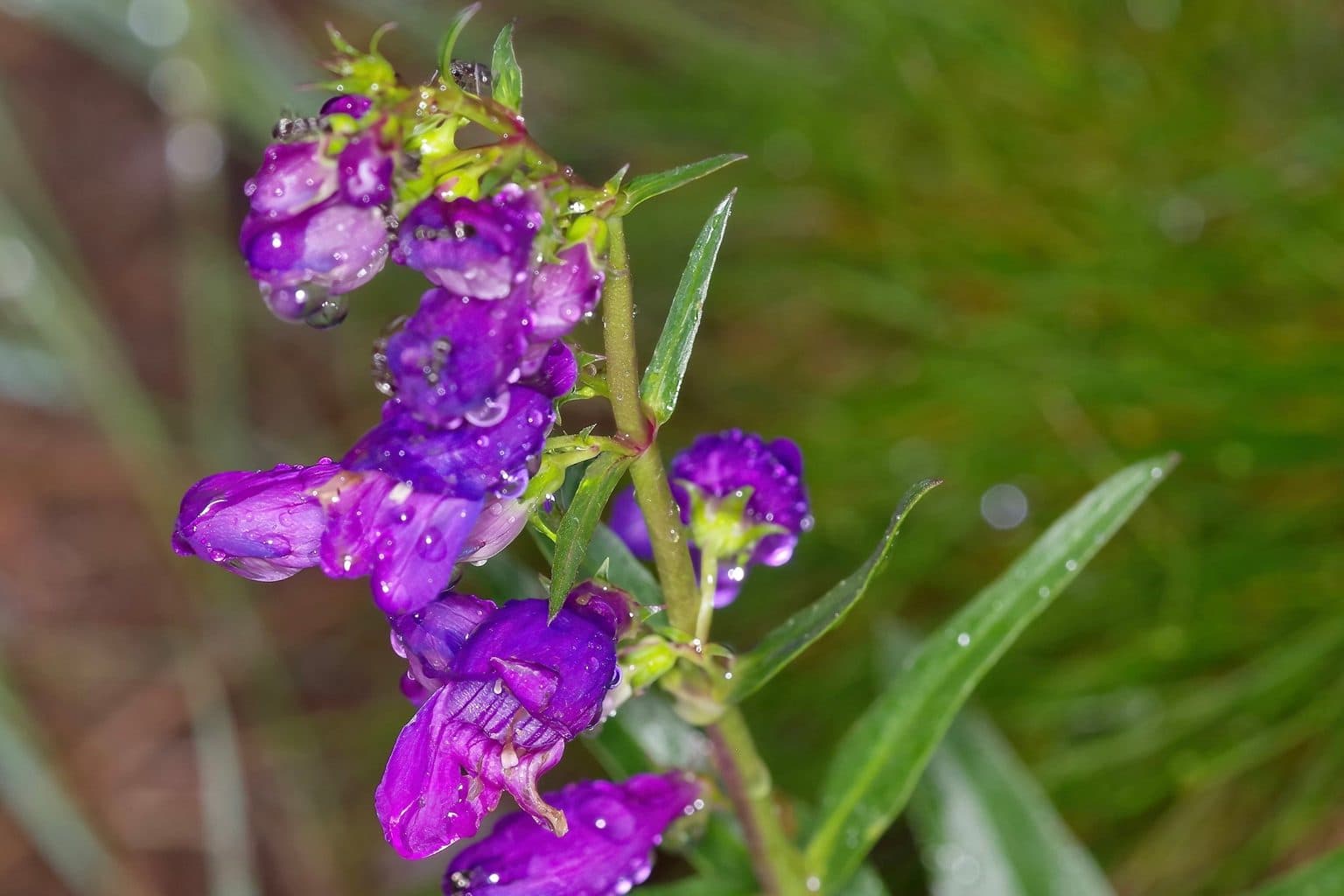
Utah pays $1.50 to $3.00 per square foot to replace lawn with water-efficient landscaping in 60+ communities. Pre-project inspection required before any work. How the Landscape Incentive works.
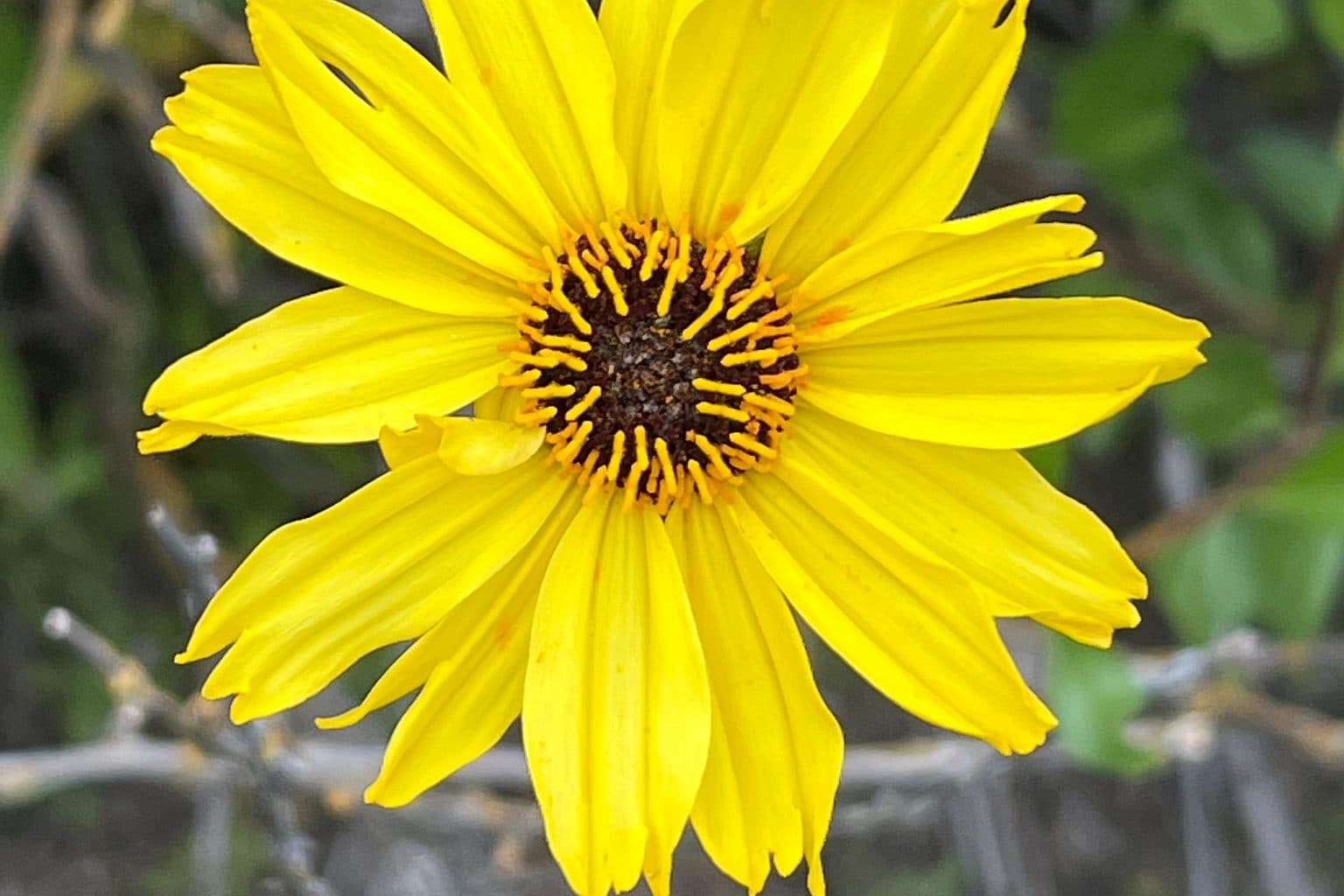
San Diego County pays enhanced turf replacement rates plus a $1 per square foot bonus for California native plants in the unincorporated county. City residents get the base SoCal Water$mart rate. Which one applies to you.
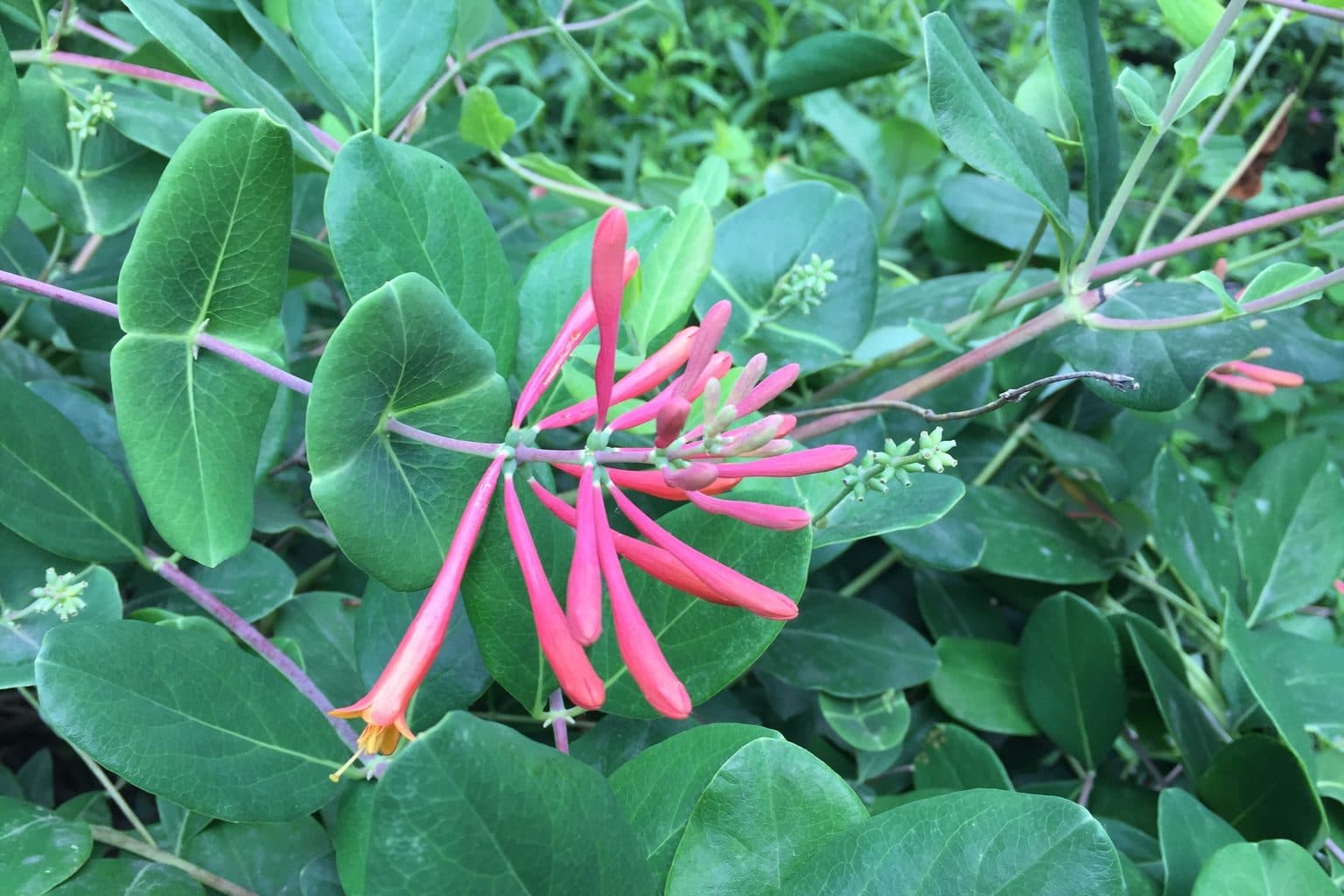
True honeysuckle (Lonicera) is not on the ASPCA toxic plant list for dogs. Which honeysuckle you have, why Japanese Honeysuckle berries warrant caution, and how to spot the toxic yellow-flowered lookalike, Carolina Jessamine.
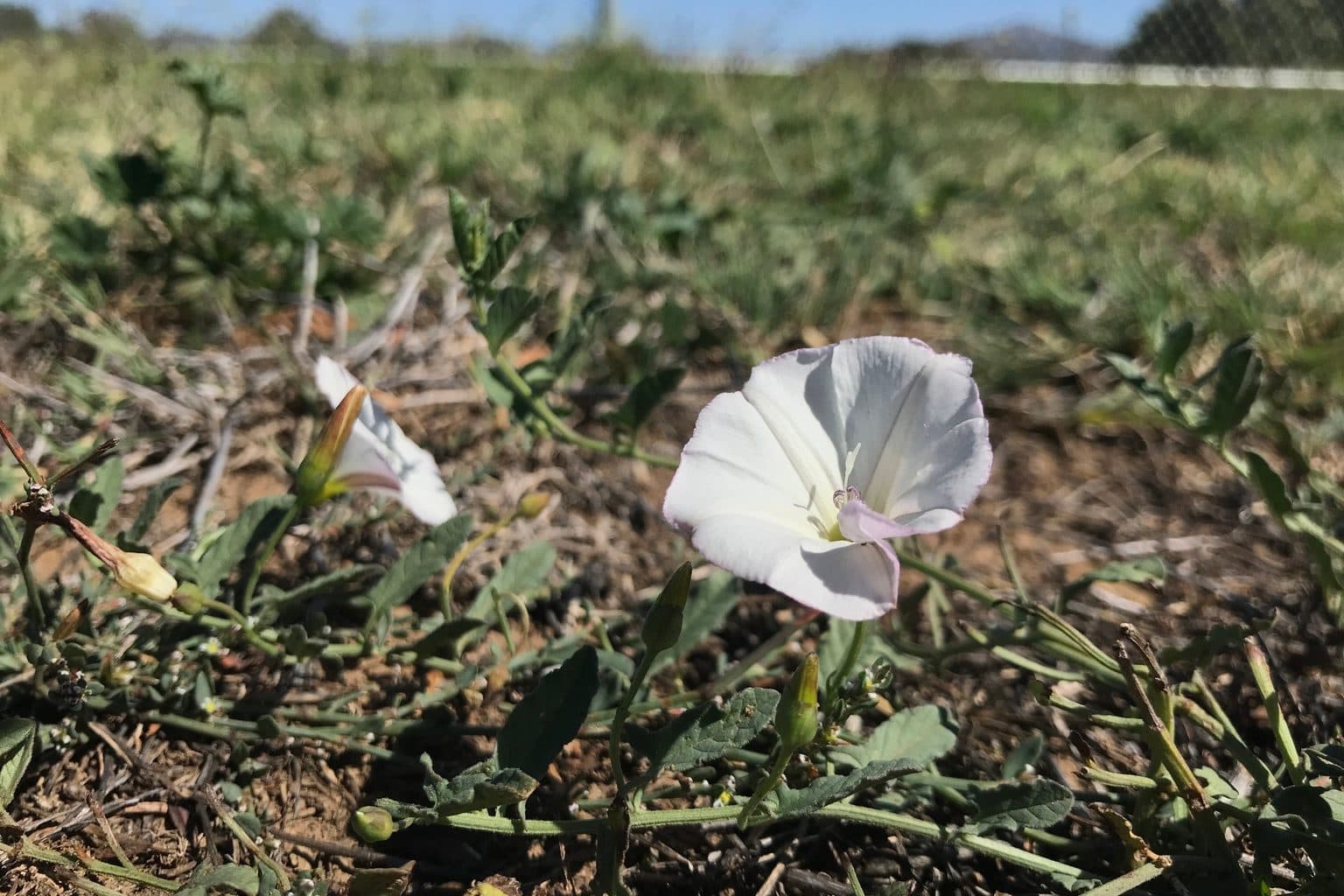
Field Bindweed is not on the ASPCA toxic list, but that is not a clearance. It contains tropane alkaloids and is mildly toxic. What to watch for, and dog-safe native groundcover swaps.
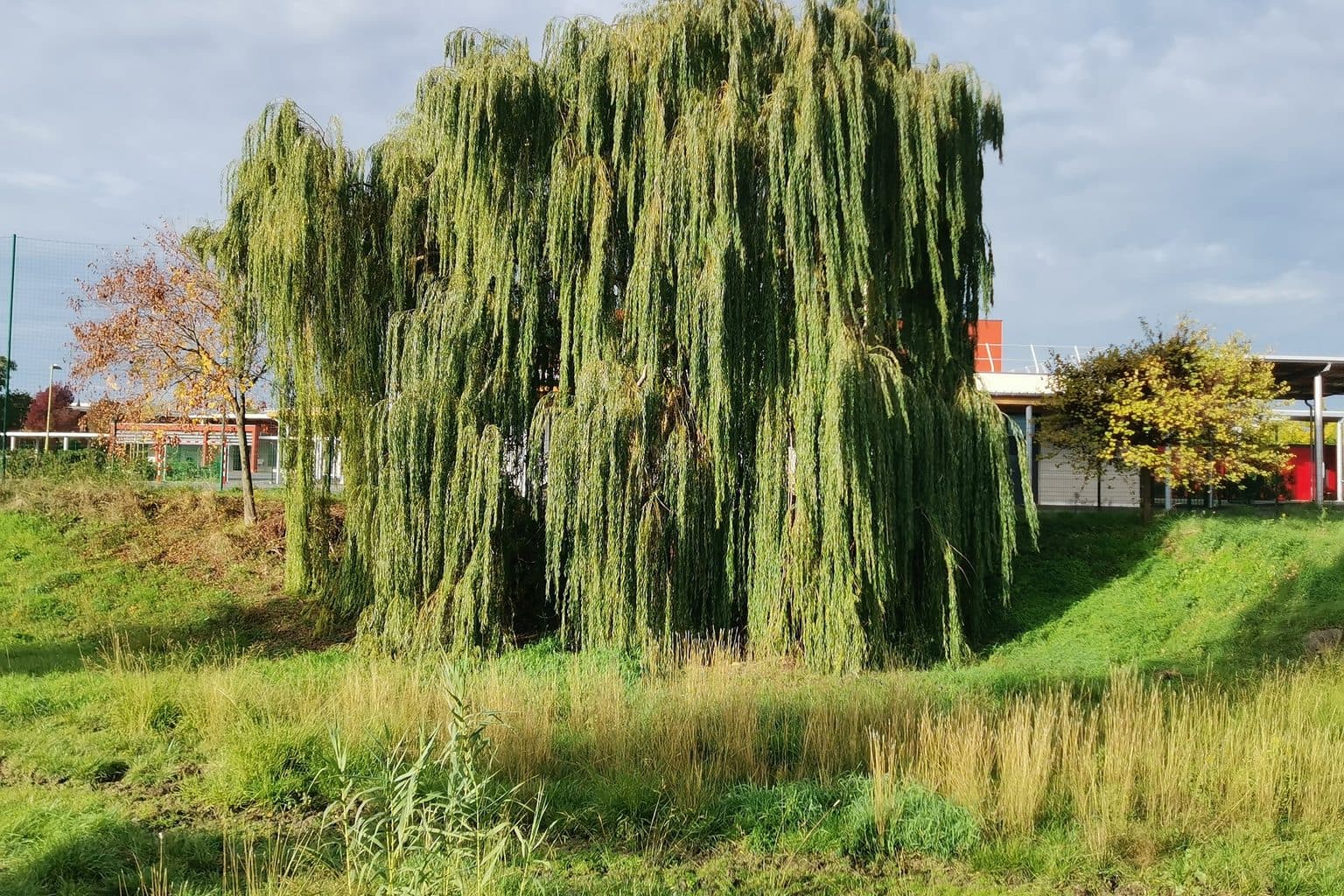
No willow is on the ASPCA toxic plant list, and purpleosier willow is listed non-toxic. The real caution is concentrated willow bark supplements, not the yard tree.
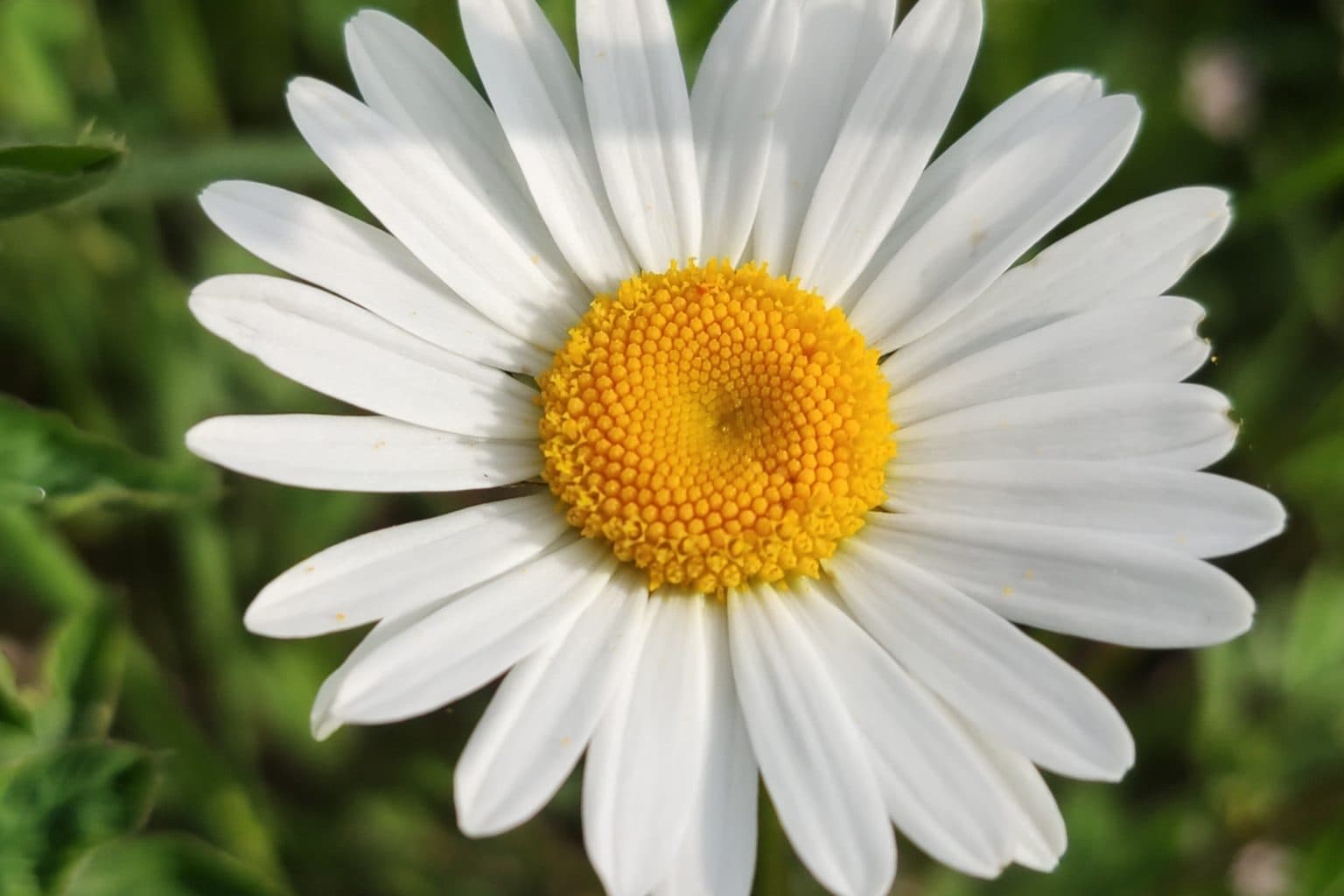
Yes, cautiously. Oxeye Daisy (Leucanthemum vulgare) falls under the ASPCA Chrysanthemum listing, toxic to dogs, cats, and horses. Garden ingestion is usually mild. Symptoms and dog-safe native swaps.
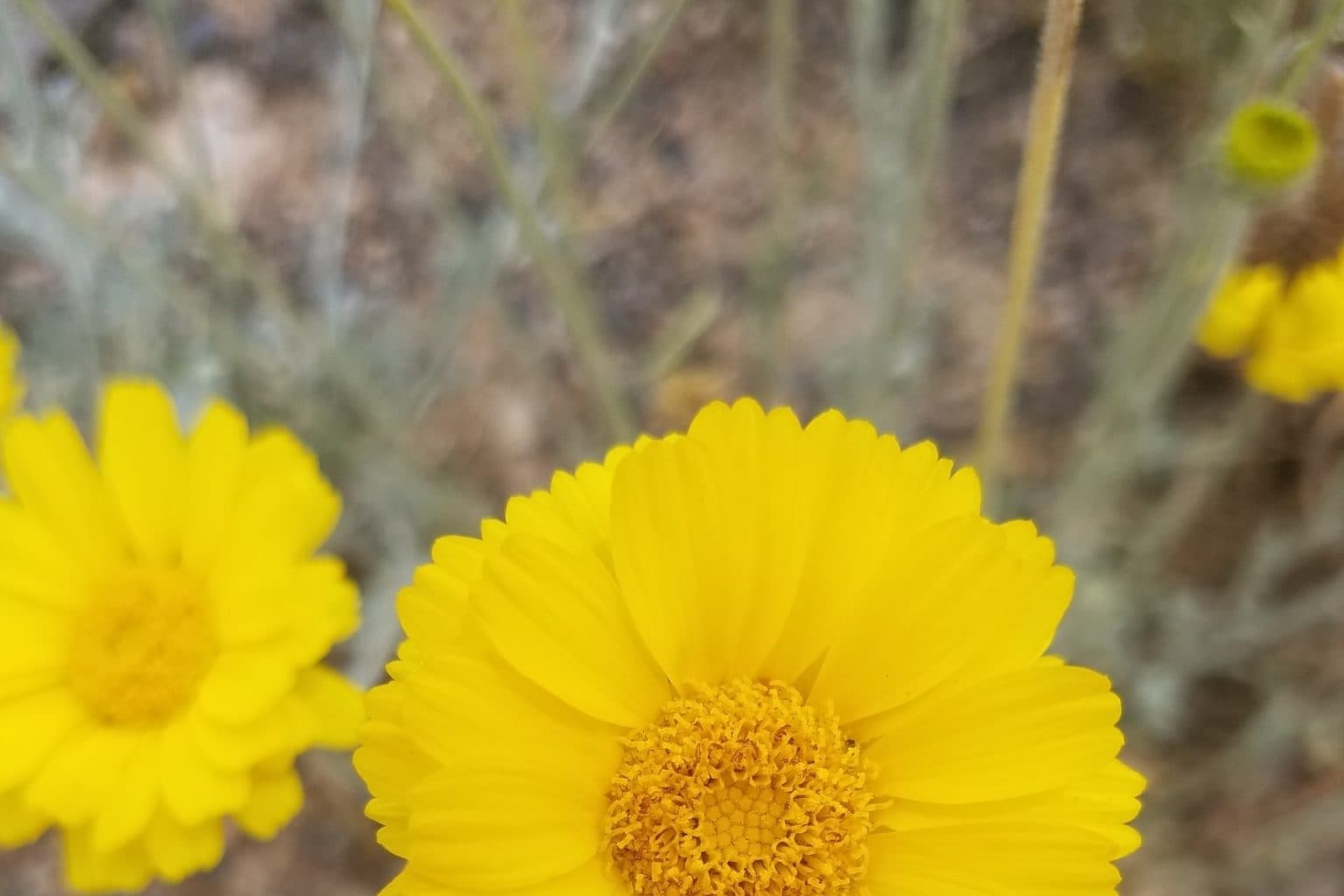
Arizona has no native-plant or xeriscape HOA law, but two statutes limit your HOA: A.R.S. §33-1819 protects artificial turf where grass is allowed, and A.R.S. §33-1816 protects solar. What actually governs desert landscaping.
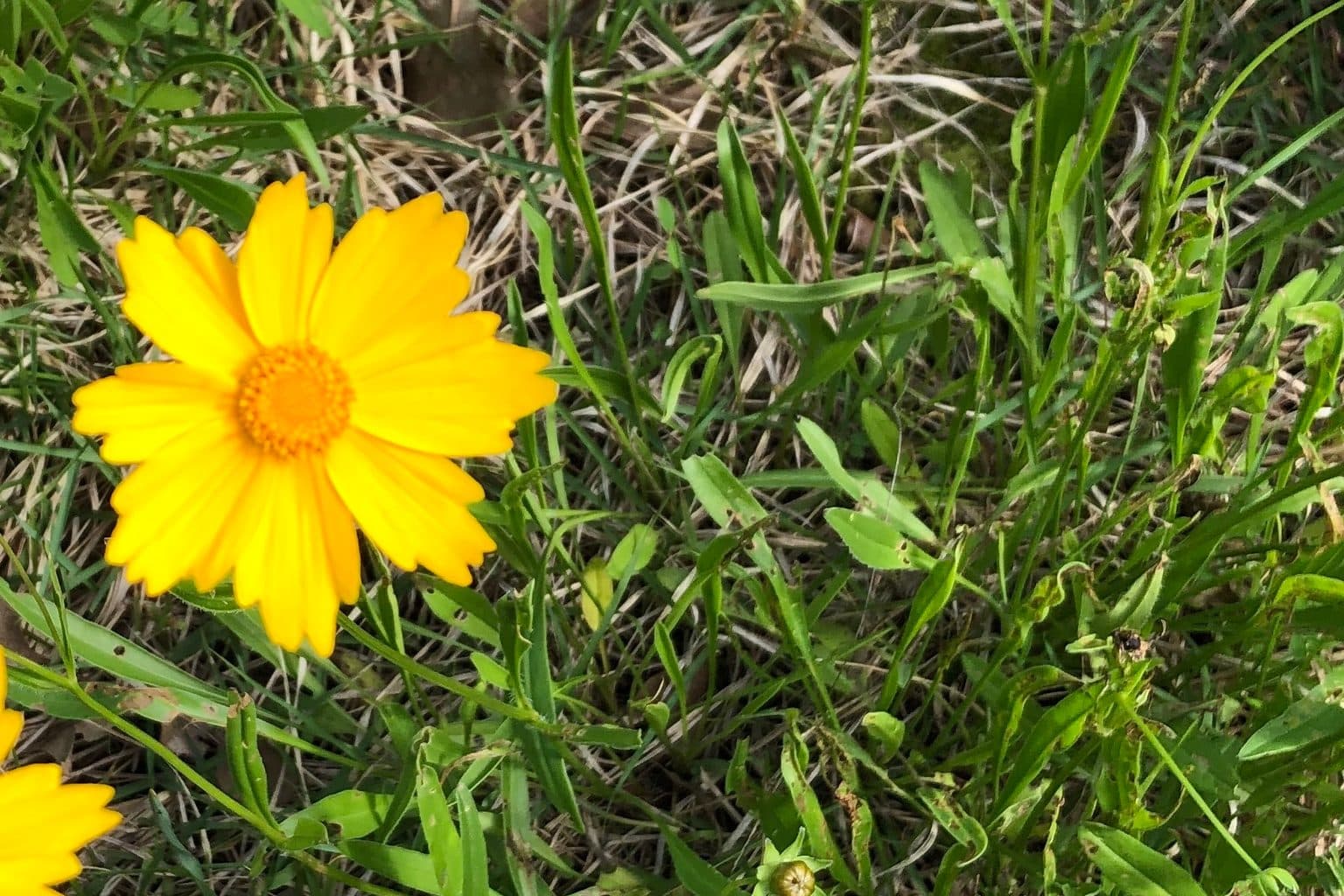
Georgia has no native-plant or xeriscape law. Here is what actually governs HOA landscaping disputes: the opt-in Property Owners Association Act, your covenants, and reasonable, uniform enforcement.
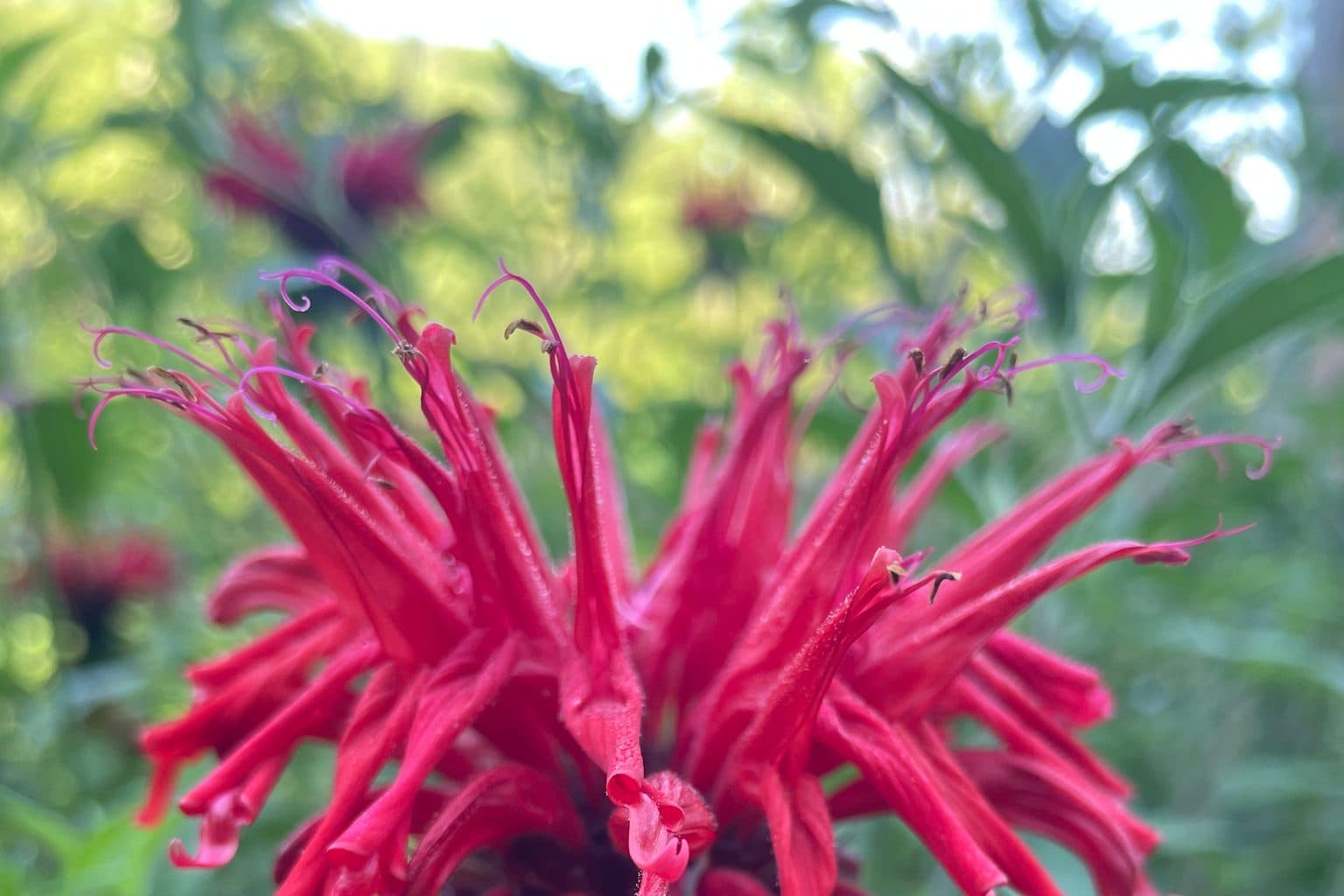
Pennsylvania has no native-plant or water-conserving landscaping law, so HOA landscaping covenants are generally enforceable. Your real leverage is the Uniform Planned Community Act: proper rule adoption, notice, and selective-enforcement defenses.
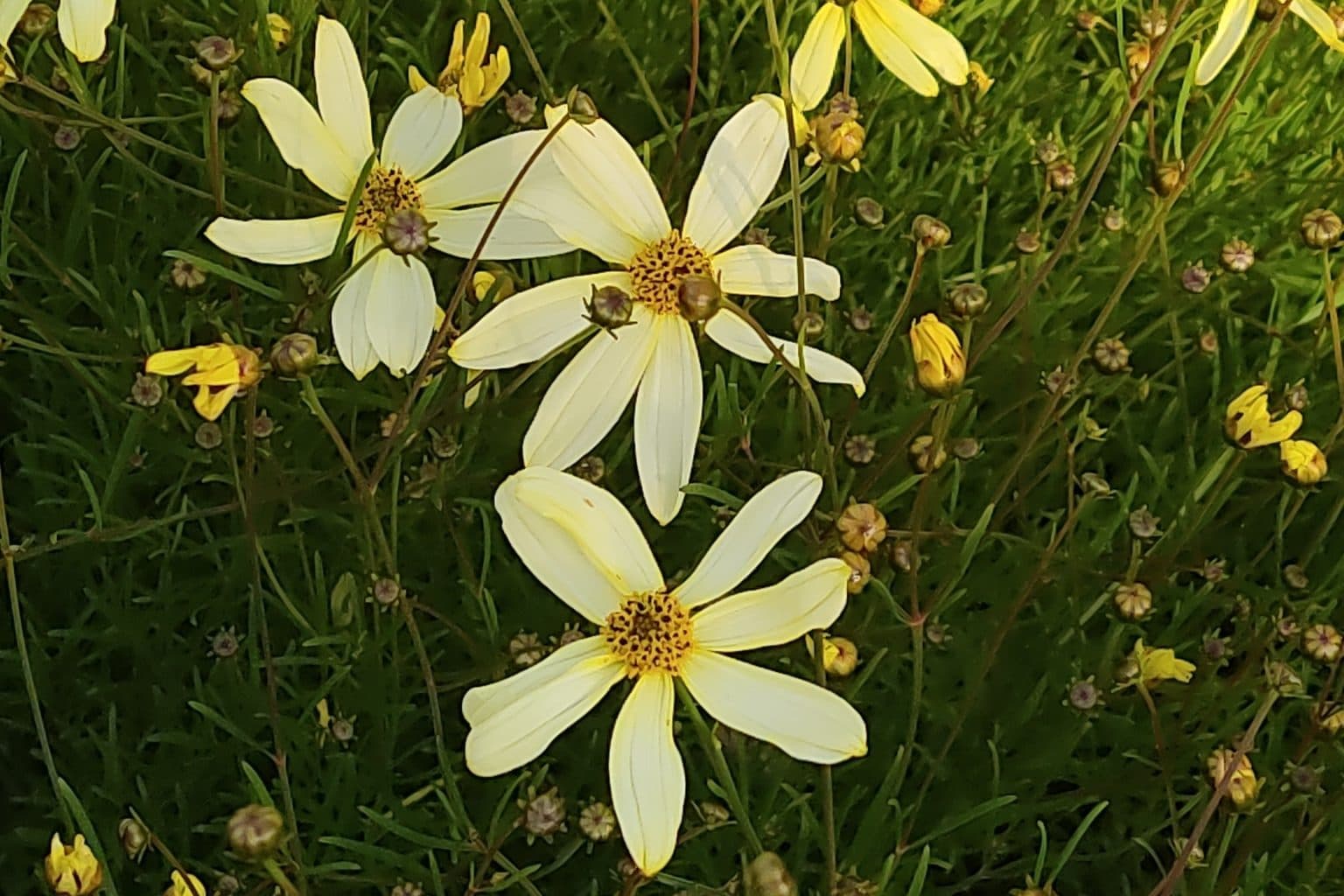
North Carolina has no native-plant HOA law, but two real statutes give you leverage: N.C.G.S. §22B-20 voids solar bans and §47F-3-122 blocks forced irrigation during a declared drought. What actually governs HOA landscaping under Chapter 47F.
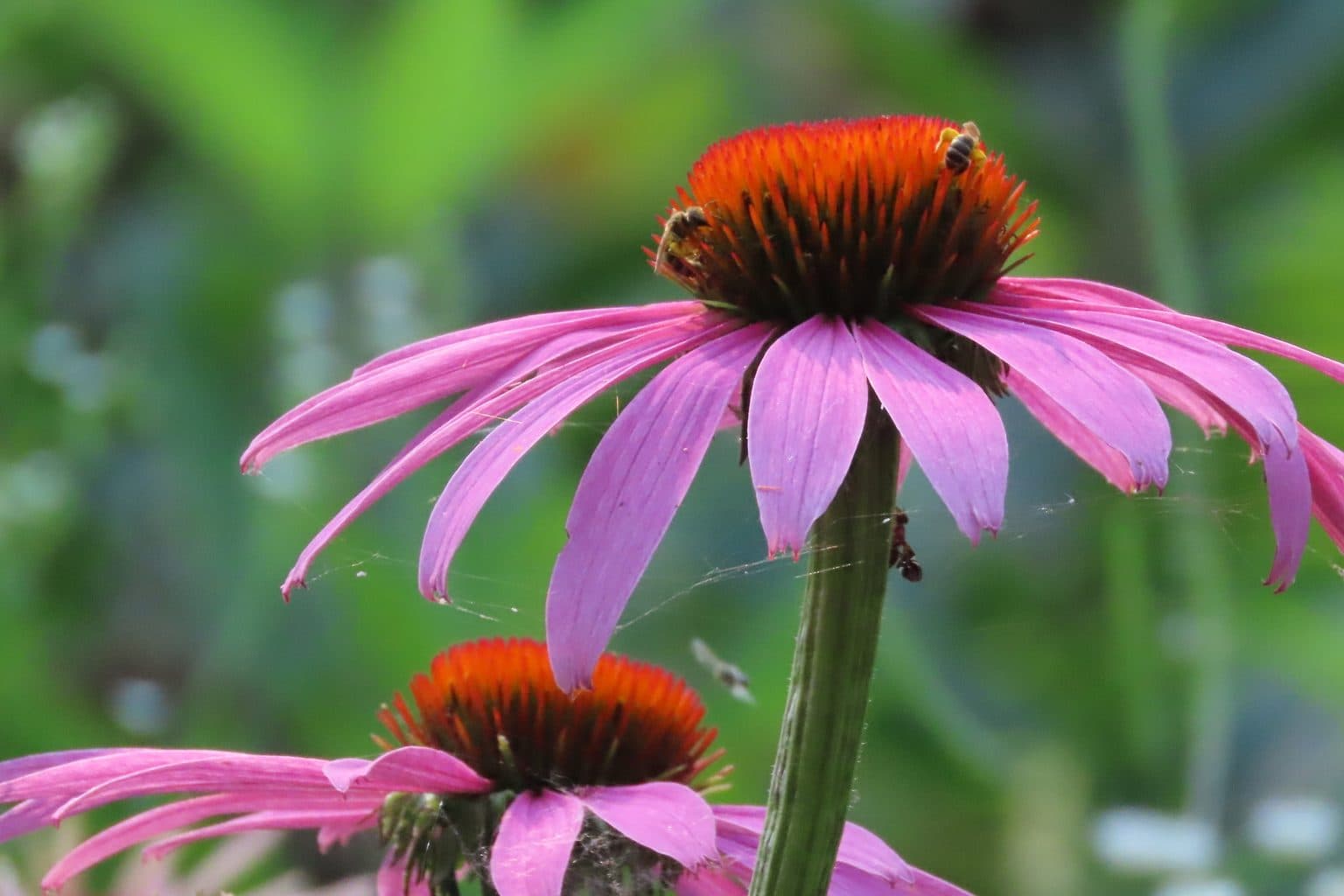
Tennessee has no statewide HOA act and no native-plant or xeriscape landscaping law. Here is what actually governs your HOA, why your CC&Rs control, and where you still have real leverage.
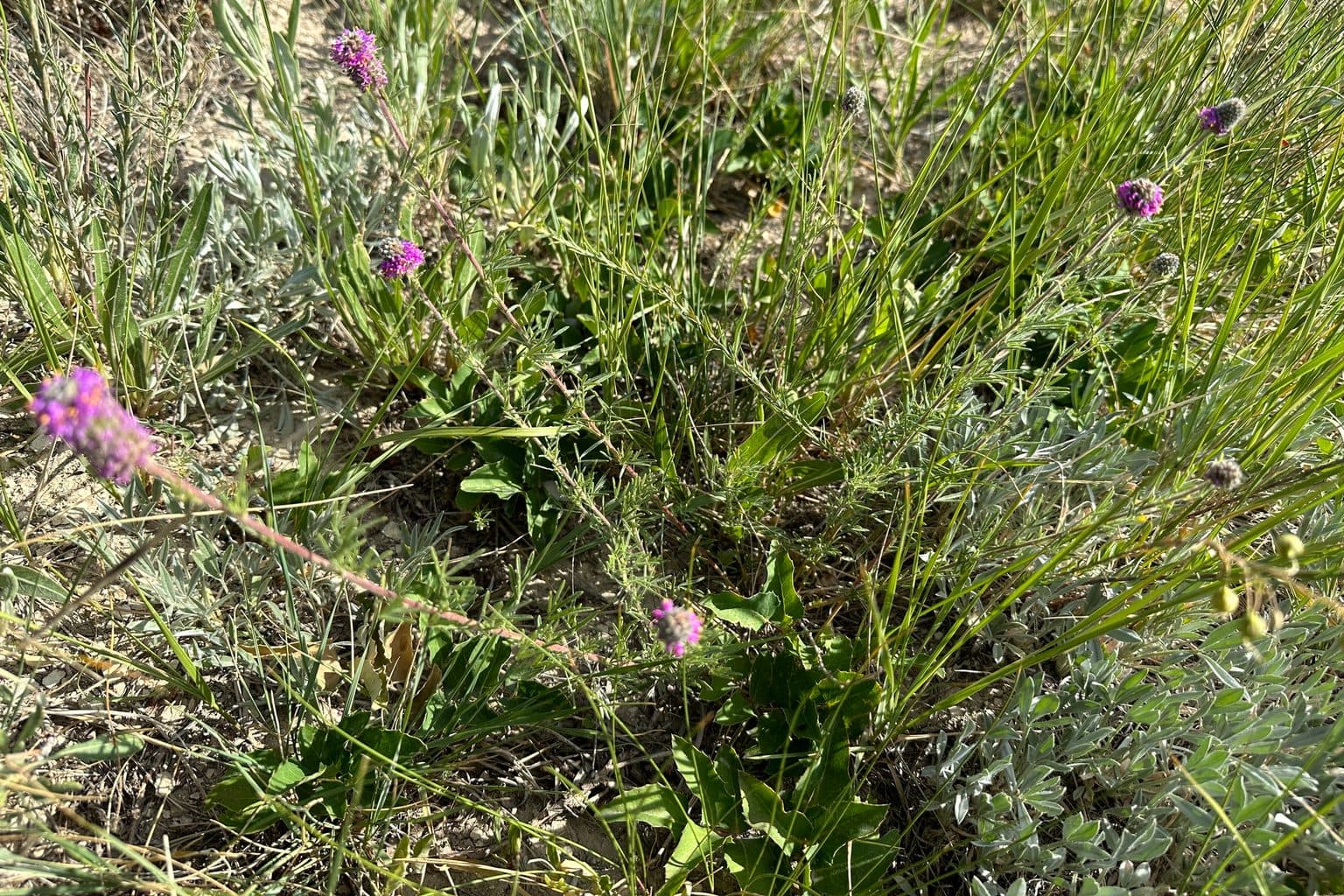
A short list of the best drought-tolerant native plants for Colorado Front Range front yards, from Blanketflower and Rocky Mountain Penstemon to Blue Grama grass. Native ranges from the Lady Bird Johnson Wildflower Center, with the Colorado xeriscape HOA law explained.
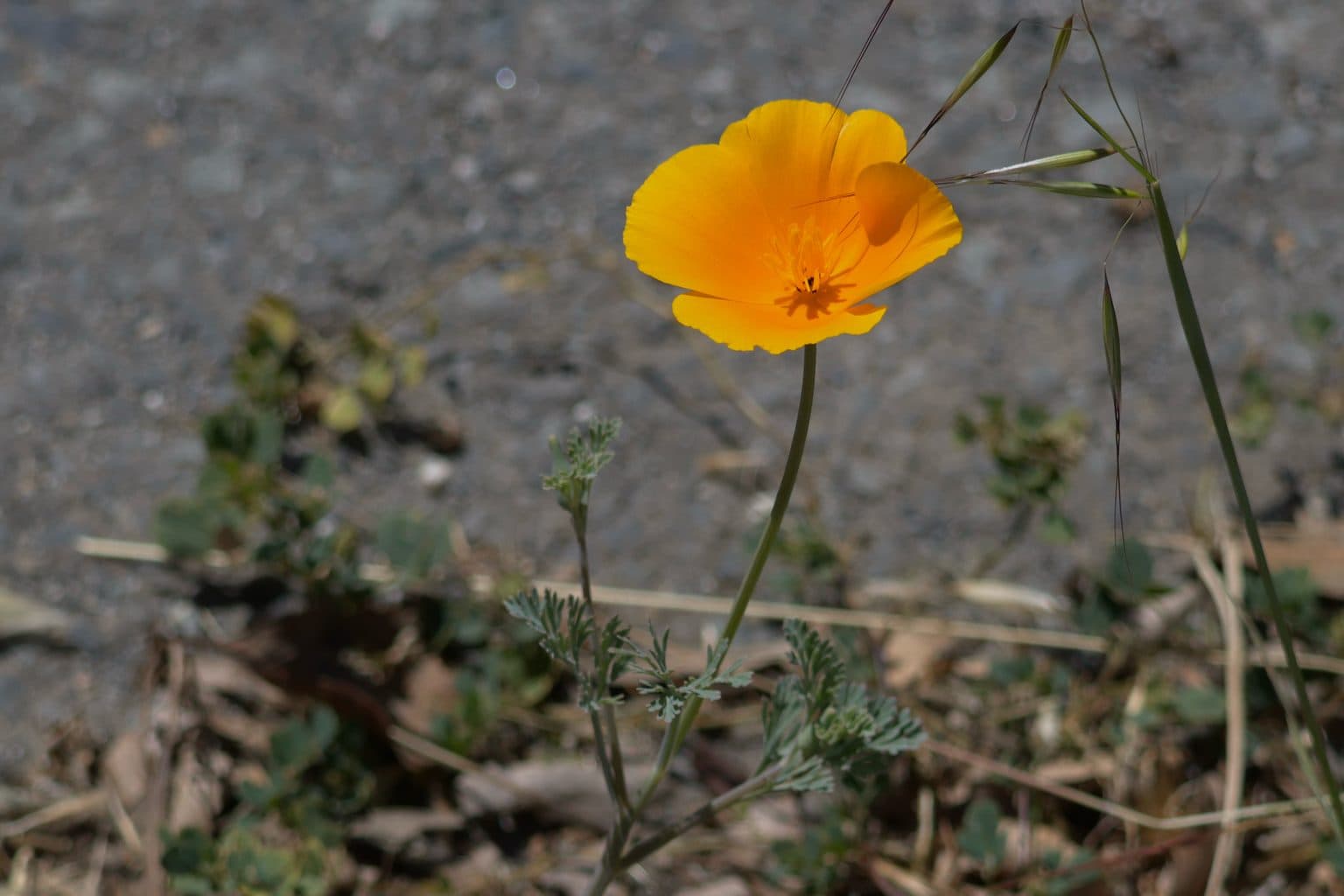
What California turf-removal rebates pay in 2026, by water agency: SoCal Water$mart, LADWP, Valley Water, EBMUD, and Long Beach. Plus the HOA law (Civil Code §4735) that protects your right to convert. Verify current rates on the official program pages.
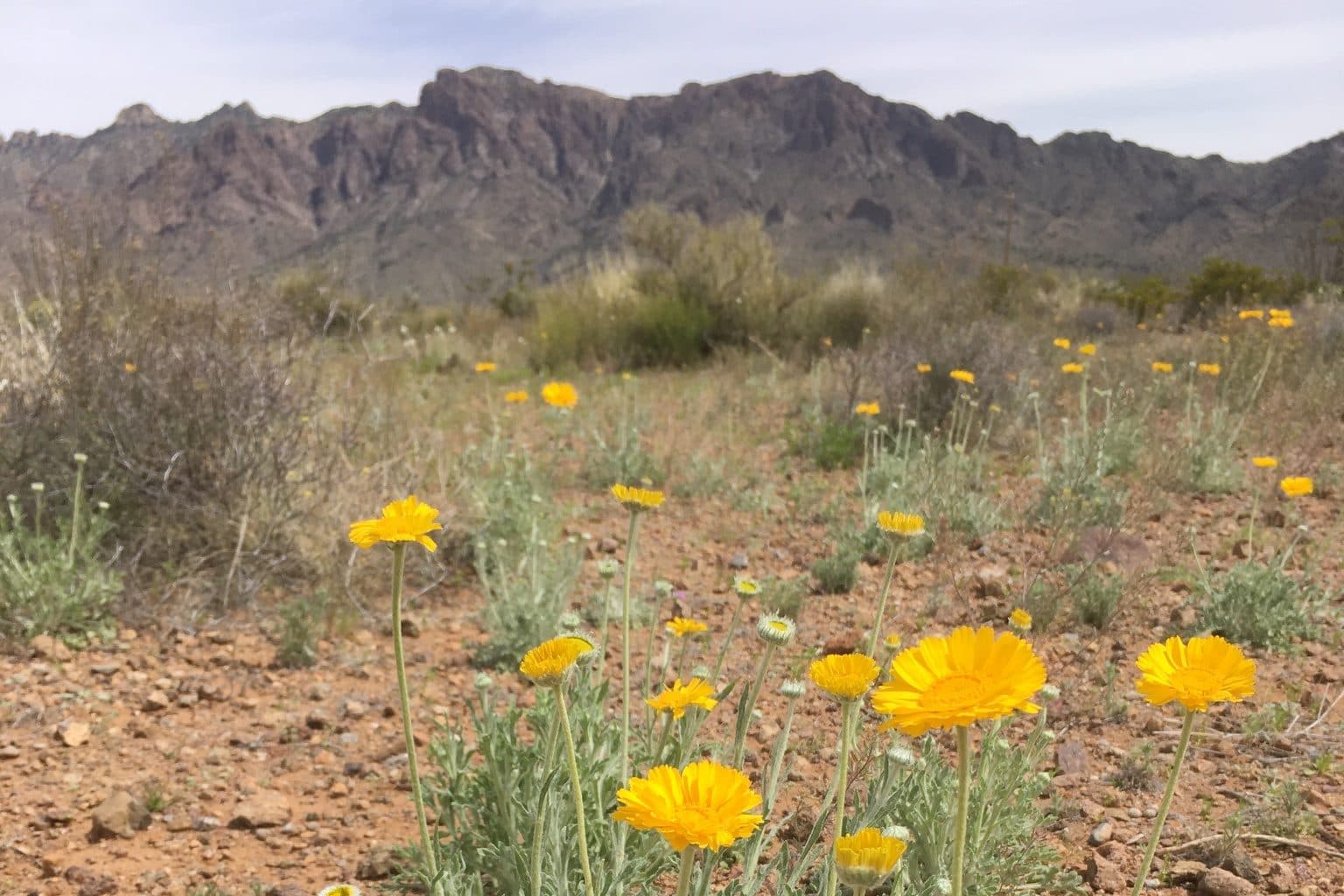
Tucson Water pays up to $2,000 for rainwater harvesting, but you must attend a free workshop first. How the rebate works, who qualifies, and how to apply. Verify current terms on Tucson Water.
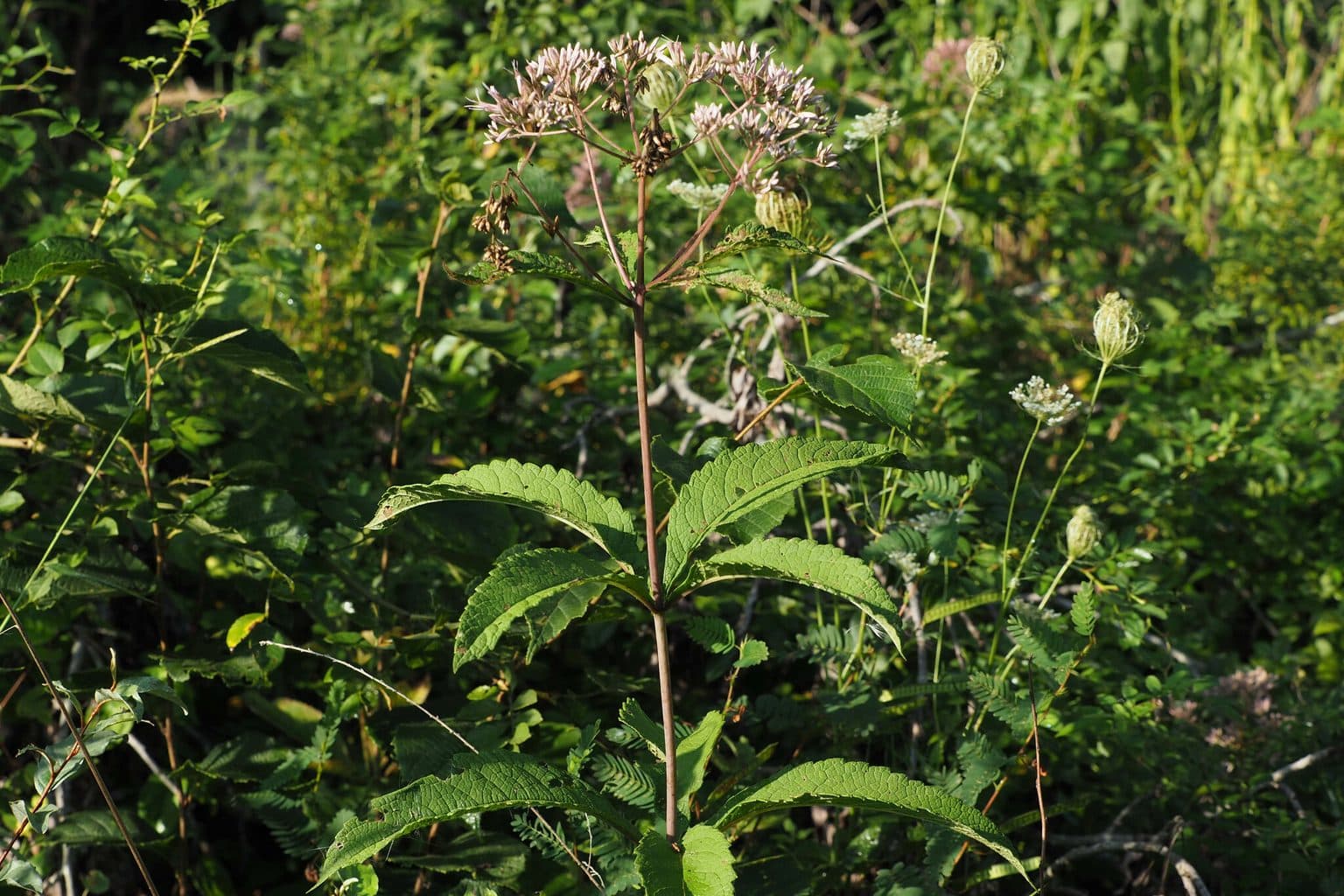
The Community Conservation Assistance Program reimburses up to 75% of a rain garden or native planting project, capped at $35,000, in 13 North Carolina counties so far.
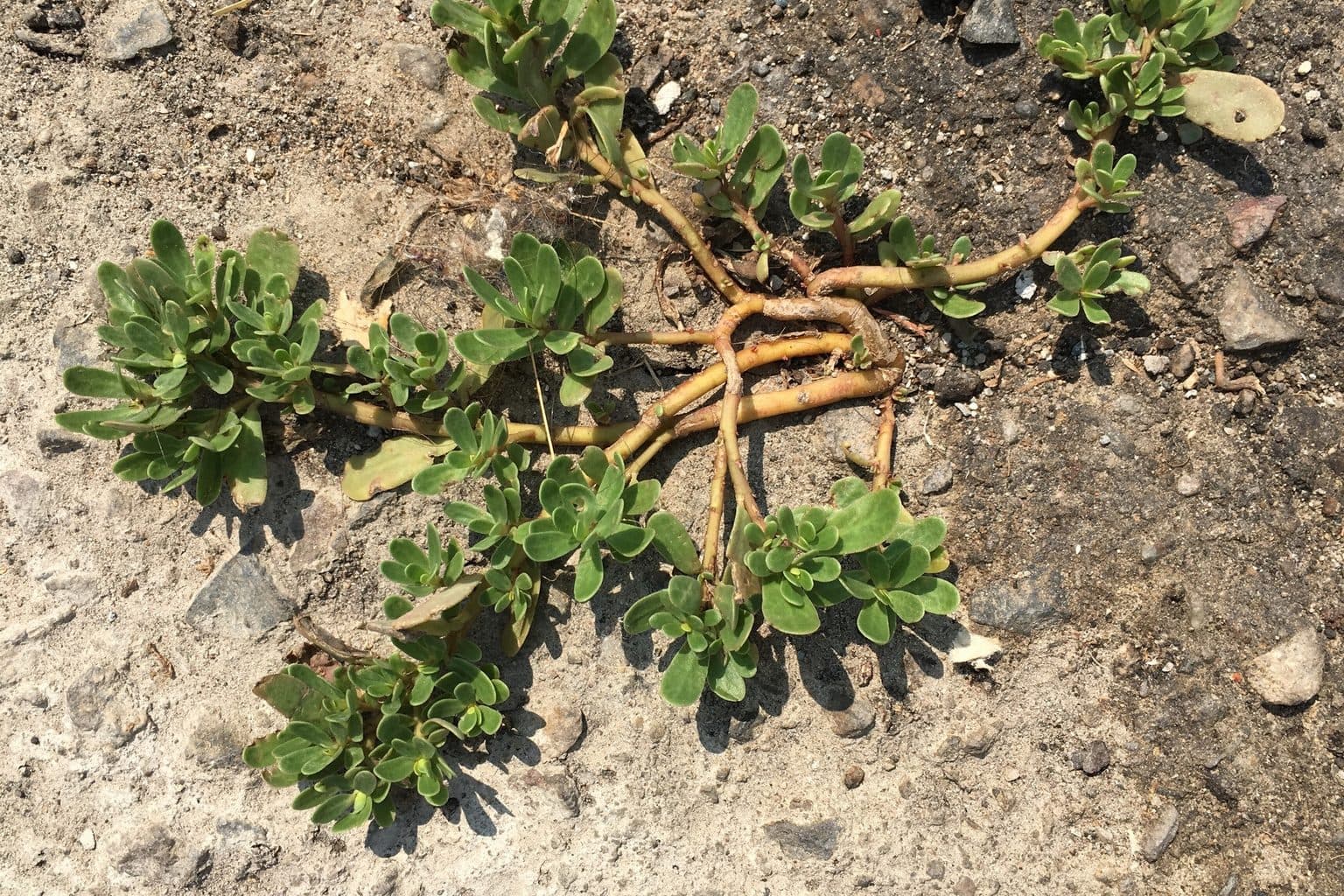
Yes. Purslane (Portulaca oleracea) is toxic to dogs, cats, and horses per the ASPCA, from soluble calcium oxalates. The same warning covers ornamental moss rose purslane. Symptoms to watch for and dog-safe native ground cover swaps.
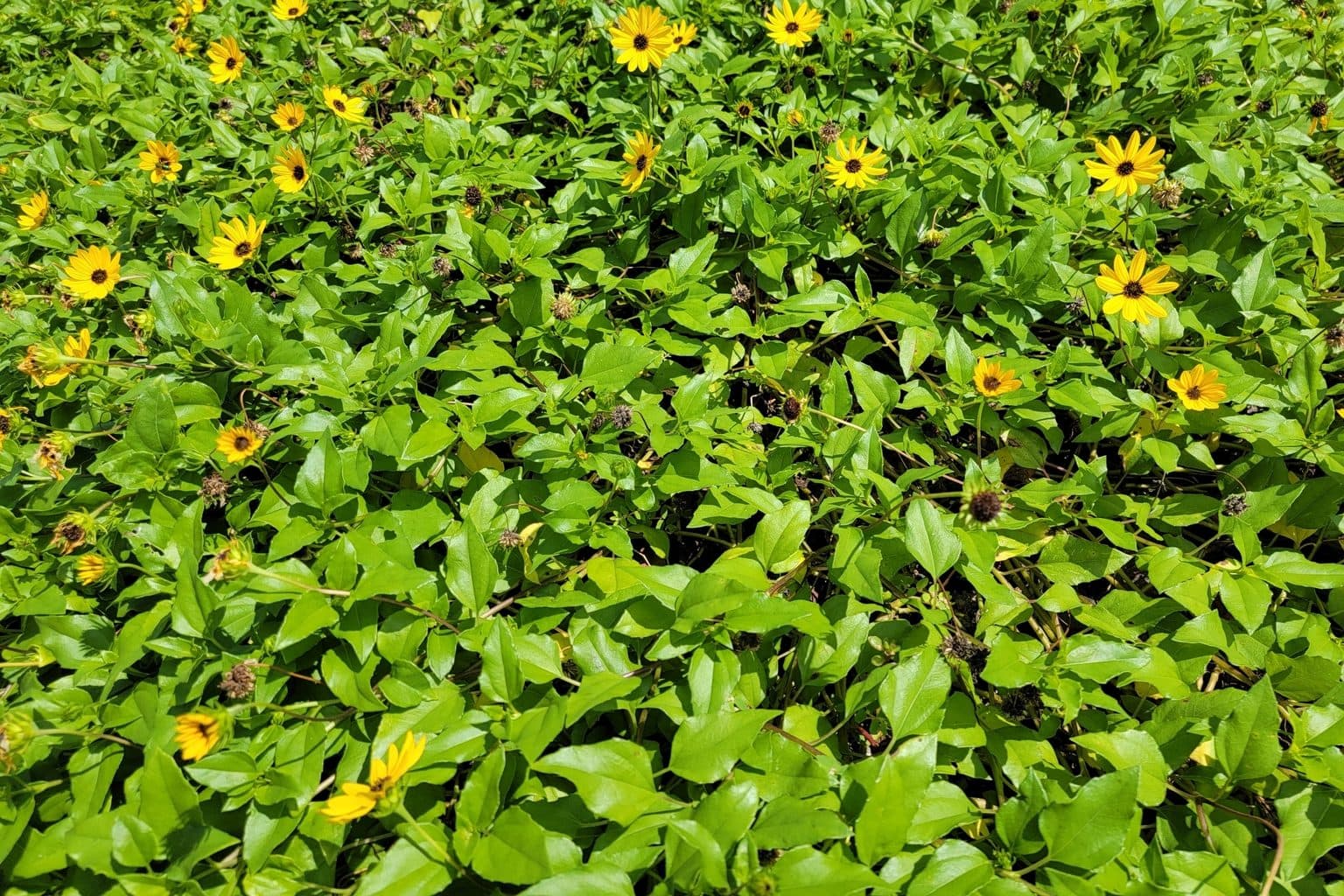
Florida HOAs cannot prohibit Florida-Friendly Landscaping or require turf sod across the whole yard. Statute §720.3075 makes those rules unenforceable. Here is exactly what your HOA can and cannot require for your front yard.
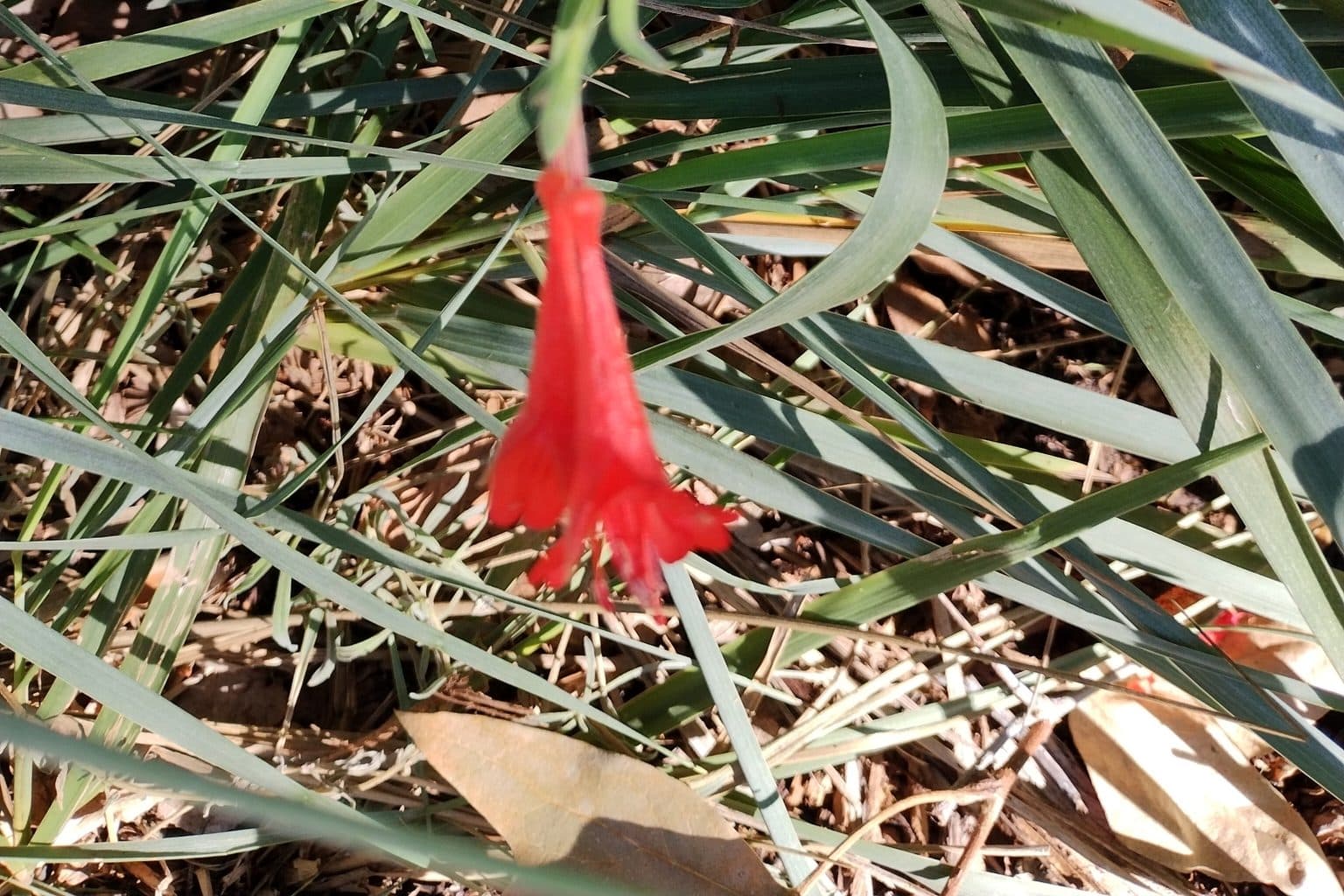
California HOAs cannot ban drought-tolerant plants or artificial turf, or fine you for a brown lawn during a drought. Civil Code §4735 makes those rules unenforceable. Here is exactly what your HOA can and cannot require.
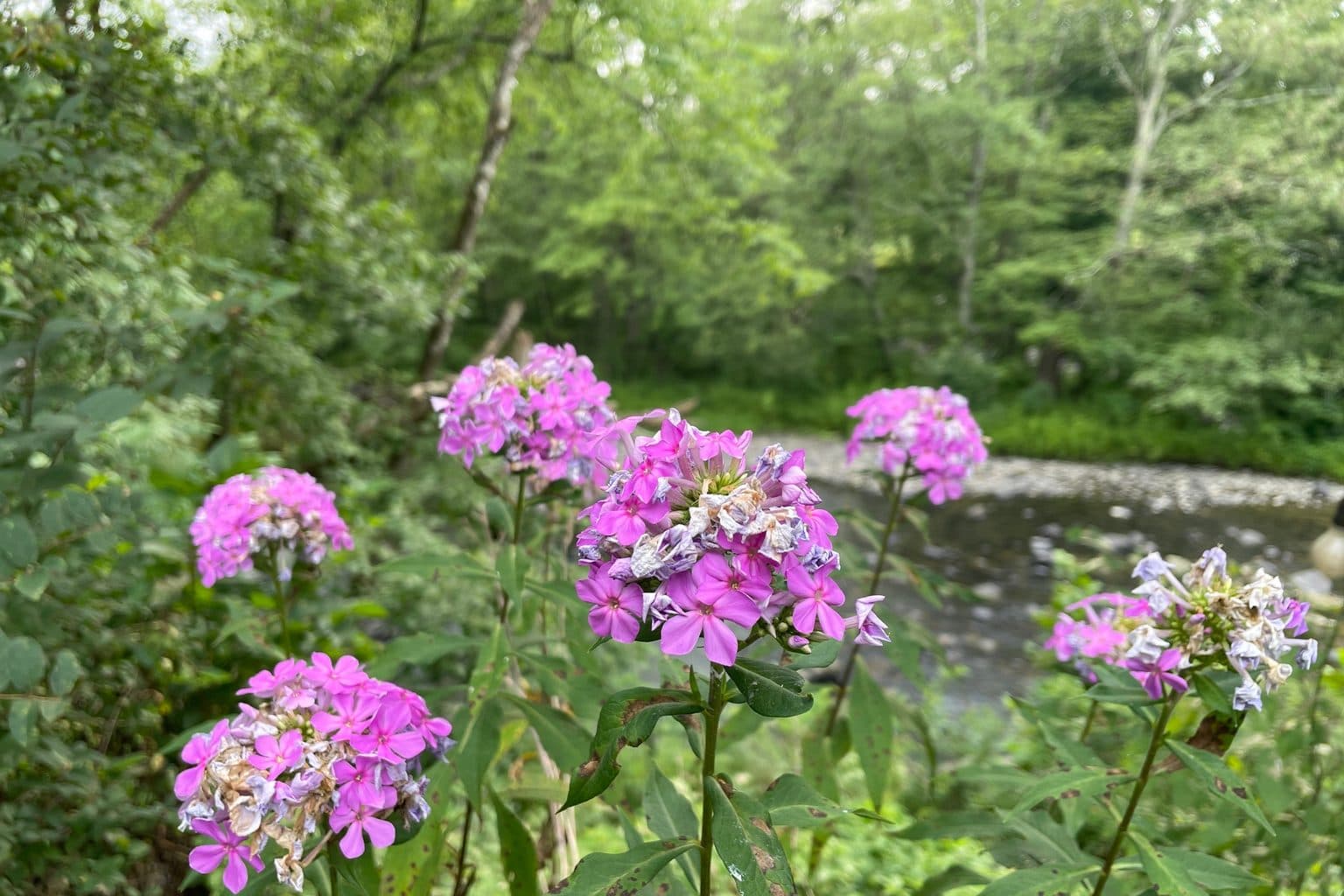
Maryland HOAs cannot require turf grass or ban pollinator and rain gardens. The low-impact landscaping law (Real Property §2-125) makes those rules unenforceable. Here is exactly what your HOA can and cannot require.
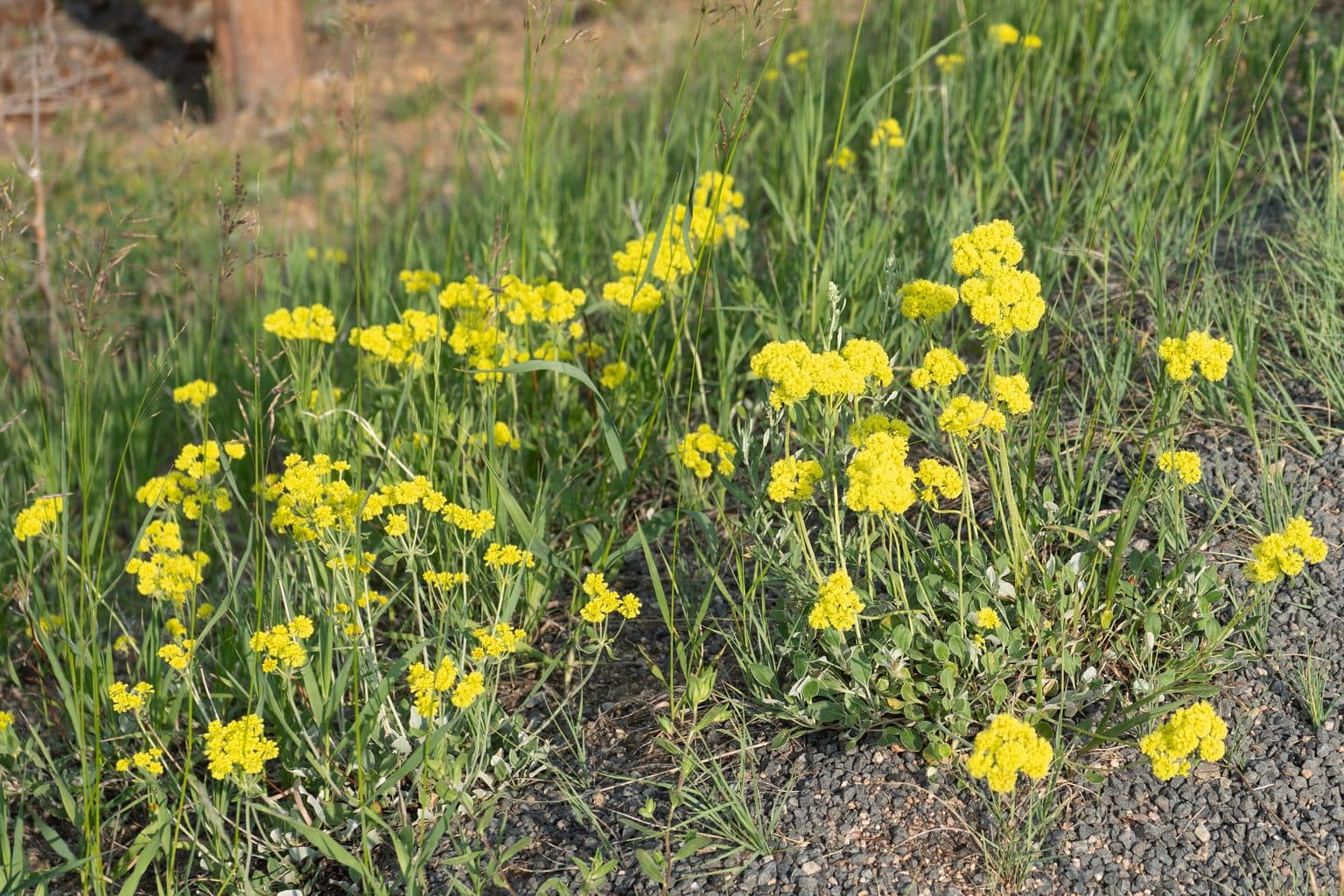
Colorado HOAs cannot ban xeriscape, require over 20% hardscape, or bar vegetable gardens under SB 23-178. What your HOA can and cannot require for landscaping.
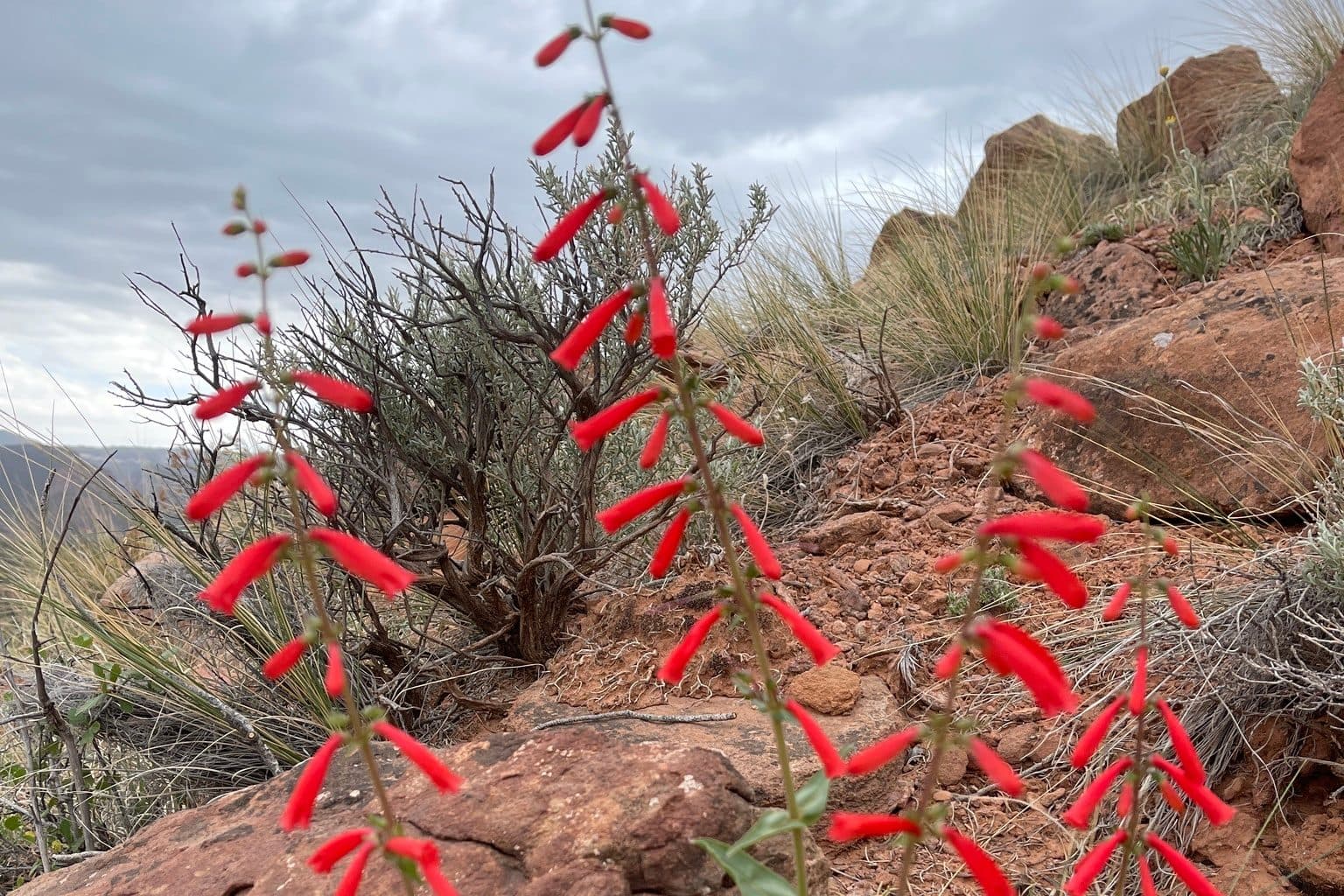
Utah HOAs cannot ban water-wise landscaping, require lawn in strips under eight feet, block a grass park-strip conversion, or prohibit reduced watering during drought. Utah Code §57-8a-231 and §57-8a-218 make those rules unenforceable. Here is exactly what your HOA can and cannot require.
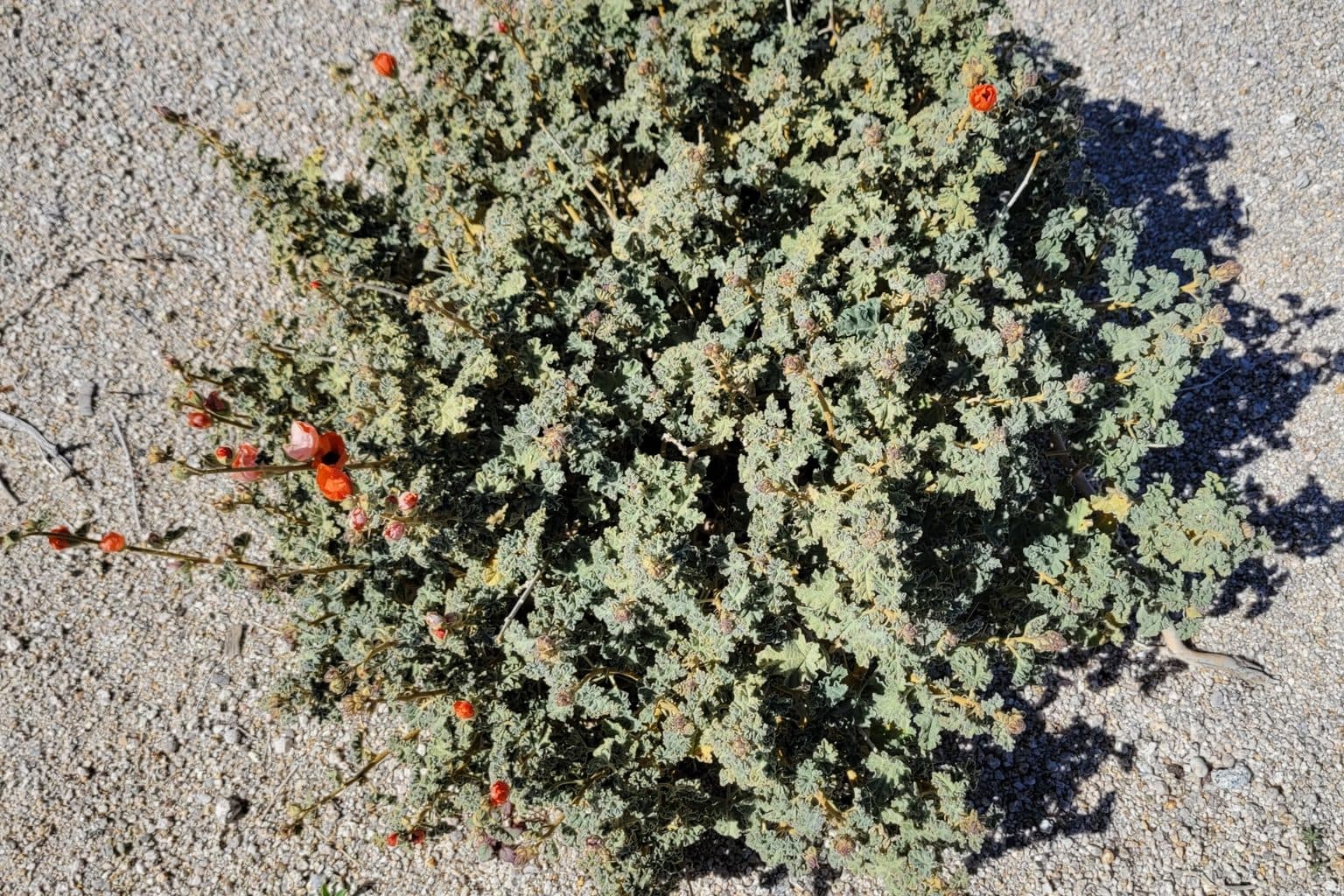
Nevada HOAs cannot ban drought-tolerant landscaping, decorative rock, or artificial turf under NRS §116.330. Here is what your HOA can and cannot require.
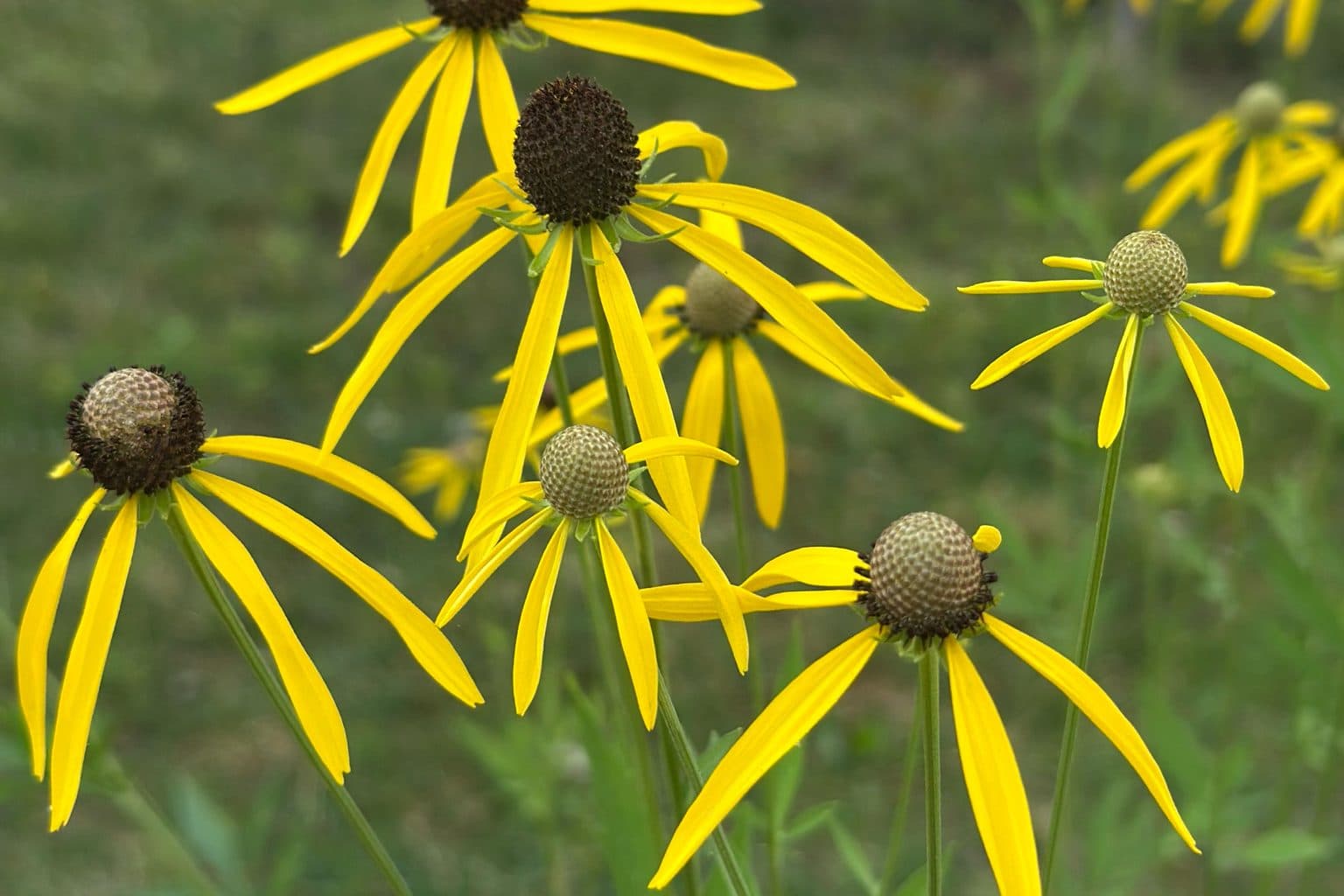
Illinois HOAs cannot completely ban native plants. The Homeowner's Native Landscaping Act (765 ILCS 167/) makes a blanket ban unenforceable, though HOAs can still require maintenance and containment. Here is exactly what your HOA can and cannot require.
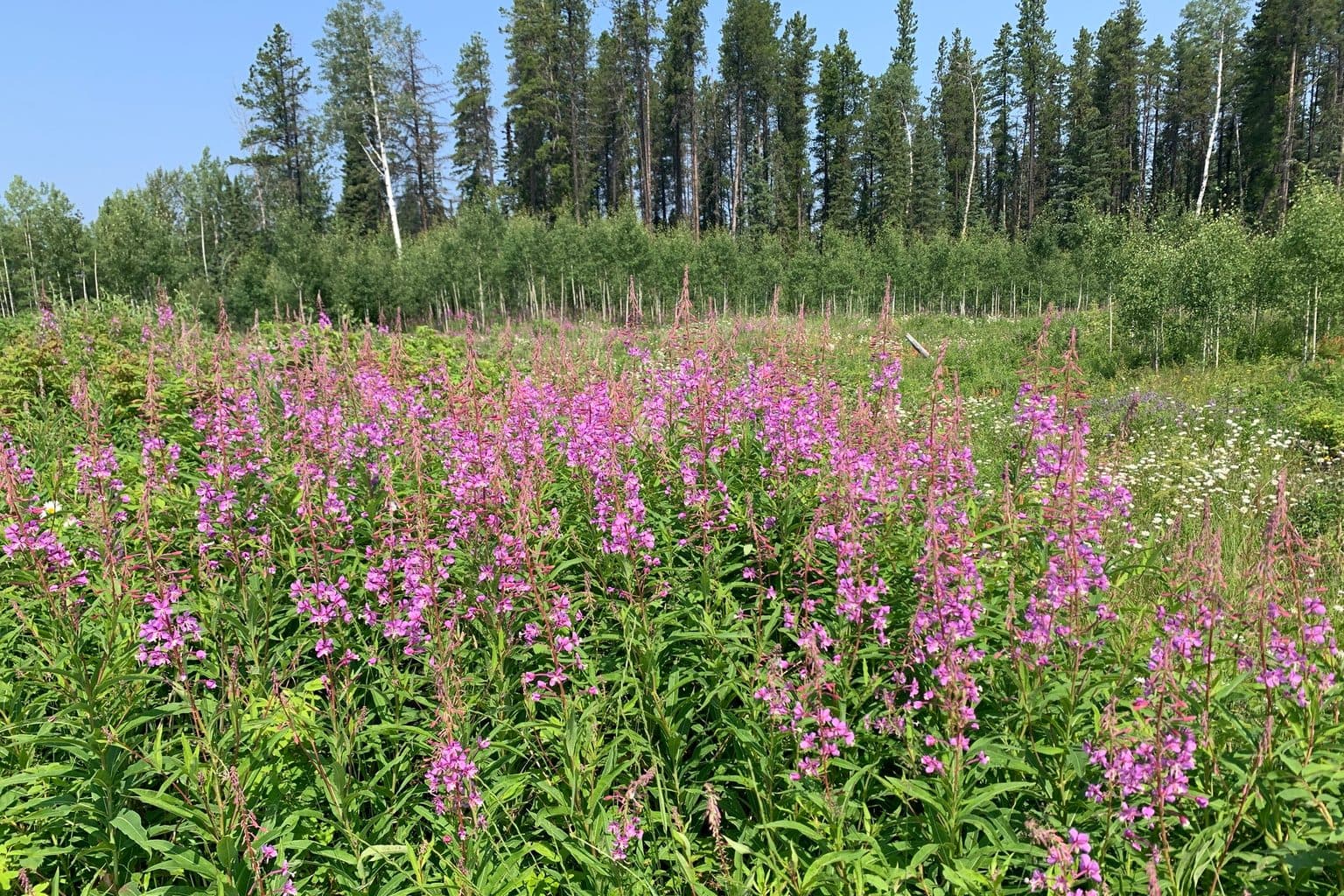
Maine HOAs and condo associations cannot ban low-impact landscaping, including pollinator and wildlife gardens. LD 649 (2023) makes those rules unenforceable. Here is exactly what your association can and cannot require.
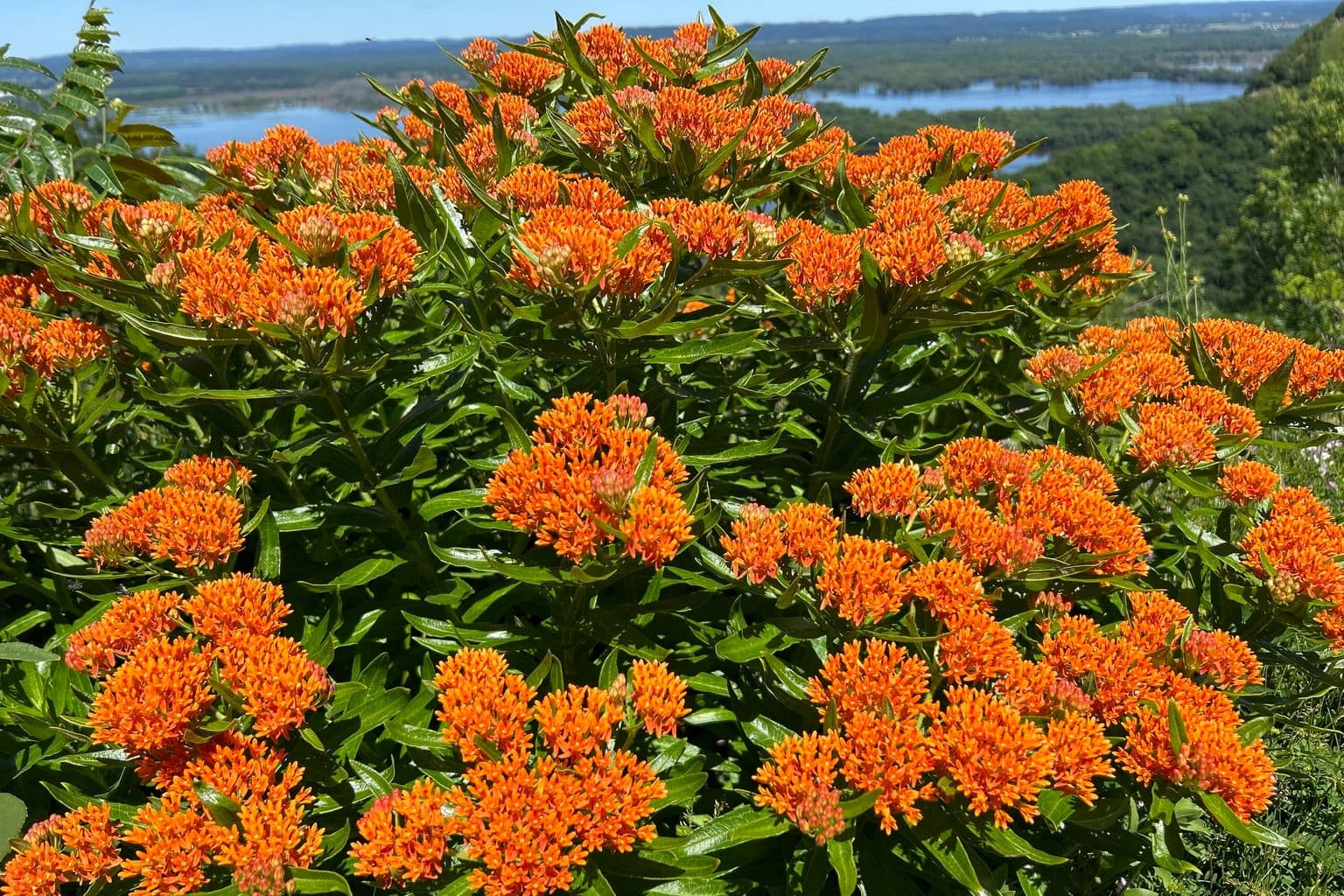
Yes. Milkweed (Asclepias) is listed as toxic to dogs, cats, and horses by the ASPCA, but the bitter sap means serious dog poisonings are rare. How worried to be, whether native milkweeds are safer, and how to keep milkweed and a dog in the same monarch garden.
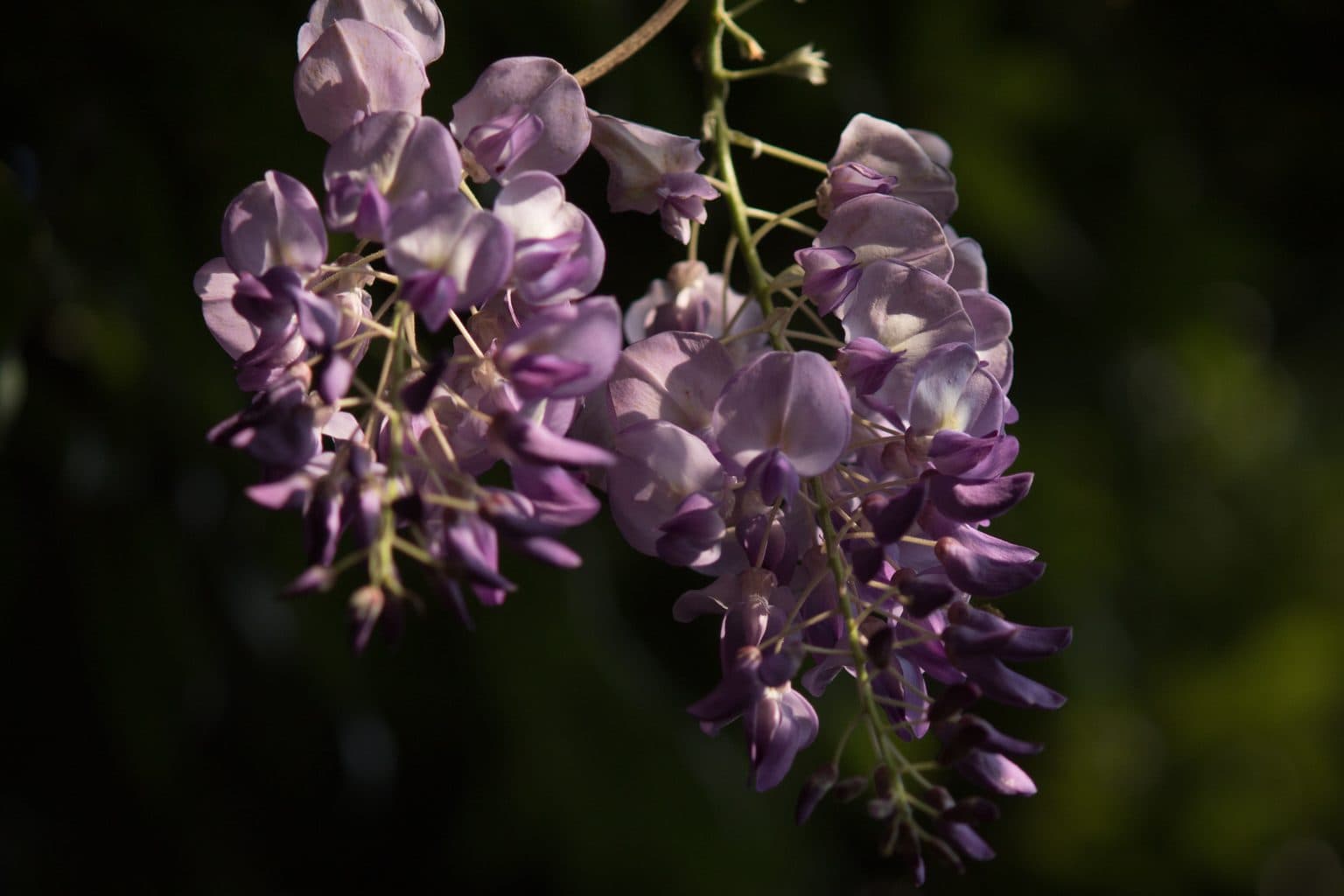
Yes. Wisteria (Wisteria spp.) is listed as toxic to dogs, cats, and horses by the ASPCA. The seeds and pods carry the highest dose of lectin and wisterin. Whether native American Wisteria is safer, and the dog-safe native vines with a similar look.
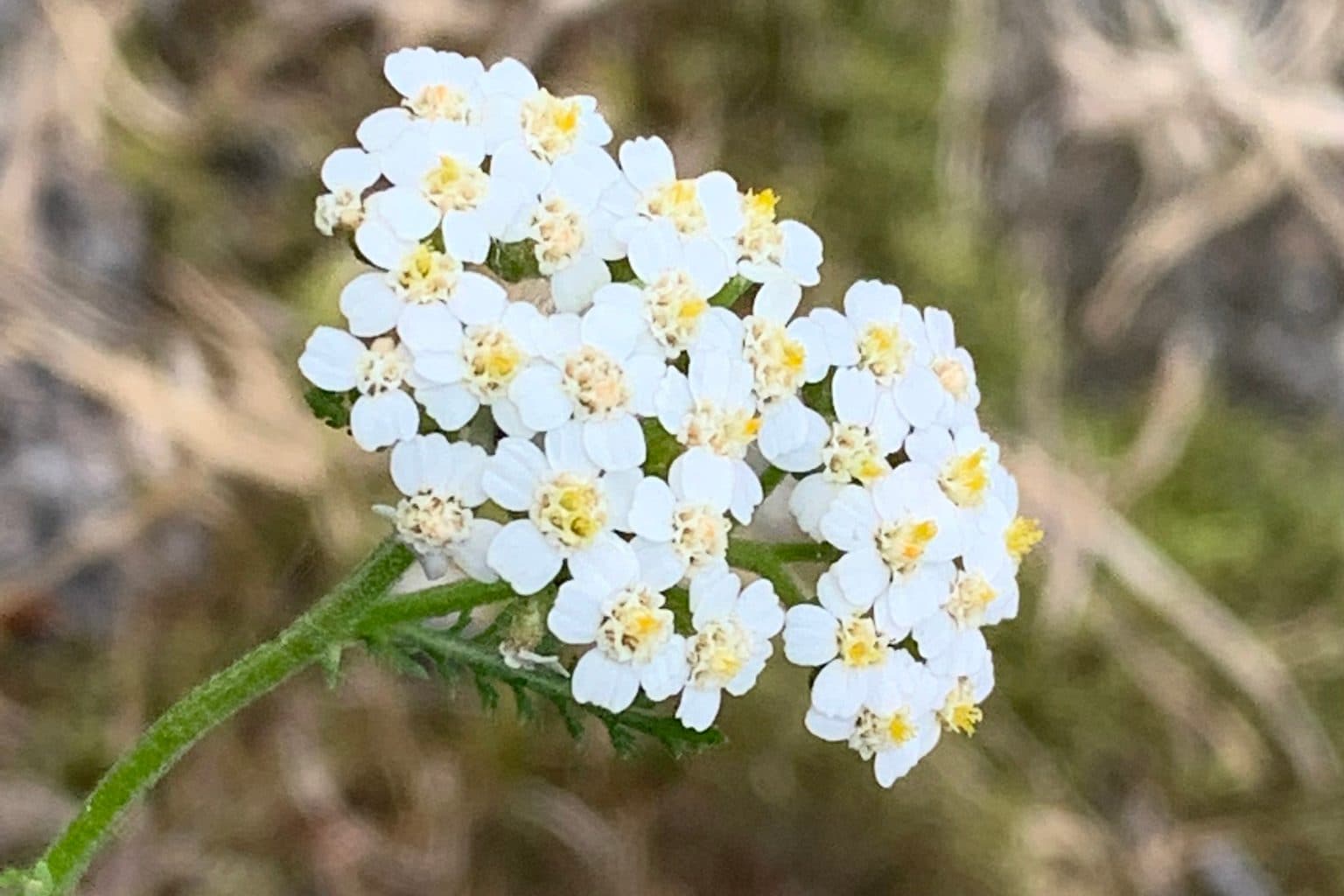
Yes. Yarrow (Achillea millefolium) is listed as toxic to dogs, cats, and horses by the ASPCA, though the toxicity is on the mild end. Why some sources call it pet-safe, the symptoms to watch, and non-toxic native swaps for the same low pollinator role.
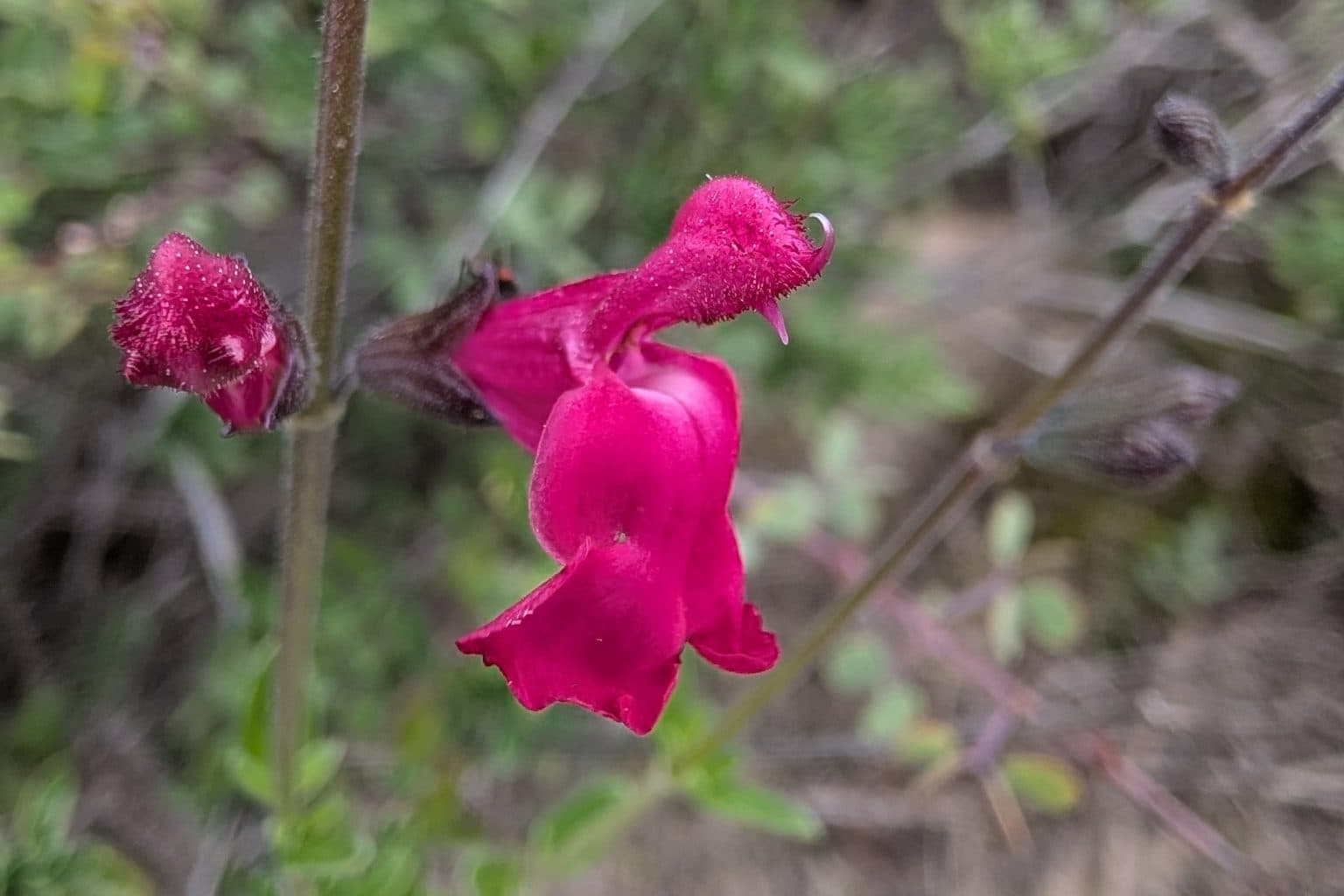
No. Autumn Sage (Salvia greggii) and other garden salvias are not on the ASPCA toxic plant list for dogs. The mix-up is one unrelated species. Full breakdown inside.
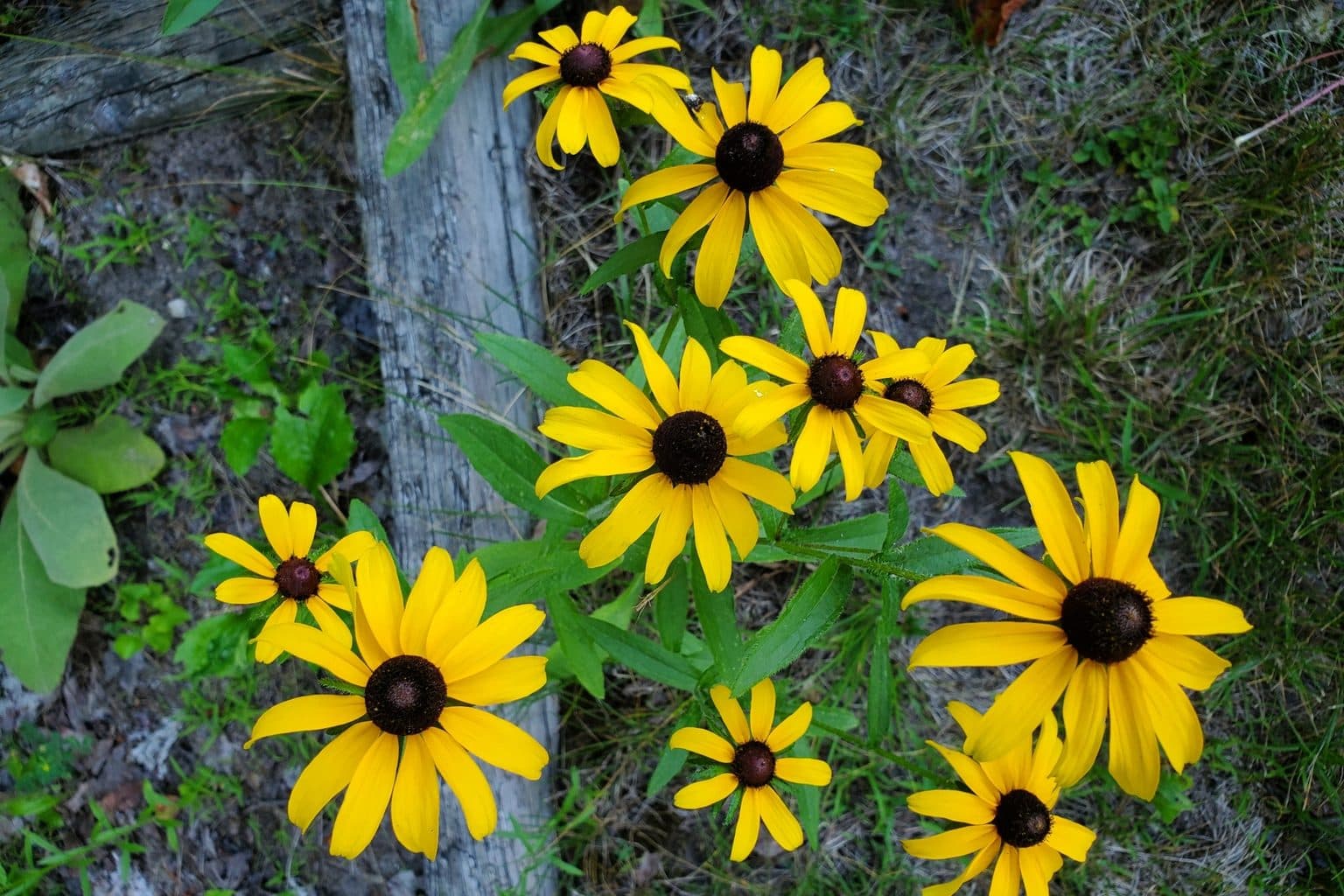
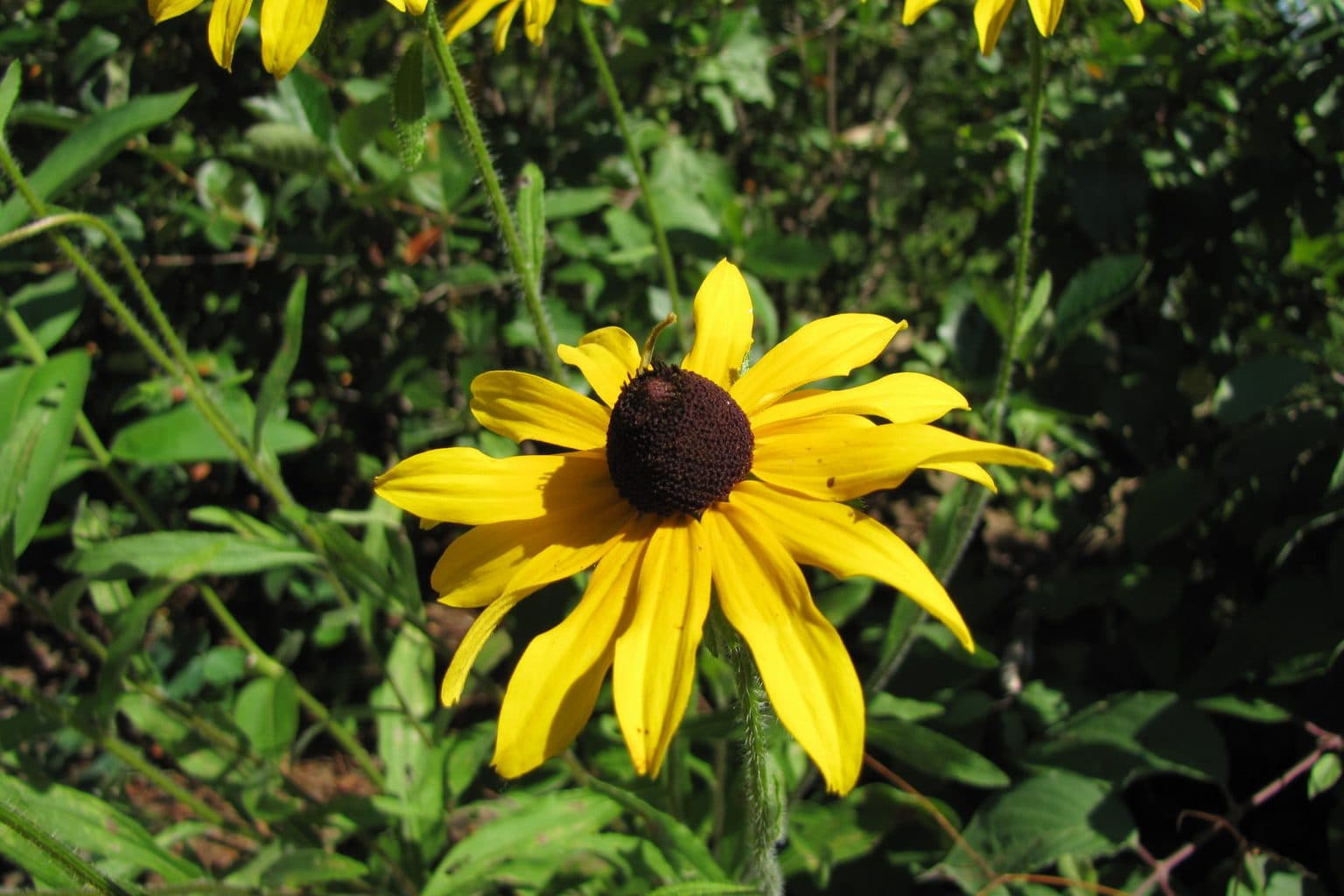
No. Black-eyed Susan (Rudbeckia hirta) is not on the ASPCA toxic plant list for dogs, cats, or horses. The one caveat is that the bristly leaves can mildly irritate a dog's mouth or skin on contact, which is irritation, not poisoning.
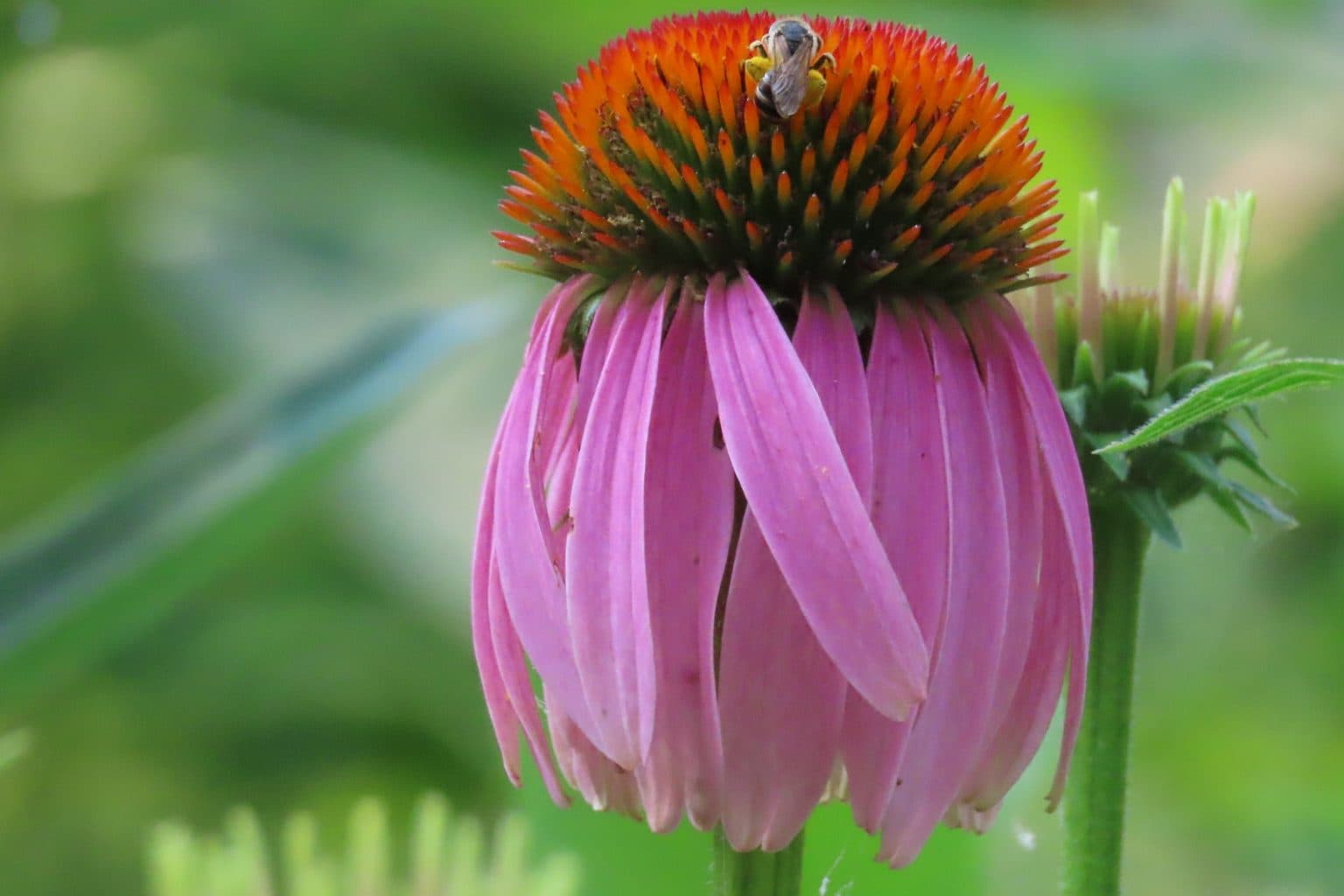
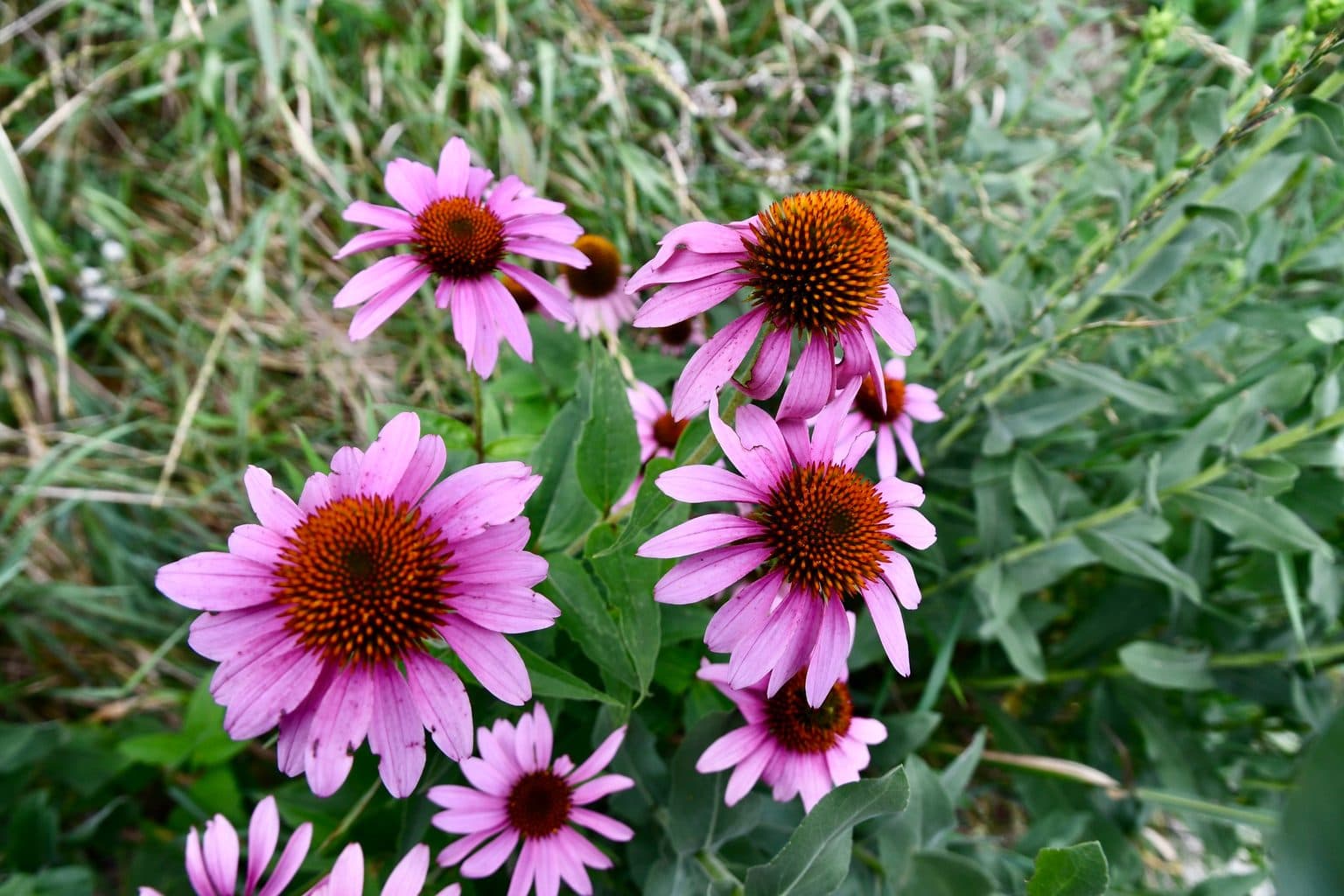
No. Purple Coneflower (Echinacea purpurea) is not on the ASPCA toxic plant list for dogs, cats, or horses. Echinacea and coneflower are the same plant.
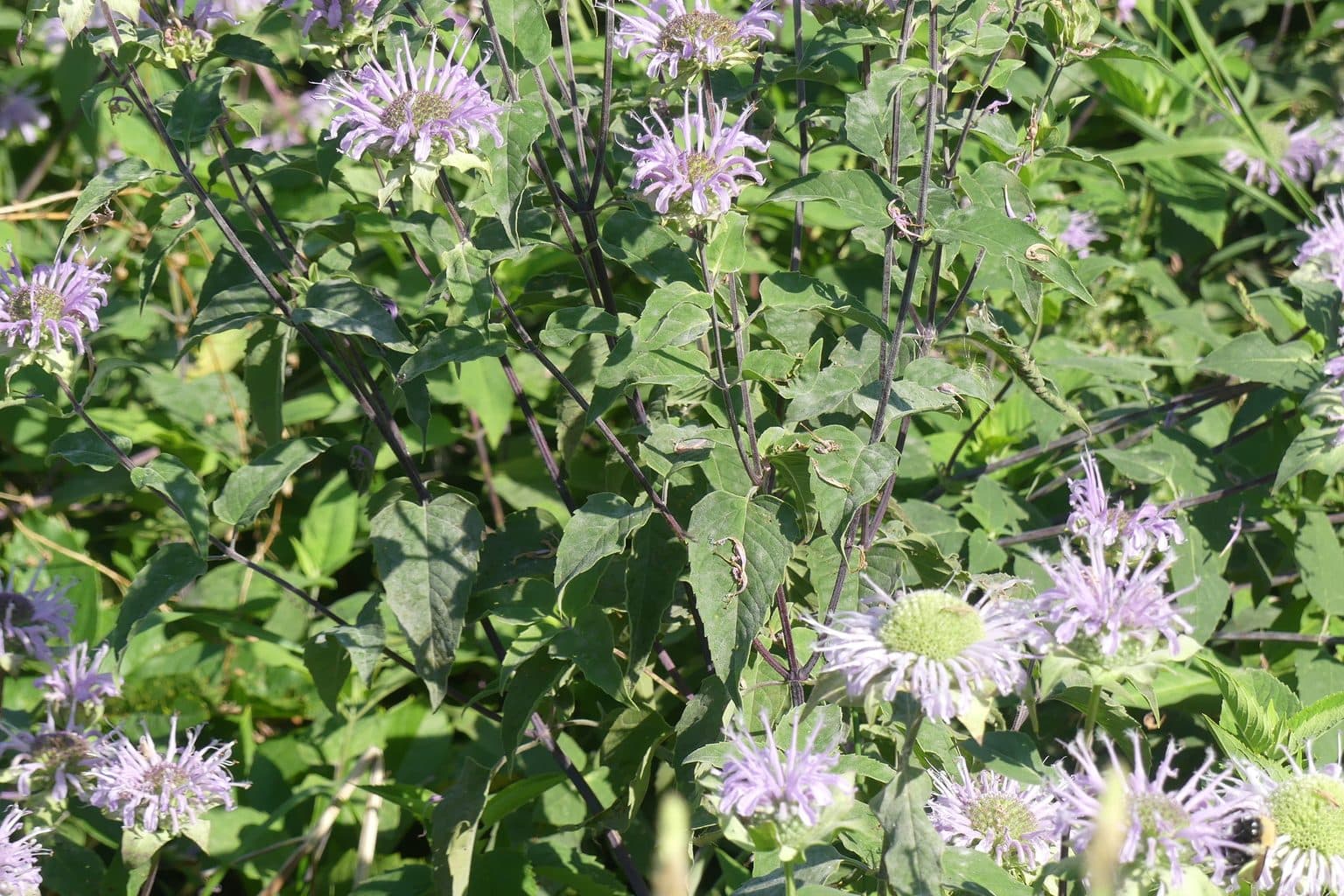
No. Bee Balm (Monarda, also called wild bergamot) is not on the ASPCA toxic plant list for dogs, cats, or horses. It is an aromatic mint-family plant, so the strong scent usually keeps dogs from eating much of it. Here is the detail and the one mild caveat.
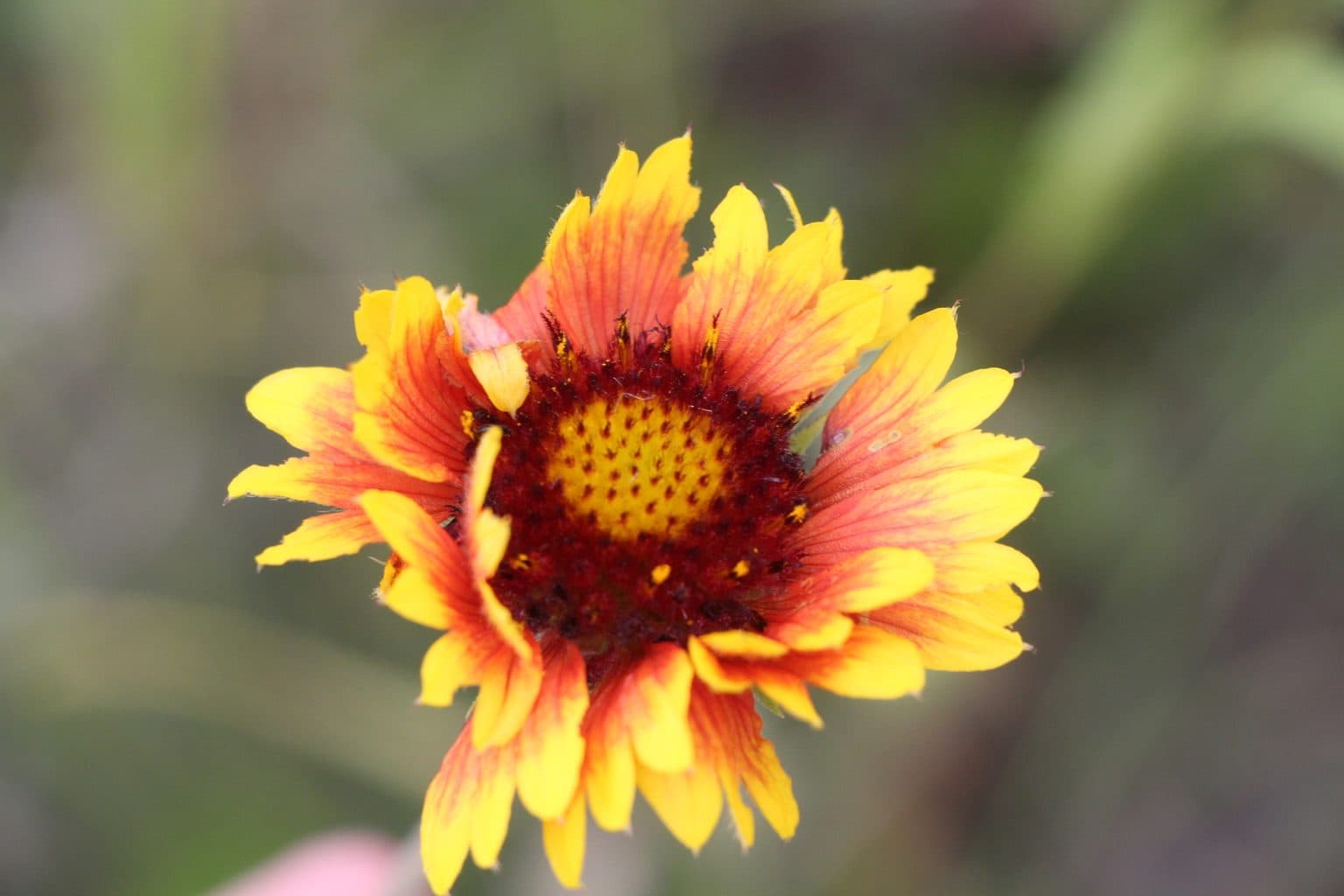
No. Blanket Flower (Gaillardia) is not on the ASPCA toxic plant list for dogs, cats, or horses, so it is not poisonous to eat. The one caveat is that the foliage can cause mild skin or mouth irritation on contact. Here is what that actually means.
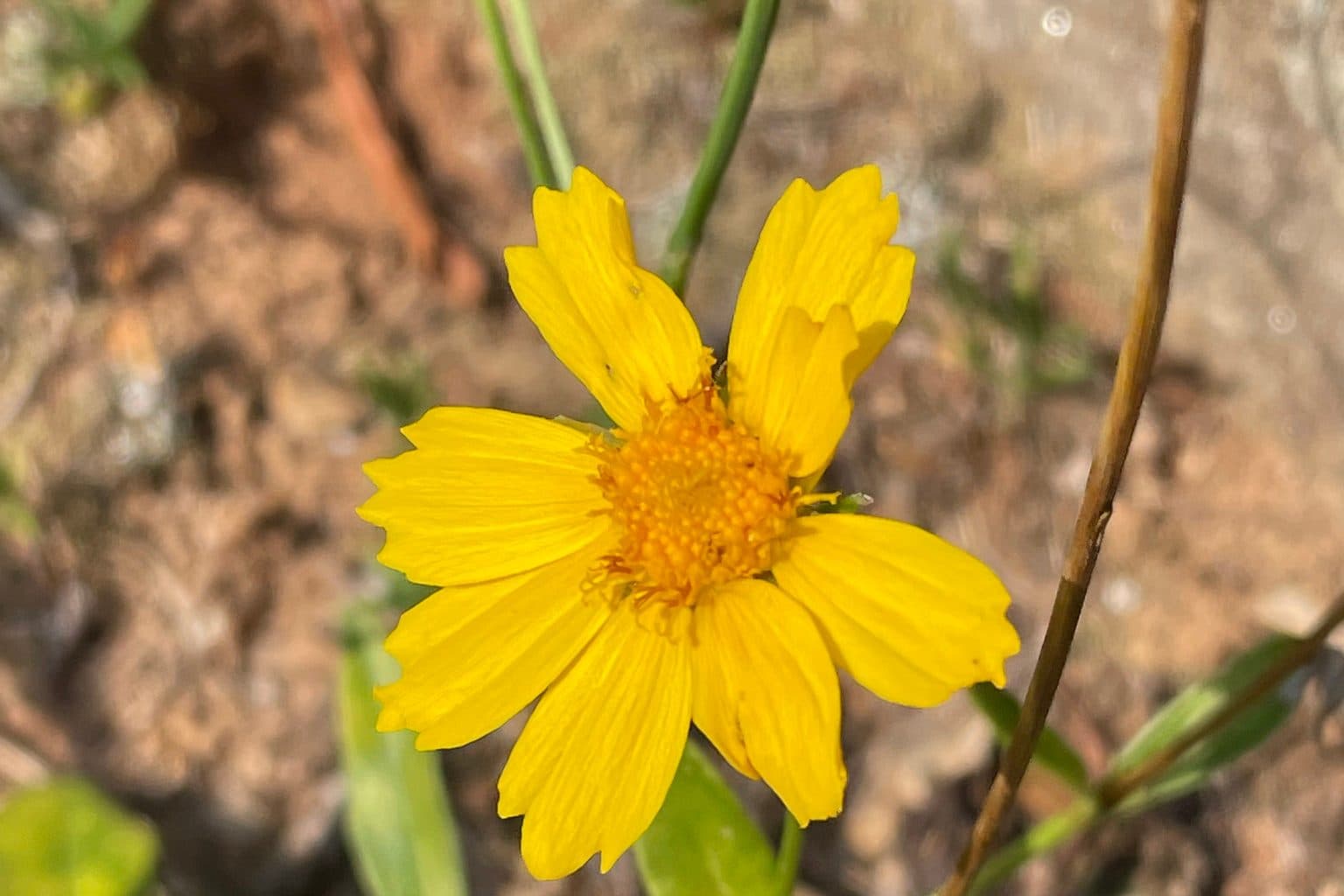
No. Coreopsis (tickseed) is listed as non-toxic to dogs, cats, and horses by the ASPCA, one of the few garden flowers named explicitly on the non-toxic list. An unusually clean yes for a dog-friendly bed. Here is the detail and how it fits.
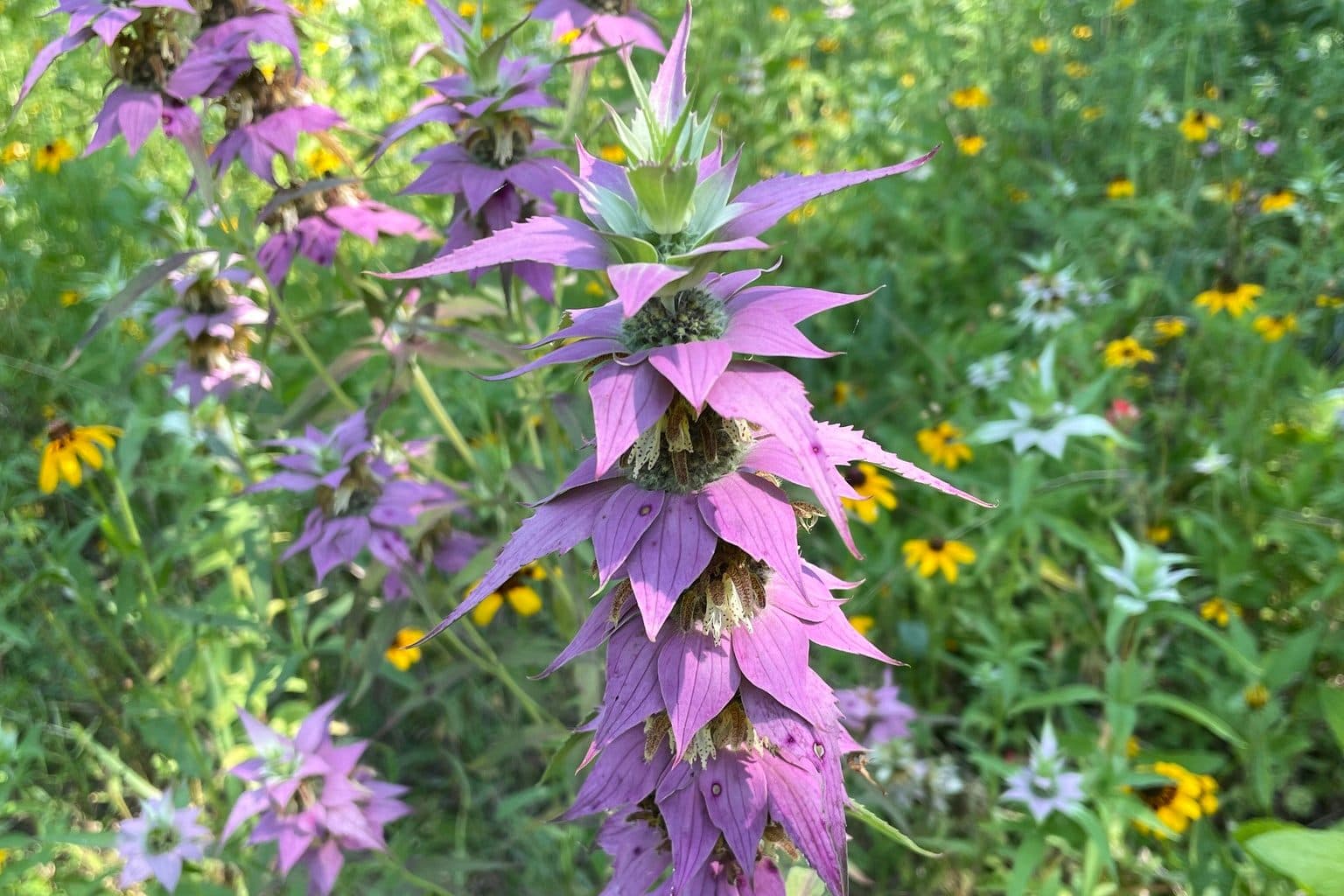
A heat wave is harder on bees and butterflies than it looks. The highest-value things you can do are small and quick, and a few are about doing less: a shallow water source, no spraying, leaving the flowers up, and keeping something in bloom through the summer gap.
The app stores are flooded with garden apps. The useful way to sort them is by the job they do: plant ID, plant care, AI yard renders, native planning, or HOA and rebate help. Here is the whole field grouped by job, with honest credit to each, and where Pollinator Patch fits.
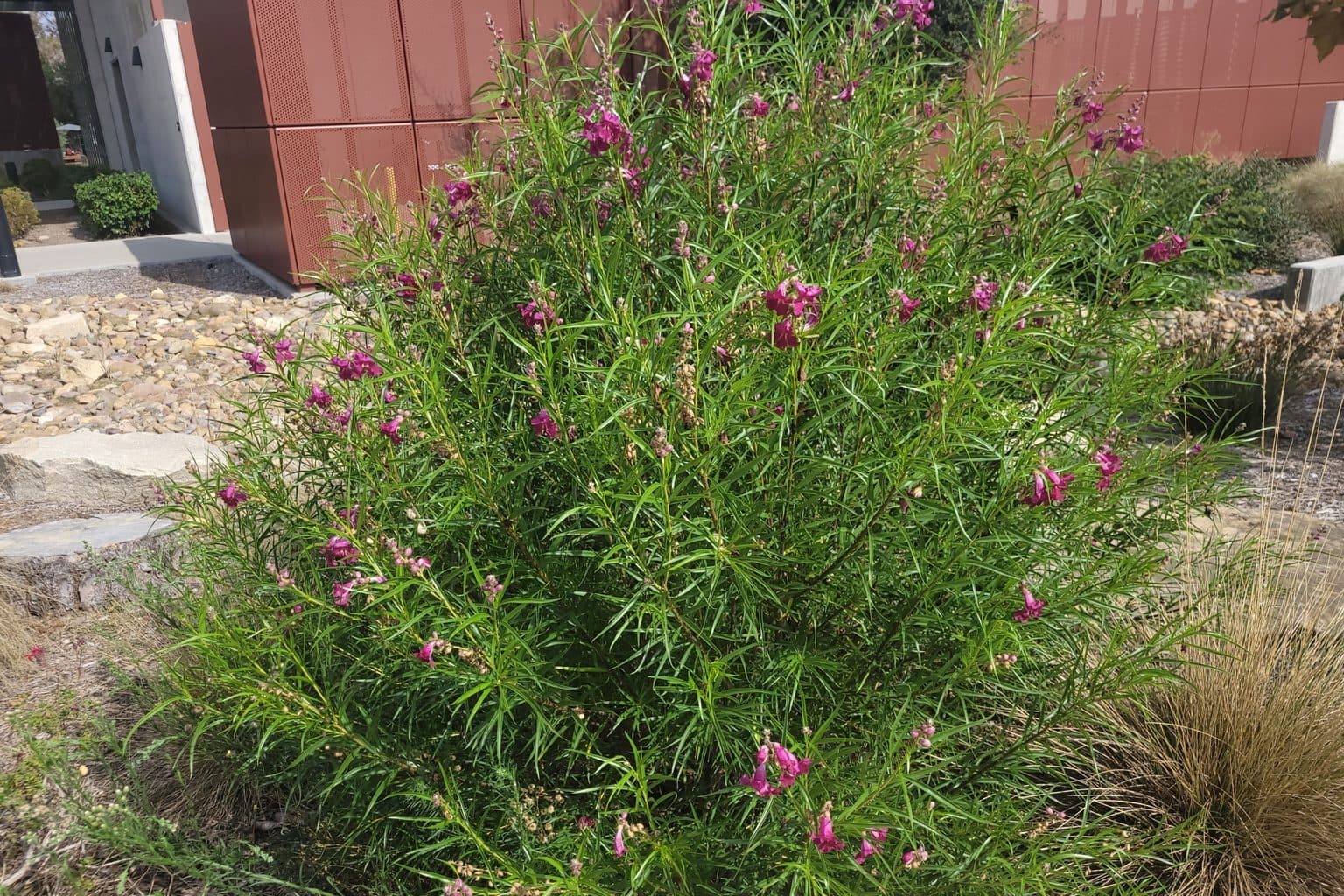
No. Desert Willow (Chilopsis linearis) is not on the ASPCA toxic plant list for dogs, cats, or horses. The flowers and seed pods are not considered toxic. Here is why it is not a true willow, plus a dog-safety table for common Texas small trees.
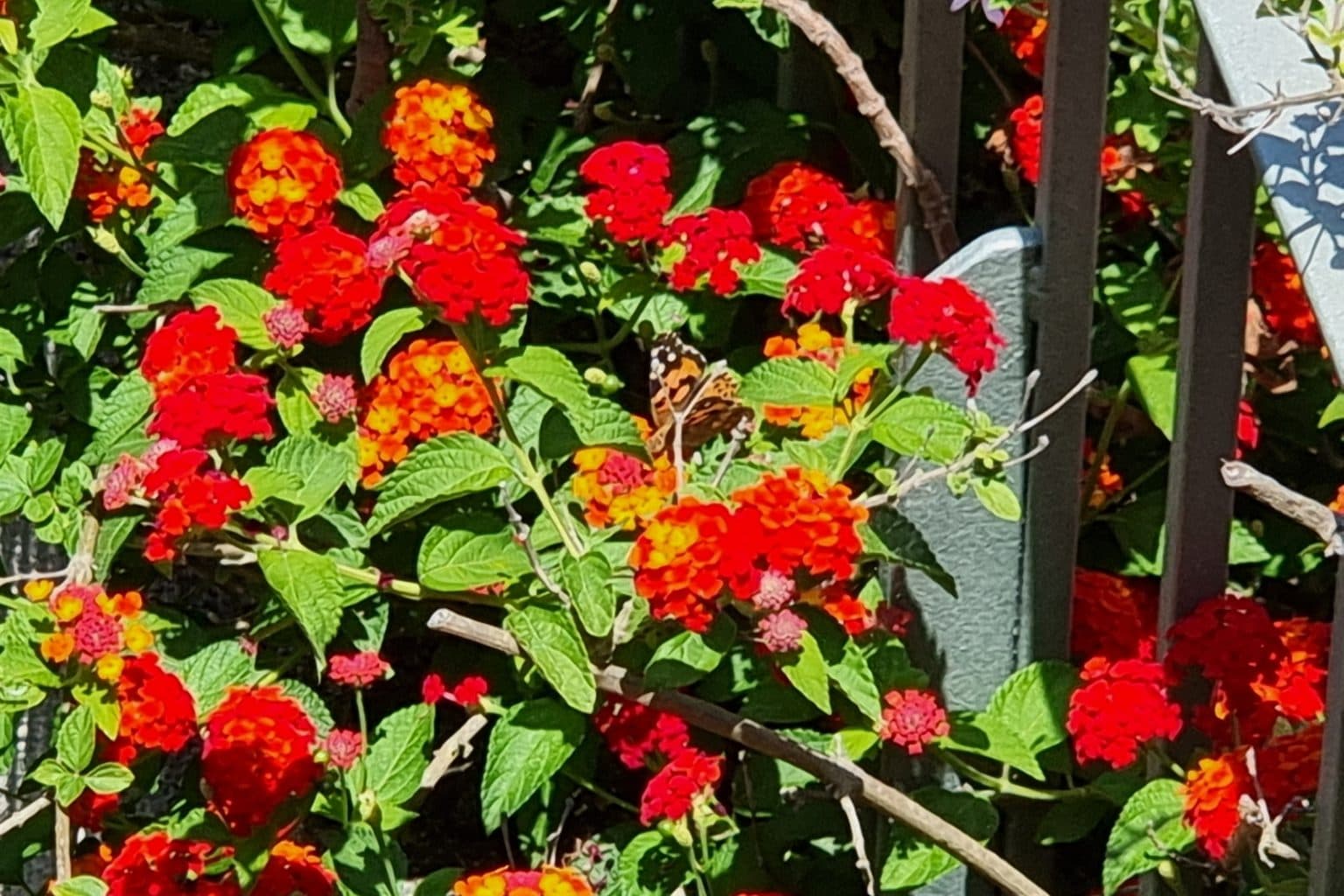
Yes. Lantana camara is toxic to dogs per the ASPCA. Unripe green berries are the most dangerous part. Symptoms, how much is dangerous, and dog-safe native swaps.
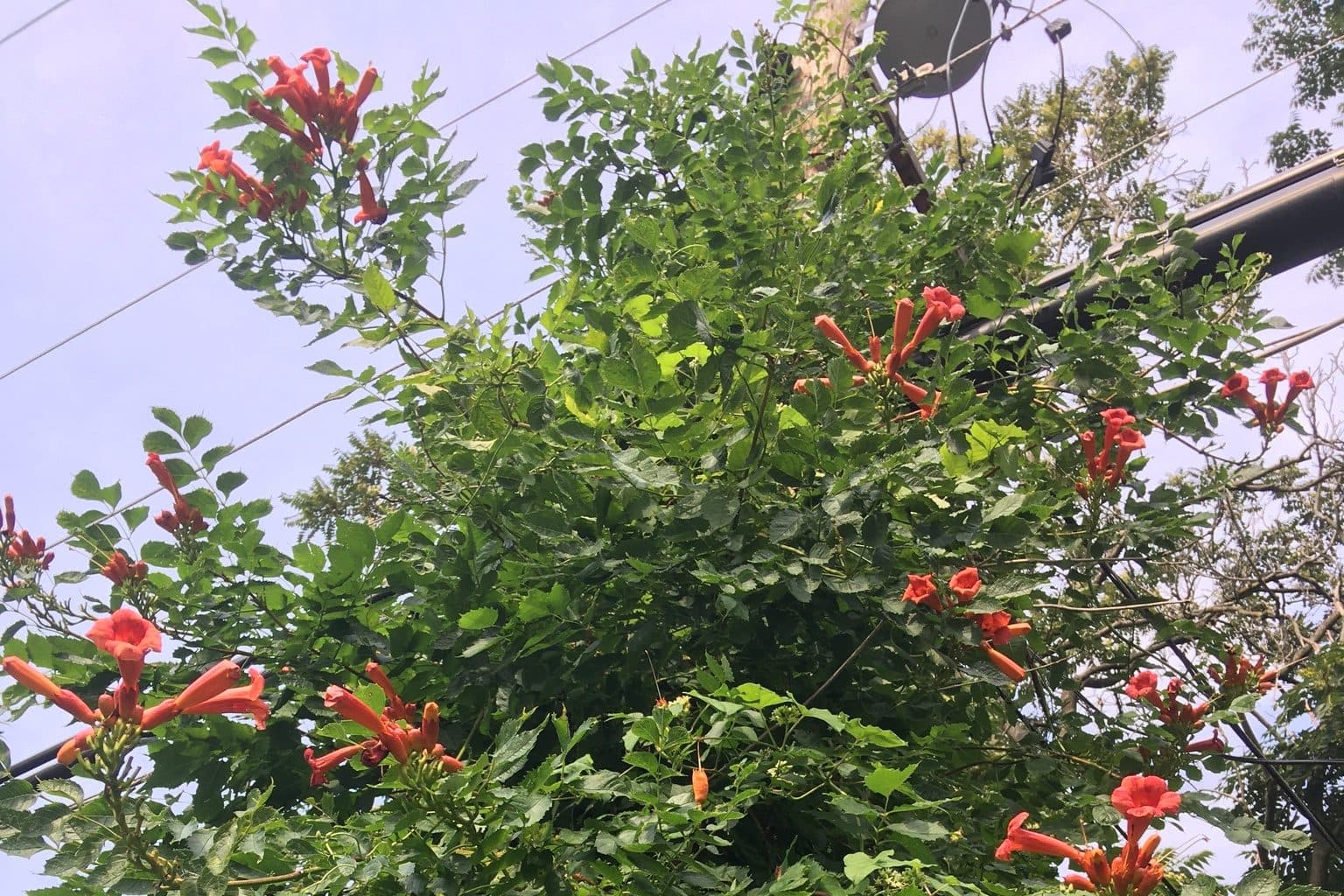
No. Trumpet vine (Campsis radicans) is not on the ASPCA toxic plant list for dogs, though its sap can irritate skin. The real danger is name confusion: Angel's trumpet and Carolina Jessamine are toxic. Here is how to tell all the "trumpet" plants apart.
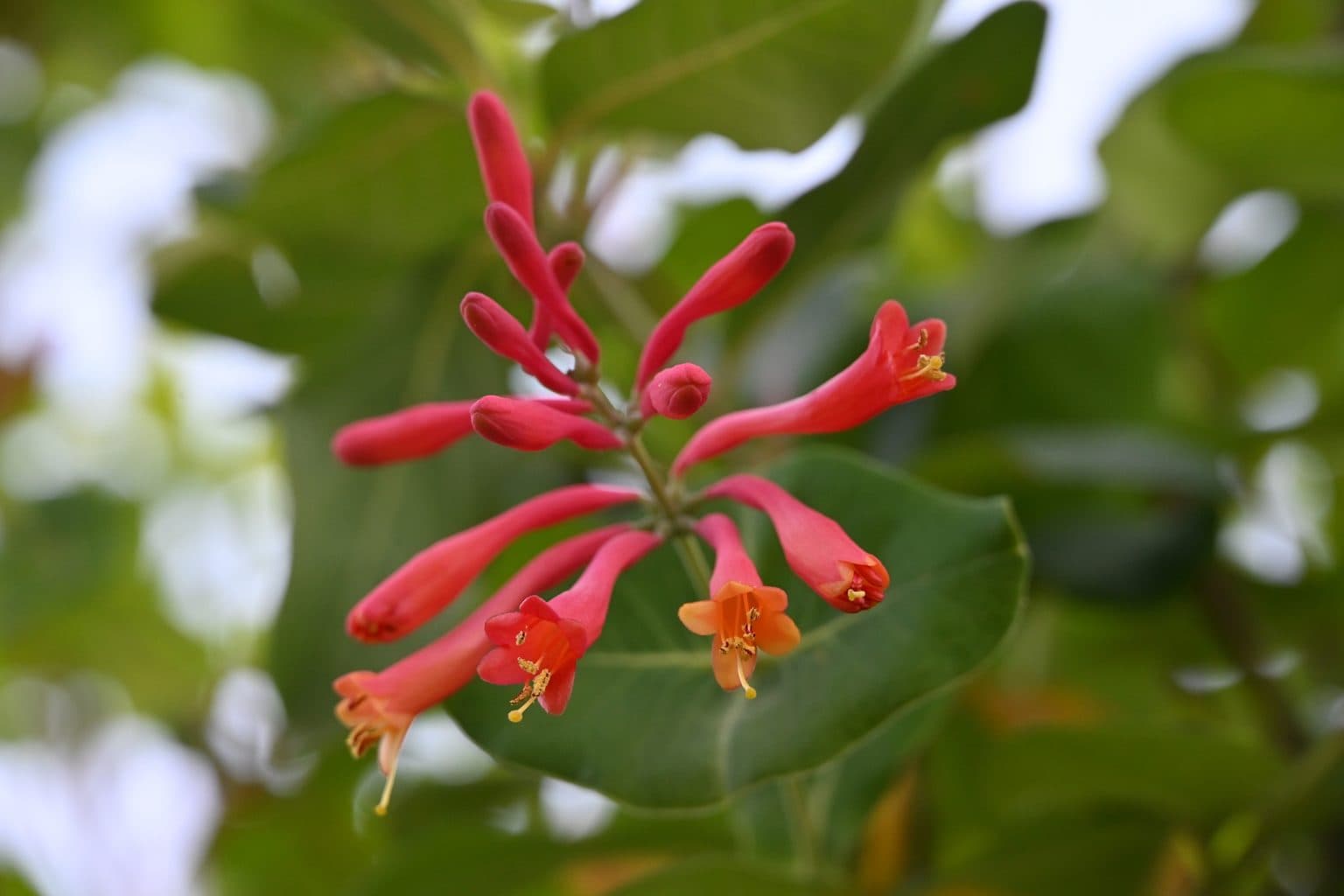
No. Coral Honeysuckle (Lonicera sempervirens) is not on the ASPCA toxic plant list for dogs, cats, or horses. The honeysuckle warnings you have read apply to other species, mainly Japanese Honeysuckle berries. Here is how to tell which one you have.
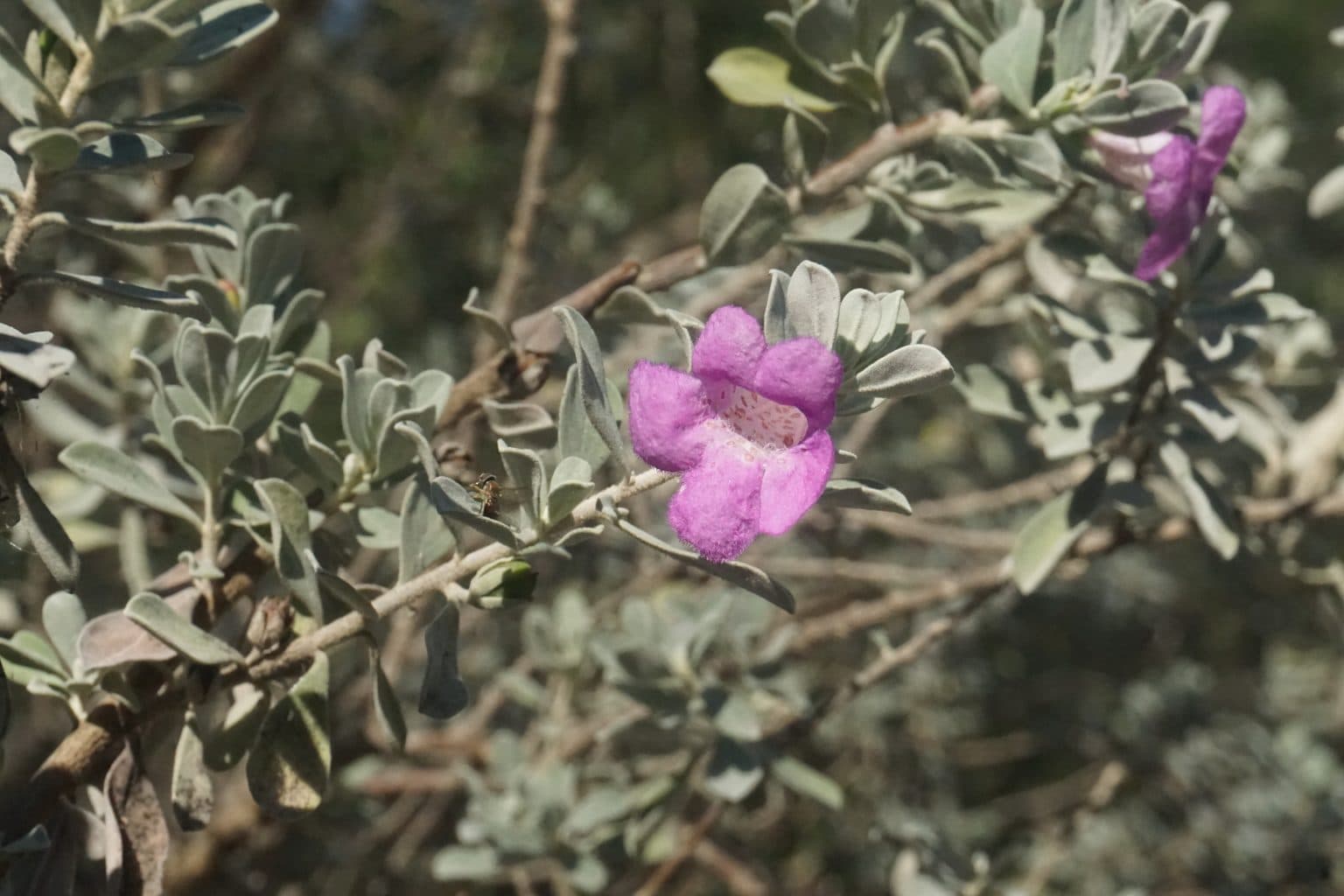
No. Texas Sage (Leucophyllum frutescens), also sold as Cenizo, Texas Ranger, and barometer bush, is not on the ASPCA toxic plant list for dogs, cats, or horses. Here is what that means and how it compares to common Texas shrubs that are toxic, like Oleander and Sago Palm.
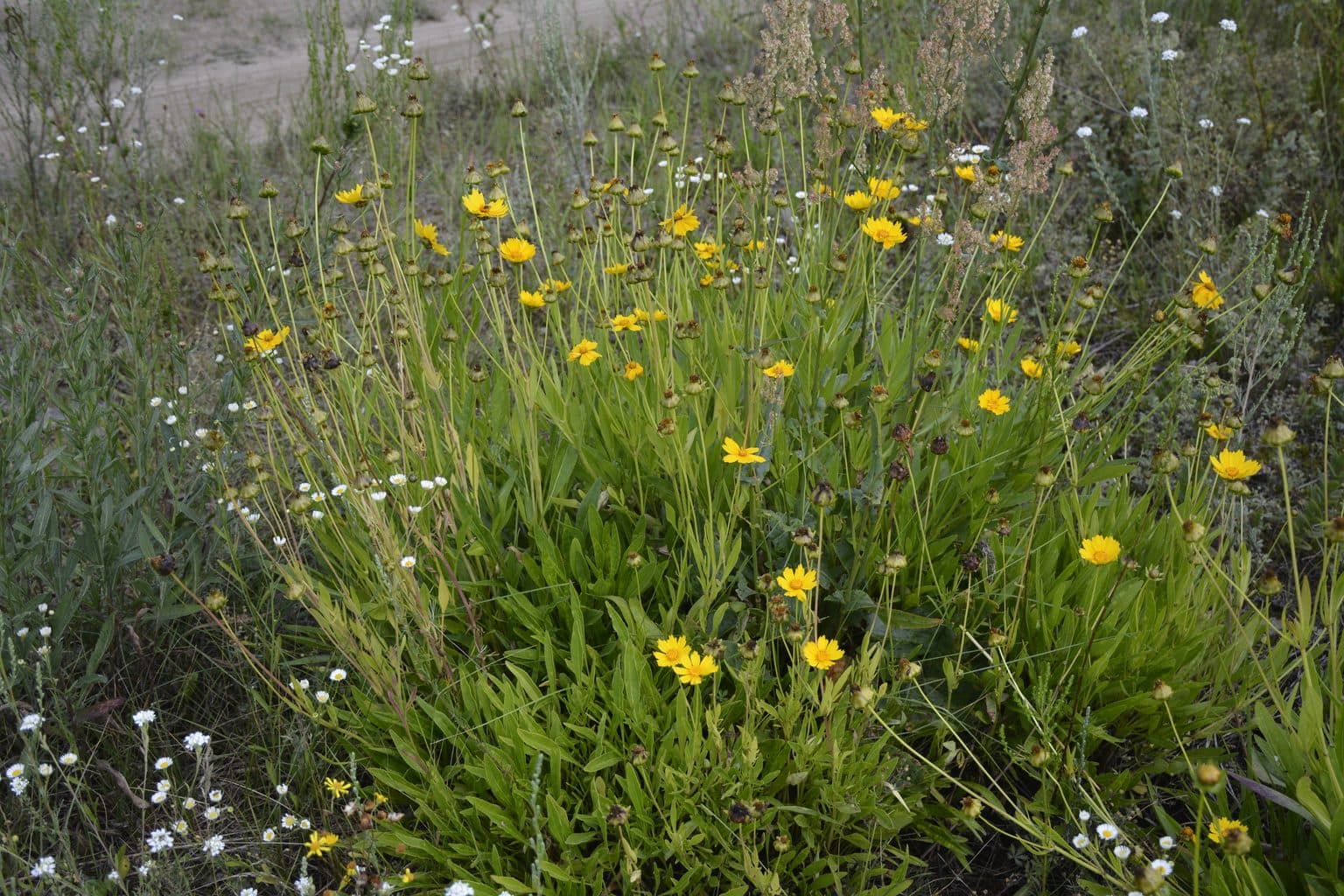
The first summer is when most new native plants die, and the cause is almost always water. A deep, tapering watering schedule that pushes roots down, plus how to tell overwatering from underwatering.
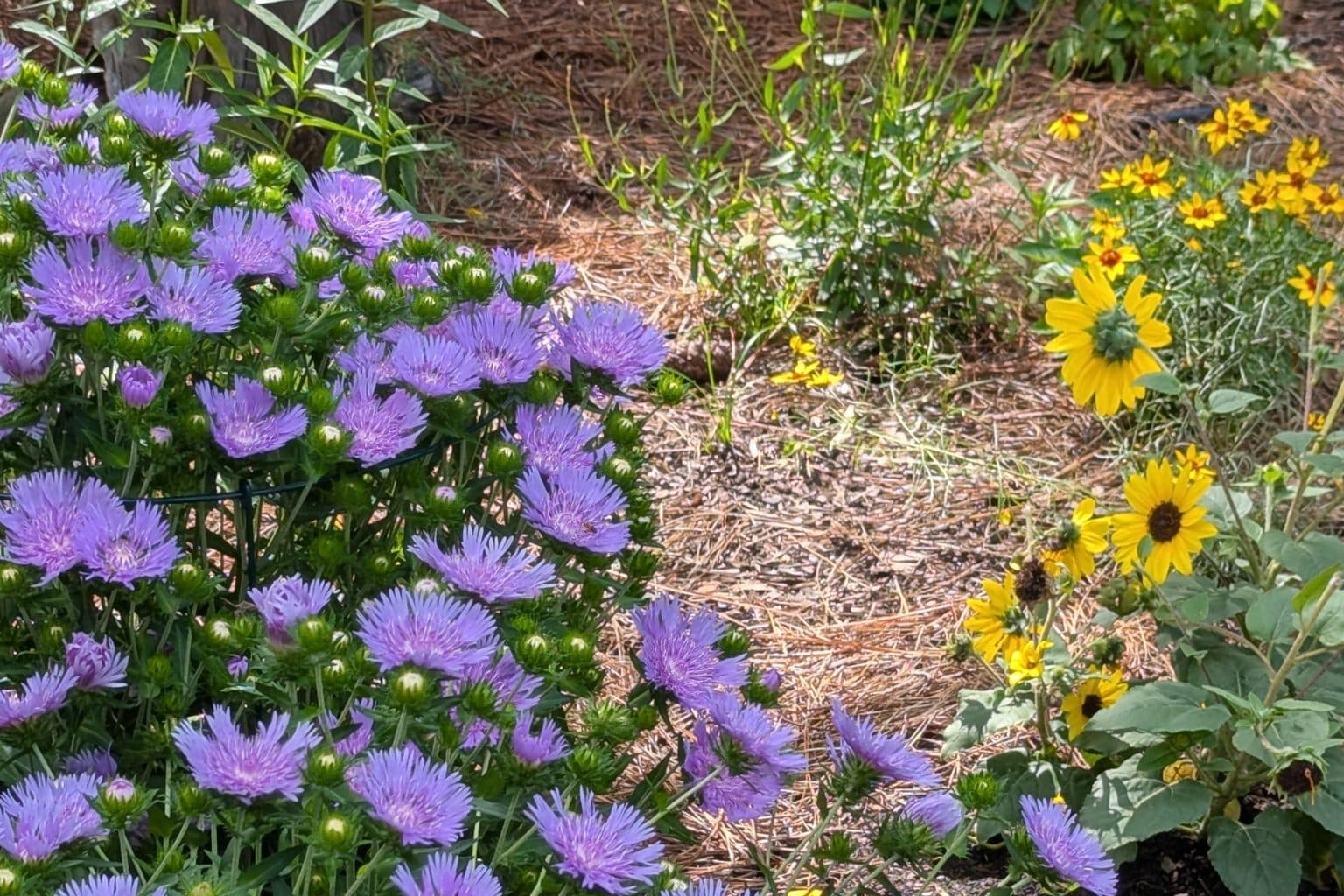
Often yes. Unlike Texas or Florida, Georgia has no state law protecting native landscaping from HOA rules. But the Georgia Water Stewardship Act limits watering mandates, the Georgia POA Act requires reasonable enforcement, and good design wins approvals. Here is exactly where you stand.
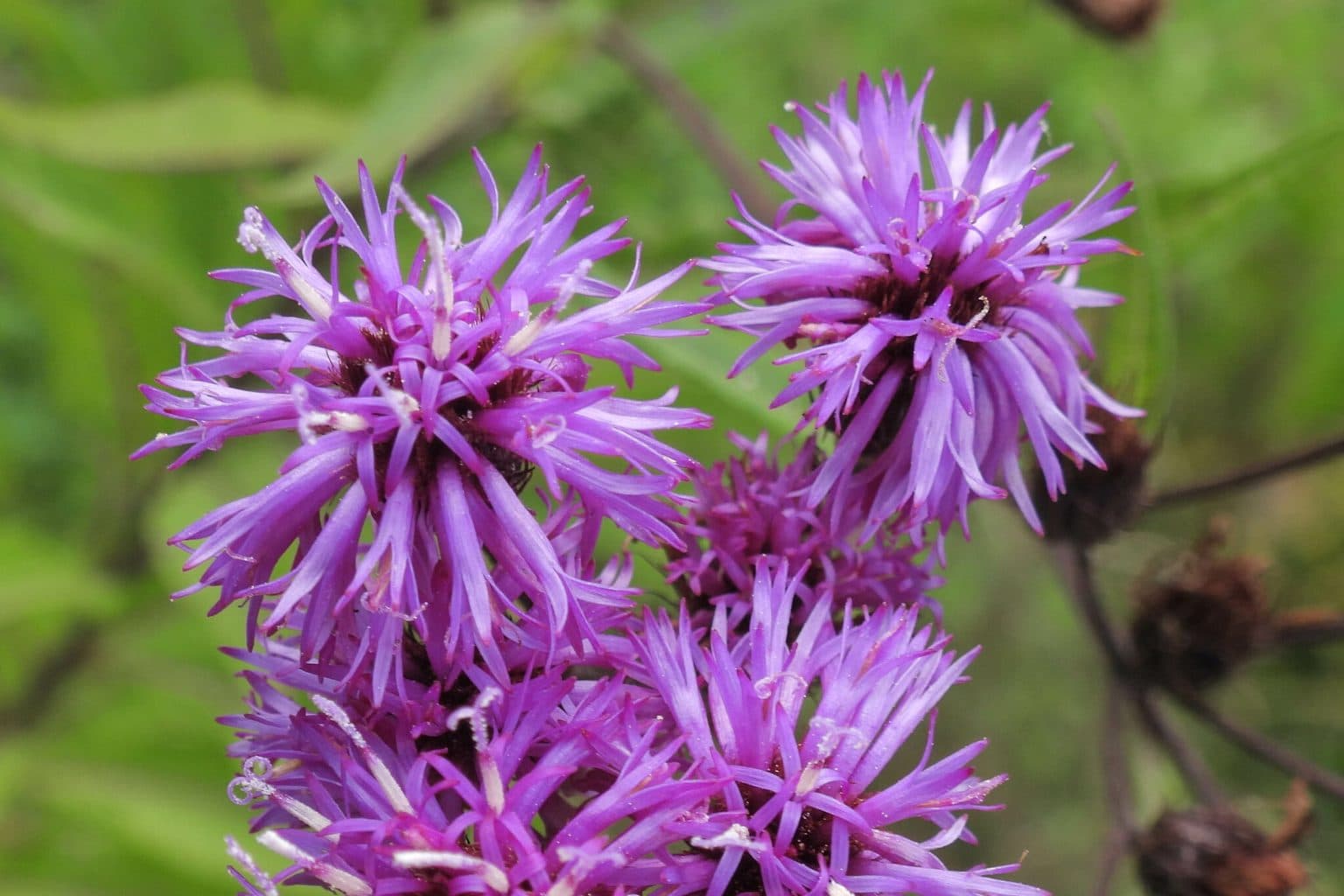
Common Georgia yard plants that are toxic to dogs, with a Georgia-native swap for each. Covers Sago Palm, Azalea and Rhododendron, English Ivy, Nandina, Oleander, and Carolina Jessamine, with toxicity per the ASPCA Animal Poison Control Center.
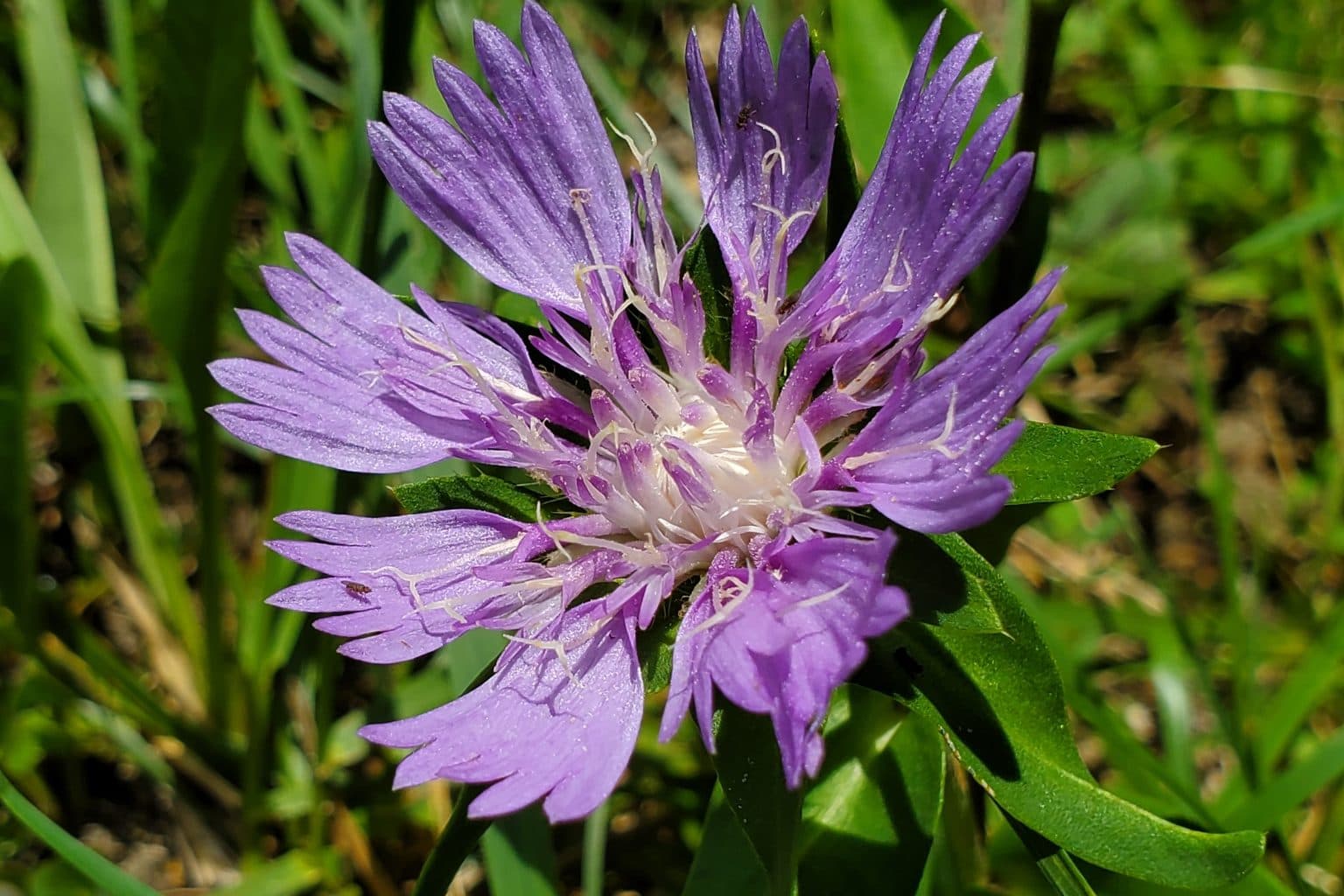
The best native plants for the Piedmont region of Georgia: bloom times, sizes, sun and water needs, and how to keep each one tidy in an HOA-conscious yard.
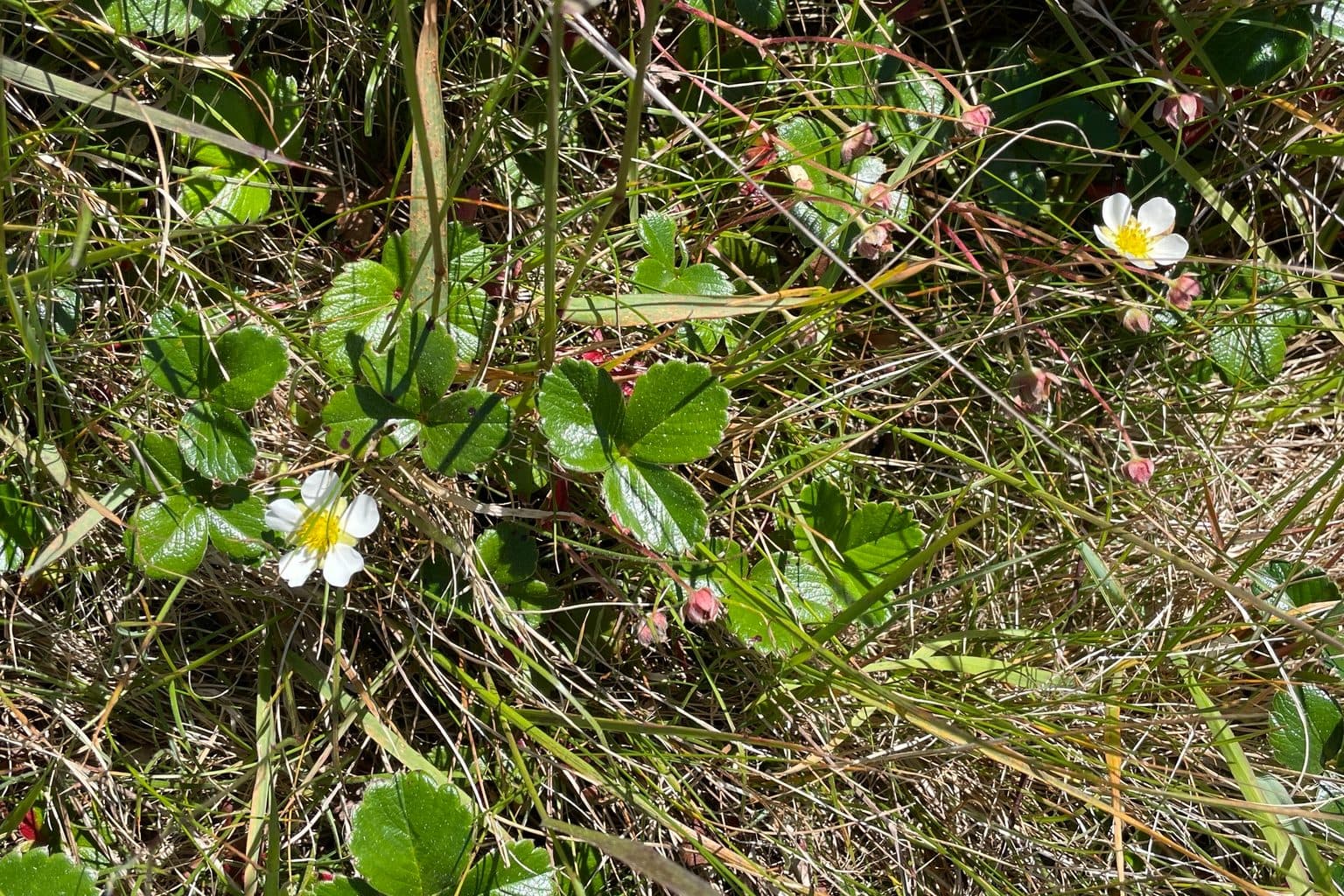
Common California yard plants that are toxic to dogs, with a California-native swap for each. Covers Oleander, Sago Palm, Foxglove, Agapanthus, Lantana camara, and English Ivy, with toxicity per the ASPCA Animal Poison Control Center.
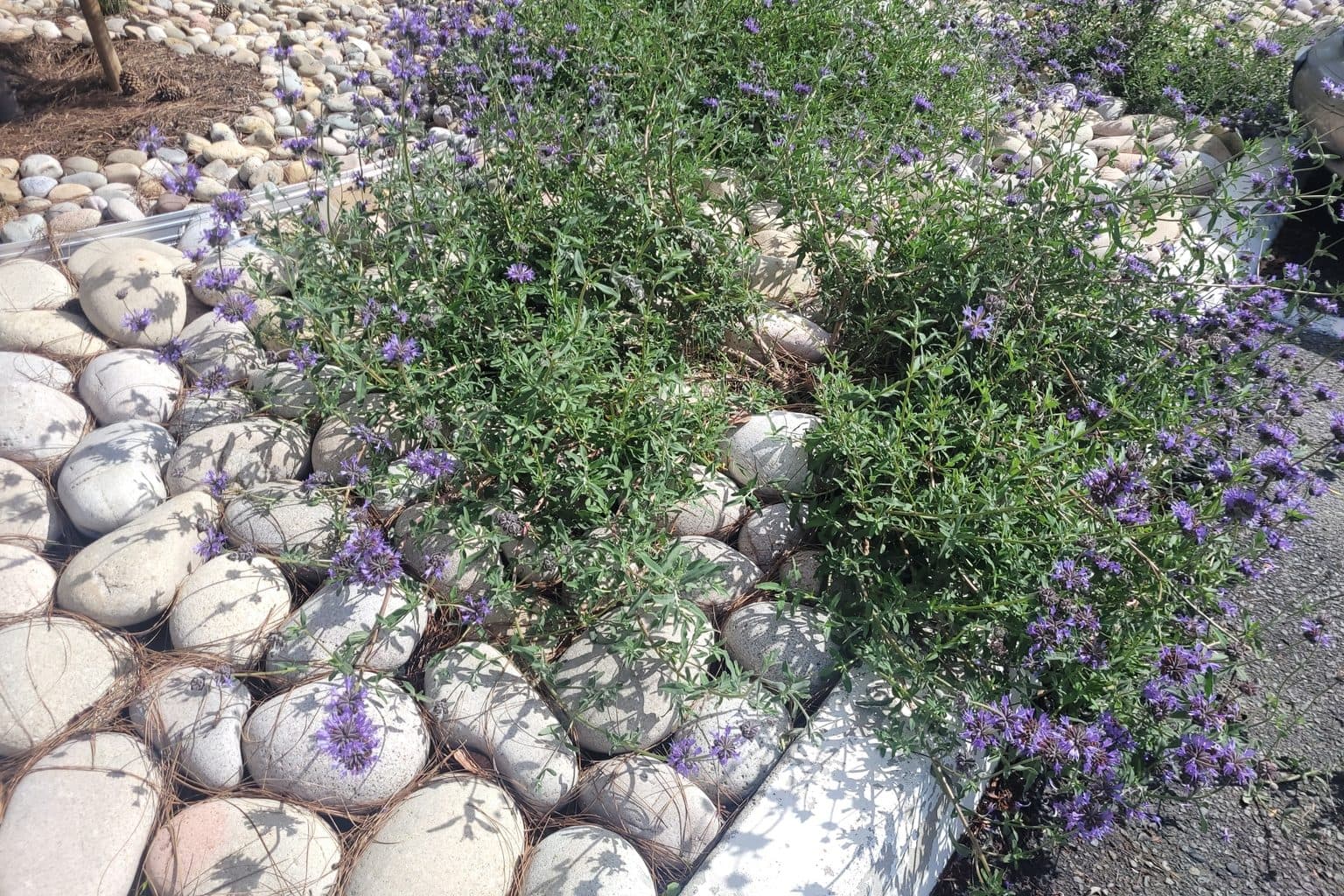
California has about 1,600 native bee species, the most of any US state. Most are solitary ground-nesters that rarely sting. Here is what they are, which you will see in a yard, and how to plant for them while staying HOA-friendly.
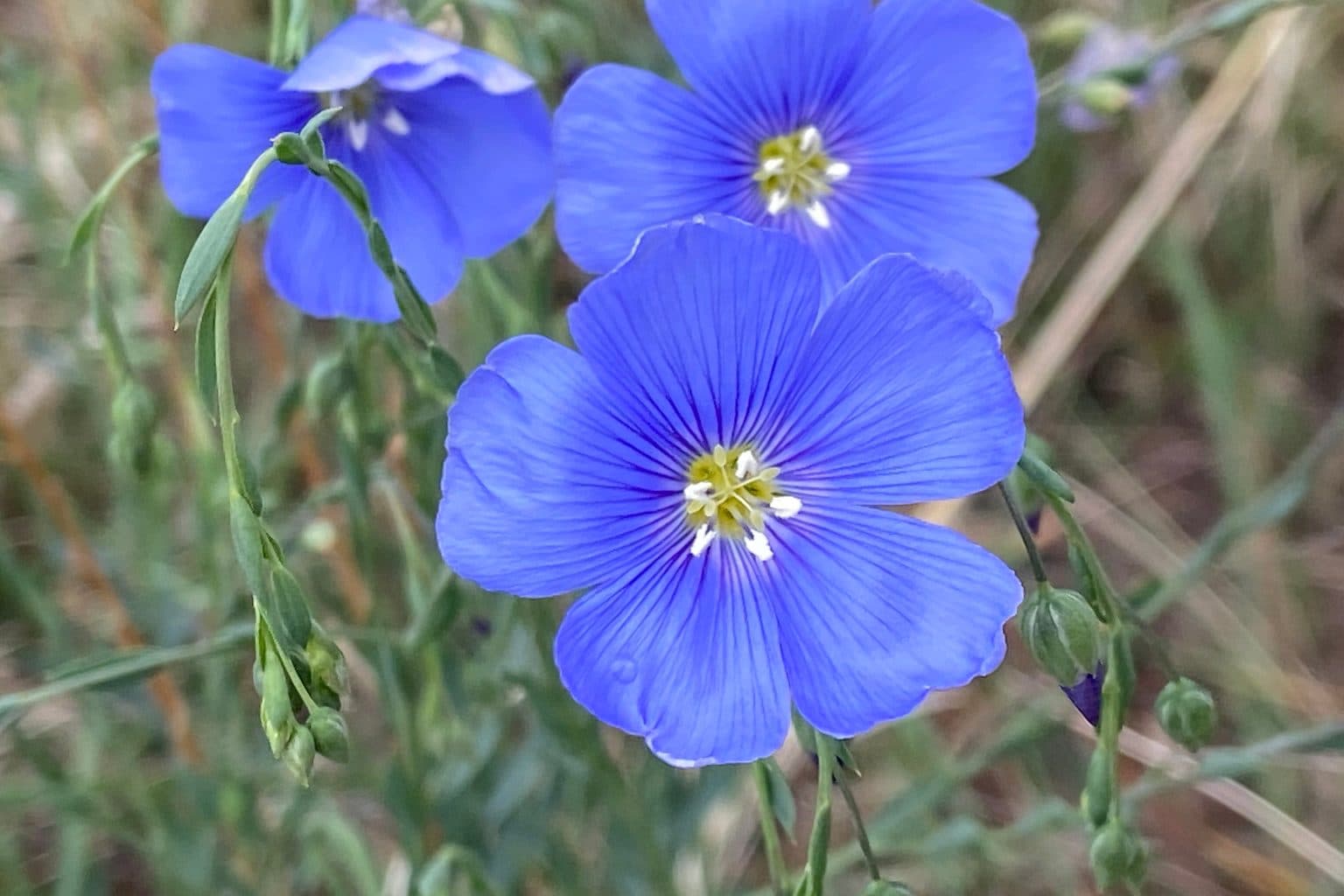
Common Colorado yard plants that are toxic to dogs, with a Colorado-native swap for each. Covers Yew, Foxglove, Lily of the Valley, spring bulbs, Iris, and Chokecherry, with toxicity per the ASPCA Animal Poison Control Center.
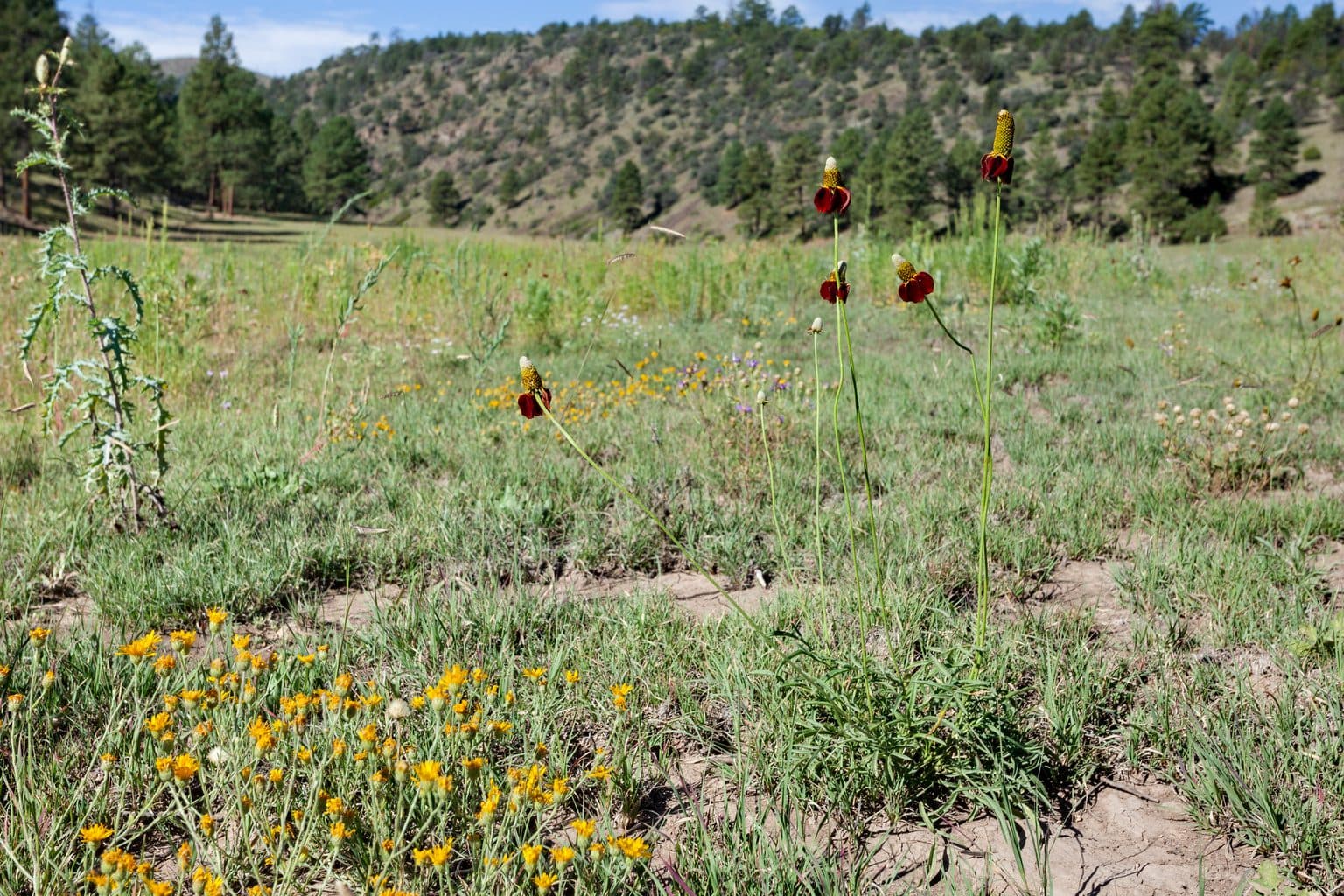
The nine most reliable native plants for Colorado Front Range yards, penstemon to blue grama, with sizes, sun and water needs. Sourced from CSU Extension.
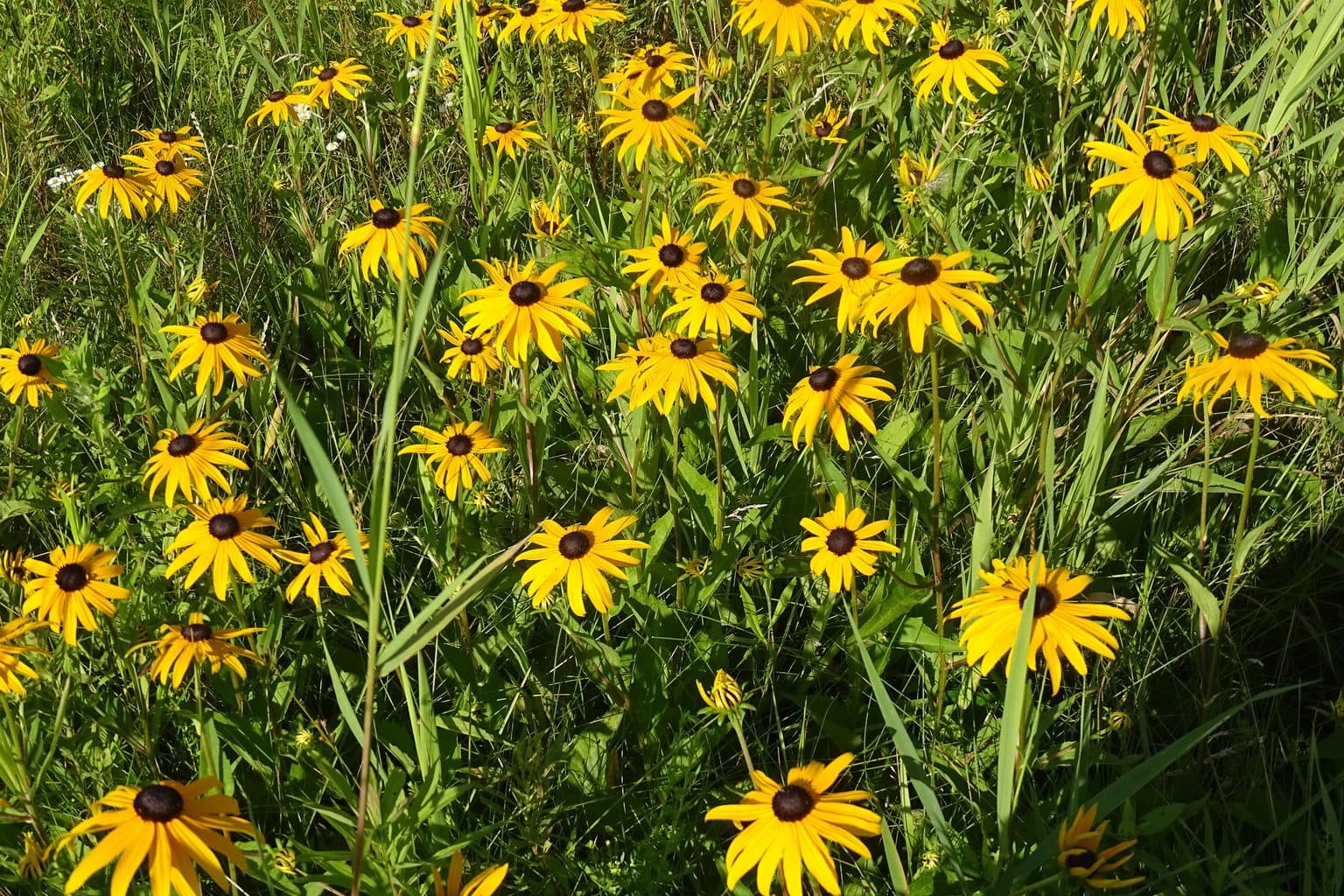
Usually yes. Tennessee has no general HOA statute and no native-plant protection law, so your covenants do almost all the work. Here is exactly where you stand and how to get a native yard approved through architectural review.
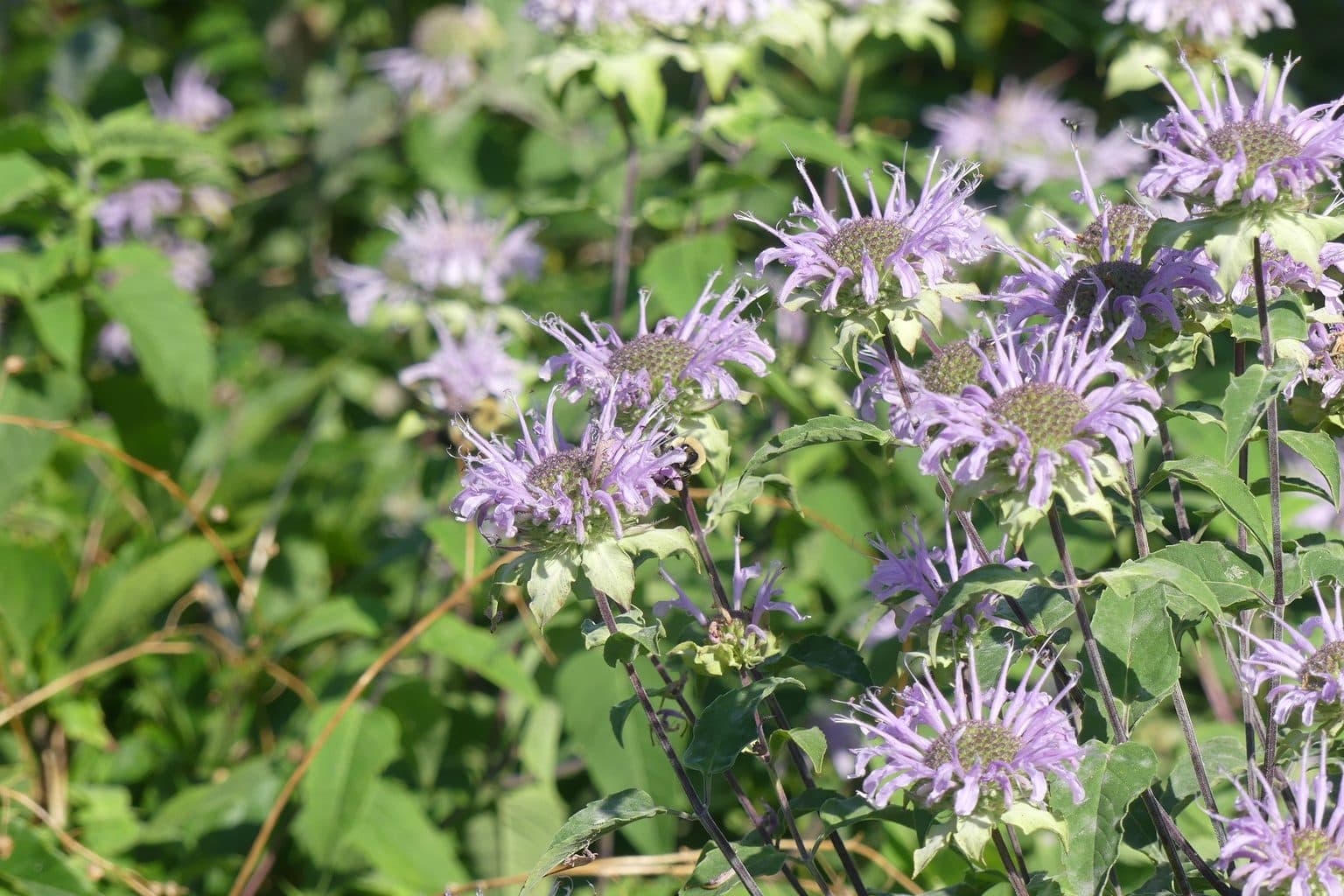
A curated list of the best native plants for Tennessee front yards, with bloom times, sizes, sun and water needs, and tips for keeping each one tidy in HOA-conscious neighborhoods. Sourced from the Tennessee Native Plant Society and UT Extension.
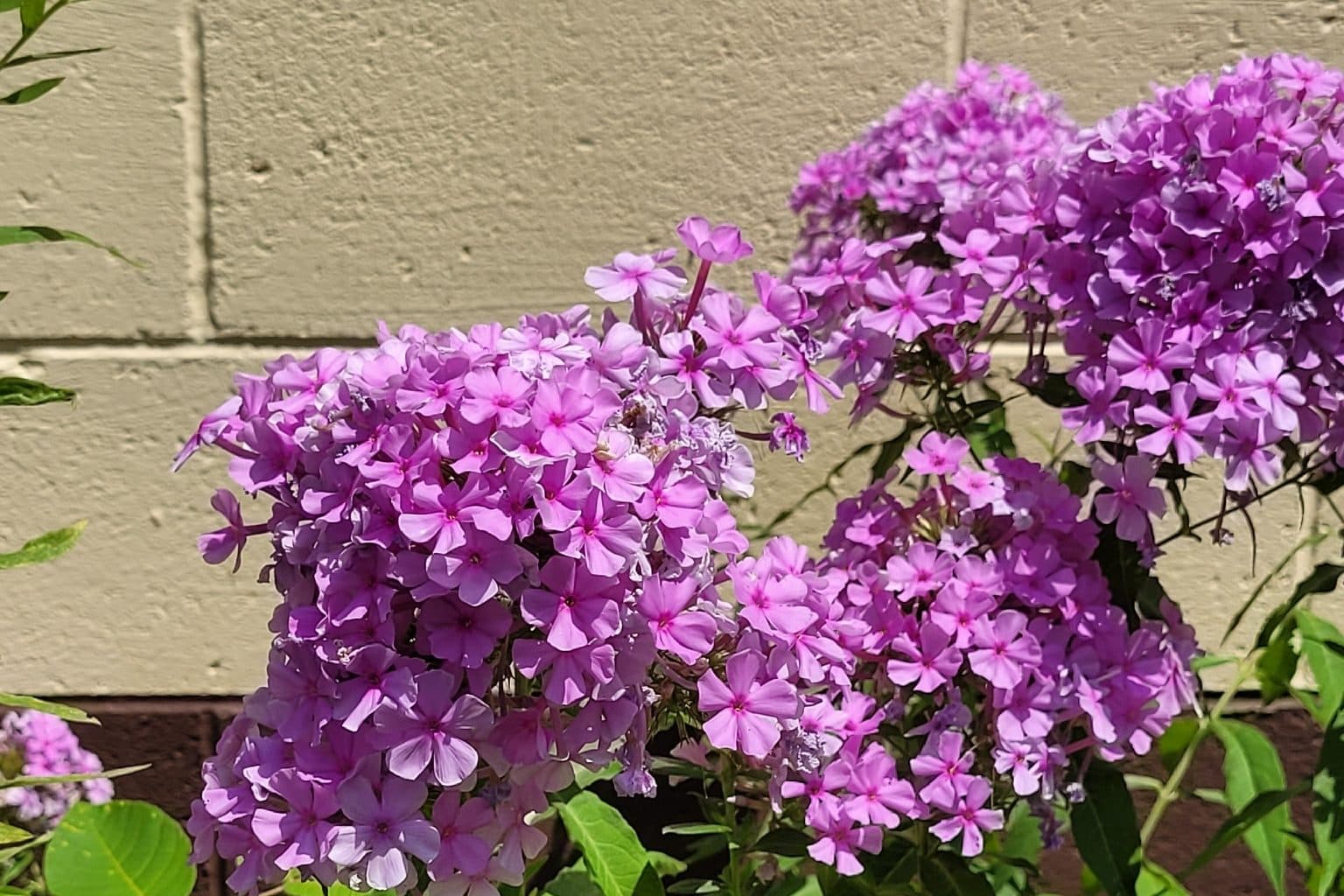
Common Tennessee yard plants that are toxic to dogs, with a Tennessee-native swap for each. Covers Azalea and Rhododendron, Nandina, English Ivy, Carolina Jessamine, Lily of the Valley, and spring bulbs, with toxicity per the ASPCA Animal Poison Control Center.
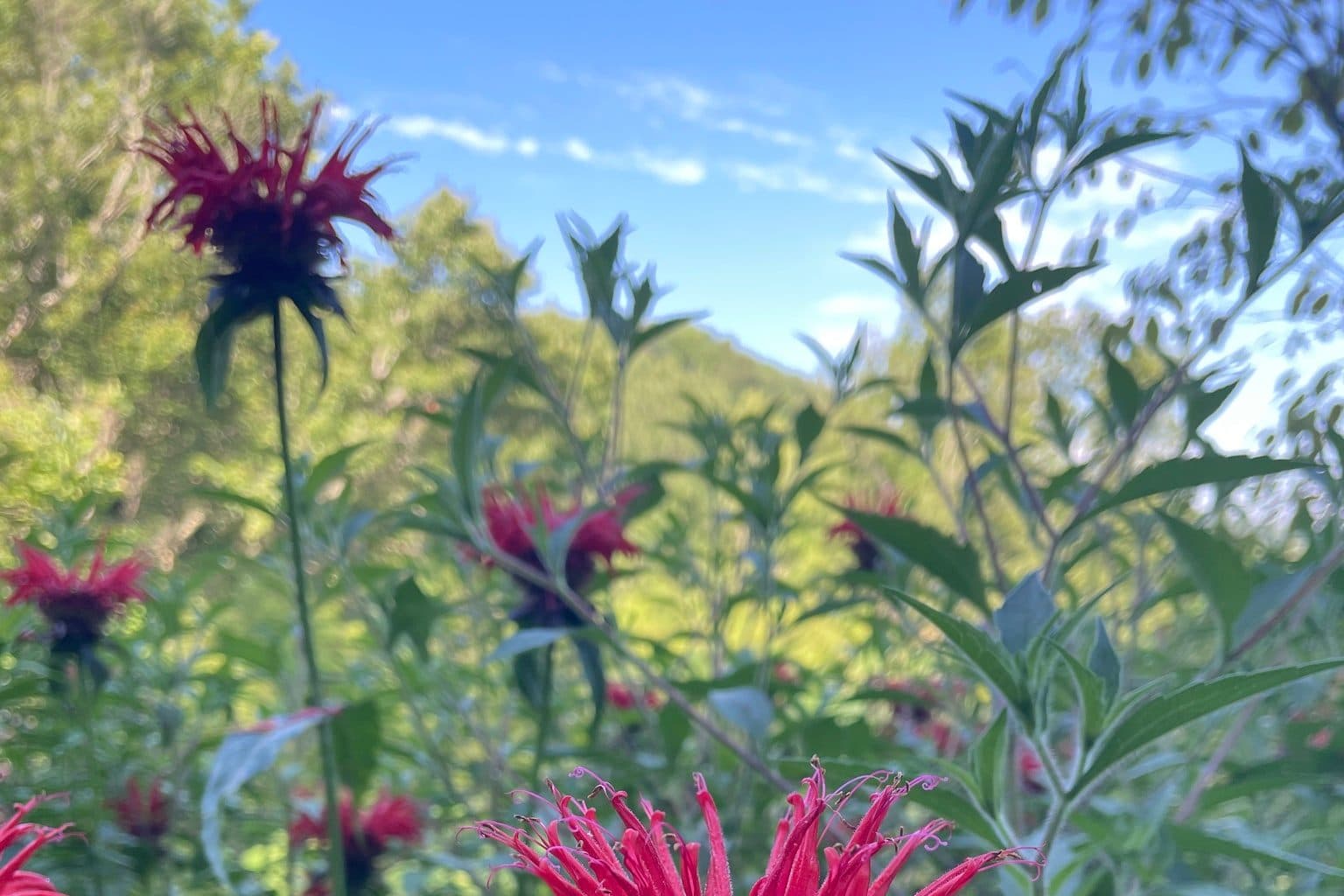
Pollinator Patch now works in every US state, on the web, iPhone, and Android. Plant picks are matched to your ZIP and ecoregion, not just your state line. Texas and California have the deepest data today, with the rest of the country growing fast.
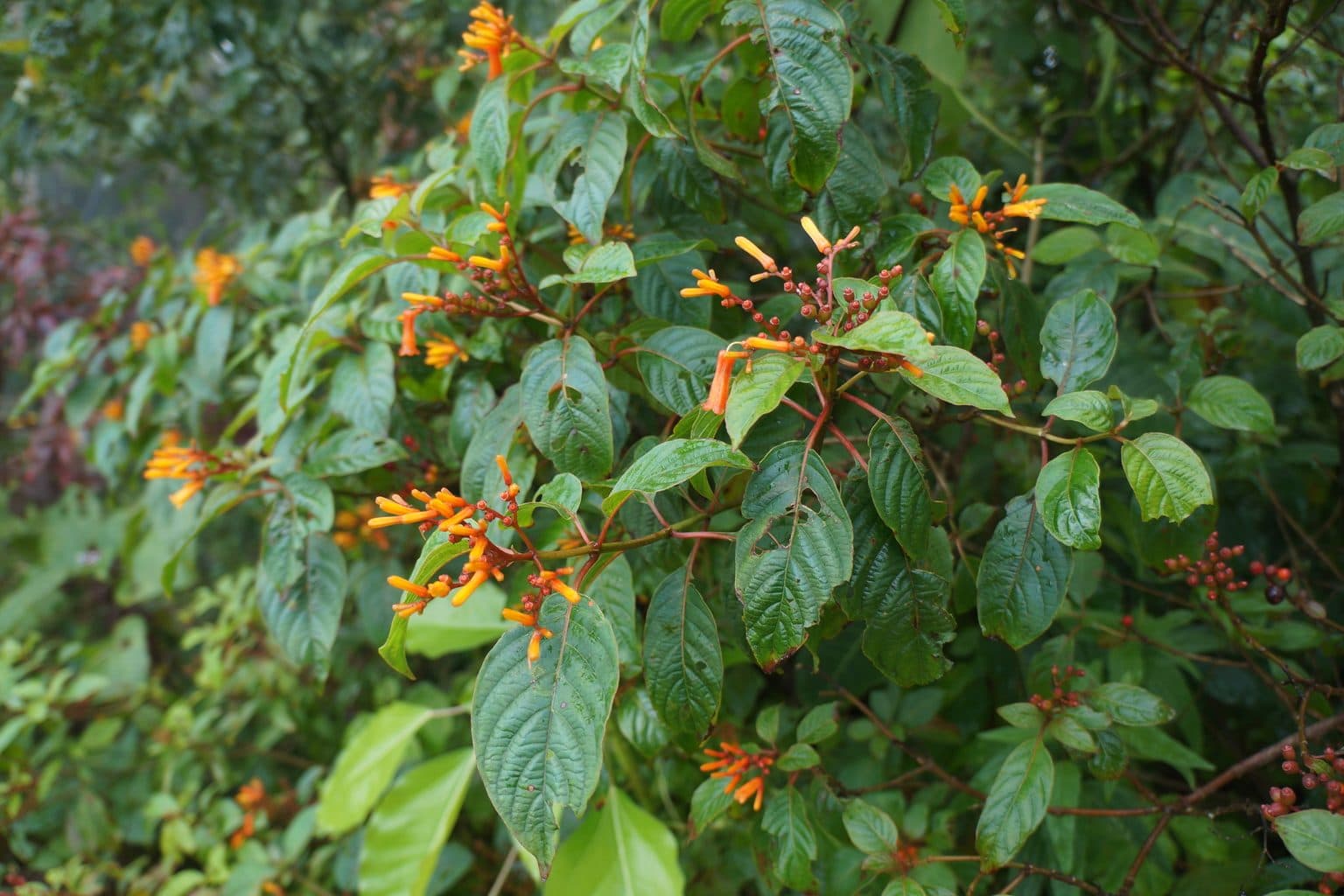
No. Florida Statute §720.3075 bars HOAs from banning Florida-Friendly Landscaping, and native plants qualify. What HOAs can still require, plus approval steps.
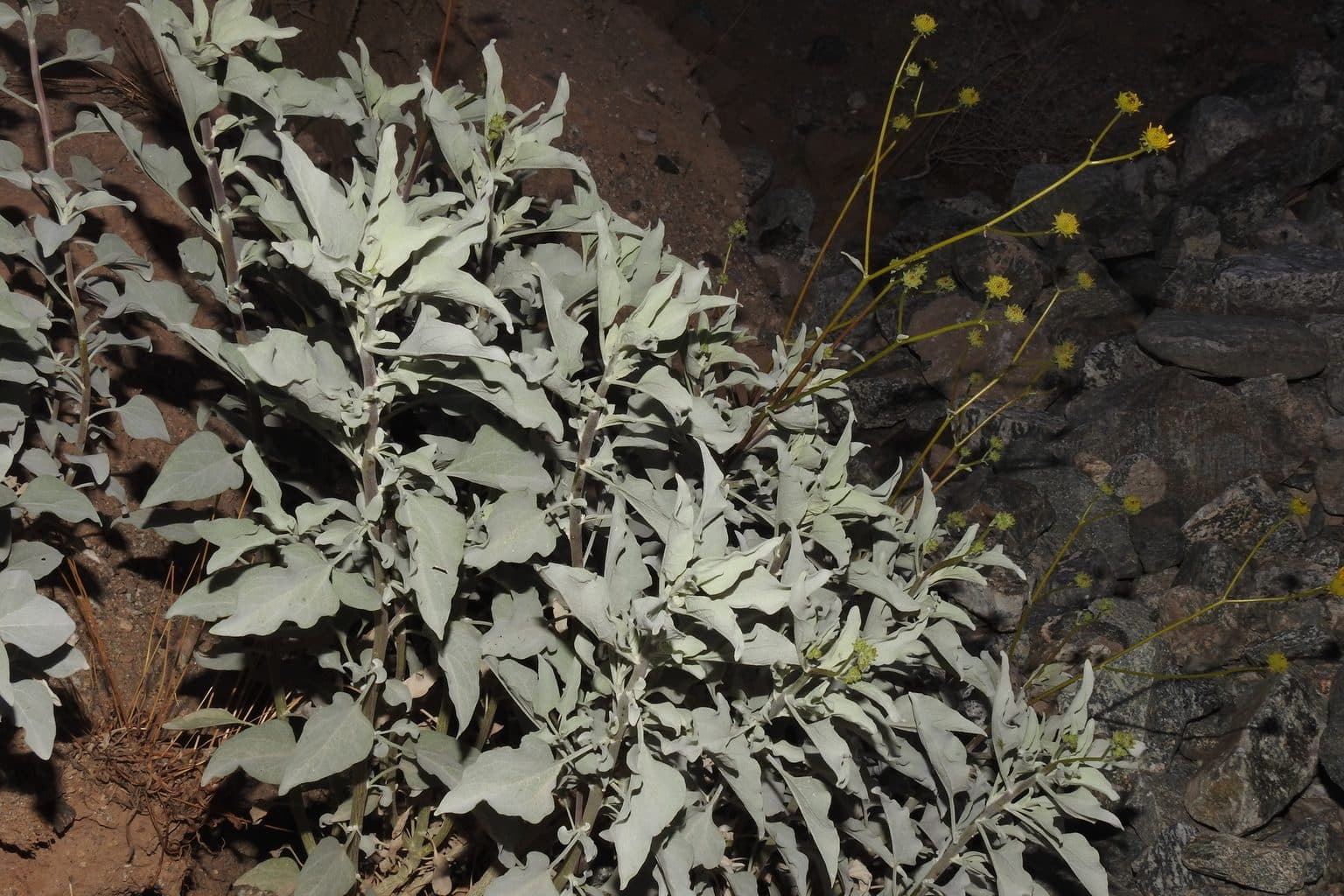
Arizona has no single statute like Florida §720.3075 or Texas §202.007. But A.R.S. §33-1819 protects artificial turf, the Arizona Native Plant Law protects designated species, and city rebate programs do the rest. Here is how to navigate HOA pushback.
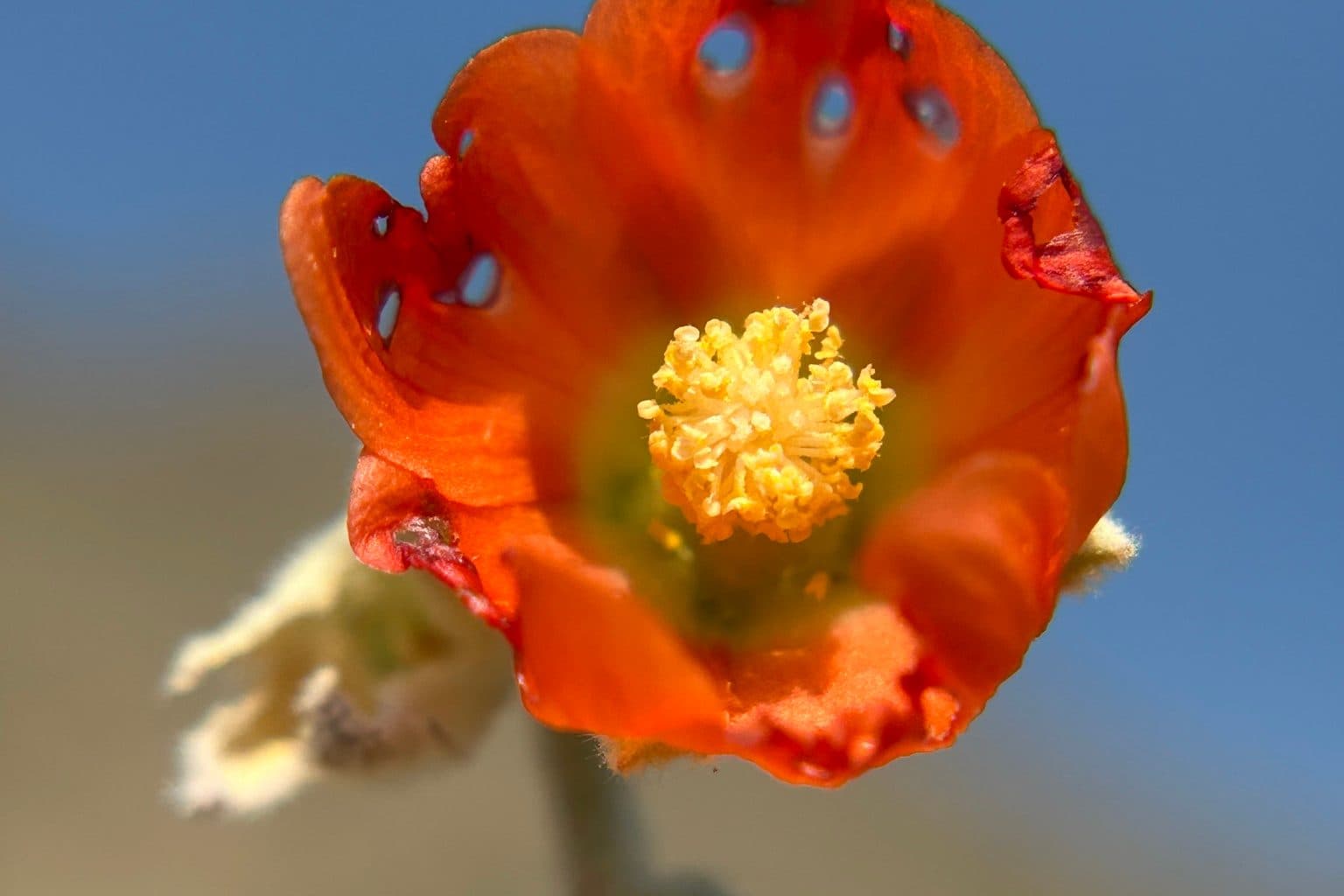
No. Nevada Revised Statute 116.330 prohibits HOAs from banning drought-tolerant landscaping in your front or back yard. The law must be construed liberally in your favor. Combined with the SNWA Water Smart rebate (up to $50,000), Nevada gives homeowners the strongest turf-conversion leverage in the country.
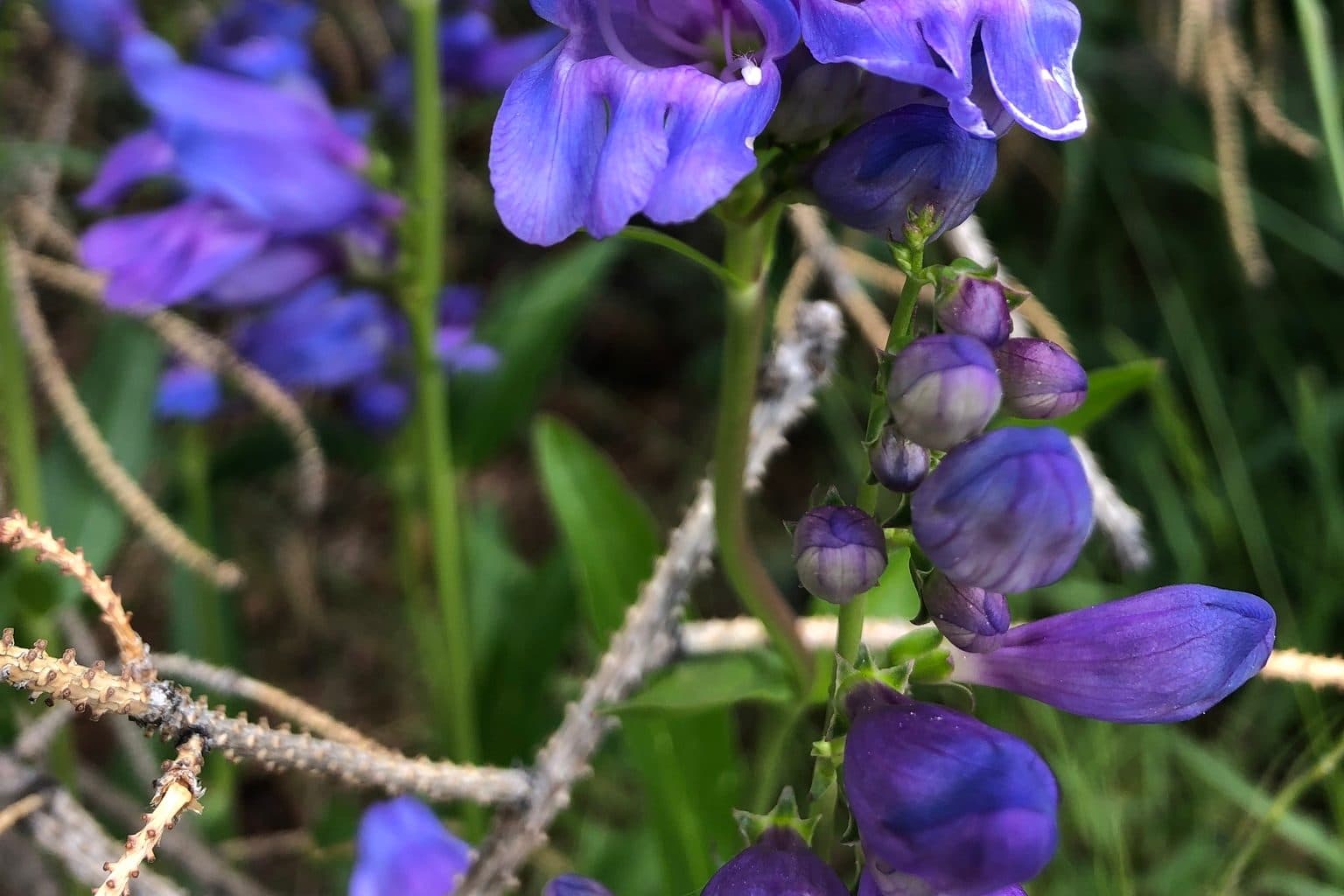
SB 23-178 gives Colorado HOA homeowners four specific tools: preapproved designs, an 80% drought-tolerant design option, a 20% hardscape cap, and up to $500 in damages. Here is how to use each one.
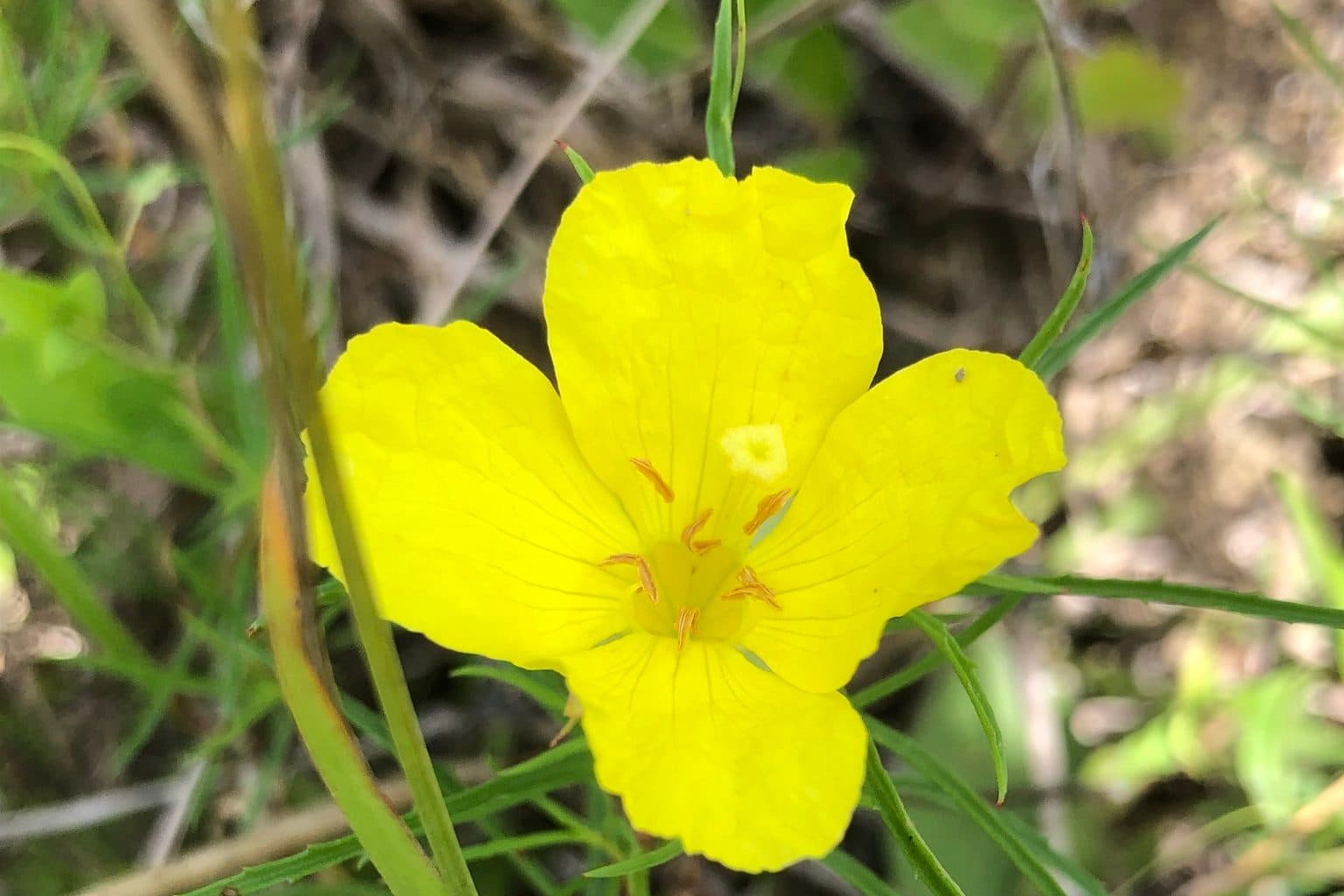
How to deadhead spent blooms to extend the flowering window on Black-Eyed Susan, Salvia greggii, and Coneflower, and how to water first-year native plantings through the Texas summer heat.
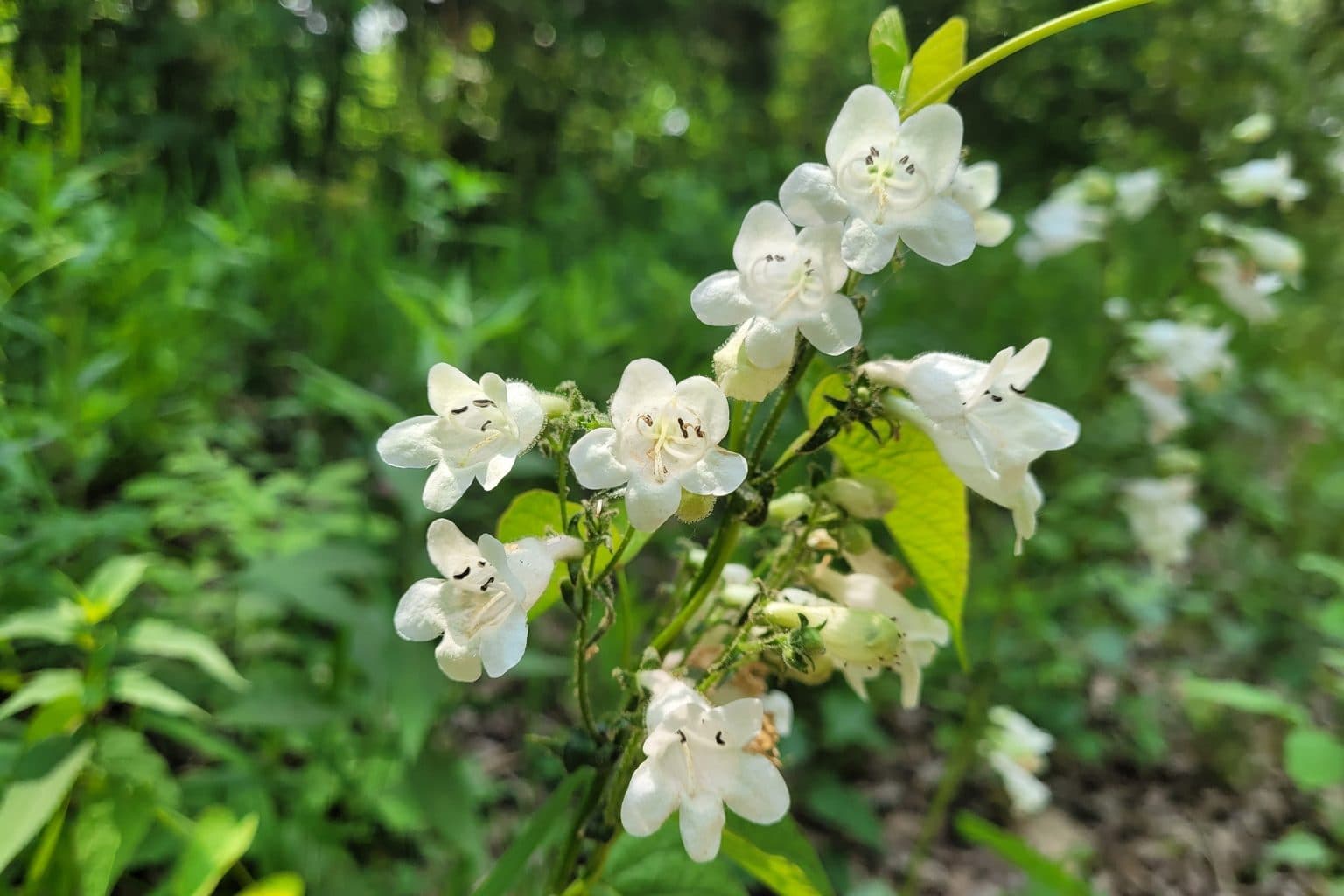
The neighbor whose yard touches yours is the most common source of HOA complaints about native landscaping. Three design rules for the property-line zone keep that border HOA-friendly without giving up plant choice in the rest of the bed.
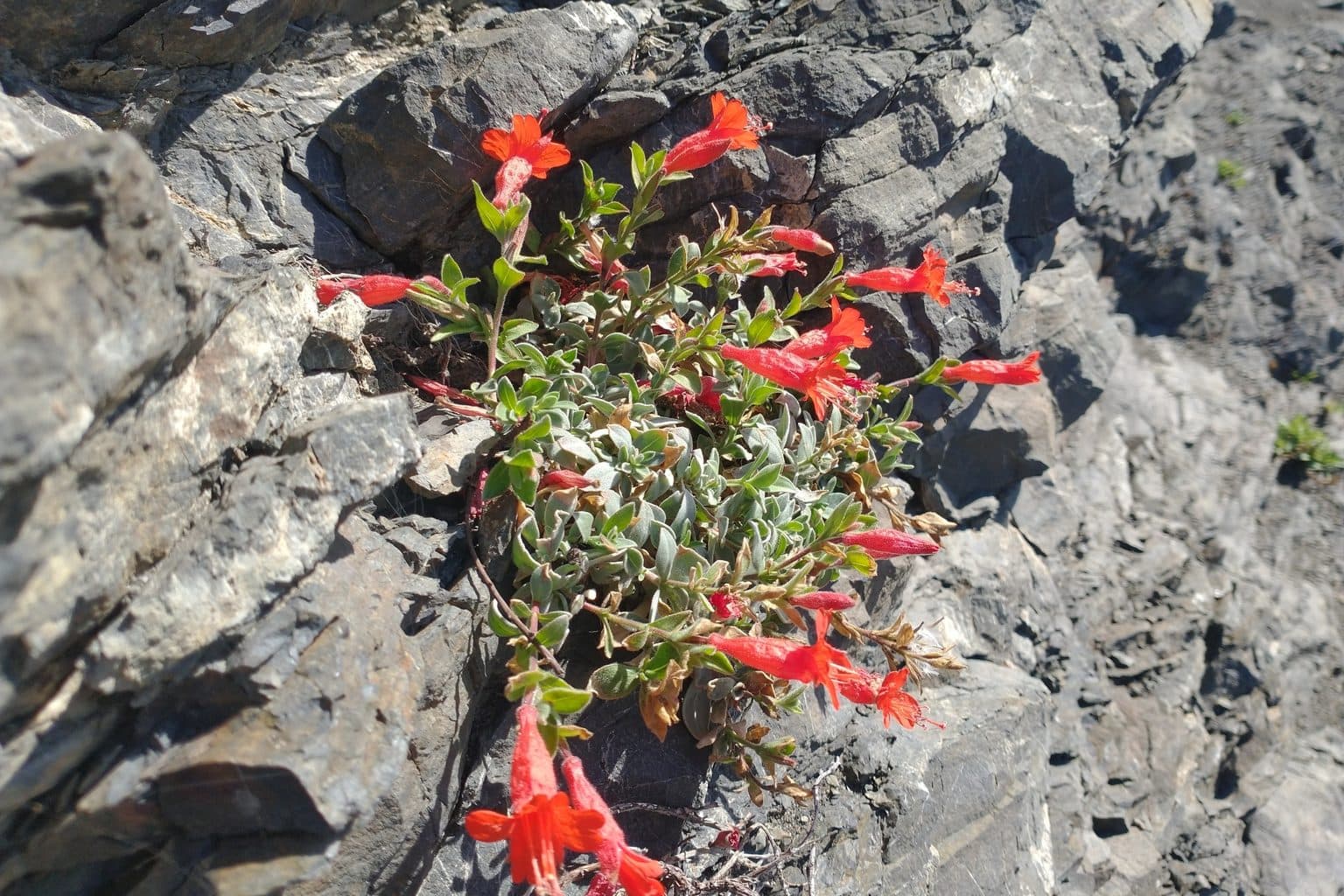
No. California Civil Code §4735 makes any HOA turf-grass rule void and unenforceable. What LA, San Diego, Bay Area, and Sacramento homeowners should know.
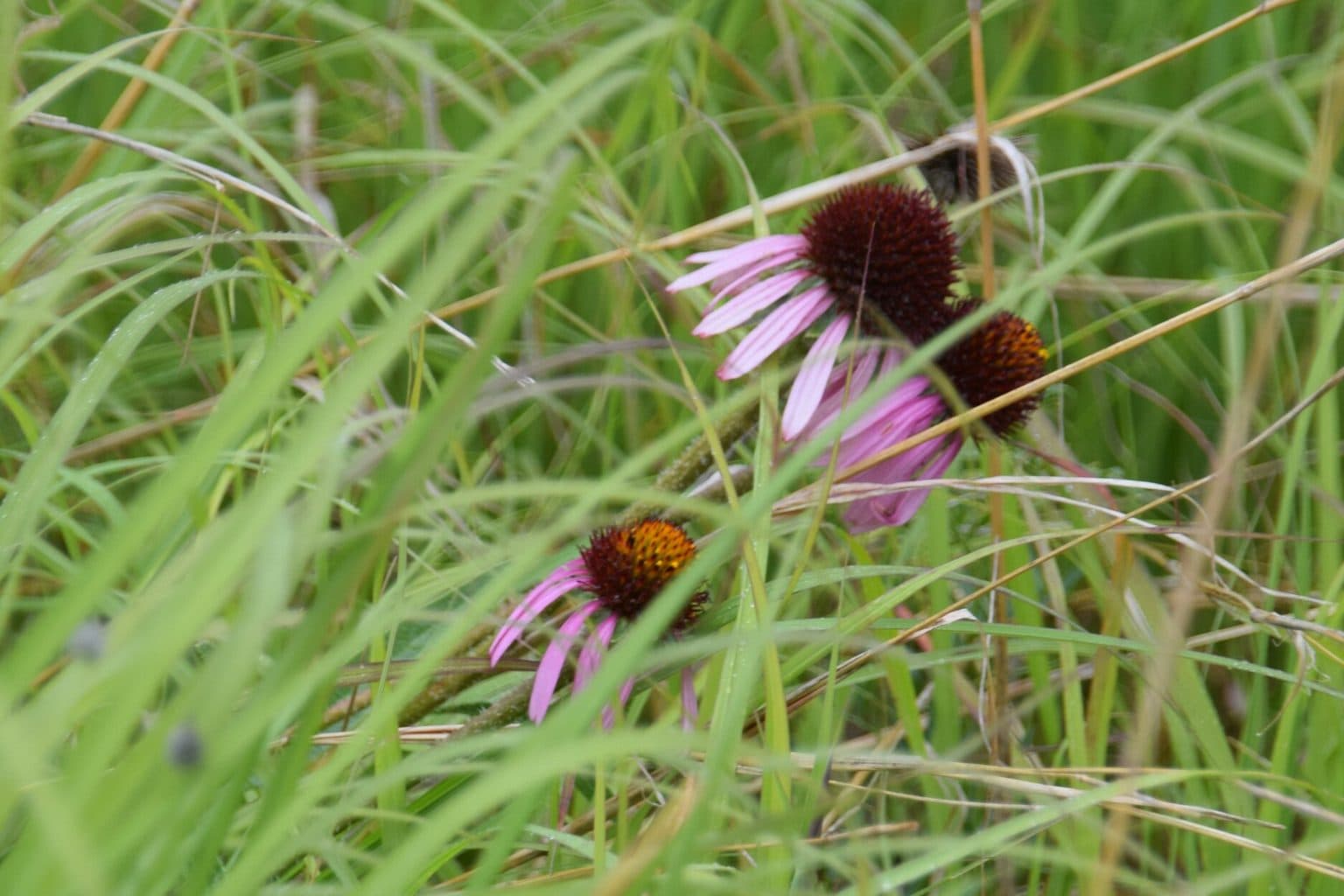
No. Texas Property Code §202.007 protects DFW homeowners. Here is what every Dallas, Fort Worth, Plano, Frisco, and McKinney HOA can and cannot require.
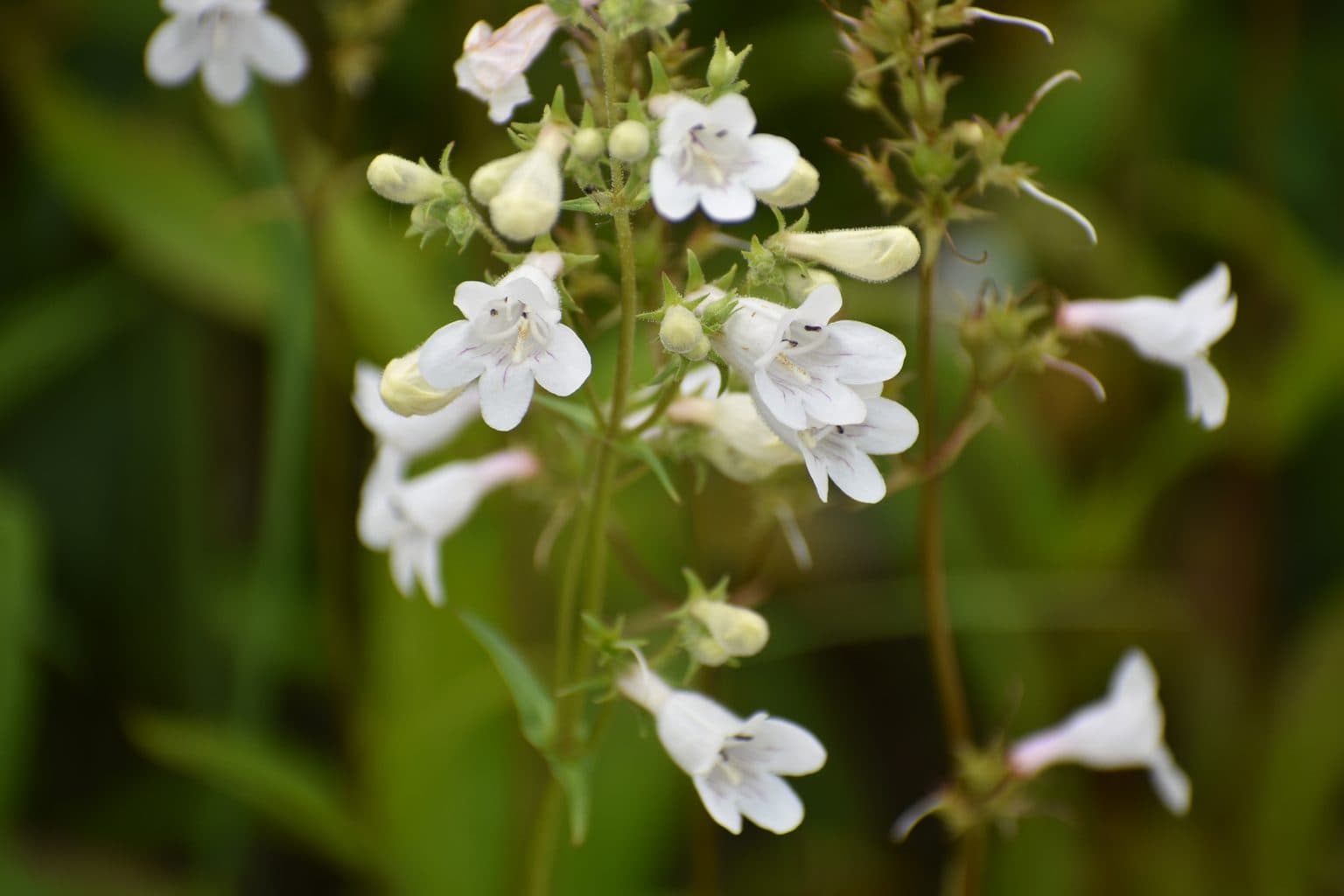
Having a plant on the HOA approved list is not the same as having permission to use it. Here is why management companies can still fine you, and the three-step paper trail that actually protects you.
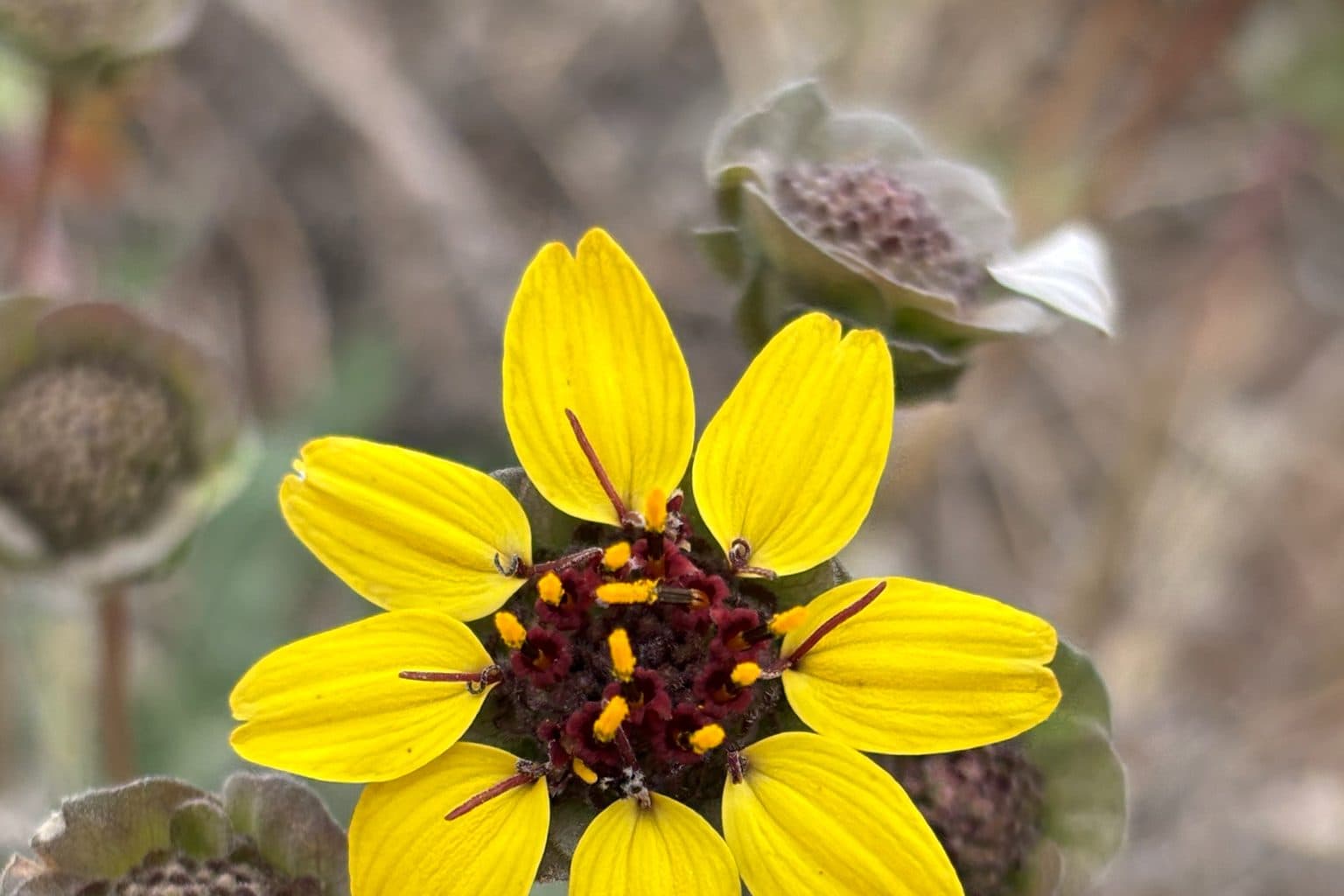
Most Texas homeowners know their city has a rebate. Fewer know which program actually covers their address. Here is how Austin Water and LCRA WaterSmart divide Central Texas, and the few places two programs can meet.
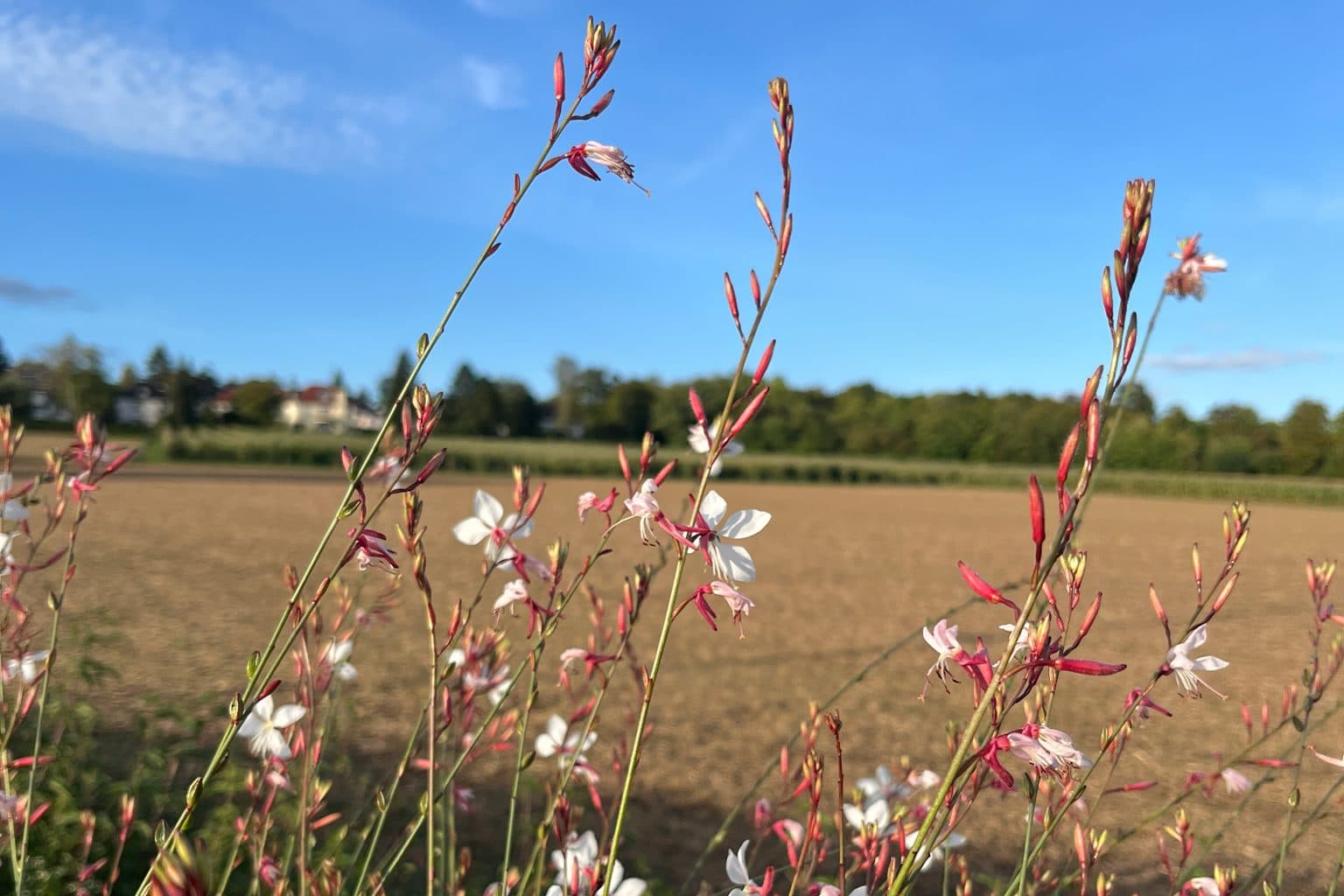
May is the last planting window before Texas summer heat makes establishment nearly impossible. Four native plants to get in the ground now, plus the mulch rule that determines whether they survive June.
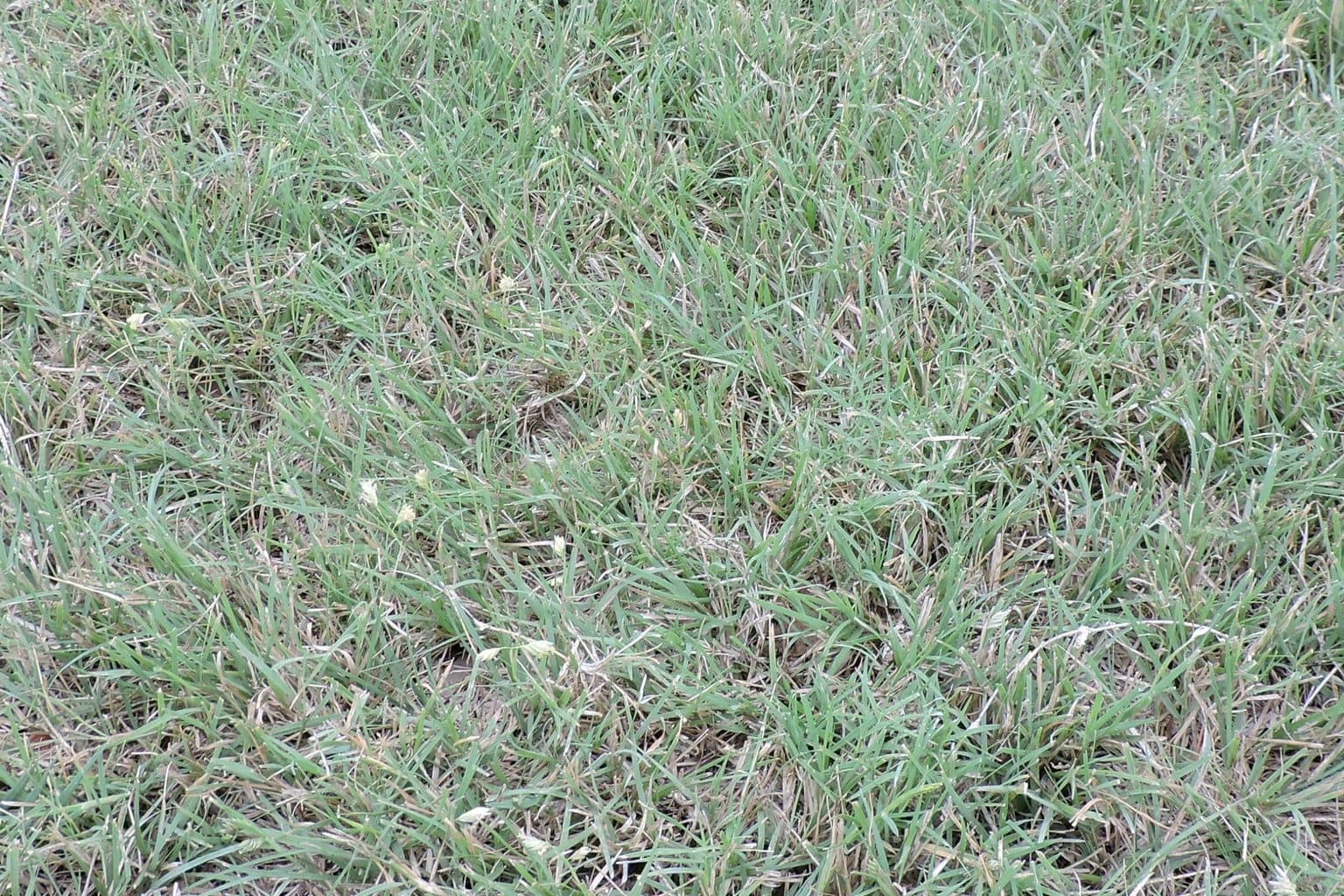
Buffalo Grass stays under 6 inches unmowed, uses about half the water of St. Augustine, and reads as maintained to HOA inspectors. A practical comparison with transition steps and the winter dormancy workaround.
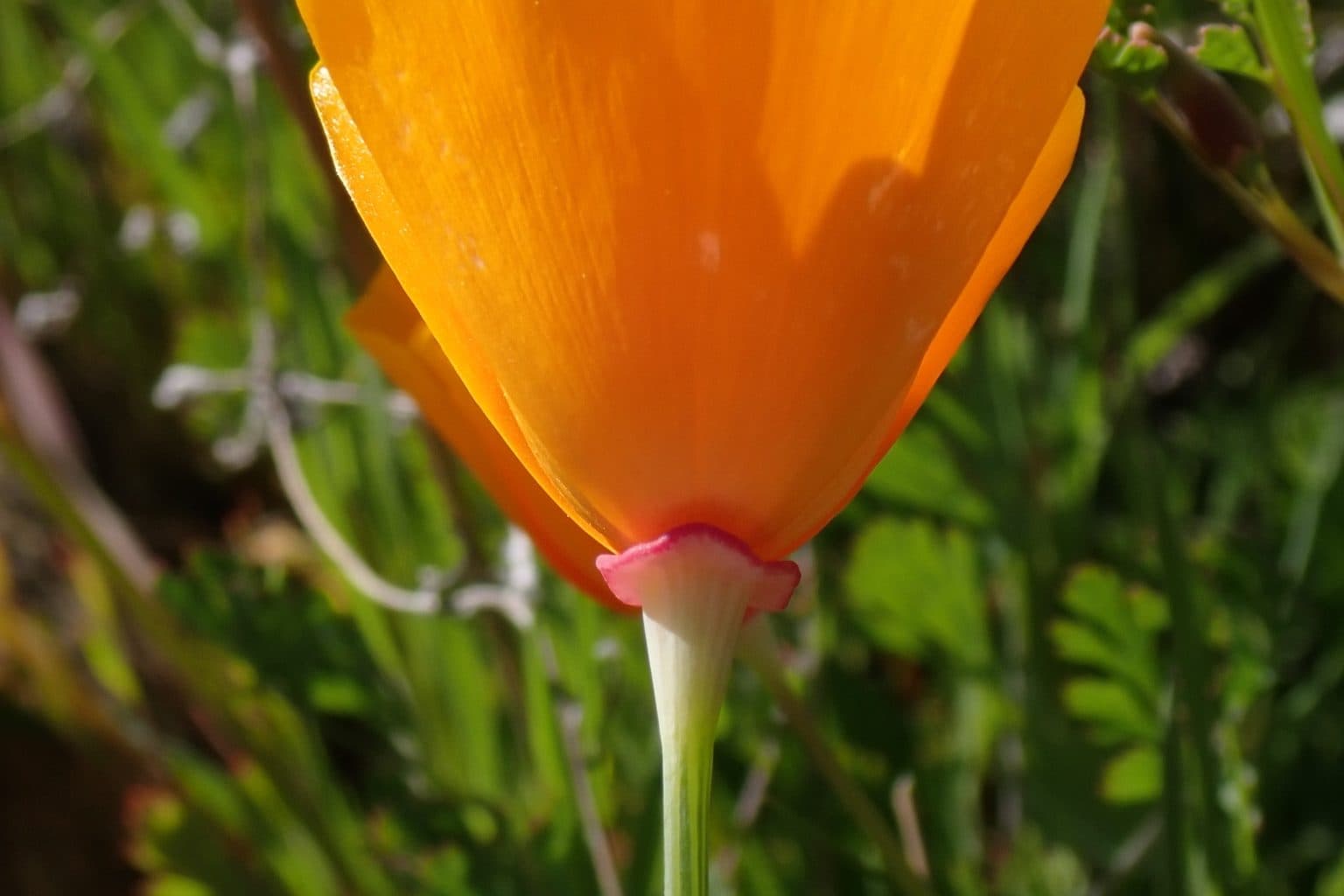
California Civil Code §4735 prohibits HOAs from requiring turf or fining homeowners for reduced watering during declared droughts, and AB 1572 (2023) bars potable-water irrigation of nonfunctional turf in HOA common areas by 2029. Here is what the laws say in plain English, what HOAs can still require, and how to use them without escalating a dispute.
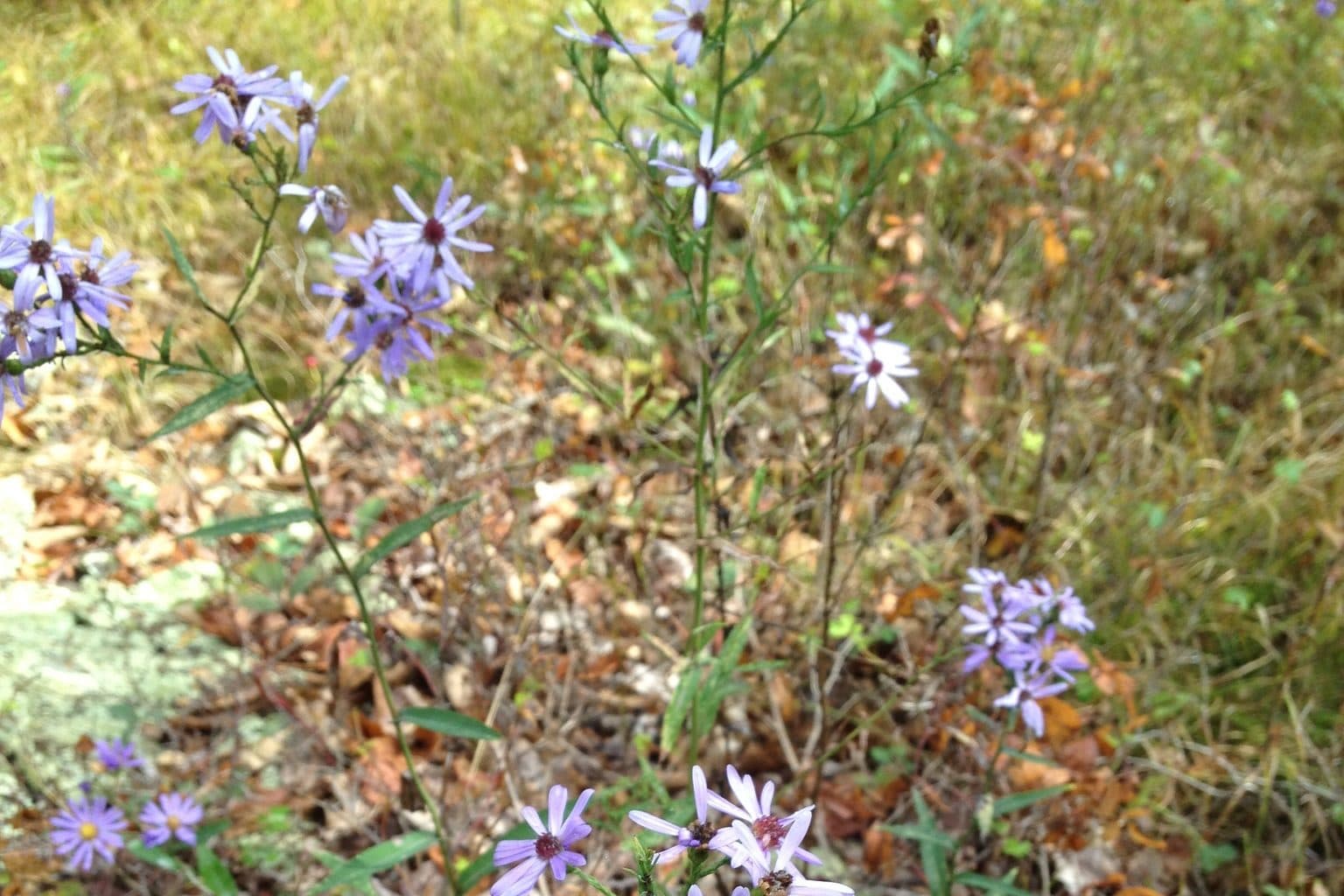
The strip between the sidewalk and the curb is usually city right-of-way, not HOA property. One Texas homeowner confirmed this in writing and the HOA backed down. Here is how to verify whether your parking strip is city ROW and what to do if your HOA tries to enforce rules on it.
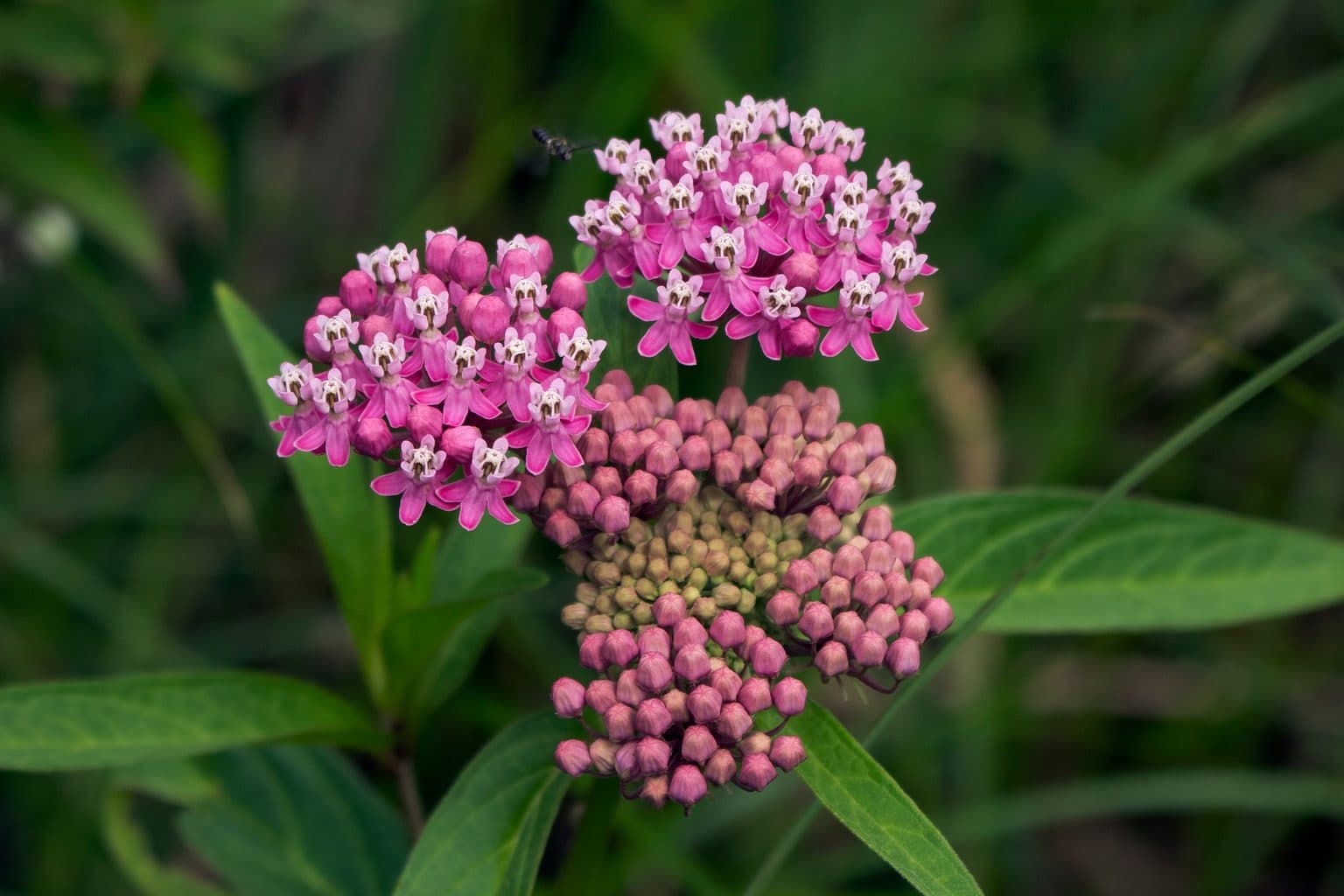
Milkweed is the only host plant for monarch caterpillars. Many HOA homeowners want to plant it but fear a violation notice. Here is which Texas native species work, which to skip, and how to plant them without drawing attention.
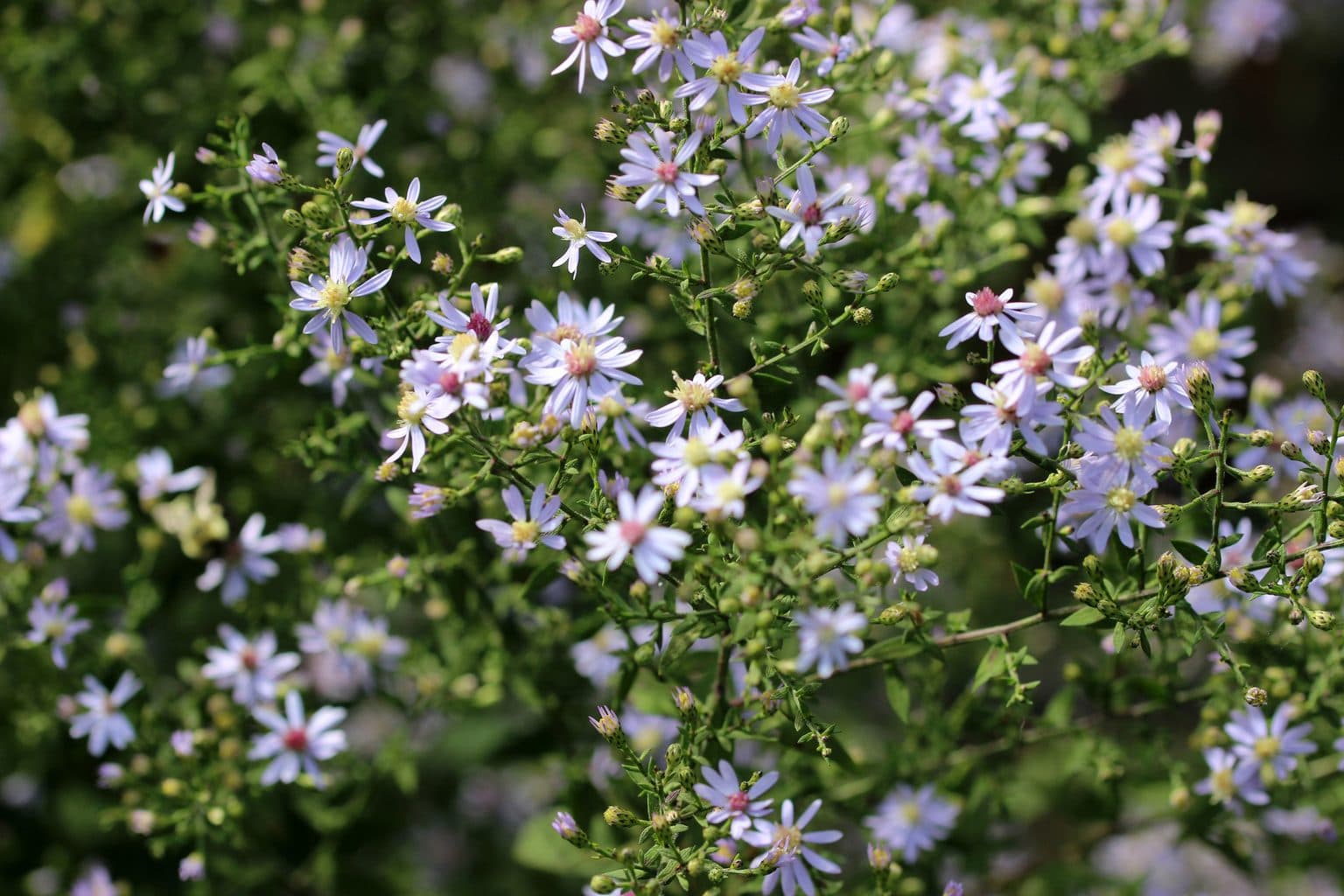
Neat and orderly is one of the most commonly cited phrases in HOA landscaping violations, and one of the least legally defined. Here is what courts and HOA attorneys generally mean by it, and how to make a native yard pass the inspection.
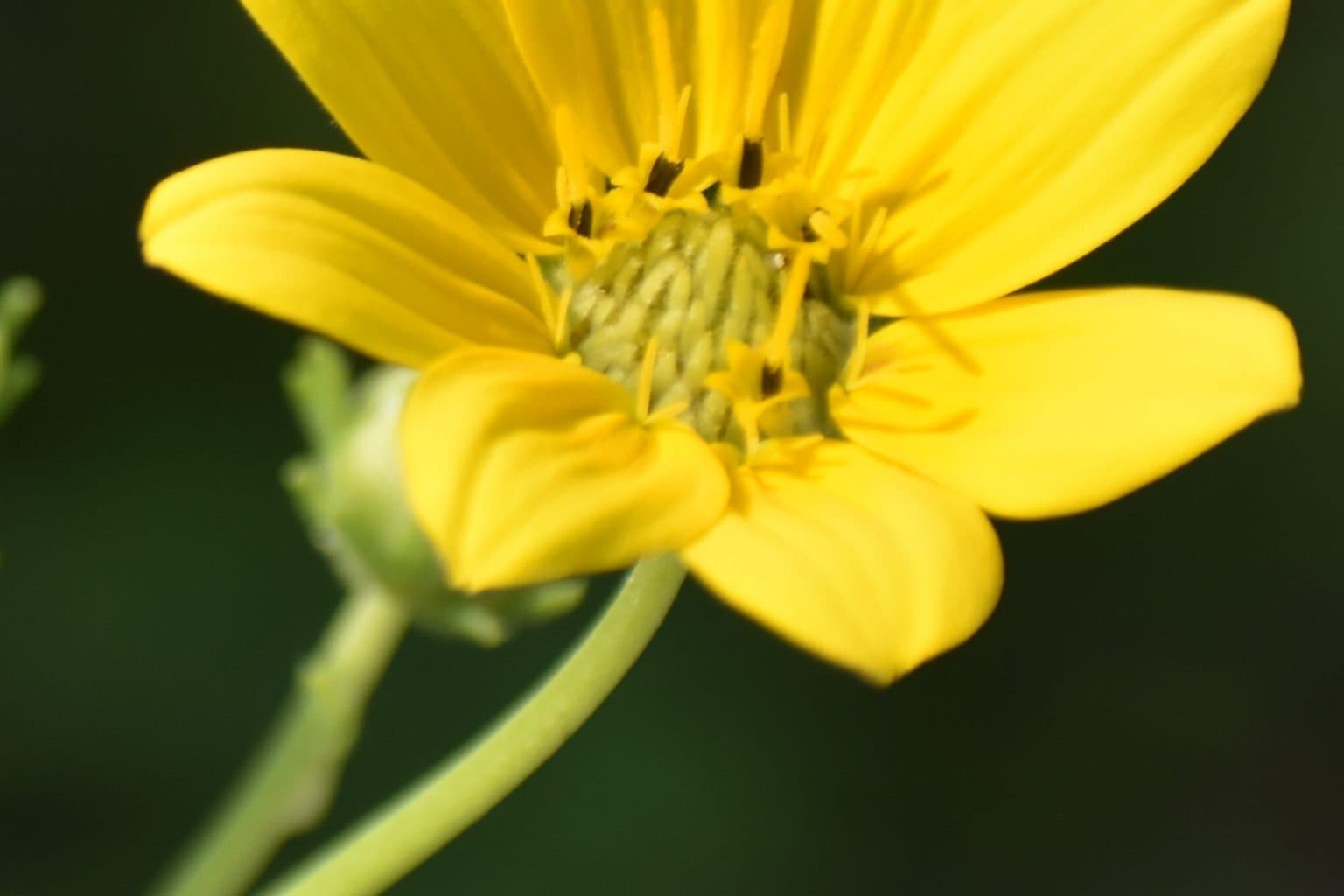
Most Texas native plant content targets Austin and Dallas. Fort Worth gets overlooked. Here are Cross Timbers native plants that work in Tarrant County HOA yards, plus the $85 Go N Grow rebate from Save Tarrant Water.
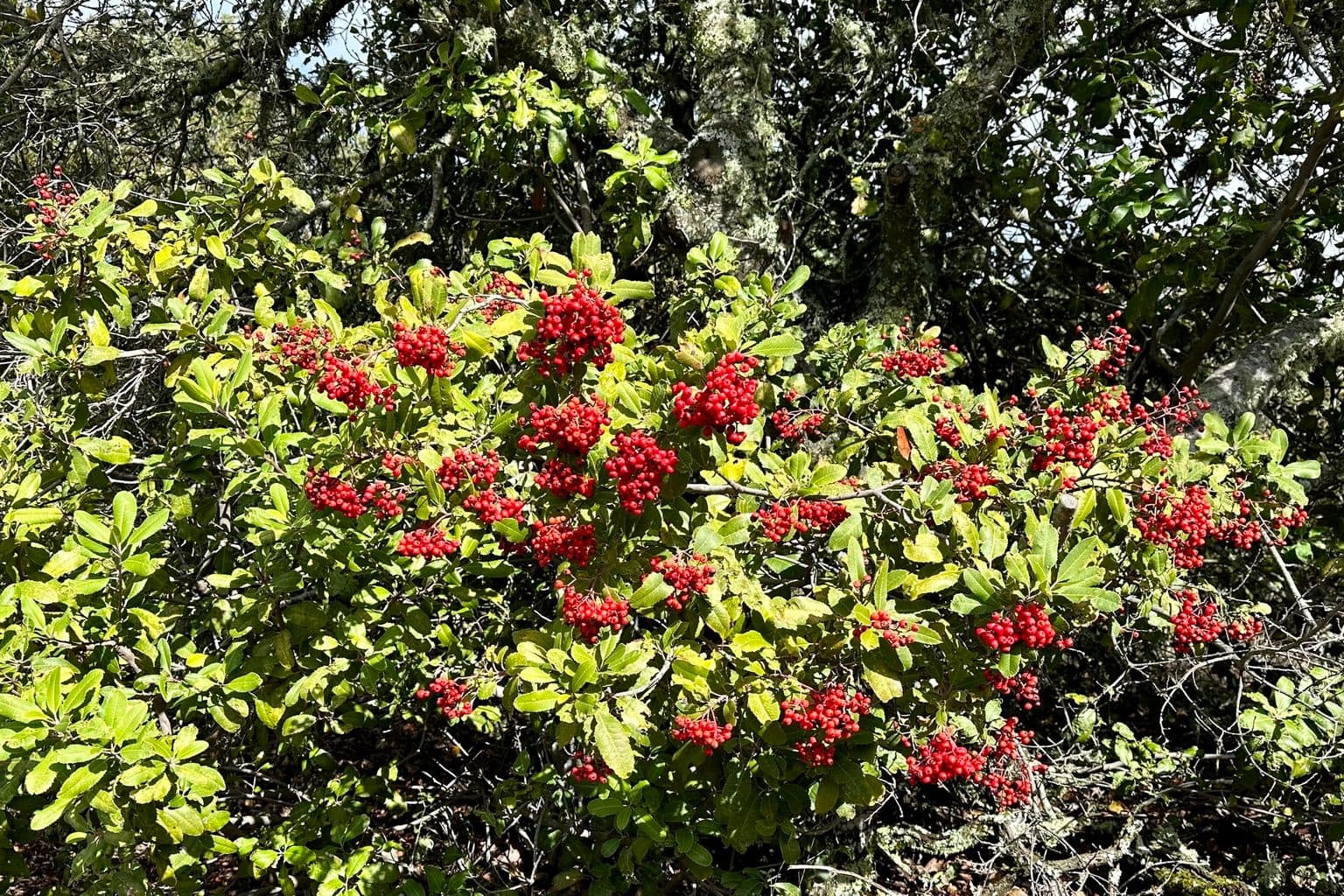
California homeowners face two constraints few apps address at the same time: HOA design standards and fire department defensible space requirements. Here are the native plants that satisfy both, and how to frame the request to your HOA.
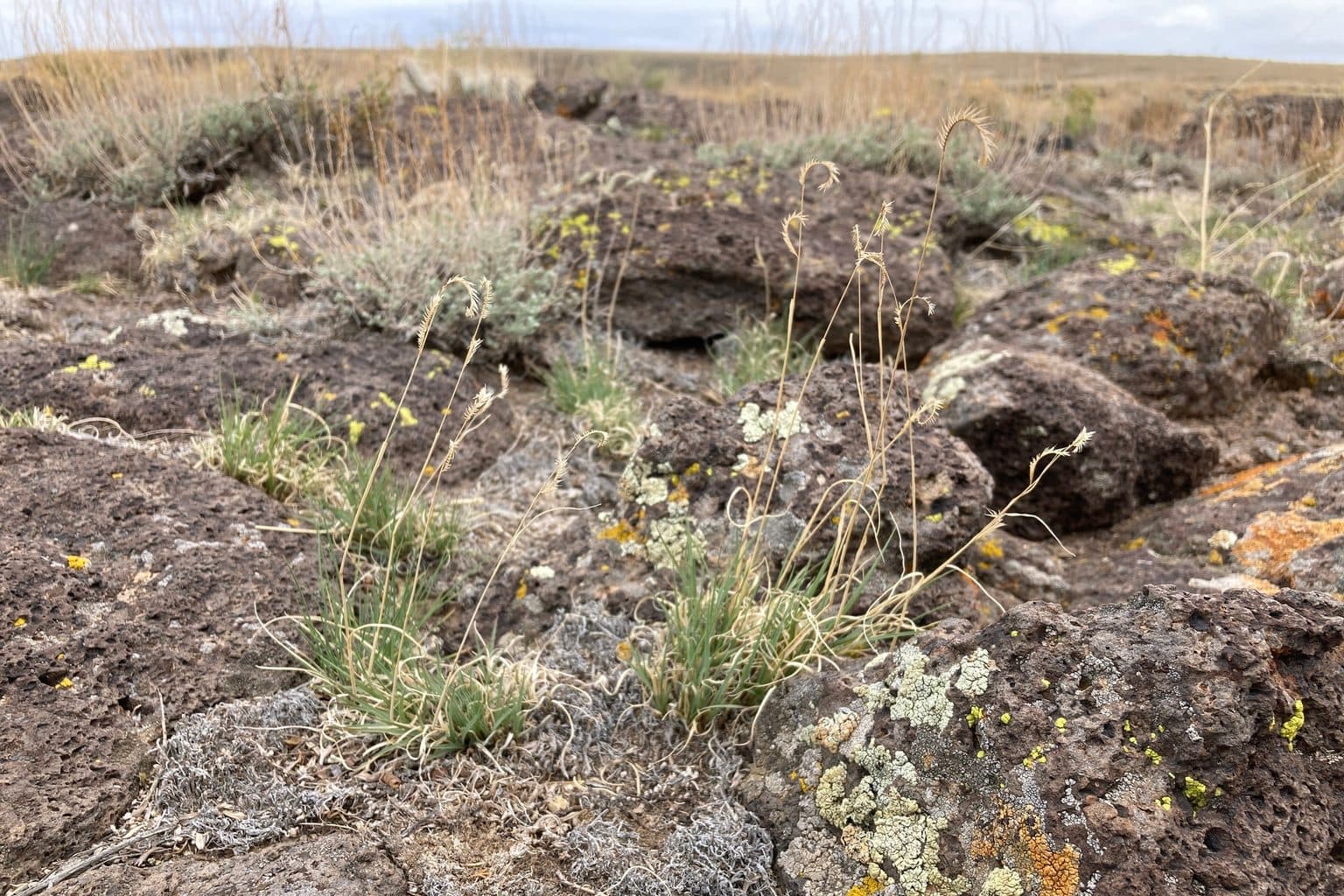
No. Colorado SB 23-178 (2023) prohibits HOAs from requiring turf grass and requires them to allow xeriscape. Here is what the law protects, what your HOA can still enforce, and how to handle pushback.
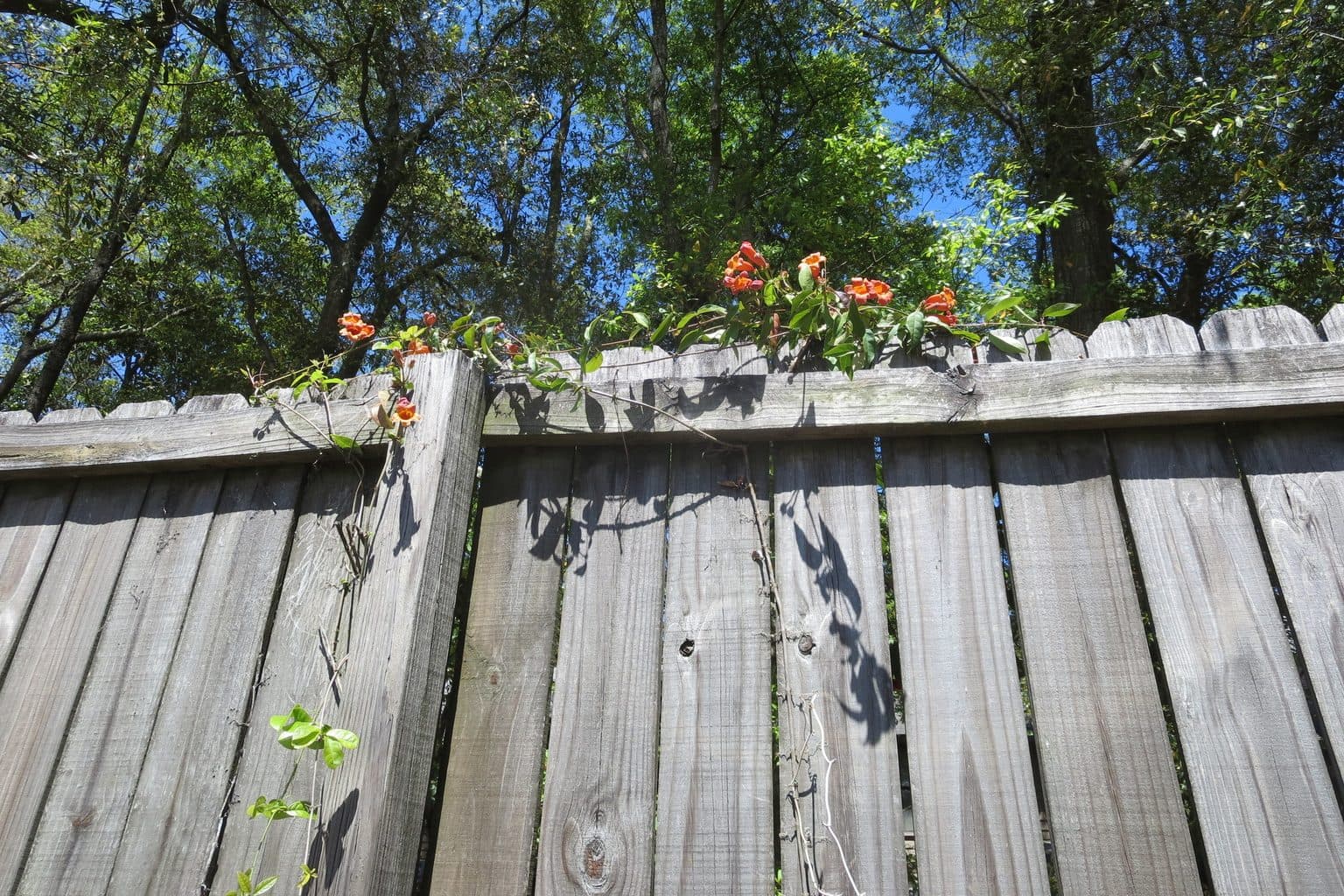
No. Crossvine (Bignonia capreolata) is not on the ASPCA toxic plant list for dogs, cats, or horses. Here is how it compares to Carolina Jessamine, which is toxic, plus a safety table for common Texas vines.
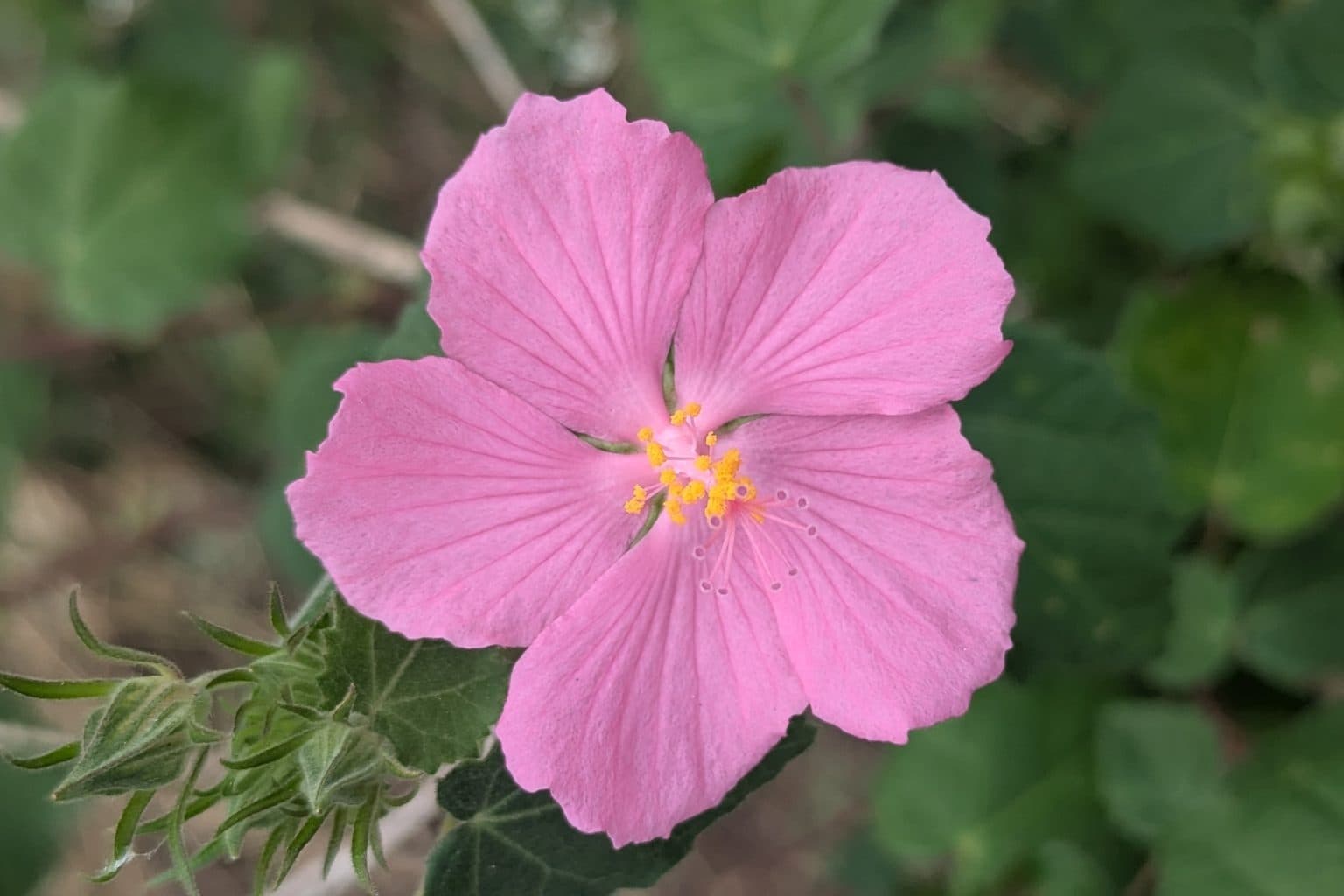
"City Ordinance 2024-187 prohibiting HOAs from banning drought-tolerant landscaping" is an AI-generated citation that does not exist. The actual Texas laws are Property Code §202.007 and HB 517 (2025). Here is what they say.
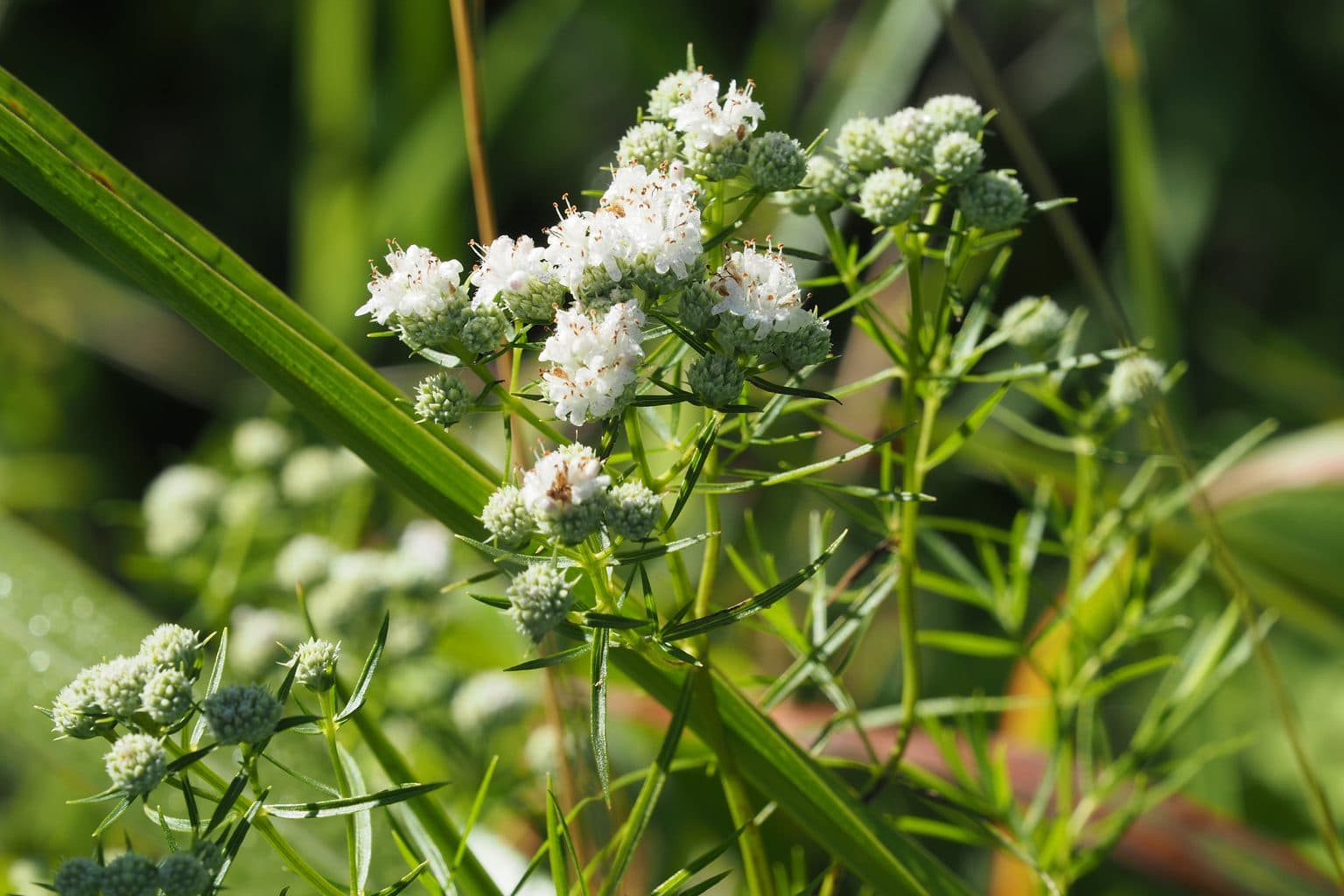
A 10-step checklist for Texas homeowners before starting a native landscaping project. Covers HOA pre-approval, rebate timing, sunlight mapping, ecoregion, soil, and first-year watering.
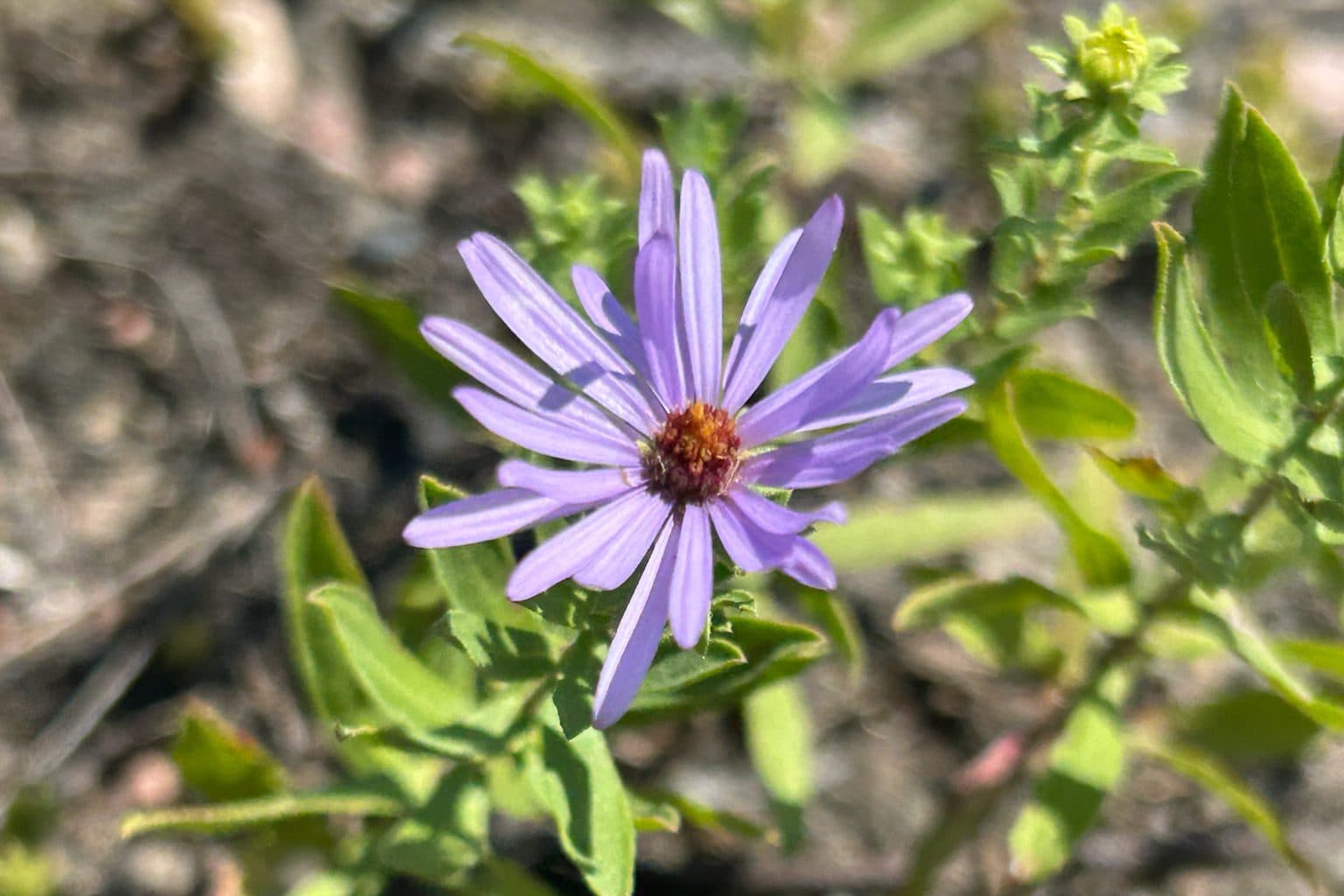
The five most common reasons native plant gardens fail in Texas: overwatering, ecoregion mismatch, shade miscalculation, poor drainage, and overcrowding. With a specific fix for each.
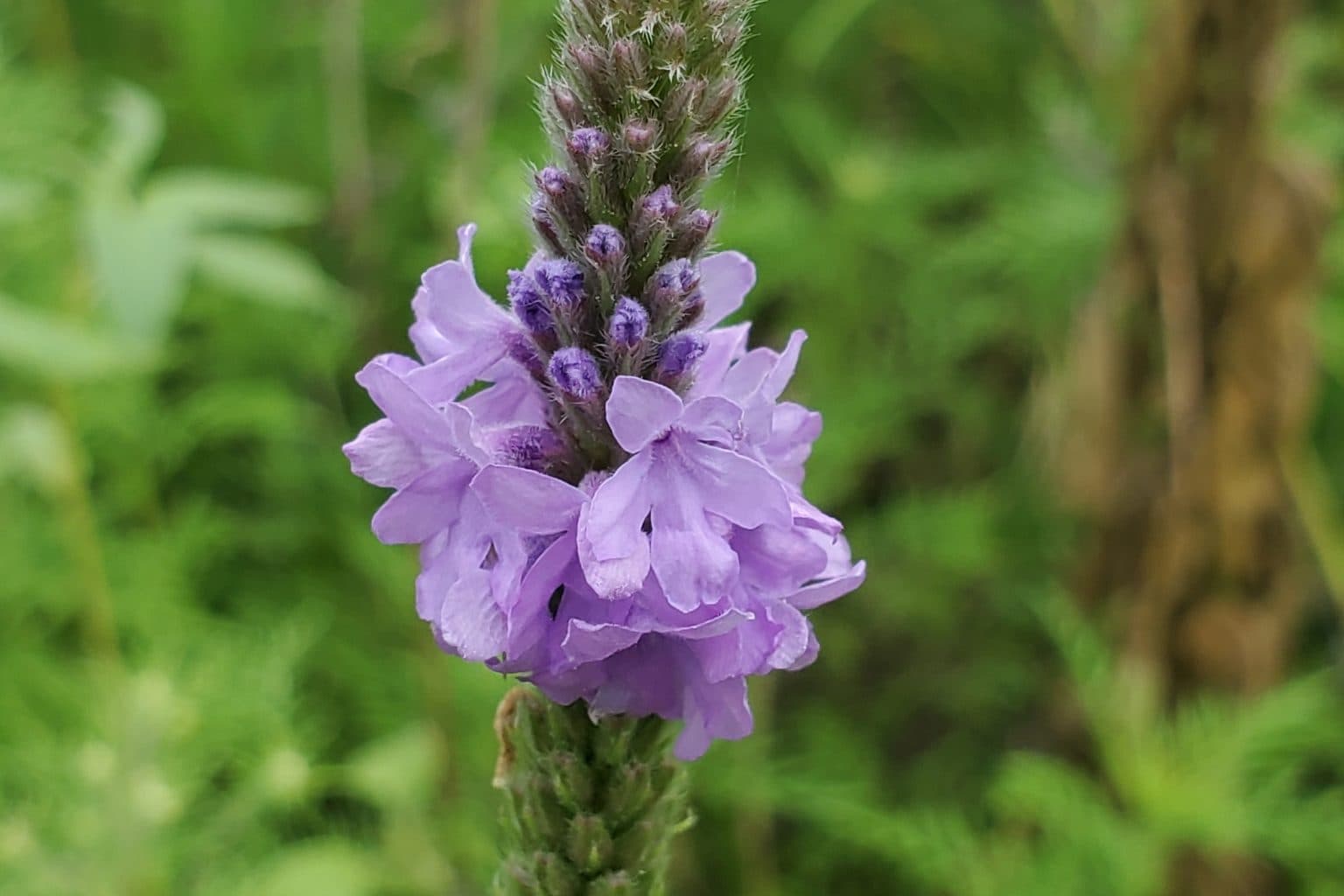
A practical framework for Texas homeowners deciding whether to design their own native garden, hire a landscape designer, or use a hybrid approach. With cost ranges and a decision checklist.
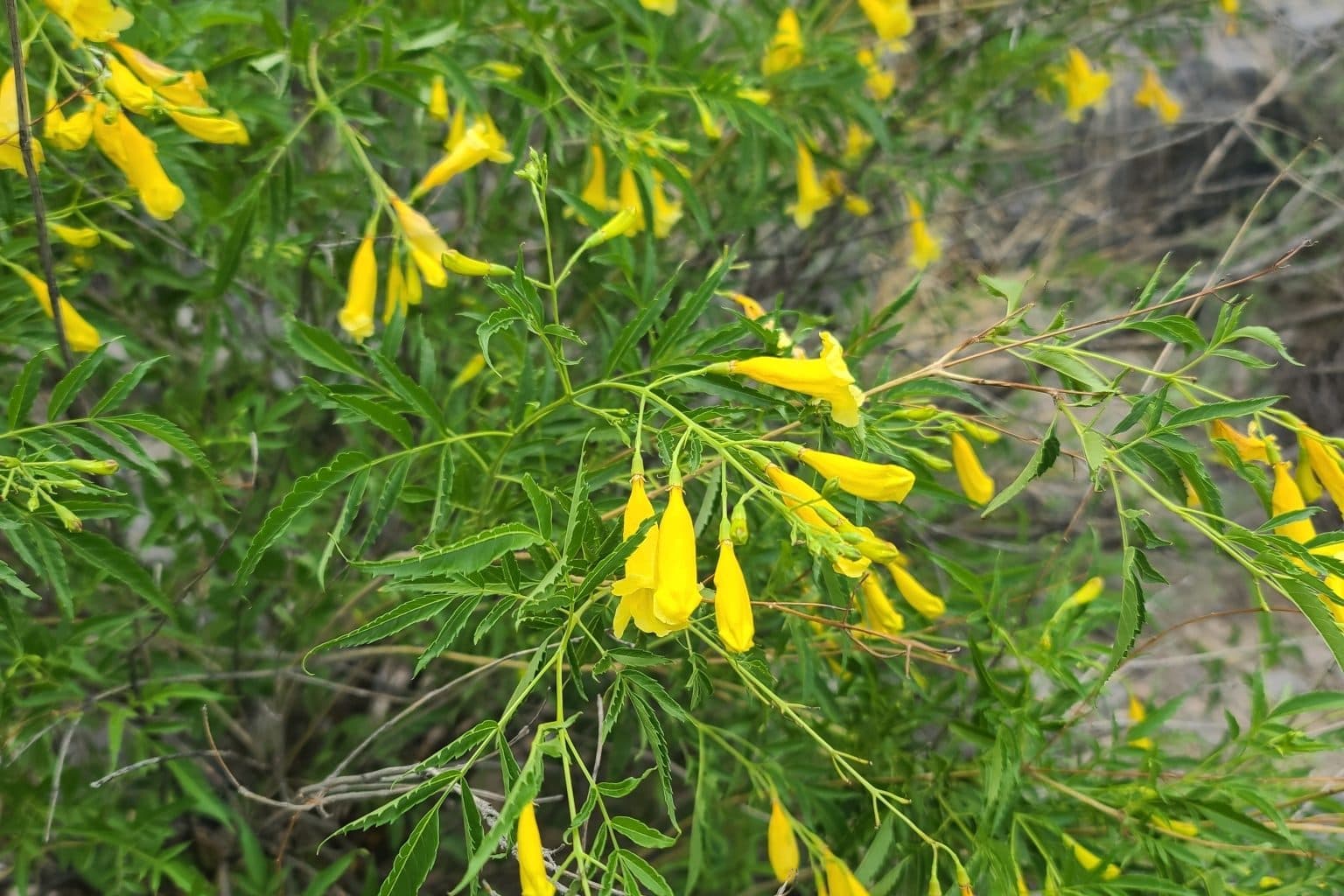
Which native bees, butterflies, and hummingbirds live in each Texas ecoregion and which native plants support them. Covers Edwards Plateau, Blackland Prairie, Piney Woods, South Texas, and Trans-Pecos.
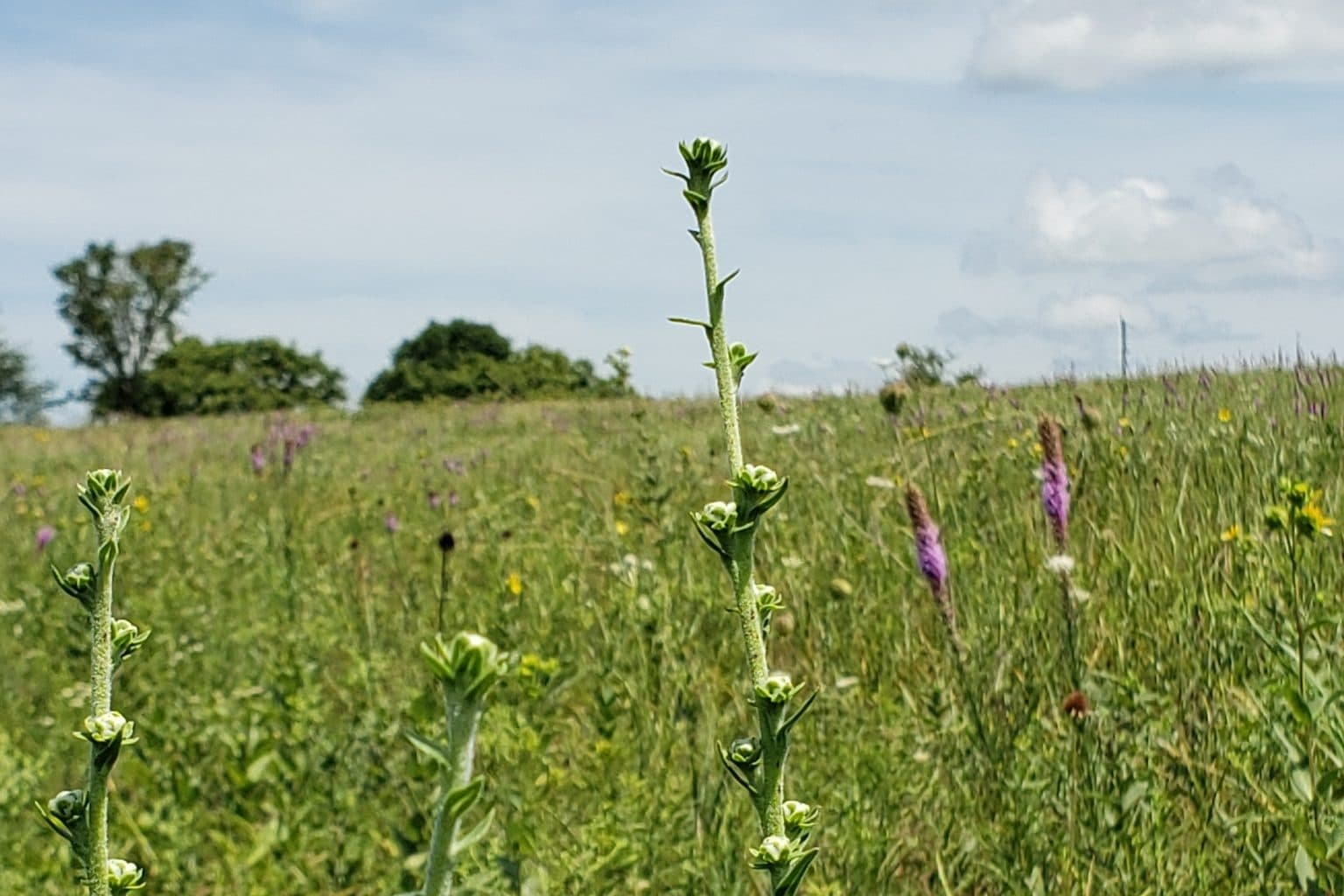
What to include in an HOA pre-approval submission for native or drought-tolerant landscaping. Covers Texas (§202.007), California (Civil Code §4735), and Florida, with a submission checklist and rejection strategy.
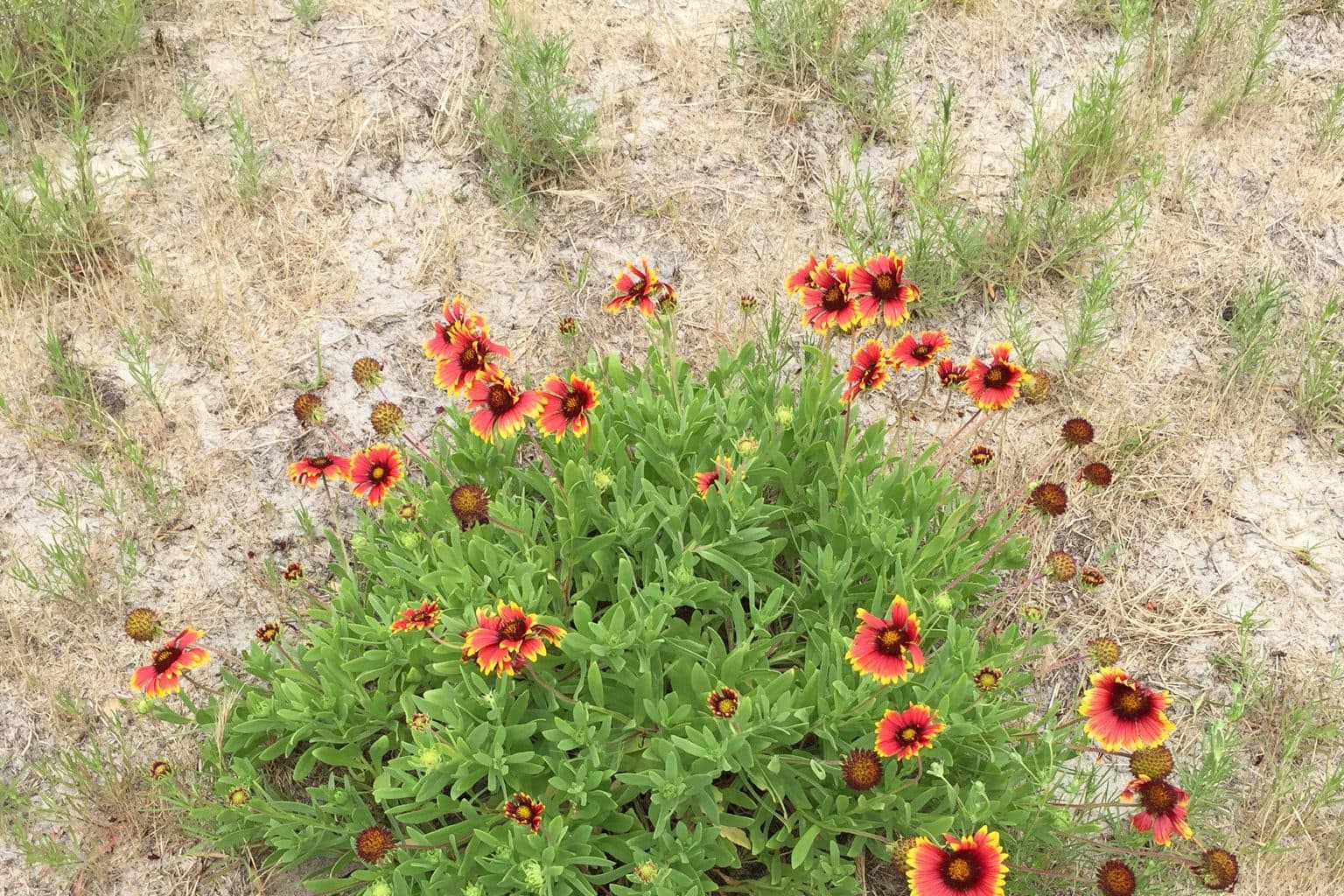
Pollinator Patch now covers 49 Texas native bees with full profiles. This guide covers which species appear in each Texas ecoregion, what habitat they need, and three HOA-friendly garden actions that actually help.
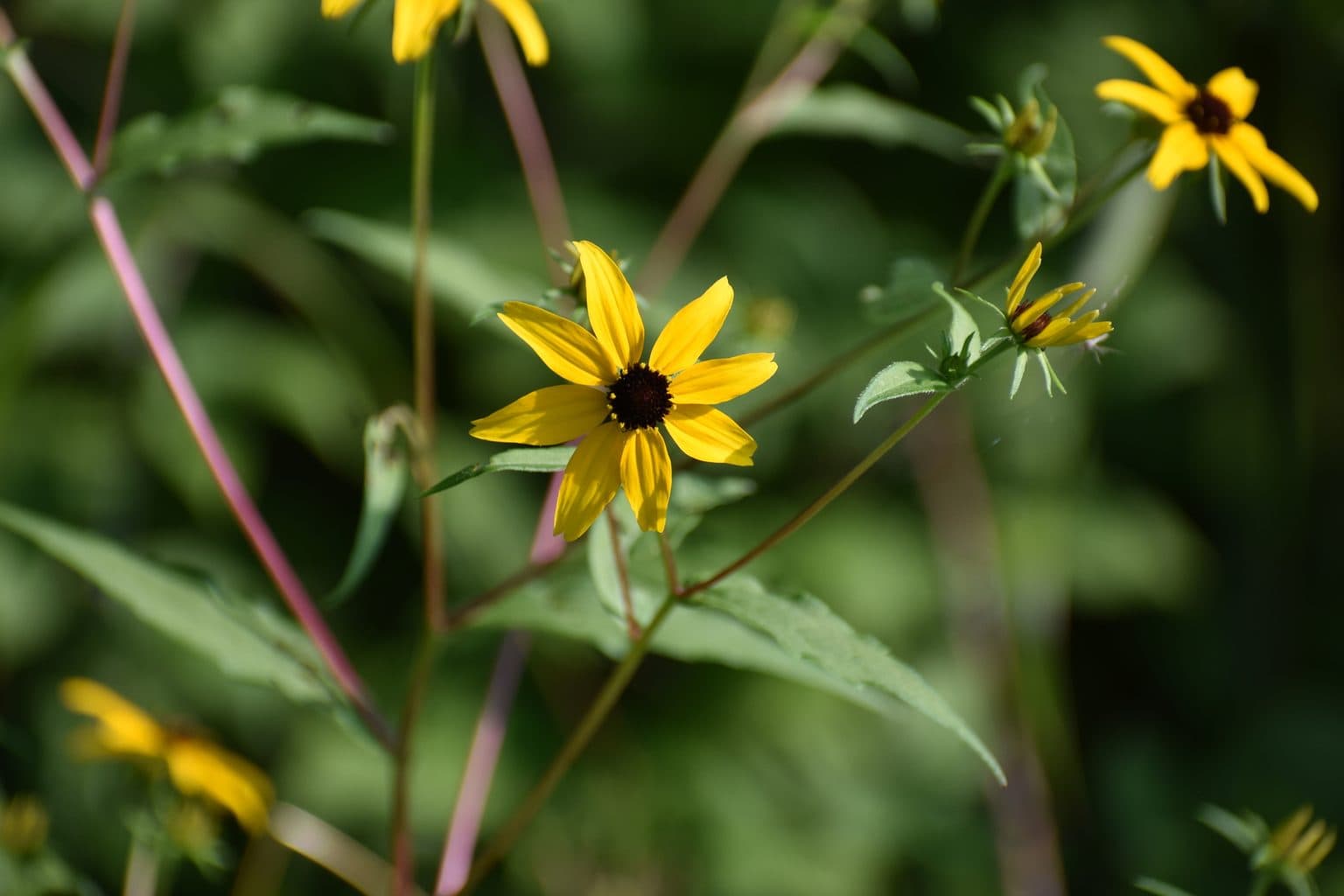
The Pollinator Patch web app is live. Browse Texas native plants, plan your yard, and get HOA-friendly layouts from any desktop or mobile browser, no install needed.
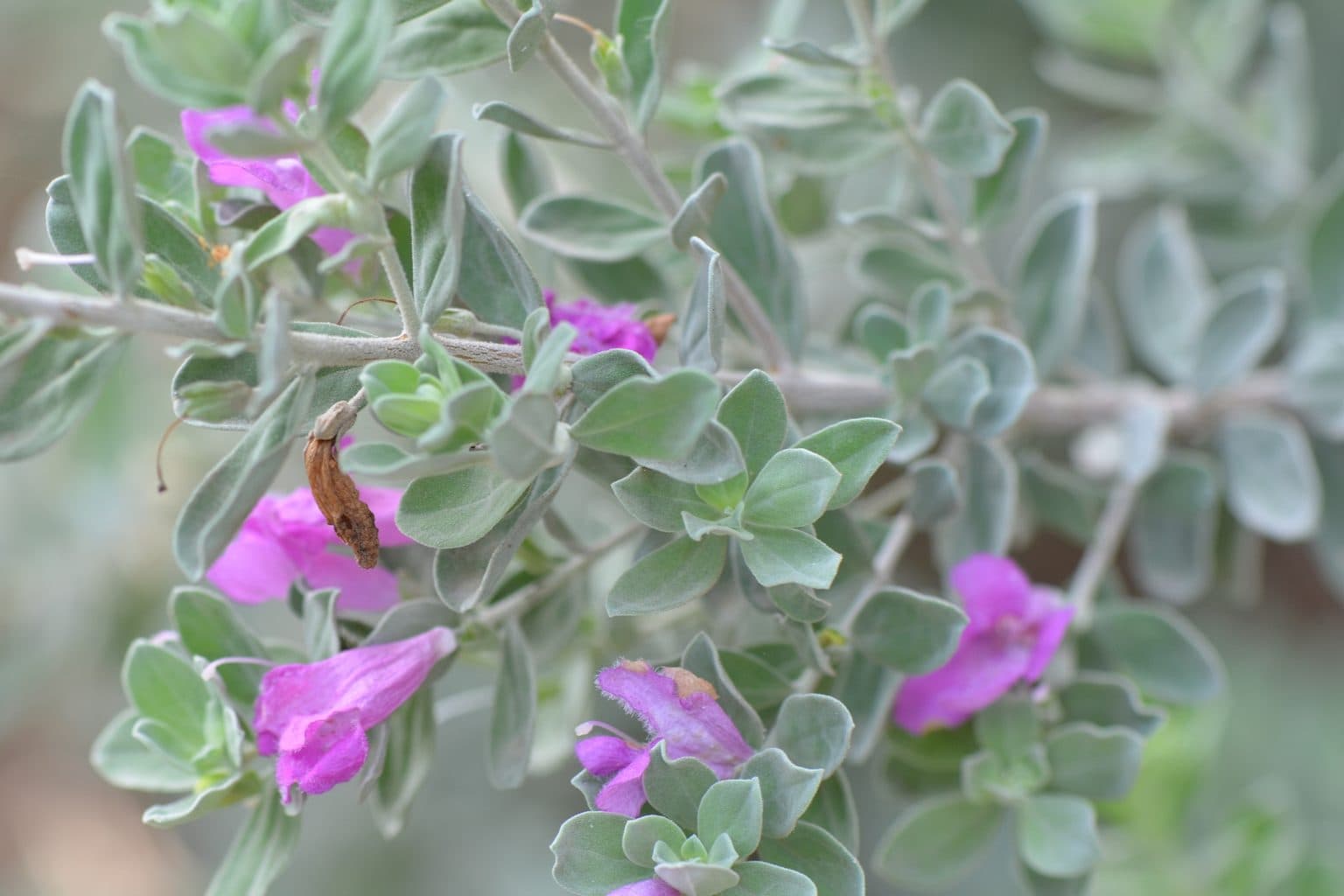
Texas HOAs cannot require turf grass or ban drought-resistant plants. Property Code §202.007 makes those rules unenforceable. Here is exactly what your HOA can and cannot require for your front yard.
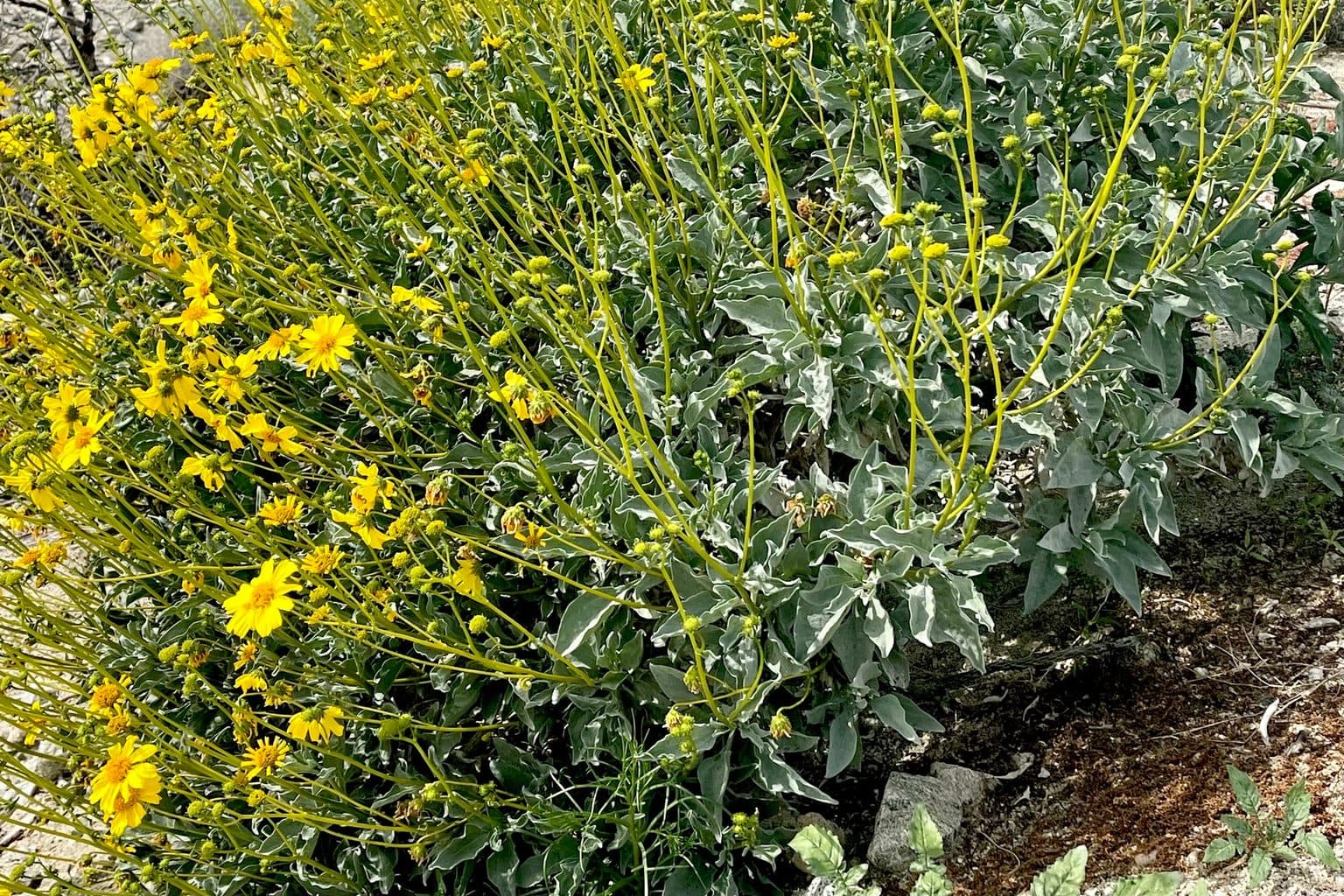
California Civil Code §4735 makes any HOA turf mandate void and protects homeowners from fines during declared droughts. AB 1164 is often cited here but actually governs cities, not HOAs. Here is what each law covers.
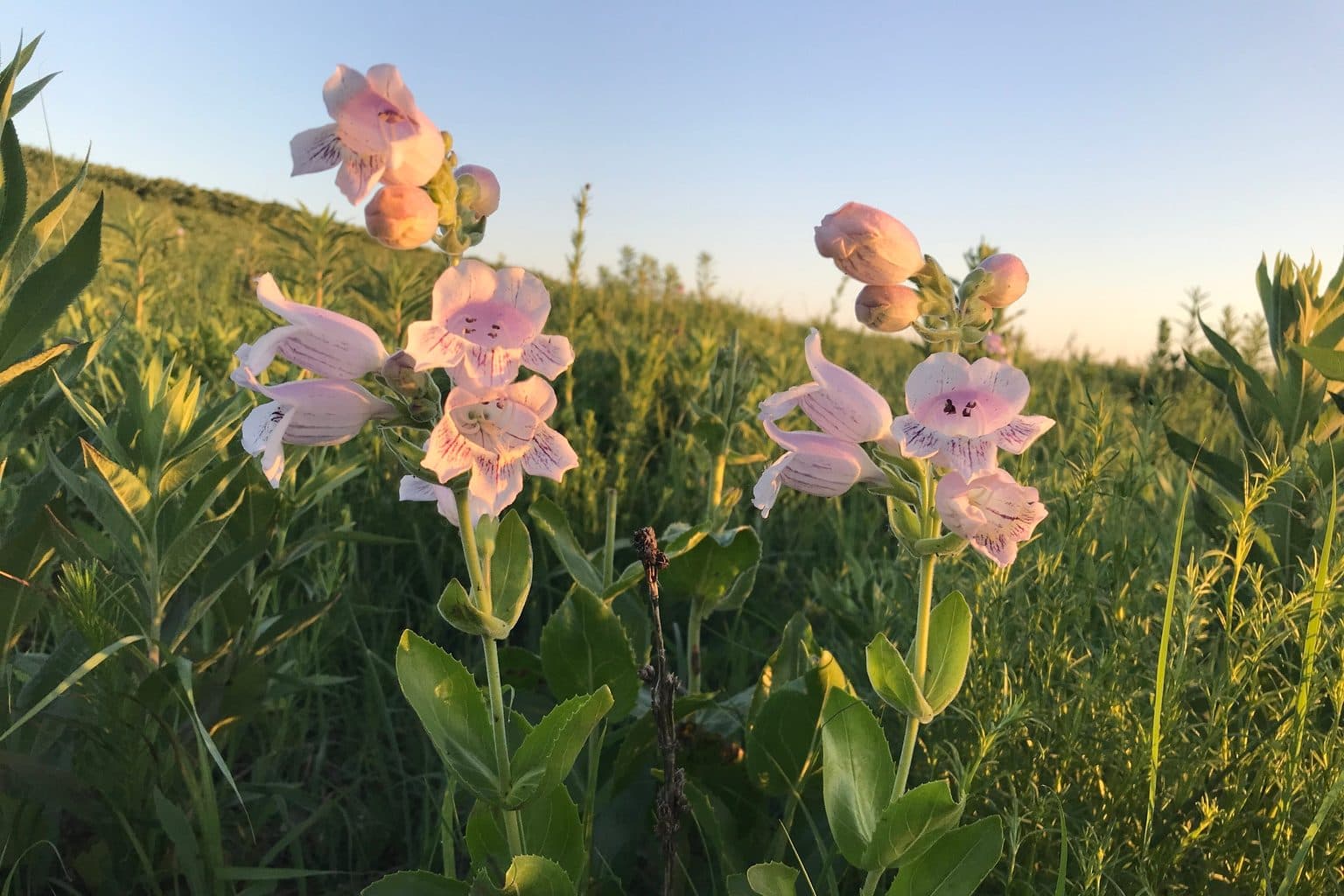
A practical guide to bee profile labels in Pollinator Patch. Learn what Texas abundance, social structure, nest type, and diet mean for real garden planning.
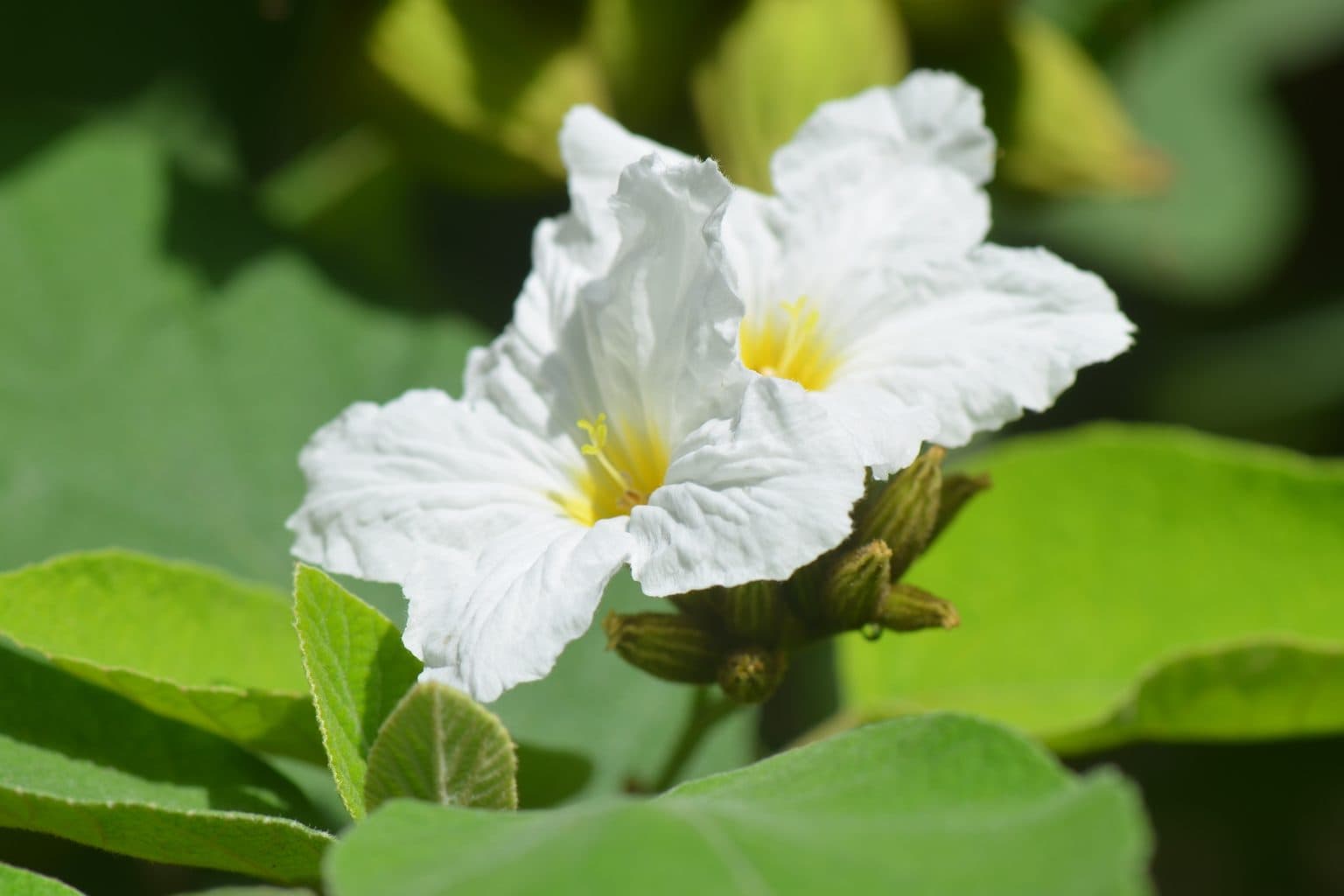
Oleander is common in Texas but highly toxic to pets and people if ingested. Texas Olive gives you a flowering native shrub with a clean, HOA-conscious look.
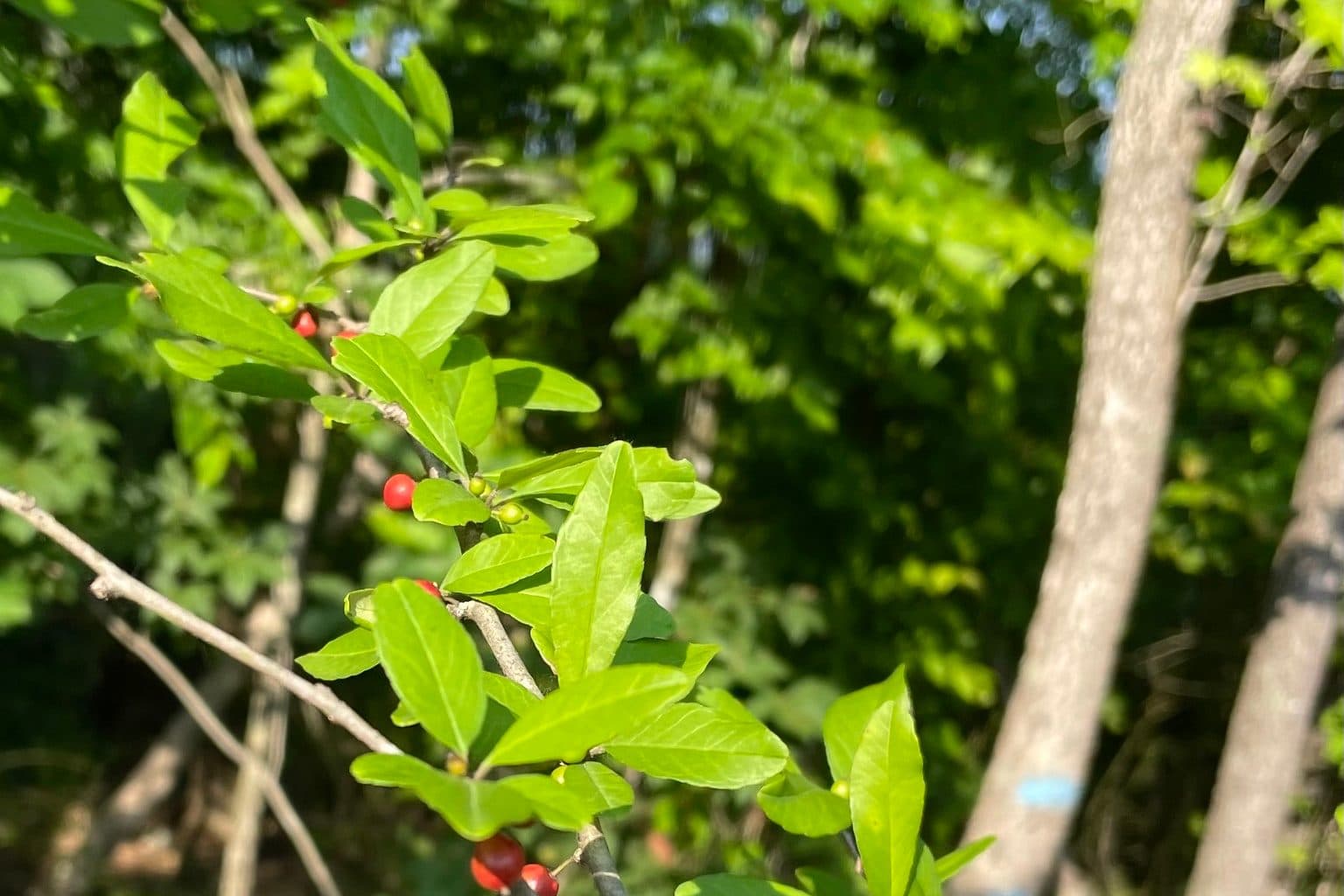
Heavenly Bamboo can spread and its berries can harm birds. Possumhaw Holly gives you seasonal berries and a native structure that fits HOA-conscious front yards.
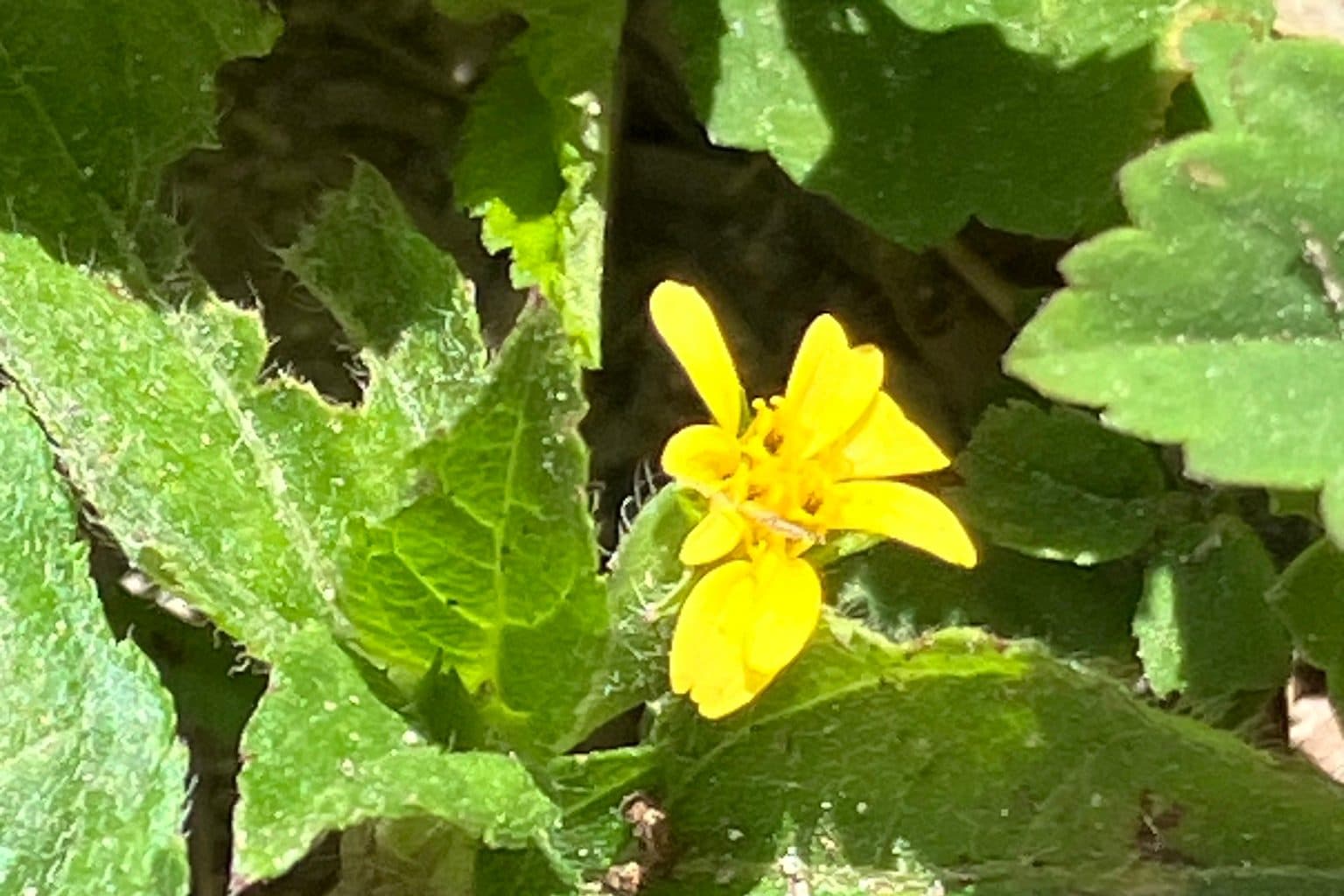
Monkey Grass is common edging, but Horseherb is a low native groundcover that supports pollinators and handles part shade in Texas yards.
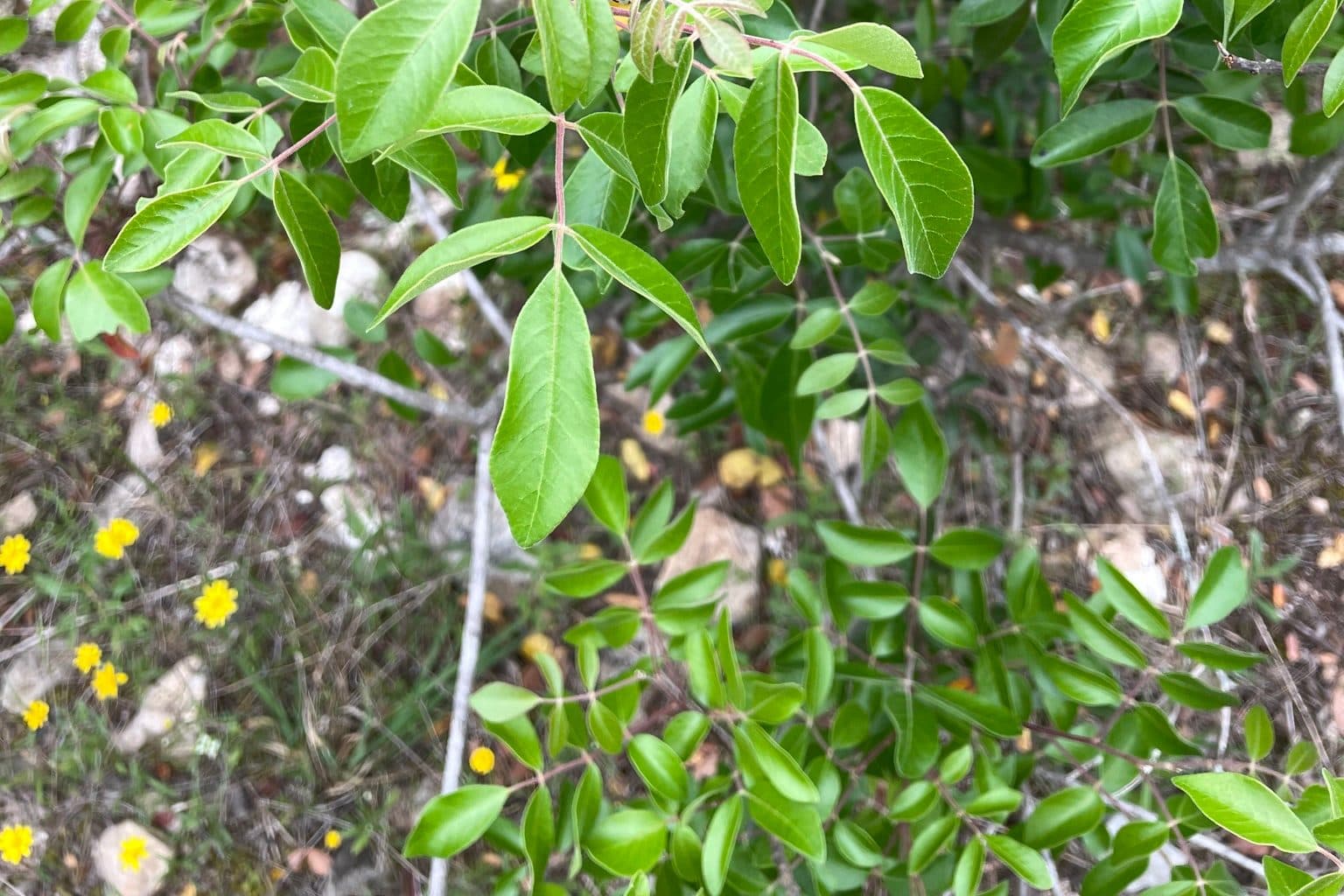
Redtip Photinia is prone to Entomosporium leaf spot and defoliation in North Texas. Evergreen Sumac gives you the same dense, glossy screen with red-tinted new growth, drought-hardy and wildlife-friendly.
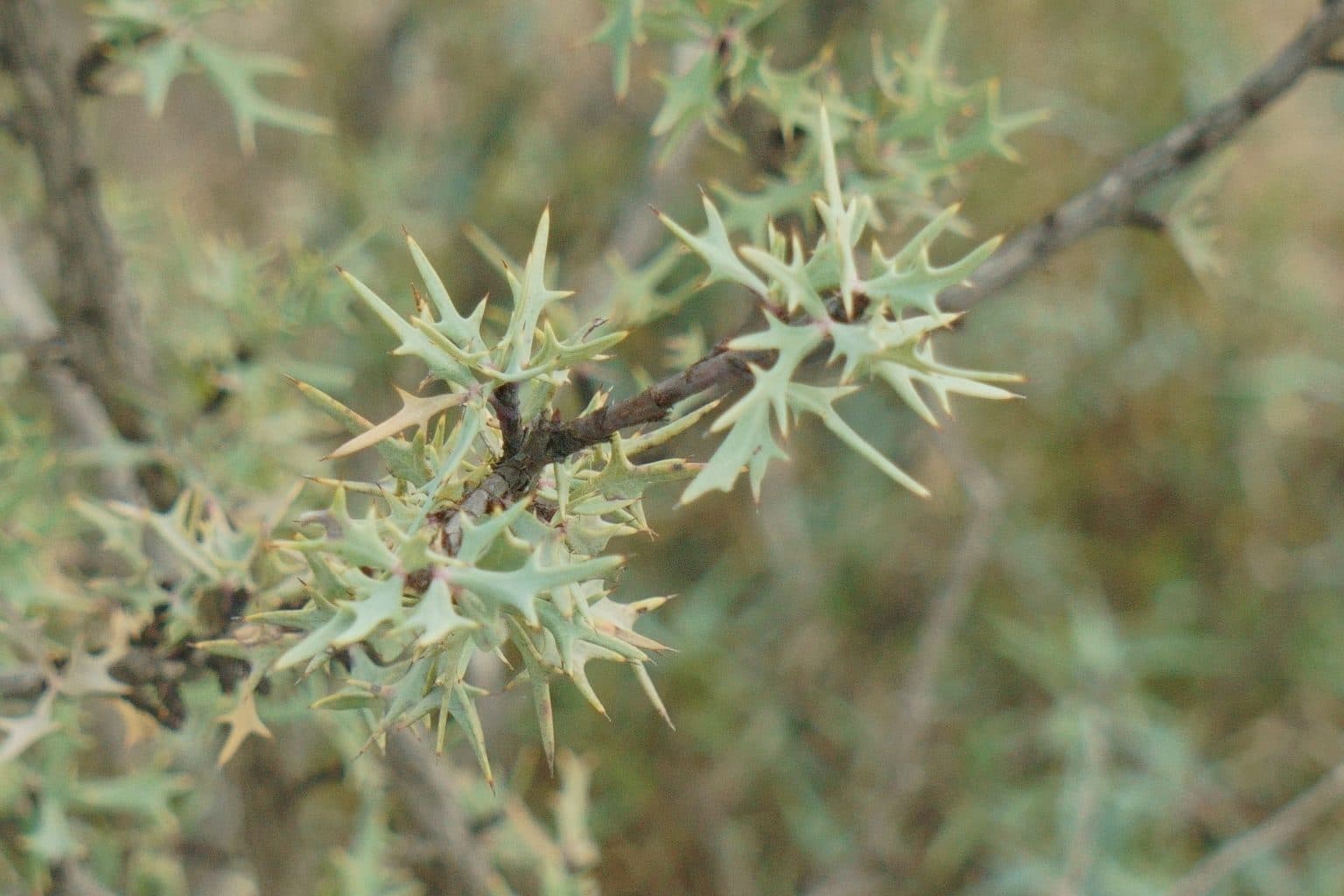
Nandina berries are toxic to birds and pets. Agarita gives you holly-shaped, evergreen appeal and is very deer resistant. A Texas native swap that fits HOA expectations.
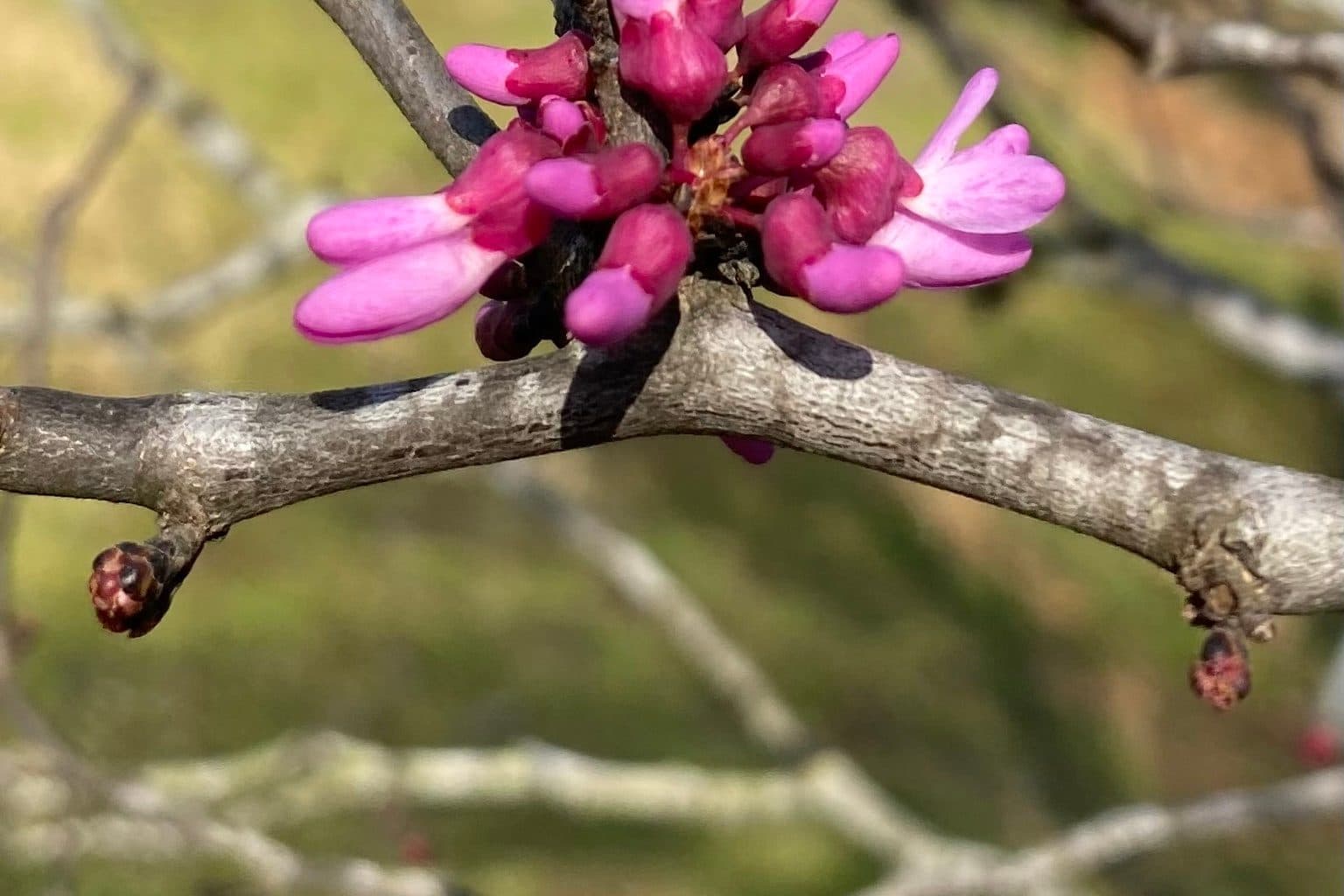
Chinese Tallow (popcorn tree) invades open land and damages ecosystems. Mexican Redbud gives you dramatic fall color and spring flowering without the ecological destruction.
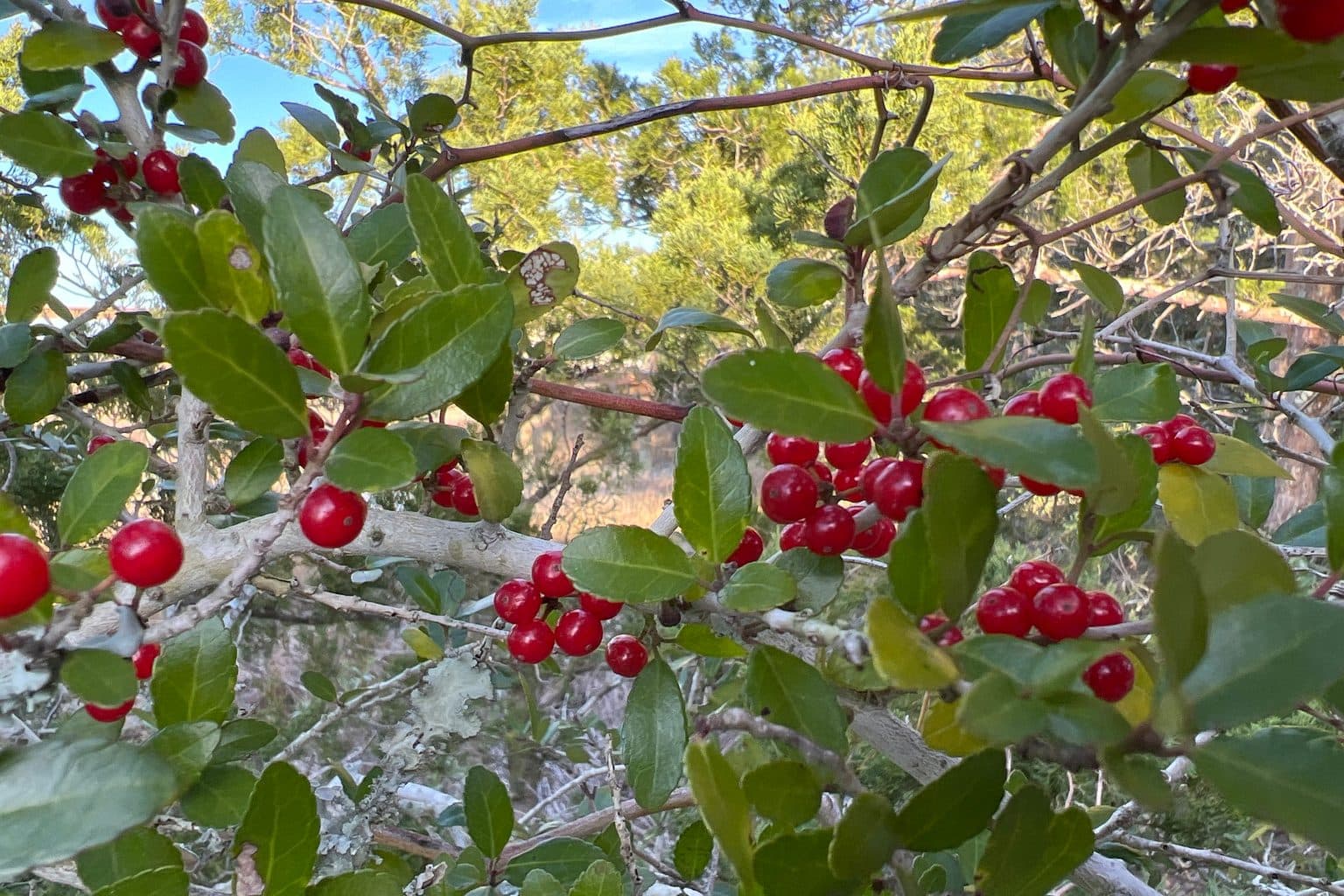
Chinese, Glossy, and Japanese Privet outcompete native vegetation. Yaupon Holly gives you a dense, evergreen hedge with red berries that birds evolved to eat, plus drought tolerance.
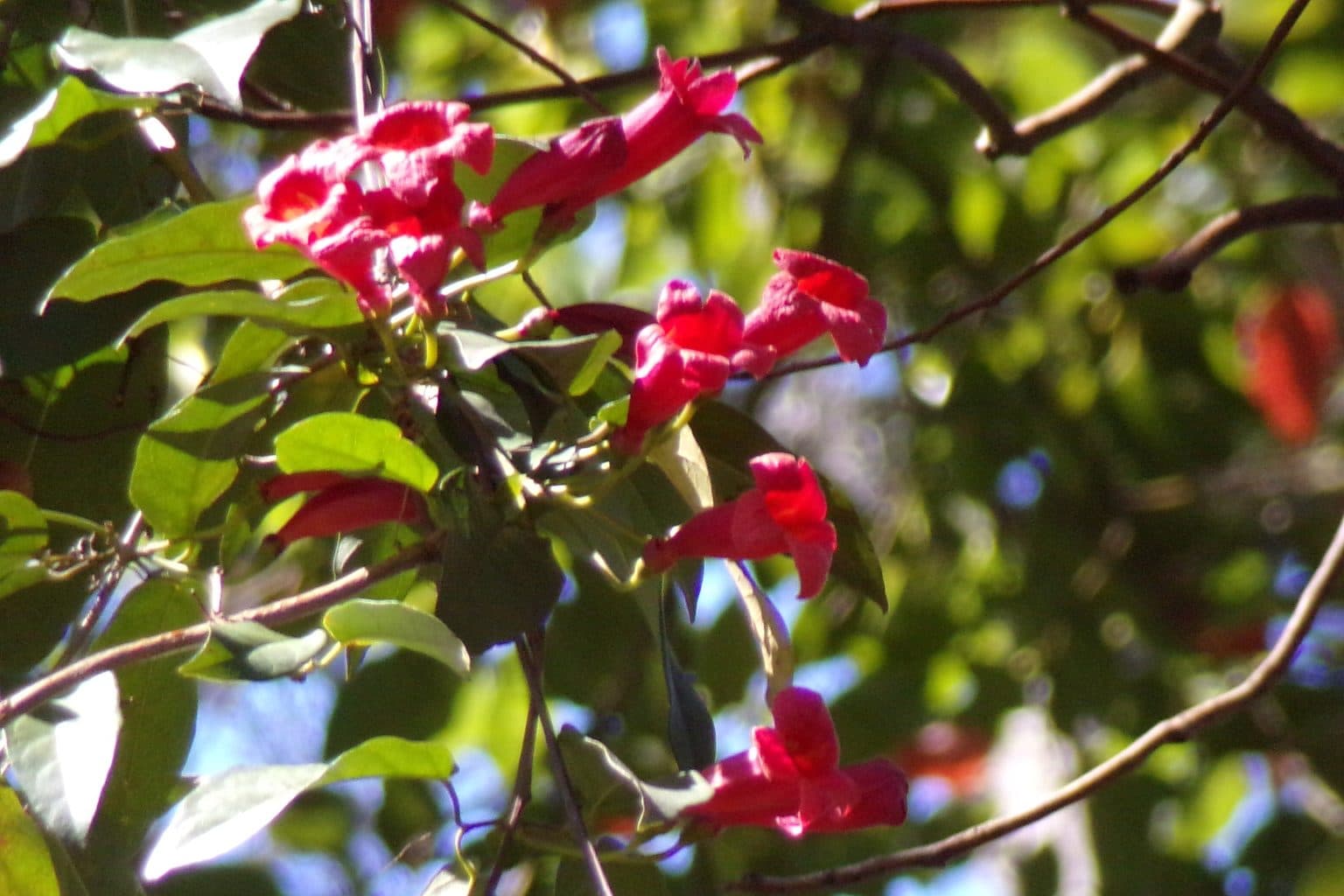
Japanese Honeysuckle spreads aggressively and forms dense mats. Crossvine is the native swap: semi-evergreen, fast-growing, low-maintenance, and terrific for pollinators and softening hardscape.
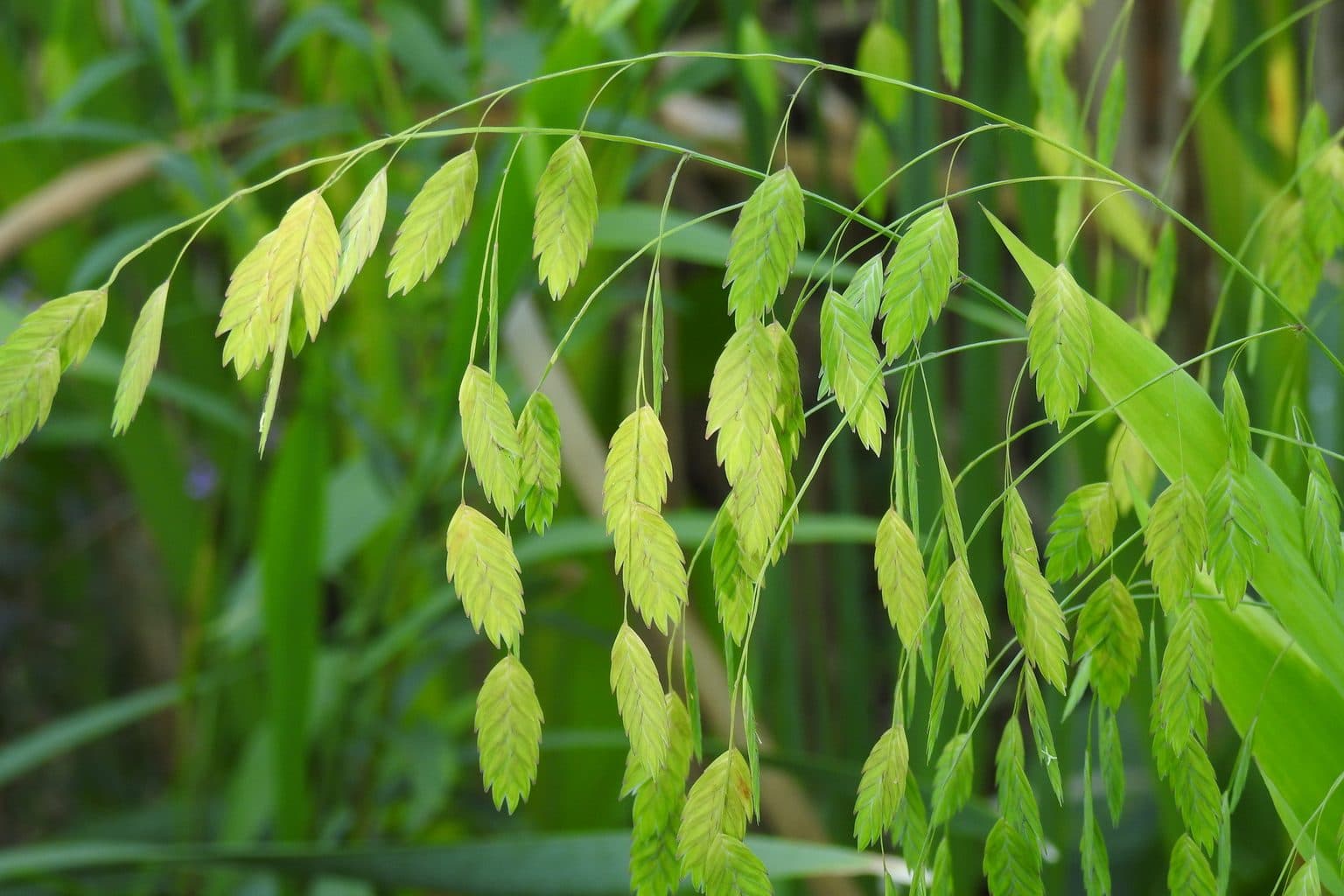
Liriope is prone to crown rot and invasive spreading in North Texas. Inland Sea Oats has graceful seed heads and thrives in shade, filling the same border-plant role without the problems.
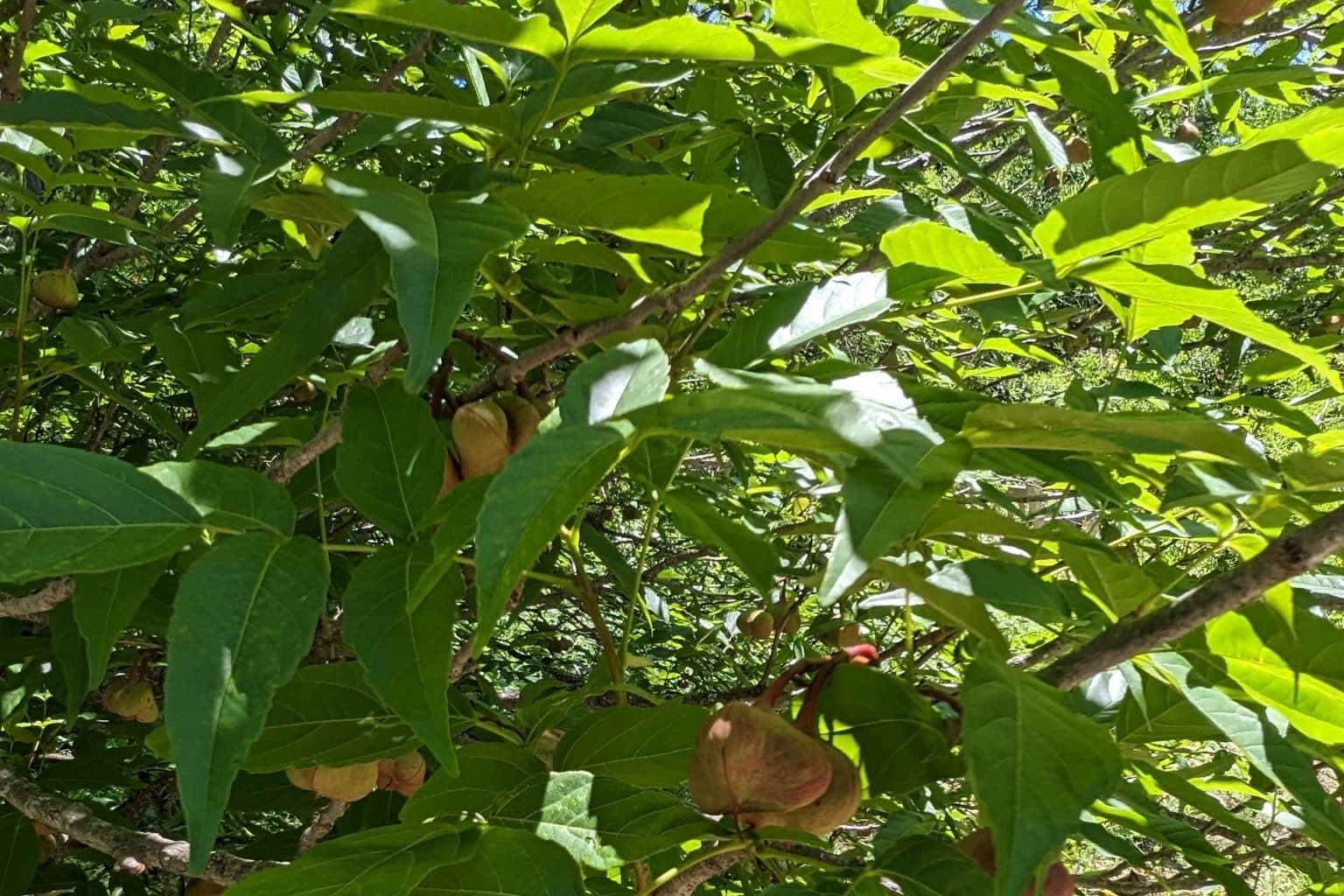
Vitex seeds spread into natural areas and crowd out native plants. Mexican Buckeye blooms just as showily in spring, supports local pollinators, and stays where you put it. Here is how to tell them apart and what to plant instead.
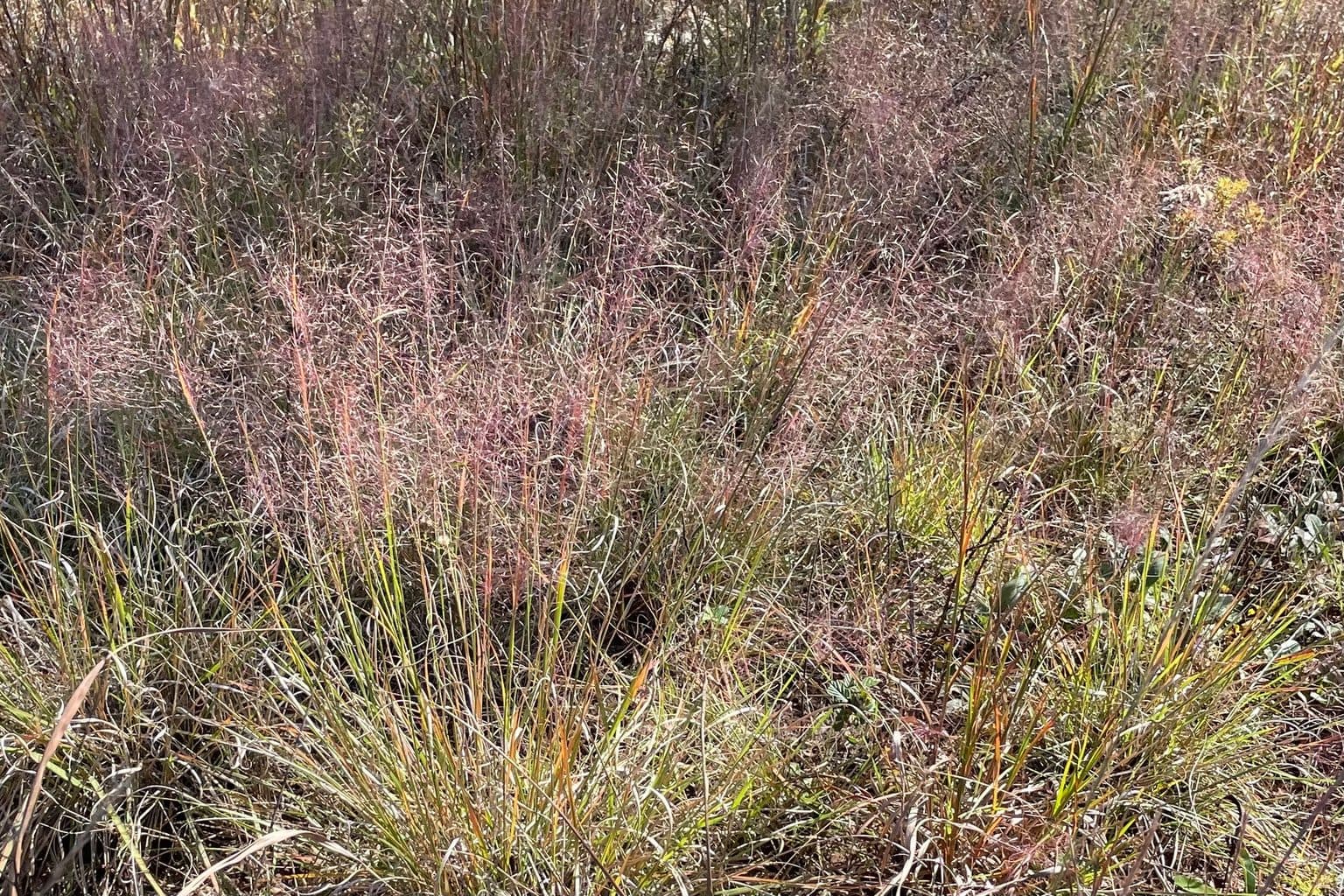
Pampas grass gets too large for most uses and the dense crown harbors rodents. Gulf Muhly delivers dramatic, cloud-like fall texture in a manageable size with pink and purple plumes.
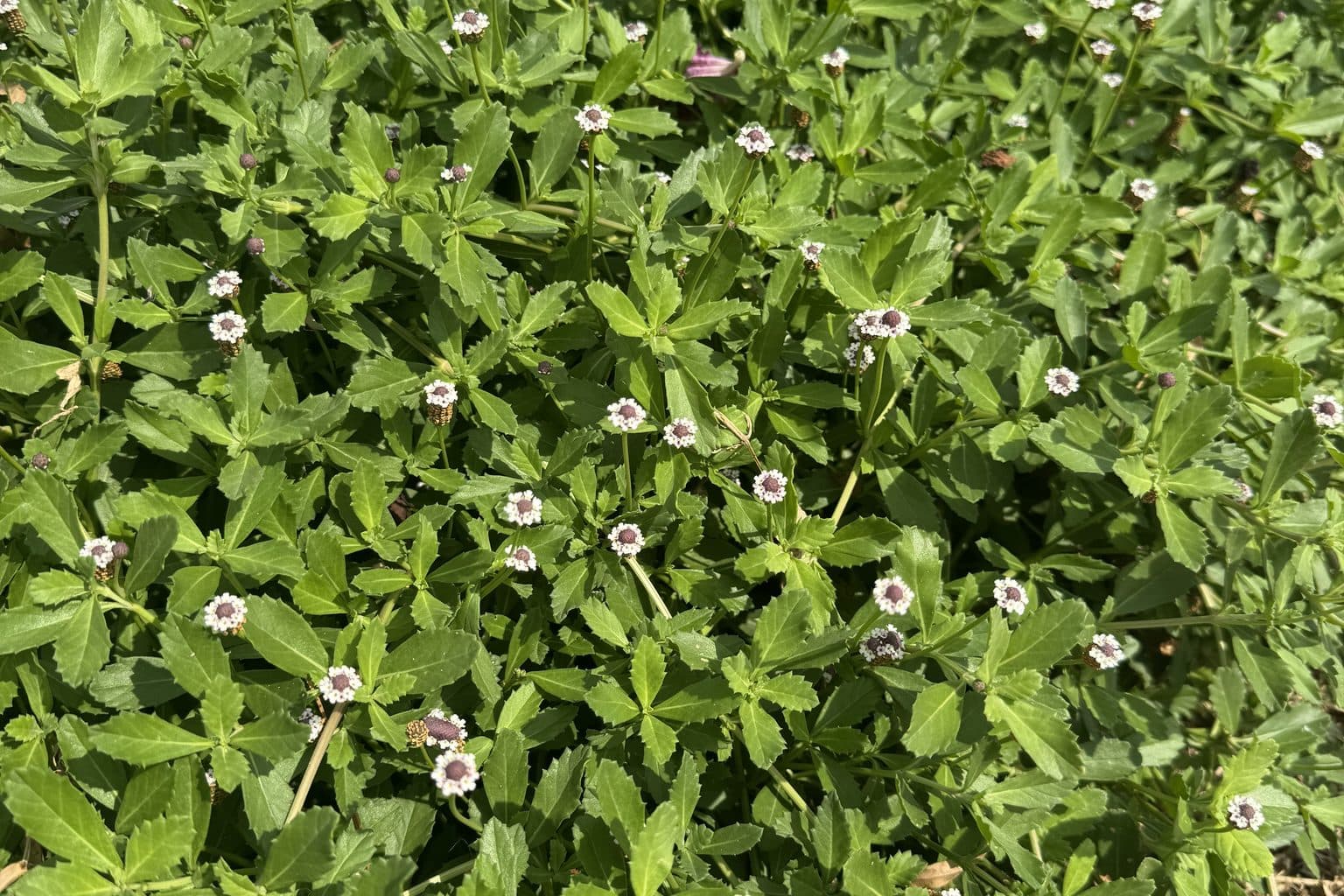
Asiatic Jasmine provides almost no wildlife value. Frogfruit is a Texas native groundcover that stays low, handles foot traffic, tolerates drought, and is a larval host for White Peacock and Phaon Crescent butterflies.
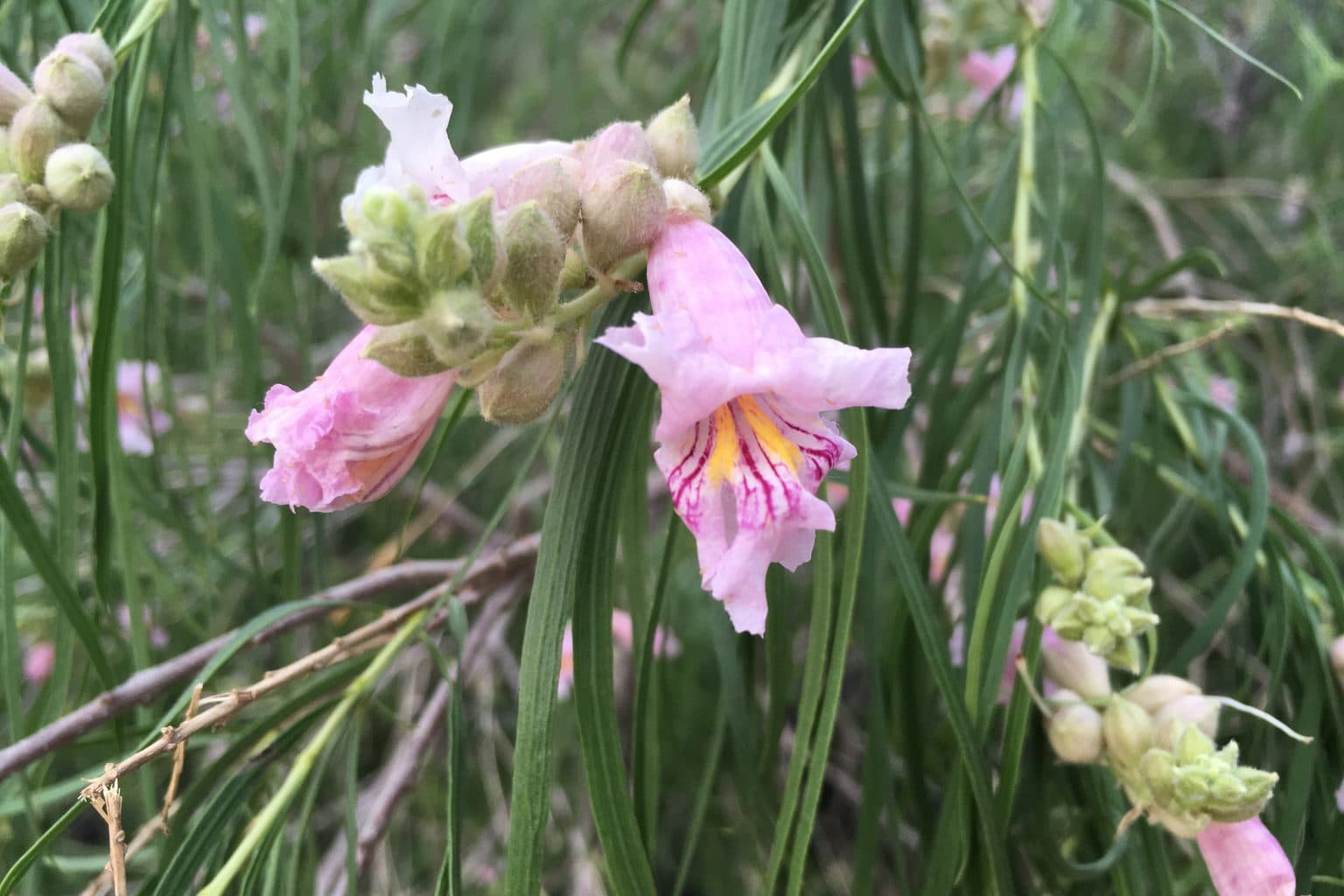
Crape myrtle topping is rampant in Texas. Desert Willow gives you summer-blooming, drought-tolerant drama without the topping wars HOA rules tend to start. Fast-growing, durable in high heat.
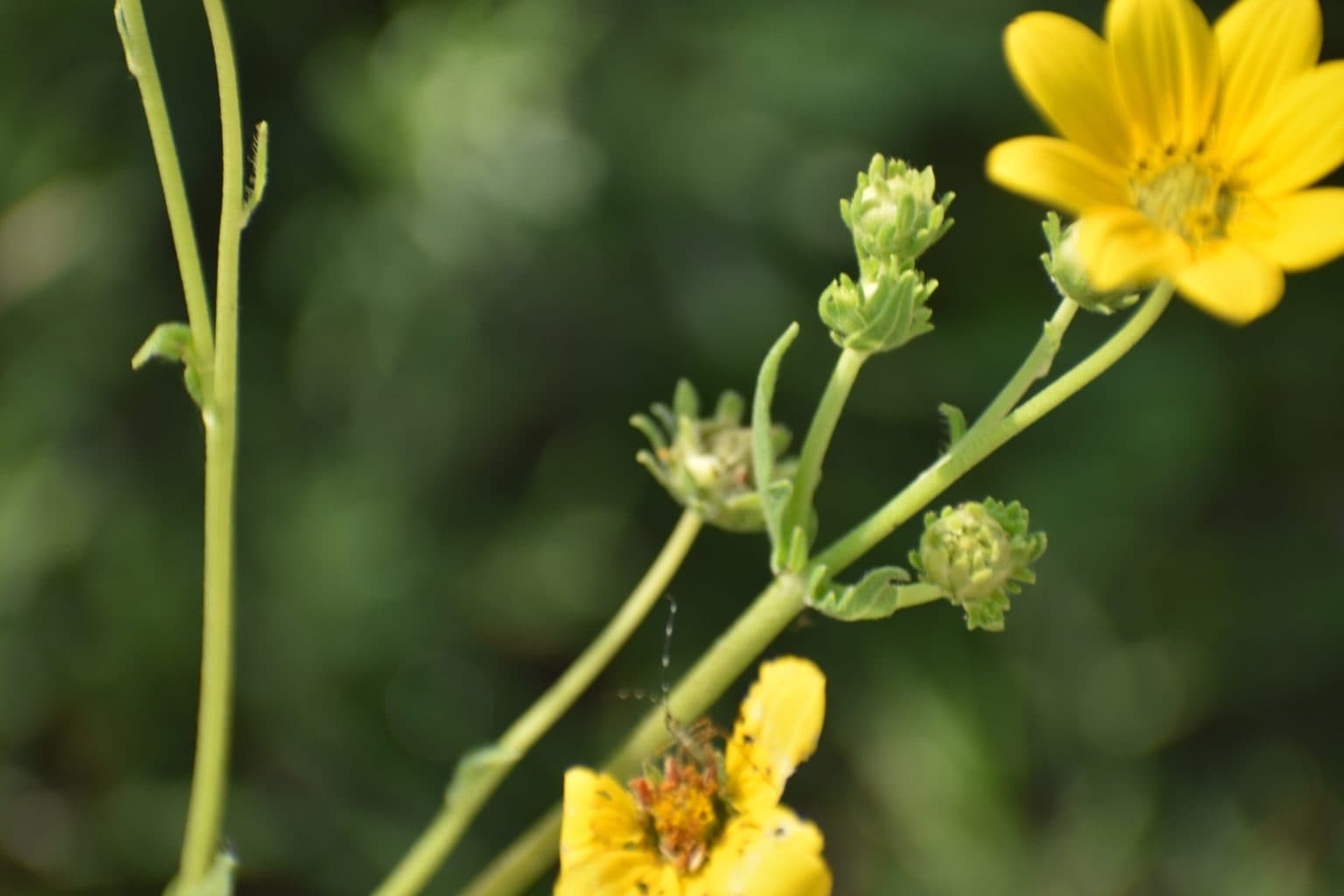
NICE stands for Natives Improve and Conserve Environments. The Native Plant Society of Texas vets nurseries as Native Plant Partners. How to find all 76 in the app and on the web.

Wild Thumb from Texas Parks and Wildlife Foundation is a free native plant app for Texas. Why it matters, what it does well, and how Pollinator Patch complements it for pet safety, HOA planning, and rebates.
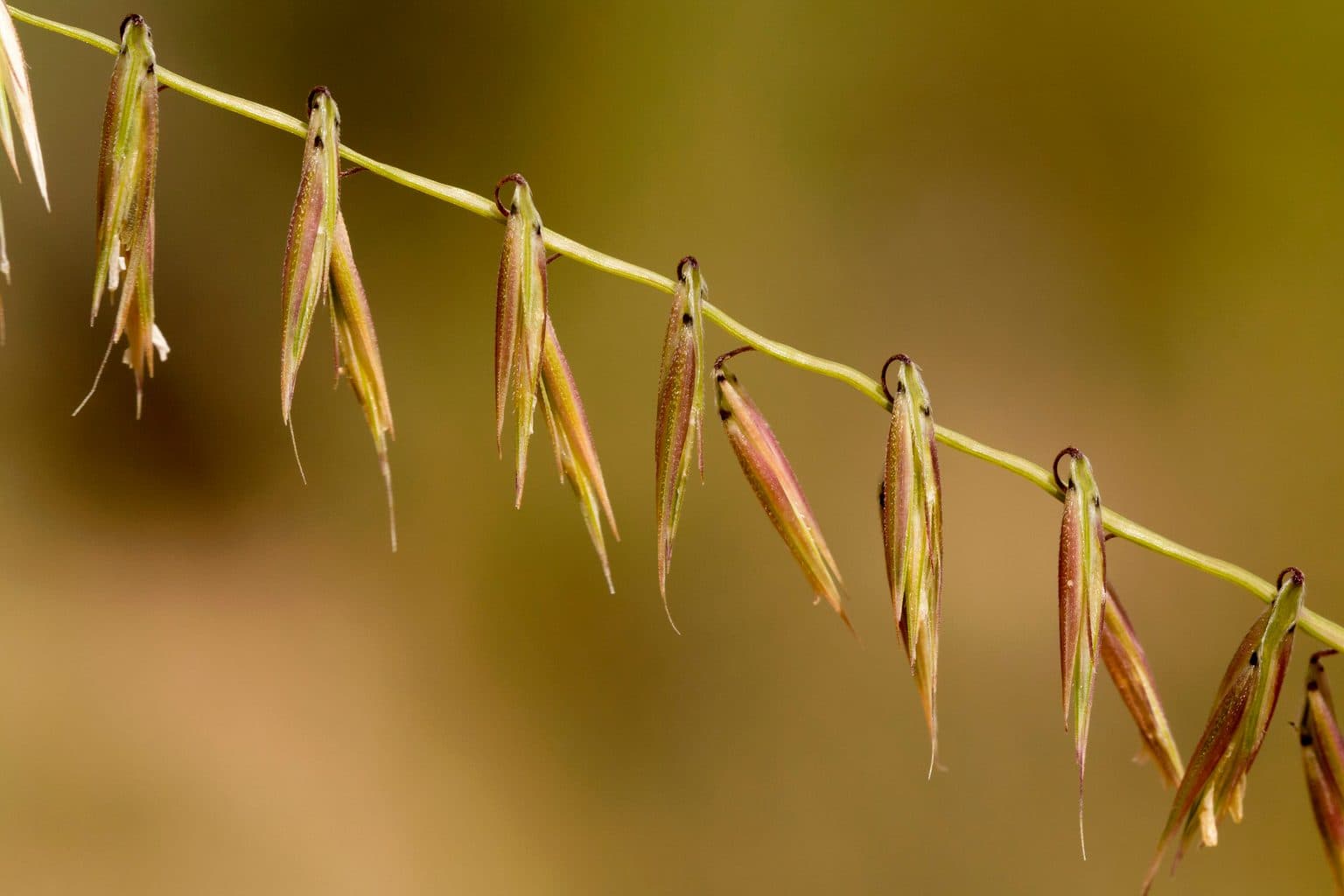
Native grasses are great for pollinators, but height is where HOAs often notice. Which grasses stay under the radar, where to place taller ones, and how to design for curb visibility.
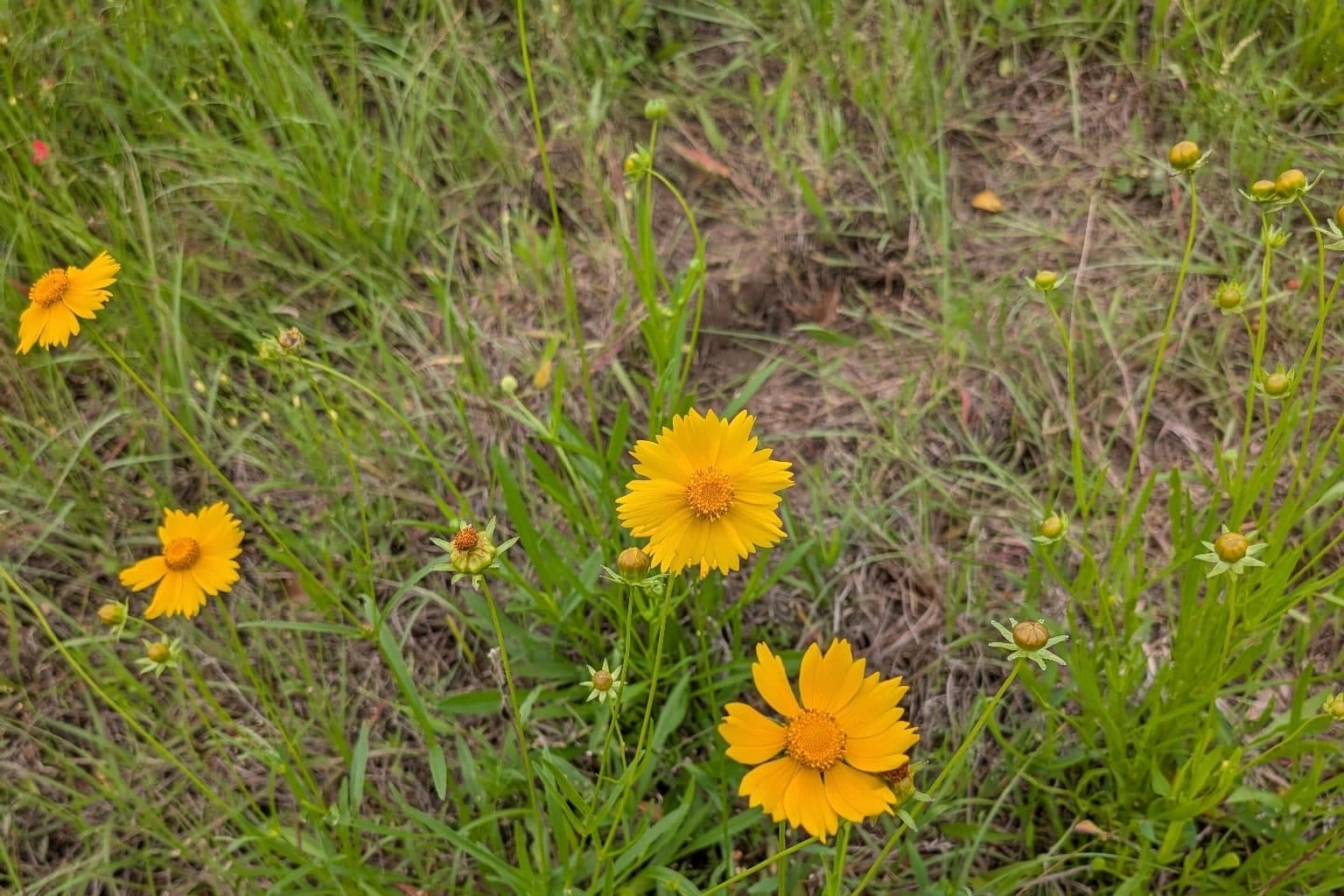
Raised beds can work in HOA neighborhoods when designed with structure in mind. Material choices, plant picks, and placement that signal intentional care.
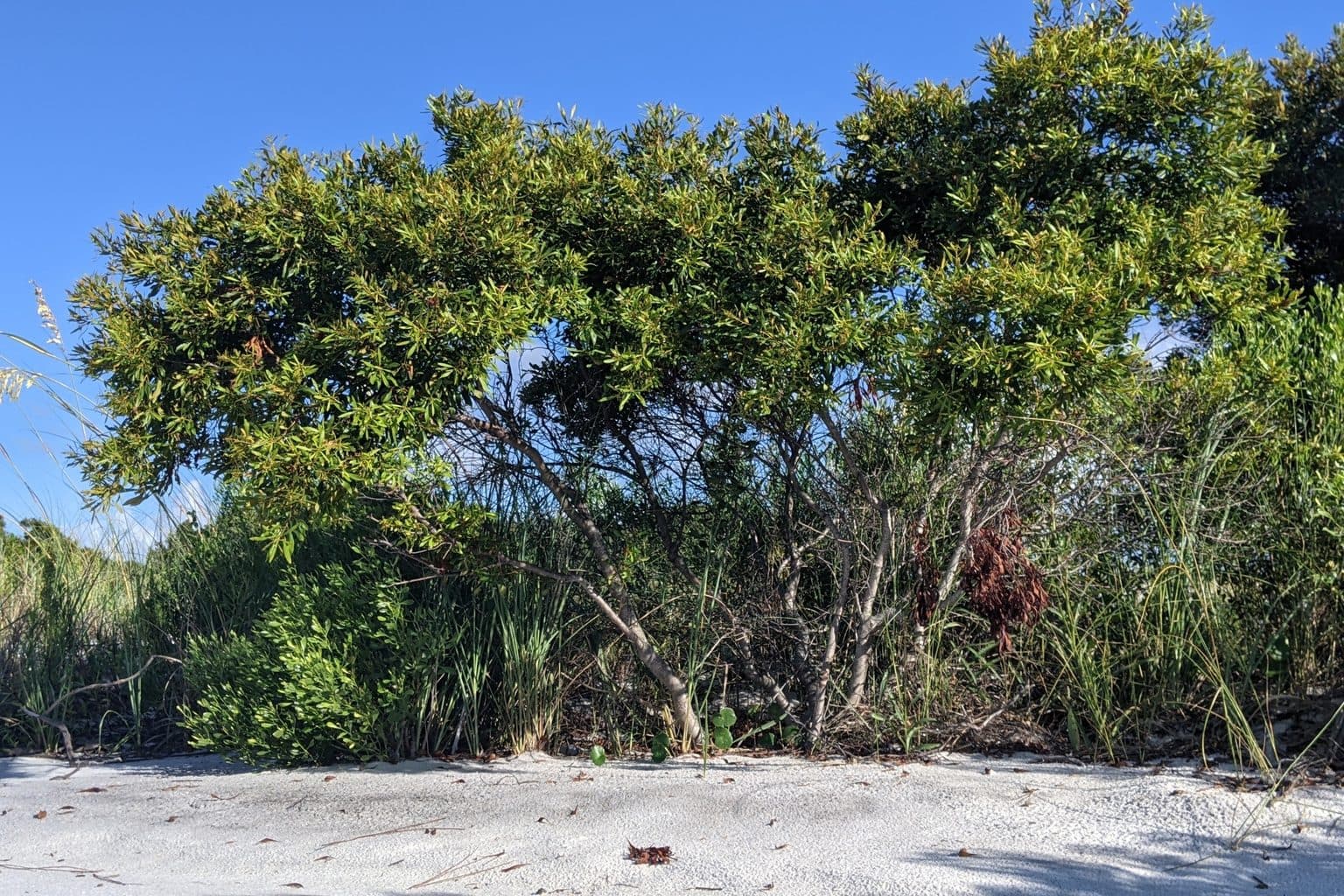
How native shrubs compare to ornamentals for Texas front yards. Cenizo, Yaupon Holly, and other tidy natives that meet HOA expectations while supporting pollinators.
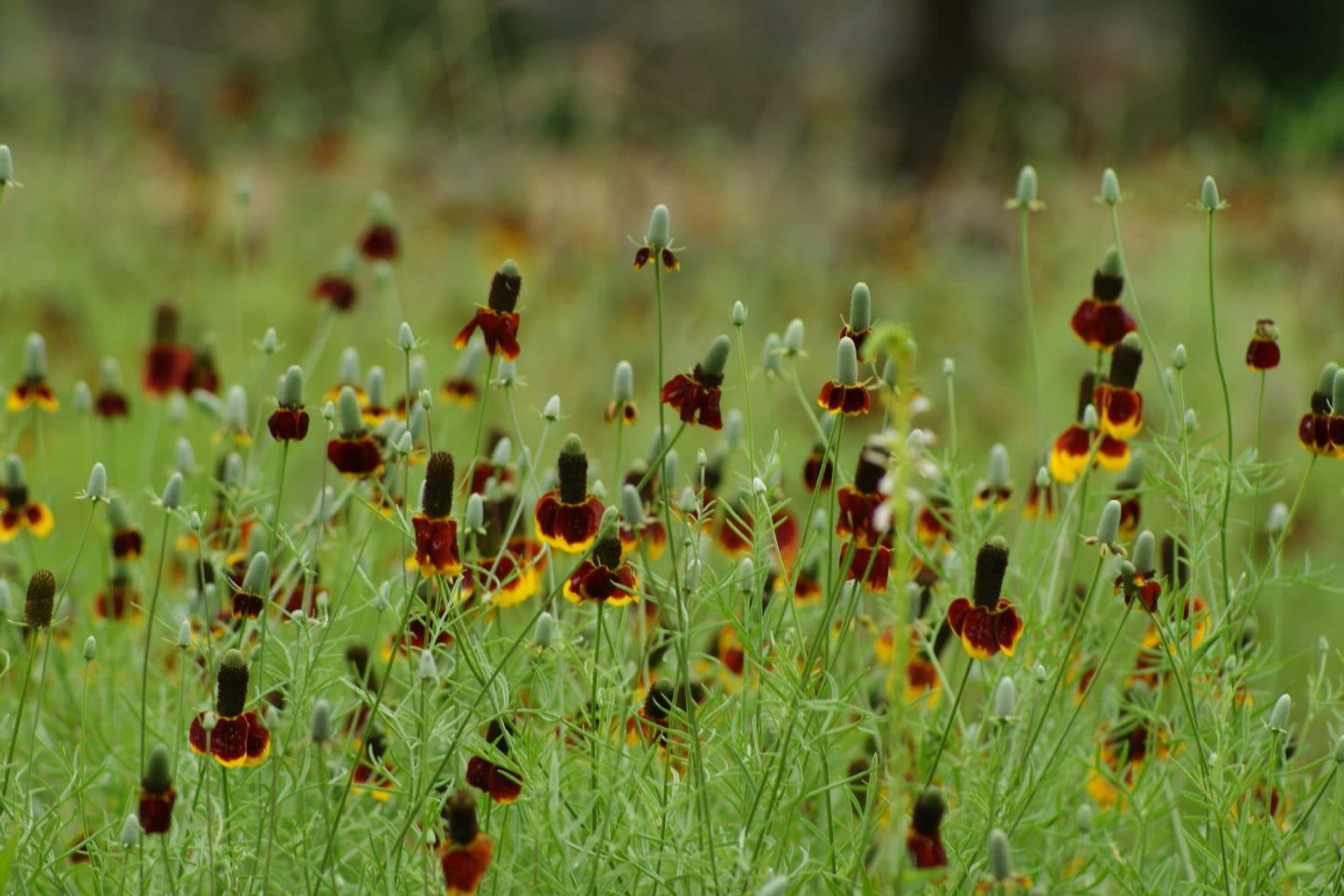
Sloped yards need different design choices. Erosion control, plant placement, and how to keep a hillside pollinator garden looking intentional from the street.
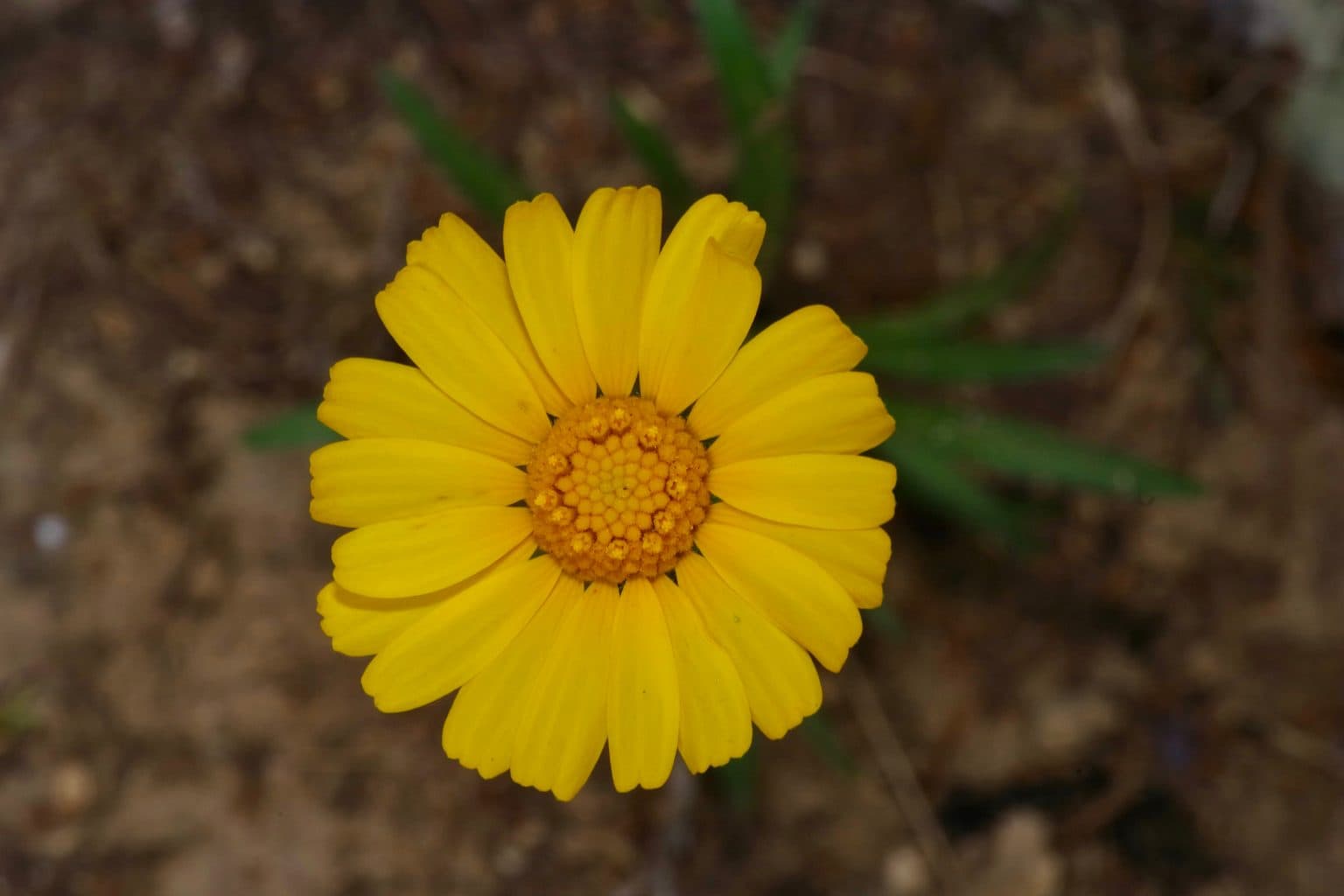
Gravel and native plants can work together in HOA neighborhoods. Material choices, plant placement, and design cues that keep gravel beds looking maintained.
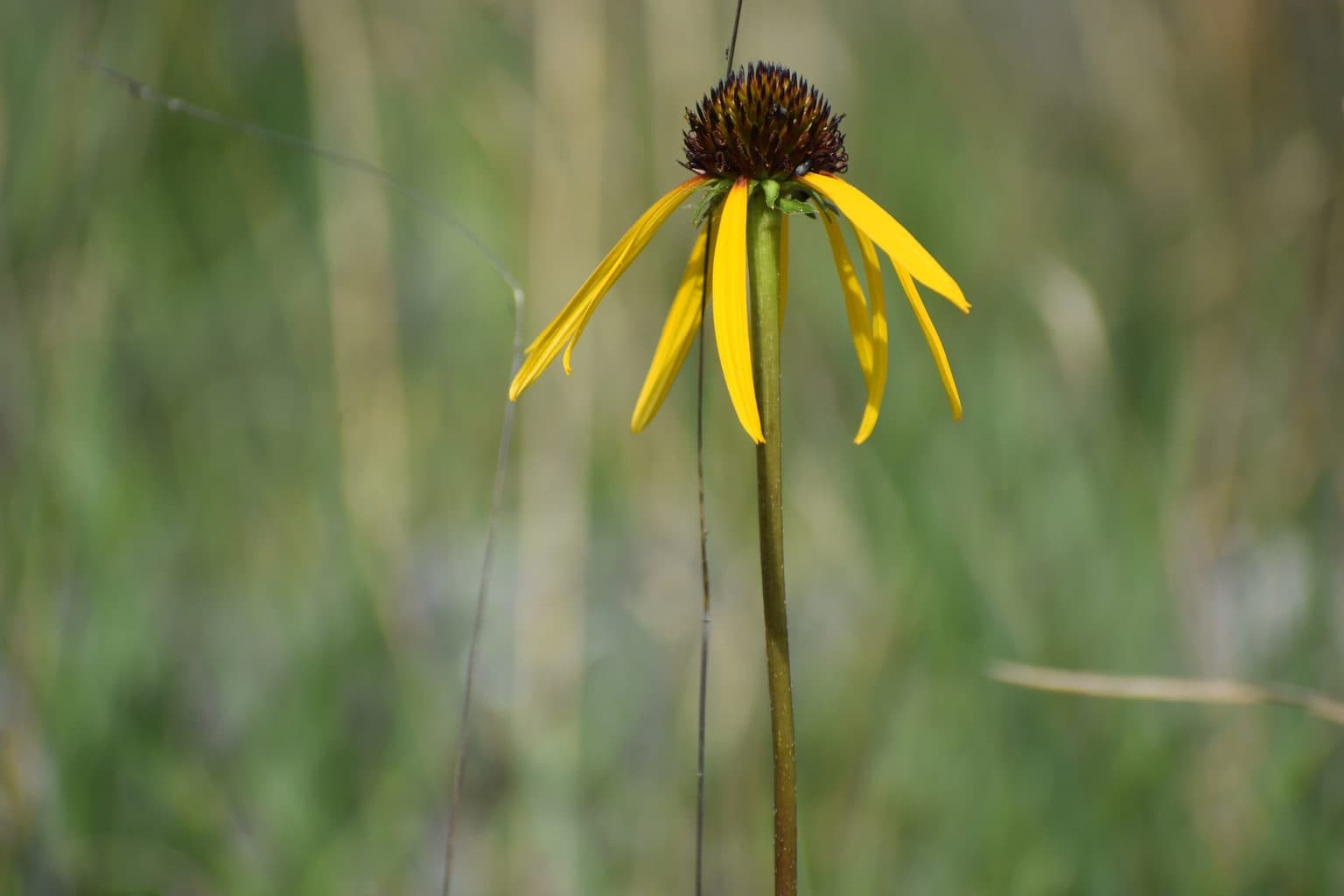
You don't have to remove all your grass. Where turf makes sense, where natives work better, and how to design a hybrid yard that reduces water use and HOA friction.
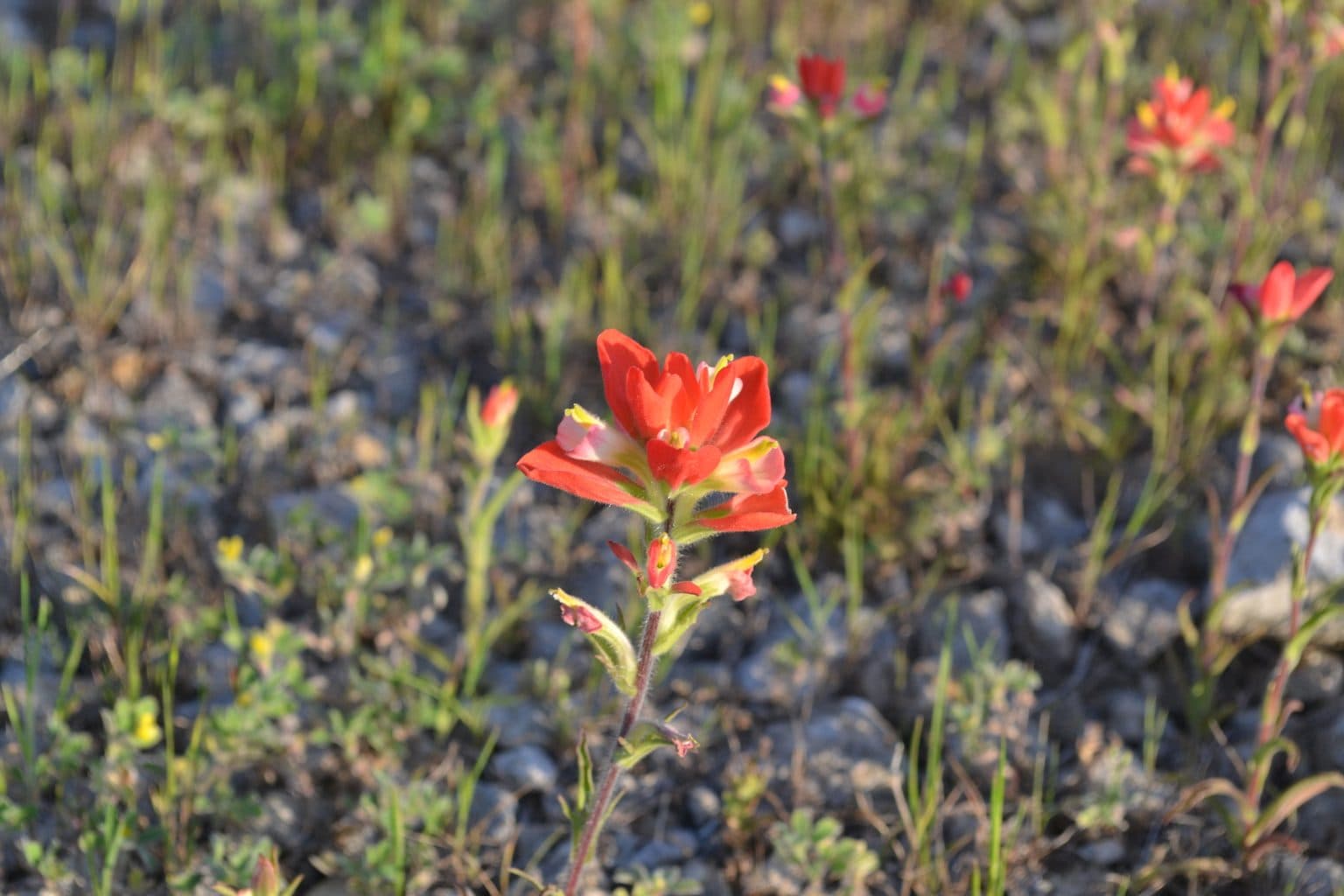
A guide to Texas native plant organizations: NPSOT, Lady Bird Johnson Wildflower Center, TPWF, and more. Plant sales, volunteer opportunities, and where to find regional plant lists.
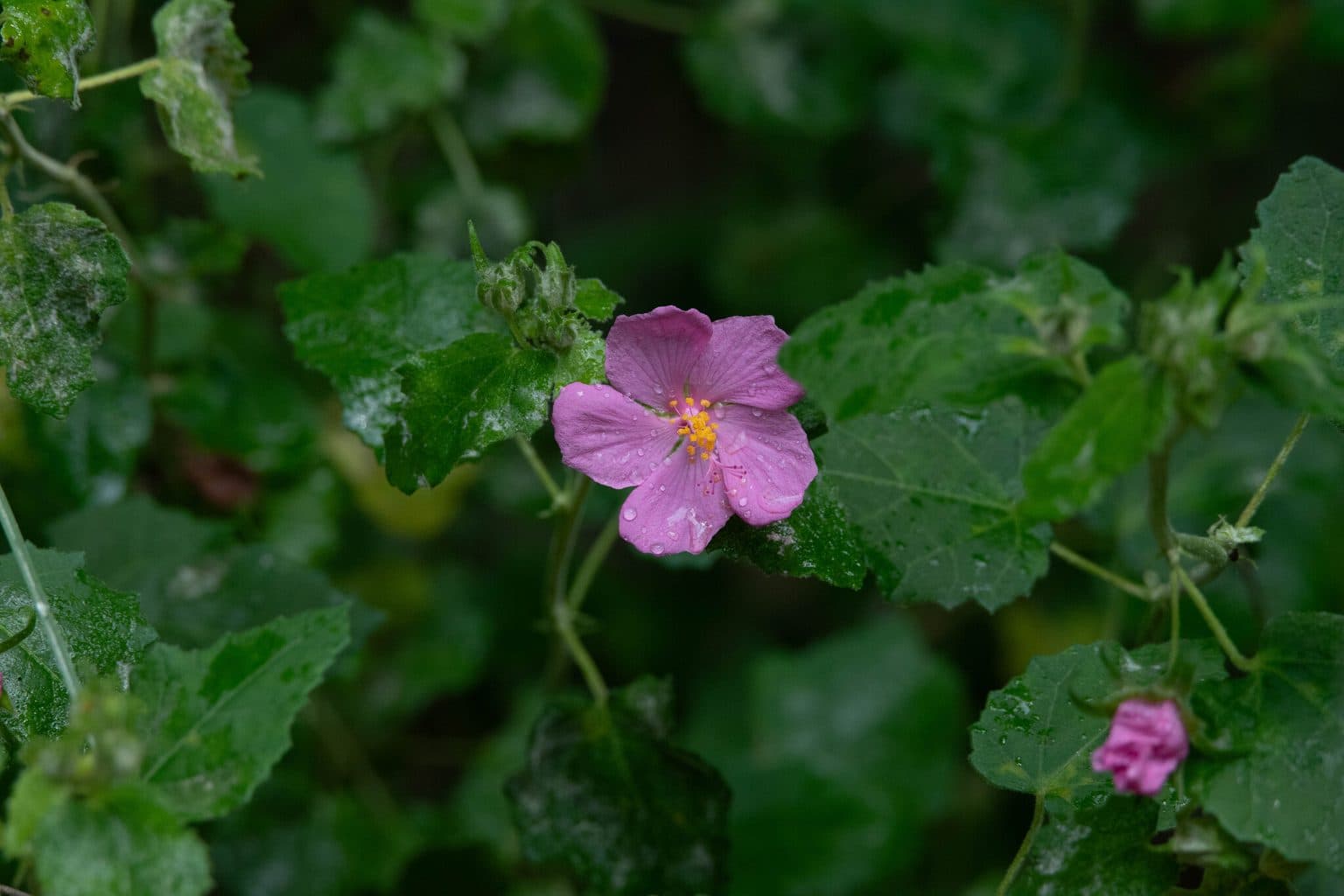
What to do with your Texas native garden in summer. When to water, what to trim, and how to keep things tidy through the heat without overcorrecting.
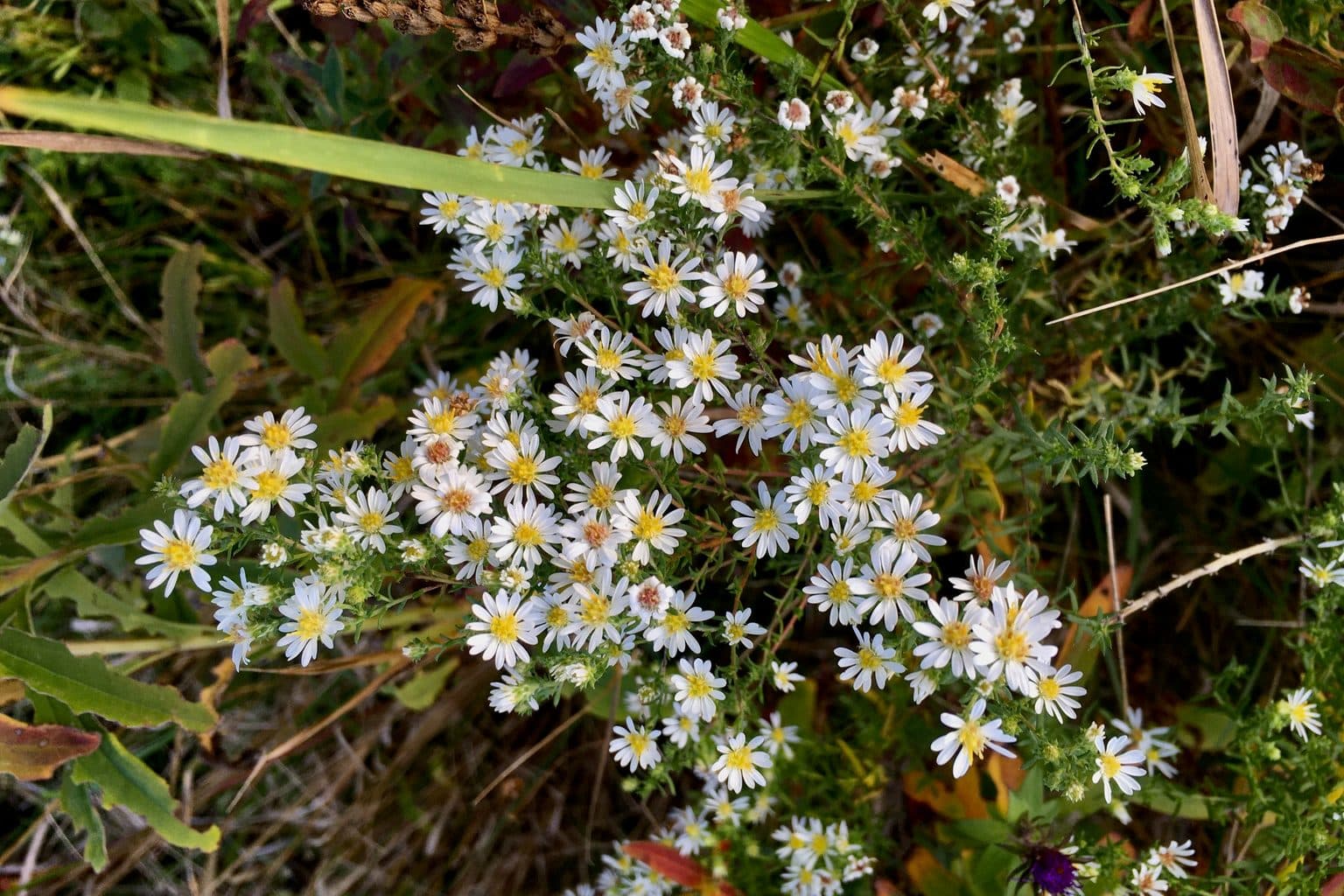
The difference between a native garden that gets compliments and one that gets a letter often comes down to edges. What HOAs notice, and how to design borders that reduce friction.
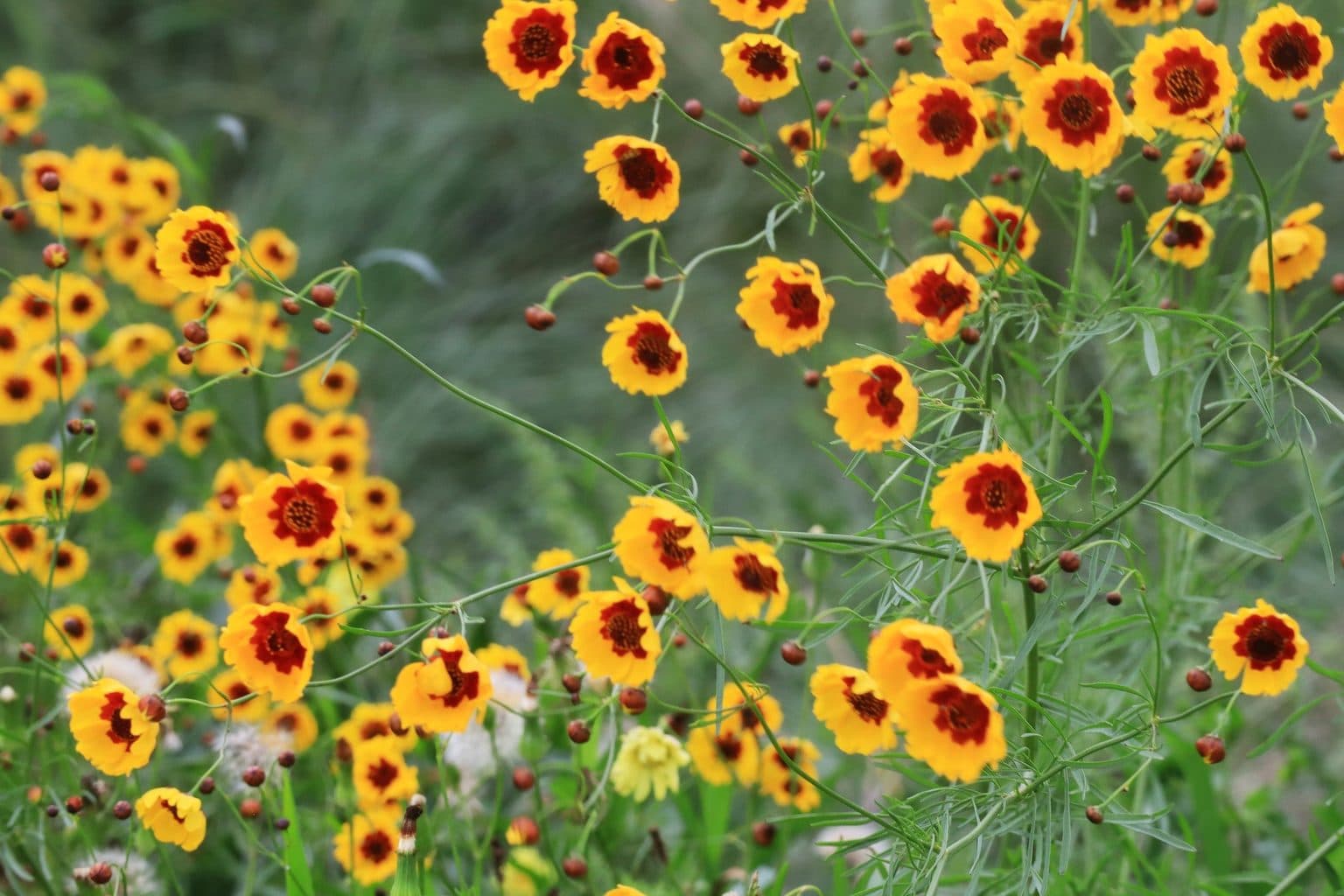
Front yards get more HOA scrutiny than back yards. How to think about risk by zone, where to experiment, and where to stick with proven design cues.
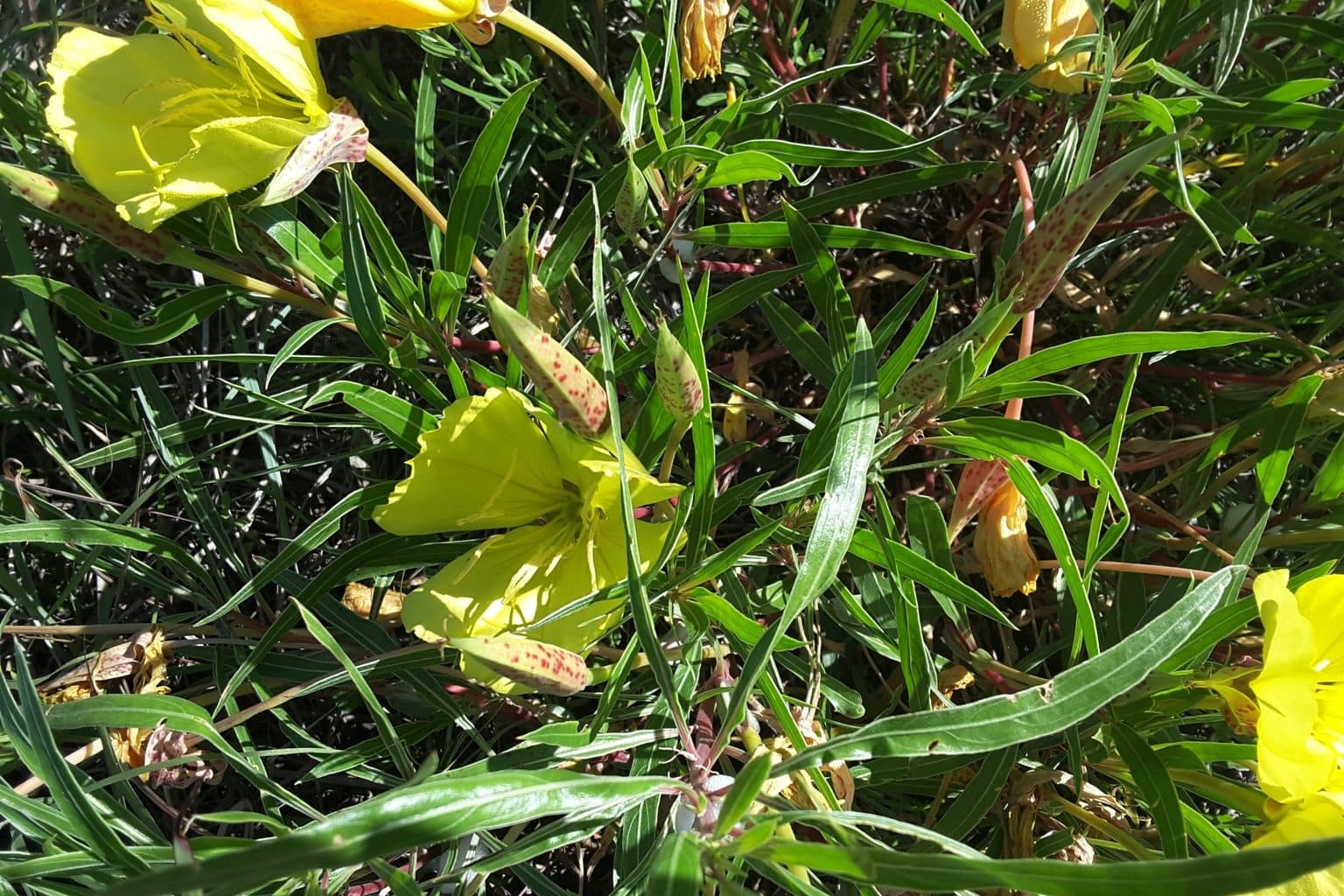
Austin native plants that work, WaterWise and LCRA rebates, and what HOAs actually care about. Edwards Plateau picks, when to plant, and where to buy.
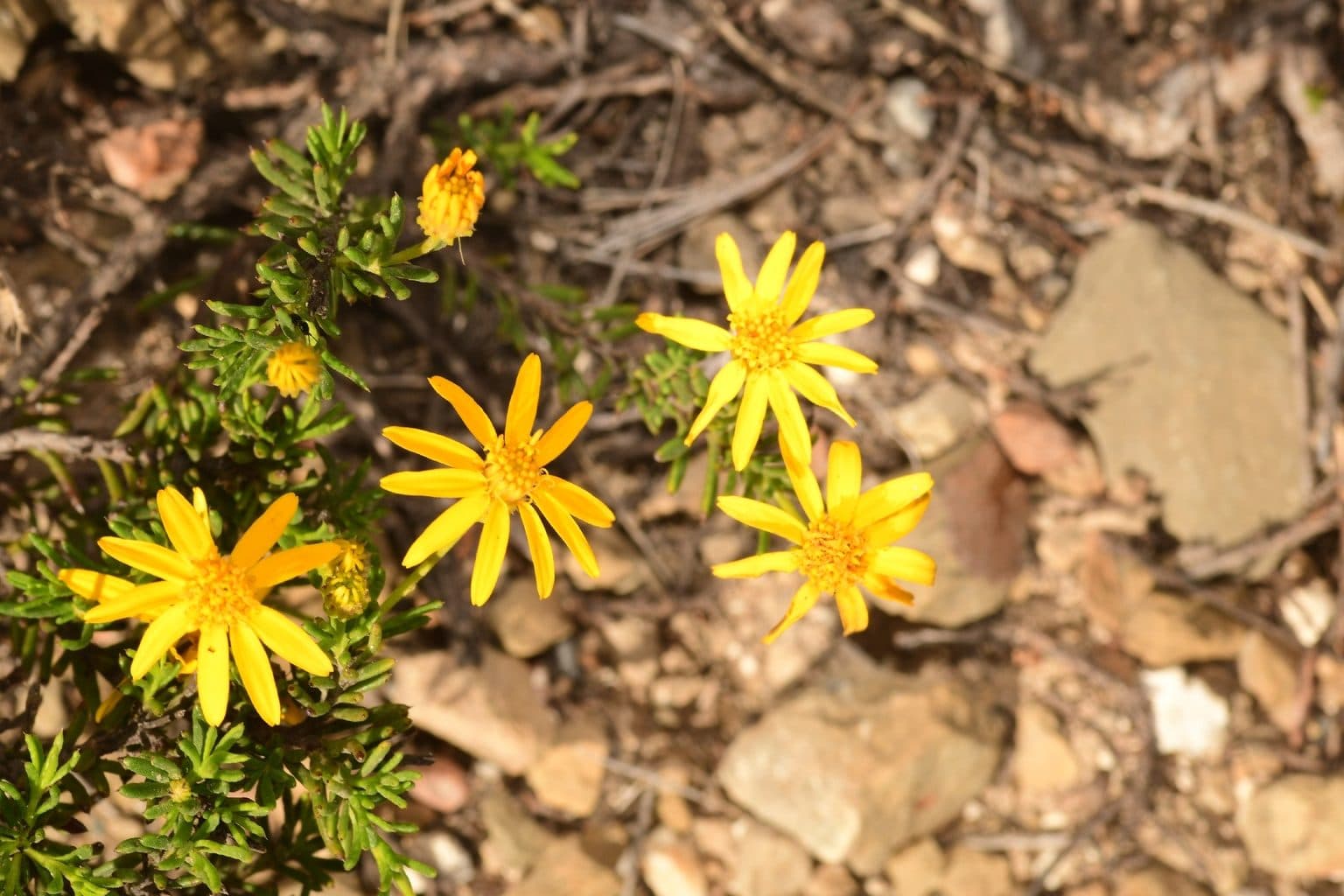
Georgetown Utilities pays up to $3,000 per year for turf-to-native conversion, inside a $5,000 combined cap, through the Texas Grown Native Landscaping program (formerly Love Your Local Lawn). How to apply and plants that work in Georgetown.
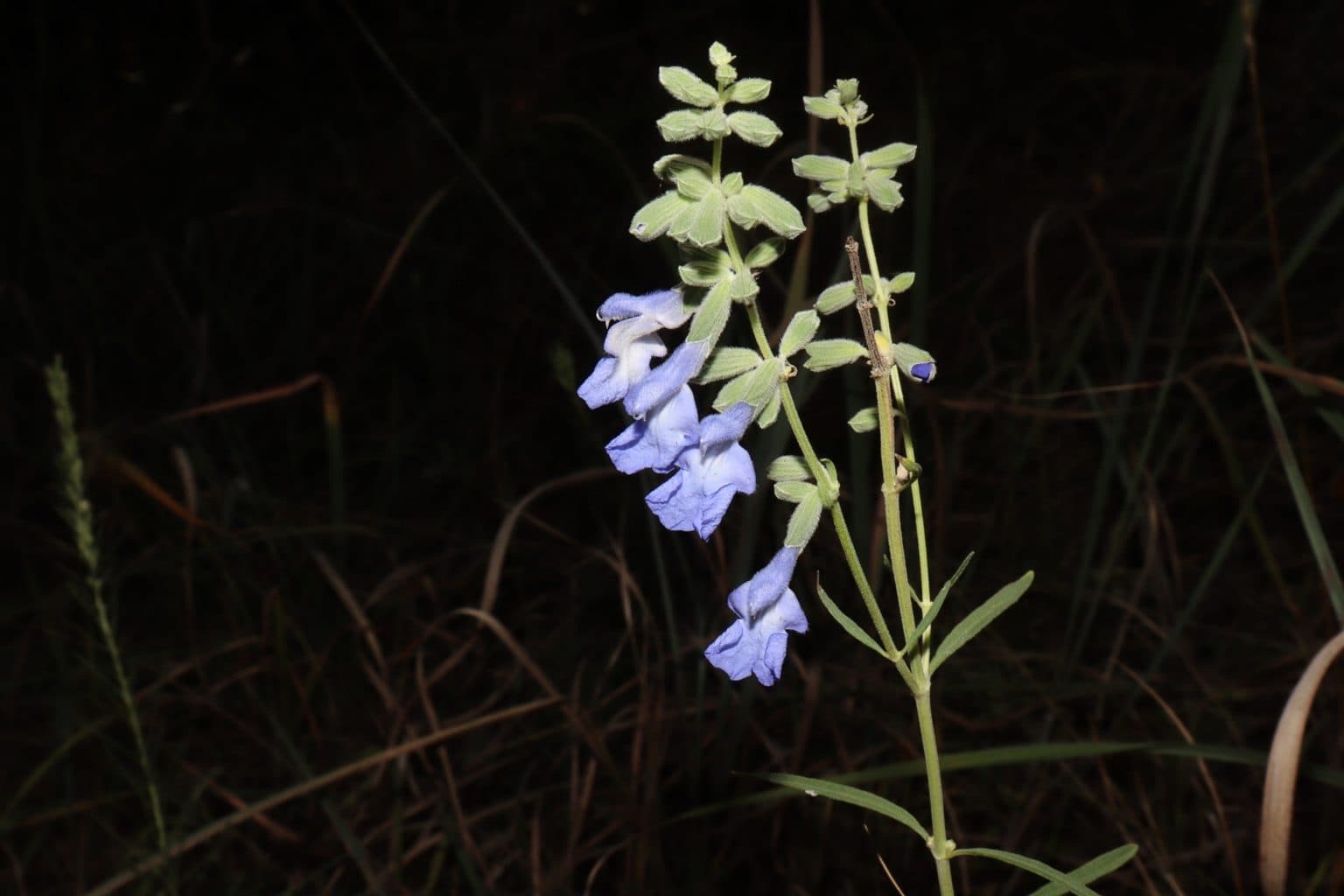
Plano has no turf rebate, but native plants still cut water use and attract pollinators. Clay-tolerant picks, HOA tips, and other ways to save.
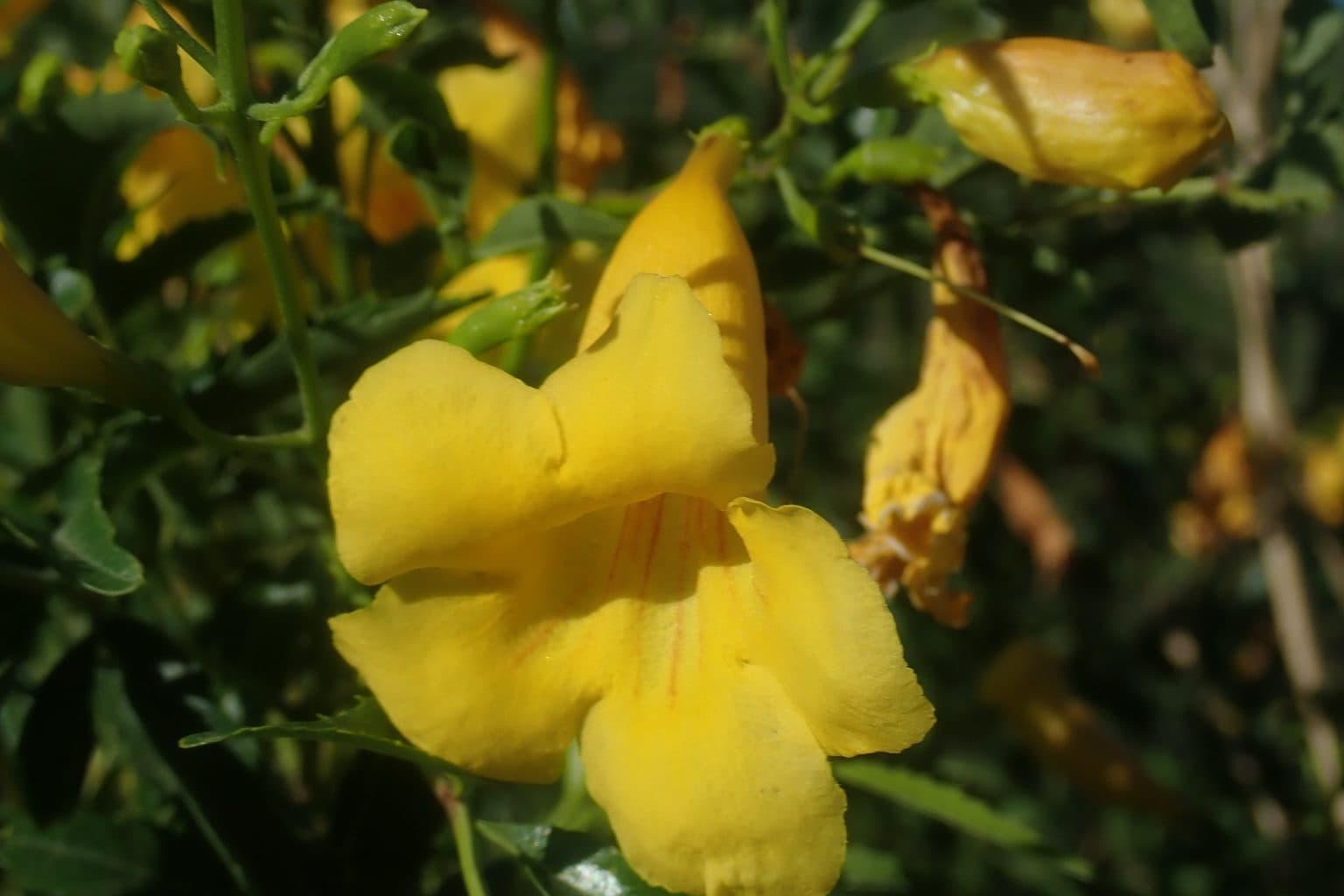
SAWS WaterSaver Coupons give San Antonio residents up to $500 for water-efficient landscaping. How to apply, what qualifies, and plants that work.
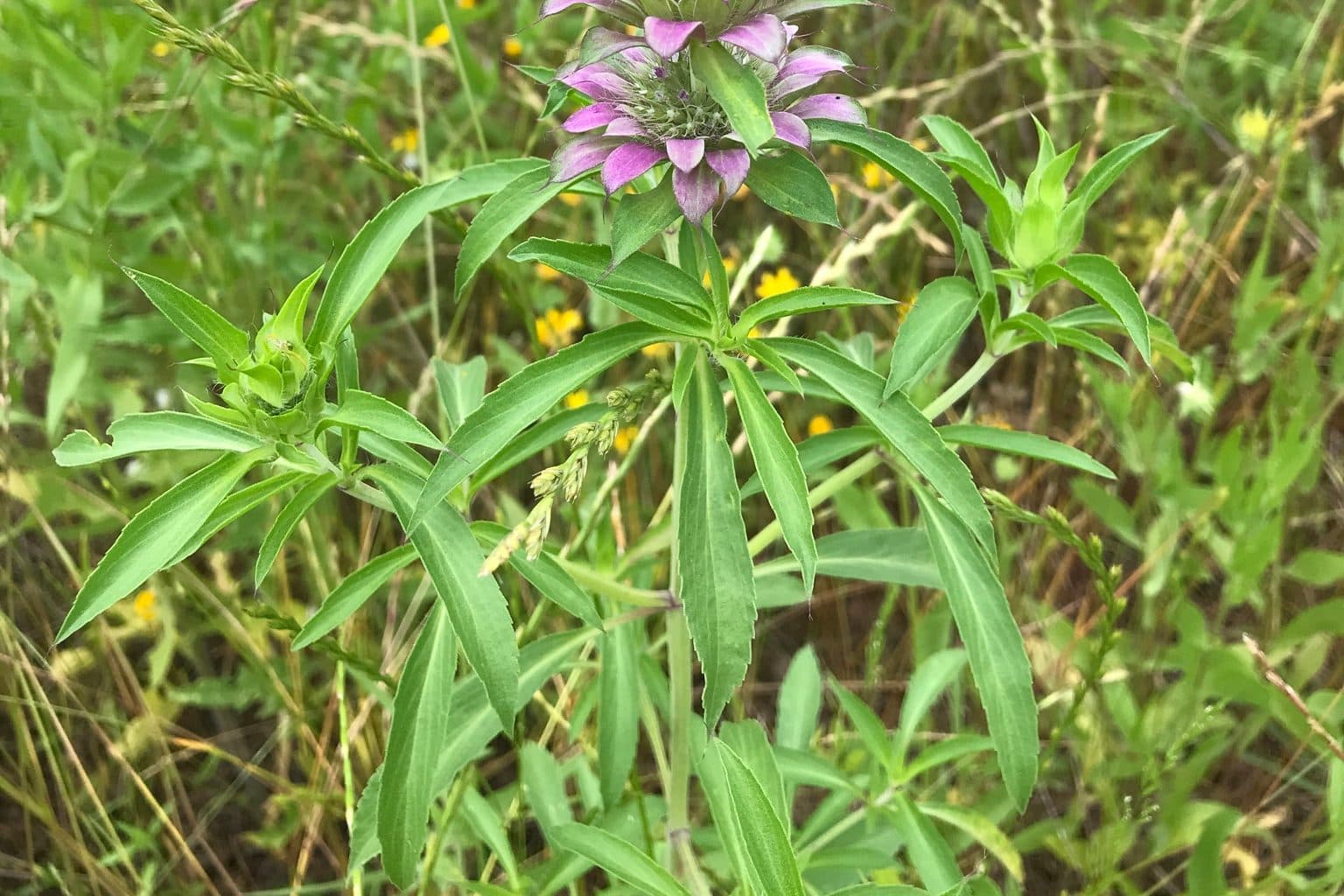
Denton pays up to $5 per square foot for turf-to-native conversion. One of the highest rates in Texas. How to apply and plants that work.
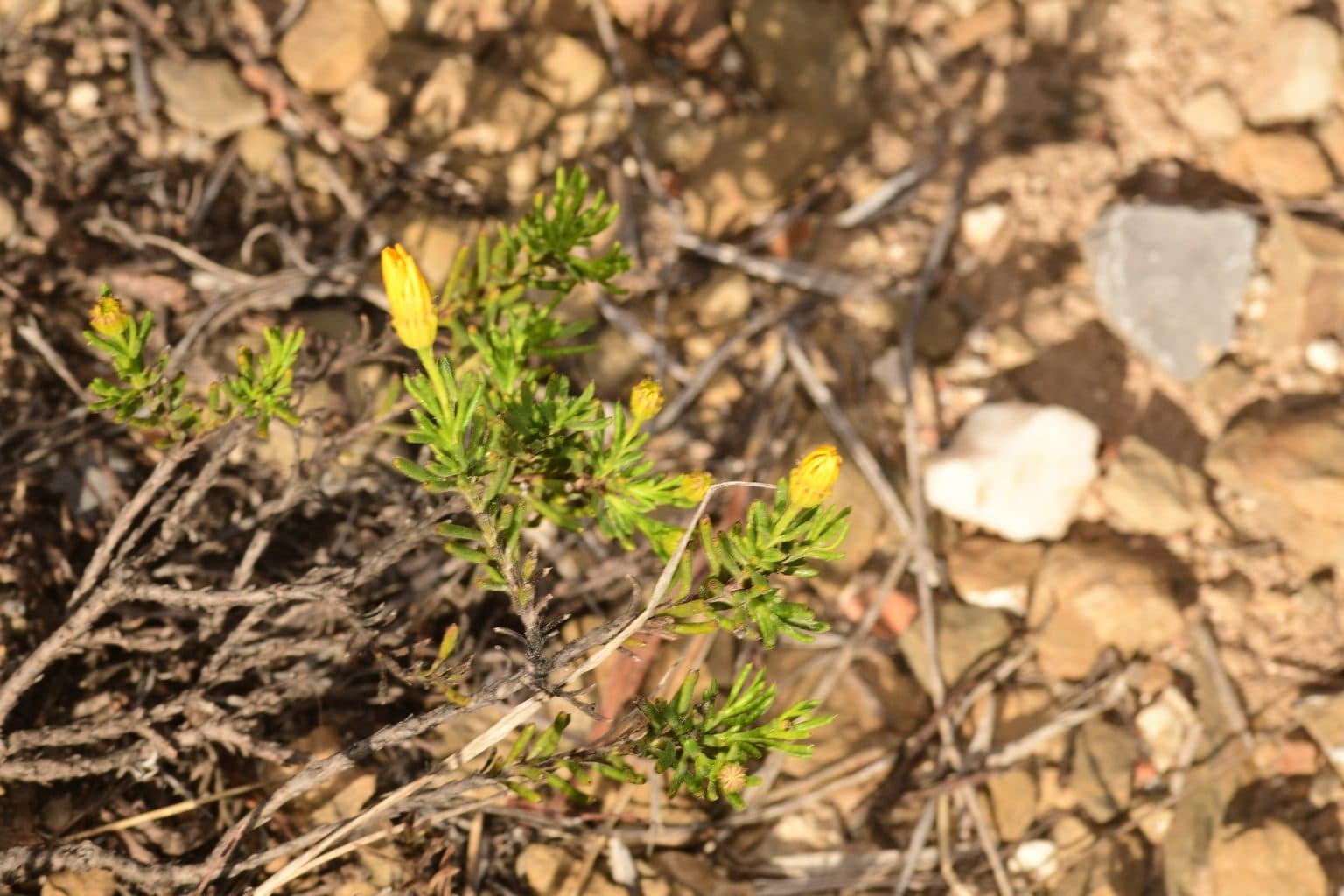
Austin Water and LCRA offer rebates for turf-to-native conversion. How to apply, what qualifies, and how much you can get back.
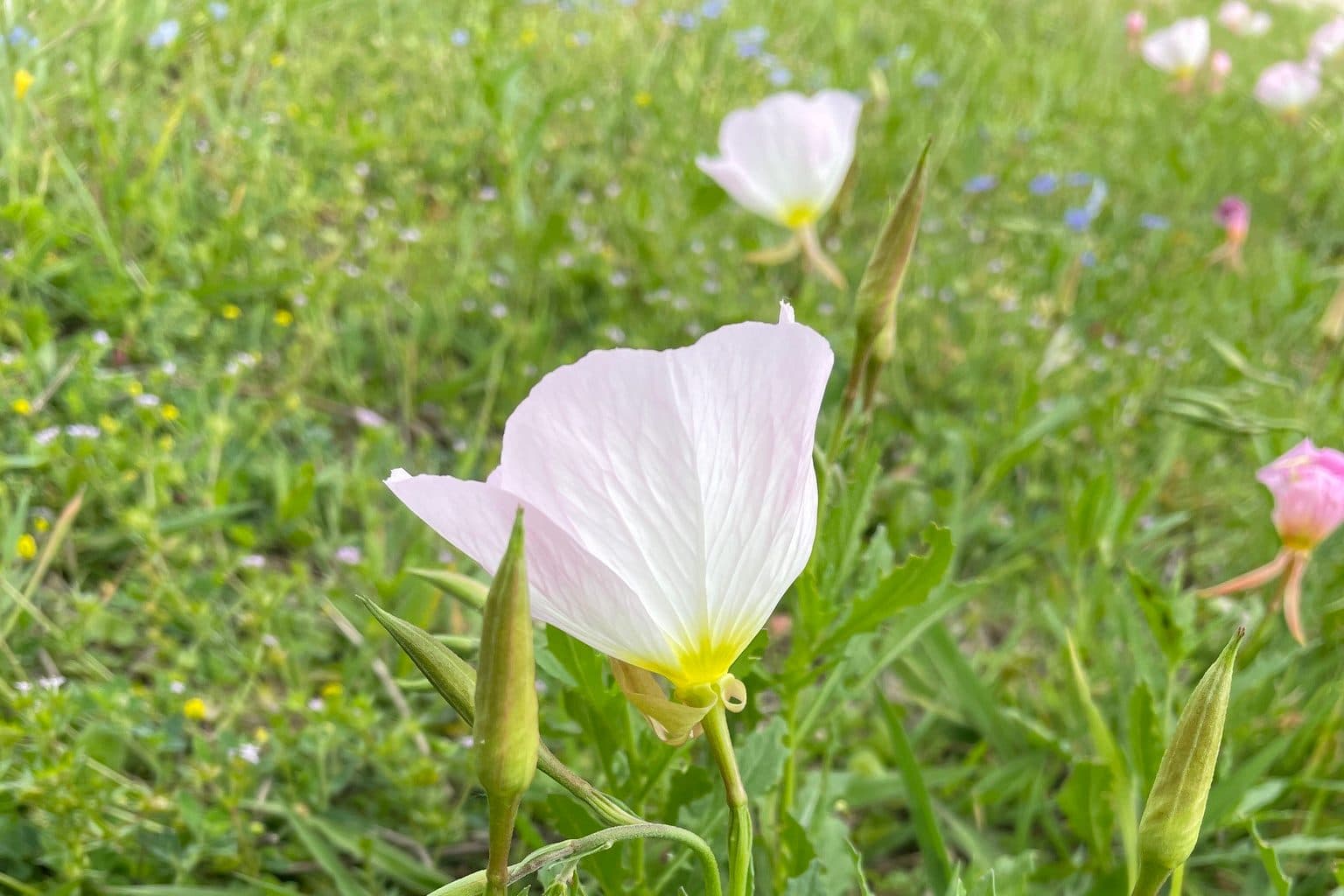
Dallas sits in the Blackland Prairies. Plant picks for clay soil, HOA-conscious design, and water savings.

Wild Thumb just launched from Texas Parks and Wildlife Foundation. Here's how it compares to Pollinator Patch: what each one does well, and which one fits your situation.
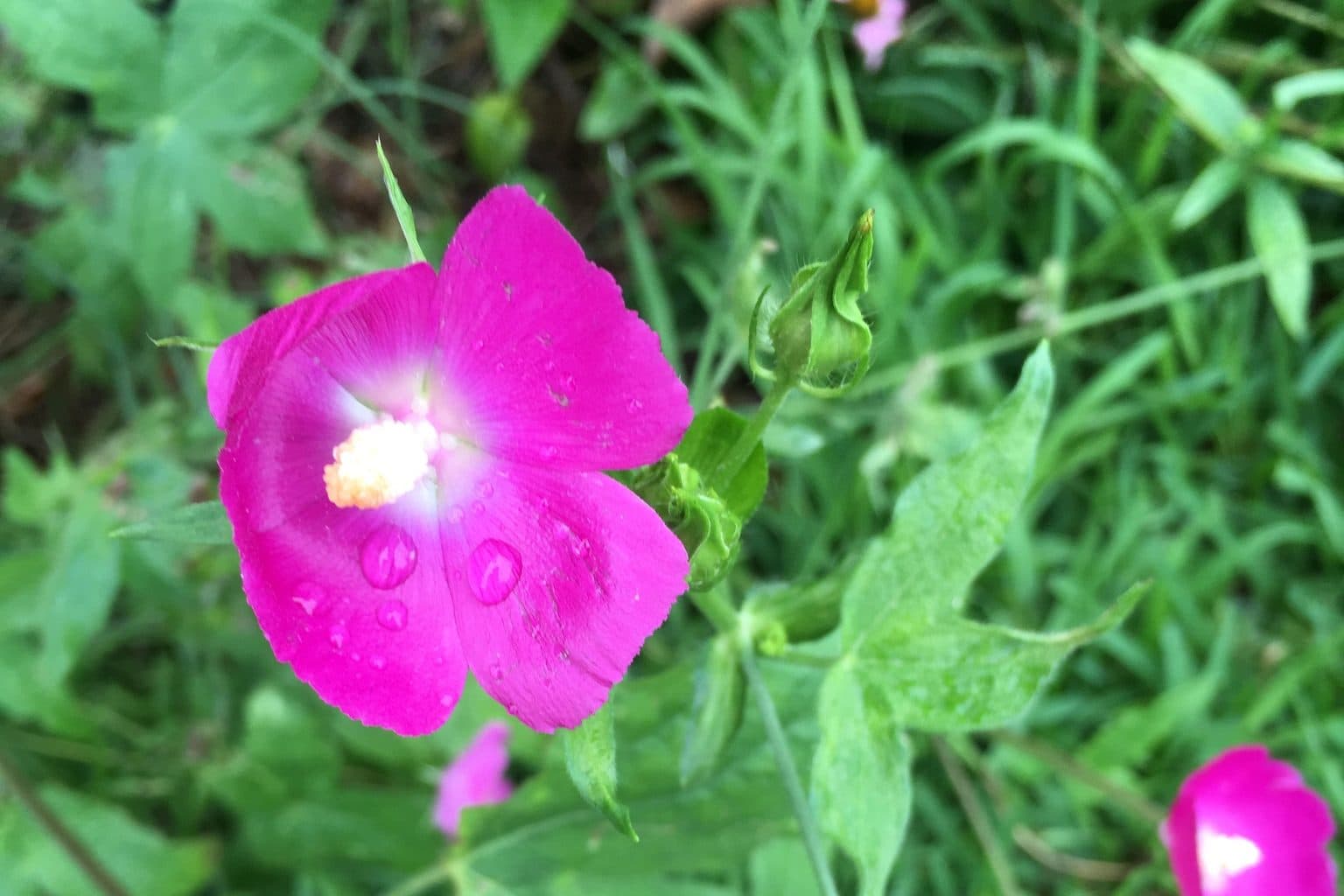
Sago Palm, Oleander, Lantana, and 3 more common Texas yard plants dangerous to dogs, per the ASPCA. Symptoms, a safe native swap for each, and the 24/7 poison hotline.
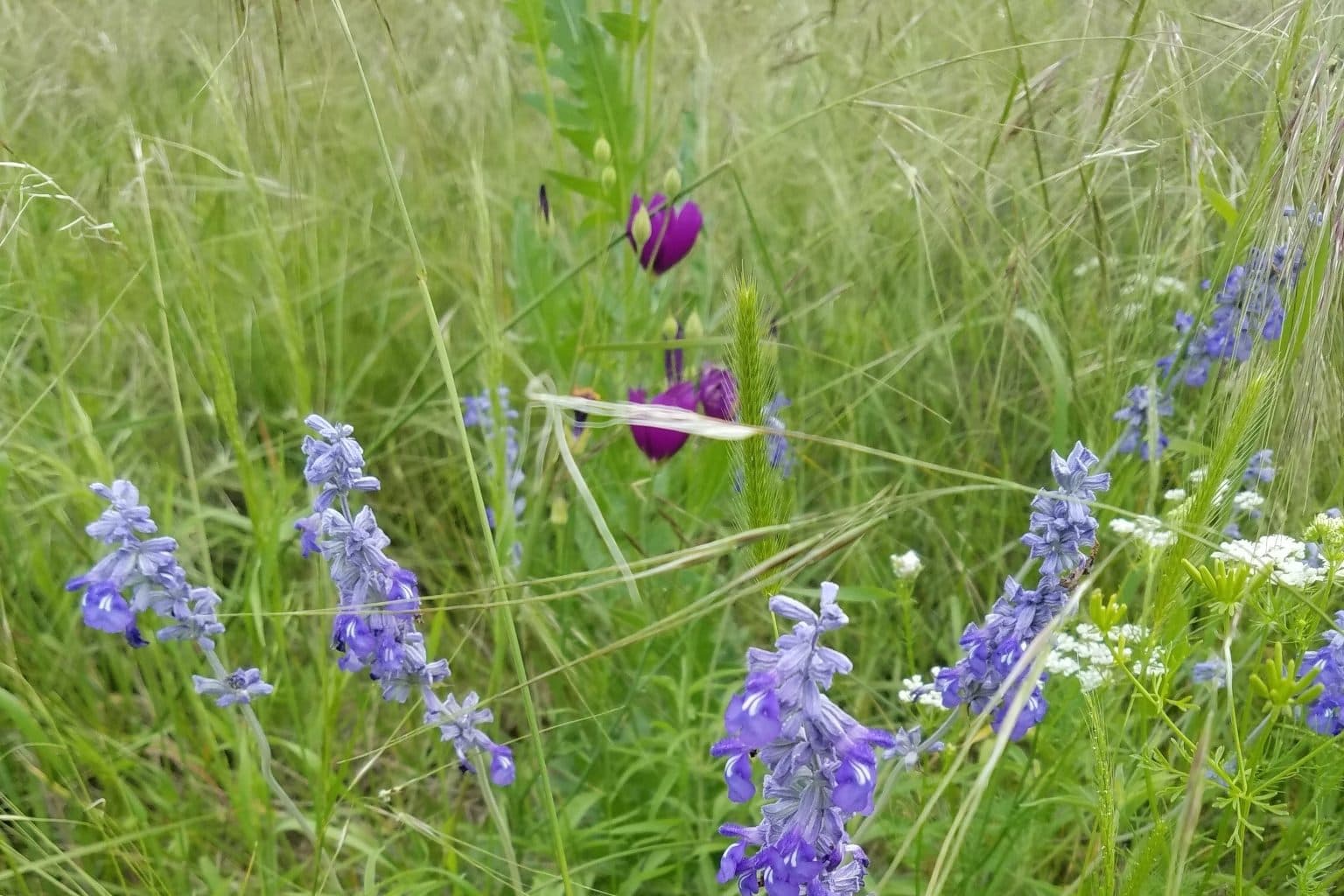
How to design a backyard that works for both your dog and native plants. Covers durable ground covers, protected planting zones, paths for dog runs, and plants that handle the wear.
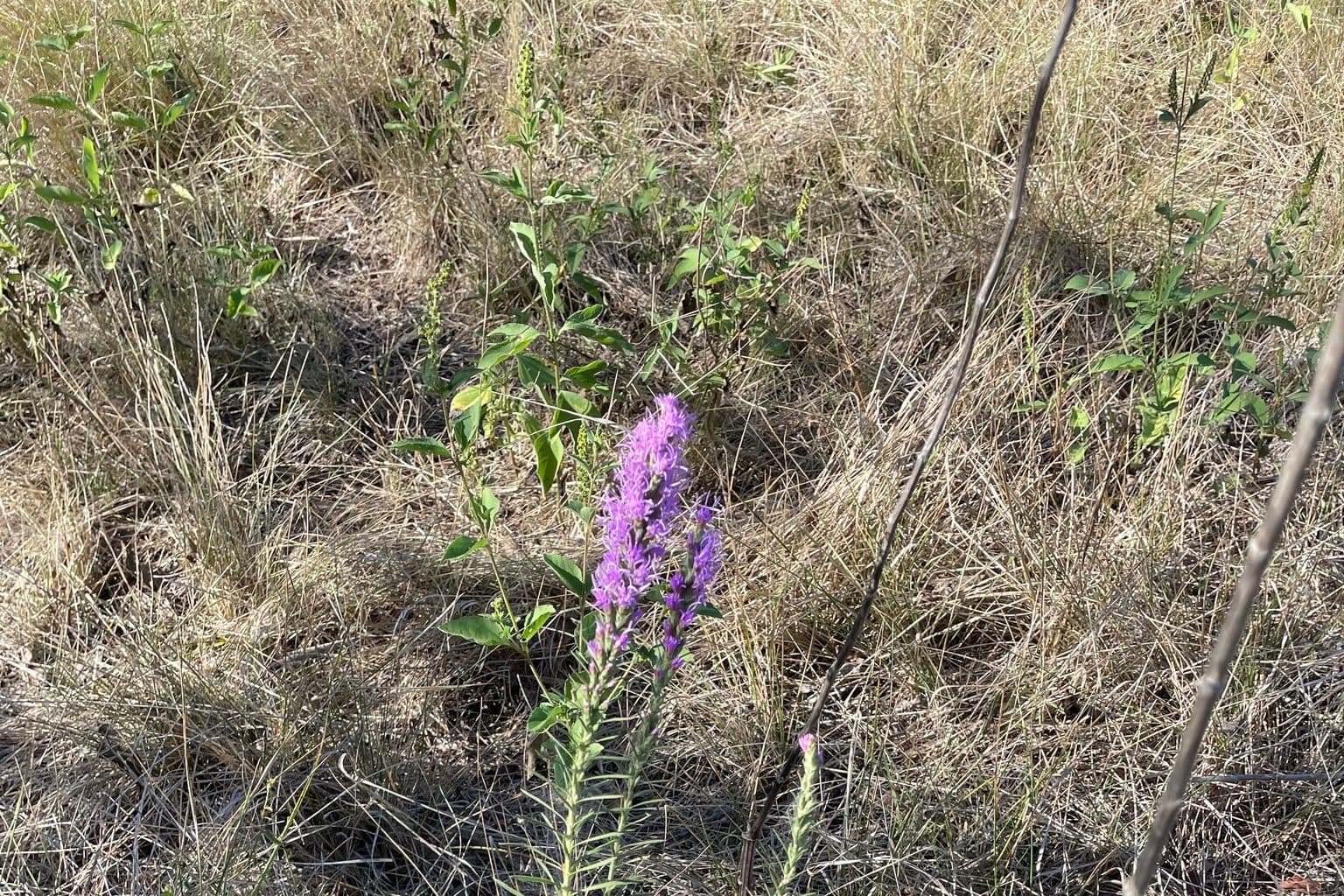
A practical guide to attracting butterflies to your Texas yard with native host plants and nectar sources. Covers monarchs, swallowtails, painted ladies, and which plants each species needs.
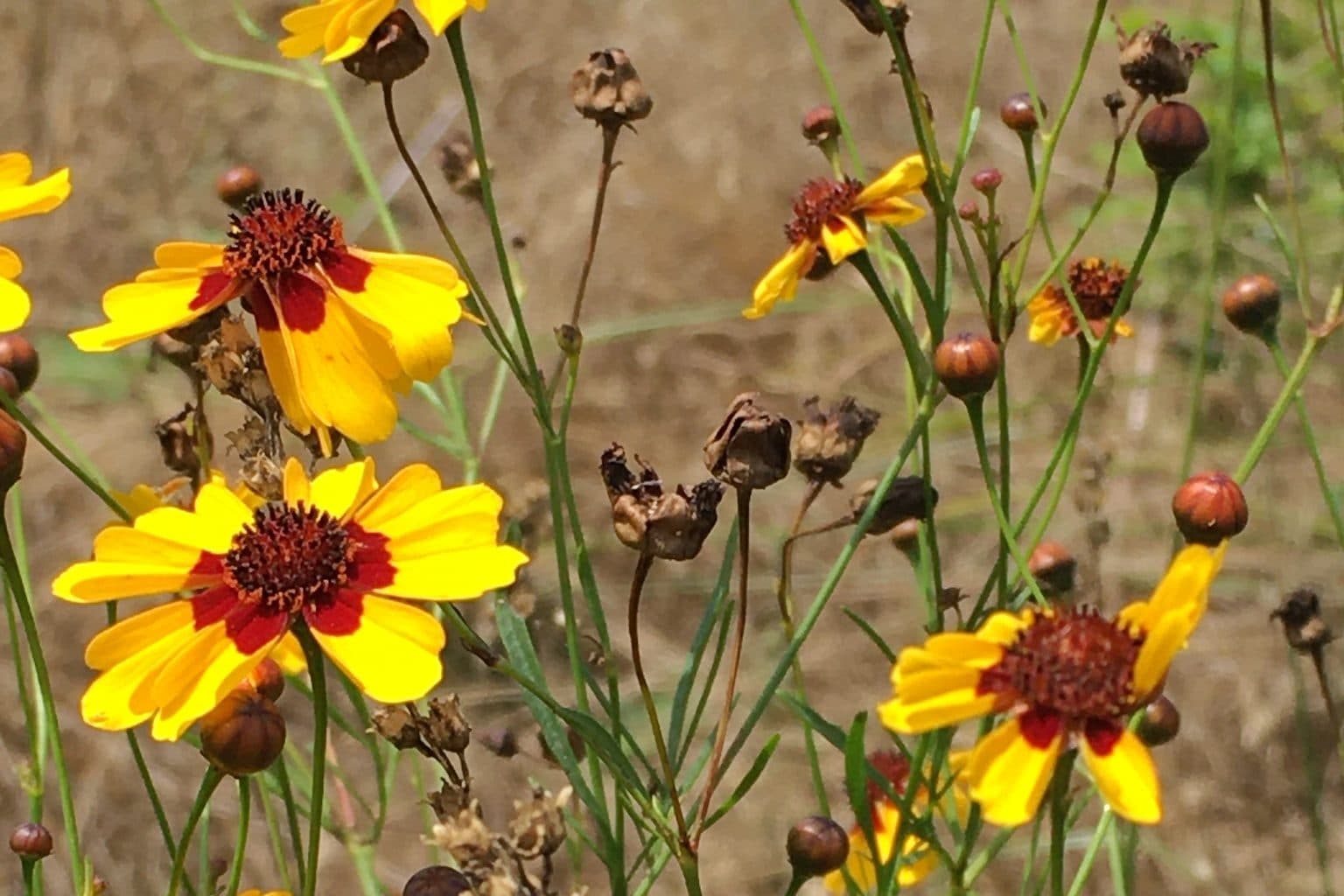
The best native plants for supporting bees, butterflies, and hummingbirds in Texas. Organized by bloom season so you have something flowering from March through November.
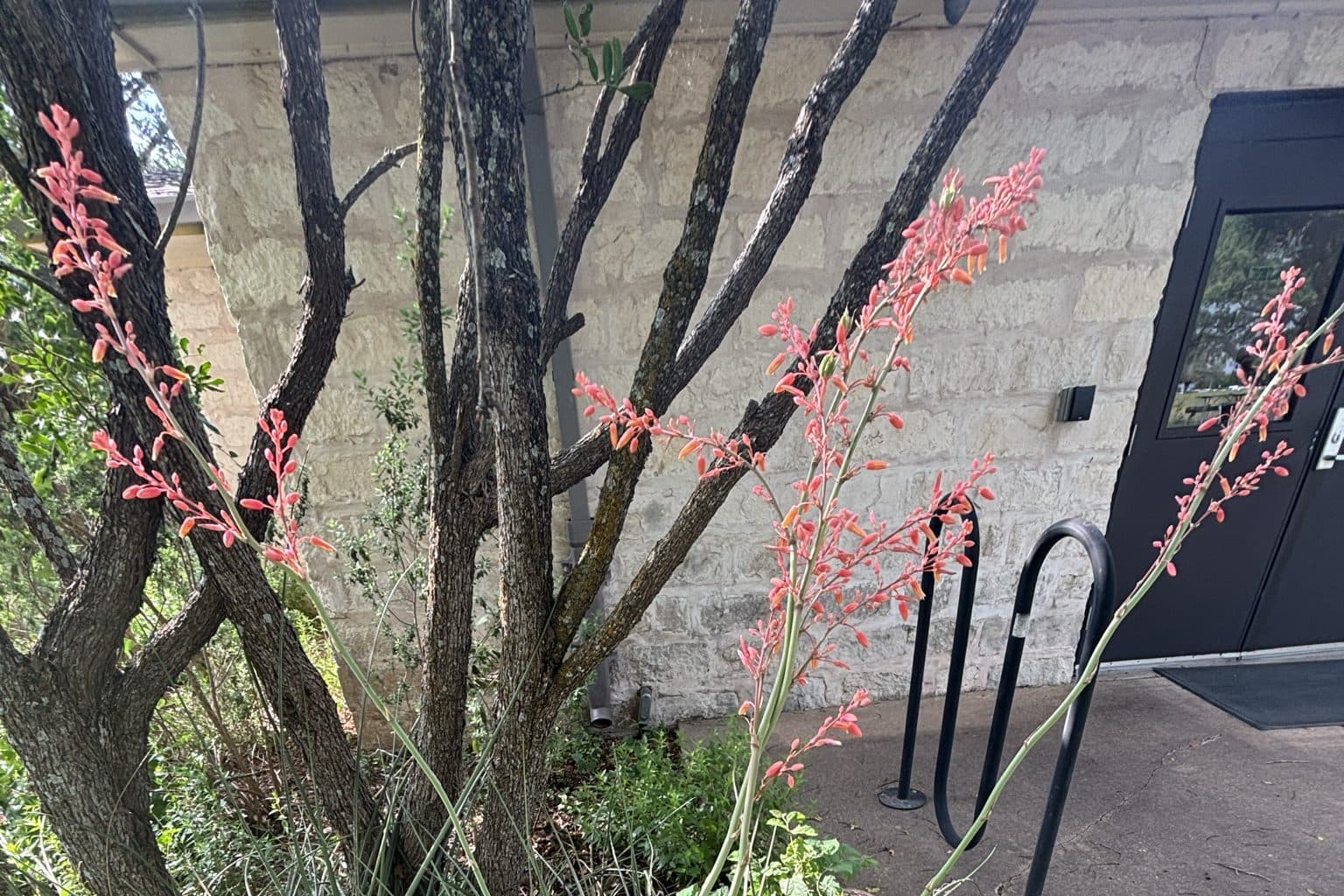
The best native plants for attracting hummingbirds in Texas, with bloom times, city-specific picks for Houston, Austin, San Antonio, and DFW, and notes on ruby-throated and black-chinned hummingbird migration seasons.
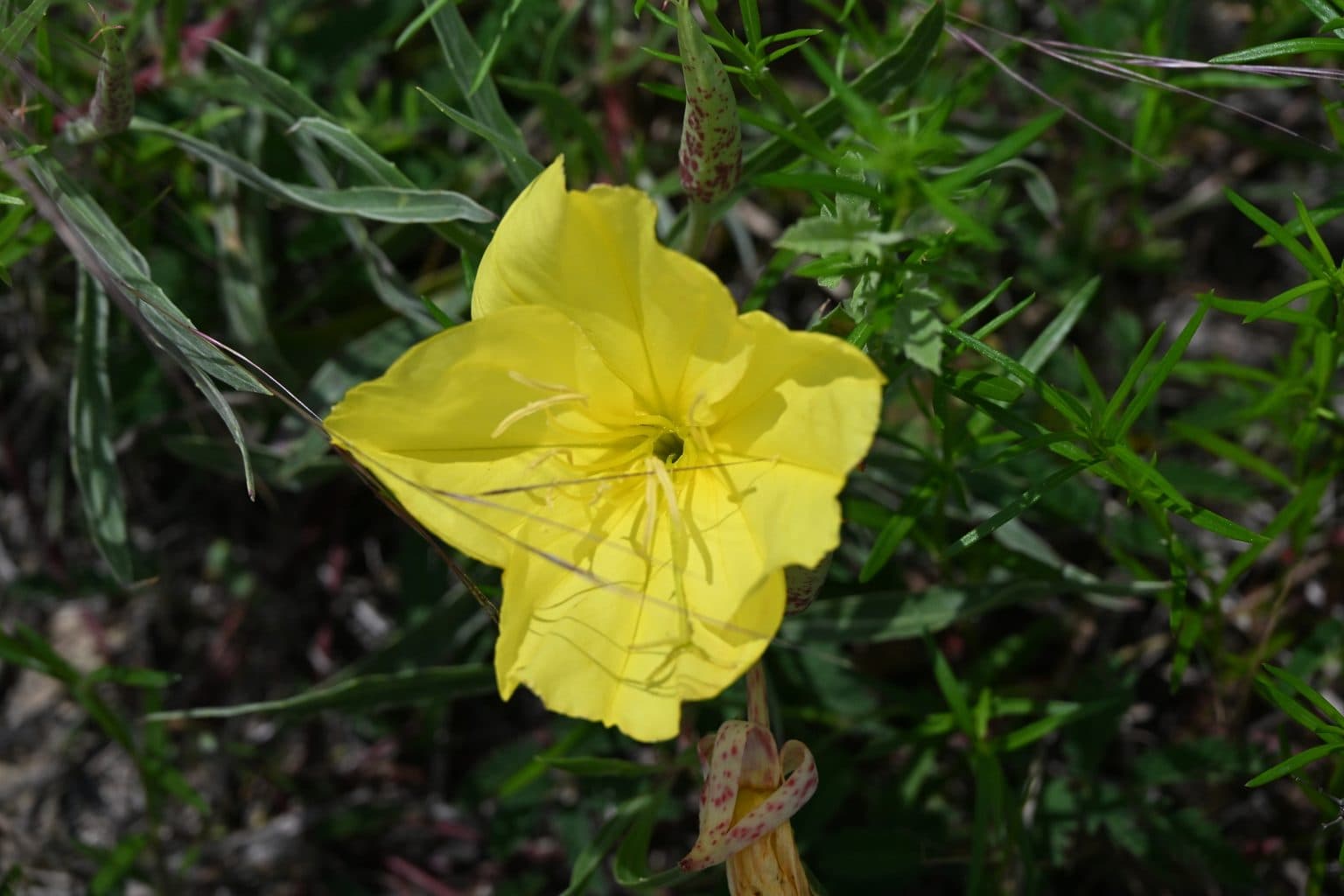
A step-by-step guide to applying for Austin Water's WaterWise landscaping rebate, up to $3,000 for residential customers. Covers eligibility, the pre-approval-first application process, and what documentation you need.
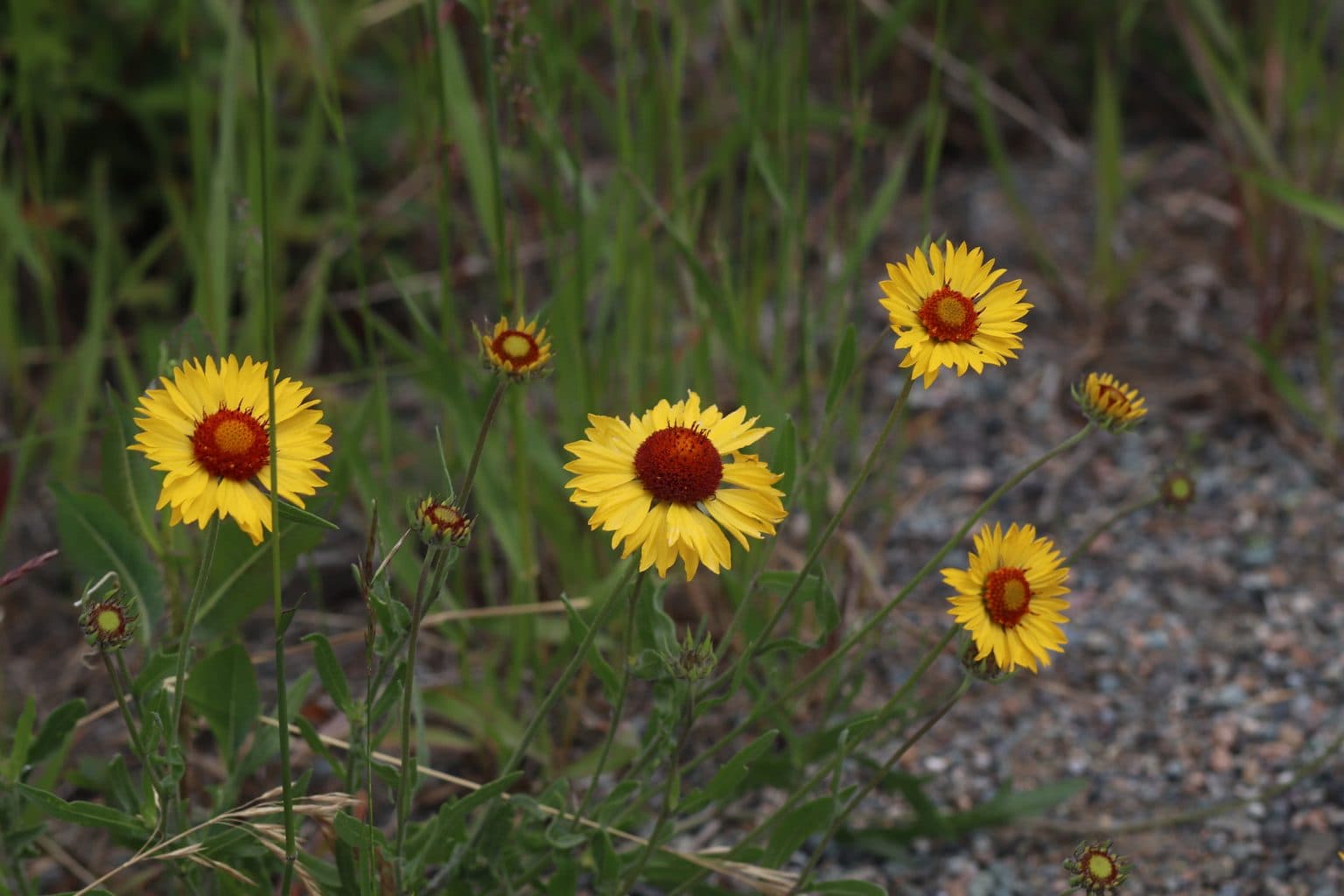
Real numbers on how much water and money you can save by switching from a traditional lawn to native plants. Includes Texas-specific water rates, seasonal usage data, and before/after comparisons.
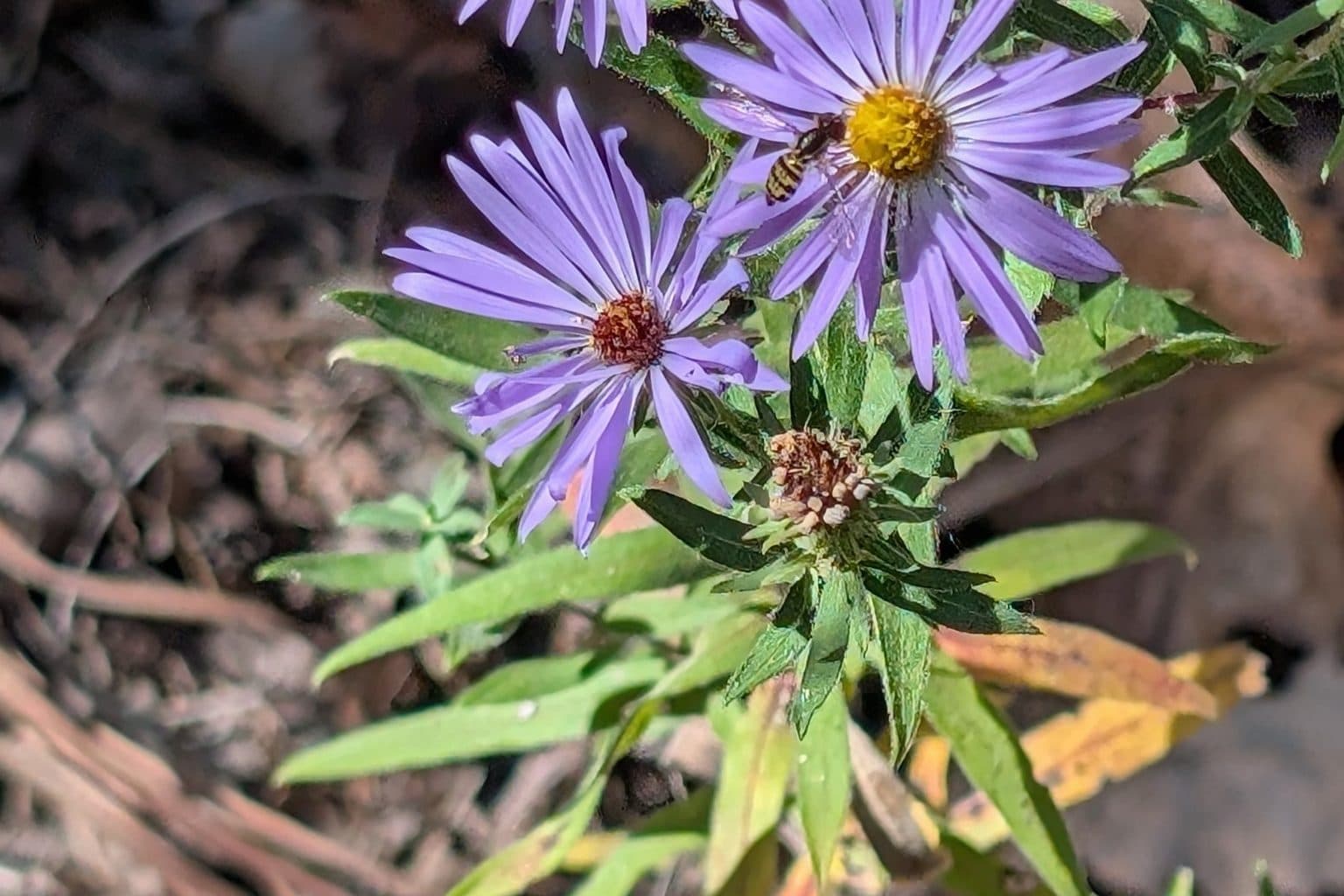
What to do with your Texas native garden in fall. Covers what to cut back, what to leave standing, when to plant, and how to prep for winter while keeping things tidy for your HOA.
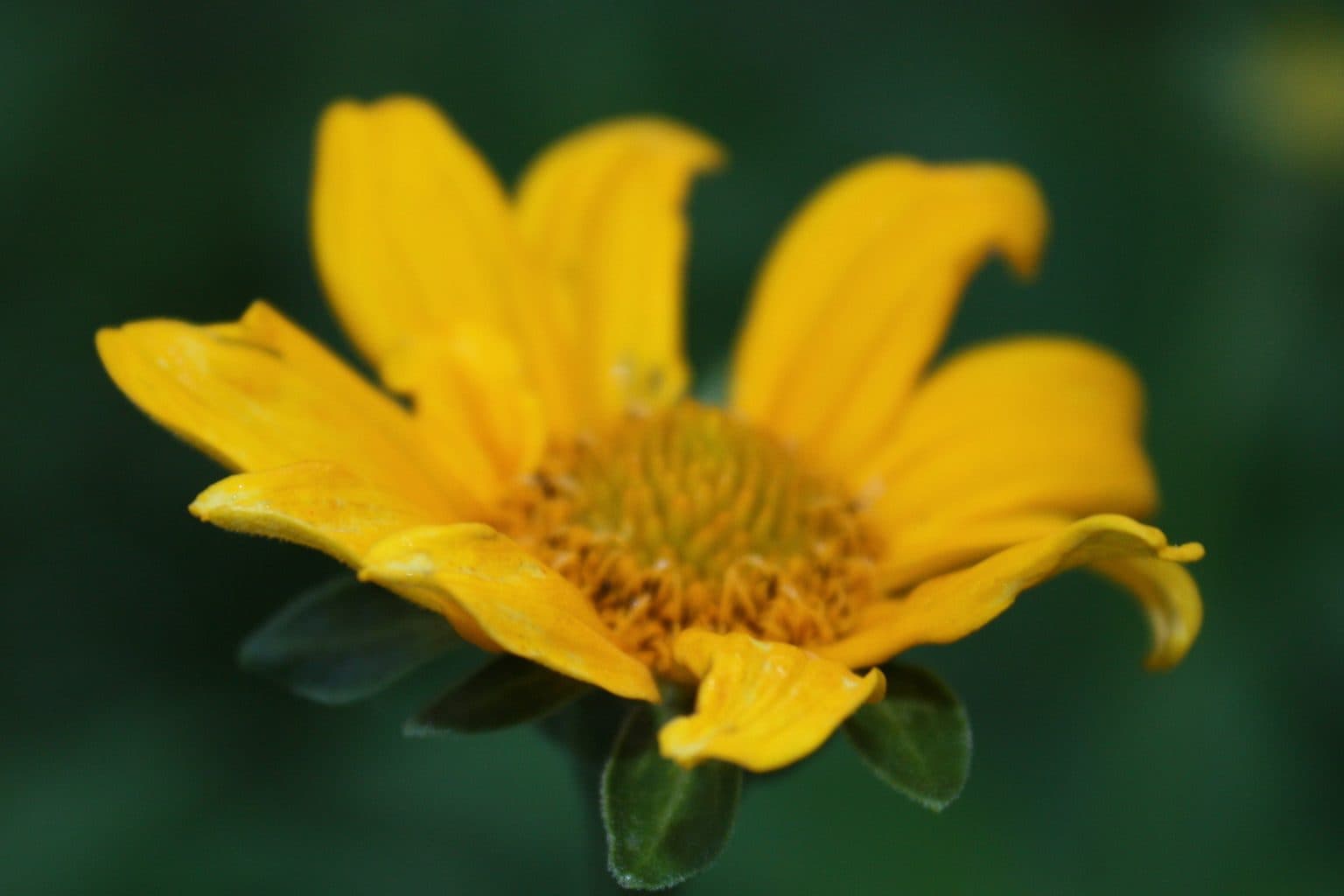
An honest comparison of native plants versus ornamental landscaping. Covers cost, maintenance, water use, wildlife value, HOA perception, and when ornamentals might actually be the better choice.
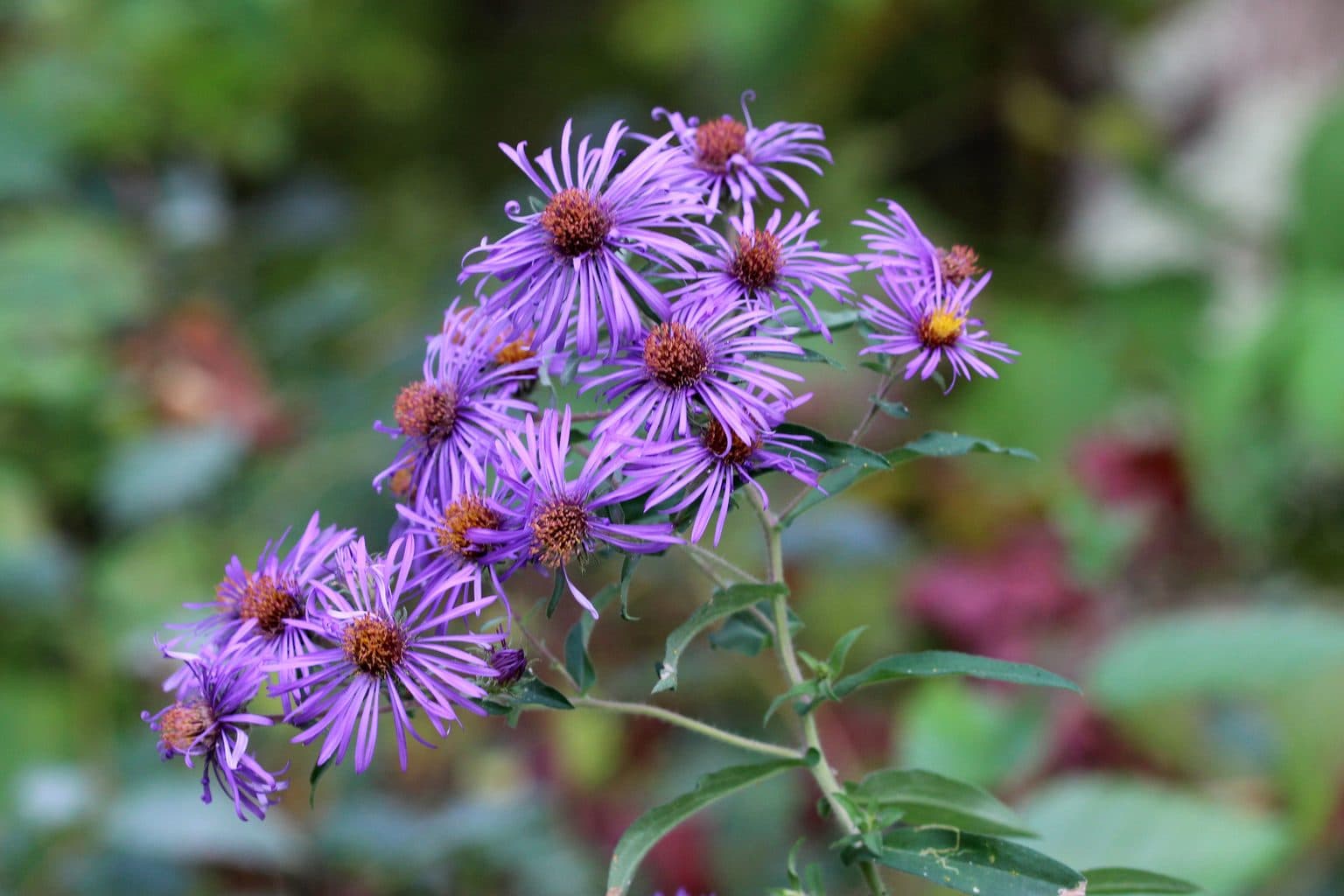
Comparing the top apps for designing a native plant garden, including HOA-friendly design tools, pet safety filters, and rebate finders. Now covers the new AI yard-design apps too.
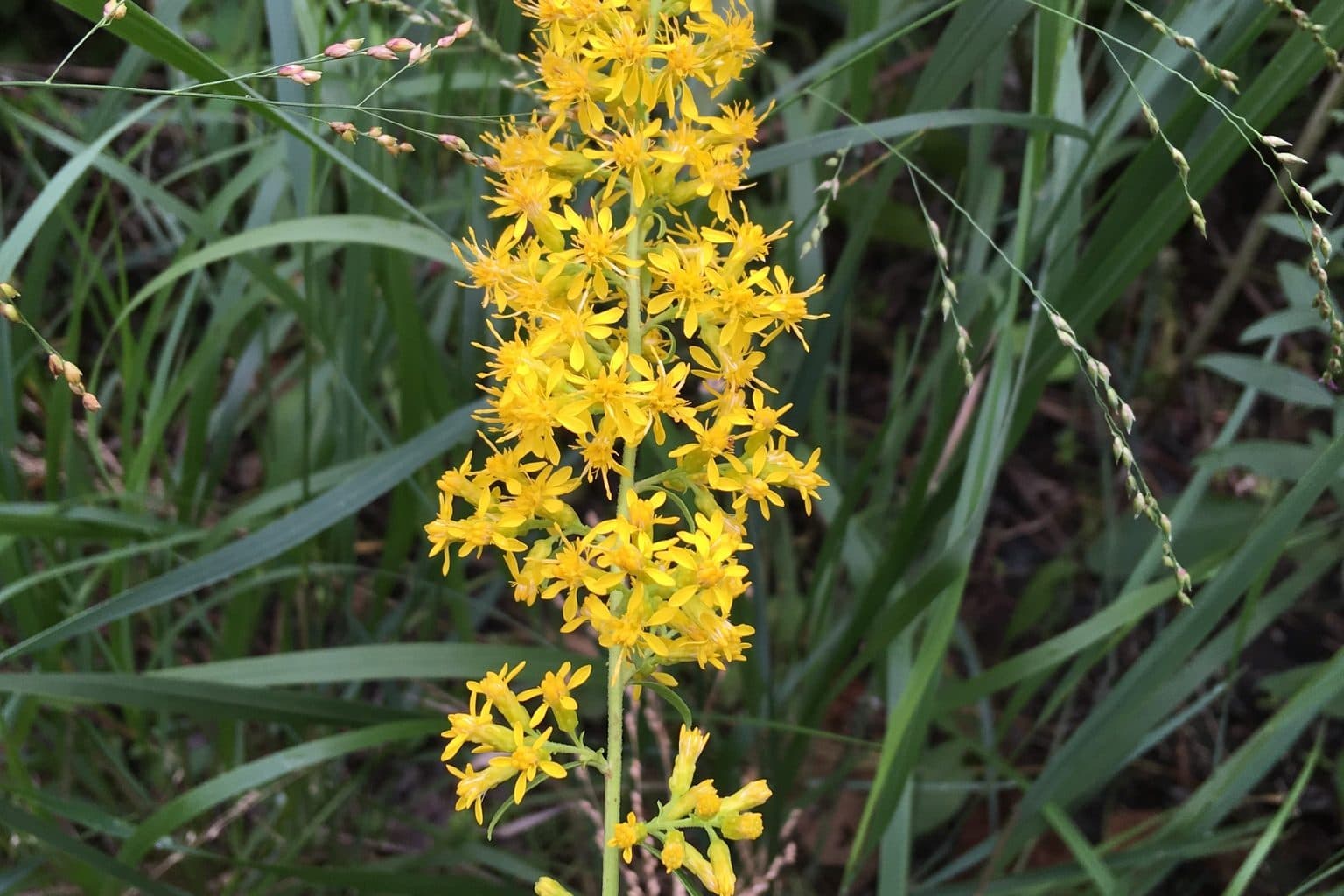
Comparing Yardzen and Pollinator Patch for homeowners who want native landscaping. Covers pricing, plant selection, HOA support, design process, and which one fits different needs.
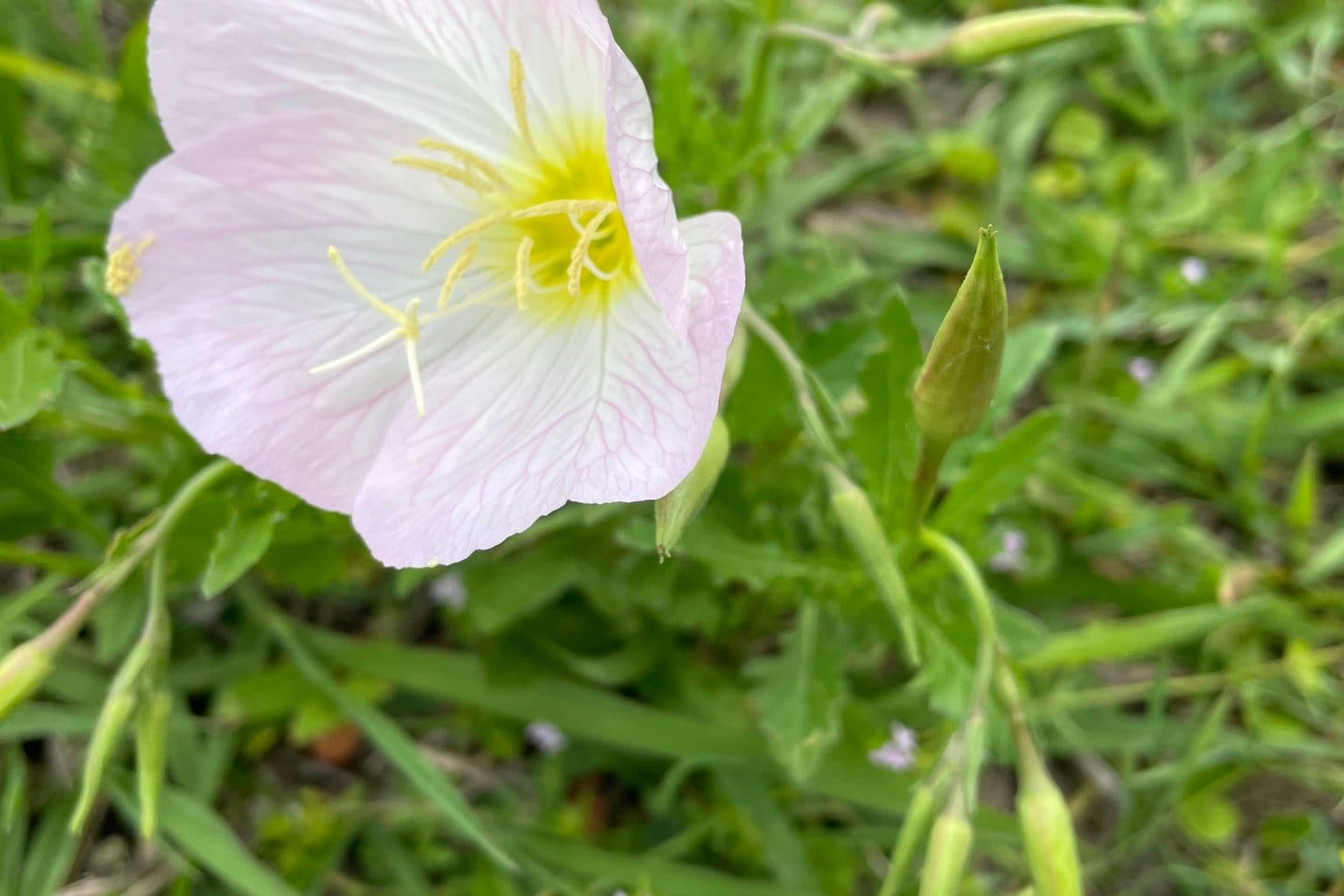
Spring planting season in Texas starts now. Here are the best native plants to put in the ground this March and April, organized by ecoregion, sun exposure, and what blooms when.
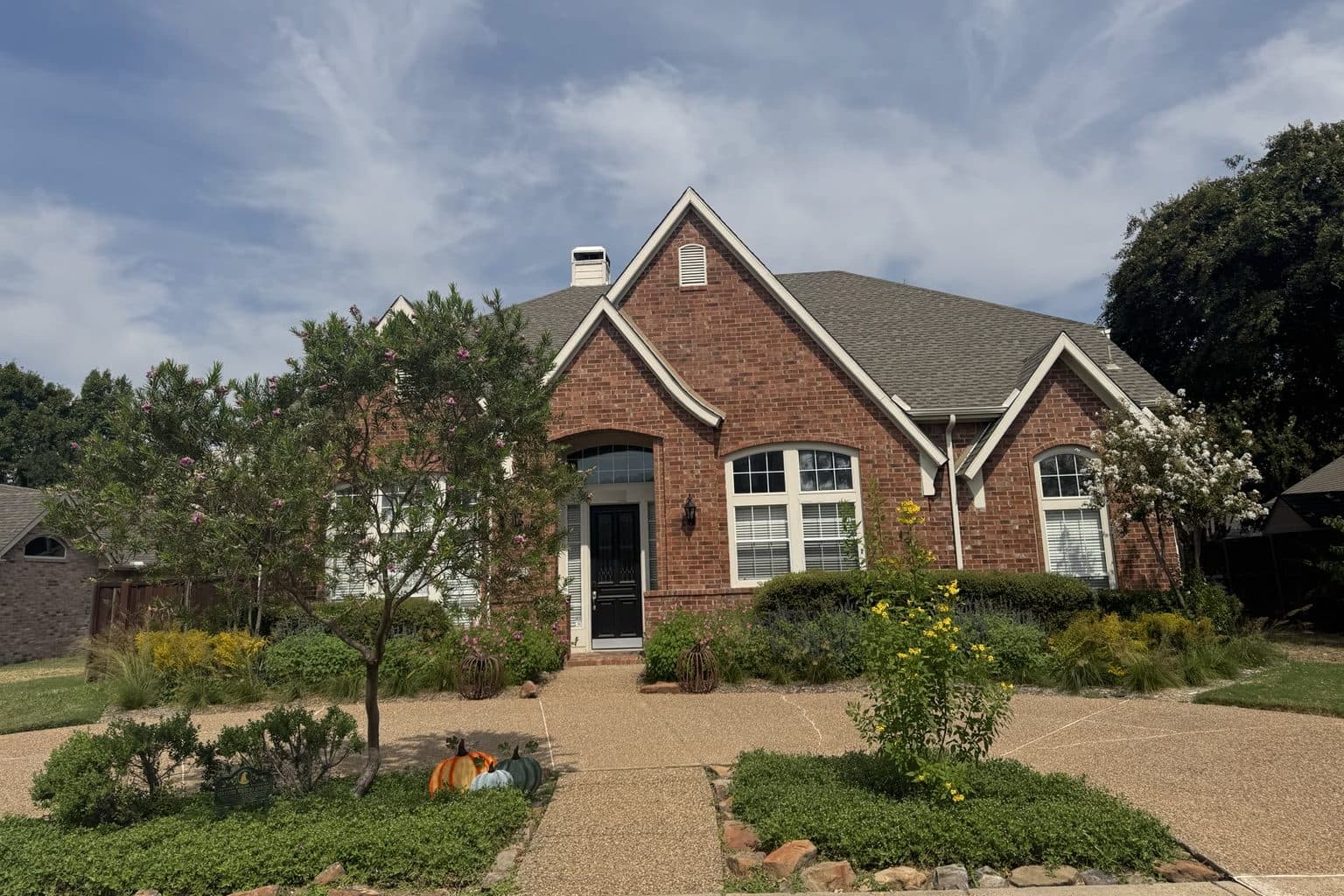
A practical, step-by-step guide to converting your lawn to native plants. Covers sheet mulching, soil prep, plant selection, and how to phase the transition so you don't rip everything out at once.
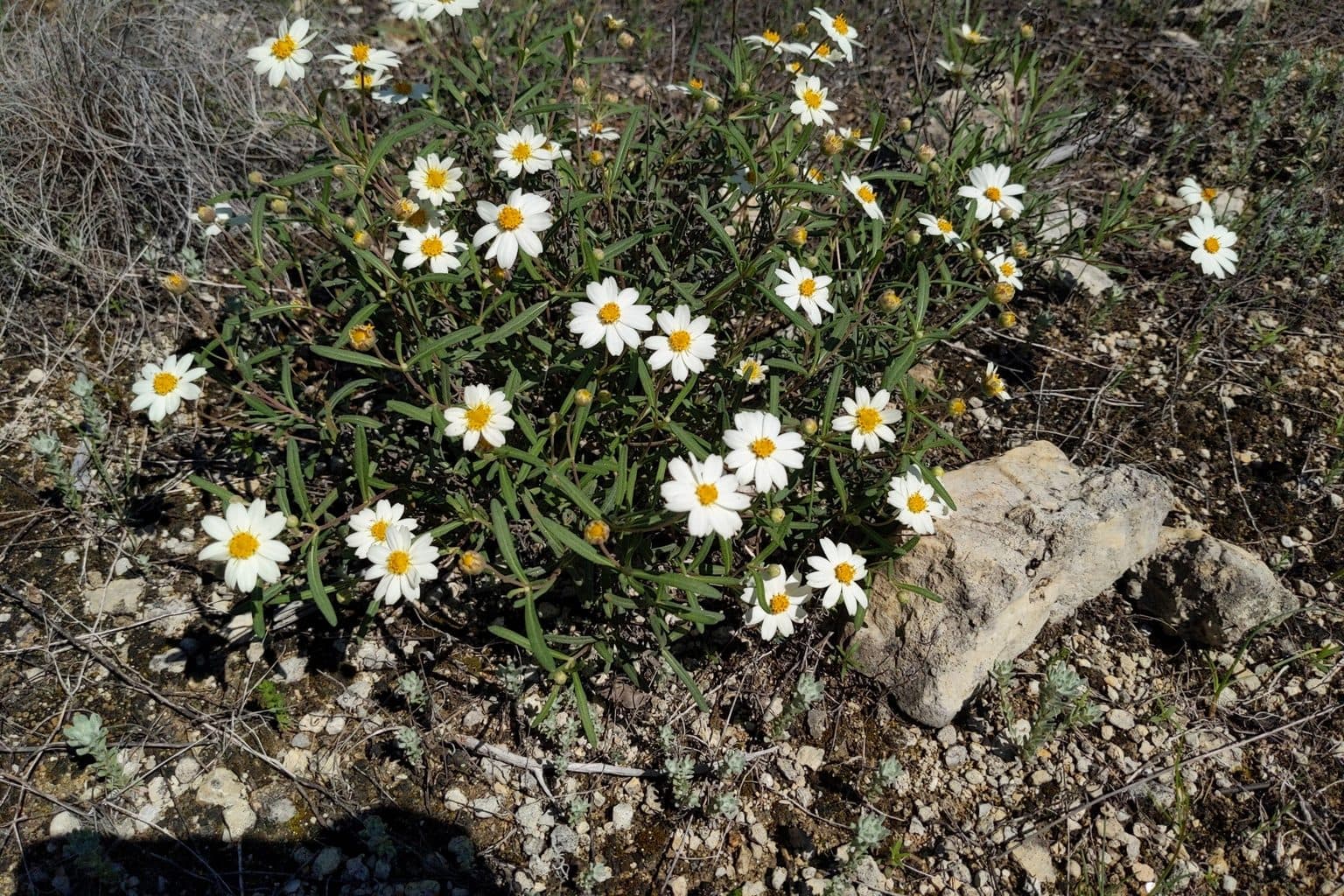
A real cost comparison between maintaining a traditional lawn and converting to native landscaping. Includes Year 1 conversion costs, ongoing maintenance savings, water bill reductions, and how rebates change the math.
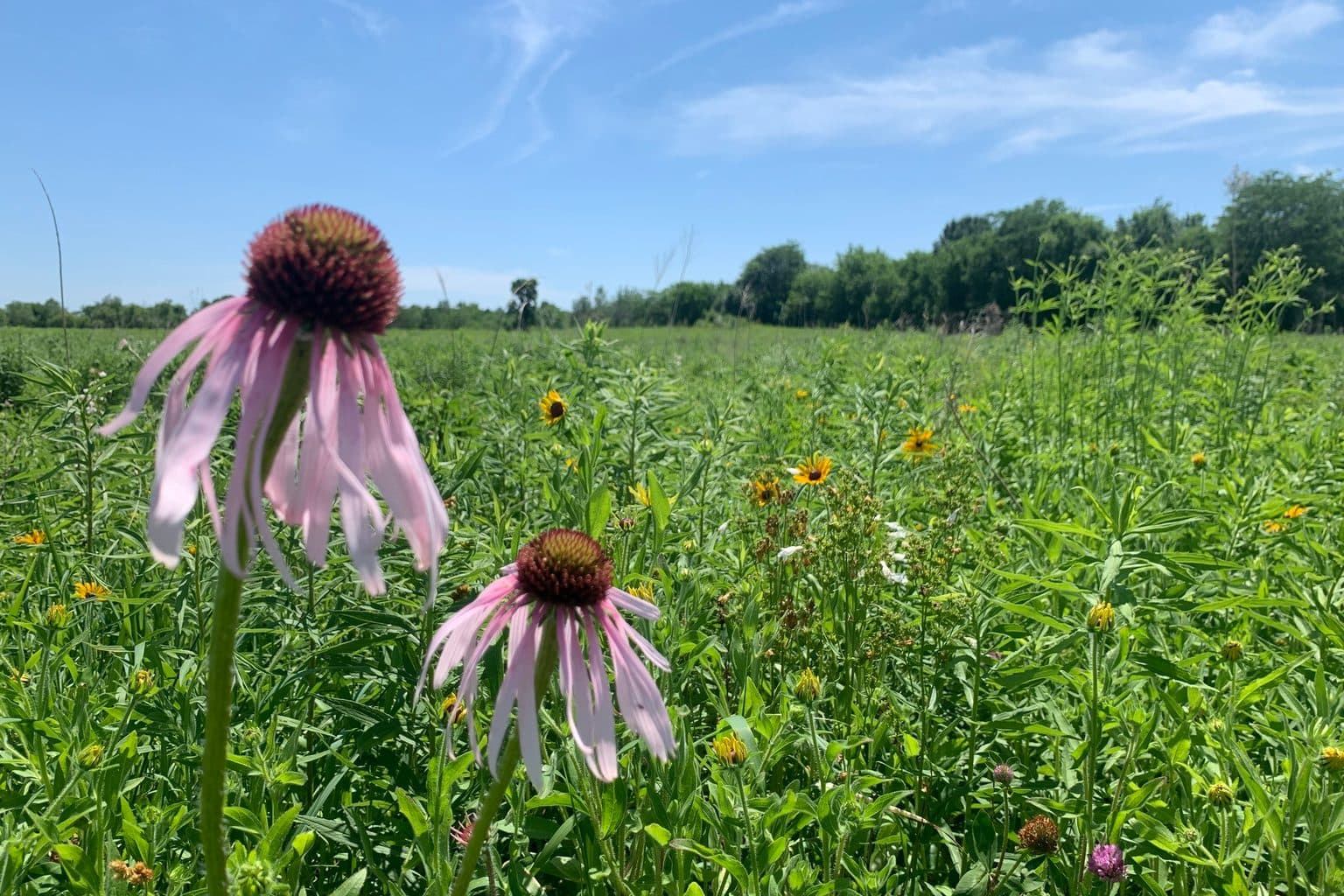
A step-by-step guide to getting HOA approval for native landscaping in any state. Read your CC&Rs, cite your state's law, and bring a plan boards say yes to.
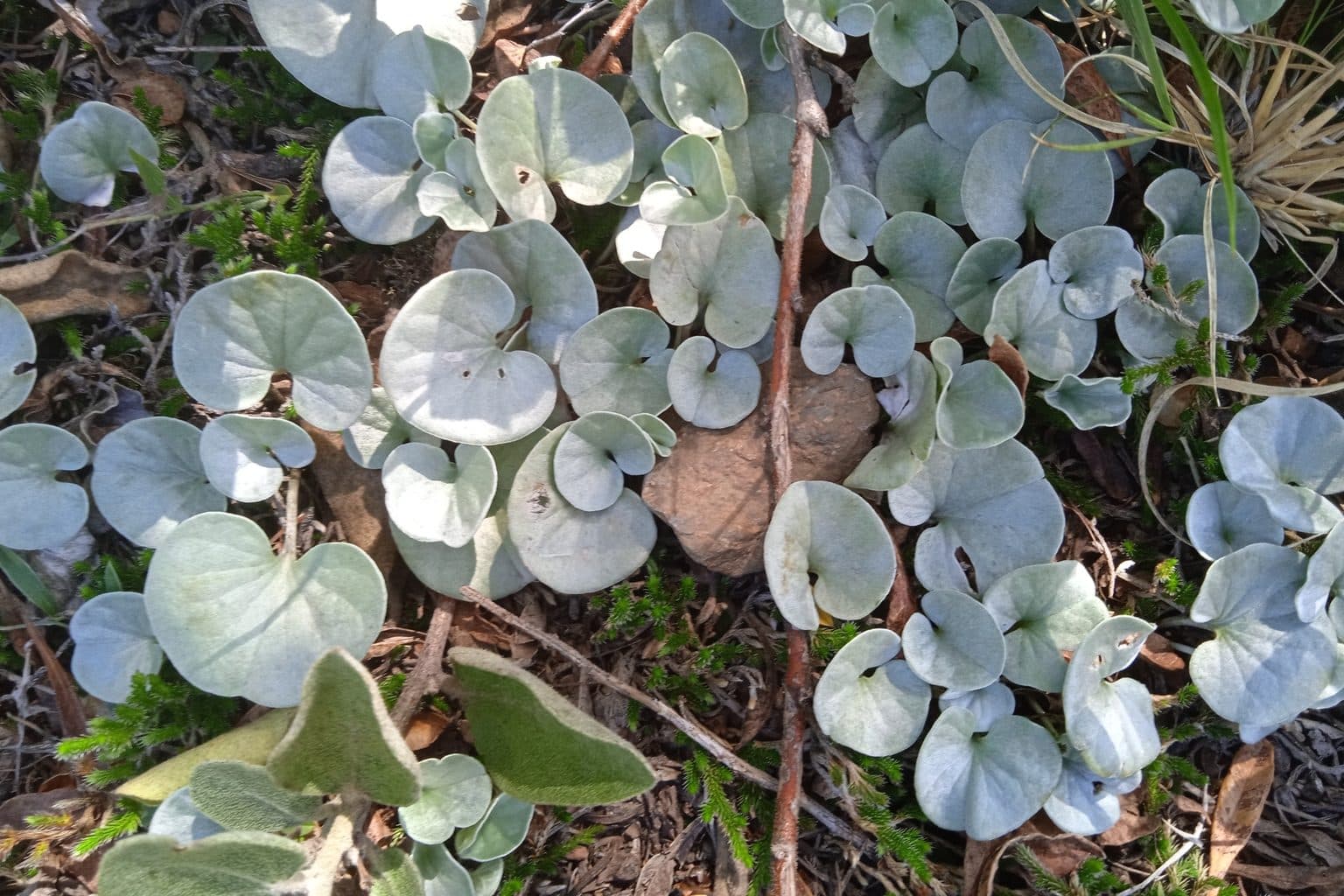
The best non-toxic native ground covers for Texas yards with dogs. Covers Frogfruit, Horseherb, Silver Ponyfoot, and other dog-safe alternatives to St. Augustine grass that handle foot traffic and heat.
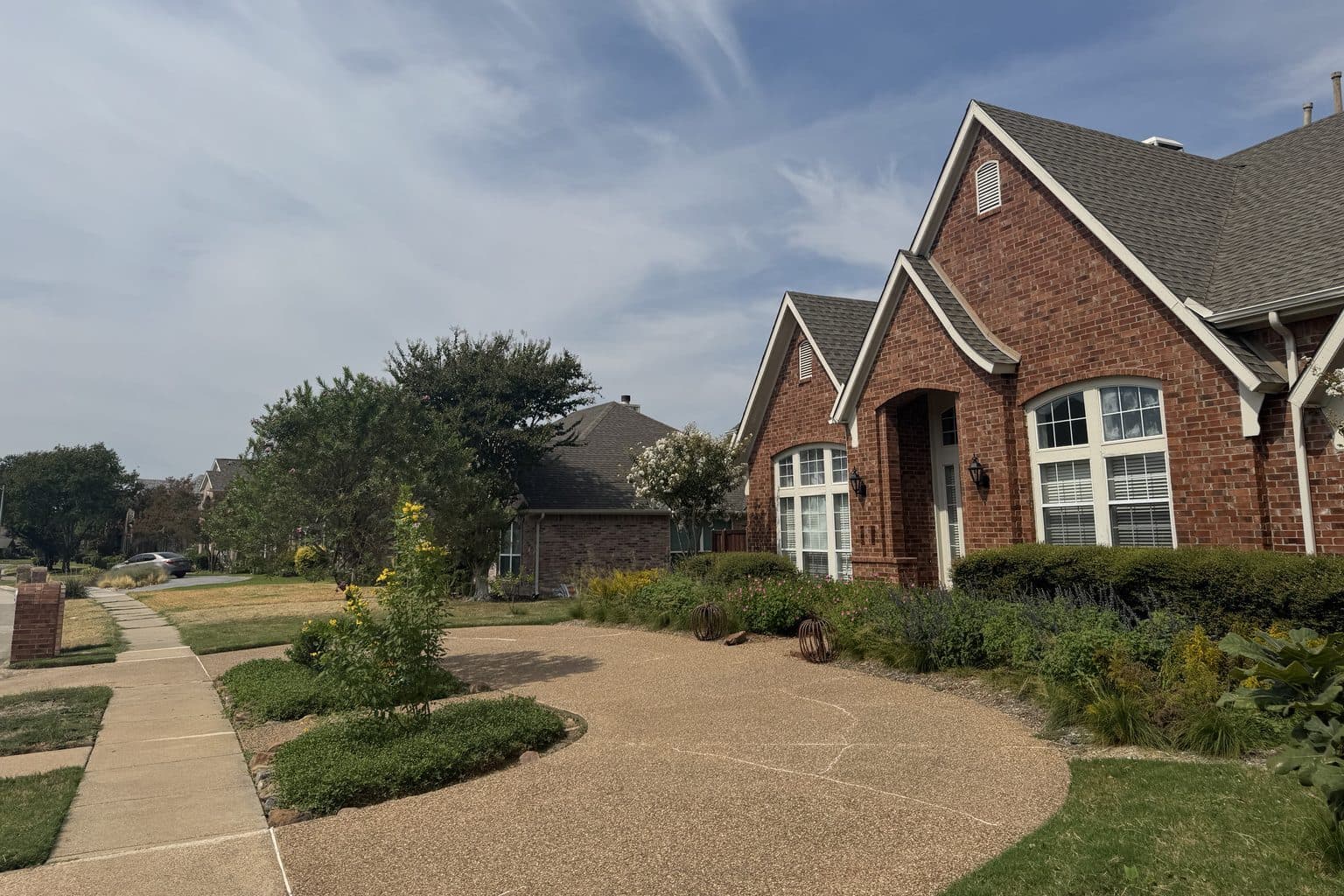
Practical ideas for a low-maintenance Texas front yard that doesn't need mowing, heavy watering, or constant upkeep. Native plants, gravel beds, and design strategies that look good without the work.
No. Texas Property Code §202.007 bars HOAs from requiring turf or banning native plants. What your HOA can still require, how to answer a violation letter.
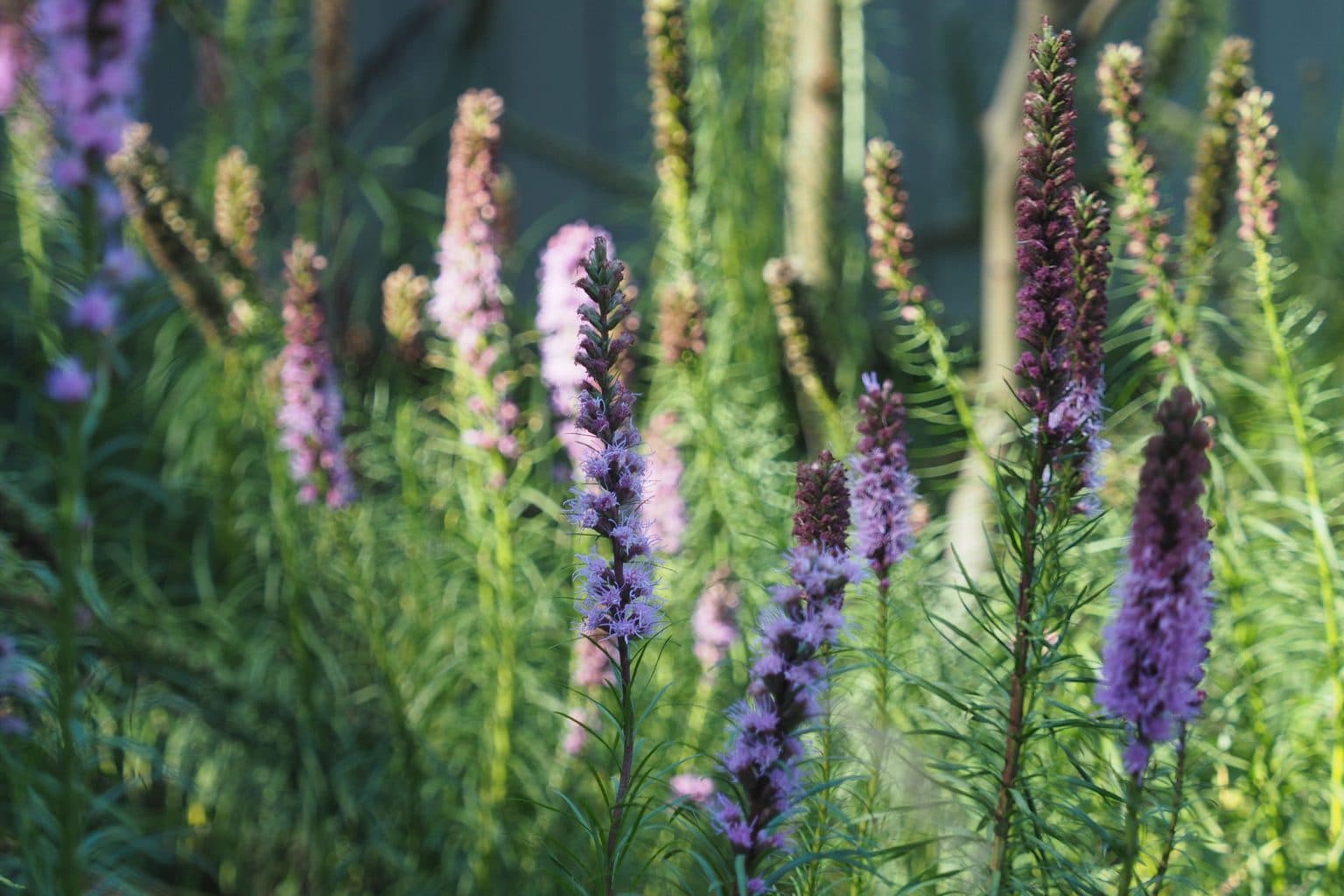
A free, printable template for submitting a native landscaping plan to your HOA. Includes plant list, layout sketch area, maintenance schedule, and talking points for the landscape committee.
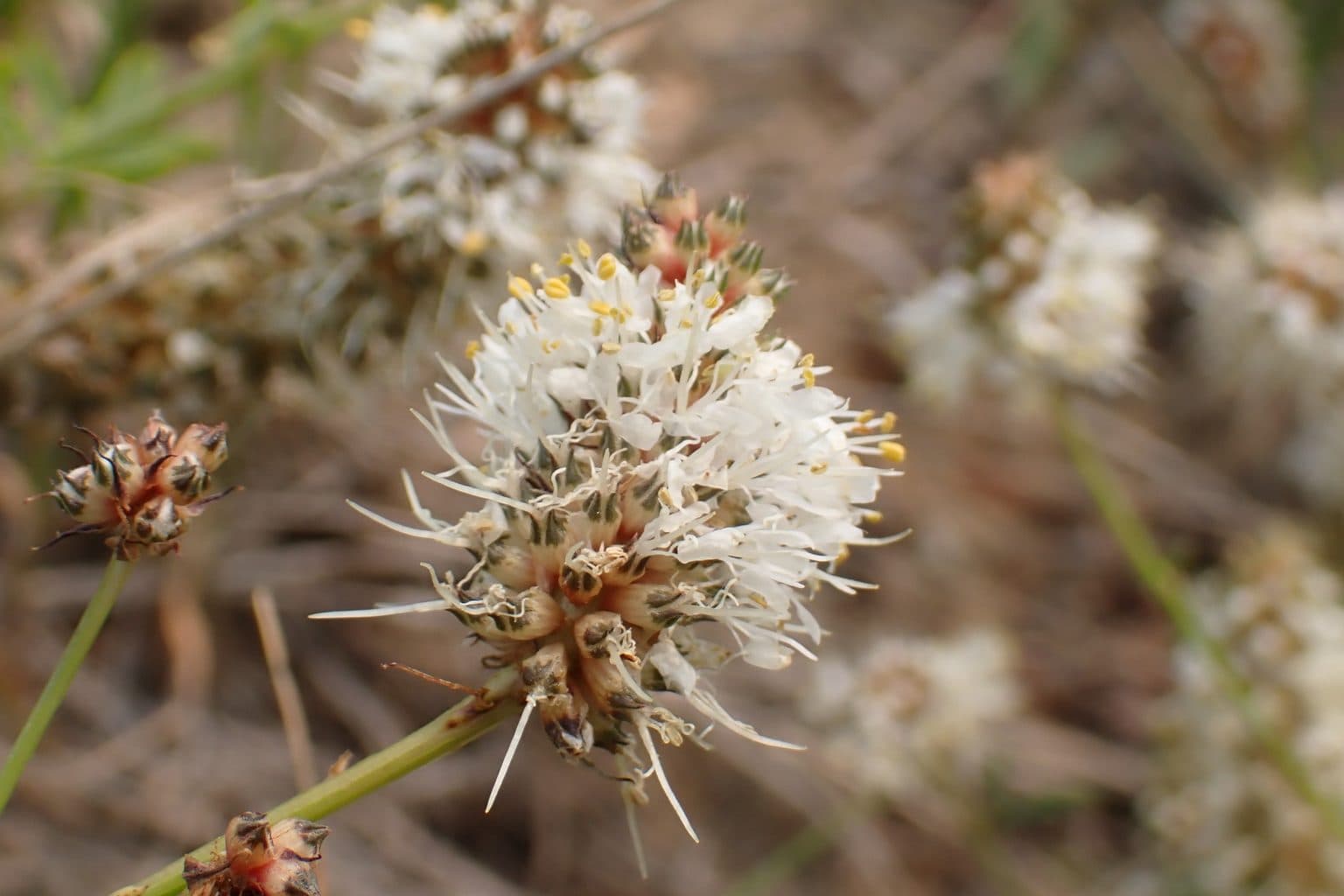
The same native plants can get a compliment or a complaint letter. The difference is design. Learn why "intentional" beats "natural" in HOA neighborhoods, and the five design cues that shift perception.
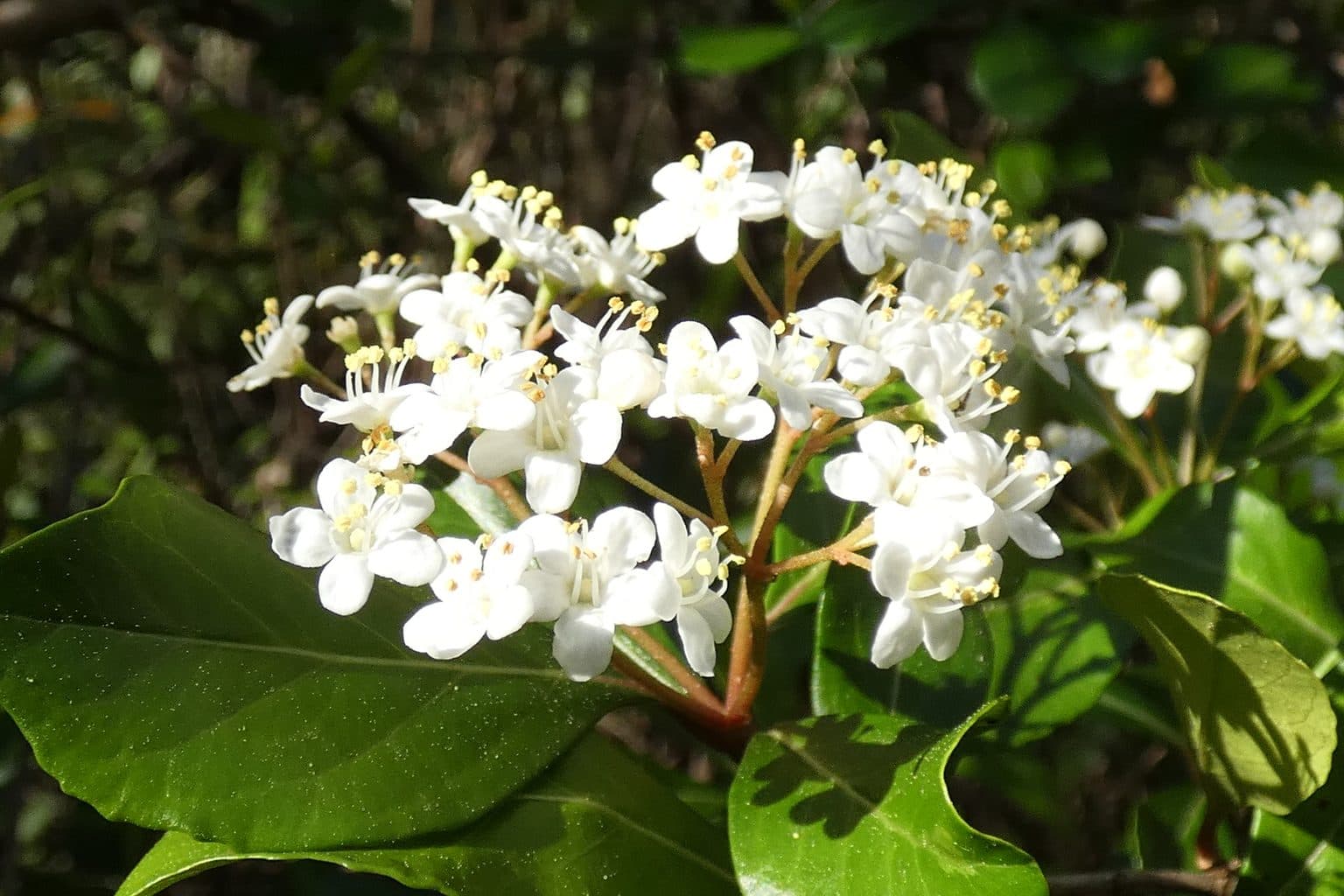
A practical guide to hurricane-resistant, salt-tolerant native landscaping in Florida. Covers regional plant recommendations, the Florida-Friendly Landscaping program, HOA strategies for the state with the highest HOA rate, rebate programs, and storm-smart design.
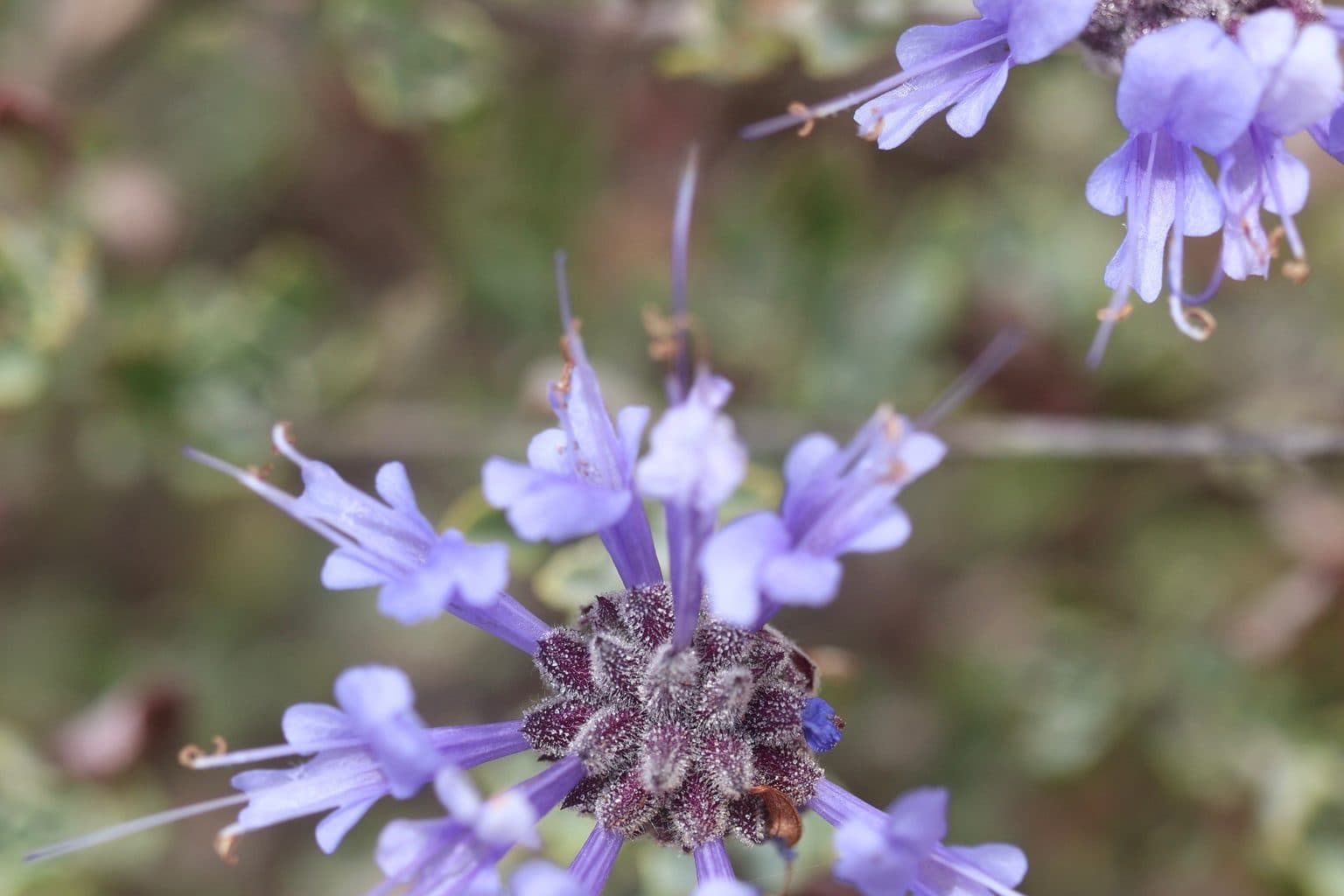
A practical guide to drought-tolerant, fire-conscious native landscaping in California. Covers regional plant recommendations, HOA protections under Civil Code §4735, rebate programs, defensible space design, and planting tips.
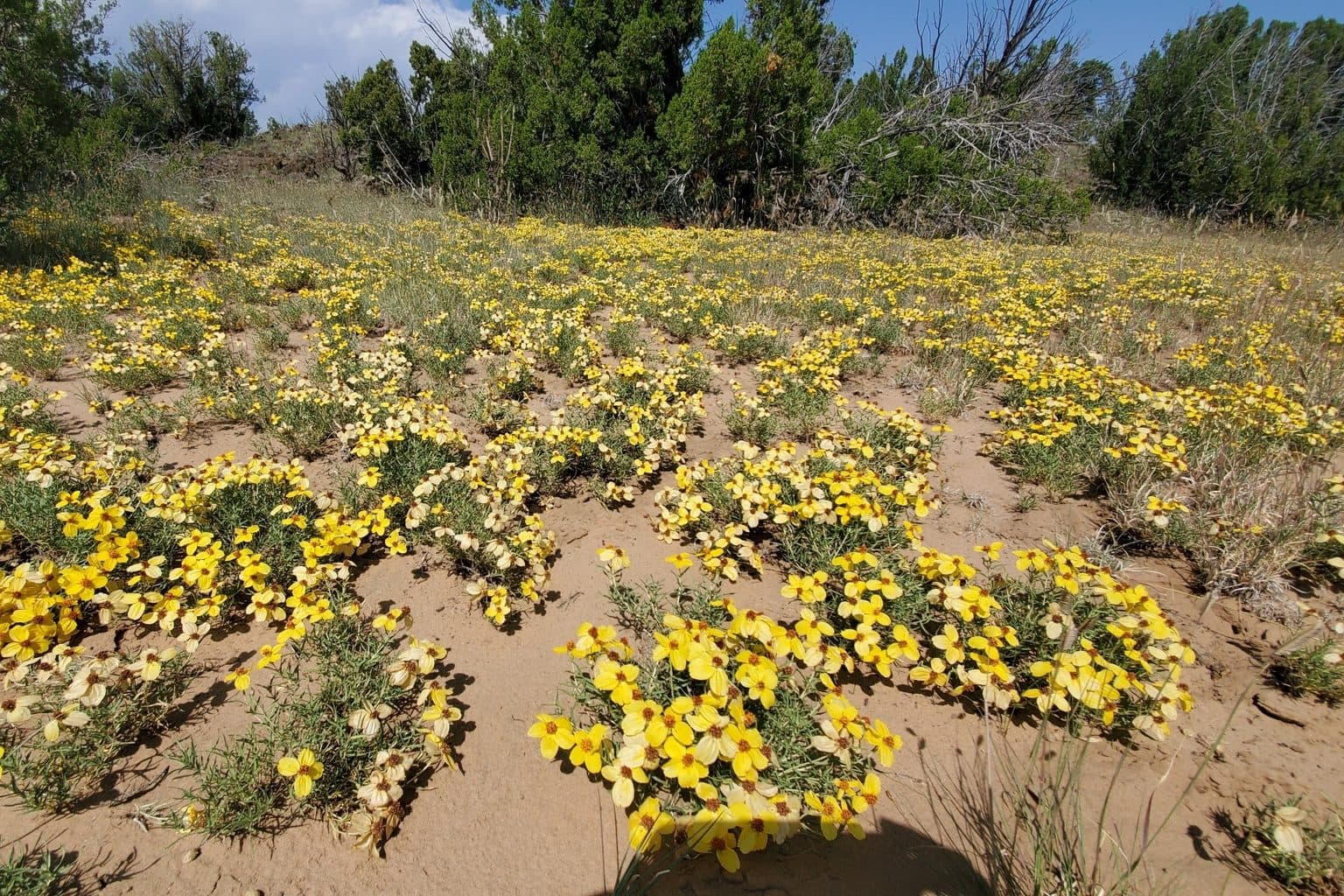
Xeriscaping and native landscaping overlap but they are not the same thing. Learn the key differences, where they complement each other, and which approach fits your yard, climate, and HOA.
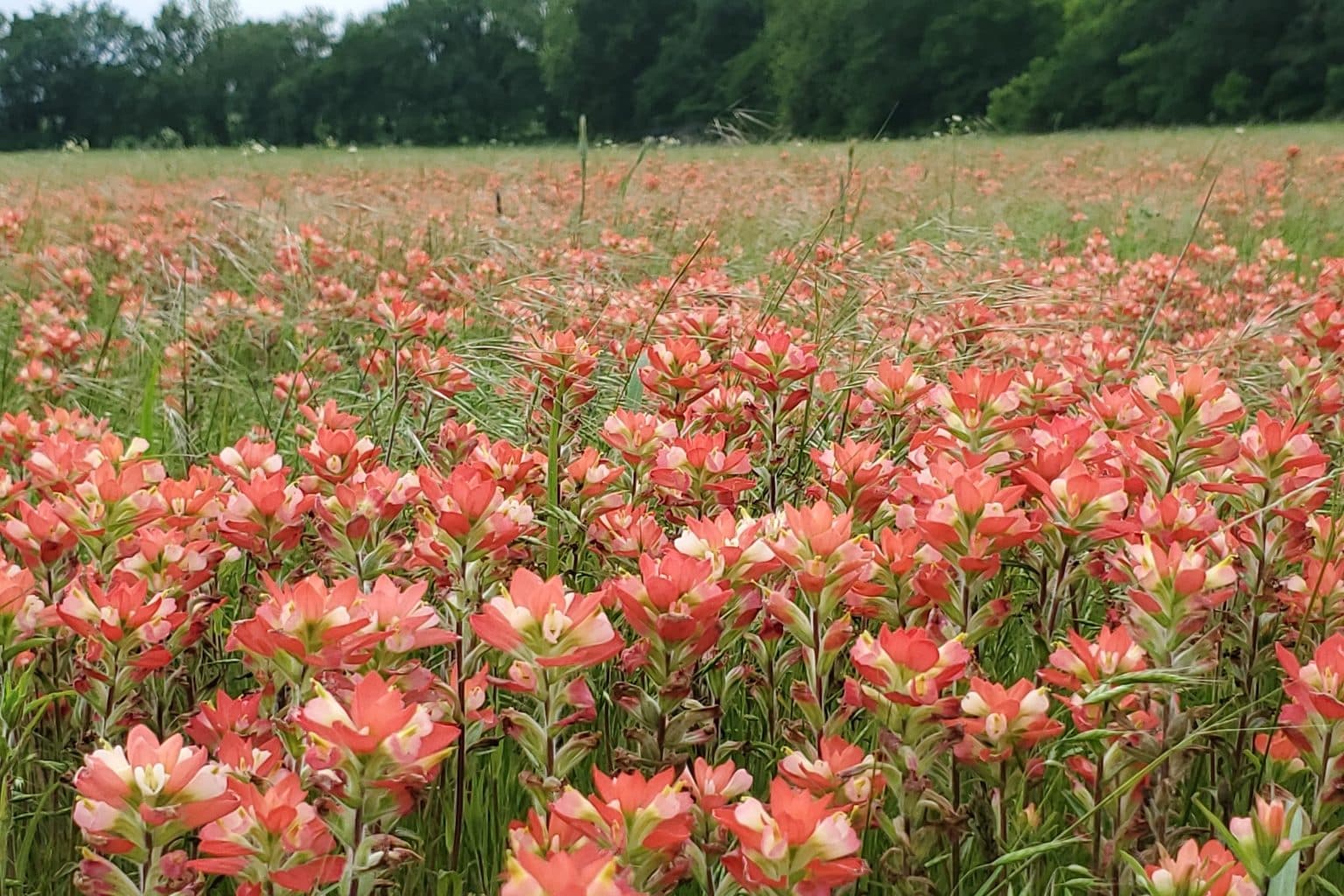
A curated list of the best native plants for Texas front yards, including bloom times, mature sizes, sun and water needs, and tips for keeping each one looking tidy in HOA-conscious neighborhoods.
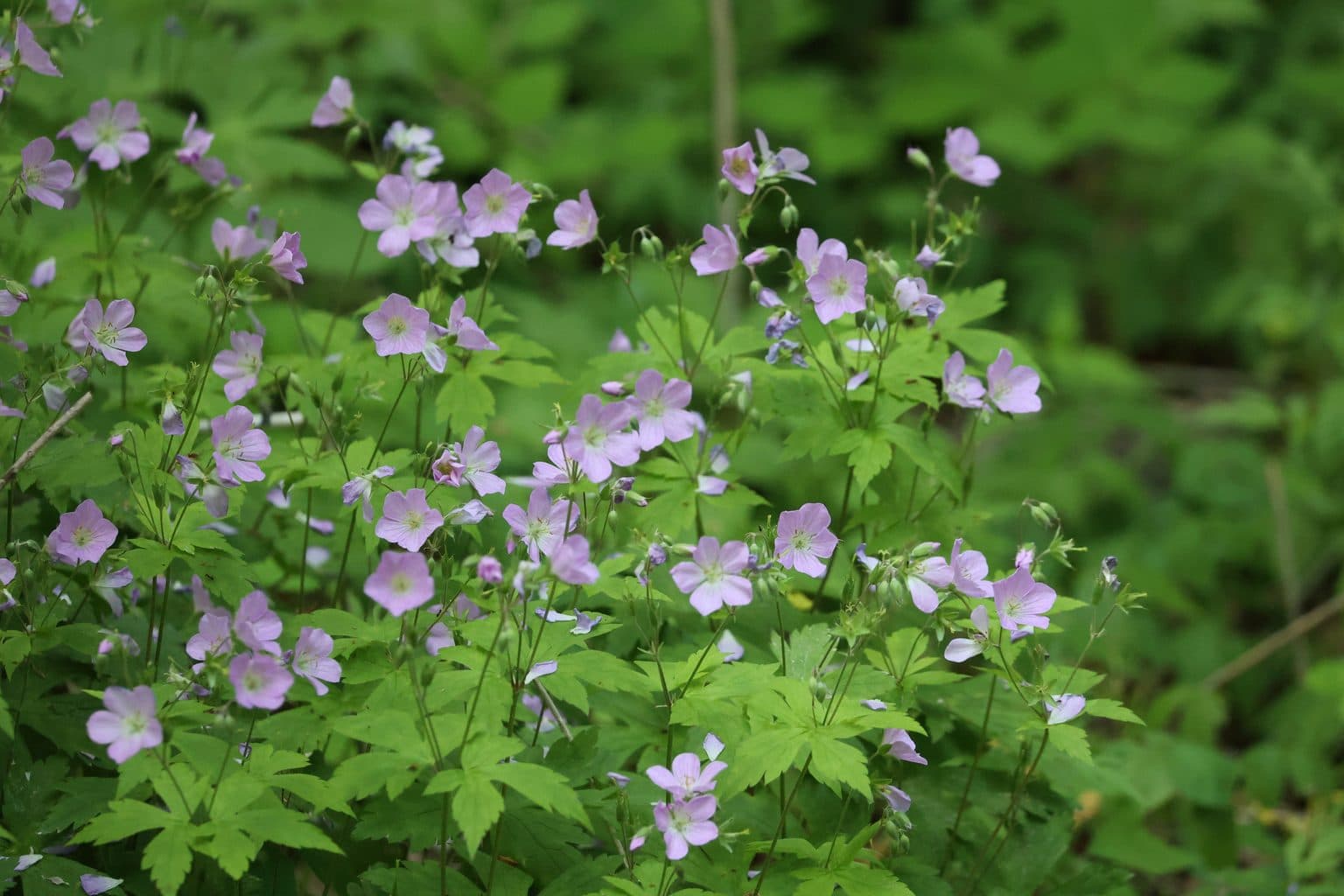
Practical low-maintenance front yard landscaping ideas using native plants, smart design, and simple upkeep strategies. For homeowners who want curb appeal without weekend yard work.
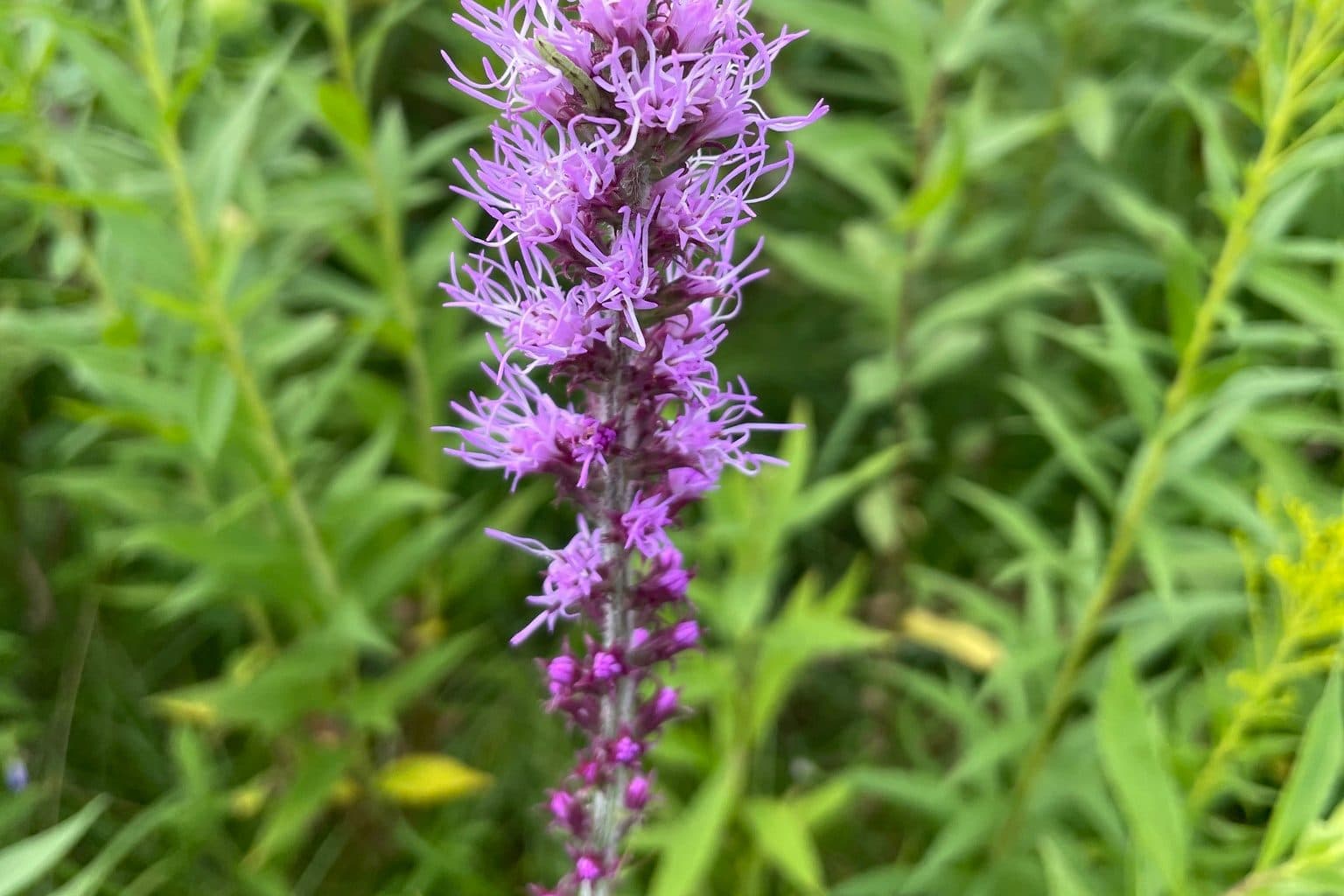
A pollinator patch is a small, intentional planting of native flowers designed to support bees, butterflies, and other pollinators. Learn what makes a good pollinator patch, how to plan one for a front yard, and how to keep it HOA-conscious.
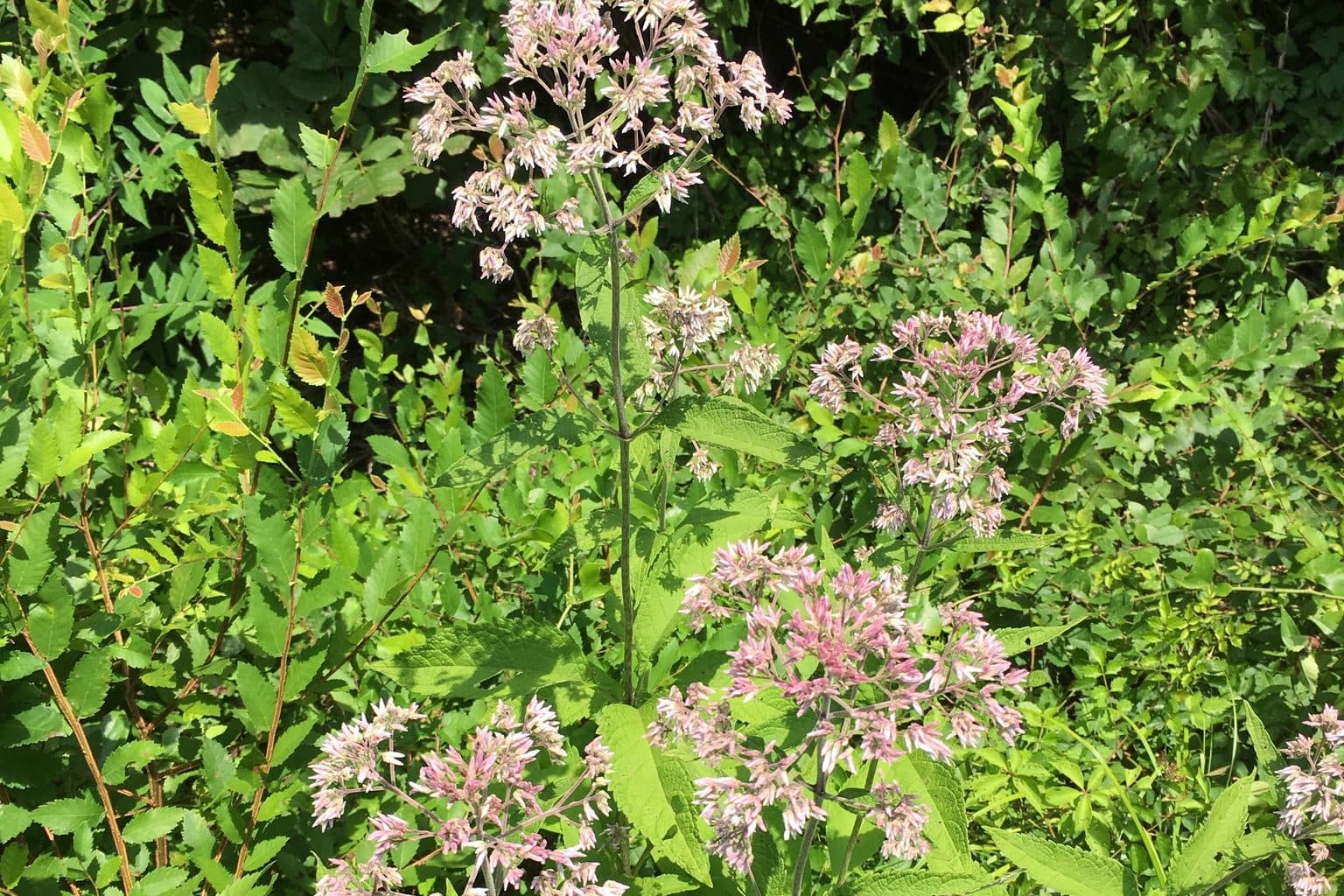
Learn how to attract monarch butterflies to your yard with the right milkweed and nectar plants native to your region. Built for HOA-conscious homeowners who want beauty and purpose.
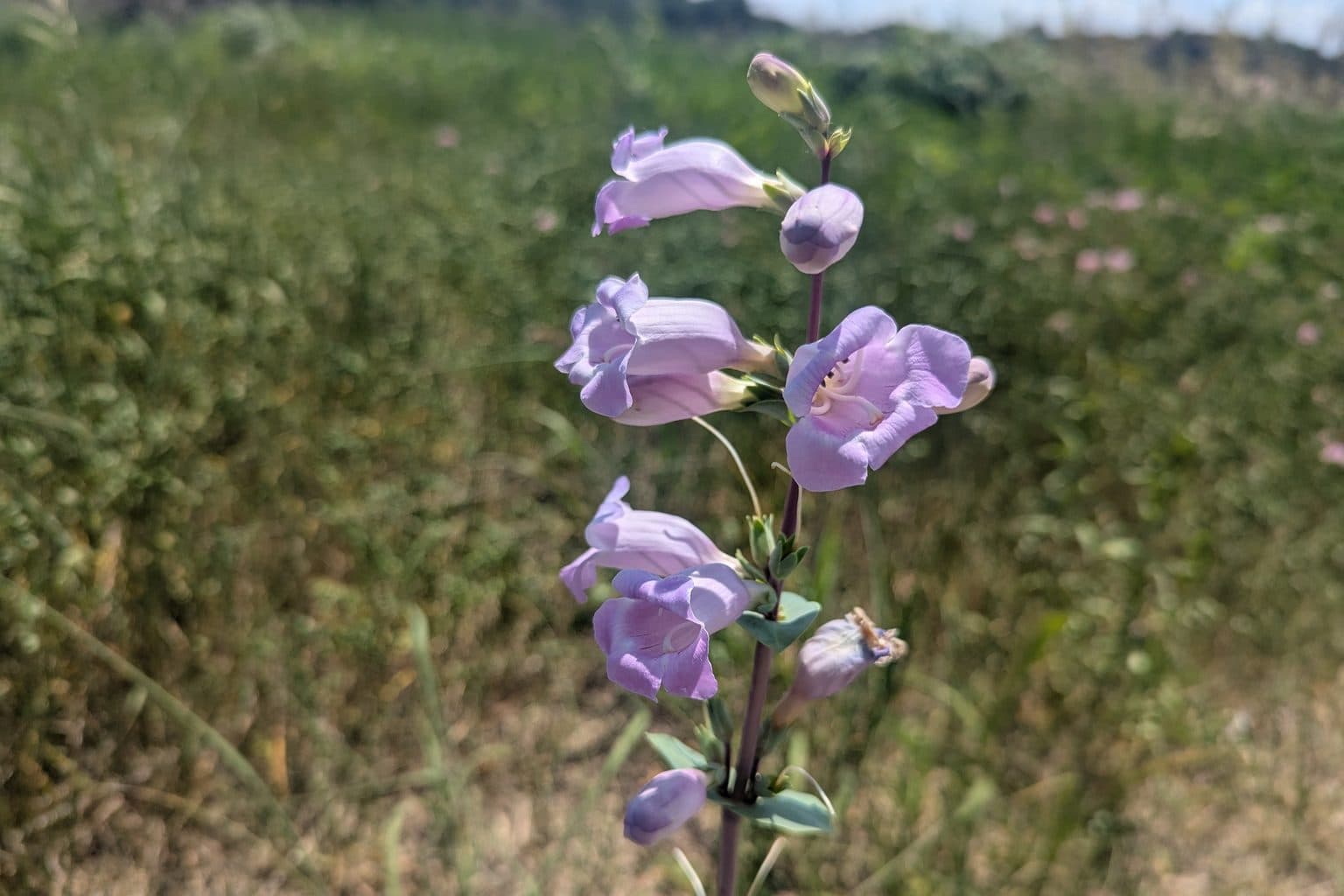
Received an HOA violation for your native garden? Learn what HOAs actually object to, how to frame your response, and how to create a remediation plan that keeps your plants and satisfies your board.
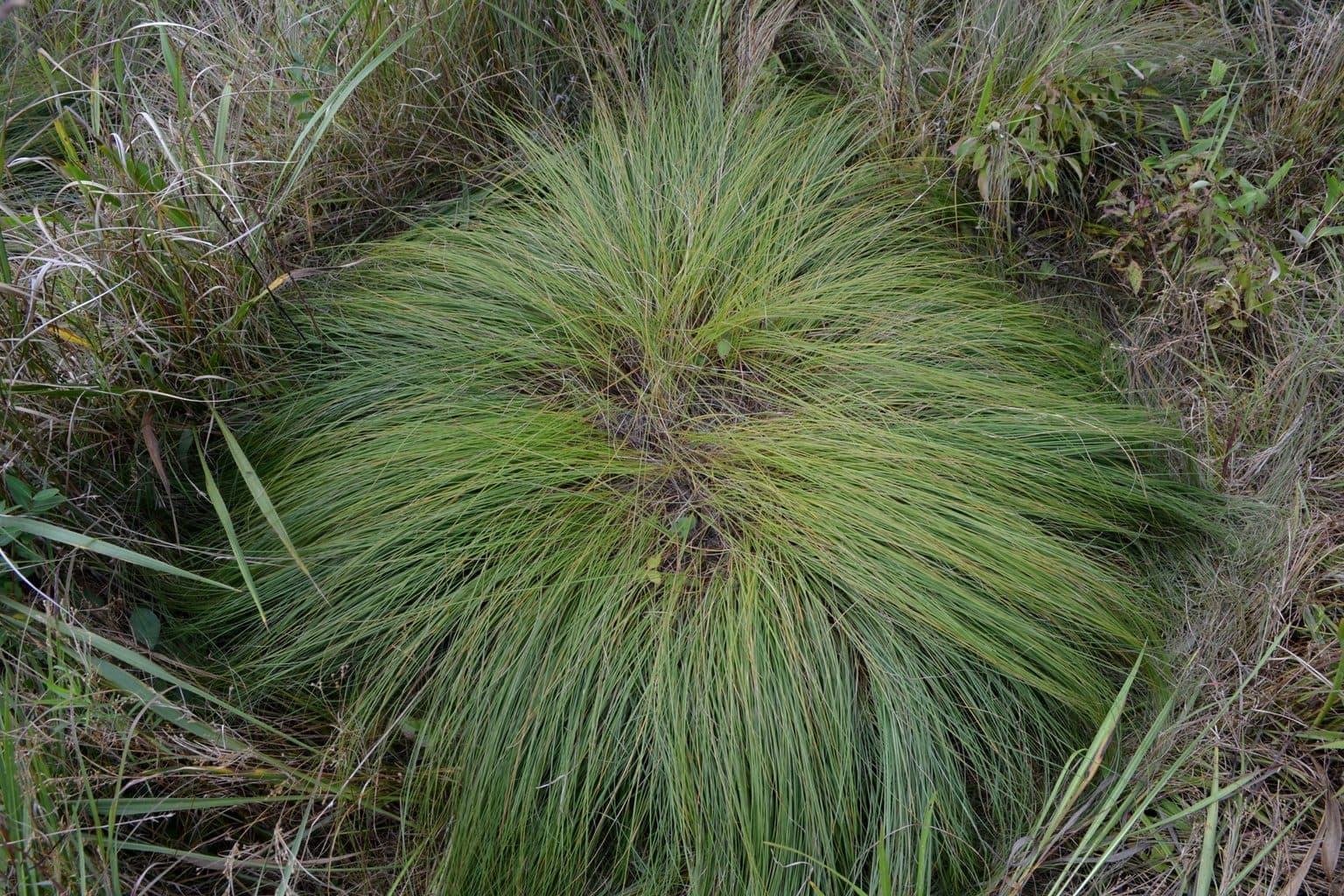
Tired of watering your lawn? Learn how much water traditional turf uses, discover native plant alternatives that thrive with minimal irrigation, and plan a phased transition that works with your HOA.
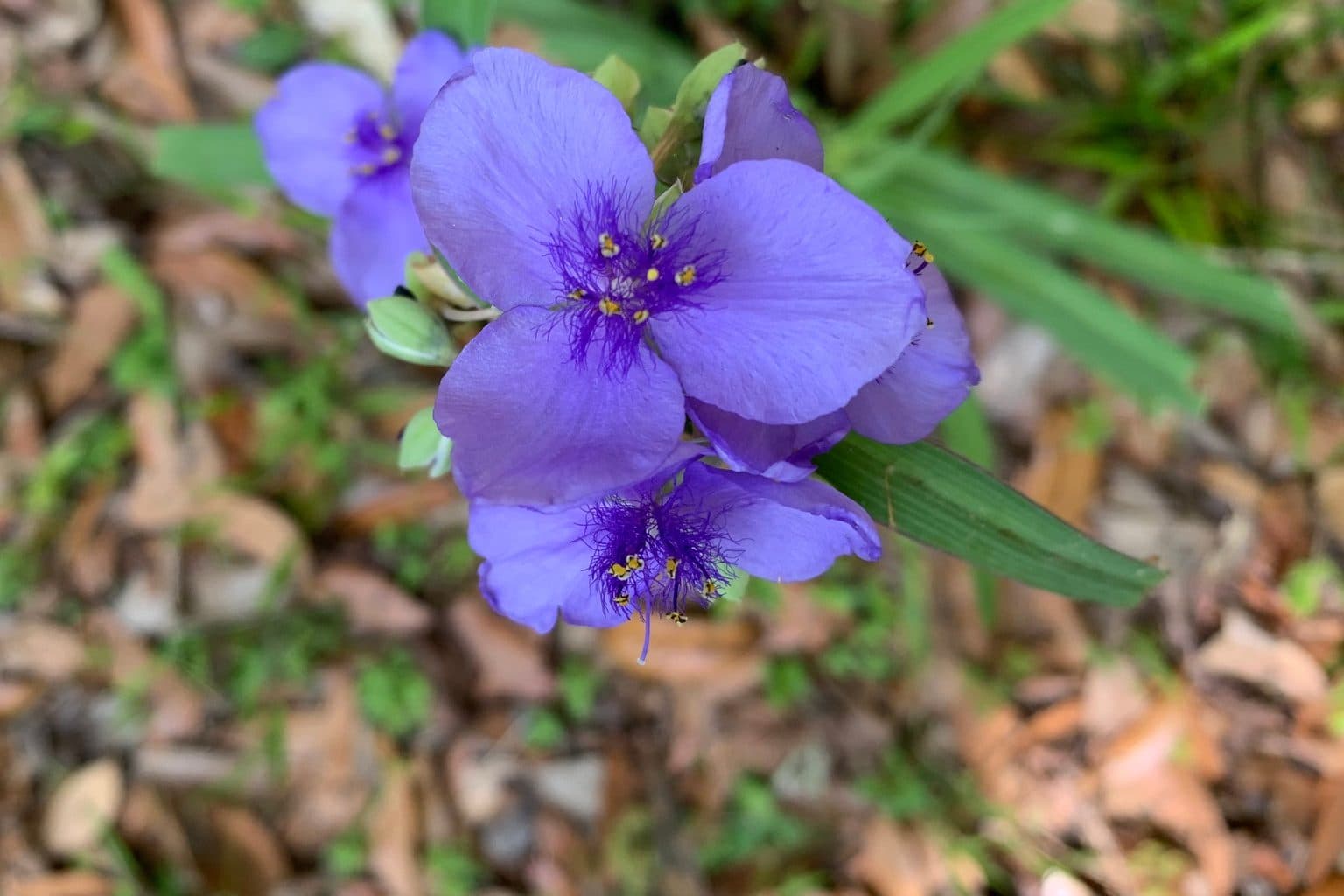
Every yard has that one spot where nothing grows. Learn how to diagnose shade, drainage, and soil problems, then discover native plants that actually thrive in tough conditions.
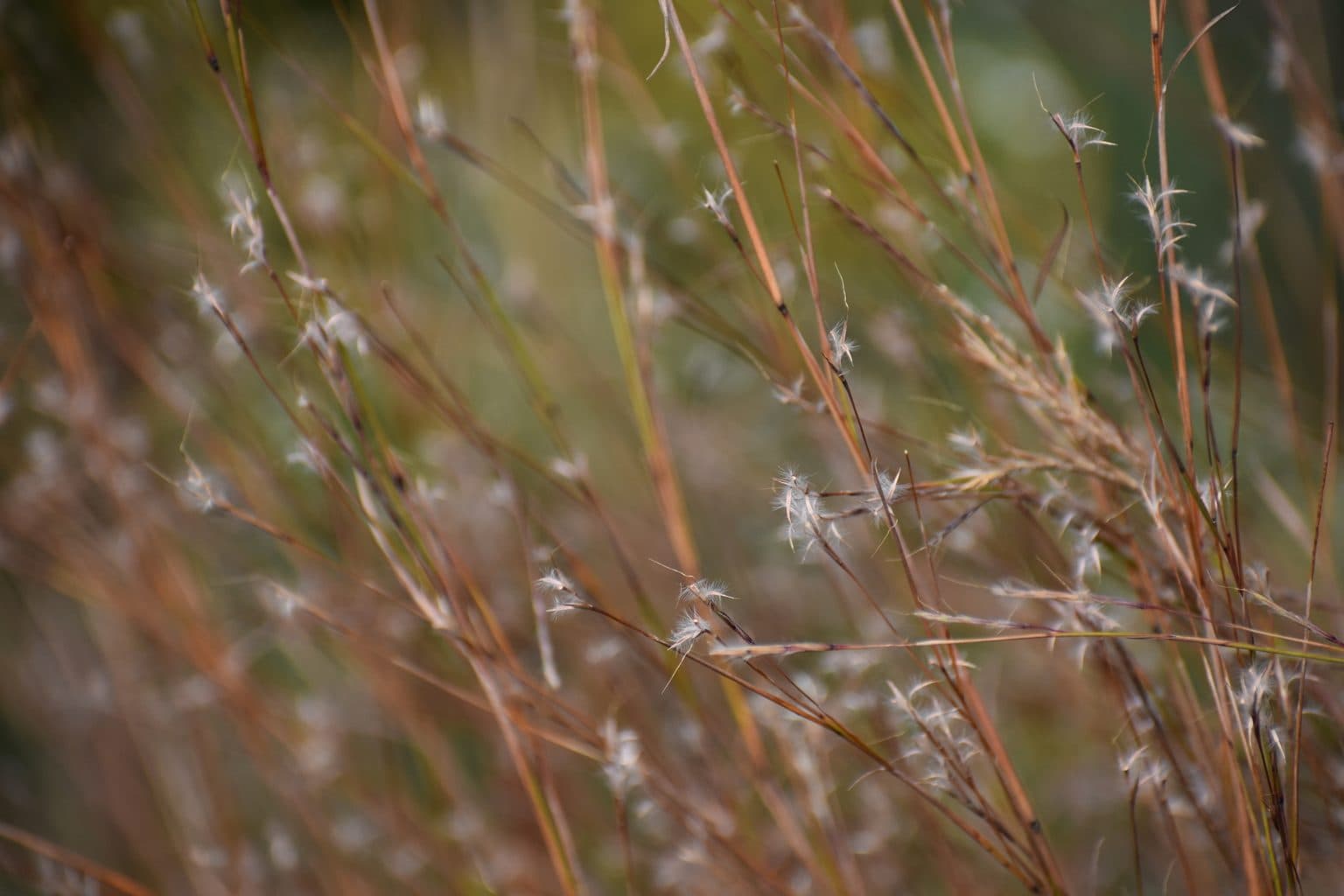
Worried your native garden will look dead half the year? Learn how to plan for four-season interest with bloom sequencing, winter structure, and intentional design that keeps your yard attractive in every month.
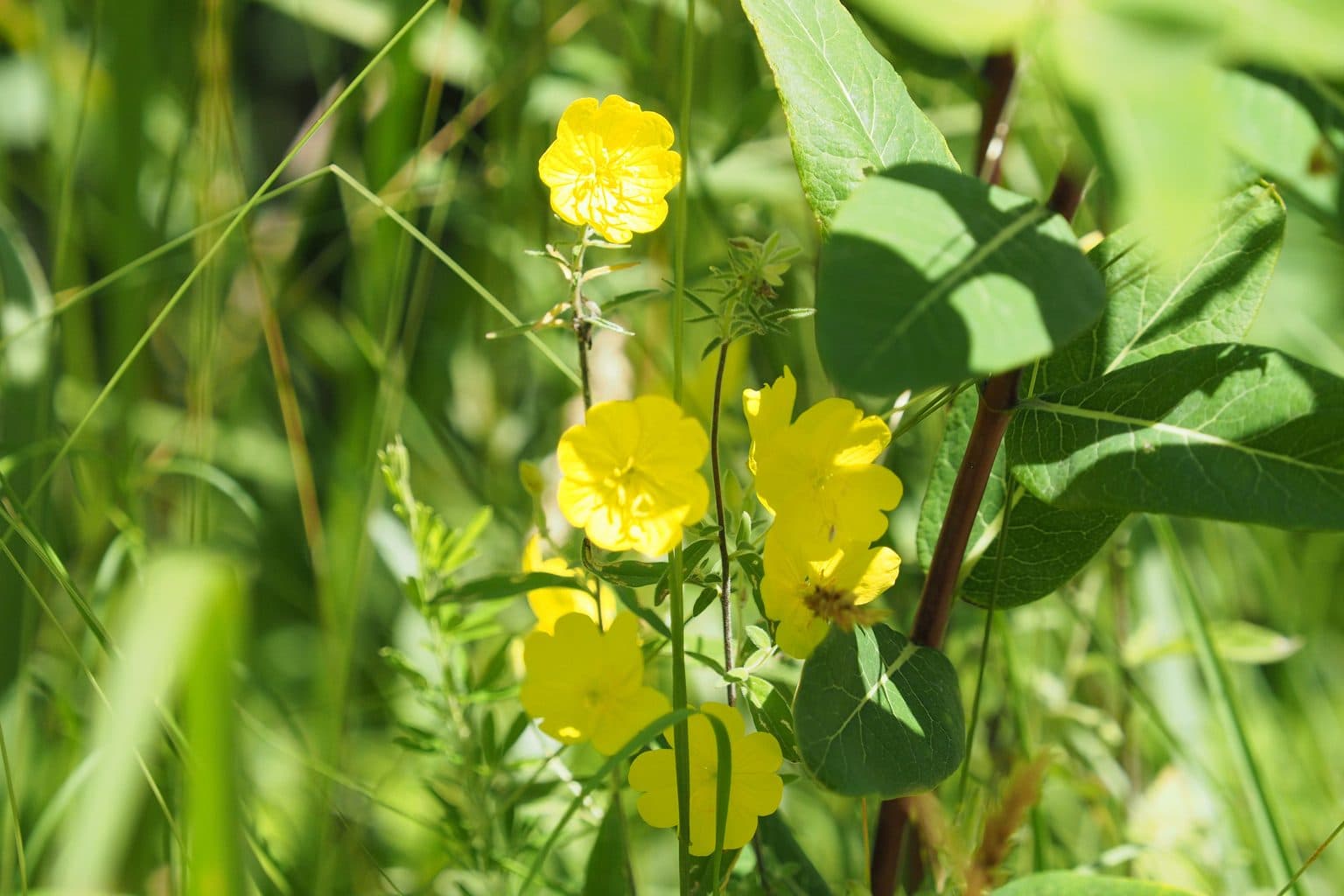
HOAs judge yards from the curb, not up close. Learn how to design native landscaping for the 50-foot impression, with borders, height layering, tidy plant choices, and driveway strategies that reduce friction.
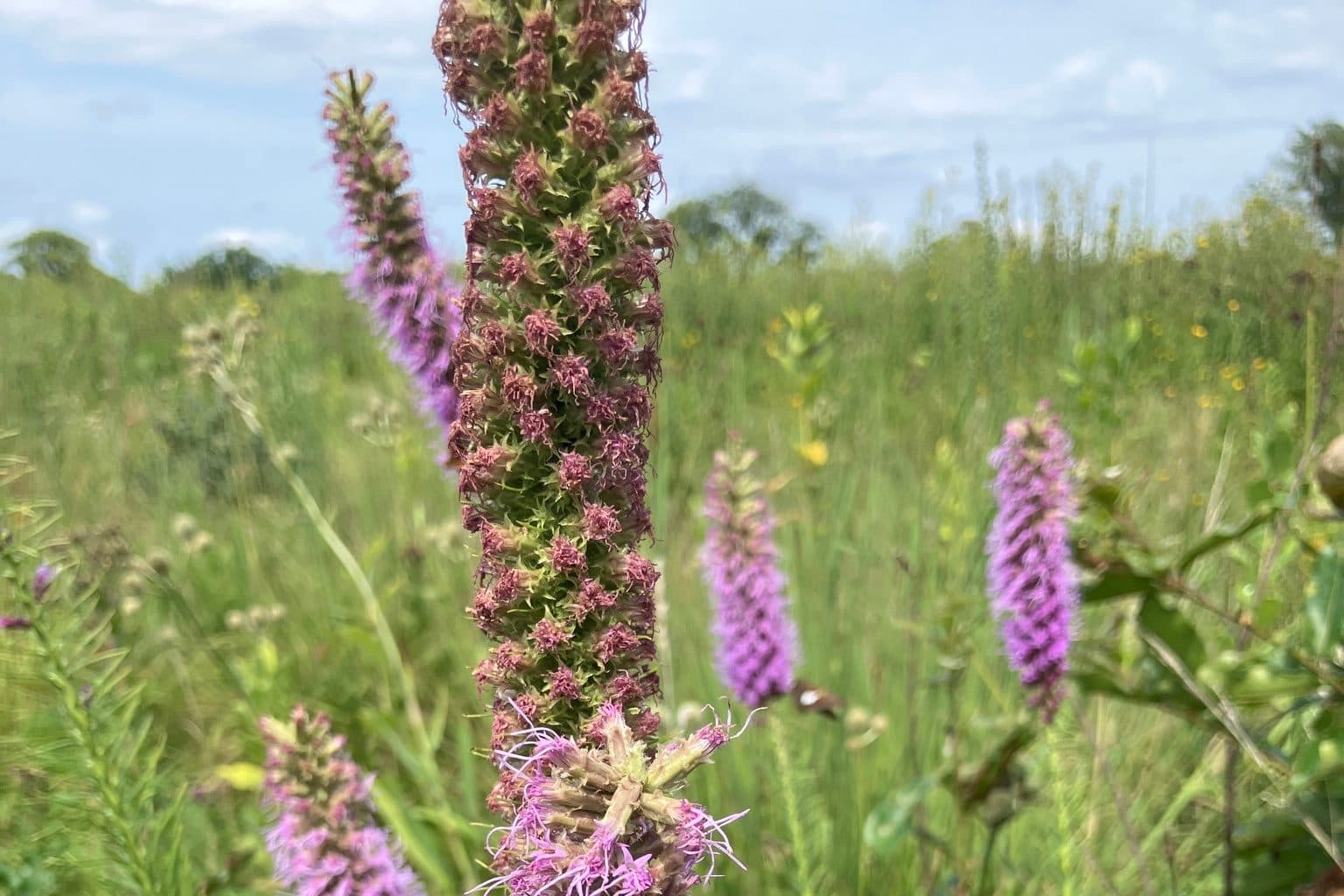
HOAs don't judge plant species. They judge visual cues. Learn how mulch, edging, and street visibility shape HOA perceptions and how to use them for native landscaping success.
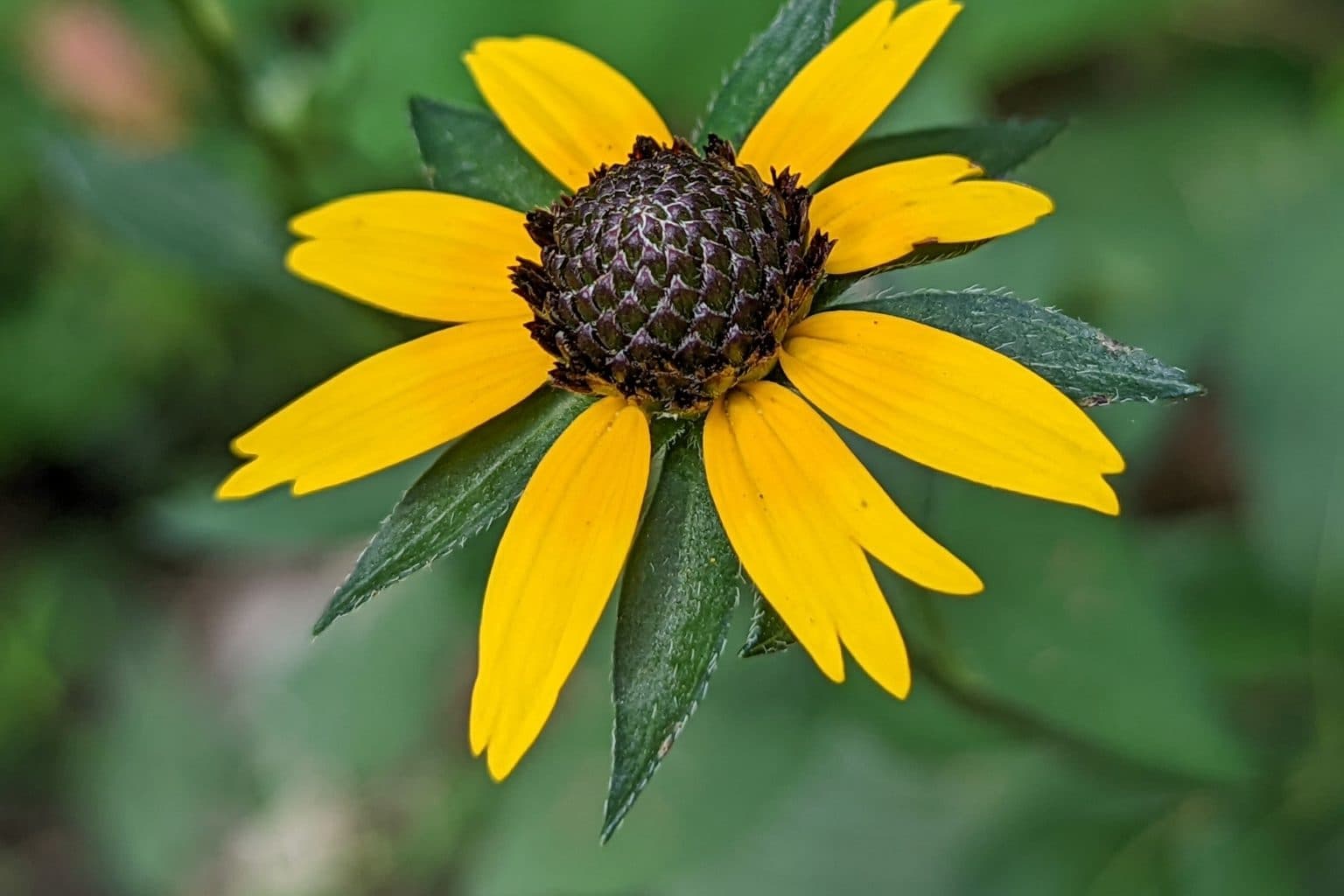
Most HOA landscaping issues are about appearance, not plants. Learn how structure, edges, and intentional design help native yards look maintained and HOA-conscious.
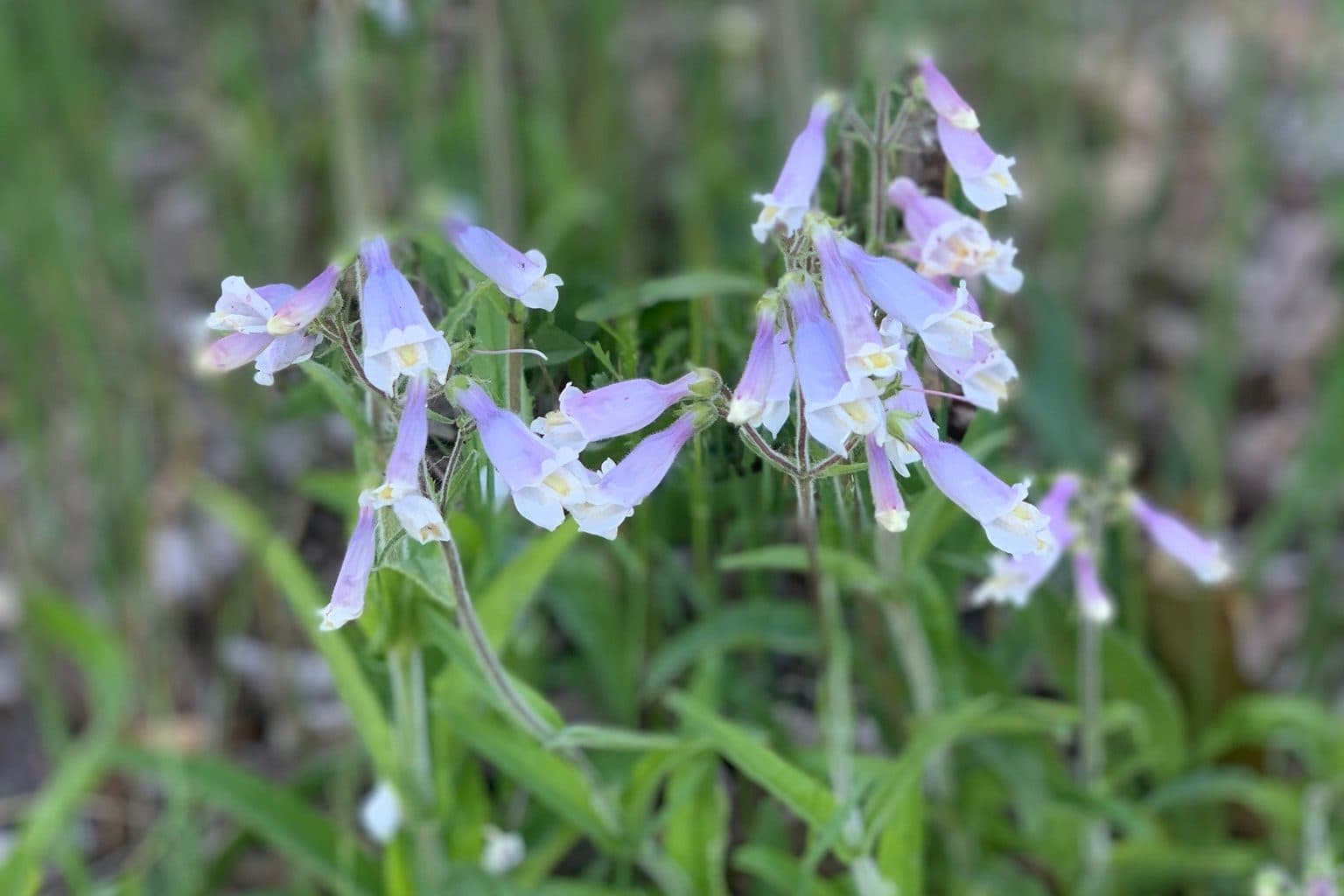
Native landscaping can reduce HOA risk when you start with structure. Learn a layout-first framework (edges, height layers, and repetition) that makes native front yards look intentional and well-maintained.
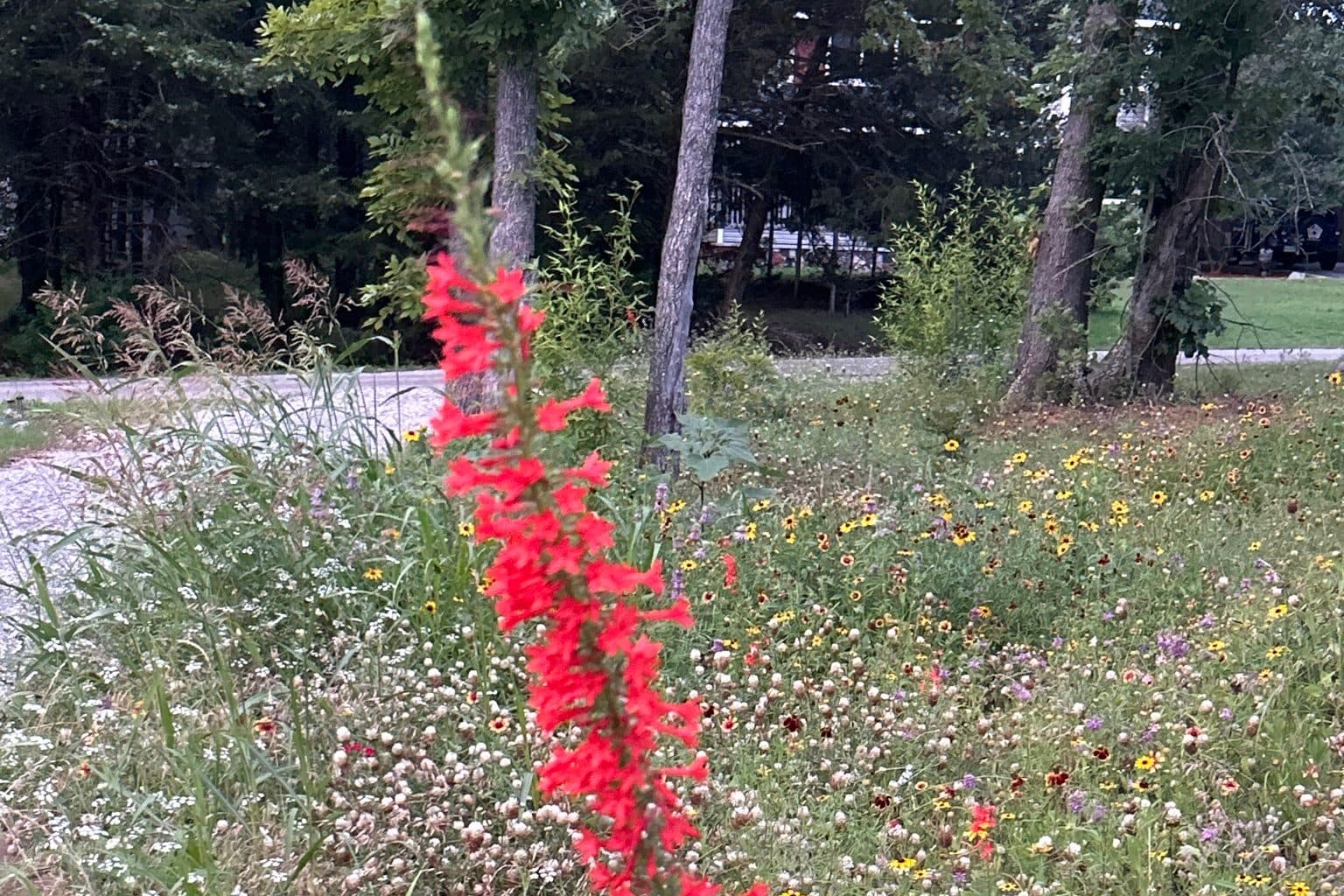
Want a tidy, HOA-conscious native front yard in Texas? Learn the simple layout formula, "cues of care," and plant examples that keep curb appeal high while supporting pollinators.