Oleander is common in Texas because it is evergreen, tough, and full of flowers. It is also highly toxic to pets and people if ingested. Texas Olive gives you a flowering native shrub with a clean, intentional look for HOA-conscious yards.
Why Oleander is risky in family yards
Oleander (Nerium oleander) contains toxic compounds in every part of the plant. Dogs that chew leaves or fallen stems can get very sick. For households with pets or children, that risk usually outweighs the convenience of planting it. A lot of homeowners keep it because it is familiar, not because it is the best fit.
Grow Texas Olive instead
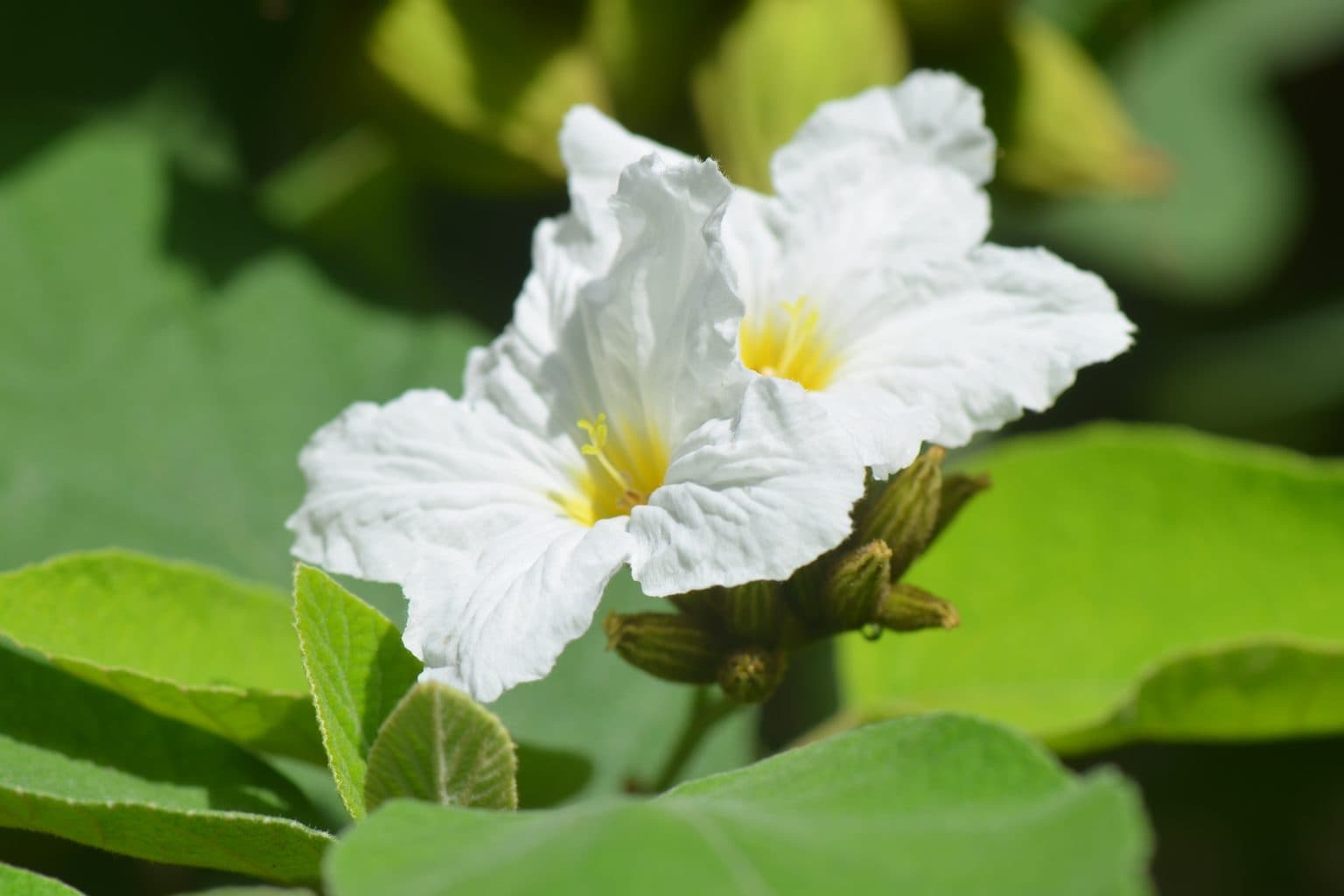
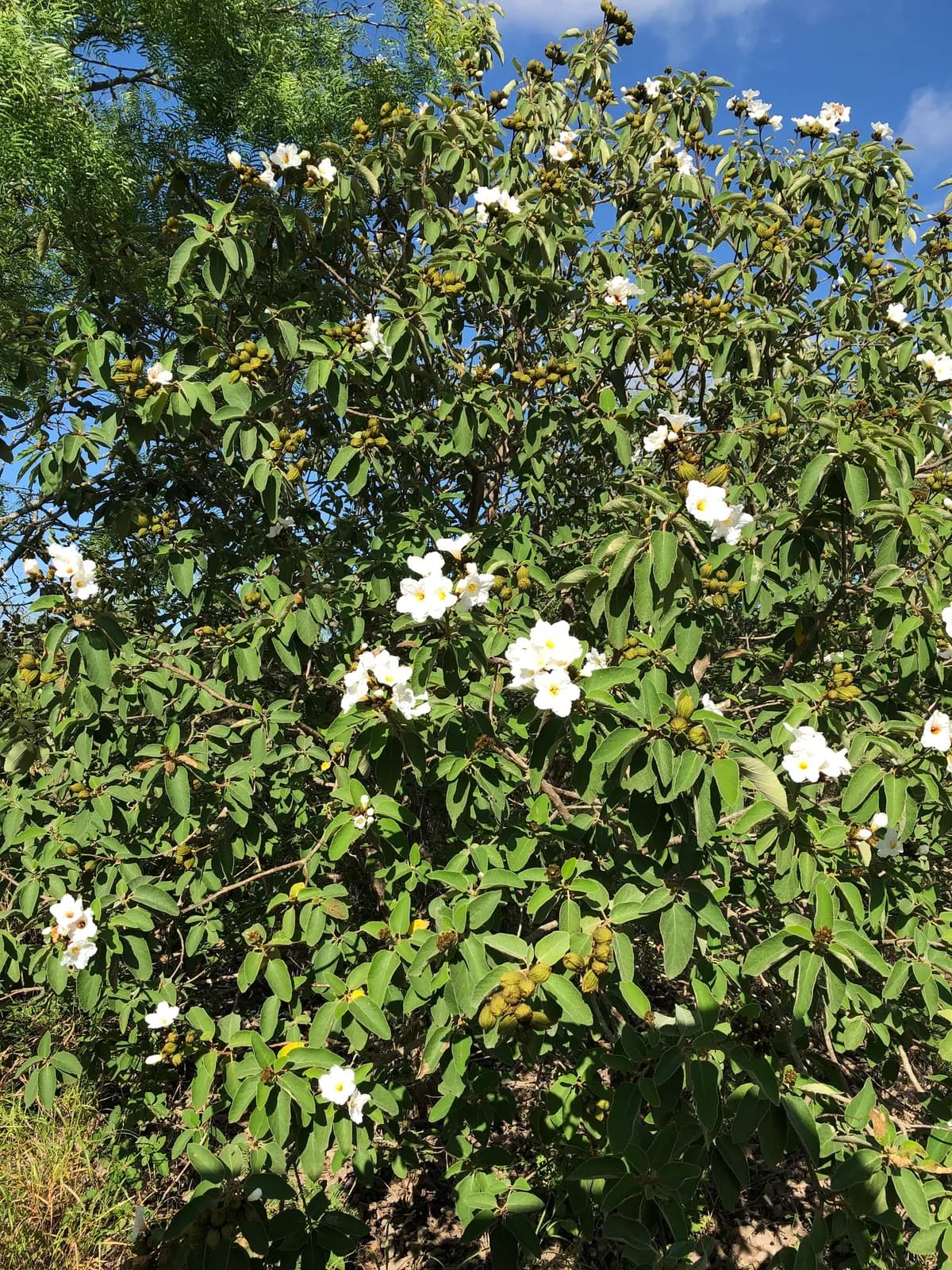
Texas Olive (Cordia boissieri) is a South Texas native shrub or small tree with white blooms and glossy foliage. It handles heat, reflects drought resilience once established, and keeps a tidy form with light seasonal pruning. It works well in sunny foundation beds and can still give that structured curb appeal many HOAs prefer. For more safe plant options, see toxic plants for dogs in Texas.
If you are planning a pet-safe conversion, check your city rebates first. You can also compare more shrub swaps in native shrubs vs ornamental Texas.
Plan a safer native yard
Pollinator Patch helps you filter plants by pet safety, sun, and region so you can choose with confidence.