Hey, I'm Stephen
I'm a petroleum engineer in North Texas with a toddler, two dogs, 3 cats, and a front yard I couldn't leave alone. I built Pollinator Patch because I spent months trying to figure out which native plants would work in my yard without getting a letter from the HOA.
How this started
I got into native plants right after my daughter was born. We had dogs, a backyard, and I wanted to build something our family could actually spend time in together. A butterfly garden felt like the right idea, so I started researching.
The more I dug in, the more native plants kept coming up. They're the foundation of a real butterfly garden, not some optional upgrade. I'm an engineer by nature, so I approached it the way I approach most problems: I built a spreadsheet. Site plan of the house, every plant drawn to scale, a bloom calendar so I'd understand what would be flowering at any given point in the year. I planned from February all the way through September, and we planted that fall.
Spring came in beautifully. More than I expected, honestly. That first garden gave me the confidence to keep going.
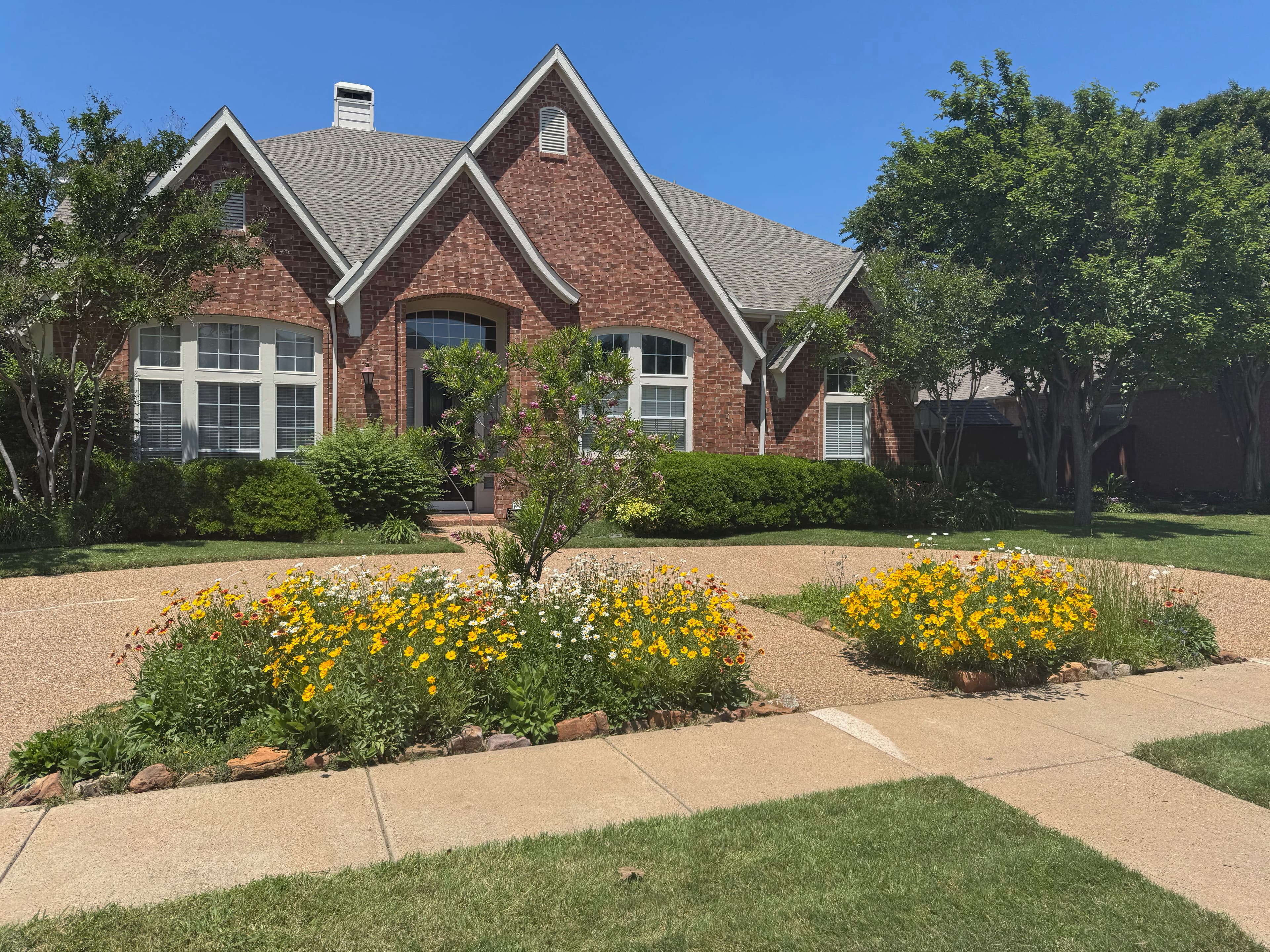
The next phase was more ambitious. I wanted small flowering trees scattered around the property, mostly host plants, and for the front yard I had a circle drive I wanted to actually do something with. My goal was three distinct blocks of color inside it while keeping the existing evergreen hedges in place. I still wanted the yard to feel structured and formal, because the HOA was always somewhere in the back of my mind. A tidy, intentional look matters when you've got neighbors and an architectural review board paying attention.
Everything I know came from books, YouTube channels, websites, and the master gardener neighbors I'm lucky to live near. No formal credentials, just a lot of reading, a few seasons of trial and error, and a genuine obsession with getting it right in zone 8a, Blackland Prairies. I now have over 65 species in my garden, and I'm still adding.
What I spent months doing
I went down a research hole. I'm a member of the Native Plant Society of Texas and their plant lists were where I started. Nursery websites to check what was actually available. Pet toxicity databases, because the dogs eat everything. Nassauer's research on cues of care, which is basically how to make a native garden look intentional instead of neglected. HOA guidelines and CC&Rs.
All of that information existed. It was just spread across a dozen sources and it wasn't connected well. I bought plants from four different native nurseries before I had anything close to a real plan.
What Pollinator Patch does
You tell it your location, your yard conditions, and your constraints (pets, HOA, sun, space). It gives you native plants that actually work, filtered for toxicity and availability, and puts together something you can hand to your HOA board, take to a nursery, or give to a landscaper.
Plant recommendations now cover ecoregions across the United States. It started with Texas, and I've been adding states ever since.
How I use AI, and how I don't
I had no coding experience before this. This is a passion project of mine. I'm one person with limited hours, a day job, and a toddler who doesn't care about my release schedule. I use AI to write code, organize data, and build the app faster than I could alone. Without it, this would still be a spreadsheet on my laptop.
The plant data is real. Every species in the app comes from verified sources (NPSOT, nursery databases, toxicity references). AI doesn't pick which plants to recommend. When the app suggests a species for your yard, that recommendation is backed by data I've checked.
I posted in the r/NativePlantGardening community using AI-written text instead of my own words, and the community called me out. They were right. That was lazy. I use my own voice now.
Why this matters to me
3 months after planting milkweed, I watched monarchs show up in our yard. I didn't expect that to hit as hard as it did.
I want your feedback
If a plant recommendation seems off, tell me. If there's a feature missing, I want to hear about it.
Email: stephen@thepollinatorpatchgarden.com
Try the app: thepollinatorpatchgarden.com
Last updated: June 2026