California HOA Plant Laws & Your Rights
You can have a native front yard in California without getting a letter from your HOA. State law backs you up, and the right plants plus a clear plan make the conversation with your board much easier. This page pulls together your rights, design guidance, and local rebates.
Quick version
- •California Civil Code §4735 prohibits HOAs from banning drought-tolerant and low-water landscaping, and prevents fines for reducing watering during declared drought emergencies.
- •Most HOA pushback isn't about the plants. It's about the yard looking messy. Clean edges, mulch, and visible structure fix that.
- •Submitting a plan before you plant helps. Boards respond better when they can see what you're doing.
- •Many California cities and water districts offer rebates for replacing turf with native or water-efficient landscaping.
Your rights in California
California has some of the strongest protections in the country for homeowners who want drought-tolerant or native landscaping.
California Civil Code §4735 prohibits HOAs from requiring turf grass or banning drought-tolerant landscaping on your property, including front yards.
Civil Code §4735 prevents HOAs from fining you for reducing or eliminating watering during declared drought emergencies.
Your HOA can still set rules about how your yard looks (height, maintenance, tidiness). The law protects your plant choices, not a messy yard. Structure and presentation still matter.
Want the legal detail? Read the full California HOA law explainer, including what the statute covers and what your board can still require.
Commonly accepted native plants in California
These California natives are compact, tidy, and easy to keep looking intentional, the traits that make a front yard read as maintained to an HOA board. Each links to a full profile with light, water, and toxicity details.

Little Bluestem
Schizachyrium scoparium
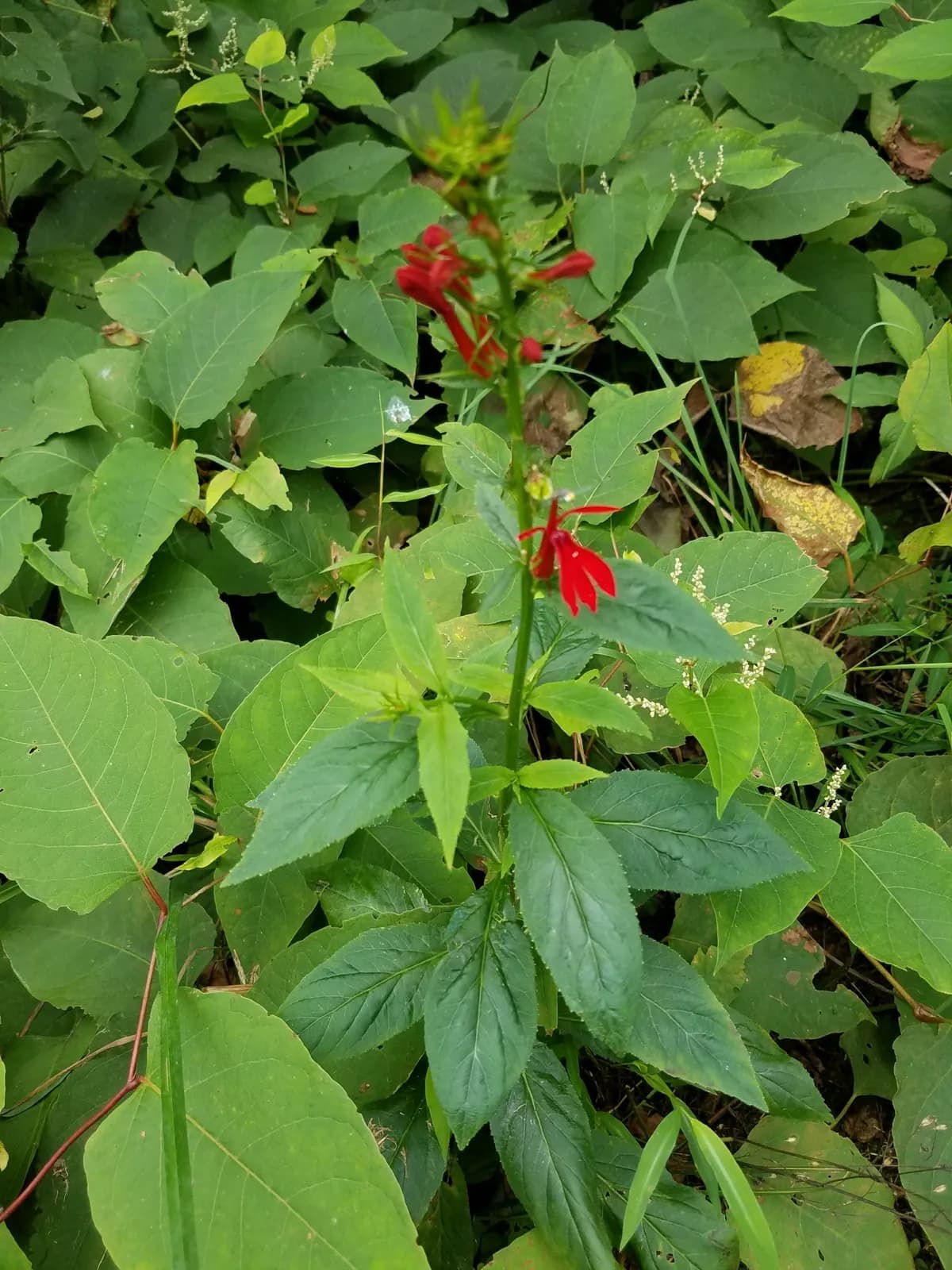
Cardinal Flower
Lobelia cardinalis
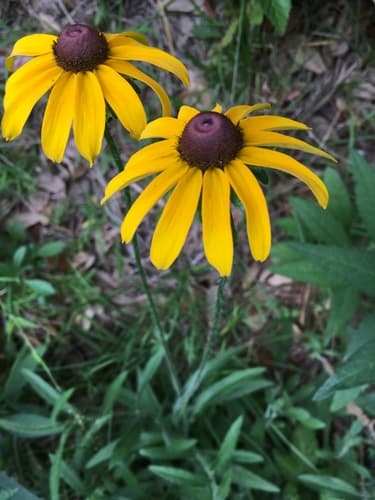
Black-eyed-susan
Rudbeckia hirta
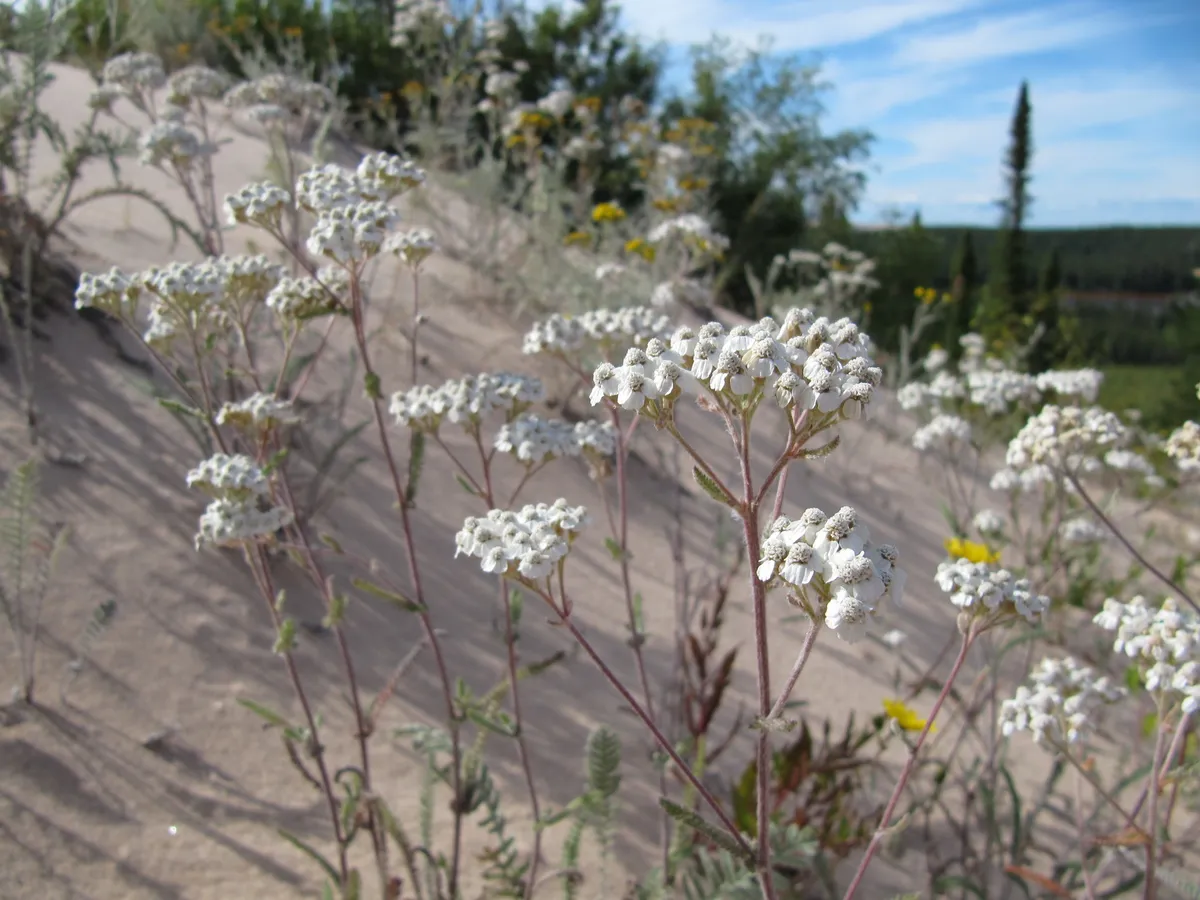
Common Yarrow
Achillea millefolium
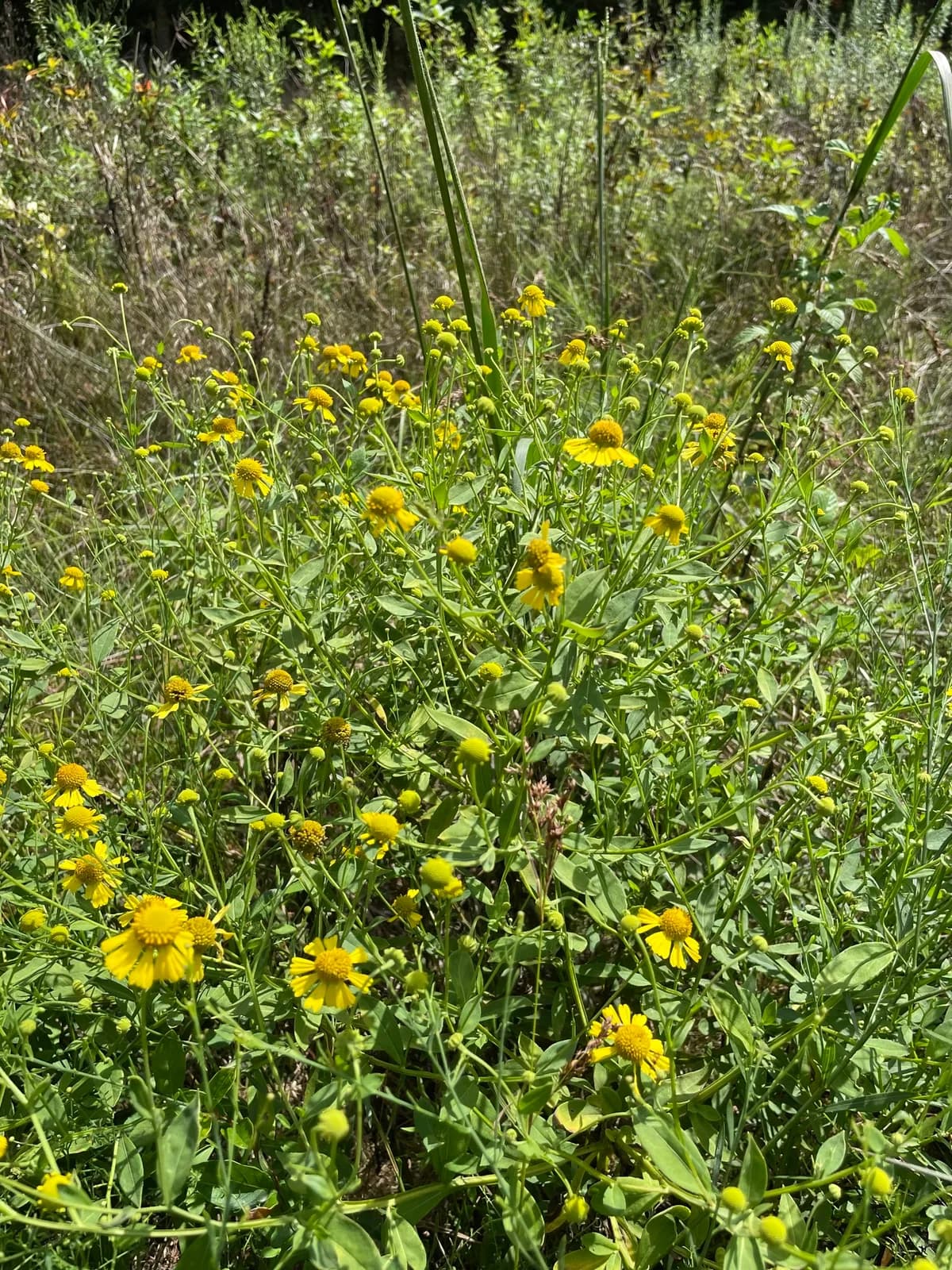
Common Sneezeweed
Helenium autumnale
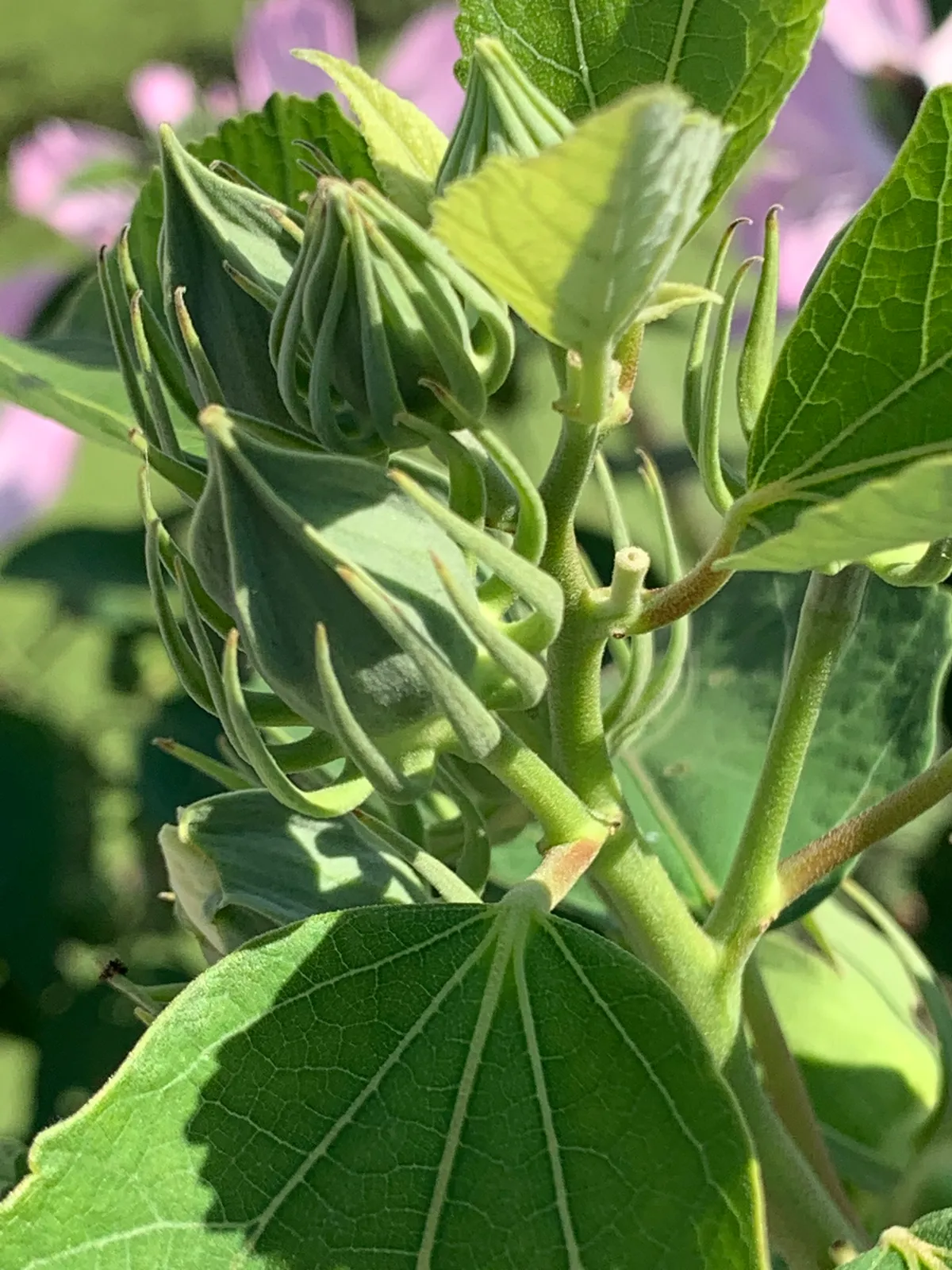
Mallow-rose
Hibiscus moscheutos

Tall Grama Grass
Bouteloua curtipendula
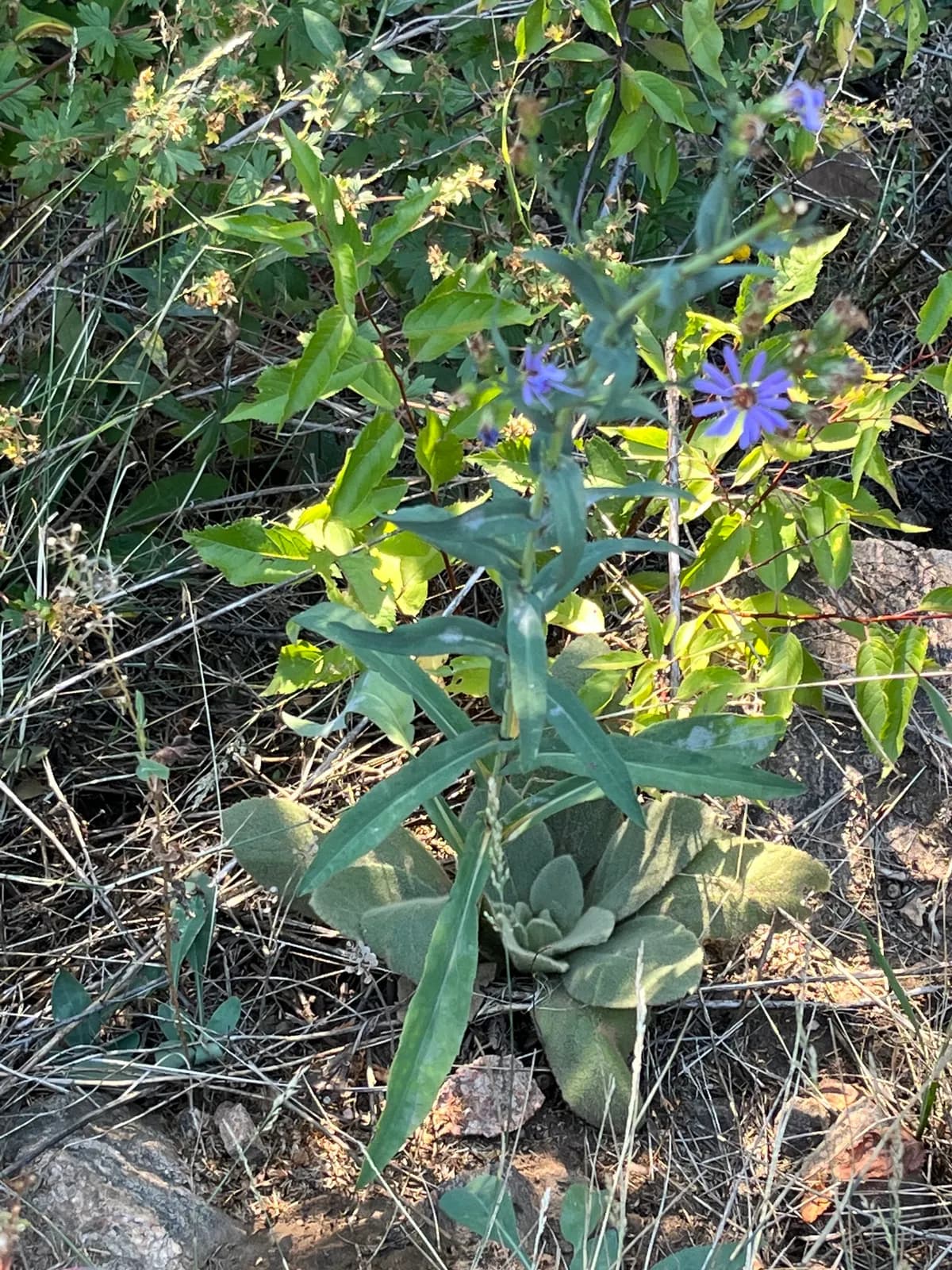
Smooth Aster
Symphyotrichum laeve
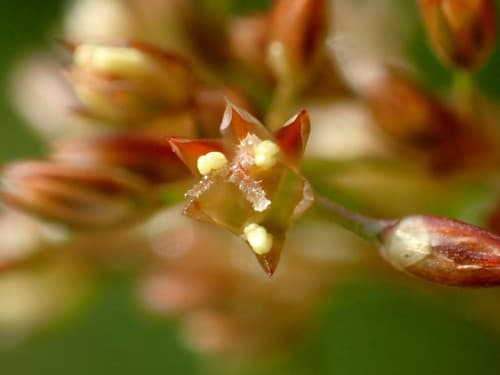
Soft rush
Juncus effusus
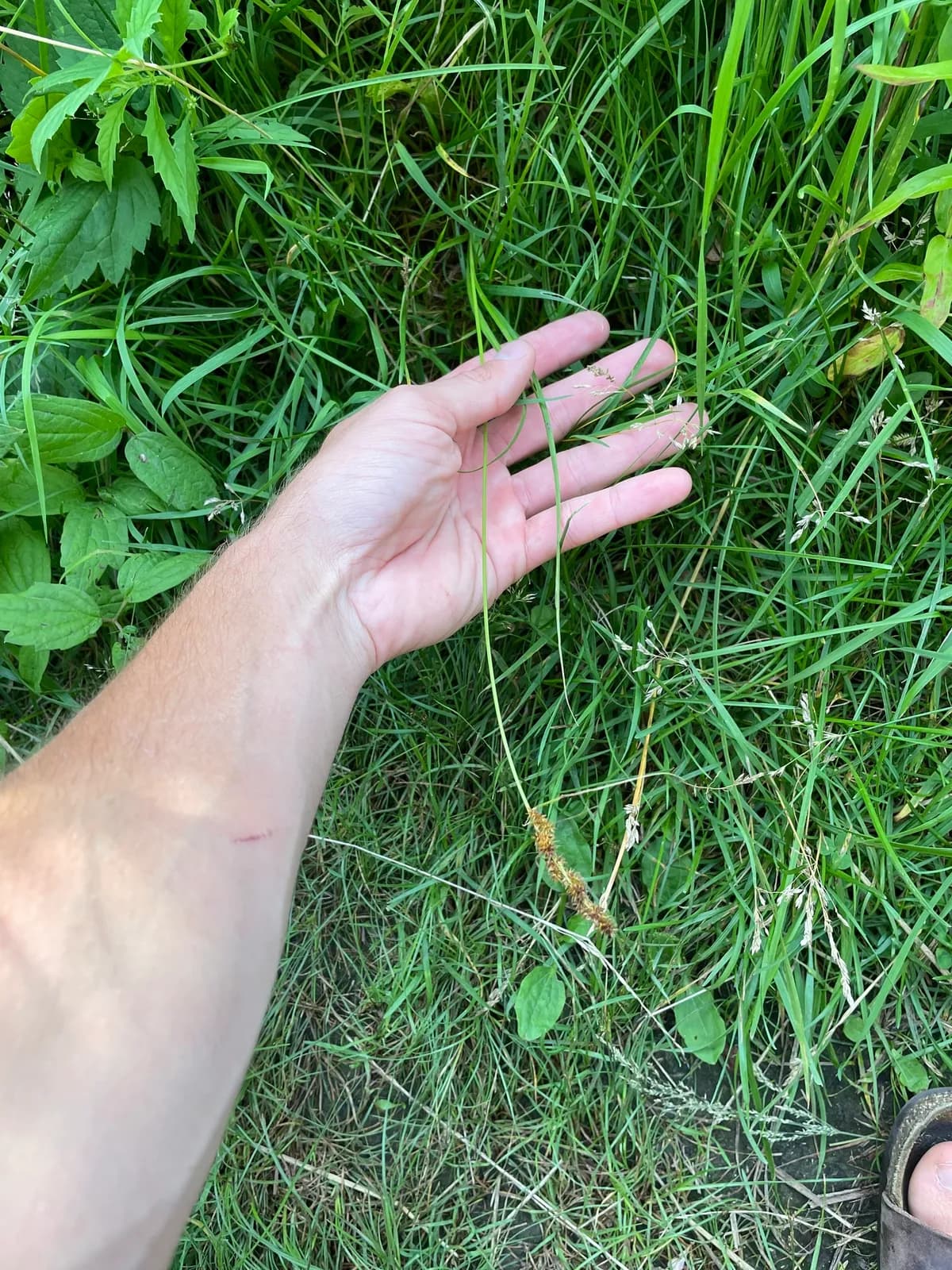
American Fox Sedge
Carex vulpinoidea
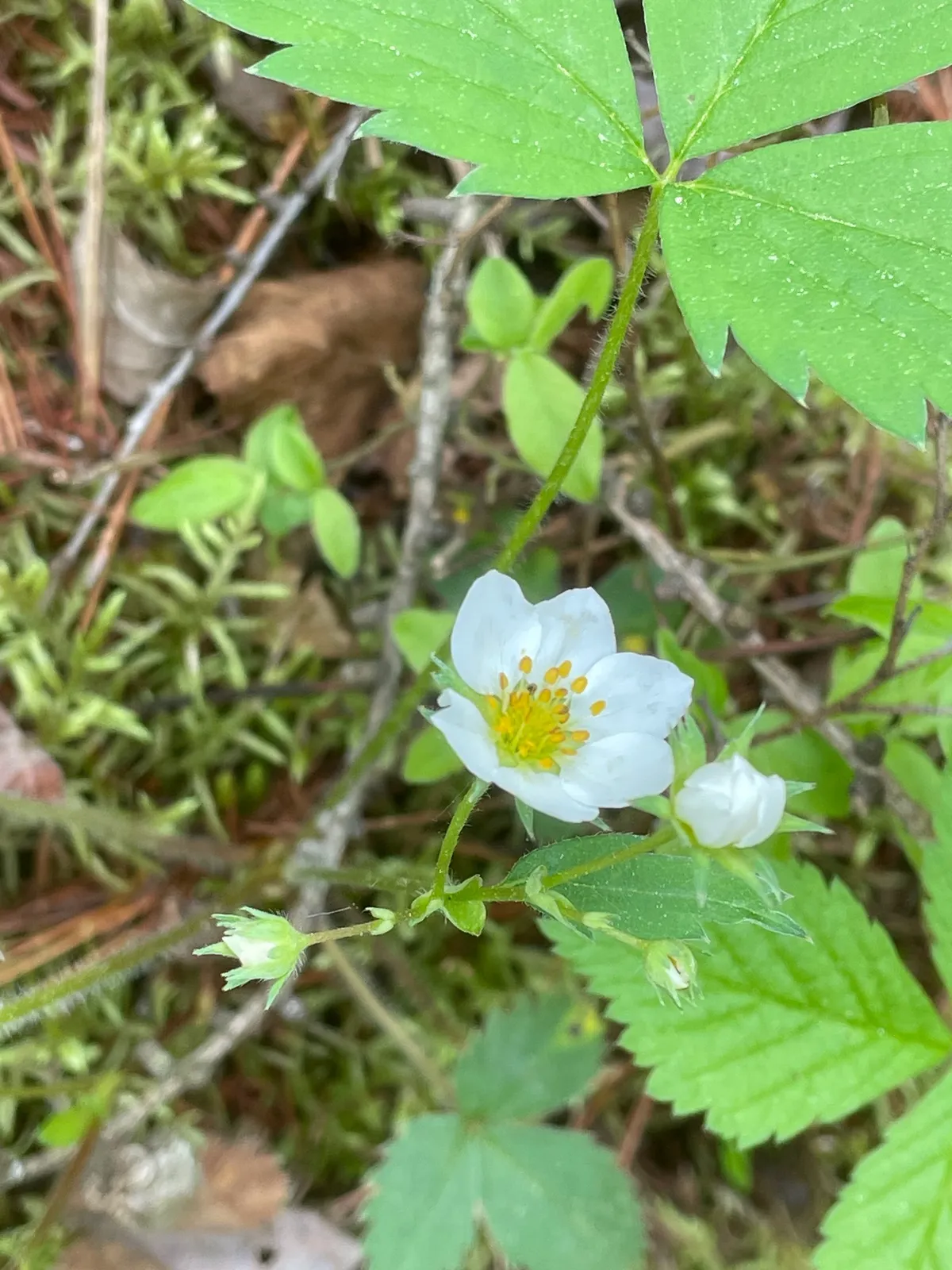
Scarlet Strawberry
Fragaria virginiana
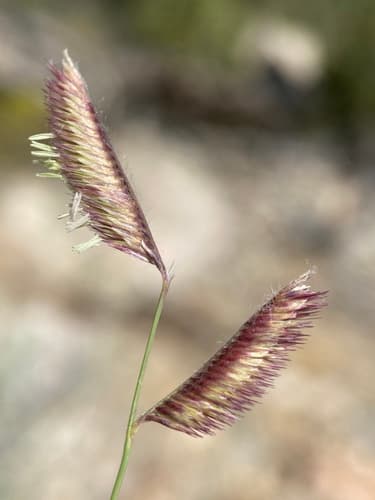
Blue Grama
Bouteloua gracilis
How to make it work with your HOA
These articles cover the practical side: how to present your yard, respond to violations, and build a plan your board can actually say yes to.
How to Get Your HOA to Approve Native Landscaping (Step by Step)
The actual process: what to submit, when to submit it, and how to frame it so your board says yes.
Read moreMy HOA Sent Me a Violation Letter: How to Respond with a Native Landscaping Plan
Got a letter? Don't panic. Here's how to respond with a plan that shows intention.
Read moreHOA-Conscious Native Landscaping: Why Structure Matters More Than Plant Choice
Most HOA complaints aren't about what you planted. They're about how it looks from the street.
Read moreIntentional vs Natural: The One Word That Changes How Your HOA Sees Your Native Yard
The difference between a yard that gets a letter and one that gets compliments.
Read moreHOAs Don't Hate Native Plants. They Hate Chaos.
The real issue isn't what you're planting. It's whether your yard looks like someone planned it.
Read moreMulch, Edging, and Visibility: The 3 Simple Design Cues HOAs Actually Notice
Three cheap, fast changes that signal "this yard is taken care of" to any HOA board member.
Read moreThe HOA-Conscious Native Garden Maintenance Checklist
A seasonal checklist so your native yard stays looking intentional year-round.
Read moreFree HOA Landscape Plan Template for Native Plant Gardens
A printable template you can fill in and bring to your HOA board or landscaper.
Read moreDesign guides
Longer, deeper guides on how to pick plants, make your yard look intentional, and work with your HOA from the start.
HOA 101
What HOAs actually care about, how to talk to your board, and how to present your plan.
Read guide GuideCues of Care
Mulch, edging, mowing strips, sign placement. The visual signals that tell your neighbors "someone planned this."
Read guide GuideGetting Started
New to native landscaping? Start here. Covers soil, sun, zone, and how to pick your first few plants.
Read guideCheck for rebates in your area
Many California cities and water districts pay you to replace lawn with water-efficient or native landscaping. Enter your zip code to see what's available.
Find plants for your city
Every California city has different conditions and rebate programs. These guides give you plant picks and local details.
Los Angeles, California
Up to $25,000 in rebates through LADWP + MWD
San Diego, California
Native plant bonus on top of turf replacement rebate
Don't see your city? Browse all California city guides
Find HOA-friendly native plants for your yard
Pollinator Patch helps you choose native plants and lay out a front yard that reads as intentional and cared for, the look most HOAs accept. Browse 4,700+ native plants, filter for HOA-friendly structure, and build a plan you can print and share.
Last updated: July 2026