What is Pollinator Patch?
Pollinator Patch is a plant care app for your whole yard. You add the plants you already own, native or not, and it tells you when to water based on how long each one has been in the ground, warns you before a freeze, and gives you seasonal tasks timed to your region instead of a generic calendar. When you are ready to add something, it plans a native front yard that looks intentional: a plant list, a layout, and a plan you can print for your HOA board or a landscaper.
The Short Version
- •A plant care app first: watering, freeze alerts, and seasonal timing for every plant you own, native or not
- •Care is free. Recommendations are native-only: when it suggests what to plant next, it stays native to your region
- •Also plans front-yard native gardens for homeowners with HOA oversight, with design guidance focused on curb appeal and reduced risk
- •Available nationwide, with native plant data organized by ecoregion
- •Free for plant care, browsing plants, and guides; Pro tier for custom designs
- •Built and run by one person, a homeowner in North Texas who started with a butterfly garden for his daughter
What Does Pollinator Patch Do?
Care comes first, with planning available when you want to add something and a plant advisor on every screen:
- My Garden: CareAdd the plants you own, native or not. You get watering guidance based on how long each plant has been in the ground, freeze alerts telling you what to cover, seasonal tasks timed to your ecoregion, and care written for plants in pots when that is where yours live.
- Plant problem helpWhen something looks wrong, pick the symptom you see and answer a few questions about the pot and your routine. You get the most likely causes ranked against your answers, each one cited, plus a handoff to your own county Extension office. Free.
- HomeYour daily re-entry point: local weather, today's care tasks, where you left off, and a front door to rebate programs in your area.
- ExploreBrowse native plants and wildlife filtered by your ecoregion, sun exposure, soil type, and bloom season, with pet-safe and HOA-friendly tags built in.
- My Garden: PlanThe Garden Planner previews your own yard replanted with natives from a photo, and turns that into a real project: a plant list, a layout, and a free one-page plan PDF you can print for your board or a landscaper.
- Ask PatchA plant advisor one tap away on every screen, for care questions, what is dead versus dormant, and what to plant next.
Who Is Pollinator Patch For?
If any of this sounds like you:
- •Have plants in the ground already and are not sure what they need, or how often to water them
- •Have lost a plant before and would rather not do it again
- •Want to plant native species but worry about HOA pushback
- •Need their front yard to look intentional and well-maintained, not wild or weedy
- •Don't want to hire an expensive landscape designer just to figure out what to plant
- •Want plants matched to their specific ecoregion and climate
- •Care about supporting pollinators but need a practical, low-risk approach
Why Not Just Hire a Landscaper?
You can. A landscape consultation runs $200 to $500+, and most landscapers don't specialize in native plants or know what HOA boards look for. Pollinator Patch gives you a starting plan you can use on your own, bring to a nursery, or hand to a landscaper as a brief.
What about other apps? iScape and Planner 5D are good for general layout, but they don't filter by ecoregion or help with HOA-conscious design cues. And databases like Lady Bird Johnson Wildflower Center or Calscape are great for looking up individual plants. They just don't help you figure out which plants to combine, how to arrange them, or what to show your HOA board.
Where Is Pollinator Patch Available?
Pollinator Patch is available to homeowners nationwide, with native plant data organized by ecoregion so recommendations match where you actually garden. The app is live on the Apple App Store (opens in new tab) and on the web (opens in new tab). Also available on Android via Google Play.
Who Built Pollinator Patch?

Hey, I'm Stephen. I'm an engineer in North Texas with a toddler, two dogs, 3 cats, and a front yard I couldn't leave alone. I built Pollinator Patch because I spent months trying to figure out which native plants would work in my yard without getting a letter from the HOA.
How this started
I got into native plants right after my daughter was born. We had dogs, a backyard, and I wanted to build something our family could actually spend time in together. A butterfly garden felt like the right idea, so I started researching.
The more I dug in, the more native plants kept coming up. They're the foundation of a real butterfly garden, not some optional upgrade. I approached it the way I approach most problems: I built a spreadsheet. Site plan of the house, every plant drawn to scale, a bloom calendar so I'd understand what would be flowering at any given point in the year. I planned from February all the way through September, and we planted that fall.
Spring came in beautifully. More than I expected, honestly. That first garden gave me the confidence to keep going.
The next phase was more ambitious. I wanted small flowering trees scattered around the property, mostly host plants, and for the front yard I had a circle drive I wanted to actually do something with. My goal was three distinct blocks of color inside it while keeping the existing evergreen hedges in place. I still wanted the yard to feel structured and formal, because the HOA was always somewhere in the back of my mind. A tidy, intentional look matters when you've got neighbors and an architectural review board paying attention.
Everything I know came from books, YouTube channels, websites, and the master gardener neighbors I'm lucky to live near. No formal credentials, just a lot of reading, a few seasons of trial and error, and a genuine obsession with getting it right in zone 8a, Blackland Prairies. I now have over 65 species in my garden, and I'm still adding.
The yard today
 Before
 After
After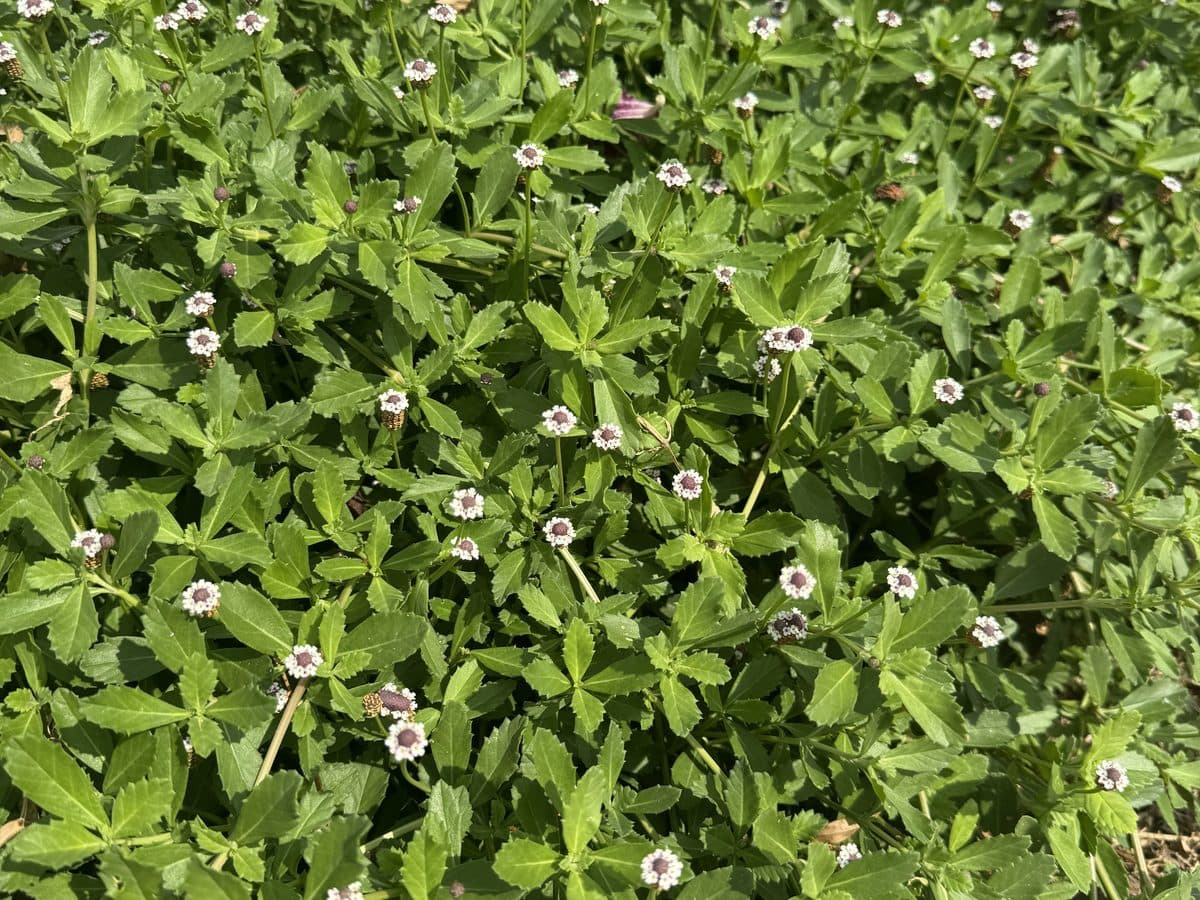
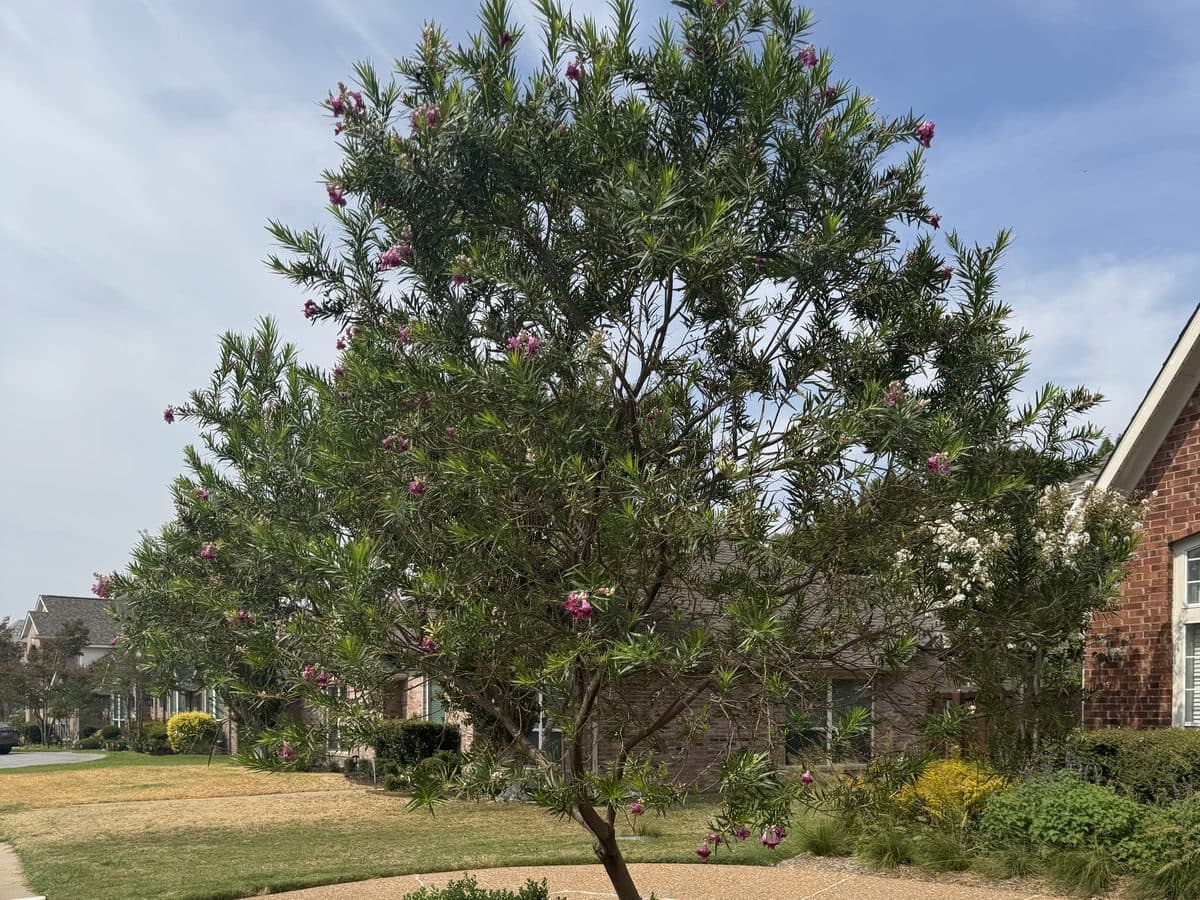
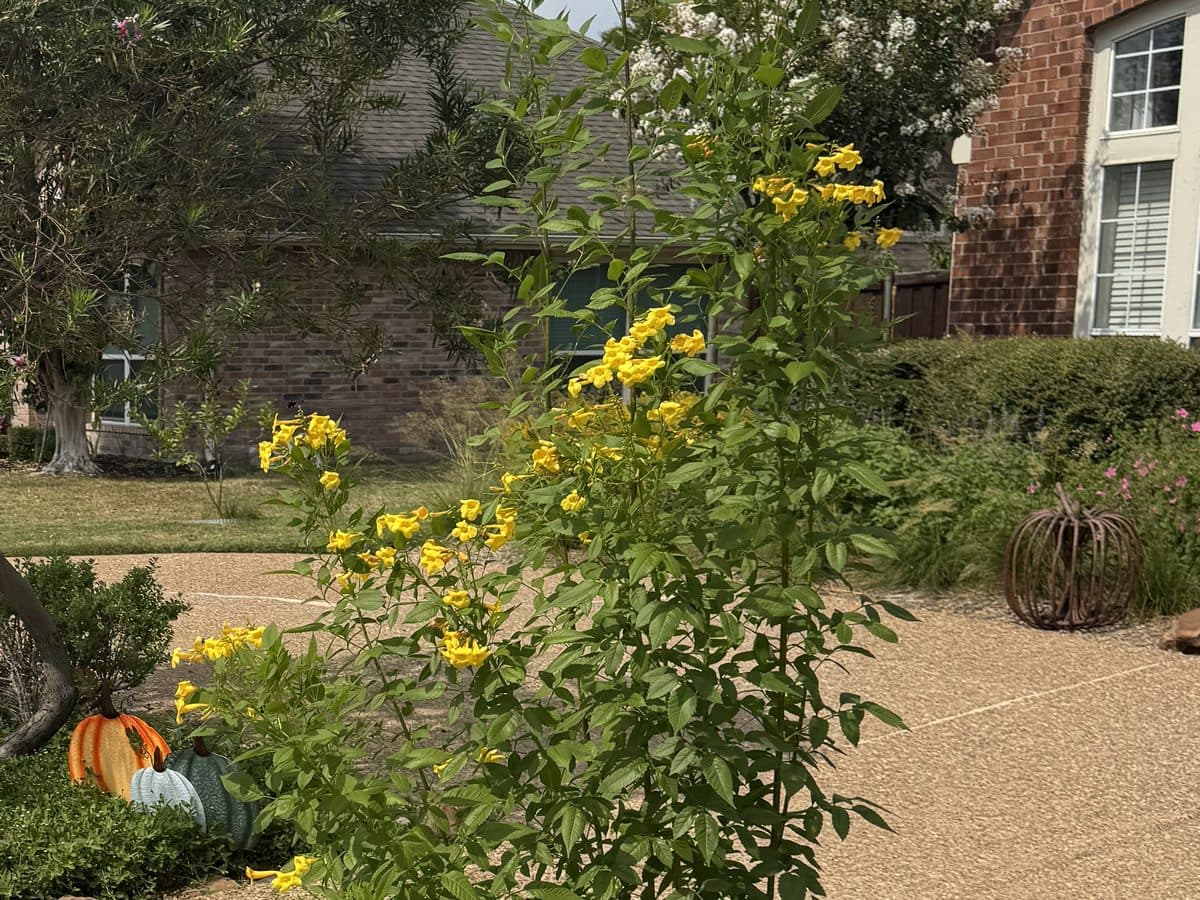
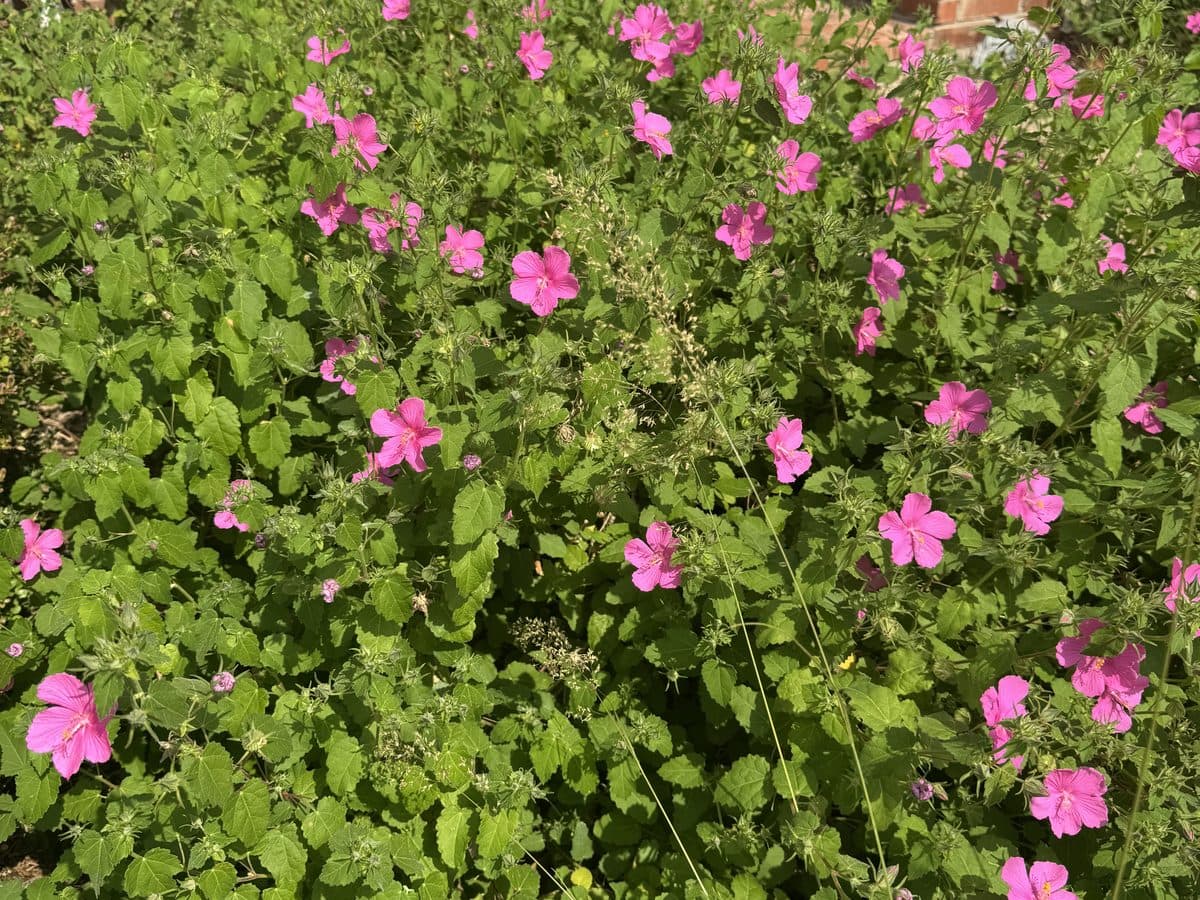
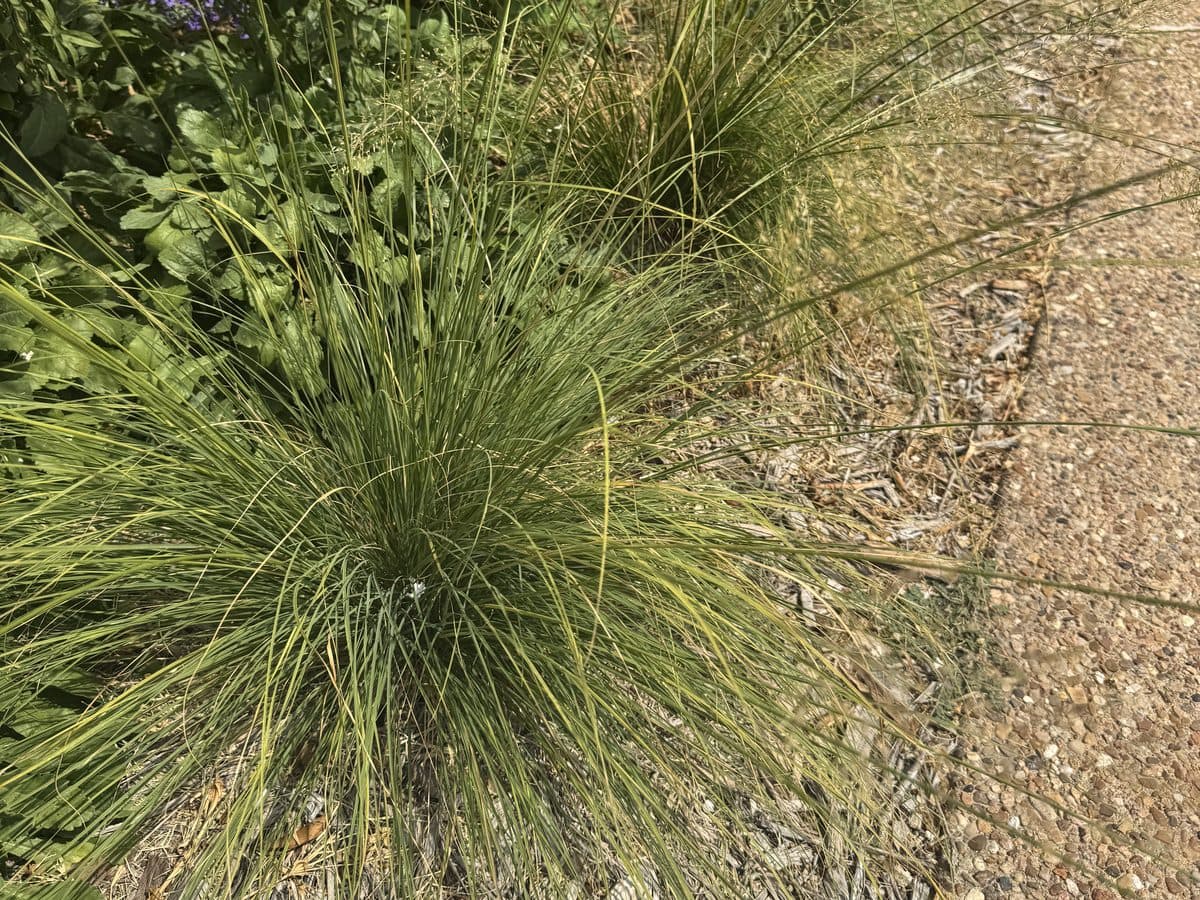
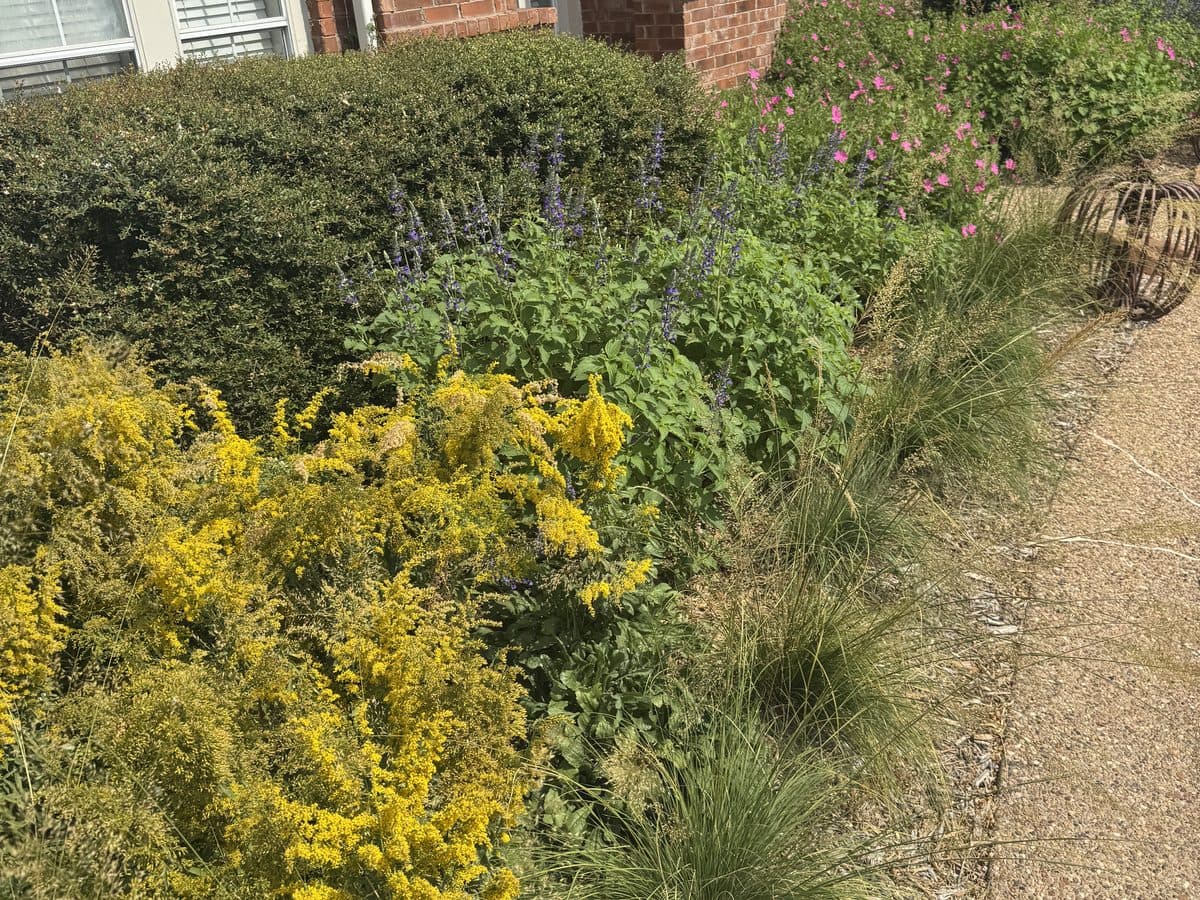
What I spent months doing
I went down a research hole. I'm a member of the Native Plant Society of Texas and their plant lists were where I started. Nursery websites to check what was actually available. Pet toxicity databases, because the dogs eat everything. Nassauer's research on cues of care, which is basically how to make a native garden look intentional instead of neglected. HOA guidelines and CC&Rs.
All of that information existed. It was just spread across a dozen sources and it wasn't connected well. I bought plants from four different native nurseries before I had anything close to a real plan. That gap is the app.
How I use AI, and how I don't
I had no coding experience before this. This is a passion project of mine. I'm one person with limited hours, a day job, and a toddler who doesn't care about my release schedule. I use AI to write code, organize data, and build the app faster than I could alone. Without it, this would still be a spreadsheet on my laptop.
The plant data is real. Every species in the app comes from verified sources (NPSOT, nursery databases, toxicity references). AI doesn't pick which plants to recommend. When the app suggests a species for your yard, that recommendation is backed by data I've checked.
I posted in the r/NativePlantGardening community using AI-written text instead of my own words, and the community called me out. They were right. That was lazy. I use my own voice now.
AI also drafts much of the writing on this site, including blog posts and plant care answers, which I review and edit before publishing. Garden Planner renderings and most blog illustrations are generated by AI image models. AI still does not pick which plants the app recommends. More detail is on the AI transparency page.
Why this matters to me
3 months after planting milkweed, I watched monarchs show up in our yard. I didn't expect that to hit as hard as it did.
I want your feedback
If a plant recommendation seems off, tell me. If there's a feature missing, I want to hear about it.
Frequently Asked Questions
Does Pollinator Patch only work for native plants?
No. Care works for every plant you own, native or not. If you have a hydrangea, a tomato, or a potted ficus on the porch, you get watering guidance, freeze alerts, and seasonal care for it. Only the recommendations are native-only: when the app suggests what to plant next or builds a yard plan, it stays native to your region.
What does Pollinator Patch cost for plant care?
Plant care is free. Watering guidance, freeze alerts, seasonal care tasks, and plant problem help do not require a subscription. Pro covers planning and design tools and the full per-plant history archive.
Is Pollinator Patch a landscaping service?
No. Pollinator Patch is a care and planning app, not a landscaping company. It helps you keep your plants alive and figure out what to plant and where to put it, but you do the planting yourself or hire a local landscaper.
Does Pollinator Patch guarantee HOA approval?
No. Pollinator Patch helps you choose plants and layouts that use commonly accepted design cues (clean edges, intentional groupings, curb-appeal-friendly structure) to reduce the risk of HOA concerns. Every HOA has different rules, so always check your CC&Rs.
Who built Pollinator Patch?
Stephen, an engineer and homeowner in North Texas, built it after spending months trying to work out which native plants would work in his own front yard without drawing an HOA letter. It is still a one-person project.
What states does Pollinator Patch support?
Pollinator Patch supports homeowners nationwide, with native plant data and regional recommendations organized by ecoregion across the United States.
How much does Pollinator Patch cost?
The core app is free: plant care for everything you own, browse native plants, butterflies, and guides, track your garden, and get two free Garden Planner yard previews a day. Pro is $5.99 per month, $44.99 per year, or $29.99 per year with the founding member annual (limited availability). Pro unlocks more Garden Planner previews, yard-specific plans, layouts, the full HOA packet export, unlimited saves, and the complete per-plant history archive. Subscribe in the app on iPhone or Android, or on the web at app.thepollinatorpatchgarden.com.
How is Pollinator Patch different from other plant care apps?
Most plant care apps are built around houseplants and give you a fixed watering interval. Pollinator Patch is built for outdoor plants: watering depends on how long a plant has been in the ground, reminders account for recent rain, and seasonal timing follows your EPA ecoregion rather than a national calendar. It also carries native plant data, pet toxicity from the ASPCA list, and HOA-conscious design guidance in the same tool.
Keep Your Plants Alive
Add the plants you already have and get watering, freeze alerts, and seasonal timing for your region. When you're ready to add something, build a plan.

Last updated: August 2026