Prairie Dropseed
Sporobolus heterolepis
Last reviewed: September 2026
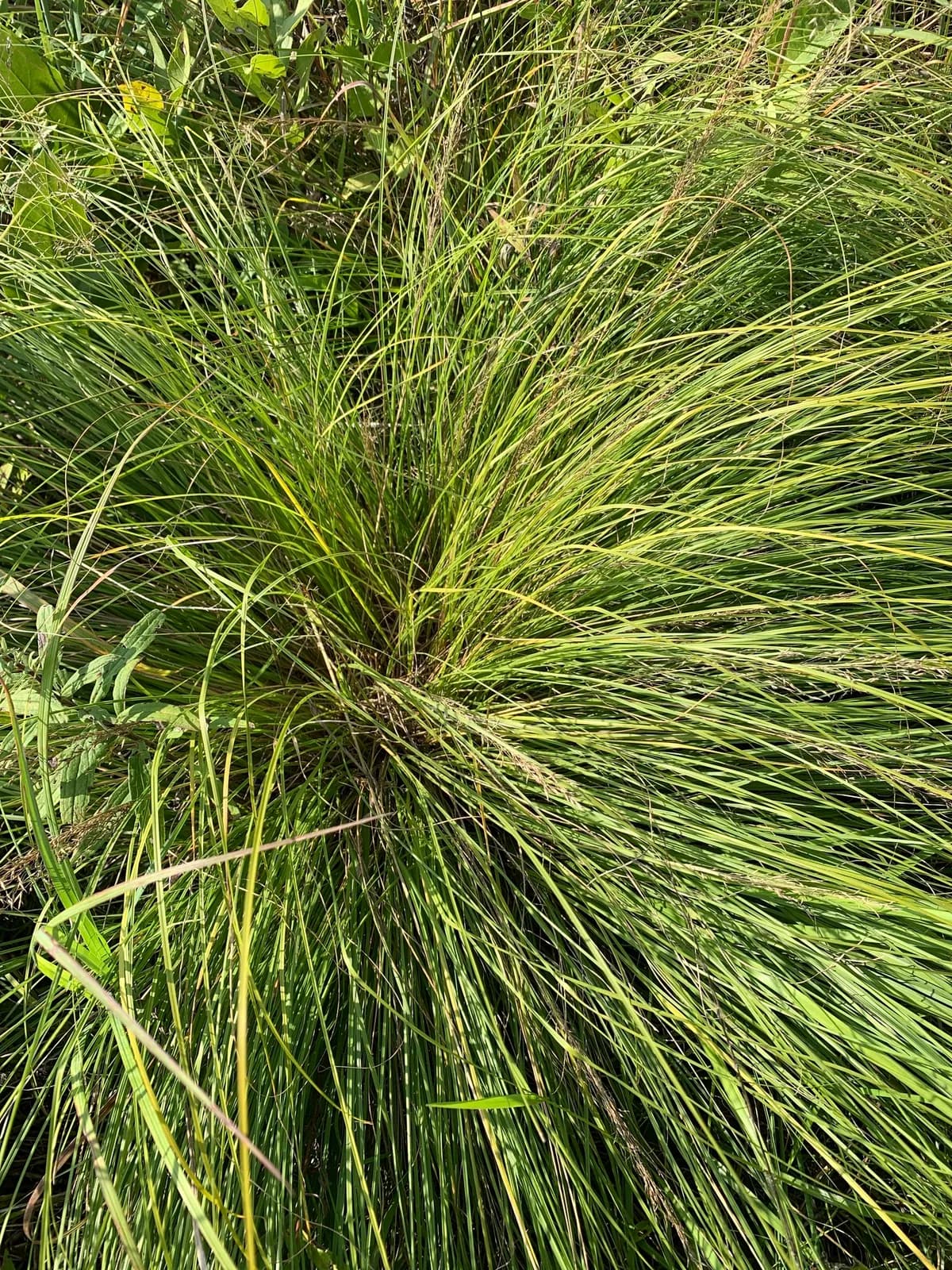
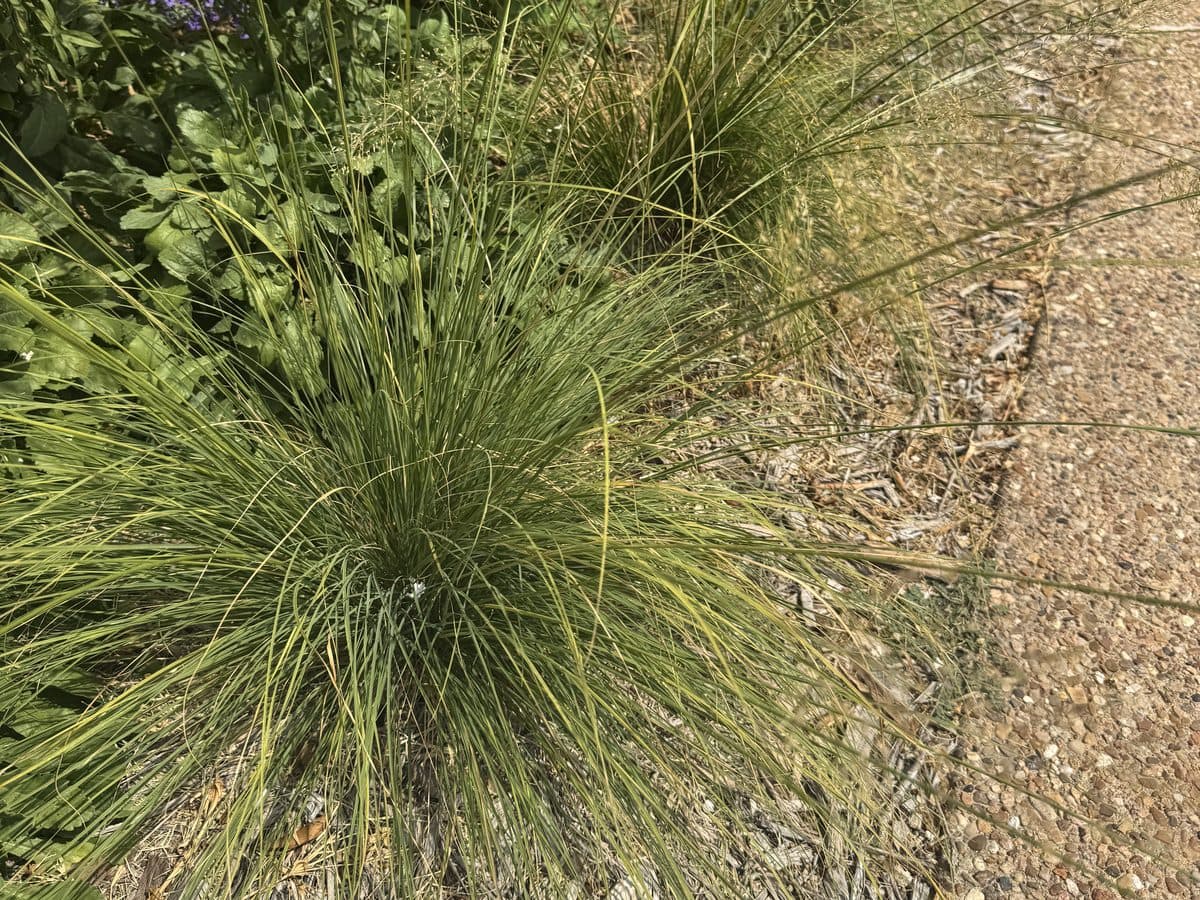
Prairie dropseed is a fine textured bunchgrass that blooms from July through September, producing airy seed heads with a distinctive coriander like scent. It thrives in full sun on prairies and open ground with low to medium water needs.
Toxicity unknown
Prairie Dropseed (Sporobolus heterolepis) is not listed by the ASPCA Animal Poison Control Center (opens in new tab) or the other sources we check, so we have no verdict for it either way. Absence from those lists is not a clearance. If your pet shows symptoms after eating any plant, call the ASPCA at (888) 426-4435.
The USDA PLANTS Database (opens in new tab) does not flag Prairie Dropseed as toxic to livestock.
Light
full sun
Water
low
Size
12"–36" H × 12"–24" W
Bloom
Jul, Aug, Sep
Native to
AR, CO, CT, GA and 24 more states
Pollinators
bees, beetles
Deer
Resistant (per Prairie Moon Nursery)
Before you buy
Your city may pay you to plant this
Cities and water utilities offer rebates for replacing lawn with native and water-wise plants. We track 459 programs across 44 states, each with a link to the provider and the date we last checked it.
Find rebates in your areaPicture natives in your own yard
Upload a photo of your yard and Patch Vision shows a rendering of it planted with natives for your region, like Prairie Dropseed.


Browse plants for this ecoregion
Prairie dropseed is a compact, clumping native grass that forms neat mounds of fine-textured foliage. It produces delicate, fragrant flower clusters in late summer and develops attractive orange and yellow fall color.
Growing Prairie Dropseed
Grow Prairie Dropseed in full sun and low water. Mature plants reach 12 to 36 inches tall and spread 12 to 24 inches wide. Expect low maintenance to keep it looking intentional in a front yard.
How to care for Prairie Dropseed, by region
How to care for Prairie Dropseed where it is actually grown: year-round basics plus what to do each season, region by region, with the sources for each.
Care guidance last updated: September 2026
Central Corn Belt Plains (includes Chicago)
Year-round
Prairie dropseed is native to the Chicago region, where it grows in remnant black soil and gravel prairies.
- This grass is native to the Chicago region, found in black soil prairies, gravel prairies, and prairie remnants along old railroad lines (Illinois Wildflowers).
- It grows as a tight, rounded clump 1 to 2 feet tall, which keeps a neat, mounded shape without any shaping or pruning.
- Full sun and well-drained soil work best. It doesn't do well in heavy shade or soggy clay.
- Once established, it tolerates dry summers without extra watering.
- It's slow to establish from seed, so a nursery-grown plant gets you a filled-in clump much sooner (Illinois Extension).
Fall
Fall color is this grass's best moment, turning a warm copper-orange.
- Foliage turns an orange-copper shade in fall, a big reason it's popular as a specimen grass in home gardens.
- Seed heads ripen and feed sparrows and other birds through the colder months.
- No need to cut back now. Leave the clump up for winter structure and wildlife value.
- Fall is a good time to plant new nursery divisions so they can root in before the ground freezes.
The bright fall color reads as a deliberate seasonal feature, which helps it pass as tidy and intentional in a front yard.
Winter
Leave it standing through winter, then cut back in late winter before new growth begins.
- The dried tan-orange clump holds its shape through Chicago winters, giving the bed structure when little else is green.
- No watering needed while the plant is dormant.
- Cut back to a few inches in late winter, before new blades emerge, with shears or a mower set high.
- This species tolerates fire well in prairie restorations; home gardeners can simply cut it back instead.
A standing tan clump through winter is intentional winter interest, not an unmaintained patch, worth flagging if HOA rules mention seasonal upkeep.
Spring
This grass is slow to wake up in spring, so don't rush the cleanup.
- Wait until new green blades show at the base before cutting back last year's dried growth.
- Leaving old foliage up over winter shelters insects through early spring.
- Green-up happens later than many other perennials in the same bed, which is normal for this species.
- Spring is the best time to divide a mature clump if you want to start a new planting.
A brown clump into mid-spring is expected and not a sign of a dead plant; it fills in with green within a few weeks.
Summer
Summer heat is no problem once the clump is established.
- Established plants handle hot, dry stretches without needing supplemental water.
- Fragrant flower stems rise above the foliage mound in mid to late summer.
- Skip fertilizer. Rich, heavily amended soil makes the clump floppy instead of tight.
- No deadheading required. The developing seed heads are part of the display and later feed birds.
Sources: Illinois Wildflowers, Prairie Dropseed, Illinois Extension, Prairie Dropseed, Lady Bird Johnson Wildflower Center, Sporobolus heterolepis, US Forest Service FEIS, Sporobolus heterolepis species review
Central Great Plains (includes Oklahoma City, OK)
Year-round
Prairie dropseed is a native bunchgrass in this ecoregion, though it grows only in scattered dry prairie remnants rather than being common everywhere. It forms a tidy round tuft of fine, arching leaves and stays put instead of spreading, which is why gardeners like it near a front walk or foundation bed. It is slow to get going. Plan on three seasons before it looks like a real specimen.
- Give it full sun and well drained soil. It struggles and flops open in shade or heavy clay that stays wet.
- It is a true native of Oklahoma's tallgrass and mixed grass prairie remnants, documented as far south as Choctaw and Bryan counties (BONAP county-level distribution data, bonap.net, and Engstrom 2004, Sporobolus heterolepis Conservation and Research Plan, New England Wild Flower Society).
- Once established it needs very little water and handles drought better than most ornamental grasses.
- The seed heads have a light, sweet smell some people compare to coriander or popcorn, noticeable when you brush past the plant in late summer.
A tidy, low, rounded grass that stays in its own footprint. Reads as intentional and neat in a front bed, not weedy.
Fall
Fall is peak show season for prairie dropseed. The seed heads turn coppery and the whole clump takes on an orange gold color that holds through most of winter.
- Leave the foliage standing through fall instead of cutting it back, the fall color and seed heads are the main ornamental payoff.
- This is a good window to plant or divide clumps, cooler weather reduces transplant stress.
- Do not deadhead, the seed heads are the main food and cover value going into winter.
- If you want to collect seed for more plants, gather it once the seed heads look dry and tan, usually mid to late fall.
The coppery fall color reads as a deliberate seasonal accent, not an untidy dieback, which helps it hold up well in a front yard through late fall.
Winter
Winter dormancy is normal and the dried tan foliage is meant to stay standing. This is also when to plan next year's cutback.
- Leave the dried clump standing over winter for structure and for birds that feed on leftover seed.
- Cut the whole plant back to a few inches tall in late winter before new growth starts, this is easier than trying to comb out dead blades later.
- No winter watering is needed once the plant is established, it is fully dormant and drought tolerant.
- Established clumps handle Oklahoma winter cold without protection or mulch.
Spring
Spring is when prairie dropseed wakes up slowly. New blades emerge later than cool season grasses, so do not assume a clump is dead just because it looks bare in April.
- Cut back or rake out last year's dead leaves before new growth starts, this lets light and warmth reach the crown.
- Wait to divide or transplant until you see new green blades pushing up from the base.
- New plantings can go in once the soil has warmed, no need to rush it in early spring cold snaps.
- Avoid heavy fertilizer. Rich soil makes the tuft floppy instead of the tight, upright shape it is known for.
Summer
Summer is prairie dropseed's strongest season. The foliage is full and arching, and by mid to late summer thin seed stalks rise above the clump.
- It tolerates Oklahoma summer heat and dry spells well once it has a full growing season or two in the ground.
- Water new plantings during the first summer until roots are established, after that supplemental water is rarely needed.
- Skip the fertilizer. Lean, dry conditions are what keep the tuft compact instead of loose and sprawling.
- The airy seed heads that appear now are a food source for seed eating birds later in the season.
Sources: BONAP county-level distribution map, Sporobolus heterolepis, Engstrom, B. 2004. Sporobolus heterolepis (Prairie Dropseed) Conservation and Research Plan for New England. New England Wild Flower Society (distribution and status section citing Barkworth et al. 2000, southernmost OK counties), Lady Bird Johnson Wildflower Center Native Plant Database, Sporobolus heterolepis, Missouri Botanical Garden Plant Finder, Sporobolus heterolepis, Wisconsin Horticulture Extension, Prairie dropseed
Central Irregular Plains (includes Kansas City, MO)
Year-round
Prairie dropseed is a signature grass of the tallgrass prairies of the Central Irregular Plains around Kansas City. It was a natural part of these upland and claypan prairies, and its neat clumping habit makes it an easy front-yard native.
- The Missouri Department of Conservation lists it as native statewide on upland prairies and savannas, the exact prairie communities that make up the Central Irregular Plains west and south of Kansas City.
- Give it full sun. It handles the heavy clay and claypan soils common in this region as well as leaner ground, per Missouri Botanical Garden which notes it tolerates heavy clays.
- It is a warm-season prairie grass built for this area's hot summers and cold winters, hardy across USDA zones 3 to 9.
- Not on the ASPCA toxic plant list, so it is a low-worry choice for yards with dogs or cats.
- The US Fish and Wildlife Service reports prairie dropseed is the preferred larval host plant for some populations of the federally endangered Poweshiek skipperling, so it carries real prairie-butterfly value.
Fall
Fall is the payoff on Kansas City prairies. The mound turns gold and copper, holds its shape, and the ripe seed heads feed sparrows and juncos across the Central Irregular Plains before winter.
- Foliage turns golden bronze in fall and stands up well, so leave it standing for the color instead of cutting it.
- Seeds ripen and drop now, and the Missouri Department of Conservation notes sparrows and other seed-eating birds feed on them.
- Hold off on any cutback in fall. The single cut is saved for late winter or early spring per Missouri Botanical Garden and Wisconsin Extension.
- Fall rains cover watering on established plants, so there is nothing to add on prairie ground.
The gold fall mound reads as intentional prairie planting, not a weedy lapse. A tidy mowed or spaded edge around the clump keeps it looking planned while you leave the grass up for its fall color.
Winter
Winter asks nothing of you on the Kansas City prairies. The dried clump keeps a warm tan color, resists snow flattening, and holds until the late-winter cutback right before spring.
- The mound keeps its fountain shape all winter and resists being flattened by snow, giving the bed real winter structure per Wisconsin Extension.
- Cold hardy to USDA zone 3, so Kansas City winters do not faze an established plant.
- Leave it alone until late winter, then make the one cutback just before new growth starts.
- No watering needed while the plant is dormant and its roots sit in the prairie soil.
The upright tan clump looks like deliberate winter interest rather than something you forgot to clean up. Waiting until late winter to cut it keeps the front bed reading as intentional through the cold months.
Spring
Spring on the Kansas City prairies means one clean cutback and some patience. Prairie dropseed is slow to green up on heavy claypan soil because it waits for warm weather like the rest of the tallgrass grasses.
- Cut the old tan foliage back to a few inches in late winter or early spring before new growth starts, the single yearly cut both Missouri Botanical Garden and Wisconsin Extension recommend.
- It is slow to establish and slow to wake, so a spring gap in growth is normal on cool, wet claypan ground.
- Spring rain is usually plenty here. Water new plugs in their first spring only, since claypan soil holds moisture and you do not want it sitting soggy.
- Division is possible in spring but the clumps are dense and hard to split, and this grass rarely needs it.
The spring cutback resets the clump so it grows back as a clean green mound. Getting it done before new growth means the bed looks maintained heading into summer instead of shaggy.
Summer
Summer is when prairie dropseed shines on the Central Irregular Plains. It is fully active, throws up its scented flower stems, and its deep prairie roots handle the region's hot, sometimes dry claypan summers.
- Flowers appear in summer with a light popcorn-and-coriander scent noted by the Lady Bird Johnson Wildflower Center, adding a fine airy layer above the mound.
- Established clumps handle Kansas City's summer heat and dry spells thanks to deep prairie roots, so watering is rarely needed once they are settled.
- The Wildflower Center notes it supplies nesting materials and structure for native bees, and as a Poweshiek skipperling host it supports prairie butterflies too.
- It stays upright through summer storms and needs no staking, holding its clumped shape on both clay and leaner soils.
Sources: Missouri Department of Conservation, Prairie Dropseed field guide, U.S. Fish & Wildlife Service, Poweshiek Skipperling, ASPCA toxic and non-toxic plant list (dogs), University of Wisconsin Horticulture Extension, Prairie dropseed, Lady Bird Johnson Wildflower Center, Sporobolus heterolepis, Missouri Botanical Garden Plant Finder, Sporobolus heterolepis
Cross Timbers (includes Fort Worth, TX)
Year-round
Prairie dropseed is a compact, fine textured bunchgrass that stays under 3 feet tall and holds a neat clumped shape without spreading or self seeding, which reads as tidy and deliberate in a front bed.
- Space plants 18 to 24 inches apart on center so the mature 15 to 18 inch wide foliage mounds meet without crowding.
- Give it full sun (6 or more hours) and well drained soil; once established it tolerates heat and dry spells with little help.
- Water deeply once or twice a week through the first growing season while roots establish, then taper off.
- Leave the arching foliage in its natural fountain shape rather than shearing it into a ball; the mounded habit is the look that reads as intentional.
- Not listed on the ASPCA toxic plant list for dogs, cats, or horses, though the fine seed heads can cause minor mouth irritation if a pet chews on them heavily.
The tight clump and lack of runners make it read as a groomed accent rather than an unmowed patch, one reason it works well in foundation beds and borders.
Fall
Fall is prairie dropseed's showiest season: the foliage turns gold to orange, and it is also the better season for planting woody companions nearby.
- Foliage turns golden orange starting in October, one of the more reliable fall color grasses for a front bed.
- Leave the seed heads on the plant through fall; they add texture and carry the fragrant panicles into the display.
- Do not cut the clump back in fall; wait until late winter so the standing foliage protects the crown through cold snaps.
- If dividing an overcrowded clump, do it in early fall (September to early October) so roots settle in before the first freeze in mid November.
- Cut back on watering as temperatures drop; established plants need little help once fall rain returns.
Gold fall color and upright seed heads read as an intentional seasonal accent, not overgrown grass, as long as the clump stays inside its planted footprint.
Winter
Prairie dropseed goes dormant and fades to light bronze through winter. The standing foliage is normal and should be left alone until the late winter cutback.
- Leave the bronze winter foliage standing; it is dormant, not dead, and gives the bed winter texture.
- No watering needed in winter except during unusually long dry stretches.
- Zone 8a to 8b winters here bring short hard freezes and occasional severe Arctic outbreaks; an established clump tolerates both without protection.
- Do not cut the clump back until late February at the earliest; cutting too early exposes the crown to a hard freeze.
- Hold off planting new divisions during the coldest weeks of December and January; wait for the spring window instead.
Bronze winter foliage left standing can look overgrown to an untrained eye; a clean edged bed border around the clump signals it is intentional rather than neglected.
Spring
Spring is the cutback and planting window; as a warm season grass, prairie dropseed will not visibly green up until the weather is reliably warm.
- Cut the whole clump back to 3 to 4 inches sometime between late February and early March, before new growth starts.
- Do not expect fast regrowth right after cutback; it stays quiet until temperatures warm, often into April.
- Set out new plants now; spring is the better planting window here so roots establish before summer heat arrives.
- Rake loose dead leaf debris out of the crown after cutting back so new blades emerge cleanly.
- Skip fertilizer; this grass is adapted to lean soils, and rich soil tends to make it floppy.
A freshly cut back clump looks bare for a few weeks; a clean mulch ring around the crown keeps the bed looking tended while new growth fills in.
Summer
This is prairie dropseed's active growing season. Established plants handle the hard summer stretch well, but first year plants still need regular water to get through it.
- First year plants: water deeply once or twice a week during July and August, since the sandier, faster draining soils typical of this area dry out quickly in the heat.
- Established plants past their first summer usually need no supplemental water except during extended drought.
- Expect fine arching green foliage through summer; the fragrant flower panicles, often described as smelling like coriander or popcorn, open from July into September.
- Do not shear or mow the foliage in summer; it is actively growing and cutting removes the current season's growth.
- Keep it out of low spots that stay soggy after rain; good drainage prevents crown problems in summer humidity.
Sources: Missouri Botanical Garden Plant Finder: Sporobolus heterolepis, ASPCA Toxic and Non-Toxic Plants search, Wisconsin Horticulture Extension: Prairie Dropseed
Driftless Area (includes Galena, IL)
Year-round
Prairie dropseed is native to the Driftless Area, where it grows as one of the dominant grasses in the region's bluff prairies.
- This grass is one of the main species in Driftless Area bluff prairies, growing alongside little bluestem and side-oats grama on steep, dry, south-facing slopes (US Forest Service FEIS species review).
- It forms tight, rounded clumps 1 to 2 feet tall and 2 to 3 feet wide, staying neat and mounded all season, which reads as tidy from the street.
- Plant it in full sun on well-drained soil. It struggles in heavy shade or wet clay.
- Established clumps handle drought well once their roots are in, so it needs less watering after the first year or two.
- It is very slow to establish from seed, so starting with a nursery plant instead of direct seeding gets you a garden-ready plant faster (Illinois Extension).
Fall
Fall brings the best color of the year, an orange-copper glow that holds up into winter.
- The foliage turns a coppery orange in fall, one of the main reasons it's used as a front-yard specimen grass.
- Seed heads mature and drop small round seeds that sparrows and other birds eat through the colder months.
- No need to cut back in fall. Leaving the clump standing keeps winter interest and food for wildlife.
- This is a good time to plant new divisions or nursery pots, giving roots a chance to settle before winter.
The bright orange fall color reads as an intentional seasonal feature rather than a plant going dormant, which helps it pass as tidy in an HOA-conscious front yard.
Winter
Leave the clump standing through winter for structure and habitat, then cut back before new growth starts.
- The dried, tan-orange foliage holds its shape through snow and wind, giving the yard winter structure instead of bare ground.
- Skip watering entirely. Dormant plants in this region don't need supplemental moisture in winter.
- Cut the whole clump down to a few inches in late winter, before new green blades appear, using shears or a string trimmer.
- This is a fire-adapted prairie species, so where prescribed burns are used in restorations, dropseed handles them well; home gardeners can just mow or cut back instead.
A standing tan clump through winter can look unkempt to a passerby; a note in your yard plan that this is intentional winter interest, not neglect, helps head off comments.
Spring
New growth is slow to show in spring, so don't cut it back too early.
- Wait until you see fresh green blades pushing up from the base before cutting back last year's dried foliage. Cutting too early can damage the crown.
- Leave the old growth up through late winter. It gives the clump some structure and shelters overwintering insects.
- New leaves emerge later than most cool-season grasses, so patience is normal here, not a sign of trouble.
- If dividing an established clump, spring is the best window, before hot weather stresses the new divisions.
A slightly shaggy, brown clump in early spring is normal for this species and clears up once new growth fills in within a few weeks.
Summer
Summer is when the fine, fountain-like foliage looks best and the flower stems rise above it.
- Established plants tolerate the hot, dry stretches typical of a Driftless Area summer without extra watering.
- Flower stems rise above the foliage in mid to late summer, with a fragrance some describe as similar to popcorn or coriander.
- No fertilizer needed. Rich soil actually makes the clump floppy instead of tight and upright.
- Deadheading is not necessary. The seed heads are part of the look and feed birds later in the season.
Sources: US Forest Service FEIS, Sporobolus heterolepis species review, Illinois Extension, Prairie Dropseed
Eastern Corn Belt Plains (includes Columbus)
Year-round
Prairie dropseed is native to west-central Ohio's remaining prairie soils, documented in Champaign, Clark, Madison, and Franklin counties.
- Ohio populations are limited to a handful of prairie soil remnants in west-central Ohio, with post-1990 records in Champaign, Clark, and Madison counties (Ohio Department of Natural Resources).
- It's endangered in Ohio because farming converted most of its original prairie habitat, so plant it knowing you're supporting a rare native, not a common roadside grass here.
- Full sun and well-drained soil are what it needs; it doesn't do well in heavy shade or wet clay.
- It forms a tidy, rounded clump 1 to 2 feet tall that holds its shape all season without trimming.
- It's slow to establish from seed, so a nursery-grown plant will fill in much faster than starting from seed.
Fall
Fall brings this grass's best color, a warm copper-orange that carries into winter.
- Foliage turns orange-copper in fall, one of the main reasons it's used as a front-yard specimen grass.
- Seed heads mature and drop seed that birds feed on through the colder months.
- No need to cut back in fall. Leaving the clump standing keeps winter structure and habitat value.
- Fall is a good time to plant new nursery-grown divisions so roots can settle before winter.
The bright orange fall color reads as an intentional seasonal feature rather than the plant going into decline.
Winter
Leave the dried clump standing through winter, then cut back before new growth starts in late winter.
- The tan-orange dried foliage keeps its shape through snow and wind, adding winter structure to the bed.
- No watering is needed while the plant is dormant.
- Cut back to a few inches in late winter before new blades emerge, using shears or a mower on a high setting.
- This species tolerates prescribed fire well in prairie restorations; home gardeners can simply cut it back instead of burning.
A standing tan clump through winter is intentional winter interest, not an unmowed patch, worth noting if HOA guidelines ask about seasonal upkeep.
Spring
Spring green-up is slow, so wait before cutting back old growth.
- Hold off on cutting back last year's dried foliage until new green blades appear at the base.
- Old growth left over winter provides shelter for overwintering insects into early spring.
- This grass greens up later than many other perennials nearby, which is expected, not a problem.
- Spring is the best time to divide an established clump if you want to expand the planting.
A brown clump lingering into mid-spring is normal and fills in with green within a few weeks.
Summer
This grass handles summer heat and dry calcareous soils without extra care.
- Once established, it tolerates hot, dry summer stretches without supplemental watering.
- Fragrant flower stems rise above the foliage clump in mid to late summer.
- Skip fertilizer entirely. Rich soil makes the clump loose and floppy instead of tight.
- No deadheading needed. Seed heads add texture and later provide food for birds.
Sources: Ohio Department of Natural Resources, Prairie Dropseed, US Forest Service FEIS, Sporobolus heterolepis species review
Erie Drift Plain (includes Buffalo)
Year-round
Prairie dropseed is native to the alvar grasslands along the Niagara Escarpment near Buffalo, growing on limestone outcrops.
- It grows as a co-dominant grass in rare alvar grassland communities on limestone outcrops along the Niagara Escarpment in western New York (NatureServe Explorer).
- These alvar sites flood in spring and dry out by late summer, and this grass tolerates both extremes.
- Outside of alvar habitat, plant it in full sun with well-drained soil for the best results in a home garden setting.
- It forms a tight, rounded clump 1 to 2 feet tall that stays neat-looking without pruning.
- It's slow to establish from seed, so a nursery-grown plant will fill in a bed much faster.
Fall
Fall brings the best color of the year, a warm copper-orange that lasts into winter.
- Foliage turns orange-copper in fall, a main reason it's chosen as a specimen grass in home plantings.
- Seed heads mature and provide food for birds through the colder months.
- No cutback needed in fall. Leaving the clump standing keeps winter structure and habitat value.
- Fall is a good time to plant new nursery divisions so roots settle before the ground freezes.
The bright orange fall color reads as an intentional seasonal feature, which helps it pass as tidy rather than neglected.
Winter
Leave the dried clump standing through the Buffalo winter, then cut back in late winter before new growth starts.
- The tan-orange dried foliage holds its shape through lake-effect snow, giving the bed winter structure.
- No watering is needed while the plant is dormant.
- Cut back to a few inches in late winter, before new blades appear, using shears or a mower on a high setting.
- This species tolerates fire well in prairie and alvar restorations; home gardeners can simply cut it back instead.
A standing tan clump through winter is intentional winter interest, not an unmowed patch, worth flagging if HOA rules mention seasonal upkeep.
Spring
Growth starts late in spring here, so hold off on cleanup until you see new green blades.
- Wait for fresh green shoots at the base before cutting back last year's dried foliage.
- Leaving old growth standing over winter shelters insects into early spring.
- Green-up happens later than many other perennials nearby, which is normal for this species.
- Spring is the best window for dividing an established clump.
A brown clump lingering into mid-spring is expected and fills in with green within a few weeks.
Summer
This grass handles the wet-spring, dry-summer swing typical of alvar and upland sites near Buffalo.
- It tolerates seasonally wet soil in spring followed by dry conditions in summer, a pattern similar to its native alvar habitat.
- Fragrant flower stems rise above the foliage mound in mid to late summer.
- Skip fertilizer. Lean, mineral soil keeps the clump tight instead of loose and floppy.
- No deadheading needed. The developing seed heads add texture and later feed birds.
Sources: NatureServe Explorer, Schizachyrium scoparium - Sporobolus heterolepis - Juniperus communis Alvar Grassland & Shrubland Group, US Forest Service FEIS, Sporobolus heterolepis species review, NatureServe Explorer, Great Lakes Alvar
Flint Hills (includes Manhattan)
Year-round
Prairie dropseed is a slow, tidy native bunchgrass of the Flint Hills tallgrass prairie that forms a neat fine-textured mound and asks for almost nothing once it settles in.
- Give it full sun and the rocky, well-drained limestone soils common around Manhattan and Emporia. It handles shallow, cherty ground that other plants sulk in.
- Water the first summer to get roots down, then let it be. It is highly drought tolerant and needs no irrigation in a normal Flint Hills year.
- It grows slowly and stays put as a clump, so it will not run or reseed aggressively into a neighbor's yard.
- The seed heads carry a light coriander and popcorn scent in late summer and the fine foliage gives shelter and nesting material to native bees and other small wildlife.
Fall
Fall turns the mound gold and orange, and it is the season to enjoy the color rather than cut anything down.
- The foliage shifts to golden and orange tones in fall, one of the better warm-season grass shows in a Flint Hills yard.
- Leave it standing. The seed heads feed small birds and the clump holds soil through the windy months.
- Do not cut it back in fall. This grass is best left until late winter, which protects the crown and keeps winter interest.
- It reseeds only lightly and slowly, so you will not spend fall pulling volunteers out of the beds.
Letting the gold and orange clump stand through fall reads as intentional ornamental planting, so it looks like a design choice rather than a plant someone forgot to tend.
Winter
In winter the clump fades to a light bronze and holds its shape, giving the yard structure through the cold Manhattan months.
- The mound fades to a soft bronze and keeps its rounded form, so the bed still has shape when everything else is bare.
- Leave it standing all winter. The crown is better protected and the clump gives cover to small wildlife in the open Flint Hills landscape.
- Do the hard cutback at winter's end, in late March, not now. This late-winter timing mirrors the region's spring prairie burns.
- No watering or care is needed in the dormant season.
A neat bronze clump held in place through winter reads as an intentional winter silhouette, which is calmer to an HOA eye than bare mulch or a stub cut too early.
Spring
Spring is when you cut back last year's growth and let the new blades push, timed with the region's prescribed burns.
- Cut the old clump down to a few inches in late March or early April before new green appears. This is the same principle as the spring prairie burns the Flint Hills is known for.
- If you garden on a true prairie remnant and burning is legal and safe where you are, a light spring burn does the same job and recycles nutrients.
- New growth is slow to start since this is a warm-season grass, so do not assume it died if it looks bare into May.
- Hold off on fertilizer. Rich soil makes it flop, and the lean limestone ground around Manhattan suits it perfectly as is.
A clean late-winter cutback before new growth reads as intentional seasonal upkeep and keeps a dormant clump from looking neglected, which helps avoid a violation letter.
Summer
Summer is the plant's growing season, when the fragrant seed heads rise above the mound and the clump does its real work.
- Fine flower stalks lift above the foliage in June through August and give off a light coriander and popcorn scent that is easy to notice on a still evening.
- No supplemental water is needed in a normal summer. It is one of the most drought tolerant grasses you can plant in the Flint Hills.
- It supports native bees by offering nesting structure and cover, and small seed-eating birds work the seed heads later.
- Leave it upright. There is nothing to prune in summer, and the standing form is part of the plant's value.
Sources: Lady Bird Johnson Wildflower Center, Sporobolus heterolepis, native to Kansas, Kansas Wildflowers and Grasses, Prairie dropseed, US Forest Service FEIS, Sporobolus heterolepis dormant-season and fire management
Interior Plateau (includes Cincinnati)
Year-round
Prairie dropseed is native to Kentucky's limestone glades and cedar barrens, part of the Interior Plateau ecoregion that reaches the Cincinnati area.
- This grass is documented in Kentucky's limestone glades and barrens, a habitat type found across the Interior Plateau, which includes the Bluegrass region and part of the Cincinnati metro (US Forest Service FEIS species review).
- It's a specialty native here, tied to open, rocky glade habitat rather than common across the whole region, so it fits best in a lean, sunny spot rather than deep shade or rich garden soil.
- Full sun and well-drained, even rocky soil work best; avoid heavy clay or wet spots.
- It forms a tight, rounded clump 1 to 2 feet tall that stays neat all season without trimming.
- It's slow to establish from seed, so a nursery-grown plant fills in much faster than direct seeding.
Fall
Fall brings the best color of the year, a warm copper-orange that lasts into winter.
- Foliage turns orange-copper in fall, a key reason it's used as a front-yard specimen grass.
- Seed heads mature and drop seed that birds feed on through the colder months.
- No need to cut back in fall. Leaving the clump standing keeps winter structure and habitat value.
- Fall is a good time to plant new nursery-grown divisions so roots settle before winter.
The bright orange fall color reads as an intentional seasonal feature rather than the plant going into decline.
Winter
Leave the dried clump standing through winter, then cut back before new growth starts in late winter.
- The tan-orange dried foliage holds its shape through winter weather, giving the bed structure when little else is green.
- No watering is needed while the plant is dormant.
- Cut back to a few inches in late winter before new blades appear, using shears or a mower on a high setting.
- This species tolerates prescribed fire well in glade and prairie restorations; home gardeners can simply cut it back instead.
A standing tan clump through winter is intentional winter interest, not an unmowed patch, worth noting if HOA guidelines ask about seasonal upkeep.
Spring
Spring green-up is slow, so wait before cutting back old growth.
- Hold off on cutting back last year's dried foliage until new green blades show at the base.
- Old growth left standing over winter provides shelter for insects into early spring.
- This grass greens up later than many other perennials nearby, which is expected.
- Spring is the best time to divide an established clump if you want to expand the planting.
A brown clump lingering into mid-spring is normal and fills in with green within a few weeks.
Summer
This grass handles hot, dry glade conditions without extra care once established.
- Established clumps tolerate hot, dry summer stretches typical of limestone glade sites without supplemental watering.
- Fragrant flower stems rise above the foliage mound in mid to late summer.
- Skip fertilizer entirely. Rich soil makes the clump loose and floppy instead of tight.
- No deadheading needed. The seed heads add texture and later provide food for birds.
Sources: US Forest Service FEIS, Sporobolus heterolepis species review, Missouri Botanical Garden Plant Finder, Sporobolus heterolepis, Illinois Extension, Prairie Dropseed
Interior River Valleys and Hills (includes Peoria, IL)
Year-round
Prairie dropseed is native to the hill prairies along the Illinois and Mississippi Rivers in this ecoregion.
- It grows in hill prairies along the Illinois River from its junction with the Mississippi River up through Putnam County, close to the Peoria area (Illinois Wildflowers).
- These hill prairies sit on steep, south or west-facing bluffs with thin, dry soil, exactly the conditions this grass prefers.
- Full sun and well-drained soil are what it needs in a home garden setting; avoid heavy shade or soggy clay.
- It forms a tight, rounded clump 1 to 2 feet tall that keeps a neat shape without pruning.
- It's slow to establish from seed, so a nursery-grown plant fills in a bed much faster.
Fall
Fall brings this grass's best color, a warm copper-orange that lasts into winter.
- Foliage turns orange-copper in fall, a major reason it's chosen as a specimen grass in home plantings.
- Seed heads ripen and feed sparrows and other birds through the colder months.
- No cutback needed now. Leaving the clump standing keeps winter structure and habitat value.
- Fall is a good time to plant new nursery divisions so roots settle before the ground freezes.
The bright orange fall color reads as a deliberate seasonal feature rather than the plant declining.
Winter
Leave the dried clump standing through winter, then cut back before new growth starts in late winter.
- The tan-orange dried foliage holds its shape through snow and wind, giving the bed winter structure.
- No watering needed while the plant is dormant.
- Cut back to a few inches in late winter before new blades appear, using shears or a mower on a high setting.
- This species tolerates prescribed fire well in prairie restorations; home gardeners can simply cut it back instead.
A standing tan clump through winter is intentional winter interest, not an unmowed patch, worth flagging if HOA rules mention seasonal upkeep.
Spring
This grass is slow to green up in spring, so hold off on cleanup.
- Wait for new green blades to appear at the base before cutting back last year's dried foliage.
- Old growth left standing over winter shelters insects into early spring.
- Green-up happens later than many other perennials in the bed, which is normal.
- Spring is the best time to divide an established clump if you want to expand the planting.
A brown clump lingering into mid-spring is expected and fills in with green within a few weeks.
Summer
Hot, dry bluff-top conditions in summer are exactly what this grass is built for.
- Established clumps tolerate hot, dry summer conditions typical of hill prairie bluffs without extra watering.
- Fragrant flower stems rise above the foliage mound in mid to late summer.
- Skip fertilizer. Lean soil keeps the clump tight instead of loose and floppy.
- No deadheading needed. The developing seed heads add texture and later feed birds.
Sources: Illinois Wildflowers, Prairie Dropseed, Lady Bird Johnson Wildflower Center, Sporobolus heterolepis, Illinois Extension, Prairie Dropseed, US Forest Service FEIS, Sporobolus heterolepis species review
Lake Agassiz Plain (includes Fargo, ND)
Year-round
Prairie dropseed is a native prairie grass of the Red River Valley around Fargo, at home on the flat Agassiz lakebed in full sun.
- This bunchgrass is native to the tallgrass and wet-mesic prairie of the Lake Agassiz Plain, the flat Red River Valley shared by Fargo, Moorhead, and Grand Forks (Lady Bird Johnson Wildflower Center, USDA PLANTS).
- Give it full sun. It tolerates the heavy valley clay better than most fine grasses because it accepts everything from dry sandy ground to low wet-mesic prairie, but it still wants the water to move off eventually, not to pond for weeks.
- It forms a slow, tidy mound about 2 to 3 feet tall, so give each plant about 2 feet and expect a slow first couple of years.
- It is a larval host for the threatened Dakota skipper, whose wet-mesic tallgrass prairie habitat runs right through the Red River Valley of western Minnesota and eastern North Dakota (U.S. Fish and Wildlife Service, Dakota skipper species profile).
- It is not on the ASPCA toxic plant list, so it is a low-worry pick around dogs and cats (ASPCA Animal Poison Control Center plant database).
Fall
Enjoy the gold fall color and leave the clump standing for seed-eating birds and prairie insects.
- The whole clump shifts to a warm gold with orange highlights in fall, so leave it up and let it carry the color into the gray valley winter.
- Leave the seed heads. Sparrows and juncos work the fallen seed through fall and winter on the open valley floor (Lady Bird Johnson Wildflower Center).
- Standing foliage gives overwintering prairie skipper caterpillars, including the Dakota skipper, dense basal cover to hide in (U.S. Fish and Wildlife Service, Dakota skipper species profile).
Leaving the gold clump up for winter is a deliberate choice, so a mulched edge or defined border keeps it reading as a kept planting to an HOA-conscious board.
Winter
Leave the clump standing all winter for structure and shelter, and trust its hardiness through the valley deep freeze.
- Leave it up over winter. The tan mound holds under snow and gives the flat valley yard some structure, and the roots easily take the zone 3b to 4a Red River Valley cold.
- Do not cut now. The dense clump base is where prairie skipper caterpillars and other insects overwinter, so cutting early removes their cover (U.S. Fish and Wildlife Service, Dakota skipper species profile).
- Save the one yearly cut for early spring, right before the new blades push, so wildlife and winter interest both get the whole cold season.
Spring
Cut back last year's clump in spring and plant into the valley clay once it warms and drains.
- Cut the old brown foliage to about 3 inches in early spring before new blades appear. This is a warm-season grass, so it greens up late once the heavy valley soil finally warms.
- Set out new plants in spring after the ground has drained down from snowmelt. The Red River Valley clay stays wet and cold late, so wait until you can work the soil without it clumping.
- Expect a slow start. In this cold zone 3b to 4a valley the new growth often does not show until late spring, which is normal for the species.
A tidy early-spring cutback reads as intentional and keeps a front-yard planting looking cared for to an HOA-conscious neighbor while the new mound fills in.
Summer
Water new plants through the first valley summer, then let established clumps handle the heat and skip feeding.
- Water first-year plants deeply once a week when it is dry. After the first year the deep roots make it drought-tough through the hot Red River Valley summers.
- Do not fertilize. On the rich valley soil extra nitrogen makes this grass grow loose and flop open instead of standing as a neat mound.
- Airy flower stalks lift above the foliage in late summer and carry a light coriander or popcorn scent, a normal feature of the plant.
Sources: Lady Bird Johnson Wildflower Center, Sporobolus heterolepis plant profile, USDA PLANTS Database, Sporobolus heterolepis, U.S. Fish and Wildlife Service, Dakota skipper (Hesperia dacotae) species profile, ASPCA Animal Poison Control Center plant database, University of Minnesota Extension, Gardening with Native Grasses in Cold Climates, Prairie dropseed
Mississippi Alluvial Plain (includes Memphis, TN)
Year-round
Prairie dropseed grows in the loess upland prairies of Crowley's Ridge, the disjunct hill country west of the Mississippi River, where it is one of the dominant tallgrass species.
- Crowley's Ridge is a loess-capped upland surrounded by the flatter Mississippi Alluvial Plain, and its remnant upland prairies are documented to include prairie dropseed alongside big bluestem and Indiangrass, per USDA ecological site descriptions.
- It wants full sun and well-drained soil, matching the loess slopes it grows on naturally rather than the heavier bottomland clay nearby.
- It forms a dense 2 to 3 foot clump and stays put, no rhizomes to worry about spreading into a lawn or a neighbor's bed.
- Give a new planting at least two growing seasons to establish a deep root system before expecting full size.
- This far south, afternoon shade from a nearby structure is fine, but avoid full shade, it thins out and stops flowering without enough sun.
Fall
Fall foliage turns orange and copper, and the mild Mid-South autumn extends that color display longer than it lasts farther north.
- Foliage shifts to orange and copper tones in fall and tends to hold that color longer here given the region's milder, longer autumn.
- Seed drops near the base of the plant as it matures, staying close rather than scattering widely.
- Leave seed heads in place through fall for birds rather than cutting the plant back now.
- Fall is a fine time to plant new starts in this region, since the mild Mid-South winter gives roots extra time to establish before summer heat returns.
Extended fall color here reads as an intentional seasonal feature rather than a plant in decline.
Winter
Winters in the Mid-South are mild enough that prairie dropseed foliage often persists most of the season before it needs cutting back.
- Leave the bronze-orange winter foliage standing. Memphis-area winters are mild enough that it often holds its shape through most of the season.
- Standing foliage gives cover to overwintering birds and protects the crown during the occasional hard freeze this region does get.
- Avoid heavy mulch over the crown. This grass is used to thin, fast-draining loess soil and does not want moisture trapped against it.
- Hold cutback until new growth shows at the base in spring, even if that means some worn-looking foliage by late winter.
Standing winter foliage still reads as tended if the bed is otherwise edged and clean, rather than left to go wild.
Spring
Cut back old foliage in spring once new blades show at the crown, ahead of the Mid-South's early, humid growing season.
- Cut the clump down to 3 to 4 inches once you see green growth at the base, typically earlier here than in northern parts of its range, often by mid spring.
- This is a warm-season grass, so it will look later to leaf out than cool-season lawn grass or spring bulbs nearby. That is expected.
- Loess soil on Crowley's Ridge drains fast. In a home garden, avoid a low spot that holds spring water, it wants the same well-drained footing.
- Skip fertilizer at planting or cutback. Extra nitrogen makes the clump floppy instead of upright and dense.
An early spring cutback keeps the bed looking maintained heading into the neighborhood's peak growing season.
Summer
Summer heat and humidity in the Mid-South are well within what this grass handles once established, with little water needed beyond the first year.
- Established plants tolerate Memphis-area summer heat and dry spells without extra watering, drawing on the same drought tolerance that lets it hold loess slopes on Crowley's Ridge.
- First-year plants still need regular watering through their first summer while roots reach down into the loess soil.
- Fragrant flower stalks appear mid to late summer, often compared to the smell of coriander or popcorn.
- Good air circulation matters more here than in cooler climates. Avoid crowding plants tightly, humid Mid-South summers can encourage fungal issues in dense plantings.
Sources: USDA Ecological Site Description, Loess Upland Prairie (R108DY860IA reference type, loess prairie composition), Mississippi Valley Loess Plains ecoregion overview, bplant.org, Prairie Moon Nursery, Sporobolus heterolepis, US Forest Service FEIS, Sporobolus heterolepis species review
Mississippi Valley Loess Plains (includes Memphis, TN)
Year-round
Prairie dropseed was a documented component of the Grand Prairie of Arkansas, the tallgrass prairie that once covered nearly a million acres of the Mississippi Alluvial Plain before it was converted to rice fields.
- The Grand Prairie once covered an estimated 900,000 acres between the White and Arkansas Rivers, and remnant tracts protected today, like Roth Prairie and Railroad Prairie Natural Areas, preserve some of the last tallgrass prairie in the region, per the Encyclopedia of Arkansas and Arkansas Natural Heritage Commission.
- It wants full sun and a well-drained spot. Most of the alluvial plain is heavy bottomland clay, so raised beds or naturally higher ground suit it better than a low, wet corner of the yard.
- It grows as a tight, non-spreading clump, 2 to 3 feet wide, useful as a defined edge or specimen rather than a groundcover.
- Less than 1 percent of the original Grand Prairie remains, so a home planting here supports a genuinely rare native plant community.
- Give it patience. It is slow to establish and may take two to three seasons to reach a full, rounded shape.
Fall
Fall brings orange and copper foliage color, extended by the Delta's long, mild autumn, as seed matures and drops near the base.
- Foliage turns orange to copper in fall and holds that color well given the region's long, mild autumn season.
- Seed drops close to the base of the plant as it matures rather than scattering across the bed.
- Leave seed heads standing through fall for seed-eating birds instead of cutting back now.
- Fall is a good planting window here. The mild Delta winter gives new plants time to root in before summer heat and humidity return.
Extended fall color reads as a deliberate native planting rather than a lawn substitute gone to seed.
Winter
Delta winters are mild enough that prairie dropseed often keeps its bronze foliage most of the season, with drainage still the main thing to watch.
- Leave the bronze-orange winter foliage in place. Mid-South Delta winters are mild enough it often holds its form through most of the season.
- On heavier alluvial soils, winter rain can pool around the crown. Good drainage matters even more in the dormant season, since standing water is the main risk to this plant here.
- Standing foliage shelters overwintering birds and protects the crown during any hard freeze.
- Wait for new growth at the base in spring before cutting back, even if the foliage looks worn by late winter.
Standing winter foliage on a well-edged bed still looks tended rather than neglected through the dormant months.
Spring
Spring cutback should wait for new growth at the base, and heavy alluvial clay needs extra attention to drainage before planting.
- Cut old foliage back to 3 to 4 inches once new green blades appear at the crown, usually earlier here than farther north given the milder Delta spring.
- If planting new this spring, work in coarse sand or fine gravel where the native soil is heavy alluvial clay. This species struggles in soil that stays wet.
- It is a warm-season grass and will look dormant longer into spring than nearby cool-season plants. That is normal, not failure to thrive.
- Skip spring fertilizer. Rich, amended soil causes the clump to flop open instead of holding its tight rounded form.
A tidy spring cutback keeps a native bed looking cared for as neighboring lawns green up early in the Delta.
Summer
Once established on well-drained ground, prairie dropseed handles Delta summer heat with little care, though drainage matters more here than almost anywhere else in its range.
- Established plants tolerate the Mid-South Delta's hot, humid summers without supplemental watering, provided they are on well-drained ground rather than heavy bottomland clay.
- First-year plants need consistent watering through their first summer to establish roots, especially if soil was amended for drainage at planting.
- Fragrant flower stalks rise above the foliage mid to late summer, with a scent often compared to coriander.
- Space plants to allow airflow. Humid Delta summers raise the risk of fungal issues in crowded plantings more than in the grass's cooler native prairie range.
Sources: Encyclopedia of Arkansas, Grand Prairie entry, US Forest Service FEIS, Sporobolus heterolepis species review, Prairie Moon Nursery, Sporobolus heterolepis
Nebraska Sand Hills (includes Valentine)
Year-round
Prairie dropseed is a tidy, fine-textured native bunchgrass that fits a sandy Valentine-area yard as a low, mounding grass with a light, popcorn-scented seed head in late summer.
- It is a warm-season clump grass that grows a rounded mound of thin arching leaves about 1 to 2 feet tall and 2 to 3 feet wide, with airy seed stalks reaching up to 3 feet (Lady Bird Johnson Wildflower Center).
- It is native to the Nebraska Sand Hills and belongs to the Nebraska Sandhills prairie plant community, so it is a real fit here, not a stand-in from another region (USDA FEIS, Kuchler K075 Nebraska Sandhills prairie).
- It wants full sun and dry, sandy, well-drained soil and uses little water once settled, which matches the droughty sandy uplands around Valentine (Lady Bird Johnson Wildflower Center).
- It is not on the ASPCA toxic plant list, so it is a low-worry choice around dogs and cats, though a heavy chewer can be irritated by the coarse seed stalks (ASPCA Animal Poison Control Center plant database).
As a low, neat mound under about knee height, prairie dropseed reads as intentional and calm along a front walk or bed edge, which is HOA-friendly.
Fall
In fall the clump turns warm gold and orange, and the smart move is to leave it standing for color and wildlife.
- Let it stand. The foliage colors up to gold and pumpkin orange and holds through fall, and the seed keeps feeding birds (Lady Bird Johnson Wildflower Center).
- Do not cut it back now. Standing grass shelters overwintering insects and native bees and protects the crown through the cold (Xerces Society).
- If a clump has spread by self-seeding where you do not want it, fall is a fine time to pull or move the extra seedlings.
- No fall feeding or heavy watering. Let the plant harden off naturally going into a zone 4b to 5a winter.
A gold, upright clump left standing looks like a chosen ornamental grass, so it stays HOA-friendly, but tidy any seedlings that stray into the lawn or walk edge.
Winter
In winter prairie dropseed goes dormant and stands up well to Sand Hills cold and wind, so leave it be until spring.
- Leave the dry clump standing through winter. It is very cold hardy, rated to zone 3, so a Valentine winter is well within its range (North Carolina Extension, hardy zones 3 to 9).
- The tan, wind-swept foliage adds winter texture and the crown is protected by its own standing growth, so no mulching is needed.
- Do not cut it now. Wait until early spring so overwintering insects sheltering in the clump make it through (Xerces Society).
- Snow load is not a problem. The tough, fine blades bounce back, so just let it ride out the season.
Standing winter growth can look untidy to some boards, so if curb-appeal rules are strict, keep the clump edged and upright and plan the real cutback for early spring rather than removing it now.
Spring
In spring, cut down last year's dry clump and let the new warm-season growth start on its own as the sandy soil warms.
- Cut the old foliage back to a few inches above the crown in early to mid spring before the new green blades push up.
- Wait for real warmth. As a warm-season grass it stays brown and slow until the soil warms in late spring, so do not assume a late-greening clump is dead (USDA FEIS).
- If you are planting new plugs, spring is a good time so roots settle into the sand before summer heat, and water new plants until they take hold.
- Skip fertilizer. This grass is built for lean, sandy ground and rich feeding just makes it flop.
Summer
In summer this grass mostly takes care of itself, sending up its fine, fragrant seed heads in the heat with very little water.
- Water established clumps rarely or not at all. It is a low-water, drought-tough grass once its roots are down (Lady Bird Johnson Wildflower Center).
- Give it full sun and open air. It blooms and sets its airy seed heads from June through August (Lady Bird Johnson Wildflower Center).
- Water only first-year plants during a long dry stretch, deeply but not often, since the sandy soil drains fast.
- Leave it standing. The seed heads feed birds and the clump gives native bees nesting cover, so there is no reason to trim in summer (Lady Bird Johnson Wildflower Center).
Sources: Lady Bird Johnson Wildflower Center, Sporobolus heterolepis, USDA FEIS, Sporobolus heterolepis, Nebraska Sandhills prairie, ASPCA Animal Poison Control Center plant database, North Carolina Extension Gardener Plant Toolbox, Sporobolus heterolepis, Xerces Society, leave grasses standing for overwintering insects
North Central Hardwood Forests (includes Minneapolis, MN)
Year-round
A tidy, fine-textured native bunchgrass that belongs in the sandy prairie and savanna openings of central Minnesota and central Wisconsin.
- Prairie dropseed is native to Minnesota and Wisconsin, and it grows in the sandy glacial prairies and savanna openings that dot this cool northern ecoregion around Minneapolis, Eau Claire, and Wausau (Lady Bird Johnson Wildflower Center).
- It is a warm-season clump grass. It stays low and rounded, about 2 feet tall in leaf, with airy seed heads in late summer that give off a light popcorn or coriander smell.
- Plant it in full sun in dry, sandy, or gravelly soil. It handles the poor, fast-draining glacial sand common here and is very drought tolerant once settled.
- It is not on the ASPCA toxic plant list, so it is a safe choice for yards with dogs and cats (ASPCA Animal Poison Control Center). The pet hotline is (888) 426-4435.
- It earns its keep for wildlife. It offers nesting structure for native bees and feeds sparrows and juncos in fall, and native dropseed grasses are larval host plants for prairie skippers like Leonard's skipper (Lady Bird Johnson Wildflower Center, Xerces Society).
- Give it time. It is slow from seed and can take about three seasons to reach full size, so a potted plug is the faster route to a finished look.
Fall
The showpiece season. The clump turns gold then coppery, so leave it standing for color, seed, and winter wildlife.
- Fall is when prairie dropseed shines. The mounds shift from green to deep gold and then a light copper as the first frosts arrive in September and October across central Minnesota and northern Wisconsin.
- Leave it standing. Do not cut it back in fall. The dried clump holds its shape through winter and the seed feeds sparrows and juncos into the cold months.
- The ripe seed heads keep their faint coriander or buttered-popcorn smell into fall, which is one of the plant's best features up close.
- No fall watering or feeding is needed. The plant is hardening off for a hard winter and wants to be left alone.
- If you want more plants, this is when the seed ripens, though seed-grown dropseed is slow and can take about three years to size up.
If a neat look matters on your street, a single tidy edge around the planting keeps a standing grass reading as an intentional planting rather than neglect, which helps avoid a violation letter.
Winter
Fully cold-hardy here and no winter work needed. The standing golden clump adds structure under snow.
- Winter is a non-issue for this grass. It is a true native of the northern prairies and shrugs off the deep frost and long snowy winters around Minneapolis and Eau Claire without any protection.
- Leave the clump standing all winter. The buff-colored mound catches snow and gives the yard some shape during the long cold stretch, and the seed keeps feeding birds.
- Skip mulching the crown. This grass is built for cold and does not need a winter cover, and a heavy wet mulch on sandy ground can do more harm than good.
- There is nothing to water or feed. The plant is dormant and waiting for warm soil, which will not come until well into spring here.
- Save the cutback for early spring rather than doing it now. Standing foliage protects the crown and holds its winter interest until the new season starts.
Spring
Cut back last year's clump and wait for warm soil before planting, since this grass wakes up late in the cold north.
- Prairie dropseed is a warm-season grass, so it greens up late here. Do not panic if it looks dead into May while the maples are already leafing out. The new blades push up once the soil warms.
- Cut last year's dried foliage down to a few inches in early spring before the new growth starts, usually late April into early May around Minneapolis and Eau Claire.
- Hold off on planting plugs until the frost risk has passed and the ground has warmed, which is often late May in central Minnesota and northern Wisconsin. A warm-season grass set out too early just sits and sulks in cold soil.
- Pick a full-sun spot with sandy or gravelly, fast-draining soil. This grass wants lean ground, so skip the compost and rich amendments.
- Water new plugs to help the roots settle, then ease off. Established clumps need almost no supplemental water in this climate.
A clean early-spring cutback keeps the clump looking deliberate rather than ragged, which reads as intentional maintenance and helps avoid a violation letter over dead-looking growth.
Summer
Its easiest season here. Let it grow, water only in a real drought, and enjoy the fragrant seed heads in late summer.
- Summer is the low-work stretch. The fine, arching green mounds fill in through June and July, and the airy seed heads rise above the foliage in August with their light popcorn scent.
- Water is rarely needed. In the sandy soils around Wausau and Eau Claire, an established clump handles the short northern summer dry spells on its own. Only water during a long, hot drought.
- Do not fertilize. Rich soil makes this grass flop open in the middle. Lean sand keeps the clump tight and upright.
- It stays put and clumps rather than running, so it will not crowd out the flowers planted around it. Pair it with prairie blooms native to the same sandy openings.
- This is when it feeds wildlife. Native bees use the clumps for nesting structure and prairie skippers use dropseed grasses as a larval host plant (Xerces Society).
Sources: Lady Bird Johnson Wildflower Center, Sporobolus heterolepis, ASPCA Animal Poison Control, Toxic and Non-Toxic Plants, Xerces Society, pollinator and host-plant conservation, Minnesota Wildflowers, Sporobolus heterolepis (Prairie Dropseed), University of Wisconsin Horticulture, Prairie dropseed, Sporobolus heterolepis
Northeastern Coastal Zone (includes New York City)
Year-round
Prairie dropseed is a fine-textured, well-behaved native grass for the New York City area. Give it patience; it is slow to establish but very low maintenance once it settles in.
- Plant in full sun in average, well-drained soil. It tolerates a wide range of soils including heavy clay, and is drought tolerant once established (North Carolina Extension Gardener Plant Toolbox).
- It is slow to establish, often taking 3 to 4 growing seasons to reach full size. This is normal for the species, not a sign of a struggling plant (The Morton Arboretum).
- It forms a neat, non-aggressive, fountain-shaped clump rather than spreading or self-seeding into a mat, which makes it one of the tidier native grasses for a front-yard bed.
- Late-summer flowers have a distinctive fragrance, often described as buttered popcorn or coriander.
- Prairie dropseed is not on the ASPCA toxic plant list.
Fall
The signature season. Fragrant flower sprays open above the foliage and the blades turn gold.
- Blooms run August into October with a fragrance often compared to buttered popcorn or coriander (The Morton Arboretum).
- Foliage turns a warm golden orange in fall, adding color well into the season.
- Leave the seed heads and foliage standing. No cutting back needed yet.
The tidy, non-spreading clump form and golden fall color read as a deliberate, well-groomed ornamental planting.
Winter
The fine, arching form holds up well through winter. Leave it standing for structure.
- The dried foliage keeps its graceful, fountain-like shape through winter and adds texture to the garden.
- Established plants are reliably winter hardy in the New York City area and need no protection.
- Wait to cut back until early spring, before new growth begins.
The clump's neat, fountain-like winter form reads as an intentional ornamental feature rather than untidy grass.
Spring
New growth is slow to appear. Cut back old foliage before it starts and be patient.
- Cut the clump back in early spring, before new growth begins (Penn State Extension).
- New blades emerge slowly compared to other grasses. A bare-looking clump in April is normal for this species.
- No fertilizer needed. Rich soil is not required and can encourage floppier growth.
An early-spring cutback keeps the clump tidy while you wait for this naturally slow starter to fill in.
Summer
Fine, arching blades fill out through summer. This is a true low-water, low-maintenance grass.
- Established plants need little to no supplemental water, even in a dry summer (North Carolina Extension Gardener Plant Toolbox).
- No fertilizer or deadheading needed.
- Give young plants a season or two of patience. Full, mature form takes a few years.
Sources: North Carolina Extension Gardener Plant Toolbox, Sporobolus heterolepis, The Morton Arboretum, Prairie Dropseed, ASPCA Animal Poison Control Center, Toxic and Non-Toxic Plants, Penn State Extension, Delay Garden Cleanup
Northern Glaciated Plains (includes Aberdeen, SD)
Year-round
Prairie dropseed is a native clumping prairie grass of the glaciated plains around Aberdeen, SD, happiest in full sun and well-drained soil.
- This is a warm-season bunchgrass native to the mixed-grass and tallgrass prairie of the Northern Glaciated Plains, the prairie pothole country of eastern South Dakota and southwestern Minnesota (Lady Bird Johnson Wildflower Center, USDA PLANTS).
- Give it full sun and a spot that drains after rain. It handles the dry rolling till uplands between the potholes and does not want to sit in a low wet pocket.
- It grows slowly into a tidy fountain-shaped mound about 2 to 3 feet tall, so space plants roughly 2 feet apart and be patient the first year or two.
- It is a larval host for the threatened Dakota skipper, a prairie butterfly still hanging on in remnant prairie across South Dakota and western Minnesota (U.S. Fish and Wildlife Service, Dakota skipper species profile).
- It is not on the ASPCA toxic plant list, so it is a low-worry choice around dogs and cats (ASPCA Animal Poison Control Center plant database).
Fall
Let the clump turn its gold-and-orange fall color and leave it standing into winter for seed and shelter.
- In fall the foliage turns a warm gold with orange and copper tones, one of the best fall shows of any prairie grass, so there is no reason to cut it now.
- Leave the seed heads standing. Sparrows and juncos feed on the fallen seed through fall and winter on the open plains (Lady Bird Johnson Wildflower Center).
- The standing clump also gives overwintering prairie insects, including the caterpillars of prairie skippers, dense basal cover to shelter in (U.S. Fish and Wildlife Service, Dakota skipper species profile).
Leaving the gold fall clump standing is a deliberate look, so a short mulched border or edge keeps it reading as a kept planting rather than neglect to an HOA-conscious board.
Winter
Leave the clump up all winter for structure and wildlife, and count on its cold-hardiness in the Aberdeen deep freeze.
- Leave it standing through winter. The tan mound holds its shape under snow and gives the yard some structure in the long cold season, and the roots easily handle the zone 4 winters of eastern South Dakota.
- Do not cut now. The dense basal clump is where prairie skipper caterpillars and other prairie insects overwinter, so an early cut removes that shelter (U.S. Fish and Wildlife Service, Dakota skipper species profile).
- Hold the cleanup until early spring right before new growth, which is the single cut this grass needs each year.
Spring
Cut last year's clump back in spring and plant or divide once the ground is warming near Aberdeen.
- Cut the old dead foliage down to about 3 inches in early spring before new green pushes up. Prairie dropseed is a warm-season grass, so it stays brown late and greens up slowly once soil warms.
- This is a good window to set out new plants or divide an old clump, since spring rain on the glacial till plains helps roots settle before the dry summer.
- Do not rush it. In this cold zone 4 climate the new blades often do not show until the ground has warmed well into spring, and that slow start is normal.
A clean early-spring cutback reads as intentional care to neighbors and an HOA-conscious board, and clears the way for the fresh mound before it fills in.
Summer
Water new plants through the first summer, then let established clumps ride out the dry prairie heat on their own.
- Water first-year plants deeply about once a week if there is no rain. Once the roots are established, prairie dropseed is drought-tough and handles the hot dry summers of the glaciated plains with little help.
- Skip the fertilizer. This grass evolved on lean prairie soil, and extra feeding just makes it flop open instead of holding its neat mound.
- Fine flower stems rise above the leaves in late summer and give off a light coriander or buttered-popcorn scent, a normal and pleasant part of the plant.
Sources: Lady Bird Johnson Wildflower Center, Sporobolus heterolepis plant profile, USDA PLANTS Database, Sporobolus heterolepis, U.S. Fish and Wildlife Service, Dakota skipper (Hesperia dacotae) species profile, ASPCA Animal Poison Control Center plant database, University of Minnesota Extension, Gardening with Native Grasses in Cold Climates, Prairie dropseed
Northern Lakes and Forests (includes Marquette, MI)
Year-round
Prairie dropseed grows in the Upper Peninsula's alvar grasslands, thin turf over exposed limestone and dolomite bedrock, where it holds its own in shallow, well-drained soil.
- In the Upper Peninsula this grass is tied to alvar grasslands, the thin-soil bedrock openings found along the Escanaba River and on Drummond Island, according to the Michigan Natural Features Inventory.
- It wants full sun and sharp drainage. Alvar sites are rocky and dry for a plant, which is exactly the soil profile prairie dropseed is built for.
- Give it 2 to 3 feet of space. It grows as a tight, fountain-shaped clump and does not spread by rhizome, so it will not take over a bed.
- Established plants are drought tolerant and need no supplemental fertilizer. Rich garden soil actually makes the clump floppy instead of upright.
- It is slow to establish, often taking two to three years to reach full size, so plant it where you can be patient.
Fall
Fall brings the best color of the year on prairie dropseed, with foliage turning orange and copper as seed heads mature.
- Foliage shifts from green to shades of orange, copper, and gold in fall, one of the best reasons to plant it where you will see it up close.
- Seed heads mature and drop their small round seeds near the base of the plant, which is where the common name comes from.
- Leave the seed heads in place for birds. Sparrows and other seed-eating birds use them into early winter.
- Do not cut the plant back in fall. Leaving the foliage standing protects the crown through the Upper Peninsula's harsh winters.
Fall color reads as deliberate seasonal interest rather than a plant going dormant and looking neglected.
Winter
Winter foliage on prairie dropseed turns a bronze-orange color and stays upright, giving structure to an otherwise bare bed.
- Leave the clump standing all winter. The fine dried foliage holds a bronze-orange color and does not collapse under snow the way many grasses do.
- Standing foliage protects the crown against the Upper Peninsula's deep cold and gives small birds a place to shelter.
- Do not mulch over the crown. It comes from thin, well-drained alvar soil and heavy winter mulch traps moisture it is not adapted to handle.
- Wait until new growth appears at the base in spring before cutting back last year's foliage.
Upright winter foliage keeps the planting looking structured instead of collapsed or messy through the off season.
Spring
Spring is cutback and cleanup time for prairie dropseed in the Upper Peninsula, before new growth pushes up from the crown.
- Cut the whole clump back to 3 to 4 inches once new green blades start showing at the base, usually mid to late spring at this latitude.
- Leave the old foliage standing through winter for wildlife cover, then clear it in one pass rather than raking piece by piece.
- New growth is slow to show color. Do not assume the plant died over winter if it looks bare into May, it typically greens up later than cool-season grasses.
- Avoid working wet alvar soil in early spring. Walking on saturated shallow soil over bedrock compacts it and can damage the root crown.
A clean early-season cutback keeps the bed looking tended before summer growth fills in.
Summer
Summer is when prairie dropseed fills out into its signature fountain shape and sends up its fragrant flower stalks.
- Fine, arching foliage forms a mounded clump through summer. It needs little to no watering once established, even in the dry, rocky alvar soil it comes from.
- The airy flower stalks rise above the foliage in mid to late summer and carry a scent some describe as similar to coriander or popcorn.
- Skip fertilizer. This is a lean-soil native and extra nitrogen makes the clump splay open instead of holding its tidy rounded shape.
- No division needed in summer. It resents root disturbance and is best left undisturbed once established.
The rounded, fountain-like form reads as an intentional planting rather than an overgrown patch.
Sources: Michigan Natural Features Inventory, Sporobolus heterolepis species account, US Forest Service FEIS, Sporobolus heterolepis species review, Missouri Botanical Garden Plant Finder, Sporobolus heterolepis, Wisconsin Horticulture Extension, Prairie dropseed, Prairie Moon Nursery, Sporobolus heterolepis
Northern Piedmont (includes Poughkeepsie, NY)
Year-round
Prairie dropseed is native to Piedmont limestone and serpentine barrens, an outlier population type found in this ecoregion in Pennsylvania.
- In the Piedmont, this species is documented growing over serpentine and calcareous rock barrens in southeastern Pennsylvania's Lancaster and Chester counties, part of the Northern Piedmont ecoregion's limestone/dolomite lowlands (Pennsylvania Natural Heritage Program).
- These populations are outliers at the eastern edge of the species' range, not part of its core Midwest prairie stronghold, so treat it as a specialty native here rather than a common one.
- Full sun and lean, well-drained soil match its natural barrens habitat best.
- It forms a tight, rounded clump 1 to 2 feet tall that stays neat without pruning.
- It's slow to establish from seed, so a nursery-grown plant will fill in much faster than seeding.
Fall
Fall brings the best color of the year, turning a warm copper-orange.
- Foliage turns orange-copper in fall, a key reason it's used as a specimen grass in home gardens.
- Seed heads mature and drop seed that birds feed on through the colder months.
- No cutback needed in fall. Leaving the clump up keeps winter structure and habitat value.
- Fall is a good time to plant new nursery divisions so roots settle before the ground freezes.
The bright orange fall color reads as an intentional seasonal feature rather than the plant declining.
Winter
Leave the dried clump standing through winter, then cut back in late winter before new growth begins.
- The tan-orange dried foliage holds its shape through snow and wind, giving the bed winter structure.
- No watering is needed while the plant is dormant.
- Cut back to a few inches in late winter before new blades appear, using shears or a mower on a high setting.
- This species tolerates fire well in barrens and prairie restorations; home gardeners can simply cut it back instead.
A standing tan clump through winter is intentional winter interest, not an unmowed patch, worth noting if HOA rules mention seasonal upkeep.
Spring
This grass is slow to green up in spring, so don't cut back too early.
- Wait for new green blades to appear at the base before removing last year's dried foliage.
- Leaving old growth standing over winter shelters insects into early spring.
- Green-up happens later than many nearby perennials, which is expected.
- Spring is the best time to divide an established clump if you want to expand the planting.
A brown clump lingering into mid-spring is normal and fills in with green within a few weeks.
Summer
Summer heat and lean, dry barrens soil are close to what this grass grows in naturally.
- Established clumps tolerate hot, dry summer stretches without extra watering.
- Fragrant flower stems rise above the foliage mound in mid to late summer.
- Skip fertilizer. Rich soil makes the clump loose and floppy instead of tight, the opposite of its natural barrens habit.
- No deadheading needed. The seed heads add texture and later feed birds.
Sources: Pennsylvania Natural Heritage Program, Prairie Dropseed factsheet, US Forest Service FEIS, Sporobolus heterolepis species review, Illinois Extension, Prairie Dropseed
Ozark Highlands (includes Springfield, MO)
Year-round
Prairie dropseed is a real native of the Ozark Highlands around Springfield, where it grows on the region's dry limestone and dolomite glades and rocky, thin-soil uplands. It stays a tidy knee-high mound, so it reads as intentional in a front yard instead of weedy.
- The Missouri Department of Conservation lists prairie dropseed as native across the state on glades and ledges over dolomite or chert, which is exactly the rocky Ozark ground you get around Springfield.
- Give it full sun and lean, fast-draining rocky or gravelly soil. It handles the chert and clay-loam mixes common on Ozark uplands and does not want rich, wet beds.
- Once its roots are down it is very drought tough, so it fits the hot, dry summers and shallow soils of the Springfield glades without extra watering.
- Not on the ASPCA toxic plant list, so it is a low-worry grass to plant where dogs or cats roam.
- It grows as a clump-forming mound about 2 to 3 feet tall and wide with fine, arching leaves that turn gold and copper in fall.
Fall
Fall is prairie dropseed's best look. On Ozark uplands the whole mound turns gold, orange, and copper and holds its shape, and the seed heads feed sparrows and juncos through the cooler weeks.
- The foliage shifts to a golden bronze in fall and stands up well, so leave it standing for color rather than cutting it now.
- Small seeds ripen and drop, and the Missouri Department of Conservation notes sparrows and other seed-eating birds work the seed heads.
- Do not cut it back in fall. Both Missouri Botanical Garden and Wisconsin Extension save the one cutback for late winter or early spring.
- Fall rains handle watering on glade and upland sites, so there is nothing to add.
Leaving the golden fall mound up reads as intentional ornamental grass, not neglect. If your street is strict, a clean edge around the clump keeps it looking like a planned bed while you skip the fall cutback.
Winter
Winter is a leave-it-alone season on Ozark ground. The dried mound holds a warm tan color, resists getting flattened by snow, and needs no care until you cut it back at the very end of winter.
- The clump keeps a fountain shape through winter and resists flattening by snow, which is why it earns its spot as winter structure per Wisconsin Extension.
- It is cold hardy to USDA zone 3, so Springfield winters are no threat to an established plant.
- Do nothing until late winter, then make the single cutback right before new spring growth starts.
- No watering needed. The plant is dormant and its deep roots are set in the rocky soil.
The upright tan mound holds its shape all winter, so it looks like planned winter interest rather than a dead patch. Wait until late winter for the cutback so the bed still reads as tidy and intentional in the meantime.
Spring
Spring is the one time you cut prairie dropseed back on Ozark ground. Do it before the new green pushes up, and it will green out slowly since it is a warm-season grass that waits for the soil to warm.
- Cut last year's tan foliage down to a few inches in late winter or early spring, before the new blades start growing. Missouri Botanical Garden and Wisconsin Extension both point to a single cut at that time.
- It is slow to wake up and slow to establish, so do not panic if it looks bare into May while the shallow Ozark soil is still cool.
- Spring rains are usually enough on glade and upland sites. Water new plugs their first spring, then back off once they root into the rock.
- If you want more plants, spring is the only time to divide, but the clumps are dense and hard to split and rarely need it.
The spring cutback is what keeps the clump looking crisp and cared for. Doing it before new growth means a neat green mound by early summer rather than a ragged patch that could draw a violation letter.
Summer
Summer is easy on Ozark glade soil. Prairie dropseed is fully awake, sends up airy flower stems, and its deep roots carry it through the dry, hot stretch that bakes thin-soil uplands around Springfield.
- It blooms in summer, roughly June through August, with fine flower heads that give off a light coriander-and-buttered-popcorn scent per the Lady Bird Johnson Wildflower Center.
- Established plants shrug off Ozark drought and rocky, fast-draining ground, so skip the irrigation unless a new planting is wilting in its first summer.
- The Wildflower Center notes it provides nesting materials and structure for native bees, so the mounds are doing quiet pollinator work while they sit there.
- No serious pest or disease trouble in summer, and it does not flop or need staking.
Sources: Missouri Department of Conservation, Prairie Dropseed field guide, Lady Bird Johnson Wildflower Center, Sporobolus heterolepis, ASPCA toxic and non-toxic plant list (dogs), University of Wisconsin Horticulture Extension, Prairie dropseed, Missouri Botanical Garden Plant Finder, Sporobolus heterolepis
Southeastern Wisconsin Till Plains (includes Milwaukee, WI)
Year-round
Prairie Dropseed is a native prairie grass that does well in Milwaukee's full sun spots with average to dry, well drained soil. The Wisconsin State Herbarium confirms it as native here, and once it settles in it needs very little upkeep.
- Give it full sun and well drained soil. It handles heavy clay, sandy ground, or rocky spots about equally well.
- The first couple summers are slow while the roots grow deep. After that it needs almost no extra watering.
- Mature clumps spread to about 2 to 3 feet across, so leave that much room around each plant.
- Skip the fertilizer. Rich soil tends to make the clump flop open instead of holding its tight, rounded shape.
Fall
Fall is Prairie Dropseed's best season in a Milwaukee yard, turning shades of gold, copper, and orange that carry into winter.
- Foliage shifts to gold and orange tones in fall, often the high point of the year for this grass.
- Seed heads finish maturing in September and October and still carry that popcorn like scent.
- No need to cut it back in fall. Leaving the foliage standing protects the crown through Milwaukee's winter and gives birds something to feed on.
The fall color is a real curb appeal draw for a front yard bed, and leaving the seed heads up reads as an intentional design choice rather than a yard left unattended.
Winter
Leave Prairie Dropseed standing through winter. Its stiff form does not flatten under snow, so it keeps some structure in the yard when most other perennials have gone flat.
- The clump holds its shape through Milwaukee's snow and wind instead of collapsing the way many grasses do.
- Wait until late winter or very early spring to cut it back rather than removing it in fall.
- It is hardy well past Milwaukee's winter cold, with no covering or wrapping needed.
Left standing, the clump reads as a deliberate winter feature rather than dead growth, especially if the bed edges stay clean.
Spring
Spring is cutback time. Clear away last year's tan foliage before new blades come up, usually sometime in April in Milwaukee, so the clump can green up cleanly.
- Cut or rake the old foliage down to a few inches before new growth starts, typically in April here.
- Prairie Dropseed greens up later than a lot of other grasses. Slow new growth in early spring does not mean it died.
- If a clump needs dividing, spring after growth resumes is the time, though mature clumps are dense and rarely need it.
A tidy spring cutback keeps the front bed looking intentional rather than overgrown, which reads well to HOA-conscious neighbors.
Summer
Once it is established, Prairie Dropseed handles Milwaukee summers with very little water and blooms late in the season with a scent many people describe as popcorn or coriander.
- Established plants tolerate dry stretches well. Extra water is only needed during a long dry spell.
- Flower stalks rise above the leaves in August and September, carrying a fragrance often compared to popcorn, coriander, or sunflower seeds.
- No real pest or disease issues to watch for, and deer tend to pass it by.
Sources: Sporobolus heterolepis, Wisconsin State Herbarium (Wisflora), Prairie Dropseed (Sporobolus heterolepis), UW-Madison Division of Extension
Southern Michigan/Northern Indiana Drift Plains (includes Lansing, MI)
Year-round
In southern Michigan prairie dropseed is a prairie fen species, growing in calcareous wetland prairies alongside big bluestem, not a plant of dry upland turf.
- The Michigan Natural Features Inventory documents this grass as a frequent to dominant species in prairie fens, calcareous wetlands across the southern Lower Peninsula.
- In a home landscape it still wants full sun and does best in a spot that does not stay bone dry, closer to what it experiences naturally in fen margins.
- It forms a tight clump 2 to 3 feet wide and does not spread aggressively, useful for a defined bed edge or foundation planting.
- Michigan lists it as a state species of special concern, one more reason a straight native planting supports real conservation value rather than just aesthetics.
- It is slow to establish. Give it two full growing seasons before judging whether the planting has taken.
Fall
Fall is the seasonal highlight for this grass in southern Michigan, with foliage turning copper-orange as seed matures.
- Foliage turns orange to copper in fall, holding that color well into the season before fading to tan.
- Seed drops close to the base of the plant rather than scattering, which is where the name prairie dropseed comes from.
- Leave seed heads standing for seed-eating birds through fall and into winter rather than cutting the plant back now.
- This is a good season to divide an overgrown clump if needed, though prairie dropseed generally resents disturbance and does better left alone.
Fall color and upright form give the bed visible seasonal interest instead of looking like it is dying back untended.
Winter
Leave prairie dropseed standing through the southern Michigan winter for structure and bronze color against the snow.
- The dried foliage turns a warm bronze-orange and stays upright through winter instead of collapsing into a flat mat.
- Standing foliage protects the crown from freeze-thaw cycles and gives small birds cover during cold snaps.
- Do not cut back or mulch heavily over the crown in winter. This grass comes from lean, well-drained sites and does not want extra insulation trapping moisture.
- Hold off on any cutback until you see new growth at the base the following spring.
Upright bronze foliage keeps the bed looking intentional through winter rather than bare or neglected.
Spring
Cut prairie dropseed back in spring once new blades emerge, and expect it to green up later than the cool-season grasses around it.
- Wait for new green shoots at the base before cutting the old foliage down to 3 to 4 inches. In southern Michigan that is usually April into early May.
- It is a warm-season grass, so it stays dormant-looking longer into spring than turf grass or cool-season ornamentals nearby. That is normal, not a sign of trouble.
- If the site holds spring moisture the way a fen margin would, that is fine. This species tolerates a wetter spring better than a dry summer.
- Skip spring fertilizer. Lean soil keeps the clump compact and upright instead of loose and floppy.
A single spring cutback keeps the planting looking tended right as neighbors' yards green up.
Summer
Summer brings full fountain-shaped growth and fragrant flower stalks, with little maintenance needed beyond watching young plants through dry stretches.
- Established clumps handle summer heat and short dry spells without supplemental watering, though a first-year planting still needs regular water while roots establish.
- Flower stalks appear in mid to late summer with a scent many compare to coriander or buttered popcorn, noticeable if you walk past it on a warm day.
- No deadheading or shaping needed. The plant holds a naturally tidy mounded form on its own through the growing season.
- Avoid rich garden soil amendments. This grass performs best lean, the way it grows in fen and prairie remnants.
Sources: Michigan Natural Features Inventory, Sporobolus heterolepis species abstract, Michigan Natural Features Inventory, Prairie Fen natural community abstract, Missouri Botanical Garden Plant Finder, Sporobolus heterolepis, Wisconsin Horticulture Extension, Prairie dropseed, Prairie Moon Nursery, Sporobolus heterolepis
Southern Rockies (includes Durango, CO)
Year-round
Prairie dropseed is a tidy, fountain-shaped native bunchgrass that fits the cooler foothills grasslands on the eastern edge of the Southern Rockies, where the montane meets the plains.
- Prairie dropseed is native to Colorado's Front Range foothills grasslands, and the USDA Forest Service FEIS review documents it at 5,300 to 7,200 feet in ponderosa pine and prairie settings, so it belongs in the lower, sunnier foothills rather than the high subalpine slopes above Aspen or Steamboat Springs.
- It is a slow, warm-season clump grass that can take two or three seasons to look like a specimen, so plant small plugs in full sun and be patient through the first cold winters.
- Give it well-drained ground, since these foothills soils are often rocky and lean, which suits its preference for dry, gritty prairie soil.
- Prairie dropseed is not on the ASPCA toxic plant list, so it is a calm choice for yards with dogs or cats.
- The dense mounds provide nesting structure for native bees and the plant is a larval host for prairie skippers such as Leonard's skipper, adding real habitat value in a foothills garden.
Fall
Fall turns the foothills clumps golden-orange, one of the best reasons to grow this grass.
- Leave the clumps standing into fall, since the foliage shifts to a golden-orange then bronze that carries color through the cooling foothills weather.
- The seed heads feed sparrows and juncos into fall, so holding off on cutting back keeps that food source available.
- No fall watering is needed for established plants as they harden off for winter in the dry foothills climate.
- If you want to divide or move a clump, early fall gives the roots a little time to settle before hard freezes.
Standing golden fall foliage looks like a deliberate ornamental choice, so it stays clearly intentional even as summer plants fade around it.
Winter
Prairie dropseed holds its shape through foothills winters, staying visible above the snow.
- The clump keeps a tidy dome all winter and snow does not flatten it, so it stays visible and structural during long foothills cold spells.
- Leave it uncut through winter for both the silhouette and the cover it gives insects and ground birds.
- It is fully cold hardy for the Front Range foothills, so no winter protection is needed even at the higher end of its 5,300 to 7,200 foot range.
- Hold the real cleanup for early spring rather than late winter, since the standing clump is doing quiet habitat work in the cold months.
The upright winter dome reads as an intentional grass rather than a dead plant, which keeps a dormant-season bed looking kept and avoids a tidiness complaint.
Spring
Spring in the foothills is the window to cut back last year's clump and set out new plugs before the warm-season growth kicks in.
- Cut the old tan foliage back to a few inches in early spring before new blades push, since this is a warm-season grass that greens up late once foothills soils warm.
- Late-spring frosts are normal at Front Range foothills elevations, so wait until the soil is reliably warming before planting plugs, roughly late May.
- Water new spring plantings deeply but not often to push roots down into the rocky ground, then taper off as the plant settles.
- Established clumps need almost nothing in spring beyond the cutback, since prairie dropseed prefers lean, dry soil and resents rich, wet feet.
A clean early-spring cutback keeps the clump looking intentional and cared for before the neighborhood greens up, which reads as tidy rather than neglected.
Summer
Summer is when the foothills clumps do their real growing and send up their airy, fragrant flower stalks.
- This is the plant's active season, so let it run on natural rainfall once established, since it is drought tolerant and built for the dry foothills air around Golden and Canon City.
- Airy flower panicles appear from about June through August with a distinctive scent, giving the clump a soft, hazy top in mid to late summer.
- Skip summer fertilizer, because lean soil keeps the clumps upright and rich feeding makes them flop.
- Foothills afternoon thunderstorms are usually enough water, so only give a deep soak during a genuine dry spell in the first summer or two.
Sources: USDA Forest Service FEIS, Sporobolus heterolepis species review (Colorado elevation and ponderosa pine occurrence), Lady Bird Johnson Wildflower Center, Sporobolus heterolepis native range and growing conditions, ASPCA Animal Poison Control Center toxic and non-toxic plant list (Sporobolus heterolepis not listed as toxic)
Southwestern Tablelands (includes Colorado Springs, CO)
Year-round
Prairie dropseed is a graceful native bunchgrass that belongs on the shortgrass and mixed-grass tablelands of southeastern Colorado around Colorado Springs, Pueblo, and La Junta.
- Prairie dropseed is native across the eastern Colorado plains and tablelands, and the BONAP county map for Sporobolus heterolepis shades southeastern Colorado counties, so it is a genuine local grass for the Colorado Springs, Pueblo, and La Junta country.
- It handles the tablelands well because it tolerates a wide range of soils including the heavy clay common near Pueblo, while still preferring good drainage.
- It is strongly drought tolerant once established, which fits the dry, wind-swept plains where rainfall is scarce and unpredictable.
- Prairie dropseed is not on the ASPCA toxic plant list, so it is a safe pick for households with dogs or cats.
- The tufts offer nesting structure for native bees and the grass is a larval host for prairie skippers such as the Ottoe and Leonard's skippers, so it earns its place for pollinators, not just looks.
Fall
Fall paints the tableland clumps golden-orange and puts seed on the table for birds.
- Leave clumps standing through fall so the foliage can turn golden-orange and then bronze, a real seasonal highlight on an otherwise quiet plains bed.
- Fall seed heads feed plains sparrows and juncos, so holding off on cutting back keeps that food available into the cold months.
- No fall watering is needed as the grass hardens off for winter in the dry tableland air.
- Early fall is a reasonable time to divide an overgrown clump, giving roots a short window to settle before freezes.
The golden fall clump looks like a chosen ornamental grass, so the bed stays clearly intentional as summer plants brown out.
Winter
The clump holds its rounded shape through tableland winters and stays visible above snow.
- The tuft keeps a neat dome all winter and snow does not flatten it, so it gives structure to a dormant plains bed near Colorado Springs and Pueblo.
- Leave it standing through winter for both the look and the cover it provides insects and ground-feeding birds.
- It is fully cold hardy for the southeastern Colorado tablelands, so no winter protection is required.
- Save the hard cutback for early spring, since the standing winter clump is still doing quiet habitat work in the cold season.
The upright winter dome reads as a deliberate ornamental grass rather than a dead plant, keeping a dormant bed looking kept and avoiding a tidiness complaint.
Spring
Spring on the tablelands means cutting back the old clump and getting new plugs in as the plains soil warms.
- Cut last year's foliage down to a few inches in early spring before new growth starts, since this warm-season grass greens up only after the plains soil warms in late spring.
- Plant plugs after the last hard frost, roughly May near Colorado Springs and Pueblo, so young grass roots into warming ground.
- Water new plantings deeply and spaced out to train roots down through the clay, then ease off once they take hold.
- Established clumps ask for almost nothing in spring beyond the cutback, matching the low-input rhythm of a shortgrass planting.
An early-spring cutback keeps the clump crisp and clearly tended before the growing season starts, which reads as intentional to neighbors.
Summer
Summer is the grass's growing season and its main show, sending up scented flower stalks over the tablelands.
- Let established clumps live on rainfall through the summer, since prairie dropseed is drought tolerant and matched to the dry, hot plains around La Junta and Pueblo.
- Fine flower panicles rise from about June through August with a distinctive popcorn-like scent, giving the plant an airy summer top.
- Do not fertilize, because lean plains soil keeps the clumps compact and upright while rich soil makes them sprawl.
- Only deep-soak during a true drought stretch in the first summer or two, then let the plant fend for itself.
Sources: Lady Bird Johnson Wildflower Center, Sporobolus heterolepis native range, soil and drought tolerance, USDA Forest Service FEIS, Sporobolus heterolepis species review (Great Plains native range, soils), ASPCA Animal Poison Control Center toxic and non-toxic plant list (Sporobolus heterolepis not listed as toxic)
Texas Blackland Prairies (includes Dallas, TX)
Year-round
Prairie dropseed is a native Texas prairie grass, so the heavy black clay soil around Dallas is workable for it and not the threat it would be to a desert plant. Give it full sun and let it get dry between waterings once it has settled in, because it is drought tolerant and does not want soggy roots. It forms a tidy, fine-textured emerald mound about 2 to 3 feet across that turns gold and orange in fall, and the summer flowers carry a light cilantro-like scent. The one thing to be patient about is that it is slow to establish, so the first two seasons are mostly about steady, gentle care rather than fast growth. It is a very neat, low-effort grass, which makes it one of the easier native choices for a front yard.
- Full sun, at least six hours a day
- Low water once established, let soil dry between drinks
- Native to Texas, tolerates Dallas black clay well
- Slow to establish, be patient the first two seasons
- USDA lists it non-toxic to horses
- Neat 2 to 3 foot mound, gold and orange in fall
Its naturally neat, mounded shape reads as intentional with almost no effort, so it looks cared-for and is unlikely to draw a violation letter.
Fall
Fall is the best time to plant prairie dropseed in Dallas, roughly October into November, because the soil is still warm and the cooler air is easy on new plants. Roots get a head start over the mild winter, which pays off the following year since this grass is slow to settle in. On plants already in the ground, this is the season the fine green mound turns gold and orange, so just enjoy the color and leave the clump standing. Ease off watering as temperatures drop and rain picks up, and do not cut it back now. The tidy shape and warm fall color look intentional, which is exactly what you want facing the street.
- Best planting window, October into November
- Warm soil and mild winter help roots establish
- Foliage turns gold and orange, leave it standing
- Cut back on watering as it cools and rain returns
- Do not cut the clump back in fall
The neat mound and warm gold-orange fall color read as a planned, cared-for feature rather than an overgrown patch, which keeps a front yard looking intentional.
Winter
Dallas winters are mild with only light to moderate freezes, and prairie dropseed shrugs those off. The grass goes dormant and fades to a light bronze color, and you can leave it standing through winter for texture and for the seed that feeds birds. Its one real maintenance job comes in late winter, just before spring growth starts, when you cut the whole clump back to a few inches so fresh green can come up clean. That single yearly trim is all the upkeep it needs. Water is rarely necessary in winter unless you hit an unusually long warm, dry spell.
- Handles Dallas light-to-moderate freezes fine
- Goes dormant to a light bronze, fine to leave standing
- One late-winter cutback to a few inches before spring
- That single trim is the whole year's maintenance
- Little to no watering needed in winter
One clean late-winter cutback to a few inches keeps the clump looking fresh and intentional for spring and prevents it from reading as a tired, unkempt patch.
Spring
Spring is the second-best time to plant prairie dropseed in Dallas if you did not get it in the ground last fall. Set new plants in a full-sun spot and water them in, then keep the soil lightly moist while roots take hold, since this grass is slow to establish and needs that early help. Do not overwater, because the black clay holds moisture for a long time and soggy roots are the main way to lose this plant. Once you see fresh green growth pushing up, you can start stretching out the time between waterings. Skip fertilizer, as a prairie grass does not need it and rich feeding just makes floppy growth.
- Plant in full sun if you missed the fall window
- Keep soil lightly moist while new roots establish
- Do not overwater, clay stays wet a long time
- Stretch out watering once new green growth appears
- No fertilizer needed for this prairie grass
Summer
Dallas summers run hot, with highs near 95 to 100 and beyond in July and August, and an established prairie dropseed handles that heat without fuss. This is when it blooms, sending up airy flower stalks that carry a distinctive light cilantro or coriander scent, so it is worth walking past it on a warm evening. A plant that has been in the ground a couple of seasons needs very little water now and would rather be dry than wet, so only give it a deep drink during a long rainless stretch. Watch first-year plants a bit more closely, since they are still building roots and can dry out faster. Let the clump grow into its full fountain shape and do not cut it back in summer.
- Handles Dallas heat of 95 to 100 plus once established
- Blooms now with a light cilantro-scented flower
- Water established clumps only in long dry spells
- First-year plants may need a bit more water
- Do not cut it back during summer
Sources: USDA PLANTS Database, Sporobolus heterolepis (SPHE), Lady Bird Johnson Wildflower Center, Sporobolus heterolepis, Texas A&M AgriLife Extension, ornamental and native grass care
Western Corn Belt Plains (includes St. Joseph, MO)
Year-round
Prairie dropseed belongs on the deep loess prairies of the Western Corn Belt Plains around St. Joseph. It is a documented part of the loess hill prairie flora of northwest Missouri, western Iowa, and eastern Nebraska, and it makes a tidy front-yard clump on rich prairie ground.
- The Missouri Department of Conservation lists it as native statewide on upland prairies, and USDA PLANTS records it as native in Missouri, Iowa, and Nebraska, the states that share these loess prairies.
- It grows in loess hill prairie plant communities alongside little bluestem, big bluestem, and sideoats grama, so it fits the deep wind-blown silt soils of the St. Joseph area.
- Full sun and well-drained ground suit it best. On rich loess it stays a compact clump and does not want soggy, low-lying spots.
- Not on the ASPCA toxic plant list, making it a low-worry pick for yards with pets.
- The US Fish and Wildlife Service reports it is the preferred larval host for some populations of the federally endangered Poweshiek skipperling, a butterfly of exactly these northern tallgrass prairies.
Fall
Fall is the best show on the loess prairies. The mound turns gold and copper, keeps its shape, and the ripe seed feeds sparrows and juncos across the Western Corn Belt Plains before winter sets in.
- Foliage turns a golden bronze in fall and stands up well, so leave it standing for the color rather than cutting it now.
- Seeds ripen and fall, and the Missouri Department of Conservation notes sparrows and other seed-eating birds feed on them.
- Do not cut it back in fall. The one yearly cut waits for late winter or early spring per Missouri Botanical Garden and Wisconsin Extension.
- Fall rains handle any watering on established plants in the loess prairie soil.
The golden fall mound reads as an intentional ornamental grass, not neglect. A clean spaded or mowed edge around the clump keeps it looking planned while you leave it standing for fall color.
Winter
Winter is hands-off on the loess prairies. The dried clump keeps a warm tan color, resists getting flattened by snow, and holds until the single late-winter cutback right before spring.
- The mound keeps its fountain shape through winter and resists flattening by snow, earning its place as winter structure per Wisconsin Extension.
- Cold hardy to USDA zone 3, so the cold St. Joseph winters are no threat to an established plant.
- Leave it alone until late winter, then make the one cutback just before new spring growth begins.
- No watering needed while it is dormant and its deep roots rest in the loess soil.
The upright tan clump looks like deliberate winter interest, not a patch you forgot to tidy. Holding the cutback until late winter keeps the front bed reading as intentional through the cold season.
Spring
Spring on the loess prairies is one cutback and a wait. Prairie dropseed greens up slowly on the deep silt soil because it is a warm-season grass that holds off until the ground warms.
- Cut the old foliage back to a few inches in late winter or early spring before new blades appear, the single yearly cut Missouri Botanical Garden and Wisconsin Extension both call for.
- It is slow to establish, so expect a quiet start into May even in the rich loess ground around St. Joseph.
- Spring rain usually covers it. Water first-year plugs only, and make sure the loess bed drains so roots are not sitting wet.
- You can divide in spring, but the dense clumps are hard to split and rarely need it.
The early cutback keeps the clump looking crisp and cared for. Doing it before new growth means a clean green mound by early summer rather than a ragged patch that could prompt a violation letter.
Summer
Summer is prime time on the loess prairies. Prairie dropseed is fully active, lifts its fragrant flower stems, and its deep roots carry it through the warm St. Joseph summer with little help.
- It blooms in summer with fine flower heads that carry a light popcorn-and-coriander scent per the Lady Bird Johnson Wildflower Center.
- Established clumps on deep loess handle summer heat and normal dry spells, so watering is rarely needed once they are settled.
- The Wildflower Center notes it provides nesting materials and structure for native bees, and as a Poweshiek skipperling host it supports the prairie butterflies of this region.
- It stays upright through summer storms with no staking and keeps its neat clumped form.
Sources: Missouri Department of Conservation, Prairie Dropseed field guide, USDA PLANTS Database, Sporobolus heterolepis (SPHE), U.S. Fish & Wildlife Service, Poweshiek Skipperling, ASPCA toxic and non-toxic plant list (dogs), Missouri Botanical Garden Plant Finder, Sporobolus heterolepis, University of Wisconsin Horticulture Extension, Prairie dropseed
In an HOA neighborhood
Prairie Dropseed is an HOA-friendly choice. Maintenance level: low. Tidiness: 4 out of 5.
Works well in: front yard, foundation, street edge, mid zone.
Wildlife value
The flowers attract bees and beetles during summer blooming season. Seeds provide food for birds and small wildlife.
Common questions
- When does prairie dropseed bloom?
- Prairie dropseed produces its airy flower panicles from July through September, with the fragrant seed heads persisting into fall.
- What pollinators visit prairie dropseed?
- Bees and beetles are drawn to prairie dropseed, though as a wind pollinated grass it does not rely on insects for reproduction the way flowering perennials do.
- How much light and water does prairie dropseed need?
- This grass performs best in full sun and tolerates part sun to part shade. It handles medium moisture but is well suited to low water, drought prone sites once established.
- What does prairie dropseed look like in fall and winter?
- The fine, arching foliage turns shades of orange and copper in autumn and often holds its color and form well into winter, adding structure to a dormant landscape.
- How is prairie dropseed used in landscaping?
- It is often planted as a border grass, mass planting, or meadow component because of its neat mounded habit, fine texture, and low maintenance needs once roots are established.
- Is Prairie Dropseed toxic to livestock?
- The USDA PLANTS Database does not flag Prairie Dropseed as toxic to livestock.
- Is Prairie Dropseed HOA-friendly?
- Prairie Dropseed is generally an HOA-friendly choice in the right placement, with low maintenance.
These answers were drafted with an AI model from this plant's data. Verify care details with a local expert.
Native range data from the World Checklist of Vascular Plants (Kew). Pollinator and host plant associations compiled from GBIF, iNaturalist, and published ecological literature.
If something looks wrong
Common plant problems, and what to check first
These come up on almost any plant. Each guide lists the likely causes in the order they are worth ruling out, with one thing to check before you act on any of them, and links to the source it came from.
- It is dying right after planting
- Leaves turning yellow
- Wilting even though I watered it
- Brown crispy leaf tips
- Bugs on the plant
Ready to grow Prairie Dropseed? Add it to your garden in Pollinator Patch to track it and get season-by-season care guidance.