EPA Level III Ecoregion
Northern Glaciated Plains
526 native plants for the Northern Glaciated Plains ecoregion (Aberdeen area).
The Northern Glaciated Plains cover eastern North and South Dakota and western Minnesota, including Aberdeen, Fargo, Grand Forks, and Watertown. Glaciers left a pothole landscape of shallow wetlands and low rises across what was mixed-grass prairie, and the winters here are as hard as anywhere in the lower 48. Natives like prairie dropseed, blue giant-hyssop, and Rocky Mountain blazing star are deep-rooted prairie plants that take that cold and the wind that comes with it.
Conditions: Loam and clay over glacial till with prairie potholes, 18–24 inches of precipitation, extreme cold winters, warm dry summers.
Cities and areas: Aberdeen, Fargo, Grand Forks, Watertown, Jamestown, Brookings.
526 Native Plants for the Northern Glaciated Plains
HOA-friendly picks listed first. Pet-safety status varies by species; each plant page shows its sourced ASPCA status. Native range data from vouchered herbarium specimen records and regional native plant society lists.

Little Bluestem
Schizachyrium scoparium
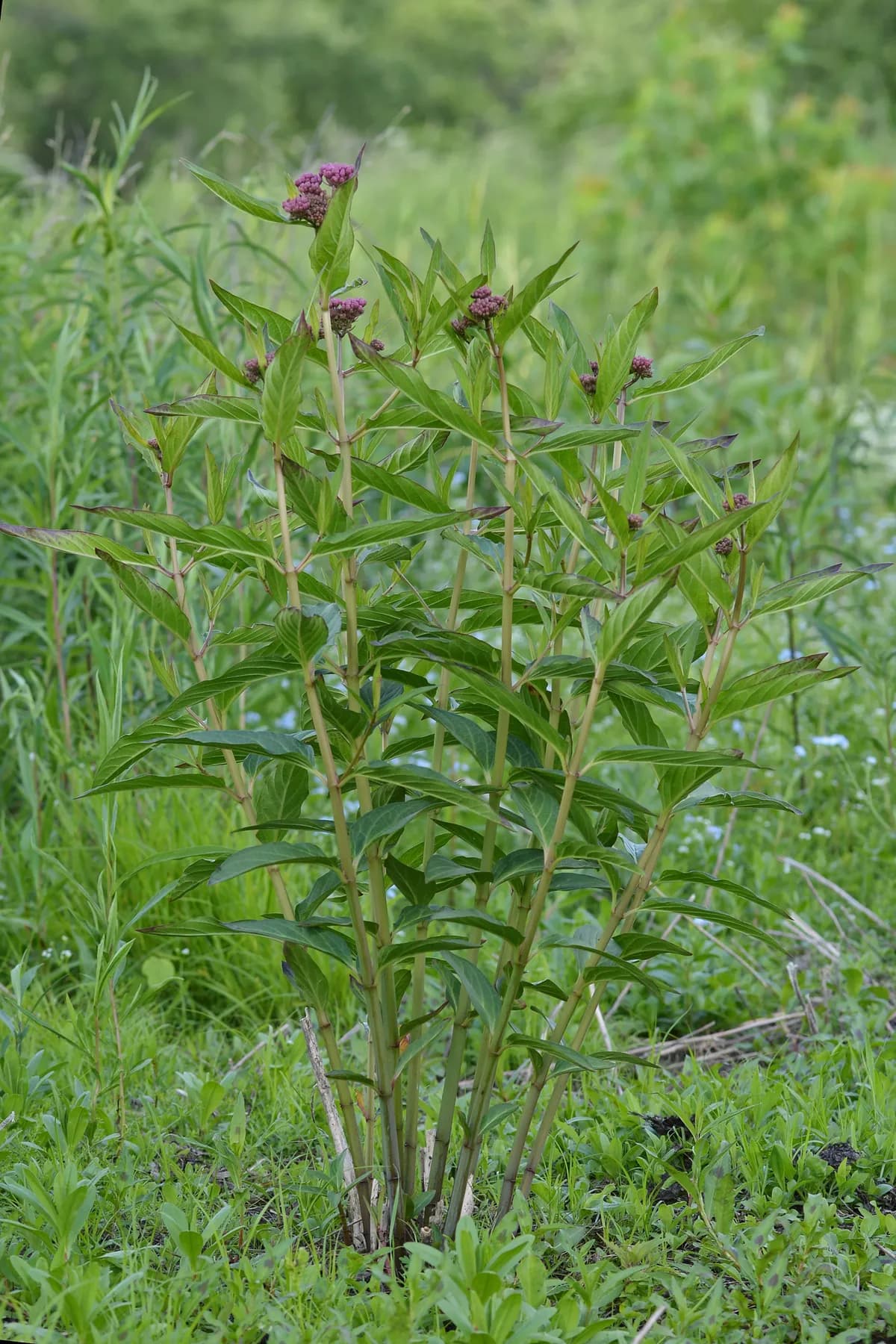
Swamp Milkweed
Asclepias incarnata
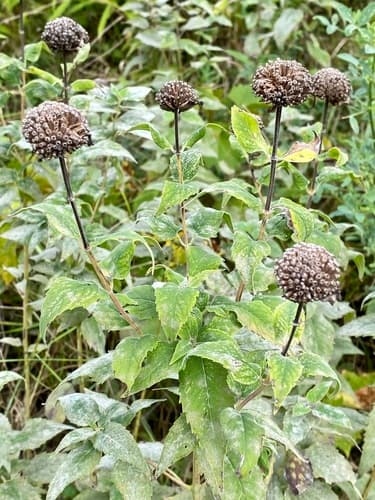
Wild Bergamot
Monarda fistulosa
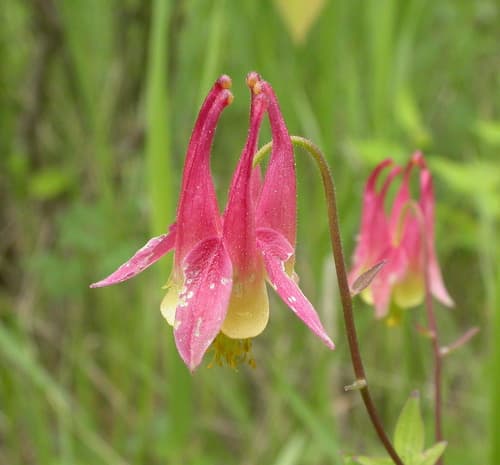
Wild Red Columbine
Aquilegia canadensis
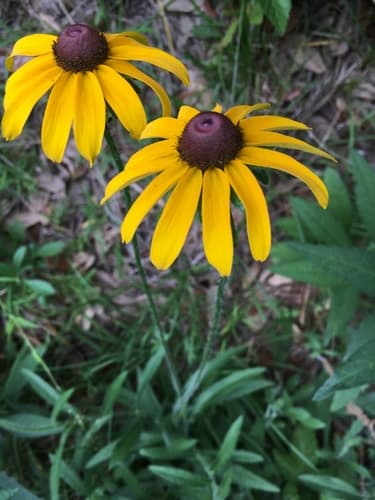
Black-eyed Susan
Rudbeckia hirta
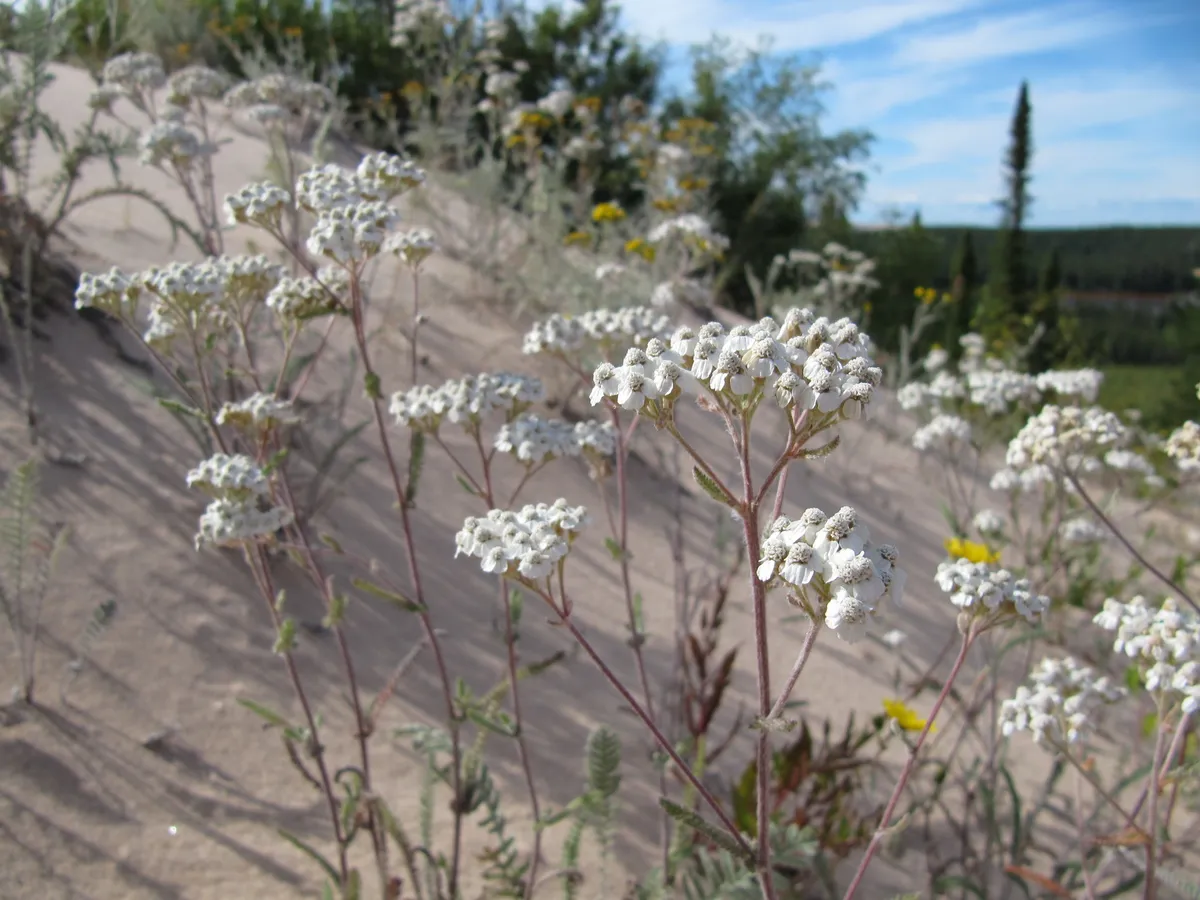
Common Yarrow
Achillea millefolium
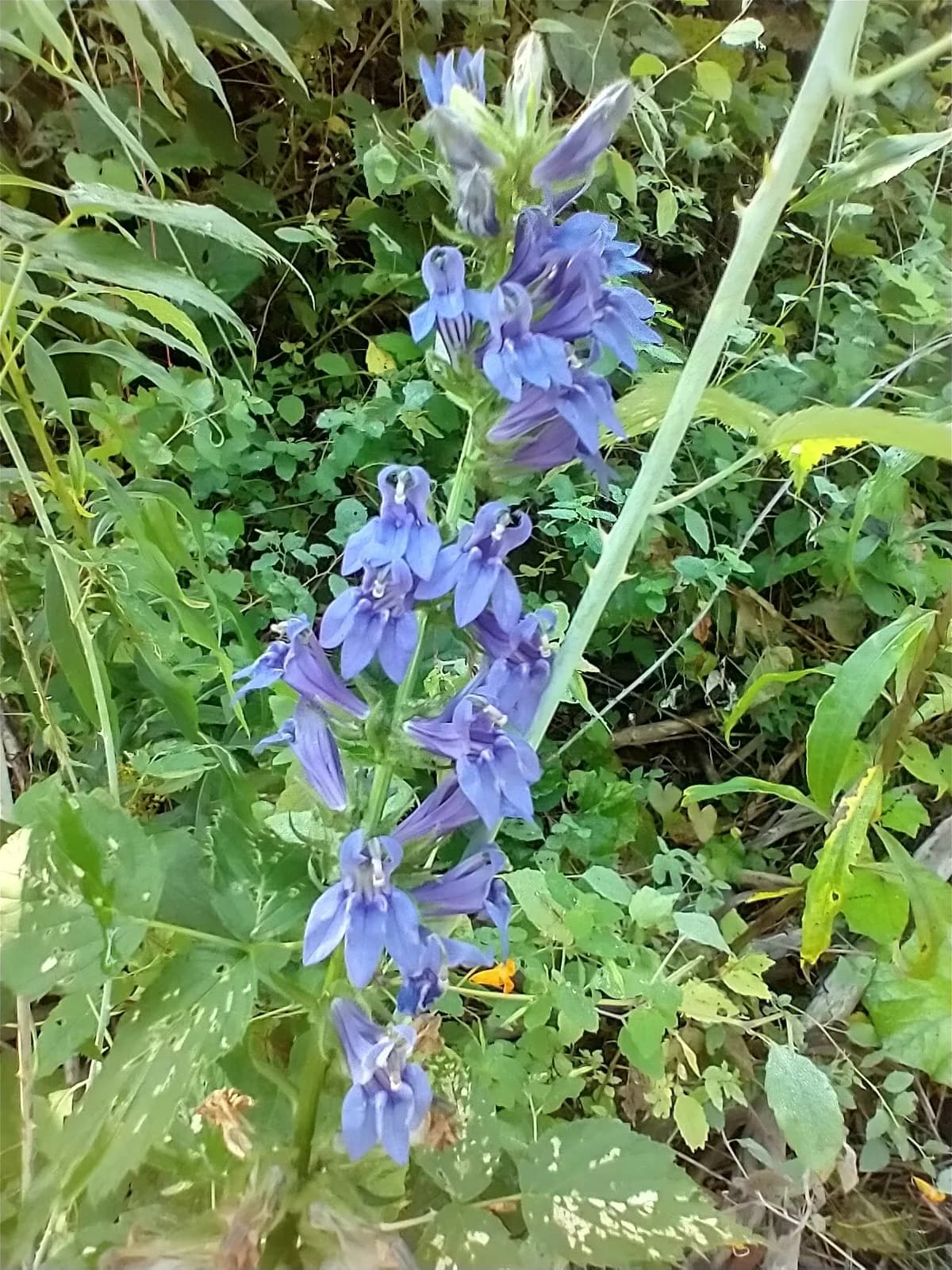
Blue Lobelia
Lobelia siphilitica
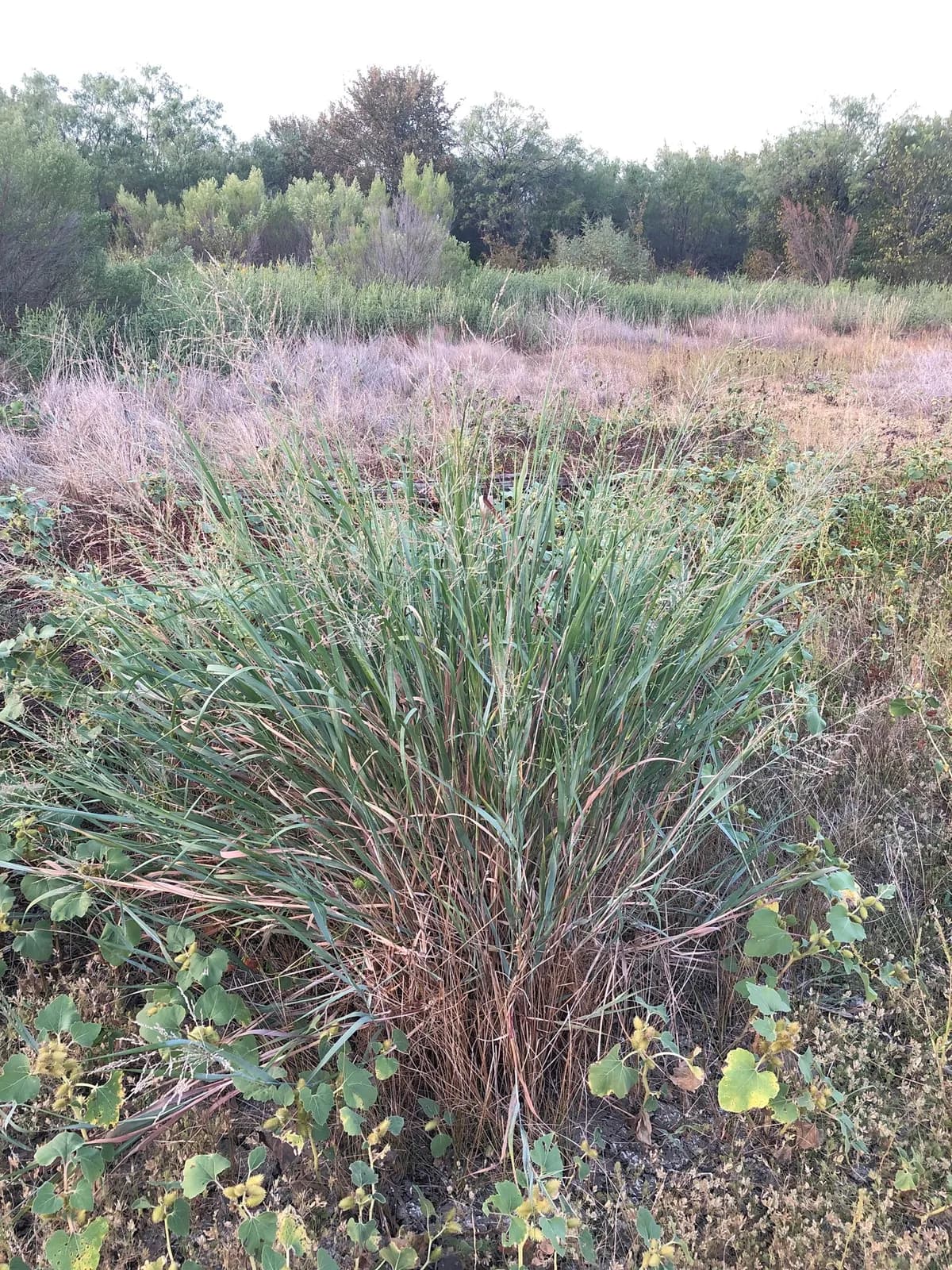
Switchgrass
Panicum virgatum
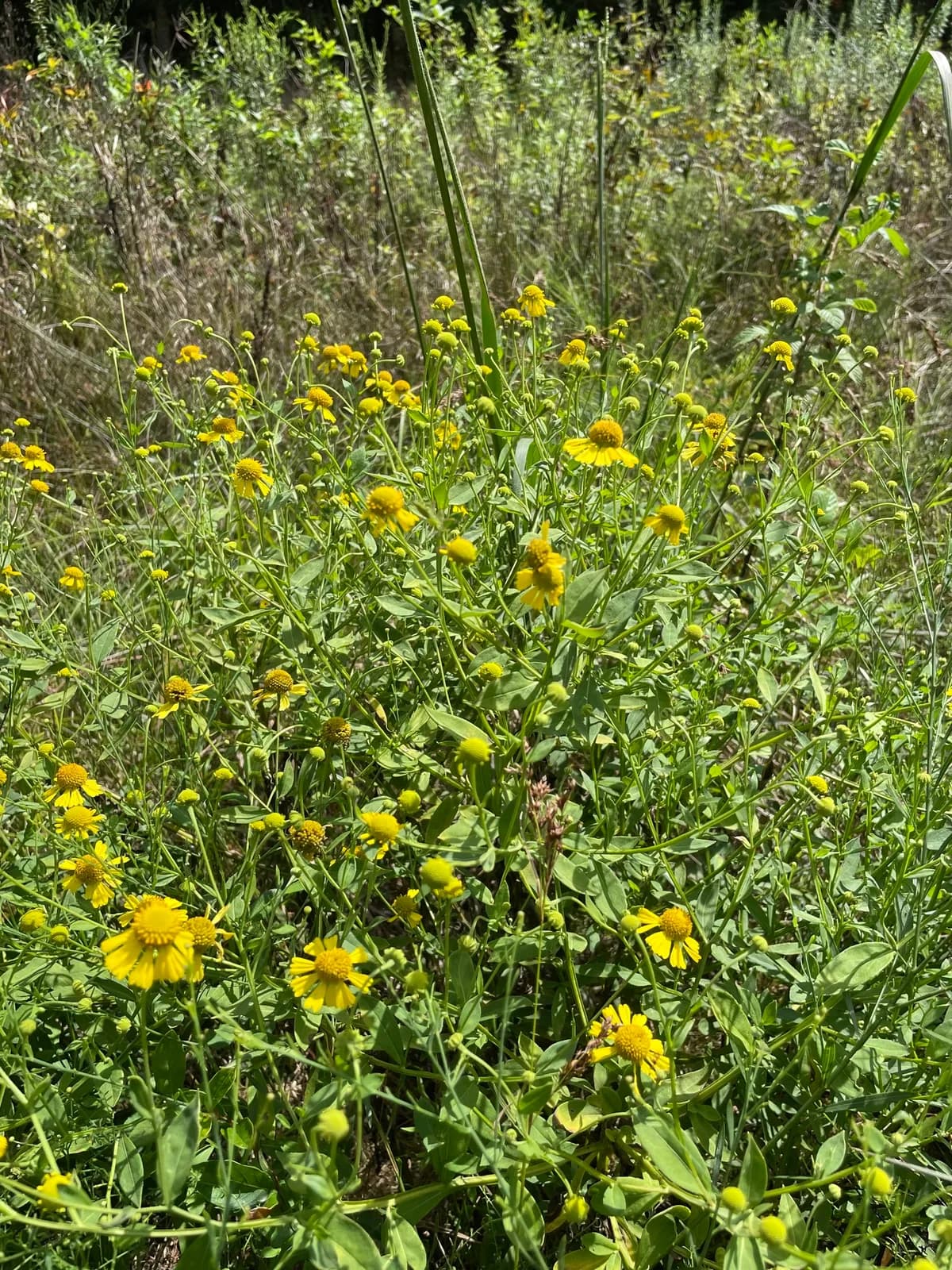
Common Sneezeweed
Helenium autumnale

Golden Alexanders
Zizia aurea
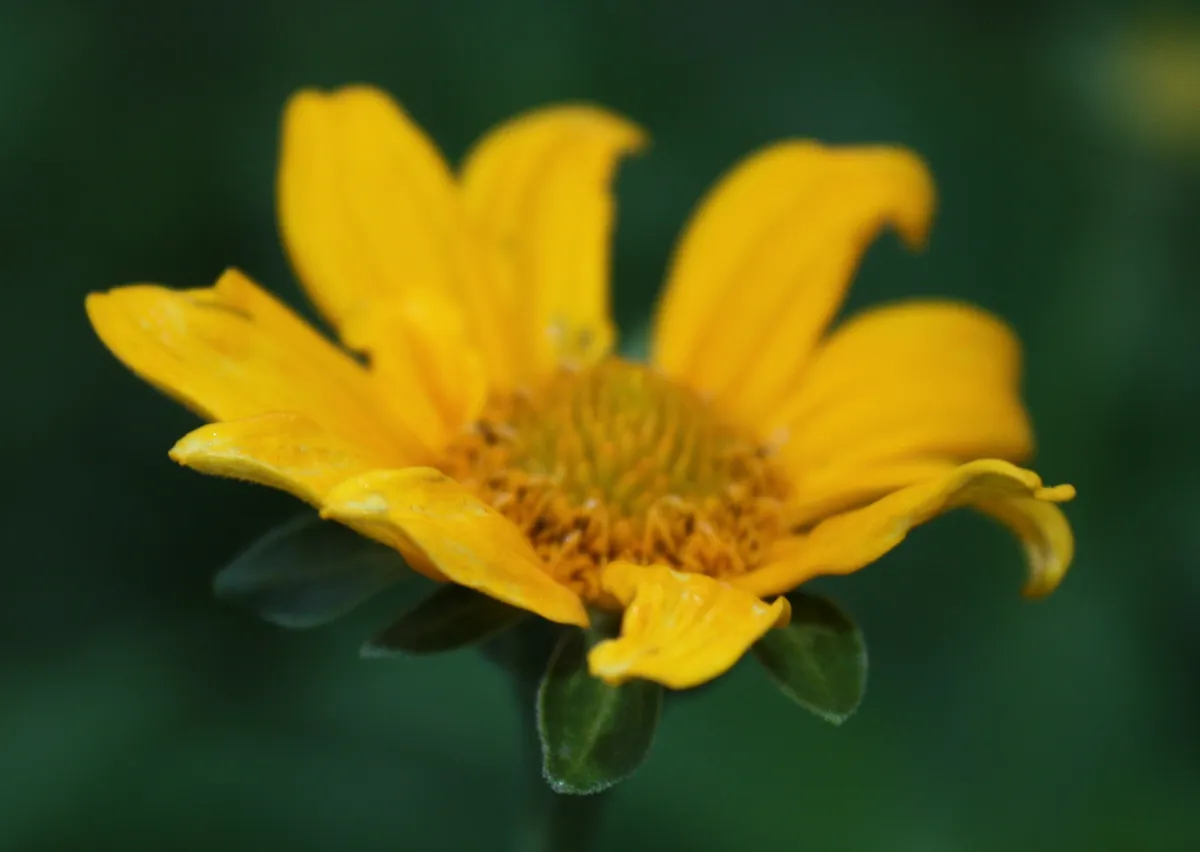
False Sunflower
Heliopsis helianthoides
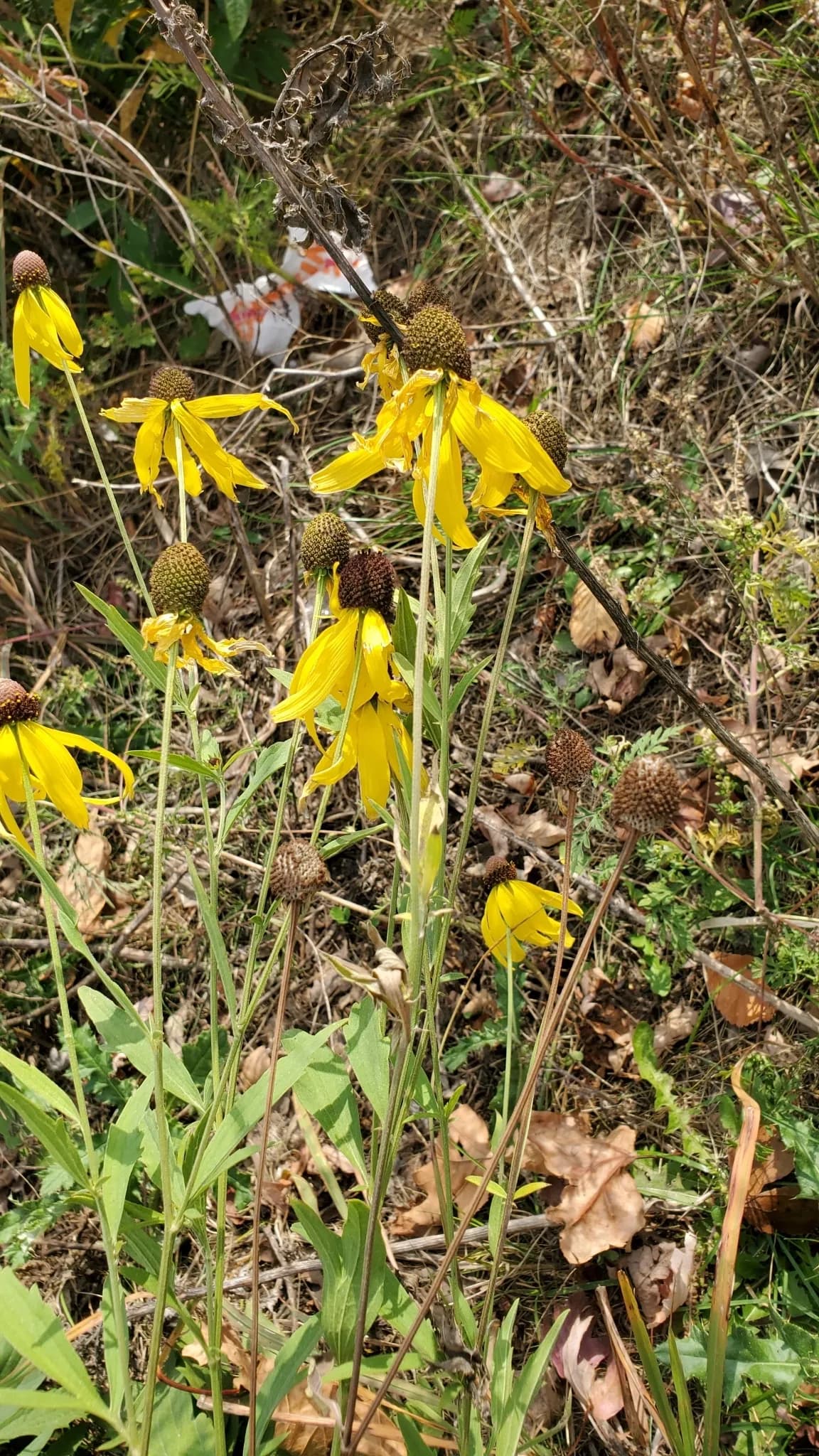
Drooping Prairie-coneflower
Ratibida pinnata
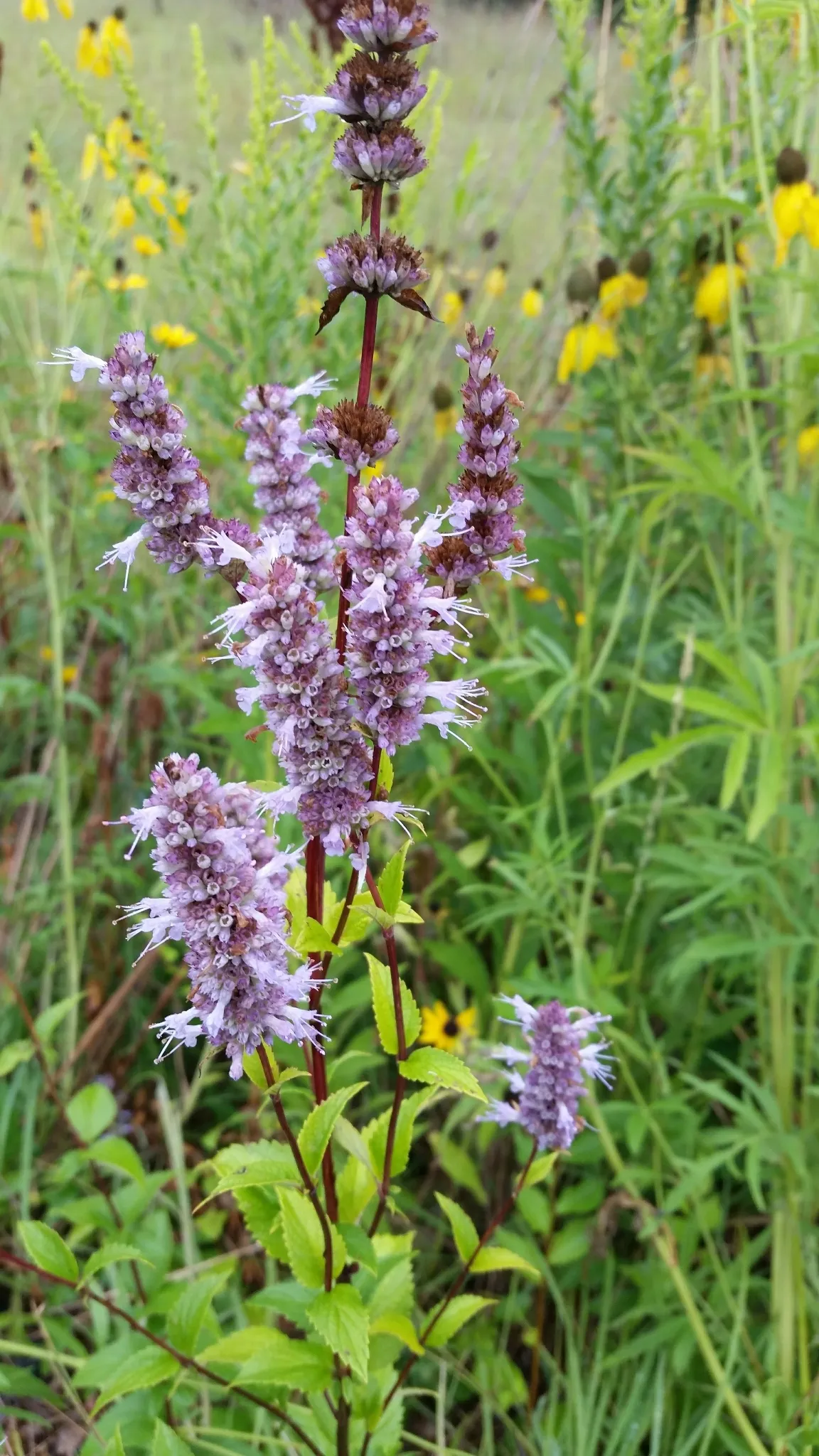
Blue Giant-hyssop
Agastache foeniculum
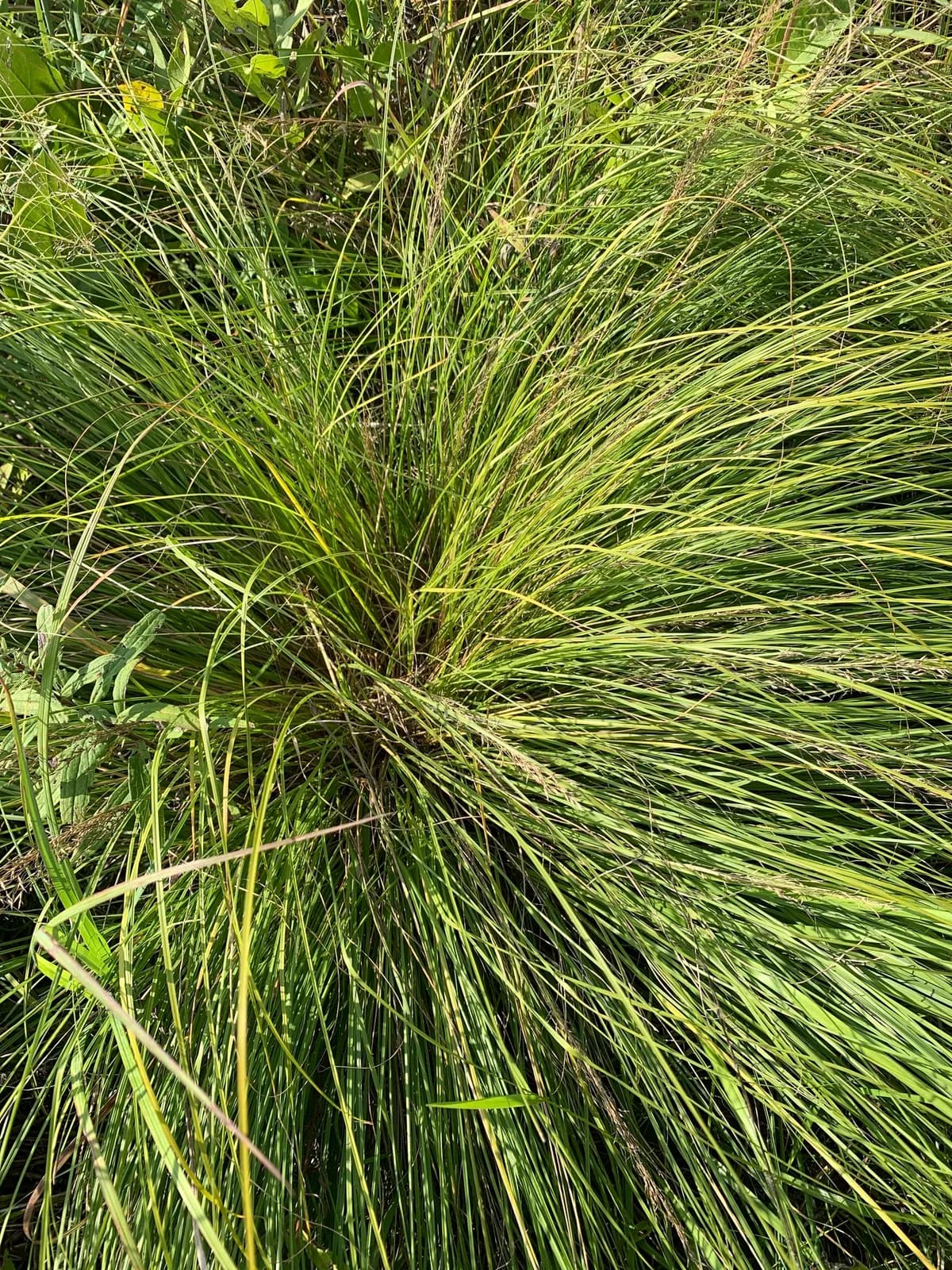
Prairie Dropseed
Sporobolus heterolepis

Sideoats Grama
Bouteloua curtipendula
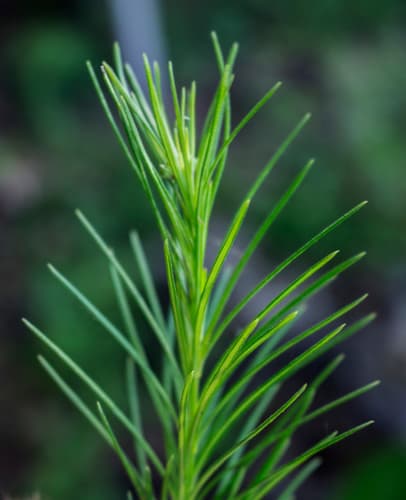
Whorled Milkweed
Asclepias verticillata
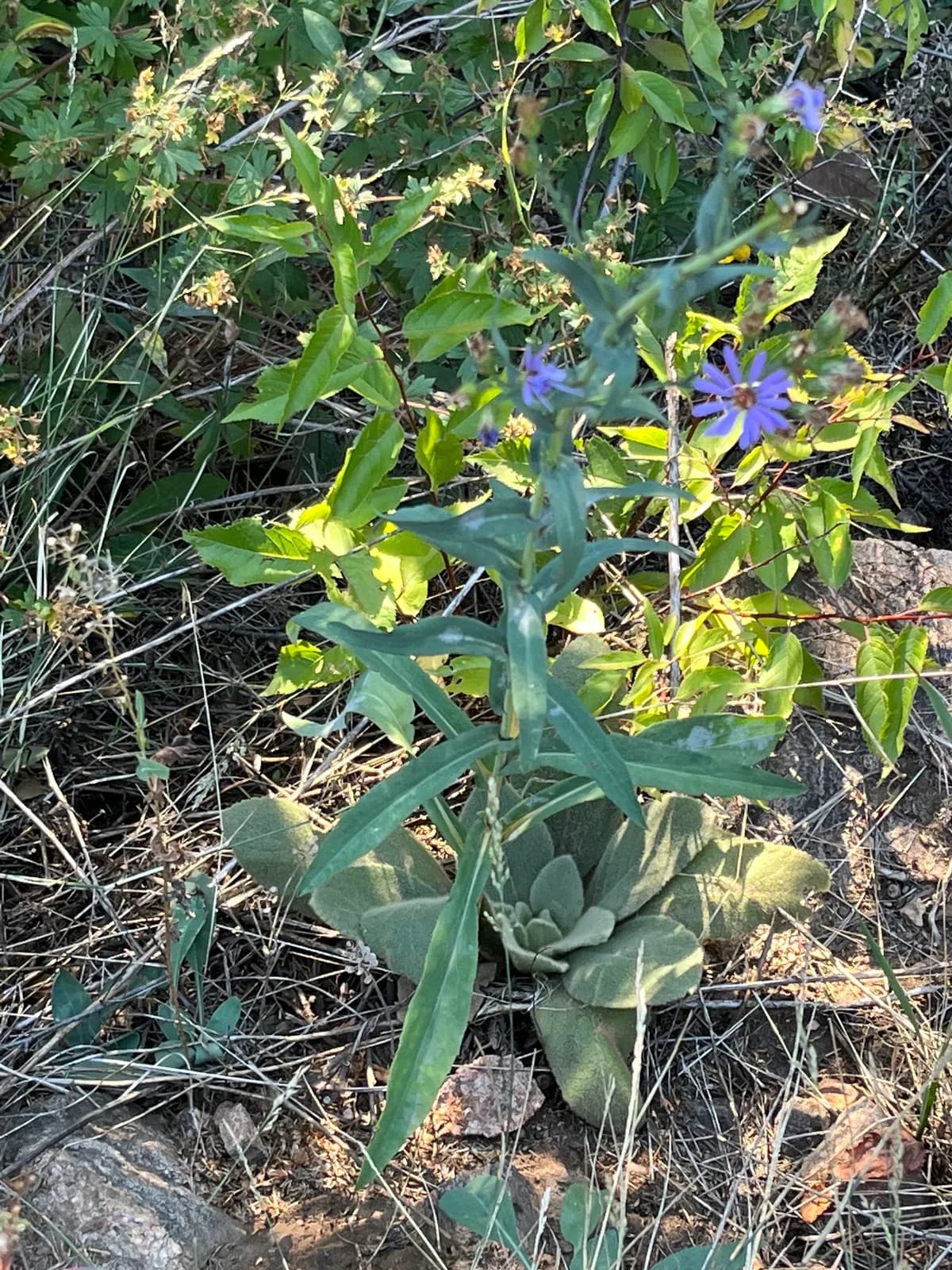
Smooth Aster
Symphyotrichum laeve
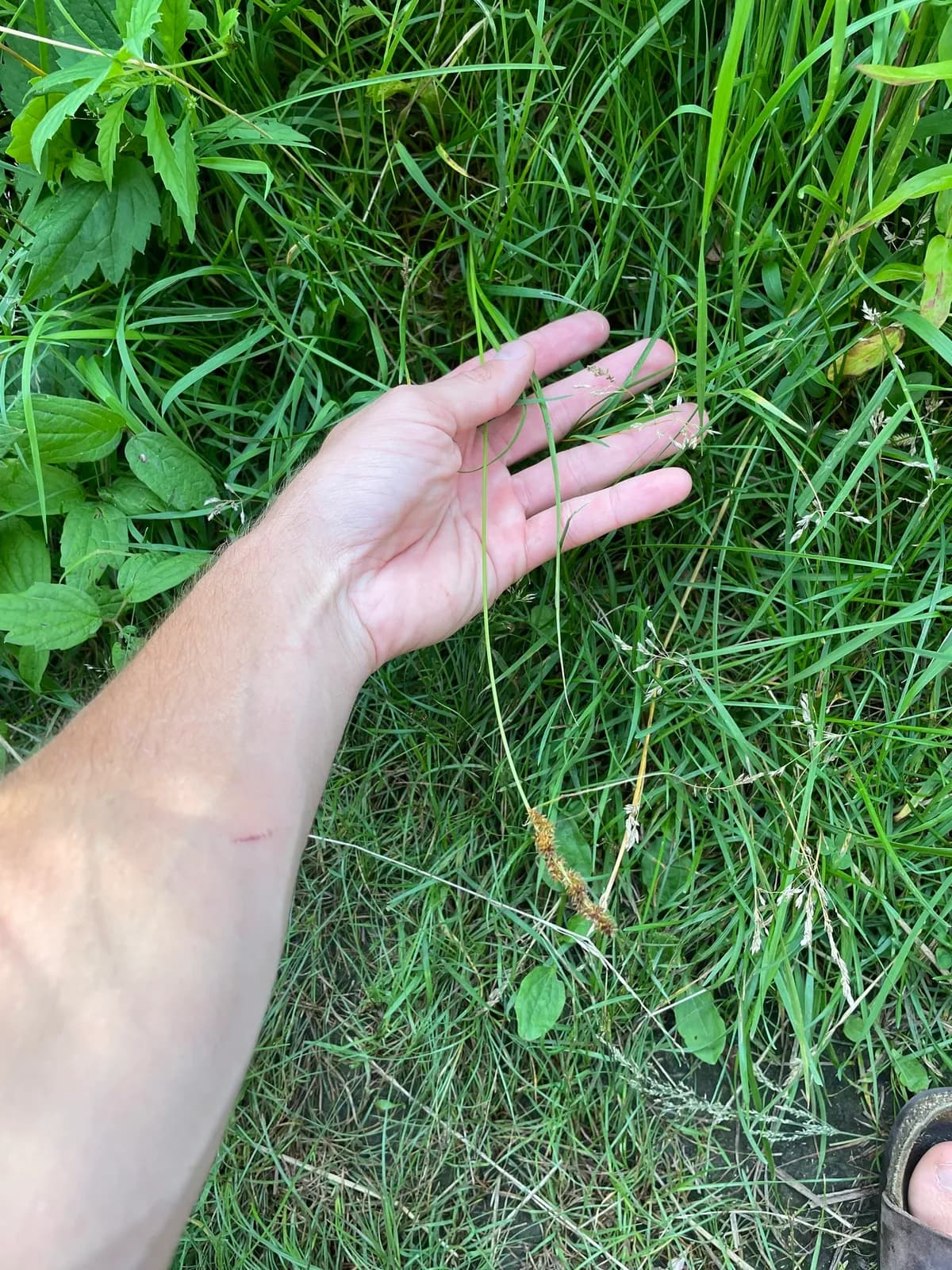
American Fox Sedge
Carex vulpinoidea
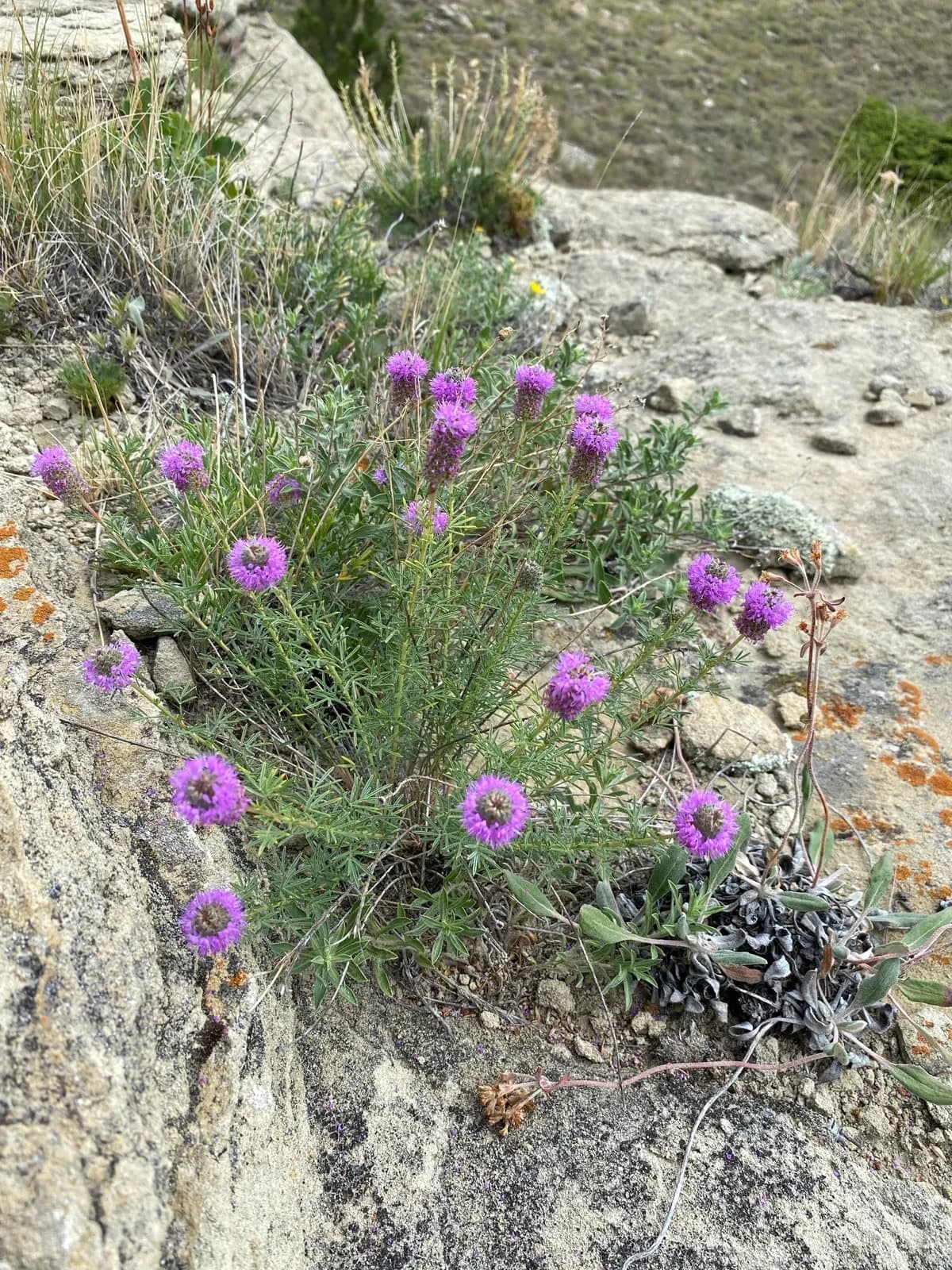
Purple Prairie Clover
Dalea purpurea
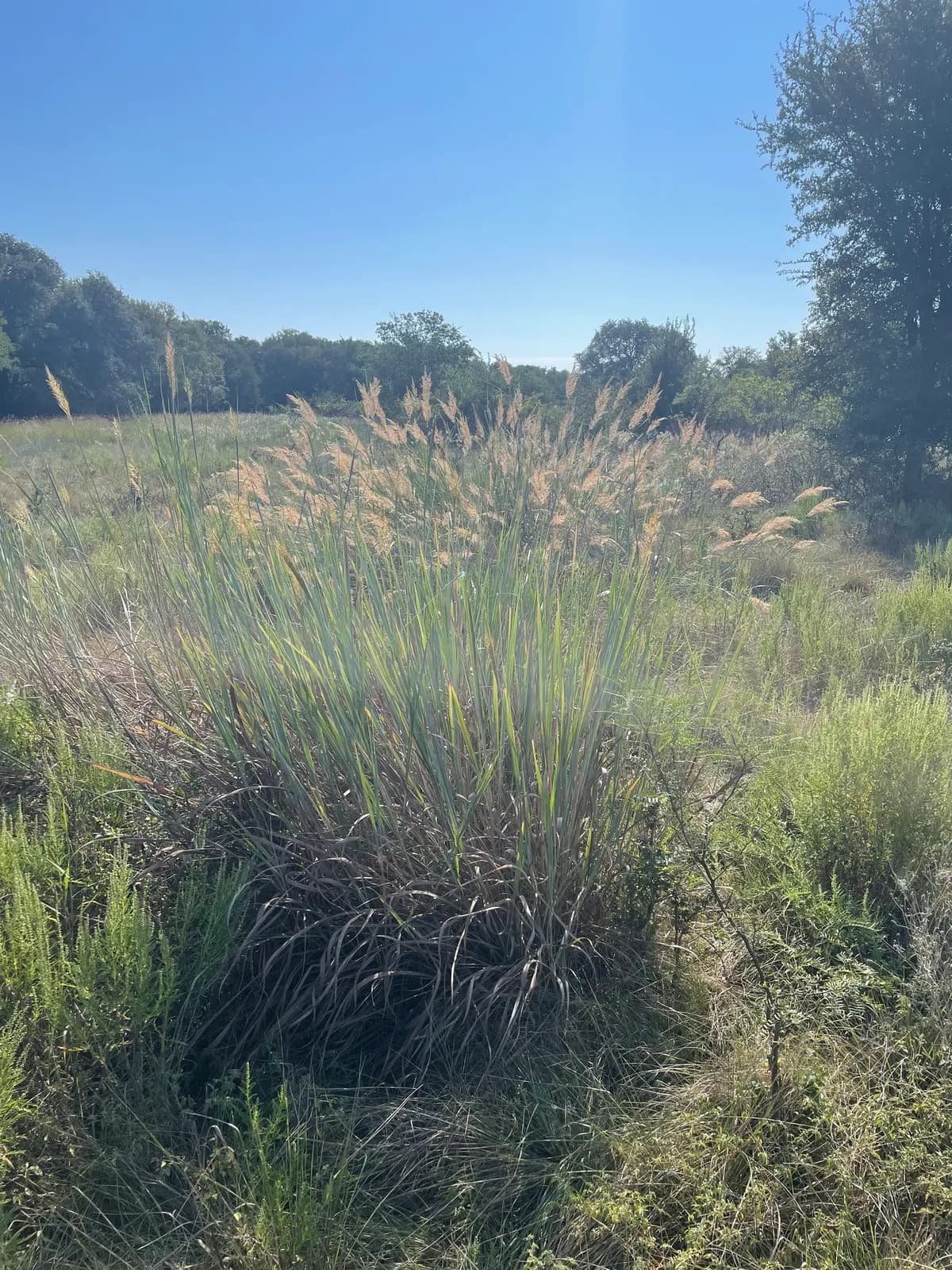
Indiangrass
Sorghastrum nutans
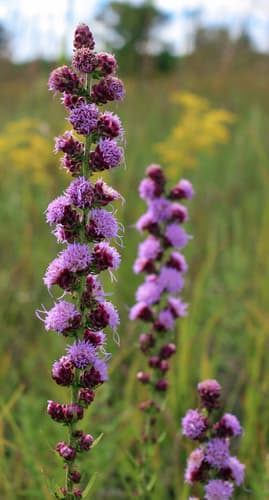
Tall Blazing Star
Liatris aspera
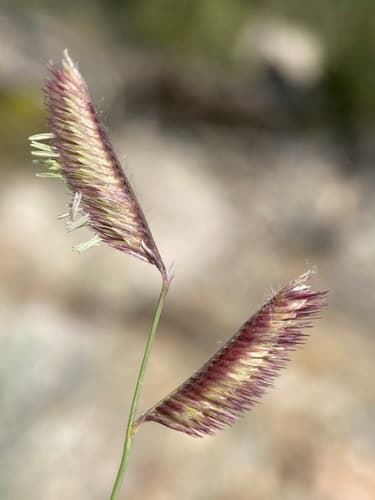
Blue Grama
Bouteloua gracilis
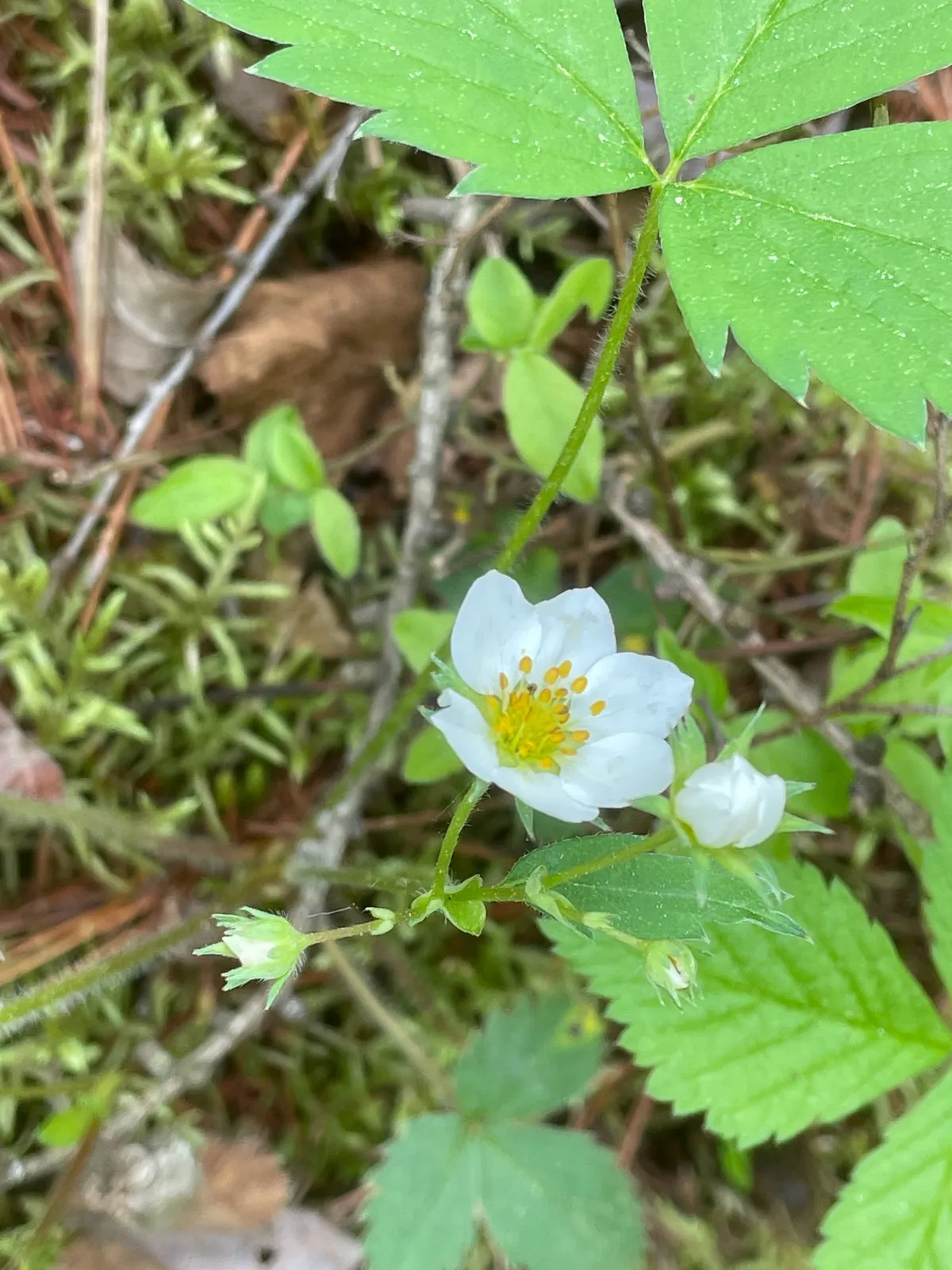
Scarlet Strawberry
Fragaria virginiana
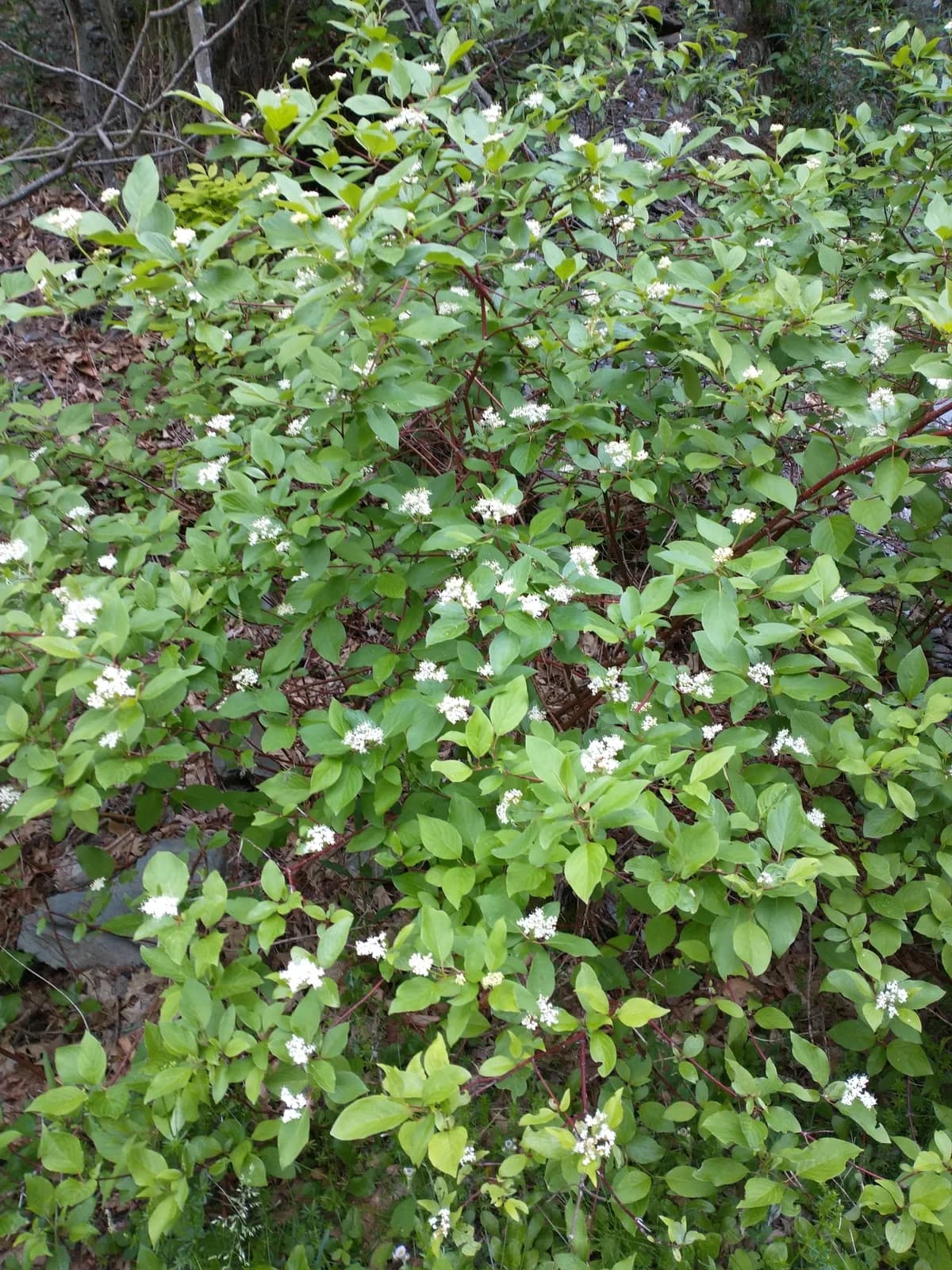
Red-osier Dogwood
Cornus sericea
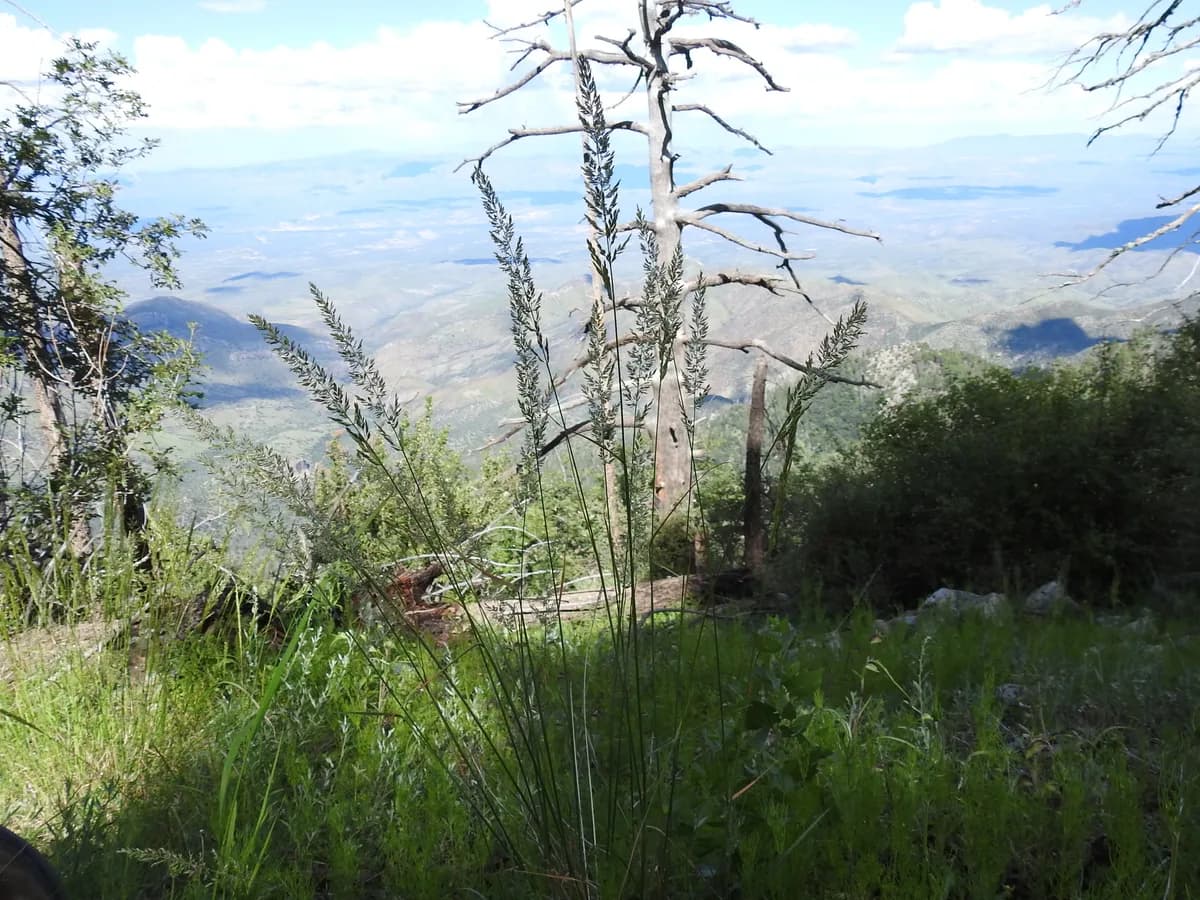
Prairie Junegrass
Koeleria macrantha
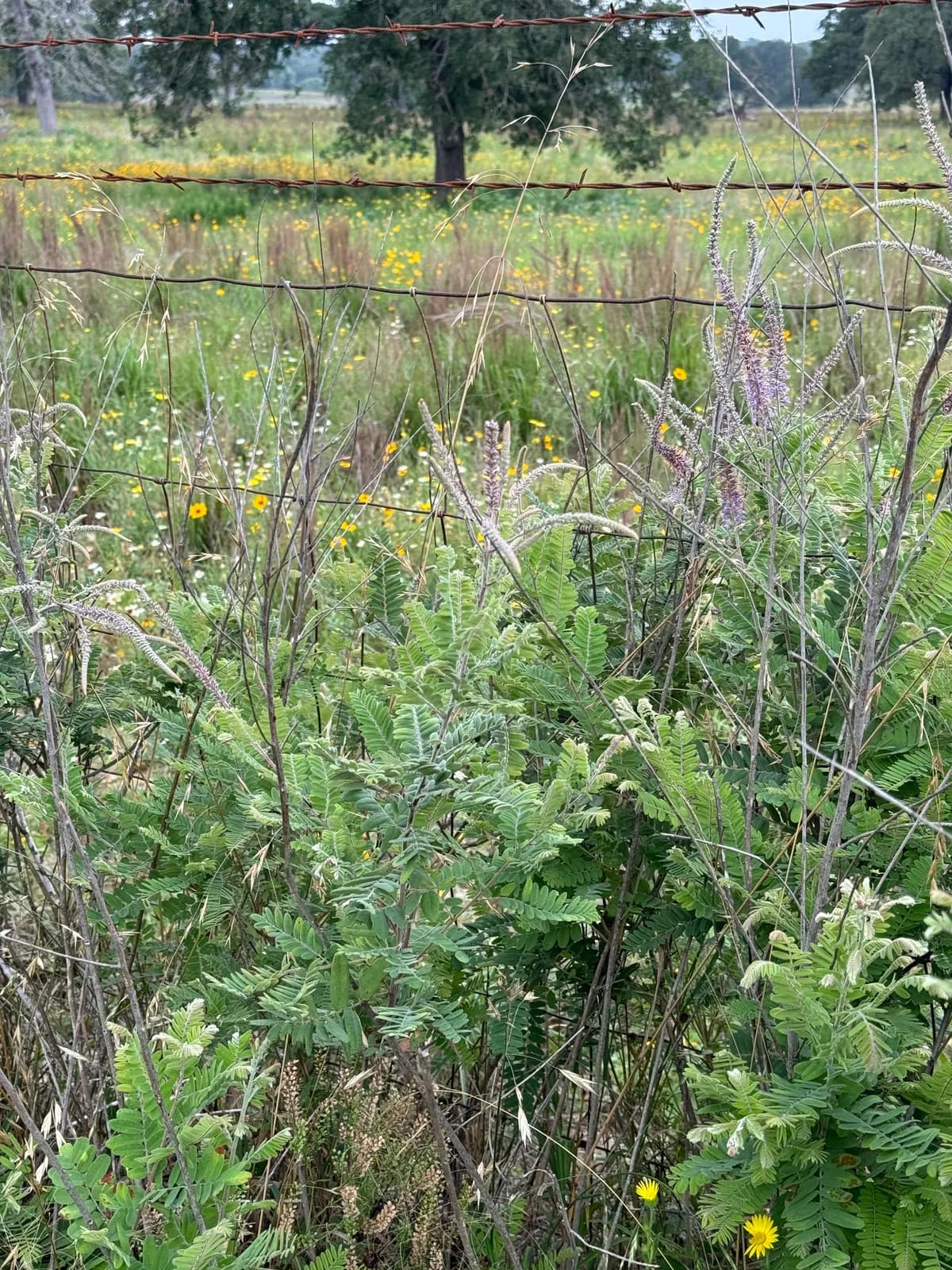
Leadplant
Amorpha canescens

Pennsylvania Sedge
Carex pensylvanica
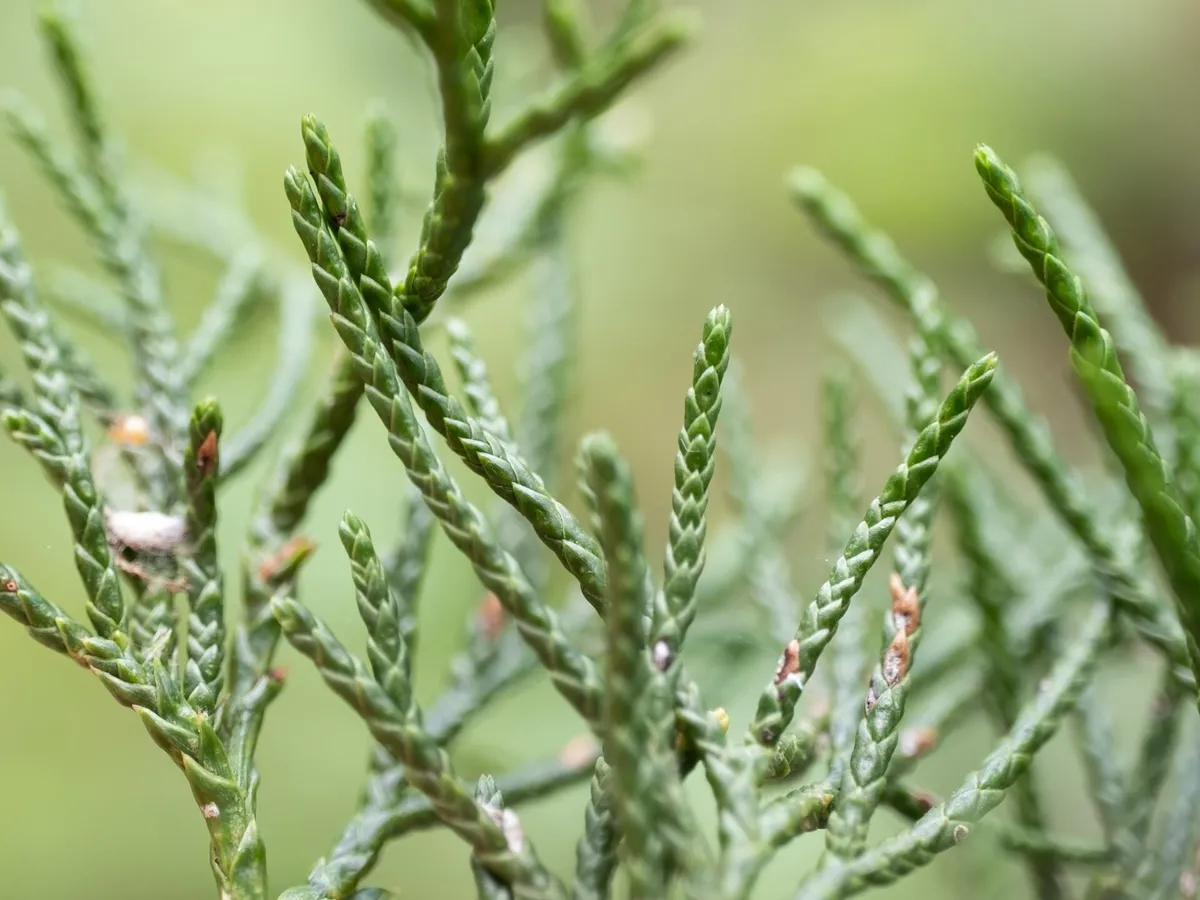
Eastern Red Cedar
Juniperus virginiana
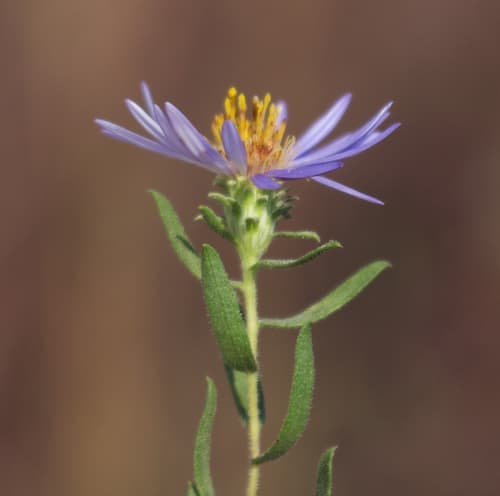
Fall Aster
Symphyotrichum oblongifolium

Mexican Hat
Ratibida columnifera
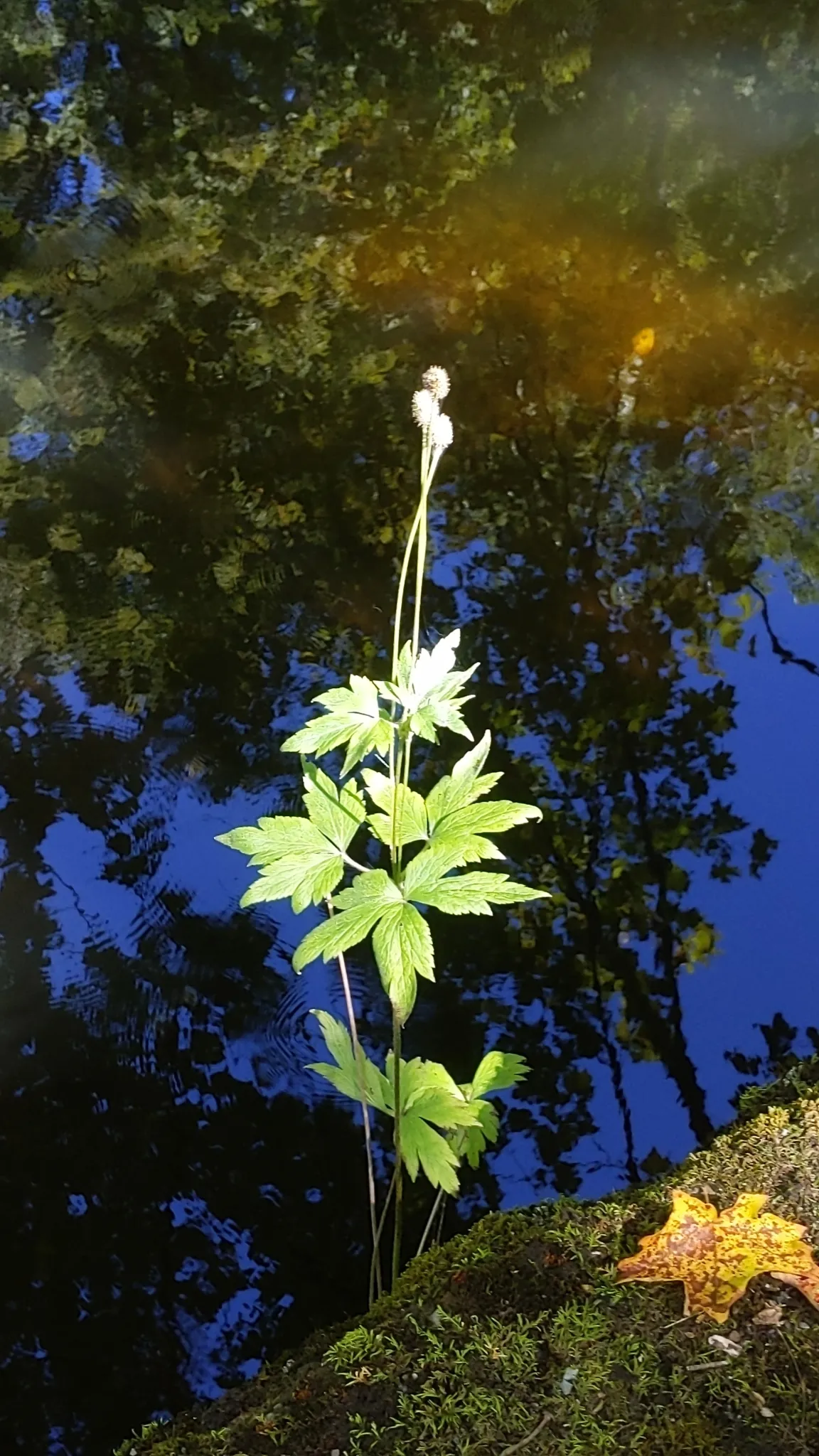
Thimbleweed
Anemone virginiana

Fragrant Phlox
Phlox pilosa
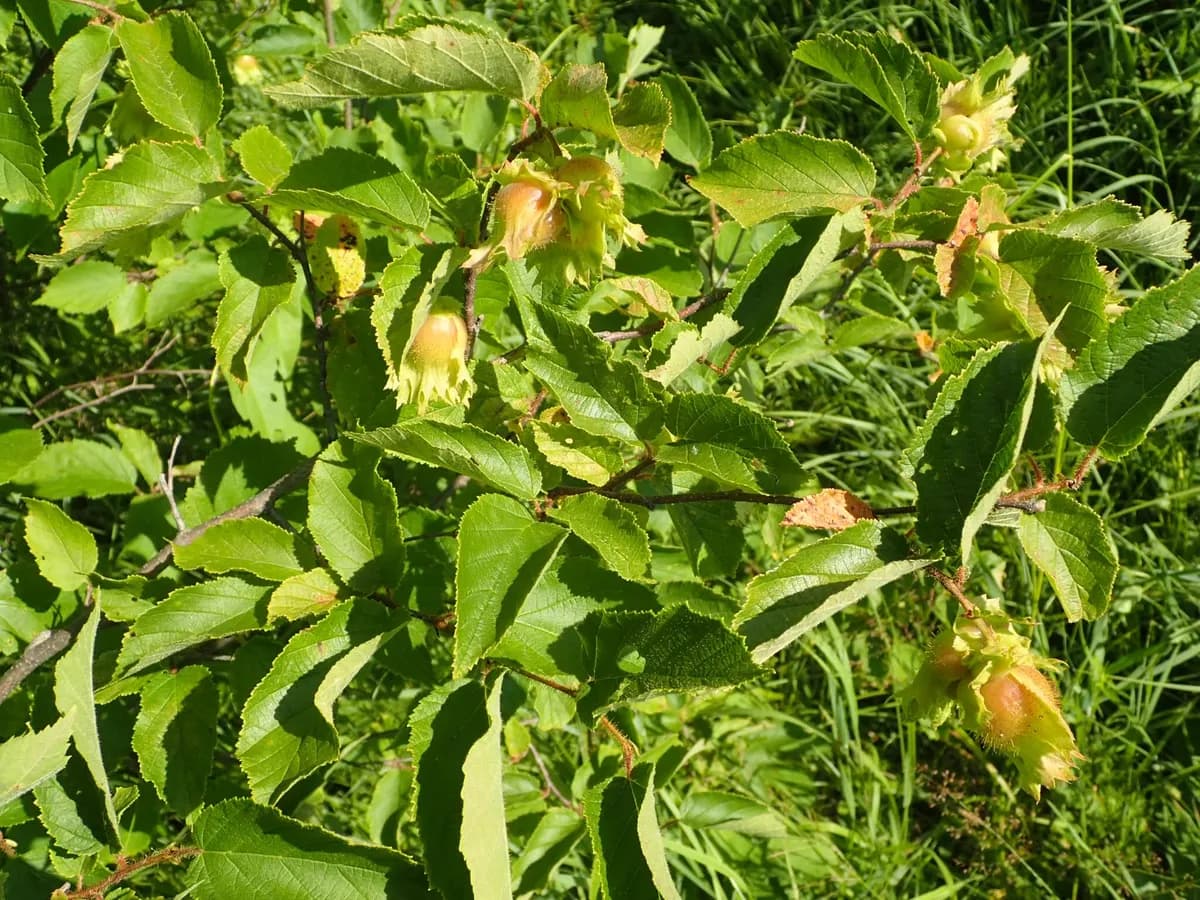
American Hazelnut
Corylus americana
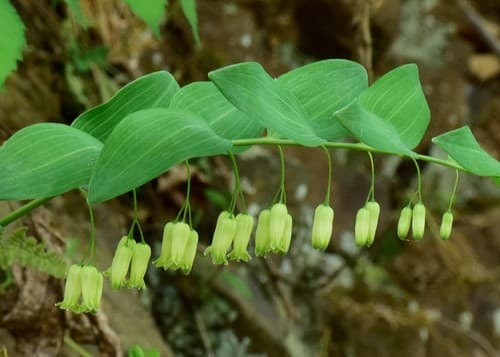
American Solomon's-seal
Polygonatum biflorum
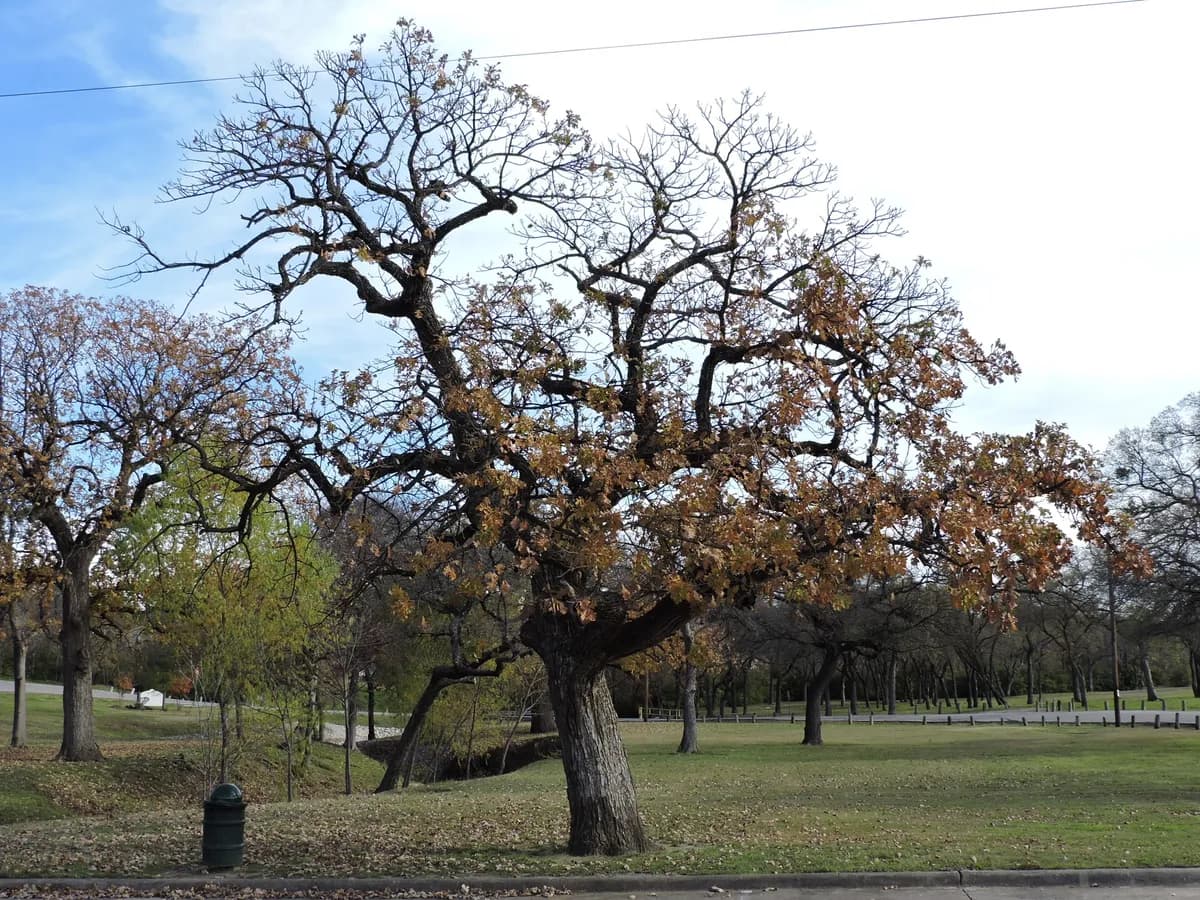
Bur Oak
Quercus macrocarpa
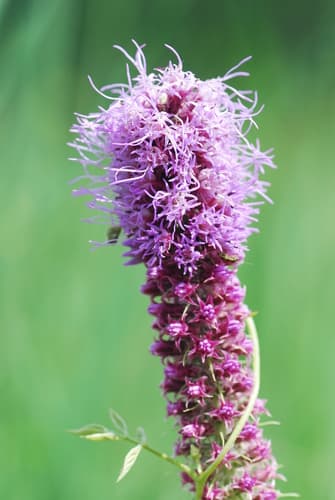
Prairie Gayfeather
Liatris pycnostachya
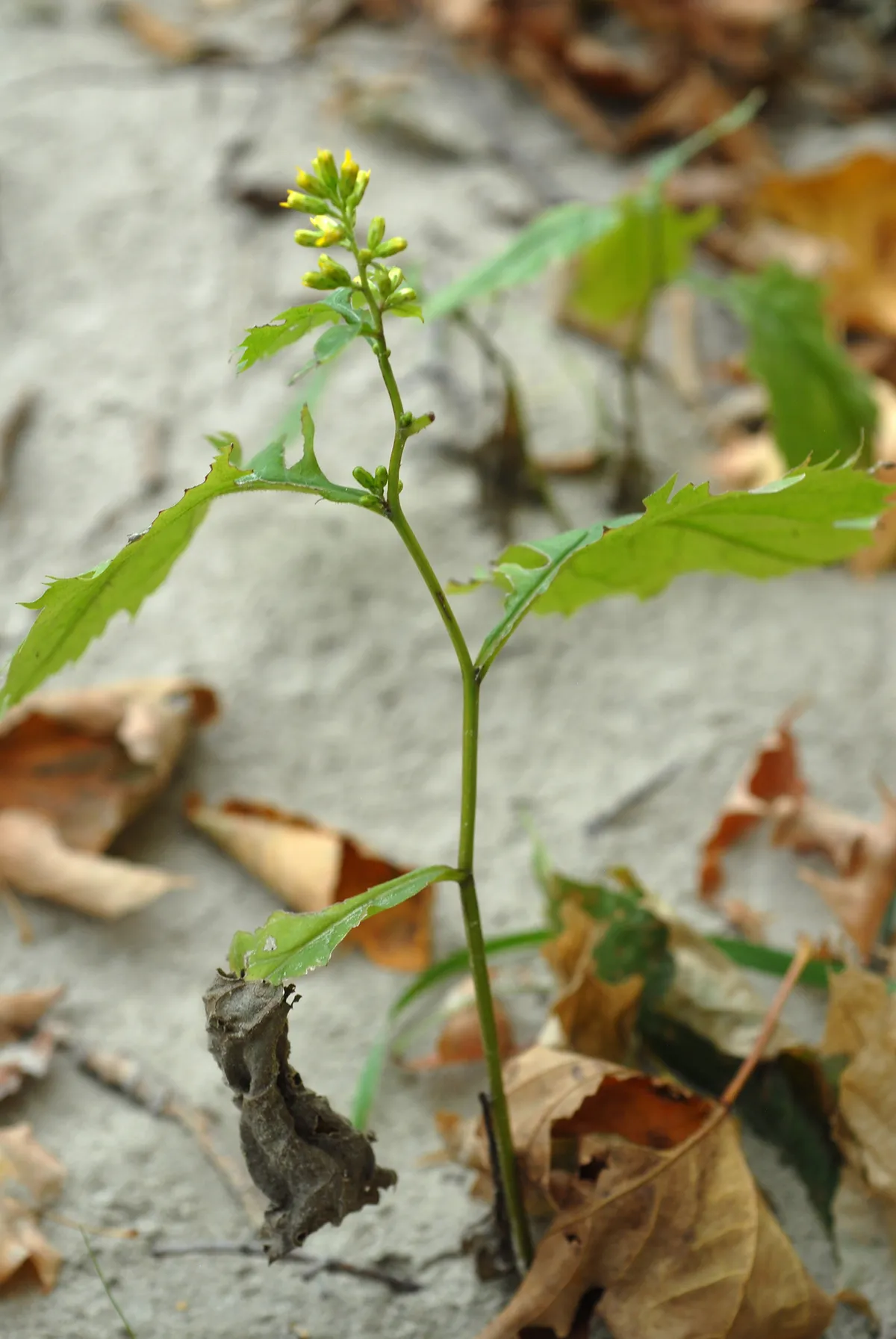
Zig-zag Goldenrod
Solidago flexicaulis
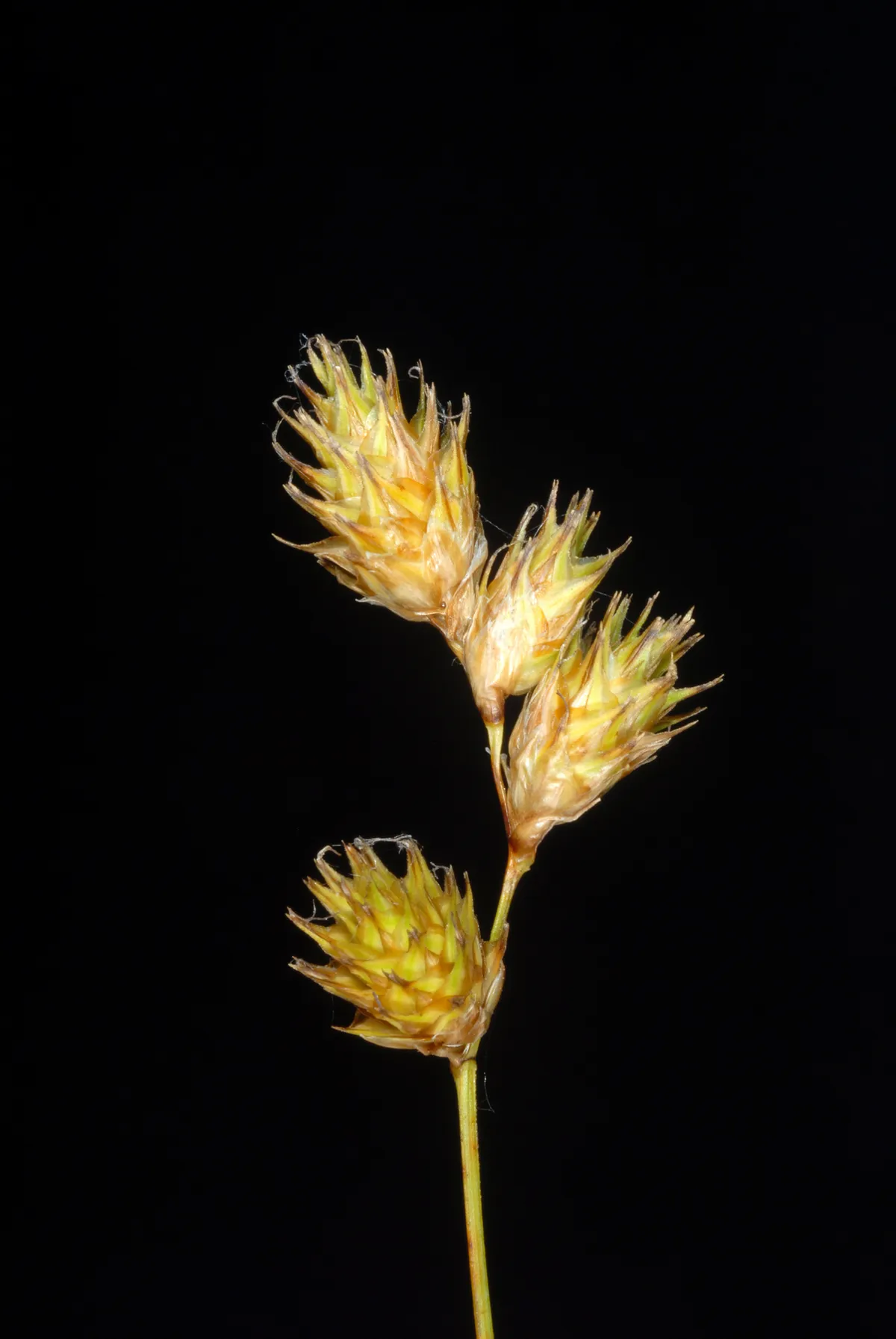
Bicknell's Sedge
Carex bicknellii
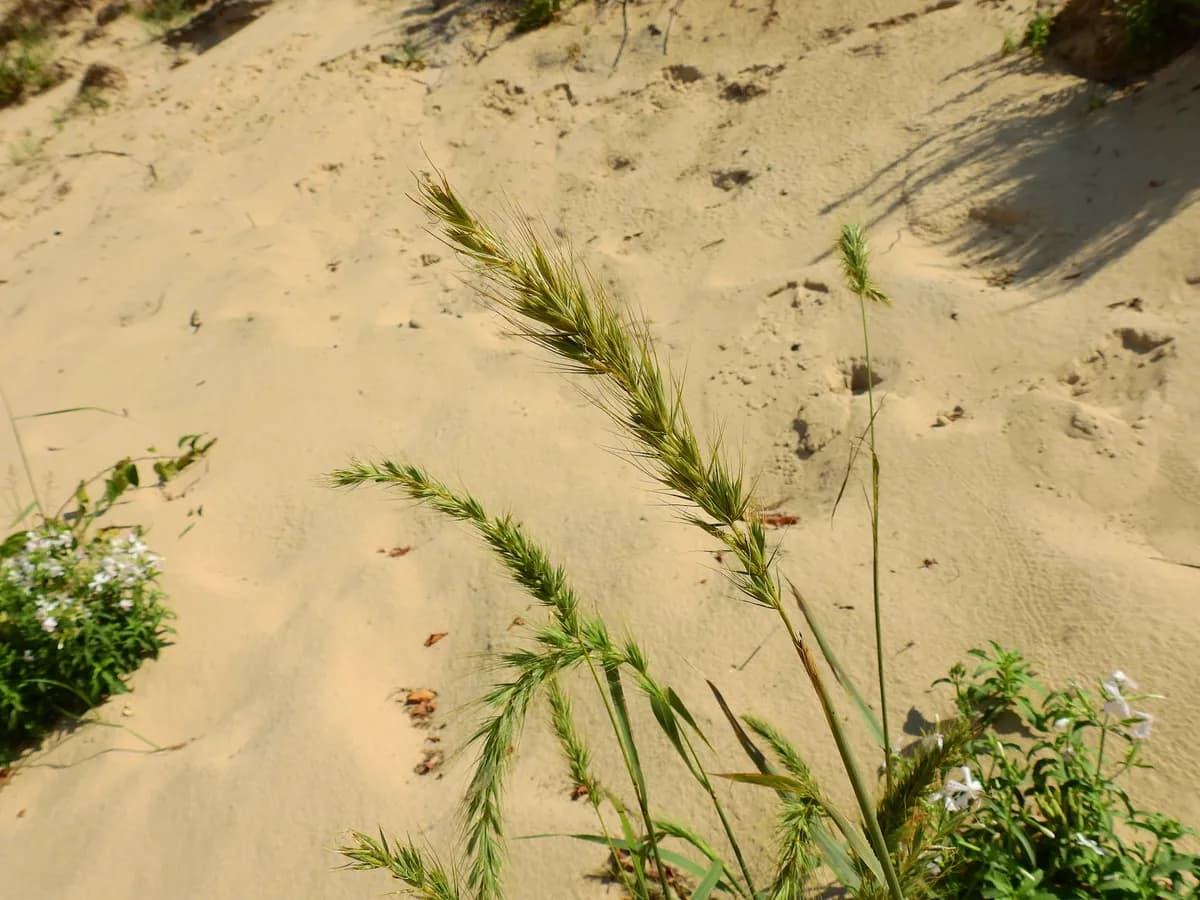
Prairie Wildrye
Elymus canadensis
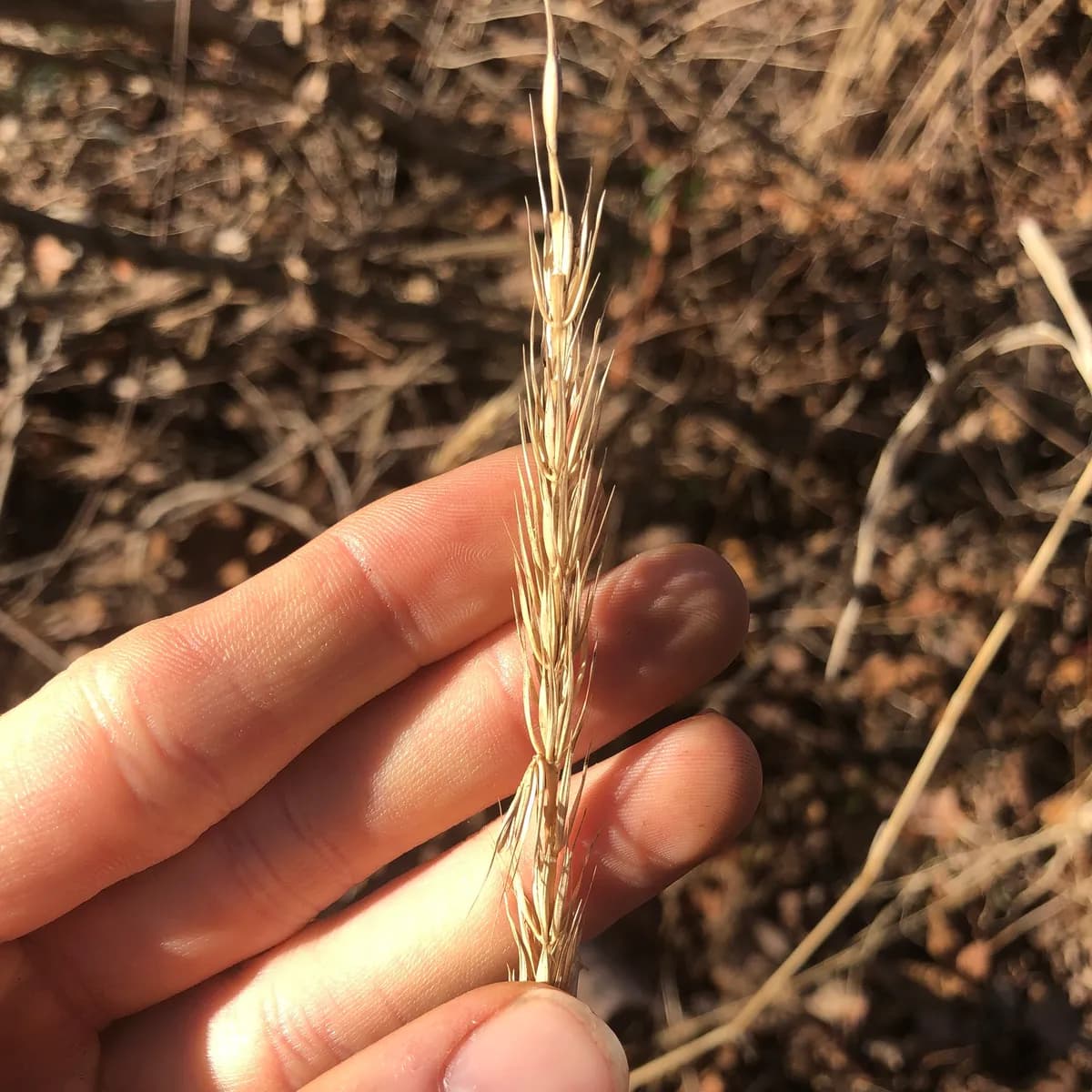
Virginia Wildrye
Elymus virginicus
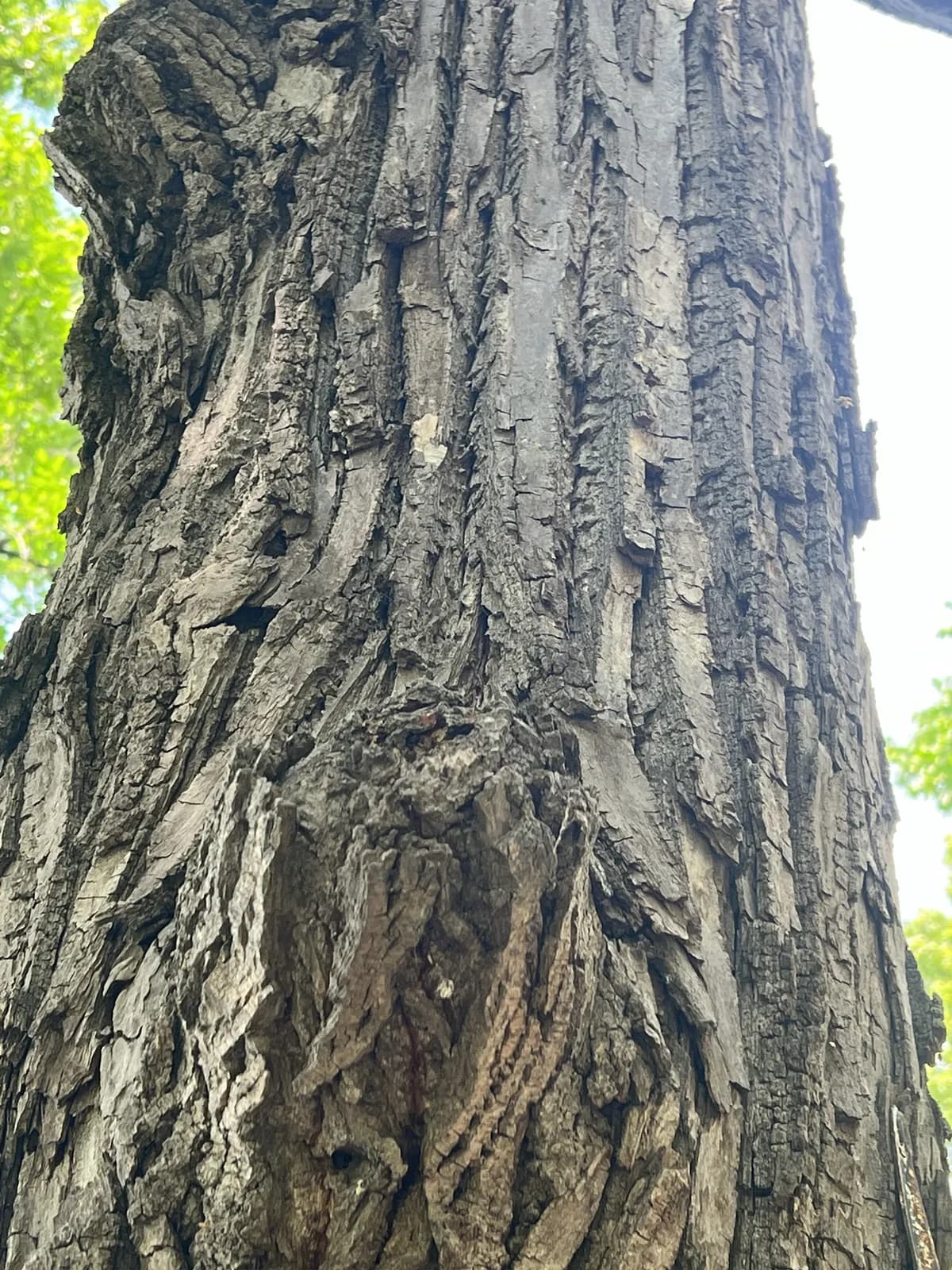
American Basswood
Tilia americana
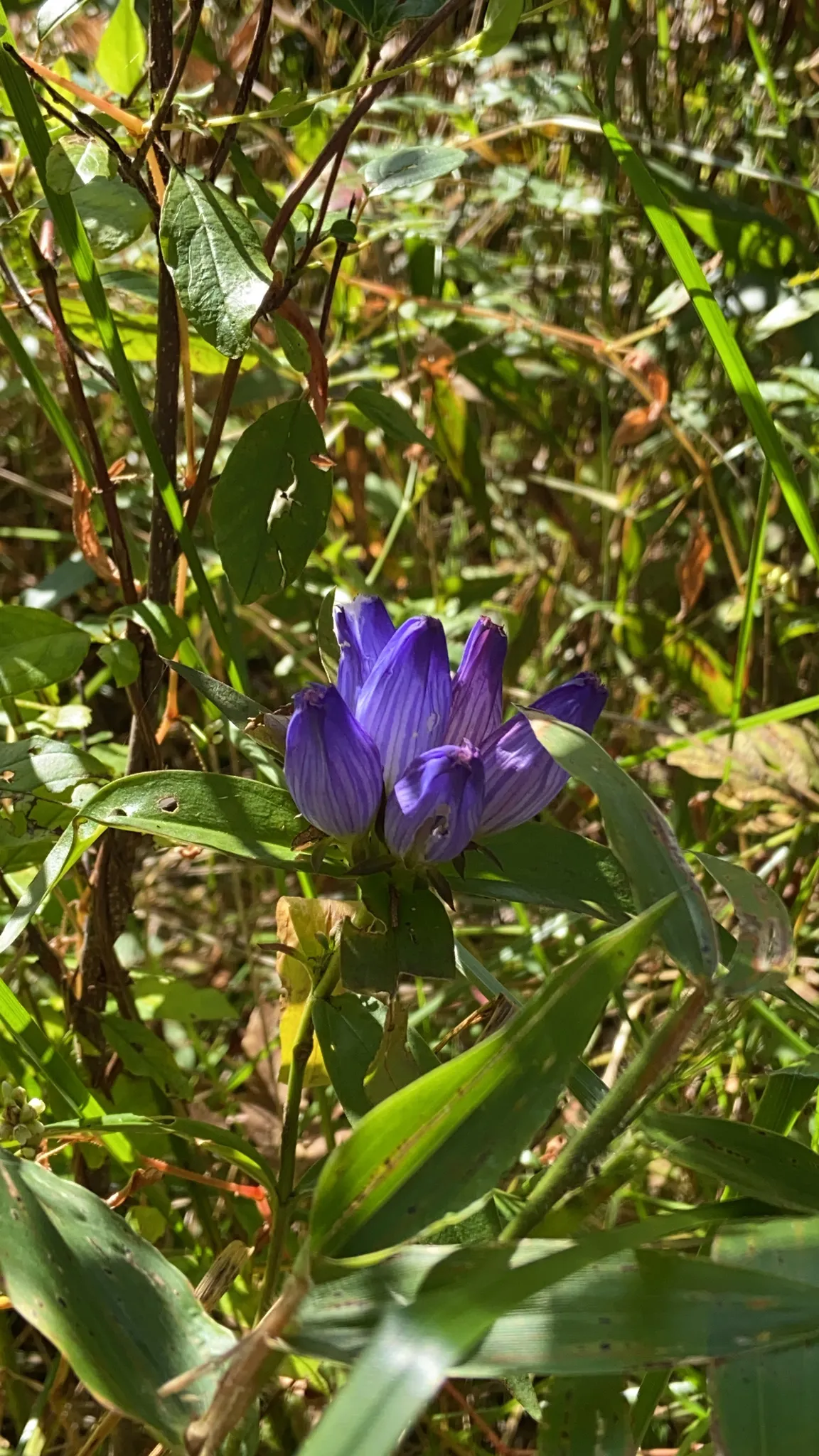
Closed Gentian
Gentiana andrewsii

Canada Snakeroot
Asarum canadense
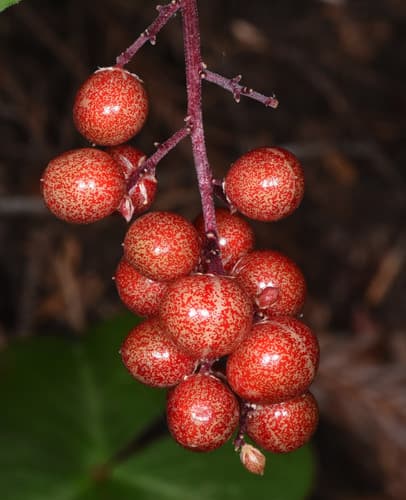
Solomon's-plume
Maianthemum racemosum
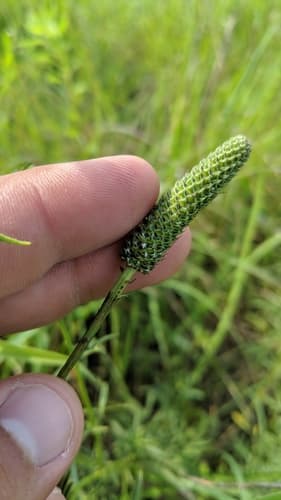
White Prairie Clover
Dalea candida
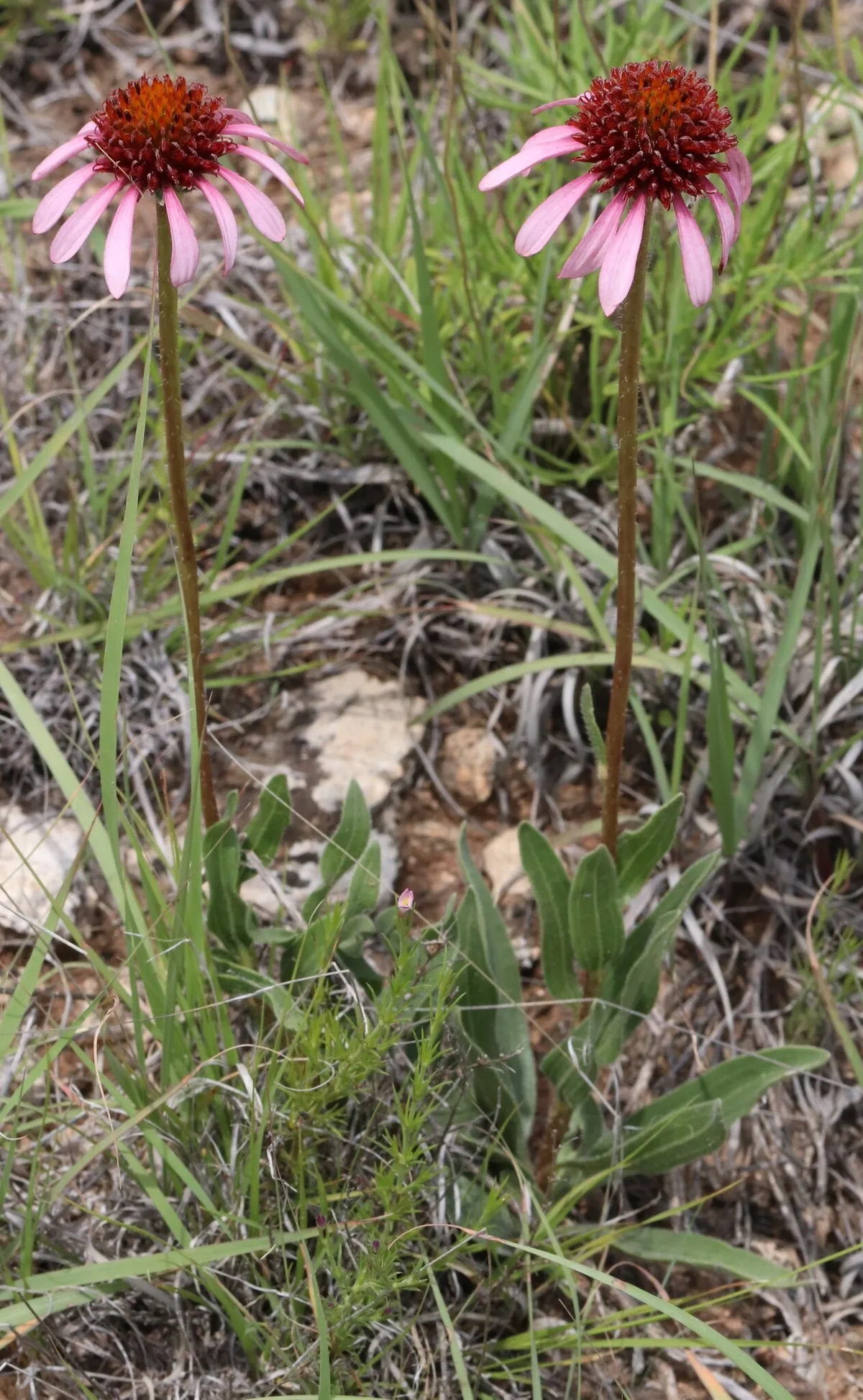
Narrow-leaf Coneflower
Echinacea angustifolia
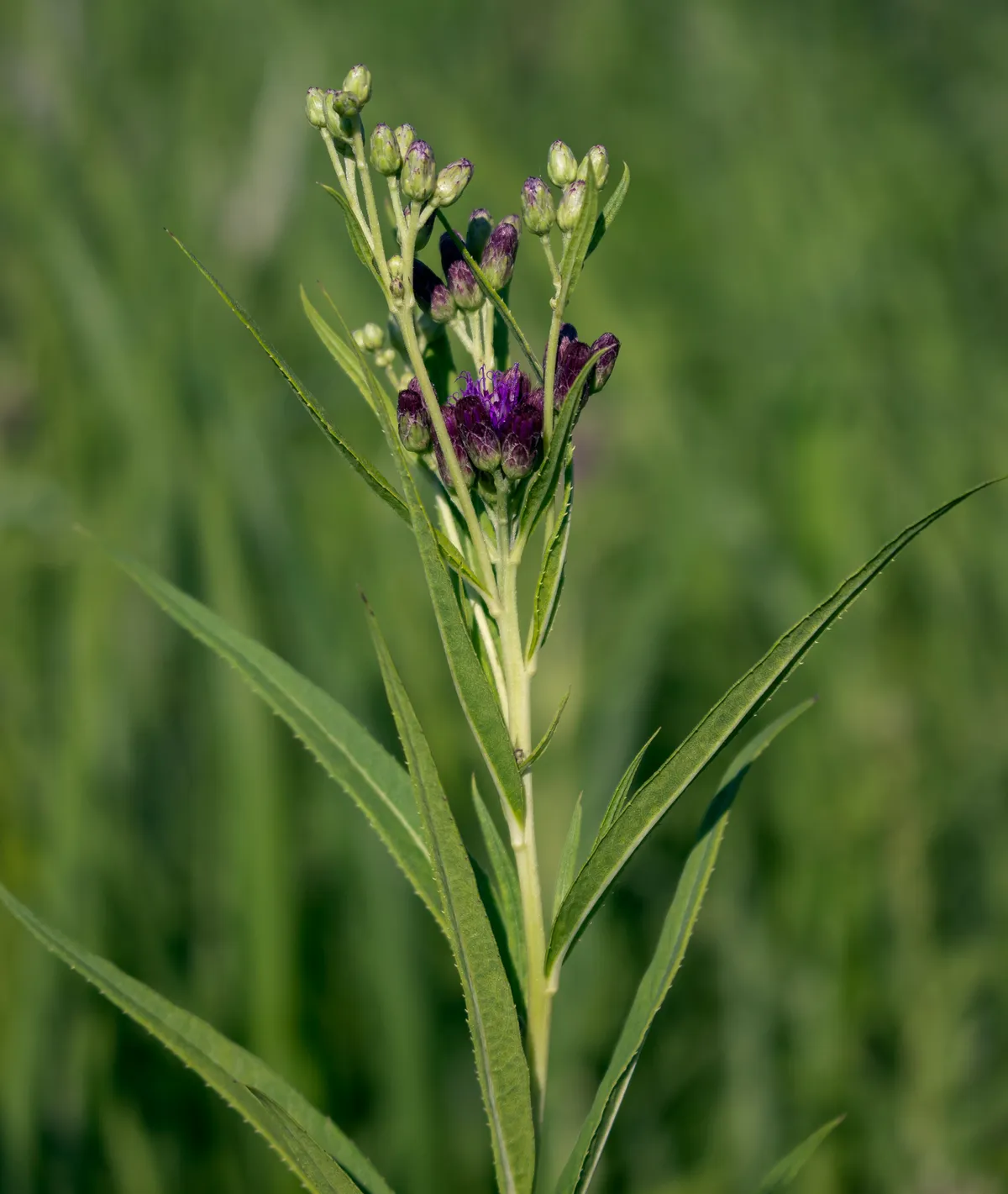
Prairie ironweed
Vernonia fasciculata
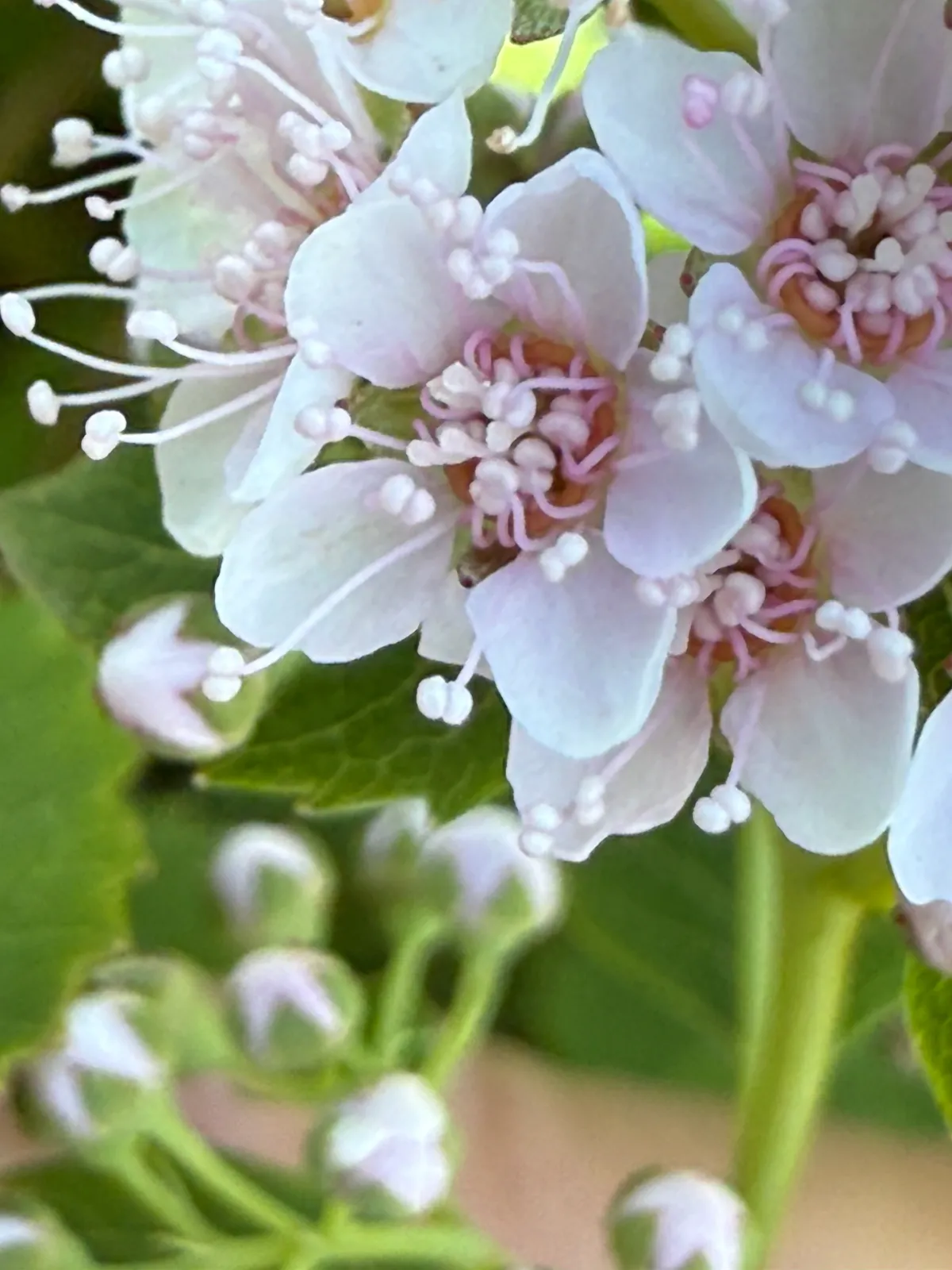
Meadowsweet
Spiraea alba
Showing 48 of 526. Enter your ZIP for the natives matched to your yard.
Fall care in the Northern Glaciated Plains
What to do right now for plants commonly grown here. Each links to the full regional care guide for that species, with sources.
- Sideoats grama
As nights cool and frost returns to Aberdeen, typically mid-to-late September, sideoats grama shifts into dormancy and its foliage bleaches from purplish tan to a tan-bronze color that holds through winter.
- Field pussytoes
As nights cool into September and Aberdeen's growing season winds down toward its typical mid-September first frost, field pussytoes needs very little care to prepare for winter.
- Stiff goldenrod
Fall is peak season for this plant and the one time it needs a real decision from you. Bloom runs from mid August into September here, closing out with the first hard frost in late September. If you want fewer volunteer seedlings next year, cut the spent flower heads off in mid September before the seed goes fluffy and blows. If you want more plants, or want to feed birds, leave the heads standing. Either way, leave the stems themselves up going into winter.
- Western wallflower
Fall is the best sowing window for this plant, and the timing is tighter than most people expect. Early fall sowing gives better seedling stands than late fall sowing, because the seed is largely nondormant and needs to sprout before hard cold arrives. Aim for late August into the first half of September around Aberdeen, ahead of a first frost that usually lands in the last week of September. Leave the green rosettes alone during fall cleanup, because that low growth is what carries the plant to next spring's bloom. Keep heavy wet leaves off the crowns so they do not sit under a soggy mat all winter.
- Narrow leaf coneflower
Fall is the best planting and seeding window of the year here. First frost lands in late September, and seed sown on an open bed in fall or early winter gets the long cold spell it needs with no work from you. Leave the flower stalks standing rather than cutting the bed down. If you want more plants from a clump you already have, wait until the leaves start to brown and the plant is dormant.
- Prairie onion
Fall is the window to plant or move prairie onion, and it closes early here. First frost near Aberdeen is late September and the soil locks up not long after, so aim to get bulbs and offsets in the ground by mid September rather than late October. This is also the easiest time to divide a crowded clump, because the top growth is already gone and you can see the bulb cluster clearly. Leave the dried seed heads standing for winter shape or cut the stems down for a tidier look. Whatever you do, do not pile wet mulch or rich compost directly over the bulbs.
- Smooth aster
Fall is the whole point of this plant, a wave of lavender-blue flowers feeding pollinators late in the season, so leave the bloom and hold the cutback.
- Prairie dropseed
Let the clump turn its gold-and-orange fall color and leave it standing into winter for seed and shelter.
- Little bluestem
Fall is the payoff. The clumps turn deep coppery-red and hold fluffy seed heads, and this is the season to leave them standing rather than cut them.
- Black eyed susan
Let it go to seed and decide how tidy you want the bed to look going into winter.
Build a plan for the Northern Glaciated Plains
The Pollinator Patch App turns plants like these into a front-yard plan tuned for the soil, climate, and HOA expectations of the Aberdeen area.