Narrow-leaf Coneflower
Echinacea angustifolia
Last reviewed: August 2026
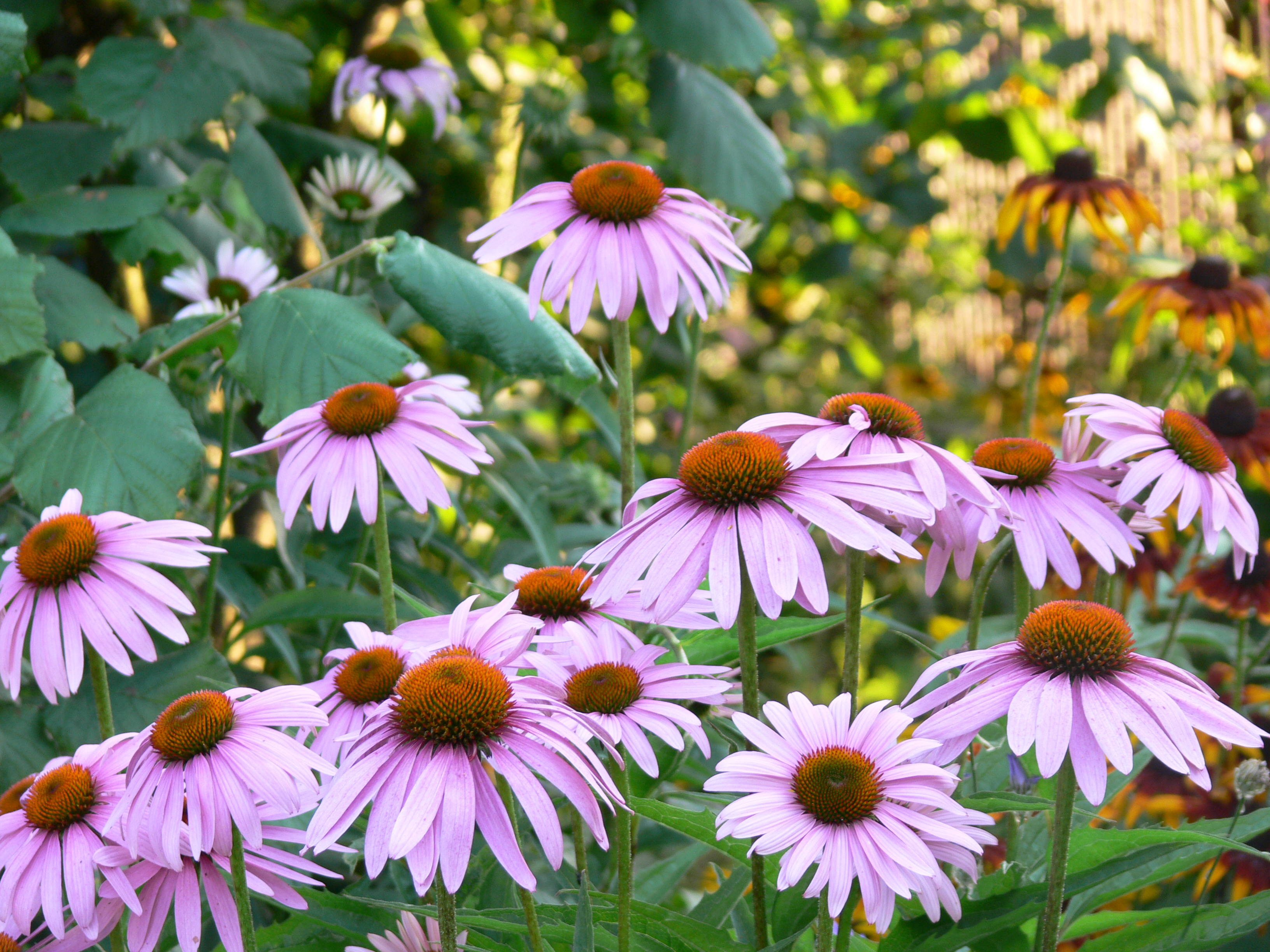
Echinacea angustifolia is a drought tolerant prairie forb that blooms from March through August with pink-purple petals around a spiny center cone. It thrives in full sun and dry to medium soil.
Toxicity unknown
Narrow-leaf Coneflower (Echinacea angustifolia) is not listed by the ASPCA Animal Poison Control Center (opens in new tab) or the other sources we check, so we have no verdict for it either way. Absence from those lists is not a clearance. If your pet shows symptoms after eating any plant, call the ASPCA at (888) 426-4435.
Light
full sun
Water
low
Size
18"–24" H × 9"–18" W
Bloom
Mar, Apr, May, Jun, Jul, Aug
Native to
CO, IA, KS, LA and 10 more states
Pollinators
butterflies, bees
Before you buy
Your city may pay you to plant this
Cities and water utilities offer rebates for replacing lawn with native and water-wise plants. We track 452 programs across 44 states, each with a link to the provider and the date we last checked it.
Find rebates in your areaBrowse plants for this ecoregion
Black Samson is a compact native coneflower that produces purple daisy-like blooms from spring through summer. This drought-tolerant perennial forms neat clumps and goes dormant in winter, returning each spring with fresh growth.
Growing Narrow-leaf Coneflower
Grow Narrow-leaf Coneflower in full sun and low water. Mature plants reach 18 to 24 inches tall and spread 9 to 18 inches wide. Expect low maintenance to keep it looking intentional in a front yard.
How to care for Narrow-leaf Coneflower, by region
How to care for Narrow-leaf Coneflower where it is actually grown: year-round basics plus what to do each season, region by region, with the sources for each.
Care guidance last updated: September 2026
Cross Timbers (includes Fort Worth, TX)
Year-round
Black Samson (Echinacea angustifolia) is a low, drought tolerant perennial with pink to lavender coneflowers, well suited to a front bed that needs to look intentional without much watering.
- Plant in full sun, at least 6 hours of direct light a day, for the sturdiest stems and best bloom.
- Give it very little supplemental water once established. In the sandier soils west of the metro it dries out faster than heavy clay, so water more often through the first summer after planting.
- Space plants 12 to 18 inches apart since the clump stays a compact 18 to 24 inches tall and wide.
- Not a caterpillar host plant, but the open, spiny cone centers are a nectar source for bees and butterflies while in bloom.
- Not on the ASPCA toxic plant list for dogs or cats, but that only reflects the ASPCA's own list, not an independent lab test, and it's still not something to encourage pets to eat.
Fall
Fall is when to stop deadheading and let the plant set seed for winter interest and bird food.
- Stop cutting spent blooms by mid September so the dark cone centers can dry into seed heads.
- Leave the seed heads standing through fall rather than cutting the clump back. Goldfinches and other seed eating birds will work them through winter.
- New divisions or nursery plants can also go in the ground in October, since North Texas fall weather is mild enough for roots to establish before the first freeze.
- Do not fertilize in fall. New soft growth pushed out this late is more likely to be damaged by an early hard freeze.
Standing seed heads can read as unkempt to a strict HOA eye. If that is a concern, trim just the front-facing stems by half and leave the rest for the birds.
Winter
The plant goes dormant and dies back to a brown clump of stems, which is normal and not a sign of a dead plant.
- Leave the dried stems and seed heads standing through most of winter. They are still feeding birds and the roots are fine below ground.
- North Texas winters are mild with short hard freezes and occasional severe Arctic outbreaks. An established Black Samson needs no covering or protection through either.
- Wait until mid to late February to cut the old stems back to 2 to 3 inches, just before new spring growth starts.
- Skip winter watering entirely unless there has been no rain for several weeks and the ground is bone dry.
A bed of standing brown stems in December and January can look neglected to a passing glance. Cutting back a bit earlier, by late January instead of late February, trades a little spring vigor for a tidier winter look if that trade matters for your HOA.
Spring
Spring is the easiest window to get Black Samson established before the North Texas summer heat arrives.
- If planting a new nursery pot, get it in the ground by mid to late April so roots have time to spread before July heat.
- Cut back any leftover dead stems from last year to 2 to 3 inches by mid March, before new growth pushes up from the crown.
- Water a new planting two to three times a week for the first month, then taper off as roots establish.
- Work a light layer of compost or mulch around the base, keeping it off the crown, to hold moisture while roots settle in.
A fresh mound of low green rosette growth in March reads as a cared-for bed, not an empty one, while neighboring perennials are still bare.
Summer
This is peak bloom, and also the season where new plantings are most at risk once the 100 degree afternoons set in.
- Snip spent flower heads back to the next leaf set every week or two through June and July to keep new blooms coming.
- Water once a week during stretches of no rain in July and August, more often for anything planted within the last year.
- Leave a few of the last blooms of the season unclipped by late August so seed heads can start to form for fall.
- Watch for wilting leaves at midday in the hottest weeks. That is often normal heat response, but wilting that does not recover by evening means it needs water.
Regular deadheading through the hottest months keeps the bed looking tended during the season when curb appeal matters most to a passing HOA inspection.
Sources: Lady Bird Johnson Wildflower Center, Echinacea angustifolia, ASPCA, Toxic and Non-Toxic Plant List (Dogs)
Edwards Plateau (includes San Antonio, TX)
Year-round
Narrow-leaf coneflower is a true prairie native that reaches into the Edwards Plateau, including the thin limestone soils around San Antonio. It is a taprooted, drought-tough perennial built for full sun and lean, fast-draining ground, and it asks for very little once it is settled in.
- Native here: this species' range runs from the Great Plains down into Central and West Texas, including the Edwards Plateau. It is better adapted to this region than the more commonly sold purple coneflower (Echinacea purpurea), which is not native this far west.
- The taproot can run 2 to 4 feet deep. That is what makes it so drought tolerant, and also why it should go straight into its permanent spot. It does not transplant or divide well once established.
- Thin, rocky, alkaline soil over limestone or caliche, the kind common around San Antonio, is well within what this plant handles. The bigger risk here is soil that is too shallow for the taproot to develop, not drainage.
- Bees and butterflies use the blooms for nectar and pollen.
Fall
Growth slows and top growth browns as the weather cools, usually later in the season here than farther north.
- Leave the seed heads standing through fall if there's an audience for them. Finches and other small birds pick seeds out of the cones well into the cooler months.
- For a tidier bed, cut plants back to a few inches once they've gone fully brown, generally by late fall.
- Fall is still not the time to divide or move an established plant. Wait and start a new one instead.
A late-fall cutback leaves a low, even clump that reads as tended to an HOA architectural committee, which matters more here than in a backyard bed.
Winter
The plant dies back to its roots and goes fully dormant for winter. That is normal, and it will return reliably in spring.
- This species' natural range reaches into Montana and Saskatchewan, so San Antonio's mild winters and occasional hard freezes are well within what the dormant roots handle.
- No winter watering is needed in a normal year. Only add water during an extended winter dry spell with no rain for many weeks.
- If seed heads were left up in fall, this is their last stretch of feeding birds before spring cleanup. If already cut back, there is nothing more to do until new growth appears.
Spring
New leaves emerge as the weather warms, and the first pink to lavender blooms typically open in mid to late spring around San Antonio.
- Spring is the best time to plant new starts. It gives the taproot a full growing season to get down into the soil before summer heat sets in.
- Water new plantings regularly through their first spring. An established plant needs little to no extra water even in a dry spring.
- Leave the roots alone. Spring is not a good time to move or divide an existing plant. Pick the spot once.
Summer
Summer is peak bloom and peak heat, and this plant is built for exactly that combination once it has a season of root growth behind it.
- An established plant needs little to no supplemental water through a normal San Antonio summer. Overwatering in a bed that stays soggy is more likely to cause problems than the heat is.
- Deadhead spent blooms if a tidier look or a few extra flowers is the goal, or leave them and let the plant start forming seed heads for later in the season.
- Full sun all day is fine here. This plant does not need afternoon shade in Central Texas.
Sources: Lady Bird Johnson Wildflower Center - Echinacea angustifolia, Native Plant Society of Texas - Echinacea angustifolia, North Creek Nurseries - Winter Interest With a Purpose, High Plains Gardening - Echinacea angustifolia plant profile (community tip), Hill Country Texas Master Gardeners - The Basics (soil conditions)
High Plains (includes Lubbock, TX)
Year-round
Black Samson is a short prairie coneflower that is native to the High Plains, so around Lubbock it is already built for this weather. It wants full sun all day and soil that drains, and it does fine in the alkaline, limey ground that frustrates a lot of other garden plants. Do not add soil acidifiers or peat to try to sweeten the soil for it, because it does not need that. The plant grows a very deep taproot, several feet down, which is how it finds water in a dry year. That same taproot means it hates being dug up and moved, so pick the spot once and leave it there. Water it deeply but rarely, give it no fertilizer, and it will bloom pink and purple from about May into July.
- Plant it where it gets at least six hours of direct sun, and more is better.
- Dig a test hole first, and if you hit a hard white caliche layer within a foot, break through it or plant on a raised mound so water can drain away.
- Water deeply and rarely rather than a little every day, so the roots grow downward.
- Skip fertilizer, because rich soil and extra water make floppy stems that the wind knocks over.
- Choose the spot carefully and leave it alone, since the deep taproot makes an established plant very hard to move.
Its short upright shape and a clean edge along the bed keep it reading as an intentional planting from the street, which is the HOA-friendly look.
Fall
Fall is the easiest season for this plant. The first frost near Lubbock usually arrives in early November, and after that the stems dry to tan and the leaves die back. You can leave the stems standing through winter or cut them to a few inches once they brown, and either choice is fine for the plant. Fall is also the best time to sow seed, because the seed needs a cold damp period before it will sprout and a High Plains winter provides that for free. If autumn stays dry, give the plant one deep soaking in late October before the ground gets cold.
- Scatter seed on bare soil in October or November and press it into contact with the ground.
- Give one deep watering in late October if fall rain does not show up.
- Stop watering once the plant browns out and goes dormant.
- Leave the dried stems standing for winter shape, or cut them to about three inches.
- Do not divide or move an established plant, since the deep taproot rarely survives it.
If the tan dried stems read as untidy from the sidewalk, cut them low and keep a crisp edge on the bed so the planting still looks deliberate and HOA-friendly.
Winter
Winter is a rest period and there is almost nothing to do. This is a plains species and it handles Lubbock winters, including cold snaps and constant wind, with no cover or wrapping. The real winter risk here is dryness, not cold, because wind pulls moisture out of the soil and snow is light and infrequent. During a long dry winter stretch, water once or twice a month on a day when the air is above 40 degrees, and do it around midday so the water soaks in before the temperature drops at night. Never water when the ground is frozen. A thin layer of gravel or shredded bark helps hold soil moisture, but keep it pulled back from the crown.
- Water once or twice a month in a dry winter, only when the air is above 40 degrees.
- Water around midday so it soaks in before nightfall.
- Skip watering entirely when the ground is frozen or snow is covering the bed.
- Keep heavy mulch off the crown, because a wet crown rots faster than a dry one freezes.
- Otherwise leave the plant alone, since it needs no winter cover in this climate.
Spring
Spring is when Black Samson wakes up and when you do most of your planting. New leaves push up from the crown once the soil warms, usually in March or April. Around Lubbock the last frost lands near the middle of April, and a hard late freeze can still show up after that, so cover brand new transplants on a cold night. Wind is the other spring problem here, and a new plant with shallow roots can rock loose in it. Water new plantings deeply about once a week through spring so the taproot gets going, then stretch the gaps once the plant is settled.
- Set out new plants after the middle of April, once hard freezes are done.
- Keep an old sheet or a bucket handy to cover new transplants on a late freeze night.
- Water new plants deeply once a week in spring, then water less often as they root in.
- Do not stake it, because the stems are short and stiff and stand up to wind on their own.
- Pull weeds by hand near the crown instead of hoeing deep, so you do not slice the taproot.
Summer
Summer is bloom time, with pink and purple flowers from about May into July. Lubbock summers are hot and dry, but most of the rain that does fall arrives in short heavy thunderstorms, so the soil swings between soaked and bone dry. An established Black Samson handles that swing on its own and usually needs water only every two or three weeks in a long dry stretch. Check first by pushing a finger a few inches into the soil, and skip the hose if there is still moisture down there. Hail is a real risk here in summer, and shredded leaves look rough but the plant recovers, so trim off only the torn pieces and leave the rest standing.
- Water established plants deeply only every two or three weeks during a long hot dry stretch.
- Skip watering for a week or more after a heavy thunderstorm soaks the bed.
- Push a finger a few inches into the soil before you turn on the hose.
- After hail, snip off the shredded leaves and battered flowers and leave the healthy stems alone.
- Clip off faded flowers through June and July for more blooms, or leave some to form seed heads.
Sources: Lady Bird Johnson Wildflower Center, Echinacea angustifolia (Blacksamson echinacea), USDA Forest Service, Fire Effects Information System, Echinacea angustifolia, NC State Extension Gardener Plant Toolbox, Echinacea angustifolia, Colorado State University Extension, Fall and Winter Watering, Fact Sheet 7.211, USDA NRCS Plant Guide, Purple coneflower (Echinacea angustifolia), plant symbol ECAN2
Northern Glaciated Plains (includes Aberdeen, SD)
Year-round
Black Samson is a prairie coneflower that grows from one deep taproot instead of a spreading root ball. Around Aberdeen the thing that decides whether it lives is drainage, because the glacial till here runs to heavy, alkaline clay loam and this plant rots at the crown in soil that stays wet. Give it full sun and dry to medium moisture and it asks for very little else. Plants stay 1 to 2 feet tall and about a foot wide, so it fits a front bed without taking over. It is native to South Dakota and the Great Plains.
- Plant in full sun in dry to medium, well drained soil. This species handles clay loam and high soil alkalinity, which matches the limy glacial till common in this part of South Dakota (Lady Bird Johnson Wildflower Center).
- Space plants 6 to 12 inches apart for a dense planting, or 12 to 18 inches if you want each clump to stand on its own (USDA NRCS Plant Guide).
- Expect 1 to 2 feet tall and 9 to 18 inches wide, blooming June into July (Missouri Botanical Garden).
- Water sparingly once the plant is established. Too much water is the usual cause of loss, because the root crown rots (USDA NRCS Plant Guide).
- Hardiness runs to USDA zone 3, so a 4a or 4b winter is well within range (Missouri Botanical Garden).
- Echinacea does not appear on the ASPCA list of plants toxic to dogs, cats, or horses. That is an absence from the list rather than a clearance (ASPCA).
At 1 to 2 feet tall this reads as a small, controlled plant rather than a meadow. Setting it in a defined band along a walk or drive keeps the front yard looking intentional, which is what most HOA-conscious homeowners are after.
Fall
Fall is the best planting and seeding window of the year here. First frost lands in late September, and seed sown on an open bed in fall or early winter gets the long cold spell it needs with no work from you. Leave the flower stalks standing rather than cutting the bed down. If you want more plants from a clump you already have, wait until the leaves start to brown and the plant is dormant.
- Sow seed thinly on a weed free, open bed in fall or early winter and cover it with only a light sifting of soil. The seed should be barely covered (USDA NRCS Plant Guide).
- Seed needs about 12 weeks of cold conditioning before it germinates, which an eastern South Dakota winter supplies outdoors at no cost (USDA NRCS Plant Guide).
- To divide, lift a dormant plant once the leaves turn brown, split the crown by hand into one to five pieces, and replant right away so the roots never dry out (USDA NRCS Plant Guide).
- Collect seed in autumn before the fall rains set in, and take it from plants in their second year or older (USDA NRCS Plant Guide).
- Goldfinches can clear a stand of seed in a few days, so cover or cut the heads you want to keep (USDA NRCS Plant Guide).
- Leave stems and seed heads standing through the winter. They shelter insects and feed birds (Xerces Society).
Leaving a bed standing over winter is the choice most likely to draw a neighbor comment. Mow or edge a clean strip in front of the standing stems so the planting still reads as tended rather than forgotten.
Winter
Cold itself is not the risk. This plant is hardy to USDA zone 3 and this area sits at 4a to 4b, so a normal winter is well inside its range. The two things that actually kill plants here are a crown sitting in wet soil and a first year plant lifted out of the ground by repeated freezing and thawing when snow cover is thin. Both are settled before the ground freezes, not after. Once winter is underway there is nothing to do but let the stems stand.
- Hardiness to zone 3 means the plant is comfortable through a 4a or 4b winter with no special protection (Missouri Botanical Garden).
- Before freeze up, check that snowmelt and roof runoff do not pond over the crown. Standing water at the root crown causes rot (USDA NRCS Plant Guide).
- Wait until the soil has frozen, then lay a light, loose mulch over first year plants. Mulch applied too early traps warmth and can make heaving worse (University of Minnesota Extension).
- Keep mulch off the crown itself. A wet mat pressed against the crown creates the same rot problem as poor drainage (USDA NRCS Plant Guide).
- Do not cut the bed down now. Hold the cut until spring warms so the bees overwintering inside the stems make it through (Xerces Society).
Winter is when a prairie planting looks its barest, and standing stems plus mulch can read as unfinished from the street. A visible edge, a swept walk, and a small garden marker keep the bed looking deliberate through the quiet months.
Spring
Spring here rewards waiting. The last frost near Aberdeen lands around the middle of May, and the soil is cold and often wet well before that. Hold new plants until mid May, and cut last year's stems only after the days have warmed, because bees are still sheltering inside them. If you sowed seed outdoors last fall, leave that bed undisturbed. Seed needs roughly 12 weeks of cold before it will sprout, so a spring sowing of untreated seed will mostly just sit there.
- Wait until spring has warmed, then cut old stems back to a mix of heights between 8 and 24 inches so stem nesting bees keep their nurseries (Xerces Society).
- Set out new plants after mid May, and buy them in deep pots or plugs. A taproot coiled in a shallow pot leads to transplant shock and slow growth (USDA NRCS Plant Guide).
- A sparing side dressing of compost in mid spring helps this slow starter stay ahead of weeds (USDA NRCS Plant Guide).
- Water new plants until they root, then ease off. Established plants want dry to medium moisture (Missouri Botanical Garden).
- Leave fall sown seed beds alone through the thaw. The swing between freezing and thawing is part of what breaks seed dormancy (USDA NRCS Plant Guide).
Stems cut to mixed heights can look ragged from the sidewalk. Put the tallest cuts toward the back of the bed and the shortest at the front, and keep the edge crisp, so the planting stays HOA-friendly while it fills in.
Summer
Summer care is mostly leaving it alone. Most of this area's 20 to 22 inches of yearly rain falls from May through July, and Black Samson handles dry stretches better than the common garden coneflower, so extra watering does more harm than good. Bloom runs June into July, with a few later flowers through the summer. Removing finished blooms keeps the clump neat. Stop removing them by late summer if you want seed.
- Water only in a genuine dry spell, and only now and then. Root crowns rot in soil that stays wet (USDA NRCS Plant Guide).
- Remove finished flowers through July to keep the planting tidy and pull a few extra blooms (Missouri Botanical Garden).
- Leaf spot and Japanese beetle are the only common problems on an otherwise trouble free plant (Missouri Botanical Garden).
- Deer and most insects ignore it, but gophers and moles will eat the roots (USDA NRCS Plant Guide).
- It is a strong nectar source for butterflies and has special value for wild bees, so skip insecticides while it is in bloom (Lady Bird Johnson Wildflower Center).
- Stop watering once the seed heads begin to ripen in late summer. Extra water at that stage can spoil the seed (USDA NRCS Plant Guide).
In a front bed, tidy the row nearest the sidewalk and let the back of the planting go to seed. The clean front edge carries the curb view while the rest still feeds birds later in the year.
Sources: USDA NRCS Plant Guide: Purple Coneflower (Echinacea angustifolia), Lady Bird Johnson Wildflower Center: Echinacea angustifolia (Black Samson), USDA PLANTS Database profile: Echinacea angustifolia (ECAN2), Missouri Botanical Garden Plant Finder: Echinacea angustifolia, ASPCA Toxic and Non-Toxic Plants, Xerces Society: Put Down Those Pruners
Ozark Highlands (includes Springfield, MO)
Year-round
Narrow-leaf coneflower comes from dry, open Great Plains prairies, so it wants full sun and soil that drains fast. Springfield's Ozark clay holds a lot more water than what this plant is used to, so work some gravel or coarse sand into the planting hole, or put it on a slight mound, before you tuck it in. Water new plants regularly the first year to get roots going, then back off. Once it's settled in it prefers to dry out between waterings, and soggy winter soil is the main way people lose this one.
- Full sun, at least 6 hours a day, is best. It gets floppy and blooms less in shade.
- Mix gravel or coarse sand into heavy clay soil, or plant on a small mound, so water drains fast.
- Water regularly the first growing season, then switch to occasional deep watering once established.
- Skip the fertilizer. Rich, wet soil causes weak stems and fewer flowers, and can lead to rot.
- Not listed as toxic to dogs, cats, or horses by the ASPCA's poison control plant list, though eating a large amount of any plant can cause an upset stomach.
Fall
As flowers finish in fall, the spiky seed heads left behind are a real food source for goldfinches through the cold months, so it's worth leaving most of them standing rather than cutting the plant down right away. If you want a tidier front-yard look before winter, you can trim back the outer, most visible stems and leave the rest for the birds. This is also a fine time to divide an overcrowded clump if you didn't get to it in spring.
- Leave seed heads standing through fall. Goldfinches and other birds feed on them into winter.
- If curb appeal matters, trim just the front-facing stems and leave the rest of the clump alone.
- Fall is a second good window to divide a clump that's been in place 3 to 4 years.
- Stop watering as extra as the weather cools. This plant does not want wet feet heading into winter.
Trimming only the front-facing stems while leaving the rest for winter birds reads as an intentional, HOA-conscious planting rather than an unkept bed.
Winter
Narrow-leaf coneflower is hardy well past Springfield's zone 6b winters, so the plant itself doesn't need protection from the cold. The bigger risk is wet soil combined with freezing temperatures, which can rot the crown, so make sure winter rain and snowmelt actually drain away rather than sitting around the base. Standing dead stems and seed heads through winter give birds a food source and give the bed some structure until you cut back in late winter or early spring.
- No winter protection needed. This species is hardy well beyond zone 6b.
- Make sure the planting spot drains well in winter. Cold, soggy soil is the real threat, not the cold itself.
- Leave dead stems and seed heads up for winter bird food and garden structure if you like the look.
- Cut stems back to a few inches above the ground in late winter, before new growth starts, if you prefer a cleaner look.
Cutting old stems back to a few inches in late winter keeps the front bed looking intentional through the dormant season rather than neglected.
Spring
Spring is when narrow-leaf coneflower sends up new leaves from the crown, and it's the best time to plant, divide, or move it if you're in Springfield. Wait until you see new growth before you decide a plant died over winter, this species is often slow to break dormancy. If a clump has been in the ground three or four years and the center looks thin, spring is a good time to dig and divide it.
- Plant new coneflowers in spring once the soil has warmed and dried out from winter.
- Divide crowded clumps every 3 to 4 years in spring, replanting the healthiest outer sections.
- Don't judge a plant dead too early. It can be slow to leaf out compared to other perennials nearby.
- Hold off on fertilizer. Established plants don't need it and it encourages weak, floppy growth.
Summer
Narrow-leaf coneflower blooms early to mid-summer with slender pink-purple petals around a spiny center cone. Deadheading spent flowers, cutting the stem back to a leaf or side bud, keeps more blooms coming and keeps the plant looking tended. Watch for aphids and Japanese beetles on hot, humid Missouri summer days, and space plants so air moves through the leaves to cut down on powdery mildew.
- Deadhead spent flowers by cutting the stem back to a leaf or new bud to encourage more blooms.
- Give plants room to breathe. Crowding raises the risk of powdery mildew in humid summer weather.
- Check for aphids and Japanese beetles. Insecticidal soap handles aphids. Hand-pick beetles in the morning.
- Leave a few of the last summer flowers unclipped if you want seed heads for fall birds.
Deadheading through summer keeps the front bed looking groomed and HOA-friendly while the plant keeps flowering.
Sources: NC State Extension Plant Toolbox, Echinacea angustifolia, Clemson HGIC, Echinacea factsheet, ASPCA, Toxic and Non-Toxic Plants
Southwestern Tablelands (includes Colorado Springs, CO)
Year-round
Narrow-leaf coneflower is a Colorado prairie native that settles into a Colorado Springs yard with very little upkeep once it takes hold.
- It grows across Colorado's plains and shortgrass prairie, from Nebraska and Wyoming down through New Mexico and Texas, so it is genuinely at home in a Colorado Springs yard.
- Give it full sun and soil that drains well. It tolerates clay, sandy, and rocky ground, but it does not want to sit wet.
- It grows from a long taproot, so choose its spot with care. An established plant resists being dug up and moved.
- Once rooted in, it is drought tolerant and only needs occasional deep watering during long dry stretches.
- Divide crowded clumps in spring every three to four years to keep the planting healthy and full.
Fall
Fall is when growth winds down in Colorado Springs, and when to decide whether to cut the plant back or leave it standing for winter.
- The average first fall freeze here lands around October 2, and top growth slows well before that as days get shorter.
- Leaving the dried stems and seed heads standing through winter gives birds a food source and gives overwintering insects a place to shelter.
- If you do cut back in fall, wait until the stems have dried and turned fully brown, then trim to a few inches above the soil.
- Skip fall fertilizer and heavy watering. This plant is heading into dormancy and does not need either.
- Fall is not the season to divide or transplant this species. Wait for spring, once new growth has started.
Cutting the dried stems down before winter gives a front bed a clean, low profile if you would rather not leave seed heads standing through the cold months.
Winter
Winter in Colorado Springs is a quiet dormant season for this species, and the plant is well within its cold hardiness range here.
- This species is hardy from USDA zone 3a through 8b, so Colorado Springs' zone 5b to 6a climate is comfortably within its range and it needs no winter protection.
- If stems were left standing in fall, they now serve as winter cover for beneficial insects and a perch for birds feeding on the seed heads.
- Do not water through winter dormancy unless the season turns unusually dry and mild for an extended stretch.
- Avoid walking on or compacting the soil above the dormant taproot area, especially during freeze and thaw cycles.
- New growth will not show again until spring. A bare-looking crown through winter is normal for this species, not a sign of a dead plant.
Spring
Spring in Colorado Springs is when this coneflower wakes up, and the right window for planting or dividing it.
- The average last spring freeze here lands around May 8, so hold new transplants until frost risk has passed.
- Divide older clumps once new leaves show above ground, usually from mid to late spring at this elevation.
- New growth often takes its time to appear above ground. Early spring energy goes into the taproot before it goes into leaves.
- Skip a heavy spring feeding. This plant is used to lean prairie soil and grows better without rich fertilizer.
- Water new transplants regularly until they show fresh leaves, then taper back once they are established.
Summer
Summer is bloom season for narrow-leaf coneflower, and Colorado Springs' dry heat suits its prairie habit well.
- Flowers open pink to lavender from late spring into midsummer, right through the hottest stretch of the year here.
- Water deeply but not often. This plant handles dry spells better than it handles wet roots.
- Deadhead spent blooms to encourage more flowers and keep the plant blooming later into summer.
- Watch for powdery mildew or leaf spot during humid or rainy stretches. Good spacing between plants helps air move through and keeps leaves drier.
- Let a few late blooms go to seed. Goldfinches and other songbirds will visit the dried cones for the seeds.
Trimming spent blooms as you go keeps a front-yard bed looking cared for without any special equipment or schedule.
Sources: Lady Bird Johnson Wildflower Center: Echinacea angustifolia (Black samson), NC State Extension Gardener Plant Toolbox: Echinacea angustifolia, CSU Extension: Native Herbaceous Perennials for Colorado Landscapes, National Weather Service Pueblo: Fall Freeze Data (Colorado Springs mean first freeze), National Weather Service Pueblo: Spring Freeze Data (Colorado Springs mean last freeze)
Texas Blackland Prairies (includes Dallas, TX)
Year-round
Narrowleaf purple coneflower is a tough prairie perennial that handles the heavy, alkaline blackland clay around Dallas better than most garden flowers. It sends down a very deep taproot, which is why it shrugs off long dry spells once it has been in the ground a full season. Give it full sun and a spot that drains, because soggy clay in winter is what usually kills it, not heat or cold. Plan on light pink to pale purple daisies with an orange-brown cone from late spring into midsummer. Because of that taproot it does not like being dug up and moved, so pick the spot once and let it settle in.
- Plant in full sun, six hours or more
- Pick a spot that drains, avoid low wet clay
- Work compost into the top few inches, never sand
- Water deeply and slowly, clay absorbs about a tenth of an inch per hour
- Skip heavy feeding, it blooms fine in lean soil
- Space plants for airflow to limit powdery mildew
Set the clump back from the sidewalk edge and keep a clean mulch line around it so the planting reads as intentional from the street.
Fall
Fall is the best planting window in the Dallas area, because roots keep growing in warm soil while the top of the plant is not fighting summer heat. If you want more coneflowers, this is the season to add them or to scatter ripe seed where you want them. Keep watering new plants through October, then taper off as nights cool. Leave most of the seed heads standing rather than cutting everything down. Old growth also protects the crown through the first cold snaps.
- Plant new coneflowers in October or early November
- Loosen and compost-amend the planting area, no sand
- Water new plants once or twice a week, then taper
- Scatter ripe seed where you want more plants
- Leave seed heads standing for birds
- Cut back only plants that had mildew or distorted blooms
If you leave seed heads up, edge the bed cleanly and keep the mulch fresh so the standing stems look like a choice rather than neglect.
Winter
Dallas winters are mild most years with a few hard freezes, and this plant is a Great Plains native that handles cold far below anything North Texas throws at it. The top dies back and the taproot rests, so there is very little to do. The bigger winter risk is wet feet, since saturated clay around a dormant crown can cause rot. Leave the dried stems and seed heads up for birds, then cut everything to the ground in late winter before new growth starts. Do not dig or divide, because the deep taproot resents being disturbed.
- Leave stems and seed heads standing for winter birds
- Cut everything to the ground in late February
- Keep mulch off the crown so it does not stay wet
- Do not water dormant plants unless the winter is bone dry
- Skip winter fertilizer entirely
- Avoid digging or dividing, the taproot runs deep
If standing stems feel too messy out front, cut the street-facing row to about eight inches and leave the back of the bed tall.
Spring
Spring in the Dallas area brings warm days, sudden storms, and clay that can go from soaked to cracked in two weeks. New growth pushes up from the crown in March, so this is when you clear last year's stems if you did not already. Feed lightly at most, since this plant blooms better in lean soil than in rich soil. Flowers usually start in May and run into July. Watch the drainage after the big spring rains, because standing water on clay is the main risk this time of year.
- Cut old stems to the ground in early March
- Refresh mulch to two or three inches, keep it off the crown
- Feed lightly in late March, or skip it entirely
- Check for standing water after storms and improve drainage
- Water new plants two or three times a week while they root in
- Thin crowded clumps for airflow before summer humidity
Cutting last season's stems in early March keeps the front bed looking cared for right as neighbors start their spring cleanup.
Summer
North Texas summers are hot and humid with long stretches of no rain, and this is where the deep taproot earns its keep. An established plant needs far less water than the rest of the bed, so let the soil dry between waterings instead of running the sprinkler daily. When you do water, go slow and deep, because fast watering just runs off compacted clay. Keep water off the leaves to cut down on leaf spot and mildew during humid weeks. Blooms fade through July and August, and you can leave some of them to set seed.
- Water deeply about once a week only if there has been no rain
- Water at the base, not overhead
- Check moisture a finger depth down before watering
- Deadhead a few spent blooms for looks, leave the rest
- Keep mulch topped up to hold moisture in the clay
- Pull and discard any plant with distorted green flowers
Snipping the front-facing spent blooms while leaving the back ones to seed keeps the planting tidy from the street without losing the bird food.
Sources: Lady Bird Johnson Wildflower Center, Echinacea angustifolia, USDA Forest Service FEIS, Echinacea angustifolia, Texas A&M AgriLife Travis County, The Real Dirt on Austin Area Soils, Clemson HGIC, How to Grow Echinacea (Coneflower), Missouri Botanical Garden Plant Finder, Echinacea angustifolia, Texas Master Gardener, New Plant Care Watering Guidelines
Western Corn Belt Plains (includes Des Moines, IA)
Year-round
Narrow-leaf coneflower is a tough, low-water prairie perennial that wants full sun and sharp drainage rather than a typical garden bed. It is slower to establish than the purple coneflowers most Iowa gardeners already know, but once its taproot is in, it needs very little from you.
- Give it full sun, at least six hours a day. It tolerates a little afternoon shade but blooms best without it.
- Well-drained soil matters more than soil type. USDA's own plant guide notes the root crown is prone to rotting in soil that stays wet, so skip low spots or heavy clay beds that hold water after rain.
- Water is low once the plant is established. In its first season, water regularly while the taproot develops. After that, water only during extended dry spells, since it is much more likely to struggle from too much water than too little.
- Grows about one to two feet tall, occasionally a bit taller, with narrow gray-green leaves. Space plants twelve to eighteen inches apart.
- Flowers are light pink to pale purple with drooping petals around a spiny, orange-brown center cone, blooming mainly from June into July.
- It grows from a long taproot and settles in slowly over its first year or two. Choose its spot carefully. It does not transplant well once established.
- Documented native range for this species runs from Texas and Montana into western Iowa and western Minnesota, with the Iowa population concentrated in the drier loess prairies of the northwest and west of the state, part of the Western Corn Belt Plains ecoregion. Des Moines sits in the wetter, heavier-soil part of that same ecoregion, so give it the driest, best-drained spot available in the yard rather than a standard garden bed.
Fall
Fall is about restraint. This plant does most of its own work heading into winter, and the biggest mistake is over-tidying it.
- As nights cool, blooming slows and stops, and the plant shifts energy back into the taproot for winter.
- You do not need to cut the plant down in fall. The dried, cone-shaped seed heads hold seed that goldfinches and other songbirds feed on through fall and winter.
- If you want a tidier look going into winter, a light deadhead is fine, but leaving at least some seed heads up supports birds through the colder months.
- Fall is a reasonable time to divide an overcrowded clump if needed, once flowering has finished and before the ground freezes. Water new divisions regularly until the ground freezes.
- Avoid fall fertilizer. New growth encouraged late in the season is more likely to be damaged by an early freeze than to help the plant.
Leaving seed heads standing through fall reads as an intentional wildlife planting rather than a neglected bed, especially with the bed edges kept trimmed and defined, an HOA-conscious way to skip fall cleanup on this one bed.
Winter
Winter is the easy season. This species is hardy well beyond what a Des Moines winter asks of it, and it does most of its own work underground.
- Narrow-leaf coneflower is hardy to USDA zone 3, well within Des Moines' zone 5b, so a typical Iowa winter is not a concern for an established plant.
- Foliage dies back to the ground with hard frost. The taproot stays alive underground and does not need digging up, wrapping, or bringing indoors.
- Leave the dried seed heads standing. They are a genuine winter food source for goldfinches and other songbirds, and they hold up well through snow and wind.
- An established planting needs no winter water and no fertilizer. A light mulch is only useful the first winter after planting or after a fall division, to buffer new roots through freeze and thaw.
- The stiff, dark seed cones give the bed real winter structure instead of bare dirt until spring cleanup.
A standing bed of dried coneflower seed heads through winter reads as an intentional four-season planting, an HOA-friendly look as long as the surrounding edges stay defined.
Spring
Spring is when narrow-leaf coneflower wakes up slowly from its taproot. There is not much to do beyond a light cleanup and some patience.
- New growth appears at the base as soil warms in mid-spring, once the risk of a hard freeze has passed for the Des Moines area (USDA zone 5b).
- If you left last year's dried stems standing for winter interest, cut them back to a few inches once you see new growth at the base.
- If starting from seed, know this species germinates poorly without cold, damp conditioning first. Roughly a twelve-week period of cold stratification, either sown outdoors in late fall or cold-stratified in a refrigerator, gives far better results than a plain spring sowing.
- A light side-dressing of compost in mid-spring helps this naturally slow-growing plant along. Skip heavy fertilizer. It is adapted to lean prairie soil, and rich feeding tends to make it floppy rather than stronger.
- Newly planted or newly divided crowns need regular watering through spring while roots establish. Established plants do not.
Cutting back last year's dried stems in spring is a quick, HOA-friendly way to reset a front-yard bed for the new season.
Summer
Summer is bloom season and the time to watch watering closely, since Des Moines summers run wetter and more humid than this plant's native range.
- Main bloom runs from June into July, with lighter, scattered flowering possible into late summer.
- Deadhead spent blooms to encourage more flowers through the season, or leave some heads on later in summer to start forming seed for fall birds. Either approach works.
- Keep watering to a minimum. Water at the base only during extended dry stretches. A hot, humid Des Moines July is more likely to cause problems from too much moisture around the roots than from drought stress.
- No fertilizer needed in summer.
- Because its natural range is drier and less humid than central Iowa, give plants good air circulation and enough space that leaves are not crowded together, rather than treating this bed like a typical damp-tolerant perennial planting.
Deadheading through summer keeps a street-facing bed looking tidy and full, an easy HOA-friendly habit.
Sources: USDA NRCS Plant Guide: Echinacea angustifolia, Lady Bird Johnson Wildflower Center: Echinacea angustifolia, Iowa DNR BioNet: Ecoregion 47a, Northwest Iowa Loess Prairies, Iowa State University Extension: Growing Coneflowers in Iowa, New Moon Nursery: Echinacea angustifolia plant profile
Want these tasks as reminders timed to your yard? Pollinator Patch turns this guidance into a season-by-season care plan for the plants you actually grow.
In an HOA neighborhood
Narrow-leaf Coneflower is an HOA-friendly choice. Maintenance level: low. Tidiness: 4 out of 5.
Works well in: front yard, foundation, street edge, mid zone.
Wildlife value
The flowers attract butterflies and native bees throughout the long blooming season. Seeds provide food for goldfinches and other birds in fall.
Common questions
- When does Echinacea angustifolia bloom?
- Narrow-leaf coneflower typically flowers from March through August, with the heaviest bloom in the warmer summer months depending on local rainfall and temperature.
- How much water does narrow-leaf coneflower need?
- This plant prefers low to medium water and handles dry, well-drained soil well once established. It does not like consistently wet or waterlogged ground.
- What kind of light does Echinacea angustifolia need?
- It grows best in full sun and can tolerate part sun, but flowering slows down noticeably in shadier spots.
- Do pollinators visit narrow-leaf coneflower?
- Bees and butterflies regularly visit the flowers for nectar and pollen, making it a useful plant in a pollinator garden.
- Is Narrow-leaf Coneflower HOA-friendly?
- Narrow-leaf Coneflower is generally an HOA-friendly choice in the right placement, with low maintenance.
These answers were drafted with an AI model from this plant's data. Verify care details with a local expert.
Native range data from vouchered herbarium specimen records and regional native plant society lists. Pollinator and host plant associations compiled from GBIF, iNaturalist, and published ecological literature.
If something looks wrong
Common plant problems, and what to check first
These come up on almost any plant. Each guide lists the likely causes in the order they are worth ruling out, with one thing to check before you act on any of them, and links to the source it came from.
- It is dying right after planting
- Leaves turning yellow
- Wilting even though I watered it
- Brown crispy leaf tips
- Bugs on the plant
Ready to grow Narrow-leaf Coneflower? Add it to your garden in Pollinator Patch to track it and get season-by-season care guidance.
Planning a bed around it? Start a free plan with this plant
Not sure where to start? Take the 2-minute yard quiz