Texas Ecoregion
Pineywoods (East Texas)
7 native plants suited to the Pineywoods of Texas.
The Pineywoods covers East Texas, from the Louisiana border west to about Tyler and Lufkin. It is the wettest part of the state, with acidic sandy soils, dense pine and hardwood forests, and a long growing season. Plants here handle humid summers, more rainfall, and shade under existing trees.
Conditions: Sandy acidic soils, 40–60 inches annual rainfall, humid summers, oak-pine-hardwood forest cover.
Cities and areas: Tyler, Lufkin, Nacogdoches, Beaumont, Longview, Texarkana.
7 Native Plants for the Pineywoods
All non-toxic per the ASPCA Animal Poison Control Center plant database. Click a plant for full ecoregion-specific maintenance and HOA-friendly notes.
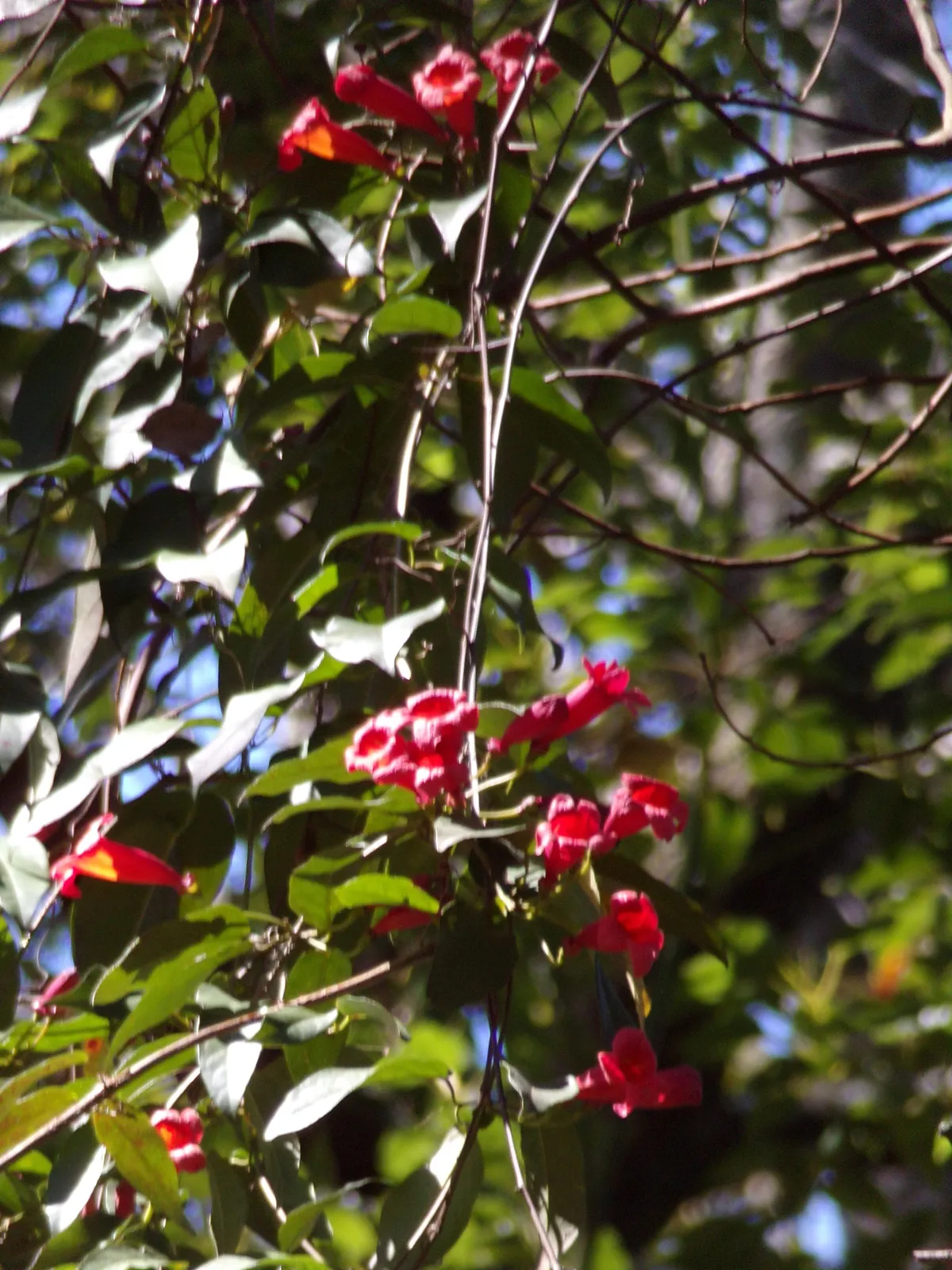
Crossvine
Bignonia capreolata
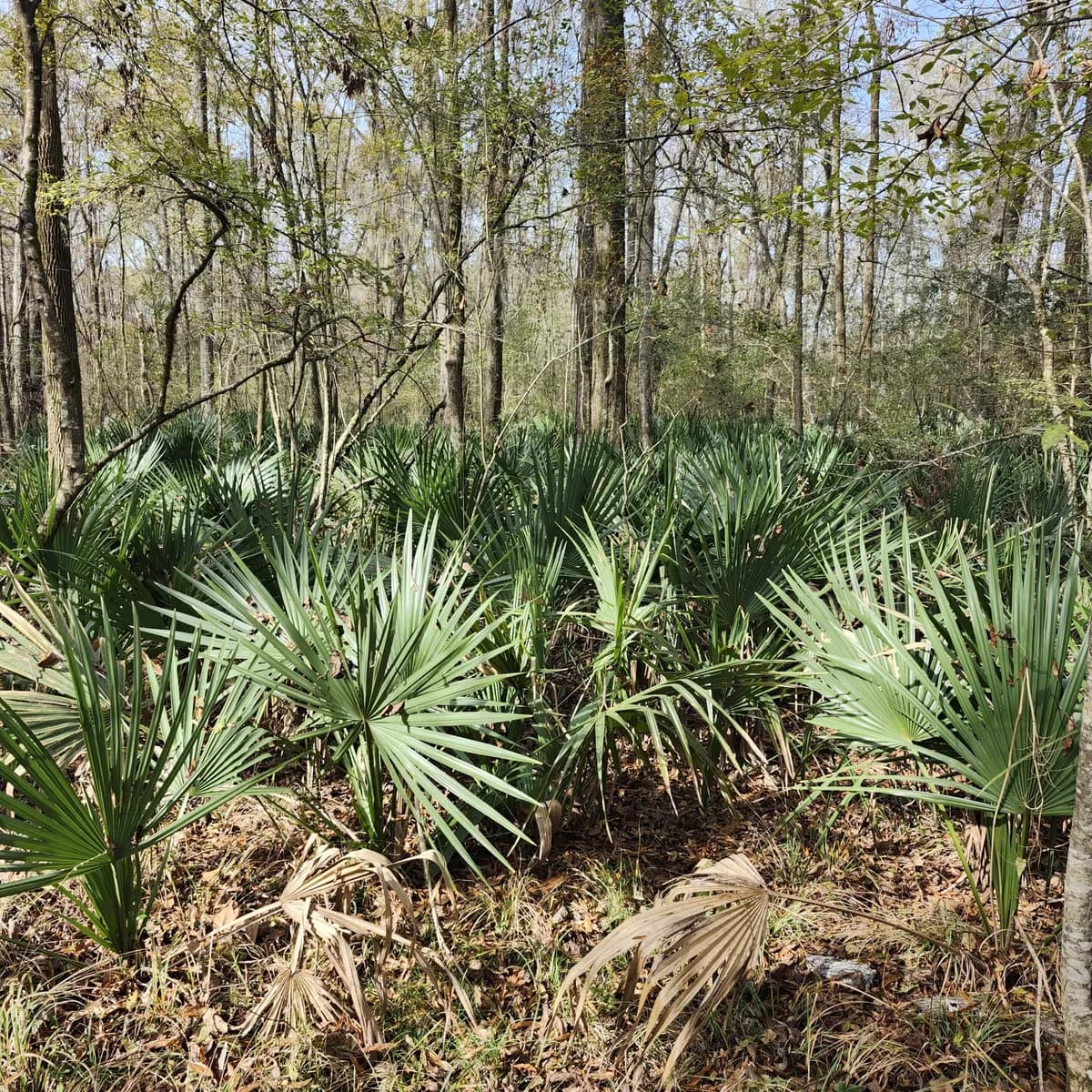
Dwarf Palmetto
Sabal minor

Inland Sea Oats
Chasmanthium latifolium

Little Bluestem
Schizachyrium scoparium
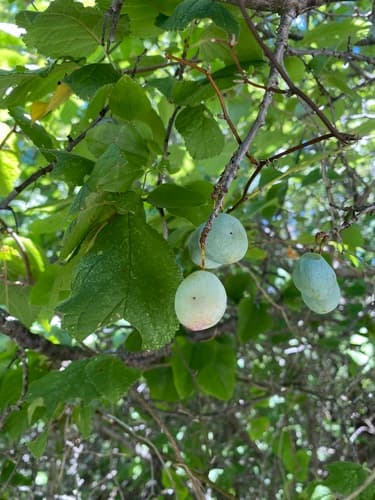
Mexican Plum
Prunus mexicana
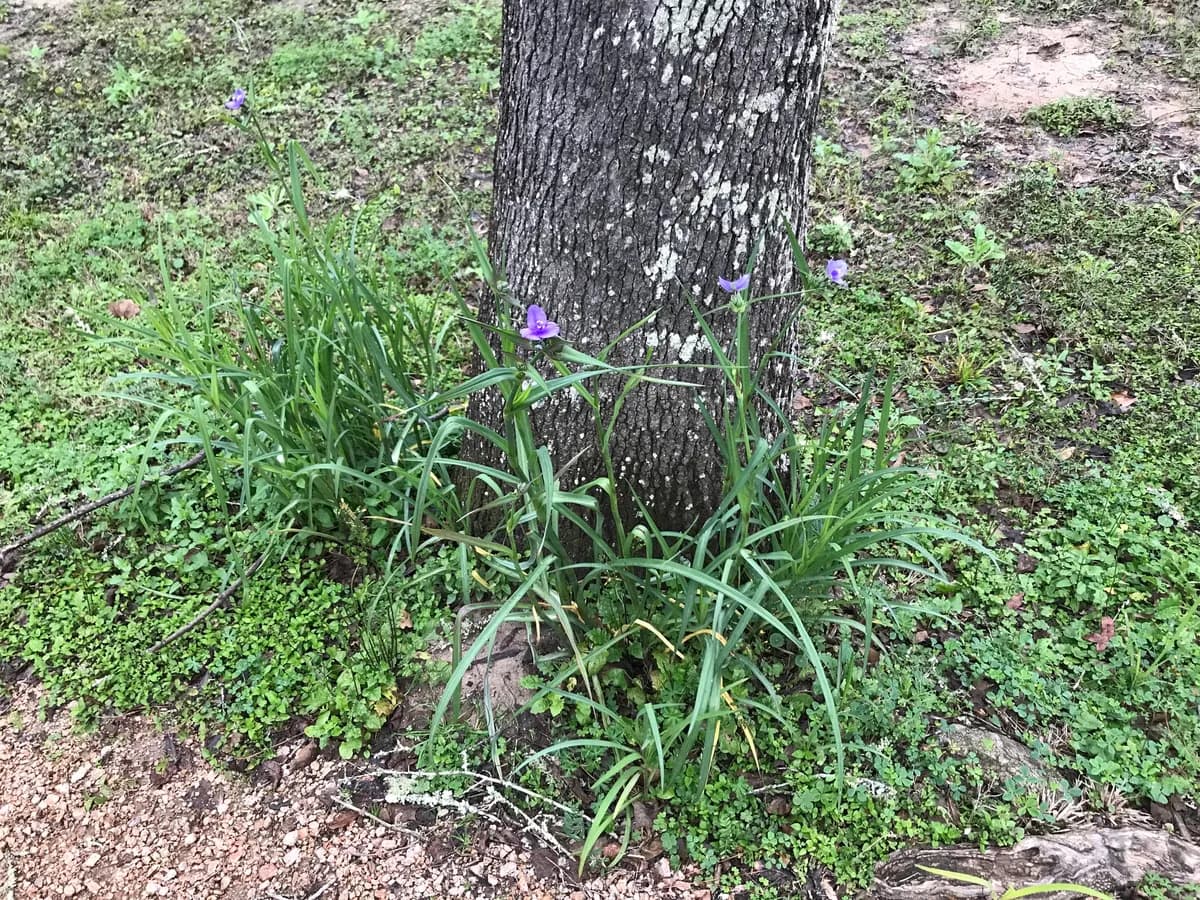
Spiderwort
Tradescantia ohiensis
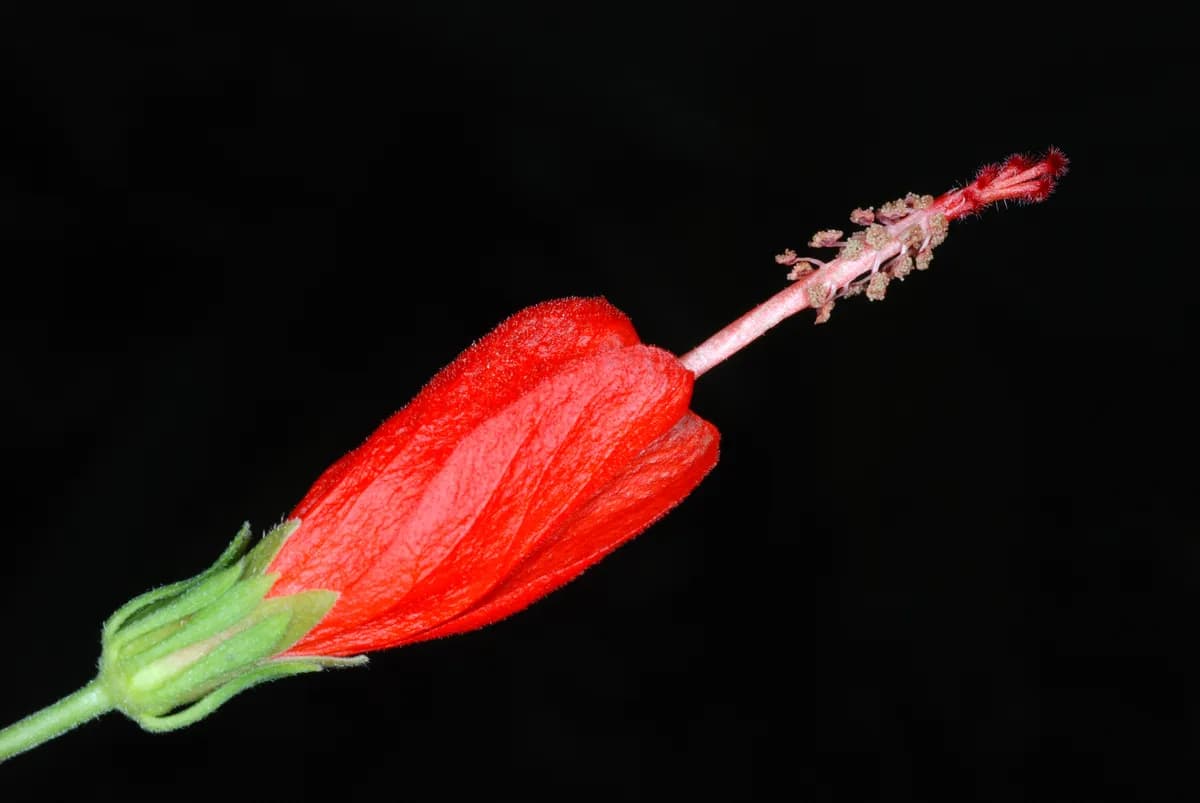
Turk's Cap
Malvaviscus arboreus var. drummondii
1019 More Natives for the Pineywoods
From our full plant database, HOA-friendly picks first. Pet-safety status varies by species; each plant page shows its sourced ASPCA status.
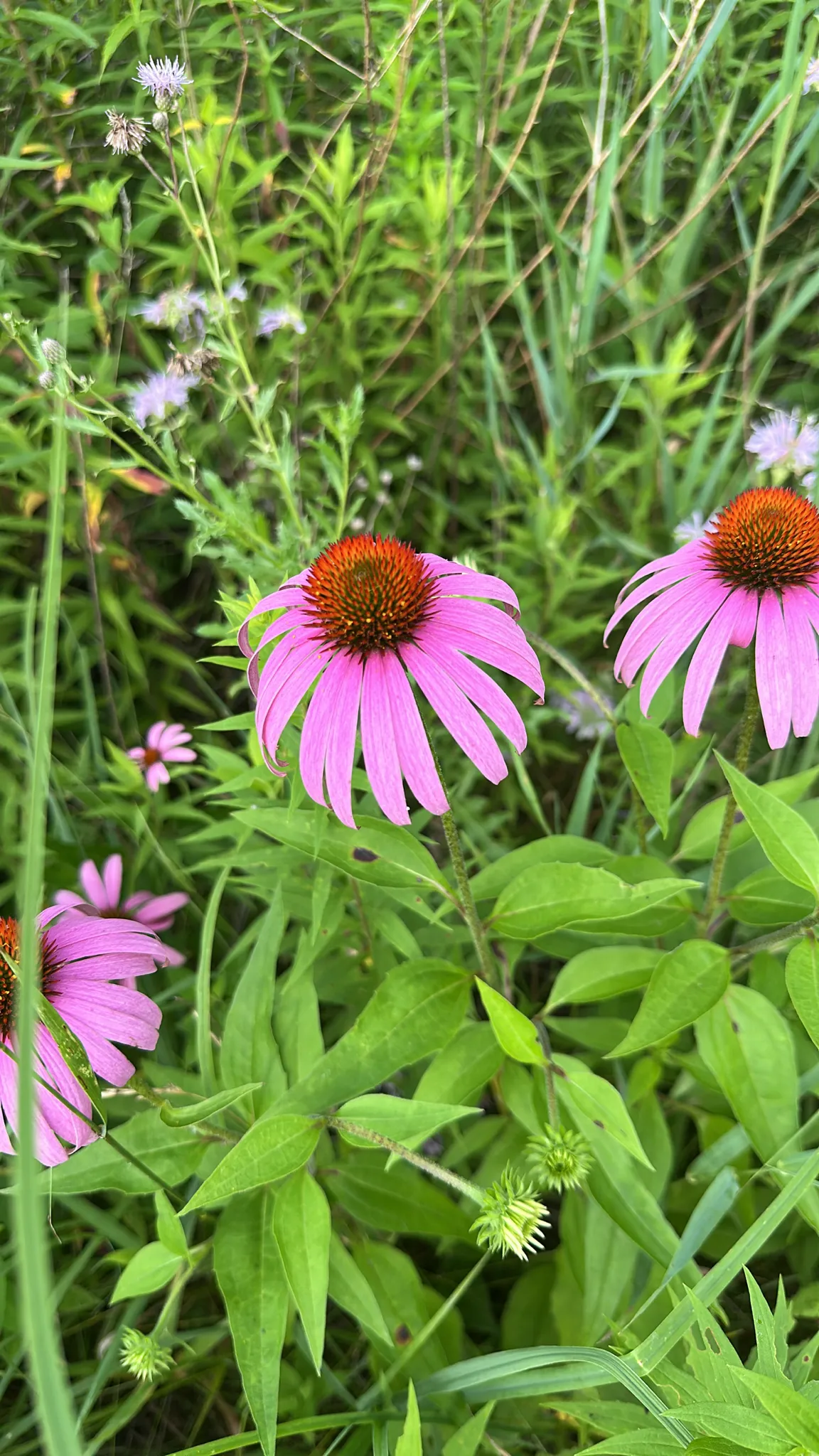
Purple Coneflower
Echinacea purpurea
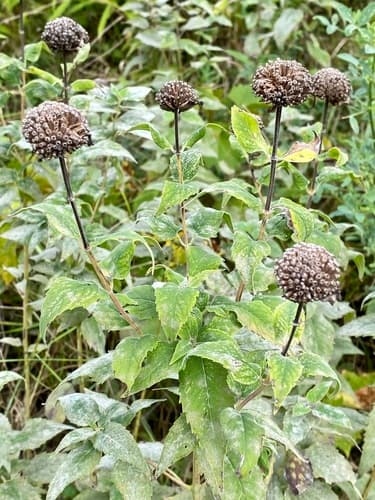
Wild Bergamot
Monarda fistulosa
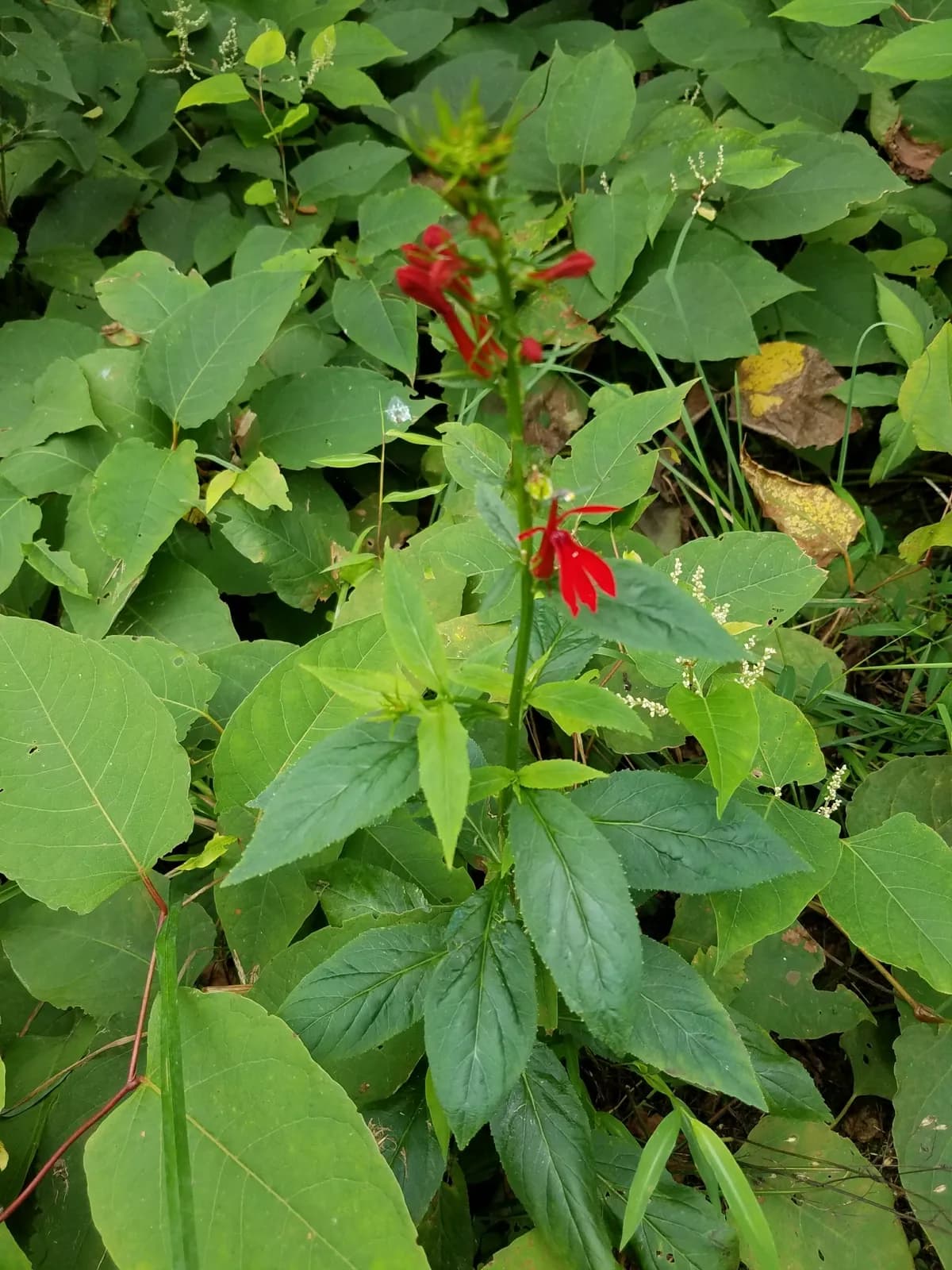
Cardinal Flower
Lobelia cardinalis
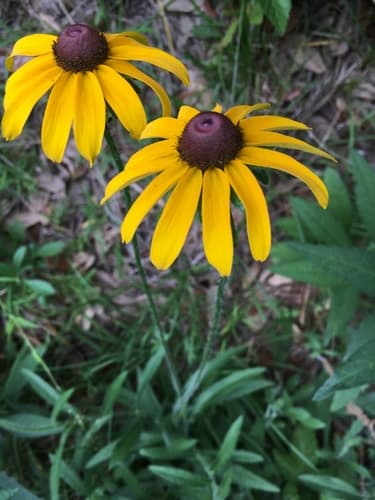
Black-eyed Susan
Rudbeckia hirta
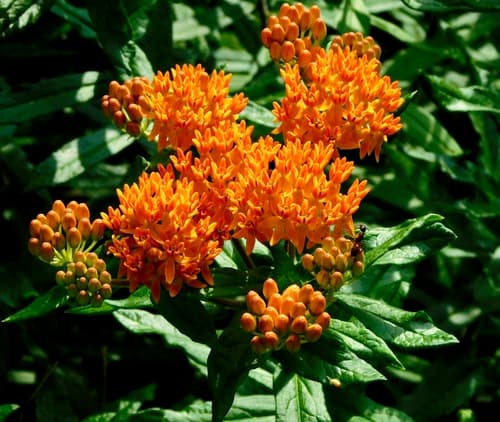
Butterfly Milkweed
Asclepias tuberosa
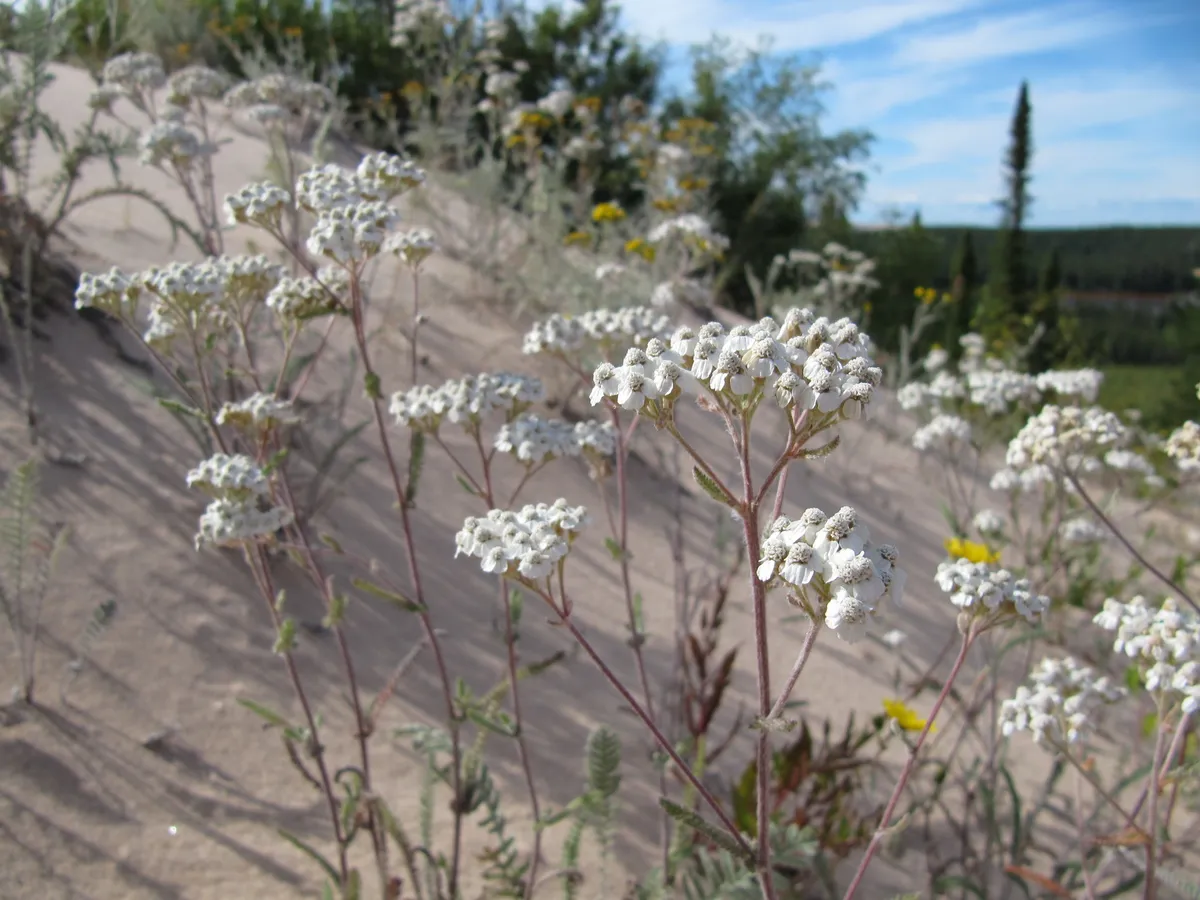
Common Yarrow
Achillea millefolium
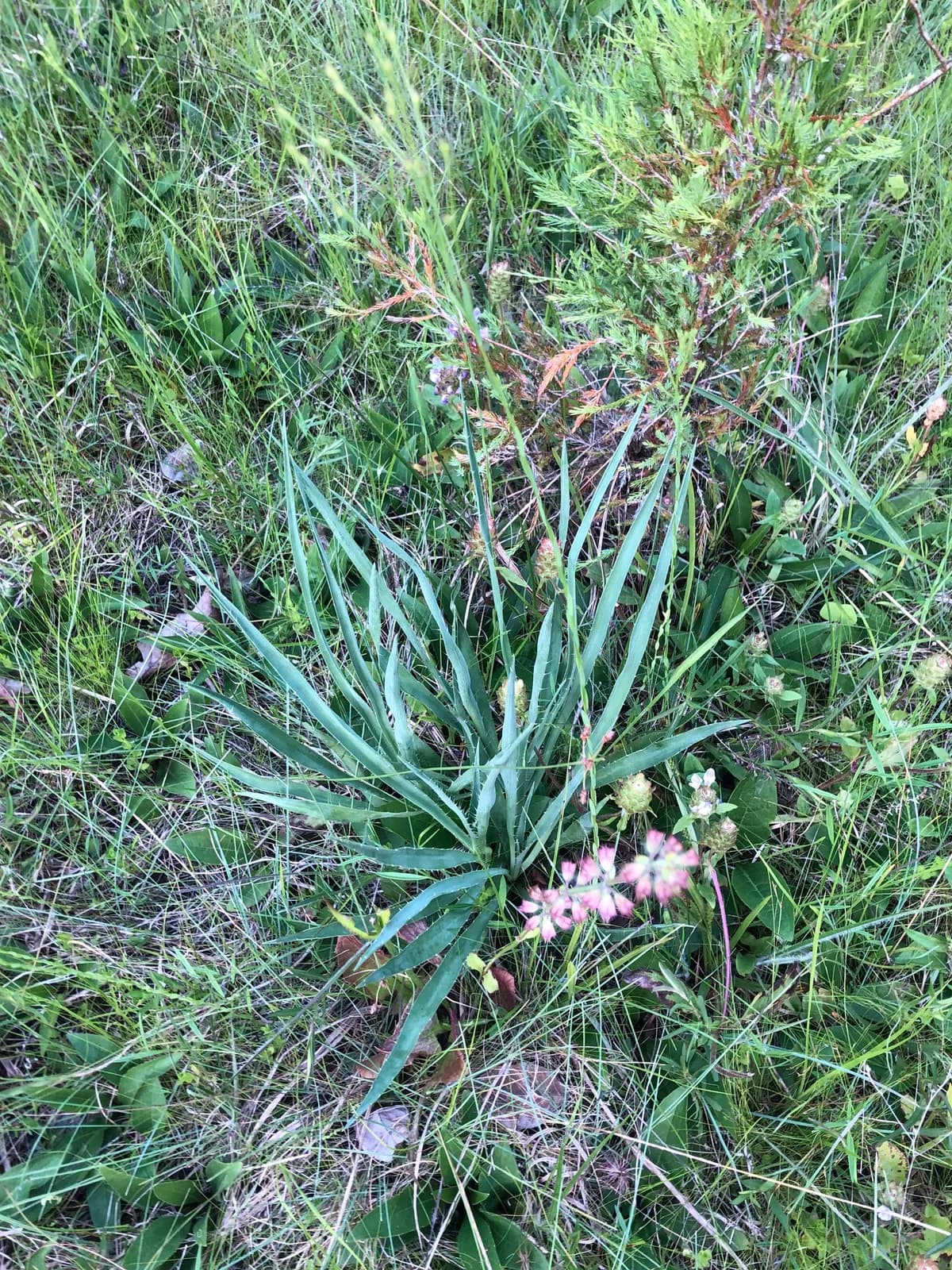
Rattlesnake Master
Eryngium yuccifolium

Golden Alexanders
Zizia aurea
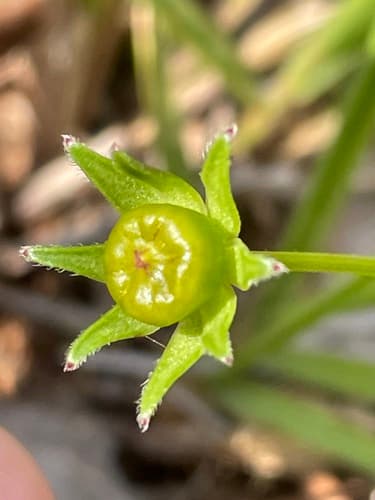
Lanceleaf Coreopsis
Coreopsis lanceolata
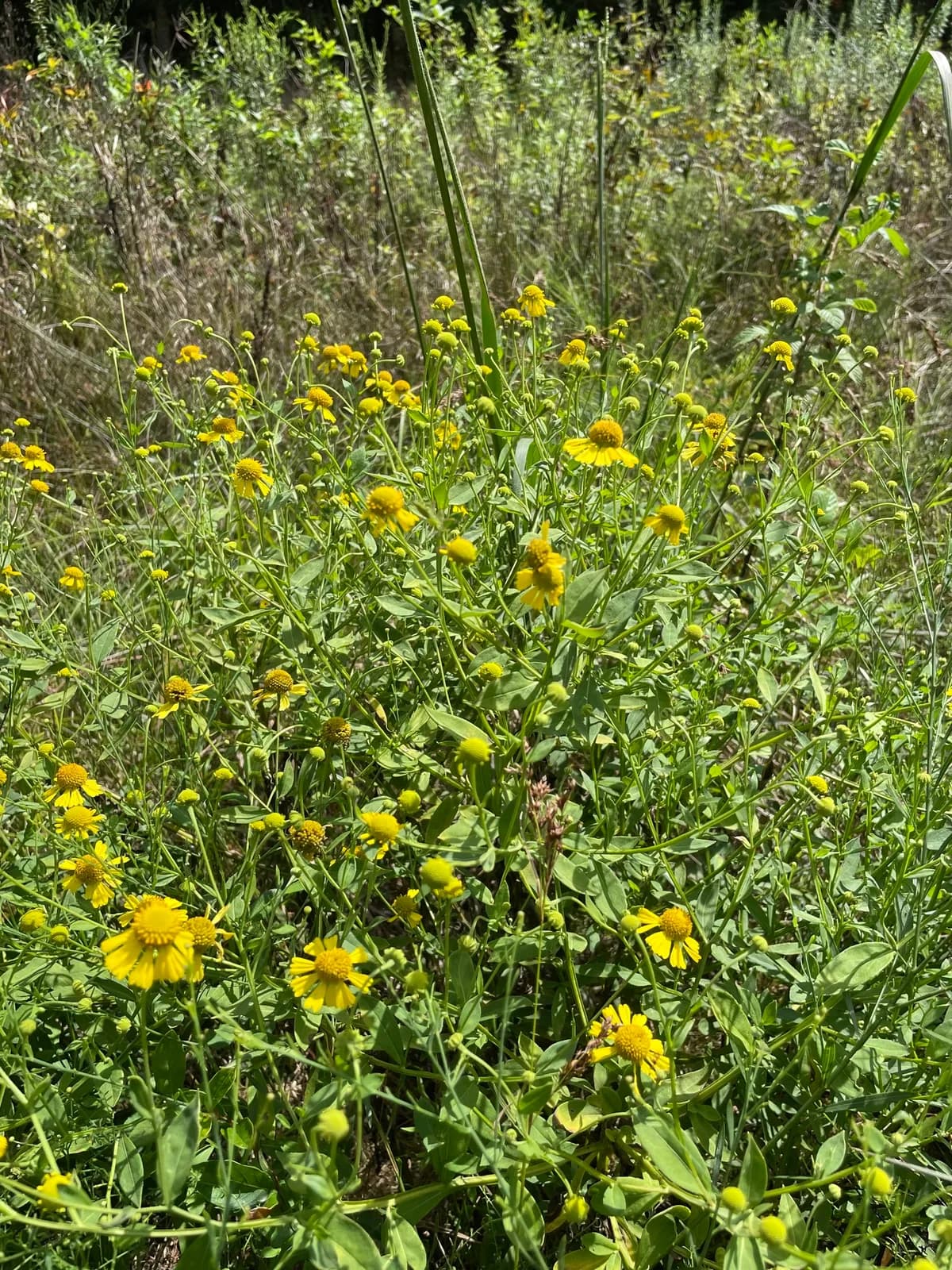
Common Sneezeweed
Helenium autumnale
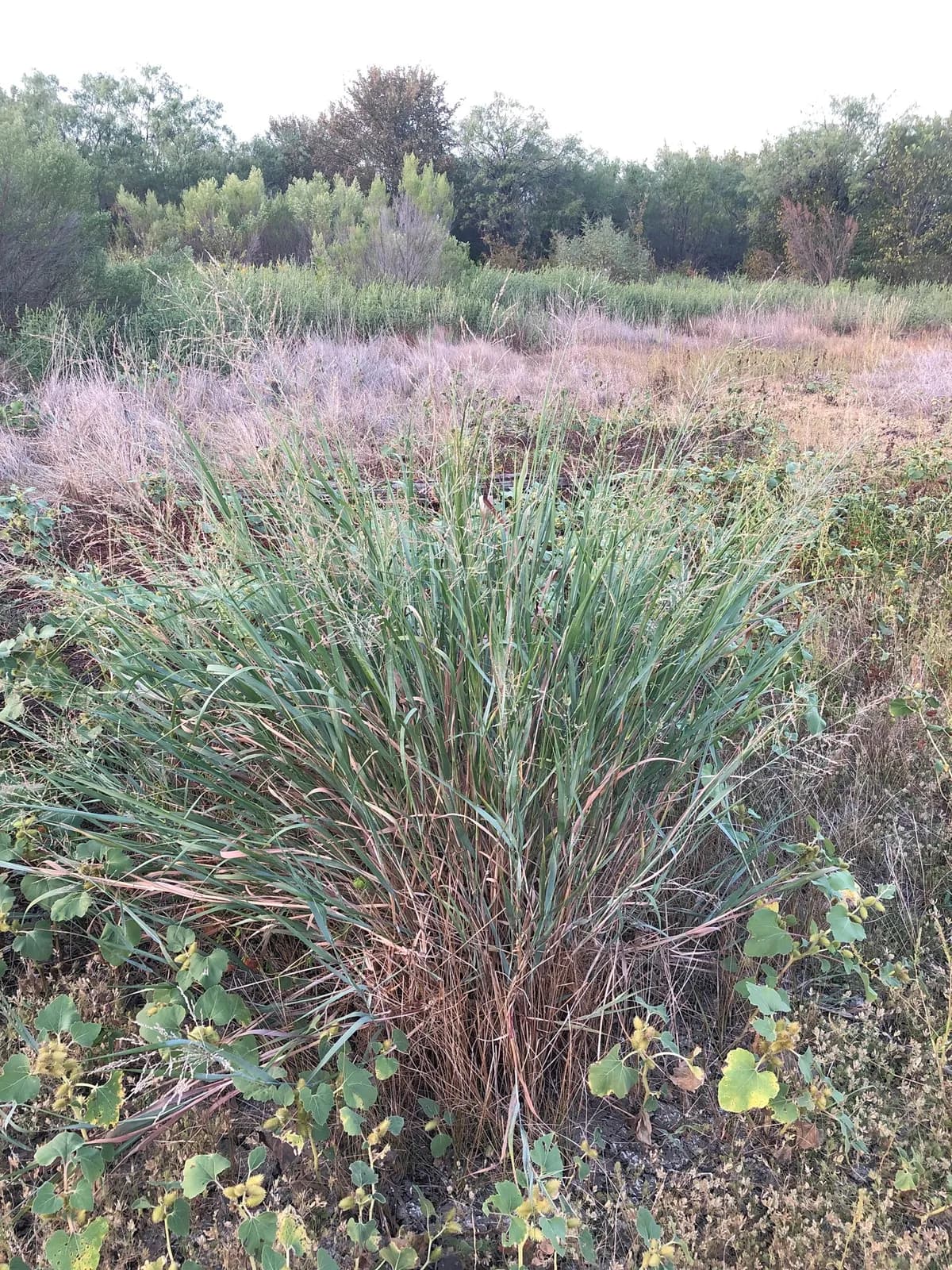
Switchgrass
Panicum virgatum
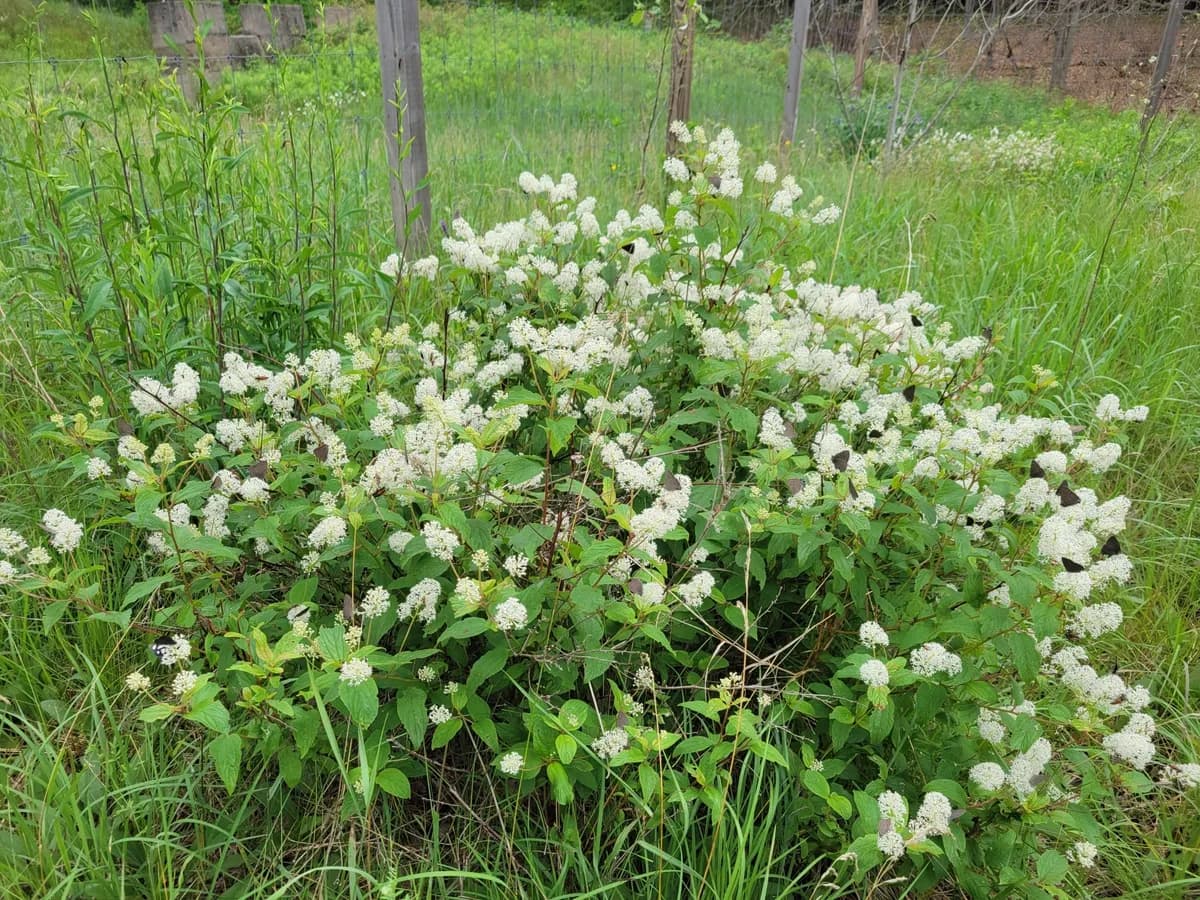
New Jersey-tea
Ceanothus americanus
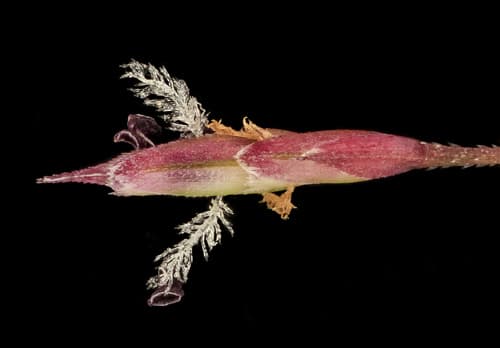
Purple Lovegrass
Eragrostis spectabilis
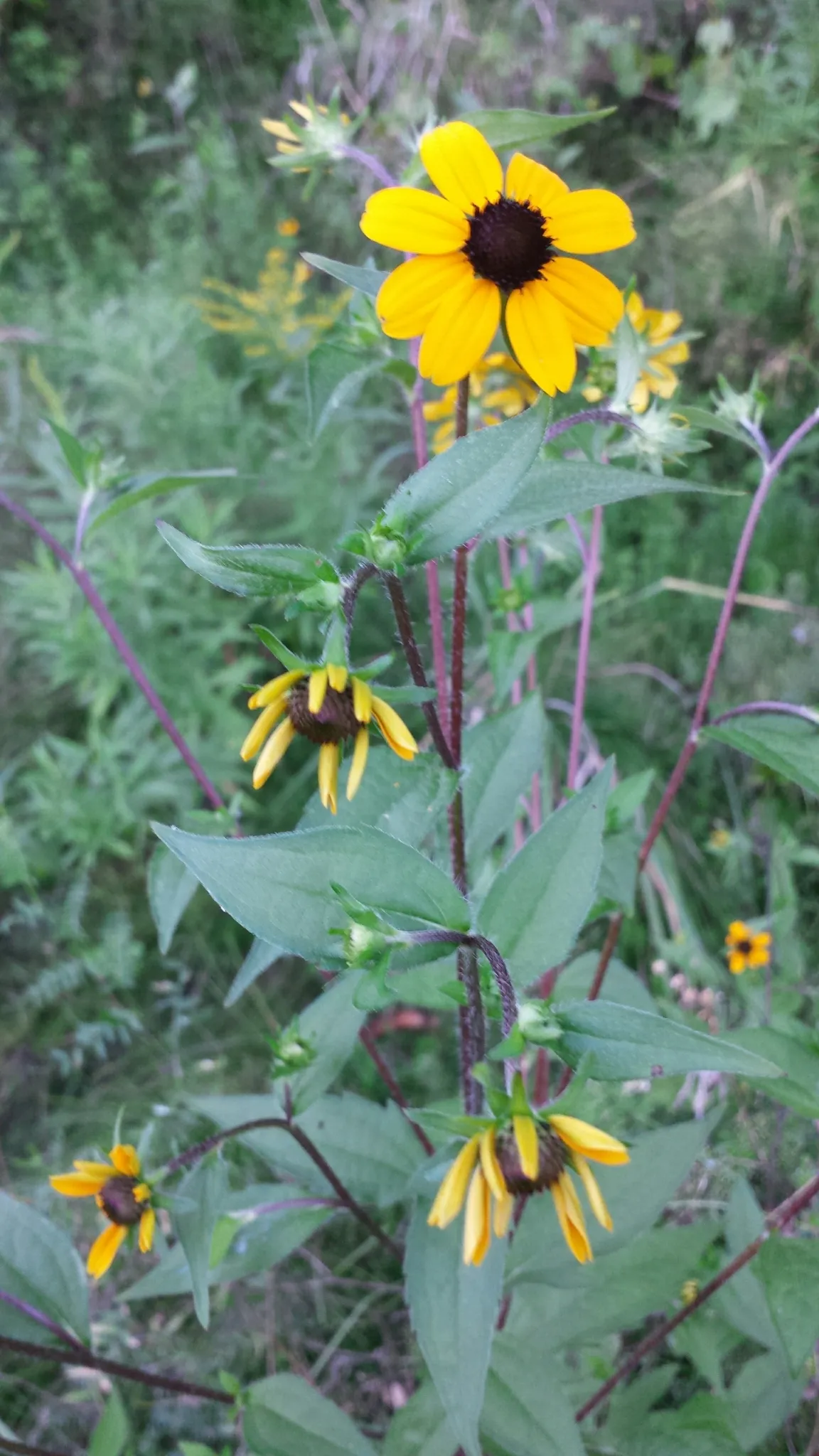
Brown-eyed Susan
Rudbeckia triloba
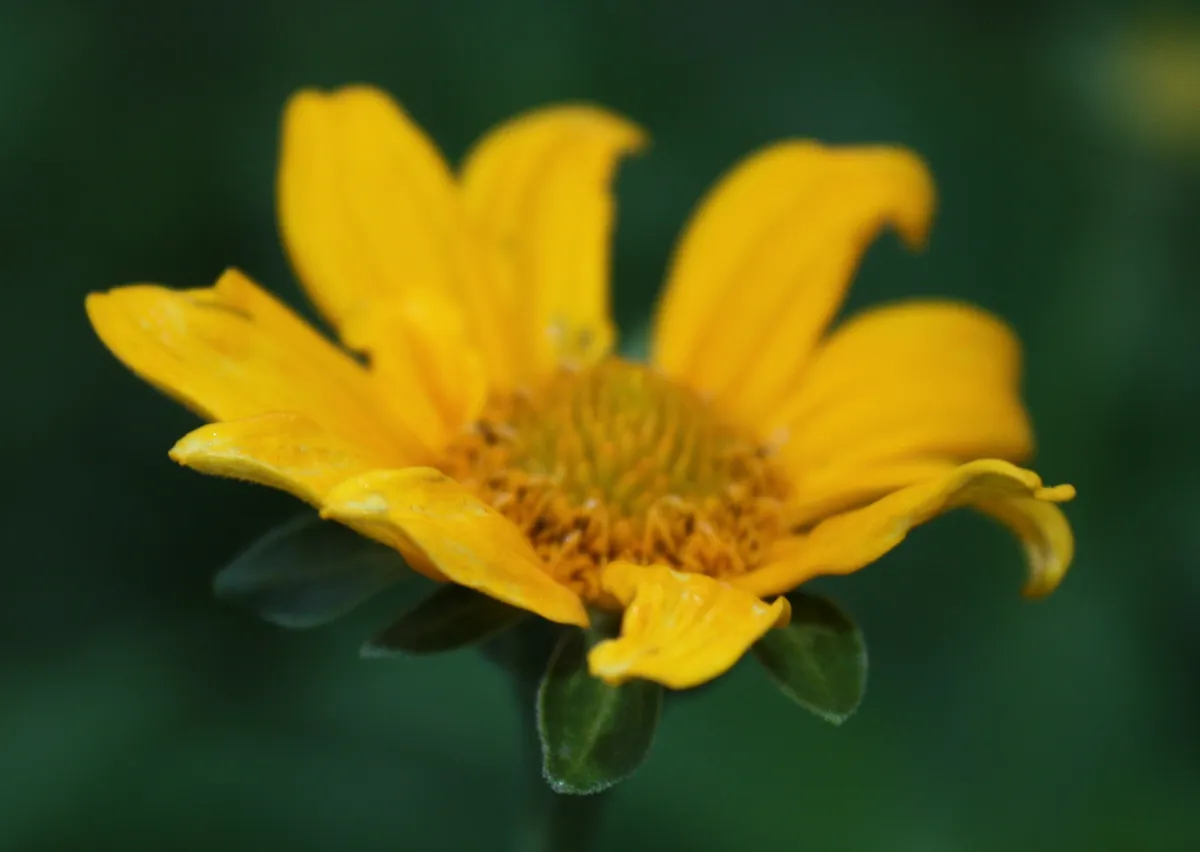
False Sunflower
Heliopsis helianthoides

Sideoats Grama
Bouteloua curtipendula
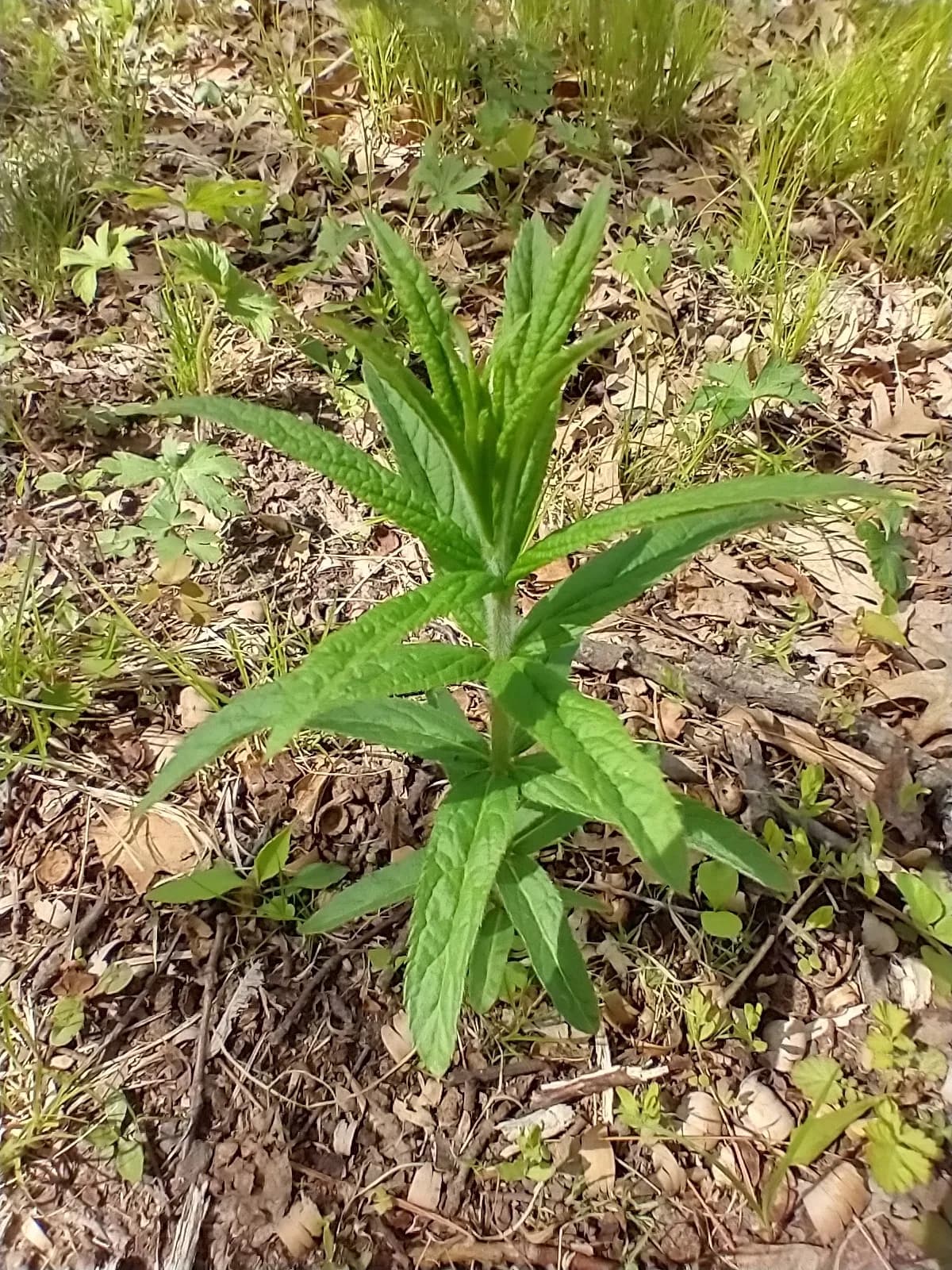
Culver's Root
Veronicastrum virginicum
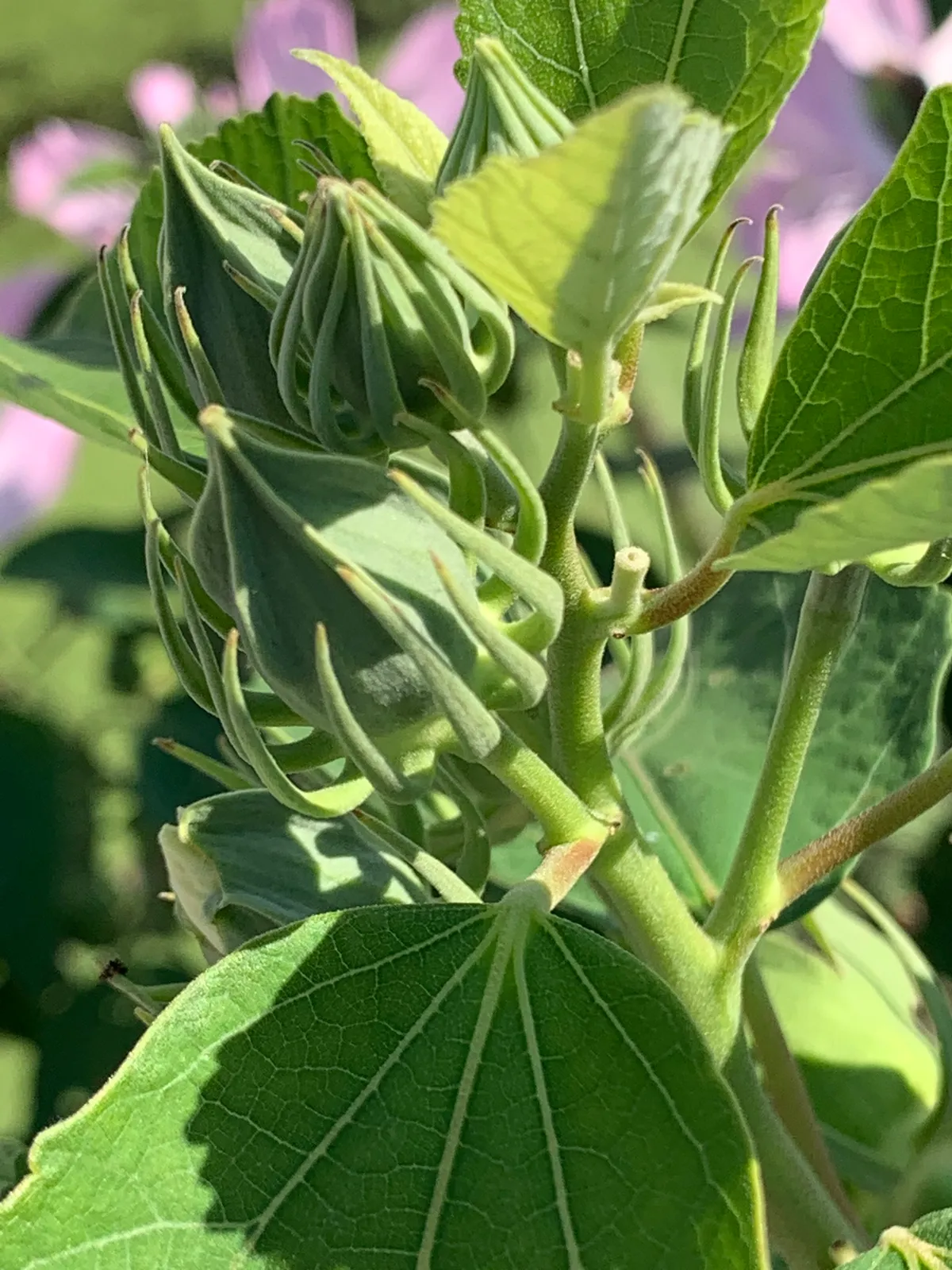
Mallow-rose
Hibiscus moscheutos
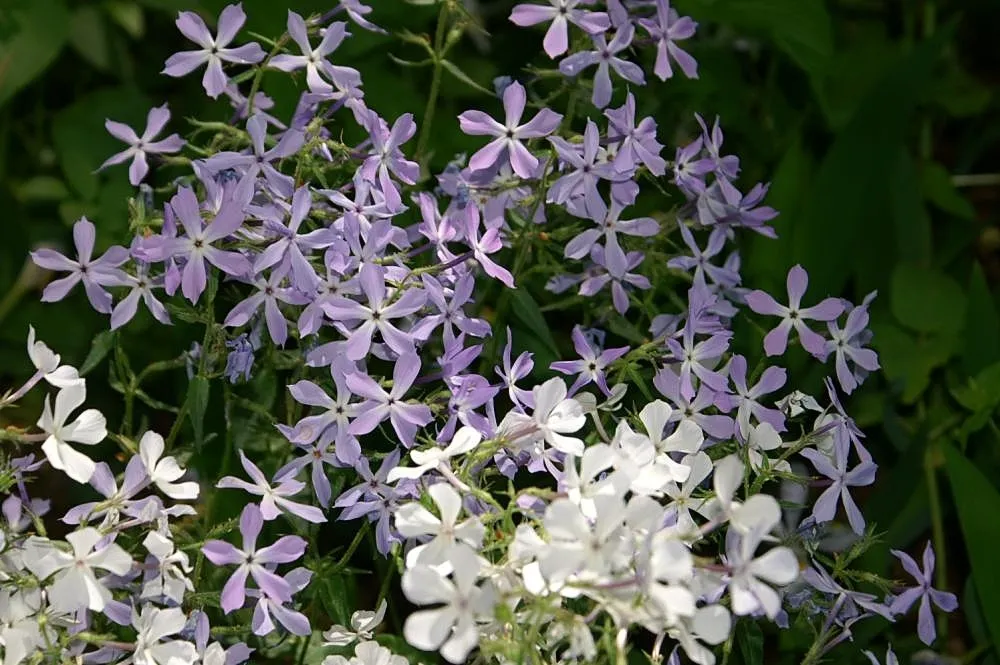
Blue Woodland Phlox
Phlox divaricata
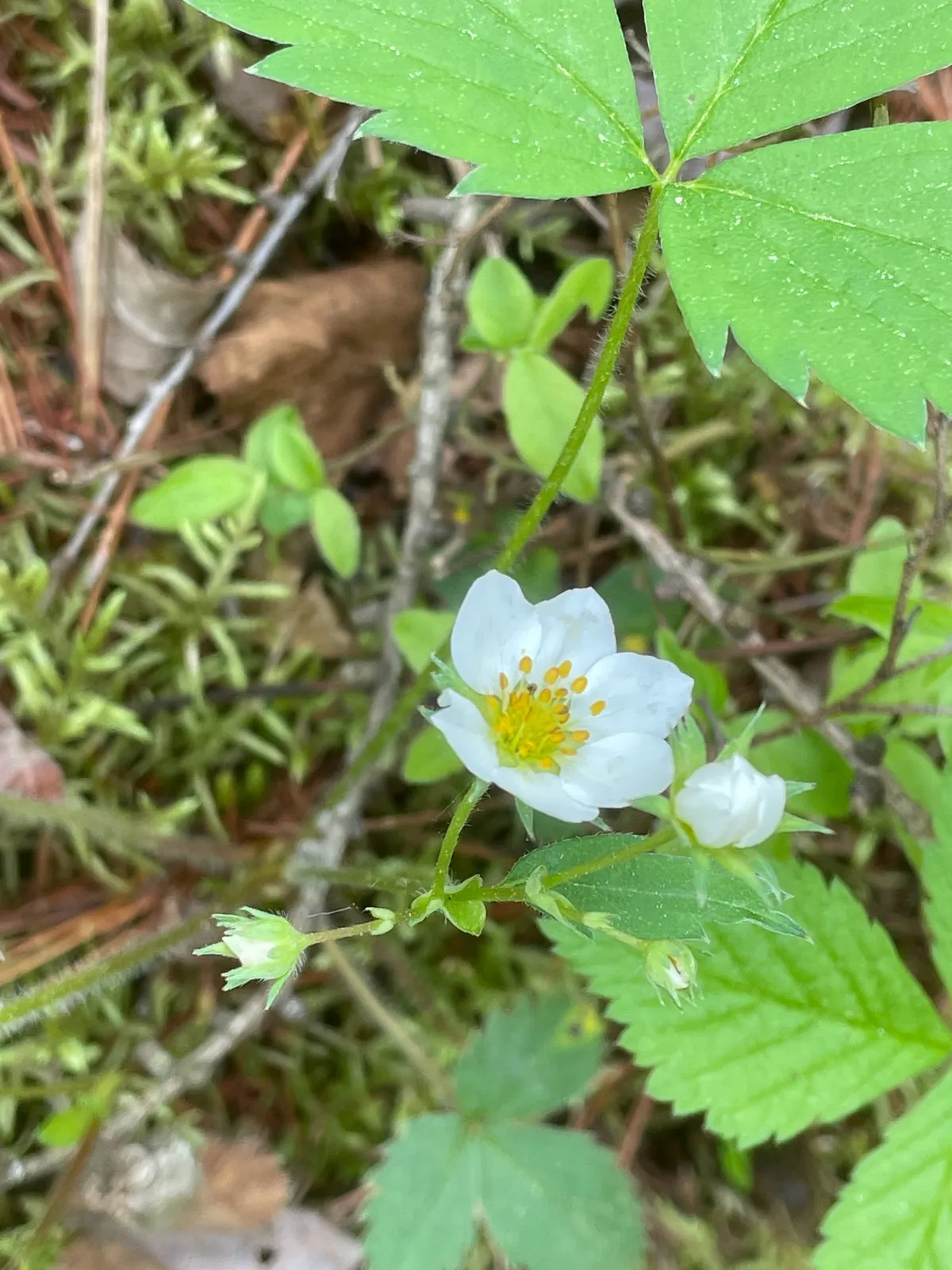
Scarlet Strawberry
Fragaria virginiana
Narrowleaf Mountain Mint
Pycnanthemum tenuifolium
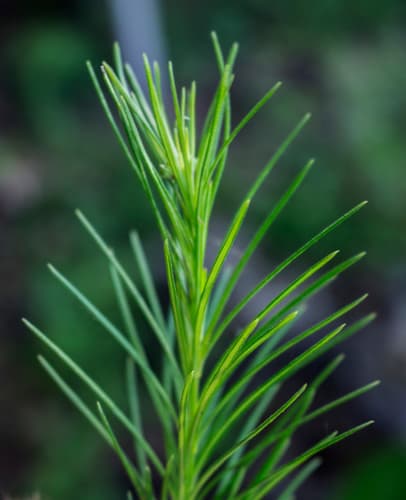
Whorled Milkweed
Asclepias verticillata
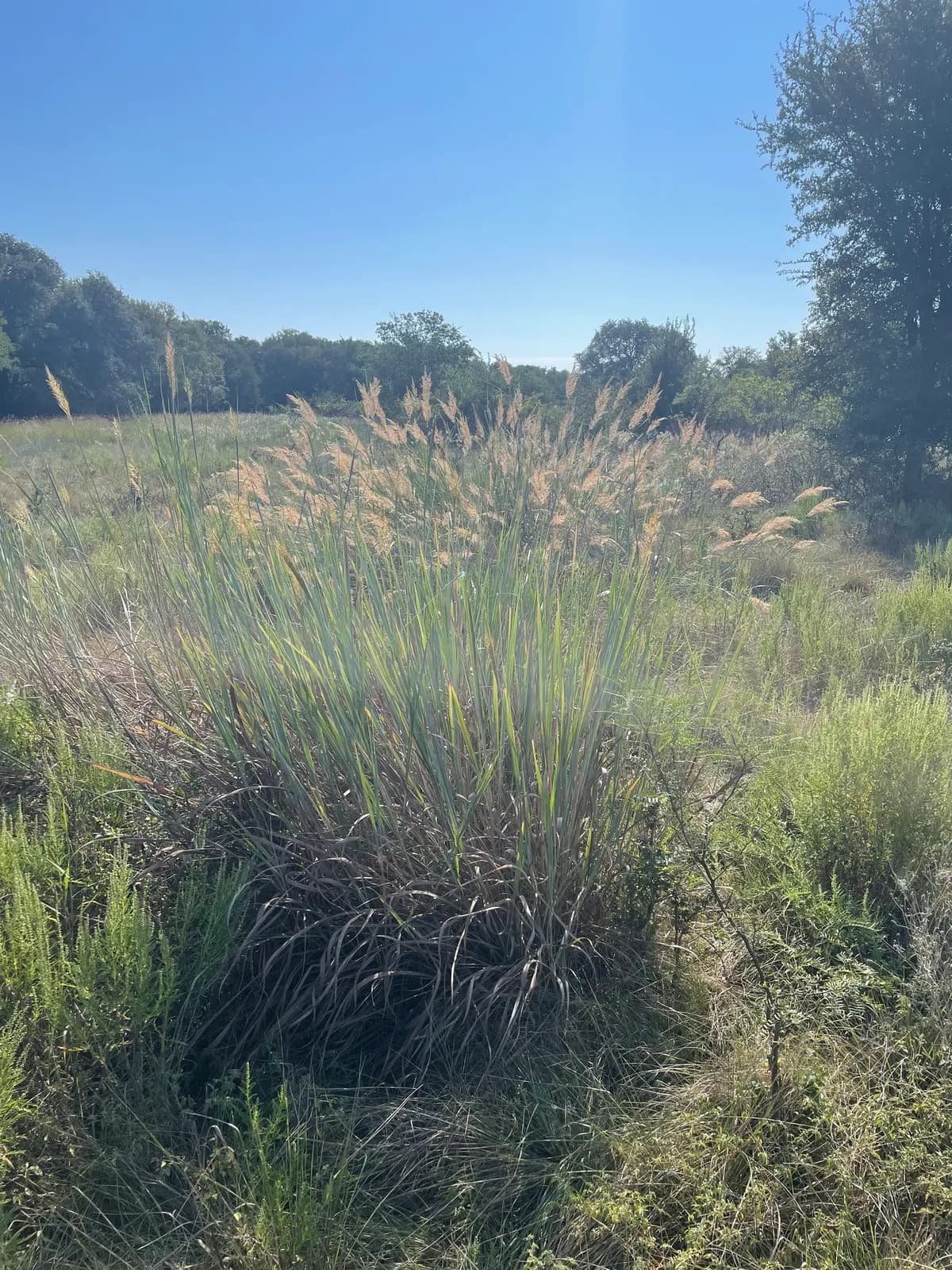
Indiangrass
Sorghastrum nutans
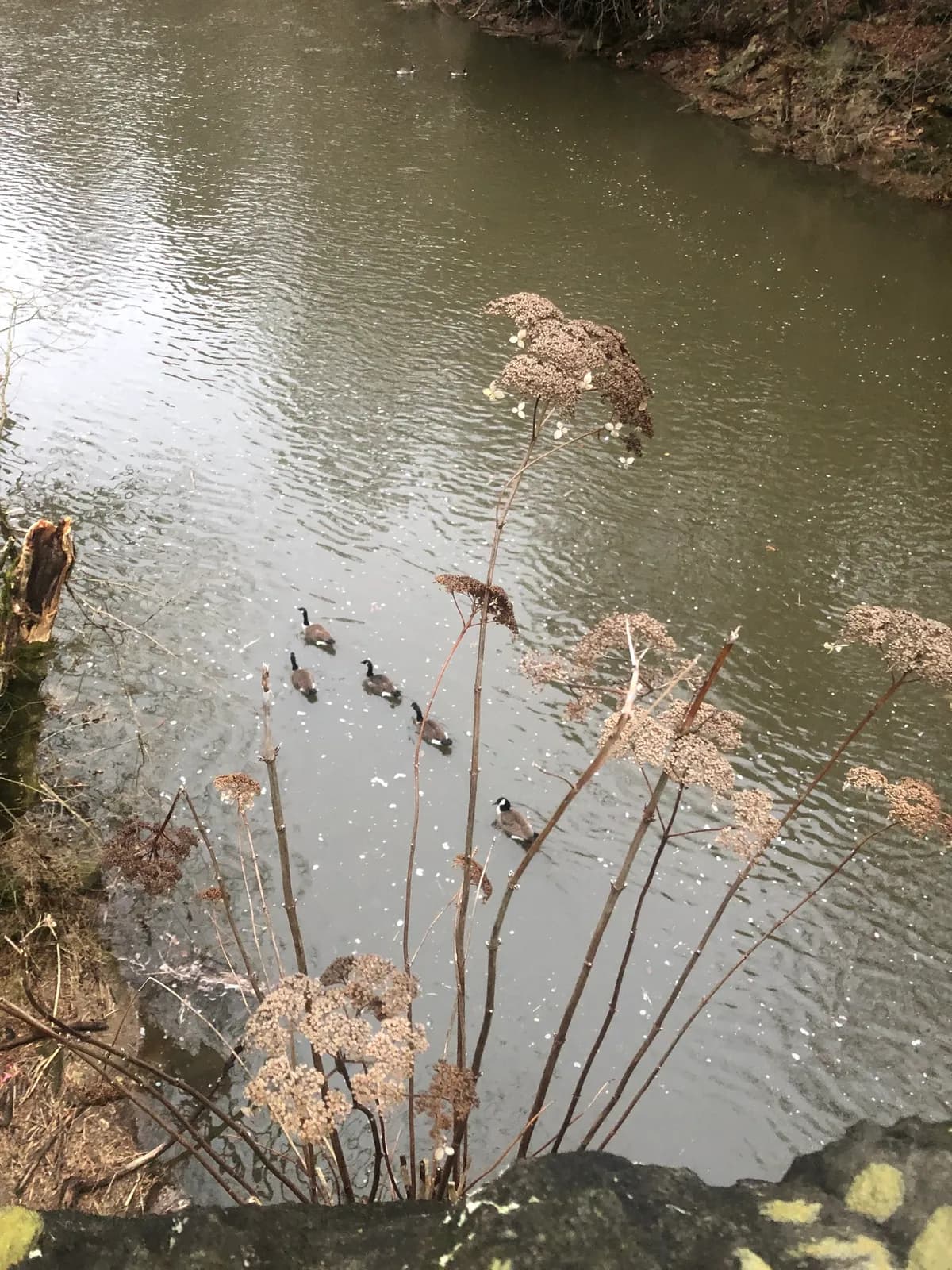
Sevenbark
Hydrangea arborescens
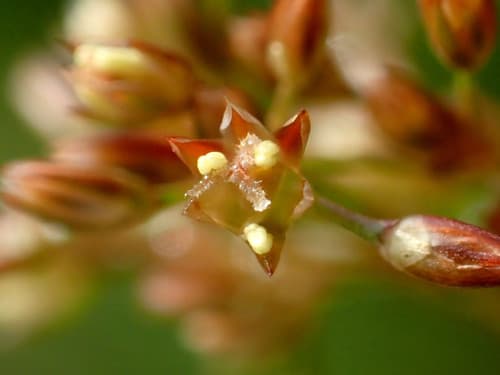
Soft rush
Juncus effusus
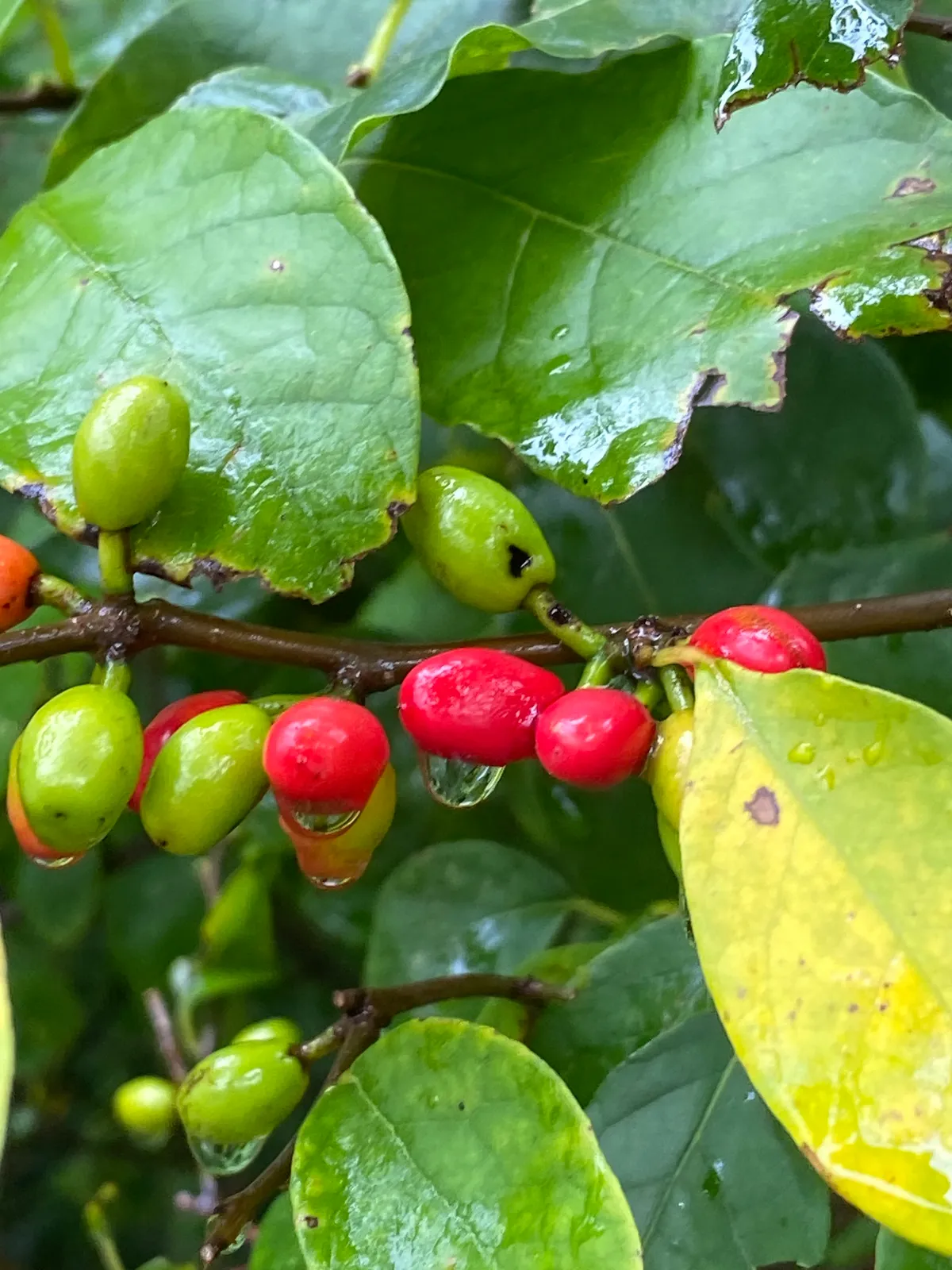
Spicebush
Lindera benzoin
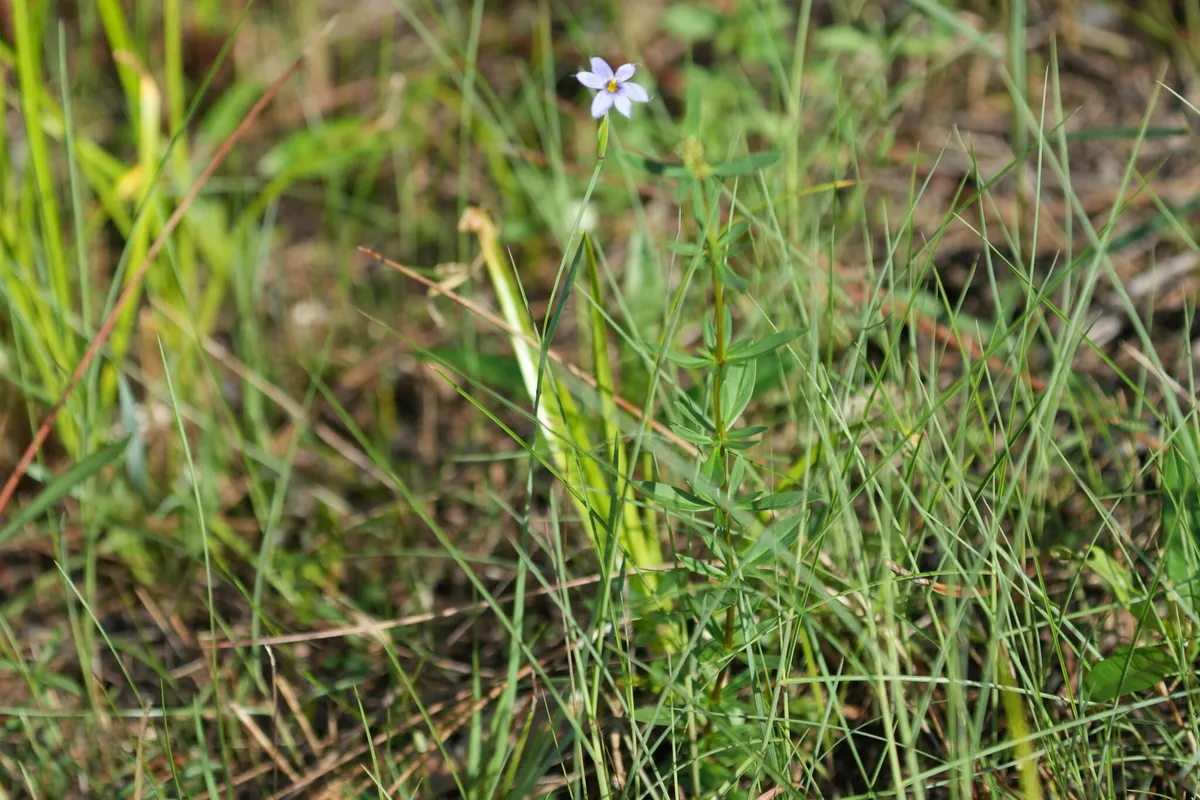
Narrowleaf Blue-eyed Grass
Sisyrinchium angustifolium
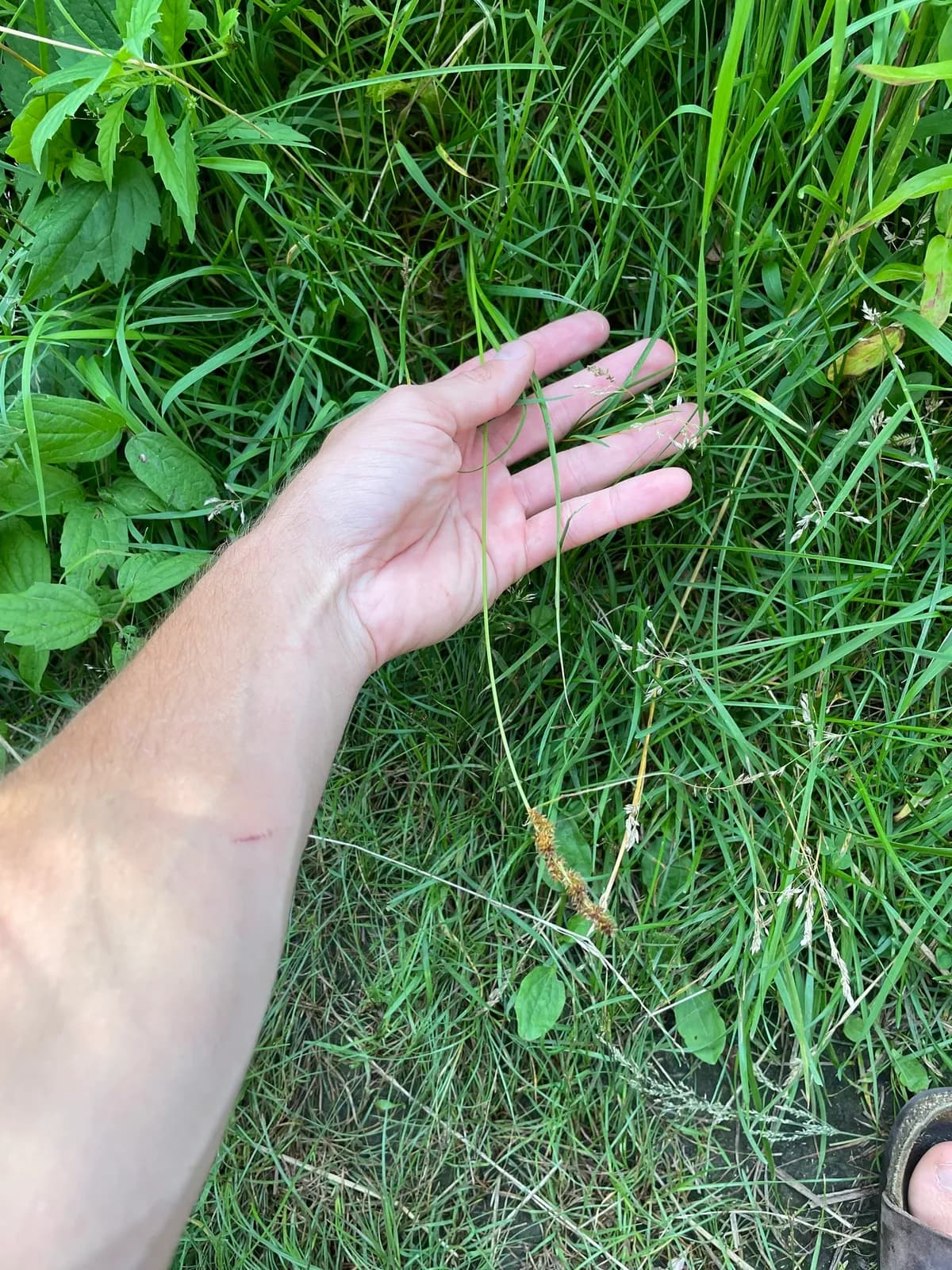
American Fox Sedge
Carex vulpinoidea
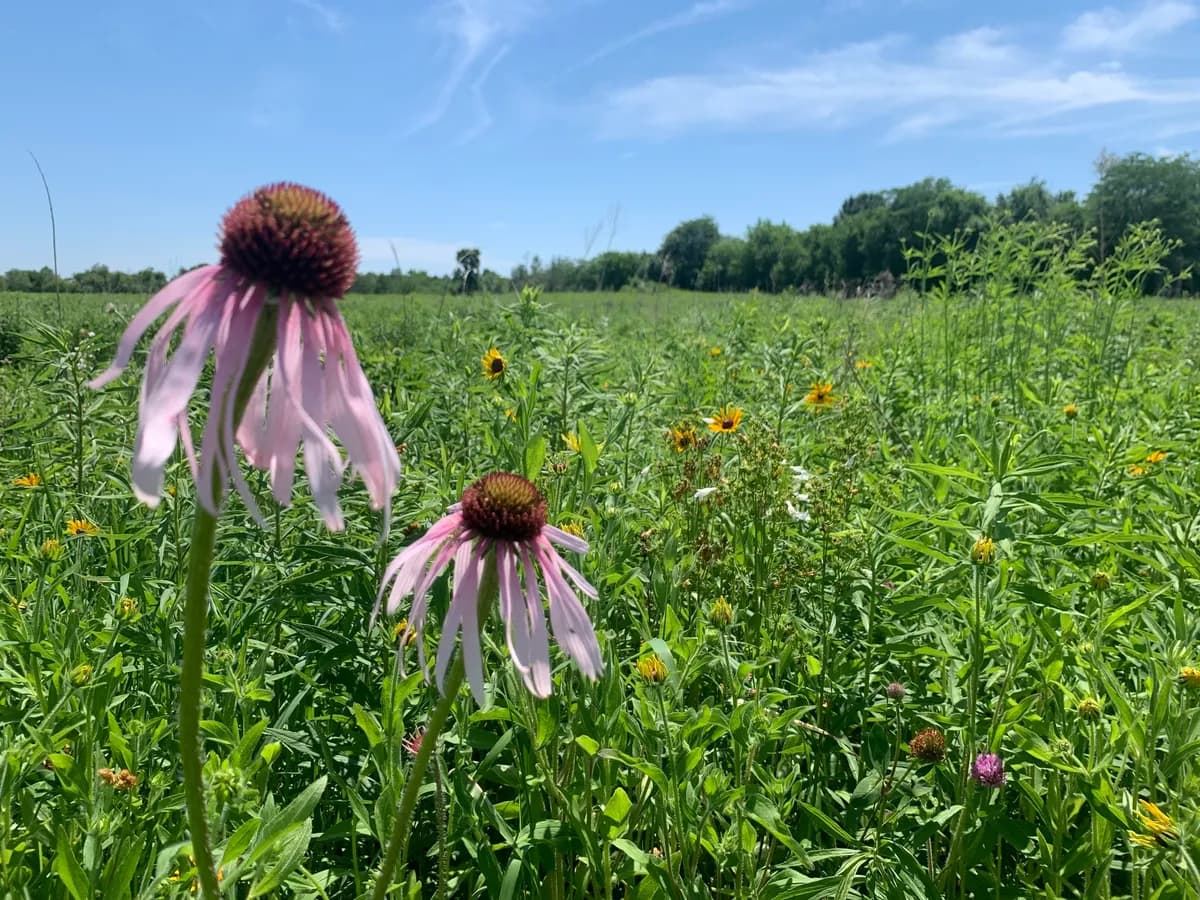
Pale Purple Coneflower
Echinacea pallida
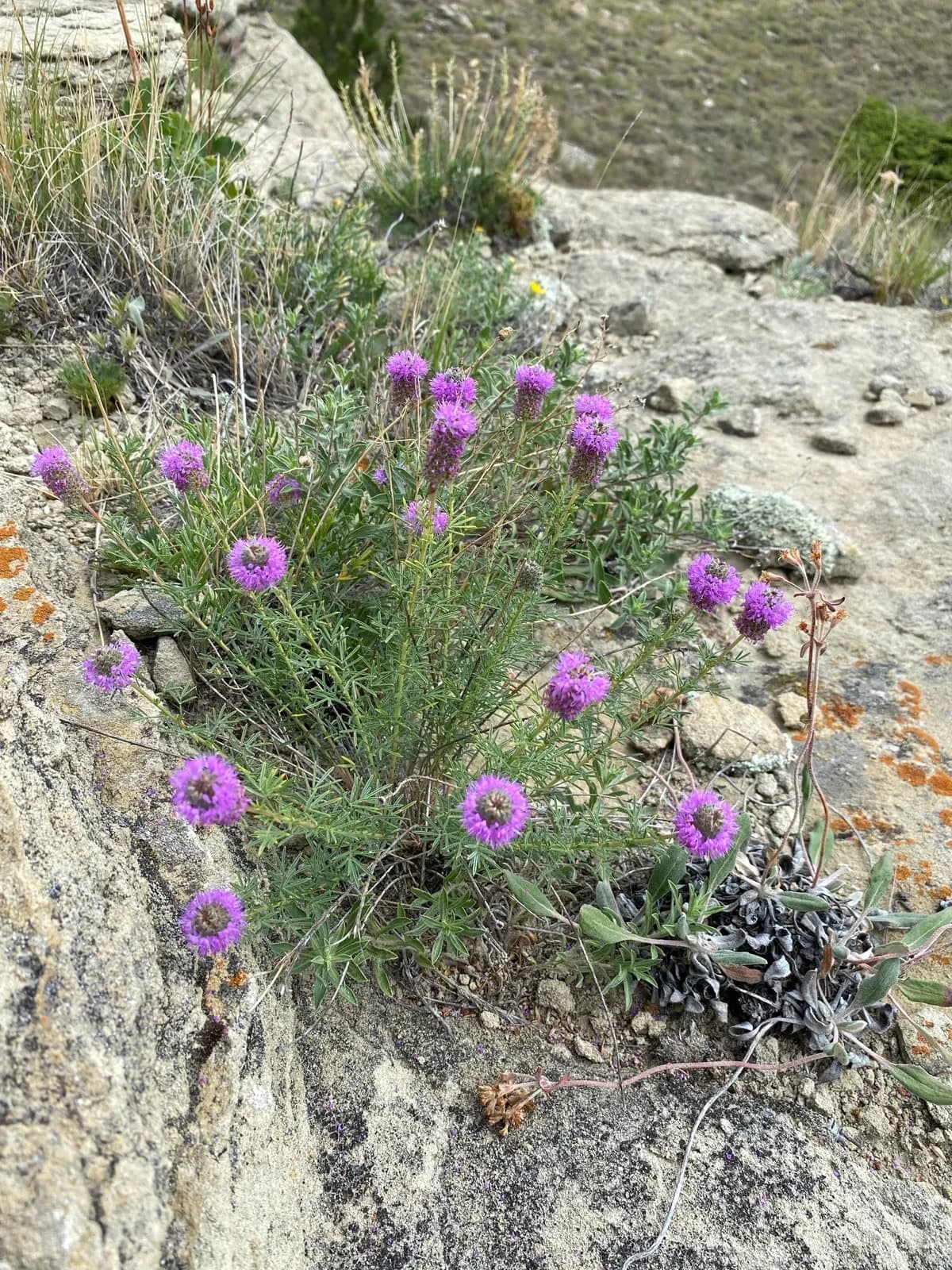
Purple Prairie Clover
Dalea purpurea

Coral Honeysuckle
Lonicera sempervirens
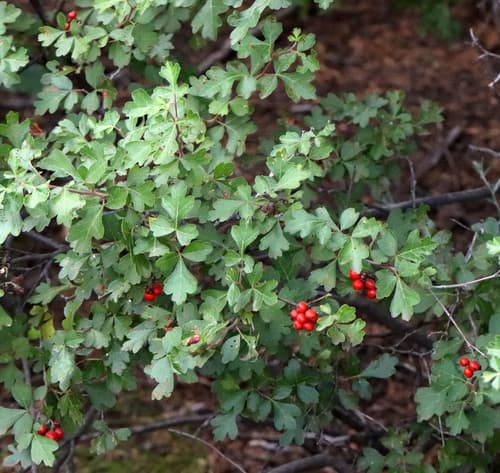
Aromatic Sumac
Rhus aromatica
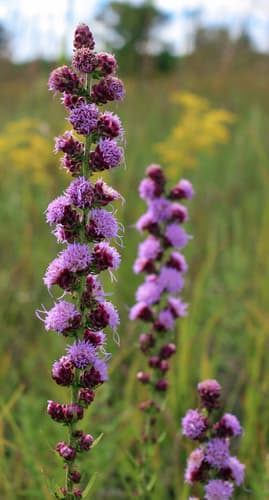
Tall Blazing Star
Liatris aspera
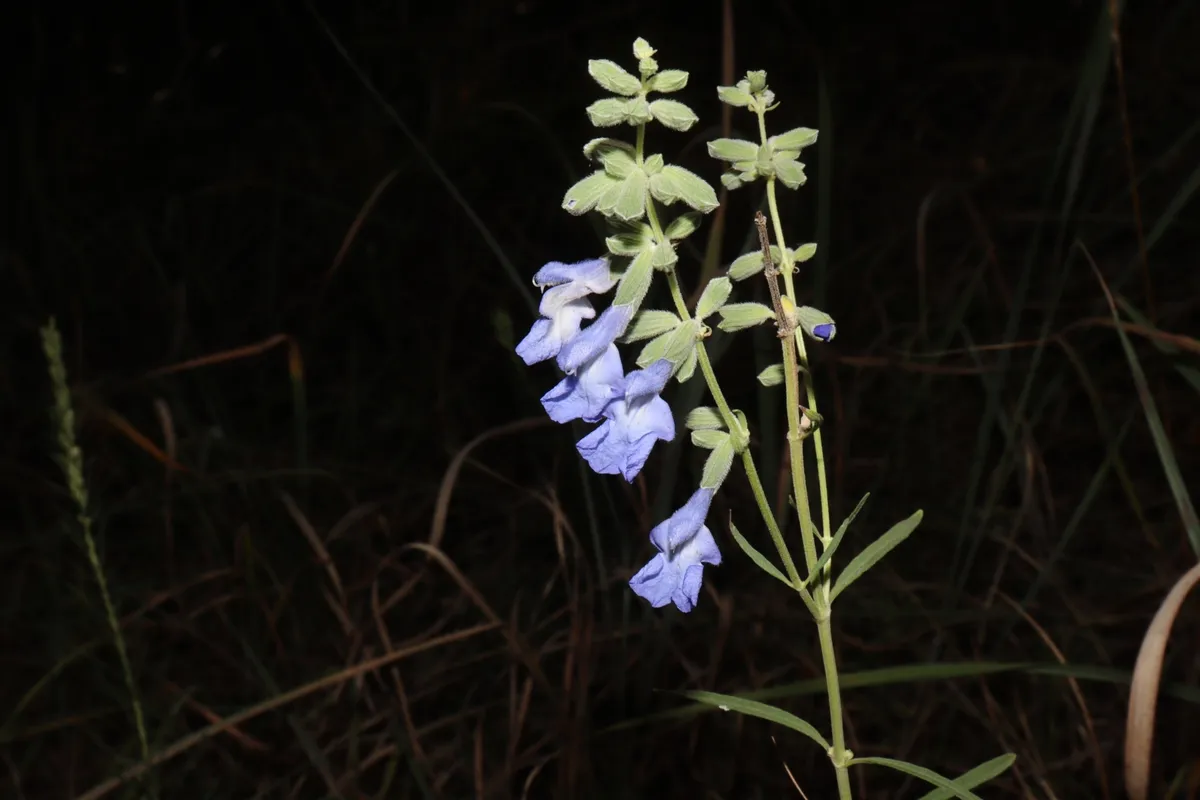
Azure Sage
Salvia azurea
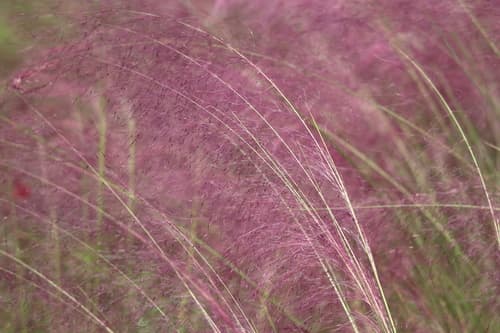
Gulf Muhly
Muhlenbergia capillaris
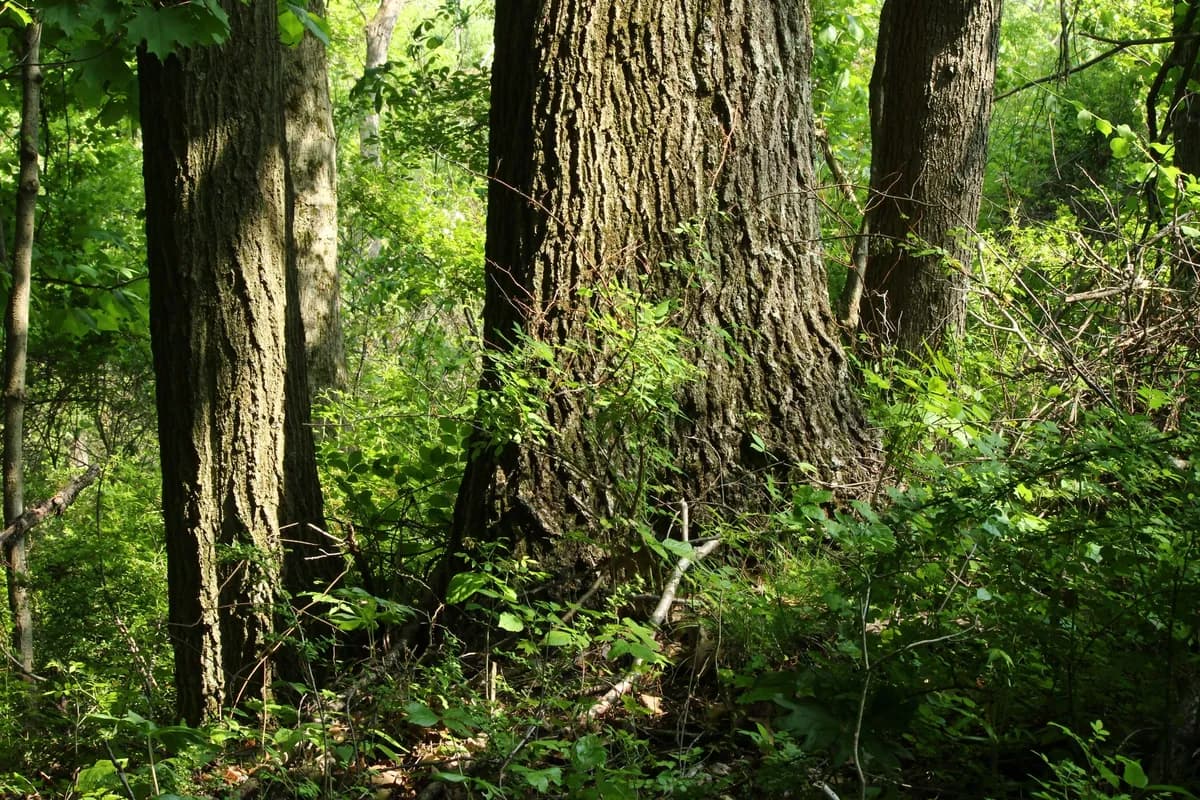
Northern Red Oak
Quercus rubra

Prairie Petunia
Ruellia humilis
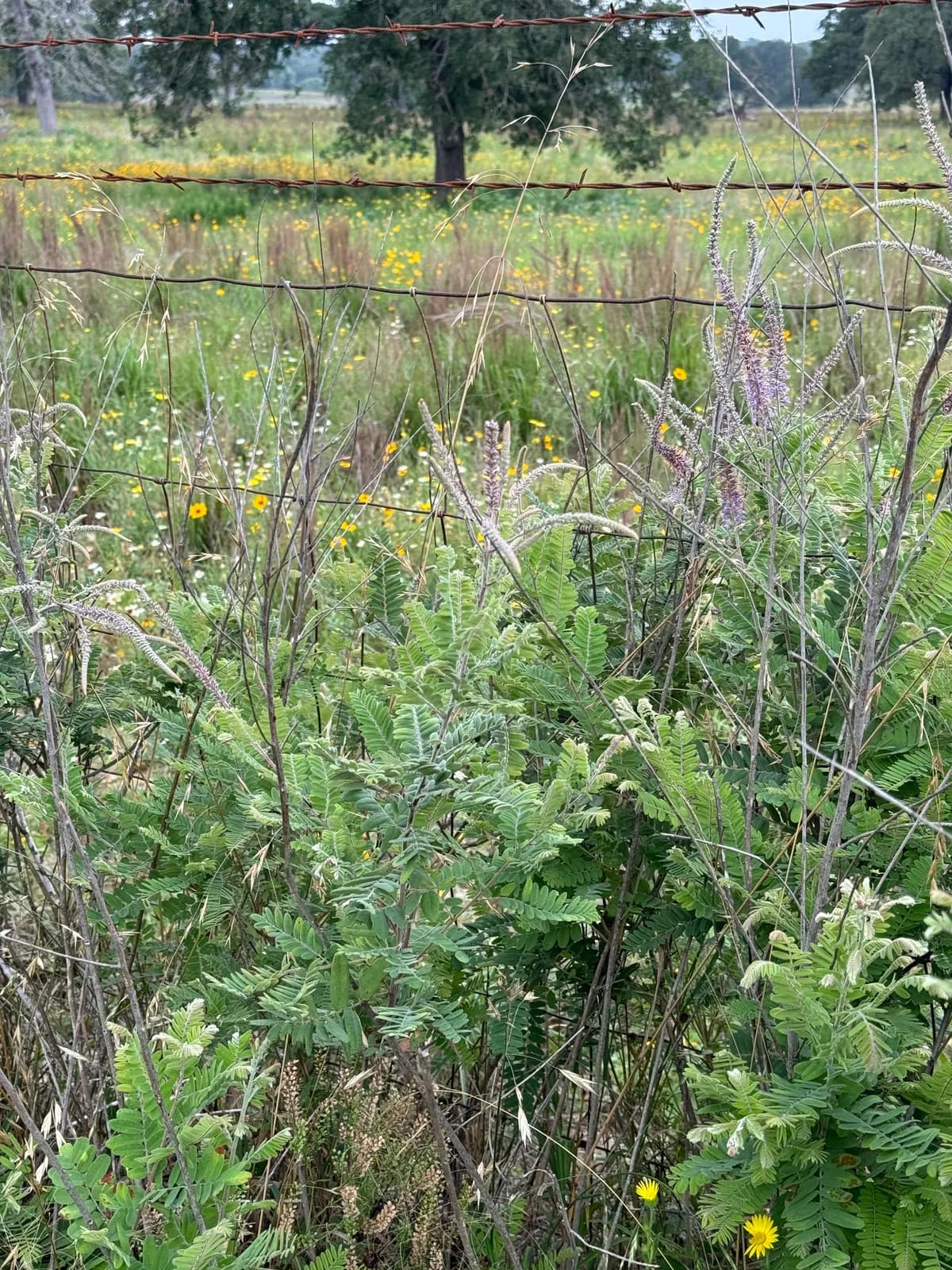
Leadplant
Amorpha canescens
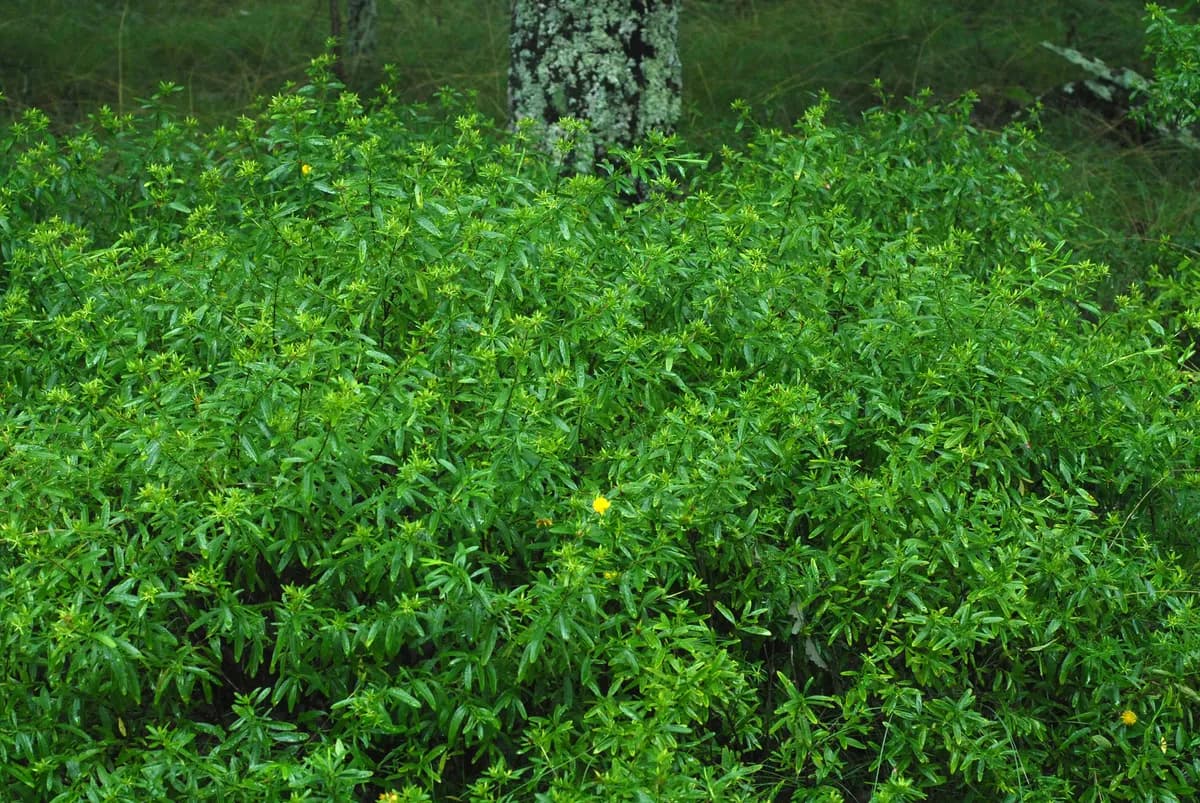
Broombush
Hypericum prolificum

Blunt Mountain Mint
Pycnanthemum muticum
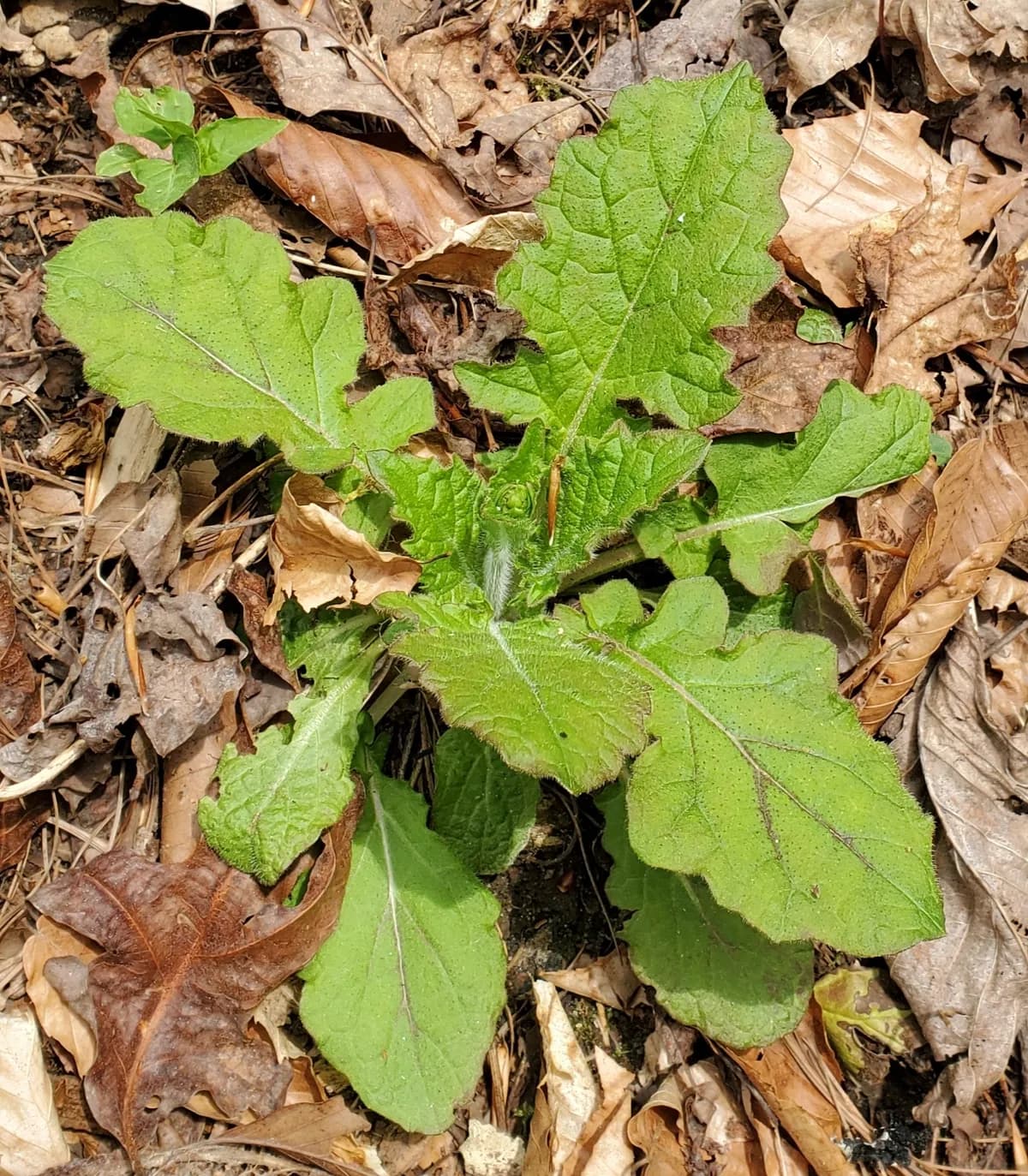
Lyre Leaf Sage
Salvia lyrata
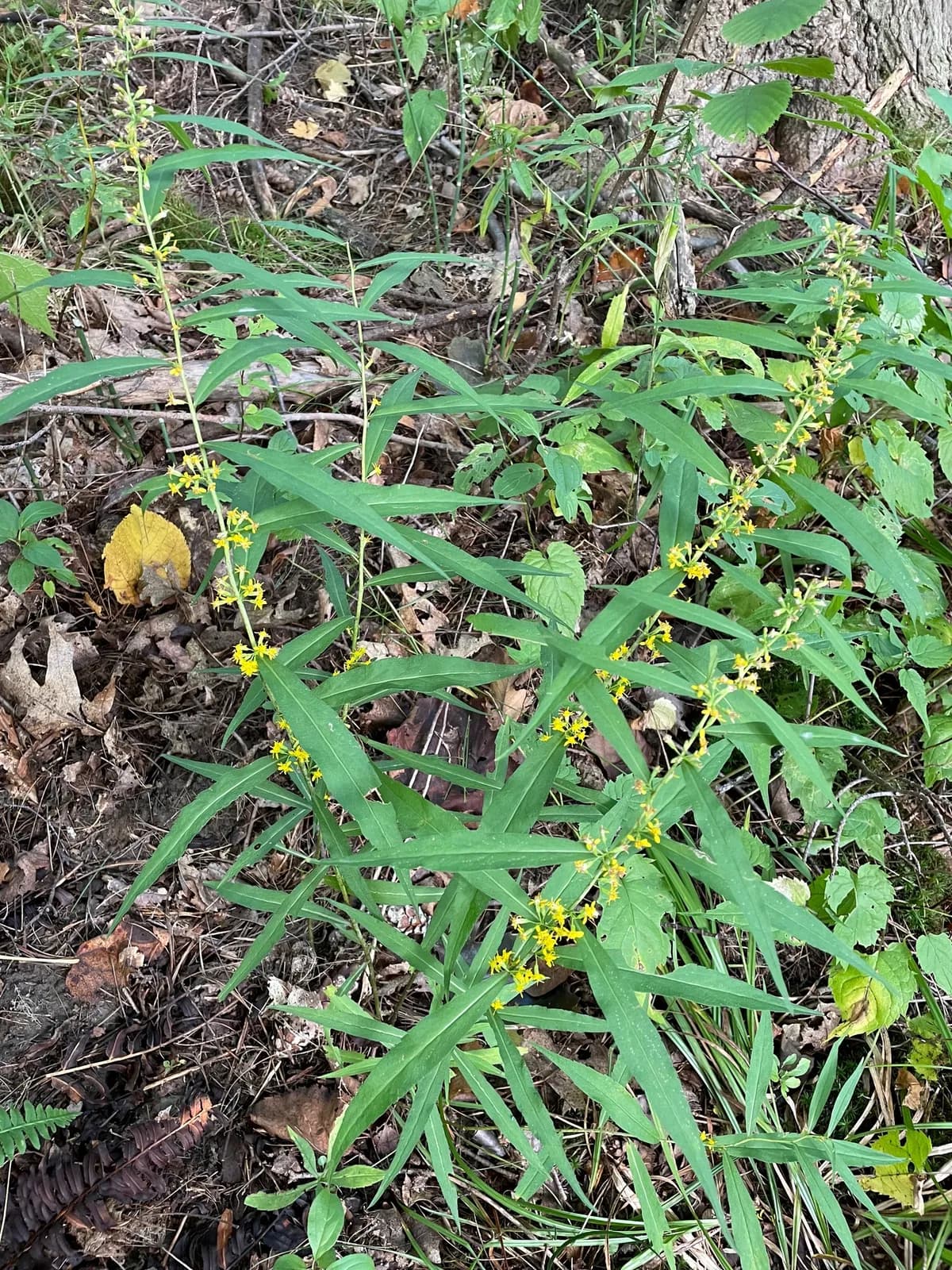
Blue-stemmed Goldenrod
Solidago caesia
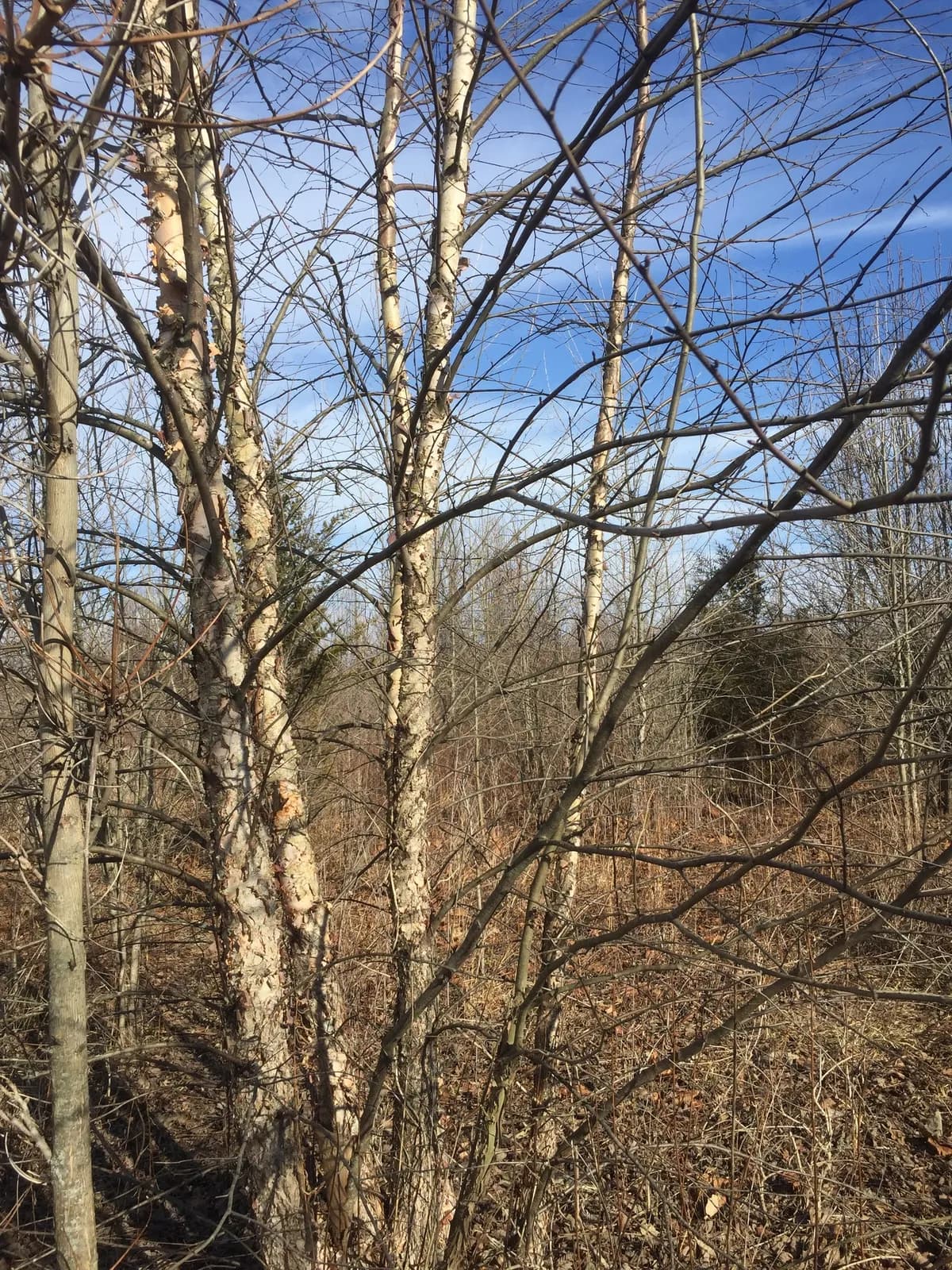
River Birch
Betula nigra
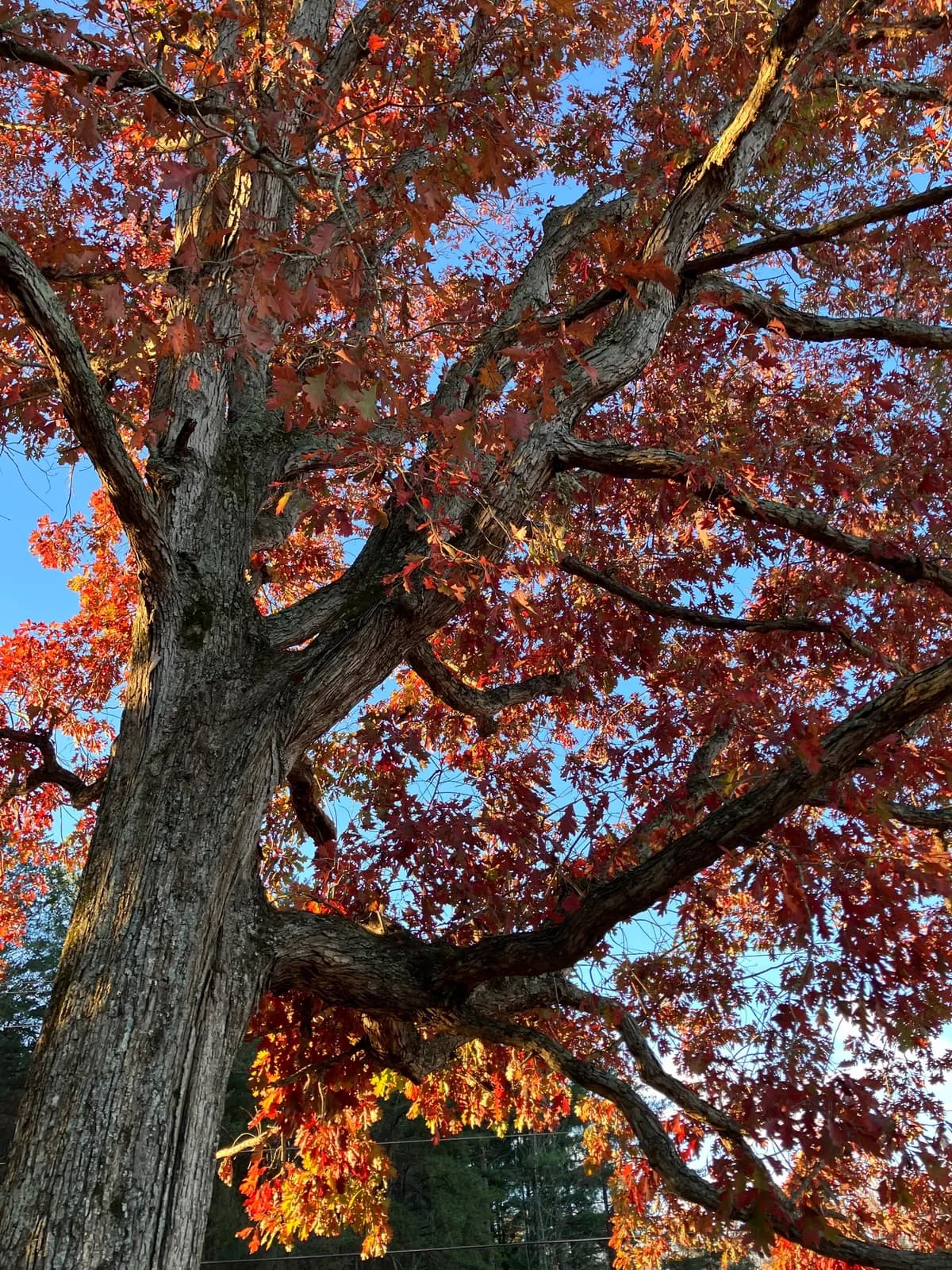
White Oak
Quercus alba
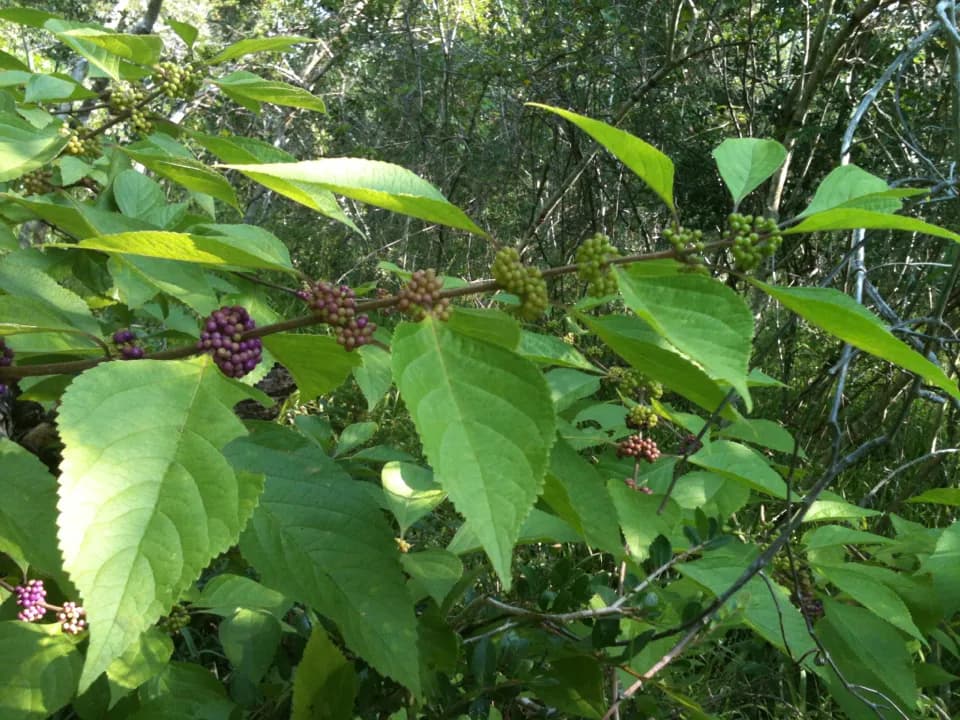
American Beautyberry
Callicarpa americana

Mexican Hat
Ratibida columnifera
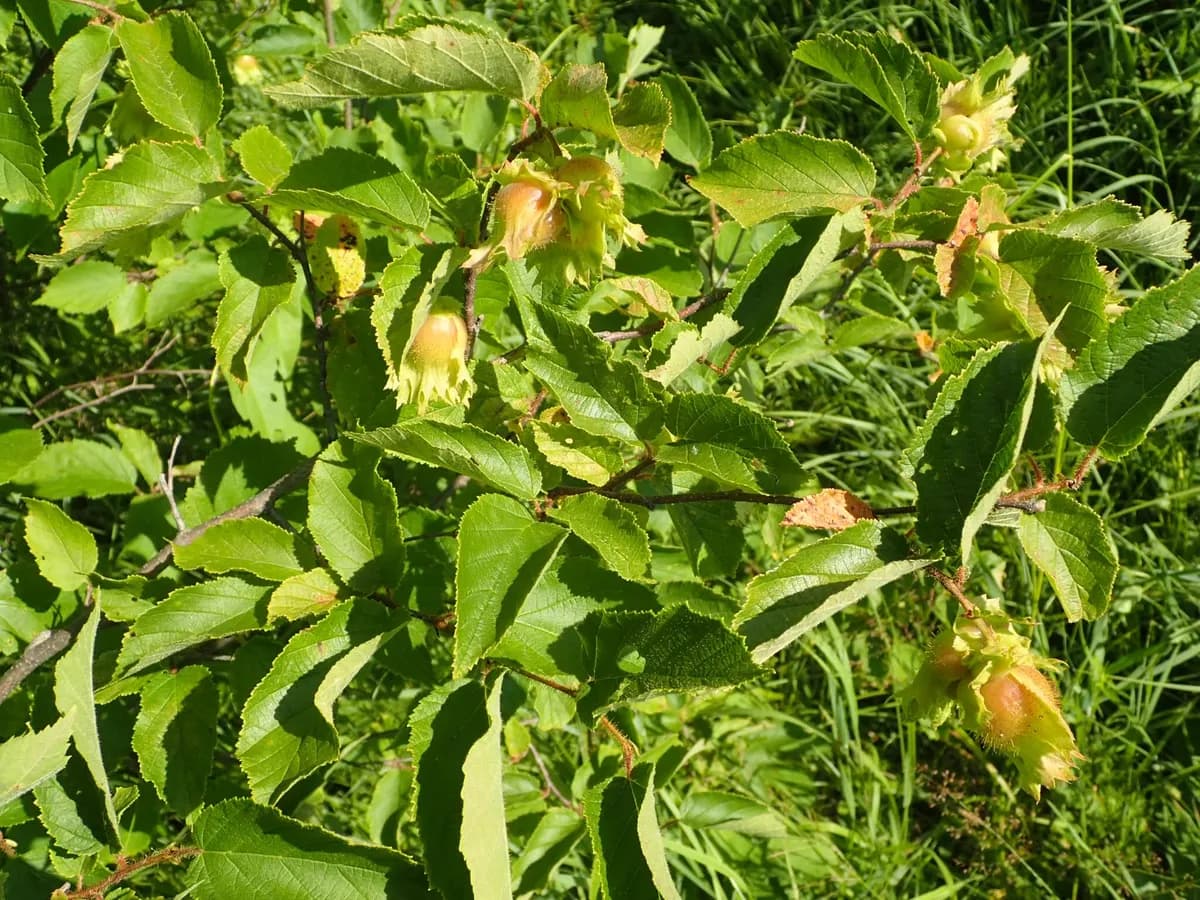
American Hazelnut
Corylus americana
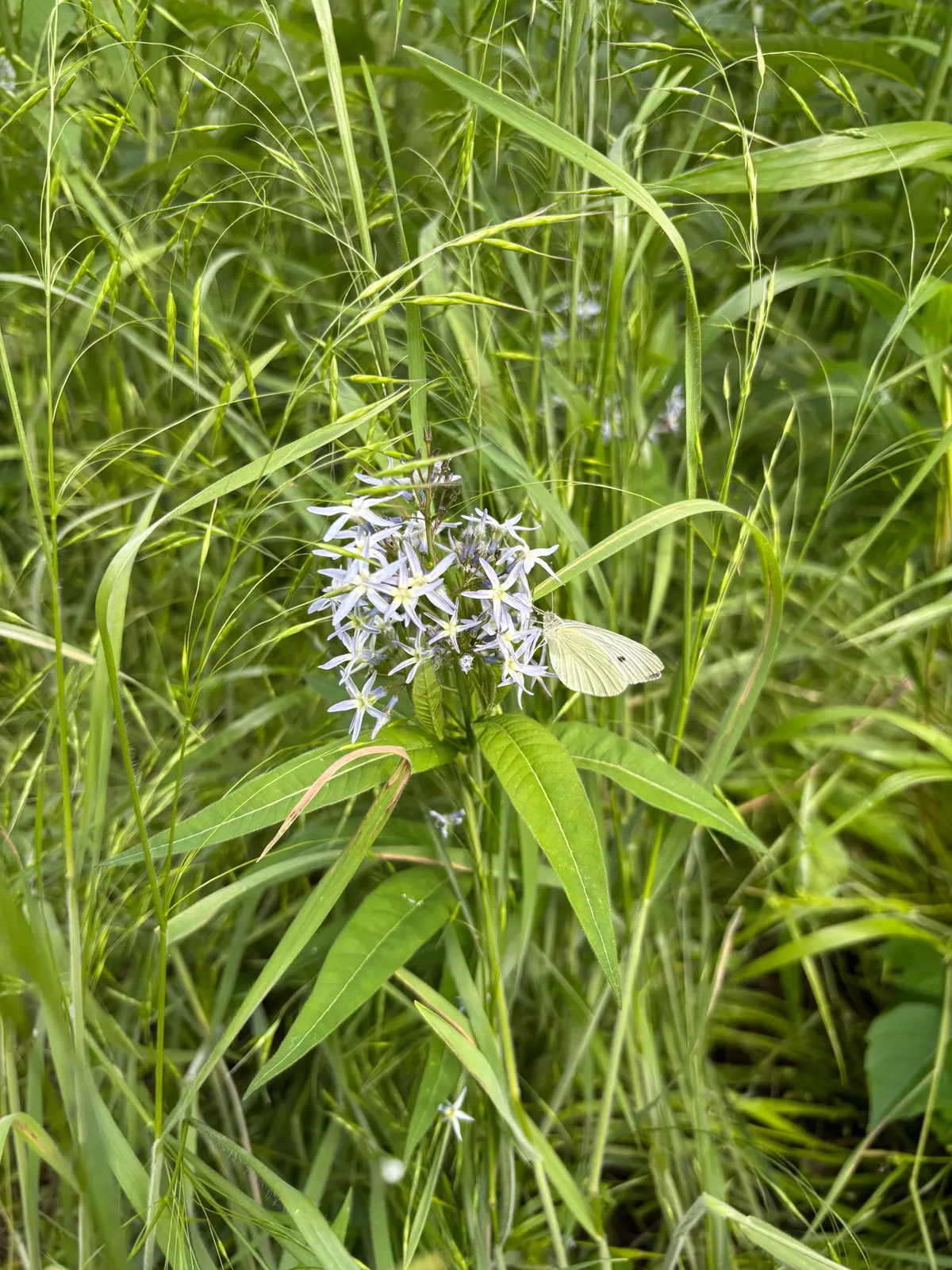
Eastern Bluestar
Amsonia tabernaemontana
Showing 48 of 1019. Enter your ZIP for the natives matched to your yard.
Fall care in the Pineywoods
What to do right now for plants commonly grown here. Each links to the full regional care guide for that species, with sources.
- Narrowleaf blue eyed grass
Fall is a good time to divide crowded clumps.
- Autumn sage
Fall brings another round of flowers, and it is a good time to plant before winter.
- Mealy blue sage
Fall brings continued blooming, and it is a good time to tidy and plant.
- Big muhly
Fall is peak plume season, with flowers lasting into November.
- Winecup
Fall is a quiet time and a fine time for new plantings.
- Flame acanthus
Flowers continue into October, so fall is a good time to enjoy it and to plant.
- Plain leaf pussytoes
Fall is a quiet time. Keep it dry and let it rest.
- Butterfly milkweed
Fall is for winding the plant down dry, not feeding or watering it into the wetter winter months ahead, and it lines up with peak Gulf Coast monarch migration.
- Prairie petunia
Fall in Beaumont overlaps with the tail end of hurricane season, and fringe-leaf ruellia's low, sturdy habit holds up well through wind and rain.
- Whitetop sedge
Bloom continues into early fall around Beaumont, and this is a good season to let seed heads stand before any cleanup, since the plant is still doing useful work for pollinators.
Build a plan for the Pineywoods
Pollinator Patch turns plants like these into a front-yard plan tuned for the soil, climate, and HOA expectations of the Tyler area.