Texas Wisteria
Wisteria frutescens
Last reviewed: August 2026
Texas wisteria is a twining woody vine that flowers in March, April, and May with hanging clusters of purple blooms. It grows best in full sun with medium to consistently moist soil and draws in butterflies.
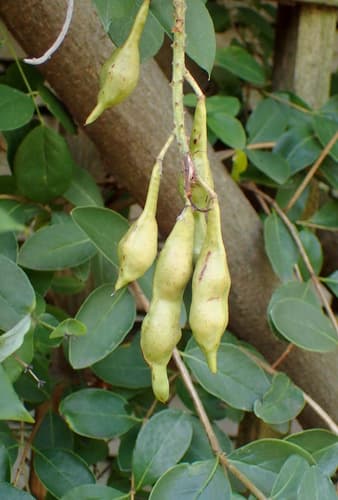
Texas Wisteria is toxic to dogs and cats.
Listed as toxic by the NC State Extension Gardener Plant Toolbox (opens in new tab) (last reviewed 2026-08-20). If your pet has been exposed, call the ASPCA Animal Poison Control Center at (888) 426-4435and your veterinarian's emergency line.
Pollinator Patch flags toxic plants so you can choose a pet-safe native alternative for your yard.
The USDA PLANTS Database (opens in new tab) does not flag Texas Wisteria as toxic to livestock.
Light
full sun
Water
medium
Size
300"–360" H × 12"–24" W
Bloom
Mar, Apr, May
Native to
AL, AR, CT, DE and 24 more states
Pollinators
butterflies
Before you buy
Your city may pay you to plant this
Cities and water utilities offer rebates for replacing lawn with native and water-wise plants. We track 452 programs across 44 states, each with a link to the provider and the date we last checked it.
Find rebates in your areaBrowse plants for this ecoregion
Texas Wisteria is a native climbing vine that produces fragrant clusters of purple flowers in spring. It grows vigorously and needs sturdy support structures like arbors, pergolas, or fences to showcase its beautiful blooms.
Growing Texas Wisteria
Grow Texas Wisteria in full sun and medium water. Mature plants reach 300 to 360 inches tall and spread 12 to 24 inches wide. Expect low maintenance to keep it looking intentional in a front yard.
How to care for Texas Wisteria, by region
How to care for Texas Wisteria where it is actually grown: year-round basics plus what to do each season, region by region, with the sources for each.
Care guidance last updated: July 2026
Cross Timbers (includes Fort Worth, TX)
Year-round
Texas wisteria is a fast growing, twining vine that needs a sturdy arbor, pergola, or fence built to hold serious weight, and it keeps climbing and thickening for years once established.
- Plant it against a purpose built arbor or pergola, not a wood fence, mailbox post, or the house itself. A mature vine's woody stems can pull down a lightweight structure over a few years.
- Give it full sun to light shade and water regularly (about 1 inch a week) through the first two growing seasons while roots establish.
- Space it 10 to 15 feet from the edge of its support so the twining stems have room to wrap without crowding walkways or neighboring plants.
- Once seed pods form in late summer, keep fallen ones picked up. The seeds contain lectins and a glycoside (wisterin) that ASPCA lists as toxic to dogs and cats, and eating pods can also cause stomach upset in people.
- Flowers form on new growth each spring, so a hard structural prune in the dormant season will not cost next year's bloom.
A well trained vine on a proper arbor reads as an intentional garden feature rather than an overgrown fence vine, but it does need that dedicated structure from the start.
Fall
Fall is the better season to plant or transplant this vine in North Texas, since cooler air lets roots establish before next summer's heat.
- Plant new vines from October through mid November, ahead of the average first frost.
- Cut back any wayward shoots that have grown past the arbor or trellis edge so the framework stays defined heading into winter.
- Rake up and dispose of fallen seed pods and leaves rather than leaving them in a bed where pets or kids play.
- In heavy black clay soils, plant high on a slight mound or work in coarse compost for drainage; in the sandier soils west of the metro, water new fall plantings twice a week until a light freeze slows growth.
A clean fall cutback of stray shoots keeps the support structure's outline crisp going into the bare winter months.
Winter
Winter, while the vine is bare and dormant, is the right time for its main structural prune, since flowers form on new growth each spring.
- Between late December and February, cut back last year's long whip like shoots by about one third to keep the vine inside its support.
- Remove any stems that have wrapped around gutters, downspouts, or nearby shrubs before they thicken further.
- Thin out crossing or crowded stems near the base so the woody framework stays open and easy to train.
- A hard prune now will not reduce spring bloom, since this species flowers on the new wood it grows after pruning.
A tidy winter prune leaves a clean woody framework on the arbor, which reads as intentional rather than neglected through the bare months.
Spring
Spring is both bloom season and the best window to plant this vine in North Texas, with fragrant lavender flower clusters opening as new leaves emerge.
- Expect fragrant, lilac purple flower clusters, roughly 4 to 6 inches long, opening from March into May.
- If you are planting new this spring, get it in the ground by mid to late April so roots have time to establish before summer heat arrives.
- Water twice a week for the first month after planting, then taper to once a week as the vine settles in.
- Before the vine leafs out fully, check the support structure and tighten or add ties where stems have started to wrap.
Spring bloom on a trained arbor or pergola is the vine's best looking season and reads as a deliberate garden feature, not an overgrown corner.
Summer
Summer heat and dry stretches are the biggest risk to this vine in its first couple of years, right as seed pods start forming after bloom.
- Water first and second year plantings deeply once or twice a week during 100°F stretches. Established vines, three years or older, can usually go longer between waterings.
- Watch for green seed pods forming through summer, and keep fallen ones picked up so pets or kids do not chew on them.
- Keep 2 to 3 inches of mulch over the root zone to hold soil moisture and keep roots cooler.
- Skip fertilizer in summer. Feeding pushes soft new growth right when heat stress is highest, and that new growth wilts fast.
Sweeping up fallen pods under the arbor keeps the bed looking tended through the hottest months.
Sources: Lady Bird Johnson Wildflower Center: Wisteria frutescens, ASPCA: Wisteria toxicity
Texas Blackland Prairies (includes Dallas, TX)
Year-round
Texas wisteria is a fast growing, twining vine that needs a sturdy arbor, pergola, or fence built to hold serious weight, and it keeps climbing and thickening for years once established.
- Plant it against a purpose built arbor or pergola, not a wood fence, mailbox post, or the house itself. A mature vine's woody stems can pull down a lightweight structure over a few years.
- Give it full sun to light shade and water regularly (about 1 inch a week) through the first two growing seasons while roots establish.
- Space it 10 to 15 feet from the edge of its support so the twining stems have room to wrap without crowding walkways or neighboring plants.
- Once seed pods form in late summer, keep fallen ones picked up. The seeds contain lectins and a glycoside (wisterin) that ASPCA lists as toxic to dogs and cats, and eating pods can also cause stomach upset in people.
- Flowers form on new growth each spring, so a hard structural prune in the dormant season will not cost next year's bloom.
A well trained vine on a proper arbor reads as an intentional garden feature rather than an overgrown fence vine, but it does need that dedicated structure from the start.
Fall
Fall is the better season to plant or transplant this vine in North Texas, since cooler air lets roots establish before next summer's heat.
- Plant new vines from October through mid November, ahead of the average first frost.
- Cut back any wayward shoots that have grown past the arbor or trellis edge so the framework stays defined heading into winter.
- Rake up and dispose of fallen seed pods and leaves rather than leaving them in a bed where pets or kids play.
- In heavy black clay soils, plant high on a slight mound or work in coarse compost for drainage; in the sandier soils west of the metro, water new fall plantings twice a week until a light freeze slows growth.
A clean fall cutback of stray shoots keeps the support structure's outline crisp going into the bare winter months.
Winter
Winter, while the vine is bare and dormant, is the right time for its main structural prune, since flowers form on new growth each spring.
- Between late December and February, cut back last year's long whip like shoots by about one third to keep the vine inside its support.
- Remove any stems that have wrapped around gutters, downspouts, or nearby shrubs before they thicken further.
- Thin out crossing or crowded stems near the base so the woody framework stays open and easy to train.
- A hard prune now will not reduce spring bloom, since this species flowers on the new wood it grows after pruning.
A tidy winter prune leaves a clean woody framework on the arbor, which reads as intentional rather than neglected through the bare months.
Spring
Spring is both bloom season and the best window to plant this vine in North Texas, with fragrant lavender flower clusters opening as new leaves emerge.
- Expect fragrant, lilac purple flower clusters, roughly 4 to 6 inches long, opening from March into May.
- If you are planting new this spring, get it in the ground by mid to late April so roots have time to establish before summer heat arrives.
- Water twice a week for the first month after planting, then taper to once a week as the vine settles in.
- Before the vine leafs out fully, check the support structure and tighten or add ties where stems have started to wrap.
Spring bloom on a trained arbor or pergola is the vine's best looking season and reads as a deliberate garden feature, not an overgrown corner.
Summer
Summer heat and dry stretches are the biggest risk to this vine in its first couple of years, right as seed pods start forming after bloom.
- Water first and second year plantings deeply once or twice a week during 100°F stretches. Established vines, three years or older, can usually go longer between waterings.
- Watch for green seed pods forming through summer, and keep fallen ones picked up so pets or kids do not chew on them.
- Keep 2 to 3 inches of mulch over the root zone to hold soil moisture and keep roots cooler.
- Skip fertilizer in summer. Feeding pushes soft new growth right when heat stress is highest, and that new growth wilts fast.
Sweeping up fallen pods under the arbor keeps the bed looking tended through the hottest months.
Sources: Lady Bird Johnson Wildflower Center: Wisteria frutescens, ASPCA: Wisteria toxicity
Want these tasks as reminders timed to your yard? Pollinator Patch turns this guidance into a season-by-season care plan for the plants you actually grow.
In an HOA neighborhood
Texas Wisteria takes more care to keep looking intentional in a front yard. Maintenance level: low. Consider it for backyard or mid-zone beds rather than the street edge.
Works well in: backyard only.
- Requires support structure
- Can appear messy
Wildlife value
The nectar-rich flowers attract butterflies and other pollinators during the spring blooming period. Birds may also use the dense foliage for nesting sites.
Common questions
- When does Texas wisteria bloom?
- It flowers in spring, typically across March, April, and May, producing drooping clusters of purple blossoms along its stems.
- How much light does this vine need?
- It flowers most heavily in full sun but will still grow and bloom, though less vigorously, in part sun to part shade.
- How much water does it need?
- It does best with medium, consistent moisture but tolerates wetter soils, which is why it is often found along streambanks and in low, damp ground.
- Does Texas wisteria attract pollinators?
- Its flowers are visited by butterflies, which use the blooms as a nectar source during the spring flowering period.
- What kind of growth habit does it have?
- It is a twining, woody vine that climbs by wrapping its stems around trellises, fences, arbors, or nearby trees.
- Is Texas Wisteria toxic to dogs?
- Yes. Texas Wisteria is listed as toxic to dogs by the NC State Extension Gardener Plant Toolbox (aspca.org). If your pet has been exposed, call the ASPCA Animal Poison Control Center at (888) 426-4435.
- Is Texas Wisteria toxic to cats?
- Yes. Texas Wisteria is listed as toxic to cats by the NC State Extension Gardener Plant Toolbox (aspca.org). If your cat has been exposed, call the ASPCA Animal Poison Control Center at (888) 426-4435.
- Is Texas Wisteria toxic to livestock?
- The USDA PLANTS Database does not flag Texas Wisteria as toxic to livestock.
- Is Texas Wisteria HOA-friendly?
- Texas Wisteria takes more care to look intentional in a front yard. Consider it for backyard or mid-zone beds rather than the street edge.
These answers were drafted with an AI model from this plant's data. Verify care details with a local expert.
Native range data from the World Checklist of Vascular Plants (Kew). Pollinator and host plant associations compiled from GBIF, iNaturalist, and published ecological literature.
If something looks wrong
Common plant problems, and what to check first
These come up on almost any plant. Each guide lists the likely causes in the order they are worth ruling out, with one thing to check before you act on any of them, and links to the source it came from.
- It is dying right after planting
- Leaves turning yellow
- Wilting even though I watered it
- Brown crispy leaf tips
- Bugs on the plant
Pollinator Patch flags toxic plants like Texas Wisteria and shows pet-safe natives for your ecoregion instead.
Planning a bed around it? Start a free plan with this plant
Not sure where to start? Take the 2-minute yard quiz