Texas Ecoregion
Coastal Prairies (Gulf Coast)
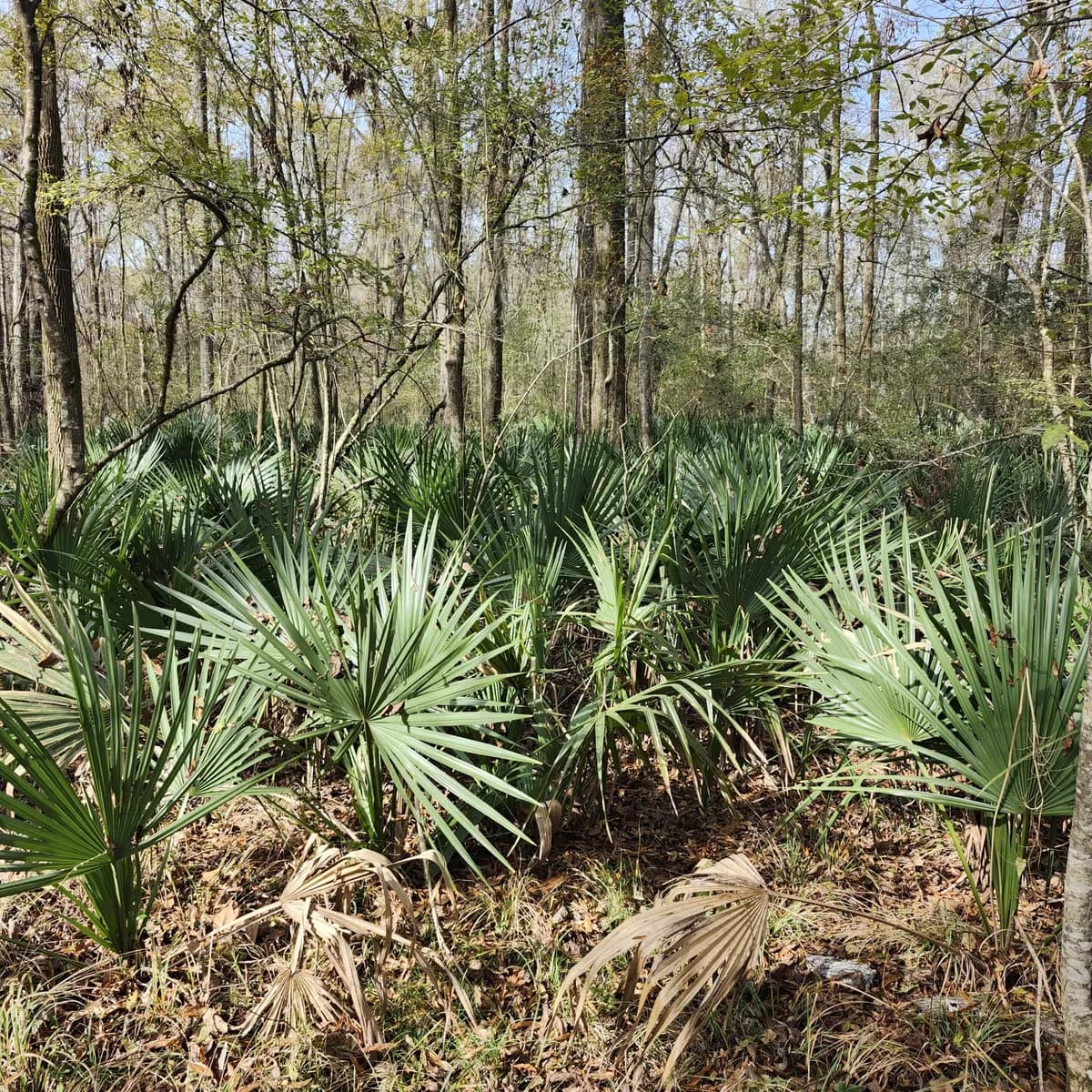
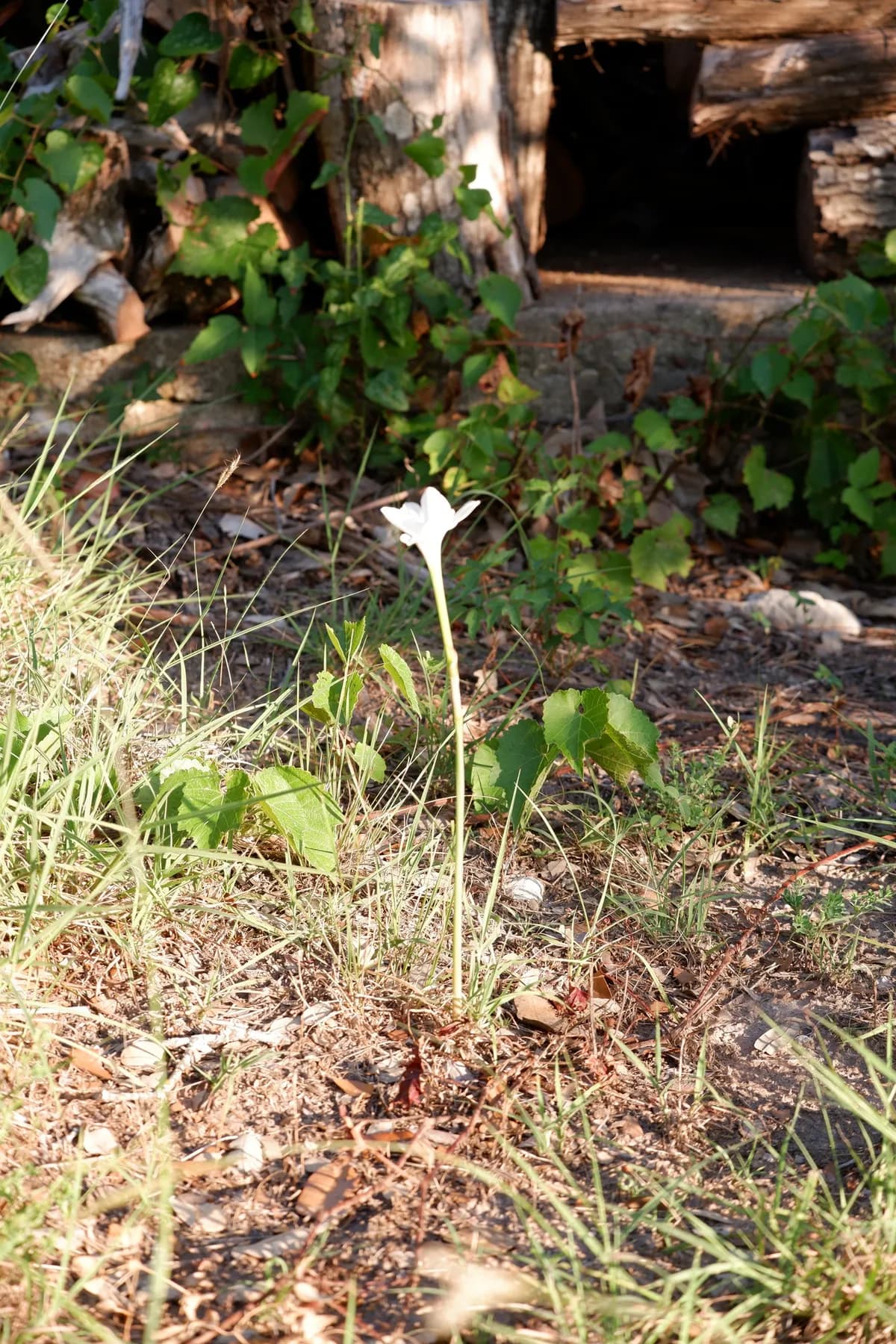
3 native plants suited to the Coastal Prairies of Texas.
The Coastal Prairies stretch along the Gulf Coast from Louisiana through Houston down to Corpus Christi and the Rio Grande Delta. It is humid, low-elevation, and historically dominated by tallgrass prairie and salt marsh. Plants here tolerate humidity, occasional flooding, and salt spray near the coast.
Conditions: Sandy to clay loam, mostly neutral to slightly alkaline, 35–55 inches annual rainfall, humid subtropical climate, hurricane risk.
Cities and areas: Houston, Galveston, Corpus Christi, Beaumont, Port Arthur, Victoria.
3 Native Plants for the Coastal Prairies
All non-toxic per the ASPCA Animal Poison Control Center plant database. Click a plant for full ecoregion-specific maintenance and HOA-friendly notes.

825 More Natives for the Coastal Prairies
From our full plant database, HOA-friendly picks first. Pet-safety status varies by species; each plant page shows its sourced ASPCA status.

Little Bluestem
Schizachyrium scoparium
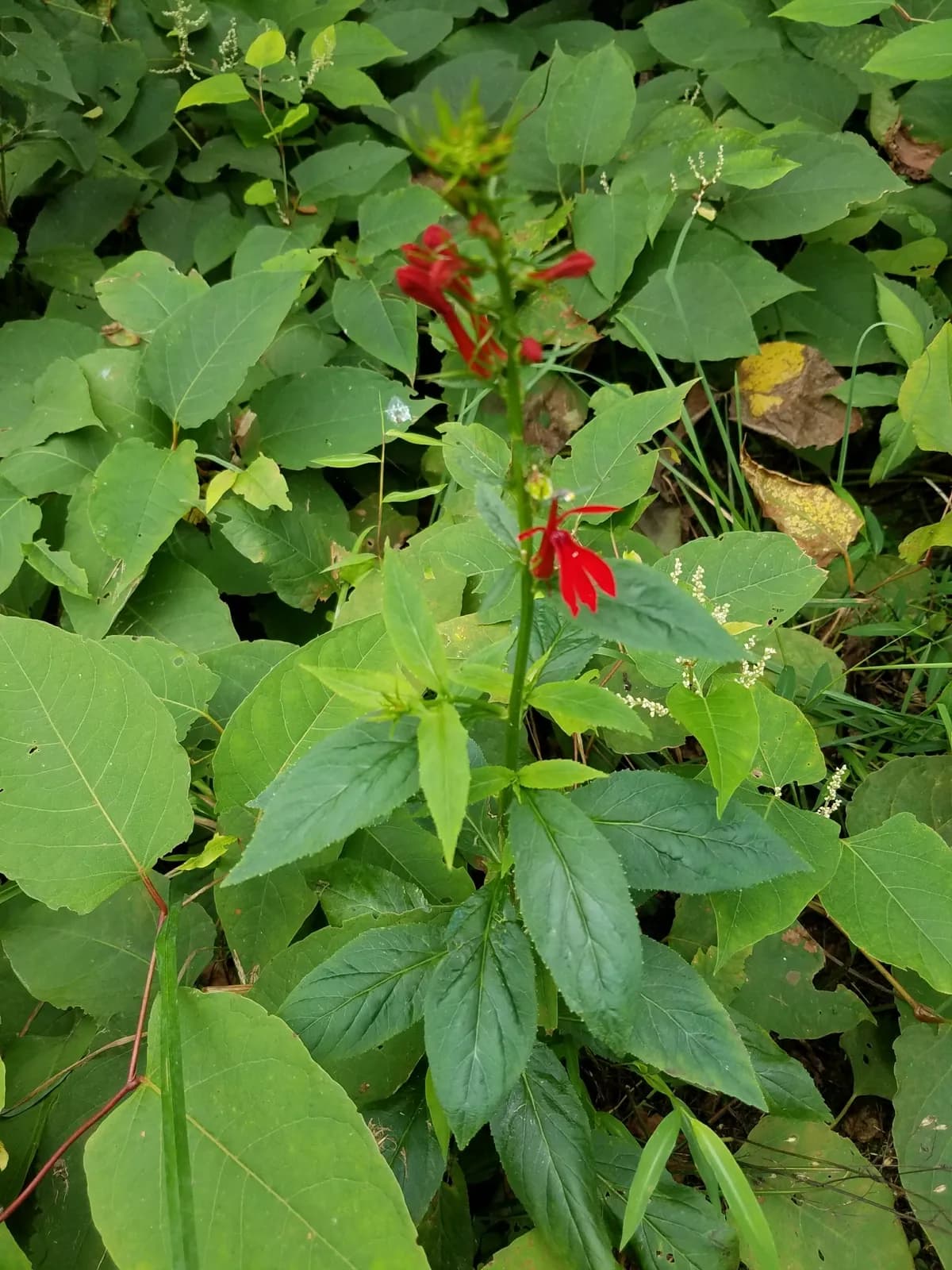
Cardinal Flower
Lobelia cardinalis
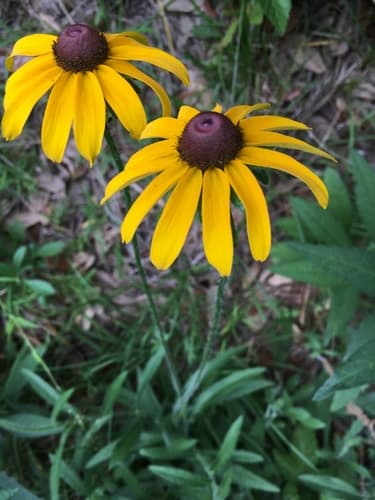
Black-eyed Susan
Rudbeckia hirta
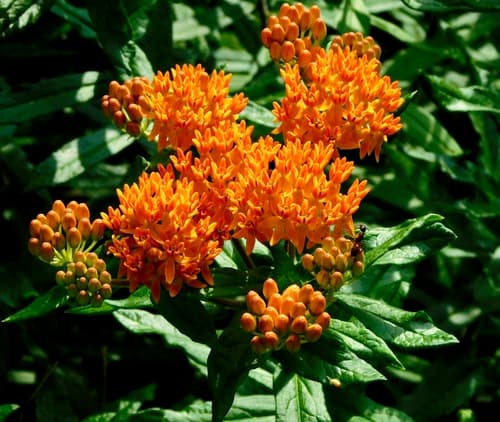
Butterfly Milkweed
Asclepias tuberosa
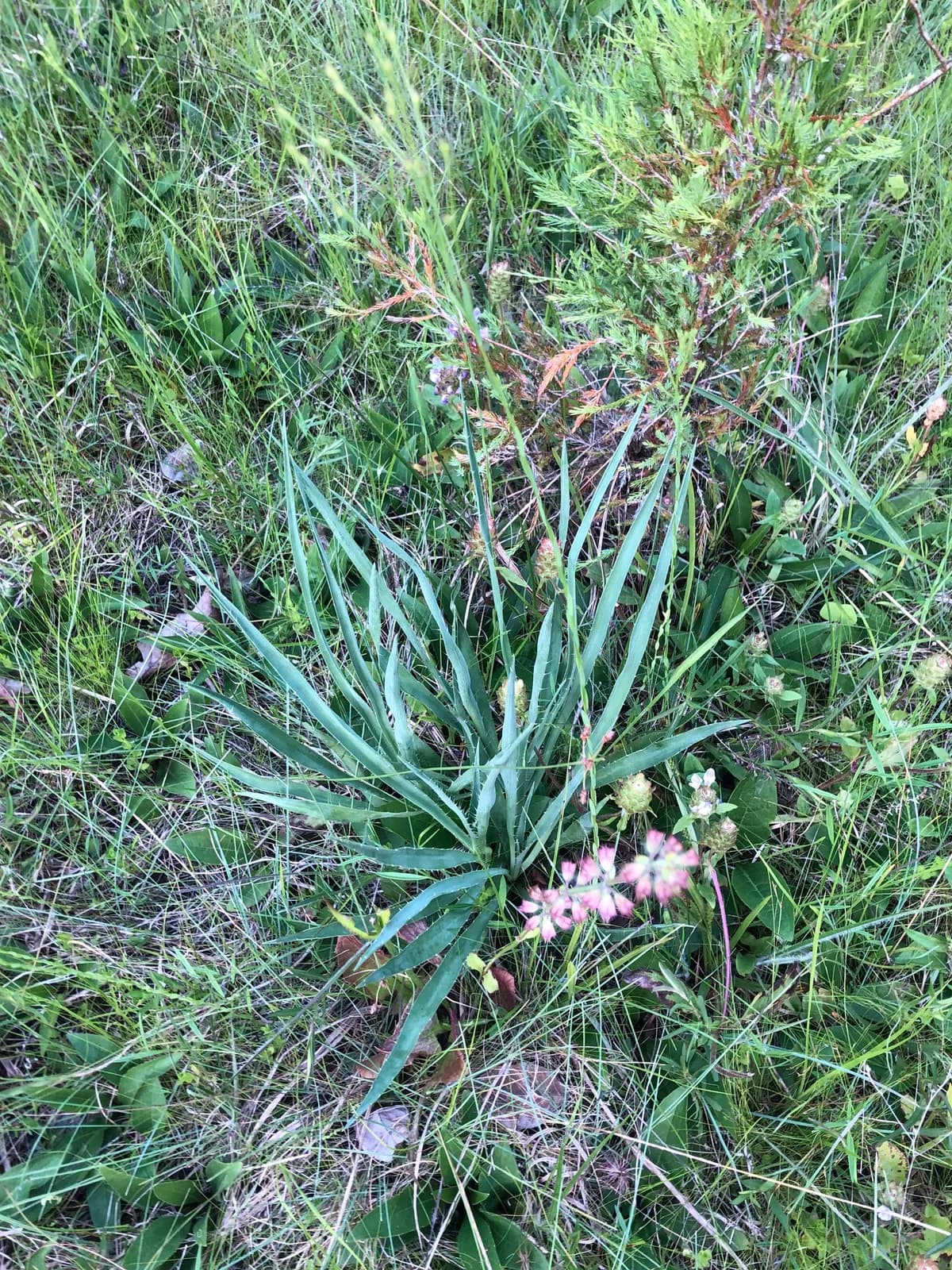
Rattlesnake Master
Eryngium yuccifolium
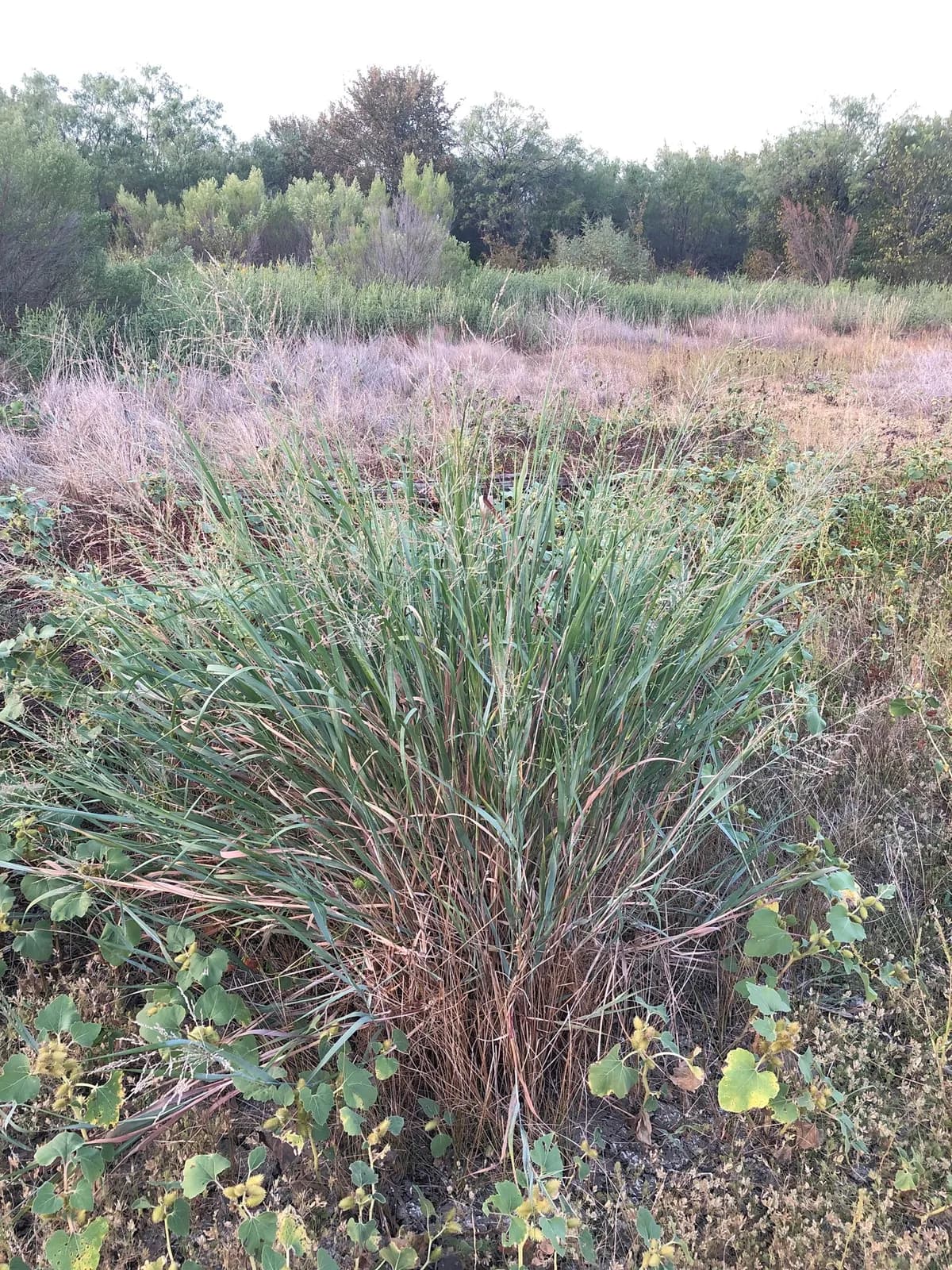
Switchgrass
Panicum virgatum
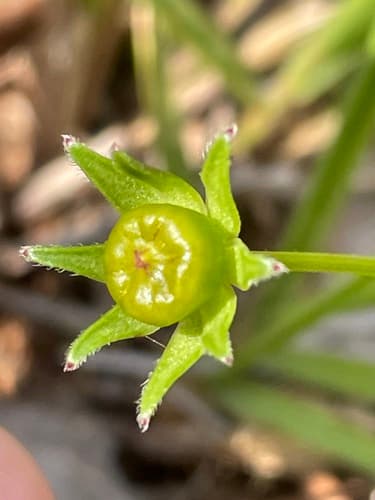
Lanceleaf Coreopsis
Coreopsis lanceolata
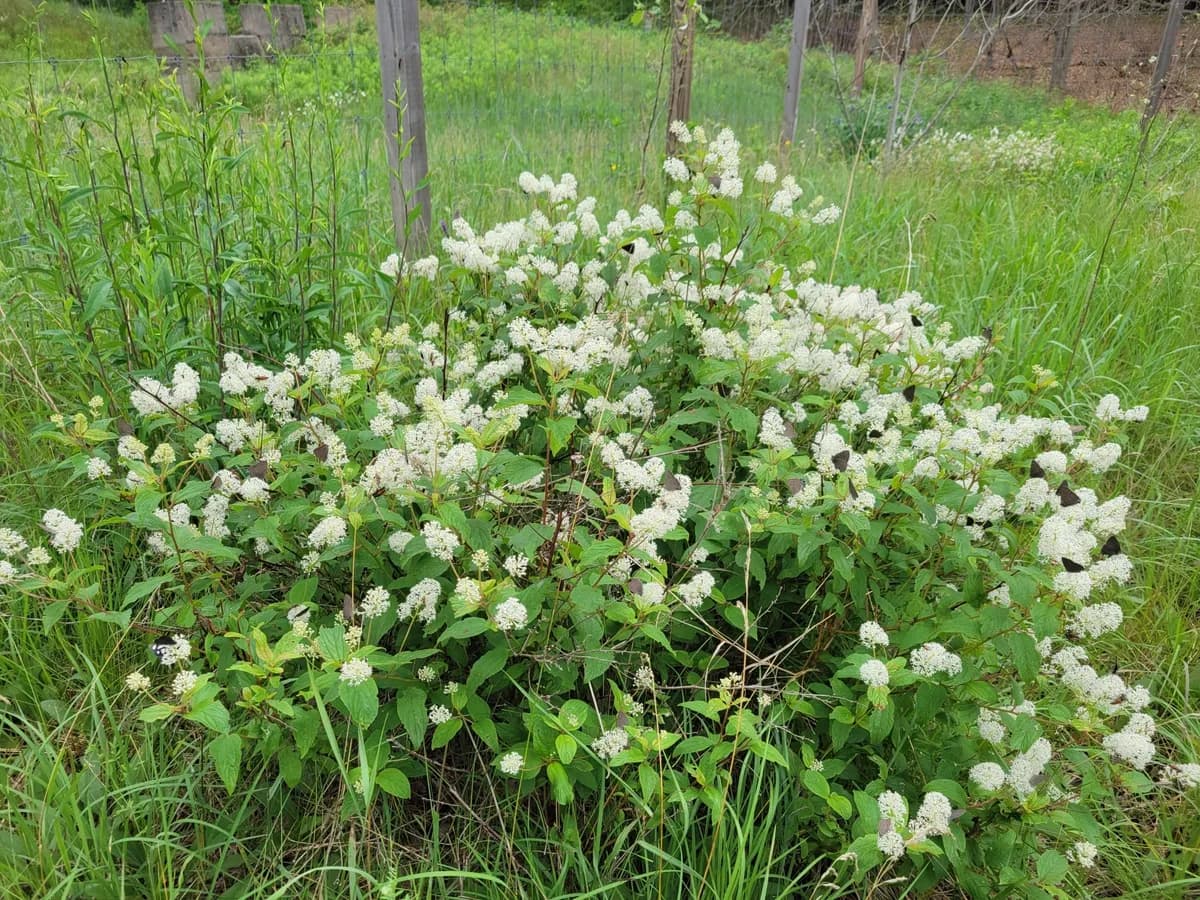
New Jersey-tea
Ceanothus americanus
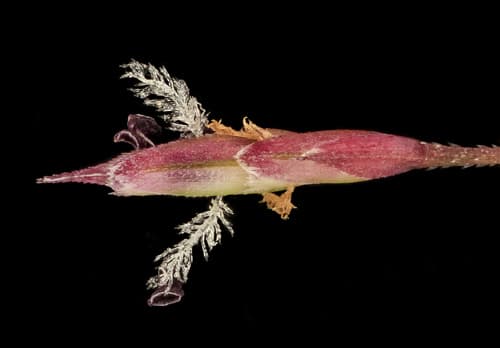
Purple Lovegrass
Eragrostis spectabilis
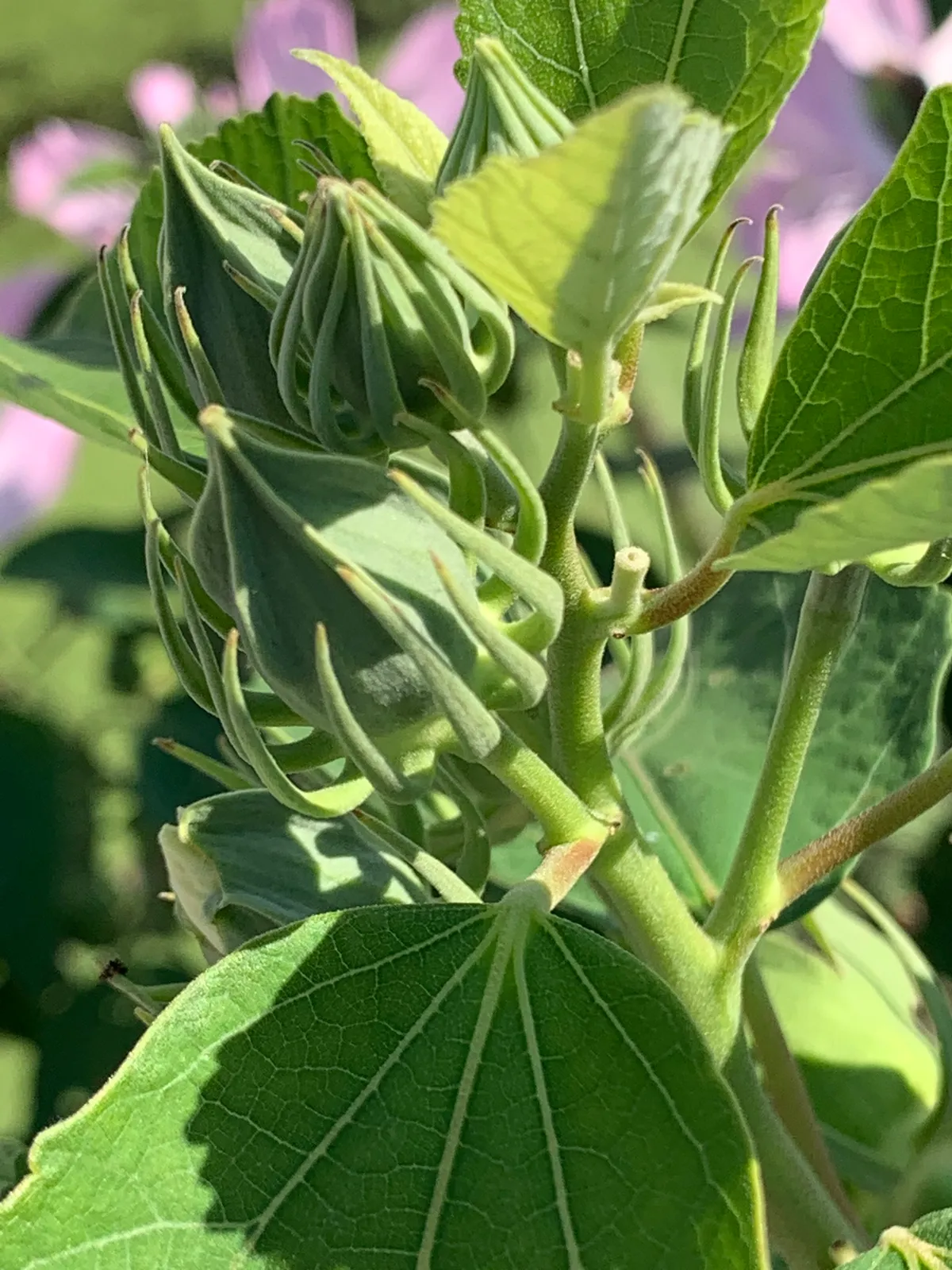
Mallow-rose
Hibiscus moscheutos

Sideoats Grama
Bouteloua curtipendula
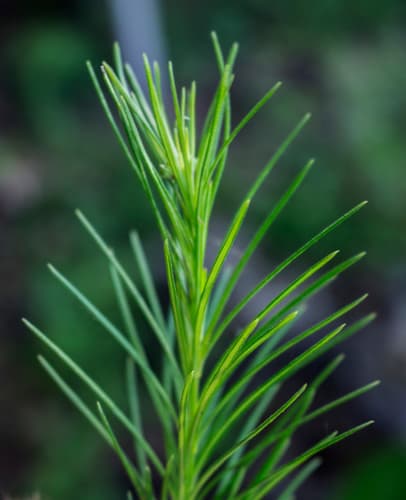
Whorled Milkweed
Asclepias verticillata
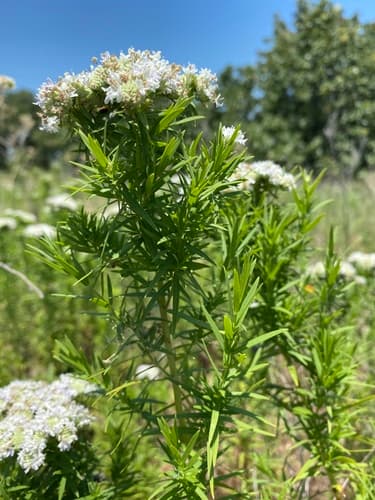
Narrowleaf Mountain Mint
Pycnanthemum tenuifolium

Inland Sea Oats
Chasmanthium latifolium
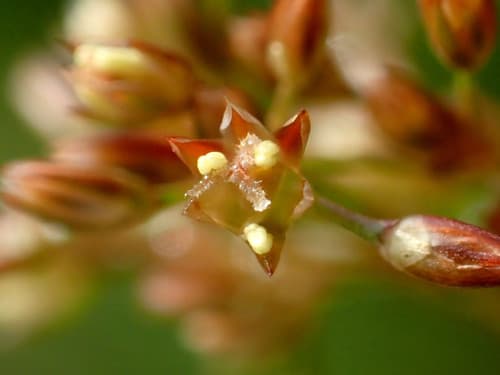
Soft rush
Juncus effusus
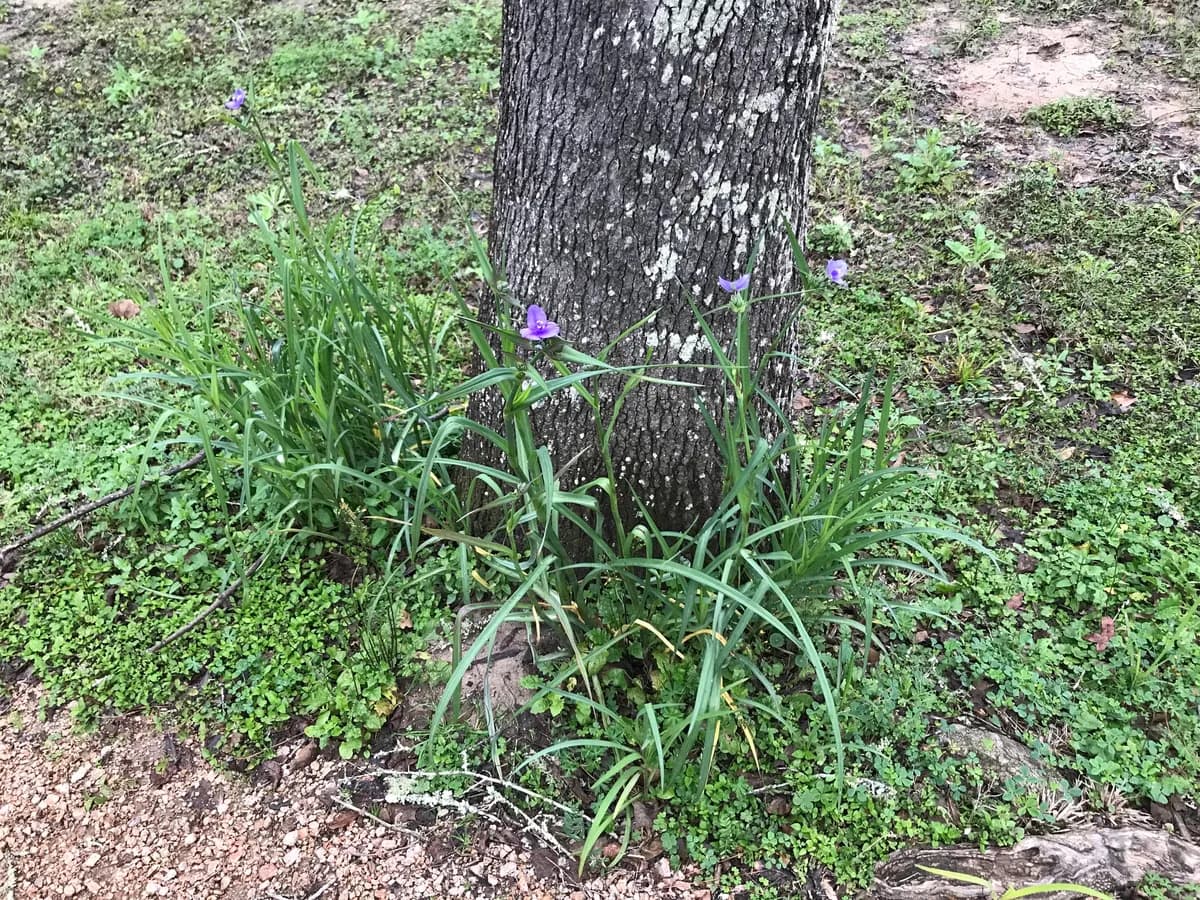
Smooth Spiderwort
Tradescantia ohiensis
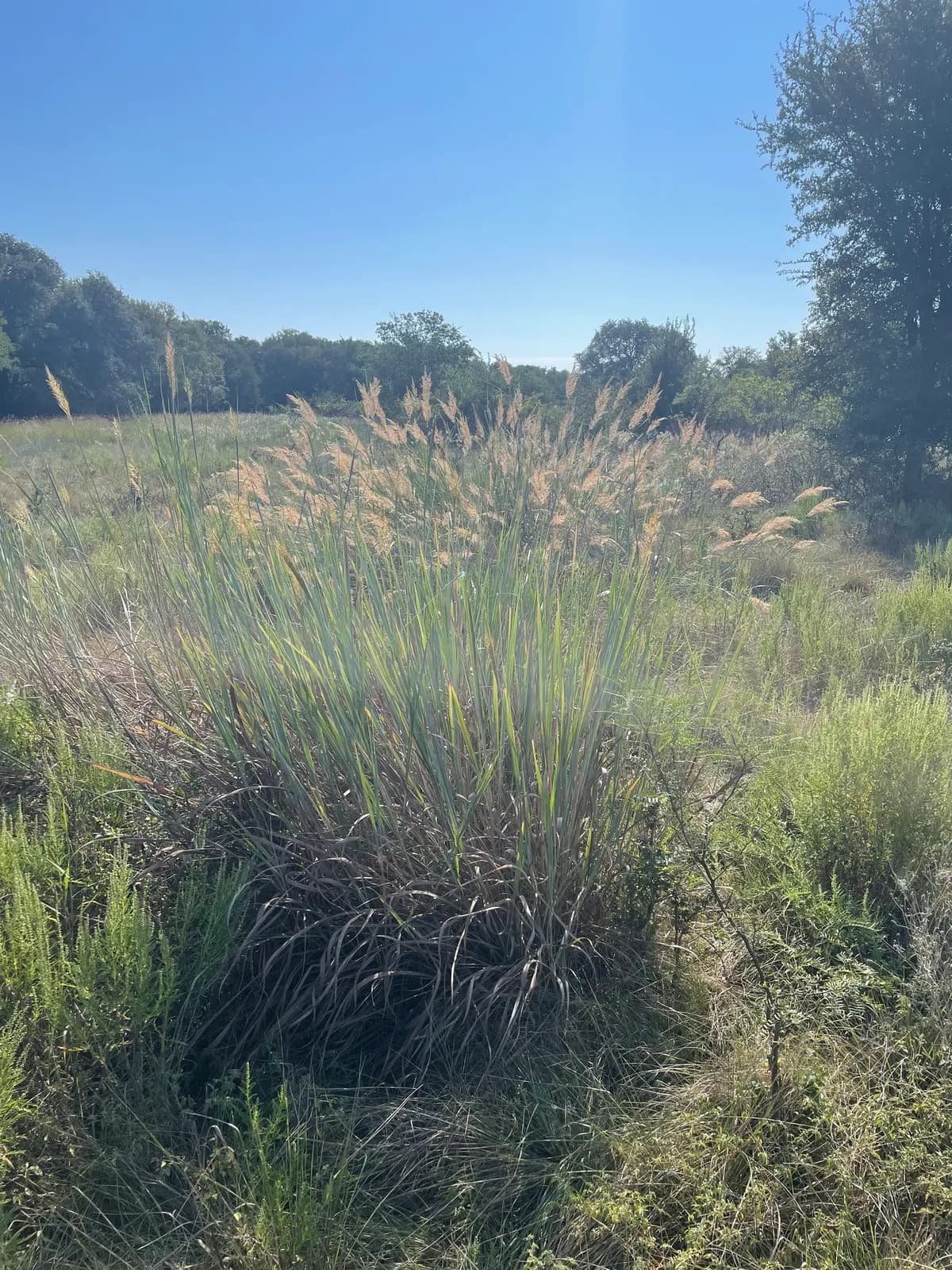
Indiangrass
Sorghastrum nutans
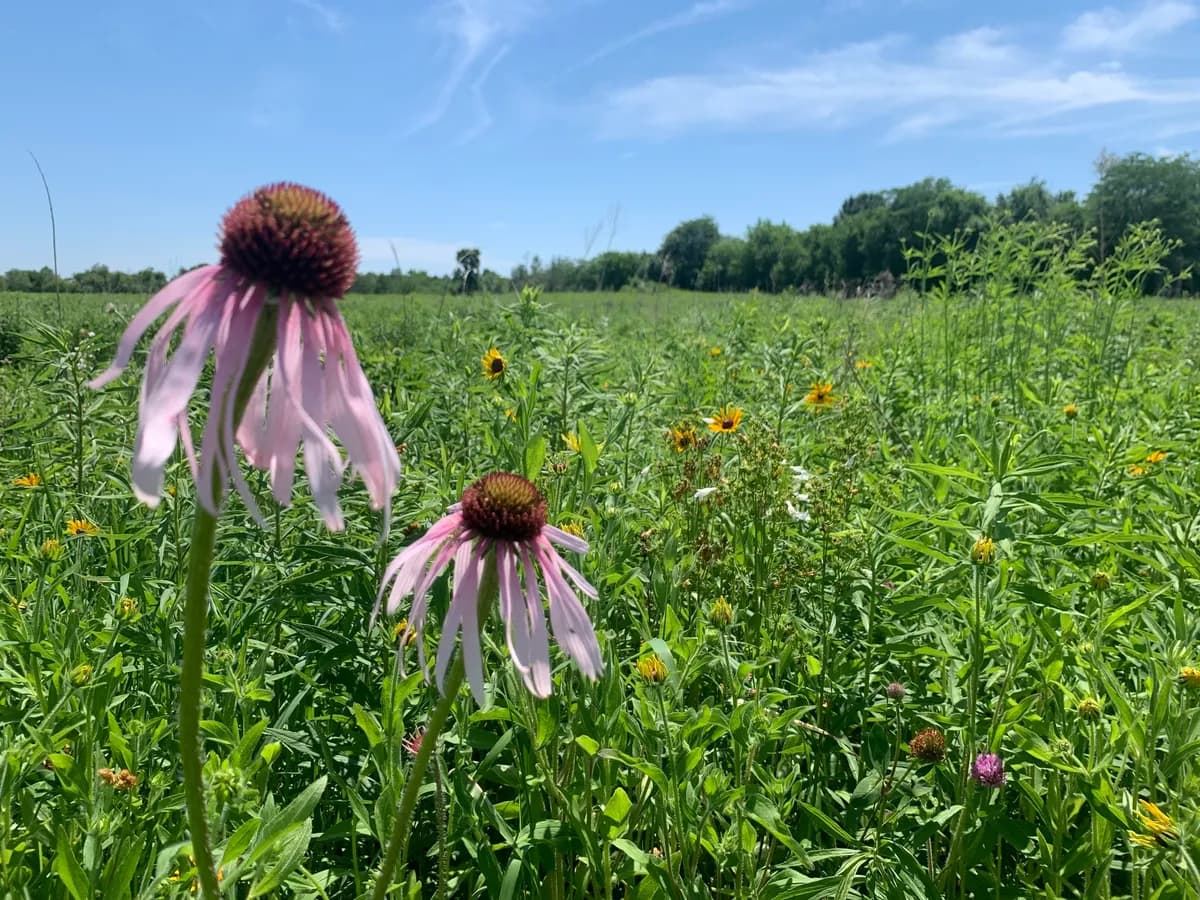
Pale Purple Coneflower
Echinacea pallida
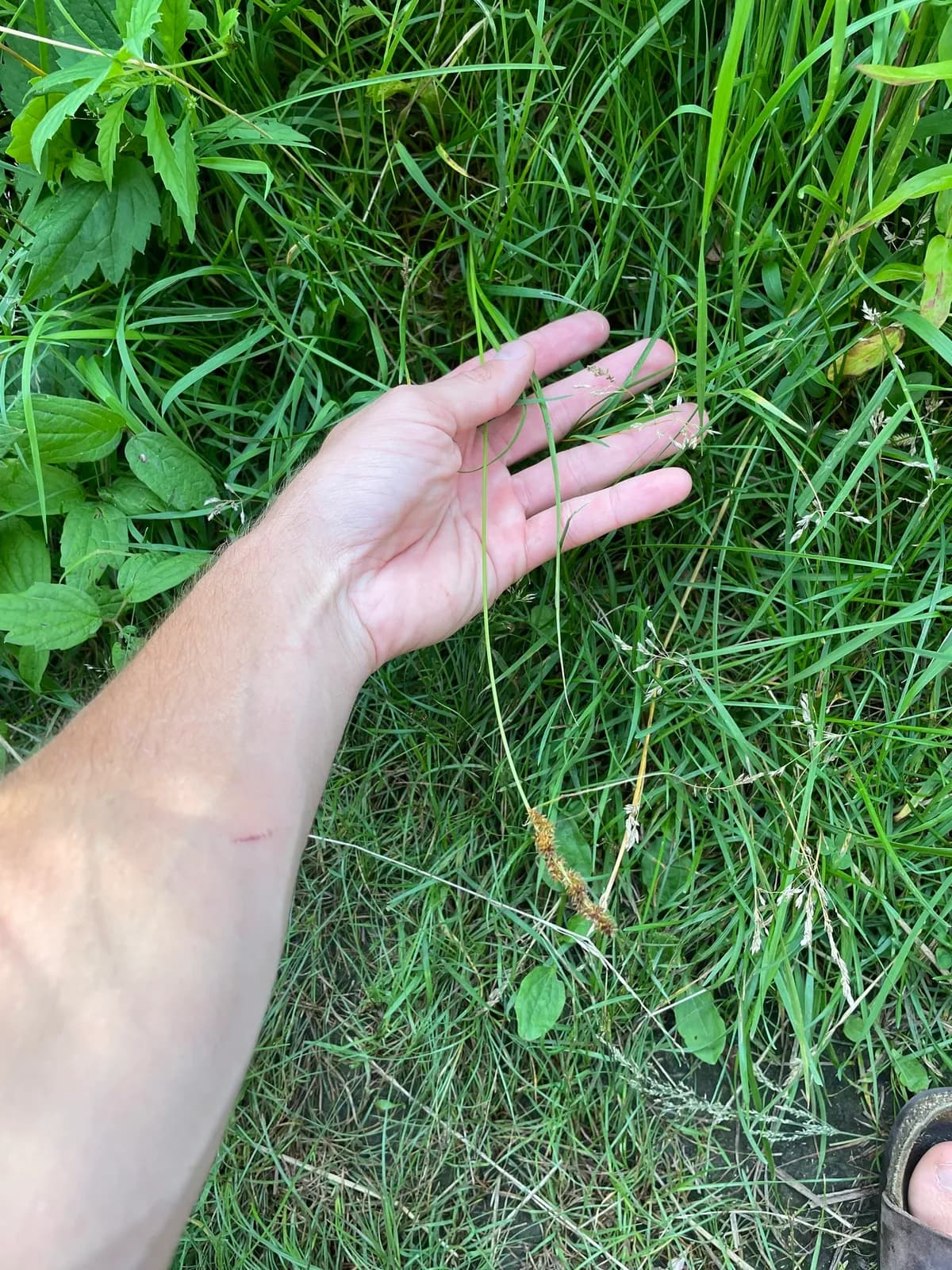
American Fox Sedge
Carex vulpinoidea

Coral Honeysuckle
Lonicera sempervirens
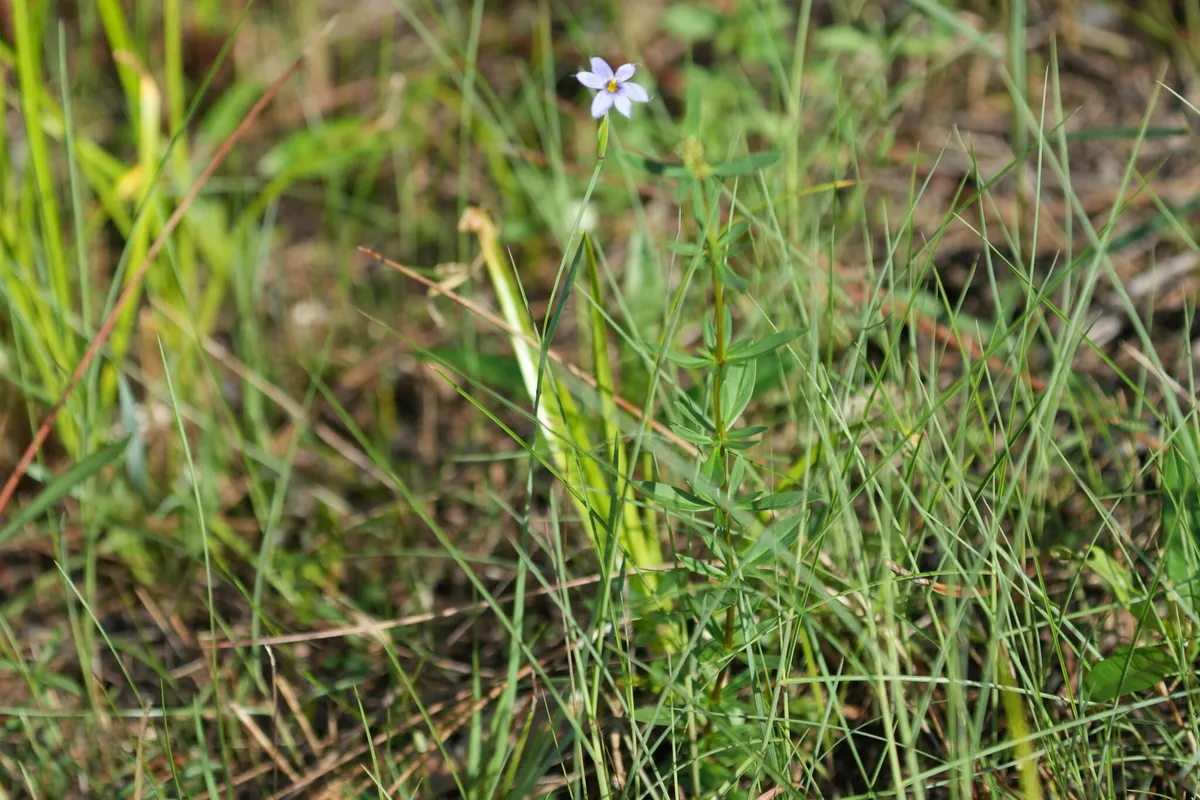
Narrowleaf Blue-eyed Grass
Sisyrinchium angustifolium
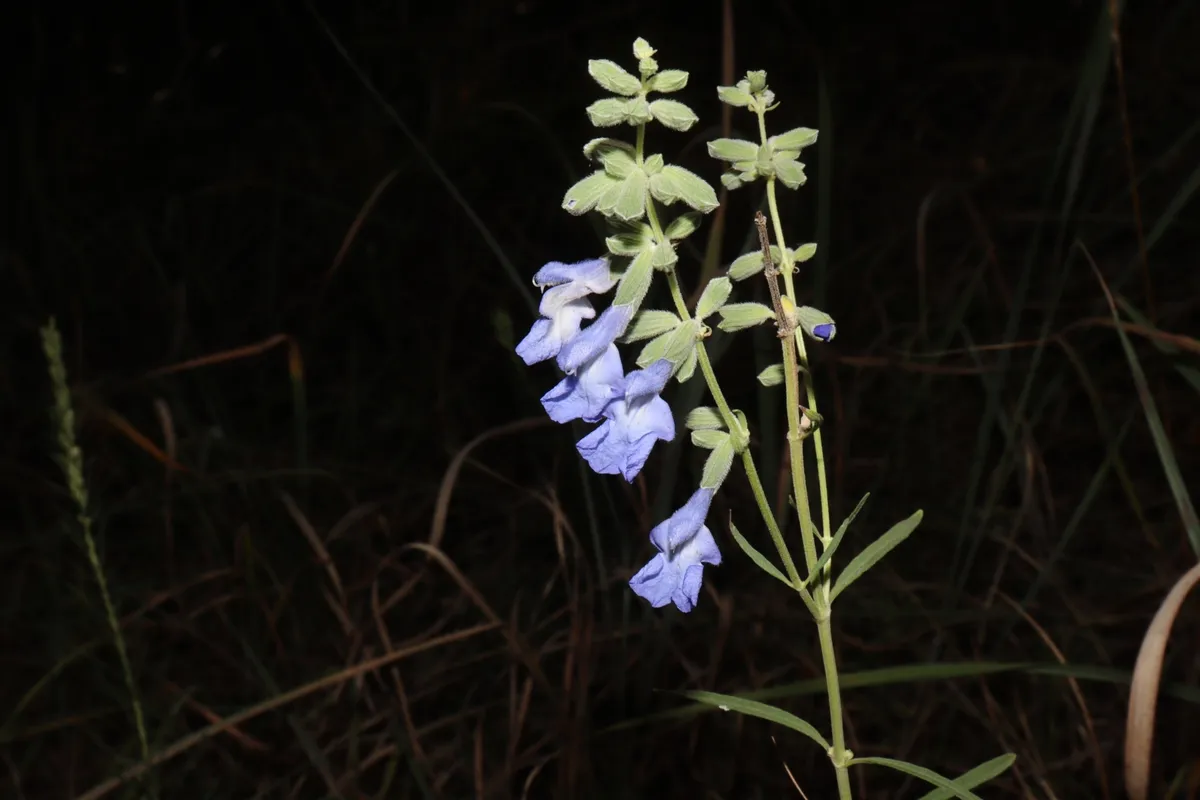
Azure Sage
Salvia azurea
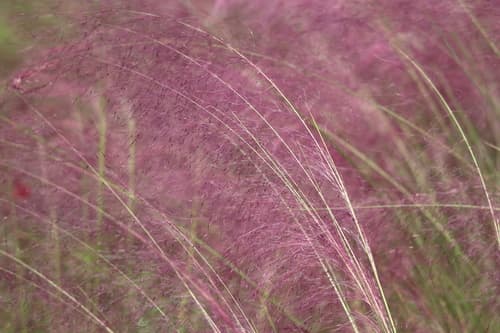
Gulf Muhly
Muhlenbergia capillaris
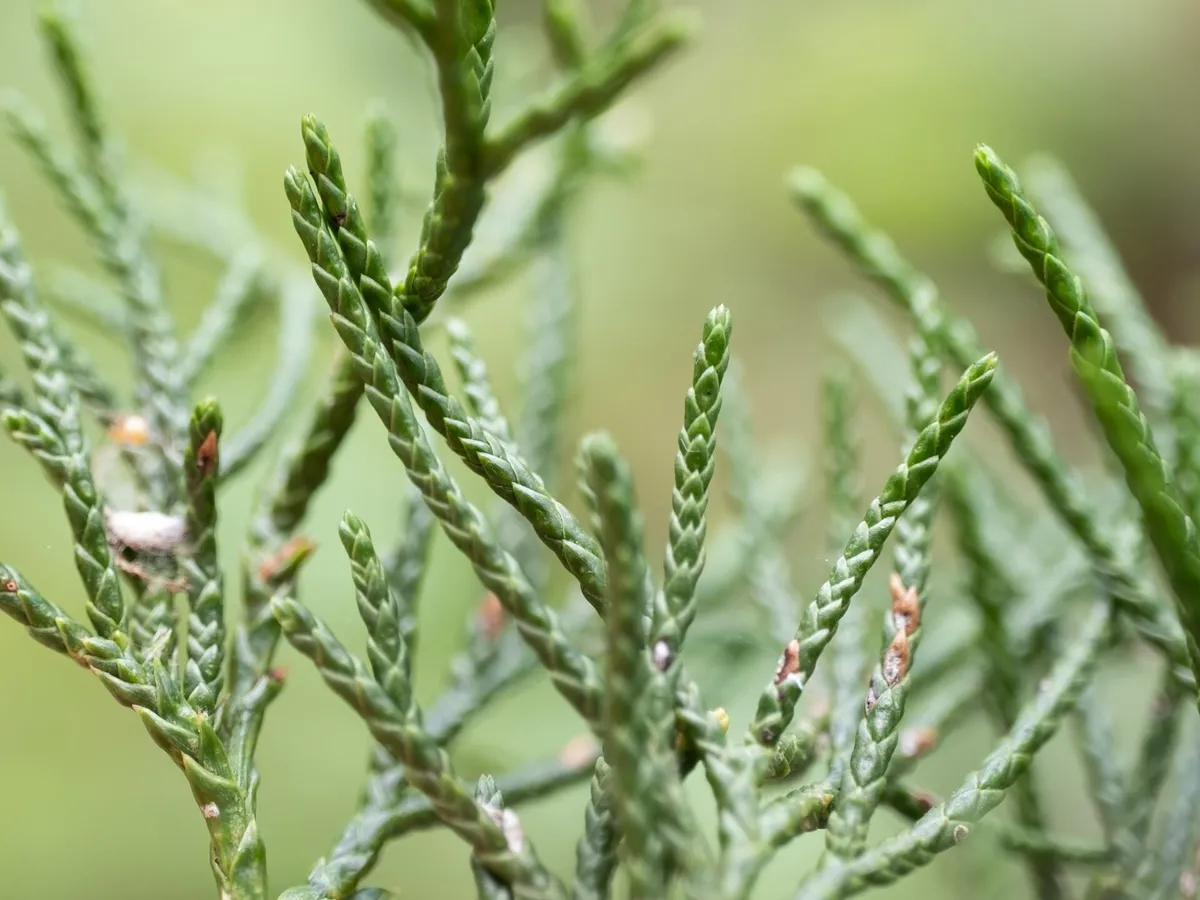
Eastern Red Cedar
Juniperus virginiana
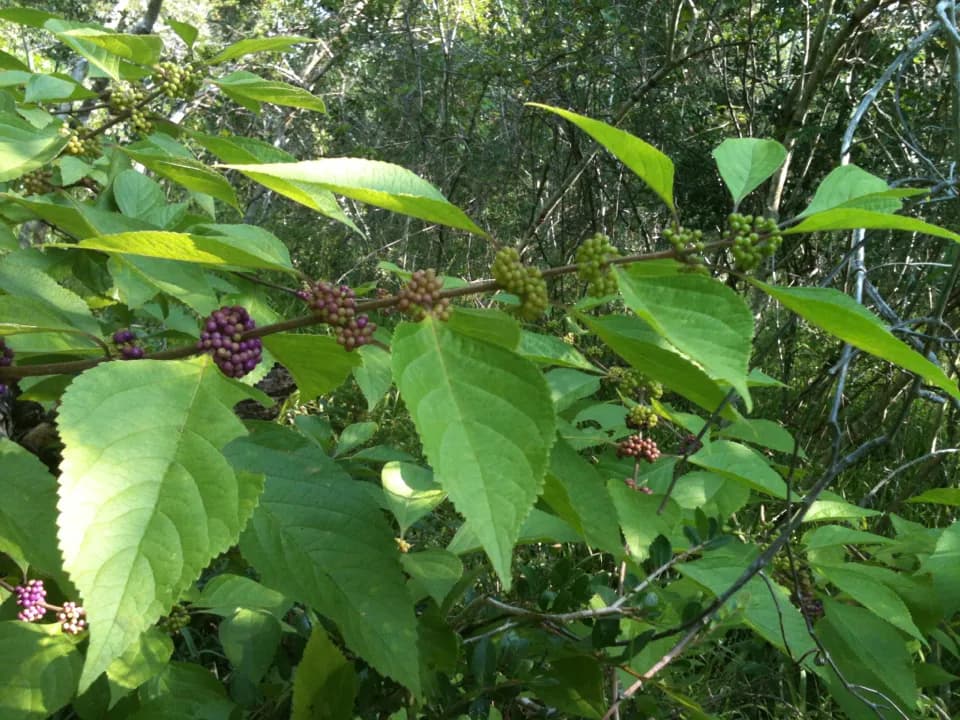
American Beautyberry
Callicarpa americana
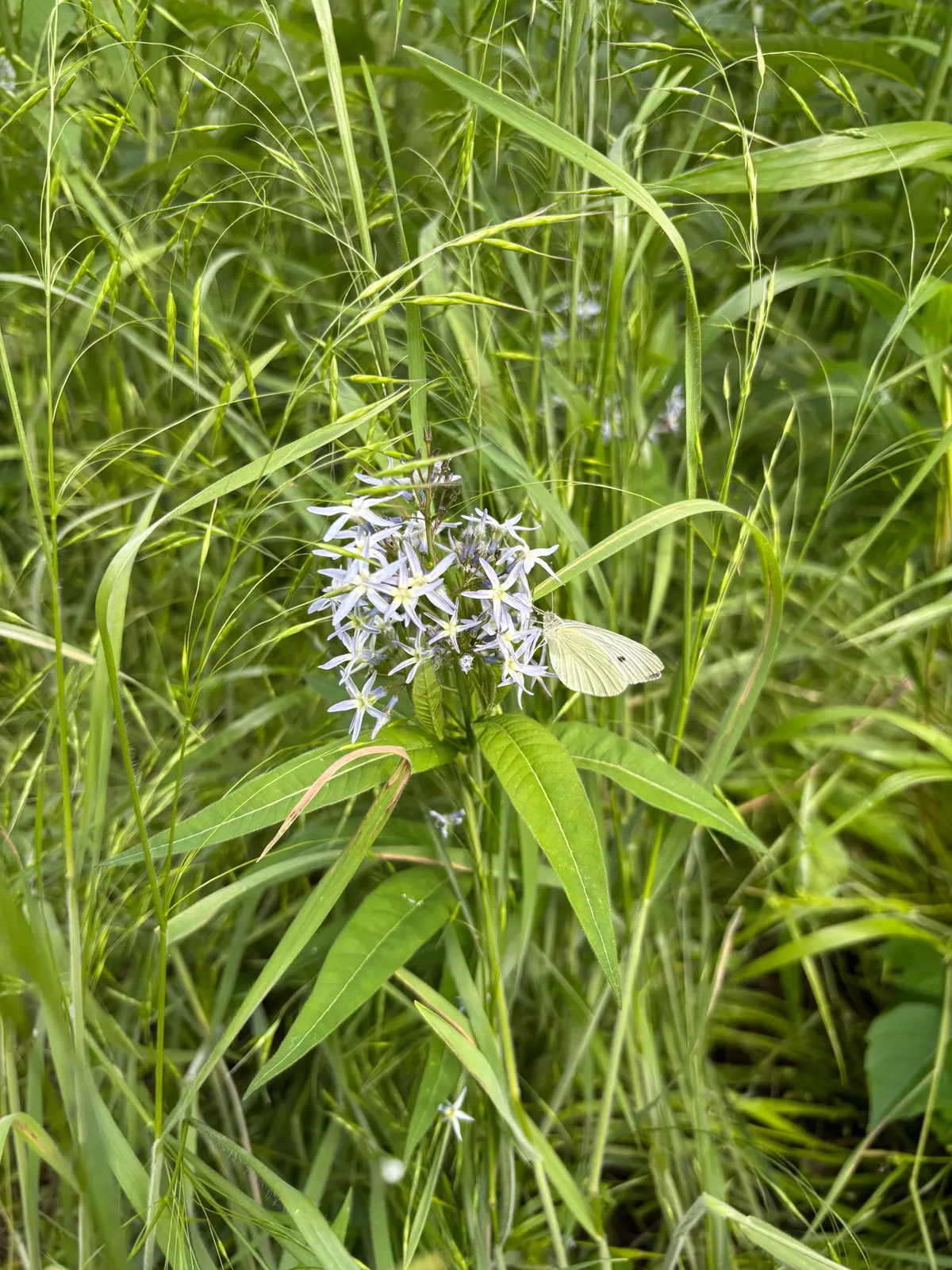
Eastern Bluestar
Amsonia tabernaemontana
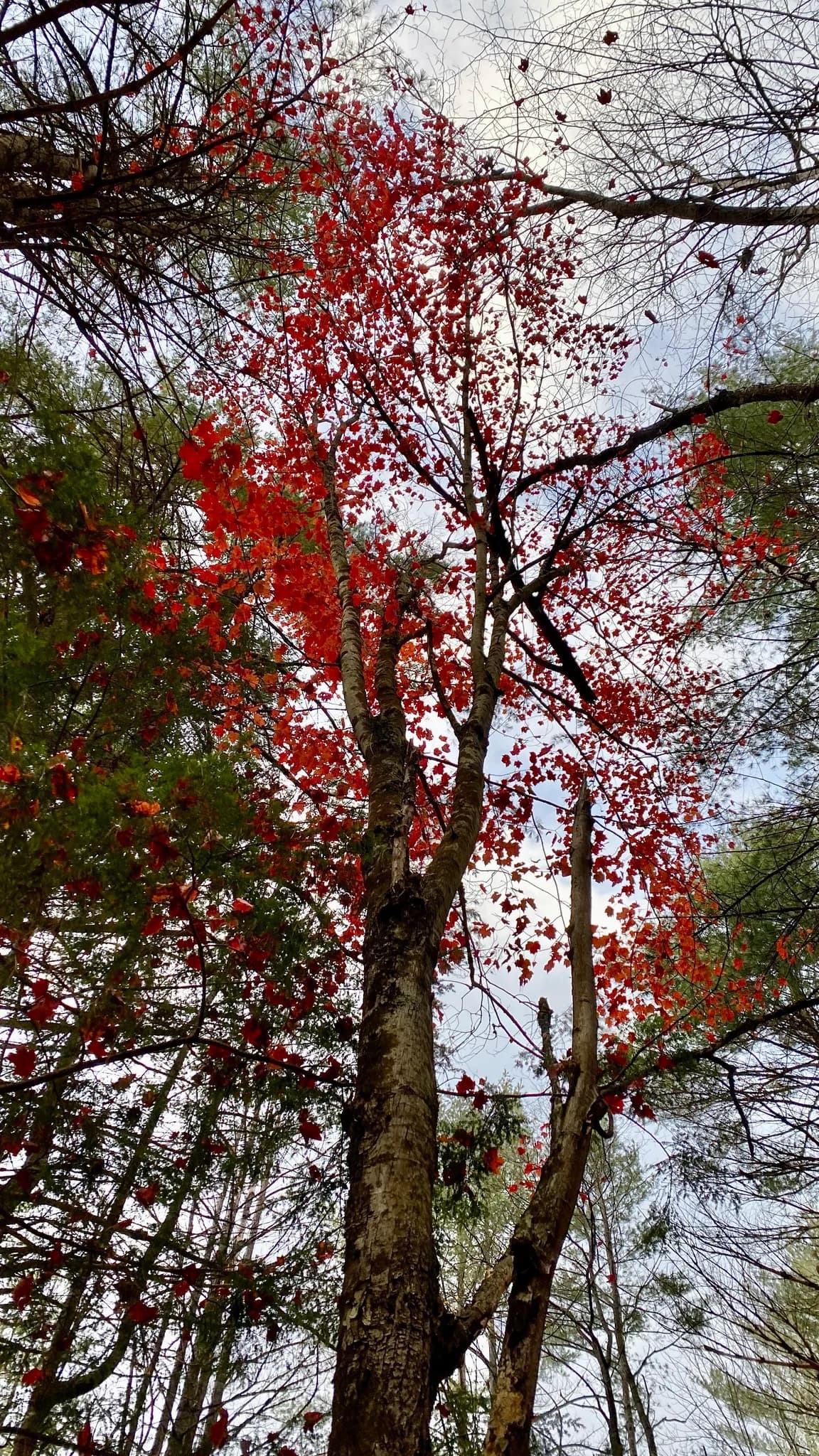
Red Maple
Acer rubrum
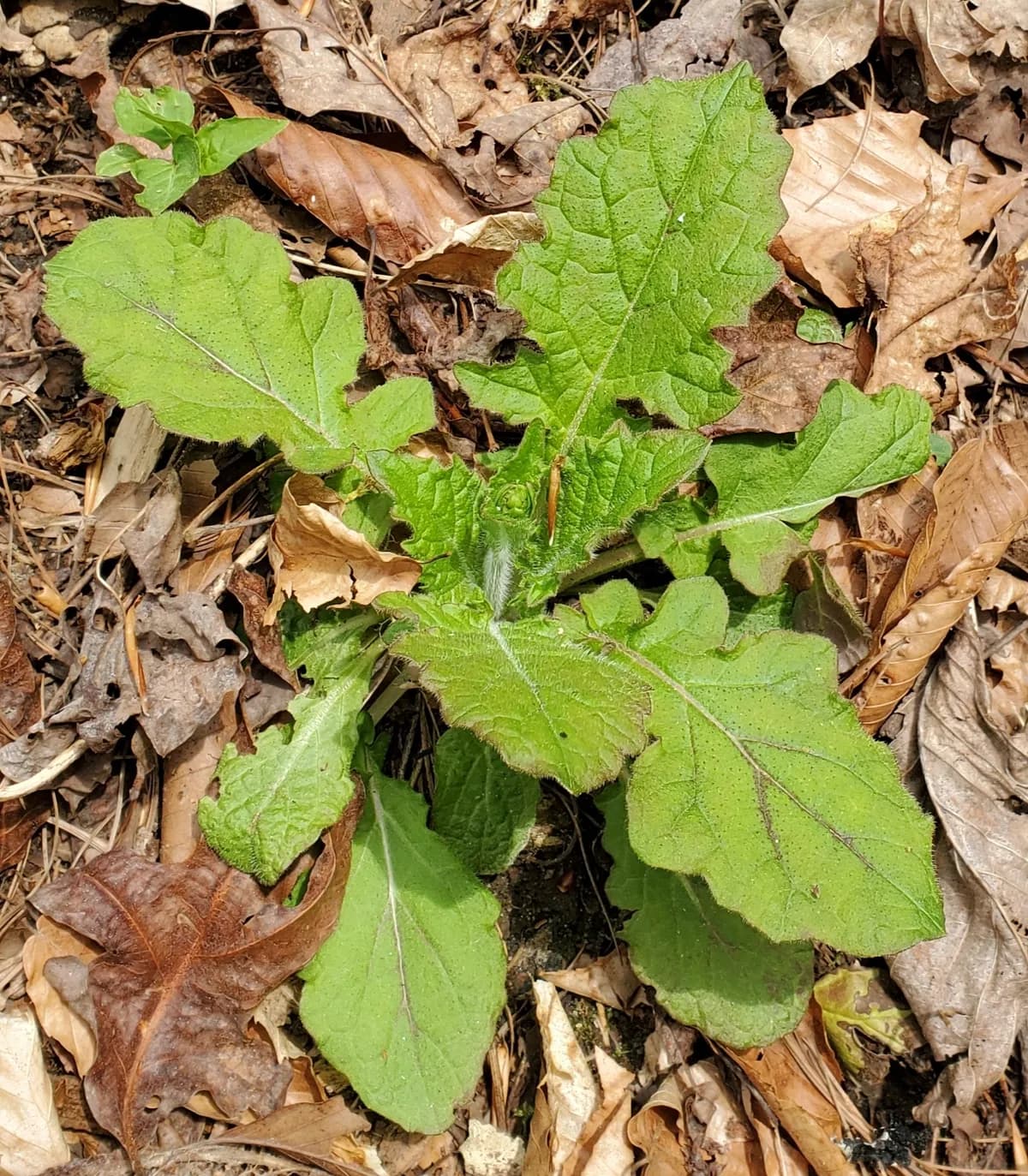
Lyre Leaf Sage
Salvia lyrata
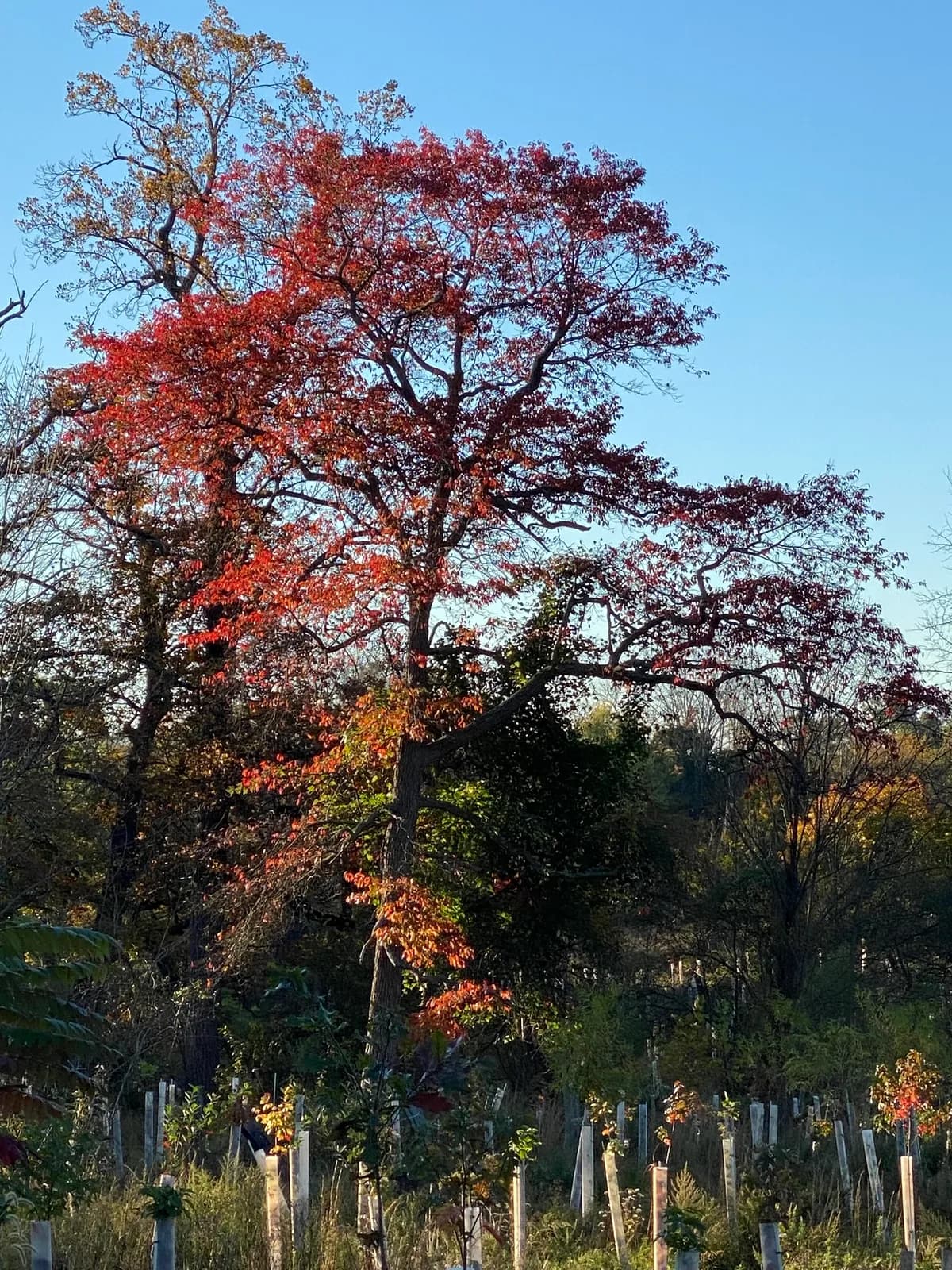
Black Gum
Nyssa sylvatica
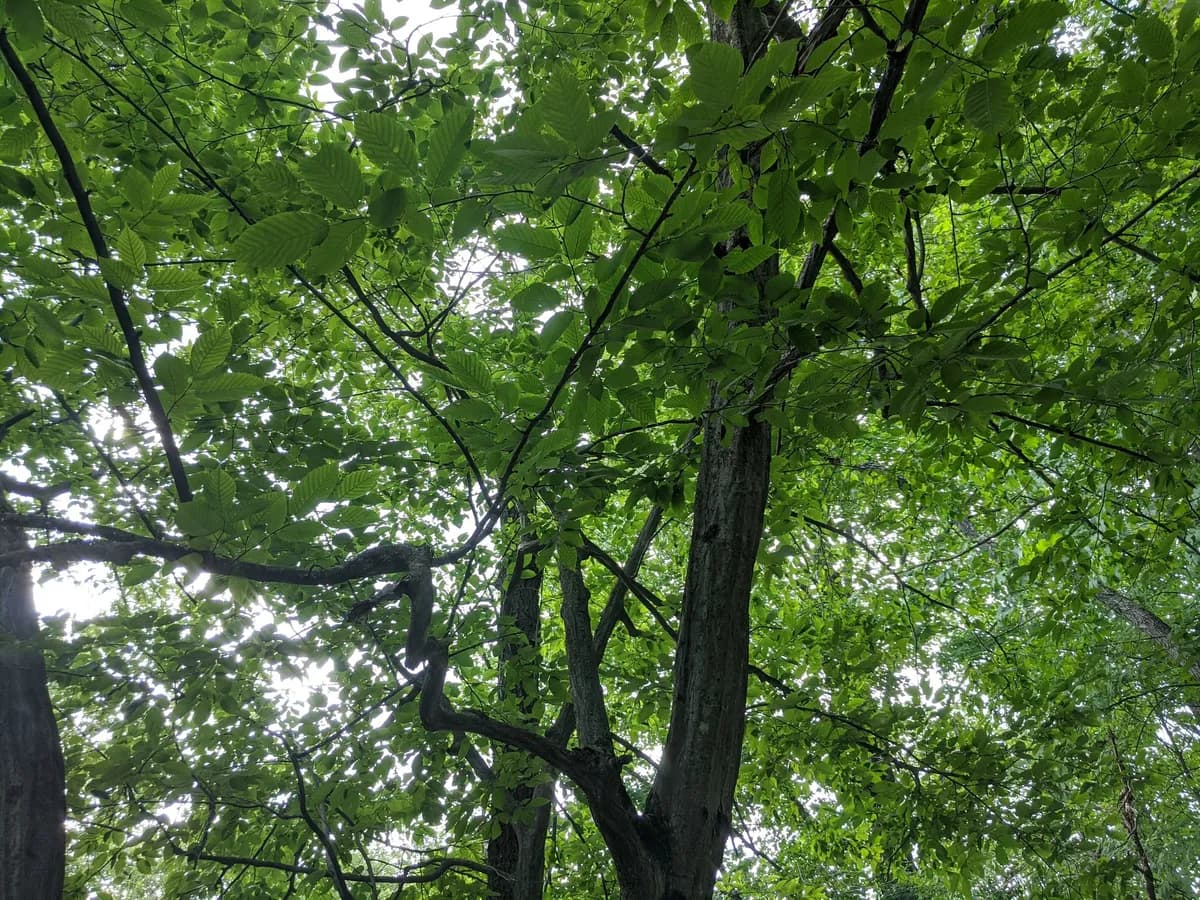
Hornbeam
Carpinus caroliniana
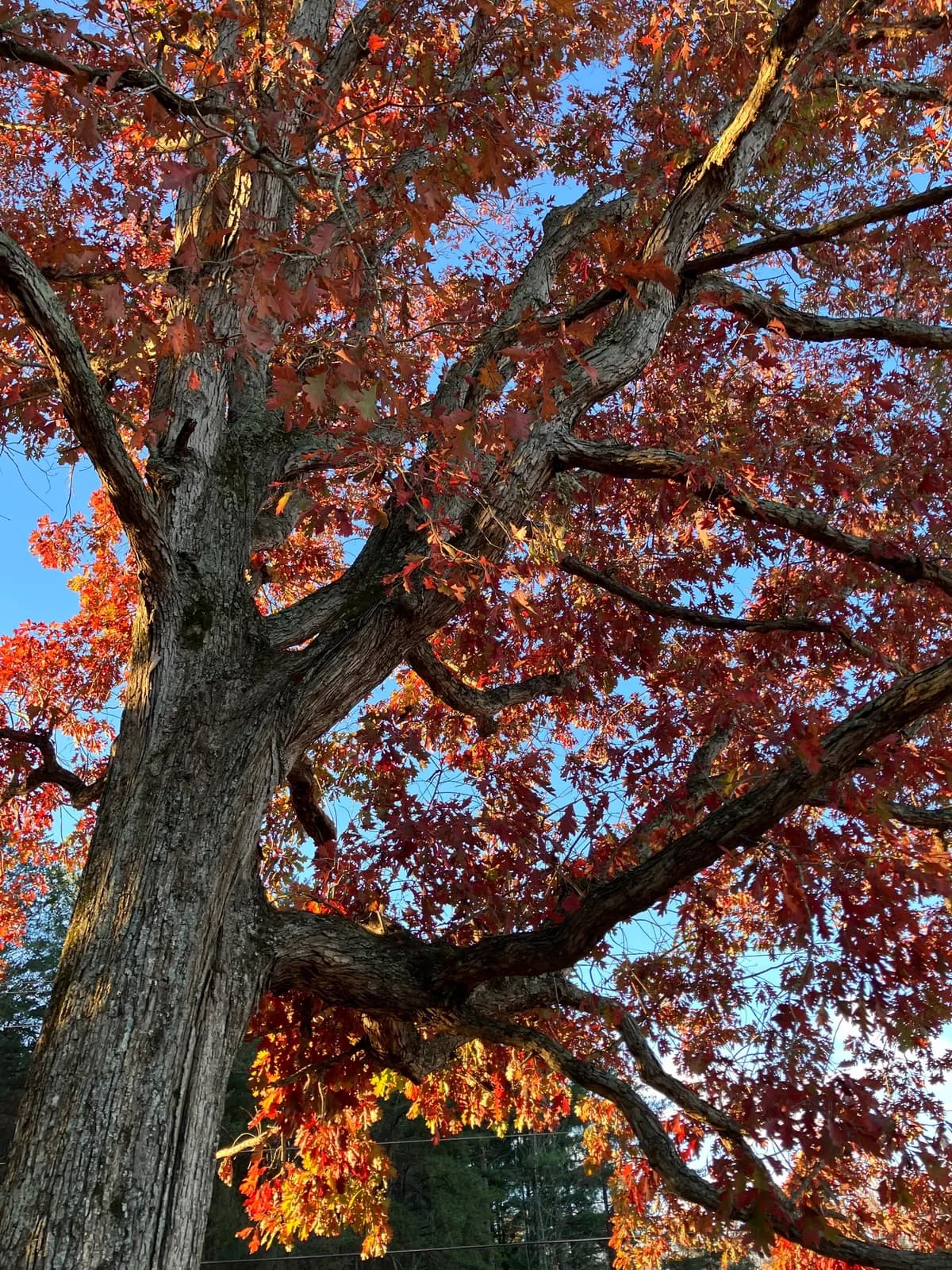
White Oak
Quercus alba

Fragrant Phlox
Phlox pilosa

Mexican Hat
Ratibida columnifera

Prairie Petunia
Ruellia humilis
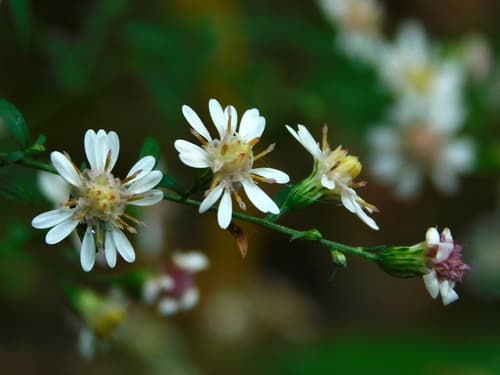
Calico Aster
Symphyotrichum lateriflorum
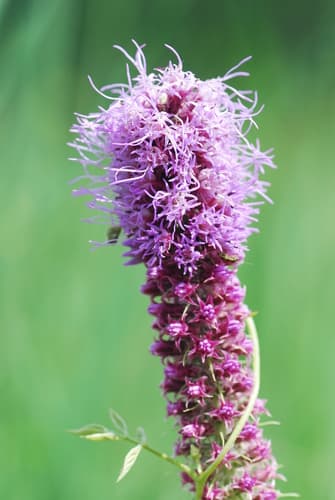
Prairie Gayfeather
Liatris pycnostachya
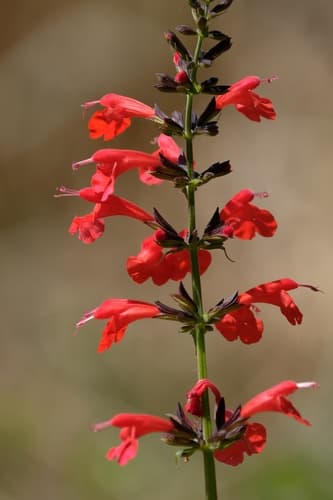
Scarlet Sage
Salvia coccinea
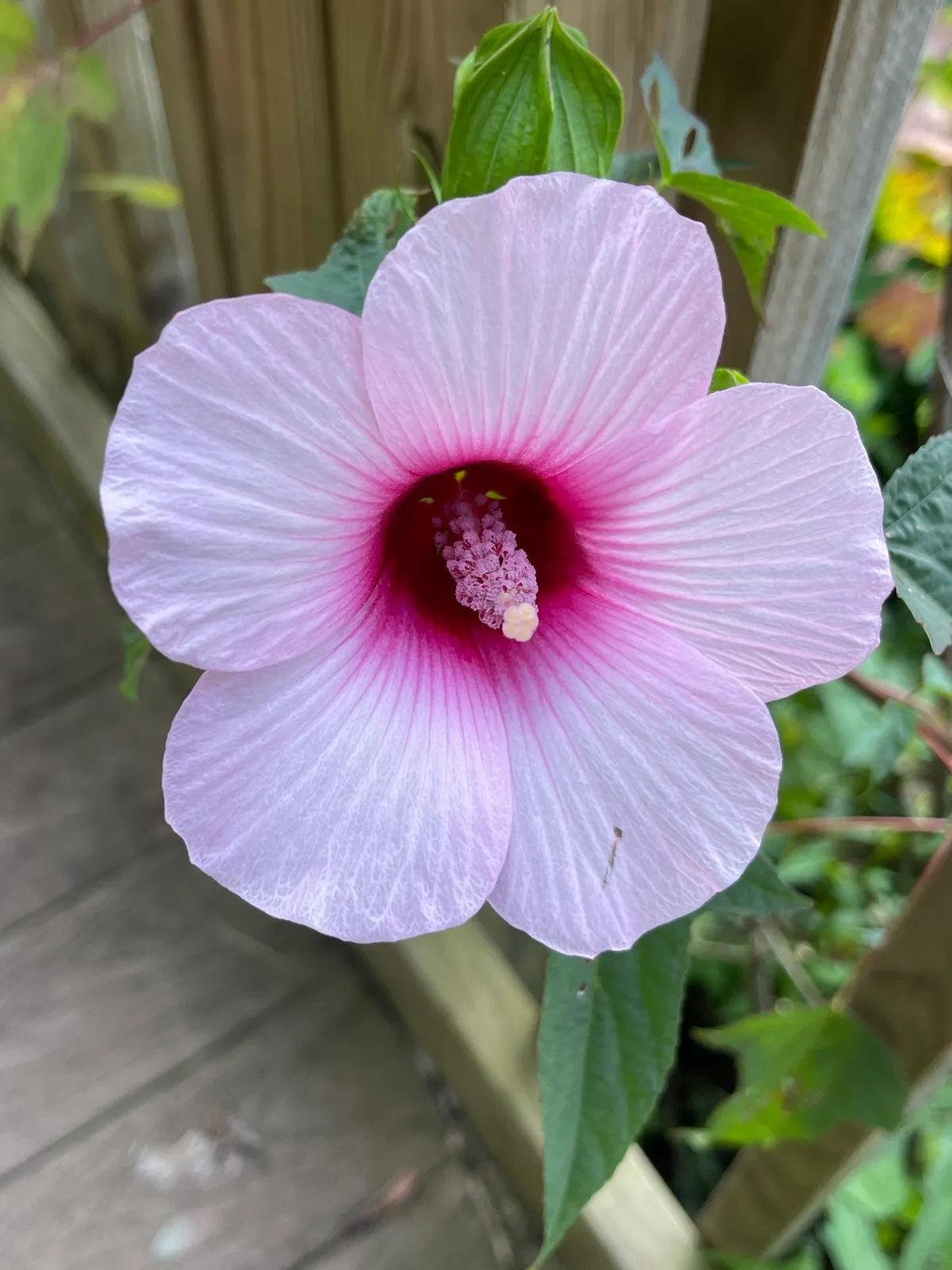
Halberd Leaf Hibiscus
Hibiscus laevis
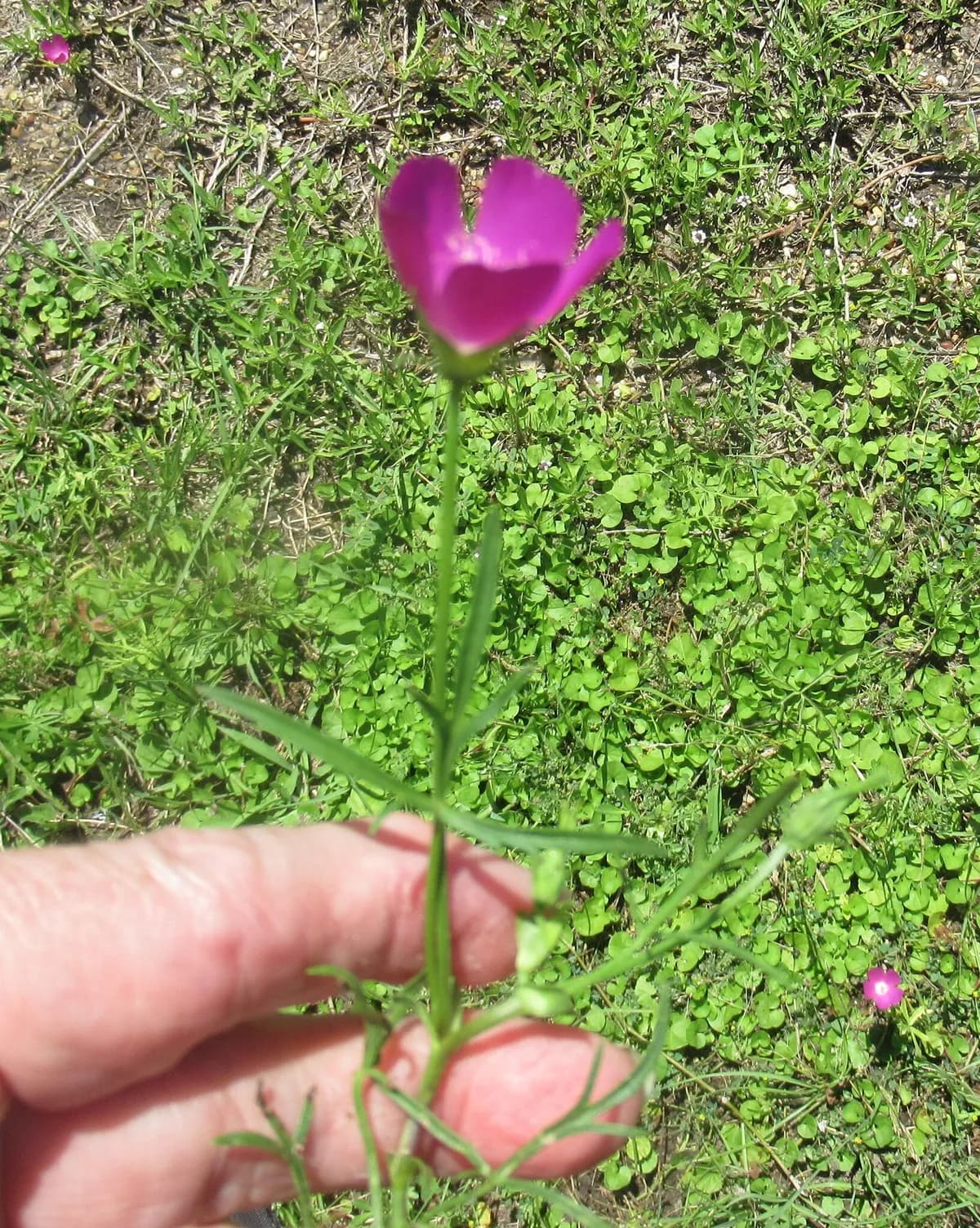
Winecup
Callirhoe involucrata
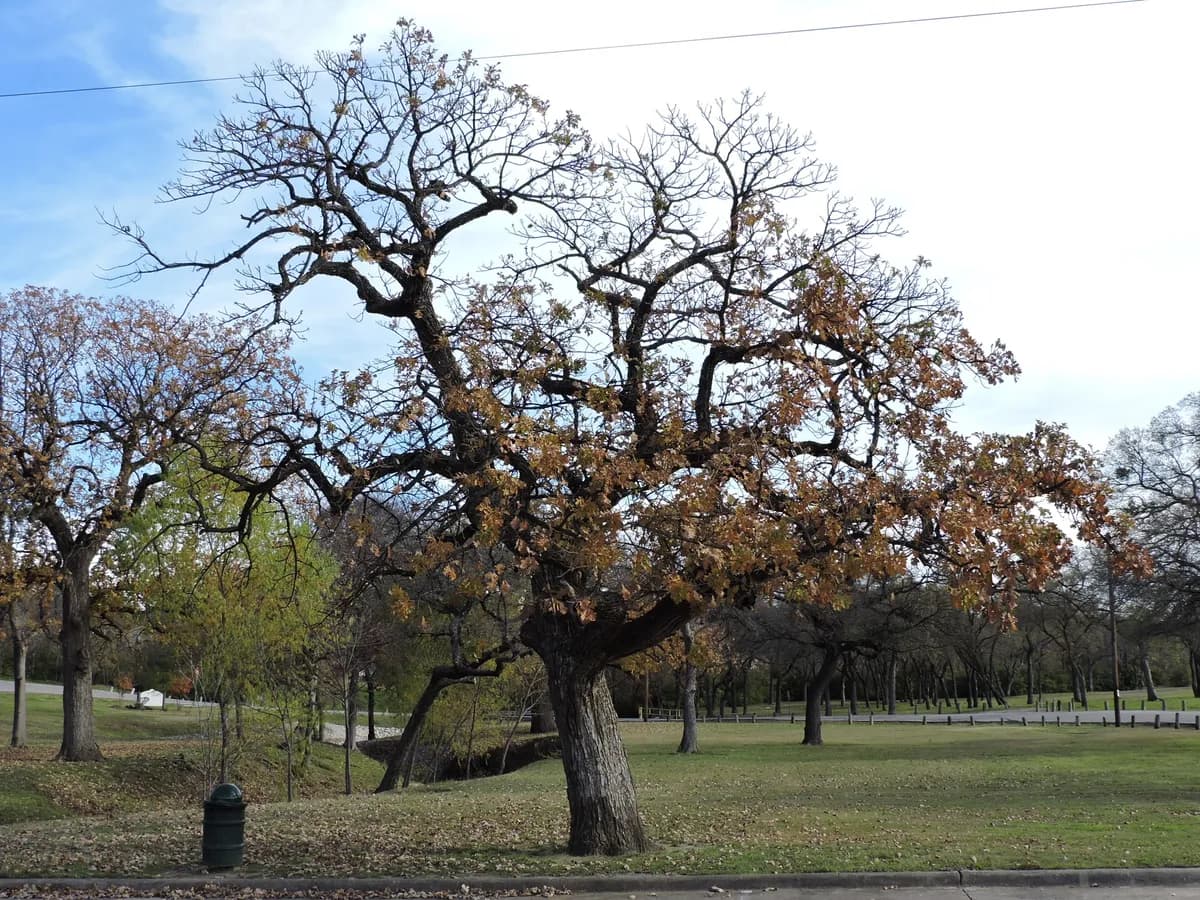
Bur Oak
Quercus macrocarpa
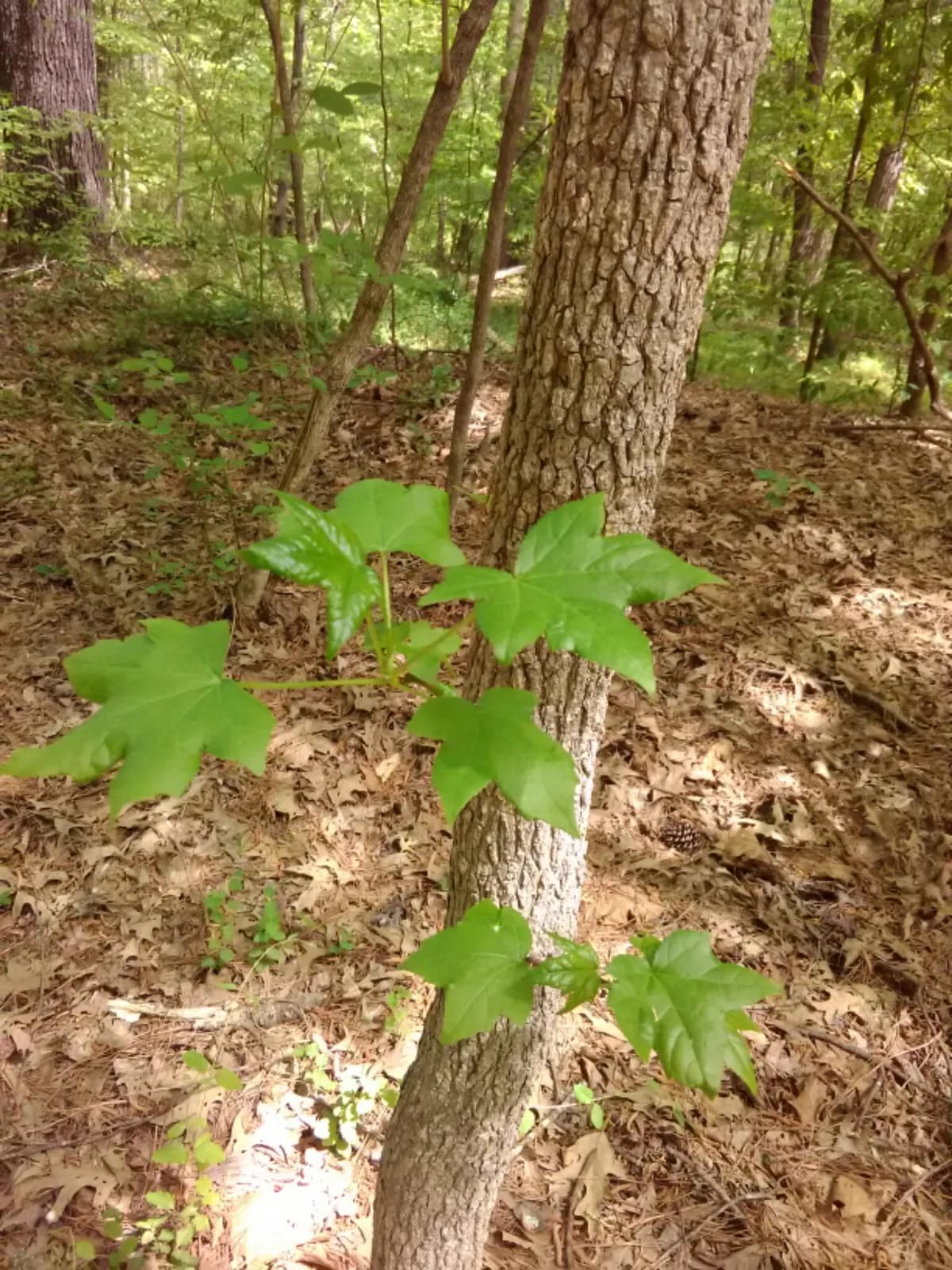
Sweetgum
Liquidambar styraciflua
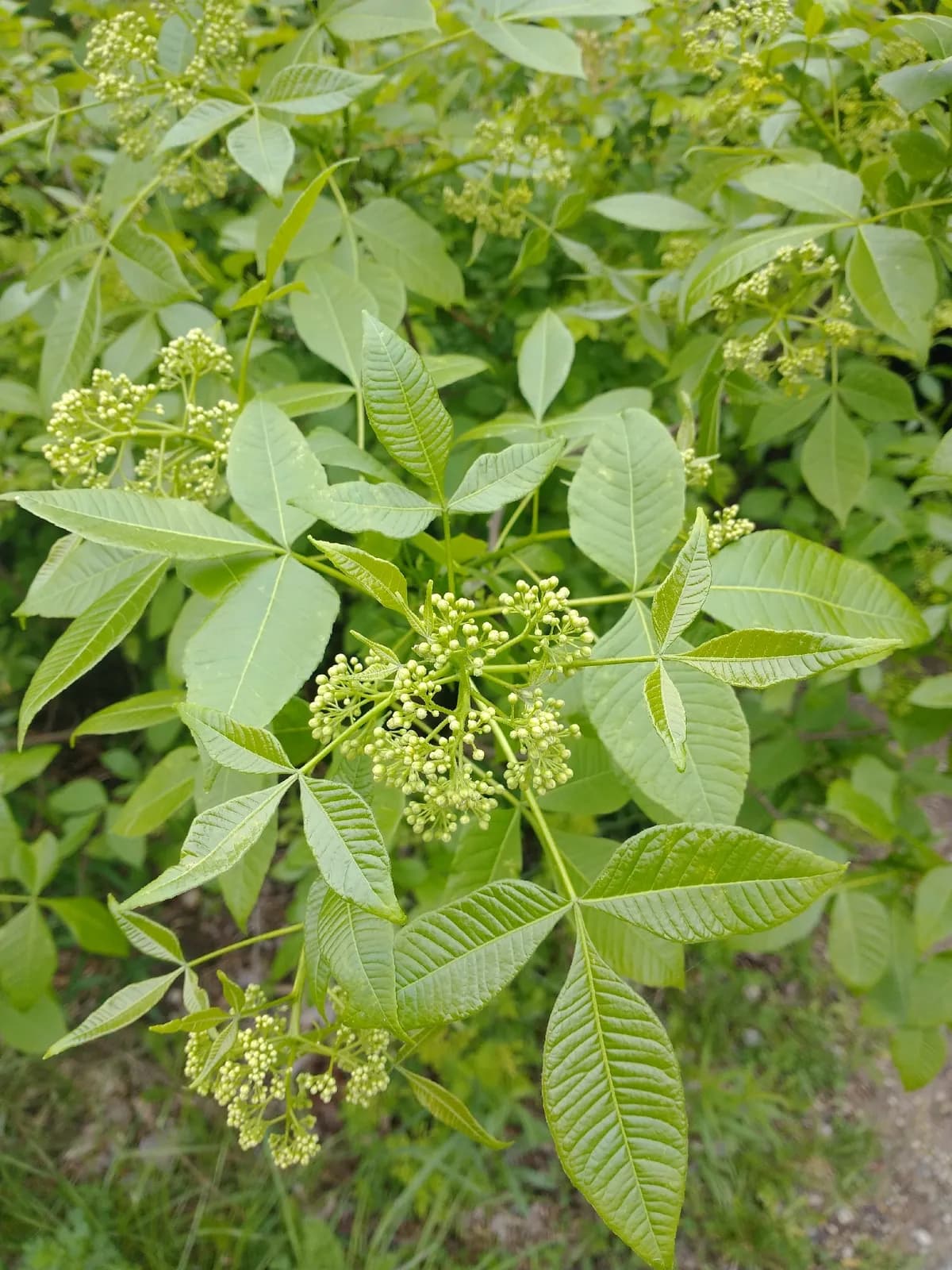
Wafer Ash
Ptelea trifoliata
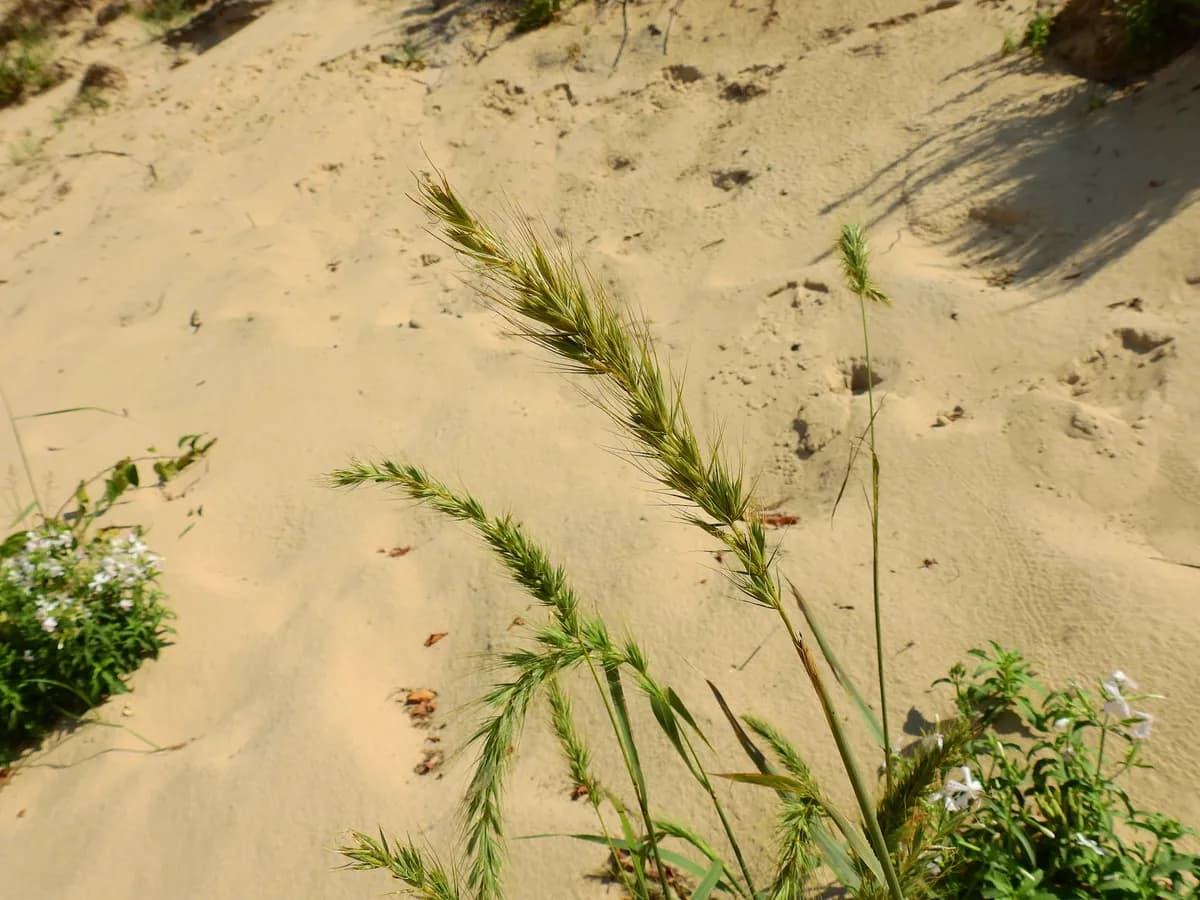
Prairie Wildrye
Elymus canadensis
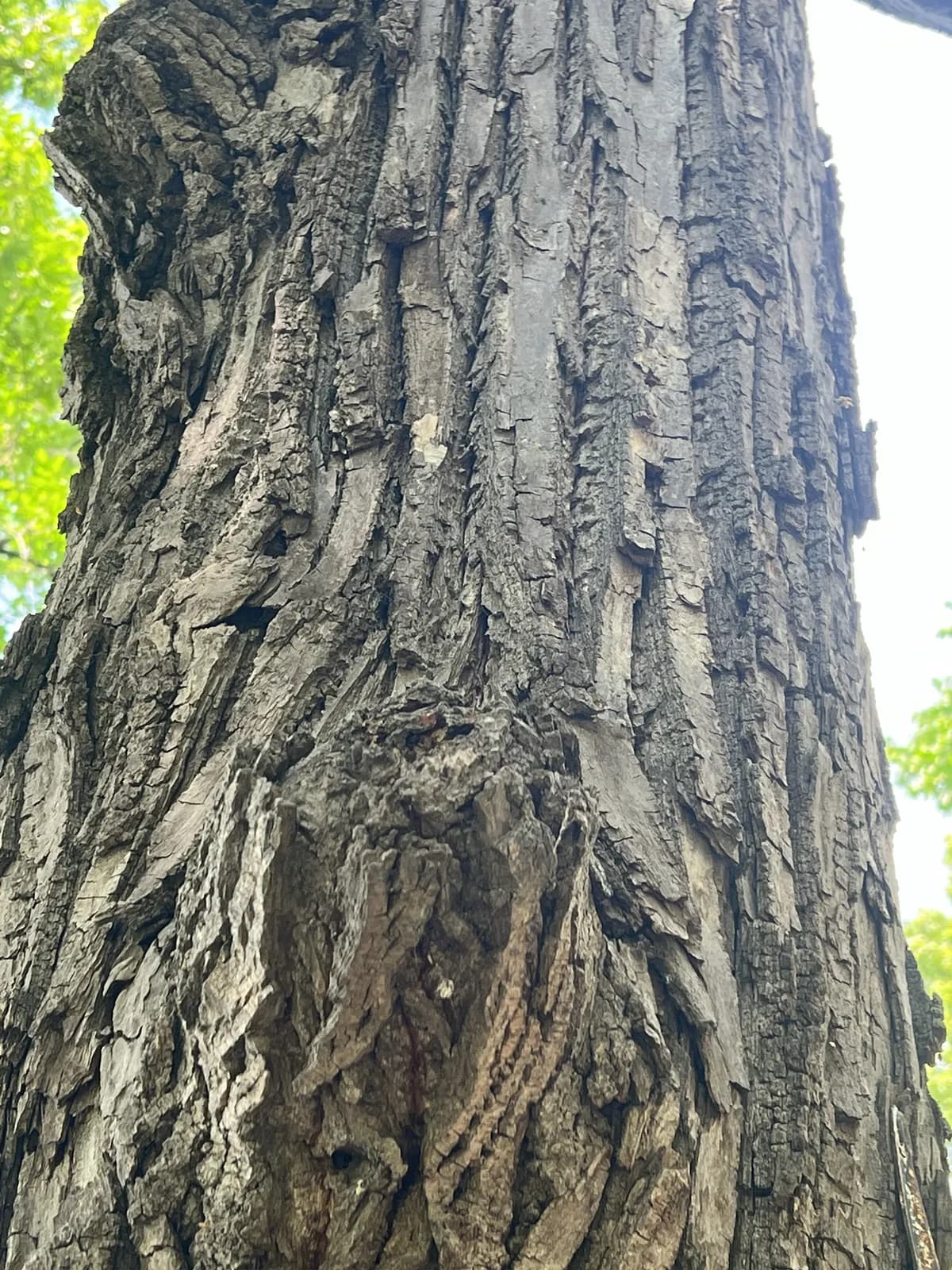
American Basswood
Tilia americana
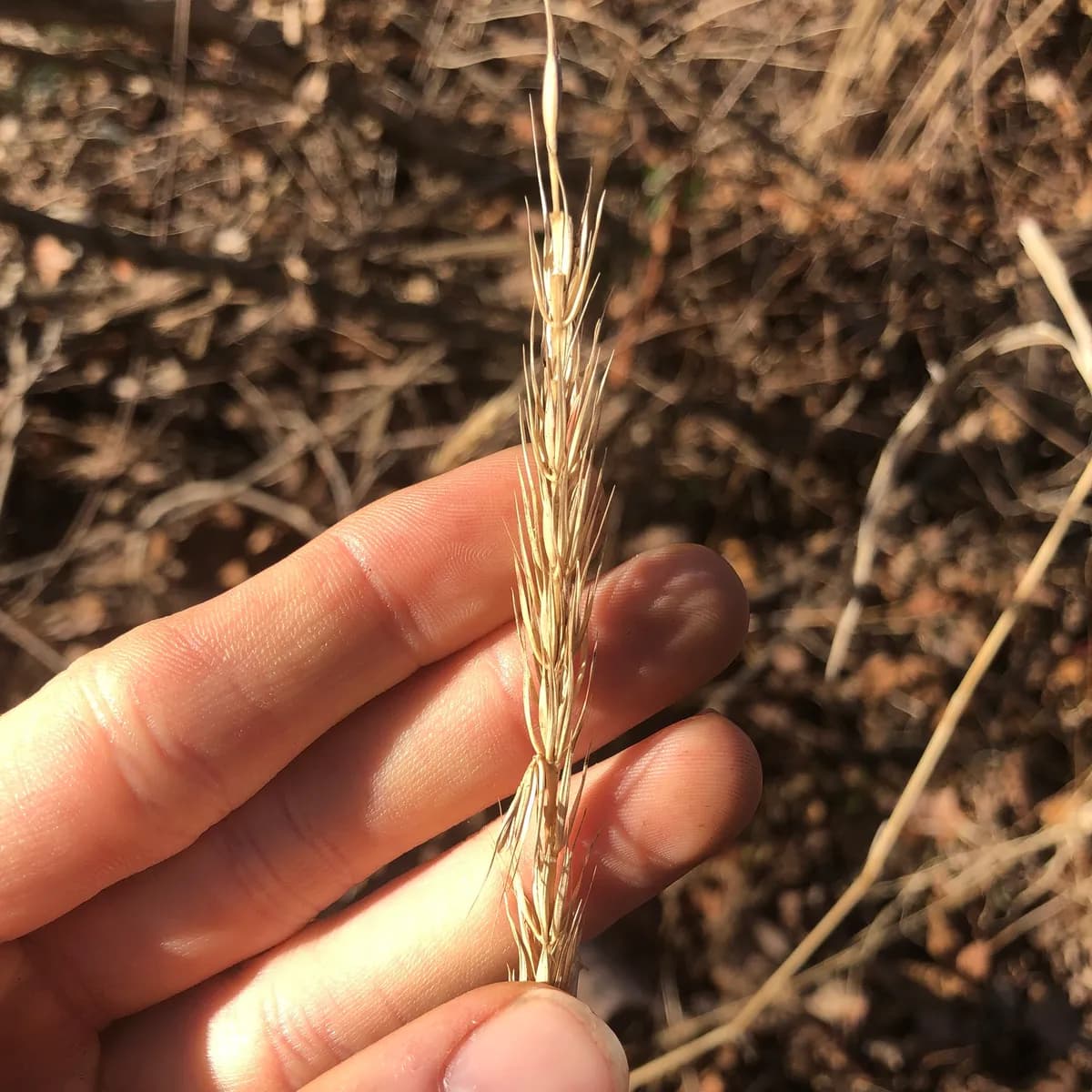
Virginia Wildrye
Elymus virginicus

American Germander
Teucrium canadense
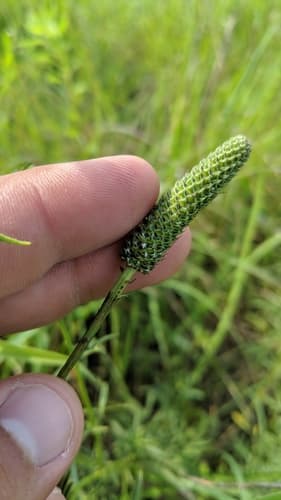
White Prairie Clover
Dalea candida
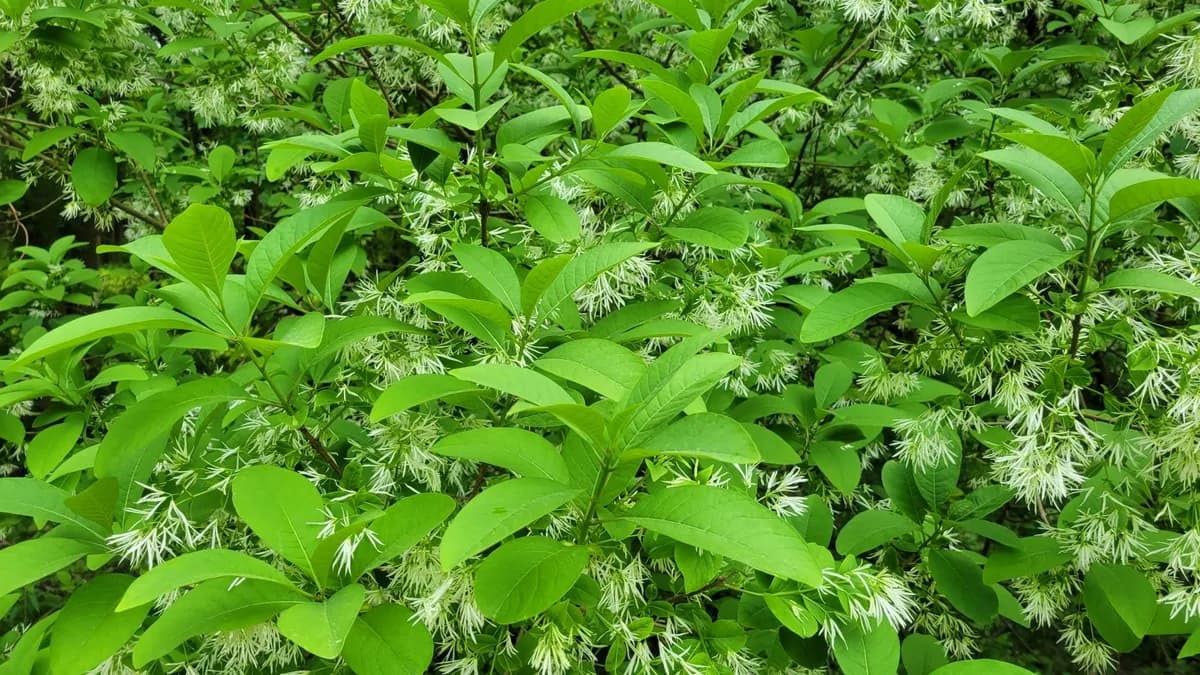
Fringe Tree
Chionanthus virginicus
Showing 48 of 825. Enter your ZIP for the natives matched to your yard.
Fall care in the Coastal Prairies
What to do right now for plants commonly grown here. Each links to the full regional care guide for that species, with sources.
- Flame acanthus
Fall is peak bloom, so leave it alone and enjoy the hummingbirds.
- Rock penstemon
Flowers can continue into fall. Keep the soil dry and tidy.
- Texas pipevine
Fall care and seed time for Texas Dutchman's pipe in Houston.
- White veined hardy dutchmans pipe
Fall slowdown and seed pods for white-veined Dutchman's pipe in Houston.
- Chinese star jessamine
Fall is a good time to plant and to tidy the vine before winter.
- Short beak sedge
Fall is the second strong growth window for plains oval sedge in Houston and a good time to plant new clumps as the heat breaks.
- Whorled milkweed
Fall is when whorled milkweed finishes blooming and sets seed in Houston, and it is a good late-season nectar stop for pollinators before cooler weather arrives.
- Splitbeard bluestem
Fall is when splitbeard bluestem earns its name, with silvery-white seed heads splitting open along the stem from August into November.
- Gayfeather
Fall is peak bloom for this plant, and the spent stalks are worth leaving up through the season rather than cutting back right away.
- Halberd leaf hibiscus
Blooming carries on well into fall, and the plant is done for the year as soon as the first freeze hits.
Build a plan for the Coastal Prairies
Pollinator Patch turns plants like these into a front-yard plan tuned for the soil, climate, and HOA expectations of the Houston area.