Texas Sedge
Carex texensis
Last reviewed: August 2026
Carex texensis, or Texas sedge, is a fine textured, clumping sedge that blooms from March through May. It grows well in full sun to part shade and needs little supplemental water once established.
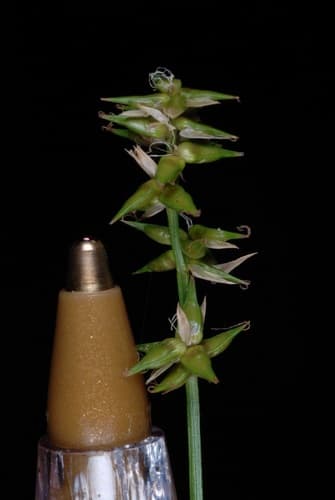
Toxicity unknown
Texas Sedge (Carex texensis) is not listed by the ASPCA Animal Poison Control Center (opens in new tab) or the other sources we check, so we have no verdict for it either way. Absence from those lists is not a clearance. If your pet shows symptoms after eating any plant, call the ASPCA at (888) 426-4435.
Light
full sun
Water
low
Size
6"–12" H × 6"–12" W
Bloom
Mar, Apr, May
Native to
AL, AR, FL, GA and 16 more states
Before you buy
Your city may pay you to plant this
Cities and water utilities offer rebates for replacing lawn with native and water-wise plants. We track 452 programs across 44 states, each with a link to the provider and the date we last checked it.
Find rebates in your areaBrowse plants for this ecoregion
Texas Sedge is a compact native grass that forms neat clumps of slender green foliage. This low-maintenance perennial stays attractive year-round and produces delicate flower spikes in spring. It's an excellent choice for water-wise landscapes and natural-looking borders.
Growing Texas Sedge
Grow Texas Sedge in full sun and low water. Mature plants reach 6 to 12 inches tall and spread 6 to 12 inches wide. Expect low maintenance to keep it looking intentional in a front yard.
How to care for Texas Sedge, by region
How to care for Texas Sedge where it is actually grown: year-round basics plus what to do each season, region by region, with the sources for each.
Care guidance last updated: July 2026
Cross Timbers (includes Fort Worth, TX)
Year-round
Texas sedge is a native, fine textured groundcover sedge that works as a soft, low lawn alternative in shaded and partly shaded spots, and it needs little upkeep once it settles in.
- Choose a spot with partial to full shade; it tolerates a little gentle morning sun if the soil does not dry out quickly, so treat true full sun, unwatered spots as a stretch for it.
- Space plants 12 to 18 inches apart if using it as a groundcover; clumps spread by rhizome and fill gaps in over a season or two.
- In the heavy black clay of the Blackland Prairies, work in compost or plant slightly high so the crown does not sit in standing water; in the sandier soils toward the Cross Timbers it drains faster and will need water more often through the first summer.
- Once established it needs only occasional deep watering during dry spells and stays about 6 to 12 inches tall.
- It is not on the ASPCA toxic plant list for dogs or cats, though it is still good practice to discourage pets from making a habit of chewing any plant.
Used as a mowed, tidy groundcover instead of bare mulch, this reads as an intentional, maintained lawn substitute rather than an unmown patch, which is what most HOA reviewers look for.
Fall
Fall is a second good window to plant or divide Texas sedge, with cooler weather that is easier on new roots than summer heat.
- Plant or divide established clumps in October or November, once the worst summer heat has broken.
- When dividing, split clumps into fist sized sections and replant them 12 to 18 inches apart to fill in a groundcover area.
- Water newly planted or divided sections two to three times a week for the first month, then taper off as roots establish before the first freeze, typically mid November in North Texas.
- Leave existing foliage in place through fall; there is no need to cut it back before winter.
- North Texas fall rain (a second seasonal peak after spring) usually cuts down how often you need to water by hand.
Dividing and replanting to fill thin spots in fall keeps the groundcover looking full and continuous instead of patchy, which reads better to an HOA reviewer than bare gaps.
Winter
Texas sedge stays mostly green through a typical North Texas winter and needs little care beyond leaving it alone until any hard freeze passes.
- Expect the clump to stay mostly green through a mild winter; it may bronze or brown after a hard freeze and usually resprouts from the base.
- After a severe Arctic outbreak, hold off on cutting back damaged foliage until new growth starts in spring, so you can see what is actually dead.
- Skip fertilizer and heavy watering in winter; growth slows or stops and the plant does not need either.
- Save mowing or grooming for late winter or very early spring, just before new growth resumes, rather than doing it mid winter.
- No winter covering is needed for typical cold; it is hardy through the USDA zone 8a to 8b winters common across North Texas.
A groundcover that stays mostly green through winter reads as tidy and maintained even in the off season, without the bare, all brown look some lawn alternatives get.
Spring
Spring is the best time to plant Texas sedge and to tidy up existing clumps before new growth takes off.
- Plant new Texas sedge in March or April, while North Texas rain and mild temperatures make it easiest for roots to establish.
- Before new growth starts, snip away any brown or ragged leaves left over from winter to keep clumps looking neat.
- Expect small, inconspicuous seed heads from March through May; that is normal flowering for a sedge, not a showy bloom.
- Water new plantings two to three times a week if rain is light, then taper off once roots take hold.
- Skip fertilizer; Texas sedge does not need routine feeding to green up in spring.
A quick spring grooming pass, cutting away winter worn leaves, keeps the clump reading as a cared for groundcover instead of a leftover patch of dead growth.
Summer
Summer heat is the hardest stretch for Texas sedge, especially plants that went in this year, so the main job is keeping it watered through the worst weeks.
- Water first year plantings once or twice a week during July and August if there has been no rain, soaking the root zone rather than a quick sprinkle.
- Clumps that have been in the ground more than a year usually get through summer with just occasional deep watering during multi week dry spells.
- Expect the clump to slow down and look a bit duller in peak heat; that is normal and it greens back up once temperatures ease.
- Hold off on mowing or shearing in the hottest weeks; wait for cooler weather so the plant is not stressed twice at once.
- In the heavier clay soils of the Blackland Prairies, check that water is not pooling around the crown after a downpour; if it stands for more than a day, plan to improve drainage before next summer.
Keeping the clump watered through the hottest weeks avoids the brown, patchy die back that can otherwise make a front yard groundcover look neglected.
Sources: Lady Bird Johnson Wildflower Center, Carex texensis, ASPCA Toxic and Non-Toxic Plants, letter T, Dallas County Master Gardeners, Texas Sedge growing guide
Texas Blackland Prairies (includes Dallas, TX)
Year-round
Texas sedge is a native, fine textured groundcover sedge that works as a soft, low lawn alternative in shaded and partly shaded spots, and it needs little upkeep once it settles in.
- Choose a spot with partial to full shade; it tolerates a little gentle morning sun if the soil does not dry out quickly, so treat true full sun, unwatered spots as a stretch for it.
- Space plants 12 to 18 inches apart if using it as a groundcover; clumps spread by rhizome and fill gaps in over a season or two.
- In the heavy black clay of the Blackland Prairies, work in compost or plant slightly high so the crown does not sit in standing water; in the sandier soils toward the Cross Timbers it drains faster and will need water more often through the first summer.
- Once established it needs only occasional deep watering during dry spells and stays about 6 to 12 inches tall.
- It is not on the ASPCA toxic plant list for dogs or cats, though it is still good practice to discourage pets from making a habit of chewing any plant.
Used as a mowed, tidy groundcover instead of bare mulch, this reads as an intentional, maintained lawn substitute rather than an unmown patch, which is what most HOA reviewers look for.
Fall
Fall is a second good window to plant or divide Texas sedge, with cooler weather that is easier on new roots than summer heat.
- Plant or divide established clumps in October or November, once the worst summer heat has broken.
- When dividing, split clumps into fist sized sections and replant them 12 to 18 inches apart to fill in a groundcover area.
- Water newly planted or divided sections two to three times a week for the first month, then taper off as roots establish before the first freeze, typically mid November in North Texas.
- Leave existing foliage in place through fall; there is no need to cut it back before winter.
- North Texas fall rain (a second seasonal peak after spring) usually cuts down how often you need to water by hand.
Dividing and replanting to fill thin spots in fall keeps the groundcover looking full and continuous instead of patchy, which reads better to an HOA reviewer than bare gaps.
Winter
Texas sedge stays mostly green through a typical North Texas winter and needs little care beyond leaving it alone until any hard freeze passes.
- Expect the clump to stay mostly green through a mild winter; it may bronze or brown after a hard freeze and usually resprouts from the base.
- After a severe Arctic outbreak, hold off on cutting back damaged foliage until new growth starts in spring, so you can see what is actually dead.
- Skip fertilizer and heavy watering in winter; growth slows or stops and the plant does not need either.
- Save mowing or grooming for late winter or very early spring, just before new growth resumes, rather than doing it mid winter.
- No winter covering is needed for typical cold; it is hardy through the USDA zone 8a to 8b winters common across North Texas.
A groundcover that stays mostly green through winter reads as tidy and maintained even in the off season, without the bare, all brown look some lawn alternatives get.
Spring
Spring is the best time to plant Texas sedge and to tidy up existing clumps before new growth takes off.
- Plant new Texas sedge in March or April, while North Texas rain and mild temperatures make it easiest for roots to establish.
- Before new growth starts, snip away any brown or ragged leaves left over from winter to keep clumps looking neat.
- Expect small, inconspicuous seed heads from March through May; that is normal flowering for a sedge, not a showy bloom.
- Water new plantings two to three times a week if rain is light, then taper off once roots take hold.
- Skip fertilizer; Texas sedge does not need routine feeding to green up in spring.
A quick spring grooming pass, cutting away winter worn leaves, keeps the clump reading as a cared for groundcover instead of a leftover patch of dead growth.
Summer
Summer heat is the hardest stretch for Texas sedge, especially plants that went in this year, so the main job is keeping it watered through the worst weeks.
- Water first year plantings once or twice a week during July and August if there has been no rain, soaking the root zone rather than a quick sprinkle.
- Clumps that have been in the ground more than a year usually get through summer with just occasional deep watering during multi week dry spells.
- Expect the clump to slow down and look a bit duller in peak heat; that is normal and it greens back up once temperatures ease.
- Hold off on mowing or shearing in the hottest weeks; wait for cooler weather so the plant is not stressed twice at once.
- In the heavier clay soils of the Blackland Prairies, check that water is not pooling around the crown after a downpour; if it stands for more than a day, plan to improve drainage before next summer.
Keeping the clump watered through the hottest weeks avoids the brown, patchy die back that can otherwise make a front yard groundcover look neglected.
Sources: Lady Bird Johnson Wildflower Center, Carex texensis, ASPCA Toxic and Non-Toxic Plants, letter T, Dallas County Master Gardeners, Texas Sedge growing guide
Want these tasks as reminders timed to your yard? Pollinator Patch turns this guidance into a season-by-season care plan for the plants you actually grow.
In an HOA neighborhood
Texas Sedge is an HOA-friendly choice. Maintenance level: low. Tidiness: 4 out of 5.
Works well in: front yard, mid zone.
- Cut back in late winter
Wildlife value
This sedge provides nesting material and seeds for birds, while its roots support soil health. The flowers attract small beneficial insects and provide habitat for native wildlife.
Common questions
- How much sun does Texas sedge need?
- Texas sedge grows best in full sun but tolerates part sun and part shade, making it flexible for open beds or lightly shaded areas under trees.
- When does Texas sedge bloom?
- Texas sedge produces its inconspicuous grass-like flowers from March through May.
- How much water does Texas sedge need?
- Texas sedge is drought tolerant and prefers low to medium moisture, so it does not need regular irrigation once it is established.
- Where does Texas sedge grow well?
- Texas sedge is often found along woodland edges, open fields, and rocky or sandy soils across warm temperate and humid subtropical climates in the southeastern and south central United States.
- Can Texas sedge be used as a lawn alternative?
- Because it forms low, fine textured clumps and tolerates mowing and light foot traffic, Texas sedge is sometimes planted as a low maintenance lawn substitute in shaded or dry sites.
- Is Texas Sedge HOA-friendly?
- Texas Sedge is generally an HOA-friendly choice in the right placement, with low maintenance.
These answers were drafted with an AI model from this plant's data. Verify care details with a local expert.
Native range data from vouchered herbarium specimen records and regional native plant society lists. Pollinator and host plant associations compiled from GBIF, iNaturalist, and published ecological literature.
If something looks wrong
Common plant problems, and what to check first
These come up on almost any plant. Each guide lists the likely causes in the order they are worth ruling out, with one thing to check before you act on any of them, and links to the source it came from.
- It is dying right after planting
- Leaves turning yellow
- Wilting even though I watered it
- Brown crispy leaf tips
- Bugs on the plant
Ready to grow Texas Sedge? Add it to your garden in Pollinator Patch to track it and get season-by-season care guidance.
Planning a bed around it? Start a free plan with this plant
Not sure where to start? Take the 2-minute yard quiz