Zinnia
Zinnia elegans
Last reviewed: October 2026
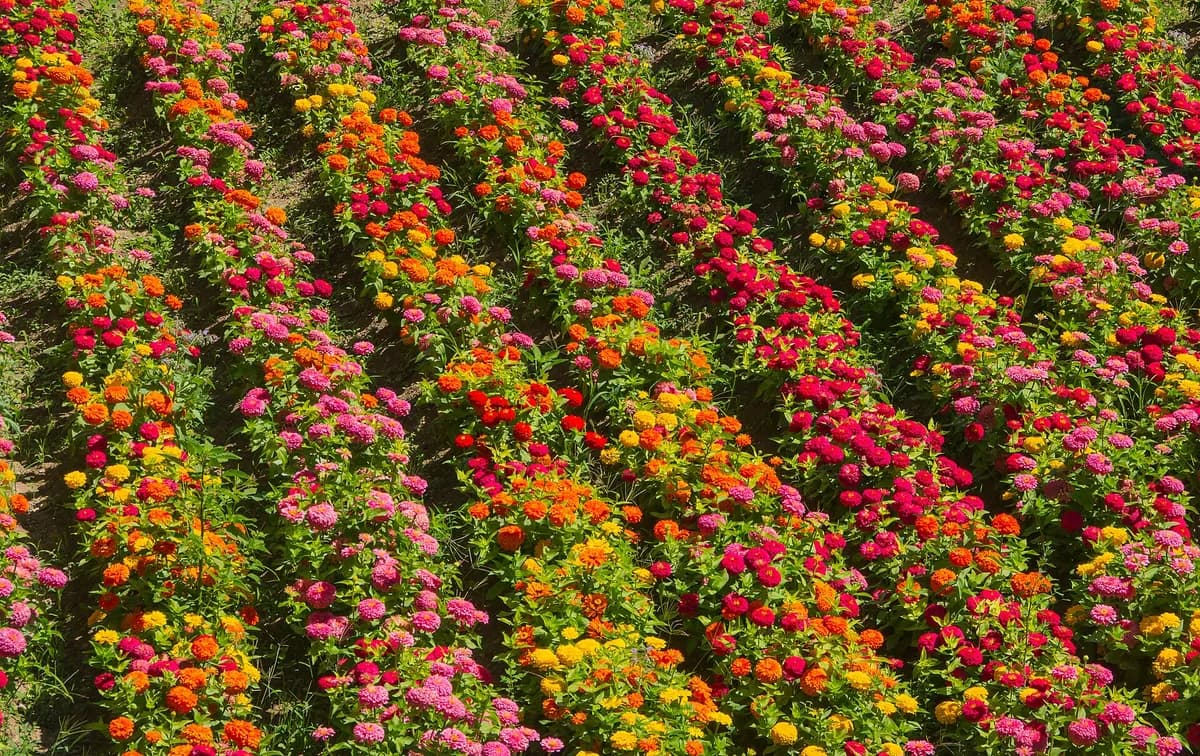
Zinnia (Zinnia elegans) is a annual forb. It blooms in June, July, August, September, and October.
Toxicity unknown
Zinnia (Zinnia elegans) is not listed by the ASPCA Animal Poison Control Center (opens in new tab) or the other sources we check, so we have no verdict for it either way. Absence from those lists is not a clearance. If your pet shows symptoms after eating any plant, call the ASPCA at (888) 426-4435.
Light
full sun
Water
medium
Size
12"–48" H × 12"–24" W
Bloom
Jun, Jul, Aug, Sep, Oct
Native alternatives to Zinnia
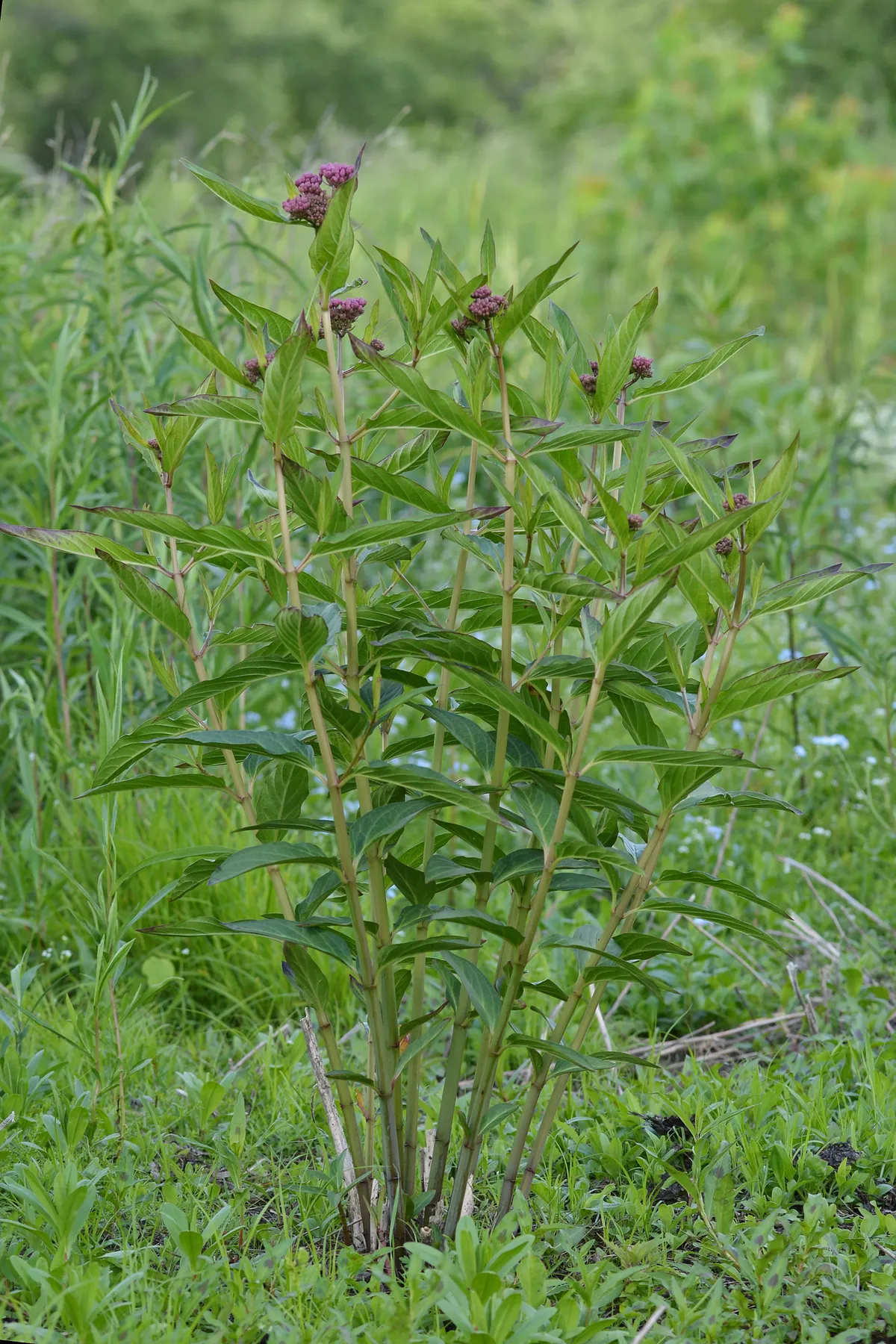
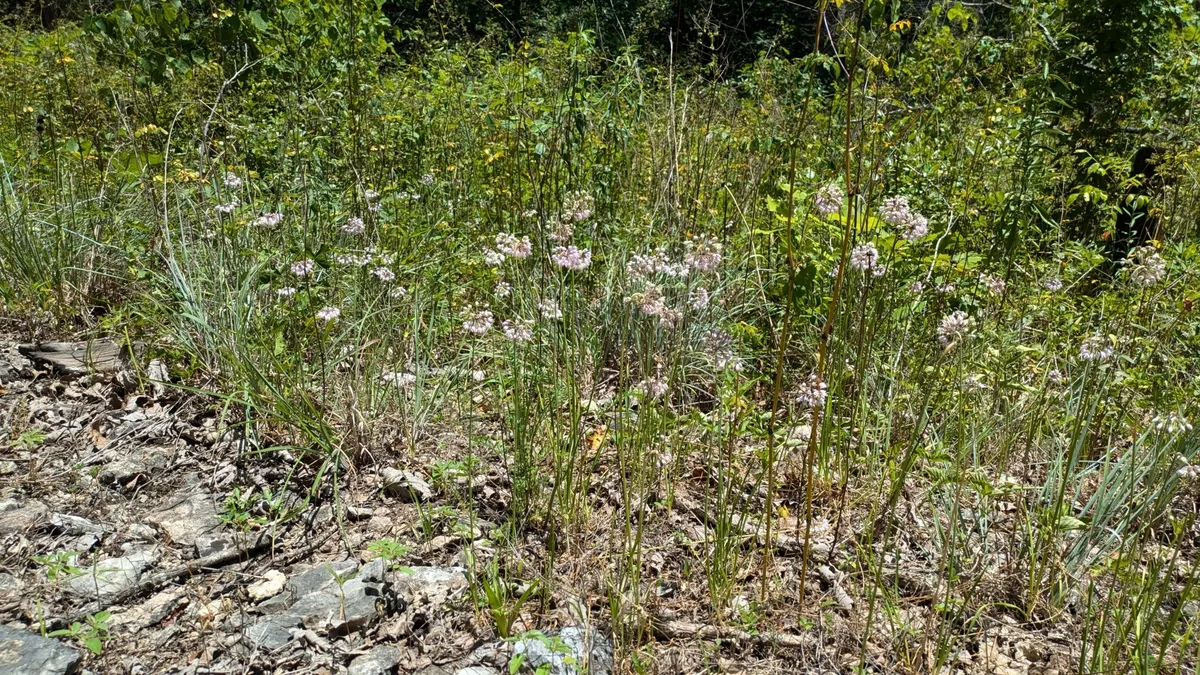
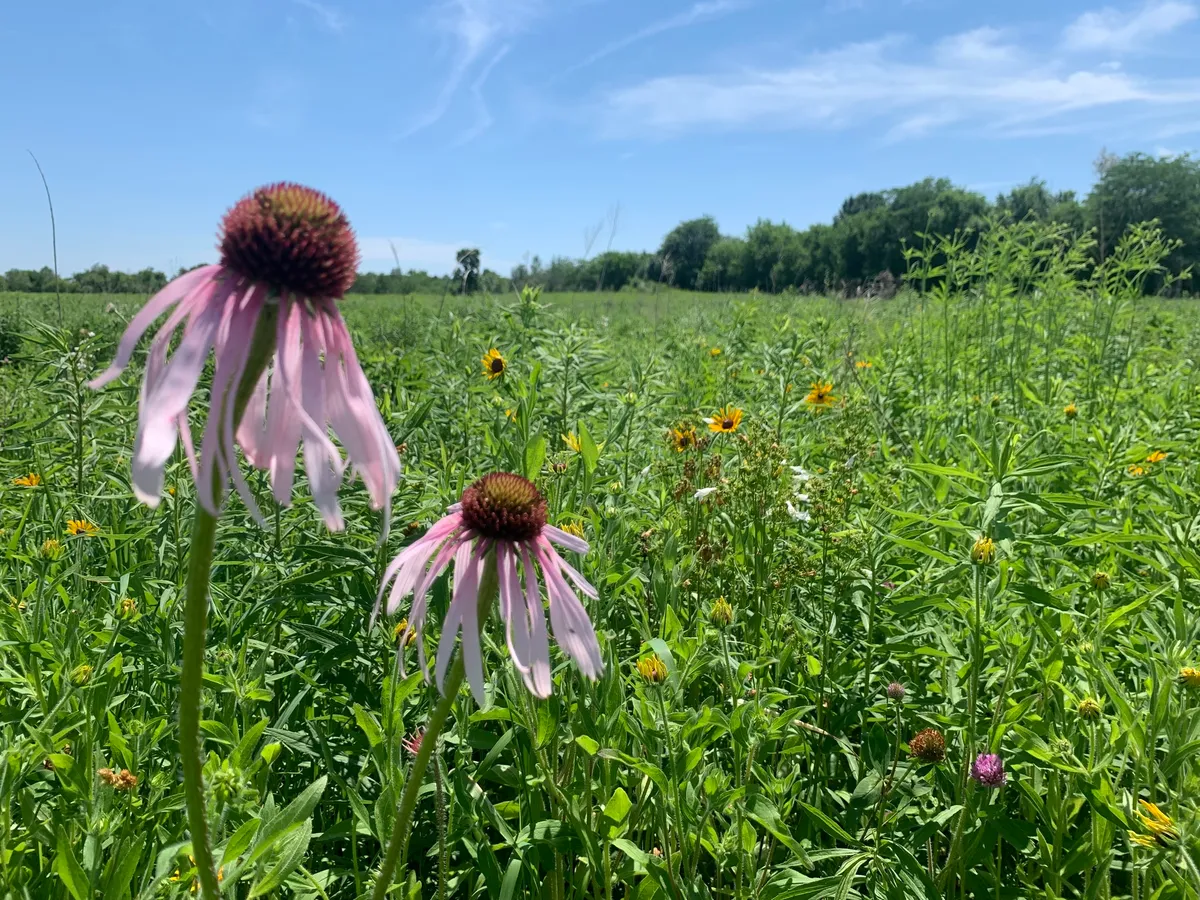
Zinnia is not native to the United States. These natives fill a similar role in a planting, matched on bloom season, bloom color and mature size.
Before you buy
Your city may pay you to plant this
Cities and water utilities offer rebates for replacing lawn with native and water-wise plants. We track 460 programs across 44 states, each with a link to the provider and the date we last checked it.
Find rebates in your areaPicture natives in your own yard
Wondering what could grow where Zinnia is now? Upload a photo of the spot and Patch Vision shows a rendering of it replanted with natives for your region.


An upright annual that flowers heavily from early summer until frost in nearly every color but blue. It thrives in heat and full sun, and cutting flowers only makes it bloom harder. Crowding and overhead watering invite powdery mildew.
Growing Zinnia
Grow Zinnia in full sun and medium water. Mature plants reach 12 to 48 inches tall and spread 12 to 24 inches wide. Expect low maintenance to keep it looking intentional in a front yard.
How to care for Zinnia, by region
How to care for Zinnia where it is actually grown: year-round basics plus what to do each season, region by region, with the sources for each.
Care guidance last updated: September 2026
Mississippi Alluvial Plain (includes Memphis, TN)
Year-round
Common zinnia is a Mexico-native garden annual, not native to Tennessee, that grows easily in Memphis's full sun and heat as a reliable summer and fall bloomer.
- Plant in full sun in well drained soil with good organic matter.
- Direct sow seed after the last spring frost rather than starting too early.
- Deadhead regularly to keep new blooms coming through the season.
- Good air circulation between plants helps prevent powdery mildew in Memphis's humid summers.
- Makes a reliable cut flower and draws butterflies and bees while in bloom.
Deadheaded zinnia beds read as tidy cut-flower borders, an easy HOA-friendly choice for a sunny front bed.
Fall
Zinnias keep blooming into fall in Memphis until the first frost ends the season.
- Continue deadheading through early fall to extend the bloom period.
- Let a few of the best blooms dry fully on the plant if you want to save seed for next year.
- Flowers remain a good nectar source for late season butterflies before frost.
- Remove any plants that show heavy mildew or disease as the season winds down.
Winter
As a tender annual, zinnia is killed by Memphis's first fall frost and will not survive winter.
- Frost, averaging around early November in Memphis, kills the plants for the season.
- Pull spent plants once they have browned after frost.
- Store any saved seed heads in a dry spot indoors for sowing again next spring.
- No winter care is needed since zinnias do not overwinter outdoors in this climate.
Spring
Sow zinnia seed directly in the garden once Memphis's frost risk has passed in spring.
- Wait until after the last spring frost, which averages around mid to late March in Memphis, before direct sowing.
- Keep soil consistently moist until seeds germinate.
- Thin seedlings to give each plant room, which improves airflow and helps prevent mildew later.
- Choose a full sun spot, since zinnias planted in shade tend to stretch and bloom poorly.
Summer
Zinnias bloom continuously through Memphis's hot, humid summer as long as they are deadheaded and watered at the soil level.
- Deadhead spent blooms regularly to keep new flowers forming through summer.
- Water at the base of the plant rather than overhead to reduce powdery mildew risk in humid conditions.
- Bloom may slow briefly at the peak of Memphis summer heat, then pick back up as temperatures ease.
- Watch for Japanese beetles, which can be handpicked off in the morning.
- Remove any mildewed foliage promptly to keep it from spreading.
Sources: USDA PLANTS Profile: Zinnia elegans, NC State Extension Gardener Plant Toolbox: Zinnia elegans, ASPCA Toxic and Non-Toxic Plants: Zinnia, National Weather Service Memphis: Frost and Freeze Data
Southern Coastal Plain (includes Orlando, FL)
Year-round
Zinnias thrive in Orlando's long warm season, but they need dry foliage and good spacing to handle Central Florida's humidity.
- Full sun and well-drained soil. Orlando's sandy soils drain quickly, so plan on more frequent watering than a clay-soil garden.
- Space plants well and water at the soil line, not overhead, to limit powdery mildew and leaf spot in humid conditions.
- Choose mildew-resistant cultivars bred for humid climates.
- Deadhead regularly to keep blooms coming.
- Zinnias are not documented as toxic to dogs, cats, or horses on the ASPCA plant list.
A tidy, deadheaded zinnia bed near the front entry is an easy HOA-friendly color choice.
Fall
A late-summer sowing can carry zinnia color into fall as the worst of summer's disease pressure eases.
- A late-summer sowing blooms into fall as disease pressure from peak summer humidity lets up.
- Keep deadheading for continuous color.
- Orlando's first frost typically doesn't arrive until early December, giving a long fall bloom window.
- Reduce watering frequency as temperatures cool in late fall.
Winter
Zinnias are frost-tender annuals. A freeze in Orlando, while infrequent, will end the bloom season.
- Zinnias are killed by frost or freeze. Expect the bed to finish once temperatures drop near freezing.
- Orlando's average last spring frost falls around early February, so a winter-sown bed carries real frost risk.
- Clear spent or frost-damaged plants and work compost into sandy soil ahead of spring planting.
- Most Central Florida gardeners treat zinnias as a spring-through-fall annual and skip winter planting.
Spring
Spring is the main zinnia planting season in Central Florida, once frost risk passes in early February.
- Plant after Orlando's last frost, typically around early February, in full sun.
- Space transplants to allow airflow between plants from the start.
- Water consistently while roots establish, then taper off once plants mature.
- Watch for early powdery mildew as spring humidity builds.
Summer
Orlando's hot, humid, rainy summer is the toughest season for zinnia foliage health. Disease management matters more than feeding.
- Zinnias tolerate summer heat well and keep blooming, but frequent rain raises fungal disease risk.
- Keep water off leaves. Afternoon thunderstorms already add enough moisture to foliage.
- Deadhead and remove any mildew-affected leaves promptly.
- Good spacing and airflow matter even more during Florida's humid rainy season.
Sources: Zinnia, UF/IFAS Gardening Solutions, Zinnia, ASPCA Toxic and Non-Toxic Plant List
Texas Blackland Prairies (includes Dallas, TX)
Year-round
Zinnia elegans is a fast, heat loving annual that does well in Dallas gardens with full sun, good airflow, and regular water, and it is not toxic to dogs, cats, or horses.
- Give zinnias full sun, at least six hours of direct light a day, in well drained soil with some organic matter. Zinnia elegans is not picky about soil pH.
- Space plants so air can move between them and water at the soil line rather than overhead. Wet foliage is the main way powdery mildew and leaf spot get started on zinnias.
- Established zinnias handle short dry spells, but during hot stretches water deeply and less often rather than a light daily sprinkle.
- Reblooming types like the Profusion and Zahara series do not need deadheading because new flowers grow above the old ones. Older large flowered types will produce more blooms if you cut spent flowers regularly.
- Zinnia elegans originated in Mexico and is a widely grown garden annual across the southern United States. It is not a plant native to North Texas.
Zinnias read as a tidy, colorful bedding and border annual that fits HOA-friendly foundation beds, especially the shorter Profusion and Zahara types kept under about two feet.
Fall
Fall planted zinnias, especially the marylandica types, can keep a North Texas bed in bloom right up until the first freeze with routine water and feeding.
- The DFW area's average first fall freeze falls in late November, per the National Weather Service, so a well tended fall zinnia bed can be expected to keep blooming for weeks before that.
- Texas A&M AgriLife has highlighted Zinnia marylandica types, sold as the Profusion and Zahara series, as strong fall performers because they resist powdery mildew far better than standard Zinnia elegans.
- If you already have standard Zinnia elegans in the ground, thin crowded plants and keep watering at the soil line as fall humidity rises, since that is when mildew pressure tends to be highest.
- For standard, non reblooming zinnia types, keep cutting spent blooms through fall to stretch the display as long as possible.
- Do not try to protect zinnias from the season's first light cool nights. They are true annuals that will decline once a hard freeze arrives, so treat this stretch as their last full bloom cycle rather than one to nurse through winter.
A well maintained fall zinnia bed, deadheaded and thinned, keeps curb appeal up right until frost, which is a low effort way to keep an HOA-conscious front bed looking cared for into late fall.
Winter
Zinnia elegans is a true annual and will not make it through a North Texas winter, so this season is about cleanup, seed saving, and getting the bed ready for spring rather than keeping the plant alive.
- Zinnia elegans will not survive a North Texas winter. Once a freeze blackens the foliage, usually around the DFW area's average late November first freeze, pull the spent plants rather than leaving them standing in the bed.
- Clear old zinnia foliage and any powdery mildew affected leaves out of the bed instead of leaving them in place, since the fungus can overwinter in plant debris.
- If you want the same zinnias again next year, collect seed from fully dried flower heads before pulling the plants. Store it in a cool, dry envelope through winter.
- Winter is a good window to work compost into the bed and rework the soil for next year's planting, since the area's average last freeze does not arrive until late winter to early March.
- Zinnias are not native to Texas and do not reliably reseed themselves into a wild stand here, so do not count on volunteers filling the bed. Plan on starting fresh from seed or transplants once frost risk passes.
Spring
Wait until the North Texas frost risk has passed before planting zinnias, then keep young plants evenly watered and well spaced while they establish.
- The DFW area's average last spring freeze falls in late winter to early March, per the National Weather Service's Fort Worth office, so hold off on planting or transplanting zinnia seedlings outdoors until that risk has passed.
- Direct sow seed about a quarter inch deep once nights are reliably staying above 50 degrees Fahrenheit, or set out nursery transplants after the last freeze date for your part of the metro.
- Keep new seedlings evenly moist while roots establish, then ease into deeper, less frequent watering once plants are growing well.
- Give spring plantings full sun and proper spacing from the start. Crowded spring beds are the ones most likely to develop powdery mildew once humidity rises later in the season.
- A balanced starter fertilizer worked into the bed at planting is enough. Skip a heavy nitrogen feed, which pushes leafy growth over blooms.
Summer
Zinnias handle a Dallas summer well, but watering technique and routine deadheading matter more than usual once the heat sets in.
- Zinnias are one of the more heat tolerant annuals for a North Texas summer, but during the hottest stretches water deeply at the soil line instead of a light daily sprinkle.
- Water in the morning so any wet foliage dries out quickly during the day. Keeping leaves dry overnight is the main way to hold off powdery mildew and leaf spot in summer humidity.
- Deadhead older, large flowered zinnia types regularly to keep them blooming through the heat. Profusion and Zahara type zinnias rebloom on their own and do not need deadheading.
- Watch for Japanese beetles, aphids, and spider mites, which extension sources list among the more common zinnia pests in Texas summers.
- A midsummer feeding with a balanced fertilizer helps zinnias keep pushing new flowers once the first big flush slows down in peak heat.
Sources: Zinnia elegans (Common Zinnia) - NC State Extension Gardener Plant Toolbox, Zinnia - ASPCA Toxic and Non-Toxic Plants, DFW Freeze Data and Cold Season Temperatures - National Weather Service, New and Old Fall Zinnias Named Texas Superstars - Texas A&M AgriLife Today
Western Gulf Coastal Plain (includes Houston, TX)
Year-round
Zinnias are a fast, heat-loving annual for Houston's long warm season, but they need full sun and good airflow to stand up to Gulf Coast humidity.
- Plant in full sun, 6 to 8 hours or more, in a bed with good drainage. Work compost into Houston's heavy clay before planting.
- Space plants generously and water at the base rather than overhead to limit powdery mildew and leaf spot in humid weather.
- Deadhead spent blooms regularly to keep new flowers coming.
- Choose disease-resistant series such as Profusion or Zahara for the Gulf Coast's humid summers.
- Zinnias are not documented as toxic to dogs, cats, or horses on the ASPCA plant list.
Massed and deadheaded zinnias along a front walk make for a simple, HOA-friendly pop of color.
Fall
Fall is a strong second season for zinnias in Houston, with disease pressure easing as humidity drops.
- Plant heat-tolerant, disease-resistant series like Profusion or Zahara in late summer for fall color through frost.
- Cooler, less humid fall evenings mean fewer fungal problems than a spring planting typically sees.
- Keep deadheading for continuous bloom into November.
- Houston's first fall frost usually doesn't arrive until late November or December, giving a long fall bloom window.
Winter
Zinnias are frost-tender annuals and will not survive a Houston winter freeze. Treat the bed as finished once frost arrives.
- Zinnias die at the first hard frost or freeze. Pull spent plants once blooms are done.
- Clear healthy foliage for compost, but discard any mildew or leaf-spot affected material instead of composting it.
- Turn over and amend Houston's heavy clay with compost while the bed is empty, ahead of spring planting.
- Save seed from favorite blooms before pulling plants if desired. Species types breed fairly true, hybrids can vary.
Spring
Spring is prime planting season in Houston, once the last frost risk passes in late winter.
- Direct-sow or transplant after Houston's last frost, generally by late February to early March.
- Sow small successive batches every 2 to 3 weeks through late spring to keep new blooms coming.
- Water at the base, not overhead, to keep foliage dry as spring humidity rises.
- Pinch young plants to encourage bushier, more floriferous growth.
Summer
Houston's peak summer heat and humidity is the biggest disease test for zinnias. Airflow and careful watering matter more than feeding.
- Expect flowering to slow during the hottest, most humid stretches if fungal disease sets in.
- Water deeply at soil level in the morning. Wet foliage overnight invites powdery mildew and leaf spot.
- Keep deadheading to sustain bloom through the heat.
- If mildew appears, remove affected leaves and improve spacing before reaching for a fungicide.
Sources: Zinnia, Henderson County Master Gardener Association (Texas A&M AgriLife Extension), Zinnia, ASPCA Toxic and Non-Toxic Plant List, Fall Zinnias, Texas Superstar (Texas A&M AgriLife)
In an HOA neighborhood
Zinnia takes more care to keep looking intentional in a front yard. Maintenance level: low. Consider it for backyard or mid-zone beds rather than the street edge.
Works well in: front yard, foundation bed, border.
Wildlife value
Flowers offer nectar that generalist visitors will use, but as a non-native it feeds no local caterpillars. Treat it as garden interest rather than habitat.
Common questions
- How much sun does Zinnia need?
- Zinnia grows best in full sun conditions.
- When does Zinnia bloom?
- Zinnia blooms in June, July, August, September, and October.
- Is Zinnia HOA-friendly?
- Zinnia takes more care to look intentional in a front yard. Consider it for backyard or mid-zone beds rather than the street edge.
Pollinator and host plant associations compiled from GBIF, iNaturalist, and published ecological literature.
If something looks wrong
Common plant problems, and what to check first
These come up on almost any plant. Each guide lists the likely causes in the order they are worth ruling out, with one thing to check before you act on any of them, and links to the source it came from.
- It is dying right after planting
- Leaves turning yellow
- Wilting even though I watered it
- Brown crispy leaf tips
- Bugs on the plant
Ready to grow Zinnia? Add it to your garden in Pollinator Patch to track it and get season-by-season care guidance.