Swamp Milkweed
Asclepias incarnata
Last reviewed: October 2026
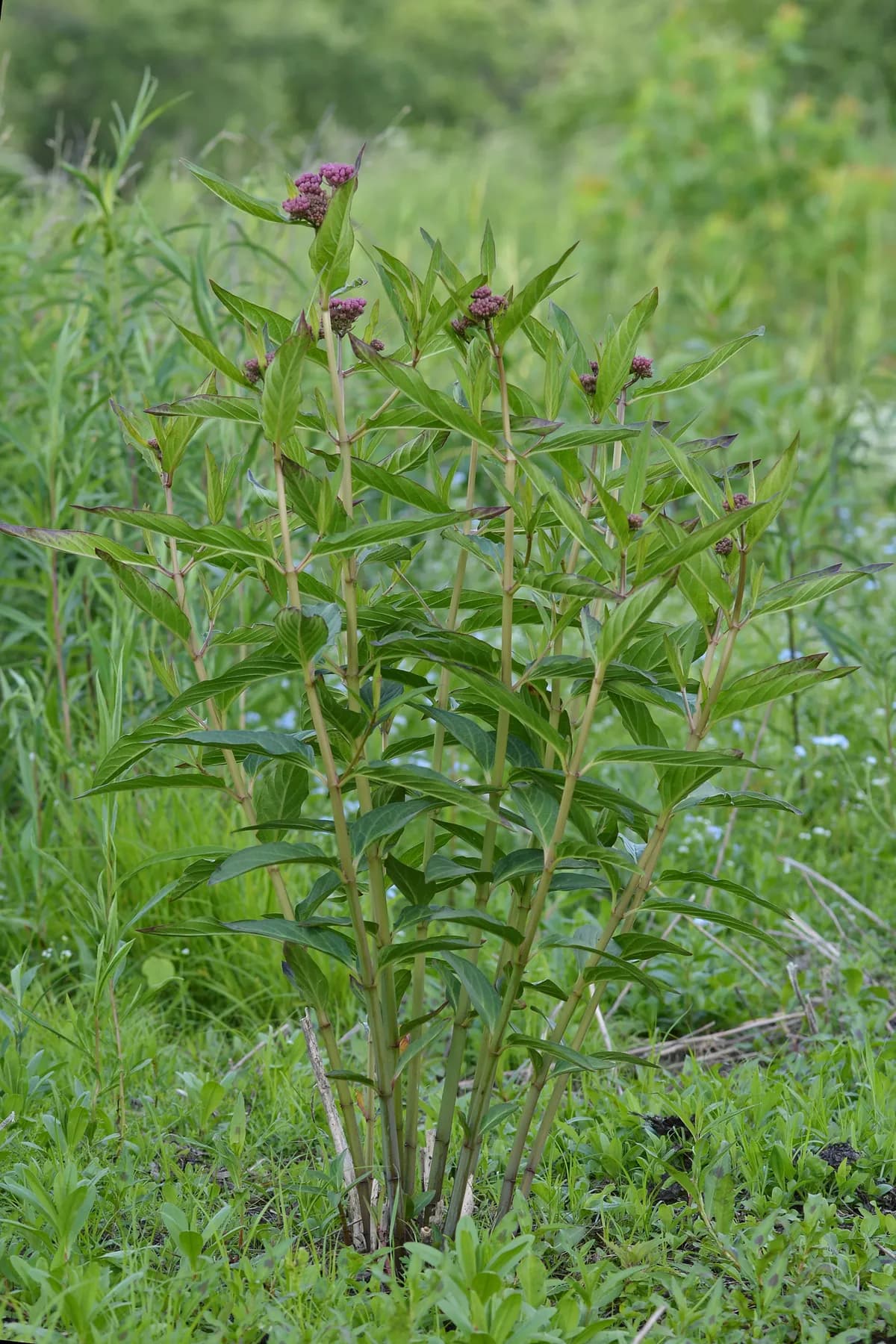
Swamp milkweed is a moisture loving forb that blooms pink from June through August in wet meadows, ditches, and pond edges, drawing bees, butterflies, and moths.
Swamp Milkweed is toxic to dogs and cats.
Listed as toxic by the ASPCA Animal Poison Control Center (opens in new tab) (last reviewed 2026-05-21). If your pet has been exposed, call the ASPCA Animal Poison Control Center at (888) 426-4435 and your veterinarian's emergency line.
Pollinator Patch flags toxic plants so you can choose a pet-safe native alternative for your yard.
Native swaps for a yard with pets
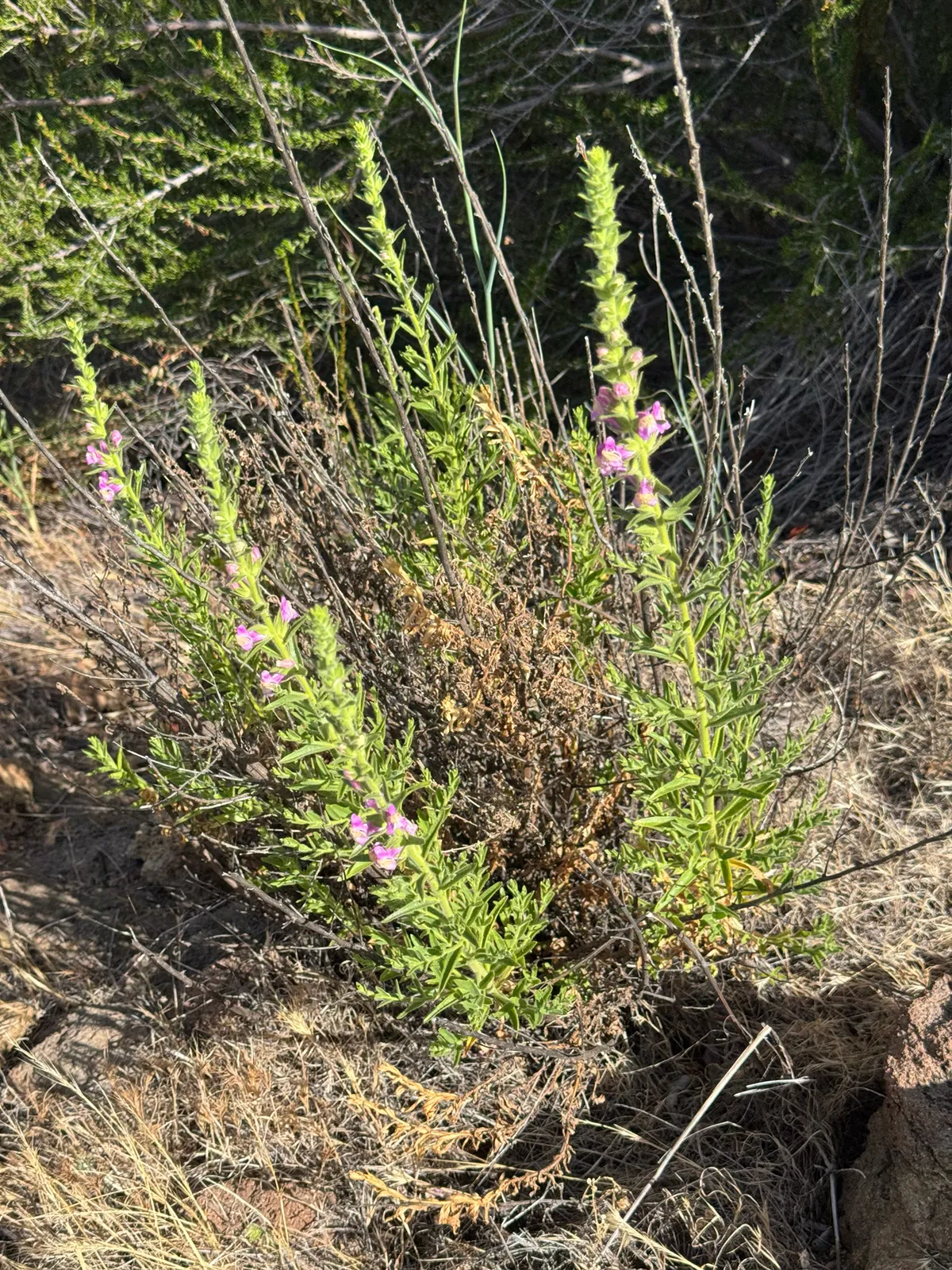
Swamp Milkweed is listed as toxic to dogs by the ASPCA Animal Poison Control Center. These natives fill a similar role in a planting and are not on the ASPCA toxic plant list for dogs or cats. Each plant's page carries its dated record.

Swamp Milkweed is listed as toxic to grazing livestock such as cattle, sheep, and goats at a moderate level by the USDA PLANTS Database (opens in new tab). This is a livestock indicator and is separate from pet toxicity.
Light
part sun
Water
high
Size
24"–60" H × 24"–60" W
Bloom
Jun, Jul, Aug
Native to
AL, AR, AZ, CO and 40 more states
Pollinators
bees, butterflies, moths, hummingbirds
Deer
Resistant (per Prairie Moon Nursery)
Before you buy
Your city may pay you to plant this
Cities and water utilities offer rebates for replacing lawn with native and water-wise plants. We track 459 programs across 44 states, each with a link to the provider and the date we last checked it.
Find rebates in your areaPicture natives in your own yard
Upload a photo of your yard and Patch Vision shows a rendering of it planted with natives for your region, like Swamp Milkweed.


Browse plants for this ecoregion
Swamp milkweed produces clusters of fragrant pink flowers from June through August on sturdy stems that reach 2-5 feet tall. This native perennial thrives in moist conditions and forms attractive clumps over time. The long seed pods that follow the flowers add interest through fall before the plant goes dormant in winter.
Growing Swamp Milkweed
Grow Swamp Milkweed in part sun and high water. Mature plants reach 24 to 60 inches tall and spread 24 to 60 inches wide. Expect moderate maintenance to keep it looking intentional in a front yard.
How to care for Swamp Milkweed, by region
How to care for Swamp Milkweed where it is actually grown: year-round basics plus what to do each season, region by region, with the sources for each.
Care guidance last updated: August 2026
Acadian Plains and Hills (includes Bangor)
Year-round
Swamp milkweed is a tall, upright native wildflower that loves wet feet. In the cold Acadian Plains and Hills around Bangor it grows along stream banks, pond edges, wet meadows, and the moist margins of bogs, and it hands you clusters of soft pink flowers in mid to late summer. It is the go-to milkweed for damp yards here because it handles the acidic, boggy soils that dominate northern Maine.
- Plant it in full sun to part shade in soil that stays moist to wet. It is the one milkweed that thrives in low, soggy spots where other plants sulk.
- It is a larval host plant for the monarch butterfly, so leaves getting chewed by striped caterpillars is the plant doing its job, not a pest problem.
- Cold hardy to USDA zone 3, so it easily survives the cold interior and downeast winters of the Acadian region.
- Give each plant 18 to 24 inches of room. It grows 3 to 5 feet tall and forms a clump over time rather than running.
- It is slow to wake up in spring, so mark its spot in fall to avoid digging into the crown before it emerges.
Fall
In fall the plant sets narrow seed pods that split open to release silky, wind-borne seeds. Foliage yellows and dies back as the short Acadian growing season closes. You get to choose between a tidy cutback now or leaving the stalks for winter interest and seed.
- Let a few pods ripen and open if you want the plant to spread on its own in wet ground, or clip pods before they split to keep it contained.
- Leaving the dead stems standing over winter gives seed-eating birds a food source and shelters overwintering insects.
- If you prefer a clean bed for winter, cut stalks down to a few inches after a hard frost has browned the foliage.
- Fall is a good time to sow collected seed directly onto damp soil so the cold winter provides the chill the seed needs to sprout.
Cutting the browned stalks back to a few inches after frost gives a neat, deliberate look for winter and avoids a bed that could read as unkept to an HOA-conscious neighbor.
Winter
Winter care is basically no care. Swamp milkweed is fully hardy through the deep cold of the Acadian region and simply waits underground. There is nothing to protect and nothing to water.
- No winter protection is needed. It is hardy to USDA zone 3, colder than anything Bangor and interior Maine deliver.
- If you left the stalks standing, they give a bit of structure above the snow and hold any remaining seed for birds.
- Do not mulch heavily right over the crown in a wet spot. Soggy, packed mulch through a freeze-thaw winter can rot the roots.
- Plan next year's damp planting spots now. Winter is a fine time to note where snowmelt pools, since those wet pockets are exactly where this plant thrives.
Standing stalks left for birds can look untidy against snow. Cutting them low in late fall, or clearing them on a winter thaw day, keeps the yard reading as intentional and maintained.
Spring
Spring in the Acadian region comes late, and so does swamp milkweed. It is one of the last natives to break ground, often not showing until the soil has warmed well into May. Give it time and keep the ground damp while it establishes.
- Do not panic if you see nothing in April. In this cold zone the crown can stay dormant until mid to late May, well after your other perennials leaf out.
- This is the time to divide an established clump or plant new ones, while the soil is wet from snowmelt and spring rain.
- Keep the root zone consistently moist. New plants and young divisions fail fastest from drying out, not from cold.
- If you started seed, it needed a cold winter stratification, which northern Maine provides for free if the seed was sown outdoors in fall.
A bare spot in a spring bed can read as neglect. A small marker or a tidy mulch ring over the dormant crown keeps the bed looking intentional and cared for while the plant is still underground.
Summer
Summer is the payoff. From roughly late June through August the plant opens flat clusters of pink flowers that pull in monarchs, bees, and other pollinators. This is also when monarch caterpillars may show up to feed.
- Watch for monarch caterpillars on the leaves through July and August. It is a confirmed monarch host plant, so leave the chewed leaves alone.
- Keep the soil moist through any summer dry spell. In sandy outwash pockets of the region it will wilt fast if it dries out.
- You can snip spent flower clusters to tidy the plant, but leaving some to form seed pods feeds the fall show and lets it self-sow in wet ground.
- Do not spray any insecticide near it. That defeats the whole point of a monarch host and can poison the caterpillars you want.
Deadheading the faded flower clusters keeps the planting looking groomed and deliberate through midsummer, which reads as intentional rather than overgrown.
Sources: Lady Bird Johnson Wildflower Center, Asclepias incarnata native range and monarch host, Go Botany, Native Plant Trust, Asclepias incarnata native to Maine, ASPCA Animal Poison Control, milkweed toxic to dogs, cats, horses, USDA FEIS species review, Asclepias incarnata habitat and moisture, University of Maine Cooperative Extension, swamp milkweed phenology indicator for Maine
Arkansas Valley (includes McAlester, OK)
Year-round
Swamp milkweed is native to the Arkansas Valley and has a direct local track record: the Kerr Center for Sustainable Agriculture in Poteau, right in this ecoregion, lists it as one of their most successful native milkweeds to grow. It wants full sun and steady moisture, think creek bottoms, pond edges, or a rain garden rather than a dry hillside.
- Full sun to part shade with consistently moist soil gives the best results
- Pink flower clusters bloom through summer and are strong nectar sources for monarchs and native bees
- Fibrous roots make it easier to transplant successfully than many other milkweed species
- A solid choice for a low spot, ditch edge, or rain garden in this ecoregion
Its tidy pink flower clusters read as an intentional garden perennial, which makes it an easy fit for a visible front-yard rain garden bed.
Fall
Seed pods mature and split open in fall. Kerr Center growers have also noted that despite being a true perennial, this species sometimes fails to return the next spring for reasons they have not fully identified, so do not assume a missing plant means you did something wrong.
- Collect seed pods before they split if you do not want the plant to spread on its own
- Foliage yellows and dies back after the first hard frost
- Cut stems back once fully browned, or leave them standing through winter for insect habitat
- A given plant may not return the next year even though the species is a perennial, this has been observed locally
Winter
The plant dies back completely above ground for winter. Roots handle Arkansas Valley winters without any extra protection needed.
- All above-ground growth dies back, this is expected dormancy, not plant loss
- No winter protection or mulch needed for the root system in this region
- Standing dead stems left over winter shelter overwintering insects
- Mark the crown location if you cut back in fall so spring digging or planting does not disturb it
Spring
Spring is when the Kerr Center has had its best results starting this species, both from seed and transplants. New shoots come up later than many perennials, so give it time.
- Good window for planting nursery starts or divisions, transplant success is generally strong for this species
- Shoots may not appear until well into spring, mark the planting spot so you do not dig into dormant roots
- Keep soil consistently moist while new growth establishes
- Check new shoots for aphid clusters and knock them off with a strong water spray if needed
Summer
Summer is peak bloom and peak monarch caterpillar activity. Local growers at the Kerr Center report the plants get stripped of leaves by caterpillars multiple times a season and bounce back on their own.
- Expect monarch caterpillars to eat leaves down to bare stems more than once over summer, this is normal and the plant regrows
- Deadhead spent blooms to extend flowering into late summer
- Water during dry spells if the plant is not in a naturally wet spot
- Watch for bright orange oleander aphids on stems and buds
Sources: Kerr Center for Sustainable Agriculture, Native Milkweeds of Oklahoma, USDA PLANTS Database, Asclepias incarnata, Missouri Botanical Garden Plant Finder, Asclepias incarnata
Atlantic Coastal Pine Barrens (includes Riverhead, NY)
Year-round
Swamp milkweed is native across the Atlantic Coastal Pine Barrens, including the wet swales and pond edges around Riverhead.
- It's a wetland plant that wants consistently moist to wet soil, like a low area, rain garden, or pond edge, not a typical dry bed.
- Full sun brings the best bloom, with some part-shade tolerance.
- It spreads gradually by rhizome and seed, so leave room for it.
- All parts are toxic to dogs, cats, and horses if eaten, per the ASPCA Animal Poison Control Center plant database.
- It's one of the most common milkweeds across Long Island and New York City and a caterpillar host plant for monarch butterflies.
Fall
Seed pods split and drift fluffy seed on the wind.
- Cut pods before they open if you want to limit self-seeding.
- Frost yellows and collapses the foliage, which is expected.
- Leave a few pods if you'd like to collect seed.
Removing pods before they split keeps fluff off a neighbor's lawn.
Winter
Cut back dead stems once the season ends.
- Cut stalks to a few inches above ground in late winter, or leave standing over winter and trim before spring growth.
- Fully hardy through this region's coastal winters.
- No fertilizer needed.
A late-winter cutback keeps the bed presentable heading into spring.
Spring
New shoots appear once the sandy pine barrens soil warms.
- Expect growth once the ground is well warmed. It can be later here than in warmer parts of Long Island.
- Keep the low, wet planting spot consistently moist as new shoots emerge, since the surrounding sandy soil drains fast.
- Good time to divide an established clump.
Summer
Pink-mauve blooms peak midsummer and draw in monarchs.
- Bloom generally runs from July into August in this region.
- Water during dry spells, especially since the surrounding sandy soil drains quickly and won't hold moisture for it.
- Deadhead to keep it tidy and cut down on self-seeding.
Deadheading keeps a visible bed looking maintained through bloom.
Sources: ASPCA Animal Poison Control Center: Milkweed, New York Botanical Garden: Guide to the Milkweeds of New York City, Native Plant Trust Go Botany: Asclepias incarnata, PictureThis: How to Prune Swamp Milkweed (community tip), DutchGrown: Growing and Caring for Swamp Milkweed (community tip)
Blue Ridge (includes Gettysburg, PA)
Year-round
Swamp milkweed is native through the Blue Ridge, including wetlands and stream corridors near Gettysburg.
- It's a wetland plant, documented from 0 up to about 7,500 feet elevation, so it fits the Blue Ridge's wetter valleys and stream edges well.
- Full sun gives the best bloom, with some tolerance for part shade.
- It spreads by rhizome and seed over time, so give it room.
- All parts are toxic to dogs, cats, and horses if eaten, per the ASPCA Animal Poison Control Center plant database.
- It's a larval host plant for monarch butterflies.
Fall
Seed pods split and release fluffy seed.
- Cut pods before they open if you want to control self-seeding.
- Foliage yellows and dies back with frost, which is normal.
- Leave a few pods if you'd like to collect seed.
Removing pods before they split keeps fluff off a neighbor's property.
Winter
Cut back dead stems once the season ends.
- Cut stalks to a few inches above ground in late winter, or leave standing over winter and trim before spring growth.
- Fully hardy through this region's winters.
- No fertilizer needed.
A late-winter cutback keeps the bed presentable into spring.
Spring
New shoots appear once the soil warms, which can run later at higher elevation spots.
- Expect growth once the ground is well warmed, later at higher elevations in this region than in the valleys.
- Keep the area consistently moist as new shoots emerge.
- Good time to divide an established clump.
Summer
Pink flower clusters peak midsummer and attract monarchs.
- Bloom typically runs from June into August in this region.
- Water during dry spells, though it tolerates more moisture than most companion plants.
- Deadhead if you want a tidier look and less self-seeding.
Deadheading keeps a visible bed looking maintained through bloom.
Sources: ASPCA Animal Poison Control Center: Milkweed, North Carolina Extension Gardener Plant Toolbox: Asclepias incarnata, Lady Bird Johnson Wildflower Center: Asclepias incarnata, PictureThis: How to Prune Swamp Milkweed (community tip), DutchGrown: Growing and Caring for Swamp Milkweed (community tip)
Boston Mountains (includes Fayetteville)
Year-round
Swamp milkweed is a native wetland plant that wants steady moisture, sun, and the damp low spots of your yard.
- Plant it in the moist, low parts of the yard: near a downspout, a rain garden, a seep, or a stream edge, since it does not like to dry out.
- Give it full sun to light shade; it flowers best with at least six hours of direct sun.
- Ozark soil here is often acidic, rocky, and cherty, which is fine as long as the spot stays damp; work in some compost to help hold water.
- It is native to Arkansas and grows in the wet stream bottoms and seeps of the Boston Mountains, so it fits the region without being invasive.
Fall
In fall the pods split and release seeds, and you decide whether to tidy up now or leave stems for winter.
- Seed pods split open and release fluffy seeds; collect a few pods if you want more plants next year.
- You can leave the stems standing over winter to feed birds and shelter insects, or cut them back for a neater look.
- Stop heavy watering as the plant goes dormant, but do not let the spot bake dry.
If you want a tidy curb view, a fall cutback and a clean edge reads as intentional and lowers the odds of a violation letter; if you leave stems up for wildlife, a mowed border around them shows it is on purpose.
Winter
In winter the plant is fully dormant underground and handles real Ozark cold on its own.
- Swamp milkweed is hardy through the Boston Mountains winter (roughly USDA zones 6b to 7a) and needs no protection.
- The roots survive underground while the top dies back, so bare stems are normal, not dead.
- Leave the soil naturally moist; winter rain and snowmelt usually handle watering for you.
A short, clean winter silhouette or a cut-back bed reads as intentional and tidy, which helps an HOA-conscious homeowner avoid a violation letter during the bare months.
Spring
Spring is when you plant it, cut down last year's stems, and let the new shoots come up.
- Plant new swamp milkweed in spring once the soil warms so the roots settle in before summer heat.
- Cut the old dead stems down to a few inches to make room for fresh growth.
- Keep the soil damp while new shoots emerge; do not let a dry Ozark spring stall it out.
- New shoots come up late, so mark the spot and do not dig there thinking it died.
Cutting last year's stems down in spring reads as intentional care and keeps the bed looking tended, which helps you avoid a violation letter for a patch that otherwise looks neglected.
Summer
Summer is bloom time, when the pink flowers feed pollinators and monarchs lay eggs, so keep it watered.
- Water deeply during dry, humid Ozark summers; this plant wilts fast if the soil dries out.
- Expect clusters of pink flowers that draw bees, butterflies, and other pollinators.
- This is a host plant for monarch caterpillars, so leave chewed leaves alone; the damage means it is doing its job.
- Mulch around the base to hold moisture in rocky, fast-draining soil.
Sources: Lady Bird Johnson Wildflower Center, Asclepias incarnata ssp. incarnata (lists Arkansas, moist to wet soil, sun), USDA Forest Service, Swamp Milkweed plant profile (wet meadows, swamps, stream banks habitat), Missouri Department of Conservation, Swamp Milkweed field guide (seed pods, dormancy, wet-habitat range), Missouri Botanical Garden Plant Finder, Asclepias incarnata (culture, late emergence, cut-back guidance), Xerces Society, milkweed as the sole host plant for monarch caterpillars, US EPA, Level III Ecoregion 38 Boston Mountains description (elevation, climate context)
Central Appalachians (includes Johnstown, PA)
Year-round
Swamp milkweed is native through the Central Appalachians, including wetlands and stream valleys near Johnstown.
- It's a wetland plant, documented across a wide elevation range, so it fits this mountainous region's wetter valleys and stream edges.
- Full sun brings the fullest bloom, with some part-shade tolerance.
- It spreads by rhizome and seed over time, so give it space to fill in.
- All parts are toxic to dogs, cats, and horses if eaten, per the ASPCA Animal Poison Control Center plant database.
- It's a host plant for monarch butterfly caterpillars.
Fall
Seed pods split and release fluffy seed on the wind.
- Cut pods before they open if you want to control self-seeding.
- Foliage yellows and dies back with the first frosts, which is normal at this elevation.
- Leave a few pods if you'd like to collect seed.
Removing pods before they split keeps fluff off a neighbor's property.
Winter
Cut back dead stems once the season ends.
- Cut stalks to a few inches above ground in late winter, or leave standing over winter and trim before spring growth.
- Fully hardy through this region's cold winters.
- No fertilizer needed.
A late-winter cutback keeps the bed presentable heading into spring.
Spring
Shoots appear once soil warms, which can run later at this region's higher elevations.
- Expect growth once the ground is well warmed, later here than in lower-elevation nearby regions.
- Keep the area consistently moist as new shoots emerge.
- Good window to divide an established clump.
Summer
Pink flower clusters bloom through midsummer and draw monarchs.
- Bloom generally runs from June into August at this elevation.
- Water during dry spells, though it tolerates more moisture than most companion plants.
- Deadhead to keep it tidy and cut down on self-seeding.
Deadheading keeps a visible bed looking maintained through bloom.
Sources: ASPCA Animal Poison Control Center: Milkweed, Gardens of The Blue Ridge: Asclepias incarnata, Lady Bird Johnson Wildflower Center: Asclepias incarnata, PictureThis: How to Prune Swamp Milkweed (community tip), DutchGrown: Growing and Caring for Swamp Milkweed (community tip)
Central Basin and Range (includes Salt Lake City, UT)
Year-round
Swamp milkweed is a genuine Utah native of the Great Basin valley wetlands. It grows wild in the wet, low spots of the Wasatch Front, marsh edges, pond shores, ditches, and streambanks around Salt Lake City, Provo, and Ogden. It is a true monarch host plant, so this is one of the few milkweeds you can plant here in good conscience.
- Give it steady moisture. It grows wild in wet meadows and pond edges, so the drier your yard, the more you will water it (per USU Extension Western Native Plants).
- Full sun to part shade both work, and it takes the alkaline valley soils fine as long as the ground stays moist (USU Extension).
- Plant a group of three to five near a low spot, a downspout, or a hand-watered bed so it gets the wet feet it wants.
- Toxic to dogs, cats, and horses per the ASPCA Animal Poison Control Center plant database. Keep it out of reach of pets, and keep the ASPCA hotline handy at (888) 426-4435.
- It is a monarch host and a strong nectar plant for bees and butterflies, one of nine native milkweeds the Salt Lake City native plant program uses for monarchs.
The pink flower clusters and tidy upright form read as an intentional flowering perennial, so it fits an HOA-conscious front bed better than a scruffy weedy milkweed.
Fall
Fall is seed time and cleanup. Pods dry and split to release fluffy seeds, and once the stems yellow you can cut back for a neat winter look.
- Collect seed when the pods have dried fully and start to split on their own, releasing seeds in fluffy down (USU Extension).
- To let it spread, leave a few pods to open on the plant and drop seed in place.
- Cut senescing stems back in late fall once they yellow to keep the bed tidy for next year (USU Extension).
- Wear gloves when handling cut stems and pods since the milky sap is toxic if ingested (ASPCA).
A late fall cutback keeps the bed looking cared-for through winter, which sits well in an HOA-conscious front yard.
Winter
Winter is the quiet, cold-stratification season. The plant dies back to the roots and rides out the hard Salt Lake winter underground while any seed you sowed gets its cold treatment.
- The plant is fully dormant now and dies back to the crown, which is normal for this hardy native.
- Winter cold does the seed a favor, giving fall-sown seed the three-plus weeks of cold, moist chill it needs to sprout (USU Extension).
- Leave the roots undisturbed and hold off on digging near the crown until new shoots appear in late spring.
- No watering needed while it is dormant and the ground is cold or frozen.
Spring
Spring is planting and watering-in season on the Wasatch Front. Get transplants in the ground while soil is cool and moist, and keep new roots wet as the valley warms up.
- Plant transplants in spring while the soil is still cool and damp, the timing USU Extension recommends for this species.
- If you are starting from seed, it needs at least three weeks of cold, moist stratification before it will germinate evenly (USU Extension).
- Water new plants deeply and often through the dry Salt Lake spring so the roots never dry out while they establish.
- New shoots come up late, so mark the spot in fall to avoid digging into the crown before it wakes up.
Summer
Summer is bloom time and the peak of monarch and pollinator traffic. July and August pink flower clusters carry the show, and hot dry valley weather means this is when watering matters most.
- Flowers open in July and August as pink clustered heads on stems 30 to 40 inches tall (USU Extension).
- This is the driest, hottest stretch on the valley floor, so keep the soil moist through bloom or flowering drops off (USU Extension).
- Leave the plant standing for egg-laying monarchs and for bees and butterflies working the nectar (Salt Lake City native plant program).
- If you see monarch caterpillars stripping leaves, that is the plant doing its job, so hold off on any cutting.
Blooming pink heads in mid summer read as a deliberate flowering perennial, an easy curb-appeal win in a front bed.
Sources: US Forest Service FEIS, Asclepias incarnata species review, disjunct native populations in north, central, and south Utah, USU Extension Western Native Plants, swamp milkweed care for Intermountain gardens, ASPCA Animal Poison Control Center, milkweed toxic to dogs, cats, and horses, Salt Lake City Public Lands, Monarchs and Milkweed native plant program listing Asclepias incarnata
Central Corn Belt Plains (includes Chicago)
Year-round
Swamp milkweed is native throughout the Central Corn Belt Plains, including wet prairie remnants near Chicago.
- It's a wetland plant that wants consistently moist to wet soil, like a rain garden, low spot, or pond edge, not a dry front bed.
- Full sun gives the best bloom. It tolerates part shade with fewer flowers.
- It spreads slowly by rhizome and seed, so leave room around it.
- All parts are toxic to dogs, cats, and horses if eaten, per the ASPCA Animal Poison Control Center plant database.
- It hosts monarch butterfly caterpillars and is a well-known part of the Chicago-area monarch waystation network.
Fall
Pods split open and send fluffy seed drifting.
- Cut pods before they open if you want to limit self-seeding nearby.
- Frost yellows and collapses the foliage. That's expected, not a problem.
- Leave a few pods to collect seed if you want more plants.
Removing pods before they split keeps drifting fluff off a neighbor's patio or lawn.
Winter
Cut back dead stems once the growing season ends.
- Cut stalks to a few inches above the soil in late winter, or leave standing over winter and cut back right before spring growth.
- Fully hardy through Chicago-area winters without extra protection.
- No fertilizer needed.
A late-winter cutback keeps the bed presentable before spring cleanup season.
Spring
Growth starts later in spring than most perennials in a Chicago-area garden.
- Shoots often wait until the soil is well warmed, so don't assume winter killed it if nothing shows in early spring.
- Keep soil consistently damp as new growth starts, especially in a dry spring.
- Good time to divide an overgrown clump before it puts on much top growth.
Summer
Clusters of pink blooms peak in midsummer and bring in monarchs during their breeding season.
- Bloom generally runs from July into August around Chicago.
- Water in dry spells. It can take more moisture than most nearby border plants.
- Deadhead if you want a neater look and less volunteer seeding.
Deadheading through bloom season keeps a visible bed looking maintained rather than going straight to seed heads.
Sources: ASPCA Animal Poison Control Center: Milkweed, Illinois Wildflowers: Swamp Milkweed, Xerces Society: Native Milkweeds, DutchGrown: Growing and Caring for Swamp Milkweed (community tip), PictureThis: How to Prune Swamp Milkweed (community tip)
Central Great Plains (includes Oklahoma City, OK)
Year-round
Swamp milkweed is native across Oklahoma, including the Central Great Plains, but it only thrives where the soil actually stays wet. Look for a low spot, a rain garden basin, or a spot near a downspout rather than a typical dry front yard bed. In the ground it wants full sun and consistent moisture. In a container it can dry out fast in Oklahoma City summer heat, so check it daily.
- Needs consistently moist to wet soil, not just occasional watering, this is not a xeriscape plant
- Full sun brings the most blooms, part shade is tolerated but flowering drops off
- Pink clusters of flowers bloom through summer and draw monarchs, swallowtails, and native bees
- Pairs well with other wet-tolerant natives like blue flag iris or common rush if you have a rain garden or low spot
Its tidy upright clusters of pink flowers read as a cultivated perennial bed rather than a wild patch, which keeps it HOA-friendly in a defined rain garden or border.
Fall
Let the plant finish its cycle on its own in fall. Seed pods split open and release fluffy white-tufted seeds, which is part of what makes it a good wildlife plant but also means it can spread if you do not want more of it.
- Leave seed pods on the plant if you want it to spread naturally, or cut pods off before they split if you want to control spread
- Foliage yellows and dies back with the first hard frost, this is normal
- Cut stems back to a few inches above ground after they have fully browned, or leave standing over winter for overwintering insects
- Do not cut back while stems are still green, wait for full dieback
Winter
Swamp milkweed dies back completely and looks like nothing is there. The roots are fine, this is a normal perennial dormancy, not plant failure.
- Plant disappears fully above ground, roots survive Oklahoma winters without protection
- Leaving old stems standing gives overwintering habitat for beneficial insects
- If you cut stems back in fall, mark the spot so you remember it is there and do not disturb the crown
- No watering needed in winter dormancy unless the season is unusually dry
Spring
New shoots come up late in spring here, often not until late April or May, so do not assume a plant is dead if you see bare soil in March. Once it starts growing it moves fast if the roots are staying moist.
- Shoots emerge later than most perennials, mark the spot in fall so you do not accidentally dig it up in spring
- Keep the planting area consistently moist as new growth starts, this is the single biggest factor in survival here
- Divide overcrowded clumps in early spring before new growth is more than a few inches tall
- Watch for aphid clusters on new stem tips, a strong water spray usually knocks them off
Summer
Summer is bloom season and also the season this plant is least forgiving about dry soil. Oklahoma City summers run hot and can go weeks without rain, so a wet-loving plant like this needs a real water plan, not just what falls from the sky.
- Water deeply and often if it is not planted in a naturally wet spot, do not let the soil dry out between waterings
- Deadhead spent flower clusters to encourage more blooms into late summer
- Monarch caterpillars may strip leaves down to bare stems, this is normal and the plant usually regrows
- Watch for oleander aphids, the small bright orange aphids that cluster on stems and buds
Sources: Lady Bird Johnson Wildflower Center, Asclepias incarnata, USDA PLANTS Database, Asclepias incarnata, Xerces Society, Milkweeds: A Conservation Practitioner's Guide, Missouri Botanical Garden Plant Finder, Asclepias incarnata, Gardenia.net, Swamp Milkweed Grow and Care Guide (community tip)
Central Irregular Plains (includes Kansas City, MO)
Year-round
Swamp milkweed is a true native of the Central Irregular Plains, the Osage tallgrass prairie country around Kansas City. It belongs in wet bottomland prairie and swales, and it is documented in the wet prairie at Ripgut Prairie Natural Area in Bates County. The heavy claypan soils here actually suit it well.
- Native to the wet bottomland prairies of west-central Missouri, including the well-known stand at Ripgut Prairie Natural Area in Bates County, which sits in this ecoregion (Missouri Department of Conservation).
- It tolerates and even thrives in the heavy clay and claypan soils common across this prairie region, unlike many garden perennials that rot in wet clay (Lady Bird Johnson Wildflower Center).
- Milkweed is toxic to dogs, cats, and horses per the ASPCA Animal Poison Control Center plant database. The bitter sap deters most pets, but factor it in for a front yard. ASPCA Poison Control: (888) 426-4435.
- It is the monarch's only larval host group and a strong nectar source for prairie bees and butterflies (Xerces Society).
Fall
Fall is seed time. Pods form and split, and the plant slides into dormancy. You can leave the structure up for birds and bugs or tidy the curb edge if your street reads on the formal side.
- Seed pods ripen and open in fall, scattering silky seed. Clip a few early if you want to keep it from spreading into a neat prairie bed.
- Leave seed heads and stems for goldfinches and overwintering insects if you can.
- For more plants, sow fresh seed in fall so it gets the winter chill it needs to sprout, the same way it reseeds itself across wet prairie.
A prairie planting can look scruffy once it browns in fall. Cutting a clean band along the sidewalk and mowing a border keeps it reading as intentional and helps avoid an HOA violation letter, while the interior can stay standing for wildlife.
Winter
Winter is rest. The plant dies back to the roots and is fully hardy across the Kansas City area. The main call is whether to cut it now or wait until late winter.
- Fully cold-hardy here, dying to the ground and returning from the roots each spring, so no winter protection is needed.
- Wait until late winter for the final cutback so hollow stems can shelter overwintering bees.
- Do not dig or divide in winter. This plant dislikes being moved and does best left in place (Missouri Botanical Garden Plant Finder).
Browned winter stalks can look neglected from the street. Trimming them to an even, low height and keeping the bed edge crisp keeps the spot looking cared-for through the off-season.
Spring
Spring planting works well here because the claypan soils hold spring rain. Get plants in early, keep the crown moist, and be patient waiting for this late riser to break ground.
- Plant after the last frost, which around Kansas City lands in mid to late April. The heavy prairie clay holds spring moisture, which gives new plants a strong start.
- It is slow to emerge, so flag the spot. Do not assume it died just because neighbors' plants are already up.
- Choose a low swale or a spot that stays damp. This is a wet-prairie plant, and the natural low ground of the Central Irregular Plains is exactly where it grows on its own (Missouri Department of Conservation).
Summer
Summer brings the pink flower clusters and the pollinators. On claypan prairie soil that holds water, this plant often needs little extra watering once it is settled, which makes it an easy summer performer around Kansas City.
- Blooms July into August with fragrant pink flower heads that draw monarchs, native bees, and swallowtails (Missouri Botanical Garden Plant Finder).
- Water-holding claypan soil means an established plant usually rides out summer with little help, though a deep soak in a long dry spell keeps blooms coming.
- Expect chewed leaves in a good monarch year. That is the plant doing its job as a host, so leave the caterpillars be (Xerces Society).
Sources: Missouri Department of Conservation, Swamp Milkweed field guide, Lady Bird Johnson Wildflower Center, Asclepias incarnata, ASPCA Animal Poison Control Center, Milkweed (Asclepias species), Xerces Society, milkweed for monarchs and pollinators, Missouri Botanical Garden Plant Finder, Asclepias incarnata
Cross Timbers (includes Fort Worth)
Year-round
Swamp milkweed fits the wet prairie pockets and riparian bottomlands found along Cross Timbers creeks and rivers.
- It needs consistently moist to wet soil and is best suited to low, poorly drained spots or areas near a downspout, pond edge, or creek in the West and East Cross Timbers.
- This species' native range extends west into Texas within wet meadow, prairie, and riparian habitats, which the Cross Timbers region provides along its river bottomlands (US Forest Service FEIS).
- It is an important larval host for monarch and queen butterflies, and its fragrant pink flower clusters draw a wide range of native bees (Xerces Society).
- Milkweed, including swamp milkweed, is toxic to dogs, cats, and horses per the ASPCA Animal Poison Control Center plant database, so keep it out of reach of pets that chew on plants.
Fall
Let seed pods dry and split naturally in fall so the plant can spread on its own near wet ground.
- Slender pods turn brown and split open in fall, releasing seeds with silky tufts that catch the wind.
- Collect a few pods now if you want to establish more plants in another moist spot next year.
- Keep the soil from drying out completely even as growth slows heading into fall.
Browning stems and split pods near a visible wet area can look untidy. Trim a few pods early if the spot faces the street.
Winter
Leave dead stems standing through winter and cut back only once they are fully brown.
- Wait until stems are dry and brown, typically after the first hard freeze, before cutting back to a few inches.
- The plant dies back completely above ground in Cross Timbers winters, so bare soil at the wet spot where it grows is normal.
- Standing dead stems help mark the plant's location through the dormant season.
- The site does not need active watering in winter, but avoid letting it dry out completely if rainfall is scarce.
Spring
Swamp milkweed is one of the last perennials to show new growth, so be patient before assuming it did not survive winter.
- New shoots often do not appear until mid to late April in North Texas, well after most other perennials have leafed out.
- Keep the planting site consistently moist through spring. This species does not tolerate the dry spells that other milkweeds handle fine.
- Skip transplanting this time of year. Roots are still establishing and are sensitive to disturbance during spring growth.
- No fertilizer is needed at planting if the site has decent soil moisture and organic matter.
Summer
Keep the soil consistently wet through the Cross Timbers summer. This is not a drought-tolerant milkweed.
- Water regularly so the soil stays moist to wet. Unlike butterfly weed, this species struggles and wilts quickly if the soil dries out.
- Deadhead spent flower clusters to encourage continued blooming into late summer and fall.
- Check for monarch and queen caterpillars before treating for any other pests, since this is a key host plant.
- A low spot, rain garden, or area near a downspout keeps this plant happiest through North Texas heat.
Sources: Asclepias incarnata, swamp milkweed, US Forest Service FEIS, Milkweed, ASPCA Animal Poison Control Center
Driftless Area (includes Galena, IL)
Year-round
Swamp milkweed is a common native wetland plant across the Driftless Area's valleys and stream corridors.
- It wants consistently moist to wet soil, so it fits a low spot, rain garden, or streamside area better than a typical dry bed.
- Give it full sun for the best bloom. It tolerates a bit of shade but flowers less.
- It spreads by rhizome and by seed over a few seasons, so plan for it to fill in and give it room.
- All parts are toxic to dogs, cats, and horses if eaten, per the ASPCA Animal Poison Control Center plant database.
- It's a caterpillar host plant for monarch butterflies, which pass through this region during migration.
Fall
Pods split and release fluffy, wind-carried seed.
- Cut pods before they split open if you'd rather not have volunteer seedlings show up next season.
- Foliage yellows and dies back with the first hard frosts, which is normal for this plant.
- Leave some pods if you want seed to share or replant elsewhere.
Removing pods before they burst open keeps seed fluff from blowing across a shared property line.
Winter
Cut back dead stems once the ground freezes for the season.
- Cut stalks down to a few inches above the ground in late winter, or leave them standing over winter for wildlife and cut back just before spring growth starts.
- The roots are hardy through this region's winters. No need to mulch heavily for cold protection.
- No fertilizer needed. It does fine without feeding as long as it has moisture.
A late-winter cutback keeps the bed from reading as an unmanaged patch of dead stalks once spring cleanup season starts.
Spring
Shoots emerge later than a lot of spring perennials in this region, so be patient.
- New growth often doesn't show until well into spring once the soil has really warmed up.
- Keep the area consistently moist as shoots come up, especially if spring rain is light.
- It's a good time to divide an established clump if it's outgrowing its spot.
Summer
Fragrant pink clusters bloom through midsummer and draw in monarchs.
- Peak bloom typically runs from July into August in this region.
- Water during dry spells. It handles more water than most border plants, so it's a good pick for a soggy spot.
- Deadhead spent flowers to tidy the look and to slow down self-seeding.
Deadheading keeps the bloom cycle looking intentional in a front-facing bed instead of leaving a mix of flowers and dry pods.
Sources: ASPCA Animal Poison Control Center: Milkweed, Illinois Wildflowers: Swamp Milkweed, Lady Bird Johnson Wildflower Center: Asclepias incarnata, DutchGrown: Growing and Caring for Swamp Milkweed (community tip), PictureThis: How to Prune Swamp Milkweed (community tip)
East Central Texas Plains (includes College Station)
Year-round
Swamp milkweed suits the river bottomlands and wet meadows found along Post Oak Savanna waterways.
- It needs consistently moist to wet soil, which the Brazos and Navasota river bottomlands in this ecoregion provide in low-lying spots.
- This species' documented habitat includes wet meadow, prairie, riparian, swamp, and marsh, all present along the Post Oak Savanna's river corridors (US Forest Service FEIS).
- It serves as a key larval host for monarch and queen butterflies and its fragrant pink blooms attract a range of native pollinators (Xerces Society).
- Milkweed, including swamp milkweed, is toxic to dogs, cats, and horses per the ASPCA Animal Poison Control Center plant database, so keep it where pets will not chew on it.
Fall
Let seed pods mature and split on their own so the plant can spread near its wet spot.
- Pods turn brown and split in fall, sending out seeds with silky tufts that ride the wind to new ground.
- Save a few pods now if you want to start more plants in another moist area of the yard next year.
- Do not let the soil dry out completely even as the plant slows down heading into cooler weather.
Browning stems and open pods in a visible wet bed can look untidy. Clip a few pods early if the spot faces the street.
Winter
Leave dead stems in place through winter and cut back only once they are fully brown and dry.
- Wait until stems are completely brown, usually after the first hard freeze, before cutting back to a few inches.
- The plant dies back fully above ground in winter here, so an empty-looking wet spot is expected until spring.
- Leaving old stems standing helps mark the plant's location through the dormant season.
- No active watering is needed in winter, but avoid letting the site dry out completely during dry spells.
Spring
Expect a slow start. Swamp milkweed leafs out later than most spring perennials in this region.
- New growth often does not show until mid to late April, so do not assume the plant failed to overwinter based on bare ground in March.
- Keep the site consistently moist through spring growth. Dry spells during establishment are hard on this species.
- Avoid dividing or transplanting this time of year while roots are actively pushing new growth.
- No fertilizer needed at planting if the soil already holds decent moisture and organic matter.
Summer
Keep the soil consistently wet through the hot, humid College Station summer.
- Water regularly enough to keep the soil moist to wet. This species wilts fast in dry soil, unlike other milkweeds that tolerate drought.
- Deadhead faded flower clusters to extend blooming further into summer.
- Check for monarch and queen caterpillars before treating any nearby pest issue, since this plant is a key host.
- A low-lying bed, rain garden, or spot near downspout runoff keeps this plant happiest through the region's hot months.
Sources: Asclepias incarnata, swamp milkweed, US Forest Service FEIS, Milkweed, ASPCA Animal Poison Control Center
Eastern Corn Belt Plains (includes Columbus)
Year-round
Swamp milkweed is native across the Eastern Corn Belt Plains, including the wet prairie and drainage areas around Columbus.
- It's a true wetland plant. Give it a spot that stays consistently moist to wet, like a rain garden or low corner, not a normal dry bed.
- Full sun brings the best bloom, though it tolerates some shade.
- It spreads gradually by rhizome and seed, so plan for it to fill in over a few seasons.
- All parts are toxic to dogs, cats, and horses if eaten, per the ASPCA Animal Poison Control Center plant database.
- It's a host plant for monarch butterfly caterpillars.
Fall
Seed pods split open and scatter fluffy seed with the wind.
- Cut pods off before they split if you want to limit volunteer seedlings.
- Frost yellows the foliage and it dies back, which is expected.
- Leave a few pods if you want seed to share or replant.
Removing pods before they open keeps fluff from drifting onto a neighbor's property.
Winter
Cut back dead stems once the season is over.
- Cut stalks to a few inches above the ground in late winter, or leave standing for winter interest and trim right before spring growth.
- Fully hardy through Ohio winters without extra care.
- Skip fertilizer. It doesn't need feeding as long as moisture is there.
A late-winter cutback keeps the bed from looking like dead brush going into spring.
Spring
Shoots come up later than most spring perennials, so don't rush to judge it dead.
- Expect growth to start once soil has really warmed, often later in spring than nearby perennials.
- Keep soil consistently moist as new shoots emerge.
- A good window to divide an established clump before much top growth develops.
Summer
Pink-mauve flower clusters bloom through midsummer and pull in monarchs.
- Bloom generally runs from July into August around Columbus.
- Water during dry periods. It tolerates more moisture than most companion plants.
- Deadhead to keep it tidy and slow down self-seeding.
Deadheading keeps a front bed looking tended through the bloom window.
Sources: ASPCA Animal Poison Control Center: Milkweed, Native Plant Society of Northeastern Ohio: Asclepias incarnata, Lady Bird Johnson Wildflower Center: Asclepias incarnata, PictureThis: How to Prune Swamp Milkweed (community tip), DutchGrown: Growing and Caring for Swamp Milkweed (community tip)
Eastern Great Lakes Lowlands (includes Rochester, NY)
Year-round
Swamp milkweed is native across the Eastern Great Lakes and Hudson Lowlands, including wetlands near Rochester.
- It's a wetland plant that wants consistently moist to wet soil, like a low area or rain garden, not a typical dry bed.
- Full sun brings the best bloom, with some part-shade tolerance.
- It spreads gradually by rhizome and seed, so leave room for it.
- All parts are toxic to dogs, cats, and horses if eaten, per the ASPCA Animal Poison Control Center plant database.
- It's a caterpillar host plant for monarch butterflies.
Fall
Seed pods split open and drift fluffy seed on the wind.
- Cut pods before they open if you want to limit self-seeding.
- Frost yellows and collapses the foliage, which is expected.
- Leave a few pods if you'd like to collect seed.
Removing pods before they split keeps fluff off a neighbor's lawn.
Winter
Cut back dead stems once the season ends.
- Cut stalks to a few inches above ground in late winter, or leave standing over winter and trim before spring growth.
- Fully hardy through this region's cold, lake-effect winters.
- No fertilizer needed.
A late-winter cutback keeps the bed from looking like dead brush into spring.
Spring
New shoots appear once the soil warms, later than nearby lakeshore perennials.
- Expect growth once the ground is well warmed, which lake-effect cold can push later than you'd guess.
- Keep the area consistently moist as new shoots emerge.
- Good time to divide an established clump.
Summer
Pink flower clusters peak midsummer and pull in monarchs.
- Bloom generally runs from July into August around Rochester.
- Water during dry spells, though it tolerates more moisture than most companion plants.
- Deadhead to keep it tidy and cut down on self-seeding.
Deadheading keeps a visible bed looking maintained through bloom.
Sources: ASPCA Animal Poison Control Center: Milkweed, Native Plant Trust Go Botany: Asclepias incarnata, Xerces Society: Native Milkweeds, DutchGrown: Growing and Caring for Swamp Milkweed (community tip), PictureThis: How to Prune Swamp Milkweed (community tip)
Edwards Plateau (includes San Antonio)
Year-round
Swamp milkweed is the right pick for a wet corner of a Hill Country yard, like a low spot near a downspout or a spring-fed creek edge.
- It wants consistently moist to wet soil in full sun, closer to a rain garden or streambank plant than a typical dry Hill Country bed.
- It's documented growing in wet areas and along perennial streams of the Edwards Plateau, including the Balcones Canyonlands (Lady Bird Johnson Wildflower Center).
- It's a monarch caterpillar host plant and the Xerces Society recognizes it as a strong nectar source for native bees, honey bees, and other butterflies.
- Asclepias incarnata is toxic to dogs, cats, and horses per the ASPCA Animal Poison Control Center plant database.
Fall
Fall foliage dies back on its own, and you can cut it now or leave it for winter interest.
- Wait until seed pods have matured and released their seeds before cutting the plant back.
- You can cut stems to ground level in fall to conserve the plant's energy, or leave them standing until spring.
- Leftover seed fluff and stem fiber get used by birds building nests over the following months.
A fall cutback keeps a front-facing wet bed reading as tended rather than neglected once the blooms are done.
Winter
Winter is quiet for swamp milkweed, though it likes a bit more insulation than the drought-tolerant natives nearby.
- It's reliably winter-hardy through Hill Country cold, and gardeners in zone 3 and above don't need special protection.
- A layer of mulch over the root zone helps if a hard freeze is forecast, especially in a spot that dries out between rains.
- Leave any standing dormant stems in place if you skipped the fall cutback. They can wait until spring.
Spring
Spring is when swamp milkweed comes back from the roots, and it appreciates a wet start.
- Cut back any leftover dormant stems to about 6 inches above the ground before new shoots take off, if you didn't already do it in fall.
- Keep the soil consistently moist as it breaks dormancy. A dry spring stretch on the Edwards Plateau can slow it down.
- New stems can be soft and floppy at first. Staking is rarely needed once the plant fills in.
Summer
Summer is bloom season, and this is the one milkweed in a Hill Country yard that actually wants regular water.
- Unlike the drought-tolerant natives around it, swamp milkweed wants shallow standing water or consistently moist soil through summer heat.
- It's a good match for a rain garden, pond edge, or the low point where downspout runoff collects.
- Deadheading isn't required, but removing spent blooms can tidy the look and may encourage a bit more flowering.
In a visible front bed, deadheading through summer keeps it looking maintained rather than overgrown.
Sources: ASPCA Animal Poison Control Center: Milkweed, Lady Bird Johnson Wildflower Center: Asclepias incarnata, Xerces Society: Milkweeds Conservation Guide, Clemson HGIC: Swamp Milkweed Care, Cultivation & Growing Guide, DutchGrown: Growing and Caring for Swamp Milkweed (community tip)
Erie Drift Plain (includes Buffalo, NY)
Year-round
Swamp milkweed is native along the Erie Drift Plain, including wet lake-effect lowlands near Buffalo.
- It's a wetland species that wants consistently moist to wet soil, like a low spot or rain garden, not a typical dry bed.
- Full sun brings the best bloom. It tolerates part shade with less flowering.
- It spreads slowly by rhizome and seed, so leave room for it.
- All parts are toxic to dogs, cats, and horses if eaten, per the ASPCA Animal Poison Control Center plant database.
- It's a caterpillar host plant for monarch butterflies.
Fall
Seed pods split and scatter fluff on the wind.
- Cut pods before they open if you want less self-seeding.
- Frost yellows and collapses the foliage, which is normal.
- Leave a few pods if you'd like to collect seed for more plants.
Removing pods before they split keeps fluff off a neighbor's lawn.
Winter
Cut back dead stems for the season.
- Cut stalks to a few inches above ground in late winter, or leave standing for winter interest and trim before spring growth.
- Fully hardy through Buffalo-area winters.
- No fertilizer needed.
A late-winter cutback avoids dead stalks lingering into spring.
Spring
Growth starts later in a lake-effect spring than in warmer regions.
- Shoots often wait until the soil has really warmed, which can run later here because of lake-effect cold.
- Keep the area consistently moist as new growth begins.
- Fine time to divide an overgrown clump.
Summer
Pink blooms peak midsummer and pull in monarchs.
- Bloom typically runs July into August around Buffalo.
- Water during dry stretches, though this plant tolerates more moisture than most nearby border plants.
- Deadhead if you want a tidier look and less self-seeding.
Deadheading keeps a front bed looking maintained through bloom.
Sources: ASPCA Animal Poison Control Center: Milkweed, Native Plant Trust Go Botany: Asclepias incarnata, Xerces Society: Native Milkweeds, PictureThis: How to Prune Swamp Milkweed (community tip), DutchGrown: Growing and Caring for Swamp Milkweed (community tip)
Flint Hills (includes Manhattan)
Year-round
Swamp milkweed is a Flint Hills native that wants the moist, low ground, so plant it in the wettest spot in your yard and it will feed monarchs all summer.
- Pick your lowest, dampest spot. In the Flint Hills this plant grows in wet swales, stream draws, and pond and ditch edges, and it does fine in heavy clay that stays moist (Lady Bird Johnson Wildflower Center).
- Give it full sun to part shade and keep the soil moist. It will not thrive in a dry, baked bed, so a rain garden or a low corner that holds water is ideal.
- It is a monarch host plant. Monarch caterpillars only eat milkweeds, and swamp milkweed also draws native bees and swallowtails while it blooms June into fall (Xerces Society).
- The milky sap is toxic to dogs, cats, and horses per the ASPCA Animal Poison Control Center, so place it away from spots where pets graze, ASPCA hotline 888-426-4435.
Fall
In fall the pods split and scatter seed, so this is when you decide how much it spreads.
- Seed pods split open in fall and the silky seeds ride the wind. To limit self-seeding in a front bed, clip the pods before they open.
- To grow more, let a few pods ripen and either sow the seed where you want it or let nature scatter it into low, moist ground.
- You can leave the stalks standing into winter. They hold seed for finches and add structure, and you can do the real cutback in late winter.
- Do the last watering as the plant fades if the fall is dry, then let it go dormant.
A quick fall clip of the spent pods and any flopped stems reads as intentional upkeep and keeps a moisture-loving plant from looking neglected, which is what avoids a violation letter.
Winter
Winter is the dormant season, and late winter is when you cut the old stalks down before spring growth.
- Cut the dead stalks to a few inches in late winter, before new shoots push up in spring. This matches how the plant is burned back on the tallgrass prairie around it.
- The roots are fully cold-hardy in the Manhattan area, roughly zone 6a to 6b, so no winter mulch or protection is needed.
- If you left stalks standing for winter interest and birds, the late-winter cut is the one cleanup this plant really needs.
- Leave the cut-back crown alone and it returns from the roots, slowly, once the soil warms.
Cutting the tan winter stalks down in late winter keeps the bed looking cared for through the dormant months, so a front-yard planting reads as intentional and avoids a violation letter.
Spring
Spring is the time to plant or divide swamp milkweed and let last year's stalks green back up.
- Plant or divide in spring once the soil warms, April into May around Manhattan. Swamp milkweed is slow to emerge, so mark the spot and do not assume it died over winter.
- Keep young plants steadily watered their first spring. Established clumps handle wet feet well, but new roots need the soil to stay damp.
- This is prescribed-burn country, and swamp milkweed is a prairie plant that resprouts from the roots after a spring burn, so a late-winter cutback or a managed burn before green-up does not harm it (USDA Forest Service).
- Hold off on fertilizer. Rich, moist native soil is enough, and feeding just pushes floppy growth.
Summer
Summer is peak bloom, when the pink flower clusters carry monarchs and bees through the hottest Flint Hills months.
- Expect pink to mauve flower clusters from June into fall. Watch for monarch eggs and caterpillars on the leaves, since milkweeds are the only plants monarch larvae can eat (Xerces Society).
- Water during dry summer stretches. Flint Hills summers can turn hot and rain-short, and this wetland plant wilts and drops flowers if the soil dries out.
- Leave a few flower heads to form seed pods if you want more plants, or snip spent heads to keep it tidier and slow self-seeding.
- Do not spray the aphids you may see. Ladybugs and lacewings usually handle them, and sprays kill the monarchs and native bees you planted this for.
Sources: Lady Bird Johnson Wildflower Center, Asclepias incarnata, ASPCA, Milkweed toxic to dogs, cats, and horses, USDA Forest Service, Swamp Milkweed plant of the week, Xerces Society, Milkweeds of Kansas and Missouri
Huron/Erie Lake Plains (includes Toledo)
Year-round
Swamp milkweed is native to the Huron/Erie Lake Plains, where the flat, poorly drained ground near Toledo suits it well.
- This is a wetland plant. Give it a spot that holds moisture, like a low area or rain garden, rather than a typical dry bed.
- Plant in full sun for the best bloom. It tolerates some shade with less flowering.
- It spreads by rhizome and seed over time, so leave room for it to fill in.
- All parts are toxic to dogs, cats, and horses if eaten, per the ASPCA Animal Poison Control Center plant database.
- It's a caterpillar host plant for monarch butterflies, which are common through this Great Lakes region during migration.
Fall
Pods split and release fluffy seed on the wind.
- Cut pods off before they split if you want to control self-seeding.
- Foliage yellows and dies back with frost, which is normal.
- Save a few pods if you'd like to grow more plants from seed.
Removing pods before they open keeps seed fluff from drifting into a neighbor's yard.
Winter
Cut back dead stems for the season.
- Cut stalks to a few inches above ground in late winter, or leave them up for winter interest and cut back just before spring growth.
- Fully hardy through winters in this Great Lakes region.
- No fertilizer needed.
A late-winter cutback avoids leaving dead stalks visible into spring.
Spring
New shoots appear later in spring once the soil has warmed.
- Don't expect growth until the soil is well warmed, often later than other perennials nearby.
- Keep the area consistently moist as new shoots come up.
- This is a reasonable time to divide a crowded clump.
Summer
Clusters of pink flowers bloom through midsummer, drawing monarchs and other pollinators.
- Peak bloom is usually July into August in this region.
- Water during dry stretches. It handles wetter soil than most nearby plants without issue.
- Deadhead spent blooms if you want a tidier look and less self-seeding.
Deadheading through the bloom period keeps a visible bed looking cared for.
Sources: ASPCA Animal Poison Control Center: Milkweed, Native Plant Society of Northeastern Ohio: Asclepias incarnata, Xerces Society: Native Milkweeds, DutchGrown: Growing and Caring for Swamp Milkweed (community tip), PictureThis: How to Prune Swamp Milkweed (community tip)
Interior Plateau (includes Cincinnati)
Year-round
Swamp milkweed is native throughout the Interior Plateau, including wetlands and stream bottoms near Cincinnati.
- It's a wetland plant that wants consistently moist to wet soil, like a low area or rain garden, not a typical dry bed.
- Full sun brings the best bloom, with some part-shade tolerance.
- It spreads gradually by rhizome and seed, so leave room for it.
- All parts are toxic to dogs, cats, and horses if eaten, per the ASPCA Animal Poison Control Center plant database.
- It's a host plant for monarch butterfly caterpillars.
Fall
Seed pods split and release fluffy seed on the wind.
- Cut pods before they open if you want to control self-seeding.
- Foliage yellows and dies back with frost, which is normal.
- Leave a few pods if you'd like to collect seed.
Removing pods before they split keeps fluff off a neighbor's property.
Winter
Cut back dead stems once the season ends.
- Cut stalks to a few inches above ground in late winter, or leave standing over winter and trim before spring growth.
- Fully hardy through Cincinnati-area winters.
- No fertilizer needed.
A late-winter cutback keeps the bed presentable heading into spring.
Spring
New shoots appear once the soil warms, later than a lot of other perennials.
- Expect growth once the ground is well warmed. Don't assume it died if nothing shows early in spring.
- Keep the area consistently moist as new shoots emerge.
- Good time to divide an established clump.
Summer
Pink flower clusters bloom through midsummer and draw monarchs.
- Bloom typically runs from June into August around Cincinnati.
- Water during dry spells, though it tolerates more moisture than most companion plants.
- Deadhead to keep it tidy and cut down on self-seeding.
Deadheading keeps a visible bed looking maintained through bloom.
Sources: ASPCA Animal Poison Control Center: Milkweed, Native Plant Society of Northeastern Ohio: Asclepias incarnata, Lady Bird Johnson Wildflower Center: Asclepias incarnata, PictureThis: How to Prune Swamp Milkweed (community tip), DutchGrown: Growing and Caring for Swamp Milkweed (community tip)
Interior River Valleys and Hills (includes Peoria, IL)
Year-round
Swamp milkweed is native across the Interior River Valleys and Hills, common along the river bottoms near Peoria.
- It's a wetland plant that wants consistently moist to wet soil, like a rain garden or low spot, not a normal dry bed.
- Full sun brings the best bloom, with some part-shade tolerance.
- It spreads gradually by rhizome and seed, so leave room for it.
- All parts are toxic to dogs, cats, and horses if eaten, per the ASPCA Animal Poison Control Center plant database.
- It's a caterpillar host plant for monarch butterflies.
Fall
Pods split open and send fluffy seed drifting.
- Cut pods before they open if you want to limit self-seeding.
- Frost yellows and collapses the foliage, which is expected.
- Leave a few pods if you want seed to share or replant.
Removing pods before they split keeps fluff off a neighbor's property.
Winter
Cut back dead stems once the season ends.
- Cut stalks to a few inches above ground in late winter, or leave standing over winter and trim before spring growth.
- Fully hardy through this region's winters.
- No fertilizer needed.
A late-winter cutback keeps the bed from looking like dead brush into spring.
Spring
New shoots appear later than a lot of other spring perennials.
- Expect growth once the soil has really warmed, often later than nearby perennials.
- Keep the area consistently moist as new shoots emerge.
- Good time to divide an established clump.
Summer
Pink flower clusters peak midsummer and pull in monarchs.
- Bloom generally runs from July into August around Peoria.
- Water during dry spells, though it tolerates more moisture than most companion plants.
- Deadhead to keep it tidy and cut down on self-seeding.
Deadheading keeps a visible bed looking maintained through bloom.
Sources: ASPCA Animal Poison Control Center: Milkweed, Illinois Wildflowers: Swamp Milkweed, Xerces Society: Native Milkweeds, PictureThis: How to Prune Swamp Milkweed (community tip), DutchGrown: Growing and Caring for Swamp Milkweed (community tip)
Lake Agassiz Plain (includes Fargo, ND)
Year-round
Swamp milkweed is right at home in the flat, wet clay of the Red River Valley around Fargo, where it grew in the wet prairies before the row crops arrived.
- This is a wetland native of the Lake Agassiz lakebed. It thrives in the heavy, poorly-drained clay soils and wet prairie the valley is known for, and it is native to North Dakota and northwestern Minnesota per the USDA PLANTS Database and BONAP.
- Put it where water sits. A rain garden, a low spot that stays damp, or the moist edge of a pond suits it, and it tolerates the valley's dense clay better than most garden flowers.
- It is a genuine monarch host plant, with caterpillars feeding on the leaves and pink flowers feeding bees and butterflies in summer per the Xerces Society.
- All parts are toxic to dogs, cats, and horses per the ASPCA Animal Poison Control Center plant database, so site it away from pets and livestock.
- Expect a 3 to 4 foot clump in full sun. It is cold-hardy for this zone 3b to 4a region and returns from the roots each spring.
Fall
In fall the pods ripen and split, and you decide between leaving the stems standing for wildlife or cutting them back for a neater front-yard look.
- Pods dry and open, sending seeds off on silky floss. Grab a few pods first if you want to plant more, or let them spread on their own.
- Standing stems are useful over winter. The stalks shelter insects and the seedheads add height above the snow in the flat valley.
- For a tidier finish, wait for a hard frost, then cut the stems down and leave the roots to overwinter.
- No mulch or feeding needed. This native handles the valley's hard freeze on its own.
A clean cutback after the first hard frost keeps a wet-ground native planting looking deliberate through the long valley winter instead of abandoned.
Winter
Winter needs nothing from you, since this native shrugs off the deep cold of the Red River Valley on its own.
- Leave it be. Swamp milkweed is fully hardy through the valley's zone 3b to 4a winters and survives in its dormant roots with no cover.
- Let snow blanket the crown. It insulates the roots, so avoid dumping salted snowbank piles onto the planting.
- Standing stems can stay up all winter. Cut them any time before growth restarts in spring.
- Do not water. The plant is dormant and the frozen wet soil needs no attention.
If you leave stems standing for overwintering insects, a tidy mulched edge or a small pollinator-habitat sign keeps the winter bed reading as intentional to neighbors.
Spring
Spring means clearing old stems and waiting, because in the cold Red River Valley swamp milkweed breaks dormancy later than almost anything else.
- Cut last year's dead stalks to a few inches once the ground is workable, usually April here. This opens the crown for fresh shoots.
- Be patient into late May. It needs warm soil to emerge, so do not assume it died and do not dig the spot.
- This is the best window to plant. The valley's spring melt keeps the clay wet, which helps new plants root before summer, so water them in and let the natural moisture do the rest.
- Fall-sown seed will have gotten its needed cold period over the valley's long winter and may sprout now.
Trimming the dead winter stalks in early spring shows the planting is tended and prevents a tidiness complaint before new growth fills in.
Summer
Summer brings the pink, sweet-smelling flowers that pull in pollinators, and on the fertile valley clay the plant mostly takes care of itself as long as it stays wet.
- Flowers run June through August, feeding bees and butterflies and hosting monarch caterpillars on the leaves per the Xerces Society.
- Keep the roots damp. The valley clay holds water well, but in a dry stretch around Fargo give it a deep soak so it does not wilt and drop its buds.
- Leave chewed leaves and aphids alone. That is monarch and pollinator activity, and spraying defeats the purpose of a host plant.
- Let a few pods form for seed, or clip spent heads for a tidier look and a chance at more bloom.
Sources: USDA PLANTS Database, Asclepias incarnata profile and distribution, ASPCA Animal Poison Control Center, Milkweed (Asclepias) toxic plant listing, Xerces Society, Milkweeds of Nebraska and the Dakotas, USDA NRCS Plant Fact Sheet, Swamp Milkweed (Asclepias incarnata), Minnesota Wildflowers, Asclepias incarnata (Swamp Milkweed)
Middle Atlantic Coastal Plain (includes Philadelphia)
Year-round
Swamp milkweed is native across the Middle Atlantic Coastal Plain, common in wetlands around Philadelphia.
- It's a wetland plant. Give it a consistently moist to wet spot, like a rain garden or low area, not a normal dry bed.
- Full sun brings the best bloom. It tolerates part shade with fewer flowers.
- It spreads by rhizome and seed over time, so give it room.
- All parts are toxic to dogs, cats, and horses if eaten, per the ASPCA Animal Poison Control Center plant database.
- It's a host plant for monarch and queen butterfly caterpillars.
Fall
Seed pods split and release fluffy seed on the wind.
- Cut pods off before they open if you want to limit self-seeding.
- Foliage yellows and collapses with frost, which is expected.
- Leave a few pods if you'd like to collect seed.
Removing pods before they split keeps fluff off a neighbor's yard.
Winter
Cut back dead stems once the season ends.
- Cut stalks to a few inches above ground in late winter, or leave standing for winter interest and trim before spring growth.
- Fully hardy through Philadelphia-area winters.
- No fertilizer needed.
A late-winter cutback keeps the bed from looking like dead brush into spring.
Spring
Growth starts once the soil warms, later than some other spring perennials.
- Expect shoots once the ground is well warmed. Don't assume it died if nothing shows early in spring.
- Keep the area consistently moist as new growth starts.
- Good time to divide an established clump.
Summer
Pink-mauve flower clusters bloom through midsummer and attract monarchs.
- Bloom typically runs from June into August around Philadelphia.
- Water during dry spells. It tolerates more moisture than most companion plants.
- Deadhead if you want a tidier look and less self-seeding.
Deadheading through bloom season keeps a visible bed looking intentional.
Sources: ASPCA Animal Poison Control Center: Milkweed, North Carolina Extension Gardener Plant Toolbox: Asclepias incarnata, Lady Bird Johnson Wildflower Center: Asclepias incarnata, DutchGrown: Growing and Caring for Swamp Milkweed (community tip), PictureThis: How to Prune Swamp Milkweed (community tip)
Mississippi Alluvial Plain (includes Memphis, TN)
Year-round
Swamp milkweed is native to the bottomlands and moist soils of the Mississippi Valley Loess Plains and wants a damp, sunny spot.
- Put it in the wettest sunny spot in the yard, a low area, drainage swale, or rain garden. It occurs naturally in wet bottomlands and moist meadows in this region.
- Full sun gives the sturdiest stems and best bloom. It will grow in part shade but flowers less and can flop.
- It grows as a defined clump rather than spreading underground like common milkweed, making it easier to keep tidy near a front bed.
- It is the host plant for monarch caterpillars, per the Xerces Society, so expect some leaf chewing during the growing season.
Fall
Seed pods split open in September and October. Collect some or let a small patch self-sow.
- Narrow pods split open in September and October, releasing seed attached to silky fluff carried on the wind.
- Leave a few pods if you want the plant to spread into a small patch over a few seasons, or remove them earlier to keep it in one clump.
- Foliage yellows and dies back as the weather cools. Leave stems standing through fall rather than cutting back right away.
- Good time to collect seed to share with neighbors or a local plant swap.
Winter
Dormant through winter. Leave stems standing and cut back in late winter before new growth starts.
- The plant dies back fully to the ground and handles this region's winter lows without extra care.
- Leave old stems up through winter to shelter overwintering insects and mark the location.
- Cut stems back in late winter, before new shoots appear, to clear space for spring growth.
- If you saved seed in fall, start cold-moist stratification in the refrigerator now for spring sowing.
Spring
Emerges later than most perennials. Give it into late spring before assuming it is gone.
- New shoots often do not appear until late April or May. Mark the spot in fall so you do not dig into the crown.
- Cut back last year's dead stems once new growth shows at the base.
- Seed needs a cold, moist stretch to germinate, so fall or winter outdoor sowing works better than a spring start.
- Divide an overgrown clump now while it is still low and easy to handle.
A bare-looking bed into May is normal for this species here, not a sign it died.
Summer
Bloom season runs June into August. Water during dry stretches in Memphis summer heat.
- Pink to mauve flower clusters bloom from June into August. Deadhead spent clusters for a chance at a smaller second flush.
- Memphis summers can bring long dry spells between storms. Water deeply if the soil dries out, especially for a plant not in a naturally low spot.
- Aphids can cluster on stems in the heat. A strong spray of water clears most of them without needing insecticide, which can harm monarch caterpillars.
- Chewed leaves from monarch caterpillars are expected in mid to late summer and the plant recovers fine.
Ragged leaves from caterpillar feeding in summer are normal, not a pest problem to spray for.
Sources: Missouri Department of Conservation - Swamp Milkweed, Xerces Society - Milkweeds: A Conservation Practitioner's Guide, US Forest Service FEIS - Asclepias incarnata, NRCS Plant Fact Sheet - Swamp Milkweed (ASIN)
Mississippi Valley Loess Plains (includes Memphis, TN)
Year-round
Swamp milkweed is a natural fit for the Mississippi Alluvial Plain, where it grows wild in floodplains and wet bottomlands, given a sunny, damp spot.
- Choose the lowest, wettest sunny spot available, a drainage area, pond edge, or rain garden. In the wild it is often a dominant plant in Mississippi and Missouri River floodplains, so it is well matched to this region's moist bottomland soils.
- Full sun brings the best bloom and sturdiest stems. It tolerates part shade but flowers less and can flop.
- It grows as a clump rather than spreading by rhizome like common milkweed, so it stays put in a defined bed.
- It is the host plant for monarch caterpillars, per the Xerces Society, so leaf chewing during the growing season is expected.
Fall
Pods split open in September and October, scattering seed on the wind across the floodplain.
- Narrow seed pods split open in September and October, releasing seed attached to silky fluff.
- Leave a few pods if you want the plant to spread naturally into a small patch, which it does readily in this region's floodplain soils, or remove them earlier to keep it contained.
- Foliage yellows and dies back as the weather cools. Leave stems standing through fall rather than cutting back right away.
- Good time to collect seed to share or plant elsewhere in a wet spot on the property.
Winter
Dormant through winter, including tolerance for the wet, sometimes flooded soils typical of this region.
- The plant dies back fully and is well within its cold-hardy range here, needing no winter protection.
- It tolerates winter flooding better than most perennials, which fits the low, wet ground common across the Mississippi Alluvial Plain.
- Leave old stems standing through winter for insect shelter and to mark the spot.
- Cut stems back in late winter, before new shoots emerge, to make way for spring growth.
Spring
Slow to emerge from the floodplain soil in spring. Wait before assuming a clump is gone.
- New shoots typically appear in late April or May, later than many other perennials. Mark the spot in fall so you do not disturb the crown.
- Cut back last year's dead stems once new shoots show at the base.
- Seed needs a cold, moist period to germinate, so an outdoor fall or winter sowing works better than a spring start.
- If the bed is prone to spring flooding, this species tolerates temporary standing water better than most garden perennials, so it should come through fine.
A bare-looking bed into May is expected here, not a sign the plant failed.
Summer
Bloom runs June into August. Water during dry stretches even though this species handles wet soil best.
- Pink to mauve flower clusters bloom from June into August. Deadheading spent clusters can bring on a smaller second round of flowers.
- Even in this naturally wet region, a summer dry spell can stress plants not sited in a low or damp spot, so water deeply if the soil dries out.
- Aphids sometimes gather on stems in summer heat. A strong water spray clears most of them, and skipping insecticide protects monarch caterpillars on the plant.
- Chewed leaves from monarch caterpillars in mid to late summer are expected and the plant handles it without lasting harm.
Leaf damage from caterpillars in summer is the plant doing its job, not a pest problem needing treatment.
Sources: Missouri Botanical Garden Plant Finder - Asclepias incarnata, Xerces Society - Milkweeds: A Conservation Practitioner's Guide, US Forest Service FEIS - Asclepias incarnata, NRCS Plant Fact Sheet - Swamp Milkweed (ASIN)
Nebraska Sand Hills (includes Valentine)
Year-round
Swamp milkweed is a native wet-loving perennial for the damp low spots of a Valentine yard, not the dry sandy high ground.
- It is genuinely native to the Nebraska Sand Hills, but only in the wet meadows, fen edges, and marsh margins of the interdunal valleys where the water table sits high, per University of Nebraska-Lincoln Cherry County fen floristics and Nebraska Game and Parks.
- Plant it in your lowest, dampest spot such as a rain garden, a downspout basin, or a swale that stays moist. It will struggle on the open droughty sand that little bluestem and sand bluestem love.
- It grows about 3 to 4 feet tall with pink to mauve flower clusters from June into fall, and it is a monarch and queen butterfly larval host plant per the Lady Bird Johnson Wildflower Center and the Xerces Society.
- The milky sap is toxic to dogs, cats, and horses per the ASPCA Animal Poison Control Center plant database, so keep it out of areas where pets graze or chew.
Fall
In fall, decide how many seed pods to let ripen and leave the stems standing for winter interest and overwintering insects.
- The green pods split open in fall and release silky windborne seed. Snip a few pods before they open if you want to limit how far it spreads across a tidy front yard.
- Leave the rest of the stems standing into winter. The seedheads feed and shelter insects, and the dried stalks catch snow that helps the plant through the cold.
- Do a hard fall cutback only if curb appeal demands it. Otherwise wait until spring so the hollow stems can host overwintering native bees.
- Collect a few dry pods to hand-sow in your own damp spots if you want more plants, since fresh seed sown in fall gets a natural cold spell.
If your HOA expects trim front beds, cut a few pods before they burst so windblown seed does not carry into neighbors, and edge the clump so the standing fall stems read as intentional rather than neglected.
Winter
In winter, leave it alone since this fully hardy native handles Valentine cold on its own, and cut back in early spring.
- Swamp milkweed is cold hardy well past the Valentine zone 4b to 5a range, so it needs no winter protection or mulch mounding to survive the freeze.
- Leave the standing stems and seedheads through the winter. They hold snow, add texture to a bare yard, and shelter insects until spring.
- Cut the old stems down to a few inches in late winter or very early spring, right before the late-emerging new growth appears.
- Do not water in winter and do not worry about the dry dormant look. The plant is simply resting and will flush late next spring.
Standing dead stems all winter can read as untidy to an HOA, so keep the bed edge crisp and clear leaf litter off adjacent turf to signal the look is deliberate.
Spring
In spring, plant or divide swamp milkweed into a moist low spot and be patient because it is one of the last natives to break dormancy.
- Set out new plants or seed after the hard frosts pass, usually mid to late May in the Valentine area, into soil that stays reliably damp.
- It emerges very late, often not until late May, so mark the spot in fall and do not dig it up thinking it died over the cold zone 4b winter.
- Water new plantings deeply and often through their first spring since the surrounding Sand Hills soil drains fast and can dry the root zone even in a low spot.
- Leave the mature clumps undisturbed once established. They resent being moved and send down a deep root, so divide only young plants if you must.
Summer
In summer, keep the roots damp and leave the bloom and any caterpillars alone because this is peak monarch season.
- This plant will not tolerate summer drought the way the sand grasses do. Water in dry spells so the soil never bakes hard, especially through the hot windy stretches.
- Expect pink to mauve flower clusters from June into the fall that pull in monarchs, queens, bees, and other pollinators per the Xerces Society and the Lady Bird Johnson Wildflower Center.
- If you see monarch or queen caterpillars stripping leaves, that is the point of the plant. Do not spray, and skip any insecticide near it.
- Wear gloves if you cut stems for a vase since the milky sap is a skin and eye irritant and is toxic to dogs, cats, and horses per the ASPCA Animal Poison Control Center plant database.
Sources: Lady Bird Johnson Wildflower Center, Asclepias incarnata, University of Nebraska-Lincoln, Inventory and Floristics of Sandhills Fens in Cherry County Nebraska, ASPCA Animal Poison Control Center, Milkweed (Asclepias species), Xerces Society, Milkweed and Monarchs, Xerces Society, Nesting Resources for Native Bees
North Central Appalachians (includes Williamsport, PA)
Year-round
Swamp milkweed is a native wetland forb that does well along the streambanks, low spots, and rain gardens common in the Williamsport, PA area (USDA zone 6b). It forms upright clumps 3 to 5 feet tall topped with clusters of fragrant pink to rose flowers from June into early fall, and it is the required host plant for monarch butterfly caterpillars, which can only eat milkweed leaves.
- Site it in consistently moist to wet soil. Low spots that stay damp after rain, rain garden basins, and stream-adjacent beds in the North Central Appalachians region suit it better than dry, sandy sites.
- Full sun to light shade gives the strongest bloom. In the shadier hollows around Williamsport it still flowers, just less densely.
- Like all milkweeds, the stems and leaves contain cardiac glycosides in their milky sap. The ASPCA lists Asclepias (milkweed) as toxic to dogs, cats, and horses at the genus level, so keep an eye on pets and rinse skin or hands after handling cut stems.
- It is a larval host plant for monarch butterflies. Monarch caterpillars can only develop on milkweed leaves, so established plants may look chewed in mid to late summer, which is a sign the plant is doing its job.
Fall
Seed pods split open starting in September and release seeds attached to silky white fluff that can drift widely on windy fall days, which is worth planning for on a front facing bed. First frost in Williamsport arrives around October 15.
- Cut or bag ripening pods before they split if you want to control where the seed lands, especially near a front walk or a neighbor's yard.
- After the first hard frost blackens the foliage, cut stems back to 4 to 6 inches, or leave them standing through winter for overwintering insects and to feed goldfinches on the seed heads.
- Rinse any cut sap off tools, gloves, and skin. The ASPCA lists milkweed sap as toxic to pets, so keep clippings out of reach of dogs that chew on yard debris.
Bagging or cutting seed pods before they split keeps the fluff from drifting onto a neighbor's lawn or a shared sidewalk, which is the fall task most likely to affect how tidy a front-yard planting looks from the street.
Winter
Swamp milkweed is reliably hardy through Williamsport's zone 6b winters, with the crown surviving lows to around -5F under normal snow cover. The above ground stems die back completely and regrow from the crown the following spring, not from old wood.
- If stems were not cut back in fall, trim them to a few inches now, ideally before new growth starts to emerge in mid spring.
- Leave the cut stems and leaf litter in place near the crown rather than hauling them off. The layer helps buffer the root system through hard freezes and thaws.
- No winter watering or protection is needed for an established planting in this ecoregion. New plantings from the prior fall benefit from a layer of mulch over the crown.
A clean, low cutback of the dead stems by late winter keeps a front-yard planting looking tidy for early spring, before new growth starts.
Spring
Shoots emerge later than many perennials, often not until several weeks after the average last frost (around April 15 in Williamsport). New stems can look bare into May, so it helps to mark the spot in fall.
- Wait to divide or transplant until new growth is a few inches tall, usually early to mid May in this ecoregion, so you can see exactly where the crown is.
- Keep the root zone moist through spring green up. A dry spring is the most common reason a planting fails to establish in its first year.
- Watch for bright yellow oleander aphids clustering on new growth. A strong spray of water knocks most of them off without chemicals.
Summer
Peak bloom runs June through August in the Williamsport area, with rounded clusters of pink to mauve flowers that draw monarchs, swallowtails, and a wide range of native bees.
- Water deeply during dry summer stretches. Even though it tolerates wet soil, it is not drought tolerant, and wilting leaves in a hot, dry week are a sign it needs a deep soak.
- Deadhead spent flower clusters if you want to limit self seeding. Leave some clusters if you want the narrow, pointed seed pods that follow, since they add fall interest and feed later seed dispersal.
- Check leaves for monarch eggs and caterpillars before any trimming. Monarch caterpillars feed exclusively on milkweed leaves through summer.
Sources: Lady Bird Johnson Wildflower Center - Asclepias incarnata (Swamp Milkweed), ASPCA - Toxic and Non-Toxic Plants: Milkweed (Asclepias spp.), genus-level page, not species-specific, Frost Date, Williamsport PA planting guide (community tip)
North Central Hardwood Forests (includes Minneapolis, MN)
Year-round
Swamp milkweed is a true wetland native of central Minnesota and central-to-northern Wisconsin, and it is the milkweed to plant if you have a low, damp spot.
- It is native right here in the North Central Hardwood Forests around Minneapolis, Eau Claire, and Stevens Point, and it is the one milkweed that actually wants wet feet (Minnesota Wildflowers, WisFlora).
- Give it full sun and soil that stays moist, like the edge of a rain garden, a low spot that puddles, or a pond or ditch margin. It also does fine in an average garden bed if you water it in dry spells.
- It is a monarch host plant. Monarch caterpillars eat the leaves, and the pink summer flowers feed bees and butterflies (Xerces Society).
- All milkweeds, including this one, are toxic to dogs, cats, and horses because of the milky sap, so keep pets and grazing animals away from it (ASPCA).
- It is fully cold hardy here. Winters in the Twin Cities and Eau Claire are no threat to a plant that is native to this cold, snowy region.
- It grows about 3 to 4 feet tall in a tidy upright clump, so it reads as an intentional planting rather than a weed.
Fall
In fall the pods split and release silky seeds. Decide whether to let it self-sow or tidy it up for the street view.
- The seed pods dry and open in September and October, spilling seeds on white silk. Let a few fly if you want more plants, or clip the pods before they open to keep it contained.
- For the wildlife-first approach, leave the dead stems standing over winter. The hollow stems shelter native bees and the standing clump catches snow.
- If you want more milkweed, scatter the fresh seed on bare damp soil in late fall. The winter cold does the job of getting it ready to sprout.
- Do not add the trimmings to a spot where pets or livestock browse, since dried milkweed keeps its toxins and stays harmful to animals (ASPCA).
For a front yard where a tidy look keeps you clear of a violation letter, cutting the stems to about 6 inches after a hard frost reads as intentional. If your street is easygoing, leaving the stems up over winter helps native bees.
Winter
Winter is easy. This is a cold-climate native, so it takes the Minneapolis and Eau Claire winter with no help from you.
- No winter protection is needed. Swamp milkweed is native to this cold, snowy ecoregion and its roots ride out deep frost and reliable snow cover just fine (Minnesota Wildflowers).
- The plant dies back to the ground each winter and comes back from the roots. Bare stems in January are dormant, not dead.
- Snow cover actually helps. It insulates the crown, which is one reason this plant thrives here.
- If you left the stems standing, you can cut them down anytime late winter before the new shoots come up in May.
- Winter is a good time to plan. If you want to add more next year, mark the damp low spots now while you can see where snow and meltwater collect.
Spring
Spring comes late here, so be patient. Swamp milkweed is one of the last plants to wake up, and that is normal.
- Do not panic if the spot looks empty in April. Swamp milkweed is a slow riser and often does not push new shoots until mid to late May in the Minneapolis and Eau Claire area.
- Wait until the soil has warmed and the frost is truly done, usually around mid to late May, before setting out new plants or sowing seed.
- Seed needs cold to sprout. If you are starting from seed, either sow it outdoors in late fall or give the seed about 30 days in the fridge in damp sand first (cold-moist stratification).
- Keep new plants well watered through their first spring. This is a wetland native, so it likes the soil to stay damp while roots get going.
- Once you see the new shoots, that is your cue to weed around the clump so the milkweed is not crowded out by faster spring growers.
Summer
Summer is the payoff. Pink flowers open in July and the plant fills with monarchs and bees.
- Expect bloom from about July into August in this region, a little later than farther south because of the short northern season.
- Water during dry stretches. Even though it looks tough, swamp milkweed is happiest with steady moisture, so soak it in a July or August dry spell.
- Leave the leaves alone even if you see them chewed. Monarch caterpillars eat swamp milkweed leaves, and that damage is the whole point (Xerces Society).
- You can pinch off a few faded flower heads to keep it looking neat, but leaving some lets pods form for fall seed.
- Skip pesticides on and near the plant. Sprays that kill aphids also kill the monarch caterpillars and bees you are trying to feed.
Sources: Minnesota Wildflowers, Asclepias incarnata (Swamp Milkweed), Online Virtual Flora of Wisconsin (WisFlora), Asclepias incarnata, Xerces Society, Asclepias incarnata (swamp milkweed) monarch host, ASPCA, Milkweed (Asclepias species) toxicity to dogs, cats, horses, Wisconsin Horticulture (UW-Madison Extension), Swamp Milkweed
Northeastern Coastal Zone (includes New York City)
Year-round
Swamp milkweed is a cold-hardy native for damp spots in the New York City area (Northeastern Coastal Zone). It is one of the best milkweeds for a rain garden.
- Plant in full sun in soil that stays moist. It thrives in wet meadows, pond edges, and rain gardens and tolerates heavy clay (USDA Forest Service).
- It is native across New York and a monarch larval host and key nectar plant, so plant the native Asclepias incarnata (USDA PLANTS Database; Xerces Society).
- Unlike most natives, it does not want sharp drainage. Steady moisture is what it needs.
- Milkweed is toxic to dogs, cats, and horses per the ASPCA Animal Poison Control Center plant database, and this species has milky sap. ASPCA poison hotline: (888) 426-4435.
Fall
Let the plant set seed and stand. The stems become winter habitat.
- Leave stalks and seed pods up through fall. They shelter overwintering insects and feed birds (Penn State Extension).
- Collect a few pods before they split if you want more plants.
- A light mulch helps first-year plants through their first cold winter.
Leave a tidy stand of stems rather than a sprawl, and clear the bed edges so it still reads as cared for.
Winter
Fully dormant under cold and snow. Established plants are very cold hardy.
- Established plants are reliably winter hardy in the New York City area and need no special protection (Lady Bird Johnson Wildflower Center).
- Leave the dead stalks standing until early-spring cleanup to protect overwintering insects.
- Damp or wet winter soil is fine for this wetland plant.
If standing winter stalks read as untidy in your neighborhood, plan one clean cutback in late winter instead of leaving them into spring.
Spring
Cut old stalks in early spring and keep the soil damp as growth resumes.
- Cut last year's stalks to the ground before new growth begins (Penn State Extension).
- Keep the soil consistently moist as it leafs out, especially for first-year plants.
- Wait until after the spring frost danger passes to expect strong new growth.
A clean early-spring cutback clears the winter stalks so a front bed looks intentional as the season starts.
Summer
Pink, vanilla-scented bloom from June through August. Keep the roots moist and let the pollinators come.
- Water in dry summer stretches. This is a wetland plant and resents drying out (North Carolina Extension Gardener Plant Toolbox).
- A layer of mulch helps hold soil moisture between rains.
- Oleander aphids are common. Hose them off or leave them for ladybugs instead of spraying.
Deadhead spent clusters and stake tall stems if they lean, so the plant reads as a tended perennial rather than a wild patch.
Sources: USDA Forest Service, Asclepias incarnata, USDA PLANTS Database, Asclepias incarnata, Xerces Society, Native Milkweeds, ASPCA Animal Poison Control Center, Milkweed, Penn State Extension, Delay Garden Cleanup, North Carolina Extension Gardener Plant Toolbox, Asclepias incarnata
Northeastern Highlands (includes Montpelier, VT)
Year-round
Swamp milkweed is native to Vermont and does well in Montpelier's wet spots, low areas, and rain gardens. It grows 2 to 5 feet tall with clusters of pink flowers from June through August and is the host plant monarch caterpillars need, but it is toxic to dogs and cats if eaten.
- Choose a spot that stays consistently moist to wet, such as a low corner of the yard, a rain garden, or near a downspout, since this species naturally occurs in marshes and wet meadows and does not do well in dry soil
- It is a monarch butterfly host plant, meaning monarch caterpillars eat its leaves, so chewed foliage in summer is a sign the plant is doing its job, not a problem to fix
- This plant is toxic to dogs and cats if eaten, so keep it out of reach of pets that browse the garden or fence off the bed
- Montpelier sits in USDA hardiness zone 4b to 5a, and swamp milkweed is reliably cold hardy through Vermont winters without extra protection
Swamp milkweed can reach 5 feet and lean by late summer, so plant it toward the back of a bed or along a fence line where the height reads as intentional rather than overgrown.
Fall
In fall, swamp milkweed's seed pods turn brown and split open, releasing silky tufted seeds that drift on the wind, and the plant goes dormant as Montpelier's growing season ends around late September.
- Seed pods split open in fall and let seeds spread on the wind, snip pods before they split if you want to limit self seeding into other beds or a neighbor's yard
- Foliage yellows and dies back after the first fall frost, which arrives in central Vermont around late September, this is normal dormancy for this deciduous perennial, not a sign of a problem
- Leave the dry stems and seed pods standing through fall if you can, they offer shelter for overwintering insects and seeds for birds
- In a bed visible from the street, cutting the plant down to a few inches once it has fully browned keeps the look tidy through winter while seeds still finish dispersing first
Standing dry stems and split seed pods can read as messy from the curb, cutting the plant back once it has browned in late fall keeps a front yard bed looking maintained.
Winter
Swamp milkweed is dormant in winter and needs no care beyond leaving the roots undisturbed. It is reliably hardy through Montpelier's cold winters in USDA zone 4b to 5a.
- No watering or feeding is needed in winter, the plant is fully dormant and hardy well below Montpelier's typical winter lows
- If stems were left standing in fall, cut them back to a few inches above the ground any time before new growth starts in spring
- Avoid walking or driving over the dormant crown in a low, wet part of the yard where the ground may stay soft under snow
Spring
Swamp milkweed is one of the slower perennials to show new growth in spring, so do not assume it died over winter if the ground still looks bare in early May. Keep the soil consistently moist as new shoots emerge.
- New shoots often do not appear until fairly late in spring, well after Montpelier's average last frost in mid to late May, so resist the urge to dig it up or replace it early in the season
- If old stems were left standing over winter, clear away the dead growth now so new shoots have room to come up
- Keep the planting area consistently moist through spring, this species comes from marshes and wet meadows and does not tolerate drying out while it is getting established
- Watch for small clusters of aphids on new growth, rinse them off with a strong spray of water rather than spraying pesticide, since pesticides can also harm monarch caterpillars on the plant
Summer
Summer is peak bloom for swamp milkweed in Montpelier, with clusters of fragrant pink flowers appearing from June into August and drawing bees, butterflies, and monarch caterpillars. Keep the soil moist during dry stretches.
- Flowers typically peak from July into August in central Vermont, right when pollinators and monarchs are most active in the garden
- Water during any dry spell, especially in a regular garden bed rather than a naturally wet spot, since this species is adapted to marshes and does not tolerate drought
- Expect to see chewed leaves and monarch caterpillars on the plant, this is normal and is exactly what the plant is for as a monarch host plant
- Stems can flop in a windy, exposed spot once the plant is full and in flower, staking is rarely needed in a sheltered bed but can help along an open fence line
Once flowers fade the plant can look tall and a bit untidy before seed pods form, deadheading spent flower clusters keeps the bed looking intentional through late summer.
Sources: ASPCA: Milkweed Toxicity, Native Plant Trust Go Botany: Asclepias incarnata, USDA Forest Service: Asclepias incarnata (Swamp Milkweed), UVM Extension: USDA Hardiness Zones, NC State Extension: Asclepias incarnata
Northern Allegheny Plateau (includes Binghamton, NY)
Year-round
Swamp milkweed is native across the Northern Appalachian Plateau and Uplands, including wetlands near Binghamton.
- It's a wetland plant. Give it a spot that stays moist to wet, like a low area or rain garden, not a dry front bed.
- Full sun brings the best bloom, with some shade tolerance.
- It spreads by rhizome and seed over time, so give it space.
- All parts are toxic to dogs, cats, and horses if eaten, per the ASPCA Animal Poison Control Center plant database.
- It's a larval host plant for monarch butterflies.
Fall
Seed pods split and drift on the wind.
- Cut pods before they open if you want to limit self-seeding.
- Frost yellows and collapses the foliage, which is expected.
- Leave some pods to collect seed if you'd like to plant more.
Removing pods before they split keeps fluff from drifting onto a neighbor's lawn.
Winter
Cut back dead stems once the season ends.
- Cut stalks to a few inches above ground in late winter, or leave standing for winter interest and cut back before spring growth.
- Fully hardy through this region's cold winters.
- No fertilizer needed.
A late-winter cutback keeps the bed from looking like dead brush into spring.
Spring
Growth starts once soil warms, later than a lot of spring perennials at this elevation.
- Expect shoots to appear once the ground has really warmed. This region's higher elevation can push that later than nearby lowlands.
- Keep soil consistently moist as new growth begins.
- Good time to divide an established clump before much top growth develops.
Summer
Pink blooms peak midsummer and draw in monarchs.
- Bloom typically runs from July into August here.
- Water during dry periods. This plant tolerates far more moisture than most companion plants.
- Deadhead if you want a tidier look and less self-seeding.
Deadheading keeps a visible bed looking maintained through bloom season.
Sources: ASPCA Animal Poison Control Center: Milkweed, Native Plant Trust Go Botany: Asclepias incarnata, NatureServe Explorer: Asclepias incarnata, DutchGrown: Growing and Caring for Swamp Milkweed (community tip), PictureThis: How to Prune Swamp Milkweed (community tip)
Northern Glaciated Plains (includes Aberdeen, SD)
Year-round
Swamp milkweed is a wet-ground native of the prairie pothole country around Aberdeen, and it is the milkweed that belongs in the low, damp spots most yards try to hide.
- This is a wetland plant. It wants the low, soggy corner of the yard, a rain garden, or the wet edge of a pond or swale, not a dry raised bed. It is native to the marshes, wet meadows, and pothole margins of the Northern Glaciated Plains and grows across South Dakota and southwestern Minnesota per the USDA PLANTS Database and BONAP.
- It is a true monarch host plant. Monarch caterpillars eat the leaves, and the pink summer flowers feed bees and butterflies per the Xerces Society.
- Every part of it is toxic to dogs, cats, and horses per the ASPCA Animal Poison Control Center plant database, so keep it out of reach of pets and grazing animals.
- Give it full sun and soil that stays moist. In this cold ecoregion, roughly USDA zone 4a to 4b, it dies back to the ground each winter and comes back from the roots.
- It is slow to wake up in spring, so mark where you plant it. The clump gets 3 to 4 feet tall and does not spread aggressively the way common milkweed does.
Fall
In fall the seed pods split open and the plant fades, and you get to choose between leaving the stems for wildlife or a neat cutback for curb appeal.
- The pods dry and split, releasing silky seeds on the wind. Collect a few pods before they open if you want to sow more, or let them scatter naturally.
- You can leave the standing stems through winter. The hollow stalks shelter overwintering insects and the seedheads catch snow for a bit of winter interest.
- If you prefer a tidier look, wait until after a hard frost, then cut the stems back but leave the crown and roots undisturbed.
- No need to fertilize or mulch heavily. This native is built for the cold winters of the Northern Glaciated Plains and overwinters in the roots on its own.
A clean fall cutback after frost reads as intentional in a front yard and keeps a wetland planting from looking neglected once neighbors' gardens go dormant.
Winter
Winter care is basically leaving it alone, because a native this hardy handles zone 4 cold on its own with no protection needed.
- Do nothing to protect it. Swamp milkweed is fully hardy through the cold winters of this ecoregion, roughly USDA zone 4a to 4b, and survives in its dormant roots.
- Snow cover is a plus, not a problem. It insulates the crown, so avoid piling shoveled snow with road salt onto the planting.
- If you left the stems standing, that is fine all winter. You can cut them any time before spring growth starts.
- Skip winter watering. The plant is dormant and wet-soil roots need no help while frozen.
If you leave the dried stems up over winter for wildlife, a single tidy edge or a small sign explaining the pollinator planting keeps it reading as intentional rather than an unkempt yard.
Spring
Spring is for cutting back last year's stems and being patient, since swamp milkweed is one of the last natives to break dormancy in the Aberdeen area.
- Cut the dead brown stalks down to a few inches once the snow is gone and the ground firms up, usually April here. This clears the way for new shoots and tidies the bed.
- Do not panic when it stays bare into late May. It waits for warm soil, so leave the spot alone rather than digging to check on it.
- This is the season to plant new ones or move seedlings. Set them in a low, moisture-holding spot and water them in well so the roots settle before summer heat.
- If you started seed, know it needs a cold winter first, which the natural cold of this zone 4 ecoregion provides for free when sown outdoors in fall.
Cutting last year's dead stalks down in early spring reads as intentional, kept-up care and heads off any tidiness complaint before the growing season starts.
Summer
Summer is the payoff, with vanilla-scented pink flower clusters through the hot months, and the main job is keeping the roots from drying out.
- Flowers open from June through August in this region, drawing bees and butterflies and feeding monarch caterpillars on the leaves per the Xerces Society.
- Keep the soil moist. In a dry pothole-plain summer around Aberdeen, water deeply during dry spells because this plant will wilt and drop buds if it dries out.
- Leave the leaves alone if you see chewing or aphids. That damage is monarch caterpillars and their helpers doing their job, and spraying would kill the very insects you planted it for.
- Snip a few spent flower heads if you want a longer bloom, but leaving some to form pods is fine and feeds next year's seed.
Sources: USDA PLANTS Database, Asclepias incarnata profile and distribution, ASPCA Animal Poison Control Center, Milkweed (Asclepias) toxic plant listing, Xerces Society, Milkweeds of Nebraska and the Dakotas, Minnesota Wildflowers, Asclepias incarnata (Swamp Milkweed), USDA NRCS Plant Fact Sheet, Swamp Milkweed (Asclepias incarnata)
Northern Lakes and Forests (includes Marquette, MI)
Year-round
Swamp milkweed is native to Michigan's Upper Peninsula and does best in a consistently damp, sunny spot.
- Choose the wettest sunny spot you have, a low spot, rain garden, or the edge of a pond or ditch. It grows in muck, clay, loam, or sand as long as moisture is consistent.
- Full sun gives the best bloom and sturdiest stems. In more shade it tends to flop and flower less.
- It grows in a clump rather than spreading by rhizome, so it is a tidier choice than common milkweed for a smaller yard.
- It is the host plant for monarch caterpillars, per the Xerces Society, so chewed leaves in summer are expected.
Fall
Seed pods form and split quickly once cold weather arrives. Collect or let them go before the first hard frost ends the season.
- Pods usually split open by September in this region, earlier than farther south, releasing seed with silky fluff.
- Collect a few pods just as they start to split if you want to share seed or start new plants, since frost can end the window fast this far north.
- Foliage yellows and dies back early. Leave the stems standing for winter interest and habitat rather than cutting back now.
- This is a good time to plan next year's planting if you want to expand a patch, since the UP's short season rewards fall prep.
Winter
Fully dormant and cold-hardy through Upper Peninsula winters. Leave stems standing and cut back in early spring.
- This species is hardy well into this region's cold zone and needs no winter protection or mulch beyond what naturally falls.
- Leave old stems standing through winter. They provide shelter for overwintering insects and mark the spot under snow.
- Cut stems back in early spring, before new shoots emerge, rather than during winter.
- If you want to start seed indoors for next season, this is the time to begin cold-moist stratification in the refrigerator.
Spring
One of the last perennials to wake up in the Upper Peninsula's short spring. Wait before assuming it did not survive winter.
- New shoots often do not appear until late May or even early June this far north. Mark the spot in fall so you do not accidentally dig into the crown.
- Cut back last year's dry stems once you see new growth at the base.
- Seed needs a cold, moist period to germinate, which the UP's winter naturally provides if sown outdoors in fall.
- Wait until shoots are a few inches tall before dividing an established clump, since the plant is slow to restart after the long winter.
A bare-looking bed into late spring is normal for this species here, not a dead plant. Worth a quick note if a neighbor asks why nothing is up yet.
Summer
Short northern summer means a compressed bloom window from July into August. Keep it watered if a dry spell hits.
- Pink to mauve flower clusters open in July and run into August, later than in warmer regions further south.
- Water during dry stretches, especially the first summer after planting, since Upper Peninsula summers can still bring dry weeks despite the cool climate overall.
- Monarch caterpillars may strip some leaves in mid to late summer. The plant recovers and this is the whole point of growing it.
- Deadhead spent flower clusters if you want to encourage more bloom before the short season ends.
Leaf damage from caterpillars in summer is expected here, not a disease or pest problem to spray for.
Sources: UP Native Plants - Swamp Milkweed, Xerces Society - Milkweeds: A Conservation Practitioner's Guide, US Forest Service FEIS - Asclepias incarnata, NRCS Plant Fact Sheet - Swamp Milkweed (ASIN)
Northern Piedmont (includes Poughkeepsie, NY)
Year-round
Swamp milkweed is native throughout the Northern Piedmont, including wetlands and stream valleys near Poughkeepsie.
- It's a wetland plant that wants consistently moist to wet soil, like a low area or rain garden, not a typical dry bed.
- Full sun gives the best bloom. It tolerates some shade with fewer flowers.
- It spreads slowly by rhizome and seed, so leave room for it.
- All parts are toxic to dogs, cats, and horses if eaten, per the ASPCA Animal Poison Control Center plant database.
- It's a caterpillar host plant for monarch butterflies, and it's one of the most common milkweeds in the lower Hudson Valley and New York City area.
Fall
Seed pods split and drift on the wind.
- Cut pods before they open if you want to limit self-seeding.
- Frost yellows and collapses the foliage, which is expected.
- Leave a few pods if you'd like to collect seed.
Removing pods before they split keeps fluff off a neighbor's lawn.
Winter
Cut back dead stems once the season ends.
- Cut stalks to a few inches above ground in late winter, or leave standing over winter and trim before spring growth.
- Fully hardy through this region's cold winters.
- No fertilizer needed.
A late-winter cutback keeps the bed presentable heading into spring.
Spring
Growth starts once the soil warms, later than some spring perennials.
- Expect shoots once the ground is well warmed, often later in spring than you'd guess.
- Keep the area consistently moist as new growth begins.
- Good time to divide an established clump.
Summer
Pink-mauve flower clusters peak midsummer and draw monarchs.
- Bloom generally runs from July into August in this region.
- Water during dry spells, though it tolerates more moisture than most other border plants.
- Deadhead if you want a tidier look and less self-seeding.
Deadheading keeps a visible bed looking maintained through bloom season.
Sources: ASPCA Animal Poison Control Center: Milkweed, New York Botanical Garden: Guide to the Milkweeds of New York City, Native Plant Trust Go Botany: Asclepias incarnata, PictureThis: How to Prune Swamp Milkweed (community tip), DutchGrown: Growing and Caring for Swamp Milkweed (community tip)
Northwestern Great Plains (includes Billings)
Year-round
Swamp milkweed is native to the Northwestern Great Plains in Montana, where its only confirmed wild populations grow along the Clarks Fork of the Yellowstone River in Carbon County, near Bridger and Fromberg south of Billings. It wants a wet, sunny spot, so treat it as a rain-garden and low-spot plant, not a dry-border plant.
- Give it full sun and the wettest ground in your yard, a rain garden, a downspout outflow, a pond edge, or a low spot that stays damp. In Montana it grows in wet meadows, thickets, and streamside ground per the Montana Field Guide.
- Plan for a clumping upright stem 2 to 4 feet tall that blooms pink in July, so put it mid-bed where it will not flop onto a walkway.
- It is a monarch and queen butterfly host plant and feeds native and bumble bees, per the Lady Bird Johnson Wildflower Center, so expect caterpillars chewing the leaves in summer and leave them be.
- Milkweed is toxic to dogs, cats, and horses per the ASPCA Animal Poison Control Center, because the milky sap contains cardiac glycosides. Keep it away from pets and livestock that graze, and call ASPCA Animal Poison Control at (888) 426-4435 if an animal eats it.
Fall
In fall the seed pods split and release silky-tufted seeds, and the plant starts going dormant. You get to choose how tidy to leave it, and both choices help wildlife or the next season.
- Leave the pods and stems standing if you want it to self-sow and to give overwintering insects cover. The dry stalks add winter structure.
- If you want more plants, collect a few ripe pods once they brown and start to split, and sow the seed outdoors this fall so the cold triggers spring germination.
- Keep watering until the ground freezes if fall is dry, so the roots go into winter healthy.
- Wear gloves when handling cut stems. The sap contains cardiac glycosides that are toxic to pets and irritating to skin and eyes, per the ASPCA Animal Poison Control Center.
If a front yard needs a tidy look for fall, cutting the stems back to a few inches after the pods release reads as intentional cleanup and heads off a violation letter, though leaving them standing is better for pollinators if your rules allow it.
Winter
Swamp milkweed is fully winter-hardy in central and southeastern Montana and needs no protection. It dies back to the ground and rests, and the roots hold through hard Billings and Miles City winters.
- Do nothing to protect it. It is native to this region and cold-hardy well below Montana winter lows, so no mulch mounding or covering is needed.
- You can cut old stems to the ground now if you did not in fall, or wait until early spring to give insects winter shelter in the hollow stalks.
- A light winter mulch over the crown is fine in a very exposed, wind-scoured spot, but it is optional, not required.
- Do not let the spot dry out to bone if you get a snowless, open winter, since the roots still prefer moisture, though dormant plants need far less than summer ones.
If old stalks left standing look messy from the curb, cutting them to a neat few-inch height gives a tidy winter silhouette that reads as intentional and keeps a front bed off an HOA reviewer's radar.
Spring
Spring is for planting and for waiting, because swamp milkweed is slow to wake up. Around Billings it does not push new shoots until the soil warms, often not until late May, so do not assume a bare spot means it died.
- Plant new plugs or divisions in spring once frost danger passes, in your wettest full-sun spot, and water them in hard because they need constant moisture the first year to root.
- Mark the crown with a stake or label. It is one of the last natives to emerge, so a mid-spring bare patch is normal, not a failure.
- If you grow from seed, know the seed needs a cold, damp winter first (cold stratification) to sprout, so fall sowing outdoors or 30 days in the fridge in damp sand works better than a plain spring sowing.
- Hold off on fertilizer. It evolved in wet prairie soil and does fine without feeding, rich feeding just makes floppy stems.
Summer
Summer is the show. Pink flower clusters open in July and draw butterflies and bees, and monarch caterpillars may strip leaves. The main job is keeping the roots wet through the dry, hot central-Montana summer.
- Water deeply and often in July and August. This is a wetland plant, so in the semi-arid Billings and Miles City climate it will wilt and drop leaves if the soil dries out.
- Leave the caterpillars alone. Swamp milkweed is a monarch and queen host per the Lady Bird Johnson Wildflower Center, and chewed leaves mean it is doing its job.
- You can snip spent flower heads after bloom if you want a neater look, but leaving some lets seed pods form for fall interest and birds.
- Do not spray insecticides on or near it. That kills the monarch caterpillars and the native bees it feeds.
If your street-facing bed needs to read as tended, a light deadhead of finished flower clusters keeps it looking cared for through midsummer and reads as intentional to neighbors and any HOA reviewer.
Sources: Montana Field Guide, Swamp Milkweed, native along Clarks Fork of the Yellowstone in Carbon County, wet meadows and thickets, bplant.org, Northwestern Great Plains ecoregion, Billings and the Clarks Fork Yellowstone, Lady Bird Johnson Wildflower Center, Asclepias incarnata, monarch and queen host, special value to native bees, ASPCA Animal Poison Control Center, Milkweed toxic to dogs, cats, horses, cardiac glycosides, USDA NRCS Plant Guide, Swamp Milkweed, needs consistently moist soil, wetland species
Ouachita Mountains (includes Broken Bow, OK)
Year-round
Swamp milkweed is genuinely at home in the Ouachita Mountains. This is the wettest, most forested part of Oklahoma, and the Kerr Center for Sustainable Agriculture in nearby Poteau has grown it successfully as a garden perennial. It wants full sun to part shade and steady moisture, which is easier to find here than almost anywhere else in the state.
- Thrives in full sun to part shade with moist soil, creek edges and low spots work well
- Pink flower clusters bloom through summer and are a strong draw for monarchs and native bees
- Fibrous root system helps it establish and transplant more easily than most milkweeds
- Good fit near a rain garden, pond edge, or naturally damp corner of the yard
Upright clusters of pink flowers look like an intentional perennial bed, a good fit for a front yard rain garden in an HOA-conscious neighborhood.
Fall
Seed pods split open in fall and release the classic silky milkweed seed. Interestingly, Kerr Center growers note that even though this is a perennial, it sometimes behaves like an annual in their plantings for reasons they have not pinned down, so do not be surprised if an individual plant does not return.
- Seed pods split and release fluffy seed in fall, collect pods early if you do not want it to spread
- Foliage yellows and dies back after the first hard frost
- Cut stems back once fully browned, or leave standing for winter insect habitat
- Some individual plants may not return the following spring even though the species is a true perennial, this has been observed by Oklahoma growers
Winter
Plants die back to the ground and disappear from view. The root system survives Ouachita Mountains winters without extra protection.
- Above-ground growth dies back completely, this is normal dormancy
- Roots overwinter fine without mulch or protection in this region
- Leaving old stems up over winter provides shelter for beneficial insects
- Mark the location if you cut back in fall so you do not disturb the crown while it is dormant
Spring
New growth comes up in mid to late spring. The Kerr Center notes it has had strong germination and transplant success with this species, so spring is a good time to plant divisions or nursery starts.
- Shoots typically emerge later than many perennials, be patient with bare-looking soil in early spring
- Good time of year to plant nursery starts or divisions, root establishment is generally reliable
- Keep new plantings evenly moist while roots establish
- Watch for aphids clustering on tender new growth
Summer
Summer brings the main bloom and heavy monarch caterpillar activity. The Kerr Center reports plants in their landscape get stripped of leaves by caterpillars several times a season and simply regrow, so do not panic if it looks chewed up.
- Expect monarch caterpillars to strip leaves repeatedly through summer, the plant regrows from the base
- Deadhead spent blooms to keep flowers coming
- Even with the region's higher summer rainfall, water during dry stretches if it is not in a naturally damp spot
- Watch for oleander aphids, the small orange aphids that cluster on stems near flower buds
Sources: Kerr Center for Sustainable Agriculture, Native Milkweeds of Oklahoma, Lady Bird Johnson Wildflower Center, Asclepias incarnata, Missouri Botanical Garden Plant Finder, Asclepias incarnata
Ozark Highlands (includes Springfield, MO)
Year-round
Swamp milkweed is native to the Ozark Highlands, but only in the wet spots. It is not a rocky-glade or dry-upland plant. In the Springfield area it lives along spring-fed stream banks, pond and lake margins, seeps, and low bottomlands, so give it a low, moist part of the yard rather than the dry cherty ground most of the Ozarks are known for.
- Native to Missouri and scattered nearly throughout the state, showing up in the Ozark Highlands mainly along stream and river banks, swamps, sloughs, and pond margins per the Missouri Department of Conservation field guide.
- Plant it in your lowest, dampest spot. Ozark uplands drain fast through rocky, acidic soil, so a natural low area, a downspout runoff zone, or a rain garden holds the moisture this plant wants.
- Milkweed is toxic to dogs, cats, and horses per the ASPCA Animal Poison Control Center plant database. The milky sap is bitter so pets rarely eat much, but keep it in mind for a front yard. ASPCA Poison Control: (888) 426-4435.
- This is the monarch's larval host plant. Monarch caterpillars only eat milkweed, and the pink summer flowers feed a wide range of native bees and butterflies (Xerces Society).
Fall
In fall the plant sets its slender seed pods and the foliage yellows. You can leave the stalks standing for winter interest and wildlife, or tidy the front of the bed if a neater look matters where you live.
- Pods split open in fall and release silky seeds on the wind. If you do not want volunteers, clip a few pods before they burst.
- Standing stems and seed heads feed birds and shelter overwintering insects, so there is a real reason to leave them up.
- If you want more plants, fall-sown seed gets the cold, damp period it needs to sprout, which matches how it seeds itself along Ozark stream banks.
A moist low corner can read as messy once the plant browns out. Cutting the front edge back and leaving a clean mowed border keeps it looking intentional and helps avoid an HOA violation letter, while you can still leave the interior stalks standing for wildlife.
Winter
Winter is downtime. The plant dies back to the roots and rides out the cold underground. Ozark winters are mild enough that swamp milkweed is fully hardy here with no protection needed.
- It is a tough perennial that dies to the ground and comes back from the roots, so no winter cover is needed around Springfield.
- Hold off on the final cutback until late winter or early spring so overwintering bees and other insects can use the hollow stems.
- Do not fuss with the crown. This plant resents being moved and is best left undisturbed once established (Missouri Botanical Garden Plant Finder).
Bare, browned stalks can look untidy from the curb in winter. Trimming them to a low, even height and keeping the bed edge crisp keeps the spot reading as cared-for rather than neglected.
Spring
Spring is planting and emergence time in the Ozarks. Swamp milkweed is slow to wake up, so do not give up on it. Get new plants into a moist low spot before the summer heat, and keep the root zone damp while it settles in.
- Wait for it. Swamp milkweed is one of the last natives to break ground in spring, so mark where it is planted so you do not dig it up thinking it died.
- Set out new plants or divisions after the last hard frost, which around Springfield is usually mid to late April. Water them in well since Ozark ground drains fast.
- If your only planting spot is the typical rocky, acidic Ozark upland, dig in compost and plan to water through dry spells. This plant naturally lives where the ground stays moist (Missouri Botanical Garden Plant Finder).
Summer
Summer is the show. Fragrant pink flower clusters open across July and August and pull in monarchs and native bees. In the fast-draining Ozarks, the main summer job is keeping the roots from drying out.
- Bloom runs July into August around Springfield, with pink to mauve flower heads that draw monarchs, swallowtails, and bumble bees (Missouri Botanical Garden Plant Finder).
- Water in dry stretches. On rocky Ozark ground the soil dries much faster than this wetland plant likes, so a deep soak during July and August dry spells keeps it blooming.
- Leave the leaves for the caterpillars. Chewed foliage in summer usually means monarchs are using it as a host plant, which is the whole point (Xerces Society).
Sources: Missouri Department of Conservation, Swamp Milkweed field guide, Lady Bird Johnson Wildflower Center, Asclepias incarnata, ASPCA Animal Poison Control Center, Milkweed (Asclepias species), Xerces Society, milkweed for monarchs and pollinators, Missouri Botanical Garden Plant Finder, Asclepias incarnata
Piedmont (includes Atlanta, GA)
Year-round
Swamp milkweed is a Piedmont native that wants wet feet and full sun, and it is the best milkweed choice for a low spot in the yard.
- Plant it in the wettest, sunniest part of the yard, a rain garden, pond edge, or low spot that stays damp after storms. It tolerates standing water for short stretches but also handles normal garden soil once established.
- Give it full sun for the best bloom. It will grow in part shade but flowers less and can get floppy.
- Unlike common milkweed, swamp milkweed does not spread aggressively by rhizome, so it stays in a tidy clump and works well near a front walk or bed edge.
- Skip the fertilizer. Rich soil pushes leafy growth over flowers and can make stems weak.
- It is the host plant for monarch caterpillars, per the Xerces Society, so expect chewed leaves in summer. That is the plant doing its job.
Fall
Seed pods split open in fall. Let some mature if you want more plants, or deadhead to keep the bed tidy.
- Narrow seed pods form after bloom and split open in September and October, releasing seeds attached to silky fluff that carries on the wind.
- Leave a few pods on the plant if you want it to self-sow into a small patch over a few years, or cut them off before they split if you want to keep it contained.
- Foliage starts to yellow and die back as nights cool. Leave the stems standing through fall for structure and habitat rather than cutting back right away.
- This is a good time to collect and share seed with neighbors or a local native plant swap.
Silky seed fluff drifting from split pods is temporary and easy to explain if a neighbor asks. Leaving standing stems through fall is a deliberate wildlife choice, not neglect.
Winter
Dormant in winter. Leave the stems up for habitat and cut back in late winter before new growth starts.
- The plant dies back to the ground and goes fully dormant. Standing dead stems can shelter overwintering insects, so leaving them up through winter is a low-effort way to support other pollinators too.
- Cut old stems down to a few inches in late winter, before new shoots appear, to clear the way for spring growth.
- No winter watering or protection is needed in the Piedmont. It is hardy through the region's normal winter lows.
- If you collected seed in fall, this is the window to cold-stratify it in the fridge or sow it outdoors so it is ready to germinate in spring.
A bed of cut-back stubble in late winter can look bare. Planning a late-winter cleanup weekend keeps the front yard looking intentional before spring green-up.
Spring
New shoots come up late in spring, so mark the spot and be patient before assuming it died.
- Swamp milkweed is one of the last perennials to emerge, often not showing new growth until late April or May in the Piedmont. Do not dig it up or write it off early.
- Cut back last year's dead stems to a few inches once new growth starts at the base.
- If you are starting from seed, it needs a cold, moist stretch first (cold stratification) to germinate, so fall or winter sowing outdoors works better than a spring start.
- Divide overgrown clumps now if needed, since the plant is just waking up and handles disturbance best before it puts on much growth.
Bare soil where it will emerge can look like an empty bed in early spring. A couple of early-blooming neighbors nearby keep the space from looking neglected.
Summer
Peak bloom season. Keep it watered in dry stretches and expect monarch caterpillars to strip some leaves.
- Clusters of pink to mauve flowers open from June into August. Deadheading spent clusters can encourage a second smaller bloom flush.
- During a dry Georgia summer, water deeply if the soil dries out for more than a few days, especially for plants not sited in a naturally damp spot.
- Aphids often show up on the stems in summer. A strong spray of water knocks most of them off, and ladybugs usually handle the rest, so spraying insecticide is not necessary and can harm monarch caterpillars.
- Chewed leaves from monarch caterpillars are normal and expected. The plant regrows fine.
Chewed or ragged leaves in mid to late summer are monarch caterpillars at work, not a pest problem. A small identification sign nearby can head off questions from neighbors.
Sources: Lady Bird Johnson Wildflower Center - Asclepias incarnata, Xerces Society - Milkweeds: A Conservation Practitioner's Guide, US Forest Service FEIS - Asclepias incarnata, NRCS Plant Fact Sheet - Swamp Milkweed (ASIN), Clemson HGIC - Swamp Milkweed Care and Cultivation
Ridge and Valley (includes Harrisburg, PA)
Year-round
Swamp milkweed is native across the Ridge and Valley province, including wetlands and stream bottoms near Harrisburg.
- It's a wetland plant. Give it a spot that stays consistently moist to wet, like a low area or rain garden, not a typical dry bed.
- Full sun brings the fullest bloom, with some tolerance for part shade.
- It spreads gradually by rhizome and seed, so leave room for it.
- All parts are toxic to dogs, cats, and horses if eaten, per the ASPCA Animal Poison Control Center plant database.
- It's a host plant for monarch butterfly caterpillars, and there's a Pennsylvania-ecotype seed source specifically for this region.
Fall
Seed pods split and drift fluffy seed on the wind.
- Cut pods before they open if you want to limit self-seeding.
- Foliage yellows and dies back with frost, which is normal.
- Leave a few pods if you'd like to collect seed.
Removing pods before they split keeps fluff off a neighbor's yard.
Winter
Cut back dead stems once the season ends.
- Cut stalks to a few inches above ground in late winter, or leave standing over winter and trim before spring growth.
- Fully hardy through this region's winters.
- No fertilizer needed.
A late-winter cutback keeps the bed presentable heading into spring.
Spring
Shoots come up once the soil warms, later than you might expect.
- Expect growth once the ground is well warmed. Don't assume it died if nothing shows early in spring.
- Keep the area consistently moist as new shoots emerge.
- Good window to divide an established clump.
Summer
Pink-mauve flower clusters bloom through midsummer and draw monarchs.
- Bloom generally runs from June into August around Harrisburg.
- Water during dry spells. It tolerates more moisture than most companion plants.
- Deadhead to keep it tidy and reduce self-seeding.
Deadheading keeps a visible bed looking tended through bloom season.
Sources: ASPCA Animal Poison Control Center: Milkweed, Ernst Seeds: Swamp Milkweed, PA Ecotype, Lady Bird Johnson Wildflower Center: Asclepias incarnata, PictureThis: How to Prune Swamp Milkweed (community tip), DutchGrown: Growing and Caring for Swamp Milkweed (community tip)
Snake River Plain (includes Boise)
Year-round
Swamp milkweed is a genuinely native wetland plant of the Snake River Plain, growing wild in the low-elevation riparian wetlands along the Snake River near Boise. In an arid front yard it needs a consistently moist spot to thrive.
- Native to the Snake River Plain in scattered wild populations along the Snake River corridor, so it belongs here even though the surrounding uplands are dry sagebrush.
- This is a wetland plant at heart, so give it the wettest, lowest part of your yard: a rain garden, a downspout catch, a drip-irrigated bed, or the edge of a swale.
- Plan for USDA zones 5 to 7 and full sun. It takes clay and seasonal standing water better than most garden perennials.
- The pink summer flowers feed native bees and butterflies, and the leaves are a host for monarch caterpillars, which milkweeds support as their only larval food per the Xerces Society.
- All milkweeds, including swamp milkweed, are toxic to dogs, cats, and horses if eaten, per the ASPCA Animal Poison Control Center plant database. Keep that in mind for pets and grazing animals.
Fall
Fall brings seed pods and dieback. You can tidy the front-yard edge now or leave stems standing for wildlife, depending on how neat you want it to read.
- Seed pods split open in fall and release silky-tailed seeds. Snip pods before they burst if you do not want volunteers spreading through the bed.
- Ease off watering as the weather cools and the plant heads toward dormancy.
- Leaving a few standing stems over winter gives cover to overwintering insects, so you do not have to cut everything down.
- The milky sap can irritate skin and eyes, so wear gloves when handling pods or cutting stems, per the USDA plant guide.
A fall cutback of the front-row stems keeps the bed reading as intentional and tidy, which helps avoid a violation letter in a tidy-lawn HOA. Leave any stems you keep for wildlife toward the back where they read as planned, not neglected.
Winter
Winter is full dormancy. There is little to do beyond a final tidy and letting the roots rest under Boise's cold.
- The plant dies back to the ground and rides out winter as a dormant root crown, hardy through the zone 5 to 7 cold of the Snake River Plain.
- No watering is needed while it is dormant.
- Do any remaining stem cleanup in late winter, right before new spring growth, if you left stems up for wildlife.
- A light mulch over the crown protects the roots through hard freezes without smothering the late-emerging shoots.
If you left stems standing through winter, a late-winter trim before the neighborhood greens up keeps the front bed reading as intentional and avoids a tidiness complaint.
Spring
Spring is planting and wake-up time. Get new plants in early while soils are still moist, and keep water steady as growth starts.
- Plant or divide in early spring so roots settle before the dry Snake River Plain summer arrives.
- Swamp milkweed is a late riser, so do not panic if the crown stays bare into mid or late spring. It is slow to emerge, not dead.
- Water deeply and regularly as new shoots appear, since Boise spring rain alone will not keep this wetland plant happy.
- Hold off on cutting last year's stems until you see new growth at the base, then clear the old stalks.
Summer
Summer is bloom and monarch season. The main job in dry Boise heat is keeping the soil moist so the plant does not stress.
- Water consistently through the hottest weeks. In the Snake River Plain this plant will wilt fast if the root zone dries out.
- Pink flower clusters open in mid to late summer and pull in native bees and butterflies.
- Check leaves for monarch eggs and caterpillars before doing any pruning, since milkweeds are the only plants monarch larvae can eat per the Xerces Society.
- A few holes chewed in the leaves usually means caterpillars are feeding, which is the point. Leave them be.
Sources: Idaho Fish and Game Species Catalog, Asclepias incarnata (native to Idaho, regularly occurring, state rank S2?), USDA Forest Service FEIS, Asclepias incarnata species review (disjunct native range in southern Idaho, wetland and streambank habitat), Xerces Society, Milkweeds of Idaho, Oregon and Washington (swamp milkweed native to southwestern Idaho, monarch host), ASPCA Animal Poison Control Center plant database, milkweed (Asclepias) toxic to dogs, cats, and horses, USDA NRCS Plant Fact Sheet, Swamp Milkweed (planting and establishment, moist soil preference)
South Central Plains (includes Beaumont)
Year-round
Swamp milkweed is a natural fit for the wetter, bottomland-style soils common across the Piney Woods.
- It wants full sun to light shade and consistently moist to wet soil, which matches the wet meadows, bottomlands, and pine-oak woodland openings found across East Texas.
- Its native habitat includes wet meadows, marshes, floodplains, riverbanks, and openings in pine to pine-oak woodlands, all common conditions in the Piney Woods (US Forest Service Plant of the Week).
- It's a monarch caterpillar host plant, and the Xerces Society lists it as a strong nectar source for native bees, honey bees, and butterflies.
- Asclepias incarnata is toxic to dogs, cats, and horses per the ASPCA Animal Poison Control Center plant database.
Fall
Fall seed pods split open and the foliage starts to die back, giving you a choice on when to cut it down.
- Let the seed pods mature and release their seeds before cutting the plant back, whether you do that now or in spring.
- Cutting stems to ground level in fall is fine and helps the plant conserve energy over the mild Piney Woods winter.
- If you leave the stems standing, the seed fluff and fiber get used by birds building nests through the following months.
A fall cutback reads as intentional maintenance in a visible bed, especially once the seed pods have gone brown and split.
Winter
Winter is easy on swamp milkweed in the mild, humid Piney Woods climate.
- It's reliably winter-hardy in East Texas without special protection, since Piney Woods winters are milder than much of its northern range.
- No extra mulching is typically needed here, unlike in colder parts of its range further north.
- Leave any standing dormant stems in place if you skipped a fall cutback. They can simply be cut back once new growth starts in spring.
Spring
Spring growth comes fast in the humid Piney Woods once the soil warms, especially in a naturally damp spot.
- Cut back any leftover dormant stems to about 6 inches above the ground before new growth emerges, if you didn't cut back in fall.
- New shoots need consistent moisture. In East Texas this usually means natural rainfall is enough if the bed is already low-lying or bottomland-style soil.
- Watch for slugs and snails in humid spring weather. They can nibble tender new shoots but rarely cause lasting damage.
Summer
Summer in the Piney Woods brings the heat and humidity swamp milkweed is built for, plus the monarchs it feeds.
- It tolerates standing water and heavy summer rain far better than most garden perennials, which fits East Texas's higher rainfall pattern.
- Expect fragrant pink to mauve blooms through summer that draw monarchs, swallowtails, and a range of native bees.
- Deadheading is optional. It won't stop blooming without it, but removing spent flower clusters can tidy the look in a front bed.
Deadheading through peak summer bloom keeps a front-yard planting looking cared for rather than overgrown.
Sources: ASPCA Animal Poison Control Center: Milkweed, USDA Forest Service: Swamp Milkweed (Asclepias incarnata) Plant of the Week, Xerces Society: Milkweeds Conservation Guide, Clemson HGIC: Swamp Milkweed Care, Cultivation & Growing Guide, DutchGrown: Growing and Caring for Swamp Milkweed (community tip)
Southeastern Plains (includes Tallahassee)
Year-round
Swamp milkweed is native to the Southeastern Plains and does well in the wet spots homeowners near Tallahassee already have trouble mowing.
- This is a wetland plant, not a normal flower bed plant. It wants soil that stays damp, like a ditch, low spot, or the edge of a pond.
- Give it full sun. It will grow in part shade but flowers less.
- It comes back every year from the same roots and can slowly spread by underground rhizomes and by seed, so give it room.
- All parts of the plant are toxic to dogs, cats, and horses if eaten, per the ASPCA Animal Poison Control Center plant database. Keep it out of reach of pets that chew on plants.
- It is a caterpillar host plant for monarch and queen butterflies, not just a nectar source.
Fall
Seed pods split open and release fluffy seeds that drift on the wind.
- If you don't want it to spread, cut off the narrow seed pods before they split open and turn brown.
- If you want to collect seed or leave it for wildlife, let some pods mature and split naturally.
- Foliage starts to yellow and die back as it gets cooler. That's normal, not disease.
Removing seed pods before they split keeps fluff from blowing onto neighboring lawns and beds.
Winter
Cut the dead stems back and leave the roots alone.
- Cut stems down to a few inches above ground in late winter, before new shoots start.
- You can also leave the dried stalks standing through winter for visual interest and overwintering insects, then cut back right before spring growth.
- No need to fertilize. This plant does fine in average to poor soil fertility as long as it stays moist.
Cut stems down by late winter so the bed doesn't look like dead brush going into spring.
Spring
New shoots come up late from bare-looking roots, so mark the spot in fall.
- Shoots often don't show up until the soil warms in mid to late spring. Don't assume the plant died over winter and dig it up.
- Keep the soil consistently damp as new growth starts. This is not a drought-tolerant plant in its first year.
- Weed carefully around the crown early on. The young shoots are easy to mistake for weeds and pull by accident.
Summer
Pink-mauve flower clusters bloom through the hottest part of the year and pull in monarchs.
- This is the main bloom window, usually June through August in the Southeastern Plains climate.
- Water deeply during dry stretches. It tolerates more water than most plants people put next to it.
- Deadhead spent flower clusters if you want to keep it blooming longer and don't want it to self-seed as much.
Deadheaded, tidy clumps in a visible bed read as intentional planting rather than an overgrown wet patch.
Sources: ASPCA Animal Poison Control Center: Milkweed, Lady Bird Johnson Wildflower Center: Asclepias incarnata, Florida Native Plant Society: Asclepias incarnata, Clemson HGIC: Swamp Milkweed Care, Cultivation & Growing Guide, DutchGrown: Growing and Caring for Swamp Milkweed (community tip), PictureThis: How to Prune Swamp Milkweed (community tip)
Southeastern Wisconsin Till Plains (includes Milwaukee, WI)
Year-round
Swamp milkweed is a native wetland forb well suited to the poorly drained clay loam till soils and low prairie pockets common across the Southeastern Wisconsin Till Plains around Milwaukee (USDA zone 6a). It grows in upright clumps 3 to 5 feet tall with clusters of fragrant pink to rose-purple flowers from June through early fall, and it is the required host plant for monarch butterfly caterpillars.
- It naturally grows in the wet prairie and sedge meadow pockets typical of this till plain landscape, so a low spot that collects runoff or a rain garden basin is a better fit than a dry, sandy slope.
- Full sun brings on the heaviest bloom. Milwaukee's lake-moderated summers give it a long, humid growing season that suits this species well.
- Like all milkweeds, the stems and leaves carry cardiac glycosides in their milky sap. The ASPCA lists Asclepias (milkweed) as toxic to dogs, cats, and horses at the genus level, so watch pets around cut stems and wash hands after handling them.
- It is a larval host plant for monarch butterflies, whose caterpillars can only develop on milkweed leaves. Chewed leaves in midsummer are a sign the plant is being used, not a problem to fix.
Fall
Seed pods begin splitting in September, releasing seeds on silky white fluff that can carry on the wind, which matters on a front-facing planting near a sidewalk. Milwaukee's average first fall frost lands around October 19.
- Cut or bag pods before they split open if you want to keep the seed and fluff out of a neighbor's yard or a shared walkway.
- After frost blackens the foliage, cut stems back to 4 to 6 inches, or leave them standing over winter to shelter overwintering insects and feed goldfinches on the seed heads.
- Wash off any sap from tools or skin after cutting. The ASPCA lists milkweed as toxic to pets, so keep cut stems away from dogs that get into yard debris.
Cutting or bagging seed pods before they split keeps fluff from drifting onto a neighbor's lawn, which is the fall task that most affects how tidy this planting looks from the sidewalk.
Winter
Swamp milkweed is reliably hardy through Milwaukee's zone 6a winters, with the crown surviving lows to around -10F under normal snow cover, and the lake-moderated climate on this part of the till plains usually keeps a protective snow layer in place. The stems die back fully each year and regrow from the crown, not from old wood.
- If stems are still standing, cut them to a few inches by late winter, before new shoots start pushing up in mid spring.
- Leave cut stems and leaf litter around the crown instead of clearing them away. That layer helps buffer the root zone through Wisconsin's freeze and thaw cycles.
- No winter watering is needed for an established plant. A newly planted crown from the previous fall benefits from a couple inches of mulch.
A tidy, low cutback of dead stems before spring keeps a front-yard bed looking intentional through the last weeks of winter.
Spring
New shoots are slow to appear, often not until well after the average last frost around April 25 in Milwaukee. It is easy to mistake a dormant crown for a dead plant in early spring.
- Hold off on digging or moving the plant until new stems are visible, typically mid to late May in this part of Wisconsin.
- Keep the till plain clay loam evenly moist through establishment. These heavy soils hold water well once wet, but they can crust and shed water if they dry out first.
- Look for clusters of bright yellow oleander aphids on new growth. A firm spray of water is usually enough to knock them back.
Summer
Peak bloom runs June through August around Milwaukee, with dome-shaped clusters of pink flowers that draw monarchs, tiger swallowtails, and many native bees, and Lake Michigan's humidity keeps the soil surface from drying as fast as it would further inland.
- Water during dry spells even though the plant tolerates wet soil. It is not drought tolerant, and wilting in a hot, dry week signals it needs a deep soak.
- Deadhead spent blooms to limit reseeding in a tight front bed, or leave clusters to form the narrow seed pods that follow later in the season.
- Check leaves for monarch eggs and caterpillars before deadheading or trimming, since monarch caterpillars feed only on milkweed foliage through summer.
Sources: Lady Bird Johnson Wildflower Center - Asclepias incarnata (Swamp Milkweed), ASPCA - Toxic and Non-Toxic Plants: Milkweed (Asclepias spp.), genus-level page, not species-specific, Plan My Garden, Milwaukee WI (53205) Frost Dates (community tip)
Southern Coastal Plain (includes Orlando)
Year-round
Swamp milkweed is native to the Southern Coastal Plain and fits the low, wet corners of Central Florida yards.
- It's a wetland species. Plant it where water tends to sit, like near a retention pond edge or a low drainage spot, not a dry front bed.
- Full sun gives the best flowering. It tolerates light afternoon shade in Florida's heat.
- It spreads slowly by rhizome and by windblown seed, so give it space from smaller neighboring plants.
- All parts are toxic to dogs, cats, and horses if eaten, per the ASPCA Animal Poison Control Center plant database.
- It's a larval host plant for monarch and queen butterflies.
Fall
Seed pods form and split, and foliage starts to fade.
- Remove pods early if you don't want volunteer seedlings showing up nearby next year.
- Let a few pods mature if you want to collect seed for more plants or to share.
- In Central Florida's milder fall, some foliage may hang on longer than it would farther north.
Trimming spent flower stalks and pods keeps a front-yard planting from reading as neglected past bloom time.
Winter
Cut back old growth during Central Florida's mild winter.
- Cut stems back to a few inches once they've died back, typically sometime in winter here.
- No fertilizer needed. Skip feeding and let it manage on the moisture it's getting.
- This is a good time to divide crowded clumps if the planting has spread more than you want.
A quick winter cutback keeps the bed from looking like a patch of dead stalks in a mild-winter climate where neighbors expect more greenery year-round.
Spring
Growth resumes as the ground warms, later than you'd expect from a Florida spring.
- Give it steady moisture as shoots emerge. Don't let the planting spot dry out during a spring dry spell.
- It's fine to divide or transplant an established clump right as new growth starts.
- Watch for monarch and queen eggs on the new leaves. Don't spray for caterpillars on this plant.
Summer
This is peak bloom and peak humidity, and the plant handles both fine.
- Expect clusters of pink to mauve flowers through summer, drawing monarchs, queens, and lots of other pollinators.
- Central Florida's summer rain usually covers watering needs. Add water by hand only if there's an unusual dry stretch.
- Deadhead if you want a tidier look and less self-seeding.
Regular deadheading keeps flower clusters from turning into a scatter of seed pods along the street-facing side of a bed.
Sources: ASPCA Animal Poison Control Center: Milkweed, Florida Native Plant Society: Asclepias incarnata, Atlas of Florida Plants: Asclepias incarnata, Gardenia: Swamp Milkweed Grow & Care Guide (community tip), DutchGrown: Growing and Caring for Swamp Milkweed (community tip), Xerces Society: Native Milkweeds
Southern Florida Coastal Plain (includes Miami)
Year-round
Swamp milkweed reaches into the Southern Florida Coastal Plain and can work in the wettest, lowest parts of a South Florida yard.
- This plant needs consistently wet to moist soil. It's suited to a swale, pond edge, or low spot that holds water after rain, not a typical dry front lawn bed.
- Full sun works best. It can take some afternoon shade in South Florida's intense summer sun.
- It spreads by rhizome and seed over time, so leave it room to fill in.
- All parts are toxic to dogs, cats, and horses if eaten, per the ASPCA Animal Poison Control Center plant database.
- It hosts monarch and queen butterfly caterpillars, both of which are common in South Florida.
Fall
Seed pods form as the wet season tapers off.
- Cut pods off before they split if you don't want new seedlings popping up in nearby beds.
- South Florida's fall stays warm, so the plant may keep some green growth longer than it would farther north.
- Leave a few pods if you want to collect seed for other spots in the yard.
Trimming pods before they split keeps the fluffy seed fibers from drifting onto a neighbor's patio or pool area.
Winter
South Florida's dry season means less growth and less watering.
- Cut back any dieback stems, though in South Florida's mild winters the plant may stay partly green.
- Watch soil moisture during the dry season. This plant still wants damp soil even when rainfall drops off.
- No fertilizer needed during this slower period.
Spring
New growth starts as South Florida's dry season ends.
- Keep the root zone damp through spring, especially if new growth starts before the wet season kicks in.
- This is a fine time to plant new starts, once the risk of an unusually cold snap has passed.
- Look for monarch or queen eggs on fresh leaves rather than treating any chewing as a pest problem.
Summer
South Florida's wet season is when this plant is happiest.
- Summer rains usually keep it as wet as it wants to be. Extra watering is rarely needed once the rainy season starts.
- Expect steady clusters of pink to mauve blooms and a lot of pollinator activity.
- Deadhead if you want to control self-seeding in a small bed.
Deadheading spent blooms keeps a low, wet planting bed looking maintained rather than like standing water with weeds.
Sources: ASPCA Animal Poison Control Center: Milkweed, Atlas of Florida Plants: Asclepias incarnata, Florida Association of Native Nurseries: Asclepias incarnata, DutchGrown: Growing and Caring for Swamp Milkweed (community tip), Xerces Society: Native Milkweeds, Gardenia: Swamp Milkweed Grow & Care Guide (community tip)
Southern Michigan/Northern Indiana Drift Plains (includes Lansing, MI)
Year-round
Swamp milkweed is native across southern Michigan and does best in a damp, sunny spot like a rain garden or low area.
- Site it in the wettest sunny part of the yard. It handles muck, clay, loam, or sand as long as moisture stays consistent, and it tolerates brief standing water.
- Full sun gives the sturdiest stems and best bloom. Part shade works but the plant tends to flop and flower less.
- It grows as a clump instead of spreading by rhizome, unlike common milkweed, so it is a good fit for a defined bed near a front walk.
- Skip heavy fertilizer. It pushes leaf growth over flowers and can weaken stems.
- It is the host plant for monarch caterpillars, per the Xerces Society, so expect some chewed leaves in summer.
Fall
Seed pods split open in September and October. Collect some or let them go to seed a small patch.
- Narrow pods split open in September and October, releasing seed attached to silky fluff that rides the wind.
- Leave a few pods to let the plant self-sow into a small patch over time, or remove them earlier if you want to keep it contained to one clump.
- Foliage yellows and dies back as nights cool. Leave stems standing through fall rather than cutting back right away.
- Good time to collect seed to share or start more plants for next year.
Silky seed fluff drifting in fall is short-lived and easy to explain if it draws questions.
Winter
Dormant and cold-hardy through southern Michigan winters. Leave stems up and cut back in late winter.
- The plant dies back fully and is hardy through this region's normal winter lows without extra protection.
- Leave old stems standing through winter for insect habitat and to mark the spot under snow.
- Cut stems back in late winter, before new shoots appear, to clear the way for spring growth.
- If you saved seed in fall, start cold-moist stratification in the fridge now so it is ready for spring.
Cut-back stubble in late winter can look bare for a few weeks before spring green-up starts.
Spring
Emerges later than most perennials in the bed, usually in May. Give it time before assuming it is gone.
- New shoots typically show up in May, later than many other perennials. Mark the spot in fall so you do not dig into the crown by mistake.
- Cut back last year's dead stems once new growth appears at the base.
- Seed needs a cold, moist stretch to germinate, so fall or winter outdoor sowing works better than starting fresh in spring.
- Divide an established clump now if it has outgrown its space, while the plant is still low and easy to handle.
An empty-looking bed into May is normal here, not a dead plant, worth mentioning if a neighbor asks.
Summer
Peak bloom runs July into August. Water during dry spells and expect some monarch caterpillar damage.
- Pink to mauve flower clusters bloom from July into August. Deadheading spent clusters can push a smaller second flush.
- Water deeply during dry stretches, especially for plants not sited in a naturally low or damp spot.
- Aphids sometimes cluster on stems. A strong spray of water handles most of them, and avoiding insecticide protects any monarch caterpillars on the plant.
- Chewed leaves from monarch caterpillars in mid to late summer are expected and the plant handles it fine.
Ragged summer leaves are monarch caterpillars feeding, not a pest problem needing spray.
Sources: Michigan Wildflower Farm - Asclepias incarnata, Xerces Society - Milkweeds: A Conservation Practitioner's Guide, US Forest Service FEIS - Asclepias incarnata, NRCS Plant Fact Sheet - Swamp Milkweed (ASIN)
Southwestern Appalachians (includes Chattanooga, TN)
Year-round
Swamp milkweed is native throughout Tennessee, including the Southwestern Appalachians, and wants a consistently damp, sunny spot.
- Put it in the wettest sunny spot available, a rain garden, low area, or streambank edge. It also adapts to regular garden soil once established.
- Full sun brings the best bloom and strongest stems. In shade it tends to stretch and flop.
- It grows in a clump rather than spreading underground, making it a tidier choice than common milkweed for a smaller HOA-friendly bed.
- It is the host plant for monarch caterpillars, per the Xerces Society, so expect leaf chewing in summer as part of normal use.
Fall
Pods split open in September and October, releasing wind-borne seed.
- Narrow seed pods split open in September and October, releasing seed attached to silky fluff.
- Leave a few pods on the plant if you want it to self-sow into a small patch, or remove them earlier to keep it contained.
- Foliage yellows and dies back as nights cool. Leave stems standing through fall instead of cutting back right away.
- Good time to collect seed for sharing or planting elsewhere in the yard next year.
Winter
Dormant in winter. Leave stems standing and cut back before new growth starts in late winter.
- The plant dies back fully and is well within its cold-hardy range here, needing no winter protection.
- Leave old stems up through winter to shelter overwintering insects and mark the spot.
- Cut stems back in late winter, before new shoots emerge, to make way for spring growth.
- If you collected seed in fall, start cold-moist stratification in the refrigerator now for spring sowing.
Spring
Late to emerge in spring. Wait before assuming a clump did not make it through winter.
- New shoots often do not appear until late April or May here. Mark the location in fall so you do not disturb the crown while it is still bare.
- Cut back last year's dry stems once new growth appears at the base.
- Seed needs a cold, moist period to germinate, so a fall or winter outdoor sowing works better than a spring start.
- Divide crowded clumps now, while the plant is low and easy to handle, if it has outgrown its spot.
A bare bed into May is expected for this plant here, not a sign it died over winter.
Summer
Bloom runs from June into August. Water in dry stretches and expect monarch caterpillar damage on the leaves.
- Pink to mauve flower clusters open from June into August. Deadhead spent clusters to encourage a smaller repeat bloom.
- Water deeply during a dry summer stretch, especially for a plant not sited in a naturally damp spot.
- Aphids sometimes gather on stems in summer heat. A strong water spray removes most of them without needing insecticide, which can harm monarch caterpillars.
- Chewed leaves from monarch caterpillars are normal in mid to late summer and the plant regrows without issue.
Leaf damage from caterpillars in summer is the plant doing its job, not a pest problem to treat.
Sources: Tennessee Smart Yards - Asclepias incarnata, Xerces Society - Milkweeds: A Conservation Practitioner's Guide, US Forest Service FEIS - Asclepias incarnata, NRCS Plant Fact Sheet - Swamp Milkweed (ASIN)
Southwestern Tablelands (includes Colorado Springs, CO)
Year-round
Swamp milkweed is a genuinely native wet-ground milkweed of southeastern Colorado's plains and canyon streams, and it is one of the best monarch host plants you can grow near a ditch, pond, or low wet spot around Colorado Springs, Pueblo, or La Junta.
- Asclepias incarnata is native to Colorado and grows in wet areas of the plains and foothills, along ditches, streams, and marshes, which is exactly the low, damp ground found along Fountain Creek and the Arkansas River in the Colorado Springs and Pueblo tablelands (Weber and Wittmann, Catalog of the Colorado Flora, and the Lady Bird Johnson Wildflower Center native-range page).
- Every part of milkweed is toxic to dogs, cats, and horses per the ASPCA Animal Poison Control Center plant database (genus Asclepias), so keep it out of reach of pets and grazing animals and call the ASPCA hotline at (888) 426-4435 if an animal eats it.
- This is a true monarch caterpillar host plant, one of the milkweeds monarchs depend on to lay eggs and raise young (Xerces Society), so a patch of it near water gives southeastern Colorado monarchs both food and a place to breed.
- Unlike the drought-tough showy milkweed most of Colorado grows, this one needs steady moisture and will not thrive in a dry shortgrass-plains bed, so only plant it where the soil actually stays damp or where you can water it (Colorado botanist Kathy Keeler, khkeeler.blogspot.com).
- Give it full sun and rich, moisture-holding soil, and expect clusters of soft pink flowers from midsummer that draw bees and butterflies across the La Junta and Pueblo canyon-break country.
Fall
In fall the plant sets seed pods and slowly yellows, and a light cleanup keeps a wet-edge planting looking cared for through the southeastern Colorado autumn.
- Let the flat, teardrop seed pods ripen and split if you want more plants or want to share seed, the silky-tufted seeds need a cold, damp winter on the soil to sprout next year.
- Ease off watering as nights cool, the plant is heading into dormancy and does not need summer-level moisture once flowering is done.
- You can leave the dry stalks standing over winter to shelter overwintering insects, or cut them back if a tidy look matters more for your spot.
- Mark the crown's location before the top dies down completely, because this milkweed emerges so late next spring that an unmarked clump is easy to dig into by mistake.
A light fall trim of the spent, browning stalks reads as intentional and cared-for to an HOA, while still letting you leave a few standing stems for overwintering insects if you prefer.
Winter
Swamp milkweed is fully cold-hardy and just needs to sit dormant through southeastern Colorado's cold, dry winters, with almost nothing to do until spring.
- This is a hardy perennial that handles the cold winters of the Colorado Springs and Pueblo plains with no protection, it simply dies back to the roots and waits out the frost.
- Do a final cutback of any remaining dead stems in late winter before new growth starts, which clears the way for the late-emerging spring shoots.
- Do not overwater or worry about the dry winter air, the crown is dormant and needs very little moisture until the soil warms again.
- If you saved seed, keeping it cold and slightly damp over winter, or leaving it sown in the ground, gives it the chilling it needs to germinate in spring.
Cutting the last of the dead stems down in late winter keeps a dormant wet-edge bed looking intentional and tidy through the off-season, which avoids a why-is-that-yard-messy note from an HOA.
Spring
Spring is the time to plant swamp milkweed into damp ground and let last year's clumps wake up slowly, since it is one of the last natives to break dormancy on the southeastern Colorado plains.
- Wait to plant until the soil has warmed after the last Colorado Springs area frost, usually mid-May, because this milkweed is heat-loving and sulks in cold wet spring ground.
- Do not panic if the crown looks dead well into May, swamp milkweed is famously slow to emerge, so mark where it grows in fall so you do not dig into it or plant over it in spring.
- Set new plants where snowmelt and spring rain keep the soil damp, such as a ditch edge or a low swale, and water new transplants regularly through their first spring since they have no deep roots yet.
- Spring is the right time to sow or transplant seedlings that got a cold, moist winter, which this species needs to sprout well in the Pueblo and La Junta area.
- Hold off on heavy fertilizer, rich damp native soil is enough, and too much feeding gives you floppy stems that flop over in a plains thunderstorm.
Summer
Summer is peak season for swamp milkweed on the southeastern Colorado tablelands, when pink flower clusters open and monarchs and bees move in, as long as the roots stay wet through the dry, hot stretch.
- Keep the soil consistently moist through the June to August heat around Colorado Springs and Pueblo, this milkweed will wilt and drop leaves fast if its wet spot dries out during a plains heat wave.
- Expect clusters of soft pink to mauve flowers from about July into August, drawing native bees, swallowtails, and monarchs looking to nectar and lay eggs.
- Leave the leaves alone if you find monarch caterpillars chewing them, that is the plant doing its job as a host, and the plant recovers fine after being eaten (Xerces Society).
- Watch for orange oleander aphids clustering on stems, a strong blast of water knocks them off without spraying, which protects the caterpillars and pollinators using the plant.
- If summer thunderstorms leave the ground soggy, that is fine, this is one of the few natives that actually wants its feet wet in a La Junta or Pueblo wet swale.
Sources: Lady Bird Johnson Wildflower Center, Asclepias incarnata native range and wetland habitat, ASPCA Animal Poison Control Center, Milkweed (Asclepias species) toxic to dogs, cats, and horses, Xerces Society, Native Milkweeds as monarch larval host plants, A Wandering Botanist (Kathy Keeler), swamp milkweed grows in wet areas of the Colorado plains and foothills and needs moisture (community tip), Missouri Botanical Garden Plant Finder, Asclepias incarnata culture (slow to emerge, moist soil, full sun)
Texas Blackland Prairies (includes Dallas)
Year-round
Swamp milkweed is the milkweed for damp spots in the Dallas and Austin area. Unlike most natives, it wants steady moisture, not dry feet.
- Plant in full sun. It actually thrives in the heavy Blackland clay that defeats other plants, as long as the soil stays moist (Lady Bird Johnson Wildflower Center).
- Site it in a low spot that collects runoff, a rain garden, or a bed you can water. It struggles and drops leaves if it dries out.
- It is a monarch larval host and a top nectar plant, so plant the native Asclepias incarnata (Xerces Society).
- Milkweed is toxic to dogs, cats, and horses per the ASPCA Animal Poison Control Center plant database, and this species has milky sap. ASPCA poison hotline: (888) 426-4435.
Fall
Let the plant set seed and wind down. Ease off water as it heads for dormancy.
- Leave stalks and seed pods standing. They shelter overwintering insects and feed birds (Penn State Extension).
- Reduce watering as temperatures drop, but do not let the soil go bone dry while the plant is still green.
- Collect a few pods before they split if you want more plants.
Leave a neat stand of stems rather than a sprawl, and clear the bed edges so it still reads as cared for.
Winter
The top dies back and the plant rests. Mild Blackland winters ask little of you.
- Established plants are fully cold hardy here and need no winter protection (Lady Bird Johnson Wildflower Center).
- Leave the dead stalks until early-spring cleanup so overwintering insects keep their shelter.
- The soil can stay damp through winter. This plant does not mind wet feet in the cold.
If winter stalks read as messy in your neighborhood, plan one clean cutback in late winter rather than leaving them into spring.
Spring
Cut last year's stalks in early spring and keep the soil damp as new growth comes up.
- Cut old stalks back to the ground before new growth begins (Penn State Extension).
- Keep the soil consistently moist as it leafs out. Spring is when a dry start sets the plant back for the year.
- New shoots emerge a bit later than many perennials, so do not assume a bare crown is dead.
An early-spring cutback clears the old stems so a front bed looks tidy as it greens up.
Summer
Pink bloom from June through August. The job this season is simple: do not let it dry out.
- Water through hot, dry Blackland summers. This is a wetland plant and will wilt and drop leaves if the soil bakes (Clemson Cooperative Extension).
- A layer of mulch helps the soil hold moisture between waterings.
- Yellow oleander aphids are common. Hose them off or leave them for ladybugs rather than spraying.
Snip spent flower heads and stake the tall stems if they flop, so the planting reads as tended rather than weedy.
Sources: Lady Bird Johnson Wildflower Center, USDA Forest Service, Asclepias incarnata, Xerces Society, Native Milkweeds, ASPCA Animal Poison Control Center, Milkweed, Penn State Extension, Delay Garden Cleanup, Clemson Cooperative Extension, Swamp Milkweed
Western Allegheny Plateau (includes Pittsburgh)
Year-round
Swamp milkweed is native across the Western Allegheny Plateau, including wetlands and stream valleys around Pittsburgh.
- It's a wetland plant that wants consistently moist to wet soil, like a low area or rain garden, not a typical dry bed.
- Full sun brings the best bloom, with some part-shade tolerance.
- It spreads gradually by rhizome and seed, so leave room for it.
- All parts are toxic to dogs, cats, and horses if eaten, per the ASPCA Animal Poison Control Center plant database.
- It's a caterpillar host plant for monarch butterflies.
Fall
Seed pods split and release fluffy seed on the wind.
- Cut pods before they open if you want to control self-seeding.
- Foliage yellows and dies back with frost, which is normal.
- Leave a few pods if you'd like to collect seed.
Removing pods before they split keeps fluff off a neighbor's property.
Winter
Cut back dead stems once the season ends.
- Cut stalks to a few inches above ground in late winter, or leave standing over winter and trim before spring growth.
- Fully hardy through Pittsburgh-area winters.
- No fertilizer needed.
A late-winter cutback keeps the bed presentable heading into spring.
Spring
Shoots appear once the soil warms, later than a lot of spring perennials.
- Expect growth once the ground is well warmed. Don't assume it died if nothing shows early in spring.
- Keep the area consistently moist as new shoots emerge.
- Good time to divide an established clump.
Summer
Pink-mauve flower clusters bloom through midsummer and draw monarchs.
- Bloom typically runs from June into August around Pittsburgh.
- Water during dry spells, though it tolerates more moisture than most companion plants.
- Deadhead if you want a tidier look and less self-seeding.
Deadheading keeps a visible bed looking maintained through bloom.
Sources: ASPCA Animal Poison Control Center: Milkweed, North Carolina Extension Gardener Plant Toolbox: Asclepias incarnata, Lady Bird Johnson Wildflower Center: Asclepias incarnata, PictureThis: How to Prune Swamp Milkweed (community tip), DutchGrown: Growing and Caring for Swamp Milkweed (community tip)
Western Corn Belt Plains (includes St. Joseph, MO)
Year-round
In the loess-hill and Missouri River floodplain country around St. Joseph, swamp milkweed is not just native, it is often the dominant plant in the wet bottomlands. The deep, moist alluvial soils of this corner of Missouri are prime habitat for it.
- Native and often the dominant plant in the moist open bottomlands of the Missouri River floodplain, which runs right through this ecoregion at St. Joseph (Missouri Department of Conservation).
- The deep, fertile loess and river-bottom soils here hold moisture well, giving this plant the rich, damp footing it wants (Lady Bird Johnson Wildflower Center).
- Milkweed is toxic to dogs, cats, and horses per the ASPCA Animal Poison Control Center plant database. The bitter sap keeps most pets away, but note it for a front-yard planting. ASPCA Poison Control: (888) 426-4435.
- It is the monarch's only larval host and a heavy nectar source for the bees and butterflies of the Missouri River corridor (Xerces Society).
Fall
Fall brings seed pods and dormancy. Because this plant can get tall and full in rich bottomland soil, the fall tidy-up matters more here for keeping a front yard looking neat.
- Pods ripen and split in fall, releasing wind-borne seed. Clip a few before they burst if you want to control where it spreads.
- Leaving stems and seed heads standing feeds finches and shelters insects through winter.
- Sow fresh seed in fall for new plants, letting winter cold do the work, the same way it self-seeds across river bottoms.
A tall bottomland stand can flop and brown in fall and read as overgrown. Cutting the taller stems down along the curb and keeping a mowed edge keeps it looking intentional and helps avoid an HOA violation letter, while you leave some interior stalks for wildlife.
Winter
Winter is dormancy. The plant dies to the roots and is fully hardy in northwest Missouri. Decide whether to cut back now or hold the stems for wildlife until late winter.
- Fully hardy in the St. Joseph area, dying back to the roots and returning each spring, so no winter cover is needed.
- Hold the final cutback until late winter so hollow stems can house overwintering native bees.
- Leave the crown in place. This plant does not like being moved and is best left undisturbed once established (Missouri Botanical Garden Plant Finder).
Tall dead stalks in a bottomland spot can look neglected from the street in winter. Trimming them to an even low height and keeping the bed edge clean keeps the yard reading as cared-for.
Spring
Spring planting is easy in this rich bottomland country. The deep loess and river-bottom soils give new plants a strong, moist start. Just remember this plant is a late riser.
- Plant after the last frost, usually mid to late April around St. Joseph. The deep moist soils here make establishment simple.
- Flag the spot, because swamp milkweed is one of the last natives up in spring and is easy to mistake for a gap.
- A low, damp part of the yard or a spot near a downspout suits it best, matching the wet bottomlands where it grows naturally (Missouri Department of Conservation).
Summer
Summer is peak bloom. In the moisture-rich river-bottom soils around St. Joseph this plant can grow tall and full, topped with pink flower clusters that pull in monarchs and native bees.
- Blooms July into August, reaching three to four feet in rich moist ground, with fragrant pink flower heads that draw monarchs and bumble bees (Missouri Botanical Garden Plant Finder).
- The deep bottomland soils usually hold enough moisture that little extra watering is needed, though a soak helps in a hard drought.
- Leave the chewed leaves alone. In this river corridor it is a key monarch host, so caterpillar damage is a good sign (Xerces Society).
Sources: Missouri Department of Conservation, Swamp Milkweed field guide, Lady Bird Johnson Wildflower Center, Asclepias incarnata, ASPCA Animal Poison Control Center, Milkweed (Asclepias species), Xerces Society, milkweed for monarchs and pollinators, Missouri Botanical Garden Plant Finder, Asclepias incarnata
Western Gulf Coastal Plain (includes Houston)
Year-round
Swamp milkweed is right at home in the Houston area. The humid, rainy Gulf climate and heavy soils suit it perfectly.
- Plant in full sun. It thrives in moist to wet clay and is one of the best milkweeds for a rain garden or a low spot that stays damp (USDA Forest Service).
- Unlike most natives, it does not need sharp drainage. Steady moisture is the point.
- It is a monarch larval host and a top nectar source, so plant the native Asclepias incarnata (Xerces Society).
- Milkweed is toxic to dogs, cats, and horses per the ASPCA Animal Poison Control Center plant database, and this species has milky sap. ASPCA poison hotline: (888) 426-4435.
Fall
Still warm here, so the plant winds down slowly. Let it.
- Leave stalks and seed pods standing to shelter insects and feed birds (Penn State Extension).
- Ease off any supplemental water as the weather finally cools.
- Save a few pods before they split if you want more plants.
Leave a tidy stand of stems rather than a sprawl, and clean the bed edges so a front bed still reads as cared for.
Winter
A short, mild dormancy. The plant rests and needs almost nothing.
- Mild Gulf winters mean established plants need no protection (Lady Bird Johnson Wildflower Center).
- Leave the dead stalks up until late-winter cleanup so overwintering insects keep their cover.
- Damp winter soil is fine. This plant tolerates wet feet in the cold.
Plan a single late-winter cutback so the bed looks intentional heading into the early Gulf spring.
Spring
Cut old stalks in early spring. Spring rains do most of your watering for you here.
- Cut last year's stalks to the ground before new growth begins (Penn State Extension).
- Gulf spring rains usually keep the soil moist enough. Water only if a dry spell sets in.
- Watch for aphids, which arrive early in the warm Gulf season. Hose them off rather than spraying.
An early-spring cutback resets the bed cleanly before the long Gulf growing season takes off.
Summer
Long pink bloom through the heat on a plant that loves the humidity.
- Keep the soil moist. In a dry stretch between Gulf rains, water deeply so it does not wilt (Clemson Cooperative Extension).
- Good airflow helps in the humidity. Give tall stems a little room.
- Snip spent flower clusters for a tidier look and a chance at more bloom.
Deadhead and stake floppy stems so the planting reads as a groomed perennial through the humid months.
Sources: USDA Forest Service, Asclepias incarnata, Lady Bird Johnson Wildflower Center, Xerces Society, Native Milkweeds, ASPCA Animal Poison Control Center, Milkweed, Penn State Extension, Delay Garden Cleanup, Clemson Cooperative Extension, Swamp Milkweed
In an HOA neighborhood
Swamp Milkweed is an HOA-friendly choice in the right placement. Maintenance level: moderate. Tidiness: 3 out of 5.
Works well in: mid zone.
- Requires consistently moist soil which may be difficult to maintain
- Can look weedy when dormant in winter
- May self-seed and spread beyond intended area
Wildlife value
Host plant for monarch butterfly, queen butterfly.
Essential host plant for monarch butterfly caterpillars and provides nectar for many butterflies, bees, and moths. The flowers are particularly attractive to monarchs during their summer breeding season.
Common questions
- When does swamp milkweed bloom?
- Swamp milkweed blooms from June through August, producing clusters of small pink flowers atop upright stems.
- What pollinators visit swamp milkweed?
- Bees, butterflies, and moths feed on its nectar, and monarch butterflies lay eggs on it and use the leaves as caterpillar host plant.
- What growing conditions does swamp milkweed need?
- It does best with part sun to full sun and consistently moist to wet soil, making it a good fit for rain gardens, ditches, and low spots near ponds or streams.
- Is swamp milkweed considered an easy plant to grow?
- It is relatively low maintenance once established in a spot with enough moisture, though it can struggle in dry, well drained soil that never stays damp.
- Is Swamp Milkweed toxic to dogs?
- Yes. Swamp Milkweed is listed as toxic to dogs by the ASPCA Animal Poison Control Center (aspca.org). If your pet has been exposed, call the ASPCA Animal Poison Control Center at (888) 426-4435.
- Is Swamp Milkweed toxic to cats?
- Yes. Swamp Milkweed is listed as toxic to cats by the ASPCA Animal Poison Control Center (aspca.org). If your cat has been exposed, call the ASPCA Animal Poison Control Center at (888) 426-4435.
- Is Swamp Milkweed toxic to livestock?
- Swamp Milkweed is listed as toxic to grazing livestock such as cattle, sheep, and goats (moderate severity) by the USDA PLANTS Database. This is separate from pet (dog and cat) toxicity.
- Is Swamp Milkweed HOA-friendly?
- Swamp Milkweed is generally an HOA-friendly choice in the right placement, with moderate maintenance.
These answers were drafted with an AI model from this plant's data. Verify care details with a local expert.
Native range data from vouchered herbarium specimen records and regional native plant society lists. Pollinator and host plant associations compiled from GBIF, iNaturalist, and published ecological literature.
If something looks wrong
Common plant problems, and what to check first
These come up on almost any plant. Each guide lists the likely causes in the order they are worth ruling out, with one thing to check before you act on any of them, and links to the source it came from.
- It is dying right after planting
- Leaves turning yellow
- Wilting even though I watered it
- Brown crispy leaf tips
- Bugs on the plant
Pollinator Patch flags toxic plants like Swamp Milkweed and shows pet-safe natives for your ecoregion instead.