Texas Ecoregion
Trans-Pecos (Chihuahuan Desert)
9 native plants suited to the Trans-Pecos of Texas.
The Trans-Pecos is the West Texas portion of the Chihuahuan Desert, west of the Pecos River. It is the driest part of Texas, with elevations from 2,500 to over 7,000 feet, alkaline rocky soils, and dramatic temperature swings. Native plants here are adapted to extremes: low rainfall, intense sun, sparse cover.
Conditions: Alkaline rocky soils over limestone or igneous bedrock, less than 15 inches annual rainfall in lowlands, hot dry summers, cold winters at higher elevations.
Cities and areas: El Paso, Marfa, Alpine, Fort Stockton, Big Bend.
9 Native Plants for the Trans-Pecos
All non-toxic per the ASPCA Animal Poison Control Center plant database. Click a plant for full ecoregion-specific maintenance and HOA-friendly notes.
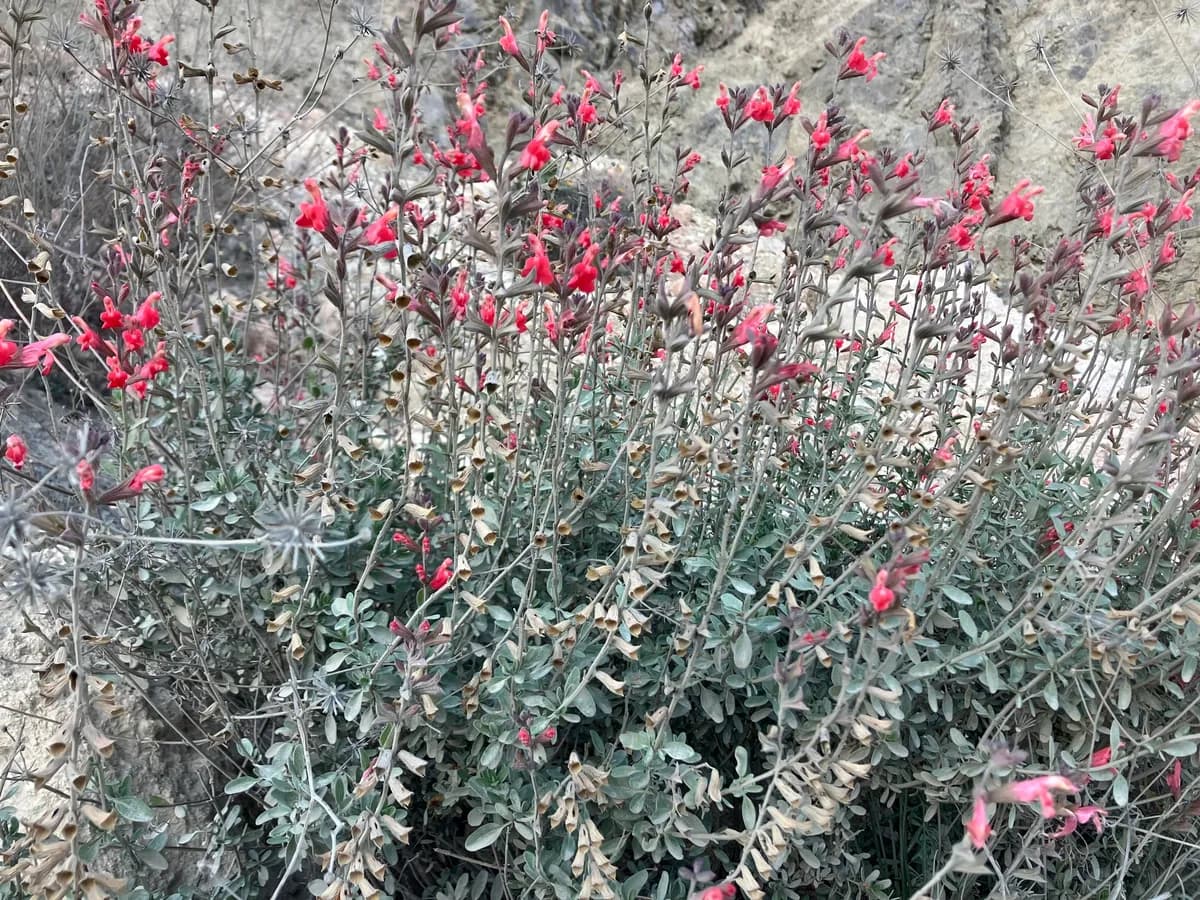
Autumn Sage
Salvia greggii
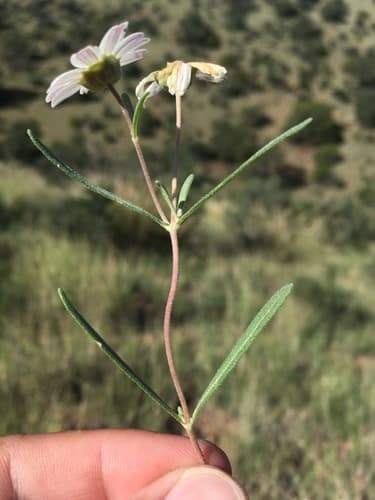
Blackfoot Daisy
Melampodium leucanthum
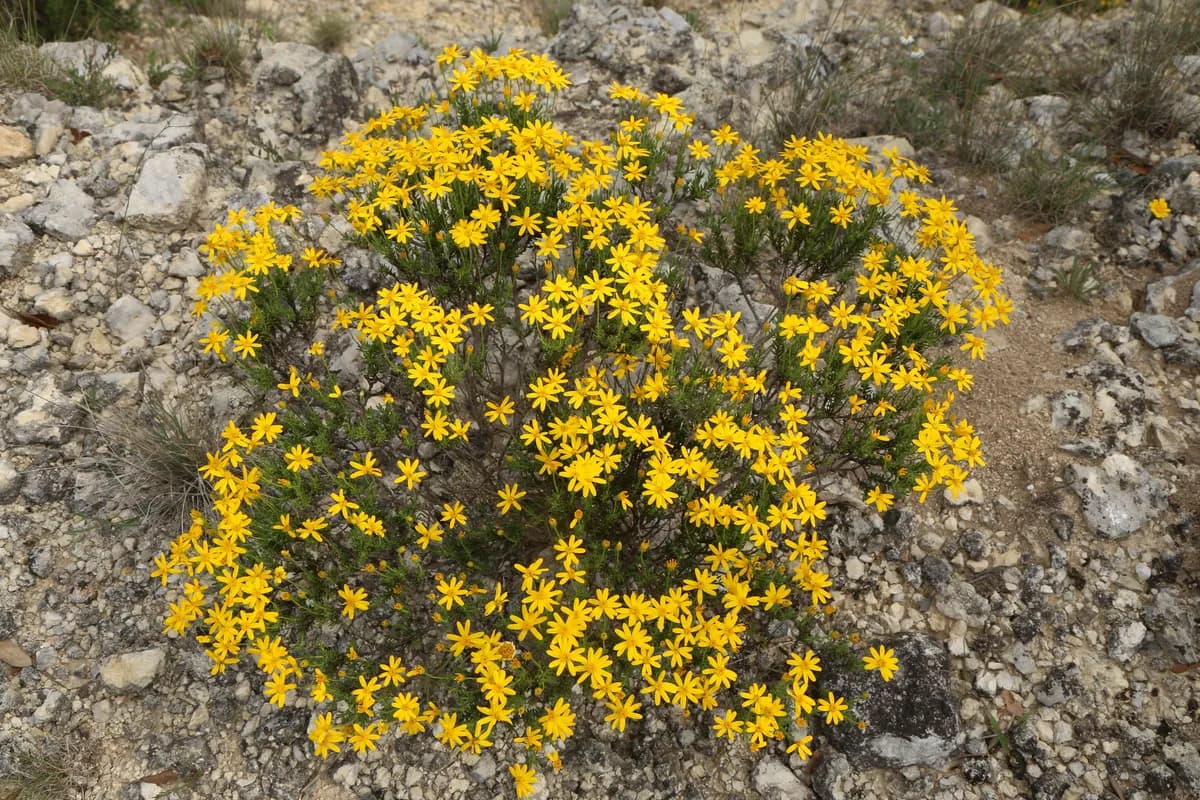
Damianita
Chrysactinia mexicana
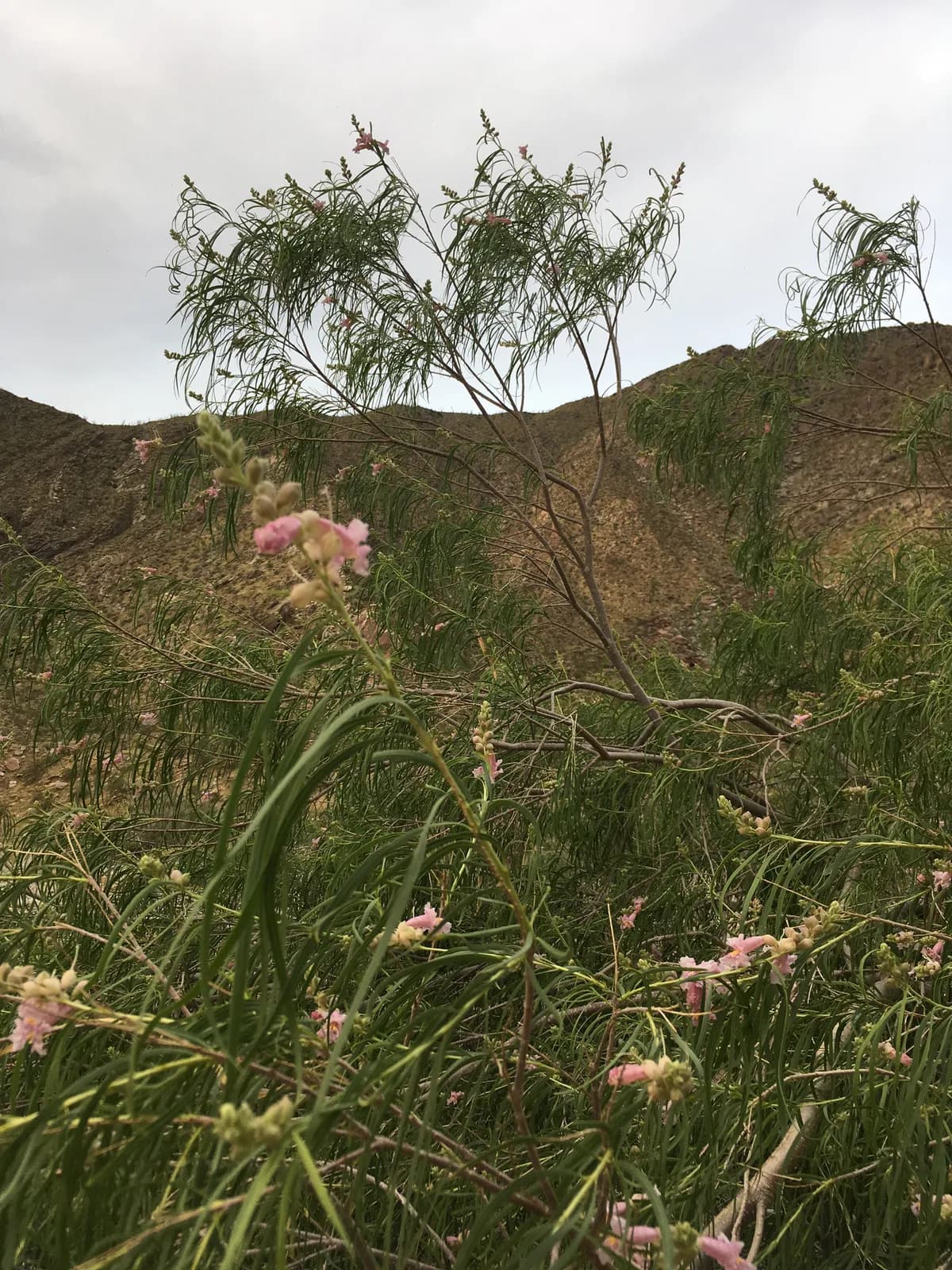
Desert Willow
Chilopsis linearis
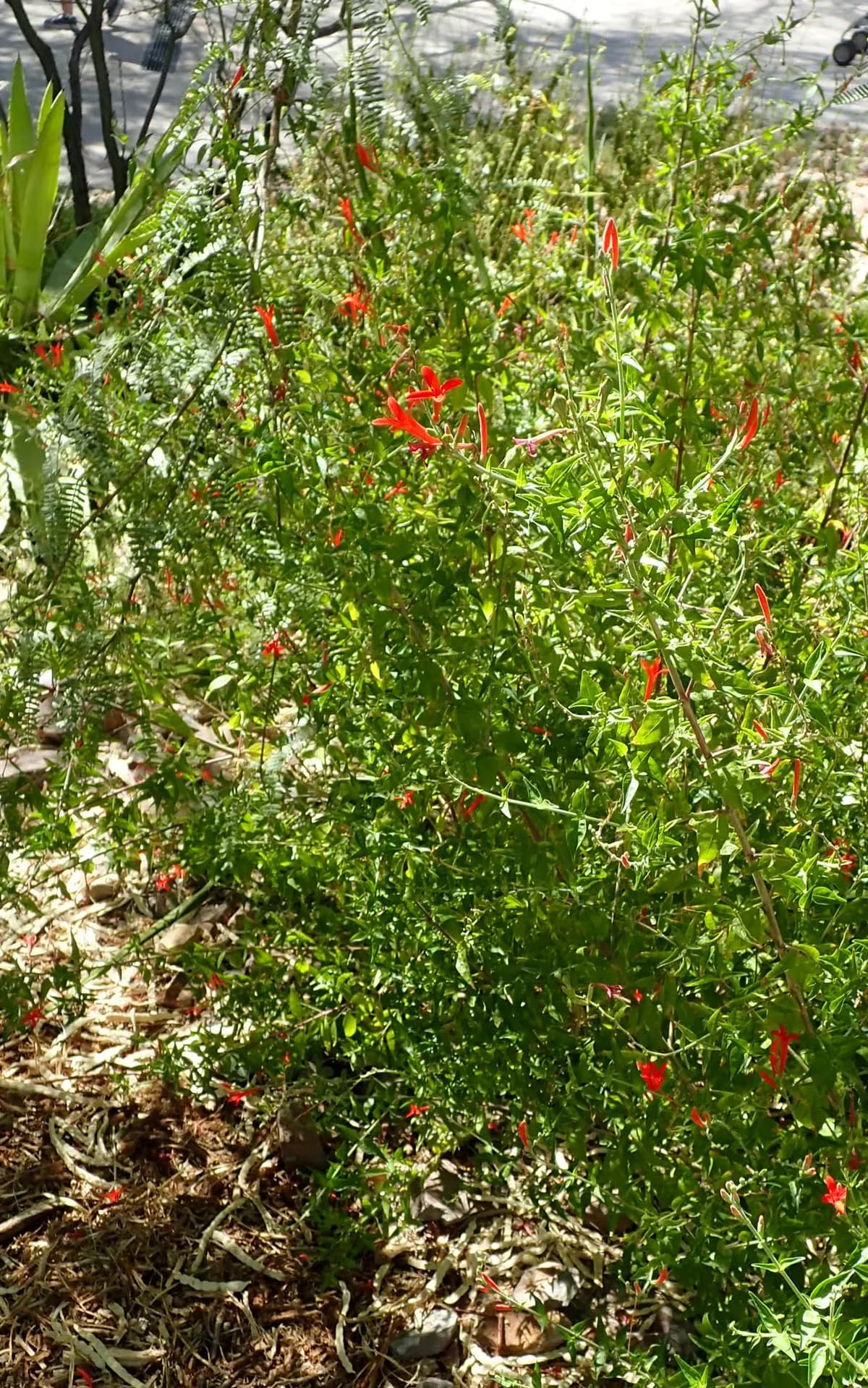
Flame Acanthus
Anisacanthus quadrifidus var. wrightii
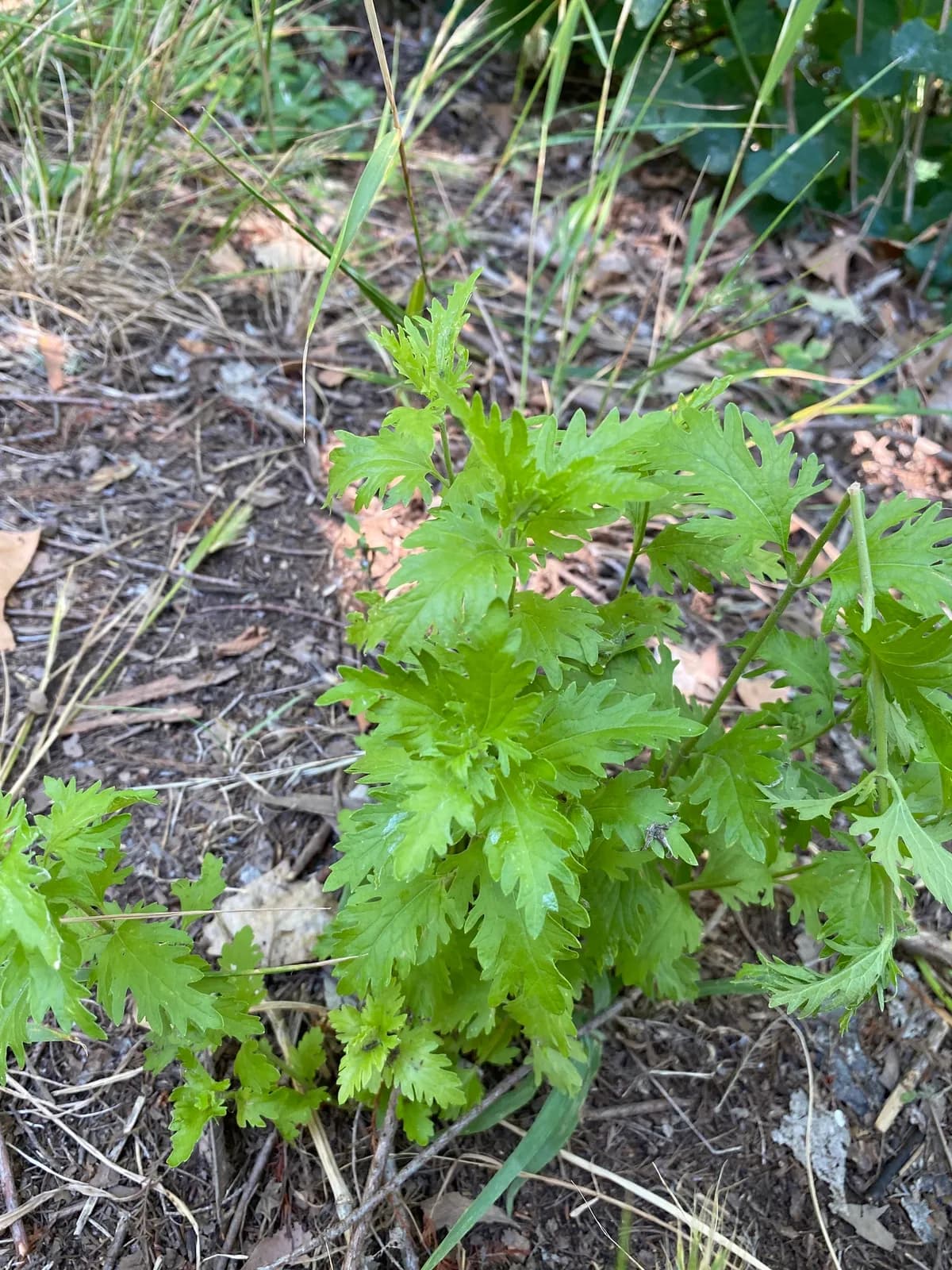
Gregg's Mistflower
Conoclinium greggii
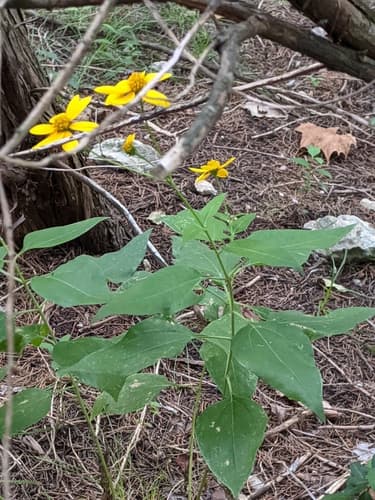
Plateau Goldeneye
Viguiera dentata
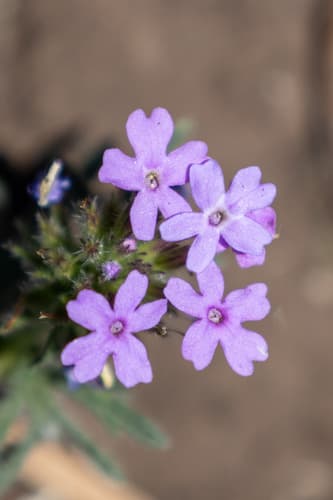
Prairie Verbena
Glandularia bipinnatifida
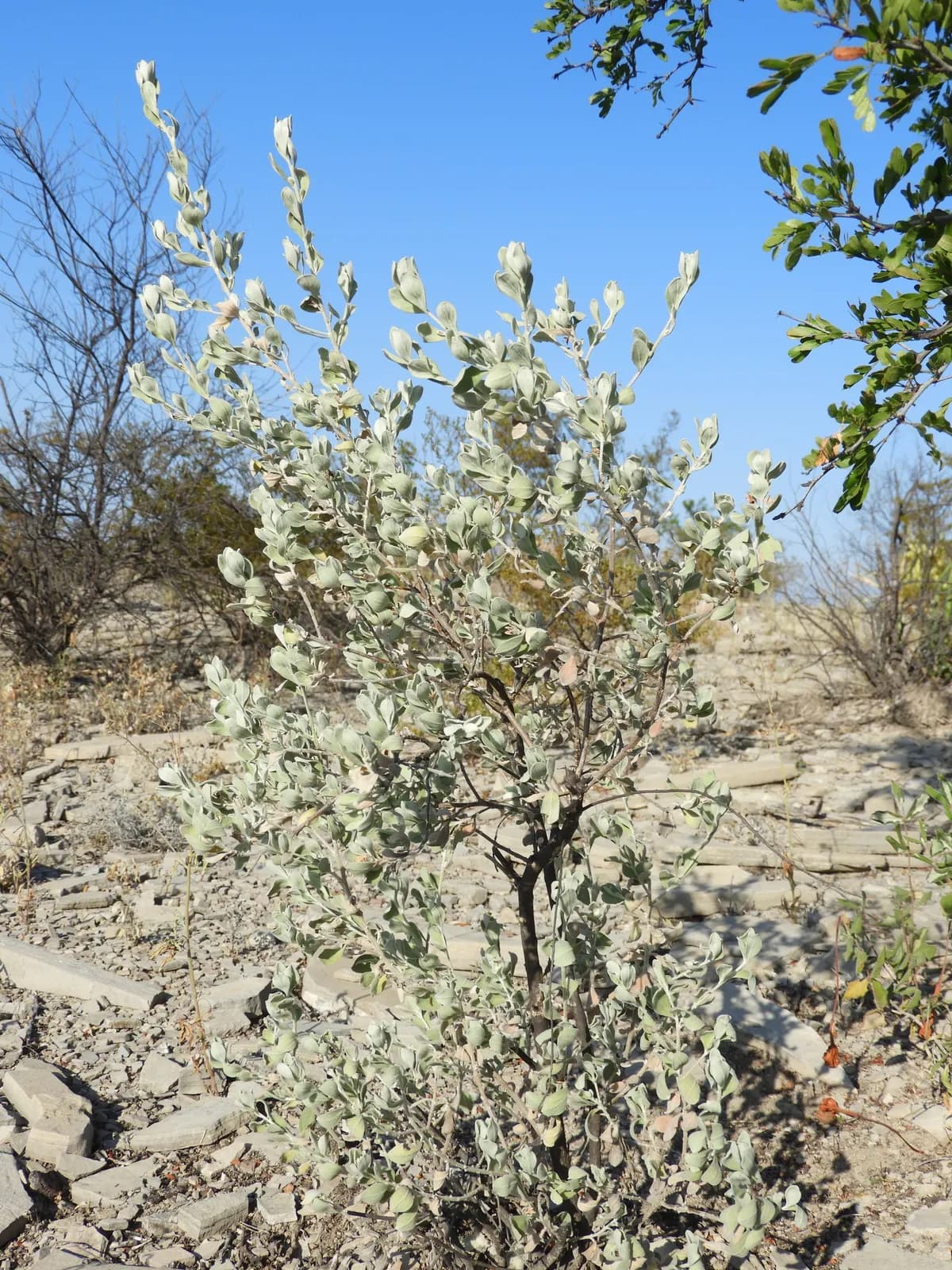
Texas Ranger
Leucophyllum frutescens
710 More Natives for the Trans-Pecos
From our full plant database, HOA-friendly picks first. Pet-safety status varies by species; each plant page shows its sourced ASPCA status.

Little Bluestem
Schizachyrium scoparium
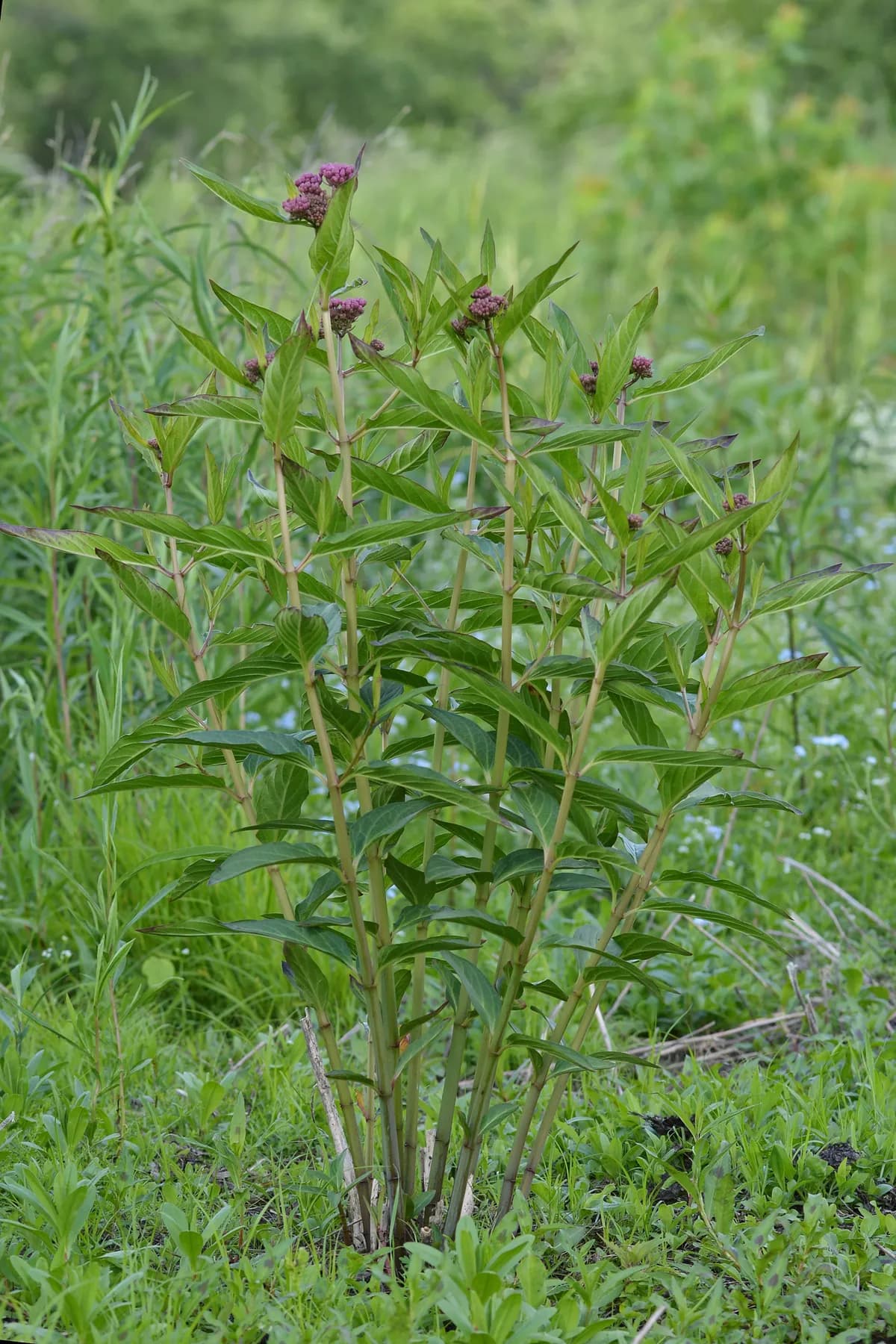
Swamp Milkweed
Asclepias incarnata
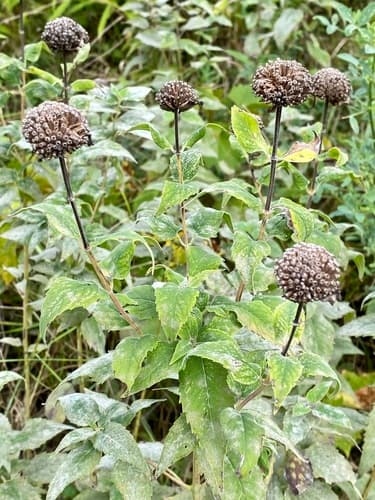
Wild Bergamot
Monarda fistulosa
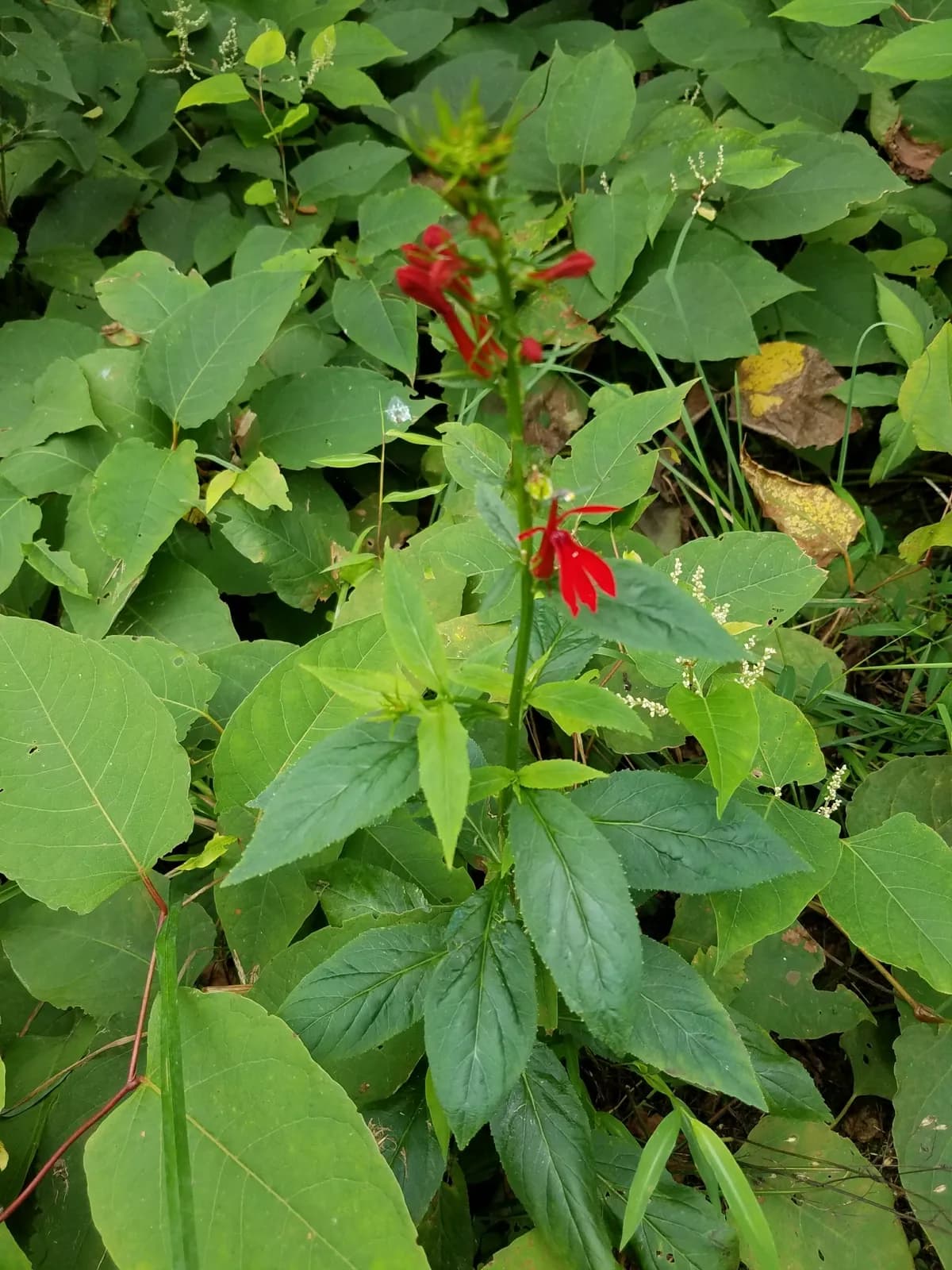
Cardinal Flower
Lobelia cardinalis
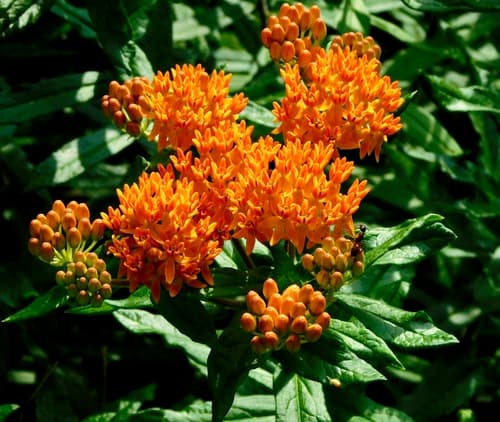
Butterfly Milkweed
Asclepias tuberosa
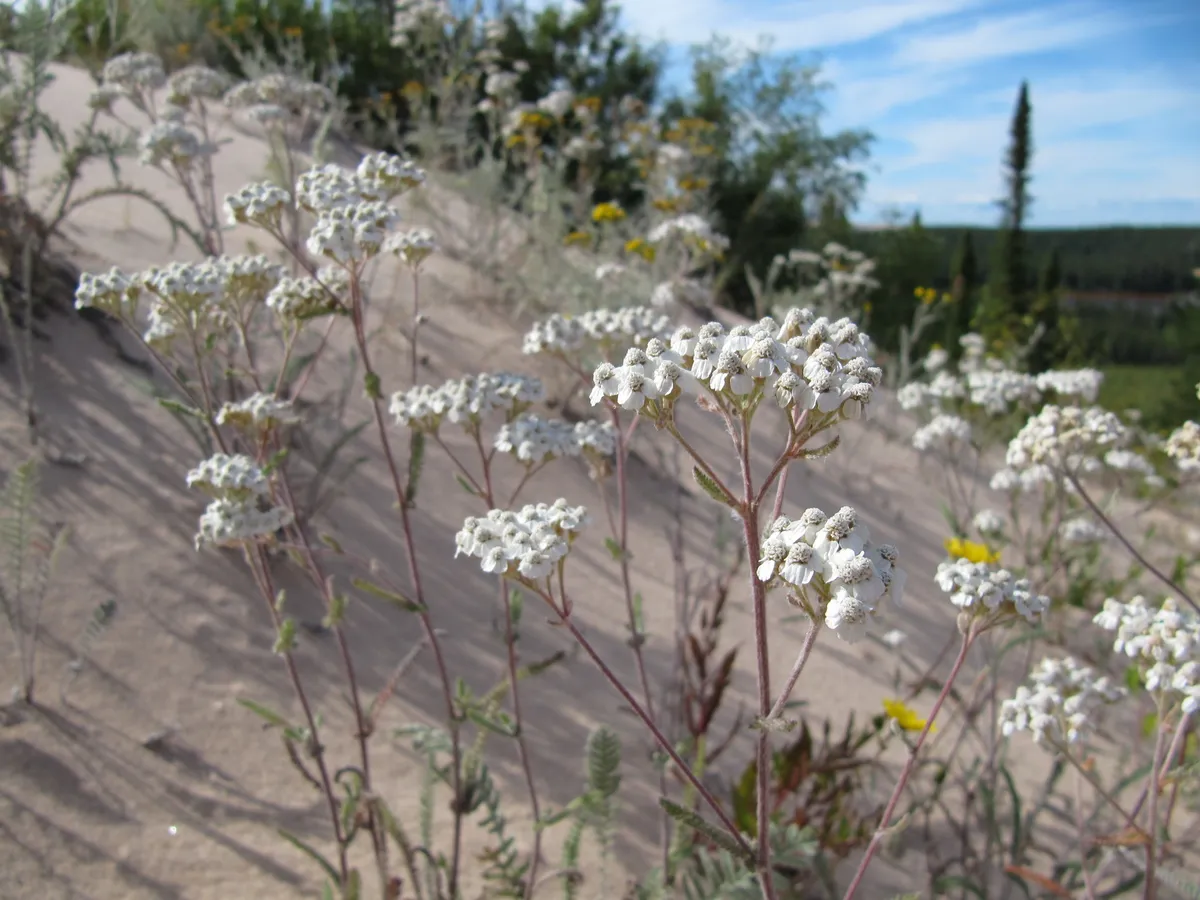
Common Yarrow
Achillea millefolium
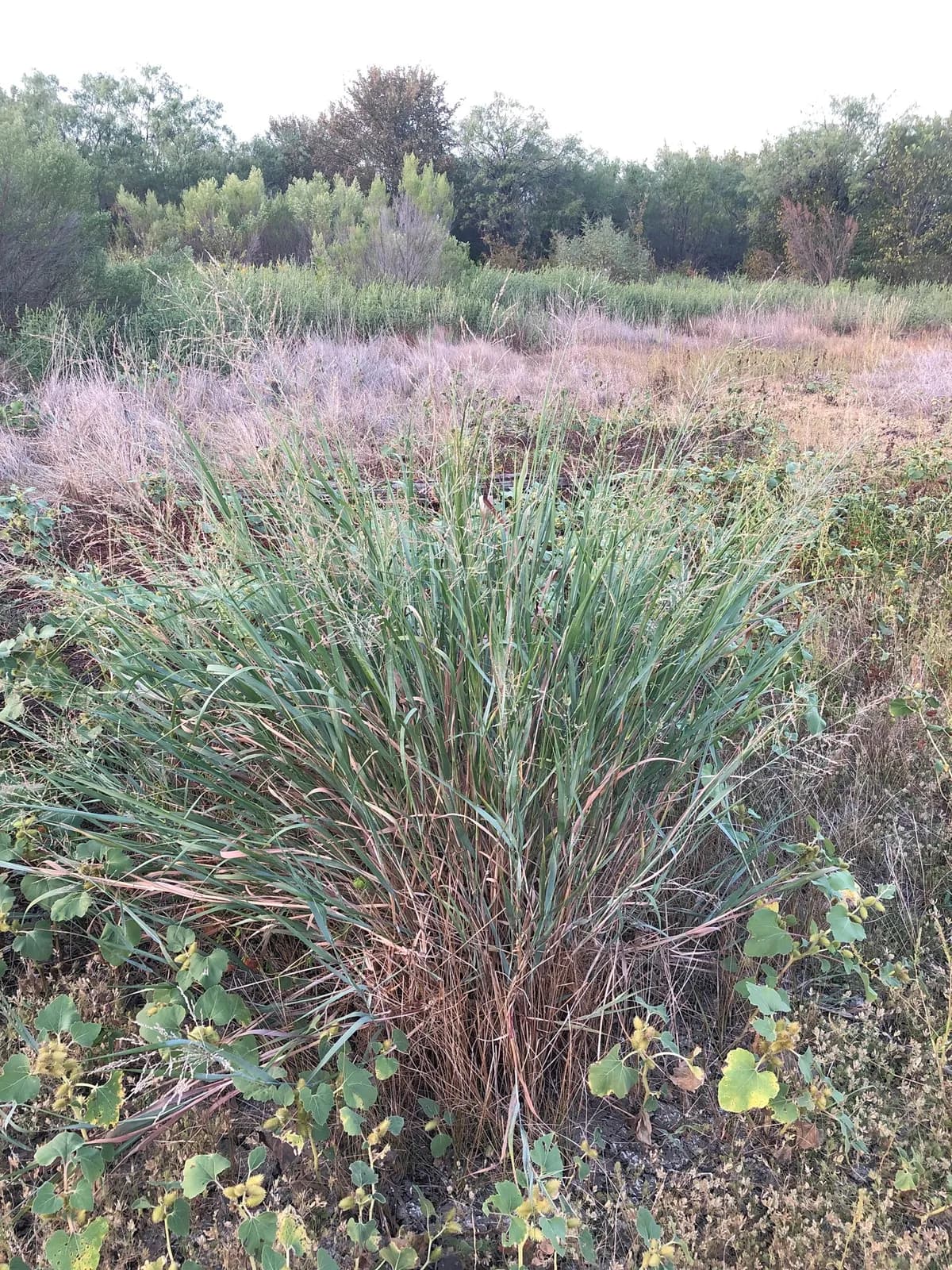
Switchgrass
Panicum virgatum
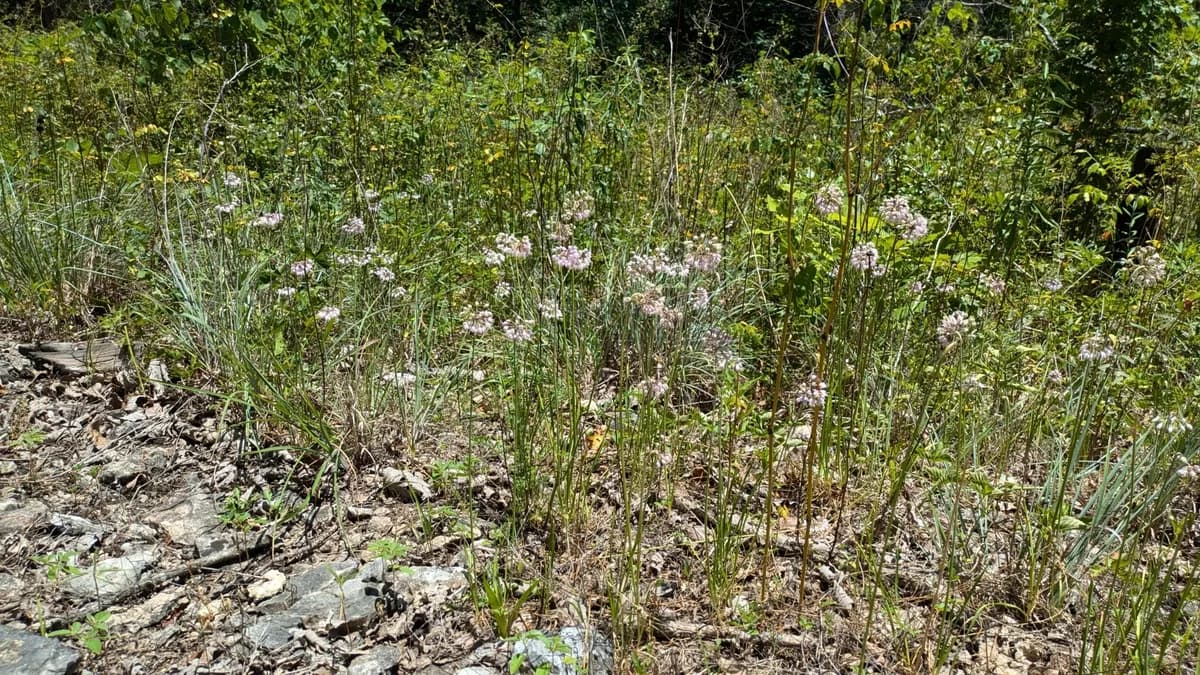
Nodding Onion
Allium cernuum

Sideoats Grama
Bouteloua curtipendula
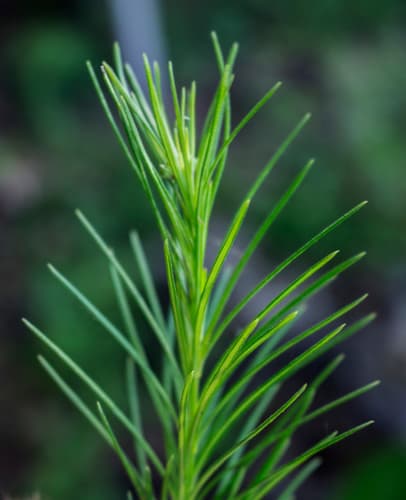
Whorled Milkweed
Asclepias verticillata
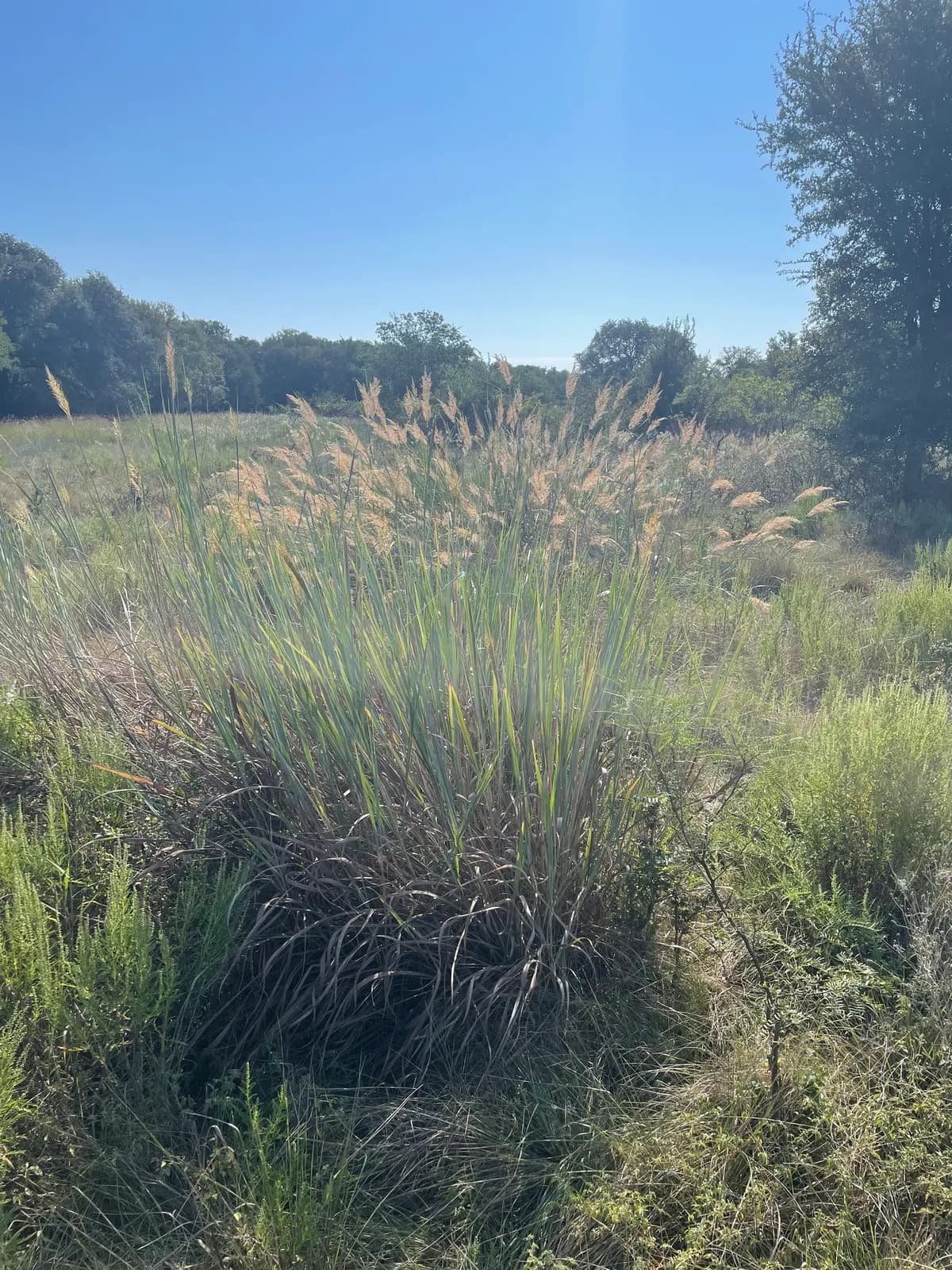
Indiangrass
Sorghastrum nutans
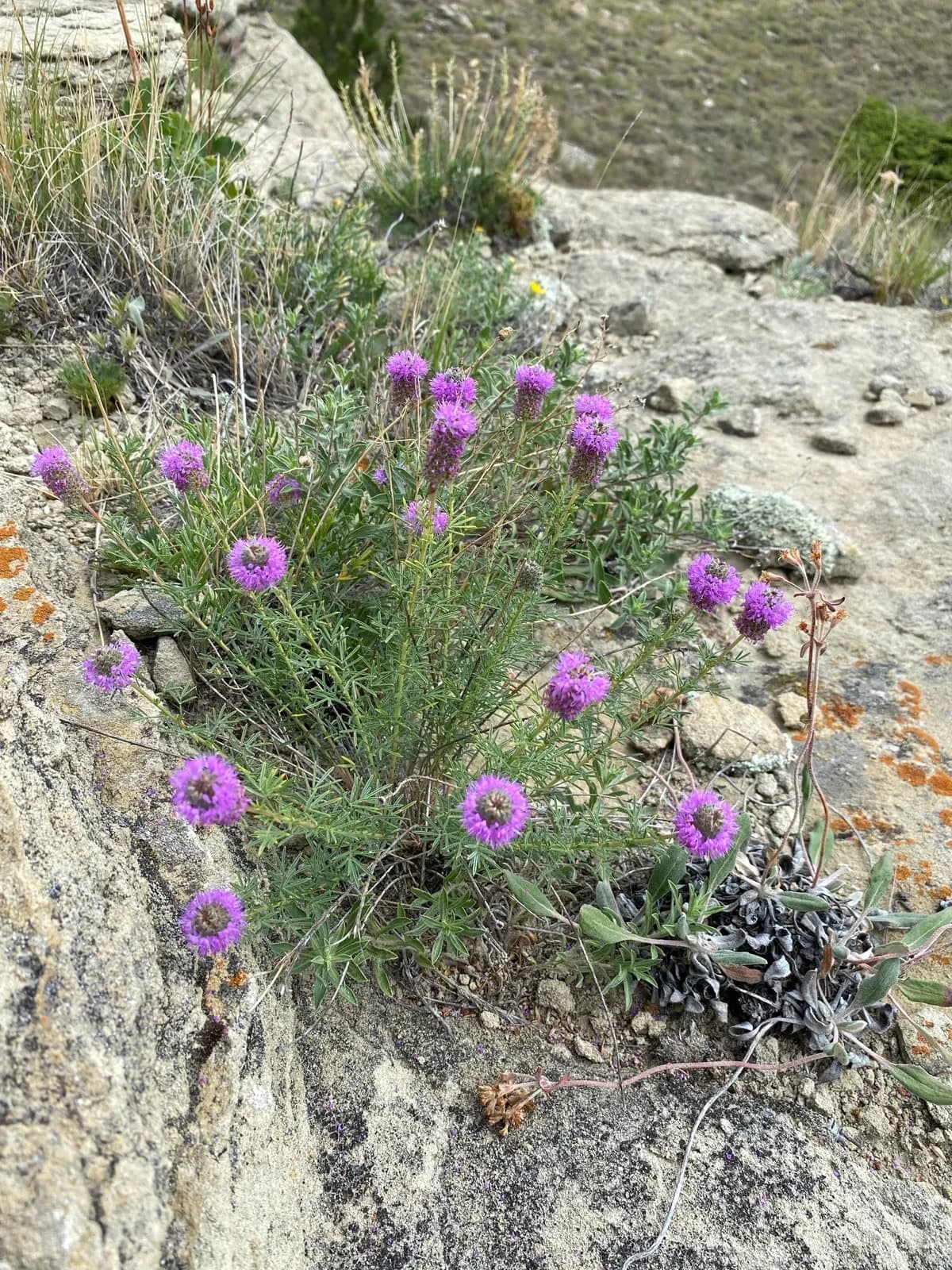
Purple Prairie Clover
Dalea purpurea
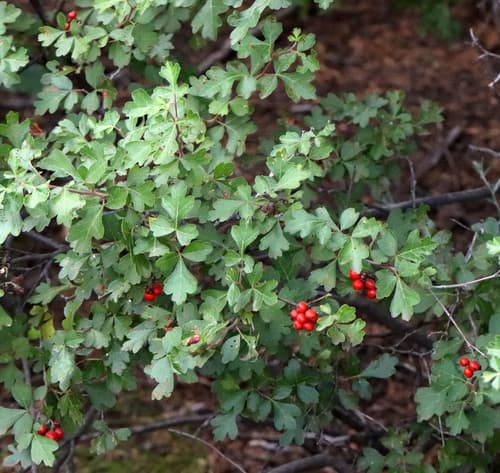
Aromatic Sumac
Rhus aromatica
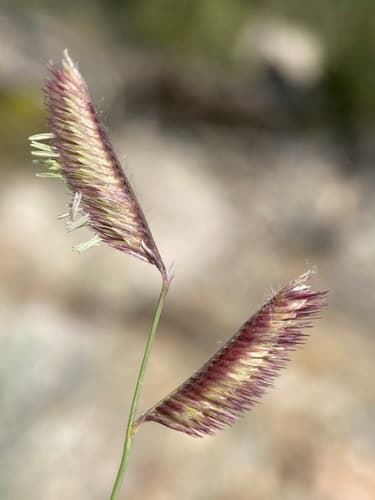
Blue Grama
Bouteloua gracilis
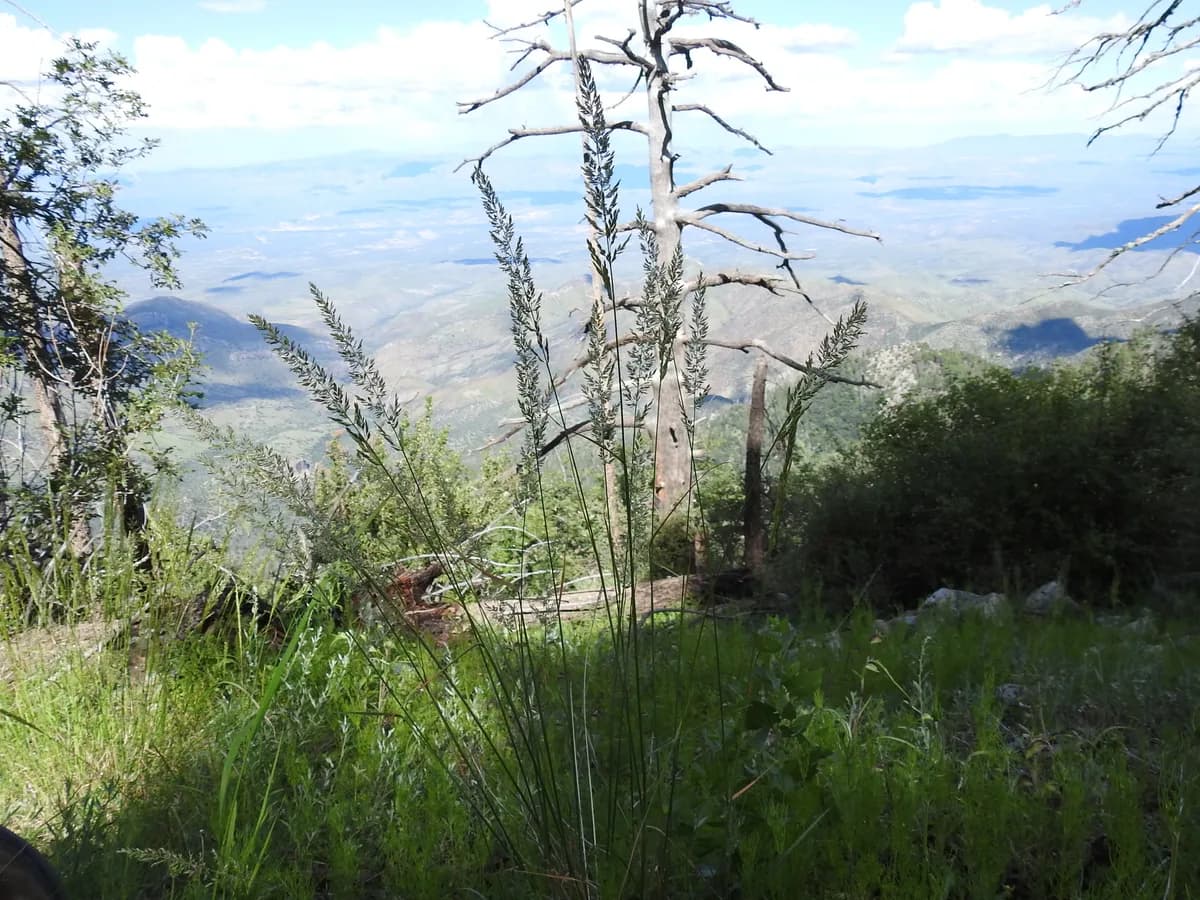
Prairie Junegrass
Koeleria macrantha

Fragrant Phlox
Phlox pilosa

Mexican Hat
Ratibida columnifera
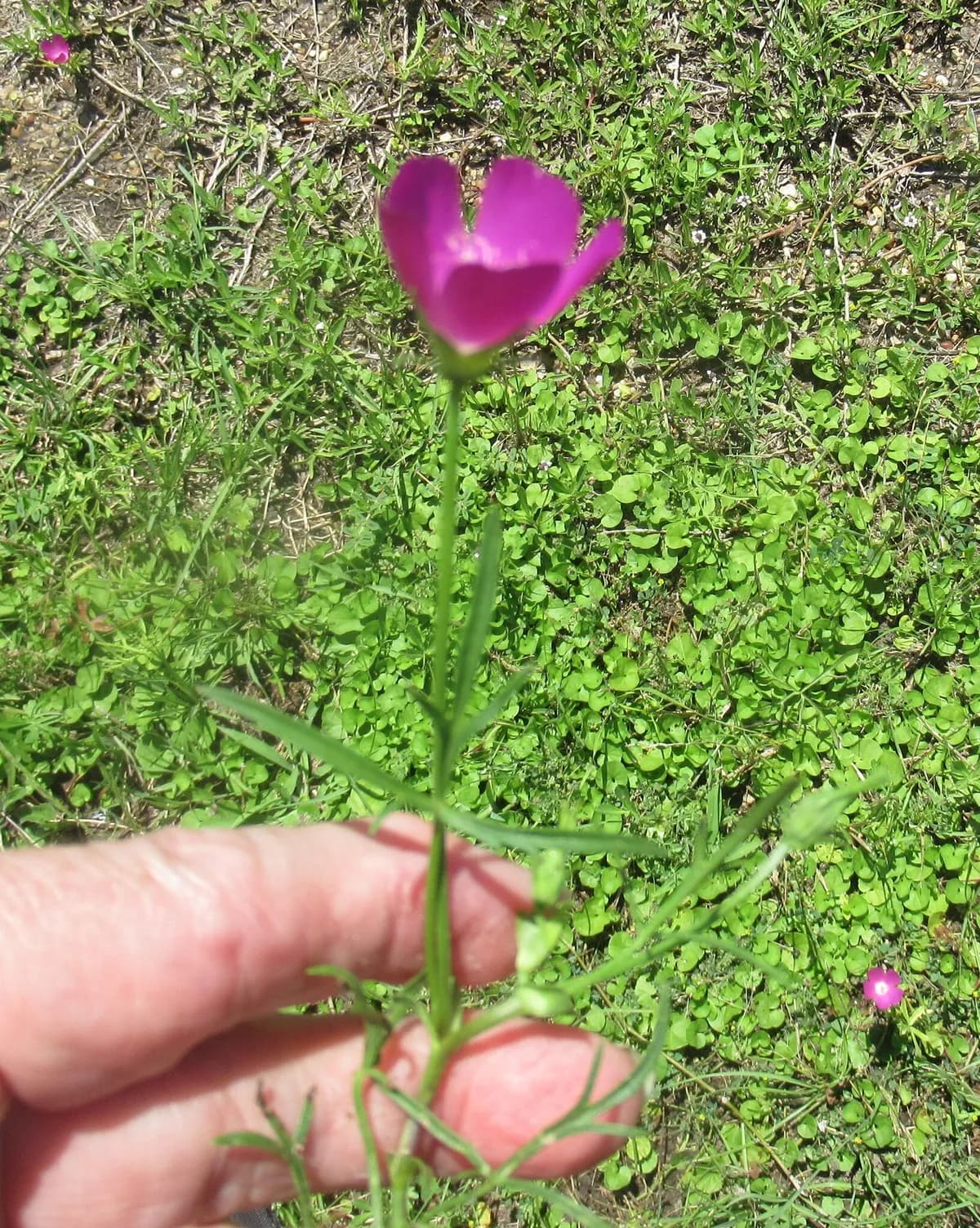
Winecup
Callirhoe involucrata
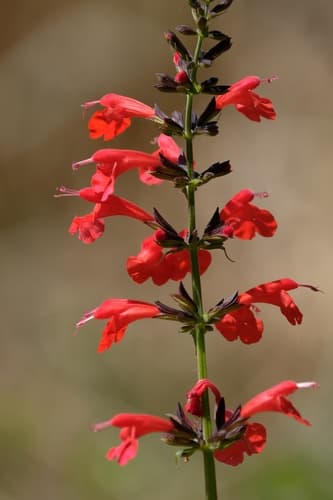
Scarlet Sage
Salvia coccinea
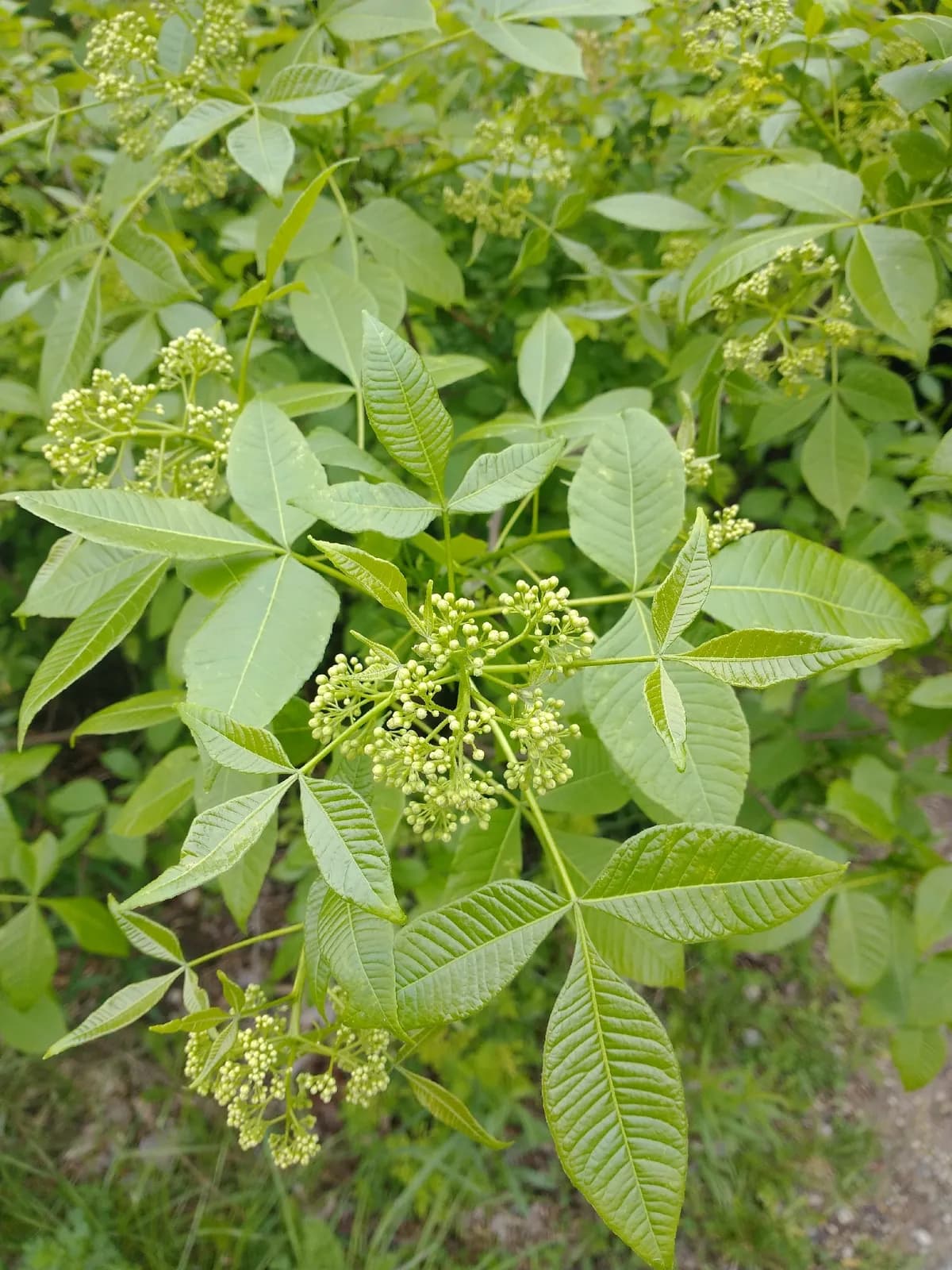
Wafer Ash
Ptelea trifoliata
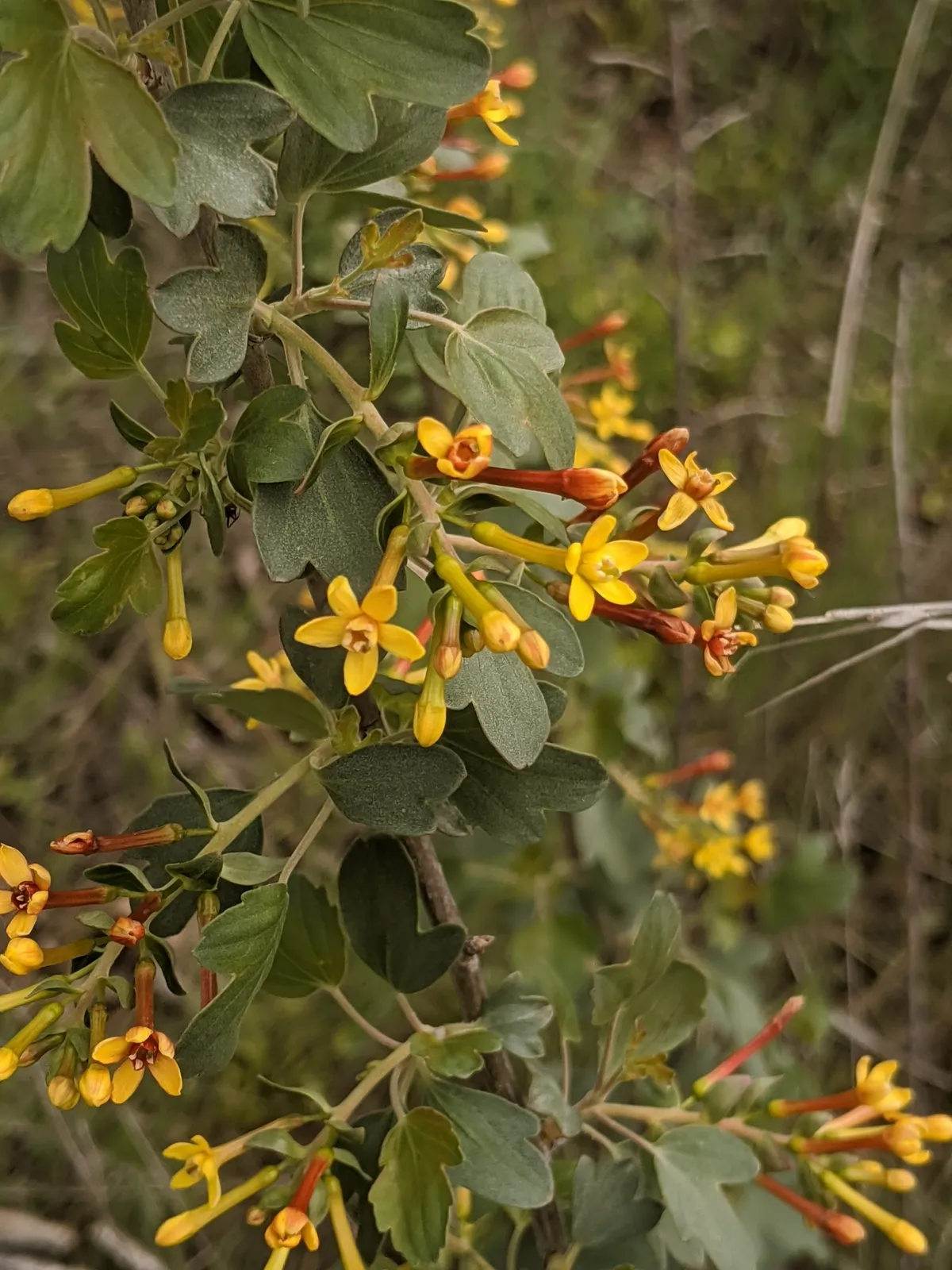
Golden Currant
Ribes aureum
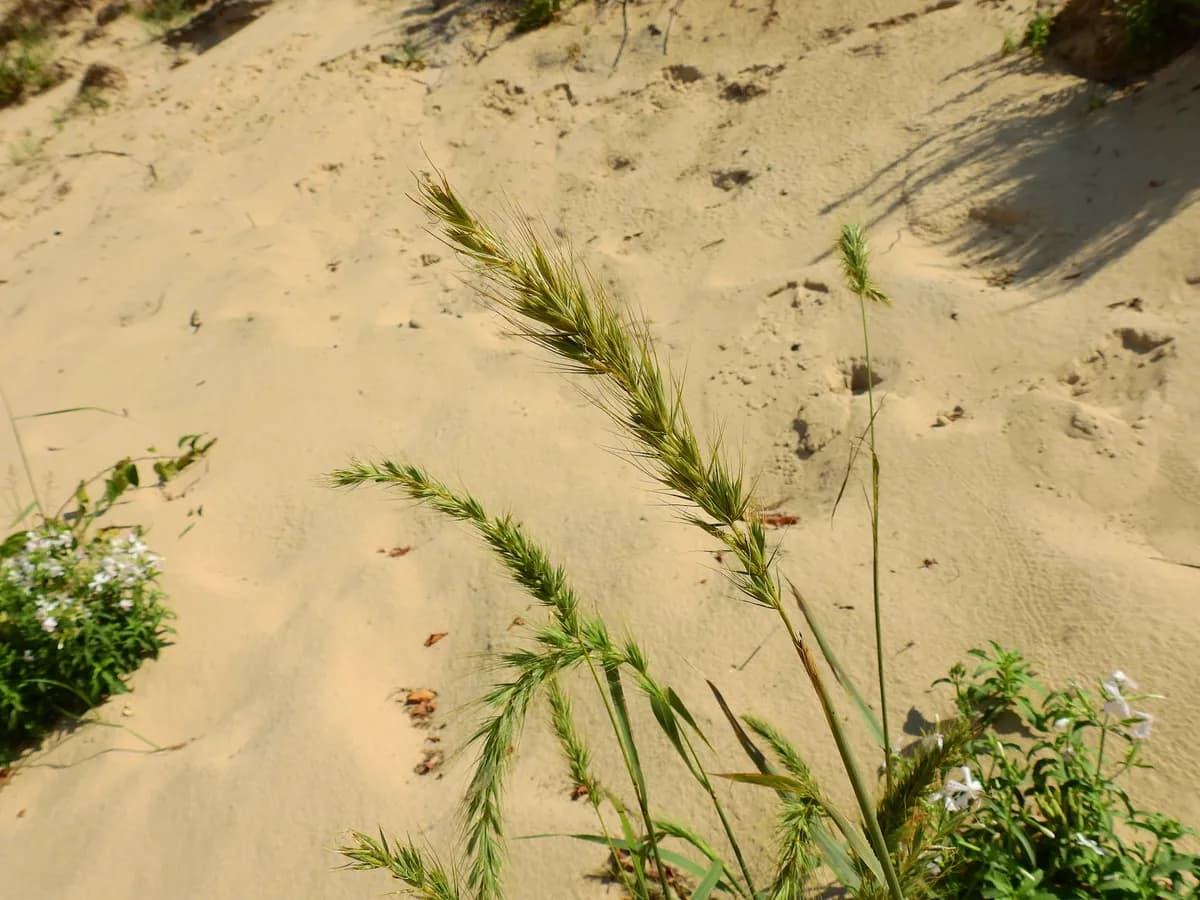
Prairie Wildrye
Elymus canadensis
White Prairie Clover
Dalea candida
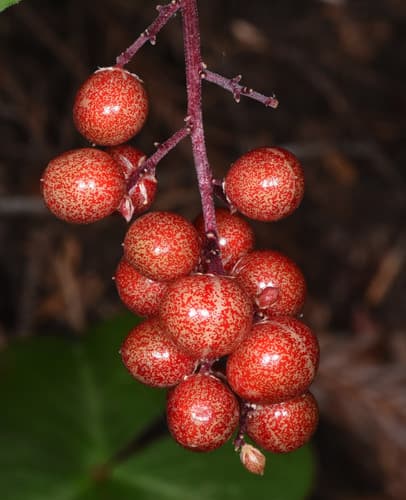
Solomon's-plume
Maianthemum racemosum

American Germander
Teucrium canadense
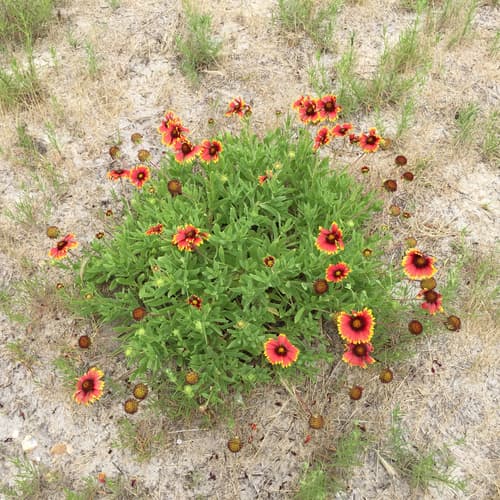
Firewheel
Gaillardia pulchella

Gayfeather
Liatris punctata
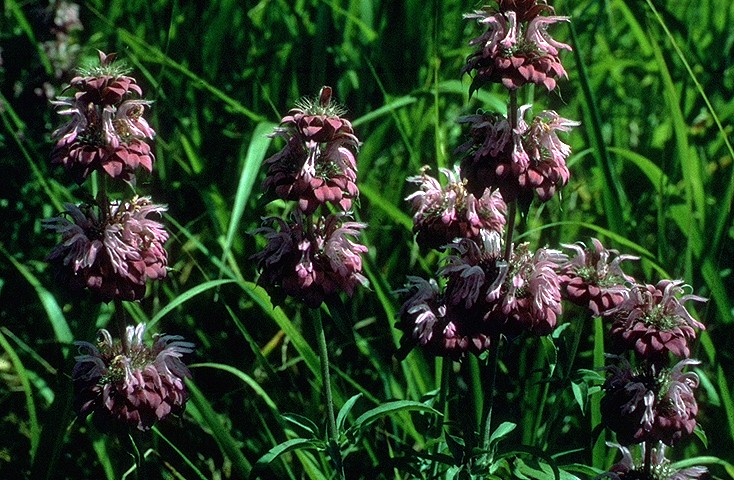
Horsemint
Monarda citriodora
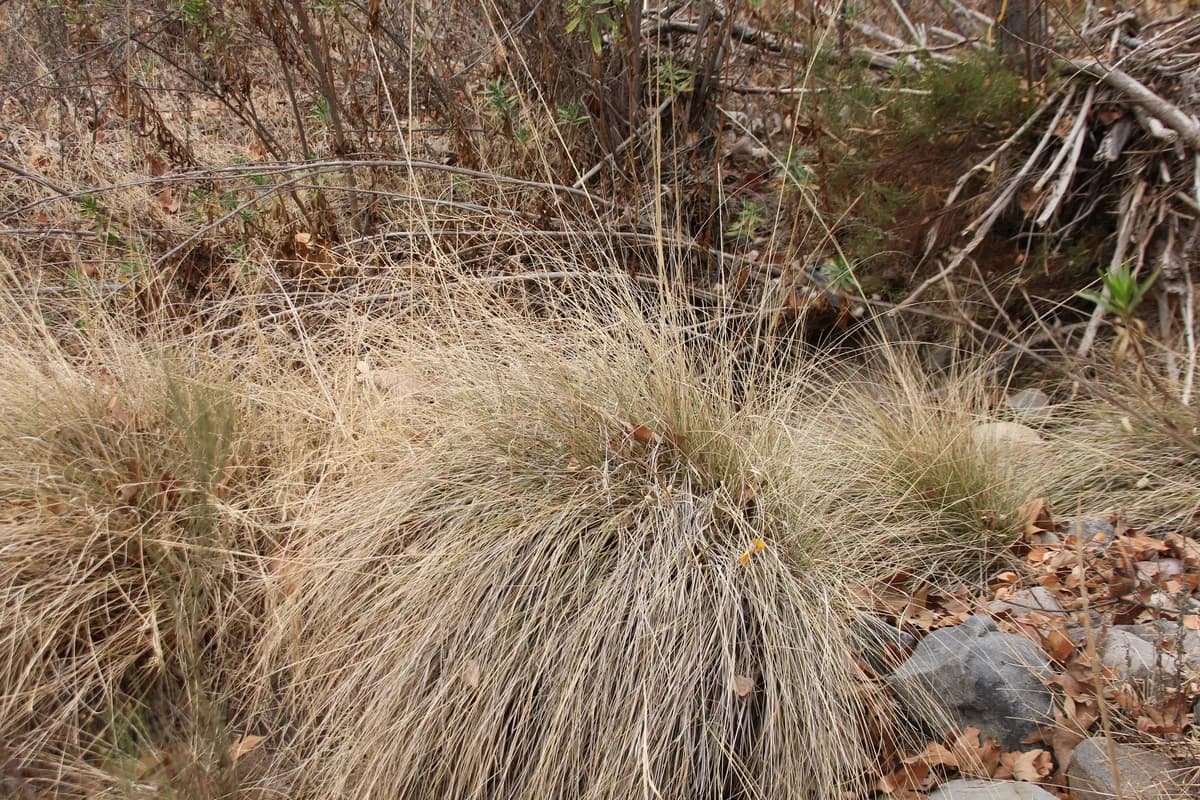
Deer Grass
Muhlenbergia rigens

Heath Aster
Symphyotrichum ericoides
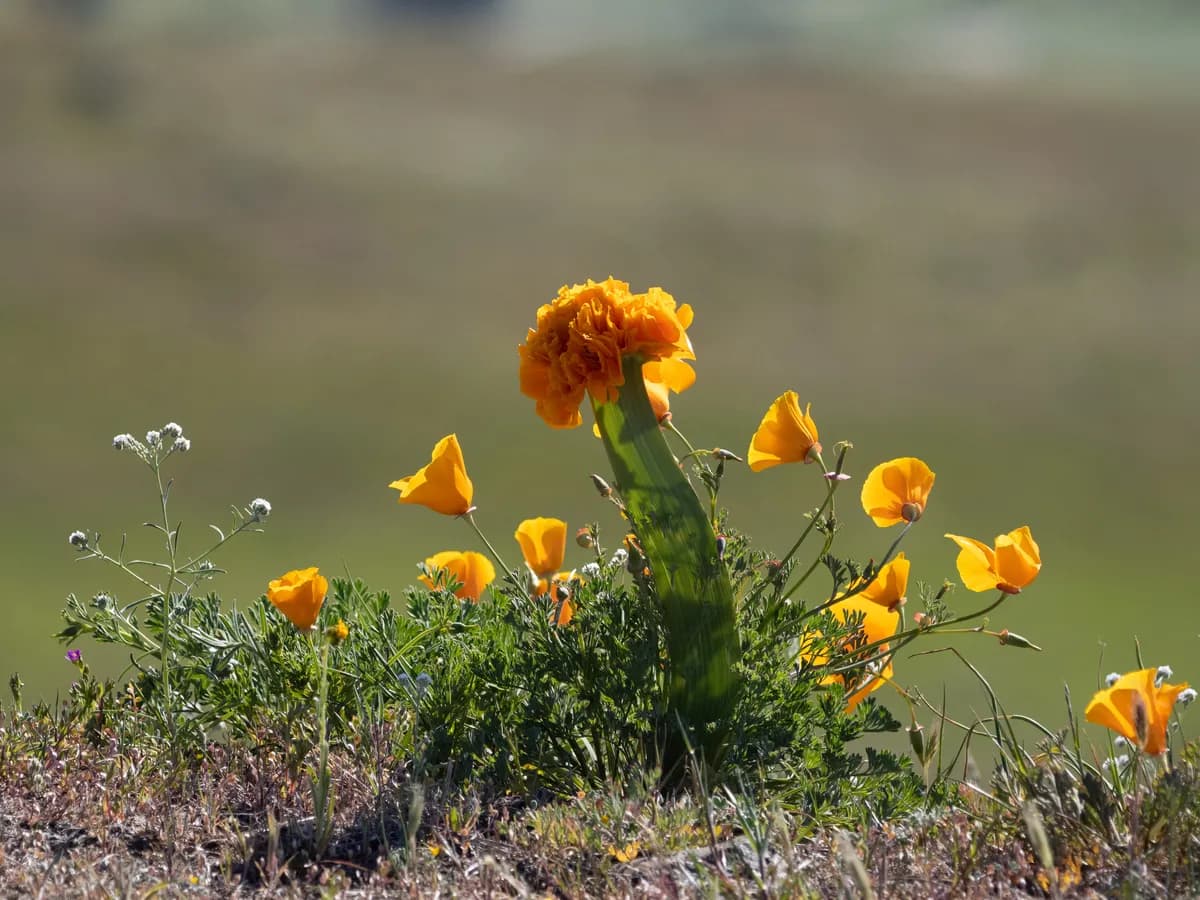
California-poppy
Eschscholzia californica
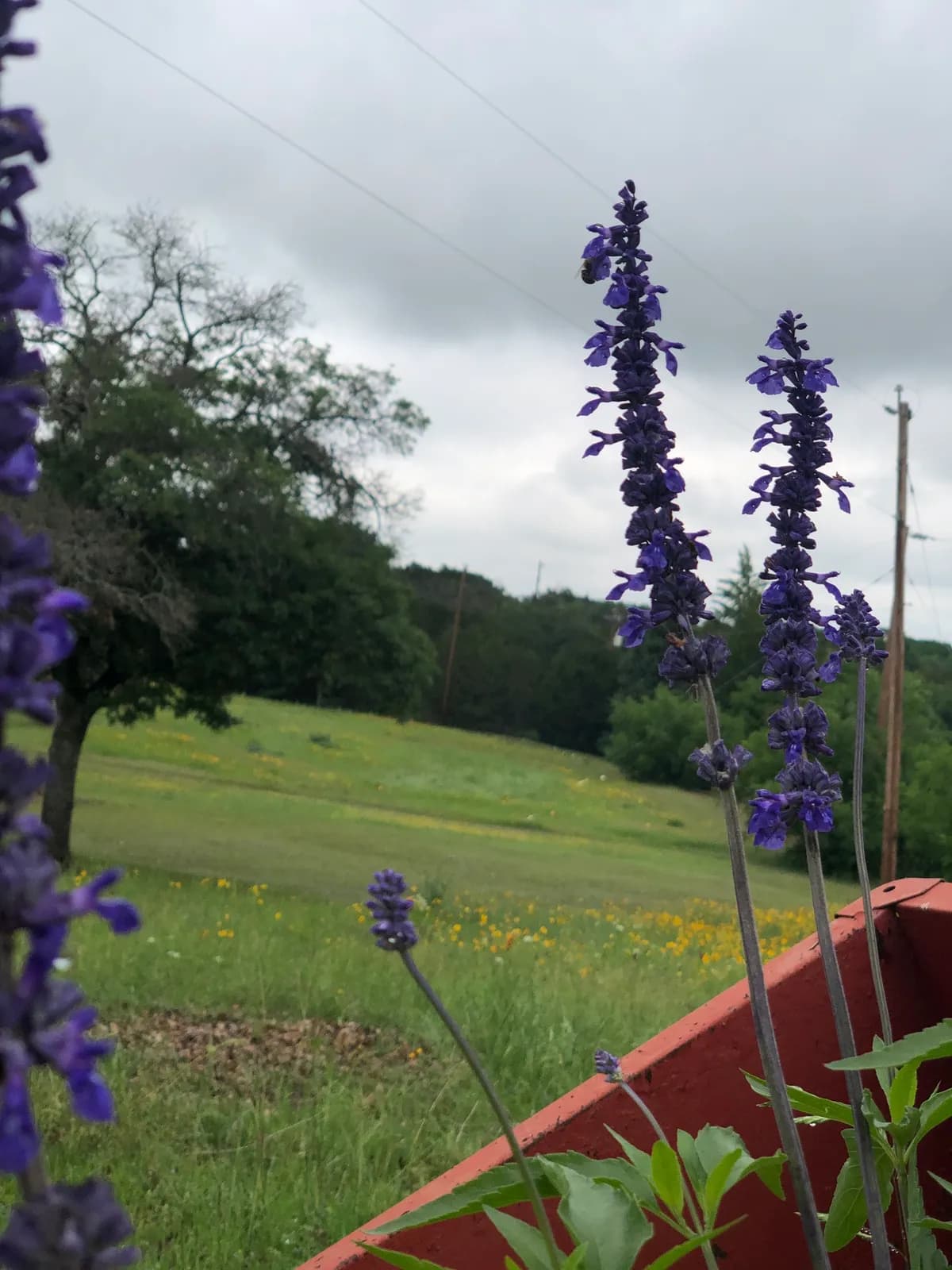
Mealy Blue Sage
Salvia farinacea
Standing Cypress
Ipomopsis rubra
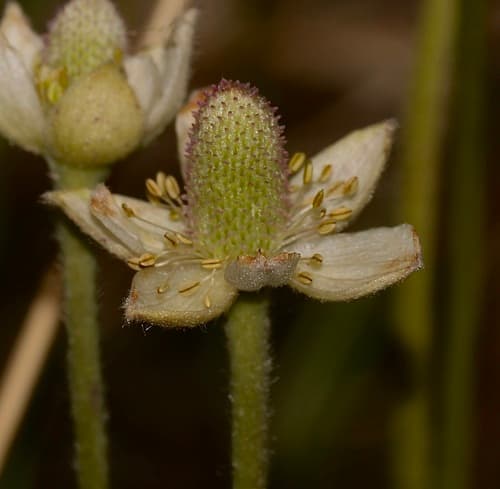
Candle Anemone
Anemone cylindrica
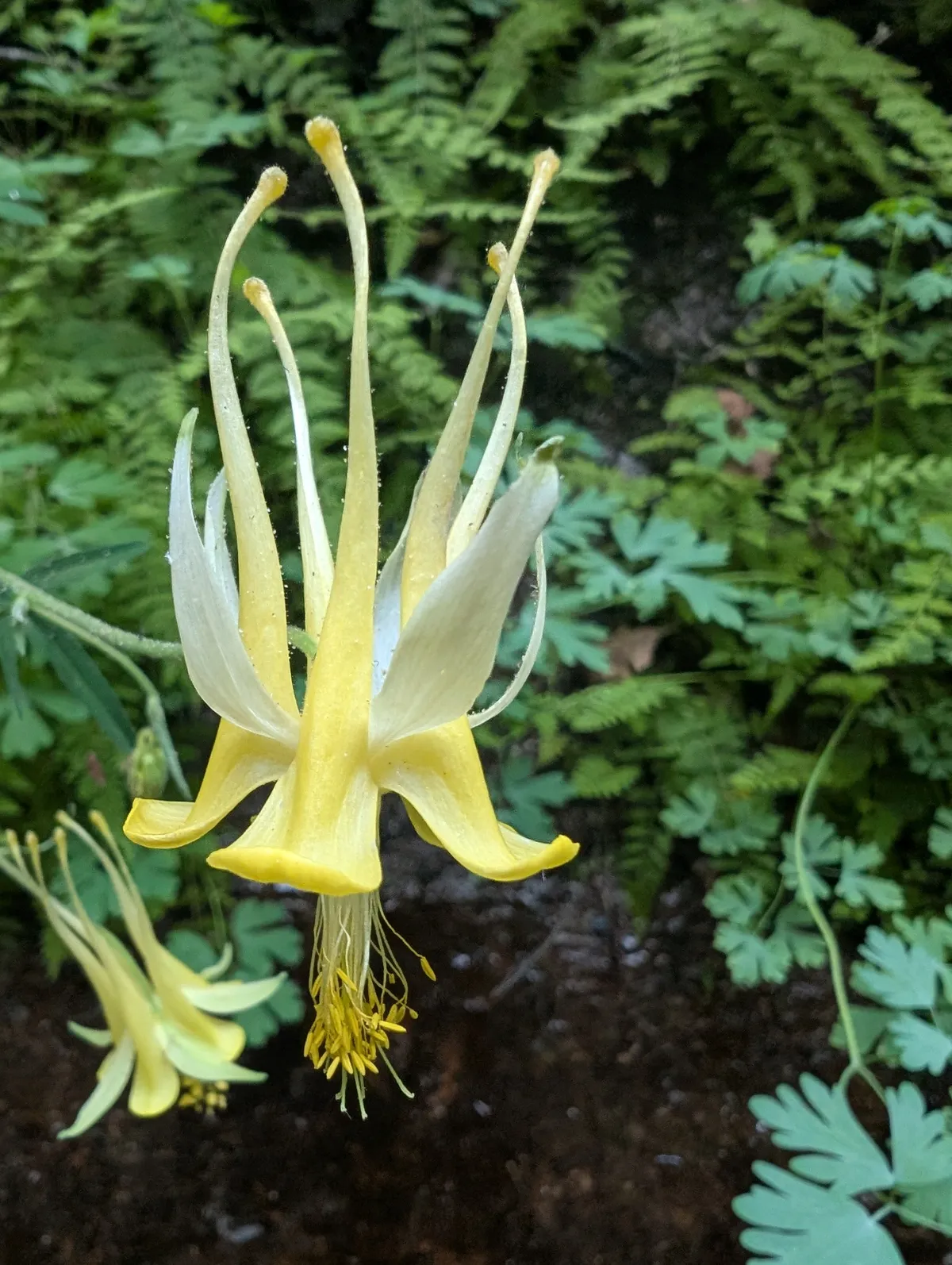
Golden columbine
Aquilegia chrysantha
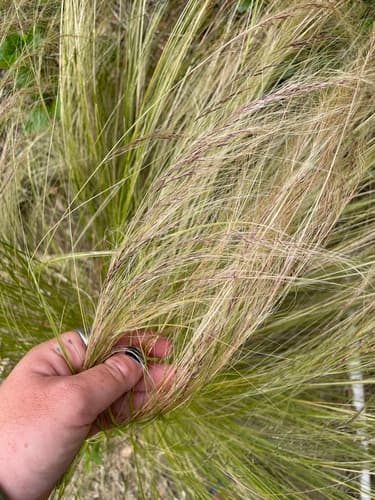
Mexican Feathergrass
Nassella tenuissima
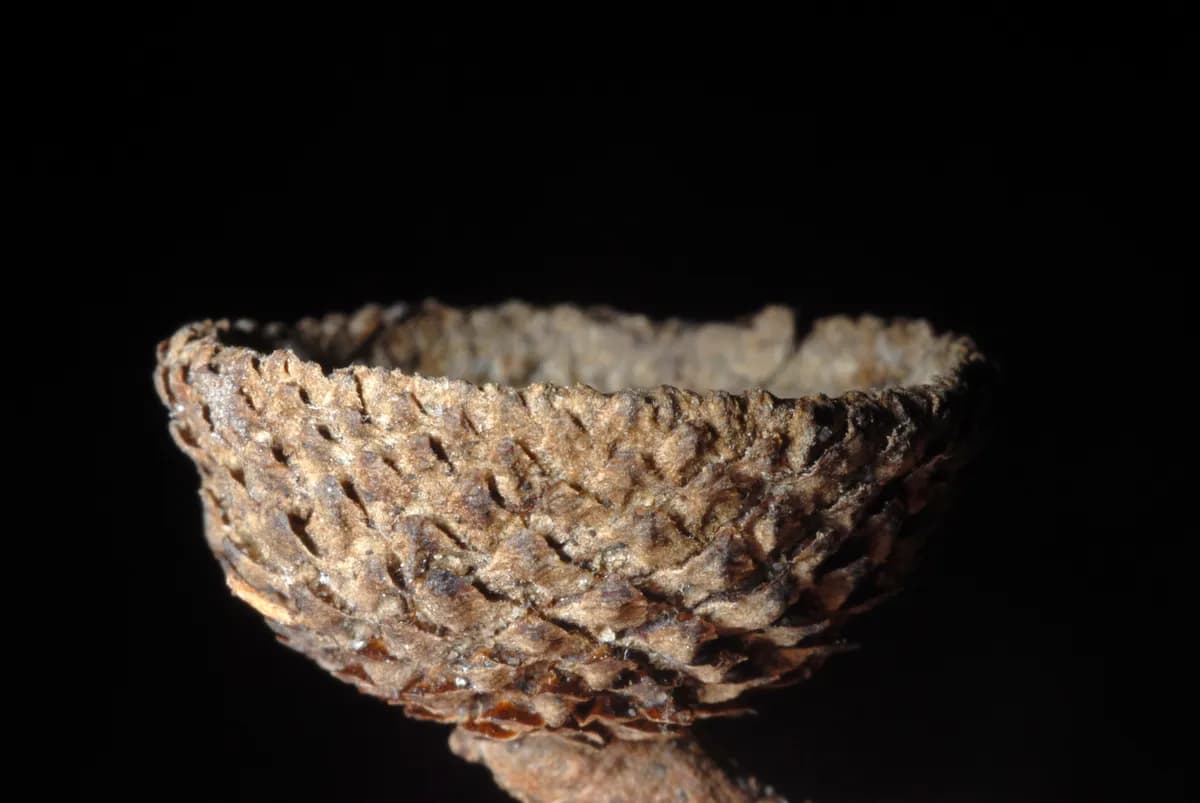
Chinkapin Oak
Quercus muehlenbergii
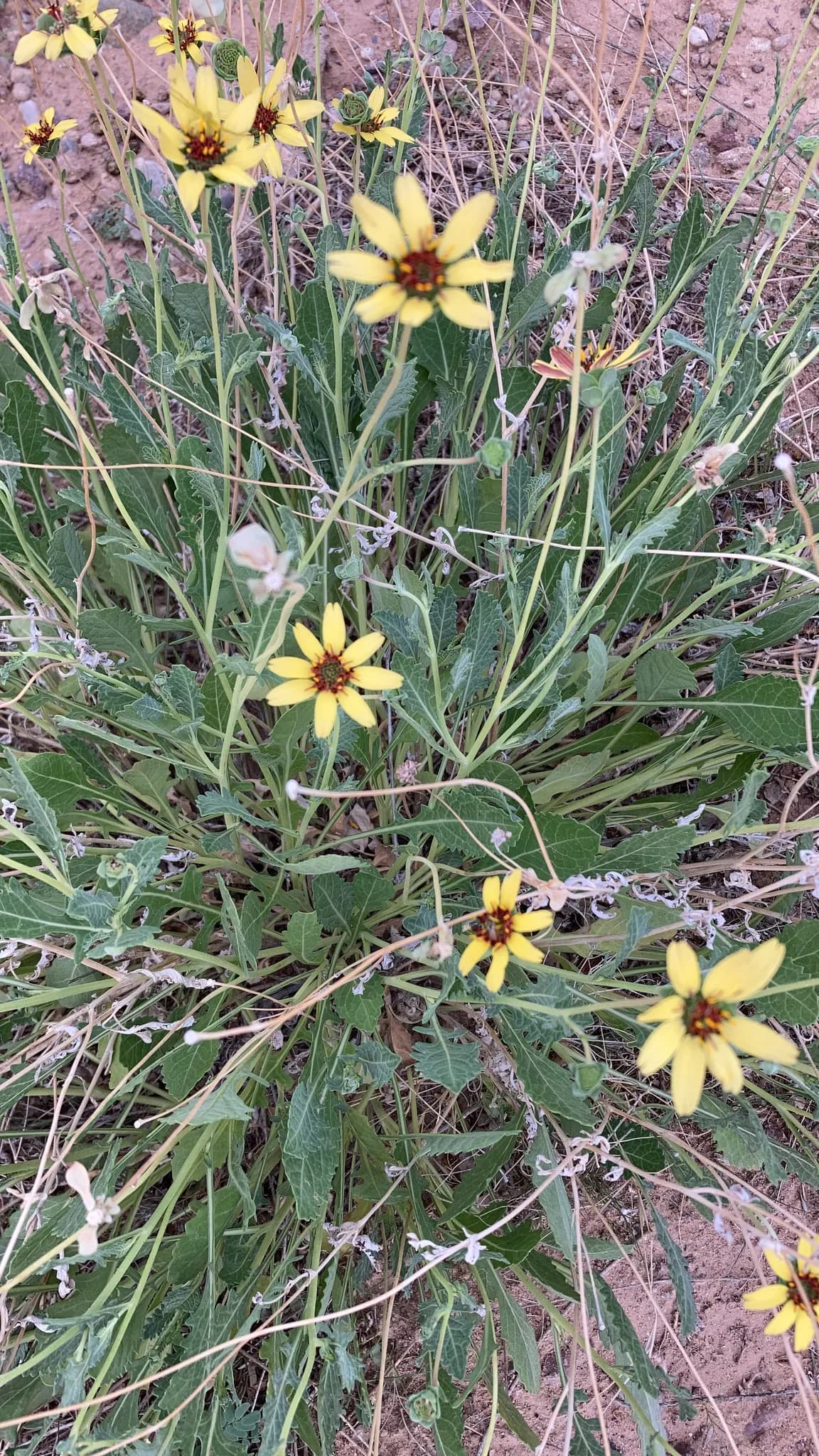
Chocolate Daisy
Berlandiera lyrata
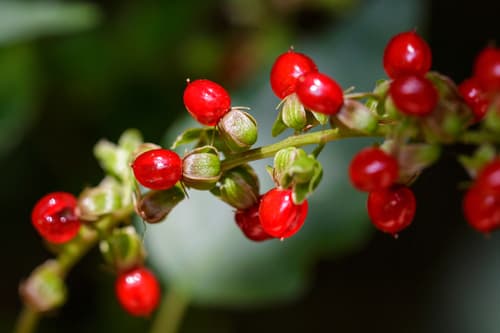
Pigeonberry
Rivina humilis
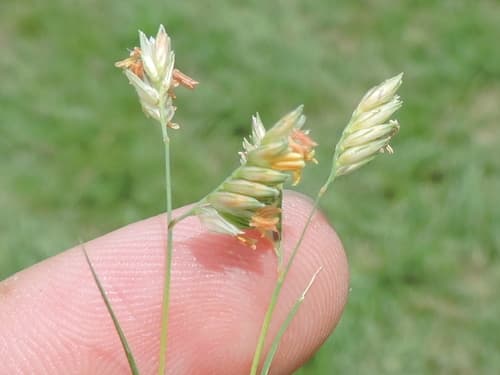
Buffalograss
Bouteloua dactyloides
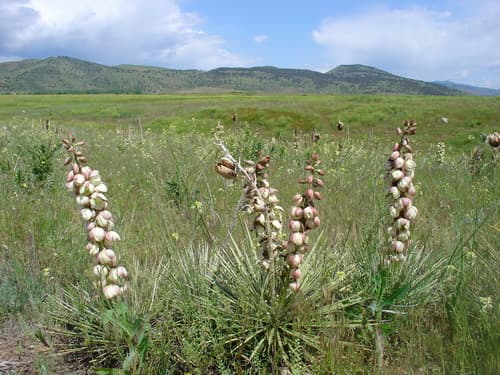
Soapweed yucca
Yucca glauca
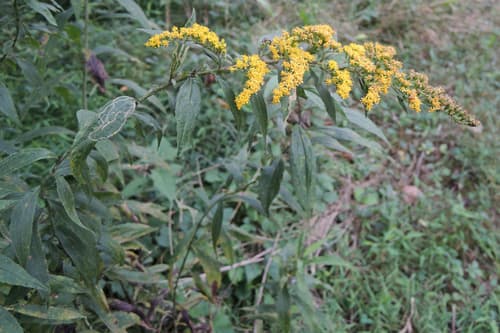
Canadian Goldenrod
Solidago canadensis
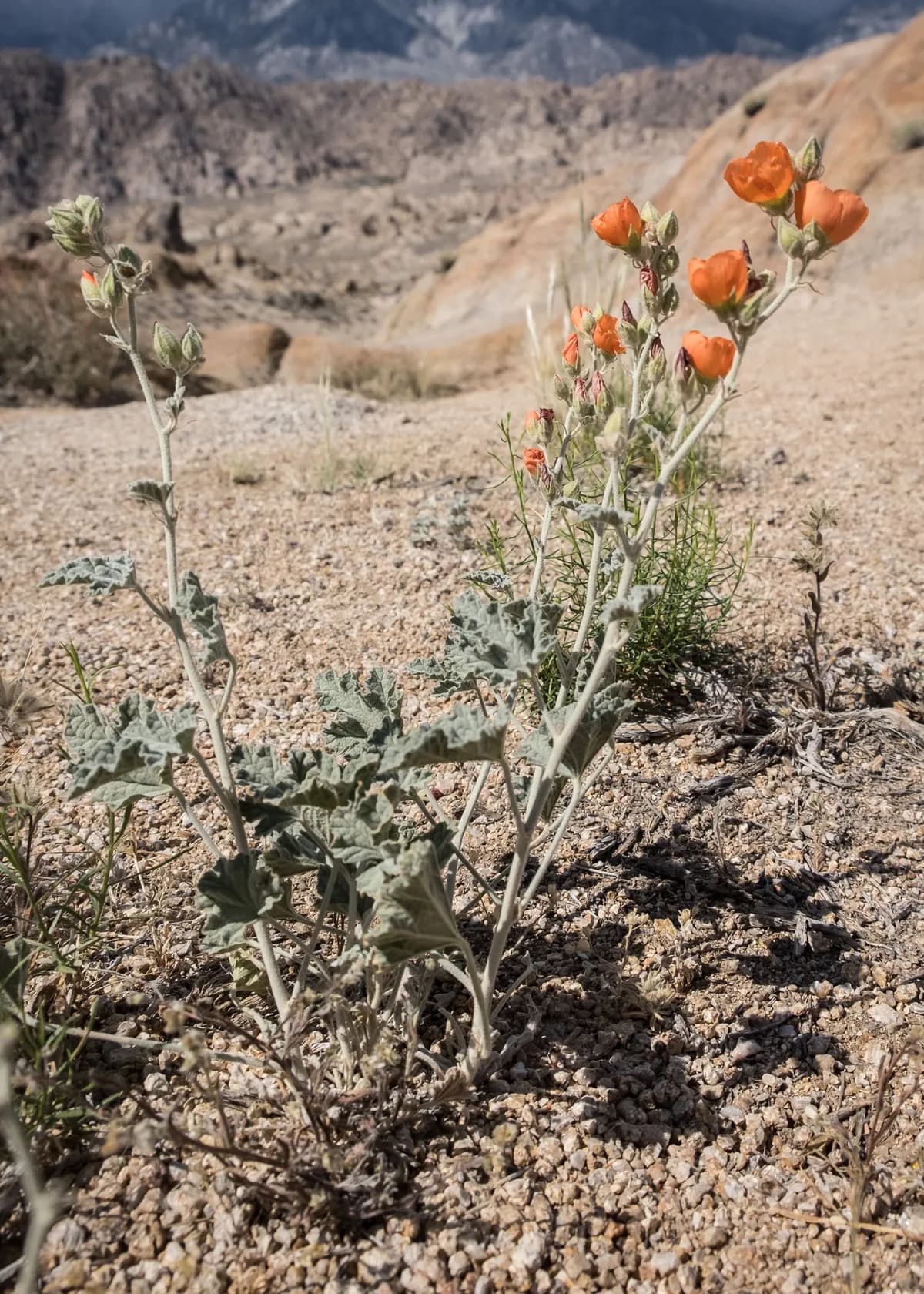
Apricot globemallow
Sphaeralcea ambigua

Pine Muhly
Muhlenbergia dubia
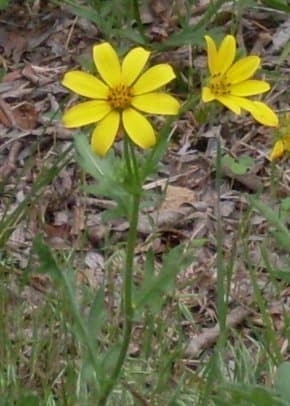
Engelmann's Daisy
Engelmannia peristenia
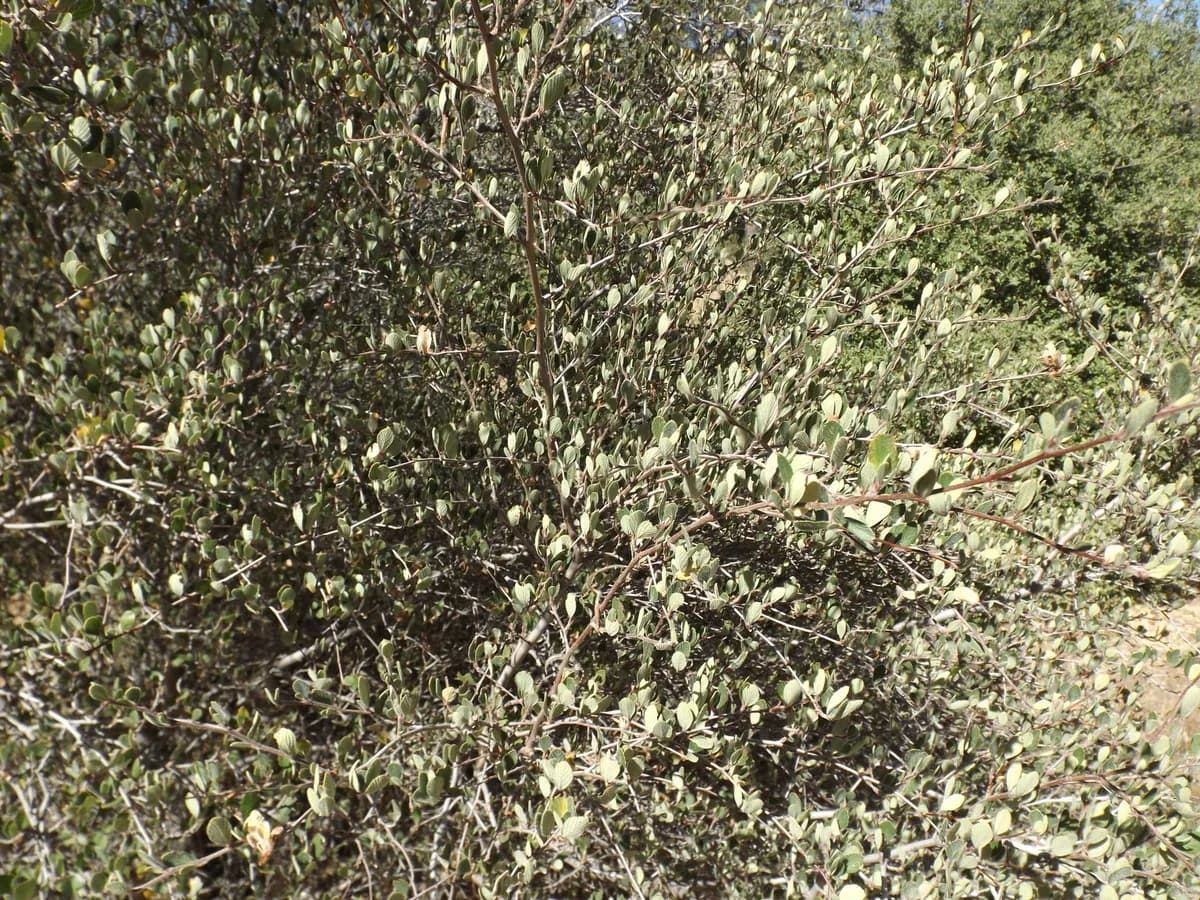
Birchleaf Mountain Mahogany
Cercocarpus betuloides
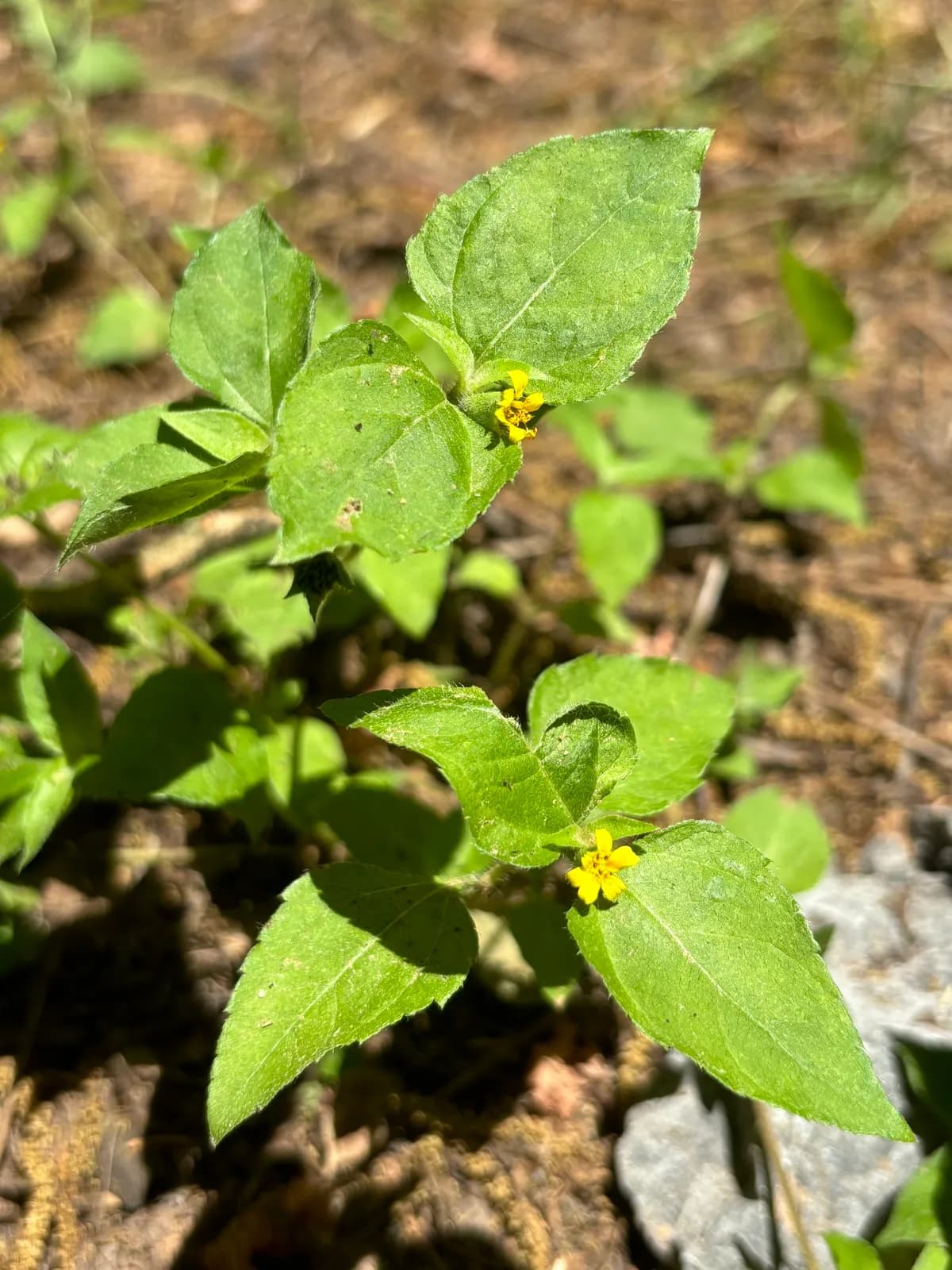
Horseherb
Calyptocarpus vialis
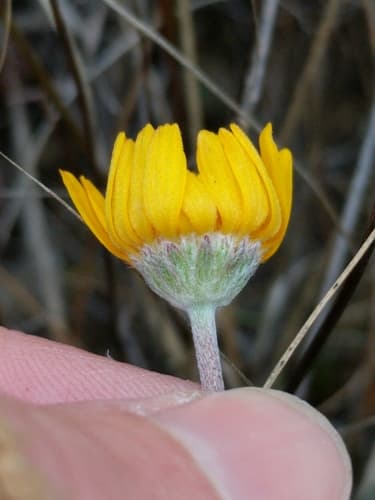
Four-nerve Daisy
Tetraneuris scaposa
Showing 48 of 710. Enter your ZIP for the natives matched to your yard.
Fall care in the Trans-Pecos
What to do right now for plants commonly grown here. Each links to the full regional care guide for that species, with sources.
- Honey mesquite
Fall is quiet for mesquite as leaves start to drop.
- Blackfoot daisy
Fall keeps the blooms going until frost.
- Desert willow
Fall bloom tapers off, so ease back on water.
- Lemmons marigold
Fall is when it shines, with golden flowers on tall mounds.
- Lindheimers senna
Fall is the peak bloom.
- Bridgess penstemon
Fall is quiet. Leave the evergreen foliage in place and keep water light.
- Pineneedle beardtongue
Fall is a good time to plant and do a light trim.
- Foxglove beardtongue
Fall is a second chance to divide and to save seed.
- Purple coneflower
Fall is seed time. Decide what to cut and what to leave.
- Purple prairie clover
Fall is seed time. Let the seed ripen before you cut anything.
Build a plan for the Trans-Pecos
Pollinator Patch turns plants like these into a front-yard plan tuned for the soil, climate, and HOA expectations of the El Paso area.