Texas Ecoregion
Edwards Plateau (Texas Hill Country)
20 native plants suited to the Edwards Plateau of Texas.
The Edwards Plateau, also known as the Texas Hill Country, runs from west of Austin and San Antonio to the eastern edge of the Trans-Pecos. It is defined by alkaline limestone bedrock, thin rocky soils, and live oak savannas. Native plants here have adapted to handling rocky, alkaline conditions and pulses of summer drought punctuated by intense rain.
Conditions: Alkaline limestone soil, thin and rocky in places, 25–35 inches annual rainfall, hot summers with mild winters.
Cities and areas: Austin, San Antonio, Fredericksburg, Kerrville, Boerne, New Braunfels, Wimberley.
20 Native Plants for the Edwards Plateau
All non-toxic per the ASPCA Animal Poison Control Center plant database. Click a plant for full ecoregion-specific maintenance and HOA-friendly notes.
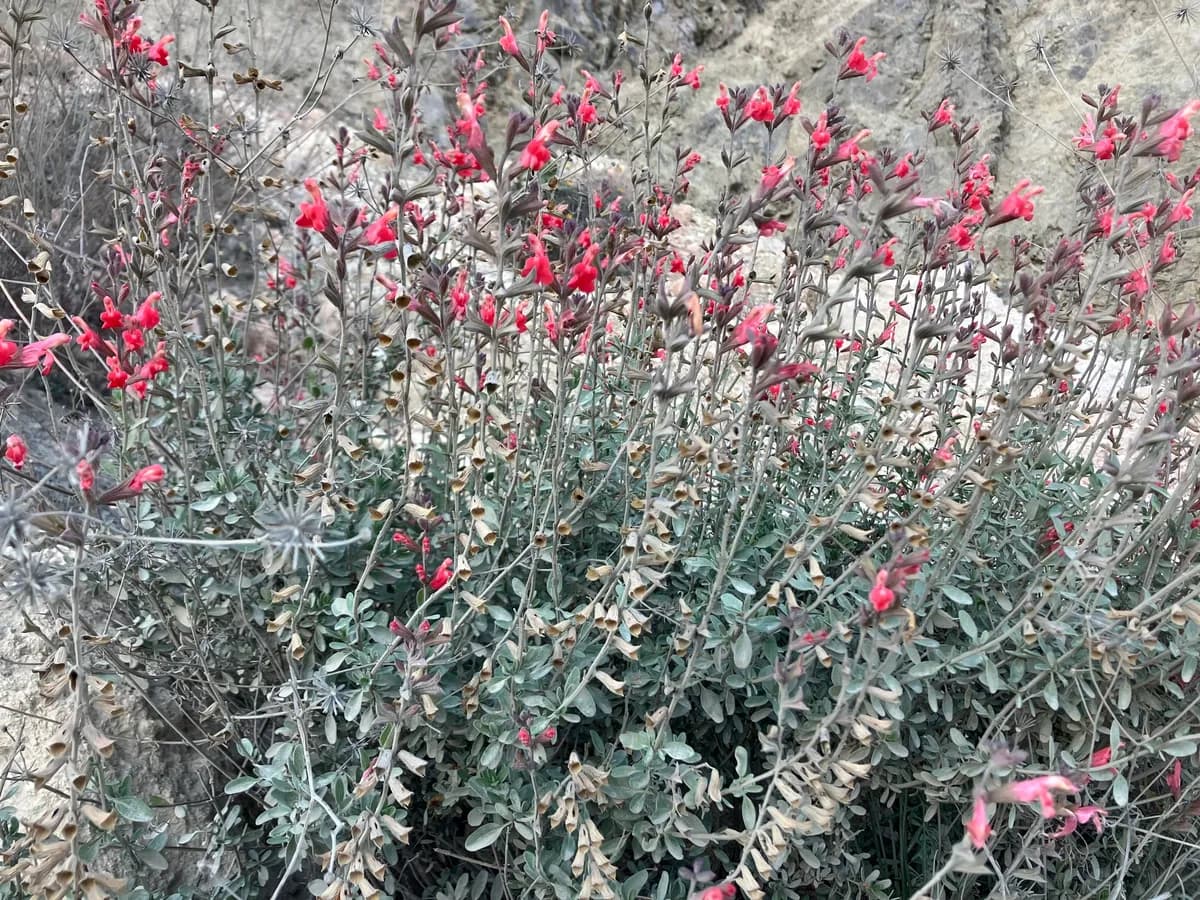
Autumn Sage
Salvia greggii
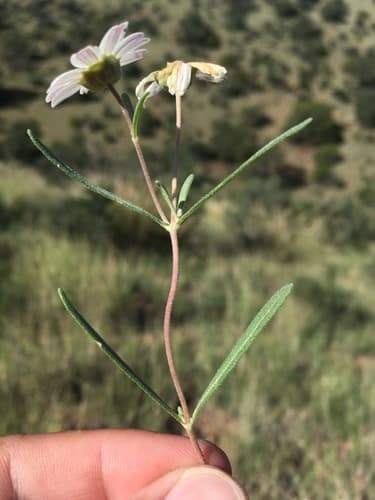
Blackfoot Daisy
Melampodium leucanthum
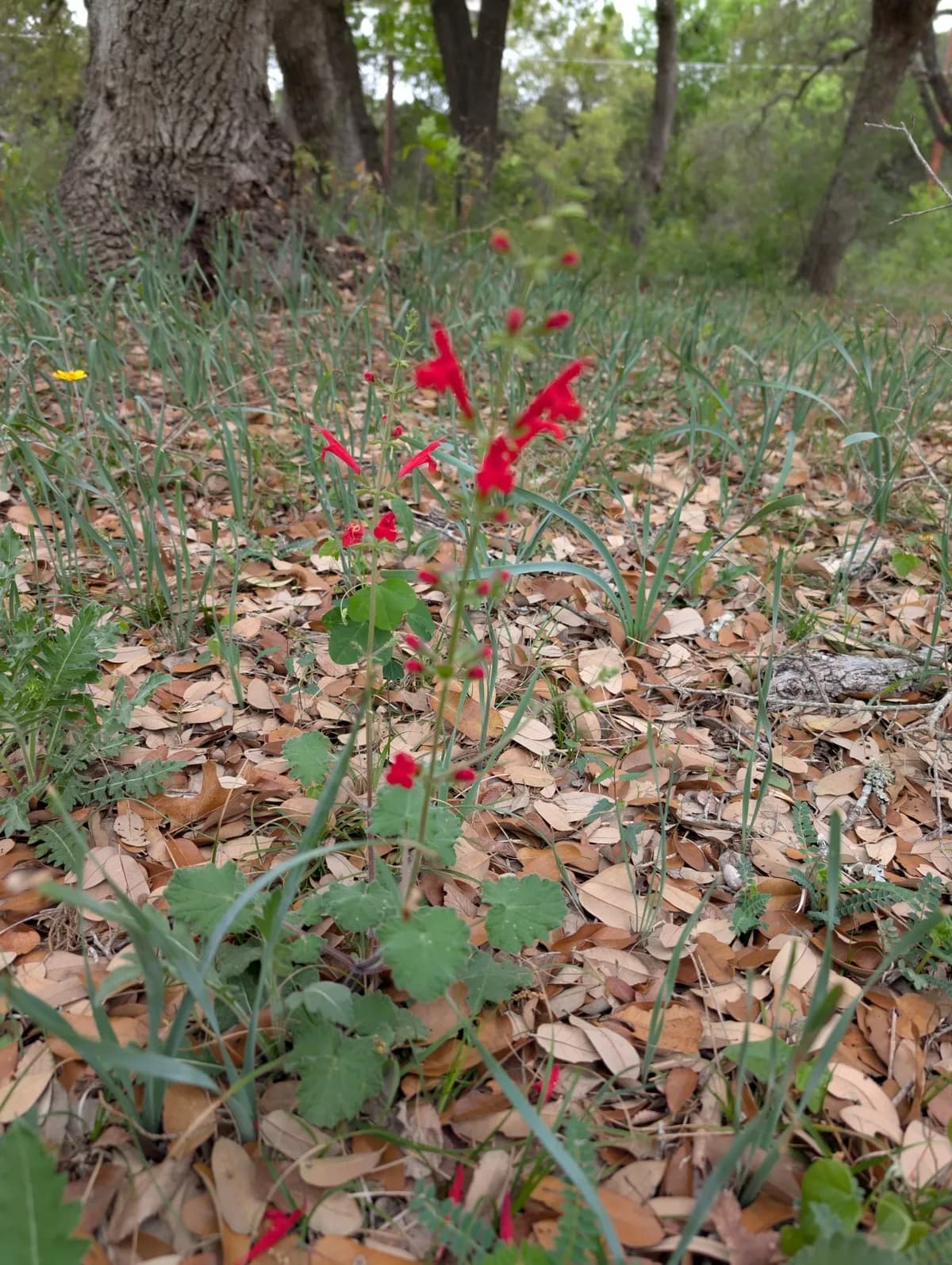
Cedar Sage
Salvia roemeriana
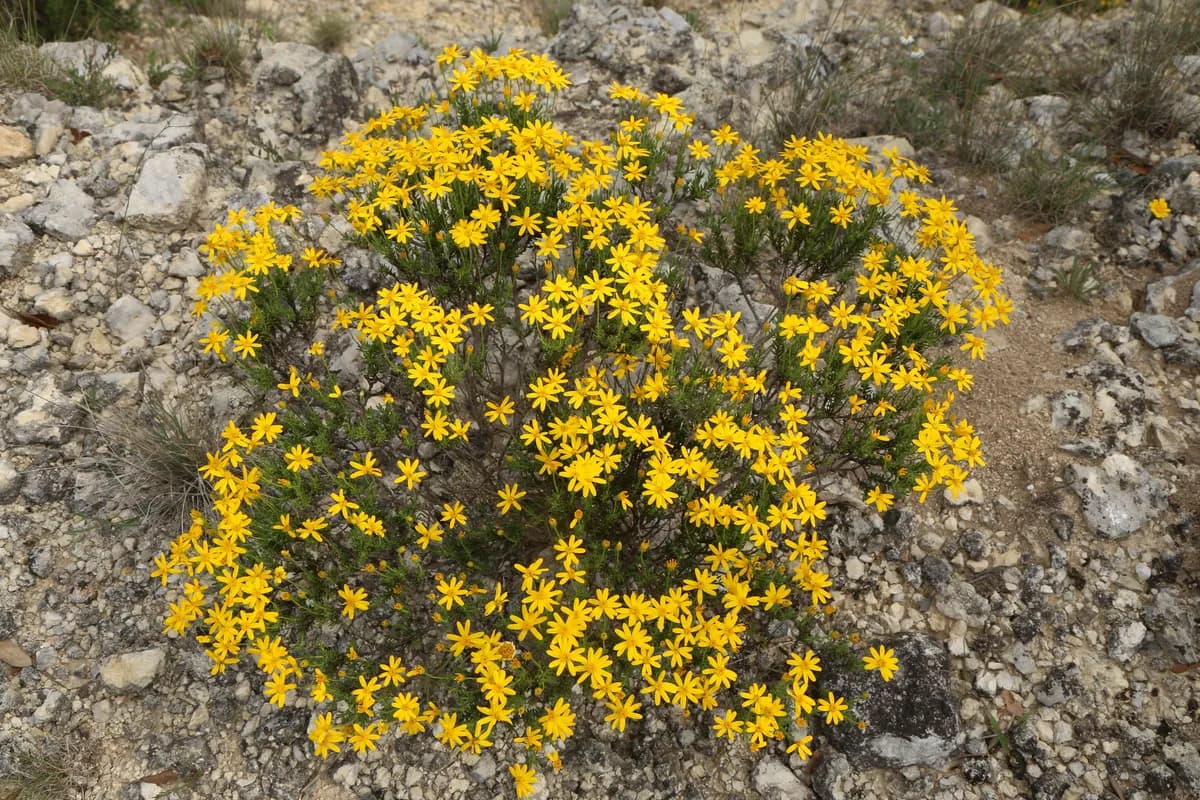
Damianita
Chrysactinia mexicana
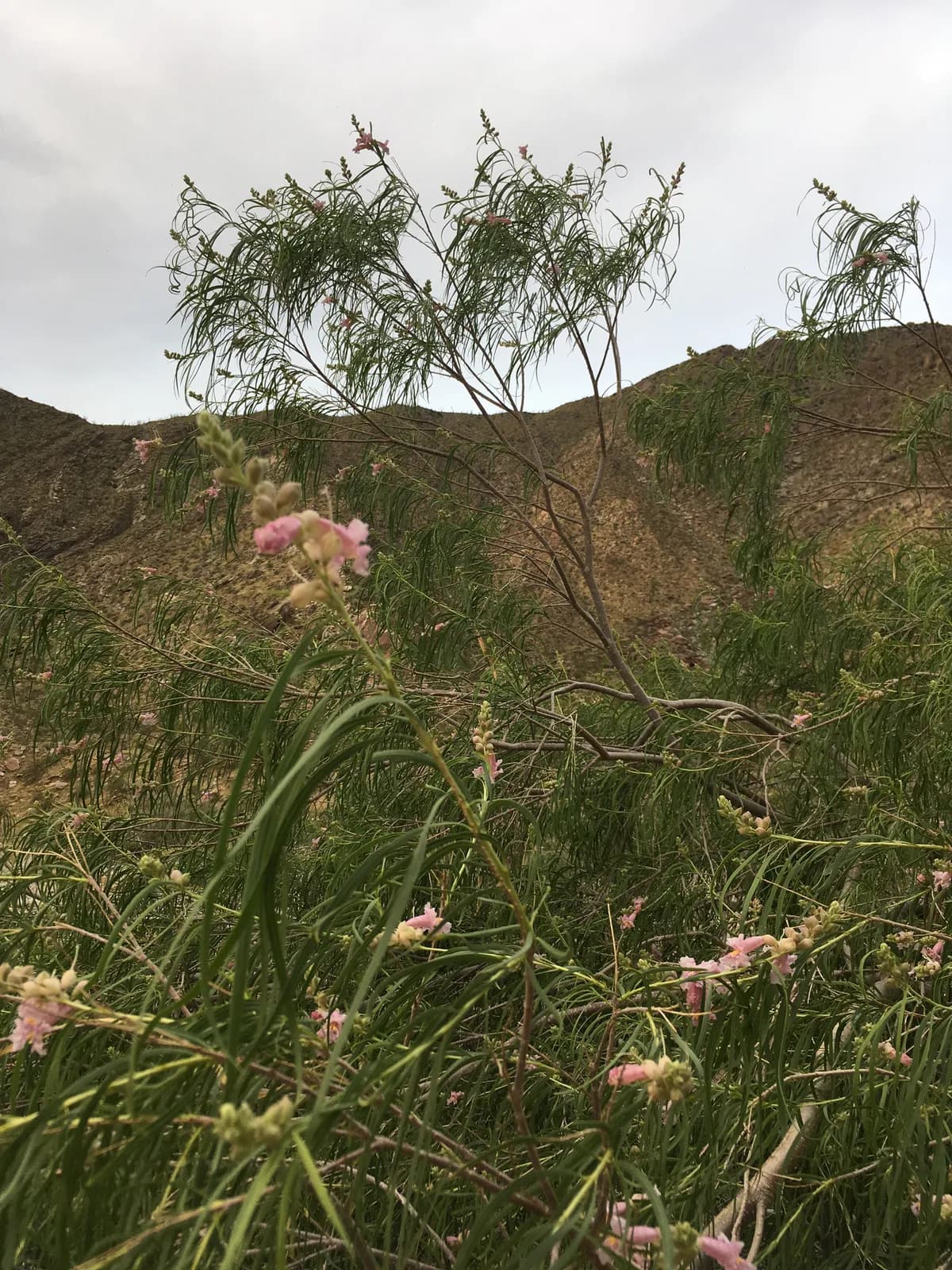
Desert Willow
Chilopsis linearis
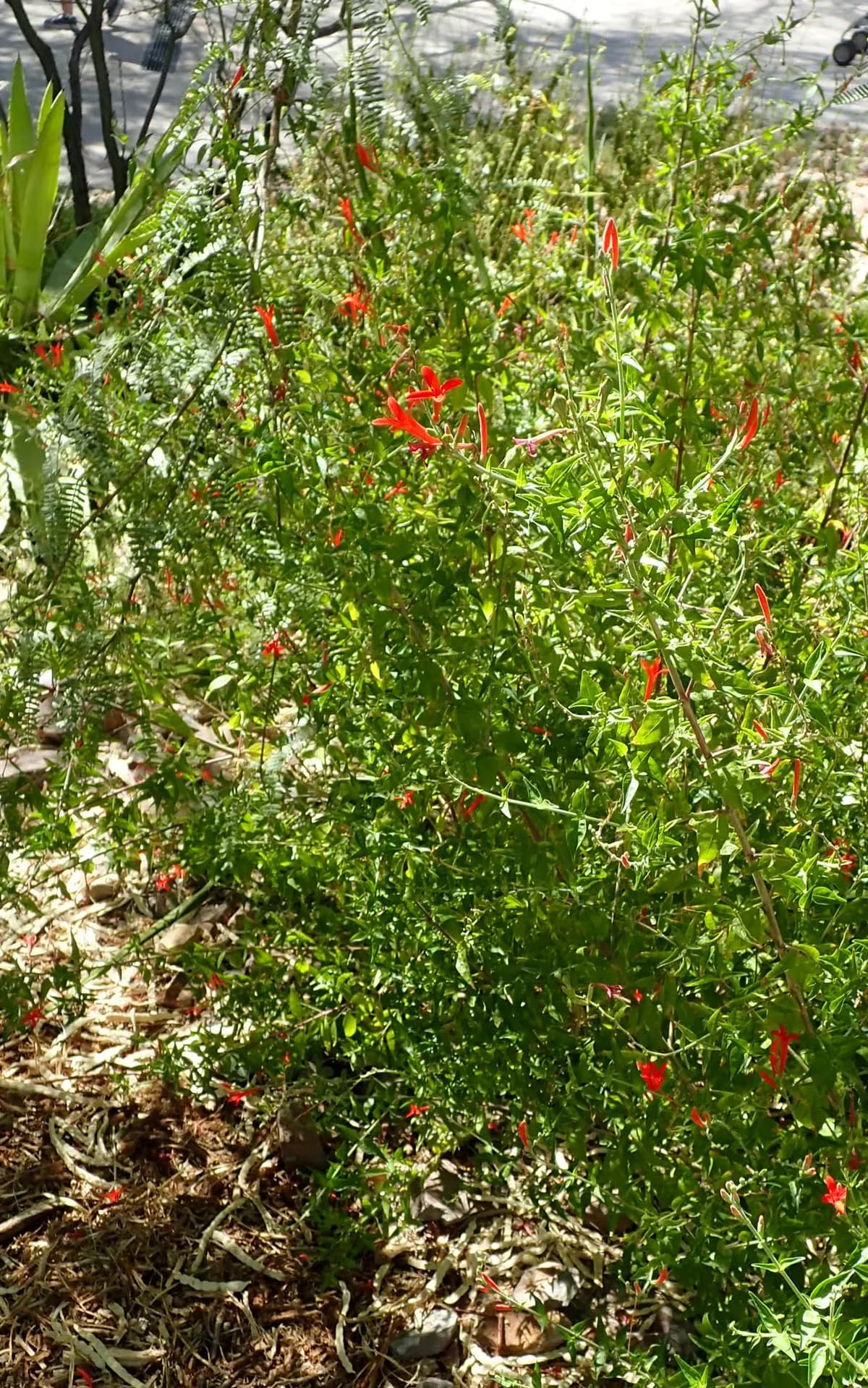
Flame Acanthus
Anisacanthus quadrifidus var. wrightii

Frogfruit
Phyla nodiflora
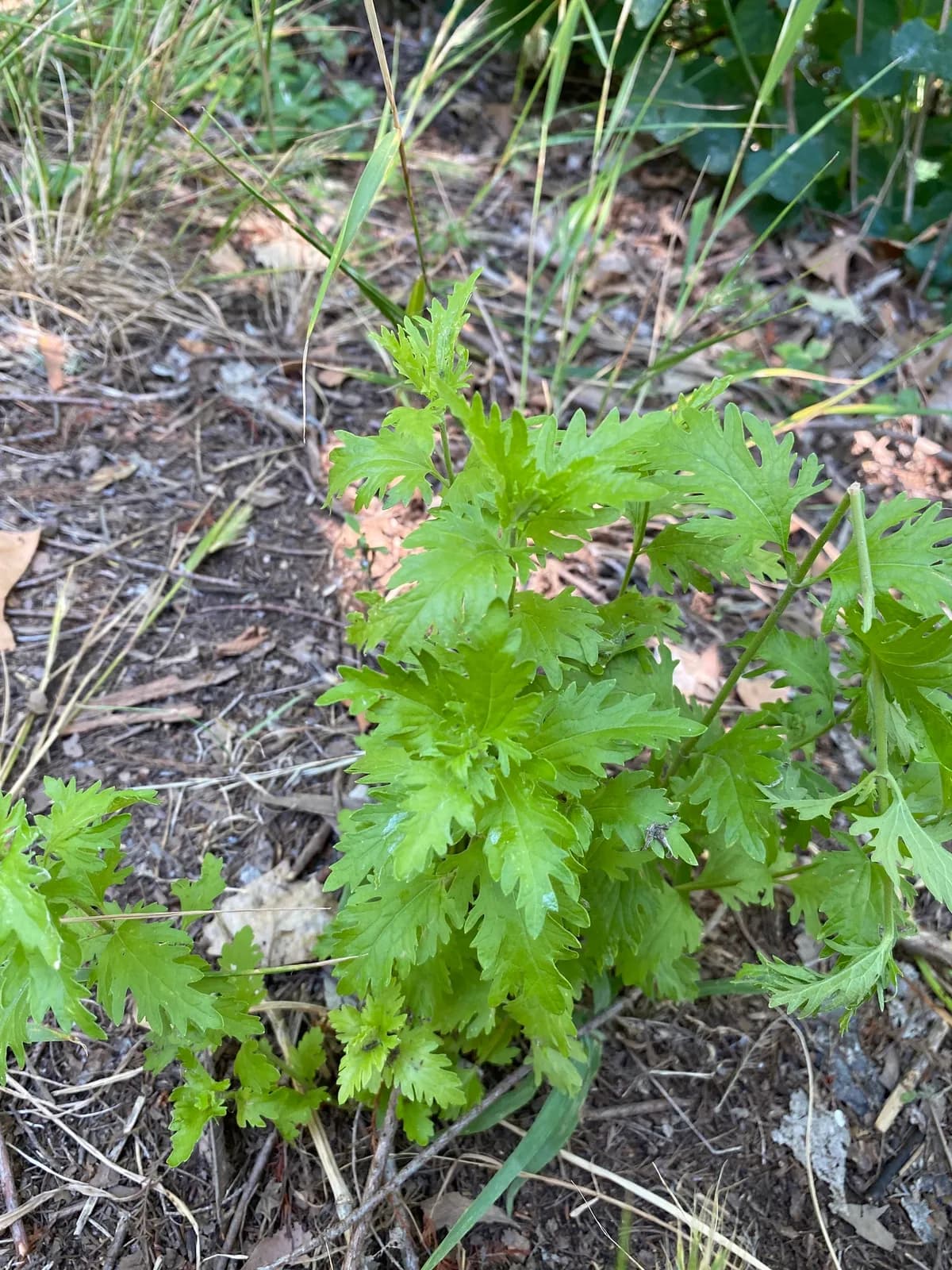
Gregg's Mistflower
Conoclinium greggii
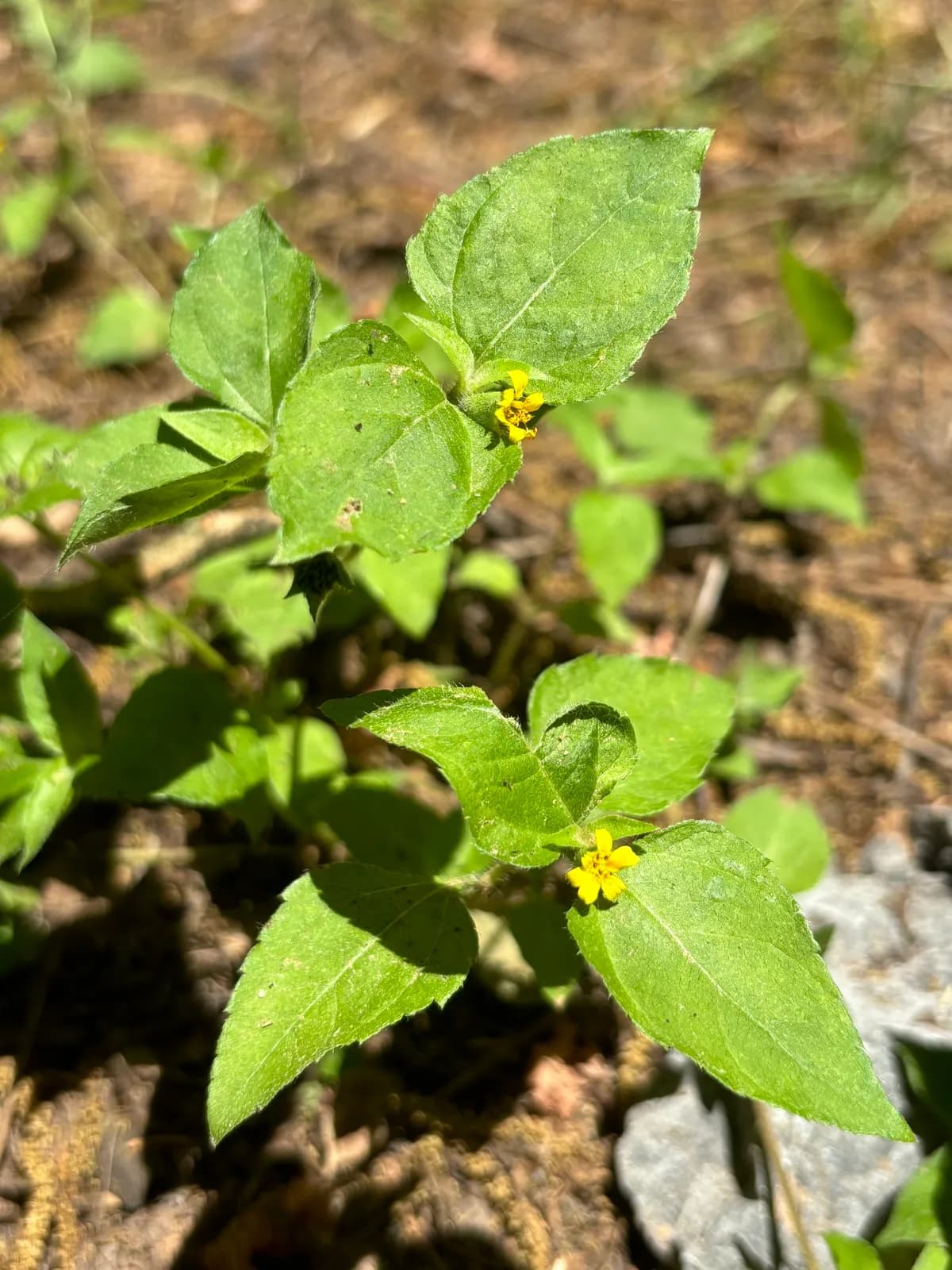
Horseherb
Calyptocarpus vialis

Inland Sea Oats
Chasmanthium latifolium
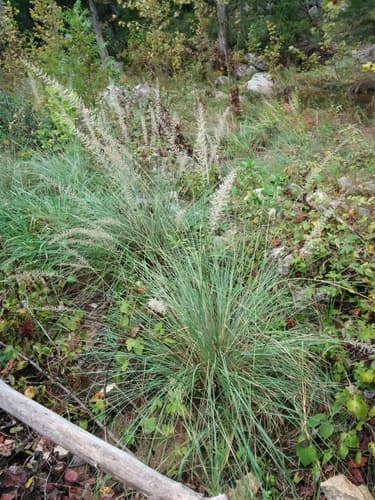
Lindheimer's Muhly
Muhlenbergia lindheimeri

Little Bluestem
Schizachyrium scoparium
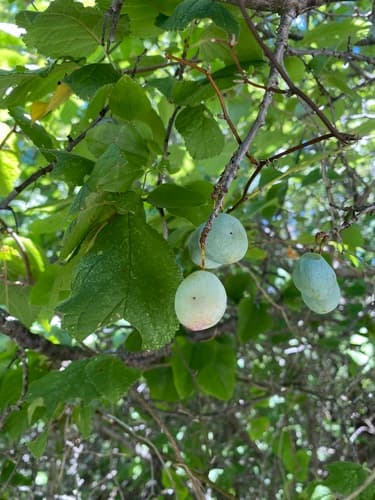
Mexican Plum
Prunus mexicana
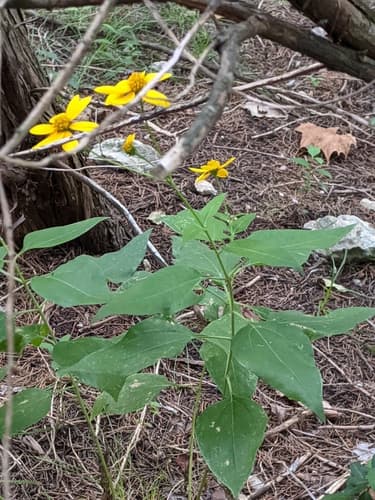
Plateau Goldeneye
Viguiera dentata
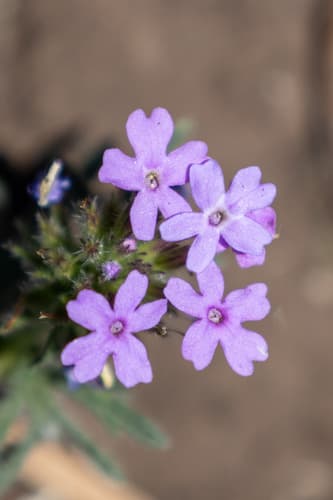
Prairie Verbena
Glandularia bipinnatifida
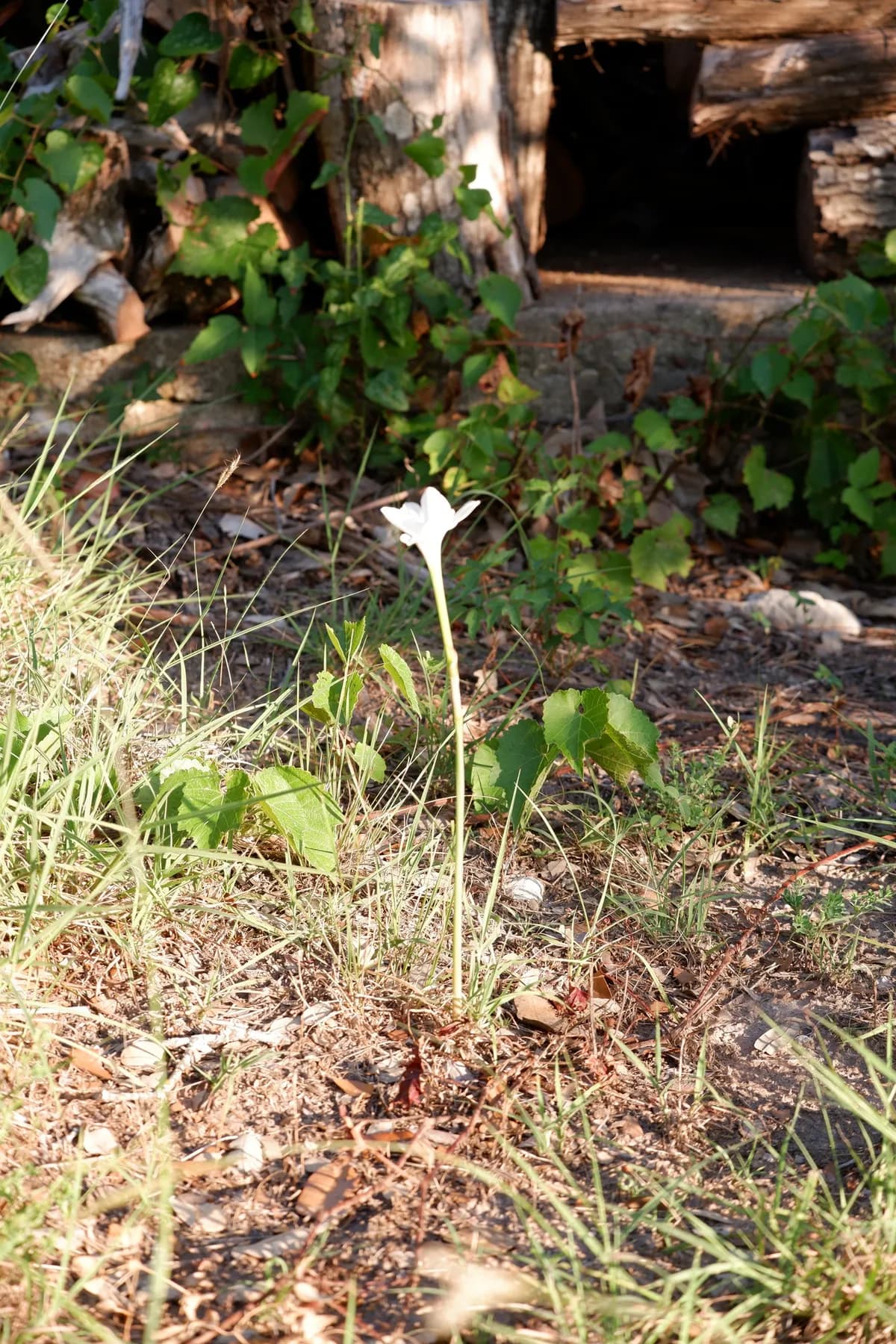
Rain Lily
Zephyranthes drummondii
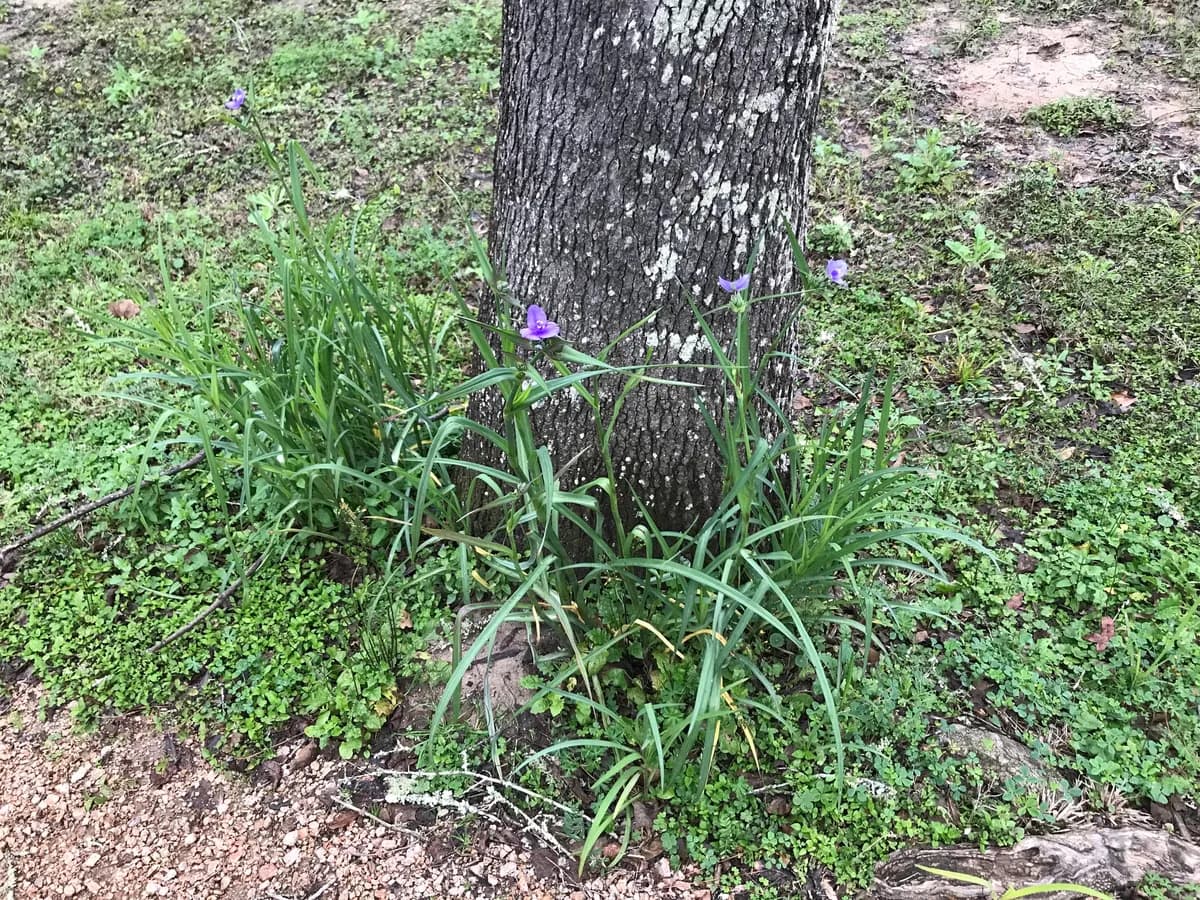
Spiderwort
Tradescantia ohiensis
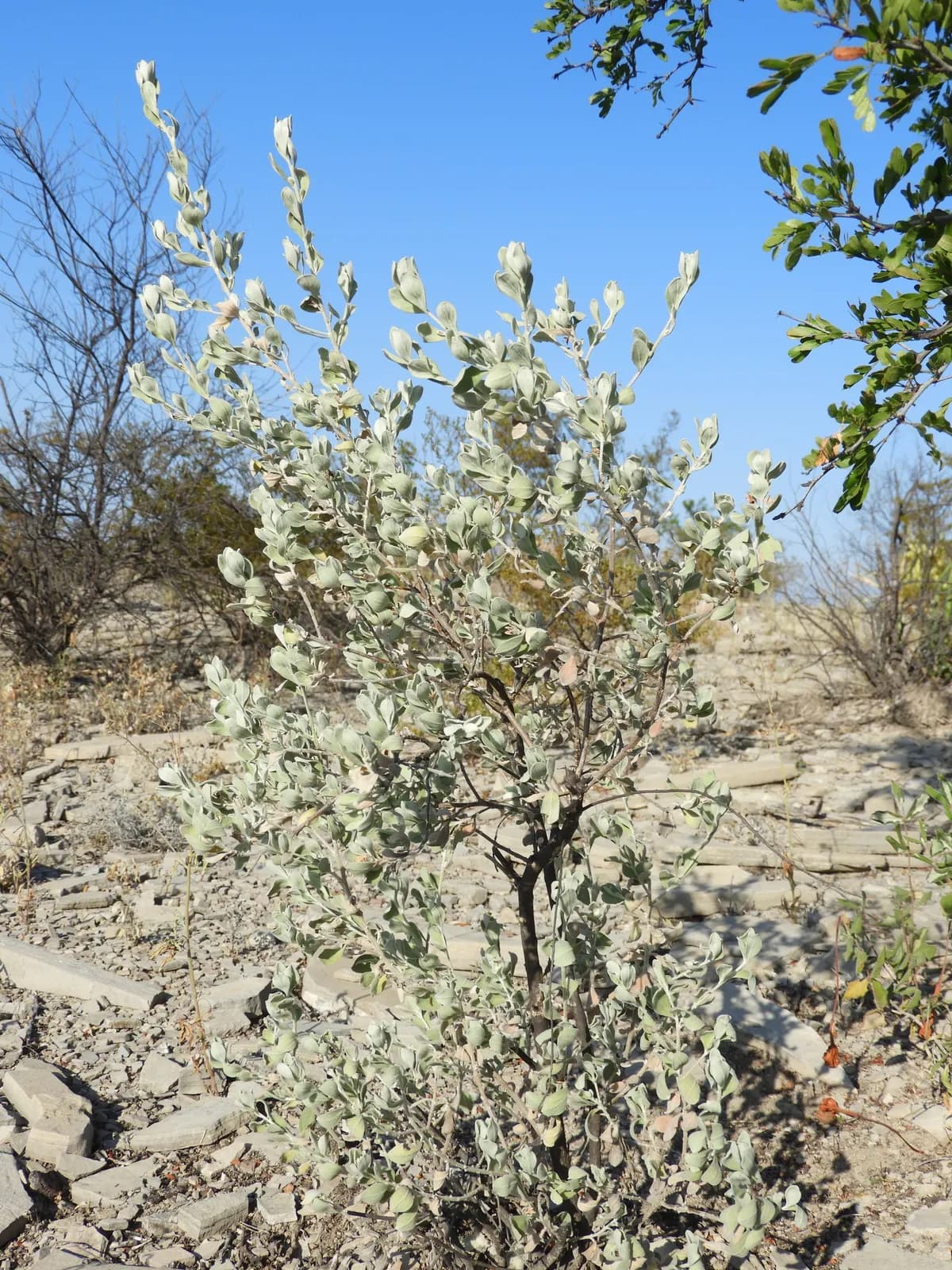
Texas Ranger
Leucophyllum frutescens
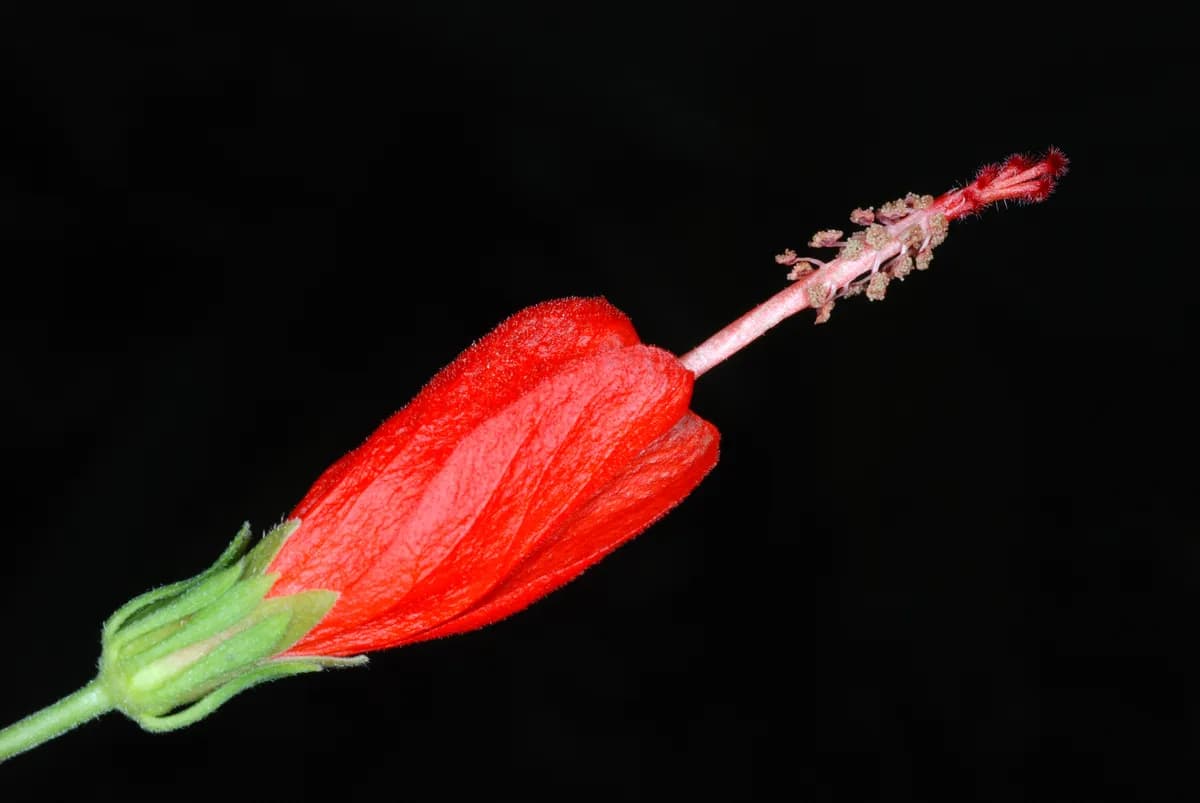
Turk's Cap
Malvaviscus arboreus var. drummondii
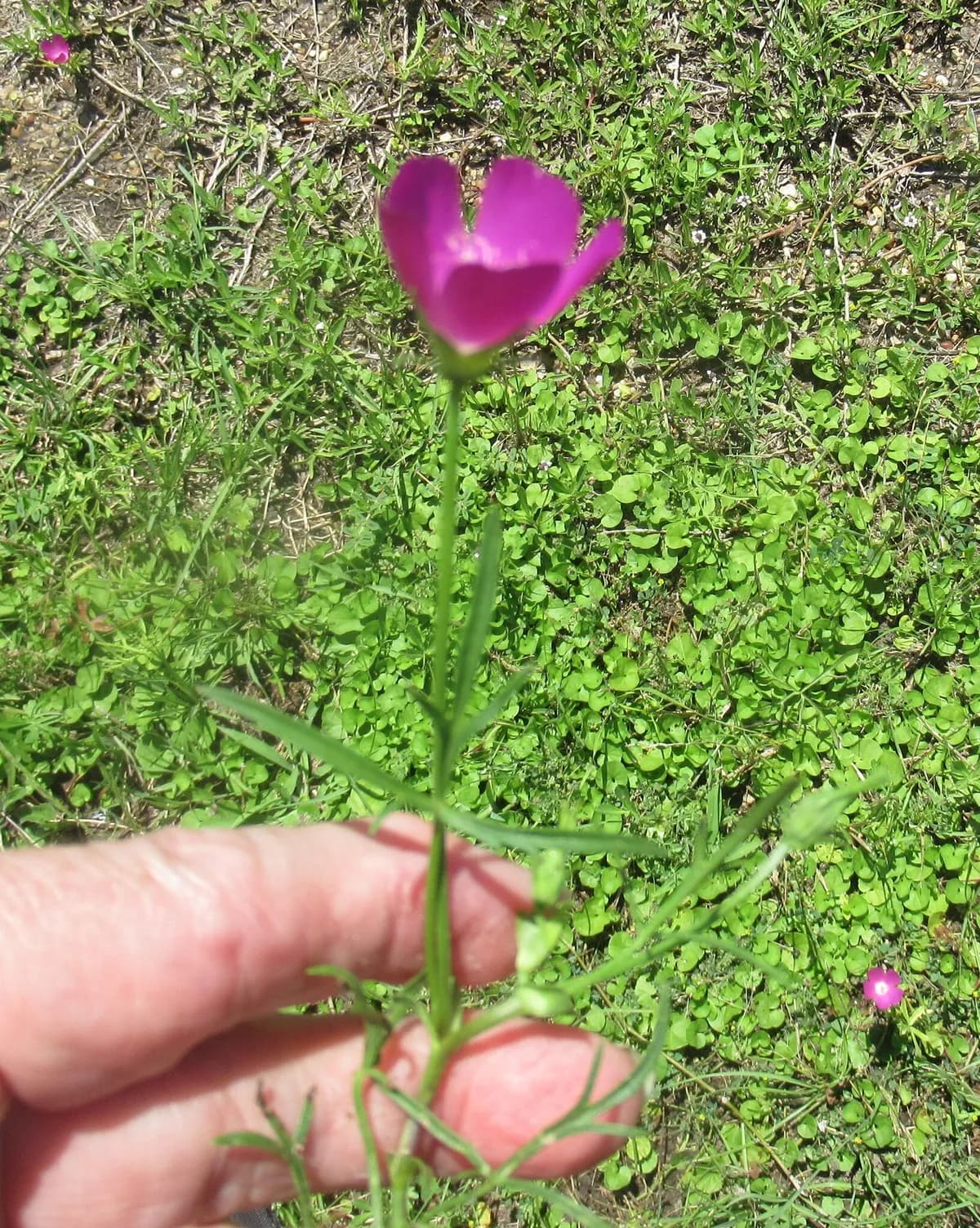
Winecup
Callirhoe involucrata
729 More Natives for the Edwards Plateau
From our full plant database, HOA-friendly picks first. Pet-safety status varies by species; each plant page shows its sourced ASPCA status.
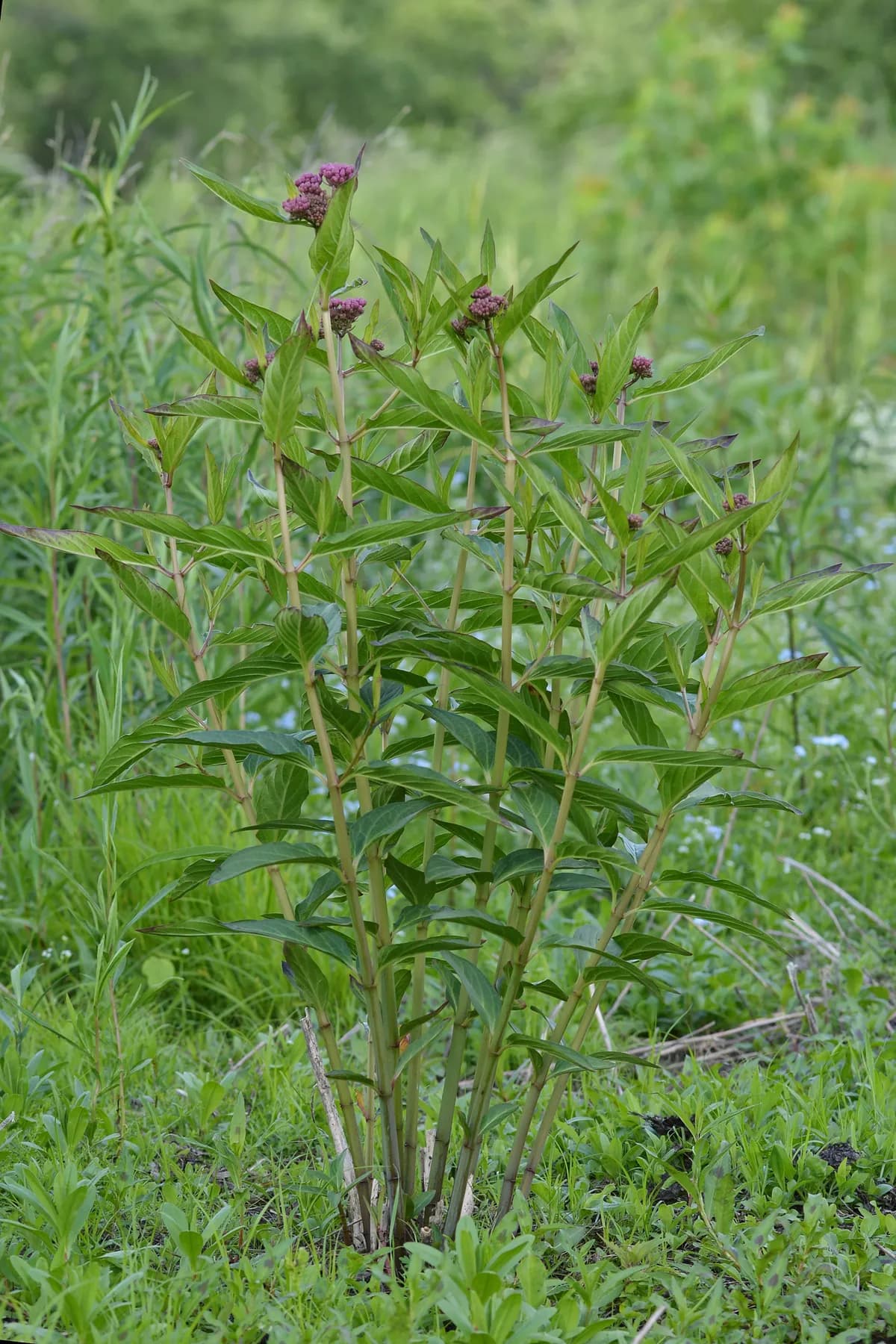
Swamp Milkweed
Asclepias incarnata
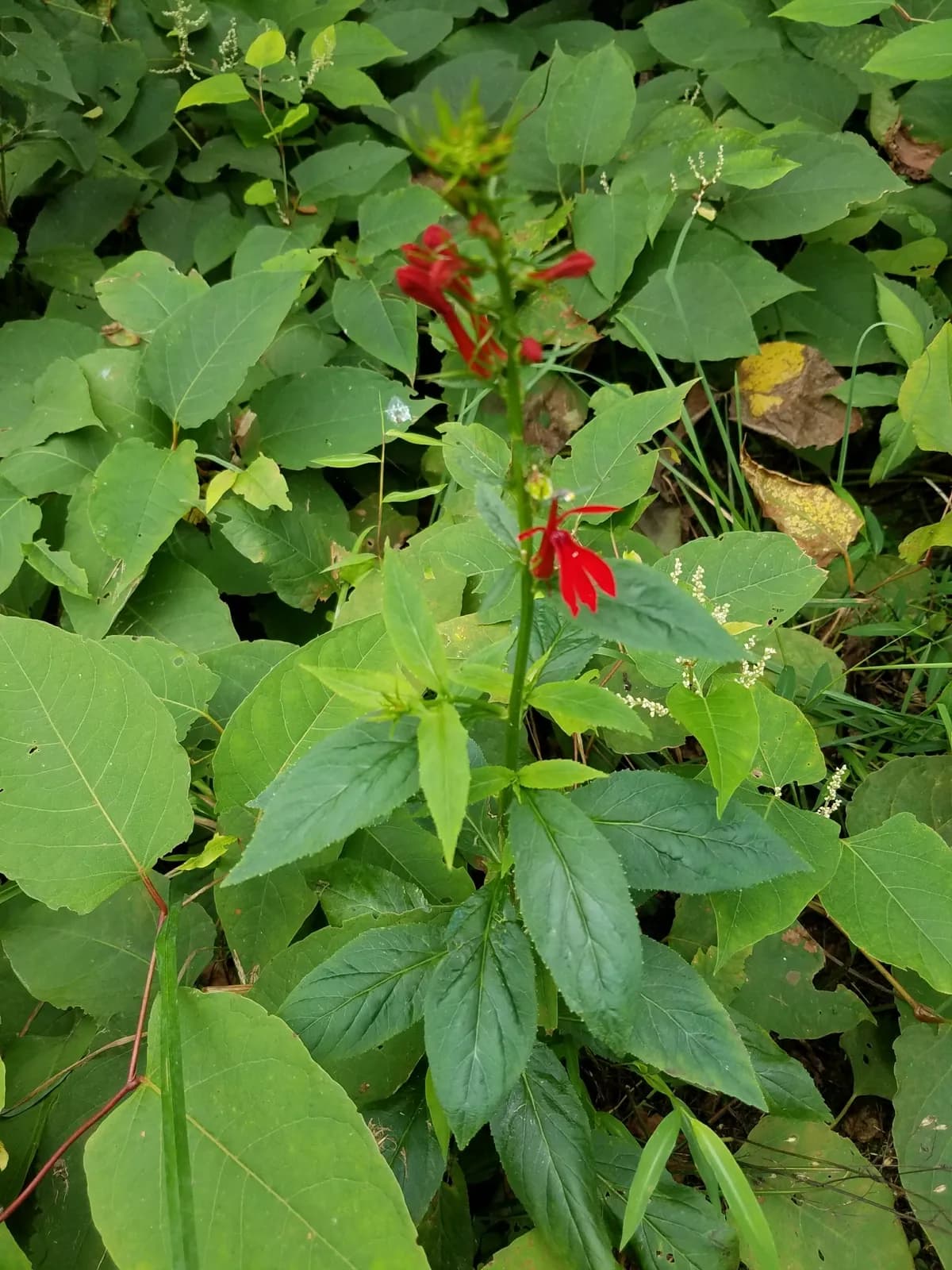
Cardinal Flower
Lobelia cardinalis
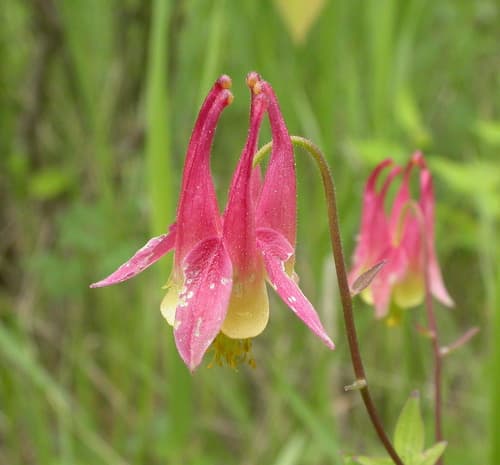
Wild Red Columbine
Aquilegia canadensis
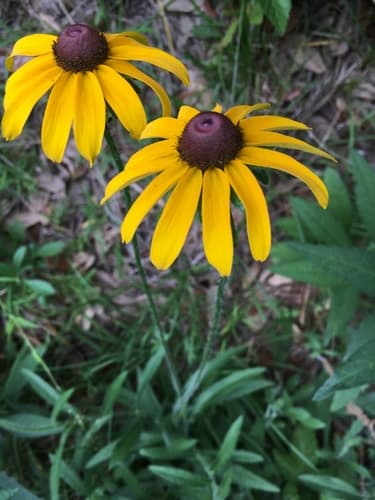
Black-eyed Susan
Rudbeckia hirta
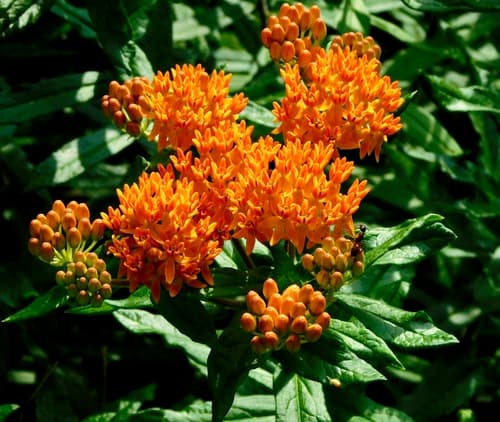
Butterfly Milkweed
Asclepias tuberosa
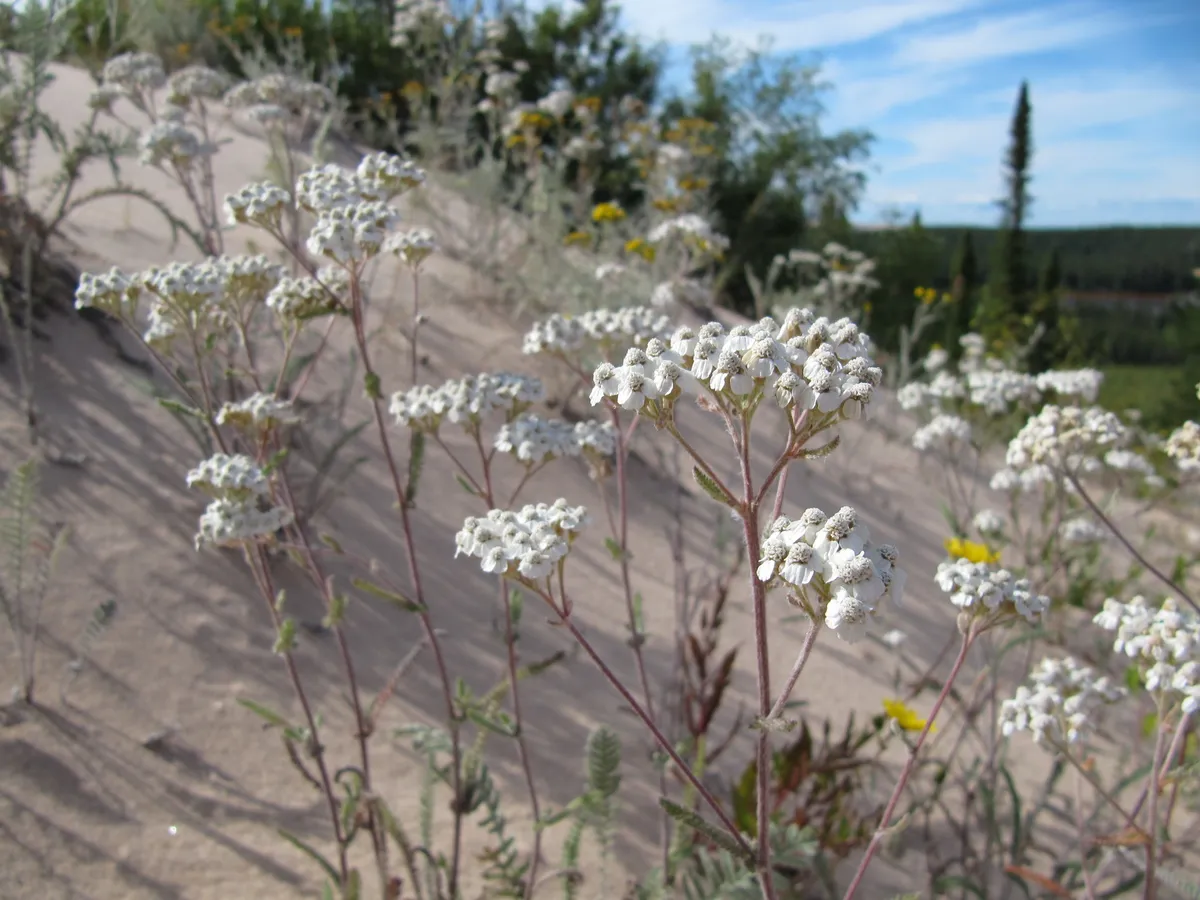
Common Yarrow
Achillea millefolium
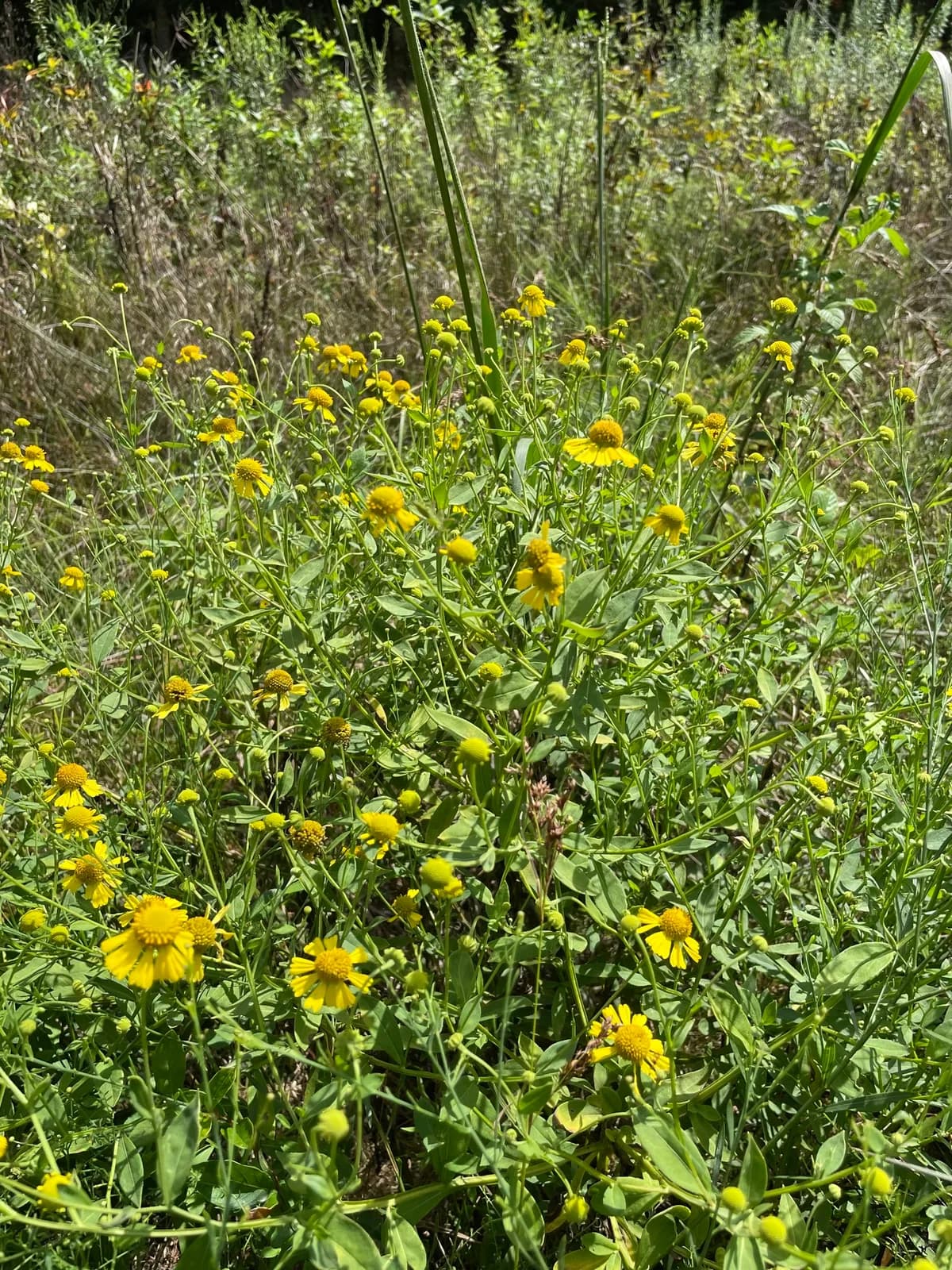
Common Sneezeweed
Helenium autumnale
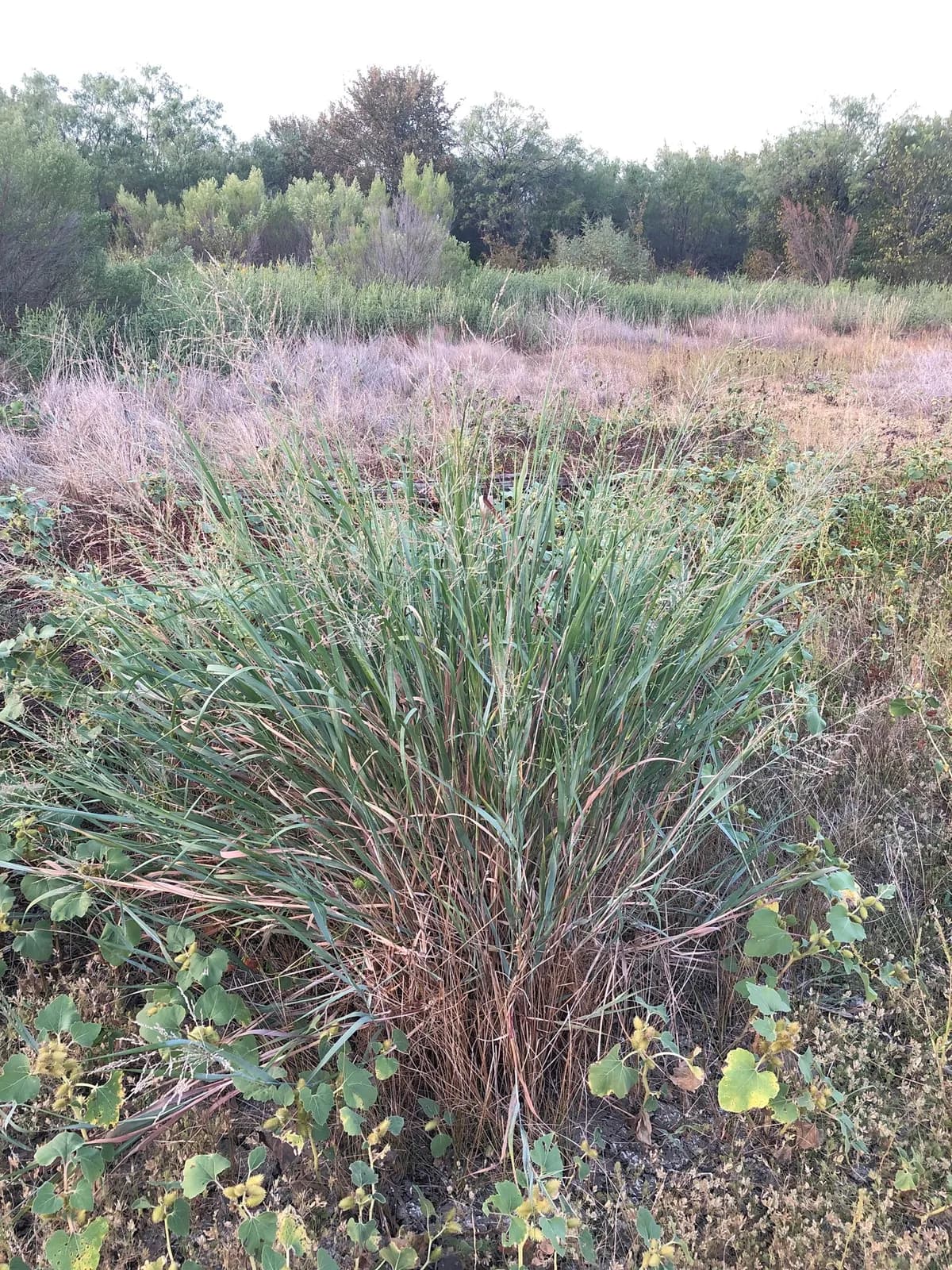
Switchgrass
Panicum virgatum
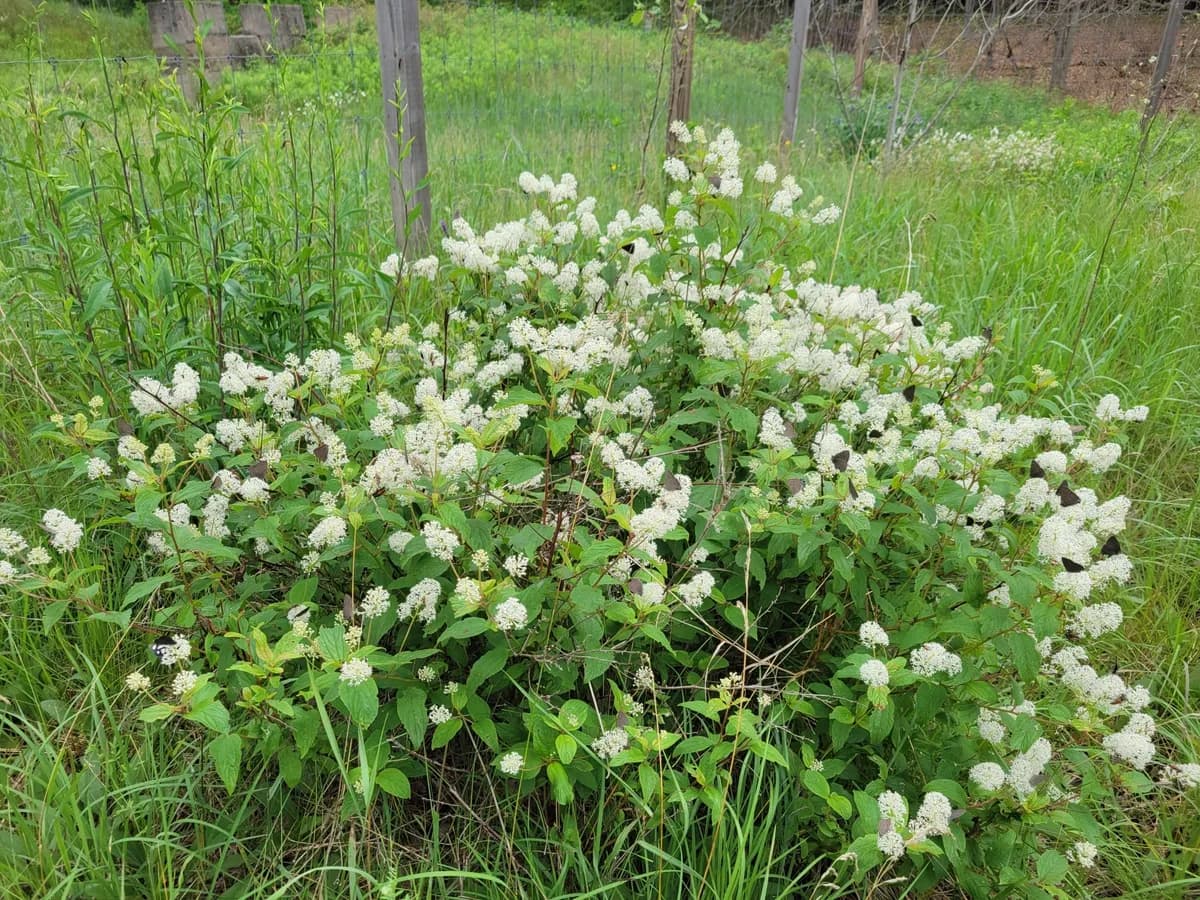
New Jersey-tea
Ceanothus americanus
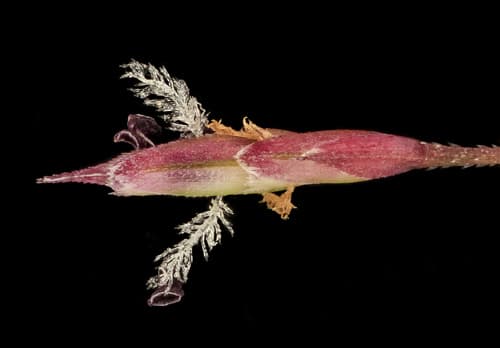
Purple Lovegrass
Eragrostis spectabilis

Sideoats Grama
Bouteloua curtipendula
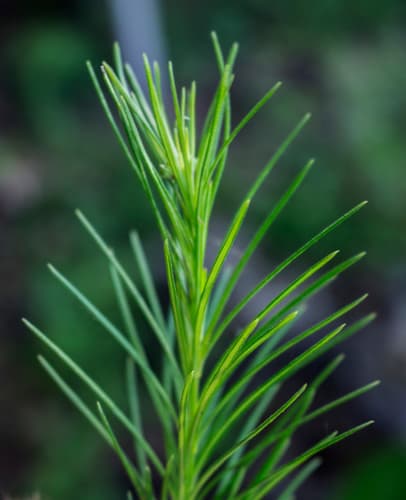
Whorled Milkweed
Asclepias verticillata
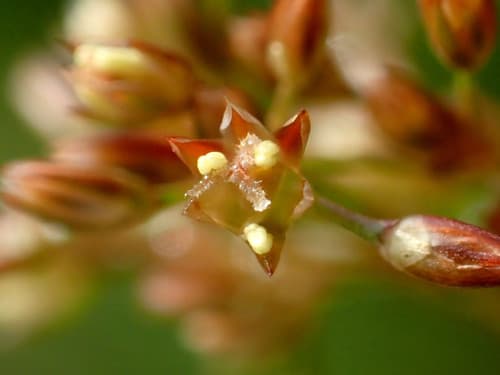
Soft rush
Juncus effusus
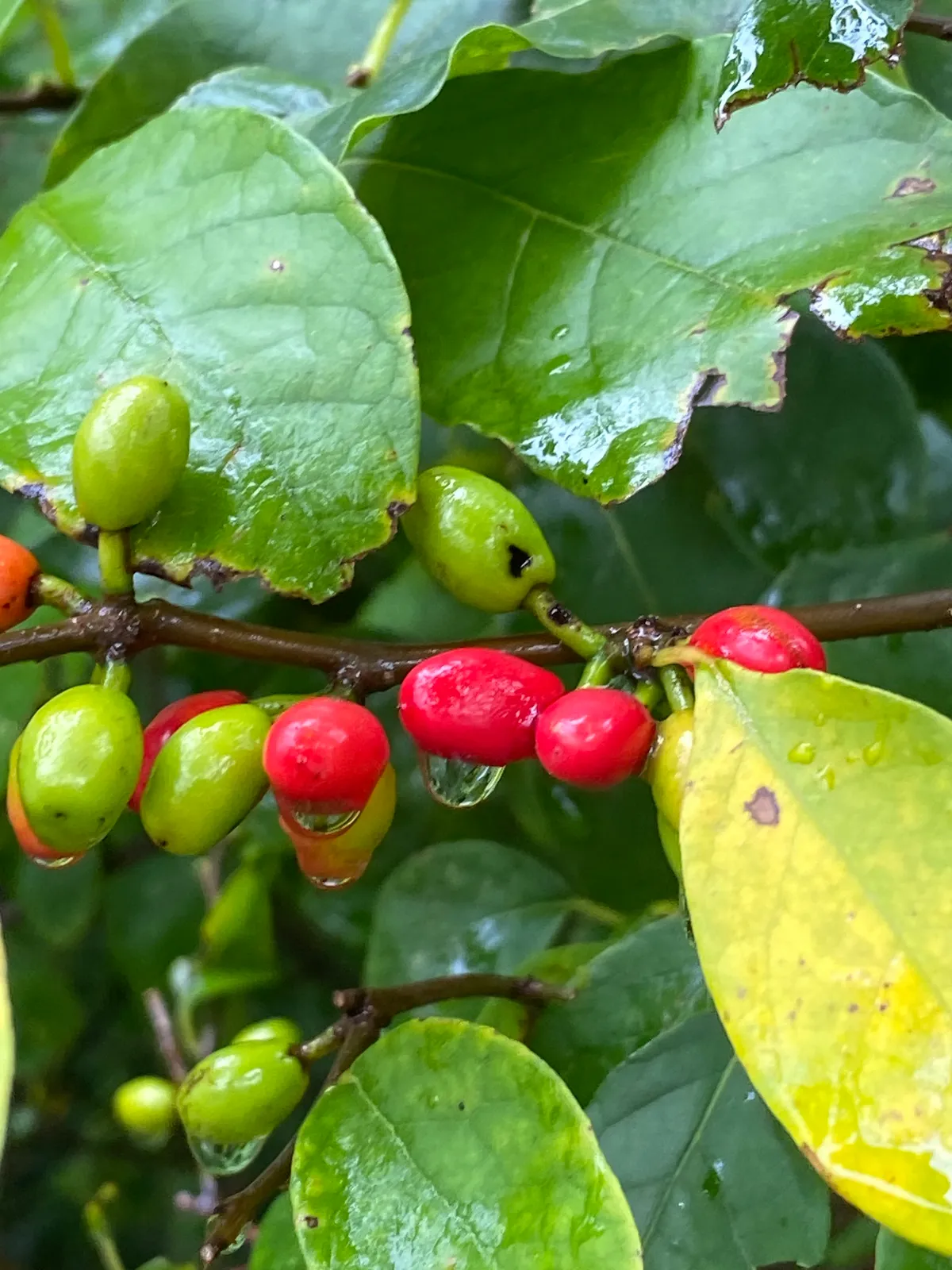
Spicebush
Lindera benzoin
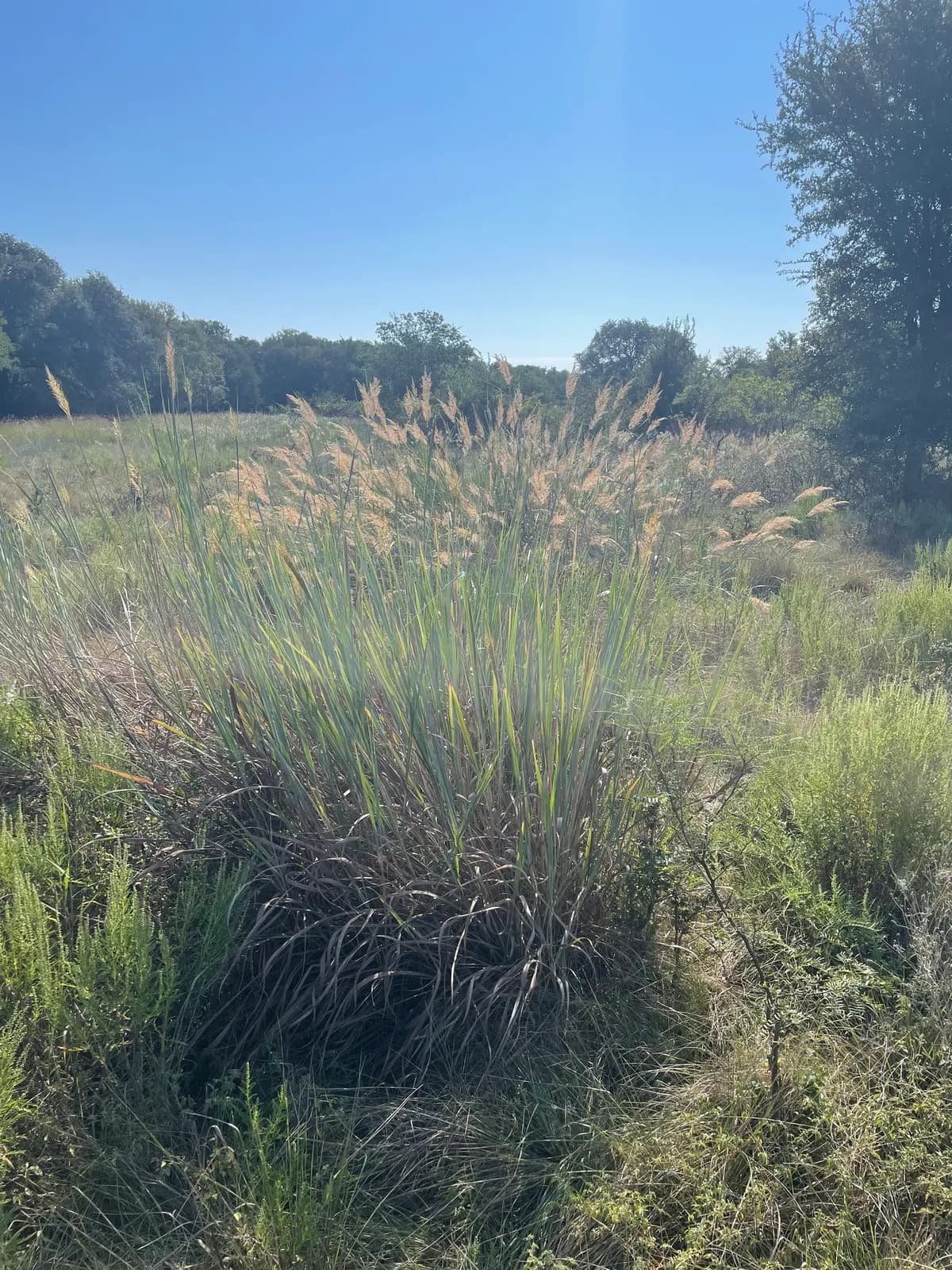
Indiangrass
Sorghastrum nutans
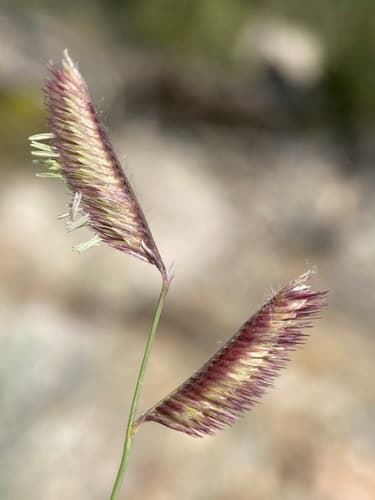
Blue Grama
Bouteloua gracilis
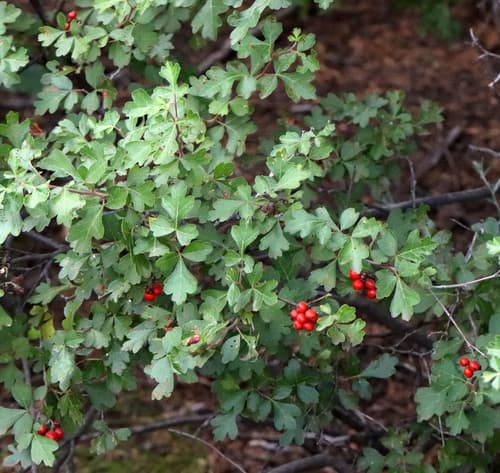
Aromatic Sumac
Rhus aromatica

Coral Honeysuckle
Lonicera sempervirens
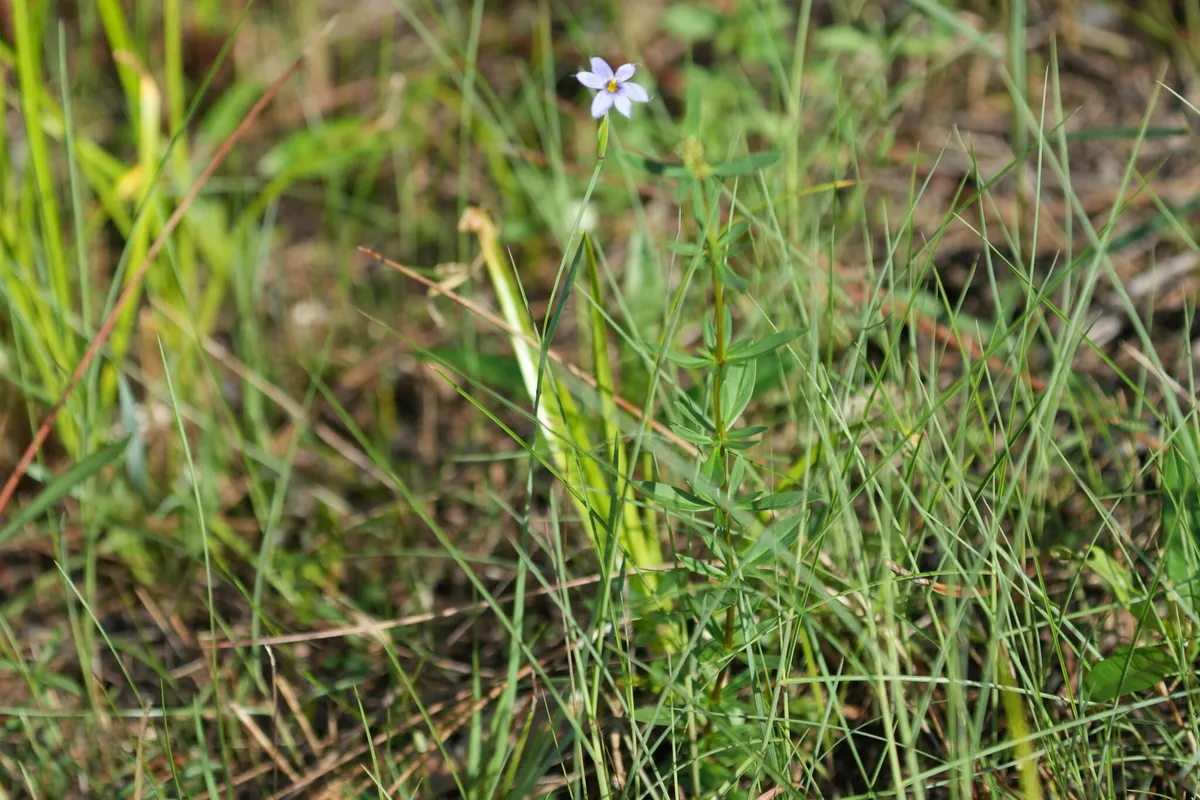
Narrowleaf Blue-eyed Grass
Sisyrinchium angustifolium
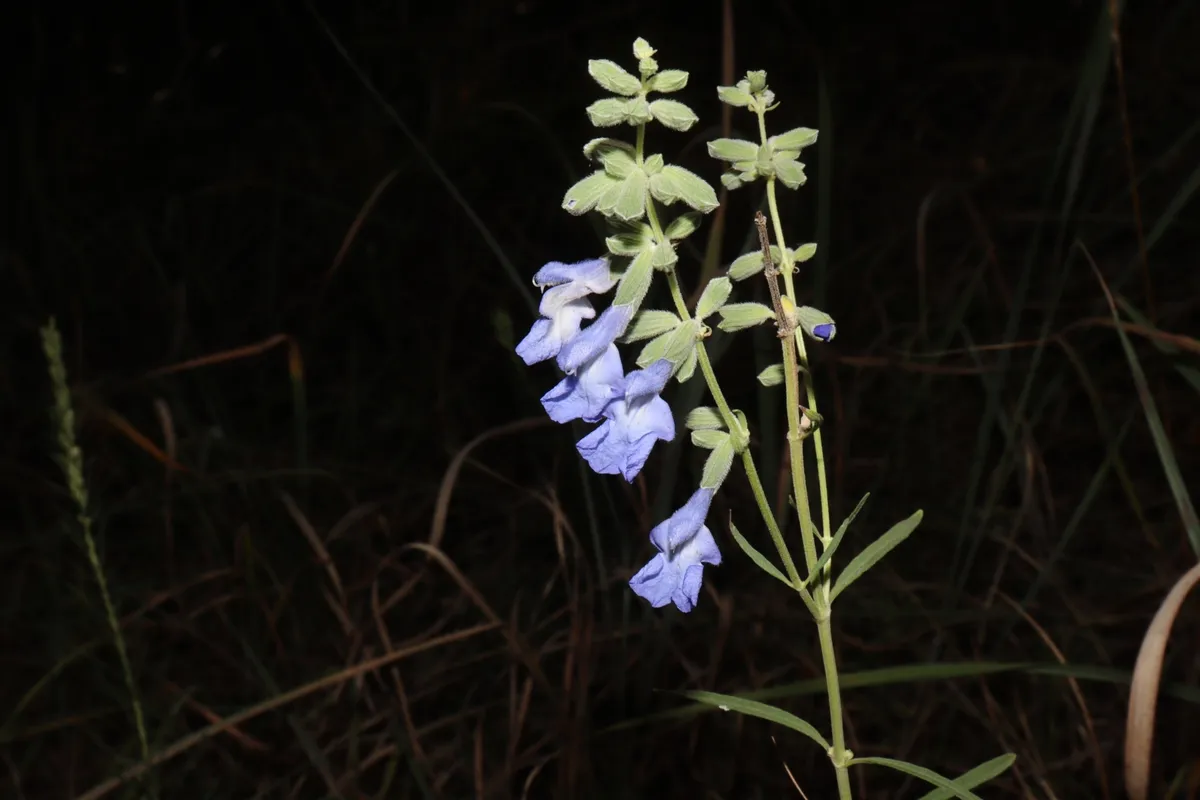
Azure Sage
Salvia azurea
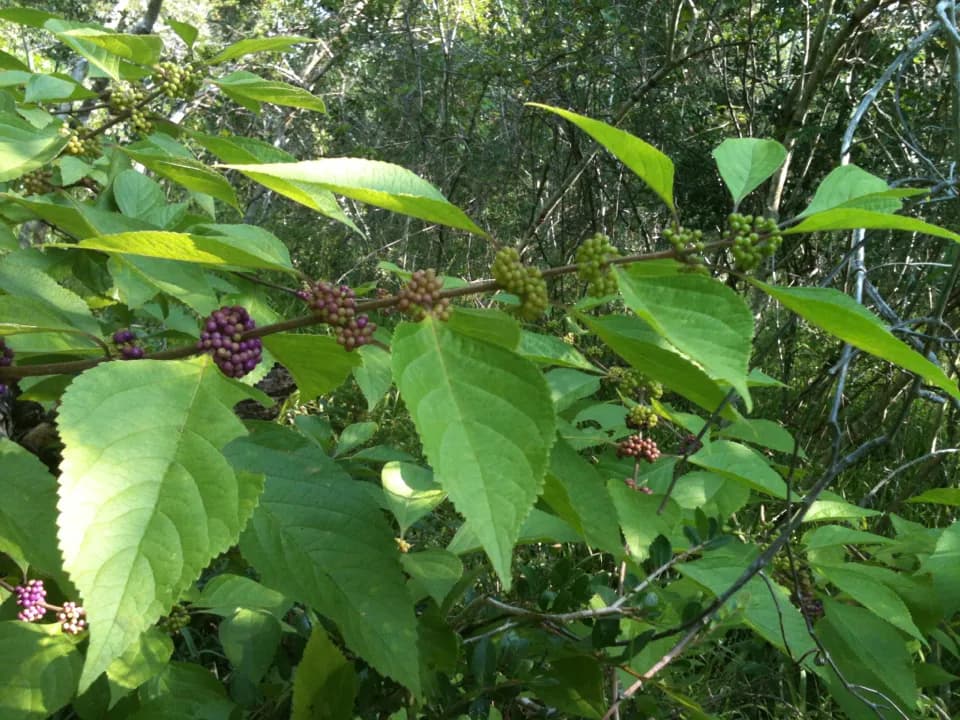
American Beautyberry
Callicarpa americana
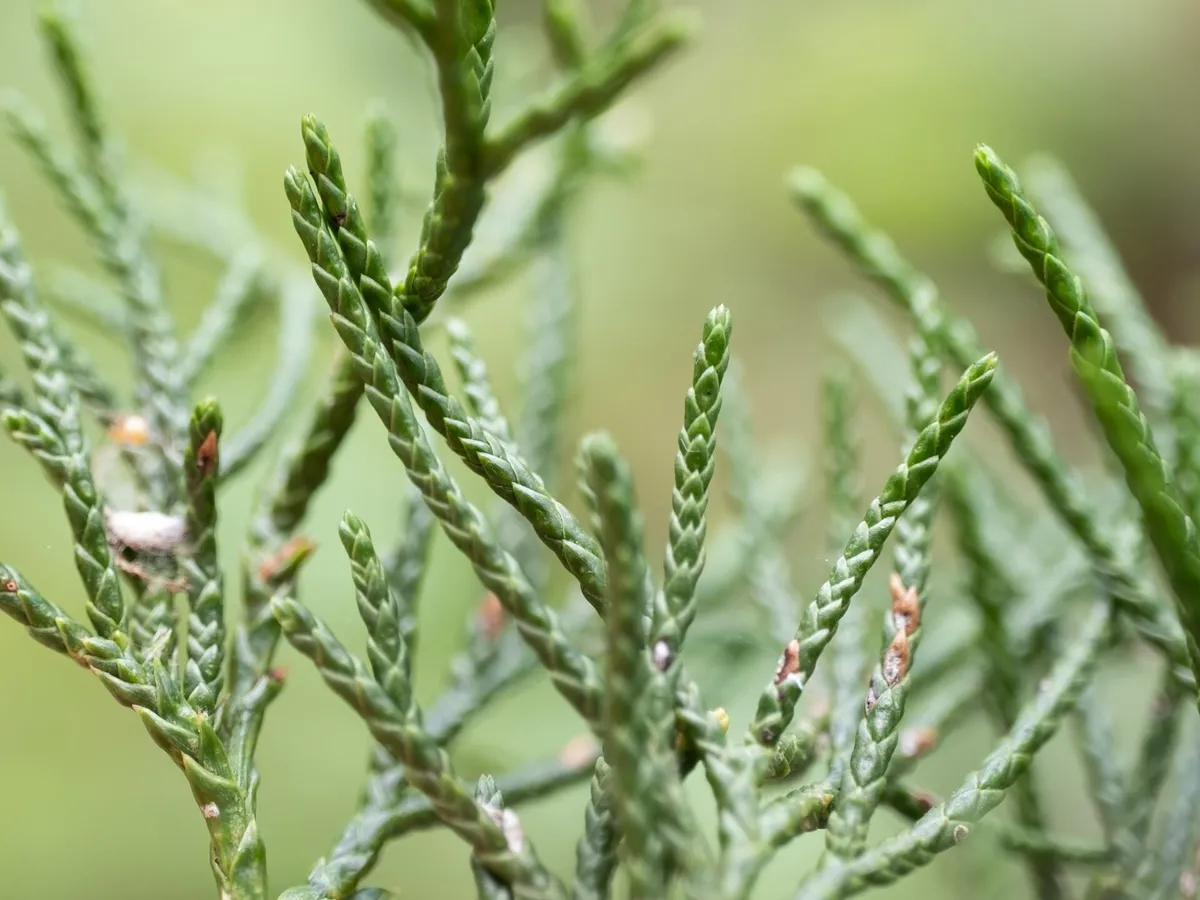
Eastern Red Cedar
Juniperus virginiana
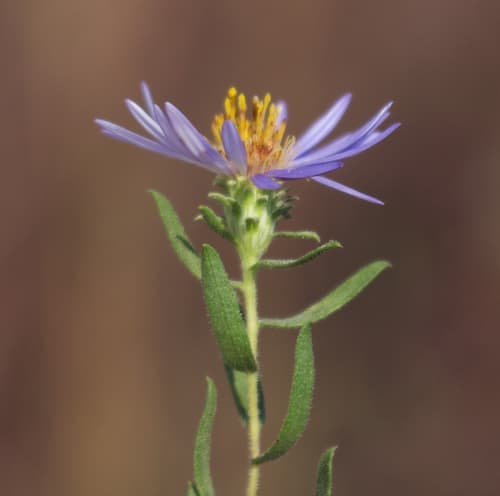
Fall Aster
Symphyotrichum oblongifolium
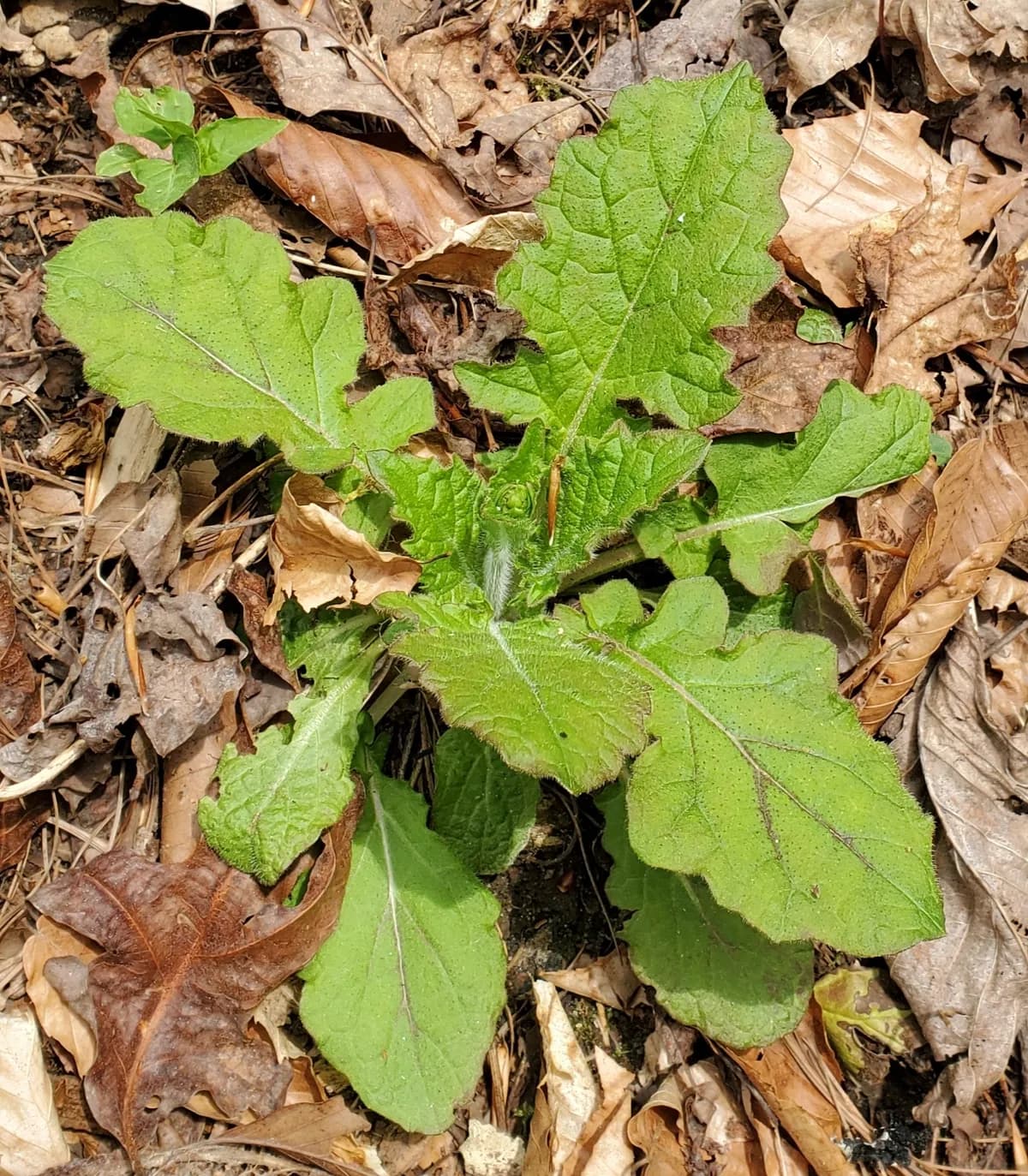
Lyre Leaf Sage
Salvia lyrata
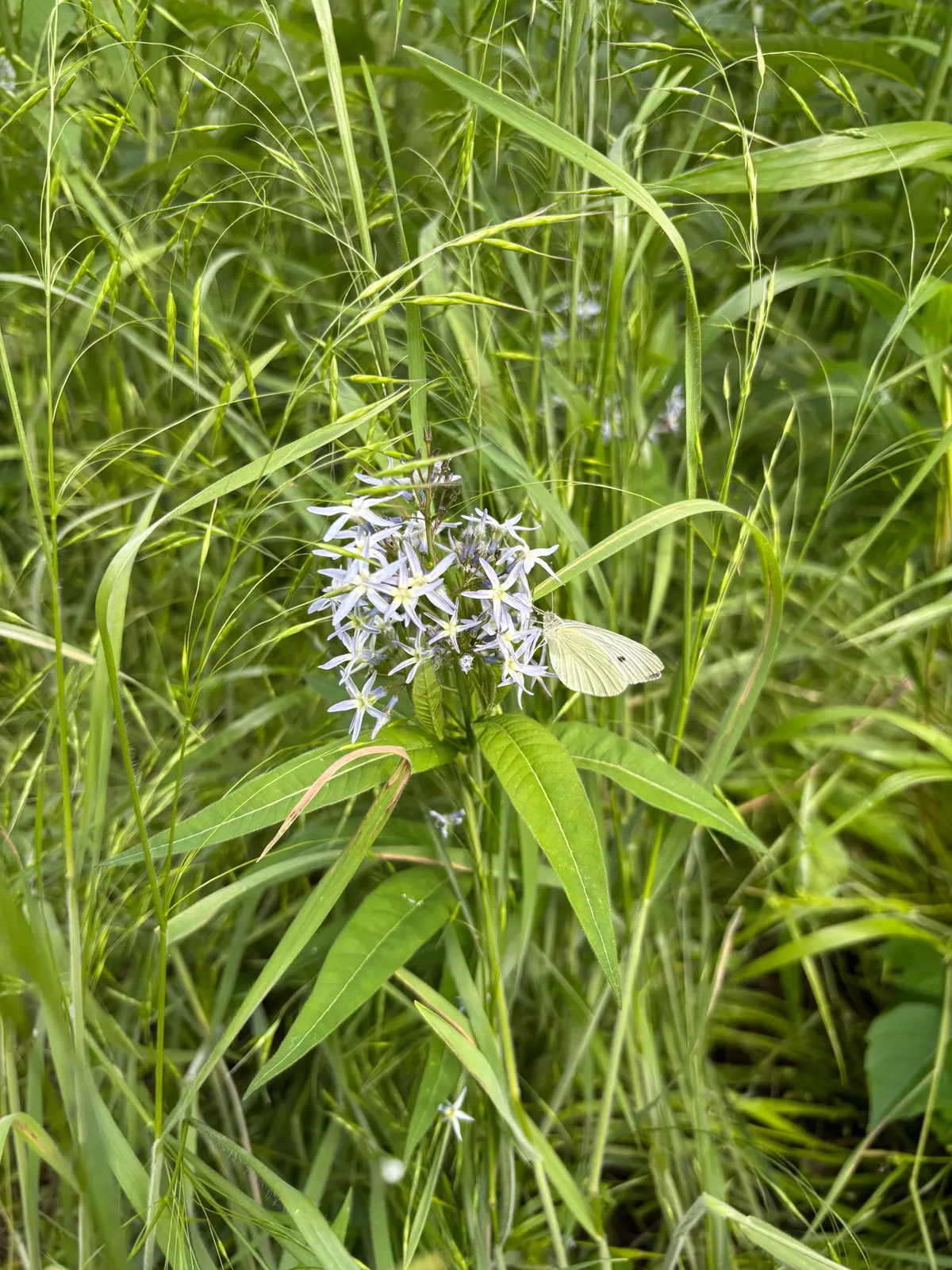
Eastern Bluestar
Amsonia tabernaemontana

Fragrant Phlox
Phlox pilosa

Mexican Hat
Ratibida columnifera

Prairie Petunia
Ruellia humilis

Missouri Primrose
Oenothera macrocarpa
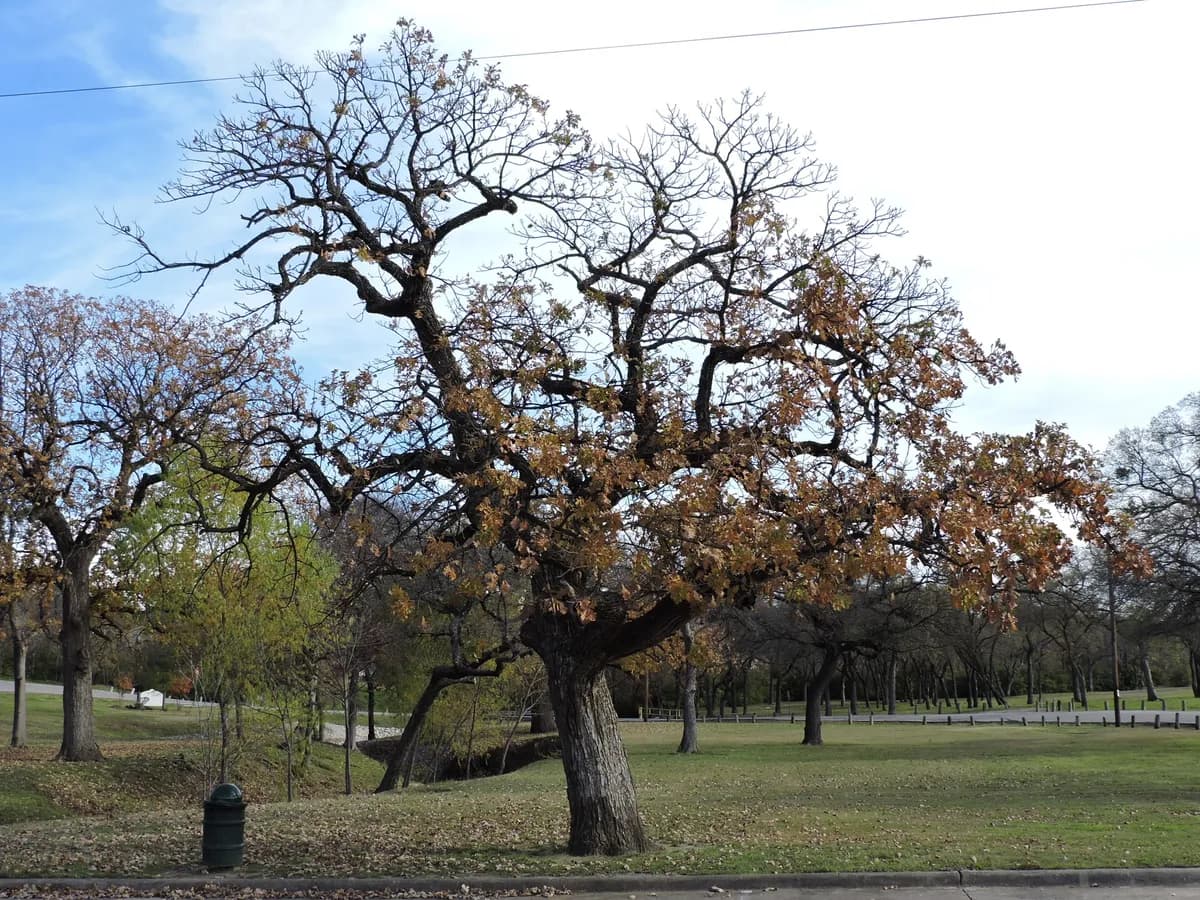
Bur Oak
Quercus macrocarpa
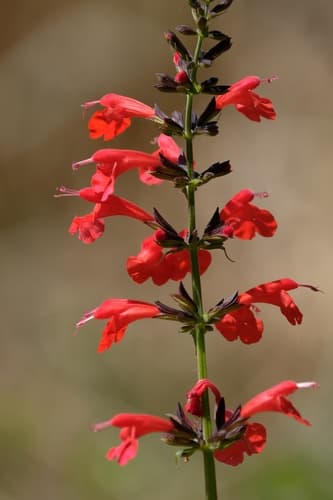
Scarlet Sage
Salvia coccinea
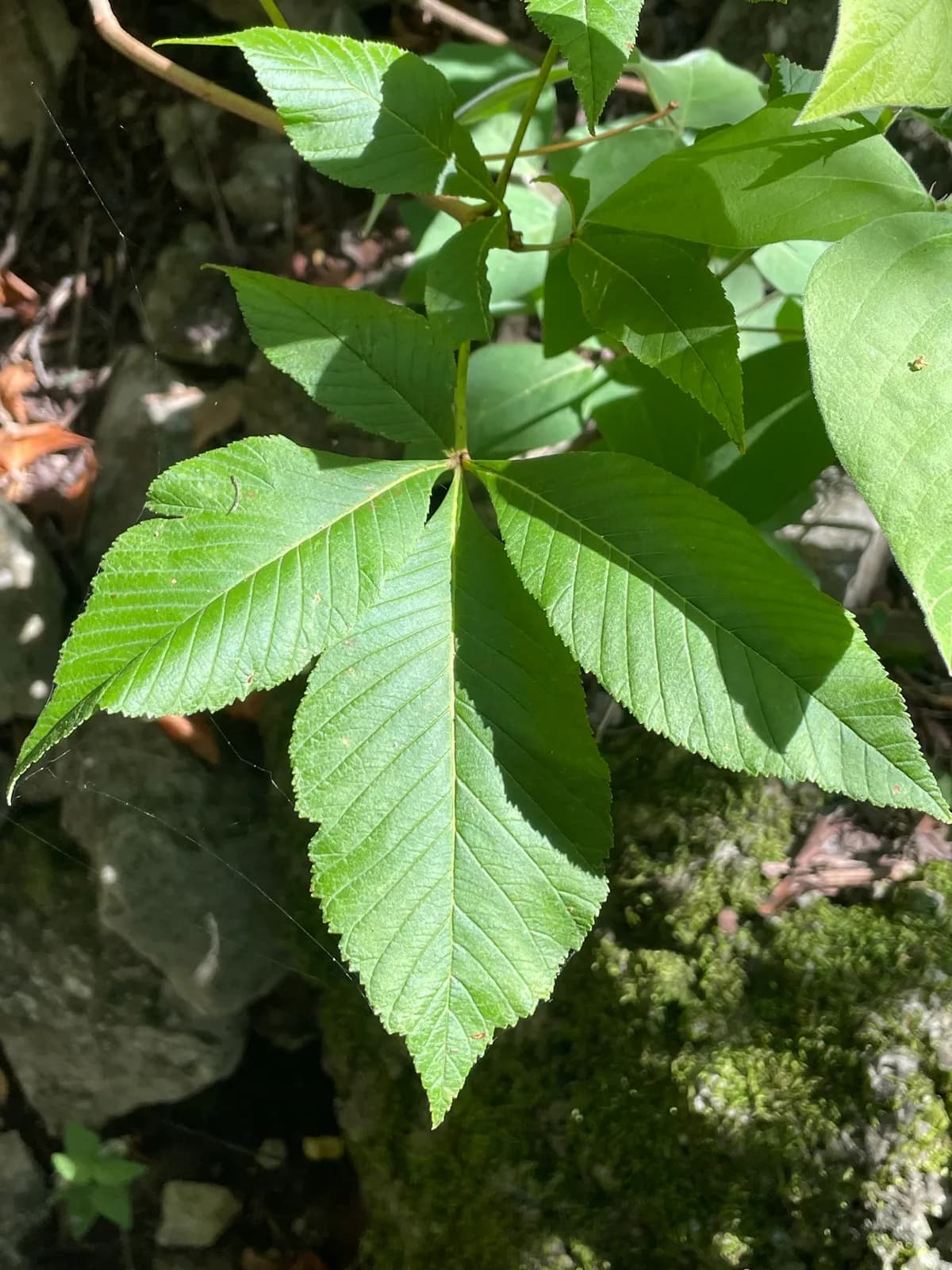
Red buckeye
Aesculus pavia
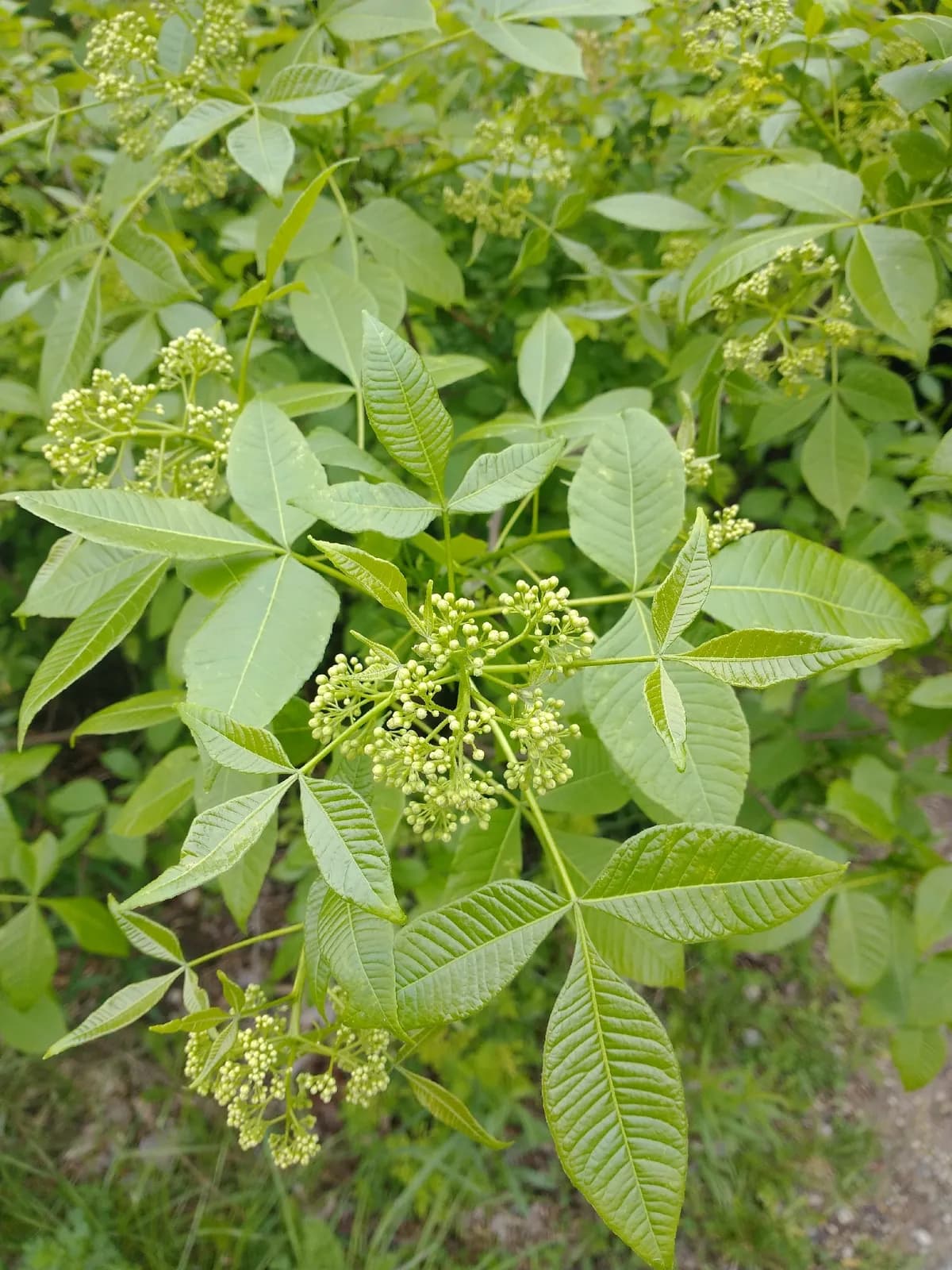
Wafer Ash
Ptelea trifoliata
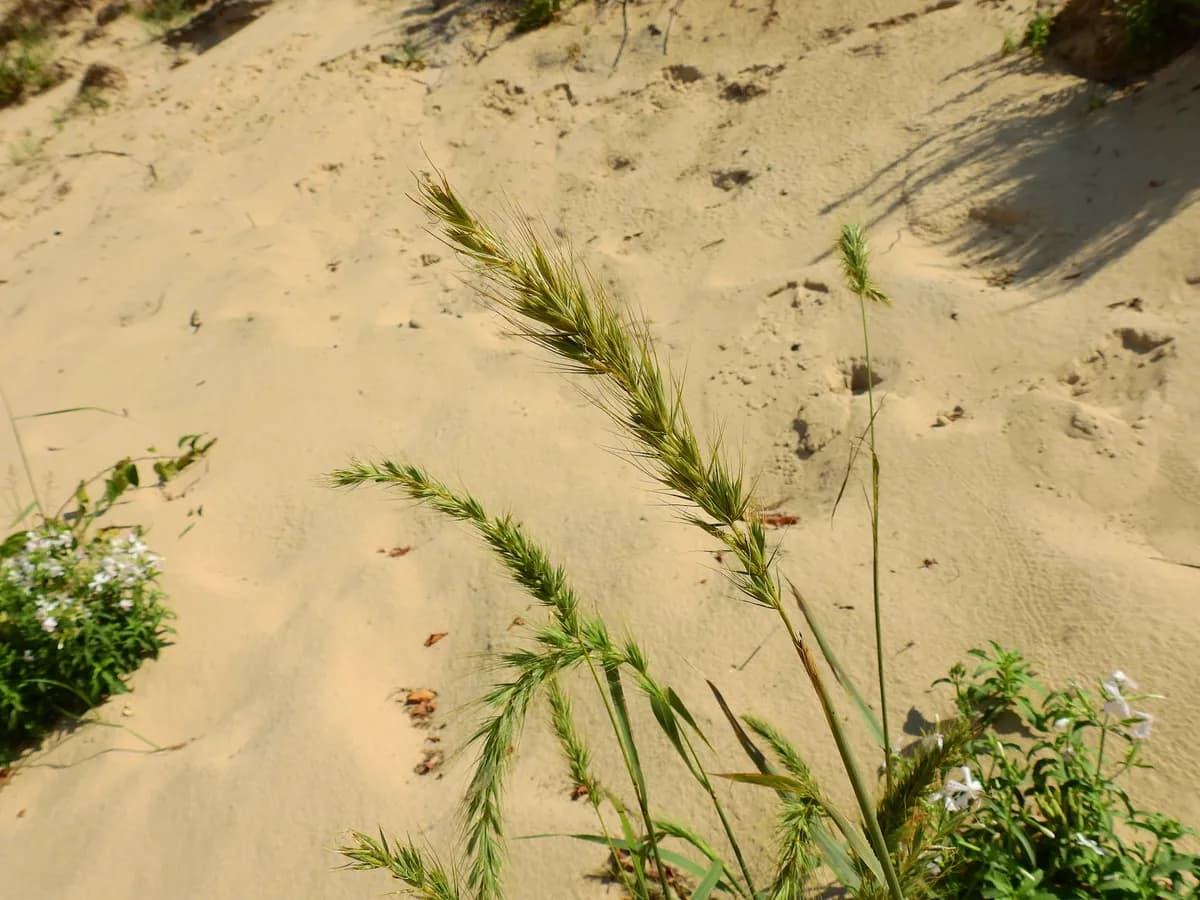
Prairie Wildrye
Elymus canadensis
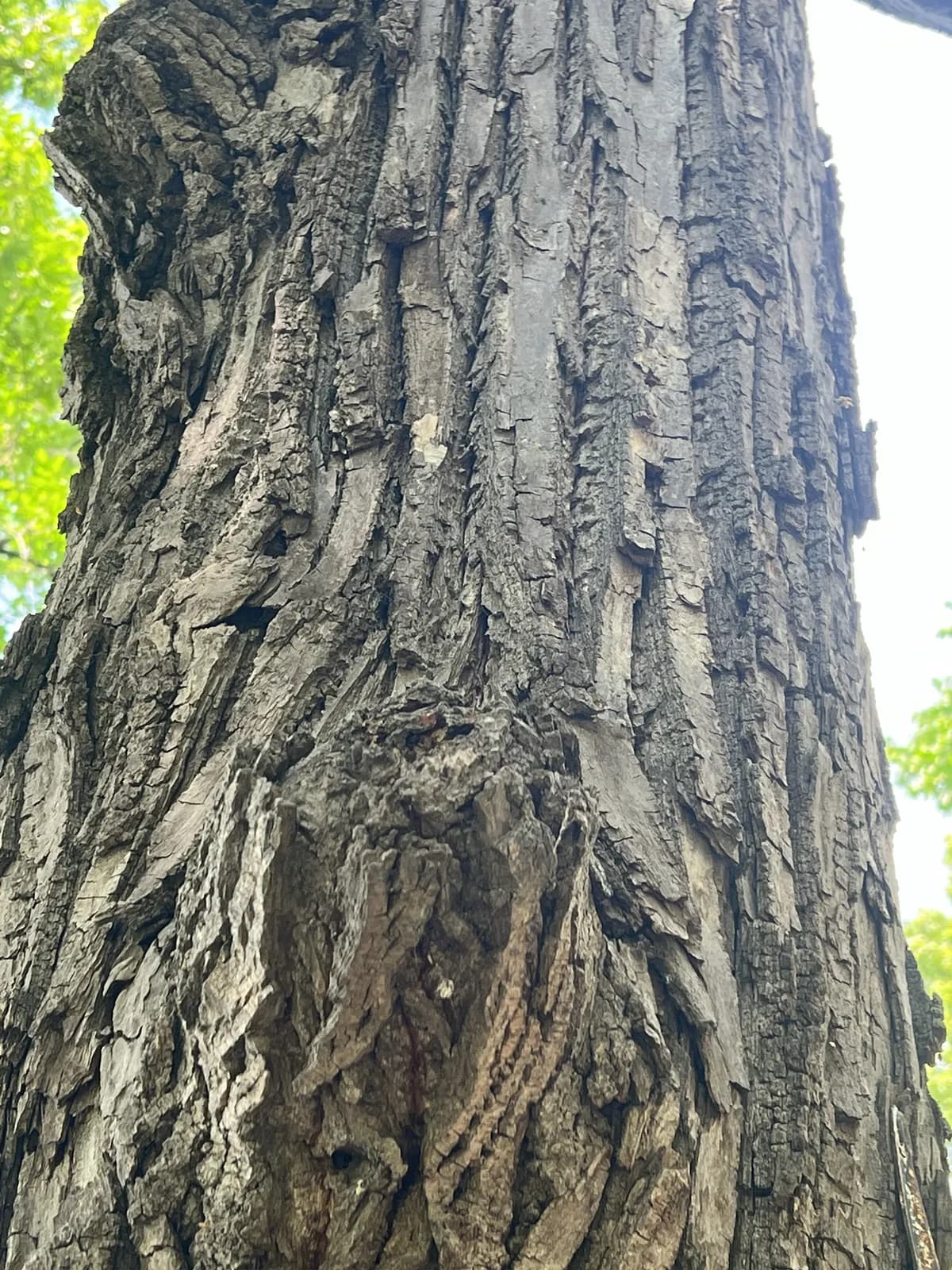
American Basswood
Tilia americana
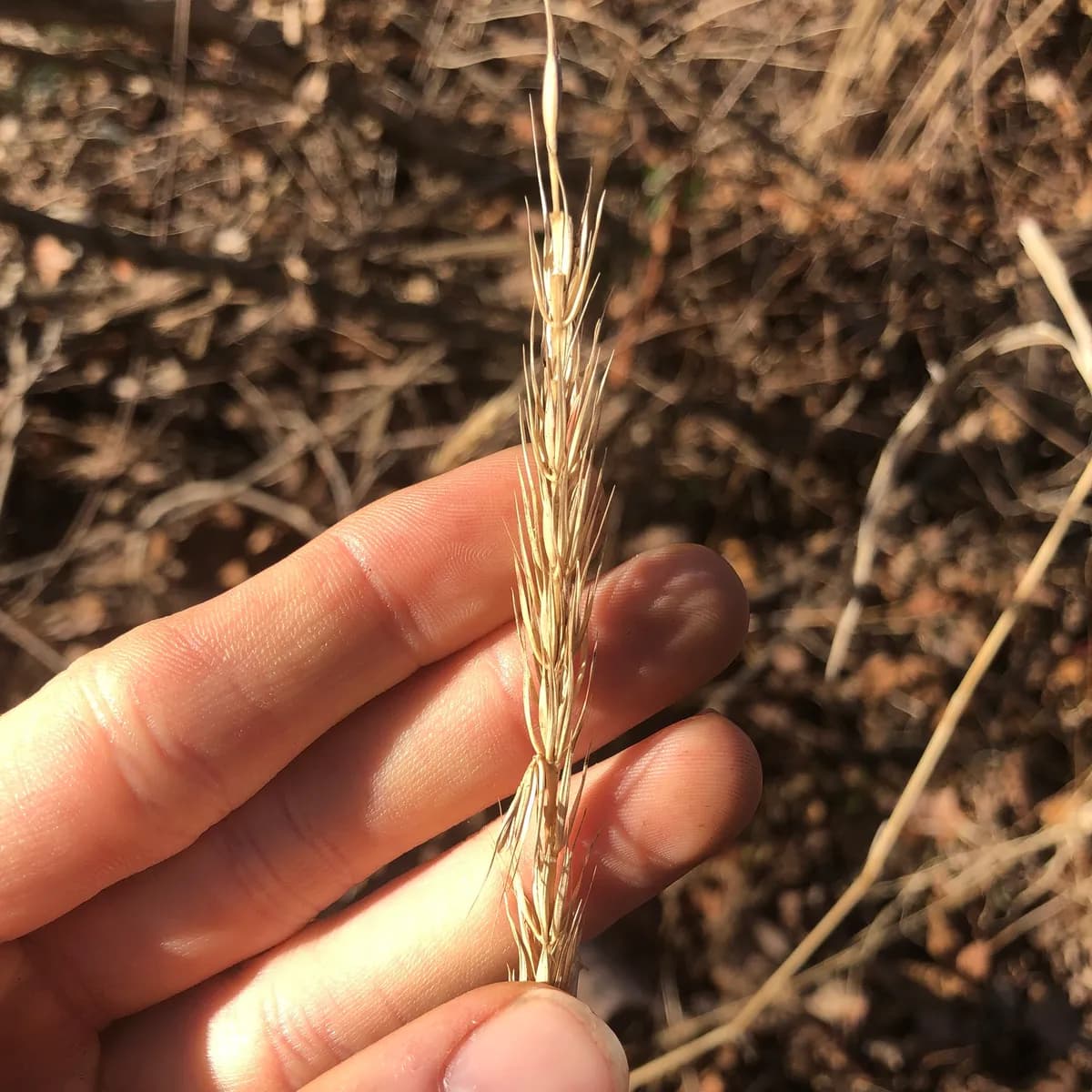
Virginia Wildrye
Elymus virginicus
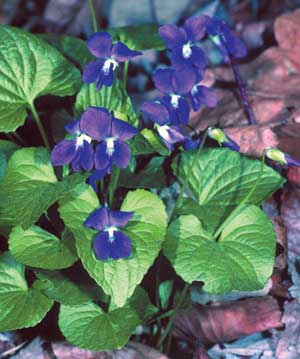
Common Blue Violet
Viola sororia
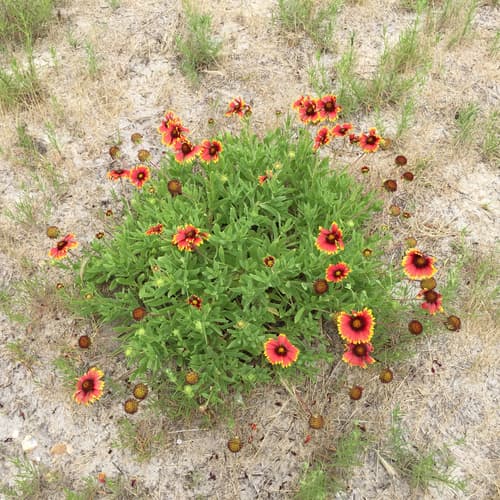
Firewheel
Gaillardia pulchella
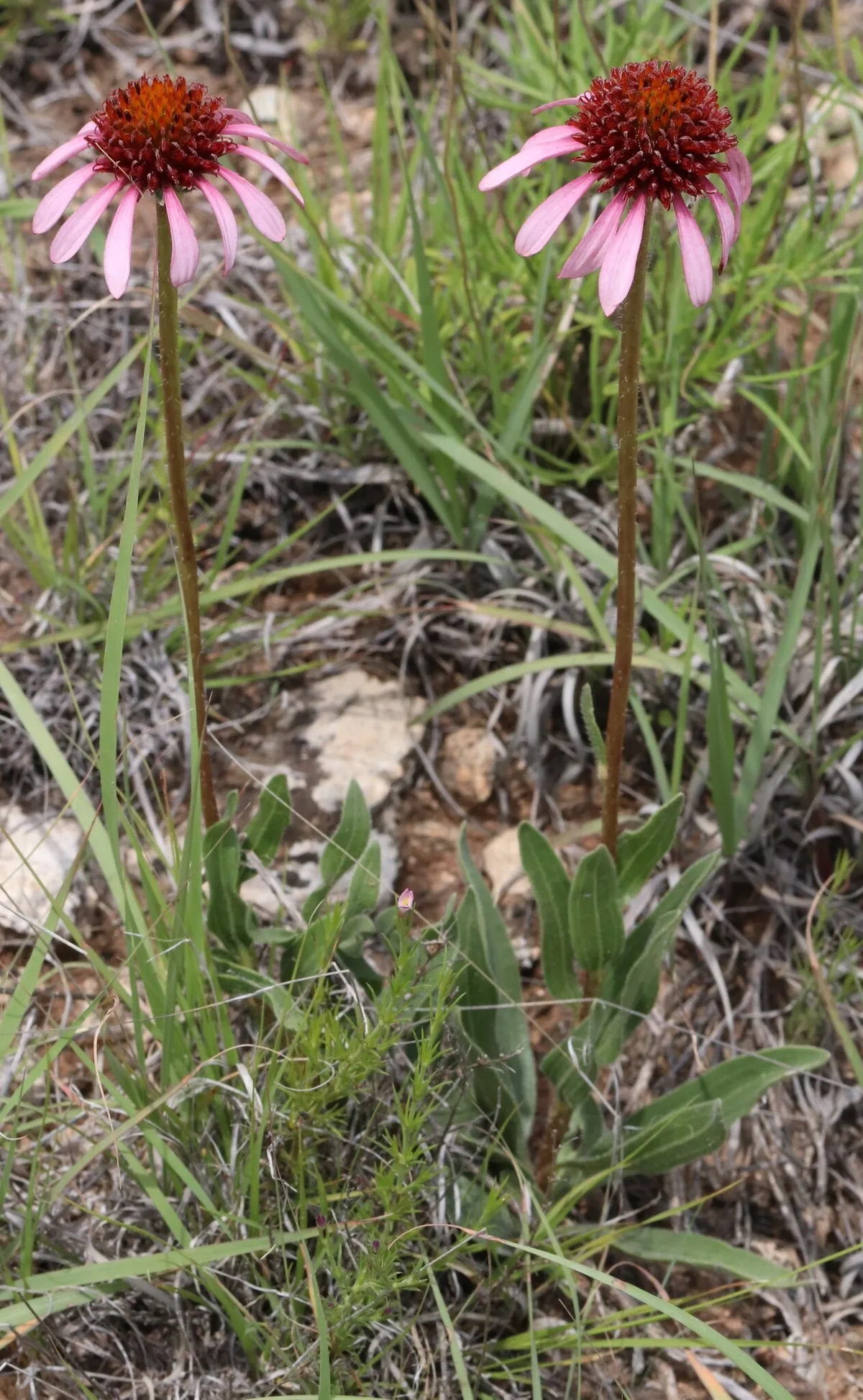
Narrow-leaf Coneflower
Echinacea angustifolia

American Germander
Teucrium canadense

Gayfeather
Liatris punctata
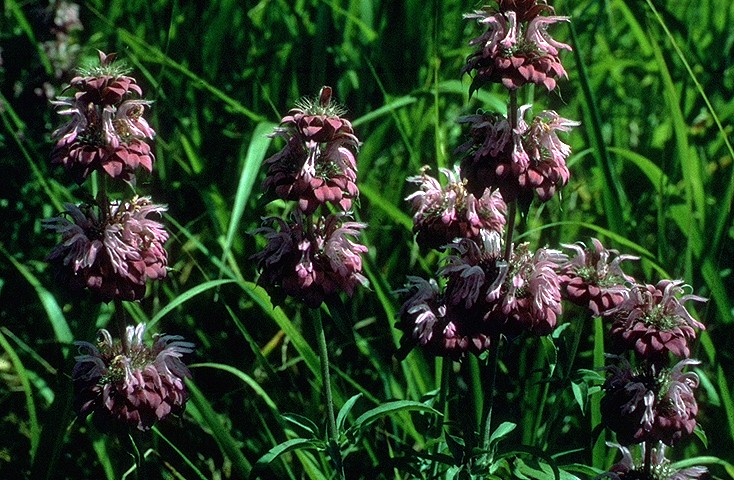
Horsemint
Monarda citriodora

Winged Loosestrife
Lythrum alatum

Heath Aster
Symphyotrichum ericoides
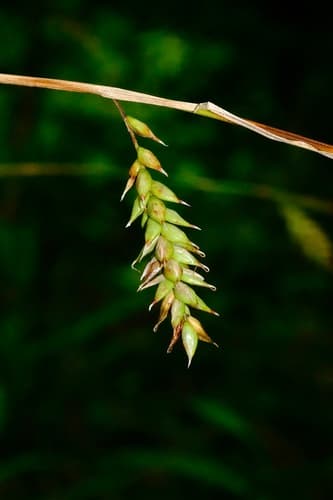
Cherokee Sedge
Carex cherokeensis
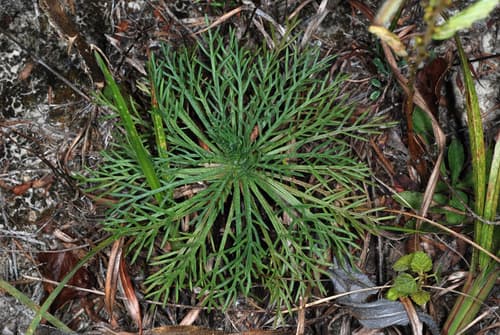
Standing Cypress
Ipomopsis rubra
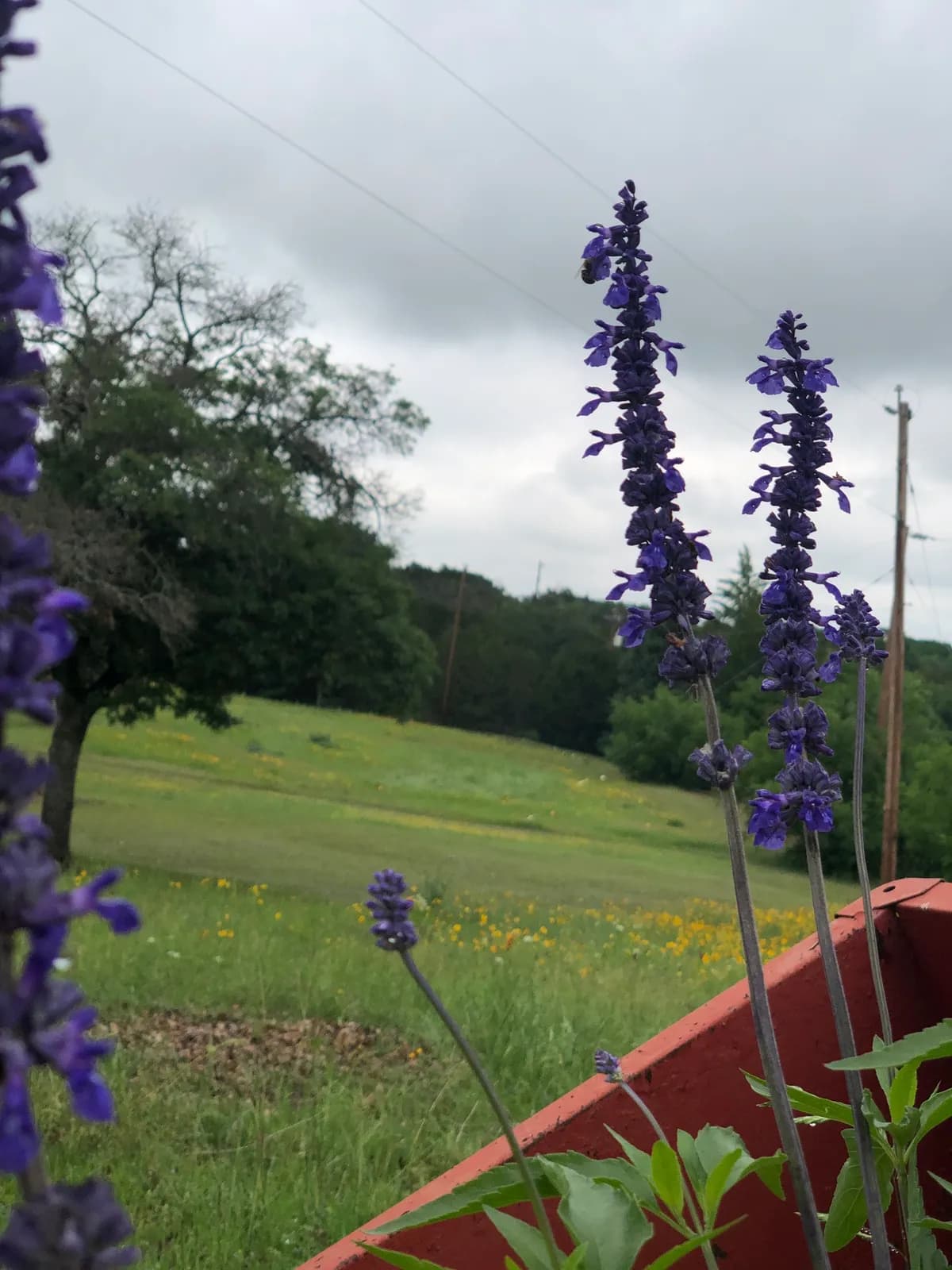
Mealy Blue Sage
Salvia farinacea
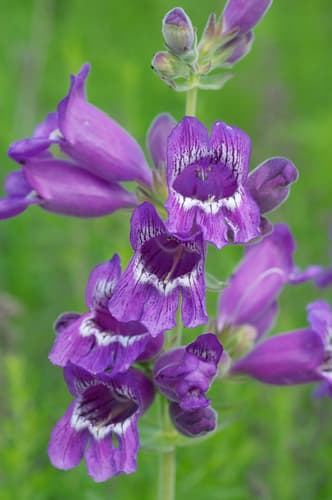
Foxglove Penstemon
Penstemon cobaea
Showing 48 of 729. Enter your ZIP for the natives matched to your yard.
Fall care in the Edwards Plateau
What to do right now for plants commonly grown here. Each links to the full regional care guide for that species, with sources.
- Devils bouquet
Fall bloom continues, and this is a good time to let seed form if you want more plants.
- Fall aster
Fall is when aromatic aster blooms, as one of the last flowers before a heavy frost.
- Carolina buckthorn
Small black berries ripen in fall and feed wildlife.
- Rock penstemon
Flowers can continue into fall, and a cutback helps keep the plant dense.
- Barbados cherry
Fall is the time to plan for cold, because Barbados cherry is listed only for USDA zones 9B through 11.
- Texas lantana
Texas lantana keeps blooming into fall, and fall is a good time to collect seed from darkened fruit if you want more plants.
- Possumhaw holly
In fall the leaves turn yellow and drop, and berries on female plants ripen and start to show.
- Winecup
Fall is the time to sow winecup seed or move tubers, and plants often regrow after fall rains.
- Flame acanthus
Flame acanthus keeps blooming into fall, so leave it alone and enjoy the flowers.
- Stiff goldenrod
Fall is flower time, with dark yellow blooms from August to October.
Build a plan for the Edwards Plateau
Pollinator Patch turns plants like these into a front-yard plan tuned for the soil, climate, and HOA expectations of the Austin area.