Horseherb
Calyptocarpus vialis
/images/plants/horseherb/attribution.json.Light
part sun
Water
low
Size
3"–6" H × 18"–36" W
Bloom
Mar, Apr, May, Jun, Jul, Aug, Sep, Oct, Nov
Native to
Edwards Plateau, South Texas Plains, Blackland Prairie, Post Oak Savannah
Pollinators
bees, butterflies
Browse plants for this ecoregion
Horseherb is a perennial forb native to Edwards Plateau, South Texas Plains, Blackland Prairie, Post Oak Savannah. It grows best in part sun with low water needs.
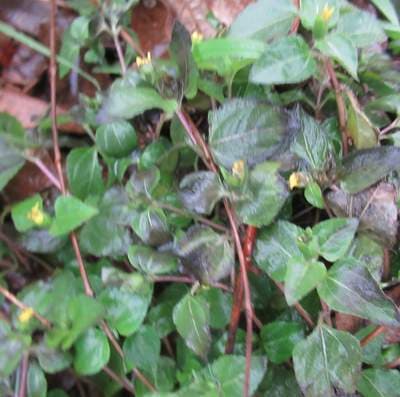
Horseherb (Calyptocarpus vialis), also called straggler daisy or lawnflower, is a low-growing native ground cover that handles foot traffic, dog use, and shade where regular turf grass struggles. It stays under 6 inches tall, blooms tiny yellow flowers most of the warm season, and asks for almost no water once established.
Horseherb is non-toxic to dogs, cats, and horses (not on the ASPCA toxic plant list). It is one of the most commonly recommended dog-friendly ground covers for Texas yards under live oaks and other dappled-shade trees. Bees and small butterflies including the Phaon Crescent use the flowers.
Ecoregion notes for Texas. In the Edwards Plateau and South Texas Plains (alkaline, rocky, hot summers): native and thrives. Mow at 4 inches once a month if you want a tighter look, or let it grow loose for a wilder ground cover. In the Blackland Prairie (Dallas, Austin, San Antonio metros, heavy clay): also native and reliable; it spreads by stolons and seed in clay better than most turf alternatives. In the Post Oak Savannah (transitional sandy loam, mixed soils): plant in fall so it establishes before summer heat. In the Pineywoods (East Texas, wetter and more acidic): less natural fit; it works but may face competition from native sedges.
For HOA contexts: horseherb reads as messier than turf, so use it in mid-zone or backyard locations rather than the curb-facing strip unless your community is comfortable with naturalistic ground covers. It pairs well with Frogfruit, Cedar Sedge, and Inland Sea Oats in a no-mow shade lawn. Established horseherb often returns from roots after a hard freeze.
Bee species data compiled from GBIF, iNaturalist, Discover Life, and the USGS Native Bee Inventory and Monitoring Lab. Plant-pollinator associations informed by published ecological literature.
How to care for Horseherb, by region
How to care for Horseherb where it is actually grown: year-round basics plus what to do each season, region by region, with the sources for each.
Care guidance last updated: July 2026
Cross Timbers (includes Fort Worth, TX)
Year-round
Horseherb is a low, spreading Texas native groundcover that fills in bare or shady spots in the yard and stands up to foot traffic.
- Space new plants or divisions 6 to 12 inches apart; it spreads on its own by rooting at the stem nodes and fills in within a growing season.
- It grows in sun or shade, though it does best with some afternoon shade in North Texas summers.
- Give it well drained soil and avoid overwatering; standing water causes root rot.
- Mow or trim it down to 2 to 3 inches occasionally if you want a neater look, though it naturally stays low.
- It is not on the ASPCA toxic plant list for dogs or cats, but ASPCA does not carry a dedicated entry for this species, so treat that as an absence of a listed warning rather than a confirmed clearance.
Because horseherb spreads on its own, keep it inside a mowed edge, walkway, or bed line so it reads as an intentional groundcover rather than a weed patch creeping into the lawn.
Fall
Fall is a lower stress time to plant or expand a horseherb bed in North Texas, and it keeps blooming until the first freeze.
- Plant or divide clumps in September or October while the soil is still warm and rain is more reliable.
- Flowering continues into November until the first freeze (mid November in North Texas) knocks it back.
- Cut back watering as temperatures cool; established patches need little to no supplemental water this time of year.
- Rake fallen tree leaves off the patch regularly so light still reaches the foliage below.
A fall planting has time to fill in and root before next summer's heat, so the bed reads as full and cared for through winter instead of bare dirt.
Winter
Horseherb usually goes semi dormant over a North Texas winter, browning back after a hard freeze and regrowing from the roots once it warms up.
- Expect foliage to brown and die back after the first hard freeze; this is normal winter dormancy, not the plant dying.
- Leave the dead top growth in place through winter instead of cutting it back; it helps insulate the crown and roots from further cold.
- During a mild winter or a warm spell it can stay semi-evergreen and hold onto some green leaves.
- Hold off on watering unless there has been an extended dry spell with no rain for several weeks.
- Skip fertilizing until new spring growth shows up.
Winter die-back can look bare or brown from the street; mulching the edge or keeping the border line crisp signals the patch is dormant, not neglected, until it greens up in spring.
Spring
Spring is when horseherb comes out of winter dormancy and starts active growth, making it a good time to plant or fill in bare patches.
- Plant divisions or nursery starts after the last frost (mid March in North Texas), spacing them 6 to 12 inches apart.
- New growth pushes up from the crown through March and April; trim away any winter-browned foliage left over from the cold to make room.
- Small yellow flowers begin opening by March or April and continue through the season.
- Water new plantings twice a week until you see fresh growth, then taper off as roots establish.
- In the heavy black clay soils, plant it high on a slight mound or amend the hole for drainage; in the sandier soils west of the metro it will need more frequent watering through its first summer.
Fresh spring growth fills gaps quickly and reads as a tidy, deliberate groundcover rather than a bare patch, as long as it stays inside a defined edge.
Summer
North Texas summer heat is the hardest stretch for horseherb, especially plants still in their first year, though established patches handle drought well.
- Water first-year plantings 2 to 3 times a week during 100F-plus stretches; established patches usually get by on rainfall alone.
- It keeps blooming with small yellow flowers right through summer.
- In full sun it looks thinner and more stressed than in shade; give it a light extra watering if leaves wilt by afternoon.
- Trim spreading runners back from walkways, driveways, and bed edges about once a month to keep the border crisp.
- Make sure planting areas drain within a few hours after storms; soil that stays soggy in summer heat leads to root rot.
Keep the spreading edge trimmed back from sidewalks and driveways during the hot months; untrimmed runners are the main way this groundcover starts to look untended.
Sources: Lady Bird Johnson Wildflower Center, Calyptocarpus vialis, ASPCA Toxic and Non-Toxic Plant List, Dogs, City of Austin Watershed Protection, Horseherb plant guide
Texas Blackland Prairies (includes Dallas, TX)
Year-round
Horseherb is a low, spreading Texas native groundcover that fills in bare or shady spots in the yard and stands up to foot traffic.
- Space new plants or divisions 6 to 12 inches apart; it spreads on its own by rooting at the stem nodes and fills in within a growing season.
- It grows in sun or shade, though it does best with some afternoon shade in North Texas summers.
- Give it well drained soil and avoid overwatering; standing water causes root rot.
- Mow or trim it down to 2 to 3 inches occasionally if you want a neater look, though it naturally stays low.
- It is not on the ASPCA toxic plant list for dogs or cats, but ASPCA does not carry a dedicated entry for this species, so treat that as an absence of a listed warning rather than a confirmed clearance.
Because horseherb spreads on its own, keep it inside a mowed edge, walkway, or bed line so it reads as an intentional groundcover rather than a weed patch creeping into the lawn.
Fall
Fall is a lower stress time to plant or expand a horseherb bed in North Texas, and it keeps blooming until the first freeze.
- Plant or divide clumps in September or October while the soil is still warm and rain is more reliable.
- Flowering continues into November until the first freeze (mid November in North Texas) knocks it back.
- Cut back watering as temperatures cool; established patches need little to no supplemental water this time of year.
- Rake fallen tree leaves off the patch regularly so light still reaches the foliage below.
A fall planting has time to fill in and root before next summer's heat, so the bed reads as full and cared for through winter instead of bare dirt.
Winter
Horseherb usually goes semi dormant over a North Texas winter, browning back after a hard freeze and regrowing from the roots once it warms up.
- Expect foliage to brown and die back after the first hard freeze; this is normal winter dormancy, not the plant dying.
- Leave the dead top growth in place through winter instead of cutting it back; it helps insulate the crown and roots from further cold.
- During a mild winter or a warm spell it can stay semi-evergreen and hold onto some green leaves.
- Hold off on watering unless there has been an extended dry spell with no rain for several weeks.
- Skip fertilizing until new spring growth shows up.
Winter die-back can look bare or brown from the street; mulching the edge or keeping the border line crisp signals the patch is dormant, not neglected, until it greens up in spring.
Spring
Spring is when horseherb comes out of winter dormancy and starts active growth, making it a good time to plant or fill in bare patches.
- Plant divisions or nursery starts after the last frost (mid March in North Texas), spacing them 6 to 12 inches apart.
- New growth pushes up from the crown through March and April; trim away any winter-browned foliage left over from the cold to make room.
- Small yellow flowers begin opening by March or April and continue through the season.
- Water new plantings twice a week until you see fresh growth, then taper off as roots establish.
- In the heavy black clay soils, plant it high on a slight mound or amend the hole for drainage; in the sandier soils west of the metro it will need more frequent watering through its first summer.
Fresh spring growth fills gaps quickly and reads as a tidy, deliberate groundcover rather than a bare patch, as long as it stays inside a defined edge.
Summer
North Texas summer heat is the hardest stretch for horseherb, especially plants still in their first year, though established patches handle drought well.
- Water first-year plantings 2 to 3 times a week during 100F-plus stretches; established patches usually get by on rainfall alone.
- It keeps blooming with small yellow flowers right through summer.
- In full sun it looks thinner and more stressed than in shade; give it a light extra watering if leaves wilt by afternoon.
- Trim spreading runners back from walkways, driveways, and bed edges about once a month to keep the border crisp.
- Make sure planting areas drain within a few hours after storms; soil that stays soggy in summer heat leads to root rot.
Keep the spreading edge trimmed back from sidewalks and driveways during the hot months; untrimmed runners are the main way this groundcover starts to look untended.
Sources: Lady Bird Johnson Wildflower Center, Calyptocarpus vialis, ASPCA Toxic and Non-Toxic Plant List, Dogs, City of Austin Watershed Protection, Horseherb plant guide
Want these tasks as reminders timed to your yard? Pollinator Patch turns this guidance into a season-by-season care plan for the plants you actually grow.
See Horseherb in a real native yard
Horseherb is one of the natives used in these Garden Planner yard designs. Tap any one to see the before and after.
The after image is a Garden Planner preview, generated by an AI image model from the real yard photo. It replants the yard with native plants chosen to fit that yard's ecoregion, sun, and HOA strictness. The finished planting will look different.
Before you buy
Your city may pay you to plant this
Cities and water utilities offer rebates for replacing lawn with native and water-wise plants. We track 452 programs across 44 states, each with a link to the provider and the date we last checked it.
Find rebates in your areaIf something looks wrong
Common plant problems, and what to check first
These come up on almost any plant. Each guide lists the likely causes in the order they are worth ruling out, with one thing to check before you act on any of them, and links to the source it came from.
- It is dying right after planting
- Leaves turning yellow
- Wilting even though I watered it
- Brown crispy leaf tips
- Bugs on the plant
Ready to grow Horseherb? Add it to your garden in Pollinator Patch to track it and get season-by-season care guidance.
Planning a bed around it? Start a free plan with this plant
Not sure where to start? Take the 2-minute yard quiz