Texas Ecoregion
South Texas Plains (Brush Country)
13 native plants suited to the South Texas Plains of Texas.
The South Texas Plains, also called the Brush Country, runs from south of San Antonio down through the Rio Grande Valley. It is hot, semi-arid, and dominated by drought-adapted native shrubs and small trees that supply nectar, fruit, and cover for wildlife. Plants here handle alkaline soils, low rainfall, and intense summer heat.
Conditions: Sandy to clay loam over caliche, alkaline pH, 20–30 inches annual rainfall, very hot summers with mild winters.
Cities and areas: San Antonio, Corpus Christi, Laredo, McAllen, Brownsville, Eagle Pass.
13 Native Plants for the South Texas Plains
All non-toxic per the ASPCA Animal Poison Control Center plant database. Click a plant for full ecoregion-specific maintenance and HOA-friendly notes.
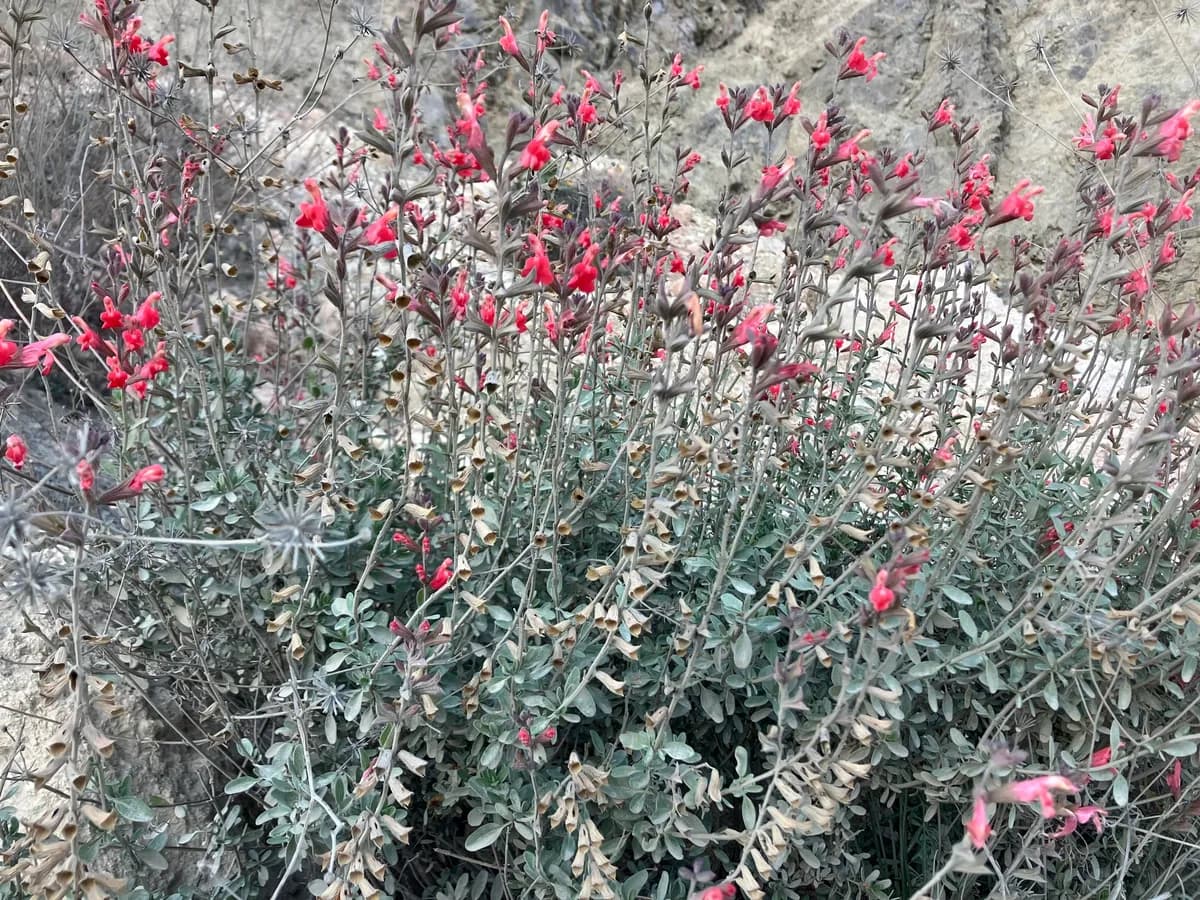
Autumn Sage
Salvia greggii
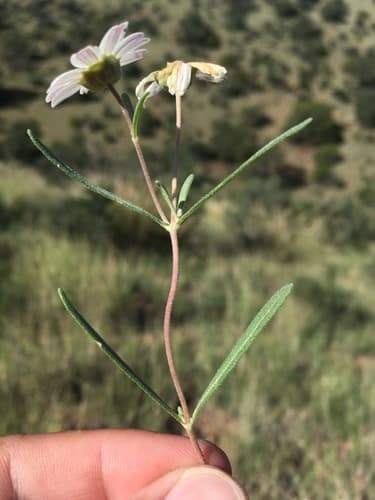
Blackfoot Daisy
Melampodium leucanthum
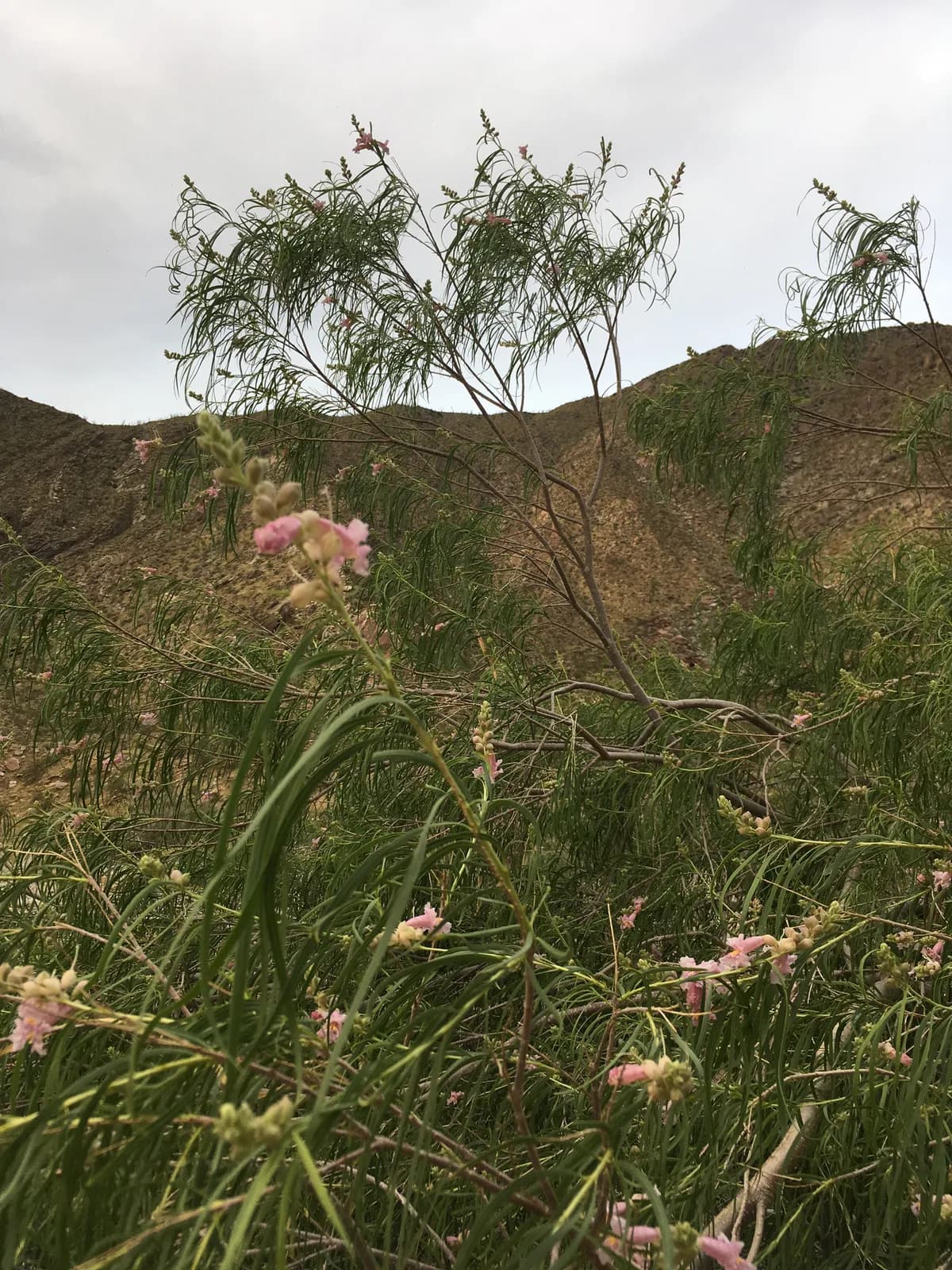
Desert Willow
Chilopsis linearis
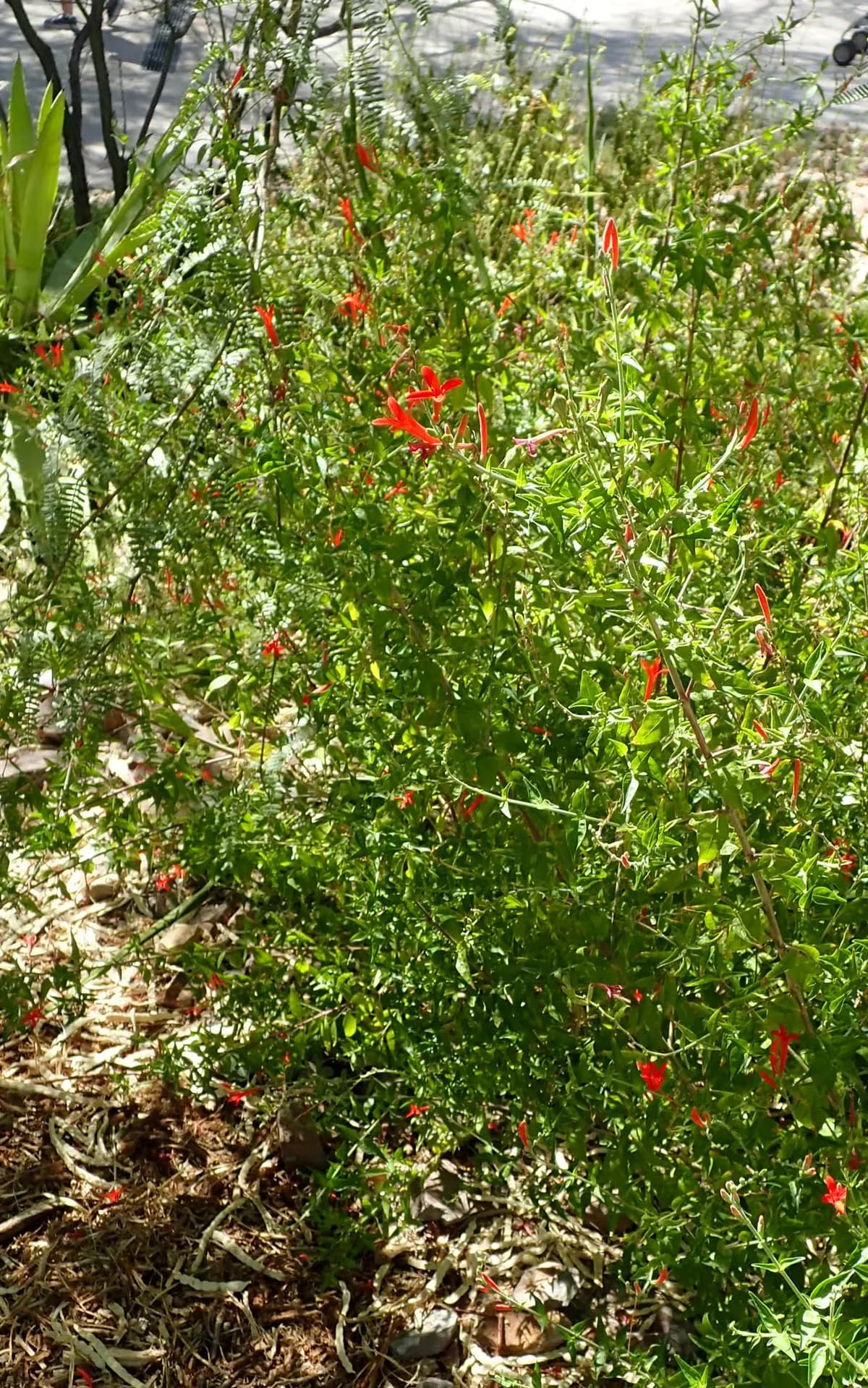
Flame Acanthus
Anisacanthus quadrifidus var. wrightii

Frogfruit
Phyla nodiflora
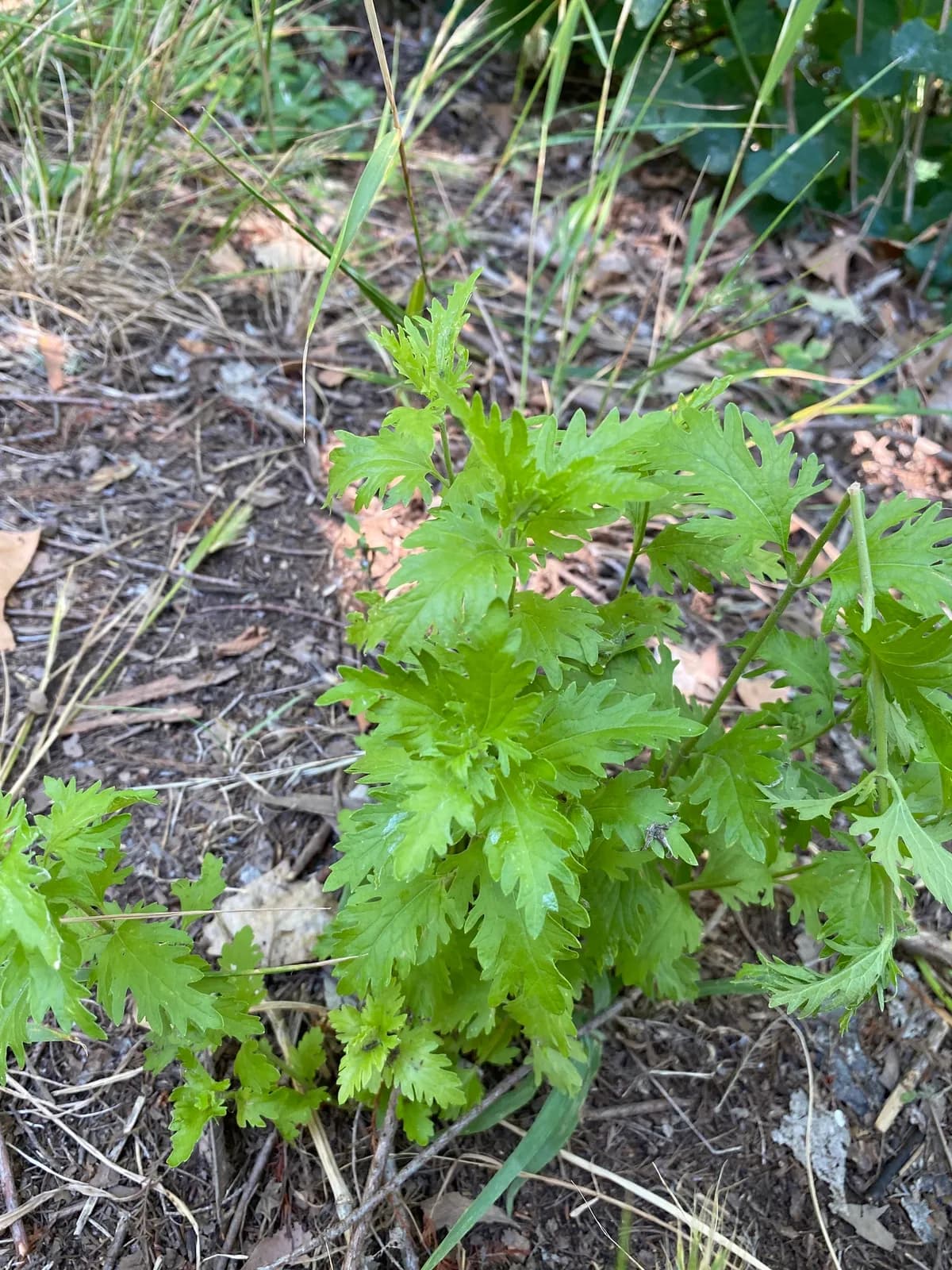
Gregg's Mistflower
Conoclinium greggii
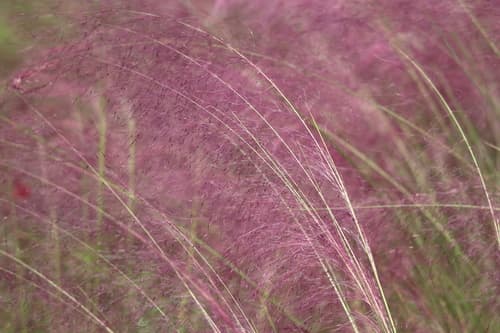
Gulf Muhly
Muhlenbergia capillaris
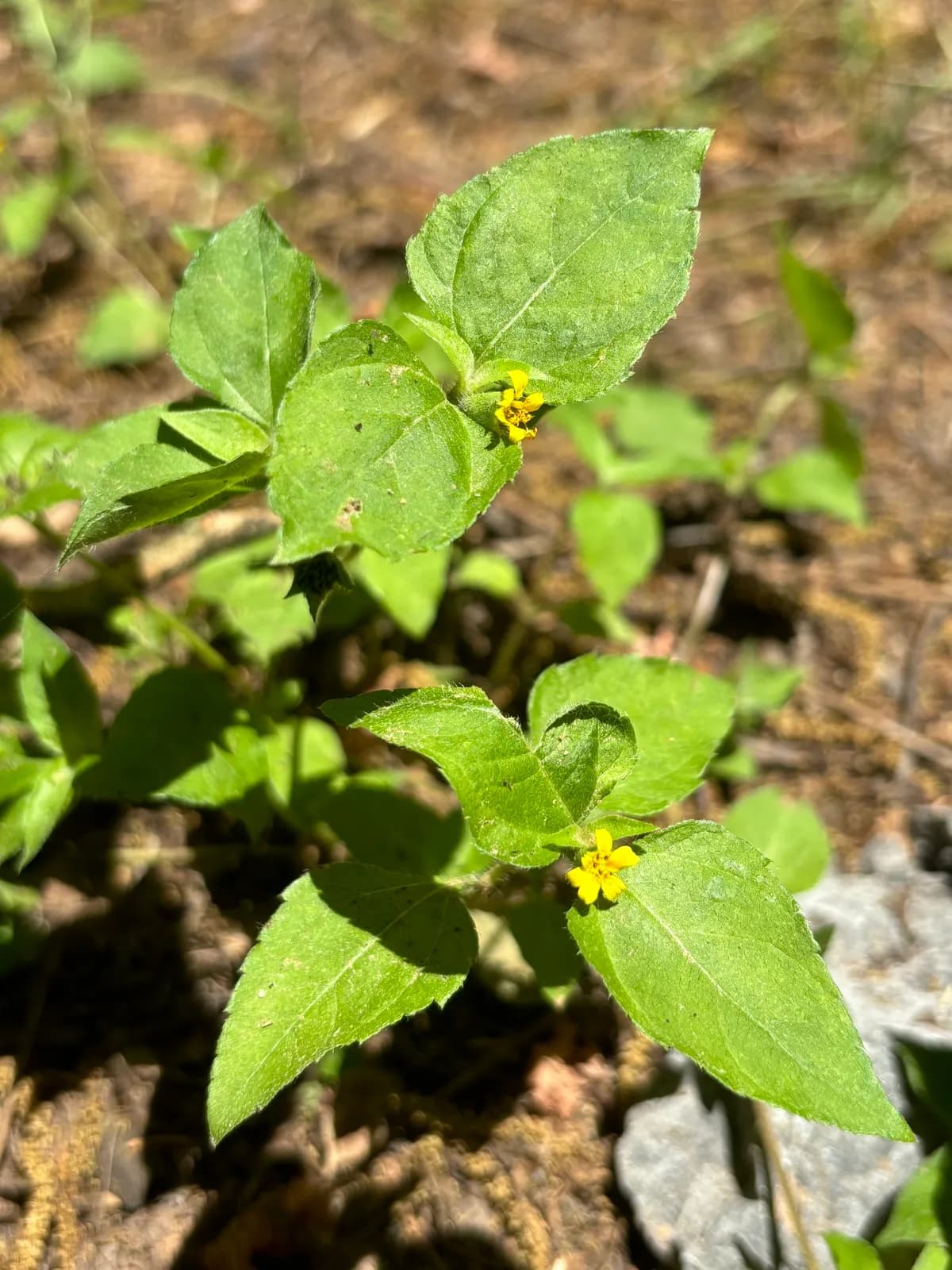
Horseherb
Calyptocarpus vialis
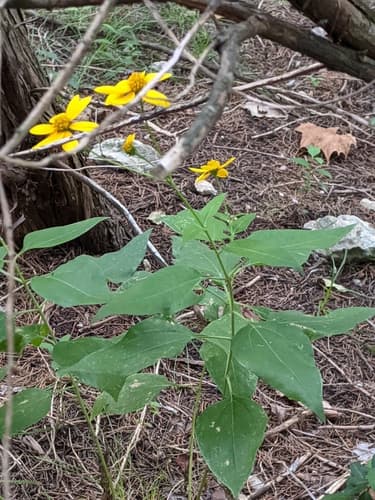
Plateau Goldeneye
Viguiera dentata
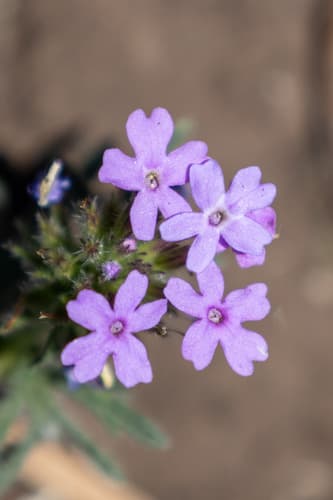
Prairie Verbena
Glandularia bipinnatifida
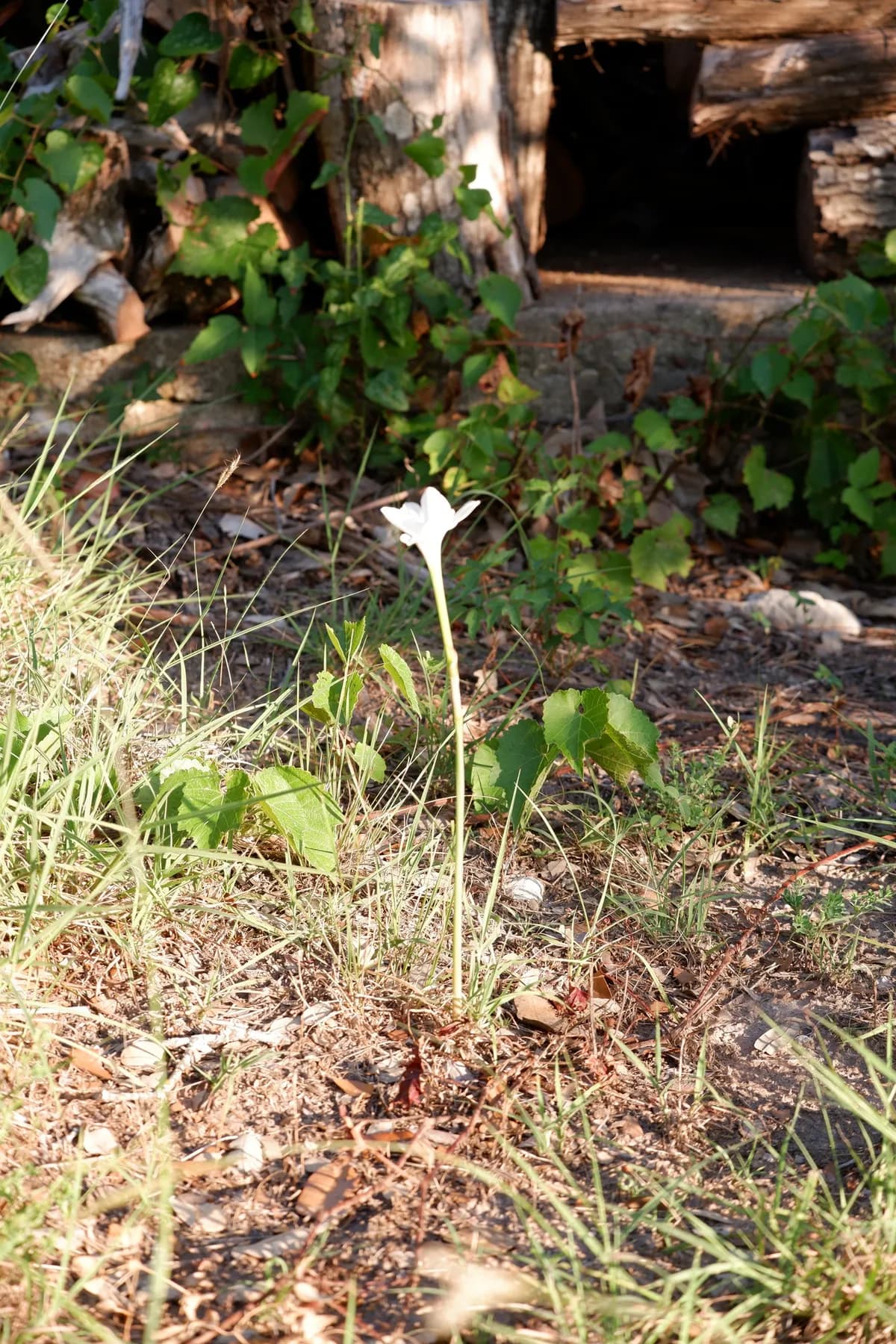
Rain Lily
Zephyranthes drummondii
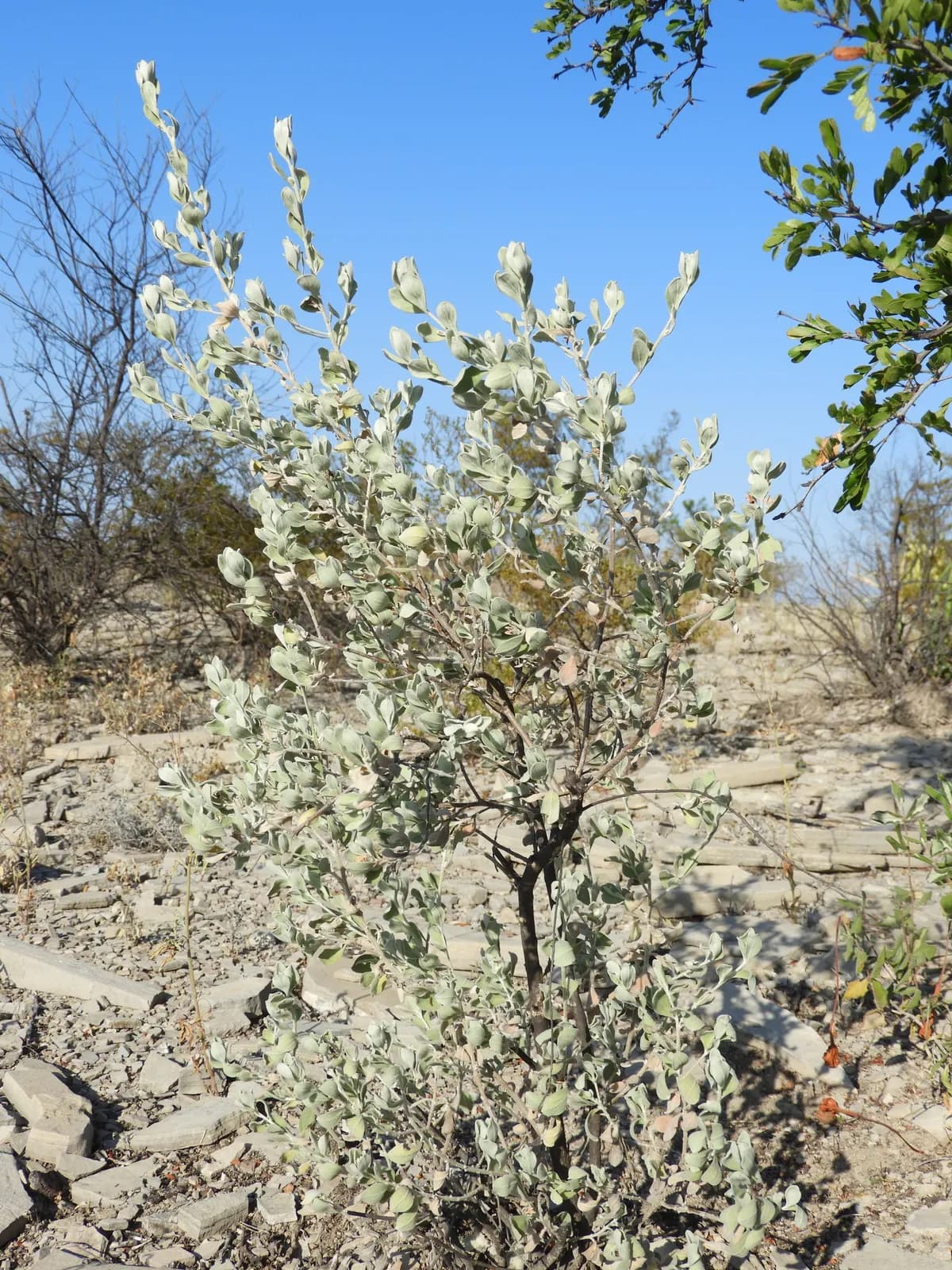
Texas Ranger
Leucophyllum frutescens
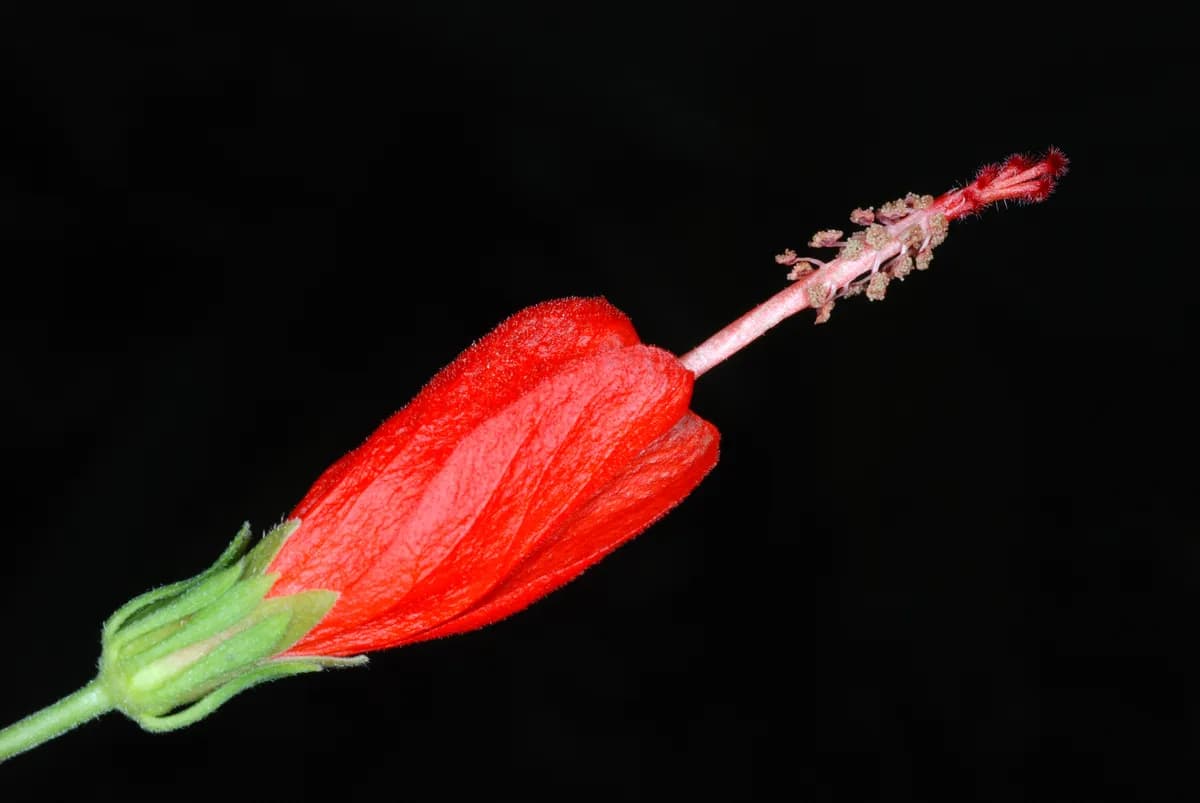
Turk's Cap
Malvaviscus arboreus var. drummondii
339 More Natives for the South Texas Plains
From our full plant database, HOA-friendly picks first. Pet-safety status varies by species; each plant page shows its sourced ASPCA status.
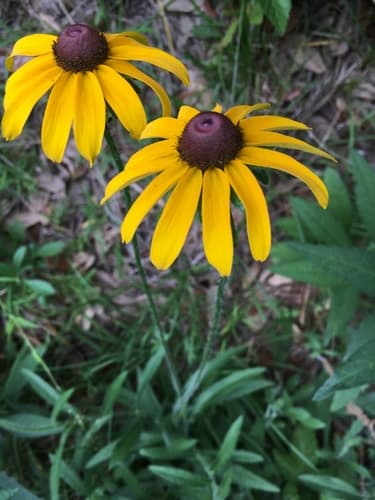
Black-eyed Susan
Rudbeckia hirta

Mexican Hat
Ratibida columnifera
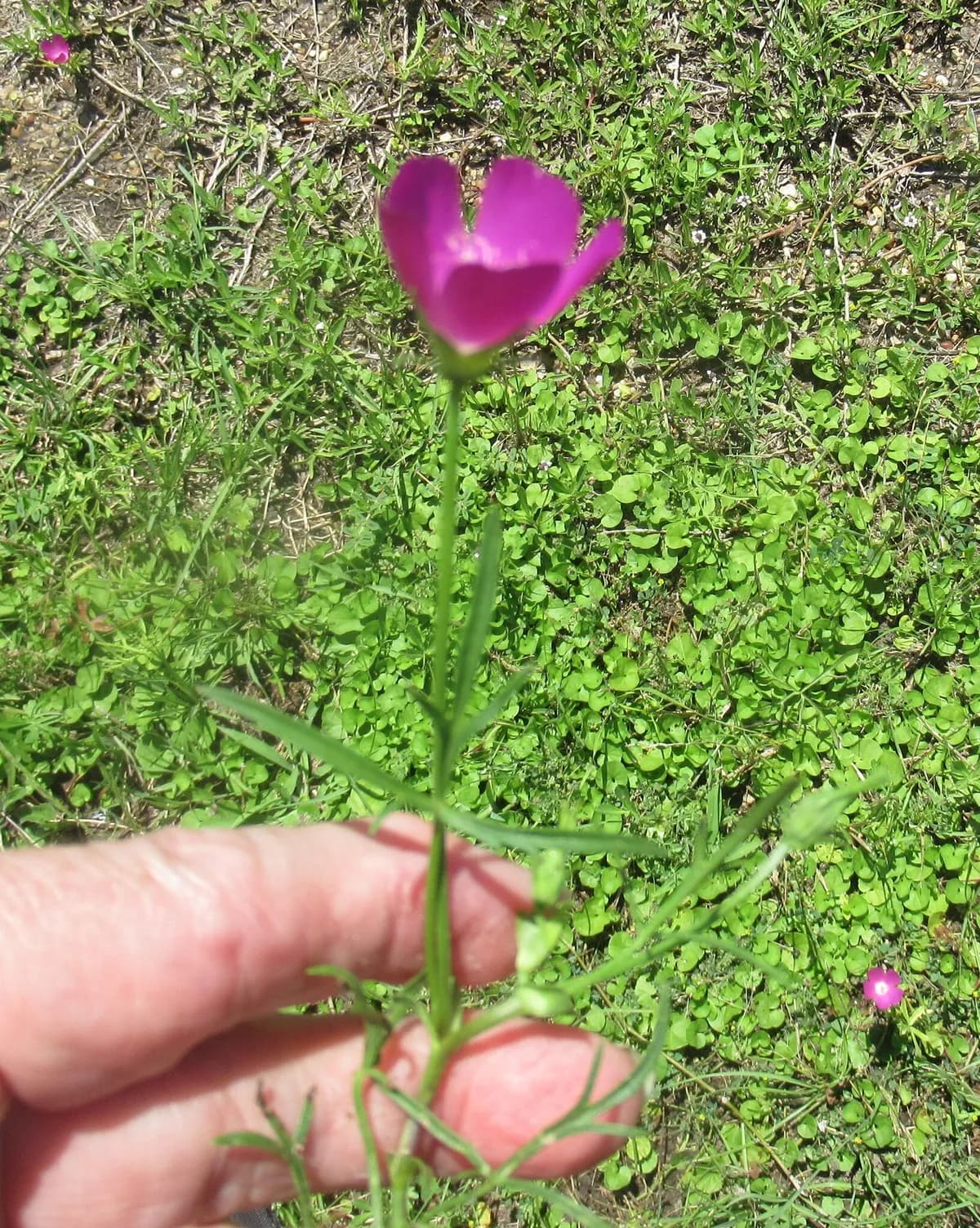
Winecup
Callirhoe involucrata
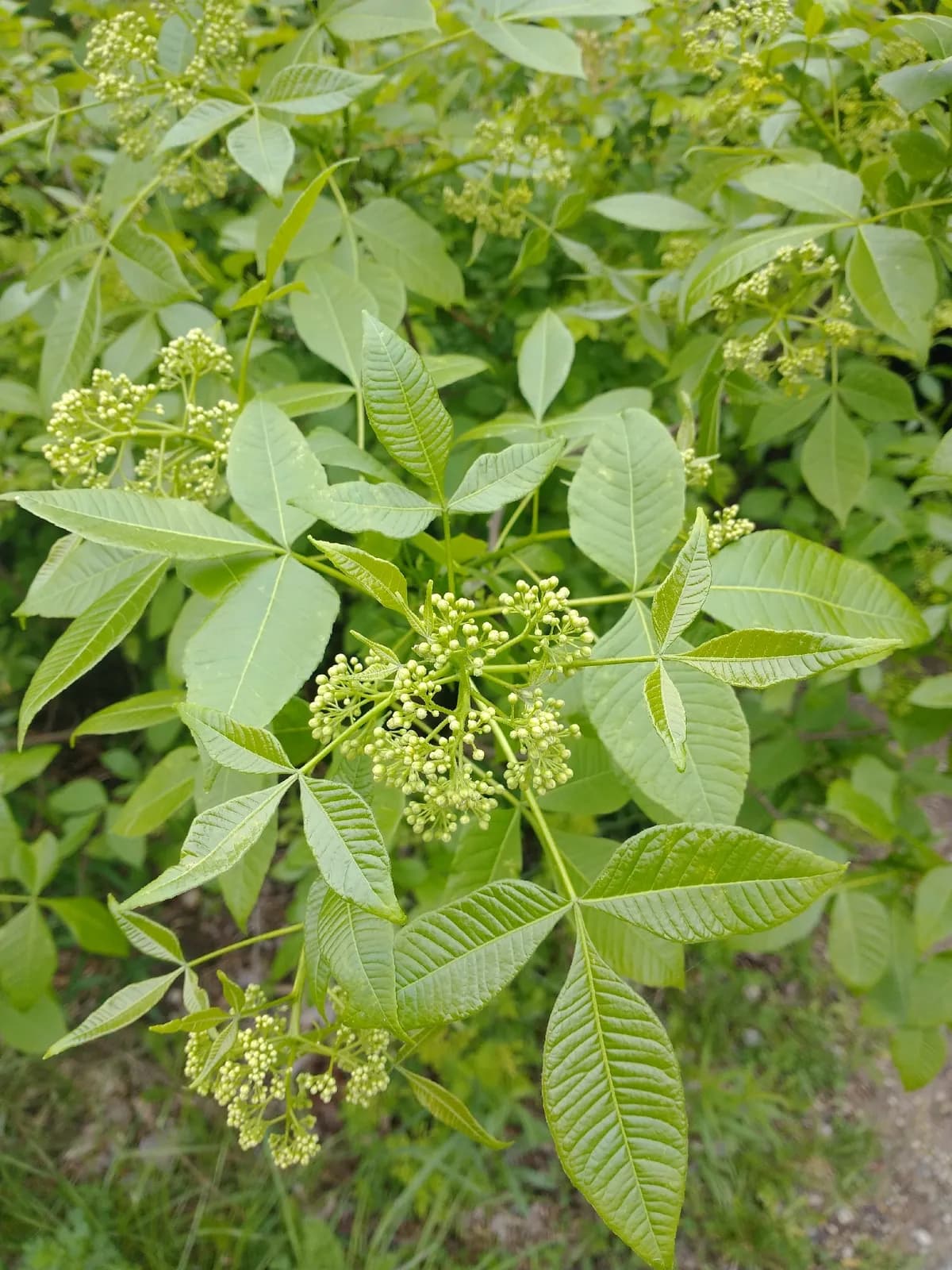
Wafer Ash
Ptelea trifoliata
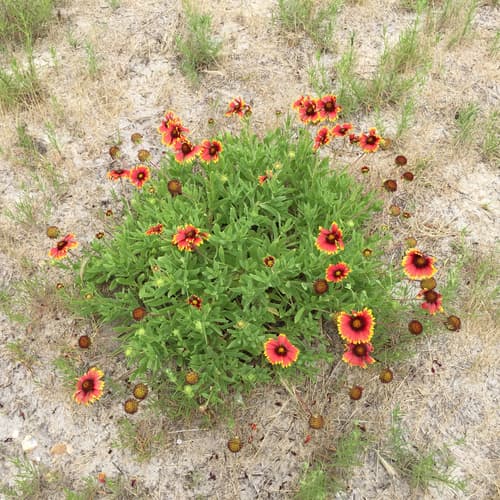
Firewheel
Gaillardia pulchella

American Germander
Teucrium canadense

Gayfeather
Liatris punctata
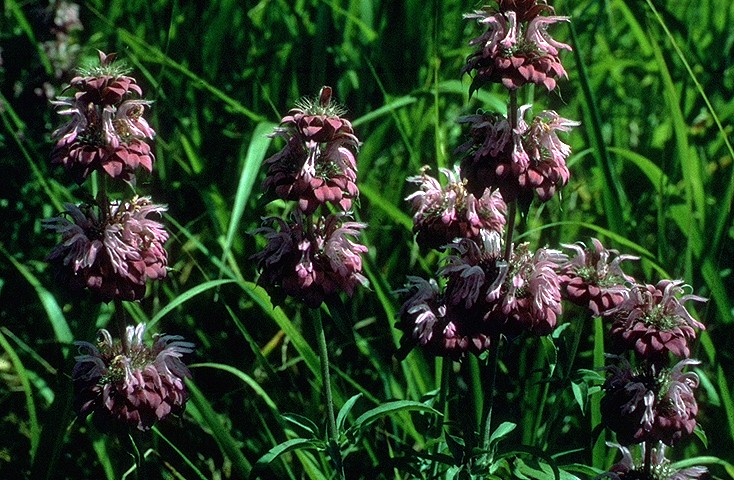
Horsemint
Monarda citriodora

Heath Aster
Symphyotrichum ericoides
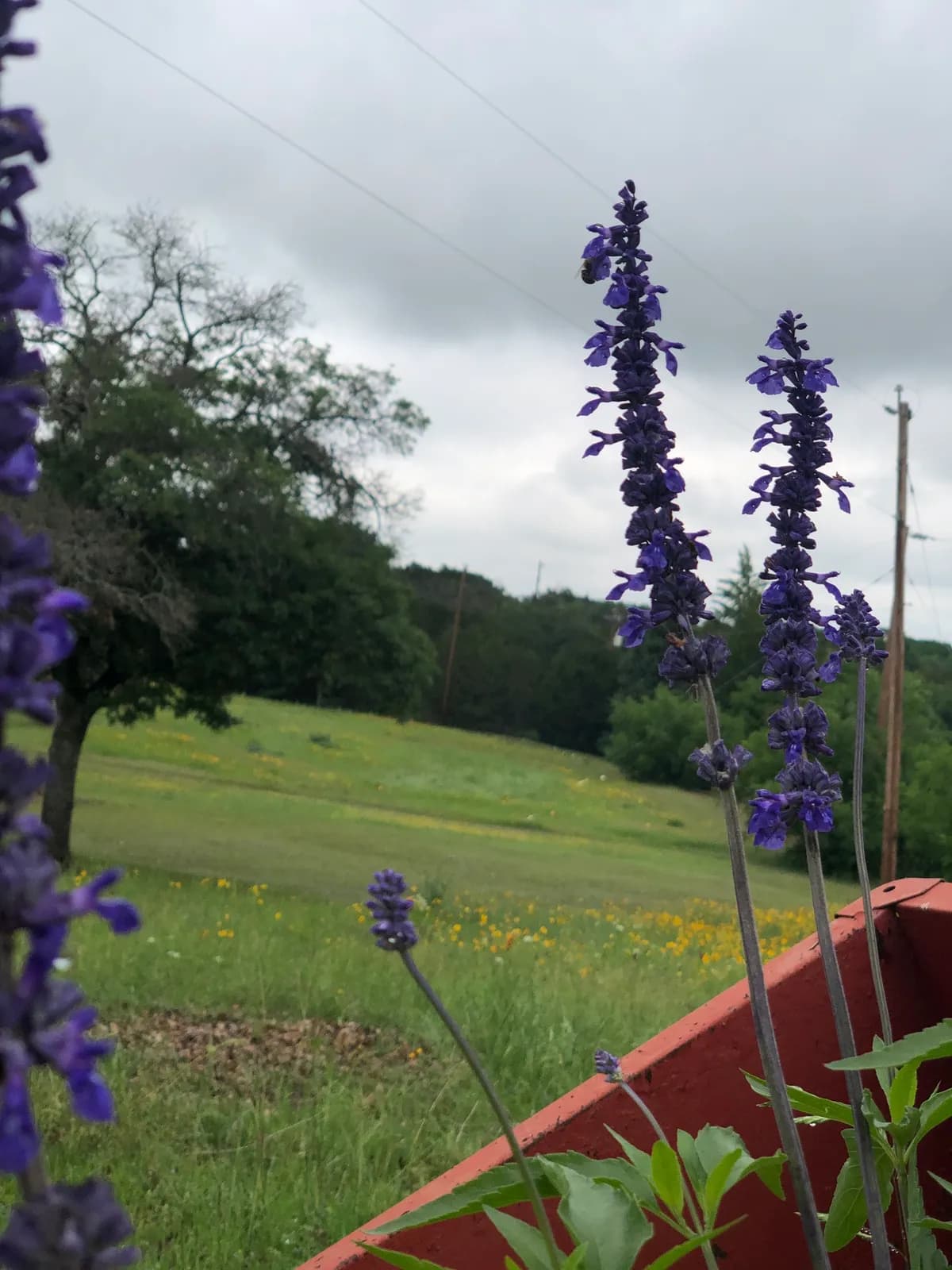
Mealy Blue Sage
Salvia farinacea
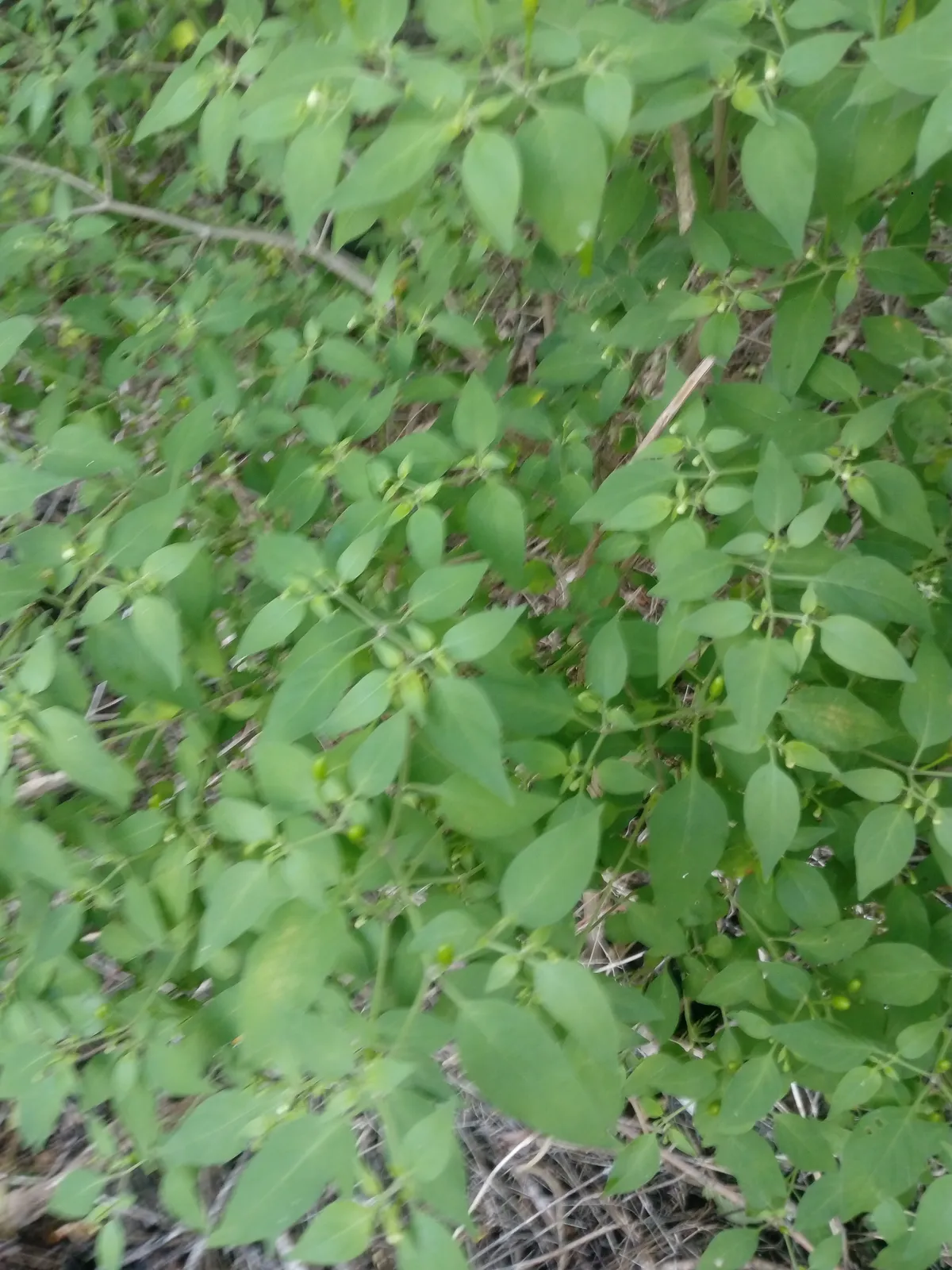
Chile Pequin
Capsicum annuum
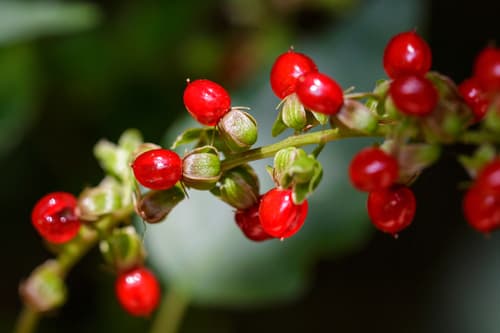
Pigeonberry
Rivina humilis
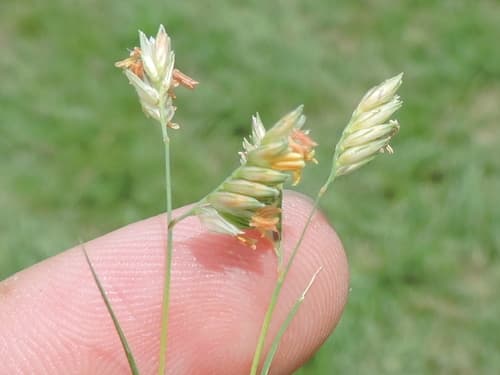
Buffalograss
Bouteloua dactyloides
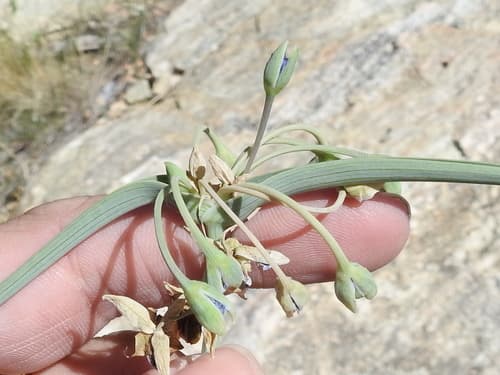
Prairie Spiderwort
Tradescantia occidentalis
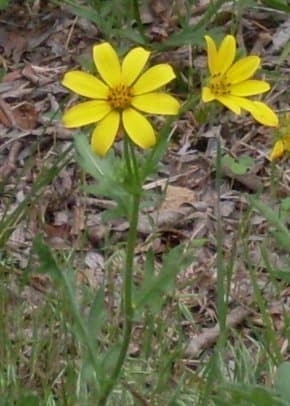
Engelmann's Daisy
Engelmannia peristenia
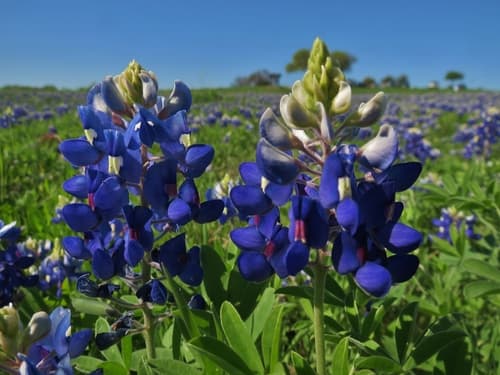
Texas Bluebonnet
Lupinus texensis
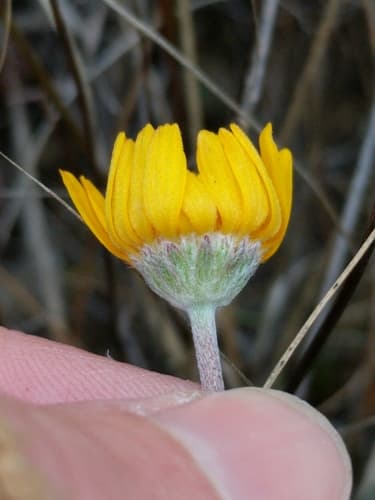
Four-nerve Daisy
Tetraneuris scaposa
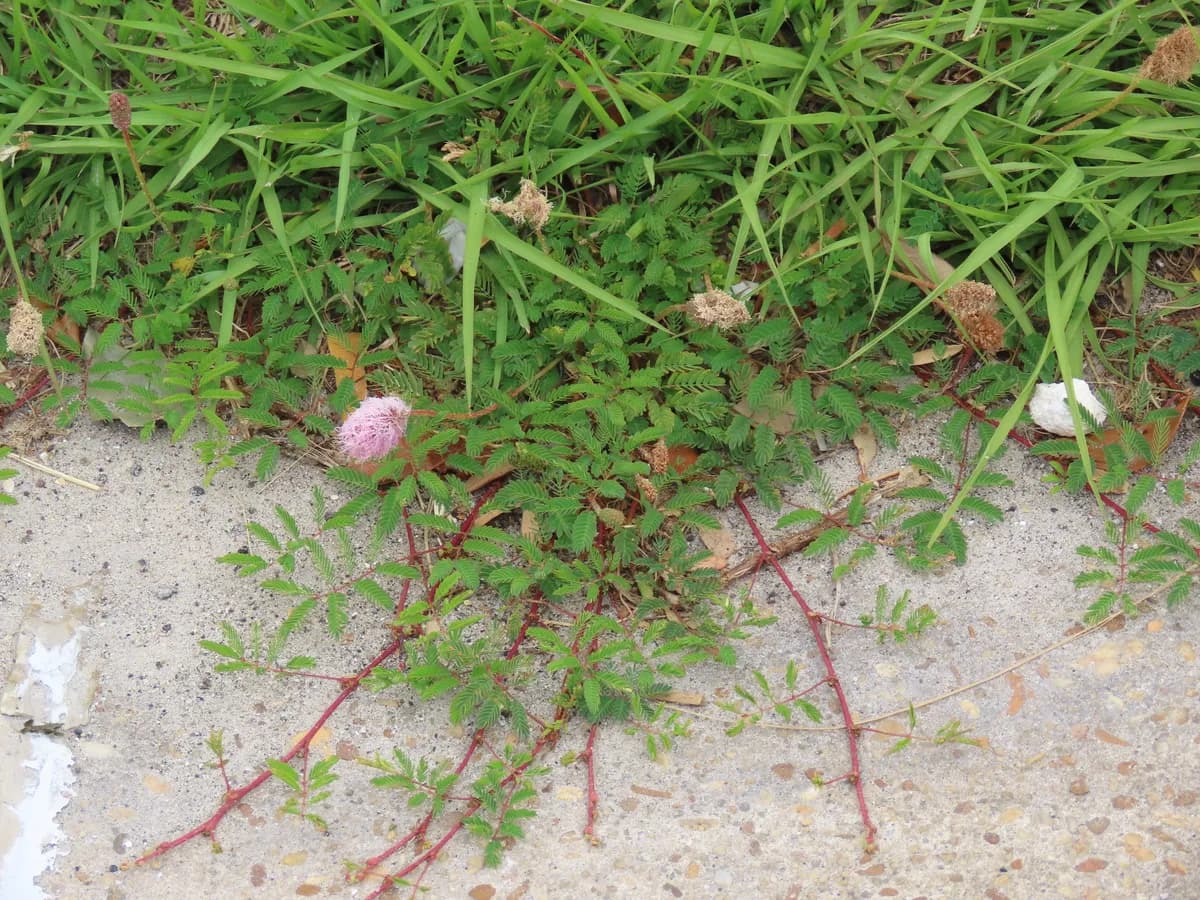
Powderpuff
Mimosa strigillosa
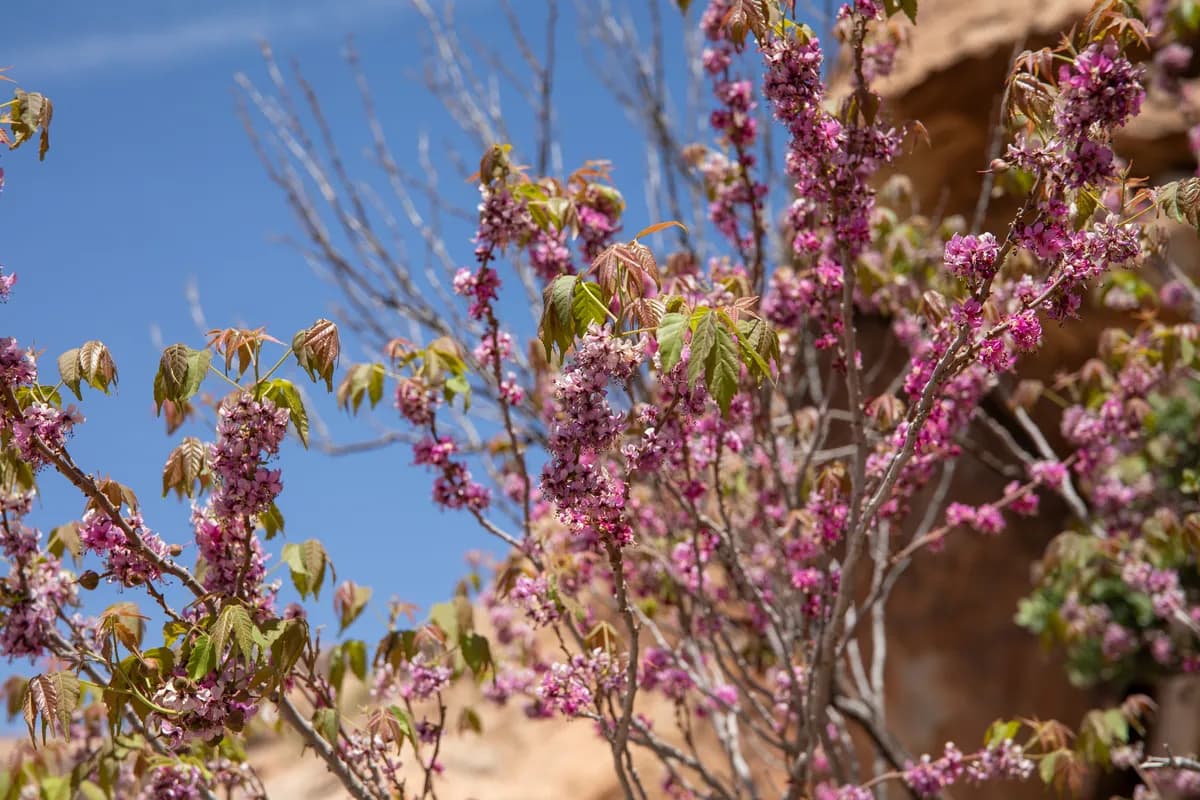
Mexican Buckeye
Ungnadia speciosa

Texas lantana
Lantana urticoides
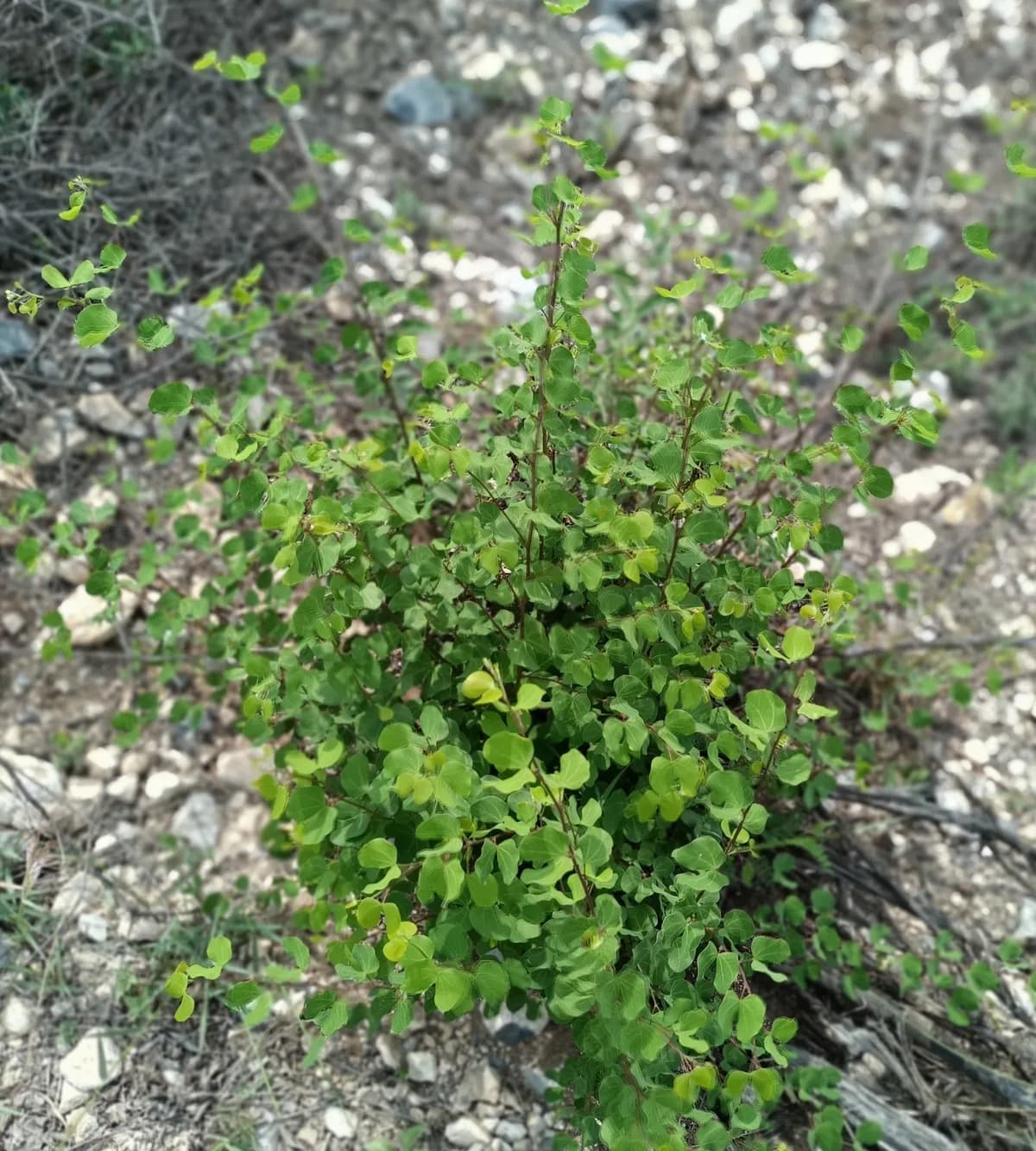
Anacacho Orchid Tree
Bauhinia lunarioides
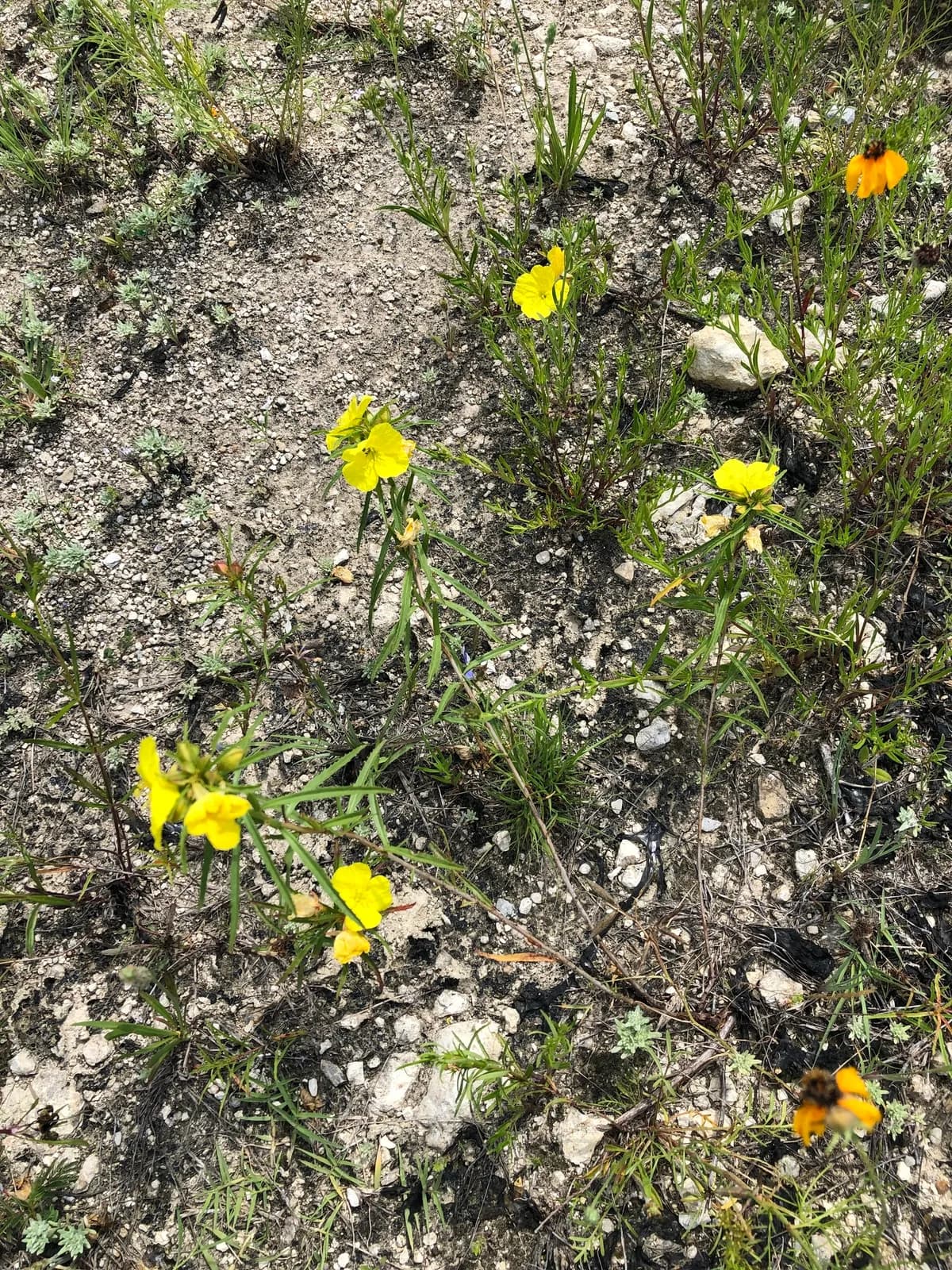
Berlandier's sundrops
Calylophus berlandieri
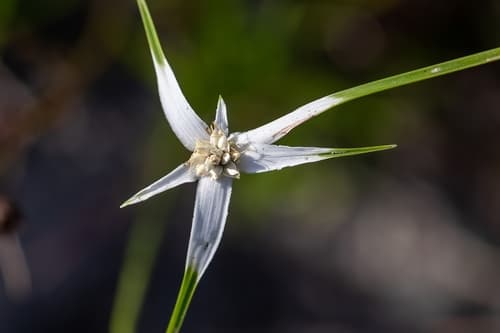
Whitetop Sedge
Rhynchospora colorata
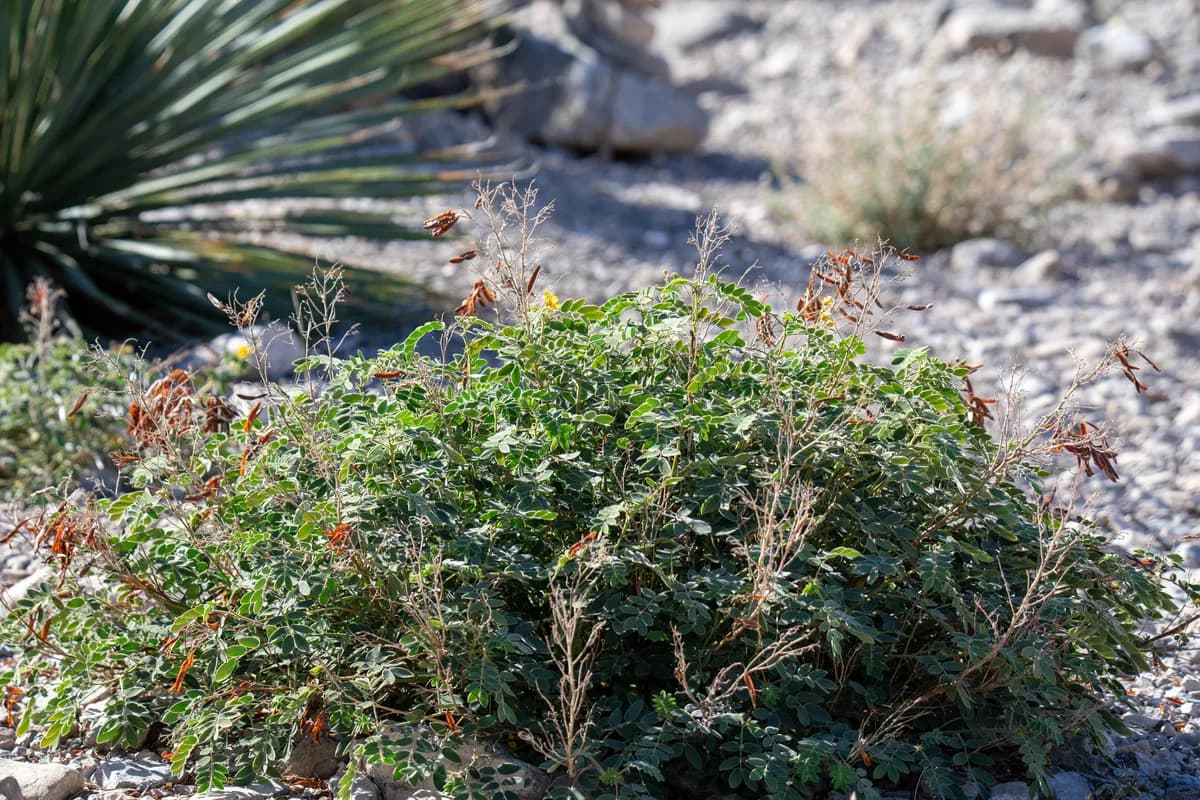
Lindheimer's Senna
Senna lindheimeriana
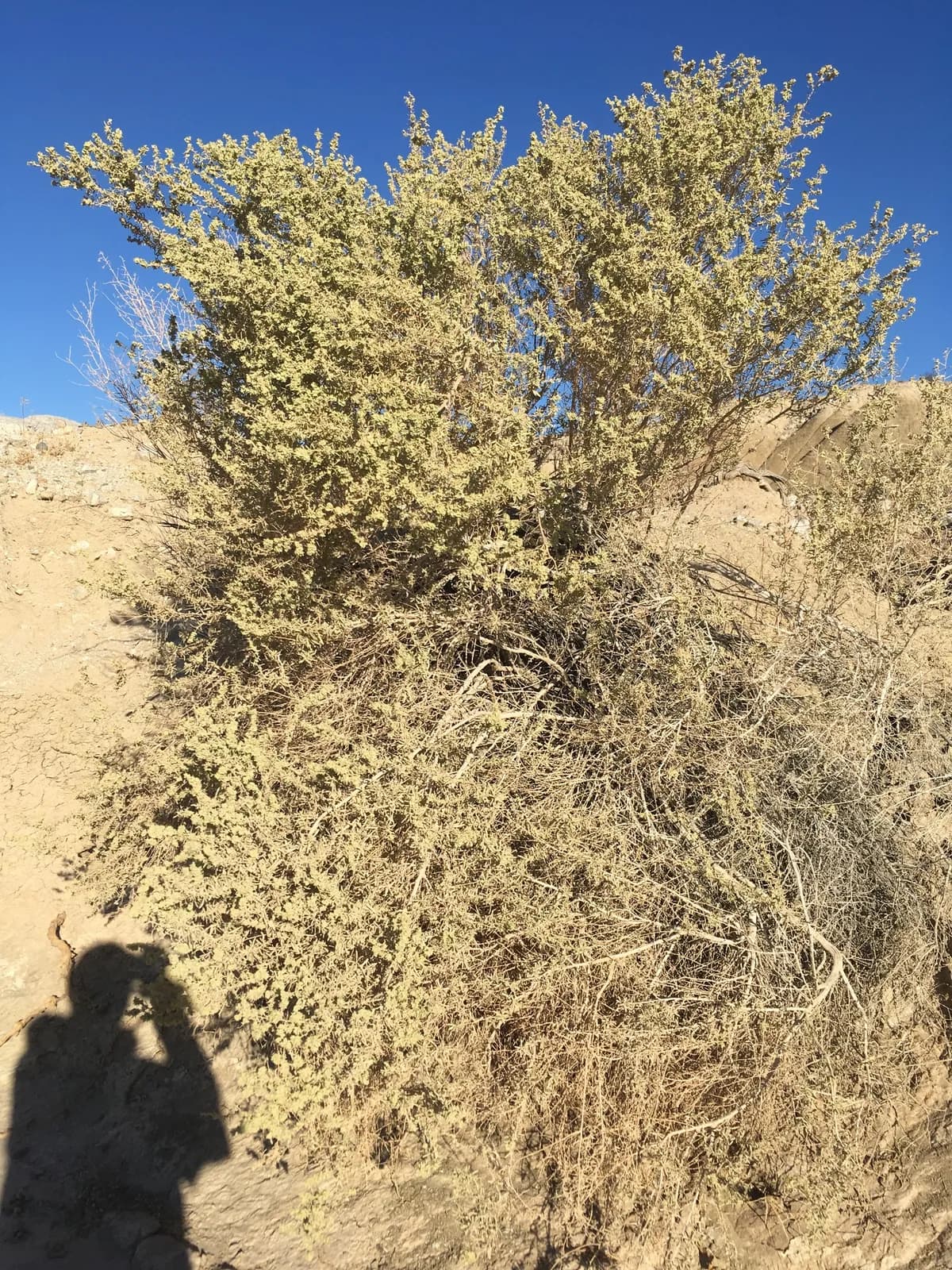
Four-wing Saltbush
Atriplex canescens
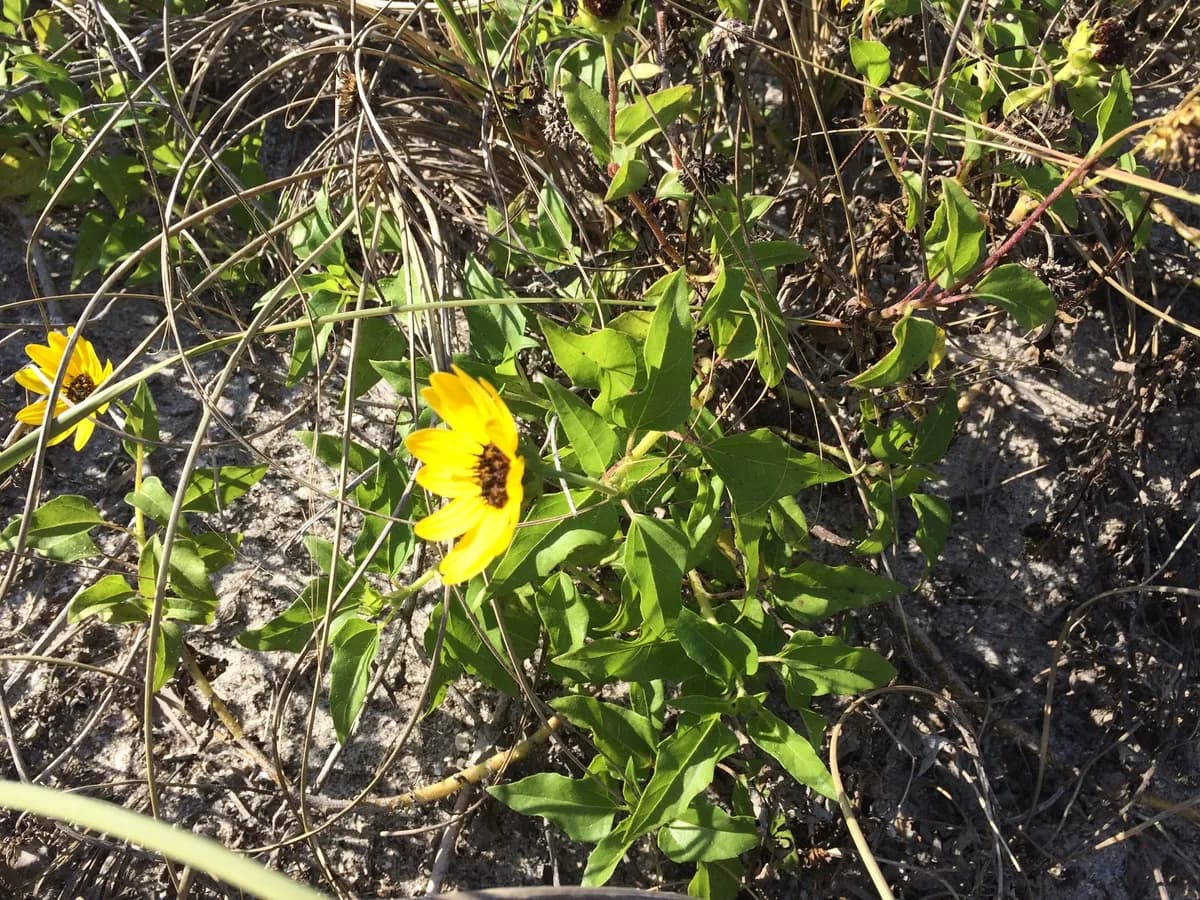
Cucumberleaf sunflower
Helianthus debilis
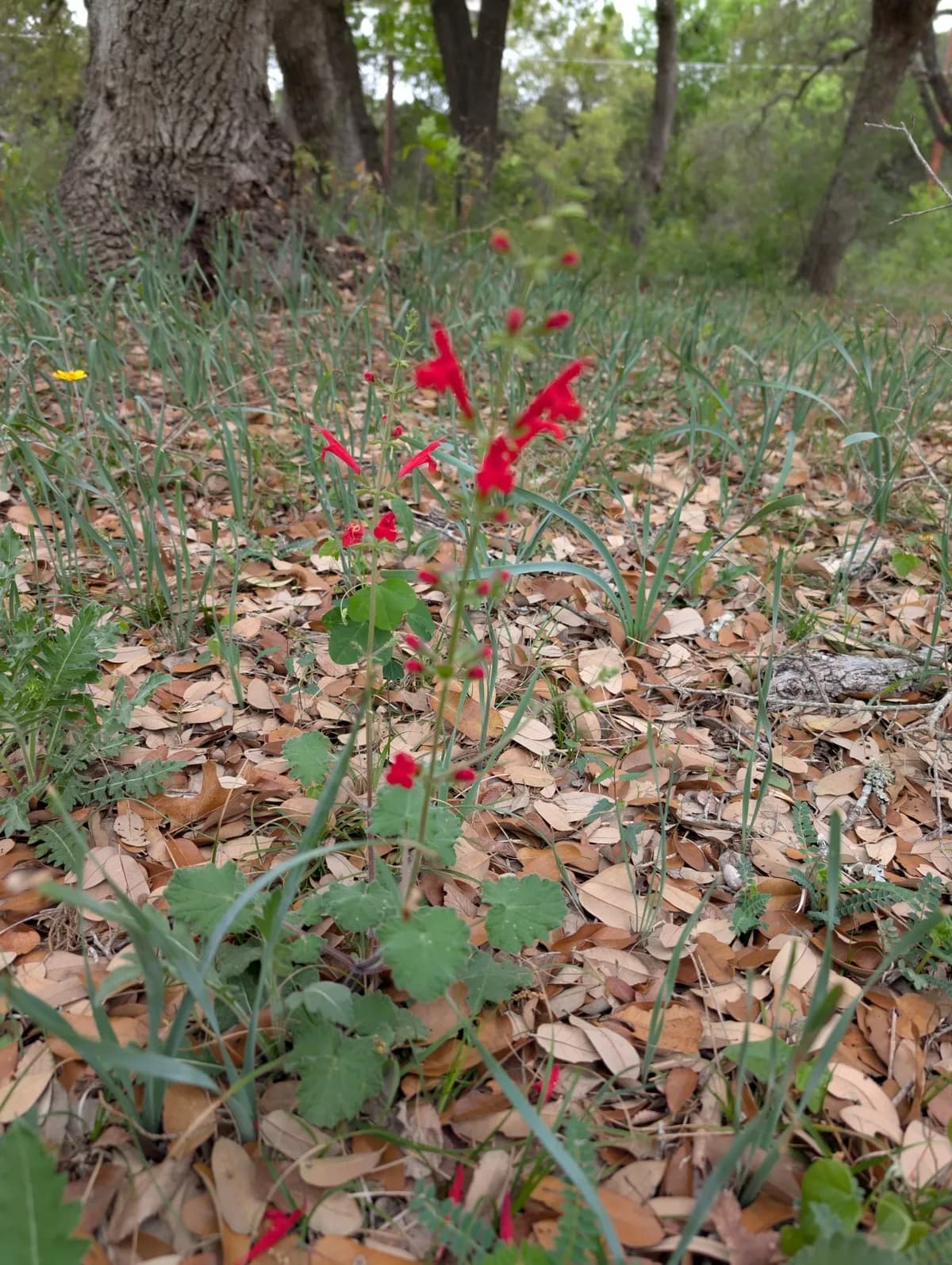
Cedar Sage
Salvia roemeriana
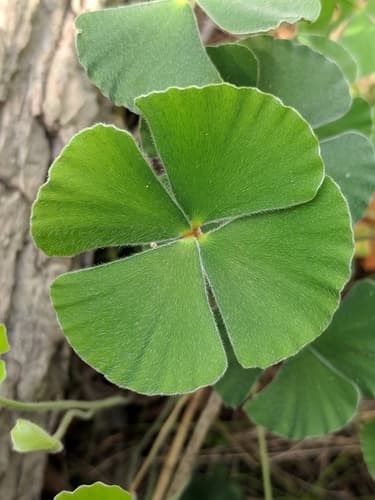
Bigfoot Waterclover
Marsilea macropoda
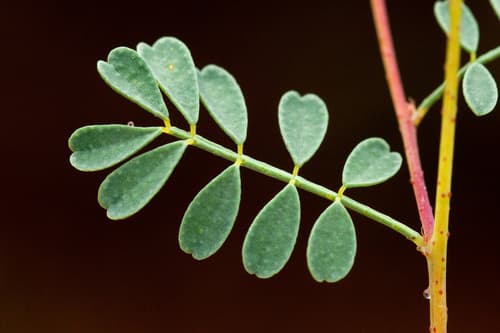
Black Dalea
Dalea frutescens
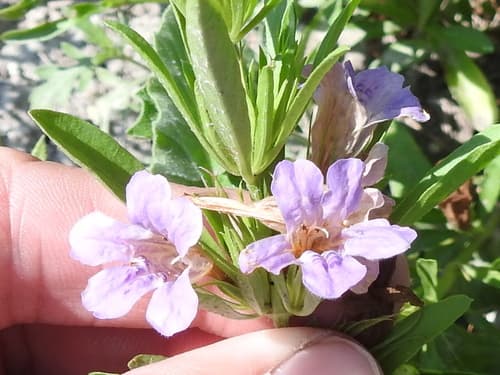
Snakeherb
Dyschoriste linearis
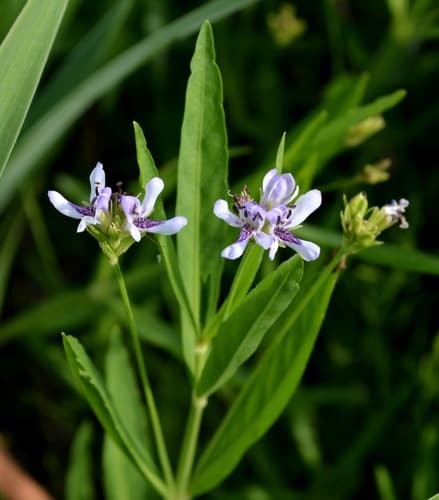
Water Willow
Justicia americana
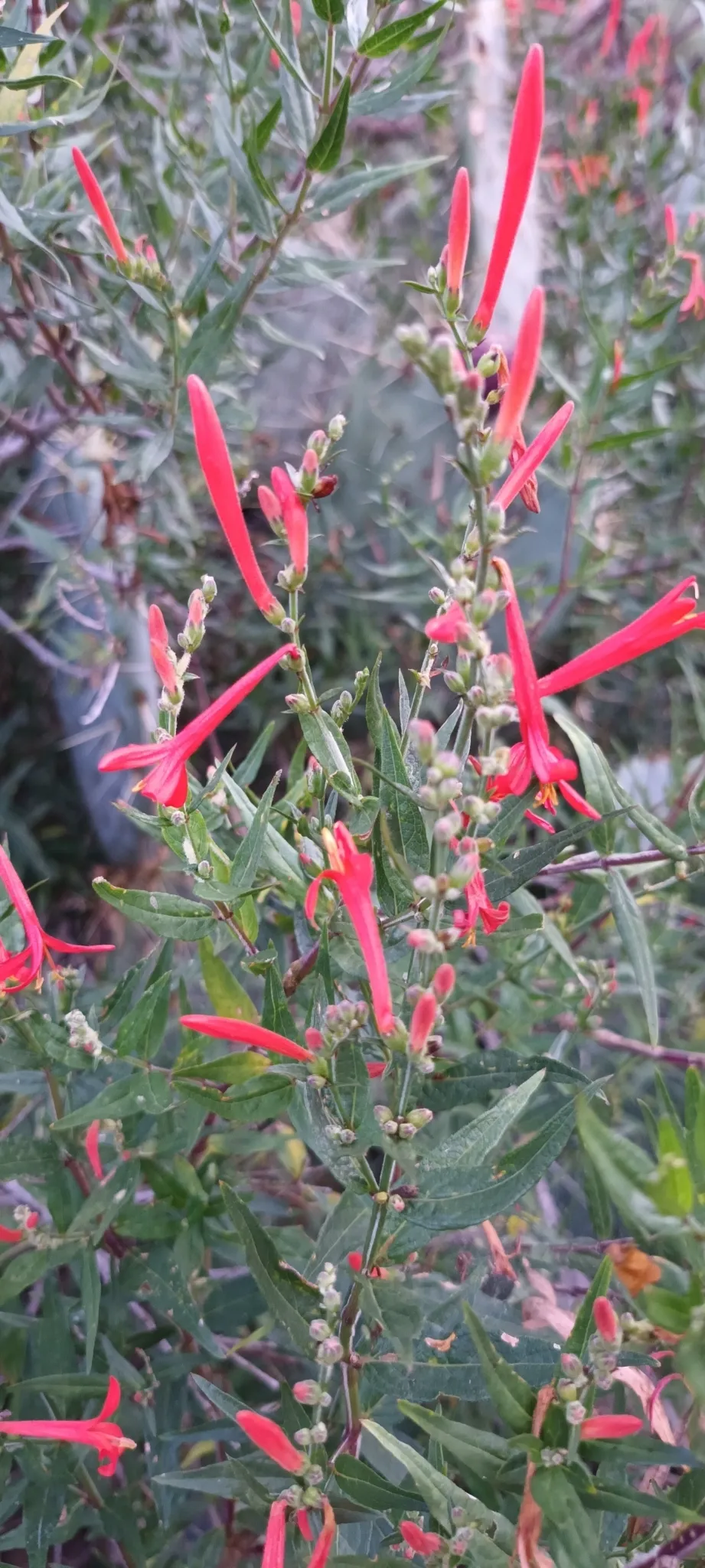
Flame acanthus
Anisacanthus quadrifidus
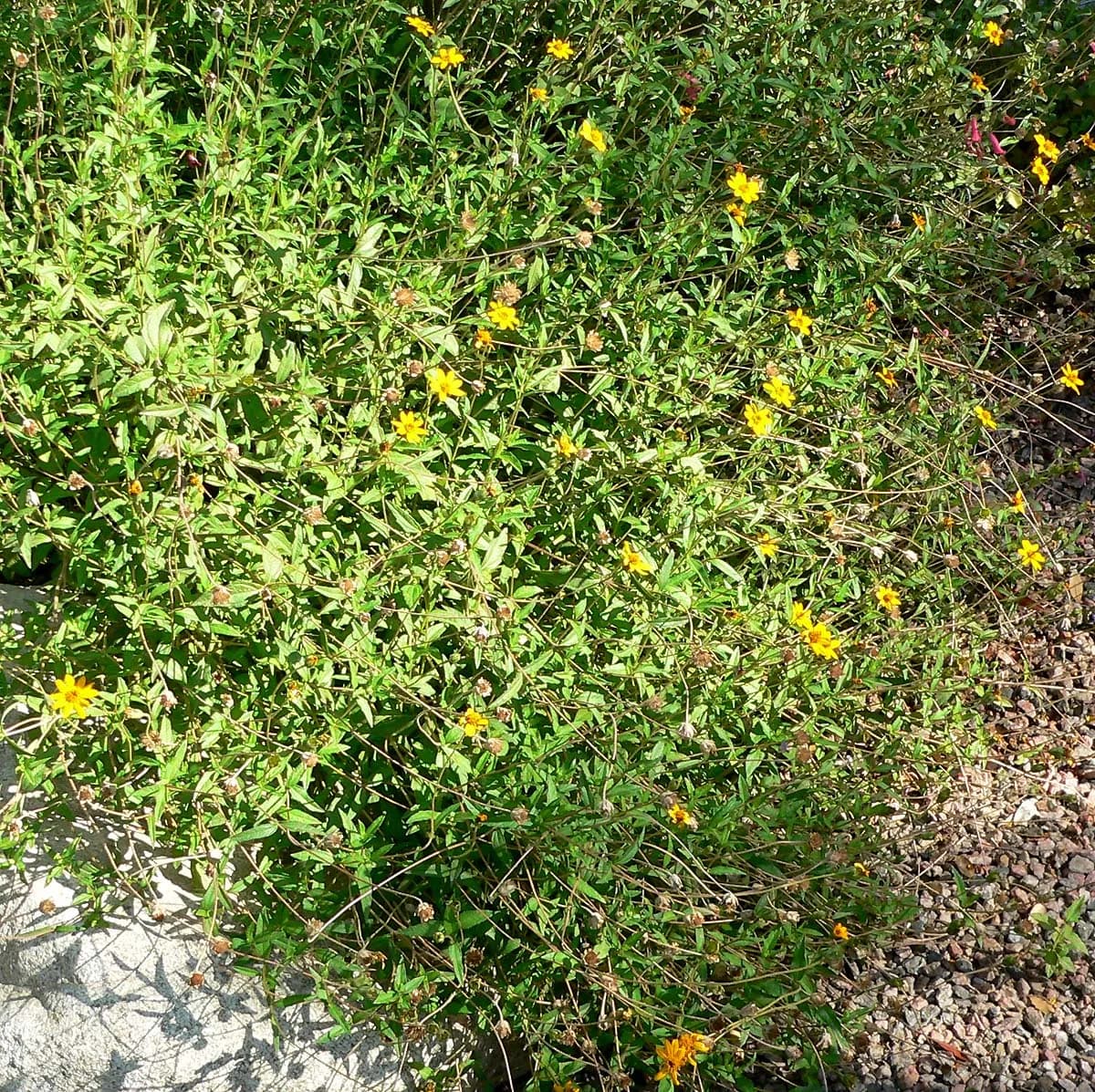
Zexmenia
Wedelia acapulcensis var. hispida
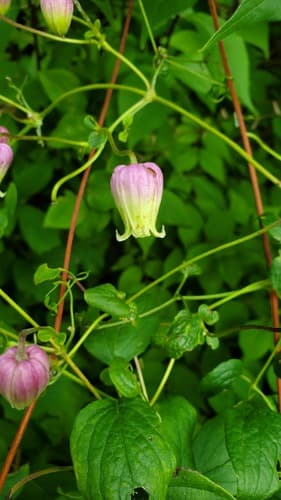
Purple Leatherflower
Clematis pitcheri
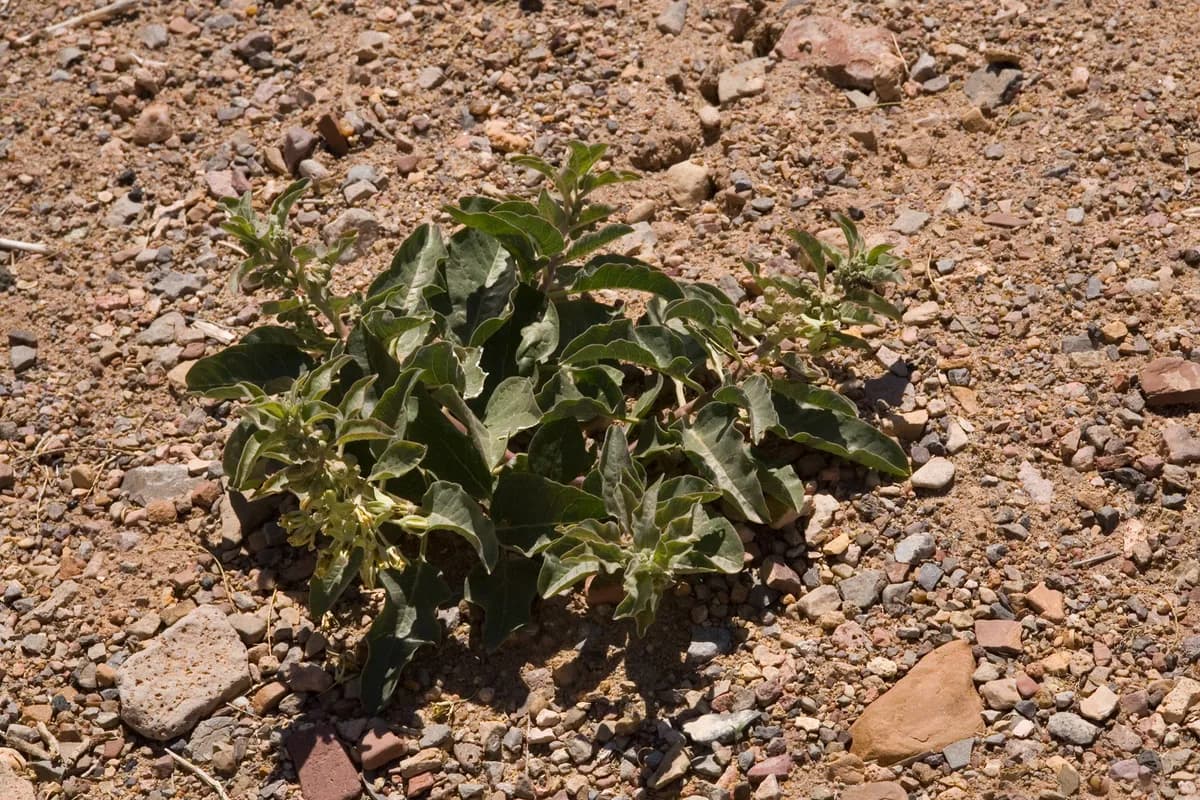
Zizotes Milkweed
Asclepias oenotheroides
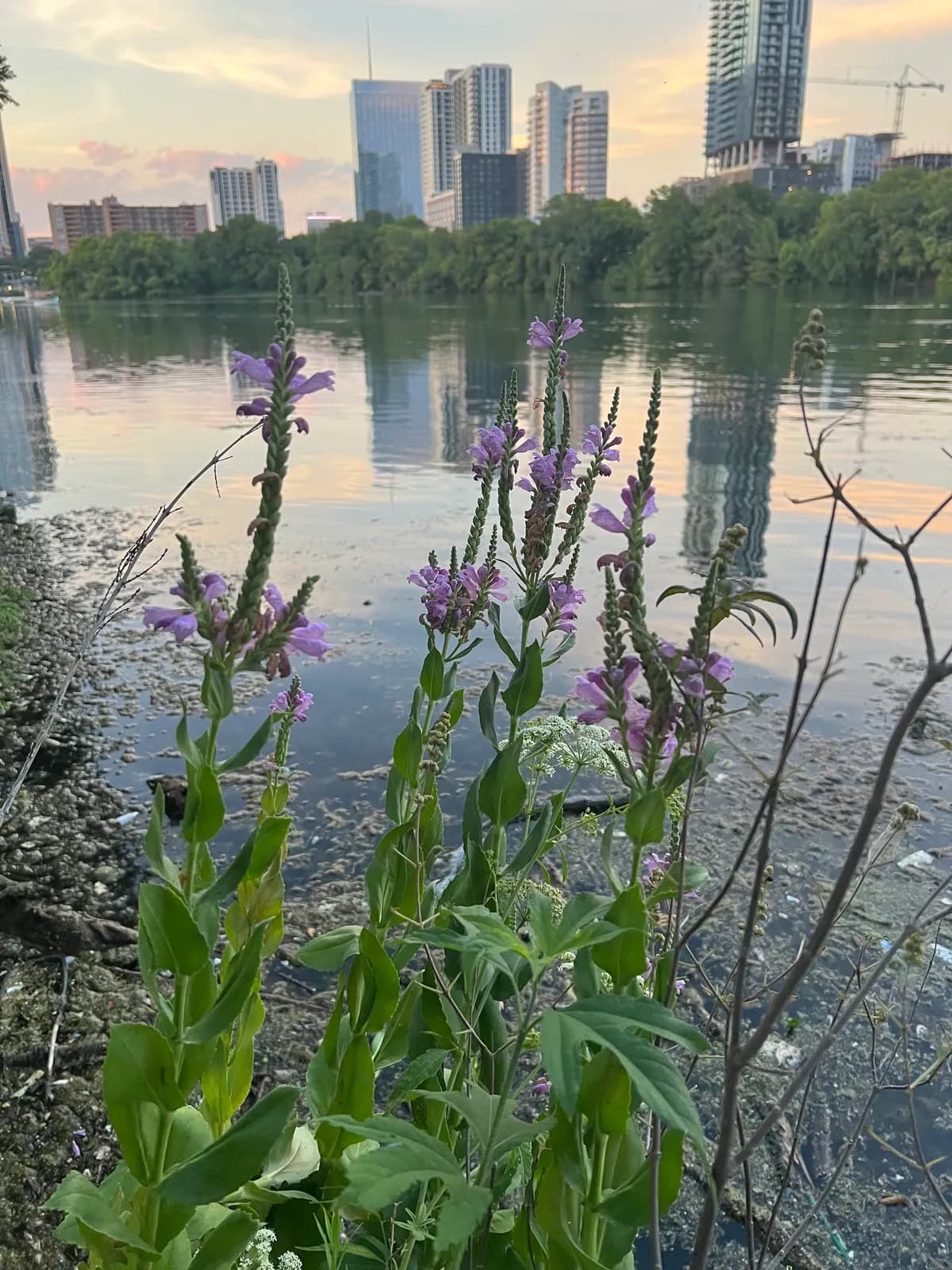
Correll's false dragonhead
Physostegia correllii
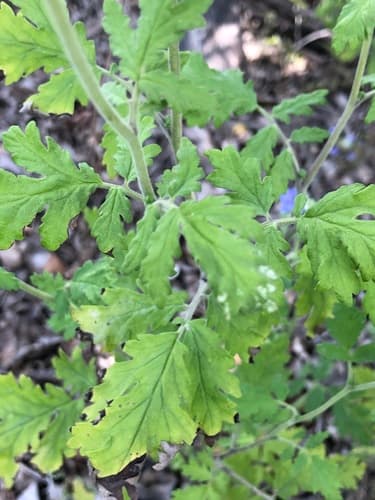
Blue Curls
Phacelia congesta

Small Bluebell
Eustoma exaltatum
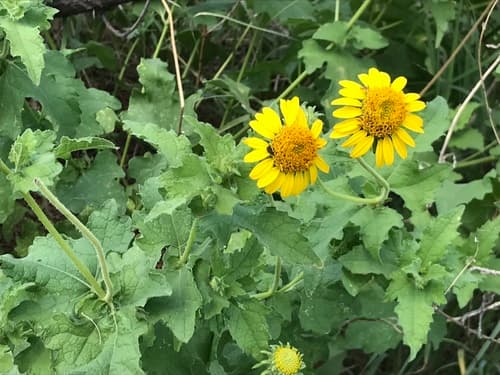
Bush Sunflower
Simsia calva
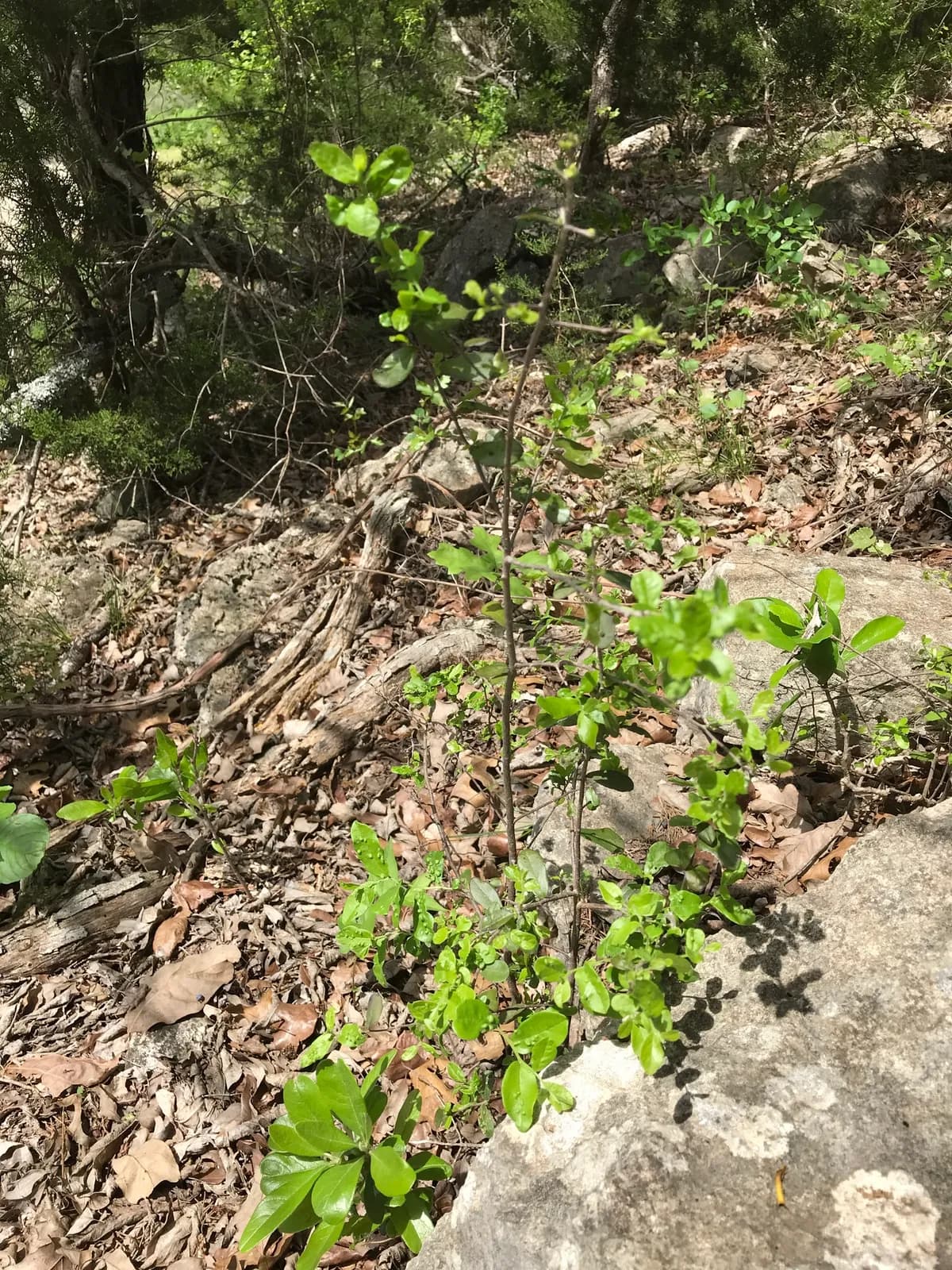
Texas Persimmon
Diospyros texana
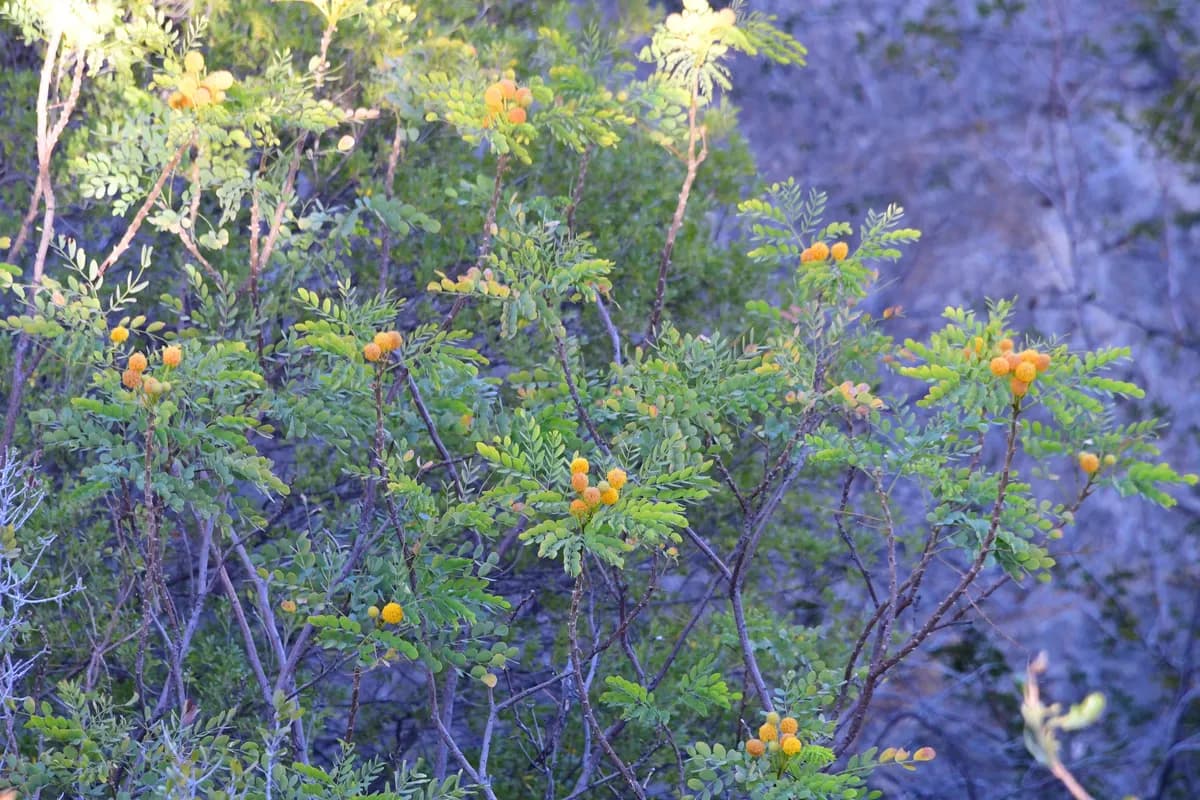
Goldenball Leadtree
Leucaena retusa
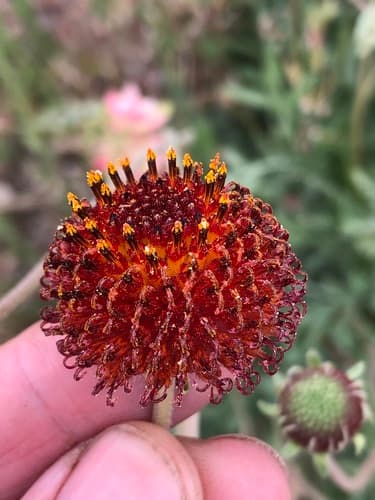
Fragrant Gaillardia
Gaillardia suavis
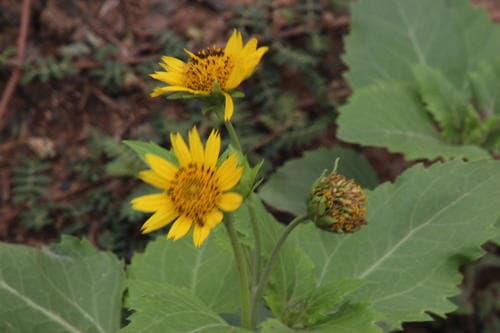
Cowpen Daisy
Verbesina encelioides
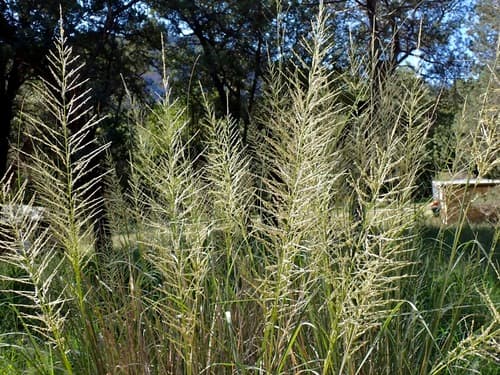
Big sacaton
Sporobolus wrightii
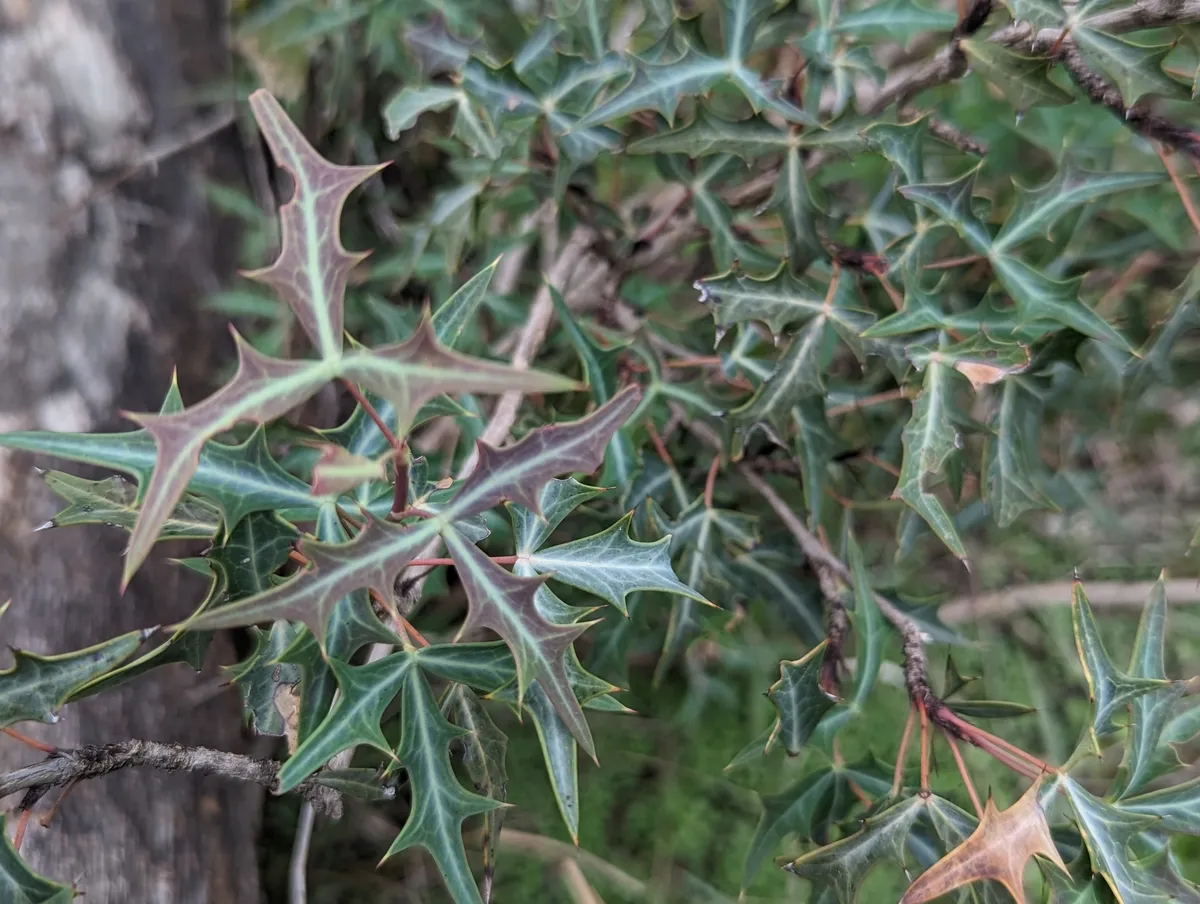
Agarita
Berberis trifoliolata
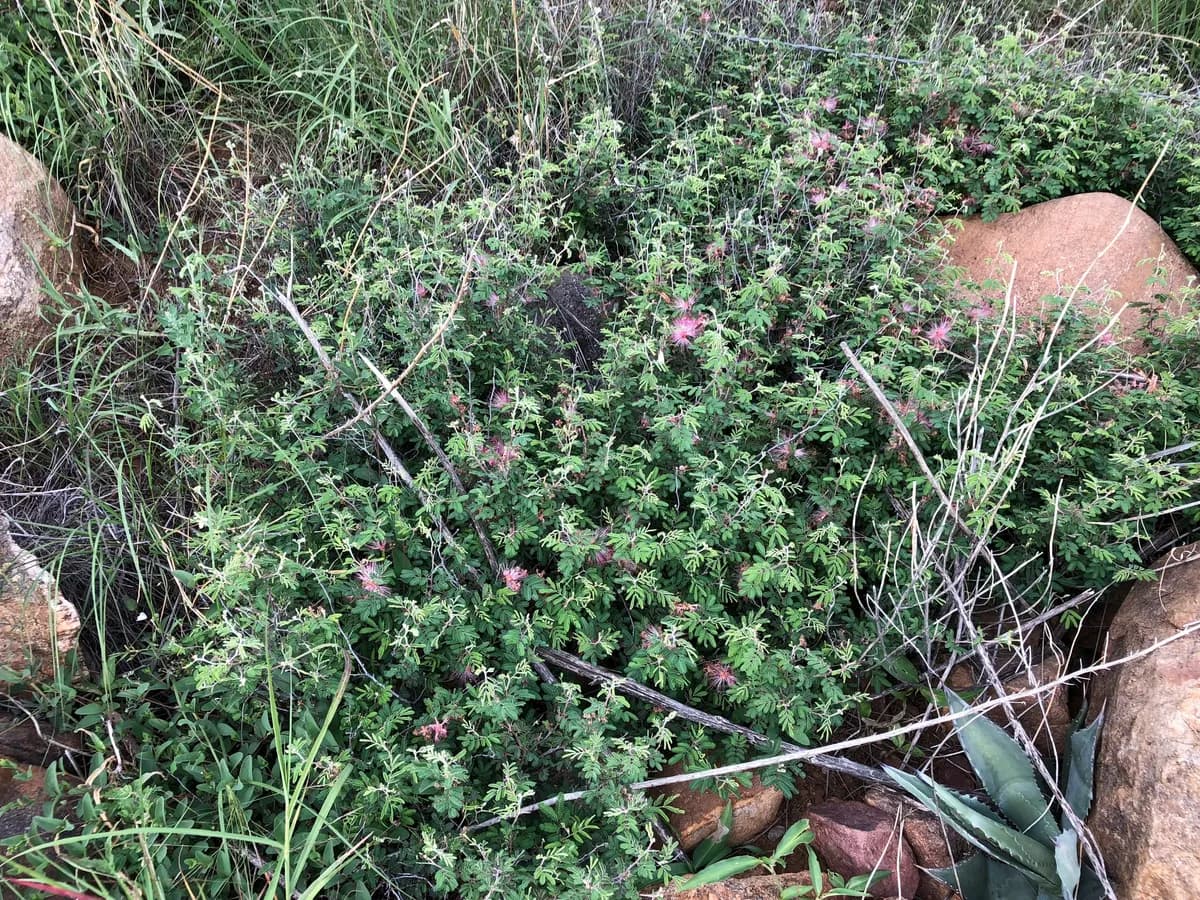
Pink fairy duster
Calliandra eriophylla
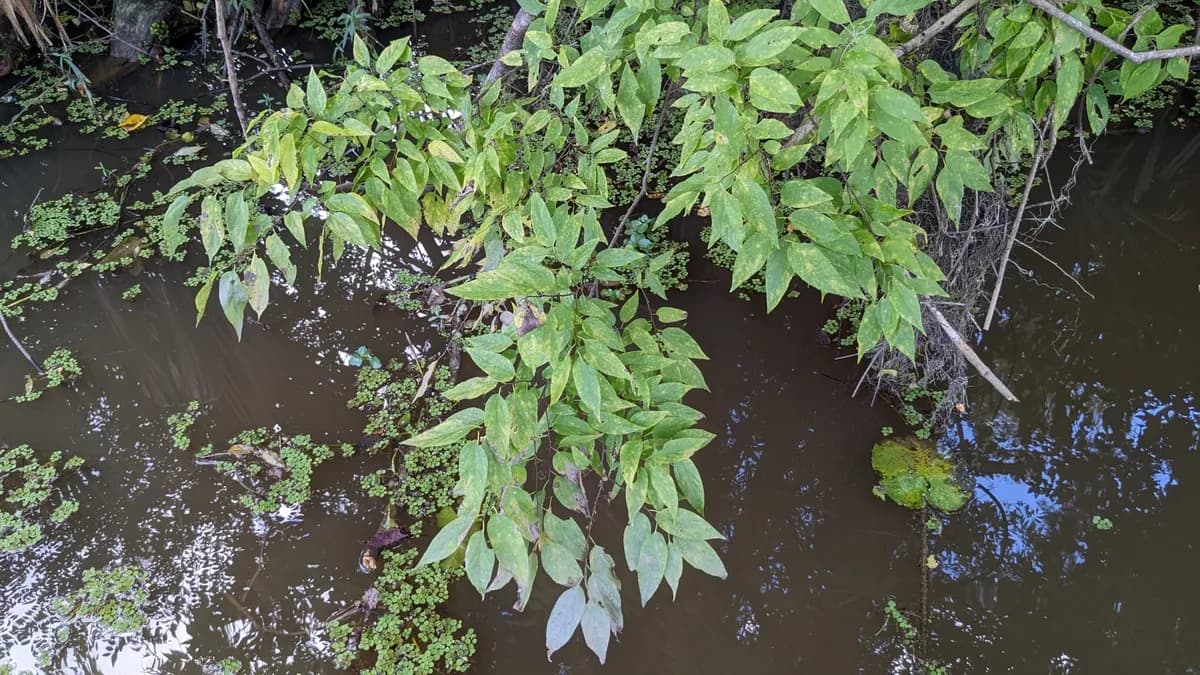
Hackberry
Celtis laevigata

Greenthread
Thelesperma filifolium
Showing 48 of 339. Enter your ZIP for the natives matched to your yard.
Fall care in the South Texas Plains
What to do right now for plants commonly grown here. Each links to the full regional care guide for that species, with sources.
- Indiangrass
Fall is Indiangrass at its best on the South Texas Plains. Golden plume-like seed heads rise above the clump and the foliage warms to orange and purple. It is a low-effort seasonal highlight for a native bed.
- Purple lovegrass
Fall is the best show. The seed heads glow bronzy purple-red and the clump colors up, then the panicles break off and tumble across the ground in the wind.
- Purple prairie clover
Fall is seed-set and slow-down. The heads ripen and the plant eases off. Collect a little seed or just let the heads drop.
- Blue mistflower
Fall is the peak. Blue mistflower blooms strongly through the fall in the McAllen area and is a magnet for the fall butterfly flights, so leave the flowers standing.
- Buttonbush
Blooms mature into round seed balls in fall. Birds feed on them and the plant keeps giving structure and wildlife value.
- Sideoats grama
Fall brings tan foliage with red-purple tints and dried straw-colored seed heads. The look holds through the mild South Texas winter.
- Big bluestem
Fall is the payoff. The clump turns reddish copper and the turkeyfoot seed heads stand up over the bed as the weather eases.
- Common yarrow
Cooler fall weather is when yarrow bounces back in the South Texas Plains. It is the best time to plant or divide.
- Esperanza
Fall is often the peak flower show for esperanza in South Texas, since bloom keeps going right up until the rare frost.
- Little bluestem
Fall brings little bluestem's mahogany color and seed set to the South Texas Plains as temperatures finally ease.
Build a plan for the South Texas Plains
Pollinator Patch turns plants like these into a front-yard plan tuned for the soil, climate, and HOA expectations of the San Antonio area.