Texas Ecoregion
Post Oak Savannah
10 native plants suited to the Post Oak Savannah of Texas.
The Post Oak Savannah is a transitional ecoregion that sits between the wetter Pineywoods to the east and the drier Blackland Prairie and Cross Timbers to the west. It is characterized by mixed sandy loam soils, scattered post oak woodlands, and grassland openings. Plants that do well here tolerate variable soil and a bit more rainfall than the prairies but less than East Texas.
Conditions: Sandy loam soils, mildly acidic to neutral, 35–45 inches annual rainfall, oak-dominated savannah-and-woodland mix.
Cities and areas: Bryan, College Station, Brenham, Bastrop, Lufkin, Tyler.
10 Native Plants for the Post Oak Savannah
All non-toxic per the ASPCA Animal Poison Control Center plant database. Click a plant for full ecoregion-specific maintenance and HOA-friendly notes.
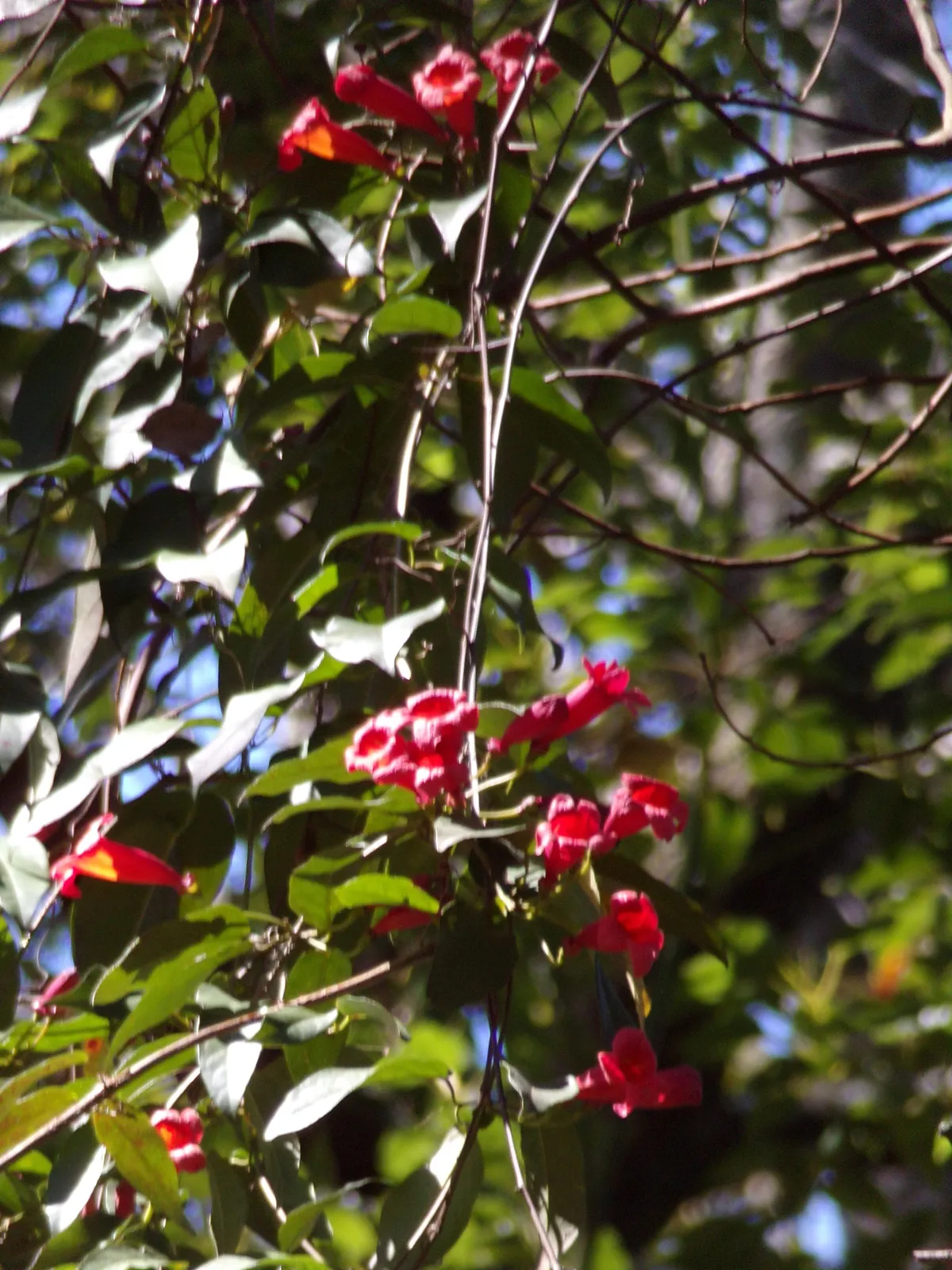
Crossvine
Bignonia capreolata
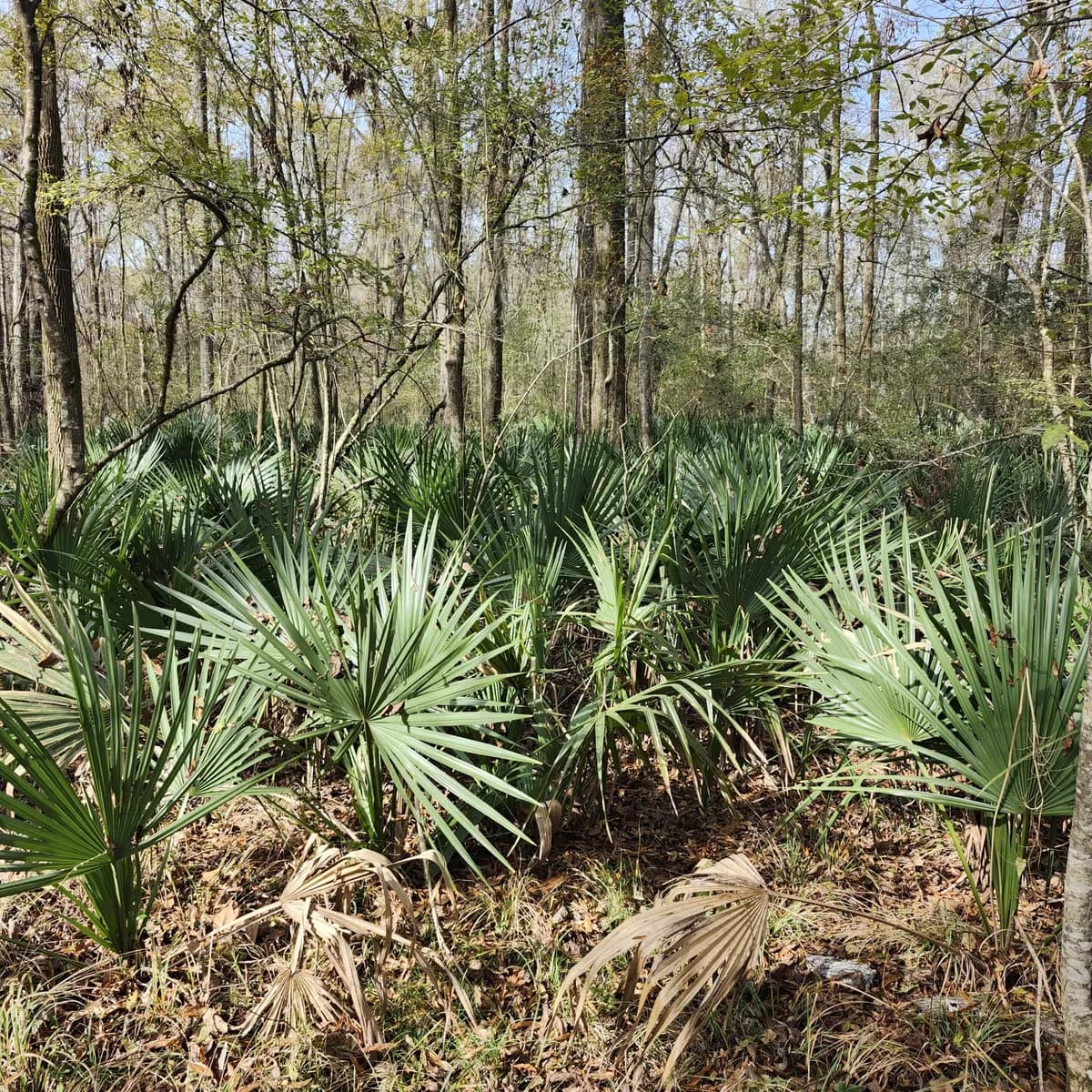
Dwarf Palmetto
Sabal minor

Frogfruit
Phyla nodiflora
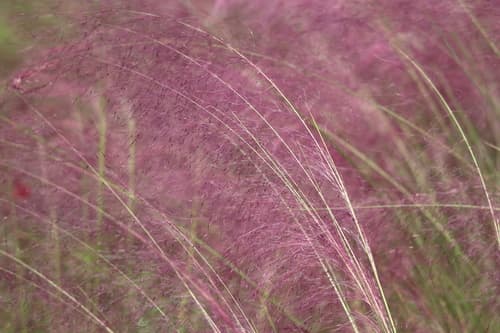
Gulf Muhly
Muhlenbergia capillaris
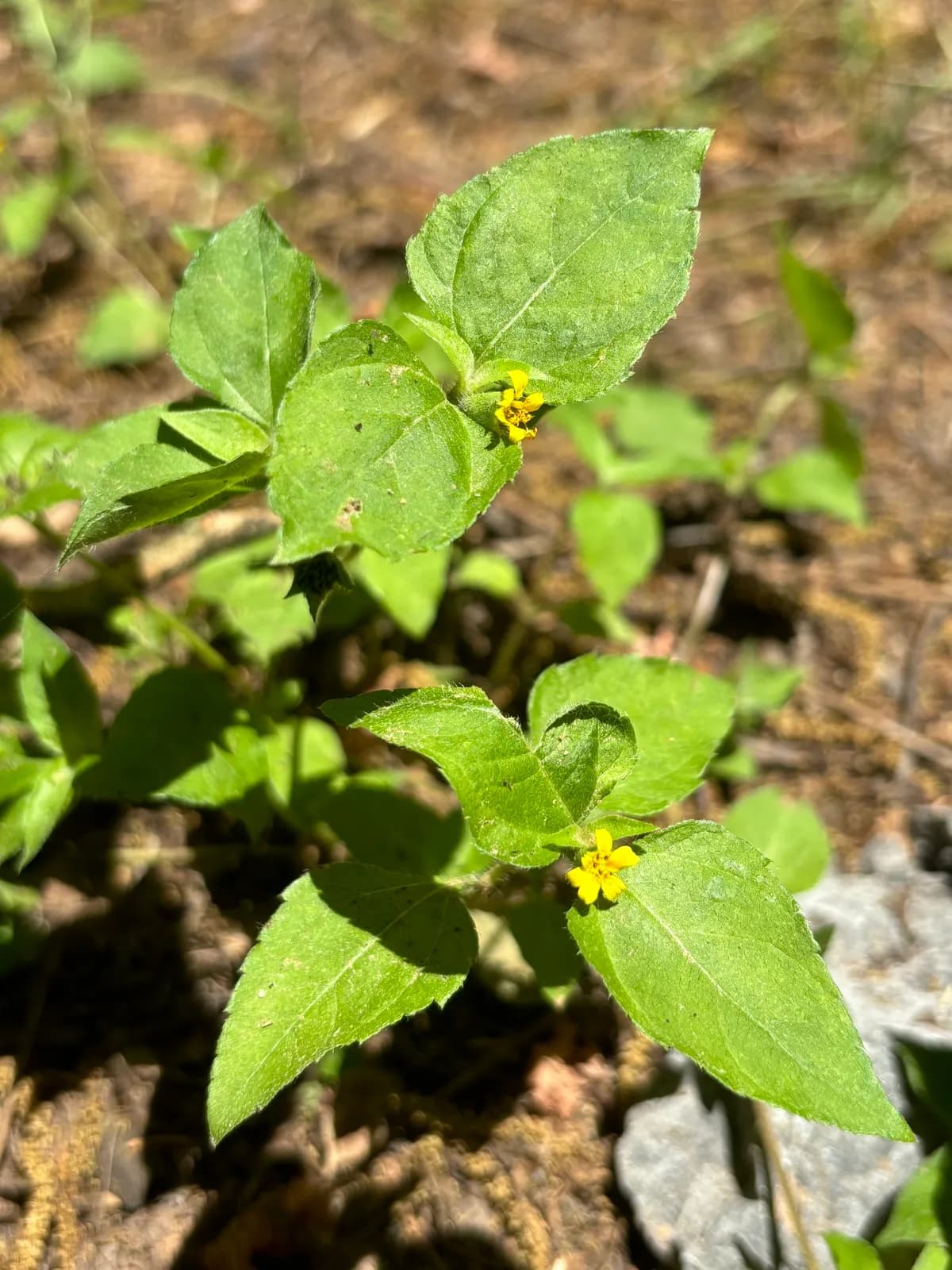
Horseherb
Calyptocarpus vialis

Inland Sea Oats
Chasmanthium latifolium

Little Bluestem
Schizachyrium scoparium
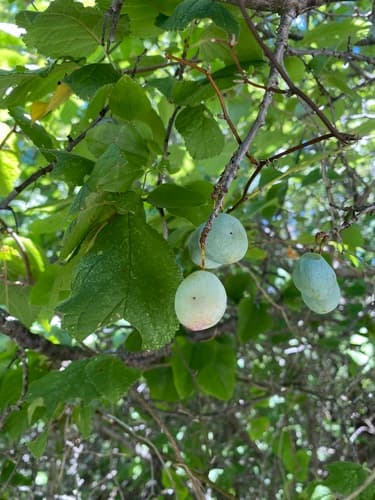
Mexican Plum
Prunus mexicana
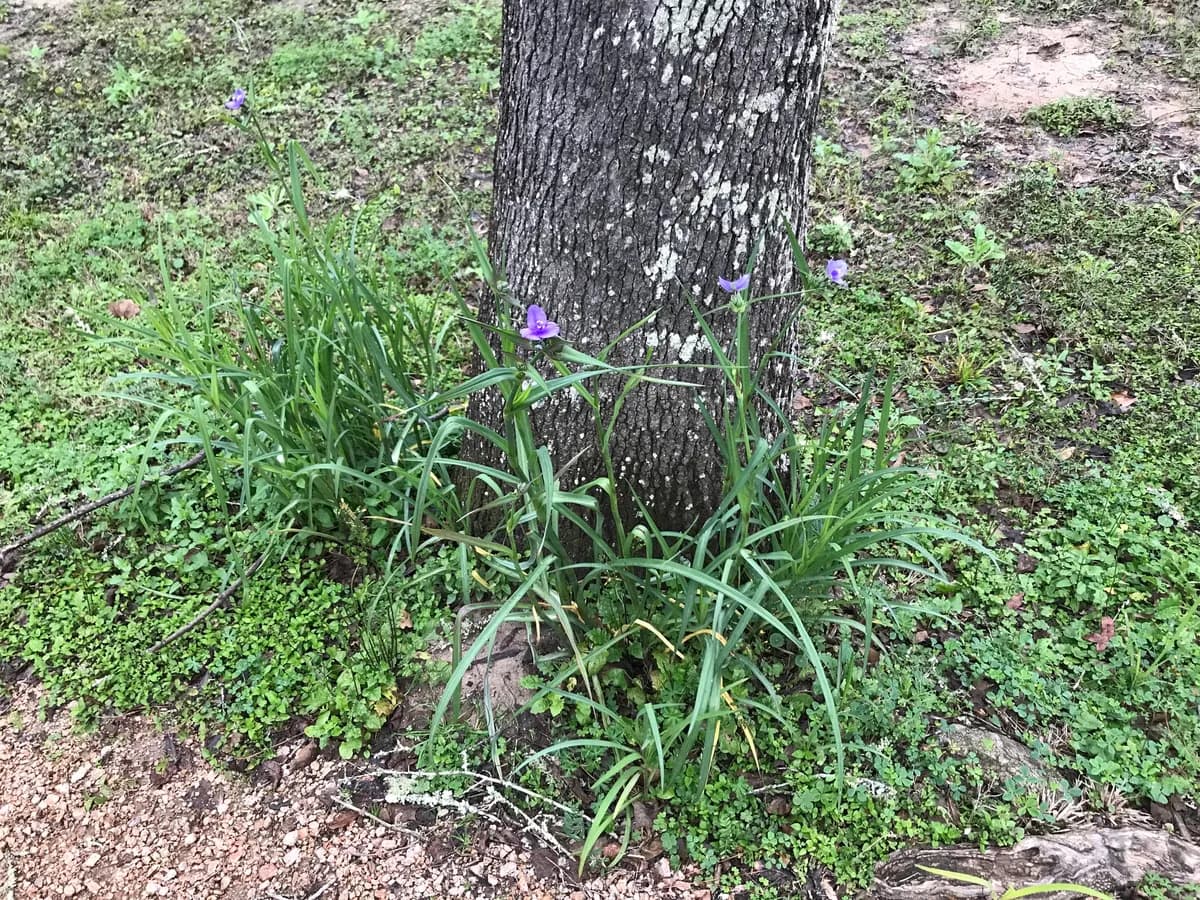
Spiderwort
Tradescantia ohiensis
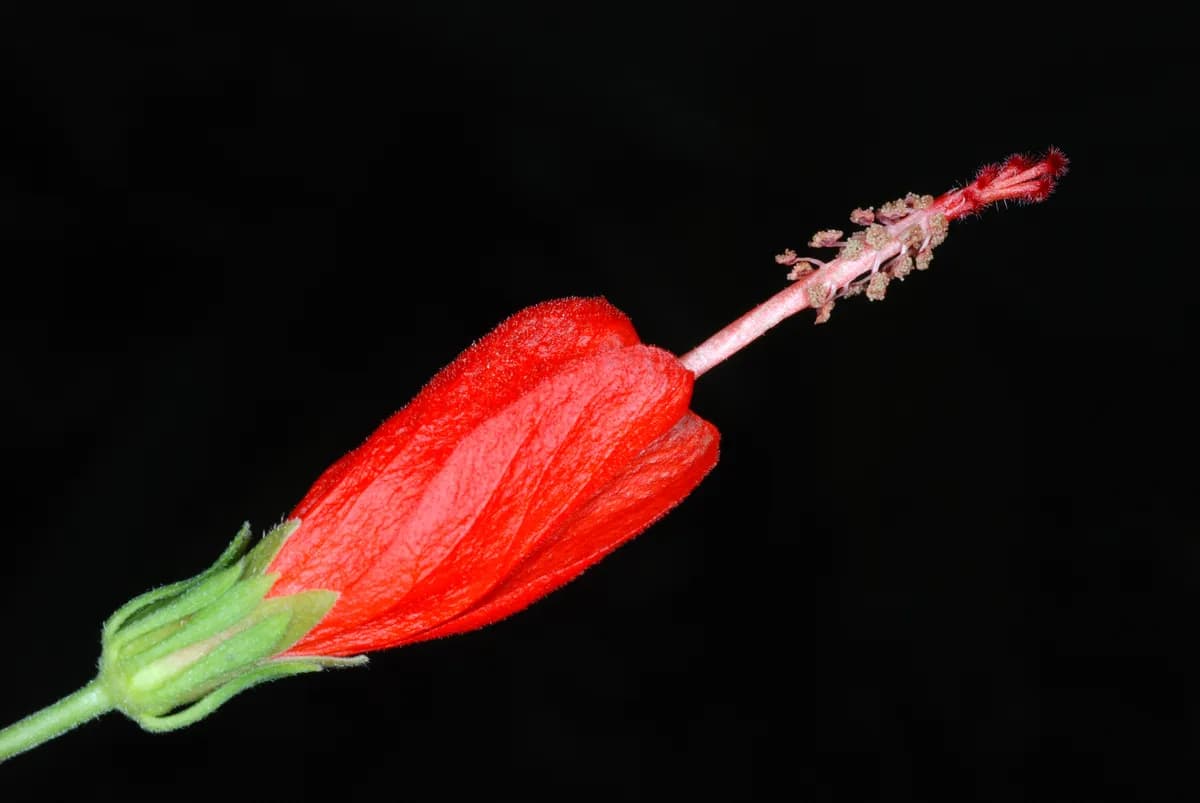
Turk's Cap
Malvaviscus arboreus var. drummondii
885 More Natives for the Post Oak Savannah
From our full plant database, HOA-friendly picks first. Pet-safety status varies by species; each plant page shows its sourced ASPCA status.
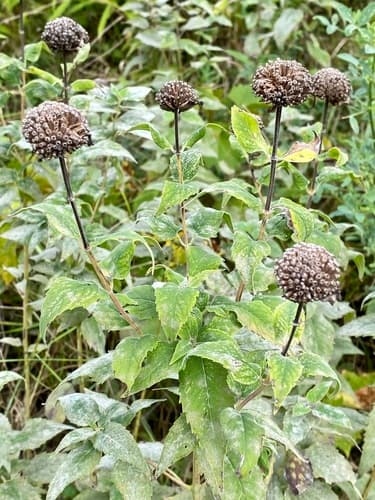
Wild Bergamot
Monarda fistulosa
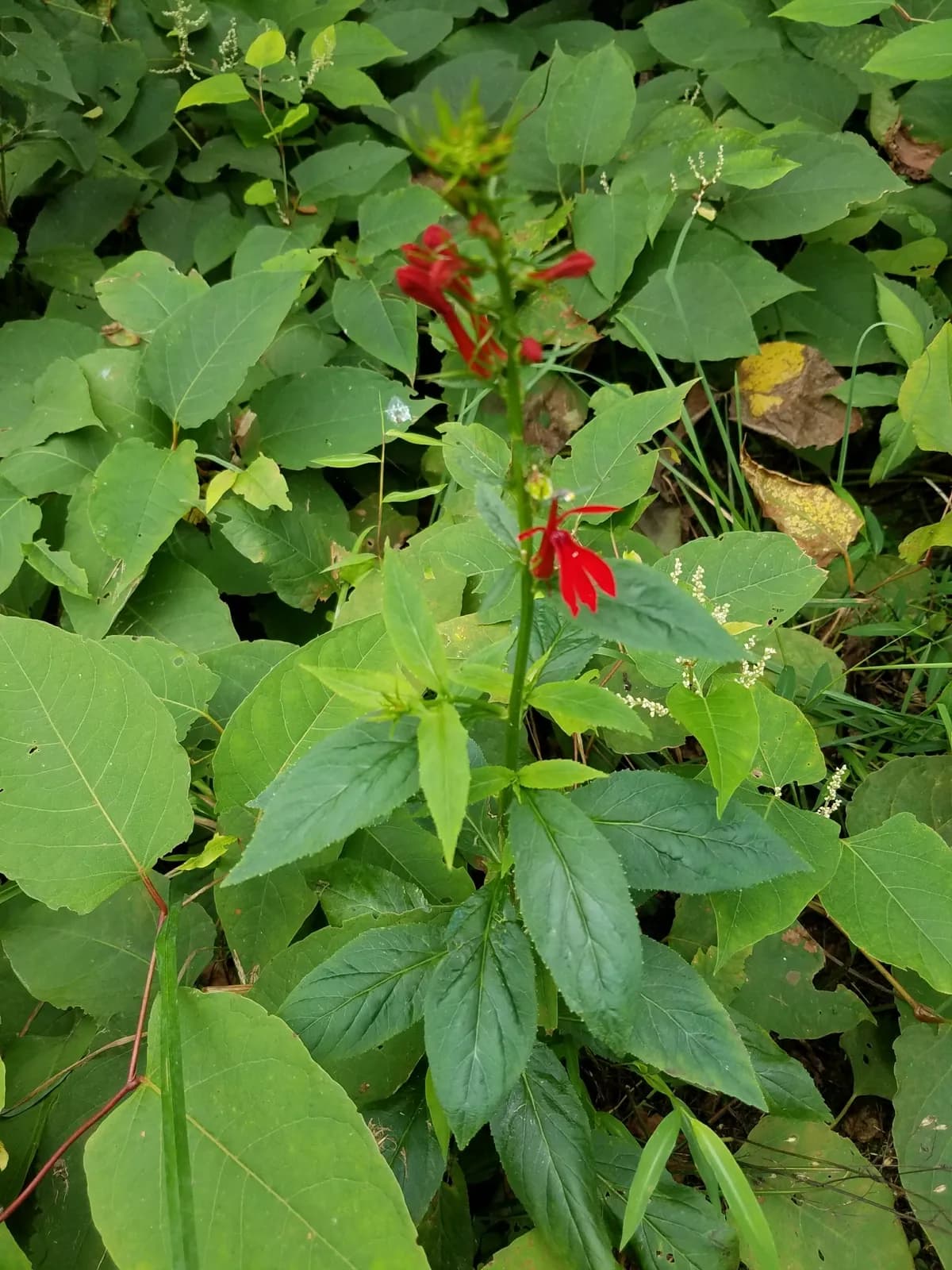
Cardinal Flower
Lobelia cardinalis
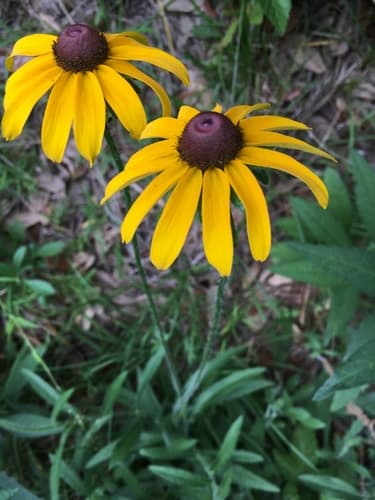
Black-eyed Susan
Rudbeckia hirta
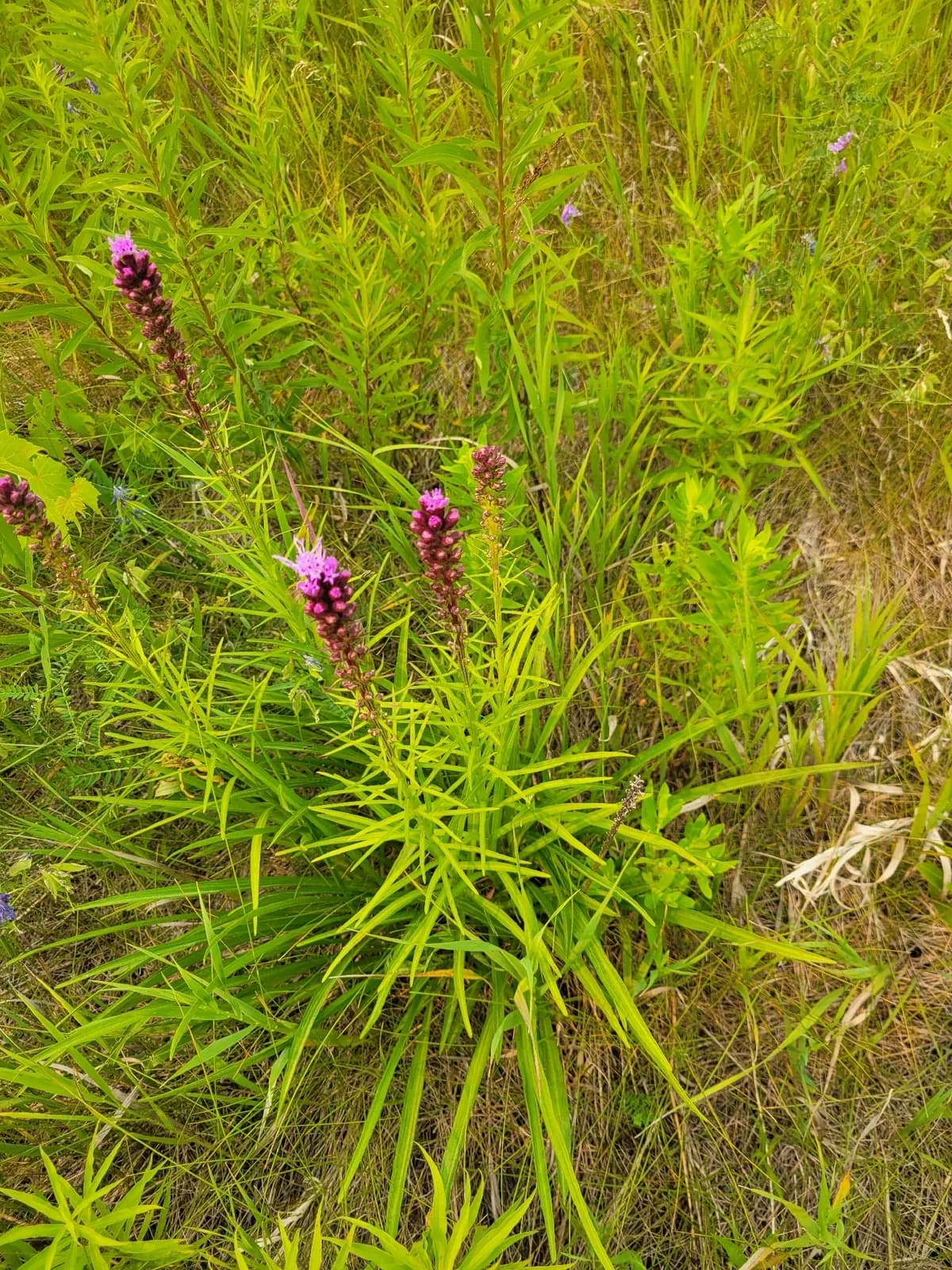
Dense Blazing Star
Liatris spicata
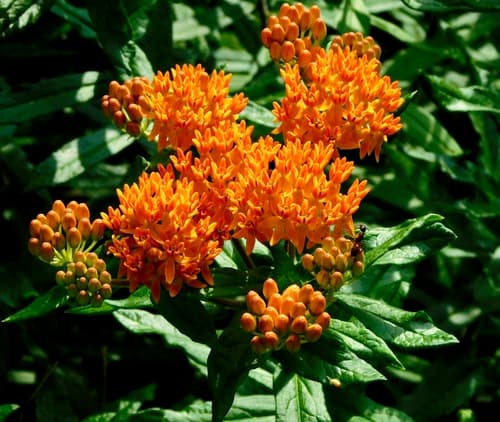
Butterfly Milkweed
Asclepias tuberosa
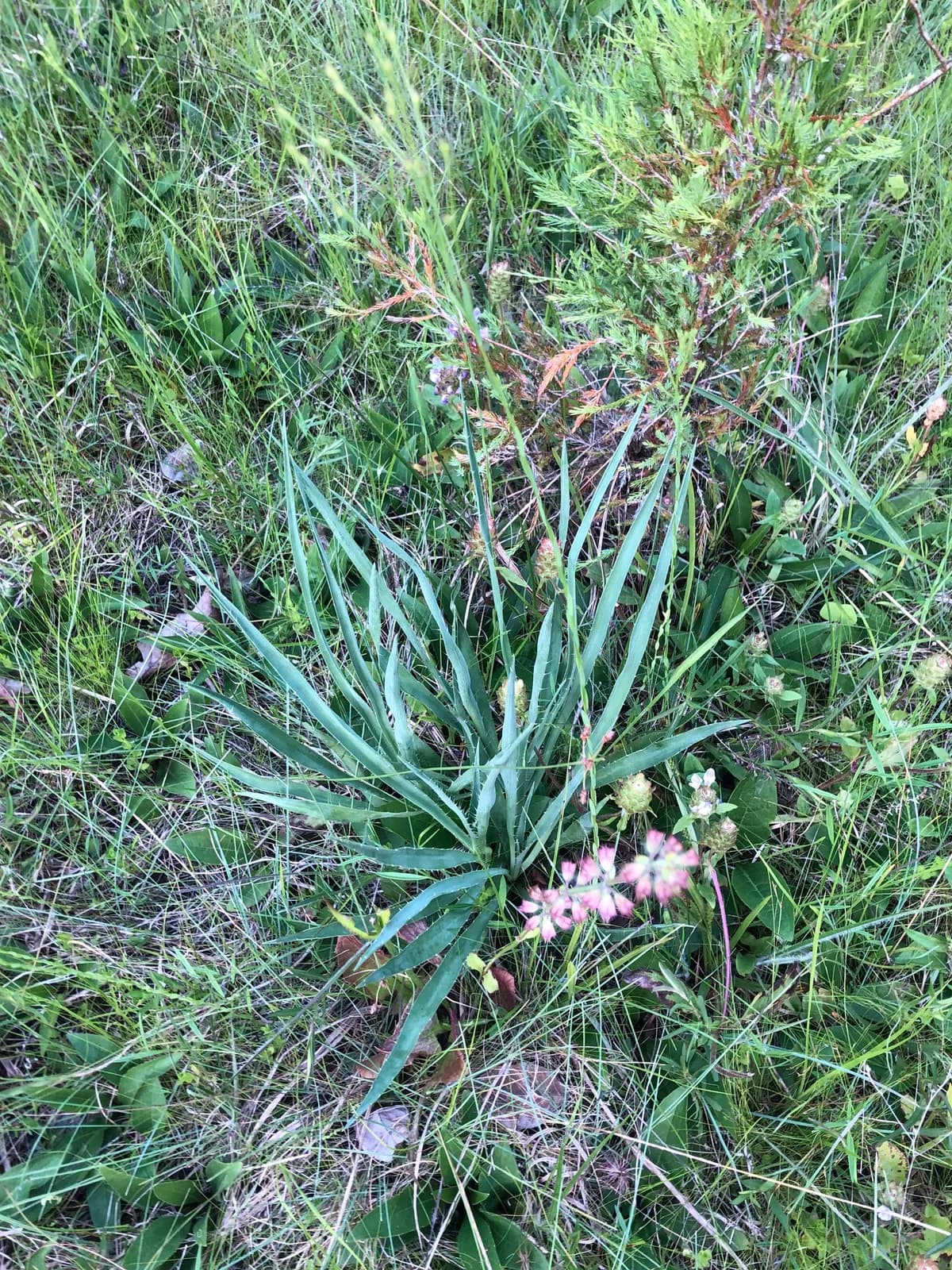
Rattlesnake Master
Eryngium yuccifolium
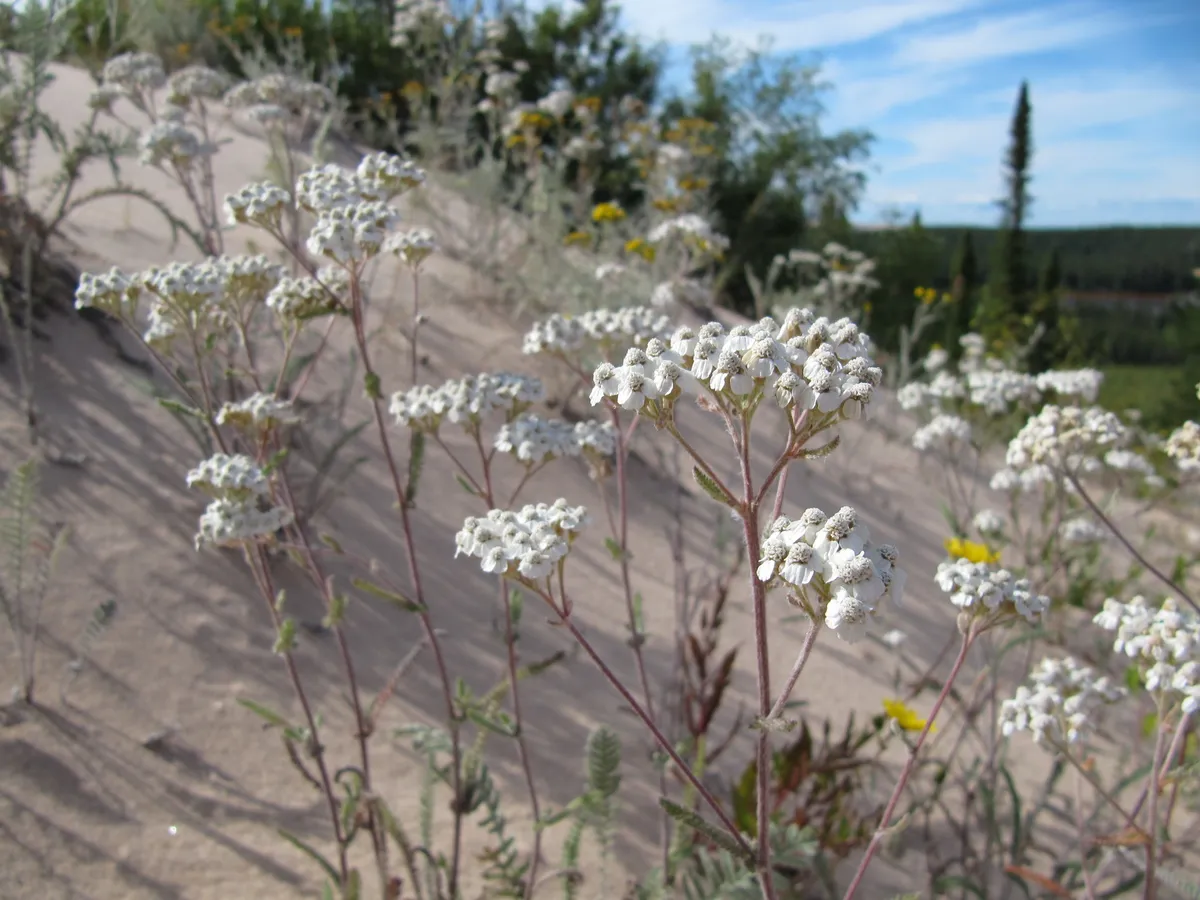
Common Yarrow
Achillea millefolium
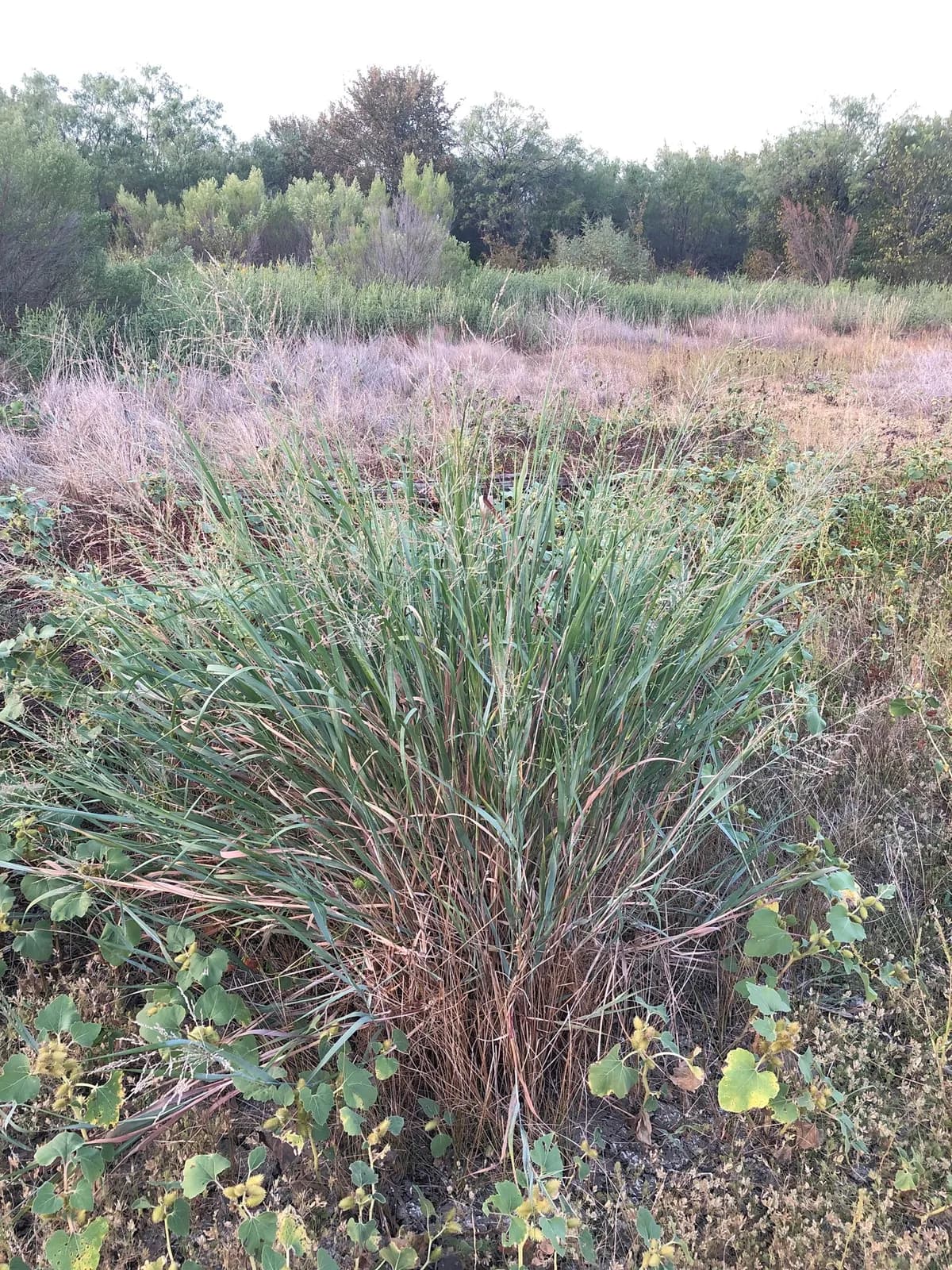
Switchgrass
Panicum virgatum

Golden Alexanders
Zizia aurea
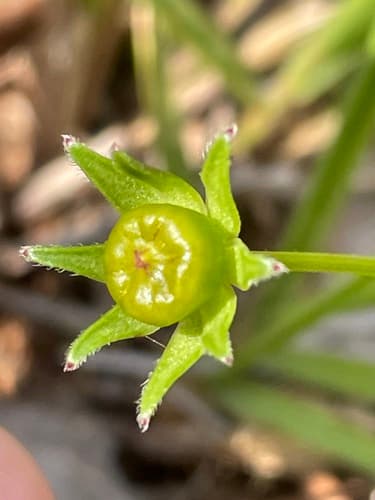
Lanceleaf Coreopsis
Coreopsis lanceolata
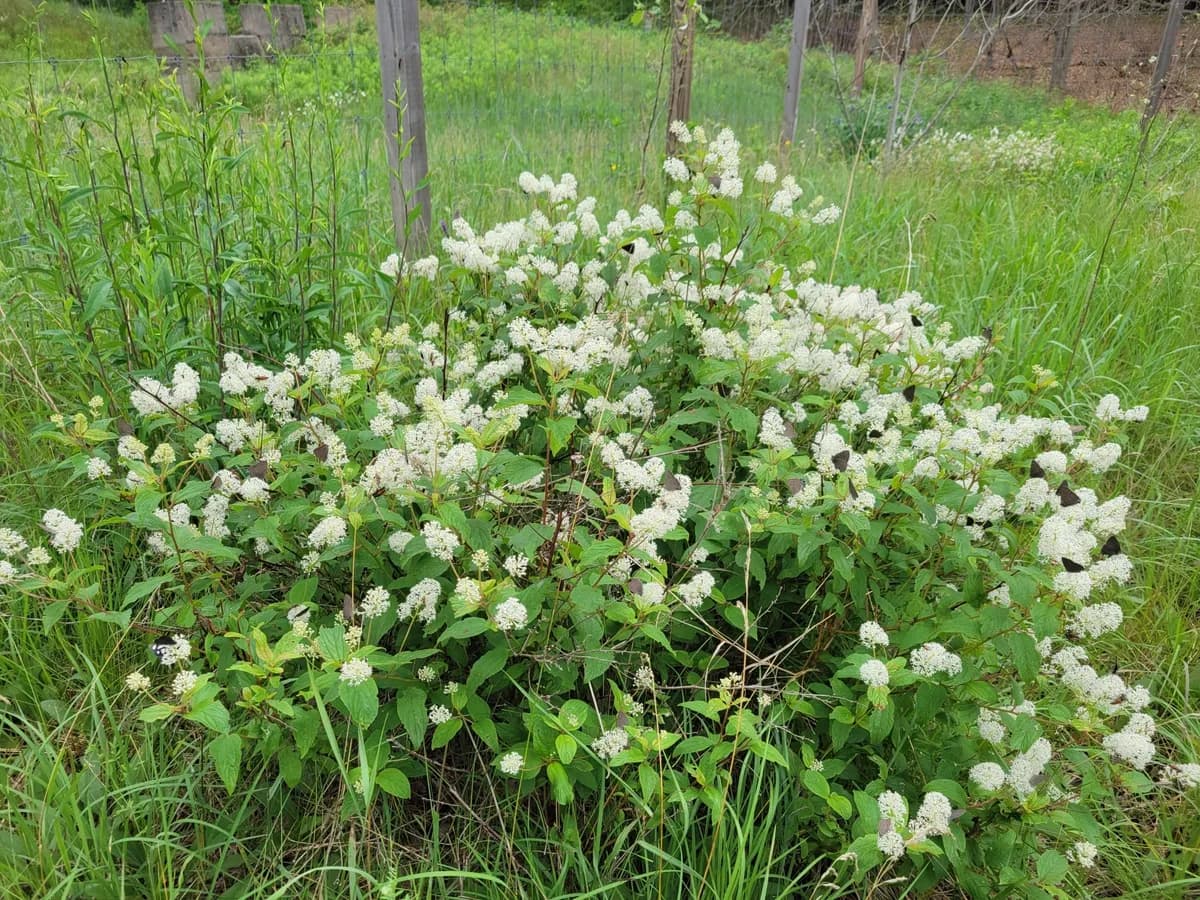
New Jersey-tea
Ceanothus americanus
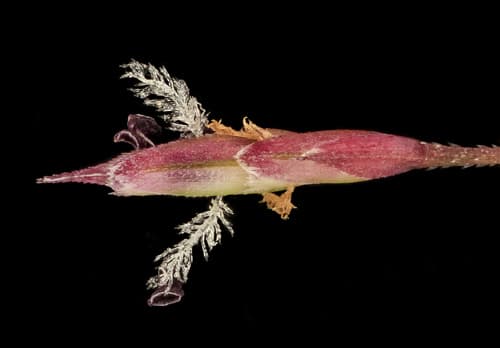
Purple Lovegrass
Eragrostis spectabilis
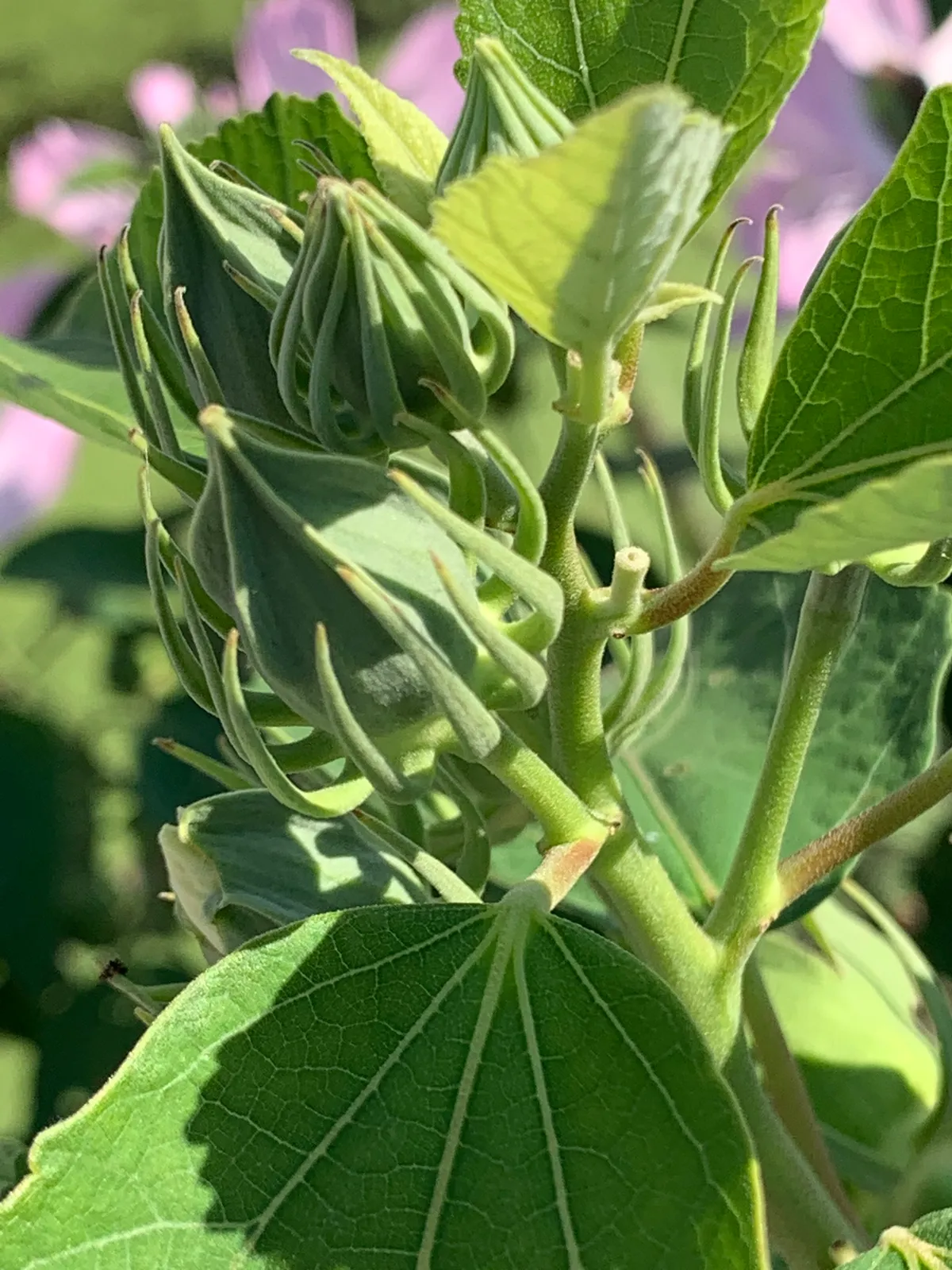
Mallow-rose
Hibiscus moscheutos
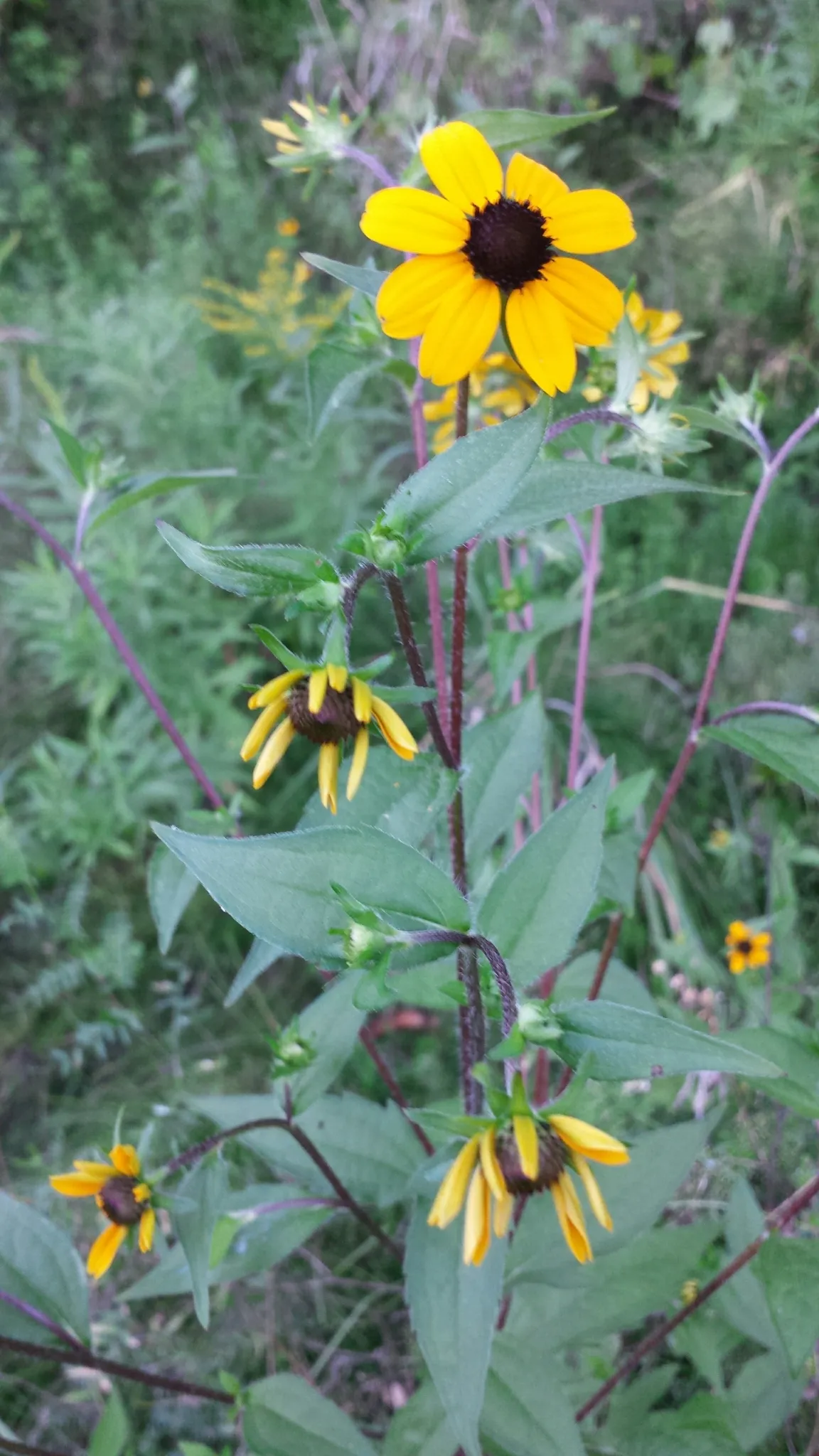
Brown-eyed Susan
Rudbeckia triloba

Sideoats Grama
Bouteloua curtipendula
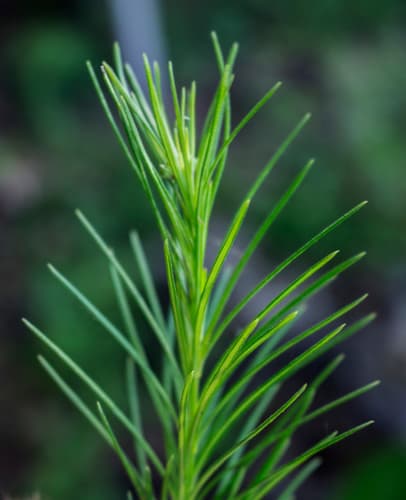
Whorled Milkweed
Asclepias verticillata
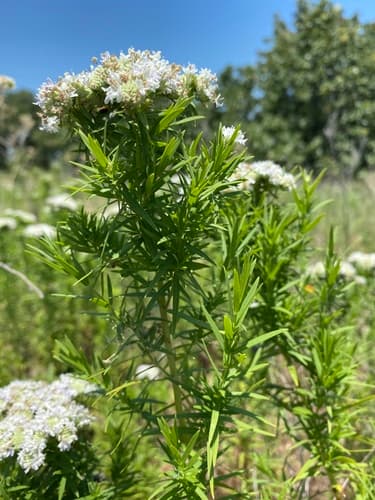
Narrowleaf Mountain Mint
Pycnanthemum tenuifolium
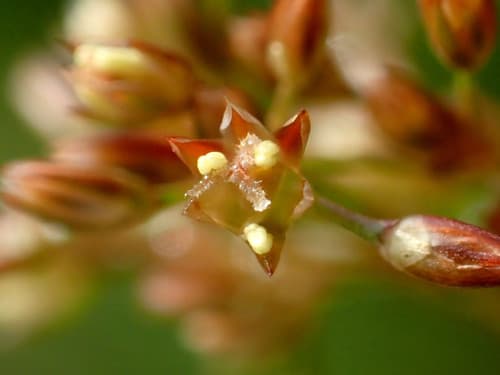
Soft rush
Juncus effusus
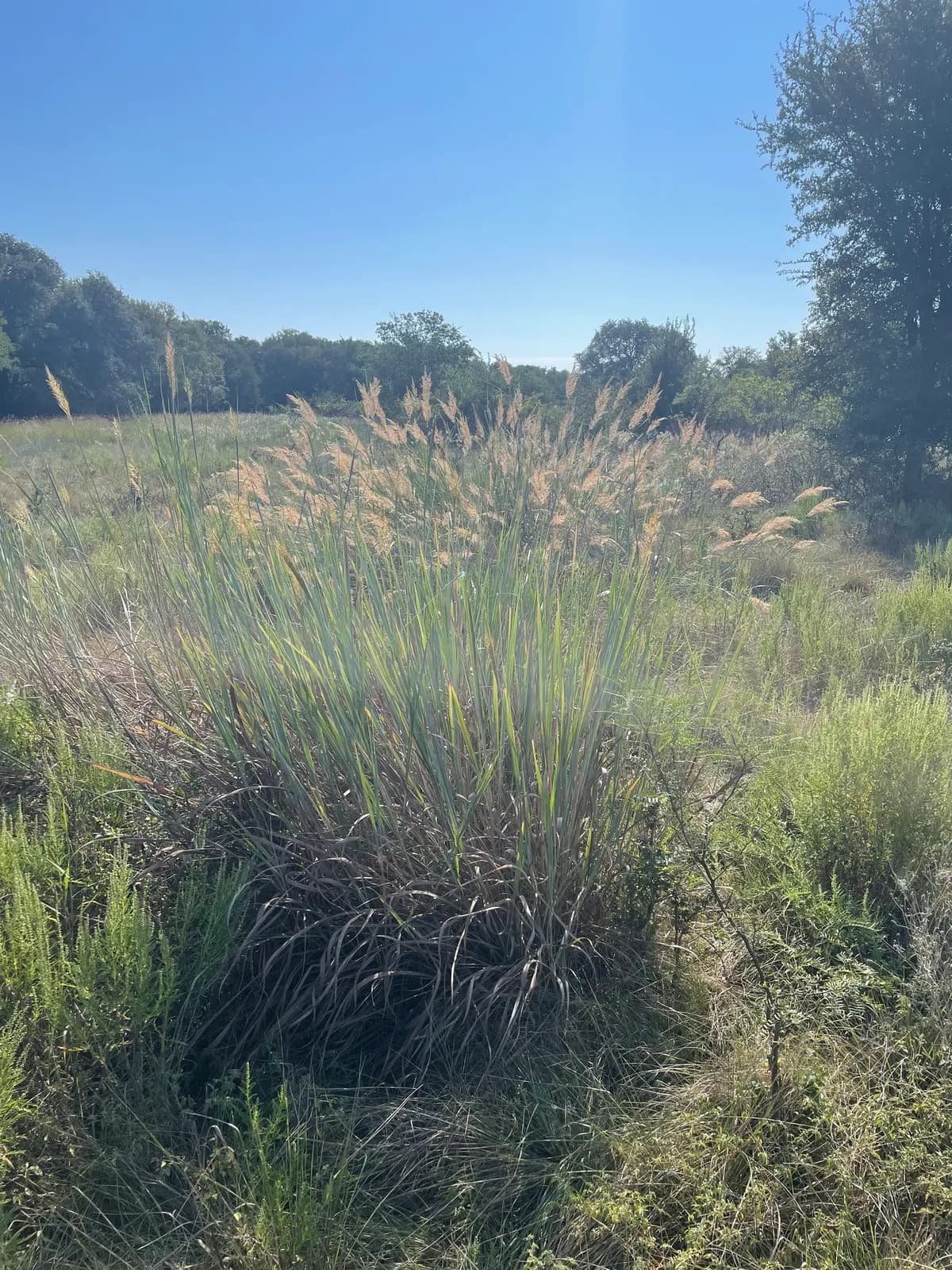
Indiangrass
Sorghastrum nutans
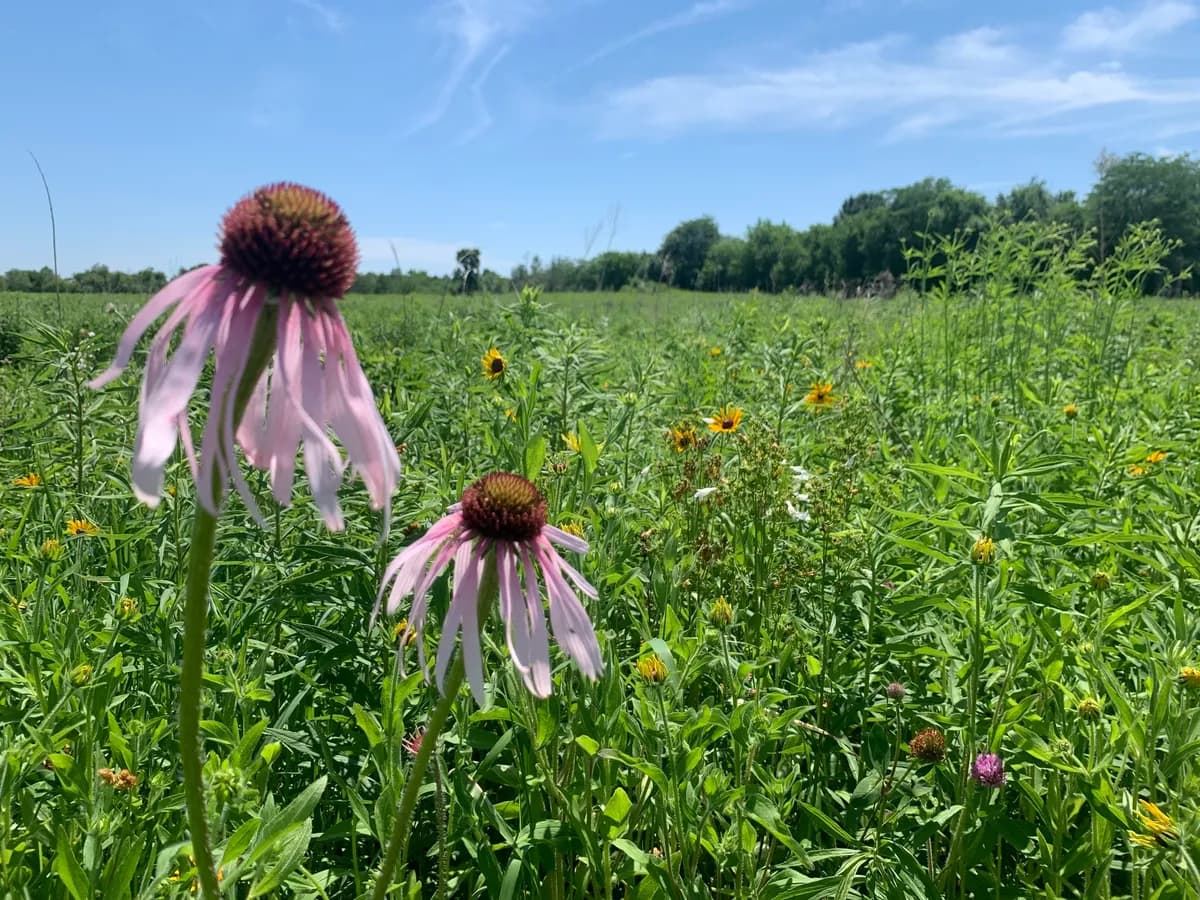
Pale Purple Coneflower
Echinacea pallida
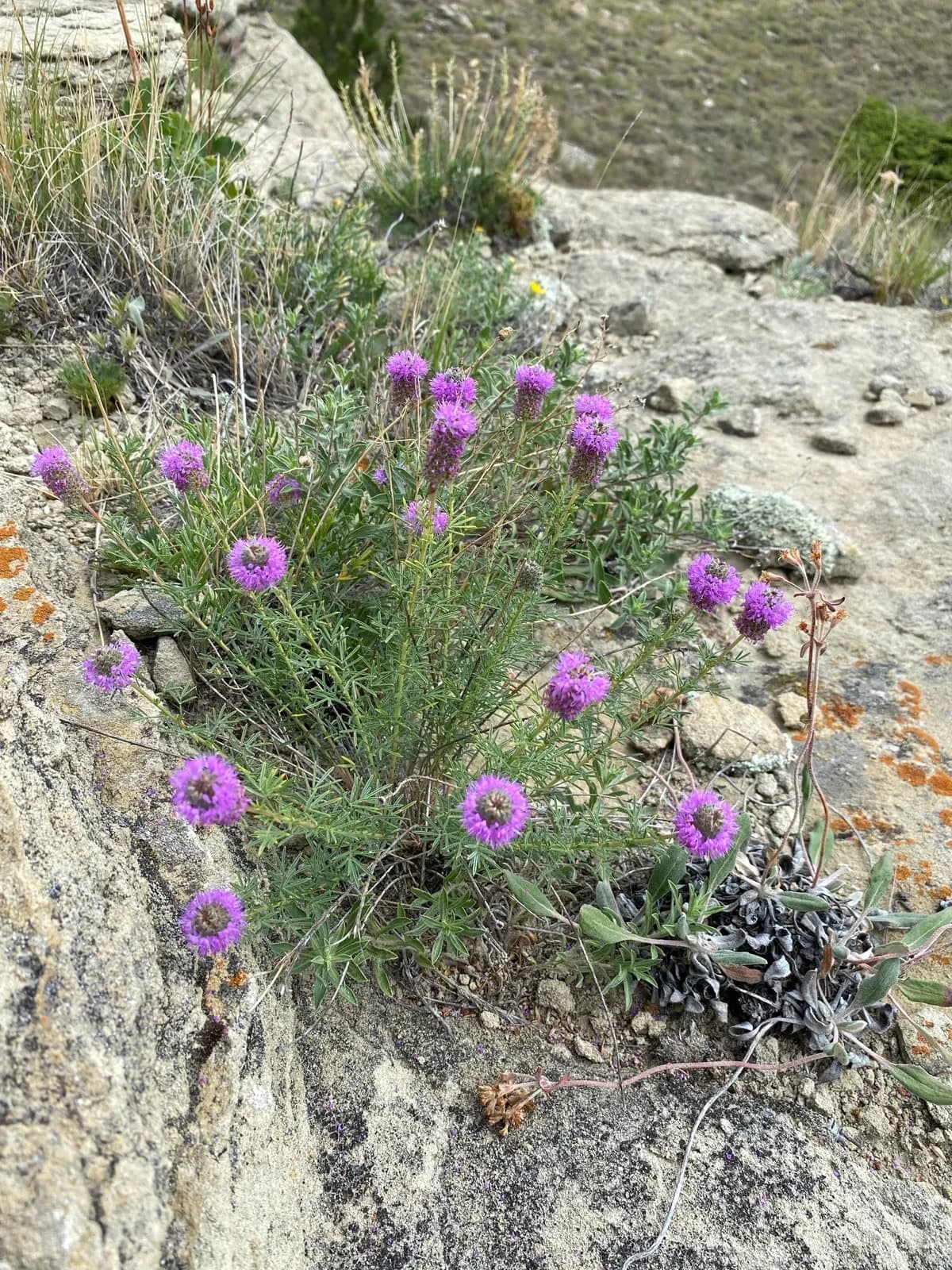
Purple Prairie Clover
Dalea purpurea
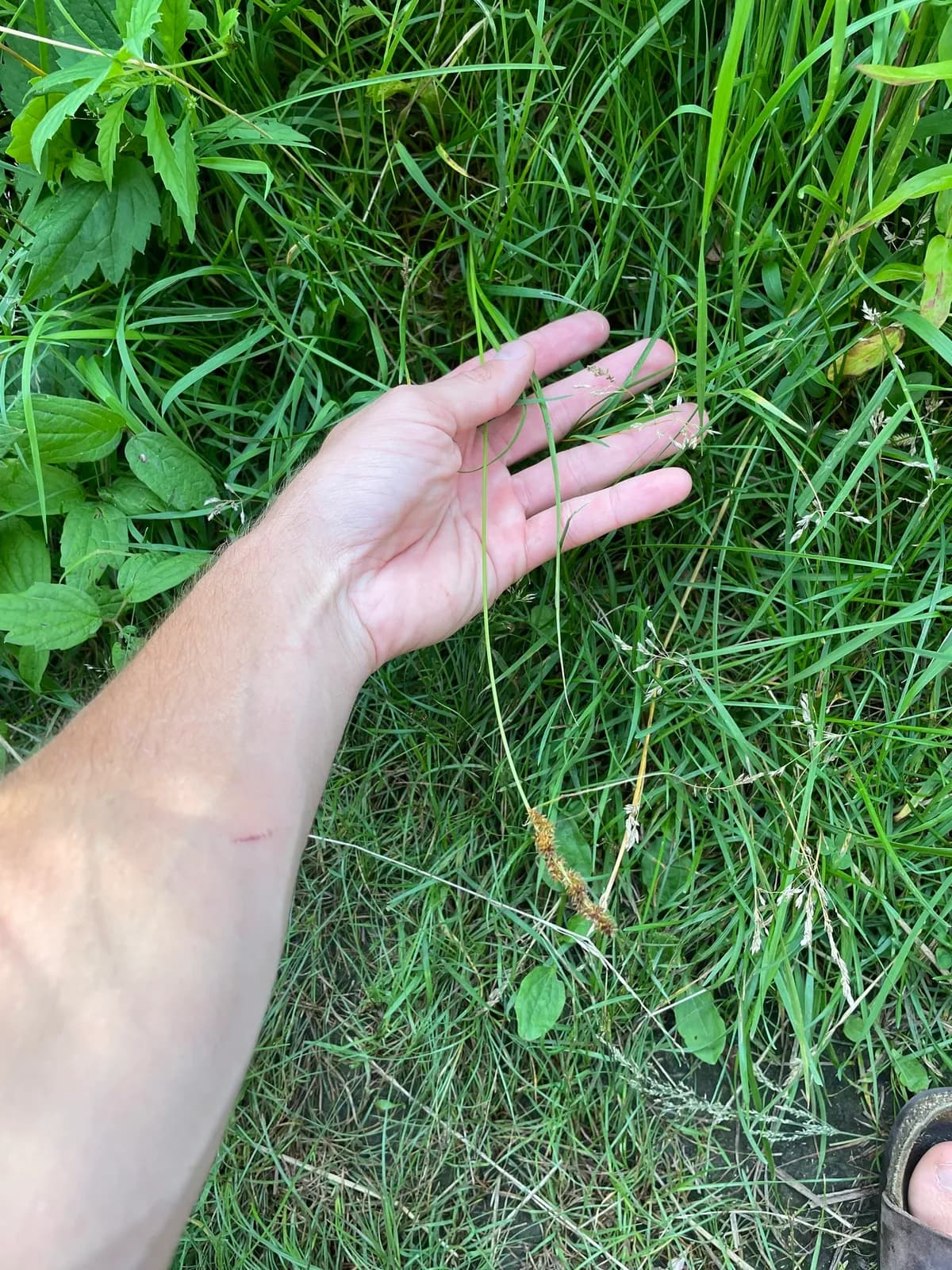
American Fox Sedge
Carex vulpinoidea

Coral Honeysuckle
Lonicera sempervirens
Tall Blazing Star
Liatris aspera
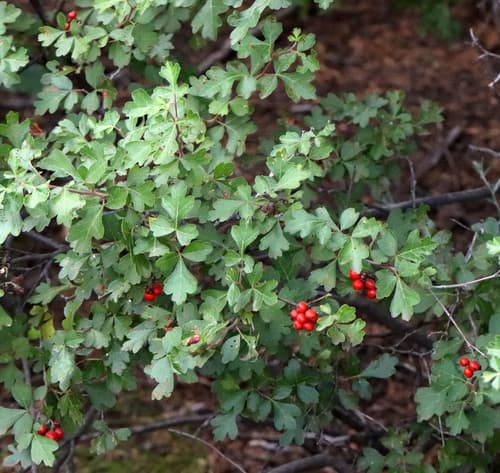
Aromatic Sumac
Rhus aromatica
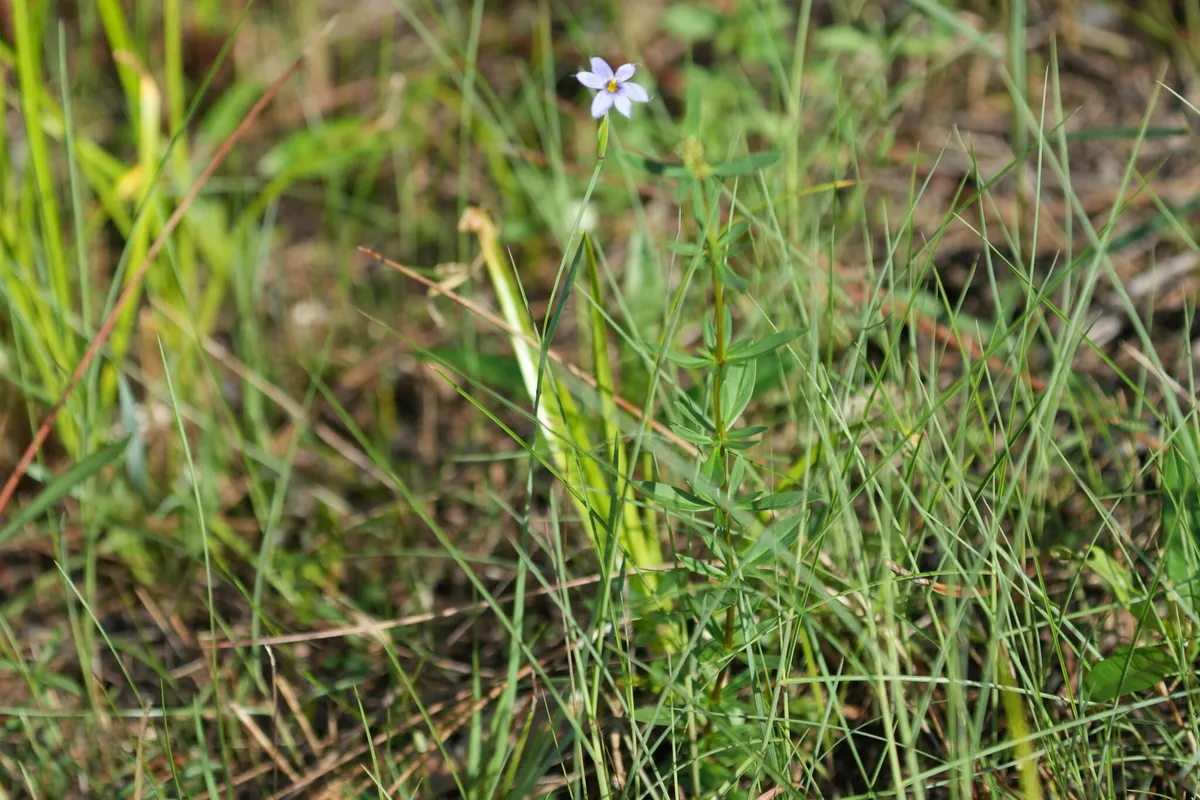
Narrowleaf Blue-eyed Grass
Sisyrinchium angustifolium
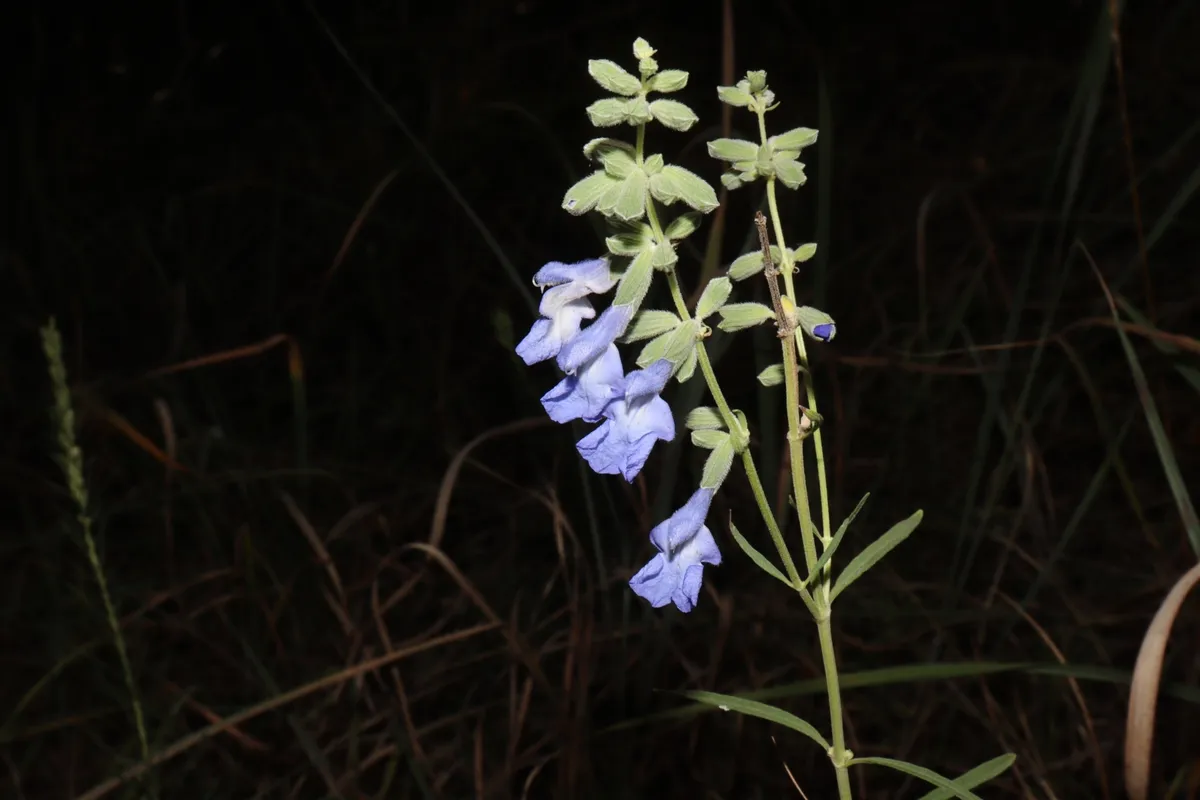
Azure Sage
Salvia azurea
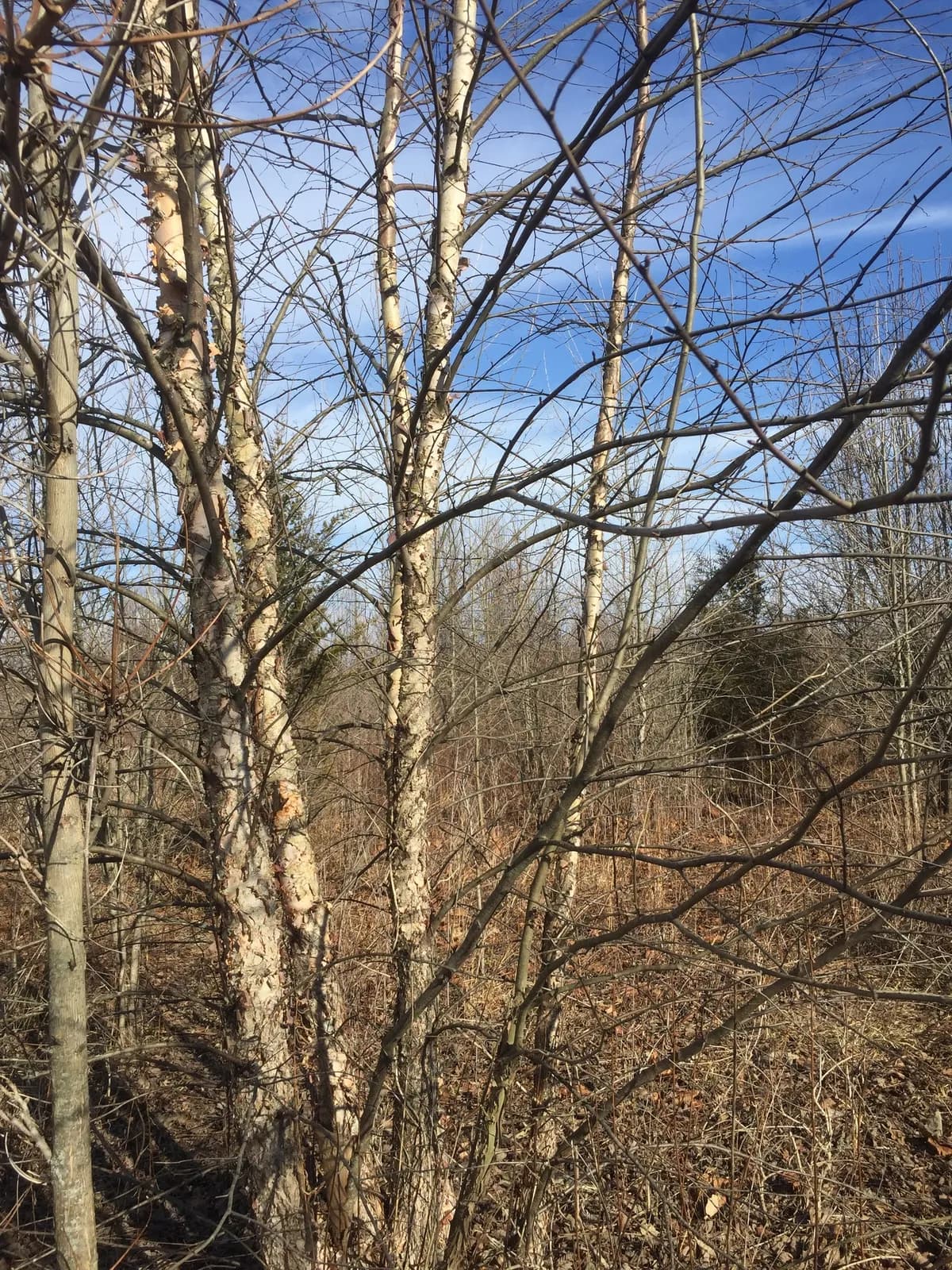
River Birch
Betula nigra
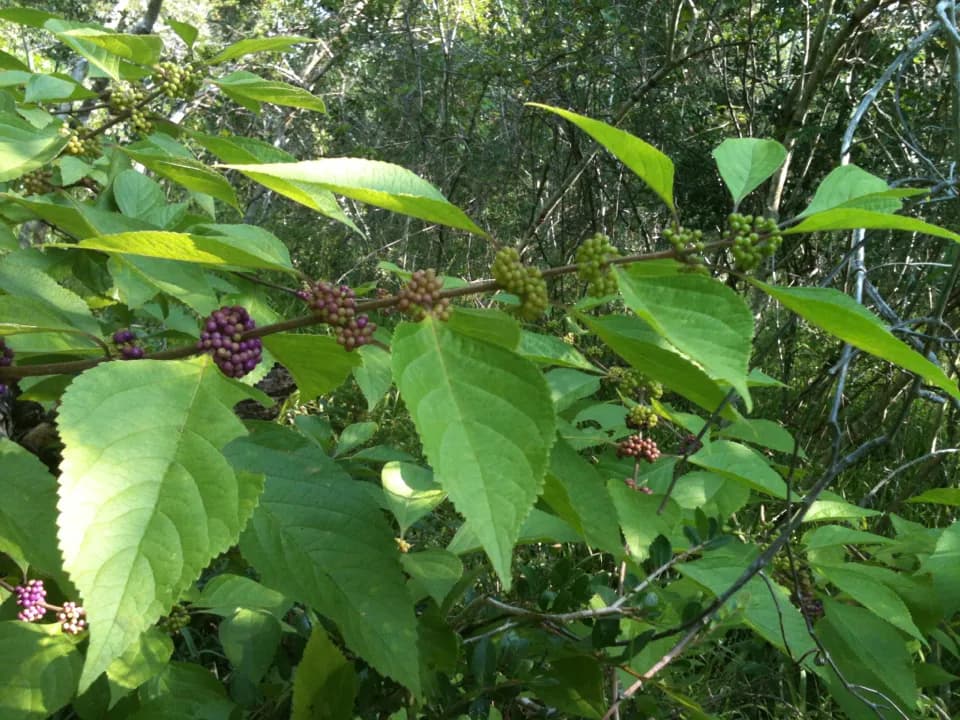
American Beautyberry
Callicarpa americana
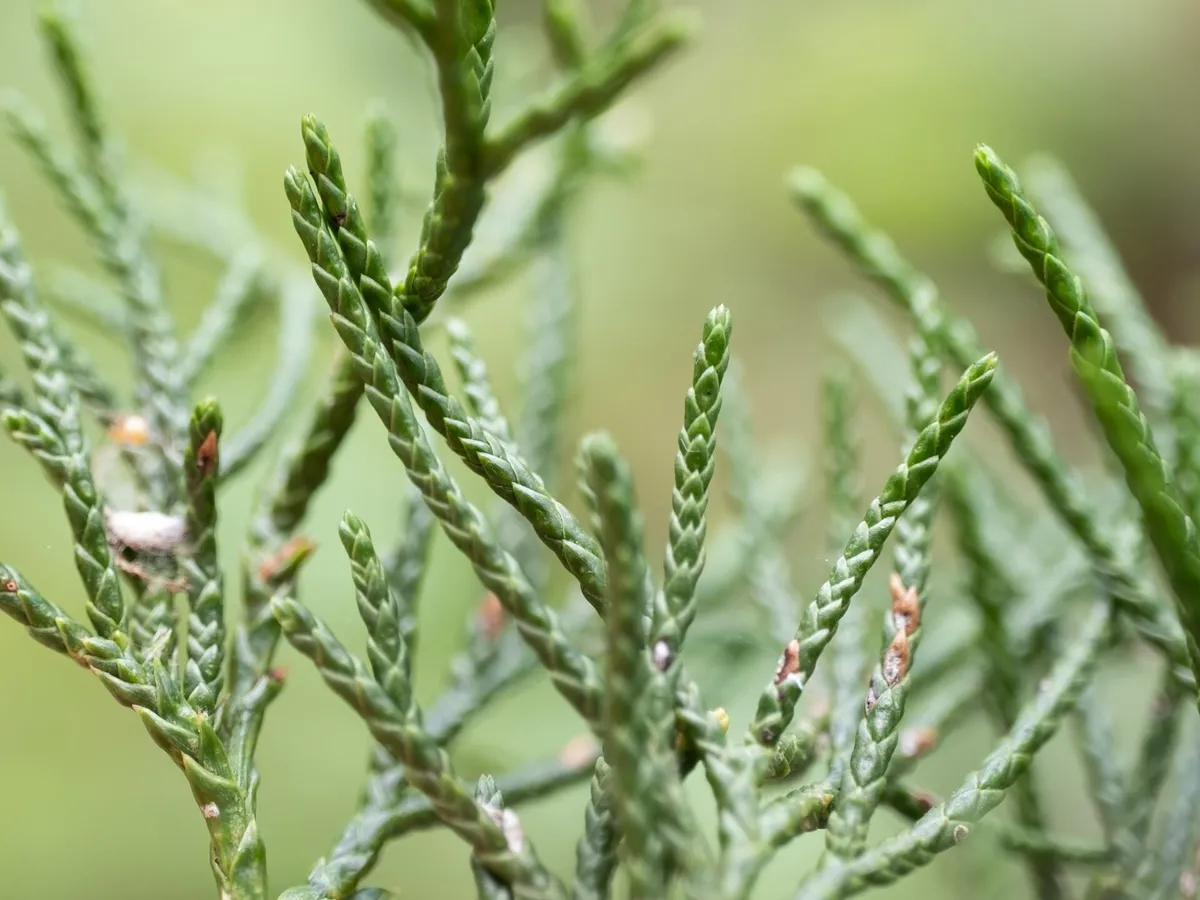
Eastern Red Cedar
Juniperus virginiana
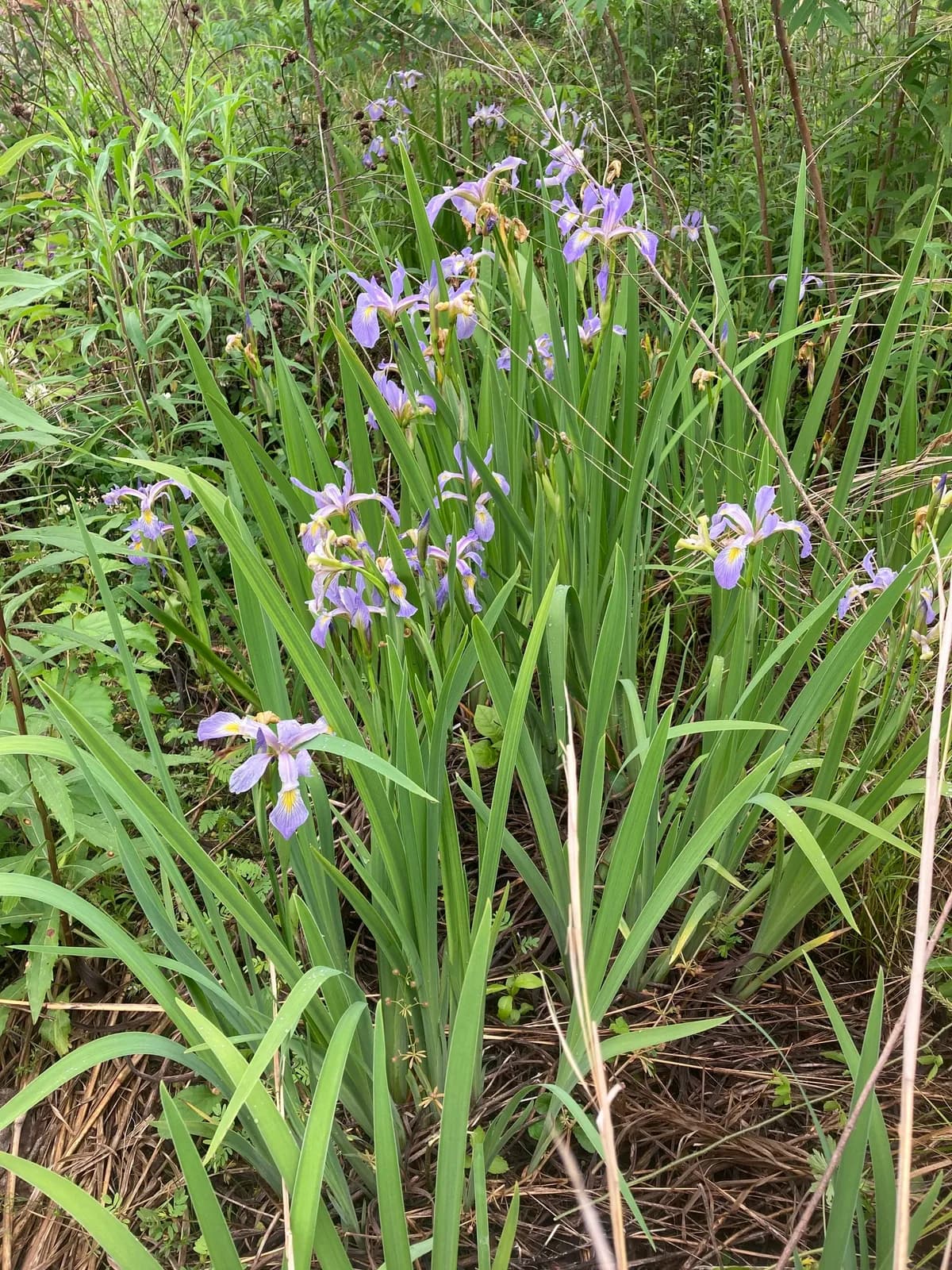
Southern Blue Flag Iris
Iris virginica
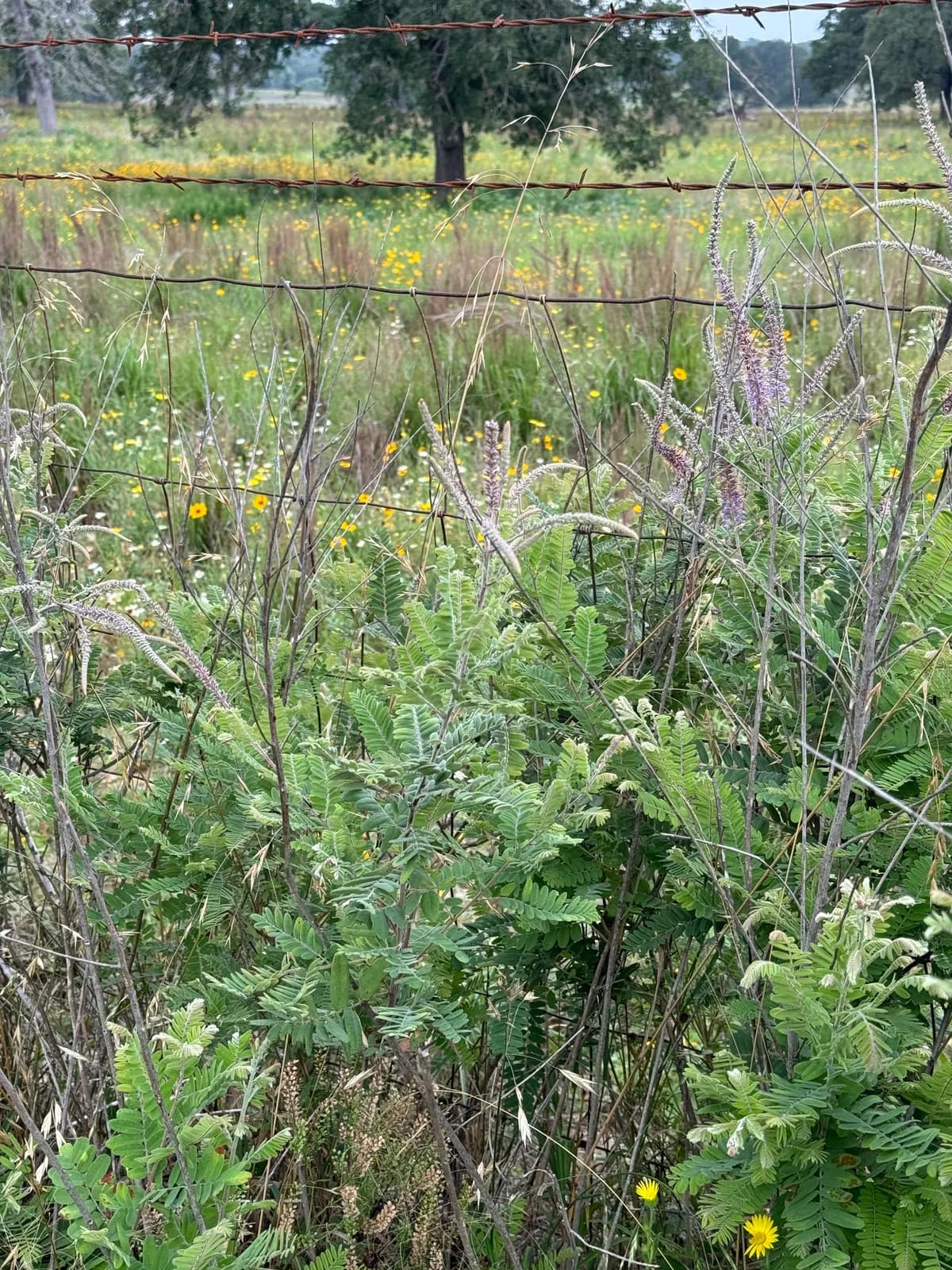
Leadplant
Amorpha canescens
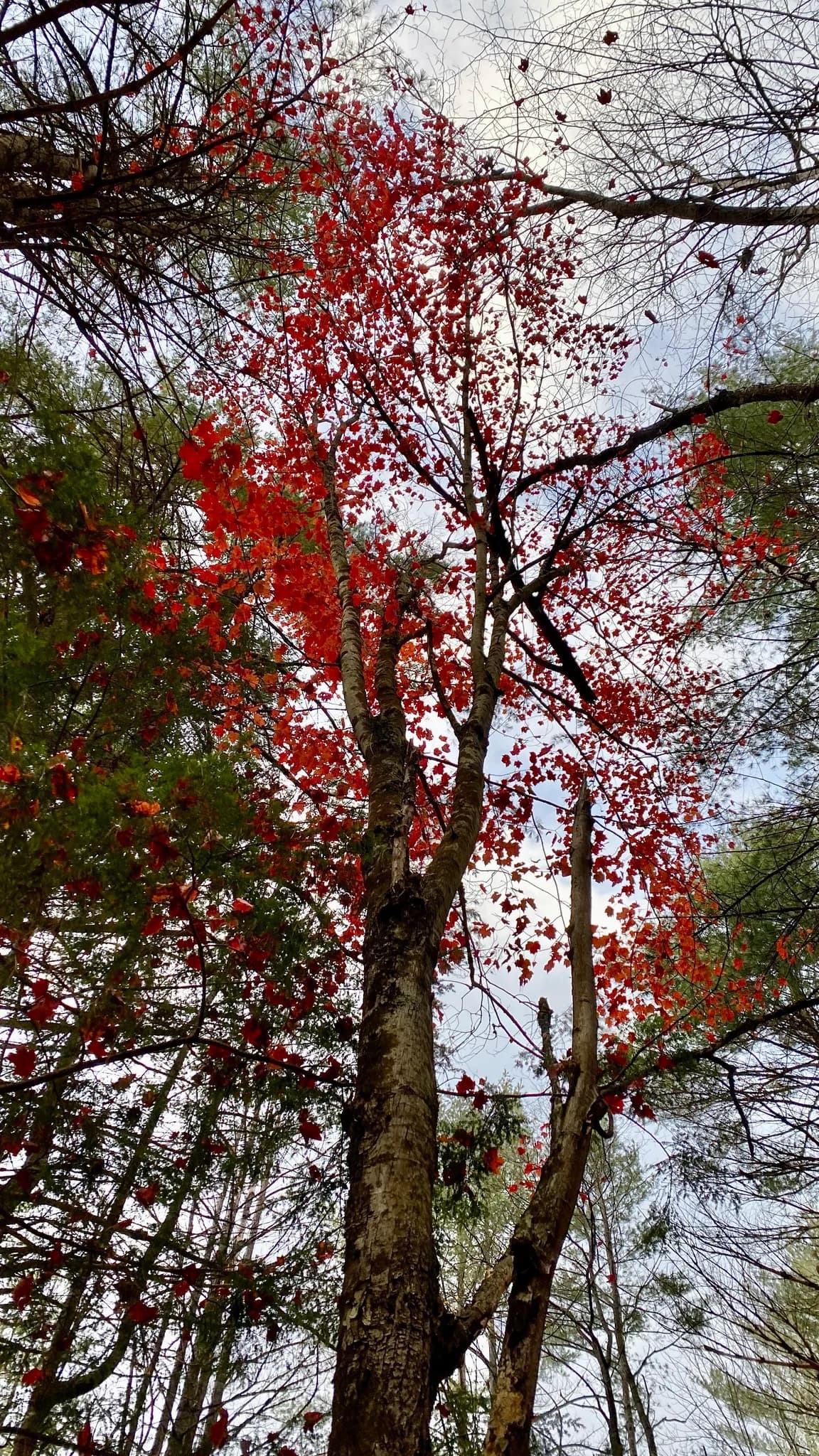
Red Maple
Acer rubrum
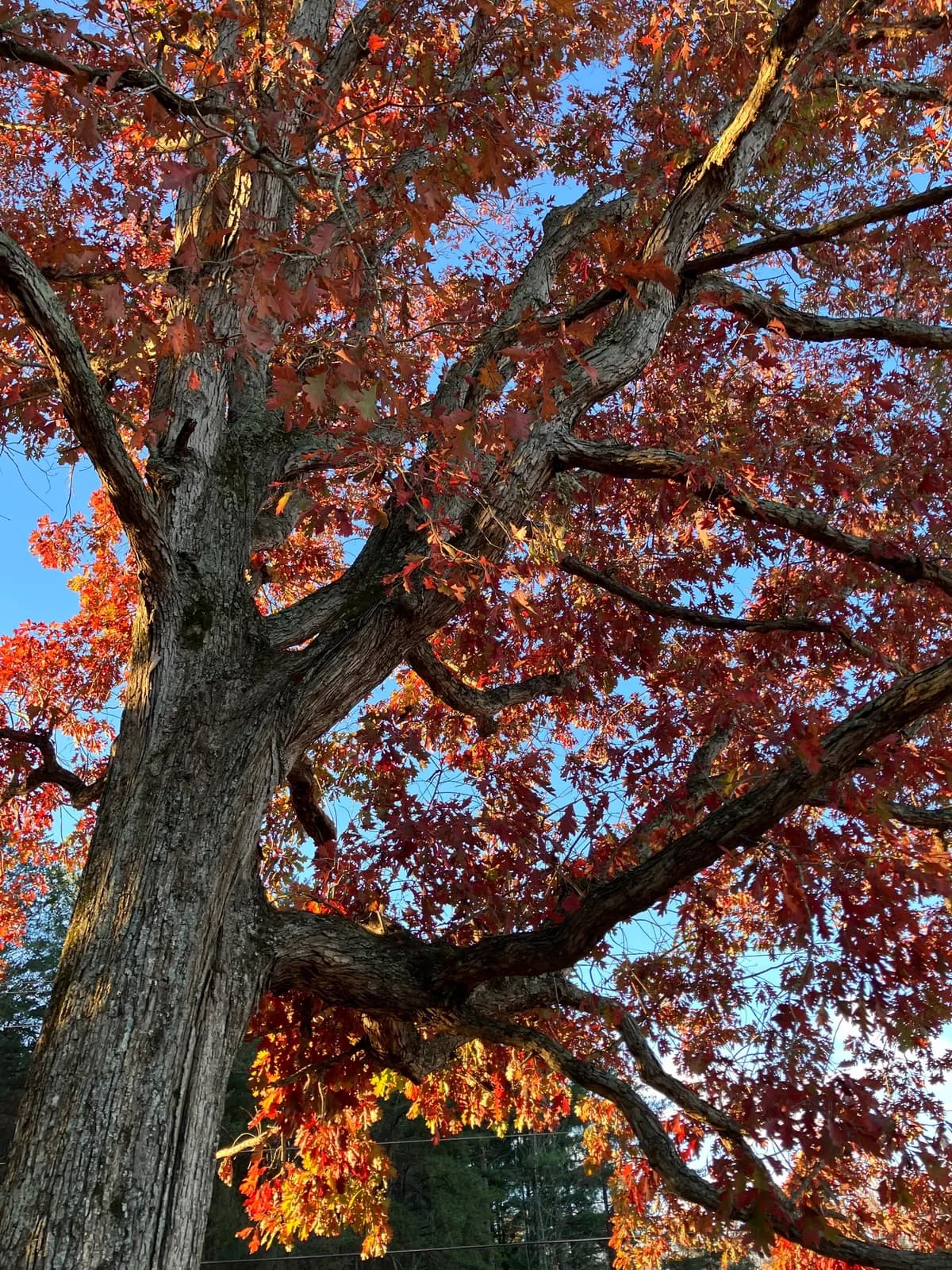
White Oak
Quercus alba
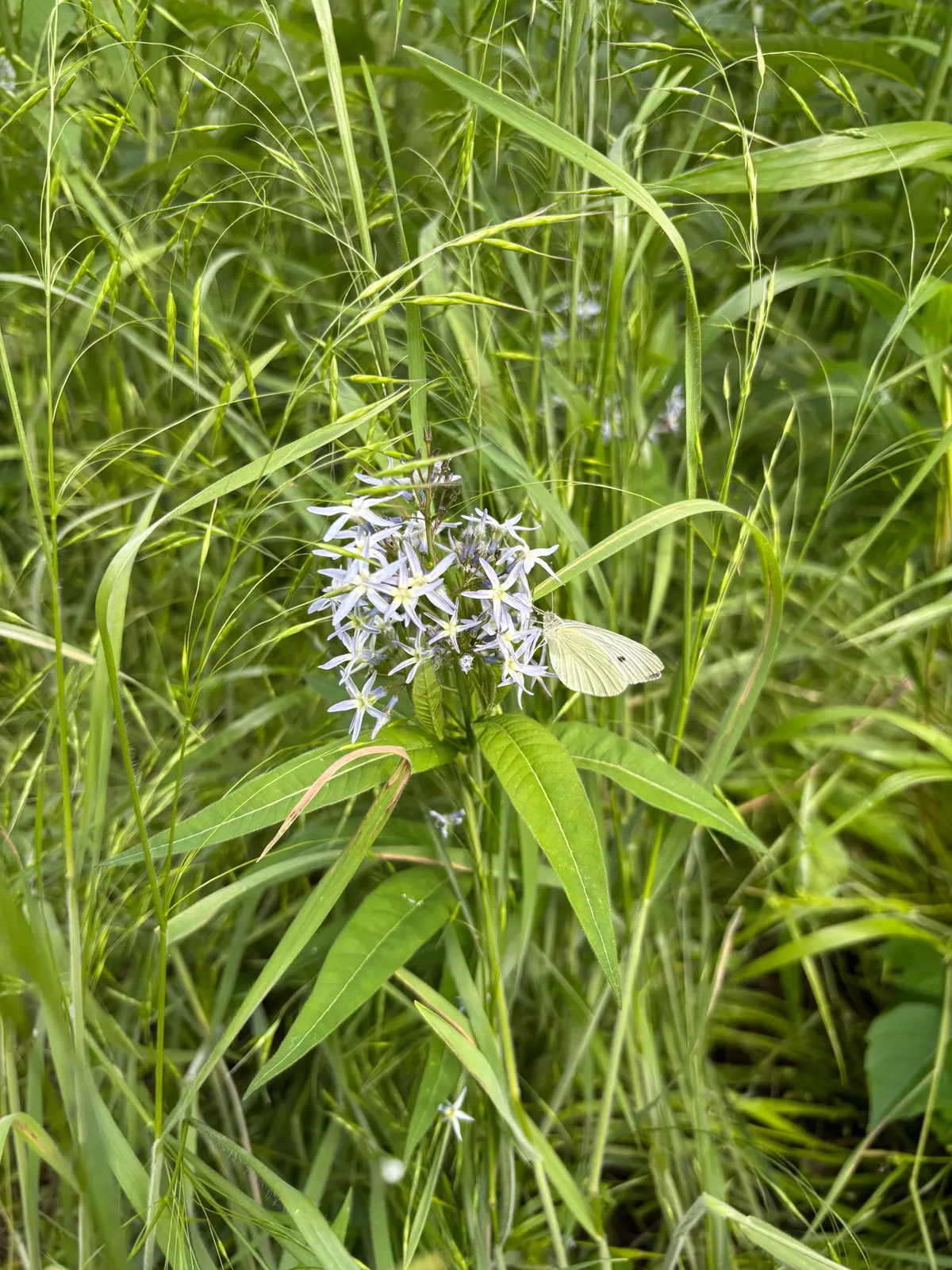
Eastern Bluestar
Amsonia tabernaemontana
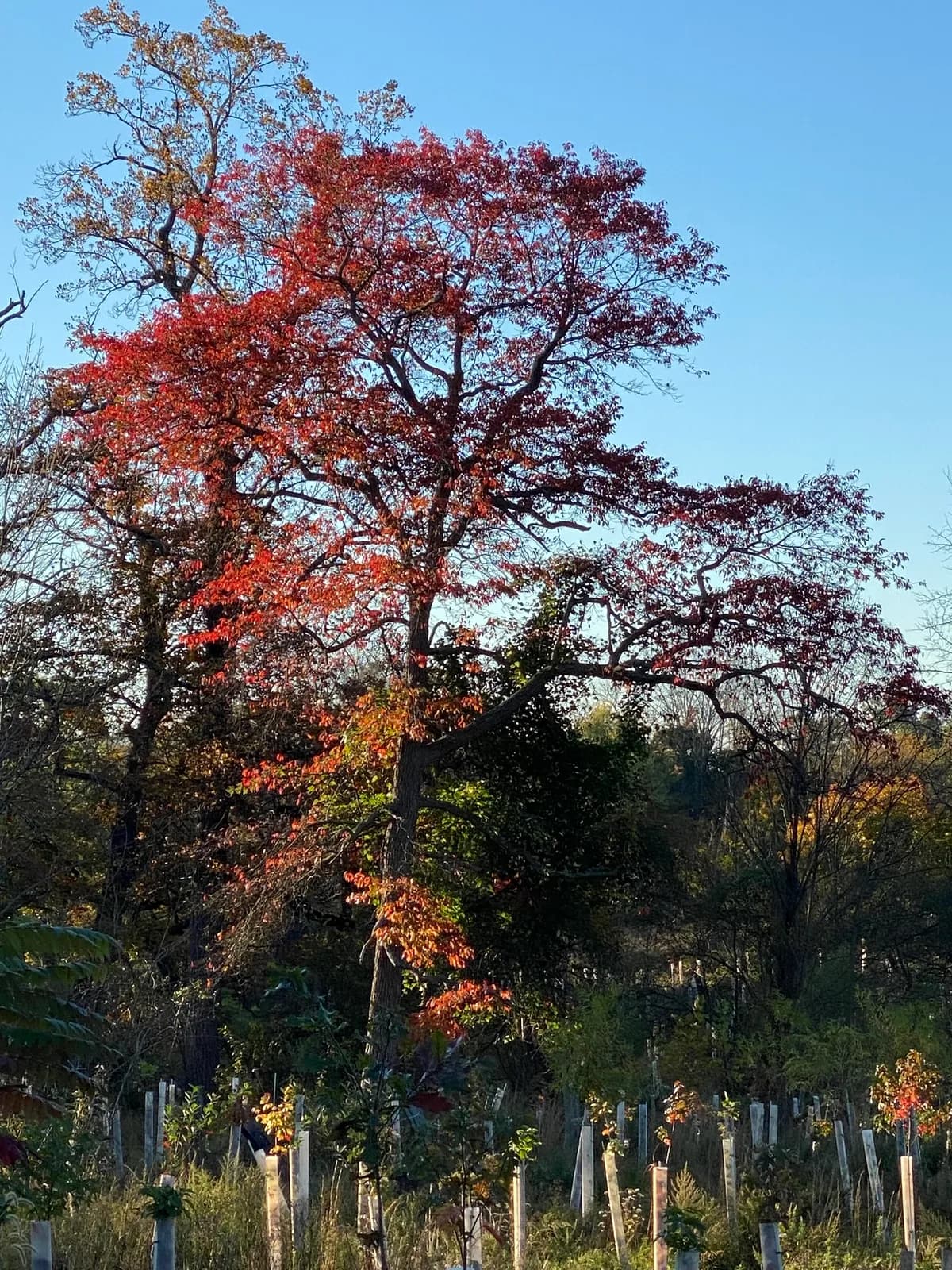
Black Gum
Nyssa sylvatica

Christmas Fern
Polystichum acrostichoides
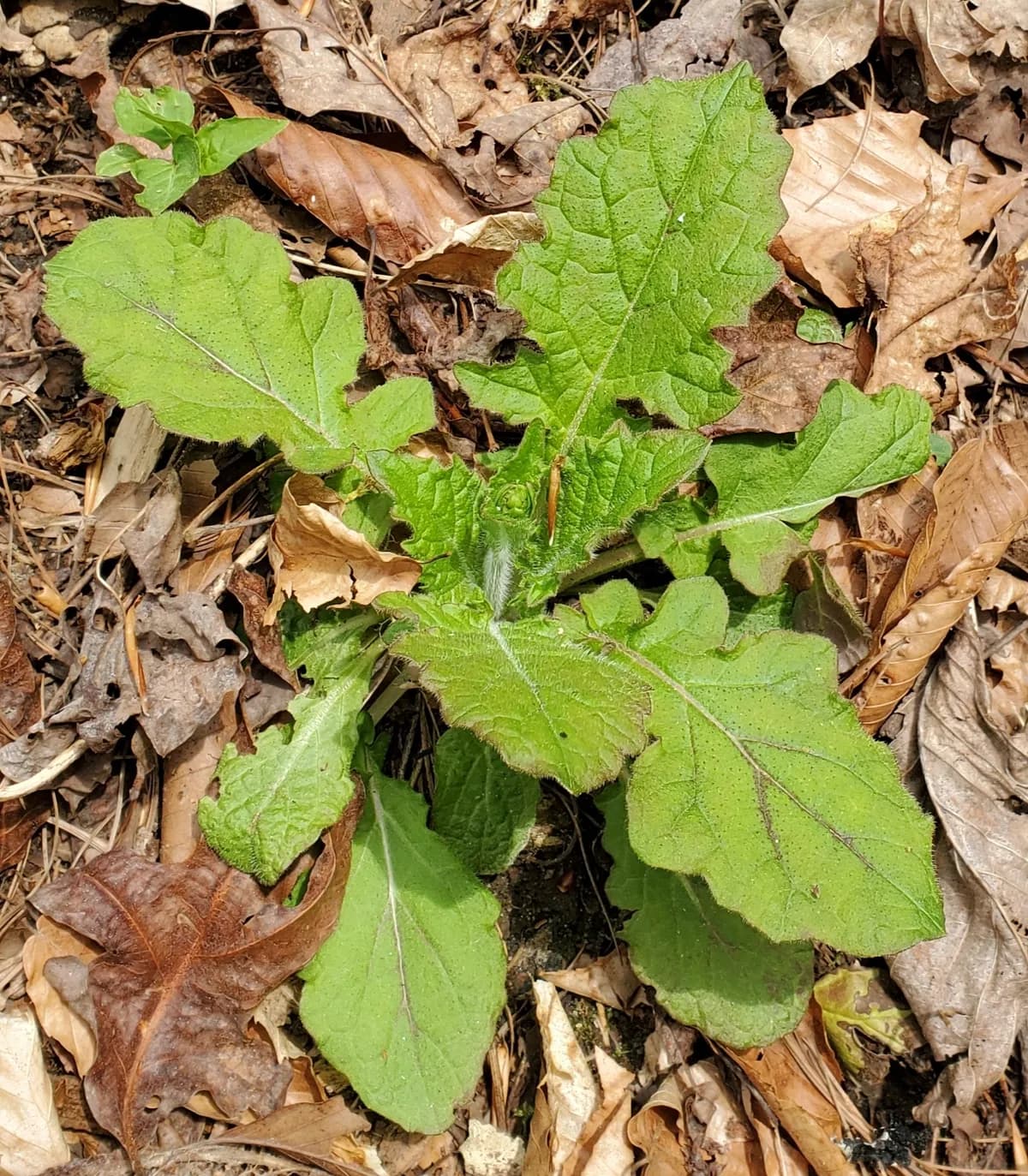
Lyre Leaf Sage
Salvia lyrata
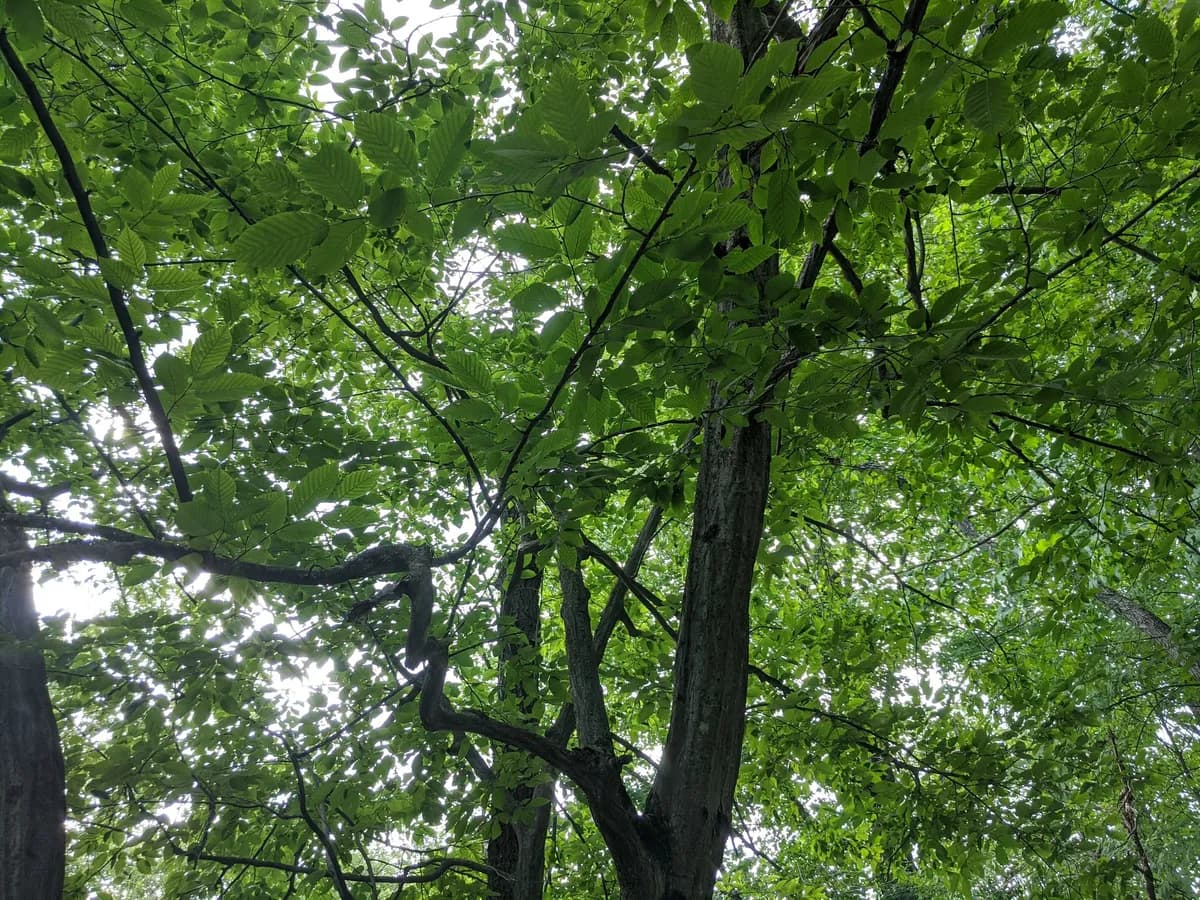
Hornbeam
Carpinus caroliniana

Fragrant Phlox
Phlox pilosa

Mexican Hat
Ratibida columnifera

Prairie Petunia
Ruellia humilis
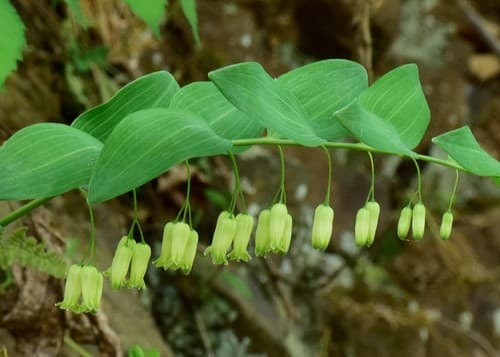
American Solomon's-seal
Polygonatum biflorum
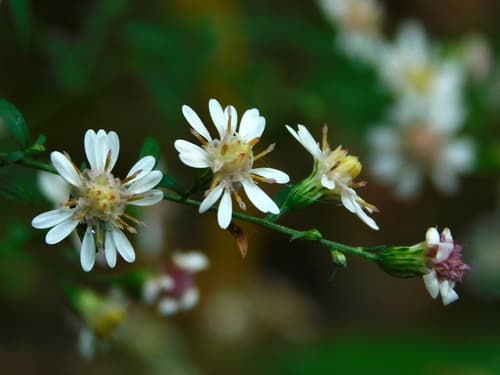
Calico Aster
Symphyotrichum lateriflorum
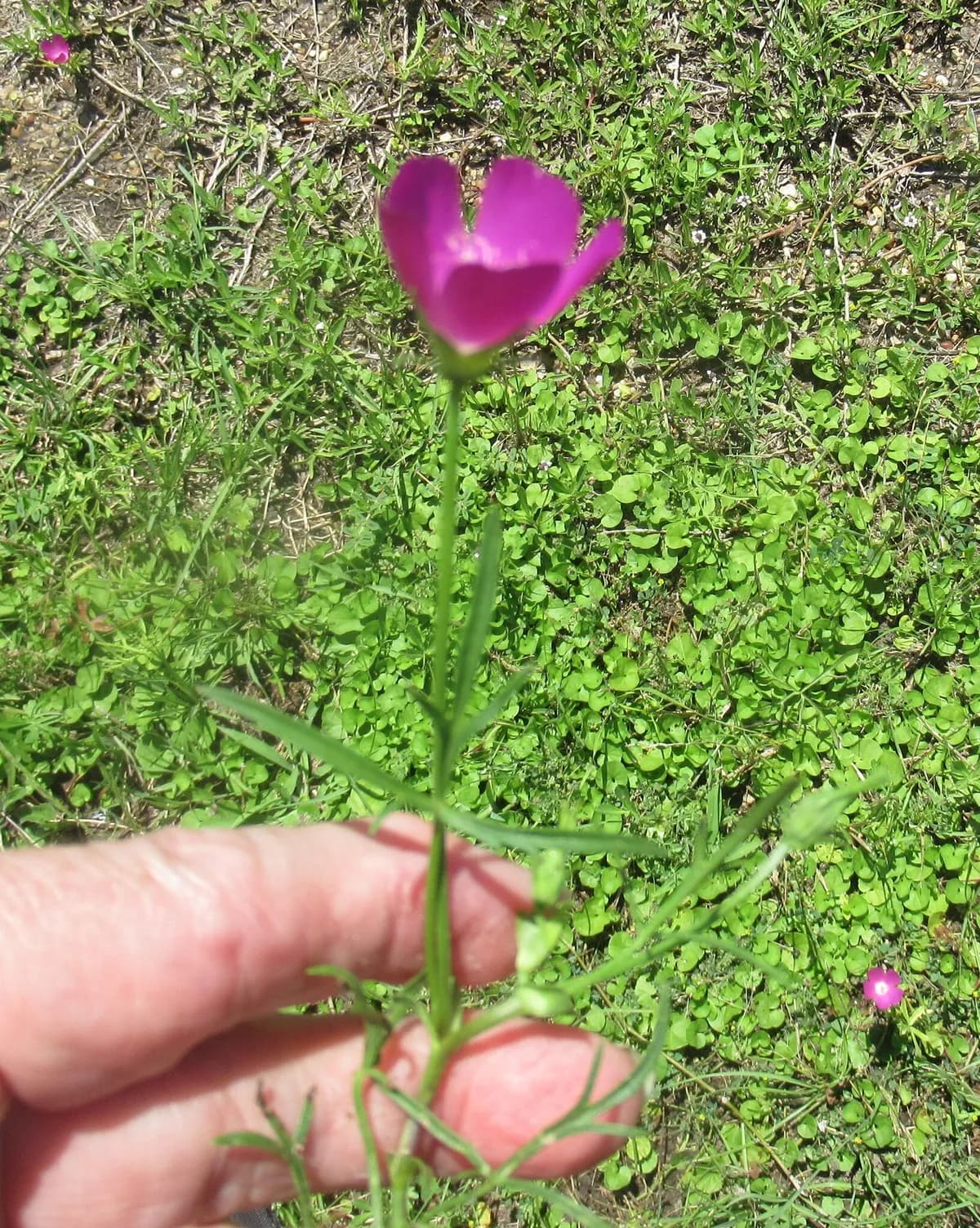
Winecup
Callirhoe involucrata
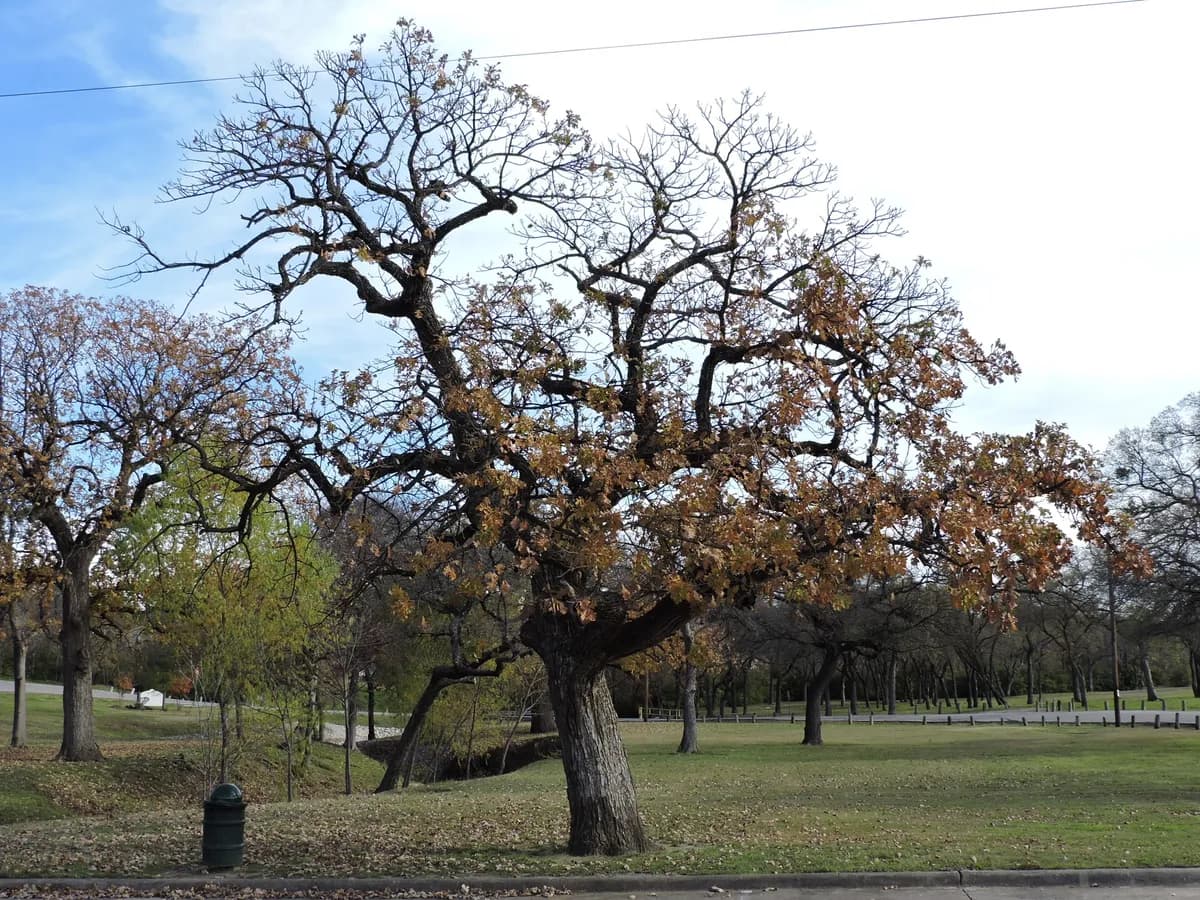
Bur Oak
Quercus macrocarpa
Prairie Gayfeather
Liatris pycnostachya
Scarlet Sage
Salvia coccinea
Showing 48 of 885. Enter your ZIP for the natives matched to your yard.
Fall care in the Post Oak Savannah
What to do right now for plants commonly grown here. Each links to the full regional care guide for that species, with sources.
- Short beak sedge
Fall brings cooler weather and a burst of growth.
- Winecup
Fall is a quiet time, and some tags mention a few fall flowers.
- Esperanza
Fall is the last bloom push before frost.
- Big muhly
Fall is plume season, so enjoy it and leave it alone.
- Flame acanthus
Fall is still bloom time, so just keep it tidy.
- Purple coneflower
Fall is for leaving a few seedheads and enjoying the birds.
- Autumn sage
Fall is a second bloom season, so keep things simple.
- Prairie spiderwort
Cooling fall weather in College Station can bring a lighter second bloom, and the plant spreads by seed if flowers are left to go to seed.
- Four nerve daisy
Fall often brings a second wave of bloom along with another round of Gulf Coast rain, so fall care looks a lot like spring care: enjoy the flowers, keep watching the drainage.
- Hairy grama
Seed production keeps going into fall, and the clump fades from green to pale yellow as it heads toward dormancy. The first freeze in the Bryan-College Station area typically lands by late November, which is what finally browns the whole plant for the year. Leave the seed heads and stems up rather than cutting back now.
Build a plan for the Post Oak Savannah
Pollinator Patch turns plants like these into a front-yard plan tuned for the soil, climate, and HOA expectations of the Bryan area.