Inland Sea Oats
Chasmanthium latifolium
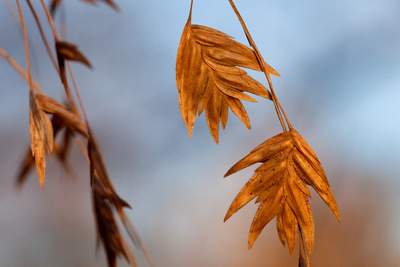
/images/plants/inland-sea-oats/attribution.json.Light
shade
Water
medium
Size
24"–48" H × 18"–36" W
Bloom
Jun, Jul, Aug, Sep, Oct
Native to
East Texas, Pineywoods, Post Oak Savannah, Blackland Prairie, Edwards Plateau
Pollinators
Northern Pearly-eye, Bell's Roadside-Skipper
Browse plants for this ecoregion
Inland Sea Oats is a perennial grass native to East Texas, Pineywoods, Post Oak Savannah, Blackland Prairie, Edwards Plateau. It grows best in shade with medium water needs.
Inland Sea Oats (Chasmanthium latifolium) is a native shade-tolerant grass with distinctive flat, oat-like seed heads that dangle from arching stems through summer and fall. It is dog-safe (Inland Sea Oats is not on the ASPCA Animal Poison Control Center toxic plant list for dogs or cats) and is one of the few ornamental grasses that thrives in Texas shade.
The plant grows 2-4 feet tall, spreads slowly by rhizomes, and reseeds in moist conditions. The seed heads stay attractive into winter and are widely used by birds. Lady Bird Johnson Wildflower Center lists Inland Sea Oats as a host plant for the Northern Pearly-eye butterfly and Bell's Roadside-Skipper. Foliage turns bronze-tan in fall and remains visually interesting through the cool months.
Ecoregion notes for Texas. In the Pineywoods and Post Oak Savannah (East Texas, acidic, humid, 35-60 inches of rain): native and ideal. Plant in shade or part shade, water through the establishment summer, then leave it. In the Blackland Prairie (DFW, Austin, San Antonio metros, heavy clay): native and reliable; clay holds enough moisture to support it. In the Edwards Plateau and Hill Country (alkaline limestone, dappled oak shade): native; performs well under existing trees with supplemental water during dry summers. In the Trans-Pecos and South Texas Plains: not recommended; too dry and too sunny.
Inland Sea Oats reseeds aggressively in moist beds. For HOA contexts, contain it within a defined edge or plan to thin volunteers in spring. It pairs well with Turk's Cap, Cedar Sage, and Cherokee Sedge in a shade bed. Cut foliage to the ground in late winter for the cleanest spring rebound.
Bee species data compiled from GBIF, iNaturalist, Discover Life, and the USGS Native Bee Inventory and Monitoring Lab. Plant-pollinator associations informed by published ecological literature.
How to care for Inland Sea Oats, by region
How to care for Inland Sea Oats where it is actually grown: year-round basics plus what to do each season, region by region, with the sources for each.
Care guidance last updated: July 2026
Arkansas Valley (includes McAlester, OK)
Year-round
Inland sea oats grows naturally in the Arkansas Valley wherever there is a shaded creek bottom or wooded ravine. The region's mix of hardwood draws and stream corridors gives it the moisture and shade it needs even though the surrounding hills are drier.
- Native to shaded, moist sites in eastern Oklahoma, a habitat type well represented in the Arkansas Valley's wooded creek bottoms and river corridors.
- Wants part shade to full shade. Open, sunny hillsides in this ecoregion are not the right spot.
- Tolerates a range of soil textures, sand, loam, or clay, as long as the site holds some moisture.
- Spreads by rhizome and seed, so it fills in a shaded bed or streambank over time rather than staying a single clump.
Planted along a shaded drainage or under existing trees, it reads as a tended woodland edge rather than an unmowed patch.
Fall
Fall is when the seed heads turn bronze and the whole plant takes on warm color, a nice contrast against the surrounding hardwoods as they change too.
- Seed heads shift from green to bronze through September and October.
- Leave the seed heads up for birds through fall unless self-seeding is spreading further than wanted.
- If limiting spread, cut and remove seed heads before they dry and shatter.
The bronze fall seed heads against green foliage look like an intentional planting choice, especially in a defined shaded bed.
Winter
The plant goes dormant for winter but the dried tan foliage stays upright, giving the bed some structure through the cold months.
- Leave the dried clump in place through winter for structure and bird food.
- Cut back to a few inches above ground in late winter, before spring shoots start.
- The rhizomes handle Arkansas Valley winters without any special protection.
Spring
Spring growth starts once the soil warms under the shade canopy, later than the open-prairie grasses common in this ecoregion.
- New shoots come up from the rhizome crown in mid to late spring.
- Cut back any leftover dead growth from last year before new shoots emerge, if not already done in late winter.
- A good time to divide crowded clumps and move divisions to other shaded, moist spots.
Summer
Summer heat in the Arkansas Valley makes shade and moisture matter more, not less. In the right spot the plant fills out and begins forming its seed heads by mid summer.
- Water during dry spells if the planting is not naturally close to a creek or drainage. This grass is less drought-tolerant than most Arkansas Valley natives.
- Seed heads start forming in July, hanging flat from arching stems.
- Pale or scorched leaves usually mean the site is too sunny for this species. Look for a shadier spot nearby.
Sources: Lady Bird Johnson Wildflower Center Native Plant Database, Chasmanthium latifolium
Boston Mountains (includes Fayetteville)
Year-round
Inland sea oats is a shade-loving native grass that belongs in the moist, wooded hollows and streamsides of the Boston Mountains.
- Plant it in part to full shade in rich, moist, acidic soil, the kind of spot you find along a shaded creek or the base of a bluff.
- It grows 2 to 4 feet tall with flat green leaves and dangling flat seed heads that ripen to a coppery bronze.
- It self-seeds freely in winter-moist ground, so give it a naturalized bed or a shady bank where it can spread without crowding a tidy border.
- It is not on the ASPCA toxic plant list, so it is a low-worry choice around dogs and cats.
Fall
In fall the seed heads and foliage turn coppery bronze, and you decide whether to collect seed or let it stand.
- Leave the seed heads up if you want winter interest and self-sowing, or clip a few stems for dried arrangements.
- To control spread, snip off the ripe seed heads in fall before they drop into the surrounding beds.
- This is a good time to move or divide clumps while the soil is still warm and moist.
If a front-yard bed needs to look tidy for the season, deadheading the seed heads in fall keeps the planting neat and reads as intentional care rather than a plant left to run wild.
Winter
Through the real Boston Mountain winter the dried tan stalks and seed heads hold their shape and feed the birds.
- You can leave the dried stalks standing all winter for texture, cover, and seed that birds pick at.
- It is fully hardy in the zone 6b to 7a winters here, so no special protection is needed.
- If you prefer a cleaner look, you can cut it back in late winter instead of waiting for spring.
A stand of upright tan seed heads reads as an intentional winter feature, but if your HOA-conscious neighbors expect a tidier curb, a late-winter cutback keeps the silhouette clean and avoids a violation letter.
Spring
Spring is when you cut back last year's stalks and let the fresh green blades come up.
- Cut the old dead stalks back to the ground in early spring before the new shoots push up.
- If you want fewer volunteer seedlings, pull the ones you do not want while the ground is soft and they are easy to spot.
- Water new plantings during dry spring stretches until they root into the cool, moist Ozark soil.
Doing the early-spring cutback before new growth reads as intentional upkeep and keeps a shady native bed from looking neglected, which helps you avoid a violation letter.
Summer
In the humid Boston Mountain summer this grass does most of its growing and shows off its dangling seed heads.
- Keep it in dappled or full shade during summer, since too much hot sun in a dry spot will scorch the leaf edges.
- Give it a deep soak during dry spells, especially on rocky slopes and ridges that drain fast.
- A layer of leaf-litter or bark mulch keeps the roots cool and holds the moisture it likes.
Sources: Lady Bird Johnson Wildflower Center, Chasmanthium latifolium, Missouri Botanical Garden Plant Finder, Chasmanthium latifolium, ASPCA Animal Poison Control Center toxic and non-toxic plant list, University of Arkansas Extension, Chasmanthium latifolium
Central Great Plains (includes Oklahoma City, OK)
Year-round
Inland sea oats is a shade-loving native grass that grows along creeks and in wooded draws in the Central Great Plains. It likes the moist, part-shaded pockets found near streams and drainages, not open dry prairie. Plant it under trees or along a north-facing fence where the soil stays a little damp.
- Needs part shade to full shade. Full Oklahoma sun turns the leaves pale yellow and stresses the plant, per the Lady Bird Johnson Wildflower Center native plant database.
- Grows in moist sand, loam, or clay along stream banks and in low, shaded spots. It tolerates poor drainage better than most grasses.
- Spreads by rhizomes and reseeds itself, so give it room or plan to divide it every few years.
- Seed heads dangle and rattle in the wind, which is where the name sea oats comes from, and they turn bronze in fall.
Its arching form and rattling seed heads read as an intentional woodland accent rather than an unmowed patch, especially planted in a defined bed under a tree.
Fall
Fall is the showiest season. The seed heads turn from green to bronze and copper, and the whole clump takes on warm color before going dormant.
- Leave the seed heads standing. Birds eat the seed through fall and into winter.
- If you want to limit self-seeding next year, cut the seed heads off before they fully dry and drop, since this species spreads readily by seed as well as rhizome.
- Fall color holds well into late fall in Oklahoma before the foliage fades to tan.
Bronze seed heads against green foliage give a tidy, deliberate fall display that reads as planned landscaping, not overgrowth.
Winter
The plant goes dormant and the top growth turns tan and dry, but it stays upright and holds its shape through most of winter instead of collapsing.
- Leave the dried foliage standing through winter for structure and for birds still working through the seed heads.
- Cut the old growth back to a few inches above ground in late winter, before new shoots start in spring.
- The rhizomes survive Oklahoma winters without any protection needed.
Spring
Spring is when inland sea oats breaks dormancy and pushes up fresh green blades. New growth is slow to start compared to warm-season prairie grasses, so be patient before assuming a clump died over winter.
- New shoots emerge from the rhizome base in mid to late spring once soil warms, later than most Central Great Plains prairie grasses.
- Cut back last year's dead foliage in early spring before new growth starts, if you did not already do it in late winter.
- Divide overgrown clumps now while the plant is still short, replanting divisions in a shaded, moist spot.
Summer
Summer is the plant's main growing season. It fills out into an arching clump and starts producing its flat, drooping seed heads by mid to late summer.
- Water during dry stretches, especially if it is not planted right along a natural drainage. It wants consistent moisture more than most native grasses.
- Watch for yellowing leaves, which usually means too much direct sun rather than a pest or disease problem.
- Seed heads begin forming in July and August, starting green and gradually flattening into their signature oat shape.
Sources: Lady Bird Johnson Wildflower Center Native Plant Database, Chasmanthium latifolium
Central Irregular Plains (includes Kansas City, MO)
Year-round
Around Kansas City the land is a patchwork of tallgrass prairie and oak-hickory woods, and inland sea oats belongs to the wooded, wetter half of that mosaic. It grows along the forested stream strips and in the shaded valleys that thread through this claypan country, not out on the open prairie. It is a cool-season perennial that forms loose, arching colonies from short rhizomes, and it handles the heavy clay soils here as long as the spot stays moist and shaded.
- Site it in part to full shade along a house, a fence line, or under trees. The forested stream edges of this region are its natural home, not the sunny prairie.
- It takes the region's heavy clay well and is fine in ground that drains slowly, which suits the claypan soils common around Kansas City.
- It is native to Missouri and belongs to the woodland and riparian side of the Central Irregular Plains mosaic per the Missouri Department of Conservation.
- Keep the soil evenly moist. In an open, baking prairie-edge spot the clay dries and cracks, and this grass will scorch without shade.
- Not on the ASPCA toxic plant list, so it is a low-worry choice for households with pets.
Fall
Fall brings the payoff around Kansas City, bronze seed heads and coppery foliage against the woodland edge. Because this grass reseeds easily into moist clay, fall is also when a front-yard planting can start to look loose if you let every seed head shatter.
- Let the clump color up. The bronze-to-tan seed heads and coppery blades are the reason to grow it and need no trimming for the display.
- To keep it in bounds, cut the ripe seed heads before they drop. Moist clay ground here makes it seed in generously.
- Harvest a few arching stems for dried arrangements while they are at their fullest color.
- Leave most of the clump standing into winter for cover and seed that local birds pick at.
Trimming the ripe seed heads and neatening the edges in fall keeps a curbside clump reading as an intentional, cared-for planting rather than a grass that spread on its own, which is the look that keeps an HOA-conscious block comfortable and heads off a violation letter.
Winter
Through a Kansas City winter the clump goes warm brown and the dried heads hang on in the cold wind. This cool-season grass is fully hardy across the Central Irregular Plains, so winter is really just about timing the cutback.
- Leave the brown clump up for winter interest and wildlife cover, or cut it low now if you want a clean dormant-season bed.
- It is fully cold hardy here and needs no winter mulch or protection once established.
- Against bare winter ground you can spot where seedlings settled and mark any you want to pull or move come spring.
- Cut a few dried stems for indoor arrangements before you do the final cutback.
Cutting the clump back to a few inches before spring green-up gives a front yard a crisp, deliberate winter shape, which signals a maintained native planting instead of a neglected one to an HOA-conscious neighbor.
Spring
Spring rains soften the heavy clay soils around Kansas City and green new blades come up from the crown. This is the best window to plant, move, or divide, since the clay is workable and moist instead of baked hard.
- Cut back any old stems left from last year before the new green growth gets tall.
- Divide or transplant now while spring moisture keeps the clay soft. Get a rhizome chunk with roots and settle it into a shady, damp spot.
- Do not fertilize. In decent clay bottom soil it grows plenty full, and extra nitrogen just makes it lean and flop.
- Plant into moist, shaded ground rather than an open prairie-edge bed, since it needs the cooler, wetter microclimate of the wooded strips here.
Summer
Kansas City summers are hot and the claypan soils can dry and crack in the open, so summer care is mostly about keeping this grass cool and damp in the shade it wants. The green seed heads form now and start their slow turn to tan.
- Water when the top of the clay dries out, especially in a spot that gets any afternoon sun. Shaded plantings on moist ground need far less.
- Leave the developing seed heads in place. They dangle green through summer and are the plant's best feature as they ripen.
- It is a larval host for pepper-and-salt, Bell's roadside, and bronzed roadside skipper butterflies per the Lady Bird Johnson Wildflower Center, so a clump feeds small skippers through the warm months.
- Pale, crisping leaf tips mean too much sun or dry clay. Note the spot and move it to deeper shade in fall.
Sources: Missouri Department of Conservation, River Oats field guide, Lady Bird Johnson Wildflower Center, Chasmanthium latifolium, ASPCA Animal Poison Control Center plant list, Missouri Botanical Garden Plant Finder, Chasmanthium latifolium
Cross Timbers (includes Fort Worth)
Year-round
Inland sea oats is a shade-loving native grass for the Cross Timbers, at home under the oak woodland canopy in creek bottoms and moist draws around Fort Worth and Denton.
- It grows best in shaded to part-shaded spots with moist clay or loam soil, like the wooded creek banks and low thickets typical of Cross Timbers stream corridors.
- The Cross Timbers is within its native range, per the Native Plant Society of Texas, which lists Chasmanthium latifolium as native to Cross Timbers, East Central Texas Plains, Edwards Plateau, and several other Texas ecoregions (npsot.org).
- It is a larval host plant for the Northern Pearly-Eye and several skipper butterflies, and its seed heads feed small mammals and birds through winter, per NC State Extension (plants.ces.ncsu.edu).
- Chasmanthium latifolium is not on the ASPCA toxic plant list for dogs, cats, or horses.
Fall
Seed heads turn copper and bronze and start dropping seed for the year.
- Let the seed heads stand through fall. Birds and small mammals feed on the ripening seed.
- Trim back seed heads now if you want to limit self-seeding into nearby beds.
- Foliage color shifts from green to warm bronze as temperatures drop.
Bronze fall color reads as seasonal interest, not neglect, especially against a mulched bed edge.
Winter
Dried tan foliage and seed stalks stand through winter and offer cover for wildlife.
- Leave the dried stems up through winter. They shelter overwintering insects and give birds a place to forage for leftover seed.
- Cut the whole clump back to a few inches above ground in late winter, before new growth starts.
- The plant goes dormant and turns straw colored, but the root system stays alive through Cross Timbers winters.
A late-winter cutback right before new growth keeps the bed looking tended through the dormant season.
Spring
New blue-green blades emerge in spring and fill in shaded understory spots fast.
- Cut back last year's dried foliage in early spring before new growth starts, if you didn't already do it in late winter.
- Divide overgrown clumps now if you want to spread it to other shady spots in the yard.
- Watch for volunteer seedlings nearby. This grass self-seeds readily in moist shade and can spread beyond where you planted it.
Summer
Flat, oat-like seed heads dangle from arching stems through the hottest months.
- Keep soil consistently moist in summer heat. This grass struggles in dry, sunny spots and does best in the shaded, damp ground it would find along a Cross Timbers creek bottom.
- No fertilizer needed in average garden soil.
- The dangling seed heads sway in the breeze and give a soft, textured look under trees where turf grass usually fails.
The arching seed heads read as an intentional shade planting rather than an overgrown patch, as long as it's contained to a defined bed edge.
Sources: Native Plant Society of Texas - Chasmanthium latifolium, NC State Extension Gardener Plant Toolbox - Chasmanthium latifolium, ASPCA Toxic and Non-Toxic Plants, Missouri Botanical Garden Plant Finder - Chasmanthium latifolium
East Central Texas Plains (includes College Station)
Year-round
Inland sea oats is a natural fit for the shaded oak-hickory understory of the Post Oak Savanna, especially along creek bottoms and moist slopes around College Station.
- It grows in shaded to part-shaded spots with moist, often sandy or clay soil, matching the acidic sandy soils and creek-bottom shade typical of the Post Oak Savanna.
- The Native Plant Society of Texas lists Chasmanthium latifolium as native to the East Central Texas Plains (Post Oak Savanna) ecoregion (npsot.org).
- It is a larval host plant for the Northern Pearly-Eye and several skipper butterflies, and its seed heads feed small mammals and birds, per NC State Extension (plants.ces.ncsu.edu).
- Chasmanthium latifolium is not on the ASPCA toxic plant list for dogs, cats, or horses.
Fall
Seed heads turn bronze and copper as the growing season winds down.
- Leave the seed heads standing through fall for birds and small mammals to feed on.
- Trim seed heads now if you want to limit self-seeding into nearby beds.
- Foliage shifts from green to warm bronze as nights cool.
Bronze fall seed heads against a mulched edge read as seasonal interest, not neglect.
Winter
Dried tan foliage stands through winter and shelters wildlife until the late-winter cutback.
- Leave dried stems up through winter. They shelter overwintering insects and give birds a source of leftover seed.
- Cut the whole clump back to a few inches above ground in late winter, before new growth starts.
- The plant goes fully dormant and turns straw colored, but the roots survive typical Post Oak Savanna winters.
A late-winter cutback right before regrowth keeps the dormant clump looking tended.
Spring
New growth fills in shaded beds as the Post Oak Savanna warms up.
- Cut back last year's dried foliage in early spring if you haven't already.
- Divide crowded clumps now to spread it to other shaded spots on the property.
- Watch for self-sown seedlings nearby. This grass reseeds readily in moist shade.
Summer
Flat oat-like seed heads dangle from arching stems through the humid Post Oak Savanna summer.
- Keep soil moist through summer heat. This grass does best in the damp shade of a creek bottom, not in a dry, sunny bed.
- No regular fertilizer needed in typical garden soil.
- The nodding seed heads give a soft, textured look under post oaks and hickories where turf struggles.
Arching seed heads in a defined shaded bed read as an intentional planting rather than an unmowed patch.
Sources: Native Plant Society of Texas - Chasmanthium latifolium, NC State Extension Gardener Plant Toolbox - Chasmanthium latifolium, ASPCA Toxic and Non-Toxic Plants
Eastern Corn Belt Plains (includes Columbus)
Year-round
Inland sea oats is a shade-loving native grass for moist, wooded parts of a Columbus yard, especially along a fence line or under trees where turf struggles.
- This grass wants shade to part shade and soil that stays a little moist, so plant it under trees or on the north side of the house, not in a hot dry bed.
- It spreads by both seed and underground rhizomes and can fill in a shaded slope or bank within a couple seasons.
- The arching seed heads droop by late summer and turn from green to a soft bronze, which reads as an intentional planting rather than an overgrown patch.
- Give it room. A single clump can reach 2 to 3 feet wide, so space plants 18 to 24 inches apart if you want a solid patch.
Fall
Fall is the showiest season, with drooping seed heads and gold foliage color.
- Leave the seed heads in place through fall. They are the main ornamental feature and also feed birds.
- Foliage shifts from blue-green to a warm gold, especially in the sunnier part of its spot.
- If you do not want it to reseed into the lawn or a neighbor's bed, cut the seed heads before they fully dry and drop.
The bronze seed heads and gold foliage look deliberate, not overgrown, if the clump has a clean edge. Keep it inside its bed line.
Winter
Winter foliage dries to tan and can stay standing for texture, or be cut back for a cleaner look.
- The dried tan foliage and seed heads can stand through winter and add texture to an otherwise bare bed.
- If snow or ice flattens the clump, it is fine to cut it back early rather than waiting for spring.
- This is a good time to plan where any spreading seedlings popped up last year and decide if you want to thin them.
Standing tan foliage through winter is a normal look for this grass, but if it starts to flop and look messy, that is the cue to cut it back rather than wait for spring.
Spring
Spring is when new shoots come up from last year's clump and any self-sown seedlings show themselves nearby.
- Cut back last year's dried foliage in early spring before new growth starts, right down to a few inches above the ground.
- Watch the area around the main clump for volunteer seedlings. Pull the ones you do not want before they establish a root system.
- New leaves come in a fresh blue-green and stay low and tidy for the first several weeks.
Summer
Summer is the main growth push, and the plant needs consistent moisture to look its best.
- Water during dry spells, especially if it is planted in a spot that dries out faster than a true shaded streambank would.
- Seed heads start forming mid to late summer on arching stems above the foliage.
- If a clump is spreading further than you want, cut back the outer edge or dig and remove unwanted sections now while it is easy to see the boundary.
Keep it watered in dry stretches so the foliage stays green and full instead of browning out, which reads as neglect from the street.
Sources: North Carolina Extension Gardener Plant Toolbox: Chasmanthium latifolium, Civic Garden Center of Greater Cincinnati: Chasmanthium latifolium
Edwards Plateau (includes San Antonio)
Year-round
Inland Sea Oats is a shade-loving native grass that fits the Edwards Plateau's shaded creek bottoms and canyon slopes rather than open sun.
- It needs part to full shade and moist soil, matching the shaded stream banks, canyon floodplains, and moist woods found in Hill Country drainages.
- Texas A&M AgriLife Extension specifically lists Chasmanthium latifolium as a native plant for Edwards Plateau landscapes.
- The seed heads persist into fall and winter and provide food for birds, including native sparrows.
- Inland Sea Oats is not on the ASPCA toxic plant list for dogs or cats.
Fall
Fall brings the grass's signature bronze seed heads, which sway and rustle through the season.
- Leave seed heads in place for fall interest and bird food, or cut a few stems for dried arrangements.
- Watch for self-sown seedlings if you want to limit spread in a shaded bed.
- No fertilizing is needed heading into dormancy.
The bronze seed heads read as an intentional textural accent in a shaded bed, not weedy growth.
Winter
Winter is when the grass goes dormant and can be cut back before spring growth resumes.
- Cut the clump back to a few inches from the ground in late winter, before new shoots emerge.
- Leaving the dried foliage up through early winter provides some cover and visual structure in an otherwise bare shaded bed.
- No watering is generally needed once dormant.
A tidy late-winter cutback keeps the bed looking maintained heading into spring.
Spring
Spring is when fresh green blades emerge and the clump starts filling back in after winter.
- Cut back last year's dried foliage before new shoots take over, if it wasn't already done in late winter.
- Divide crowded clumps now if the stand has spread more than wanted along a shaded bed.
- Keep soil consistently moist as new growth establishes.
Summer
Summer heat is when consistent shade and moisture matter most for this grass to avoid scorched or browning leaf tips.
- Water during Hill Country's dry summer stretches, especially in full or nearly full sun spots.
- Seed heads begin forming and will hang in distinctive flat, dangling clusters through late summer.
- This species can self-sow readily in moist shaded beds, so watch for volunteer seedlings if that's not wanted.
Sources: Native Plants for Edwards Plateau Landscapes - Texas A&M AgriLife Extension, Chasmanthium latifolium (Inland sea oats) - Lady Bird Johnson Wildflower Center, INLAND SEA OATS plant factsheet - USDA NRCS
Flint Hills (includes Manhattan)
Year-round
Inland sea oats is a shade-loving native grass for the wooded stream draws and moist shady spots of the Flint Hills, prized for its dangling, flat seed heads.
- Plant it in part shade to full shade in moist to medium soil, matching the wooded draws and shaded limestone slopes where it grows wild around Manhattan. It struggles in hot, dry full sun.
- Give it a spot that stays a little damp. It handles the clays and loams of the Flint Hills and tolerates poorly drained low spots better than most ornamental grasses.
- It is not on the ASPCA toxic plant list, and as a true grass it is a low-worry choice for yards with dogs and cats.
- The seed heads feed songbirds through winter, and it spreads by rhizome and self-seeds freely, so give it room or plan to thin it.
Fall
In fall the seed heads and foliage turn coppery tan, and self-seeding becomes the thing to manage.
- The whole plant fades to warm copper and bronze, and the dangling seed heads are at their best for cut arrangements now.
- Seeds drop and sprout readily, so if you want to limit spread, snip the seed heads before they shatter in late fall.
- Leave the clumps standing rather than cutting them down. The winter color and bird food come from what you leave up.
- A tidy edge along beds and walks keeps the coppery clumps reading as intentional as they age.
A clean, mowed or spade-cut edge around the planting keeps the fading copper clumps reading as intentional and HOA-friendly, which helps avoid a violation letter over what can otherwise look untended.
Winter
Left standing, inland sea oats gives the Flint Hills winter garden tan seed heads and cover for birds until the spring cutback.
- Leave the dried stems and seed heads up through winter. They catch snow, hold their shape, and feed songbirds during cold Manhattan-area months.
- Do the one hard cutback at winter's end, in late February or March, right before new growth begins.
- The pale, rustling clumps read as a deliberate winter feature, not neglect, when kept within edged beds.
- Hold off on any burning near planted clumps in shaded draws. The late-winter cutback is all the reset this grass needs.
Standing tan seed heads can look messy to some neighbors, so keeping them inside a defined, edged bed signals the winter silhouette is intentional and HOA-conscious, which lowers the odds of a complaint.
Spring
Spring is the time to cut back last year's stems and plant or divide inland sea oats before the heat arrives.
- Cut the old foliage down to a few inches in late winter or very early spring, before new growth pushes, usually March in the Manhattan area. This is the once-a-year hard cutback this grass needs.
- Spring is the best window to plant or divide clumps, while the soil is cool and reliably moist.
- Fresh blue-green blades fill in fast once soil warms, so water new plantings through any dry spells in April and May.
- If a nearby prairie is burned in the spring, keep flames out of your planted clumps in shaded draws. A simple cutback does the same job here without fire.
Summer
Through the Flint Hills summer, inland sea oats holds up in shade and starts forming its signature flat, drooping seed heads.
- Keep the soil evenly moist during the hot, dry stretches of July and August, especially in brighter spots. Dry heat is the main thing that scorches the leaves.
- The flat green seed heads appear in mid to late summer, dangling on thin stalks and slowly nodding as they mature.
- It is happiest in the shade of trees or on the north side of a house, mirroring the wooded stream draws it favors in the wild.
- No feeding or pruning is needed now. Just watch soil moisture and let the plant do its thing.
Sources: Lady Bird Johnson Wildflower Center, Chasmanthium latifolium, Kansas Wildflowers and Grasses, broad-leaf wood-oats, Missouri Botanical Garden Plant Finder, Chasmanthium latifolium, North Carolina Extension Gardener Plant Toolbox, Chasmanthium latifolium
Huron/Erie Lake Plains (includes Toledo)
Year-round
Inland sea oats works in a shaded, moist part of a Toledo yard, such as under mature trees or along a drainage swale, where it fills space that grass won't.
- It needs shade to part shade and soil that holds some moisture, so a spot under trees or near a downspout works better than an open sunny bed.
- The clump spreads by rhizomes and seed, so give it its own space away from tightly edited beds unless you plan to divide it every couple years.
- Arching stems carry flat, oat-like seed heads that droop and turn bronze by late summer.
- It tolerates occasional wet feet, which makes it a fit for a low spot that stays damp after rain.
Fall
Fall is peak season for color and seed head display.
- The seed heads turn from green to a warm bronze and are the plant's main seasonal feature.
- Foliage often turns gold, adding fall color to a shaded bed.
- Cut seed heads early if you want to limit reseeding into nearby areas.
Bronzed seed heads and gold fall color look intentional as long as the clump has a defined edge rather than spreading loosely into the lawn.
Winter
Winter foliage dries to tan and can be left standing for texture or cut back after heavy snow flattens it.
- Dried foliage and seed heads can stay up through winter, adding structure to the bed.
- Heavy snow can flatten the clump. It's fine to cut it back early instead of waiting for spring.
- This is a good time to note where seedlings have spread so you can manage them come spring.
Leaving tan winter foliage standing is a normal look for this grass, but cut it back if snow load flattens it into a messy pile.
Spring
Spring cleanup and watching for seedlings sets the tone for the growing season.
- Cut back the prior year's dried stems in early spring, before new shoots push through.
- Check nearby beds and lawn edges for volunteer seedlings from last fall's seed drop and pull the ones you don't want.
- Growth is slow to start in a cool spring since this is a cool-season grass that greens up gradually.
Summer
Summer brings full foliage and the start of the arching seed heads.
- Keep soil from drying out completely during hot stretches, particularly if the planting site is not naturally moist.
- Seed heads begin to form and droop from the stems as summer goes on.
- Trim back any stems that are flopping into a walkway or over a neighboring bed.
Sources: North Carolina Extension Gardener Plant Toolbox: Chasmanthium latifolium, Missouri Botanical Garden Plant Finder: Chasmanthium latifolium
Interior Plateau (includes Cincinnati)
Year-round
Inland sea oats is a native shade grass for the Cincinnati area, good for a wooded slope or the shaded side of a house where lawn grass thins out.
- It needs part to full shade and soil that holds moisture, matching the wooded stream valleys it naturally grows in through this region.
- It spreads by seed and rhizome, so give it its own space or plan to divide it every couple of years to keep it in bounds.
- Arching stems carry flat, drooping seed heads that go from green to bronze by late summer.
- It handles clay soil and occasional wet spots better than most ornamental grasses.
Fall
Fall is peak display season, with bronze seed heads and gold foliage color.
- Seed heads shift from green to bronze and are the main seasonal draw.
- Foliage often turns gold, adding color to a shaded fall bed.
- Cut seed heads early if you want to limit self-seeding into the lawn or nearby beds.
Bronze seed heads read as intentional once the bed has a clean, defined edge instead of a sprawling patch.
Winter
Winter foliage dries to tan and can stand for texture or be cut back after snow flattens it.
- Dried stems and seed heads can stay standing through winter for visual interest.
- Cut back early if heavy snow or ice flattens the clump rather than waiting for spring.
- Use the dormant season to plan where you'll manage any seedlings that spread the year before.
Standing tan foliage through winter looks deliberate, but cut it back if snow flattens the clump into a mess.
Spring
Spring is cleanup time, cutting back last year's foliage before new shoots come up.
- Cut old stems back to a few inches above ground before new growth starts in early spring.
- This is a cool-season grass and greens up gradually rather than in a quick flush.
- Pull any unwanted seedlings that sprouted near the main clump from last fall's seed drop.
Summer
Summer is the main growing season, with the plant needing steady moisture.
- Water during dry stretches, since this species naturally grows in moist stream valleys.
- Seed heads start forming on arching stems as summer goes on.
- Cut back or divide the clump now if it's spreading further than planned.
Sources: Civic Garden Center of Greater Cincinnati: Chasmanthium latifolium, North Carolina Extension Gardener Plant Toolbox: Chasmanthium latifolium
Interior River Valleys and Hills (includes Peoria)
Year-round
Inland sea oats is a native shade grass around Peoria, best used along a wooded stream bank or the shaded side of the yard where lawn grass struggles.
- University of Illinois Extension lists it as a native grass here, found naturally in moist woods and along streams in this part of the state.
- It needs part to full shade and soil that holds moisture, similar to a bottomland or stream valley.
- It spreads by rhizome and seed, so plan for a defined bed edge or divide it every couple of years to keep it contained.
- Arching stems carry flat seed heads that shift from green to bronze by late summer.
Fall
Fall is the showiest time, with drooping bronze seed heads and gold fall foliage.
- Seed heads shift from green to bronze and are the main seasonal feature.
- Foliage often turns gold, especially in a partly sunny spot.
- Cut seed heads before they fully dry if you want to limit reseeding into the lawn.
Bronzed seed heads look deliberate once the clump has a clean, defined bed edge.
Winter
Winter foliage dries to tan and can stand for texture or be cut back after snow flattens it.
- Dried stems and seed heads can stay up through winter for structure in the bed.
- Cut back early if heavy snow or ice flattens the clump.
- Use the dormant season to plan for managing any seedlings that spread the year before.
Tan winter foliage left standing reads as intentional, but cut back if snow flattens it into a mess.
Spring
Spring cleanup and watching for new seedlings starts the season.
- Cut back last year's dried stems in early spring before new shoots start.
- This cool-season grass greens up gradually rather than all at once.
- Pull any volunteer seedlings near the main clump that you don't want to keep.
Summer
Summer is the main growth season, and consistent moisture keeps the plant looking full.
- Water during dry spells, since this grass naturally grows in moist bottomland sites.
- Seed heads begin forming on arching stems as the season goes on.
- Thin or trim the clump now if it's spreading past where you want it.
Middle Atlantic Coastal Plain (includes Philadelphia)
Year-round
Inland sea oats reaches the northern edge of its range here and is uncommon in the wild in this part of Pennsylvania and New Jersey, but it grows well in a shaded, moist bed as a garden native.
- In the Philadelphia area this grass is naturally rare, documented in only scattered counties of Pennsylvania and New Jersey, so treat it as a native option for a shaded garden bed rather than something you'd expect to find growing wild nearby.
- It needs part to full shade and soil that holds moisture, similar to a streambank or the edge of a wooded lot.
- It spreads by seed and rhizome, so give it defined edges if you want a tidy look near the house.
- The arching, oat-like seed heads are the main feature, turning from green to bronze by late summer.
Fall
Fall brings the plant's showiest look, with drooping bronze seed heads and gold foliage.
- Seed heads turn from green to bronze and are the main seasonal draw.
- Foliage often shifts to gold, especially where the plant gets a bit more sun.
- Cut seed heads early if you want to limit self-seeding into the lawn or a neighbor's yard.
Bronzed seed heads read as an intentional planting when the bed edge is clean and defined.
Winter
Winter foliage dries to tan and can be left up for texture or cut back if flattened by snow.
- Dried stems and seed heads can stand through winter for visual interest in an otherwise bare bed.
- If heavy snow flattens the clump, cutting it back early is fine.
- Use this quiet season to plan where you'll thin any seedlings that spread last year.
Tan winter foliage left standing is a normal, deliberate look for this grass, but cut it back if it flops after snow.
Spring
Spring is cleanup time, cutting back the prior year's growth before new shoots emerge.
- Cut old stems back to a few inches above ground in early spring before new growth starts.
- This cool-season grass greens up gradually, so don't expect fast growth in a cold snap.
- Watch for self-sown seedlings nearby and remove any you don't want to keep.
Summer
Summer growth is steady with consistent moisture, and seed heads begin forming.
- Water during dry stretches, since this species naturally grows on moist streambanks and floodplains.
- Seed heads start to form on arching stems as summer progresses.
- Trim back any stems flopping over a path or into a neighboring bed.
Sources: Pennsylvania Natural Heritage Program factsheet: Wildoat (Chasmanthium latifolium), North Carolina Extension Gardener Plant Toolbox: Chasmanthium latifolium
Mississippi Alluvial Plain (includes Memphis, TN)
Year-round
Inland sea oats grows naturally in the moist bluffs and woods of the Mississippi Valley Loess Plains around Memphis.
- It is documented in this ecoregion in the Tennessee-Kentucky Plant Atlas, fitting the loess bluffs and stream-cut ravines typical of the area.
- Plant it in part shade to shade with moist soil. It is a woodland and stream bank plant, not a full-sun prairie grass.
- It tolerates the loess region's silty, easily eroded soils and can help hold a shaded slope or ravine edge in place.
- It self seeds and spreads by rhizome, and can take over a moist bed within a few seasons if left unchecked. Deadhead if you want to control spread.
- It hosts several skipper butterfly caterpillars and feeds birds and small mammals with its seed.
Fall
Fall brings the bronze seed heads and coppery leaves that are the main reason people grow this grass.
- Seed heads turn from tan to purplish bronze through October and November.
- Leaves turn coppery after the first frost, adding color to a shaded bed late in the season.
- Cut seed heads off now if you want to limit self seeding next spring. Once they drop, new plants show up wherever they land.
- Leave stalks standing if you prefer winter texture and want to feed birds and small mammals through the cold months.
Bronze seed heads and coppery fall color read as deliberate seasonal interest rather than an unkempt grass, which matters in a front-facing bed.
Winter
Winter is a choice between standing structure for wildlife or a clean cutback.
- Dried stalks and seed heads left up over winter add structure and shelter small wildlife through the cold months.
- Cut the whole clump to the ground any time in late winter if you want a tidy look before spring.
- Leaving old foliage up can also help protect the crown during hard freezes.
- Timing is flexible. Just finish the cutback before new shoots start coming up in spring.
A late-winter cutback before spring growth starts keeps a visible bed from reading as neglected while the plant is dormant.
Spring
Spring cleanup clears the way for fresh blades before the seed heads take over later.
- Cut back last year's dead growth to the ground before new shoots come up from the base.
- New plantings on a loess bluff or shaded slope need steady moisture to root in well.
- Pull unwanted seedlings around existing clumps now, while spring rain keeps the soil workable.
- No seed heads yet this early. The plant is just filling in with green blades.
Summer
Summer is when the flat oat-like seed heads form and start to droop.
- Seed heads begin forming around July, hanging in drooping clusters along the stems.
- Keep soil moist through hot Memphis summers. This is a stream bank and ravine plant, not one built for dry heat.
- Extra water helps it handle more sun than it would otherwise tolerate, per the Wildflower Center.
- If you do not want volunteer seedlings later, this is the time to plan on cutting seed heads before they mature.
Sources: Tennessee-Kentucky Plant Atlas - Chasmanthium latifolium, Lady Bird Johnson Wildflower Center - Chasmanthium latifolium, My Gardener Says - Inland Sea Oats: A Seasonal Look (community tip), North Carolina Extension Gardener Plant Toolbox - Chasmanthium latifolium, Missouri Botanical Garden Plant Finder - Chasmanthium latifolium, Cory Ames - Inland Sea Oats (Chasmanthium latifolium) (community tip)
Mississippi Valley Loess Plains (includes Memphis, TN)
Year-round
This shade grass is a common river bank species in the Mississippi Alluvial Plain around Memphis.
- It is described as a common species in the river bank plant community of the Mississippi Alluvial Plain, occurring between the waterline and the high water mark.
- Give it part shade to shade and consistently moist soil. This region's floodplain and bottomland woods are exactly its native habitat.
- It handles poorly drained, seasonally flooded soil better than most ornamental grasses, which fits low, wet spots common in this ecoregion.
- It self seeds and spreads by rhizome, and can spread aggressively in moist, fertile ground. Deadhead if you need to keep it in one bed.
- It hosts several skipper butterfly caterpillars and its seeds are eaten by small birds and mammals.
Fall
Fall is the peak season, with bronze seed heads and coppery leaves after frost.
- Seed heads shift from tan to purplish bronze through October and November.
- Leaves turn coppery after the first frost, standing out in a shaded, low-lying bed typical of the alluvial plain.
- Cut off seed heads now to limit next year's volunteers. Once they drop, they sprout wherever they land come spring.
- Leave dried stalks standing if you want winter texture and food for birds and small mammals.
Bronze seed heads and coppery fall color read as intentional planting rather than an overgrown patch, useful in a street-visible bed.
Winter
Winter offers a choice between standing wildlife structure and a clean cutback.
- Dried stalks and seed heads left standing through winter provide structure and shelter for small wildlife.
- Cut the clump back to the ground any time in late winter if you prefer a tidy look before spring growth starts.
- Leaving old foliage in place can help buffer the crown against hard freezes.
- There is no strict deadline for cutback, just finish before new shoots come up in spring.
A late-winter cutback before spring growth keeps a visible bed from looking neglected during dormancy.
Spring
Spring is cleanup time before the seed heads take over the summer look.
- Cut back last year's dead growth to the ground before new shoots emerge from the base.
- New plantings need steady moisture to establish, which is easy to provide in this floodplain region's naturally damp low spots.
- Pull unwanted seedlings around established clumps now, while the ground is soft.
- No seed heads yet. The plant is mostly green blades filling in this early in the season.
Summer
Summer brings the flat, drooping seed heads that give this grass its name.
- Seed heads start forming around July, hanging in oat-like clusters along the stems.
- Keep soil consistently moist. This species is built for floodplain conditions, not dry upland beds.
- In wetter, low-lying spots typical of this ecoregion, it will tolerate more sun than a drier bed would allow.
- Decide now whether to deadhead before seeds mature, especially near a shared fence line or drainage area where seedlings could spread.
Sources: USDA Forest Service Plant Guide - Chasmanthium latifolium, Lady Bird Johnson Wildflower Center - Chasmanthium latifolium, North Carolina Extension Gardener Plant Toolbox - Chasmanthium latifolium, Missouri Botanical Garden Plant Finder - Chasmanthium latifolium, Cory Ames - Inland Sea Oats (Chasmanthium latifolium) (community tip), My Gardener Says - Inland Sea Oats: A Seasonal Look (community tip)
Northern Piedmont (includes Poughkeepsie)
Year-round
Inland sea oats reaches its northeastern range limit in this ecoregion, with wild populations documented in the Susquehanna River valley farther west in the Northern Piedmont, not directly around Poughkeepsie itself, but it still works as a shaded native grass in this ecoregion.
- The Pennsylvania Natural Heritage Program lists this species as critically imperiled in the state, found only along the lower Susquehanna River in the Piedmont and a handful of other sites, so it is a genuine but rare native here rather than a common one.
- It needs part to full shade and consistently moist soil, similar to a streambank or the edge of a wooded lot.
- It spreads by seed and rhizome, so give it a defined bed edge if you want a tidy look.
- The arching seed heads are the standout feature, going from green to bronze in late summer.
Fall
Fall is the showiest time, with drooping bronze seed heads and gold fall foliage.
- Seed heads shift from green to bronze and are the plant's main ornamental draw.
- Foliage often turns a warm gold, adding color to a shaded fall bed.
- Cut seed heads before they fully dry if you want to limit self-seeding.
The bronzed seed heads look deliberate rather than overgrown as long as the clump stays inside a clean bed edge.
Winter
Winter foliage dries to tan and can stand for texture or be cut back after heavy snow.
- Dried stems and seed heads can be left standing through winter for visual interest.
- Cut the clump back early if snow or ice flattens it rather than waiting for spring.
- Use the dormant season to plan where you'll manage any seedlings that spread the year before.
Standing tan foliage through winter reads as intentional, but cut it back if snow flattens it into a messy pile.
Spring
Spring cleanup and watching for seedlings gets the bed ready for the season.
- Cut back last year's dried stems in early spring before new shoots come up.
- This is a cool-season grass, so expect slow, gradual green-up rather than a fast spring flush.
- Pull any unwanted seedlings that came up near the main clump from last year's seed drop.
Summer
Summer is the main growth season, with the plant needing steady moisture to look its best.
- Water during dry spells, since this grass naturally grows on moist riverbanks and floodplains.
- Seed heads begin forming on arching stems as the season goes on.
- Cut back or thin any part of the clump that's spreading past where you want it.
Sources: Pennsylvania Natural Heritage Program factsheet: Wildoat (Chasmanthium latifolium), North Carolina Extension Gardener Plant Toolbox: Chasmanthium latifolium
Ouachita Mountains (includes Broken Bow, OK)
Year-round
Inland sea oats is right at home in the Ouachita Mountains, where shaded creek bottoms and moist bottomland woods are common. This is one of the better ecoregions for it in Oklahoma since the terrain naturally supplies the shade and stream moisture it wants.
- Documented in the Ouachita Mountains region, including LeFlore County, growing in shaded woodland and floodplain settings.
- Prefers part shade to full shade and moist, acidic soils, conditions common under the region's oak and pine canopy.
- Works well along creek banks and in low thickets where full sun never reaches the ground.
- Spreads by rhizome and by seed, so it can naturalize into a loose colony over a few seasons.
A shaded creekside planting of this grass looks like an intentional woodland edge, which reads as maintained rather than wild.
Fall
Fall brings the best show, bronze seed heads against the turning hardwood canopy above. The plant holds its color and form well into late fall.
- Seed heads shift from green to bronze through September and October.
- Leave seed heads in place for birds and to let the colony fill in naturally next year.
- If self-seeding is spreading further than wanted, snip the seed heads before they dry and shatter.
Paired with fall hardwood color, the bronze seed heads look like a deliberate woodland planting rather than something left unmanaged.
Winter
The plant goes dormant but stays upright, its dried tan foliage adding structure to the winter woodland floor.
- Leave the dried clump standing through winter. It holds its shape and keeps feeding birds working the seed heads.
- Cut back to a few inches above the ground in late winter before spring shoots start.
- No winter protection is needed in this ecoregion. The rhizomes handle typical Ouachita Mountains winters fine.
Spring
Spring growth starts once the forest canopy above it begins to warm the ground, a little later than open-field grasses nearby.
- New blades emerge from the rhizome crown in mid to late spring.
- Clear away winter leaf litter around the base if it is matted thick enough to block new shoots, but light leaf cover is fine and helps hold moisture.
- Good time to divide and spread clumps along a shaded creek bank or wooded bed edge.
Summer
Summer humidity and the Ouachita Mountains' regular rainfall suit this grass well. It fills in under the tree canopy and starts setting seed heads by mid summer.
- Rarely needs supplemental water here if it is planted in its preferred shaded, moist site, since regional rainfall usually keeps soil damp.
- Seed heads form starting in July, hanging in flat clusters from arching stems.
- If leaves look scorched or pale, the spot is getting more sun than the plant wants. Move it or increase shade cover.
Sources: Lady Bird Johnson Wildflower Center Native Plant Database, Chasmanthium latifolium, The Vascular Flora of the Cucumber Creek Nature Preserve, LeFlore County, Oklahoma
Ozark Highlands (includes Springfield, MO)
Year-round
Inland sea oats is a true Ozark native. In the Springfield Plateau country it lives in the shady, moist places, along spring-fed creek banks, in wooded ravines, and at the base of limestone and dolomite bluffs, not out on the dry rocky glades. It is a cool-season perennial grass that spreads by short rhizomes into loose, arching colonies, so plant it where a little wandering is welcome. It likes the acidic, cherty forest soils common on Ozark slopes and wants steady moisture with real shade for at least half the day.
- Put it in part shade to full shade. In full Ozark sun the leaves yellow and scorch, and it only tolerates more sun where the soil stays reliably damp.
- Give it rich, moist ground like it gets in a wooded draw. It handles the cherty, slightly acidic soils on Ozark slopes and is fine with poorly drained spots.
- It is native to Missouri and specifically at home in the moist woods and stream corridors of the Ozark Highlands per the Missouri Department of Conservation.
- The flat, nodding seed heads that dangle like little fish are the whole reason to grow it, so site it where you will see them backlit.
- Not on the ASPCA toxic plant list, so it is a calm pick for yards with dogs, cats, or horses.
Fall
Fall is the show. The seed heads turn bronze and tan, the leaves go coppery, and the whole clump glows in the low light of an Ozark autumn. It is also the moment where a front-yard planting can start to look messy if you let it self-sow into the neighbors' view.
- Enjoy the coppery fall color and bronze seed heads. This is peak ornamental season and no cutting is needed yet.
- If you want to limit spread, snip the ripe seed heads before they shatter and drop. In the moist ground it likes, it reseeds freely.
- Cut a few arching stems for a dried arrangement indoors. They hold their shape and color for months.
- Leave the bulk of the clump standing into winter for texture and for the seeds that birds and overwintering insects use.
A quick pass to trim ripe seed heads and tuck stray edges keeps a front-yard clump reading as intentional and tidy through fall, which helps it look like a chosen planting rather than something that got away and avoids the kind of scrutiny that draws a violation letter.
Winter
In winter the clump fades to warm brown and the dried seed heads keep rattling in the wind. Ozark winters are cold but this cool-season grass is fully hardy here, so the main job is deciding when to cut it back for a clean spring.
- Leave the brown clump standing for winter texture and wildlife cover, or cut it back now if you prefer a tidy dormant-season look.
- It is fully cold hardy across the Ozark Highlands. No mulch or winter protection is needed for an established plant.
- If it self-sowed heavily, winter is a good time to see where seedlings landed against the bare ground and plan spring edits.
- Any dried stems you cut make good indoor arrangements, so it is worth harvesting a handful before the final cutback.
Cutting the browned clump back to a few inches before spring gives a front yard a clean, deliberate winter silhouette, which reads as maintained rather than neglected and keeps a native grass planting from looking abandoned to an HOA-conscious neighbor.
Spring
Spring is when new growth pushes up bright green and when you decide whether to divide a clump. Ozark springs are wet, so the moist wooded soils this grass loves are at their easiest to work now. This is the window to move or split colonies while the ground is soft and cool.
- Cut last year's stems down to a few inches before new blades emerge if you did not already do it over winter. Fresh growth comes fast once soil warms.
- Divide crowded clumps now while the ground holds spring moisture. Slice off a rhizome piece with roots and replant it in another shady, damp spot.
- Skip fertilizer. In rich Ozark forest soil it grows lush on its own, and too much feed makes it flop.
- Watch for it filling in from seed dropped last fall. In the moist ground it likes, new seedlings show up readily near the parent.
Summer
Summer is when the seed heads form and dangle, and when Ozark hillside plantings can dry out fast on cherty, sharp-draining slopes. The grass stays green and full as long as its feet stay damp and it has shade through the worst afternoon heat.
- Water deeply during dry Ozark spells, especially on rocky slopes where water runs off quick. A clump in a moist draw may never need it, but one on a bank will.
- Leave the green seed heads alone. They start green in June and July, then ripen toward tan, and cutting them off removes the best feature.
- This grass is a larval host for pepper-and-salt, Bell's roadside, and bronzed roadside skipper butterflies per the Lady Bird Johnson Wildflower Center, so expect small skippers around it.
- If leaves look pale in a bright spot, it is telling you it wants more shade or more water. Move it to a shadier place in fall.
Sources: Missouri Department of Conservation, River Oats field guide, Lady Bird Johnson Wildflower Center, Chasmanthium latifolium, ASPCA Animal Poison Control Center plant list, Missouri Botanical Garden Plant Finder, Chasmanthium latifolium
Piedmont (includes Atlanta, GA)
Year-round
Inland sea oats is a shade grass native to the Piedmont, right at home on stream banks and slopes around Atlanta.
- Plant it in part shade to full shade with moist soil. Full sun turns the leaves yellowish and stresses the plant, per the Lady Bird Johnson Wildflower Center.
- It is common on Georgia Piedmont stream banks, low woods, and shaded slopes, so it fits naturally under existing trees or along a drainage swale.
- It self seeds readily in moist, fertile beds. If you want to keep it contained near a front walk or foundation planting, plan to cut off seed heads before they drop in fall.
- Give it clay or loam soil with regular moisture. It tolerates the Piedmont's heavy clay better than most ornamental grasses.
- It is a larval host plant for several skipper butterflies, so it pulls double duty as a caterpillar food source and a texture plant.
Fall
Fall is the showiest season, with bronze seed heads and coppery leaves after the first frost.
- Seed heads shift from tan to a purplish bronze color through October and November, the main ornamental draw of this grass.
- Leaves turn a coppery color after frost, adding warm tone to a shaded bed that would otherwise look done for the season.
- This is the key window to cut off seed heads if you want to limit self seeding. Once they drop, new seedlings show up next spring wherever they land.
- Leave the dried stalks standing if you want winter texture and food for small birds and mammals that eat the seeds.
Bronze seed heads and coppery fall foliage read as an intentional, cared-for planting rather than an overgrown patch, which helps in a visible front bed.
Winter
Winter foliage can stay up for structure, or be cut back for a cleaner look going into spring.
- Dried stalks and seed heads left standing add winter interest and shelter for wildlife through the cold months.
- If you prefer a tidier look, cut the whole clump back to the ground any time in late winter before new shoots emerge.
- Leaving old foliage in place over winter can also help protect the crown from hard freezes in colder pockets of the Piedmont.
- There is no wrong timing here. Cut back whenever fits your schedule, as long as it is done before spring growth starts.
Standing dried seed heads can look unkempt to a passing neighbor even though it is a normal dormant stage, so a late-winter cutback keeps a front-facing bed looking tended.
Spring
Spring is when new blades push up from the base and old growth should already be cleared.
- Cut back any leftover dead foliage to the ground before new green shoots appear, so the old stalks do not tangle with fresh growth.
- New clumps planted this spring will establish fastest with consistent moisture and part shade, not baking Piedmont sun.
- If seedlings came up around last year's clump, this is the easiest time to pull unwanted ones while the soil is soft.
- No flowering yet this early. The seed heads that give this grass its curb appeal come later in summer.
New spring growth stays low and tidy near the base, so a front bed reads as neat even before the seed heads fill in.
Summer
Summer is when the oat-like seed heads form and start drooping over the foliage.
- Seed heads appear green to tan starting around July and hang in flat, drooping clusters that sway in any breeze.
- Keep soil moist through Georgia's hot months. Dry spells stress the plant faster than heat alone does.
- If the bed gets more sun than the plant wants, extra water helps it tolerate it, per the Wildflower Center.
- This is a good time to decide if you want to deadhead before seeds mature, especially in a small or shared-border bed where volunteer seedlings would be unwelcome.
Sources: Lady Bird Johnson Wildflower Center - Chasmanthium latifolium, Piedmont Gardener - River Oats: A Native Grass Worth Adding to Your Landscape (community tip), North Carolina Extension Gardener Plant Toolbox - Chasmanthium latifolium, Missouri Botanical Garden Plant Finder - Chasmanthium latifolium, Cory Ames - Inland Sea Oats (Chasmanthium latifolium) (community tip), My Gardener Says - Inland Sea Oats: A Seasonal Look (community tip)
South Central Plains (includes Beaumont)
Year-round
Inland Sea Oats is a natural understory grass in Piney Woods pine-hardwood forests, thriving in the shaded, moist floor conditions typical of the region.
- It grows well in part to full shade with moist, humus-rich soil, matching the shaded floodplains and moist woods common under East Texas pine-hardwood canopy.
- Lady Bird Johnson Wildflower Center lists Chasmanthium latifolium as native across the central and eastern United States including East Texas's forested regions.
- The seed heads feed birds through fall and winter and the foliage provides cover for small wildlife in the forest understory.
- Inland Sea Oats is not on the ASPCA toxic plant list for dogs or cats.
Fall
Fall shows off the grass's bronze seed heads against the darker green of the pine-hardwood understory.
- Leave seed heads standing for fall interest and bird food.
- Watch for self-sown seedlings around the base if you want to keep the stand contained.
- No fertilizing needed heading into dormancy.
The bronze seed heads look like an intentional shade-garden accent, not weedy growth.
Winter
Winter dormancy is the time to cut the grass back before spring growth resumes.
- Cut back to a few inches from the ground in late winter, before new shoots emerge.
- Mild Piney Woods winters mean little extra care is needed otherwise.
- No watering needed once the plant is dormant.
A tidy late-winter cutback keeps a shaded bed looking maintained heading into spring.
Spring
Spring brings fast new growth in the Piney Woods' warm, humid understory.
- Cut back old foliage before new shoots fill in if it wasn't done in late winter.
- Divide clumps now if the stand has spread more than wanted in a shaded bed.
- Regular East Texas rainfall usually keeps this grass well watered without help.
Summer
Summer humidity keeps this grass lush in shaded Piney Woods beds with little extra care.
- Water only during unusually dry stretches, since regional rainfall is typically enough.
- Seed heads begin forming in distinctive flat, dangling clusters as summer progresses.
- This species self-sows readily in moist shade, so remove unwanted volunteer seedlings if spread isn't desired.
Sources: Chasmanthium latifolium (Inland sea oats) - Lady Bird Johnson Wildflower Center, Chasmanthium latifolium - Native Plant Society of Texas (community tip), INLAND SEA OATS plant factsheet - USDA NRCS
Southeastern Plains (includes Tallahassee)
Year-round
Inland sea oats is a solid choice for a shaded, moist part of a Tallahassee yard, especially under trees or along a low spot where turf struggles.
- It grows best in part to full shade with soil that holds some moisture, matching the shaded floodplain woods it grows in naturally across north Florida.
- The clump spreads by rhizome and seed, so give it its own bed or plan to divide it every couple of years if you want to keep it contained.
- Arching stems carry flat, drooping seed heads that shift from green to a soft gold or bronze by late summer.
- It tolerates the humid, shaded conditions common under a mature oak or pine canopy in this area.
Fall
Fall is the peak display season, with drooping seed heads turning gold to bronze.
- Seed heads are the main seasonal feature and stay attractive well into fall.
- Foliage can pick up warm color too, especially in a slightly sunnier spot.
- Cut seed heads before they fully dry if you want to limit reseeding nearby.
The drooping gold seed heads read as intentional once the clump has a clean edge, not left to sprawl into the lawn.
Winter
Winters are mild here, and foliage can be left standing for texture or cut back for a cleaner look.
- Dried tan foliage and seed heads can stand through winter, adding texture to the bed.
- In a mild winter the clump may stay semi-evergreen longer than it would farther north.
- This is a good time to plan for cutting back before spring growth starts.
Standing tan foliage through a mild north Florida winter is a normal, deliberate look for this grass.
Spring
Spring cleanup and cutting back winter growth sets up the season.
- Cut back the prior year's foliage in early spring before new shoots start pushing up.
- New growth comes in a fresh blue-green color and stays fairly low for the first few weeks.
- Check nearby beds for volunteer seedlings and remove the ones you don't want.
Summer
Summer heat and humidity suit this plant well, and it needs consistent moisture through the season.
- Water during dry stretches, particularly if the bed isn't naturally moist like a wooded floodplain.
- Seed heads begin to form on arching stems as the season goes on.
- Trim or divide the clump now if it's spreading further than you'd like.
Sources: UF/IFAS Gardening Solutions: River Oats, Florida Native Plant Society: Chasmanthium latifolium
Southern Coastal Plain (includes Orlando)
Year-round
Inland sea oats does best in the northern part of Florida, and the Orlando area sits near the southern edge of where it grows well, so it can work in a shaded, moist bed but is not a common wild plant this far south.
- UF/IFAS notes the plant does best in north Florida, so in the Orlando area give it your shadiest, most consistently moist spot rather than a typical dry front yard bed.
- It needs part to full shade and soil that stays a bit moist, similar to a wooded floodplain.
- It spreads by rhizome and seed, so give it a defined bed edge if you want a tidy look.
- Arching stems carry flat seed heads that shift from green to gold or bronze by late summer.
Fall
Fall is the peak display season, with drooping seed heads turning gold to bronze.
- Seed heads are the main seasonal feature and hold their color well into fall.
- Foliage can pick up some warm color too, especially with a bit more sun.
- Cut seed heads before they fully dry if you want to limit reseeding nearby.
Gold to bronze seed heads look intentional once the clump has a clean, defined bed edge.
Winter
Winters here are mild, and foliage can be left standing for texture or cut back for a cleaner look.
- Dried tan foliage and seed heads can stand through a mild winter, adding texture to the bed.
- In a mild season the clump may stay semi-evergreen longer than it would farther north.
- Plan to cut it back before spring growth starts if you'd rather not leave it standing.
Standing tan foliage through a mild Central Florida winter is a normal, intentional look for this grass.
Spring
Spring cleanup and watching for seedlings sets up the growing season.
- Cut back the prior year's foliage before new shoots start in early spring.
- New growth comes in a fresh blue-green and stays fairly low at first.
- Pull any volunteer seedlings nearby that you don't want to keep.
Summer
Summer heat and rain suit this plant if the bed stays consistently moist and shaded.
- Water during dry stretches between summer storms, especially if the bed isn't naturally moist.
- Seed heads begin forming on arching stems as the season progresses.
- Trim or divide the clump now if it's spreading past where you'd like it.
Sources: UF/IFAS Gardening Solutions: River Oats, Florida Native Plant Society: Chasmanthium latifolium
Southern Michigan/Northern Indiana Drift Plains (includes Grand Rapids, MI)
Year-round
Inland sea oats is a clump forming, shade tolerant grass that grows along floodplains and moist woods in this part of Michigan. It stays green and structured through the season, then turns gold in fall, and the drooping oat like seed heads add movement without looking messy. In this ecoregion it is documented from a floodplain site in Berrien County, so treat it as a plant for wetter, part shade spots rather than a dry front bed.
- This grass wants part shade to shade and consistently moist soil, think along a downspout, a north side bed, or under trees where grass struggles.
- It spreads by rhizome in moist ground, so give it a bed edge or a root barrier if you do not want it wandering.
- Michigan Natural Features Inventory lists the species as presumed extirpated in the wild in Michigan (state status X), so source plants from a native plant nursery rather than wild collecting.
- The seed heads are the main ornamental feature, plant it where you can see them backlit by afternoon sun.
A shaded clump of sea oats with clean gold fall color reads as a deliberate woodland edge planting, not an overgrown patch.
Fall
Fall is the showiest season, foliage turns gold and the seed heads take on a copper bronze color that holds through frost.
- Leave the seed heads standing, they catch low fall light and hold their color well after the leaves turn.
- Do not cut the plant back in fall, the dried foliage and seed heads provide winter interest and some cover for overwintering insects.
- If you want to limit self seeding next year, this is the time to snip and remove spent seed heads before they drop.
- Foliage color is best in sites that got some sun during the growing season, deep shade plants stay more green into fall.
Standing gold foliage and bronze seed heads read as intentional fall interest rather than a bed that needs cleanup.
Winter
Winter is a dormant, do nothing season, the dried tan foliage and seed heads stay upright and add texture against snow.
- Leave the dead foliage standing over winter rather than cutting it back, it protects the crown and rhizomes through freeze thaw cycles.
- The dried seed heads and blades hold up well in snow and give the bed structure when most perennials have collapsed.
- No watering or feeding needed, the plant is fully dormant.
- Plan the spring cutback now if the bed is somewhere visible, so it is the first thing done as the ground thaws.
Upright winter seed heads read as a designed four season planting, not neglect, as long as the rest of the bed edges stay defined.
Spring
Spring is when new shoots emerge from the rhizomes and the clump starts filling back in after winter dieback.
- Cut back last year's dead foliage in early spring before new shoots come up, this keeps the clump looking tidy instead of matted.
- New growth is slow to start in cool Michigan springs, do not assume the plant is dead if it is late to show up.
- If you are dividing or transplanting, spring is the best window, right as new growth begins.
- Watch soil moisture, floodplain and low-spot sites this ecoregion favors can still be soggy from snowmelt, which this grass tolerates well.
An early spring cutback before neighbors' lawns green up keeps the bed looking intentional through the messiest part of the season.
Summer
Summer is the plant's main growing season, the clump fills out and starts sending up the arching seed spikes.
- Keep soil consistently moist, this species is a facultative wetland plant in the Midwest and struggles in dry summer beds.
- It handles part shade to full shade well, so it is a good filler under trees where turf and sun loving perennials thin out in a Michigan summer.
- Watch for self seeding, the flat oat like spikelets drop seed readily in moist beds and can pop up nearby.
- No serious pest or disease pressure to watch for in typical home landscape conditions.
Sources: Michigan Natural Features Inventory - Chasmanthium latifolium (Wild oats), Michigan Flora - Chasmanthium latifolium, North Carolina Extension Gardener Plant Toolbox - Chasmanthium latifolium, Missouri Botanical Garden Plant Finder - Chasmanthium latifolium, Prairie Nursery - Northern Sea Oats
Southern Texas Plains (includes McAllen)
Year-round
Inland sea oats brings a shaded, riparian look to the South Texas Plains, best used along a creek bank or in the shade of established trees rather than open brushland sun.
- It needs shade or part shade and consistently moist soil, so in the South Texas Plains it works best under tree canopy or near a drainage, not in exposed thorn-scrub conditions.
- The Native Plant Society of Texas lists Chasmanthium latifolium as native to the Southern Texas Plains ecoregion, along with Cross Timbers, East Central Texas Plains, and others (npsot.org).
- It is a larval host plant for the Northern Pearly-Eye and several skipper butterflies, and its seed heads feed small mammals and birds, per NC State Extension (plants.ces.ncsu.edu).
- Chasmanthium latifolium is not on the ASPCA toxic plant list for dogs, cats, or horses.
Fall
Seed heads shift to bronze as the long South Texas Plains growing season winds down.
- Leave seed heads up for birds and small mammals to feed on through fall.
- Trim spent seed heads if self-seeding into nearby beds becomes a problem.
- Growth slows as days shorten, but this ecoregion's mild fall keeps the plant active longer than colder parts of Texas.
Bronze seed heads against a defined shaded bed edge read as seasonal color, not an overgrown corner.
Winter
Foliage goes dormant and dries to tan through the region's short, mild winter.
- Leave dried stems standing through winter. They give shelter to overwintering insects and forage for birds.
- Cut the clump back to a few inches above ground in late winter before new growth starts.
- In the South Texas Plains, mild winters mean the dormant period is shorter than farther north in Texas.
A tidy late-winter cutback keeps the dormant clump looking intentional through the shortest dormant stretch of the year.
Spring
Fresh green blades fill in shaded spots as the weather warms.
- Cut back old dried foliage now if you didn't do it over winter.
- Water regularly through spring dry spells. This grass needs more moisture than most South Texas Plains natives.
- Divide crowded clumps now if you want more plants for other shaded spots.
Summer
Oat-like seed heads hang from arching stems through the hottest, most humid stretch of the year.
- Keep soil moist through South Texas Plains summer heat. Dry, sunny spots stress this grass quickly.
- Give it shade during the hottest part of the day if it's not already under tree cover.
- No regular fertilizer needed in typical garden soil.
A contained shaded bed of arching seed heads reads as an intentional planting, not an unmowed patch.
Sources: Native Plant Society of Texas - Chasmanthium latifolium, NC State Extension Gardener Plant Toolbox - Chasmanthium latifolium, ASPCA Toxic and Non-Toxic Plants
Southwestern Appalachians (includes Chattanooga, TN)
Year-round
This shade grass is native to the moist woods and stream banks of the Southwestern Appalachians around Chattanooga.
- It grows naturally in the low woods, stream banks, and shaded slopes typical of this region, per the Tennessee-Kentucky Plant Atlas.
- Give it part shade to full shade and moist soil. Full sun without extra water makes the leaves fade to yellowish, per the Wildflower Center.
- It handles the region's clay and loam soils well, including spots with poor drainage near a creek or drainage ditch.
- It spreads by both rhizome and self seeding, and can spread aggressively in moist, fertile beds. Plan on deadheading if you want it to stay in one spot.
- It is a larval host plant for several skipper butterflies and its seeds feed small birds and mammals through fall and winter.
Fall
Fall turns the seed heads bronze and the leaves coppery, the peak look for this grass.
- Seed heads shift from tan to purplish bronze through October and November.
- Leaves turn coppery after the first frost, which shows up well against darker Appalachian foliage nearby.
- Cut off seed heads now if you want to limit next year's seedlings. Once they drop, they will sprout wherever they land in spring.
- Leave the dried stalks up if you want winter texture and food for birds and small mammals.
Bronze seed heads and coppery leaves read as intentional fall interest rather than a grass gone to seed, which helps in a street-facing bed.
Winter
Winter is either a wildlife-friendly standing season or a cleanup window, your call.
- Dried stalks and seed heads left up through winter give the bed some structure and shelter small wildlife.
- Cut the clump back to the ground any time in late winter if you want it tidy before spring growth starts.
- Old foliage left in place can also help buffer the crown against hard freezes in colder Appalachian hollows.
- There is no strict deadline. Just finish the cutback before new shoots come up.
A late-winter cutback before new growth starts keeps a visible front bed from looking neglected during the dormant months.
Spring
Spring is cleanup and establishment time before the seed heads take over the show.
- Cut back any dead foliage left from winter before new shoots emerge from the base.
- New plantings need consistent moisture and shade to establish, especially on a slope where water runs off fast.
- Pull any unwanted seedlings around an established clump now, while the ground is soft from spring rain.
- This is a quiet season visually. The grass is mostly green blades with no seed heads yet.
Summer
Summer brings the flat, drooping seed heads that give this grass its common name.
- Seed heads form starting around July, hanging in oat-like clusters that give the plant its inland sea oats name.
- Keep the soil moist through hot stretches. This grass is used to stream bank conditions, not dry upland soil.
- If it is getting more sun than it wants on a Southwestern Appalachian slope, extra water buys it some tolerance.
- Decide now if you want to deadhead before the seeds mature, especially in a bed close to a shared property line.
Sources: Tennessee-Kentucky Plant Atlas - Chasmanthium latifolium, Lady Bird Johnson Wildflower Center - Chasmanthium latifolium, Cory Ames - Inland Sea Oats (Chasmanthium latifolium) (community tip), Tennessee Smart Yards - Chasmanthium latifolium, My Gardener Says - Inland Sea Oats: A Seasonal Look (community tip), North Carolina Extension Gardener Plant Toolbox - Chasmanthium latifolium
Texas Blackland Prairies (includes Dallas)
Year-round
Inland sea oats is a shade-loving native grass for the Dallas and Austin area, useful for the spot under trees where turf and sun-loving grasses struggle.
- Plant in part shade to full shade in moist, well-drained soil. It tolerates a wide range of soils including clay, and does best in shaded slopes and stream banks (Lady Bird Johnson Wildflower Center).
- It reseeds readily and can spread aggressively into a solid mat in a couple of years, especially in rich, moist soil (North Carolina Extension Gardener Plant Toolbox). Plan to manage the spread if you want it contained.
- The drooping, oat-like seed spikelets are its signature look, held on slender arching branches.
- Inland sea oats is not toxic to pets or humans.
Fall
The oat-like seed heads mature and the foliage takes on a soft brown color.
- Leave the seed heads standing for texture and bird interest, or cut them before they drop seed if you want to limit spreading.
- No pruning of the plant itself yet. Save the basal cutback for late winter.
- Ease off watering as the weather cools.
Cutting seed heads before they scatter keeps this grass contained to its bed rather than volunteering throughout the yard.
Winter
The grass turns soft brown through most of winter, then tattered by late winter. That is your cue to cut it back.
- By February the foliage often looks tattered and gray. Cut it back to the basal rosette for a tidy look and to promote new spring growth (My Gardener Says).
- Established plants are cold hardy here and need no protection.
- No watering needed on dormant growth.
The late-winter basal cutback is the one move that keeps this grass from reading as an untidy brown patch by spring.
Spring
New growth comes up in spring. If you did not cut back in late winter, do it now before growth is underway.
- Cut back to the basal rosette in late winter or very early spring for a tidy start to the season (My Gardener Says).
- Thin or remove any volunteer seedlings from last year's aggressive reseeding.
- Keep soil moist through spring establishment, especially in shade under thirsty tree roots.
Thinning seedlings and cutting back in late winter is what keeps this grass from turning a shaded bed into an unplanned mat.
Summer
Steady growth in the shade through the heat. The oat-like seed heads begin to form.
- Keep soil consistently moist. Shade helps, but this plant still prefers moisture over a hard dry spell (Lady Bird Johnson Wildflower Center).
- To limit self-seeding, cut the seed stalks before they mature and drop seed (North Carolina Extension Gardener Plant Toolbox).
- No fertilizer needed.
Cutting seed stalks before they mature is the single best way to keep this grass from spreading past its bed.
Sources: Lady Bird Johnson Wildflower Center, North Carolina Extension Gardener Plant Toolbox, Chasmanthium latifolium, ASPCA Animal Poison Control Center, Toxic and Non-Toxic Plants, My Gardener Says, Inland Sea Oats Seasonal Look (community tip)
Western Allegheny Plateau (includes Pittsburgh)
Year-round
Inland sea oats is native to the Pittsburgh area along the Monongahela River, but it is rare in the wild here, so treat it as a genuine regional native for a shaded garden bed rather than a common woodland plant.
- The Pennsylvania Natural Heritage Program documents wild populations along the Monongahela River near Pittsburgh, but ranks the species critically imperiled statewide, so it's uncommon even where it does occur naturally.
- It grows best in part to full shade with soil that holds moisture, matching the riverbank habitat it's found in locally.
- It spreads by seed and rhizome, so plan for a defined bed edge if you want a tidy look near the house.
- The arching, oat-like seed heads are the standout feature, shifting from green to bronze by late summer.
Fall
Fall brings the plant's best display, with drooping bronze seed heads and gold foliage.
- Seed heads turn from green to bronze and are the main seasonal feature.
- Foliage often shifts to gold in a partly sunny spot.
- Cut seed heads early if you want to limit self-seeding into the lawn.
Bronzed seed heads look intentional as long as the bed has a clean, defined edge.
Winter
Winter foliage dries to tan and can stand for texture or be cut back if flattened.
- Dried stems and seed heads can stay up through winter for texture in the bed.
- Cut back early if heavy snow or ice flattens the clump.
- Use this quiet season to note where seedlings spread so you can manage them in spring.
Tan winter foliage standing in the bed is a normal, deliberate look, but cut it back if snow flattens it.
Spring
Spring is for cutting back last year's growth and watching for new seedlings.
- Cut old stems down to a few inches above the ground in early spring before new shoots emerge.
- This cool-season grass greens up gradually, so don't expect fast growth right away.
- Pull any volunteer seedlings you don't want near the main clump.
Summer
Summer growth is steady given consistent moisture, and seed heads start to form.
- Water in dry stretches, since this grass naturally grows along riverbanks that stay moist.
- Seed heads form on arching stems as the season progresses.
- Trim back or divide the clump now if it's spreading past its bed edge.
Sources: Pennsylvania Natural Heritage Program factsheet: Wildoat (Chasmanthium latifolium), North Carolina Extension Gardener Plant Toolbox: Chasmanthium latifolium
Western Gulf Coastal Plain (includes Houston)
Year-round
Inland sea oats is a shade-loving native grass for the Houston area, at home in the region's moist woodland understories.
- Plant in part shade to full shade in moist soil. It naturally grows in shaded floodplains, moist woods, and clay bottomlands, which suits Gulf Coast conditions well (Lady Bird Johnson Wildflower Center).
- It reseeds readily and can spread aggressively into a solid mat within a couple of years in the region's rich, moist soil (North Carolina Extension Gardener Plant Toolbox). Plan to manage the spread if you want it contained.
- The drooping, oat-like seed spikelets are its signature look, held on slender arching branches.
- Inland sea oats is not toxic to pets or humans.
Fall
The oat-like seed heads mature and the foliage takes on a soft brown color.
- Leave the seed heads standing for texture and bird interest, or cut them before they drop seed if you want to limit spreading.
- No pruning of the plant itself yet. Save the basal cutback for late winter.
- Ease off any supplemental water as the weather cools.
Cutting seed heads before they scatter keeps this grass contained to its bed rather than volunteering throughout the yard.
Winter
A short, mild dormancy. The grass turns brown and tattered by late winter, which is your cue to cut it back.
- By late winter the foliage often looks tattered and gray. Cut it back to the basal rosette for a tidy look and to promote new spring growth (My Gardener Says).
- Mild Gulf winters mean established plants need no protection.
- No watering needed on dormant growth.
The late-winter basal cutback is the one move that keeps this grass from reading as an untidy brown patch heading into spring.
Spring
New growth comes up in spring. If you did not cut back in late winter, do it now before growth is underway.
- Cut back to the basal rosette in late winter or very early spring for a tidy start to the season (My Gardener Says).
- Thin or remove any volunteer seedlings from last year's aggressive reseeding, which is common in the region's rich, moist soil.
- Gulf spring rains usually keep the soil moist enough.
Thinning seedlings and cutting back in late winter is what keeps this grass from turning a shaded bed into an unplanned mat.
Summer
Steady growth in the shade through the heat and humidity. The oat-like seed heads begin to form.
- Established plants rarely need extra water in a normal rainy Gulf summer, especially in shade.
- To limit self-seeding, cut the seed stalks before they mature and drop seed (North Carolina Extension Gardener Plant Toolbox).
- No fertilizer needed.
Cutting seed stalks before they mature is the single best way to keep this grass from spreading past its bed.
Sources: Lady Bird Johnson Wildflower Center, North Carolina Extension Gardener Plant Toolbox, Chasmanthium latifolium, ASPCA Animal Poison Control Center, Toxic and Non-Toxic Plants, My Gardener Says, Inland Sea Oats Seasonal Look (community tip)
Want these tasks as reminders timed to your yard? Pollinator Patch turns this guidance into a season-by-season care plan for the plants you actually grow.
Before you buy
Your city may pay you to plant this
Cities and water utilities offer rebates for replacing lawn with native and water-wise plants. We track 452 programs across 44 states, each with a link to the provider and the date we last checked it.
Find rebates in your areaIf something looks wrong
Common plant problems, and what to check first
These come up on almost any plant. Each guide lists the likely causes in the order they are worth ruling out, with one thing to check before you act on any of them, and links to the source it came from.
- It is dying right after planting
- Leaves turning yellow
- Wilting even though I watered it
- Brown crispy leaf tips
- Bugs on the plant
Keep reading
Guides that feature this plant
- Best Native Plants for Georgia Front Yards: A Piedmont Homeowner's GuideA curated list of the best native plants for Georgia Piedmont front yards, with bloom times, sizes, sun and water needs, and tips for keeping each one tidy in HOA-conscious neighborhoods. Sourced from the Georgia Native Plant Society and UGA Extension.
- Best Native Plants for Tennessee Front Yards: A Homeowner's GuideA curated list of the best native plants for Tennessee front yards, with bloom times, sizes, sun and water needs, and tips for keeping each one tidy in HOA-conscious neighborhoods. Sourced from the Tennessee Native Plant Society and UT Extension.
Ready to grow Inland Sea Oats? Add it to your garden in Pollinator Patch to track it and get season-by-season care guidance.
Planning a bed around it? Start a free plan with this plant
Not sure where to start? Take the 2-minute yard quiz