Dwarf Palmetto
Sabal minor
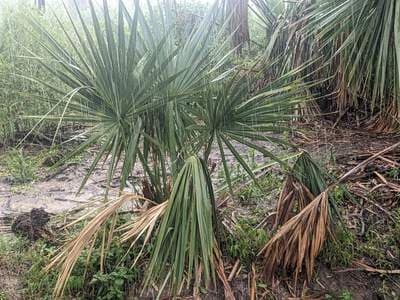
/images/plants/dwarf-palmetto/attribution.json.Light
part sun
Water
medium
Size
36"–84" H × 48"–96" W
Bloom
May, Jun
Native to
East Texas, Pineywoods, Coastal Prairies, Post Oak Savannah
Pollinators
bees
Browse plants for this ecoregion
Dwarf Palmetto is a perennial shrub native to East Texas, Pineywoods, Coastal Prairies, Post Oak Savannah. It grows best in part sun with medium water needs.
Dwarf Palmetto (Sabal minor) is the only palm-form plant native to most of Texas and the closest dog-safe substitute for Sago Palm. It stays under 6 feet, holds its fan-shaped fronds year-round, and gives you the tropical look without the risk. Per the ASPCA Animal Poison Control Center plant database, Dwarf Palmetto is not on the toxic plant list for dogs, cats, or horses.
Dwarf Palmetto is exceptionally tough. It tolerates flooding, drought once established, deer browsing, and dense shade where other plants give up. Small white flowers in late spring attract bees, and the black fall berries feed birds. Cold-hardy to USDA Zone 7, which covers all of Texas.
Ecoregion notes for Texas. In the Pineywoods (East Texas, acidic, humid, 35-60 inches of rain): native and ideal. Plant in shade or part shade and let it establish for two years before judging its size; growth is slow. In the Coastal Prairies (Houston, Galveston): also native; tolerates the brackish soil conditions other palms cannot. In the Post Oak Savannah and Blackland Prairie: not strictly native but performs well in landscape use; provide afternoon shade in DFW or San Antonio. In the Edwards Plateau and Trans-Pecos: not recommended; the alkaline rocky soil and intense summer sun cause leaf burn.
Dwarf Palmetto is the swap to make if you have a Sago Palm and pets. The fan-shape silhouette is similar at planting size, and Dwarf Palmetto holds that shape for the lifetime of the plant. Pair with Inland Sea Oats and Turk's Cap for a shade bed with structure, color, and pollinator value. Slow establishment is normal; do not over-water in the first year.
Bee species data compiled from GBIF, iNaturalist, Discover Life, and the USGS Native Bee Inventory and Monitoring Lab. Plant-pollinator associations informed by published ecological literature.
How to care for Dwarf Palmetto, by region
How to care for Dwarf Palmetto where it is actually grown: year-round basics plus what to do each season, region by region, with the sources for each.
Care guidance last updated: July 2026
Cross Timbers (includes Fort Worth, TX)
Year-round
Dwarf palmetto is a slow growing, trunkless native palm that works well as a bold evergreen accent or foundation planting, and it needs very little care once it is established.
- Give it full sun to light shade, it tolerates more shade than most palms sold locally.
- Plant in well draining soil that still holds some moisture. In heavy black clay, set it slightly high on a mound so the crown does not sit in standing water. In the sandier soils west of the metro, plan on deeper, more frequent watering through the first summer while roots establish.
- Water deeply once or twice a week during the first growing season, then cut back once it is established, it handles short dry spells well after that.
- Skip fertilizer the first year. After that, a light feeding of a palm specific fertilizer in spring is enough.
- It is a Texas native palm, most at home in the wetter soils and river bottoms of East Texas, so in North Texas it appreciates a bit more consistent moisture than the true prairie natives planted near it.
Its clean, symmetrical fan shaped leaves and year round evergreen color read as a deliberate accent planting rather than an overgrown corner, though its tropical look is different from typical native beds, so keeping the surrounding area tidy helps it read as intentional.
Fall
Fall is a good second planting window for dwarf palmetto in North Texas, and it is also the season to clean up spent fruit and fronds before winter.
- Plant or transplant from September through early November so roots settle in before the first hard freeze in mid November.
- Cut off the spent flower stalk once the black fruit has dropped or been eaten by birds.
- Remove only fully brown, dead fronds, healthy green fronds help protect the growing crown through winter.
- Water weekly if fall rain is light, tapering off as temperatures cool.
- Refresh the mulch layer before the first freeze to insulate the root crown.
Cutting back the spent flower stalk and any dead fronds now keeps the plant looking maintained heading into winter, when its evergreen structure carries more of the front yard's curb appeal.
Winter
Dwarf palmetto is the most cold hardy palm sold in North Texas and usually stays evergreen through a normal winter, but it can still take damage in a hard Arctic outbreak.
- No regular watering is needed in winter, water a few days ahead of a forecast freeze if the soil is dry, moist soil holds up to cold better than dry soil.
- Before a forecast Arctic outbreak, tent the crown loosely with a frost cloth cover, and remove the cover once temperatures rise back above freezing.
- Leave any cold damaged or browned fronds in place until late winter or early spring, pruning too early can expose the plant to more damage.
- Do not prune or fertilize during winter.
- Most palmettos that brown from a hard freeze recover fully once new growth resumes in spring, wait to judge the damage until then.
Browned fronds after a hard freeze can look alarming next to evergreen neighbors, but leaving them in place until spring is the correct recovery step, not neglect, worth mentioning if a neighbor asks.
Spring
Spring is the best time to plant a dwarf palmetto in North Texas, and established plants send up their creamy white flower spikes in March through May.
- Plant new palmettos after the last frost (mid March) so roots have time to establish before summer heat arrives.
- Dig the planting hole wide rather than deep, the root system stays shallow and fibrous.
- Water two to three times a week for the first six to eight weeks after planting to help it root in.
- Expect a tall flower stalk to emerge from the center in spring, leave it in place, it later forms the plant's black fruit clusters.
- Trim only fully brown or dead fronds now, never cut healthy green leaves.
A fresh mulch ring around a newly planted palmetto signals a deliberate planting to neighbors rather than a bare or neglected spot.
Summer
Summer heat is the main risk for a young dwarf palmetto in North Texas. Established plants handle the 100 degree stretch fine, but new plantings need consistent water.
- Water first year palmettos twice a week through July and August if there has been no rain, established plants (two years or older) can go down to about once a week.
- Keep two to three inches of mulch over the root zone to hold moisture and keep heavy clay from cracking in the heat.
- Watch for browning leaf tips, a sign of underwatering or reflected heat off nearby pavement or a south facing wall.
- Black fruit clusters ripen through summer and birds strip them quickly, so a few fallen fruits under the plant are normal, not a sign of a problem.
- Hold off on fertilizing during the hottest weeks of July and August, wait for spring or early fall.
Fallen fruit near a front walkway can look untidy to a passerby, a quick sweep keeps the bed looking maintained.
Sources: Lady Bird Johnson Wildflower Center, Sabal minor plant profile, Harris County AgriLife Extension, Protecting Plants from Frosts and Freezes
Texas Blackland Prairies (includes Dallas, TX)
Year-round
Dwarf palmetto is a slow growing, trunkless native palm that works well as a bold evergreen accent or foundation planting, and it needs very little care once it is established.
- Give it full sun to light shade, it tolerates more shade than most palms sold locally.
- Plant in well draining soil that still holds some moisture. In heavy black clay, set it slightly high on a mound so the crown does not sit in standing water. In the sandier soils west of the metro, plan on deeper, more frequent watering through the first summer while roots establish.
- Water deeply once or twice a week during the first growing season, then cut back once it is established, it handles short dry spells well after that.
- Skip fertilizer the first year. After that, a light feeding of a palm specific fertilizer in spring is enough.
- It is a Texas native palm, most at home in the wetter soils and river bottoms of East Texas, so in North Texas it appreciates a bit more consistent moisture than the true prairie natives planted near it.
Its clean, symmetrical fan shaped leaves and year round evergreen color read as a deliberate accent planting rather than an overgrown corner, though its tropical look is different from typical native beds, so keeping the surrounding area tidy helps it read as intentional.
Fall
Fall is a good second planting window for dwarf palmetto in North Texas, and it is also the season to clean up spent fruit and fronds before winter.
- Plant or transplant from September through early November so roots settle in before the first hard freeze in mid November.
- Cut off the spent flower stalk once the black fruit has dropped or been eaten by birds.
- Remove only fully brown, dead fronds, healthy green fronds help protect the growing crown through winter.
- Water weekly if fall rain is light, tapering off as temperatures cool.
- Refresh the mulch layer before the first freeze to insulate the root crown.
Cutting back the spent flower stalk and any dead fronds now keeps the plant looking maintained heading into winter, when its evergreen structure carries more of the front yard's curb appeal.
Winter
Dwarf palmetto is the most cold hardy palm sold in North Texas and usually stays evergreen through a normal winter, but it can still take damage in a hard Arctic outbreak.
- No regular watering is needed in winter, water a few days ahead of a forecast freeze if the soil is dry, moist soil holds up to cold better than dry soil.
- Before a forecast Arctic outbreak, tent the crown loosely with a frost cloth cover, and remove the cover once temperatures rise back above freezing.
- Leave any cold damaged or browned fronds in place until late winter or early spring, pruning too early can expose the plant to more damage.
- Do not prune or fertilize during winter.
- Most palmettos that brown from a hard freeze recover fully once new growth resumes in spring, wait to judge the damage until then.
Browned fronds after a hard freeze can look alarming next to evergreen neighbors, but leaving them in place until spring is the correct recovery step, not neglect, worth mentioning if a neighbor asks.
Spring
Spring is the best time to plant a dwarf palmetto in North Texas, and established plants send up their creamy white flower spikes in March through May.
- Plant new palmettos after the last frost (mid March) so roots have time to establish before summer heat arrives.
- Dig the planting hole wide rather than deep, the root system stays shallow and fibrous.
- Water two to three times a week for the first six to eight weeks after planting to help it root in.
- Expect a tall flower stalk to emerge from the center in spring, leave it in place, it later forms the plant's black fruit clusters.
- Trim only fully brown or dead fronds now, never cut healthy green leaves.
A fresh mulch ring around a newly planted palmetto signals a deliberate planting to neighbors rather than a bare or neglected spot.
Summer
Summer heat is the main risk for a young dwarf palmetto in North Texas. Established plants handle the 100 degree stretch fine, but new plantings need consistent water.
- Water first year palmettos twice a week through July and August if there has been no rain, established plants (two years or older) can go down to about once a week.
- Keep two to three inches of mulch over the root zone to hold moisture and keep heavy clay from cracking in the heat.
- Watch for browning leaf tips, a sign of underwatering or reflected heat off nearby pavement or a south facing wall.
- Black fruit clusters ripen through summer and birds strip them quickly, so a few fallen fruits under the plant are normal, not a sign of a problem.
- Hold off on fertilizing during the hottest weeks of July and August, wait for spring or early fall.
Fallen fruit near a front walkway can look untidy to a passerby, a quick sweep keeps the bed looking maintained.
Sources: Lady Bird Johnson Wildflower Center, Sabal minor plant profile, Harris County AgriLife Extension, Protecting Plants from Frosts and Freezes
Want these tasks as reminders timed to your yard? Pollinator Patch turns this guidance into a season-by-season care plan for the plants you actually grow.
Before you buy
Your city may pay you to plant this
Cities and water utilities offer rebates for replacing lawn with native and water-wise plants. We track 452 programs across 44 states, each with a link to the provider and the date we last checked it.
Find rebates in your areaIf something looks wrong
Common plant problems, and what to check first
These come up on almost any plant. Each guide lists the likely causes in the order they are worth ruling out, with one thing to check before you act on any of them, and links to the source it came from.
- It is dying right after planting
- Leaves turning yellow
- Wilting even though I watered it
- Brown crispy leaf tips
- Bugs on the plant
Ready to grow Dwarf Palmetto? Add it to your garden in Pollinator Patch to track it and get season-by-season care guidance.
Planning a bed around it? Start a free plan with this plant
Not sure where to start? Take the 2-minute yard quiz