Texas Ecoregion
Cross Timbers
12 native plants suited to the Cross Timbers of Texas.
The Cross Timbers is a transitional belt of post oak and blackjack oak woodlands that separates the eastern Pineywoods from the western Great Plains. In Texas, it covers the Fort Worth area and the western counties of North Texas. Soils are sandy and acidic over sandstone, contrasting with the heavy clay of the adjacent Blackland Prairie.
Conditions: Sandy to sandy-loam soils over sandstone, mildly acidic, 28–35 inches annual rainfall, oak-dominated woodlands.
Cities and areas: Fort Worth, Wichita Falls, Mineral Wells, Stephenville, Decatur.
12 Native Plants for the Cross Timbers
All non-toxic per the ASPCA Animal Poison Control Center plant database. Click a plant for full ecoregion-specific maintenance and HOA-friendly notes.
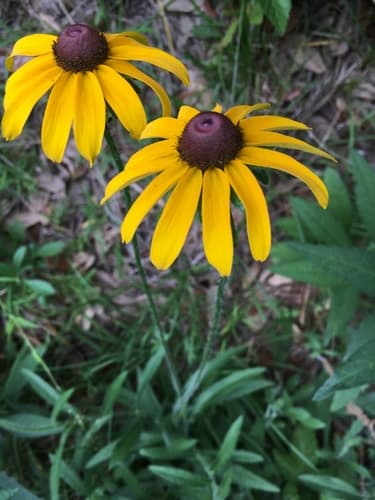
Black-eyed Susan
Rudbeckia hirta
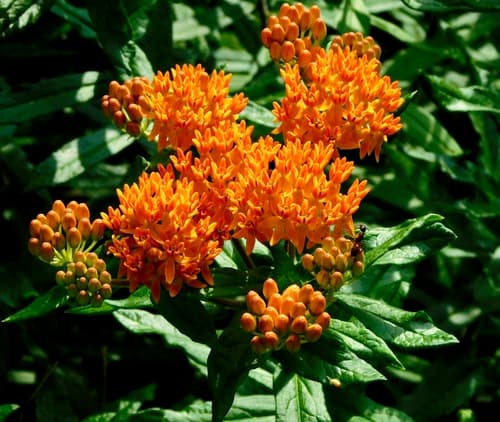
Butterfly Weed
Asclepias tuberosa
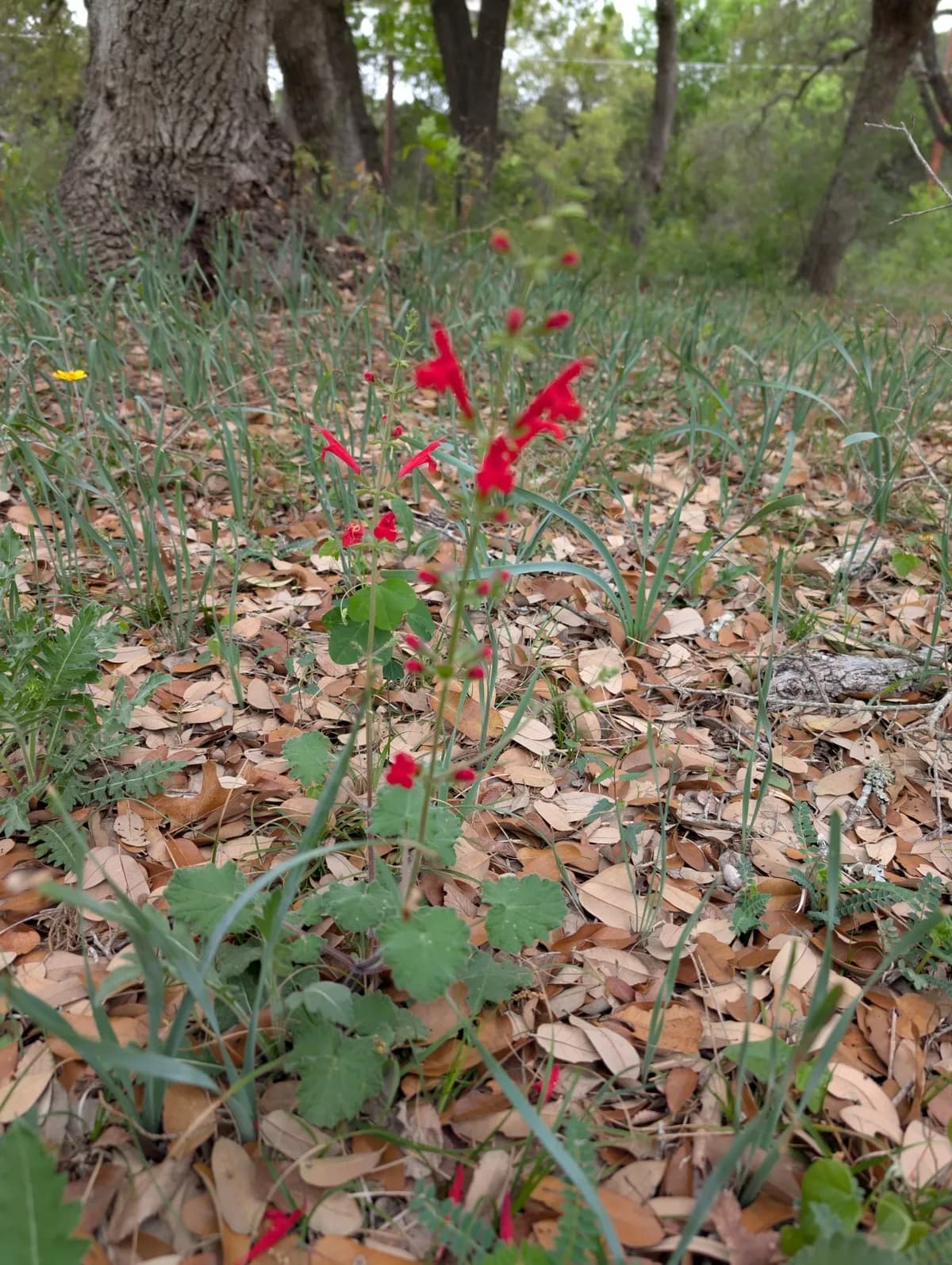
Cedar Sage
Salvia roemeriana

Coral Honeysuckle
Lonicera sempervirens
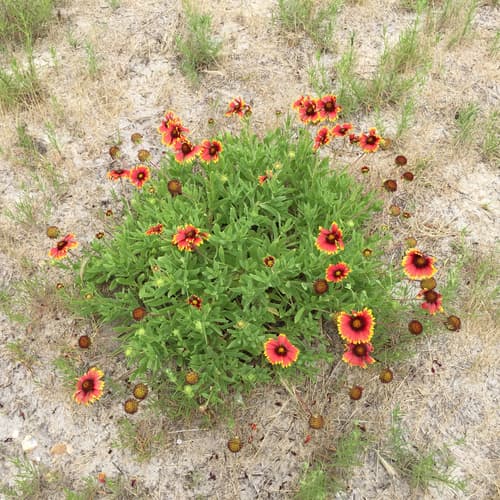
Indian Blanket
Gaillardia pulchella
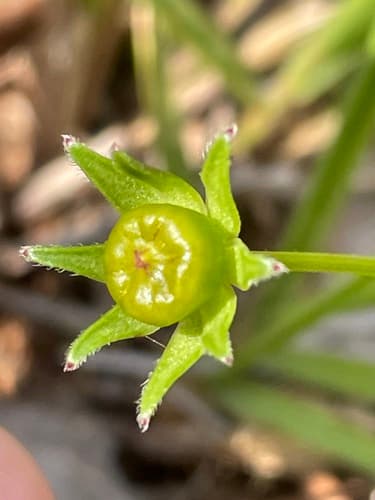
Lanceleaf Coreopsis
Coreopsis lanceolata
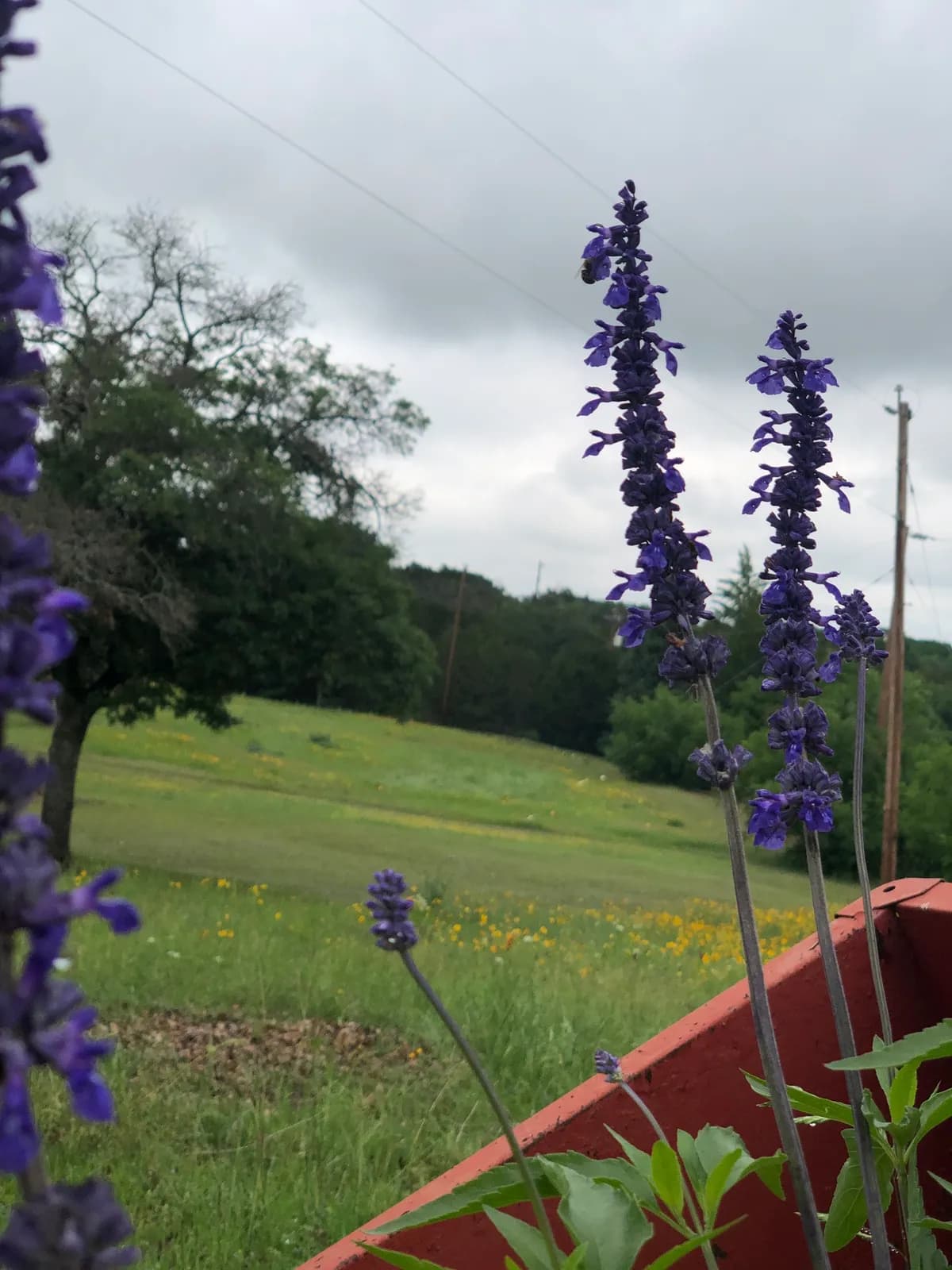
Mealy Blue Sage
Salvia farinacea
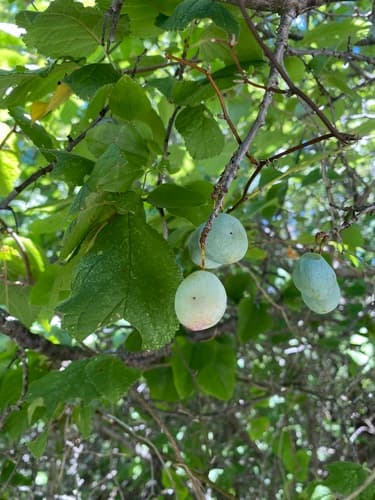
Mexican Plum
Prunus mexicana
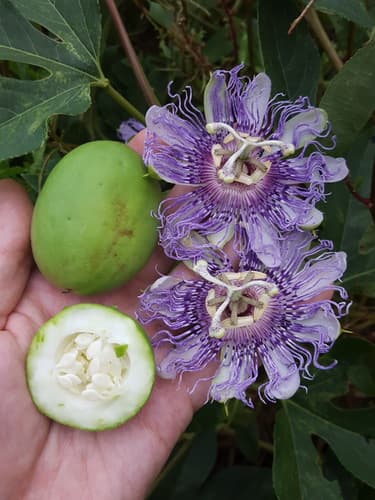
Passionflower
Passiflora incarnata
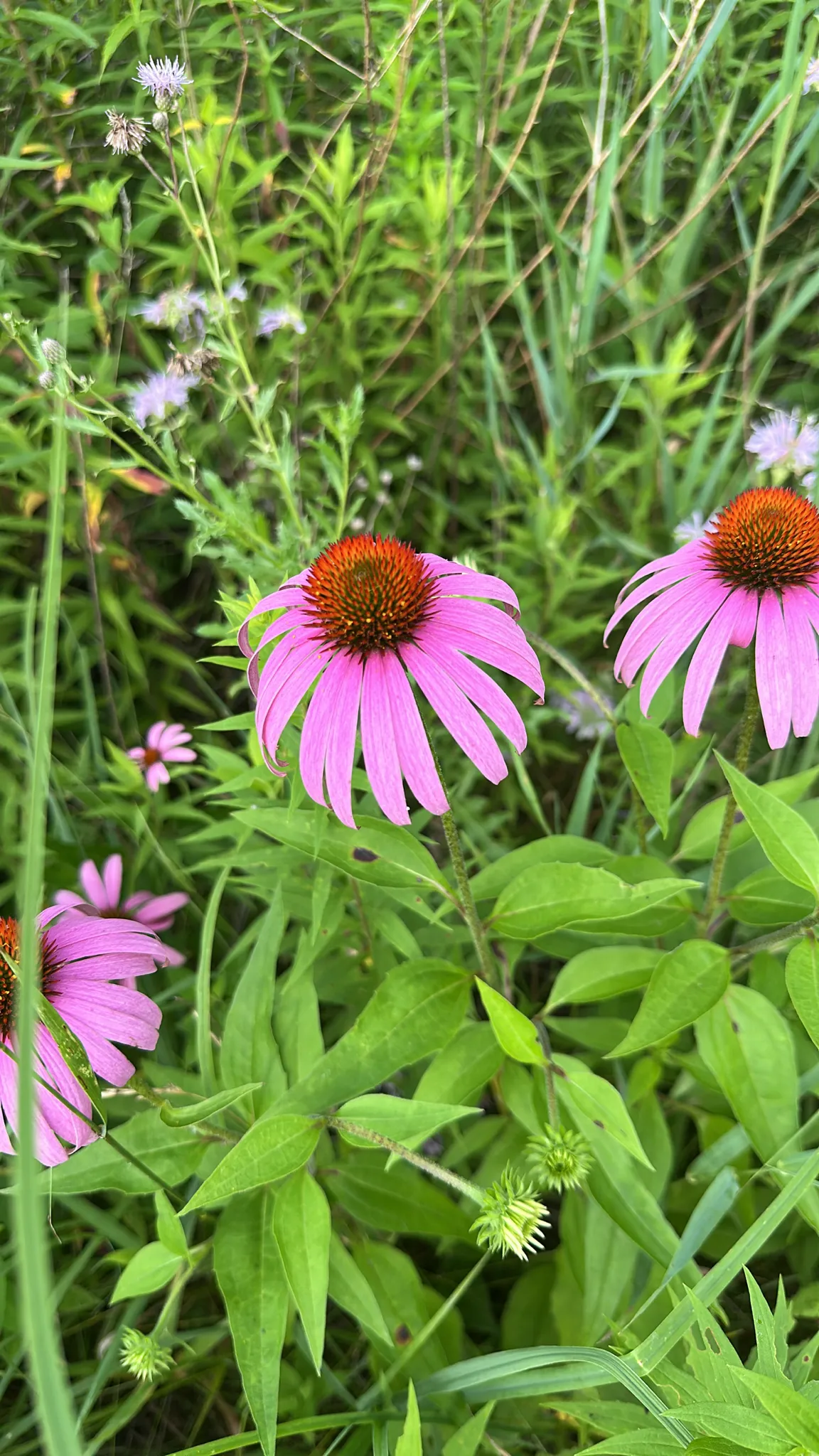
Purple Coneflower
Echinacea purpurea
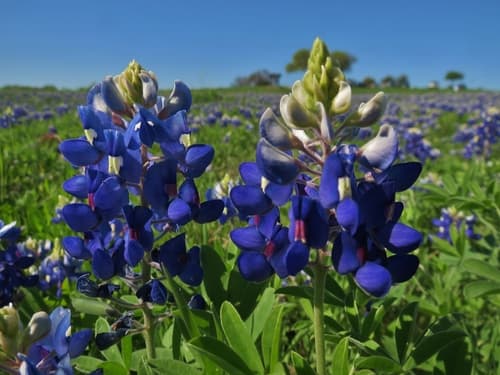
Texas Bluebonnet
Lupinus texensis

Texas Lantana
Lantana urticoides
965 More Natives for the Cross Timbers
From our full plant database, HOA-friendly picks first. Pet-safety status varies by species; each plant page shows its sourced ASPCA status.

Little Bluestem
Schizachyrium scoparium
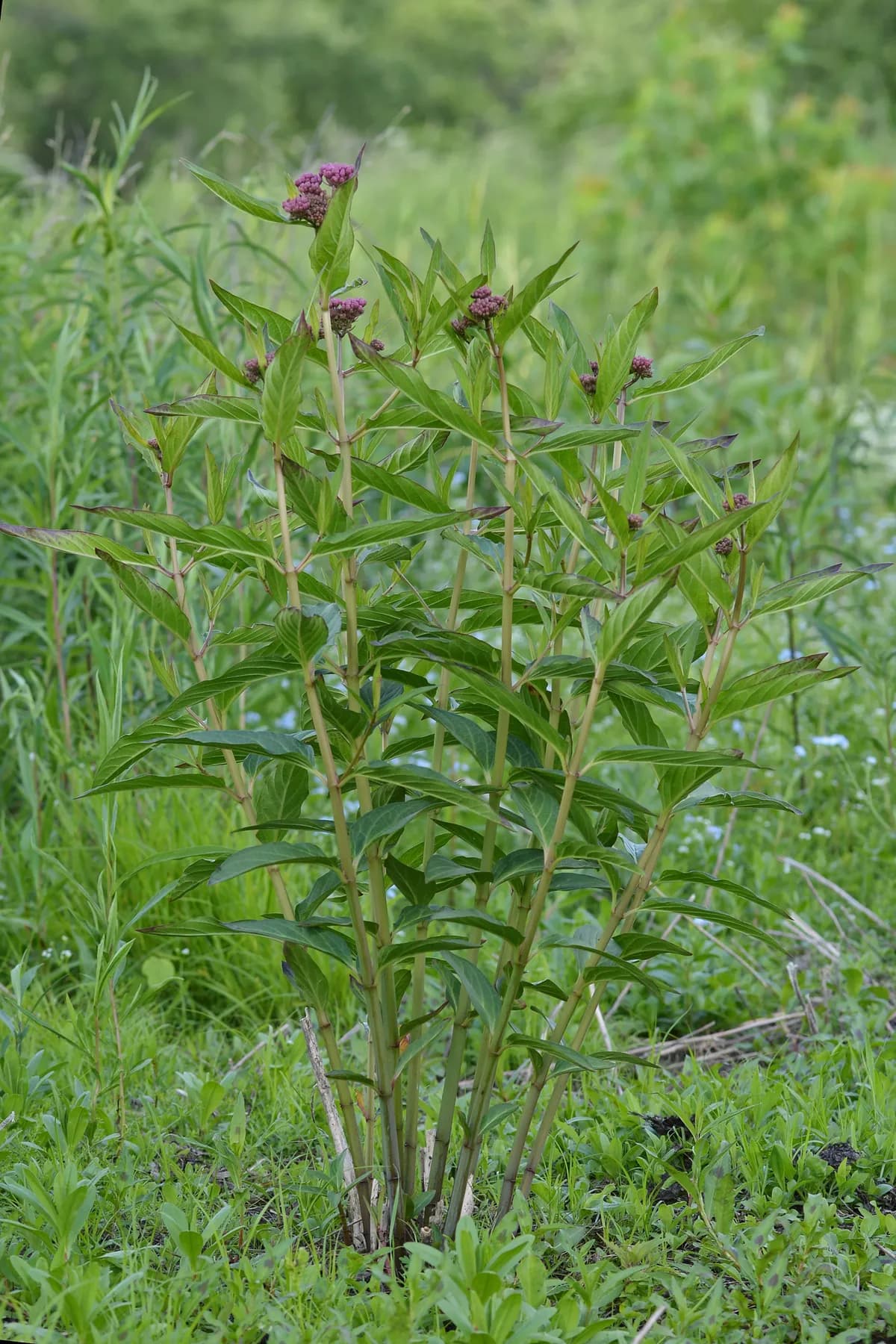
Swamp Milkweed
Asclepias incarnata
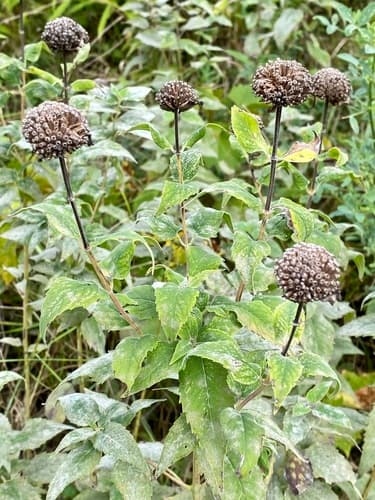
Wild Bergamot
Monarda fistulosa
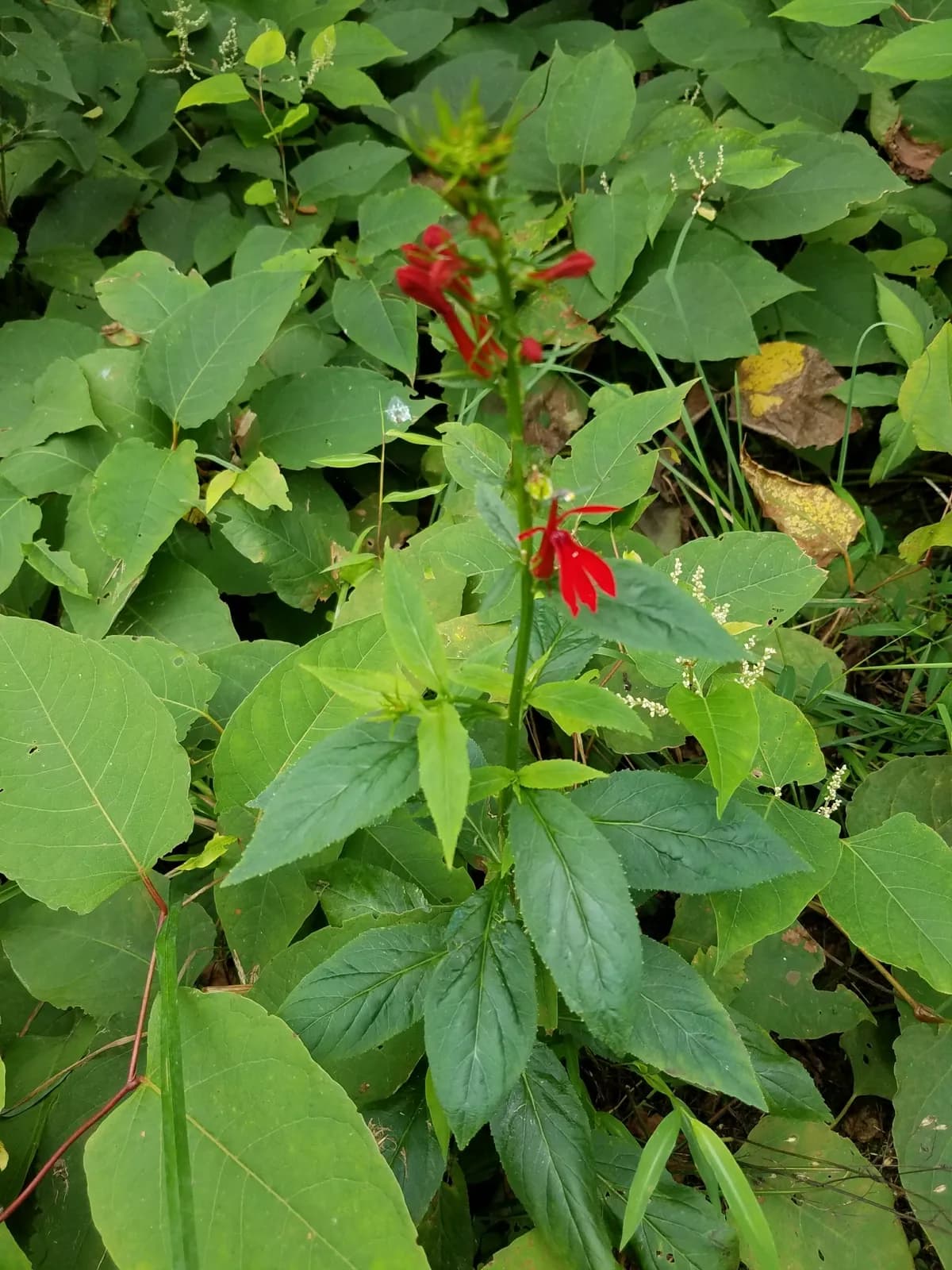
Cardinal Flower
Lobelia cardinalis
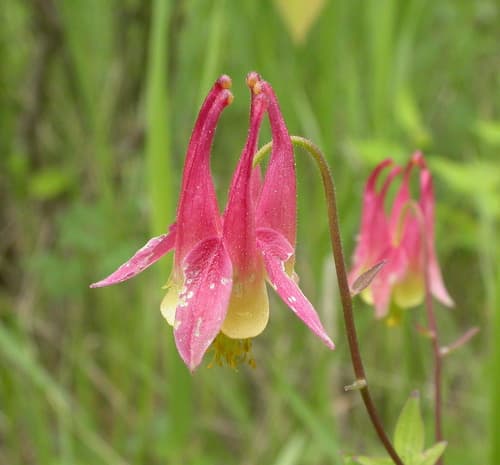
Wild Red Columbine
Aquilegia canadensis
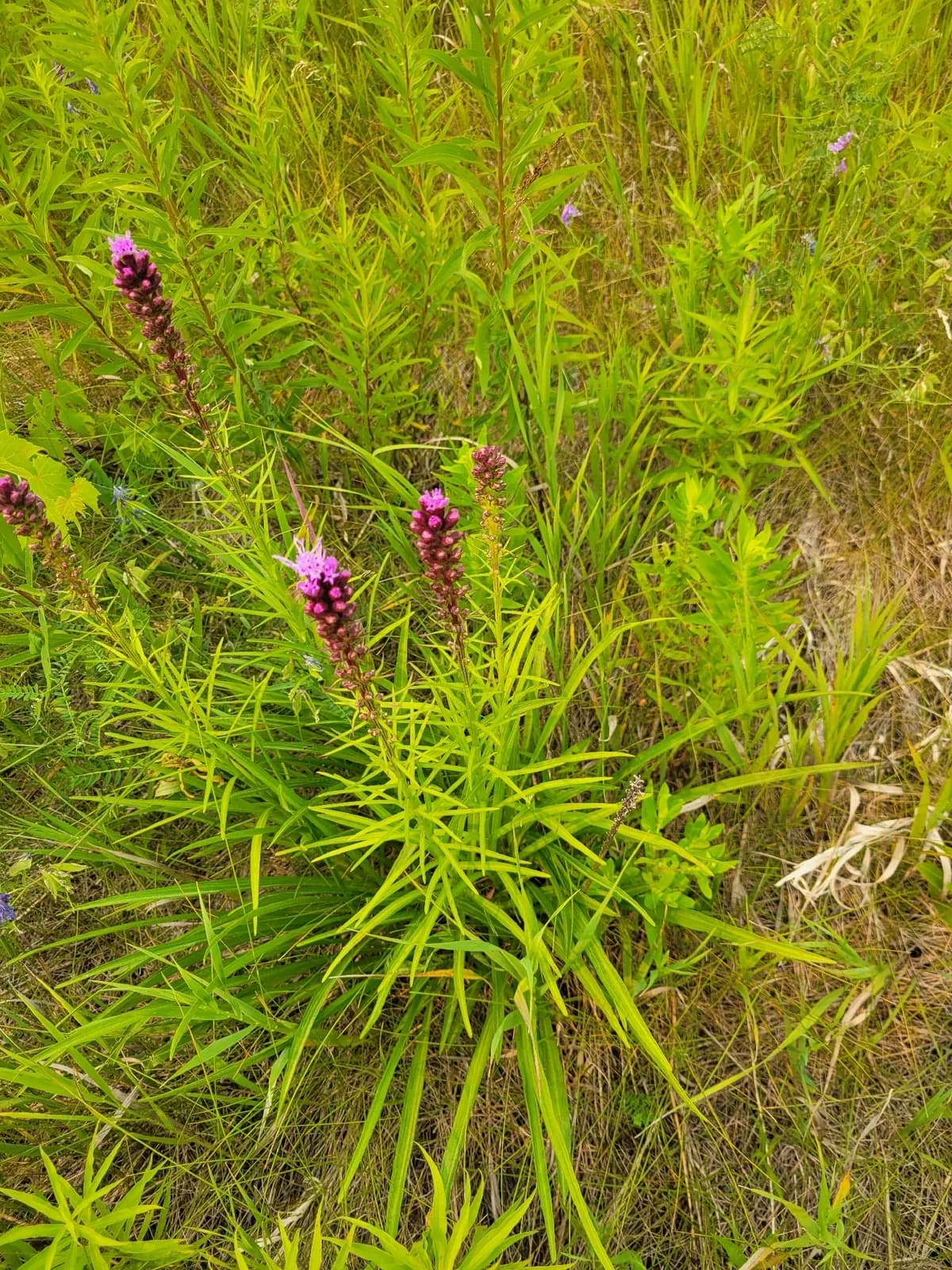
Dense Blazing Star
Liatris spicata
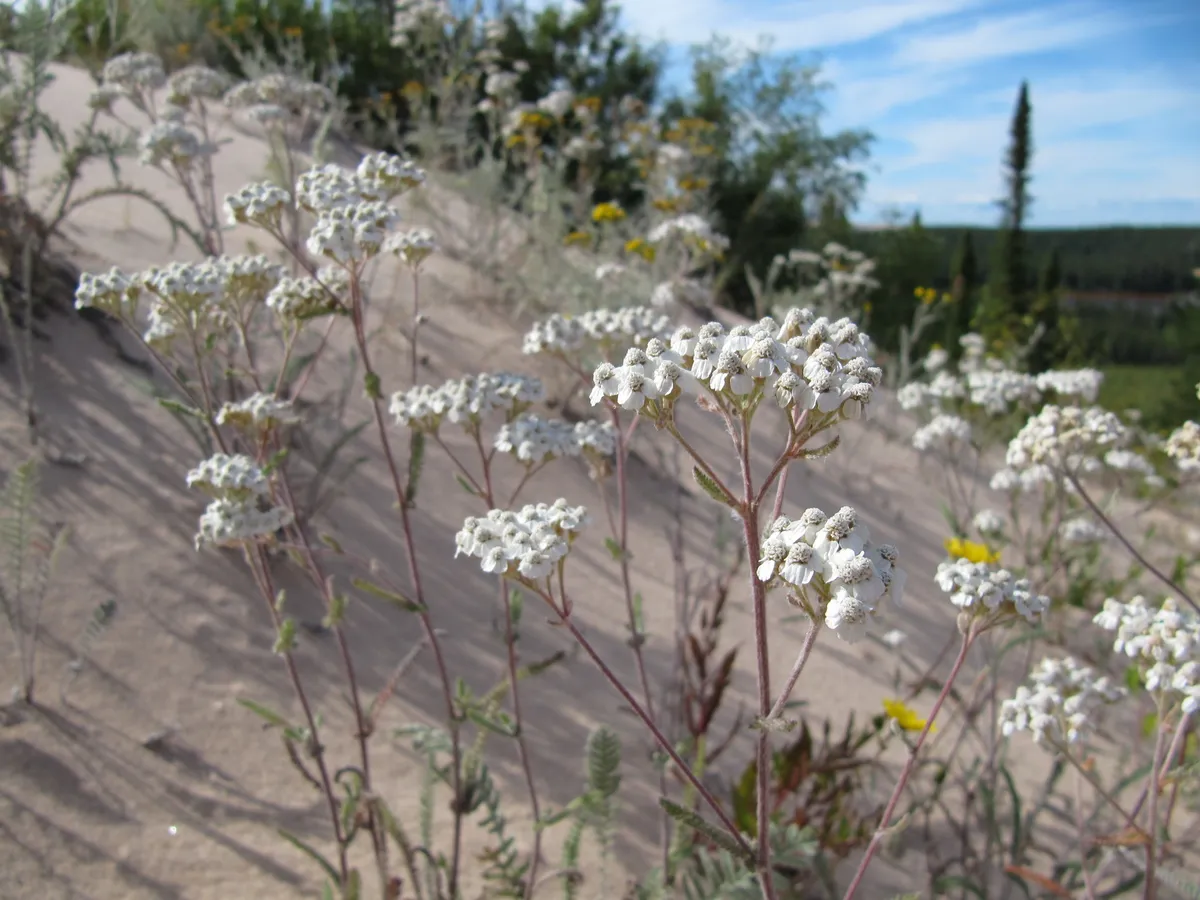
Common Yarrow
Achillea millefolium
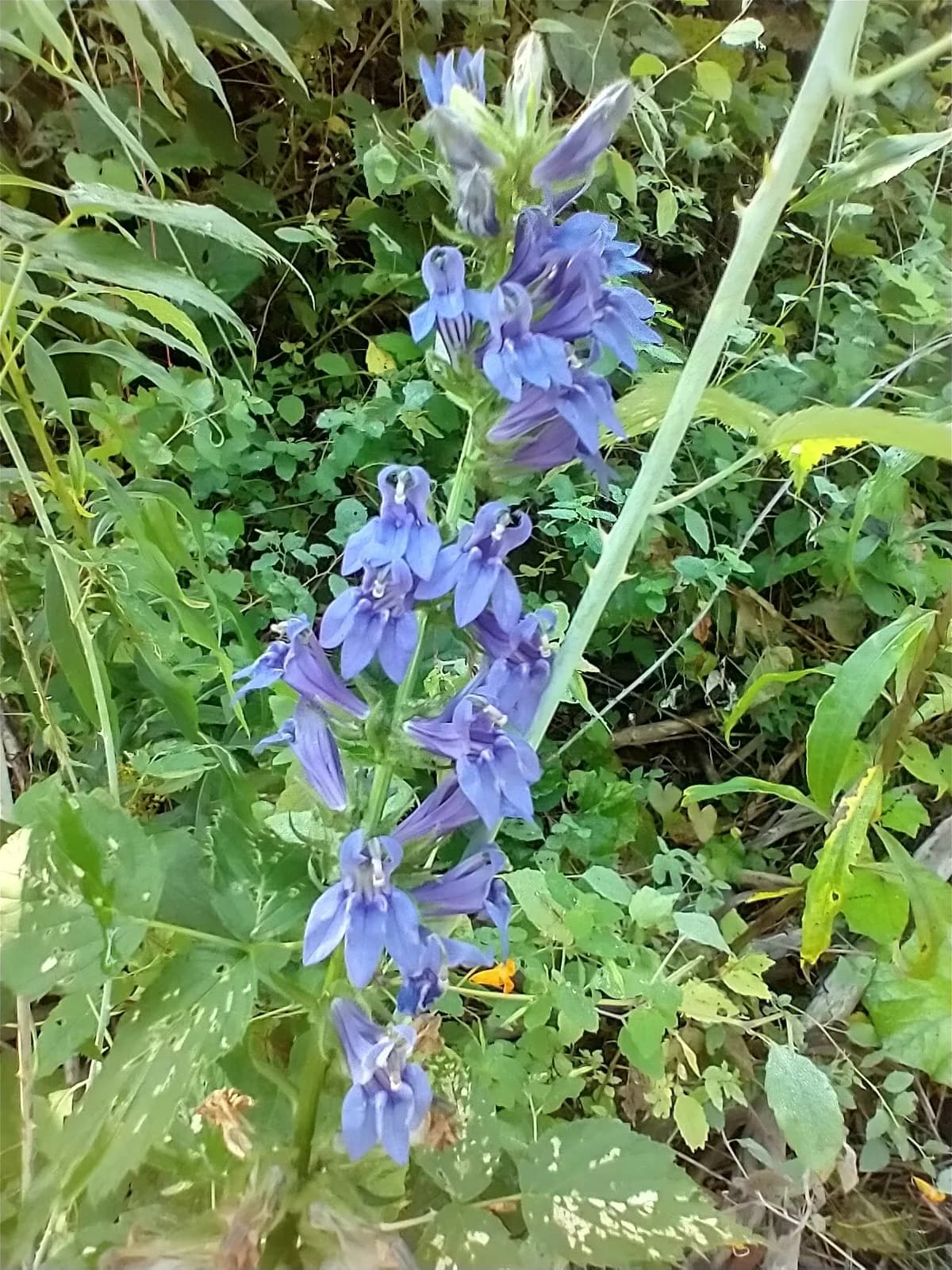
Blue Lobelia
Lobelia siphilitica
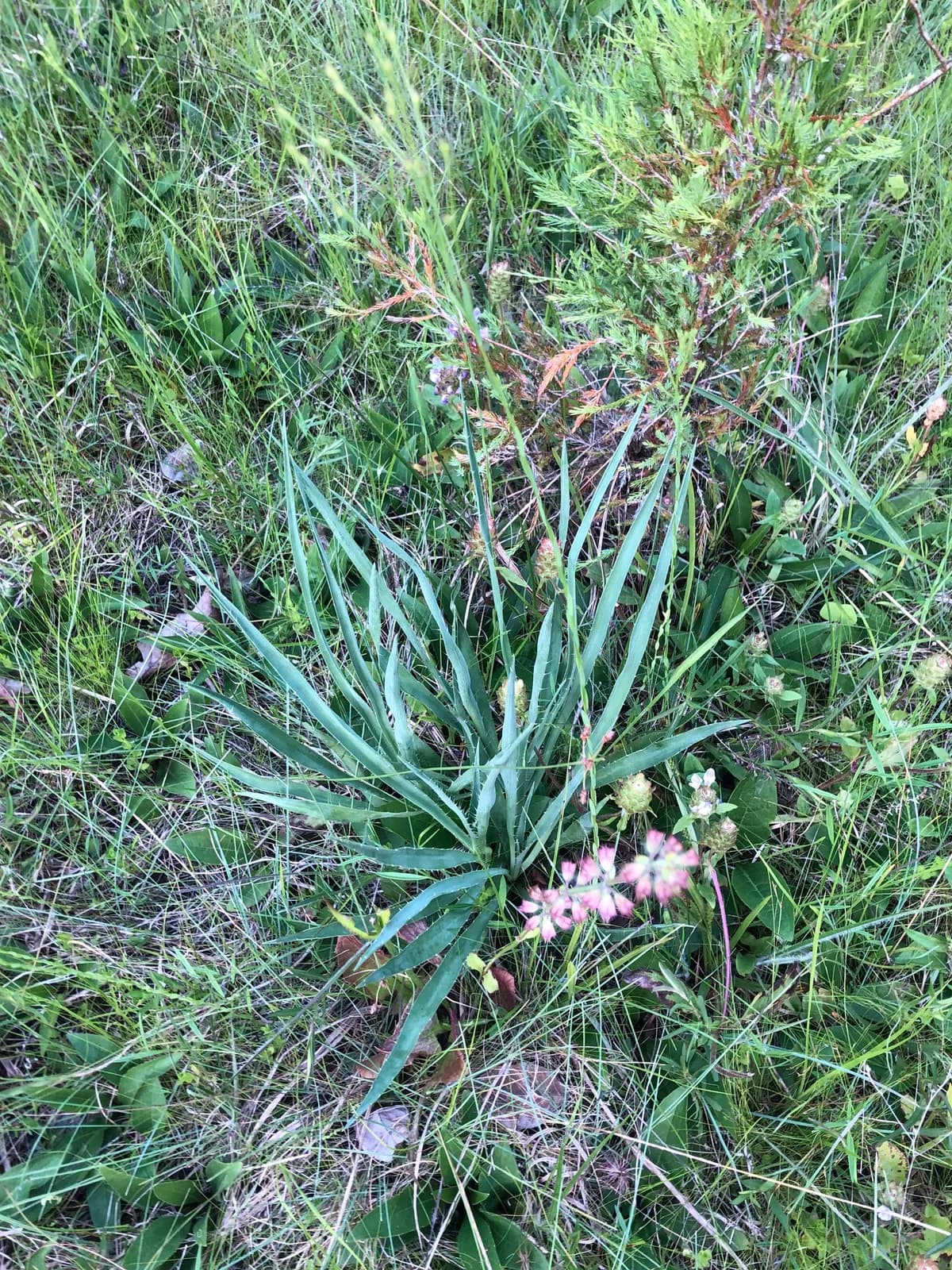
Rattlesnake Master
Eryngium yuccifolium
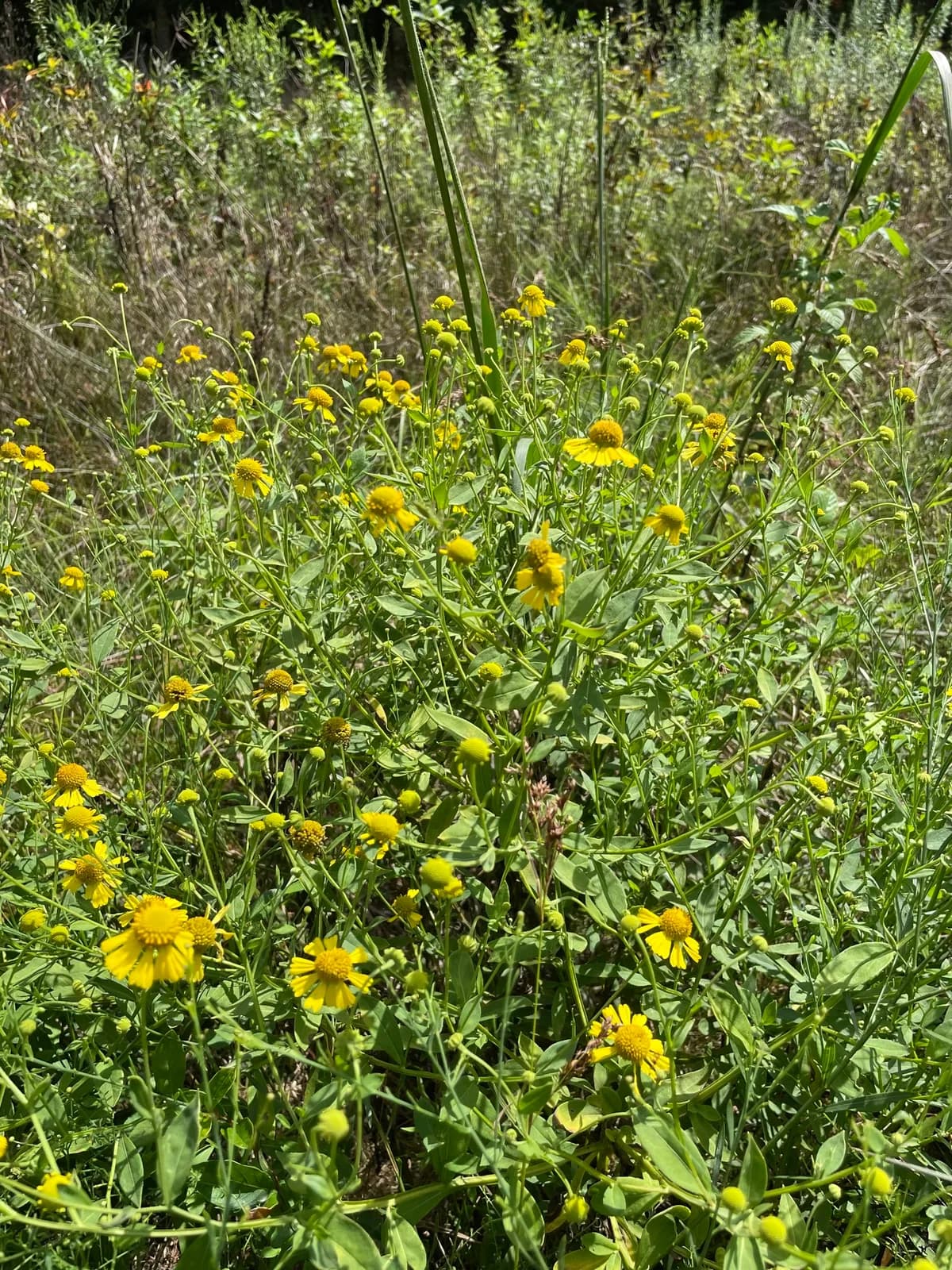
Common Sneezeweed
Helenium autumnale

Golden Alexanders
Zizia aurea
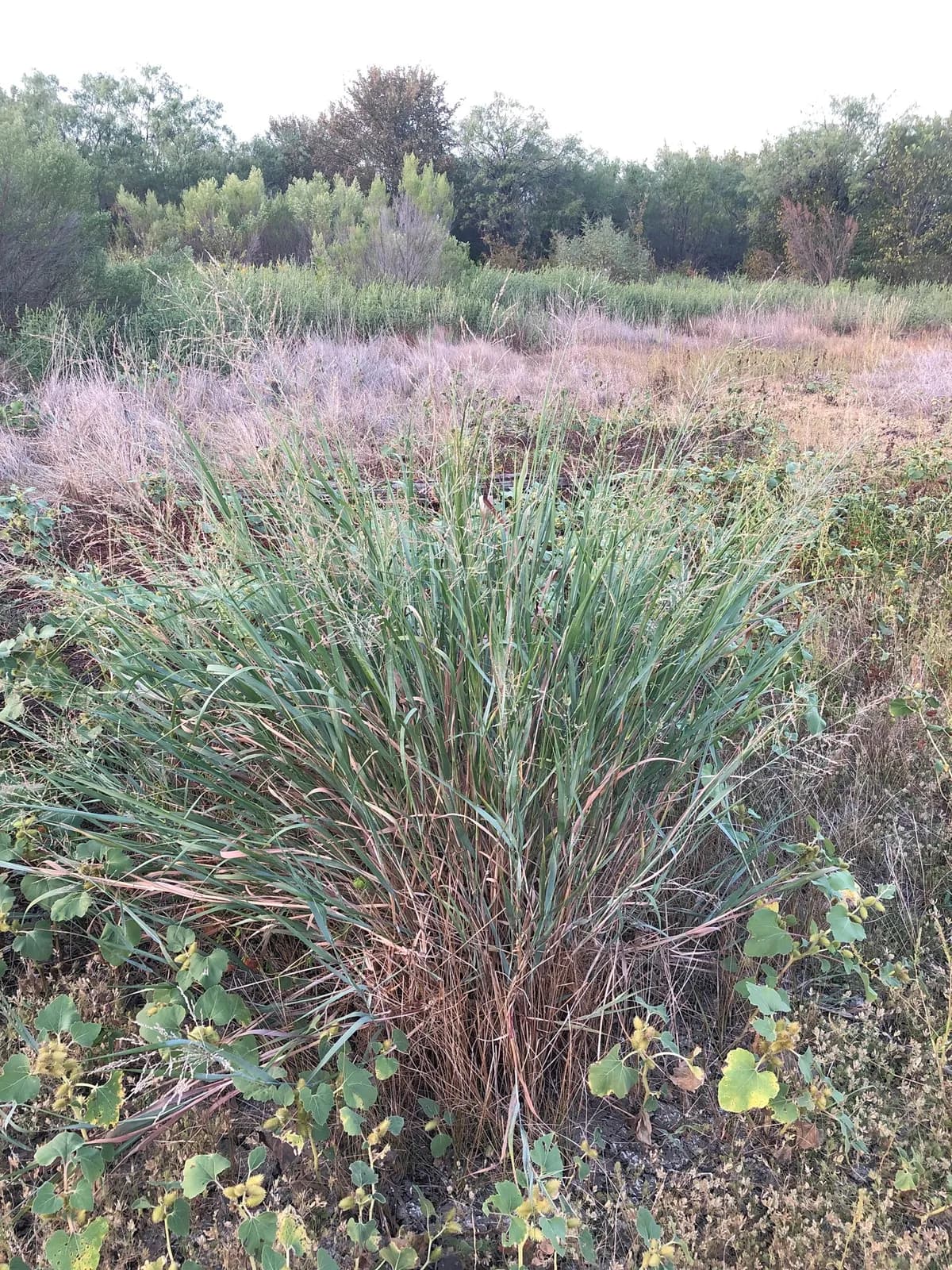
Switchgrass
Panicum virgatum
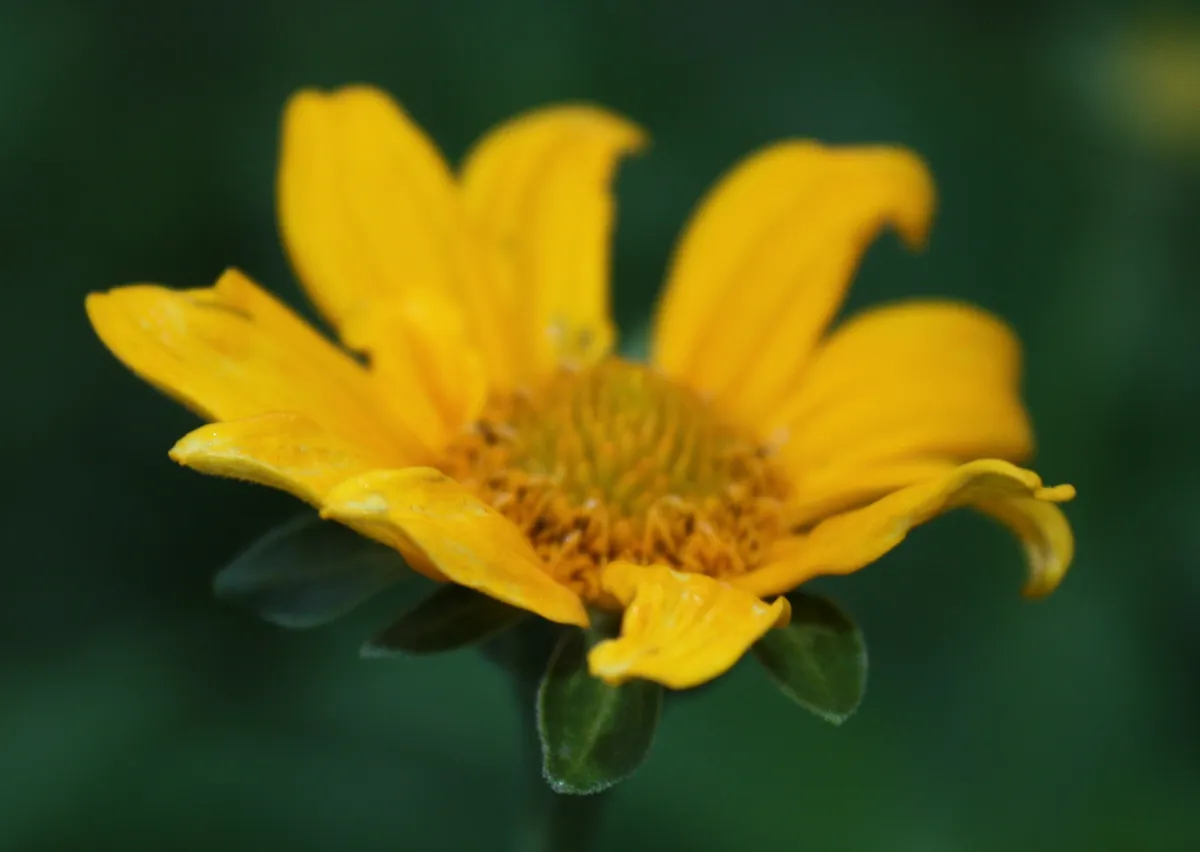
False Sunflower
Heliopsis helianthoides
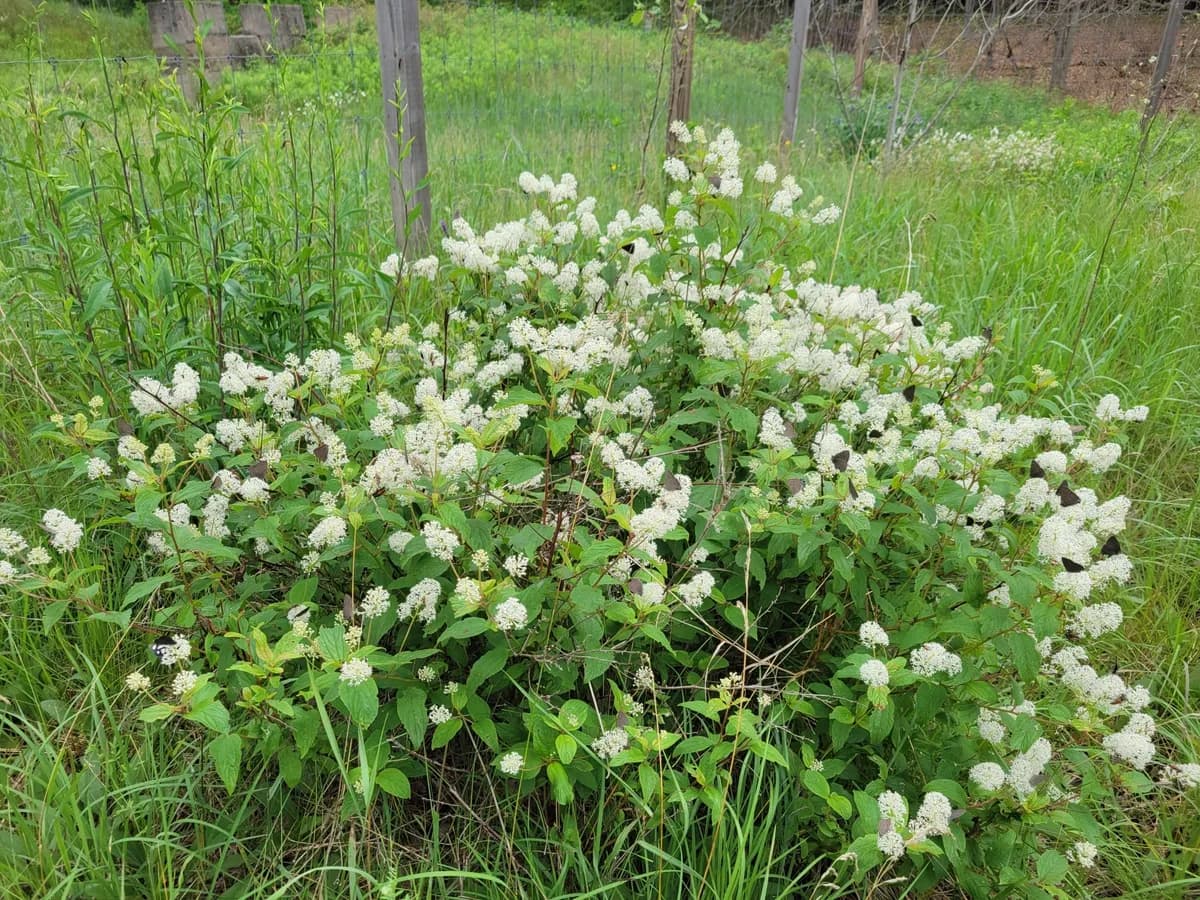
New Jersey-tea
Ceanothus americanus
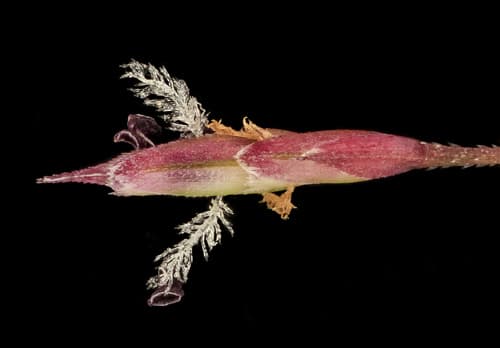
Purple Lovegrass
Eragrostis spectabilis
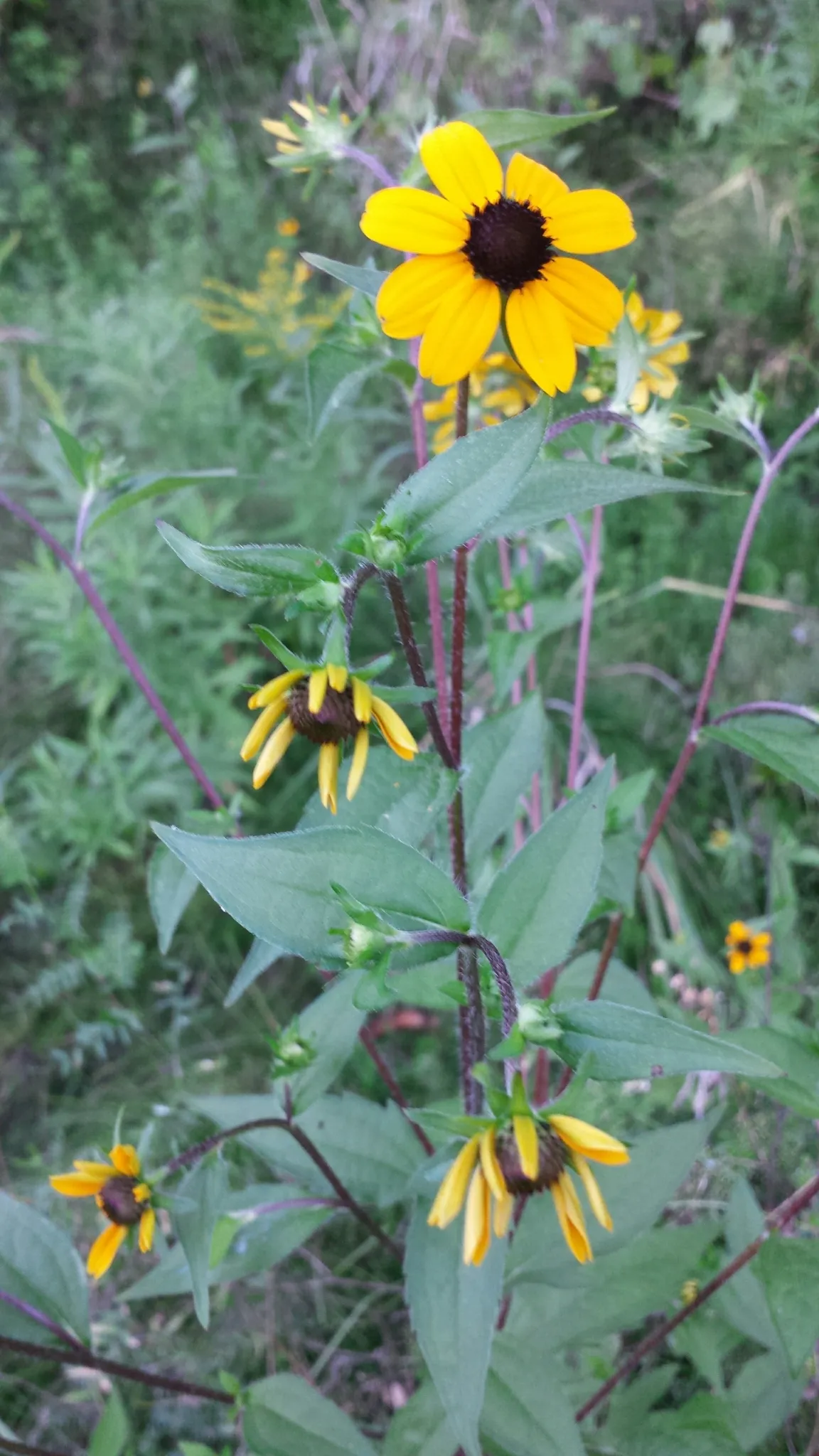
Brown-eyed Susan
Rudbeckia triloba
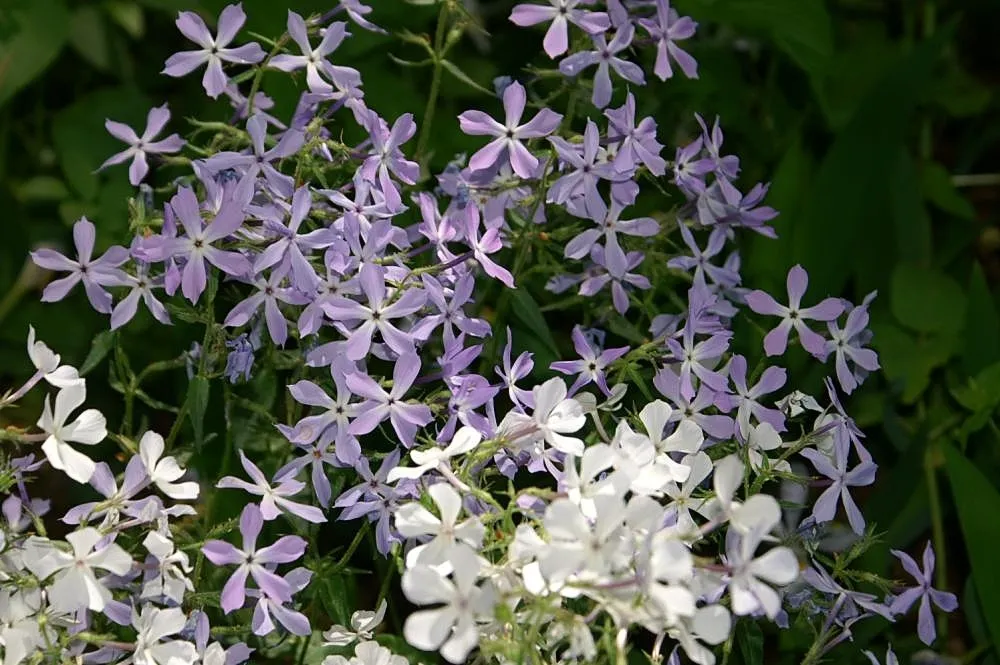
Blue Woodland Phlox
Phlox divaricata

Sideoats Grama
Bouteloua curtipendula
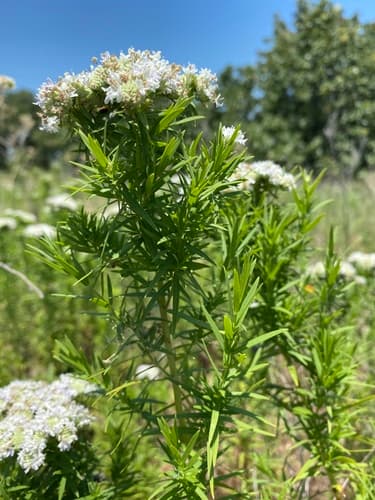
Narrowleaf Mountain Mint
Pycnanthemum tenuifolium
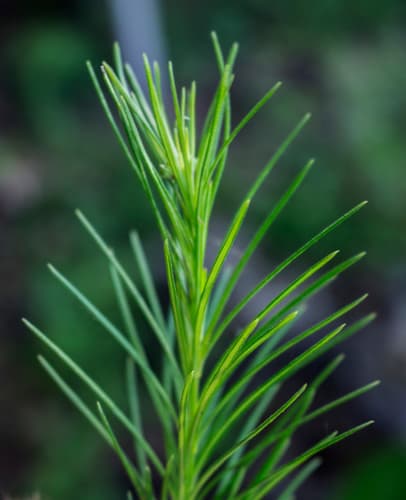
Whorled Milkweed
Asclepias verticillata

Inland Sea Oats
Chasmanthium latifolium
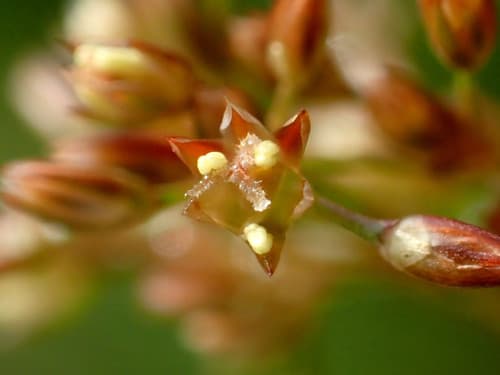
Soft rush
Juncus effusus
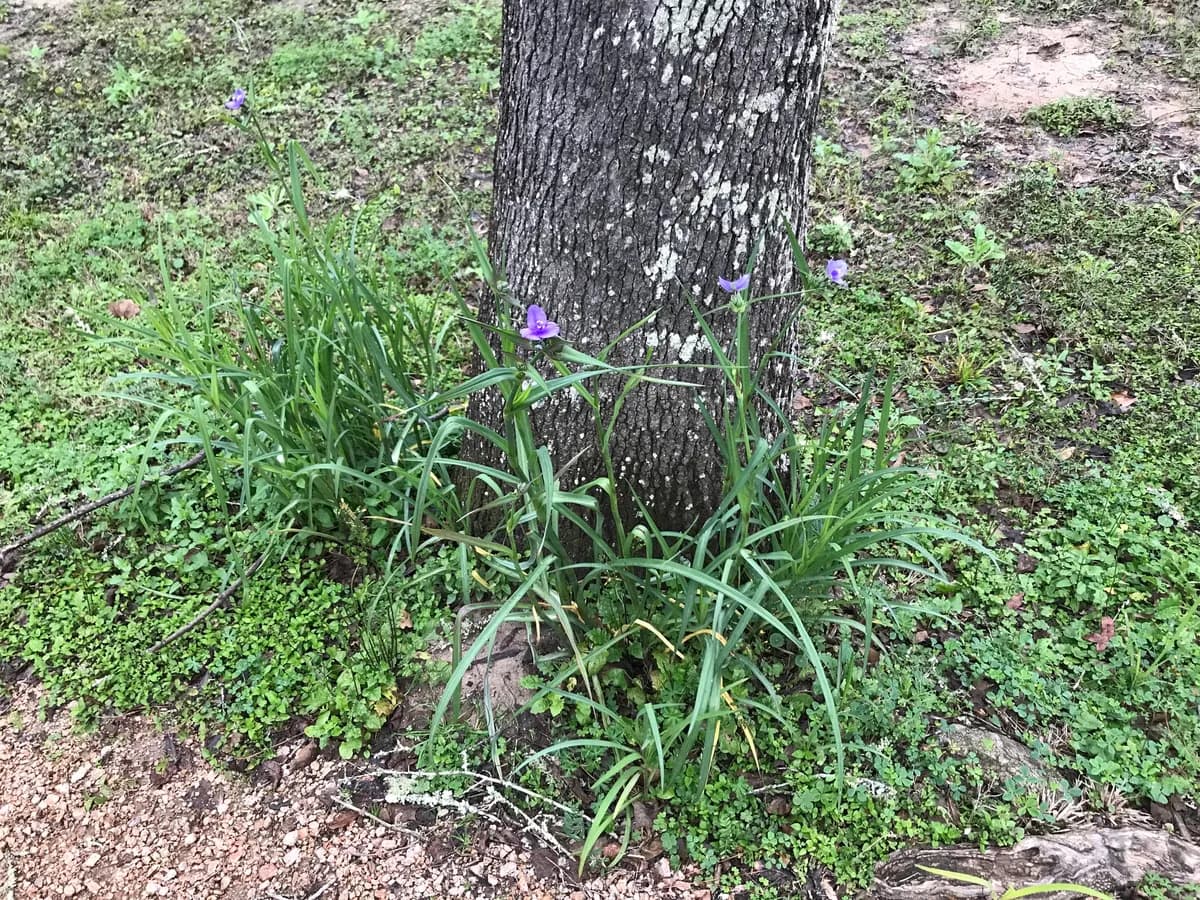
Smooth Spiderwort
Tradescantia ohiensis
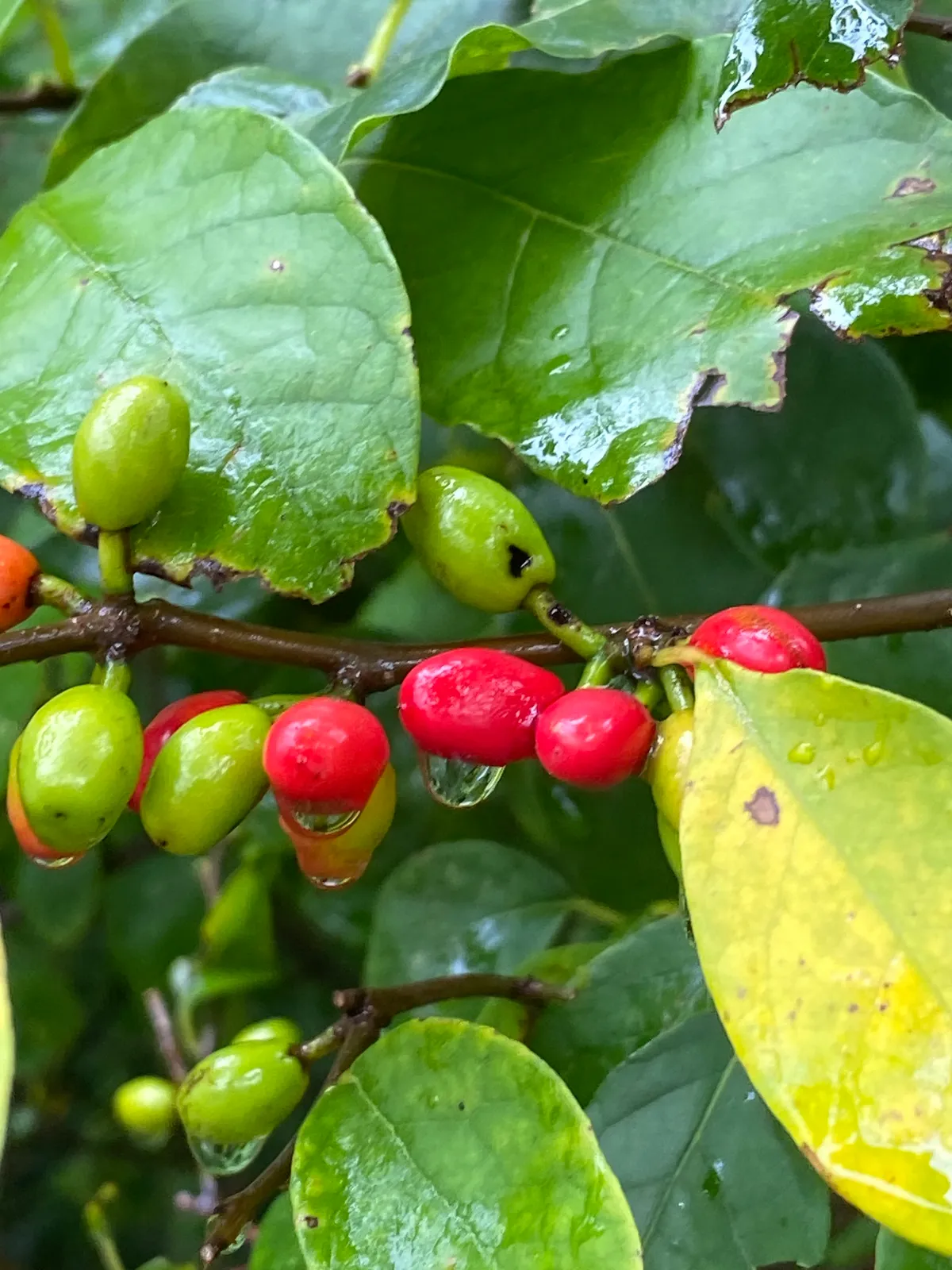
Spicebush
Lindera benzoin
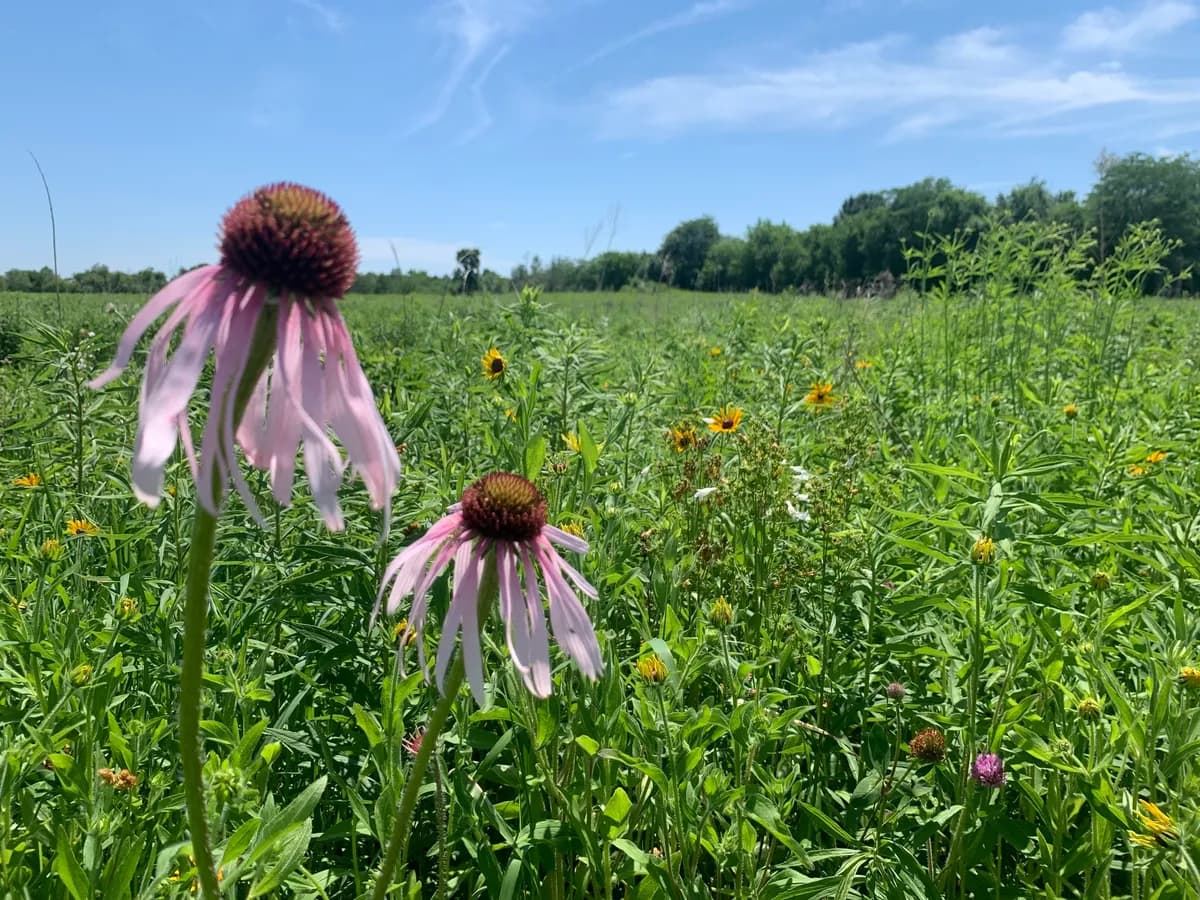
Pale Purple Coneflower
Echinacea pallida
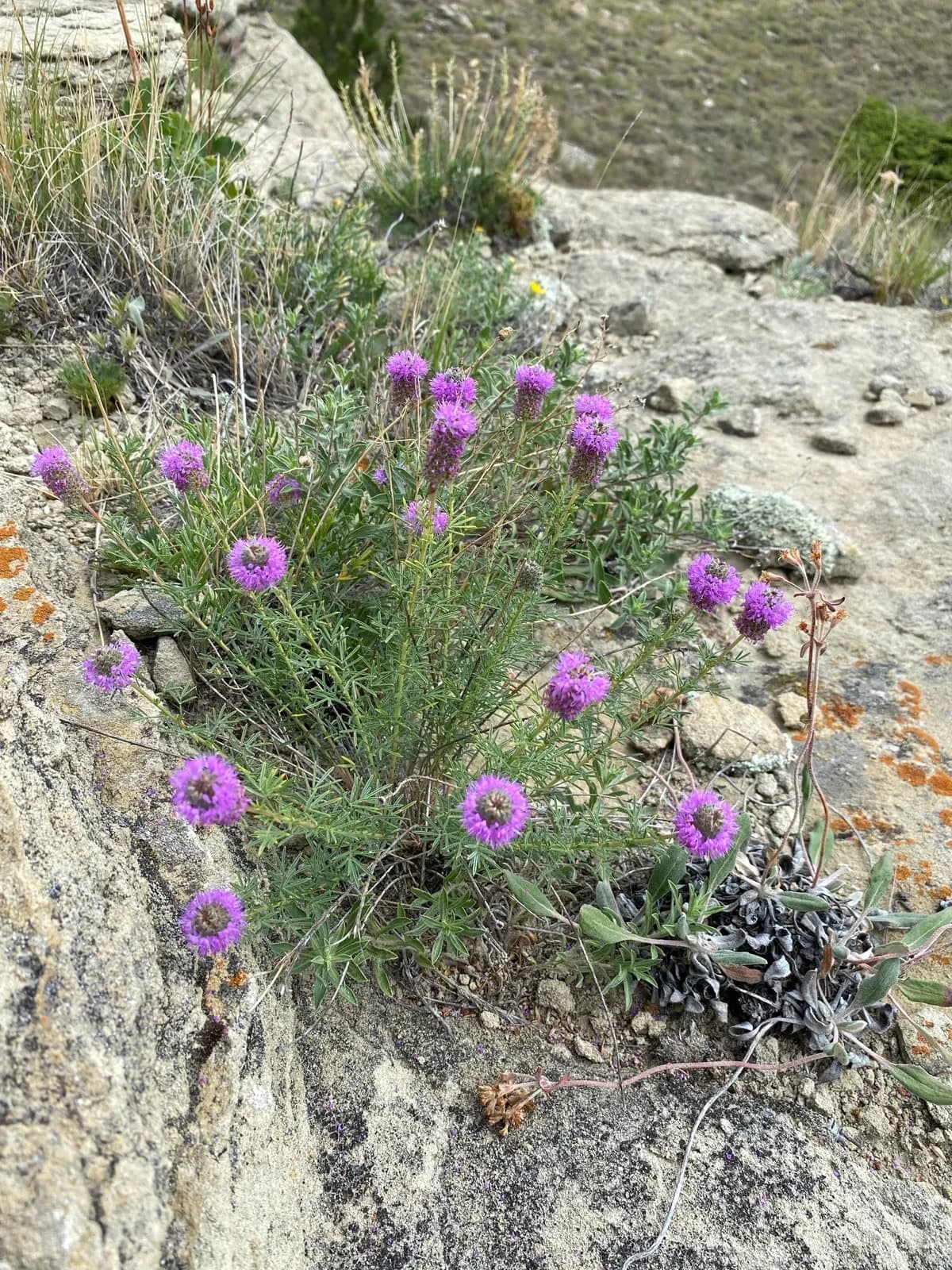
Purple Prairie Clover
Dalea purpurea
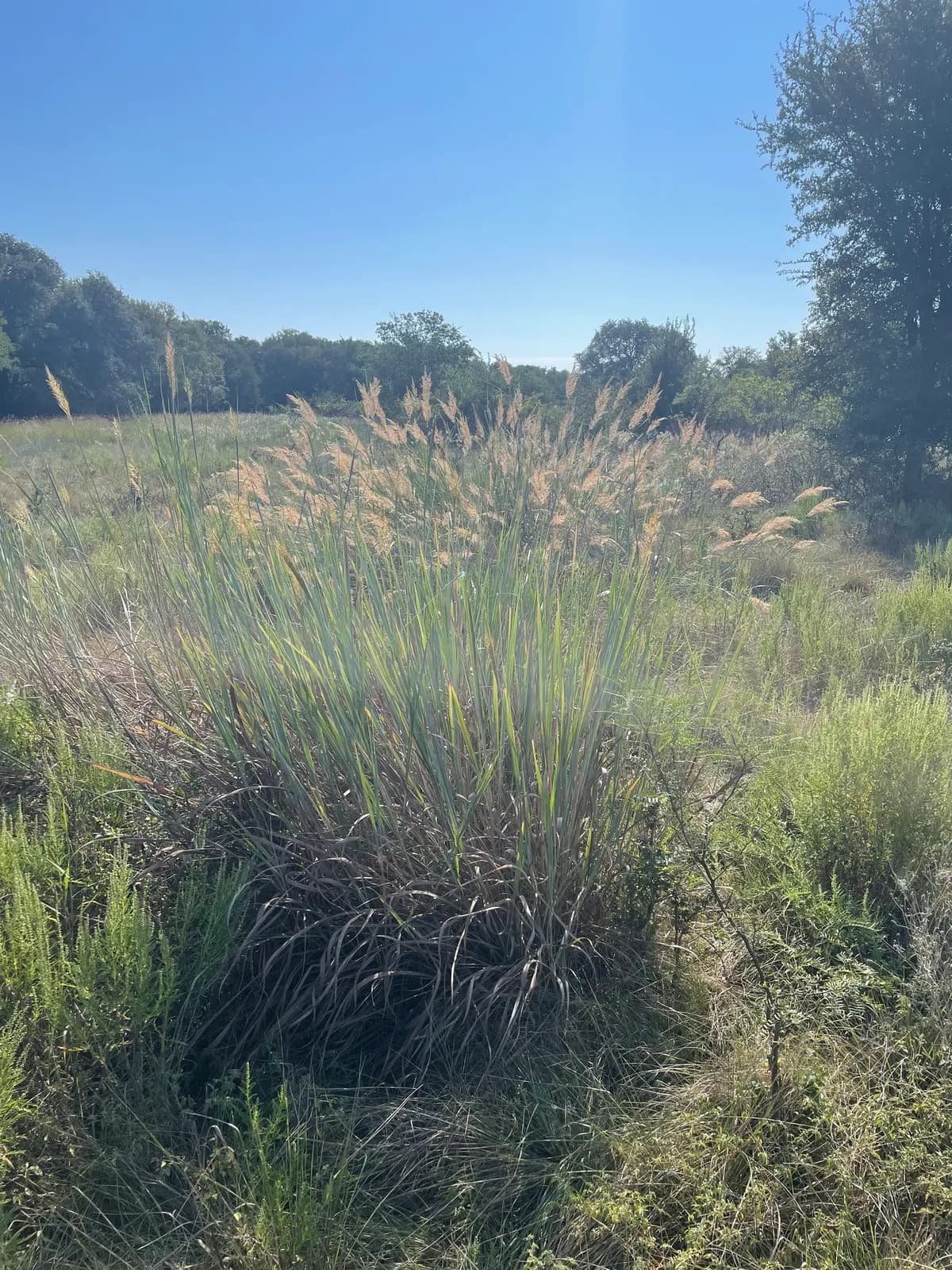
Indiangrass
Sorghastrum nutans
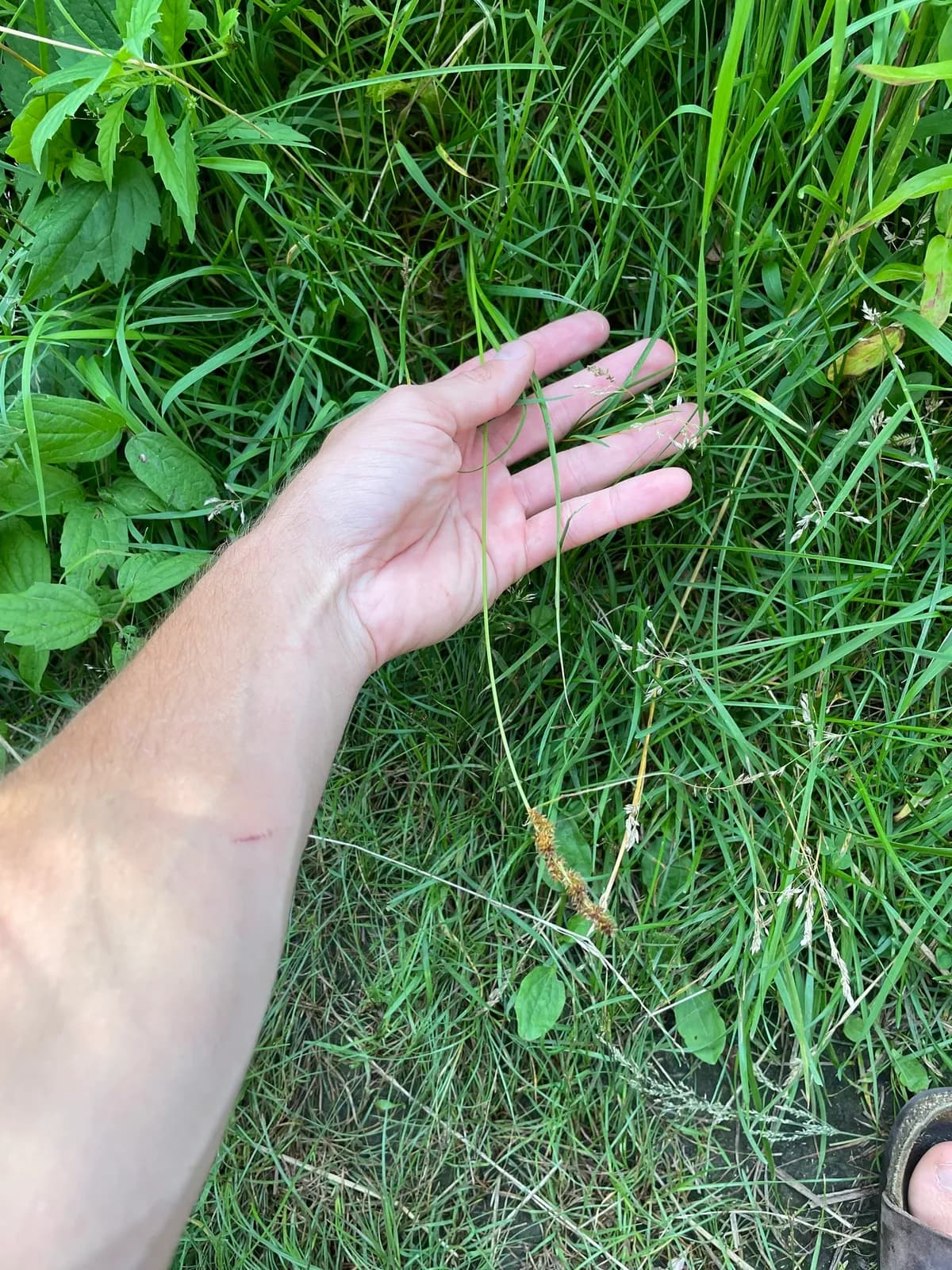
American Fox Sedge
Carex vulpinoidea
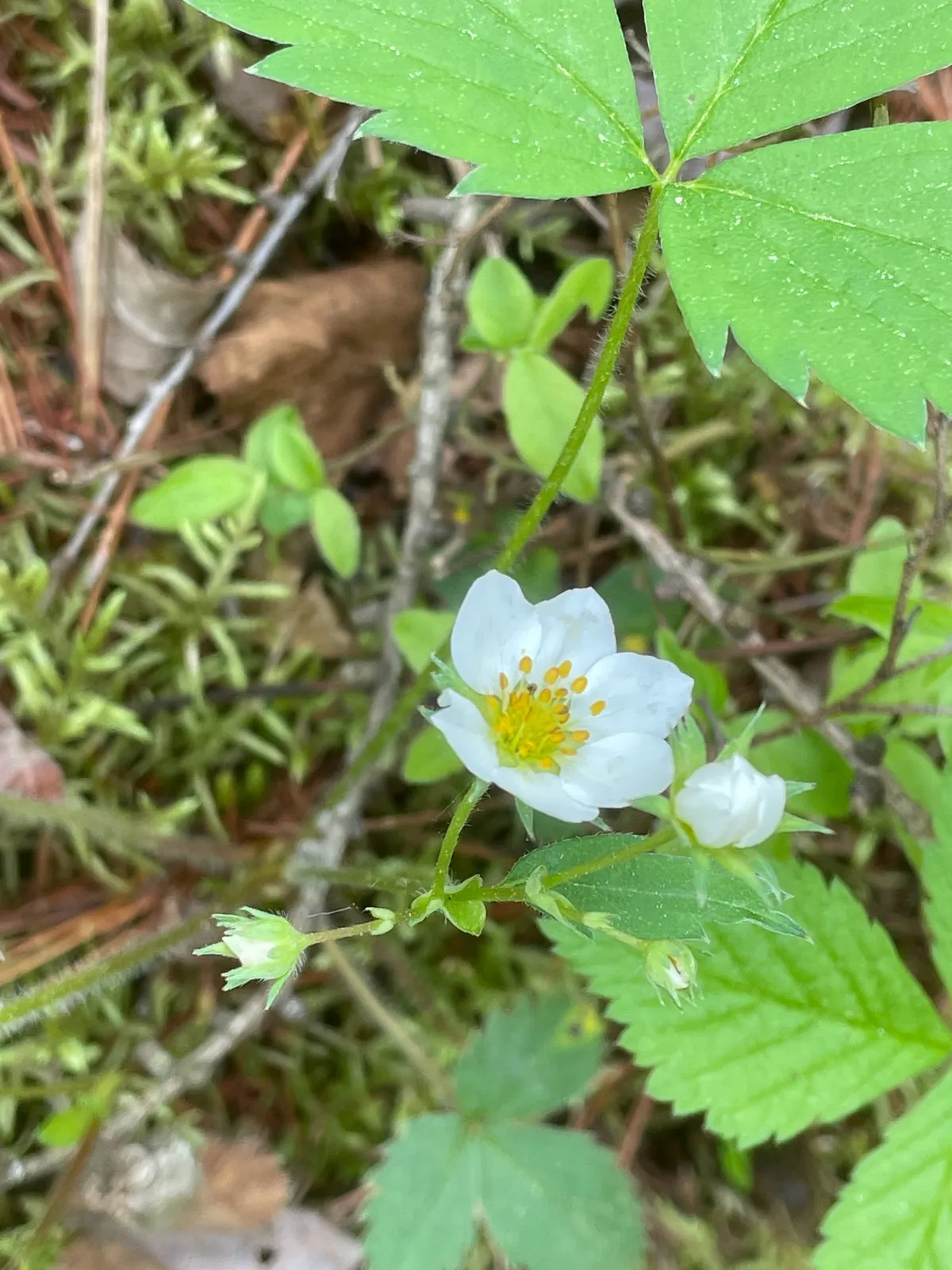
Scarlet Strawberry
Fragaria virginiana
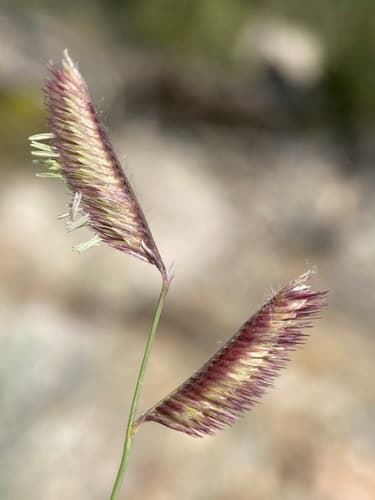
Blue Grama
Bouteloua gracilis
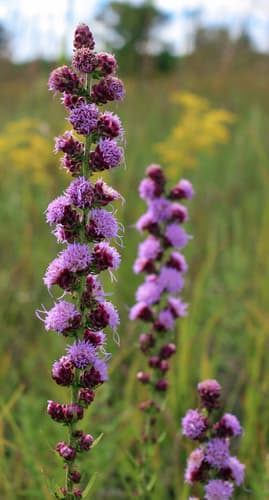
Tall Blazing Star
Liatris aspera
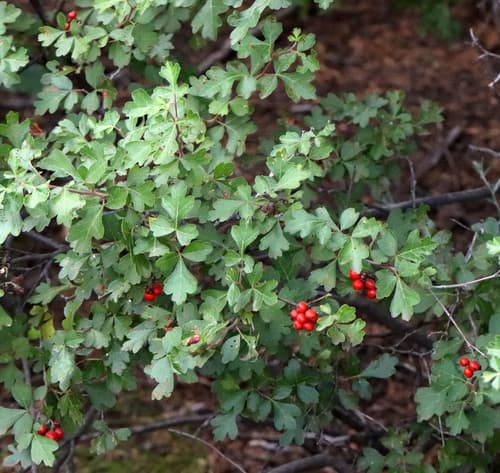
Aromatic Sumac
Rhus aromatica
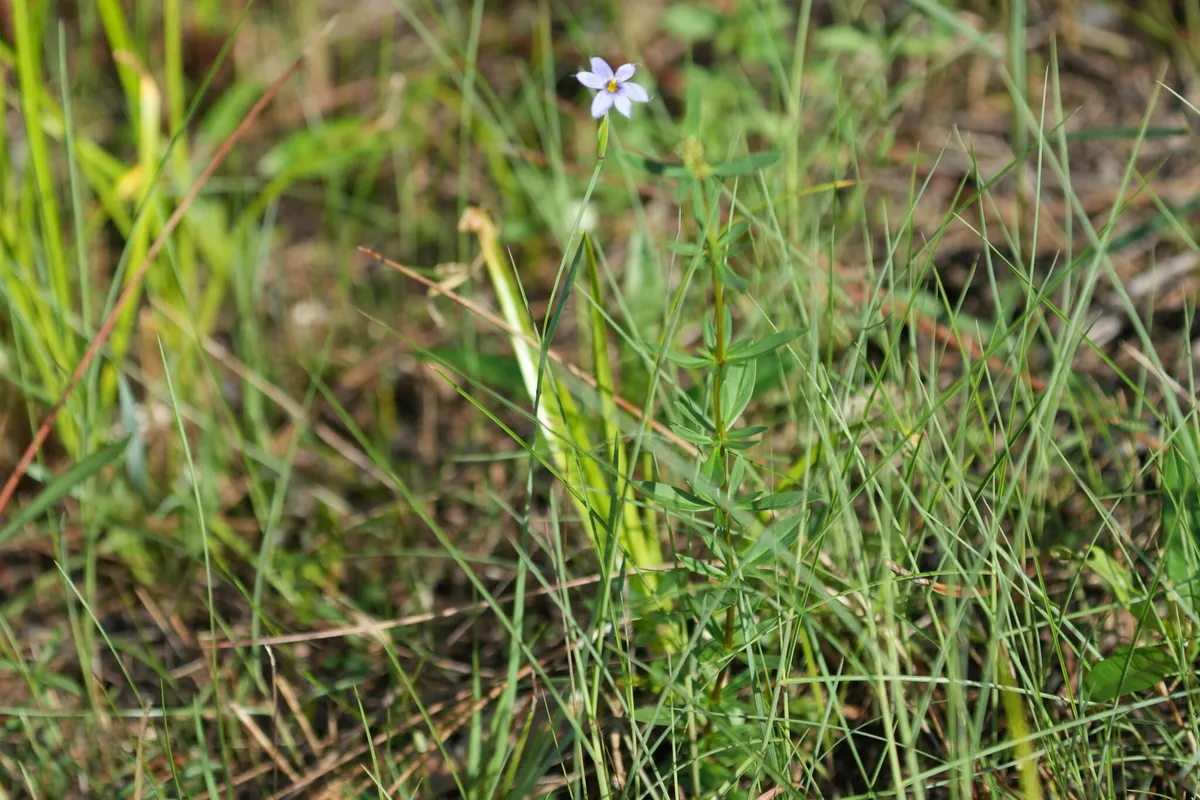
Narrowleaf Blue-eyed Grass
Sisyrinchium angustifolium
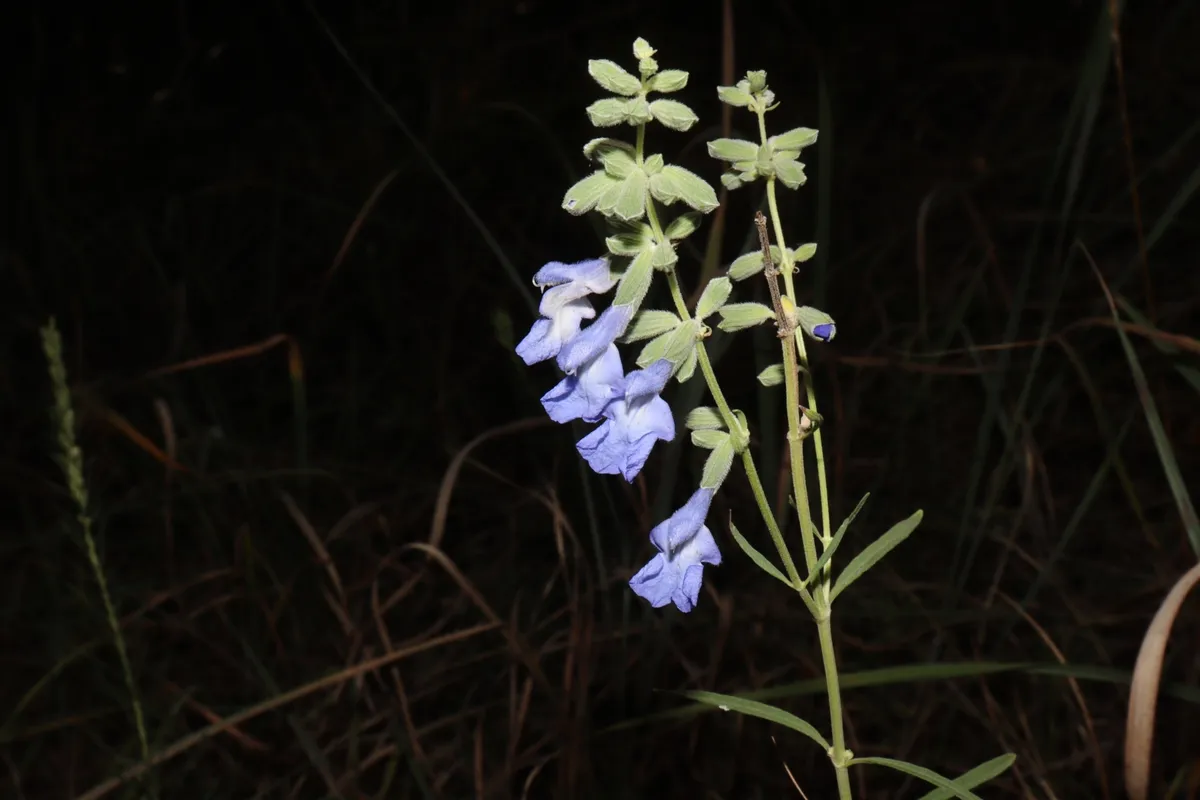
Azure Sage
Salvia azurea
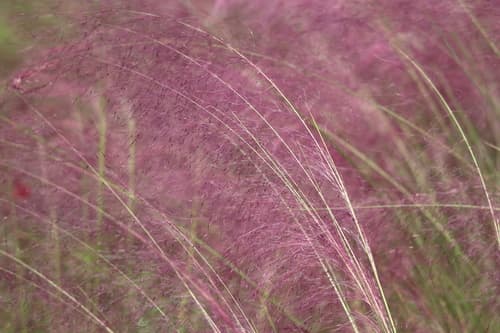
Gulf Muhly
Muhlenbergia capillaris
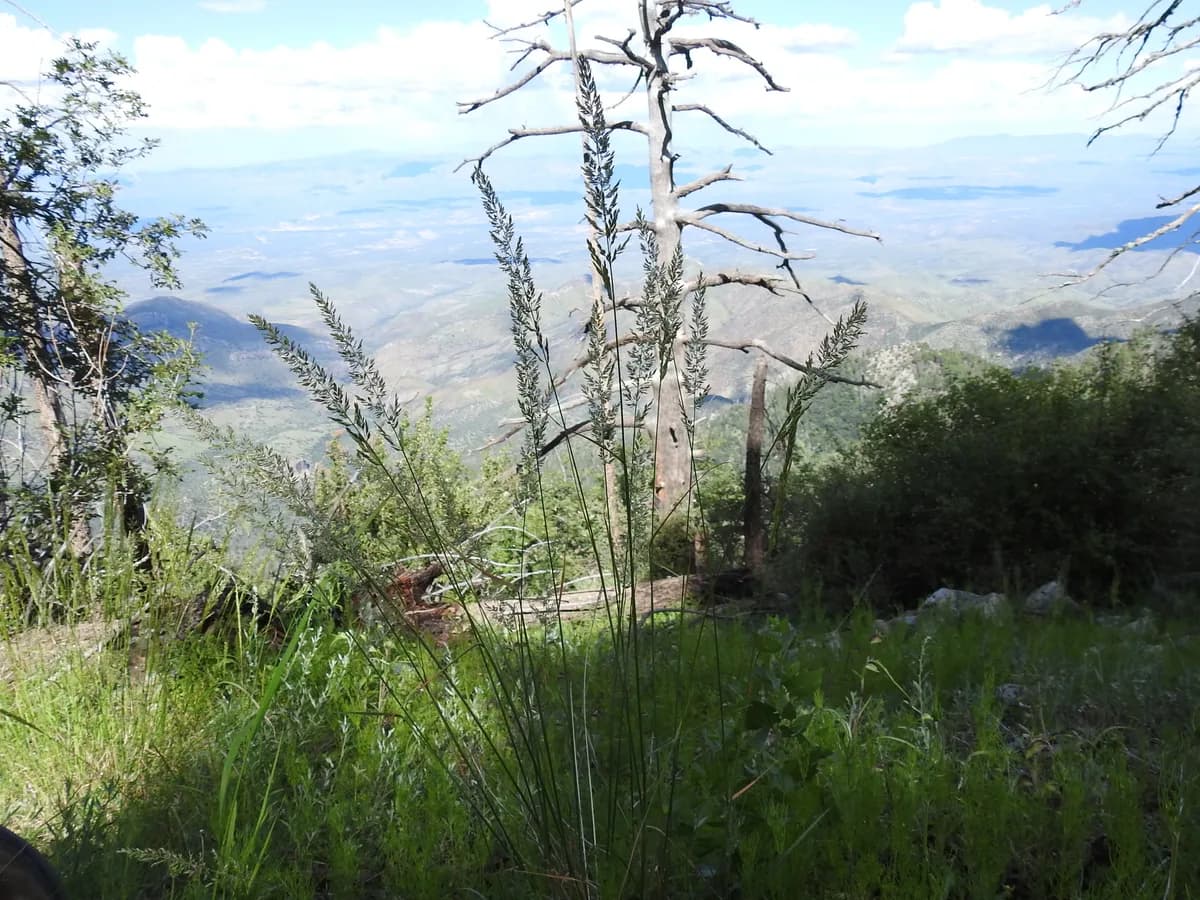
Prairie Junegrass
Koeleria macrantha
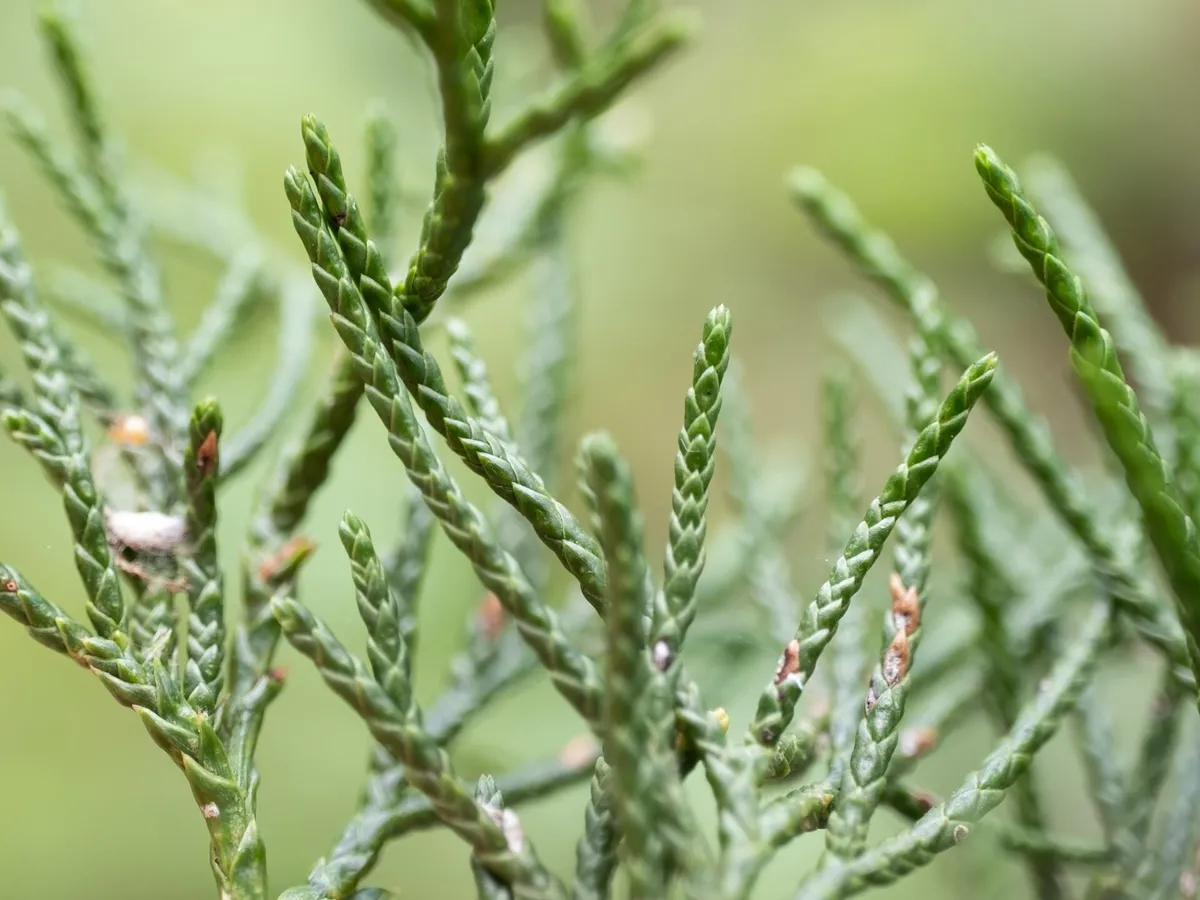
Eastern Red Cedar
Juniperus virginiana
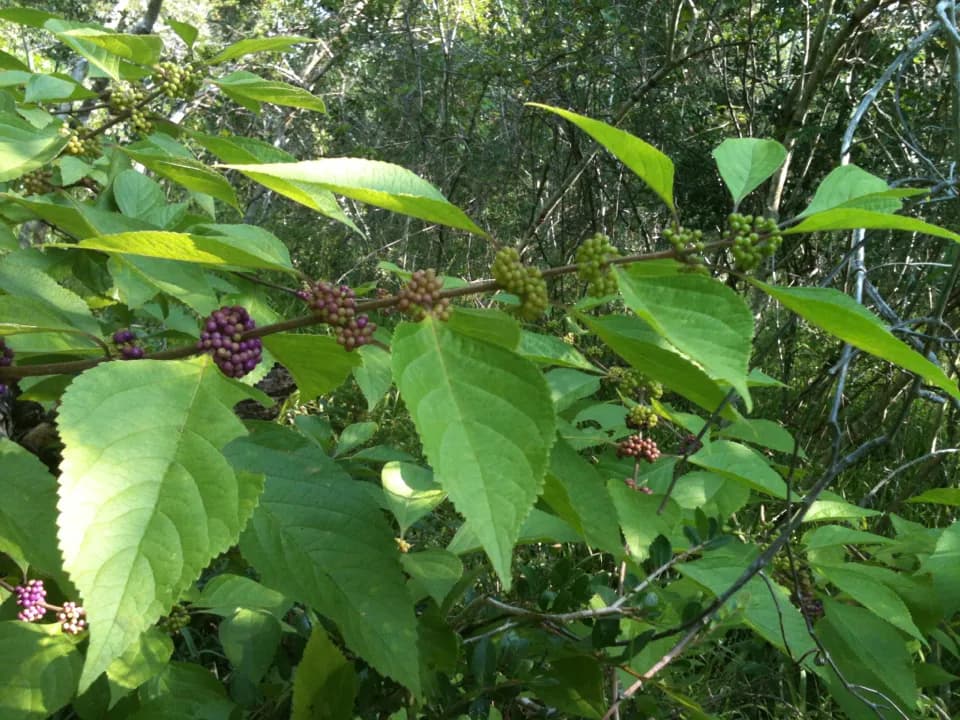
American Beautyberry
Callicarpa americana
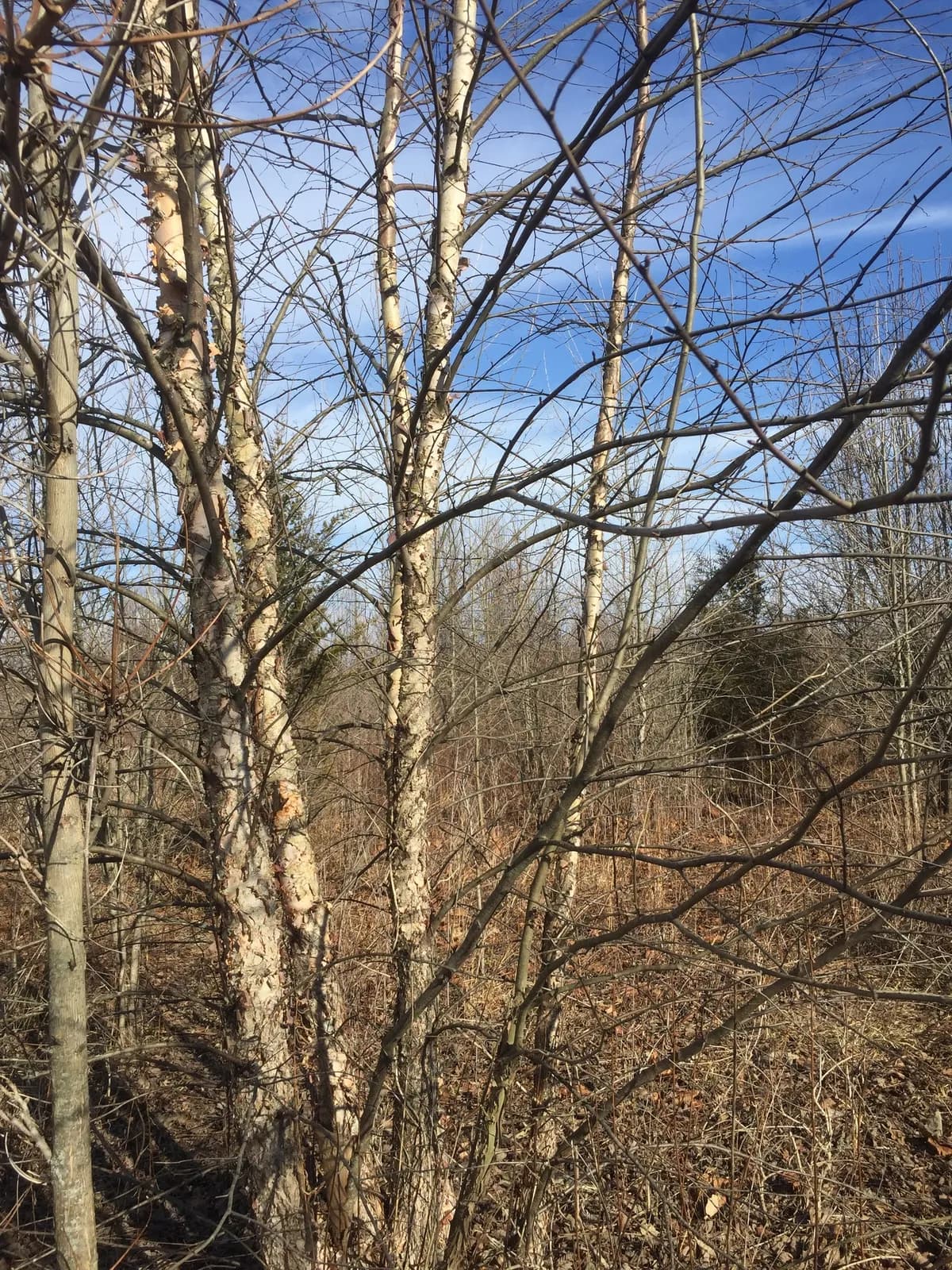
River Birch
Betula nigra
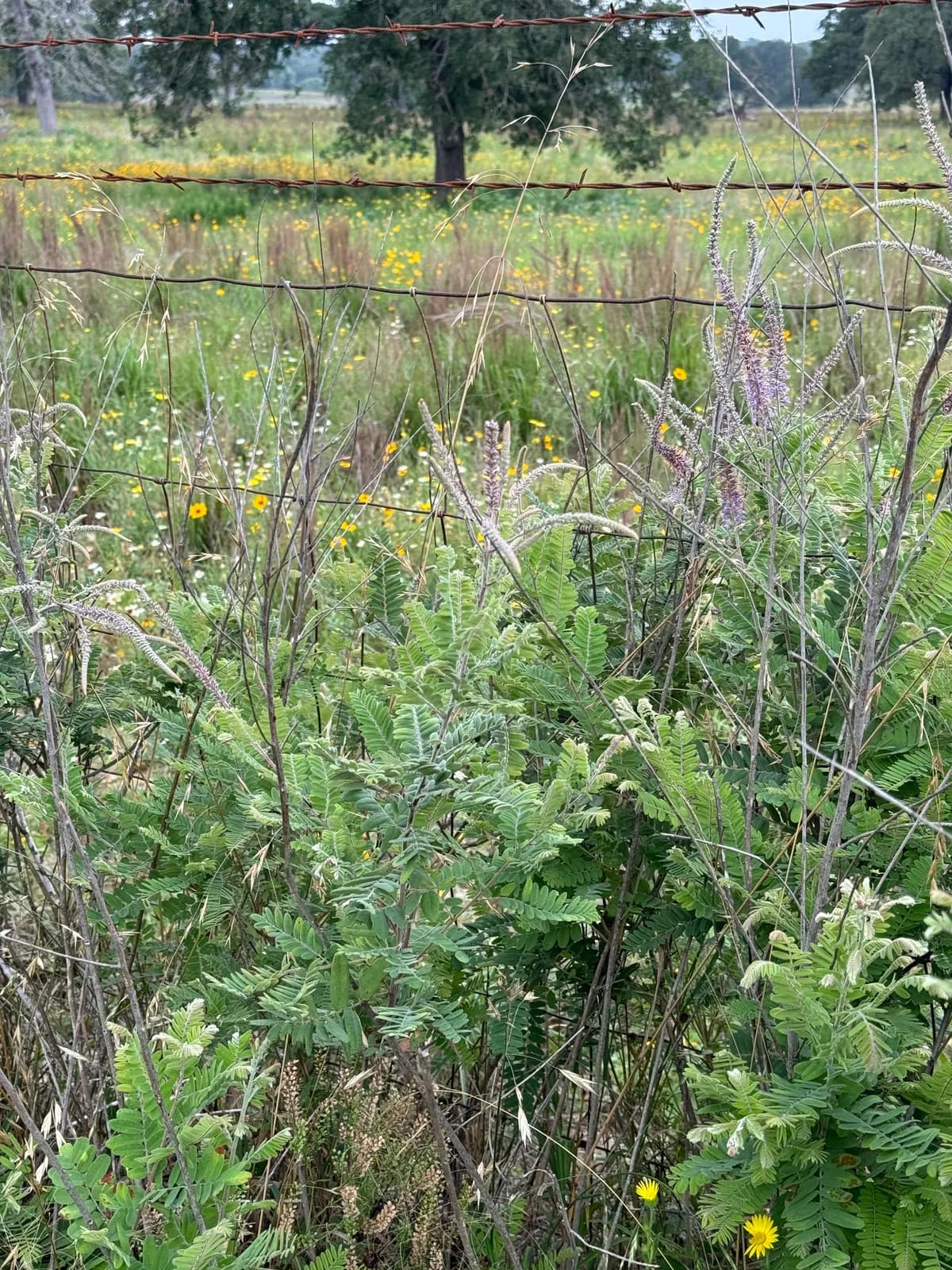
Leadplant
Amorpha canescens
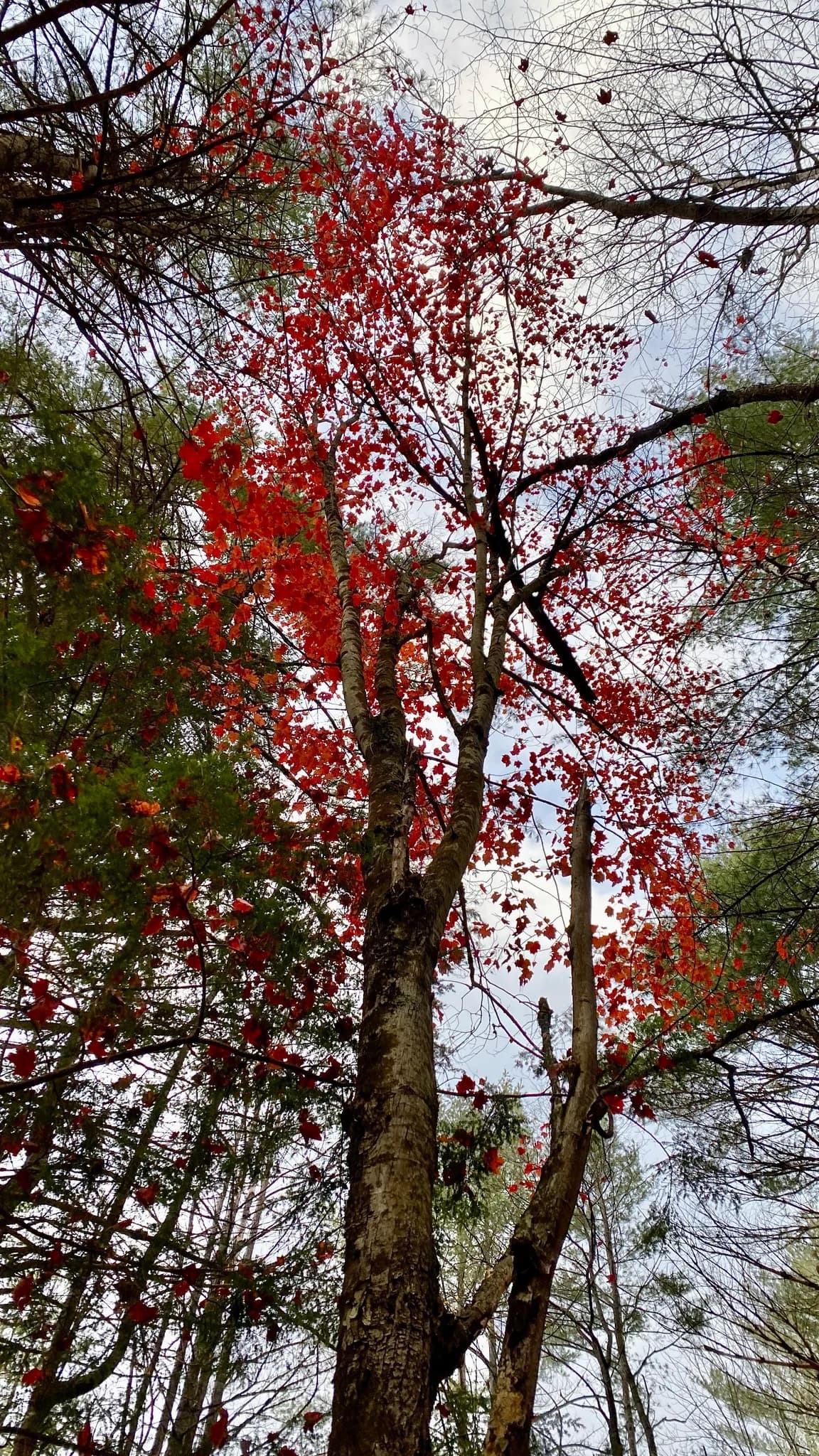
Red Maple
Acer rubrum
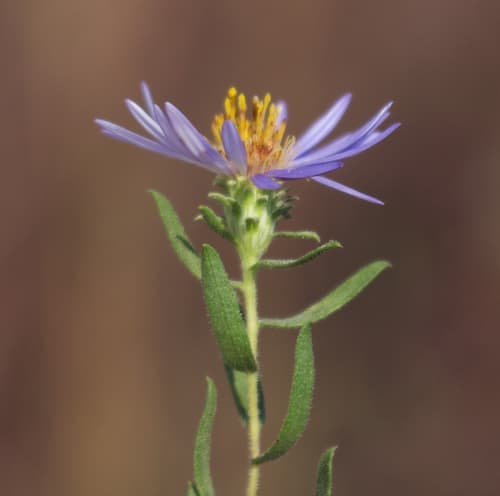
Fall Aster
Symphyotrichum oblongifolium
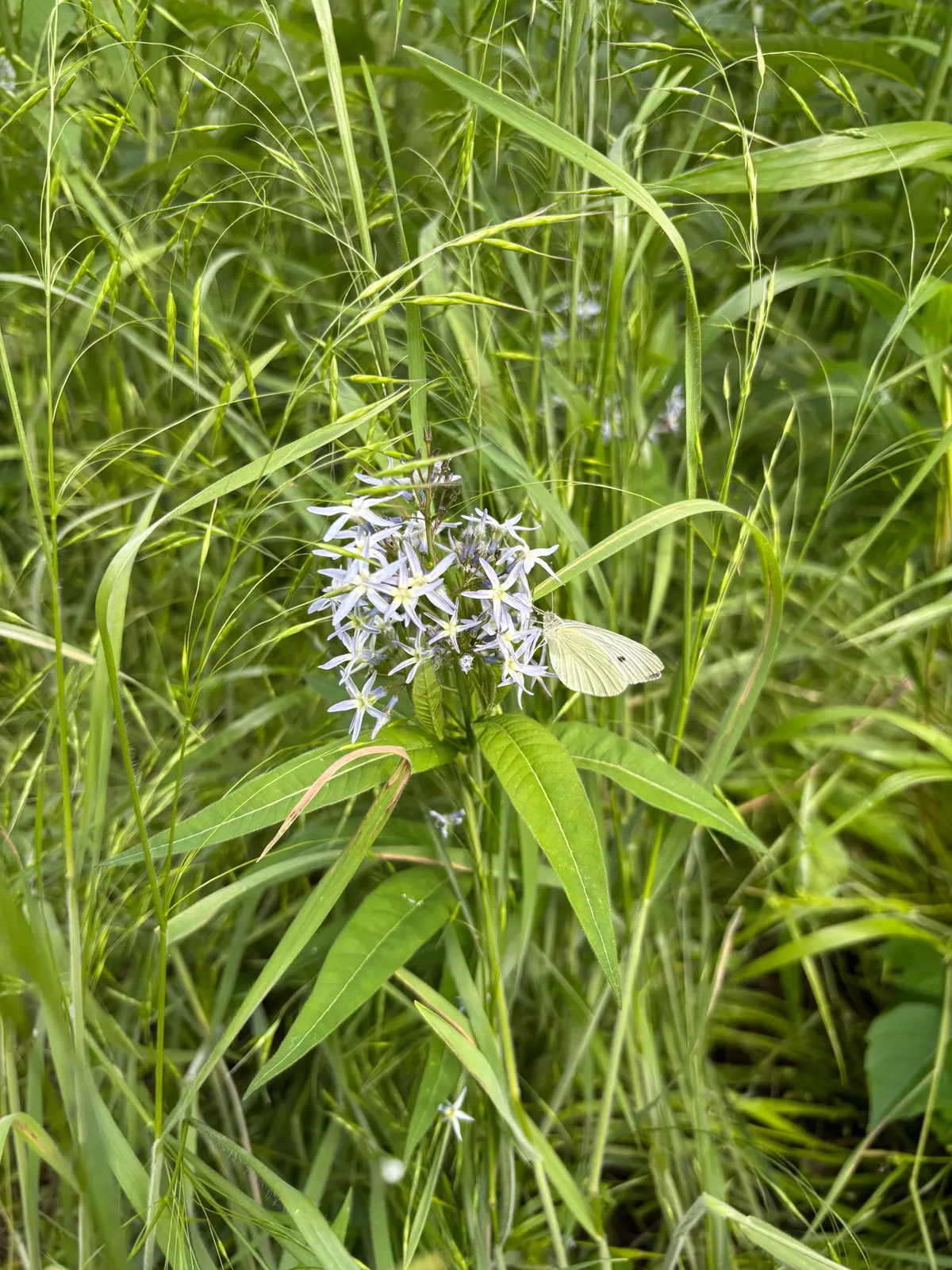
Eastern Bluestar
Amsonia tabernaemontana

Christmas Fern
Polystichum acrostichoides
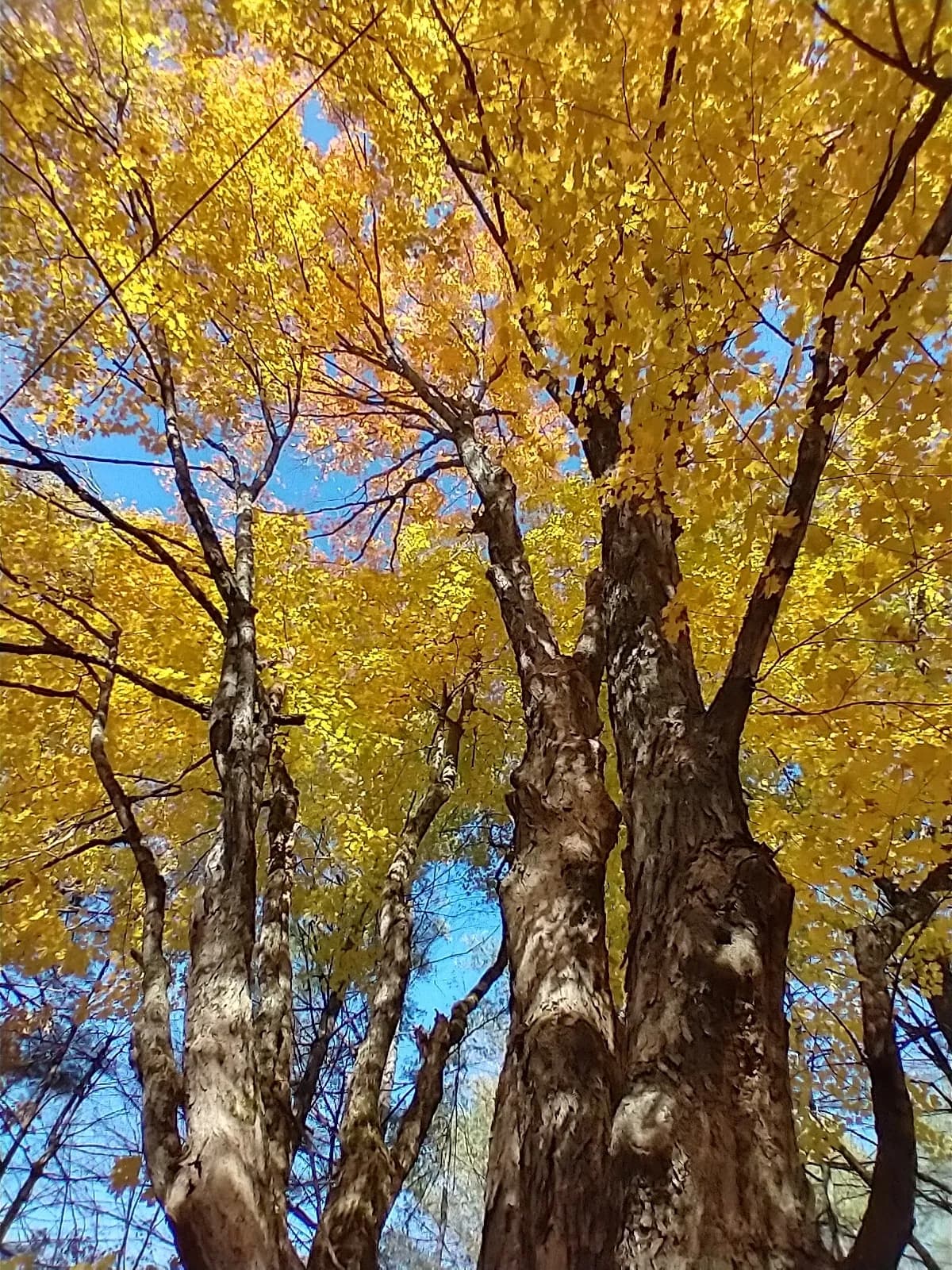
Sugar Maple
Acer saccharum

Prairie Petunia
Ruellia humilis
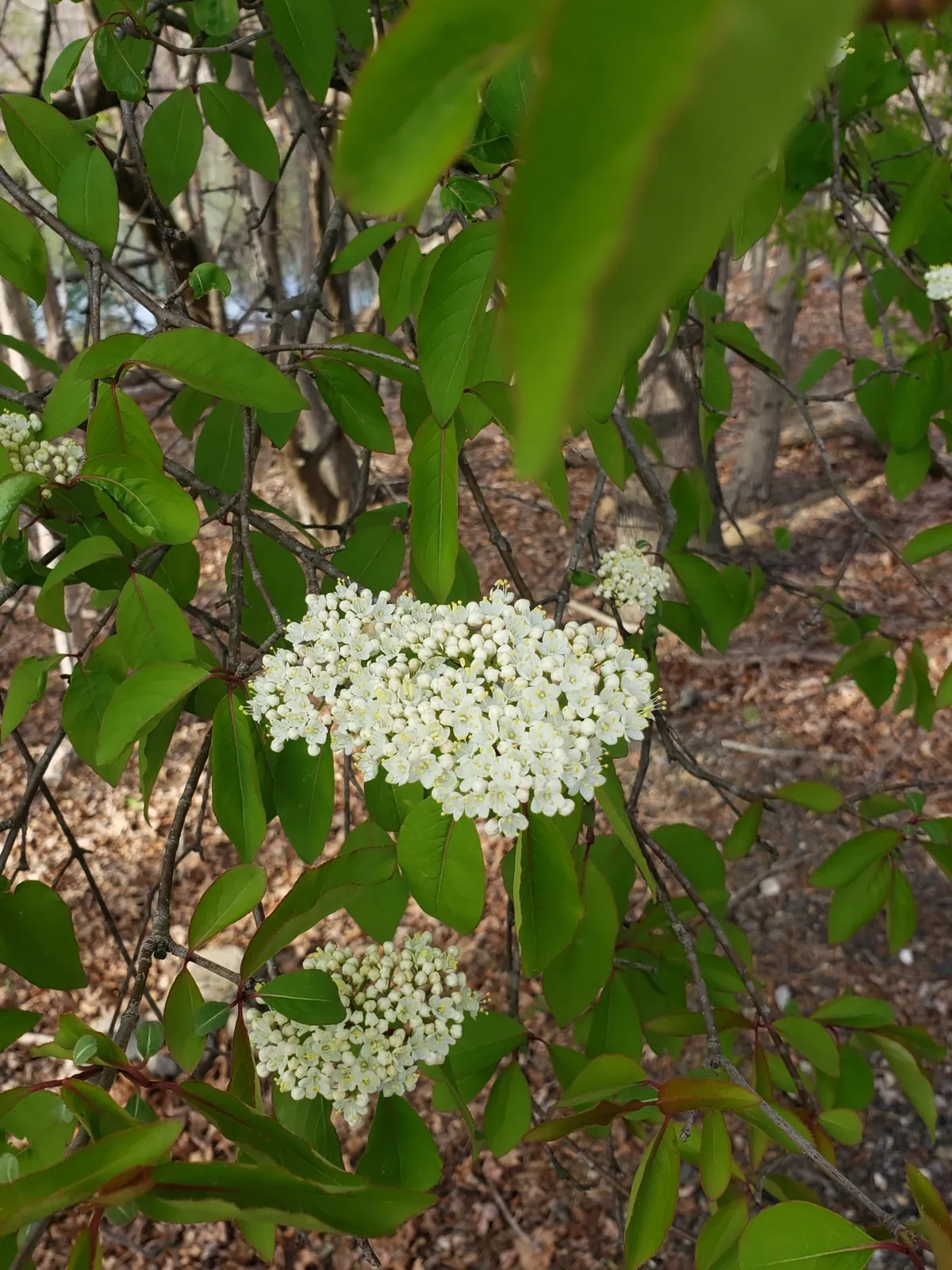
Black Haw
Viburnum prunifolium

Mexican Hat
Ratibida columnifera
Showing 48 of 965. Enter your ZIP for the natives matched to your yard.
Fall care in the Cross Timbers
What to do right now for plants commonly grown here. Each links to the full regional care guide for that species, with sources.
- Horsemint
Fall is the seed season. What you leave on the ground now decides how many plants you get next spring.
- Longbract wild indigo
Fall needs little from you.
- Oakleaf hydrangea
Fall is when the leaves color up and you can ease off watering.
- Rabbiteye blueberry
Fall care for rabbiteye blueberry around Fort Worth, TX: renew the mulch and check the soil.
- Satsuma mandarin
Fall care for Satsuma mandarin around Fort Worth, TX: plan the move indoors, since satsuma is hardiest only after it has cooled down.
- Meyer lemon
Fall care for Meyer lemon around Fort Worth, TX: plan the move indoors and ease the light down first.
- Common pear
Fall care for common pear around Fort Worth, TX: harvest European hybrids, and watch for decline.
- European plum
Fall care for European plum around Fort Worth, TX: test the soil and keep young trees growing steadily.
- Japanese persimmon
Fall care for Japanese persimmon around Fort Worth, TX: let the fruit ripen on the tree and guard it from wildlife.
- Fig
Fall care for fig around Fort Worth, TX: pick the late crop, rake up spotted leaves, and get ready for the first hard freeze.
Build a plan for the Cross Timbers
Pollinator Patch turns plants like these into a front-yard plan tuned for the soil, climate, and HOA expectations of the Fort Worth area.