Spicebush
Lindera benzoin
Last reviewed: October 2026
Lindera benzoin, or spicebush, is a deciduous shrub that thrives in part shade to shade with medium to moist soil, producing small yellow flowers in March and April.
Toxicity unknown
Spicebush (Lindera benzoin) is not listed by the ASPCA Animal Poison Control Center (opens in new tab) or the other sources we check, so we have no verdict for it either way. Absence from those lists is not a clearance. If your pet shows symptoms after eating any plant, call the ASPCA at (888) 426-4435.
The USDA PLANTS Database (opens in new tab) does not flag Spicebush as toxic to livestock.
Light
part shade
Water
medium
Size
72"–144" H × 72"–144" W
Bloom
Mar, Apr
Native to
AL, AR, CT, DE and 27 more states
Pollinators
bees, beetles, butterflies
Before you buy
Your city may pay you to plant this
Cities and water utilities offer rebates for replacing lawn with native and water-wise plants. We track 459 programs across 44 states, each with a link to the provider and the date we last checked it.
Find rebates in your areaPicture natives in your own yard
Upload a photo of your yard and Patch Vision shows a rendering of it planted with natives for your region, like Spicebush.


Browse plants for this ecoregion
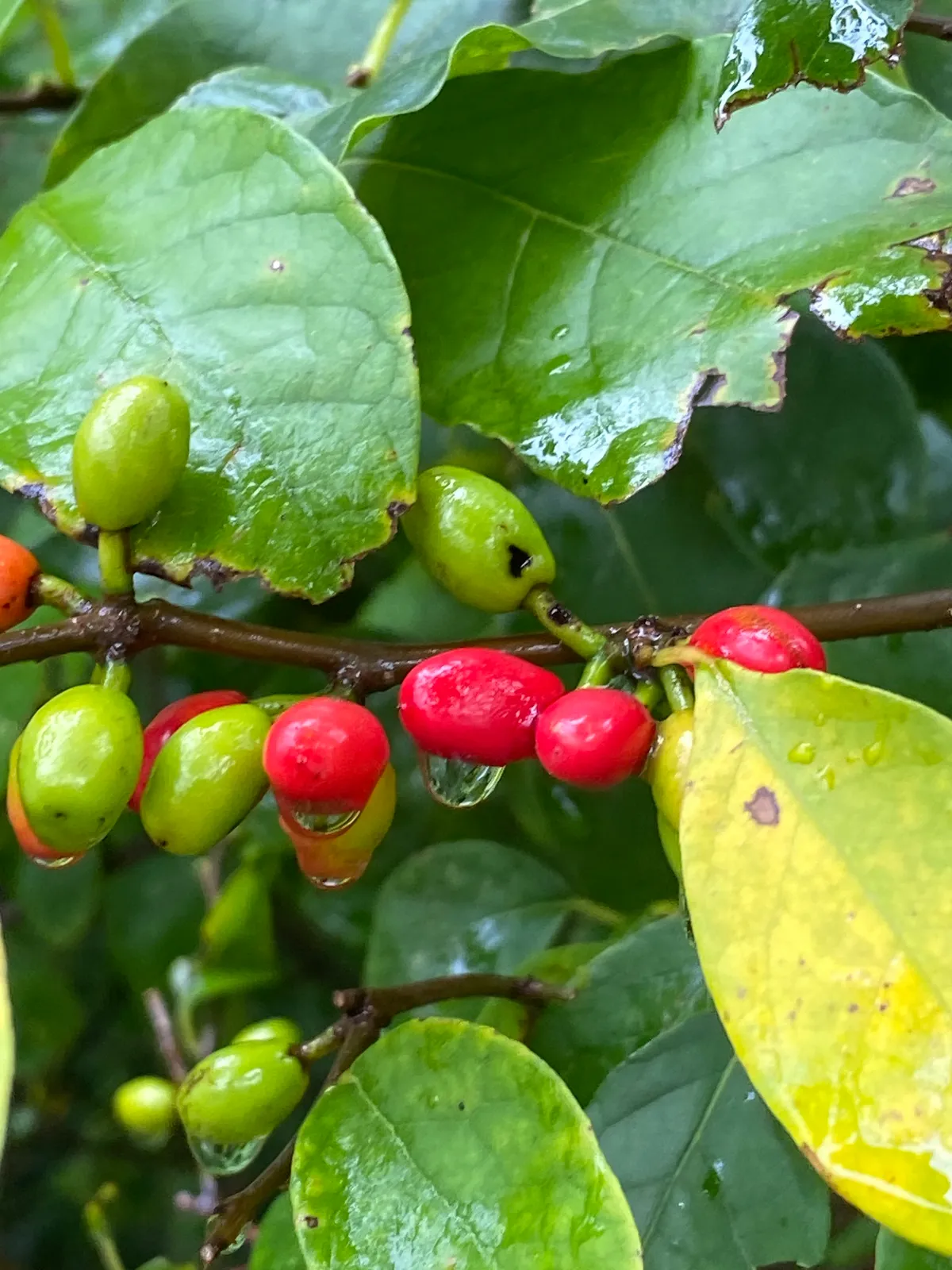
Wild allspice is a native shrub that forms a rounded, medium-sized bush with glossy green leaves that turn bright yellow in fall. It produces small, fragrant yellow flowers in early spring before the leaves emerge, followed by red berries on female plants. This adaptable shrub thrives in partial shade and moist, well-drained soils.
Growing Spicebush
Grow Spicebush in part shade and medium water. Mature plants reach 72 to 144 inches tall and spread 72 to 144 inches wide. Expect low maintenance to keep it looking intentional in a front yard.
How to care for Spicebush, by region
How to care for Spicebush where it is actually grown: year-round basics plus what to do each season, region by region, with the sources for each.
Care guidance last updated: September 2026
Central Appalachians (includes Johnstown, PA)
Year-round
Spicebush is a native understory shrub found across Pennsylvania's Central Appalachian woodlands, including the hills and stream valleys around Johnstown. It is dioecious, meaning male and female flowers grow on separate plants, and it is best known for blooming before its leaves come out and for the red berries female plants carry in fall.
- Grows about 6 to 12 feet tall and wide, taller with more sun, shorter and looser in dense shade.
- Prefers part shade to full sun and rich, evenly moist soil. It tolerates clay and occasional wet spots but struggles if the ground dries out for long stretches.
- Small yellow flowers open in early spring on bare stems, before the leaves emerge, one of the earliest woodland shrubs to bloom.
- Because it is dioecious, only female plants produce the shiny red berries, and a male plant needs to be nearby for that to happen.
- It is a larval host plant for the spicebush swallowtail butterfly and the promethea silkmoth, meaning their caterpillars feed on its leaves as part of the plant's normal life cycle.
Its subtle spring flowers, moderate size, and light fall litter make it an HOA-friendly pick for shaded foundation or woodland-edge beds.
Fall
Fall is spicebush's showiest season in Johnstown gardens, female plants carry shiny red berries into the yellow leaf color, and both fade as the area's first frost approaches in mid to late October.
- Female plants show off shiny red berries from September into October. Birds, including migrating species, tend to eat them quickly.
- Leaves turn a clean yellow before dropping, usually as Johnstown's first fall frost arrives in mid to late October, later in some years.
- Leaf and berry drop is light. A quick rake into the surrounding bed is usually enough, spicebush is not a heavy-litter shrub.
- Fall, once leaves start to color, is a good window to plant new container-grown spicebush. Cooler weather reduces transplant stress before the ground freezes.
Light berry and leaf drop reads as tidy seasonal color rather than mess, keeping it an HOA-friendly choice through fall cleanup season.
Winter
Johnstown's winters run colder than milder parts of Pennsylvania because of its higher elevation on the Allegheny Plateau. Spicebush is well within its cold tolerance here, and winter is a quiet, low-maintenance season for it.
- Johnstown falls in USDA hardiness zone 6a to 6b, where winter lows can reach 10 degrees below zero to 0 degrees Fahrenheit in a cold year. Established spicebush handles this range without protection.
- Bare stems still carry the plant's namesake spicy fragrance when scratched or bruised, a useful way to identify it in winter when there are no leaves or berries.
- No winter pruning is needed. If shaping is necessary, wait until late winter, just before new growth starts, so you are not cutting off flower buds that were set the previous year.
- A layer of mulch over the root zone helps a newly planted spicebush through its first Johnstown winter, since the colder, higher-elevation climate here is harder on new roots than in warmer parts of the state.
Spring
Spring is when spicebush does its signature trick, small yellow flowers open on bare stems before any leaves show, usually in March or April. Johnstown's higher elevation keeps spring cooler and later than warmer parts of Pennsylvania, so timing runs a bit behind the rest of the state.
- Watch bare stems in March and April for clusters of small yellow flowers. They open well before the leaves, so the shrub can look like it is still dormant while it is actually blooming.
- Johnstown's average last frost lands in early to mid May, later than milder parts of Pennsylvania, so hold off on new plantings and hard pruning until that risk has passed.
- Once leaves emerge, keep soil evenly moist. Spicebush is a moist-woodland native and does not recover well from a spring dry spell.
- Spicebush swallowtail caterpillars start showing up on new leaves not long after leaf-out, often rolling a leaf around themselves for shelter. That is the plant working as a butterfly host, not a pest problem to treat.
Summer
Once established, spicebush asks for very little through Johnstown's summer beyond steady moisture. Full leaf cover also means it is actively feeding spicebush swallowtail caterpillars through these months.
- Water during dry stretches so the root zone stays consistently moist. Spicebush is a moist-woodland shrub and full sun sites dry out faster, especially in a warm summer.
- No regular fertilizing is needed for an established plant in reasonable garden soil.
- Leaves may show small rolled or folded sections where spicebush swallowtail caterpillars are sheltering and feeding. This is normal seasonal activity and rarely causes lasting harm to the shrub.
- Save any shaping or pruning for dormant season. Cutting live wood in summer is unnecessary and can stress the plant during its main growing months.
Sources: USDA NRCS Plant Guide: Spicebush (Lindera benzoin), Missouri Department of Conservation Field Guide: Spicebush, Lady Bird Johnson Wildflower Center: Lindera benzoin, USDA Plant Hardiness Zone Map, National Gardening Association: Hardiness Zone Lookup for ZIP 15909 (Johnstown, PA) (community tip), Old Farmer's Almanac: Frost Dates for Johnstown, Cambria County, PA (community tip)
Texas Blackland Prairies (includes Dallas, TX)
Year-round
Spicebush is a shade-loving woodland shrub that wants steady moisture and protection from Dallas heat. Give it dappled or afternoon shade, keep the roots cool with mulch, and water it faithfully for the first two or three years while it settles in.
- Plant it where it gets morning sun and afternoon shade. Full Texas sun will scorch the leaves and cook the shallow roots, so an east-facing spot or the north side of the house works best.
- Water deeply once or twice a week through the first two summers while it establishes, aiming for about 1 to 2 inches a week counting rain. Once established it handles short dry spells but still wants more water than a typical Texas native.
- Keep a 2 to 3 inch ring of shredded hardwood or leaf mulch over the root zone, pulled back a couple inches from the stems. This is the single biggest thing that keeps a spicebush happy in the Blackland clay heat.
- This is a multi-stem shrub that needs almost no pruning. If you shape it, do it right after it flowers in spring, since it blooms on old wood and late pruning cuts off next year's flowers and berries.
Fall
Fall brings good color and, on female plants, red berries for birds. This is the easy season and a good time to move or plant a spicebush.
- The leaves turn clear yellow in fall. Leave them be, and let any fallen leaves stay over the root zone as free mulch.
- Fall is the best planting or transplanting window in Dallas, since the roots settle in through the mild fall and winter before next summer's heat.
- Ease off watering as the weather cools and rain returns, but do not let a young plant go bone dry through a warm, dry Texas fall.
A spicebush in fall color reads as intentional and cared for, so no cleanup is needed here to keep the front yard looking deliberate to an HOA.
Winter
Dallas winters are mild and easy on spicebush. It drops its leaves and rests, and there is very little to do.
- The shrub is bare and dormant now. This is a fine time to remove a dead or damaged branch, but save any real shaping for right after spring bloom.
- Water occasionally during long warm, dry stretches, since Dallas winters can go weeks without rain and a dry root ball stresses the plant going into spring.
- Keep the winter mulch layer in place to protect the shallow roots during the occasional hard freeze.
The bare multi-stem winter form is normal for a deciduous shrub and reads as intentional, so there is no need to cut it back to avoid looking neglected to an HOA.
Spring
Spring is bloom time and the main window for any shaping. Watch for the small yellow flowers on bare stems, top up mulch, and start regular watering as the weather warms.
- If you want to shape it or remove a crossing or damaged branch, do it right after the yellow spring flowers fade. Pruning later removes the wood that carries this fall's berries.
- Refresh mulch to 2 to 3 inches before the Dallas heat arrives, keeping it off the stems, so the roots stay cool and moist through summer.
- Begin steady watering as temperatures climb, especially for a shrub still in its first two or three years, since spring dry spells here can come on fast.
Summer
Summer is the hard season for spicebush in Dallas. Heat and dry clay are the real threats, so the whole job is keeping water and shade steady.
- Water deeply once or twice a week through the worst heat, wetting the soil down several inches rather than a light daily sprinkle. Wilting or crispy leaf edges usually mean it needs a longer, deeper soak.
- Check that mulch is still 2 to 3 inches deep, since summer sun burns it off fast and bare Blackland clay bakes the shallow roots.
- If the leaves scorch every summer in the same spot, the plant is getting too much direct sun. Note it now and plan to move it to deeper shade in fall or winter.
Sources: NC State Extension Gardener Plant Toolbox Lindera benzoin, ASPCA Non-Toxic Plants list, Morton Arboretum Spicebush
In an HOA neighborhood
Spicebush is an HOA-friendly choice. Maintenance level: low. Tidiness: 4 out of 5.
Works well in: front yard, foundation, street edge, mid zone.
Wildlife value
Host plant for Spring Azure butterfly.
The early spring blooms provide crucial nectar for native bees and beetles when few other flowers are available. The berries are eaten by birds, and the foliage serves as a host plant for spicebush swallowtail butterfly caterpillars.
Common questions
- When does spicebush bloom?
- Lindera benzoin produces clusters of small yellow flowers in March and April, typically before its leaves fully emerge.
- What pollinates spicebush flowers?
- Bees and beetles are the main visitors to the small yellow flowers of Lindera benzoin in early spring.
- Does spicebush support any specific caterpillars?
- Lindera benzoin is a larval host plant for the spicebush swallowtail butterfly, whose caterpillars feed on its leaves.
- What growing conditions suit spicebush best?
- This shrub does well in part shade with consistently moist, medium to wet soil, conditions similar to those found in shaded woodland edges and streambanks.
- Is Spicebush toxic to livestock?
- The USDA PLANTS Database does not flag Spicebush as toxic to livestock.
- Is Spicebush HOA-friendly?
- Spicebush is generally an HOA-friendly choice in the right placement, with low maintenance.
These answers were drafted with an AI model from this plant's data. Verify care details with a local expert.
Native range data from vouchered herbarium specimen records and regional native plant society lists. Pollinator and host plant associations compiled from GBIF, iNaturalist, and published ecological literature.
If something looks wrong
Common plant problems, and what to check first
These come up on almost any plant. Each guide lists the likely causes in the order they are worth ruling out, with one thing to check before you act on any of them, and links to the source it came from.
- It is dying right after planting
- Leaves turning yellow
- Wilting even though I watered it
- Brown crispy leaf tips
- Bugs on the plant
Ready to grow Spicebush? Add it to your garden in Pollinator Patch to track it and get season-by-season care guidance.