EPA Level III Ecoregion
Southern Coastal Plain
1248 native plants for the Southern Coastal Plain ecoregion (Orlando area).
The Southern Coastal Plain runs across northern and central Florida and up into the Georgia and Carolina low country, taking in Orlando, Jacksonville, Tampa, and Savannah. Sandy soil, a high water table, heavy summer rain, and winters with little or no frost set the rules. Natives such as scarlet sage, white wild indigo, and sweetbay magnolia handle the wet summers and fast drainage that rot out plants shipped down from cooler places.
Conditions: Sandy, fast-draining soils over a high water table, 50–60 inches of rain concentrated in summer, mild winters with little or no frost.
Cities and areas: Orlando, Jacksonville, Tampa, Savannah, Gainesville, Ocala.
1248 Native Plants for the Southern Coastal Plain
HOA-friendly picks listed first. Pet-safety status varies by species; each plant page shows its sourced ASPCA status. Native range data from vouchered herbarium specimen records and regional native plant society lists.
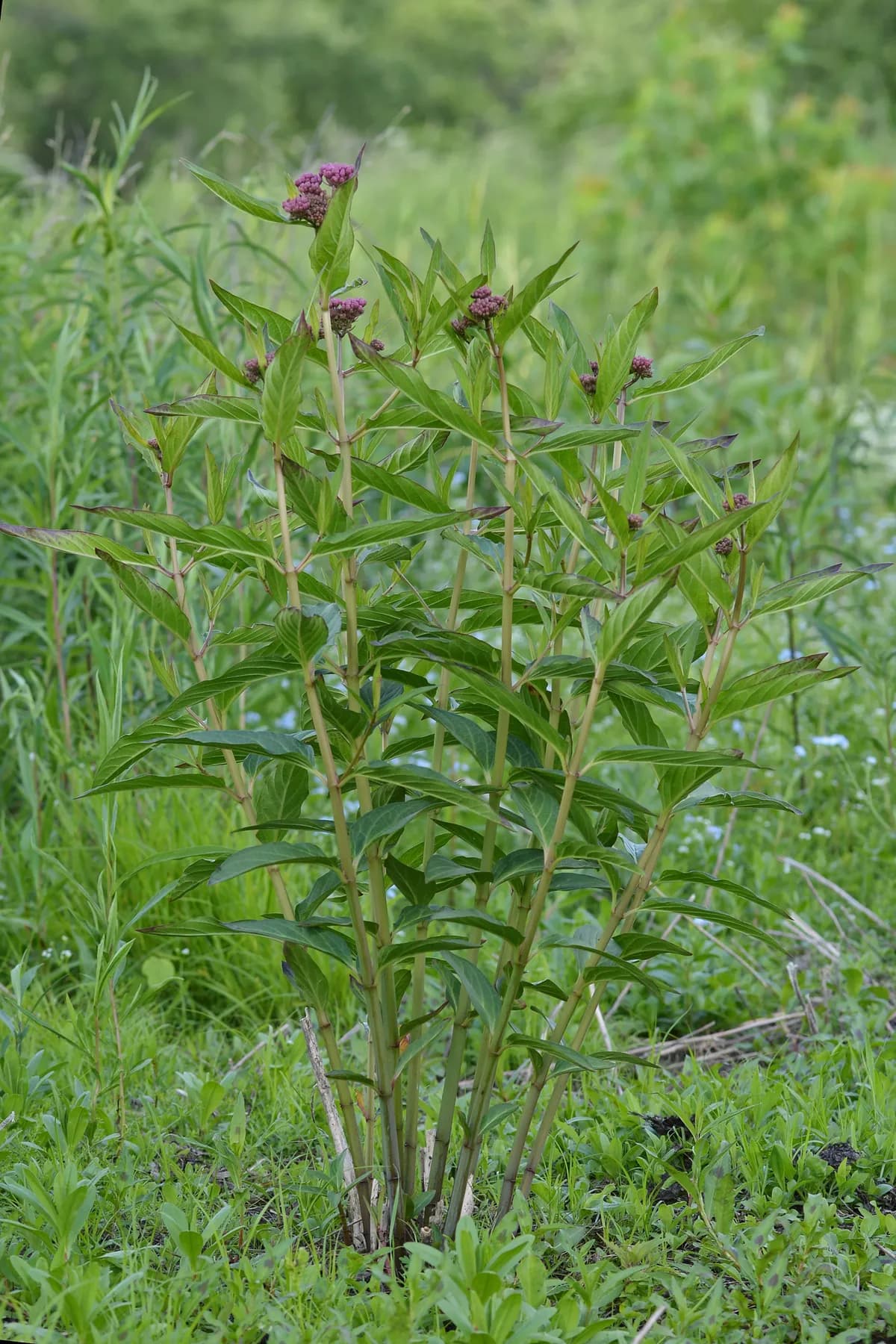
Swamp Milkweed
Asclepias incarnata

Little Bluestem
Schizachyrium scoparium
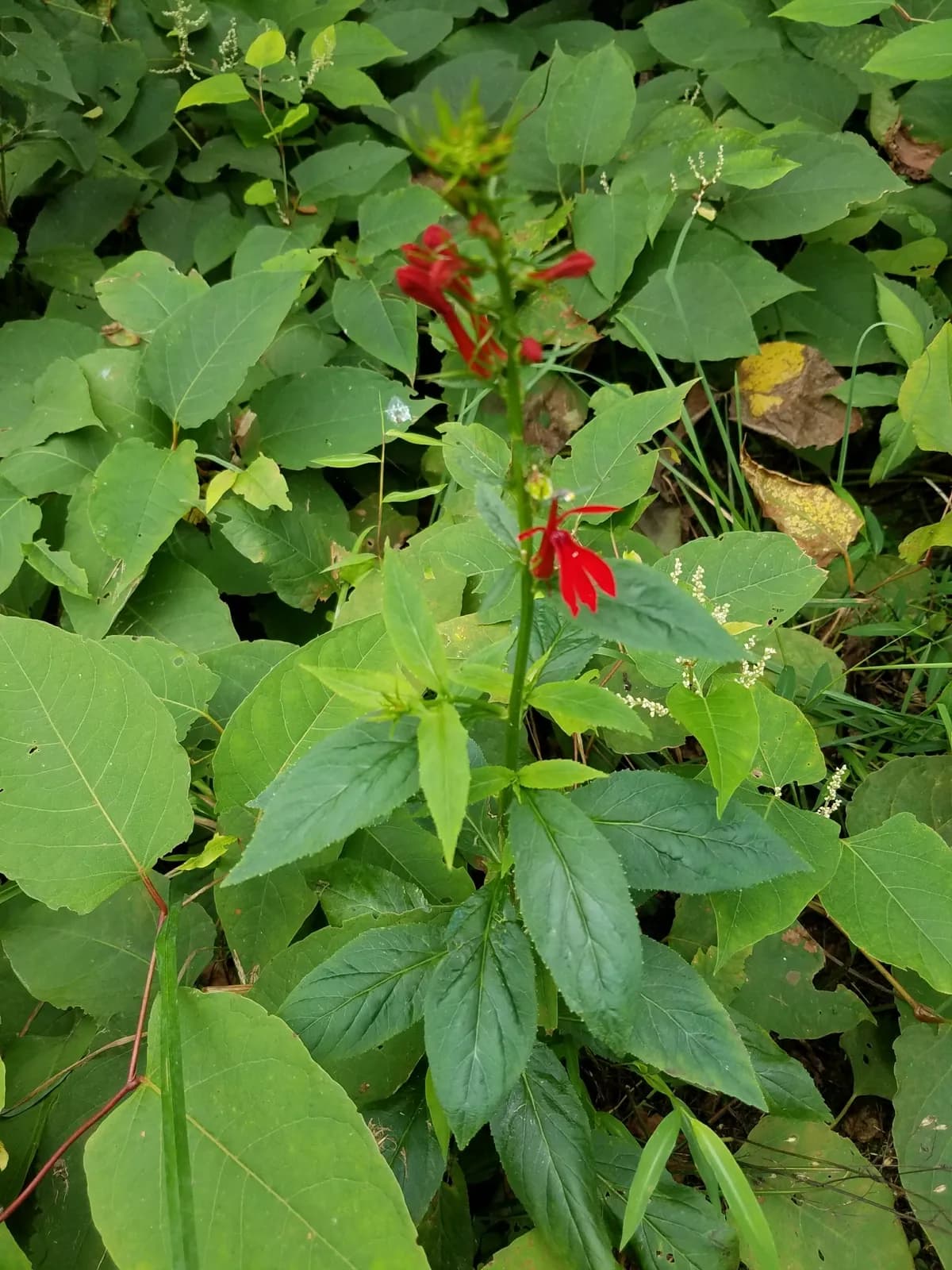
Cardinal Flower
Lobelia cardinalis
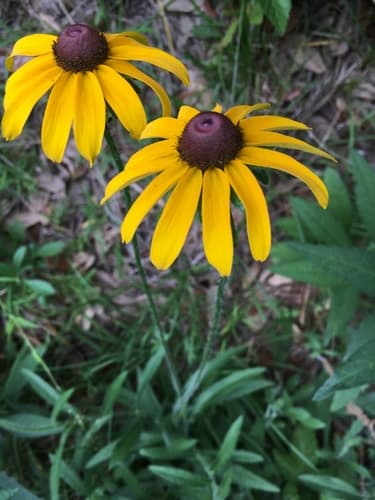
Black-eyed Susan
Rudbeckia hirta
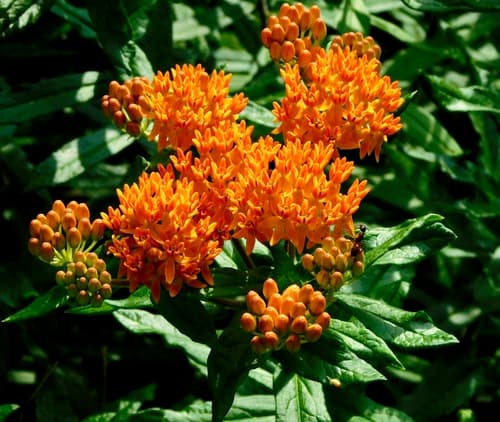
Butterfly Milkweed
Asclepias tuberosa
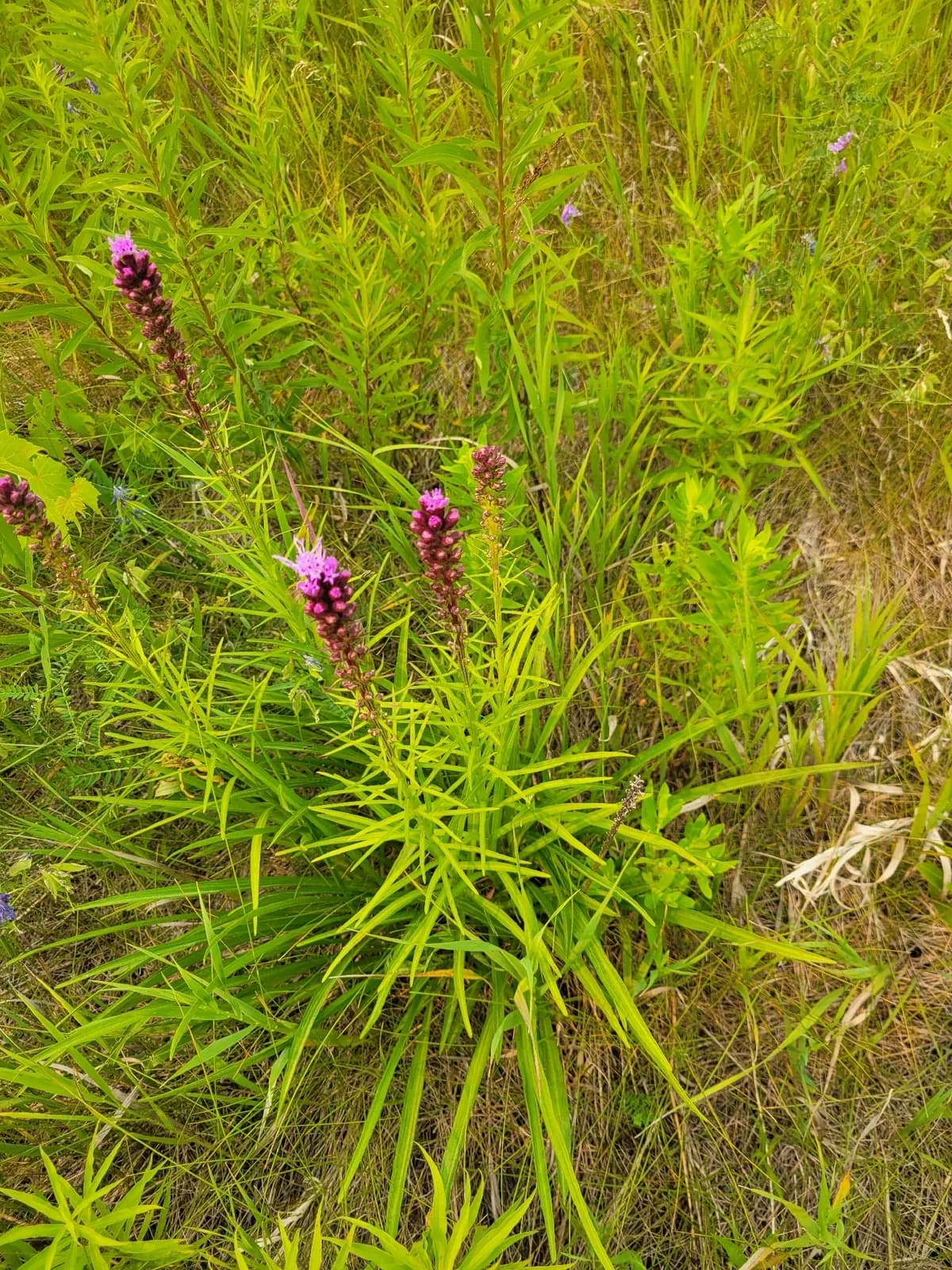
Dense Blazing Star
Liatris spicata
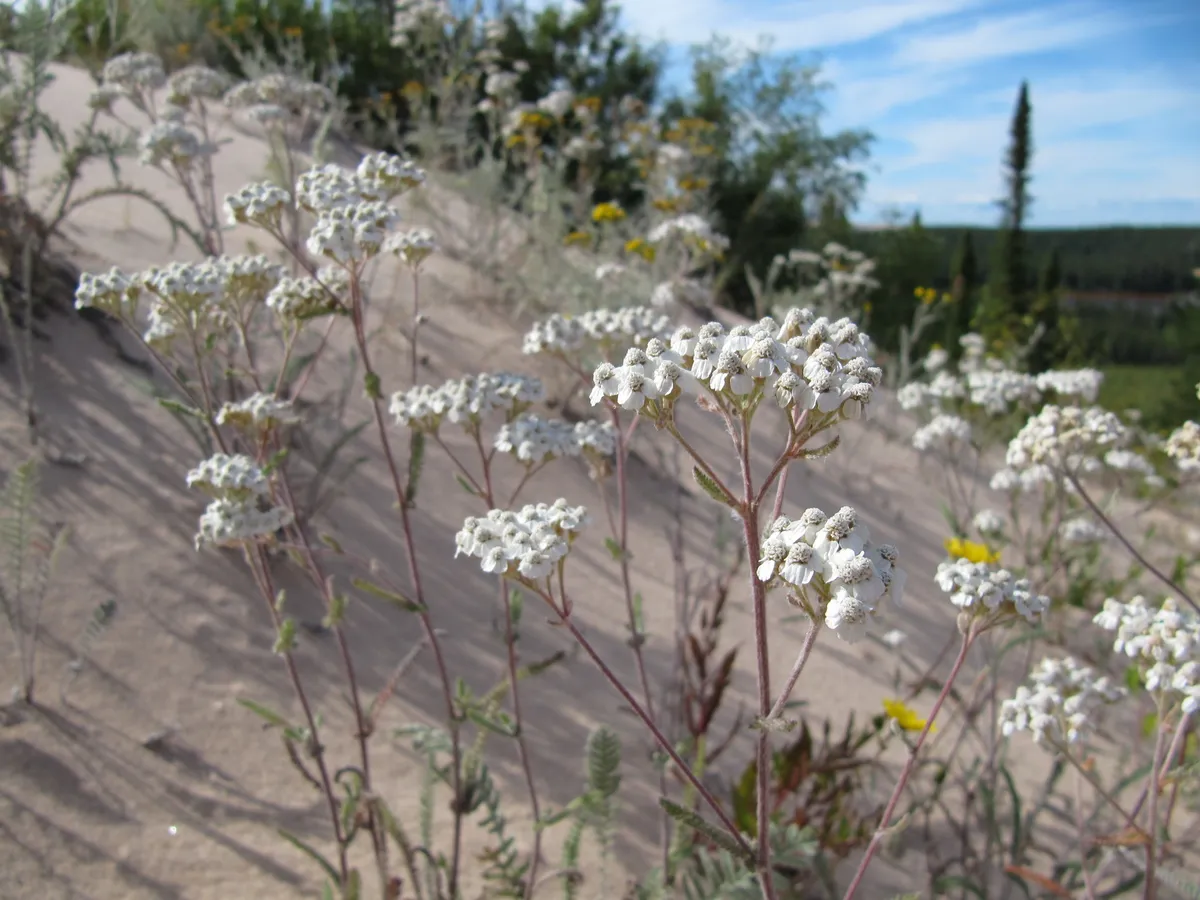
Common Yarrow
Achillea millefolium
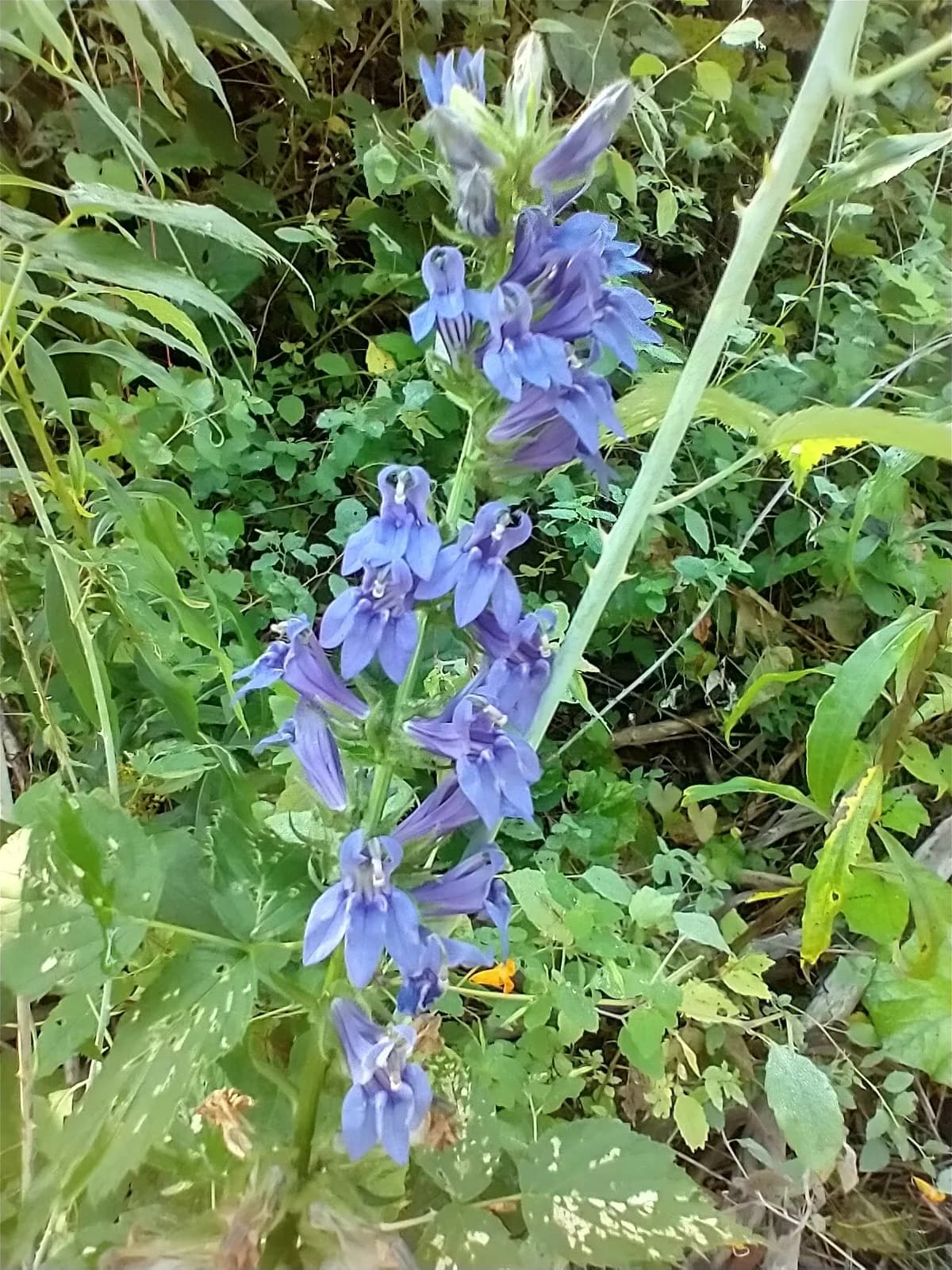
Blue Lobelia
Lobelia siphilitica
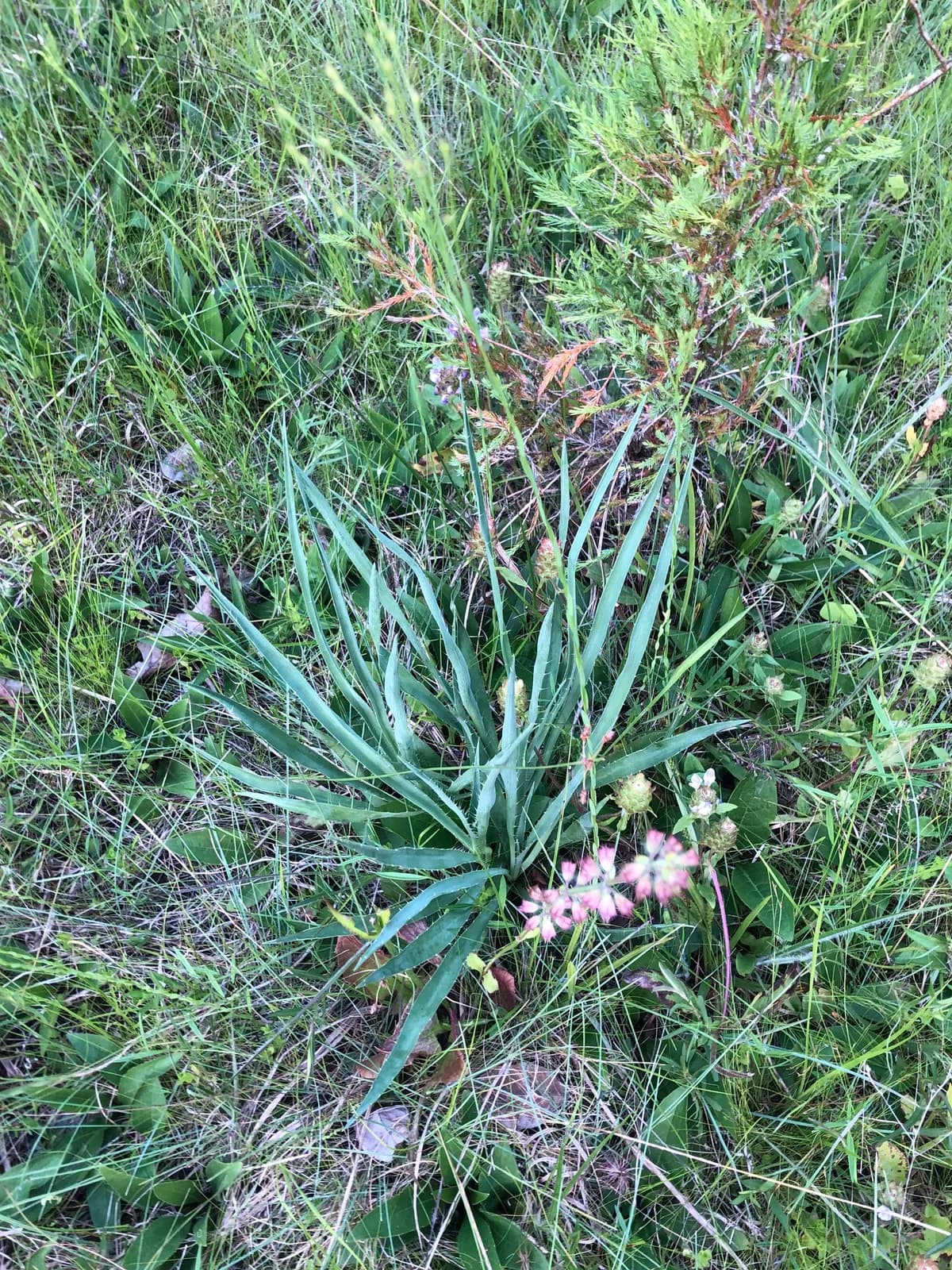
Rattlesnake Master
Eryngium yuccifolium
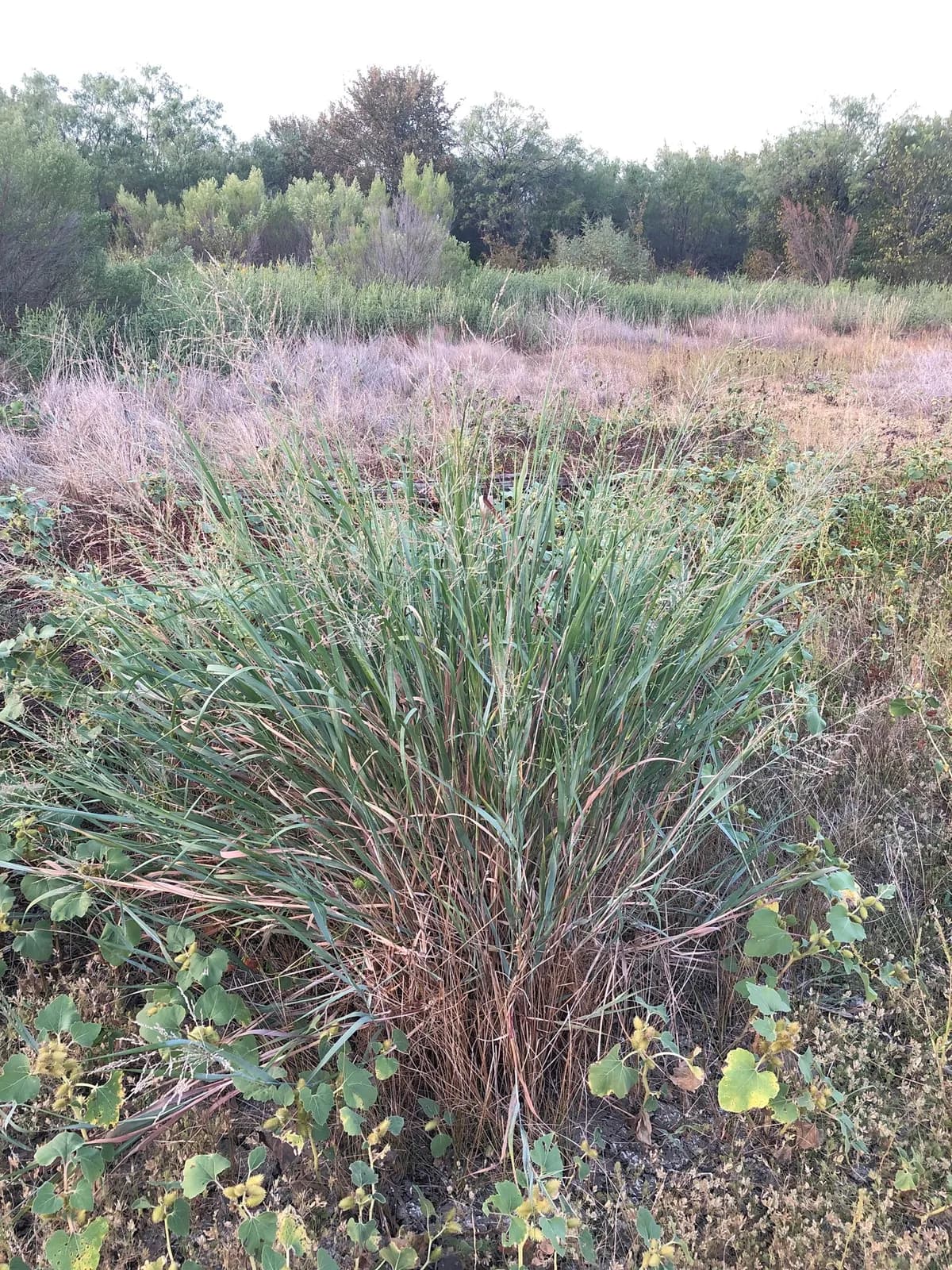
Switchgrass
Panicum virgatum

Golden Alexanders
Zizia aurea
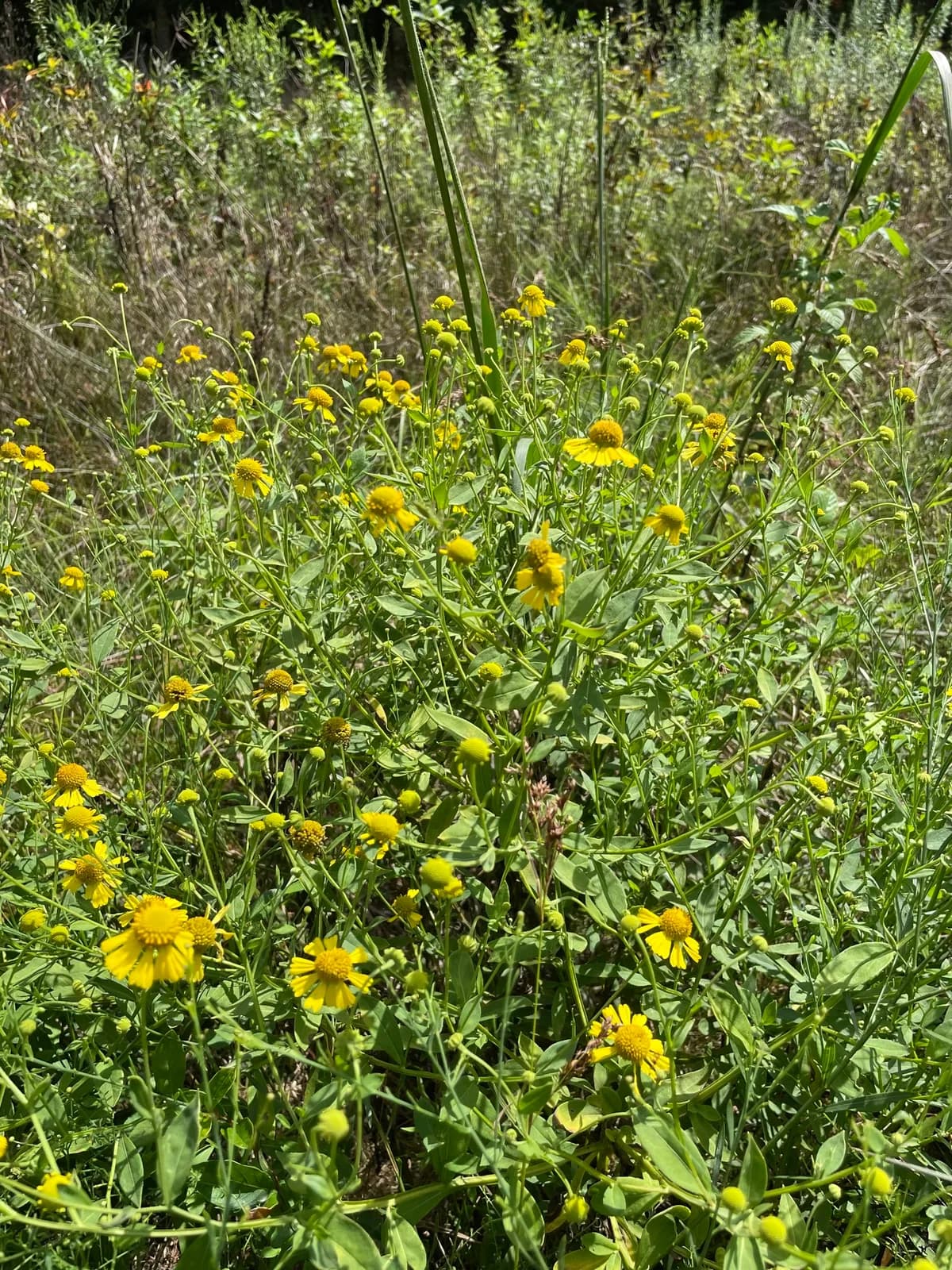
Common Sneezeweed
Helenium autumnale
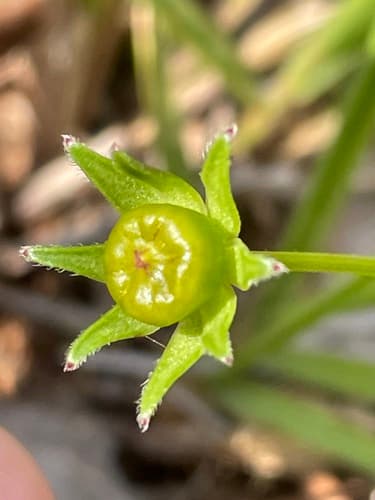
Lanceleaf Coreopsis
Coreopsis lanceolata
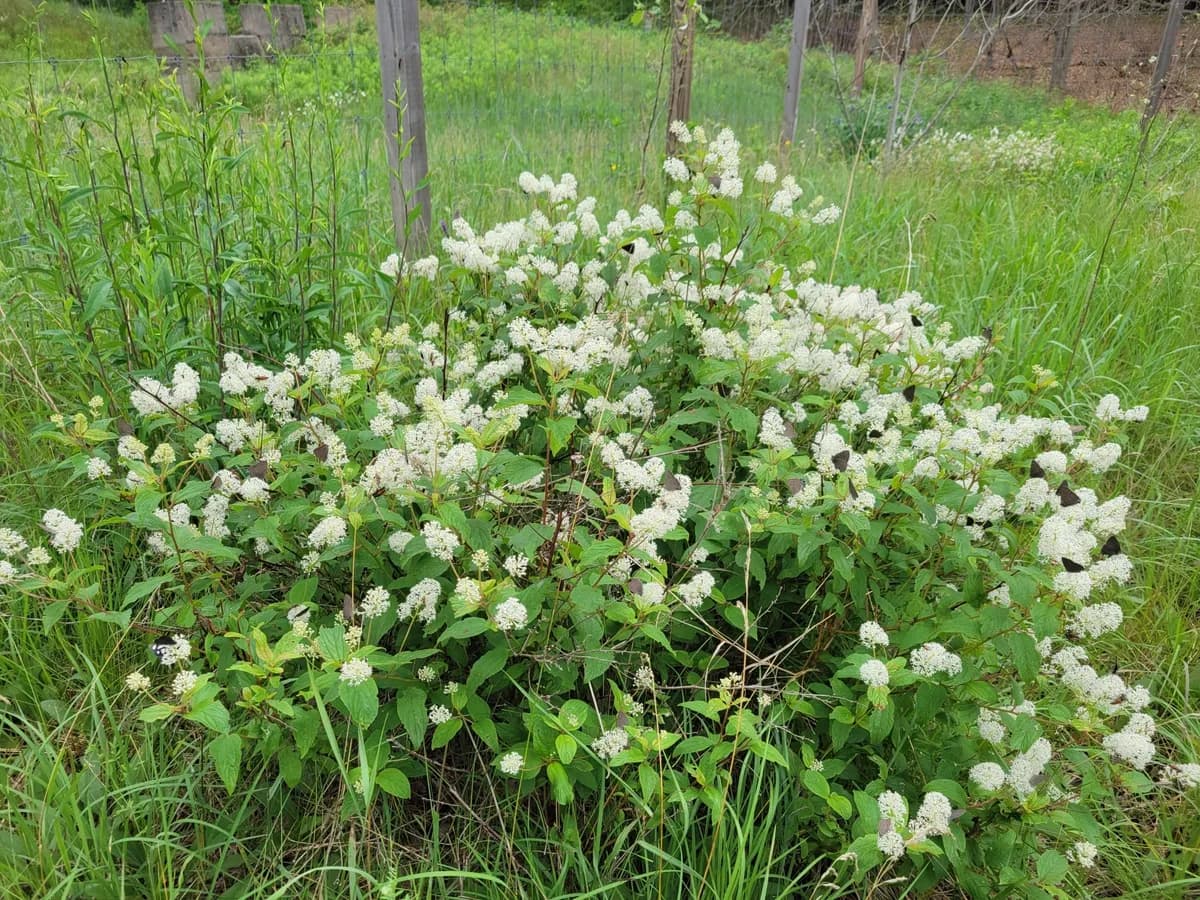
New Jersey-tea
Ceanothus americanus
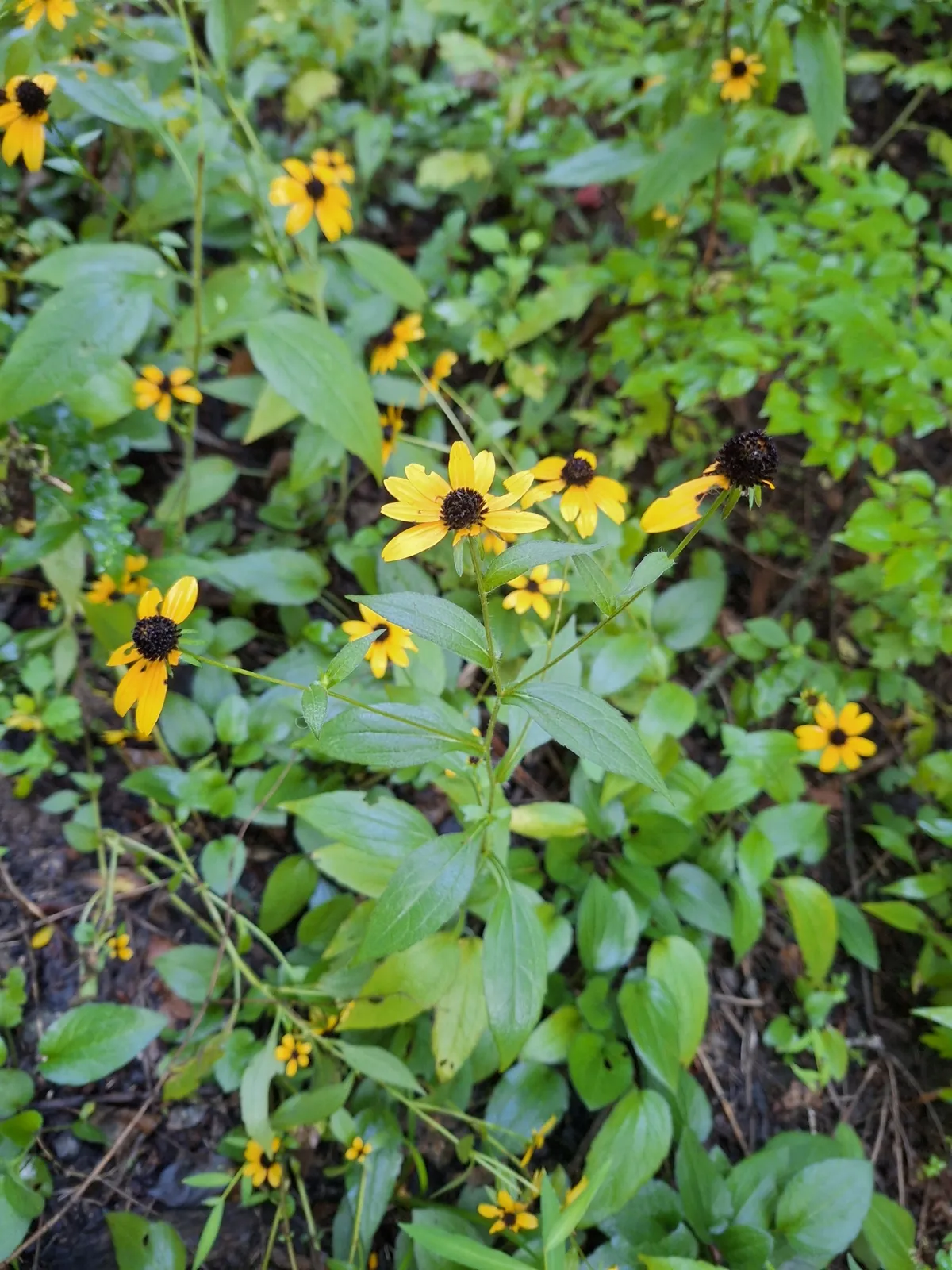
Perennial Black-eyed Susan
Rudbeckia fulgida
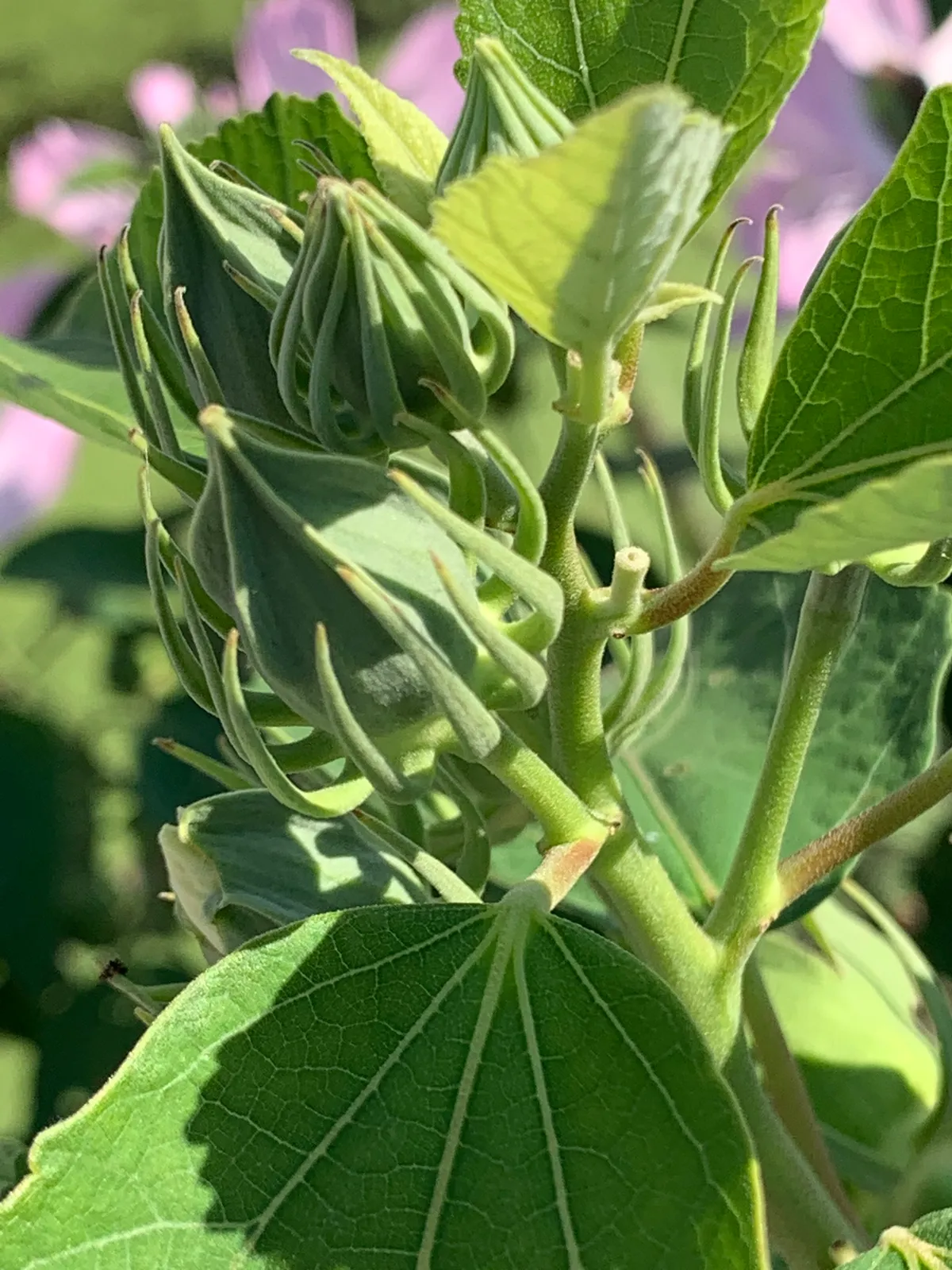
Mallow-rose
Hibiscus moscheutos
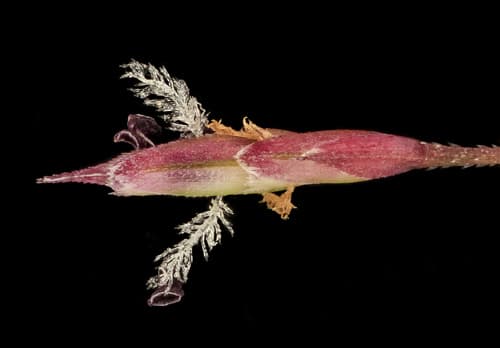
Purple Lovegrass
Eragrostis spectabilis
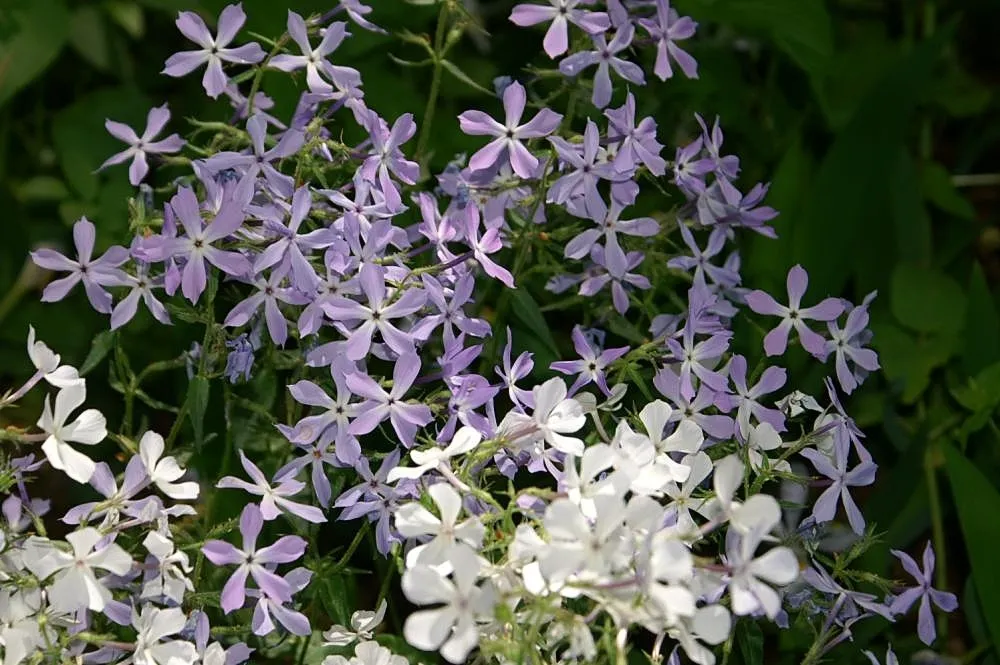
Blue Woodland Phlox
Phlox divaricata

Inland Sea Oats
Chasmanthium latifolium
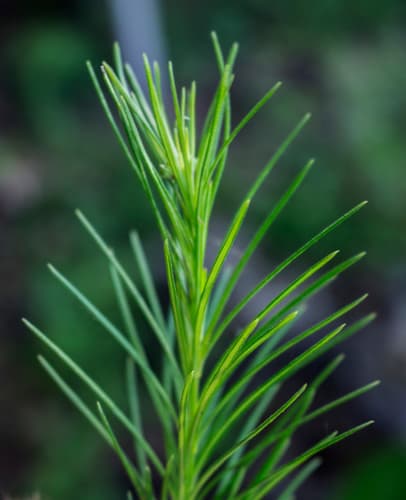
Whorled Milkweed
Asclepias verticillata
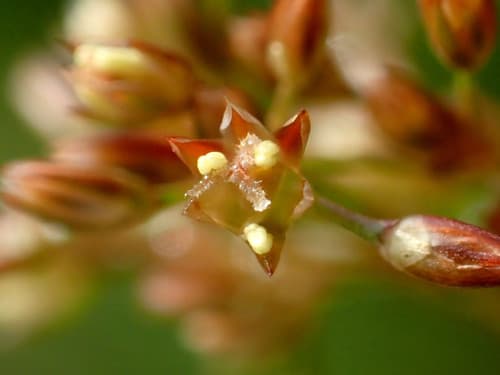
Soft rush
Juncus effusus
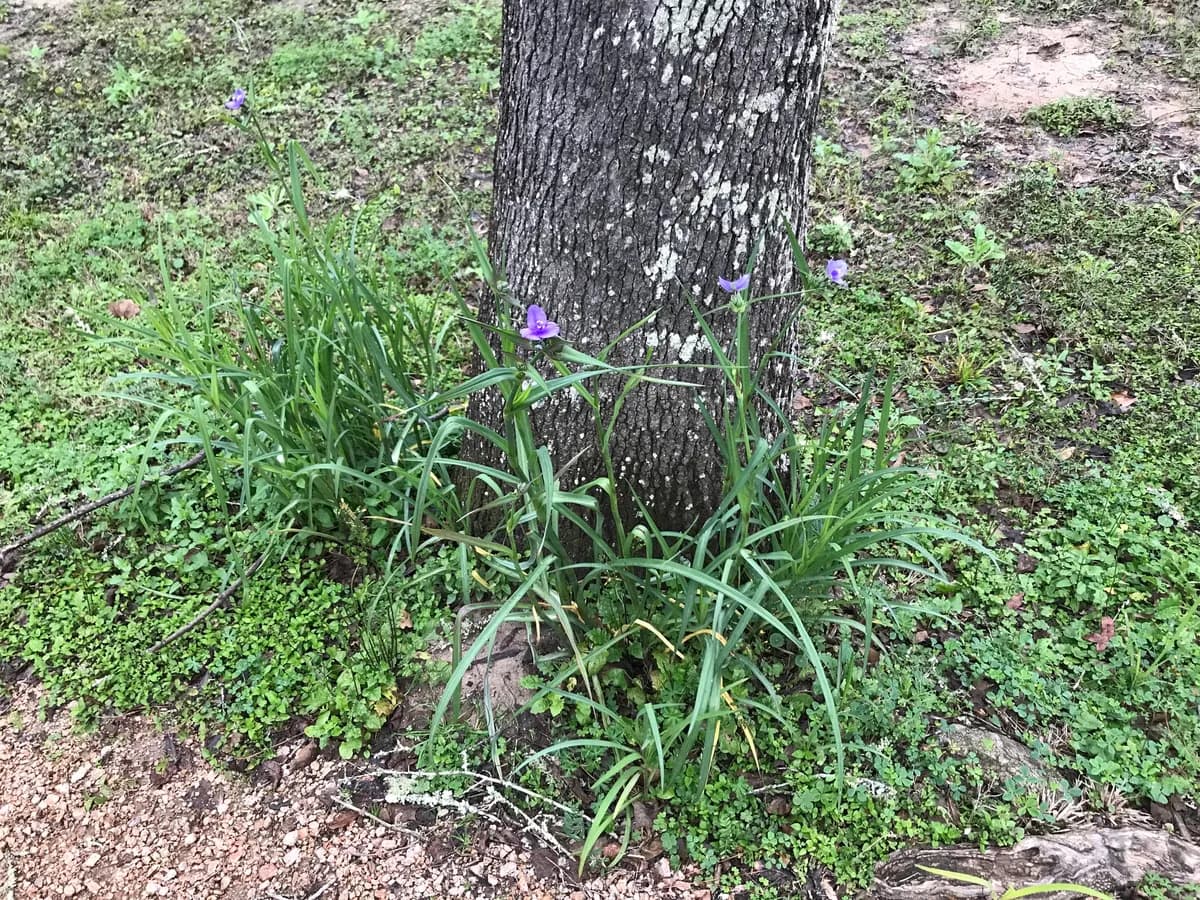
Smooth Spiderwort
Tradescantia ohiensis
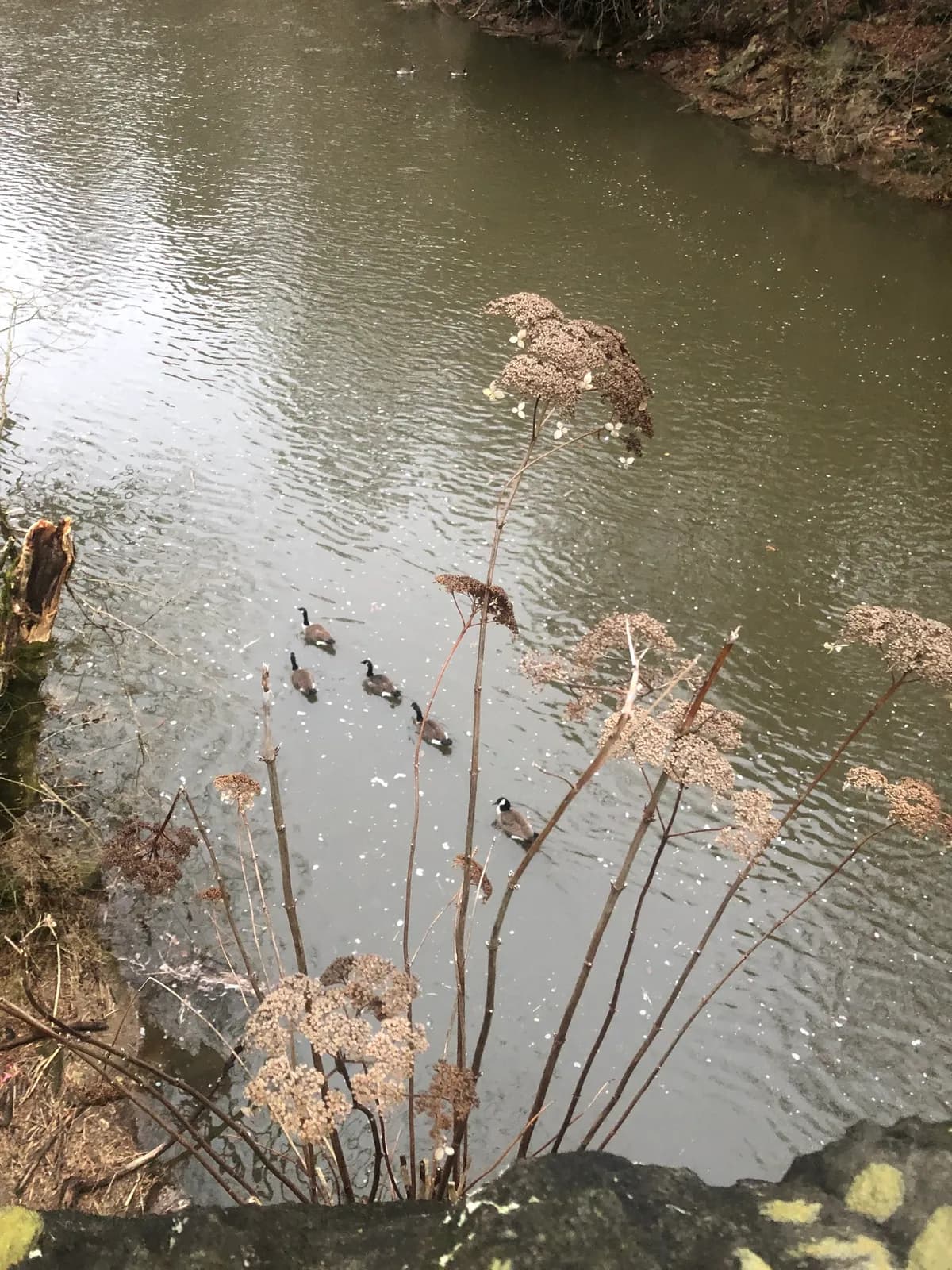
Sevenbark
Hydrangea arborescens
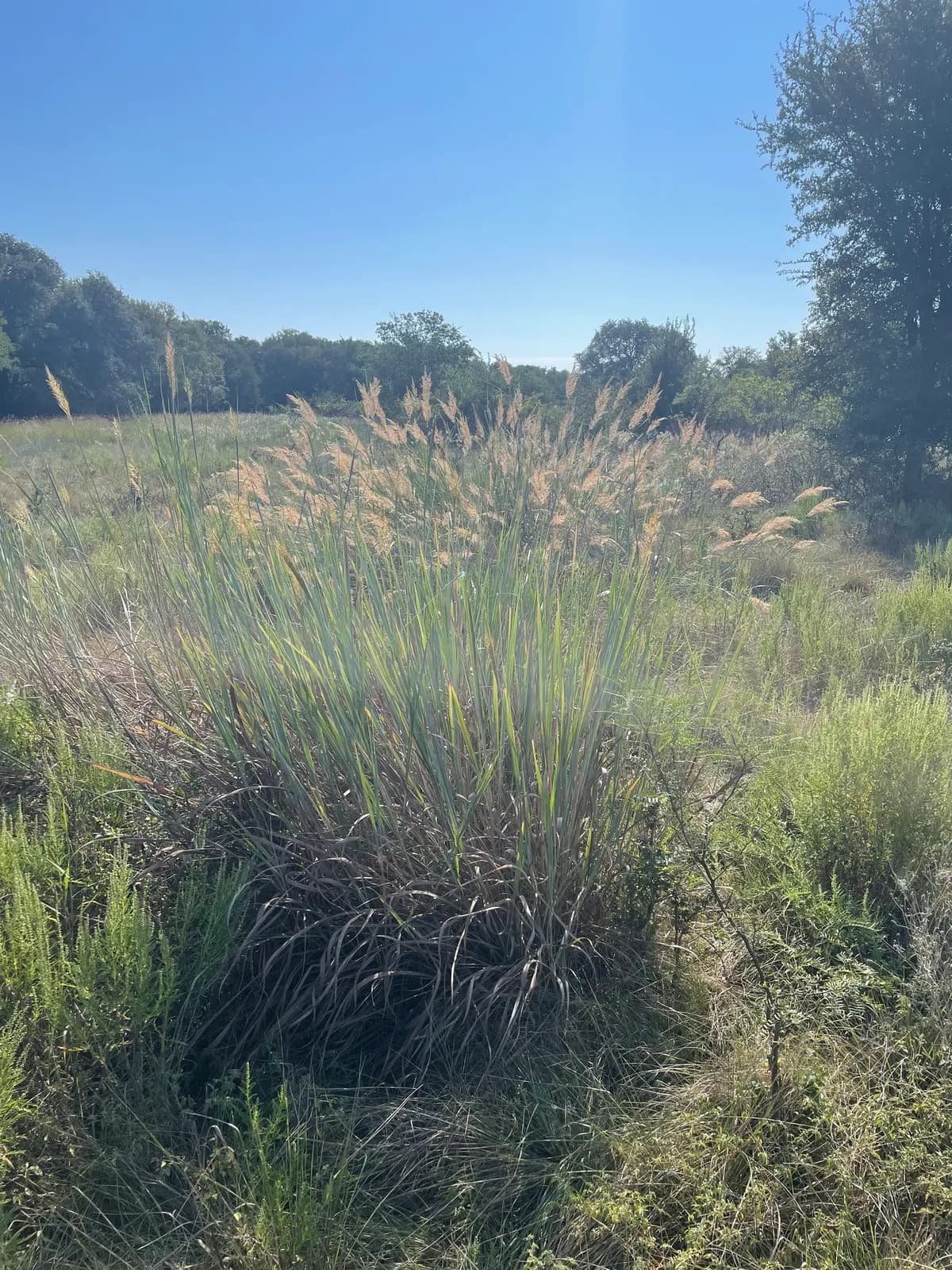
Indiangrass
Sorghastrum nutans
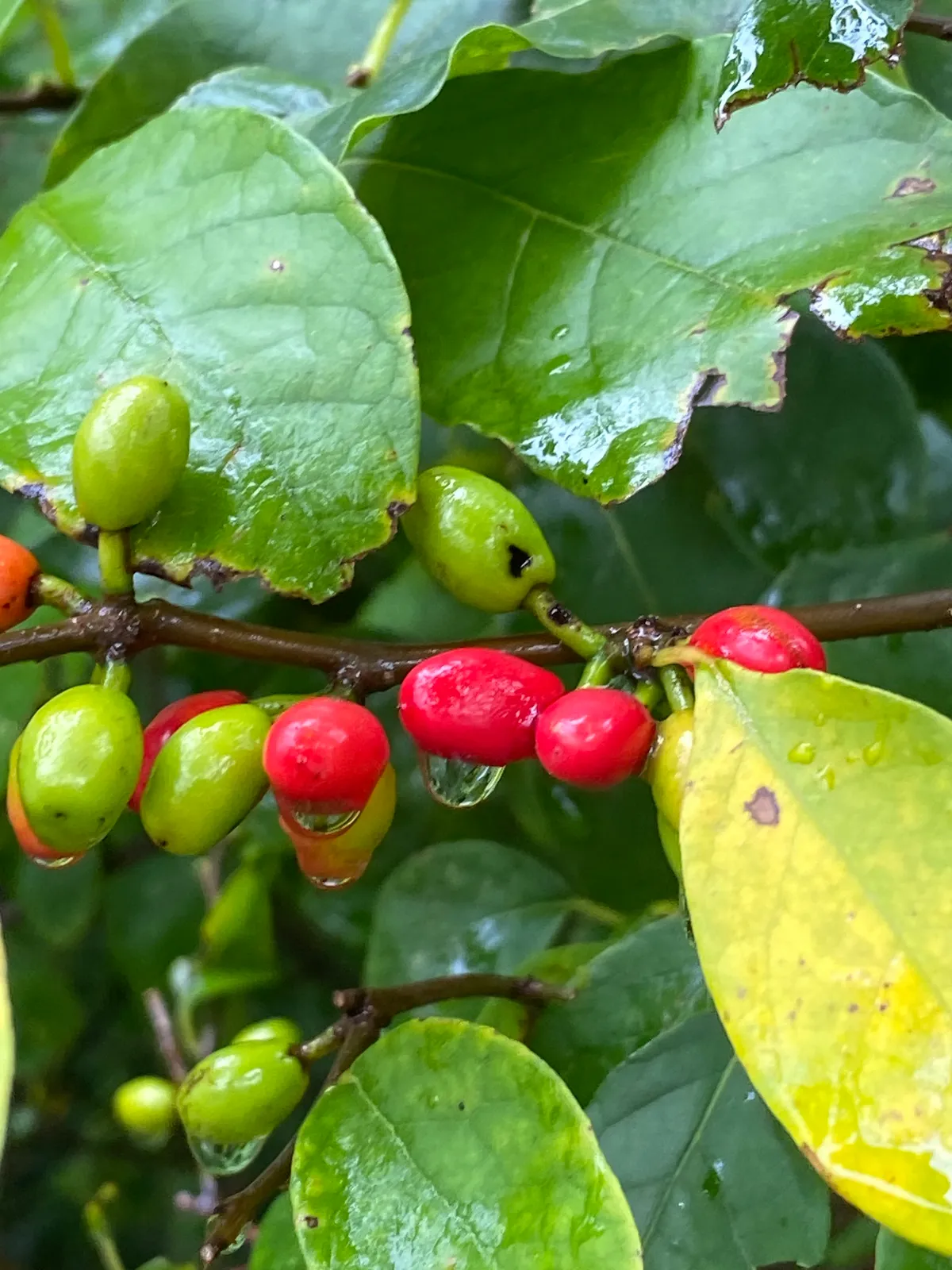
Spicebush
Lindera benzoin
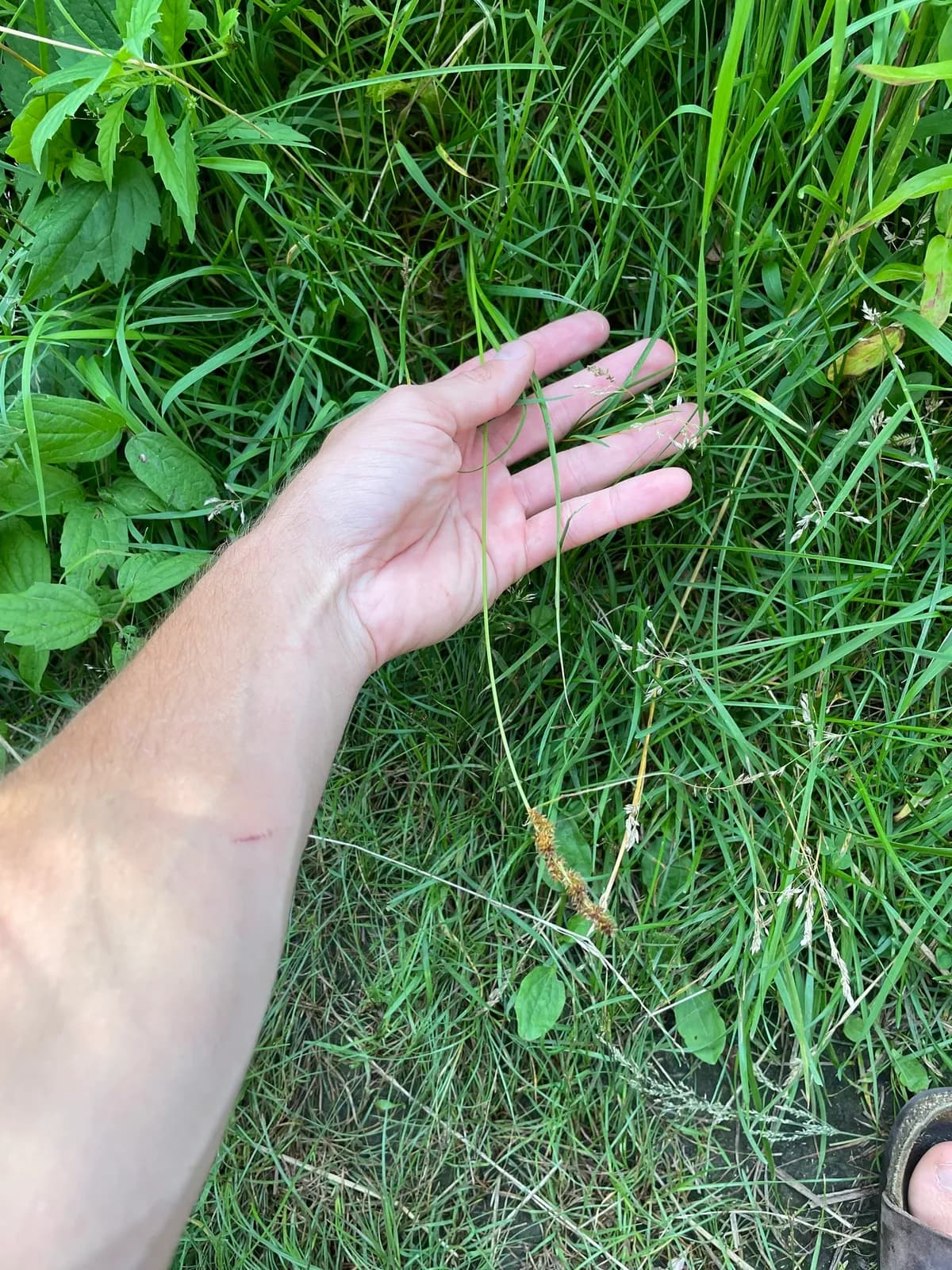
American Fox Sedge
Carex vulpinoidea

Coral Honeysuckle
Lonicera sempervirens
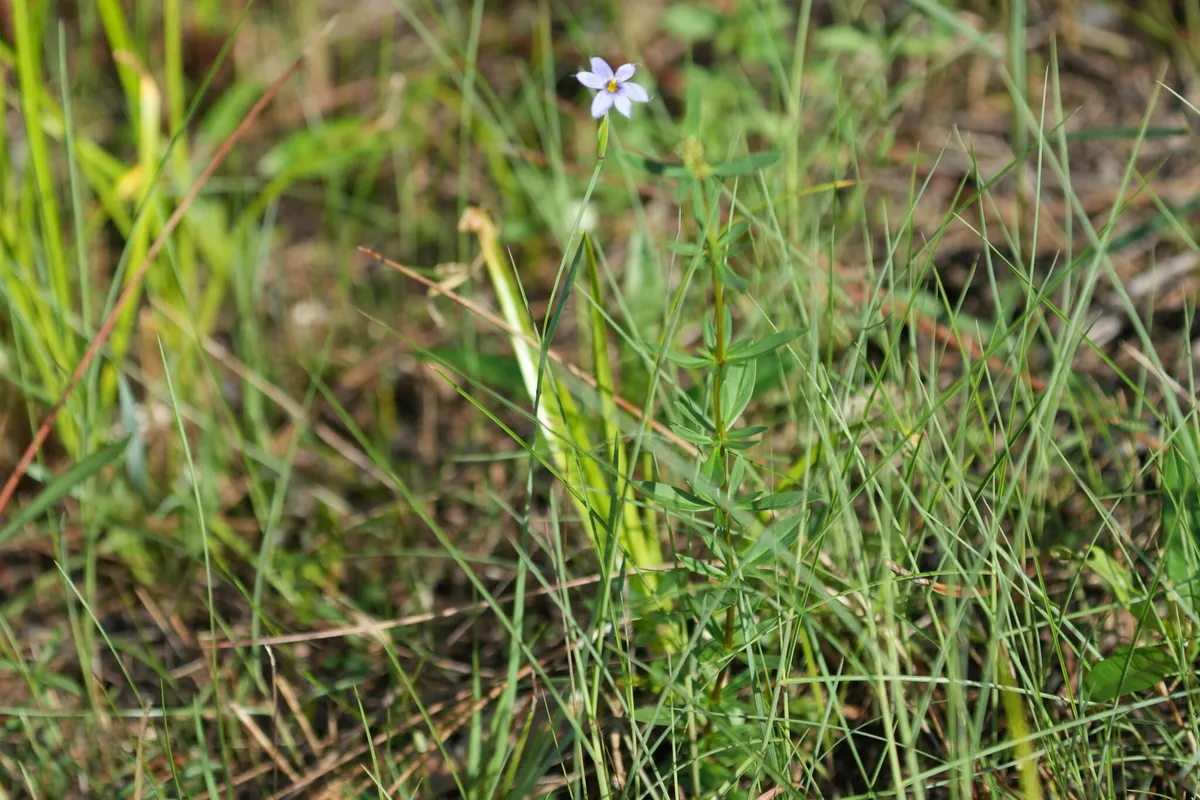
Narrowleaf Blue-eyed Grass
Sisyrinchium angustifolium
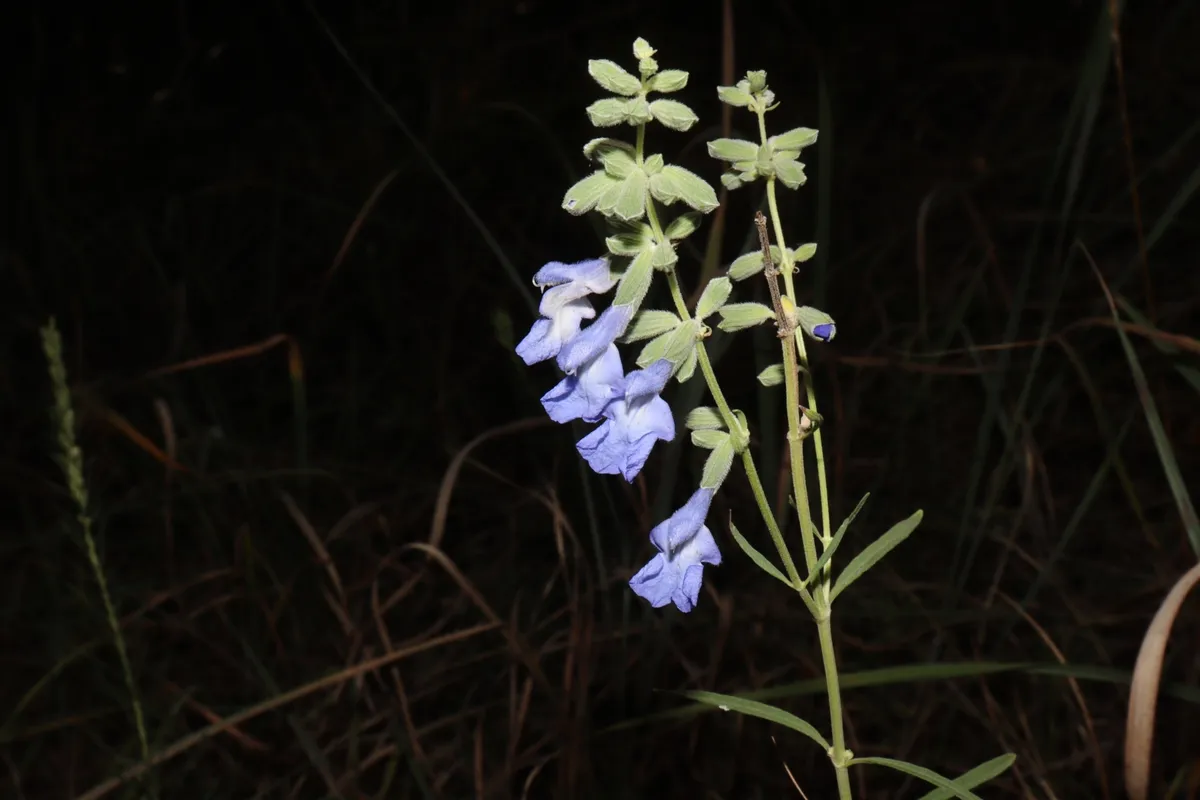
Azure Sage
Salvia azurea
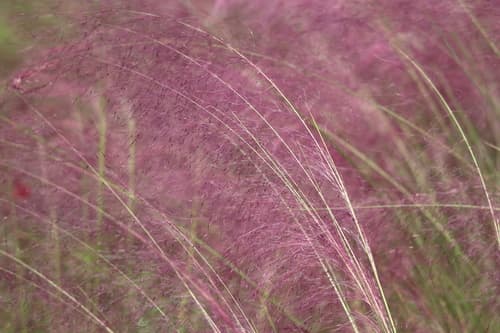
Gulf Muhly
Muhlenbergia capillaris
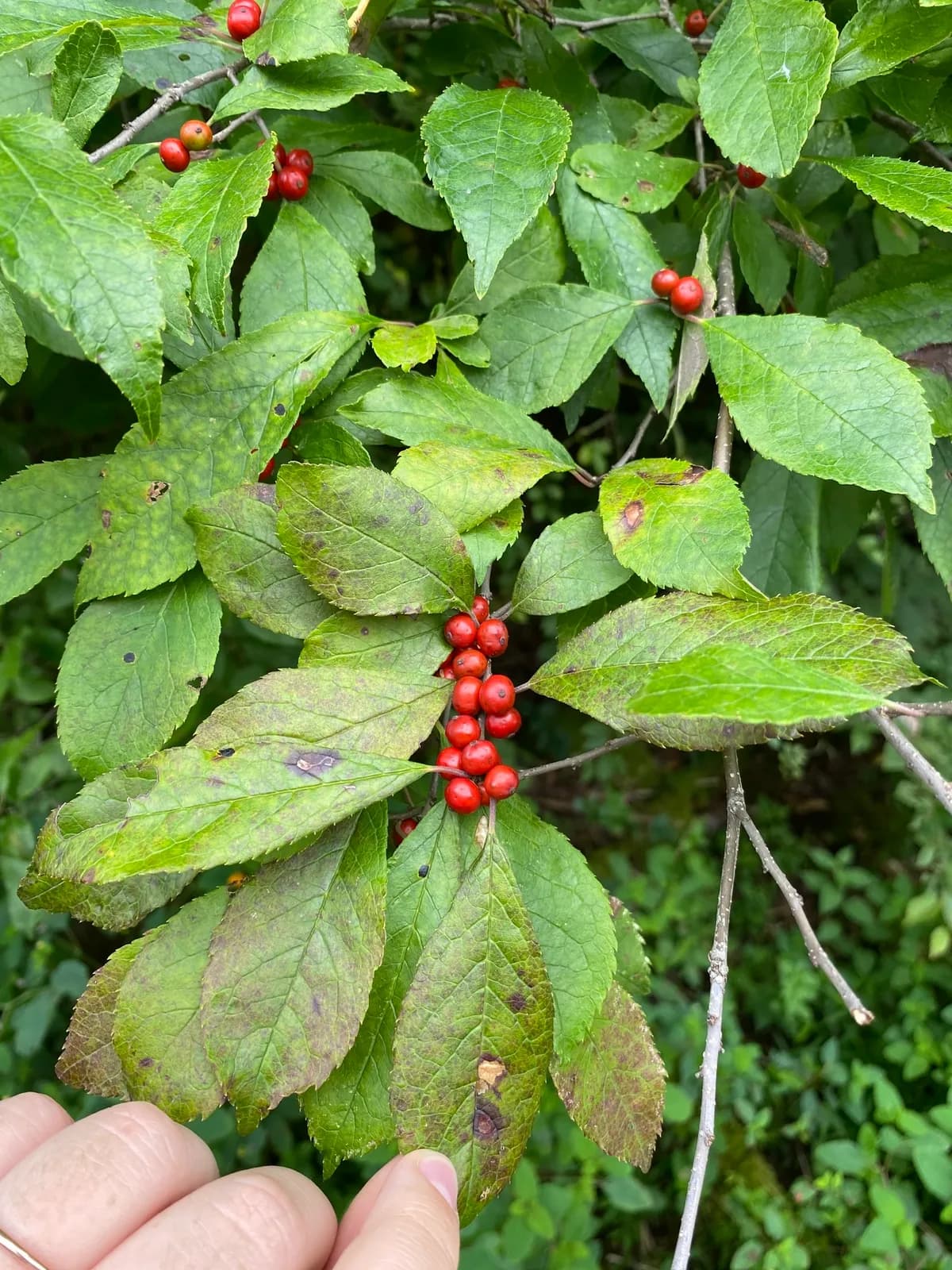
Black-alder
Ilex verticillata
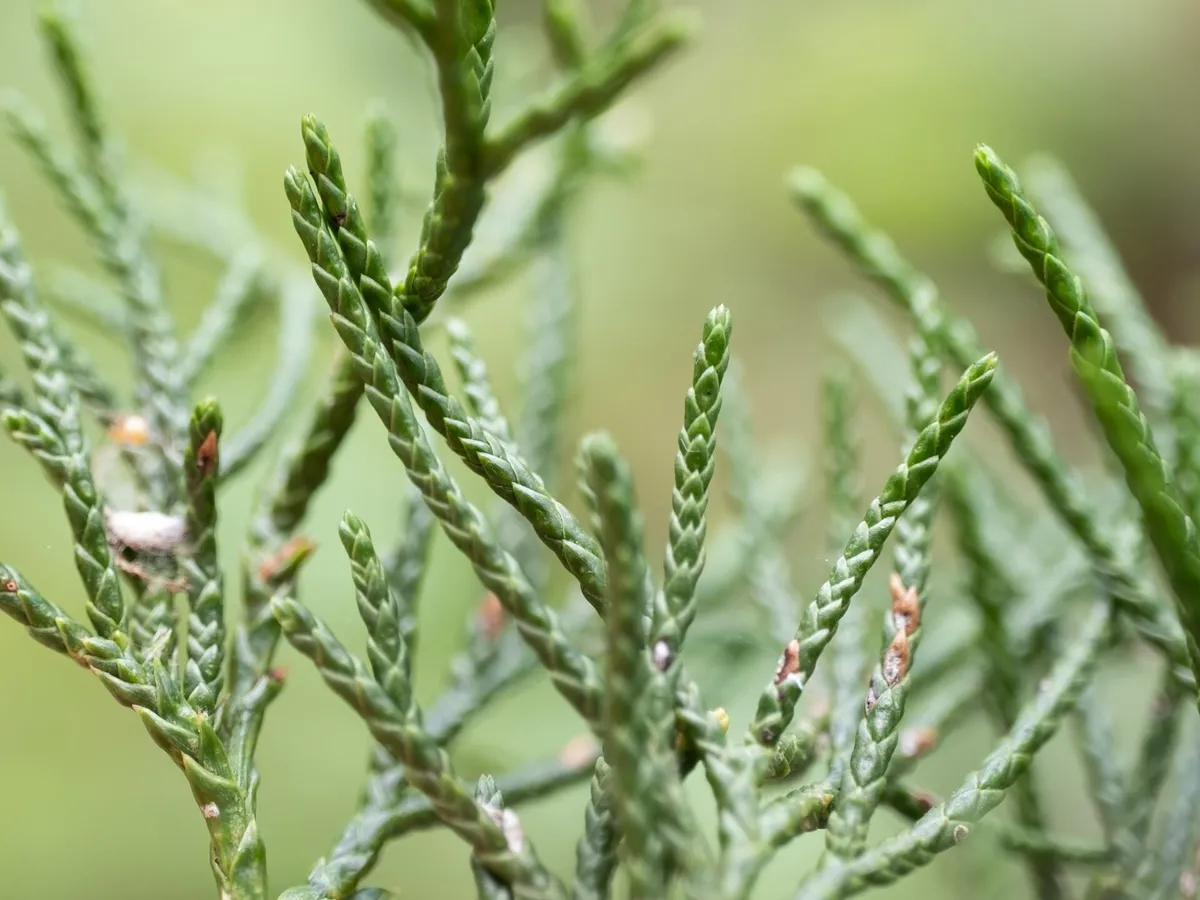
Eastern Red Cedar
Juniperus virginiana
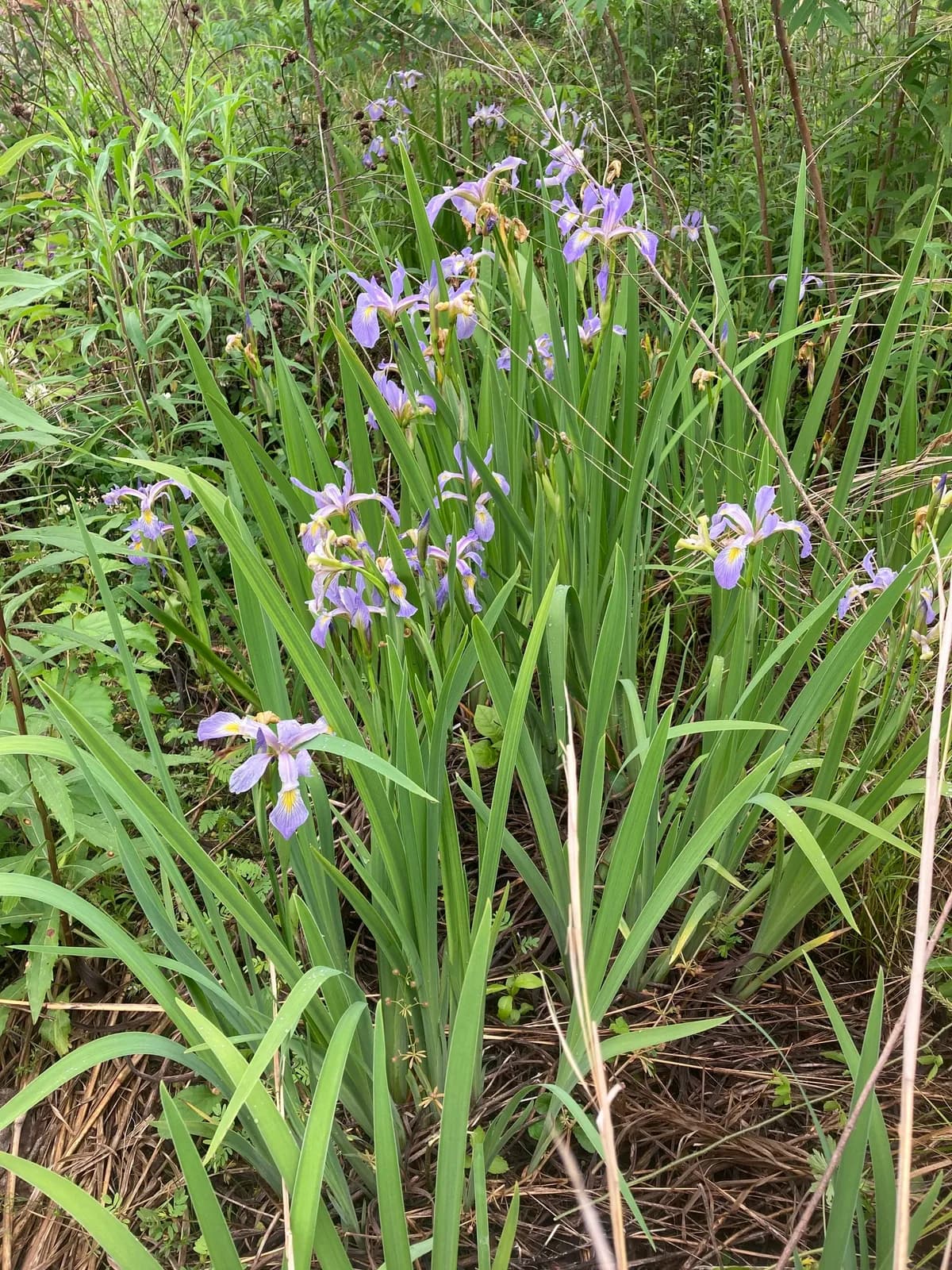
Southern Blue Flag Iris
Iris virginica
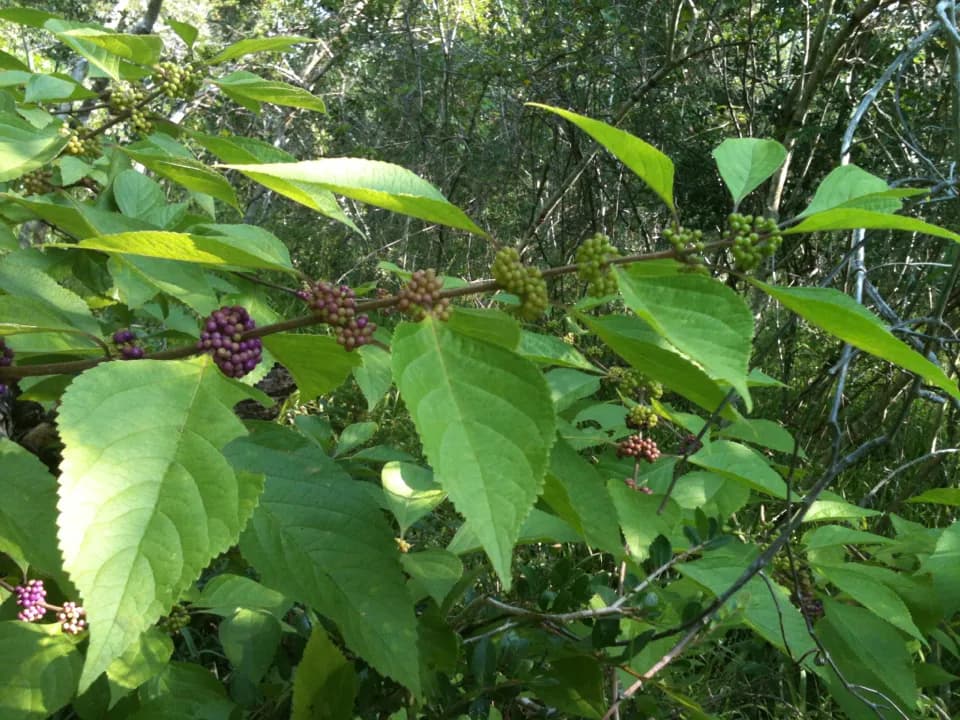
American Beautyberry
Callicarpa americana
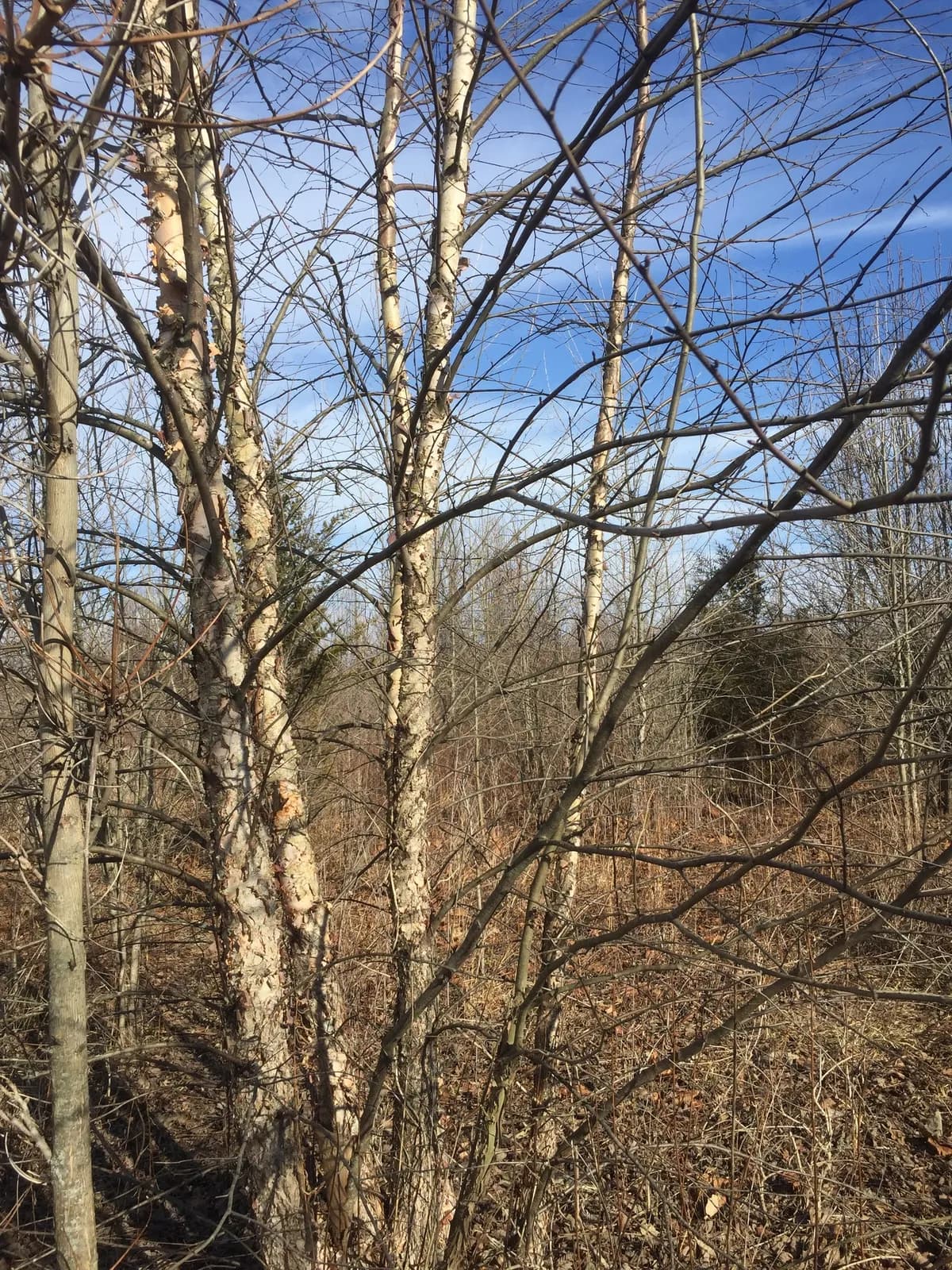
River Birch
Betula nigra
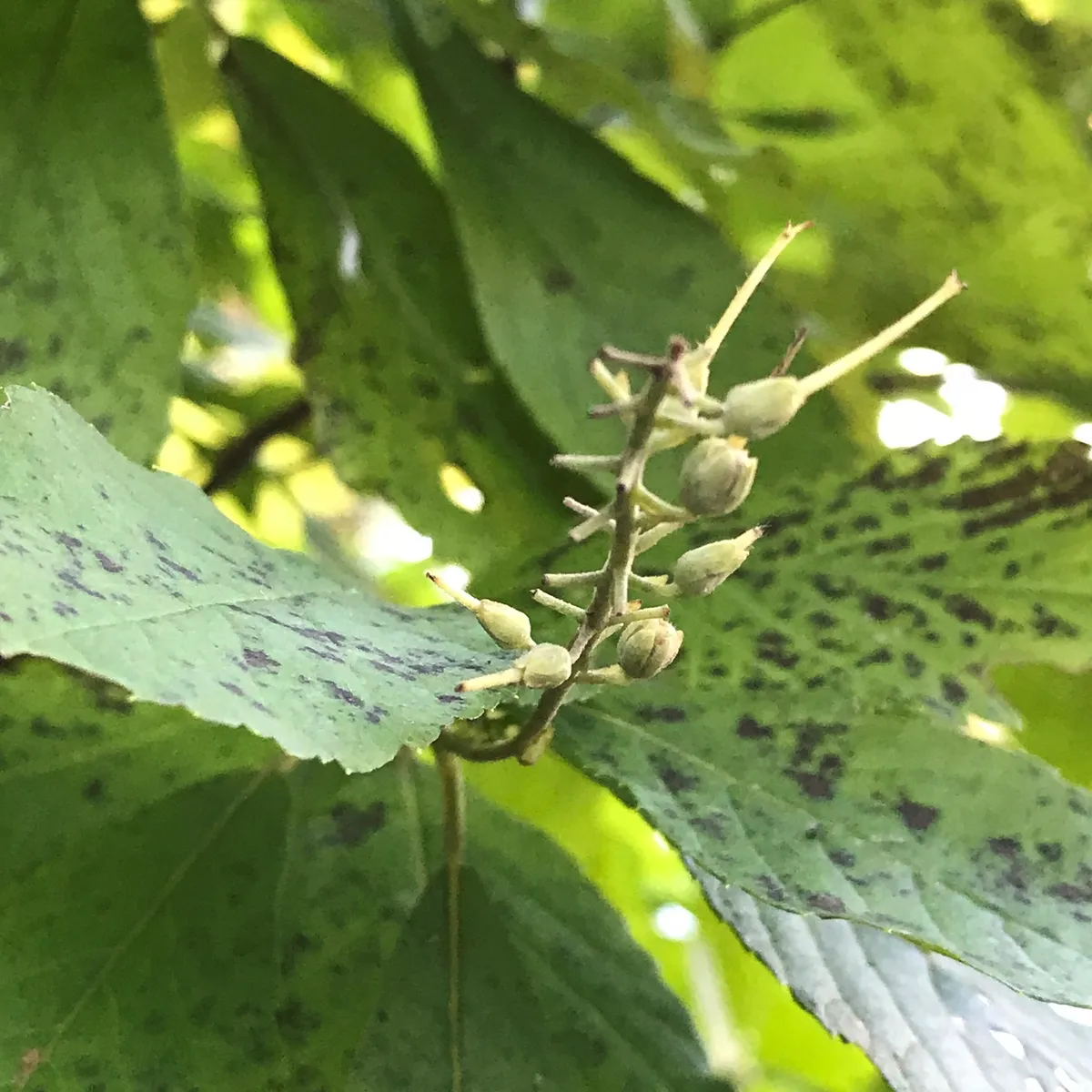
Summersweet
Clethra alnifolia
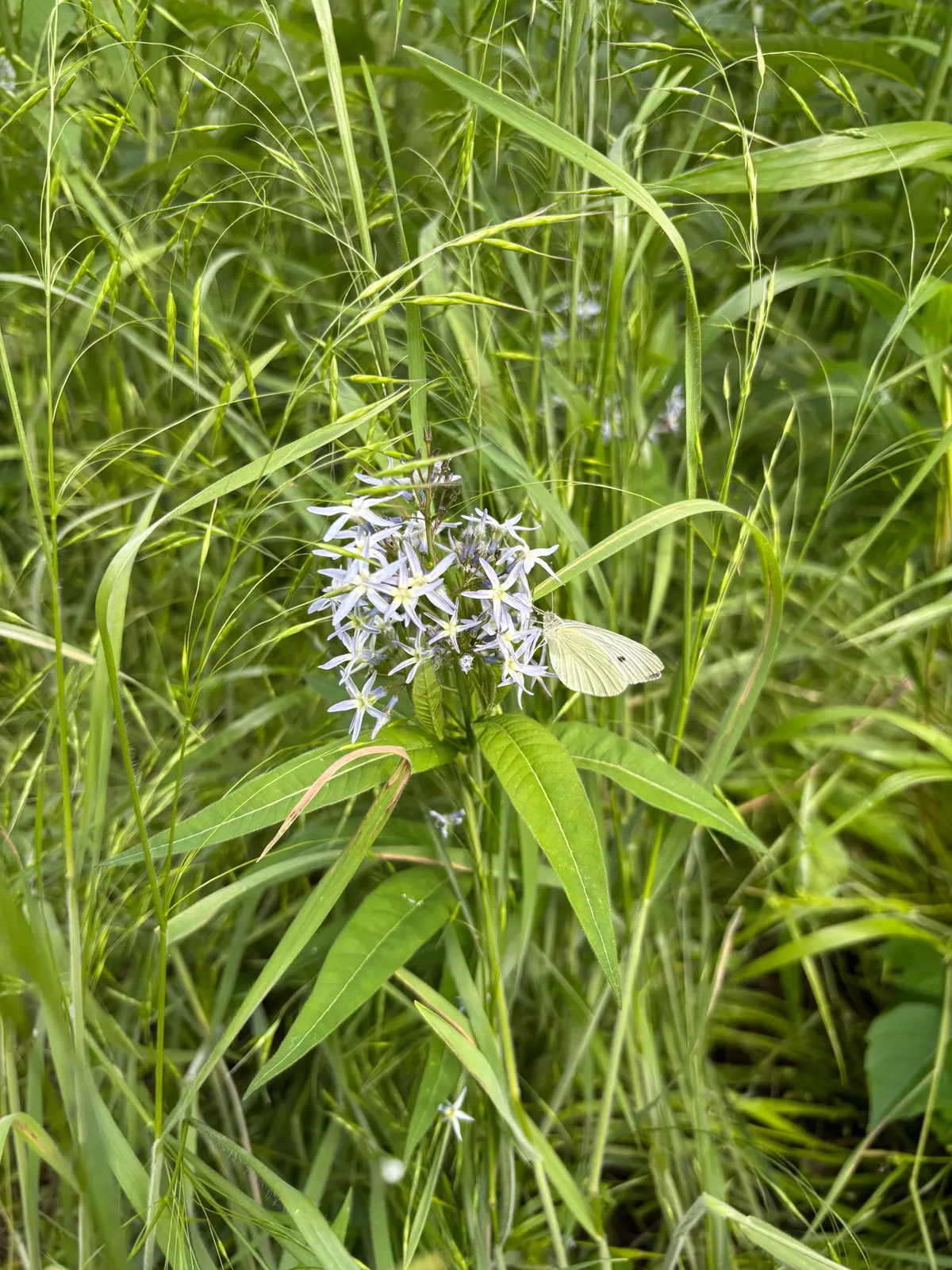
Eastern Bluestar
Amsonia tabernaemontana
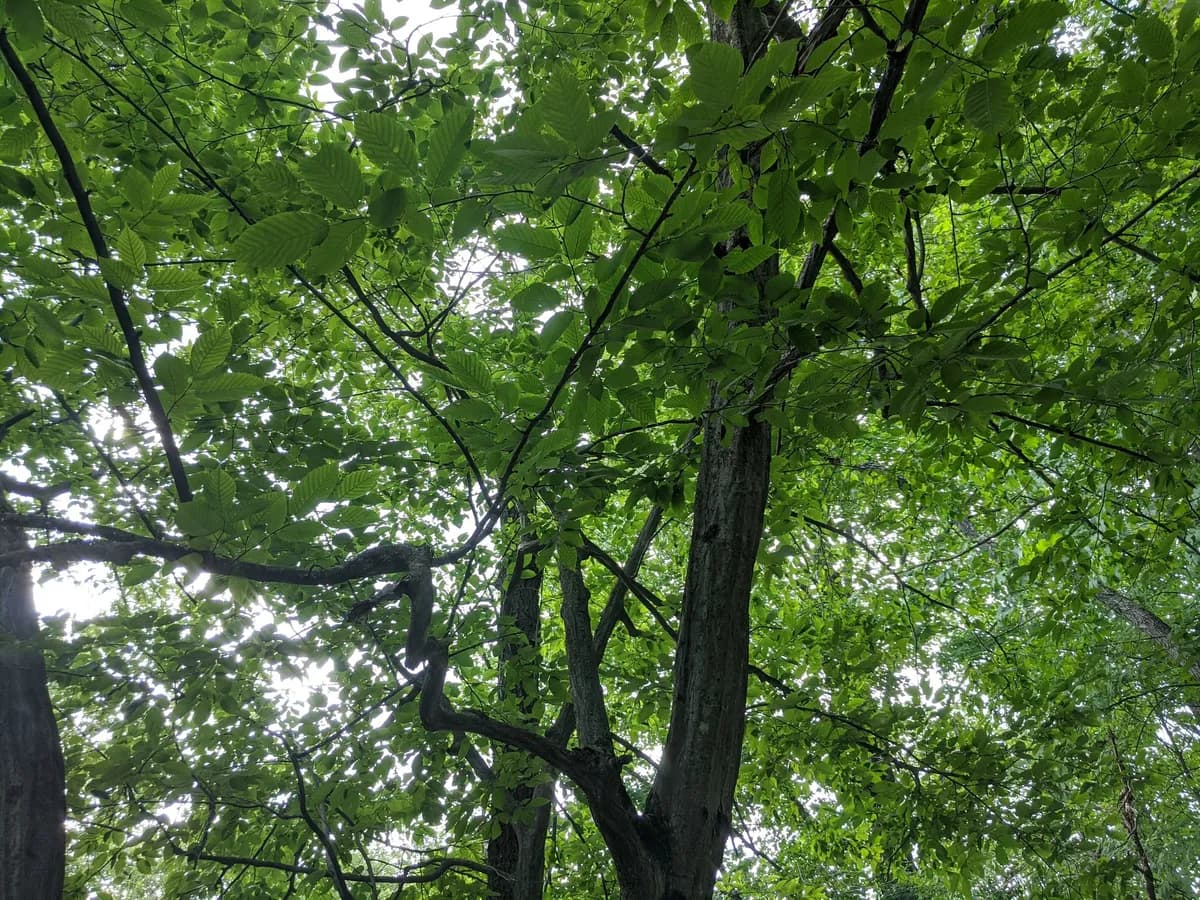
Hornbeam
Carpinus caroliniana
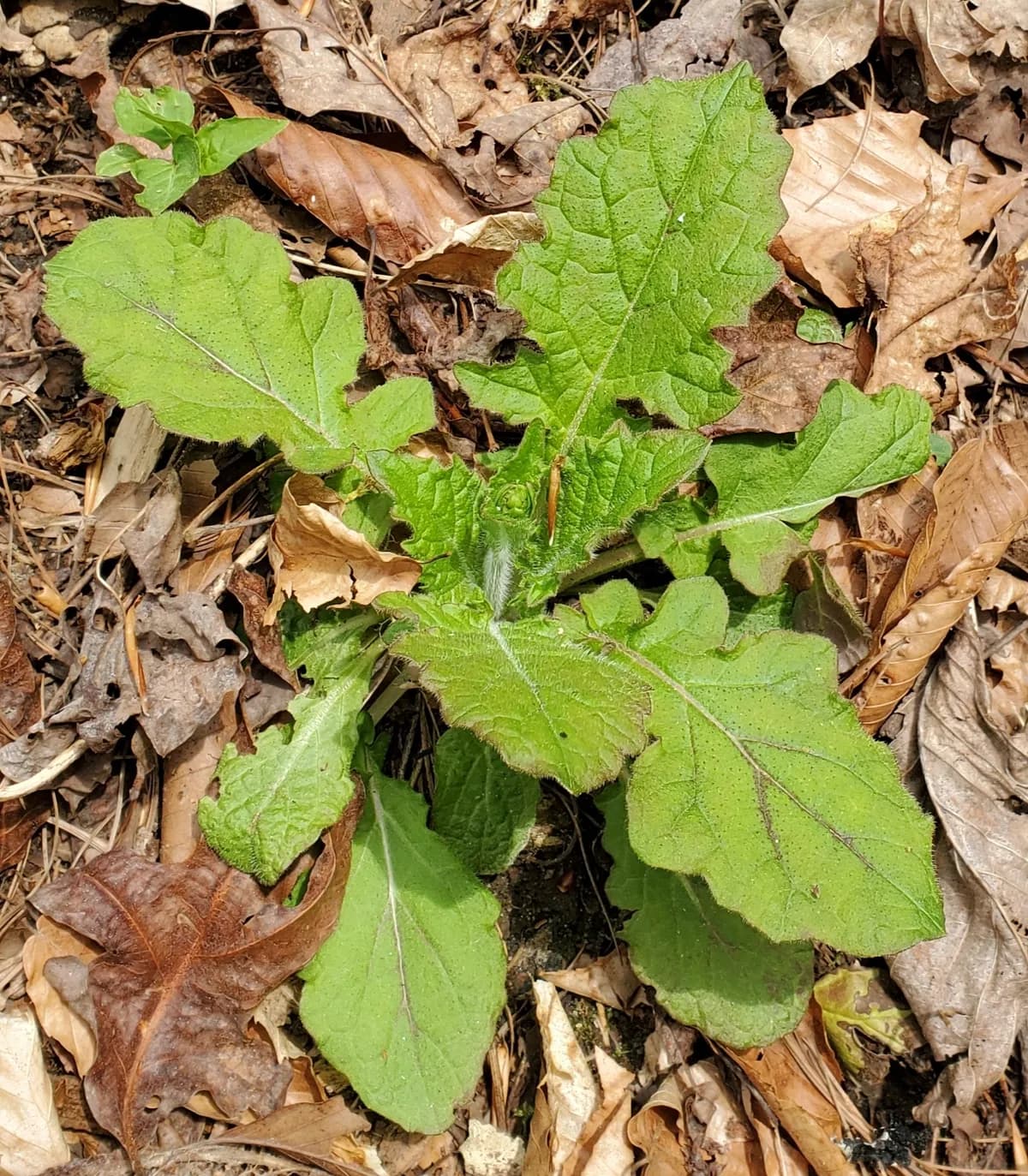
Lyre Leaf Sage
Salvia lyrata
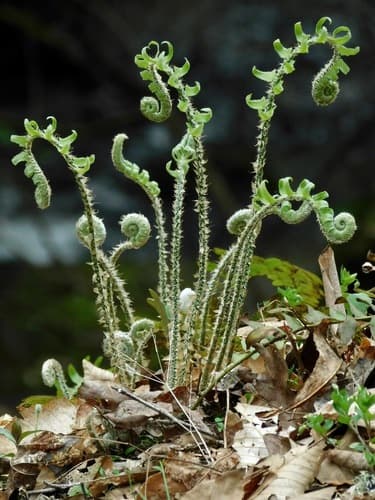
Christmas Fern
Polystichum acrostichoides
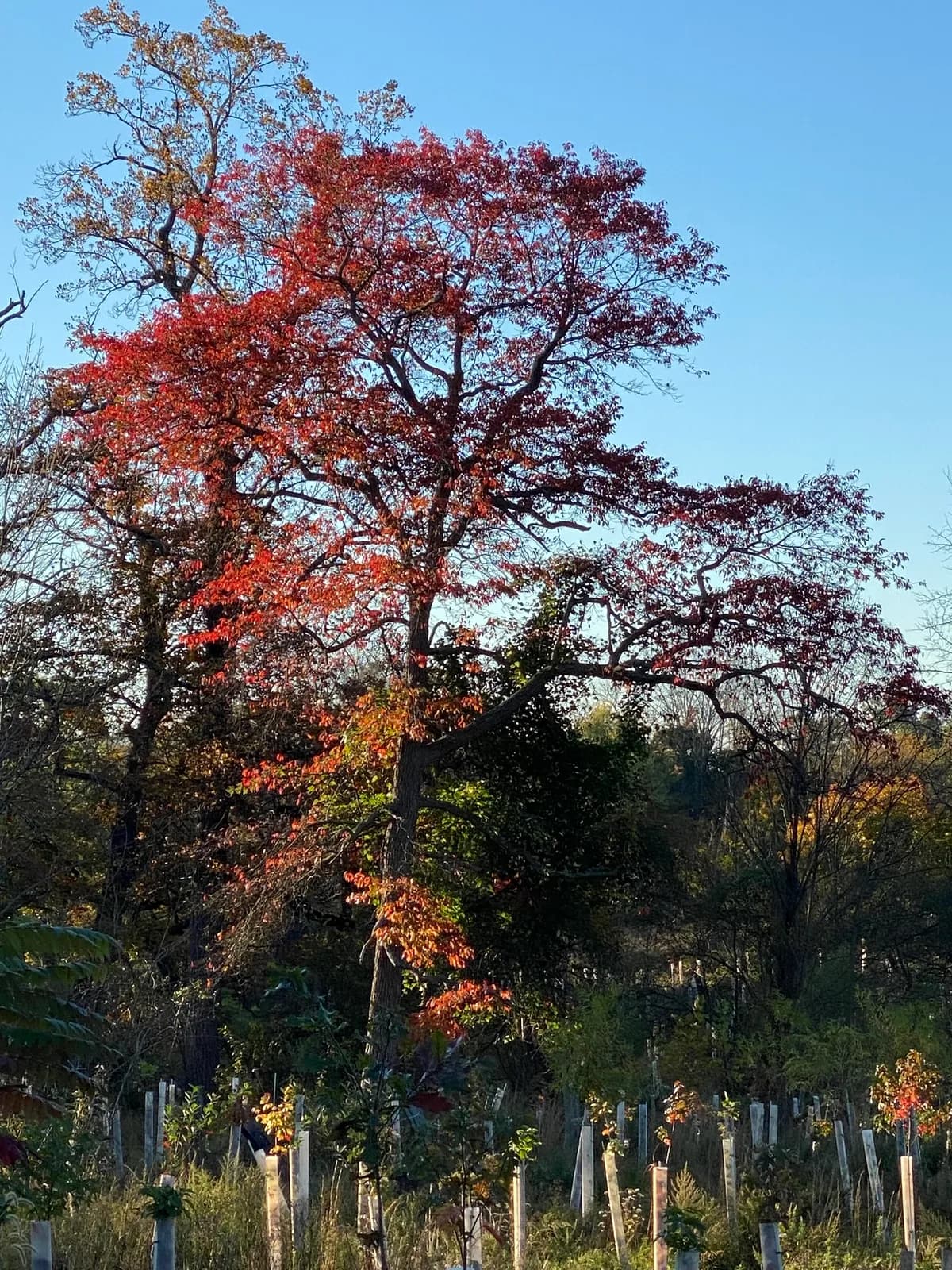
Black Gum
Nyssa sylvatica
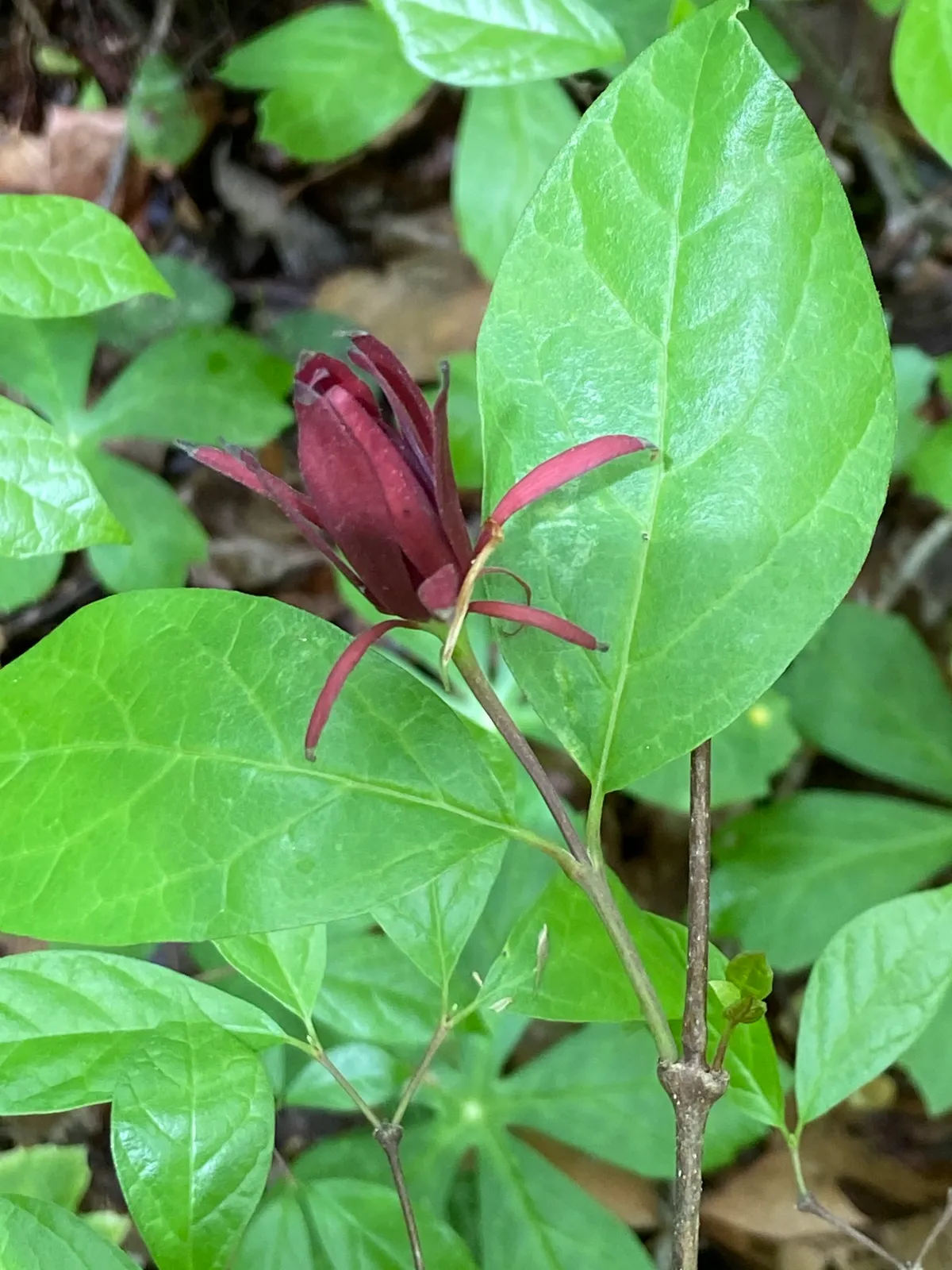
Carolina-allspice
Calycanthus floridus
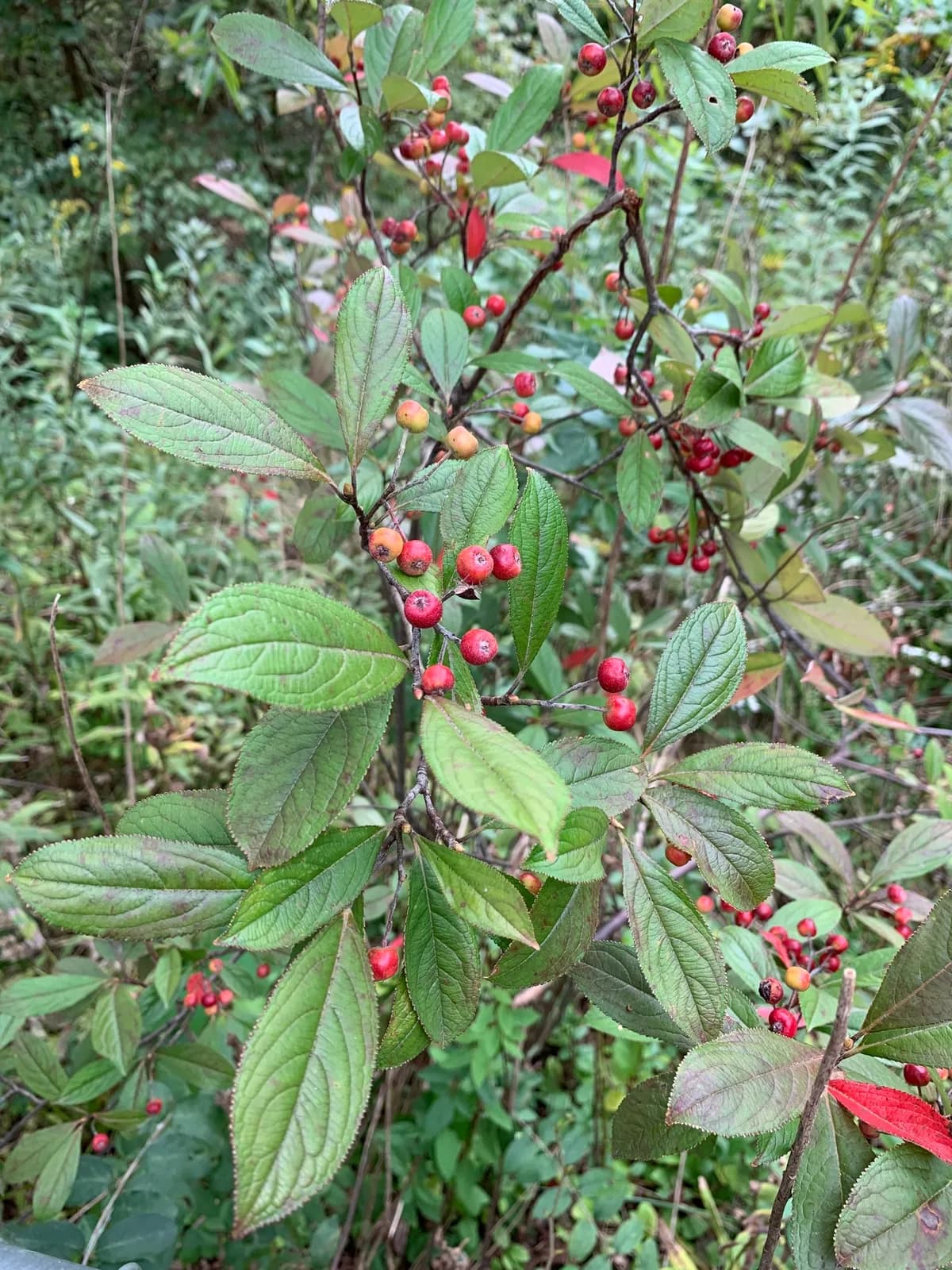
Red Chokeberry
Aronia arbutifolia
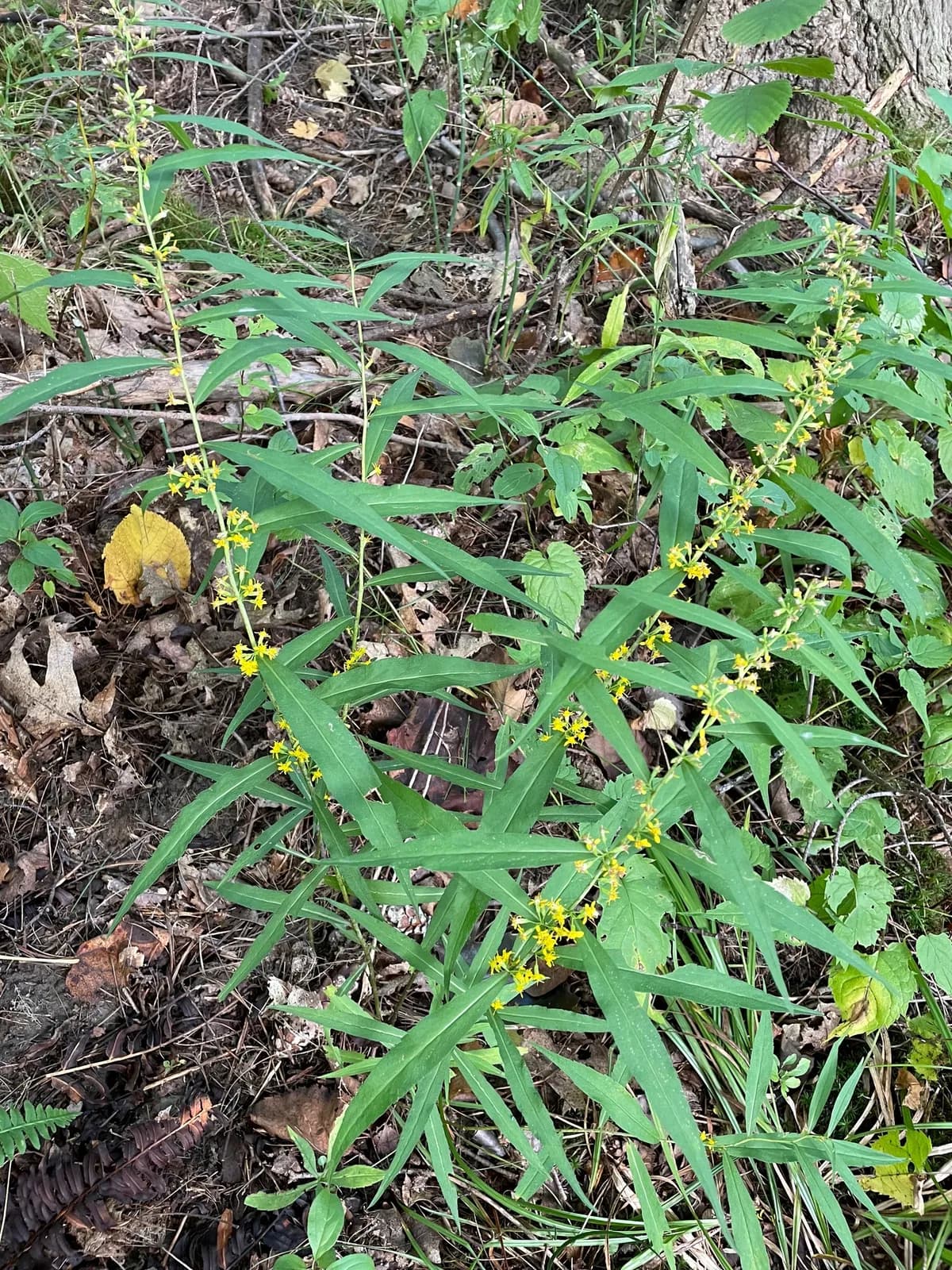
Blue-stemmed Goldenrod
Solidago caesia
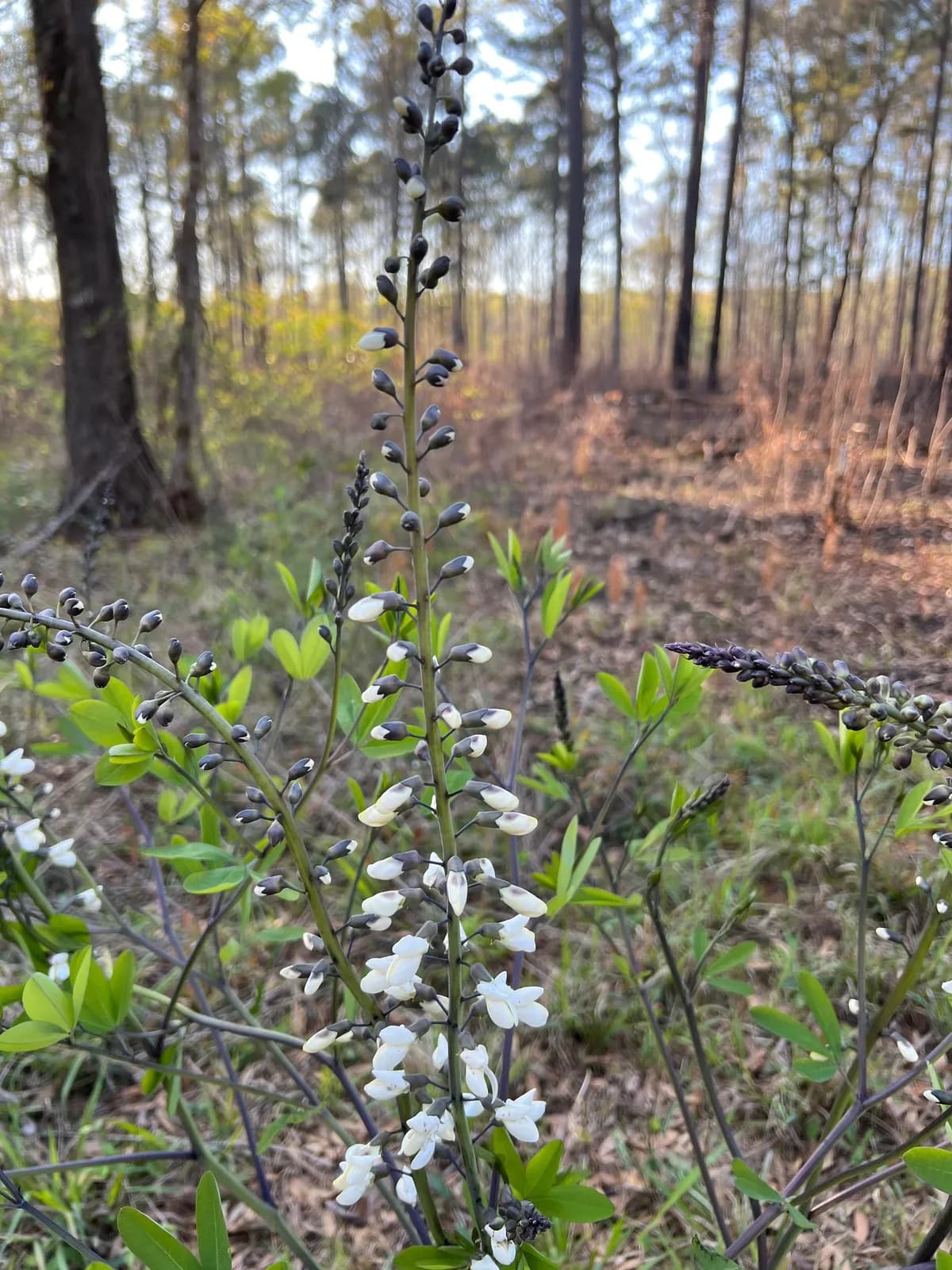
White Wild Indigo
Baptisia alba
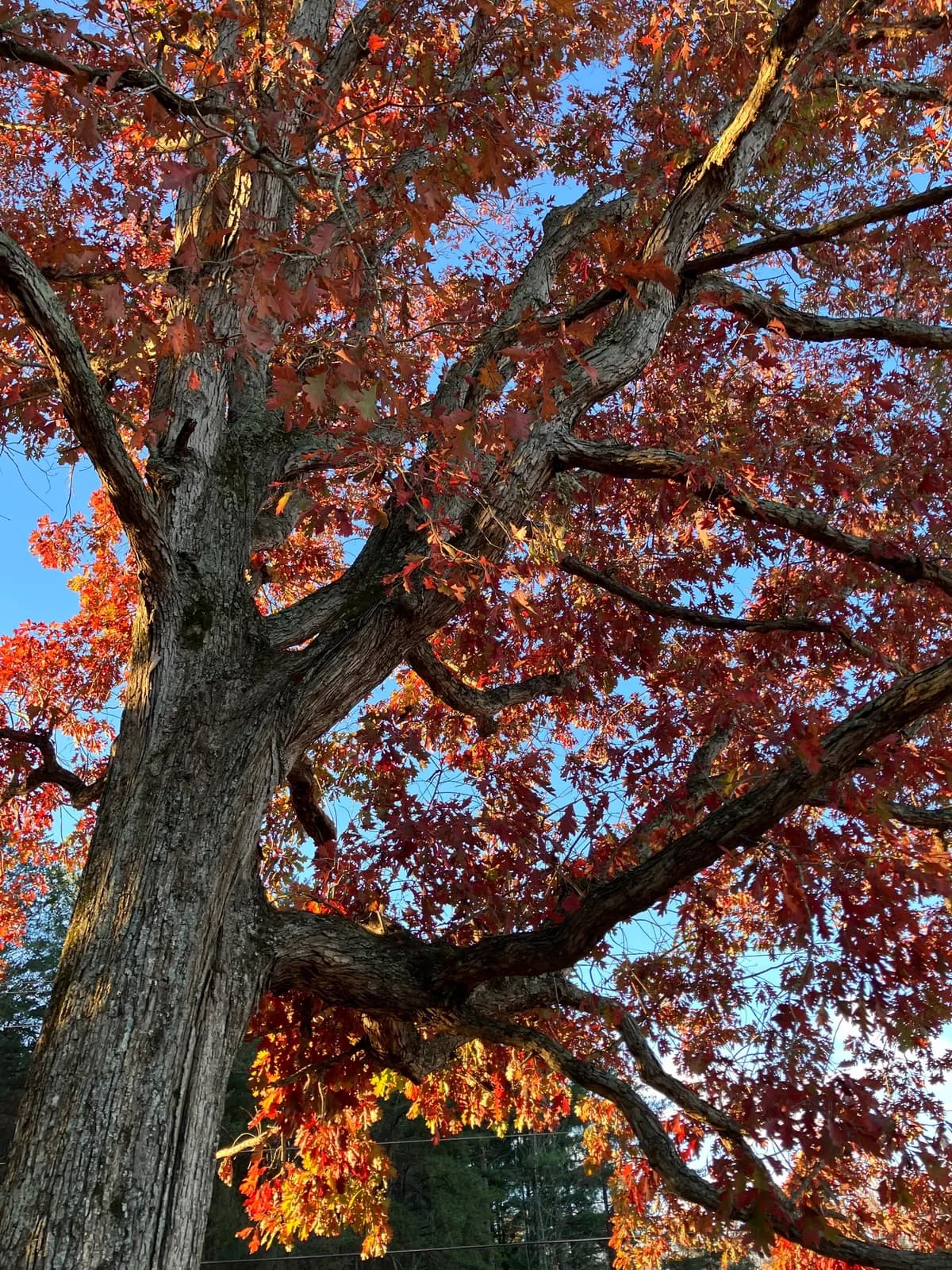
White Oak
Quercus alba
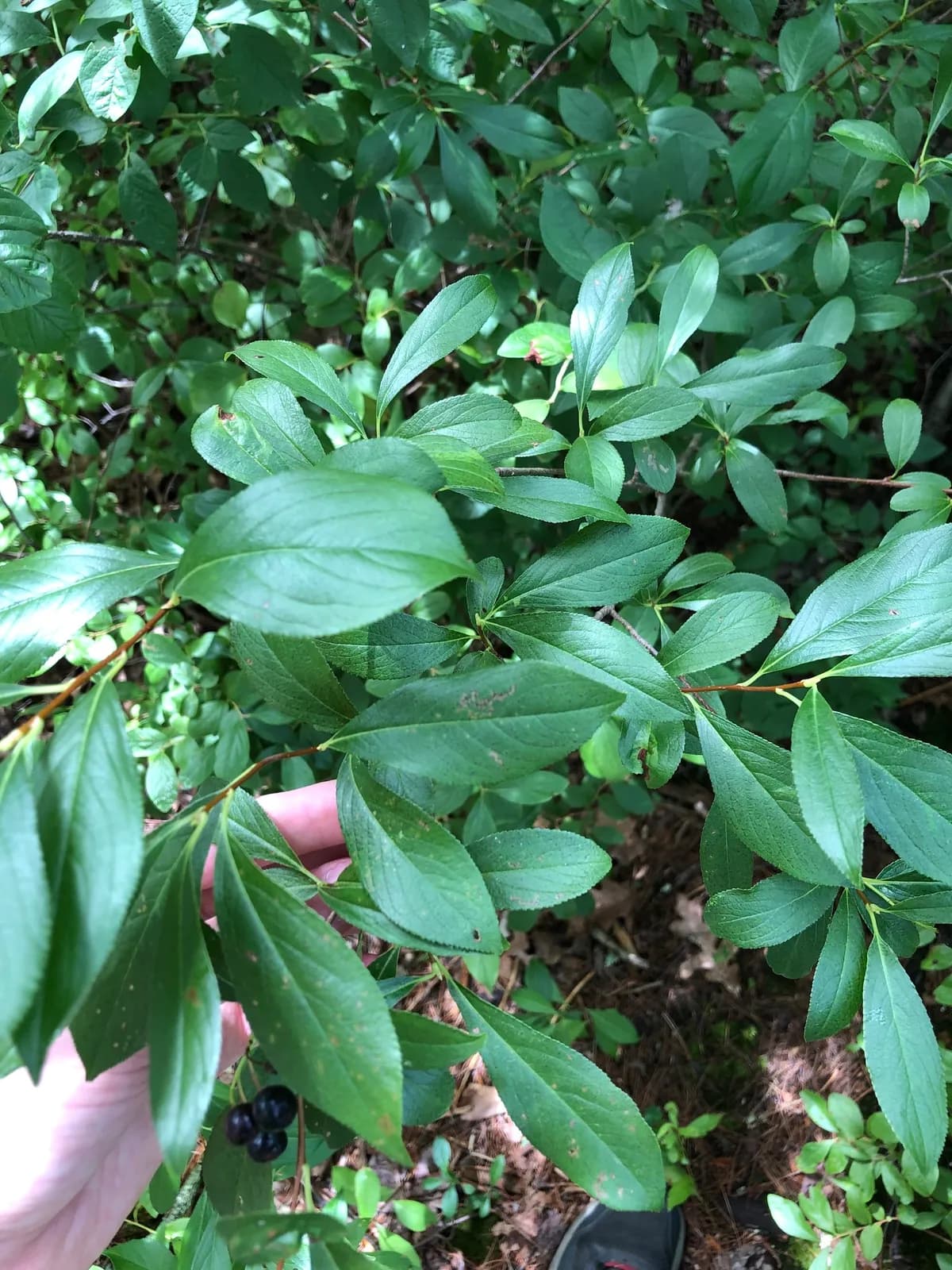
Black Chokeberry
Aronia melanocarpa
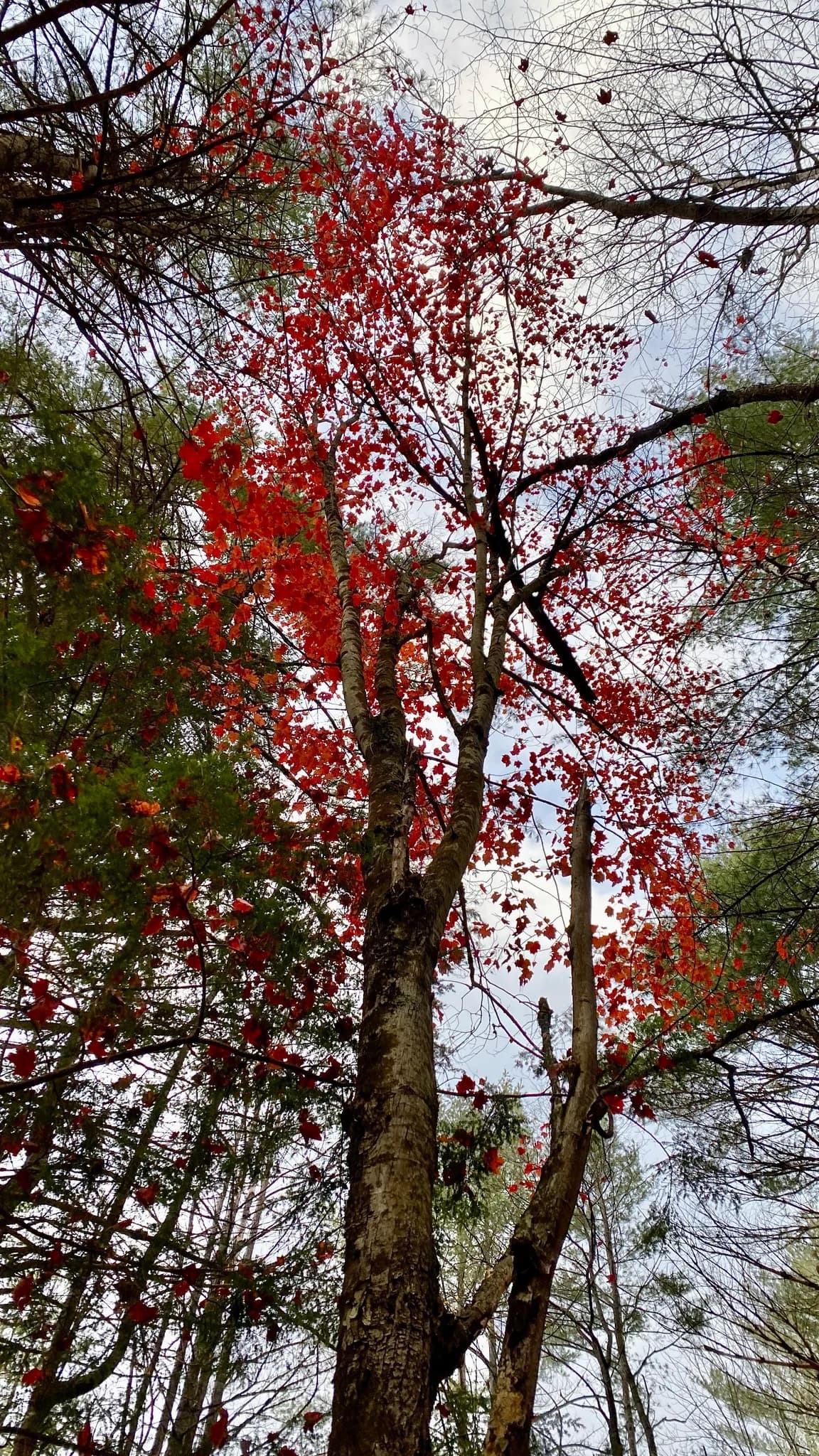
Red Maple
Acer rubrum
Showing 48 of 1248. Enter your ZIP for the natives matched to your yard.
Fall care in the Southern Coastal Plain
What to do right now for plants commonly grown here. Each links to the full regional care guide for that species, with sources.
- Necklacepod
Fall is when pods are on the plant and the shrub needs very little. It is also a good moment to plan for winter cold.
- Fragrant phlox
Fall is a quiet time for downy phlox, with occasional rebloom possible. It is also a chance to propagate.
- Broad beech fern
In fall the fronds turn pale yellow to gold. It is a low-care season.
- Leadwood
Fall brings black fruit, which birds and mammals eat. It is also the time to prepare for cold.
- Sea ox eye daisy
Fall is a good time to collect seed and check how far the patch has spread.
- Florida greeneyes
Fall is a good time to collect seed. Let seedheads dry on the plant first.
- Brazilian tea
Fall flowers keep going, so enjoy them and watch the forecast.
- Climbing hydrangea
Fall in Orlando stays mild, and this is when the vine starts easing off for the year. Blooming tapers, growth slows, and the plant drifts toward winter dormancy, though Central Florida's fall rarely brings the sharp cold that triggers a fast leaf drop farther north.
- Halberd leaf hibiscus
Blooming tapers off into fall and seed pods form. Orlando usually does not see its first frost until December, so the plant often keeps some green growth well into autumn.
- Texas star hibiscus
Fall stays warm in Orlando well into November, so scarlet hibiscus keeps blooming into early fall before slowing down as nights cool and days shorten.
Build a plan for the Southern Coastal Plain
The Pollinator Patch App turns plants like these into a front-yard plan tuned for the soil, climate, and HOA expectations of the Orlando area.