Red Chokeberry
Aronia arbutifolia
Last reviewed: October 2026
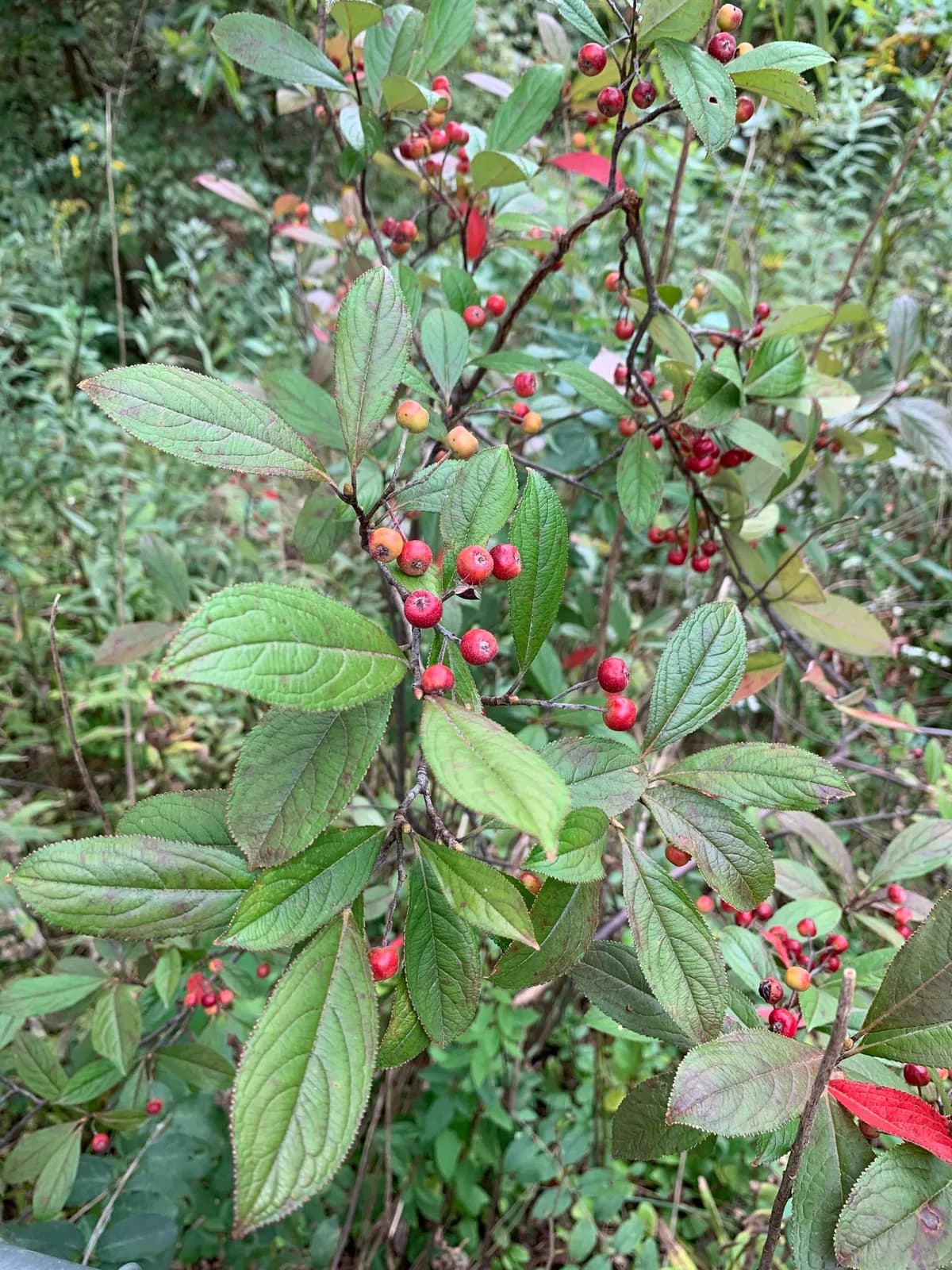
Aronia arbutifolia is a deciduous shrub that blooms in May and June with clusters of small white flowers. It grows well in part sun with medium moisture in eastern woodlands, thickets, and wetland margins.
Toxicity unknown
Red Chokeberry (Aronia arbutifolia) is not listed by the ASPCA Animal Poison Control Center (opens in new tab) or the other sources we check, so we have no verdict for it either way. Absence from those lists is not a clearance. If your pet shows symptoms after eating any plant, call the ASPCA at (888) 426-4435.
The USDA PLANTS Database (opens in new tab) does not flag Red Chokeberry as toxic to livestock.
Light
part sun
Water
medium
Size
60"–120" H × 36"–72" W
Bloom
May, Jun
Native to
AL, AR, CT, DE and 24 more states
Pollinators
bees, beetles
Before you buy
Your city may pay you to plant this
Cities and water utilities offer rebates for replacing lawn with native and water-wise plants. We track 459 programs across 44 states, each with a link to the provider and the date we last checked it.
Find rebates in your areaPicture natives in your own yard
Upload a photo of your yard and Patch Vision shows a rendering of it planted with natives for your region, like Red Chokeberry.


Browse plants for this ecoregion
Red chokeberry is a medium-sized native shrub that produces clusters of white flowers in late spring followed by bright red berries in fall. The foliage turns attractive shades of orange and red in autumn, making it a four-season landscape plant.
Growing Red Chokeberry
Grow Red Chokeberry in part sun and medium water. Mature plants reach 60 to 120 inches tall and spread 36 to 72 inches wide. Expect low maintenance to keep it looking intentional in a front yard.
How to care for Red Chokeberry, by region
How to care for Red Chokeberry where it is actually grown: year-round basics plus what to do each season, region by region, with the sources for each.
Care guidance last updated: September 2026
Cross Timbers (includes Fort Worth, TX)
Year-round
Red chokeberry is a tough, low-fuss shrub that adapts well to the clay and limestone-influenced soil common around Fort Worth.
- Give it full sun to part shade. Full sun, at least 6 hours a day, means more flowers and more berries.
- It handles a wide pH range, from acidic to alkaline soil, so the clay and limestone-influenced ground typical around Fort Worth is not a problem.
- Water it regularly while it settles in after planting, then water only during hot, dry stretches once established. It tolerates both soggy spots and short dry spells.
- It is hardy in USDA zones 4 through 9. Fort Worth sits well inside that range, so winter cold is rarely a concern for an established plant.
- No major pest or disease problems are typically reported for this shrub.
- It spreads by root suckers and can form a thicket over time. Cut out unwanted suckers if you want to keep it a single, tidy clump.
- Chokeberry is not on the ASPCA's toxic plant list for dogs.
Fall
Fall brings the shrub's best color and is a good planting window in North Texas.
- Leaves turn orangish-red to purple in fall, and the red berries hang on the branches into the colder months.
- Cooler fall weather is a good time to plant a new chokeberry so roots can settle in before summer heat returns.
- Taper watering as temperatures drop, watching for any late-season dry spells.
- If suckers spread more than you want over the growing season, fall is a fine time for a tidy cutback before winter.
Trimming stray suckers back in fall keeps the shrub looking tidy through the dormant season, when a bare, overgrown shrub stands out most in a front yard.
Winter
Winter is the shrub's dormant season, and Fort Worth cold is well within what it can handle.
- This shrub is hardy in USDA zones 4 through 9. Fort Worth's winters fall well inside that range, so no freeze protection is typically needed for an established plant.
- Water only occasionally in winter, mainly if the season turns unusually dry.
- The bright red berries often persist into winter, giving the shrub color and interest when little else in the yard is blooming.
- Hold off on fertilizer until spring growth resumes.
Berries lingering into winter give the shrub visual interest instead of a bare look, which helps a front yard stay presentable through the dormant months.
Spring
Spring is bloom time and the best window to shape the shrub once flowering ends.
- Small white flower clusters appear in spring, followed later by the red berries.
- Prune right after flowering ends. This is the recommended time to shape the shrub and cut out unwanted suckers.
- Keep watering regularly through spring, especially if the plant is newly installed or the season runs dry.
- A thin layer of compost or mulch around the base at spring planting time feeds the plant, holds moisture, and keeps weeds down.
A post-bloom spring prune keeps the shrub in one tidy clump instead of a spreading thicket, which reads as neater from the street.
Summer
Summer heat is the main watering test for a chokeberry in the Fort Worth area.
- Give it supplemental water during hot, dry stretches. It is drought tolerant once established but still appreciates a deep soak when the ground dries out.
- A layer of mulch around the base helps clay soil hold moisture and keeps roots cooler through the summer.
- Full sun through summer still means the best flowering and fruit for the shrub, so avoid moving it into deeper shade.
- No major summer pest or disease issues are typical for this shrub.
Sources: Morton Arboretum: Red Chokeberry, NC State Extension Gardener Plant Toolbox: Aronia arbutifolia, ASPCA Toxic and Non-Toxic Plant List: Dogs, Proven Winners: How to Grow Aronia Chokeberry Shrubs
Texas Blackland Prairies (includes Dallas, TX)
Year-round
Red chokeberry is a tough, low-fuss shrub that adapts well to the deep blackland clay common around Dallas.
- Give it full sun to part shade. Full sun, at least 6 hours a day, means more flowers and more berries.
- It handles a wide pH range, from acidic to alkaline soil, so the deep blackland clay typical around Dallas is not a problem.
- Water it regularly while it settles in after planting, then water only during hot, dry stretches once established. It tolerates both soggy spots and short dry spells.
- It is hardy in USDA zones 4 through 9. Dallas sits well inside that range, so winter cold is rarely a concern for an established plant.
- No major pest or disease problems are typically reported for this shrub.
- It spreads by root suckers and can form a thicket over time. Cut out unwanted suckers if you want to keep it a single, tidy clump.
- Chokeberry is not on the ASPCA's toxic plant list for dogs.
Fall
Fall brings the shrub's best color and is a good planting window in North Texas.
- Leaves turn orangish-red to purple in fall, and the red berries hang on the branches into the colder months.
- Cooler fall weather is a good time to plant a new chokeberry so roots can settle in before summer heat returns.
- Taper watering as temperatures drop, watching for any late-season dry spells.
- If suckers spread more than you want over the growing season, fall is a fine time for a tidy cutback before winter.
Trimming stray suckers back in fall keeps the shrub looking tidy through the dormant season, when a bare, overgrown shrub stands out most in a front yard.
Winter
Winter is the shrub's dormant season, and Dallas cold is well within what it can handle.
- This shrub is hardy in USDA zones 4 through 9. Dallas's winters fall well inside that range, so no freeze protection is typically needed for an established plant.
- Water only occasionally in winter, mainly if the season turns unusually dry.
- The bright red berries often persist into winter, giving the shrub color and interest when little else in the yard is blooming.
- Hold off on fertilizer until spring growth resumes.
Berries lingering into winter give the shrub visual interest instead of a bare look, which helps a front yard stay presentable through the dormant months.
Spring
Spring is bloom time and the best window to shape the shrub once flowering ends.
- Small white flower clusters appear in spring, followed later by the red berries.
- Prune right after flowering ends. This is the recommended time to shape the shrub and cut out unwanted suckers.
- Keep watering regularly through spring, especially if the plant is newly installed or the season runs dry.
- A thin layer of compost or mulch around the base at spring planting time feeds the plant, holds moisture, and keeps weeds down.
A post-bloom spring prune keeps the shrub in one tidy clump instead of a spreading thicket, which reads as neater from the street.
Summer
Summer heat is the main watering test for a chokeberry in the Dallas area.
- Give it supplemental water during hot, dry stretches. It is drought tolerant once established but still appreciates a deep soak when the ground dries out.
- A layer of mulch around the base helps clay soil hold moisture and keeps roots cooler through the summer.
- Full sun through summer still means the best flowering and fruit for the shrub, so avoid moving it into deeper shade.
- No major summer pest or disease issues are typical for this shrub.
Sources: Morton Arboretum: Red Chokeberry, NC State Extension Gardener Plant Toolbox: Aronia arbutifolia, ASPCA Toxic and Non-Toxic Plant List: Dogs, Proven Winners: How to Grow Aronia Chokeberry Shrubs
In an HOA neighborhood
Red Chokeberry is an HOA-friendly choice. Maintenance level: low. Tidiness: 4 out of 5.
Works well in: front yard, foundation, street edge, mid zone.
Wildlife value
The spring flowers attract bees and beetles for pollination. The persistent red berries provide important food for birds throughout fall and winter.
Common questions
- When does red chokeberry bloom?
- Red chokeberry blooms in May and June, producing flat clusters of small white flowers before its red berries develop later in the season.
- What pollinates red chokeberry flowers?
- Bees and beetles are the main visitors to red chokeberry flowers, feeding on pollen and nectar during the spring bloom period.
- What light and water conditions does red chokeberry need?
- This shrub grows best in part sun with medium soil moisture, but it tolerates conditions ranging from full sun to part shade and from wet to drier soils once it is established.
- What kind of habitat does red chokeberry grow in?
- Red chokeberry is often found in damp thickets, pond and stream edges, low woodlands, and open shrubby areas where it forms dense, multi-stemmed colonies.
- Is red chokeberry deciduous or evergreen?
- Red chokeberry is deciduous, dropping its leaves in fall after they turn shades of red and purple.
- Is Red Chokeberry toxic to livestock?
- The USDA PLANTS Database does not flag Red Chokeberry as toxic to livestock.
- Is Red Chokeberry HOA-friendly?
- Red Chokeberry is generally an HOA-friendly choice in the right placement, with low maintenance.
These answers were drafted with an AI model from this plant's data. Verify care details with a local expert.
Native range data from the World Checklist of Vascular Plants (Kew). Pollinator and host plant associations compiled from GBIF, iNaturalist, and published ecological literature.
If something looks wrong
Common plant problems, and what to check first
These come up on almost any plant. Each guide lists the likely causes in the order they are worth ruling out, with one thing to check before you act on any of them, and links to the source it came from.
- It is dying right after planting
- Leaves turning yellow
- Wilting even though I watered it
- Brown crispy leaf tips
- Bugs on the plant
Ready to grow Red Chokeberry? Add it to your garden in Pollinator Patch to track it and get season-by-season care guidance.