EPA Level III Ecoregion
Acadian Plains and Hills
720 native plants for the Acadian Plains and Hills ecoregion (Bangor area).
The Acadian Plains and Hills cover most of eastern and coastal Maine, from Portland and Lewiston up through Augusta, Bangor, and Ellsworth. Cool short summers, long snowy winters, acidic soils, and the moderating pull of the Gulf of Maine near the coast set the terms here. Natives such as northern bayberry, red spruce, and dwarf-laurel handle that acidity and cold, and they keep their form through the wind coming off the water.
Conditions: Acidic, often thin soils over glacial till and bedrock, 42–50 inches of precipitation with heavy snow, cool summers and long cold winters.
Cities and areas: Bangor, Portland, Augusta, Lewiston, Ellsworth, Waterville.
720 Native Plants for the Acadian Plains and Hills
HOA-friendly picks listed first. Pet-safety status varies by species; each plant page shows its sourced ASPCA status. Native range data from vouchered herbarium specimen records and regional native plant society lists.
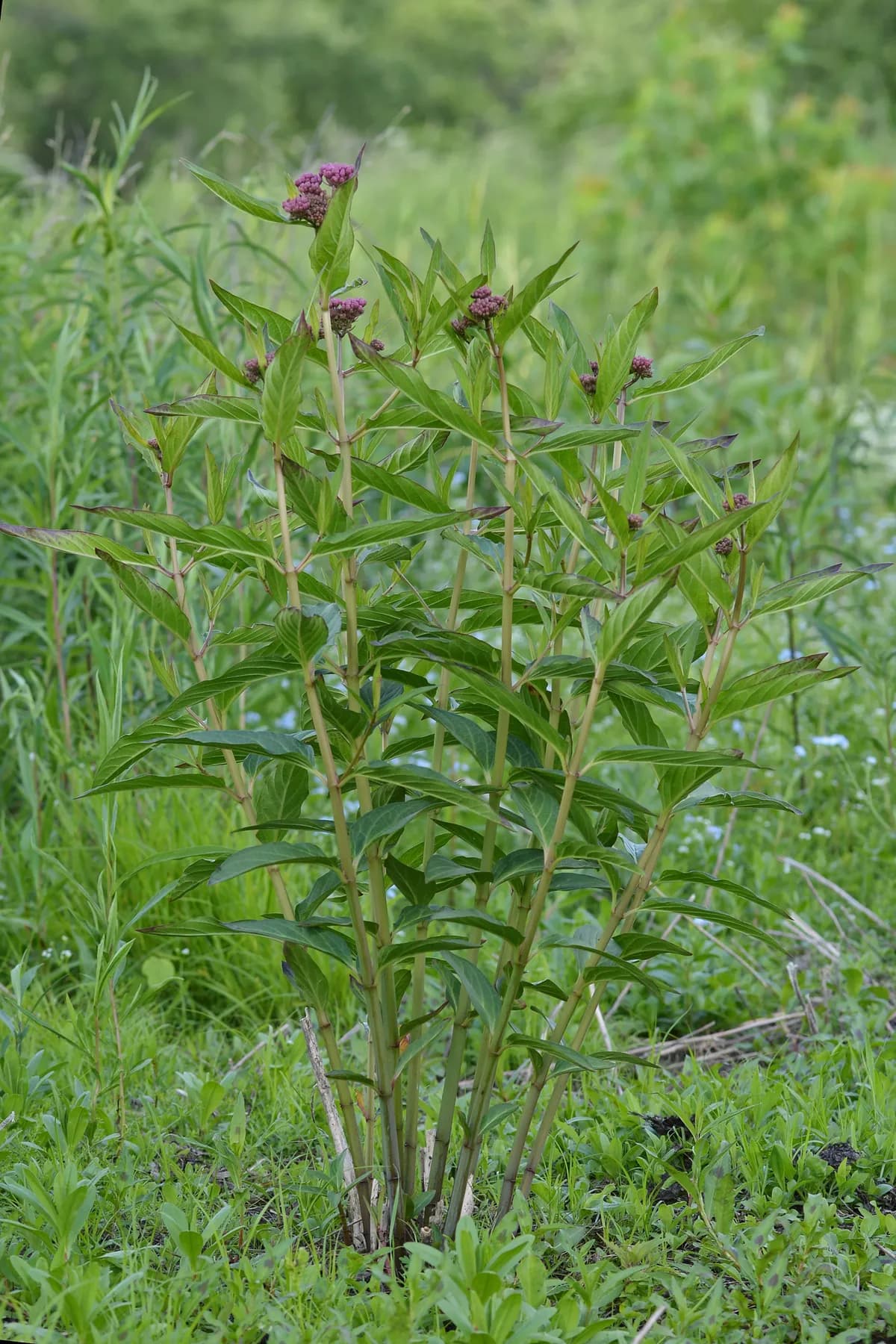
Swamp Milkweed
Asclepias incarnata
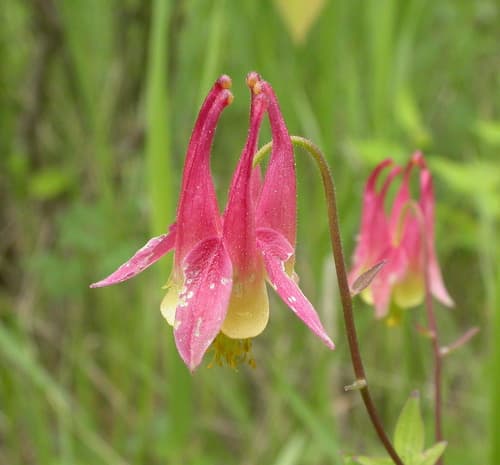
Wild Red Columbine
Aquilegia canadensis
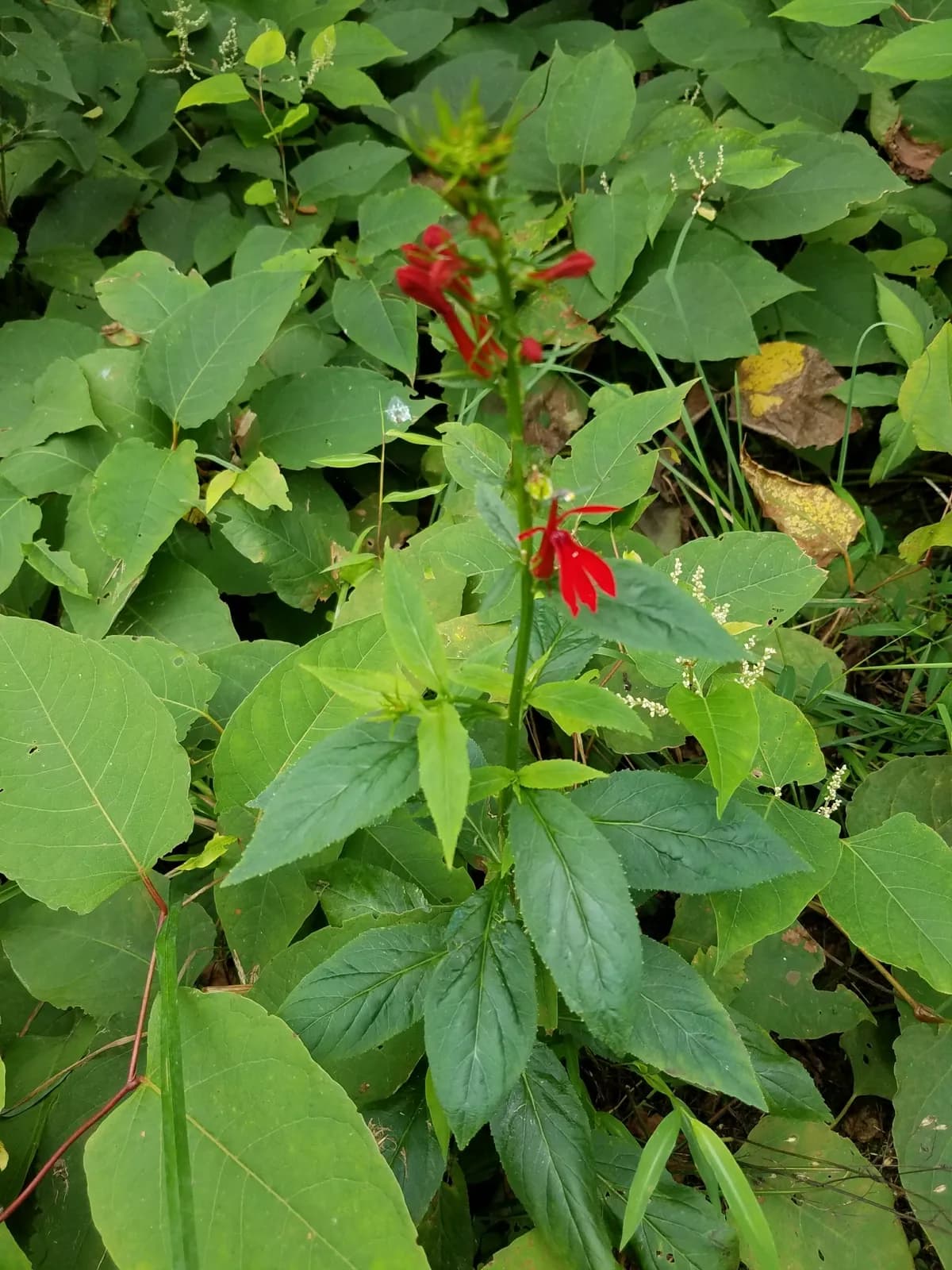
Cardinal Flower
Lobelia cardinalis
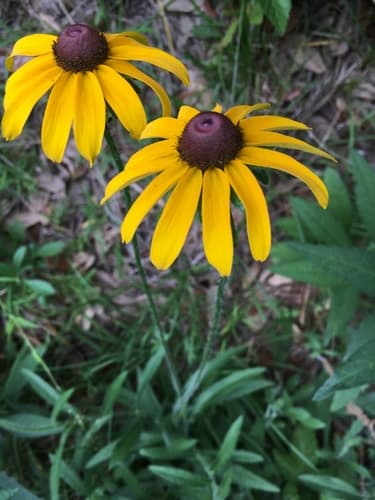
Black-eyed Susan
Rudbeckia hirta
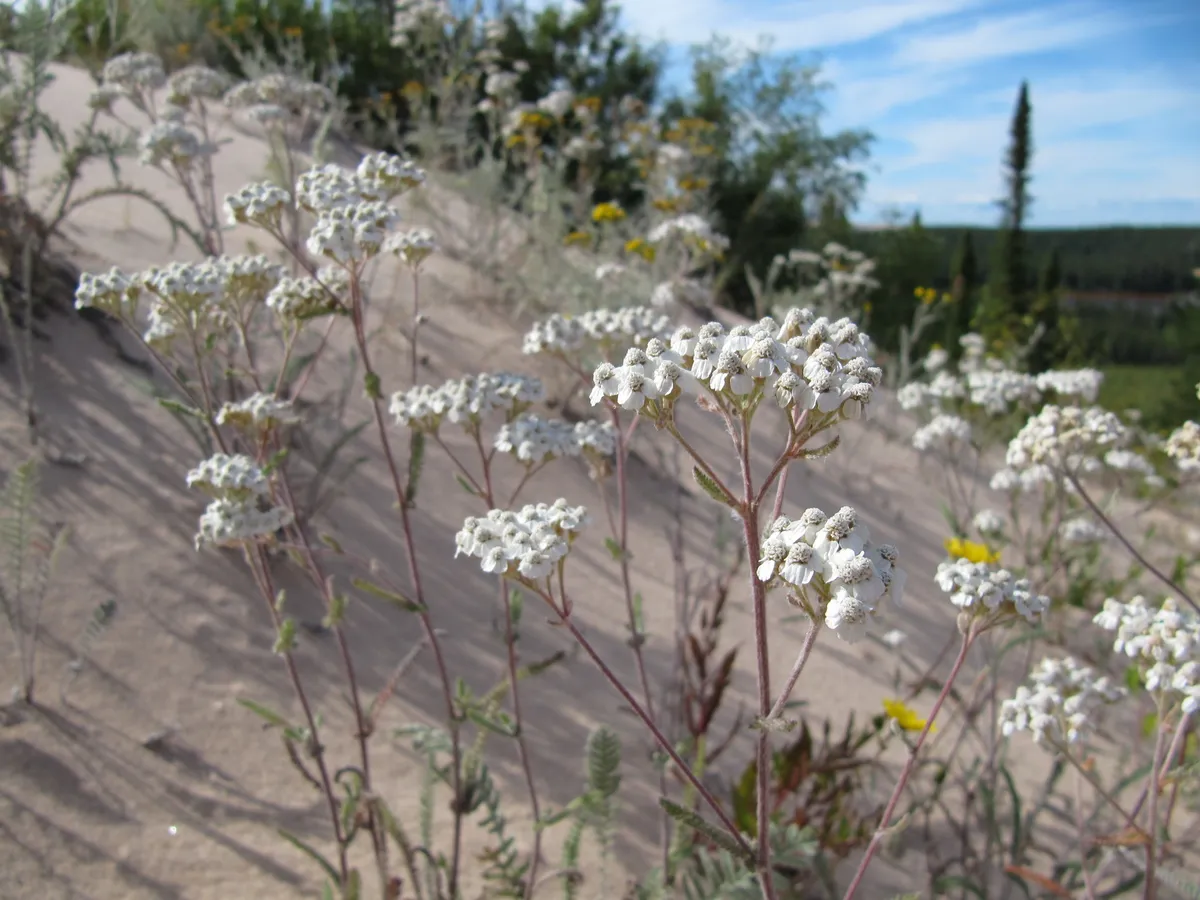
Common Yarrow
Achillea millefolium

Golden Alexanders
Zizia aurea
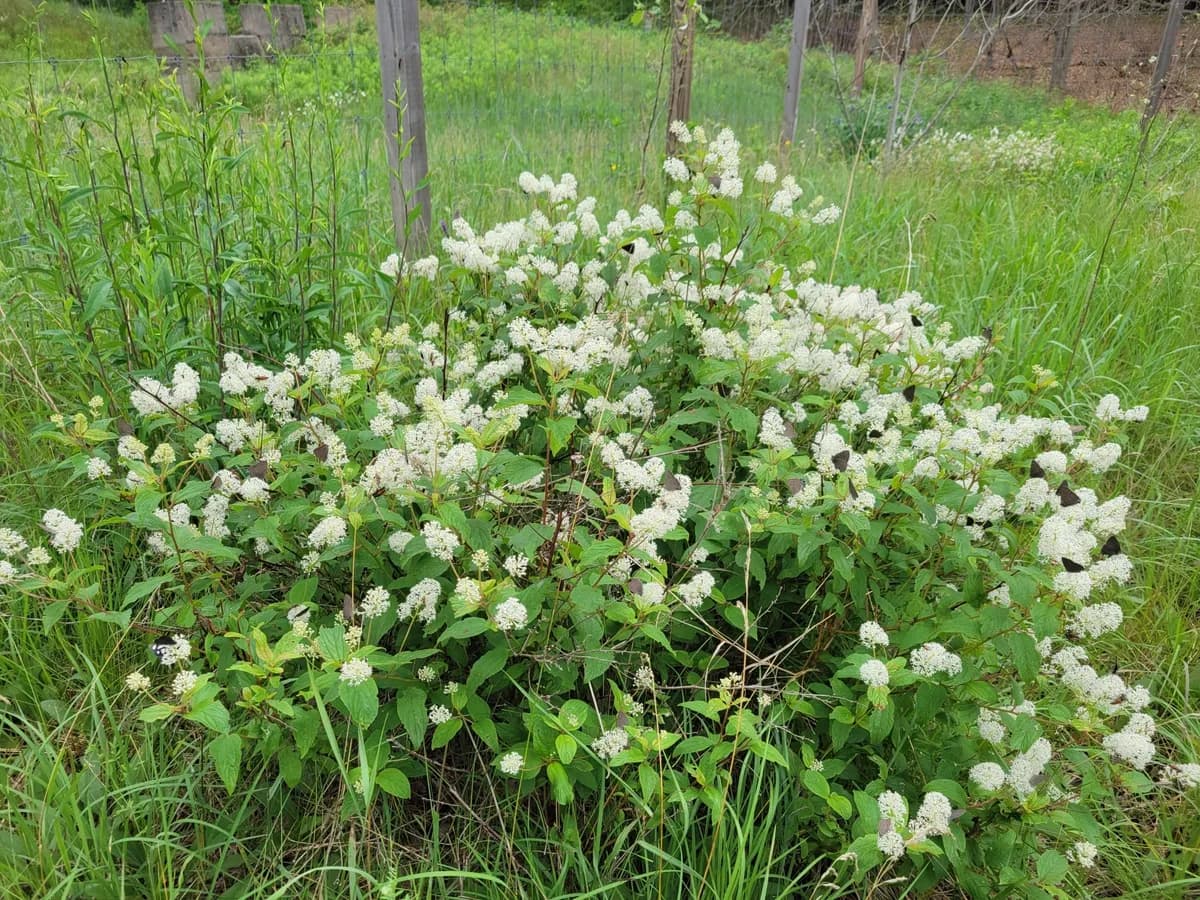
New Jersey-tea
Ceanothus americanus
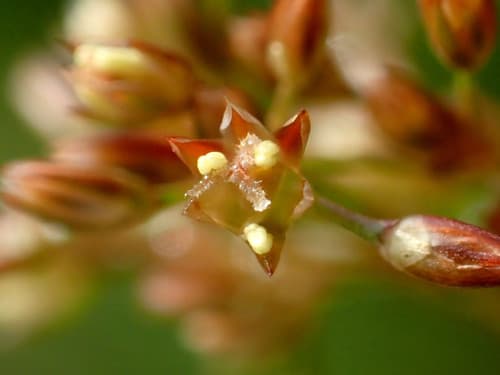
Soft rush
Juncus effusus
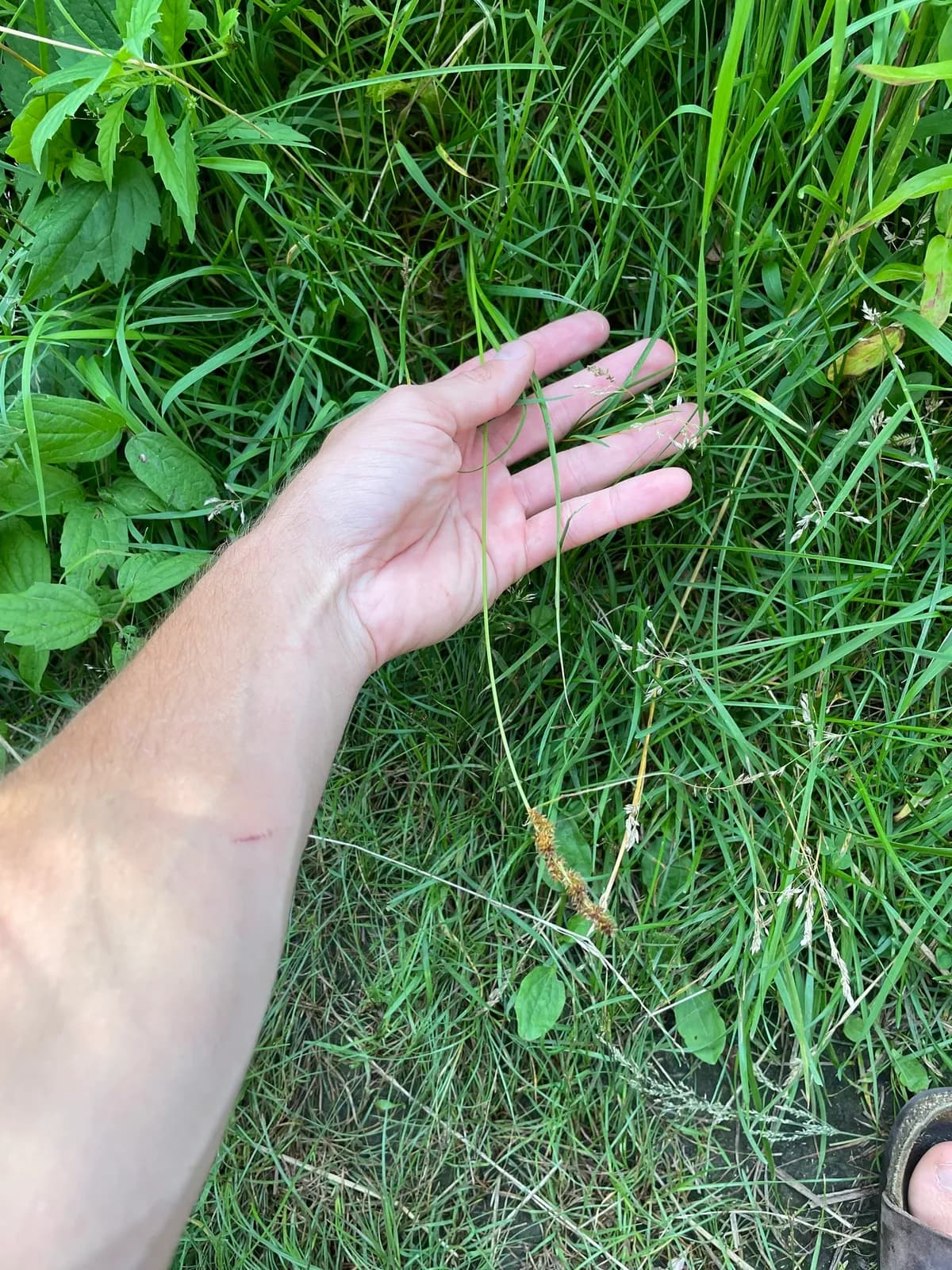
American Fox Sedge
Carex vulpinoidea
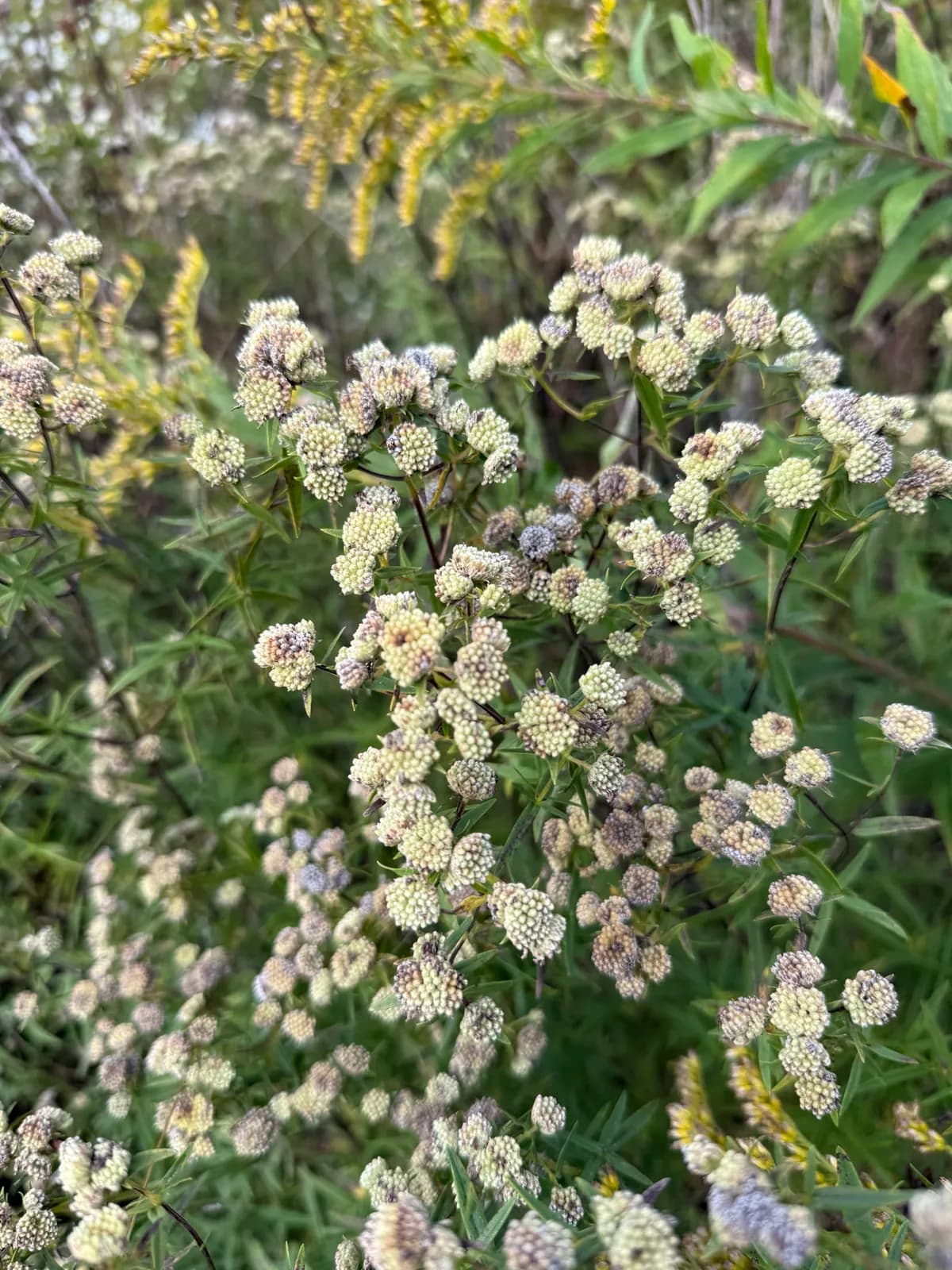
Virginia Mountain-Mint
Pycnanthemum virginianum
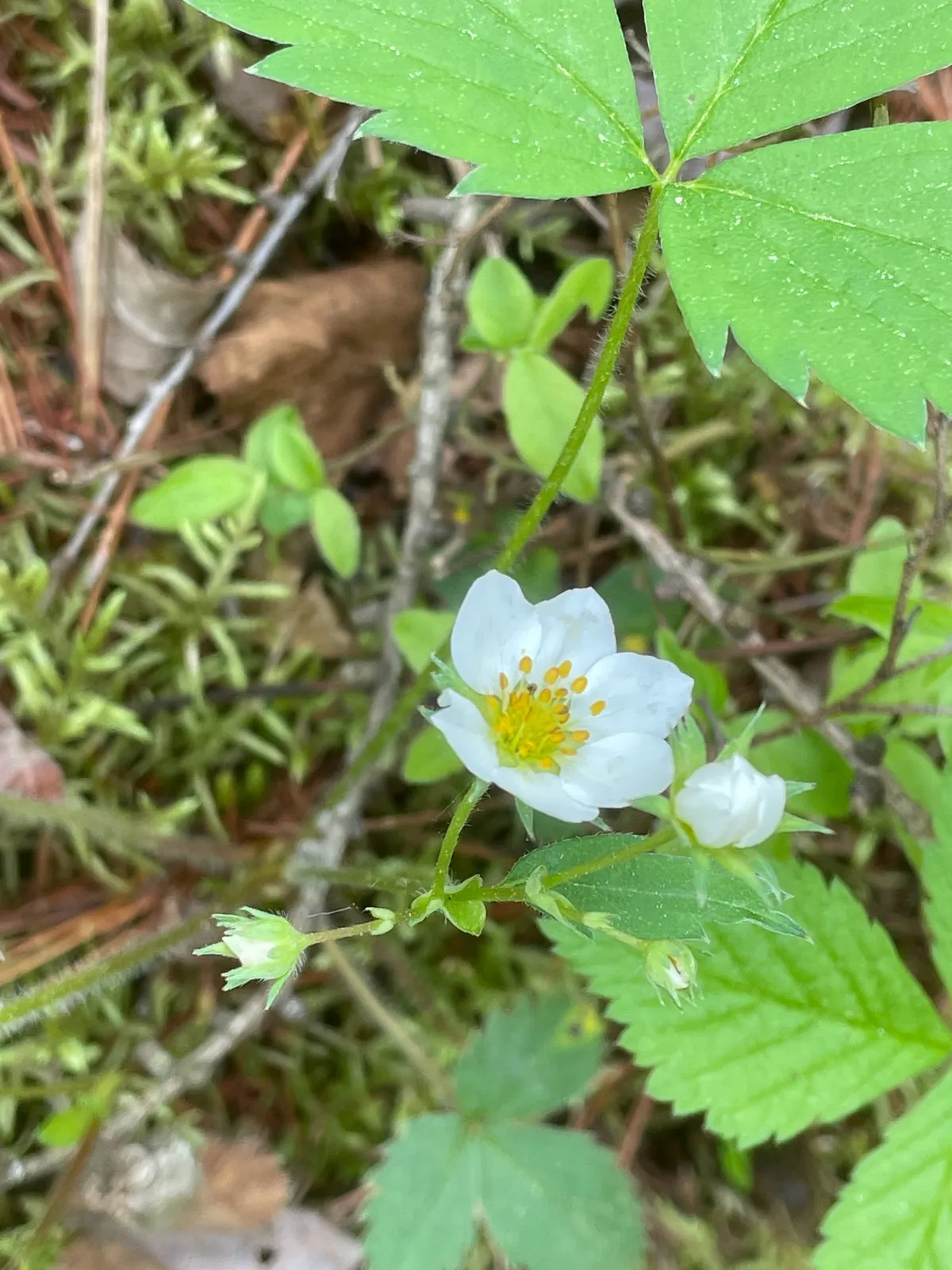
Scarlet Strawberry
Fragaria virginiana
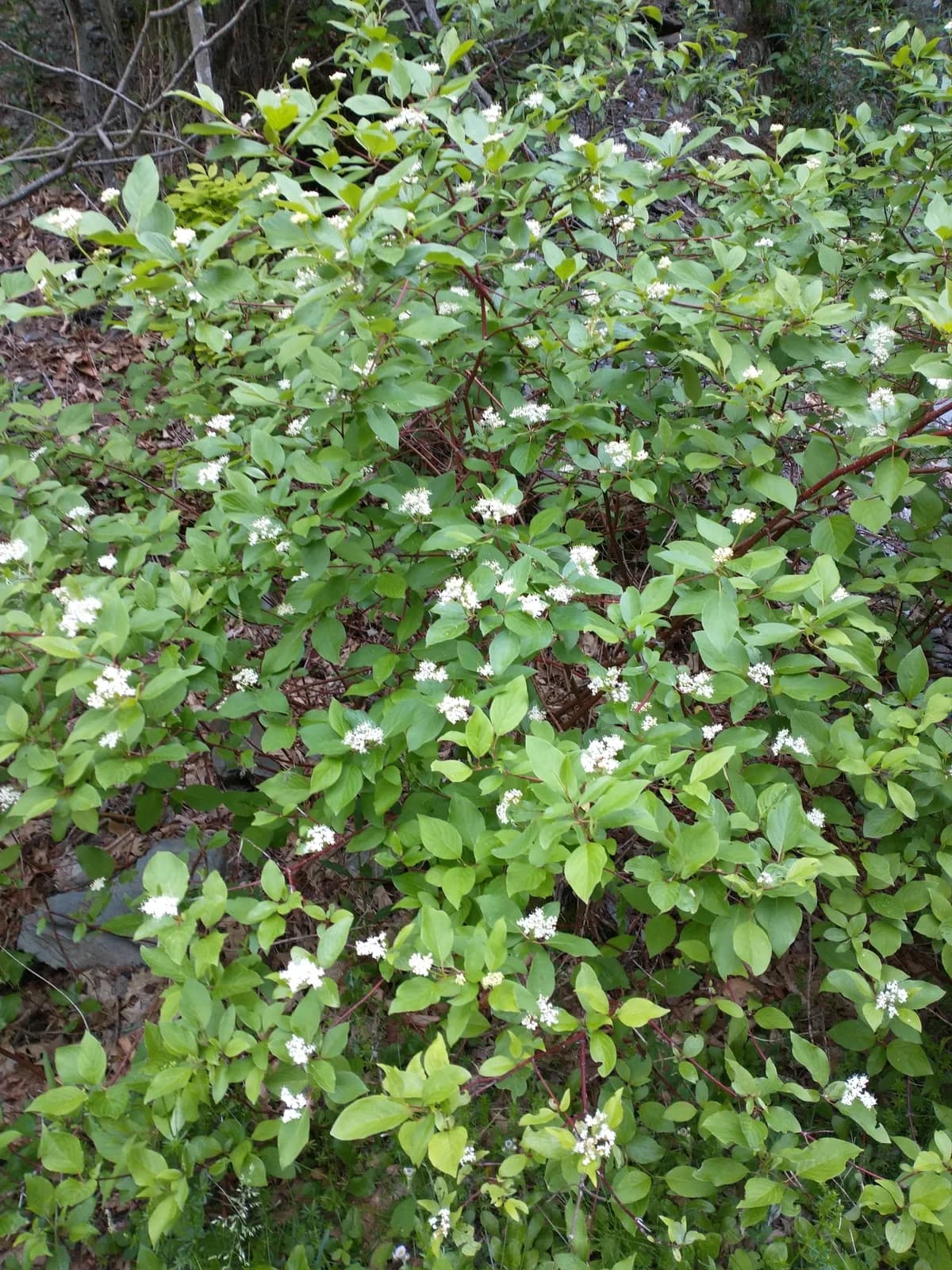
Red-osier Dogwood
Cornus sericea
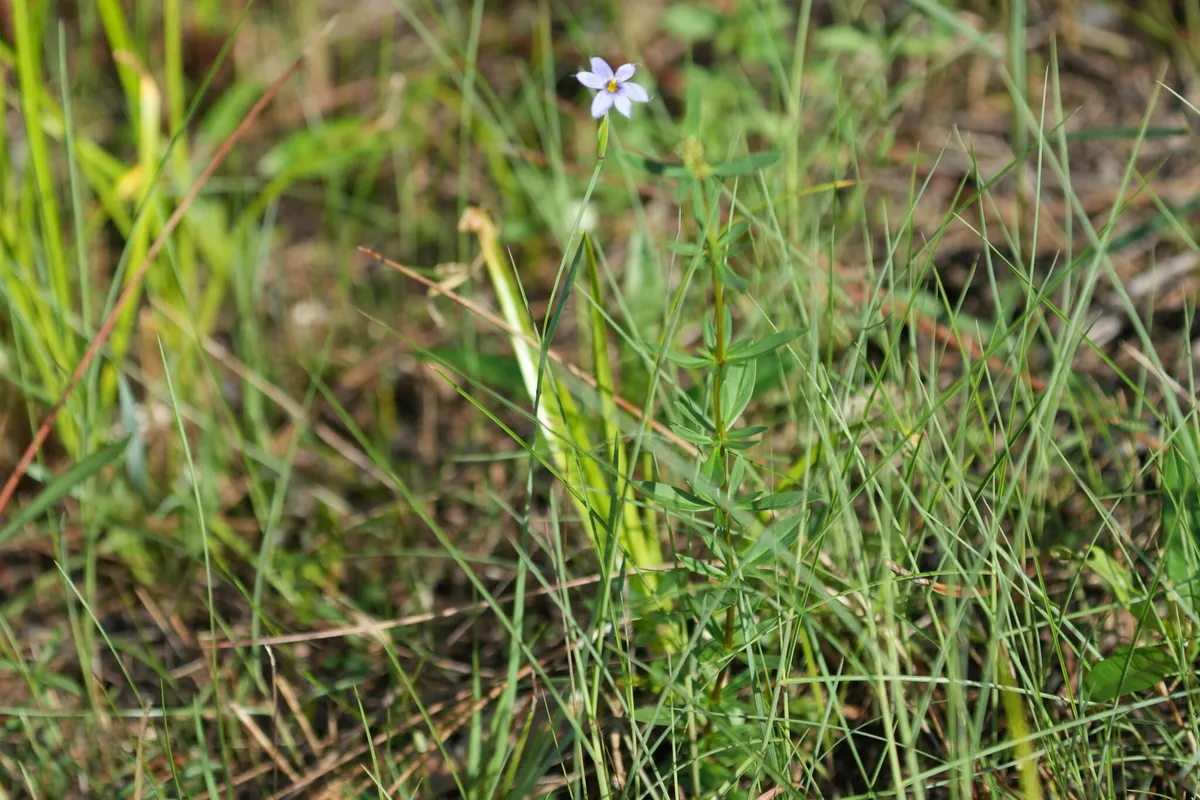
Narrowleaf Blue-eyed Grass
Sisyrinchium angustifolium
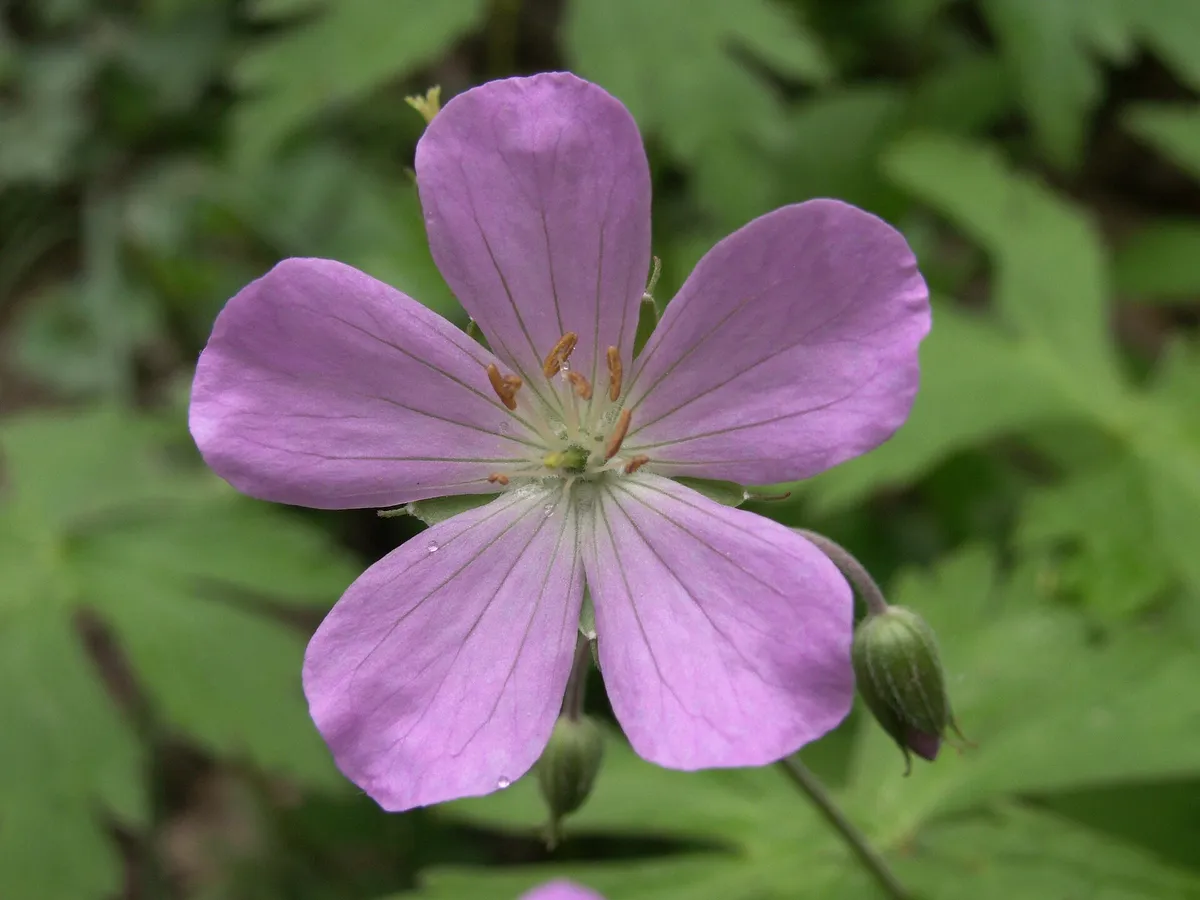
Spotted Geranium
Geranium maculatum
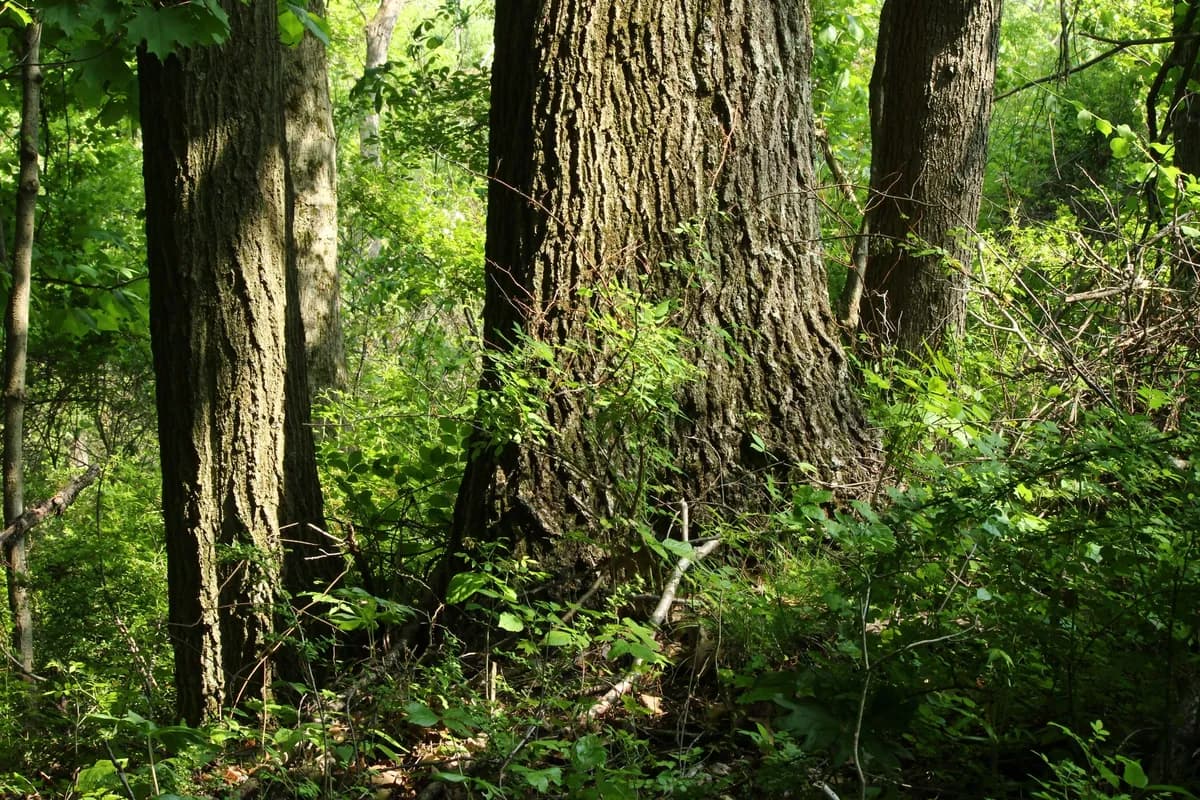
Northern Red Oak
Quercus rubra
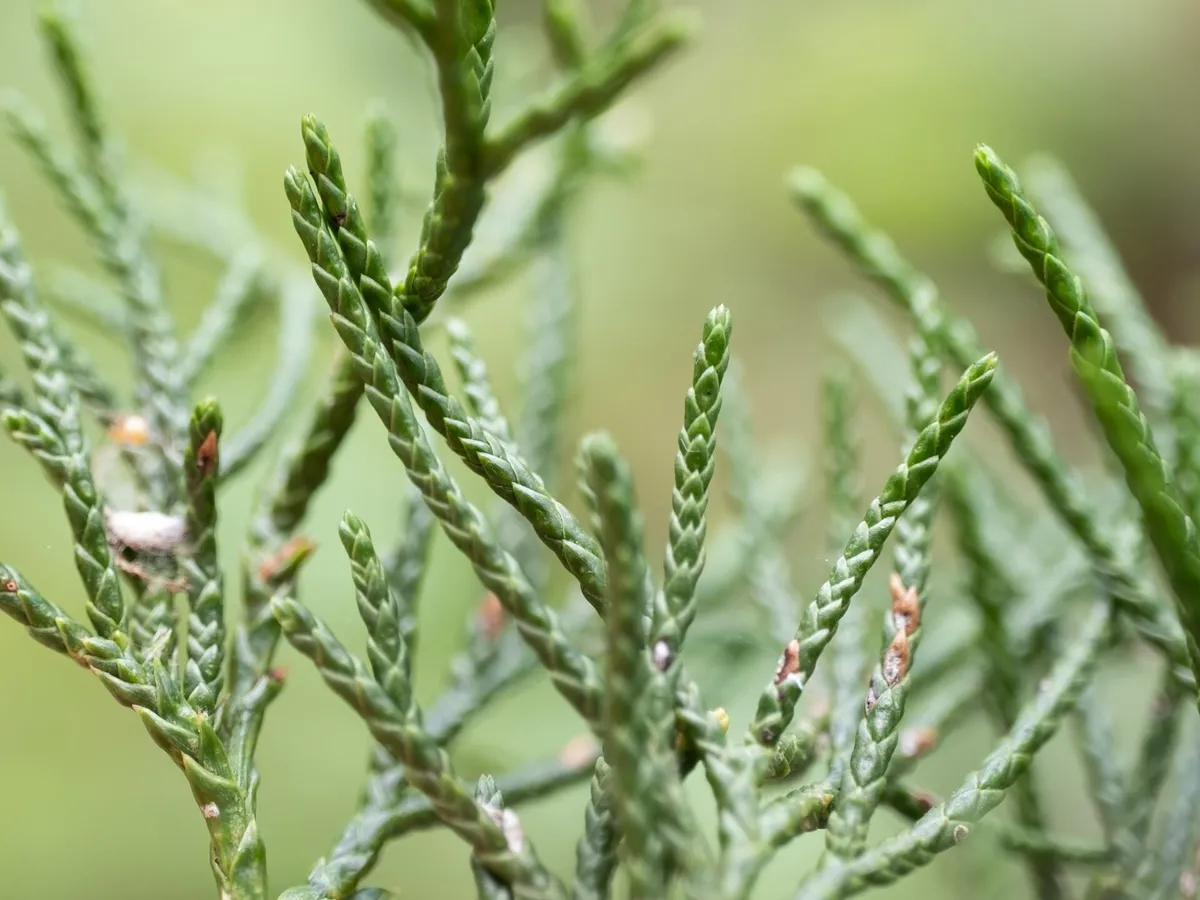
Eastern Red Cedar
Juniperus virginiana
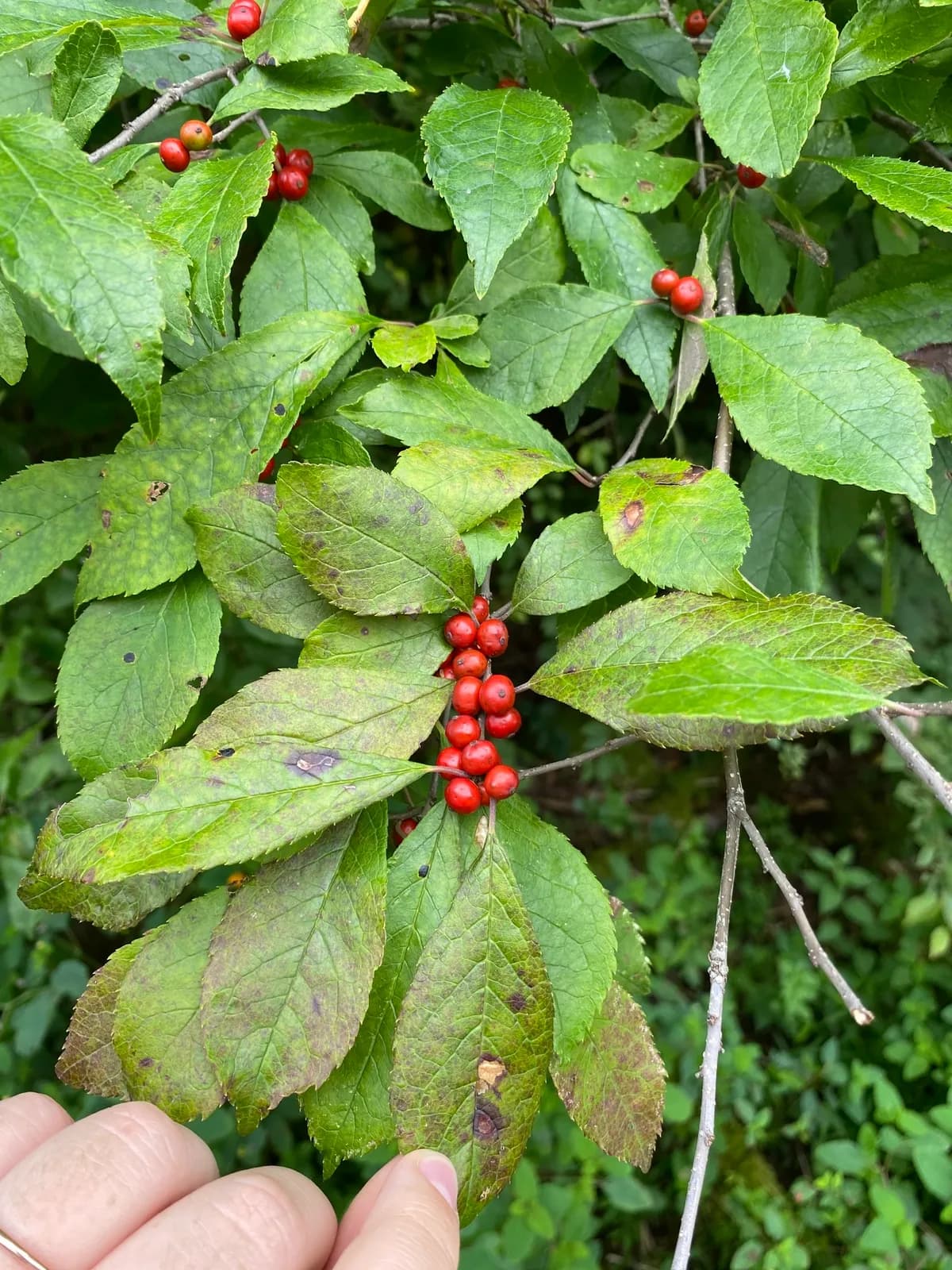
Black-alder
Ilex verticillata

Pennsylvania Sedge
Carex pensylvanica
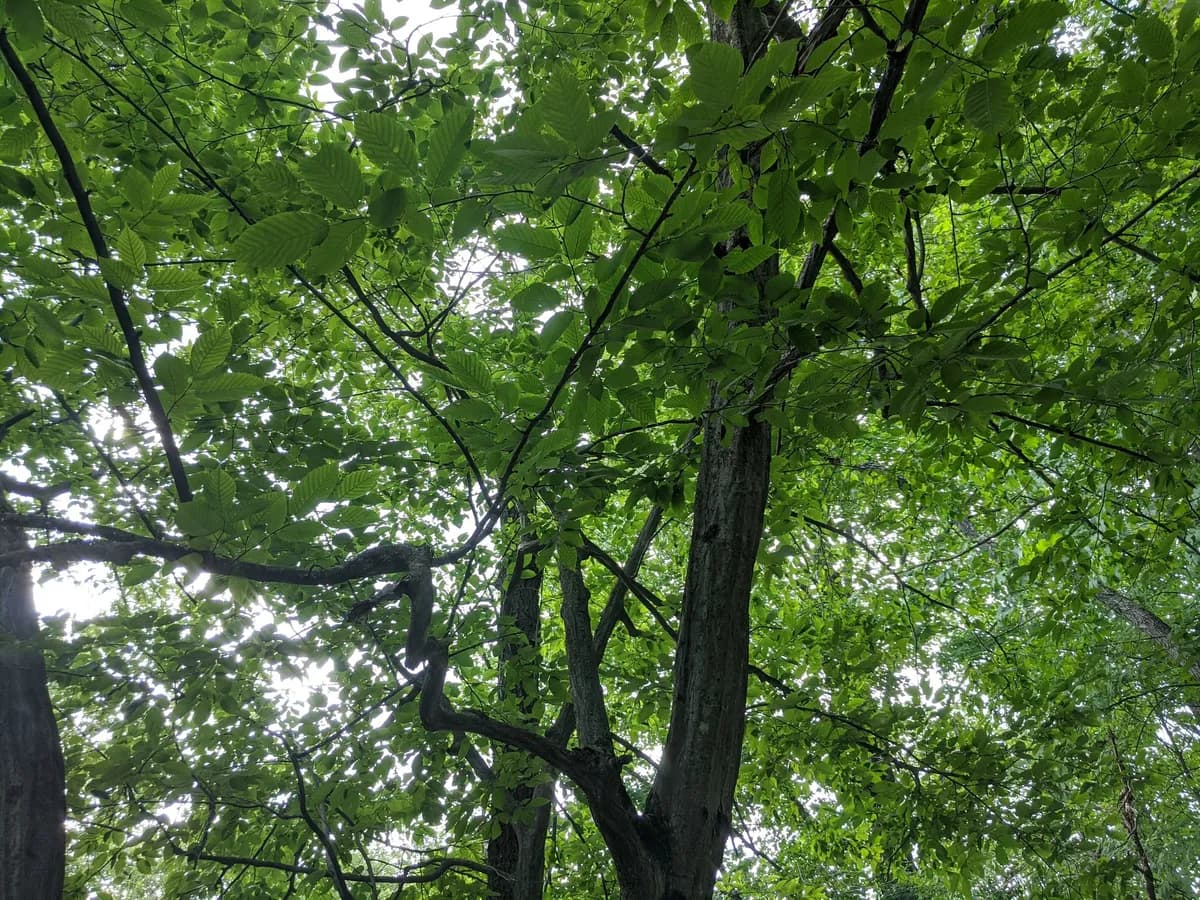
Hornbeam
Carpinus caroliniana
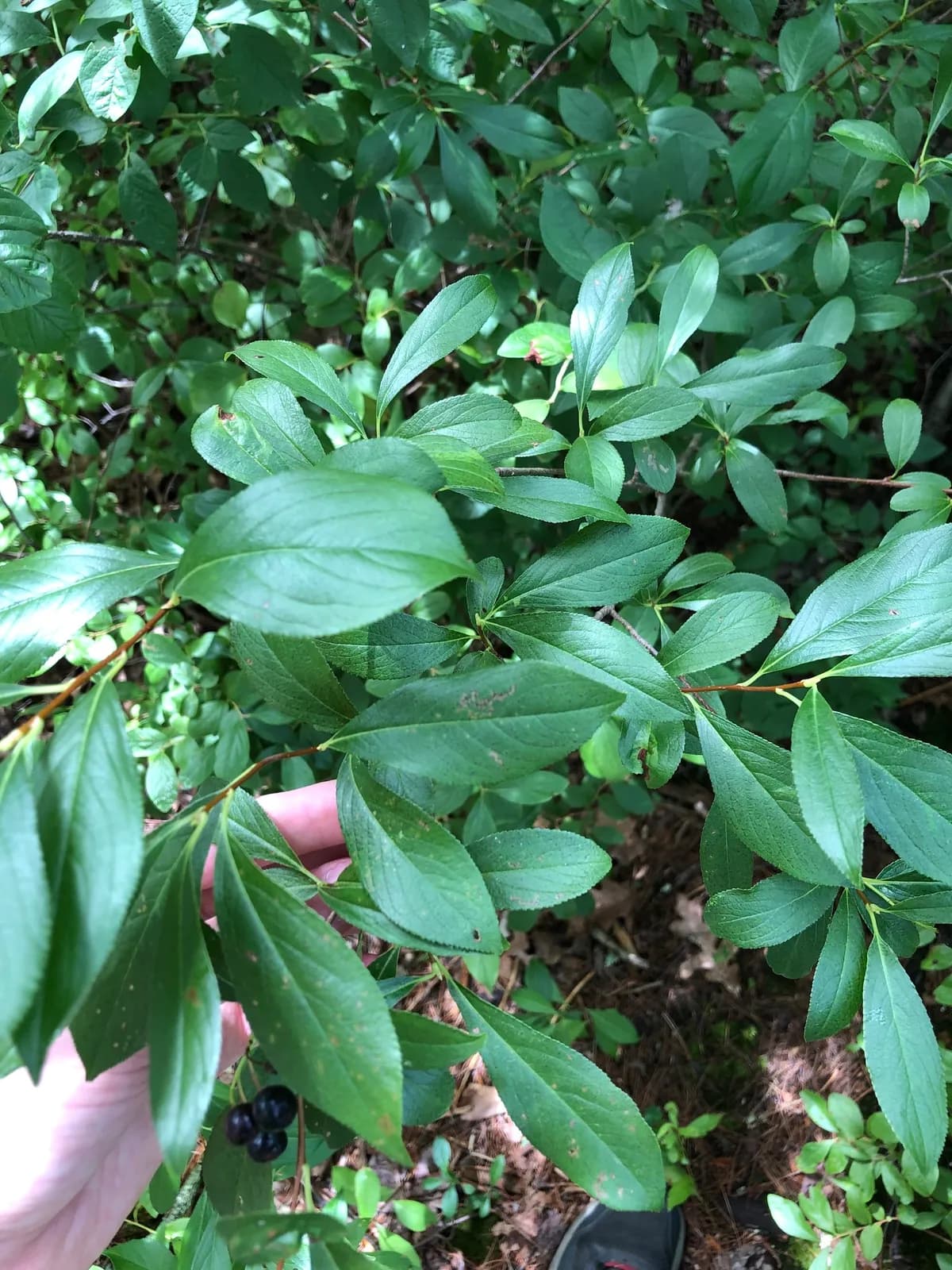
Black Chokeberry
Aronia melanocarpa
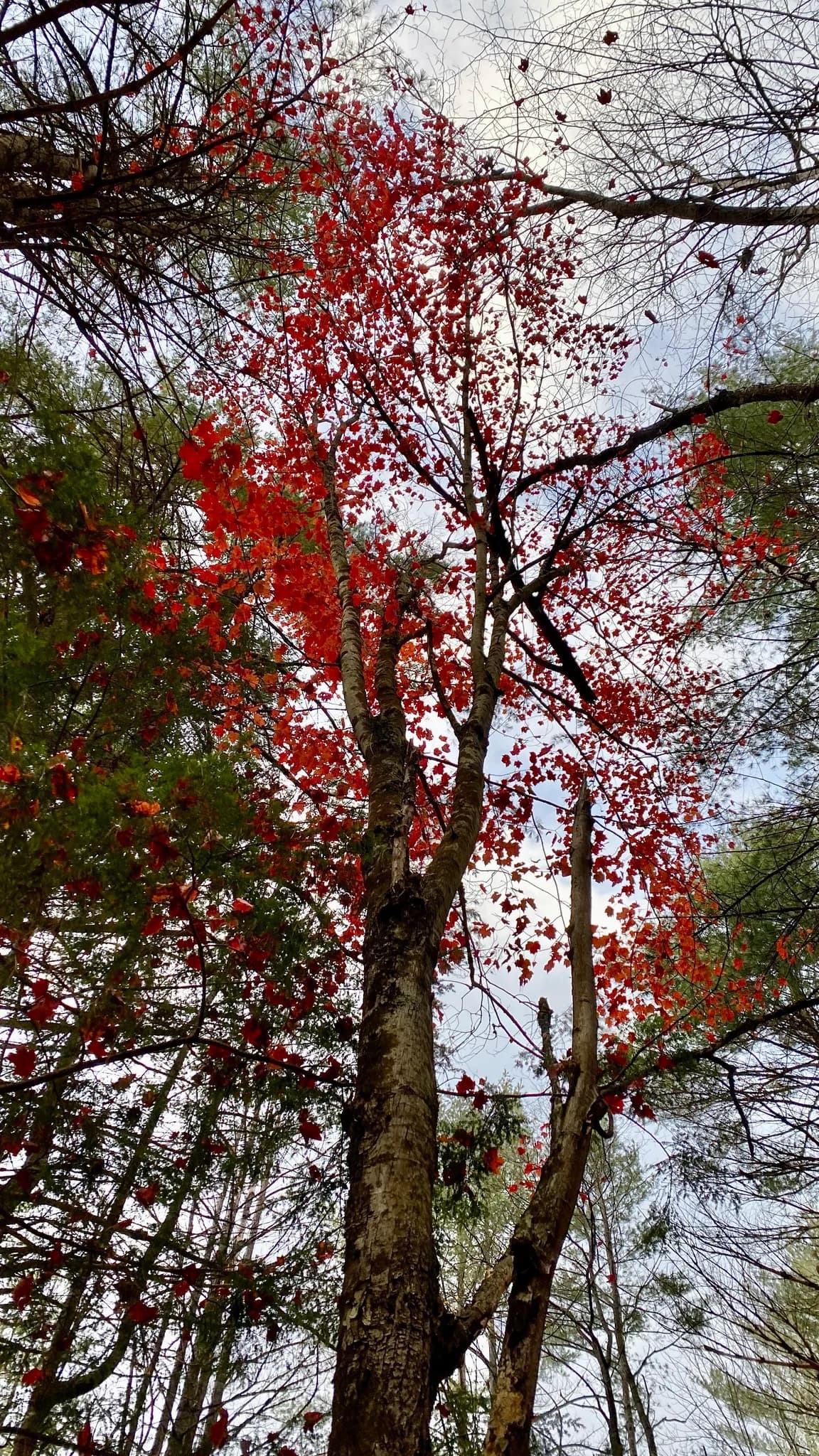
Red Maple
Acer rubrum
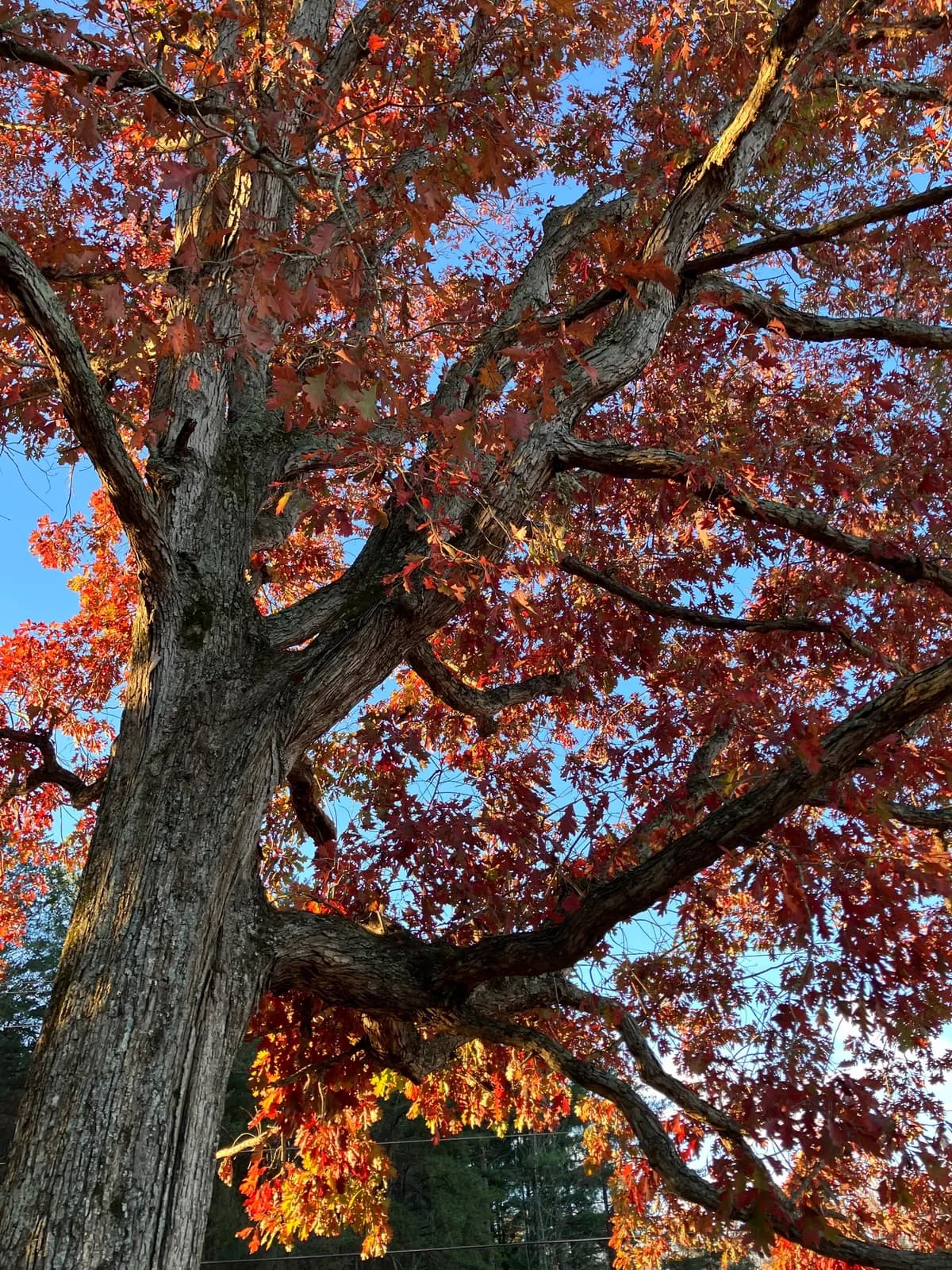
White Oak
Quercus alba
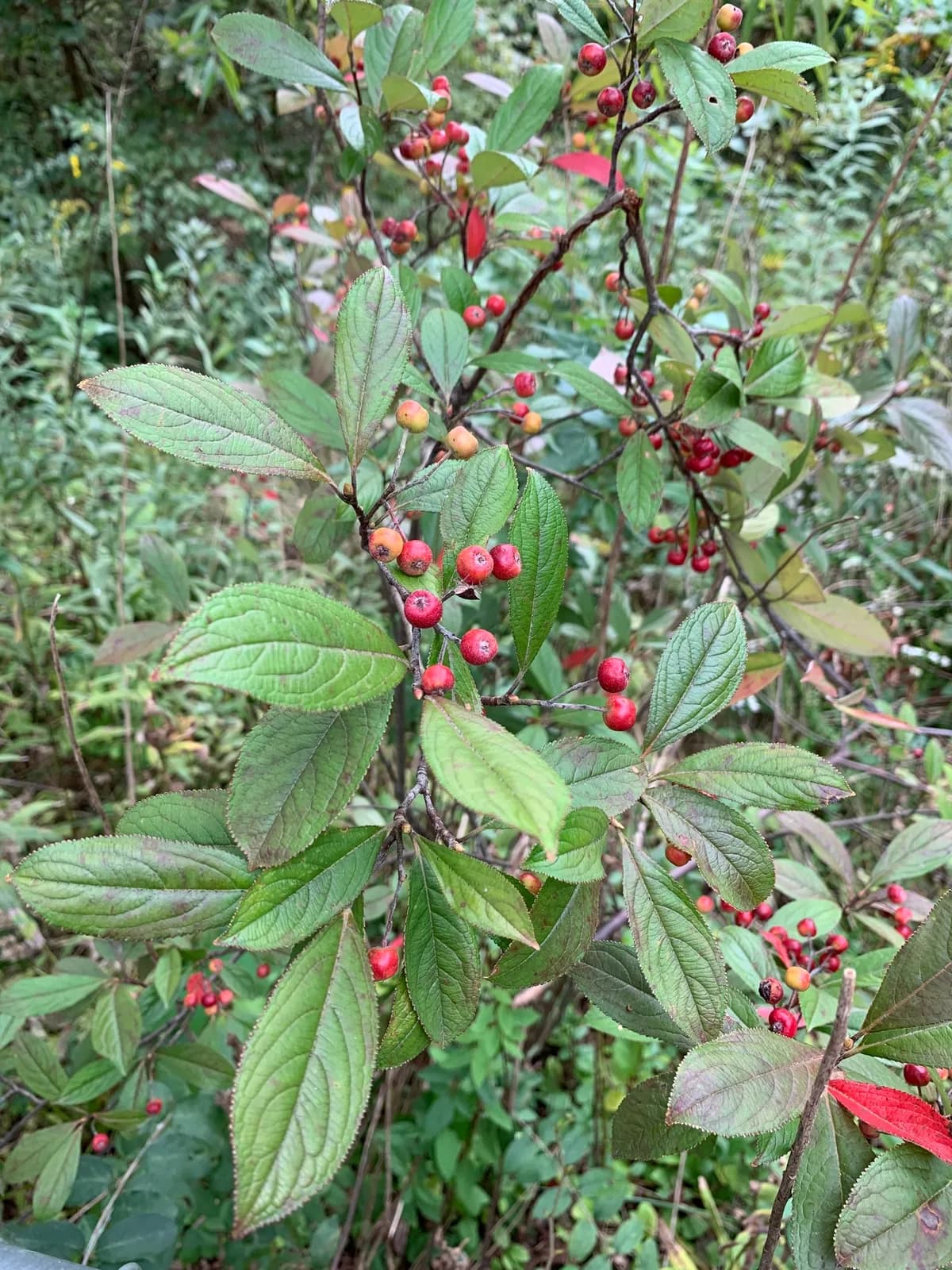
Red Chokeberry
Aronia arbutifolia

Christmas Fern
Polystichum acrostichoides
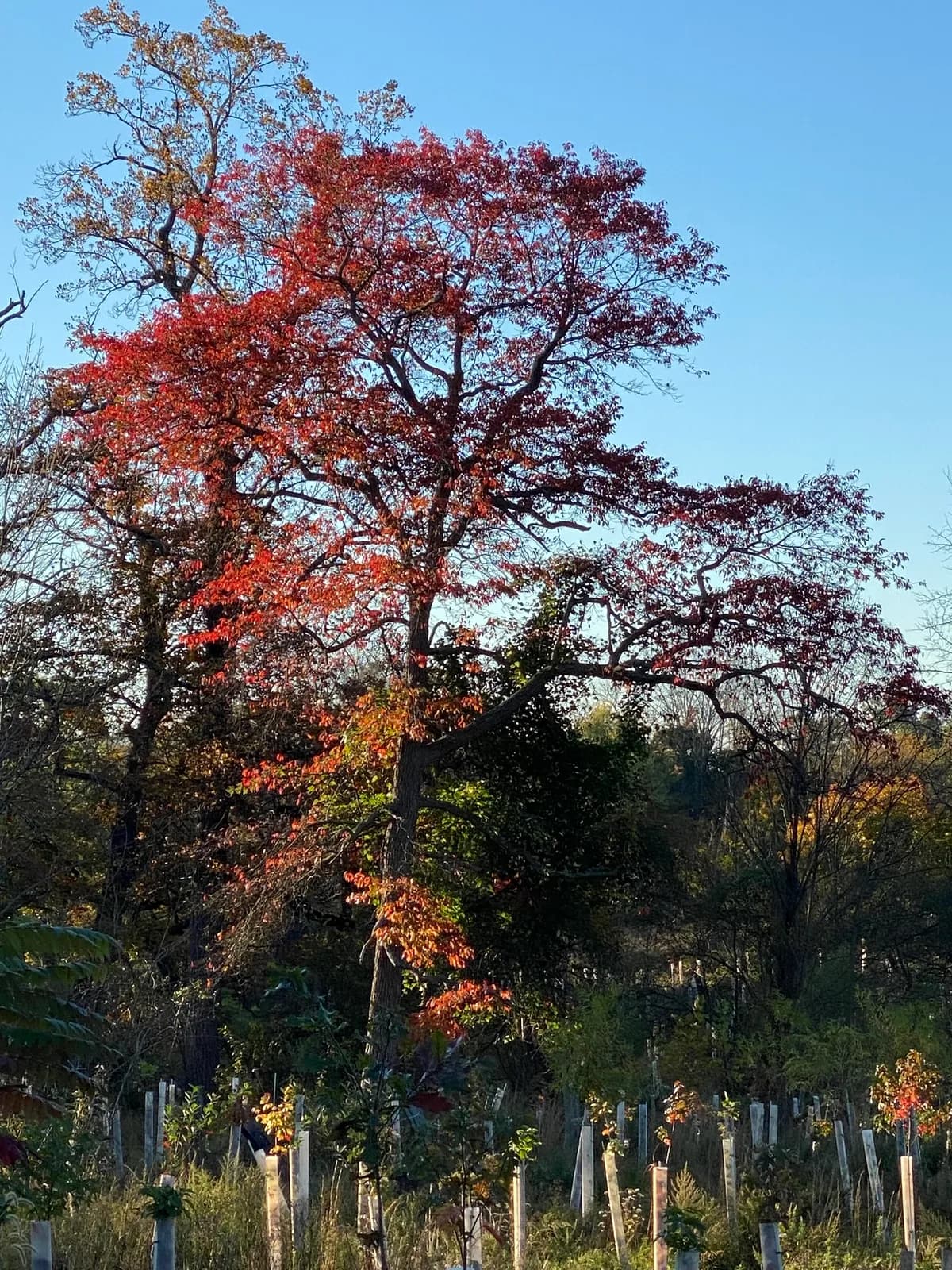
Black Gum
Nyssa sylvatica
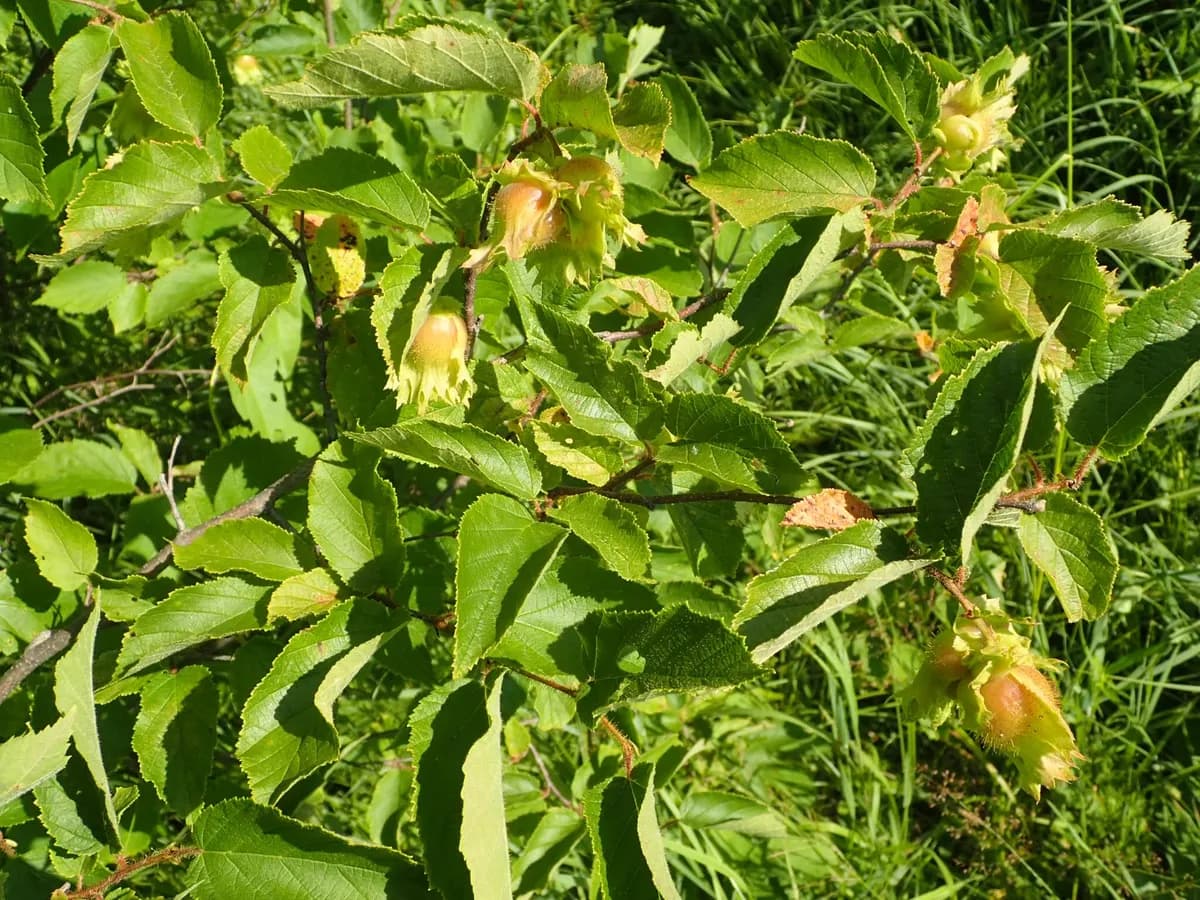
American Hazelnut
Corylus americana
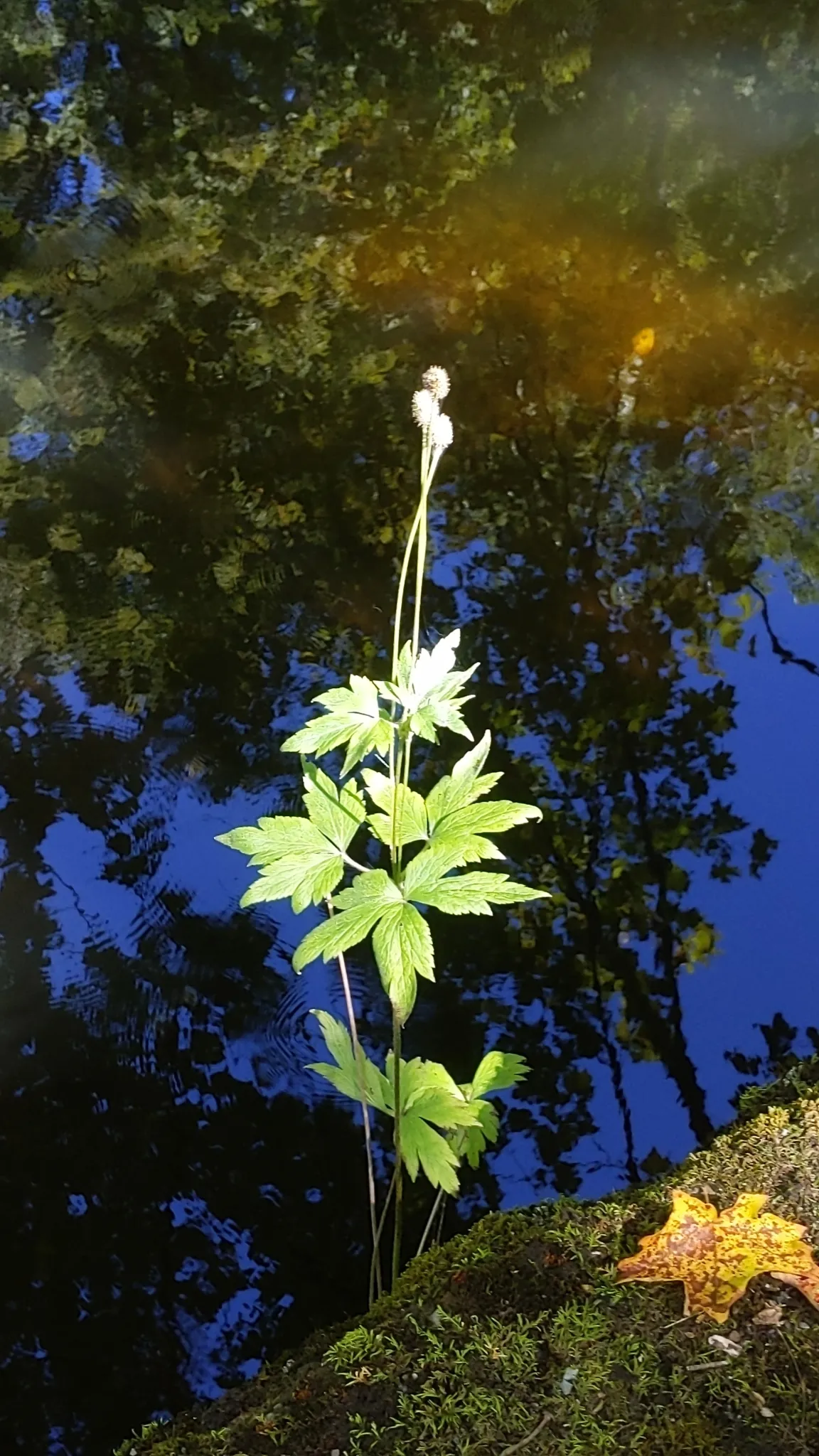
Thimbleweed
Anemone virginiana
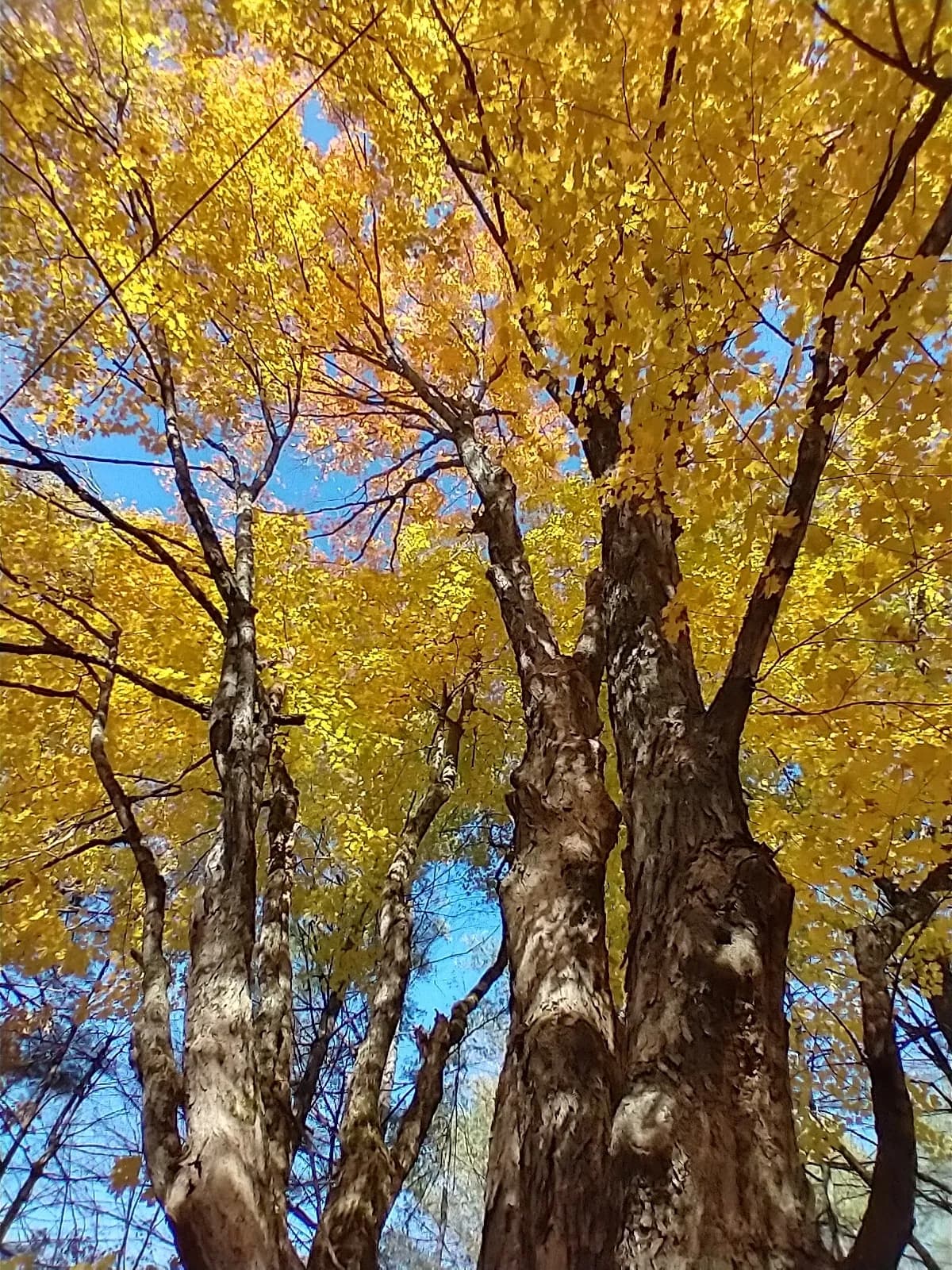
Sugar Maple
Acer saccharum
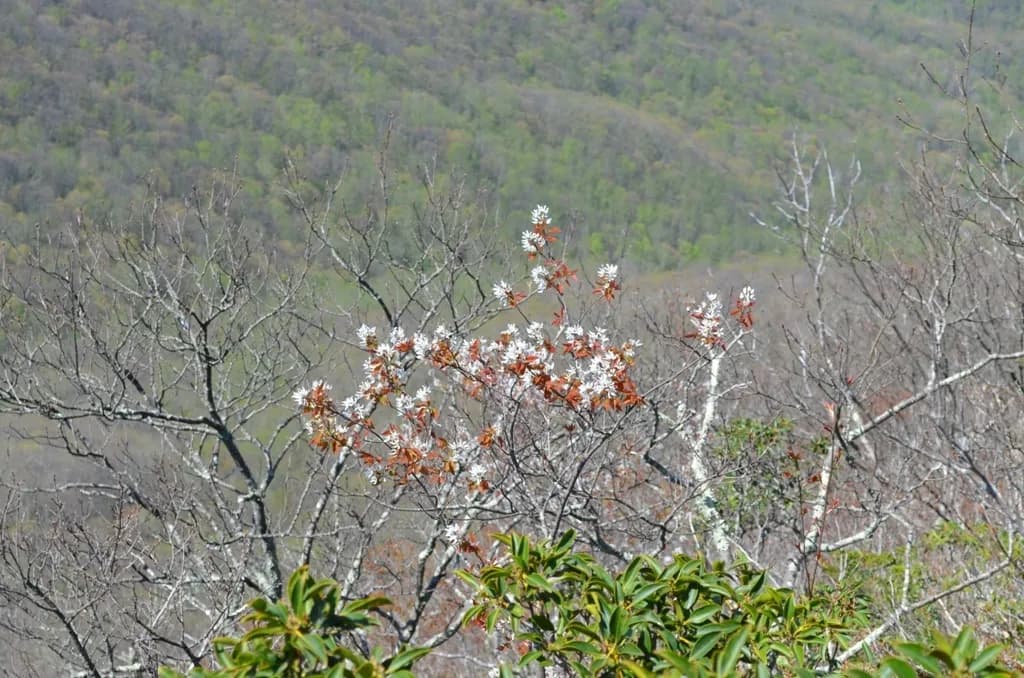
Smooth Shadbush
Amelanchier laevis
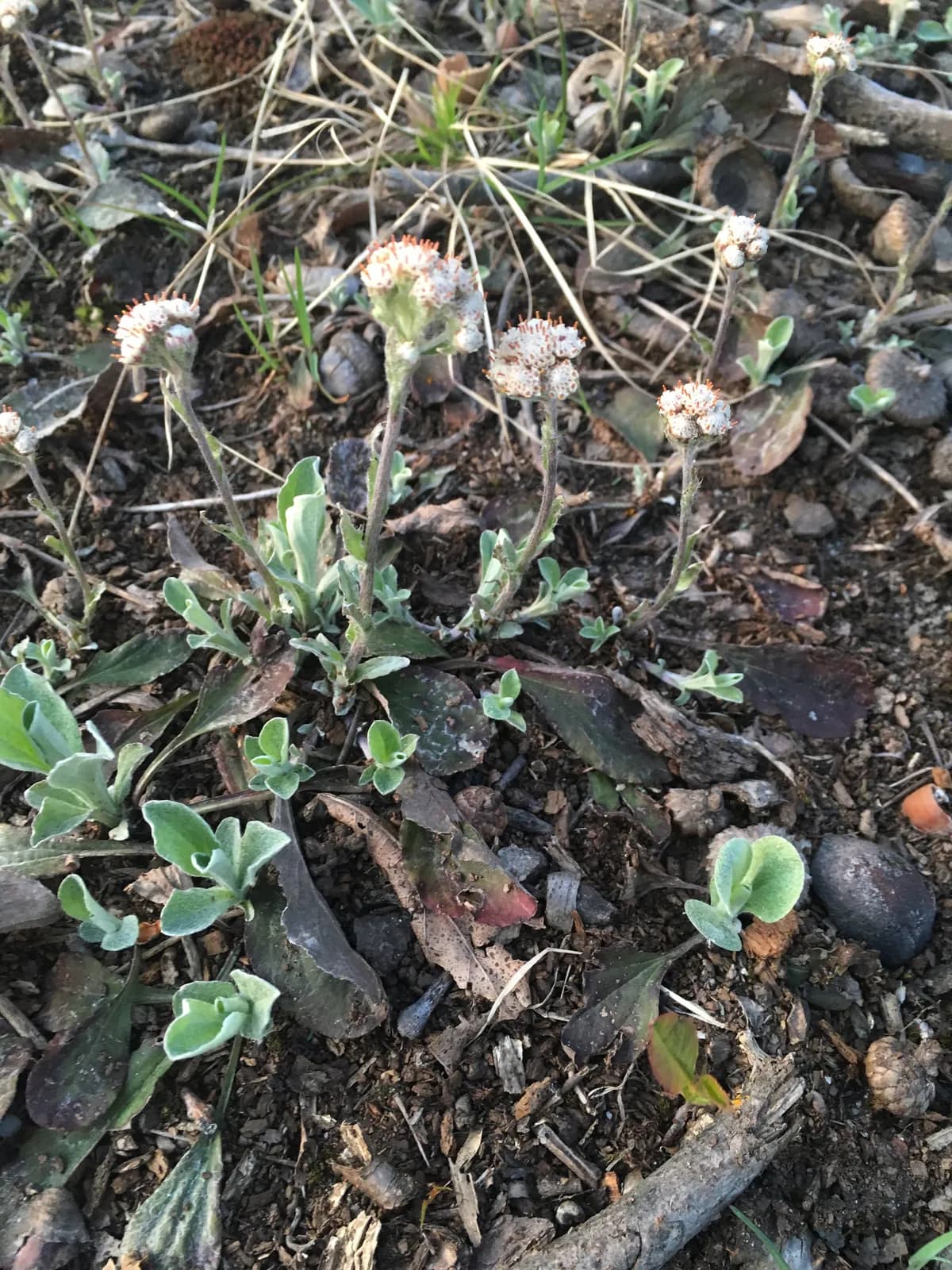
Plantain-leaf Pussytoes
Antennaria plantaginifolia
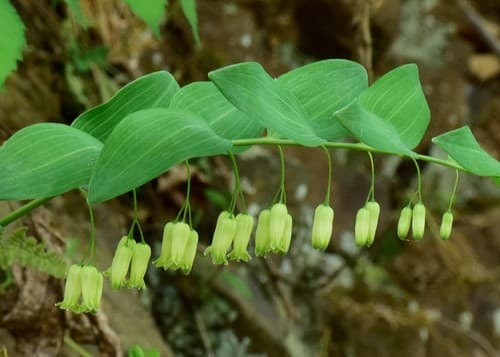
American Solomon's-seal
Polygonatum biflorum
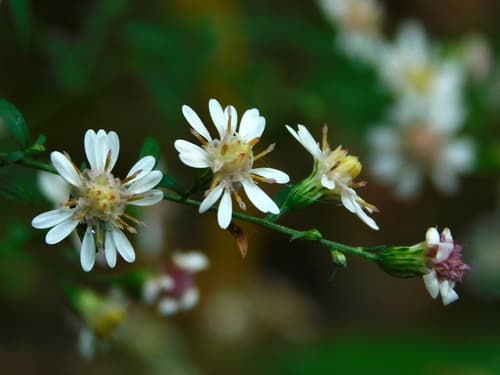
Calico Aster
Symphyotrichum lateriflorum
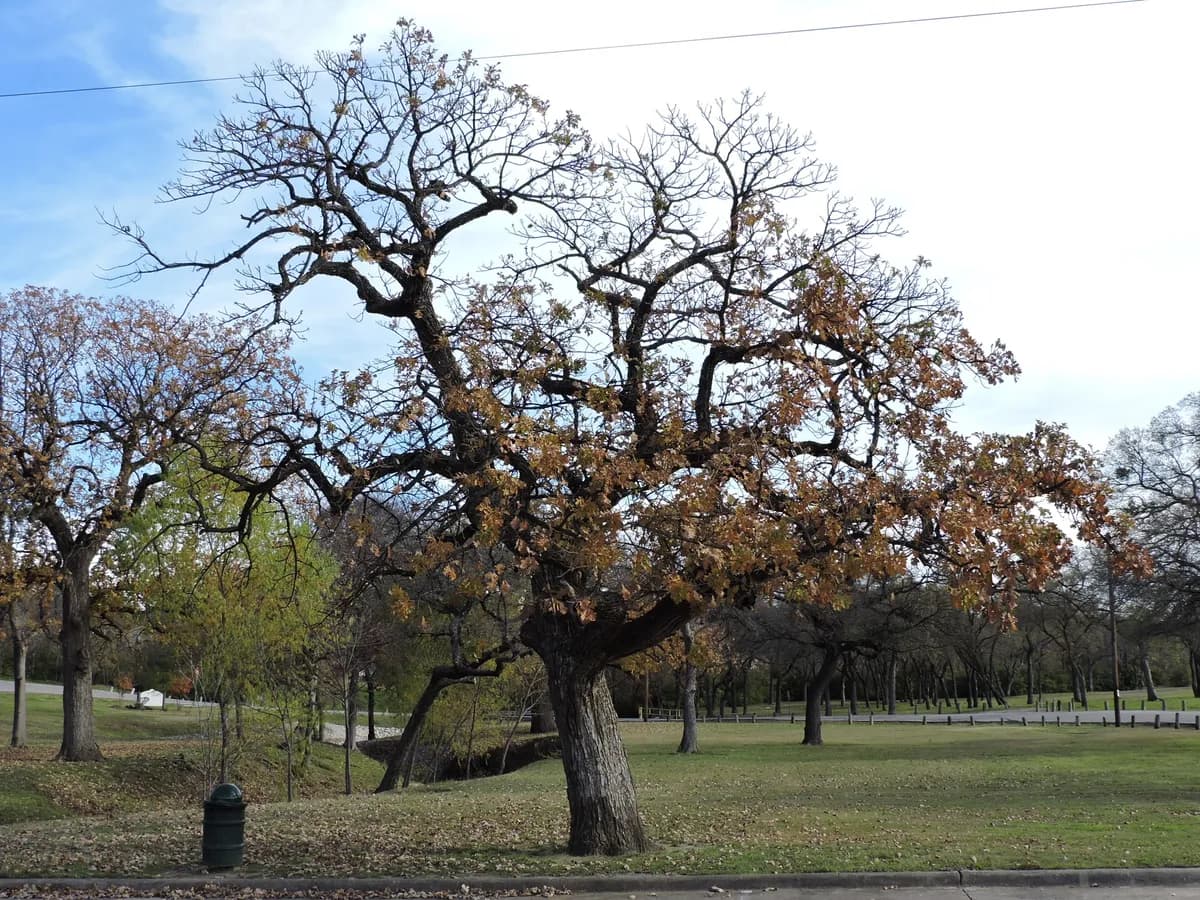
Bur Oak
Quercus macrocarpa
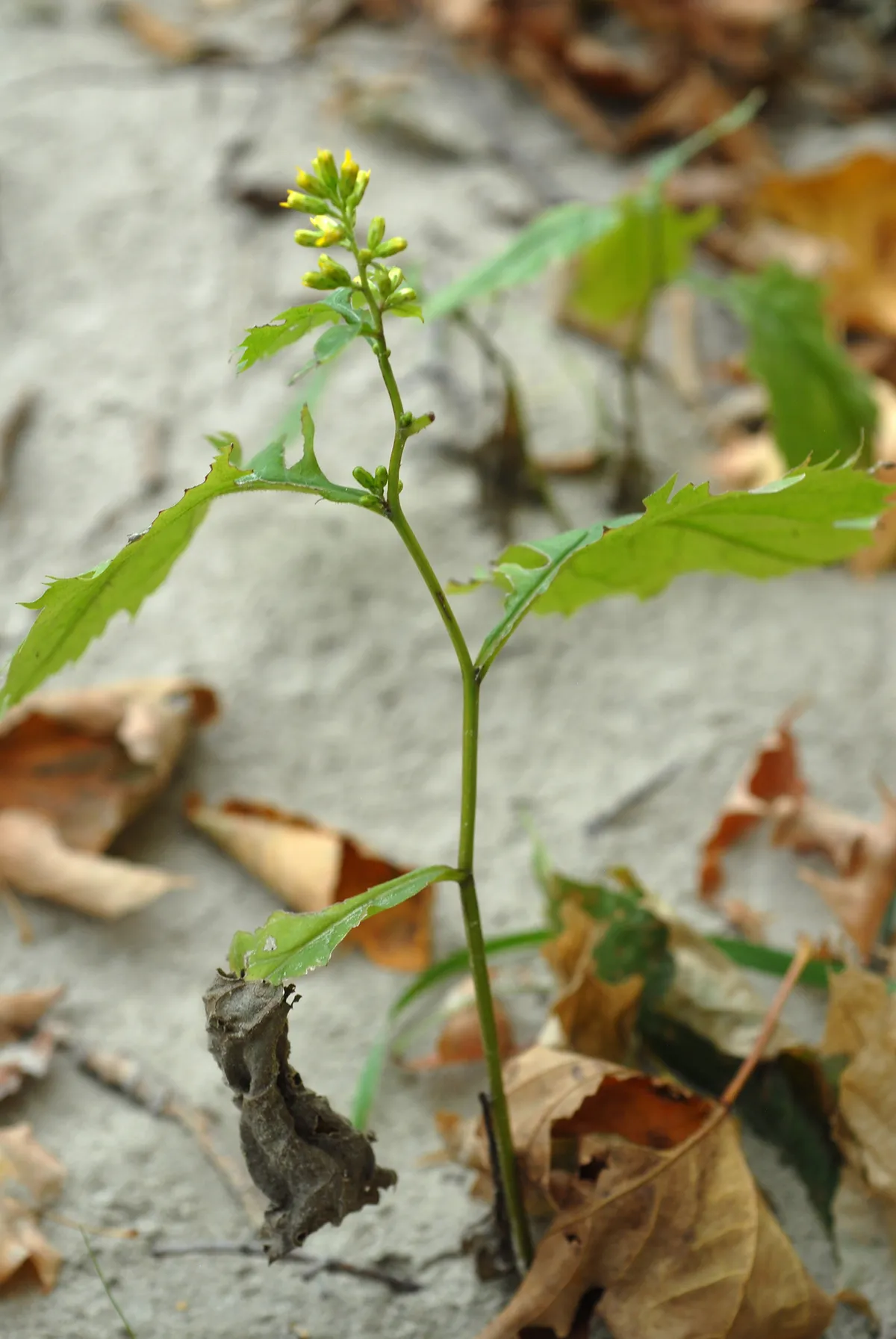
Zig-zag Goldenrod
Solidago flexicaulis
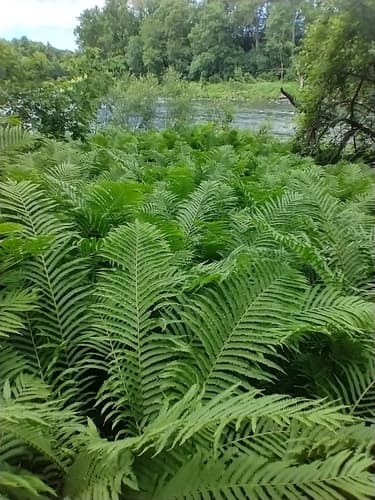
Fiddle Fern
Matteuccia struthiopteris
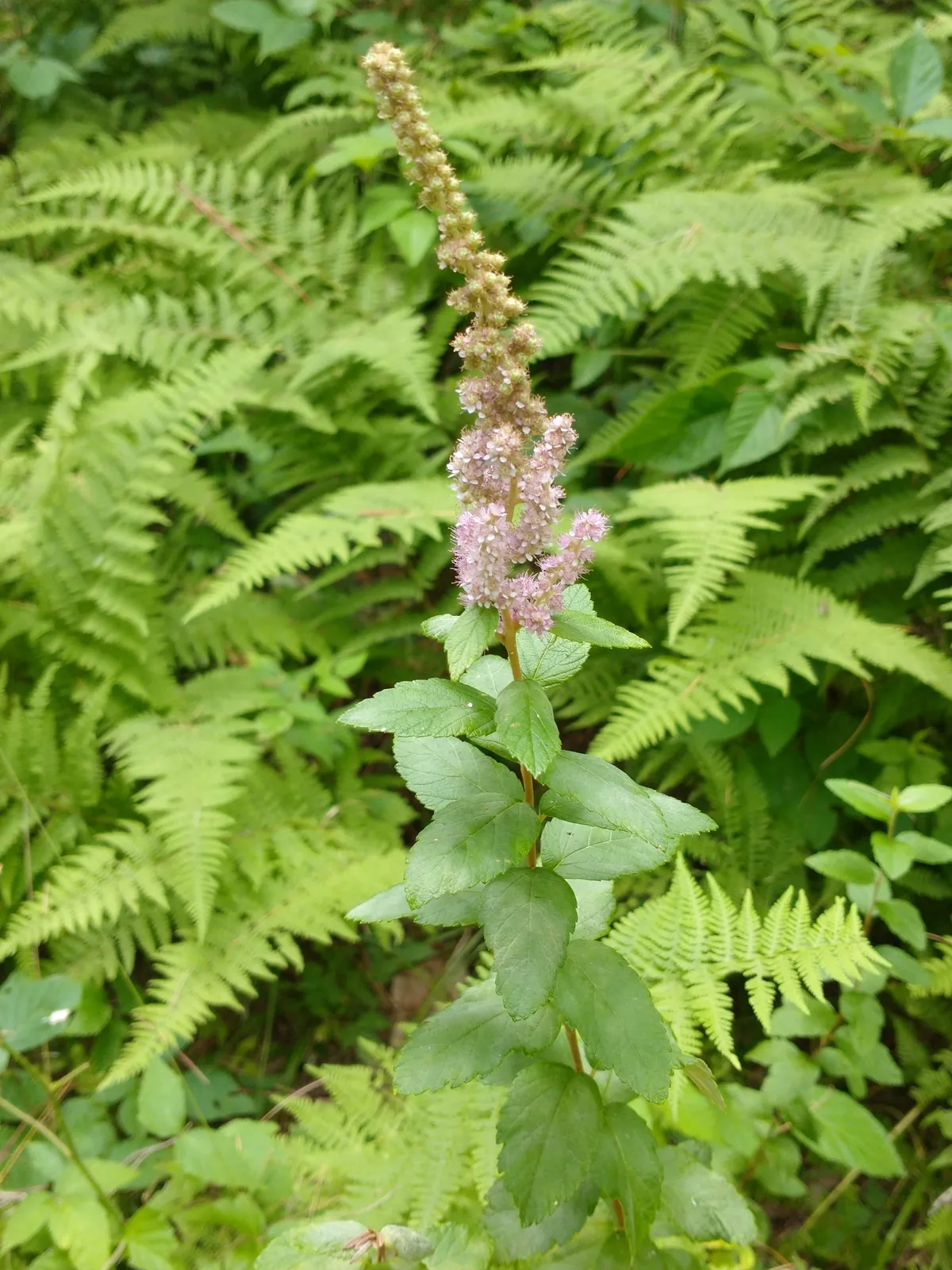
Meadowsweet
Spiraea tomentosa
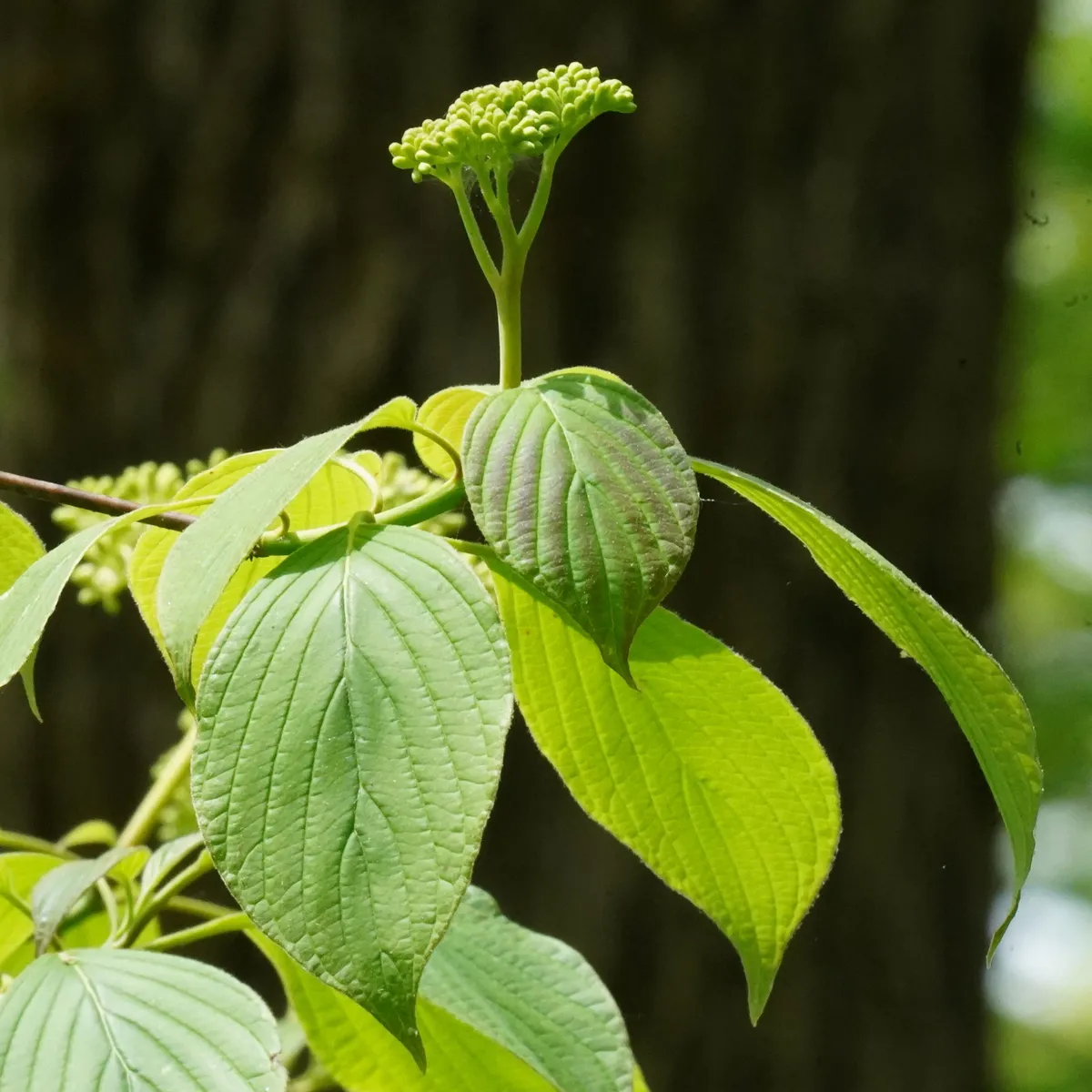
Alternate-leaf Dogwood
Cornus alternifolia
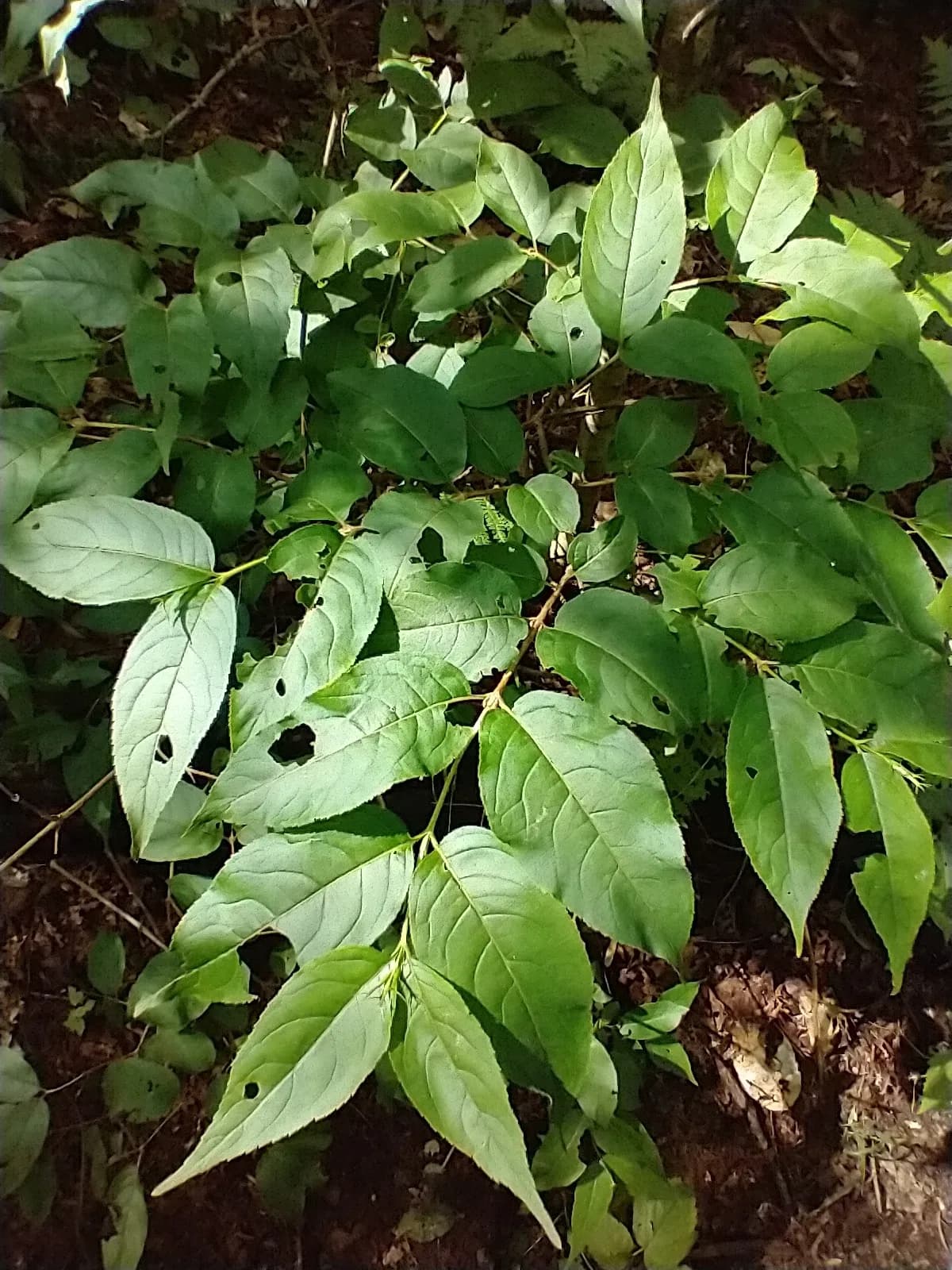
Bush-honeysuckle
Diervilla lonicera
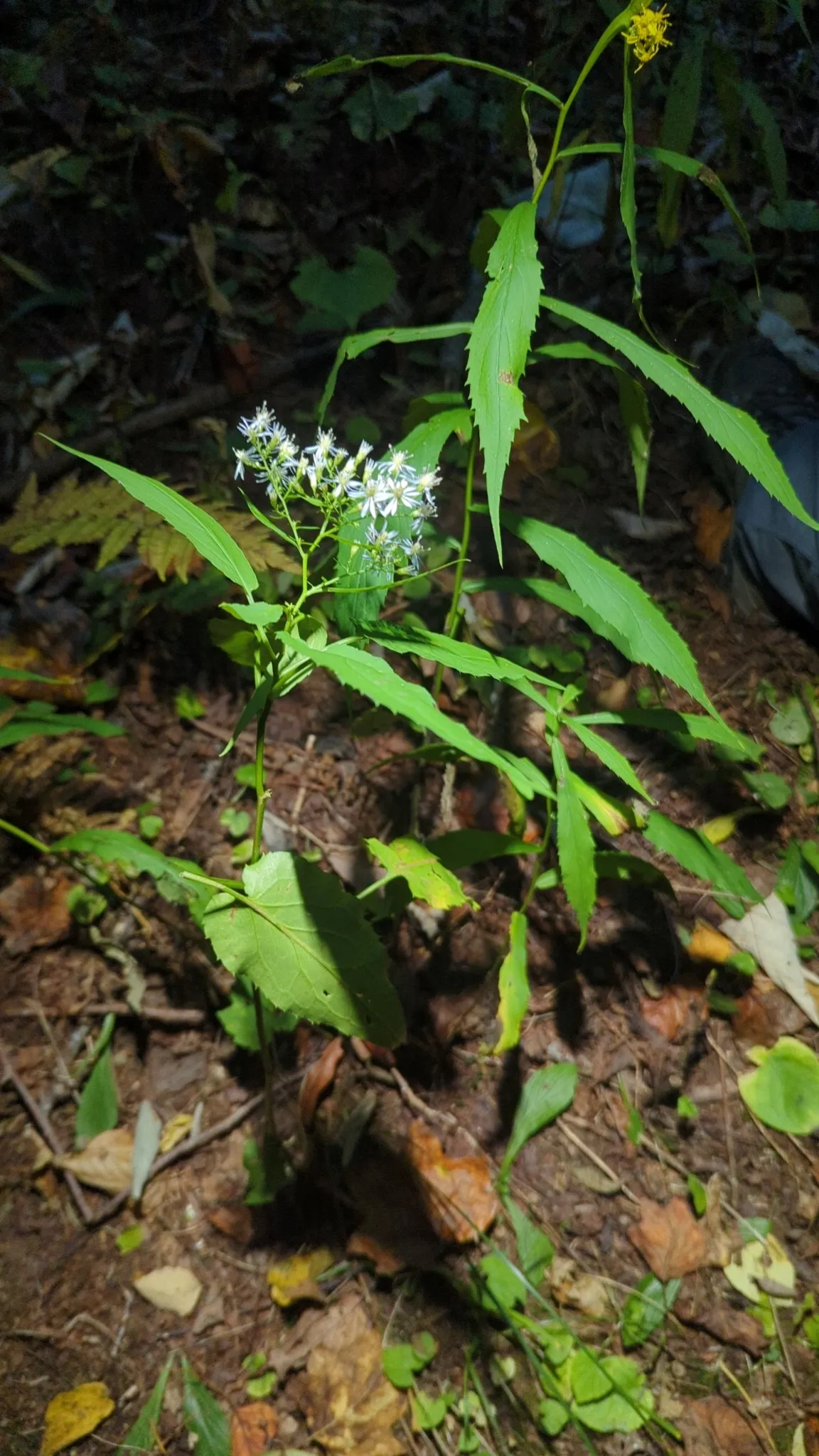
Heartleaf Or Common Blue Wood Aster
Symphyotrichum cordifolium

Northern Maidenhair
Adiantum pedatum
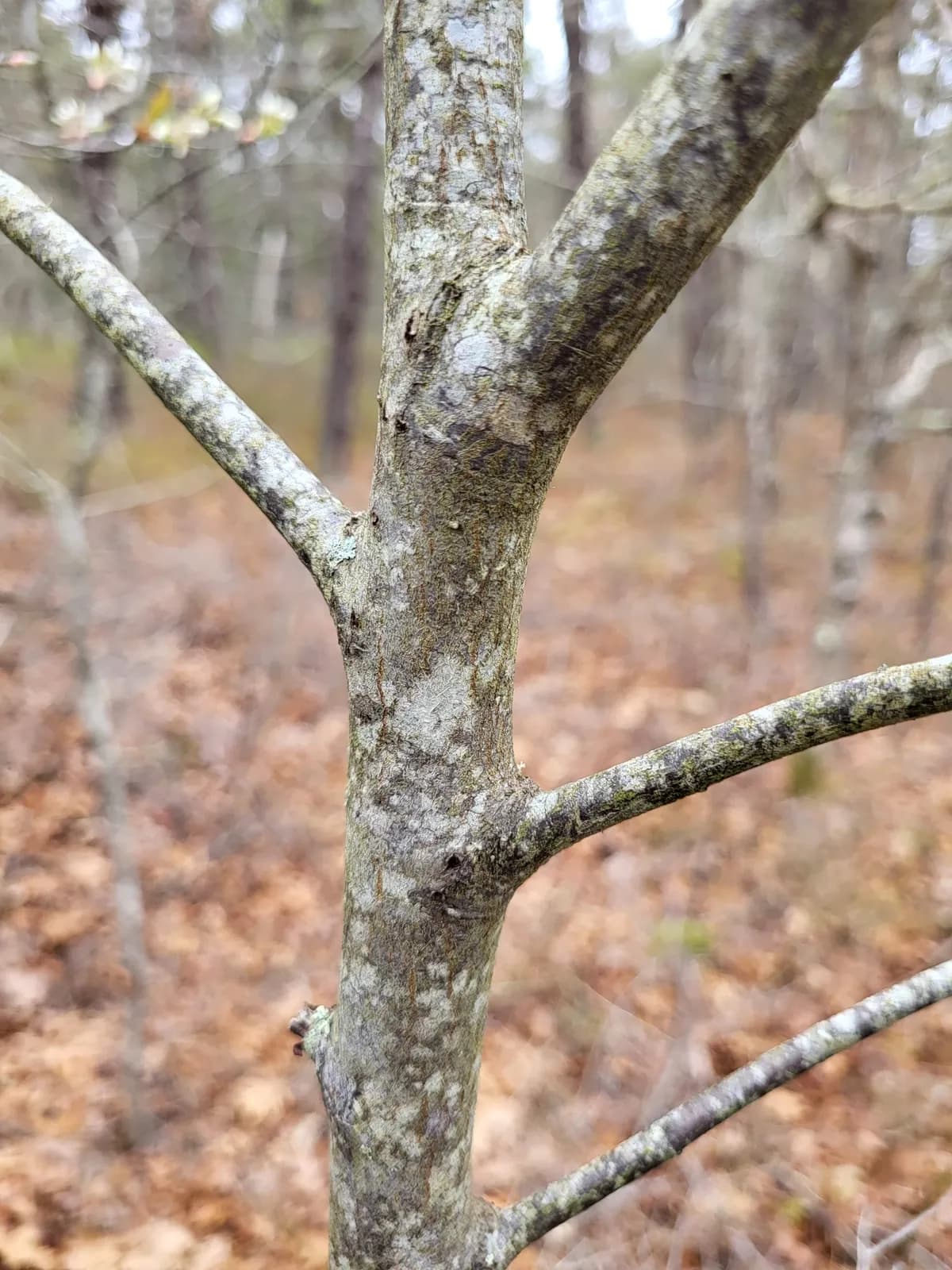
Juneberry
Amelanchier canadensis
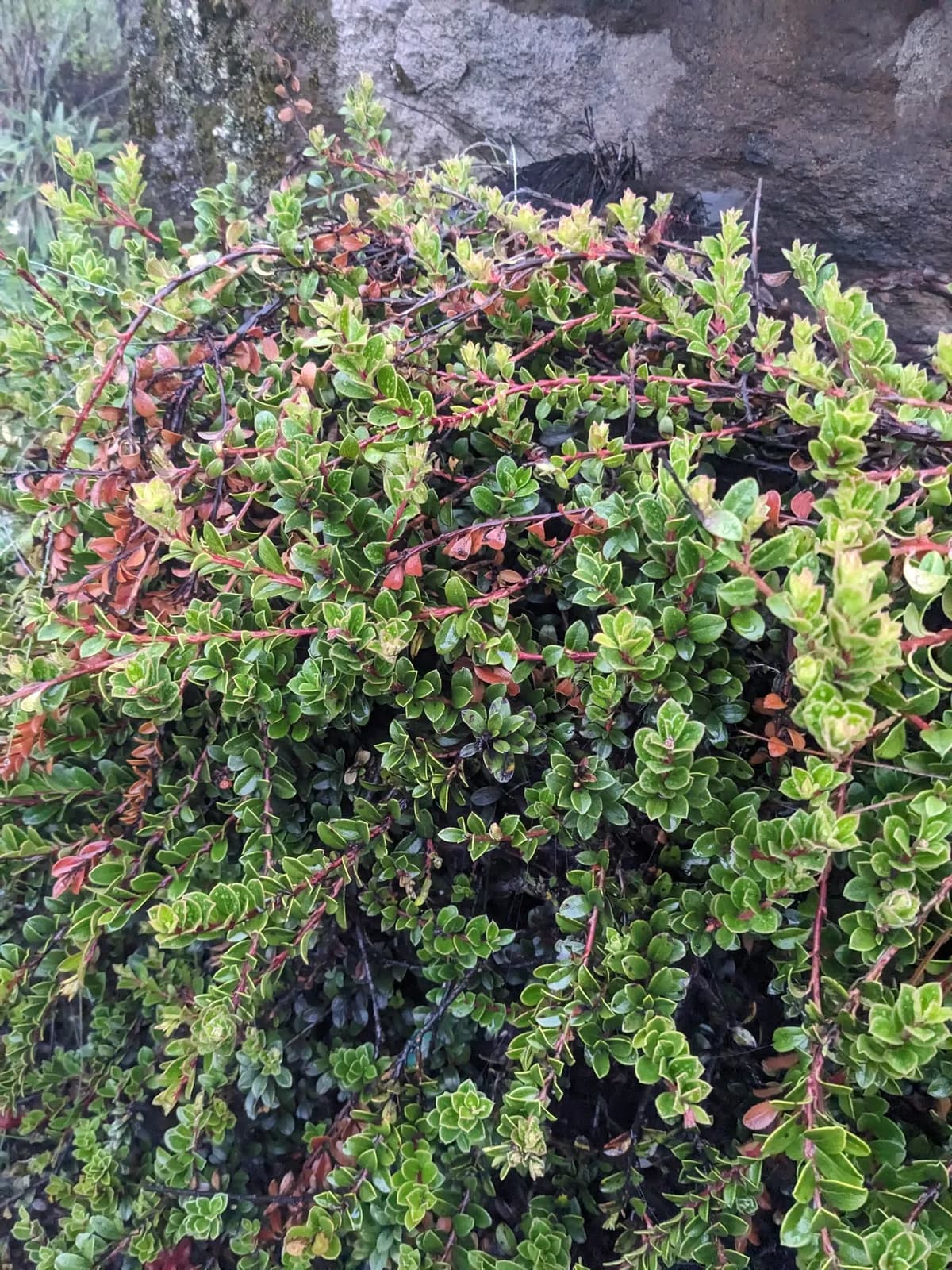
Bear-grape
Arctostaphylos uva-ursi
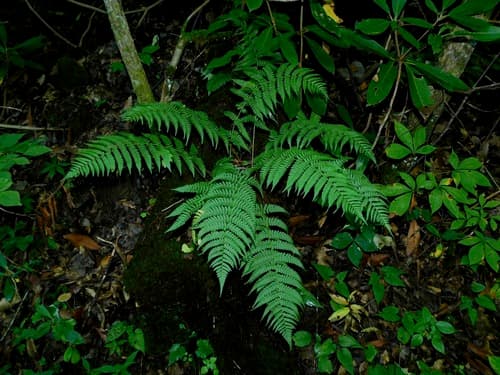
Marginal Fern
Dryopteris marginalis
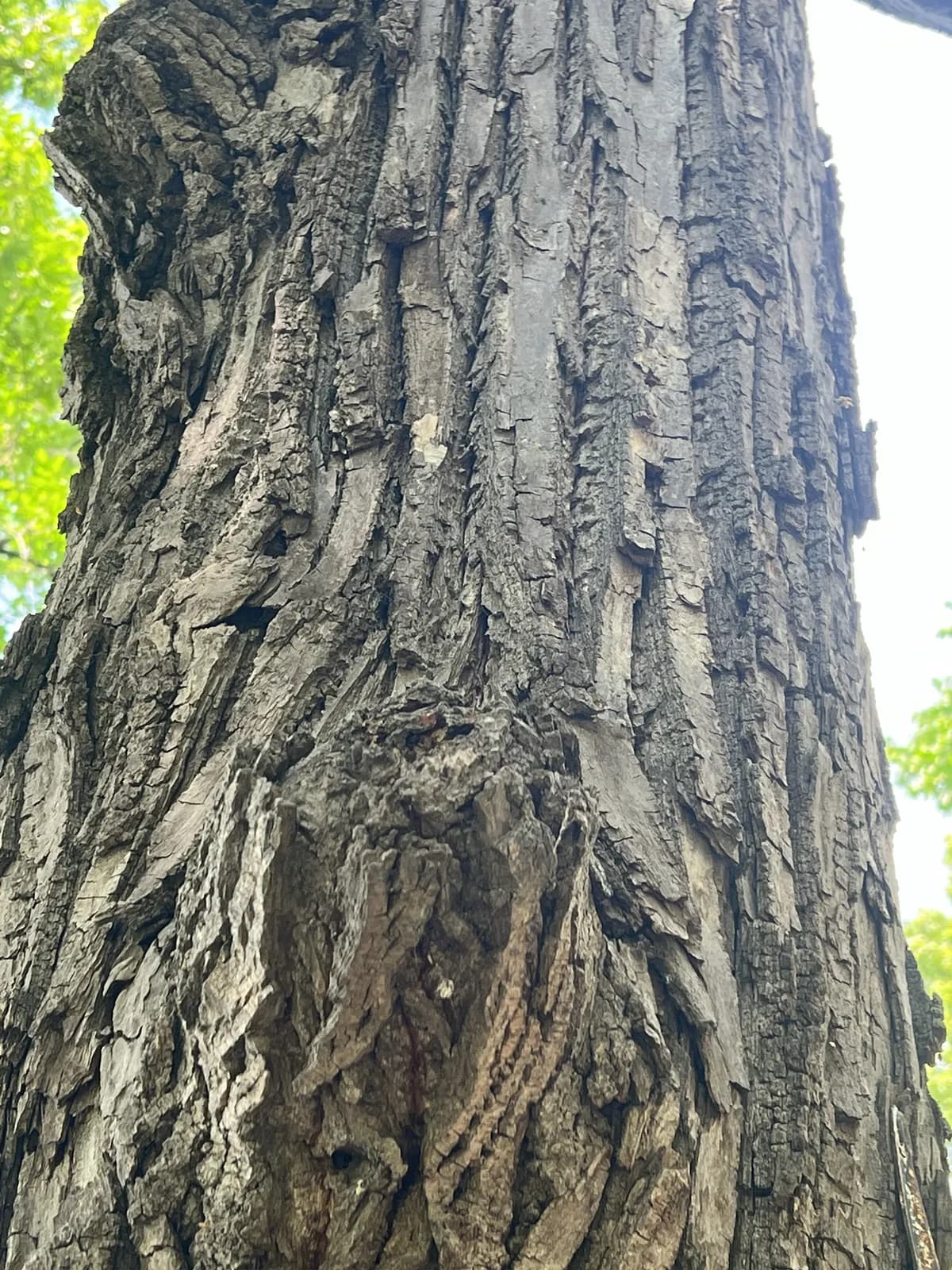
American Basswood
Tilia americana
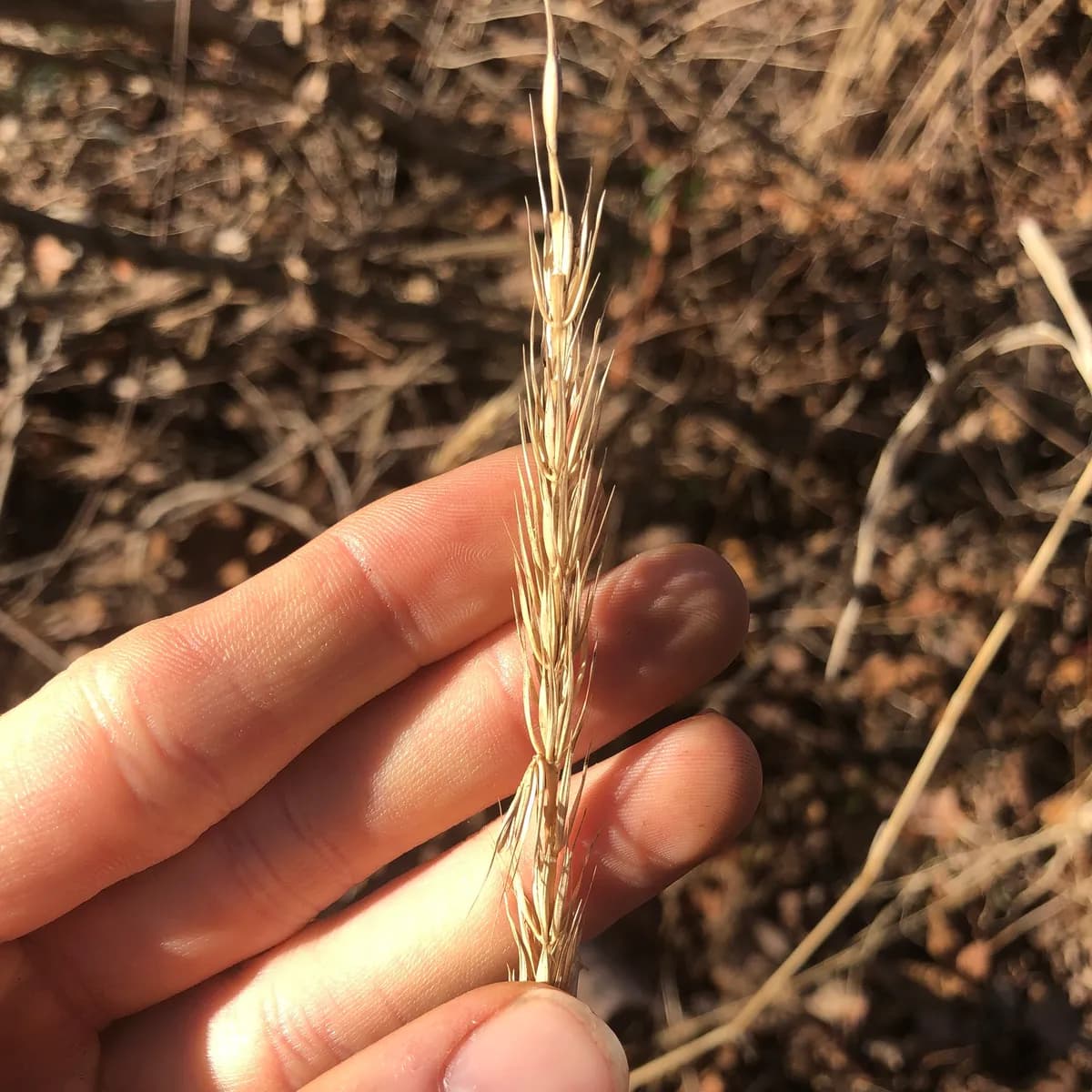
Virginia Wildrye
Elymus virginicus
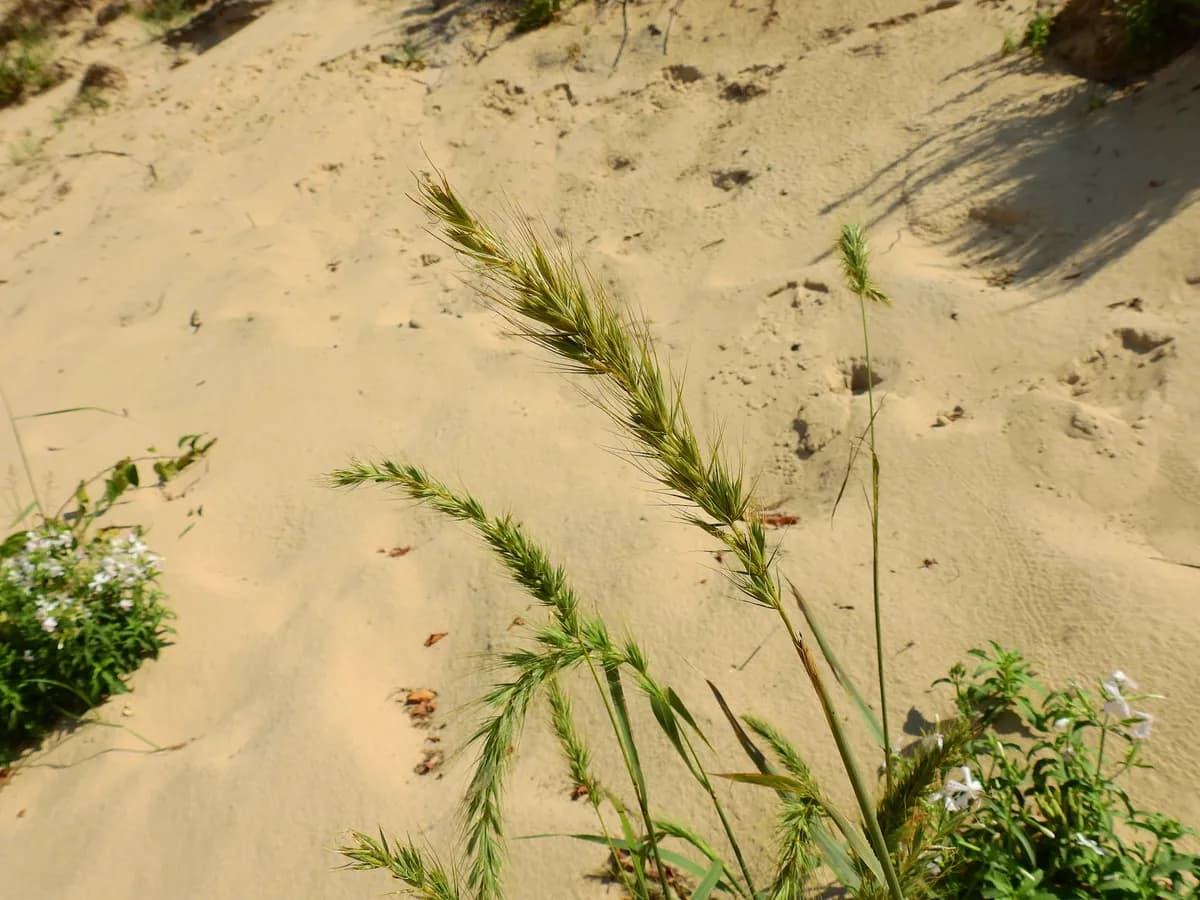
Prairie Wildrye
Elymus canadensis
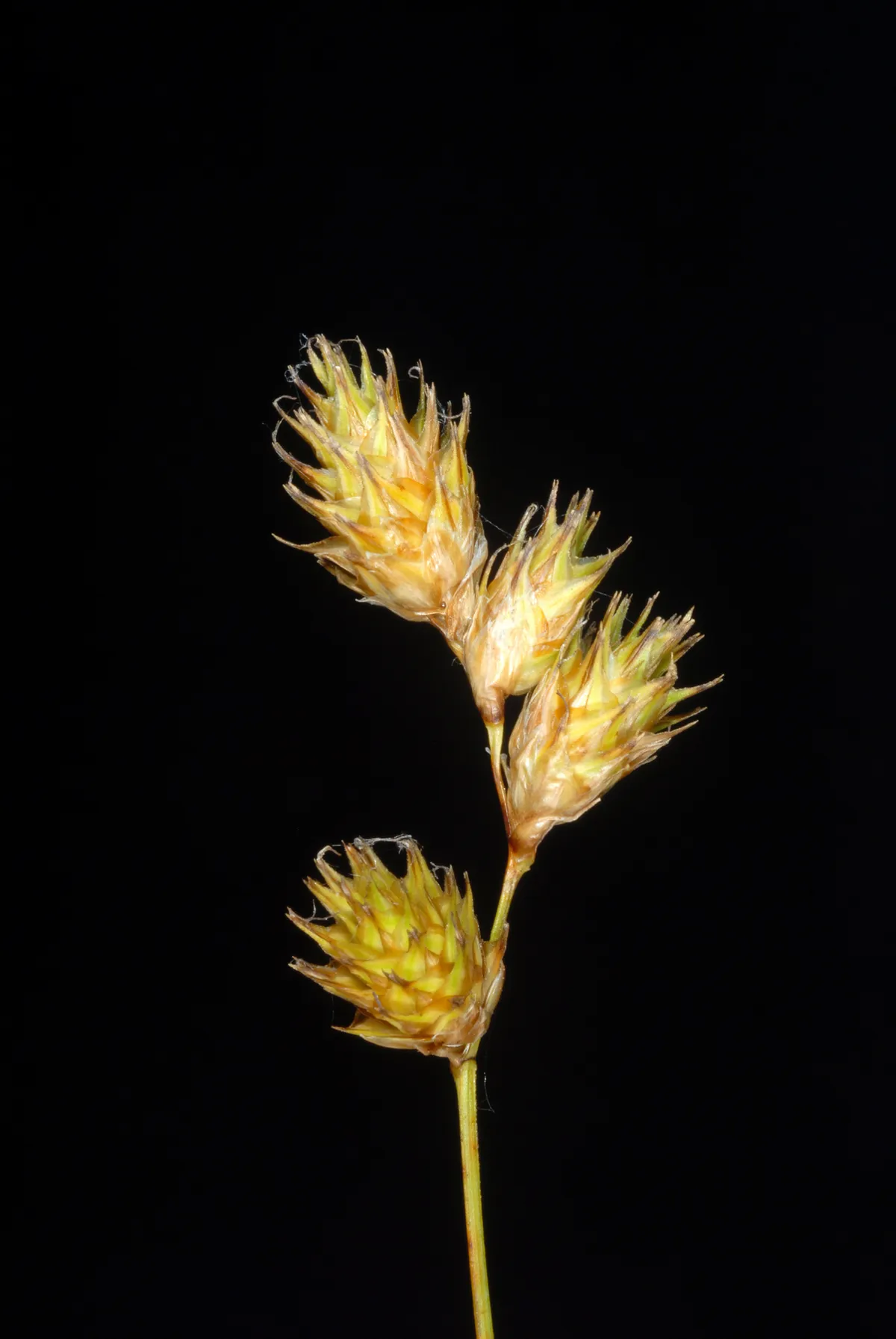
Bicknell's Sedge
Carex bicknellii
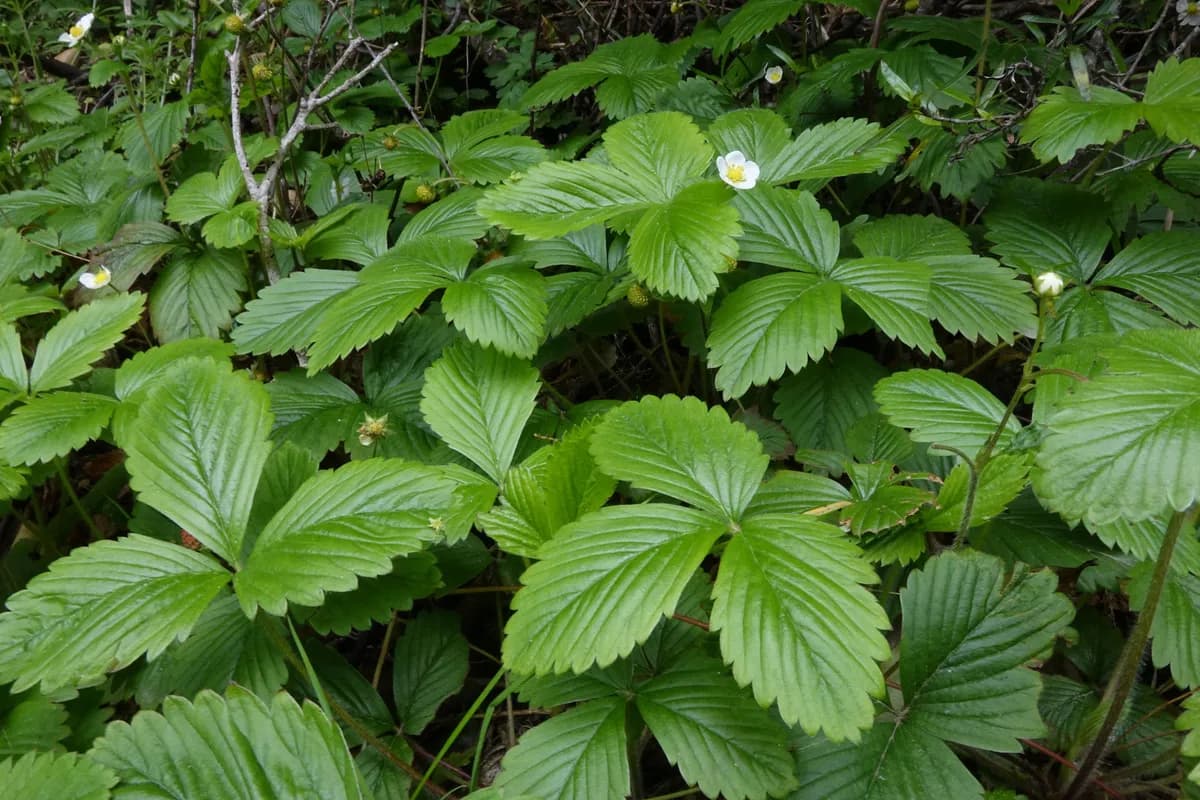
Wild Woodland Strawberries
Fragaria vesca
Showing 48 of 720. Enter your ZIP for the natives matched to your yard.
Fall care in the Acadian Plains and Hills
What to do right now for plants commonly grown here. Each links to the full regional care guide for that species, with sources.
- Rough stem goldenrod
Fall is the show. Rough goldenrod blooms yellow from August into October and is one of the best late nectar sources for pollinators before frost shuts things down in northern Maine.
- Little bluestem
Fall is when little bluestem earns its spot. As the nights cool in northern Maine, the clumps turn deep copper and mahogany orange and put up silvery seed heads that catch the low light. The key fall move is to resist cutting it back, so both the winter look and the wildlife food are preserved.
- Wild bergamot
As blooms fade, wild bergamot leaves behind round seed heads on stiff stems. You can cut it back for a tidy look or leave the stems standing to feed birds and shelter insects over the long Acadian winter.
- Cardinal flower
Cardinal flower is short-lived, so fall care is really about helping it reseed and getting the plant ready for a hard northern winter. Let some seed heads ripen and drop, and be careful not to smother the small basal rosette that has to survive the cold.
- Black alder
Fall is when winterberry earns its name. Leaves drop and the branches load up with red berries. Do not tidy them away, the bare red-berried stems are the whole point.
- Swamp milkweed
In fall the plant sets narrow seed pods that split open to release silky, wind-borne seeds. Foliage yellows and dies back as the short Acadian growing season closes. You get to choose between a tidy cutback now or leaving the stalks for winter interest and seed.
- Wild red columbine
Fall is a rest-and-tidy season for columbine in northern Maine. The plant pulls back to a low rosette of leaves that often stays green into the cold, and any seed you did not want dropped can be cleaned up now.
Build a plan for the Acadian Plains and Hills
The Pollinator Patch App turns plants like these into a front-yard plan tuned for the soil, climate, and HOA expectations of the Bangor area.