Plantain-leaf Pussytoes
Antennaria plantaginifolia
Last reviewed: September 2026
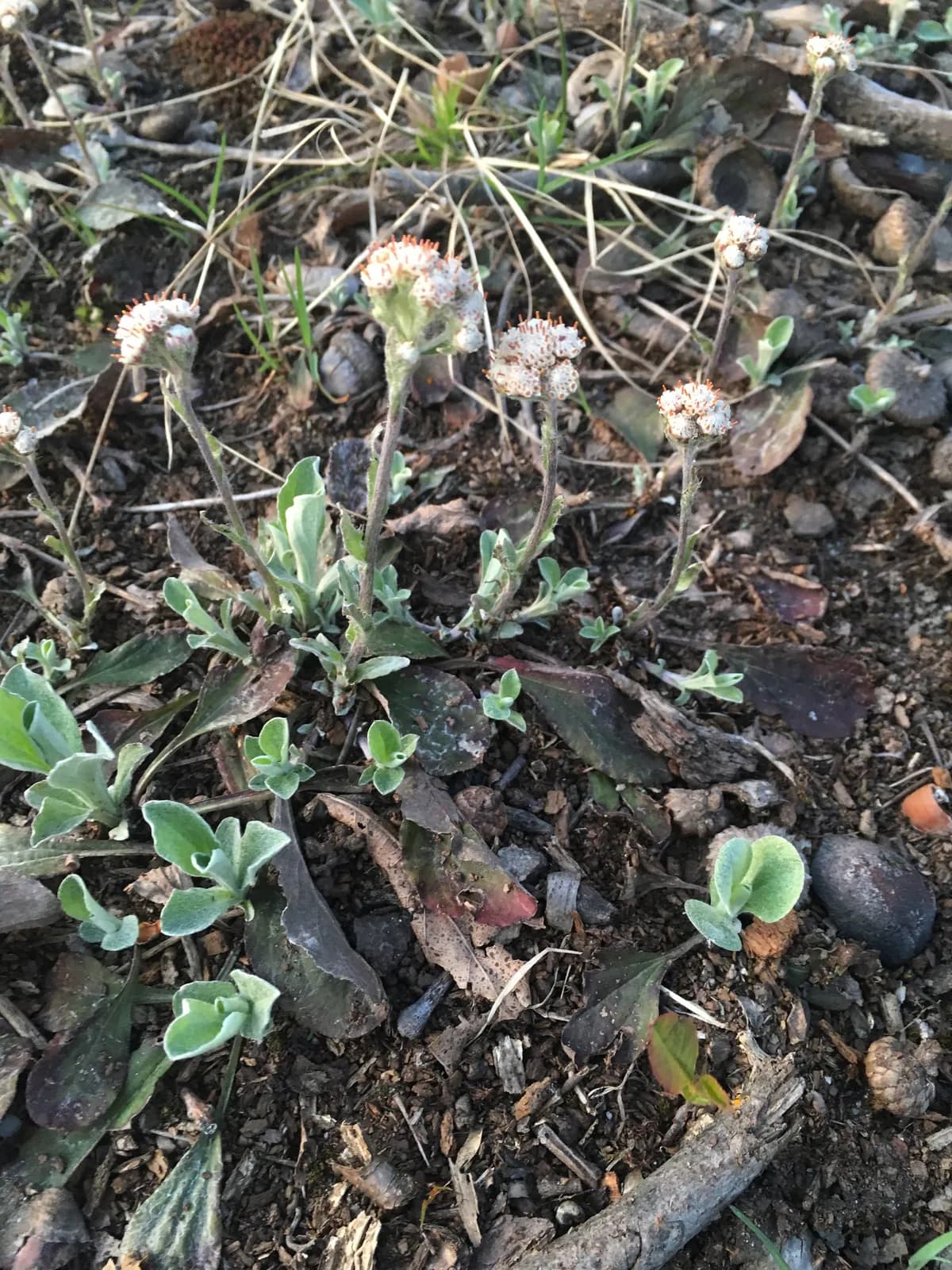
Antennaria plantaginifolia, or plantain-leaf pussytoes, is a low mat-forming forb that blooms April through June in full sun with dry, well-drained soil. It grows in open woodlands, fields, and rocky slopes across much of the eastern and central United States.
Toxicity unknown
Plantain-leaf Pussytoes (Antennaria plantaginifolia) is not listed by the ASPCA Animal Poison Control Center (opens in new tab) or the other sources we check, so we have no verdict for it either way. Absence from those lists is not a clearance. If your pet shows symptoms after eating any plant, call the ASPCA at (888) 426-4435.
Light
full sun
Water
low
Size
3"–12" H × 6"–18" W
Bloom
Apr, May, Jun
Native to
AL, AR, CT, DE and 25 more states
Pollinators
bees, beetles
Before you buy
Your city may pay you to plant this
Cities and water utilities offer rebates for replacing lawn with native and water-wise plants. We track 459 programs across 44 states, each with a link to the provider and the date we last checked it.
Find rebates in your areaPicture natives in your own yard
Upload a photo of your yard and Patch Vision shows a rendering of it planted with natives for your region, like Plantain-leaf Pussytoes.


Browse plants for this ecoregion
Plantain-leaf pussytoes is a low-growing native groundcover that forms neat, spreading mats of fuzzy gray-green leaves. It produces small clusters of white, cottony flowers in spring and early summer that give the plant its common name.
Growing Plantain-leaf Pussytoes
Grow Plantain-leaf Pussytoes in full sun and low water. Mature plants reach 3 to 12 inches tall and spread 6 to 18 inches wide. Expect low maintenance to keep it looking intentional in a front yard.
How to care for Plantain-leaf Pussytoes, by region
How to care for Plantain-leaf Pussytoes where it is actually grown: year-round basics plus what to do each season, region by region, with the sources for each.
Care guidance last updated: October 2026
Central Irregular Plains (includes Kansas City, MO)
Year-round
Plantain-leaved pussytoes is a low groundcover that likes lean, well-drained soil and little fuss.
- Full sun to partial shade works.
- Lean, rocky or sandy soil is best, and rich or poorly draining soil causes problems.
- It spreads by runners into a dense mat about 4 to 6 inches tall.
- Maintenance is low and it has no major pest or disease problems.
Fall
Fall needs very little from you since the leaf mat stays in place.
- The basal leaves are semi-evergreen.
- Leaves can look discolored with age.
- It is hardy in USDA zones 3 to 8.
Winter
Pussytoes keeps its silvery leaves through winter and needs no special care.
- It is described as a semi-evergreen to evergreen perennial.
- It is hardy in USDA zones 3 to 8.
- Good drainage matters most.
Spring
Spring is bloom time for pussytoes, and the best time to divide it.
- Small white flower clusters show in mid to late spring for about 2 to 3 weeks.
- Cut the seedheads afterward if you want it neat.
- Propagate by division or seed.
Summer
In summer the flower stems die back and the leaf rosettes carry on, so it needs little water.
- Stems die back in summer and the basal rosette remains.
- It tolerates occasional dryness and has high drought tolerance.
- Avoid rich or poorly draining soil.
Sources: NC State Extension Plant Toolbox: Antennaria plantaginifolia, Lady Bird Johnson Wildflower Center: Antennaria plantaginifolia
Cross Timbers (includes Fort Worth, TX)
Year-round
Plantain-leaf Pussytoes is a low, silvery-leaved groundcover documented growing wild in Tarrant County, where Fort Worth sits, and it thrives in the same lean, rocky ground many Fort Worth yards already have.
- Give it full sun to light shade and lean, fast-draining soil. It struggles in rich, wet beds and does well in Fort Worth's shallow, rocky ground over limestone.
- It spreads slowly into a low mat around 4 to 6 inches tall by division and self-seeding, so give it open ground rather than crowding it against taller perennials.
- The leaves are a larval host plant for the American Lady butterfly, whose caterpillars build small silk nests at the leaf tips from spring into fall.
- Skip fertilizer entirely. Rich soil works against this plant's natural preference for lean, poor ground.
Fall
Cooling soil and more reliable rain make fall one of the best windows in Fort Worth to plant or divide pussytoes, ahead of next year's heat.
- Plant or divide now so roots have the cooler months to settle in before next summer's drought stretch arrives.
- Late-season American Lady caterpillars can still be using the foliage into November, so leave the mat standing rather than cutting it back this time of year.
- No fertilizer needed heading into fall. This plant does better left on lean ground.
- Fort Worth's first freeze usually lands around mid-November. Top growth may brown afterward while the basal rosette stays mostly evergreen.
Winter
Fort Worth's mild zone 8a winters, with occasional hard freezes, are well within the range this plant handles across a native distribution that reaches much colder northern states.
- The basal rosette stays mostly evergreen through a typical Fort Worth winter, though leaf tips may brown after a hard freeze or ice event.
- No winter watering is needed unless the season turns unusually dry.
- Leave any browned foliage in place through winter. It protects the crown during cold snaps and can be tidied up once new growth starts in early spring.
- Hold off on any cutback until you see fresh green growth at the base, usually by late winter.
The low winter rosette reads as a tended bed rather than bare dirt, which keeps this an HOA-friendly front-yard choice through the dormant season.
Spring
Fort Worth's mild spring, after the last freeze usually clears by mid-March, is when pussytoes send up their fuzzy flower stalks and when the plant is easiest to divide or establish.
- Small flower stalks rise a few inches above the silvery rosette in April and May, topped with clusters of tiny white to pink fuzzy blooms.
- This is when American Lady caterpillars are most active on the foliage, so hold off on pesticide use in this bed if you want the butterflies to keep coming back.
- Established clumps rarely need extra water beyond normal Fort Worth spring rainfall.
- Divide crowded clumps in early spring, before the flower stalks form, if you want to spread the mat to a new spot in the bed.
Summer
Fort Worth's long, hot, dry summer stretch is exactly the kind of drought this plant is built to shrug off once it has a full growing season of roots down.
- Skip supplemental water on established plants. Wet, humid summer soil is more likely to cause root rot than a dry spell is to hurt this plant.
- The silvery foliage can look a little ragged by late summer in the heat. That is normal and not a sign the plant is failing.
- A start planted this past spring still needs an occasional deep watering through its first Texas summer, until the roots are fully settled.
- Good drainage matters more than watering. If a bed holds water after a summer storm, this is not the spot for it.
Sources: BRIT Philecology Herbarium checklist for Tarrant County, Texas (lists Antennaria plantaginifolia), NC State Extension Gardener Plant Toolbox: Antennaria plantaginifolia, Butterflies and Moths of North America: American Lady caterpillar host plants, Missouri Botanical Garden Plant Finder: Antennaria plantaginifolia
Driftless Area (includes Galena, IL)
Year-round
Siting, soil, watering, size, and host-plant facts for plantain-leaf pussytoes in Galena.
- Plantain-leaf pussytoes is a low, spreading groundcover. The Wildflower Center lists its range from Quebec and Maine south to Florida and west to Minnesota, and hardiness zones 4 to 8, so Galena's cold winters are fine.
- Give it sun to partial shade. It does best in dry woodland edges with light, dappled shade, which suits Galena's wooded bluffs and hillsides.
- Use dry, sandy, rocky, or poor soil that leans acidic. Rich, wet, or heavily fertilized beds work against it.
- Water needs are low and drought tolerance is high. Water new plants weekly for the first few weeks, then mostly leave it alone.
- The foliage stays about 2 inches tall and flower stalks reach about 10 inches. It spreads by runners into a mat, and the Wildflower Center lists it as a host plant for American lady butterfly larvae.
Fall
Fall cleanup and planting for plantain-leaf pussytoes in Galena.
- Early fall, before Galena's first frost around early October, is a second good window for planting or dividing.
- Water new divisions every week or so until the ground freezes.
- Leave the low evergreen-looking rosettes in place. They carry the plant through winter.
- Rake fallen leaves off the mat so they do not smother the small leaves.
Winter
Winter care for plantain-leaf pussytoes in Galena.
- Galena winters are cold, but the plant is listed hardy in zones 4 to 8, so no protection is needed.
- The Wildflower Center notes that deer browse it in winter, so a bed near woods may get nibbled.
- Do not water or fertilize while the ground is frozen.
- Wait for spring to divide or move plants.
Spring
Spring bloom and planting for plantain-leaf pussytoes in Galena.
- Galena's last frost is usually around mid May. Spring is a good time to plant or divide, since cool weather helps roots settle.
- White fuzzy flowers open from March through June. Females show pink tinges and males are pure white, and the small stalks reach about 10 inches.
- Water new plantings once a week if rain is short. Established plants need no extra water.
- Divide crowded mats after bloom by lifting sections with roots and replanting them in dry, lean soil.
Trim spent flower stalks after bloom so the mat looks tidy along a front bed or path.
Summer
Summer care for plantain-leaf pussytoes in Galena.
- This plant is low water and drought tolerant, so summer heat rarely calls for watering once it is established.
- Skip fertilizer and rich compost. Poor, dry soil keeps the mat tight and healthy.
- Pull invading weeds and grasses out of the mat by hand so they do not crowd the low foliage.
- Mid summer is the time to cut off any leftover seedheads if you want a neat look.
Sources: Lady Bird Johnson Wildflower Center: Antennaria plantaginifolia
Eastern Corn Belt Plains (includes Columbus, OH)
Year-round
Plantain leaf pussytoes is a low, drought tolerant native groundcover that is a good fit for a lean, sunny spot in a Columbus area yard.
- The Lady Bird Johnson Wildflower Center lists Ohio among this plant's native states, so it belongs in a Columbus area native garden.
- It forms a low mat of silvery green, felted leaves under 6 inches tall and spreads slowly by runners to about 1 to 2 feet wide.
- Give it full sun to part shade and lean, dry, sandy or rocky soil. It struggles in rich, wet, or heavily mulched beds.
- This species is dioecious, meaning male and female flower heads grow on separate plants, so one plant alone will not always set seed.
- The Lady Bird Johnson Wildflower Center documents it as a host plant for American Painted Lady butterfly larvae in Ohio specifically.
Fall
Fall is a good window for dividing or transplanting, and the low mat stays mostly green into the season.
- Fall is a good time to divide an established patch or transplant it, since cooler weather reduces transplant stress.
- The basal leaves are semi evergreen, so the low mat stays mostly green into fall rather than dying back completely.
- No fall cutback is needed. Leaving the foliage in place going into winter is fine.
- Propagation is by division or seed, and fall is one of the workable windows for either.
The mat holds its low, tidy shape into fall without any cutback, so it keeps a groomed look through the season.
Winter
Columbus winters are well within this plant's hardiness range, and the low mat needs no winter cutback.
- This species is winter hardy from USDA zones 3 through 8, and the Columbus, Ohio area falls within that range, so no winter protection is needed.
- Leaves are semi evergreen and often stay low and silvery through winter instead of dying back completely.
- Do not cut the plant back in winter. The existing foliage helps protect the crown through cold snaps and freeze thaw cycles.
- Avoid repeatedly walking on the same low spots in winter, since compacted, wet soil is harder on this plant than cold temperatures are.
The low evergreen mat needs no winter cutback and keeps a tidy, deliberate look through the colder months instead of going bare.
Spring
Spring is bloom time. Let the small kitten-paw shaped flowers finish before the first mow or trim.
- Small white to pale pink flower heads that look like tiny kitten paws open from mid to late spring, generally April through June in the Columbus area.
- Established plants need no extra watering in spring beyond normal rainfall, since this species prefers dry soil.
- Wait until the flower stalks fade before mowing or trimming, since the fading seed heads help the colony spread.
- Spring, while the soil is workable, is a good time to divide an existing patch or start new plants.
Hold off mowing until the spring bloom fades, then a light mow keeps the mat neat and helps it fill in for a tidy front-yard look.
Summer
This plant wants to be left dry in summer. Skip watering and rich soil amendments.
- This is a drought tolerant plant once established, so skip supplemental watering through summer heat unless there is a long dry stretch.
- Do not add compost, mulch, or rich topsoil around it. It does best in lean, low fertility soil and can struggle or rot where soil stays wet.
- The semi evergreen leaves may look a bit discolored or worn by late summer. That is normal for this species and not a sign of disease.
- Good drainage matters more than watering here, so a raised or sloped spot in a Columbus area yard suits it better than low, soggy ground.
Its low, silvery mat stays neat through summer heat with no mowing needed, which reads as an intentional planting rather than a neglected patch.
Sources: Lady Bird Johnson Wildflower Center, Antennaria plantaginifolia plant profile, NC State Extension Gardener Plant Toolbox, Antennaria plantaginifolia, Prairie Moon Nursery, Antennaria plantaginifolia (Pussytoes)
Lake Agassiz Plain (includes Fargo, ND)
Year-round
Year-round care for plantain-leaf pussytoes around Fargo, ND: full sun to part shade, lean dry soil, little water.
- Give it full sun to part shade.
- It prefers lean, dry, sandy or rocky soil and suffers in soil that is too rich in organic matter or drains poorly.
- It needs little water once established and has high drought tolerance.
- It stays about 4 to 6 inches tall and spreads by runners to roughly 1 to 2 feet wide.
- Cut the seedheads for neatness after bloom.
A low mat edging a bed or a shrub base reads as a deliberate groundcover. Trimming the seedheads keeps it neat.
Sources: Lady Bird Johnson Wildflower Center: Antennaria plantaginifolia, NC State Extension Gardener Plant Toolbox: Antennaria plantaginifolia
Middle Atlantic Coastal Plain (includes Philadelphia, PA)
Year-round
Plantain leaf pussytoes is a low, fuzzy leaved native wildflower that can handle the dry, sunny spots found around the Philadelphia area.
- Plant it in full sun to light part shade with soil that drains well. It struggles in the wet, heavy soils common in low lying parts of the region.
- This species is native to Pennsylvania and has been documented in most counties across the state, including the southeastern part where Philadelphia sits.
- The silvery, plantain shaped leaves form a low mat and spread slowly by runners, making it a useful small scale groundcover along a sunny border or rock garden.
- Small white to pink flower clusters bloom in spring and provide food for American Lady butterfly caterpillars.
- It is drought tolerant once established and prefers lean, well drained soil over rich garden beds.
Fall
Fall is a good time for light cleanup before the Philadelphia area's cooler weather sets in.
- Cut back any remaining dead flower stalks in fall for a neater look heading into winter.
- Leave the low, semi-evergreen leaf mat alone. Only the old bloom stems need trimming, not the foliage itself.
- Fall is also a good window to divide and spread the clump to a new sunny, well drained spot before the ground cools further.
- This region typically sees its first frost in late October to early November, and the plant does not need any protection when that arrives.
The fall cutback is a small, visible step that keeps a front bed looking HOA-friendly through winter.
Winter
Winters in the Philadelphia area are milder than further inland, and this plant's low evergreen leaves need little care.
- The foliage stays low and semi-evergreen through winter, so there is nothing to cut back or cover.
- This region gets occasional snow and ice. A light covering on the foliage is not a concern for this tough little plant.
- Avoid walking on the patch when the ground is frozen or soggy from melting snow, since it can compact the shallow roots.
- No watering or feeding is needed while the plant is dormant.
Spring
Spring brings pussytoes into bloom across the Philadelphia area as the last frosts pass.
- Clear away winter debris and old flower stalks once new silvery growth appears, typically as the weather warms in March and April.
- Flowers usually open sometime between April and June in this part of Pennsylvania.
- Early spring, before flowering starts, is the best time to dig and divide a crowded patch if you want to expand it to a new spot.
- This region's average last frost lands in early to mid April, but established plants handle a late frost without trouble.
- Hold off on fertilizer. This plant is adapted to poor, dry soil, and extra feeding can make it floppy.
Summer
Philadelphia summers get hot and sticky, and pussytoes does best when kept on the dry side through that stretch.
- This plant tolerates drought well and usually does not need extra watering through a typical Philadelphia summer once it is established.
- Let the soil dry between waterings if you do water. Humid, muggy stretches paired with soggy soil can lead to rot.
- Trim off the faded flower stalks once blooming wraps up in early summer to keep the low mound looking tidy.
- Good airflow matters in this region's humid summers, so avoid planting it too tightly packed with neighboring plants.
This is a natural point to tidy the front bed, which reads as HOA-friendly upkeep.
Sources: USDA PLANTS Database - Antennaria plantaginifolia, Flora of Pennsylvania - Antennaria plantaginifolia (Plantain-Leaf Pussytoes), Lady Bird Johnson Wildflower Center - Antennaria plantaginifolia, Butterflies and Moths of North America - American Lady host plants
North Central Hardwood Forests (includes Minneapolis, MN)
Year-round
Plantain-leaf pussytoes is a low, silvery-leaved groundcover in the daisy family. It is documented growing this far north into Minnesota, so it is a genuine regional native here rather than an import. It wants full sun to part shade and dry, sandy or rocky soil, and it spreads slowly by runners into a tidy mat.
- This plant is native to Minnesota, not just to the neighboring states. The Lady Bird Johnson Wildflower Center documents its range reaching north into Minnesota.
- It is a caterpillar host plant for the American Lady butterfly, one of the few daisy-family plants this butterfly lays eggs on.
- It wants dry, well-drained soil. Wet or heavy clay spots that stay soggy are the one condition it does not tolerate.
- We did not find this plant listed on the ASPCA's toxic or non-toxic plant list for dogs, cats, or horses, so there is no confirmed record either way. Keep an eye on pets around any new plant until you know how they react.
Fall
Fall is a good window to divide or transplant plantain-leaf pussytoes if you want to spread it to a new spot, before the ground gets cold in Minneapolis.
- The silvery basal leaves stay in place through fall. This plant does not die back the way many perennials do.
- Early to mid fall, before the first hard frost, is a fine time to dig and divide crowded clumps.
- No cutback is needed in fall. The low mat of leaves is what carries the plant through winter.
- Skip fertilizer and heavy mulch. This plant is used to lean soil and does better without extra richness going into winter.
Winter
Plantain-leaf pussytoes is documented hardy from USDA zone 4 through zone 8, so a Minneapolis zone 5a winter is solidly within its natural range and it needs no special winter protection.
- Leave the plant alone over winter. No cutback, no covering, and no extra mulch is needed.
- In colder winters some of the basal leaves may brown or die back. That is normal, and new leaves fill back in the following spring.
- Because it forms a low, flat mat, it mostly disappears under snow cover, which is fine and even helps insulate the crown.
- If a tidier front-yard look is wanted through winter, any leftover dried stems from the previous season can be trimmed, but it is not required for the plant's health.
This groundcover naturally goes low and quiet in winter under snow cover, so no active winter maintenance is needed for an HOA-friendly appearance. A light tidy-up trim is optional if a neater silhouette is wanted.
Spring
Spring is when plantain-leaf pussytoes wakes up and blooms. In the Minneapolis area expect flowers from roughly late April into June, a bit later than in warmer parts of its range.
- New silvery leaves push up from the mat as soon as the ground thaws.
- Small white to pink-tinged flower clusters appear on short stems from about late April through June.
- Once flowering finishes, you can trim the spent flower stems down to the leafy mat for a neater look. This does not hurt the plant.
- This is a good time to check the basal leaves for any winterkill and remove damaged ones. New growth fills in the gaps quickly.
Trimming the finished flower stems in late spring is an HOA-friendly way to keep this groundcover looking tidy near the front of the house.
Summer
Summer care is mostly hands-off. This plant is built for dry summers and needs very little water once established.
- Do not water it regularly once established. It prefers to dry out between rains and can develop root rot in soggy soil.
- The mat keeps spreading slowly by above-ground runners through summer. Thin out crowded patches if you want to keep it contained.
- No fertilizer is needed. Poor, lean soil is actually what this plant prefers.
- Deadheading is optional in summer since most blooming already finished in spring, but removing any leftover dried stems keeps the bed looking clean.
Removing dried flower stems in summer is an HOA-conscious way to keep a front-yard bed looking maintained.
Sources: Lady Bird Johnson Wildflower Center - Antennaria plantaginifolia, Prairie Moon Nursery - Antennaria plantaginifolia (Pussytoes), ASPCA Toxic and Non-Toxic Plants list, Minnesota Wildflowers - Plantain-leaved Pussytoes (community tip)
Northern Piedmont (includes Lancaster, PA)
Year-round
This is a tough little groundcover that likes lean, dry, sunny spots and wants very little from you in Lancaster.
- Give it sun to part shade and soil that drains well.
- Skip rich soil and compost, which make it floppy and weak.
- Water new plants for the first season, then mostly leave it alone.
- It spreads slowly by runners to make a low mat.
Fall
Fall is a good time to tuck in new plants and tidy up.
- Plant or divide runners in early fall so roots settle before winter.
- Water new plants during dry weeks.
- Rake fallen leaves off the mat so it does not get smothered.
- Do not add fertilizer or compost.
Leaf litter on a small groundcover can look messy, so a quick rake keeps the front bed looking HOA-friendly.
Winter
Winter needs almost nothing. The leaf rosettes mostly stay green and can look tired by late winter.
- Leave the mat alone and skip watering.
- Lancaster winters are cold, so wet, heavy soil is the main risk. Good drainage matters most.
- Remove any worn or withered leaves in late winter if you like a neater look.
Spring
Spring is bloom time, so this is the season to enjoy it and to plant or divide.
- Fuzzy white flowers show up from about March to June.
- Spring rain in Lancaster usually covers watering for the year's new plantings, so check the soil before you water.
- Divide or move rooted runners now if you want more plants.
- Keep weeds out of the mat while it is small.
Summer
Summer is quiet. The flower stems fade and a low leaf mat stays behind.
- Trim spent flower stems if you want a neater look.
- Established plants handle dry spells well, so water only in a long drought.
- Humid Lancaster summers can stress plants in soggy or crowded spots, so keep air moving.
- Pull any weeds that pop up through the mat.
Sources: Lady Bird Johnson Wildflower Center - Antennaria plantaginifolia, NC State Extension Plant Toolbox - Antennaria plantaginifolia
Ozark Highlands (includes Springfield, MO)
Year-round
Plantain leaf pussytoes is a low, fuzzy leaved native wildflower well suited to the dry, rocky ground common around Springfield.
- Give it full sun to light part shade in a spot that drains fast. It does not like wet feet or heavy clay.
- This plant is native to Missouri and is often found growing naturally on the thin, rocky Ozark glades and dry slopes around the Springfield area.
- The silvery, plantain shaped leaves hug the ground and slowly spread by runners, so it works well as a small patch of groundcover along a path or bed edge.
- Small white to pink flower clusters open in spring and serve as a food source for American Lady butterfly caterpillars.
- Once it is established it needs very little watering. Rich, heavily amended soil tends to make it floppy, so skip the fertilizer.
Fall
Fall in the Springfield area is a good time for light cleanup before winter sets in.
- Cut back any remaining dead flower stalks in fall for a tidier look heading into winter.
- The foliage itself is evergreen, so do not cut the low silvery leaf mat back hard. Just tidy the spent bloom stems.
- Fall is also a fine time to divide and spread the clump to a new dry, sunny spot before the ground gets cold.
- This region typically sees its first fall frost in October, and the plant handles that without any protection needed.
The fall cutback is a small, visible step that keeps a front bed looking HOA-friendly through winter.
Winter
Winters around Springfield bring real cold, and this plant's low evergreen leaves handle it without extra care.
- The foliage stays low and semi-evergreen through winter, so there is nothing to cut back or cover.
- Ozark winters can bring ice storms. A light coating of ice on the foliage is not a concern for this tough little plant.
- Avoid walking on the patch when the ground is frozen or waterlogged from snowmelt, since it can compact the shallow roots.
- No watering or feeding is needed during the dormant winter months.
Spring
Spring is bloom season for pussytoes in the Springfield area, with flowers opening as the Ozark hillsides green up.
- Clear off matted winter leaves and any dead flower stalks from last year once new silvery growth starts pushing up.
- Flower stalks usually appear sometime between late March and May in this part of Missouri, tipped with fuzzy white to pink blooms.
- If you want more plants, early spring before flowering is the easiest time to dig and divide a crowded clump.
- Skip spring fertilizer. This plant is built for the Ozarks' lean, rocky soil, and extra nutrients can make it weak and leggy.
- A late season cold snap will not bother an established patch, so there is no need to cover it.
Summer
Summers around Springfield get hot and humid, and pussytoes handles that best when left on the dry side.
- This plant tolerates drought well and generally does not need extra watering once established, even during a typical hot Ozark summer.
- If you do water, let the soil dry out between waterings. Constantly damp soil in summer heat can lead to rot.
- Snipping off the faded flower stalks once blooming finishes in early summer keeps the low mound looking neat.
- Humidity is high in this region through summer, so avoid crowding plants too tightly and let air move around the foliage.
This is a natural point to tidy the front bed, which reads as HOA-friendly upkeep.
Sources: USDA PLANTS Database - Antennaria plantaginifolia, Missouri Botanical Garden Plant Finder - Antennaria plantaginifolia, Lady Bird Johnson Wildflower Center - Antennaria plantaginifolia, Butterflies and Moths of North America - American Lady host plants
Piedmont (includes Atlanta, GA)
Year-round
Plantain-leaf pussytoes is a low, fuzzy-leaved native groundcover that spreads into a mat in dry, sunny spots and needs very little upkeep once it settles in around Atlanta.
- Give it full sun to light afternoon shade and lean, well-drained soil, it struggles in rich or soggy beds
- Skip regular watering once it is established, this plant prefers to be on the dry side
- This species is native to Georgia, including in the Atlanta area, per the Lady Bird Johnson Wildflower Center's range data
- The soft fuzzy flower heads that give pussytoes its common name are its main ornamental feature, not something that needs special handling
- It is a caterpillar host plant for the American Lady butterfly, so leaving the mat in place through the season supports that species' life cycle
Fall
Fall in the Atlanta area, with first frost usually landing in mid to late November, is a good time to tidy up spent growth and let the leafy mat settle in before winter.
- Trim off any browned flower stalks still standing from summer to keep the bed looking neat
- This is a good window to divide the mat and fill in bare patches nearby
- No need to cut back the basal leaves, they are semi-evergreen and persist through Atlanta's mild winters
- Skip fertilizer going into fall, lean soil keeps the plant compact and healthy
Tidying spent flower stalks now, ahead of winter, helps the bed read as intentionally maintained rather than let go, which matters if a passing neighbor or HOA inspector is judging curb appeal.
Winter
Winters in the Atlanta area are mild enough, in USDA zone 8a, that plantain-leaf pussytoes keeps its silvery basal leaves through the season with almost no care needed.
- The basal leaf rosette is semi-evergreen and stays in place through winter
- Leaves may look discolored or a bit tattered by late winter, this is normal aging and not frost damage
- No need to cover or mulch for cold, Atlanta's zone 8a winters sit well within this plant's zone 3 to 8 hardiness range
- Hold off on any cutback until you see new growth start in late winter or early spring
If winter-worn leaves look ragged from the street, a light trim of just the tattered outer leaves in late winter reads as tended without disturbing the rosette underneath.
Spring
In spring, plantain-leaf pussytoes sends up short flower stalks topped with soft fuzzy flower heads, and since Atlanta's last frost usually falls in late March to early April, this new growth needs no frost protection at that point.
- Let flower stalks rise a few inches above the leafy mat starting in April, this is normal bloom timing for Atlanta's zone
- Water lightly only during dry spring stretches, and let the soil dry out between waterings
- Do not fertilize, lean soil is what keeps this plant compact and healthy
- Small bees and other early pollinators visit the flowers, so there is nothing to do but let them bloom
Summer
Once Atlanta's summer heat and humidity set in, plantain-leaf pussytoes finishes blooming and the flower stems die back, leaving just the low leafy mat behind.
- The flowering stems naturally die down after bloom in early summer, this is expected and not a sign of trouble
- Make sure the spot drains well, Atlanta's humid summer rain can rot the roots in heavy clay soil
- Skip watering unless there is a long dry stretch, this plant is drought tolerant once established
- Leave the low mat alone, it keeps spreading through summer on its own
Cutting back the browned, spent flower stems once they finish drying keeps the bed looking tended rather than neglected to a neighbor or HOA walking by.
Sources: NC State Extension Gardener Plant Toolbox: Antennaria plantaginifolia, Lady Bird Johnson Wildflower Center Native Plant Database: Antennaria plantaginifolia, Missouri Department of Conservation Field Guide: American Lady
Ridge and Valley (includes Harrisburg, PA)
Year-round
Plantain-leaf pussytoes is a low, fuzzy native groundcover that spreads slowly into a silvery mat and sends up small white puffball flowers in spring. It is native to the Harrisburg area and feeds American Lady butterfly caterpillars, and it does best in lean, dry soil rather than rich garden beds.
- Give it full sun to light shade and soil that drains well. It prefers poor, sandy or rocky ground over rich, fertilized beds.
- It grows low, usually 4 to 6 inches tall, and spreads by short runners into a tidy patch 1 to 2 feet wide.
- Small white to pink tinged flower clusters open in mid to late spring and last about two to three weeks.
- It is a real native plant for the Harrisburg area, and its leaves are food for American Lady butterfly caterpillars from spring through fall.
Fall
Fall is a good time to plant in the Harrisburg area, giving roots a chance to settle before the ground freezes.
- Plant or divide in early to mid fall so roots have a few weeks to establish before a hard freeze.
- Older basal leaves often look worn by fall. Trimming off ragged leaves tidies up the patch before winter.
- Water new fall plantings until the ground starts to cool, then stop since this plant does not want wet feet.
- Skip fertilizer. Lean soil going into a Pennsylvania winter is what this plant wants.
Cleaning up worn leaves before winter keeps the bed looking tidy through the dormant season, which reads as HOA-friendly upkeep.
Winter
Harrisburg winters are cold enough to send plantain-leaf pussytoes fully dormant, and that is normal for this plant.
- This plant is winter hardy into much colder zones than Harrisburg, so a typical Pennsylvania winter is well within its range.
- The basal leaves may look ragged or brown under snow cover. New growth returns from the crown in spring.
- Snow cover actually helps by insulating the crown, so there is no need to add mulch on top.
- Keep it out of spots where winter thaw and refreeze leave standing water, since wet cold soil is harder on it than the cold itself.
Spring
Spring in the Harrisburg area is bloom time for plantain-leaf pussytoes, once the ground has thawed and dried out a bit.
- Flowers open in mid to late spring, a little later than warmer parts of its range, and last about two to three weeks.
- Wait until the soil has drained after snowmelt before dividing or planting, since wet spring ground is this plant's main enemy.
- New starts need regular water for the first few weeks, then can be left alone once rooted in.
- Spring is the easiest time to see where the patch has spread and trim its edge back if you want to keep it contained.
Keeping the spreading edge trimmed in spring is an easy way to keep a low native groundcover bed looking neat and HOA-conscious.
Summer
Harrisburg summers are warm but Pennsylvania humidity can still leave heavy soil wet, so drainage stays the main focus.
- Once established, it tolerates heat and dry stretches well and does not need regular watering or fertilizer.
- Clay soil common around Harrisburg can hold too much water for this plant. A raised bed or slope helps if drainage is poor.
- There is nothing to deadhead or prune through summer. The mat just fills in on its own.
- Check for standing water after heavy summer storms, since soggy roots are more of a risk than the heat.
Sources: Lady Bird Johnson Wildflower Center - Antennaria plantaginifolia, NC State Extension Gardener Plant Toolbox - Antennaria plantaginifolia
Southeastern Plains (includes Tallahassee, FL)
Year-round
Plantain-leaf pussytoes is a low, fuzzy native groundcover that spreads slowly into a silvery mat and sends up small white puffball flowers in spring. It is native to the Tallahassee area and feeds American Lady butterfly caterpillars, and it does best in lean, dry soil rather than rich garden beds.
- Give it full sun to light shade and soil that drains well. It actually prefers poor, sandy or rocky ground over rich, fertilized beds.
- It grows low, usually 4 to 6 inches tall, and spreads by short runners into a tidy patch 1 to 2 feet wide.
- Small white to pink tinged flower clusters open in mid to late spring and last about two to three weeks.
- It is a real native plant for the Tallahassee area, and its leaves are food for American Lady butterfly caterpillars from spring through fall.
Fall
Fall is a good planting window in the Tallahassee area since the ground stays workable and winters are mild.
- Cooler fall weather with Tallahassee's mild winters ahead makes this a solid time to put in new plants or divisions.
- Older basal leaves can look discolored or worn by fall. It is fine to trim off ragged leaves to tidy the patch.
- Water new fall plantings while roots establish, then back off since the plant prefers dry footing.
- No fertilizer needed heading into winter. Lean soil is what this plant wants.
Trimming back worn leaves in fall keeps the patch looking tidy, which is an HOA-friendly way to maintain a low native groundcover bed.
Winter
Winters in Tallahassee are mild, so plantain-leaf pussytoes usually stays semi-evergreen and needs little winter care.
- The basal leaf rosette often stays green through a Tallahassee winter, since hard freezes are rare here.
- This plant is winter hardy well into colder zones than Tallahassee, so an occasional cold snap is not a concern.
- Keep it out of low spots where winter rain can pool, since wet soil in cool weather is the bigger risk here.
- There is no need to cover or mulch it for winter protection in this climate.
Spring
Spring is bloom time for plantain-leaf pussytoes in the Tallahassee area, and it is also the best window to divide or plant new starts.
- Small white to pink tinged flower clusters open in mid to late spring and stay for about two to three weeks.
- If you are planting new starts, water them in well and then taper off, since this plant does not like sitting in wet soil.
- Spring is the best time to divide an established clump if you want to spread it to a new spot.
- This is also a good time to check that mulch has not piled up against the crown, since this plant prefers to stay on the dry side.
Because it stays low and spreads into a tidy mat, letting it fill a front bed edge in spring is an HOA-friendly way to add color without looking messy.
Summer
Tallahassee summers are hot and humid, and the main job with plantain-leaf pussytoes is making sure it does not sit in soggy soil.
- Once established, it handles heat and dry spells well and does not need regular watering or fertilizer.
- Afternoon thunderstorms can leave low spots soggy. Plant it on a slope or raised area if your yard holds water.
- Skip piling mulch right against the leaves. Good airflow around the fuzzy foliage helps it handle Tallahassee's humidity.
- There is nothing to prune or deadhead in summer. Just let the mat fill in.
Sources: Lady Bird Johnson Wildflower Center - Antennaria plantaginifolia, NC State Extension Gardener Plant Toolbox - Antennaria plantaginifolia
Western Allegheny Plateau (includes Pittsburgh, PA)
Year-round
This is a tough little groundcover that likes lean, dry, sunny spots and wants very little from you in Pittsburgh.
- Give it sun to part shade and soil that drains well.
- Pittsburgh clay and wet spots are the main problem, so add grit or choose a slope or raised spot.
- Skip rich soil and compost.
- It spreads slowly by runners to make a low mat.
Fall
Fall is a good time to plant, divide and clean up.
- Plant or divide runners in early fall so roots settle before the ground freezes.
- Water new plants in dry weeks.
- Rake leaves off the mat so it does not get smothered.
- Skip fertilizer and compost.
A quick leaf rake keeps this low groundcover tidy and HOA-friendly through fall.
Winter
Winter needs almost nothing. The rosettes mostly stay green but can look worn by late winter.
- Leave the mat alone and skip watering.
- Pittsburgh winters are cold and damp, so good drainage matters most.
- Snip worn or withered leaves in late winter if you like a neater look.
Spring
Spring is bloom time, so enjoy it and plant or divide now.
- Fuzzy white flowers show up from about March to June, a little later in cool Pittsburgh springs.
- Spring rain is usually plenty, so check the soil before watering.
- Divide or move rooted runners to spread it around.
- Pull weeds from the mat while it is small.
Summer
Summer is quiet. Flower stems fade and the leaf mat carries on.
- Trim spent flower stems for a neater look.
- Established plants handle dry spells, so water only in long droughts.
- Pittsburgh's frequent rain and cloud can keep soil wet, so do not water if the soil is damp.
- Weed through the mat as needed.
Sources: Lady Bird Johnson Wildflower Center - Antennaria plantaginifolia, NC State Extension Plant Toolbox - Antennaria plantaginifolia
Western Corn Belt Plains (includes Des Moines, IA)
Year-round
Year-round care for plantain-leaf pussytoes around Des Moines, IA: full sun to part shade, lean dry soil, little water.
- Give it full sun to part shade.
- It prefers lean, dry, sandy or rocky soil and suffers in soil that is too rich in organic matter or drains poorly.
- It needs little water once established and has high drought tolerance.
- It stays about 4 to 6 inches tall and spreads by runners to roughly 1 to 2 feet wide.
- Cut the seedheads for neatness after bloom.
A low mat edging a bed or a shrub base reads as a deliberate groundcover. Trimming the seedheads keeps it neat.
Sources: Lady Bird Johnson Wildflower Center: Antennaria plantaginifolia, NC State Extension Gardener Plant Toolbox: Antennaria plantaginifolia
In an HOA neighborhood
Plantain-leaf Pussytoes is an HOA-friendly choice. Maintenance level: low. Tidiness: 4 out of 5.
Works well in: front yard, foundation, street edge, mid zone.
Wildlife value
The flowers attract native bees and beetles during its spring blooming period. The low, dense growth provides shelter for beneficial insects.
Common questions
- What growing conditions does Antennaria plantaginifolia need?
- Plantain-leaf pussytoes does best in full sun to light shade with dry, well-drained soil. It tolerates poor, rocky, or sandy ground and is often found on open slopes, dry meadows, and thin woodland edges.
- When does Antennaria plantaginifolia bloom?
- It flowers from April through June, producing small clustered flower heads on upright stems above a mat of basal leaves.
- What pollinators visit Antennaria plantaginifolia?
- Bees and beetles are the main visitors to the flowers, which offer easy access to pollen and nectar on short, open flower heads.
- What does the foliage of Antennaria plantaginifolia look like?
- The basal leaves are broad, spoon shaped, and covered in fine silvery-gray hairs, forming a low spreading mat that often persists through winter.
- Is Plantain-leaf Pussytoes HOA-friendly?
- Plantain-leaf Pussytoes is generally an HOA-friendly choice in the right placement, with low maintenance.
These answers were drafted with an AI model from this plant's data. Verify care details with a local expert.
Native range data from vouchered herbarium specimen records and regional native plant society lists. Pollinator and host plant associations compiled from GBIF, iNaturalist, and published ecological literature.
If something looks wrong
Common plant problems, and what to check first
These come up on almost any plant. Each guide lists the likely causes in the order they are worth ruling out, with one thing to check before you act on any of them, and links to the source it came from.
- It is dying right after planting
- Leaves turning yellow
- Wilting even though I watered it
- Brown crispy leaf tips
- Bugs on the plant
Ready to grow Plantain-leaf Pussytoes? Add it to your garden in Pollinator Patch to track it and get season-by-season care guidance.