American Fox Sedge
Carex vulpinoidea
Last reviewed: September 2026
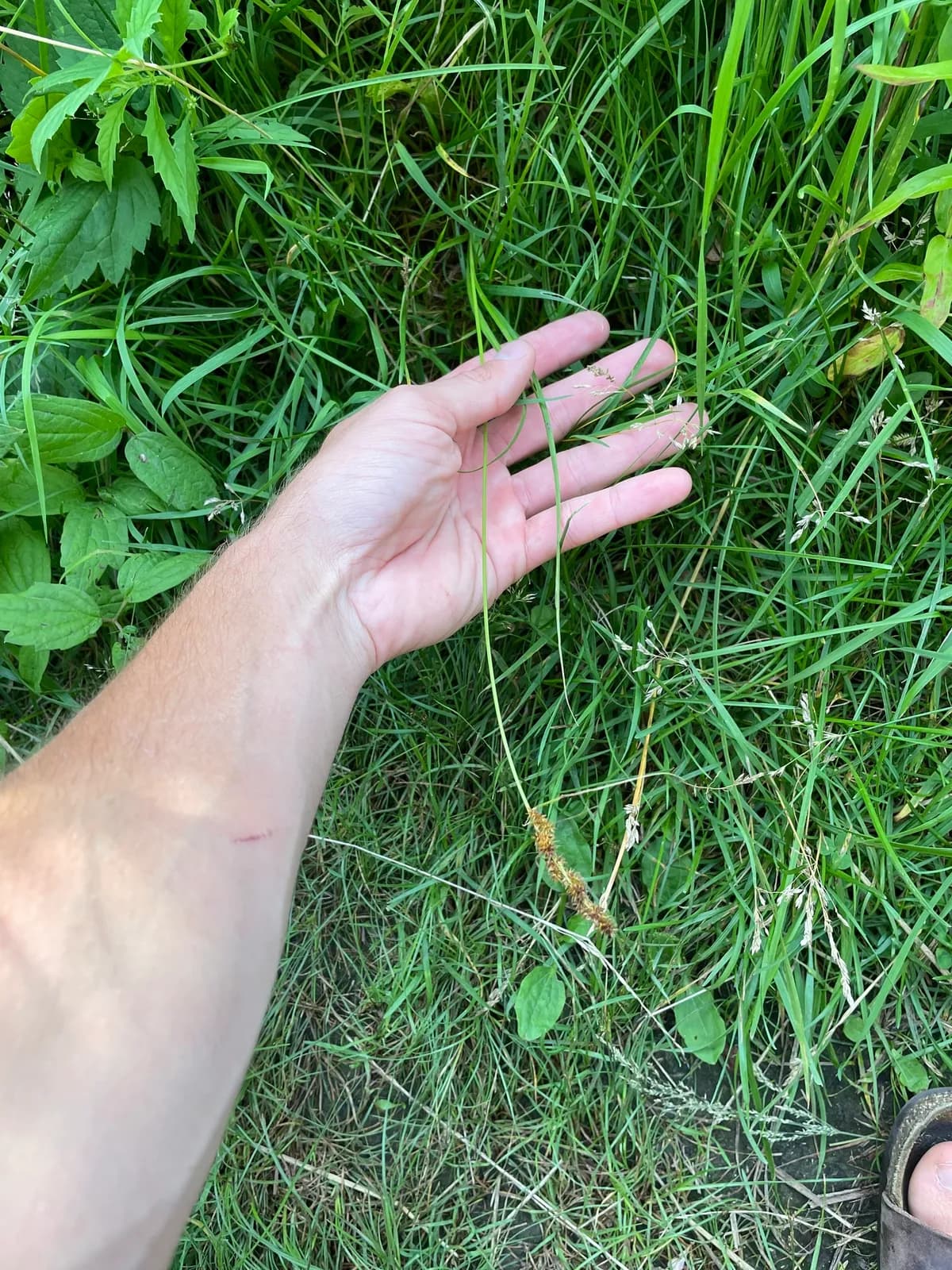
American Fox Sedge is a clumping wetland grass that blooms from May through July and grows best in part sun with consistently moist to wet soil, such as ditches, wet meadows and rain gardens.
Toxicity unknown
American Fox Sedge (Carex vulpinoidea) is not listed by the ASPCA Animal Poison Control Center (opens in new tab) or the other sources we check, so we have no verdict for it either way. Absence from those lists is not a clearance. If your pet shows symptoms after eating any plant, call the ASPCA at (888) 426-4435.
The USDA PLANTS Database (opens in new tab) does not flag American Fox Sedge as toxic to livestock.
Light
part sun
Water
high
Size
12"–36" H × 12"–24" W
Bloom
May, Jun, Jul
Native to
AL, AR, AZ, CA and 42 more states
Deer
Resistant (per Prairie Moon Nursery)
Before you buy
Your city may pay you to plant this
Cities and water utilities offer rebates for replacing lawn with native and water-wise plants. We track 459 programs across 44 states, each with a link to the provider and the date we last checked it.
Find rebates in your areaPicture natives in your own yard
Upload a photo of your yard and Patch Vision shows a rendering of it planted with natives for your region, like American Fox Sedge.


Browse plants for this ecoregion
American fox sedge is a clumping grass-like perennial that forms neat tufts of narrow green foliage. It produces small, clustered flower spikes in late spring and early summer, then goes dormant in winter. This sedge thrives in consistently moist soils and partial sun conditions.
Growing American Fox Sedge
Grow American Fox Sedge in part sun and high water. Mature plants reach 12 to 36 inches tall and spread 12 to 24 inches wide. Expect moderate maintenance to keep it looking intentional in a front yard.
How to care for American Fox Sedge, by region
How to care for American Fox Sedge where it is actually grown: year-round basics plus what to do each season, region by region, with the sources for each.
Care guidance last updated: July 2026
Cross Timbers (includes Fort Worth, TX)
Year-round
Fox sedge is a clumping native sedge that likes wet, low spots. In the Cross Timbers around Fort Worth it fits creek edges, seasonally wet swales, and rain garden bottoms where the soil stays damp. It reaches about two to three feet, forms a fine-textured green mound, and carries fox-tail-shaped seed heads in summer.
- Native to Texas and to the Cross Timbers band of north-central Texas, where it grows along creek margins and in wet meadows (Lady Bird Johnson Wildflower Center).
- It needs moist to wet soil and full sun, and does well in clay or loam (Lady Bird Johnson Wildflower Center).
- Use it in the low, wet part of the yard where turf struggles, like a rain garden basin or a drainage swale.
- It is a wetland plant, so it will not thrive in dry, unwatered ground away from a moist spot (Native Plant Trust, Go Botany).
The fine, grassy mound reads as a tidy ornamental grass and works as a soft edge in a wet corner, which keeps a rain-garden low spot looking intentional rather than neglected.
Fall
In fall the clump slows down and the blades start to fade toward tan. This is a good, cool time to plant or move fox sedge around Fort Worth so it roots in before winter.
- Fall is a fine window to plant or divide, since cooler air and fall rain reduce transplant stress.
- Let the seed heads stand if you want the plant to self-sow into a nearby wet spot.
- Ease off watering as temperatures drop, but do not let the soil bake dry.
- You can leave the fading foliage in place over winter for cover and cut it back in late winter instead.
Winter
Fox sedge goes semi-dormant and tan in a Fort Worth winter, which is normal and not a sign of trouble. It is a cool-season sedge, so it holds up through frost and greens back up in spring.
- Tan, flattened winter foliage is expected and the crown is alive underneath, so do not dig it up.
- Cut the old blades back to a few inches in late winter, just before new growth starts, for a clean spring flush.
- It is hardy through Fort Worth winters and needs no protection.
- Skip winter watering unless there is an unusually long warm dry spell.
A late-winter trim keeps the clump looking maintained through the drab months, so a wet corner still reads as tended.
Spring
Spring is when fox sedge greens up and puts on most of its growth. Around Fort Worth, plant or divide it now while soil is naturally moist from spring rain, and let it settle in before summer heat.
- Set out new plugs in early to mid spring so roots establish while the ground is still damp.
- Divide older clumps in spring if they have gotten too wide, replanting the pieces right away.
- Water new plantings regularly through spring so the soil never fully dries out.
- Leave last year's old foliage until you see fresh green blades, then cut the tired growth back to a few inches.
Summer
Summer brings the fox-tail seed heads and the plant's peak look. In the Cross Timbers heat, the main job is keeping the root zone moist, since this is a wetland sedge that will brown out if the low spot dries.
- Keep the soil consistently moist through summer, especially in a dry stretch, or the blades will scorch and brown.
- The fox-tail-shaped seed heads mature in July and August (Lady Bird Johnson Wildflower Center).
- You can leave the seed heads standing for texture, or shear them off if you want a neater green mound.
- No fertilizer is needed, as this sedge grows fine in ordinary damp soil (Prairie Moon Nursery).
Sources: Carex vulpinoidea, Lady Bird Johnson Wildflower Center (NPIN), Carex vulpinoidea, Go Botany / Native Plant Trust, Fox Sedge growing guide, Prairie Moon Nursery, Carex vulpinoidea, Hoffman Nursery
East Central Texas Plains (includes College Station, TX)
Year-round
Fox sedge is a native clumping sedge that suits the wet bottoms and creek margins of the Post Oak Savanna around College Station. It forms a fine green mound of two to three feet with fox-tail seed heads in summer and belongs in the yard's damp low spots.
- Native to Texas and to the Post Oak Savanna of east-central Texas, in wet meadows and creek bottoms (Lady Bird Johnson Wildflower Center).
- It wants moist to wet soil and full sun, and grows in sandy loam or clay (Lady Bird Johnson Wildflower Center).
- Best placed in a rain garden basin, a seep, or a swale that stays damp after rain.
- As a wetland plant it will not persist in dry upland sand away from a moist spot (Native Plant Trust, Go Botany).
The tidy grassy clump makes a damp, hard-to-mow bottom read as an intentional ornamental-grass planting rather than a wet mess.
Fall
The clump slows and fades toward tan in fall, a comfortable time to plant or divide fox sedge around College Station.
- Fall planting and dividing works with cooler air and fall rain.
- Let seed heads stand if you want it to seed into a nearby damp area.
- Cut back on watering as it cools, but keep the soil from fully drying.
- You can leave the fading blades for winter cover instead of cutting them now.
Winter
Fox sedge turns tan and semi-dormant through a College Station winter, which is normal, and greens back up in spring.
- Tan winter foliage is expected and the crown is alive, so leave it be.
- Cut old blades back to a few inches in late winter for a clean spring flush.
- It is hardy through local winters with no protection.
- Skip winter watering unless a long warm dry stretch hits.
A late-winter cutback keeps the damp bottom looking cared for through the dormant months.
Spring
Spring is the main growth season and the best planting window in the College Station area, while the ground stays wet from spring rain.
- Plant plugs in early to mid spring so they root before summer heat.
- Divide older clumps now and replant the pieces immediately.
- Water new plants regularly so the soil stays damp as they establish.
- Trim off any worn old foliage once new green blades show.
Summer
Summer brings the fox-tail seed heads, and the key job in the College Station heat is keeping the damp spot from drying out.
- Keep the soil consistently moist through summer, or the blades brown.
- Fox-tail-shaped seed heads mature in July and August (Lady Bird Johnson Wildflower Center).
- Leave the seed heads for interest, or shear them for a neater mound.
- No fertilizer is needed in ordinary damp soil (Prairie Moon Nursery).
Sources: Carex vulpinoidea, Lady Bird Johnson Wildflower Center (NPIN), Carex vulpinoidea, Go Botany / Native Plant Trust, Fox Sedge growing guide, Prairie Moon Nursery, Carex vulpinoidea, Hoffman Nursery
South Central Plains (includes Beaumont, TX)
Year-round
Fox sedge is a core native of the wet Piney Woods around Beaumont, where it grows in bottomlands, seeps, and ditches. It makes a fine green mound of two to three feet with fox-tail seed heads in summer and belongs in the yard's damp, shady-edge low spots.
- Native to Texas and common in the wet East Texas Piney Woods, in bottomlands, seeps, and wet meadows (Lady Bird Johnson Wildflower Center).
- It wants moist to wet soil and takes full sun to some part shade at a woodland edge (Lady Bird Johnson Wildflower Center).
- Ideal for a rain garden, a soggy back corner, or the damp margin of a wooded lot in high-rainfall Beaumont.
- As a wetland plant it thrives where the ground stays wet rather than in dry, sandy uplands (Native Plant Trust, Go Botany).
The tidy grassy clump gives a wet, wooded-edge corner a groomed ornamental-grass look, keeping a soggy low spot reading as intentional.
Fall
The clump slows and fades toward tan in fall. Mild, wet Beaumont falls make this an easy time to plant or divide fox sedge.
- Fall is a comfortable window to plant or divide with cooler weather and rain.
- Let seed heads stand if you want it to spread into a nearby wet area.
- Watering is rarely needed in fall here, but keep the soil from drying fully.
- You can leave the fading foliage for winter cover instead of cutting it now.
Winter
In a mild Beaumont winter fox sedge fades to tan and may hold some green. The crown stays alive and the plant returns in spring.
- Tan or partly green winter foliage is normal, so leave the clump in place.
- Cut old blades back to a few inches in late winter for a clean spring flush.
- It is easily hardy through Beaumont winters with no protection.
- No winter watering is needed given the wet dormant season.
A late-winter cutback keeps a soggy wooded-edge corner looking cared for through the dormant weeks.
Spring
Spring is the plant's main growth season and a strong planting window in the Beaumont area, with plenty of spring rain keeping the ground wet.
- Plant plugs in early to mid spring so they establish before summer.
- Divide older clumps now and replant the pieces immediately.
- Spring rain usually keeps new plantings wet, but do not let them dry out.
- Trim off worn old foliage once fresh green blades appear.
Summer
Summer brings the fox-tail seed heads. In humid, rainy Beaumont the sedge mostly minds itself, as long as the low spot stays damp through any hot dry gap between storms.
- Keep the root zone moist between summer rains so blades stay green.
- Fox-tail-shaped seed heads mature in July and August (Lady Bird Johnson Wildflower Center).
- Leave the seed heads for texture, or shear them for a neater mound.
- No fertilizer is needed in the region's rich damp soils (Prairie Moon Nursery).
Sources: Carex vulpinoidea, Lady Bird Johnson Wildflower Center (NPIN), Carex vulpinoidea, Go Botany / Native Plant Trust, Fox Sedge growing guide, Prairie Moon Nursery, Carex vulpinoidea, Hoffman Nursery
Texas Blackland Prairies (includes Dallas, TX)
Year-round
Fox sedge is a native clumping sedge for the wet, heavy-clay parts of the Blackland Prairie around Dallas. It settles into creek bottoms, wet swales, and rain garden basins, forming a two to three foot green mound with fox-tail seed heads in summer.
- Native to Texas and to the Blackland Prairie band, where it grows in wet meadows and along drainageways (Lady Bird Johnson Wildflower Center).
- It handles the region's heavy clay well and wants moist to wet soil in full sun (Lady Bird Johnson Wildflower Center).
- Good choice for a low spot that stays soggy after rain, where mowed turf tends to fail.
- It is a wetland plant, so pair it with a genuinely damp location rather than a dry raised bed (Native Plant Trust, Go Botany).
The neat grassy clump gives a wet, hard-to-mow corner a deliberate ornamental-grass look, which helps a drainage low spot pass as designed rather than overlooked.
Fall
In fall the clump slows and the blades fade toward tan. Cooler weather makes this a low-stress time to plant or divide fox sedge in the Dallas area.
- Fall planting and dividing works well with cooler air and fall rain.
- Let seed heads stand if you want it to spread into a nearby wet swale.
- Reduce watering as it cools, but keep the soil from fully drying.
- You can leave the fading foliage for winter cover instead of cutting it now.
Winter
Fox sedge turns tan and semi-dormant in a Dallas winter. This is normal for a cool-season sedge and the crown stays alive underground.
- Tan winter blades are expected, so leave the clump in place.
- Cut the old foliage back to a few inches in late winter for a clean spring flush.
- It is fully hardy through Dallas winters with no protection.
- No winter watering is needed except in a long warm dry spell.
A late-winter trim keeps the wet corner looking maintained through the bare months.
Spring
Spring is the plant's big growth push and the best time to plant in Blackland clay around Dallas, while spring rain keeps the ground naturally wet.
- Plant plugs in early to mid spring so roots take hold before summer heat.
- Divide crowded clumps now and replant the divisions right away.
- Water new plantings often through spring so the clay never dries out and cracks.
- Cut off any tired old foliage once fresh green blades appear.
Summer
Summer is peak season for the fox-tail seed heads, but Blackland clay can dry hard and crack in a Dallas summer. Keeping the low spot moist is the main task.
- Keep the root zone consistently moist through summer, or the blades will brown at the tips.
- Seed heads shaped like a fox tail mature in July and August (Lady Bird Johnson Wildflower Center).
- Leave the seed heads for texture, or shear them for a tidier mound.
- No feeding needed in ordinary damp clay (Prairie Moon Nursery).
Sources: Carex vulpinoidea, Lady Bird Johnson Wildflower Center (NPIN), Carex vulpinoidea, Go Botany / Native Plant Trust, Fox Sedge growing guide, Prairie Moon Nursery, Carex vulpinoidea, Hoffman Nursery
Western Gulf Coastal Plain (includes Houston, TX)
Year-round
Fox sedge is right at home in the wet coastal prairie and marsh country around Houston. It thrives in soggy ground, ditches, and rain garden basins, making a fine green mound of two to three feet with fox-tail seed heads in summer.
- Native to Texas and a natural fit for the wet Gulf Coast prairies and marshes, where it grows in wet meadows and marsh edges (Lady Bird Johnson Wildflower Center).
- It loves moist to wet soil in full sun and handles the region's heavy clay (Lady Bird Johnson Wildflower Center).
- Excellent for a rain garden, a low wet corner, or the damp edge of a swale in high-rainfall Houston.
- It is a wetland plant, so it is one of the easier natives to keep happy in a spot that stays wet (Native Plant Trust, Go Botany).
The neat grassy mound turns a chronically wet Houston low spot into something that looks like a planned ornamental-grass bed rather than standing water.
Fall
The clump slows and fades toward tan in fall. Mild, wet Houston falls make this an easy time to plant or divide fox sedge.
- Fall is a comfortable window to plant or divide with cooler weather and rain.
- Let the seed heads stand if you want it to spread into a nearby wet area.
- Watering is rarely needed in fall here, but keep the soil from drying fully.
- You can leave the fading foliage for winter cover instead of cutting it now.
Winter
In a mild Houston winter fox sedge fades to tan and may hold some green. It stays alive at the crown and rebounds in spring.
- Tan or partly green winter foliage is normal, so leave the clump in place.
- Cut old blades back to a few inches in late winter for a clean spring flush.
- It is easily hardy through Houston winters with no protection.
- No winter watering is needed given the region's wet dormant season.
A late-winter cutback keeps a wet corner looking maintained through the dormant weeks.
Spring
Spring is the strong growth season and a good planting window around Houston, with plenty of spring rain to keep the ground wet.
- Plant plugs in early to mid spring so they establish before summer.
- Divide crowded clumps now and replant the divisions right away.
- New plantings need little extra water here given spring rain, but do not let them dry.
- Trim away any worn old foliage as fresh green blades appear.
Summer
Summer brings the fox-tail seed heads. In humid, rainy Houston the plant mostly takes care of itself, as long as the low spot does not dry out in a hot dry gap between storms.
- Keep the root zone moist between summer storms so the blades stay green.
- Fox-tail-shaped seed heads mature in July and August (Lady Bird Johnson Wildflower Center).
- Leave the seed heads for texture, or shear them for a tidier look.
- No fertilizer is needed in the region's damp soils (Prairie Moon Nursery).
Sources: Carex vulpinoidea, Lady Bird Johnson Wildflower Center (NPIN), Carex vulpinoidea, Go Botany / Native Plant Trust, Fox Sedge growing guide, Prairie Moon Nursery, Carex vulpinoidea, Hoffman Nursery
In an HOA neighborhood
American Fox Sedge is an HOA-friendly choice. Maintenance level: moderate. Tidiness: 3 out of 5.
Works well in: foundation, mid zone.
- Goes completely dormant in winter leaving bare spots
- Requires consistent moisture which may be challenging to maintain
- Flower spikes can appear somewhat wild or unkempt
Wildlife value
This sedge provides nesting material and seeds for songbirds, while its dense clumps offer shelter for small wildlife. The flowers support various small pollinators and beneficial insects.
Common questions
- When does American Fox Sedge bloom?
- It typically flowers from May through July, producing narrow greenish brown seed spikes on upright stems.
- What growing conditions does American Fox Sedge need?
- It prefers part sun and consistently moist to wet soil, making it a good fit for rain gardens, pond edges, ditches and low spots that stay damp.
- Is American Fox Sedge evergreen?
- No, it is deciduous. The foliage dies back in winter and new growth emerges from the base in spring.
- What does American Fox Sedge look like as it grows?
- It forms dense, fountain-like clumps of narrow grass-like leaves, usually reaching one to three feet tall and wide.
- Is American Fox Sedge toxic to livestock?
- The USDA PLANTS Database does not flag American Fox Sedge as toxic to livestock.
- Is American Fox Sedge HOA-friendly?
- American Fox Sedge is generally an HOA-friendly choice in the right placement, with moderate maintenance.
These answers were drafted with an AI model from this plant's data. Verify care details with a local expert.
Native range data from vouchered herbarium specimen records and regional native plant society lists. Pollinator and host plant associations compiled from GBIF, iNaturalist, and published ecological literature.
If something looks wrong
Common plant problems, and what to check first
These come up on almost any plant. Each guide lists the likely causes in the order they are worth ruling out, with one thing to check before you act on any of them, and links to the source it came from.
- It is dying right after planting
- Leaves turning yellow
- Wilting even though I watered it
- Brown crispy leaf tips
- Bugs on the plant
Ready to grow American Fox Sedge? Add it to your garden in Pollinator Patch to track it and get season-by-season care guidance.