EPA Level III Ecoregion
Northeastern Coastal Zone
1358 native plants for the Northeastern Coastal Zone ecoregion (New York area).
The Northeastern Coastal Zone follows the seaboard from southern Maine through Boston, Providence, and Hartford down into metropolitan New York. Winters are cold but moderated by the ocean, summers are warm and humid, and soils near the shore are sandy glacial till. Natives such as northern bayberry, beach plum, and seaside goldenrod take the salt spray and wind that burn back the foundation shrubs most builders install.
Conditions: Sandy glacial soils near the coast, 40–50 inches of precipitation, cold winters moderated by the ocean, salt exposure along the shore.
Cities and areas: New York, Boston, Providence, Hartford, New Haven, Worcester.
1358 Native Plants for the Northeastern Coastal Zone
HOA-friendly picks listed first. Pet-safety status varies by species; each plant page shows its sourced ASPCA status. Native range data from vouchered herbarium specimen records and regional native plant society lists.

Little Bluestem
Schizachyrium scoparium
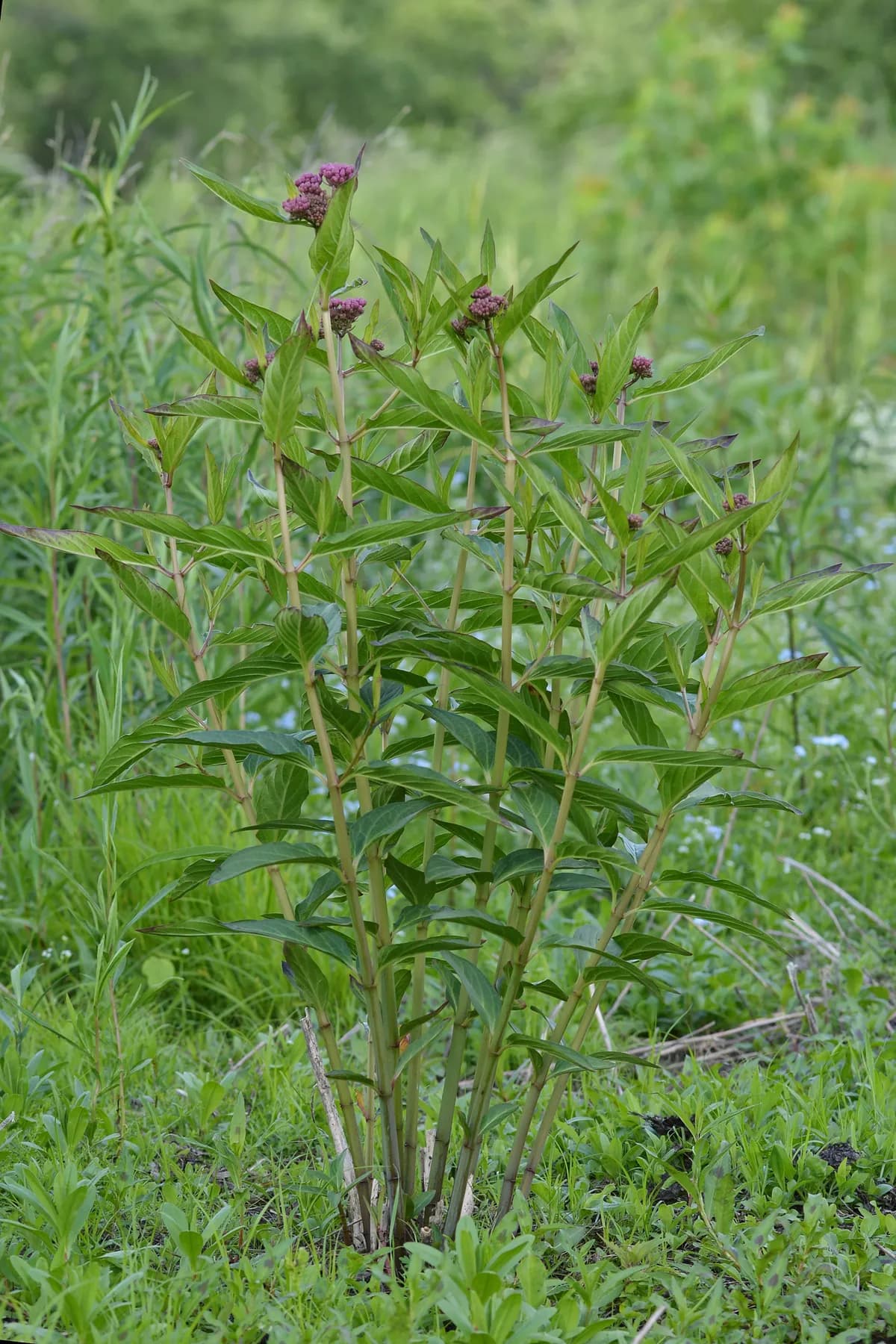
Swamp Milkweed
Asclepias incarnata
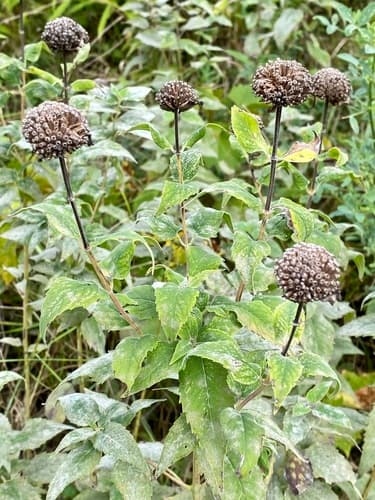
Wild Bergamot
Monarda fistulosa
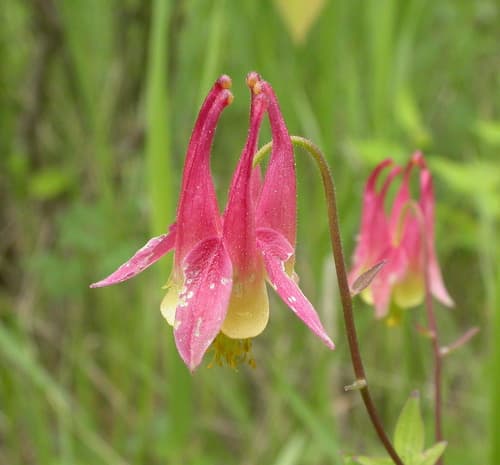
Wild Red Columbine
Aquilegia canadensis
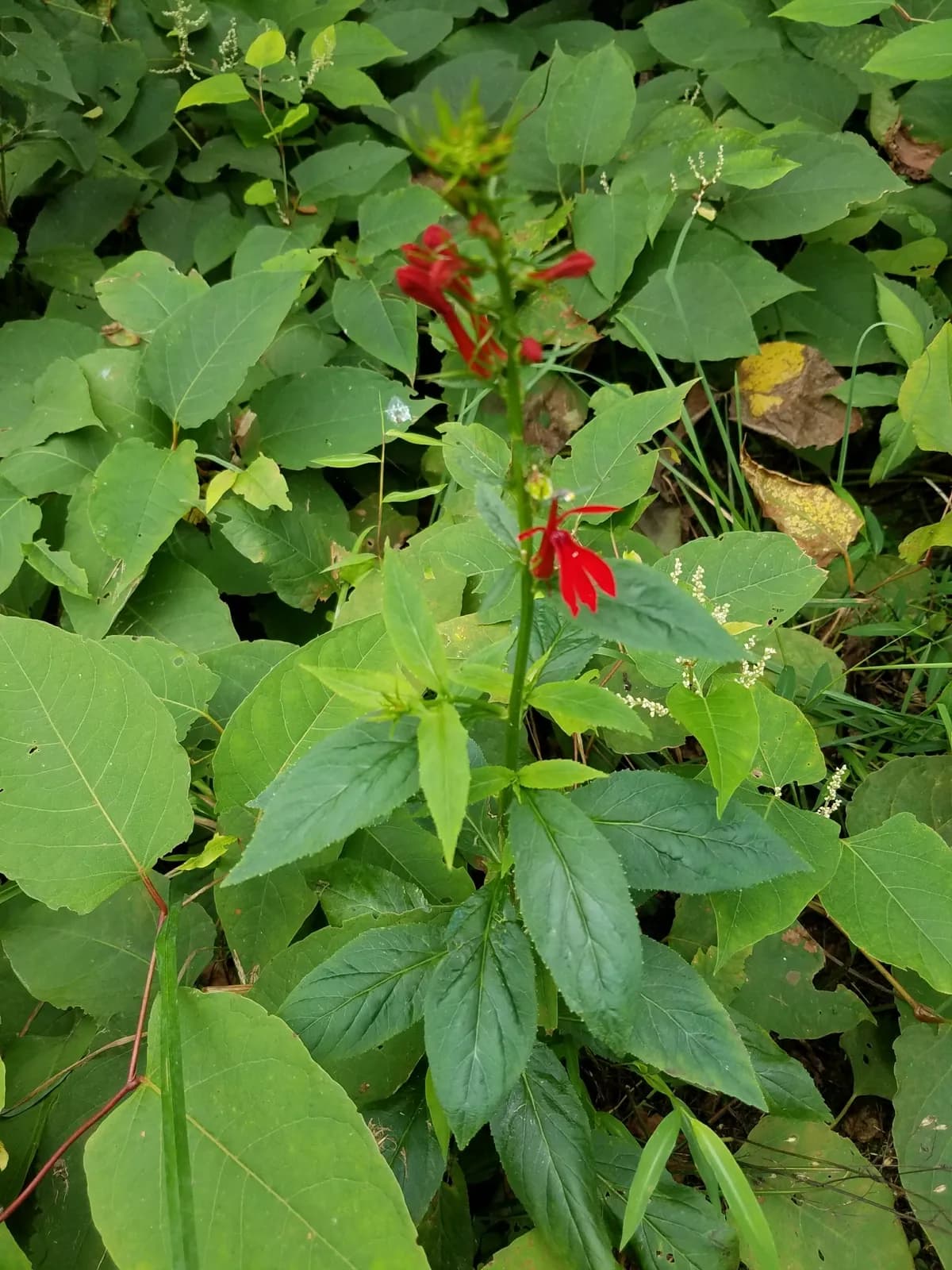
Cardinal Flower
Lobelia cardinalis
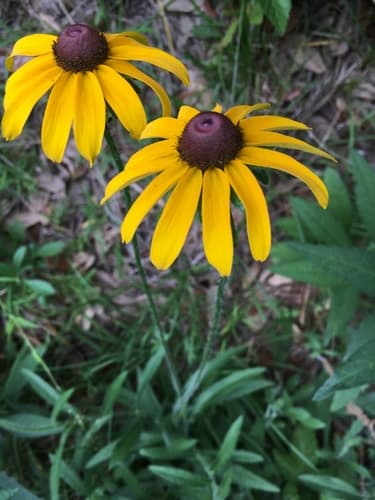
Black-eyed Susan
Rudbeckia hirta
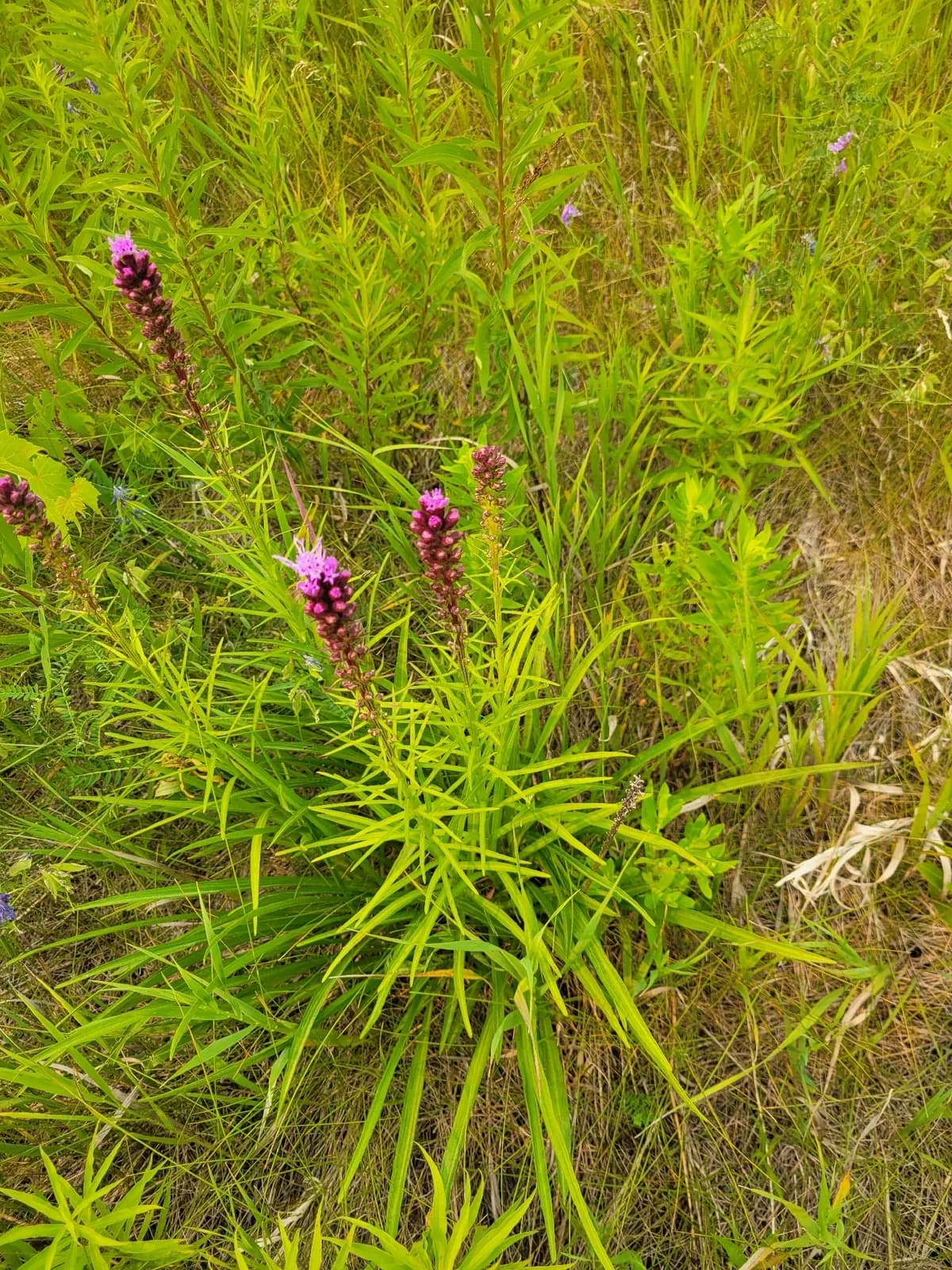
Dense Blazing Star
Liatris spicata
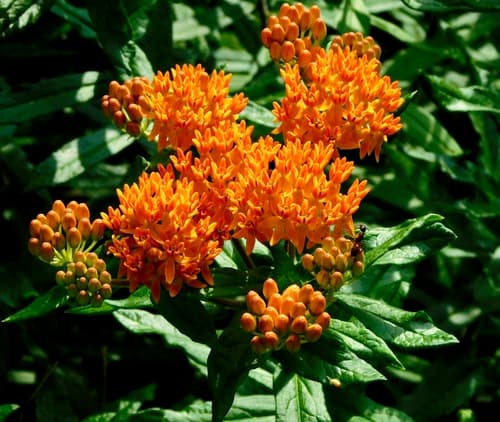
Butterfly Milkweed
Asclepias tuberosa
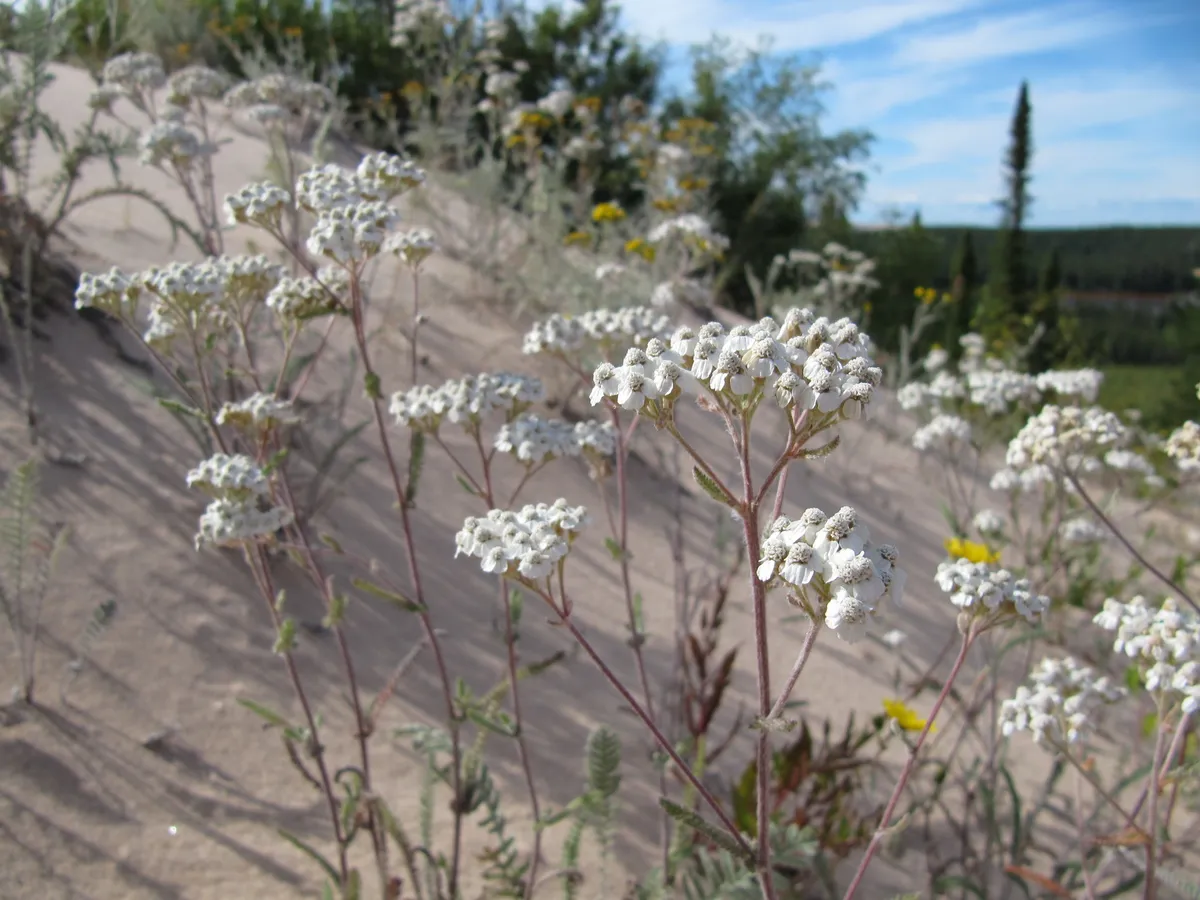
Common Yarrow
Achillea millefolium
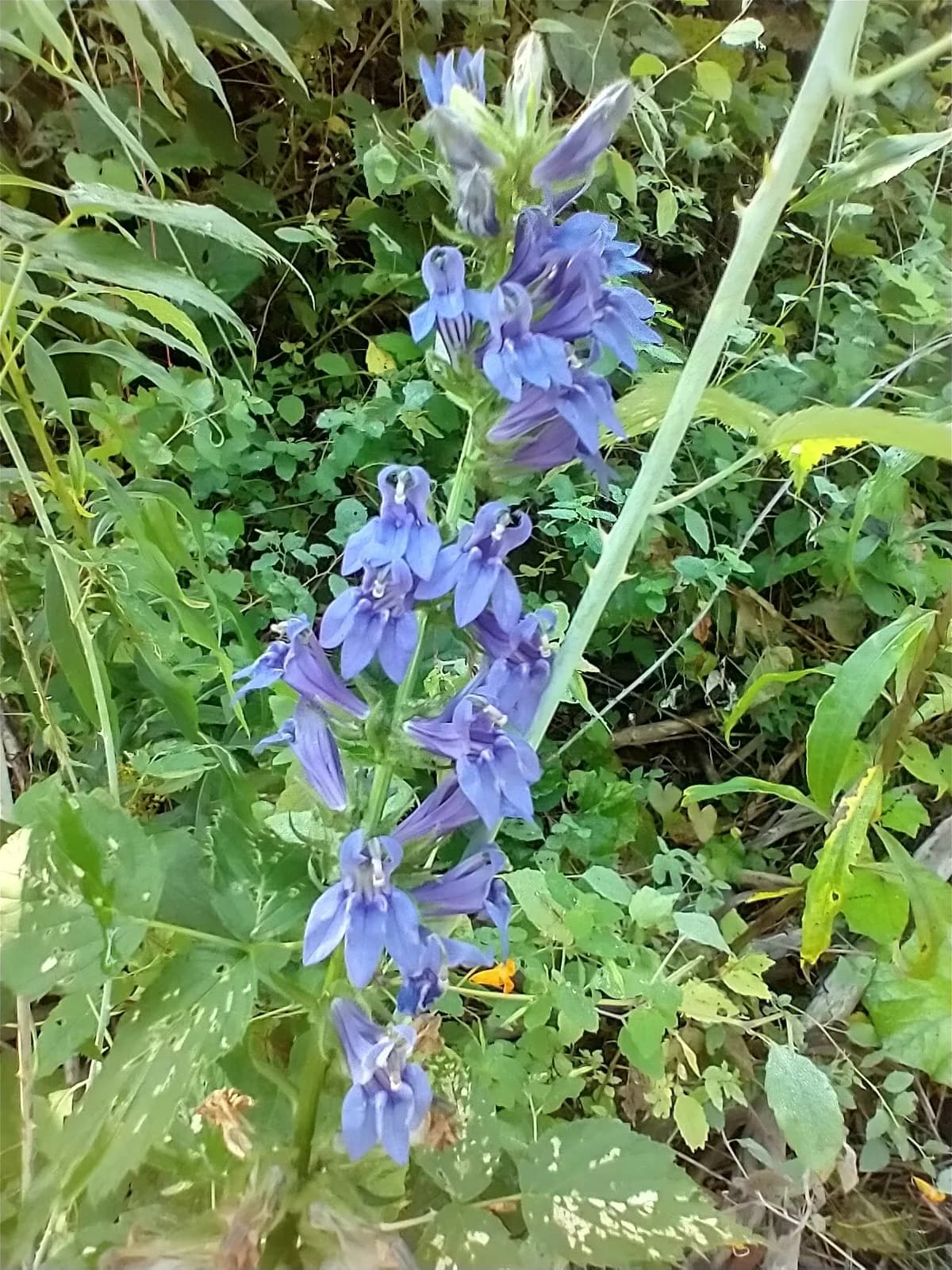
Blue Lobelia
Lobelia siphilitica
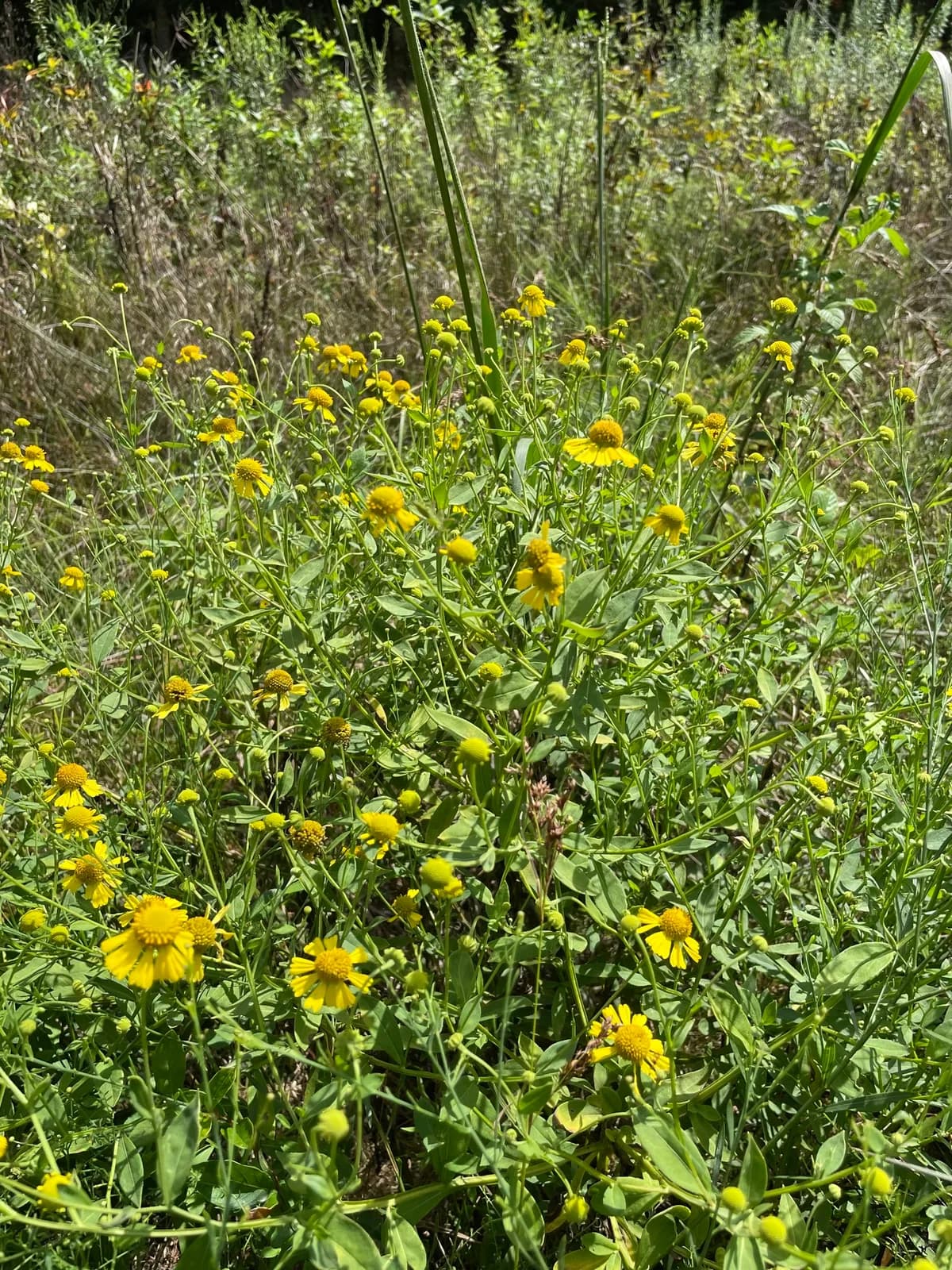
Common Sneezeweed
Helenium autumnale
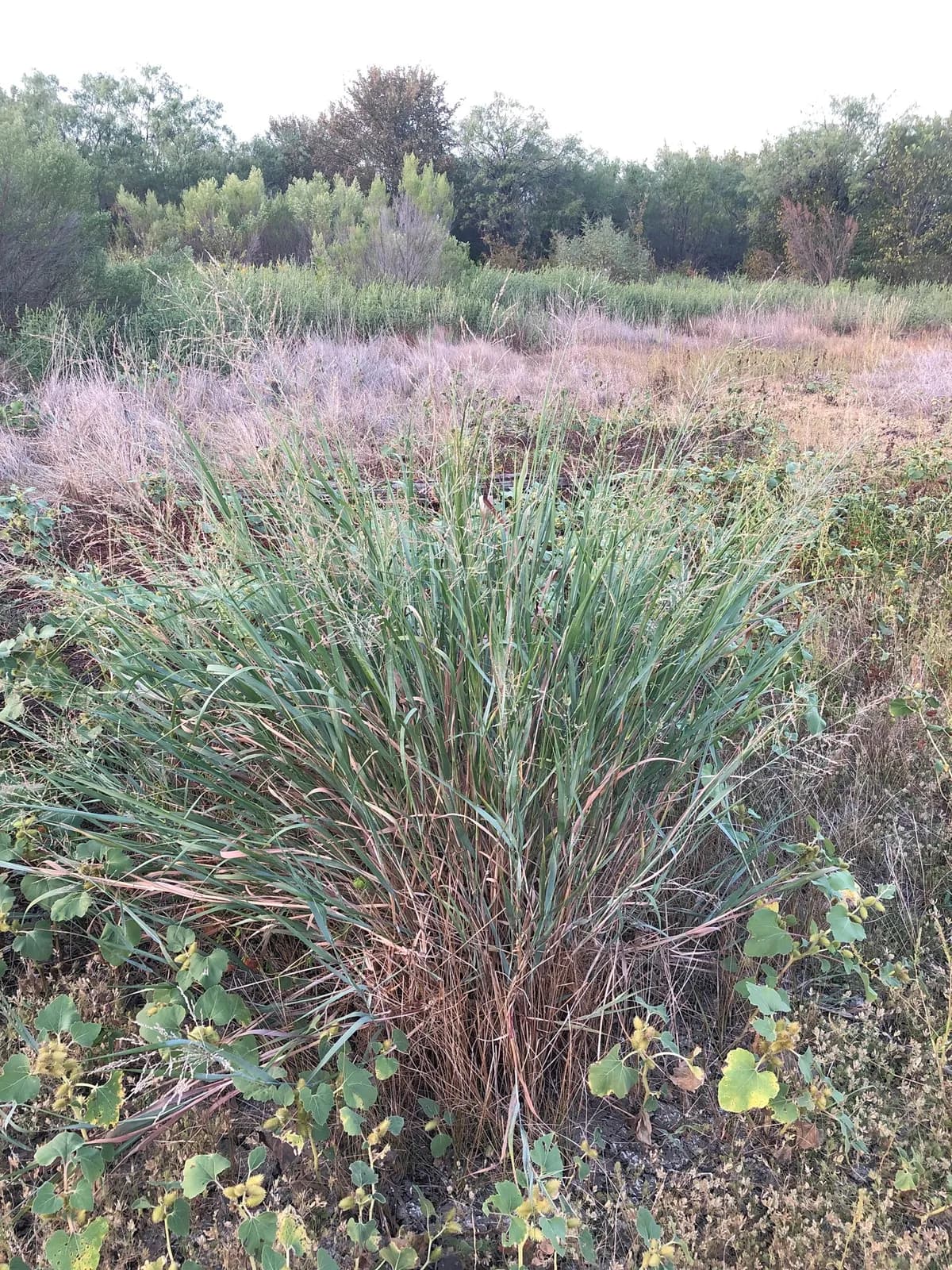
Switchgrass
Panicum virgatum

Golden Alexanders
Zizia aurea
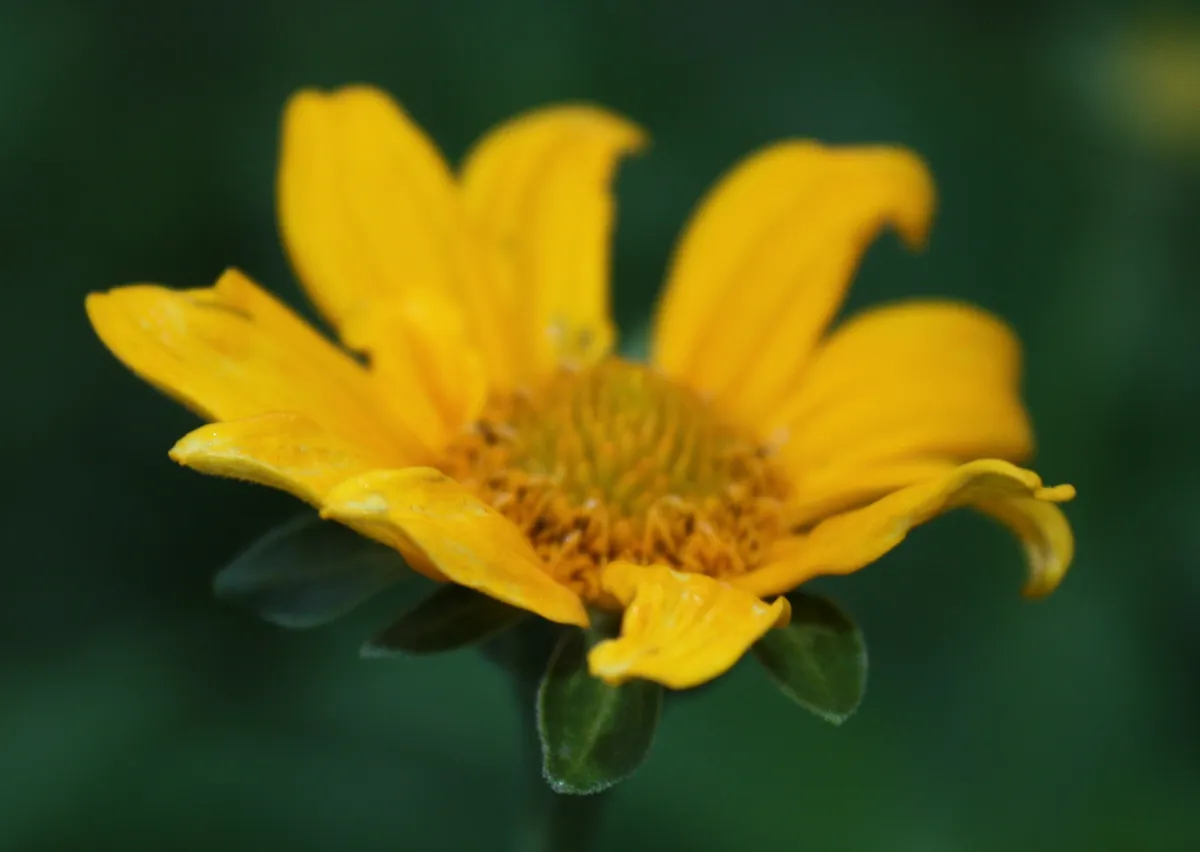
False Sunflower
Heliopsis helianthoides
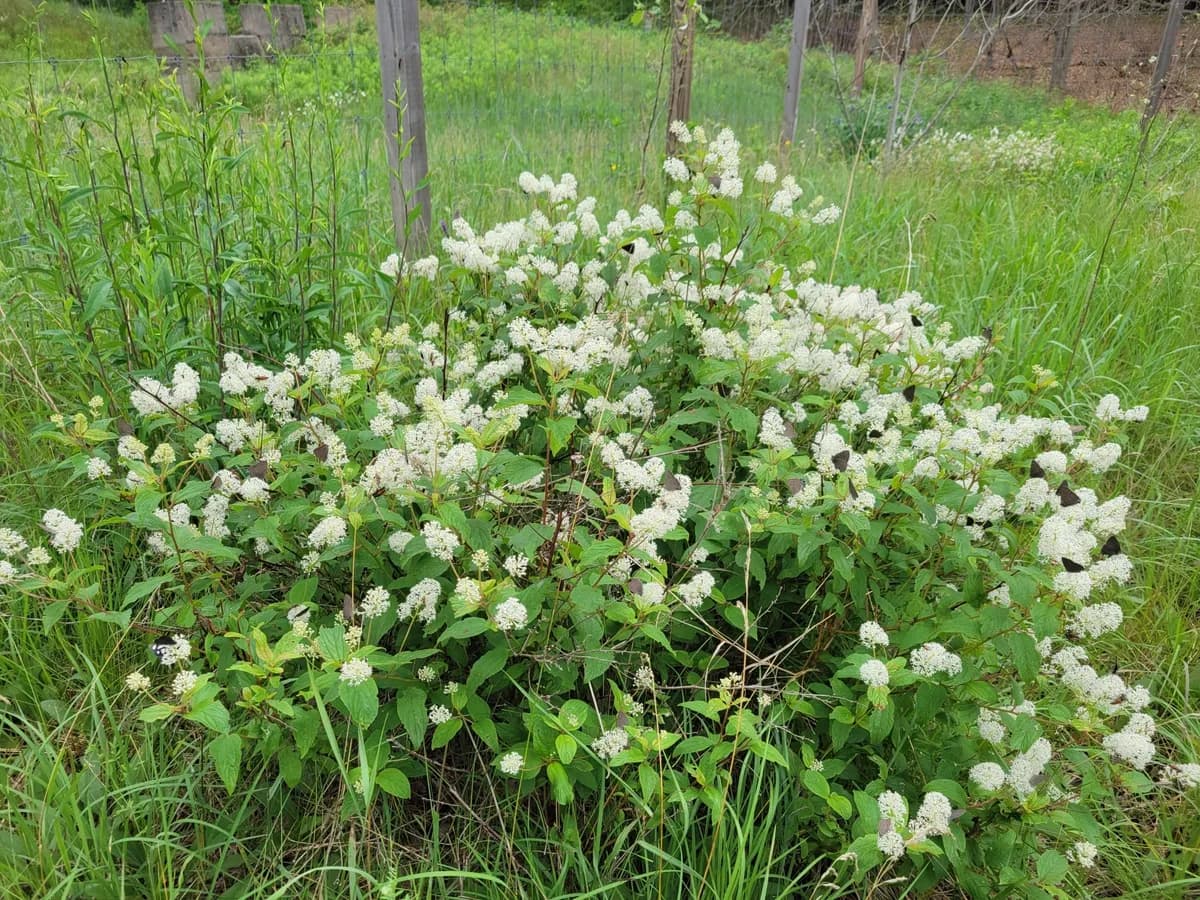
New Jersey-tea
Ceanothus americanus
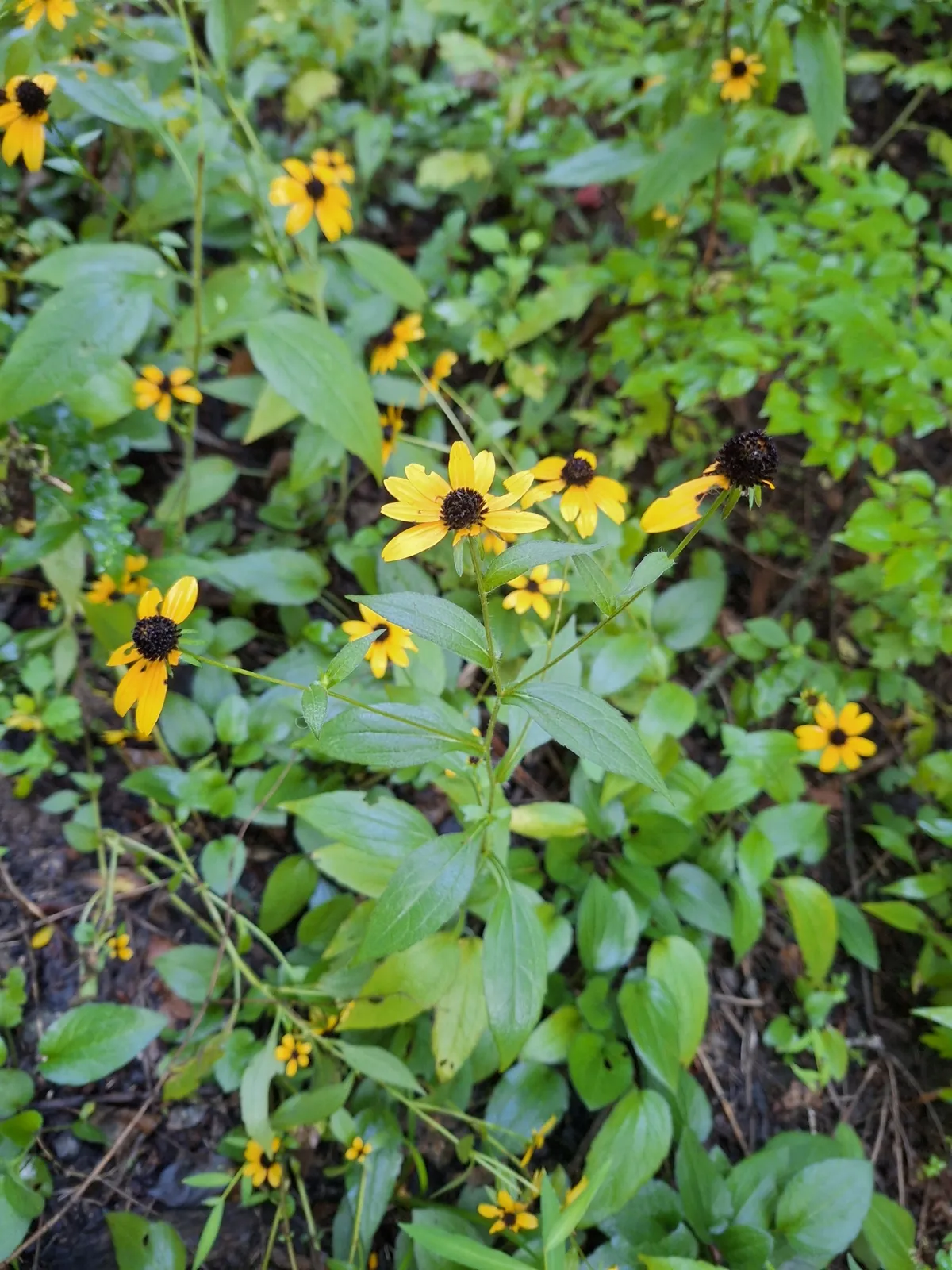
Perennial Black-eyed Susan
Rudbeckia fulgida
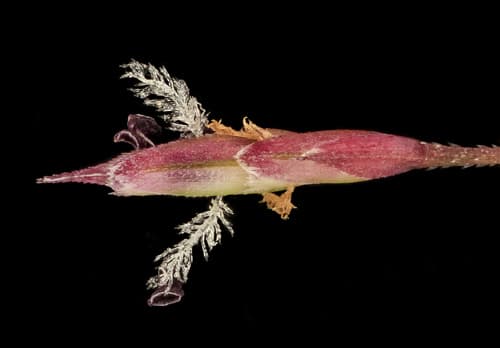
Purple Lovegrass
Eragrostis spectabilis
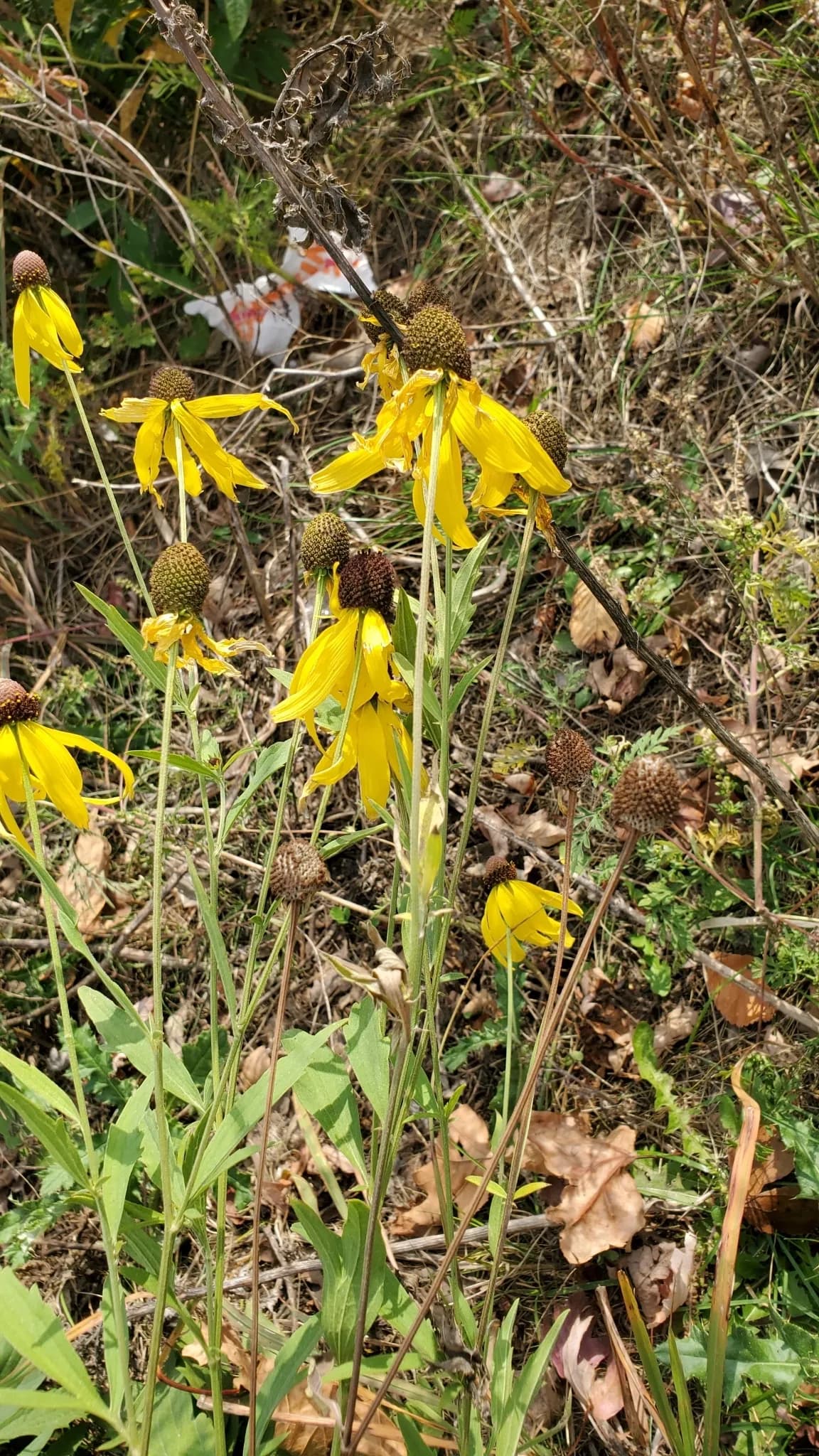
Drooping Prairie-coneflower
Ratibida pinnata
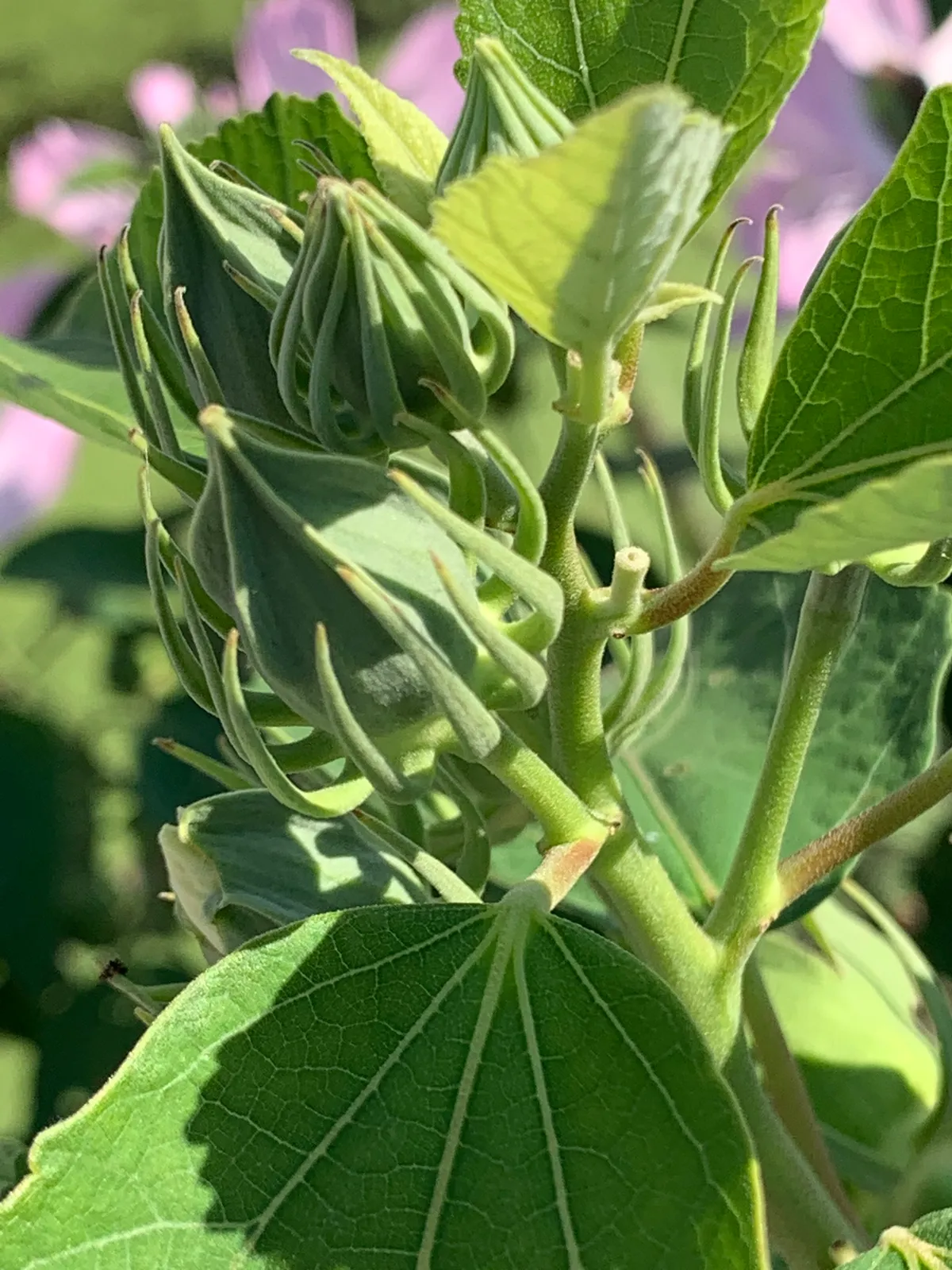
Mallow-rose
Hibiscus moscheutos
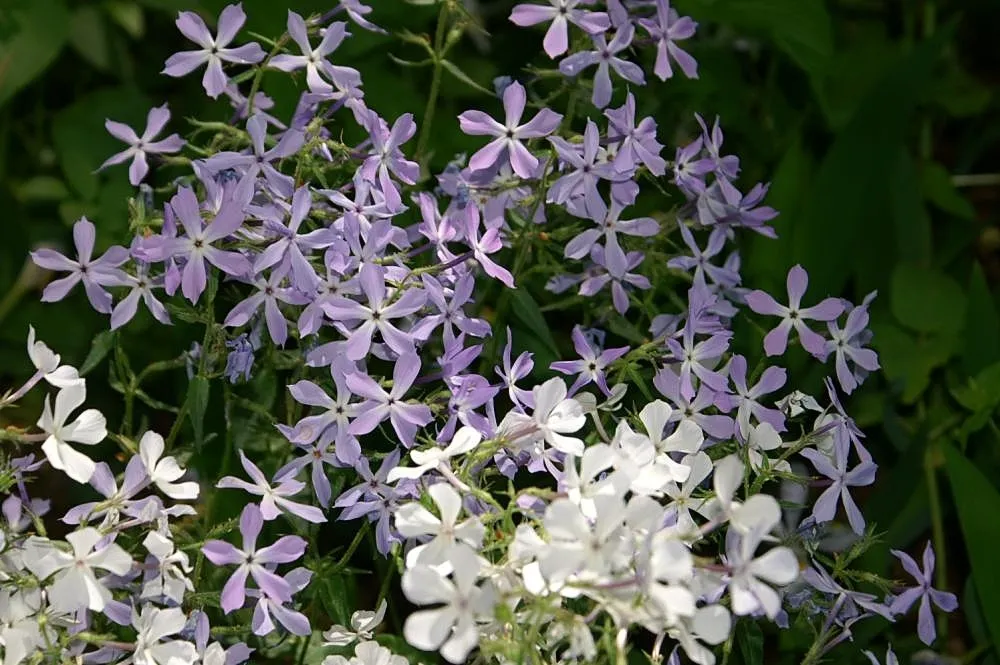
Blue Woodland Phlox
Phlox divaricata
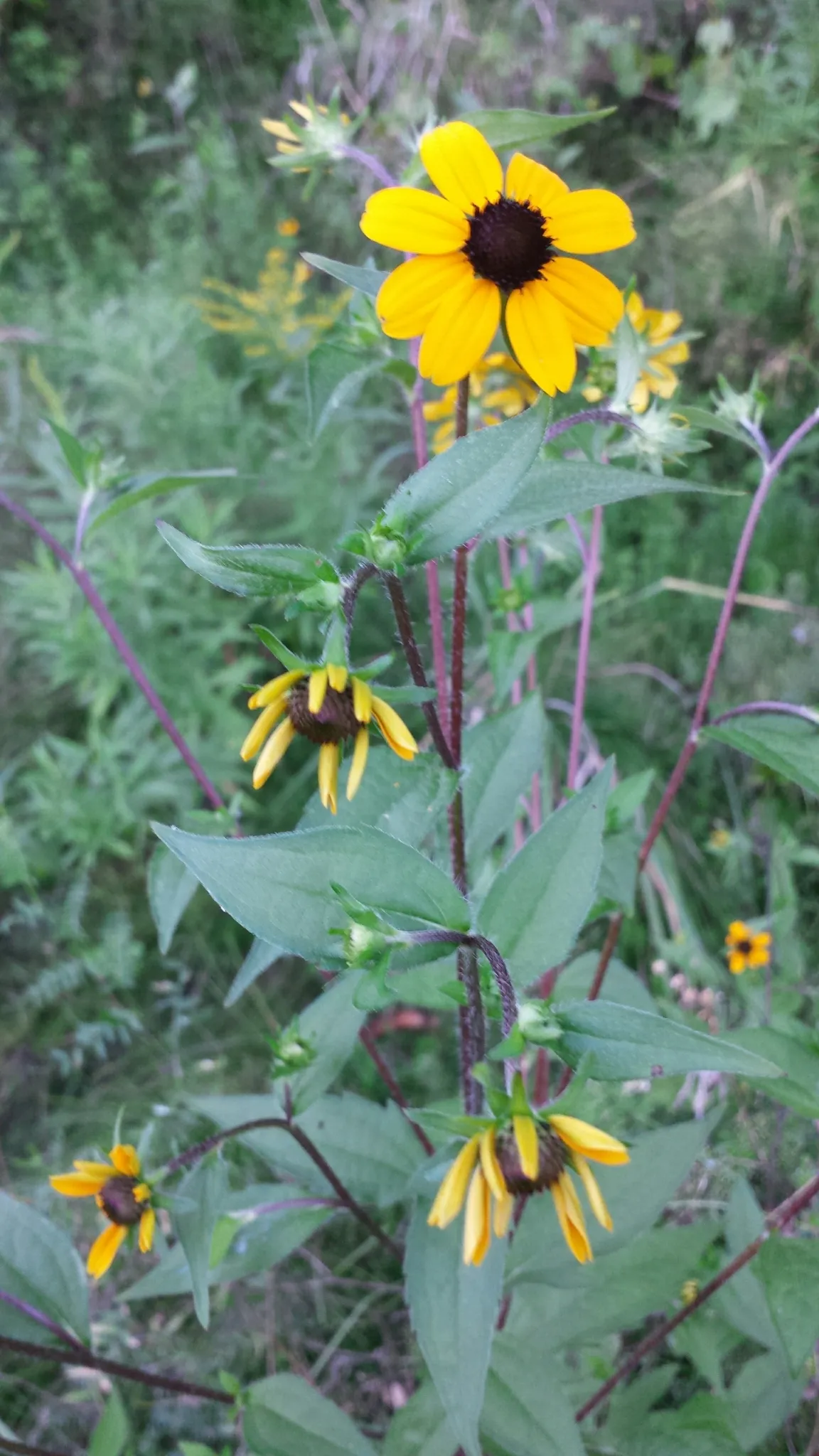
Brown-eyed Susan
Rudbeckia triloba

Sideoats Grama
Bouteloua curtipendula
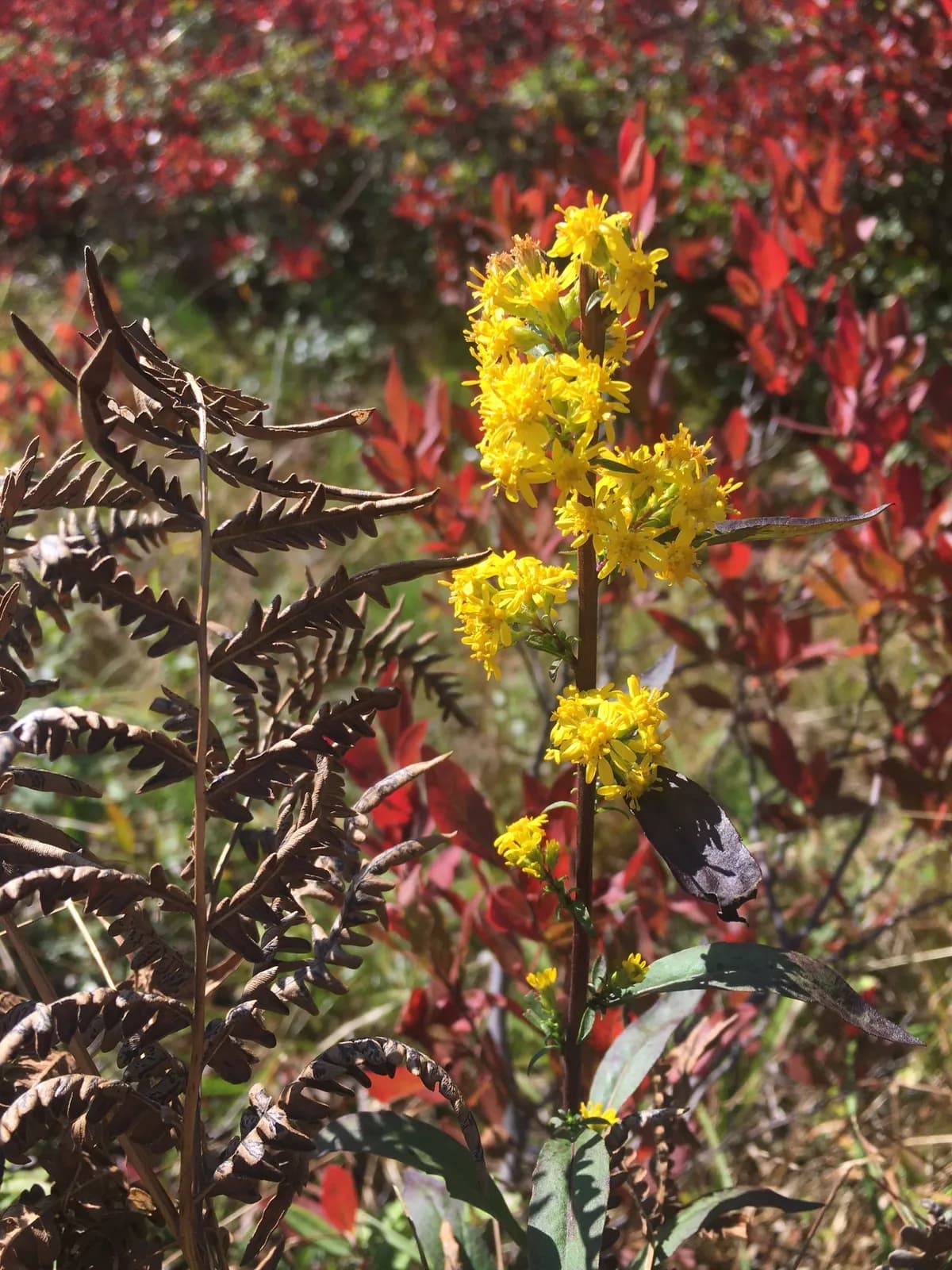
Showy Goldenrod
Solidago speciosa
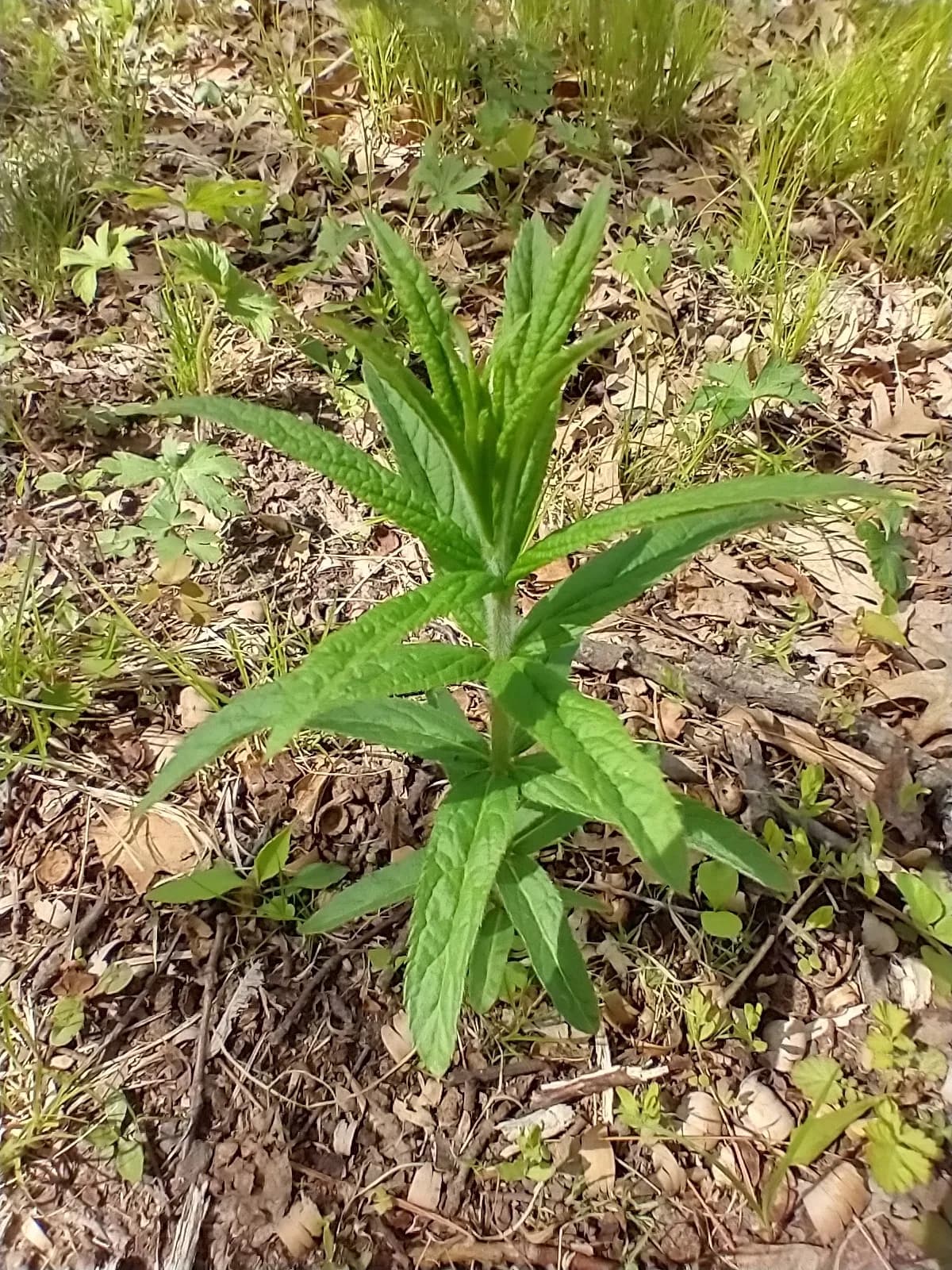
Culver's Root
Veronicastrum virginicum

Inland Sea Oats
Chasmanthium latifolium
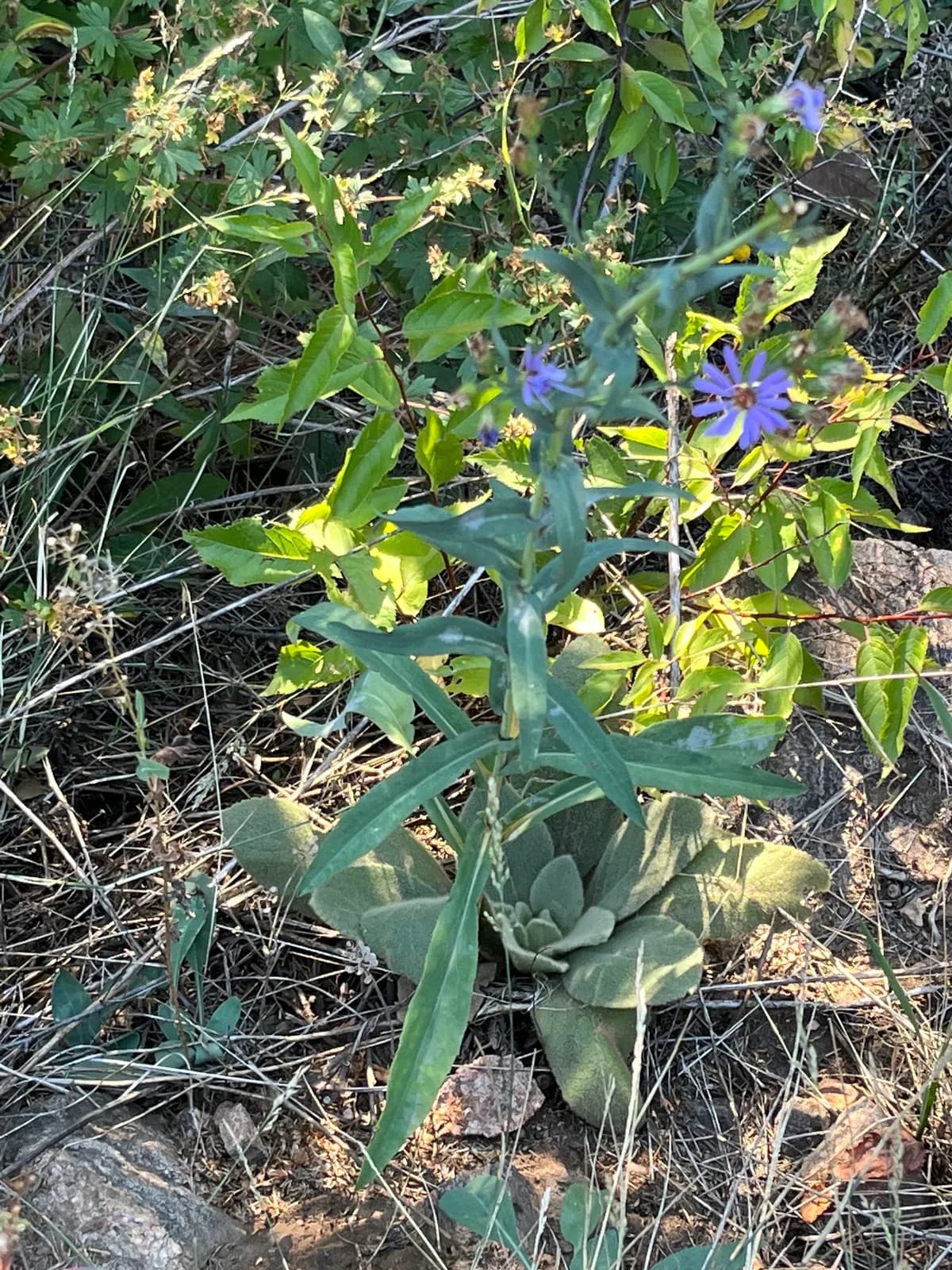
Smooth Aster
Symphyotrichum laeve
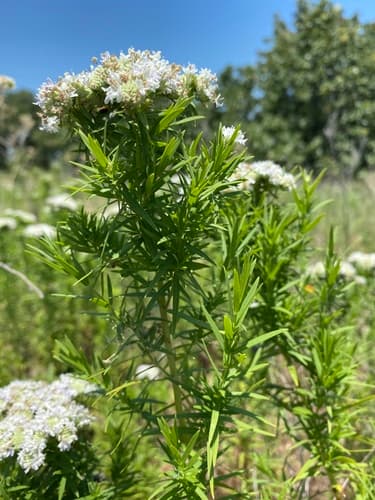
Narrowleaf Mountain Mint
Pycnanthemum tenuifolium
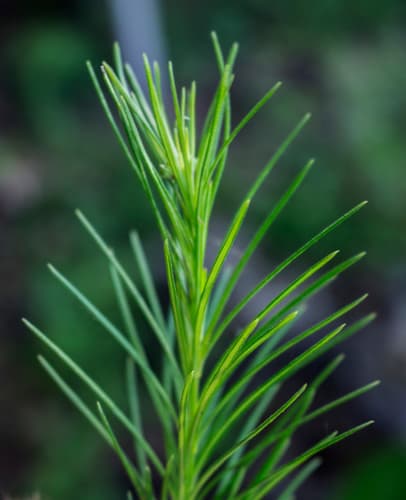
Whorled Milkweed
Asclepias verticillata
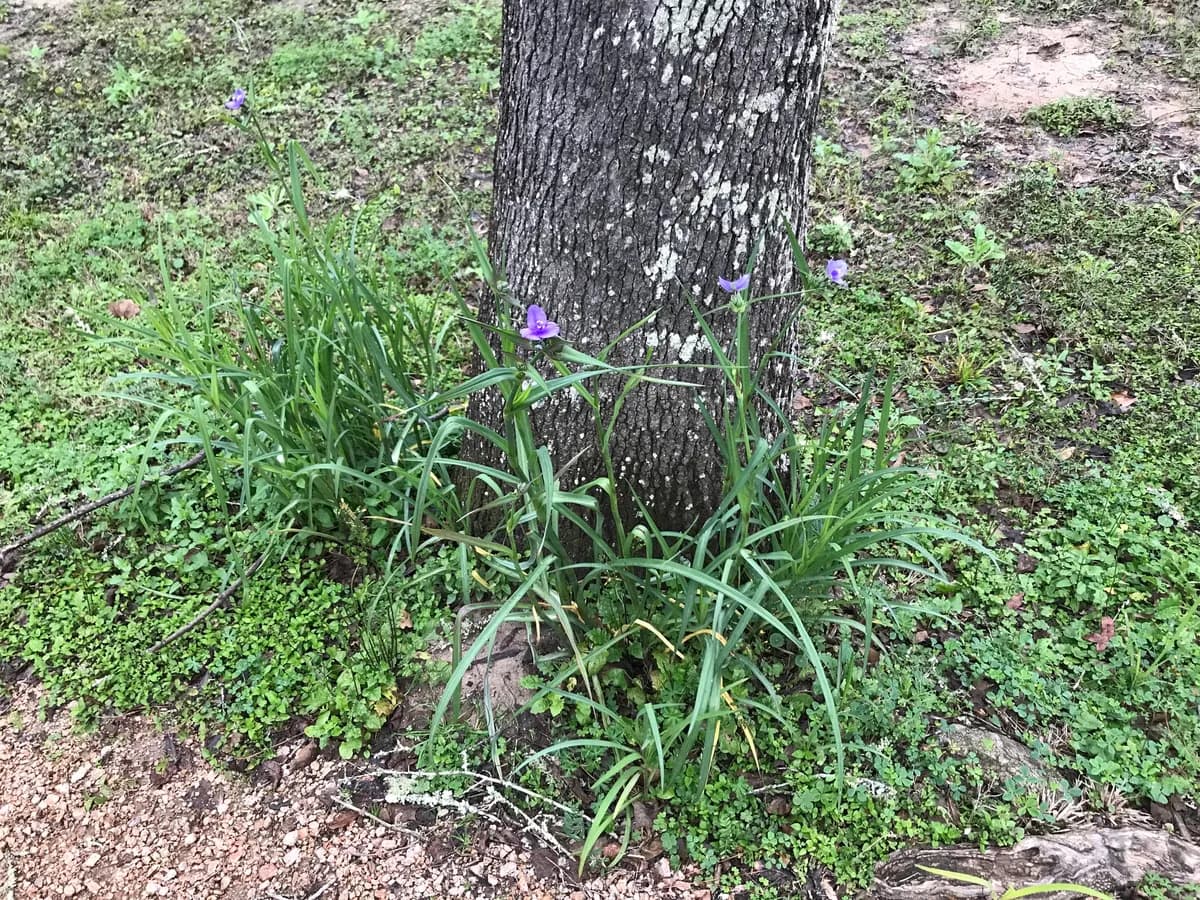
Smooth Spiderwort
Tradescantia ohiensis
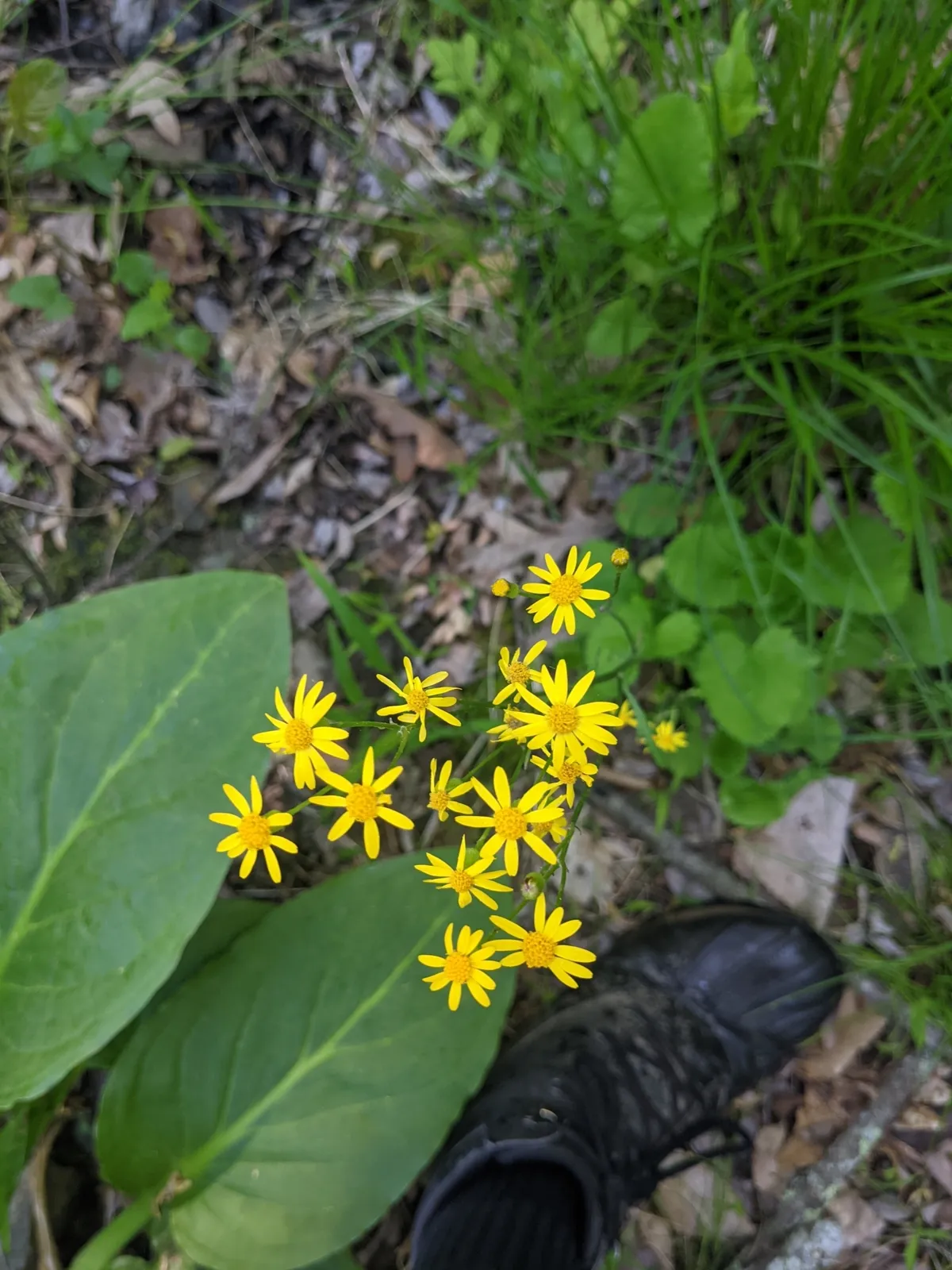
Golden Groundsel
Packera aurea
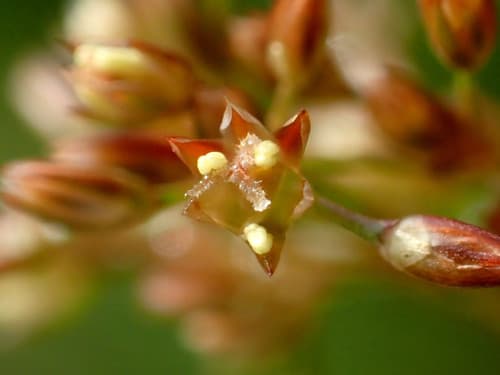
Soft rush
Juncus effusus
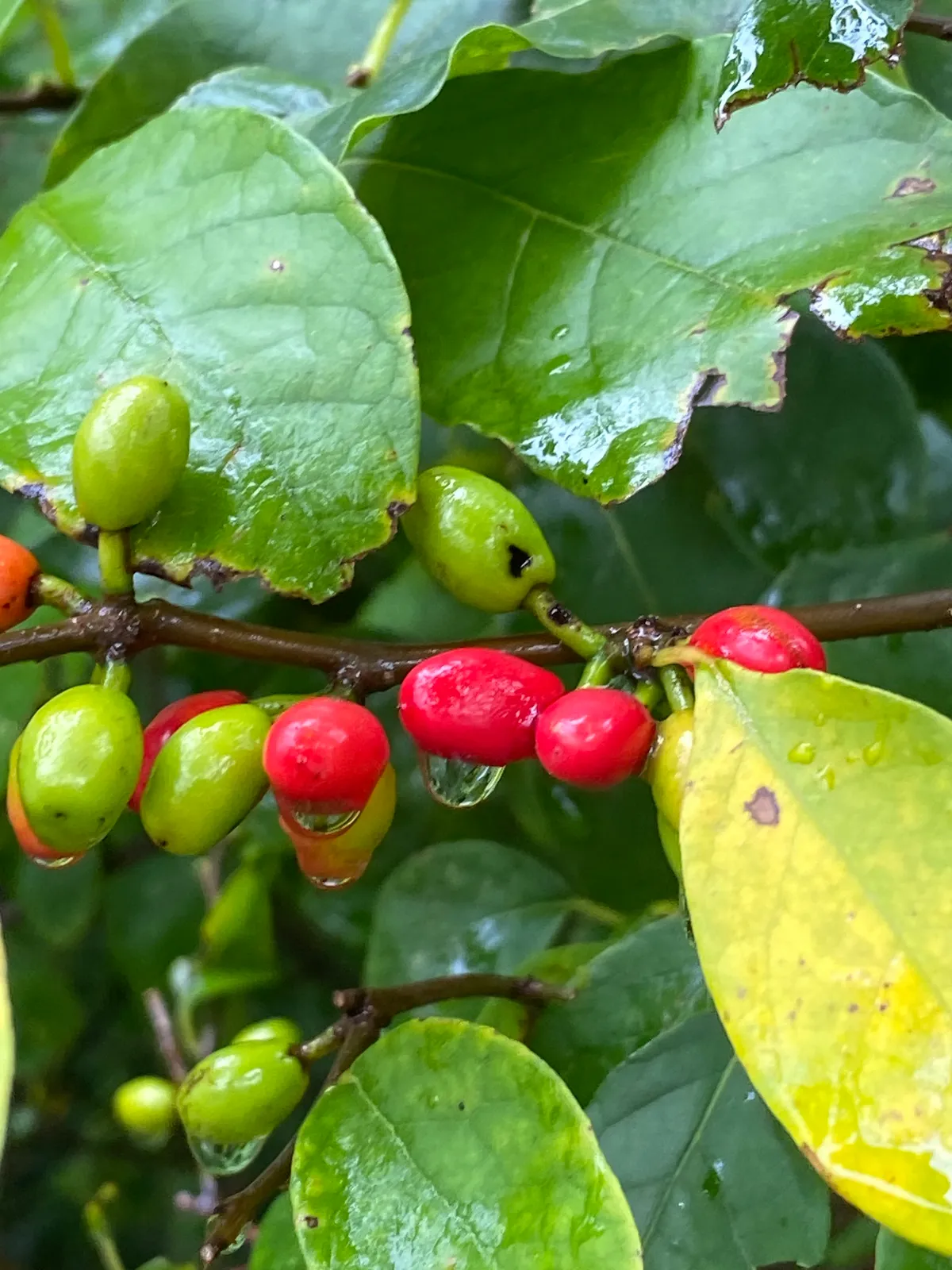
Spicebush
Lindera benzoin
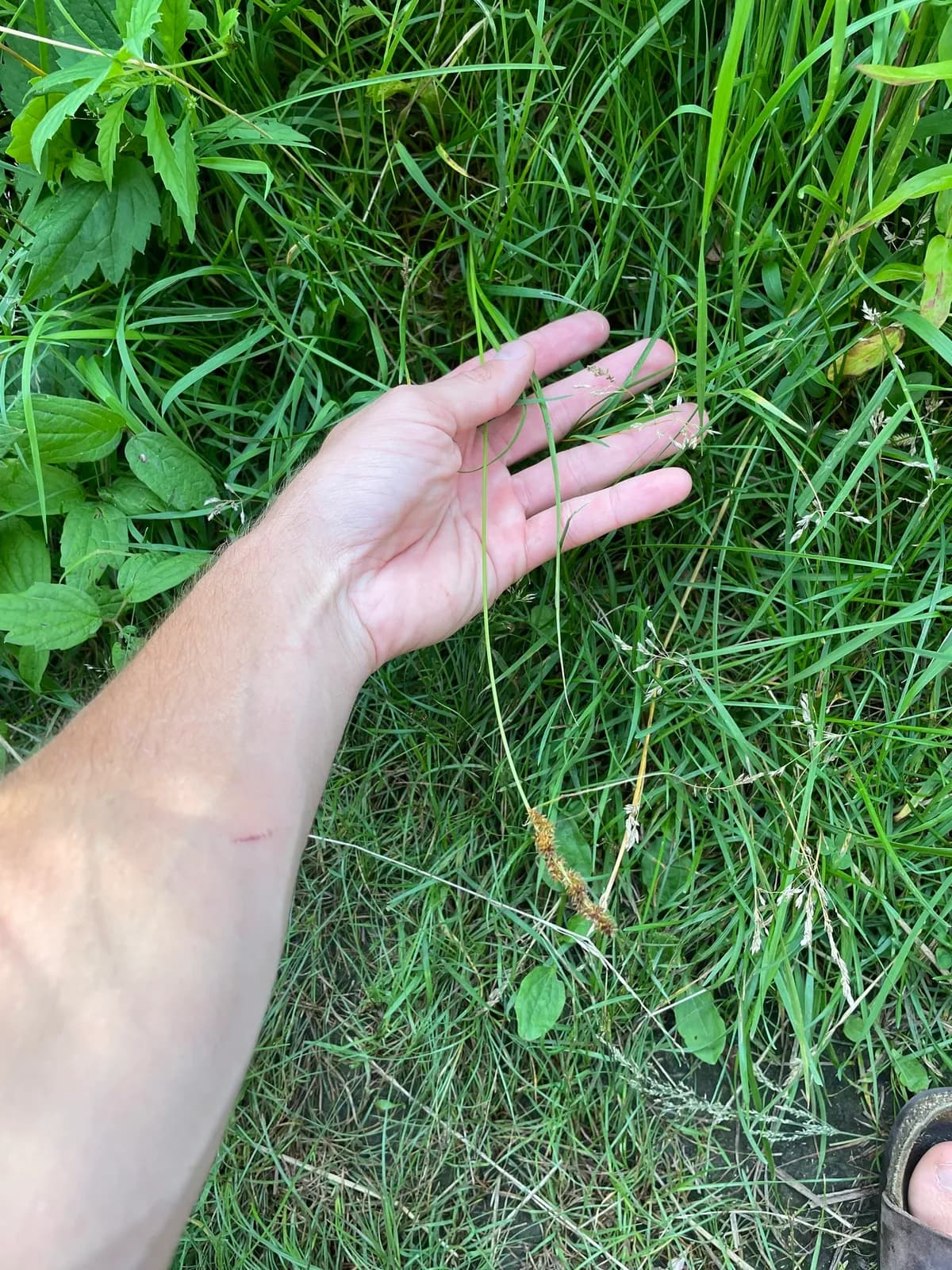
American Fox Sedge
Carex vulpinoidea
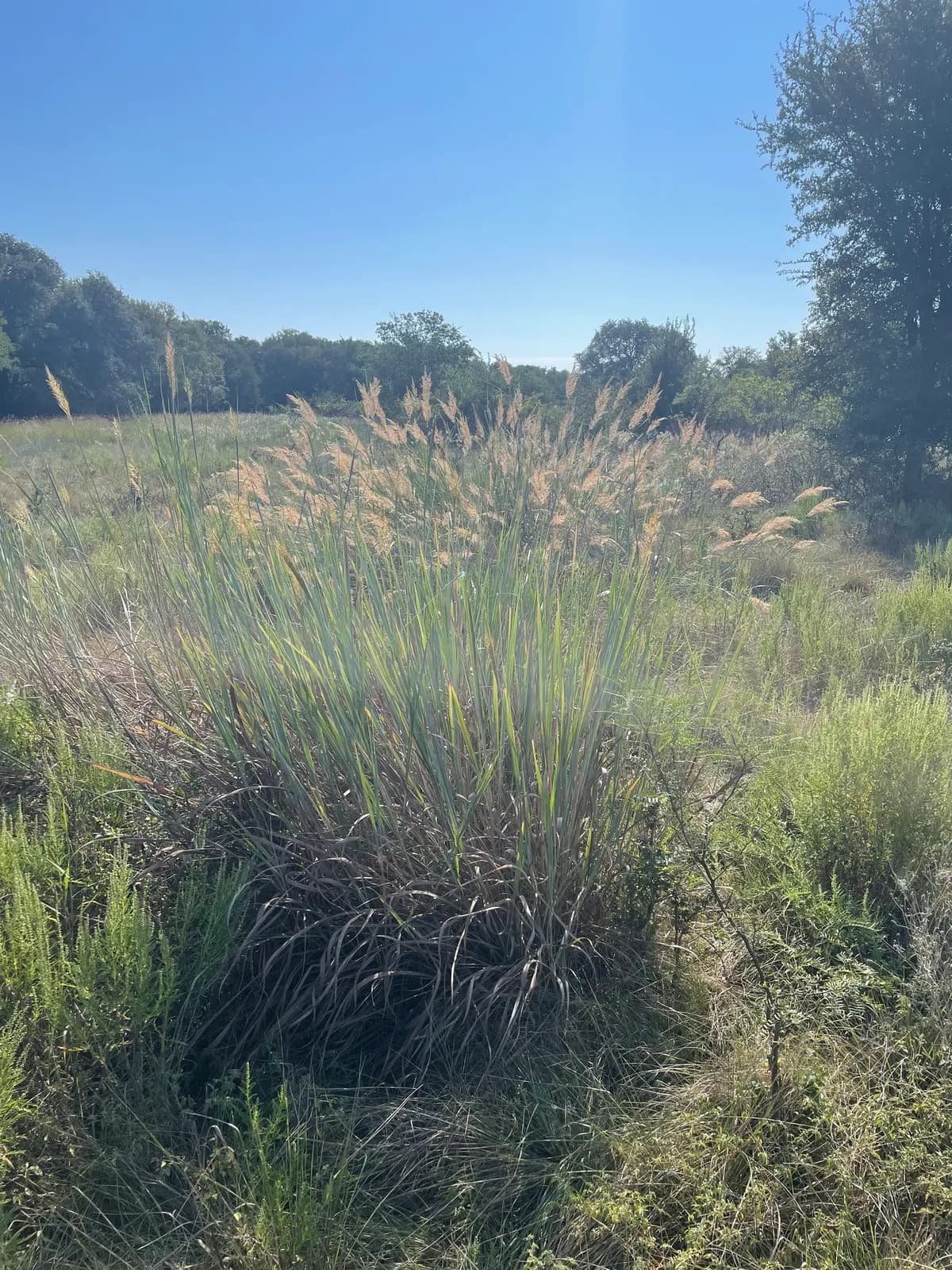
Indiangrass
Sorghastrum nutans
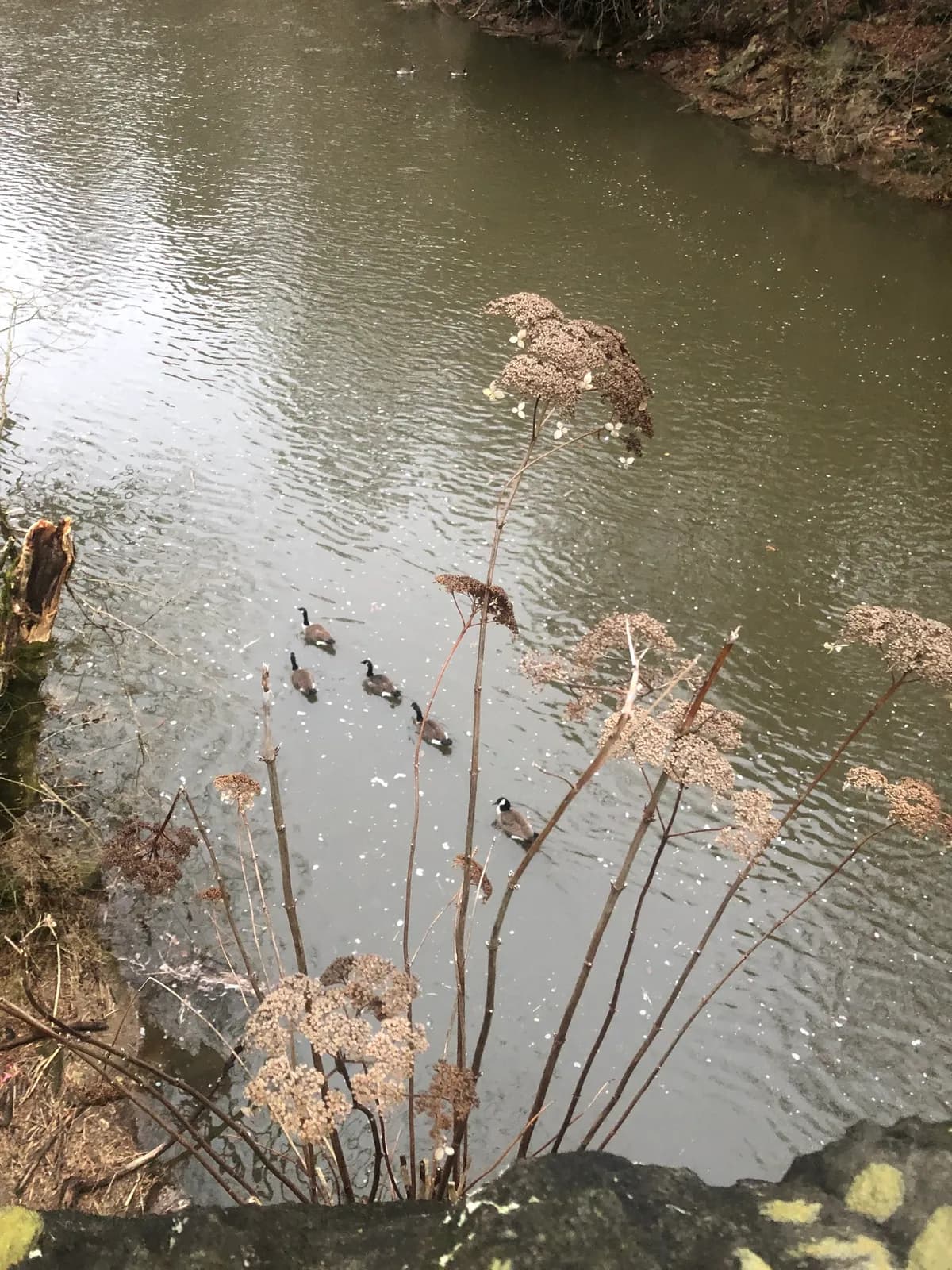
Sevenbark
Hydrangea arborescens

Coral Honeysuckle
Lonicera sempervirens
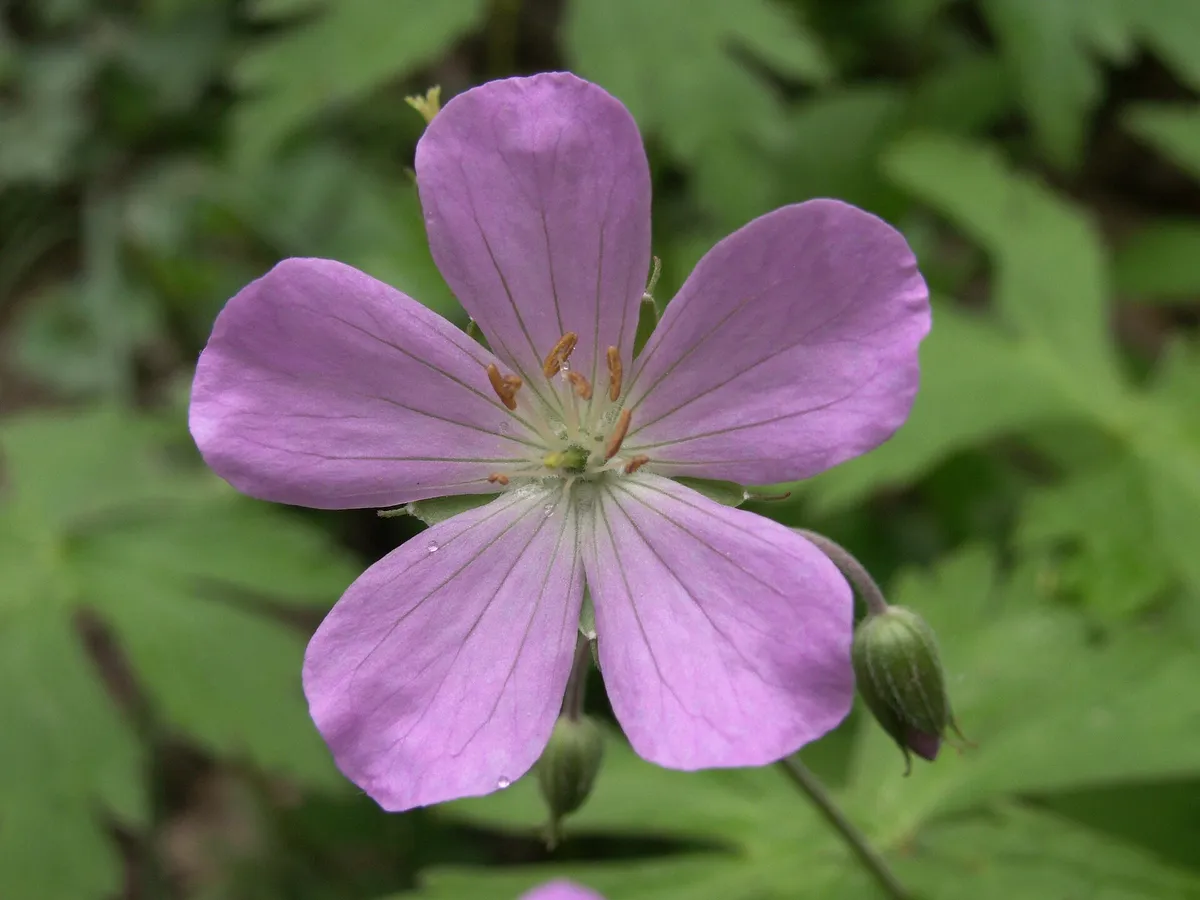
Spotted Geranium
Geranium maculatum
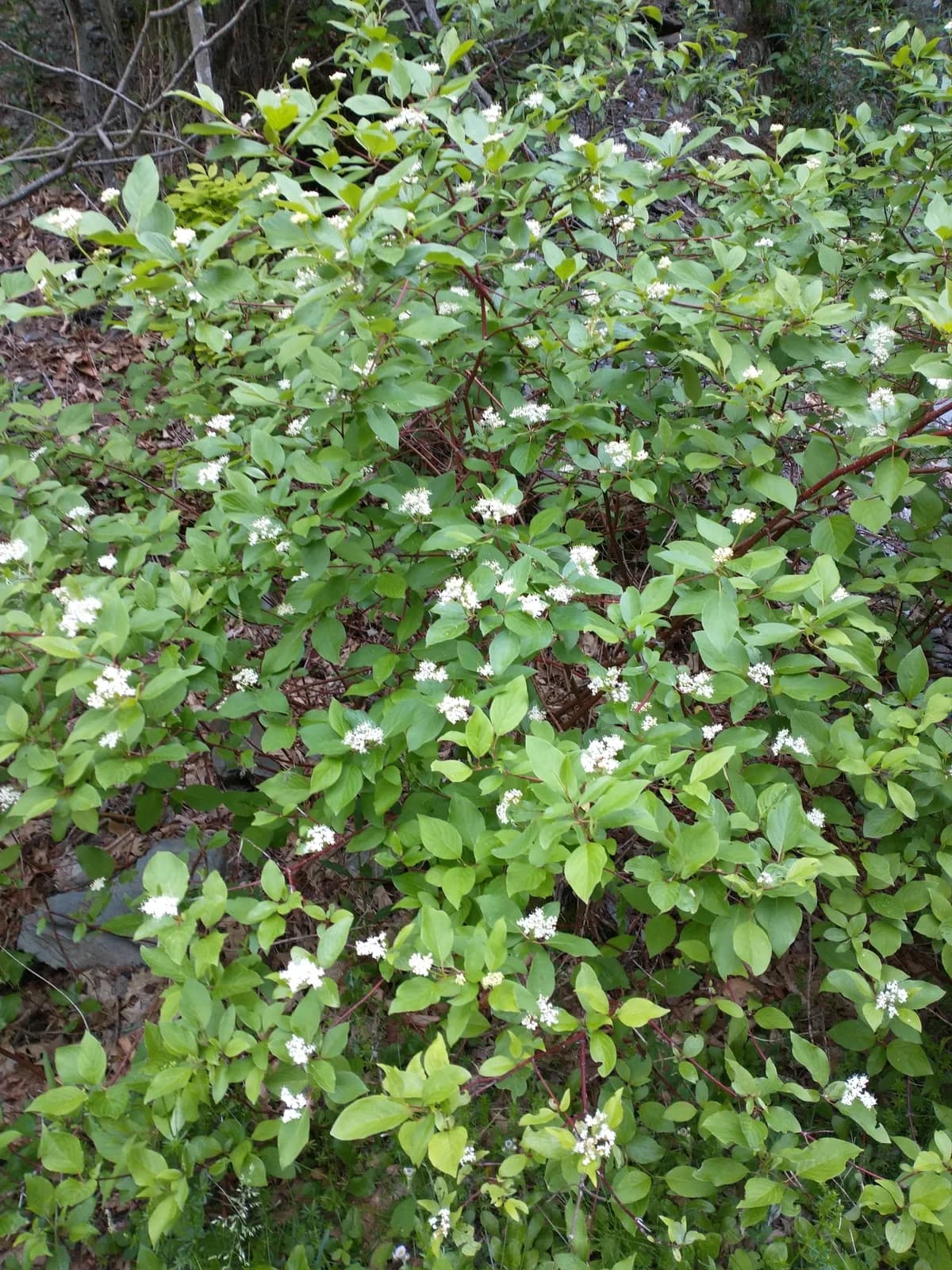
Red-osier Dogwood
Cornus sericea
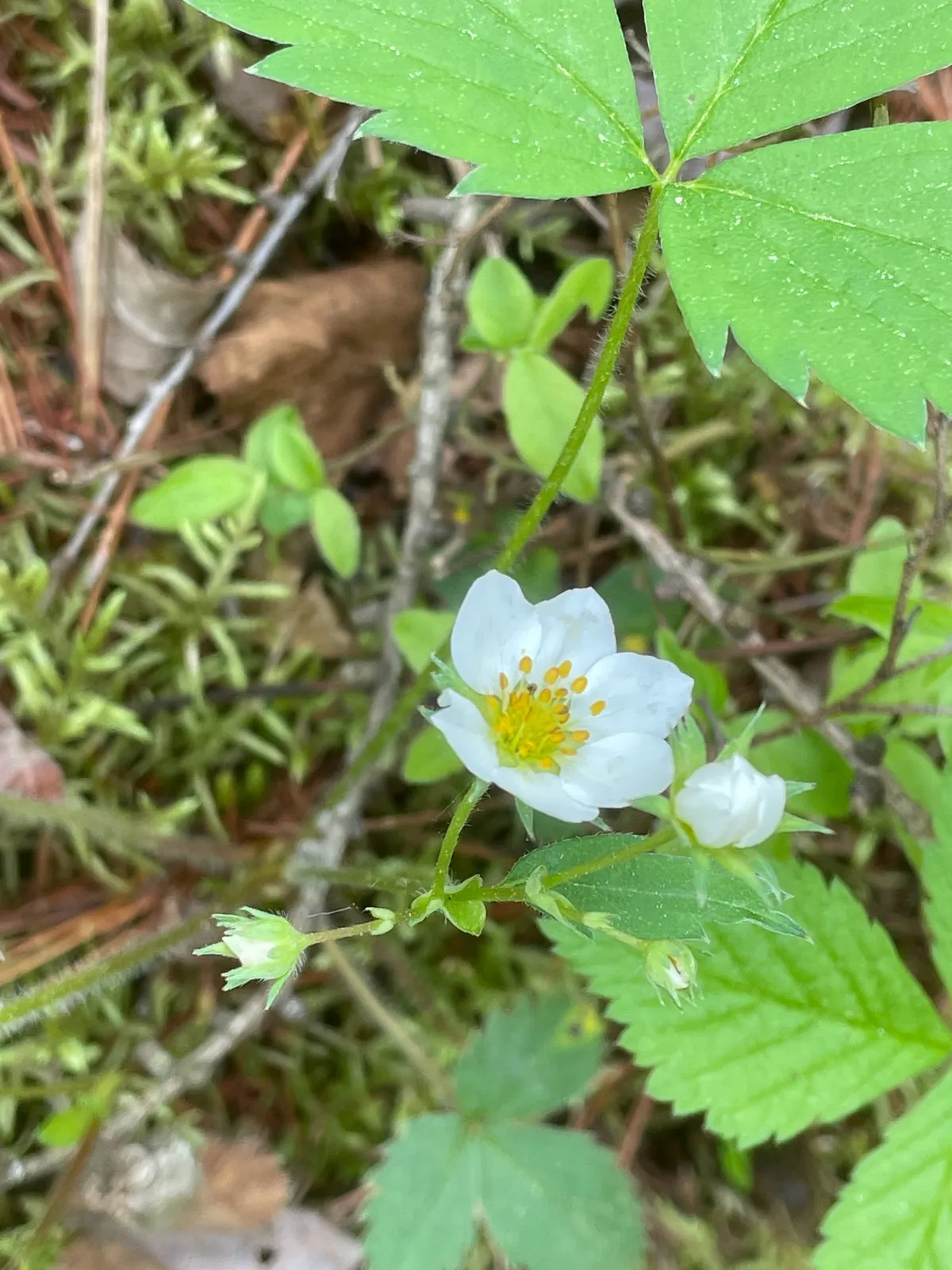
Scarlet Strawberry
Fragaria virginiana
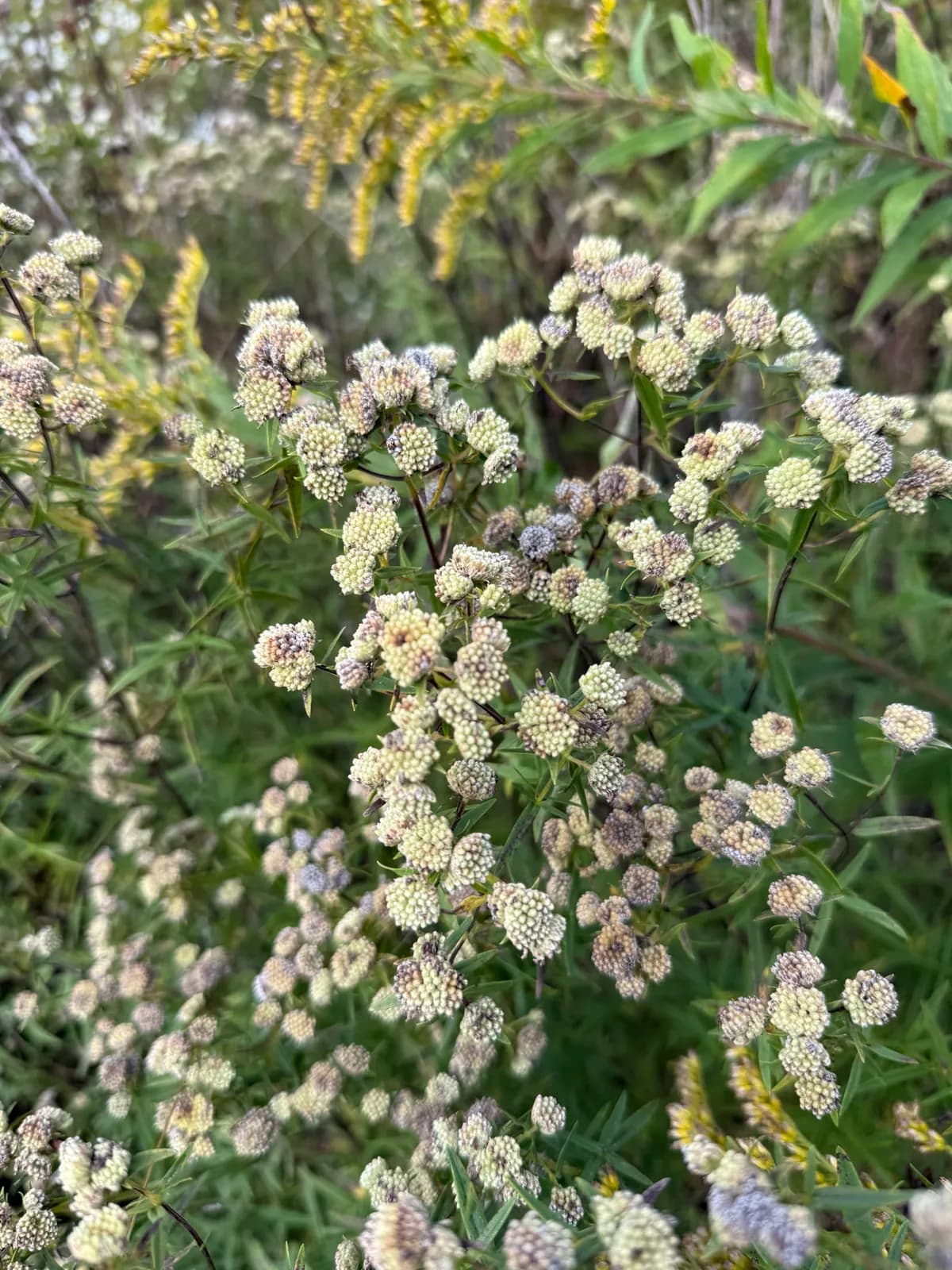
Virginia Mountain-Mint
Pycnanthemum virginianum
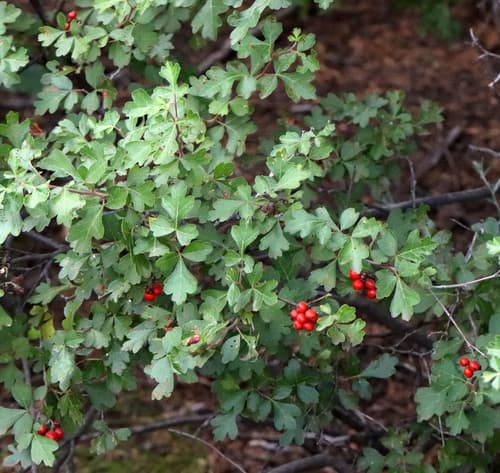
Aromatic Sumac
Rhus aromatica
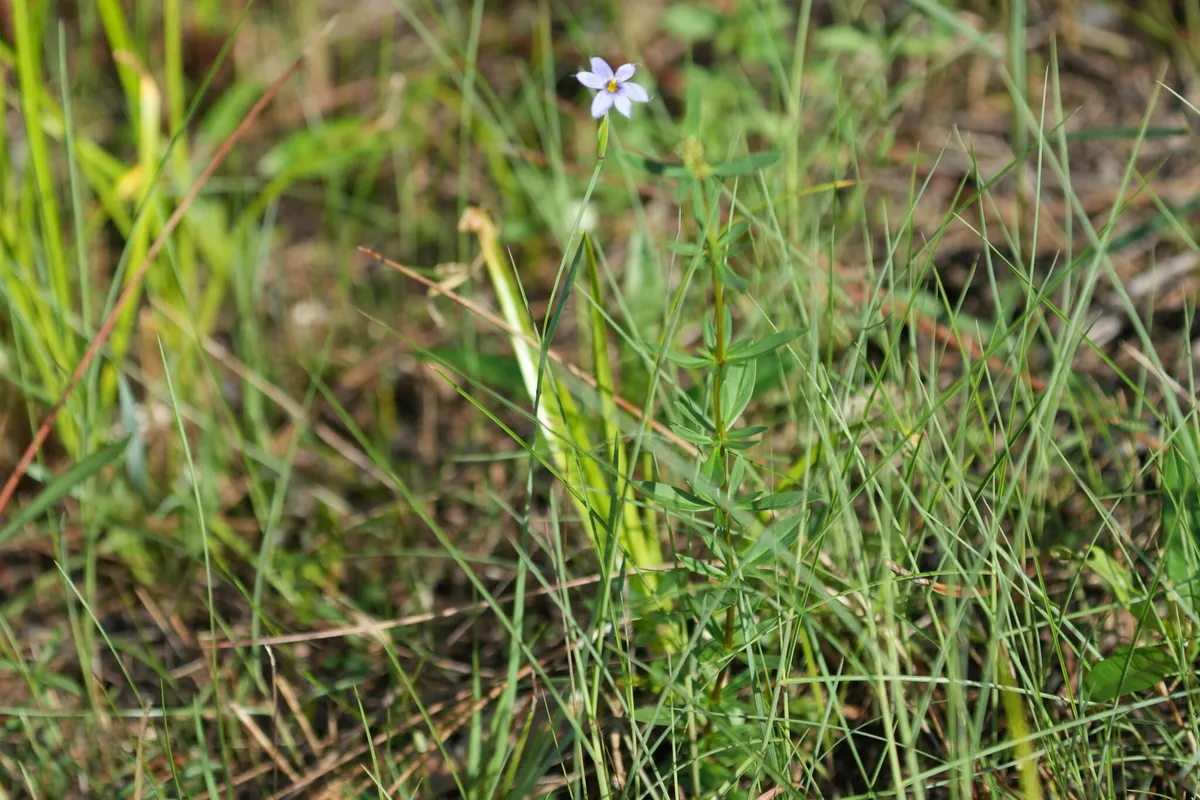
Narrowleaf Blue-eyed Grass
Sisyrinchium angustifolium
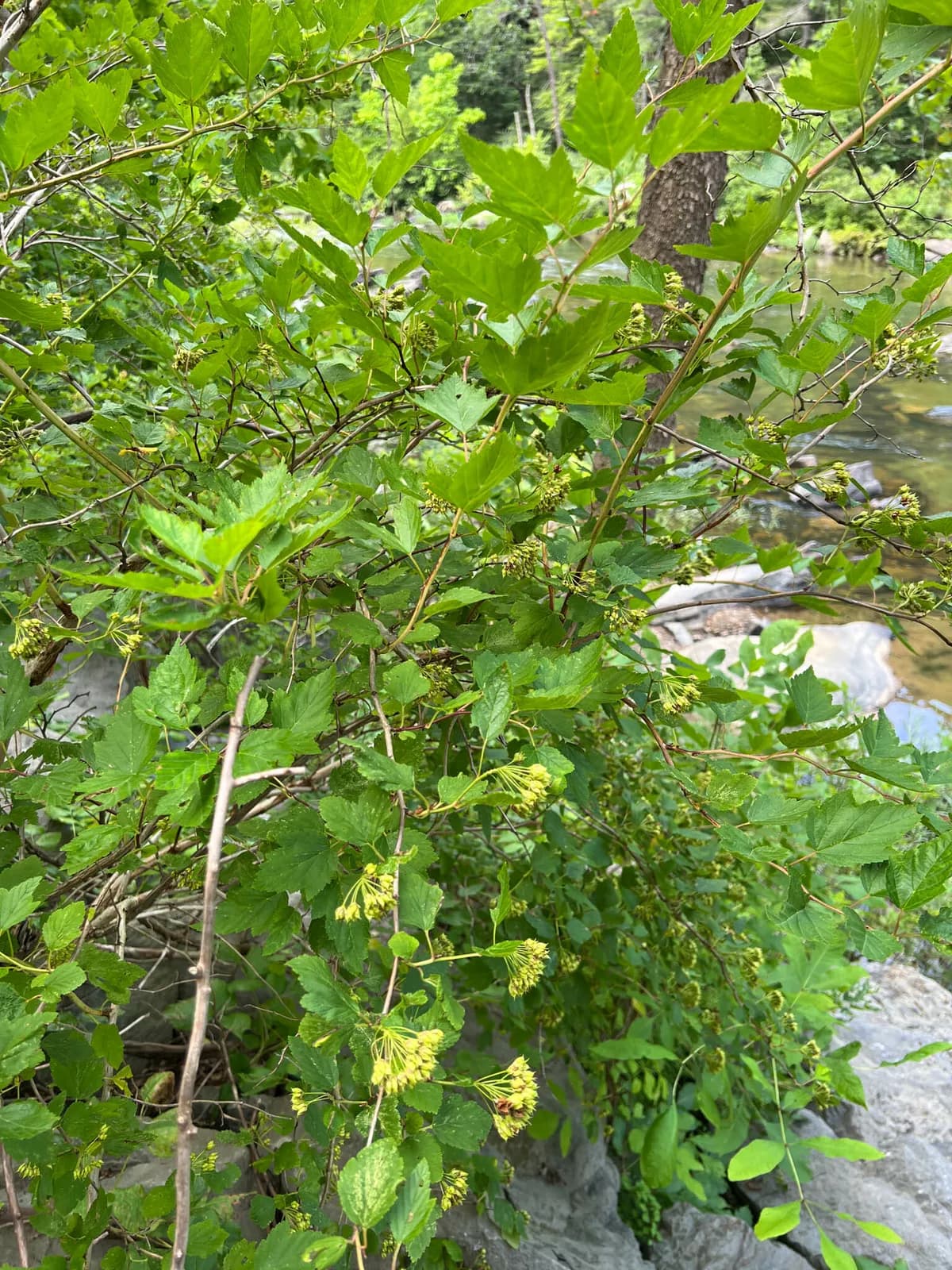
Ninebark
Physocarpus opulifolius
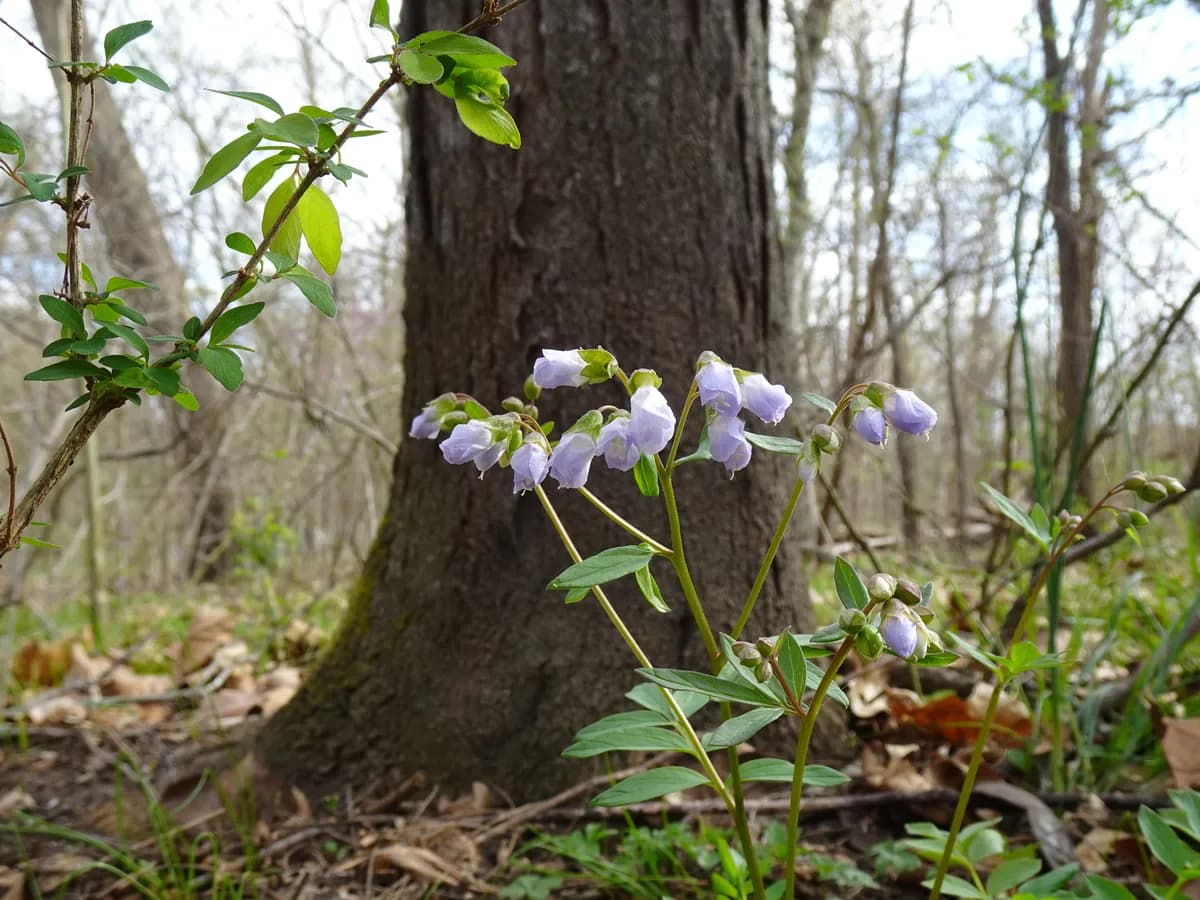
Creeping Polemonium
Polemonium reptans
Gulf Muhly
Muhlenbergia capillaris
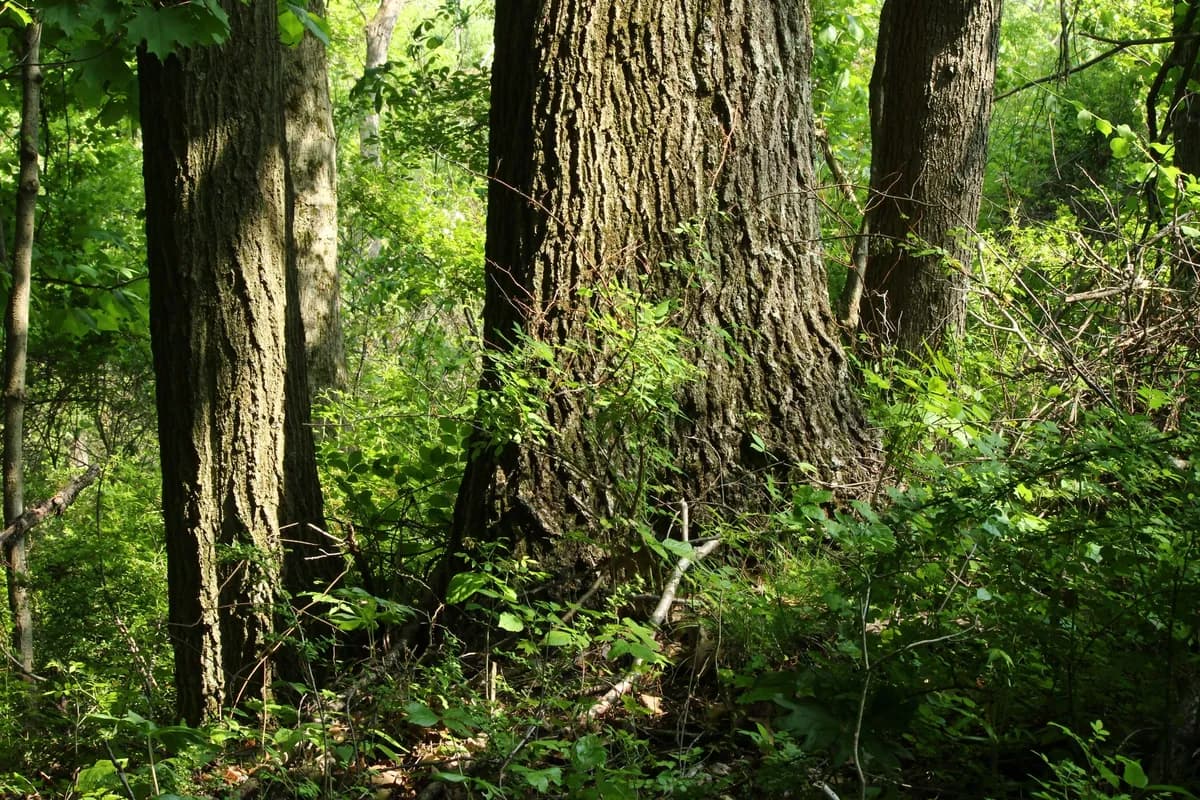
Northern Red Oak
Quercus rubra
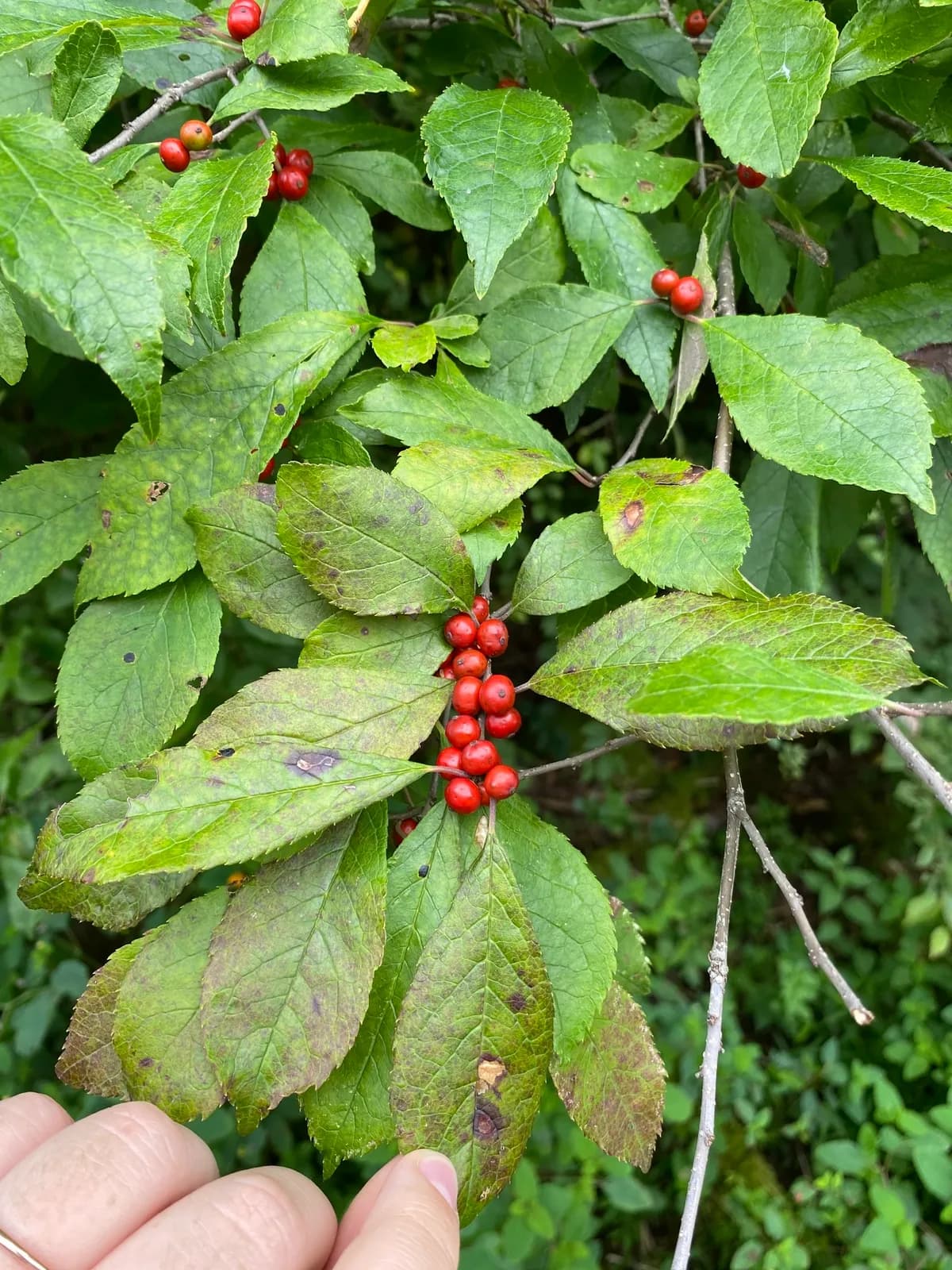
Black-alder
Ilex verticillata
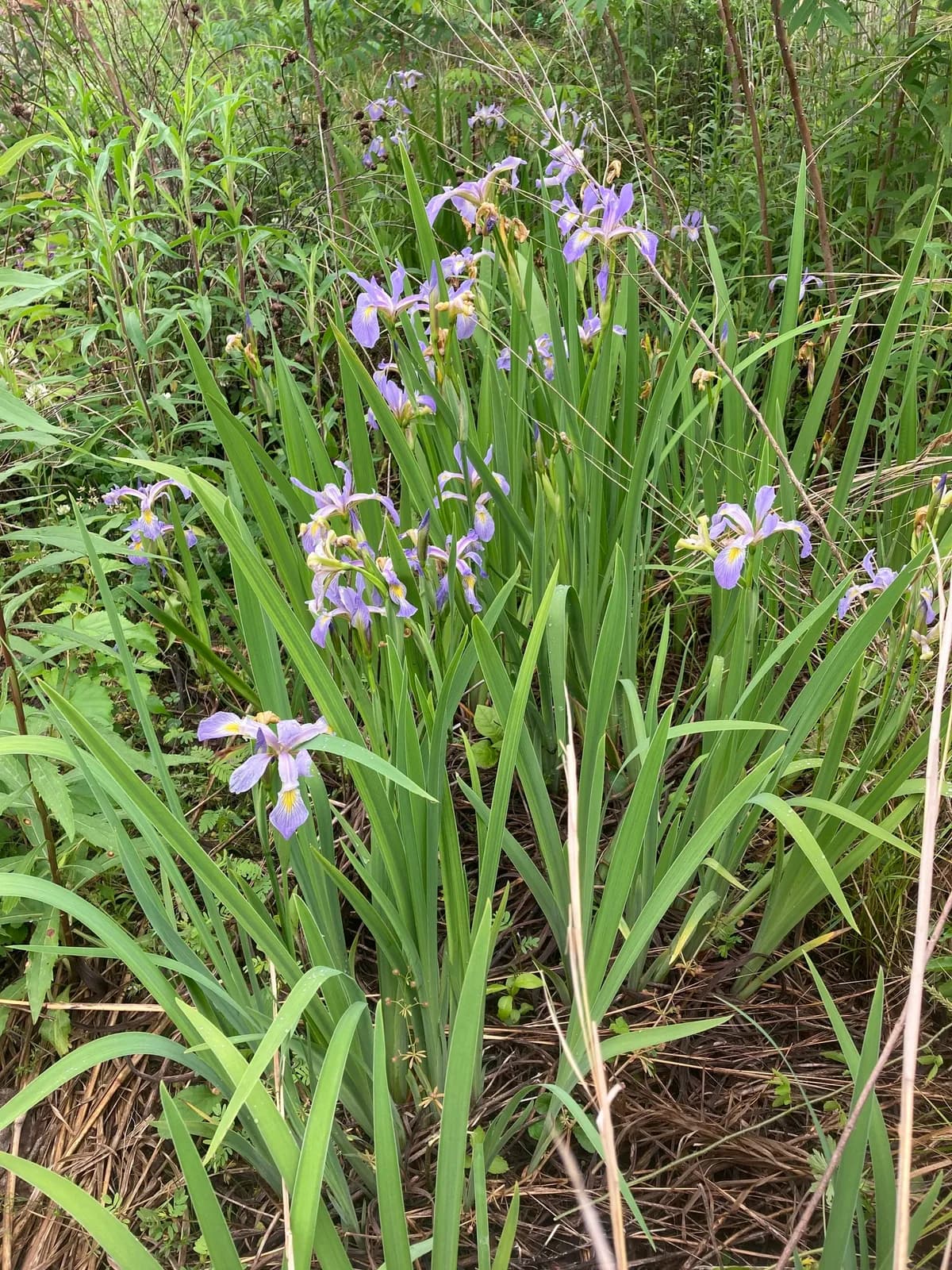
Southern Blue Flag Iris
Iris virginica
Showing 48 of 1358. Enter your ZIP for the natives matched to your yard.
Fall care in the Northeastern Coastal Zone
What to do right now for plants commonly grown here. Each links to the full regional care guide for that species, with sources.
- Northeastern beardtongue
Seed forms after bloom and sprouts best after cold, moist time. Scatter it in fall where you want more plants. Hold off on watering as the weather cools.
- Foxglove beardtongue
Seed ripens in fall and sprouts best after cold, moist time with light. Scatter it where you want new plants. Dividing crowns also works in fall.
- Blue lobelia
Bloom can last into October. Seed ripens from mid September to November and can be scattered on the soil surface. Keep watering through dry autumn spells until the ground freezes.
- Spotted beebalm
Fall is a good time to sow untreated seed and to collect ripe seed in September or October. The first frost in late October to November ends the bloom. Leave some seed heads standing if you like the look.
- Sneezeweed
Fall is time to tidy as the plant winds down.
- Fragrant phlox
Fall is for cleanup and for sowing seed outdoors.
- Heart leaf golden alexanders
Fall in the NYC area is mild and stretches out, giving plenty of time to plant, divide, or collect seed before the ground gets cold.
- Four nerve daisy
Fall is a good time to get this plant settled in the New York City area, with the first frost typically arriving around late October.
- Rattlesnake master
By fall the flower heads dry to a warm tan and begin dropping seed, and early fall is also a second good window for dividing a crowded clump.
- Autumn sage
Fall bloom can be strong, but this is also the season to prepare the plant, or its container, for a marginal winter.
Build a plan for the Northeastern Coastal Zone
The Pollinator Patch App turns plants like these into a front-yard plan tuned for the soil, climate, and HOA expectations of the New York area.