Golden Groundsel
Packera aurea
Last reviewed: September 2026
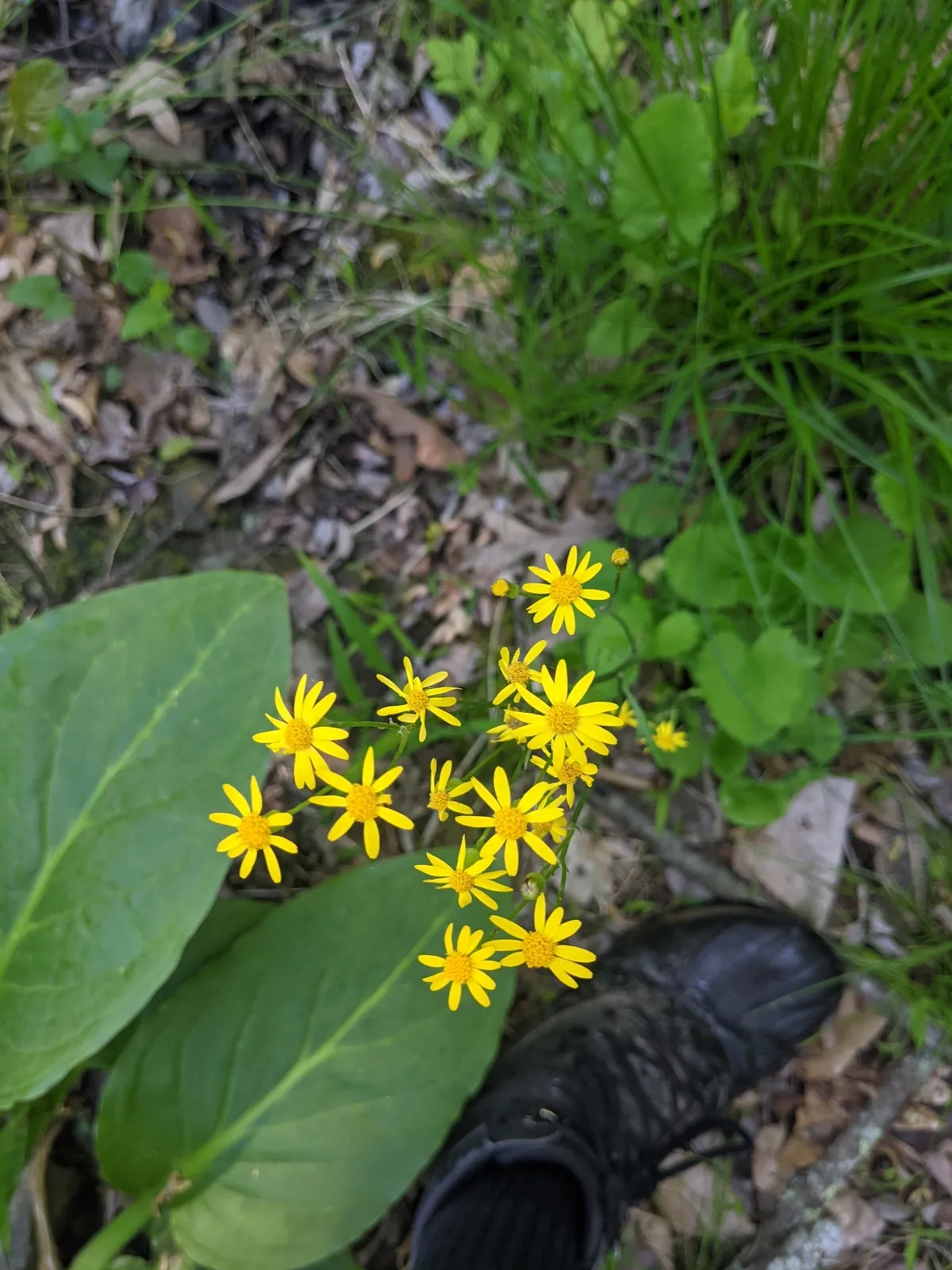
Packera aurea, golden groundsel, sends up clusters of bright yellow flowers from April through June and does well in moist, part-sun spots like woodland edges, stream banks and damp meadows.
Toxicity unknown
Golden Groundsel (Packera aurea) is not listed by the ASPCA Animal Poison Control Center (opens in new tab) or the other sources we check, so we have no verdict for it either way. Absence from those lists is not a clearance. If your pet shows symptoms after eating any plant, call the ASPCA at (888) 426-4435.
The USDA PLANTS Database (opens in new tab) does not flag Golden Groundsel as toxic to livestock.
Light
part sun
Water
medium
Size
12"–24" H × 12"–18" W
Bloom
Apr, May, Jun
Native to
AL, AR, CT, FL and 28 more states
Pollinators
bees, butterflies, beetles
Before you buy
Your city may pay you to plant this
Cities and water utilities offer rebates for replacing lawn with native and water-wise plants. We track 459 programs across 44 states, each with a link to the provider and the date we last checked it.
Find rebates in your areaPicture natives in your own yard
Upload a photo of your yard and Patch Vision shows a rendering of it planted with natives for your region, like Golden Groundsel.


Browse plants for this ecoregion
Golden ragwort is a native wildflower that produces clusters of bright yellow daisy-like flowers in spring. This low-growing perennial forms attractive clumps with heart-shaped basal leaves that remain green through much of the growing season.
Growing Golden Groundsel
Grow Golden Groundsel in part sun and medium water. Mature plants reach 12 to 24 inches tall and spread 12 to 18 inches wide. Expect low maintenance to keep it looking intentional in a front yard.
How to care for Golden Groundsel, by region
How to care for Golden Groundsel where it is actually grown: year-round basics plus what to do each season, region by region, with the sources for each.
Care guidance last updated: October 2026
Cross Timbers (includes Fort Worth, TX)
Year-round
Golden groundsel is a low, clumping perennial with heart shaped, semi evergreen leaves and clusters of small yellow daisy flowers in spring. It likes part sun to part shade and soil that stays evenly moist, and it is not a Texas native, so treat it as a garden groundcover rather than a locally native planting.
- Space new plants 12 to 18 inches apart; the basal rosette spreads slowly by rhizomes into a solid groundcover over one to two seasons.
- Give it part sun to part shade; in full sun the soil should not be allowed to dry out completely.
- Water regularly so soil stays evenly moist, more so for plants in fuller sun.
- Keep dogs, cats, and horses away from the foliage. ASPCA lists golden ragwort as toxic to all three, containing pyrrolizidine alkaloids that can cause liver damage if enough is eaten.
Fall
Fall is a quieter season for golden groundsel and a good time to clean up tired summer foliage and divide crowded clumps.
- Cut back any yellowed or tattered leaves in October once the weather cools, leaving the fresh basal rosette in place.
- Divide congested clumps in October or November and replant divisions 12 to 18 inches apart to fill in bare spots.
- Ease off supplemental watering as temperatures drop and rainfall picks up in September and October.
- Any new divisions planted this season still need regular water through the first frost to root in before winter.
A fall cleanup and division keeps the groundcover looking full and tended instead of patchy heading into winter.
Winter
Winters are mild in North Texas, and golden groundsel holds its leaves through most of the season, though a hard freeze can flatten the foliage temporarily.
- Expect the basal leaves to stay green through short freezes, sometimes taking on a purple tinge on the undersides in cold weather.
- During a severe Arctic outbreak, a 2 to 3 inch layer of mulch over the crown helps protect it.
- Skip watering during freezing weather; resume only after the ground thaws and stays above freezing.
- Leave flattened winter foliage in place until new spring growth starts; it usually rebounds on its own.
Evergreen basal foliage through winter keeps the bed from looking bare, reading as an intentional planting rather than dead ground.
Spring
Spring is when golden groundsel blooms and the best time to plant it in North Texas, once the mid March frost date has passed.
- Plant new starts after mid March, spacing 12 to 18 inches apart, in part sun to part shade.
- Water two to three times a week for the first six weeks after planting so roots establish before summer heat arrives.
- Clusters of yellow daisy like flowers open on stalks up to about 2 feet tall in April and May; let them bloom fully before any trimming.
- Once flowers fade in late May or June, cut the spent flower stalks down to the basal leaves to tidy the bed.
Cutting back the spent flower stalks once blooms fade keeps the bed reading as an intentional, maintained planting rather than a spot that was forgotten.
Summer
Summer is the hardest season for this plant in North Texas. Hold on to consistent soil moisture during the 100 degree stretches so the groundcover does not stress or die back in patches.
- Water deeply once or twice a week during July and August dry spells, more often for plants in full sun.
- Keep 2 to 3 inches of mulch over the root zone to hold moisture and keep roots cooler.
- Wilted or flattened leaves in the afternoon heat are a sign it needs more water, not necessarily more shade.
- Skip fertilizer during the hottest weeks; feeding a heat stressed plant in summer does more harm than good.
A wilted, flattened look in peak afternoon heat can read as an unmaintained bed from the street; a deep morning watering usually has the groundcover looking recovered by evening.
Sources: Lady Bird Johnson Wildflower Center: Packera aurea, ASPCA: Golden Ragwort toxicity, Mt. Cuba Center: Golden ragwort, NC State Extension Gardener Plant Toolbox: Packera aurea
Northern Piedmont (includes Lancaster, PA)
Year-round
Golden Groundsel likes steady moisture, part shade, and room to spread into a patch.
- Plant in part shade to sun with soil that stays evenly moist. Sun spots need more water.
- Rich, slightly acidic soil with lots of organic matter suits it best.
- It spreads into mats and self-seeds, so give it a naturalized spot, not a tight formal bed.
- Expect about 6 inches to 2.5 feet tall, hardy well past Lancaster winters.
Fall
Fall is easy. Water if it is dry and let the leaves be.
- Keep watering during dry spells so roots go into winter well hydrated.
- Leaves at the base stay green into cold weather, so there is little to cut.
- Rake fallen tree leaves off the patch lightly and leave a thin layer as mulch.
If the bed borders a walkway, trim any floppy flower stalks so it looks tidy.
Winter
Winter is a rest period. Leave it alone and do not worry about the cold.
- This plant handles cold well, with hardiness down into zone 3.
- The low leaves may stay green in mild spells, which is normal.
- Skip fertilizer and extra watering unless the ground is dry and unfrozen for weeks.
Spring
Spring is bloom time, so keep the soil damp and enjoy the yellow flowers.
- Bright yellow flowers open in spring above the green leaves.
- Water if a dry week hits. Do not let the soil dry out.
- Pull or move extra seedlings now if the patch is spreading too far.
Summer
Summer heat is the stress test, so moisture matters most now.
- Water deeply when rain is short. Lancaster summers can dry out beds fast.
- Shade from afternoon sun keeps leaves from crisping.
- A layer of mulch helps hold moisture in the soil.
- Cut stems back to the leafy base after flowers fade, or leave seed heads if you want more plants.
Southeastern Plains (includes Tallahassee, FL)
Year-round
Golden groundsel, also called golden ragwort, is a spreading native perennial with heart-shaped leaves and yellow spring flowers. It is native to Florida, including the panhandle, and does well in moist to average garden soil.
- Give it full sun to full shade. The wetter the spot, the more sun it can handle without stress.
- Keep soil consistently moist, especially in sunnier spots. It tolerates occasional flooding but not prolonged drought.
- It spreads by rhizomes and self-seeding to form a groundcover, so give it room or plan to edit it back each year.
- This plant is in the ragwort and groundsel group that the ASPCA lists as toxic to dogs and cats, so keep pets from grazing on it.
- It is a possible larval host plant for the northern metalmark butterfly, according to Butterflies and Moths of North America.
Its low, spreading habit works well as a groundcover in a part-shade bed, though its spreading nature means it needs the edges kept clean each year for a tidy front-yard look.
Fall
Fall is a good time to divide golden groundsel and clean up the planting before winter.
- Divide crowded rhizome clumps in fall to control spread or start new patches elsewhere.
- Remove old, tattered leaves to tidy the groundcover.
- Reduce watering as fall rains become more reliable in Tallahassee.
Winter
Golden groundsel is evergreen to semi-evergreen through mild Tallahassee winters, often with purplish-tinged leaves in cold weather.
- Leave the basal foliage in place through winter. It does not need to be cut back.
- No regular watering is needed unless there is an extended dry spell.
- New flower stalks begin forming toward late winter ahead of the spring bloom.
Spring
Spring is bloom season for golden groundsel, with flat clusters of small yellow flowers opening on stalks above the basal leaves.
- Flowering peaks in early to mid spring. Deadhead after bloom if you do not want it to self-seed.
- Divide spreading clumps in early spring if the patch has crept further than you want.
- Keep soil moist as new growth and flower stalks emerge, especially in sunnier spots.
Summer
After its spring bloom, golden groundsel's foliage carries the planting through summer as a low groundcover.
- Keep soil from drying out completely in sunnier locations. Shadier spots tolerate more dryness.
- Cut back old flower stalks once seed heads fade if you want to control self-seeding.
- Watch for aphids on new growth. A strong spray of water usually knocks them off.
Sources: USDA PLANTS Profile - Packera aurea, Flora of the Southeastern United States (FSUS, UNC Herbarium) - Packera aurea, ASPCA - Toxic and Non-Toxic Plant List: Dogs, Butterflies and Moths of North America - Northern Metalmark (Calephelis borealis), NC State Extension Gardener Plant Toolbox - Packera aurea, Missouri Botanical Garden Plant Finder - Packera aurea
Texas Blackland Prairies (includes Dallas, TX)
Year-round
Golden groundsel is a low, clumping perennial with heart shaped, semi evergreen leaves and clusters of small yellow daisy flowers in spring. It likes part sun to part shade and soil that stays evenly moist, and it is not a Texas native, so treat it as a garden groundcover rather than a locally native planting.
- Space new plants 12 to 18 inches apart; the basal rosette spreads slowly by rhizomes into a solid groundcover over one to two seasons.
- Give it part sun to part shade; in full sun the soil should not be allowed to dry out completely.
- Water regularly so soil stays evenly moist, more so for plants in fuller sun.
- Keep dogs, cats, and horses away from the foliage. ASPCA lists golden ragwort as toxic to all three, containing pyrrolizidine alkaloids that can cause liver damage if enough is eaten.
Fall
Fall is a quieter season for golden groundsel and a good time to clean up tired summer foliage and divide crowded clumps.
- Cut back any yellowed or tattered leaves in October once the weather cools, leaving the fresh basal rosette in place.
- Divide congested clumps in October or November and replant divisions 12 to 18 inches apart to fill in bare spots.
- Ease off supplemental watering as temperatures drop and rainfall picks up in September and October.
- Any new divisions planted this season still need regular water through the first frost to root in before winter.
A fall cleanup and division keeps the groundcover looking full and tended instead of patchy heading into winter.
Winter
Winters are mild in North Texas, and golden groundsel holds its leaves through most of the season, though a hard freeze can flatten the foliage temporarily.
- Expect the basal leaves to stay green through short freezes, sometimes taking on a purple tinge on the undersides in cold weather.
- During a severe Arctic outbreak, a 2 to 3 inch layer of mulch over the crown helps protect it.
- Skip watering during freezing weather; resume only after the ground thaws and stays above freezing.
- Leave flattened winter foliage in place until new spring growth starts; it usually rebounds on its own.
Evergreen basal foliage through winter keeps the bed from looking bare, reading as an intentional planting rather than dead ground.
Spring
Spring is when golden groundsel blooms and the best time to plant it in North Texas, once the mid March frost date has passed.
- Plant new starts after mid March, spacing 12 to 18 inches apart, in part sun to part shade.
- Water two to three times a week for the first six weeks after planting so roots establish before summer heat arrives.
- Clusters of yellow daisy like flowers open on stalks up to about 2 feet tall in April and May; let them bloom fully before any trimming.
- Once flowers fade in late May or June, cut the spent flower stalks down to the basal leaves to tidy the bed.
Cutting back the spent flower stalks once blooms fade keeps the bed reading as an intentional, maintained planting rather than a spot that was forgotten.
Summer
Summer is the hardest season for this plant in North Texas. Hold on to consistent soil moisture during the 100 degree stretches so the groundcover does not stress or die back in patches.
- Water deeply once or twice a week during July and August dry spells, more often for plants in full sun.
- Keep 2 to 3 inches of mulch over the root zone to hold moisture and keep roots cooler.
- Wilted or flattened leaves in the afternoon heat are a sign it needs more water, not necessarily more shade.
- Skip fertilizer during the hottest weeks; feeding a heat stressed plant in summer does more harm than good.
A wilted, flattened look in peak afternoon heat can read as an unmaintained bed from the street; a deep morning watering usually has the groundcover looking recovered by evening.
Sources: Lady Bird Johnson Wildflower Center: Packera aurea, ASPCA: Golden Ragwort toxicity, Mt. Cuba Center: Golden ragwort, NC State Extension Gardener Plant Toolbox: Packera aurea
In an HOA neighborhood
Golden Groundsel is an HOA-friendly choice. Maintenance level: low. Tidiness: 3 out of 5.
Works well in: foundation, mid zone.
- May look sparse in winter when deciduous
- Common name includes 'ragwort' which some may associate with weeds
Wildlife value
The cheerful yellow blooms attract native bees, butterflies, and beneficial beetles during the important early season pollinator period. Seeds provide food for songbirds later in the summer.
Common questions
- When does golden groundsel bloom?
- Packera aurea typically flowers from April into June, producing flat-topped clusters of small yellow blooms atop upright stems above a basal rosette of foliage.
- What conditions does golden groundsel need to grow well?
- It prefers part sun and consistently moist to wet soil, making it a good fit for stream banks, low meadows, ditches and moist woodland edges rather than dry, exposed sites.
- What insects visit golden groundsel flowers?
- The spring blooms attract a range of bees, butterflies and beetles, offering an early-season nectar and pollen source before many other perennials come into flower.
- Does golden groundsel spread over time?
- Yes, it forms a basal rosette that spreads by short rhizomes and self-seeding, so over a few seasons it can knit together into a dense low groundcover in favorable moist sites.
- Is golden groundsel evergreen?
- Its basal leaves are semi-evergreen, often persisting through mild winters in a low rosette before the flowering stems emerge in spring.
- Is Golden Groundsel toxic to livestock?
- The USDA PLANTS Database does not flag Golden Groundsel as toxic to livestock.
- Is Golden Groundsel HOA-friendly?
- Golden Groundsel is generally an HOA-friendly choice in the right placement, with low maintenance.
These answers were drafted with an AI model from this plant's data. Verify care details with a local expert.
Native range data from the World Checklist of Vascular Plants (Kew). Pollinator and host plant associations compiled from GBIF, iNaturalist, and published ecological literature.
If something looks wrong
Common plant problems, and what to check first
These come up on almost any plant. Each guide lists the likely causes in the order they are worth ruling out, with one thing to check before you act on any of them, and links to the source it came from.
- It is dying right after planting
- Leaves turning yellow
- Wilting even though I watered it
- Brown crispy leaf tips
- Bugs on the plant
Ready to grow Golden Groundsel? Add it to your garden in Pollinator Patch to track it and get season-by-season care guidance.