EPA Level III Ecoregion
North Central Hardwood Forests
1150 native plants for the North Central Hardwood Forests ecoregion (Minneapolis area).
The North Central Hardwood Forests sit between the north woods and the prairie, covering the Twin Cities, St. Cloud, Eau Claire, and Green Bay. It is a patchwork region: hardwood stands, lakes, wetlands, and old prairie openings all within a few miles, which means sun and shade conditions vary a lot from yard to yard. Natives like prairie dock, blue giant-hyssop, and Michigan lily work across that mix and come back reliably after a hard winter.
Conditions: Loamy glacial soils with frequent wetlands and lakes, 28–34 inches of precipitation, cold snowy winters and warm summers.
Cities and areas: Minneapolis, St. Paul, St. Cloud, Eau Claire, Green Bay, Appleton.
1150 Native Plants for the North Central Hardwood Forests
HOA-friendly picks listed first. Pet-safety status varies by species; each plant page shows its sourced ASPCA status. Native range data from vouchered herbarium specimen records and regional native plant society lists.

Little Bluestem
Schizachyrium scoparium
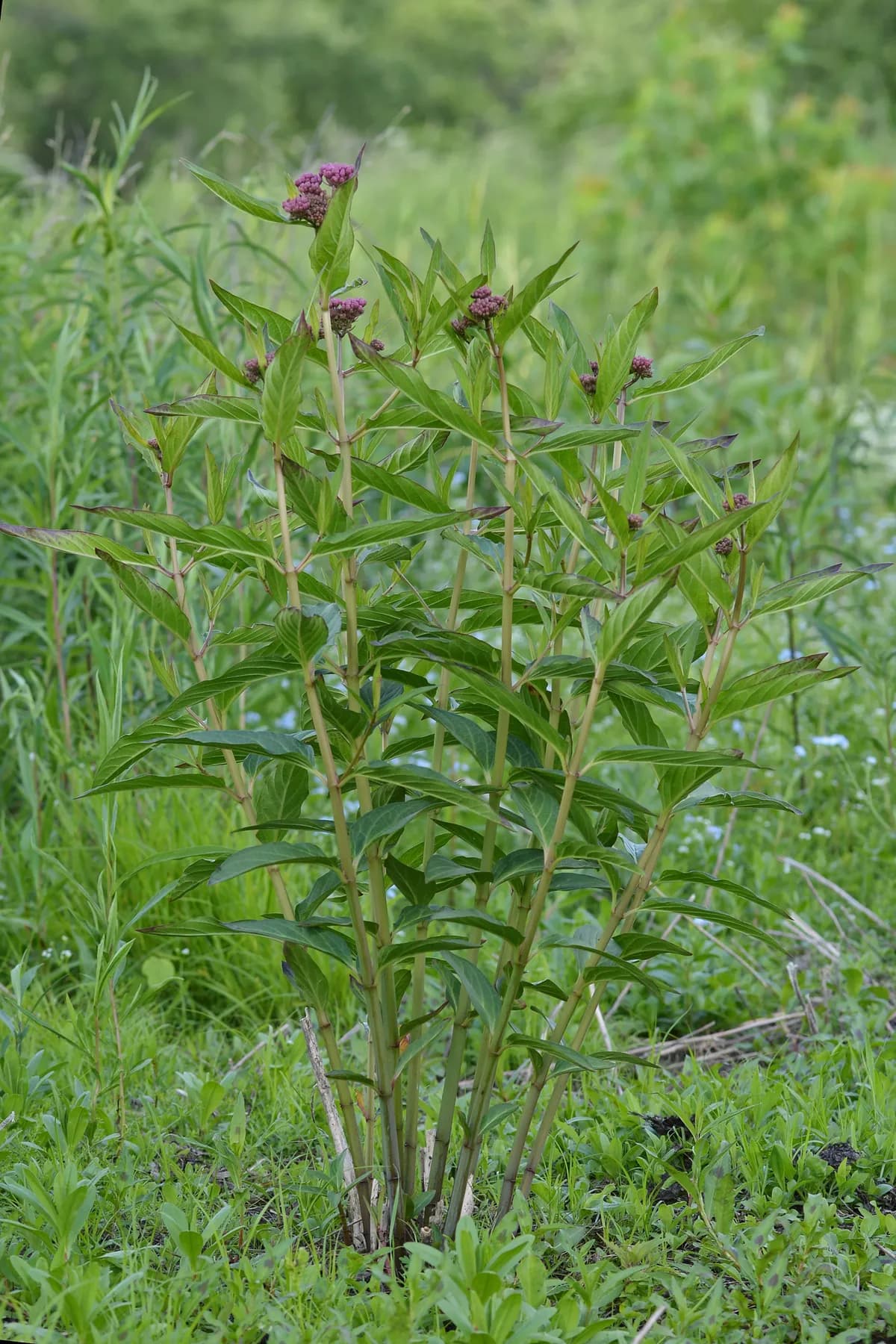
Swamp Milkweed
Asclepias incarnata
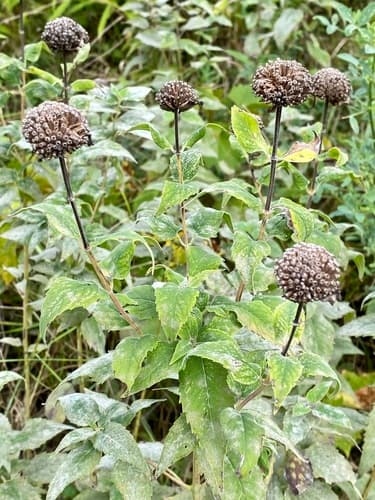
Wild Bergamot
Monarda fistulosa
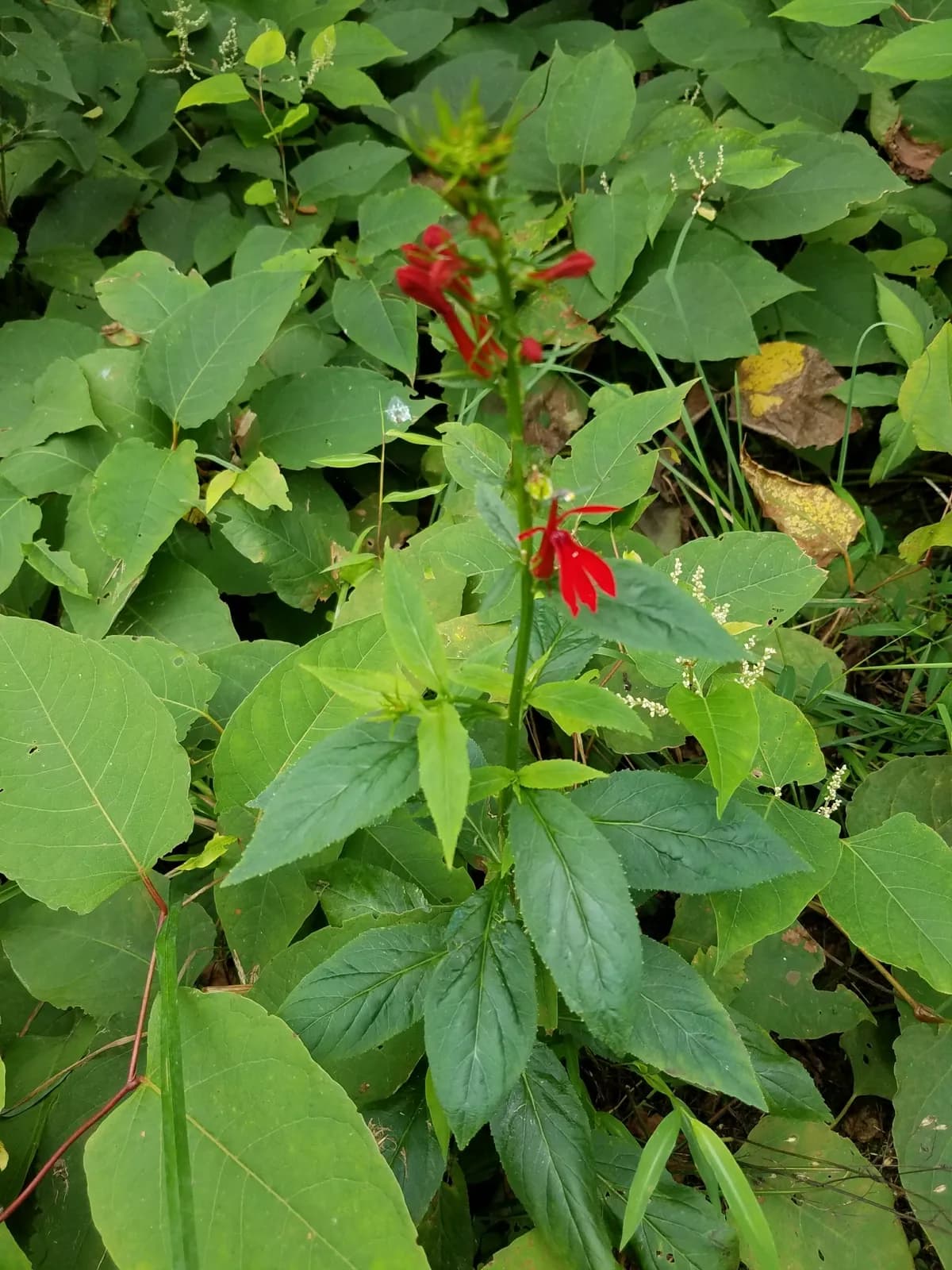
Cardinal Flower
Lobelia cardinalis
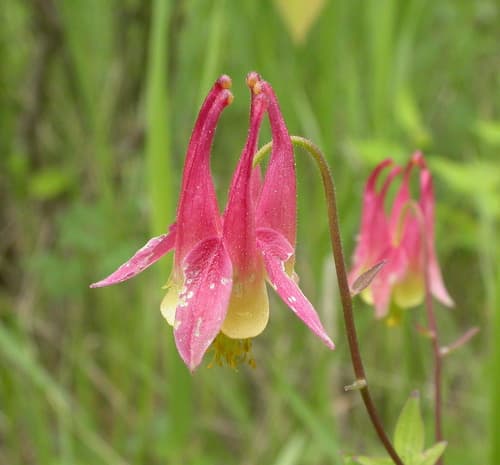
Wild Red Columbine
Aquilegia canadensis
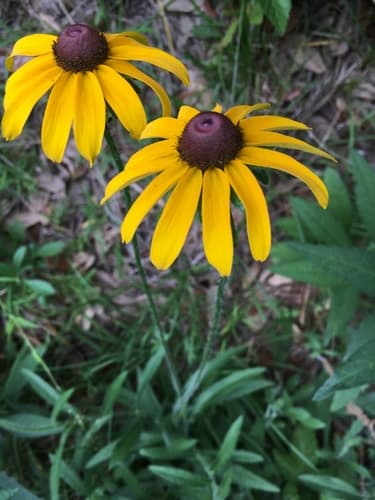
Black-eyed Susan
Rudbeckia hirta
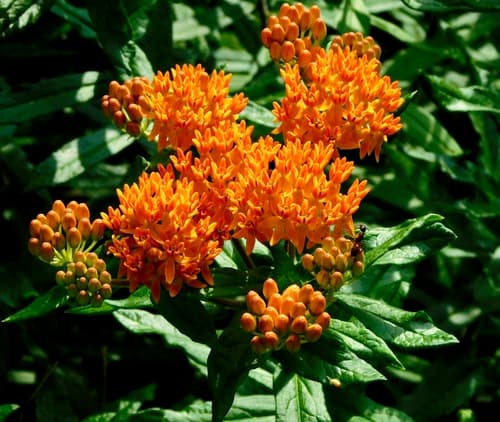
Butterfly Milkweed
Asclepias tuberosa
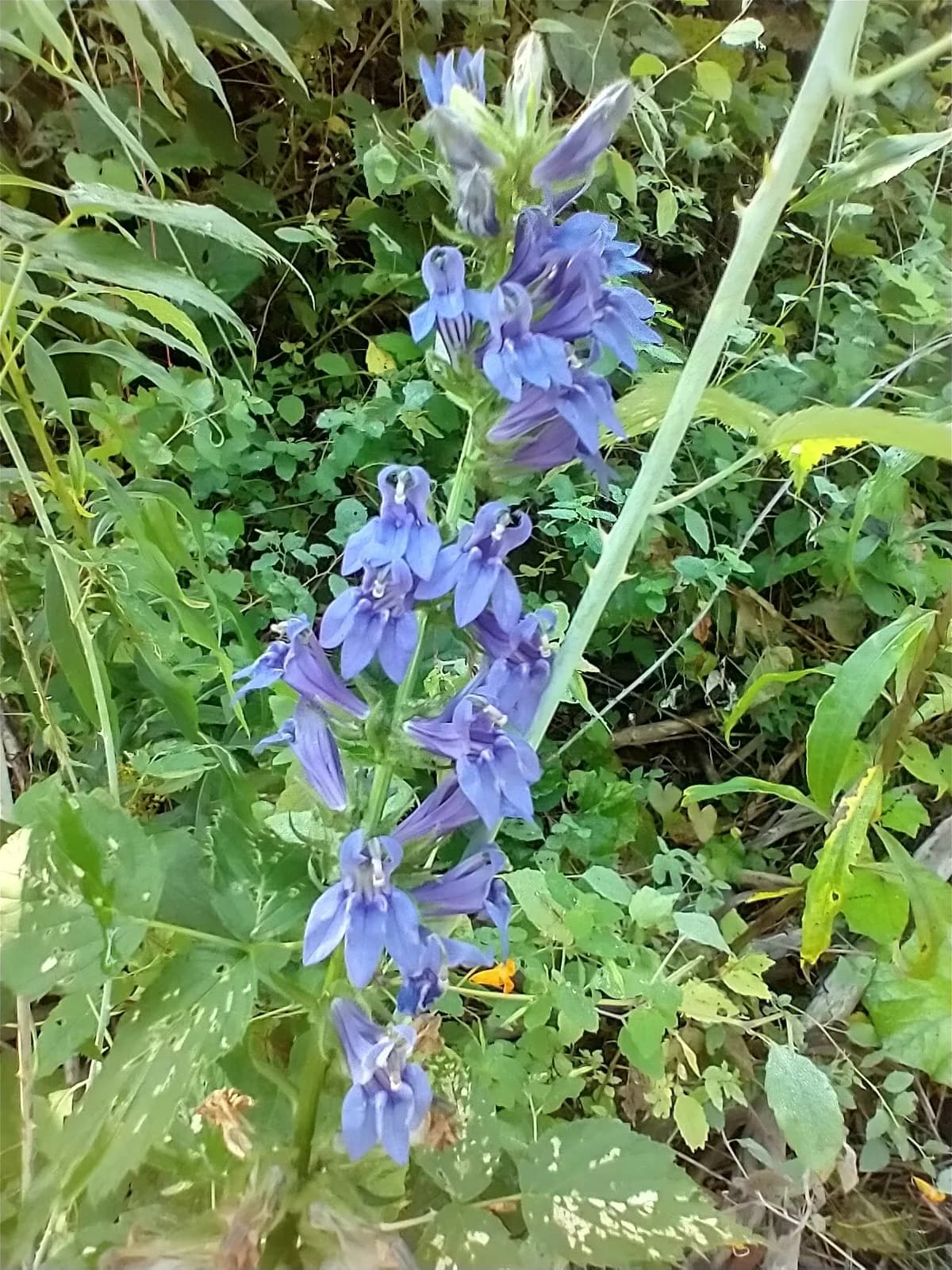
Blue Lobelia
Lobelia siphilitica
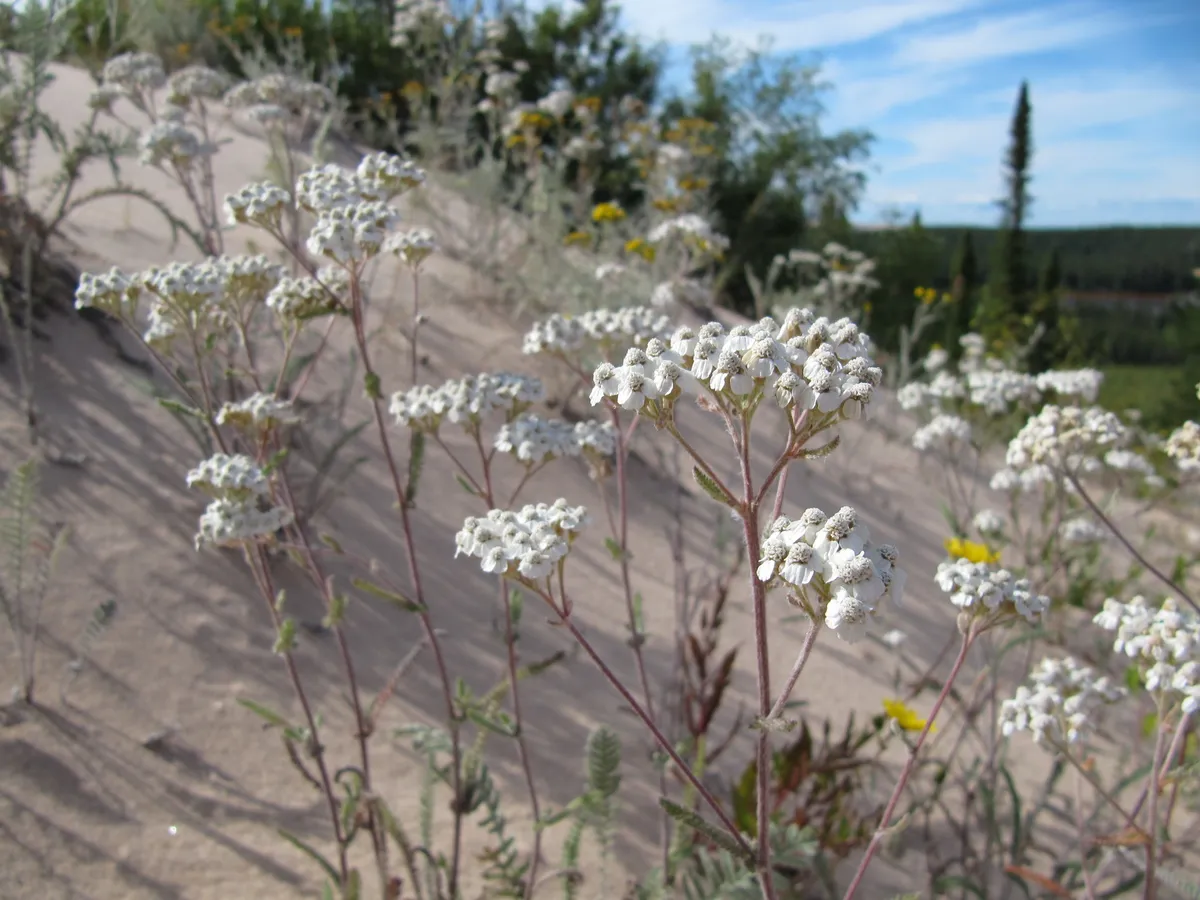
Common Yarrow
Achillea millefolium
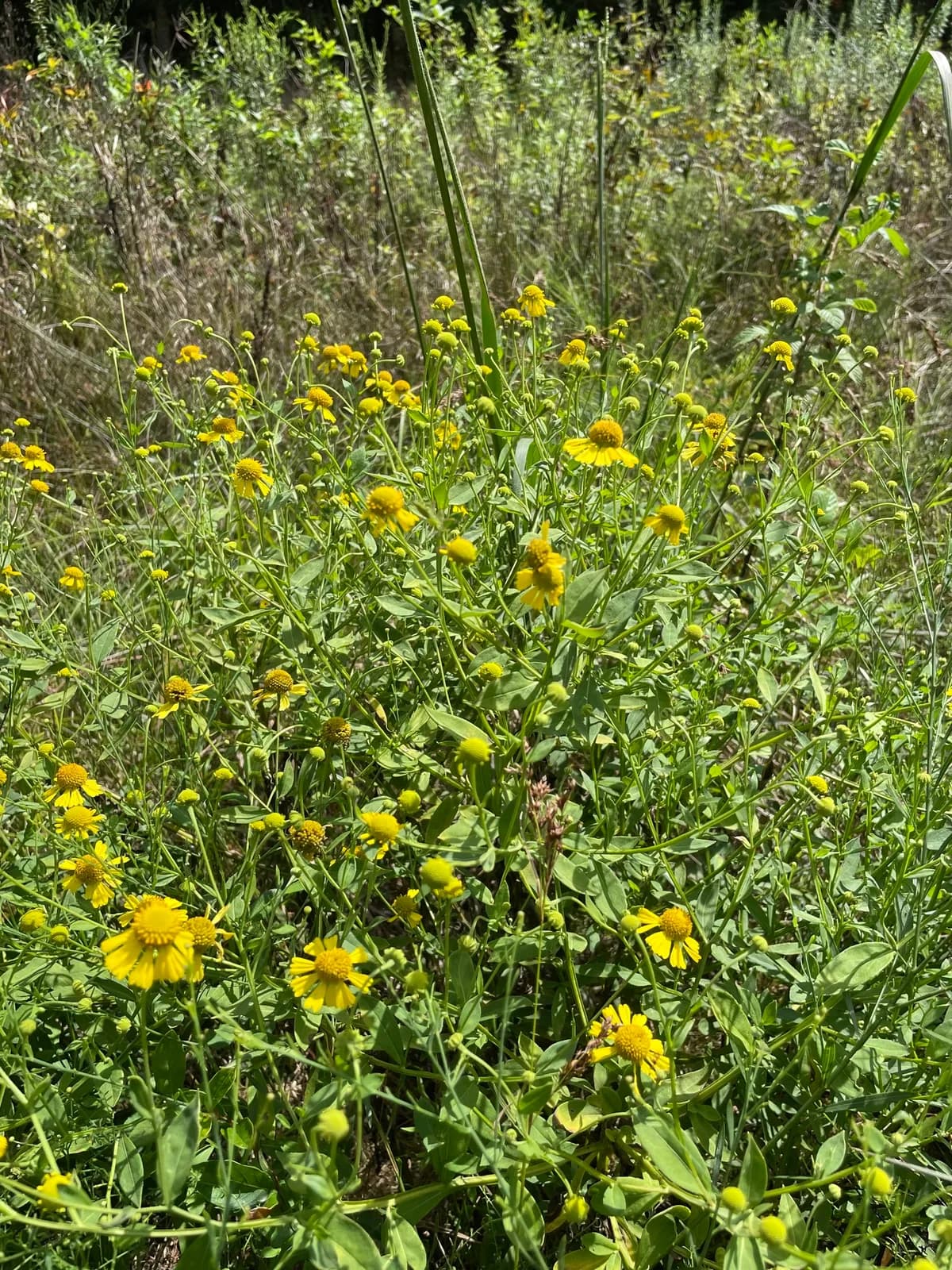
Common Sneezeweed
Helenium autumnale

Golden Alexanders
Zizia aurea
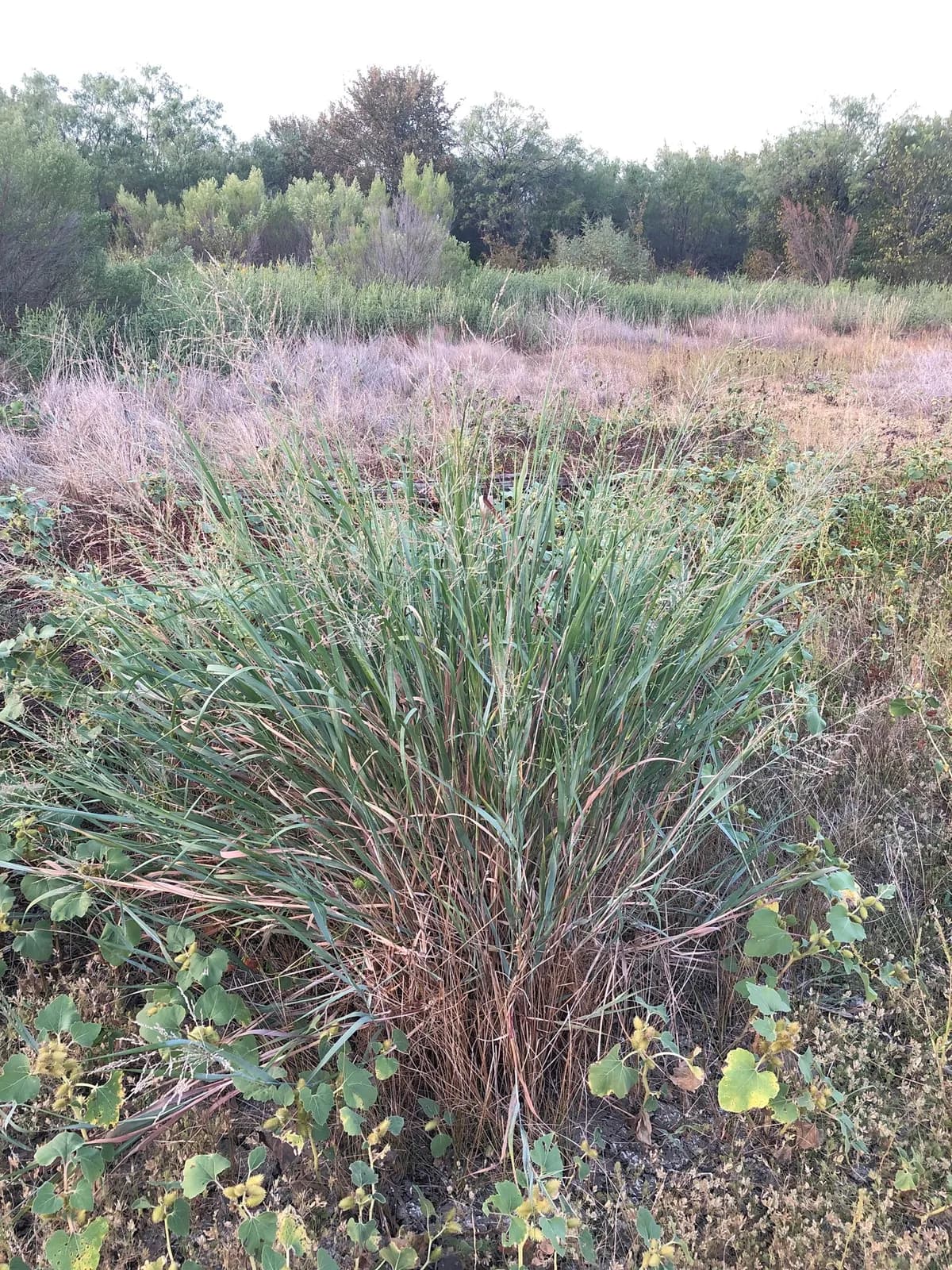
Switchgrass
Panicum virgatum
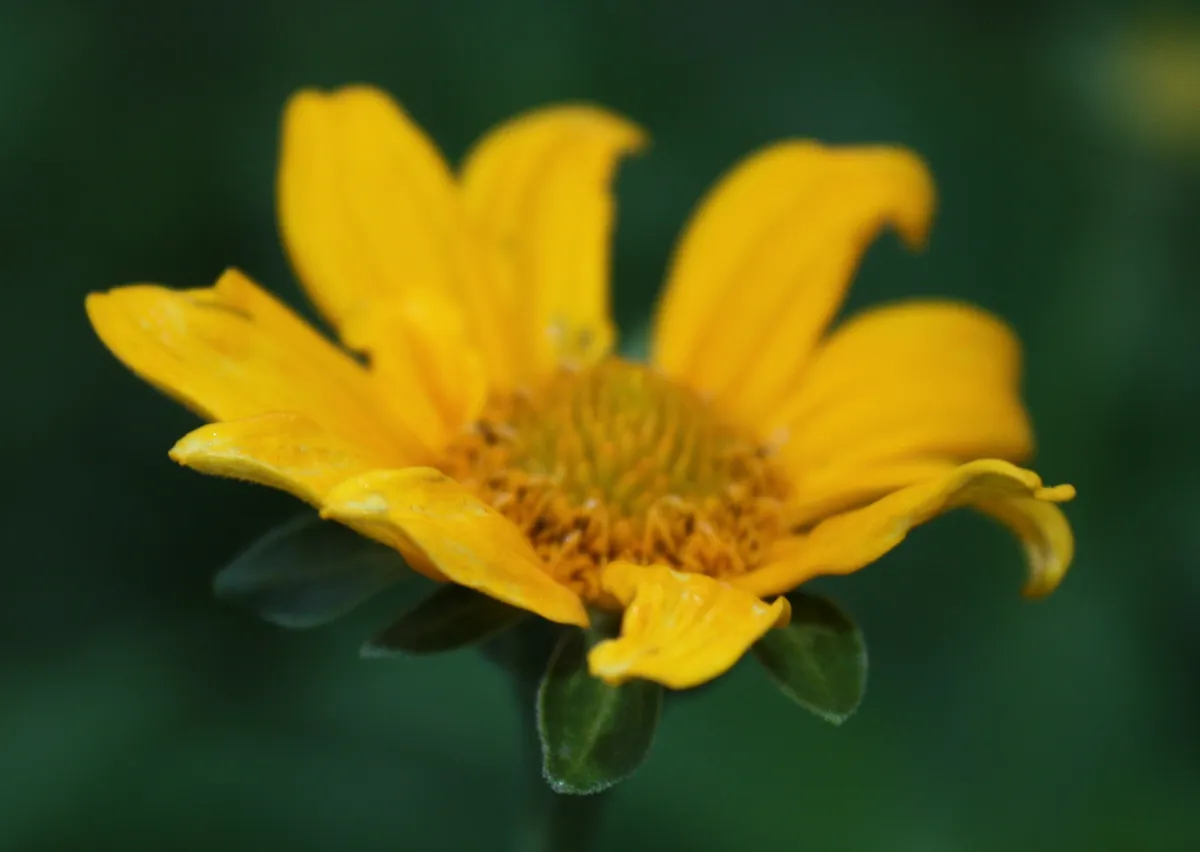
False Sunflower
Heliopsis helianthoides
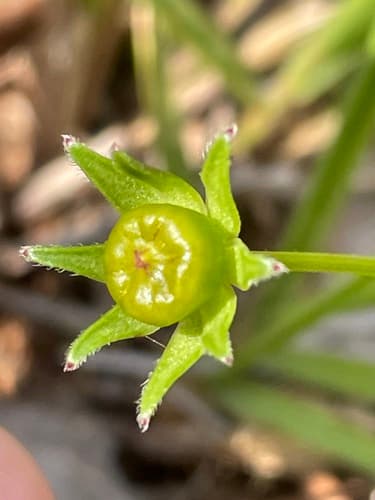
Lanceleaf Coreopsis
Coreopsis lanceolata
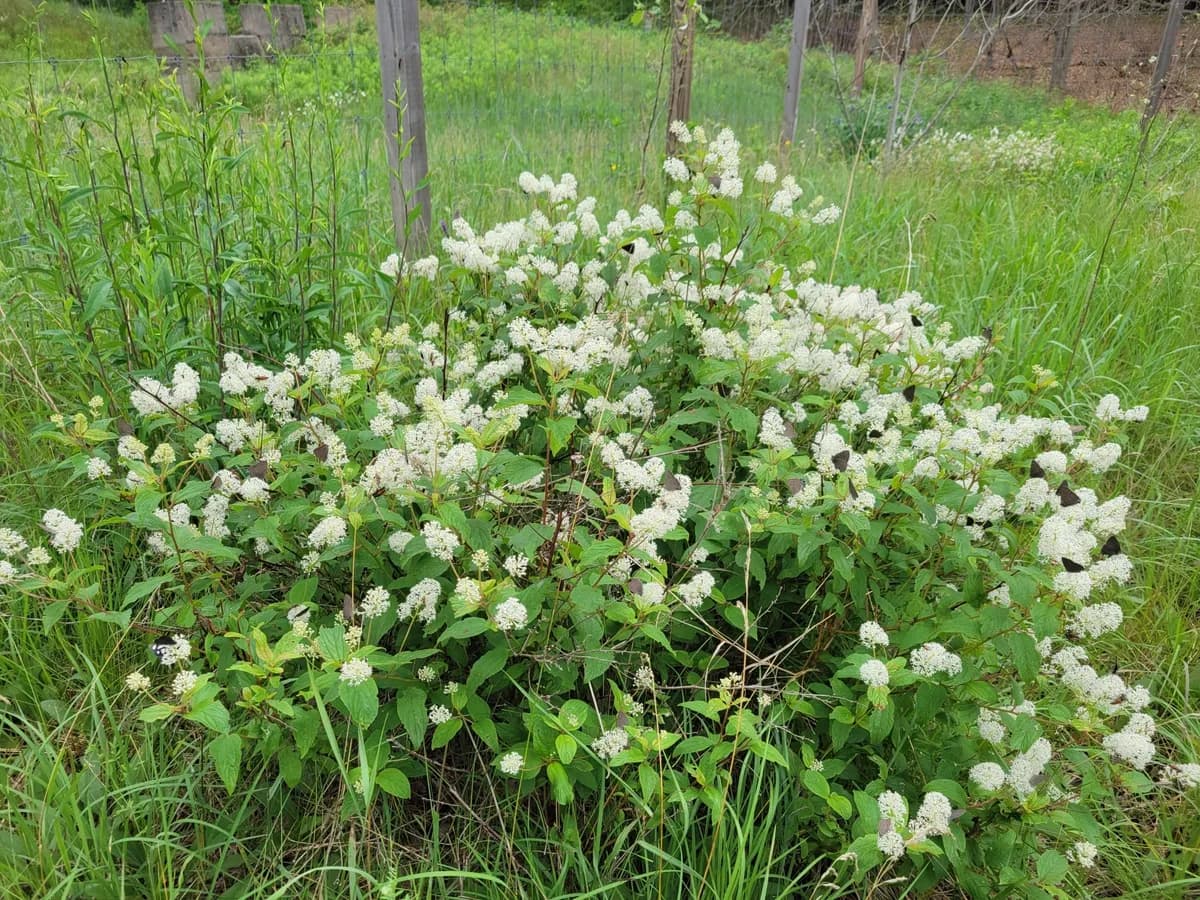
New Jersey-tea
Ceanothus americanus
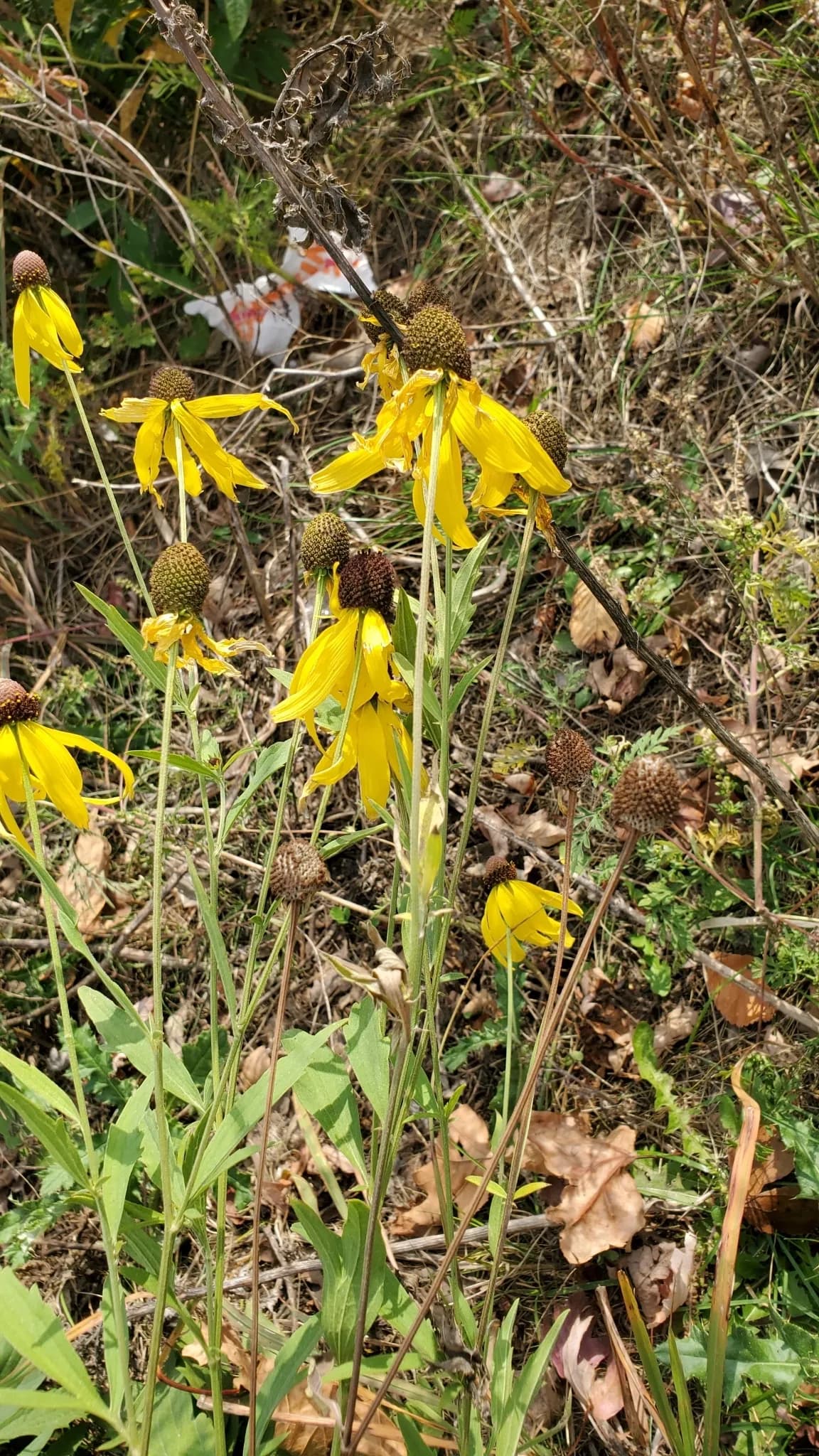
Drooping Prairie-coneflower
Ratibida pinnata
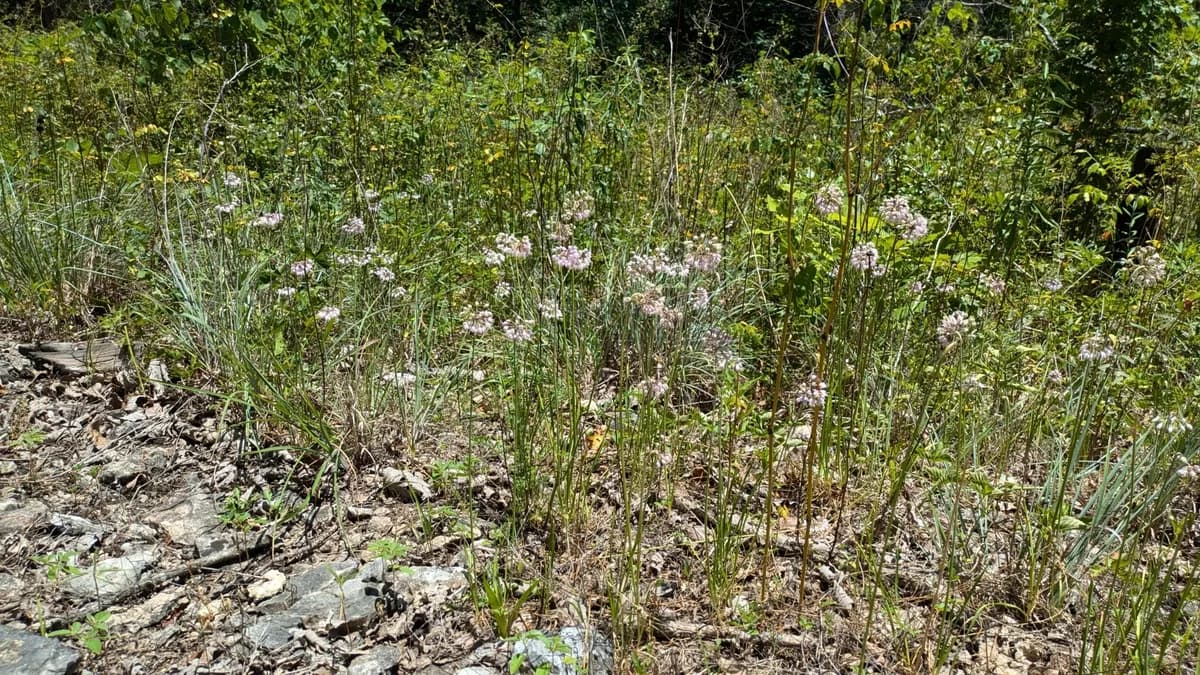
Nodding Onion
Allium cernuum
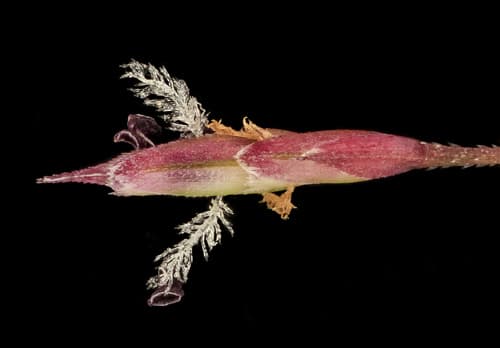
Purple Lovegrass
Eragrostis spectabilis
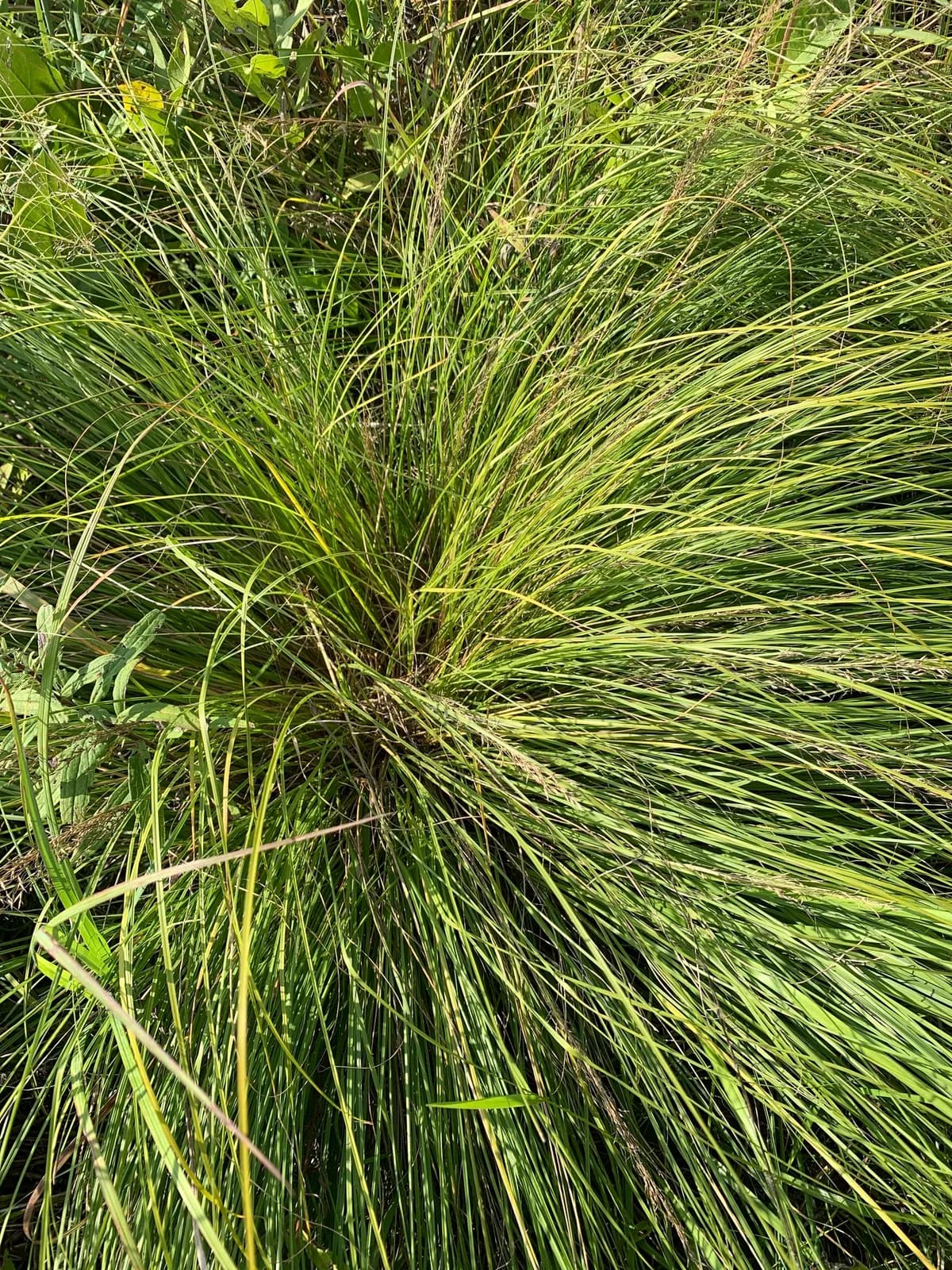
Prairie Dropseed
Sporobolus heterolepis
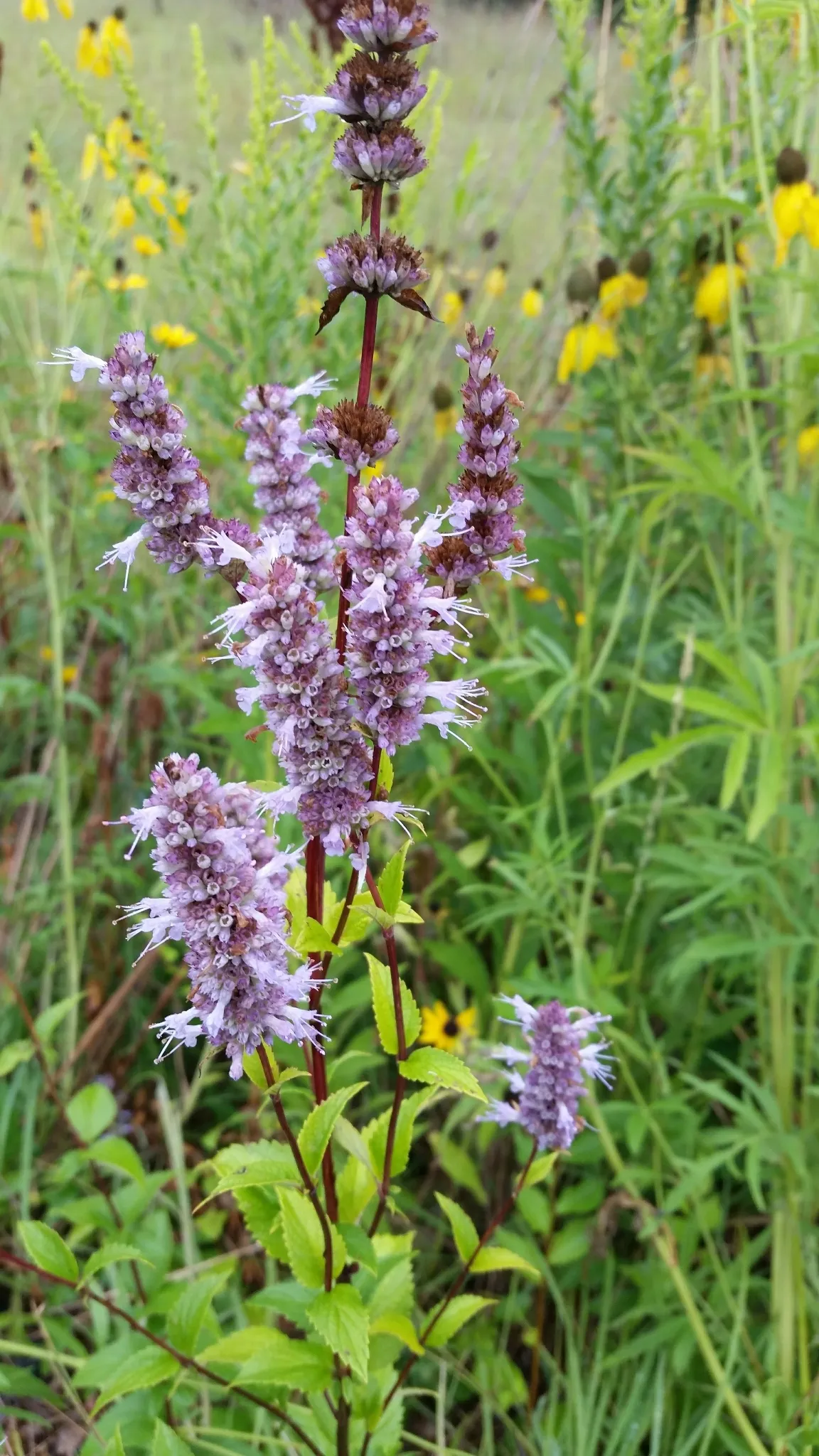
Blue Giant-hyssop
Agastache foeniculum
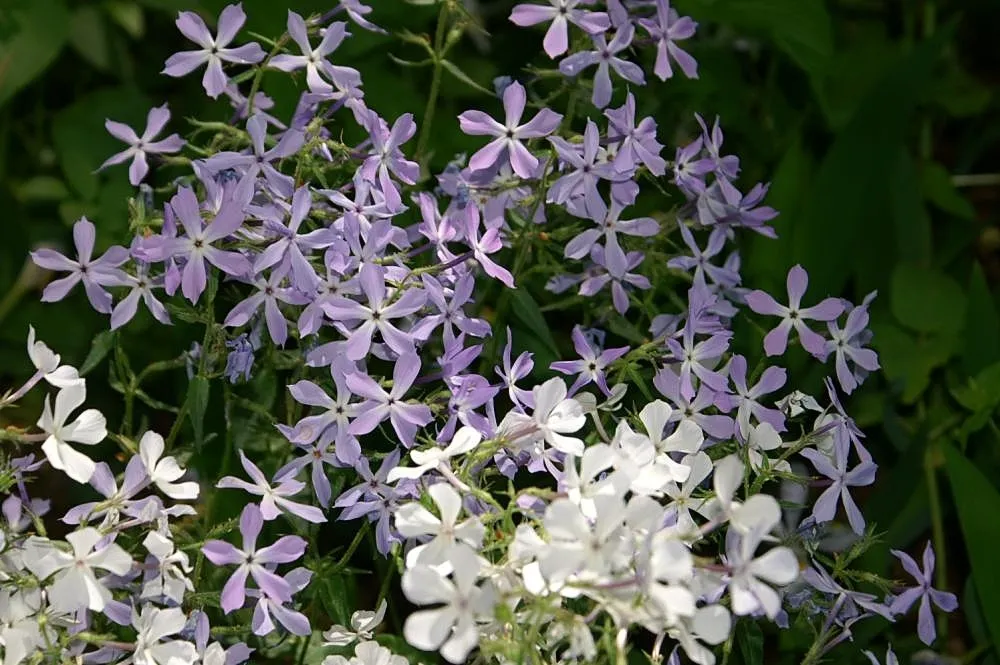
Blue Woodland Phlox
Phlox divaricata

Sideoats Grama
Bouteloua curtipendula
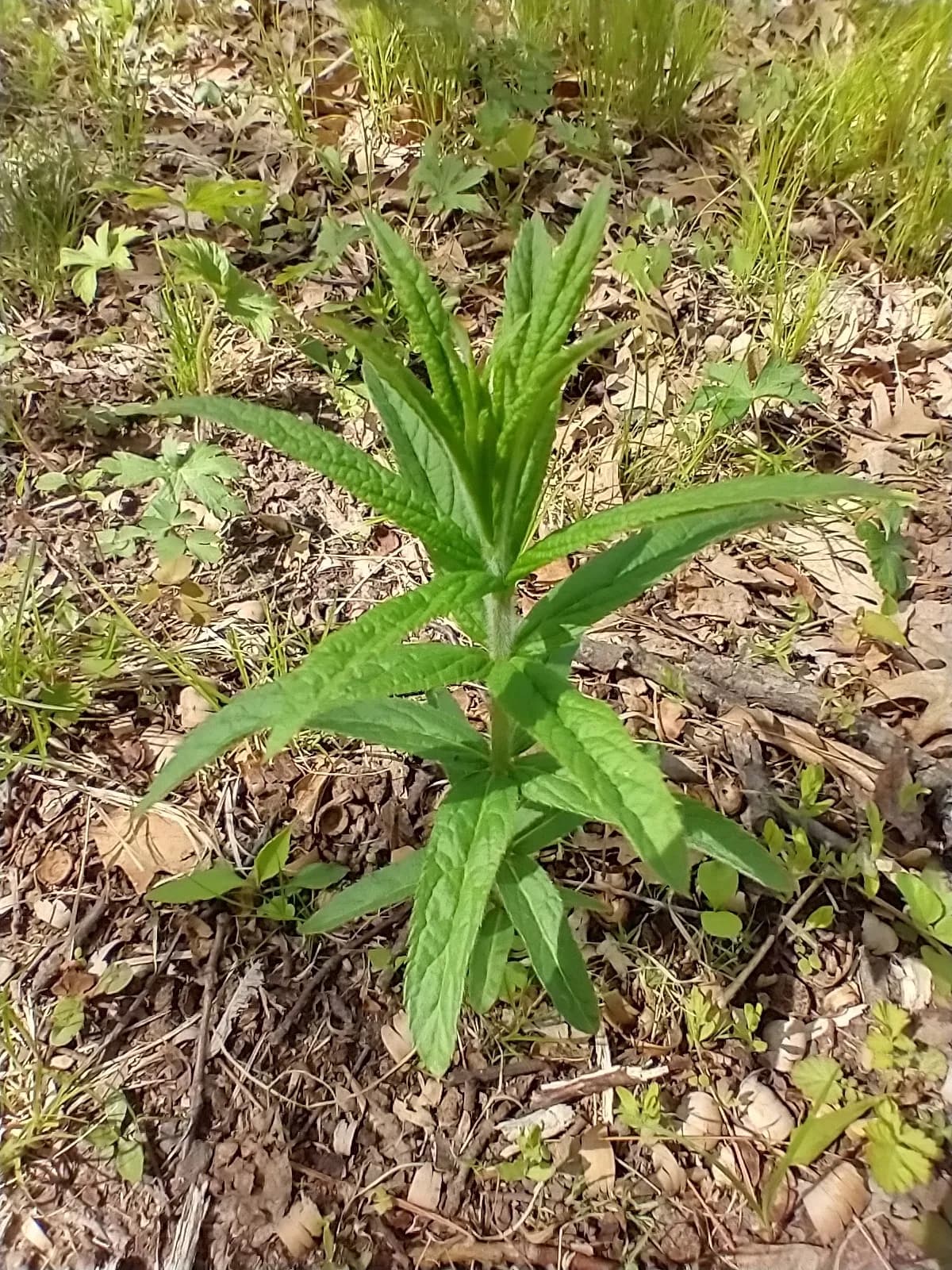
Culver's Root
Veronicastrum virginicum
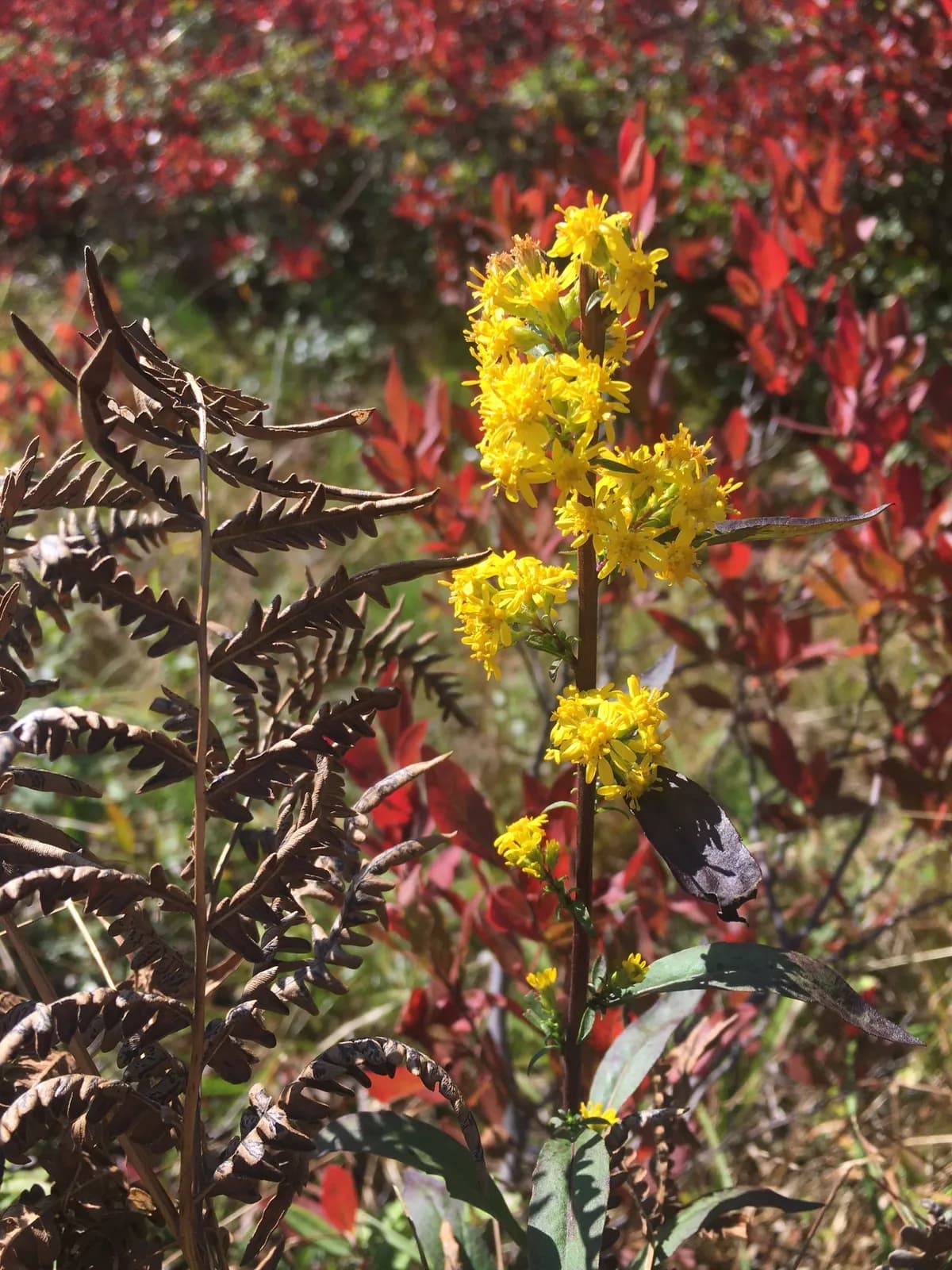
Showy Goldenrod
Solidago speciosa
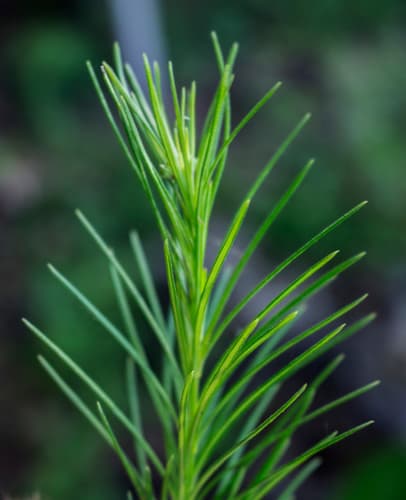
Whorled Milkweed
Asclepias verticillata
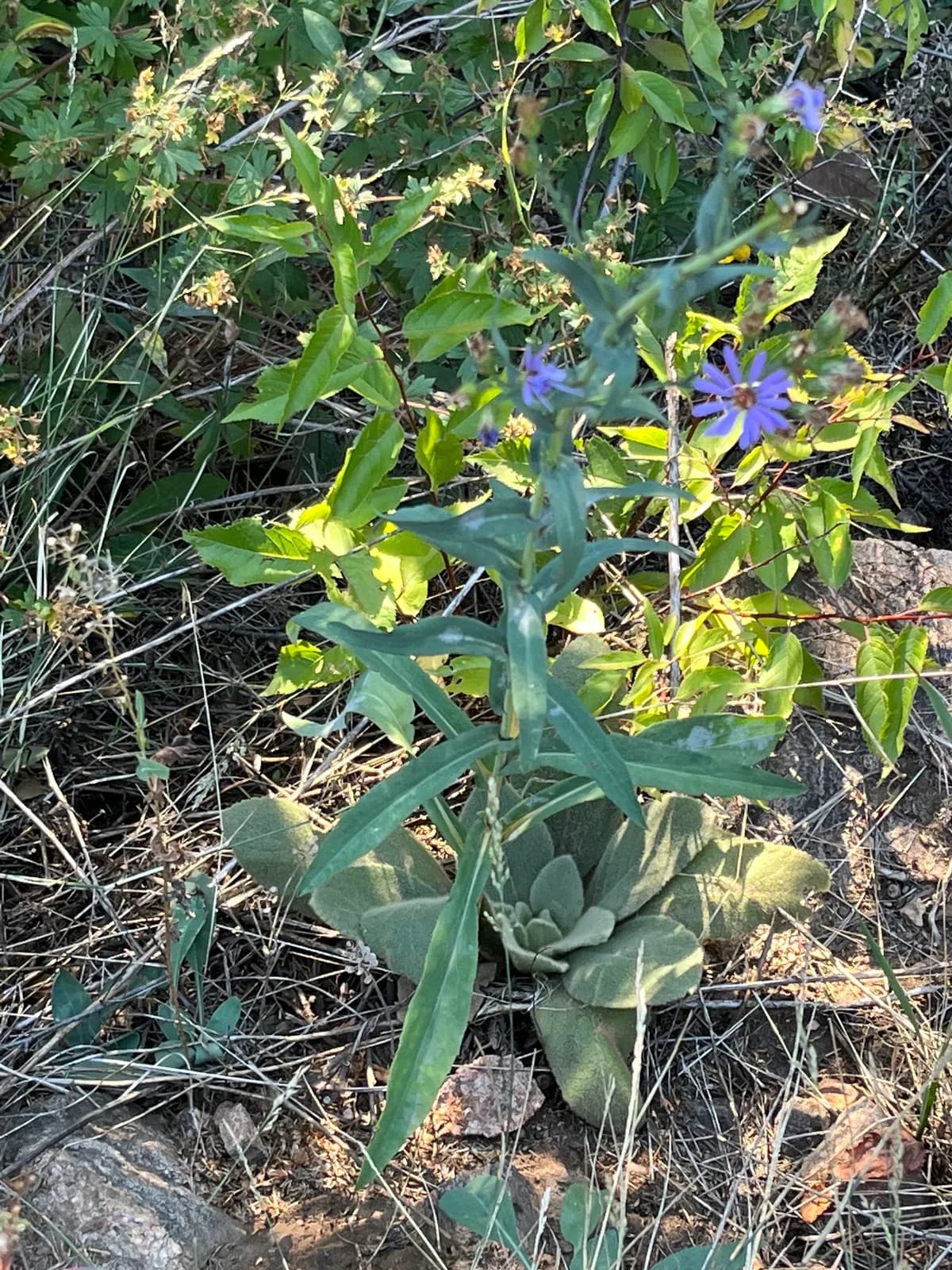
Smooth Aster
Symphyotrichum laeve
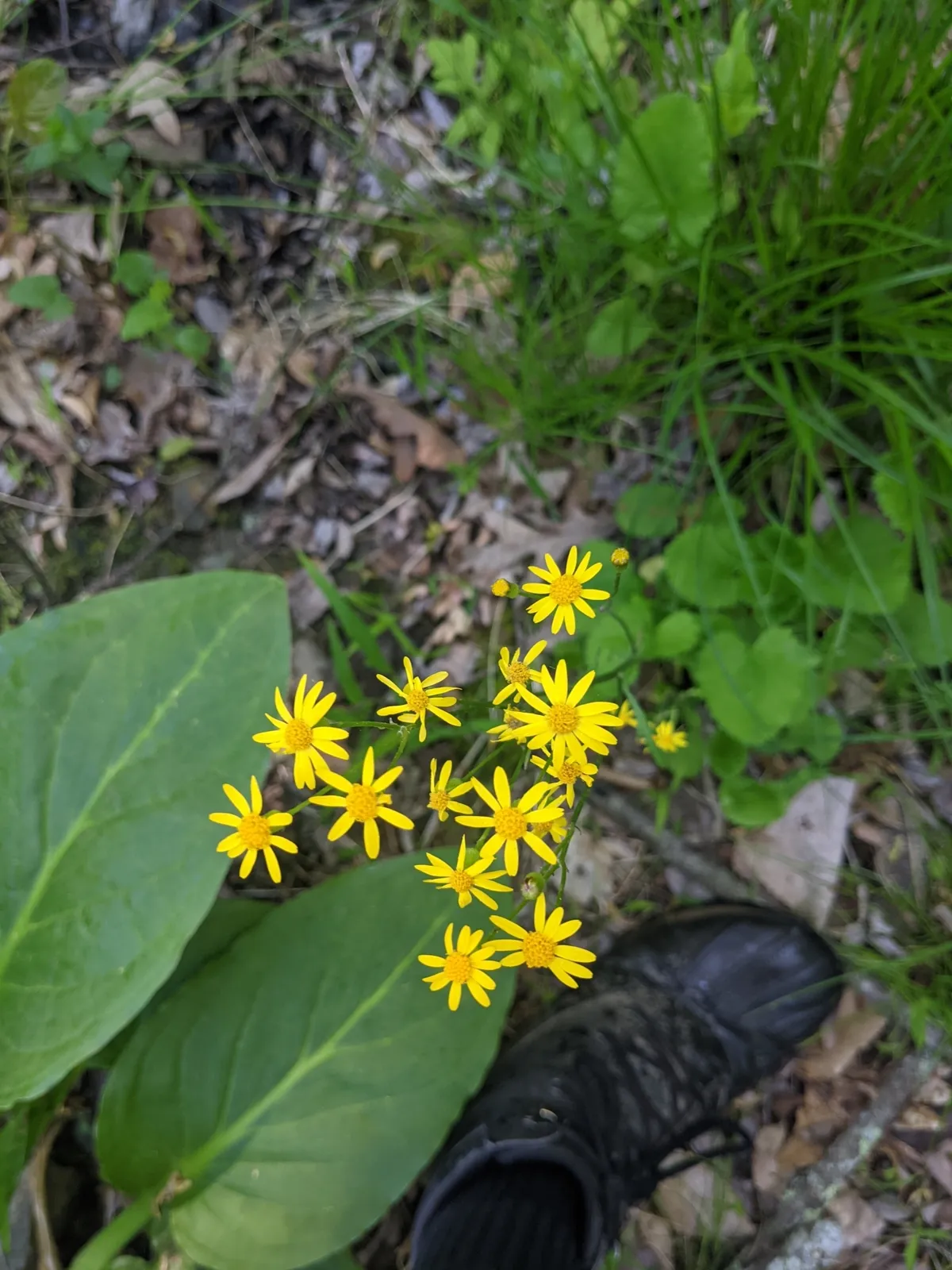
Golden Groundsel
Packera aurea
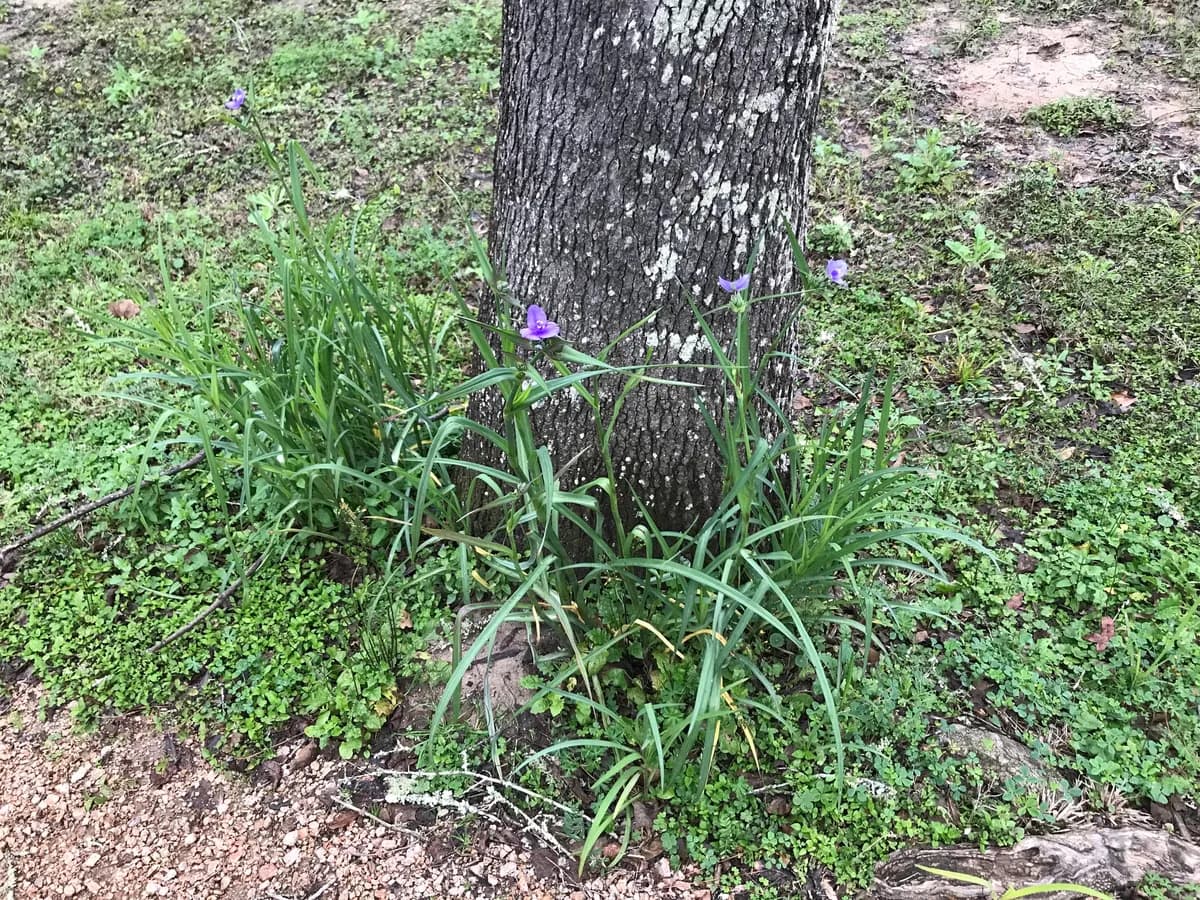
Smooth Spiderwort
Tradescantia ohiensis
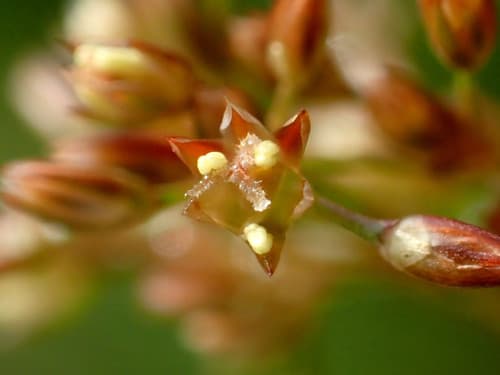
Soft rush
Juncus effusus
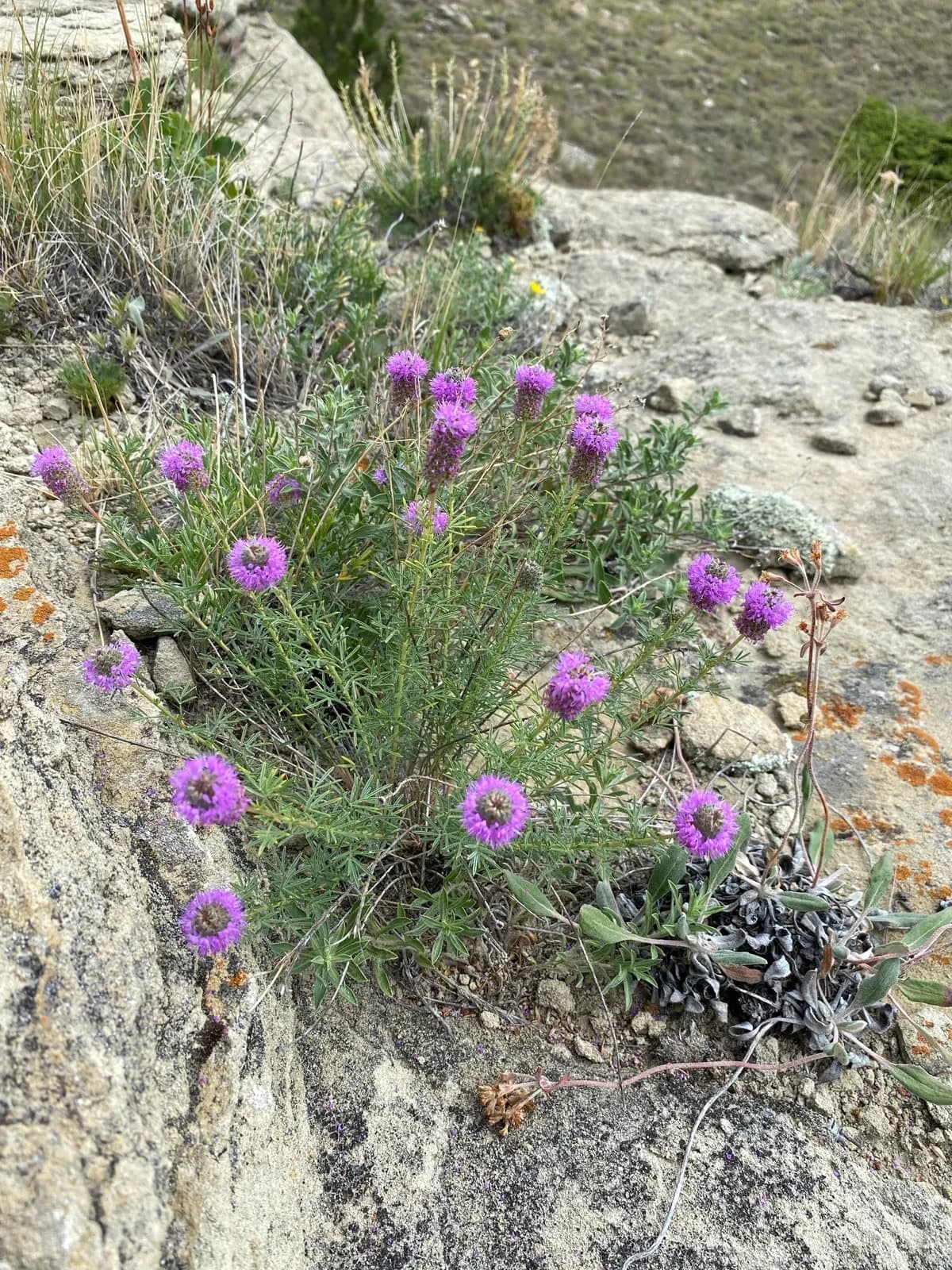
Purple Prairie Clover
Dalea purpurea
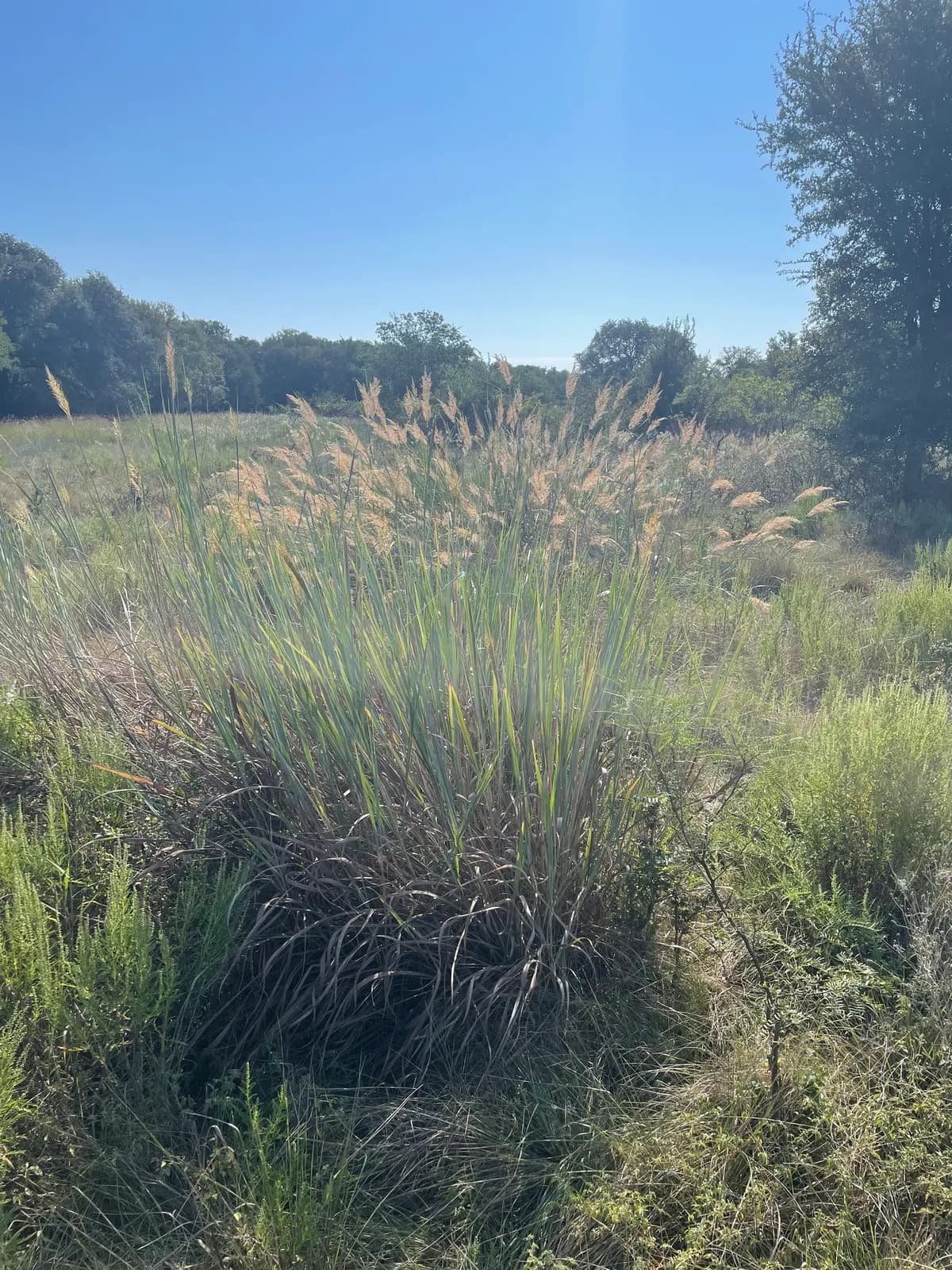
Indiangrass
Sorghastrum nutans
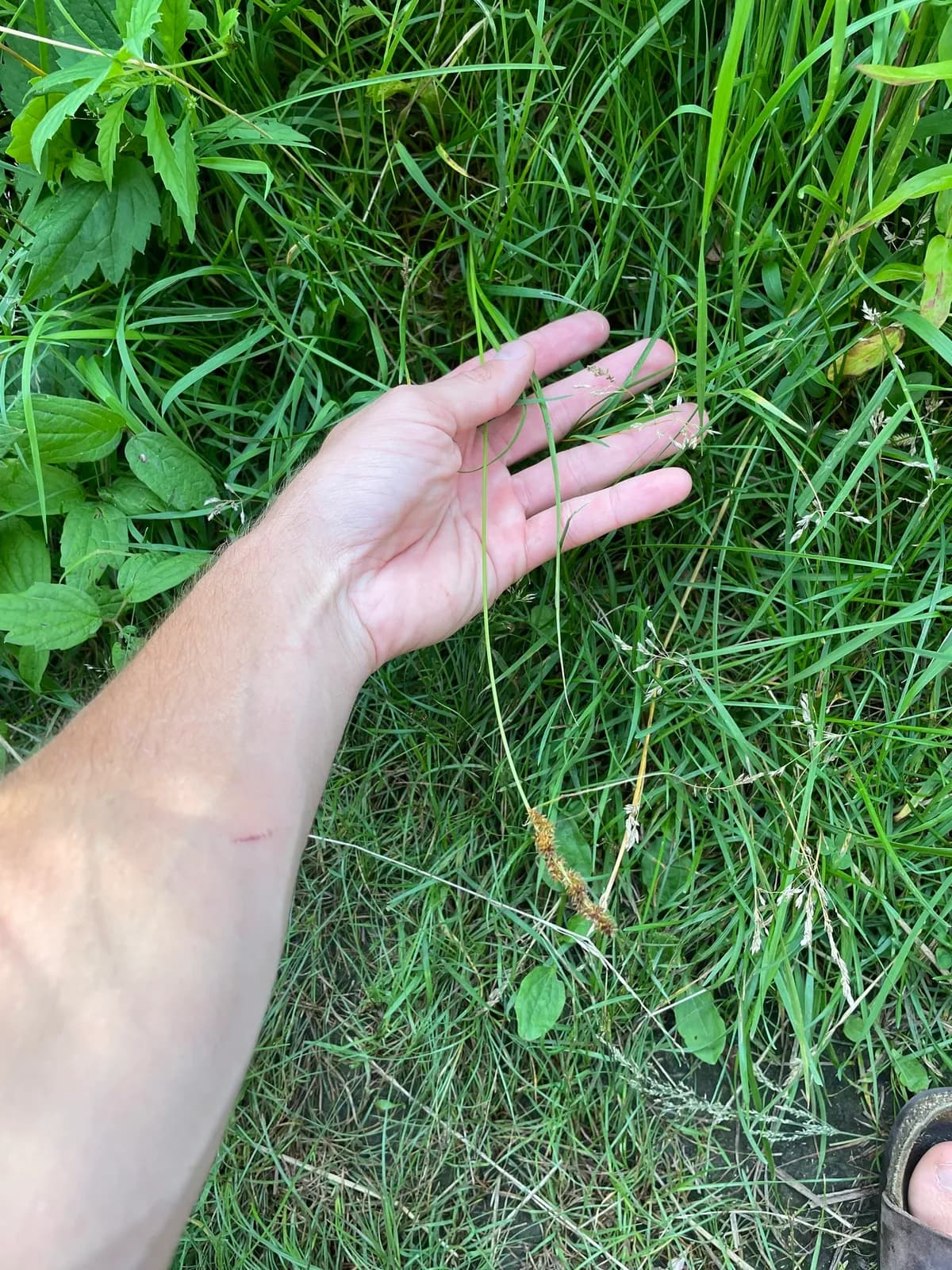
American Fox Sedge
Carex vulpinoidea

Michaelmas Daisy
Symphyotrichum novae-angliae
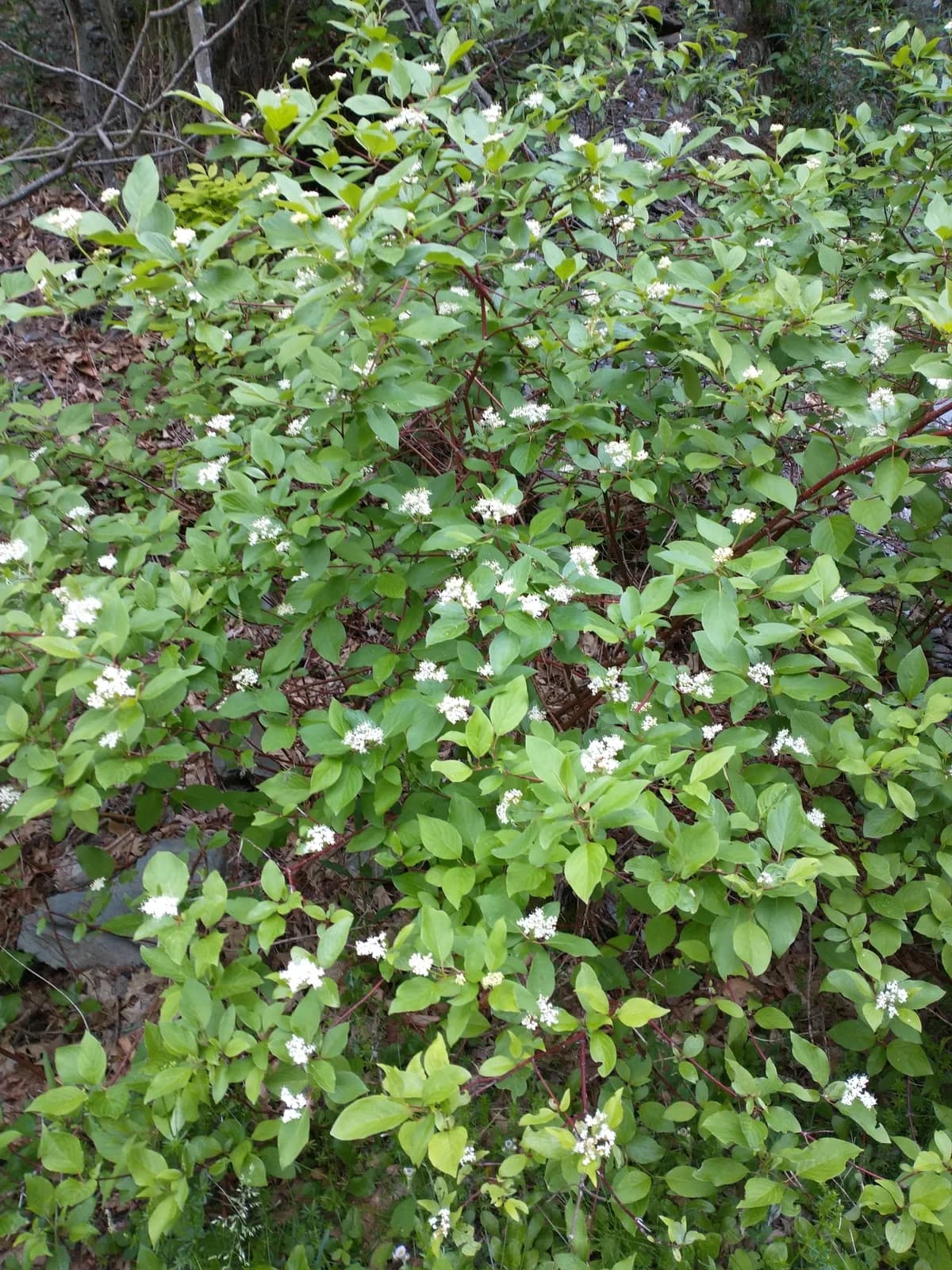
Red-osier Dogwood
Cornus sericea
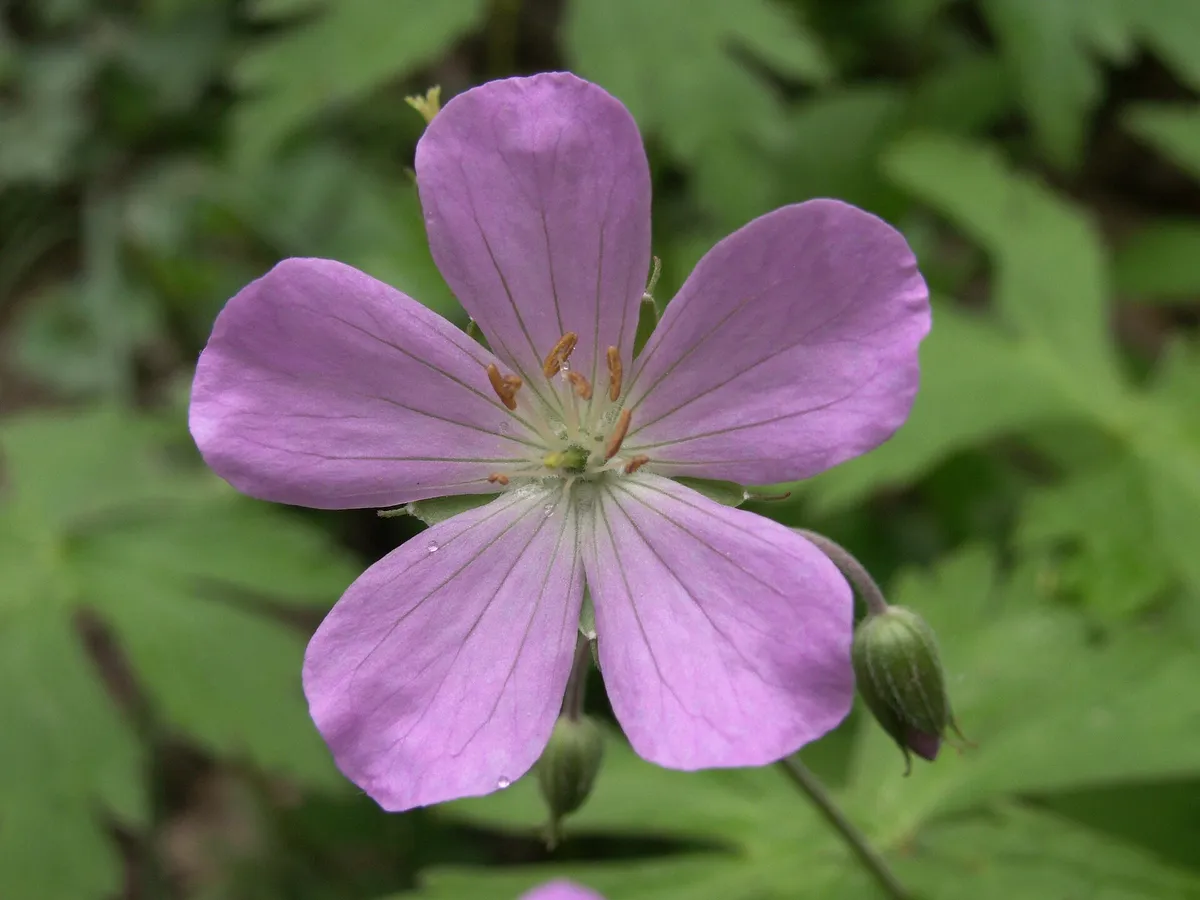
Spotted Geranium
Geranium maculatum
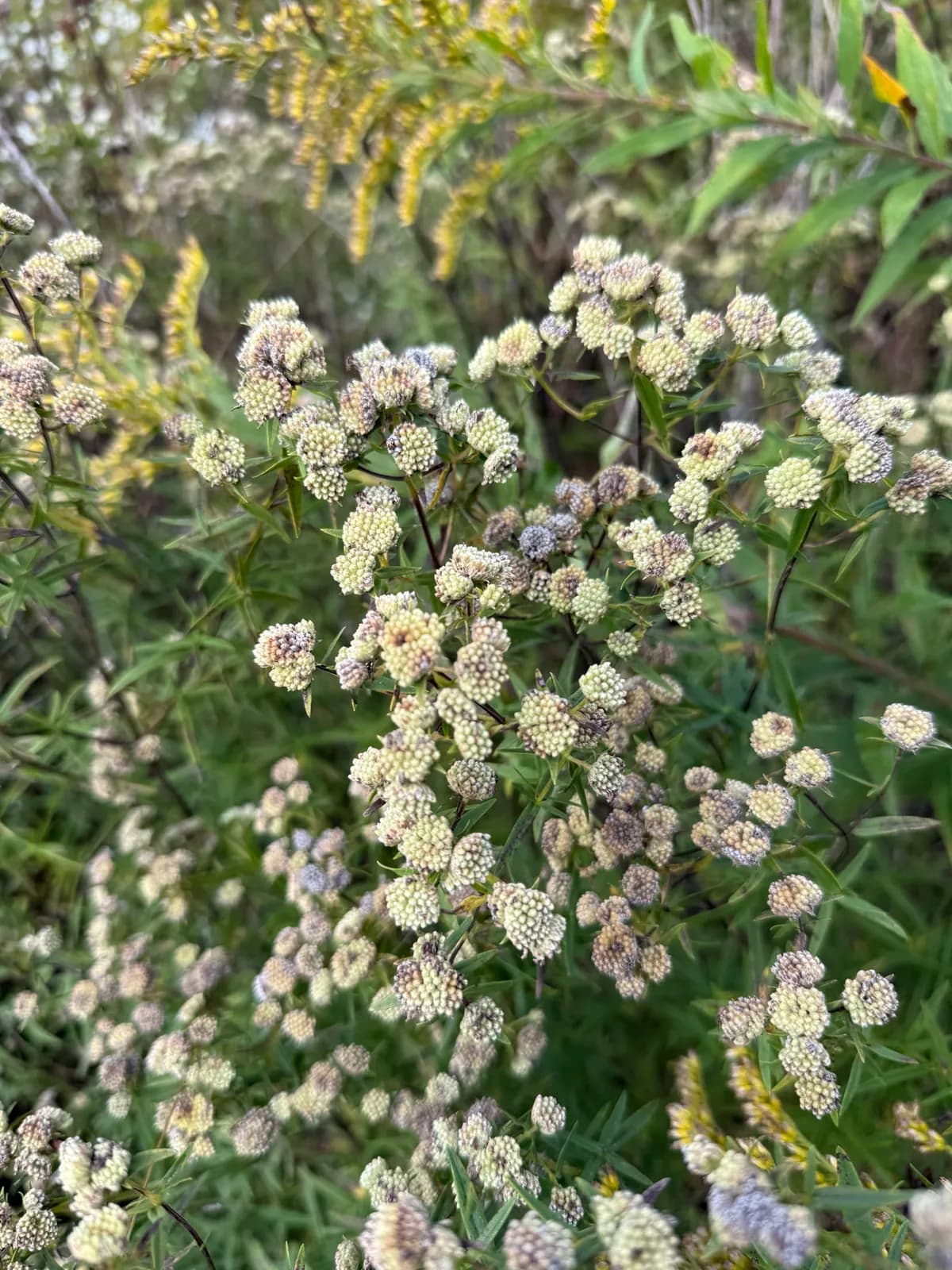
Virginia Mountain-Mint
Pycnanthemum virginianum
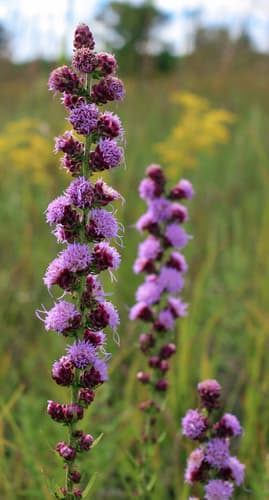
Tall Blazing Star
Liatris aspera
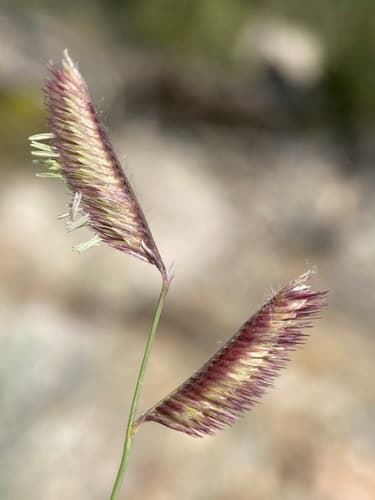
Blue Grama
Bouteloua gracilis
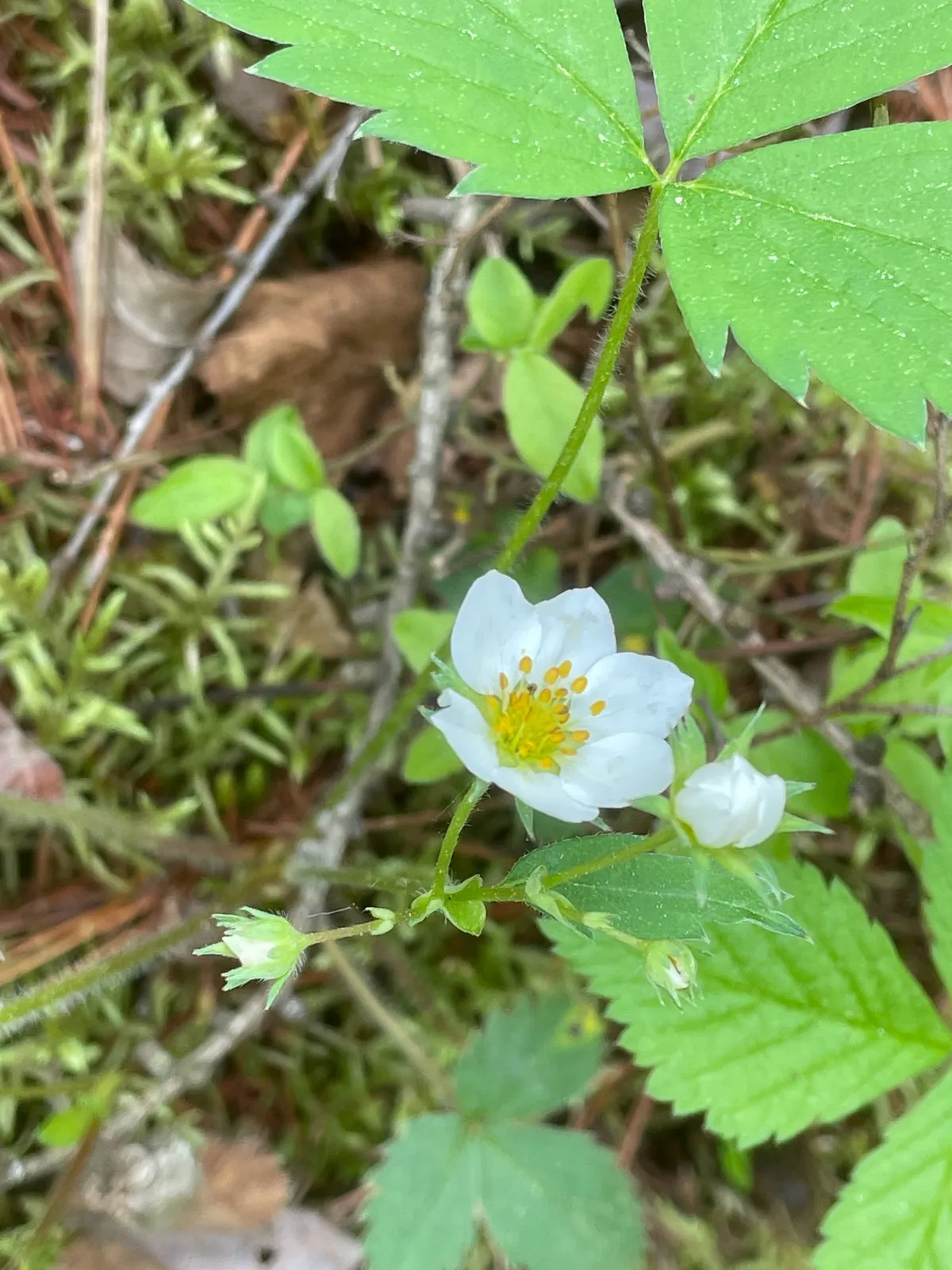
Scarlet Strawberry
Fragaria virginiana
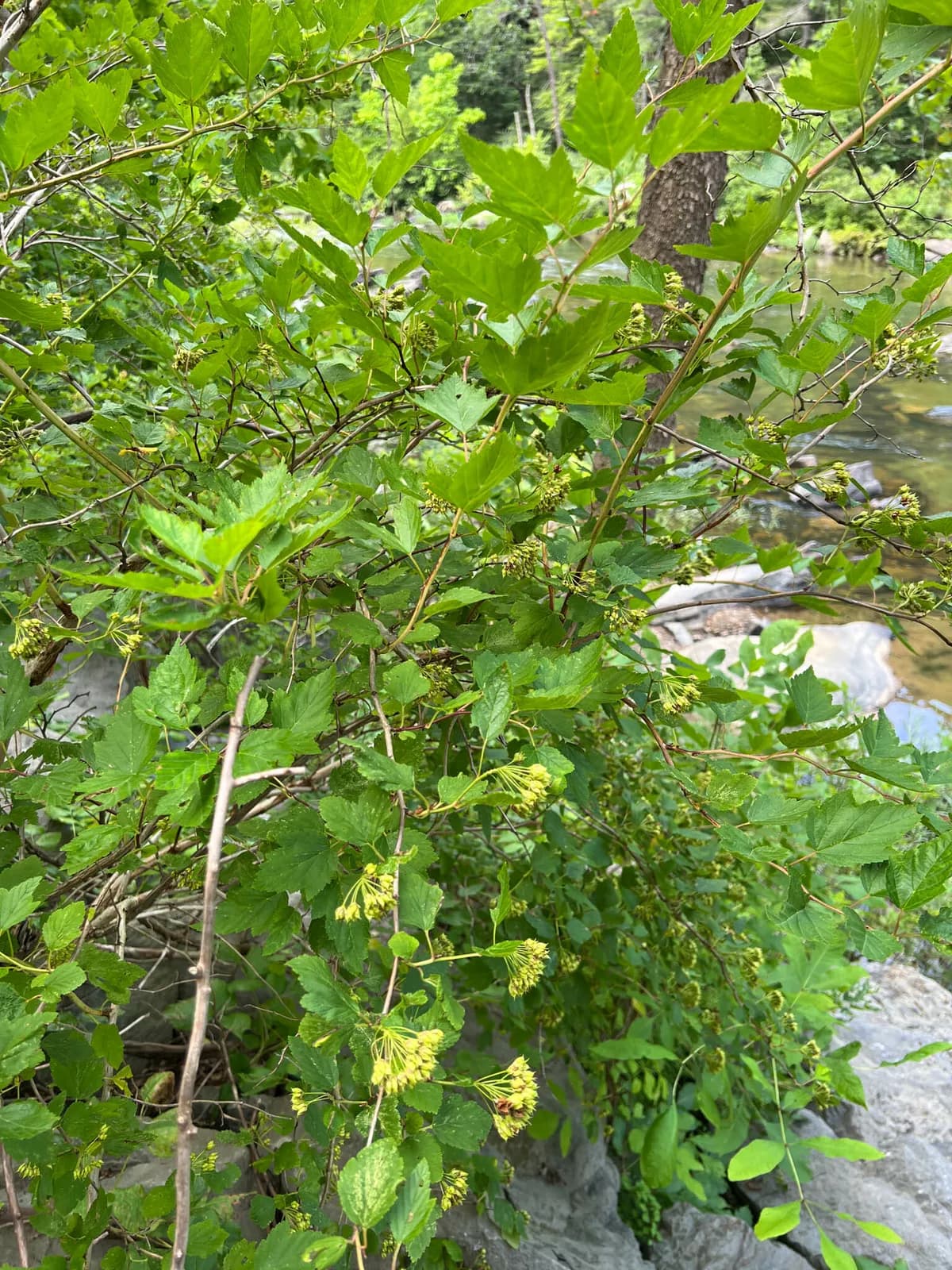
Ninebark
Physocarpus opulifolius
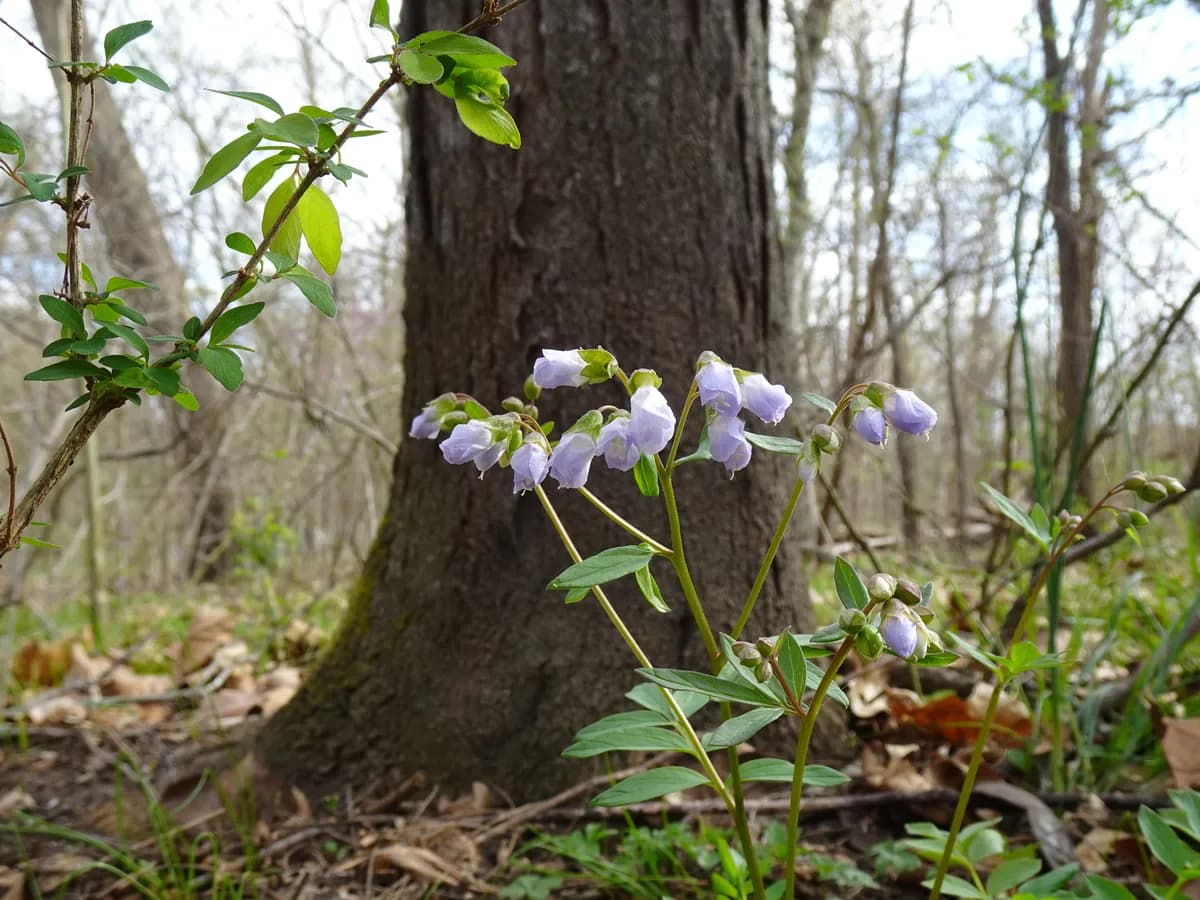
Creeping Polemonium
Polemonium reptans
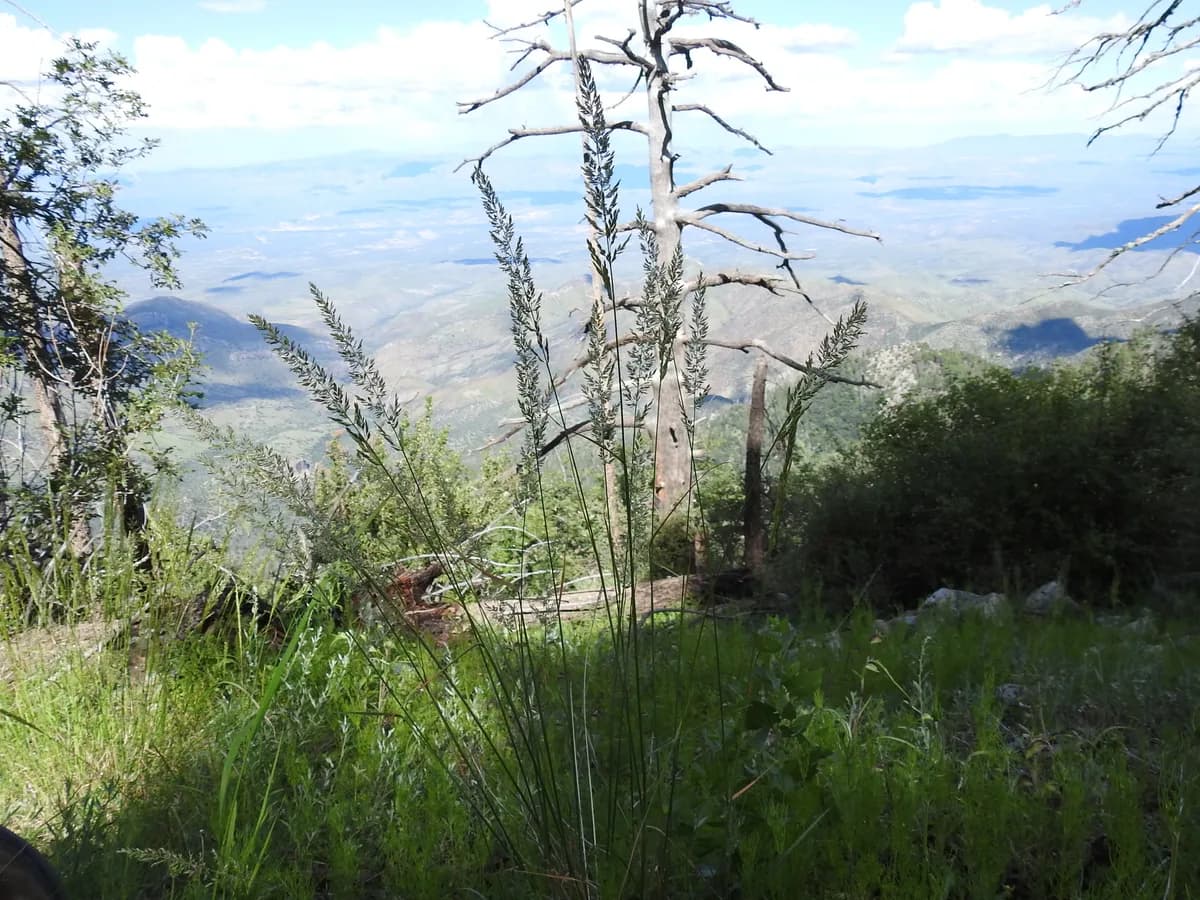
Prairie Junegrass
Koeleria macrantha
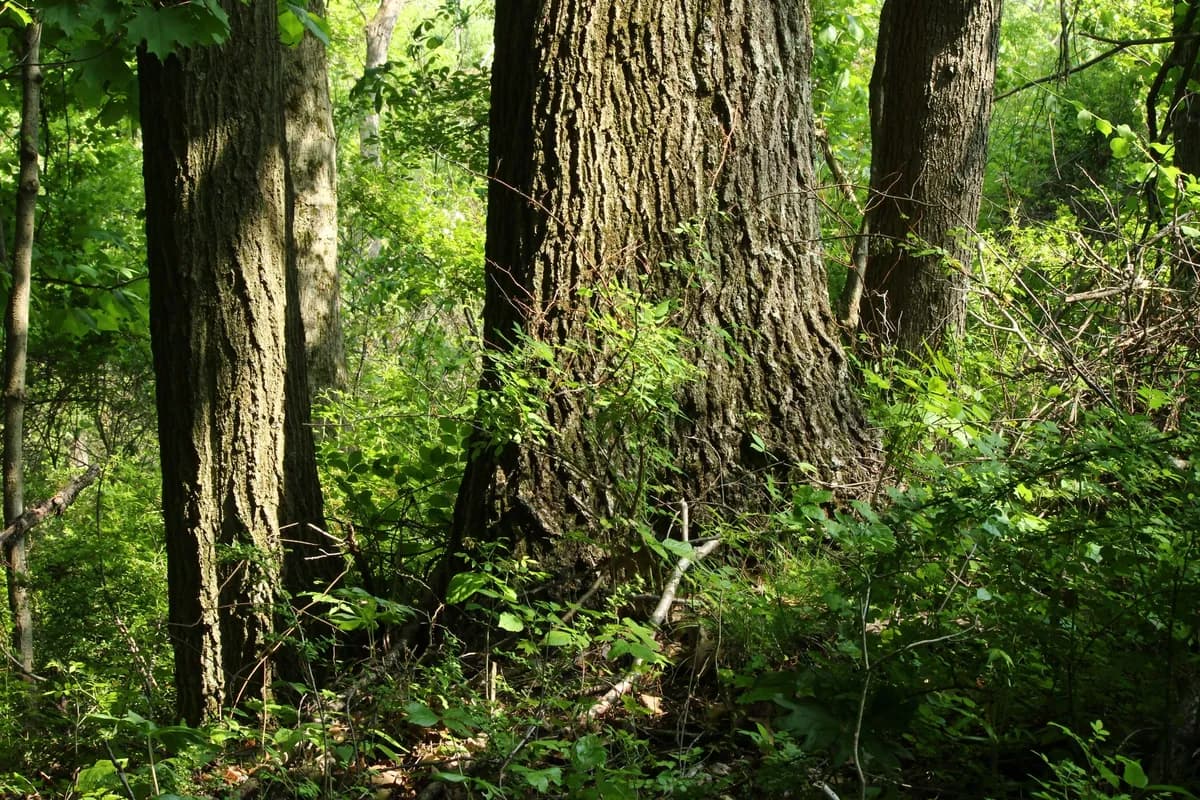
Northern Red Oak
Quercus rubra
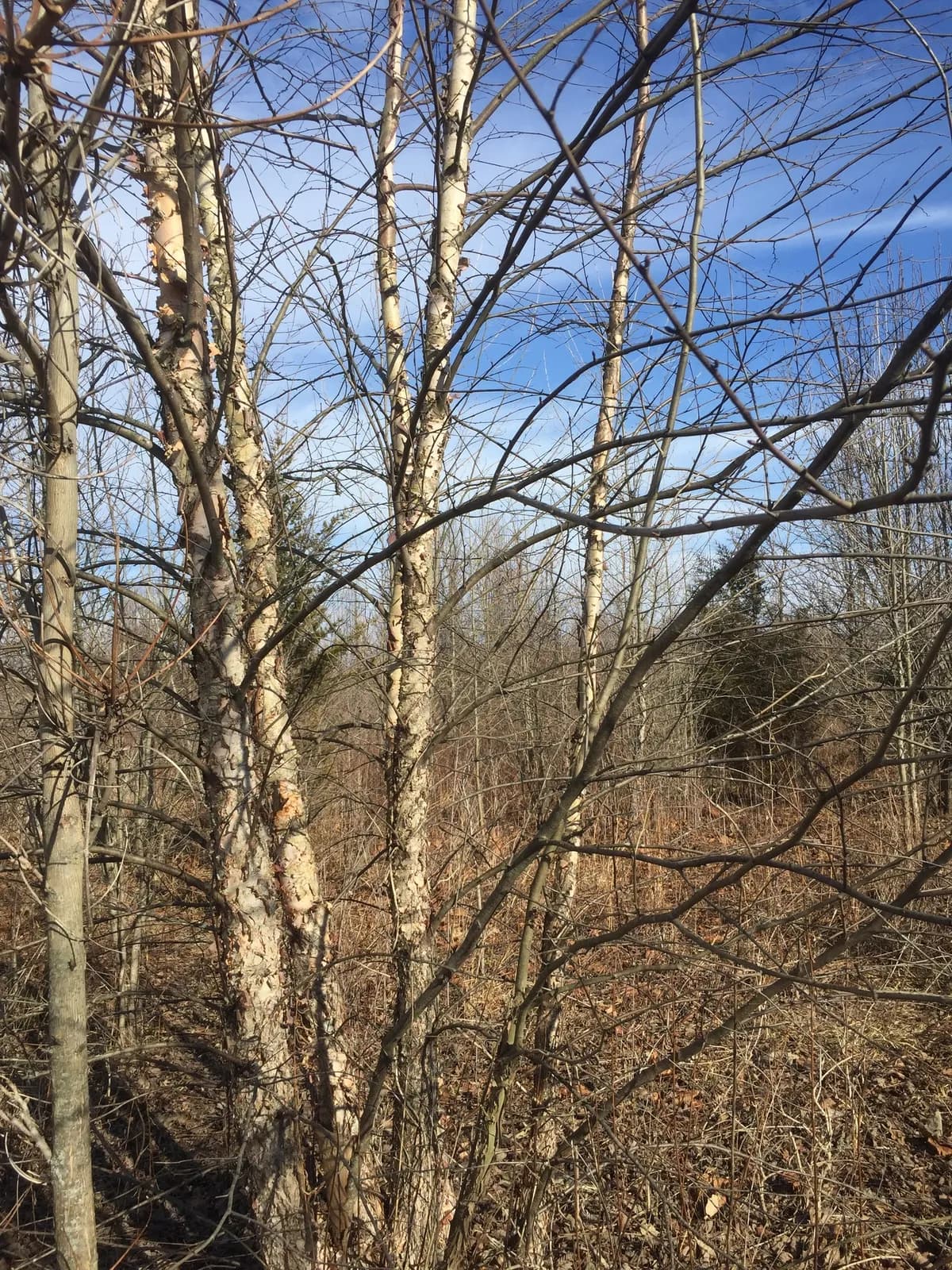
River Birch
Betula nigra
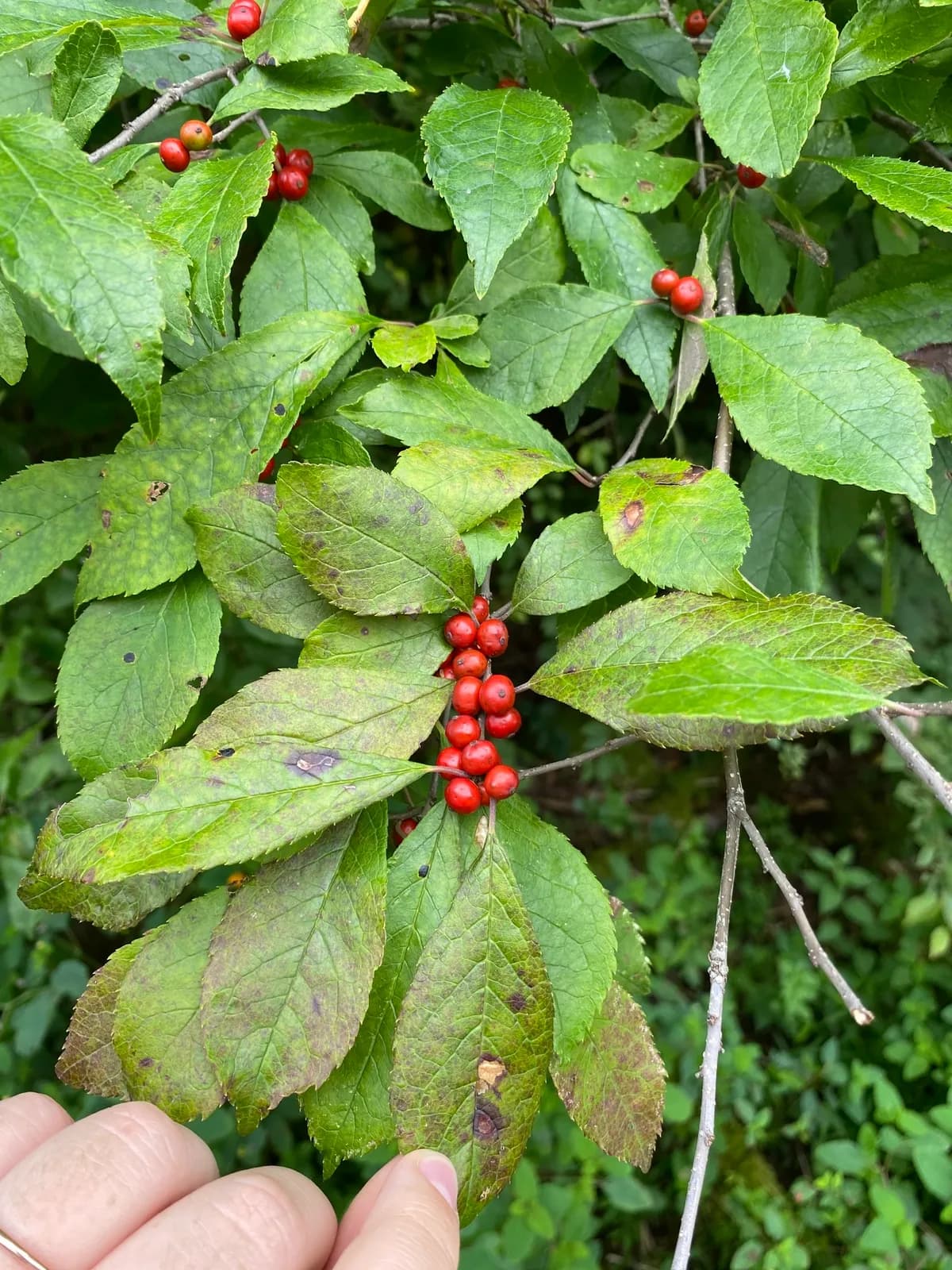
Black-alder
Ilex verticillata

Pennsylvania Sedge
Carex pensylvanica
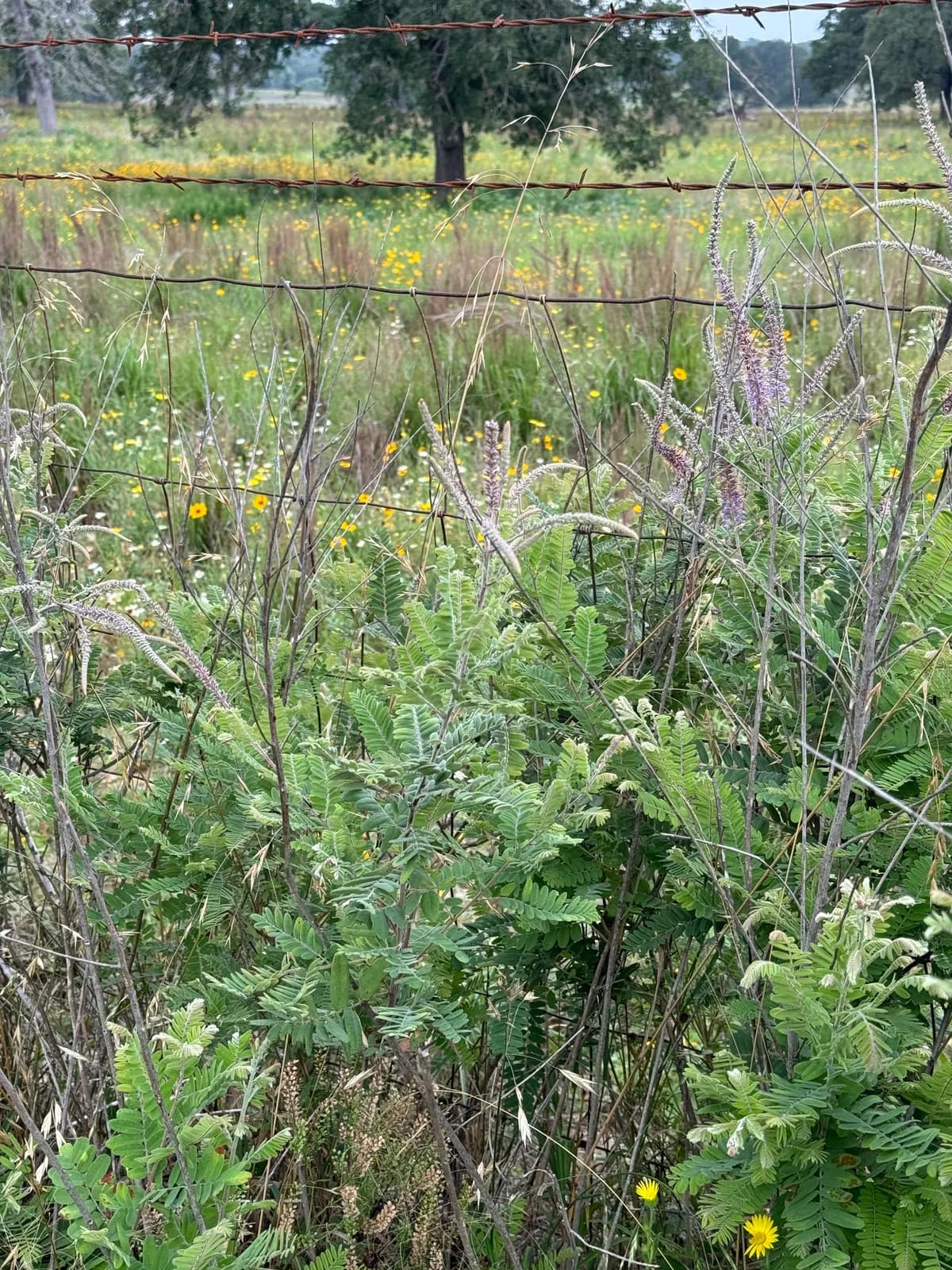
Leadplant
Amorpha canescens
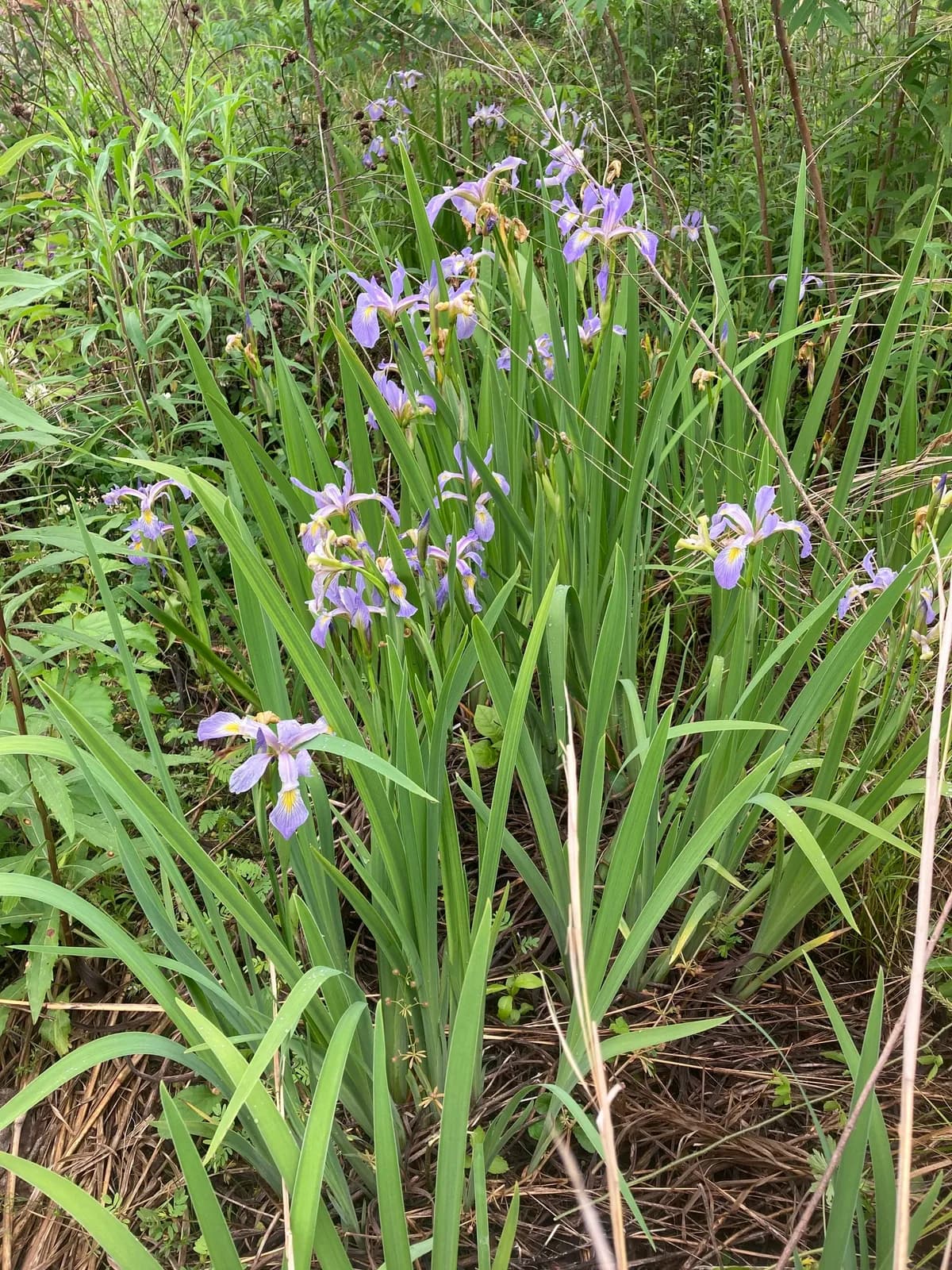
Southern Blue Flag Iris
Iris virginica
Showing 48 of 1150. Enter your ZIP for the natives matched to your yard.
Fall care in the North Central Hardwood Forests
What to do right now for plants commonly grown here. Each links to the full regional care guide for that species, with sources.
- Hosta
Once Minneapolis gets its first hard frost, usually sometime in October, hosta leaves turn to mush and it is time to clean up the bed for winter.
- Fragrant phlox
Fall in Minneapolis brings prairie phlox into dormancy, with the growing season winding down as the first frost usually arrives in mid October.
- Solidago ptarmicoides
Fall is when the bloom finishes and the plant settles in for a Minneapolis winter, which usually starts with the first frost in mid October.
- Tall blazing star
Bloom finishes by September in the Minneapolis area and the plant shifts to feeding birds through fall until the first frost.
- Scarlet indian paintbrush
Fall is the best time to start new Indian paintbrush plants from seed in the Minneapolis area, since the seed needs a period of cold before it will sprout. A hard frost, usually in early to mid October, blackens the top growth on the year's flowering plants and ends the bloom season. This is also a good window to add more host grass around existing paintbrush so next year's plants have roots to connect to.
- Scarlet strawberry
Fall is prep time for winter in the Minneapolis area. Leaves may take on a light red tint, and the plant needs its winter mulch in place before hard freezes settle in for good.
- Blue giant hyssop
Bloom carries on into fall, and the plant will self-seed if you let the spent spikes stand.
- Drooping prairie coneflower
Blooming winds down in fall and the seed heads darken and stand tall, drawing seed-eating birds through the season.
- Western wallflower
Fall is rosette-building time in the Minneapolis area. Plants that germinated over the summer put their energy into a low cluster of leaves that will overwinter and bloom the following spring.
- Field pussytoes
As Minneapolis cools toward its typical late-September to early-October first frost, field pussytoes needs minimal care to head into winter.
Build a plan for the North Central Hardwood Forests
The Pollinator Patch App turns plants like these into a front-yard plan tuned for the soil, climate, and HOA expectations of the Minneapolis area.