Field Pussytoes
Antennaria neglecta
Last reviewed: September 2026
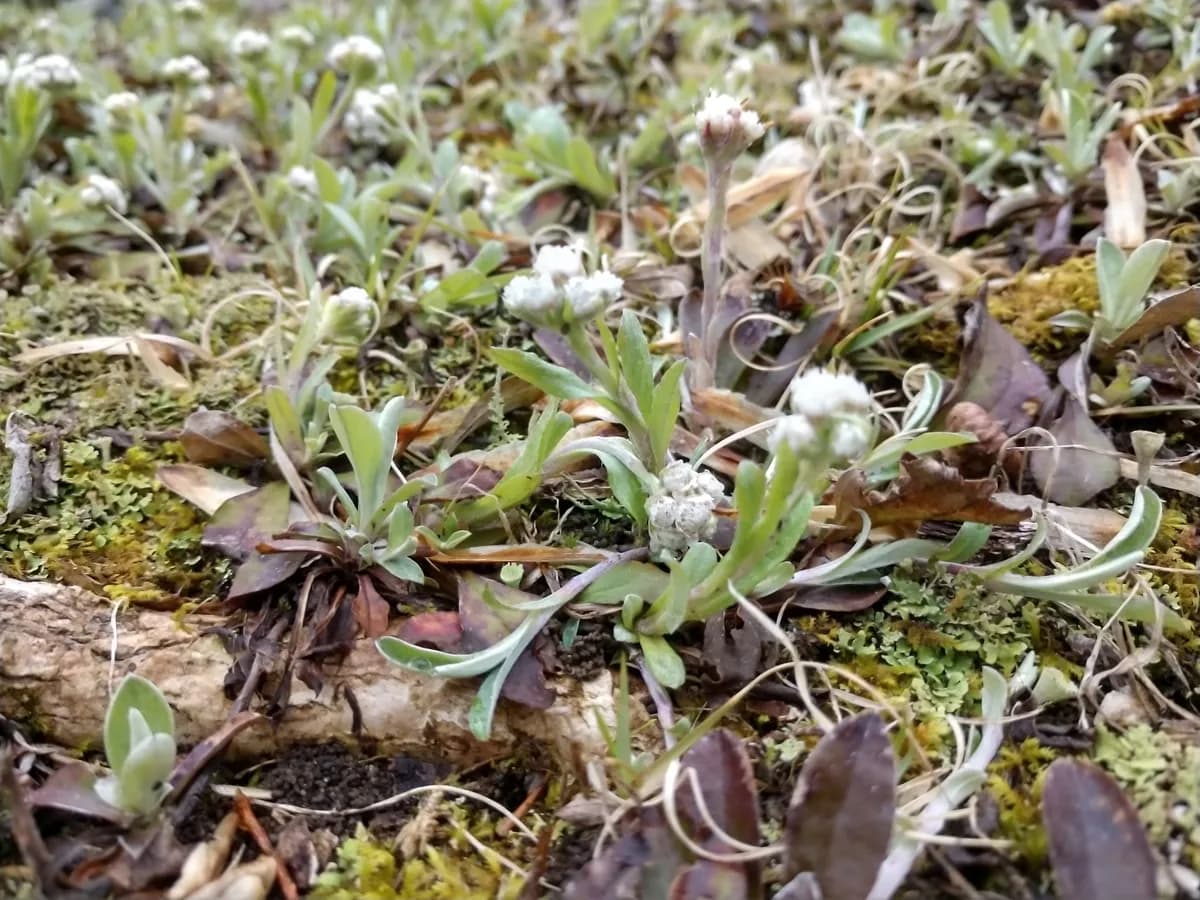
Field Pussytoes is a low-growing forb that blooms May through July, thriving in full sun and low-water, well-drained soils across meadows and open fields of the Midwest and Northeastern United States.
Toxicity unknown
Field Pussytoes (Antennaria neglecta) is not listed by the ASPCA Animal Poison Control Center (opens in new tab) or the other sources we check, so we have no verdict for it either way. Absence from those lists is not a clearance. If your pet shows symptoms after eating any plant, call the ASPCA at (888) 426-4435.
The USDA PLANTS Database (opens in new tab) does not flag Field Pussytoes as toxic to livestock.
Light
full sun
Water
low
Size
4"–12" H × 6"–18" W
Bloom
May, Jun, Jul
Native to
AR, CO, CT, DE and 28 more states
Pollinators
bees, beetles
Before you buy
Your city may pay you to plant this
Cities and water utilities offer rebates for replacing lawn with native and water-wise plants. We track 459 programs across 44 states, each with a link to the provider and the date we last checked it.
Find rebates in your areaPicture natives in your own yard
Upload a photo of your yard and Patch Vision shows a rendering of it planted with natives for your region, like Field Pussytoes.


Browse plants for this ecoregion
Field pussytoes is a low-growing native groundcover with soft, silvery-green foliage that stays attractive year-round. It produces small clusters of white to pinkish fuzzy flowers in late spring and summer that give the plant its common name.
Growing Field Pussytoes
Grow Field Pussytoes in full sun and low water. Mature plants reach 4 to 12 inches tall and spread 6 to 18 inches wide. Expect low maintenance to keep it looking intentional in a front yard.
How to care for Field Pussytoes, by region
How to care for Field Pussytoes where it is actually grown: year-round basics plus what to do each season, region by region, with the sources for each.
Care guidance last updated: October 2026
Atlantic Coastal Pine Barrens (includes Riverhead, NY)
Year-round
Year-round care for field pussytoes around Riverhead, NY: sun, dry to medium soil that drains, and little water.
- Plant it in full sun or part sun.
- Give it well-drained soil on the dry to medium side. It does well in rocky soil or clay and also grows in ordinary loam.
- It needs little water and holds up to drought.
- It stays under a foot tall, usually 6 inches or less, and spreads by runners that root into new little plants, so it fills in as a groundcover or in a rock garden.
- The small fuzzy flower clusters come in mid to late spring and last about 3 weeks.
- Most of its growth happens in spring, before pests and disease become a problem.
- It can be hard to get going, so do not be surprised if it is slow at first.
Its low silvery mat looks neat as an edging or between stepping stones.
Sources: NC State Extension Gardener Plant Toolbox: Antennaria neglecta, Illinois Wildflowers: Field Pussytoes (Antennaria neglecta), Lady Bird Johnson Wildflower Center: Antennaria neglecta
Canadian Rockies (includes Columbia Falls, MT)
Year-round
Year-round care for field pussytoes around Columbia Falls, MT: sun, dry to medium soil that drains, and little water.
- Plant it in full sun or part sun.
- Give it well-drained soil on the dry to medium side. It does well in rocky soil or clay and also grows in ordinary loam.
- It needs little water and holds up to drought.
- It stays under a foot tall, usually 6 inches or less, and spreads by runners that root into new little plants, so it fills in as a groundcover or in a rock garden.
- The small fuzzy flower clusters come in mid to late spring and last about 3 weeks.
- Most of its growth happens in spring, before pests and disease become a problem.
- It can be hard to get going, so do not be surprised if it is slow at first.
Its low silvery mat looks neat as an edging or between stepping stones.
Sources: NC State Extension Gardener Plant Toolbox: Antennaria neglecta, Illinois Wildflowers: Field Pussytoes (Antennaria neglecta), Lady Bird Johnson Wildflower Center: Antennaria neglecta
Central Corn Belt Plains (includes Chicago, IL)
Year-round
Field pussytoes is native to Illinois and occurs occasionally in the northern and central part of the state, which includes the Chicago area. It forms a low, fuzzy gray green mat topped with small white, cat's paw shaped flower clusters in spring, and it is a caterpillar host plant for the American Painted Lady butterfly.
- Plant it in full sun to light shade in dry, lean soil. Chicago's clay soils work if the spot is not one where water collects, since this plant needs sharp drainage and struggles in rich, wet ground.
- Expect a low mat, usually under a foot tall, that spreads slowly by stolons into a groundcover patch over a couple of seasons.
- Skip fertilizer and extra compost. Rich soil tends to make the foliage floppy and shortens the life of the mat, the opposite of what most garden perennials need.
- A few chewed leaves in the mat likely mean American Painted Lady caterpillars are using it as a host plant, which is the plant doing its job, not a problem to fix.
Fall
Fall is a reasonable time to divide established field pussytoes clumps in the Chicago area, since the worst summer heat has passed and the plant still has time to root in before winter. The foliage mat stays low and gray green into the cooler months.
- Divide crowded mats in early to mid fall if you want to spread the groundcover to a new spot or share it.
- Keep watering light during establishment after a fall division, tapering off as temperatures drop.
- Leave the gray green foliage mat in place. It does not need to be cut back for winter.
- Clear fallen leaves off the mat if they pile up thickly, so the foliage underneath still gets some light and air.
Winter
Field pussytoes keeps a low, semi evergreen foliage mat through the Chicago winter and needs no special winter protection. Its habit of forming dense, ground hugging colonies means it reads as a tidy, low groundcover even in the off season.
- No winter mulch or covering is needed. This plant is adapted to open, exposed prairie and dry meadow sites.
- Keep foot traffic off the mat during freeze and thaw cycles, since the shallow stolons can be damaged when the ground is soft.
- If the bed is near a walkway, keep de-icing salt off the foliage mat. Salt spray is harder on it than the cold itself.
- Expect the gray green foliage to persist through most of winter, then new growth to pick up again as the mat begins its spring bloom.
The low, tidy mat stays under a foot tall year round, which keeps a front bed edge looking neat and deliberate rather than overgrown.
Spring
Spring is when field pussytoes blooms in the Chicago area, typically from April into June, with its small white flower clusters standing above the gray green foliage mat. It is also a good season to plant new divisions while the weather is cool and rain is more frequent.
- Plant new divisions in spring once the soil is workable, so roots can settle in before summer heat and dry spells.
- Watch for the white, fuzzy flower clusters from April into June. They stand a few inches above the foliage mat.
- Check the mat for American Painted Lady caterpillars during bloom season. Leaving them in place is what keeps this plant valuable as a host, not just a groundcover.
- Water lightly while new plants establish, then taper off. Overwatering in spring is more likely to cause problems than underwatering.
Summer
Chicago summers can bring humid stretches and heavy rain, which is harder on field pussytoes than dry heat. This plant is built for lean, dry soil, so summer care is mostly about staying out of its way rather than adding water or fertilizer.
- Avoid supplemental watering once the mat is established, except during an extended dry stretch of several weeks.
- Make sure the spot drains well after summer thunderstorms. Soggy soil for days at a time is the most common way this plant declines.
- Let spent flower stalks stand if you want seed for gamebirds and songbirds, or trim them for a tidier look. Either is fine for the plant.
- Do not mulch heavily around the mat. A thick mulch layer holds moisture against the foliage and works against the dry, lean conditions this plant wants.
Sources: Illinois Wildflowers, Field Pussytoes (Antennaria neglecta): Illinois range, habitat, soil and light needs, American Painted Lady host plant, Lady Bird Johnson Wildflower Center, Antennaria neglecta plant profile (light, water, soil requirements)
Driftless Area (includes Galena, IL)
Year-round
Siting, soil, watering, and size facts for field pussytoes in Galena.
- The Wildflower Center lists field pussytoes as native across much of Canada and the central and eastern United States, including Illinois.
- Plant it in full sun. It prefers dry, open spots, so a sunny slope or the edge of a gravel bed in Galena works well.
- Clay or loam soil is fine as long as water drains and does not sit.
- Water needs are low. Water new plants weekly for the first month, then mostly leave it alone.
- It grows about 10 inches tall in bloom and forms dense colonies, so give it room to spread.
Fall
Fall care for field pussytoes in Galena.
- Early fall, before Galena's first frost around early October, is a good time to plant or divide.
- Water new divisions weekly until the ground freezes.
- Rake leaves off the low clumps so they do not smother them.
- Leave the foliage alone. It helps the plant overwinter.
Winter
Winter care for field pussytoes in Galena.
- The Wildflower Center lists it across much of Canada, so Galena's cold winters are well within its range.
- No winter protection is needed. Snow cover is fine.
- Do not water or fertilize while the ground is frozen.
- Wait until spring to divide or move clumps.
Spring
Spring bloom and planting for field pussytoes in Galena.
- Galena's last frost is usually around mid May. Plant or divide clumps in April or May once the soil is workable.
- Small clustered flowers open from April through June, on stalks up to about 10 inches tall.
- Water new plantings once a week if rain is short, and let established clumps rely on rain.
- Divide crowded colonies after bloom to keep the patch healthy.
Trim spent flower stalks after bloom so a front bed looks tidy.
Summer
Summer care for field pussytoes in Galena.
- It prefers dry conditions and low water, so summer heat rarely needs extra watering once it is established.
- Skip fertilizer. Lean soil keeps the colony tight.
- Hand pull tall weeds that crowd the low foliage.
- Full sun and good drainage matter most, so avoid mulching heavily over the plants.
Sources: Lady Bird Johnson Wildflower Center: Antennaria neglecta
Eastern Corn Belt Plains (includes Columbus, OH)
Year-round
Field pussytoes is confirmed native to Ohio by the Lady Bird Johnson Wildflower Center, and it forms a low silvery mat that spreads slowly by runners. It wants lean, dry, sharply drained soil in full sun to part shade, which is the opposite of the heavy clay common around Columbus, so drainage is the main thing to solve before anything else. Once it is settled into the right spot it needs almost no care and works well as a groundcover along a dry border, slope, or path edge.
- Choose a spot with full sun to part shade and soil that drains fast, work coarse sand or fine gravel into Columbus clay before planting.
- Skip fertilizer and rich compost, this plant is adapted to lean soil and tends to struggle or rot where the ground stays fertile and moist.
- Let it spread on its own by stolons, and divide crowded clumps in spring or fall if you want to fill in more ground.
- It hosts American painted lady caterpillars, so a few chewed or rolled leaves in season is a sign the patch is doing its job.
Fall
Fall in Columbus is a second good planting and dividing window for field pussytoes, since cooler, less humid weather is easier on new roots than summer heat. The silvery basal leaves are semi-evergreen and stay in place through fall rather than dying back, so there is little cleanup needed beyond removing any leftover dead flower stalks. Get new plants or divisions in the ground several weeks before the average first frost around October 24 so roots have time to settle before winter.
- Divide crowded clumps or plant new starts in September or early October, giving roots time to establish before the average first frost on October 24.
- Trim away any dried flower stalks still standing from summer, but leave the low silvery leaves alone, they stay through fall.
- Keep new fall plantings in well-drained soil and water only during dry stretches, not on a set schedule.
- Do not pile fallen tree leaves over the mat, wet leaf litter held against the crown through a humid fall is a rot risk.
Clearing away old dried flower stalks in fall keeps the low mat looking clean and HOA-friendly heading into winter.
Winter
Field pussytoes is hardy well beyond what Columbus winters ask of it, since the species is rated hardy into USDA zone 3 and Columbus sits in zone 6b. The low, fuzzy basal leaves stay semi-evergreen through winter and need no covering or cutting back. The one thing to watch for is standing water during winter thaws, since Columbus's freeze-thaw cycles can leave clay soil saturated for a few days at a time, and that is harder on this plant than the cold itself.
- Leave the plant alone through winter, no cutting back or covering is needed, the basal leaves persist under snow.
- Check low spots after a winter thaw for standing water, this dry-soil plant handles cold far better than it handles wet feet.
- Skip winter mulch directly over the crown, it holds moisture through Columbus's freeze-thaw cycles.
- Do not fertilize in winter, there is no active growth for it to support.
Spring
Spring is bloom season for field pussytoes in the Columbus area, with the small white to pink flower clusters opening from April into June. It is also the best time to plant new divisions or nursery starts, since cool weather gives roots a chance to establish before summer heat and humidity arrive. Columbus clay tends to hold spring rain, so plant on a slight slope or raised spot rather than a low, soggy corner of the yard.
- Plant new divisions or purchased plants in April or May, after the average last frost around April 22, into a spot that drains well even after heavy rain.
- Watch for the fuzzy white to pink flower clusters from April through June, this is the plant's main bloom window.
- Water a new planting during dry spring stretches until roots take hold, established plants rarely need it.
- Hold off on fertilizer, spring rain plus rich soil is more likely to cause rot than help this plant.
Summer
By summer the spring flower stalks in Columbus have faded and dried, and cutting them back keeps the low mat looking tidy through the humid months. This plant comes from dry prairies, so Columbus summer humidity combined with heavy clay is the biggest risk period, root and crown rot show up in spots where water lingers rather than draining away. Established plants do not need supplemental water even in a dry August, and overwatering is more likely to hurt the plant than help it.
- Snip off the dried flower stalks once blooming ends in June, this keeps the patch looking neat for the rest of the season.
- Do not water established plants during summer dry spells, they are drought tolerant and prefer to dry out between rains.
- Watch low or poorly draining spots for thinning or mushy patches, that is usually crown rot from humidity and standing water rather than a pest.
- Avoid mulch piled against the crown, it traps moisture in Columbus's humid summer air and encourages rot.
Cutting back the faded spring flower stalks in early summer keeps a front-yard patch looking tidy and HOA-friendly.
Sources: Lady Bird Johnson Wildflower Center - Antennaria neglecta, NC State Extension Gardener Plant Toolbox - Antennaria neglecta, Illinois Department of Natural Resources - American Painted Lady host plants, Prairie Moon Nursery - Antennaria neglecta growing guide
Flint Hills (includes Manhattan, KS)
Year-round
Year-round care for field pussytoes around Manhattan, KS: sun, dry to medium soil that drains, and little water.
- Plant it in full sun or part sun.
- Give it well-drained soil on the dry to medium side. It does well in rocky soil or clay and also grows in ordinary loam.
- It needs little water and holds up to drought.
- It stays under a foot tall, usually 6 inches or less, and spreads by runners that root into new little plants, so it fills in as a groundcover or in a rock garden.
- The small fuzzy flower clusters come in mid to late spring and last about 3 weeks.
- Most of its growth happens in spring, before pests and disease become a problem.
- It can be hard to get going, so do not be surprised if it is slow at first.
Its low silvery mat looks neat as an edging or between stepping stones.
Sources: NC State Extension Gardener Plant Toolbox: Antennaria neglecta, Illinois Wildflowers: Field Pussytoes (Antennaria neglecta), Lady Bird Johnson Wildflower Center: Antennaria neglecta
North Central Hardwood Forests (includes Minneapolis, MN)
Year-round
Field pussytoes is a low, silvery-leaved groundcover native to Minnesota's prairies and open woods, forming spreading mats topped with small white to pink flower clusters in mid-spring.
- Grows about 4 to 10 inches tall, spreading by stolons into a dense mat; works well as a drought-tolerant edging or rock-garden groundcover.
- Needs full sun to part shade and well-drained, sandy or gravelly soil; Minneapolis's heavier clay soils should be amended or the plant sited on a slope or raised area for better drainage.
- Comfortably cold hardy for the Minneapolis area's zone 4b to 5a winters (rated USDA zones 3 to 7).
- Deer and rabbits typically avoid it, and it is not on the ASPCA's toxic plant list for dogs or cats.
- It is a documented host plant for American Painted Lady butterfly caterpillars, so some leaf nesting or minor leaf damage in season is expected, not a problem to fix.
The tidy, low mat and short bloom stalks read as deliberate groundcover rather than untended lawn, which fits HOA-friendly front-yard standards.
Fall
As Minneapolis cools toward its typical late-September to early-October first frost, field pussytoes needs minimal care to head into winter.
- No fertilizing or cutting back is necessary in fall; leave foliage in place to protect the crown.
- Because the Minneapolis area gets more fall rain than this prairie-native plant typically sees in the wild, make sure plantings are not sitting in standing water as the ground cools.
- Fall is an acceptable time to divide mats, though spring division works just as well.
Winter
Rated to USDA zone 3, field pussytoes is well within its cold tolerance for a Minneapolis zone 4b to 5a winter and needs no special protection.
- No mulching or winter watering is required for established plantings.
- Snow cover, common in the Minneapolis area, acts as natural insulation over the low basal foliage through winter.
- First-year plantings can get a light straw mulch after the ground freezes during a low-snow winter to reduce frost heave, though this is optional.
Spring
Around Minneapolis, field pussytoes typically blooms from April into June, with new stolon growth spreading right after the area's average late-April last frost.
- No winter protection is needed going into spring; established plants handle Minneapolis's zone 4b to 5a cold without dieback.
- Water new spring plantings if rain is light in the weeks after the average last frost (roughly late April to early May in Minneapolis); established mats need no extra water.
- Spring is a good time to divide spreading mats since new growth roots quickly.
- Some leaf nesting from American Painted Lady caterpillars is normal spring and summer activity on this plant, not a problem.
Summer
Minneapolis summers are warmer and more humid than this plant's native dry-prairie habitat, so good drainage matters more here than extra watering.
- Established plants are drought tolerant and rarely need supplemental watering during a typical Minneapolis summer.
- Because Minneapolis rainfall runs wetter than this plant prefers, avoid low spots or heavy, poorly drained beds where mats can rot during a wet summer.
- Skip summer fertilizing; rich, moist soil encourages legginess and rot rather than healthy mat growth.
- Trimming spent flower stalks after bloom is optional tidying, not required maintenance.
Sources: Native Plant Trust - Go Botany: Antennaria neglecta, USDA PLANTS Database: Antennaria neglecta (ANNE), ASPCA Toxic and Non-Toxic Plants (P list), Minnesota Wildflowers: Antennaria neglecta (Field Pussytoes) (community tip), Frost Dates: Minneapolis, MN (community tip)
Northern Allegheny Plateau (includes Binghamton, NY)
Year-round
Year-round care for field pussytoes around Binghamton, NY: sun, dry to medium soil that drains, and little water.
- Plant it in full sun or part sun.
- Give it well-drained soil on the dry to medium side. It does well in rocky soil or clay and also grows in ordinary loam.
- It needs little water and holds up to drought.
- It stays under a foot tall, usually 6 inches or less, and spreads by runners that root into new little plants, so it fills in as a groundcover or in a rock garden.
- The small fuzzy flower clusters come in mid to late spring and last about 3 weeks.
- Most of its growth happens in spring, before pests and disease become a problem.
- It can be hard to get going, so do not be surprised if it is slow at first.
Its low silvery mat looks neat as an edging or between stepping stones.
Sources: NC State Extension Gardener Plant Toolbox: Antennaria neglecta, Illinois Wildflowers: Field Pussytoes (Antennaria neglecta), Lady Bird Johnson Wildflower Center: Antennaria neglecta
Northern Glaciated Plains (includes Aberdeen, SD)
Year-round
Field pussytoes is a low, mat-forming perennial groundcover with silvery, fuzzy leaves and small white to pink cat's-paw flower clusters in late spring. It is native across South Dakota's prairies and is well matched to the dry, wind-exposed conditions typical of the Aberdeen area.
- Grows about 4 to 10 inches tall and spreads by stolons into a dense mat, useful as a drought-tolerant lawn alternative in sunny, dry spots.
- Prefers full sun to part shade and well-drained sandy, rocky, or loamy soil; it struggles in heavy or poorly drained ground.
- Very cold hardy (USDA zones 3 to 7), which comfortably covers Aberdeen's zone 4a winters.
- Deer and rabbits generally leave it alone, and it is not on the ASPCA's toxic plant list for dogs or cats.
- It is a documented host plant for American Painted Lady butterfly caterpillars, so some leaf nesting or minor leaf damage in season is normal, not a sign of a problem.
Its low, tidy mat habit and neat white spring blooms read as an intentional groundcover rather than an unmown patch, which fits HOA-friendly front-yard standards.
Fall
As nights cool into September and Aberdeen's growing season winds down toward its typical mid-September first frost, field pussytoes needs very little care to prepare for winter.
- No fertilizing or pruning is necessary in fall; let the foliage stand to protect the crown through winter.
- If fall has been unusually dry, one deep watering before the ground freezes helps young plantings, though it is not required for established mats.
- Fall is an acceptable window to divide crowded mats before the ground freezes, though spring division works just as well.
Winter
Field pussytoes is rated to USDA zone 3, so Aberdeen's cold, exposed winters are well within its tolerance without any special protection.
- No mulching, wrapping, or winter watering is needed for established plantings.
- The low basal foliage often stays semi-evergreen under snow cover, which acts as natural insulation through the coldest months.
- First-year plantings can benefit from a light layer of straw mulch after the ground freezes if snow cover is thin, mainly to reduce frost heave rather than cold damage itself.
Spring
Field pussytoes breaks dormancy early and blooms from roughly April into June around Aberdeen, putting up its cat's-paw flower clusters right as the growing season opens.
- No winter protection is needed going into spring; established plants come through Aberdeen's zone 4a cold without dieback.
- Water new spring transplants during the first few weeks after Aberdeen's average last frost (typically mid-to-late May) if rain is sparse; established mats do not need supplemental watering.
- Spring is the best time to divide or transplant spreading mats since the plant is actively rooting.
- Small silk-and-leaf nests from American Painted Lady caterpillars on the foliage are normal seasonal activity, not damage that needs treating.
Summer
Aberdeen summers bring heat and limited rainfall, which is close to the dry, sunny prairie conditions field pussytoes is built for once it is established.
- Deep-rooted and drought tolerant; established plants generally do not need supplemental watering through a normal Aberdeen summer.
- During the first growing season, a deep soak every couple of weeks helps new plantings root if several weeks pass with no rain.
- Skip heavy summer fertilizing or rich soil amendments; overly fertile, moist conditions can cause the mat to rot or grow leggy.
- Foliage stays low and silvery through summer heat, so mowing is optional and only needed to tidy spent flower stalks.
Sources: Native Plant Trust - Go Botany: Antennaria neglecta, USDA PLANTS Database: Antennaria neglecta (ANNE), ASPCA Toxic and Non-Toxic Plants (P list), South Dakota State University Open PRAIRIE: Antennaria neglecta profile, Almanac.com Frost Dates: Aberdeen, SD (community tip)
Northern Minnesota Wetlands (includes Baudette, MN)
Year-round
Year-round care for field pussytoes around Baudette, MN: sun, dry to medium soil that drains, and little water.
- Plant it in full sun or part sun.
- Give it well-drained soil on the dry to medium side. It does well in rocky soil or clay and also grows in ordinary loam.
- It needs little water and holds up to drought.
- It stays under a foot tall, usually 6 inches or less, and spreads by runners that root into new little plants, so it fills in as a groundcover or in a rock garden.
- The small fuzzy flower clusters come in mid to late spring and last about 3 weeks.
- Most of its growth happens in spring, before pests and disease become a problem.
- It can be hard to get going, so do not be surprised if it is slow at first.
Its low silvery mat looks neat as an edging or between stepping stones.
Sources: NC State Extension Gardener Plant Toolbox: Antennaria neglecta, Illinois Wildflowers: Field Pussytoes (Antennaria neglecta), Lady Bird Johnson Wildflower Center: Antennaria neglecta
Northern Rockies (includes Coeur d'Alene, ID)
Year-round
Field pussytoes is a low, fuzzy-leaved groundcover in the aster family. Its documented native range runs from Maine to Montana and south to Colorado, Oklahoma, Arkansas, Tennessee, and North Carolina, based on the Missouri Botanical Garden's range description, and county-level mapping from the Biota of North America Program shows no confirmed record for Idaho. In a Coeur d'Alene garden it is grown outside its documented native range, not within it, so treat any wildlife-value claims for this yard as general rather than local.
- Give it full sun to part shade and lean, rocky, well-drained soil. Rich garden soil with good moisture actually makes it grow poorly.
- Once it is established, this plant spreads on its own by underground stolons and needs little to no extra water.
- Leaves are the caterpillar food source for the American Lady butterfly, according to the Missouri Botanical Garden.
- It has no serious insect or disease problems reported, so a light hand is the best approach here.
This groundcover stays under a foot tall, an HOA-friendly height for a front-yard bed.
Fall
Fall in Coeur d'Alene brings cooling temperatures and the first hard frosts before winter sets in. Field pussytoes needs little care this time of year beyond leaving the plant alone.
- Do not fertilize in fall. Rich, fertile soil is the main thing that causes this plant to struggle, per the Missouri Botanical Garden.
- Let foliage die back naturally rather than cutting it to the ground.
- Clear fallen leaves from taller trees nearby so the low mat is not smothered over winter.
- No fall watering is needed once the plant is established and rain returns.
Winter
Coeur d'Alene winters are cold and snowy, in USDA hardiness zone 5b to 6a. Field pussytoes is rated hardy from zone 3 to 8 by the Missouri Botanical Garden, so this climate sits well inside its cold tolerance.
- No winter protection is needed. Snow cover over the low mat gives it enough insulation in this climate.
- Do not walk on or pile snow on the planting area, since the mat sits low and can be compacted.
- Skip winter watering. The plant is dormant and prefers dry conditions.
- Check in late winter for frost heaving, and press any lifted rosettes back into the soil.
Spring
Spring in Coeur d'Alene means snowmelt and wet soil before the dry season sets in. Field pussytoes blooms April through June with small white flower heads on stalks that rise 8 to 12 inches above the low leaf mat, per the Missouri Botanical Garden.
- Watch drainage during snowmelt. This plant does poorly in soggy, rich soil, so a spot that dries out between rains works best.
- Let winter-worn foliage clean up on its own. New basal leaves fill in as the weather warms.
- Hold off on fertilizer. Lean soil is what keeps this plant growing well here.
- Flower stalks appear from April through June. Leave them standing rather than mowing them down early.
Summer
Coeur d'Alene summers run hot and dry from June through September. This is when field pussytoes' drought tolerance does the most work, since the Missouri Botanical Garden rates it for dry to medium moisture in lean, rocky soil.
- Skip supplemental watering once the plant is established. Extra water in rich soil is more likely to hurt it than help it.
- Full sun works best here, matching Coeur d'Alene's dry summer light.
- Let it spread by stolons to fill in bare patches instead of planting more starts.
- Check for heat stress only in the first summer after planting, while roots are still shallow.
Sources: Missouri Botanical Garden Plant Finder: Antennaria neglecta, BONAP North American Plant Atlas: Antennaria neglecta county distribution map
Ridge and Valley (includes Harrisburg, PA)
Year-round
Field pussytoes is a low, mat-forming groundcover for sun and lean, well-drained soil.
- It does well in full sun to part shade and likes well-drained soil, even rocky or clay-based.
- It stays under about 6 inches tall and spreads by runners into a dense mat.
- It is drought tolerant once settled and hardy in zones 3 to 8, which covers Harrisburg.
- It can be hard to get established, so give new plants a little extra attention.
A low mat stays tidy at the curb and is easy to keep short and neat.
Fall
Fall is a calm time, with little needed besides watering new plants.
- Keep recent plantings moist if fall is dry.
- Divide crowded mats, since the plant spreads by runners and can be divided.
- Skip fertilizer, since it prefers lean soil.
Winter
It is hardy through Harrisburg winters and needs no winter care.
- Zone 3 hardiness means Pennsylvania cold is no trouble.
- Leave the mat alone.
- Make sure drainage is good, since the plant prefers well-drained soil.
Spring
Spring is when pussytoes does most of its growing and flowering.
- Plant in spring so it can settle in during its main growth period.
- Flower stalks rise 8 to 12 inches in April to June in Harrisburg.
- Water new plants weekly until they are rooted in.
Summer
In summer the plant is mostly seedheads and a quiet mat.
- Established mats usually need little water because the plant tolerates dry conditions.
- Water new plants during long dry stretches.
- Pull weeds from the mat by hand so it does not get crowded.
Sources: NC State Extension Plant Toolbox: Antennaria neglecta
Southern Rockies (includes Durango, CO)
Year-round
Field pussytoes is a low silvery mat that stays tidy on its own, so it works well as HOA-friendly front-of-bed edging and filler between stones in the dry Durango foothills.
- Native to Colorado and the Southern Rockies, confirmed by USDA PLANTS symbol ANNE.
- Grows only 4 to 12 inches tall and spreads into a dense, weed-suppressing gray-green mat.
- Wants full sun and sharp, gritty drainage. Soggy soil is the fastest way to kill it.
- Documented larval host for the American Lady butterfly, so it feeds caterpillars, not just adults.
- USDA PLANTS lists it as non-toxic to livestock and horses.
- Fuzzy white flower clusters bloom late spring into midsummer and draw small native bees.
Reads as intentional planting and helps avoid a violation letter: the flat evergreen-ish mat looks like a deliberate groundcover or clean bed edge, not a weed patch, all season.
Fall
Early fall is a second good planting window, and it is the time to leave the plant standing rather than cutting it down.
- Plant new mats in early fall so roots settle in before the ground freezes.
- Get any fall planting in well before the first frost, which often comes by early October.
- Leave the dried stalks and seedheads in place for the winter, do not cut them back now.
- Water fall plantings just enough to establish, then let cooling weather take over.
- Clear heavy leaf litter off the mat so it does not smother in wet fall weather.
Reads as intentional and avoids a violation letter: a note that the standing stalks are left on purpose for wildlife keeps the yard from looking neglected heading into winter.
Winter
In Durango's cold, snowy winter the plant is fully dormant, and the best thing you can do is leave it alone until spring.
- Expect the mat to go dormant and hold a low, tidy silvery-gray cushion under the snow.
- Leave the dried stalks and seedheads standing for overwintering insects and birds.
- Do not water. The plant is dormant and winter wet in frozen soil can rot the crown.
- Let snow cover act as natural insulation rather than clearing it off the bed.
- Hold off on any cutback until early spring when new growth begins.
Reads as intentional and avoids a violation letter: the mat stays low and neat even dormant, so leaving it and its stalks up looks planned, not like a dead patch.
Spring
Spring is the time to tidy last year's growth and to plant new mats once the hard frost has passed in late May.
- Cut back the old dried stalks and seedheads in early spring before new growth pushes.
- Wait to set out new plants until after the last hard frost, usually late May into June.
- Space plugs so the mats can knit together over the season without crowding.
- Water new plantings lightly to settle roots, then back off as they establish.
- Pull any winter weeds around the edges so the mat has room to spread.
Reads as intentional and avoids a violation letter: the early spring cutback keeps the front bed looking cared for right as neighbors start watching the yard again.
Summer
Through the short warm summer the mat blooms and fills in, and the main job is to resist overwatering during the July and August monsoon.
- Fuzzy white flower clusters bloom through midsummer and draw small native bees and beetles.
- Let afternoon monsoon storms do most of the watering. Skip the hose when the soil is damp.
- Only water in a long dry stretch, and only if the top inch of soil is fully dry.
- Make sure water drains away fast after storms, since standing wet is the biggest risk.
- Leave the spent flowers to form seedheads rather than shearing them off.
Sources: USDA PLANTS Profile, Antennaria neglecta (ANNE), Lady Bird Johnson Wildflower Center, Antennaria neglecta, Xerces Society, native plants for butterfly host and pollinator habitat, Colorado State University Extension, planting and establishing native perennials
Western Corn Belt Plains (includes Des Moines, IA)
Year-round
Field pussytoes is a low, fuzzy groundcover documented as native to Iowa's dry prairies and open woods, and it grows well in a Des Moines yard that gives it lean, fast-draining soil and full sun.
- This species is included in Iowa State University's guide to native Iowa woodland and prairie species, with its habitat described as dry open woods and dry prairies on poor, well-drained soil, so it wants those same lean, dry conditions at home.
- It forms a low, fuzzy gray-green mat about 4 to 10 inches tall and spreads slowly on its own stolons, or runners, rather than mainly by seed, so a small division can fill in a patch of thin, dry lawn over a couple of seasons.
- Small white to pinkish flower heads, the fuzzy kitten-paw blooms the common name comes from, open from mid spring into early summer and last around three weeks.
- This species tolerates USDA hardiness zones 3a through 8b, comfortably within range for a Des Moines winter, so an established patch needs no special winter protection.
- The leaves are a documented caterpillar host plant for the American painted lady butterfly, so a patch left alone through the season is also feeding local wildlife.
Fall
Field pussytoes stays semi-evergreen through a Des Moines fall, so there is little cleanup needed before the ground cools toward the average first frost.
- This is a semi-evergreen groundcover, so unlike most perennials it does not need a hard fall cutback. Leave the gray-green leaf mat in place heading into winter.
- Des Moines' average first fall frost lands around October 10, per Iowa State University Extension. A light watering before the ground freezes helps if fall has been dry, but skip extra mulch, since this plant wants airflow at its crown more than winter insulation.
- If you want to divide or move a patch, do it early in fall, at least six weeks ahead of that average frost date, so new roots have time to settle before the ground goes cold.
Because the mat stays low and green through fall, it needs no cutback to look tidy for a fall yard check, an easy HOA-friendly plant to have near a front walk.
Winter
Field pussytoes rides out an Iowa winter as a low, semi-evergreen mat and needs no protection once it is established.
- This species tolerates USDA hardiness zones 3a through 8b, which comfortably covers a Des Moines winter, so an established patch needs no covering, wrapping, or extra winter mulch.
- The leaf mat often takes on a dulled, gray-green or bronze cast in winter rather than dying back completely. That is normal dormant behavior for this species, not a sign of trouble.
- Keep foot traffic and de-icing salt off a patch that sits near a walkway. The tight rosettes handle cold well but not compaction or salt runoff.
A low, semi-evergreen mat gives a front bed a tidy, deliberate look through the off season instead of bare dirt, an HOA-friendly silhouette for winter curb appeal.
Spring
Spring is bloom season for field pussytoes and the best window to plant or divide it once Des Moines' ground has warmed past the average last frost.
- Des Moines' average last spring frost falls around April 22, according to Iowa State University Extension. Wait a week or two past that before dividing or transplanting so new roots are not sitting in cold, wet soil.
- Water a new planting every few days for its first few weeks while roots establish, then back off. Once it is settled in, this plant would rather run dry than sit wet.
- Flower stalks rise a few inches above the leaf mat and open from mid spring into early summer, showing the small white to pinkish kitten-paw heads for about three weeks.
- Skip the fertilizer. Rich soil works against this plant and tends to produce floppier, less tidy growth than the lean sites it prefers naturally.
Summer
Once the spring bloom fades, field pussytoes mostly needs to be left alone through a hot, humid Des Moines summer, since soggy soil is a bigger risk than the heat itself.
- This species is rated drought tolerant and prefers dry to medium soil moisture, so in most Des Moines summers it needs no supplemental water past its first year in the ground.
- Iowa summers bring real humidity, and this plant is more likely to struggle from soggy conditions at the crown than from heat. Skip watering unless you have gone several weeks without rain, and keep mulch off the base of the mat.
- Deadheading the spent spring flower stalks is optional. They fade to tan and are not especially showy, so trimming them tidies the look without affecting next year's bloom.
- Watch for bare gaps if the mat has thinned. Midsummer is a fine time to fill one in with a rooted stolon cut from the edge of an existing patch.
Trimming the spent flower stalks after bloom keeps a front-yard patch looking deliberate rather than weedy, an easy HOA-friendly touch heading into the rest of summer.
Sources: Iowa State University native woodland understory restoration guide, Lady Bird Johnson Wildflower Center plant profile, NC State Extension Plant Toolbox entry, Illinois DNR American painted lady species page, Iowa State University Extension frost and freeze dates, Polk County
In an HOA neighborhood
Field Pussytoes is an HOA-friendly choice. Maintenance level: low. Tidiness: 4 out of 5.
Works well in: front yard, foundation, street edge, mid zone.
Wildlife value
The flowers attract native bees and beetles during its long bloom period from May through July. Its low, mat-forming growth provides habitat for beneficial insects.
Common questions
- When does Field Pussytoes bloom?
- Field Pussytoes blooms from May through July, forming small clustered flower heads on short stalks above a basal rosette of leaves.
- What growing conditions does Field Pussytoes prefer?
- It does best in full sun with low water needs, growing in dry, well-drained soils typical of open fields, meadows, and roadside edges.
- What insects visit Field Pussytoes?
- Bees and beetles are the main visitors to its flower clusters during the spring and early summer bloom period.
- Is Field Pussytoes toxic to livestock?
- The USDA PLANTS Database does not flag Field Pussytoes as toxic to livestock.
- Is Field Pussytoes HOA-friendly?
- Field Pussytoes is generally an HOA-friendly choice in the right placement, with low maintenance.
These answers were drafted with an AI model from this plant's data. Verify care details with a local expert.
Native range data from vouchered herbarium specimen records and regional native plant society lists. Pollinator and host plant associations compiled from GBIF, iNaturalist, and published ecological literature.
If something looks wrong
Common plant problems, and what to check first
These come up on almost any plant. Each guide lists the likely causes in the order they are worth ruling out, with one thing to check before you act on any of them, and links to the source it came from.
- It is dying right after planting
- Leaves turning yellow
- Wilting even though I watered it
- Brown crispy leaf tips
- Bugs on the plant
Ready to grow Field Pussytoes? Add it to your garden in Pollinator Patch to track it and get season-by-season care guidance.