Prairie Junegrass
Koeleria macrantha
Last reviewed: September 2026
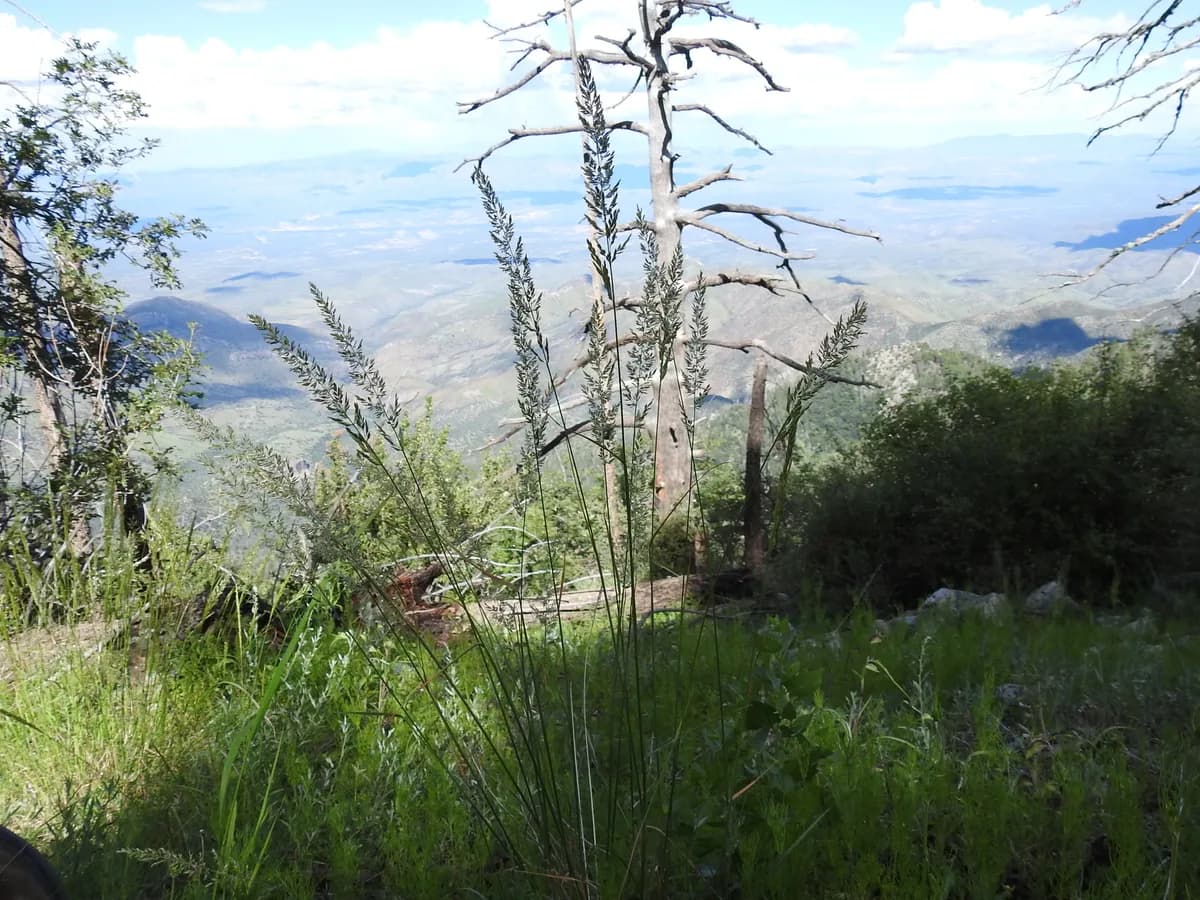
Koeleria macrantha, or prairie junegrass, is a low-water bunchgrass that blooms May through July and thrives in full sun on dry prairies, plains, and open woodlands.
Toxicity unknown
Prairie Junegrass (Koeleria macrantha) is not listed by the ASPCA Animal Poison Control Center (opens in new tab) or the other sources we check, so we have no verdict for it either way. Absence from those lists is not a clearance. If your pet shows symptoms after eating any plant, call the ASPCA at (888) 426-4435.
The USDA PLANTS Database (opens in new tab) does not flag Prairie Junegrass as toxic to livestock.
Light
full sun
Water
low
Size
12"–24" H × 6"–12" W
Bloom
May, Jun, Jul
Native to
AL, AR, AZ, CA and 30 more states
Pollinators
bees, beetles
Deer
Resistant (per Prairie Moon Nursery)
Before you buy
Your city may pay you to plant this
Cities and water utilities offer rebates for replacing lawn with native and water-wise plants. We track 452 programs across 44 states, each with a link to the provider and the date we last checked it.
Find rebates in your areaBrowse plants for this ecoregion
June grass is a delicate native bunchgrass that forms small, neat clumps with fine-textured foliage. It produces airy flower heads in late spring and early summer, creating a soft, naturalistic appearance in sunny, well-drained areas.
Growing Prairie Junegrass
Grow Prairie Junegrass in full sun and low water. Mature plants reach 12 to 24 inches tall and spread 6 to 12 inches wide. Expect low maintenance to keep it looking intentional in a front yard.
How to care for Prairie Junegrass, by region
How to care for Prairie Junegrass where it is actually grown: year-round basics plus what to do each season, region by region, with the sources for each.
Care guidance last updated: September 2026
Arizona/New Mexico Mountains (includes Prescott, AZ)
Year-round
Prairie Junegrass is a compact, tidy bunchgrass that suits the front of an HOA-conscious bed. It stays put in a clean clump, needs very little water once established, and matches Prescott's dry, rocky soil.
- Full sun and dry, sandy or rocky soil are exactly what this grass wants, and what most Prescott area yards already have.
- Grows in tight bunches, 12 to 24 inches tall, and does not spread by runners, so it holds a clean edge or border line without creeping into the lawn or a neighboring bed.
- It comes from naturally dry, low rainfall grasslands, so an established planting needs only occasional deep watering, not daily or twice weekly cycles.
- Silvery green seed heads show up in late spring, then the whole plant fades to tan and goes dormant through the hottest part of summer. That is normal for this grass, not a sign it is dying. Pair it with an evergreen neighbor if a fully green summer look matters.
Fall
Fall is a second cool, active season for this grass in Prescott, and the right time for a light cutback before the first frost arrives.
- Cooler fall nights bring a second active growth period, similar to spring, especially if rain follows the summer monsoon.
- Seed matures and can be collected from September into October for anyone propagating more plants.
- A light fall cutback of old flower stalks keeps the clump from flopping over winter. Mow high rather than down to the crown.
- Prescott's average first fall frost lands around the last week of October. Finish any dividing or transplanting well before then so new roots have time to settle in.
A fall cutback of spent stalks is one of the easiest ways to keep this grass looking maintained through winter from the street.
Winter
As a true cool season grass, it stays low and holds some green through a Prescott winter instead of going fully dormant like a warm season lawn.
- Foliage stays low and semi-evergreen through the cold months, giving a bit of structure to an otherwise bare winter bed.
- No winter watering is needed beyond natural precipitation. This grass is built for dry, cold, high elevation winters like Prescott's.
- Leave the tan winter foliage standing for structure and cover, then do the real cutback in early spring before new growth starts.
A tidy, low winter silhouette holds its shape through the season and reads as an intentional planting rather than something left to go wild.
Spring
Spring is when this cool season grass does most of its growing in Prescott, right around the area's early May last frost.
- New blades push up from the dormant clump as soon as nights start warming in March and April, ahead of the flower spikes.
- Early spring, while it is still cool, is the best window to divide an overcrowded clump or transplant a young one, before Prescott's typical early May last frost and before summer heat sets in.
- Expect the silvery green flower spikes to show up anywhere from April into June.
A light rake to clear last year's dead blades once new growth is up keeps a street facing planting looking tended rather than shaggy.
Summer
Prescott's hot, dry early summer pushes this grass into its natural dormancy, and the July or August monsoon can bring it back green for a while.
- As Prescott's dry early summer heat builds, the seed heads fade from silvery green to tan and the plant eases into its natural summer dormancy. That is expected, not a sign of stress.
- Cut back watering once it goes dormant. An established clump handles a dry Prescott June and July better with an occasional deep soak than with frequent shallow watering.
- If July or August monsoon storms bring good soil moisture, a little fresh green regrowth is normal and needs no extra care.
- Skip heavy mowing in summer heat. If a tidier look is wanted, mow high rather than short, since this grass does not hold up well to frequent close mowing.
The tan, dormant look in peak summer can read as dead grass to a passerby. A small label or note nearby helps it register as an intentional low water planting instead of neglect.
Sources: Lady Bird Johnson Wildflower Center, Koeleria macrantha profile, USDA PLANTS Database, Koeleria macrantha (KOMA) profile, Utah State University Extension, Junegrass rangeland plant guide, Prairie Moon Nursery, Koeleria macrantha (June Grass) planting and care guide, The Prescott Times, Prescott AZ gardening guide (frost dates) (community tip)
Central California Foothills and Coastal Mountains (includes San Francisco, CA)
Year-round
Prairie Junegrass is a small clumping grass that likes lean, fast-draining soil and does not need much water once it settles in.
- Give it full sun to light shade in soil that drains quickly, San Francisco's common clay soils may need sand or grit mixed in first
- Water regularly for the first few months after planting, then taper down to occasional deep watering
- Skip rich compost or fertilizer, this grass comes from lean, rocky ground and gets floppy and short lived in rich soil
- It is documented as native across much of California with some San Francisco County records, but its typical habitat is drier inland grassland and mountain rangeland rather than the coastal fog belt, so treat a native here claim as a medium confidence fit rather than a sure thing
- Check with a local native plant nursery before counting on it as a reliable spreader in a consistently foggy yard
Fall
Fall is usually when San Francisco's rains return, and this grass wakes back up from its summer rest.
- Watch for new green growth at the base once the first real rain arrives, typically October or November
- Cut back last year's dry seed stalks now for a tidier look heading into the wet season
- This is a good window for planting new starts, cooling temperatures and coming rain help roots settle in
- A thin layer of compost is fine, but keep it light, this grass prefers lean soil over rich soil
- Divide crowded clumps once the weather cools and rain resumes
Cutting back the dry stalks before the rains return keeps the bed looking maintained heading into winter, useful if you want the yard to read as cared for.
Winter
Winters in San Francisco are mild and wet, and this grass mostly just sits quietly putting out new leaves.
- Expect steady green growth fed by winter rain, extra watering usually is not needed
- Frost is rare within San Francisco city limits, so winter covering is not normally necessary
- Watch for standing water after heavy rain, improve drainage if the clump sits in a soggy low spot
- Avoid cutting back wet foliage, wait for a dry stretch to prevent rot at the crown
- If you're near a colder inland pocket of the city, a light frost cloth on young plants is a reasonable precaution
Spring
Spring is when Junegrass sends up its seed stalks and looks its fullest, right as San Francisco's rains start to taper off.
- Expect flowering stalks from roughly March through May, its showiest stretch of the year
- Let spring rain do most of the watering, step in only during a dry stretch
- Weed around the base while the ground is still soft from winter rain
- Divide an overcrowded clump now if last year's growth got dense
- Hold off on fertilizer, lean soil is what keeps this grass upright and healthy
A blooming, upright clump reads as an intentional planting rather than a stray weed, which helps if you're aiming for an HOA-conscious front yard.
Summer
San Francisco summers are naturally dry and often foggy, and that is when this grass fades to tan and rests.
- Expect the foliage to bleach to gold or tan, that is normal summer dormancy, not the plant dying
- Water only occasionally, established clumps usually get by on fog moisture and San Francisco's mild summer temperatures
- Avoid watering in the evening during foggy stretches, damp foliage sitting in fog invites fungal problems
- Leave the seed heads in place through summer if you want the grass to reseed itself
- Skip fertilizer entirely, feeding a dormant grass does not help it and can encourage rot at the crown
Trimming a neat edge around the tan, dormant clump helps it read as an intentional dry season planting instead of a dead patch, which matters most in a visible front yard.
Sources: Calscape: Junegrass (Koeleria macrantha) profile and CA range, Calflora: Koeleria macrantha observation records, USDA NRCS Plant Guide: Prairie Junegrass habitat and soil needs, Bay Natives Nursery: Koeleria macrantha growing notes, National Weather Service: San Francisco Downtown climate summary
Central California Valley (includes Sacramento, CA)
Year-round
Not naturally found in the Sacramento Valley itself, but its cool-season habit fits California's climate pattern well with a little extra help.
- Prairie Junegrass grows naturally in California's coastal hills and mountains, but botanical records show it is largely absent from the Central Valley, including the Sacramento area, so treat it as an adapted choice here rather than a true local native.
- It still fits California's rain-in-winter, dry-in-summer pattern well, since it is a cool-season grass that grows in the cooler months and rests through summer heat, much like it does in its home range.
- Give it full sun and well-drained soil. It naturally prefers sandy or rocky ground, so heavy valley clay may need some grit or gypsum worked in, or a raised spot, to drain well.
- Once established it needs very little water, but the first year benefits from more regular watering to get the roots going in valley heat.
Fall
The first fall rains snap the clump out of summer dormancy, a good time to plant or divide.
- Cooler weather and the first real fall rain bring the grass back from its summer rest with new green growth.
- This is a good window to plant new divisions or seed, giving roots time to establish before next summer's heat.
- Once fall rain becomes reliable, you can stop regular supplemental watering.
Winter
Sacramento's mild, wet winters are the plant's real growing season here, staying low and green rather than fully dormant.
- Winter is mild and wet enough here that the grass keeps growing quietly, staying low and green instead of going fully dormant the way it might in a colder region.
- Little to no supplemental water is needed while winter rain is coming down.
- Cut back any old dried seed stalks in late winter, before spring growth picks up, for a tidy start to the year.
A late-winter cutback of the old seed stalks keeps the clump looking tended and HOA-friendly ahead of spring green-up.
Spring
Spring is the strongest growth window, fed by the tail end of the rainy season.
- Spring is when this grass grows the most, using the last of the winter and spring rains before the dry season locks in.
- It usually flowers by late spring, sending up its fluffy seed heads.
- If the rains stop early, water occasionally, an established plant can handle roughly an inch every week or two through spring.
Summer
Sacramento's long, dry heat is tougher on this grass than its native coastal and mountain range, so it needs a bit more help than a true local native would.
- Expect the clump to go summer dormant and turn straw colored, that part is normal for a cool-season grass.
- Valley heat runs hotter and drier for longer than where this grass grows naturally, so a deep soak every three to four weeks helps keep the crown alive rather than letting it die out completely.
- Afternoon shade from a nearby taller plant can take some of the edge off the hottest stretch of summer.
- Skip fertilizer during this rest period.
Sources: Calscape (California Native Plant Society), Koeleria macrantha, Lady Bird Johnson Wildflower Center, Koeleria macrantha
Cross Timbers (includes Fort Worth, TX)
Year-round
June grass is a small, tidy native bunchgrass that stays in a neat clump rather than spreading, which makes it an easy, HOA-friendly filler for a sunny front bed or border.
- Plant it in full sun, at least 6 hours of direct light a day; it thins out and gets floppy in shade.
- Space plants 12 to 18 inches apart since each one stays a tight, non-spreading clump about 12 to 24 inches tall.
- It does best in the sandier, faster-draining loam typical west of the metro; avoid low spots that stay wet.
- Once established, usually after the first growing season, it needs little water beyond normal rainfall and handles drought well.
- It is not on the ASPCA toxic plant list for dogs, cats, or horses.
Fall
Cooler fall temperatures bring a second flush of green growth to June grass, and autumn is a good window for planting or dividing established clumps.
- Expect the tan summer foliage to green up again as temperatures drop in September and October.
- Plant or divide clumps in October or early November while the soil is still warm and rain is more reliable.
- Water new fall plantings once or twice a week until the mid-November first frost.
- No fertilizer needed; established clumps get through fall on rainfall alone.
Winter
June grass is only semi-evergreen in North Texas. It holds a low, tan-green tuft through mild winters and takes hard freezes without extra care.
- Leave the foliage standing through winter for texture; it also gives the clump's root zone some insulation during freezes.
- In late February, before spring green-up starts, cut the whole clump back to about 3 to 4 inches to clear out old growth.
- Skip winter watering except during an extended dry, mild spell with no rain for several weeks.
- Established plants tolerate North Texas's occasional hard Arctic freeze events without covering.
Cutting the clump back to 3 to 4 inches in late February keeps the bed looking maintained heading into spring, rather than left with a ragged, dead-looking tuft.
Spring
Spring is June grass's main growing season and the best window to plant it in North Texas, since it greens up and pushes new leaf blades before the summer heat arrives.
- Plant new June grass in March or April so its roots have time to establish before summer heat sets in.
- Water new plantings 2 to 3 times a week for the first 4 to 6 weeks until they take hold.
- Expect slim, upright, spike-like seed heads to appear from April into June.
- Pull out any dead, straw colored blades left from winter to make room for fresh spring growth.
Fresh green spring growth reads as an intentional, tended planting rather than a bare or weedy patch.
Summer
June grass finishes blooming by early summer and then goes semi-dormant, turning tan through the hottest weeks. That is normal for this cool-season grass, not a sign it is dying.
- Expect the seed heads to fade from green to tan by June or July as the plant enters summer dormancy.
- For established plants, give a deep soak every 2 to 3 weeks during 100F-plus stretches with no rain; more than that is not needed.
- Plants in their first summer are not fully rooted yet and need a deep watering about once a week through August.
- Leave the tan summer foliage standing; do not cut it back now.
The tan, dormant look in July and August is expected for this grass, not neglect. It reads as intentional if the clump stays defined and the bed edges stay weed-free.
Sources: Lady Bird Johnson Wildflower Center: Koeleria macrantha, ASPCA Toxic and Non-Toxic Plants database, USDA PLANTS profile: Koeleria macrantha (KOMA)
Eastern Corn Belt Plains (includes Columbus, OH)
Year-round
Prairie Junegrass is a small, tidy cool season bunchgrass. It wants full sun and soil that drains well, and it slows way down once summer heat sets in, which is just how this grass works, not a sign of trouble.
- Plant it in full sun on well drained soil. It actually prefers lean, sandy or rocky ground over rich, wet soil.
- Water it through the first growing season to help roots settle in, then back off. Once established it handles dry spells well and does not want regular watering.
- Skip heavy fertilizer. Extra nitrogen makes the clump grow soft and floppy instead of staying upright.
- Expect an early spring green up, soft seed heads by late spring or early summer, then a quiet, dormant stretch through the hottest part of summer.
Fall
Fall is the better season to divide this grass if the clump has gotten crowded, and cooler weather often brings back a light flush of green before winter.
- If you want to split the clump or move a piece, do it in early fall rather than spring, cool season grasses like this one settle in better after a fall division.
- Cooler, wetter fall weather in central Ohio can trigger a light second round of green growth on the clump.
- There is no need to cut the grass back now. Leaving the foliage up through fall and into winter protects the base of the plant from the cold to come.
- No fertilizer needed heading into fall, this plant does best on lean soil year round.
Leaving the tan seed heads up through fall, paired with a mowed edge around the clump, reads as an intentional planting rather than an overgrown patch.
Winter
Winter is mostly hands off for this grass. Its dried blades stay standing and protect the base of the plant through Columbus's cold snaps.
- Leave the dried foliage standing through winter rather than cutting it down. It insulates the crown of the plant against freezing temperatures.
- No watering and no fertilizer needed while the plant is dormant.
- Plan the cutback for late winter, just before new growth starts. Clearing the old foliage at the right time helps spring green up come in cleaner and a bit earlier.
- Snow cover on top of the standing grass is fine and will not harm the crown underneath.
A neatly bordered clump of standing tan grass through winter reads as dormant season structure rather than an unkept patch in most HOA-conscious yards.
Spring
Spring is when this grass wakes up first, usually greening up before most of the yard around you. In the Columbus area that lines up with April, right as the last frosts clear out.
- If you did not cut it back in late winter, do it now before the new blades push through, so you are not clipping through fresh growth.
- New leaf growth typically shows up early in spring, ahead of warm season grasses nearby.
- Soft, silvery green seed heads follow within a few weeks, usually by late spring.
- No need to fertilize or water heavily right now. Spring rain in central Ohio is usually enough on its own.
A fresh spring cutback before new growth comes in keeps the clump reading as intentional and tidy rather than overgrown, which fits an HOA-friendly front yard.
Summer
Central Ohio summer heat is when this grass takes a break. A tan, sleepy looking clump in July and August is normal for prairie junegrass, not a dying plant.
- The blades naturally fade to tan or straw colored and growth nearly stops during the hottest stretch of summer. That dormancy is expected for this grass.
- It does not need regular watering through summer dry spells once established. An occasional deep soak is plenty, more than that risks rot in Ohio's humid summers.
- Skip fertilizer during summer, the plant is not in an active growing phase and extra feeding will not help it.
- Leave the seed heads standing rather than trimming them. Birds feed on them and native bees use the stems and dried material for nesting.
A tan, dormant clump in peak summer is expected for this grass and reads as low maintenance rather than neglected in an HOA-conscious yard.
Sources: USDA Forest Service Fire Effects Information System, Koeleria macrantha, Lady Bird Johnson Wildflower Center, Koeleria macrantha plant profile, Clemson Cooperative Extension HGIC, Ornamental Grasses and Grass-like Plants, Illinois Extension, Is it too late to cut back ornamental grasses
Interior River Valleys and Hills (includes Peoria, IL)
Year-round
Prairie junegrass is a compact native bunchgrass that wants full sun, lean well-drained soil, and very little fuss once it settles in.
- Give it full sun and dry, sandy or gravelly soil that drains fast. It does not like heavy wet clay and will struggle with root rot in soil that stays soggy.
- It stays short for a prairie grass, usually under 2 feet even with its seed stalks up, so it works well toward the front of a bed or as a lawn alternative in a small area.
- Water it to help it get established the first year. After that it handles dry spells well on its own and does not need regular watering.
- Skip the fertilizer. Rich soil tends to make the clump flop open instead of staying tight and upright.
- This grass is native to Illinois, most often found in the state's sandy prairies, so a Peoria area yard with sandy or well-drained soil is a natural fit for it.
Fall
Fall is mostly hands off for an established plant. Skip planting new prairie junegrass now, and let an existing clump do its own thing.
- Avoid seeding or planting new prairie junegrass in fall. It establishes best from spring planting, and young fall planted grass is more likely to get pushed partway out of the ground by frost heaving over winter.
- An established plant may show a little fresh green regrowth in fall if there has been good rain, alongside its cured, tan summer growth. That is a normal response to cooler, wetter weather, not something to force with extra watering.
- This is a fine time for general fall garden cleanup, but prairie junegrass itself does not need a hard cutback. Leaving the clump alone through fall protects the crown heading into winter.
- Skip dividing it in fall for the same frost heaving reason. Wait for spring if you want to split up a mature clump.
If a tidy fall cutback is part of your routine, prairie junegrass does not need one. Leaving its low, tan clump alone looks intentional and protects the plant, so there is no conflict with keeping the yard neat.
Winter
Winter is fully dormant and hands off for prairie junegrass. The main risk is frost heaving, not the cold itself.
- Prairie junegrass is cold tolerant and its native range stretches up into Canada, so a Peoria area winter is well within what an established plant handles.
- The real winter risk is frost heaving and soil cracking, which can push plants partway out of the ground. This mainly affects plants that were seeded or divided within the last year or two, not older established clumps.
- A couple inches of mulch over young plantings can help buffer the freeze and thaw cycles that cause heaving. Established clumps generally do not need this.
- There is nothing to water or feed in winter. Leave the dormant tan foliage in place until spring growth starts back up.
Spring
Spring is prairie junegrass's big moment. It greens up earlier than most native grasses, and it is also the best time to plant or divide it.
- This cool season grass greens up earlier than most other native grasses, often as soon as the soil warms up in early spring.
- It sends up its seed heads and flowers from mid April into June, so by late spring or early summer in the Peoria area you should see its narrow, spike like seed heads standing above the foliage.
- Spring is the recommended planting time for prairie junegrass. New plants and divisions are more vulnerable to frost heaving in winter and very early spring, so getting them in and rooted during spring gives them the best start.
- Keep new plantings lightly moist until you see fresh growth, then ease off on watering.
Summer
Once summer heat sets in, prairie junegrass goes dormant and turns tan. That is normal seasonal dormancy, not a dead plant.
- Expect the foliage to fade from green to tan or straw colored as summer heat arrives. This is normal seasonal dormancy for a cool season grass, not a sign it needs help.
- Do not add extra water to try to green it back up. It is built for dry, sandy conditions, and wet soil in summer is more likely to cause problems than a dry stretch is.
- Leave the dormant foliage standing. Do not cut it back or pull at it. The tan clump is still alive and is protecting the crown underneath.
- This dormant stretch usually runs from mid or late summer until temperatures cool off, so do not judge the plant's health during a hot dry spell.
The tan, dormant look through summer can read as unkempt from the street. Planting a summer blooming companion nearby keeps the bed looking intentional while the junegrass rests.
Sources: Koeleria macrantha (Prairie junegrass), Native Plant Database, Lady Bird Johnson Wildflower Center, Plant Guide: Prairie Junegrass (Koeleria macrantha), USDA NRCS, June Grass (Koeleria macrantha), Illinois Wildflowers (community tip), Koeleria macrantha, prairie Junegrass, Fire Effects Information System, USDA Forest Service
Mojave Basin and Range (includes Las Vegas, NV)
Year-round
Prairie junegrass is a cool season bunchgrass, and that is the one thing to hold onto. It grows and flowers from late winter through late spring, then shuts down and turns straw tan through the hottest part of a Las Vegas summer. That tan phase is normal and is not the plant dying. The Lady Bird Johnson Wildflower Center lists it as native to Nevada, but USDA NRCS records its plant communities from 4,000 to 12,000 feet, so at northwest Las Vegas elevation it sits at the hot, low edge of its range. It also does best with 12 to 20 inches of rain a year and northwest Las Vegas gets under 5, so it needs a drip emitter of its own, not hope.
- Full sun and fast draining ground. USDA NRCS gives a soil pH range of 6.0 to 8.0, which covers our alkaline soil, but notes it does not tolerate high soil salinity.
- Give it a dedicated drip emitter rather than sharing a shrub line, so you can dial its water down in summer without starving anything else.
- Break through or plant above any caliche layer. Water needs to drain away from the crown instead of sitting in a rock bathtub.
- Plant a group of five or more, spaced roughly 12 to 18 inches apart, rather than one lone tuft.
- It spreads only by seed, per USDA NRCS, so leave some seedheads standing if you want it to fill in over the years.
- Skip fertilizer. NRCS puts it on soils of low fertility, and feeding mostly rewards the weeds around it.
A grouped planting with clean bed edges and deliberate spacing reads as intentional to a board, while a single tuft stranded in the middle of a bed reads as something that got away from you.
Fall
Fall is the second, smaller growth window. Once nights cool in late September and October, prairie junegrass often pushes fresh green from the base, and USDA NRCS notes it regrows in the fall months as long as moisture is there to stimulate it. This is the best time of year to plant a new one or fill a gap, because the roots get months of mild weather before next summer arrives. It is also when last summer's seed sprouts, so expect small grassy seedlings around the parent clump. Southern Nevada's watering schedule steps down to three assigned days a week on September 1 and to one day a week on November 1.
- Plant new clumps in October. Fall planting beats spring planting here by a wide margin.
- Give it a real soak after the September schedule change so the fall flush has something to work with.
- Look for volunteer seedlings around the base and move the ones you want to keep while they are small.
- Collect seed in September or October if you want to sow it yourself, which is the collection window the Lady Bird Johnson Wildflower Center gives.
- Do not cut it back yet. The old blades shelter the crown through winter and the cutback belongs in late winter.
- Top off gravel or mulch around the clump now, before the fall growth hides the bed edge.
Volunteer seedlings drifting into gravel, walkways, or a shared strip are what a board actually notices, so pull the strays in October while they still come up with one tug.
Winter
Winter here is quiet and short. The clump sits tan and dormant, and in a mild Las Vegas winter you may see a little green at the base by January. Watering drops to one assigned day a week from November 1 through the end of February under Southern Nevada rules, and that is genuinely all it wants. The one real job is the annual cutback. For a cool season grass that lands in late winter, right before growth restarts, not in spring after it has already pushed.
- Cut back in late January or early February, before new blades appear. Colorado State Extension times the cutback to just before spring growth begins.
- Take off roughly the top two thirds and leave 3 to 4 inches standing. Do not scalp it the way you would a warm season grass.
- Rake the old blades out of the crown. Illinois Extension notes leftover foliage can delay crown warming and spring growth by as much as three weeks.
- The blade edges are slightly rough, so gloves make the job easier.
- Water one assigned day a week and skip that run entirely if a real winter rain lands.
- Check that winter weeds are not filling the gaps between clumps. This grass loses that fight.
The cutback is the most visible thing you will do to this planting all year, so do every clump in one session and sweep the debris the same day rather than leaving a half finished bed sitting in view for weeks.
Spring
Spring is this grass's whole show. Growth restarts as soon as things warm up, often February in the valley, and USDA NRCS records flowering from April into June. The seedheads stand well above the leaves on thin stalks and catch afternoon light. Spring is also when watering actually pays you back, because the plant is building the roots it will coast on all summer. If you are dividing a clump or setting out a new one, early spring is a good window.
- If you did not cut back in late winter, do it now and do it before the new green pushes. Colorado State Extension times the cutback to just before spring growth begins.
- Leave 3 to 4 inches of stubble. This is not a warm season grass you can scalp to the ground.
- Water on your assigned days. Southern Nevada's spring schedule runs March 1 through April 30 at up to three assigned days a week, and Sunday watering is not allowed at any time of year.
- Divide clumps that are one to three years old in early spring, which is the window the Lady Bird Johnson Wildflower Center gives. Old clumps often refuse to split cleanly.
- Pull winter weeds out of the crown. USDA NRCS notes this grass competes poorly, so anything crowding it wins.
- When flower stalks show in April, decide then whether you want seed to drop where they are standing.
Summer
By late June this grass is done for the year and starts turning straw tan. That is what a cool season bunchgrass does in a Mojave summer, and USDA Forest Service records describe it avoiding growth during the dry summer months. The mistake almost everyone makes is cranking the water up in July to chase the green back. It does not work. University of Nevada, Reno Extension notes cool season grasses are already under high temperature stress at middle and lower Mojave Desert elevations like ours, so soaking a stressed crown in 110 degree soil is how you lose the plant, not how you rescue it. Back the water off and let it rest.
- Do not add water to bring the color back. The tan is dormancy, not thirst.
- Keep it on a light maintenance run on your assigned days, enough that the crown is not bone dry, and nothing more.
- Southern Nevada bans sprinkler watering between 11 a.m. and 7 p.m. from May 1 through August 31, and no watering on Sunday at all. Watering outside your assigned days can draw a water waste fee.
- Seed matures in July or August per USDA NRCS. Leave the stalks up if you want it to reseed itself, or clip them once they turn tan if you do not want volunteers.
- Do not cut the clump down now. A dormant, heat stressed bunchgrass cut to the ground in July has nothing left to recover with.
- No fertilizer, no digging around the roots, no fussing. It is asleep.
A tan dormant bunchgrass reads as dead to a neighbor or a board, so keep the bed edge crisp, keep the gravel or mulch clean around it, and set it in a deliberate group next to something still green, which is what makes the planting look HOA-friendly instead of neglected.
Sources: Lady Bird Johnson Wildflower Center, Koeleria macrantha (Prairie junegrass), USDA NRCS Plant Fact Sheet, Prairie Junegrass (KOMA), USDA Forest Service FEIS species review, Koeleria macrantha, University of Nevada, Reno Extension, Nevada's Soils, Worth the Toil, Western Native Plants, Koeleria macrantha in the landscape (Utah State CWEL), Southern Nevada Water Authority, seasonal watering schedule
Ozark Highlands (includes Springfield, MO)
Year-round
A low native prairie grass for Springfield MO that needs very little water once it settles in.
- Prairie Junegrass is native to Missouri's prairies and open woods, and it naturally grows in exactly this kind of low, dry, sunny spot.
- It stays low and forms a neat clump instead of spreading, which makes it easy to place near a walkway or bed edge.
- Give it full sun and well-drained soil, sandy or rocky ground is what it likes best, and skip the heavy clay pockets if you can.
- It is a cool-season grass, meaning it grows in spring and fall and rests through the hottest, muggiest part of a Missouri summer.
- Once established it gets by on rainfall alone in most years and does not need regular fertilizer.
Fall
Cooler, wetter fall weather brings a second flush of green growth, a good window for dividing.
- Fall rain and cooler temperatures bring Junegrass back out of its summer rest with fresh green blades.
- This is a good time to divide an established clump or plant new ones if you want more.
- A light trim of the old dried seed stalks keeps the clump tidy heading into winter.
Trimming old seed stalks in fall keeps the clump looking intentional and HOA-friendly rather than overgrown.
Winter
The clump goes dormant and turns a tan-gold color that gives a tidy winter silhouette.
- The grass goes fully dormant and turns tan-gold, holding a simple, low silhouette through winter.
- Leaving the dried foliage standing through winter protects the crown from Missouri's freeze-thaw swings.
- Cut the old stems back in late winter, before spring green-up starts, for a clean reset.
A standing tan-gold clump reads as intentional winter interest, not neglect, but a late-winter cutback keeps it clearly HOA-conscious if a neighbor questions it.
Spring
Spring is the main growth push, with fluffy seed heads showing up by May.
- New blades green up as soon as the soil warms and the plant usually sends up its fluffy seed heads by May.
- No need to fertilize, an established clump does fine on normal spring rainfall alone.
- If winter foliage looks ratty, trim it back before new growth starts so the fresh blades have room.
Summer
Missouri's hot humid summer sends this cool-season grass into dormancy, and that is normal.
- This is a cool-season grass, so it slows down and can turn tan by mid to late summer as Missouri heat and humidity set in.
- A tan, dormant-looking clump in July or August is expected, not a sign the plant is dying.
- Water only during a real dry stretch to protect the crown, a deep soak now and then beats light daily watering.
- Skip fertilizer in summer, it just pushes weak growth right when the plant wants to rest.
Sources: Lady Bird Johnson Wildflower Center, Koeleria macrantha, USDA NRCS Plant Guide, Prairie Junegrass
Puget Lowland (includes Seattle, WA)
Year-round
Prairie junegrass is a small, tidy native bunchgrass that genuinely belongs in a Puget Lowland yard, not just the drier interior West. It is documented as native to the south Puget Sound prairies and the wider Puget Trough, including the Seattle area. It stays low, 12 to 24 inches, forms a neat clump rather than spreading, and wants full sun and fast-draining soil to do its best.
- Native to the Puget Lowland region, including south Puget Sound prairies and the Seattle area, per the Washington Native Plant Society and the Encyclopedia of Puget Sound's list of Puget Trough native species.
- Stays a compact 12 to 24 inches tall in a tight, non-spreading clump, which reads as tidy rather than an unruly patch of grass.
- Wants full sun and soil that drains fast. USDA's plant guide describes this grass as favoring well-drained, often rocky or sandy ground rather than heavy or constantly moist soil.
- This is an unremarkable native grass. USDA's general agronomic rating lists no documented toxicity concern for it, though that rating is one coarse number and not broken out by animal.
Its low, clumping habit and fine texture read as a tidy accent grass rather than an overgrown patch, which tends to work well along a walkway or bed edge.
Fall
Fall is when Puget Sound rains return and start doing most of the watering job again. It is also the season WSU Extension points to as the best time to actually plant this grass west of the Cascades, since a fall-planted grass gets a full wet season to build roots before next summer's dry spell.
- WSU Extension guidance for Pacific Northwest natives names fall or winter as the best planting window, noting that planting after March means more supplemental watering is needed to get the plant established.
- As fall rain returns, cut back and eventually stop supplemental watering on an already-established plant. This is when the region's own weather takes over again.
- Foliage that went tan and summer-dormant typically greens back up as cooler, wetter weather returns. A Pacific Northwest nursery describes this grass's winter look in western gardens as green rather than dormant.
Winter
Winter is where the real risk sits for this plant in the Seattle area, and it runs opposite to the risk in its Great Plains range. Puget Lowland winters are mild but wet, and a grass built for well-drained, often rocky prairie soil can end up sitting in soggy ground here even though it has nothing to fear from the cold itself. Good drainage at planting time matters more than any winter protection.
- USDA's plant guide and US Forest Service ecology notes both describe this species as favoring well-drained, often rocky or sandy soils, a poor match for a low spot that stays soggy through a Puget Sound winter.
- Site it on a slope, raised bed, or amended fast-draining spot rather than a low corner of the yard where winter rain pools.
- A Pacific Northwest nursery's growing notes describe this grass's winter appearance in western gardens as green and full rather than dormant, so browning or thinning over winter more likely points to wet roots than to cold.
Spring
Spring is when prairie junegrass pushes new growth after its slower winter period. If it was planted within the last year, it is still building the root system it will lean on all summer, so keep the soil evenly moist through spring rather than waiting for the first hot stretch to start watering.
- New blades emerge from the base of the clump as growth resumes in the mild Puget Sound spring.
- A first-year plant is still establishing roots. WSU Extension guidance for Pacific Northwest natives calls for consistent watering through this early growth period rather than assuming spring rain alone covers it.
- No fertilizer needed. This grass is built for lean native soil, and feeding it is not part of its care.
Summer
Summer is the season that decides whether this grass settles in here. It is drought-tolerant once mature, but the Puget Sound area's summers run dry in a way that most of this grass's Great Plains and interior range does not, so a plant in its first one to two years still needs real supplemental water through the dry months, tapering off as it matures.
- Water deeply through the first one to two summers after planting. A Seattle nursery's guidance on drought-tolerant plants describes this establishment period as needing consistent, targeted watering at the root zone before gradually weaning the plant off supplemental water.
- A Pacific Northwest nursery's growing notes for this species put it simply: water the first season to get it established, then little to none in the years after.
- WSU Extension guidance for Pacific Northwest natives generally calls for deep, frequent watering through the first two summers, tapering as roots establish, rather than stopping cold at the first dry spell.
- Once established, expect the grass to go summer-dormant and take on a tan, dried look during the driest stretch. That is a normal drought response for this species, not a sign it is failing.
Sources: Washington Native Plant Society, Koeleria macrantha directory entry, Encyclopedia of Puget Sound, Koeleria macrantha species page, USDA NRCS Plant Guide, Prairie Junegrass, USDA Forest Service, Fire Effects Information System: Koeleria macrantha, Xera Plants, Koeleria macrantha growing guide, WSU Extension Clark County, Landscaping in the Pacific Northwest: Native Plants
Texas Blackland Prairies (includes Dallas, TX)
Year-round
June grass runs on a flipped calendar. It is a cool season bunchgrass, so it does its growing and flowering in the cool months and then rests, tan and dry, straight through the July and August heat. USDA PLANTS and the Wildflower Center both record it as a grass native across Texas, including the Blackland Prairie clay around Dallas.
- Full sun, and a spot that actually drains. In black gumbo, set the crown an inch high on a low mound and keep it out of any bed that stays soggy after a storm.
- Water it in through its first fall and winter, then almost never. It is built for 12 to 20 inches of rain a year and Dallas gets about 37.
- Skip fertilizer. It grew up on lean, rocky, lime rich ground, and an overfed clump flops open at the center.
- Mature size is a tidy 12 to 24 inch tuft. It self sows slowly and never runs, so one clump stays one clump.
- USDA PLANTS records it as not toxic to horses or livestock. There is no dog or cat record, so treat its pet status as simply unknown.
This grass is green in the cool months and tan in August, the opposite of what a neighbor expects to see. Set it between evergreen or summer green companions and keep a crisp bed edge, so the color change reads as an intentional planting rather than a dead spot worth a violation letter.
Fall
Fall is the second growing season for this grass and the best window to plant it in North Texas. Cooler soil and the October rains bring it back out of dormancy, and it should be green again well before Thanksgiving. Anything you want to add to the bed goes in now.
- Plant from mid October through November so roots settle over the mild winter, a full season ahead of the next summer.
- In black clay, set the plant slightly high and work in expanded shale rather than rich compost.
- Water new plants every week or two if the fall rains hold off, then taper down once you see fresh growth.
- Collect ripe seed in September and October. Seed sown in fall needs no chilling treatment first.
- Leave the foliage standing into winter. It looks better upright and gives small wildlife cover through the cold months.
Winter
Unlike the warm season grasses sharing the bed, June grass barely pauses in a Dallas winter. It holds some green through mild spells and starts pushing new blades once soil warms to about 40 degrees, which here can happen in January. That moves its haircut earlier than the usual February cutback.
- Trim in January, before the new green shoots are more than an inch tall. Waiting until late February usually means shearing off this year's growth.
- Take off about two thirds and leave 4 to 6 inches standing. Cool season grasses do not take the ground level scalping that little bluestem shrugs off.
- If last year's blades are already flat and weathered, rake them out by hand instead of cutting.
- Watch drainage, not cold. Waterlogged winter clay around the crown kills far more plants here than a hard freeze does.
- No winter watering once it is established. Rain, dew, and dormant roots handle it.
A January trim leaves a low, even tuft right when the rest of the bed is bare, which is the tidiest the front yard will look all year. Cut every clump on the same day at the same height so the planting reads as deliberate rather than half finished.
Spring
Spring is this grass at its best. It greens up early, throws silvery spike shaped seedheads in late spring, and puts on most of its root growth before the heat lands. Your job is mostly to stay out of the way.
- Expect flowering from roughly late April into June here, earlier than the same grass blooms up north.
- Water only if March and April turn dry. April and May are normally the wettest months in Dallas and the clay holds what falls.
- Weed out cool season grasses like rescuegrass and annual bluegrass now, while you can still tell them apart from the clump.
- No spring fertilizer. Rich soil pushes soft flower stems that lean over and split the crown.
- Divide a clump in early spring if you want more of it. Plants one to three years old take division best.
Summer
By early July the seedheads have gone tan and the whole clump shuts down for the heat. That is what a cool season grass does, and it is not dying. The biggest mistake made with June grass in Dallas is treating a summer dormant clump like a sick plant.
- Do not cut it back in July or August. Stripping the crown of its own shade in 100 degree heat is how these plants are actually lost.
- Keep the sprinklers off it. Warm water sitting in black clay around a resting crown rots it faster than drought ever will.
- In a long rainless August, one slow soak a month is the ceiling. Skip even that if the bed already drains slowly.
- Snip the spent tan seedheads off at the base in late June if you want it neater, but leave every leaf blade standing.
- Wait for fall to plant or move it. Nothing set out in a Dallas July establishes well.
A tan clump in August is the season showing, not a dead plant, and it is the thing most likely to prompt a neighbor complaint or get pulled out by mistake. Keep the bed edge cut clean and the mulch fresh through those weeks so the planting still reads as intentional and cared for.
Sources: Lady Bird Johnson Wildflower Center, Koeleria macrantha (Prairie junegrass), USDA PLANTS Database, Koeleria macrantha (KOMA) plant profile, USDA Forest Service FEIS species review, Koeleria macrantha, Prairie Moon Nursery, Koeleria macrantha June Grass growth cycle, Utah State University Center for Water Efficient Landscaping, cut seedheads prior to new year's growth
Western Corn Belt Plains (includes Des Moines, IA)
Year-round
Prairie junegrass is a small native bunchgrass that already grows wild on Iowa prairies, so it needs very little help once it is settled into a Des Moines yard.
- Give it full sun and well drained soil. It naturally grows on Iowa's dry, sandy or rocky prairie ground, not heavy wet clay.
- It stays compact, usually one to two feet tall, and grows as a tight clump rather than spreading by runners.
- Skip the fertilizer. It comes from low nutrient prairie soil, and rich soil just makes the leaves flop over.
- Watch for aggressive lawn grasses like Kentucky bluegrass creeping into the bed. This grass does not compete well once crowded.
Its tight, upright clump shape reads as tidy rather than unmown, which keeps it HOA-friendly in a front bed.
Fall
Fall is a quiet, low effort season for this grass. It already finished its growing and seeding earlier in summer, so there is little to do now.
- Seed has usually already dropped by mid to late summer, so by fall the plant is resting rather than actively growing.
- Leave the dried, tan foliage standing through fall. That is its normal dormant look, not a problem to fix.
- Skip fall fertilizer and heavy mulch. This grass comes from low nutrient, well drained prairie soil, and rich or soggy conditions work against it.
- Central Iowa's first fall freeze typically arrives sometime in October. This grass does not need any covering or protection going into it.
Winter
Prairie junegrass is fully dormant through the Des Moines winter. It just needs to be left alone until spring.
- Leave the tan, dormant clump standing over winter instead of cutting it to the ground. It holds its shape under snow and protects the base of the plant where new growth starts.
- It is part of Iowa's native prairie flora and handles the region's cold winters without any mulch or covering.
- If you want a tidier look going into spring, cut old foliage back to a few inches in late winter, before new growth starts.
Its low, tan winter clump reads as an intentional dormant grass rather than an unkempt patch, which keeps a front bed looking cared for even in winter.
Spring
Spring is this grass's busiest season in Des Moines. It leafs out and flowers early, then slows down well before summer heat arrives.
- New leaf growth starts in early spring, ahead of many other prairie grasses, as soon as nights are reliably above freezing.
- Flower spikes show up in late spring into early summer, generally May into June, with seed following soon after.
- If you are planting new starts, get them in the ground in spring so roots can establish before Iowa's hot, humid summer.
- No need to cut back living leaves now. Just clear away any dead blades left over from winter if they look messy.
Summer
Once real summer heat sets in, prairie junegrass finishes its growing for the year and rests quietly while other plants take over the show.
- Established plants get through Iowa's dry summer stretches on their own and do not need supplemental watering.
- By mid to late summer the leaves often fade from green to tan as the plant goes dormant in the heat. That color change is normal, not a sign of trouble.
- Plant taller, later blooming neighbors nearby so they can carry the bed's look once this grass quiets down for summer.
- Leave the fading foliage in place. Cutting it back now does not help the plant and removes shelter for small insects.
Sources: Tallgrass Prairie Center, University of Northern Iowa: Prairie Junegrass species guide, USDA NRCS Plant Guide: Prairie Junegrass (Koeleria macrantha), Lady Bird Johnson Wildflower Center Native Plant Database: Koeleria macrantha
Willamette Valley (includes Portland, OR)
Year-round
June grass is a small clumping grass that does its growing in the cool, rainy half of the Portland year and rests in the dry half. In the Willamette Valley it greens up with the fall rains, holds color through winter, and pushes up silvery seed spikes from about May into July. By midsummer it turns tan and sits still until the rain comes back, which looks dead but is normal. It is native to the Willamette Valley and the wider Pacific Northwest, and its seed heads and dense tuft give small birds and ground nesting bees something to use. The two things that decide whether it lives here are winter drainage in heavy clay and leaving it alone through the dry summer instead of overwatering it. Give it full sun and lean ground, because rich, fertilized soil makes a floppy plant that falls open in the middle.
- Plant it in full sun, in the leanest, best draining spot you have.
- Skip fertilizer completely, rich ground makes it flop open.
- Expect green in fall, winter and spring, then tan and resting July through September.
- In heavy clay, plant on a low mound so water drains away from the crown.
- Plan on fall planting so winter rain does the watering for you.
Fall
Fall is the best time of year to plant June grass around Portland. Once the rains restart in October and November the ground stays moist for months, so a new plant roots in without you watering it. Set plants out from about mid September through early November so they settle in before the first frost in mid November. If your soil is the heavy silt or clay most of the valley has, build a low mound or raised strip and plant on top of it, because standing winter water is what kills this grass here. Seed can go down now as well, pressed onto the surface and barely covered, since the seed needs light to sprout. Clumps already in the ground will green up on their own as soon as the rain returns.
- Plant from mid September to early November, ahead of the mid November frost.
- Mound heavy clay a few inches and plant on top so winter water drains off.
- Press seed onto the surface and barely cover it, it needs light to sprout.
- Water new plants until the fall rains take over, then stop.
- Rake fallen leaves off the crowns so nothing sits wet on them.
Winter
Winter in the Willamette Valley is mild and wet, and June grass usually stays green right through it. Cold is not the problem in zone 8b. Standing water is, because valley clay holds rain from November into April and a crown sitting in a puddle rots. Walk the bed after a heavy storm and look for spots where water pools around the clumps, then fix that grade or move the plant next fall. Do not cut this grass to the ground the way you would a tall warm season grass, just leave the tuft standing. Keep wet leaves and heavy mulch raked off the center of each plant.
- Check after storms for water pooling around the clumps.
- Do not cut the grass to the ground, leave the tuft standing.
- Rake wet leaves off the center of each plant so it does not rot.
- Stay off the bed when the clay is saturated, walking on it packs the soil.
- Skip winter feeding and winter watering completely.
This is the tidiest the grass ever looks, since it holds green while much else is bare. A clean edge along the walk and even spacing keeps the planting reading as HOA-friendly through the gray months.
Spring
Spring is when June grass does most of its growing in Portland. Rain through April and May usually covers all of its water needs, so you should not have to turn on a hose. Around May the silvery seed spikes start rising above the leaves, and they keep coming into early summer. Once the weather warms, squeeze the base of each clump and pull out any that feel mushy, because that means winter water sat on the crown. Pull lawn grasses out of the tuft now while the ground is still soft, since crowding from other grasses pushes this one out faster than anything else. Do not feed it, and do not pile mulch against the center of the plant.
- Leave the hose off, April and May rain is enough.
- Weed lawn grasses out of each clump while the soil is soft.
- Squeeze the base of each clump and replace any that feel soft or rotted.
- Hold off on fertilizer, this grass wants poor ground.
- Keep mulch pulled back a few inches from the center of the tuft.
Summer
July through September in Portland is close to rainless, and June grass answers that by turning tan and going to sleep. The color change is the plant resting, not dying, and the clump greens up again when the rain returns in fall. A plant that has been in the ground a full year needs no water at all through this stretch. If you want it to hold some green, give it one slow, deep soak every three or four weeks rather than short daily sprinklings, because baked valley clay sheds fast water and only takes in slow water. Anything planted within the last year is different and does need a deep drink every seven to ten days until the rains start. After the seed heads shatter in mid to late July, you can snip the spent stalks off at the base and leave the low tuft of leaves alone.
- Give established clumps no summer water, tan is normal here.
- Water first year plants deeply every seven to ten days through September.
- If you want green, soak slowly once every three or four weeks, never daily sprinkles.
- Snip spent seed stalks at the base after they shatter in late July.
- Leave the low tuft of leaves standing, it is alive under the tan.
A tan clump can read as neglect from the sidewalk in August. Keep the bed edge cut clean and set a few evergreen plants nearby so the front yard still looks intentional and HOA-friendly.
Sources: USDA NRCS Plant Guide, Prairie Junegrass (Koeleria macrantha), Lady Bird Johnson Wildflower Center, Koeleria macrantha, Benton Soil and Water Conservation District, Prairie Junegrass, Xera Plants (Portland, OR), Koeleria macrantha, Utah State University Extension Range Plants, Junegrass, Tallgrass Prairie Center, Prairie Junegrass production guide
Want these tasks as reminders timed to your yard? Pollinator Patch turns this guidance into a season-by-season care plan for the plants you actually grow.
In an HOA neighborhood
Prairie Junegrass is an HOA-friendly choice. Maintenance level: low. Tidiness: 4 out of 5.
Works well in: front yard, foundation, street edge, mid zone.
- Goes dormant in winter like other cool-season grasses
Wildlife value
The flowers attract bees and beetles during its blooming period from May through July. As a native grass, it also provides habitat and nesting material for small wildlife.
Common questions
- When does prairie junegrass bloom?
- Prairie junegrass typically flowers from May through July, producing narrow, dense seed head spikes above the foliage.
- How much water does prairie junegrass need?
- It is adapted to low water conditions and grows well in dry, well-drained soils, though it can also handle brief periods of moderate moisture.
- What kind of light does prairie junegrass prefer?
- It grows best in full sun but can tolerate light partial shade, especially in hotter climates.
- What pollinators visit prairie junegrass?
- As a grass, it is primarily wind pollinated, but its flowers and foliage can attract bees and beetles that use the plant for foraging or shelter.
- What does prairie junegrass look like when not in bloom?
- Outside of bloom it forms a compact, fine textured clump of narrow green leaves that can take on a golden hue as the season progresses.
- Is Prairie Junegrass toxic to livestock?
- The USDA PLANTS Database does not flag Prairie Junegrass as toxic to livestock.
- Is Prairie Junegrass HOA-friendly?
- Prairie Junegrass is generally an HOA-friendly choice in the right placement, with low maintenance.
These answers were drafted with an AI model from this plant's data. Verify care details with a local expert.
Native range data from the World Checklist of Vascular Plants (Kew). Pollinator and host plant associations compiled from GBIF, iNaturalist, and published ecological literature.
If something looks wrong
Common plant problems, and what to check first
These come up on almost any plant. Each guide lists the likely causes in the order they are worth ruling out, with one thing to check before you act on any of them, and links to the source it came from.
- It is dying right after planting
- Leaves turning yellow
- Wilting even though I watered it
- Brown crispy leaf tips
- Bugs on the plant
Ready to grow Prairie Junegrass? Add it to your garden in Pollinator Patch to track it and get season-by-season care guidance.
Planning a bed around it? Start a free plan with this plant
Not sure where to start? Take the 2-minute yard quiz