EPA Level III Ecoregion
Central Great Plains
983 native plants for the Central Great Plains ecoregion (Wichita area).
The Central Great Plains run through central Kansas and Nebraska into northern Oklahoma, covering Wichita, Salina, Hastings, and Enid. This is the mixed-grass transition between the tallgrass prairie to the east and the shortgrass High Plains to the west, so rainfall drops noticeably as you move across it. Natives such as Missouri primrose, prairie milkweed, and blackfoot daisy are built for that middle ground and hold up through wind, hail, and a dry late summer.
Conditions: Deep loam, sometimes over caliche, 22–32 inches of rain falling mostly in spring and early summer, high wind, hot dry late summers.
Cities and areas: Wichita, Salina, Hastings, Enid, Grand Island, Dodge City.
983 Native Plants for the Central Great Plains
HOA-friendly picks listed first. Pet-safety status varies by species; each plant page shows its sourced ASPCA status. Native range data from vouchered herbarium specimen records and regional native plant society lists.

Little Bluestem
Schizachyrium scoparium
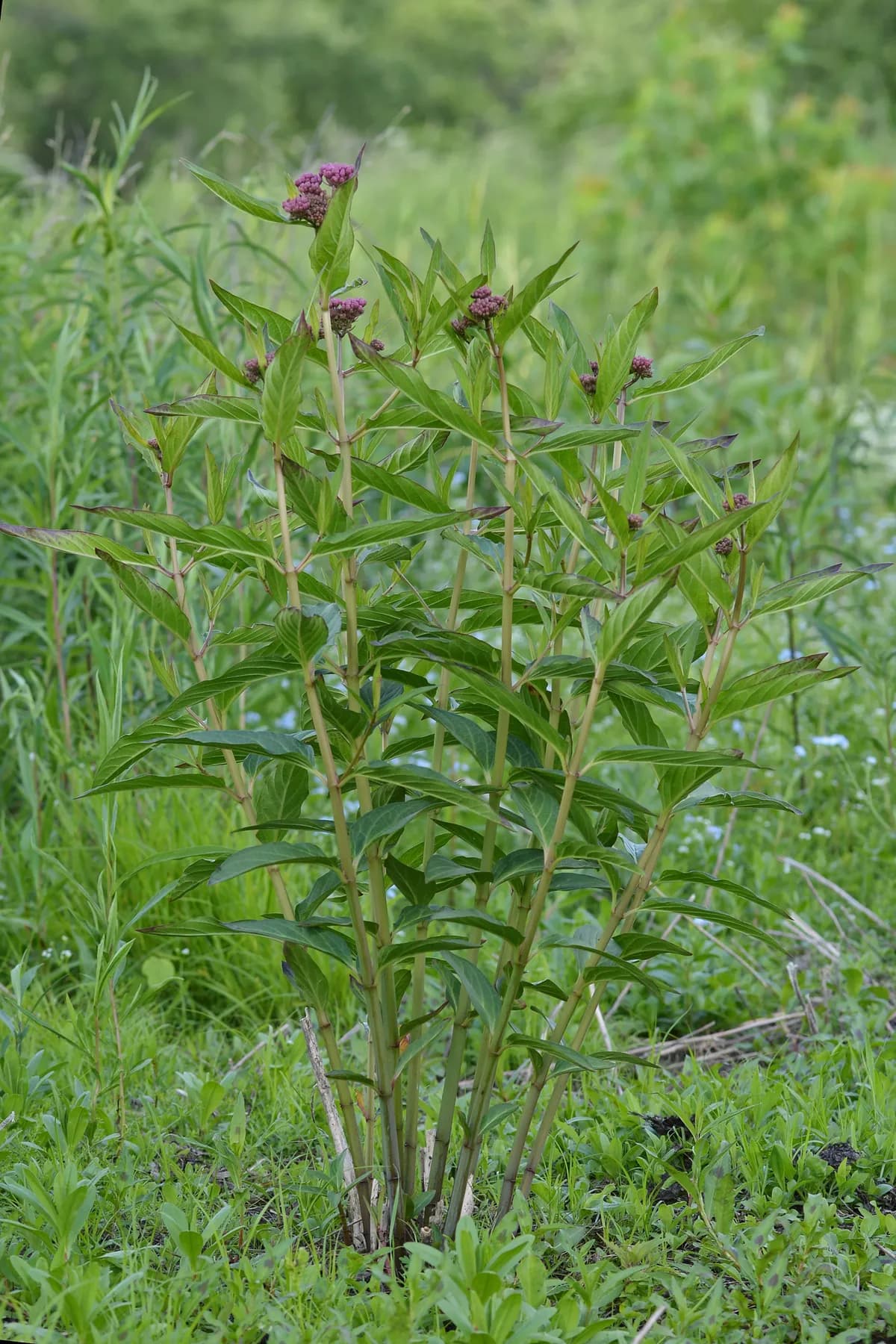
Swamp Milkweed
Asclepias incarnata
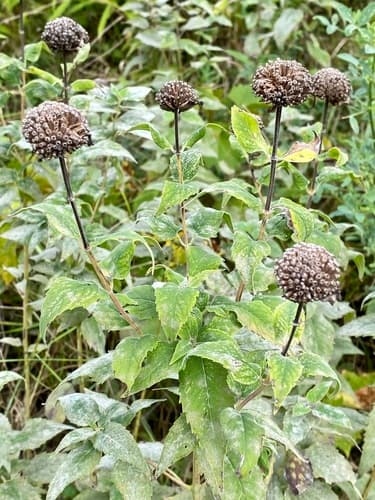
Wild Bergamot
Monarda fistulosa
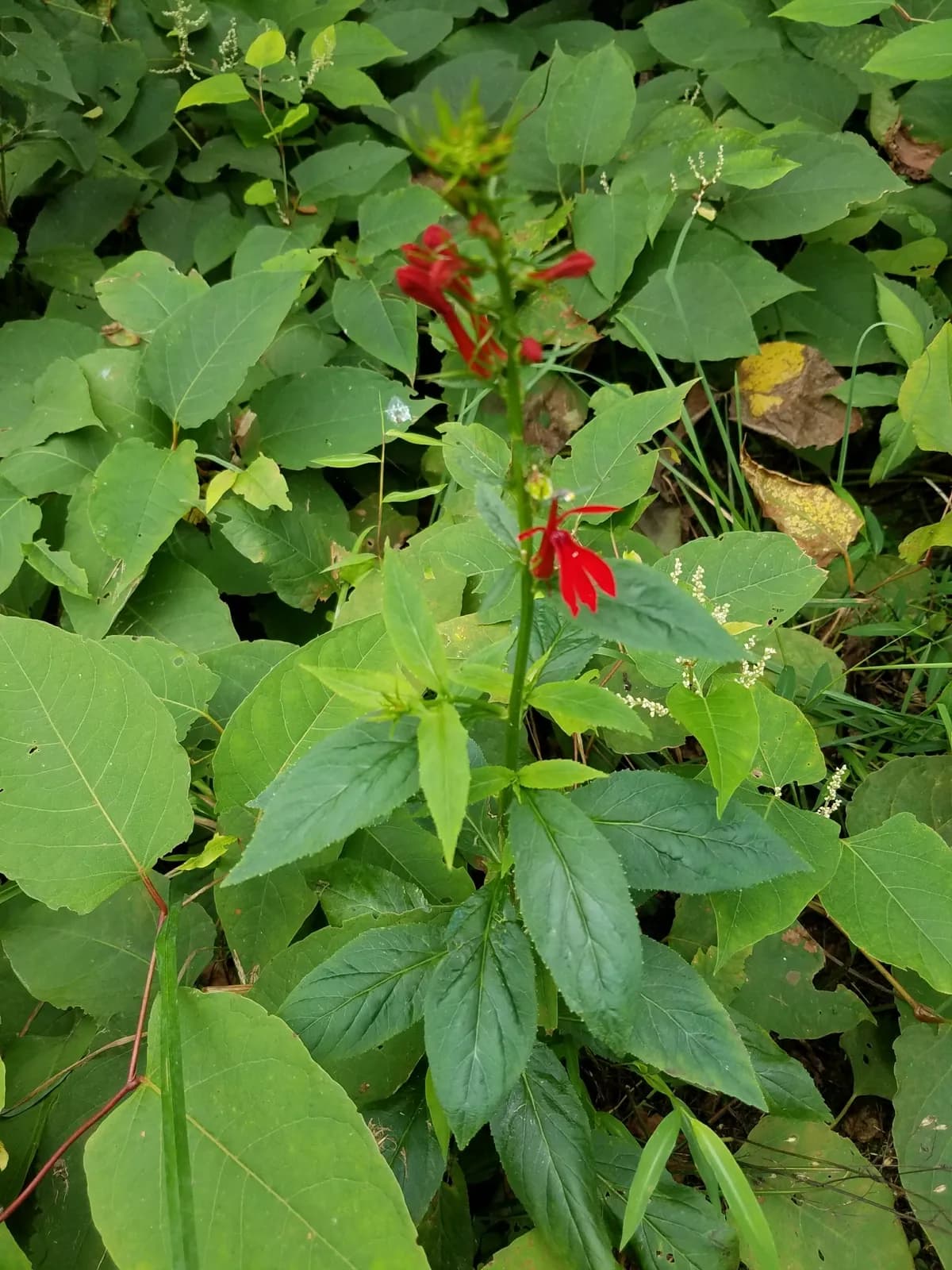
Cardinal Flower
Lobelia cardinalis
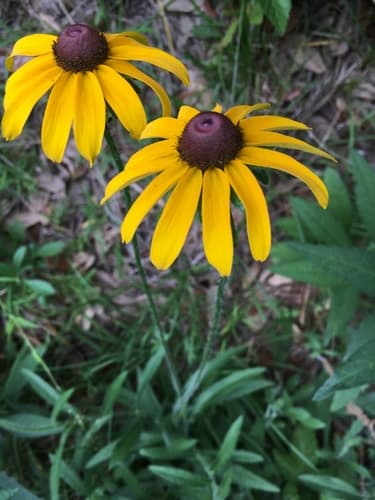
Black-eyed Susan
Rudbeckia hirta
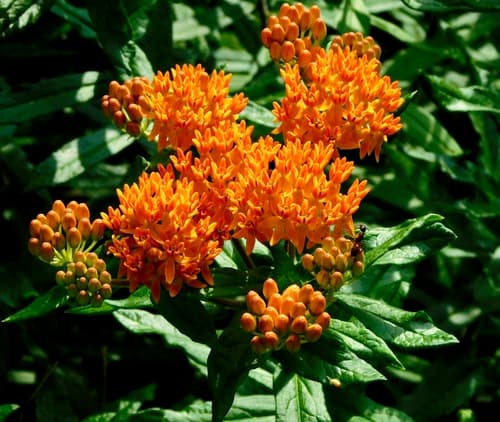
Butterfly Milkweed
Asclepias tuberosa
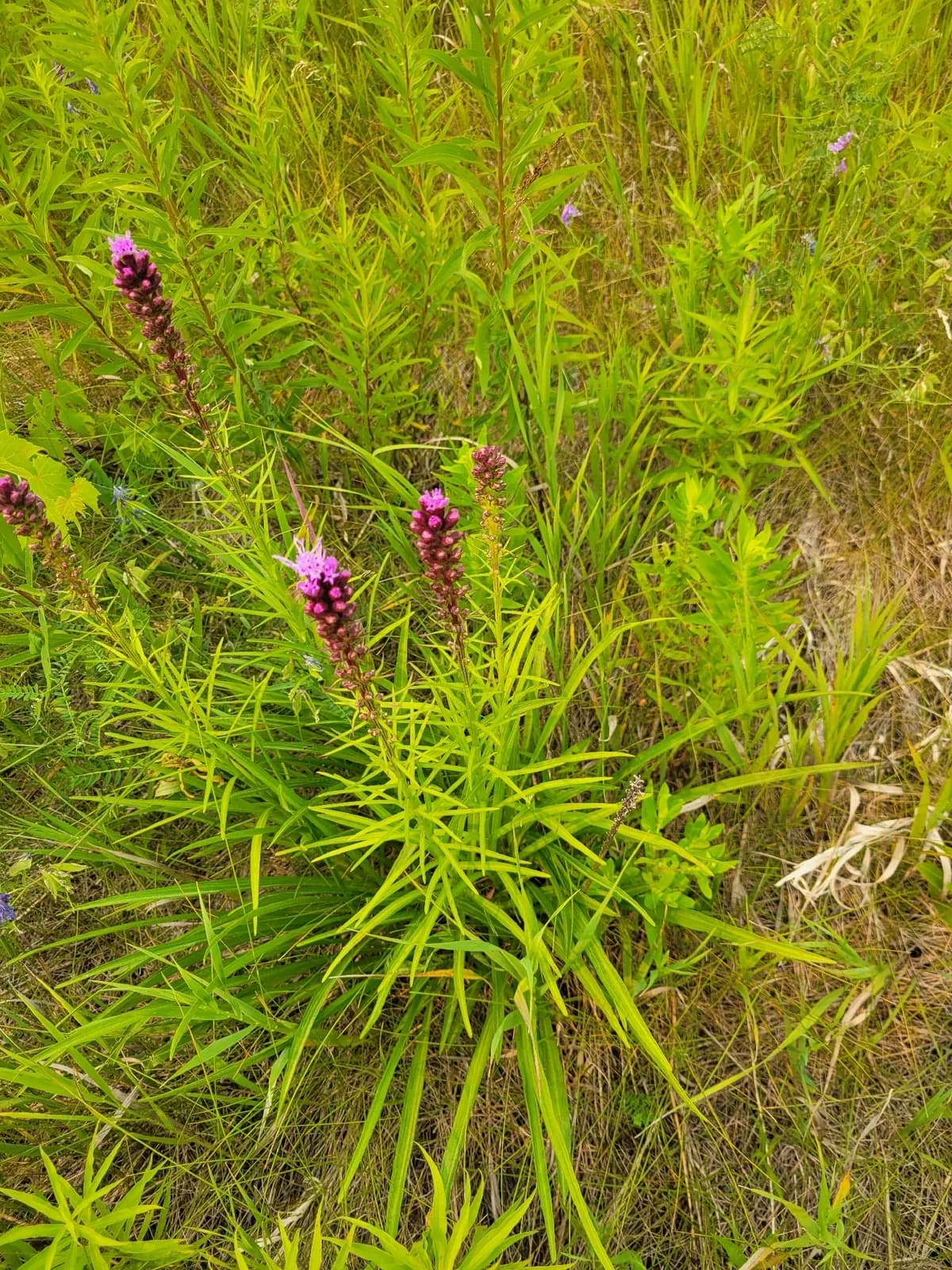
Dense Blazing Star
Liatris spicata
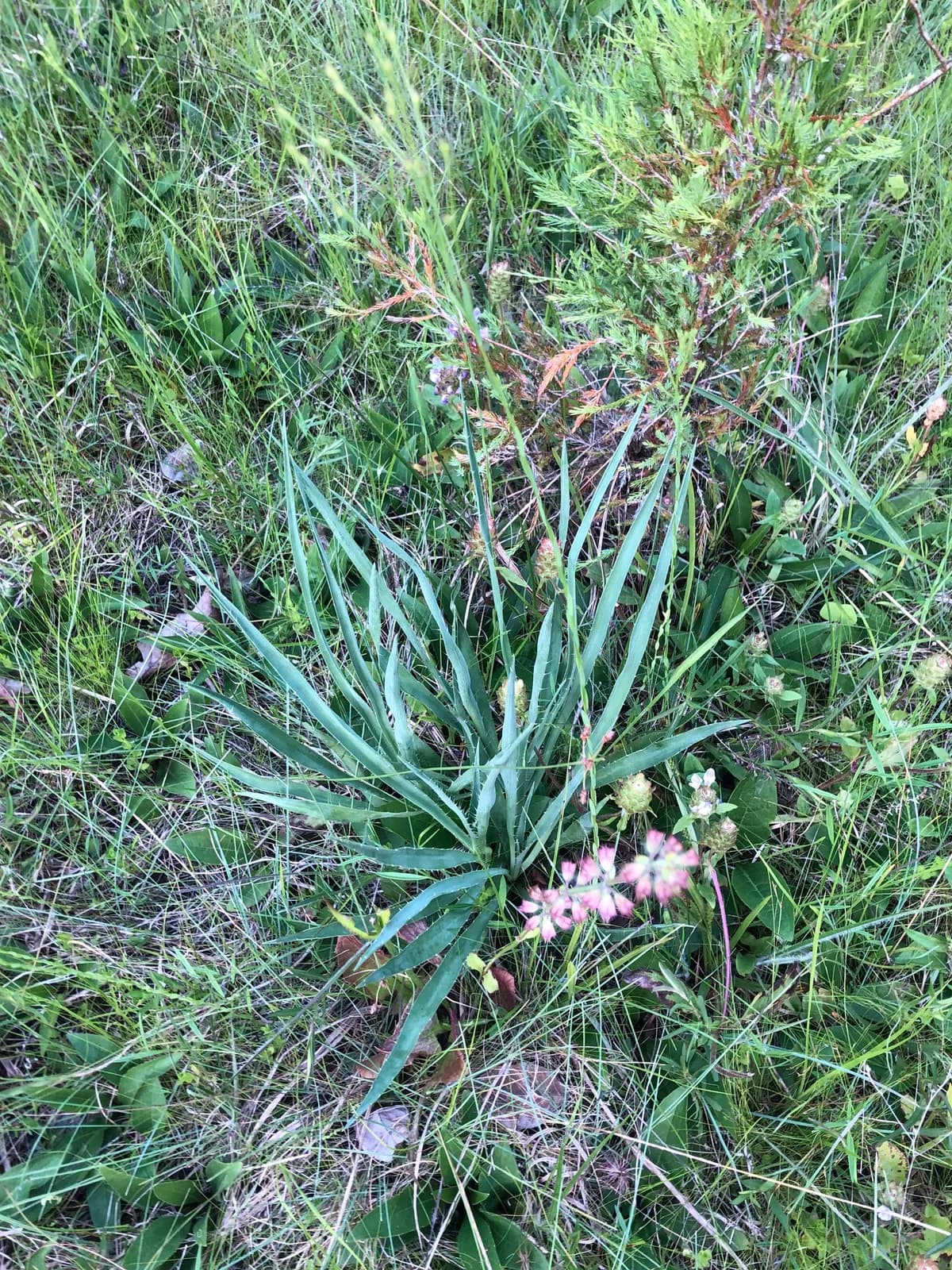
Rattlesnake Master
Eryngium yuccifolium
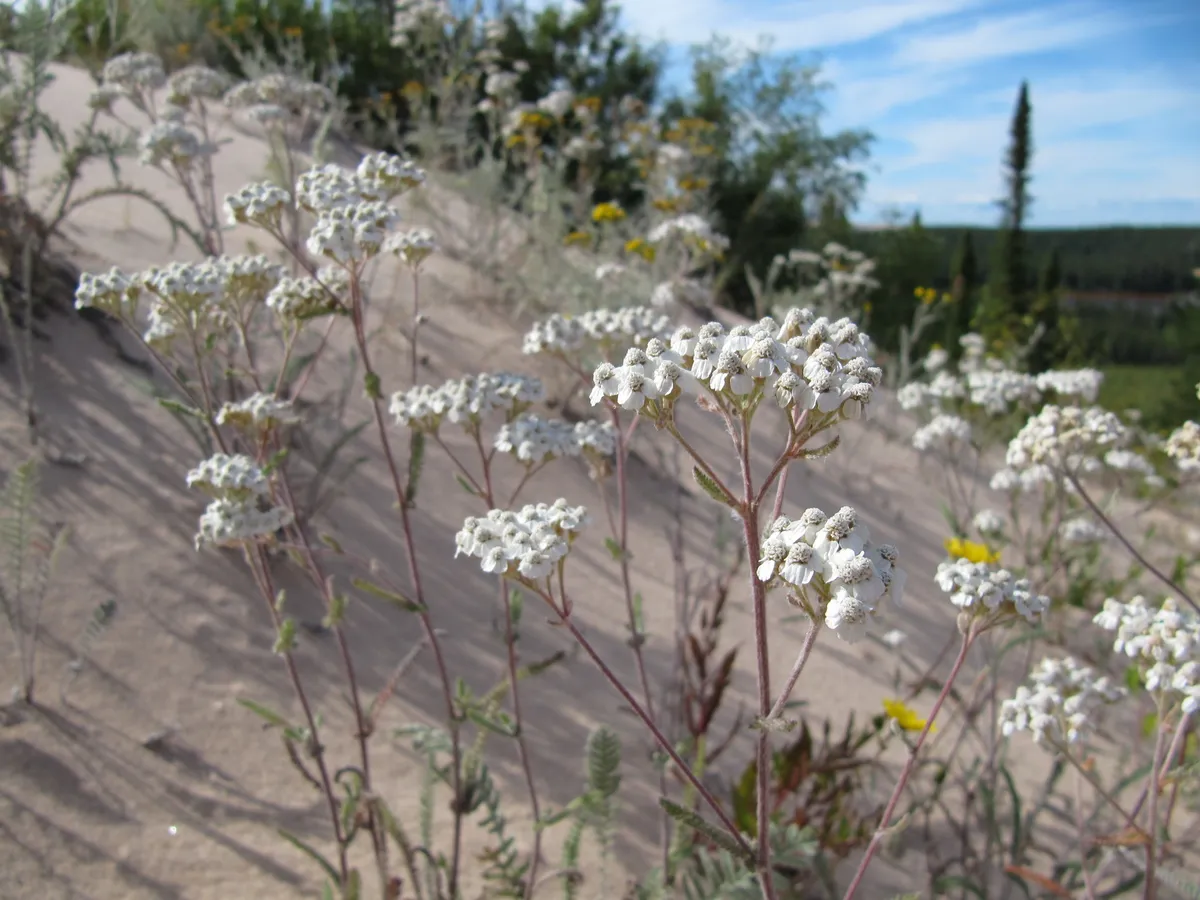
Common Yarrow
Achillea millefolium
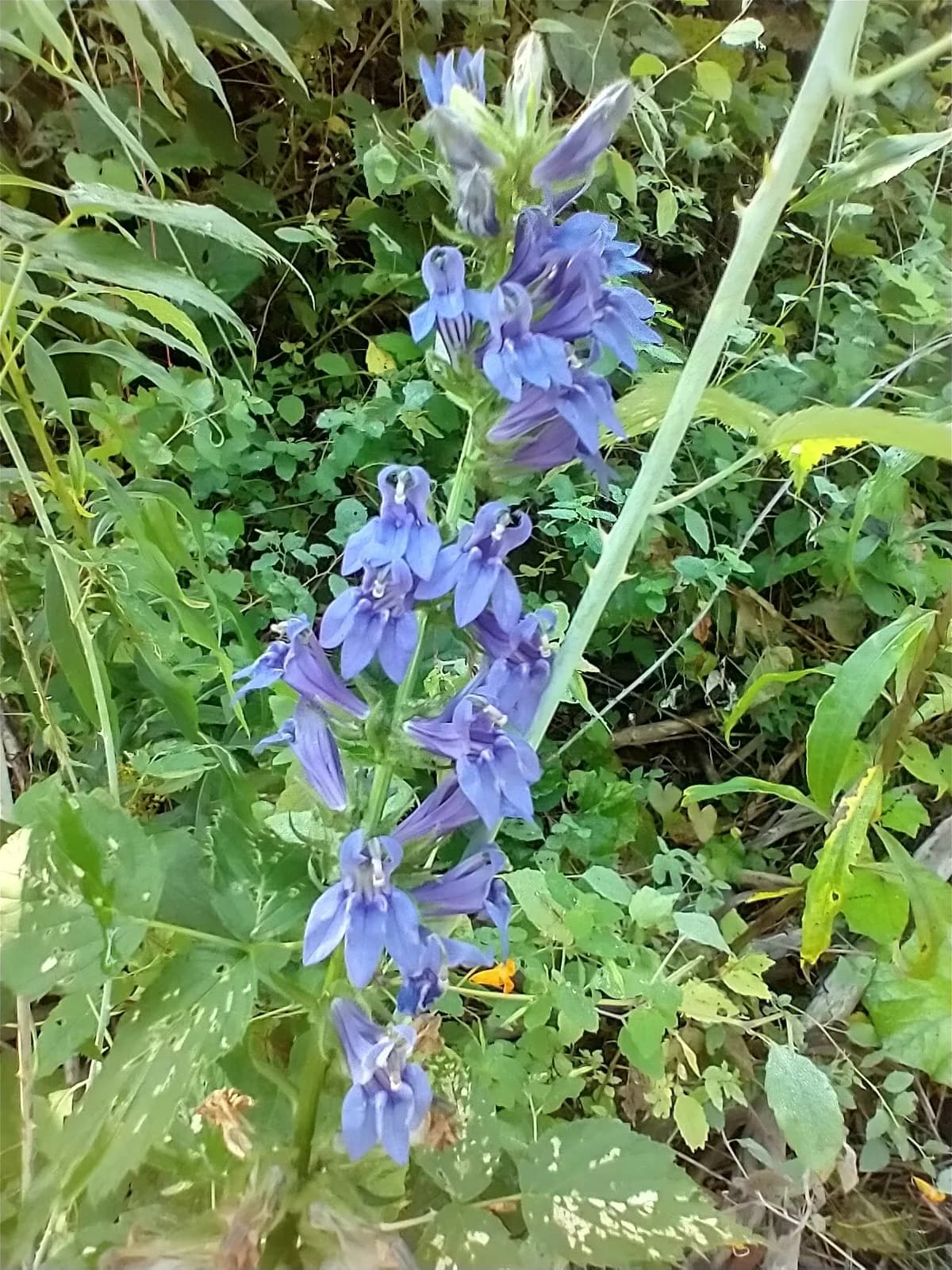
Blue Lobelia
Lobelia siphilitica
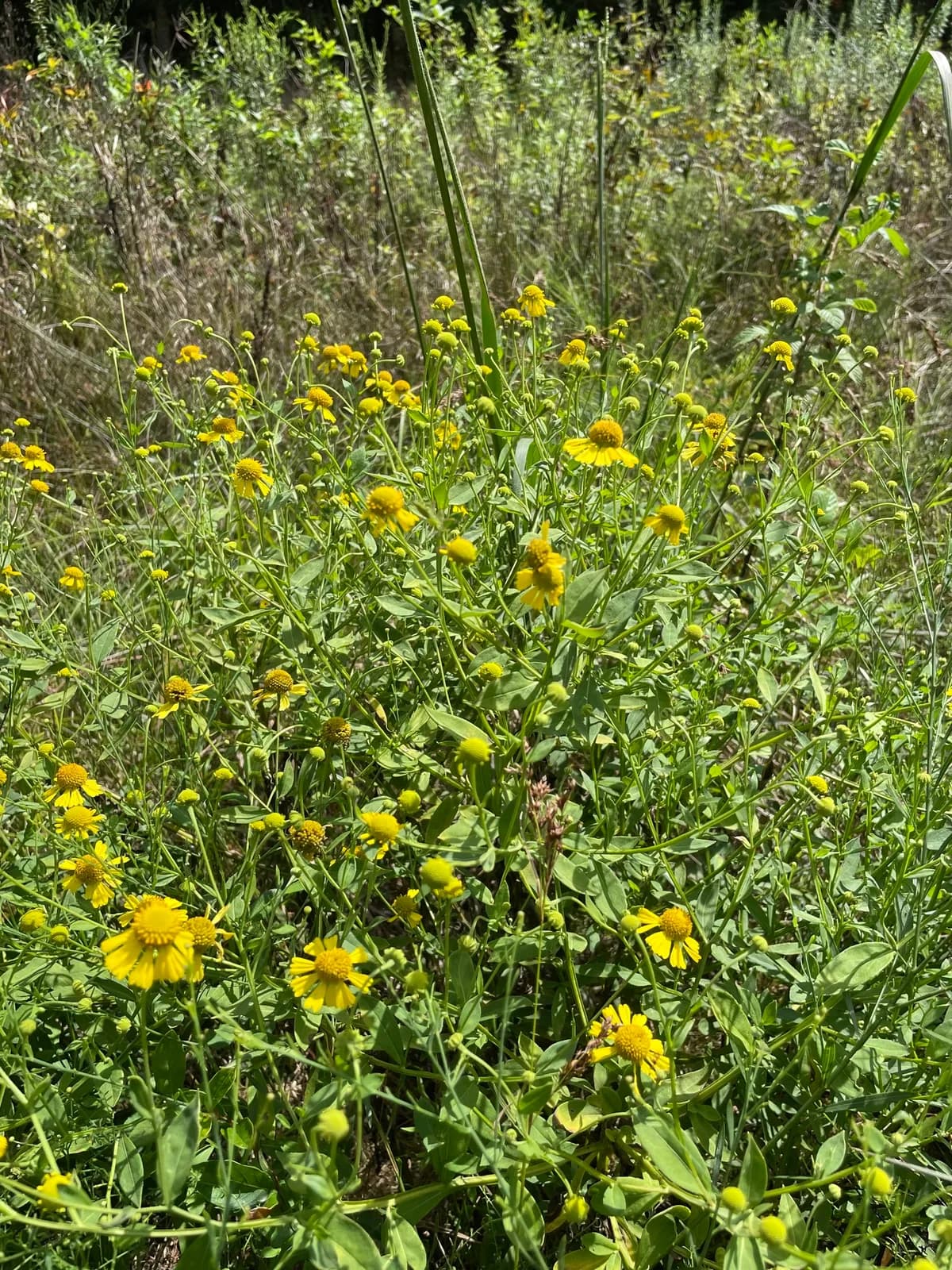
Common Sneezeweed
Helenium autumnale
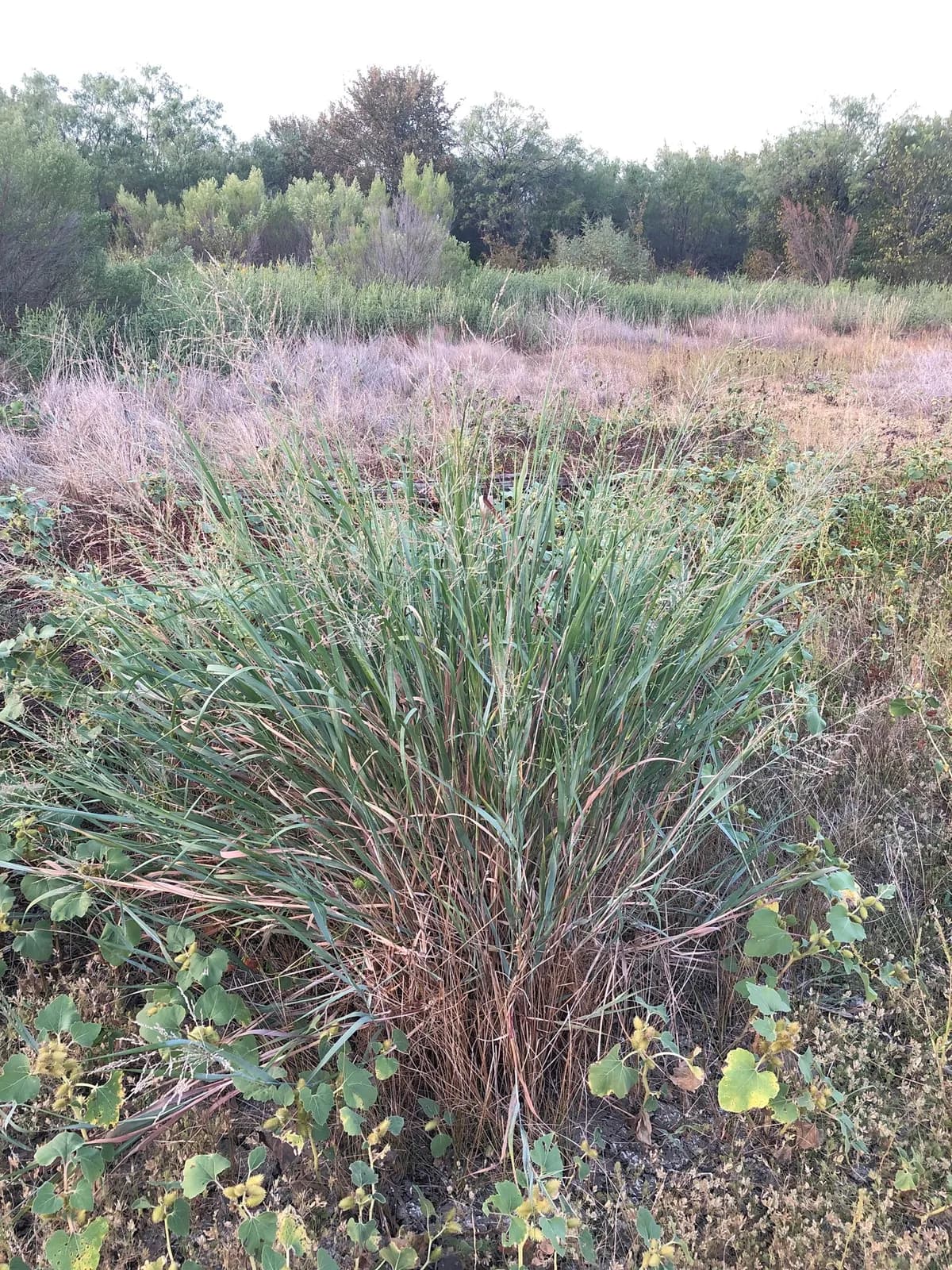
Switchgrass
Panicum virgatum
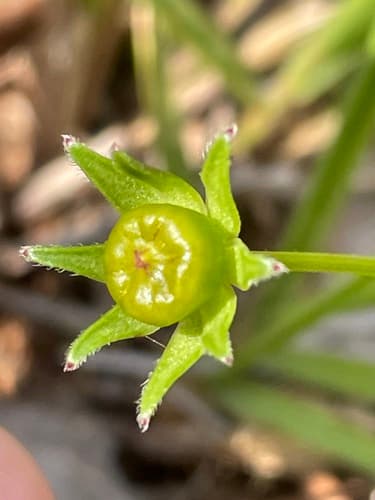
Lanceleaf Coreopsis
Coreopsis lanceolata
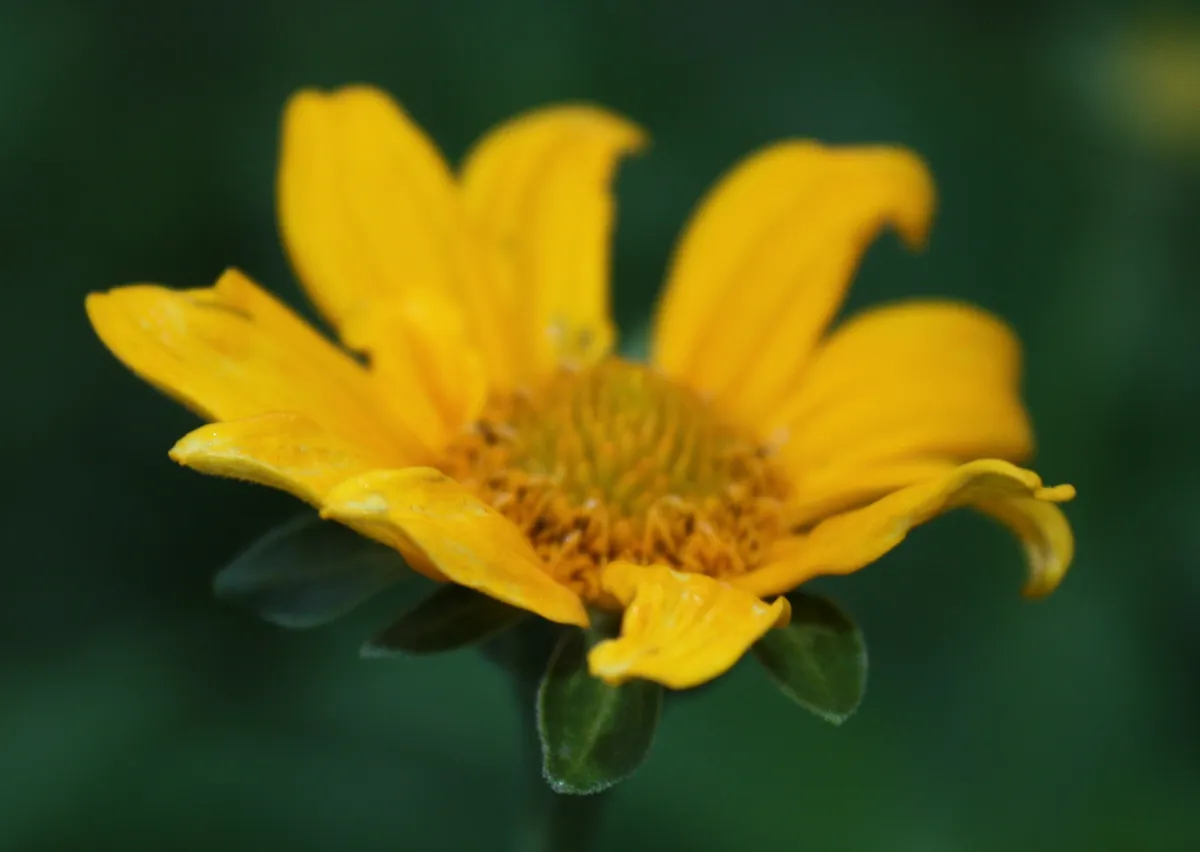
False Sunflower
Heliopsis helianthoides
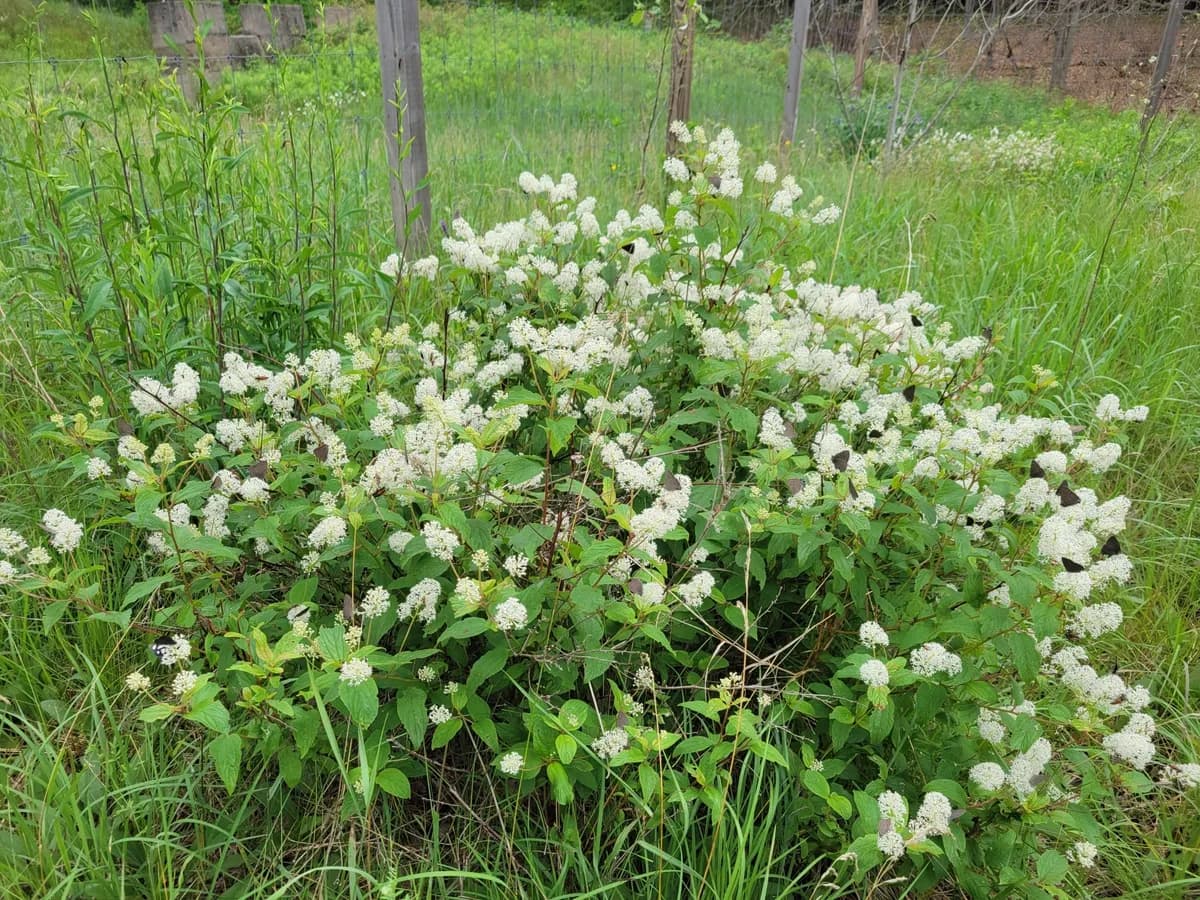
New Jersey-tea
Ceanothus americanus
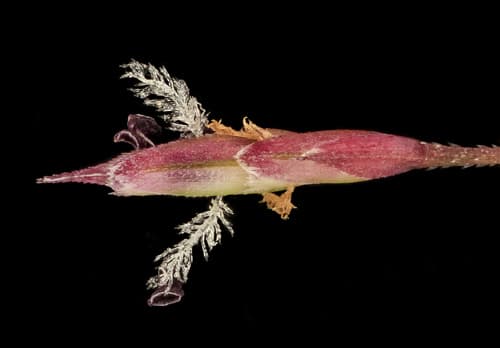
Purple Lovegrass
Eragrostis spectabilis

Sideoats Grama
Bouteloua curtipendula

Inland Sea Oats
Chasmanthium latifolium
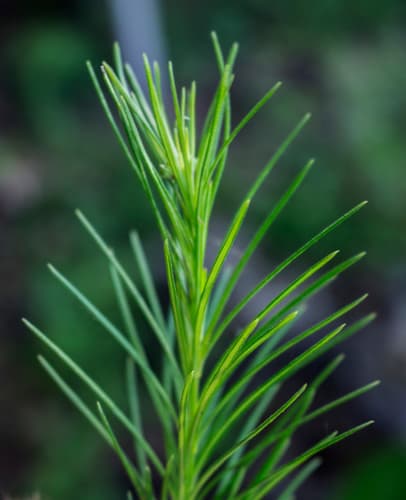
Whorled Milkweed
Asclepias verticillata
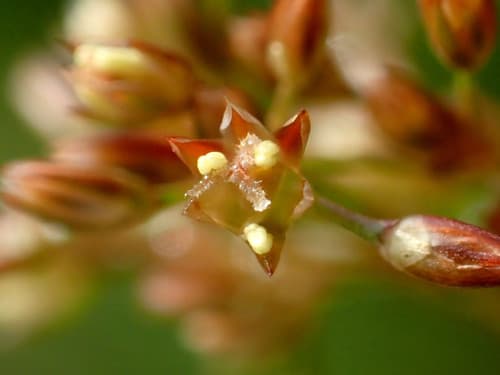
Soft rush
Juncus effusus
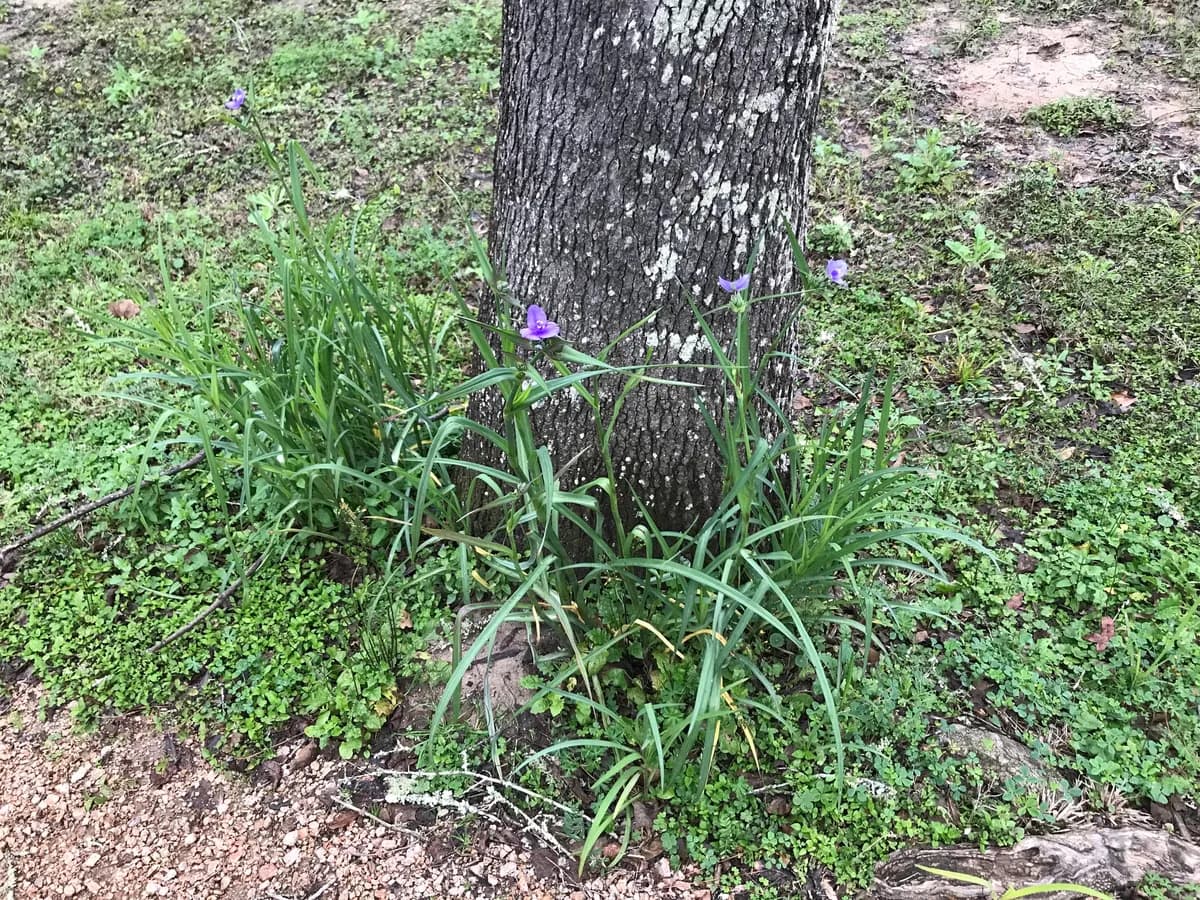
Smooth Spiderwort
Tradescantia ohiensis
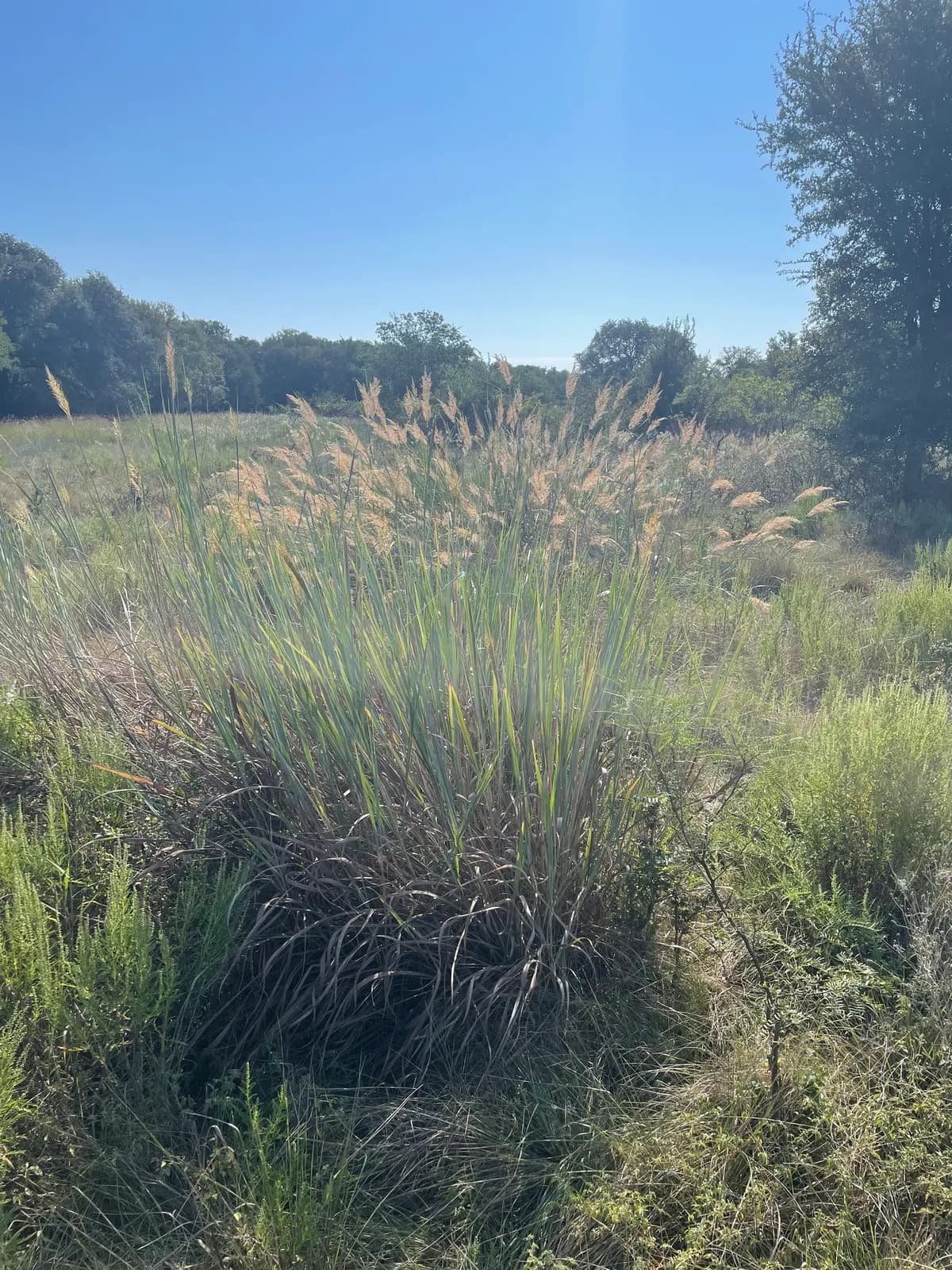
Indiangrass
Sorghastrum nutans
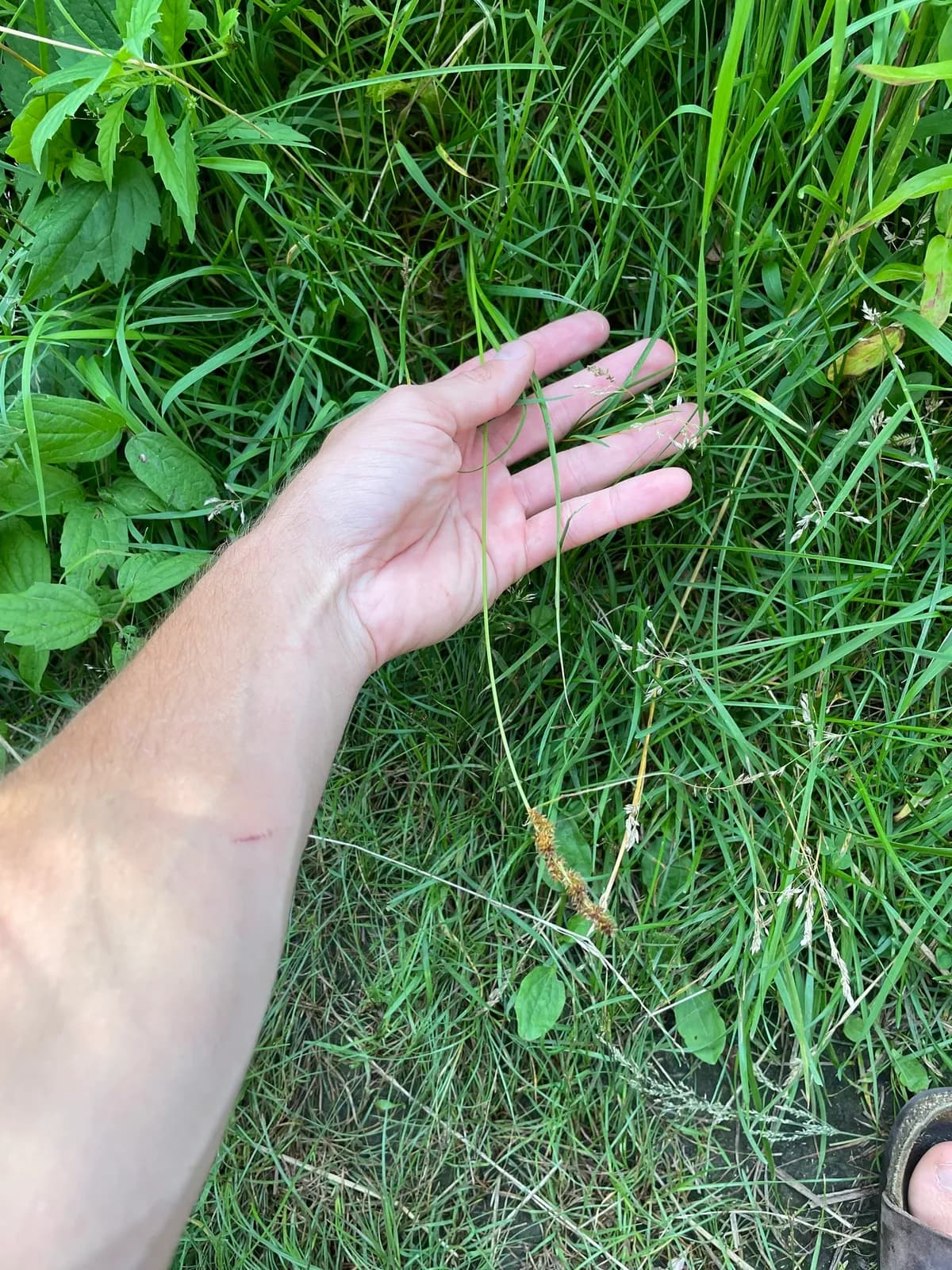
American Fox Sedge
Carex vulpinoidea
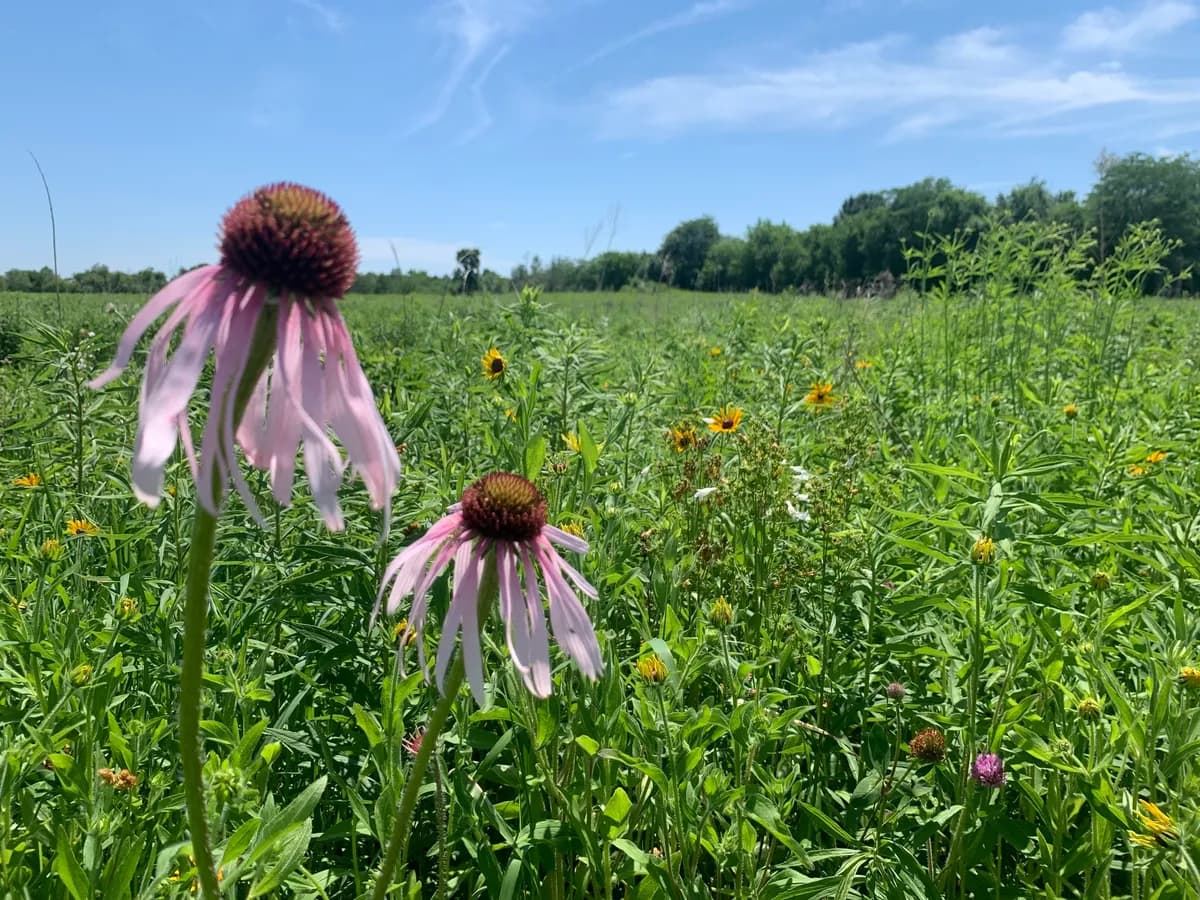
Pale Purple Coneflower
Echinacea pallida
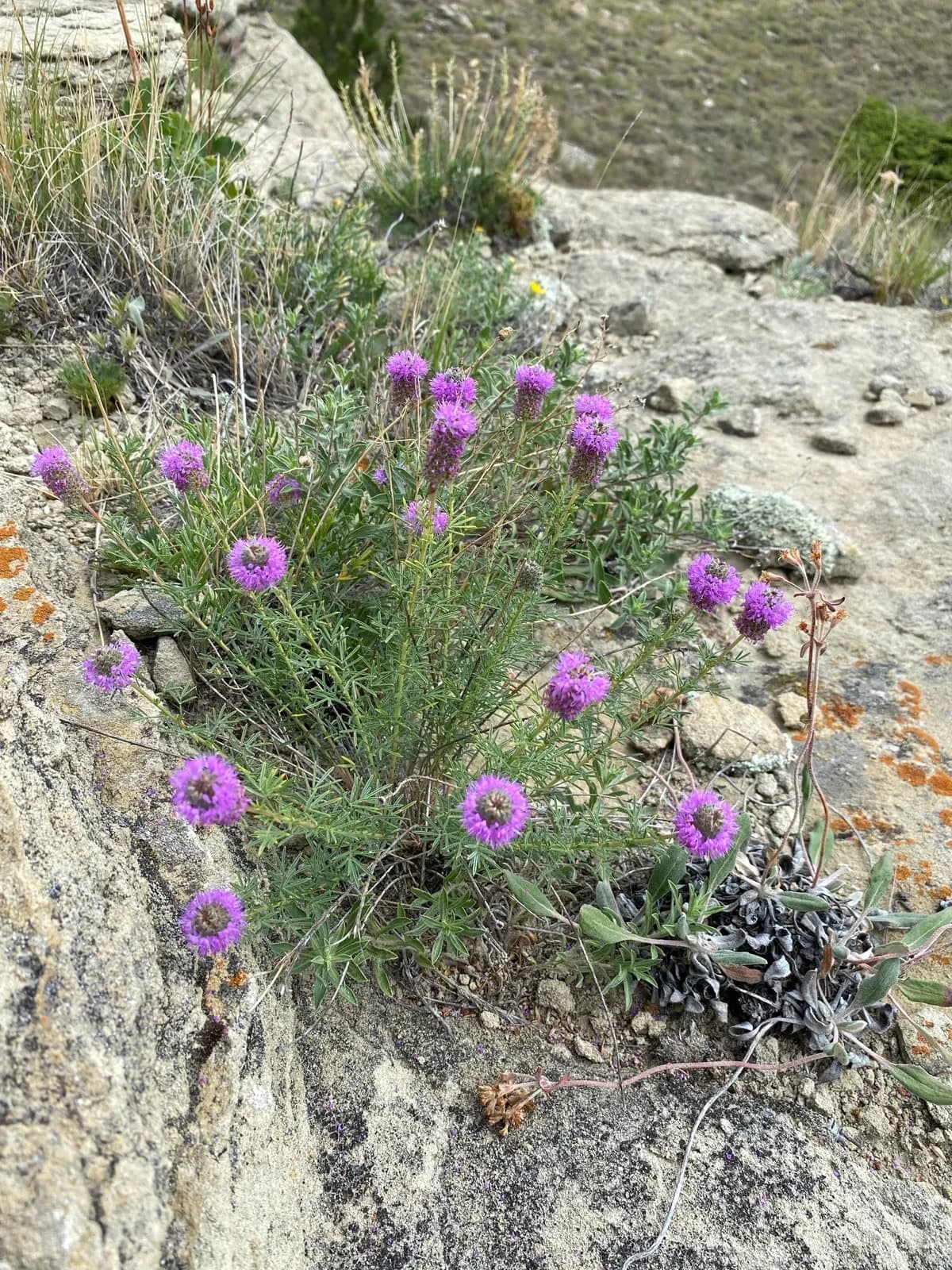
Purple Prairie Clover
Dalea purpurea
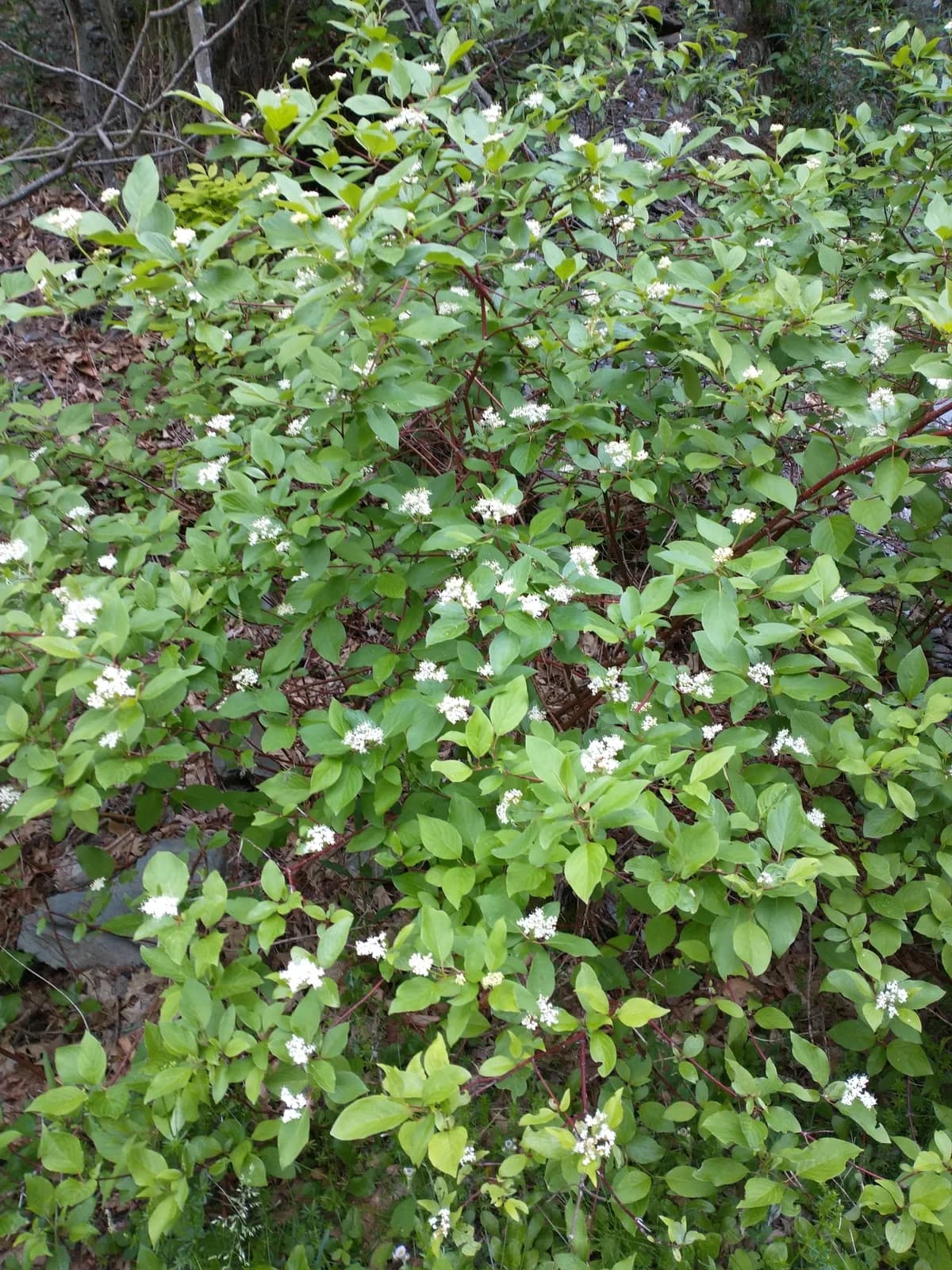
Red-osier Dogwood
Cornus sericea
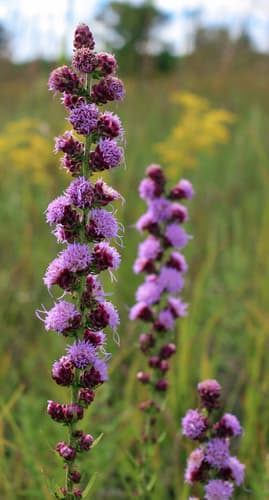
Tall Blazing Star
Liatris aspera
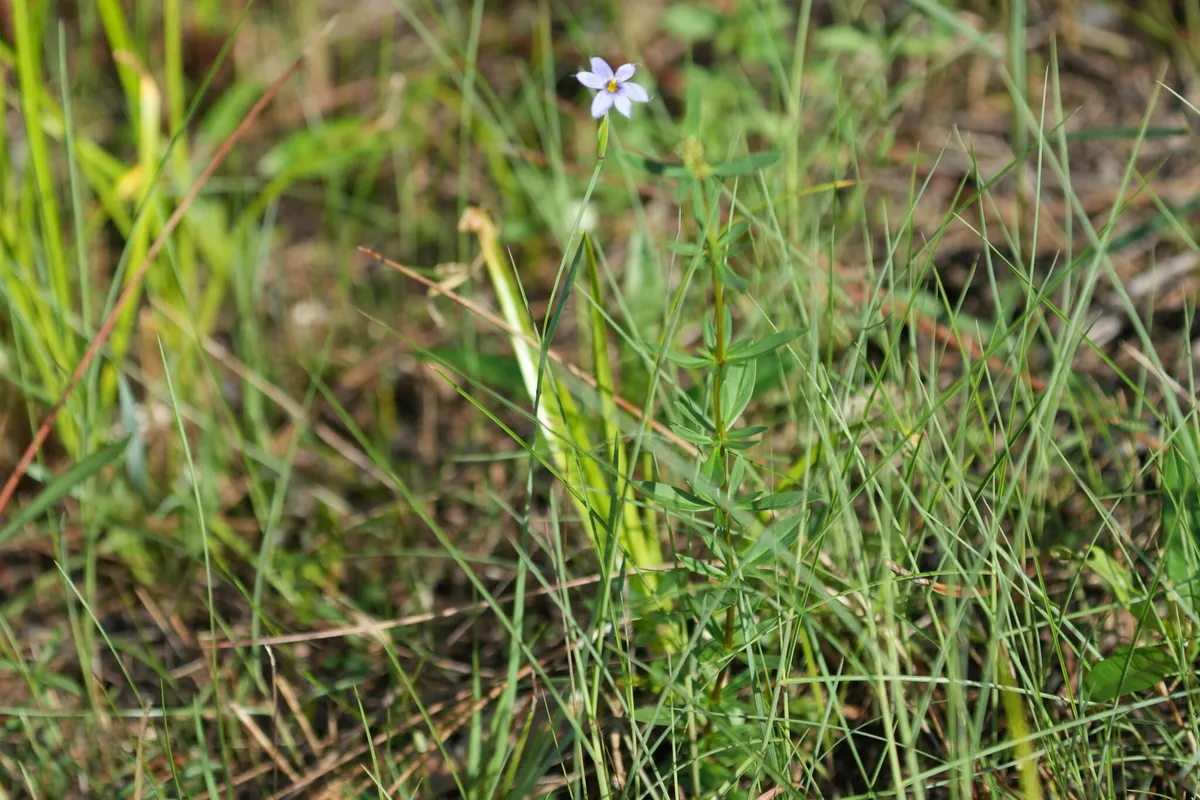
Narrowleaf Blue-eyed Grass
Sisyrinchium angustifolium
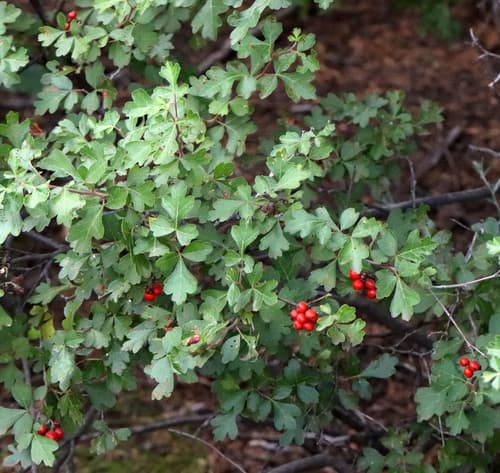
Aromatic Sumac
Rhus aromatica
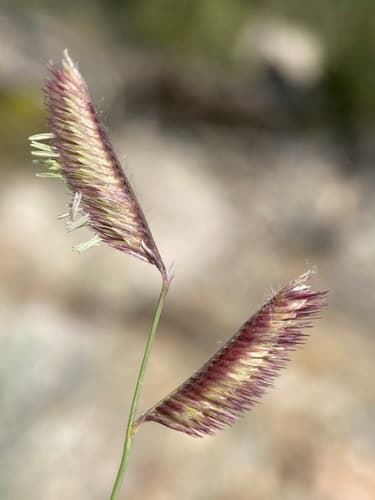
Blue Grama
Bouteloua gracilis
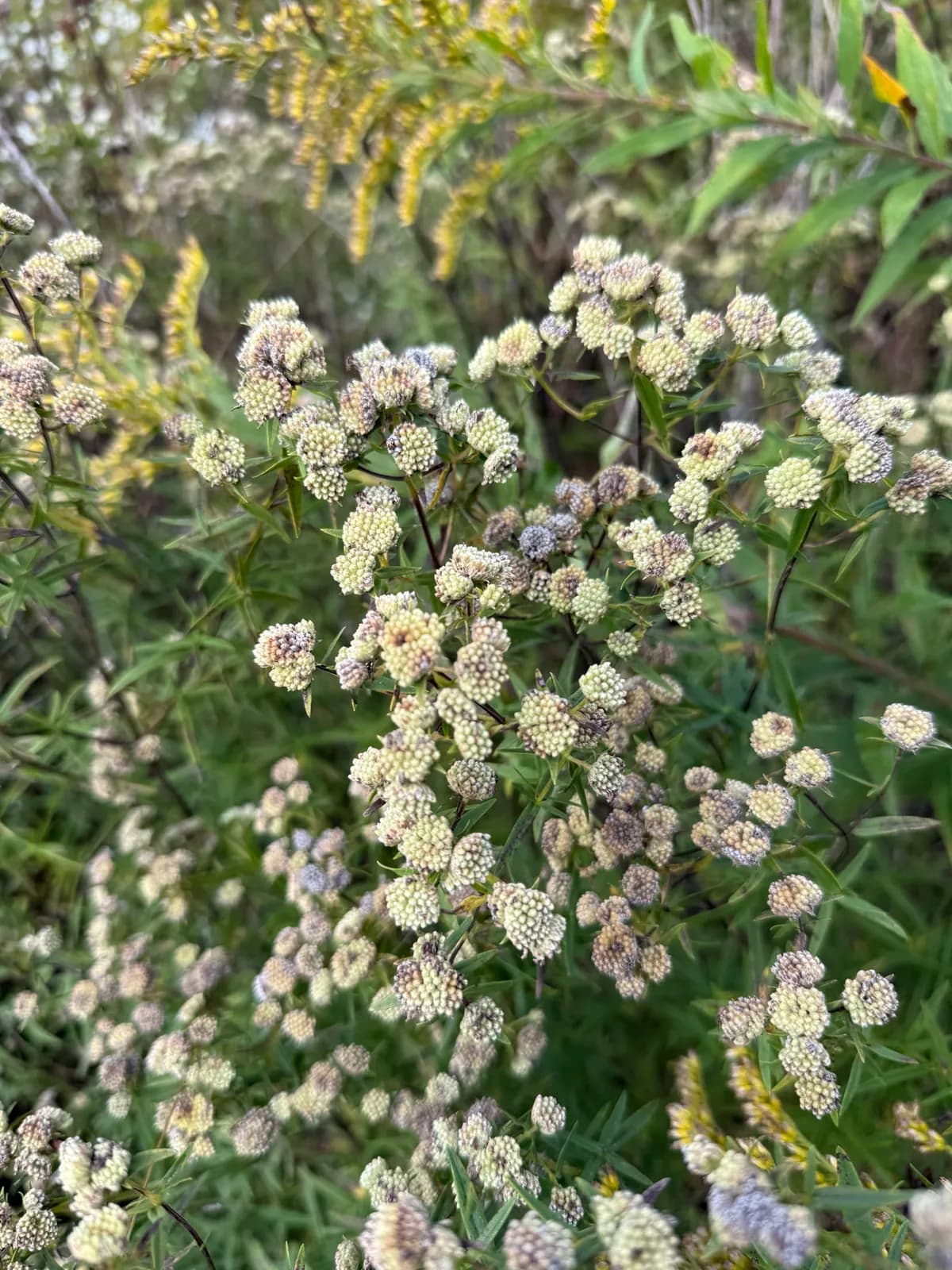
Virginia Mountain-Mint
Pycnanthemum virginianum
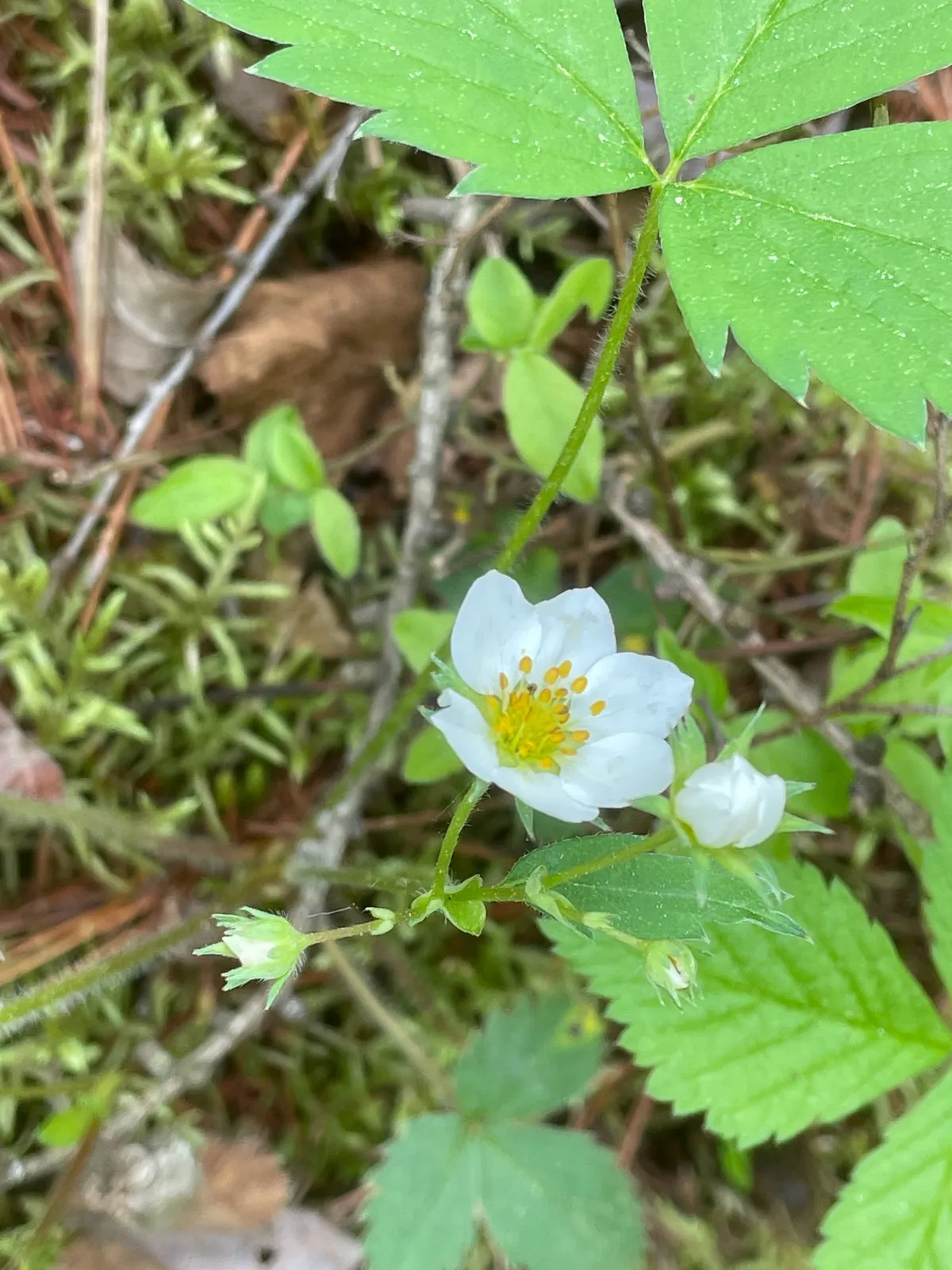
Scarlet Strawberry
Fragaria virginiana
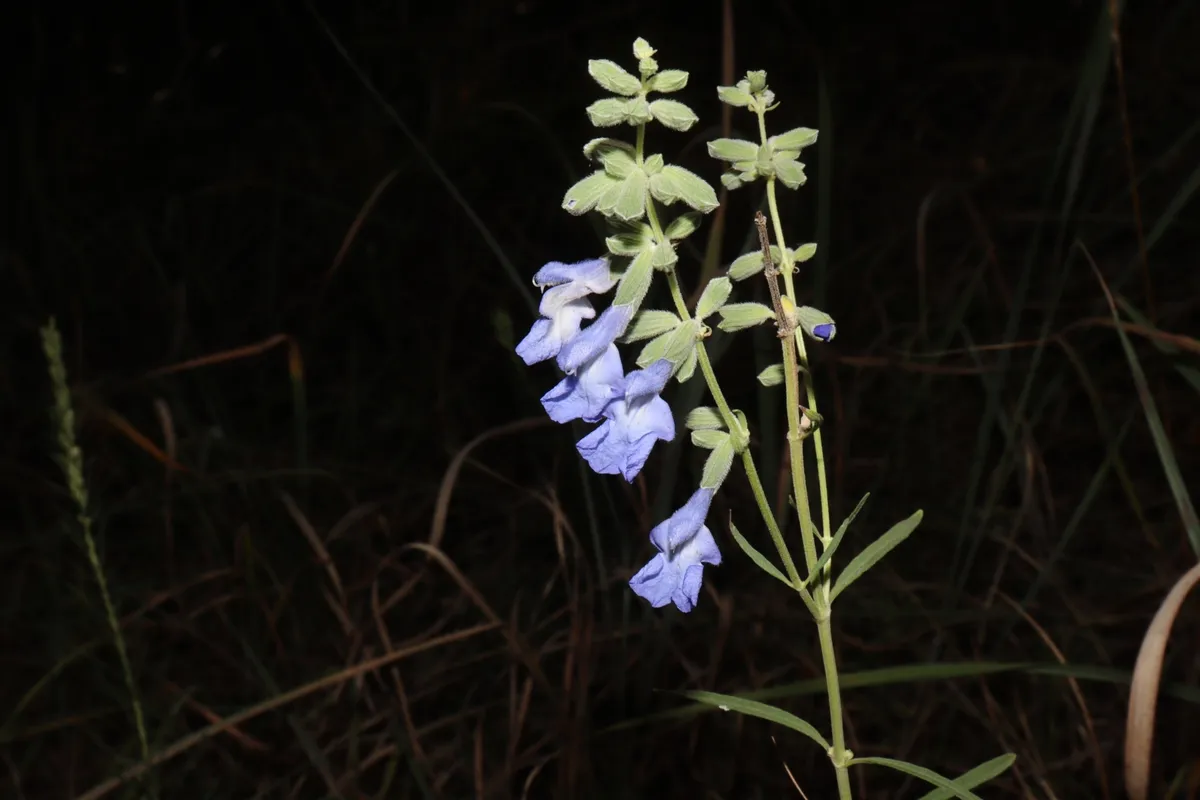
Azure Sage
Salvia azurea
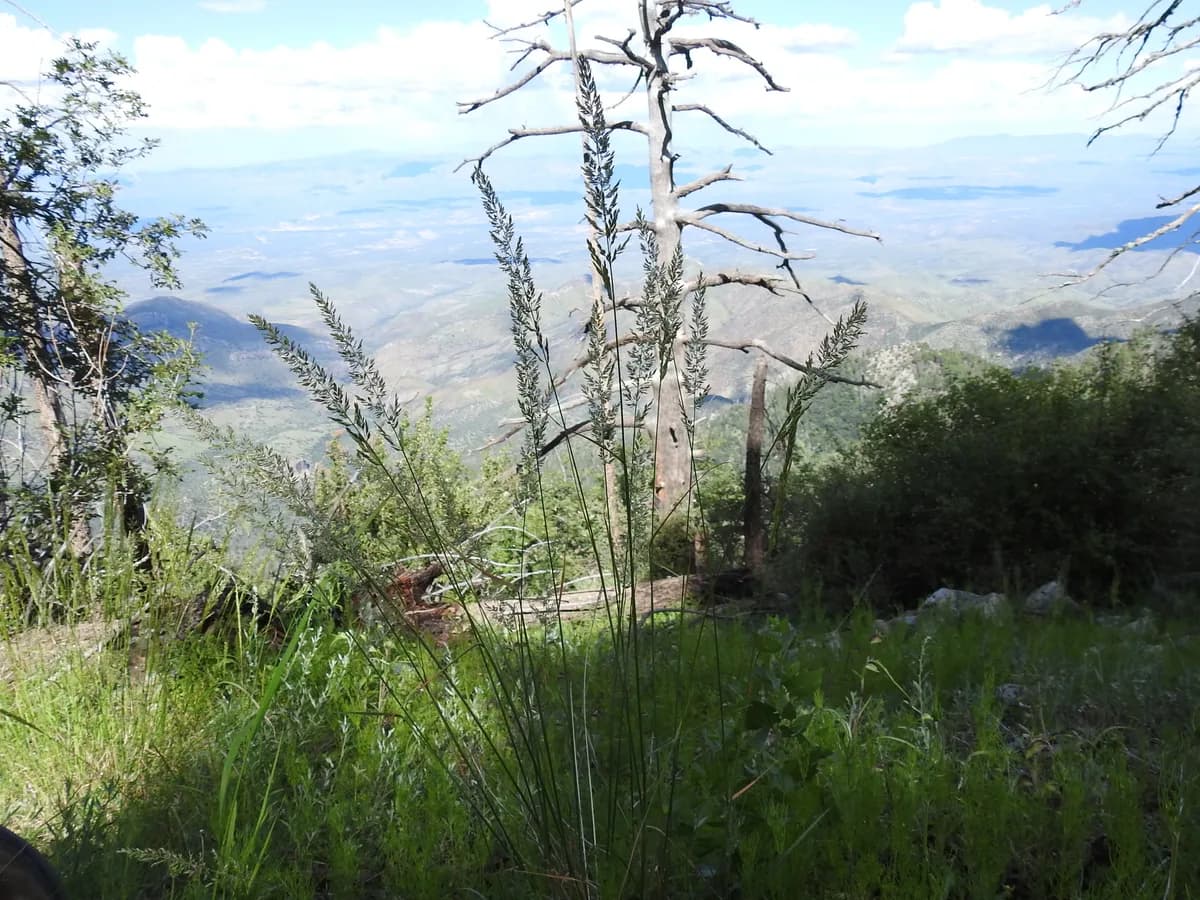
Prairie Junegrass
Koeleria macrantha
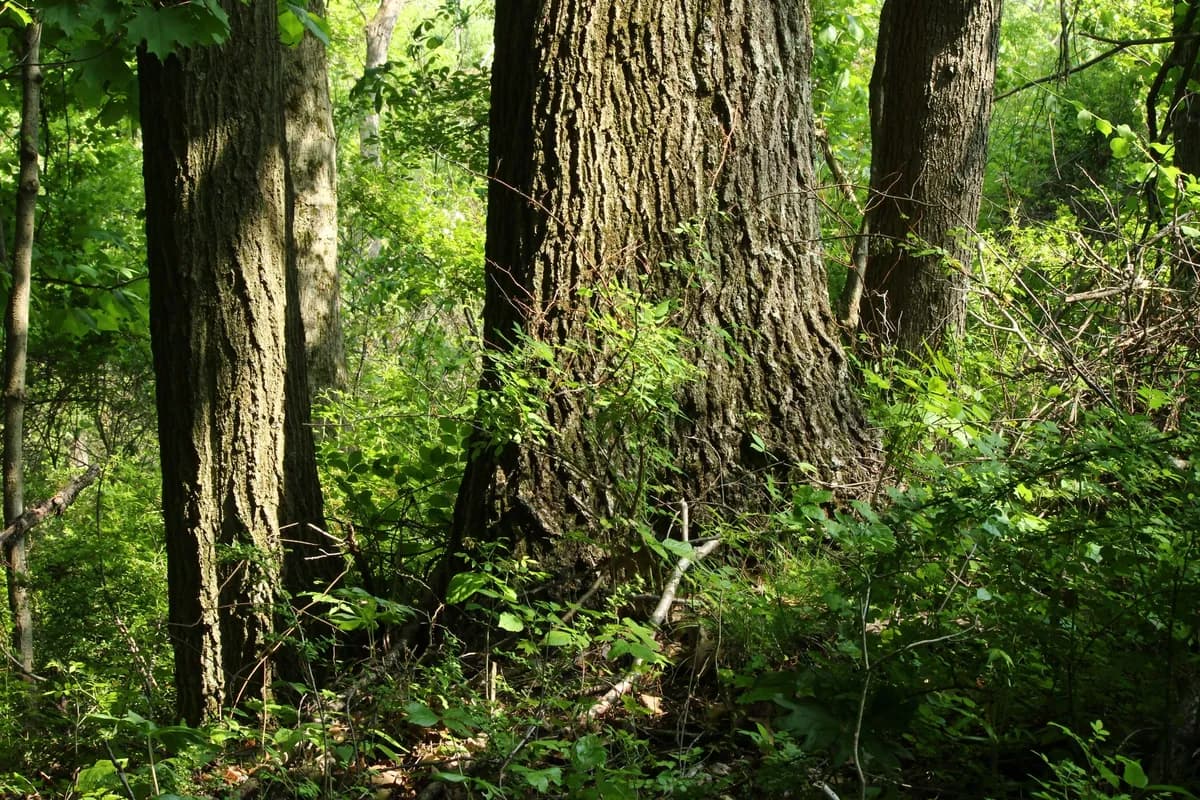
Northern Red Oak
Quercus rubra
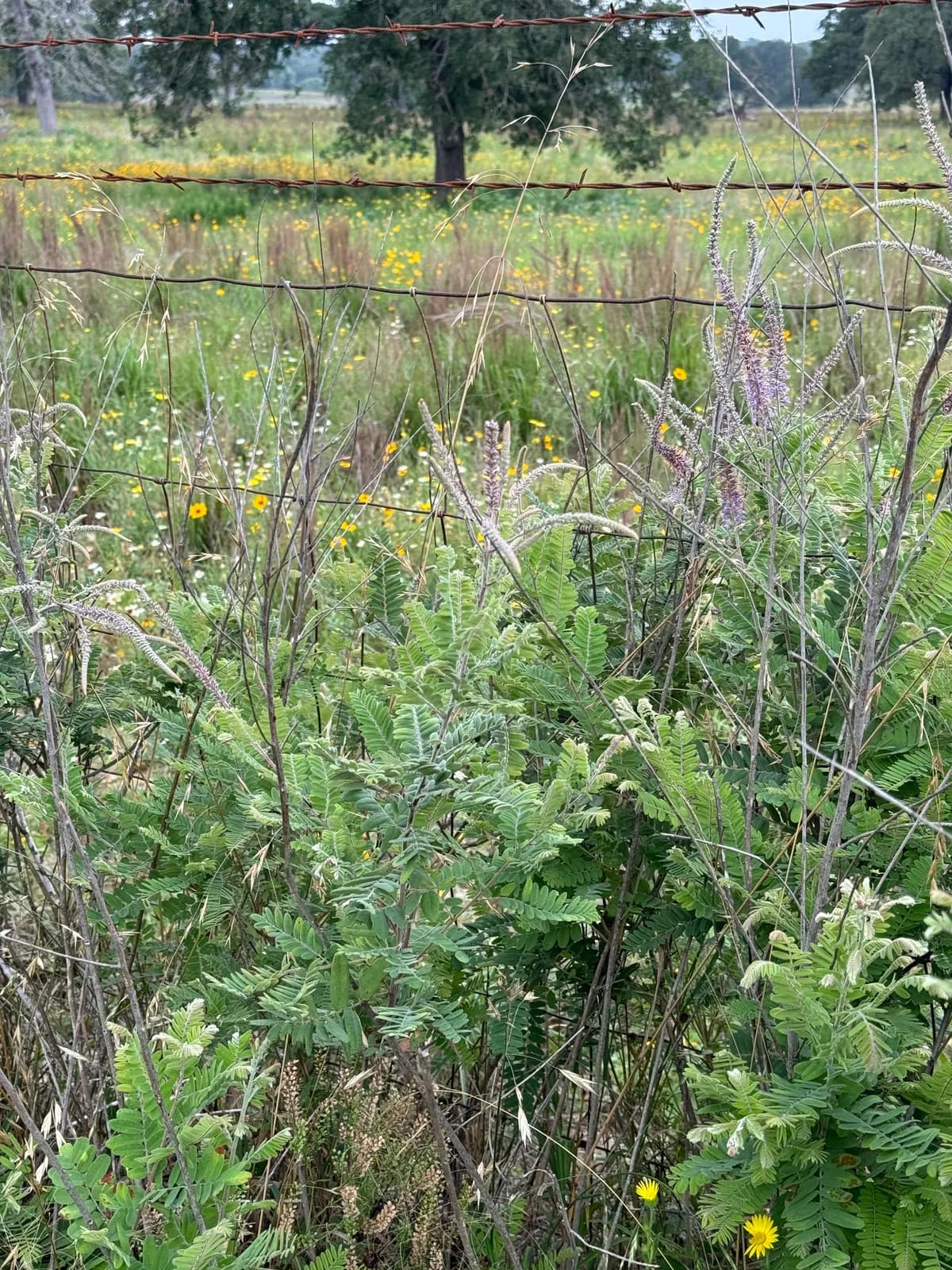
Leadplant
Amorpha canescens
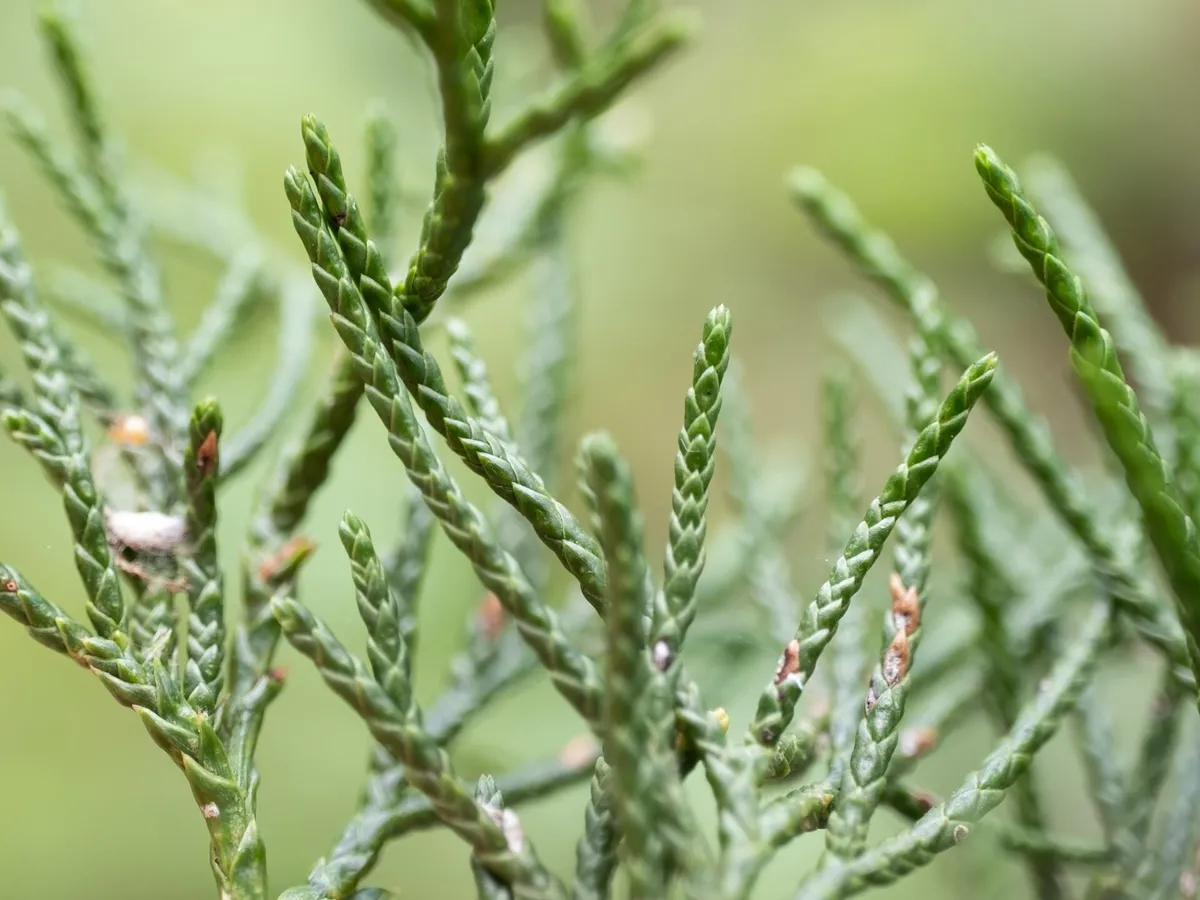
Eastern Red Cedar
Juniperus virginiana
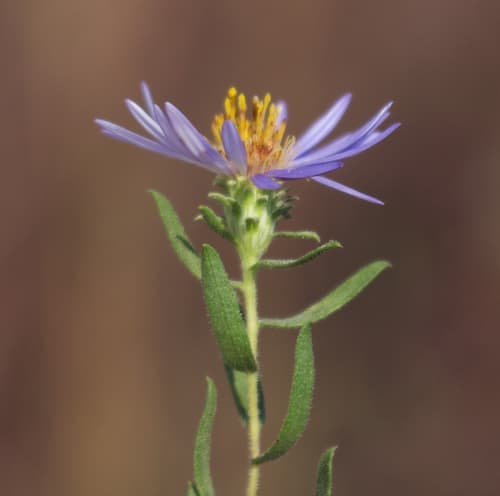
Fall Aster
Symphyotrichum oblongifolium
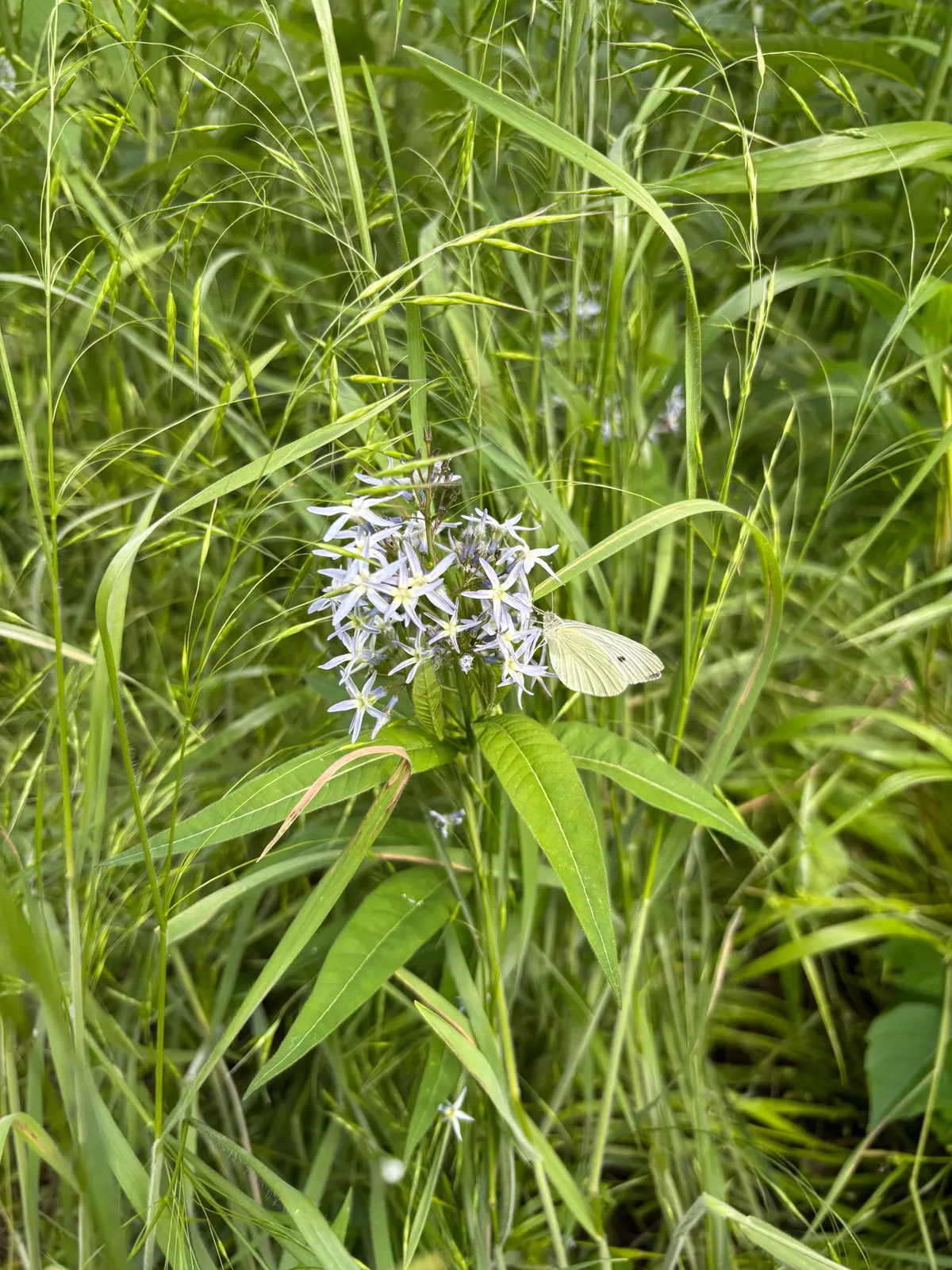
Eastern Bluestar
Amsonia tabernaemontana
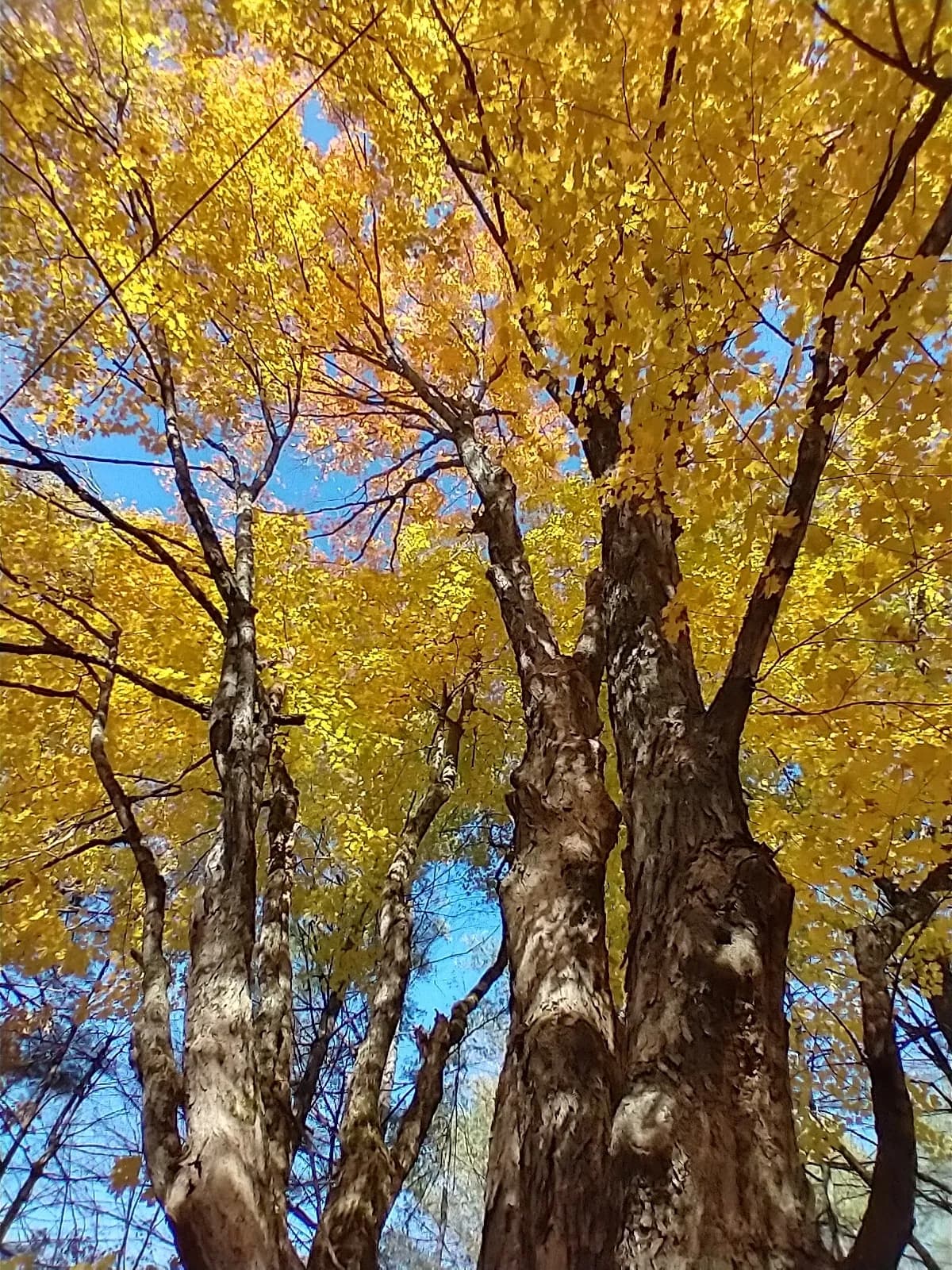
Sugar Maple
Acer saccharum

Fragrant Phlox
Phlox pilosa

Prairie Petunia
Ruellia humilis

Mexican Hat
Ratibida columnifera
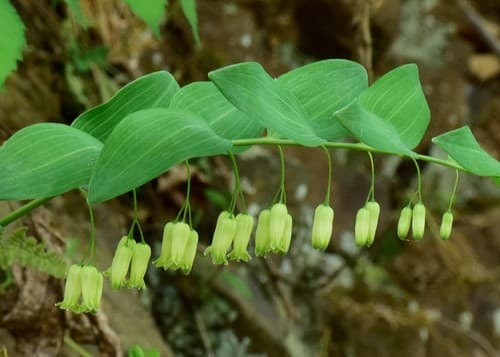
American Solomon's-seal
Polygonatum biflorum
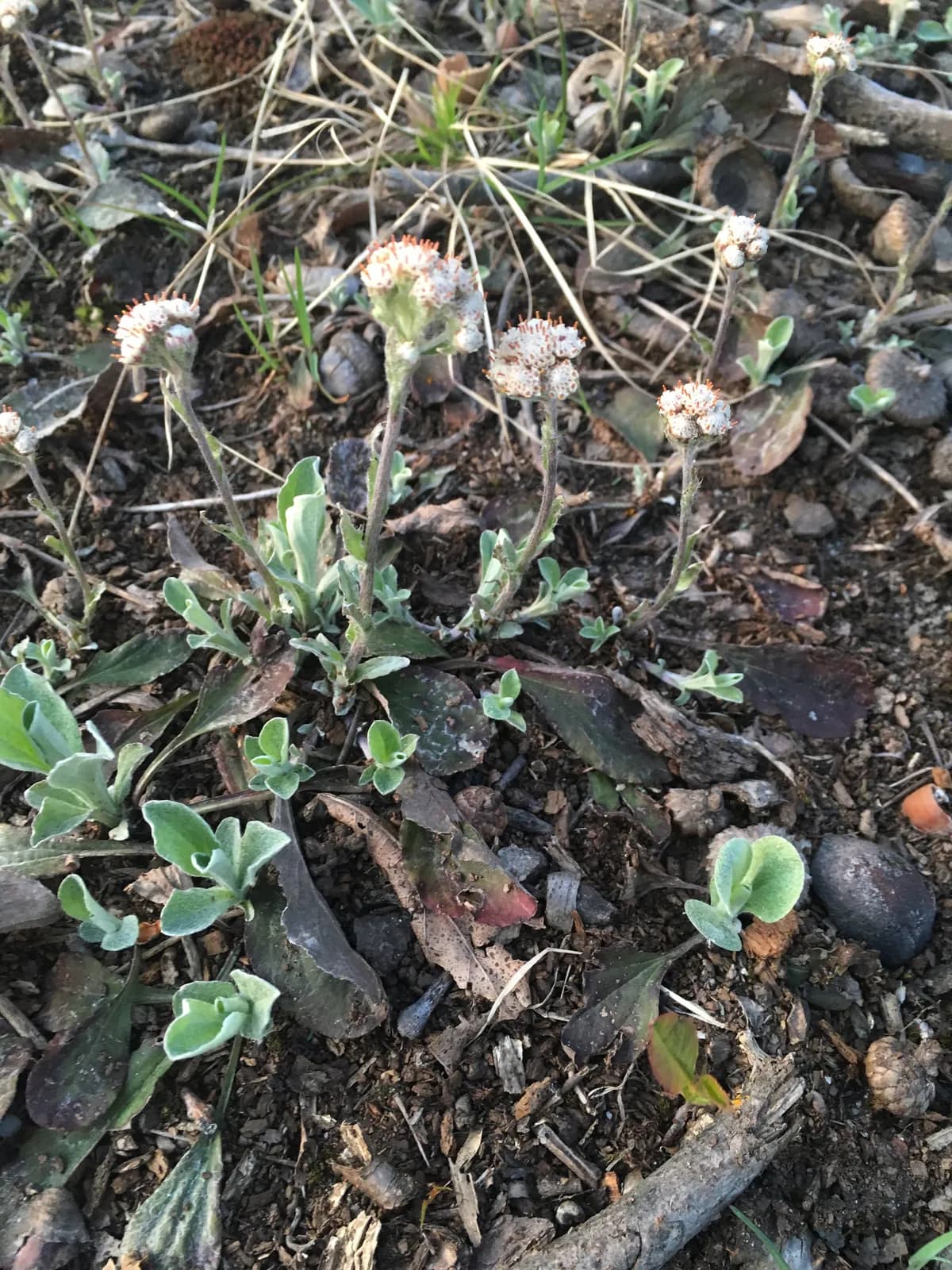
Plantain-leaf Pussytoes
Antennaria plantaginifolia
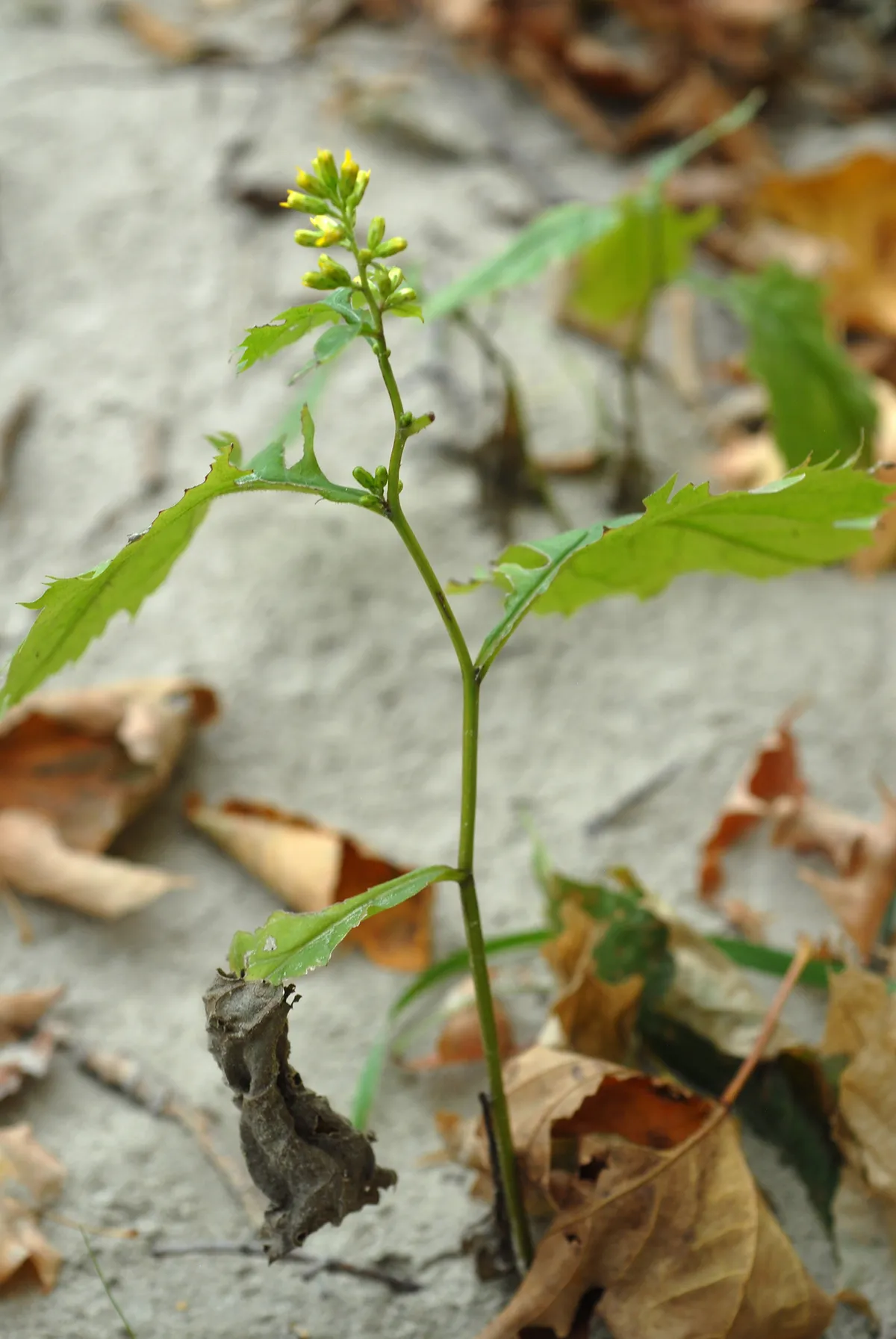
Zig-zag Goldenrod
Solidago flexicaulis
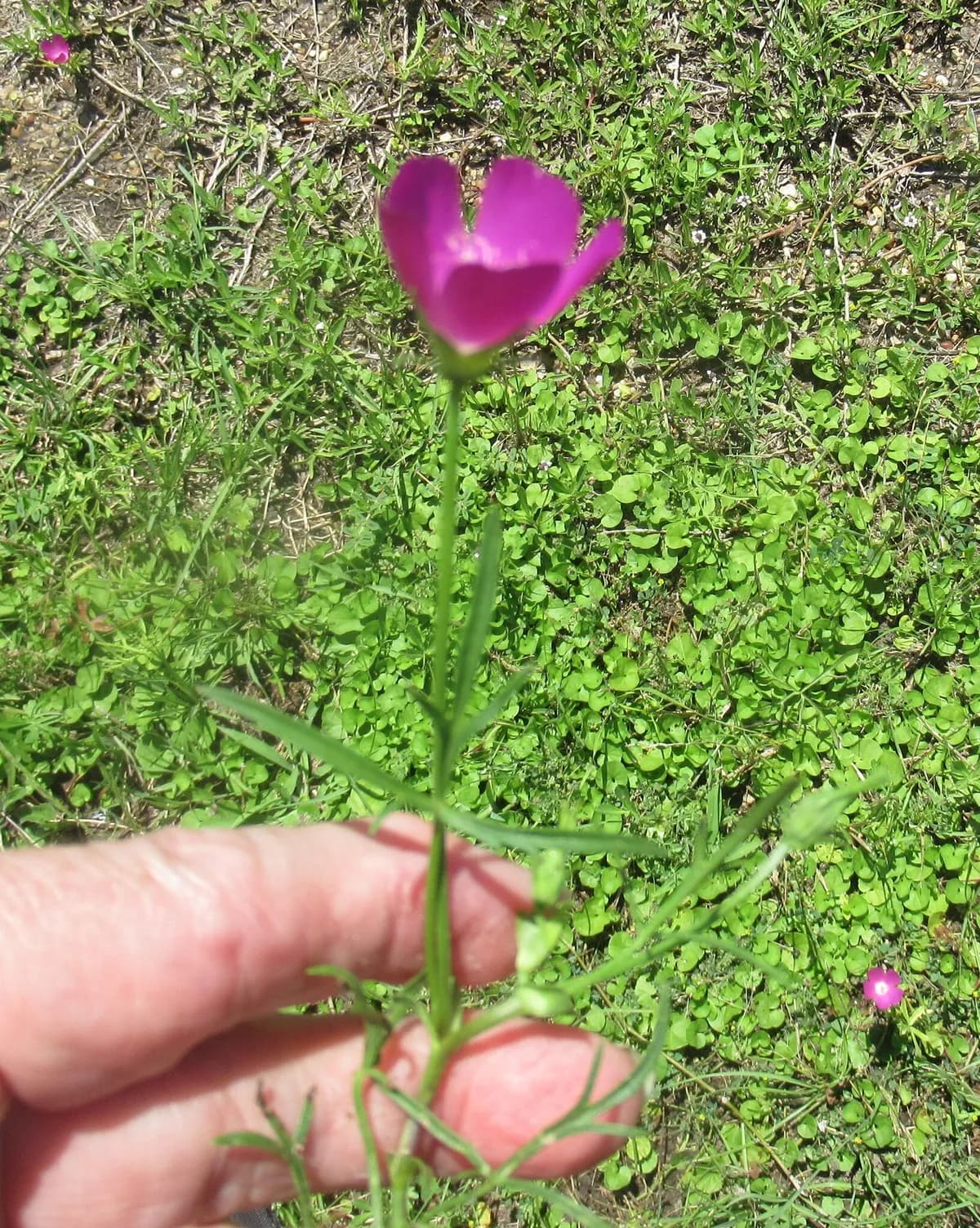
Winecup
Callirhoe involucrata
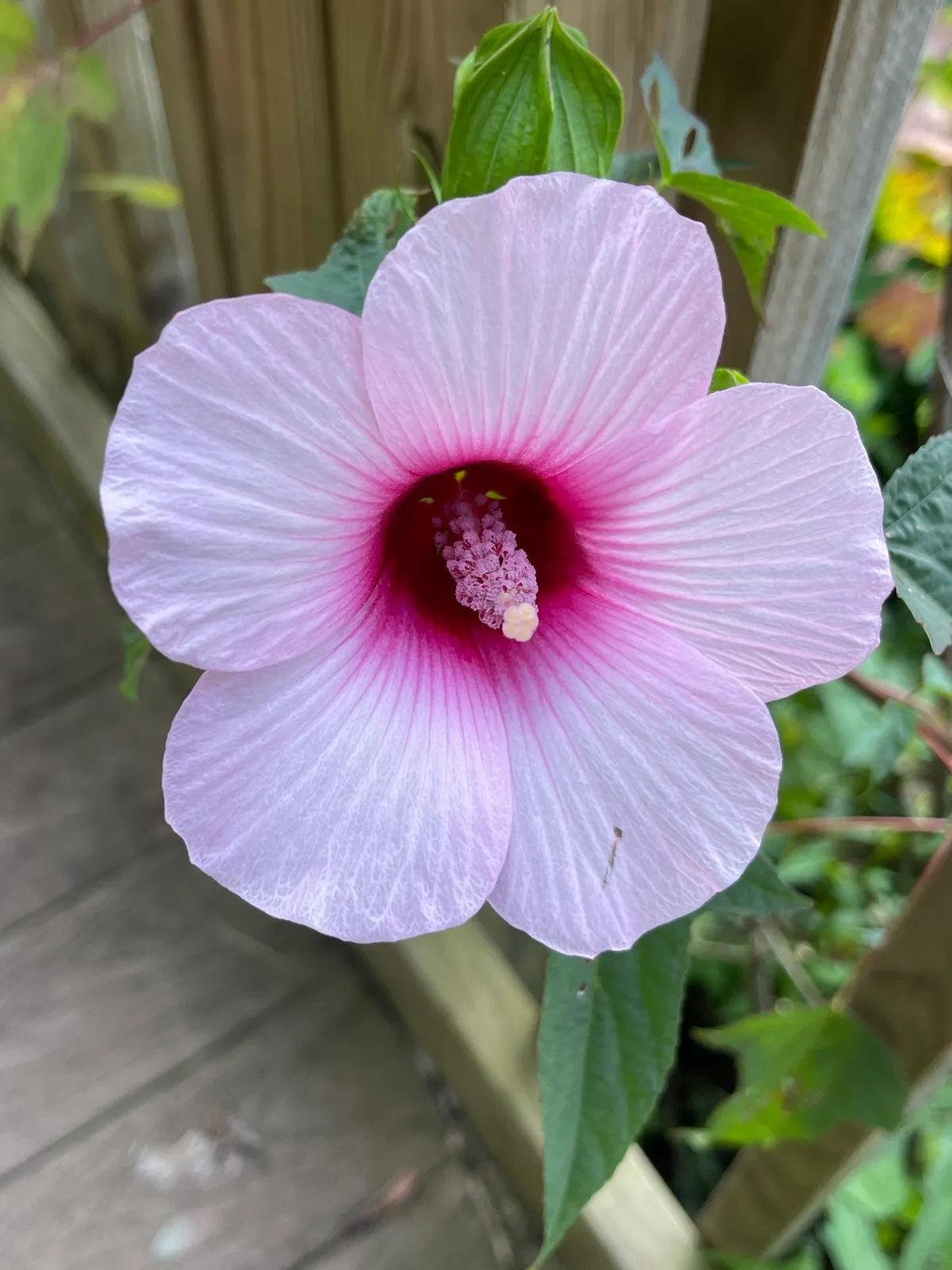
Halberd Leaf Hibiscus
Hibiscus laevis
Showing 48 of 983. Enter your ZIP for the natives matched to your yard.
Fall care in the Central Great Plains
What to do right now for plants commonly grown here. Each links to the full regional care guide for that species, with sources.
- Pigeonberry
Fall brings pigeonberry's namesake red berries in Oklahoma City, right before the season's first hard freeze ends growth for the year.
- Prairie spiderwort
Fall is the best time to divide and reset prairie spiderwort clumps in Oklahoma City, with the growing season running until the average first frost in early November.
- Fragrant phlox
Fall's cooler, wetter weather makes it a good window to divide or plant prairie phlox before the ground turns cold.
- Purple passionflower
In fall, Oklahoma City's maypop vines slow down, set their egg shaped fruit, and begin to die back as nights turn cold.
- Missouri primrose
Fall is when this perennial winds down after a long bloom season and begins preparing for winter dormancy around Oklahoma City.
- Red mulberry
Fall is a quiet season for red mulberry in the Oklahoma City area, mostly cleanup and prep for winter.
- German iris
Fall stays mild in Oklahoma City until the first frost, usually early to mid November, and it is a good second window to plant or move German Iris divisions before the soil cools further.
- Maximilian sunflower
Fall is peak season for Maximilian sunflower around Oklahoma City. Bright yellow flowers open from late summer into November, right up until the first hard freeze.
- Rattlesnake master
Blooms fade into September and October as seed heads mature, and the plant heads toward dormancy ahead of Oklahoma City's early November average first frost.
- Chocolate daisy
Fall keeps the blooms coming right up to first frost, and it is a good window to let seed mature for next year.
Build a plan for the Central Great Plains
The Pollinator Patch App turns plants like these into a front-yard plan tuned for the soil, climate, and HOA expectations of the Wichita area.