Red Mulberry
Morus rubra
Last reviewed: October 2026
Morus rubra is a deciduous tree that blooms in May and June, with small greenish flowers pollinated mainly by bees and beetles. It grows well in moist woodlands and floodplain edges with part sun and medium water.
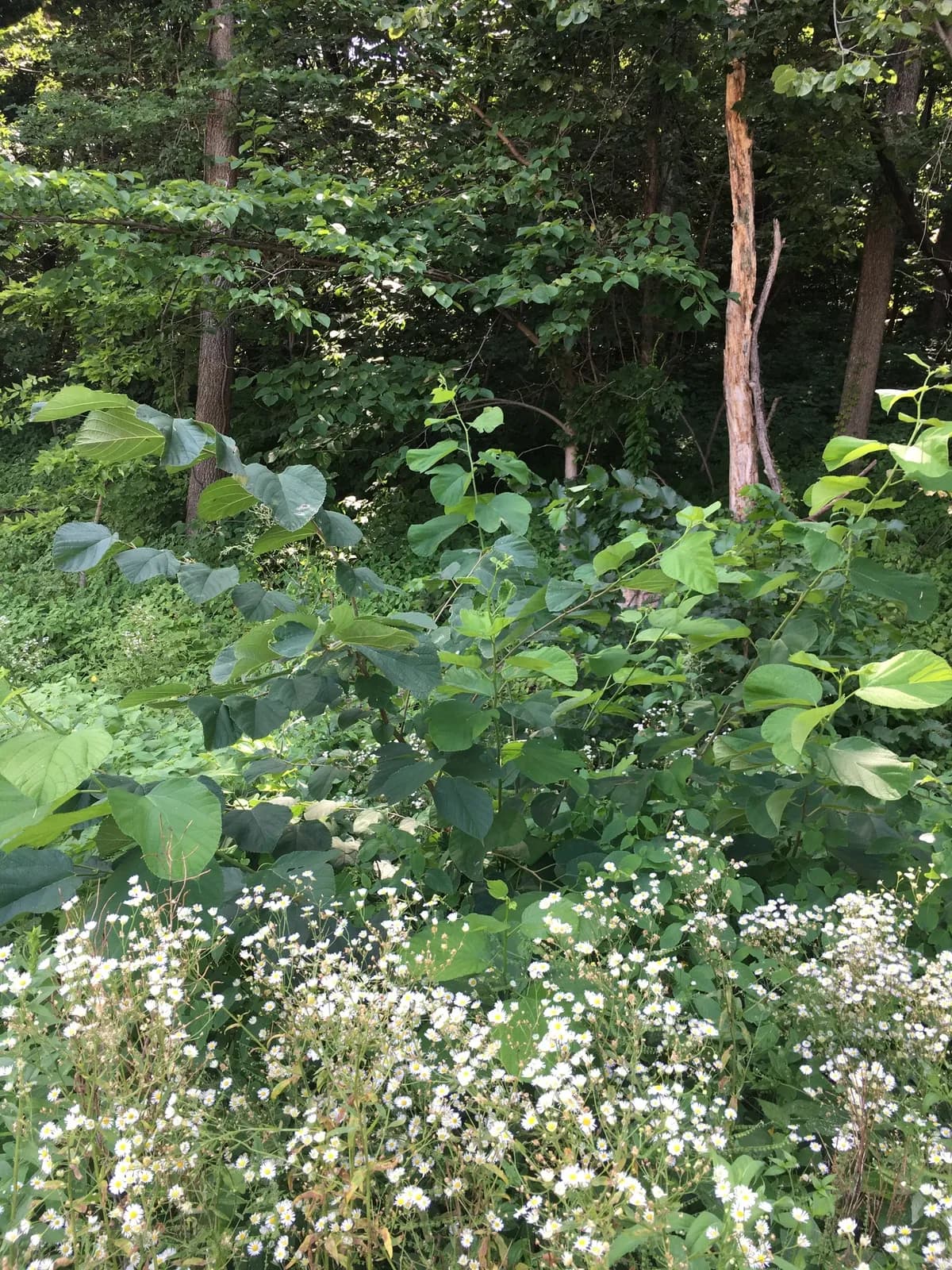
Red Mulberry (Morus rubra) is not on the ASPCA Animal Poison Control Center toxic plant list for dogs or cats (aspca.org (opens in new tab), last reviewed 2026-05-21). If your pet shows symptoms after eating any plant, call the ASPCA at (888) 426-4435.
The USDA PLANTS Database (opens in new tab) does not flag Red Mulberry as toxic to livestock.
Light
part sun
Water
medium
Size
144"–432" H × 420"–480" W
Bloom
May, Jun
Native to
AL, AR, CT, FL and 28 more states
Pollinators
bees, beetles, butterflies
Before you buy
Your city may pay you to plant this
Cities and water utilities offer rebates for replacing lawn with native and water-wise plants. We track 459 programs across 44 states, each with a link to the provider and the date we last checked it.
Find rebates in your areaPicture natives in your own yard
Upload a photo of your yard and Patch Vision shows a rendering of it planted with natives for your region, like Red Mulberry.


Browse plants for this ecoregion
Red mulberry is a native deciduous tree that produces dark purple berries in summer. It grows quite large at maturity, reaching 30-60 feet tall with a broad, rounded crown. The tree blooms with small greenish flowers in late spring before producing its edible fruit.
Growing Red Mulberry
Grow Red Mulberry in part sun and medium water. Mature plants reach 144 to 432 inches tall and spread 420 to 480 inches wide. Expect moderate maintenance to keep it looking intentional in a front yard.
How to care for Red Mulberry, by region
How to care for Red Mulberry where it is actually grown: year-round basics plus what to do each season, region by region, with the sources for each.
Care guidance last updated: October 2026
Central Great Plains (includes Oklahoma City, OK)
Year-round
Red mulberry is a large native shade tree in the Oklahoma City area, doing best with room to spread and a spot with full sun to part shade.
- Give it full sun to part shade and plenty of room, since a mature tree can reach 60 feet tall with a 35 to 40 foot spread.
- This species is genuinely native to Oklahoma, so it belongs in a straightforward native yard plan here rather than needing a special exception.
- Not on the ASPCA toxic plant list for dogs, cats, or horses.
- Plant it away from driveways, sidewalks, patios, and parking spots, since ripe fruit drops heavily and can stain concrete and cars.
A mature native shade tree reads as a genuine curb-appeal asset, but placing it away from driveways and walkways avoids the fruit-drop staining that HOA-conscious neighbors tend to notice.
Fall
Fall is a quiet season for red mulberry in the Oklahoma City area, mostly cleanup and prep for winter.
- Leaves drop for the season without much fall color, so plan on a fall cleanup pass.
- Cooler fall weather and Oklahoma's typical fall rain make this a fine second window to plant a new tree, letting roots settle in before winter.
- Skip fertilizer this time of year so the tree can head into dormancy instead of pushing tender new growth before a cold snap.
- A deep watering before the ground freezes helps the tree enter winter without drought stress.
Winter
Red mulberry is fully dormant through Oklahoma City's winter and needs little attention.
- The tree drops all its leaves and needs no regular watering once dormant, though a deep soak during an unusually dry, mild stretch does not hurt.
- Winter, while the tree is bare, is the easiest time to prune out dead, crossing, or damaged branches.
- Oklahoma's occasional hard freezes and ice are not a concern for an established tree. It is hardy well into colder zones than OKC ever sees.
- Avoid planting or working the soil when the ground is frozen or waterlogged from winter storms.
Spring
Spring is bloom season for red mulberry in the Oklahoma City area, with small flowers opening as the tree leafs out.
- Small greenish flower clusters open from around April into May, easy to miss since they are not showy.
- Once the OKC area's spring frost risk has mostly passed, this is a good window to plant a young tree so its roots get a full season to settle in before summer heat.
- Water a newly planted tree regularly through spring so it is well rooted before summer arrives.
- Keep a few inches of mulch around the base, pulled back from the trunk, to hold moisture as temperatures start climbing.
Summer
Summer brings ripening fruit and Oklahoma City's hardest heat, the season this tree needs the most watering attention.
- Ripe fruit drops steadily through summer, so keep an eye on any nearby patio, driveway, or parked car since the fruit juice can stain.
- OKC summers run hot and dry. Give the tree a deep soak every week or two during extended dry spells, especially in its first few years.
- An established tree handles heat and drought reasonably well once its roots are settled in.
- Some leaf scorch on the hottest, driest days is common and usually eases once watering catches up.
Peak fruit drop lines up with peak outdoor season, so this is when fruit staining on a shared driveway or sidewalk is most likely to draw an HOA-conscious neighbor's attention.
Sources: ASPCA: Mulberry Tree (Toxic and Non-Toxic Plant List), Lady Bird Johnson Wildflower Center: Morus rubra (Red Mulberry), NC State Extension Gardener Plant Toolbox: Morus rubra (Red Mulberry), UF/IFAS EDIS FOR264/FR326: Morus rubra, Red Mulberry
Mississippi Valley Loess Plains (includes Memphis, TN)
Year-round
Red mulberry is a large native shade tree well suited to the Memphis area's humid summers and mild winters, given room to spread.
- Give it full sun to part shade and plenty of room, since a mature tree can reach 60 feet tall with a 35 to 40 foot spread.
- This species is genuinely native to Tennessee, so it fits directly into a native yard plan here.
- Not on the ASPCA toxic plant list for dogs, cats, or horses.
- Keep it away from driveways, walkways, and parking areas, since ripe fruit drops heavily and can stain concrete and cars.
A mature native shade tree reads as a genuine curb-appeal asset, but placing it away from driveways and walkways avoids the fruit-drop staining that HOA-conscious neighbors tend to notice.
Fall
Fall is a mild, low-maintenance season for red mulberry in the Memphis area, with a longer planting window than colder climates get.
- Leaves drop for the season with little fall color to speak of.
- Memphis's mild fall weather keeps the planting window open longer than in colder regions, since cooler air and steady rain help new roots establish.
- Hold off on fertilizer so the tree eases into dormancy instead of pushing new growth right before winter.
- A deep watering before the first hard freeze helps it head into winter without drought stress.
Winter
Winters in the Memphis area are mild, and red mulberry stays dormant with little care needed.
- The tree drops all its leaves and needs no regular watering once dormant.
- Winter's bare branches make it easy to prune out dead, crossing, or damaged wood.
- Memphis winters rarely bring hard, prolonged freezes, well within what this species tolerates.
- Avoid planting or heavy soil work during any wet, waterlogged stretch that follows winter rain.
Spring
Spring in the Memphis area is bloom and planting season for red mulberry, arriving a bit earlier than in cooler parts of its range.
- Small greenish flower clusters open in spring, typically a little earlier here than farther north.
- Once the Memphis area's last frost has passed, spring is a good window to plant a young tree so roots settle in before summer heat and humidity build.
- Water a newly planted tree regularly through spring so it is well rooted before summer.
- Watch young leaves for early leaf spot during wet, humid spring weather. It is usually just cosmetic on an established tree.
Summer
Summer is fruiting season in Memphis's hot, humid climate, the main stretch for fruit-drop cleanup.
- Ripe fruit drops steadily through summer, so keep patios, driveways, and parked cars clear of it since the juice stains.
- Memphis humidity keeps rainfall fairly steady, but during a dry stretch a deep watering helps, especially for a young tree.
- Good air movement around the canopy helps foliage dry out faster and lowers the odds of leaf spot in Memphis's humid summers.
- An established tree tolerates summer heat well once its roots are settled in.
Peak fruit drop lines up with peak outdoor season, so this is when fruit staining on a shared driveway or sidewalk is most likely to draw an HOA-conscious neighbor's attention.
Sources: ASPCA: Mulberry Tree (Toxic and Non-Toxic Plant List), Lady Bird Johnson Wildflower Center: Morus rubra (Red Mulberry), NC State Extension Gardener Plant Toolbox: Morus rubra (Red Mulberry), UF/IFAS EDIS FOR264/FR326: Morus rubra, Red Mulberry
Ridge and Valley (includes Harrisburg, PA)
Year-round
Red mulberry is a large deciduous tree that does best in full sun to part shade with rich, moist, well-drained soil. Once established it handles heat and drought fairly well.
- Give it room. It can reach 40 feet or more, so plant it well away from the house, pipes and sidewalks.
- Clay, sand and loam all work. Water young trees deeply and let the top inch or two dry between drinks.
- Ripe fruit drops and stains pavers, patios and cars, so avoid planting over hard surfaces.
- Unripe fruit and the milky sap have low toxicity if eaten and can cause stomach upset, so keep kids from nibbling them.
Set well back from the street and shape it with a single trunk so the tree reads as an intentional shade tree.
Fall
Fall is a good window to plant and to enjoy the leaf color. Cool weather lets roots settle before winter.
- Plant new trees early in fall so roots can grow before the ground freezes.
- Keep watering new trees until the ground freezes if fall is dry.
- Rake leaves off the lawn, or shred them into the bed as mulch.
- Hold off on pruning until the leaves have dropped.
Winter
The tree is dormant in Harrisburg winters, and late fall to winter is the time to prune. Cutting then keeps the sap from bleeding.
- Prune in late fall or winter while the tree is bare.
- Remove dead, crossing or damaged branches first.
- Skip fertilizer and extra watering while the ground is frozen.
- Pull mulch back from the trunk if mice or voles are nibbling.
Spring
Spring is a good window to plant and to watch new growth in Harrisburg. Small catkin flowers show up in April and May.
- Plant young trees once the soil is workable and the hard freezes are done.
- Mulch 2 to 3 inches deep, keeping it a few inches off the trunk.
- Water deeply once a week during dry spells in the first year or two.
- Check new leaves for powdery mildew or spots in damp weather.
Summer
Fruit ripens from June to August and drops when ripe. Established trees handle Harrisburg heat, but young trees need steady water.
- Water young trees deeply every 7 to 10 days when there is no rain.
- Rake or sweep fallen fruit often so it does not stain walks and cars.
- Birds will eat much of the fruit, which helps cut down on mess.
- Established trees usually need little added water.
Keep fallen fruit cleared from the front walk so the yard stays tidy.
Sources: Lady Bird Johnson Wildflower Center: Morus rubra, NC State Extension Plant Toolbox: Morus rubra, USDA Forest Service Fire Effects Information System: Morus rubra
In an HOA neighborhood
Red Mulberry takes more care to keep looking intentional in a front yard. Maintenance level: moderate. Consider it for backyard or mid-zone beds rather than the street edge.
Works well in: backyard only.
- Very large mature size inappropriate for most residential lots
- Messy fruit drop stains walkways and attracts wildlife
- Can spread aggressively through bird-dispersed seeds
Wildlife value
Host plant for mourning cloak butterfly.
The flowers attract bees and beetles in late spring. Birds love the sweet berries, and the leaves serve as food for various butterfly caterpillars.
Common questions
- When does Red Mulberry bloom?
- Red mulberry produces small, clustered greenish flowers in May and June, just before the tree's leaves fully expand.
- What pollinates Red Mulberry?
- Bees and beetles are the primary pollinators visiting red mulberry's small flower clusters in spring.
- How much light does Red Mulberry need?
- Red mulberry grows best with part sun but can tolerate conditions from full sun to partial shade, particularly as a young tree in a forest understory.
- How much water does Red Mulberry need?
- This tree does best with medium soil moisture but can handle wetter bottomland sites and drier upland soils once it is established.
- What does a mature Red Mulberry look like?
- Red mulberry is a medium sized deciduous tree with a rounded crown, rough bark, and heart shaped leaves that turn yellow in autumn.
- Is Red Mulberry toxic to dogs?
- Red Mulberry is not on the ASPCA Animal Poison Control Center toxic plant list for dogs (aspca.org).
- Is Red Mulberry toxic to cats?
- Red Mulberry is not on the ASPCA Animal Poison Control Center toxic plant list for cats (aspca.org).
- Is Red Mulberry toxic to livestock?
- The USDA PLANTS Database does not flag Red Mulberry as toxic to livestock.
- Is Red Mulberry HOA-friendly?
- Red Mulberry takes more care to look intentional in a front yard. Consider it for backyard or mid-zone beds rather than the street edge.
These answers were drafted with an AI model from this plant's data. Verify care details with a local expert.
Native range data from vouchered herbarium specimen records and regional native plant society lists. Pollinator and host plant associations compiled from GBIF, iNaturalist, and published ecological literature.
If something looks wrong
Common plant problems, and what to check first
These come up on almost any plant. Each guide lists the likely causes in the order they are worth ruling out, with one thing to check before you act on any of them, and links to the source it came from.
- It is dying right after planting
- Leaves turning yellow
- Wilting even though I watered it
- Brown crispy leaf tips
- Bugs on the plant
Ready to grow Red Mulberry? Add it to your garden in Pollinator Patch to track it and get season-by-season care guidance.