Indiangrass
Sorghastrum nutans
Last reviewed: September 2026
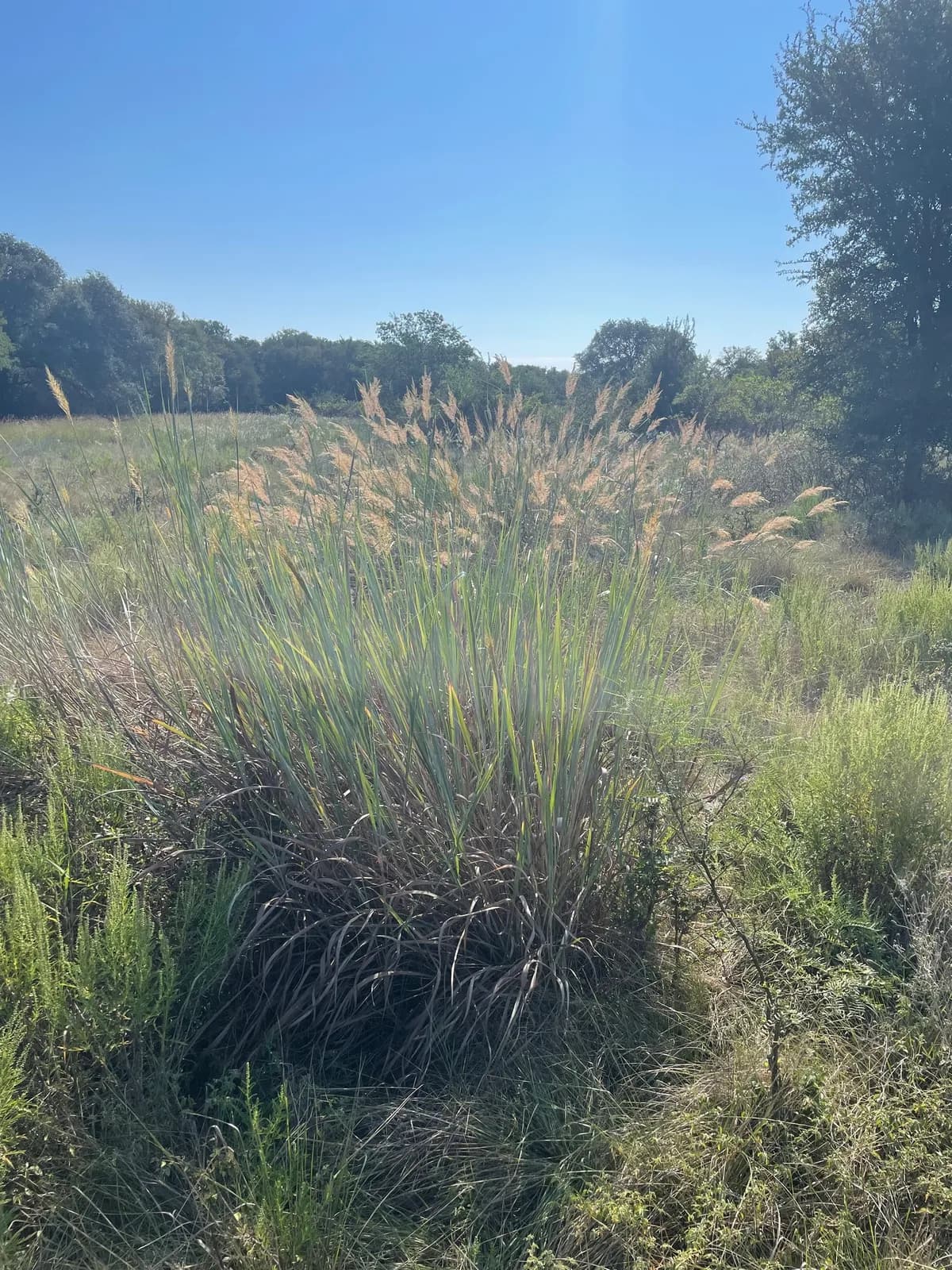
Sorghastrum nutans is a warm season prairie grass known for its bronze gold plumes that appear from August through October. It grows well in full sun with low water once established, forming upright clumps suited to meadows and dry garden borders.
Toxicity unknown
Indiangrass (Sorghastrum nutans) is not listed by the ASPCA Animal Poison Control Center (opens in new tab) or the other sources we check, so we have no verdict for it either way. Absence from those lists is not a clearance. If your pet shows symptoms after eating any plant, call the ASPCA at (888) 426-4435.
The USDA PLANTS Database (opens in new tab) does not flag Indiangrass as toxic to livestock.
Light
full sun
Water
medium
Size
36"–84" H × 18"–36" W
Bloom
Aug, Sep, Oct
Native to
AL, AR, AZ, CO and 39 more states
Deer
Resistant (per Prairie Moon Nursery)
Before you buy
Your city may pay you to plant this
Cities and water utilities offer rebates for replacing lawn with native and water-wise plants. We track 459 programs across 44 states, each with a link to the provider and the date we last checked it.
Find rebates in your areaPicture natives in your own yard
Upload a photo of your yard and Patch Vision shows a rendering of it planted with natives for your region, like Indiangrass.


Browse plants for this ecoregion
A tall, upright warm-season bunchgrass with blue-green blades that turn deep orange and gold in fall. In late summer it sends up narrow, feathery plumes of golden-bronze seed heads that catch the light and add strong vertical structure. Its bold height and rich autumn color make it a signature accent in prairie plantings and mixed borders.
Growing Indiangrass
Grow Indiangrass in full sun and medium water. Mature plants reach 36 to 84 inches tall and spread 18 to 36 inches wide. Expect low maintenance to keep it looking intentional in a front yard.
How to care for Indiangrass, by region
How to care for Indiangrass where it is actually grown: year-round basics plus what to do each season, region by region, with the sources for each.
Care guidance last updated: October 2026
Cross Timbers (includes Fort Worth, TX)
Year-round
Indiangrass is a warm-season bunchgrass native to the Cross Timbers around Fort Worth, where it grew as a dominant prairie grass. It forms an upright clump 3 to 6 feet tall with blue-green blades and golden fall seed heads. It handles the region's clay and sandy loam soils and settles in with little care.
- Give it full sun. Shade and overwatering make the stems weak and sprawling.
- It takes a range of Cross Timbers soils, from sandy loam to clay, as long as drainage is decent.
- Water a new clump through its first summer, then it is highly drought tolerant.
- It clumps in place rather than spreading, so it plays well in a mixed native bed.
An upright clump topped with golden seed heads looks like a chosen ornamental grass, which suits a front yard meant to feel tidy and planned.
Fall
Fall is the standout season for Indiangrass in the Cross Timbers. Golden plume-like seed heads rise above the clump from August into October and the foliage shifts to deep orange and purple. It is a low-effort seasonal centerpiece.
- Leave the seed heads standing. They feed seed-eating birds and small mammals into winter.
- Collect ripe seed in fall if you want to spread it around your yard.
- Do not cut it back now. The stems and warm fall color carry the planting into the cool season.
- No watering needed for an established plant.
Golden seed heads over orange-to-purple foliage give a clear, deliberate fall display that neighbors read as a planted feature.
Winter
Indiangrass goes dormant and tan in Cross Timbers winters, but the dried clump stays upright. Leave it standing for wildlife and plan a clean cutback right before spring.
- Leave the dead stems up through winter for insect habitat and bird cover.
- The tan clump is dormant, not dead. It greens up when the soil warms again.
- No water needed while dormant.
- Cut it back to a few inches at the end of winter, just before new growth begins.
If your street leans formal, a tidy late-winter cutback keeps the dormant clump from reading as neglected while still giving wildlife cover for most of the season.
Spring
Spring brings Indiangrass out of dormancy in the Cross Timbers as soil warms and fresh blue-green blades rise from the clump. Late winter into early spring is the window to clear last year's dead stems before new growth gets going.
- Cut the old dead stems back to a few inches in late winter or very early spring, before new blades appear.
- Be patient. It stays brown later than cool-season grasses because it is a warm-season plant, so do not give up on it.
- Spring is a good time to sow seed if you want more, using the season's soil moisture.
- Do not fertilize. Rich soil makes it flop.
Summer
Summer is the growing season for Indiangrass in the Cross Timbers. The clump fills out and tall flower stems begin to rise. An established plant handles North Texas summer heat and dry spells on its own.
- An established clump needs little to no extra water thanks to deep, drought-tolerant roots.
- Water only first-year plants during long hot dry stretches, letting the soil dry between.
- Leave it alone to grow tall. Do not shear a mature clump now, since flower stems form in summer.
- No summer fertilizer, which only causes floppy growth.
Sources: Native Plant Society of Texas - Indiangrass native to Cross Timbers ecoregion, Sorghastrum nutans frequent in north central Texas, growing conditions and drought tolerance
East Central Texas Plains (includes College Station, TX)
Year-round
Indiangrass is a warm-season bunchgrass native to the Post Oak Savanna around College Station, where it was a dominant grass in the open savanna before settlement. It forms an upright clump 3 to 6 feet tall with golden fall seed heads and takes the region's sandy loam to clay soils in sunny openings.
- Plant it in full sun or a bright savanna-style opening. Deep shade makes it weak and sprawling.
- It takes the range of Post Oak Savanna soils, from sandy loam to clay, with decent drainage.
- Water a new clump through its first summer, then it is highly drought tolerant.
- It clumps in place instead of spreading, so it fits a mixed native planting.
A tidy upright clump with golden seed heads reads as a chosen ornamental grass, suiting a front yard meant to look intentional.
Fall
Fall is when Indiangrass peaks in the Post Oak Savanna. Golden plume-like seed heads rise above the clump from August into October and the foliage turns deep orange to purple. It is a low-effort seasonal highlight.
- Leave the seed heads standing. They feed seed-eating birds and small mammals into winter.
- Collect ripe seed in fall if you want to spread it.
- Do not cut it back now. The stems and fall color carry the planting into the cool season.
- No watering needed for an established plant.
The golden seed heads over warm fall foliage give a clean, deliberate seasonal display that reads as planted.
Winter
Indiangrass goes dormant and tan in Post Oak Savanna winters, but the dried clump stays standing. Leave it for wildlife and plan a clean cutback right before spring.
- Leave the dead stems up through winter for insect habitat and bird cover.
- The tan clump is dormant, not dead, and greens up when soil warms.
- No water needed while dormant.
- Cut it back to a few inches at the end of winter, before new growth begins.
A tidy late-winter cutback keeps the dormant clump looking intentional if your street leans formal, while still giving wildlife most of a season of cover.
Spring
Spring wakes Indiangrass in the Post Oak Savanna as fresh blades rise from the clump. Late winter into early spring is the window to clear last year's dead stems before new growth gets going.
- Cut the old dead stems back to a few inches in late winter or very early spring, before new blades emerge.
- Be patient. It greens up later than cool-season plants because it is a warm-season grass.
- Spring is a good time to sow seed if you want more.
- Do not fertilize. Rich soil makes the stems flop.
Summer
Summer is the main growing season for Indiangrass in the Post Oak Savanna. The clump fills out and tall flower stems rise. An established plant handles the region's heat and dry spells with little help.
- An established clump needs little to no extra water thanks to deep roots.
- Water only first-year plants during long hot dry stretches, letting the soil dry between.
- Leave it to grow tall. Do not shear a mature clump now, since flower stems form in summer.
- No summer fertilizer, which just causes sprawling growth.
Sources: Texas Parks & Wildlife - Indiangrass a dominant grass of the East-Central Texas Plains Post Oak Savanna, Sorghastrum nutans growing conditions, soils, drought tolerance, Native Plant Society of Texas - leave stems standing through winter, cut back in February
Edwards Plateau (includes San Antonio, TX)
Year-round
Indiangrass is a warm-season bunchgrass native to the Edwards Plateau around San Antonio. It forms an upright clump 3 to 6 feet tall with blue-green blades and golden fall seed heads. It handles the Hill Country's limestone-based, calcium-rich soils well, since it has high tolerance for calcareous ground.
- Plant it in full sun for the sturdiest, most upright clump.
- It grows well on the thin, limestone-based, calcareous soils common across the Hill Country.
- Water a new clump through the first summer, then it is highly drought tolerant.
- It stays in a clump instead of spreading, so it mixes cleanly into a native bed.
A crisp upright clump with golden seed heads looks like a deliberate ornamental grass, a good fit for a Hill Country front yard meant to feel intentional.
Fall
Fall is when Indiangrass shines on the Edwards Plateau. Golden plume-like seed heads rise above the clump from August into October and the foliage turns deep orange to purple. It is a low-effort seasonal highlight.
- Leave the seed heads standing. They feed seed-eating birds and small mammals into winter.
- Collect ripe seed in fall if you want to spread it.
- Hold off on cutting it back. The stems and fall color carry the planting into the cool season.
- No watering needed for an established plant.
The golden seed heads and warm fall color give a clean, deliberate seasonal display that reads as planted, not overgrown.
Winter
Indiangrass goes dormant and turns tan in Edwards Plateau winters, but the dried clump stays standing. Leave it for wildlife and plan a clean cutback right before spring.
- Leave the dead stems up through winter for insect habitat and bird cover.
- The tan clump is dormant, not dead, and will regreen when soil warms.
- No water needed while dormant.
- Cut it back to a few inches at the very end of winter, before new growth begins.
If your street runs formal, a tidy late-winter cutback keeps the dormant clump looking intentional while still giving wildlife most of a season of cover.
Spring
Spring wakes Indiangrass up on the Edwards Plateau as fresh blue-green blades rise from the clump. Late winter into early spring is the time to clear last year's dead stems before new growth starts.
- Cut the old dead stems back to a few inches in late winter or very early spring, before new blades emerge.
- Give it time. It greens up later than cool-season plants because it is a warm-season grass.
- Spring is a good window to sow seed if you want to add more.
- Do not fertilize. Rich feeding makes the stems weak and floppy.
Summer
Summer is the main growing season for Indiangrass on the Edwards Plateau. The clump fills out and tall flower stems begin to rise. An established plant handles Hill Country heat and drought with little help.
- An established clump needs little to no extra water thanks to its deep roots.
- Water only first-year plants during long hot dry spells, letting the soil dry in between.
- Leave it to grow tall. Do not shear a mature clump now, since the flower stems form in summer.
- No summer fertilizer, which just causes sprawling growth.
Sources: Sorghastrum nutans native to Edwards Plateau, high calcium carbonate tolerance, limestone-based soils, Native Plant Society of Texas - Indiangrass native to Edwards Plateau ecoregion
Erie Drift Plain (includes Buffalo, NY)
Year-round
Indiangrass is a tall grass that likes sun, adapts to many soils, and handles dry spells well.
- Plant it in full sun to part shade.
- It adapts to sand, loam, clay, and limestone soils.
- It may need tall companions nearby to stay upright.
Fall
In fall it blooms August through October with yellow flowers and rust red awns, and seed can be collected.
- Enjoy the yellow flowers and rust red awns.
- Collect seed in fall.
- Unstratified seed can be sown in fall.
Winter
In winter the grass is dormant and the dense roots rest.
- Older plants are hard to divide because the roots are dense and tangled.
- Leaving the stems up through winter is fine.
- Check the source before cutting, since it gives no cutback advice.
Spring
Spring is a good time to sow seed or tidy last year's stems before new growth.
- Sow stratified seed in spring, about 1/4 inch deep.
- Plant in masses or a meadow for best effect.
- Wait for the late spring frost danger to pass in Buffalo.
Summer
Summer needs little work since it is highly drought tolerant.
- Water young plants during dry spells.
- It is highly drought tolerant once settled.
- Companions can help hold it upright.
Sources: Lady Bird Johnson Wildflower Center: Sorghastrum nutans
High Plains (includes Lubbock, TX)
Year-round
Indiangrass is a tall, warm-season bunchgrass native to the High Plains around Lubbock. It grows in a clump 3 to 6 feet tall, greens up in late spring, and sends up golden, plume-like seed heads in late summer. It handles the deep, loamy prairie soils and dry summers of the Llano Estacado well once its roots go down.
- Plant it in full sun. It gets floppy and weak in shade or with too much water and fertilizer.
- Give it well-drained soil. It takes the clay loams and sandy loams common across the High Plains.
- Water a new planting through its first summer to get roots established, then it needs very little.
- It is a clump grass, not a spreader, so it stays where you put it and works well in a mixed prairie planting.
A neat, upright clump with golden fall seed heads reads as an intentional ornamental grass rather than a weed, which fits a tidy front-yard look.
Fall
Fall is Indiangrass at its best. Golden, plume-like seed heads stand above the clump from August into October, and the foliage turns deep orange to purple. This is the season it earns its spot as a front-yard ornamental grass.
- Enjoy the show and leave the seed heads up. They feed small mammals and seed-eating birds through fall and winter.
- Collect ripe seed in fall if you want to spread it, sowing fresh or saving it for spring.
- Do not cut it back yet. The standing stems give cover and the fall color lasts into the cool months.
- No watering needed by now for an established plant.
The tall golden seed heads and warm orange-to-purple fall color give an easy, deliberate seasonal display that neighbors read as a planted grass, not neglect.
Winter
In winter Indiangrass goes dormant and turns tan, but the dried clump and seed stalks stay standing on the High Plains. There is nothing to do but leave it be, since the standing grass shelters insects and birds through the cold.
- Leave the dead stems standing through winter. They provide insect habitat and wildlife cover.
- Expect a tan, straw-colored clump. It is dormant, not dead, and will green up when soil warms.
- No water needed while dormant.
- Plan to cut it back to a few inches at the very end of winter, right before spring growth starts.
Standing winter grass can read as messy to some HOAs, so if your street runs formal, a clean late-winter cutback keeps it tidy while still giving wildlife cover most of the season.
Spring
Spring is when Indiangrass wakes up on the High Plains. New blue-green blades push up from the base of the clump as the soil warms. This is also the last good window to cut back the old dead stems before fresh growth gets tall.
- Cut last year's dead stems down to a few inches in late winter or very early spring, before new blades emerge.
- Wait for steady warm soil. As a warm-season grass, it stays brown and dormant later into spring than cool-season plants, so do not assume it died.
- This is a good time to sow seed if you are adding more, since spring soil moisture helps it start.
- Hold off on fertilizer. Rich feeding makes the stems weak and sprawling.
Summer
Summer is the main growing stretch for Indiangrass on the Llano Estacado. The clump fills out and the tall flowering stems start to rise. An established plant coasts through High Plains summer heat and drought with little help.
- An established clump needs almost no extra water. It is highly drought tolerant once its deep roots are set.
- Water only a first-year planting during the longest hot dry spells, and let it dry between waterings.
- Leave it standing to grow tall. Do not mow or shear a mature clump in summer, since the flowering stems form now.
- Skip summer fertilizer, which just makes floppy growth.
Sources: Sorghastrum nutans (Indiangrass), native to Plains Country and growing conditions, Native Plant Society of Texas - Indiangrass native to High Plains ecoregion
Ouachita Mountains (includes Hot Springs, AR)
Year-round
Indiangrass is a tall, native warm season prairie grass around Hot Springs that grows three to six feet tall with golden bronze plumes in late summer and fall.
- Plant in full sun in average to dry, well drained soil. It tolerates the region's clay and rocky soils once established.
- Water regularly the first year to establish deep roots. After that it is quite drought tolerant.
- Give it space. It can outcompete smaller perennials planted nearby.
- Skip fertilizer. Rich soil makes the grass floppy and reduces its upright form.
- It is a documented larval host plant for the Pepper and Salt Skipper butterfly, per a USDA NRCS plant guide.
- Leave seed heads standing into winter for birds and visual interest before cutting back in late winter.
At three to six feet with a strong upright form, place it toward the back of a bed or along a fence line rather than the front, where it reads as tall grass rather than an ornamental accent.
Fall
Fall is when indiangrass puts on its best show in the Hot Springs area, with golden bronze seed plumes lasting up to the first frost.
- Enjoy the seed heads. They turn a rich gold to bronze color that many gardeners grow the plant for.
- Leave stems standing rather than cutting back now. They provide winter structure and food for birds.
- Collect a few seed heads if propagating more plants, but expect some self seeding nearby too.
- This is a fine time to plant new divisions before the ground cools too much.
- Reduce watering as growth slows heading toward the first frost, typically arriving in the Hot Springs area in early November.
Leaving the seed plumes standing through fall gives an intentional, cultivated look rather than an unkempt one, especially paired with a mowed edge nearby.
Winter
Indiangrass stands dormant but upright through the Hot Springs area's mild winters, and old growth should be cut back before new shoots emerge in spring.
- Leave stems standing through most of winter for wildlife value and visual interest.
- Cut back to six to eight inches by late winter, before new growth starts, usually by early to mid March in this area.
- No winter protection is needed in USDA zone 8a.
- Avoid walking on or compacting the crown area during wet winter weather.
- Use this dormant season to plan where to add or divide plants for spring.
Cutting back by late winter, before new shoots push through, avoids the look of unmown dead grass carrying into spring.
Spring
Indiangrass is slow to green up in the Hot Springs area. As a warm season grass it does not really get going until the soil warms in April and May.
- Cut old growth back to six to eight inches in late winter or very early spring, before new shoots emerge, if not already done.
- Do not expect much visible growth until temperatures consistently warm in April.
- Avoid heavy watering early on. Established plants need very little supplemental water even as they green up.
- This is the best time to divide or transplant clumps, while the plant is still dormant or just breaking dormancy.
- Keep new transplants watered through their first spring to help roots establish.
Cutting old growth down in early spring, before new blades emerge, is the main way to keep this grass from looking like an unmown patch over winter.
Summer
Summer is indiangrass's main growth period. It takes Hot Springs' heat and humidity in stride and reaches full height by late summer.
- Expect vigorous upright growth through the hot months. This grass thrives in summer heat.
- Water only during prolonged drought. Established plants rarely need it.
- Watch neighboring smaller plants for competition. Indiangrass roots and stands can crowd out slower growing perennials.
- Skip fertilizer, since it encourages floppy stems.
- Golden seed plumes typically begin to appear by late summer.
Sources: Lady Bird Johnson Wildflower Center: Sorghastrum nutans, USDA NRCS Plant Guide: Indiangrass (Sorghastrum nutans), Old Farmer's Almanac: Frost Dates for Hot Springs, AR (community tip)
Ridge and Valley (includes Harrisburg, PA)
Year-round
Indiangrass is a tall, tough grass that wants full sun and drains well.
- Needs 6 or more hours of sun.
- Does well in average to dry, well-drained soil.
- Hardy in zones 4 to 9.
- Rich, moist soil makes it flop.
Cut it back every late winter so it looks neat. It is tall, so place it at the back.
Fall
Fall brings gold to orange leaves and yellow-bronze seed heads.
- Seed heads feed songbirds from September.
- Leave seed heads standing.
- Leaves turn gold to orange.
Winter
Winter seed heads add interest.
- Leave stems standing.
- No protection needed in Harrisburg.
- Cut back in late winter.
Spring
Spring is when to cut it down before new growth.
- Cut to the ground in late winter or early spring.
- Do not fertilize.
- New growth starts in spring.
Summer
Summer is peak growth from June to August.
- Water only in long dry spells after it settles in.
- It stands 5 to 7 feet tall.
- Green leaves stay until first frost.
Sources: NC State Extension Plant Toolbox: Sorghastrum nutans
South Central Plains (includes Beaumont, TX)
Year-round
Indiangrass is a warm-season bunchgrass native to the Piney Woods around Beaumont, where it grows in the open grassy areas of longleaf pine country. It forms an upright clump 3 to 6 feet tall with golden fall seed heads and does best in the sunny openings and edges rather than deep forest shade.
- Plant it in a sunny opening or edge, not under heavy pine canopy. It needs good light to stay upright.
- It takes the sandy loam soils common in East Texas as long as they drain.
- Water a new clump through its first summer, then it is highly drought tolerant.
- It clumps in place instead of spreading, so it fits a native pine-savanna style planting.
A tidy upright clump with golden seed heads reads as a chosen ornamental grass, a good fit for an East Texas front yard meant to look intentional.
Fall
Fall is when Indiangrass peaks in the Piney Woods. Golden plume-like seed heads rise above the clump from August into October and the foliage turns deep orange to purple. It is a low-effort seasonal highlight in a sunny opening.
- Leave the seed heads standing. They feed seed-eating birds and small mammals into winter.
- Collect ripe seed in fall if you want to spread it.
- Do not cut it back now. The stems and fall color carry the planting into the cool season.
- No watering needed for an established plant.
The golden seed heads over warm fall foliage give a clean, deliberate display that reads as planted.
Winter
Indiangrass goes dormant and tan in Piney Woods winters, though the dried clump stays standing. Leave it for wildlife and plan a clean cutback before the early East Texas spring.
- Leave the dead stems up through winter for insect habitat and bird cover.
- The tan clump is dormant, not dead, and greens up when soil warms, often early in East Texas.
- No water needed while dormant.
- Cut it back to a few inches at the end of winter, before new growth begins.
A tidy late-winter cutback keeps the dormant clump looking intentional if your street leans formal, while still giving wildlife most of a season of cover.
Spring
Spring wakes Indiangrass in the Piney Woods as fresh blades rise from the clump. In this mild, humid region it greens up fairly early, and late winter into early spring is the window to clear old dead stems.
- Cut the old dead stems back to a few inches in late winter or very early spring, before new blades emerge.
- It may green up earlier here than in North Texas, so watch the clump rather than the calendar.
- Spring is a good time to sow seed in a sunny opening if you want more.
- Do not fertilize. Rich soil makes the stems flop.
Summer
Summer is the main growing season for Indiangrass in the Piney Woods. The clump fills out and tall flower stems rise. An established plant handles East Texas heat and humidity, and needs enough light to keep from flopping.
- An established clump needs little to no extra water thanks to deep roots.
- Water only first-year plants during long hot dry stretches, letting the soil dry between.
- Make sure it keeps full sun. In too much shade the summer stems get weak and sprawling.
- No summer fertilizer, which just causes floppy growth.
Sources: Sorghastrum nutans common in areas of longleaf pine, prairie and grassland habitat, USDA-NRCS East Texas Plant Materials Center Indiangrass plant guide, Sorghastrum nutans high drought tolerance, weak sprawling stems in excess shade, Native Plant Society of Texas - bloom August to October, orange to purple fall color
Southern Texas Plains (includes McAllen, TX)
Year-round
Indiangrass is a warm-season bunchgrass native to the South Texas Plains, where it once grew as a dominant grass on the region's clay valley soils. It forms an upright clump 3 to 6 feet tall with golden fall seed heads. It is best suited to the deeper clay and loam soils here rather than the driest sandy sites near the Rio Grande.
- Plant it in full sun on your deeper, heavier soils. It favors clay and loam over thin dry sand in this region.
- Water a new clump through its first summer, then it is highly drought tolerant.
- It clumps in place instead of spreading, so it fits neatly into a mixed native bed.
- Shade, heavy watering, and fertilizer all make it flop, so keep it lean and sunny.
A tidy upright clump with golden seed heads reads as a chosen ornamental grass, which suits a South Texas front yard meant to look intentional.
Fall
Fall is Indiangrass at its best on the South Texas Plains. Golden plume-like seed heads rise above the clump and the foliage warms to orange and purple. It is a low-effort seasonal highlight for a native bed.
- Leave the seed heads standing. They feed seed-eating birds and small mammals into winter.
- Collect ripe seed in fall if you want to spread it.
- Do not cut it back now. The stems and fall color carry the planting into the cool months.
- An established plant needs no watering by fall.
Golden seed heads over warm fall foliage give a clear, deliberate display that neighbors read as planted rather than overgrown.
Winter
Indiangrass goes dormant and tan in South Texas winters, though the dried clump stays standing. Leave it for wildlife and plan a clean cutback before spring, which comes early here.
- Leave the dead stems up through winter for insect habitat and bird cover.
- The tan clump is dormant, not dead, and greens up when soil warms, often early in the mild South Texas climate.
- No water needed while dormant.
- Cut it back to a few inches at the end of winter, before new growth starts.
A tidy late-winter cutback keeps the dormant clump looking intentional if your street leans formal, while still giving wildlife most of a season of cover.
Spring
Spring brings Indiangrass out of dormancy on the South Texas Plains as fresh blades rise from the clump. In this warm region it often greens up early, and late winter into early spring is the window to clear old dead stems.
- Cut the old dead stems back to a few inches in late winter or very early spring, before new blades emerge.
- In the mild South Texas climate it may green up sooner than in the north, so watch the clump rather than the calendar.
- Spring is a good time to sow seed if you want more.
- Do not fertilize. Rich soil makes the stems flop.
Summer
Summer is the main growing stretch for Indiangrass on the South Texas Plains. The clump fills out and tall flower stems rise. An established plant handles the region's intense heat and dry spells, though it does best where its roots reach some soil moisture.
- An established clump needs little extra water, but in the driest South Texas summers a deep soak during long heat waves keeps it vigorous.
- Water first-year plants more regularly through summer to get them rooted.
- Leave it to grow tall. Do not shear a mature clump now, since flower stems form in summer.
- No summer fertilizer, which just makes it sprawl.
Sources: Sorghastrum nutans suited to clay valley soils of the South Texas Plains for restoration, Sorghastrum nutans occurs throughout Texas, growing conditions and drought tolerance
Texas Blackland Prairies (includes Dallas, TX)
Year-round
Indiangrass is a warm-season bunchgrass native to the Blackland Prairies around Dallas, where it grew as one of the signature tallgrasses. It forms an upright clump 3 to 6 feet tall with golden fall seed heads and thrives on the region's deep, rich clay soils.
- Plant it in full sun for the sturdiest clump.
- It loves the deep clay loam and clay of the Blackland Prairie, exactly the soils it evolved with.
- Water a new clump through its first summer, then it is highly drought tolerant.
- It clumps in place rather than spreading, so it slots cleanly into a mixed prairie planting.
A crisp upright clump topped with golden seed heads reads as a deliberate ornamental grass, a natural fit for a tidy Dallas-area front yard.
Fall
Fall is when Indiangrass peaks on the Blackland Prairie. Golden plume-like seed heads rise above the clump from August into October and the foliage turns deep orange to purple. It is a low-effort seasonal centerpiece.
- Leave the seed heads standing. They feed seed-eating birds and small mammals into winter.
- Collect ripe seed in fall if you want to spread it around.
- Do not cut it back now. The stems and warm fall color carry the planting into the cool season.
- No watering needed for an established plant.
The golden seed heads and warm fall color give a clean, deliberate display that reads as planted, not neglected.
Winter
Indiangrass goes dormant and tan in Blackland Prairie winters, but the dried clump stays upright. Leave it standing for wildlife and plan a clean cutback right before spring.
- Leave the dead stems up through winter for insect habitat and bird cover.
- The tan clump is dormant, not dead, and greens up when soil warms.
- No water needed while dormant.
- Cut it back to a few inches at the very end of winter, before new growth begins.
If your street runs formal, a tidy late-winter cutback keeps the dormant clump looking intentional while still giving wildlife most of a season of cover.
Spring
Spring wakes Indiangrass on the Blackland Prairie as fresh blue-green blades rise from the clump. Late winter into early spring is the window to clear last year's dead stems before new growth gets tall.
- Cut the old dead stems back to a few inches in late winter or very early spring, before new blades emerge.
- Give it time. As a warm-season grass it greens up later than cool-season plants.
- Spring is a good time to sow seed if you want to expand the planting.
- Do not fertilize. Rich soil makes the stems weak and floppy.
Summer
Summer is the main growing season for Indiangrass on the Blackland Prairie. The clump fills out and tall flower stems begin to rise. An established plant shrugs off North Texas heat and dry spells.
- An established clump needs little to no extra water thanks to deep, drought-tolerant roots.
- Water only first-year plants during long hot dry stretches, letting the soil dry between.
- Leave it to grow tall. Do not shear a mature clump now, since flower stems form in summer.
- No summer fertilizer, which only causes floppy growth.
Sources: Native Plant Society of Texas - Indiangrass native to Blackland Prairies ecoregion, tolerates clay, Sorghastrum nutans clay loam and clay soils, drought tolerance
Western Gulf Coastal Plain (includes Houston, TX)
Year-round
Indiangrass is a warm-season bunchgrass native to the Gulf Coast Prairies around Houston, where it is one of the primary tallgrasses of the coastal prairie. It forms an upright clump 3 to 6 feet tall with golden fall seed heads and takes the region's clay and loam soils, including ground that floods seasonally.
- Plant it in full sun for the sturdiest, most upright clump.
- It tolerates the heavy clay and occasional seasonal flooding common on the coastal prairie.
- Water a new clump through its first summer, then it needs little, since it is highly drought tolerant.
- It clumps in place rather than spreading, so it fits a mixed coastal-prairie planting.
A neat upright clump with golden seed heads reads as a deliberate ornamental grass, a good fit for a tidy Houston-area front yard.
Fall
Fall is when Indiangrass peaks on the Gulf Coast prairie. Golden plume-like seed heads rise above the clump from August into October and the foliage turns deep orange to purple. It is a low-effort seasonal highlight.
- Leave the seed heads standing. They feed seed-eating birds and small mammals into winter.
- Collect ripe seed in fall if you want to spread it.
- Do not cut it back now. The stems and fall color carry the planting into the cool season.
- No watering needed for an established plant.
The golden seed heads and warm fall color give a clean, deliberate display that reads as planted, not overgrown.
Winter
Indiangrass goes dormant and tan in Gulf Coast winters, though the dried clump stays standing. Leave it for wildlife and plan a clean cutback before the early coastal spring.
- Leave the dead stems up through winter for insect habitat and bird cover.
- The tan clump is dormant, not dead, and greens up when soil warms, often early on the coast.
- No water needed while dormant.
- Cut it back to a few inches at the end of winter, before new growth begins.
A tidy late-winter cutback keeps the dormant clump looking intentional if your street leans formal, while still giving wildlife most of a season of cover.
Spring
Spring wakes Indiangrass on the Gulf Coast prairie as fresh blades rise from the clump. In this mild, humid region it greens up fairly early, and late winter into early spring is the window to clear old dead stems.
- Cut the old dead stems back to a few inches in late winter or very early spring, before new blades emerge.
- It may green up earlier here than inland, so watch the clump rather than the calendar.
- Spring is a good time to sow seed if you want to add more.
- Do not fertilize. Rich soil and heavy watering both make it flop.
Summer
Summer is the main growing season for Indiangrass on the Gulf Coast prairie. The clump fills out and tall flower stems rise. An established plant handles the region's heat, humidity, and dry spells on its own.
- An established clump needs little to no extra water thanks to its deep roots.
- Water only first-year plants during long hot dry stretches, and avoid keeping the crown soggy.
- Leave it to grow tall. Do not shear a mature clump now, since the flower stems form in summer.
- No summer fertilizer, which just causes floppy growth.
Sources: Indiangrass a primary tallgrass of the Western Gulf coastal grasslands / coastal prairie, Native Plant Society of Texas - Indiangrass native to Gulf Coast Prairies, tolerates poor drainage and clay, Sorghastrum nutans golden seed heads, fall color, seeds feed birds and small mammals
In an HOA neighborhood
Indiangrass is an HOA-friendly choice in the right placement. Maintenance level: low. Tidiness: 3 out of 5.
Works well in: backyard only.
- tall stature can read as unkempt in a formal front yard
- best cut back in late winter
Wildlife value
Host plant for Pepper and salt skipper.
Seeds feed songbirds through fall and winter, the clumps shelter wildlife, and the foliage is a larval host for several skipper butterflies.
Common questions
- When does Indiangrass bloom?
- Sorghastrum nutans produces its feathery golden panicles from August through October, depending on regional climate.
- How much sun does Indiangrass need?
- This grass performs best in full sun and can become floppy or thin if grown in too much shade.
- How much water does Indiangrass need?
- Once established, Indiangrass tolerates low water and dry soil, though it also handles medium moisture in prairie and meadow settings.
- What does Indiangrass look like through the seasons?
- It forms upright blue-green clumps in summer, sends up golden bronze flower plumes in late summer and fall, and turns tawny orange after frost.
- Is Indiangrass toxic to livestock?
- The USDA PLANTS Database does not flag Indiangrass as toxic to livestock.
- Is Indiangrass HOA-friendly?
- Indiangrass is generally an HOA-friendly choice in the right placement, with low maintenance.
These answers were drafted with an AI model from this plant's data. Verify care details with a local expert.
See Indiangrass in a real native yard
Indiangrass is one of the natives used in these Garden Planner yard designs. Tap any one to see the before and after.
The after image is a Garden Planner preview, generated by an AI image model from the real yard photo. It replants the yard with native plants chosen to fit that yard's ecoregion, sun, and HOA strictness. The finished planting will look different.
Native range data from the World Checklist of Vascular Plants (Kew). Pollinator and host plant associations compiled from GBIF, iNaturalist, and published ecological literature.
If something looks wrong
Common plant problems, and what to check first
These come up on almost any plant. Each guide lists the likely causes in the order they are worth ruling out, with one thing to check before you act on any of them, and links to the source it came from.
- It is dying right after planting
- Leaves turning yellow
- Wilting even though I watered it
- Brown crispy leaf tips
- Bugs on the plant
Ready to grow Indiangrass? Add it to your garden in Pollinator Patch to track it and get season-by-season care guidance.