Purple Prairie Clover
Dalea purpurea
Last reviewed: October 2026
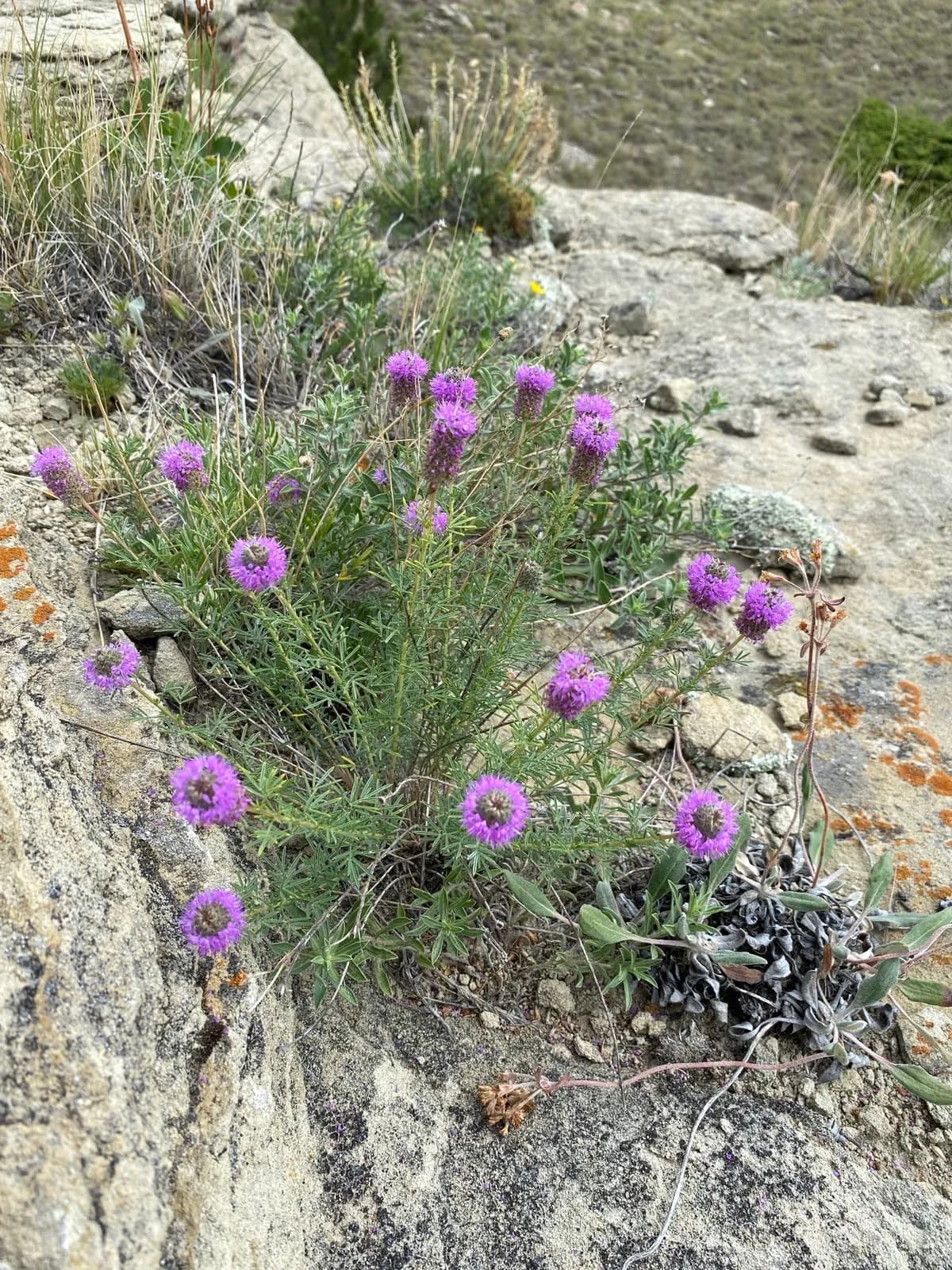
Dalea purpurea is a drought tolerant prairie forb that blooms from June through August with dense purple flower spikes, thriving in full sun on dry prairies and open grasslands.
Toxicity unknown
Purple Prairie Clover (Dalea purpurea) is not listed by the ASPCA Animal Poison Control Center (opens in new tab) or the other sources we check, so we have no verdict for it either way. Absence from those lists is not a clearance. If your pet shows symptoms after eating any plant, call the ASPCA at (888) 426-4435.
The USDA PLANTS Database (opens in new tab) does not flag Purple Prairie Clover as toxic to livestock.
Light
full sun
Water
low
Size
12"–24" H × 12"–24" W
Bloom
Jun, Jul, Aug
Native to
AL, AZ, CO, GA and 17 more states
Pollinators
bees, butterflies, beetles, nectar insects
Before you buy
Your city may pay you to plant this
Cities and water utilities offer rebates for replacing lawn with native and water-wise plants. We track 459 programs across 44 states, each with a link to the provider and the date we last checked it.
Find rebates in your areaPicture natives in your own yard
Upload a photo of your yard and Patch Vision shows a rendering of it planted with natives for your region, like Purple Prairie Clover.


Browse plants for this ecoregion
Purple prairie-clover is a compact native wildflower with distinctive cylindrical purple flower heads that bloom from June through August. This drought-tolerant perennial forms neat clumps with fine-textured foliage and reaches 1-3 feet tall. It requires minimal care once established and thrives in full sun with little watering.
Growing Purple Prairie Clover
Grow Purple Prairie Clover in full sun and low water. Mature plants reach 12 to 24 inches tall and spread 12 to 24 inches wide. Expect low maintenance to keep it looking intentional in a front yard.
How to care for Purple Prairie Clover, by region
How to care for Purple Prairie Clover where it is actually grown: year-round basics plus what to do each season, region by region, with the sources for each.
Care guidance last updated: October 2026
Chihuahuan Deserts (includes El Paso, TX)
Year-round
Purple prairie clover is a tough, deep-rooted perennial that likes full sun and dry soil, which fits El Paso well.
- Plant in full sun, at least 6 hours a day.
- Give it dry to well-drained soil. It takes clay, loam or sand.
- It is highly drought tolerant once established, so do not baby it.
- Start from seed. The deep taproot makes division a poor choice.
Tuck it in a bed with a tidy edge so the wiry stems look planned.
Fall
Fall is seed time. Let the seed ripen before you cut anything.
- Seed matures in late summer.
- Collect or leave seed if you want more plants.
- No feeding is needed.
Winter
Winter is a rest. The plant is a perennial that dies back and returns.
- Rated hardy in zones 3 to 8, so El Paso winters fit.
- Keep soil well drained so winter rain does not pool at the roots.
- Nothing to do until new growth appears.
Spring
Spring is the time to sow seed and let the roots get going.
- Scratch seed lightly with sandpaper before sowing, as the Wildflower Center advises.
- Seed is the better way to start it, not division.
- Water new seedlings until they root, then ease off.
Summer
Summer is bloom time, and the plant handles heat and dry spells.
- Purple flower spikes show up from June through September.
- Once established it is highly drought tolerant.
- Bees and butterflies visit the flowers, so leave them be.
Sources: Lady Bird Johnson Wildflower Center: Dalea purpurea, NC State Extension Plant Toolbox: Dalea purpurea
Cross Timbers (includes Fort Worth, TX)
Year-round
Purple prairie clover belongs in the dry prairies and rocky openings of the Cross Timbers around Fort Worth. It wants full sun and well-drained soil, handles drought once rooted, and its rose-purple flower heads feed native bees through the warm season.
- Native across central and north Texas prairies including the Cross Timbers, plant in full sun with well-drained soil (USDA NRCS Cuero Germplasm release, Native Plant Society of Texas).
- Deep woody taproot makes it drought tough but means it resents being dug up and moved once established.
- Special value to native bees, bumble bees, and honey bees, and a nectar source for butterflies (Lady Bird Johnson Wildflower Center).
- Not on the ASPCA toxic plant list for dogs, cats, or horses (ASPCA Animal Poison Control Center plant database).
An upright, clump-forming habit with clean purple heads looks planned rather than weedy, which suits an HOA-friendly front bed.
Fall
Fall is seed-set and wind-down. The heads ripen, the plant slows, and there is little to do. Decide whether to collect seed or leave the stems standing.
- Let seed heads dry on the plant, gather a few if you want more plants elsewhere.
- Cut back on water as nights cool and the plant heads toward dormancy.
- Leave dry stems for winter texture and seed, or cut them after a killing frost if you prefer a clean bed.
For a neater off-season look, cut stems after frost rather than leaving standing seed heads.
Winter
Winter is dormancy. The top dies back and the plant rests as a root, which is exactly what a prairie perennial should do. Leave it dry and untouched until late winter.
- The plant dies back to the ground and rests over winter, bare stems are normal, not dead.
- Do not water in winter, cold, wet soil is the main risk to the root.
- Wait until late winter or early spring for the final cut-back so the crown stays protected.
Spring
Spring is when you plant and tidy up in the Cross Timbers. Set out transplants after the last freeze, clip off the dead winter stems, and keep the soil lean. Water new plants just enough to get them going.
- Plant or sow in early spring after the last hard freeze, in full sun and well-drained ground.
- Cut last year's dry stems back to a few inches before fresh growth appears.
- Skip the compost and fertilizer, as a legume it fixes its own nitrogen and does best in lean soil.
- Give a new plant light water to establish, then let the taproot chase moisture downward on its own.
A short early-spring trim clears the winter stubble so the bed looks kept-up alongside neighboring yards.
Summer
Summer brings the bloom. Rose-purple heads open from June into September and stay busy with bees. Let it ride out the heat dry and leave the flowers standing for the pollinators.
- Blooms June through September with rose-purple thimble-shaped flower heads (Lady Bird Johnson Wildflower Center).
- Special value to native bees, bumble bees, and honey bees while in bloom (Lady Bird Johnson Wildflower Center).
- Water deeply only during a long drought if the plant wilts, it is adapted to hot, dry Cross Timbers summers.
- Leave heads up if you want seed for birds and volunteer seedlings, or shear lightly to keep it compact.
Sources: USDA NRCS, Cuero Germplasm Dalea purpurea release, Native Plant Society of Texas, Dalea purpurea, Lady Bird Johnson Wildflower Center, Dalea purpurea, ASPCA Animal Poison Control Center plant database, Prairie Moon Nursery, Dalea purpurea growing notes, USDA NRCS Plant Guide, Dalea purpurea (DAPU5)
East Central Texas Plains (includes College Station, TX)
Year-round
Purple prairie clover fits the open prairie patches and sandy openings of the Post Oak Savanna around College Station, the Cuero Germplasm seed release was wild-collected just south of here in South Texas. It wants full sun and well-drained soil and feeds native bees through summer.
- Native across central and south Texas including the Post Oak Savanna belt, the Cuero Germplasm came from a nearby South Texas wild stand and grows on sandy and loamy soils (USDA NRCS Cuero Germplasm release).
- It needs the sunny, well-drained prairie and savanna openings, not the shaded post-oak understory.
- Special value to native bees, bumble bees, and honey bees, and a nectar source for butterflies (Lady Bird Johnson Wildflower Center).
- Not on the ASPCA toxic plant list for dogs, cats, or horses (ASPCA Animal Poison Control Center plant database).
An upright clump with clean purple heads looks like a chosen planting rather than a weed, which suits an HOA-friendly bed.
Fall
Fall is seed-set and slow-down. Heads ripen and the plant winds down. Save a little seed or leave the heads standing.
- Let seed heads dry on the plant, collect some if you want more plants.
- Reduce watering as the weather cools and the plant heads toward dormancy.
- Leave dry stems for texture and seed, or cut them after frost for a neater bed.
Trim stems after frost for a tidy off-season look if your HOA prefers it.
Winter
Winter is rest. The top dies back and the plant waits as a root, which is normal for a prairie native. Keep it dry and leave the final trim for late winter.
- The plant dies back to the ground and rests over winter, bare stems are normal.
- Do not water in winter, cold wet soil is the main risk to the root.
- Hold the final cut-back until late winter or early spring.
Spring
Spring is planting and clean-up. Set out transplants after the last freeze into a sunny, well-drained spot, and cut the old stems. Keep the soil lean and water new plants only to establish them.
- Plant or sow in early spring after the last freeze, in full sun and sandy or well-drained soil.
- Choose an open, sunny opening rather than shade under post oaks.
- Cut last year's dry stems back to a few inches before new growth appears.
- Skip fertilizer, this legume makes its own nitrogen and does best in lean soil.
An early trim clears the winter stubble so the bed looks maintained through spring.
Summer
Summer is the bloom. Rose-purple heads open June into September and pull in bees. Let it ride out the heat dry and leave the flowers for pollinators.
- Blooms June through September with rose-purple thimble-shaped heads (Lady Bird Johnson Wildflower Center).
- Special value to native bees, bumble bees, and honey bees during bloom (Lady Bird Johnson Wildflower Center).
- Water deeply only during a long drought if the plant wilts, it is adapted to hot, humid summers in open sun.
- Leave heads up for seed and birds, or shear lightly to keep it compact.
Sources: USDA NRCS, Cuero Germplasm Dalea purpurea release, Lady Bird Johnson Wildflower Center, Dalea purpurea, ASPCA Animal Poison Control Center plant database, Prairie Moon Nursery, Dalea purpurea growing notes, USDA NRCS Plant Guide, Dalea purpurea (DAPU5), Native Plant Society of Texas, Dalea purpurea
Eastern Corn Belt Plains (includes Columbus, OH)
Year-round
Purple prairie-clover is a low, upright prairie perennial in the pea family, most often grown here as a garden planting rather than a wild population. Ohio's Department of Natural Resources lists the species as presumed extirpated from the wild in the state, so plants in Columbus area gardens come from nursery stock or purchased seed rather than local wild populations. It wants full sun and average to dry, well drained soil, and once it settles in it handles hot, dry stretches without much extra help.
- Plant in full sun, at least 6 hours of direct light a day
- Give it average to dry, well drained soil. It is not picky about clay, sand, or loam, and does not need rich or fertile ground
- Expect a mature height of about 1 to 3 feet with a spread near 12 to 18 inches
- The deep taproot makes this plant hard to move once it is established, so choose the planting spot with that in mind
- It does not appear on the ASPCA's toxic plant list for dogs
Fall
As bloom fades in September, purple prairie-clover sets small seed pods on the spent flower spikes, and foliage begins to die back with the season's first hard frosts, usually by mid to late October in the Columbus area. Many gardeners leave the seed heads standing through fall so birds can feed on them and so the planting can reseed on its own. Fall is also a workable time to direct sow fresh seed outdoors, since it will sit dormant through winter and come up the following spring.
- Let seed heads mature and stand through fall if you want birds to use them or want the plant to reseed
- Foliage dies back naturally with the first hard frosts, usually by mid to late October in central Ohio
- Fall works for direct sowing fresh seed outdoors. It stays dormant through winter and germinates in spring
- No fall fertilizing or soil amending is needed
- If you plan to cut the dead stems back, wait until foliage has fully browned rather than cutting green growth
Winter
Purple prairie-clover is hardy through Columbus winters, rated for USDA zones 3 through 8, and the deep taproot overwinters underground without any mulch or covering needed. The plant is fully dormant above ground through the cold months, with nothing to water or feed. This is also a good stretch to settle next year's planting plans, since the taproot means wherever it goes in is likely where it stays.
- Hardy through central Ohio winters. USDA zone 3 to 8 covers Columbus with room to spare
- No mulch or winter covering is needed once the plant is established
- Skip watering and feeding entirely during dormancy
- Standing dead stems left up from fall give overwintering insects shelter through the cold months, if you choose to leave them
- Use the dormant season to firm up next year's planting plan, since the deep taproot resists being moved later
Cutting back last year's dead stems in late winter, before new growth starts, keeps a front-yard planting looking tended and is an HOA-friendly step to take before spring.
Spring
Spring is when to get purple prairie-clover started in the Columbus area, either from a nursery plant or from seed sown once hard frost danger has passed, usually by late April. New plants are slow to get going above ground while the taproot develops below, so thin looking seedlings in May are normal rather than a sign of failure. As a legume, this plant makes its own nitrogen, so spring fertilizer is not needed.
- Wait until hard frost danger has passed, typically by mid to late April in central Ohio, before setting out new plants
- Seed can go directly into bare, weed free soil in spring without any refrigerator cold treatment first
- Pick the planting spot with care. The deep taproot means this plant does not like being dug up and moved later
- Skip fertilizer at planting time. As a member of the pea family it fixes its own nitrogen, and rich soil can make it flop over
- Weed by hand around new seedlings rather than assuming thin, slow growth means the planting did not take
Summer
Summer is bloom season for purple prairie-clover in central Ohio, with magenta purple flowers opening in a ring around each cone shaped spike and working upward from June into August. Once established, the deep taproot lets the plant get through Columbus's hot, humid summer dry spells without extra watering. The blooms are a steady draw for bees and butterflies through the flowering window.
- Bloom generally runs from June into August, with each spike opening gradually from the base upward
- Established plants rarely need watering during summer dry spells, since the taproot reaches deeper moisture
- No fertilizer is needed, and there are no serious pest or disease problems to watch for
- Bees and butterflies are frequent visitors while the plant is in bloom
- Leave spent flower spikes in place through summer rather than deadheading them
Sources: Ohio DNR, Rare Native Ohio Plants 2024-25 Status List (lists Dalea purpurea as presumed extirpated, status X), Lady Bird Johnson Wildflower Center, Dalea purpurea var. purpurea plant profile, University of Illinois Extension, HortAnswers: Purple Prairie Clover, ASPCA Toxic and Non-Toxic Plant List, Dogs, Morton Arboretum, Purple prairie-clover plant and protect guide, Prairie Moon Nursery, Dalea purpurea growing guide
Edwards Plateau (includes San Antonio, TX)
Year-round
Purple prairie clover fits the thin, rocky, calcareous soils of the Edwards Plateau and Hill Country around San Antonio. It wants full sun and sharp drainage, shrugs off drought once rooted, and its rose-purple heads bring in native bees.
- Adapted throughout central and west Texas including the Hill Country, it favors well-drained calcareous soils in full sun (USDA NRCS Cuero Germplasm release, Lady Bird Johnson Wildflower Center).
- Deep taproot handles the shallow limestone soils and dry spells common on the plateau.
- Special value to native bees, bumble bees, and honey bees, and a nectar source for butterflies (Lady Bird Johnson Wildflower Center).
- Not on the ASPCA toxic plant list for dogs, cats, or horses (ASPCA Animal Poison Control Center plant database).
Its tidy vertical form and clean flower heads look intentional against gravel or limestone, which fits an HOA-friendly front yard.
Fall
Fall is seed-set and slow-down. Let the heads ripen and the plant ease toward dormancy. Collect seed if you like, otherwise leave it be.
- Let seed heads dry on the plant, save a few if you want to start more.
- Reduce watering as the weather cools and the plant winds down.
- Leave dry stems for winter texture, or cut them after frost for a cleaner look.
Cut stems after frost if your HOA prefers a tidy off-season bed.
Winter
Winter is rest. The plant dies back to its root and waits out the cold, which is normal for a prairie native. Keep it dry and leave the cut-back for late winter.
- Top growth dies back and the plant rests as a root, bare stems are expected, not a problem.
- Do not water dormant plants, wet cold soil is the main threat to the taproot.
- Hold the final cut-back until late winter or early spring.
Spring
Plant and tidy in spring. Put in transplants after the last freeze, trim the old stems, and keep the soil lean and sharply drained. Water new plants just enough to root them.
- Plant or sow in early spring after frost danger passes, in full sun and fast-draining rocky or calcareous soil.
- Cut last year's dead stems back to a few inches before new growth starts.
- Do not enrich the soil, this legume fixes its own nitrogen and prefers lean, gravelly ground.
- Light watering helps a new plant establish, then let it dry out so the taproot goes deep.
An early trim clears winter stubble so the bed reads as maintained through the spring green-up.
Summer
Summer is peak bloom on the plateau. Rose-purple heads open June into September and stay covered in bees. Keep it dry between rains and leave the flowers for pollinators.
- Blooms June through September with rose-purple thimble-shaped heads (Lady Bird Johnson Wildflower Center).
- Special value to native bees, bumble bees, and honey bees during bloom (Lady Bird Johnson Wildflower Center).
- Water deeply only in a prolonged drought if it wilts, it is built for Hill Country heat and thin soil.
- Leave heads standing for seed and birds, or shear lightly to hold a compact shape.
Sources: USDA NRCS, Cuero Germplasm Dalea purpurea release, Lady Bird Johnson Wildflower Center, Dalea purpurea var. purpurea, ASPCA Animal Poison Control Center plant database, Prairie Moon Nursery, Dalea purpurea growing notes, USDA NRCS Plant Guide, Dalea purpurea (DAPU5), Lady Bird Johnson Wildflower Center, Dalea purpurea
High Plains (includes Lubbock, TX)
Year-round
Purple prairie clover is a tough, deep-rooted native for the High Plains around Lubbock and the panhandle. It wants full sun and dry, well-drained soil, and once it is settled it needs almost no water. The rose-purple thimble-shaped flower heads bloom through the warm months and feed a lot of bees.
- Native to the High Plains and panhandle grasslands, plant it in full sun with dry, well-drained soil (Native Plant Society of Texas, USDA PLANTS Plant Guide DAPU5).
- Deep taproot lets it survive dry spells that kill shallow-rooted plants, so give it a spot you do not plan to move it from.
- Special value to native bees, bumble bees, and honey bees, and it is a nectar source for butterflies (Lady Bird Johnson Wildflower Center).
- Not on the ASPCA toxic plant list for dogs, cats, or horses (ASPCA Animal Poison Control Center plant database).
A tidy, upright clump with clean flower heads reads as intentional in a front bed, which fits an HOA-friendly look.
Fall
In fall the plant sets seed and starts to go dormant. You can collect a little seed, or just let the heads drop. There is not much to do here besides deciding whether to leave the stems standing for winter interest.
- Let seed heads ripen and dry on the plant, collect a few if you want to spread it to new spots.
- Stop watering as temperatures drop, the plant is heading into dormancy and wants to be dry.
- You can leave the dry stems standing through winter for texture and seed, or cut them back after a killing frost.
If your HOA prefers a neat look off-season, cut the stems back after frost instead of leaving standing seed heads.
Winter
Winter is a rest period. The plant dies back to its root and waits out the cold, which is normal and not a sign of trouble. Leave it alone and do not water.
- The plant is dormant and looks like bare stems or nothing above ground, this is normal for a prairie perennial.
- Do not water dormant plants in winter, wet cold soil is the main thing that can rot the root.
- Hold off on the final cut-back until late winter or early spring so the roots stay protected.
Spring
Spring is planting and clean-up time in the High Plains. Set out new plants after the last hard freeze, cut off last year's dead stems, and let the new growth come up on its own. Go easy on water so the roots reach down.
- Plant new transplants or sow seed in early spring once hard freezes are done, in full sun and dry, well-drained ground.
- Cut last year's dry stems back to a few inches before new green shoots push up.
- Water a new plant lightly to help it start, then back off so the taproot grows deep instead of staying shallow.
- Do not add rich compost or fertilizer, this is a legume that makes its own nitrogen and prefers lean soil.
A quick early-spring trim keeps the plant from looking like leftover winter brush while neighbors' beds green up.
Summer
Summer is the show. The rose-purple flower heads open from June into September and pull in bees all day. Let it stand dry between rains and leave the flowers for the pollinators.
- Blooms June through September with rose-purple thimble-shaped heads (Lady Bird Johnson Wildflower Center).
- Special value to native bees, bumble bees, and honey bees during bloom (Lady Bird Johnson Wildflower Center).
- Water deeply only if the plant wilts in a long dry stretch, it is built for High Plains heat and drought.
- Leave the flower heads up rather than deadheading if you want seed for birds and self-sown seedlings.
Sources: Native Plant Society of Texas, Dalea purpurea, USDA NRCS Plant Guide, Dalea purpurea (DAPU5), Lady Bird Johnson Wildflower Center, Dalea purpurea, ASPCA Animal Poison Control Center plant database, Prairie Moon Nursery, Dalea purpurea growing notes
Southern Texas Plains (includes McAllen, TX)
Year-round
Purple prairie clover is native to the South Texas Plains, the Cuero Germplasm seed release was wild-collected in South Texas near Cuero. It wants full sun and dry, well-drained soil, takes the heat, and its rose-purple heads feed native bees.
- Native to south Texas, the Cuero Germplasm was collected from a wild South Texas stand and is adapted through central, west, and south Texas (USDA NRCS Cuero Germplasm release).
- Deep woody taproot handles the region's heat and dry stretches once the plant is established.
- Special value to native bees, bumble bees, and honey bees, and a nectar source for butterflies (Lady Bird Johnson Wildflower Center).
- Not on the ASPCA toxic plant list for dogs, cats, or horses (ASPCA Animal Poison Control Center plant database).
A neat, upright clump with clean purple heads looks deliberate in a front bed, which fits an HOA-friendly design.
Fall
Fall is seed-set and slow-down. The heads ripen and the plant eases off. Collect a little seed or just let the heads drop.
- Let seed heads ripen and dry on the plant, save some if you want more plants.
- Cut back on watering as the weather finally cools.
- Leave dry stems for texture and seed, or cut them for a cleaner bed.
Trim the stems if your HOA prefers a tidy look once bloom is over.
Winter
Winter is a mild rest in South Texas. The plant slows and may die back to its root. Keep it dry and leave the final trim for late winter.
- The plant slows or dies back over the mild winter, reduced top growth is normal.
- Do not water in winter, cold wet soil is the main risk to the root.
- Wait until late winter for the final cut-back so the crown stays protected.
Spring
Spring planting comes early in South Texas. Set out transplants once frost risk is gone, trim old stems, and keep the soil lean and well-drained. Water new plants only enough to root them.
- Plant or sow in early spring after the last freeze, in full sun with dry, well-drained soil.
- Cut last year's dry stems back to a few inches before new growth pushes up.
- Do not fertilize, as a legume it makes its own nitrogen and prefers lean ground.
- Water a new plant lightly to establish, then let it dry so the taproot grows deep.
An early trim clears winter stubble so the bed looks maintained as the season warms.
Summer
Summer is bloom and heat. Rose-purple heads open June into September and draw bees while the plant handles the South Texas sun. Keep it dry between rains and leave flowers for pollinators.
- Blooms June through September with rose-purple thimble-shaped heads (Lady Bird Johnson Wildflower Center).
- Special value to native bees, bumble bees, and honey bees during bloom (Lady Bird Johnson Wildflower Center).
- Water deeply only if it wilts in a long drought, it is well suited to intense South Texas summer heat.
- Leave heads up for seed and birds, or shear lightly to keep the plant compact.
Sources: USDA NRCS, Cuero Germplasm Dalea purpurea release, Lady Bird Johnson Wildflower Center, Dalea purpurea, ASPCA Animal Poison Control Center plant database, Prairie Moon Nursery, Dalea purpurea growing notes, Native Plant Society of Texas, Dalea purpurea, USDA NRCS Plant Guide, Dalea purpurea (DAPU5)
Texas Blackland Prairies (includes Dallas, TX)
Year-round
Purple prairie clover is a classic tallgrass-prairie native for the Blackland Prairies around Dallas. It wants full sun and well-drained soil, tolerates the region's clay and loam, and its rose-purple heads bring in native bees through the warm season.
- Native to the central Texas prairies including the Blackland Prairie, it grows on clay, loam, and sandy soils in full sun (USDA NRCS Cuero Germplasm release, Native Plant Society of Texas).
- Deep taproot lets it hold up through summer dry spells common on the prairie.
- Special value to native bees, bumble bees, and honey bees, and a nectar source for butterflies (Lady Bird Johnson Wildflower Center).
- Not on the ASPCA toxic plant list for dogs, cats, or horses (ASPCA Animal Poison Control Center plant database).
A tidy upright clump with clean purple heads reads as an intentional prairie planting, which fits an HOA-friendly front yard.
Fall
Fall is seed-set and wind-down. Heads ripen and the plant slows. Gather a little seed or leave the heads for the birds.
- Let seed heads dry on the plant, collect a few if you want to spread it.
- Cut back watering as nights cool and the plant heads toward dormancy.
- Leave dry stems for winter texture and seed, or cut them after frost for a clean bed.
Cut stems after frost for a tidier off-season bed if your HOA prefers it.
Winter
Winter is dormancy. The top dies back and the plant rests as a root, which is normal for a prairie perennial. Keep it dry and hold the final trim until late winter.
- The plant dies back to the ground and rests over winter, bare stems are expected.
- Do not water in winter, cold wet clay is the main risk to the root.
- Wait until late winter or early spring for the final cut-back.
Spring
Spring is planting and clean-up on the Blackland Prairie. Set out transplants after the last freeze, cut the old stems, and keep the soil lean. On heavy clay, make sure the spot drains and does not stay soggy.
- Plant or sow in early spring after the last hard freeze, in full sun and well-drained ground.
- On heavy Blackland clay, pick a spot that drains after rain since the taproot dislikes standing water.
- Cut last year's dry stems back to a few inches before new growth appears.
- Do not fertilize, this legume fixes its own nitrogen and prefers lean soil.
An early trim clears winter stubble so the bed looks kept-up as the prairie greens up.
Summer
Summer is the bloom season. Rose-purple heads open June into September and stay covered in bees. Let it stand dry between rains and leave the flowers for pollinators.
- Blooms June through September with rose-purple thimble-shaped heads (Lady Bird Johnson Wildflower Center).
- Special value to native bees, bumble bees, and honey bees during bloom (Lady Bird Johnson Wildflower Center).
- Water deeply only in a long drought if the plant wilts, it handles hot Blackland Prairie summers well.
- Leave heads standing for seed and birds, or shear lightly to keep a compact shape.
Sources: USDA NRCS, Cuero Germplasm Dalea purpurea release, Native Plant Society of Texas, Dalea purpurea, Lady Bird Johnson Wildflower Center, Dalea purpurea, ASPCA Animal Poison Control Center plant database, Prairie Moon Nursery, Dalea purpurea growing notes, USDA NRCS Plant Guide, Dalea purpurea (DAPU5)
Western Corn Belt Plains (includes Des Moines, IA)
Year-round
Purple prairie clover is a tough, deep-rooted prairie legume that wants full sun and soil that drains well. Once it is settled in it needs almost no help, so most of the work is getting it started and leaving it alone after that.
- Plant it young and do not try to move it later. It sends down a deep taproot fast, and a dug-up plant usually does not survive, so pick the spot once and leave it.
- Water a new plant through its first summer to get roots down, then stop. An established plant handles Des Moines heat and dry spells on its own and rots in soil that stays wet.
- It is slow at first and stays small the first year while it builds roots. Do not fuss over it or feed it. As a legume it makes its own nitrogen, and rich soil or fertilizer just makes it flop.
- A thin gravel or fine bark mulch that keeps the crown dry is fine. Avoid piling heavy, moisture-holding mulch against the stems.
Fall
In fall the plant sets seed and goes dormant. You get to choose: leave the seed heads standing for winter interest and birds, or tidy the front edge if you want a neater curb look.
- Decide whether to let it self-seed. It is a modest, well-behaved seeder, so leaving seed heads may bring a few volunteers nearby. Snip the heads off before they drop if you want to keep it in one spot.
- Standing stems and seed heads are fine to leave through fall and add winter structure. Cutting back is optional, not required.
- If you prefer a clean look, cut stems down to a few inches after a hard frost. Otherwise wait until late winter or early spring.
- Do not dig or divide in fall. The taproot does not transplant, so relocation almost always fails.
If your front bed faces stricter curb-appeal expectations, a clean fall cutback of the front row reads as intentional and maintained and helps avoid a violation letter, while beds farther back can stay standing for wildlife.
Winter
Winter care is basically nothing. This is a cold-hardy prairie plant that goes fully dormant and comes back on its own in Des Moines winters, so the only real task is a cutback if you did not do one in fall.
- Leave it be. The plant is dormant and cold-hardy through Iowa winters and needs no protection or watering.
- If you left the stems standing, cut them back to a few inches in late winter before new spring growth starts. This is the cleanest time to tidy it.
- Do not mound heavy mulch over the crown for winter. This plant wants a dry crown, and wet, packed mulch can cause rot.
- Resist any urge to dig or move dormant plants. The deep taproot means a moved plant usually does not survive.
A late-winter cutback of any stems left standing gives the bed a neat, intentional silhouette before spring and helps avoid a violation letter if your HOA notices tidiness early in the year.
Spring
Spring is the time to plant, uncover the crown, and let new growth come up on its own. This plant leafs out later than many perennials, so do not assume it is dead if the ground around it looks bare in April.
- If you are adding a plant, set it out in spring on well-drained soil in full sun. It does not need any cold treatment to grow, so a spring planting takes hold the same year.
- Pull back any mulch or leaves that piled on the crown over winter so the base can dry and warm up.
- Be patient in April and early May. Purple prairie clover breaks dormancy late in the Des Moines area, so wait for warm soil before you decide a plant did not make it.
- Skip the fertilizer. A spring feeding pushes soft, floppy growth on a plant that is built for lean soil.
Summer
Summer is bloom season, with rose-purple flower spikes from about June into September. An established plant needs very little from you, and the flowers are a strong draw for native bees.
- Let an established plant ride out summer heat with little or no water. Deep roots handle Iowa dry spells, and soggy soil is the main thing that kills this plant.
- Water only a first-year plant, and only when the top inch of soil is dry. Once it is rooted in, back off.
- Leave the flowers for the bees. Purple prairie clover blooms June through September and is a favorite nectar and pollen source for bumble bees and other native bees.
- You can snip a few spent spikes if you want a tidier look up front, but it is not required for plant health.
Light deadheading of finished flower spikes near the sidewalk keeps a front-yard planting reading as intentional and cared for, which helps avoid a violation letter, while you leave the rest for pollinators.
Sources: Lady Bird Johnson Wildflower Center Dalea purpurea, Prairie Moon Nursery Dalea purpurea, ASPCA Toxic and Non-Toxic Plant List, Illinois Wildflowers Purple Prairie Clover, Prairie Nursery Purple Prairie Clover
In an HOA neighborhood
Purple Prairie Clover is an HOA-friendly choice. Maintenance level: low. Tidiness: 4 out of 5.
Works well in: front yard, foundation, street edge, mid zone.
- Dies back completely in winter
Wildlife value
The unique cylindrical flowers are excellent for native bees, butterflies, and beetles throughout the summer months. This plant is particularly valuable for supporting specialist prairie pollinators.
Common questions
- When does Dalea purpurea bloom?
- Dalea purpurea typically blooms from June through August, producing dense, cylindrical spikes of small purple flowers that open gradually from the base upward.
- What pollinators visit Dalea purpurea?
- Bees, butterflies, and beetles regularly visit Dalea purpurea, attracted to the nectar produced in its tightly packed flower spikes.
- How much water does Dalea purpurea need?
- Dalea purpurea tolerates low water conditions once established and performs well in dry, well drained soils without regular irrigation.
- What light conditions does Dalea purpurea prefer?
- Dalea purpurea grows best in full sun, needing at least six hours of direct light each day to flower well and maintain a compact form.
- Is Dalea purpurea an annual or perennial plant?
- Dalea purpurea is a herbaceous perennial forb. It dies back to the ground in winter and regrows from its root crown each spring.
- Is Purple Prairie Clover toxic to livestock?
- The USDA PLANTS Database does not flag Purple Prairie Clover as toxic to livestock.
- Is Purple Prairie Clover HOA-friendly?
- Purple Prairie Clover is generally an HOA-friendly choice in the right placement, with low maintenance.
These answers were drafted with an AI model from this plant's data. Verify care details with a local expert.
Native range data from vouchered herbarium specimen records and regional native plant society lists. Pollinator and host plant associations compiled from GBIF, iNaturalist, and published ecological literature.
If something looks wrong
Common plant problems, and what to check first
These come up on almost any plant. Each guide lists the likely causes in the order they are worth ruling out, with one thing to check before you act on any of them, and links to the source it came from.
- It is dying right after planting
- Leaves turning yellow
- Wilting even though I watered it
- Brown crispy leaf tips
- Bugs on the plant
Ready to grow Purple Prairie Clover? Add it to your garden in Pollinator Patch to track it and get season-by-season care guidance.