Wild Bergamot
Monarda fistulosa
Last reviewed: August 2026
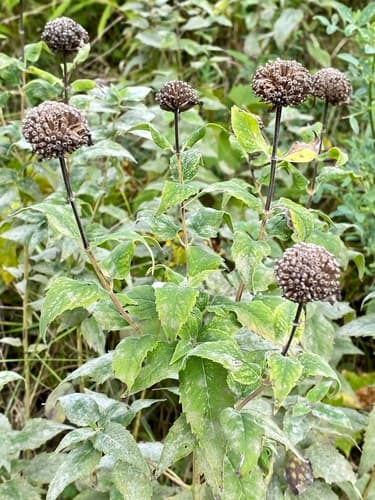
Wild bergamot is a drought tolerant forb that produces lavender purple flowers from June through August in prairies, meadows, and open woodlands, drawing bees, butterflies, and hummingbirds.
Toxicity unknown
Wild Bergamot (Monarda fistulosa) is not listed by the ASPCA Animal Poison Control Center (opens in new tab) or the other sources we check, so we have no verdict for it either way. Absence from those lists is not a clearance. If your pet shows symptoms after eating any plant, call the ASPCA at (888) 426-4435.
The USDA PLANTS Database (opens in new tab) does not flag Wild Bergamot as toxic to livestock.
Light
full sun
Water
low
Size
24"–48" H × 12"–24" W
Bloom
Jun, Jul, Aug
Native to
AL, AR, AZ, CO and 39 more states
Pollinators
bees, butterflies, hummingbirds, moths
Deer
Resistant (per Prairie Moon Nursery)
Before you buy
Your city may pay you to plant this
Cities and water utilities offer rebates for replacing lawn with native and water-wise plants. We track 452 programs across 44 states, each with a link to the provider and the date we last checked it.
Find rebates in your areaBrowse plants for this ecoregion
Wild bergamot is a fragrant native perennial with clusters of lavender-pink tubular flowers that bloom throughout summer. This drought-tolerant plant forms upright clumps with aromatic leaves that release a minty scent when brushed against.
Growing Wild Bergamot
Grow Wild Bergamot in full sun and low water. Mature plants reach 24 to 48 inches tall and spread 12 to 24 inches wide. Expect moderate maintenance to keep it looking intentional in a front yard.
How to care for Wild Bergamot, by region
How to care for Wild Bergamot where it is actually grown: year-round basics plus what to do each season, region by region, with the sources for each.
Care guidance last updated: September 2026
Acadian Plains and Hills (includes Bangor)
Year-round
Wild bergamot is a tough, cold-hardy native perennial that belongs in the Acadian Plains and Hills of interior and downeast Maine. It handles the cold winters here (hardy to USDA zone 3) and gives you lavender pom-pom flowers all summer that bees and butterflies love. It spreads by underground runners, so give it room and it will fill in.
- Native across Maine including the cold Acadian interior around Bangor. Go Botany (Native Plant Trust) lists it for the Acadian Plains and Hills ecoregion, and it is hardy to USDA zone 3, so the region's zone 3b to 5 winters are no problem.
- Give it full sun and average to dry, well-drained soil. It tolerates the sandy outwash pockets common in this region and shrugs off drought once established.
- Space plants 18 to 24 inches apart. It spreads by rhizomes and forms a patch, so plan for it to widen a foot or more each year.
- It is a strong pollinator plant. The Xerces Society lists Monarda fistulosa as a top nectar source for native bees and butterflies.
- Not on the ASPCA toxic plant list, so it is a safe choice around dogs and cats per the ASPCA Animal Poison Control Center plant database.
Fall
As blooms fade, wild bergamot leaves behind round seed heads on stiff stems. You can cut it back for a tidy look or leave the stems standing to feed birds and shelter insects over the long Acadian winter.
- Leaving stems standing is best for wildlife. The seed heads feed goldfinches and other birds, and the hollow stems shelter native bees, which the Xerces Society recommends leaving through winter.
- If you prefer a neater yard, cut stems to about 6 to 8 inches after a hard frost. Both approaches are fine for the plant.
- Fall is a fine time to plant if you get it in the ground 6 weeks before the ground freezes, which in this cold region usually means by mid-September.
- Do not fertilize or heavily water going into fall. Let the plant harden off naturally for the cold.
- Mark the patch edges if you cut it down, since the crown disappears and you will not see it until late spring.
A fall cutback to a low, even height reads as deliberate seasonal cleanup and keeps the bed looking cared for through the off-season, while leaving stems standing is better for pollinators. Either is a reasonable choice for an HOA-conscious front yard.
Winter
Wild bergamot is fully winter hardy in Acadian Maine and needs almost nothing from you. The plant dies back to the ground and rides out the cold underground, so winter is really just a rest.
- No winter protection needed. It is hardy to USDA zone 3, well below the region's coldest winters, per Go Botany and the Lady Bird Johnson Wildflower Center.
- Standing seed heads and dried stems left from fall add winter structure above the snow and keep feeding birds.
- A natural leaf layer or snow cover is all the mulch it needs. Avoid heavy wet mulch piled on the crown, which can rot it.
- If you left the stems up, cut them down in early spring before new growth, not in the dead of winter.
- Do not walk on or compact the dormant crown when clearing snow near the bed.
Dried stems and seed heads standing over winter can look untidy to some neighbors, so a clean edge along the bed or a short uniform cutback keeps the planting reading as intentional through the bare months.
Spring
Spring in Acadian Maine comes late, so wait for the ground to warm before you plant or divide wild bergamot. Once it wakes up you will see mint-scented shoots push up from last year's crown.
- Plant or divide after the last hard frost, usually mid to late May in the Bangor area given the region's zone 3b to 5 timing. Cold soil in April stalls new roots.
- Divide an established clump every 3 to 4 years in spring to keep it vigorous and to control its spread. Dig the outer edge, split, and replant.
- Thin crowded stems as they emerge to improve airflow. This is the single best way to head off the powdery mildew this plant is prone to in humid spells.
- Skip fertilizer. Wild bergamot flops and gets floppier in rich soil, so lean, sandy Acadian ground suits it fine.
- Water new spring plantings weekly until they root. Established patches rarely need it.
Summer
Summer is the payoff. Wild bergamot blooms lavender from mid-June through late summer and pulls in bees, butterflies, and hummingbirds. Your main job is watching for mildew and deadheading if you want a tidier look.
- Expect bloom from about mid-June into September. The Lady Bird Johnson Wildflower Center notes a long summer bloom window for this species.
- Leave it for the pollinators. The Xerces Society lists Monarda fistulosa among the best native nectar plants for bees and butterflies.
- Watch for powdery mildew on the leaves in humid stretches. If lower leaves whiten, cut affected stems at the base and improve spacing. It rarely kills the plant.
- Deadhead spent flower heads if you want more blooms and a neater patch, or leave some to set seed.
- In a dry Acadian summer on sandy soil, a deep soak every couple of weeks keeps it flowering, but it will survive without it.
Deadheading spent flower heads through summer keeps the patch reading as tended and intentional rather than weedy, which is what keeps a front-yard native planting from drawing a violation letter.
Sources: Go Botany (Native Plant Trust), Monarda fistulosa species page, Xerces Society, pollinator plant lists (Monarda fistulosa), ASPCA Animal Poison Control Center plant database, Xerces Society, nesting and overwintering habitat guidance, Lady Bird Johnson Wildflower Center, Monarda fistulosa
Arizona/New Mexico Mountains (includes Prescott, AZ)
Year-round
Wild bergamot fits the pine and chaparral country around Prescott, in the same higher-elevation niche as northern Arizona generally.
- This is the western variety, var. menthifolia, suited to seasonally dry, well-drained mountain soils rather than low desert.
- Plant in full sun to light shade at elevations with ponderosa pine, pinyon-juniper, or chaparral, which describes much of the Prescott area.
- Give new plants regular water the first year, then let established clumps rely on normal seasonal rain.
- Space plants 18 to 24 inches apart. It spreads slowly by rhizome in this region compared to wetter eastern soils.
- SEINet's Arizona/New Mexico node documents this variety as occurring in the region's mountain habitats.
Fall
Fall cools off at this elevation, so finish planting early in the season.
- Plant new starts early in fall so roots establish before the first hard freeze.
- Leave seed heads standing for finches if you want to support birds into fall.
- Cut spent stems back once bloom is done for a cleaner winter look.
- Note any crowded clumps now so you remember to divide them in spring.
Cutting stems back before winter keeps the planting looking intentional through the dormant months.
Winter
Dormant and winter-hardy through Prescott-area cold without protection.
- No winter protection is needed. This variety is adapted to cold mountain winters at this elevation.
- Any stems left from fall can be cut back anytime before spring growth resumes.
- Mulch is optional and mainly helps with winter weed suppression rather than plant survival.
- Avoid foot traffic over the dormant crown during wet winter periods.
Spring
Spring growth starts once nights warm up at this elevation, with late frost the main hazard.
- New shoots appear once overnight temperatures stay reliably above freezing.
- Wait to divide crowded clumps until shoots are a few inches tall.
- Keep fertilizer light. Rich soil produces floppy growth that this dry-adapted variety does not need.
- Protect new growth with frost cloth if a late cold snap is forecast.
Summer
Summer bloom benefits from the monsoon once it arrives.
- Flowers open early summer and often get a second boost once monsoon rains start.
- Native bees and hummingbirds are the main visitors in this region.
- Water during the dry pre-monsoon weeks, then ease off once regular rain returns.
- Deadhead the first bloom flush for a chance at more flowers later in the season.
A well-kept, blooming clump reads as intentional mountain-native landscaping rather than an untended patch.
Sources: SEINet AZ/NM Node - Monarda fistulosa var. menthifolia, Coconino County - Native Plants for Northern Arizona Landscapes
Arizona/New Mexico Plateau (includes Flagstaff, AZ)
Year-round
Wild bergamot grows in the ponderosa pine and pinyon-juniper country around Flagstaff, not the lower desert.
- This region's Monarda fistulosa is the western variety, var. menthifolia, adapted to seasonally dry, well-drained mountain soils.
- It belongs in higher-elevation plantings, generally above about 5,500 feet, matching the ponderosa pine and pinyon-juniper zone around Flagstaff.
- Plant in full sun to light shade. It does not want the caliche and heat of the low desert.
- Water regularly the first year to establish, then rely mostly on the monsoon and winter moisture this elevation gets.
- Coconino County's native plant guide for northern Arizona landscapes lists it for this elevation band and soil type.
Fall
Fall cools quickly at this elevation, so finish any planting early in the season.
- Get new plants in the ground in early fall so roots can establish before the first hard freeze.
- Leave seed heads up for finches if you want to support birds through fall.
- Cut back spent stems once flowering ends if a cleaner winter look is the goal.
- This is a good time to note which clumps need dividing next spring.
Cutting back stems before the first snow keeps the bed looking deliberate through winter.
Winter
Fully dormant and hardy through Flagstaff-area winters without protection.
- No winter protection is needed. This mountain-adapted variety handles the region's cold, snowy winters without issue.
- Snow cover at this elevation helps insulate the dormant roots.
- Cut down any stems left from fall anytime before spring growth begins.
- Keep foot traffic off the bed to avoid compacting snow-wet soil over the dormant crown.
Spring
Spring at this elevation is still cool, and late frost is the main risk to new growth.
- New shoots typically emerge later here than in lower, warmer parts of the state because of the elevation.
- Hold off on dividing clumps until shoots are a few inches tall and frost risk has passed.
- Skip rich fertilizer. This variety is adapted to lean, rocky mountain soils and rich soil can cause floppy growth.
- Watch for a late frost damaging new shoots. A light frost cloth overnight protects tender growth if a cold snap is forecast.
Summer
Summer bloom lines up with the monsoon, which this plant is well suited to.
- Flowers open in early to mid summer, then get an extra boost of moisture once the monsoon arrives in July.
- Bumblebees and hummingbirds are the main visitors at this elevation.
- Extra water during dry June stretches helps, but back off once monsoon rains start.
- Deadhead after the first flush for a chance at more bloom later in summer.
A tidy, blooming stand at this elevation reads as an intentional mountain-native planting rather than a weedy patch.
Sources: Coconino County - Native Plants for Northern Arizona Landscapes, SEINet AZ/NM Node - Monarda fistulosa var. menthifolia
Arkansas Valley (includes McAlester, OK)
Year-round
Wild bergamot is native across the Arkansas Valley of eastern Oklahoma, the band of country between the Ouachita Mountains and the plains that runs through McAlester and Poteau. It grows well in the valley's mixed soils and open woodland edges.
- Native to Oklahoma broadly, including the Arkansas Valley counties between the Ouachitas and the Ozarks (USDA PLANTS Database).
- Grows 2 to 5 feet tall with lavender pompom flowers from mid-summer into fall.
- Tolerates the valley's mix of clay, loam, and rocky soils.
- Does well in full sun to light shade at woodland edges and open fields.
- Spreads by rhizomes and benefits from division every few years.
A tidy, well behaved bloomer for front beds when divided every few years to keep it in bounds.
Fall
Fall brings the last of the bloom and a good window for dividing wild bergamot in the Arkansas Valley.
- Flowering tapers off by September.
- Divide crowded clumps in early fall while soil is still easy to work.
- Leave some seed heads standing for finches and other seed-eating birds.
- Cut stems back after the first hard frost, or leave them for winter insect habitat.
Winter
Wild bergamot is dormant through winter in the Arkansas Valley, and the rhizomes are hardy well past the cold this ecoregion sees.
- Hardy to USDA zone 4, far colder than the Arkansas Valley's winters, so cold is not a risk (Lady Bird Johnson Wildflower Center).
- Standing dead stems can be left through winter to shelter insects.
- No watering or feeding is needed while dormant.
- Bare soil where the plant was is expected in winter, growth returns in spring.
Spring
Spring growth in the Arkansas Valley starts around April as soil warms, similar timing to the rest of eastern Oklahoma.
- New square stems emerge from rhizomes in April.
- Thin dense clumps now for sturdier stems and better airflow later.
- Water new transplants weekly until they establish a root system.
- Watch for early powdery mildew on crowded plants and space them out if you see it.
Summer
Summer is peak bloom season for wild bergamot in the Arkansas Valley, and the plant handles the region's hot, humid stretches once established.
- Lavender blooms open by June and continue into August, attracting bumble bees and hummingbirds.
- A documented monarch nectar source during their summer breeding range (Xerces Society).
- Also hosts Dufourea monardae, a specialist sweat bee found only on Monarda flowers (Xerces Society).
- Deadhead spent blooms to extend flowering and keep the planting neat.
- Established clumps tolerate dry summer stretches without supplemental water.
Regular deadheading through summer keeps the bed looking intentional rather than wild.
Sources: USDA PLANTS Database, Monarda fistulosa, Lady Bird Johnson Wildflower Center, Monarda fistulosa, Xerces Society, Plants for Pollinators: Wild Bergamot
Atlantic Coastal Pine Barrens (includes Riverhead, NY)
Year-round
Wild bergamot is native to New York and fits the drier, sandy meadow openings found in the Atlantic Coastal Pine Barrens around Riverhead.
- Full sun to part shade with average to dry, well-drained soil, including sandy soil, is the best fit.
- It spreads by rhizomes, give it room to naturalize in a bed.
- It is drought tolerant once established, a good match for sandy Long Island soils.
- Deer generally avoid it because of its strongly scented leaves.
Fall
Seed heads develop after bloom and are worth leaving up for birds through fall.
- Leave seed heads standing so songbirds can feed on them.
- Cut stems back only after a hard frost for a neater look.
- Let some seed drop naturally if you want the planting to spread.
A trimmed edge around the bed keeps standing seed heads from looking neglected.
Winter
The plant is fully dormant through Long Island winters and needs no extra protection.
- Leave dead stems standing over winter for insect shelter.
- No mulch is generally needed, it handles cold well once established.
- Clear remaining dead stems in late winter before new shoots start.
Spring
New growth emerges in the pine barrens in spring, a good time to divide any crowded clump.
- Wait for fresh growth before cutting back last year's dead stems.
- Divide every 3 to 4 years in spring to keep clumps vigorous.
- Thin dense patches now to help airflow before humid summer weeks.
Summer
Lavender flower clusters bloom through summer in the sandy pine barrens, drawing bees and butterflies.
- Deadhead through the season to keep new blooms coming and the plant tidy.
- Thin stems if powdery mildew appears on lower leaves during humid stretches.
- It handles dry, sandy soil well once established, even in summer heat.
Deadheading keeps the bloom clump looking maintained through the summer.
Sources: Lady Bird Johnson Wildflower Center, Monarda fistulosa, New England Wild Flower Society (Native Plant Trust), wild bergamot, Prairie Moon Nursery, Monarda fistulosa growing guide
Blue Mountains (includes Walla Walla)
Year-round
Wild bergamot's western form, variety menthifolia, is native to the bluebunch grassland and open pine country of the Blue Mountains. It is a hardy, full-sun perennial that pulls in native bees, bumblebees, and hummingbirds.
- The native form here is Monarda fistulosa var. menthifolia, documented in Washington and Oregon and matching the bluebunch wheatgrass and pine forest habitat of the Blue Mountains (Lady Bird Johnson Wildflower Center).
- Plant in full sun to light shade in well-drained soil. It is drought tolerant once established and suits the region's dry summers (Lady Bird Johnson Wildflower Center).
- It spreads slowly by underground runners, forming a widening patch over time rather than staying a tight clump.
- It has special value to native bees and bumblebees, and also draws butterflies and hummingbirds (Lady Bird Johnson Wildflower Center).
- Wild bergamot is not on the ASPCA toxic plant list, so it is a low-worry plant around dogs and cats.
Edge the bed at planting so the spreading habit reads as a defined native planting rather than an encroaching patch.
Fall
Bloom tapers off and seed heads form as nights cool. Choose whether to leave stems up for the winter or trim them back now.
- Leave dried stems and seed heads standing where possible. Native bees overwinter inside hollow stems like these (Penn State Extension).
- For a tidier look, cut back to around 12 to 18 inches instead of all the way to the ground, which still leaves nesting material.
- No extra watering is typically needed as the plant goes dormant and fall rain returns.
A neat partial cutback at a consistent height reads as intentional fall care rather than an untended bed, while still leaving stems for nesting bees.
Winter
The plant is fully dormant and winter hardy in this mountain climate. No special protection is needed.
- The crown and root system handle this region's winter cold without covering or mulching.
- Stems left standing from fall can remain through winter to shelter overwintering native bees, then be cut back in early spring (Penn State Extension).
- Keep foot traffic off the dormant crown area so compacted soil doesn't slow spring emergence.
Spring
New shoots emerge from the crown as the ground warms. Clear old stems and split any clump that has outgrown its spot before summer heat arrives.
- Cut last year's dried stems to the ground once fresh growth is visible at the base.
- Divide a crowded or spreading clump now, while soil is still cool and moist enough to dig easily (NC State Extension).
- Space new plants or divisions with airflow in mind since crowding invites powdery mildew later in the season (NC State Extension).
Dividing in spring before foliage fills out keeps a spreading colony looking planned instead of overgrown.
Summer
Flowers peak in early to mid summer, drawing steady bee and hummingbird traffic. Watch for powdery mildew if plants get crowded or overwatered.
- Water at the base and let soil dry between waterings. This variety is adapted to dry mountain grassland and does not need frequent watering (Lady Bird Johnson Wildflower Center).
- A white, dusty coating on leaves is powdery mildew. Thin crowded stems for airflow and remove the worst leaves (NC State Extension).
- Deadheading spent blooms is optional but can help tidy the plant's appearance.
Thinning mildewed stems mid-season keeps the planting looking healthy rather than dusty or tired.
Sources: Lady Bird Johnson Wildflower Center, Monarda fistulosa var. menthifolia, ASPCA Animal Poison Control Center, Toxic and Non-Toxic Plants, NC State Extension, Monarda fistulosa, Penn State Extension, Delay Garden Cleanup
Blue Ridge (includes Gettysburg, PA)
Year-round
Wild bergamot is common in the mountains and foothills of the Blue Ridge and fits the drier ridge and meadow openings around Gettysburg.
- Full sun to part shade with average to dry soil, including shallow mountain loam, works well.
- It spreads by rhizomes, give it space to naturalize over a few seasons.
- It tolerates dry, rocky sites and summer heat once established.
- Deer tend to skip it because of its strongly scented leaves.
Fall
Seed heads form after bloom and are worth leaving up for birds through fall.
- Leave seed heads standing so songbirds can feed on them.
- Cut stems back only after a hard frost for a neater look.
- Let some seed drop naturally if you want the planting to spread.
A trimmed edge around the bed keeps standing seed heads from looking neglected.
Winter
The plant is fully dormant through cold ridge winters and needs no extra protection.
- Leave dead stems standing over winter for insect shelter.
- No mulch is generally needed, it handles cold well once established.
- Clear remaining dead stems in late winter before new shoots start.
Spring
New growth appears in spring on Blue Ridge slopes, a good time to divide crowded clumps.
- Wait for a few inches of new growth before cutting back old stems.
- Divide clumps every 3 to 4 years to keep them healthy.
- Thin dense stands now to help airflow before summer humidity builds.
Summer
Lavender blooms open through summer on Blue Ridge slopes and meadows, drawing bees and butterflies.
- Deadhead through the season to keep new flowers forming.
- Thin stems if powdery mildew appears on lower leaves during humid weeks.
- It handles dry, rocky sites well once established, even in summer heat.
Deadheading keeps the bloom clump looking tended through the summer season.
Sources: Virginia Native Plant Society, Wild Bergamot (community tip), Lady Bird Johnson Wildflower Center, Monarda fistulosa, Prairie Moon Nursery, Monarda fistulosa growing guide
Boston Mountains (includes Fayetteville)
Year-round
Wild bergamot is a tough Ozark native that likes sun, good airflow, and the acidic rocky soil the Boston Mountains already have.
- Give it full sun to part shade; the sunnier the spot, the more flowers and the fewer disease problems.
- It handles the lean, cherty, acidic soil on Fayetteville-area slopes and glades without any amending.
- Space plants about 18 to 24 inches apart so air moves through and leaves dry fast after humid mornings.
- Once it is settled in, it needs little water and spreads slowly by roots, so plant it where it can wander.
Fall
Fall is when the plant fades and you decide how tidy to keep it heading into a real Ozark winter.
- Let the seed heads stand a while; goldfinches and other birds pick at the seeds through fall.
- Divide an overgrown clump now if you want more plants or to shrink a spreading patch.
- Do not fertilize; let the plant harden off naturally before frost.
- A light layer of leaf litter over the roots is fine and matches the acidic woodland floor it grows in.
If a tidy front-yard look matters, cut stems back to a few inches after they brown so the bed reads as intentional going into winter; leave them standing only in beds where a wilder look is accepted.
Winter
Wild bergamot is fully winter hardy in the Boston Mountains and needs almost nothing from you in the cold months.
- It survives Fayetteville-area winters with no protection; the roots are hardy well below the zone 6b to 7a range here.
- Leave standing stems if you want them, since hollow stalks give some native bees a place to overwinter.
- Hold off on cutting the last stems until late winter so any sheltering insects can emerge.
- No watering or feeding is needed while the plant is dormant.
Trim any flattened or storm-broken stems so the winter bed keeps a neat silhouette and stays clearly intentional to neighbors and any HOA reviewer.
Spring
Spring is when new shoots come up and when a quick pinch sets the plant up to be bushier and less floppy.
- Cut last year's dead stems down to the ground once you see fresh green shoots at the base.
- When shoots reach about 8 to 12 inches, pinch the tips once to get a fuller, sturdier plant.
- Skip fertilizer; rich feeding on this lean-soil native makes it flop and invites mildew.
- Pull or divide crowded edges now if the clump is creeping past where you want it.
A clean early cutback of last year's brown stems reads as intentional upkeep and keeps a front bed looking tended rather than neglected.
Summer
Summer is bloom time, roughly June through September, and the main job is keeping leaves dry to fend off powdery mildew in the humid Ozark heat.
- Water at the base early in the day if there is a long dry stretch; wet leaves overnight invite mildew.
- Snip off faded flower heads to keep new blooms coming and to feed bees and butterflies longer.
- Thin a few inner stems if the clump is dense so humid air can pass through the middle.
- Leave some late blooms standing so pollinators keep working the patch into early fall.
Deadheading spent blooms through summer keeps the planting looking cared for from the curb and avoids the ragged look that draws a violation letter.
Sources: Lady Bird Johnson Wildflower Center, Monarda fistulosa var. fistulosa (native to AR, habitat and growing conditions), Arkansas Department of Transportation Wildflower Program, Wild Bergamot (found statewide in Arkansas), Xerces Society, Monarda as a pollinator and bee plant, USDA PLANTS Database, Monarda fistulosa (MOFI) native distribution
Central Appalachians (includes Johnstown, PA)
Year-round
Wild bergamot is native to the Central Appalachians and grows well in the drier meadow and forest-edge openings around Johnstown.
- Full sun to part shade with average to dry soil, including shallow mountain soils, suits it well.
- It spreads by rhizomes, give it space to naturalize over time.
- It tolerates dry, rocky sites and summer heat once established.
- Deer usually avoid it because of the strongly scented foliage.
Fall
Seed heads develop after bloom and are worth leaving up for birds through fall.
- Leave seed heads standing so songbirds can feed on them.
- Cut stems back only after a hard frost for a neater look.
- Let some seed drop naturally if you want the planting to spread.
A trimmed edge around the bed keeps standing seed heads from looking neglected.
Winter
The plant is fully dormant through cold mountain winters and needs no extra protection.
- Leave dead stems standing over winter for insect shelter.
- No mulch is generally needed, it handles cold well once established.
- Clear remaining dead stems in late winter before new shoots start.
Spring
New growth appears on Central Appalachian slopes in spring, a good time to divide crowded clumps.
- Wait for visible new growth before cutting back old stems.
- Divide clumps every 3 to 4 years to keep them vigorous.
- Thin dense stands now to help airflow before summer humidity builds.
Summer
Lavender blooms open through the mountain summer, drawing bees and butterflies to open meadows.
- Deadhead through the season to keep new blooms forming.
- Thin stems if powdery mildew appears on lower leaves during humid spells.
- It handles dry, rocky sites well once established, even in summer heat.
Deadheading keeps this looking tended through the peak mountain bloom season.
Sources: Virginia Native Plant Society, Wild Bergamot (community tip), Lady Bird Johnson Wildflower Center, Monarda fistulosa, Prairie Moon Nursery, Monarda fistulosa growing guide
Central Corn Belt Plains (includes Chicago)
Year-round
Wild bergamot is a familiar prairie and savanna wildflower across the Central Corn Belt Plains around Chicago.
- Grow it in full sun to part shade with average to dry, well-drained soil.
- It spreads by underground rhizomes, so give it space to naturalize rather than treating it as a tight clump.
- Once established it tolerates heat and dry spells with no extra watering.
- Deer generally avoid it because of the strongly scented foliage.
Fall
Seed heads persist after bloom and are a fall food source for finches and other songbirds.
- Leave seed heads standing into fall for birds to feed on.
- Cut stems back only after a hard frost if a cleaner look is preferred.
- Let some seed drop naturally if you want the stand to spread next season.
A trimmed border around the bed keeps standing seed heads from looking neglected to neighbors.
Winter
The plant is fully dormant through winter and needs no special protection in this climate.
- Leave dead stems up over winter, they shelter overwintering insects.
- No mulching is necessary, established plants handle Chicago winters fine.
- Clean up any leftover dead stems in late winter before spring growth starts.
Spring
Cut back old stems as new shoots appear and divide any clump that has grown too dense.
- Wait for new growth before removing last year's dead stalks.
- Divide crowded clumps in spring, every 3 to 4 years keeps them healthier.
- Thin dense stands now to improve airflow ahead of humid Chicago summers.
Summer
Clusters of lavender flowers open through summer, drawing bees, butterflies and hummingbirds.
- Deadhead spent blooms to keep new flowers coming and the plant from looking leggy.
- In humid summers, thin crowded stems to cut down on powdery mildew.
- It handles dry stretches well, hold off on extra watering once roots are established.
Regular deadheading through summer keeps street-facing beds looking tended rather than wild.
Sources: Illinois DNR, wild bergamot species page, Lady Bird Johnson Wildflower Center, Monarda fistulosa, Prairie Moon Nursery, Monarda fistulosa growing guide, Illinois Extension, Bee Balm for the Home Landscape
Central Great Plains (includes Oklahoma City, OK)
Year-round
Wild bergamot is a tall native mint that grows well across the Central Great Plains around Oklahoma City, Lawton, and Enid. It handles the region's clay soils and dry spells once established, and it is one of the most reliable bloomers for bees and butterflies in this part of the state.
- Native to Oklahoma's plains and prairies, including a well known ecotype from the Wichita Mountains near Lawton (USDA PLANTS Database, Lady Bird Johnson Wildflower Center).
- Grows 2 to 5 feet tall with lavender pompom flowers from mid-summer into fall.
- Tolerates clay, loam, or sandy soil and does fine in both full sun and light shade.
- Spreads by rhizomes, so give it room or plan to divide it every few years.
- Deer tend to leave it alone because of the strong mint scent.
Reads as a tidy flowering perennial rather than a wild patch, especially if kept to the front third of a bed and divided every few years.
Fall
Fall is cleanup and division season for wild bergamot around Oklahoma City. Late bloom can carry into early fall before the plant goes dormant.
- Flowering tapers off by September, later than most spring bloomers in this ecoregion.
- Divide overgrown clumps in early fall while the soil is still workable.
- Leave some seed heads standing for finches and other seed-eating birds.
- Cut stems back after a hard frost, or leave them up over winter for insect shelter.
Winter
Wild bergamot goes fully dormant in winter around Oklahoma City. The rhizomes below ground are hardy well beyond this region's cold snaps.
- Hardy to USDA zone 4, far colder than anything the Central Great Plains sees, so winter kill is not a concern (Lady Bird Johnson Wildflower Center).
- Standing dead stems can stay up through winter as habitat for overwintering insects.
- No watering or feeding is needed while the plant is dormant.
- New growth will not appear again until spring, so bare soil in winter is normal, not a sign of failure.
Spring
Spring is when wild bergamot puts up new shoots from last year's rhizomes. Around Oklahoma City this usually starts in April once nights stay above freezing.
- New square stems emerge from the base in April, typical of the mint family.
- Thin crowded clumps now if you want fewer, sturdier stems later in summer.
- Water new transplants weekly until roots establish, then let rainfall take over.
- Powdery mildew can show up early on crowded plants, so give each clump airflow.
Summer
Summer is peak bloom for wild bergamot in the Central Great Plains, and also when Oklahoma's heat and humidity swings test the plant the most.
- Lavender flower heads open by June and keep going through August, drawing bumble bees and hummingbirds.
- The plant is a documented nectar source for monarch butterflies during their summer breeding range (Xerces Society).
- It also hosts Dufourea monardae, a small sweat bee that feeds only on Monarda flowers (Xerces Society).
- Deadhead spent blooms to tidy the look and encourage a second flush.
- Established plants handle Oklahoma summer dry spells without extra watering.
Deadheading through summer keeps the bed looking maintained, which helps with curb appeal in HOA-conscious neighborhoods.
Sources: USDA PLANTS Database, Monarda fistulosa, Lady Bird Johnson Wildflower Center, Monarda fistulosa, Xerces Society, Plants for Pollinators: Wild Bergamot
Central Irregular Plains (includes Kansas City, MO)
Year-round
Wild bergamot is a core tallgrass prairie forb across the Central Irregular Plains around Kansas City. This is Osage Plains country, with heavy clay and claypan soils that stay wet in spring and bake hard by midsummer. Wild bergamot handles that swing well as long as it gets full sun and the spot is not a low pocket where water sits for days.
- Native to Missouri prairies including the Osage Plains west of Kansas City, where it grows alongside little bluestem, big bluestem, and Indiangrass (Missouri Department of Conservation lists it statewide in prairies).
- Handles the region's clay and claypan soil as long as the spot drains after storms. Avoid low areas that stay soggy for days.
- A magnet for prairie pollinators. Its lavender heads feed bumble bees, the Monarda specialist bee Dufourea monardae, hummingbirds, and hawk moths (Xerces Society).
- Not on the ASPCA toxic plant list, so it is safe around dogs, cats, and horses.
Fall
In fall the prairie clay softens again with autumn rain and the wild bergamot fades to seed heads. This is a good time to divide clumps and to decide how tidy you want the bed to look going into winter around Kansas City.
- Divide crowded clumps every three or four years while the softened fall clay is easy to dig. Division also opens plants up and cuts mildew.
- Leaving seed heads and stems standing feeds goldfinches and gives stem-nesting native bees a place to overwinter.
- If you tidy up, leave 8 to 12 inches of stubble so those stem-nesting bees still have shelter.
In a visible front-yard prairie bed, a fall cutback with a mowed or spaded edge signals the planting is intentional and keeps it from reading as neglected to an HOA.
Winter
Wild bergamot is fully hardy through Kansas City winters and asks nothing of you in the cold. It waits out the freeze as dormant roots in the prairie clay. Stems left from fall keep sheltering insects and dropping seed.
- No winter mulch or protection needed. It is built for the cold, open prairie.
- Stems left standing hold seed for birds and give overwintering insects cover through winter.
- Wait until late winter to do the final cutback so wildlife gets the longest use of the standing stems.
If the standing stems look untidy by late winter and your HOA is strict on tidiness, trim them to a few inches in February. A clean late-winter cut keeps the bed reading as cared-for before spring growth returns.
Spring
Spring on the Osage Plains means saturated claypan ground and cool rains, which is a good window to plant wild bergamot before the soil hardens for summer. Fresh basal shoots appear in April. Getting roots established now pays off when the clay bakes tight in July.
- Plant after the last frost, usually mid to late April around Kansas City, while the clay is still soft and moist enough to dig cleanly.
- Space clumps 18 to 24 inches apart. Airflow between plants is the main tool against powdery mildew, which is worse in humid prairie summers.
- Do not add rich compost or fertilizer to the planting hole. Lean prairie clay keeps the plant sturdy instead of floppy (Missouri Botanical Garden notes it tolerates poor soils).
- Water new plants weekly only until they root in. Established plants pull through on prairie rainfall.
Summer
Summer is bloom season, June through August, and it is also when the claypan soil goes from spring-wet to concrete-hard. Wild bergamot handles that dry, cracked ground far better than most garden plants. Powdery mildew is the main thing to watch in the region's humid heat.
- Once established, let it dry out. This prairie native expects hard, dry summer soil and does not want extra water (Missouri Botanical Garden).
- Watch for powdery mildew grayness on the lower leaves in humid spells. Cutting affected stems and keeping clumps open helps more than spraying.
- Leave flowers standing through bloom. This is prime forage for bumble bees, the specialist bee Dufourea monardae, and hummingbirds on the prairie (Xerces Society).
- A shear-back by a third right after the first flush can bring a modest second bloom.
Sources: Missouri Department of Conservation: Wild Bergamot field guide, Missouri Botanical Garden Plant Finder: Monarda fistulosa, Xerces Society: Plants for Pollinators: Wild Bergamot, ASPCA: Toxic and Non-Toxic Plant List (Bee Balm / Monarda)
Colorado Plateaus (includes Grand Junction, CO)
Year-round
Wild bergamot is a genuine western-Colorado native that thrives in the higher, moister pockets of the plateau country around Grand Junction rather than the dry pinyon-juniper flats.
- Monarda fistulosa is native to Colorado, and the western form (var. menthifolia) grows across the Colorado Plateau region in ponderosa pine, oak woodland, and riparian settings at roughly 3,000 to 8,000 feet (SEINet, USDA PLANTS).
- On the plateau around Grand Junction, Montrose, and Cortez it favors the moister spots, swales, ditch edges, higher mesas, and canyon bottoms, not the baked pinyon-juniper flats, so plant it where the soil stays a little cooler and holds a bit of moisture.
- It is not on the ASPCA toxic plant list for dogs, cats, or horses, which makes it an easy pick for a front yard with pets.
- Give it full sun to light shade and well-drained soil, and it will handle the region's dry air and cold winters once its roots are down.
- The strong minty scent means deer and rabbits usually leave it alone, a real plus in this part of the state (Colorado Native Plant Society).
Fall
Fall is cleanup and dividing time as the plateau cools.
- After bloom fades in fall, you can cut stems back or leave the seed heads standing for winter birds and texture around Grand Junction.
- Fall is a good window to dig and divide crowded clumps every few years, since the species spreads by rhizomes and can get thin in the center.
- Ease off watering as temperatures drop so the plant hardens off before the plateau's cold winter.
- Clearing away dead foliage now reduces the mildew spores that could carry over to next year in the dry climate.
If you tidy in fall, a clean cutback and edged bed reads as intentional and cared-for, which keeps a front-yard native planting looking deliberate to HOA-conscious neighbors instead of overgrown.
Winter
Winter is a rest period, and this plant handles the plateau cold with almost no help.
- Wild bergamot dies back to the ground and overwinters as roots, so it shrugs off the cold winters common across western Colorado.
- You can leave the dried stems standing through winter for a bit of structure and for overwintering insects, then cut them in early spring.
- No winter watering is needed once the plant is dormant, which suits the dry plateau air.
- If you left seed heads up, expect small birds to keep picking at them on milder winter days around Grand Junction.
Leaving stems up over winter is fine ecologically, but a quick trim to a low, even height keeps the bed reading as intentional through the dormant season if your HOA-conscious block prefers a tidy winter silhouette.
Spring
Spring is for getting new plants in the ground early while plateau soils still hold winter moisture.
- Set out transplants or divisions in April or May around Grand Junction so roots establish before the hot, dry plateau summer arrives.
- Water new plantings deeply once a week through spring, since the western Colorado air pulls moisture out of shallow soil fast.
- Established clumps push up fresh mint-scented growth now, so pull any winter weeds around the crown to give them room.
- A thin layer of mulch over the root zone helps hold the spring moisture that this species leans on in the drier plateau climate.
Summer
Summer brings the purple bloom and the plateau's peak pollinator traffic.
- Wild bergamot blooms from about July into August on the plateau, drawing native bees, bumble bees, and hummingbirds all summer (Xerces Society).
- During the hottest, driest stretches around Grand Junction, give it a deep soak every week or two, more if leaves start to wilt in the afternoon.
- Good airflow matters here, so space plants a bit apart to cut the powdery mildew that can show up in dry-air summers.
- Snip spent flower heads to keep the bloom going and to keep the plant looking neat through the peak season.
- Leave a few late flowers to set seed for goldfinches and other small birds that work the plateau in late summer.
Sources: SEINet, Monarda fistulosa var. menthifolia, elevation and habitat across the Colorado Plateau and Southwest, USDA PLANTS, Monarda fistulosa profile, Colorado Native Plant Society, Wild Bergamot, native status and deer resistance, ASPCA toxic plant database (Monarda fistulosa not listed as toxic to dogs, cats, or horses), Colorado State University Extension (Jefferson County plant database), Monarda fistulosa maintenance and division, Xerces Society, Plants for Pollinators, Wild Bergamot special value to native and bumble bees
Columbia Plateau (includes Spokane/Yakima)
Year-round
Wild bergamot grows here as the western variety menthifolia, a native of the dry shrub-steppe and open pine country of the Columbia Plateau. It is a full-sun, drought-tough perennial that draws in bees and hummingbirds once it settles in.
- The native form in this region is Monarda fistulosa var. menthifolia, documented across Washington's interior and adjacent shrub-steppe country, not the eastern form of the species found in the Midwest and East Coast (Lady Bird Johnson Wildflower Center).
- Plant in full sun in well-drained soil. It tolerates bone-dry sites and does not need supplemental irrigation once established, which fits the Columbia Plateau's low summer rainfall (Lady Bird Johnson Wildflower Center).
- It spreads by underground runners and will form a slowly widening patch over a few seasons, so give it room at planting or plan to divide it later.
- It has special value to native bees and bumblebees, and also draws butterflies and hummingbirds (Lady Bird Johnson Wildflower Center).
- Wild bergamot is not on the ASPCA toxic plant list, so it is a low-worry plant around dogs and cats.
Give the patch a defined edge from the start so a colonizing planting reads as an intentional drift instead of a spreading weed.
Fall
Bloom fades and seed heads form as the weather cools. Decide now whether to leave the stems up for winter or cut back for a tidier look.
- Leave the dried seed heads and stems standing where you can. Native bees use hollow stems like these to overwinter (Penn State Extension).
- If you prefer a tidier look through fall, cut stems back to about 12 to 18 inches rather than to the ground, which still leaves stem material for nesting bees.
- No fall watering is usually needed here once the plant goes dormant and rainfall picks up.
A partial cutback to a uniform height reads as an intentional fall tidy rather than leaving the bed looking neglected, while still leaving nesting material for bees.
Winter
The plant is dormant and hardy through this region's winters. Leave root systems undisturbed and avoid winter watering.
- The crown and roots are winter hardy in this region's climate and need no protection or covering.
- If you left stems standing in fall, they can stay up through winter for overwintering native bees and be cut back in early spring (Penn State Extension).
- Avoid walking on or compacting the dormant crown area, since compacted soil can slow spring regrowth.
Spring
New growth pushes up from the crown once soil warms in spring. This is the best window to clear last year's stems and, if needed, dig and split a spreading clump.
- Cut last year's dead stems down to the ground once new shoots appear, usually in April in this region.
- If the clump has spread wider than you want, dig and divide it now while the soil is still workable and before summer heat sets in (NC State Extension).
- Space new divisions with airflow in mind. Crowding is the main trigger for powdery mildew later in the season (NC State Extension).
A spring division before the bed fills in keeps the planting looking tended and contained rather than left to sprawl.
Summer
Peak bloom lands in early to mid summer. The plant handles this region's dry heat well, but overwatering or crowding can still bring on powdery mildew.
- Water at the base rather than overhead so foliage stays dry, and let the soil dry out between waterings. This variety is built for dry sites and does not want to sit wet (Lady Bird Johnson Wildflower Center).
- If leaves develop a white dusty coating, that is powdery mildew. Thin crowded stems for better airflow and remove the worst-affected leaves (NC State Extension).
- Deadheading spent flower heads can extend bloom, though it is not required.
A quick thinning of mildewed stems mid-summer keeps the bed looking cared-for through the hottest stretch.
Sources: Lady Bird Johnson Wildflower Center, Monarda fistulosa var. menthifolia, ASPCA Animal Poison Control Center, Toxic and Non-Toxic Plants, Penn State Extension, Delay Garden Cleanup, NC State Extension, Monarda fistulosa
Cross Timbers (includes Fort Worth)
Year-round
Wild bergamot is a mint-family perennial well suited to the Cross Timbers, where it grows in the sandy and rocky prairie openings between the oak woodlands.
- It grows best in full sun to part shade with dry to medium, well drained soil, and tolerates the acidic sandy soils and limestone outcrops both common across the Cross Timbers.
- Wild bergamot is native to the Cross Timbers ecoregion, where it occurs in prairie openings, dry rocky woods, and glade margins (Lady Bird Johnson Wildflower Center, NPIN plant database).
- It has special value to native bees and is the exclusive host plant for the specialist sweat bee Dufourea monardae, along with drawing bumble bees, hawk moths, and hummingbirds (Xerces Society).
- Wild bergamot is not on the ASPCA toxic plant list for dogs, cats, or horses.
Fall
Fall is cleanup and seed collecting time for wild bergamot before the plant goes dormant for winter.
- Let the last flowers go to seed if you want volunteer seedlings next spring, or collect the small dark seeds once flower heads dry and turn brown.
- Cut back dead stems after the first hard freeze, or leave some standing for winter interest and bird foraging.
- Fall is also a good window for a second round of division if you missed spring, since the soil is still workable and temperatures are milder.
- Established plantings need little care this time of year beyond the optional cleanup.
Leaving a few seed heads standing through fall reads as intentional if paired with a clean-edged bed, not as an unmowed patch.
Winter
Wild bergamot dies back completely in winter and needs no active care in the Cross Timbers.
- The plant goes fully dormant, with all top growth dying back to the ground until spring.
- Leftover standing stems and seed heads can stay through winter to shelter overwintering insects and feed birds.
- No watering or fertilizing is needed during dormancy, and the root system is winter hardy through the Cross Timbers' cold snaps.
- If you didn't cut stems back in fall, late winter before new growth emerges is the last easy window to do it.
Spring
Spring is when to divide crowded clumps and get new wild bergamot plants established before Cross Timbers summer heat arrives.
- Divide clumps every 3 to 4 years in early spring as new growth emerges, since crowded plants are more prone to powdery mildew later in the season.
- New transplants need consistent moisture through their first spring to establish roots before the region's dry summer stretch.
- Watch for the first flush of square stems and opposite leaves, the plant's mint-family calling card, as a sign it survived winter dormancy.
- Thin overcrowded stands now rather than waiting until bloom, when disturbing the roots can cost you flowers.
Summer
Wild bergamot hits peak bloom in summer, drawing steady bee and hummingbird traffic through the Cross Timbers heat.
- Flowering runs from roughly May through September, with lavender pom-pom blooms that keep opening in flushes if you deadhead spent flower heads.
- Powdery mildew shows up fastest during humid, still summer stretches, so give plants airflow and avoid overhead watering late in the day.
- The plant handles dry summer soil well once established and rarely needs supplemental water beyond an occasional deep soak.
- Established stands can be cut back by about a third after the first bloom flush to encourage a second round of flowers.
Deadheading keeps the bloom looking tidy and full instead of leggy, which matters if the bed faces the street.
Sources: Monarda fistulosa (Wild bergamot) - NPIN plant database, Plants for Pollinators: Wild Bergamot - Xerces Society, ASPCA Toxic and Non-Toxic Plant Search, Bergamot - Monarda fistulosa - Prairie Nursery
Driftless Area (includes Galena, IL)
Year-round
Wild bergamot is native to the Driftless Area and does well in the dry-to-medium soils common on its ridges and coulees.
- Plant it in full sun to light shade in soil that drains well, it does not like wet feet.
- Give it room, it spreads by rhizomes and forms a clump 2 to 4 feet tall over a few seasons.
- It is very drought tolerant once established, a good fit for the thin rocky soils on Driftless hillsides.
- Deer mostly leave it alone because of the strong minty smell in the leaves.
Fall
Seed heads form after bloom and are worth leaving up for birds and next year's seedlings.
- Leave seed heads standing, finches and other songbirds will pick at them into fall.
- Cut stems back to a few inches only after a hard frost if you want a neater look for the season.
- Let some seed drop where you want the patch to spread naturally next year.
Standing seed heads can look scraggly to neighbors; a neat edge trim around the bed keeps it looking intentional.
Winter
The plant dies back completely and rests as a dormant rootstock through winter.
- Leave old stems in place over winter, they provide cover for overwintering insects.
- No mulch is usually needed in this climate, it handles winter cold without extra protection.
- Cut back and clean up any remaining dead stems in late winter before new growth starts.
Spring
New growth emerges as a low clump of square stems, thin plantings now if the clump is crowded.
- Wait until you see a few inches of new growth before cutting back last year's dead stems.
- Divide crowded clumps every 3 to 4 years in spring to keep air flowing between stems.
- Watch for powdery mildew risk building on crowded plants and thin now rather than in summer.
Summer
Lavender flower clusters bloom through summer and draw a steady stream of bees and butterflies.
- Deadhead spent flower heads to keep the clump tidy and encourage more blooms.
- Give it good air circulation, crowded plants in humid summers are more prone to powdery mildew on the leaves.
- Skip extra watering once established, it prefers things on the dry side even in a hot July.
Deadheading keeps the bloom clump looking tidy and full through summer for street-facing beds.
Sources: Illinois DNR, wild bergamot species page, Lady Bird Johnson Wildflower Center, Monarda fistulosa, Prairie Moon Nursery, Monarda fistulosa growing guide, Illinois Extension, Bee Balm for the Home Landscape
East Central Texas Plains (includes College Station)
Year-round
Wild bergamot is native to the Post Oak Savanna, where it grows in the sandy, slightly acidic soils typical of the region's oak woodland openings and old fields.
- It prefers full sun to part shade and dry to medium moisture, and adapts easily to the sandy loam and acidic soils common across the Post Oak Savanna.
- Wild bergamot is native to the East Central Texas Plains (Post Oak Savanna) ecoregion, occurring in dry open woods, fields, and woodland edges (Lady Bird Johnson Wildflower Center, NPIN plant database).
- It has special value to native bees and is the exclusive host plant for the specialist sweat bee Dufourea monardae, and also draws bumble bees, hawk moths, and hummingbirds (Xerces Society).
- Wild bergamot is not on the ASPCA toxic plant list for dogs, cats, or horses.
Fall
Fall is cleanup and seed collecting season for wild bergamot as it winds down for the year in the Post Oak Savanna.
- Collect seed from dried, browned flower heads if you want to start new plants, or let seed heads stand for volunteer seedlings next year.
- Cut back dead stems after the first freeze, though leaving some standing through fall and winter provides shelter for overwintering insects.
- This is a good window for a second round of dividing crowded clumps if you missed the spring window, since cooler weather reduces transplant stress.
- Little additional care is needed once the plant enters dormancy for the season.
Leaving a few seed heads up through fall reads as intentional in a bed with a defined edge, rather than looking neglected.
Winter
Wild bergamot goes fully dormant over winter in the Post Oak Savanna and needs no active care.
- All top growth dies back to the ground, and the plant relies on its root system to overwinter through the region's mild but occasionally freezing winters.
- Standing dead stems can stay in place through winter to shelter insects and provide seed for birds.
- No watering or fertilizing is needed while the plant is dormant.
- If stems weren't cut back in fall, late winter before new growth starts is the last easy time to clean them up.
Spring
Spring is the time to divide wild bergamot and get new plants rooted before the Post Oak Savanna's humid summer sets in.
- Divide crowded clumps in early spring as soon as new shoots appear, since dense stands are more prone to powdery mildew in this region's humid summers.
- Keep new transplants evenly moist through spring so roots establish before the heavier heat and humidity of summer arrive.
- Watch for the square stems and paired leaves of new spring growth as your sign the planting made it through winter.
- The sandy acidic soils typical of the Post Oak Savanna drain quickly, so spring plantings may need more frequent watering than clay soils would.
Summer
Wild bergamot blooms through the Post Oak Savanna summer, and the region's humidity makes airflow the main thing to manage.
- Flowers run roughly May through September, and deadheading spent blooms encourages a longer flowering flush.
- Humid summer conditions common in the Post Oak Savanna raise the risk of powdery mildew, so space plants for airflow and water at the soil line rather than overhead.
- Once established, the plant tolerates the sandy soil's fast drainage and needs only occasional deep watering during dry spells.
- Cutting plants back by about a third after the first bloom flush can prompt a second round of flowers later in summer.
Deadheading through summer keeps the planting looking full and tidy rather than sprawling, which helps in a front-yard bed.
Sources: Monarda fistulosa (Wild bergamot) - NPIN plant database, Plants for Pollinators: Wild Bergamot - Xerces Society, ASPCA Toxic and Non-Toxic Plant Search, Bergamot - Monarda fistulosa - Prairie Nursery
Eastern Corn Belt Plains (includes Columbus)
Year-round
Wild bergamot is a native mint found in meadows, open woods and prairie remnants across the Eastern Corn Belt Plains around Columbus.
- Give it full sun to partial shade and soil that drains, moderately dry sites suit it best.
- It spreads by rhizomes over time, so plant with room to fill in.
- It is drought tolerant once established and rarely needs supplemental water.
- Deer tend to avoid it thanks to the strongly scented leaves.
Fall
Seed heads form after bloom and are worth leaving for birds through fall.
- Leave seed heads standing so finches and other birds can feed on them.
- Cut stems back only after a hard frost if you want the bed to look neater.
- Allow some seed to drop if you want the planting to spread over time.
A tidy trimmed edge around the bed keeps standing seed heads from reading as messy.
Winter
Plants die back completely and rest as a dormant rootstock through the cold months.
- Leave old stems standing over winter for overwintering insects.
- No mulch is generally needed, established plants handle winter cold fine.
- Cut back and clear remaining dead growth in late winter before new shoots appear.
Spring
New shoots emerge from the rootstock in spring, a good time to divide crowded clumps.
- Wait for new growth before cutting away last year's dead stalks.
- Divide clumps every 3 to 4 years in spring to keep them vigorous.
- Thin dense patches now to help airflow before summer humidity sets in.
Summer
Lavender flower heads bloom through the hottest months, one of the better bee and butterfly draws in a native bed.
- Deadhead through summer to keep new blooms coming and the plant tidy.
- Thin crowded stems if powdery mildew starts showing on lower leaves in humid weeks.
- Once established it needs little to no extra watering even in a dry August.
Regular deadheading keeps front-yard plantings looking maintained through the peak bloom weeks.
Sources: Ohio State University, Plants of Central Ohio and the Midwest, Monarda fistulosa, Lady Bird Johnson Wildflower Center, Monarda fistulosa, Prairie Moon Nursery, Monarda fistulosa growing guide
Eastern Great Lakes Lowlands (includes Rochester, NY)
Year-round
Wild bergamot is native to the Eastern Great Lakes and Hudson Lowlands and grows well in the sunny, well-drained meadows around Rochester.
- Full sun to part shade with average to dry soil is the best fit.
- It spreads by rhizomes over time, plant with room to naturalize.
- Established plants handle summer heat and dry stretches without extra watering.
- Deer generally avoid it because of the strongly scented leaves.
Fall
Seed heads form after bloom and feed birds through fall near the lake plain.
- Leave seed heads standing for finches and other songbirds to feed on.
- Cut stems back after a hard frost if you prefer a tidier look.
- Let some seed drop naturally if you want the patch to spread next year.
A trimmed edge around the bed keeps standing seed heads from looking unkempt.
Winter
The plant goes fully dormant through winters near the Great Lakes and needs no special protection.
- Leave dead stems standing over winter for overwintering insects.
- No mulch is typically needed, established plants handle the cold well.
- Clear remaining dead stems in late winter before new growth starts.
Spring
New shoots come up near the lake plain in spring, a good time to divide crowded clumps.
- Wait for visible new growth before cutting back last year's dead stems.
- Divide every 3 to 4 years in spring to keep clumps healthy.
- Thin dense stands now to help airflow before humid summer weeks.
Summer
Lavender blooms open through summer near Lake Ontario, drawing steady pollinator traffic.
- Deadhead through the season to keep new blooms coming.
- Thin stems if powdery mildew shows up on lower leaves during humid stretches.
- Established plants rarely need extra watering even in a dry summer.
Deadheading through summer keeps a visible planting looking maintained.
Sources: Lady Bird Johnson Wildflower Center, Monarda fistulosa, New England Wild Flower Society (Native Plant Trust), wild bergamot, Prairie Moon Nursery, Monarda fistulosa growing guide
Edwards Plateau (includes San Antonio)
Year-round
Wild bergamot is a full-sun to part-shade prairie perennial that takes to Hill Country limestone and caliche without much fuss.
- It grows well in dry to medium, well-drained soil across the pH range, including thin, rocky, lime-heavy ground, and tolerates poor soils once established (Lady Bird Johnson Wildflower Center; NC State Extension).
- Its native habitat includes dry rocky woods, prairies, and limestone glade margins, the same conditions found across the Edwards Plateau (Lady Bird Johnson Wildflower Center).
- It has special value to native bees and bumble bees and is a favorite of butterflies, hawkmoths, and hummingbirds (Lady Bird Johnson Wildflower Center; Xerces Society).
- Wild bergamot is not on the ASPCA toxic plant list for dogs, cats, or horses (ASPCA Animal Poison Control Center plant database).
Fall
Bloom winds down and seed heads form, which songbirds will work through the season.
- Leave spent flower heads standing so finches and other seed-eating birds can feed.
- Cut back only stems that have gone fully brown and floppy if the look bothers you, but a light hand is enough.
Leaving a few upright seed heads next to a trimmed edge reads as deliberate fall interest, not neglect.
Winter
Dead stems and seed heads standing through winter shelter overwintering insects, including the native bees that use hollow plant stems.
- Leave the hollow dead stems standing rather than cutting the plant to the ground in fall, since native bees use them to overwinter.
- Do one clean cutback in late winter, just before new growth starts, if you want a tidy reset.
- The root system stays alive underground through the mild Hill Country winter and will resprout in spring.
If bare standing stems read as messy on your street, a single late-winter cutback to a uniform height keeps the bed sharp without giving up the whole season's bee habitat.
Spring
New growth comes up fast once the soil warms, and this is the best window to thin or divide a spreading clump.
- Cut back any old winter stems to the ground once new shoots appear.
- Divide clumps that have spread wider than you want and replant or share the extras.
- Space plants for airflow. Crowding in a wet spring is what invites powdery mildew later on.
A spring thinning keeps the bed reading as a planned drift instead of a patch that got away from you.
Summer
Peak bloom runs through the hottest months, with bees on it all day, and established plants shrug off Hill Country heat and dry spells.
- Established plants tolerate drought well once their roots are settled, so extra watering usually is not needed.
- Water at the base rather than overhead if you do water, since wet foliage in humid stretches invites powdery mildew.
- Deadhead spent flower heads to tidy the look and encourage more bloom.
A quick deadhead pass keeps the bed looking tended through the hottest weeks instead of tired.
Sources: Lady Bird Johnson Wildflower Center, Monarda fistulosa, NC State Extension, Monarda fistulosa, Xerces Society, Plants for Pollinators: Wild Bergamot, ASPCA Animal Poison Control Center, Toxic and Non-Toxic Plants, Penn State Extension, Delay Garden Cleanup to Benefit Overwintering Insects
Erie Drift Plain (includes Buffalo, NY)
Year-round
Wild bergamot is native across the Erie Drift Plain and does well in the open, sunny ground common there.
- Plant in full sun to part shade with soil that drains, average to dry sites work best.
- It spreads by rhizomes, so leave room for it to naturalize.
- It tolerates dry spells well once its roots are established.
- Deer generally leave it alone because of its strong minty scent.
Fall
Seed heads form after bloom and are a fall food source for songbirds near the lake plain.
- Leave seed heads standing so finches can feed on them into fall.
- Cut stems back after a hard frost if you prefer a cleaner look.
- Let seed drop naturally if you want the patch to spread over time.
A tidy trimmed edge keeps standing seed heads from looking unkempt to neighbors.
Winter
The plant goes fully dormant through winter near Lake Erie and needs no special protection.
- Leave dead stems in place over winter for overwintering insects.
- No mulch is typically needed, established plants tolerate lake-effect winters well.
- Clear any remaining dead stems in late winter before new shoots appear.
Spring
New shoots come up in spring near Lake Erie, a good time to divide any crowded clumps.
- Wait for visible new growth before cutting back last year's stems.
- Divide clumps every 3 to 4 years in spring to keep them healthy.
- Thin dense stands now to improve airflow before humid summer weeks.
Summer
Lavender flowers bloom through summer near the lake plain, drawing steady pollinator traffic.
- Deadhead spent blooms to keep new flowers forming through the season.
- Thin stems in humid stretches if powdery mildew appears on lower leaves.
- Established plants need little to no extra watering even in dry weeks.
Deadheading through summer keeps the bed looking maintained near the street.
Sources: Lady Bird Johnson Wildflower Center, Monarda fistulosa, New England Wild Flower Society (Native Plant Trust), wild bergamot, Prairie Moon Nursery, Monarda fistulosa growing guide
Flint Hills (includes Manhattan)
Year-round
Wild bergamot is a tough, fragrant tallgrass-prairie native that thrives on the rocky limestone soils of the Flint Hills around Manhattan.
- Give it full sun and the thin, rocky, well-drained limestone soil the Flint Hills already has. It handles drought once its roots are down and does not want rich, soggy ground.
- Water a new plant weekly through its first summer, then let it live on rainfall. Established clumps rarely need extra water in a normal Manhattan-area year.
- It spreads slowly by underground runners and self-seeds. Pull stray shoots at the edge each spring to keep the patch where you want it.
- The lavender flowers are a top nectar plant for bumble bees, butterflies, and the tiny specialist bee Dufourea monardae, which is found only on Monarda (Xerces Society).
Fall
In fall the plant sets seed and goes dormant, and you decide how much winter structure to leave standing.
- Let the plant set and drop seed if you want it to fill in, or cut some heads to limit next year's spread.
- Leave the dried stems and seedheads standing through winter. They feed goldfinches and other seed-eating birds and shelter overwintering insects.
- No fall watering or feeding is needed. The plant is hardening off for a zone 6 winter on its own.
- If you want a neater look for the street, cut the front edge low and leave the interior stems tall for wildlife.
If you prefer a crisp look for winter, edge the bed and trim the front row in fall so the planting reads as intentional from the curb and avoids a violation letter, while you leave the inner stems up for birds.
Winter
Wild bergamot is fully hardy through the Flint Hills winter and needs almost nothing from you.
- It is reliably cold-hardy in the Manhattan-area zone 6 winters. No mulch or protection is needed for this prairie native.
- Leave the standing stems up through the cold months for bird food and insect shelter, then cut them down in late winter or very early spring.
- A late-winter cutback close to the ground is the yard version of the prescribed spring prairie burn, clearing old growth so new shoots come up clean.
- Not on the ASPCA toxic plant list, so dormant stems left standing near pets are not a poisoning concern, unlike the unrelated bergamot orange (Citrus bergamia), which the ASPCA does list as toxic to dogs, cats, and horses.
Standing winter stems can look untidy to some boards, so a clean bed edge and a tidy border keep the dormant planting reading as intentional from the curb and help avoid a violation letter.
Spring
Spring is when you clean up last year's stems and thin the patch before new growth takes off.
- Cut old stems to the ground in early spring, late March into April around Manhattan, before the new leaves push up. On managed prairie this is the season of the spring burn, and a hard late-winter or early-spring cutback does the same job in a yard.
- Divide crowded clumps now or pull runners at the edges to keep the patch tidy and give each plant room.
- Leave the cut stems standing until spring rather than fall so overwintering native bees can use the hollow stems.
- Hold off on fertilizer. Lean Flint Hills soil keeps the plant sturdy, while rich soil makes it flop and spread harder.
Summer
Summer is peak bloom, roughly June through September, when the ragged lavender flowerheads carry the pollinators.
- Expect flowers from June into September. Deadhead spent heads if you want more blooms and less self-seeding, or leave some to set seed for next year.
- In the humid Flint Hills summer the leaves can get a dusty powdery mildew. Space plants for airflow and full sun, and it stays cosmetic rather than harmful.
- Skip watering in a normal summer. A deep soak only helps during a hard drought once the plant is established.
- This is a heavy nectar season for bumble bees, monarchs, hummingbirds, and hawk moths (Xerces Society).
A quick pass of deadheading in summer keeps the plants looking tended and intentional, which reads well from the curb and avoids a violation letter.
Sources: Kansas Wildflowers and Grasses, Wild bergamot, native to the east two thirds of Kansas in rocky prairies, Xerces Society, Plants for Pollinators, Wild Bergamot, ASPCA toxic and non-toxic plants, Bergamot Orange (the unrelated Citrus, listed as toxic. Monarda fistulosa is not on the ASPCA list)
Huron/Erie Lake Plains (includes Toledo)
Year-round
Wild bergamot grows naturally in meadows and open ground across the Huron/Erie Lake Plains around Toledo.
- Plant in full sun to part shade in soil that drains well, from moderately wet to moderately dry.
- It spreads by rhizomes, so give it room to naturalize in a bed.
- It handles heat and dry spells well once established.
- The strongly scented foliage makes it a plant deer usually pass over.
Fall
Seed heads develop after flowering and are a fall food source for songbirds near the lake plains.
- Leave the seed heads standing for finches and other birds to feed on.
- Wait until after a hard frost to cut stems back if you want a tidier look.
- Let seed drop naturally where you want the patch to expand.
Trimming a clean edge around the bed keeps standing seed heads from looking unkempt.
Winter
The plant goes fully dormant through winter near Lake Erie and needs no special protection.
- Leave dead stems in place over winter for insect habitat.
- No mulch is typically needed, it tolerates the local winter cold well.
- Clear remaining dead stems in late winter just before new growth begins.
Spring
New growth appears in spring, a good window to divide clumps that have gotten crowded.
- Cut back last year's dead stems once fresh growth is visible.
- Divide clumps every few years in spring to keep them healthy.
- Thin dense stands now to help air move through before summer humidity builds.
Summer
Flowers bloom through the warm months near Lake Erie, drawing bees and butterflies steadily.
- Deadhead spent blooms to encourage more flowers and keep the plant from looking leggy.
- Thin stems in humid stretches if powdery mildew starts to appear on lower leaves.
- Established plants rarely need supplemental water even during a dry summer.
Deadheading through the bloom season keeps this looking cared for in a visible front bed.
Sources: Ohio State University, Plants of Central Ohio and the Midwest, Monarda fistulosa, Lady Bird Johnson Wildflower Center, Monarda fistulosa, Prairie Moon Nursery, Monarda fistulosa growing guide
Interior Plateau (includes Cincinnati)
Year-round
Wild bergamot is native to the Interior Plateau and grows well in the meadows, open woods and roadsides around Cincinnati.
- Full sun to part shade with average to dry soil is the best fit.
- It spreads by rhizomes over time, plant with room to naturalize.
- Established plants handle summer heat and dry stretches without extra watering.
- Deer generally avoid it because of the strongly scented foliage.
Fall
Seed heads develop after bloom and feed songbirds into fall around Cincinnati.
- Leave seed heads standing for finches and other birds to feed on.
- Cut stems back only after a hard frost if you want a neater look.
- Let some seed drop naturally if you want the patch to expand.
A clean trimmed edge around the bed keeps standing seed heads from looking messy.
Winter
The plant is fully dormant through the region's winters and needs no special protection.
- Leave dead stems standing over winter for overwintering insects.
- No mulch is typically needed, established plants handle the local winter fine.
- Clear remaining dead stems in late winter before new growth starts.
Spring
New shoots emerge in spring, a good time to divide clumps that have gotten crowded.
- Wait for fresh growth before cutting back last year's dead stems.
- Divide every 3 to 4 years in spring to keep clumps healthy.
- Thin dense patches now to improve airflow before humid summer weeks.
Summer
Lavender flower clusters bloom through the Interior Plateau summer, drawing bees and butterflies steadily.
- Deadhead through the season to keep new blooms coming and the plant tidy.
- Thin crowded stems if powdery mildew shows on lower leaves in humid weeks.
- It handles dry stretches well once established, even in a hot summer.
Regular deadheading keeps a front-yard planting looking maintained through summer.
Sources: Ohio State University, Plants of Central Ohio and the Midwest, Monarda fistulosa, Lady Bird Johnson Wildflower Center, Monarda fistulosa, Prairie Moon Nursery, Monarda fistulosa growing guide
Interior River Valleys and Hills (includes Peoria, IL)
Year-round
Wild bergamot is a common wildflower across Illinois and does well in the drier prairie remnants and river bluffs of the Interior River Valleys and Hills around Peoria.
- Full sun to part shade with average to dry soil is the best fit.
- It spreads by rhizomes, plant with room for it to naturalize.
- Established plants tolerate heat and dry stretches without extra watering.
- Deer generally avoid it because of its strongly scented foliage.
Fall
Seed heads develop after bloom and are worth leaving for birds into fall.
- Leave seed heads standing for finches and other songbirds to feed on.
- Cut stems back only after a hard frost if you want a neater look.
- Let some seed drop naturally if you want the patch to spread.
A trimmed edge around the bed keeps standing seed heads from reading as messy.
Winter
The plant is fully dormant through winter and needs no special protection in this climate.
- Leave dead stems standing through winter for insect habitat.
- No mulch is required, the rootstock handles cold winters on its own.
- Clean up remaining dead stems in late winter just before new growth starts.
Spring
New growth emerges in spring, a good time to divide clumps that have grown crowded.
- Wait for fresh growth before cutting back last year's dead stems.
- Divide every 3 to 4 years in spring to keep clumps healthy.
- Thin dense patches now to improve airflow ahead of humid summer weeks.
Summer
Lavender flower clusters bloom through the river-valley summer, drawing steady bee and butterfly activity.
- Deadhead through the season to keep new blooms coming and the plant tidy.
- Thin crowded stems if powdery mildew appears on lower leaves in humid weeks.
- It handles dry stretches well once established, even in a hot Illinois summer.
Regular deadheading keeps this looking cared for through the peak bloom weeks.
Sources: Illinois DNR, wild bergamot species page, Lady Bird Johnson Wildflower Center, Monarda fistulosa, Illinois Extension, Bee Balm for the Home Landscape, Prairie Moon Nursery, Monarda fistulosa growing guide
Lake Agassiz Plain (includes Fargo, ND)
Year-round
Wild bergamot is native to the Red River Valley tallgrass prairie around Fargo-Moorhead, growing on the better-drained ground rather than the wettest lakebed clay.
- Native to the Lake Agassiz Plain in North Dakota, Minnesota, and Manitoba, where it belongs to the tallgrass prairie that once covered the Red River Valley (USDA PLANTS, Lady Bird Johnson Wildflower Center).
- It is a facultative upland plant, meaning it favors the drier rises and prairie edges over the soggiest parts of the flat lakebed, so give it a spot that drains and does not stay wet.
- The valley's heavy fertile clay holds a lot of water. Plant on a slight mound or amend for drainage, because standing water rots wild bergamot roots.
- It is a strong pollinator plant for bumblebees, hummingbirds, and hawk moths, and the only host for the specialist bee Dufourea monardae, which visits Monarda alone (Xerces Society).
- Not on the ASPCA toxic plant list, making it a low-worry choice around pets (ASPCA Animal Poison Control Center plant database).
Fall
Fall is when you decide whether to leave the stems up, and the wildlife-first choice is to let most of them stand.
- Leave seed heads and hollow stems standing into winter. They feed songbirds and give native bees shelter through the cold.
- If a clump was heavily mildewed, cut those stems and bag the leaves to cut down on spores next year, and do not compost the diseased material.
- Early fall is a good window to add new plants or move divisions so roots settle before the valley freezes hard.
- Do not fertilize in fall. New soft growth will not harden off before a zone 3b to 4a winter.
If standing seed heads look untidy from the street, cut just the front edge to a neat 12 to 18 inches and leave the rest, so the bed reads as intentional while still sheltering wildlife.
Winter
Winter is hands-off. Wild bergamot is cold-hardy well past the valley's low temperatures and the standing stems keep working.
- This species is hardy into USDA zone 3, so it needs no winter protection in the zone 3b to 4a Red River Valley (USDA PLANTS).
- Leave the dried stems standing. They trap insulating snow, hold overwintering insects, and feed birds.
- The tan seed heads above the snow add structure and quiet movement, keeping a native bed looking deliberate through the long valley winter.
- Save the hard cutback for spring, once the deep cold breaks and new basal shoots show at the base.
Standing tan seed heads over snow read as intentional winter structure, which helps a native front bed stay HOA-friendly rather than looking abandoned.
Spring
Spring in the Red River Valley stays wet and cold, so drainage and patience matter more than an early start.
- Wait for the soil to dry out and warm and for new basal leaves to appear before cutting old stems. In the cold zone 3b to 4a valley that is often late April into May.
- The valley's clay lakebed holds spring meltwater. If your spot puddles, plant wild bergamot on a raised berm or work in coarse material so its roots are not sitting in water.
- Spring is the time to divide an old, hollow-centered clump. Split it into pieces with healthy shoots and replant at the same depth.
- Go easy on fertilizer. This prairie plant thrives on lean ground, and extra nitrogen on rich valley soil makes tall, floppy, mildew-prone stems.
Summer
Summer brings bloom and the valley's humidity brings mildew, so airflow and base watering are the main tasks.
- Bloom runs about June through August. Deadhead spent heads back to a leaf node for tidiness and a chance at a smaller repeat flush.
- Powdery mildew is common in the humid valley summer. Thin crowded stems so air passes through, and water at the soil line, never over the leaves.
- The rich, moisture-holding valley soil usually means you rarely need to water an established plant. Only water in a genuine dry spell, and never let it sit soggy.
- Leave plenty of blooms for wildlife. Bumblebees and the Monarda specialist bee Dufourea monardae are foraging hard in July and August (Xerces Society).
Deadheading spent heads through midsummer keeps the planting looking cared-for and intentional, which supports an HOA-friendly front-yard look.
Sources: USDA PLANTS, Monarda fistulosa profile, Lady Bird Johnson Wildflower Center, Monarda fistulosa, Xerces Society, Plants for Pollinators, Wild Bergamot, ASPCA Animal Poison Control Center plant database, North Dakota State University Extension, native perennials
Madrean Archipelago (includes Tucson, AZ)
Year-round
In the Tucson area, wild bergamot belongs in the sky island forests above the desert floor, not the low desert yard.
- This species grows in ponderosa pine and mixed conifer forest on the region's sky island mountain ranges, at elevations roughly 6,000 feet and above.
- It is not a low-desert plant. In the Sonoran Desert floor around Tucson itself, it is out of its elevation range and habitat type.
- If your property sits in the higher elevations of ranges like the Santa Catalinas, plant in the cooler, moister microclimates these mountains provide.
- Give it regular water while establishing, then rely on the higher precipitation these elevations receive compared to the desert basin.
- US Forest Service research on the Madrean Archipelago's sky island forests documents this species in the region's montane plant communities.
Fall
Fall cools off faster at sky island elevations, so wrap up planting early.
- Plant new starts early in fall so roots can establish before the first freeze at elevation.
- Leave seed heads standing if you want to feed finches through fall.
- Cut spent stems back after bloom ends for a tidier look through winter.
- Flag any crowded clumps now for dividing once spring growth resumes.
Cutting stems back before winter keeps the bed looking deliberate through the dormant season.
Winter
Dormant through winter at sky island elevations, which see real cold and occasional snow unlike the desert floor below.
- No winter protection is needed. These elevations get cold enough in winter that this species is well within its comfort range.
- Any stems left from fall can be cut back anytime before spring growth starts.
- Mulch is optional for weed suppression, not required for winter survival.
- Keep this planting choice tied to elevation. Down in the Tucson valley floor, this plant is out of its natural range and habitat.
Spring
Spring green-up happens later at sky island elevations than it does down in the Tucson valley.
- New shoots emerge once the higher elevations warm up, typically well after the desert floor has already greened up.
- Hold off dividing until shoots are established and frost risk at that elevation has passed.
- Keep fertilizer light. This is a lean-soil, mountain-adapted plant, not a rich-soil garden plant.
- Watch for a late frost at elevation damaging tender new growth.
Summer
Summer bloom at these elevations gets a real boost once the monsoon arrives.
- Flowers open in early to mid summer and respond well to monsoon rains starting in July.
- Bumblebees and hummingbirds are the likely visitors at these mountain elevations.
- Extra water helps through the dry pre-monsoon weeks, then ease off once rain becomes regular.
- Deadhead the first bloom for a possible second flush later in the monsoon season.
A well-tended blooming clump at elevation reads as intentional native landscaping, not an unmanaged patch.
Sources: US Forest Service - Biodiversity and management of the Madrean Archipelago, Bee Balm in Southwestern Montane Ponderosa Woodlands (community tip)
Middle Atlantic Coastal Plain (includes Philadelphia)
Year-round
Wild bergamot grows natively in the Middle Atlantic Coastal Plain around Philadelphia, favoring drier meadows and open fields over its wetter margins.
- Full sun to part shade with average to dry, well-drained soil is the best fit.
- It spreads by rhizomes over time, plant with room to let it naturalize.
- Established plants handle summer heat and dry stretches without extra water.
- Deer generally leave it alone because of its strongly scented leaves.
Fall
Seed heads develop after bloom and feed songbirds into fall around Philadelphia.
- Leave seed heads standing for finches and other birds to feed on.
- Cut stems back only after a hard frost if you want a neater look.
- Let some seed drop naturally if you want the patch to expand.
A clean trimmed edge around the bed keeps standing seed heads from looking messy.
Winter
The plant is fully dormant through the region's winters and needs no special protection.
- Leave dead stems standing over winter for overwintering insects.
- No mulch is typically needed, established plants handle the local winter fine.
- Clear remaining dead stems in late winter before new growth starts.
Spring
New growth emerges in spring, a good time to divide any clump that has become crowded.
- Wait for fresh growth before cutting back last year's dead stems.
- Divide every 3 to 4 years in spring to keep clumps vigorous.
- Thin dense patches now to help airflow before humid Mid-Atlantic summers.
Summer
Lavender flower clusters bloom through the humid Philadelphia summer, drawing bees and butterflies steadily.
- Deadhead regularly to keep new flowers coming through the season.
- Thin crowded stems if powdery mildew appears on lower leaves in humid weeks.
- It handles dry stretches well once established, even in a hot Mid-Atlantic July.
Regular deadheading keeps the bloom looking tended in a street-facing bed.
Sources: Penn State Extension, Native Plants for Sunny Dry Areas, Lady Bird Johnson Wildflower Center, Monarda fistulosa, Prairie Moon Nursery, Monarda fistulosa growing guide
Middle Rockies (includes Missoula)
Year-round
Wild bergamot is a native mint-family forb that grows well in the montane meadows, open forest, and intermountain valleys around Missoula, Bozeman, and Helena. It handles the cool, higher-elevation conditions of western Montana and takes full sun to a little afternoon shade.
- Plant in full sun to light part shade in average, well-drained soil, it tolerates the rocky, limy valley soils common to the Middle Rockies.
- Give it room and good airflow between plants, crowding in humid spots invites powdery mildew, which is the main cosmetic problem on this species.
- Water to establish the first year, then let it run on rainfall plus the occasional deep soak in a dry stretch, it has medium drought tolerance.
- Not on the ASPCA toxic plant list, so it is a safe pick for yards with dogs and cats.
Fall
In fall the plant sets seed and goes dormant. In the Middle Rockies you can either tidy it now or leave the stems standing for winter interest and seed-eating birds.
- Let some seed heads ripen and drop if you want the patch to spread and to feed birds through fall.
- Cut back only the mildewed or flopped stems now, you can leave the rest for winter structure.
- Stop watering as the plant goes dormant, it overwinters fine on natural moisture in zones 4 to 8.
- Mark the clump's spot so you do not dig into the dormant crown when planting bulbs nearby.
A fall cutback of the tired, mildewed stems keeps the bed reading as intentional going into winter and heads off a tidiness complaint.
Winter
Wild bergamot is fully cold hardy for western Montana winters and needs almost nothing from you. Dormant stems and seed heads can stay up to shelter overwintering insects and feed birds.
- Leave standing stems if you want winter texture and cover for beneficial insects, the crown is hardy to zone 4.
- No winter watering or protection is needed at Missoula, Bozeman, or Helena elevations.
- If you prefer a clean look, cut stems to a few inches now instead of waiting for spring.
- Skip heavy mulch over the crown, this plant does not want to sit wet and cold.
If your street prefers a tidy winter look, a short cutback now gives a clean silhouette that reads as maintained rather than neglected.
Spring
Spring is for cleanup, dividing, and planting new clumps while the soil is still cool and moist from snowmelt. In the Missoula and Bozeman valleys, wait until the ground has thawed and drained before you dig.
- Cut last year's dead stems to the ground if you left them standing over winter, new shoots come up from the base.
- Divide crowded clumps every three or four years as they green up, replant divisions right away and water them in.
- Set out new plants after the frost risk eases in the valleys, roughly mid to late May at these elevations.
- Pinch the growing tips once in late spring for bushier plants and a bit more mildew resistance.
Cutting back the old stems in spring reads as intentional tidy-up and clears the winter litter before neighbors or an HOA see a messy bed.
Summer
Summer is peak bloom, roughly June into September, with lavender pompom flowers that pull in bumble bees and hummingbirds. This is when the plant earns its keep as pollinator forage in the mountain valleys.
- Keep air moving around the clumps and avoid overhead watering late in the day, wet, still air is what triggers powdery mildew here.
- Water deeply during hot dry spells, since drought-stressed plants get mildew more easily.
- Leave the flowers for the bees, wild bergamot has special value to native bees and is a host for specialist bees like Dufourea monardae per the Xerces Society.
- Deadhead spent flower heads to keep it blooming longer and looking neat.
Deadheading through summer keeps the planting looking cared-for rather than weedy, which is the look that avoids an HOA complaint.
Sources: Montana Field Guide, Beebalm (Monarda fistulosa), native status S4S5, habitat grasslands, meadows, open forest, plains, valleys, montane, Lady Bird Johnson Wildflower Center, Monarda fistulosa, sun to part shade, dry to moist soil, medium drought tolerance, ASPCA toxic and non-toxic plants database, wild bergamot Monarda fistulosa not listed as toxic to dogs or cats, Missouri Botanical Garden Plant Finder, Monarda fistulosa, culture, division, and pinching for mildew, Xerces Society, Plants for Pollinators, Wild Bergamot, special value to native bees and specialist bee host
Mississippi Alluvial Plain (includes Memphis, TN)
Year-round
Wild bergamot is documented native to the Mississippi Valley Loess Plains and grows well in the region's fertile, well-drained soils.
- Plant in full sun to part shade. The loess soils common in this region drain well, which this species prefers.
- The National Park Service's Mississippi River recreation area resources list wild bergamot among the region's native prairie and woodland-edge wildflowers.
- Space plants 18 to 24 inches apart, since it spreads by shallow rhizome over a few seasons.
- Good airflow between plants matters in Memphis-area humidity, since crowding raises the risk of powdery mildew.
- It's a reliable bloomer for pollinators, drawing bumblebees, native bees, and hummingbirds through summer.
Fall
Fall offers a cleanup choice and a solid planting window before winter.
- Plant new starts in fall so roots establish before next summer's heat arrives.
- Leave seed heads up for goldfinches if you want to support birds through fall.
- Cut stems back after bloom ends if a tidier winter look fits your yard better.
- Pull unwanted self-sown seedlings now if you want to keep the planting contained.
Cutting stems back in fall keeps the bed looking deliberate through the dormant months.
Winter
Dormant and winter-hardy through this region's milder winters without any protection.
- No winter protection is needed. This species tolerates far colder winters than the Memphis area typically sees.
- Cut down any stems left standing from fall anytime before spring growth resumes.
- Mulch is optional and mainly helps with winter weed suppression.
- Keep foot traffic off the dormant crown, especially after winter rain leaves the soil soft.
Spring
Spring is the main window for dividing and planting in this region.
- New shoots appear as fragrant rosettes once soil warms, typically by mid spring in the Memphis area.
- Divide crowded clumps once shoots reach a few inches, replanting divisions promptly so roots don't dry out.
- Light compost is enough. The loess soils here are already fertile, so avoid over-fertilizing.
- Watch for slugs and aphids on new growth after wet spring weeks.
Summer
Summer heat and humidity bring peak bloom alongside the season's main disease risk.
- Flowers open from June into August, drawing bumblebees, native bees, and hummingbirds through Memphis's hot summer.
- Powdery mildew shows up readily in this region's humidity. Space plants for airflow rather than treating after the fact.
- Water during dry spells, especially the first summer after planting. Established clumps handle normal dry stretches on their own.
- Deadhead the first bloom flush to encourage more flowers later in summer.
A well-spaced, blooming bed reads as intentional pollinator landscaping rather than an overgrown corner.
Sources: National Park Service - Mississippi National River and Recreation Area, native wildflowers, Tennessee Smart Yards - Monarda fistulosa
Mississippi Valley Loess Plains (includes Memphis, TN)
Year-round
Wild bergamot is documented native to the Mississippi Alluvial Plain, growing along woodland edges and open ground above the immediate floodplain.
- Plant in full sun to part shade in well-drained soil. In this flat, flood-prone region, avoid low spots that stay saturated after heavy rain.
- The National Park Service lists wild bergamot among the native wildflowers of the greater Mississippi River corridor.
- Space plants 18 to 24 inches apart, since it spreads by shallow rhizome over time.
- Good airflow matters here too. The Delta's humid summers can bring on powdery mildew in crowded plantings.
- It draws bumblebees, native bees, and hummingbirds reliably through the growing season.
Fall
Fall is a planting window and a cleanup decision point before winter.
- Plant new starts in fall so roots establish before next year's summer heat.
- Leave seed heads standing for goldfinches if you want to support fall bird activity.
- Cut stems back after bloom ends for a tidier winter look if that fits your yard.
- Pull unwanted self-sown seedlings now to keep the planting from spreading further than you want.
Cutting stems back in fall keeps the bed looking deliberate through the dormant season.
Winter
Dormant and hardy through this region's milder winters, with drainage the only real concern.
- No winter protection is needed for cold. This species tolerates far colder winters than the Delta typically sees.
- The bigger winter risk in this flat region is standing water. Make sure planting spots drain well after winter rain.
- Cut down any stems left from fall anytime before spring growth resumes.
- Mulch is optional and mainly useful for winter weed suppression.
Spring
Spring planting should account for this region's flood-prone flat terrain.
- New shoots emerge once soil warms in mid spring. Check that planting spots have drained properly after any spring flooding before digging in.
- Divide crowded clumps once shoots are a few inches tall, choosing higher ground over low, wet spots.
- Light compost is enough for this lean-soil-adapted plant.
- Watch for slug and aphid pressure on new growth after wet spring weeks.
Summer
Summer heat and humidity bring peak bloom and the season's main disease watch.
- Flowers open from June into August, drawing pollinators through the Delta's hot, humid summer.
- Powdery mildew is the main risk here. Space plants for airflow rather than treating after it shows up.
- Water during dry stretches, particularly the first summer. Established plants handle normal dry spells on their own.
- Deadhead the first bloom flush for a chance at a second round of flowers.
A well-spaced blooming stand reads as intentional pollinator landscaping rather than an untended patch.
Sources: National Park Service - Mississippi National River and Recreation Area, native wildflowers, Tennessee-Kentucky Plant Atlas - Monarda fistulosa
Nebraska Sand Hills (includes Valentine)
Year-round
Wild bergamot is a tough, aromatic native mint that fits a sandy Valentine yard and feeds a lot of bees.
- It is native to Nebraska and is documented in the vascular flora of the Sand Hills, so it belongs in a Valentine-area planting (Lady Bird Johnson Wildflower Center, Monarda fistulosa).
- It grows 2 to 4 feet tall with lavender-pink flowers from mid to late summer and handles the well-drained sandy soils and dry spells of the Sand Hills uplands.
- It has special value to native bees and bumble bees and is a monarch nectar source, per the Xerces Society.
- It is not on the ASPCA toxic plant list, so it is a low-worry choice around dogs and cats.
Fall
In fall, decide whether to leave the dry stems standing for winter interest and wildlife or cut them back for a neater curb.
- The plant goes dormant after frost and the dry stems and seed heads feed birds and shelter insects through the cold months.
- If you want it fuller next year, let a few seed heads drop where they stand since wild bergamot spreads by seed and slow rhizomes.
- Do not fertilize or heavily water in fall. Let the plant harden off for the Sand Hills winter on its own.
- Pull or thin any stray seedlings that pop up outside the bed if you want to keep the patch in bounds.
Standing dry stems can read as messy to an HOA-conscious neighbor. Leaving a clean mown edge around the bed keeps the winter look intentional, or cut stems to about 6 inches if a tidier curb is expected.
Winter
In winter, wild bergamot needs no care and simply waits out the cold, windy Sand Hills dormancy.
- The plant is fully hardy through the zone 4b to 5a Valentine winters and dies back to the roots on its own.
- Leave standing stems up if you can. They catch snow, which insulates the crown and gives the sandy bed a little extra moisture in spring.
- Do not water. Dormant roots in well-drained sand can rot if the soil stays wet and cold.
- Wait until early spring to cut old stems so overwintering bees and other insects can finish using the hollow stalks.
If left standing, the dry winter stems are the most visible part of the plant at the curb. A defined bed edge or a light late-winter tidy keeps them looking deliberate rather than neglected.
Spring
In spring, plant or divide wild bergamot and let it wake up on its own with little help.
- Plant new plants or divide crowded clumps in mid to late spring once the sandy soil has warmed and hard frost has passed.
- Space plants about 18 to 24 inches apart and give them full sun so air moves through the leaves and stays dry.
- Water new plantings once a week for the first month to settle roots, then back off since established plants handle dry sand.
- Skip fertilizer. This prairie native does fine in lean Sand Hills soil and heavy feeding just makes floppy stems.
Summer
In summer, wild bergamot blooms and feeds pollinators, and it needs almost no watering once settled.
- Expect lavender-pink flowers from about July into September, the peak feeding window for native bees and bumble bees (Xerces Society).
- Water only during a long hot drought. Established plants are drought tolerant and rot in soggy soil, so let sandy ground dry between waterings.
- Good airflow and full sun cut down on powdery mildew, which is the main summer nuisance for this plant.
- Leave the spent flower heads if you want seed for birds and self-sowing, or snip a few to keep a tidier look.
Sources: Lady Bird Johnson Wildflower Center, Monarda fistulosa, Xerces Society, Monarch Nectar Plant Lists, ASPCA Animal Poison Control, toxic and non-toxic plant database, USDA NRCS Plant Guide, Monarda fistulosa wild bergamot
North Central Appalachians (includes Williamsport, PA)
Year-round
Wild bergamot is a native perennial that pollinators find fast, and it settles well into a Williamsport area yard in USDA zone 6b.
- Native to Pennsylvania and most of the eastern half of the country, so planting it here is a genuine native choice, not just a plant that happens to grow well in this spot.
- Grows about one and a half to four feet tall on square stems, topped with clusters of lavender pink tubular flowers from June into September.
- Full sun and well drained soil work best. It also handles clay and tolerates some drought once established, though it appreciates extra water during a dry summer stretch.
- Bees, butterflies, and hummingbirds feed on the nectar all season, which is a big part of why this plant earns a spot in a pollinator bed.
- Spreads by underground rhizomes and can form a wide patch over a few years, so give it room or plan on dividing the clump every two to three years.
Fall
Fall is when wild bergamot finishes blooming and shuts down for the year as the Williamsport area's first frost approaches in mid October.
- Bloom fades through September, and the Williamsport area's average first fall frost lands between October 11 and October 20.
- The USDA NRCS growing guide for this plant recommends mowing or cutting the planting back once a year, either right after the first hard killing frost or the following spring, whichever fits your schedule better.
- No fertilizing or extra water is needed heading into fall. The plant is finishing its season on its own and getting ready to go dormant.
- If you cut the stems back now, wait until after that first hard frost so the plant has finished storing energy in its roots for winter.
Cutting the bed back to a tidy few inches after the first hard frost, or clearly edging the bed if you choose to leave stems up over winter, reads as intentional and avoids a violation letter.
Winter
Winter is a fully dormant season for wild bergamot in the Williamsport area. The plant is well within its cold hardiness range for zone 6b and needs nothing done for it.
- The Williamsport area sits in USDA hardiness zone 6b, well within the cold range this species naturally grows in across a native distribution that reaches north into Quebec and Manitoba.
- Everything above ground has died back by now. What survives winter is the spreading rhizome system underground, which is also how the plant rebuilds and spreads again each spring.
- There is nothing to water, feed, or protect over winter. Wait until new shoots appear in spring before doing anything to the bed.
Spring
Spring in the Williamsport area, zone 6b with an average last frost in the last week of April, is when wild bergamot comes back up from its winter rhizomes and any dividing or bed cleanup should happen.
- New shoots come up from the rhizome mat once the soil warms, typically through April, with the Williamsport area's average last frost landing between April 21 and May 1.
- If last year's dead stems were not cut back in fall, clear them away now before new growth gets tangled up in them.
- This is the best window to divide an overgrown clump, ideally before it sends up new stems, so the plant can settle in before summer heat arrives.
- Hold off on planting new starts until frost risk has passed, since a late cold snap can still show up into the last days of April here.
A quick spring cleanup of last year's dead stems keeps the bed looking tended before new growth fills in, which reads as intentional and avoids a violation letter.
Summer
Summer is wild bergamot's big show in the Williamsport area, with lavender pink blooms running from June into September and pulling in pollinators the whole time.
- Full sun keeps the plant compact and full of flowers. In more shade it tends to lean over and may need a stake or two.
- Deadheading spent flower heads keeps the bed looking neat and can stretch out the bloom period.
- Bees, butterflies, and hummingbirds work the tubular flowers heavily this time of year.
- Williamsport's rainfall runs around 42 to 44 inches a year and is spread fairly evenly across the seasons rather than concentrated in one stretch, but during a dry patch in July or August the plant still appreciates a deep watering.
Deadheading through summer keeps the planting looking cared for at the curb, which reads as intentional and avoids a violation letter.
Sources: Lady Bird Johnson Wildflower Center, Monarda fistulosa native range, USDA NRCS Plant Guide, Wild Bergamot (Monarda fistulosa), U.S. Climate Data, Williamsport, PA climate averages (community tip), Old Farmer's Almanac, Frost Dates for Williamsport, PA (community tip), PlantMaps, Hardiness Zones for Williamsport, Pennsylvania (community tip)
North Central Hardwood Forests (includes Minneapolis, MN)
Year-round
Wild bergamot is a true native of the North Central Hardwood Forests around Minneapolis and Eau Claire, and it is one of the easiest natives to grow here.
- This is a real local plant, not a garden import. Minnesota Wildflowers lists it as very common throughout Minnesota, and it shows up in northern Wisconsin native lists like the Moquah Pine Barrens in Bayfield County.
- Give it full sun to part shade. It is happy in the sandy, well-drained glacial soils common across central Minnesota and central Wisconsin, and it takes both dry and moist spots.
- It is safe around pets. Wild bergamot is not on the ASPCA toxic plant list. The 'bergamot orange' the ASPCA does flag is a citrus tree, a completely different plant.
- Bees love it. The Lady Bird Johnson Wildflower Center notes it has special value to native bees and bumble bees, and it also draws butterflies and hummingbirds.
- Expect lavender-pink flowers from June into September, on plants that reach 2 to 4 feet tall.
- Cold winters are no problem. This plant evolved in the deep-freeze winters of the upper Midwest and is fully at home in the Minneapolis and Wausau climate.
Fall
In fall, leave the seed heads standing. They feed birds and the hollow stems shelter native bees over winter.
- Resist the urge to cut everything down. The dried seed heads hold food for goldfinches and other birds through the cold months.
- Standing stems give overwintering native bees a place to shelter, which matters for the same bees the flowers fed all summer.
- This is also the best time to divide a crowded clump. Dig and split it in September so the pieces settle in before the ground freezes.
- Fall is a fine time to plant new bergamot too, as long as you get it in the ground by mid September so roots establish before hard frost.
- No need to protect the plant from cold. It is native to this deep-freeze region and needs no mulch blanket to survive winter.
Leaving seed heads up is good for wildlife but can read as messy to an HOA. A short 6 to 12 inch mowed edge or a tidy border along the walk signals the bed is intentional and helps avoid a violation letter.
Winter
Winter care is basically nothing. Wild bergamot is built for the hard Minneapolis and Wausau freeze.
- Leave the standing stems and seed heads in place through winter. They add structure to a snowy bed and keep sheltering bees and feeding birds.
- You do not need to mulch or wrap it. This is a true local native that handles reliable snow cover and deep frost every year.
- Snow cover is a help, not a threat. It insulates the roots through the coldest January stretches around central Minnesota and Wisconsin.
- Do all your cutting back in spring instead of now. There is no winter task here beyond enjoying the dried seed heads poking through the snow.
Standing dead stems in winter can draw HOA attention. Keeping a clean mowed edge and clearing stems that flop onto sidewalks keeps the yard looking cared for and avoids a violation letter.
Spring
Spring comes late up here, so plant and clean up in May, not April, once the deep frost is out of the ground.
- Wait to plant. In the Minneapolis and Eau Claire area the safe window is mid to late May, after the last hard frost. Planting earlier risks a cold snap on tender new roots.
- Cut back last year's dead stems now if you left them standing over winter. Trim them to a few inches once you see new green growth at the base.
- New shoots come up slowly in a cold spring. Do not assume the plant died just because it is later than your other perennials to wake up.
- Give it a spot with good drainage. Our sandy glacial soils suit it well, and soggy spring meltwater sitting on the crown can rot it.
- Water new plants if May turns dry, but established clumps rarely need it.
Cutting last year's stems in spring reads as intentional yard care and keeps the bed looking tended, which helps avoid a violation letter for an untidy front yard.
Summer
Summer is the show. Wild bergamot blooms lavender-pink from June through September and buzzes with bees.
- Flowers open in June and keep going into September, which is a long run for our short northern growing season.
- The blooms feed native bees and bumble bees, per the Lady Bird Johnson Wildflower Center, plus butterflies and the occasional hummingbird.
- Powdery mildew is the one common issue in humid summers. Give plants room for air to move between them and you will see far less white film on the leaves.
- It handles the dry stretches of a Minnesota July well once established. Water only during a real drought.
- Snip a few spent flower heads through the summer to keep more blooms coming, though this is optional.
Sources: Minnesota Wildflowers - Monarda fistulosa (Wild Bergamot), Lady Bird Johnson Wildflower Center - Monarda fistulosa, USDA Forest Service - Moquah Pine Barrens plant list (Bayfield County, WI), ASPCA - Toxic and Non-Toxic Plants (Bergamot Orange listing; wild bergamot not listed)
Northeastern Coastal Zone (includes New York City)
Year-round
Wild bergamot is a cold-hardy native for the New York City area (Northeastern Coastal Zone), covered in lavender-pink blooms and bees all summer. Airflow is the one thing to manage.
- Plant in full sun to part sun in well-drained soil. It favors dry fields on limy soil and is native across New York (Native Plants of North America).
- It spreads by rhizomes and is famously prone to powdery mildew. Give plants room, keep airflow open, and divide the clump every 2 to 3 years (Chicago Botanic Garden).
- It is a major bee and hummingbird plant and a larval host for the hermit sphinx and other moths.
- Wild bergamot is generally non-toxic to dogs and cats, though the essential oils can upset a pet's stomach in large amounts.
Fall
Bloom finishes and foliage yellows. This is the time for the one fall cutback.
- Once foliage yellows, cut stems back to about 6 inches. It helps next year's growth and keeps the plant from getting woody (Savvy Gardening).
- If mildew was bad this year, clear the cut foliage away rather than leaving it in the bed.
- A light mulch helps first-year plants ahead of their first cold winter.
The fall cutback to 6 inches is the single move that keeps this patch from reading as a mildewed, overgrown mess by winter.
Winter
Fully dormant under cold and snow. Established plants are very cold hardy.
- Established plants are reliably winter hardy in the New York City area (Lady Bird Johnson Wildflower Center).
- If you cut back in fall, there is little left to do. If stems are still standing, clear them before spring growth.
- Do not water dormant plants.
If you skipped the fall cutback, do it now so the bed looks intentional heading into spring.
Spring
New growth comes up in spring. This is also the best time to divide a crowded patch.
- Cut last year's stalks to the ground before new growth if you left them standing (Penn State Extension).
- Divide the clump in March or April, before new growth, to keep airflow open and mildew down (Chicago Botanic Garden).
- Thin crowded stems now rather than waiting until summer.
Dividing and thinning in spring keeps the patch compact and tidy instead of a spreading mat.
Summer
Peak bloom, July into August, and peak mildew risk. Water at the base and deadhead.
- Water at soil level, not overhead. Wet foliage in summer humidity is what starts powdery mildew (North Carolina Extension Gardener Plant Toolbox).
- Deadhead spent flower heads. It extends bloom and improves airflow through the plant (Plant Addicts).
- Some mildew late in summer is normal and mostly cosmetic. Thin crowded stems if it gets bad.
Deadheading through summer keeps the patch looking tended and blooming instead of leggy and mildewed.
Sources: Lady Bird Johnson Wildflower Center, Chicago Botanic Garden, Monarda and Powdery Mildew, ASPCA Animal Poison Control Center, Toxic and Non-Toxic Plants, Penn State Extension, Delay Garden Cleanup, North Carolina Extension Gardener Plant Toolbox, Monarda fistulosa, Plant Addicts, Deadheading Bee Balm (community tip)
Northeastern Highlands (includes Montpelier, VT)
Year-round
Wild bergamot is genuinely native to Vermont and grows well in the Montpelier area, but this is a colder, shorter-season spot than a lot of gardening advice assumes, so plan around a late last frost and an early first frost.
- This plant is native to Vermont, confirmed at the state level by two botanical authorities, not just to the broader Northeastern Highlands region.
- Montpelier sits right at the line between USDA hardiness zones 4b and 5a, meaning winter lows can drop to negative 20 to negative 10 degrees Fahrenheit. Wild bergamot is rated hardy down through zone 4, so it fits this cold without extra protection.
- Expect a shorter growing season than most of the eastern seaboard, roughly 116 frost free days, with the last spring frost around May 25 and the first fall frost around mid September.
- It likes full sun to part shade and average to dry soil, and mature plants handle dry spells well once established.
- It spreads by rhizomes and self seeding over time, so give it room and expect it to form a patch rather than stay in a tight clump.
- Powdery mildew is the main thing to watch for in humid stretches. Good spacing and airflow around the base of the plant matter more here than any spray.
Fall
Fall arrives early in Montpelier, so plan on wrapping up the growing season by mid September, and use fall cleanup to get ahead of next year's mildew.
- The first fall frost typically arrives around mid September, meaningfully earlier than warmer parts of the region, so growth slows down sooner than gardeners moving from milder climates might expect.
- Cut back spent stems and clear away fallen leaves once the plant dies back. This removes the plant debris where powdery mildew spores spend the winter.
- A tidy fall cutback also keeps the bed looking neat through the off season, which matters for a front yard planting.
A clean fall cutback keeps this planting looking tidy through the dormant months, which fits an HOA-friendly front yard.
Winter
Winters in Montpelier are genuinely cold, but wild bergamot is built for this. There is little active care needed once the plant is dormant.
- Montpelier sits near the line between USDA zones 4b and 5a, with winter lows that can reach negative 20 to negative 10 degrees Fahrenheit. Wild bergamot is rated hardy through zone 4, so an established planting does not need winter protection.
- Newly planted or divided clumps from the previous fall benefit from a light layer of mulch over the first winter while roots are still settling in.
- There is no active watering or feeding needed over winter. Save any planning for spring division or new plantings until after the ground thaws.
Spring
Spring comes late in Montpelier, so hold off on planting or dividing until the ground has truly warmed up, and this is the best window of the year to divide an established clump.
- The average last frost in the Montpelier area lands around May 25, noticeably later than warmer parts of the Northeast, so wait until then to set out new plants.
- Spring, right as new shoots emerge from the ground, is the best time to divide an overgrown clump. Replant divisions right away so the roots do not dry out.
- Start watching new growth for powdery mildew around Memorial Day. Catching it early and thinning crowded stems for airflow works better than treating it after it spreads.
- Water at the base of the plant rather than overhead. Wet leaves that stay damp overnight are what let mildew get started.
Summer
Summer is when wild bergamot puts on its show, with lavender blooms drawing in bees and butterflies. The main job is keeping the plant dry enough and open enough to avoid powdery mildew.
- Wild bergamot generally blooms sometime between June and September, and in Montpelier's shorter season the peak is usually mid to late summer.
- Deadhead spent flower heads to keep the plant blooming longer through the summer.
- Give plants room to breathe. Crowded stems trap moisture and are the biggest reason powdery mildew shows up on the leaves.
- If mildew does appear, it is mostly a cosmetic problem here, not something that kills the plant. Removing the worst affected leaves and improving airflow is usually enough.
Sources: Lady Bird Johnson Wildflower Center: Monarda fistulosa, Native Plant Trust Go Botany: Monarda fistulosa, Growli USDA hardiness zone lookup, ZIP 05602 (Montpelier, VT) (community tip), University of Vermont Extension: Powdery Mildew on Phlox and Monarda
Northern Allegheny Plateau (includes Binghamton, NY)
Year-round
Wild bergamot is native to the Northern Appalachian Plateau and grows well in the meadows and open ground around Binghamton.
- Full sun to part shade with average to dry, well-drained soil suits it best.
- It spreads by rhizomes over time, give it space to fill in a bed.
- Established plants handle dry summer stretches without extra watering.
- Deer usually skip it thanks to the strongly scented foliage.
Fall
Seed heads persist after bloom and feed birds through the fall on the plateau.
- Leave seed heads standing for finches and other seed-eating birds.
- Cut stems only after a hard frost if you prefer a tidier look.
- Let some seed drop if you want the stand to expand next season.
A clean trimmed border keeps standing seed heads from reading as messy to neighbors.
Winter
The plant is fully dormant through cold plateau winters and needs no special care.
- Leave old stems standing over winter for insect habitat.
- No mulch is typically necessary, established plants handle the cold well.
- Clear remaining dead stems in late winter before new growth starts.
Spring
New growth emerges in spring, a good time to divide clumps that have become crowded.
- Wait for new shoots before cutting back last year's dead stalks.
- Divide every 3 to 4 years to keep clumps healthy and full.
- Thin dense stands now to help airflow ahead of summer humidity.
Summer
Lavender blooms open through the plateau's summer and bring in bees, butterflies and hummingbirds.
- Deadhead regularly to keep new flowers coming through the season.
- Watch for powdery mildew on crowded plants in humid weeks and thin stems if needed.
- No extra watering is usually needed once the plant is established.
Regular deadheading keeps the bloom clump looking tended in a visible bed.
Sources: Lady Bird Johnson Wildflower Center, Monarda fistulosa, New England Wild Flower Society (Native Plant Trust), wild bergamot, Prairie Moon Nursery, Monarda fistulosa growing guide
Northern Glaciated Plains (includes Aberdeen, SD)
Year-round
Wild bergamot is a genuine dry-to-mesic prairie native across the glaciated till plains around Aberdeen, SD, and it earns its keep as a bee and butterfly magnet.
- Native to the Northern Glaciated Plains prairie of eastern South Dakota and southwestern Minnesota, where it grows on the rolling till uplands between the wetland potholes, not down in the standing water (USDA PLANTS, Lady Bird Johnson Wildflower Center).
- Give it full sun and dry to medium, well-drained soil. It handles the clay-loam till of this region and shrugs off drought once its roots are down.
- The lavender flower heads feed bumblebees, hummingbirds, and hawk moths, and the plant is the sole host for the specialist sweat bee Dufourea monardae, which only visits Monarda (Xerces Society).
- Not on the ASPCA toxic plant list, so it is a low-worry choice for yards with dogs, cats, or horses (ASPCA Animal Poison Control Center plant database).
- Plant it toward the middle or back of a bed, since it reaches 2 to 4 feet, and give it room for air to move through to keep powdery mildew down in this humid-summer climate.
Fall
Fall is the decision point on cutback, and the wildlife-first move is to leave the stems standing into winter.
- Leave the seed heads and hollow stems up through fall. Songbirds pick at the seeds and the dry stems give native bees a place to shelter over winter.
- If a clump got badly mildewed, you can cut those stems down and bag the affected foliage to reduce spores carrying over to next year. Do not compost mildewed material.
- Fall is a fine time to plant new nursery stock or move a division, giving roots a few weeks to settle before the ground freezes hard.
- Skip fall fertilizing. Feeding now pushes soft growth that will not survive a zone 4 winter.
If a fully standing seed-head clump reads as messy from the curb, cut just the front row to a tidy 12 to 18 inches and leave the rest standing, so the bed looks intentional while still sheltering wildlife.
Winter
Winter care is basically leave it alone. Wild bergamot is fully hardy here and the standing stems do real work.
- This species is cold-hardy well into USDA zone 3, so it needs no winter protection in the zone 4a to 4b country around Aberdeen (USDA PLANTS).
- Leave the dry stems and seed heads standing all winter. They catch snow for insulation, feed birds, and hold overwintering insects.
- The dried tan seed heads add structure and movement above the snow, which is a quiet way to keep a native bed looking deliberate in the off season.
- Do your hard cutback in spring instead of now, once the worst cold has passed and new basal growth appears.
Standing tan seed heads over snow read as intentional winter structure, which helps a native front bed avoid looking neglected and stay HOA-friendly through the dormant season.
Spring
Spring on the glaciated plains is late and cold, so hold off on cutting back and let the ground warm before you fuss with wild bergamot.
- Wait until the soil has warmed and you see new basal leaves pushing up at the base before removing last year's dead stems. In zones 4a to 4b around Aberdeen, that is usually mid-to-late April.
- This is the best window to divide a clump that has gotten thin or died out in the center. Lift it, split it into fist-sized pieces with green growth, and replant at the same depth.
- Hold off on rich fertilizer. Wild bergamot bloomed for centuries on lean prairie till, and too much nitrogen makes floppy stems that flop over and invite mildew.
- If you are starting from seed, this species needs a cold, moist winter to sprout, so a fall sowing or a stint in the fridge before spring planting gives far better germination.
Summer
Summer is peak bloom and peak mildew season, so the main job is airflow, light deadheading, and only occasional water.
- Flowering runs roughly June through August. Snip spent flower heads back to a leaf node to tidy the plant and nudge a lighter second flush.
- Powdery mildew shows up as a gray dusting on the lower leaves in humid stretches. Thin crowded stems so air moves through, and water at the base rather than overhead.
- Water only in a true drought. This is a dry-prairie plant that resents soggy roots, and standing water is the fastest way to rot it out.
- Leave some flower heads standing for the bees. This is prime foraging season for bumblebees and the Monarda specialist bee Dufourea monardae, which is active in July and August (Xerces Society).
Light deadheading of spent heads keeps the planting reading as intentional and cared-for through midsummer, which helps it look HOA-friendly rather than weedy.
Sources: USDA PLANTS, Monarda fistulosa profile, Lady Bird Johnson Wildflower Center, Monarda fistulosa, Xerces Society, Plants for Pollinators, Wild Bergamot, ASPCA Animal Poison Control Center plant database, North Dakota State University Extension, native perennials
Northern Lakes and Forests (includes Marquette, MI)
Year-round
Wild bergamot grows in the Upper Peninsula's prairie and savanna openings, not the deep forest itself.
- Give it full sun. In the Northern Lakes and Forests region that means a clearing, roadside opening, or open yard rather than a shaded lot.
- Average, well-drained soil is fine. It does not need rich soil and can struggle in a spot that stays wet.
- Michigan State University Extension notes wild bergamot is documented across nearly every Michigan county, including the Upper Peninsula.
- Space plants about 18 to 24 inches apart since they spread by rhizome over time.
- It is a strong bee and hummingbird draw during the region's short growing season.
Fall
Fall arrives early up here, so wrap up any planting before the ground cools too much.
- Get new plantings in the ground by early fall so roots have time to establish before hard frost.
- Leave seed heads standing if you want to feed finches, since food gets scarce for them earlier in the north than further south.
- Cut back stems if you prefer a tidy look for winter, any time after the plant has gone dormant.
- This is a good time to note where clumps are getting crowded for a spring division.
Cutting stems back before winter gives a clean, deliberate edge to the bed through the snow months.
Winter
This species is fully hardy through Upper Peninsula winters without any protection.
- No winter care is needed. Wild bergamot survives far colder winters than the Upper Peninsula sees in a typical year.
- Snow cover, which is heavy and reliable in this region, actually helps insulate the rhizomes.
- Leave any standing stems from fall as-is, or cut them now if you didn't get to it earlier.
- Avoid piling plowed snow with road salt directly onto the bed, since salt runoff can stress the roots.
Spring
Spring comes late this far north, so patience is the main job.
- New shoots often don't appear until well into May in the Upper Peninsula's shorter, cooler spring.
- Divide overcrowded clumps once shoots are a few inches tall rather than guessing at the crown location while still dormant.
- Skip heavy fertilizer. A thin layer of compost is plenty for a plant adapted to lean prairie-opening soil.
- Check for winter heave in gravelly or sandy soil and firm any exposed roots back into the ground.
Summer
The Upper Peninsula's short summer is peak bloom for this species.
- Expect bloom to run roughly July into August, compressed compared to warmer regions further south.
- Bumblebees and other native bees rely on it heavily during this narrow window, since fewer other natives are blooming this far north at the same time.
- Watch for powdery mildew in humid stretches near the Great Lakes shoreline. Good spacing between plants helps more than any spray.
- Deadhead if you want a second, smaller bloom flush before the season ends.
Full summer bloom in a defined bed reads as an intentional pollinator planting rather than an overgrown corner.
Sources: MSU Extension - Drive-by Botany: wild bergamot, Lady Bird Johnson Wildflower Center - Monarda fistulosa
Northern Piedmont (includes Poughkeepsie, NY)
Year-round
Wild bergamot is native to the Northern Piedmont and does well in the sunny, well-drained meadows and old fields common around Poughkeepsie.
- Full sun to part shade with average to dry soil suits it best.
- It spreads by rhizomes, so give it room to naturalize in a bed.
- It tolerates heat and dry spells well once established.
- Deer generally avoid it because of the strongly scented foliage.
Fall
Seed heads form after bloom and feed birds through fall in the Hudson Valley.
- Leave seed heads standing for finches and other songbirds to feed on.
- Cut stems back after a hard frost if you prefer a tidier look.
- Let some seed drop naturally if you want the patch to spread next year.
A trimmed edge around the bed keeps standing seed heads from looking unkempt.
Winter
The plant goes fully dormant through Hudson Valley winters and needs no special protection.
- Leave dead stems standing over winter for overwintering insects.
- No mulch is typically needed, established plants handle the cold well.
- Clear remaining dead stems in late winter before new growth starts.
Spring
New shoots come up as the ground warms, a good window to divide crowded clumps.
- Wait for visible new growth before removing last year's dead stems.
- Divide every 3 to 4 years in spring to keep clumps healthy.
- Thin dense stands now to improve airflow before humid summer weeks.
Summer
Lavender blooms open through the Hudson Valley summer, drawing steady pollinator activity.
- Deadhead through the season to keep new blooms forming.
- Thin stems if powdery mildew shows up on lower leaves during humid stretches.
- Established plants rarely need extra watering even in a dry summer.
Deadheading through summer keeps a visible planting looking maintained.
Sources: Lady Bird Johnson Wildflower Center, Monarda fistulosa, New England Wild Flower Society (Native Plant Trust), wild bergamot, Prairie Moon Nursery, Monarda fistulosa growing guide
Northern Rockies (includes Newport/Spokane)
Year-round
Wild bergamot's western form, variety menthifolia, is native to the interior forest and montane meadow country of the Northern Rockies in far northeastern Washington. It is a full-sun to part-shade perennial valued for its long bloom and bee traffic.
- The native form here is Monarda fistulosa var. menthifolia, part of the accepted native Washington flora and documented through the interior Northern Rockies and adjacent Idaho panhandle (Lady Bird Johnson Wildflower Center).
- Plant in full sun to part shade in well-drained soil. It tolerates both dry, open sites and the somewhat moister soils found near montane meadows and forest edges (Lady Bird Johnson Wildflower Center).
- It spreads by underground runners and slowly widens into a patch, so give it space or plan on periodic division.
- It has special value to native bees and bumblebees, and also draws butterflies and hummingbirds (Lady Bird Johnson Wildflower Center).
- Wild bergamot is not on the ASPCA toxic plant list, so it is a low-worry plant around dogs and cats.
Defining a clear bed edge at planting keeps a spreading patch reading as an intentional native planting rather than an encroaching weed patch.
Fall
Bloom fades into seed heads as nights turn cold. Decide whether to leave stems standing through winter or cut back for tidiness.
- Leave dried seed heads and stems in place where you can. Hollow stems like these shelter overwintering native bees (Penn State Extension).
- If a tidier look matters in your yard, cut stems back to about 12 to 18 inches rather than clearing them to the ground, which still leaves nesting material.
- No supplemental watering is usually needed as the plant enters dormancy with fall rain and cooling temperatures.
A neat, uniform fall cutback reads as intentional seasonal care rather than a neglected bed, while still leaving stems for nesting bees.
Winter
The plant is dormant and winter hardy through this region's cold montane winters. No special protection is needed.
- The crown and roots are hardy through this region's winter cold and typical snow cover, with no need for mulching or covering.
- Stems left up from fall can stay through winter to shelter native bees, then be cut back once new growth starts in spring (Penn State Extension).
- Avoid compacting the dormant crown area with foot traffic or equipment, since this can slow spring regrowth.
Spring
New shoots appear from the crown once the ground thaws and warms. This is the time to clean up old stems and divide a spreading clump.
- Cut last year's dead stems to the ground once new growth is visible, generally in late April to May at this elevation.
- If the clump has outgrown its space, dig and divide it now before summer growth takes off (NC State Extension).
- Give new plants or divisions room for airflow, since crowding is the main cause of powdery mildew later on (NC State Extension).
A spring split keeps a spreading patch tidy and contained instead of pushing into a walkway or neighboring bed.
Summer
Bloom peaks in summer and pulls in steady bee and hummingbird activity. Keep an eye out for powdery mildew, especially in shadier or more crowded spots.
- Water at the base, not overhead, and let soil dry somewhat between waterings, especially on drier, more open sites (Lady Bird Johnson Wildflower Center).
- A dusty white film on leaves is powdery mildew. Thin out crowded stems and remove the worst-affected leaves for better airflow (NC State Extension).
- Deadheading is optional but can keep the plant looking fresh through the bloom period.
Thinning mildewed foliage during summer keeps the bed looking healthy through peak bloom.
Sources: Lady Bird Johnson Wildflower Center, Monarda fistulosa var. menthifolia, ASPCA Animal Poison Control Center, Toxic and Non-Toxic Plants, Penn State Extension, Delay Garden Cleanup, NC State Extension, Monarda fistulosa
Northwestern Glaciated Plains (includes Great Falls)
Year-round
Wild bergamot is at heart a prairie and grassland forb, which makes it a natural fit for the glaciated mixed-grass prairie of the Hi-Line around Great Falls, Havre, and Glasgow. It handles the semi-arid, sunny, open conditions of north-central Montana.
- Give it full sun and average to dry, well-drained soil, it does well on the limy prairie soils of the northern Great Plains.
- Space plants for airflow to limit powdery mildew, which is worse in still, humid pockets than out on the open prairie.
- Water to establish, then rely mostly on rainfall, medium drought tolerance suits a semi-arid Hi-Line yard.
- Not on the ASPCA toxic plant list, so it is safe around dogs and cats.
Fall
In fall the plant ripens seed and heads into dormancy. On the Hi-Line you can leave seed heads for birds or tidy the bed, either works.
- Let some seed heads mature and drop if you want the patch to fill in and feed seed-eating birds.
- Cut back any mildewed or flopped stems, the rest can stand for winter cover.
- Ease off watering as the plant goes dormant, it needs no extra moisture to overwinter.
- Leave the crown undisturbed so it resprouts next spring.
A fall cutback of the spent stems keeps the front bed reading as intentional heading into the long Hi-Line winter and heads off a tidiness letter.
Winter
Wild bergamot shrugs off cold Hi-Line winters and needs nothing to survive them. Standing stems can stay up for winter cover and bird food, or come down for a clean look.
- The crown is hardy well below Great Falls winter lows, so no protection is needed.
- Leave stems and seed heads standing to shelter overwintering insects and feed birds.
- Cut stems to a few inches now if you want a tidy winter silhouette instead of waiting for spring.
- Skip heavy mulch over the crown so it does not sit cold and wet.
If your block keeps a clean winter look, a short cutback now gives a maintained silhouette rather than a neglected one.
Spring
Spring on the Hi-Line means planting and cleanup once the ground thaws and dries out. Cool, moist spring soil is the easiest window to set out or divide wild bergamot.
- Cut down last year's stems to the base so new shoots come up clean.
- Plant new clumps or divisions after hard frosts pass, usually mid to late May around Great Falls.
- Divide crowded plants every three to four years as they leaf out to keep them vigorous.
- Pinch the tips once in late spring for a fuller, sturdier plant that resists mildew a bit better.
Clearing the dead winter stems in spring gives the front bed an intentional, maintained look before the growing season starts.
Summer
Summer brings the lavender bloom, roughly June through September, and heavy bee traffic. On the open prairie the dry air actually helps keep mildew down.
- Water deeply during real dry spells, since a stressed plant is more prone to mildew even out here.
- Avoid late-day overhead watering, water at the base in the morning instead.
- Leave the flowers up for pollinators, wild bergamot has special value to native bees and hosts specialist bees like Dufourea monardae per the Xerces Society.
- Deadhead spent heads to extend bloom and keep the planting looking cared-for.
Regular deadheading through summer keeps the bed neat and blooming, the tidy look that keeps a front yard off an HOA's radar.
Sources: Montana Field Guide, Beebalm (Monarda fistulosa), native S4S5, habitat grasslands, meadows, plains, valleys, Lady Bird Johnson Wildflower Center, Monarda fistulosa, full sun to part shade, dry to moist, medium drought tolerance, ASPCA toxic and non-toxic plants database, wild bergamot Monarda fistulosa not listed as toxic to dogs or cats, Missouri Botanical Garden Plant Finder, Monarda fistulosa, seasonal maintenance, Xerces Society, Plants for Pollinators, Wild Bergamot, special value to native bees and specialist bee host
Northwestern Great Plains (includes Billings)
Year-round
Wild bergamot is a native prairie forb that fits the unglaciated mixed-grass prairie and river breaks around Billings, Miles City, and Lewistown. It is happy in full sun on dry to average soil and is comfortable in the semi-arid northern Great Plains.
- Plant in full sun in average to dry, well-drained soil, it thrives on the limy prairie and breaks soils of central and southeastern Montana.
- It does especially well in the slightly moister spots along the Yellowstone and Missouri breaks, but tolerates drier upland prairie too.
- Space plants for airflow to limit powdery mildew, and water deeply only during hard dry spells.
- Not on the ASPCA toxic plant list, so it is safe for yards with dogs and cats.
Fall
In fall the plant sets seed and goes dormant. Around Billings you can leave seed heads for birds or tidy the bed for a clean fall look.
- Let some seed heads ripen and drop if you want the patch to spread and feed seed-eating birds.
- Cut back any mildewed or flopped stems now, the rest can stand for winter cover.
- Stop watering as the plant goes dormant, it overwinters on natural moisture.
- Leave the crown alone so it resprouts strongly next spring.
A fall cutback of the tired stems keeps the front bed reading as intentional going into winter and heads off a tidiness complaint.
Winter
Wild bergamot is fully hardy through Billings-area winters and asks nothing to survive them. Standing stems can stay for winter cover and bird food, or come down for a tidy look.
- The crown is hardy well below local winter lows, so no protection is needed.
- Leave stems and seed heads standing to shelter overwintering insects and feed birds.
- Cut stems to a few inches now if you prefer a clean winter silhouette over waiting for spring.
- Skip heavy mulch over the crown so it does not sit cold and wet.
If your street keeps a clean winter look, a short cutback now gives a maintained silhouette rather than a neglected one.
Spring
Spring is the planting and cleanup window once the ground thaws around Billings. Moist spring soil makes it the easiest time to set out or divide clumps.
- Cut last year's dead stems to the base so fresh shoots come up clean.
- Set out new plants or divisions after the frost risk passes, usually early to mid May at Billings elevations.
- Divide crowded clumps every three to four years as they green up to keep them vigorous.
- Pinch the growing tips once in late spring for a bushier, more mildew-resistant plant.
Cutting away the dead winter stems in spring gives the front bed an intentional, maintained look right at the start of the season.
Summer
Summer is peak bloom, roughly June through September, with lavender flowers that draw bumble bees and hummingbirds across the prairie and river breaks.
- Water deeply during hot, dry stretches, a drought-stressed plant is more prone to powdery mildew.
- Water at the base in the morning rather than overhead late in the day.
- Leave the blooms for pollinators, wild bergamot has special value to native bees and hosts specialist bees like Dufourea monardae per the Xerces Society.
- Deadhead spent flower heads to stretch the bloom and keep the planting tidy.
Deadheading through the summer keeps the bed looking cared-for and in bloom, the intentional look that keeps a front yard off an HOA's radar.
Sources: Montana Field Guide, Beebalm (Monarda fistulosa), native S4S5, habitat grasslands, meadows, plains, valleys, montane, Lady Bird Johnson Wildflower Center, Monarda fistulosa, full sun to part shade, dry to moist soil, medium drought tolerance, ASPCA toxic and non-toxic plants database, wild bergamot Monarda fistulosa not listed as toxic to dogs or cats, Missouri Botanical Garden Plant Finder, Monarda fistulosa, seasonal maintenance, Xerces Society, Plants for Pollinators, Wild Bergamot, special value to native bees and specialist bee host
Ouachita Mountains (includes Broken Bow, OK)
Year-round
Wild bergamot is native to the Ouachita Mountains, and this range even has its own endemic variety of the plant found nowhere else in the world. It fits well into the wooded, rocky terrain around Broken Bow in far southeastern Oklahoma.
- A distinct variety, Monarda fistulosa var. stipitatoglandulosa, is endemic to the Ouachita Mountains of Oklahoma and Arkansas and does not occur anywhere else (USDA PLANTS Database).
- The wider species is native across this shared Oklahoma-Arkansas mountain range.
- Grows well at the edges of woods, in openings, and along glades typical of the Ouachitas.
- Reaches 2 to 5 feet tall with lavender flowers.
- Prefers well drained soil and does not tolerate standing water.
A native mountain wildflower with a strong local pedigree, easy to frame as a plant unique to this part of Oklahoma.
Fall
Fall bloom winds down later here than farther west, and the wooded Ouachita setting means more leaf litter to manage around the base of the plant.
- Flowering tapers by September in most years.
- Divide crowded clumps in early fall if you want to spread the planting.
- Leave seed heads up for finches and other birds through fall.
- Rake back heavy leaf litter near the crown so the plant is not smothered going into winter.
Winter
Wild bergamot is fully dormant through winter in the Ouachita Mountains, and the rhizomes handle this region's cold snaps without trouble.
- Hardy to USDA zone 4, well beyond the cold this ecoregion sees, so winter survival is not a concern (Lady Bird Johnson Wildflower Center).
- Standing stems can be left up over winter to shelter overwintering insects.
- No watering or fertilizing is needed during dormancy.
- Bare ground where the plant was is normal in winter, new growth returns in spring.
Spring
Spring growth starts a little later in the shaded, wooded terrain of the Ouachita Mountains than it does out on the open plains further west.
- New shoots emerge from rhizomes as soil warms into April.
- Woodland edge plantings around Broken Bow benefit from a bit more shade tolerance than open-prairie plantings.
- Thin dense clumps now to keep airflow good through summer.
- Keep new transplants watered weekly until they are established.
Summer
Summer brings peak bloom to the Ouachita Mountains, with the region's higher rainfall and cooler shaded pockets keeping plants a little lusher than on the drier plains.
- Lavender blooms open by June and run into August, drawing bumble bees, hummingbirds, and hawk moths.
- Serves as a documented monarch nectar source during summer (Xerces Society).
- Hosts Dufourea monardae, a specialist sweat bee that feeds only on Monarda flowers (Xerces Society).
- The higher humidity of this ecoregion means better airflow between plants helps prevent powdery mildew.
- Deadhead to extend bloom and keep plantings tidy.
Regular deadheading keeps the planting looking cared for along visible front-yard beds.
Sources: USDA PLANTS Database, Monarda fistulosa, Lady Bird Johnson Wildflower Center, Monarda fistulosa, Xerces Society, Plants for Pollinators: Wild Bergamot
Ozark Highlands (includes Springfield, MO)
Year-round
Wild bergamot is a true Ozark Highlands native around Springfield. It grows on glade edges, in dry rocky woods, and along prairie openings, so it is right at home in the thin, cherty, slightly acidic upland soil that most Ozark yards have. Give it full sun to a little afternoon shade and soil that drains well, and it will handle the rocky ground and summer dry spells that come with this region.
- Native across Missouri including the Ozark Highlands, where it turns up on glade margins and in dry rocky woods (Missouri Department of Conservation lists it statewide).
- Loves the sharp drainage of rocky Ozark ground, so you rarely need to amend or bring in topsoil. Plant it where water never pools.
- It is a pollinator powerhouse. The lavender flower heads pull in bumble bees, the Monarda specialist sweat bee Dufourea monardae, hummingbirds, and hawk moths (Xerces Society).
- Not on the ASPCA toxic plant list, so it is a safe pick for yards with dogs, cats, or horses.
Fall
By fall the flowers have faded to seed heads and the stems go tan. In the Ozarks you have a choice. Leave the stalks standing for winter interest and for the birds and overwintering insects, or tidy things up if your front yard sits where neighbors notice.
- Leaving seed heads standing feeds goldfinches and gives native bees stem cavities to overwinter in. It is the better wildlife call.
- If you cut back, leave 8 to 12 inches of stubble so stem-nesting bees still have a home.
- Fall is a fine time to divide crowded clumps every three or four years, which also keeps mildew down by opening up the planting.
If your wild bergamot is in a front bed where the HOA watches curb appeal, a fall cutback with a clean edge reads as intentional care and heads off a violation letter for looking overgrown.
Winter
Wild bergamot is fully winter hardy across the Ozarks and needs nothing from you in the cold months. The roots sit dormant under the rocky ground and shrug off Springfield winters. Any standing stems you left in fall keep working as cover and food.
- No mulch mounding or winter protection needed. This is a tough native that handles Ozark cold on its own.
- Standing stems left from fall shelter overwintering insects and drop seed for birds through the lean months.
- Hold off on the final cutback until late winter or early spring so that wildlife value lasts as long as possible.
If left-up stems start to look scruffy by late winter and your HOA flags tidiness, cut them to a few inches in February or early March. A clean late-winter trim keeps the bed reading as intentional before spring growth.
Spring
Spring is planting and cleanup time for wild bergamot in the Ozarks. New shoots push up from the base in April as the ground warms. Because Ozark uplands drain fast and dry out early, get transplants in the ground while spring rains are still falling so the roots can settle before the June heat.
- Set out new plants after the last frost, around mid to late April near Springfield, spacing them about 18 to 24 inches apart so air moves freely between clumps.
- Water new plantings once a week through spring, then back off. Established wild bergamot on rocky Ozark ground rarely needs extra water (Missouri Botanical Garden notes it thrives in dry to medium soils).
- Skip heavy feeding. Rich soil and fertilizer make it flop and grow leggy, which is the opposite of what you want in thin upland ground.
- Thin crowded clumps now to open them up. Better airflow is your best defense against the powdery mildew this species is prone to.
Summer
Summer is the show. Wild bergamot blooms from June into August with lavender, slightly ragged flower heads that hum with bees and the odd hummingbird. Ozark summers run hot and dry, and this plant takes it well, but powdery mildew can gray the lower leaves by August in humid stretches.
- Let it ride the heat. Established plants in rocky Ozark soil almost never need summer watering, and soggy ground is far more likely to hurt them than drought (Missouri Botanical Garden).
- If powdery mildew grays the lower leaves, cut affected stems back. Airflow and dry roots matter more than any spray.
- Leave the flowers up while they bloom. This is peak forage for bumble bees, the Monarda specialist bee Dufourea monardae, and hummingbirds (Xerces Society).
- You can shear plants back by a third right after the first flush to trigger a lighter second round of blooms.
Sources: Missouri Department of Conservation: Wild Bergamot field guide, Missouri Botanical Garden Plant Finder: Monarda fistulosa, Xerces Society: Plants for Pollinators: Wild Bergamot, ASPCA: Toxic and Non-Toxic Plant List (Bee Balm / Monarda)
Piedmont (includes Atlanta, GA)
Year-round
Wild bergamot is an easy, long-blooming native for the Piedmont that pollinators find fast.
- Plant in full sun to light shade in average, well-drained soil. It tolerates clay once established, which covers most Atlanta-area yards.
- Space plants 18 to 24 inches apart. Good airflow matters here because the humid Piedmont summer is prime powdery mildew weather for Monarda.
- It spreads by shallow rhizomes, so give it room or plan to divide clumps every few years to keep it in bounds.
- Deadheading spent flower heads encourages a second flush of bloom into late summer.
- Wild bergamot is native to most of the eastern and central US including Georgia, per the Lady Bird Johnson Wildflower Center native plant database.
Fall
Fall is cleanup decision time: leave seed heads for birds and next year's seedlings, or cut back for a tidier look.
- Seed heads feed goldfinches and other seed-eating birds into fall. Leaving a few stems standing supports them.
- If a neater look matters for your front yard, cut spent stems back to a few inches once flowering is done.
- This is also a good time to plant new nursery starts, giving roots the fall and winter to establish before summer heat.
- Watch for self-seeding. Wild bergamot readily seeds around, so pull unwanted seedlings if you want to keep the bed contained.
Cutting stems back in fall gives a clean, deliberate look through winter if bare seed heads read as messy to neighbors.
Winter
Winter is dormant. The rhizome mat survives Piedmont winters without protection.
- No winter care is needed. The root system is hardy well beyond what Atlanta-area winters throw at it.
- If you left stems standing in fall, they can be cut down anytime before new spring growth starts.
- Mulch is optional. A light layer helps suppress winter weeds but is not required for plant survival.
- Avoid walking on the dormant crown area, since compacted soil can slow spring emergence.
Spring
Spring is when new shoots emerge from the rhizome mat and clumps can be safely divided or thinned.
- New growth appears as low mint-scented rosettes. Wait until shoots are a few inches tall before dividing so you don't damage the crown.
- If last year's clump got crowded, dig and split it now. Replant divisions right away so roots don't dry out.
- A light topdressing of compost in spring is enough. This plant does not want rich, wet soil.
- Watch for early aphids on tender new growth. A strong water spray usually handles a small outbreak.
Spring division keeps clumps tidy and contained, which reads as intentional to a front-yard viewer rather than a spreading patch.
Summer
Summer is peak bloom and also peak mildew risk in Piedmont humidity.
- Lavender flower clusters open from June into August and draw bumblebees, native bees, hummingbirds, and swallowtails.
- Powdery mildew shows up as a gray-white coating on leaves in humid stretches. Thin stems for airflow rather than reaching for a fungicide.
- Water during dry spells the first summer. After that, established plants handle typical Atlanta-area dry stretches on their own.
- Deadhead the first round of flowers to push out a second bloom later in summer.
Full bloom reads as an intentional pollinator planting, not an untended patch, especially if spent stems are deadheaded.
Sources: Lady Bird Johnson Wildflower Center - Monarda fistulosa, UGA CAES Field Report - Beebalm horticultural performance in Georgia, North Carolina Extension Gardener Plant Toolbox - Monarda fistulosa
Ridge and Valley (includes Harrisburg, PA)
Year-round
Wild bergamot grows natively across the Ridge and Valley province and does well in the drier meadow and roadside openings around Harrisburg.
- Full sun to part shade with average to dry, well-drained soil is the best fit.
- It spreads by rhizomes over time, plant with room to naturalize.
- Established plants handle summer heat and dry stretches without extra water.
- Deer generally leave it alone because of its strongly scented leaves.
Fall
Seed heads develop after bloom and feed songbirds into fall around Harrisburg.
- Leave seed heads standing for finches and other birds to feed on.
- Cut stems back only after a hard frost if you want a neater look.
- Let some seed drop naturally if you want the patch to expand.
A clean trimmed edge around the bed keeps standing seed heads from looking messy.
Winter
The plant is fully dormant through the region's winters and needs no special protection.
- Leave dead stems standing over winter for overwintering insects.
- No mulch is typically needed, established plants handle the local winter fine.
- Clear remaining dead stems in late winter before new growth starts.
Spring
New shoots emerge as soil warms, a good time to divide clumps that have grown crowded.
- Wait for fresh growth before cutting away last year's dead stems.
- Divide every 3 to 4 years in spring to keep clumps vigorous.
- Thin dense patches now to help airflow before humid summer weeks.
Summer
Lavender flower clusters bloom through the Ridge and Valley summer and pull in bees and butterflies.
- Deadhead regularly to keep new blooms coming through the season.
- Thin crowded stems if powdery mildew appears on lower leaves in humid weeks.
- It handles dry stretches well once established, even in a hot summer.
Regular deadheading keeps the bloom looking tended in a street-facing bed.
Sources: Penn State Extension, Native Plants for Sunny Dry Areas, Lady Bird Johnson Wildflower Center, Monarda fistulosa, Prairie Moon Nursery, Monarda fistulosa growing guide
South Central Plains (includes Beaumont)
Year-round
Wild bergamot grows in the moist meadows, open woods, and clearing edges found across the Piney Woods, though its acidic humid conditions call for real care around airflow.
- It grows well in a wide range of soils from acid to lime and tolerates moist soils, fitting the Piney Woods' acidic sandy ground (NC State Extension; Lady Bird Johnson Wildflower Center).
- Its native range includes dry open woods, wet meadows, ditches, and woodland edges across east Texas and Louisiana, the Piney Woods' typical habitat (Lady Bird Johnson Wildflower Center).
- It has special value to native bees and bumble bees and draws butterflies, hawkmoths, and hummingbirds (Lady Bird Johnson Wildflower Center; Xerces Society).
- Wild bergamot is not on the ASPCA toxic plant list for dogs, cats, or horses (ASPCA Animal Poison Control Center plant database).
Fall
Bloom fades and seed heads take over, feeding songbirds through the fall.
- Leave seed heads up for finches and other birds to feed on.
- Trim only stems that have gone mildewed or fully brown; a light touch keeps the planting tidy without losing the seed value.
A light fall tidy-up, leaving healthy seed heads standing, reads as an intentional planting rather than something left to go to seed unchecked.
Winter
Standing dead stems shelter overwintering native bees through the mild Piney Woods winter.
- Leave hollow stems standing rather than cutting to the ground in fall, since native bees use them for winter shelter.
- Do one clean cutback in late winter before new growth starts if a tidy reset is wanted.
- Winters here rarely kill the plant back hard, so new shoots typically appear early.
If bare stems read as messy on your street, one late-winter cutback keeps the bed sharp while still giving overwintering bees most of the season.
Spring
New shoots emerge in spring, and this is the key window to space plants out before the humid growing season sets powdery mildew in motion.
- Divide crowded clumps as new growth appears and replant with generous spacing.
- Good airflow between plants matters more here than in drier regions, since Piney Woods humidity is exactly what powdery mildew needs.
- Water at the base, not overhead, to keep foliage dry.
Spacing plants out in spring heads off the mildew and flop that make a bed look neglected by midsummer.
Summer
Peak bloom runs through the humid summer, and powdery mildew is the main thing to watch for in the Piney Woods' heat and moisture.
- Check foliage regularly for the white dusty coating of powdery mildew, which shows up faster here than in drier regions.
- Water at the base only, and let the soil surface dry between waterings.
- Deadhead spent blooms to keep the planting looking tended and to extend flowering.
Catching mildew early and deadheading keeps the bed looking cared for instead of sickly through the humid months.
Sources: Lady Bird Johnson Wildflower Center, Monarda fistulosa, NC State Extension, Monarda fistulosa, Xerces Society, Plants for Pollinators: Wild Bergamot, ASPCA Animal Poison Control Center, Toxic and Non-Toxic Plants, Penn State Extension, Delay Garden Cleanup to Benefit Overwintering Insects
Southeastern Wisconsin Till Plains (includes Milwaukee, WI)
Year-round
Wild bergamot is a hardy native perennial that fits right into a Milwaukee area garden. It is genuinely native to Wisconsin and settles well into sunny beds, borders, or a prairie style planting once it gets going.
- Native to Wisconsin and much of the eastern and central United States, so it belongs in a Milwaukee native planting rather than being an import.
- Forms an upright, bushy clump of square stems topped with lavender pink flower heads, reaching around 4 feet tall, which fits a tidy border or a looser prairie style bed.
- Grows well in full sun to partial shade and adapts to loam, clay, or sandy soil, tolerating conditions from dry to medium moisture.
- A favorite of bees, butterflies, and hummingbirds through the bloom season, and it also serves as a host plant for the raspberry pyrausta moth.
- Good spacing and air circulation around the plant help keep powdery mildew down, which is the main issue this species runs into in humid Midwest summers.
Fall
Fall is when wild bergamot finishes its bloom and heads into dormancy as the first Milwaukee frost approaches.
- Bloom fades through September, and the seed heads left in place feed goldfinches and other birds into the colder months.
- This is a natural time to collect seed if you want to start it in another bed or share it with a neighbor.
- Milwaukee's first fall frost typically lands in mid October, which is when top growth browns off and the plant goes fully dormant for the year.
- No fertilizer or extra water is needed heading into fall. The plant is finishing its season and getting ready to die back on its own.
Leaving stems standing through fall and winter helps shelter overwintering insects, but trimming a tidy edge along the front of the bed and leaving the rest out of view is a HOA-friendly middle ground.
Winter
Winter is a fully dormant season for wild bergamot. The plant itself is well within its cold hardiness range in Milwaukee and needs nothing done for it.
- Wild bergamot is winter hardy through USDA zone 4a, well beyond the cold Milwaukee sees even in a hard winter, so no mulching or winter protection is needed for the plant itself.
- Above ground stems die back completely. What survives winter is the underground rhizome system, which is also how the plant spreads and rebuilds each spring.
- If stems were left standing in fall, this is the season they do the most good, sheltering overwintering insects until spring cleanup.
- There is nothing to water or feed over winter. Wait until new growth appears in spring before doing anything to the bed.
Spring
Spring in the Milwaukee area, which sits in USDA zone 5b to 6a along the Lake Michigan corridor, is when wild bergamot wakes up from its winter dieback and any dividing or bed cleanup should happen.
- New shoots emerge from the crown once the ground has thawed and warmed, generally through April into May in the Milwaukee area.
- This is the best time to divide an overgrown clump, since the plant splits most easily just as new growth appears.
- Cut back and clear away last year's dead stems now if they were left standing over winter, before new growth gets tangled in them.
- Southeastern Wisconsin can still see a late frost into April, so hold off assuming the season has fully turned the corner too early.
- Divide only every few years. Wild bergamot spreads by rhizomes and can get crowded, which also raises the risk of powdery mildew later in the season.
A quick spring cutback of last year's stems keeps the bed looking tended before new growth fills in, which reads as HOA-friendly.
Summer
Summer is wild bergamot's main show in Milwaukee gardens, with lavender pink blooms drawing pollinators for weeks.
- Bloom typically runs from July into September in the Upper Midwest, with the heaviest flowering in mid to late summer.
- Full sun keeps the plant compact and floriferous. In more shade it tends to lean and flop and may need staking.
- Deadheading spent flower heads can stretch the bloom period and cuts down on self seeding into nearby beds.
- Watch for powdery mildew's white coating on leaves during humid stretches. Good spacing and airflow matter more than any spray.
- Bumble bees, butterflies, and hummingbirds use the tubular flowers heavily this time of year, making it a good stretch to point out to a curious neighbor.
Sources: Lady Bird Johnson Wildflower Center, Monarda fistulosa native range, NC State Extension Plant Toolbox, Monarda, Prairie Moon Nursery, Monarda fistulosa Wild Bergamot, Old Farmer's Almanac, Frost Dates for Milwaukee, WI (community tip), Wisconsin Horticulture (UW-Madison Division of Extension), hardiness zone maps
Southern Michigan/Northern Indiana Drift Plains (includes Lansing, MI)
Year-round
Wild bergamot is a straightforward, well-documented native across southern Michigan's drift plains.
- Plant in full sun to part shade in average, well-drained soil. It handles the region's loamy glacial till soils well.
- It is documented in nearly every Michigan county per Michigan State University Extension, and this region is core range.
- Space plants 18 to 24 inches apart to allow airflow, since crowding raises the odds of powdery mildew in a humid Michigan summer.
- It spreads by rhizome, so plan on dividing crowded clumps every three to four years.
- A strong choice for a front-bed pollinator planting since it blooms reliably and draws bees, hummingbirds, and butterflies.
Fall
Fall is planting and cleanup-choice season before winter sets in.
- Fall is a good time to plant new starts, giving roots the season to establish before summer heat returns.
- Leave seed heads standing if you want to feed goldfinches through fall migration.
- Cut stems back to a few inches if a tidier winter look matters for your front yard.
- Self-sown seedlings often show up nearby. Pull the ones you don't want to keep the bed from spreading.
Cutting stems back in fall keeps the bed looking deliberate through the dormant season.
Winter
Fully dormant and winter-hardy through southern Michigan cold without any protection.
- No winter protection is needed. This species is hardy well beyond the region's typical winter lows.
- Any stems left standing from fall can be cut down anytime before new spring growth starts.
- Mulch is optional, mainly useful for suppressing winter weeds rather than protecting the plant.
- Keep foot traffic off the dormant crown area to avoid compacting soil before spring emergence.
Spring
Spring is division and light cleanup time for established clumps.
- New shoots emerge as mint-scented rosettes once soil warms in April or May.
- Divide clumps once shoots are a few inches tall if last year's patch got crowded or started flowering less.
- Skip heavy feeding. A thin compost layer is enough for a plant that prefers lean, well-drained soil.
- Watch for slug damage on tender new growth after wet spring stretches.
Summer
Summer brings peak bloom and the season's main disease watch, powdery mildew.
- Flowers open in lavender clusters from July into August, drawing bumblebees, native bees, and hummingbirds.
- Powdery mildew is the main issue in humid Michigan summers. Thin stems for airflow rather than spraying.
- Water new plantings during dry stretches. Established clumps handle typical summer dry spells without extra watering.
- Deadhead spent blooms to encourage a second round of flowers later in the season.
A well-spaced, deadheaded stand of blooming bergamot reads as an intentional pollinator bed rather than an unkempt patch.
Sources: MSU Extension - Drive-by Botany: wild bergamot, Lady Bird Johnson Wildflower Center - Monarda fistulosa
Southern Rockies (includes Durango, CO)
Year-round
Wild bergamot is right at home in the Southern Rockies, where the western montane form grows wild through the mountain slopes and foothills around Durango.
- Monarda fistulosa is native to Colorado, and the western montane variety (var. menthifolia) is a Rocky Mountain plant found from roughly 6,000 to 8,000 feet in ponderosa pine, oak woodland, moist meadows, and riparian settings (SEINet, USDA PLANTS).
- This ecoregion, from Durango up through Aspen, Steamboat, and the Front Range foothills, is the species' clear stronghold in Colorado, so it belongs here and grows readily.
- It is not on the ASPCA toxic plant list for dogs, cats, or horses, so it is a safe choice for a mountain-town front yard with pets.
- Give it full sun to light shade and soil that drains but does not bake dry, matching the moist meadow and forest-clearing spots where it grows naturally.
- The minty foliage keeps deer and rabbits away, which is useful browsing pressure in these mountain communities (Colorado Native Plant Society).
Fall
Fall is short at elevation, so clean up and divide before the first snows.
- After the August bloom fades, cut stems back or leave seed heads for birds, but finish any tidying before early snow arrives in the Durango high country.
- Fall is a good time to divide clumps every few years, since this rhizome-spreading plant can hollow out in the center.
- Taper off watering as nights turn cold so the plant hardens off ahead of a mountain winter.
- Removing spent, mildew-touched foliage now keeps spores from carrying into next season.
A tidy fall cutback and clean bed edge signals intentional care, which helps a native mountain-yard planting read as deliberate to HOA-conscious neighbors rather than neglected before the snow flies.
Winter
Winter dormancy is easy for a plant built for Rocky Mountain cold.
- Wild bergamot dies back to its roots and overwinters underground, so deep mountain cold and snow around Durango, Aspen, and Steamboat are no problem.
- Snow cover actually helps by insulating the crown, so there is nothing to do but let it rest.
- Standing dried stems left from fall give winter interest and shelter overwintering insects until you cut them in spring.
- No winter watering is needed while the plant is dormant under the snow.
Spring
Mountain spring comes late, so time planting to the thaw around Durango.
- Wait until snowmelt and the last hard frost pass, often May or even June at higher elevations near Aspen and Steamboat, before setting out transplants or divisions.
- Spring runoff and meltwater give new plantings a natural head start, but check the crown for standing water since this plant wants moist, not soggy, ground.
- Fresh mint-scented shoots emerge as the soil warms, so clear last year's dead stems to let light reach the crown.
- Divisions taken now establish fast in the cool, moist mountain spring, a good time to spread a clump into a wider drift.
Summer
Summer is peak bloom and the busiest pollinator window in the high country.
- Wild bergamot blooms from early July through August in the mountains and foothills, feeding native bees, bumble bees, hummingbirds, and hawk moths (Xerces Society, CSU Extension).
- It hosts specialist bees like the small black sweat bee Dufourea monardae, so a patch near Durango does real pollinator work, not just color (Xerces Society).
- Summer afternoon showers usually cover its water needs at elevation, but water deeply during dry spells so the moist-meadow plant does not stress.
- Space plants for airflow to limit powdery mildew, which can appear even in cooler mountain summers.
- Deadhead spent blooms to stretch the flowering season through the short mountain summer.
Sources: SEINet, Monarda fistulosa var. menthifolia montane habitat and elevation in the Rockies, USDA PLANTS, Monarda fistulosa profile, Colorado Native Plant Society, Wild Bergamot native status and deer resistance, ASPCA toxic plant database (Monarda fistulosa not listed as toxic to dogs, cats, or horses), Colorado State University Extension (Jefferson County plant database), Monarda fistulosa division and maintenance, Xerces Society, Wild Bergamot pollinator value and specialist bee Dufourea monardae
Southwestern Appalachians (includes Chattanooga, TN)
Year-round
Wild bergamot is core native range here, at home in the Southwestern Appalachians' woodland edges and open slopes.
- Plant in full sun to part shade in average, well-drained soil, including the clay and rocky slopes common in this region.
- Tennessee Smart Yards lists it as a straightforward native pollinator plant for the state.
- Space plants 18 to 24 inches apart. It spreads by rhizome, so plan to divide crowded clumps every few years.
- It tolerates the region's humid summers reasonably well, though good airflow between plants helps prevent powdery mildew.
- A strong choice for a front-yard pollinator bed since it blooms reliably and draws bees, hummingbirds, and swallowtails.
Fall
Fall brings a cleanup choice and a good planting window.
- Fall is a good time to plant new starts, letting roots establish before summer heat returns.
- Leave seed heads standing if you want to feed goldfinches through fall.
- Cut stems back to a few inches after bloom ends if a tidier winter look matters for your yard.
- Pull unwanted self-sown seedlings now if you want to keep the bed from spreading further.
Cutting stems back in fall keeps the bed looking deliberate and cared for through winter.
Winter
Fully dormant and winter-hardy through the region's cold without protection.
- No winter protection is needed. This species is hardy well beyond the typical winter lows for this region.
- Cut down any stems left from fall anytime before new spring growth starts.
- Mulch is optional, mainly useful for suppressing winter weeds rather than protecting the plant.
- Keep foot traffic off the dormant crown to avoid compacting wet winter soil.
Spring
Spring is prime dividing and planting season here.
- New shoots emerge as fragrant rosettes once the soil warms in April.
- Divide crowded clumps once shoots reach a few inches tall to keep the stand vigorous and blooming well.
- A thin layer of compost is enough. Rich, heavily fertilized soil tends to produce floppy, mildew-prone growth.
- Watch for slugs on tender new growth after wet spring weeks.
Summer
Summer is peak bloom and peak mildew watch in this humid region.
- Lavender flower clusters open from June into August and draw bumblebees, hummingbirds, and swallowtail butterflies.
- Powdery mildew is common in humid Appalachian summers. Thin stems for airflow rather than reaching for a spray first.
- Water new plantings through dry spells. Established clumps handle typical summer dry stretches without extra watering.
- Deadhead spent blooms to encourage a second flush later in summer.
A tidy, deadheaded stand in bloom reads as an intentional pollinator planting rather than an unkempt patch.
Sources: Tennessee Smart Yards - Monarda fistulosa, Tennessee-Kentucky Plant Atlas - Monarda fistulosa
Southwestern Tablelands (includes Colorado Springs, CO)
Year-round
Wild bergamot is native to the tablelands and Front Range foothills around Colorado Springs, where it hugs the moister swales and drainages rather than the dry shortgrass flats.
- Monarda fistulosa is native to Colorado and is found in plains, foothills, moist meadows, ditches, and roadsides, including the Front Range foothills at Colorado Springs where the tablelands meet the mountains (CSU Extension, USDA PLANTS).
- Across the southeastern tablelands toward Pueblo and La Junta it sticks to the wetter pockets, drainage bottoms, swales, and canyon breaks, not the baked shortgrass plains, so plant it where a little extra runoff or moisture collects.
- It is not on the ASPCA toxic plant list for dogs, cats, or horses, making it a low-worry choice for a front yard with pets.
- Give it full sun and well-drained soil, and be ready to water it more than a true dryland grass since it leans toward moist ground.
- Its minty scent keeps deer and rabbits browsing elsewhere, handy on the wildland edges around Colorado Springs (Colorado Native Plant Society).
Fall
Fall is for tidy-up and dividing before the tablelands cool down.
- Once the bloom finishes, cut stems back or leave a few seed heads for finches and other small birds working the plains edge near Colorado Springs.
- Divide crowded clumps every few years in fall, since this rhizome-spreader can thin in the middle over time.
- Cut back on watering as the weather cools so the plant hardens off before frost.
- Clearing away spent, mildew-touched foliage now keeps spores from overwintering into next year.
A clean fall cutback with a crisp bed edge reads as intentional and maintained, which keeps a front-yard native planting looking deliberate to HOA-conscious neighbors instead of scruffy heading into winter.
Winter
Winter is a hands-off rest period on the tablelands.
- Wild bergamot dies back to its roots and overwinters underground, so the cold, windy winters around Colorado Springs and Pueblo do not faze it.
- You can leave dried stems standing for winter texture and insect shelter, then cut them down in early spring.
- No winter watering is needed once the plant is dormant, which fits the dry tableland climate.
- Any seed heads you left up will keep feeding small birds on milder winter days.
Standing winter stems are good for wildlife, but trimming them to a low, even height keeps the bed reading as intentional through the dormant months if your HOA-conscious block expects a tidy winter look.
Spring
Spring planting takes advantage of the wetter early-season moisture on the tablelands.
- Set out transplants or divisions in April or May around Colorado Springs so roots establish before the dry heat of high summer on the plains.
- Spring is usually the wettest stretch here, so lean on it, but keep watering new plants deeply once a week to get them going.
- Site them where spring runoff naturally collects, a low spot or downspout swale, to mimic the moist drainages this plant favors on the tablelands.
- Clear winter weeds and debris from the crown as fresh mint-scented shoots push up.
Summer
Summer is bloom season and the plant's payoff for pollinators on the plains edge.
- Wild bergamot blooms from July into August around Colorado Springs, pulling in native bees, bumble bees, and hummingbirds through the summer (Xerces Society, CSU Extension).
- This is the driest, hottest stretch on the tablelands, so water deeply every week or so, more than you would a true shortgrass native, to keep it from wilting.
- Space plants for airflow to fend off powdery mildew, which shows up when nights are warm and the crown stays crowded.
- Deadhead spent blooms to keep flowers coming and to keep the planting looking crisp through peak curb-appeal season.
- Late-summer monsoon storms can carry some of the watering load, so ease off the hose after a good soaking rain.
Sources: Colorado State University Extension (Jefferson County plant database), Monarda fistulosa found in plains, foothills, moist meadows, USDA PLANTS, Monarda fistulosa profile, Colorado Native Plant Society, Wild Bergamot native status and deer resistance, ASPCA toxic plant database (Monarda fistulosa not listed as toxic to dogs, cats, or horses), Xerces Society, Wild Bergamot pollinator value to native and bumble bees, Colorado State University Gilpin County Extension, Bee Balm July-August bloom timing
Texas Blackland Prairies (includes Dallas)
Year-round
Wild bergamot brings lavender-pink blooms and a steady buzz of bees to the Dallas and Austin area. The one thing to manage is airflow.
- Plant in full sun to part sun in well-drained soil. It favors dry, limy ground like Blackland clay and is drought tolerant once established (Native Plants of North America, Lady Bird Johnson Wildflower Center).
- It spreads by rhizomes to form a patch and is famously prone to powdery mildew. Give plants room and good airflow, and divide the clump every 2 to 3 years (Chicago Botanic Garden).
- It is a major bee and hummingbird plant and a larval host for the hermit sphinx and other moths.
- Wild bergamot is generally non-toxic to dogs and cats, though the essential oils can upset a pet's stomach in large amounts.
Fall
Bloom finishes and the foliage yellows. This is the time for the one fall cutback.
- Once foliage yellows, cut stems back to about 6 inches. It helps next year's growth and keeps the plant from getting woody (Savvy Gardening).
- If mildew was bad this year, clear the cut foliage away rather than leaving it in the bed.
- No watering or feeding needed.
The fall cutback to 6 inches is the single move that keeps this patch from reading as a mildewed, overgrown mess by winter.
Winter
The plant rests underground. Mild Blackland winters ask nothing of you.
- Established plants are cold hardy here and need no protection (Lady Bird Johnson Wildflower Center).
- If you cut back in fall, there is little left to do. If stems are still up, clear them before spring growth.
- Do not water dormant plants.
If you skipped the fall cutback, do it now so the bed looks intentional heading into spring.
Spring
New growth comes up in spring. This is also the best time to divide a crowded patch.
- Cut last year's stalks to the ground before new growth if you left them standing (Penn State Extension).
- Divide the clump in March or April, before it pushes new growth, to keep airflow open and mildew down (Chicago Botanic Garden).
- Thin crowded stems now rather than waiting until summer.
Dividing and thinning in spring keeps the patch compact and tidy instead of a spreading mat.
Summer
Peak bloom, June through August, and peak mildew risk. Water at the base and deadhead.
- Water at soil level, not overhead. Wet foliage in Blackland humidity is what starts powdery mildew (North Carolina Extension Gardener Plant Toolbox).
- Deadhead spent flower heads. It extends bloom and improves airflow through the plant (Plant Addicts).
- Some mildew late in summer is normal and mostly cosmetic. Thin crowded stems if it gets bad.
Deadheading through summer keeps the patch looking tended and blooming instead of leggy and mildewed.
Sources: Lady Bird Johnson Wildflower Center, Chicago Botanic Garden, Monarda and Powdery Mildew, ASPCA Animal Poison Control Center, Toxic and Non-Toxic Plants, Savvy Gardening, When to Cut Back Bee Balm (community tip), North Carolina Extension Gardener Plant Toolbox, Monarda fistulosa, Plant Addicts, Deadheading Bee Balm (community tip)
Wasatch and Uinta Mountains (includes Logan, UT)
Year-round
Wild bergamot (western var. menthifolia) is a genuine native of the Wasatch and Uinta mountains, at home in the moist mountain meadows and canyon bottoms around Logan, Cache Valley, and the Wasatch Front. It is a clump-forming mint that comes back from the roots each year and carries lavender flower heads that bees and butterflies work hard.
- Give it full sun to light afternoon shade and a spot that stays a little moist through the growing season, the way mountain meadow soil does.
- Plant it in average to rich soil that drains after snowmelt and summer storms, not in standing water.
- It spreads slowly by underground runners into a patch, so leave it room or divide it every few years to keep it in bounds.
- The flowers feed native bees and butterflies, and the leaves smell like oregano when you brush them (Xerces Society lists Monarda as a strong pollinator plant).
Its tidy upright clumps and long lavender bloom read as an intentional, cared-for planting, which fits an HOA-friendly front-yard bed.
Fall
In fall the mountain bloom fades and wild bergamot starts pulling energy back into its roots for winter. This is a low-work season, mostly a choice about how much to leave standing.
- Leave the seed heads and stems standing into fall so birds can pick the seeds and the stems shelter overwintering insects.
- Cut back only stems that are badly mildewed and bag them, do not compost mildewed material, to keep the disease from carrying over.
- Skip fall fertilizer, feeding now pushes soft growth that winter cold will kill.
- If you want new plants, let a few heads drop seed where you want the patch to widen next year.
If left-up seed heads look too messy for your street, cutting stems to a tidy hand's-height keeps the winter bed looking intentional.
Winter
Wild bergamot is fully cold-hardy in the Wasatch and Uinta winters and simply dies back to the ground, riding out the cold as dormant roots under the snow. There is almost nothing to do.
- Let the plant stay dormant, the roots are hardy well below the winter lows of Cache Valley and Park City and need no protection.
- Leave any standing stems as winter cover for insects and let mountain snow insulate the crown.
- Do not water dormant plants, winter moisture from snow is enough and soggy cold soil can rot the roots.
- Wait until spring shoots appear before cutting back the last of the old stems.
Spring
Spring in the Wasatch and Uinta foothills is when wild bergamot wakes up from the roots and puts on the leafy growth that carries the summer bloom. This is your window to plant, divide, and set it up for a strong flower show.
- Plant or divide clumps after the ground thaws and new shoots appear, so roots settle in while the soil is still moist from snowmelt.
- Pull spring weeds around the young shoots by hand so they are not crowded before they leaf out.
- Hold off on heavy feeding, a thin spring compost topdressing is plenty for this mountain-meadow native.
- If last year's patch is getting bare in the middle, dig and split it now and replant the healthy outer pieces.
Cutting back any leftover dead stems from winter as the new shoots rise keeps the bed looking neat and intentional for a front yard.
Summer
Summer is peak bloom for wild bergamot in the mountains, roughly June into August, when the lavender flower heads open and pull in native bees and butterflies. Your main job is steady moisture and a little grooming.
- Water deeply during dry summer stretches, this native likes seasonally moist mountain soil and will wilt and mildew if it bakes dry.
- Give the clump good airflow and morning sun to cut down on the powdery mildew that Monarda is prone to in still, humid spots.
- Snip off the first spent flower heads to coax a second, lighter round of bloom.
- Leave most of the flowers standing while bees and butterflies are working them, since the nectar is the point (Xerces Society lists Monarda among top pollinator plants).
Sources: USU Western Native Plants, Bee Balm (Monarda fistulosa var. menthifolia), native to Rocky Mountain states, seasonally moist sites, Lady Bird Johnson Wildflower Center, Monarda fistulosa wild bergamot species page, ASPCA Animal Poison Control plant list, Monarda is not on the toxic-plant list for dogs, cats, or horses, Xerces Society, wild bergamot and Monarda as a strong native pollinator plant
Western Allegheny Plateau (includes Pittsburgh)
Year-round
Wild bergamot is native to the Western Allegheny Plateau and does well in the meadows and open woodland edges around Pittsburgh.
- Full sun to part shade with average to dry, well-drained soil suits it best.
- It spreads by rhizomes over time, plant with room to fill in.
- Established plants tolerate summer heat and dry stretches without extra watering.
- Deer generally avoid it because of its strongly scented leaves.
Fall
Seed heads form after bloom and feed songbirds into fall around Pittsburgh.
- Leave seed heads standing for finches and other birds to feed on.
- Cut stems back only after a hard frost if you want a neater look.
- Let some seed drop naturally if you want the patch to expand.
A clean trimmed edge around the bed keeps standing seed heads from looking messy.
Winter
The plant is fully dormant through the plateau's winters and needs no special protection.
- Leave dead stems standing over winter for overwintering insects.
- No mulch is typically needed, established plants handle the local winter fine.
- Clear remaining dead stems in late winter before new growth starts.
Spring
New growth emerges in spring, a good time to divide any clump that has become crowded.
- Wait for fresh growth before cutting back last year's dead stems.
- Divide every 3 to 4 years in spring to keep clumps vigorous.
- Thin dense patches now to help airflow before humid summer weeks.
Summer
Lavender flower clusters bloom through summer on the Allegheny Plateau, drawing bees and butterflies steadily.
- Deadhead through the season to keep new flowers coming.
- Thin crowded stems if powdery mildew appears on lower leaves in humid weeks.
- It handles dry stretches well once established, even in a hot summer.
Regular deadheading keeps the bloom clump looking maintained near the street.
Sources: Lady Bird Johnson Wildflower Center, Monarda fistulosa, North Carolina Extension Gardener Plant Toolbox, Monarda fistulosa, Prairie Moon Nursery, Monarda fistulosa growing guide
Western Corn Belt Plains (includes St. Joseph, MO)
Year-round
Wild bergamot is native to the loess hill prairies of northwest Missouri around St. Joseph, in the small wedge of Western Corn Belt Plains that reaches into the state. The soils here are deep, fertile, silty loess, richer than the rocky Ozarks or the claypan prairie. In that rich ground, wild bergamot grows tall and full, so the trick is giving it sun and room rather than feeding it.
- Native to Missouri prairies including the loess hill country of the northwest corner, where it grows on well-drained silty slopes (Missouri Department of Conservation lists it statewide in prairies).
- In deep, fertile loess it can grow tall and lush, so plant it in full sun with space around it and skip fertilizer to keep it from flopping.
- It carries strong pollinator value here too, drawing bumble bees, the Monarda specialist bee Dufourea monardae, hummingbirds, and hawk moths (Xerces Society).
- Not on the ASPCA toxic plant list, so it is safe around dogs, cats, and horses.
Fall
Fall cools the loess hills and the wild bergamot goes to seed. In this rich ground plants bulk up fast, so fall is when you divide crowded clumps and decide how much to tidy before winter around St. Joseph.
- Divide vigorous clumps every three or four years. Rich loess grows them fast, and dividing keeps them healthy and less mildew-prone.
- Standing seed heads feed goldfinches and other birds, and hollow stems give native bees a place to overwinter.
- If you cut back, leave 8 to 12 inches of stubble so stem-nesting bees keep their winter shelter.
Because rich loess makes these plants tall and full, a front-yard stand can look overgrown by fall. A cutback with a crisp edge reads as intentional and keeps an HOA from sending a tidiness notice.
Winter
Wild bergamot is fully hardy through northwest Missouri winters and needs no help in the cold. It rests as dormant roots in the deep loess and returns on its own each spring. Stems left from fall keep feeding birds and sheltering insects.
- No mulch or winter protection needed. This native handles St. Joseph winters without help.
- Leaving stems up over winter provides seed for birds and cover for overwintering insects.
- Wait for the final cutback until late winter or early spring to stretch the wildlife value as long as possible.
If tall left-up stems look messy by late winter and your HOA is strict, trim them to a few inches in February or early March. A clean late-winter cut keeps the bed reading as intentional before new growth starts.
Spring
Spring in the loess hills brings warm rain and workable, deep soil, an easy window to plant wild bergamot around St. Joseph. Basal shoots emerge in April. The rich loess wants restraint at planting, so hold back on feeding and give plants space.
- Plant after the last frost, mid to late April near St. Joseph, into the deep loess while spring moisture is steady.
- Space clumps a full 24 inches apart. Rich loess grows this plant large, and airflow between plants is your main guard against powdery mildew.
- Do not fertilize. Fertile loess already grows it tall, and extra feeding just makes it flop (Missouri Botanical Garden notes it prefers lean soils).
- Water new plants weekly only until established. After that the deep loess holds enough moisture on its own.
Summer
Summer bloom runs June through August. In the deep, moisture-holding loess of northwest Missouri, wild bergamot rarely goes thirsty, which means the main summer job is managing the tall, full growth and watching for powdery mildew in the humid Corn Belt air.
- Loess holds moisture well, so established plants seldom need watering. Only water in a true drought (Missouri Botanical Garden).
- Tall lush growth in rich soil is more mildew-prone. Keep clumps thinned and open, and cut back grayed stems rather than spraying.
- If plants grow floppy in the fertile loess, a cutback by a third right after the first flush keeps them upright and can spur a second bloom.
- Leave flowers up while blooming. They feed bumble bees, the specialist bee Dufourea monardae, and hummingbirds (Xerces Society).
Sources: Missouri Department of Conservation: Wild Bergamot field guide, Missouri Botanical Garden Plant Finder: Monarda fistulosa, Xerces Society: Plants for Pollinators: Wild Bergamot, ASPCA: Toxic and Non-Toxic Plant List (Bee Balm / Monarda)
Want these tasks as reminders timed to your yard? Pollinator Patch turns this guidance into a season-by-season care plan for the plants you actually grow.
In an HOA neighborhood
Wild Bergamot is an HOA-friendly choice. Maintenance level: moderate. Tidiness: 3 out of 5.
Works well in: mid zone, foundation.
- Can look messy when dormant in winter
- May spread aggressively if not managed
Wildlife value
Host plant for hermit sphinx.
Excellent pollinator plant that attracts bees, butterflies, hummingbirds, and moths with its nectar-rich flowers. The seeds also provide food for birds in fall and winter.
Common questions
- When does wild bergamot bloom?
- Wild bergamot generally flowers from June into August, with clusters of tubular lavender to pink blooms atop upright stems.
- What pollinators visit Monarda fistulosa?
- Wild bergamot draws bees, butterflies, hummingbirds, and moths, making it a strong nectar plant for pollinator gardens.
- How much water does wild bergamot need?
- Once established, wild bergamot handles dry to moderately moist soil and does not need supplemental watering except during extended drought.
- Does wild bergamot need full sun?
- It flowers most heavily in full sun but will still grow and bloom in part sun, particularly where some afternoon shade reduces heat stress.
- What habitat does wild bergamot prefer?
- It is commonly found in prairies, dry meadows, roadsides, and open woodland edges with well drained soil.
- Is Wild Bergamot toxic to livestock?
- The USDA PLANTS Database does not flag Wild Bergamot as toxic to livestock.
- Is Wild Bergamot HOA-friendly?
- Wild Bergamot is generally an HOA-friendly choice in the right placement, with moderate maintenance.
These answers were drafted with an AI model from this plant's data. Verify care details with a local expert.
Native range data from the World Checklist of Vascular Plants (Kew). Pollinator and host plant associations compiled from GBIF, iNaturalist, and published ecological literature.
If something looks wrong
Common plant problems, and what to check first
These come up on almost any plant. Each guide lists the likely causes in the order they are worth ruling out, with one thing to check before you act on any of them, and links to the source it came from.
- It is dying right after planting
- Leaves turning yellow
- Wilting even though I watered it
- Brown crispy leaf tips
- Bugs on the plant
Ready to grow Wild Bergamot? Add it to your garden in Pollinator Patch to track it and get season-by-season care guidance.
Planning a bed around it? Start a free plan with this plant
Not sure where to start? Take the 2-minute yard quiz