EPA Level III Ecoregion
Ridge and Valley
1541 native plants for the Ridge and Valley ecoregion (Harrisburg area).
The Ridge and Valley is the long corrugated band of parallel ridges and limestone valleys running from Pennsylvania down through Virginia into Tennessee, including Harrisburg, Roanoke, Knoxville, and Chattanooga. Valley floors hold deep fertile soil while the ridges above them are thin and rocky, so conditions can change sharply within a single property. Natives like heart-leaf foamflower, bigleaf magnolia, and whorled tickseed cover that spread from shaded slope to open valley floor.
Conditions: Limestone valley soils alternating with thin rocky ridges, 40–50 inches of rain, cold winters and warm humid summers.
Cities and areas: Harrisburg, Knoxville, Chattanooga, Roanoke, Hagerstown, Blacksburg.
1541 Native Plants for the Ridge and Valley
HOA-friendly picks listed first. Pet-safety status varies by species; each plant page shows its sourced ASPCA status. Native range data from vouchered herbarium specimen records and regional native plant society lists.
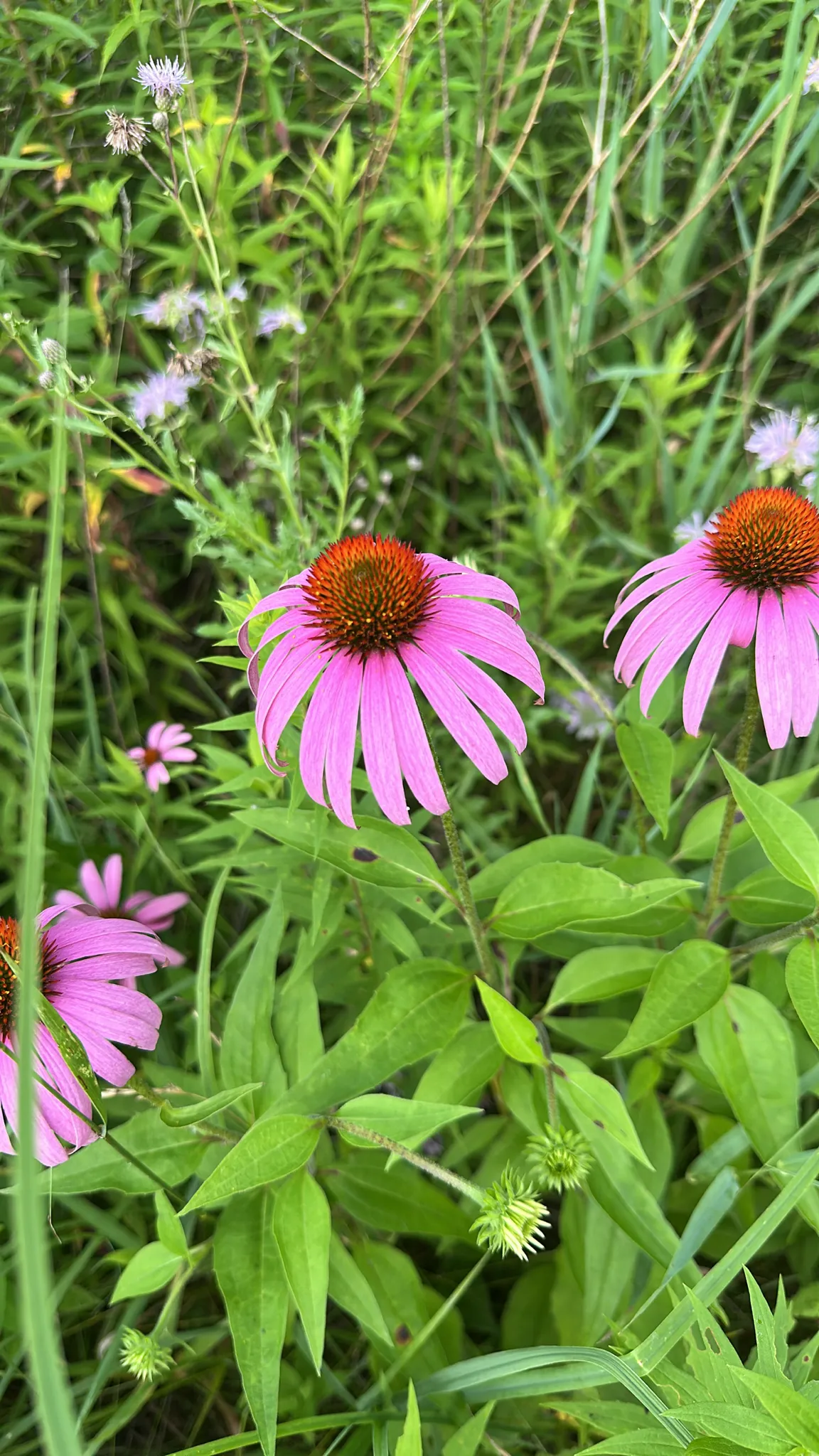
Purple Coneflower
Echinacea purpurea
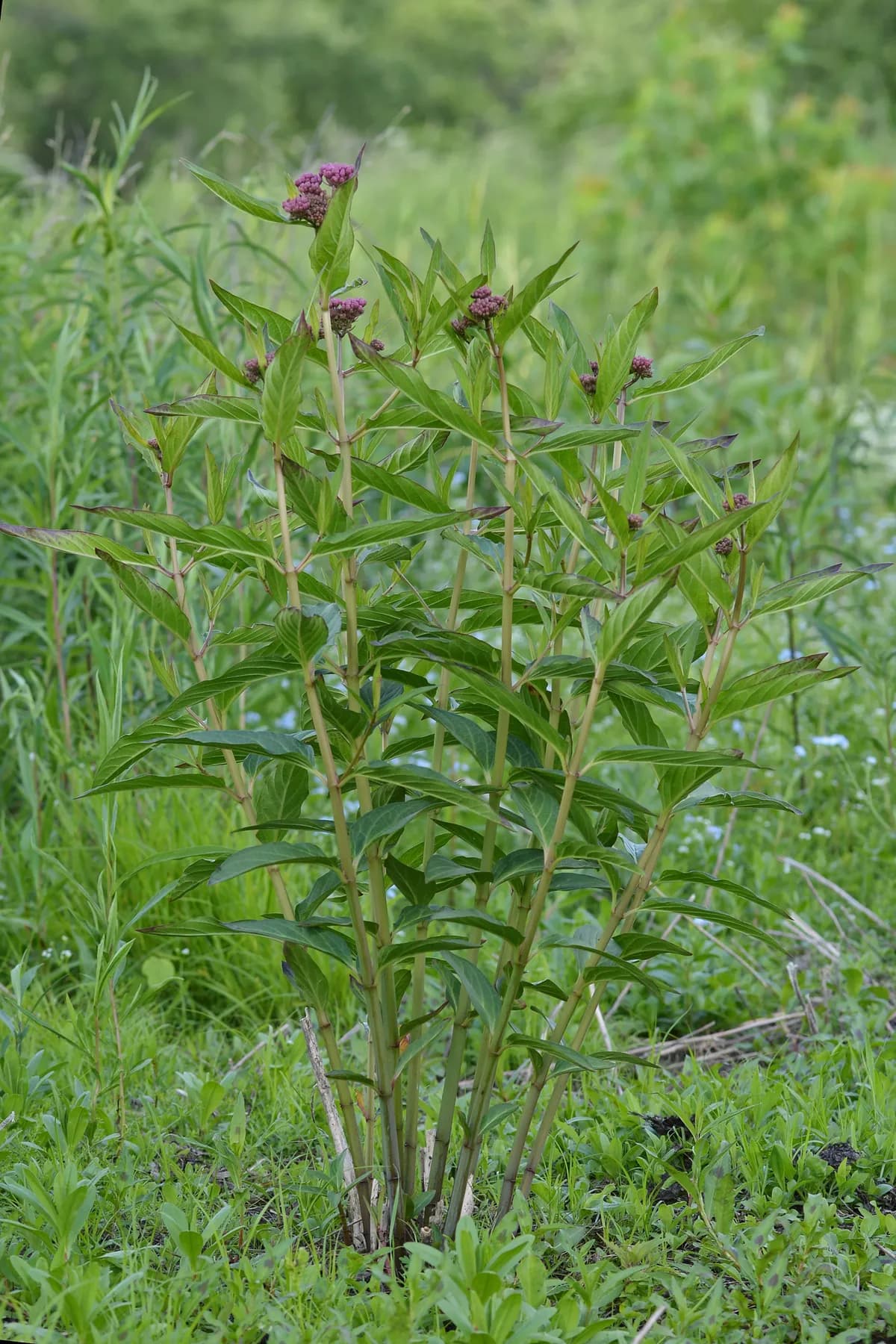
Swamp Milkweed
Asclepias incarnata

Little Bluestem
Schizachyrium scoparium
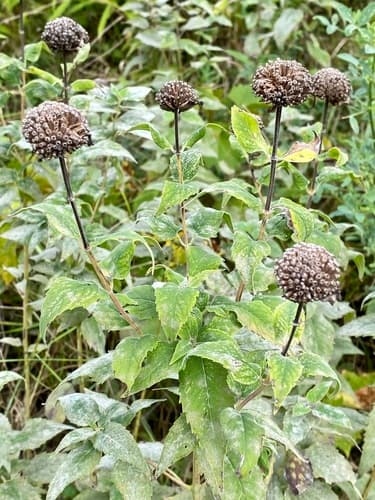
Wild Bergamot
Monarda fistulosa
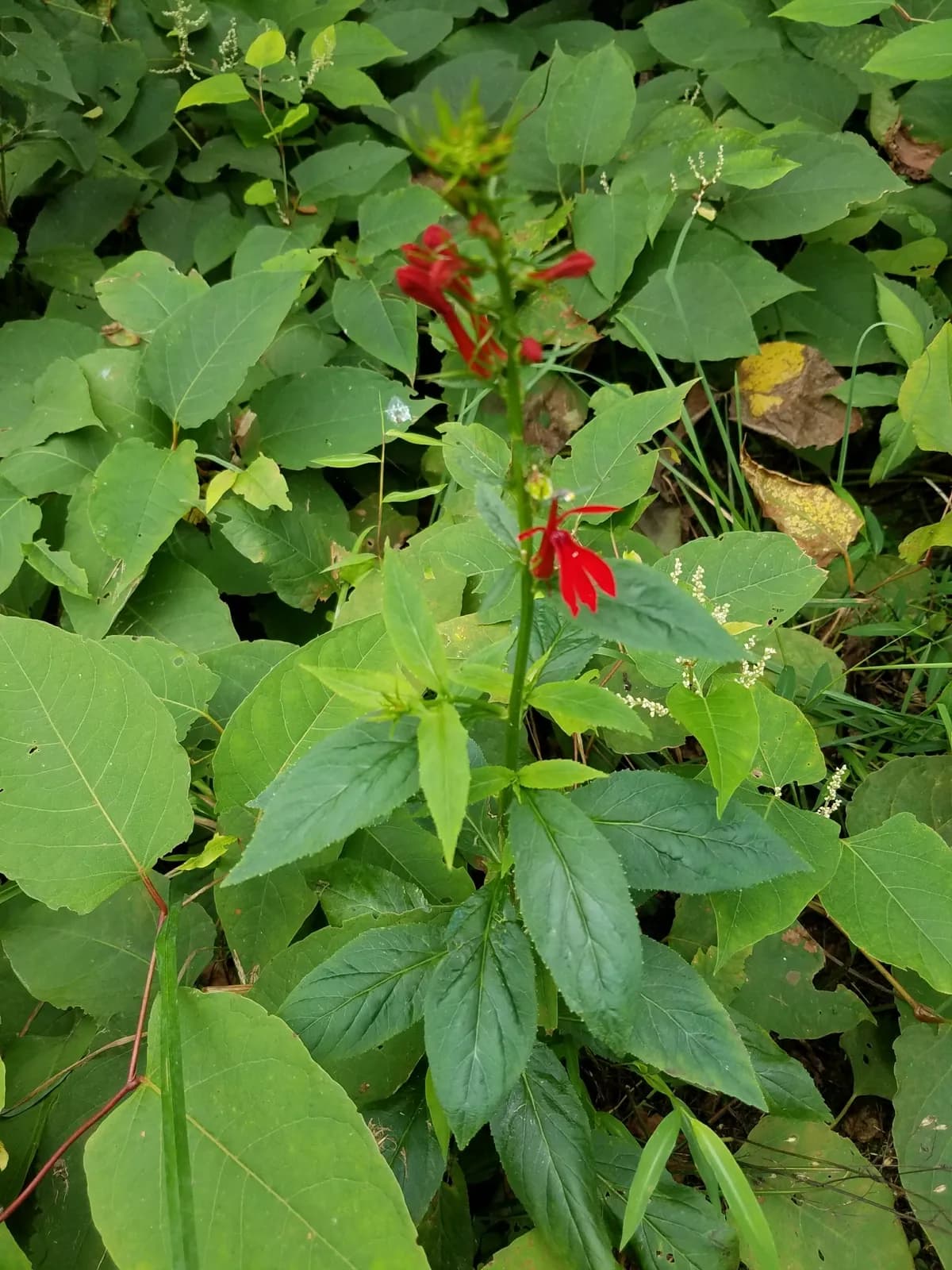
Cardinal Flower
Lobelia cardinalis
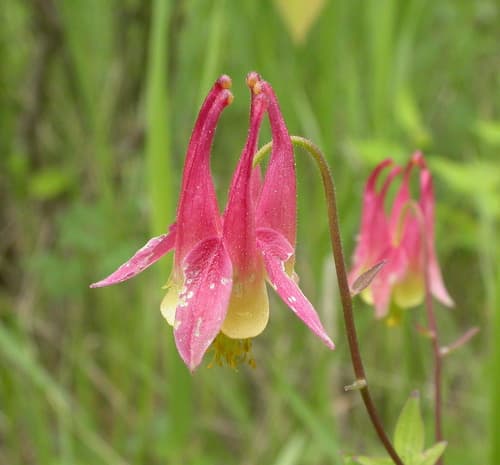
Wild Red Columbine
Aquilegia canadensis
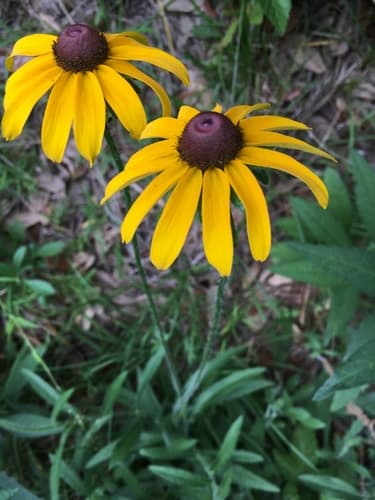
Black-eyed Susan
Rudbeckia hirta
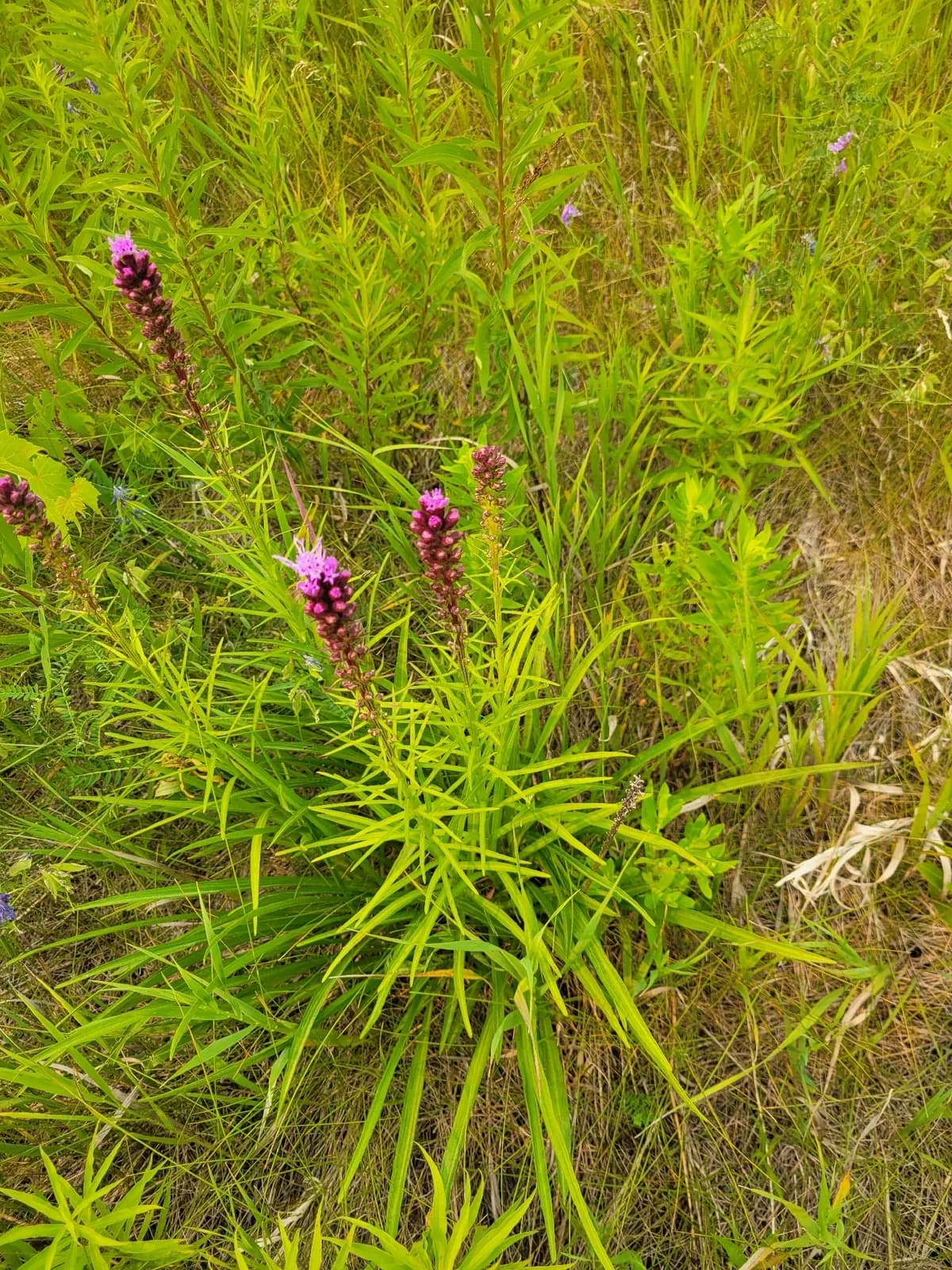
Dense Blazing Star
Liatris spicata
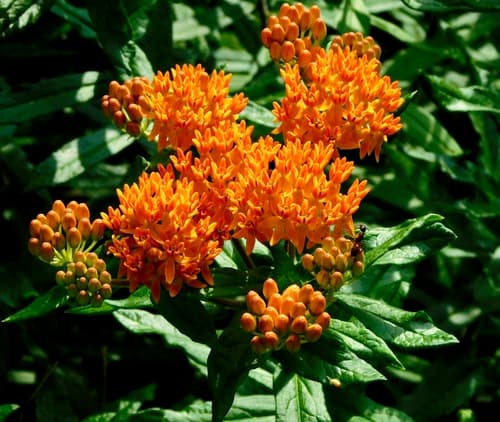
Butterfly Milkweed
Asclepias tuberosa
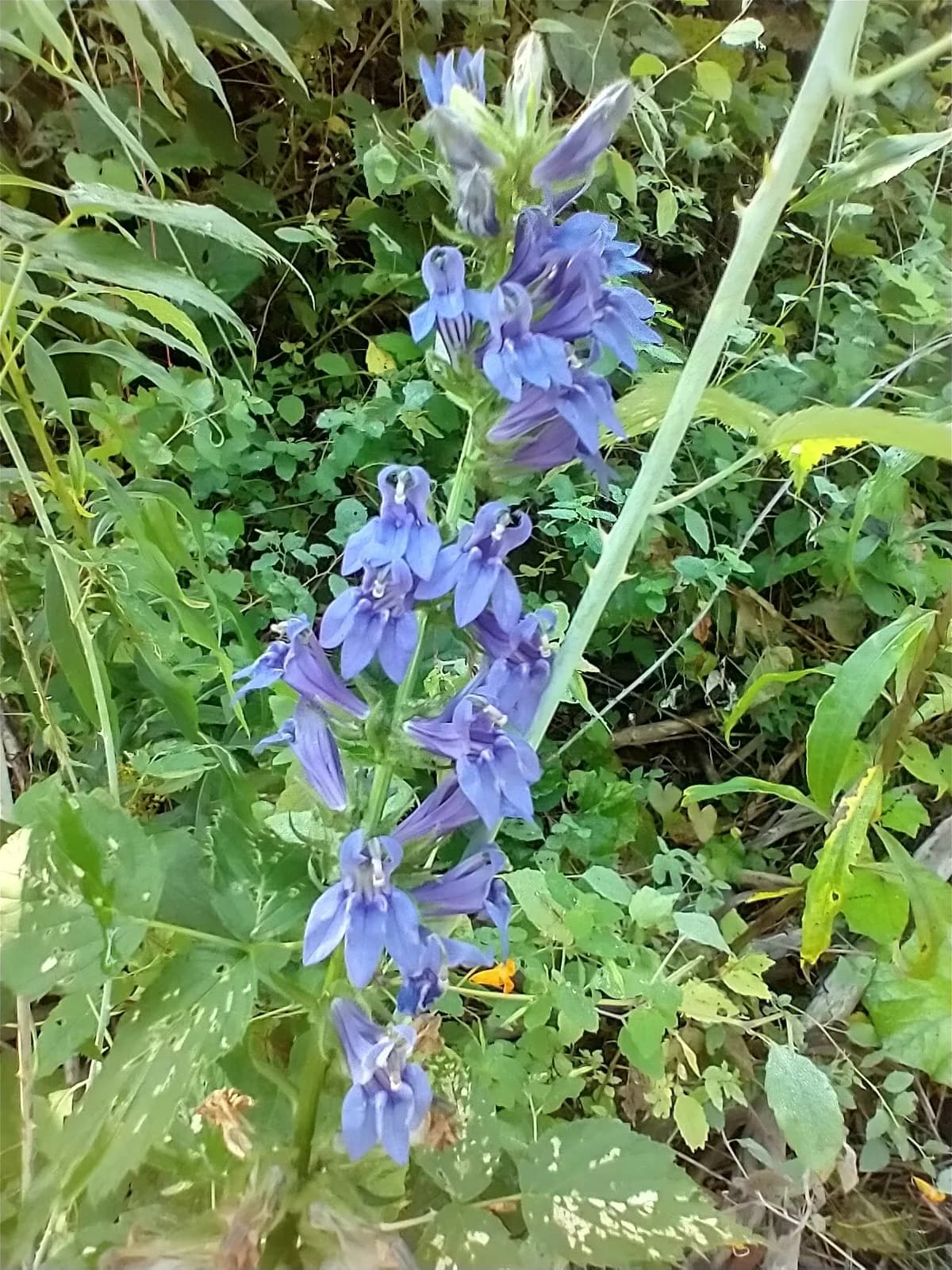
Blue Lobelia
Lobelia siphilitica
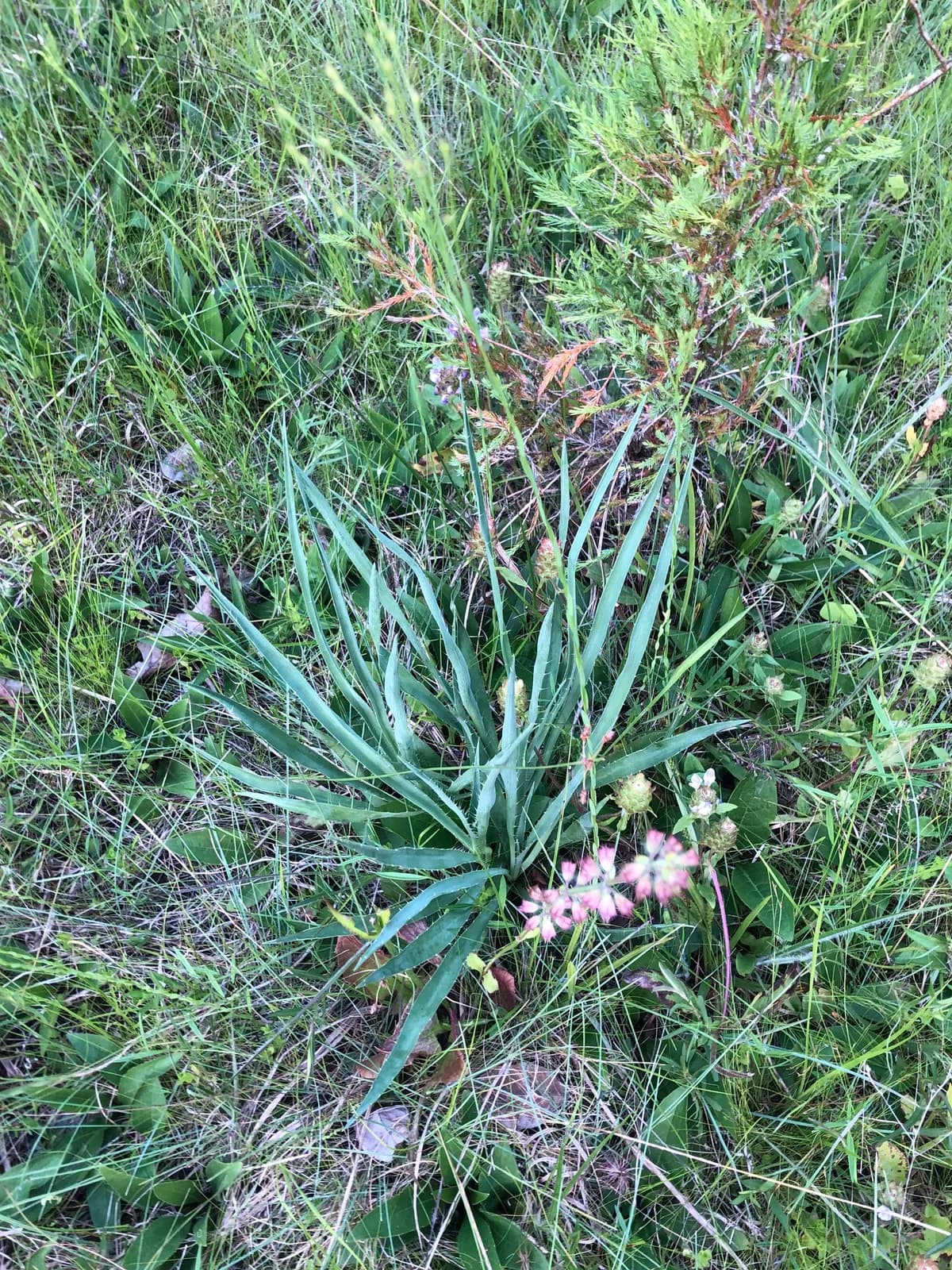
Rattlesnake Master
Eryngium yuccifolium
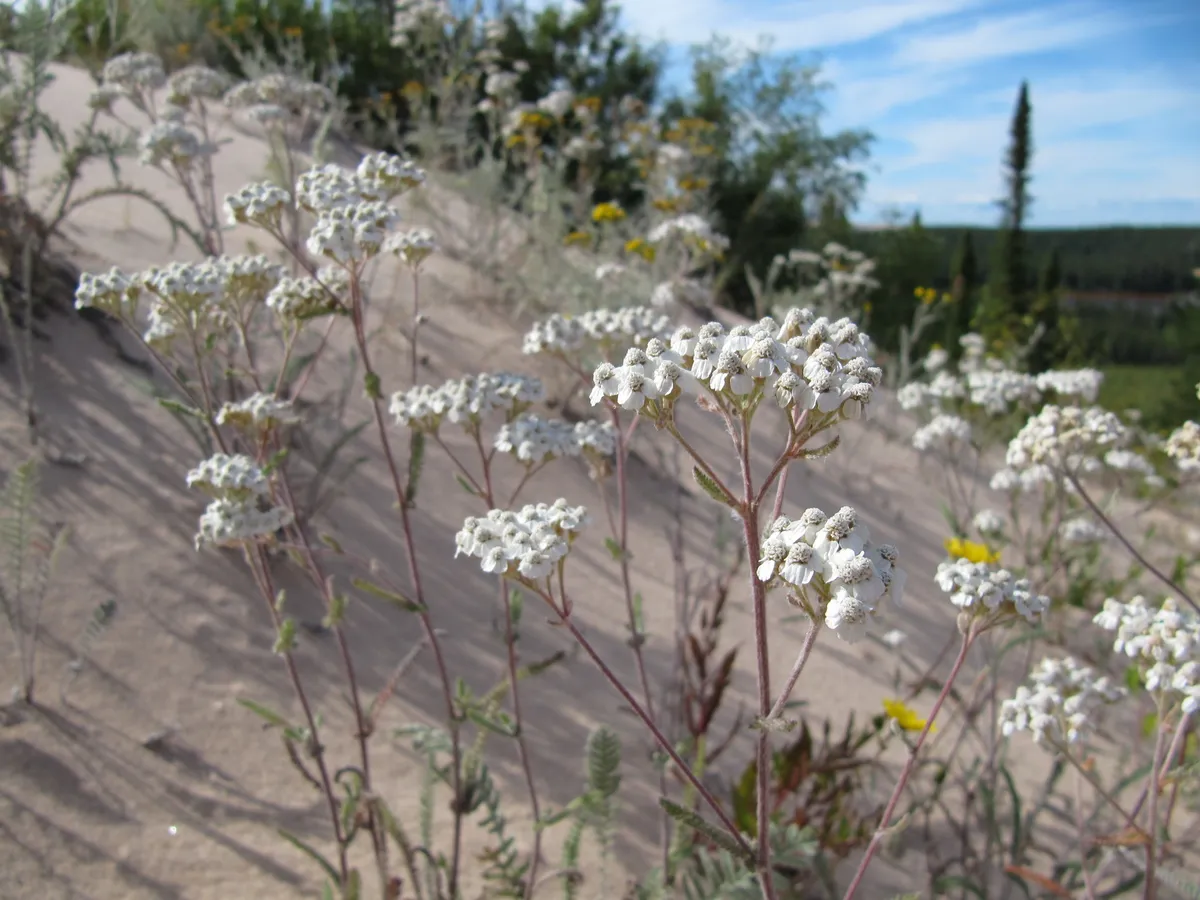
Common Yarrow
Achillea millefolium

Golden Alexanders
Zizia aurea
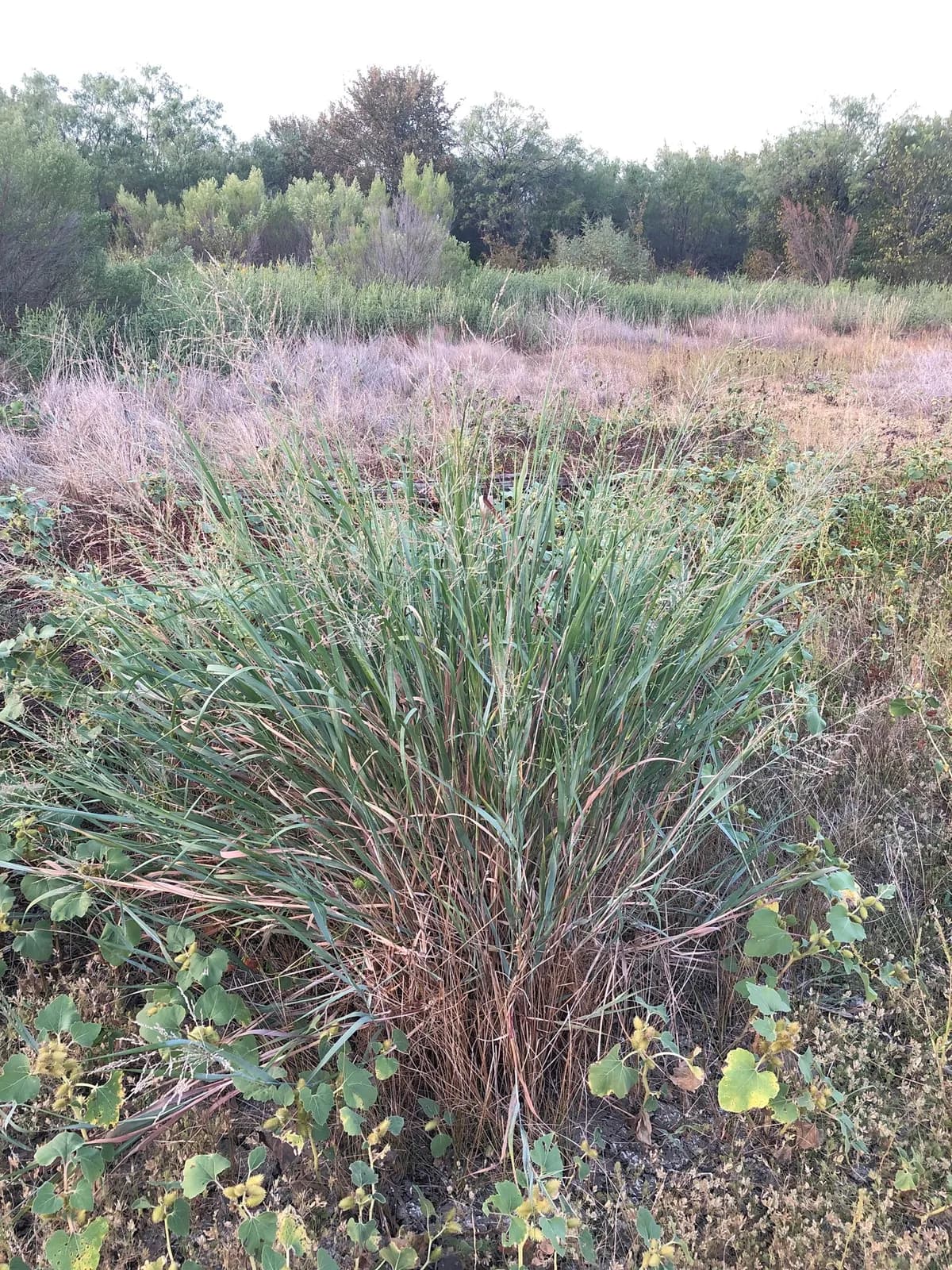
Switchgrass
Panicum virgatum
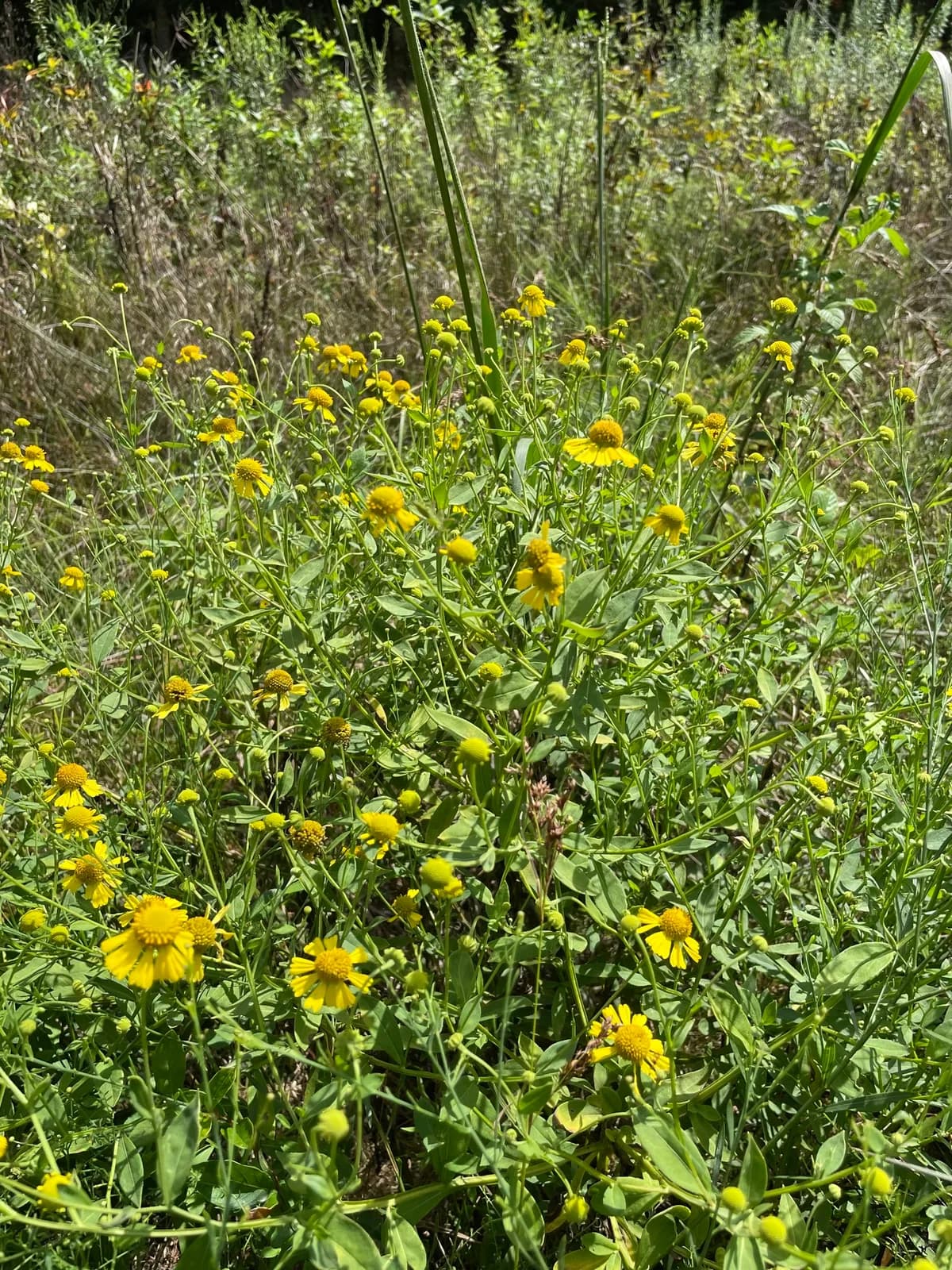
Common Sneezeweed
Helenium autumnale
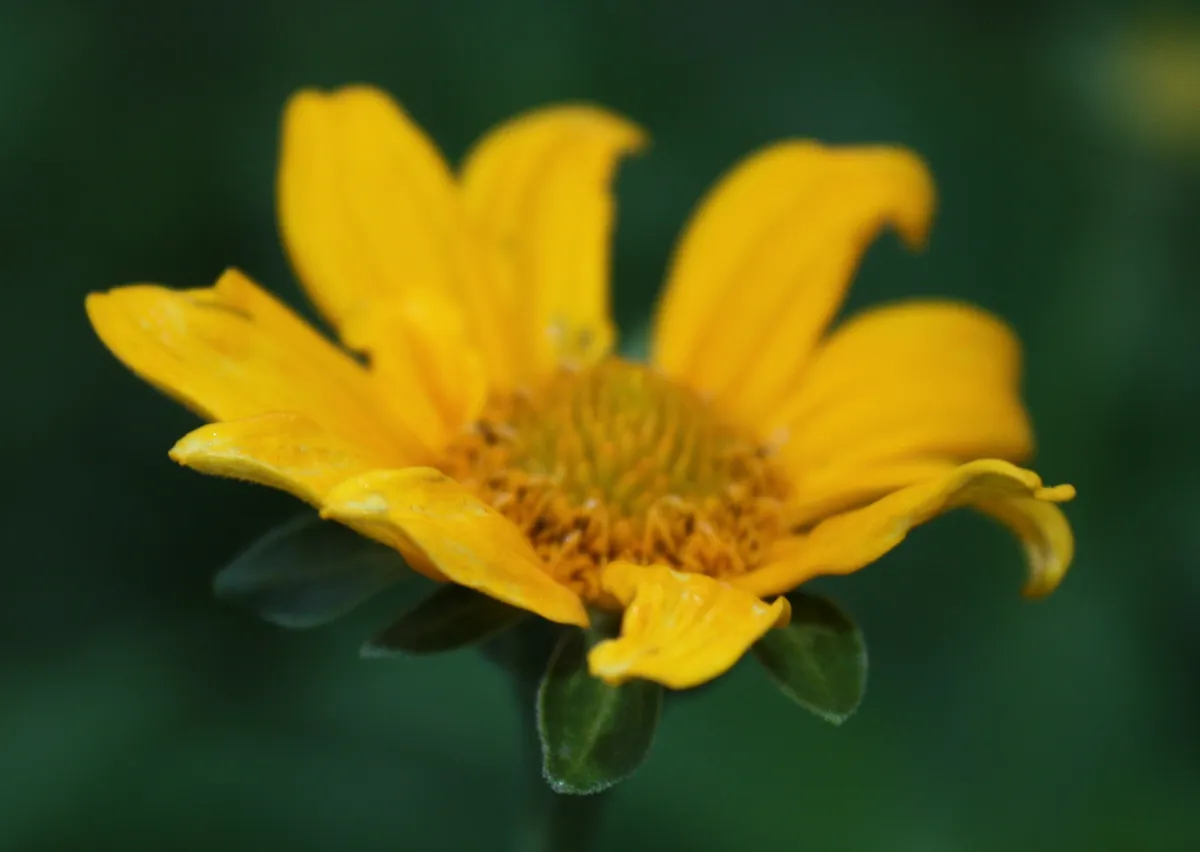
False Sunflower
Heliopsis helianthoides
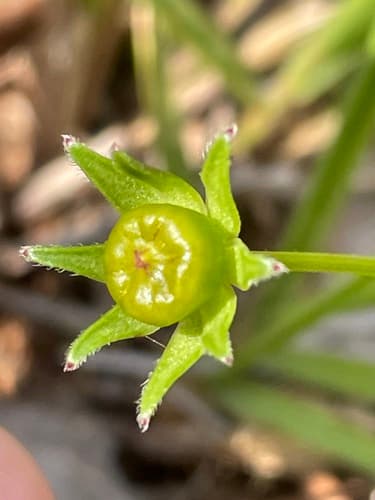
Lanceleaf Coreopsis
Coreopsis lanceolata
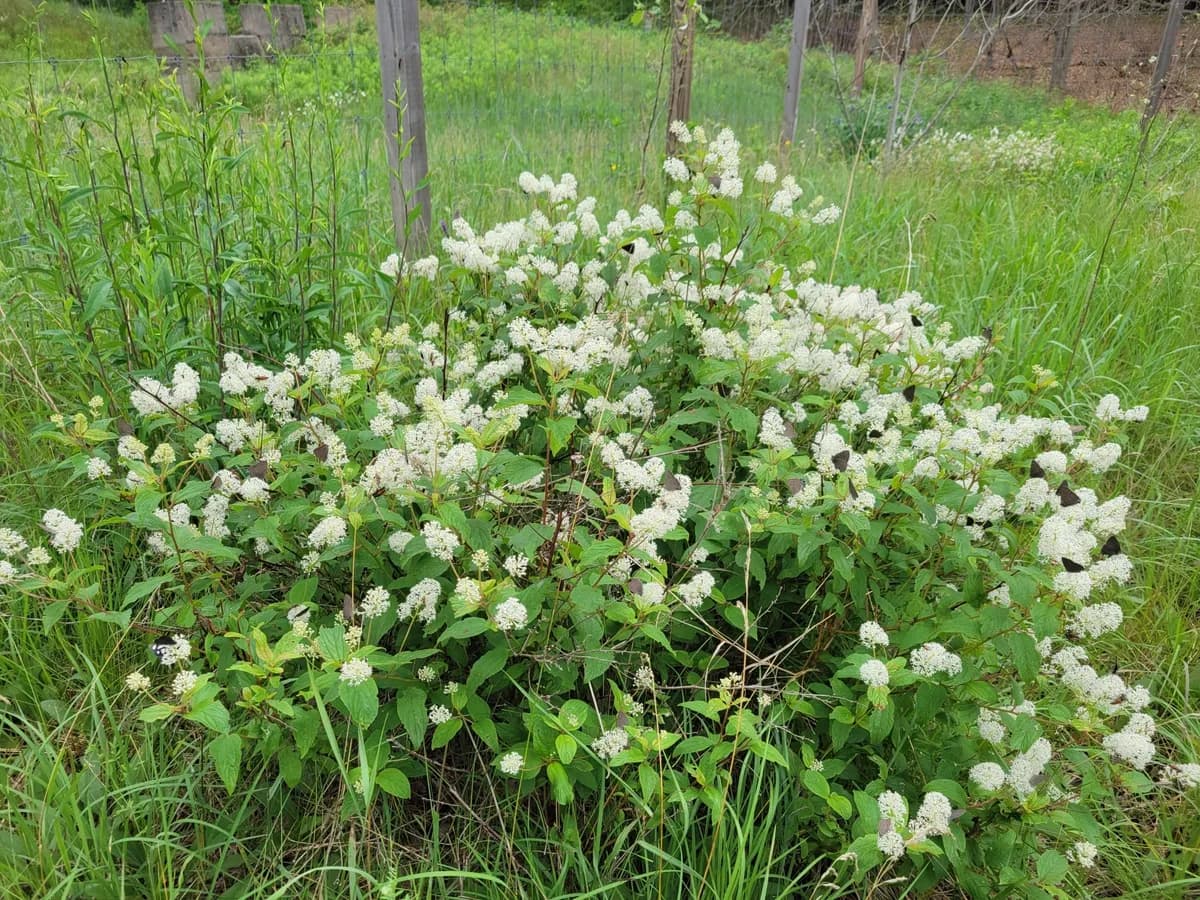
New Jersey-tea
Ceanothus americanus
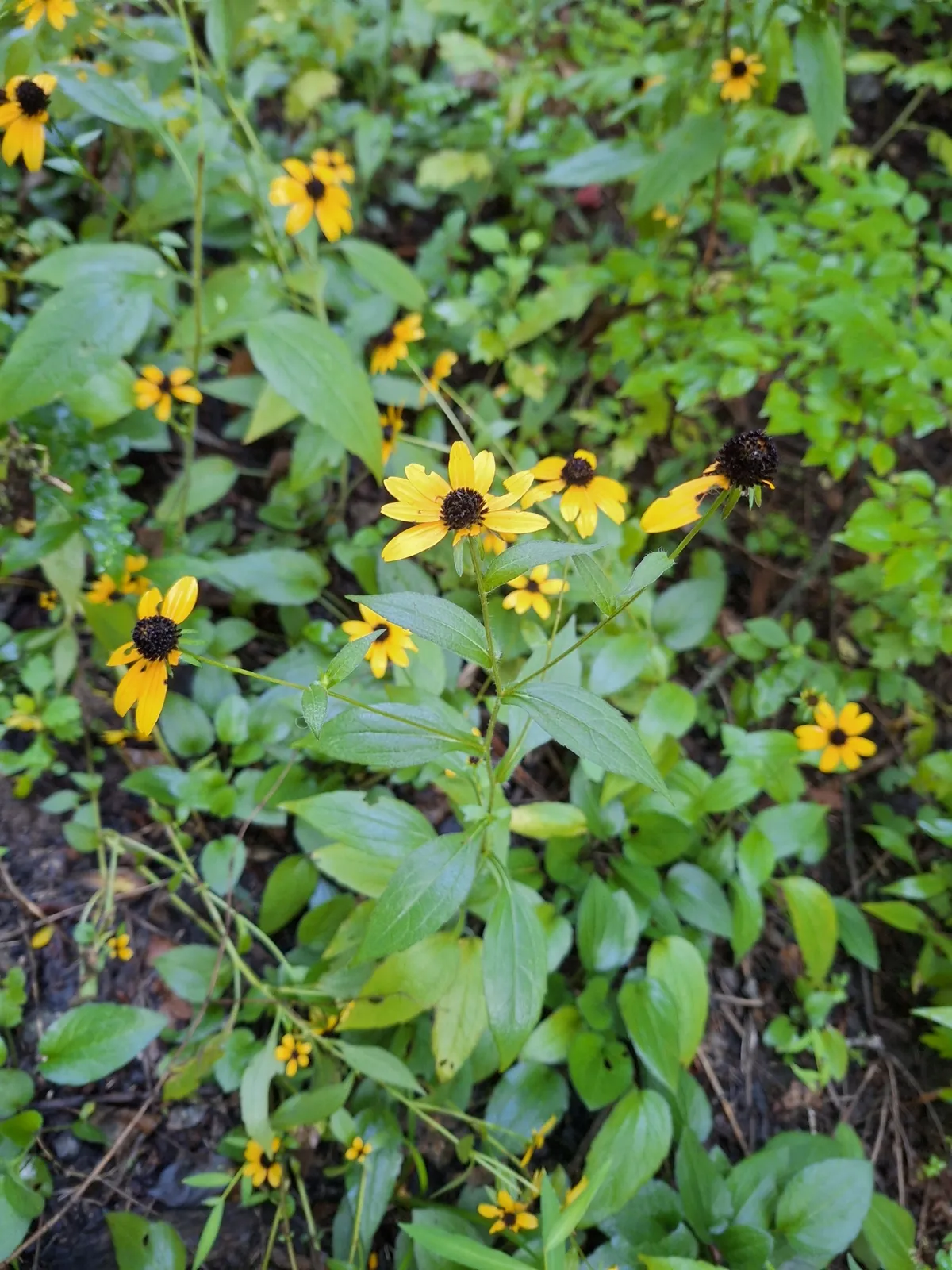
Perennial Black-eyed Susan
Rudbeckia fulgida
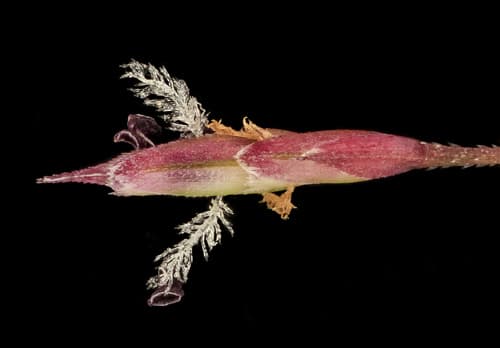
Purple Lovegrass
Eragrostis spectabilis
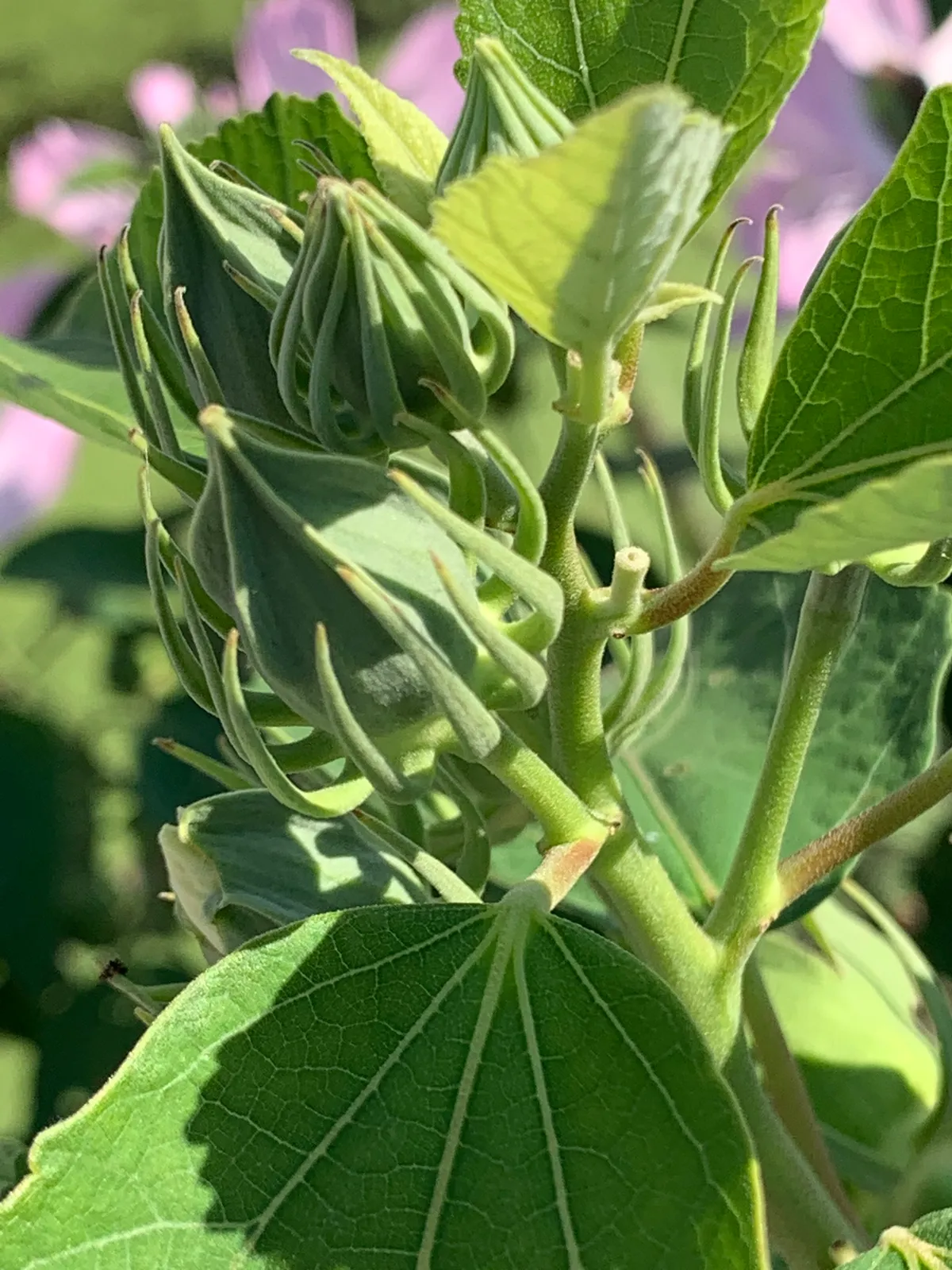
Mallow-rose
Hibiscus moscheutos
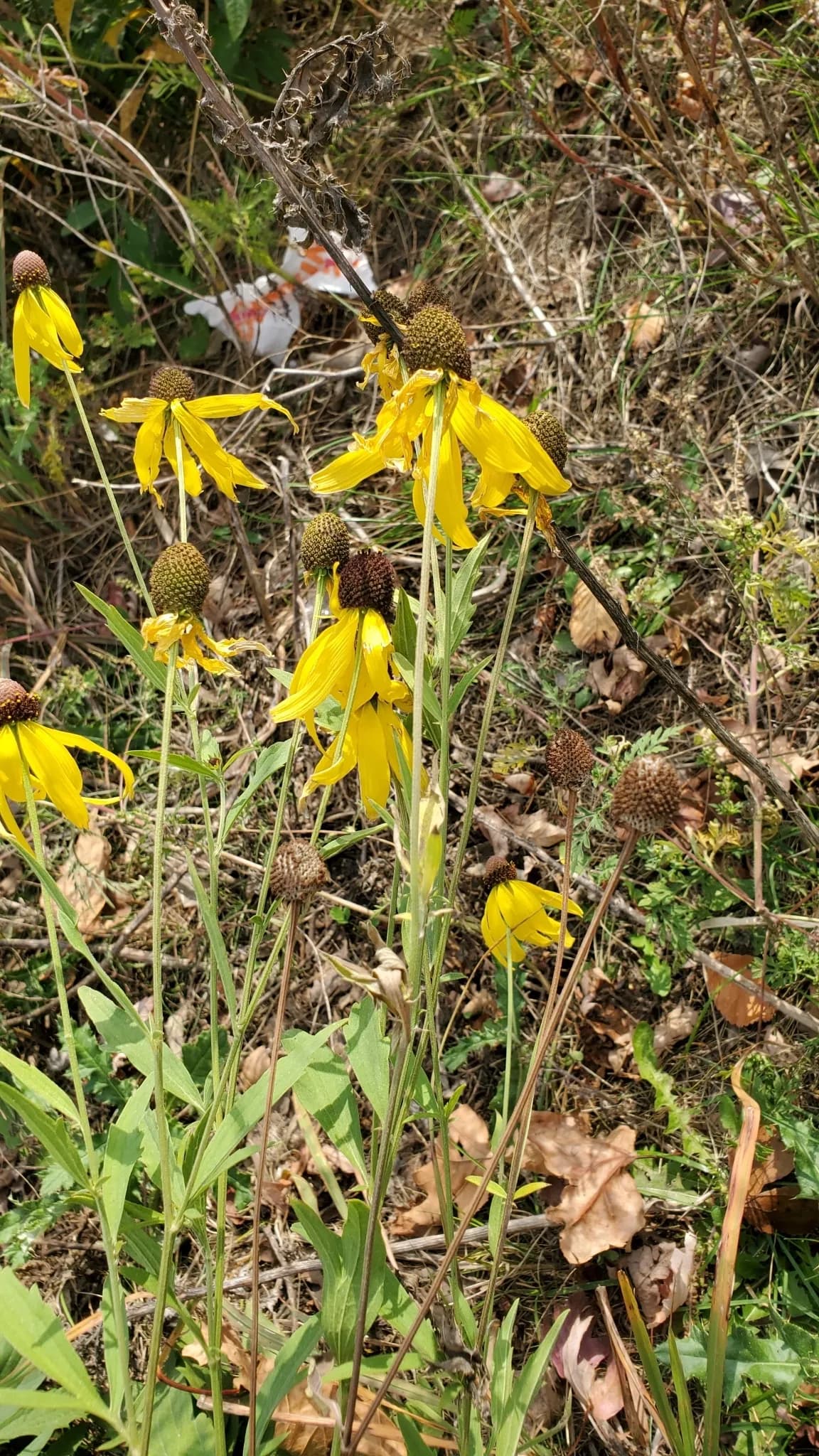
Drooping Prairie-coneflower
Ratibida pinnata
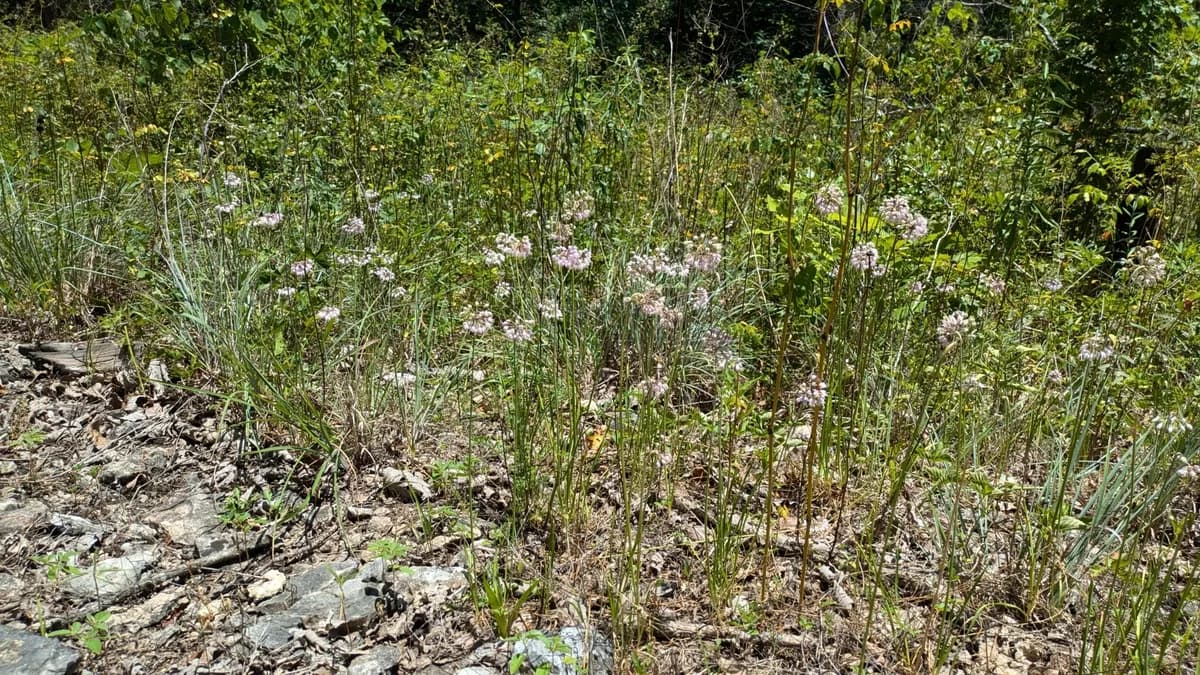
Nodding Onion
Allium cernuum
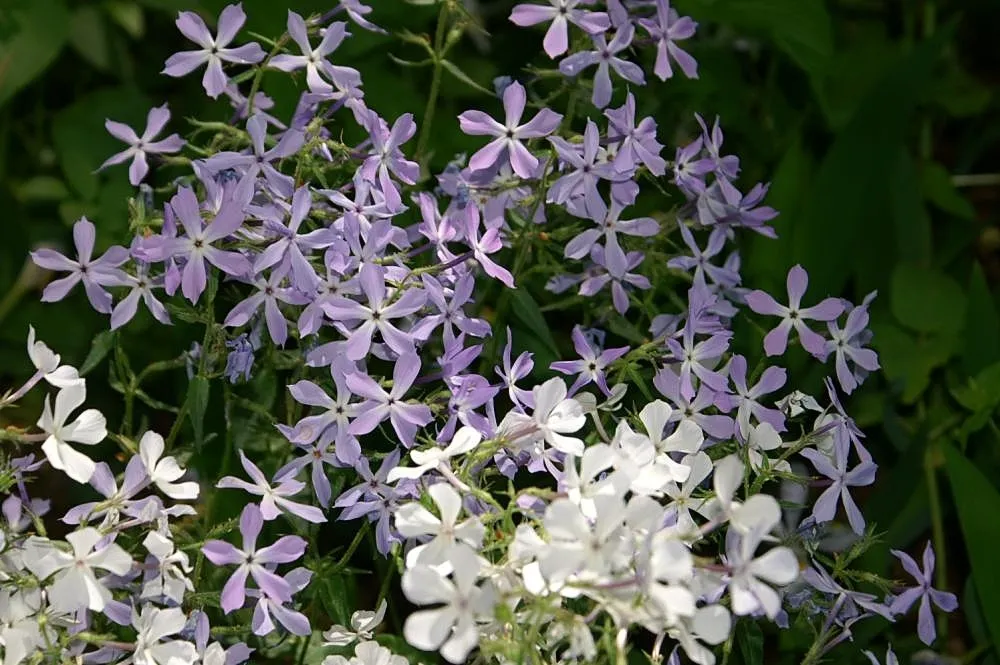
Blue Woodland Phlox
Phlox divaricata
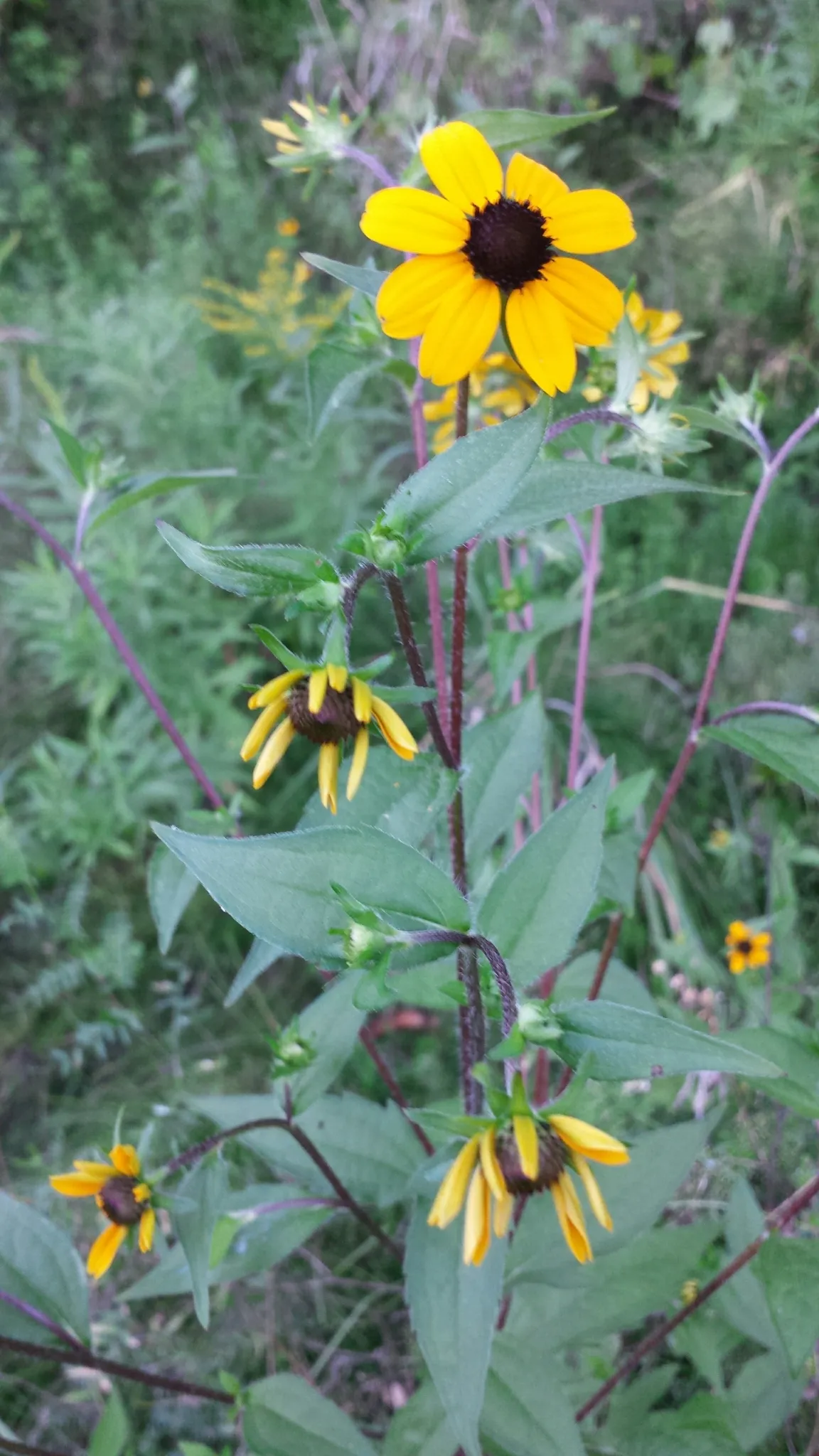
Brown-eyed Susan
Rudbeckia triloba
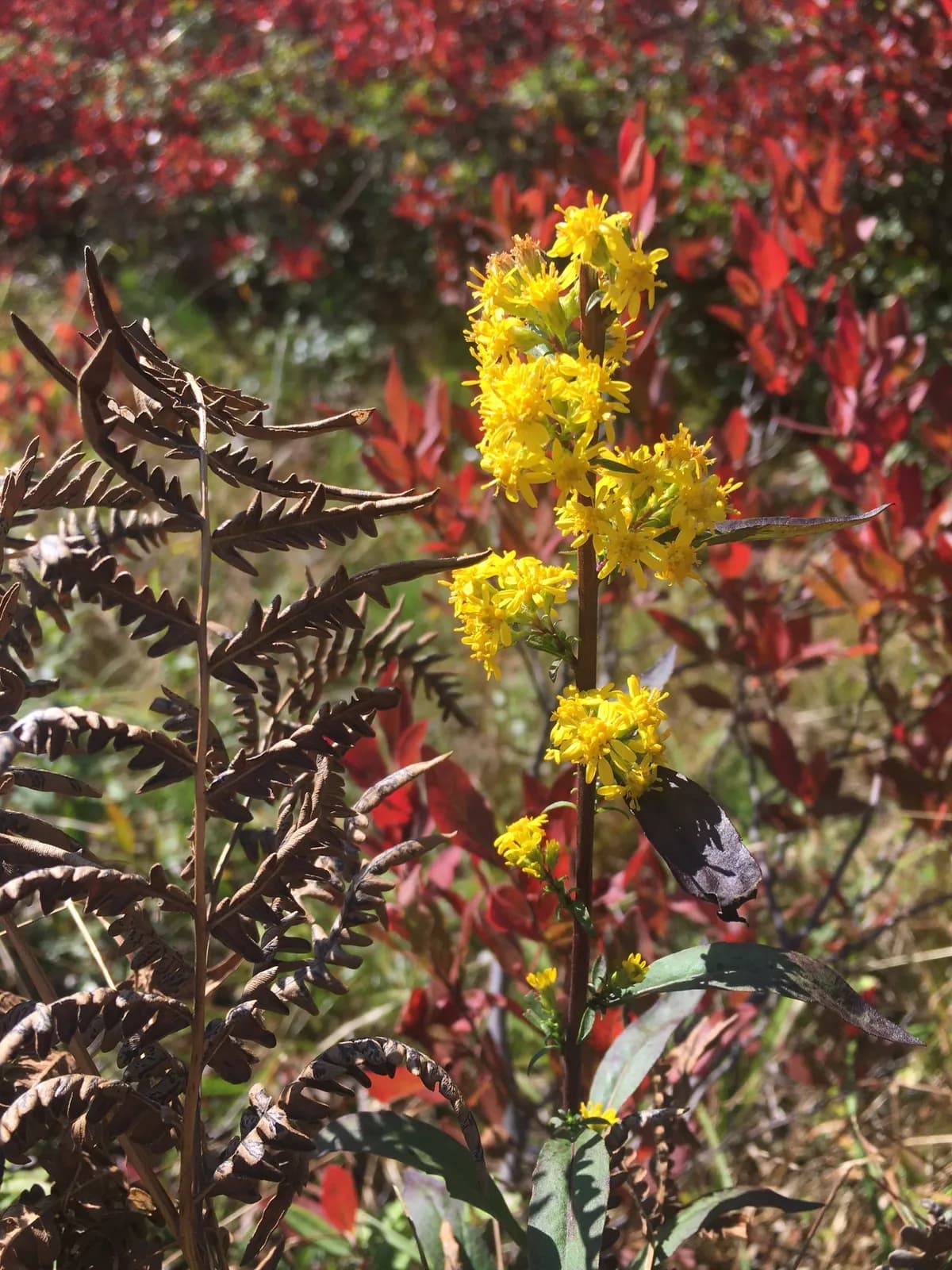
Showy Goldenrod
Solidago speciosa
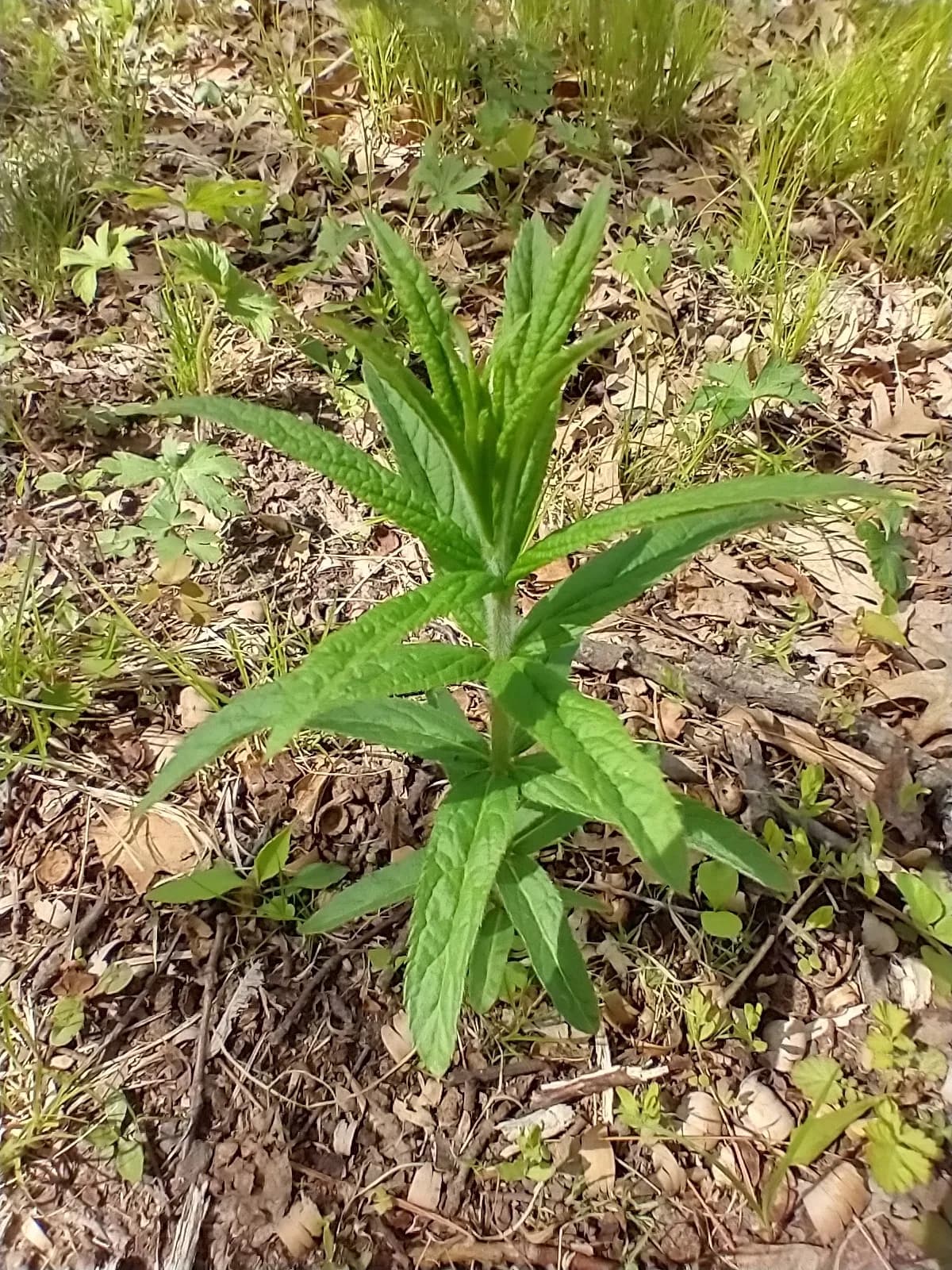
Culver's Root
Veronicastrum virginicum

Sideoats Grama
Bouteloua curtipendula
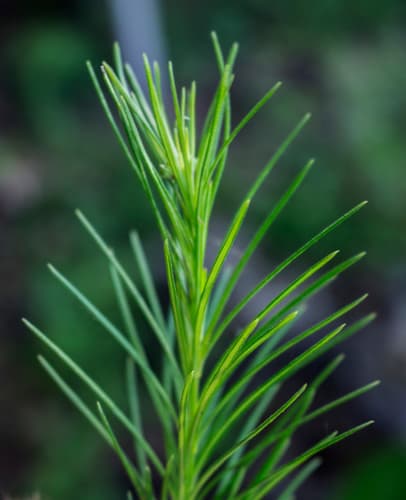
Whorled Milkweed
Asclepias verticillata

Inland Sea Oats
Chasmanthium latifolium
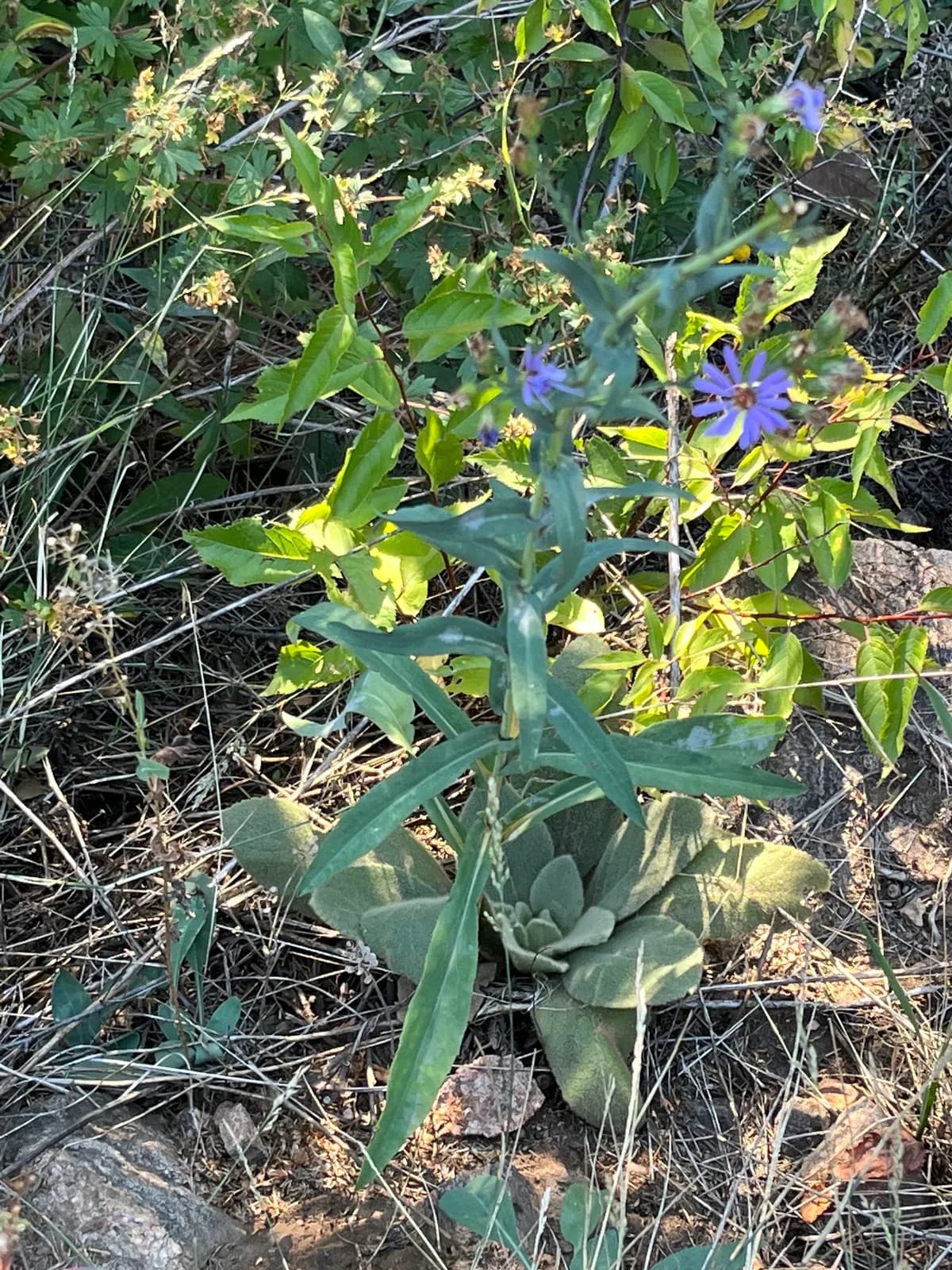
Smooth Aster
Symphyotrichum laeve
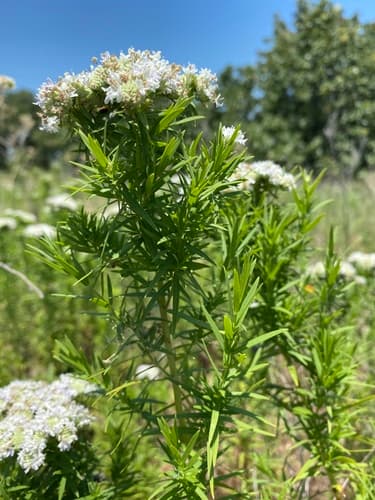
Narrowleaf Mountain Mint
Pycnanthemum tenuifolium
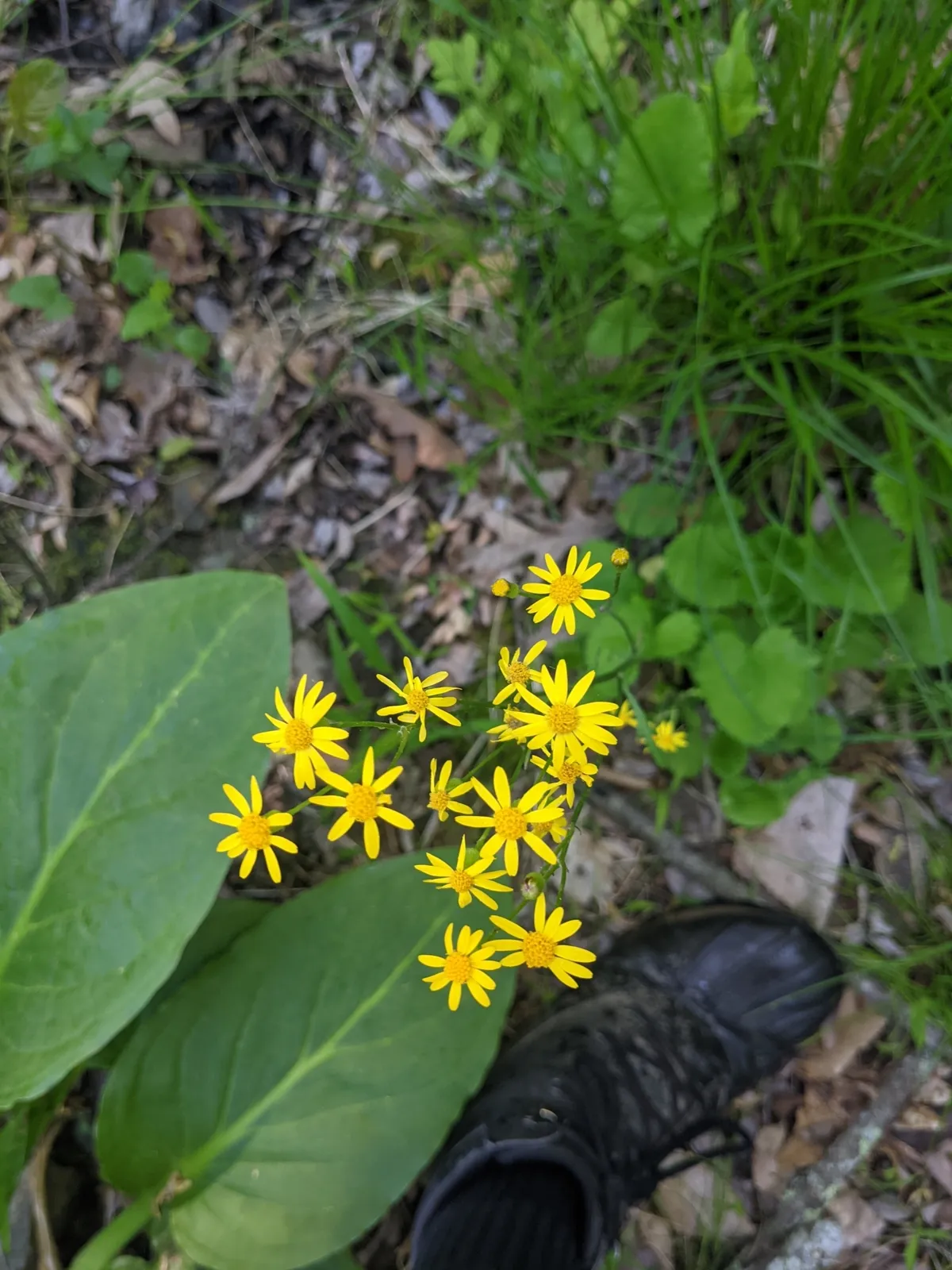
Golden Groundsel
Packera aurea
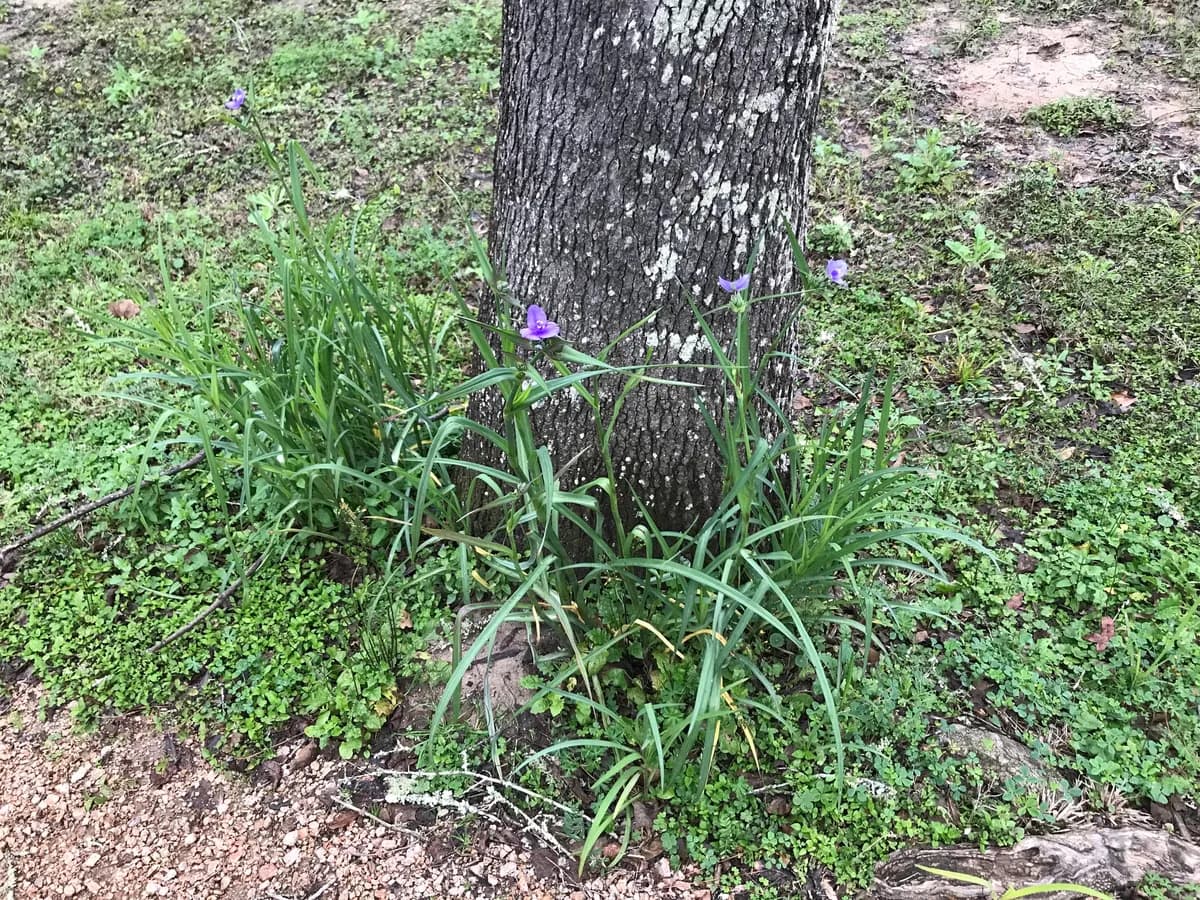
Smooth Spiderwort
Tradescantia ohiensis
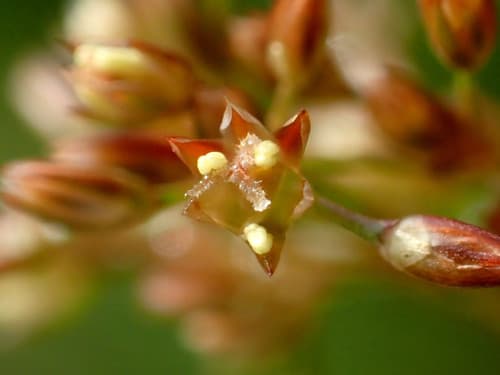
Soft rush
Juncus effusus
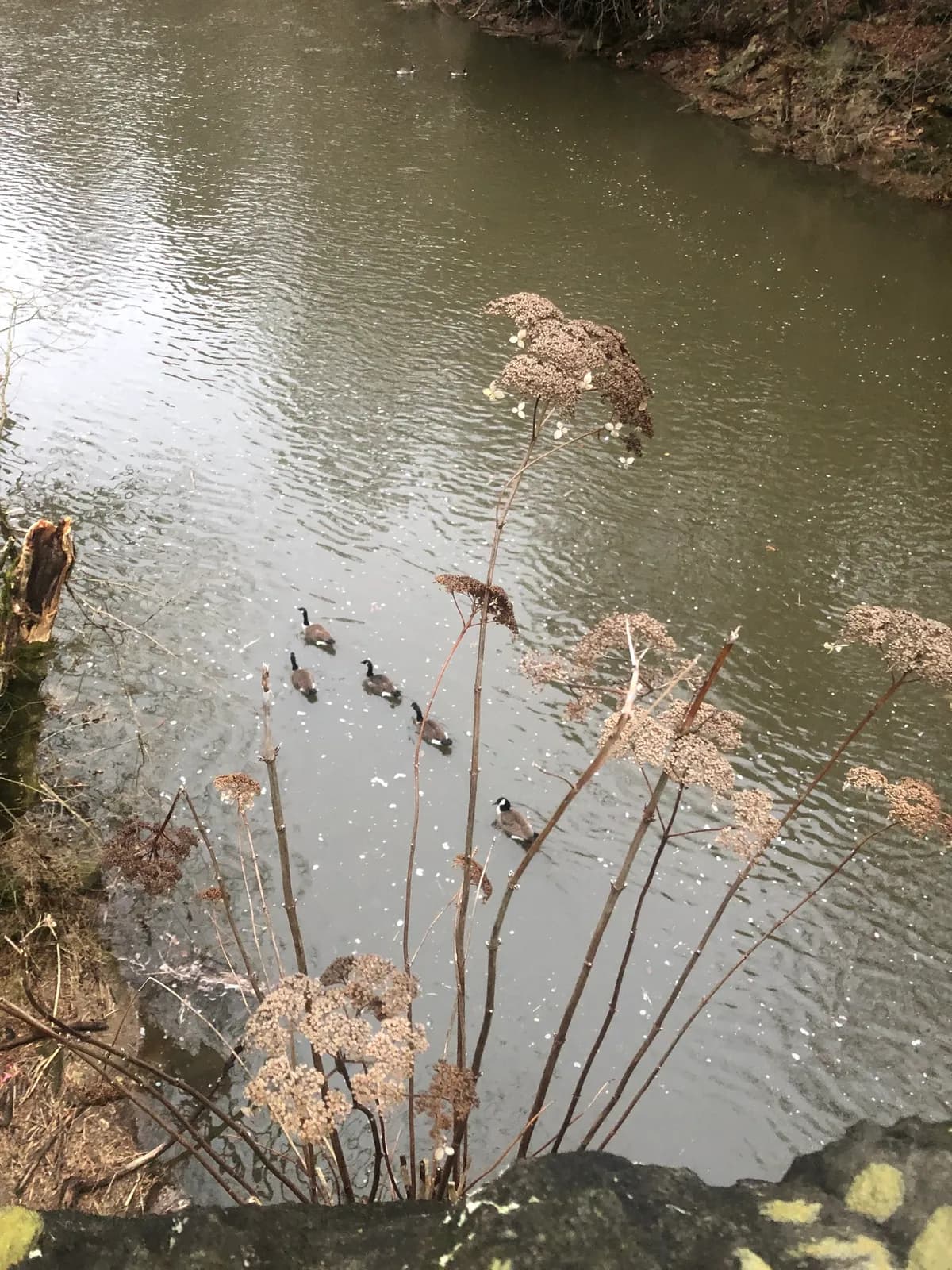
Sevenbark
Hydrangea arborescens
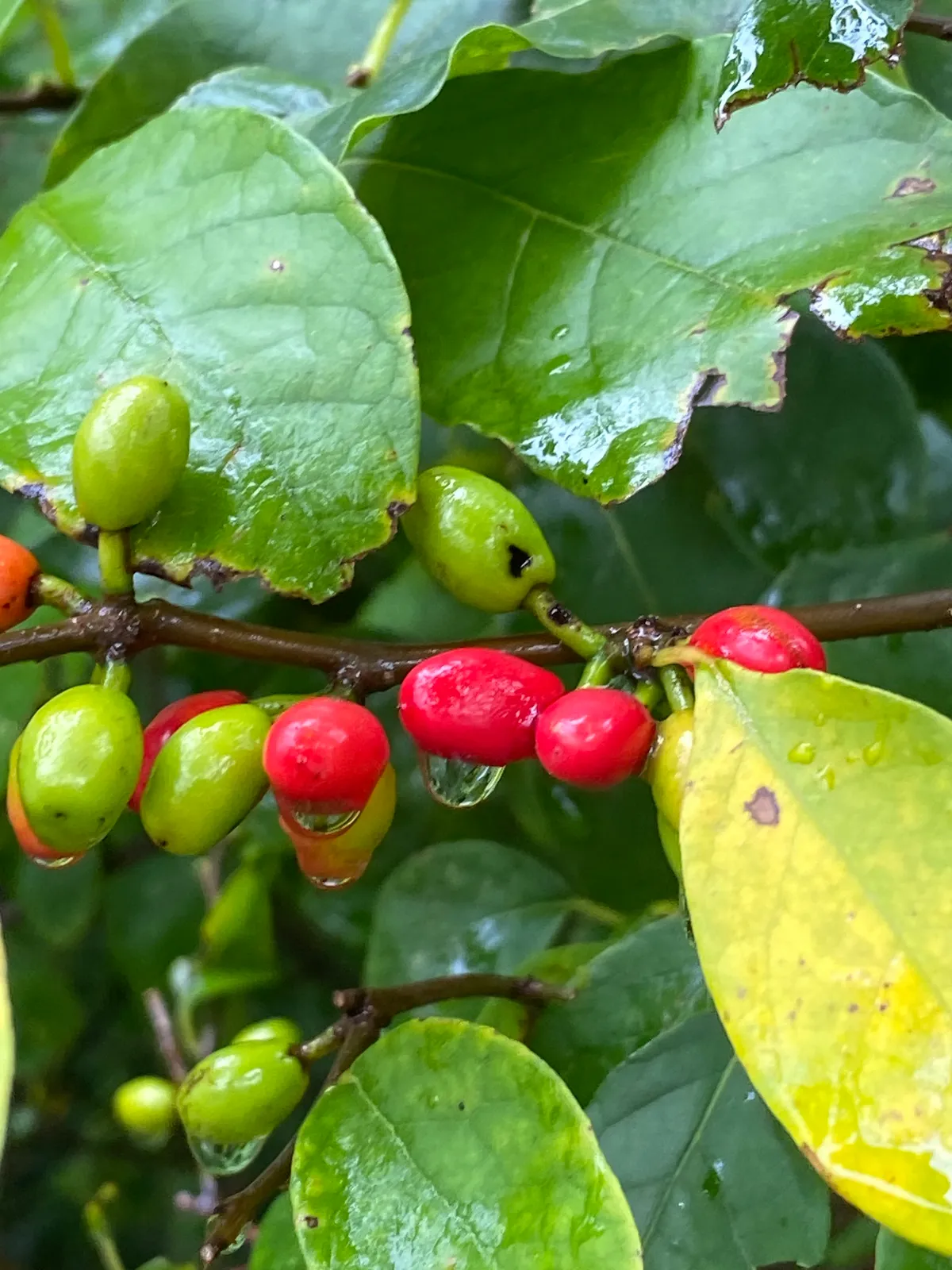
Spicebush
Lindera benzoin
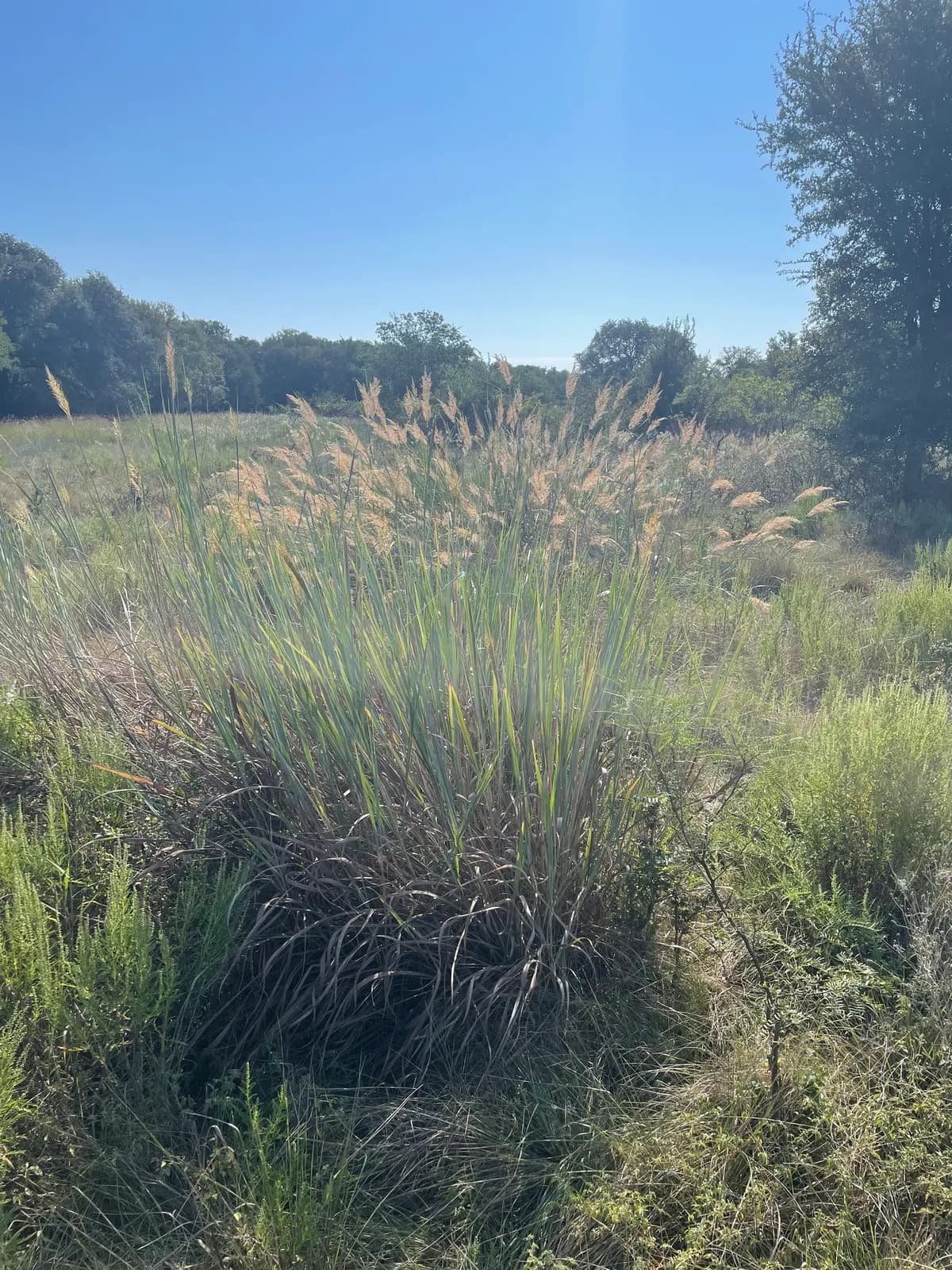
Indiangrass
Sorghastrum nutans
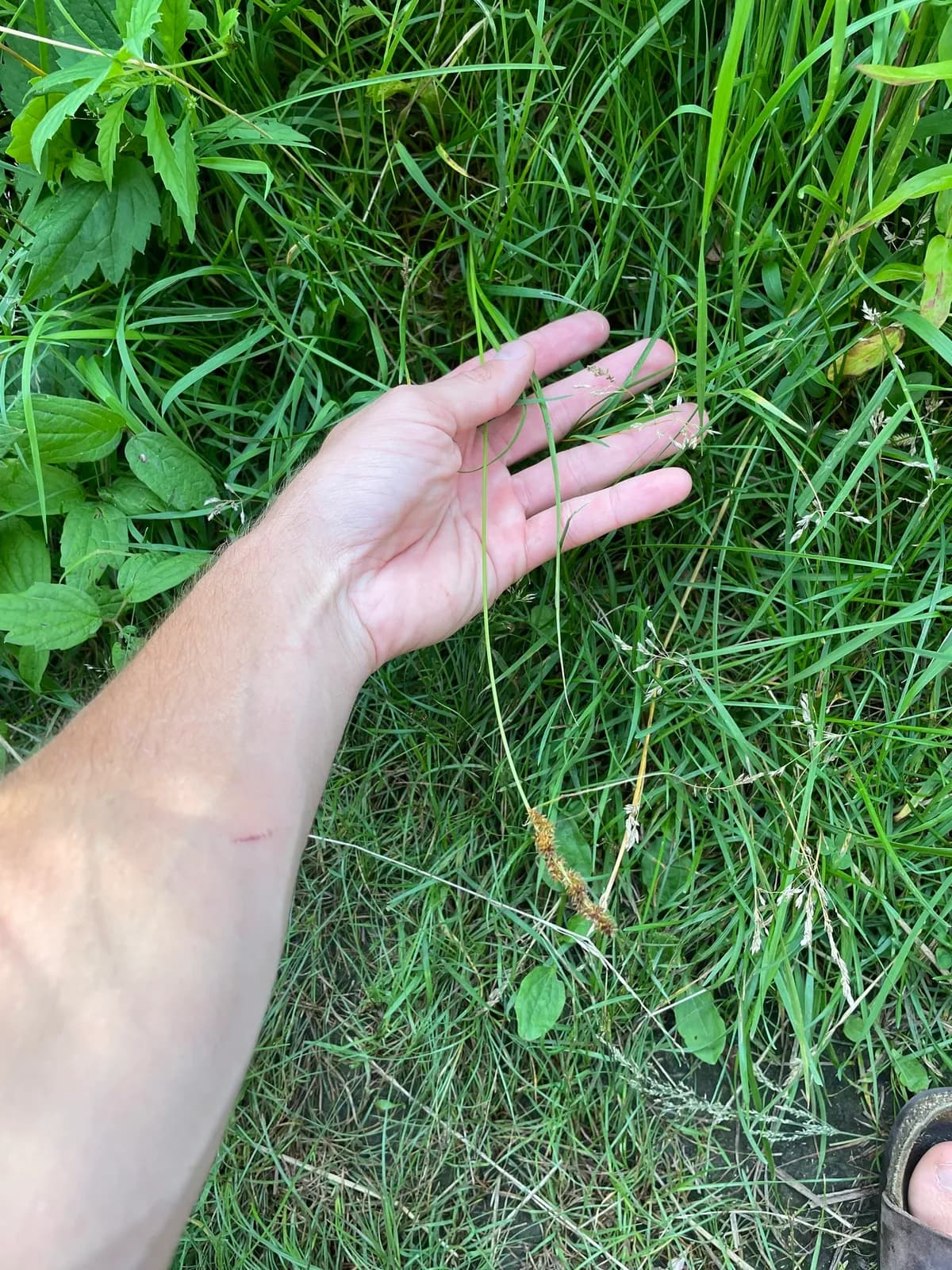
American Fox Sedge
Carex vulpinoidea

Coral Honeysuckle
Lonicera sempervirens
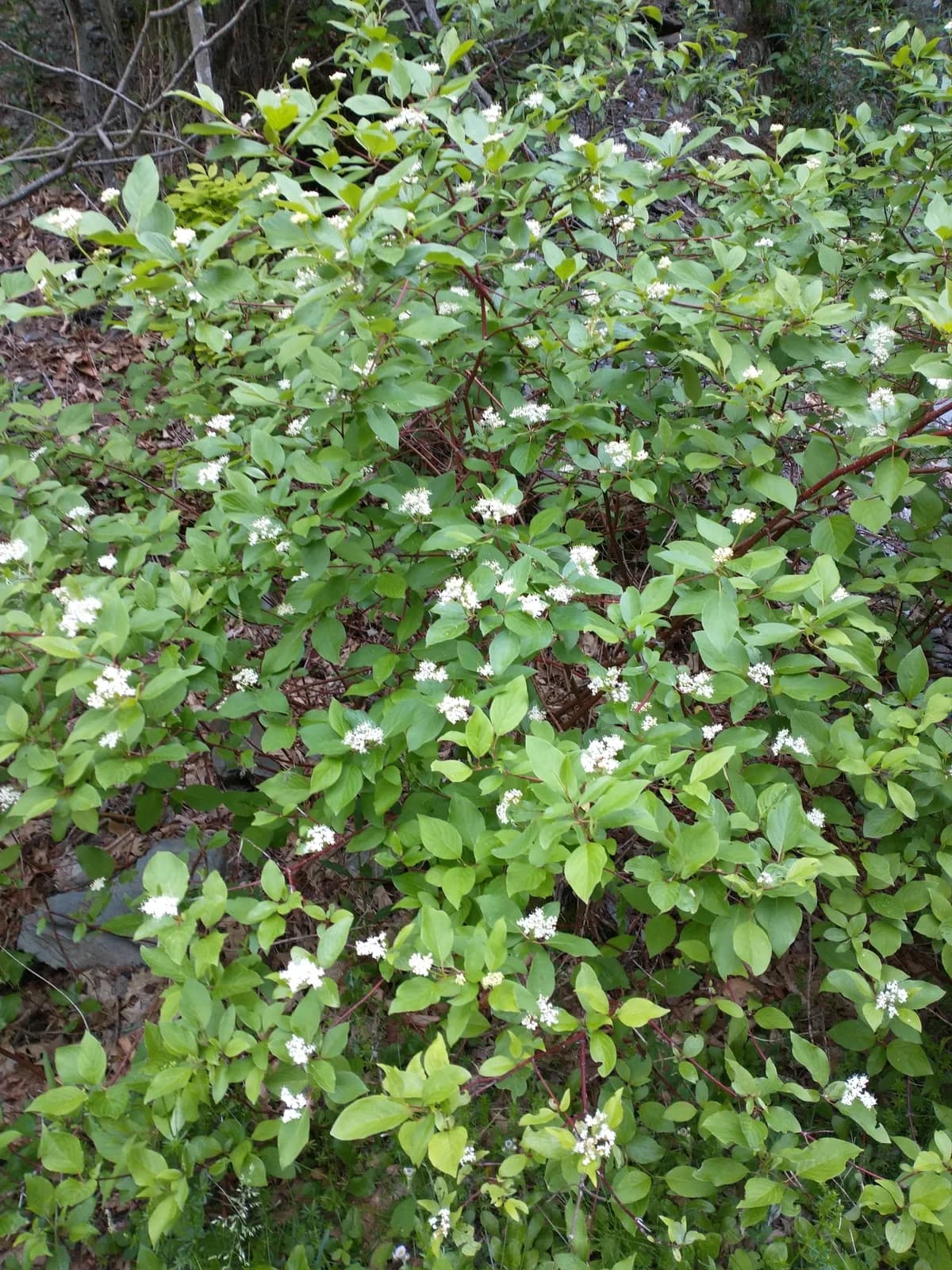
Red-osier Dogwood
Cornus sericea
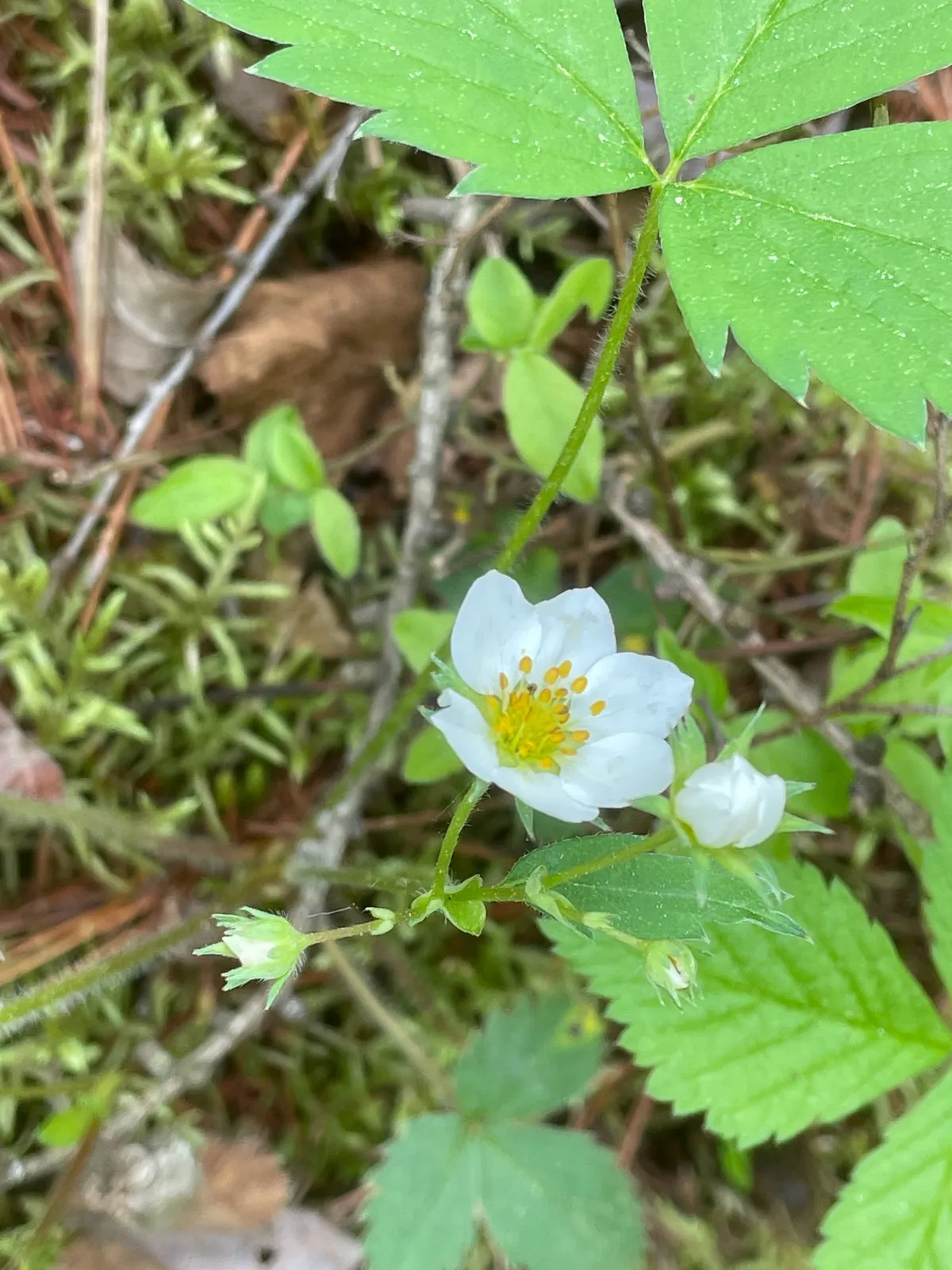
Scarlet Strawberry
Fragaria virginiana
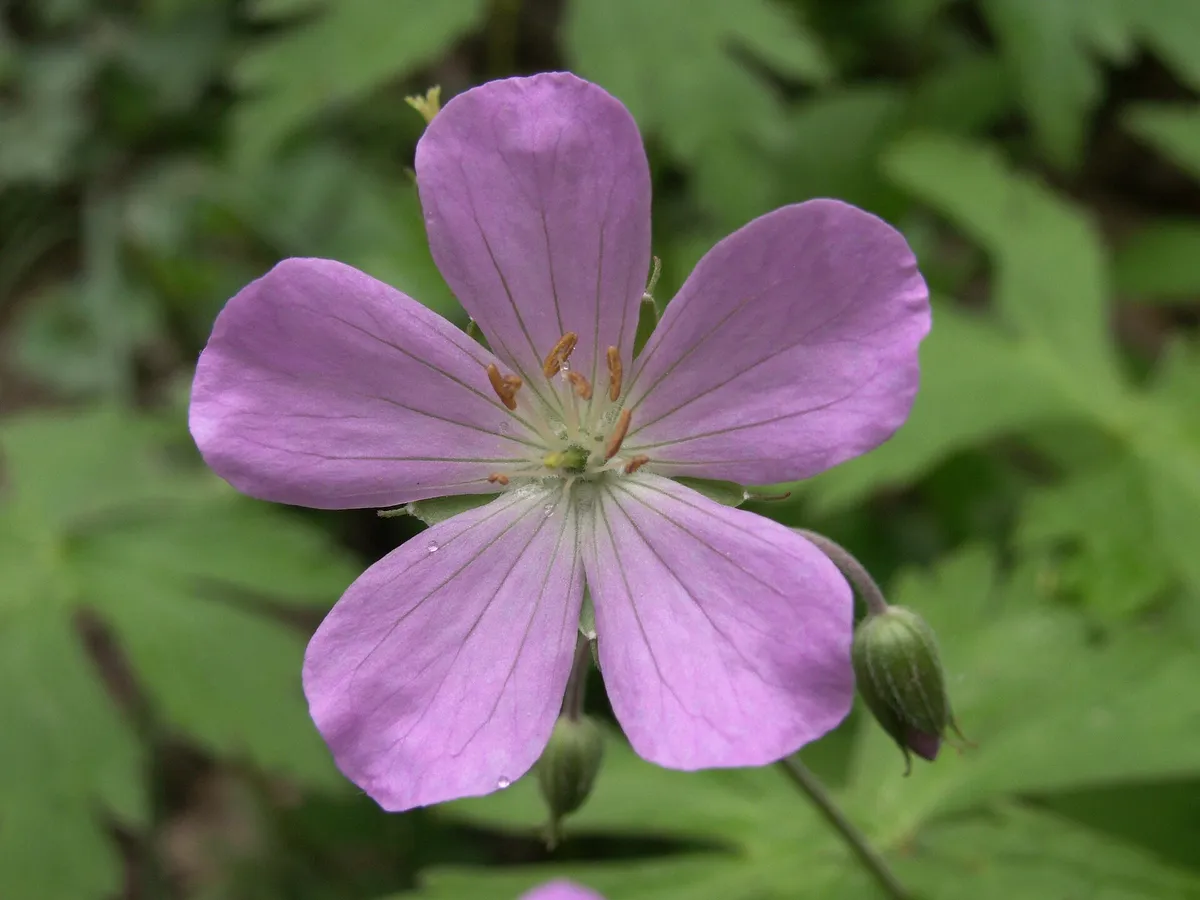
Spotted Geranium
Geranium maculatum
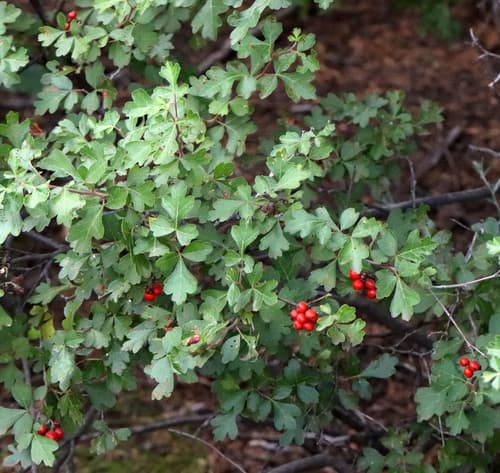
Aromatic Sumac
Rhus aromatica
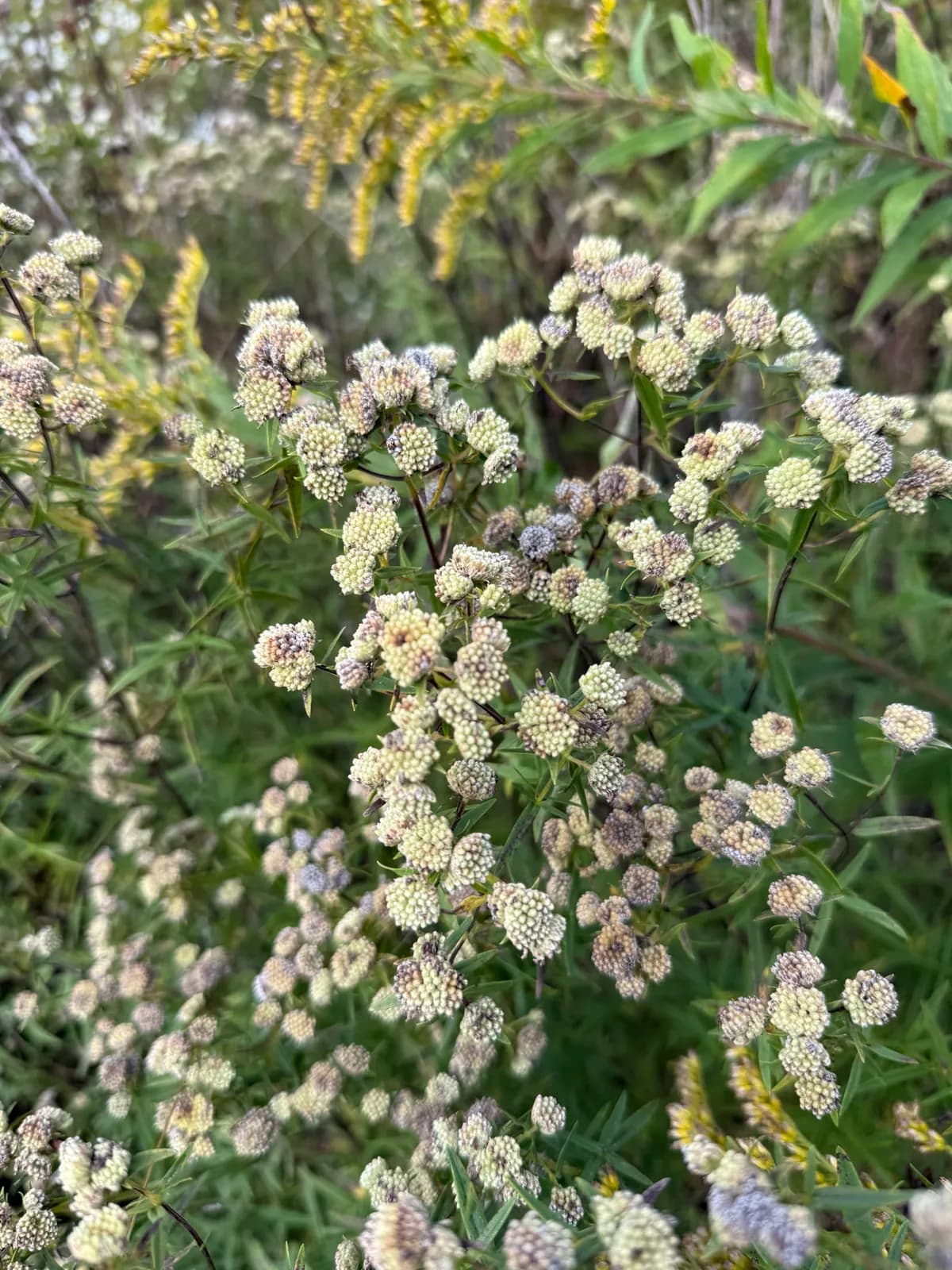
Virginia Mountain-Mint
Pycnanthemum virginianum
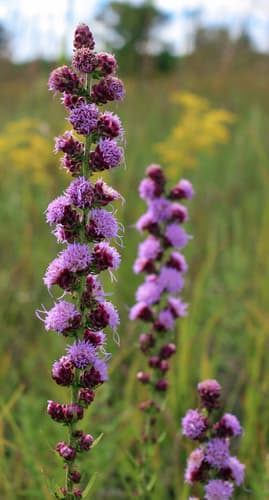
Tall Blazing Star
Liatris aspera
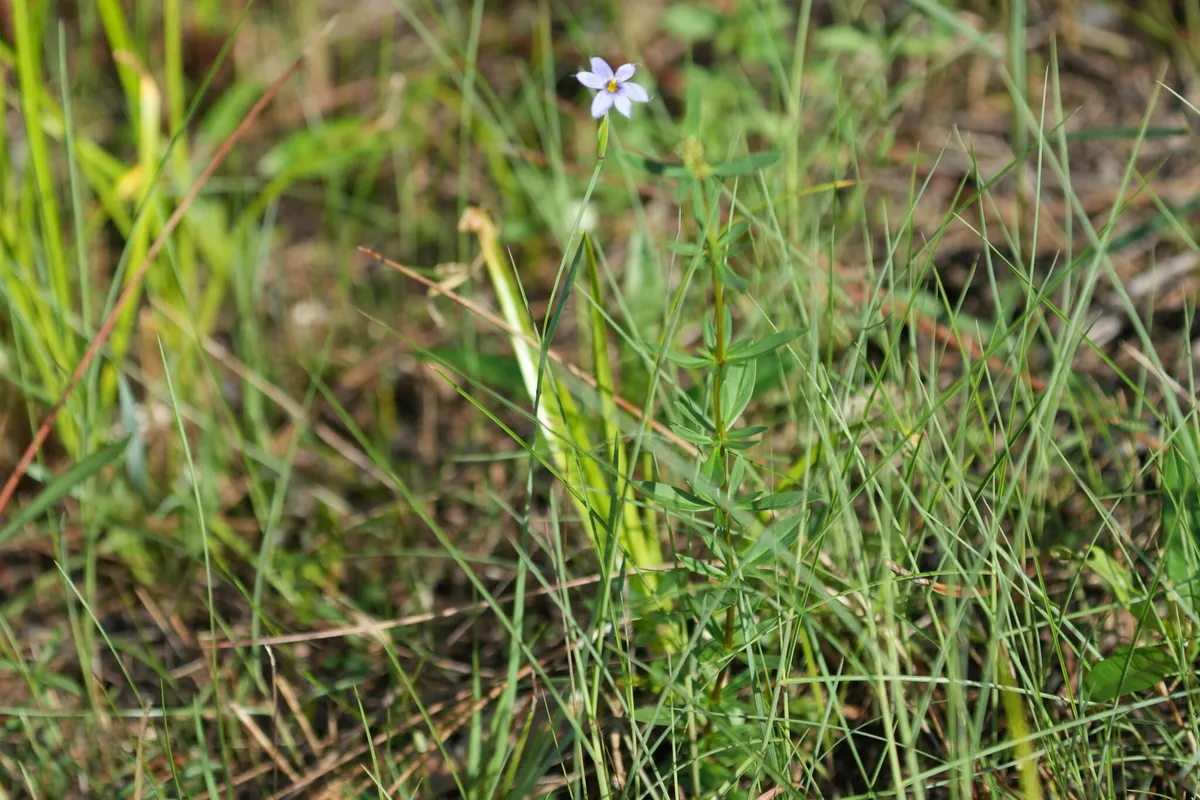
Narrowleaf Blue-eyed Grass
Sisyrinchium angustifolium
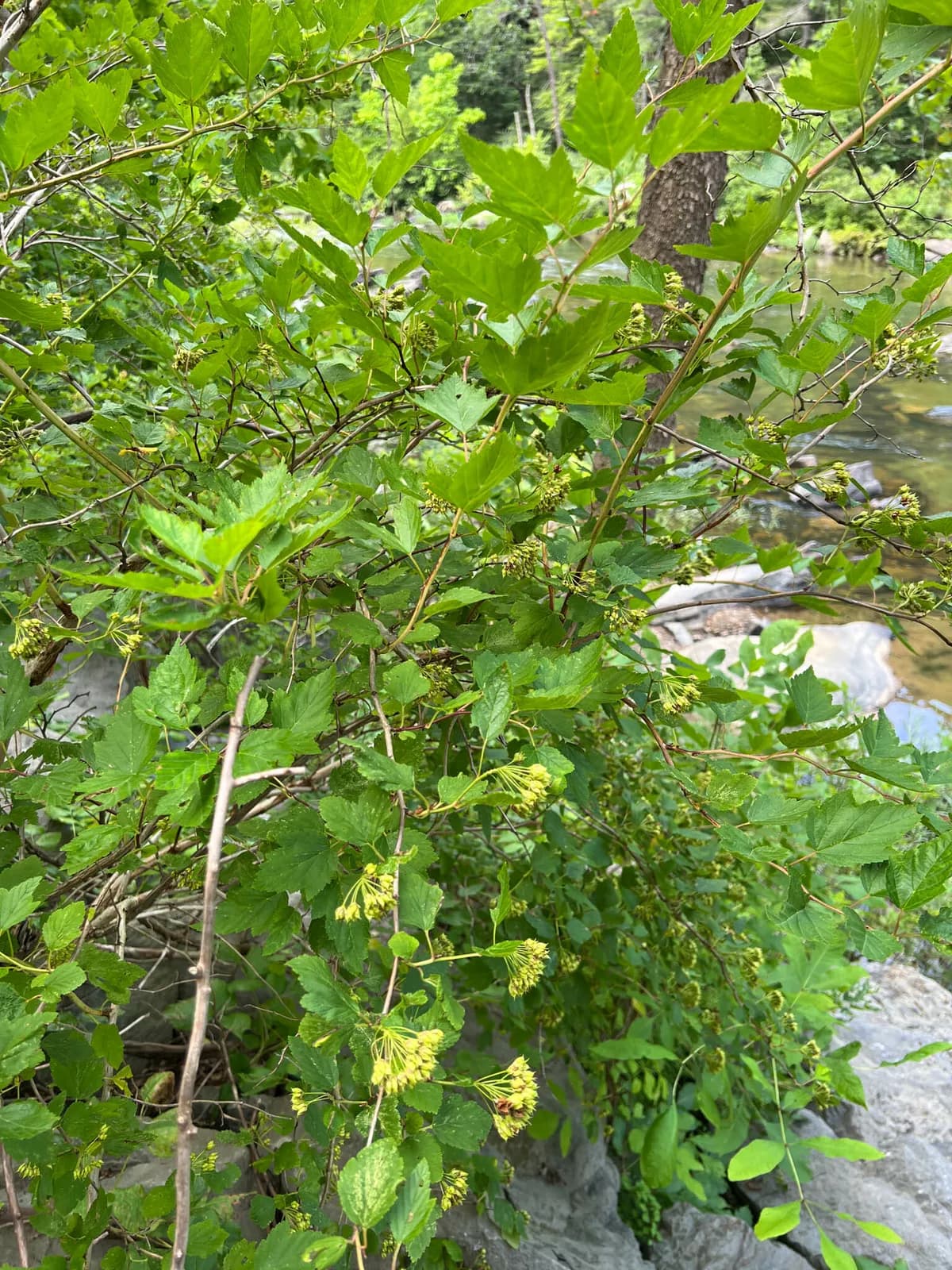
Ninebark
Physocarpus opulifolius
Showing 48 of 1541. Enter your ZIP for the natives matched to your yard.
Fall care in the Ridge and Valley
What to do right now for plants commonly grown here. Each links to the full regional care guide for that species, with sources.
- Halberd leaf hibiscus
Fruit shows from August to October, so fall is about seed pods. The plant propagates by seed.
- Heart leaf foamflower
Fall is a second good window to divide and fill in gaps.
- Helmet skullcap
Fall is seed time, so there is little work.
- Sevenbark
Fall needs very little, and cleanup can wait.
- Alumroot
Fall is a second good window to divide.
- Cattail sedge
In fall the cattail-like seedheads are the show, so there is little to do.
- American solomons seal
Fall brings yellow leaves, and it is the other good window for dividing and planting.
- Virginia sweetspire
Fall is the show. Leaves turn red, orange, or purple and often hang on into early winter.
- Purple lovegrass
Fall is when the reddish-purple flower clouds show off, then you choose whether to let it reseed.
- Lanceleaf coreopsis
Fall is the time to decide how many seedlings you want and to divide tired clumps.
Build a plan for the Ridge and Valley
The Pollinator Patch App turns plants like these into a front-yard plan tuned for the soil, climate, and HOA expectations of the Harrisburg area.