Aromatic Sumac
Rhus aromatica
Last reviewed: October 2026
Aromatic Sumac is a low, spreading shrub that blooms with small yellow flowers in May and June. It tolerates dry soil and full sun, making it a good fit for slopes, banks and rocky sites.
Toxicity unknown
Aromatic Sumac (Rhus aromatica) is not listed by the ASPCA Animal Poison Control Center (opens in new tab) or the other sources we check, so we have no verdict for it either way. Absence from those lists is not a clearance. If your pet shows symptoms after eating any plant, call the ASPCA at (888) 426-4435.
The USDA PLANTS Database (opens in new tab) does not flag Aromatic Sumac as toxic to livestock.
Light
full sun
Water
low
Size
72"–144" H × 48"–72" W
Bloom
Mar, Apr, May
Native to
AL, AR, AZ, CA and 41 more states
Pollinators
bees, butterflies, beetles
Before you buy
Your city may pay you to plant this
Cities and water utilities offer rebates for replacing lawn with native and water-wise plants. We track 459 programs across 44 states, each with a link to the provider and the date we last checked it.
Find rebates in your areaPicture natives in your own yard
Upload a photo of your yard and Patch Vision shows a rendering of it planted with natives for your region, like Aromatic Sumac.


Browse plants for this ecoregion
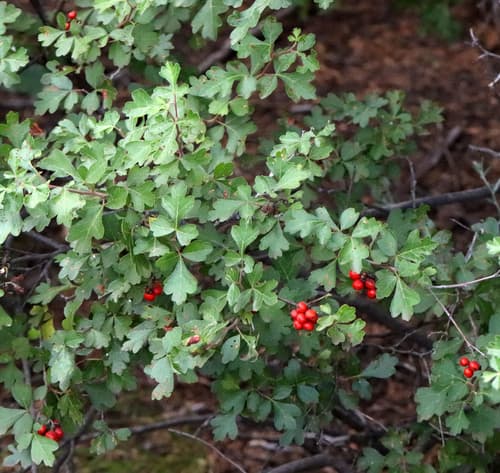
Aromatic sumac is a low-growing native shrub that forms dense colonies through underground runners. It produces small yellow-green flowers in spring before the leaves emerge, followed by red berries in late summer. The foliage turns brilliant orange-red in fall and has a pleasant fragrance when crushed.
Growing Aromatic Sumac
Grow Aromatic Sumac in full sun and low water. Mature plants reach 72 to 144 inches tall and spread 48 to 72 inches wide. Expect moderate maintenance to keep it looking intentional in a front yard.
How to care for Aromatic Sumac, by region
How to care for Aromatic Sumac where it is actually grown: year-round basics plus what to do each season, region by region, with the sources for each.
Care guidance last updated: October 2026
Cross Timbers (includes Fort Worth, TX)
Year-round
Aromatic sumac, also called fragrant sumac, is a low, spreading native shrub that works well as an informal hedge or bank cover. It is not on the ASPCA toxic plant list, and it is a different plant entirely from poison sumac.
- Give it full sun and let the soil dry between waterings, it is drought tolerant once established and does not want soggy roots.
- Crush a leaf to check the smell, a citrusy scent confirms it is fragrant sumac (Rhus aromatica), not poison sumac (Toxicodendron vernix), a different plant that grows in wet, swampy ground and causes a skin rash in people from its sap.
- Space plants 3 to 4 feet apart if planting a row, since it spreads slowly by suckering as it matures.
- Expect a mounding, spreading shape 2 to 5 feet tall and as wide, prune only to shape rather than shearing hard.
- It is a caterpillar host plant for spring azure and banded hairstreak butterflies, so some chewed leaves in season are a sign the plant is doing its job, not a problem to spray.
A neat, mounding low shrub like this reads as deliberate front-yard landscaping rather than a leggy volunteer, which helps if a neighbor asks about it.
Fall
Fall is when aromatic sumac earns its place in a front yard. The leaves turn shades of red, orange, and purple, and clusters of small red, fuzzy fruit form along the branches.
- This is the best planting window for a new shrub, put container plants in the ground from October through November so roots grow before next summer's heat.
- Expect fall leaf color to peak in late October into November in North Texas.
- The red, fuzzy fruit clusters have historically been steeped in water to make a tart drink sometimes called 'sumac lemonade.' This is a different plant from poison sumac (Toxicodendron vernix), which grows in wet ground and causes a skin rash in people, not the DFW-area landscape shrub sold as fragrant or aromatic sumac.
- Leave the fruit clusters in place through winter, they are a food source for birds when little else is available.
- In heavy black clay, dig the planting hole 2 to 3 times as wide as the root ball to loosen compacted soil around new roots; in the sandier soils west of the metro, work a couple inches of compost into the hole to help new roots hold moisture.
Fall color and the fruit clusters are the shrub's showiest, most obviously-planted-on-purpose moment. Leave it untrimmed through the season rather than cutting it back.
Winter
Aromatic sumac is dormant and leafless through a North Texas winter, and it handles the region's typical cold snaps, including occasional hard Arctic outbreaks, without special protection.
- Skip pruning in a normal winter, wait until very early spring if shaping is needed, since next year's flower buds are already set on last year's growth.
- Ahead of a severe Arctic outbreak, a deep watering a day or two beforehand helps established roots handle the cold better, but no wrapping or covering is needed for a shrub this hardy.
- Leave fallen leaves in place under the shrub as a light mulch layer instead of raking the bed down to bare soil.
- Keep mulch 2 to 3 inches deep and pulled back an inch or two from the base of the stems, not piled against them.
A bare, leafless native shrub in winter can look neglected to a neighbor who does not know better. Clean mulch and no bare dirt keeps the bed looking maintained until spring leaf-out.
Spring
Small yellow-green flower clusters appear on the bare branches in early to mid spring, before the leaves fully unfurl, and are an early source of nectar for pollinators.
- Plant new nursery stock from March through April, after the last frost (mid March in North Texas), so roots have time to establish before summer heat arrives.
- Water new plantings twice a week for the first 6 weeks after planting, then taper off as roots establish.
- Watch for small yellow-green flower clusters in April, they are easy to miss but are the plant's main pollinator draw for the year.
- In heavy black clay soils, plant it a couple inches high on a slight mound so the crown does not sit in standing water after spring rain; in the sandier soils west of the metro it drains fine at grade but will still need regular water through its first spring.
- Skip fertilizer, this shrub is adapted to lean native soil and heavy feeding tends to produce weak, floppy growth.
The spring flowers are subtle, not showy, so the shrub reads as a neat green mound from the street rather than a plant 'in bloom.' No pruning is needed yet to keep that tidy look.
Summer
Once established, aromatic sumac shrugs off the hottest weeks of a North Texas summer with almost no attention. This is when its low water need really pays off.
- Skip supplemental water for shrubs planted last fall or earlier, only water plants that went in this year, and only during multi week dry stretches in July and August.
- Do not shear it into a ball, its natural spreading habit looks best left loose, just trim wayward branches back to a side shoot if needed.
- Crushing a leaf should still give a citrus like scent, a quick way to confirm you have fragrant sumac and not a lookalike shrub.
- Hold off on any hard pruning in peak heat, wait for cooler weather in September so the plant is not stressed twice at once.
Its low, mounded shape holds together through the hottest months without staking or shearing, which reads as intentional landscaping rather than a neglected corner of the yard.
Sources: Rhus aromatica, Lady Bird Johnson Wildflower Center, Poison Sumac, ASPCA Toxic and Non-Toxic Plants
Edwards Plateau (includes San Antonio, TX)
Year-round
Fragrant sumac is a tough, drought-tolerant shrub that spreads by suckers. It likes sun to part shade and well-drained soil.
- Plant in sun to part shade in well-drained soil, including clay.
- Once established it needs little watering.
- It spreads into a thicket, so give it open space.
- Pruning is only needed now and then.
Edge or prune the spreading suckers to keep a front bed tidy.
Fall
Fall color is the payoff.
- Leaves turn orange, red, and purple.
- No extra feeding or watering needed.
Winter
Red berries stay on well into winter.
- Berry clusters persist well into winter.
- Prune only lightly and only if needed.
Spring
Yellow flowers show up before the leaves.
- Yellow catkin-like flowers appear April through June.
- Plant in sun to part shade.
- Water to get it started, then ease off.
Summer
Summer is easy once it is established.
- It tolerates drought and needs very little water.
- Lush green foliage fills in.
- Pull or cut unwanted suckers to control spread.
Sources: Lady Bird Johnson Wildflower Center: Rhus aromatica, NPSOT: The fragrant sumac (community tip)
Texas Blackland Prairies (includes Dallas, TX)
Year-round
Aromatic sumac, also called fragrant sumac, is a low, spreading native shrub that works well as an informal hedge or bank cover. It is not on the ASPCA toxic plant list, and it is a different plant entirely from poison sumac.
- Give it full sun and let the soil dry between waterings, it is drought tolerant once established and does not want soggy roots.
- Crush a leaf to check the smell, a citrusy scent confirms it is fragrant sumac (Rhus aromatica), not poison sumac (Toxicodendron vernix), a different plant that grows in wet, swampy ground and causes a skin rash in people from its sap.
- Space plants 3 to 4 feet apart if planting a row, since it spreads slowly by suckering as it matures.
- Expect a mounding, spreading shape 2 to 5 feet tall and as wide, prune only to shape rather than shearing hard.
- It is a caterpillar host plant for spring azure and banded hairstreak butterflies, so some chewed leaves in season are a sign the plant is doing its job, not a problem to spray.
A neat, mounding low shrub like this reads as deliberate front-yard landscaping rather than a leggy volunteer, which helps if a neighbor asks about it.
Fall
Fall is when aromatic sumac earns its place in a front yard. The leaves turn shades of red, orange, and purple, and clusters of small red, fuzzy fruit form along the branches.
- This is the best planting window for a new shrub, put container plants in the ground from October through November so roots grow before next summer's heat.
- Expect fall leaf color to peak in late October into November in North Texas.
- The red, fuzzy fruit clusters have historically been steeped in water to make a tart drink sometimes called 'sumac lemonade.' This is a different plant from poison sumac (Toxicodendron vernix), which grows in wet ground and causes a skin rash in people, not the DFW-area landscape shrub sold as fragrant or aromatic sumac.
- Leave the fruit clusters in place through winter, they are a food source for birds when little else is available.
- In heavy black clay, dig the planting hole 2 to 3 times as wide as the root ball to loosen compacted soil around new roots; in the sandier soils west of the metro, work a couple inches of compost into the hole to help new roots hold moisture.
Fall color and the fruit clusters are the shrub's showiest, most obviously-planted-on-purpose moment. Leave it untrimmed through the season rather than cutting it back.
Winter
Aromatic sumac is dormant and leafless through a North Texas winter, and it handles the region's typical cold snaps, including occasional hard Arctic outbreaks, without special protection.
- Skip pruning in a normal winter, wait until very early spring if shaping is needed, since next year's flower buds are already set on last year's growth.
- Ahead of a severe Arctic outbreak, a deep watering a day or two beforehand helps established roots handle the cold better, but no wrapping or covering is needed for a shrub this hardy.
- Leave fallen leaves in place under the shrub as a light mulch layer instead of raking the bed down to bare soil.
- Keep mulch 2 to 3 inches deep and pulled back an inch or two from the base of the stems, not piled against them.
A bare, leafless native shrub in winter can look neglected to a neighbor who does not know better. Clean mulch and no bare dirt keeps the bed looking maintained until spring leaf-out.
Spring
Small yellow-green flower clusters appear on the bare branches in early to mid spring, before the leaves fully unfurl, and are an early source of nectar for pollinators.
- Plant new nursery stock from March through April, after the last frost (mid March in North Texas), so roots have time to establish before summer heat arrives.
- Water new plantings twice a week for the first 6 weeks after planting, then taper off as roots establish.
- Watch for small yellow-green flower clusters in April, they are easy to miss but are the plant's main pollinator draw for the year.
- In heavy black clay soils, plant it a couple inches high on a slight mound so the crown does not sit in standing water after spring rain; in the sandier soils west of the metro it drains fine at grade but will still need regular water through its first spring.
- Skip fertilizer, this shrub is adapted to lean native soil and heavy feeding tends to produce weak, floppy growth.
The spring flowers are subtle, not showy, so the shrub reads as a neat green mound from the street rather than a plant 'in bloom.' No pruning is needed yet to keep that tidy look.
Summer
Once established, aromatic sumac shrugs off the hottest weeks of a North Texas summer with almost no attention. This is when its low water need really pays off.
- Skip supplemental water for shrubs planted last fall or earlier, only water plants that went in this year, and only during multi week dry stretches in July and August.
- Do not shear it into a ball, its natural spreading habit looks best left loose, just trim wayward branches back to a side shoot if needed.
- Crushing a leaf should still give a citrus like scent, a quick way to confirm you have fragrant sumac and not a lookalike shrub.
- Hold off on any hard pruning in peak heat, wait for cooler weather in September so the plant is not stressed twice at once.
Its low, mounded shape holds together through the hottest months without staking or shearing, which reads as intentional landscaping rather than a neglected corner of the yard.
Sources: Rhus aromatica, Lady Bird Johnson Wildflower Center, Poison Sumac, ASPCA Toxic and Non-Toxic Plants
In an HOA neighborhood
Aromatic Sumac is an HOA-friendly choice. Maintenance level: moderate. Tidiness: 3 out of 5.
Works well in: foundation, mid zone.
- Spreads aggressively and can look unruly without management
- May be confused with poison ivy by uninformed neighbors
Wildlife value
Host plant for spring azure, banded hairstreak.
This shrub attracts bees, butterflies, and beetles with its early spring blooms. The berries provide food for birds, and the dense growth habit offers nesting sites and shelter for small wildlife.
Common questions
- When does Aromatic Sumac bloom?
- Aromatic Sumac blooms in May and June, producing small clusters of yellow flowers that appear before or alongside the emerging leaves.
- What insects visit Aromatic Sumac flowers?
- Bees, butterflies and beetles are regular visitors to Aromatic Sumac flowers, drawn to the blooms during the May and June flowering period.
- How much water does Aromatic Sumac need?
- Once established, Aromatic Sumac tolerates low water and dry soil well, though it also grows fine with occasional moisture. It does not do well in constantly wet ground.
- How much sun does Aromatic Sumac require?
- Aromatic Sumac grows best in full sun but adapts to part sun or part shade, though flowering and fall color are usually stronger with more light.
- What growth habit does Aromatic Sumac have?
- It is a spreading, multi-stemmed shrub, often used for erosion control on banks and slopes because of its dense, low-growing form.
- Is Aromatic Sumac toxic to livestock?
- The USDA PLANTS Database does not flag Aromatic Sumac as toxic to livestock.
- Is Aromatic Sumac HOA-friendly?
- Aromatic Sumac is generally an HOA-friendly choice in the right placement, with moderate maintenance.
These answers were drafted with an AI model from this plant's data. Verify care details with a local expert.
Native range data from vouchered herbarium specimen records and regional native plant society lists. Pollinator and host plant associations compiled from GBIF, iNaturalist, and published ecological literature.
If something looks wrong
Common plant problems, and what to check first
These come up on almost any plant. Each guide lists the likely causes in the order they are worth ruling out, with one thing to check before you act on any of them, and links to the source it came from.
- It is dying right after planting
- Leaves turning yellow
- Wilting even though I watered it
- Brown crispy leaf tips
- Bugs on the plant
Ready to grow Aromatic Sumac? Add it to your garden in Pollinator Patch to track it and get season-by-season care guidance.