EPA Level III Ecoregion
Mojave Basin and Range
644 native plants for the Mojave Basin and Range ecoregion (Las Vegas area).
The Mojave Basin and Range spans the high desert from Lancaster and Victorville across southern Nevada to Las Vegas and St. George. Rainfall is scarce, summers are extreme, and winters can freeze. Desert natives such as desert marigold, brittlebush, and apache plume are some of the only plants that look intentional here without irrigation, which is why so many local water districts pay homeowners to plant them.
Conditions: Sandy, fast-draining alkaline soils, under 10 inches of annual rainfall, extreme summer heat with winter frosts.
Cities and areas: Las Vegas, Lancaster, Palmdale, Victorville, St. George, Barstow.
644 Native Plants for the Mojave Basin and Range
HOA-friendly picks listed first. Pet-safety status varies by species; each plant page shows its sourced ASPCA status. Native range data from vouchered herbarium specimen records and regional native plant society lists.

Little Bluestem
Schizachyrium scoparium
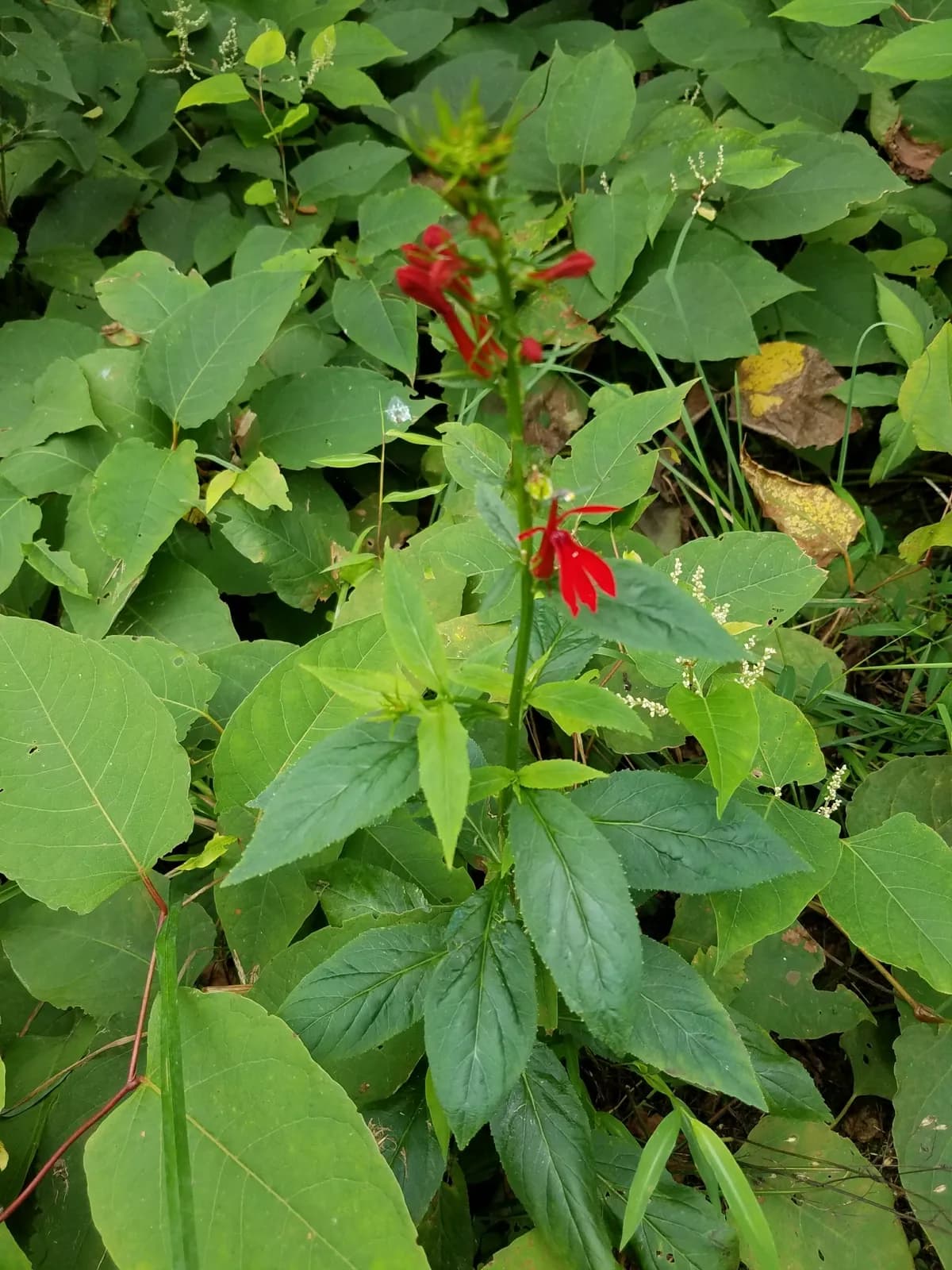
Cardinal Flower
Lobelia cardinalis
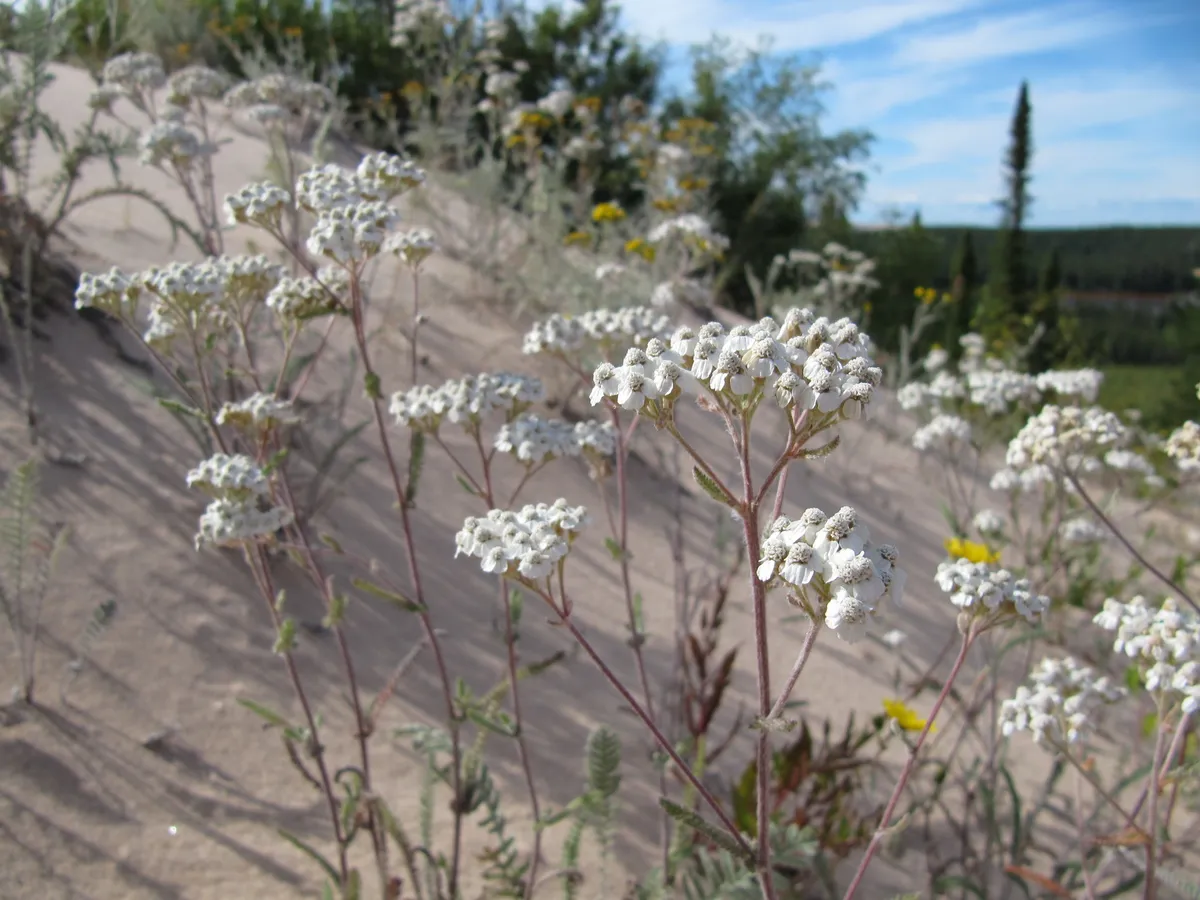
Common Yarrow
Achillea millefolium

Sideoats Grama
Bouteloua curtipendula
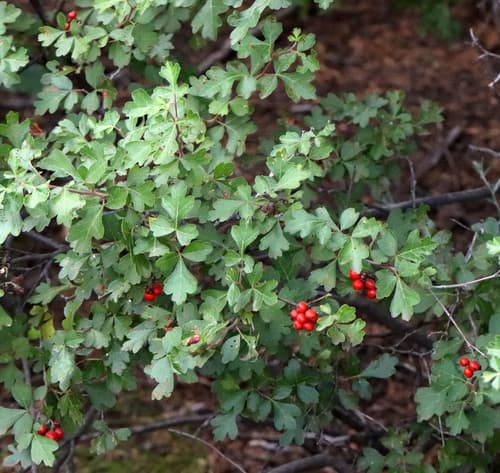
Aromatic Sumac
Rhus aromatica
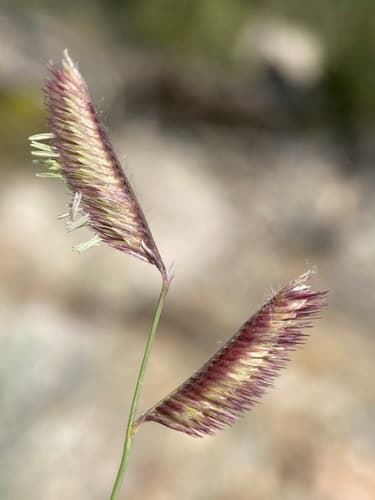
Blue Grama
Bouteloua gracilis
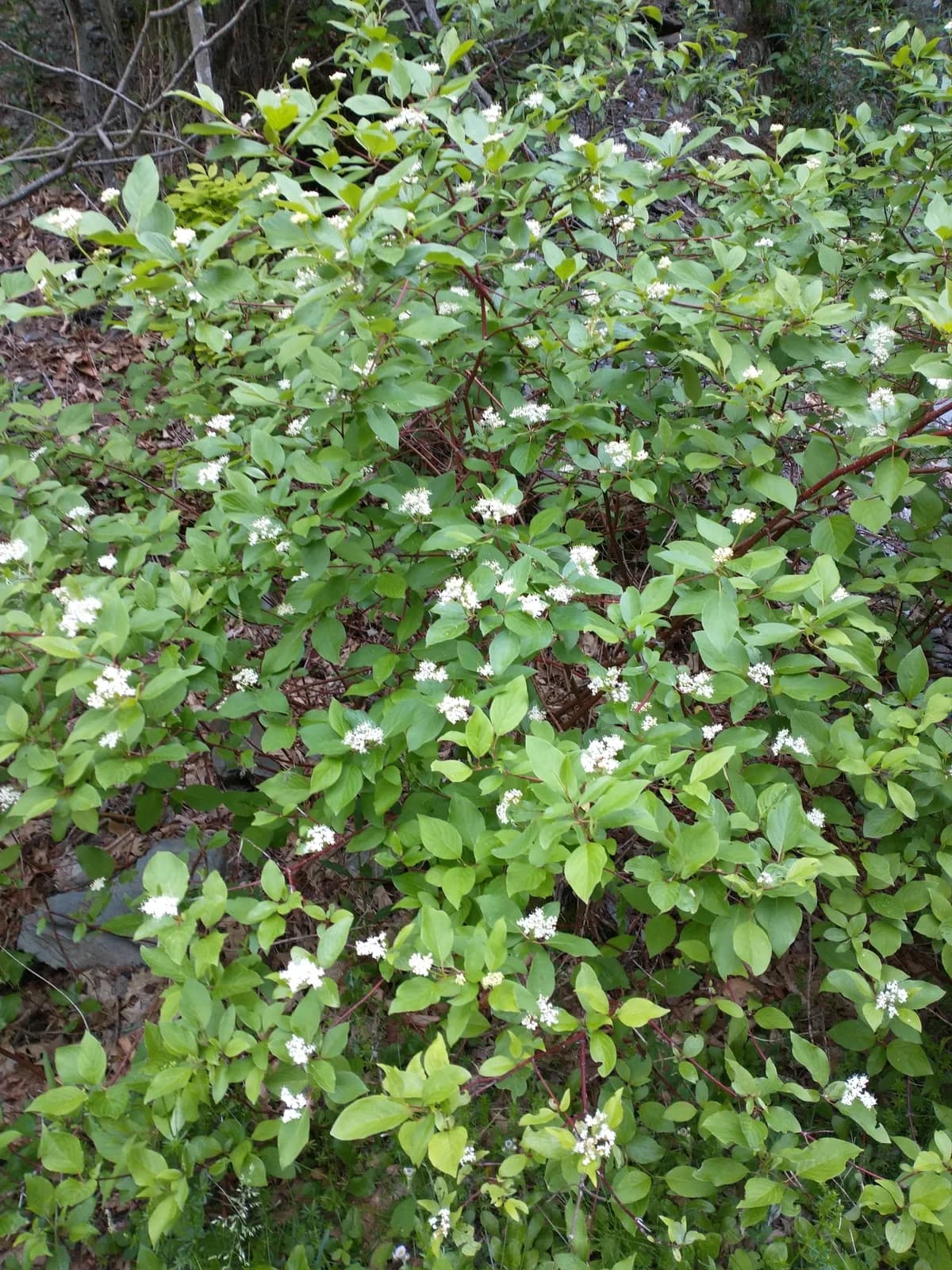
Red-osier Dogwood
Cornus sericea
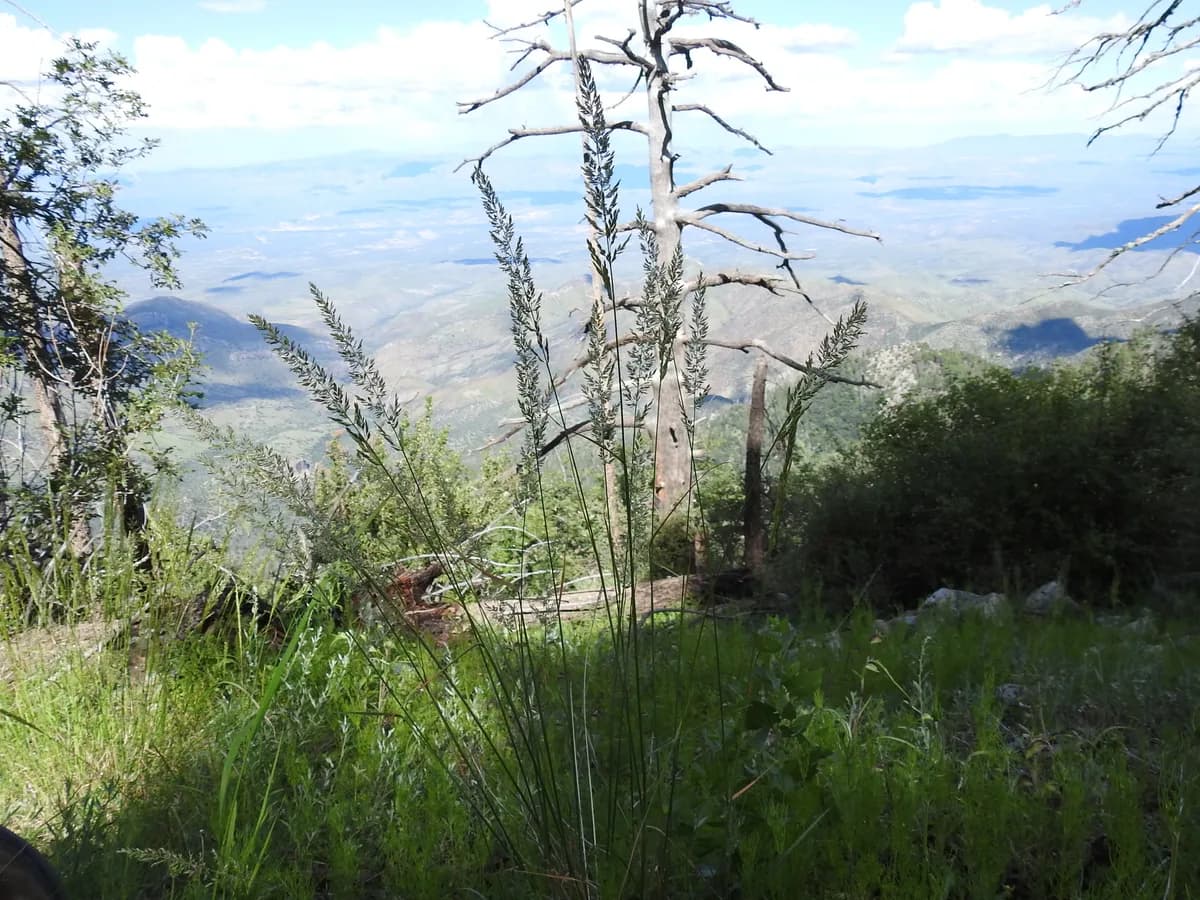
Prairie Junegrass
Koeleria macrantha
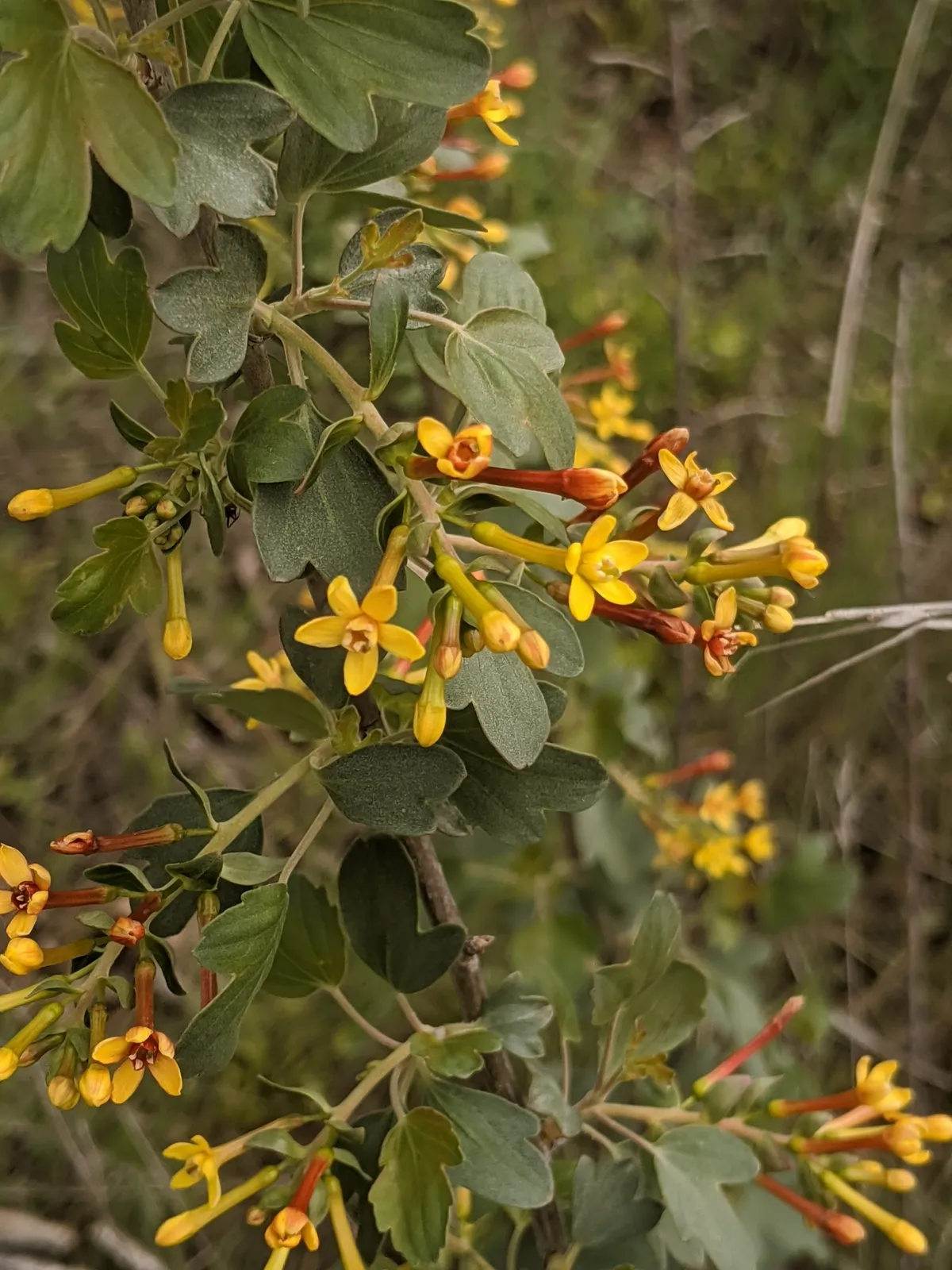
Golden Currant
Ribes aureum
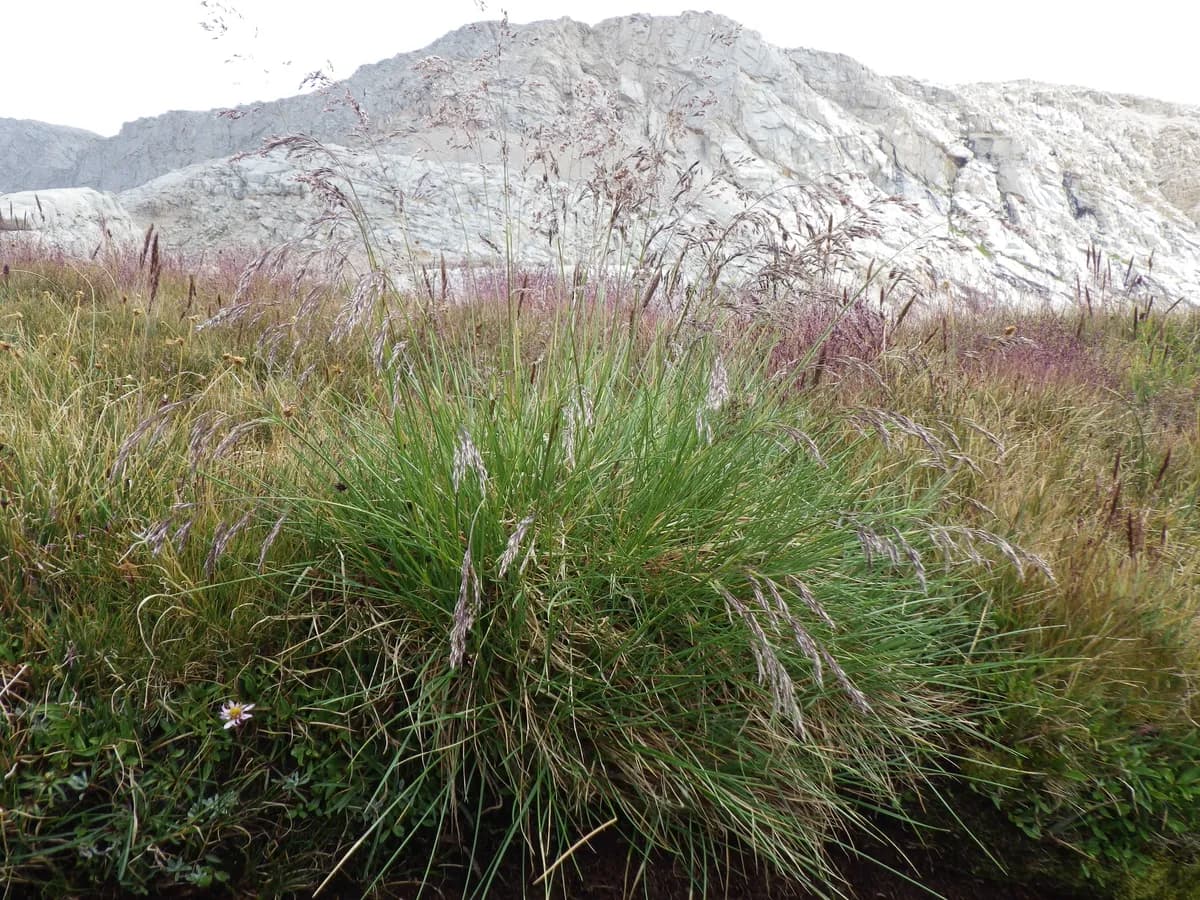
Tufted Hairgrass
Deschampsia cespitosa
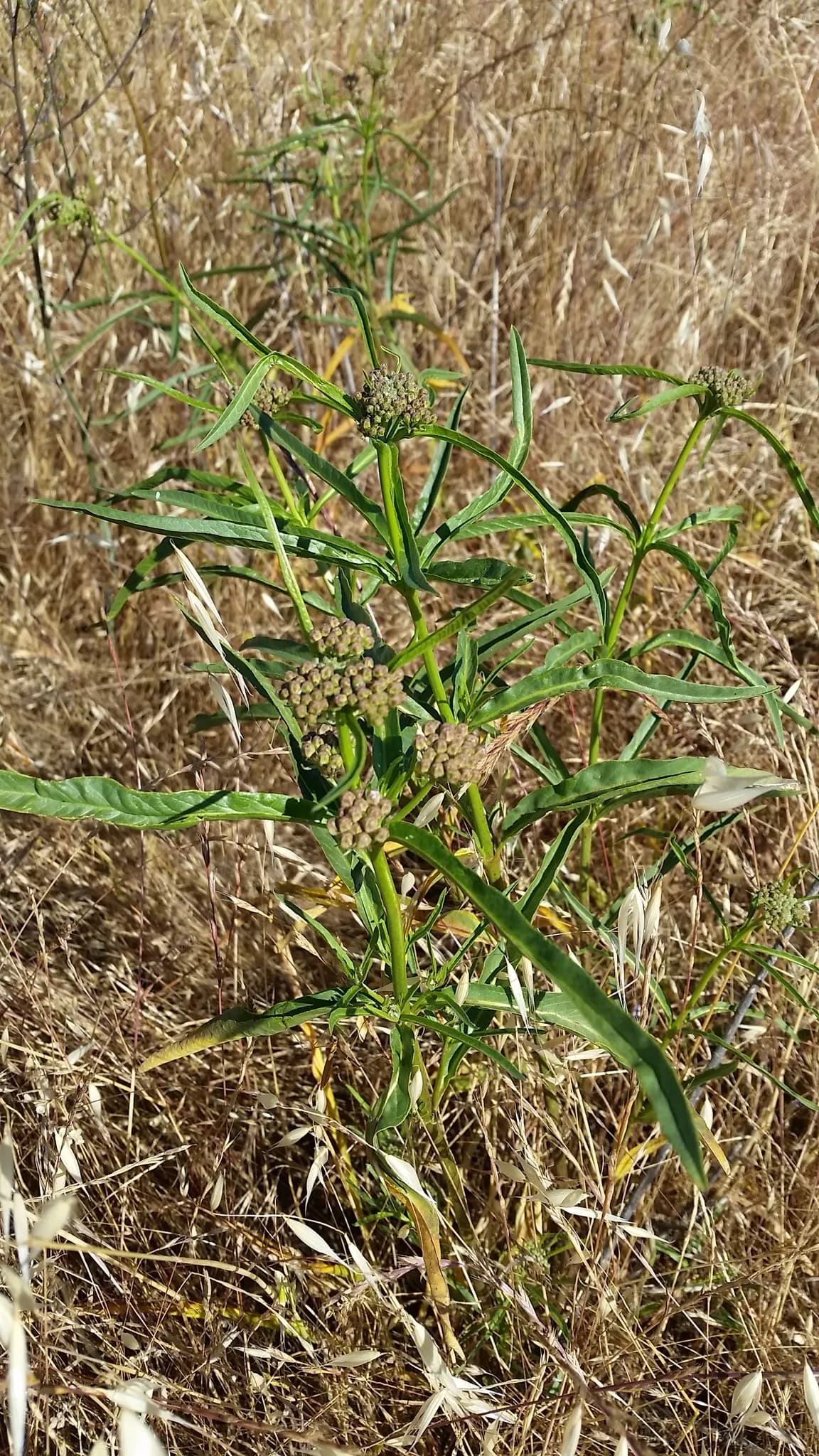
Narrowleaf Milkweed
Asclepias fascicularis
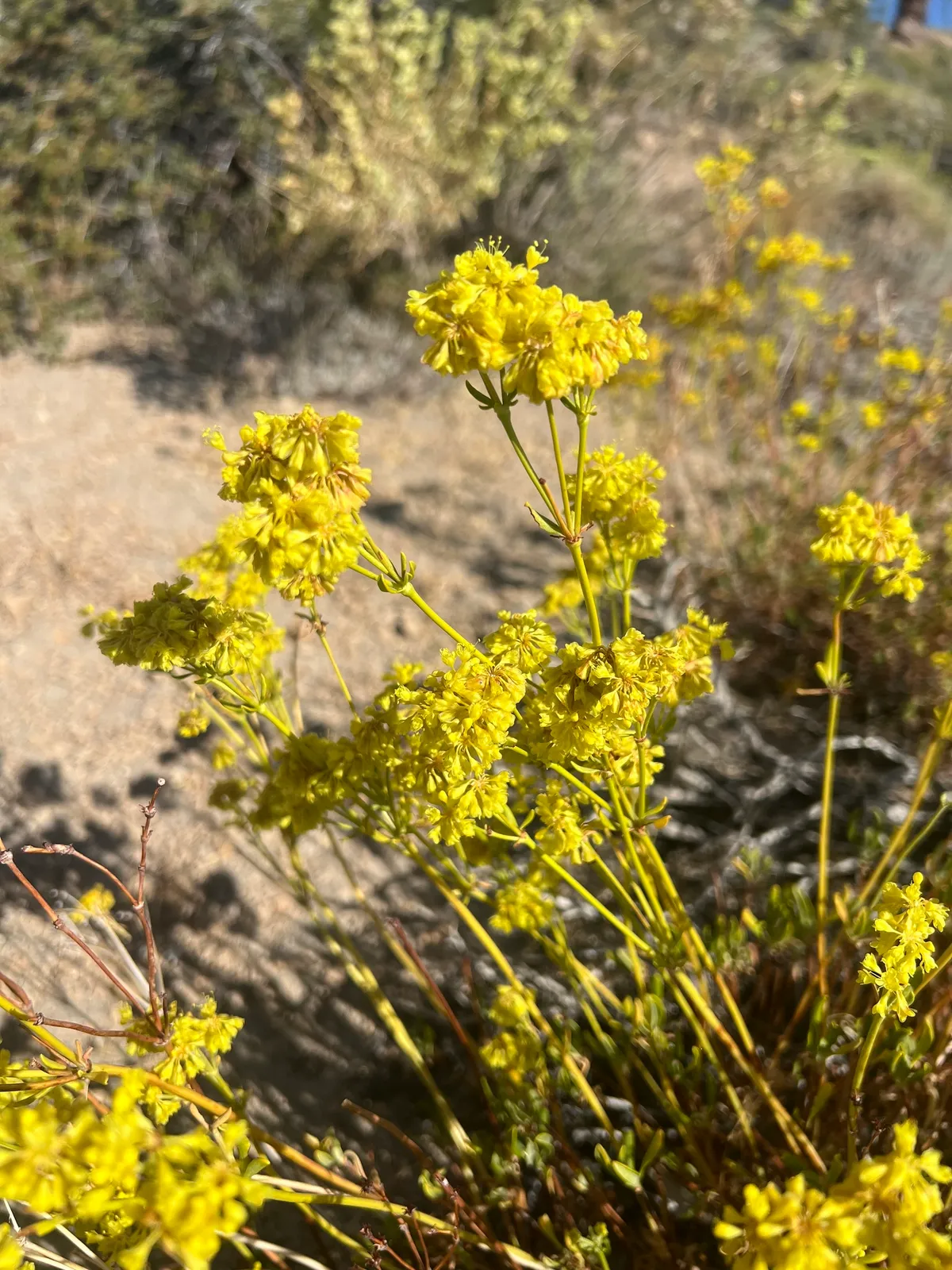
Sulfur-buckwheat
Eriogonum umbellatum
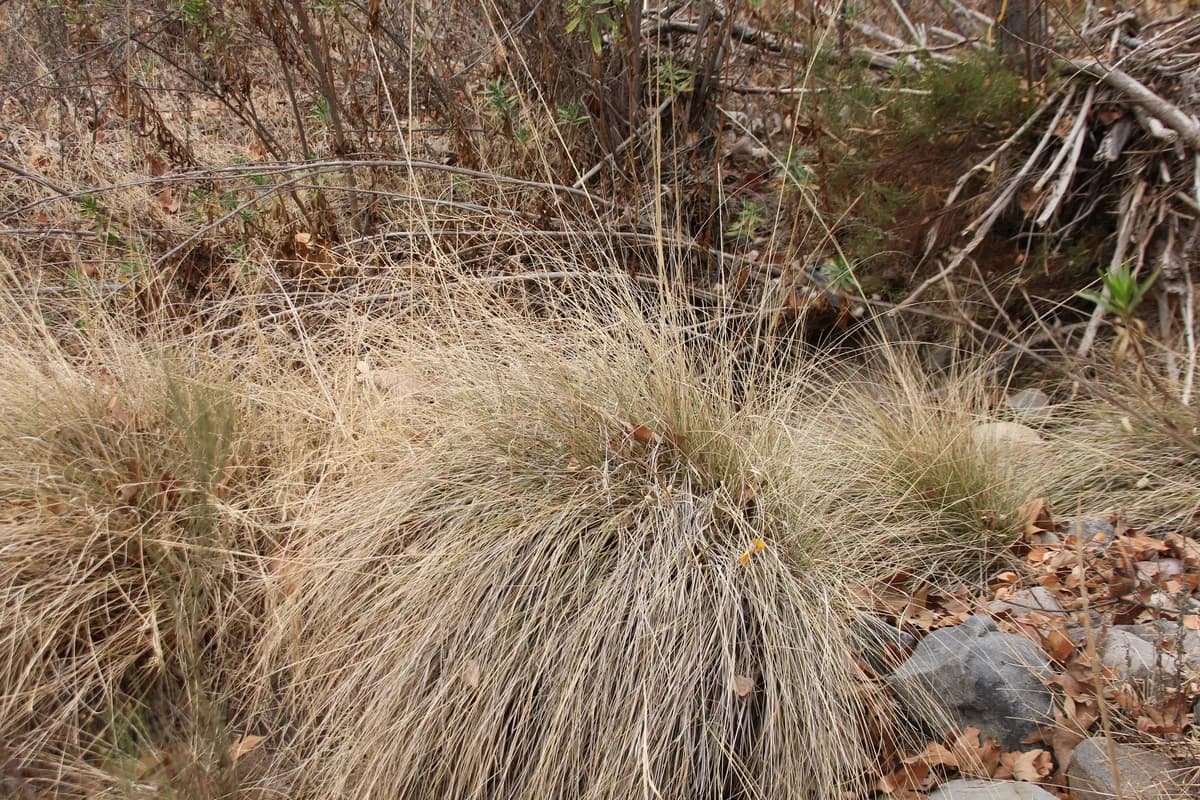
Deer Grass
Muhlenbergia rigens
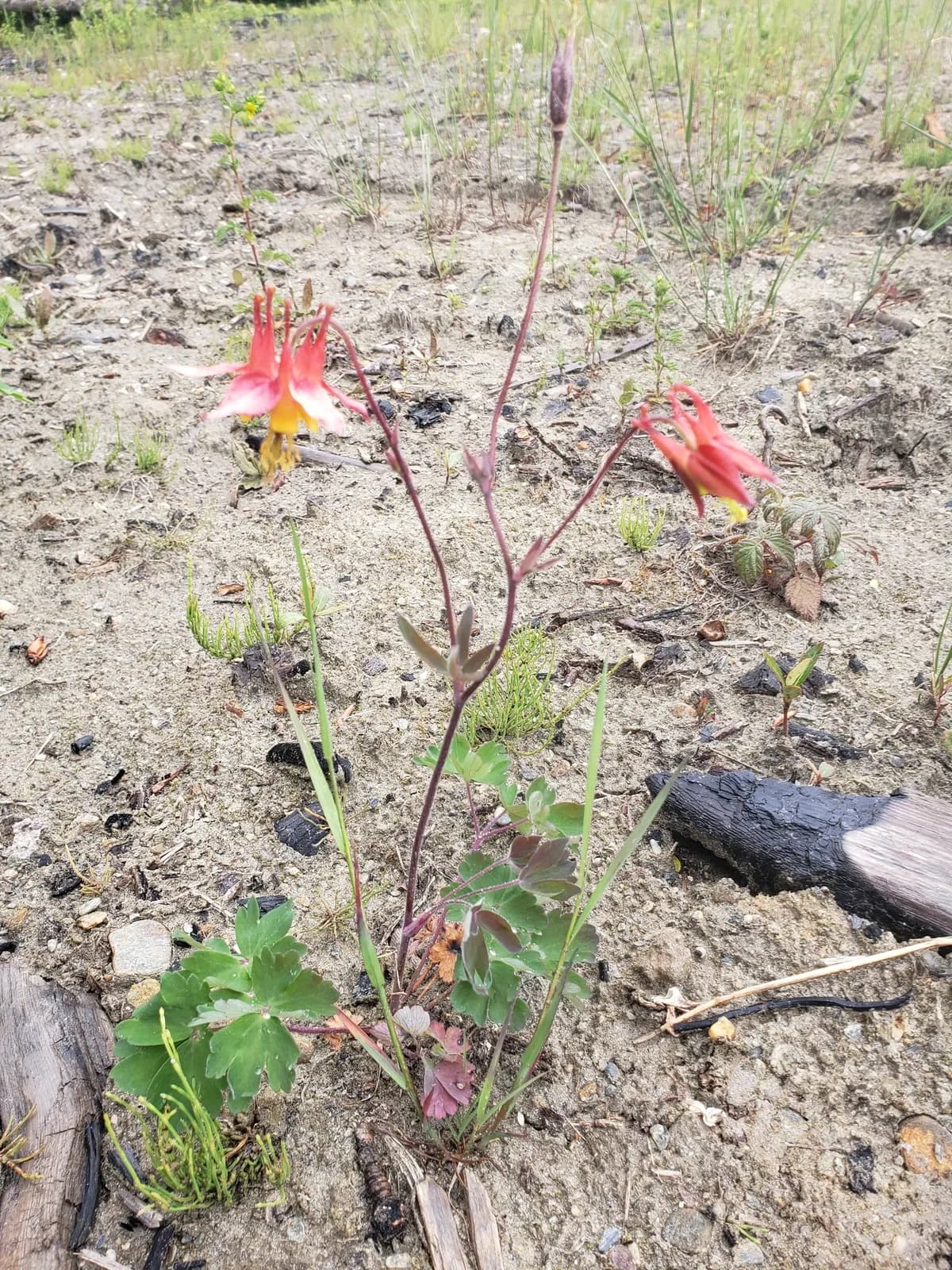
Western Columbine
Aquilegia formosa
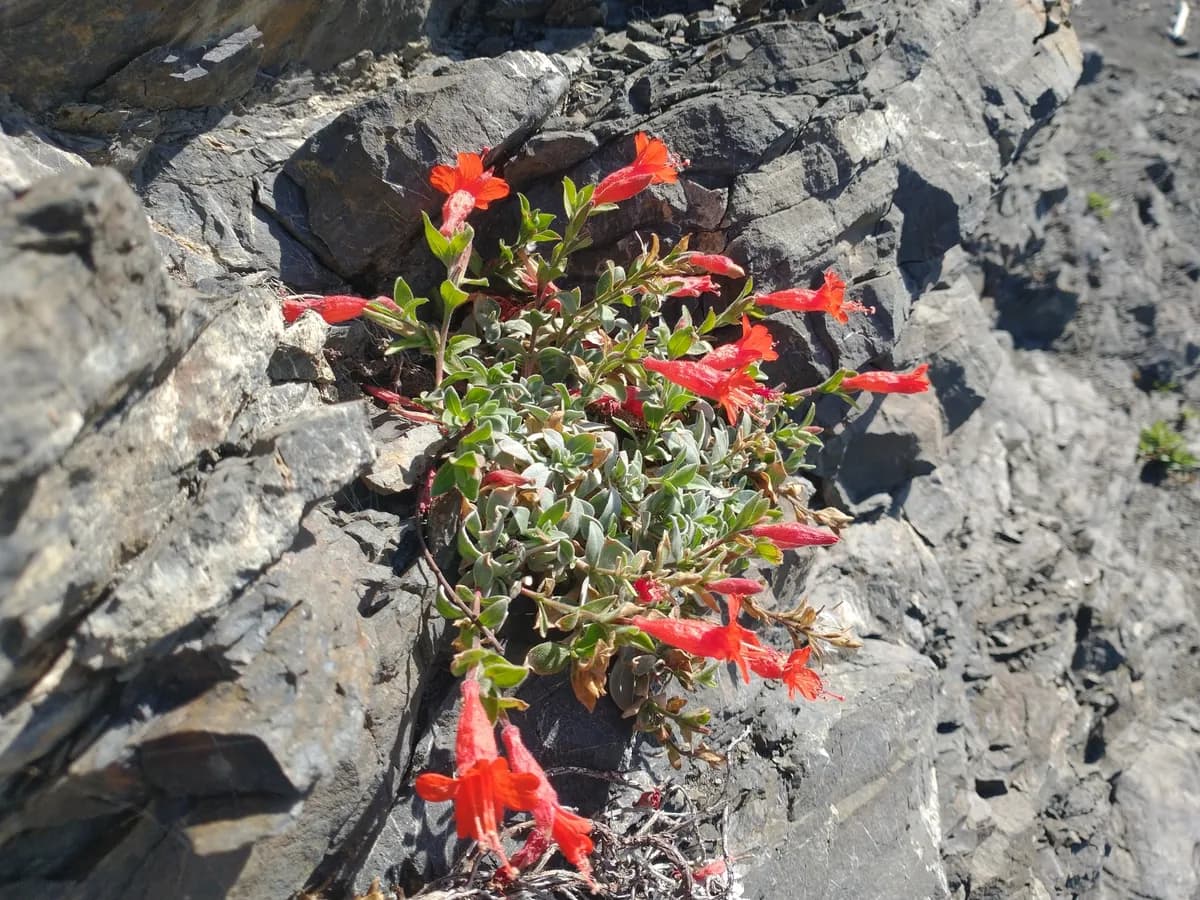
California Fuchsia
Epilobium canum
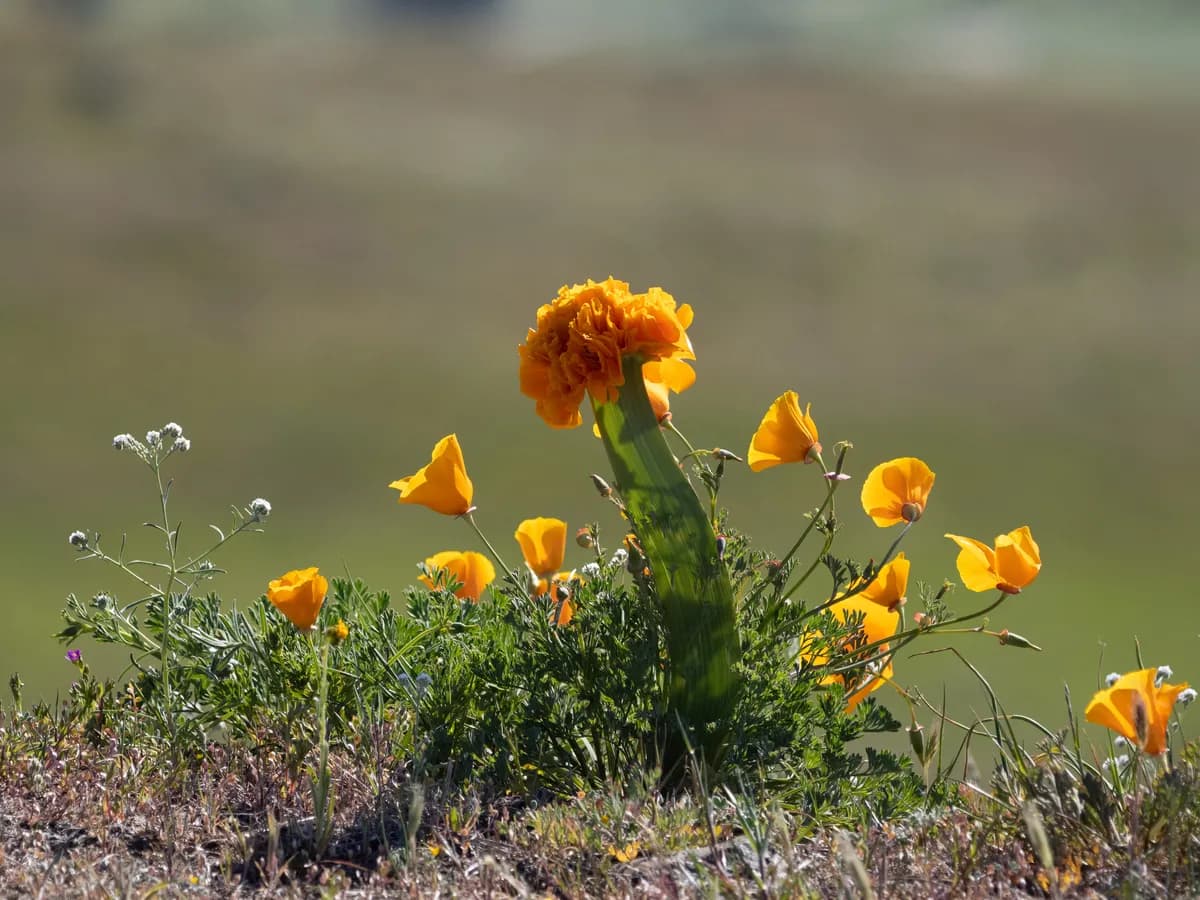
California-poppy
Eschscholzia californica
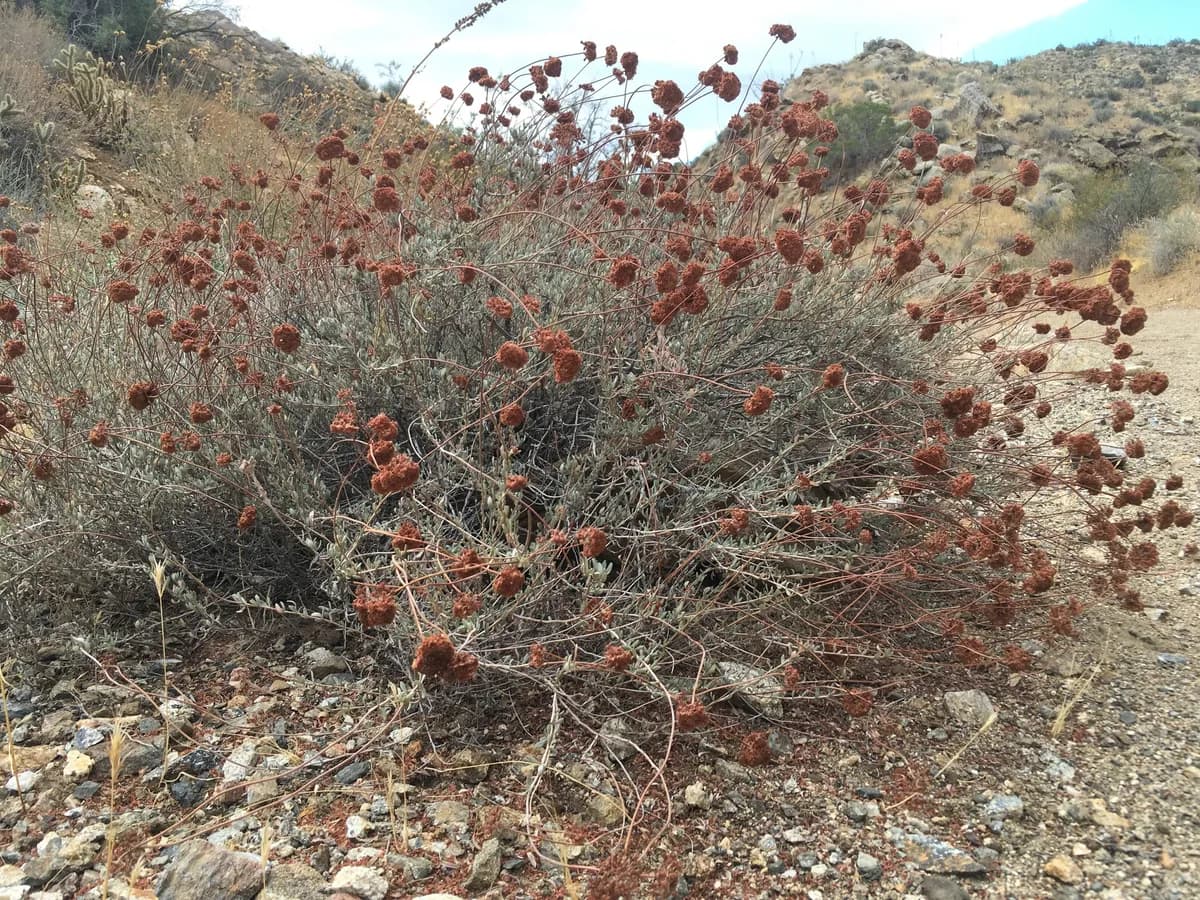
California Wild Buckwheat
Eriogonum fasciculatum
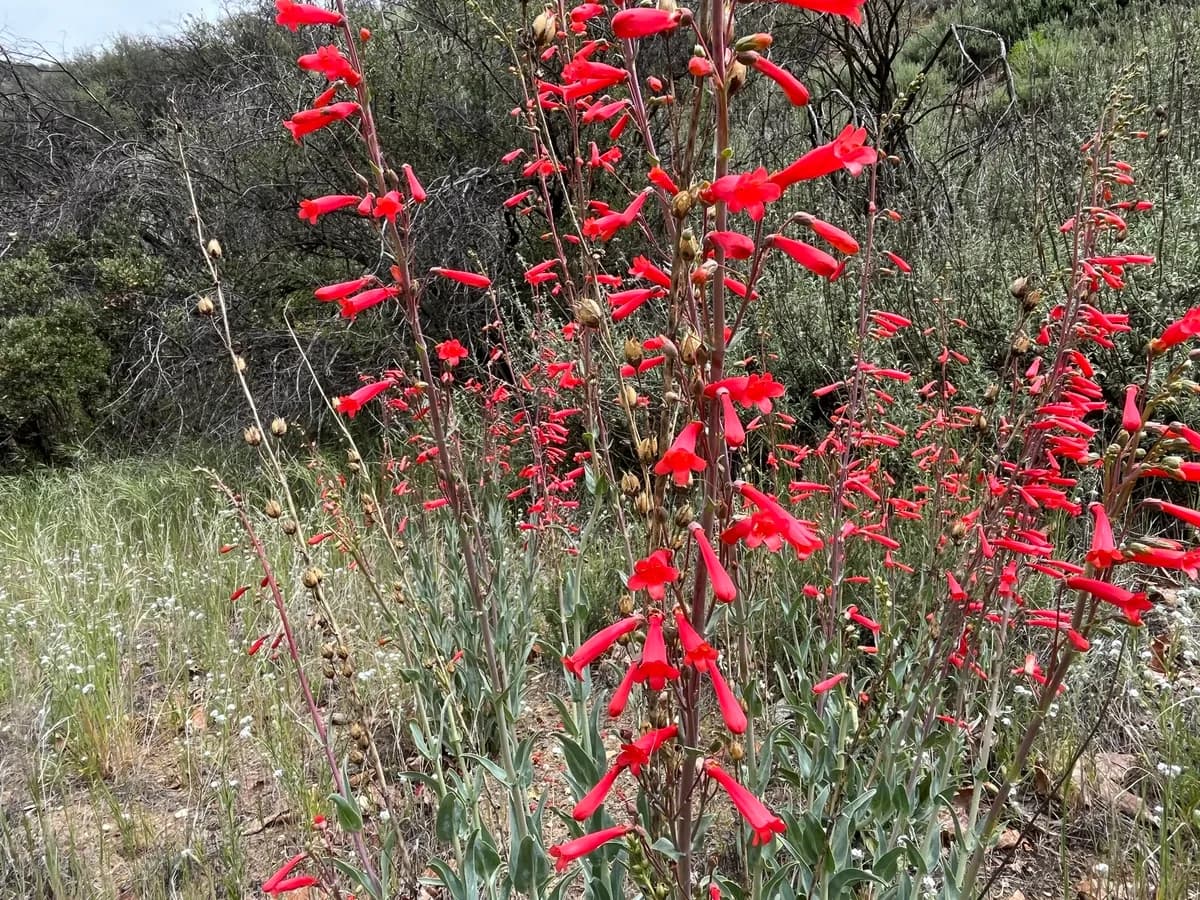
Scarlet Bugler
Penstemon centranthifolius
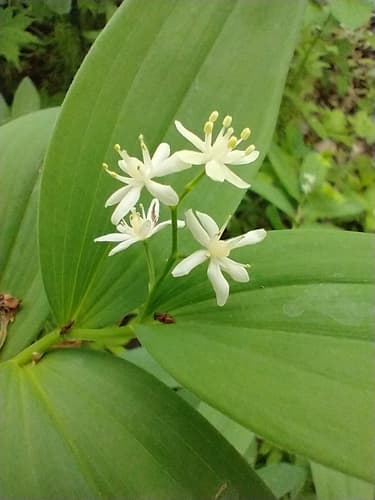
Star False Solomon's-seal
Maianthemum stellatum
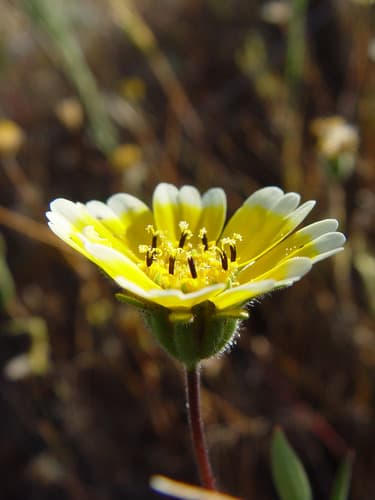
Coastal Tidytips
Layia platyglossa
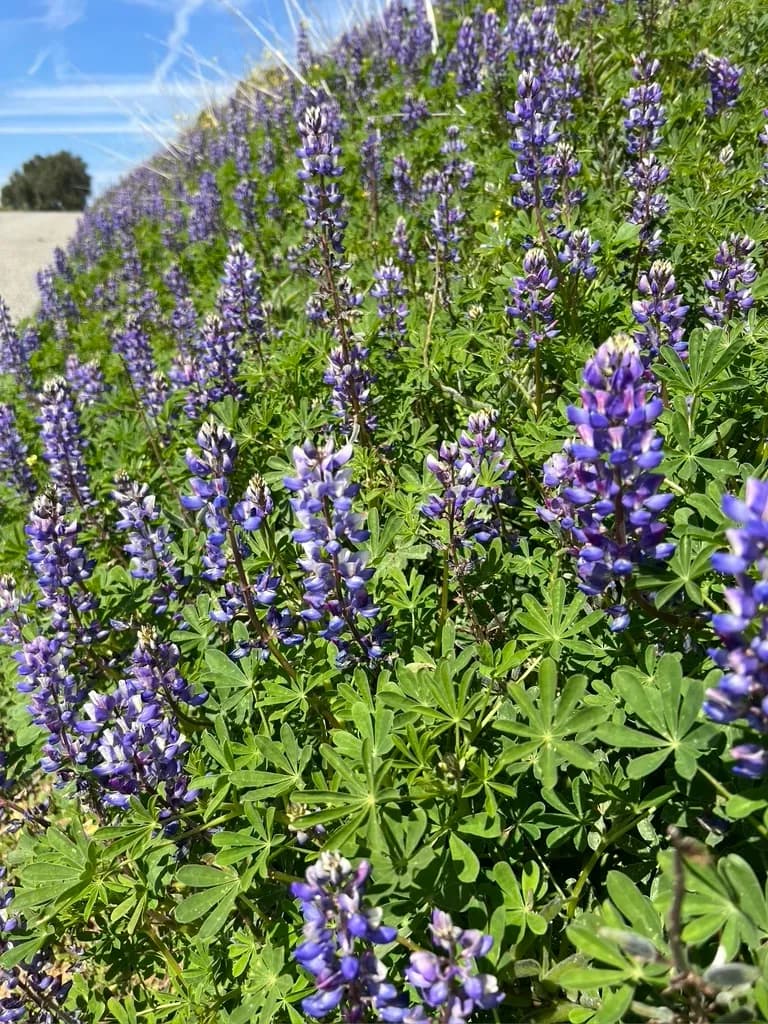
Arroyo Lupine
Lupinus succulentus
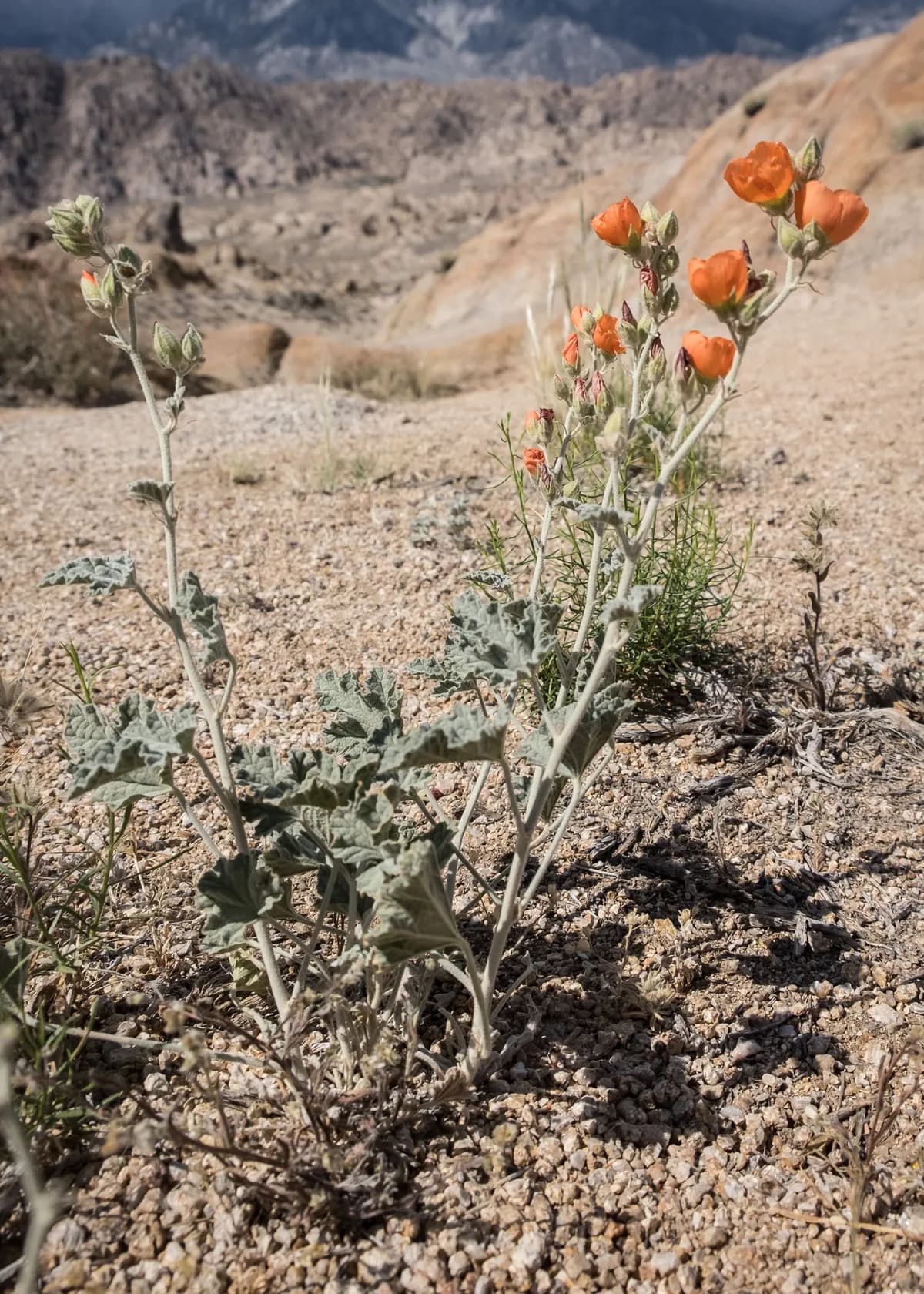
Apricot globemallow
Sphaeralcea ambigua
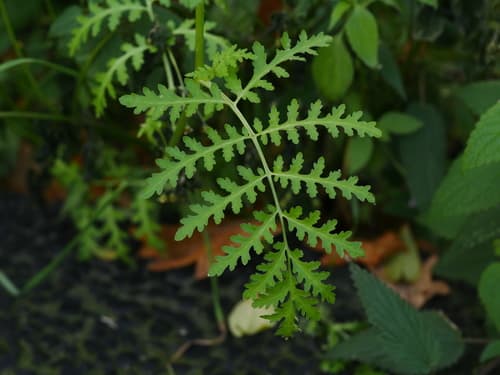
Fiddleneck
Phacelia tanacetifolia
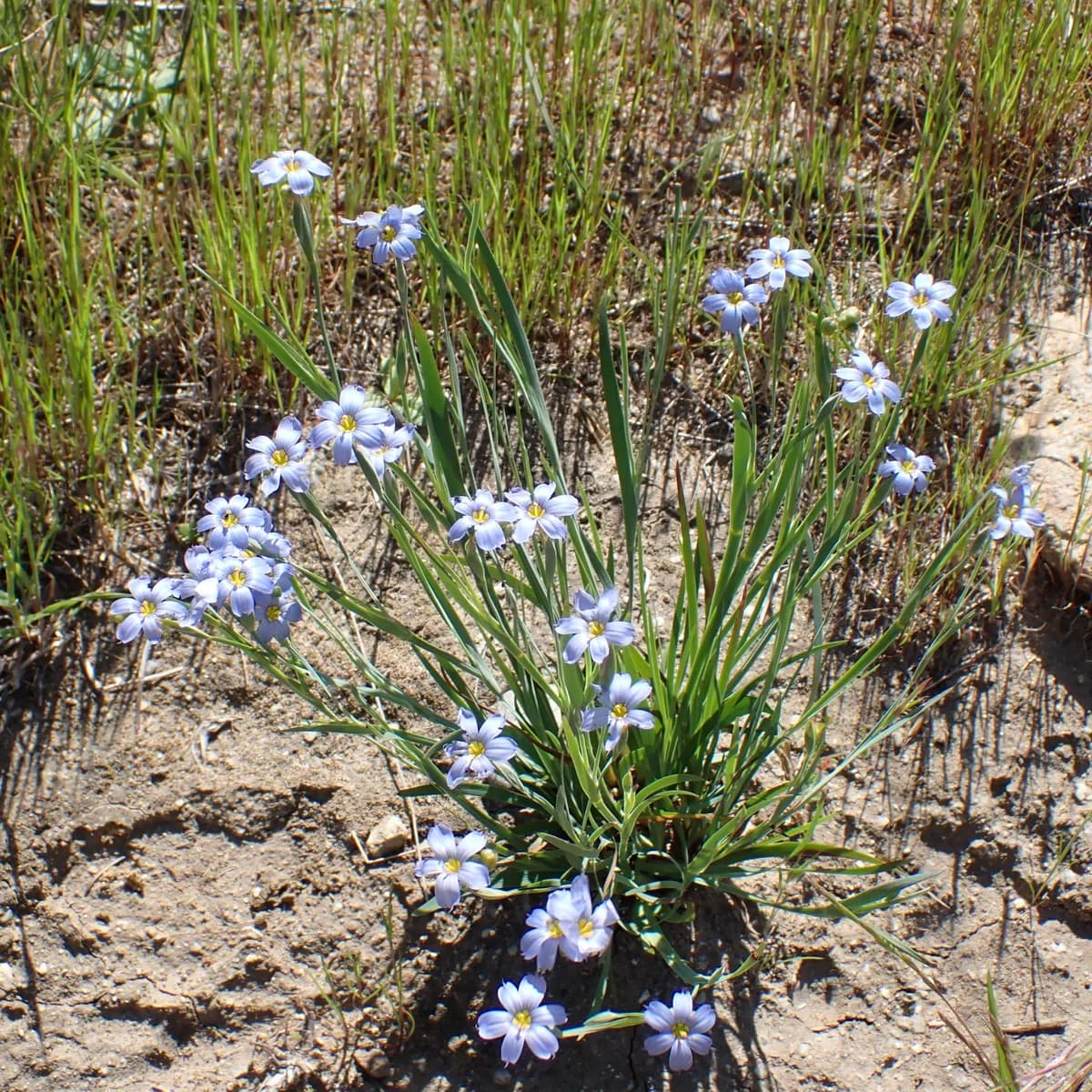
Western Blue-eyed Grass
Sisyrinchium bellum
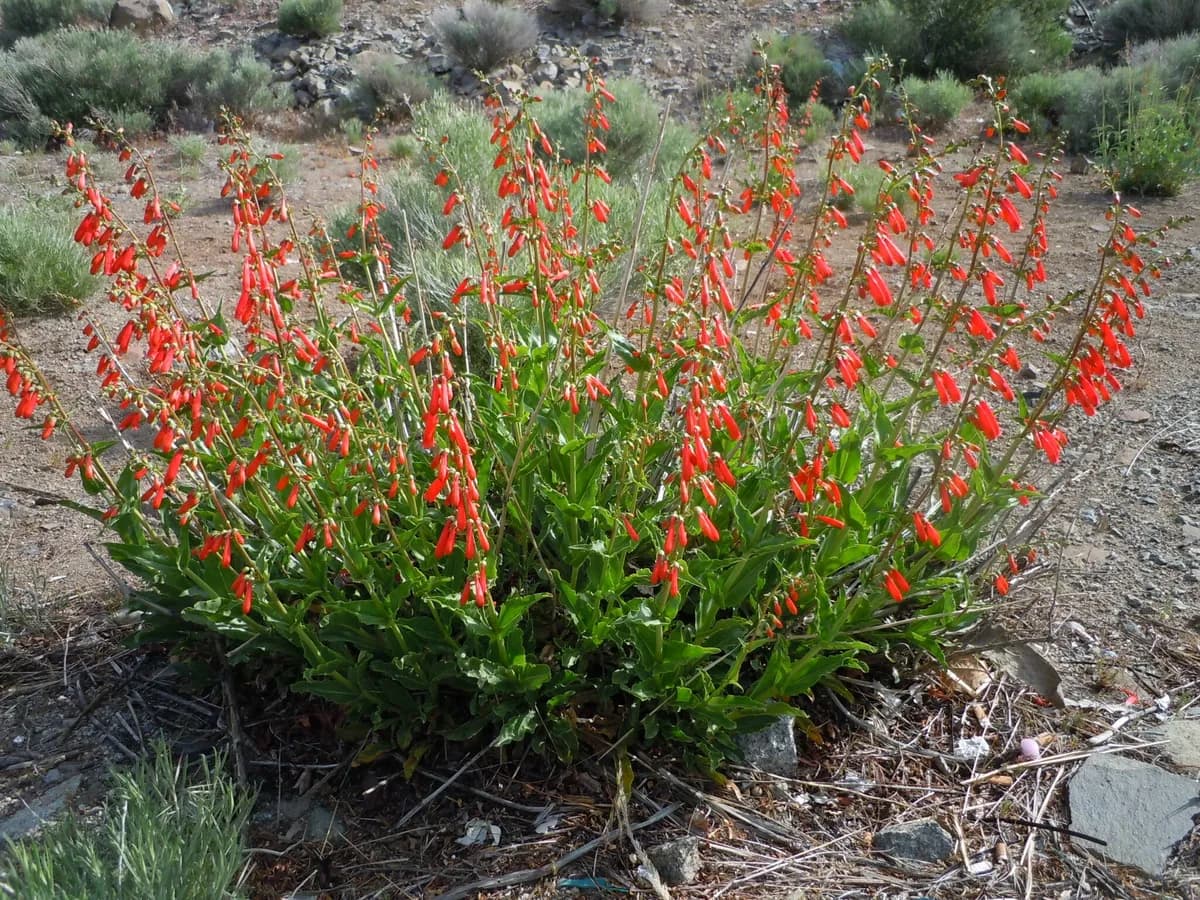
Firecracker penstemon
Penstemon eatonii
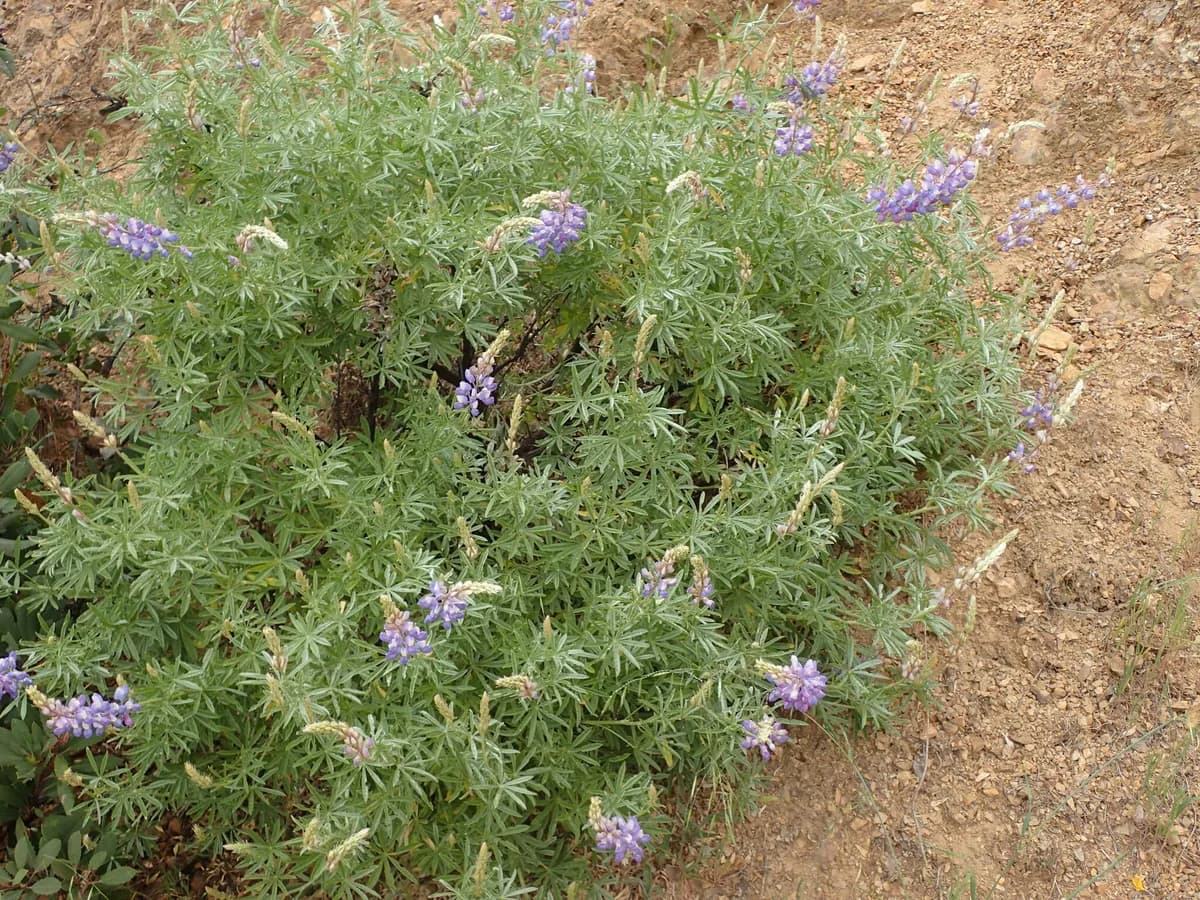
Foothill Lupine
Lupinus albifrons
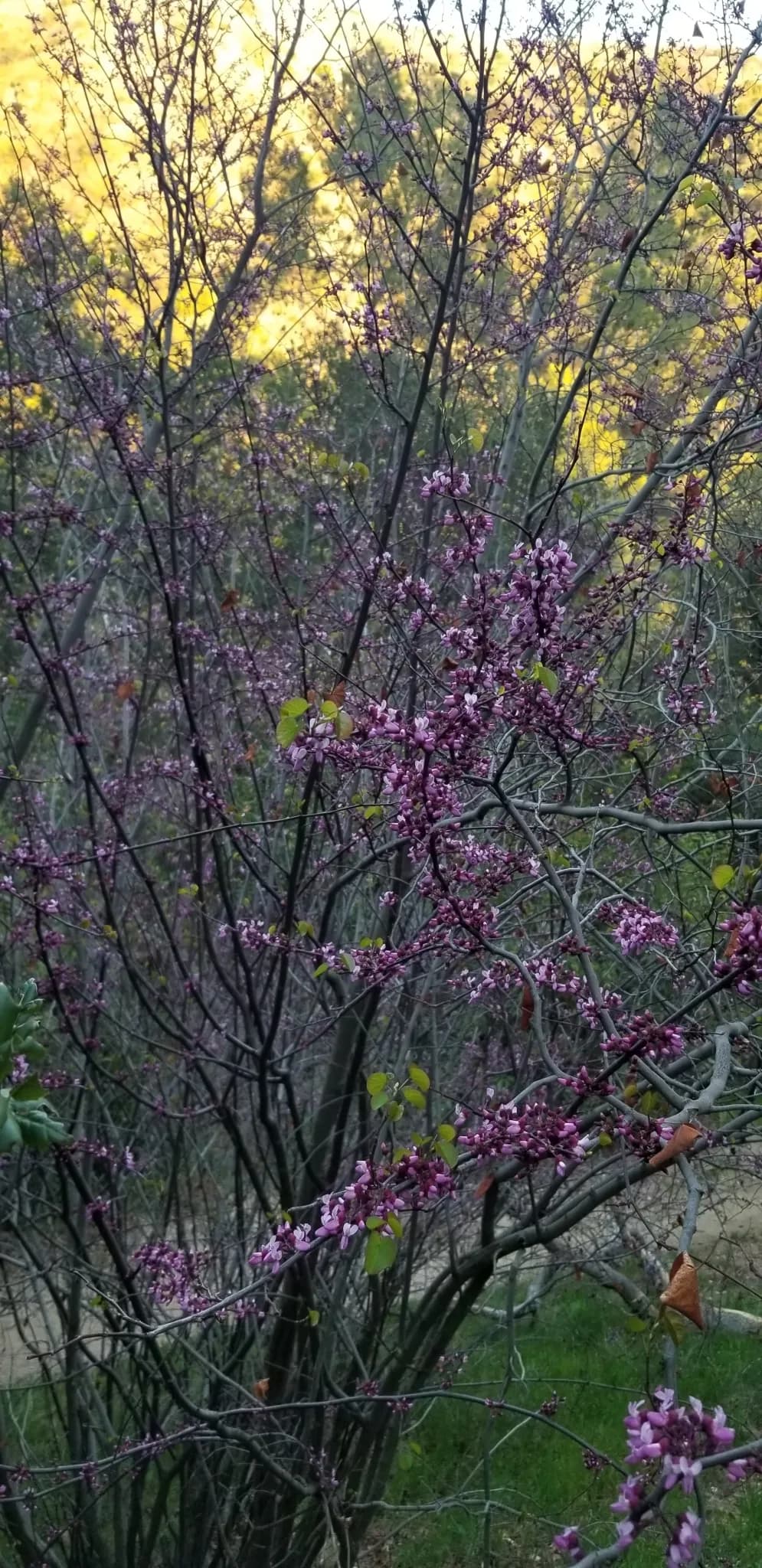
Western Redbud
Cercis occidentalis
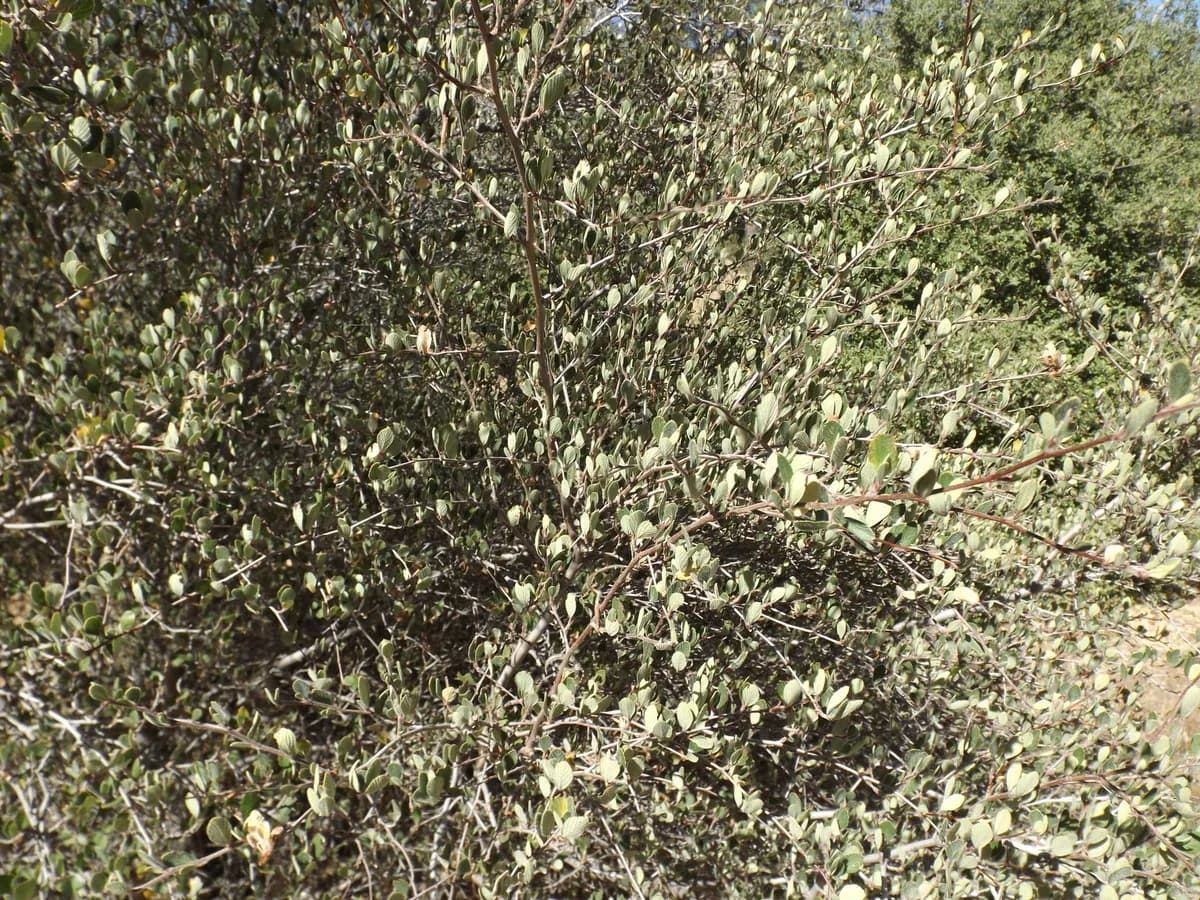
Birchleaf Mountain Mahogany
Cercocarpus betuloides
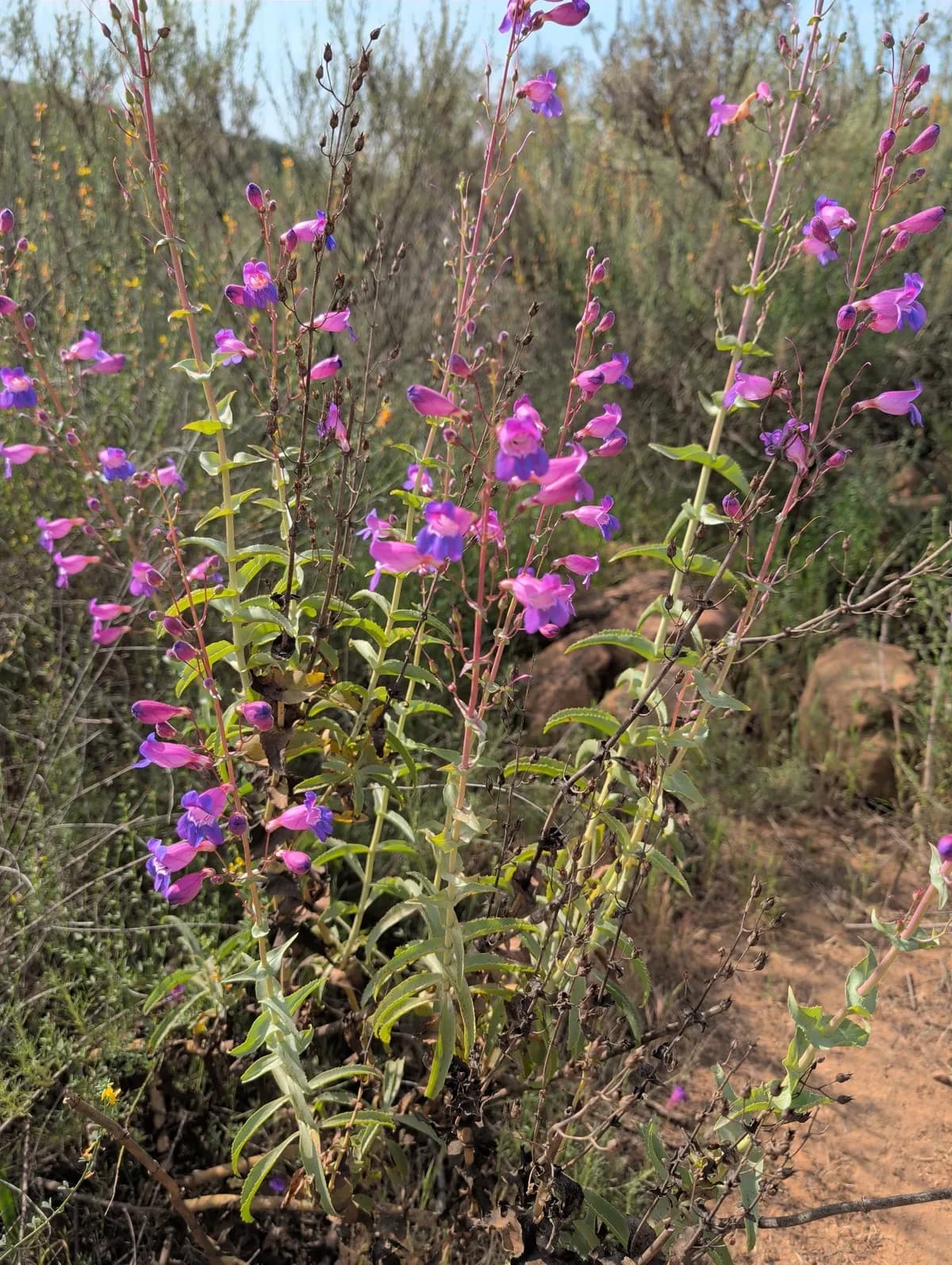
Showy Penstemon
Penstemon spectabilis
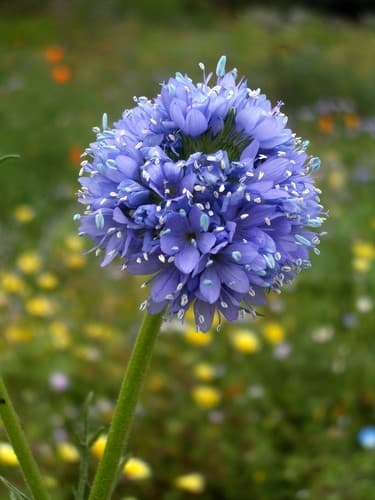
Blue Thimble-flower
Gilia capitata

Antelope Horn Milkweed
Asclepias asperula
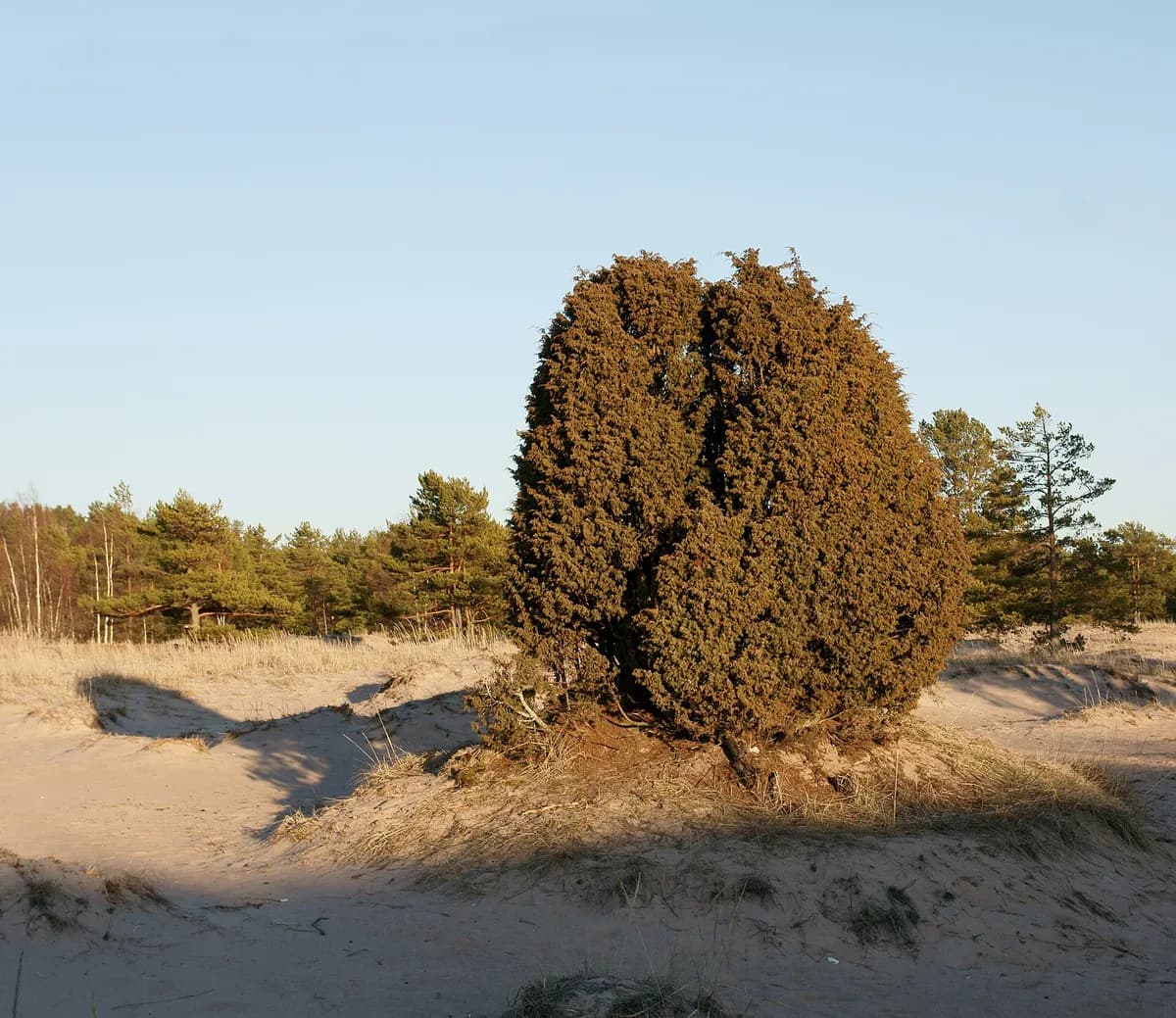
Common Juniper
Juniperus communis
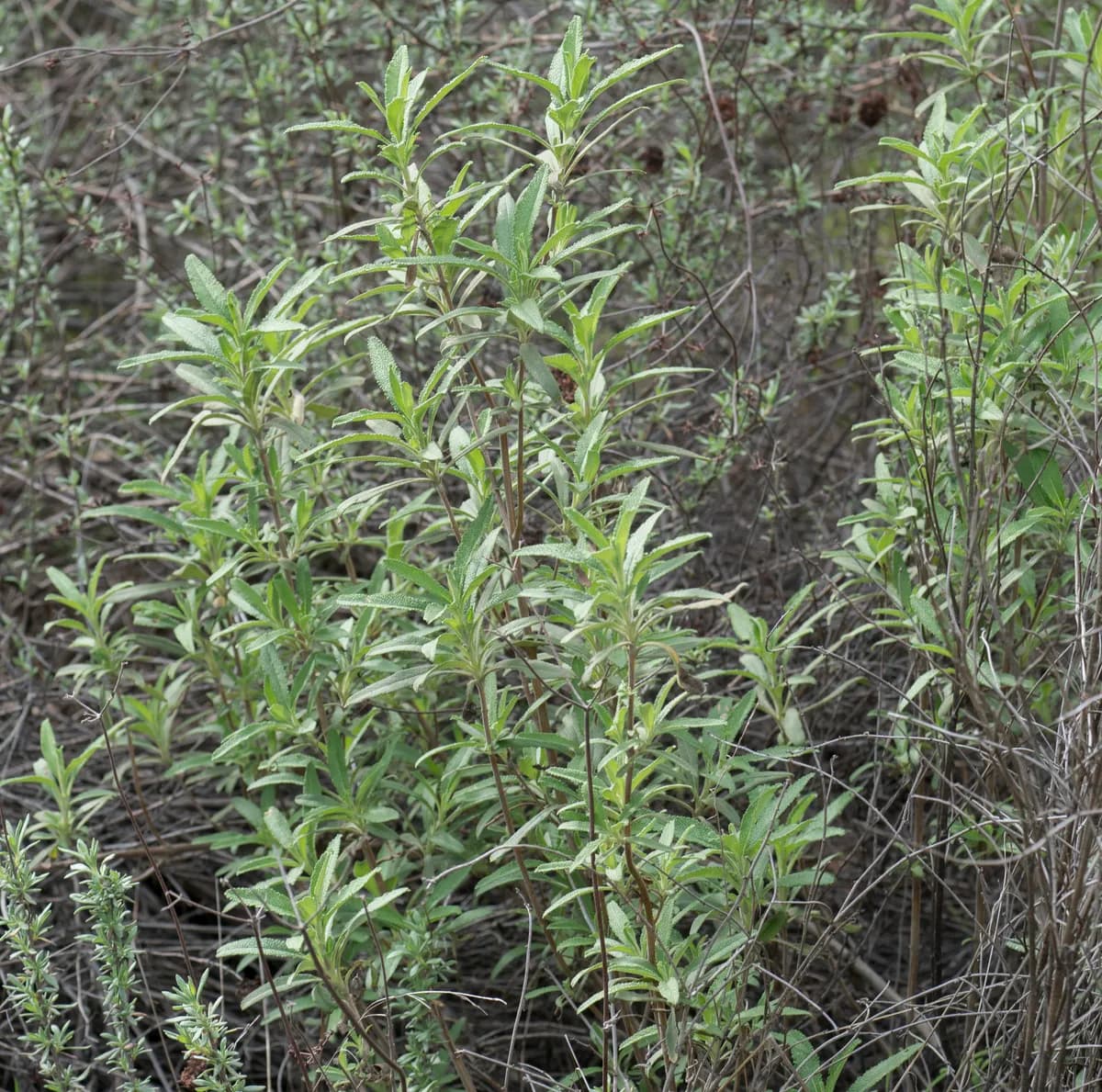
Black Sage
Salvia mellifera
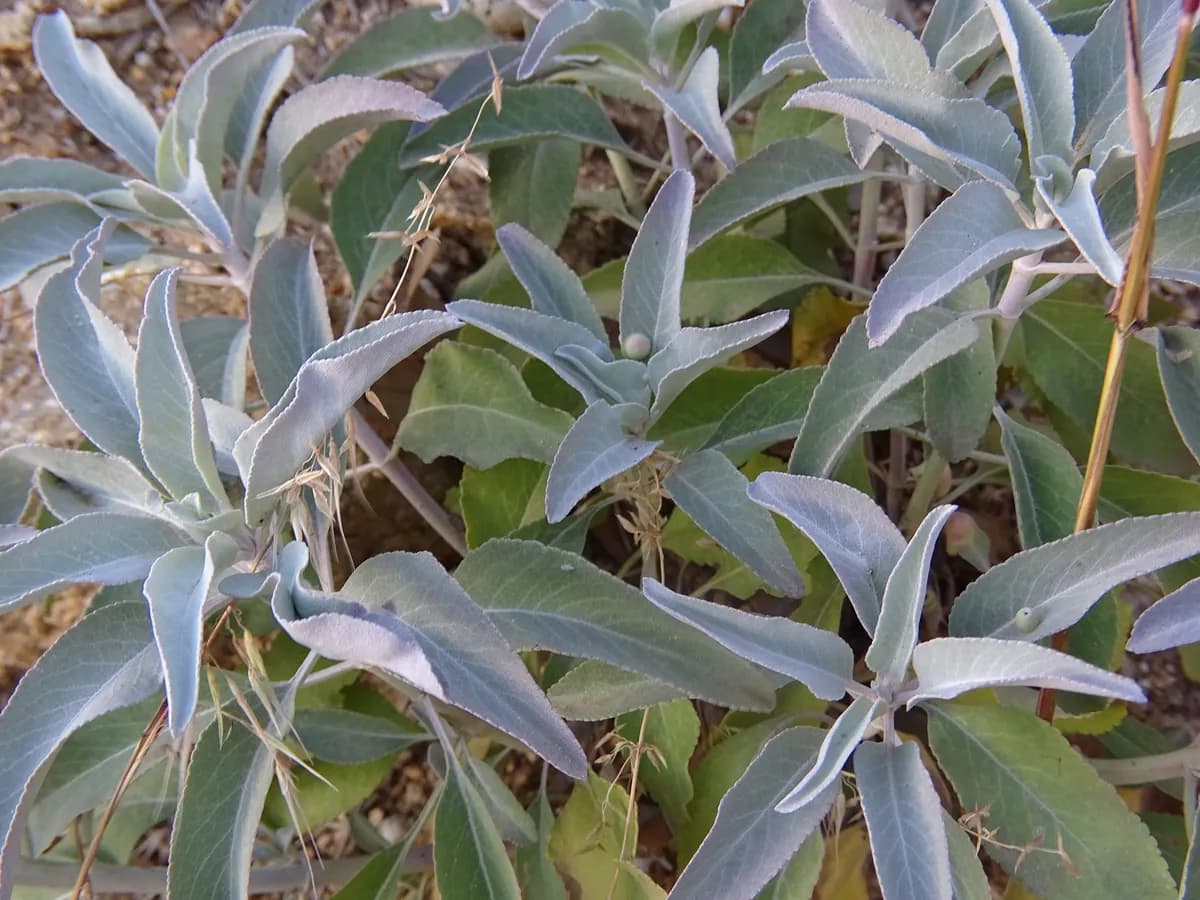
White Sage
Salvia apiana
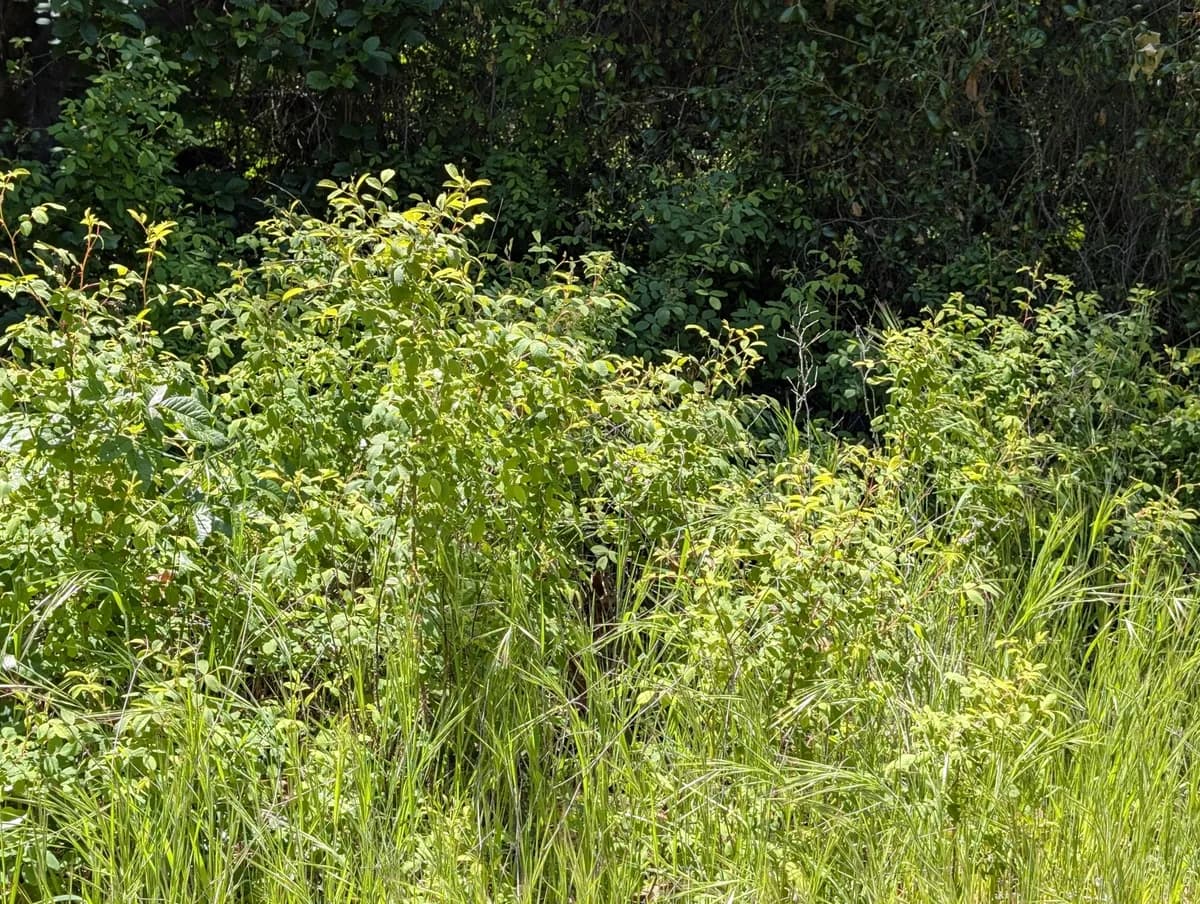
California Rose
Rosa californica
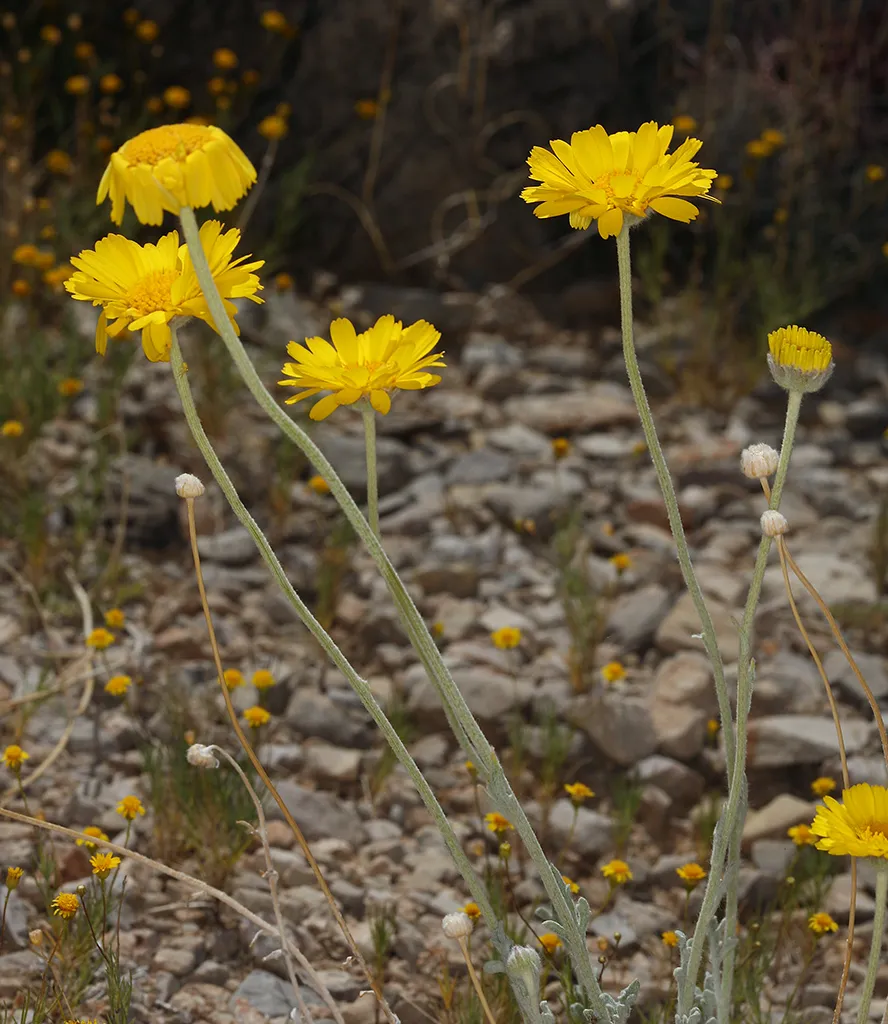
Desert Marigold
Baileya multiradiata
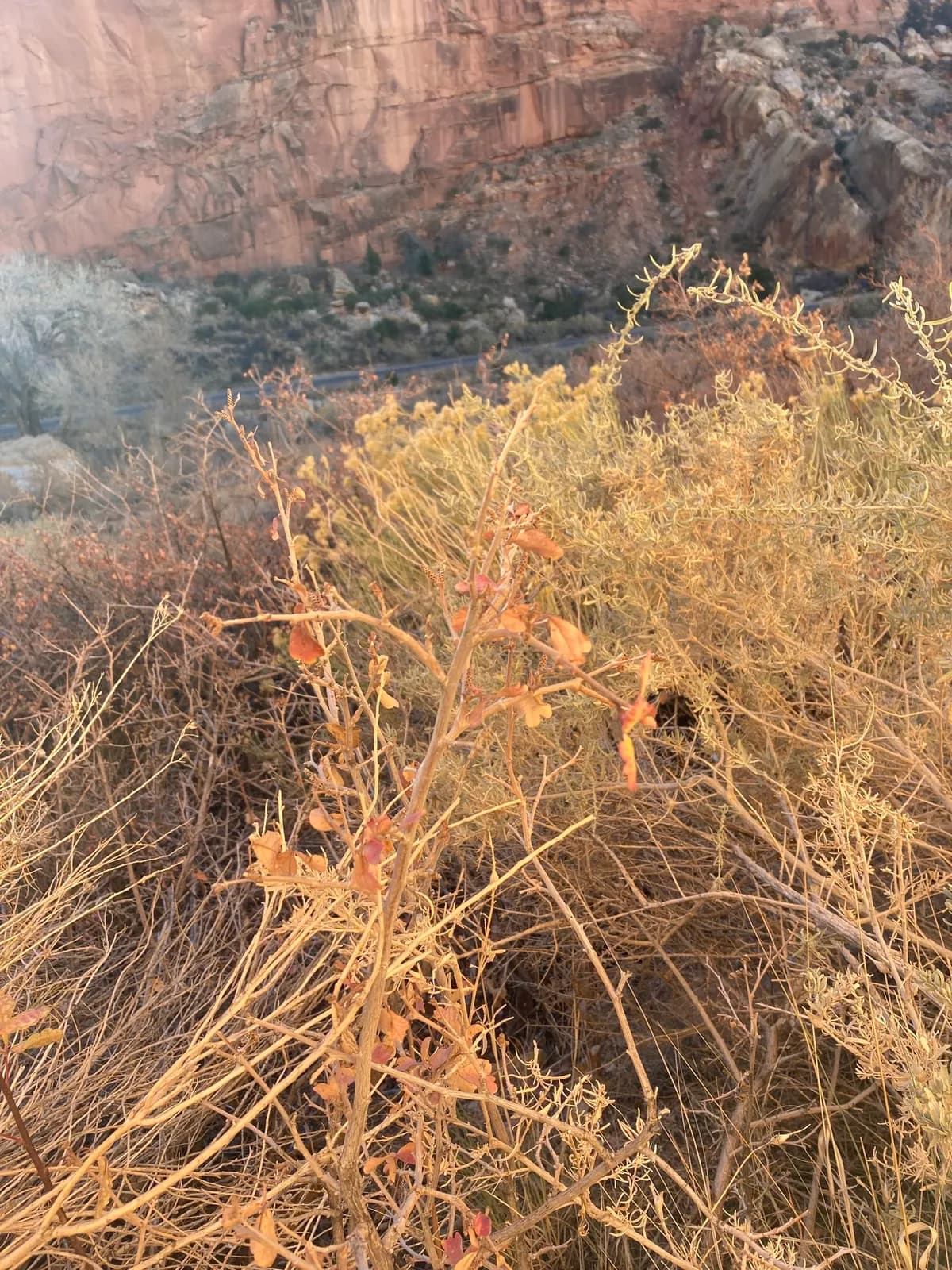
Skunkbush Sumac
Rhus trilobata
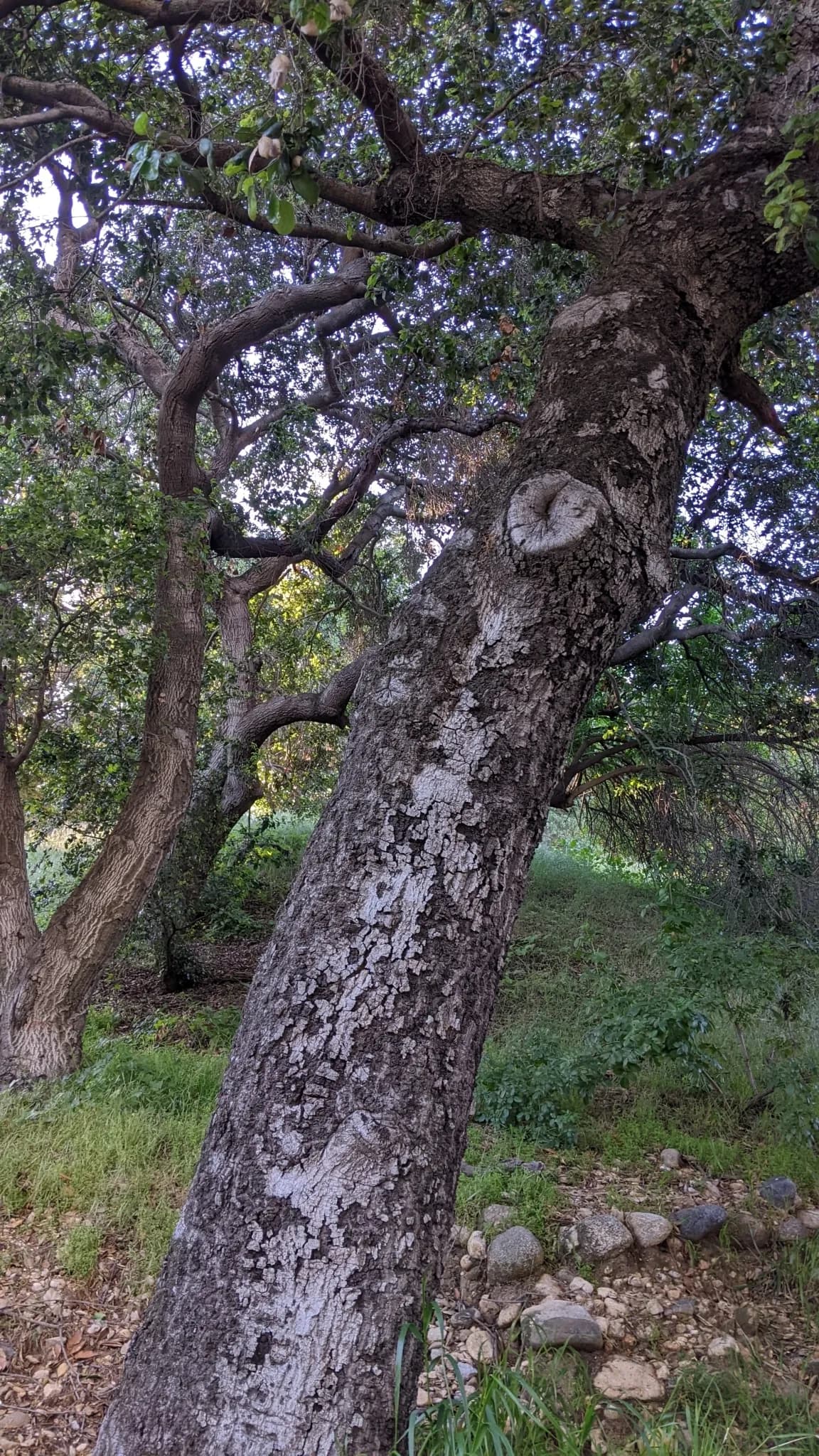
California Live Oak
Quercus agrifolia
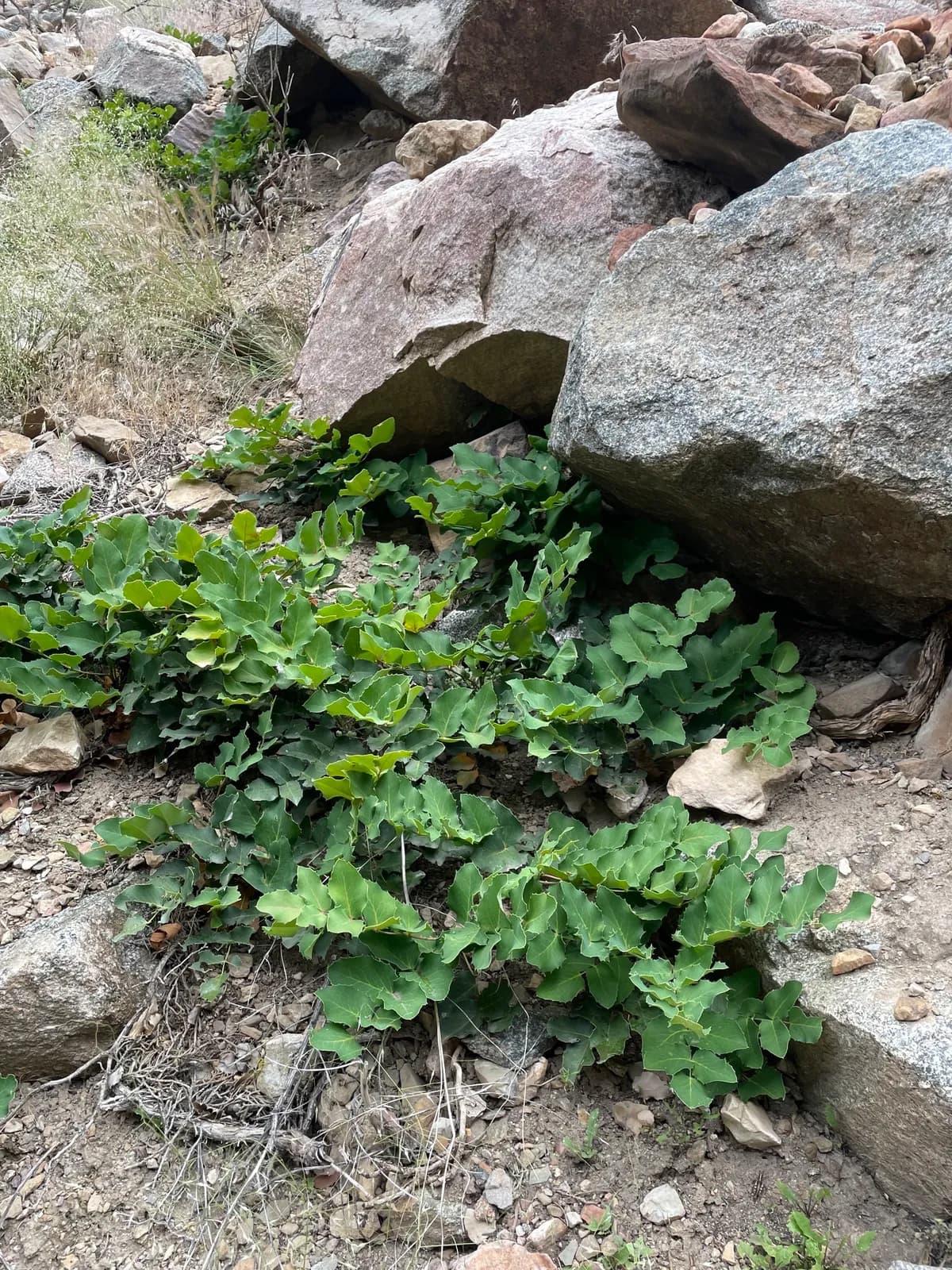
Oregongrape
Mahonia repens
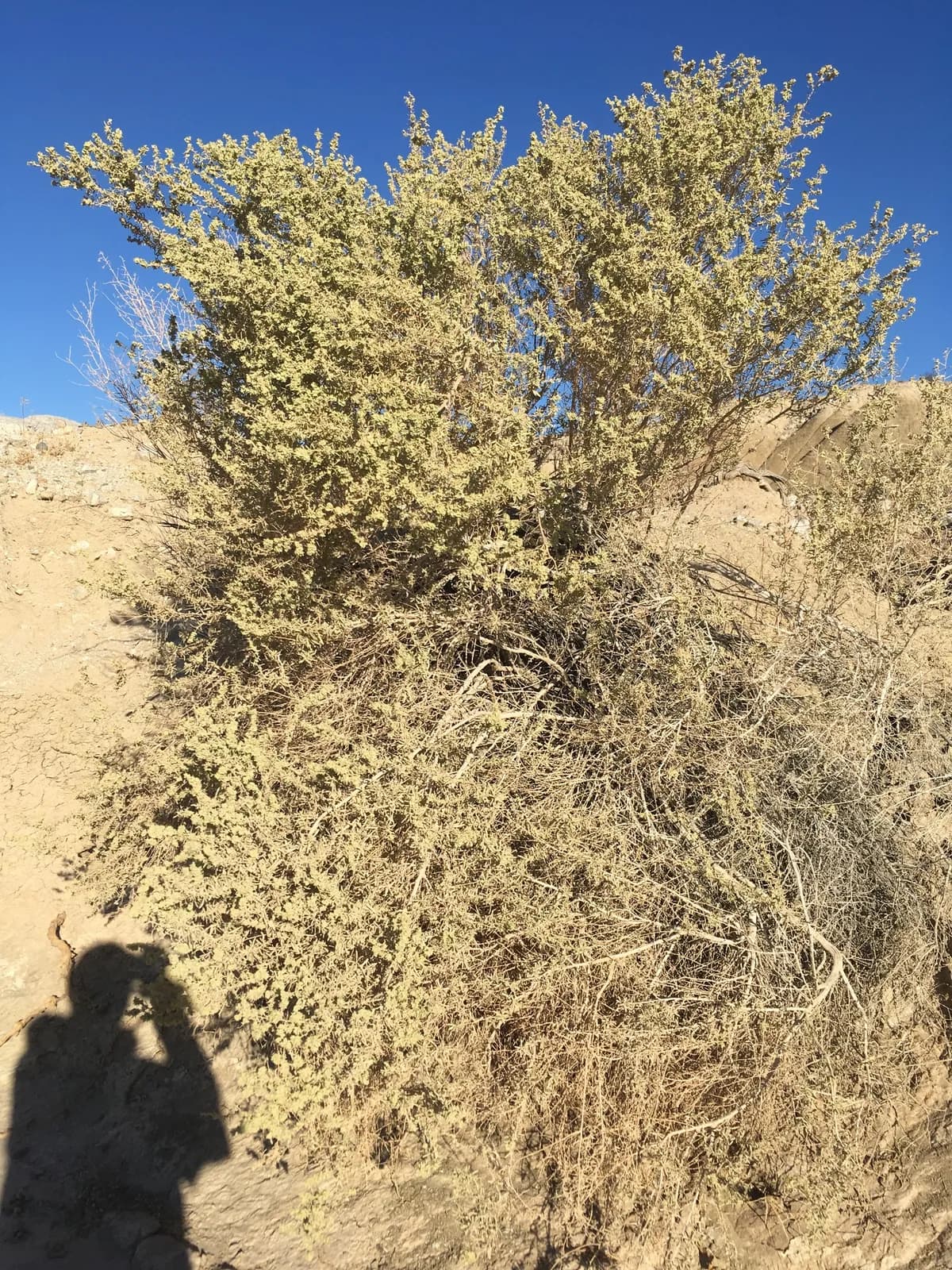
Four-wing Saltbush
Atriplex canescens
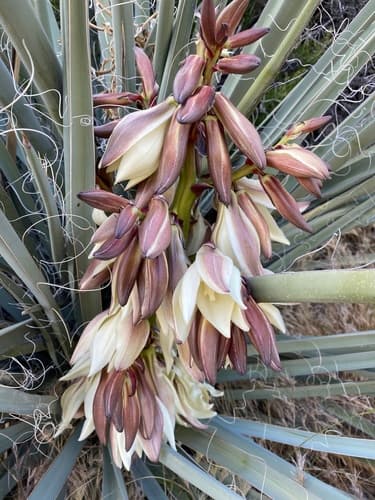
Banana yucca
Yucca baccata
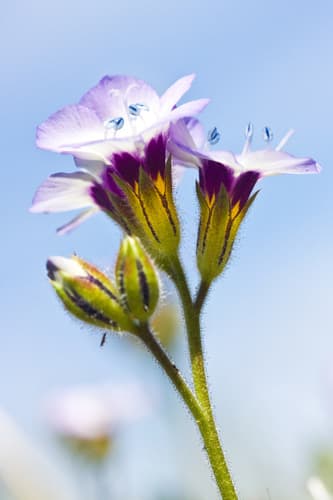
Bird's-eyes
Gilia tricolor
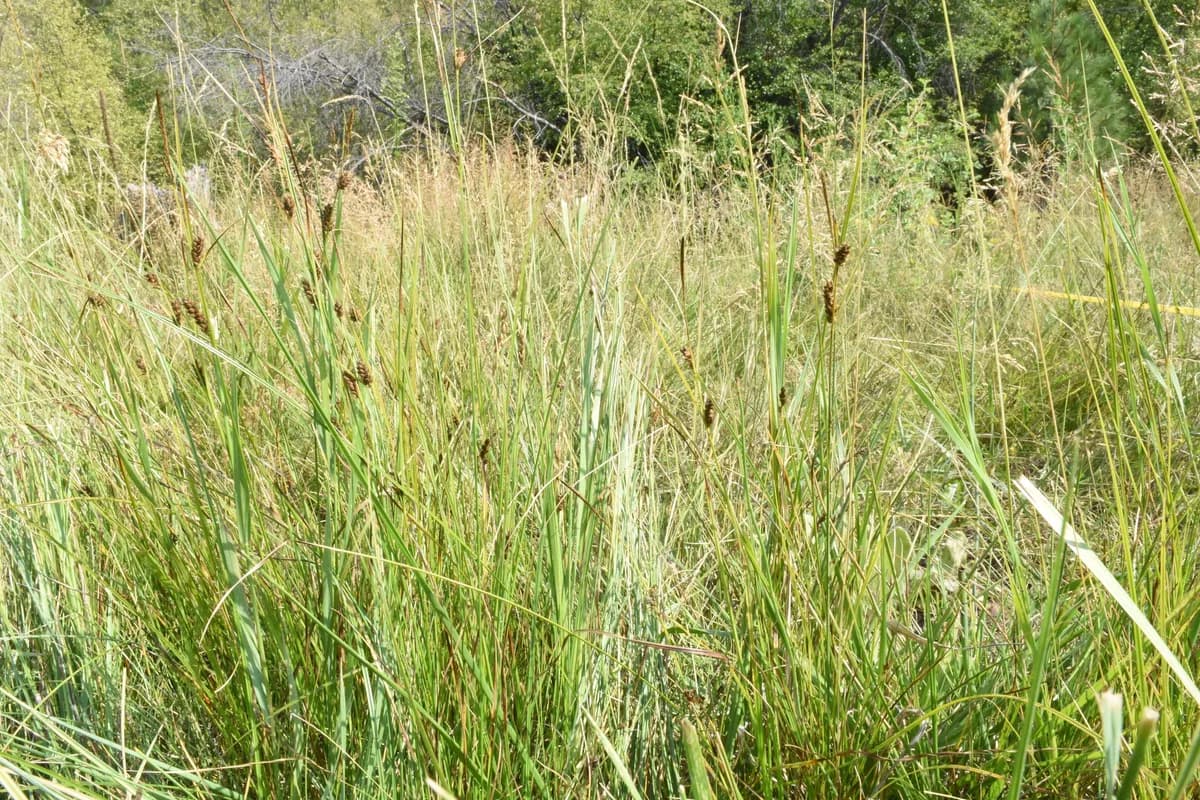
Woolly Sedge
Carex pellita
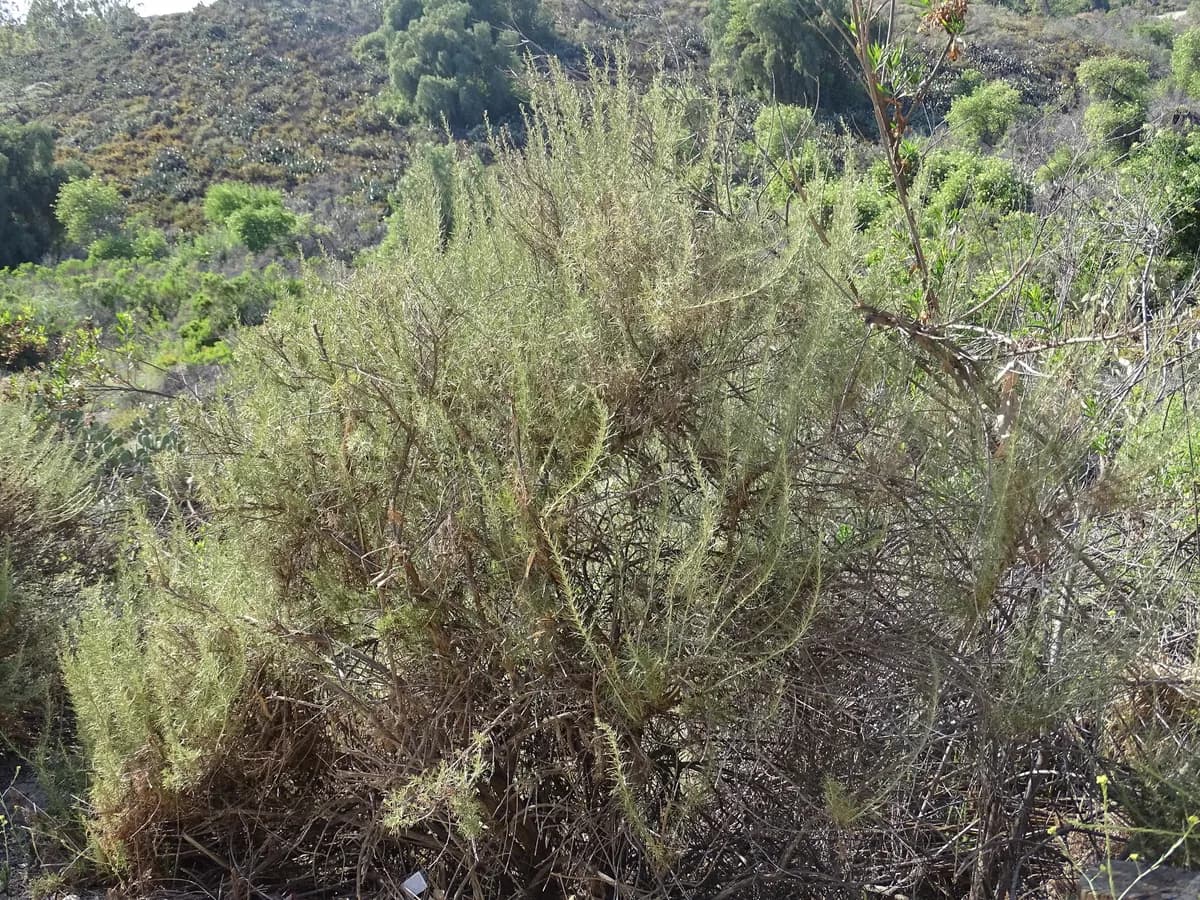
California Sagebrush
Artemisia californica
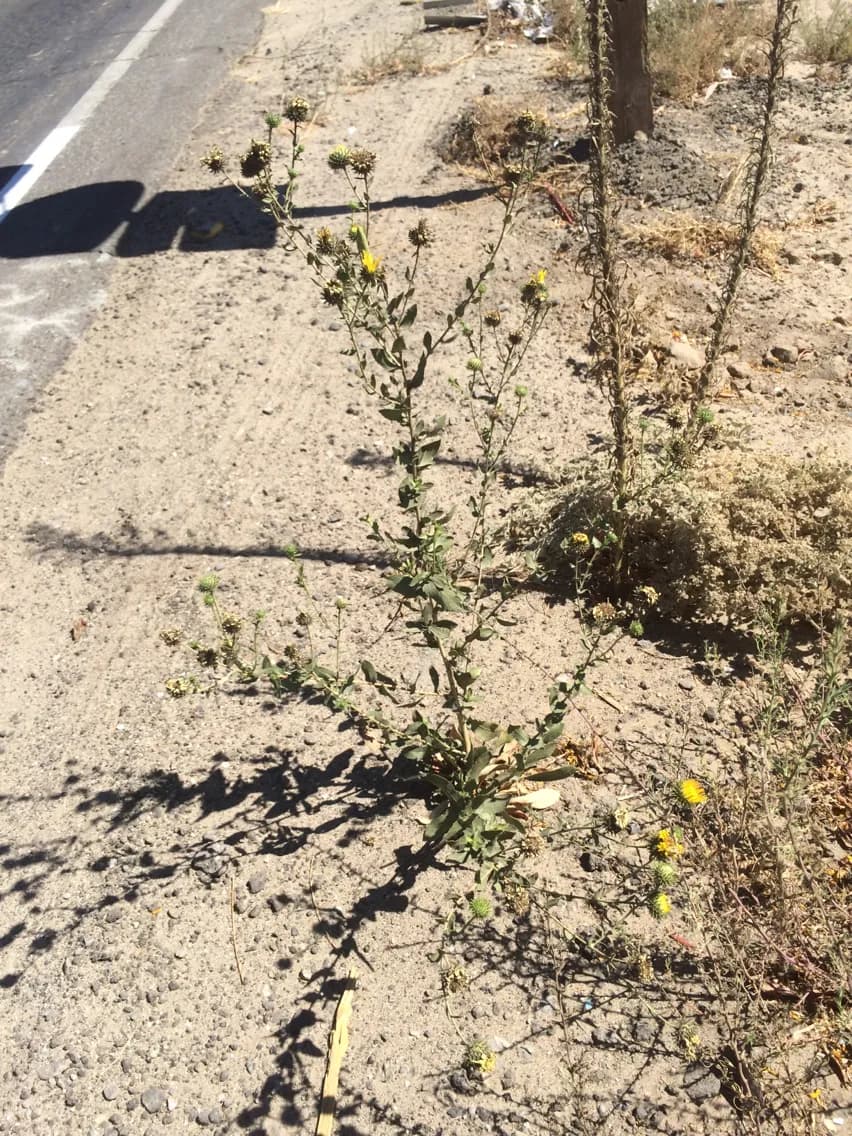
Great Valley Gumweed
Grindelia camporum
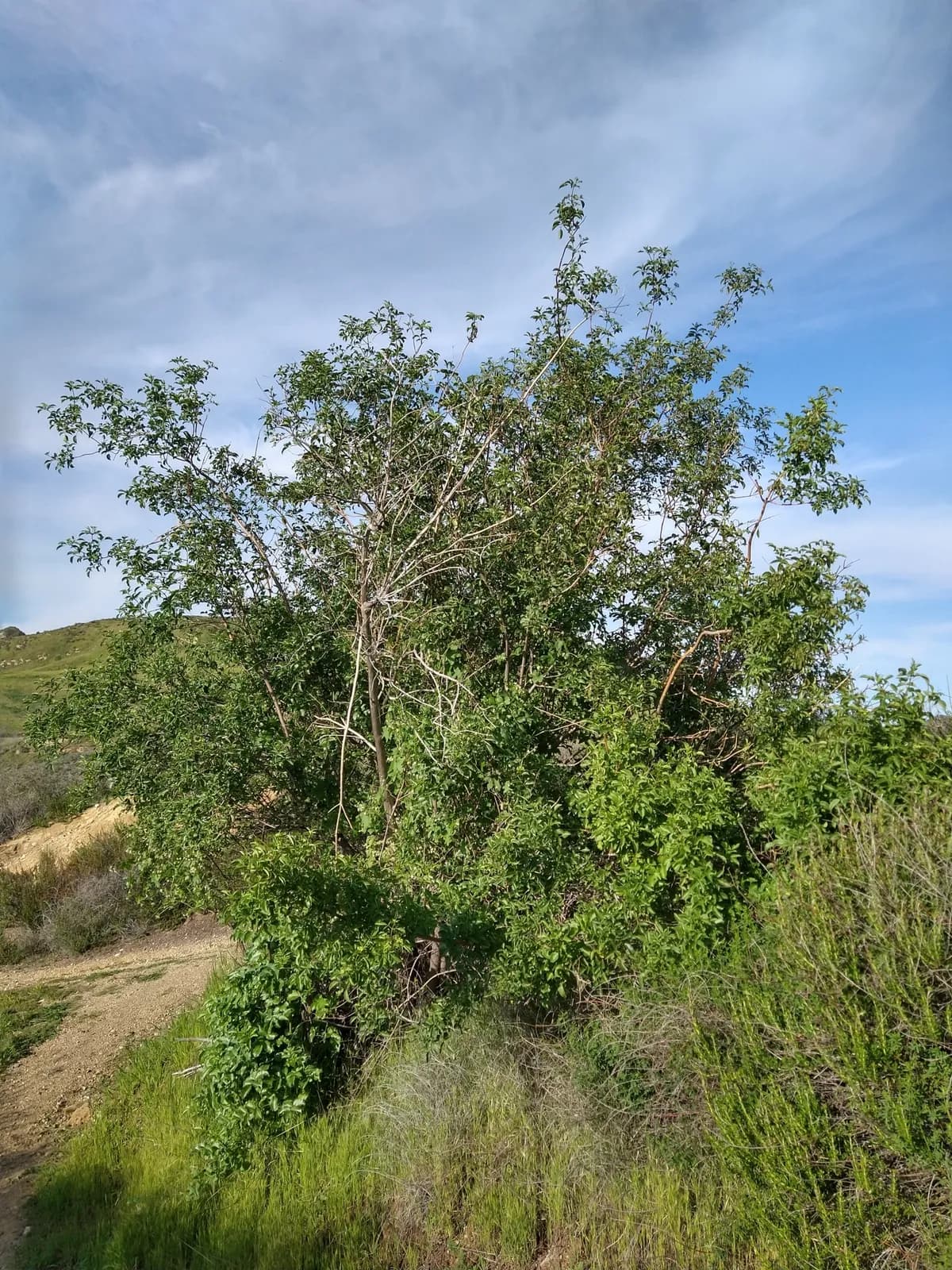
Blue Elderberry
Sambucus mexicana
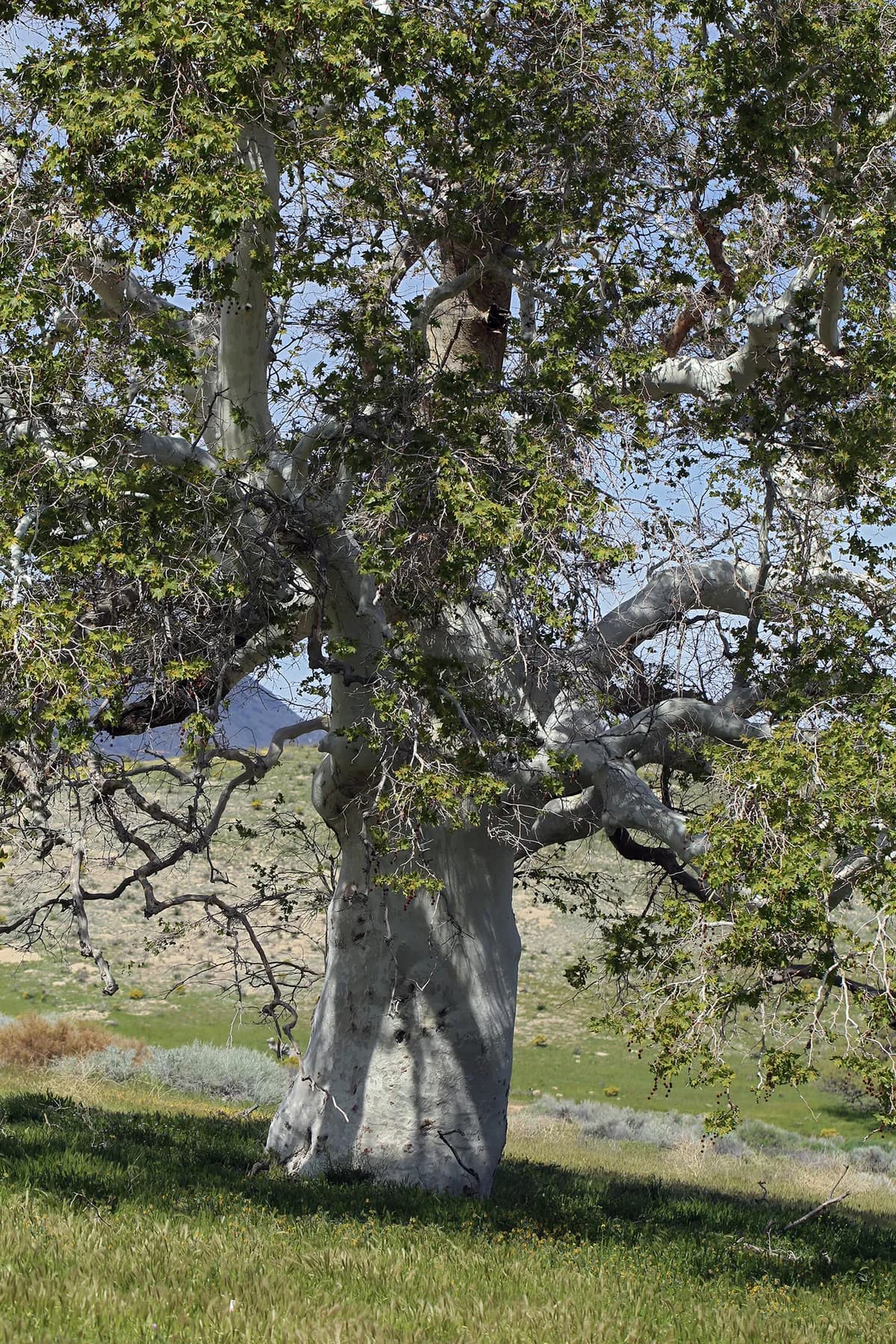
California Sycamore
Platanus racemosa
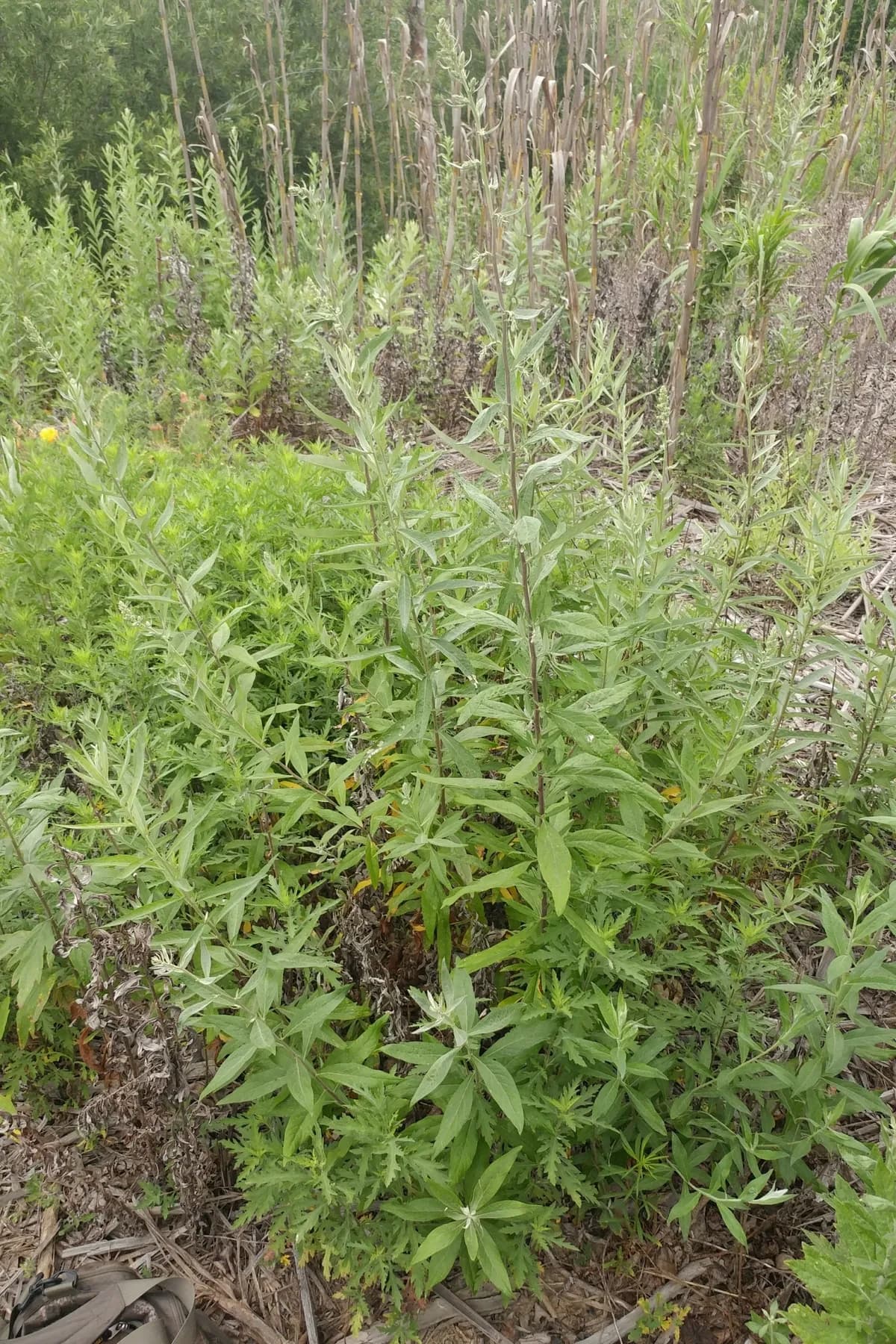
Douglas' Sagewort
Artemisia douglasiana
Showing 48 of 644. Enter your ZIP for the natives matched to your yard.
Fall care in the Mojave Basin and Range
What to do right now for plants commonly grown here. Each links to the full regional care guide for that species, with sources.
- Scarlet keckiella
Fall brings relief from Victorville's summer heat, and it is a good time to plant or prune scarlet keckiella.
- Western blue eyed grass
Fall brings relief from the worst of the desert heat, and this plant should start showing new growth again as temperatures cool.
- Little bluestem
Fall is when Little Bluestem shows its best color, a warm copper orange, and it is the season to leave it standing rather than tidy it up.
- Sideoats grama
As temperatures drop, the seed heads finish ripening and the whole clump fades from blue green to a warm tan.
- Narrowleaf milkweed
Bloom fades into seed pods in fall, and cutting the plant to the ground once it browns keeps the front yard looking tidy through the transition into winter.
- Common yarrow
As nights cool toward the first frost, fall is the time to cut back and, if needed, divide the clump.
- Fremonts mahonia
Fall is a good second planting window in Victorville once summer heat breaks, and mature shrubs need little attention as growth slows.
- California fuchsia
Fall is when California fuchsia keeps blooming into October in mild years before it starts to fade as nights cool. This is the recommended time for the plant's one big yearly cutback: once flowering is mostly done, usually October or November in the high desert, cut the whole plant back hard to just a few inches above the ground. That single cutback keeps it from turning into a woody, sprawling shrub and sets up a full flush of new growth in spring. It also removes the spent flower stalks, tidying the plant for its dormant winter look, which matters for a front-yard bed. Fall is also a good window to divide an established clump if it has outgrown its space, since this species spreads by rhizomes and USDA guidance notes fall and winter division works well for it.
- Tufted evening primrose
Growth slows as days shorten and nights cool. This is a reasonable window to divide crowded clumps or plant new ones, since the worst heat has broken but the ground is still warm enough for roots to settle in before winter.
- Littleleaf pussytoes
Fall's cooling temperatures make it a good stretch to plant or divide Littleleaf Pussytoes in Victorville, once the worst of the summer heat has passed.
Build a plan for the Mojave Basin and Range
Pollinator Patch turns plants like these into a front-yard plan tuned for the soil, climate, and HOA expectations of the Las Vegas area.