Narrowleaf Milkweed
Asclepias fascicularis
Last reviewed: September 2026
Narrowleaf milkweed is a drought tolerant forb that blooms from May through September in full sun, drawing butterflies, bees and moths across dry grasslands and open slopes of the western United States.
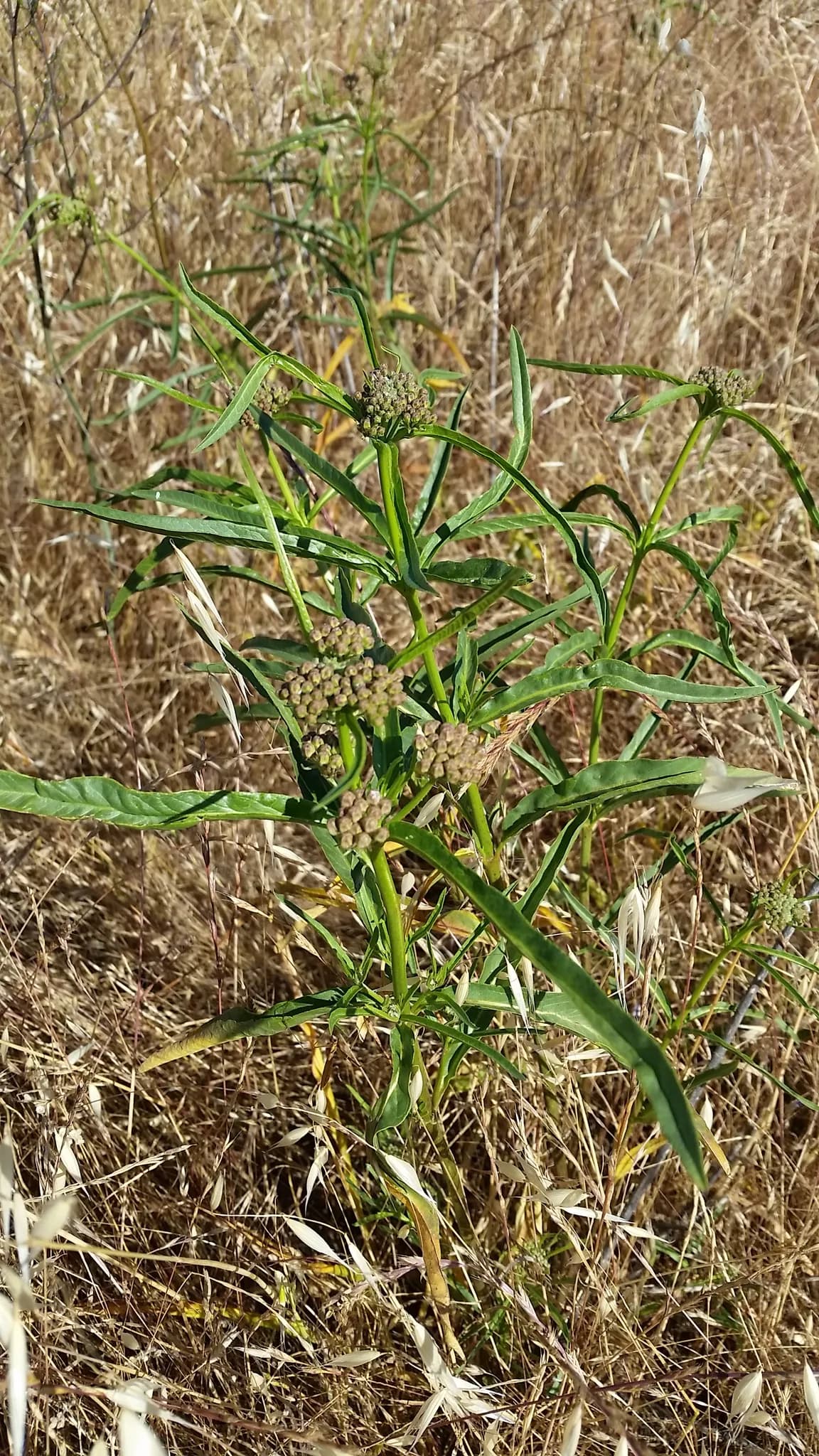
Narrowleaf Milkweed is toxic to dogs and cats.
Listed as toxic by the ASPCA Animal Poison Control Center (opens in new tab) (last reviewed 2026-06-03). If your pet has been exposed, call the ASPCA Animal Poison Control Center at (888) 426-4435 and your veterinarian's emergency line.
Pollinator Patch flags toxic plants so you can choose a pet-safe native alternative for your yard.
Is Milkweed Toxic to Dogs? covers the symptoms, what to do after exposure, and safe native swaps.
Native swaps for a yard with pets
Narrowleaf Milkweed is listed as toxic to dogs by the ASPCA Animal Poison Control Center. These natives fill a similar role in a planting and are not on the ASPCA toxic plant list for dogs or cats. Each plant's page carries its dated record.
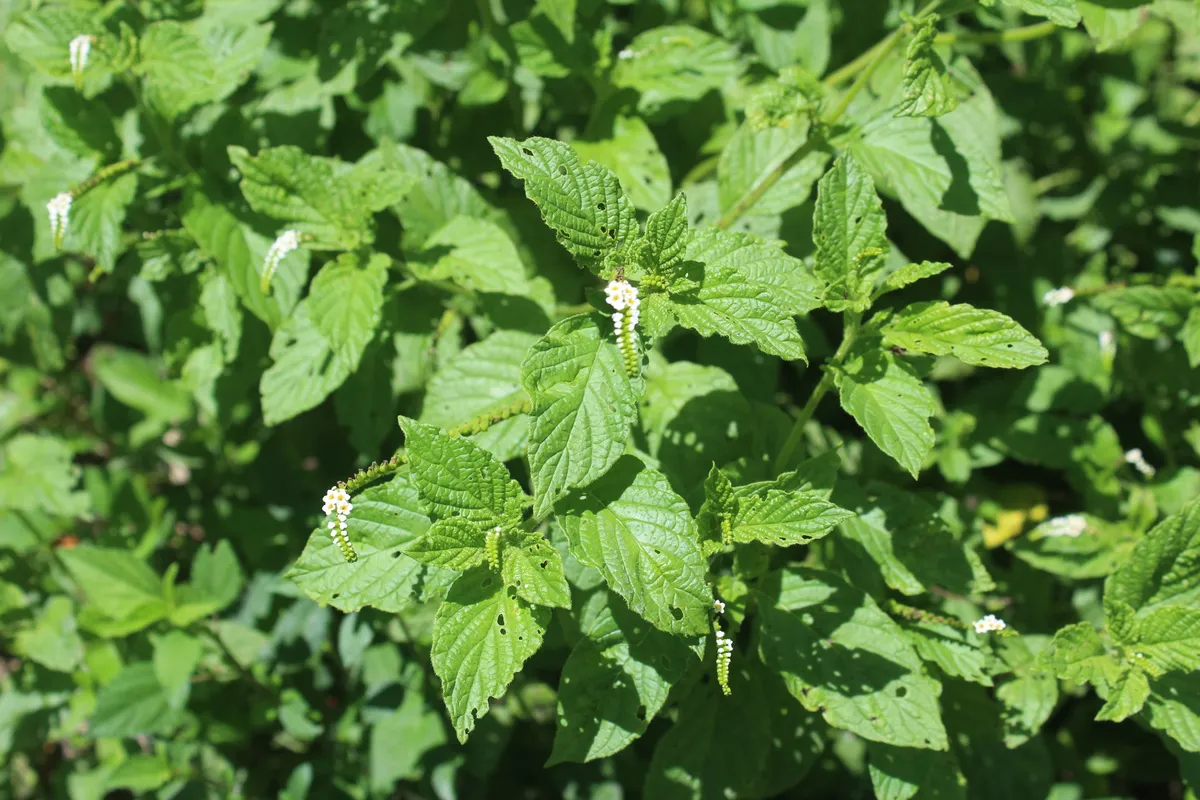
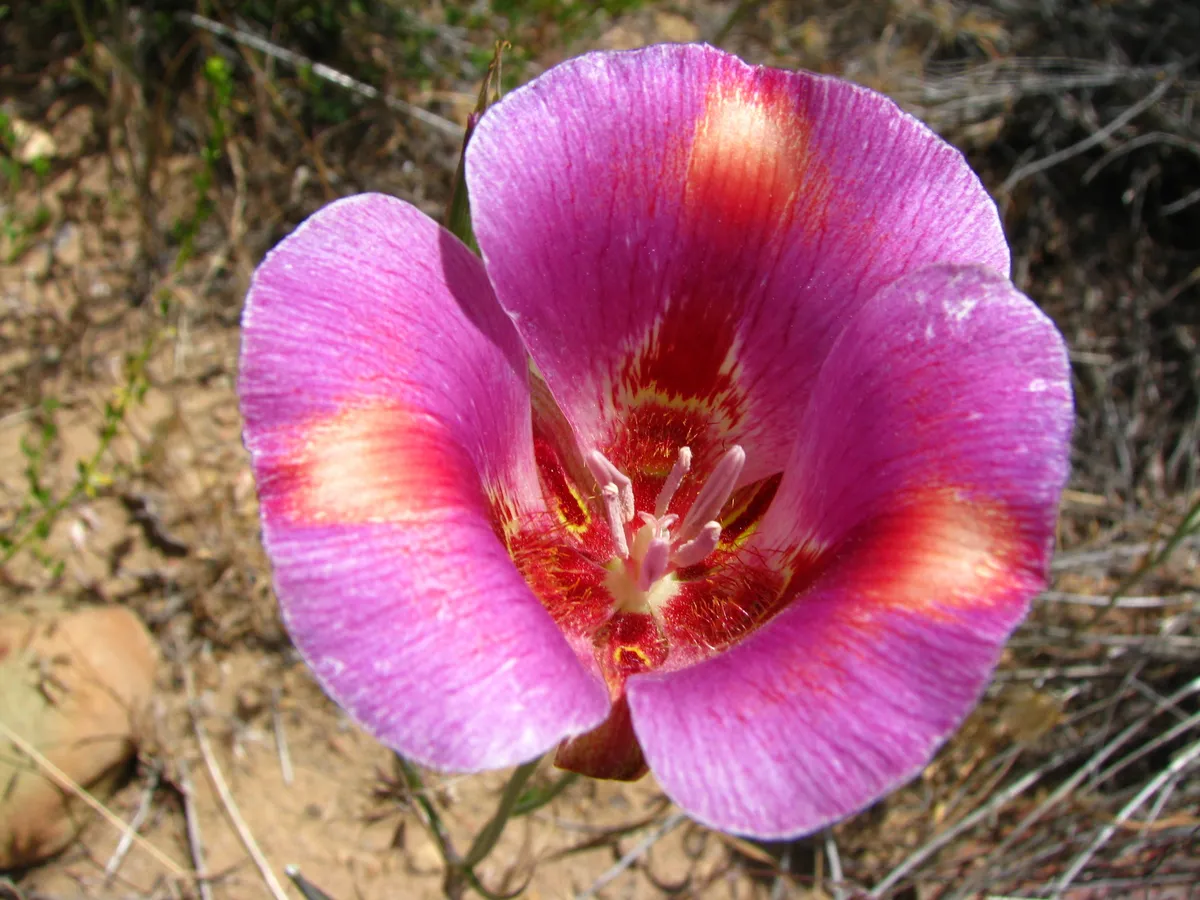
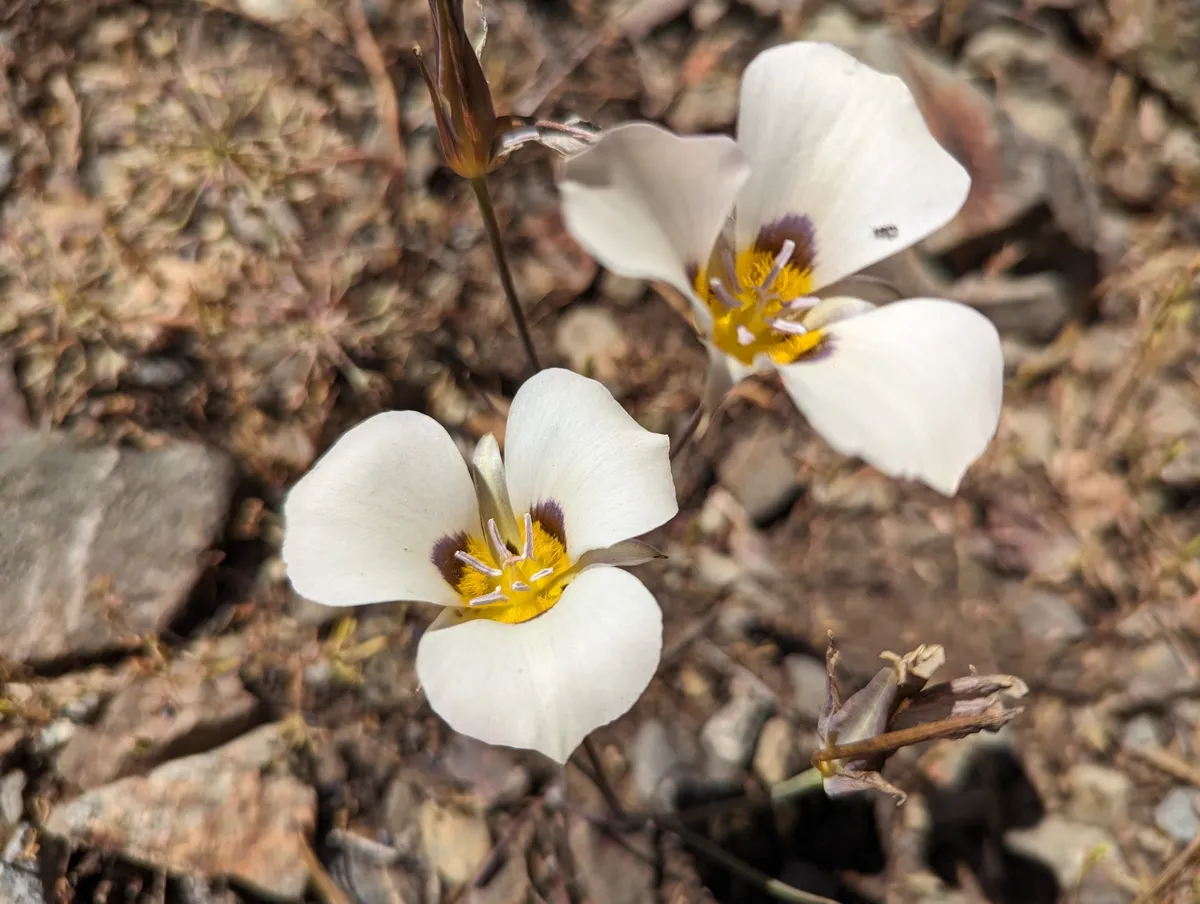
Light
full sun
Water
low
Size
24"–36" H × 12"–24" W
Bloom
May, Jun, Jul, Aug, Sep
Native to
AZ, CA, ID, NV and 2 more states
Pollinators
butterflies, bees, moths
Before you buy
Your city may pay you to plant this
Cities and water utilities offer rebates for replacing lawn with native and water-wise plants. We track 459 programs across 44 states, each with a link to the provider and the date we last checked it.
Find rebates in your areaPicture natives in your own yard
Upload a photo of your yard and Patch Vision shows a rendering of it planted with natives for your region, like Narrowleaf Milkweed.


Browse plants for this ecoregion
Narrowleaf Milkweed produces clusters of small white to pale pink flowers from late spring through fall on upright stems with narrow, linear leaves. This drought-tolerant perennial grows in a compact clump and goes dormant in winter, dying back to the ground before returning in spring.
Growing Narrowleaf Milkweed
Grow Narrowleaf Milkweed in full sun and low water. Mature plants reach 24 to 36 inches tall and spread 12 to 24 inches wide. Expect moderate maintenance to keep it looking intentional in a front yard.
How to care for Narrowleaf Milkweed, by region
How to care for Narrowleaf Milkweed where it is actually grown: year-round basics plus what to do each season, region by region, with the sources for each.
Care guidance last updated: September 2026
Central California Foothills and Coastal Mountains (includes San Francisco, CA)
Year-round
Narrowleaf milkweed is a fast growing California native perennial and the top host plant for monarch butterfly caterpillars across most of the state, including the North Bay counties around San Francisco.
- Give it full sun and well drained soil. Once established it needs little to no supplemental water through a typical Bay Area dry season.
- It naturally goes dormant and dies back to bare stems in winter. That yearly die back actually benefits monarch health because it interrupts a parasite that can build up on milkweed that stays green year round.
- All parts of the plant are toxic to dogs, cats, and horses per the ASPCA, so keep it out of reach of pets that chew on garden foliage.
- It spreads slowly by underground roots into small colonies, so give it a few feet of open room rather than tight border edging.
Fall
Fall is when narrowleaf milkweed starts winding down for the year, and the season to think about whether to cut it back yet.
- Stems begin yellowing and drying out as the plant heads toward winter dormancy.
- Leave the dry stems standing into fall rather than cutting right away. Orioles and other birds sometimes use the dried stems for nesting material later in the season.
- If monarch caterpillars are still feeding in early fall, let them finish before cutting anything back.
A front yard planting will look increasingly dry and twiggy through fall as it heads into dormancy. That look is normal for this species, not a sign of a dying plant.
Winter
Winter is narrowleaf milkweed's dormant season, when the plant dies back to bare stems or the ground and rests until spring.
- Expect above ground growth to die back to dry stems or disappear entirely. The rootstock survives underground and sends up new shoots in spring.
- This is a good window to cut the dry stems down to a few inches if the bed needs a tidier winter look, though leaving some stems standing supports birds through the coldest weeks.
- No winter watering is needed for an established plant during the Bay Area's wet season.
Cutting the dried stems down to a few inches in late winter gives the bed a neater look through the dormant season while leaving the rootstock intact for spring regrowth.
Spring
Spring is when narrowleaf milkweed comes back from winter dormancy, sending up new shoots right as monarchs return to lay eggs.
- New stems emerge from the rootstock in mid to late spring. Avoid digging near the root area while you wait for growth to resume.
- Give young growth a light watering during a dry spring, then taper off as the plant fills back in.
- Watch for monarch caterpillars starting this season, and skip any pesticide or aphid spray on the plant once caterpillars are present.
New growth pushes up from bare winter stems, so the plant can look sparse and twiggy for a few weeks in early spring before it fills back in.
Summer
Summer is narrowleaf milkweed's main bloom season, when clusters of pale purple flowers open and monarch caterpillars are most active on the foliage.
- Blooms open from roughly June through September in clusters of pale lavender to pinkish white flowers.
- The plant is drought tolerant once established and often needs no extra water through the Bay Area's dry summer.
- Seed pods split open in late summer and release seed on silky fluff. Deadhead spent pods before they split if you want to limit self seeding in a tidy front bed.
Deadheading spent flower clusters before the pods split keeps fluffy seed drift from scattering onto walkways or a neighboring yard.
Sources: Calscape: Narrow Leaf Milkweed, Xerces Society: Milkweed FAQ, ASPCA: Milkweed toxicity, California Flora Nursery: Asclepias fascicularis (North Bay native), Xerces Society: Tropical Milkweed, a No-Grow
Central California Valley (includes Sacramento, CA)
Year-round
Narrowleaf milkweed is a tough, low-water perennial that comes back every year and feeds monarch and queen butterfly caterpillars. In the Sacramento Central Valley it wants full sun, sharp drainage in our heavy clay, and almost no summer water once it is settled in.
- Plant in fall (October or November) with the first rains so roots settle in before the hot dry summer, and skip spring or summer planting in the Valley.
- Give it full sun and set it on a slight mound in heavy Sacramento clay so water drains away from the crown and roots do not rot.
- Deep-water only through the first summer to establish it, then wean off almost all summer water because a Valley native sitting in wet soil in July is the fastest way to kill it.
- It spreads by underground runners, so give it room or expect a slowly widening patch over the years.
This milkweed can spread by underground runners into a loose patch, so a defined bed edge and a little spacing between clumps keeps it reading as an intentional planting rather than a stray weed to an HOA reviewer.
Fall
Fall is the best time to plant narrowleaf milkweed in the Central Valley, timed to the first rains so its roots settle in before summer. The plant itself is finishing up for the year and dying back to the ground, which is normal and healthy.
- Plant new milkweed in October or November with the first rains so winter moisture establishes the roots before next summer's drought.
- Set each plant on a slight mound in heavy Sacramento clay and space clumps out, since it will slowly spread by underground runners over the years.
- Let the standing stalks dry, brown, and die back on their own, as this natural late-season die-back is not the plant failing.
- Cut the spent brown stalks down to a few inches once the pods have finished dropping seed, so the bed does not read as dead over winter.
A milkweed that has browned and collapsed for the season can look dead or neglected from the curb, so cutting the spent stalks back to a few inches and keeping a crisp bed edge in fall keeps the front yard reading as tended and helps avoid a violation letter.
Winter
Winter is the wet, cool resting season for narrowleaf milkweed in the Valley. The plant sits dormant below ground while winter rain and Tule fog do all the watering, so you can mostly leave it alone.
- Let winter rain handle all the watering and add no supplemental water, since the plant is dormant and soggy cold clay invites root rot.
- Expect bare ground where the milkweed was, as it dies back completely and overwinters as roots below the surface.
- Do any final cleanup of last year's dried stalks now if you did not in fall, cutting them to the ground before spring shoots appear.
- Do not dig, divide, or disturb the crown in the cold wet soil, and simply wait for new shoots to push up in spring.
Because the plant is dormant and the spot may look like empty dirt, a tidy defined bed edge and a light mulch over winter keeps the space looking intentionally planted rather than an abandoned patch to an HOA reviewer.
Spring
Spring is when narrowleaf milkweed wakes up and pushes fresh green shoots while the soil is still moist from winter rain. This is the season monarchs start looking for milkweed to lay eggs, so let it grow and leave the leaves for the caterpillars.
- Let the plant leaf out on leftover winter-rain moisture and taper off any supplemental water as March turns into warm May.
- Leave the fresh leaves alone even when caterpillars chew them, since this is a monarch and queen host plant and the damage is the whole point (Xerces Society).
- Pull competing spring weeds around the base by hand so the new milkweed shoots are not crowded in the clay.
- Hold off on any fertilizer, as Valley natives grow best in lean soil and rich feeding makes floppy, disease-prone growth.
Summer
Summer is the peak bloom and seed season for narrowleaf milkweed, one of the few Valley natives that stays active through the June to September heat. It handles the dry heat with just occasional deep water, and by late summer the pods split open and release silky seed.
- Water deeply but only every few weeks in the worst of the Sacramento heat, since this is one of the summer-active natives that takes occasional deep water rather than none at all.
- Never keep the soil constantly wet in July and August, because summer water sitting on Valley clay is the number one killer of established natives through crown and root rot.
- Enjoy the pale pink-white flower clusters feeding bees and butterflies, and keep it toxic to dogs, cats, and horses, so plant it well away from where grazing pets can nibble it (ASPCA Animal Poison Control).
- Let the dry seed pods split and scatter their silky seed if you want new plants, or clip a few pods before they open to control where it spreads.
Sources: Calscape, Asclepias fascicularis Narrow Leaf Milkweed, California Native Plant Society, ASPCA Animal Poison Control, Milkweed Asclepias species, toxic to dogs, cats, horses, UC Master Gardeners, planting California natives in fall with the first rains, UC Agriculture and Natural Resources, Xerces Society, Narrowleaf Milkweed as monarch host plant, Western Monarch resources, Las Pilitas Nursery, Asclepias fascicularis narrow leaf milkweed horticultural notes
Chihuahuan Deserts (includes El Paso, TX)
Year-round
Narrowleaf milkweed is native to California, the Pacific Northwest, and the Great Basin, and the U.S. Fish and Wildlife Service does not list Texas or the Chihuahuan Desert within its range. It is not a locally native choice for El Paso, but as a drought-tolerant milkweed it can still be grown here with attention to soil and water.
- Plant in full sun in well-drained soil. This species tolerates a range of soil types where it grows naturally, and should adapt reasonably well to El Paso's fast-draining, alkaline ground.
- Water moderately while establishing, then reduce. It is documented as drought-tolerant where it grows naturally, but El Paso's aridity and heat are more extreme than most of that habitat, so do not treat it as a no-water plant in its first year or two.
- Milkweeds in the Asclepias genus, including this species, are a required host plant for monarch caterpillars. Leave some foliage untouched during the growing season for caterpillars.
- All parts of milkweed contain compounds the ASPCA lists as toxic to dogs, cats, and horses. Keep it away from areas pets browse and rinse hands after cutting stems.
Fall
Fall's milder temperatures in El Paso should be easier on narrowleaf milkweed than the peak of summer, giving it a chance to recover if it struggled with the heat.
- Continue moderate watering as temperatures ease, tapering off as the plant heads toward winter dormancy.
- Leave dried seed pods and stems standing through fall for late seed dispersal and shelter for overwintering insects.
- This is a good time to assess whether the site worked over its first growing season, and to consider moving it to more afternoon shade if it looked stressed all summer.
- Stop fertilizing at least a month before the first expected frost, typically mid-November in El Paso.
Winter
Narrowleaf milkweed dies back to its rootstock in winter. Its home range does experience cold winters at higher elevations, but how it handles El Paso's specific freeze patterns is not well documented.
- Stop regular watering once the plant is dormant, watering only during extended dry spells.
- Leave dead stalks in place through winter to mark the plant's location and avoid disturbing the dormant crown.
- El Paso's zone 8a to 8b winters can bring freezes below 20 degrees Fahrenheit in a harder year. Consider a layer of mulch over the crown as a precaution, since this species has not been widely tested in this specific climate.
- Wait until well into spring, potentially later than a true regional native would need, before assuming a clump did not survive the winter.
Spring
Spring is a reasonable time to plant narrowleaf milkweed starts in El Paso, giving roots time to establish before summer heat, though as a species grown well outside its home range here it will need closer monitoring than a true regional native.
- Plant after the last frost into well-drained soil, watering twice a week while roots establish.
- Watch new growth closely for signs of stress from El Paso's drier, harsher spring conditions compared to its coastal and valley habitats.
- Expect flowering sometime in spring to early summer, consistent with milkweed bloom timing generally, though exact timing here is not well documented for this species.
- Mulch around the base to help retain moisture during El Paso's windy, low-humidity spring.
Summer
Summer heat will test whether narrowleaf milkweed can hold up outside the climate it comes from, since El Paso's dry heat is more intense and sustained than most of its home habitat in California and the Great Basin.
- Deep-water every 7 to 10 days during peak summer heat, checking soil moisture rather than watering on a fixed schedule since its exact needs here are not well established.
- Watch for scorched or dropping leaves, a sign the plant may need more shade or water than a true Southwest desert plant would.
- Seed pods form after bloom. Let some mature if you want to try growing more plants from seed, since nursery starts of this species can be hard to find locally.
- If the plant struggles significantly through summer, treat it as a lower-confidence choice for open sun here and try light afternoon shade instead.
Sources: U.S. Fish & Wildlife Service - Narrowleaf Milkweed, Xerces Society - Native Milkweeds, ASPCA Animal Poison Control - Milkweed, Texas A&M AgriLife Extension - El Paso County Master Gardeners
Coast Range (includes Eureka, CA)
Year-round
Narrowleaf milkweed is a California native perennial that dies back to the ground each winter and regrows from the root in spring, so its look changes a lot through the year.
- Plant it in full sun with well drained soil. Once established, it needs very little extra water, even through Eureka's dry season.
- This species is considered the single most important monarch butterfly host plant in California, so never use pesticides or insecticides on or near it. They kill monarch caterpillars along with any other pest.
- The whole plant is toxic if eaten by dogs, cats, or horses, containing compounds that can cause vomiting, weakness, and more serious symptoms. Keep it out of areas where pets dig or chew.
- Expect the stems to die back completely in winter and disappear above ground. This is normal dormancy, not a dead plant.
- Give it a few feet of room. Narrowleaf milkweed spreads over time and can form loose colonies.
Fall
Bloom fades and seed pods form, splitting open later in fall to release fluffy seeds that can drift into nearby beds.
- Wait until stems have fully browned and dried before cutting anything back. The plant is still moving energy into its roots.
- Leave a few dry stems standing rather than cutting the whole plant down at once. Local orioles sometimes use dry milkweed stems for nesting material.
- Seed pods split and release fluffy seed that can drift on the wind. Deadhead pods early if self-seeding into a neighbor's yard or a shared bed is a concern.
- This species reseeds itself readily in loose soil nearby, so plan on pulling any unwanted volunteer seedlings the following spring rather than fighting the drifting seed now.
Cutting the dried stems back once they have fully browned, rather than leaving a mix of green and dead growth, keeps the bed looking deliberate for fall.
Winter
The plant disappears completely above ground through winter. This dormancy is normal, and nothing needs doing until new shoots return in spring.
- If stems were not cut back in fall, winter is a fine window to trim old dry growth down to a few inches before spring regrowth starts.
- Humboldt County winters bring heavy rain but rarely a hard freeze. This species tolerates cold well below freezing regardless, so wet soil is more of a factor here than cold.
- It is easy to mistake the bare, dormant crown for empty ground and accidentally disturb it while working elsewhere in the bed.
- Skip watering entirely. Dormant roots in Eureka's naturally wet winter soil do not need supplemental irrigation.
Marking the dormant spot with a small stake or a bit of edging keeps a bare patch from reading as untended over the winter months.
Spring
New shoots push up from the base once soil warms, usually later than gardens further inland because Eureka stays cool into spring.
- Wait for new growth to appear before assuming a plant died over winter. It is still dormant longer than many gardeners expect.
- Skip extra watering in spring. Humboldt County's rainy season typically carries into April, and this species does not like wet feet.
- Check new leaves for oleander aphids, small yellow insects that cluster on milkweed stems. A strong spray of water knocks them off without harming monarch eggs or caterpillars.
- Hold off on fertilizer. This plant is adapted to lean coastal soils, and heavy feeding produces weak, floppy growth.
Summer
Clusters of pale pink and white flowers open from around June through September, right through Eureka's cool, foggy summer.
- Established plants rarely need supplemental water in summer. Overwatering is more likely to cause problems here than the dry season is.
- Watch for monarch caterpillars stripping leaves down to the stem. That is the plant doing its job, so let the damage happen rather than treating it.
- Deadheading spent flower clusters keeps the plant looking tended without harming any eggs, since monarchs lay on the leaves, not the flowers.
- If aphids build up again, a strong water spray or a wait for ladybugs and lacewings works better than any spray product.
Deadheading spent blooms through summer keeps the plant looking intentional from the street, without disturbing monarch eggs or caterpillars on the leaves.
Sources: Calscape: Narrowleaf Milkweed (Asclepias fascicularis), ASPCA: Milkweed (toxic to pets), Xerces Society: Milkweed and Monarchs, UC IPM Pest Notes: Aphids, Lady Bird Johnson Wildflower Center: Asclepias fascicularis
Interior Plateau (includes Cincinnati, OH)
Year-round
Narrowleaf milkweed is built for the West Coast and interior West, not for Ohio, so in the Cincinnati area it does best in a container or as a one season planting rather than a permanent garden bed plant.
- Give it a spot with at least six hours of direct sun a day, it does not do well in shade.
- Plant it in a pot with drainage holes and a loose, well drained mix, Cincinnati's clay soil holds too much water for this drought loving western plant.
- It is not native to Ohio, its native range runs from Washington and Idaho down through California, Nevada, and Utah, so do not list it as a native plant on a Cincinnati property.
- It works as a host plant for monarch caterpillars the same way regional native milkweeds do, so leave any eggs or caterpillars you find on the leaves alone.
- Keep dogs and cats away from the leaves and stems, the milky sap is toxic to pets if chewed.
Fall
Fall is cutback and seed pod season for narrowleaf milkweed, and it is also the last chance to get a container ready before Cincinnati's average first frost around October 20 ends the growing season.
- Seed pods form and split open in fall, releasing fluffy wind blown seed, cut spent pods before they open if you do not want this plant to reseed around a tidy yard.
- Cincinnati's average first fall frost lands around October 20, expect the top growth to blacken and die back after the first hard freeze since this plant is not cold hardy in Ohio the way it is in its native western range.
- This species spreads by underground rhizomes, cutting back dead stems in fall keeps a container or bed looking neat instead of a tangle of dry stalks.
- Decide now whether to treat it as a one season annual and compost the spent potting mix, or move the container into an unheated garage before the first hard freeze to try overwintering it.
- Do not toss cut stems or pods into a compost pile where they could root, the rhizomes can resprout even after being cut.
Cutting back the dead stems and spent pods in fall keeps the container looking intentional and tidy instead of a dead tangle, which reads well for an HOA-conscious front yard.
Winter
Cincinnati winters are colder than what narrowleaf milkweed is built for, so most gardeners here treat it as a one time annual rather than expecting it back next spring.
- This species is native to the West Coast and interior West, from Washington and Idaho down through California, Nevada, and Utah, not to Ohio, so it was never built to survive an Ohio winter in the ground.
- A container left outside through a Cincinnati winter will likely lose its roots to hard freezes, sinking the pot into the ground or moving it into an unheated garage before the first freeze gives it the best chance of coming back.
- If it does not return in spring, that is normal for this plant here and not a sign anything was done wrong, treat it as a one season planting.
- For a permanent native milkweed bed in Cincinnati, look at a regional native species like common milkweed or butterfly weed instead.
- Keep cut stems and pods away from pets over winter storage too, the sap stays toxic to dogs and cats even after cutting.
An empty, cleanly cut back pot over winter reads as tended rather than neglected, which helps for an HOA-conscious front yard.
Spring
Spring in Cincinnati means waiting out the cold before this plant goes outside, narrowleaf milkweed is not built for Ohio frosts the way it is for its native western range.
- Wait until after Cincinnati's average last frost date, around April 12, before moving seedlings or a nursery plant outdoors.
- If starting from seed, chill the seeds in the refrigerator for a few weeks first, western milkweeds like this one usually need a cold spell before they will sprout well.
- Use a container with drainage holes and a well drained potting mix rather than an in ground bed, Cincinnati's wet spring clay can rot the roots of this drought loving plant.
- Remember this species is native to the West Coast and interior West, not Ohio, so if you specifically want a native plant bed, pick a regional milkweed instead.
- Once it is outside, give it full sun, at least six hours a day, for the healthiest growth.
Summer
Summer is bloom season for narrowleaf milkweed, and the main jobs are deep watering, watching for monarch eggs, and keeping the container tidy if it sits in a front yard bed.
- Expect small clusters of white to lavender flowers from summer into fall, this is normal for the species.
- Water deeply about once a week during hot stretches instead of light daily sprinkles, this plant is drought tolerant once established and a container is more likely to get overwatered than underwatered.
- Check leaves for monarch eggs and caterpillars before treating for pests, this is a monarch host plant the same way regional native milkweeds are, and the caterpillars need those leaves to eat.
- Yellow milkweed aphids are common and mostly just look bad, knock them off with a strong spray of water instead of reaching for a pesticide, which can kill monarch caterpillars too.
- Deadhead spent flower clusters to keep a front yard container looking tended instead of scraggly.
A deadheaded container with fresh blooms reads as an intentional planting rather than a stray weed, which helps if you are HOA-conscious about front yard appearance.
Sources: Narrowleaf Milkweed (Asclepias fascicularis) Species Profile - US Fish and Wildlife Service, Narrow-Leaf Milkweed - Calscape Native Plant Profile, Native Milkweeds - Xerces Society for Invertebrate Conservation, Milkweed - ASPCA Toxic and Non-Toxic Plant List, How to Plant, Grow, and Care for Asclepias fascicularis - Epic Gardening (community tip), Frost Dates for Cincinnati, OH - Old Farmer's Almanac (community tip)
Mojave Basin and Range (includes Victorville, CA)
Year-round
Narrowleaf milkweed is a California native that grows well in the Victorville high desert, where it also serves as a host plant for monarch butterflies.
- This species is native to California and grows across a wide range of habitats, including dry inland settings like valleys and canyons in desert regions.
- It wants full sun and well drained soil, but tolerates sandy, clay, and salty soils once it settles in.
- It grows to about two or three feet tall and dies back to bare ground each winter. That is normal, not a sign of trouble.
- Monarch butterflies lay eggs on this plant and the caterpillars eat the leaves. Skipping any pesticide on or near it protects those caterpillars.
- The milky white fluid inside the stems and leaves contains compounds that are toxic to dogs, cats, and horses if eaten. Keep grazing animals and chewing pets away from the plant.
- Victorville's high desert averages a little over four inches of rain a year, so light supplemental water helps the plant look its best even though it can survive on very little once established.
Fall
Bloom fades into seed pods in fall, and cutting the plant to the ground once it browns keeps the front yard looking tidy through the transition into winter.
- Seed pods form after bloom and split open to release seeds attached to silky tufts that catch the wind.
- As nights cool, the leaves yellow and the stems dry out. This is the plant's normal move into winter dormancy.
- Cut the stems back to the ground once they have browned, usually sometime in late fall. This is the single most important yearly maintenance step for this species.
- Clearing out the dried stems also removes places where pests could otherwise overwinter.
Cutting the dried stems to the ground in late fall keeps the front bed looking intentional and tidy instead of leaving brown, leggy stalks through the winter, which reads as HOA-friendly seasonal upkeep rather than neglect.
Winter
The plant goes fully dormant in winter and may look like bare ground, which is expected in Victorville's cold desert winters, not a sign it needs replacing.
- Once cut back, the plant shows nothing above ground until new shoots return in spring. Mark the spot if you want a reminder of where it is.
- Victorville winters bring cold nights, with January lows commonly dropping into the mid thirties and occasional hard freezes.
- Narrowleaf milkweed tolerates cold down to about five degrees Fahrenheit, so typical High Desert winter cold does not harm the dormant rootstock.
- Skip watering during dormancy. The roots do not need moisture while the plant is inactive.
Spring
New shoots push up from the roots as the ground warms in spring, and regular water gets them established before the desert heat arrives.
- New stems emerge from the same rootstock each spring. It is easy to think the plant died over winter, but it was only dormant.
- Spring is one of the drier stretches in Victorville, so watering every week or two while new growth is young helps it establish.
- Aphids sometimes cluster on new stems. Wash them off with a strong stream of water or wipe them off by hand instead of spraying anything, since a spray can also kill monarch eggs and young caterpillars on the same plant.
- Check the undersides of leaves for monarch eggs once new growth is a few inches tall.
Summer
Summer is peak bloom and peak monarch season, and Victorville's intense heat means deep, infrequent watering works better than daily sprinkling.
- Flower clusters open in summer and continue into fall, in shades of pale lavender to pinkish white.
- Victorville summers commonly reach the upper nineties and can top 100 degrees, so watering deeply every one to two weeks supports the plant through the hottest stretch even though it is drought tolerant once established.
- Monarch caterpillars may strip leaves down to the stems while feeding. That stripped look means the plant is doing its job as a host plant, not that something is wrong.
- Keep any pest control to hand removal or a plain water spray during this stretch. Chemical treatments can kill the caterpillars the plant is hosting.
Sources: Calscape, Narrow Leaf Milkweed species profile, ASPCA, Toxic and Non-toxic Plants: Milkweed, National Weather Service, Victorville climate summary
Sonoran Basin and Range (includes Palm Springs, CA)
Year-round
Narrowleaf milkweed is a tough perennial that dies back every winter and feeds monarch caterpillars, but every part of it is toxic to dogs and cats.
- This plant is a milkweed (Asclepias fascicularis), and the ASPCA lists milkweed as toxic to dogs, cats, and horses because of cardiac glycosides in the sap.
- Caterpillars chewing through the leaves are almost always monarch caterpillars. The Xerces Society lists narrowleaf milkweed as one of the main monarch host plants west of the Rockies.
- It grows quickly in full sun and can handle very little water once its roots are established, usually after its first year or two in the ground.
- Every winter the whole plant dies back to a bare crown at the soil line. That is normal dormancy for this species, not a sign it died.
- In Palm Springs heat, plan on more water than milder-climate guides suggest. The Xerces Society's own establishment notes call for watering every 7 to 14 days through the dry season while roots are still forming.
- Keep pets away from every part of the plant, including dried stems and split seed pods, since the toxic sap stays present year round.
Fall
In fall the plant naturally yellows and dies back for winter, and a light cutback keeps the bed tidy and matches its natural cycle.
- Leaves yellow and the plant starts dying back to the ground. This is the normal start of winter dormancy for this species, not a problem to fix.
- The Xerces Society recommends cutting spent milkweed stems back in fall, which keeps a tidy look and matches this species' natural die-back, unlike tropical milkweed, which stays green and can let disease build up.
- If seed pods have split open, the silky floss can drift into nearby yards. Removing spent pods before they open keeps things tidier.
- Cut back watering as the plant goes dormant. It needs much less moisture once it stops actively growing.
- Cut stems and dried pods are still toxic if chewed, so keep yard debris away from pets until it is bagged or composted somewhere they cannot reach it.
A fall cutback of dead stems keeps the bed looking intentional instead of overgrown, and stops seed floss from drifting into neighboring yards.
Winter
Winter is dormant season, the plant looks bare above ground, and that is expected for this species rather than a sign it died.
- Expect bare stems or empty ground at the crown. Native milkweed species go fully dormant in winter, so this is normal, not something to replant over.
- Water only rarely, if at all. A dormant, established plant needs very little moisture during the cooler months.
- Any dry stems still standing remain toxic to pets, so do not let dogs or cats chew on them.
- This is a good time to plan next year's spot for it, since the plant regrows from the same crown next spring rather than needing to be replanted.
- A clean, cut-back winter bed reads as tended rather than neglected once neighbors know this bare look is expected for the species.
A clean, cut-back winter bed with mulch reads as tended rather than neglected, useful for an HOA-conscious front yard.
Spring
Spring is when narrowleaf milkweed wakes back up from its winter die-back and starts feeding monarch caterpillars again.
- New shoots push up from the same crown that looked bare all winter. A light water helps the new growth along.
- Small holes and bare patches on new leaves are almost always monarch caterpillars feeding, not a pest problem to treat.
- If the spot looked empty for months, that is the normal yearly cycle for this species. It regrows from the root each spring rather than staying evergreen.
- Avoid pesticide use near the plant this time of year, since monarch eggs and tiny caterpillars are easy to kill by accident.
- Keep new growth away from pets and kids. The toxic sap is present in every part of the plant, including young shoots.
Bare ground before spring regrowth can look neglected to neighbors. A small marker or mulch ring can hold the spot until new shoots fill in.
Summer
Summer is peak growth and bloom season, and in Palm Springs heat this plant needs more water than it would in a milder California climate.
- This is the main bloom and monarch caterpillar season, with small pale purple-and-white flower clusters and, later, narrow seed pods.
- In low-desert summer heat, established plants usually need deep watering more often than the general dry-season guidance the Xerces Society gives for milder parts of the West, which calls for watering roughly every 7 to 14 days.
- Chewed leaves and bare stems in summer are usually monarch caterpillars finishing their growth, not a disease or pest to spray for.
- Full sun is normal for this species, though some afternoon shade can help it cope with extreme desert heat.
- The sap stays toxic to dogs and cats all summer, so keep pets from chewing on stems or fallen leaves.
Sources: ASPCA - Toxic and Non-Toxic Plants: Milkweed, Xerces Society - Asclepias fascicularis (Mexican whorled milkweed / narrow-leaved milkweed), Xerces Society - Native Milkweed Planting and Establishment in the Western U.S.
Southern California/Northern Baja Coast (includes Los Angeles, CA)
Year-round
Narrowleaf milkweed is one of the easiest California natives to grow in Los Angeles yards. It wants full sun and does best with little to no summer water once it settles in.
- Give it full sun, at least six hours a day, for the most flowers and monarch activity
- Plant in well drained soil. It handles clay and poor soil fine as long as water does not sit
- Skip regular watering once established. Occasional deep watering in the hottest stretch of summer is plenty, and none at all is often fine in coastal LA
- Never use pesticides on or near it, since caterpillars eating the leaves will die from residue
- Plant several milkweeds together so hungry monarch caterpillars have enough leaves to go around
- It naturally dies back to bare stems in winter. That is normal, not a sign of trouble
Fall
By fall, narrowleaf milkweed in Los Angeles is finishing its bloom and starting to wind down for winter dormancy.
- Flowering tapers off and seed pods may form and split open, releasing fluffy wind-borne seed
- Leave spent seed pods if you want the plant to self-sow, or snip them off before they open if you want to keep it tidy
- Growth naturally slows and leaves begin to yellow as the plant heads toward dormancy
- No fertilizer needed this time of year. It is a low input native and heads into winter on its own
Leaving the browning stems and seed pods up through fall is a normal look for this native and reads as intentional in an HOA-conscious front yard, especially if the bed has a clean edge.
Winter
Winter is dormant season for narrowleaf milkweed in Los Angeles. The plant typically dies all the way back to the ground and that is expected, not dead.
- Stems usually go fully bare or die back to the ground in winter, especially after any cold snap
- Cut back dead stems to a few inches once they are clearly brown and dry, usually in late winter
- Do not water on a regular schedule while dormant. LA's winter rain is usually enough, and soggy soil in a dormant patch can cause root rot
- Mark the spot if you tend to forget where it is planted, since bare ground in winter can look like an empty bed
Cutting the dead stems down to a low, tidy stub in late winter keeps the bed looking intentional through the bare season, which is the HOA-friendly way to handle this plant's winter dieback.
Spring
Spring is when narrowleaf milkweed wakes back up from its bare winter stems in the Los Angeles area, and it is the best time to plant new starts.
- New shoots push up from the base as days warm, usually by March or April in LA
- If you are adding new plants, spring is the best planting window before summer heat sets in
- Water new plants regularly for the first few weeks to help roots establish, then taper off
- Watch for aphids on new growth. A strong spray of water knocks them off without chemicals that could harm caterpillars later
Summer
Summer is peak bloom and peak monarch season for narrowleaf milkweed in Los Angeles, so this is when the plant earns its keep.
- Clusters of lavender to pinkish white flowers appear through summer into fall
- This is the top host plant for monarch caterpillars in California, so expect chewed leaves. That is the plant doing its job, not a problem to fix
- Established plants usually need no supplemental water even through LA's dry summer, though a deep soak during a long heat wave will not hurt
- Do not spray for the caterpillars or the aphids that sometimes follow them. Any pesticide use here can kill monarch larvae
Sources: Calscape - Narrow Leaf Milkweed, Las Pilitas Nursery - Asclepias fascicularis, Calscape (California Native Plant Society) - Asclepias fascicularis (Narrow-leaved Milkweed)
In an HOA neighborhood
Narrowleaf Milkweed is an HOA-friendly choice in the right placement. Maintenance level: moderate. Tidiness: 2 out of 5.
Works well in: front yard, mid zone, street edge.
- Goes dormant and dies back in winter
- Can self-seed in irrigated beds
Wildlife value
Host plant for monarch butterfly, queen butterfly.
Essential host plant for monarch butterfly caterpillars and provides nectar for many butterflies, bees, and moths. The flowers are particularly attractive to migrating monarchs during their fall journey.
Common questions
- When does narrowleaf milkweed bloom?
- Asclepias fascicularis typically blooms from May through September, producing small clusters of pale flowers over the warmer months.
- How much water does narrowleaf milkweed need?
- This species prefers low water once established and tolerates dry, well drained soils, making it suited to water wise plantings.
- What pollinators visit narrowleaf milkweed?
- Butterflies, including monarchs, along with various bees and moths, regularly visit the flowers of Asclepias fascicularis for nectar.
- What light conditions does narrowleaf milkweed prefer?
- Asclepias fascicularis grows best with full sun exposure and several hours of direct light each day.
- Is Narrowleaf Milkweed toxic to dogs?
- Yes. Narrowleaf Milkweed is listed as toxic to dogs by the ASPCA Animal Poison Control Center (aspca.org). If your pet has been exposed, call the ASPCA Animal Poison Control Center at (888) 426-4435.
- Is Narrowleaf Milkweed toxic to cats?
- Yes. Narrowleaf Milkweed is listed as toxic to cats by the ASPCA Animal Poison Control Center (aspca.org). If your cat has been exposed, call the ASPCA Animal Poison Control Center at (888) 426-4435.
- Is Narrowleaf Milkweed HOA-friendly?
- Narrowleaf Milkweed is generally an HOA-friendly choice in the right placement, with moderate maintenance.
These answers were drafted with an AI model from this plant's data. Verify care details with a local expert.
Native range data from the World Checklist of Vascular Plants (Kew). Pollinator and host plant associations compiled from GBIF, iNaturalist, and published ecological literature.
If something looks wrong
Common plant problems, and what to check first
These come up on almost any plant. Each guide lists the likely causes in the order they are worth ruling out, with one thing to check before you act on any of them, and links to the source it came from.
- It is dying right after planting
- Leaves turning yellow
- Wilting even though I watered it
- Brown crispy leaf tips
- Bugs on the plant
Pollinator Patch flags toxic plants like Narrowleaf Milkweed and shows pet-safe natives for your ecoregion instead.