EPA Level III Ecoregion
Coast Range
882 native plants for the Coast Range ecoregion (Santa Rosa area).
The Coast Range ecoregion follows the foggy coastal mountains from Sonoma County north through Oregon and Washington. Redwood and Douglas-fir forest dominates, with cool summers and heavy winter rain. Coastal natives like red flowering currant, salal, and Douglas iris thrive in the shade and moisture that frustrate plants from drier parts of the West.
Conditions: Acidic forest soils, 40–100+ inches of winter rainfall, cool foggy summers, mild winters.
Cities and areas: Santa Rosa, Eureka, Crescent City, Astoria, Coos Bay, Fort Bragg.
882 Native Plants for the Coast Range
HOA-friendly picks listed first. Pet-safety status varies by species; each plant page shows its sourced ASPCA status. Native range data from vouchered herbarium specimen records and regional native plant society lists.
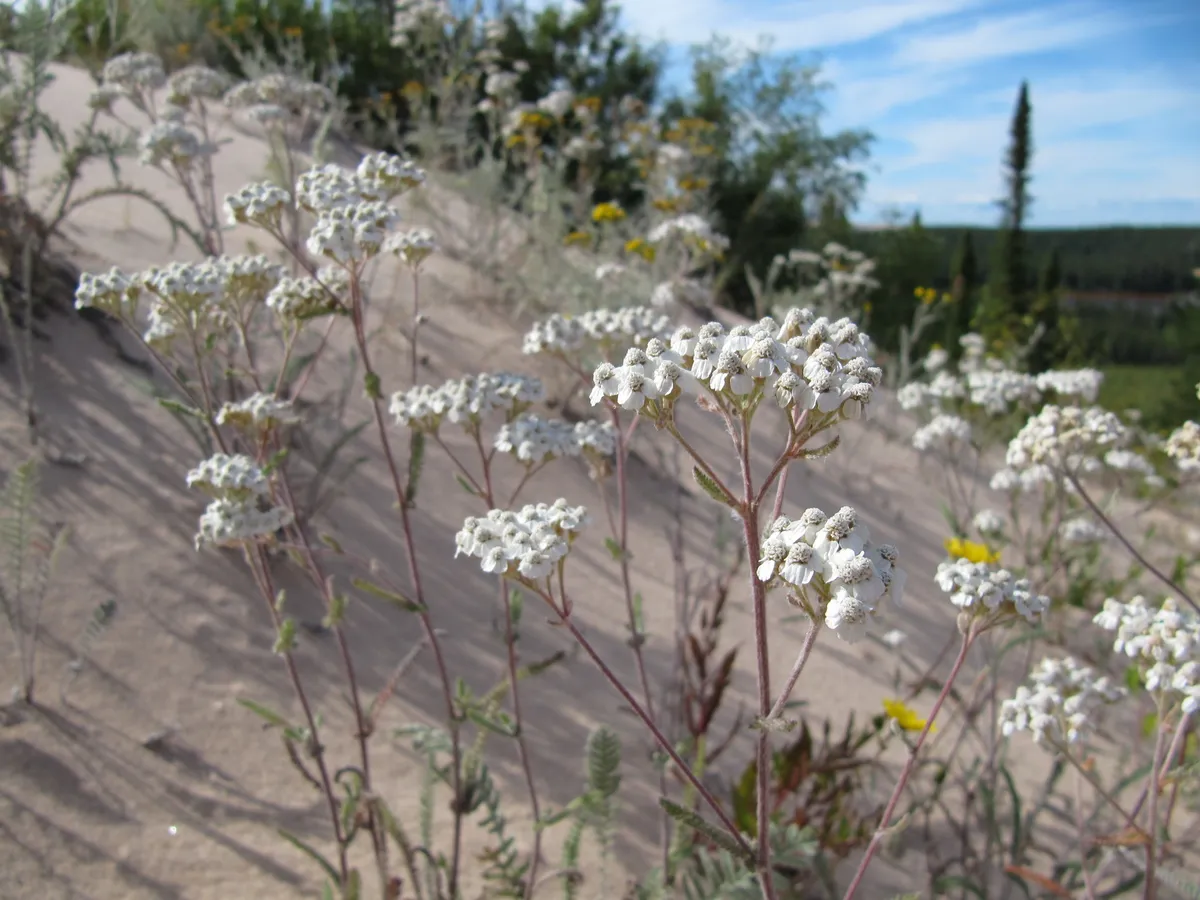
Common Yarrow
Achillea millefolium
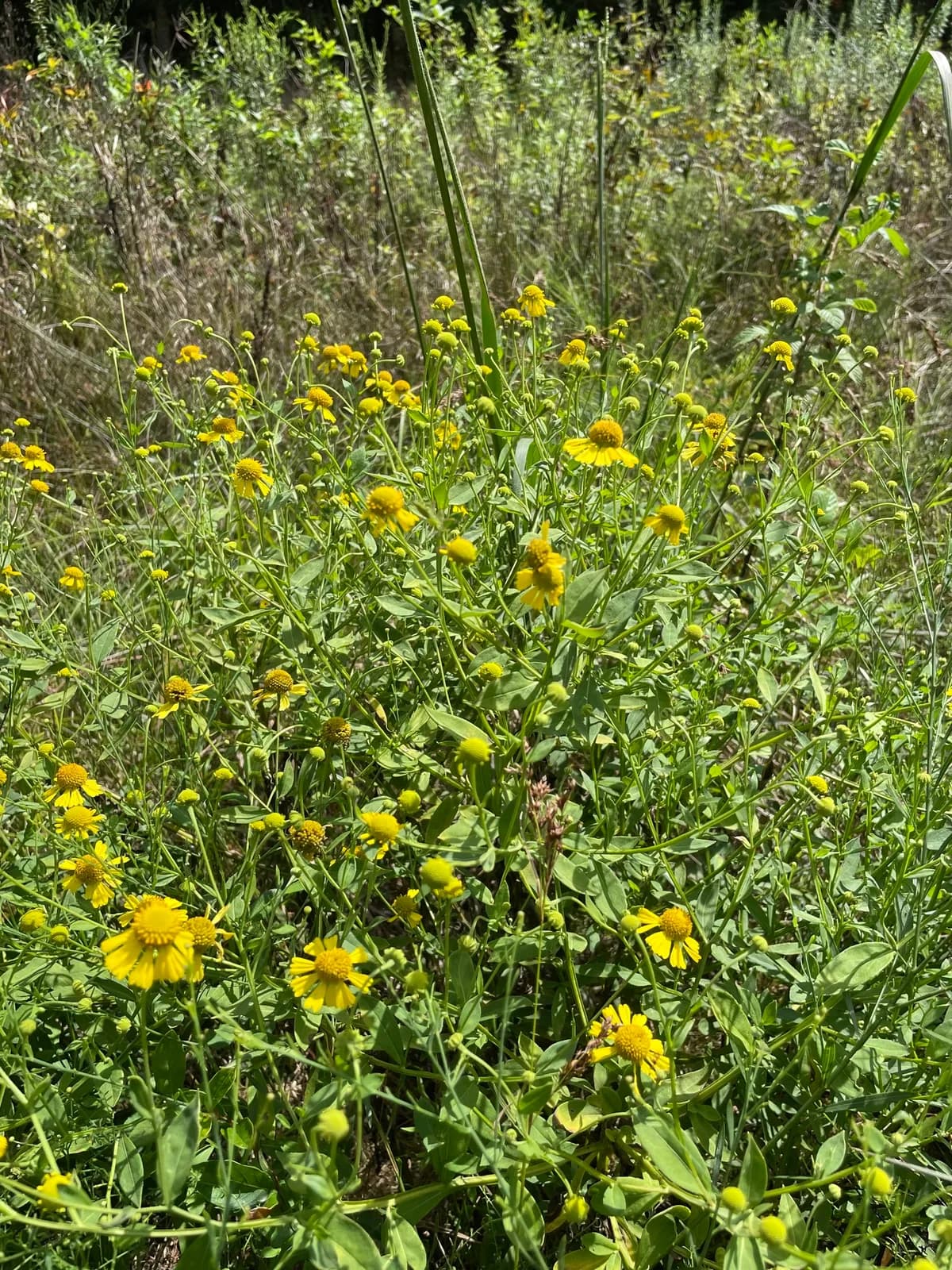
Common Sneezeweed
Helenium autumnale
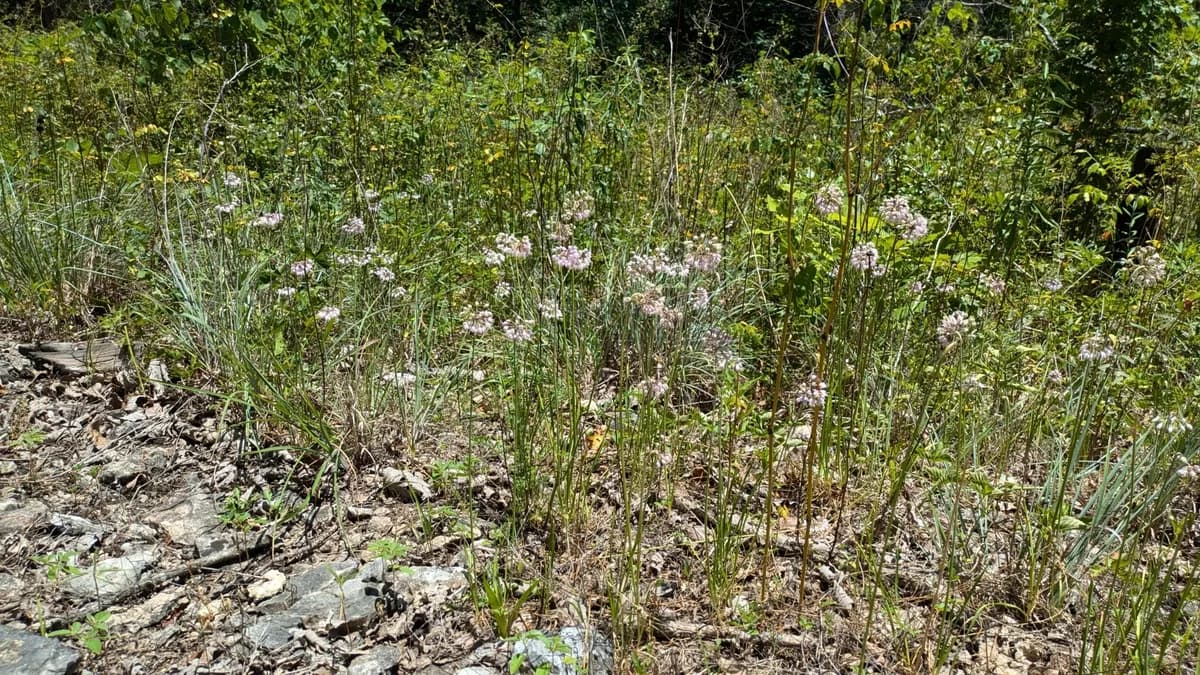
Nodding Onion
Allium cernuum
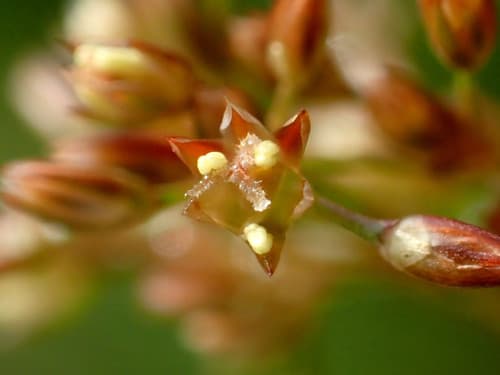
Soft rush
Juncus effusus
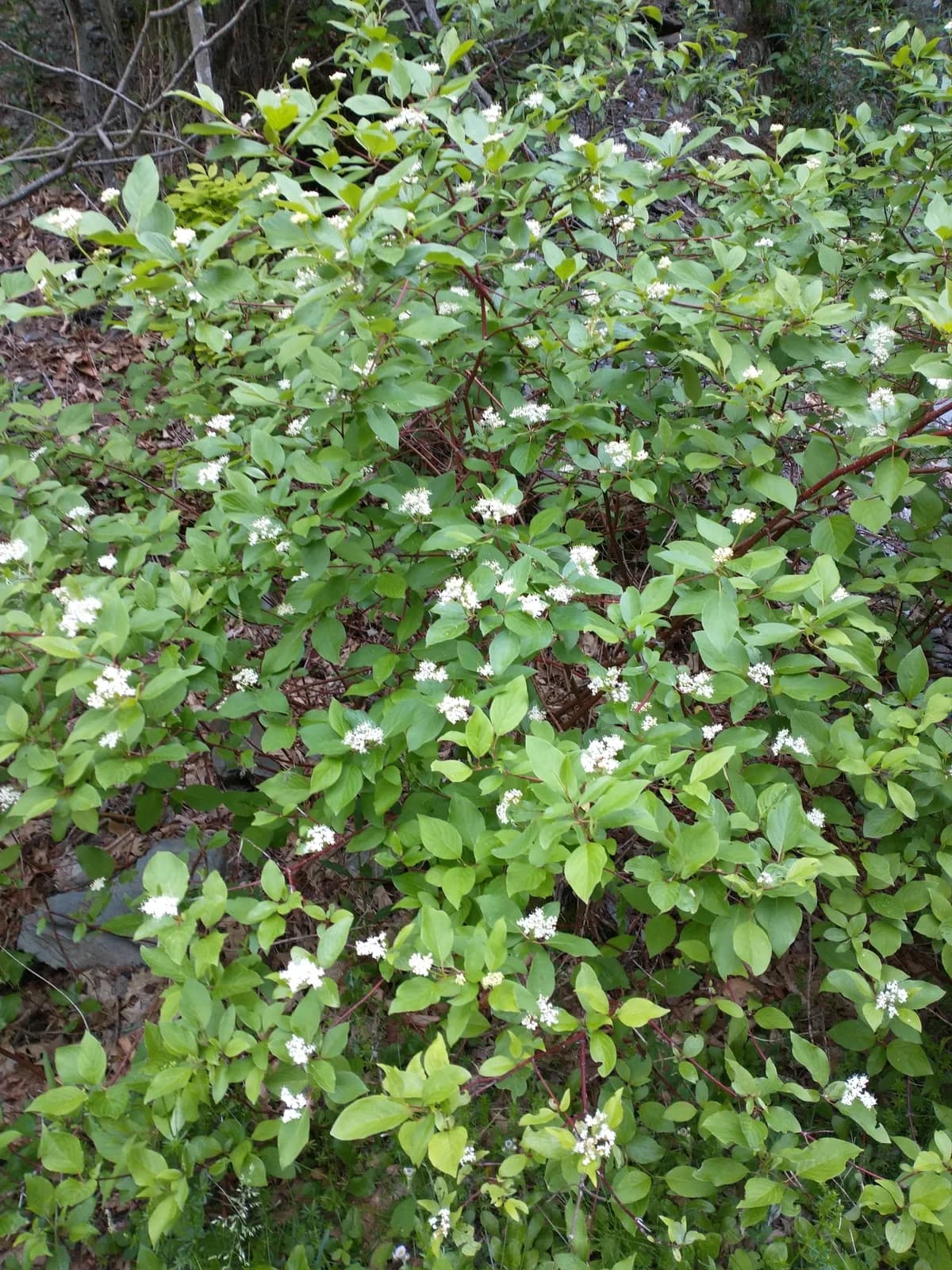
Red-osier Dogwood
Cornus sericea
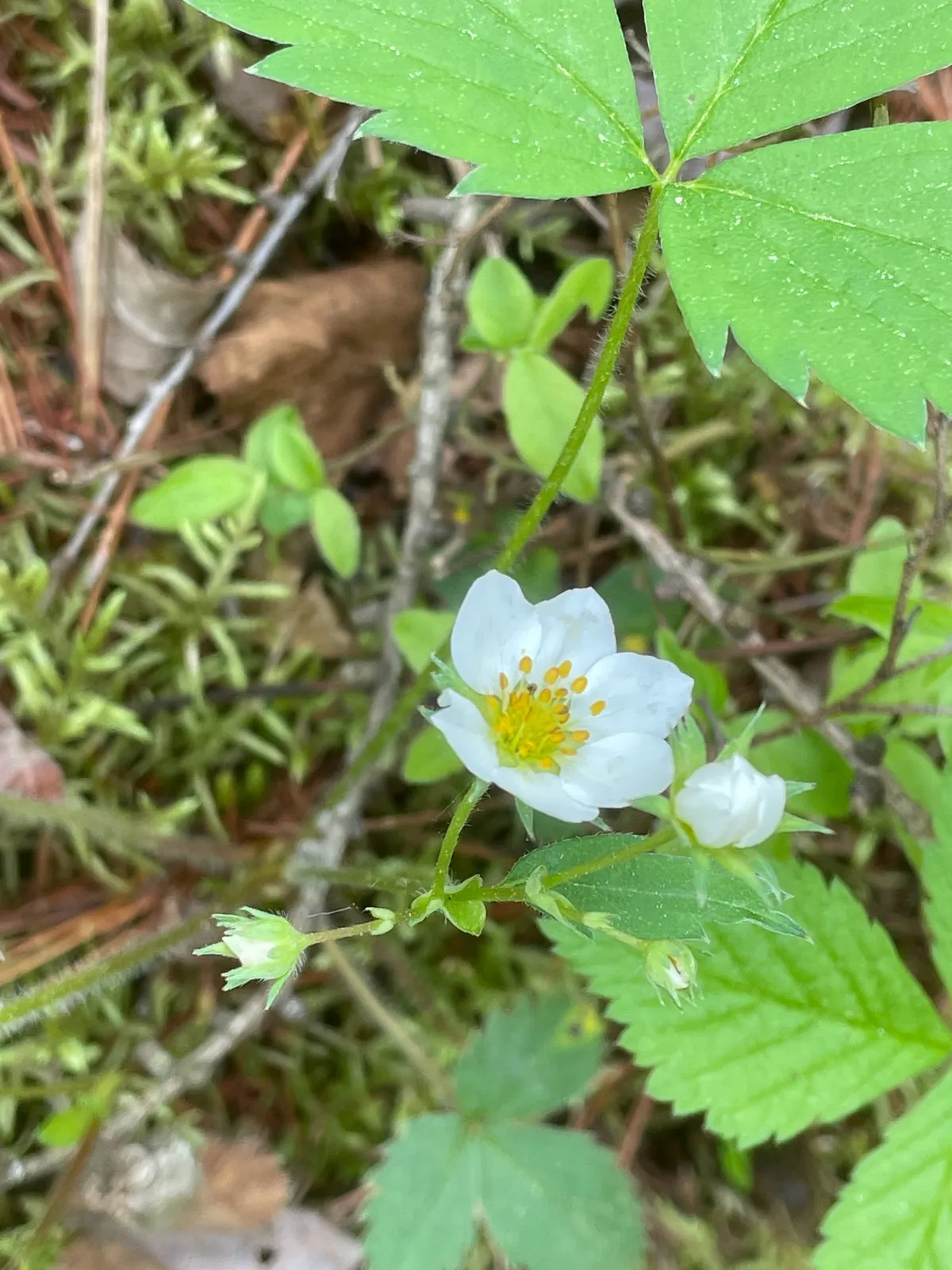
Scarlet Strawberry
Fragaria virginiana
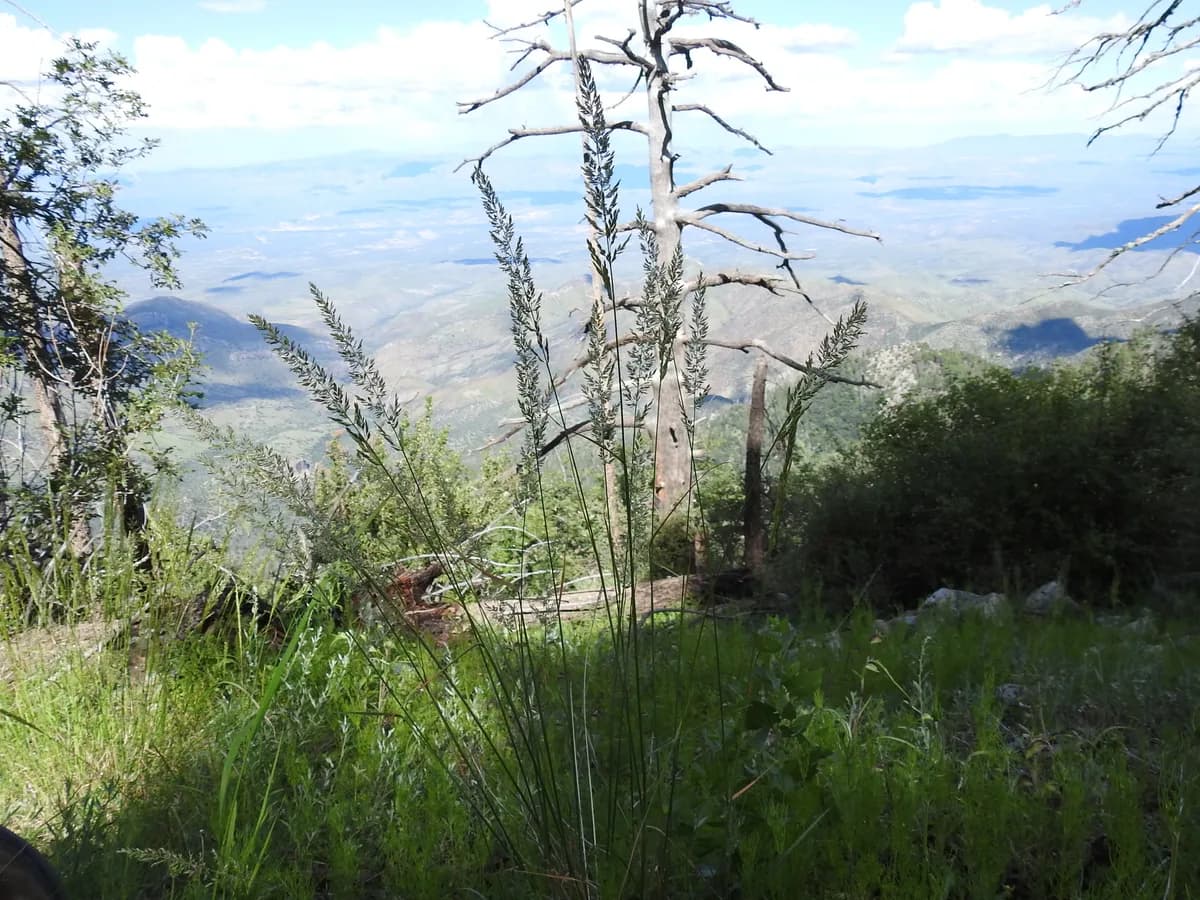
Prairie Junegrass
Koeleria macrantha
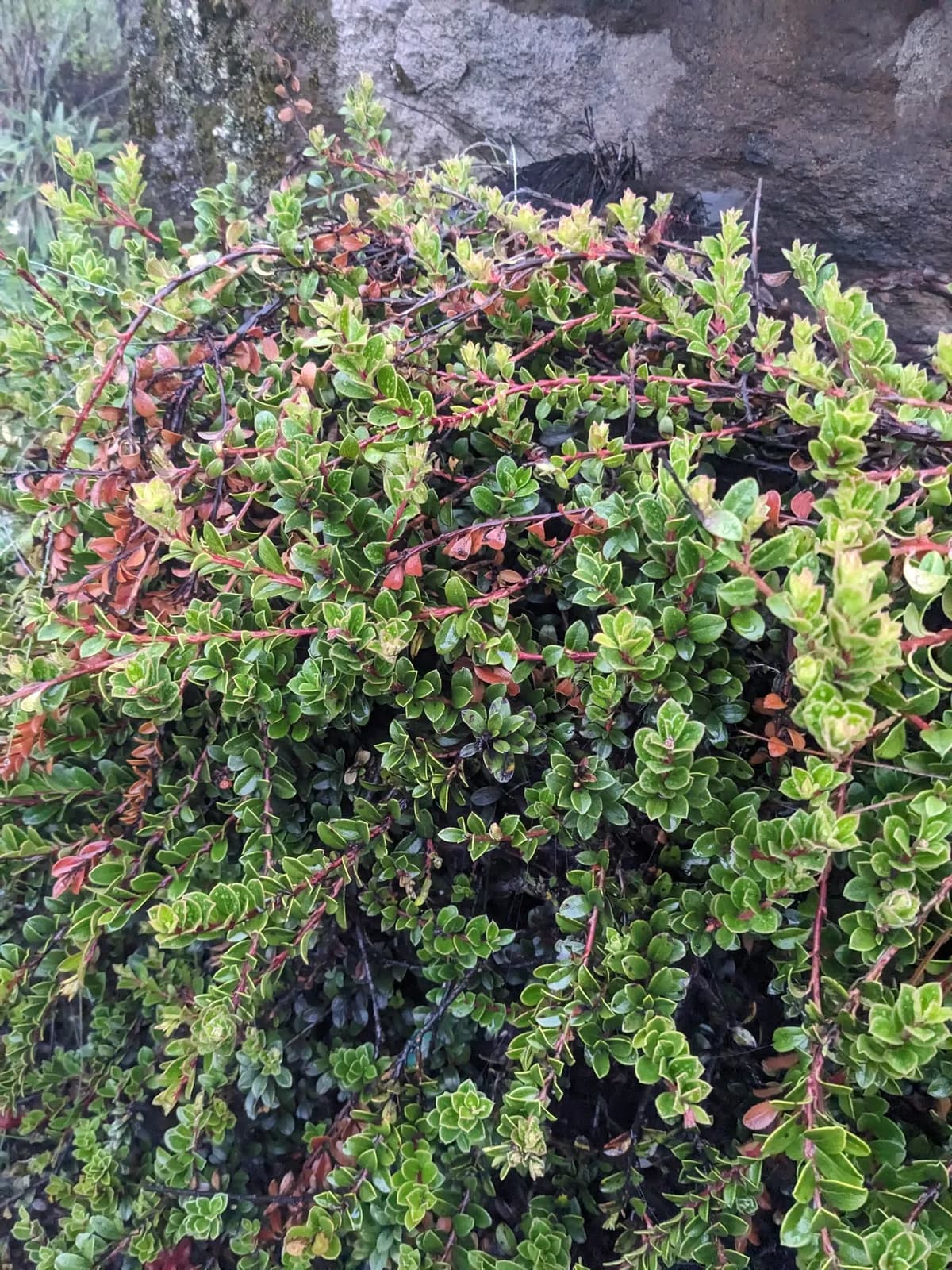
Bear-grape
Arctostaphylos uva-ursi
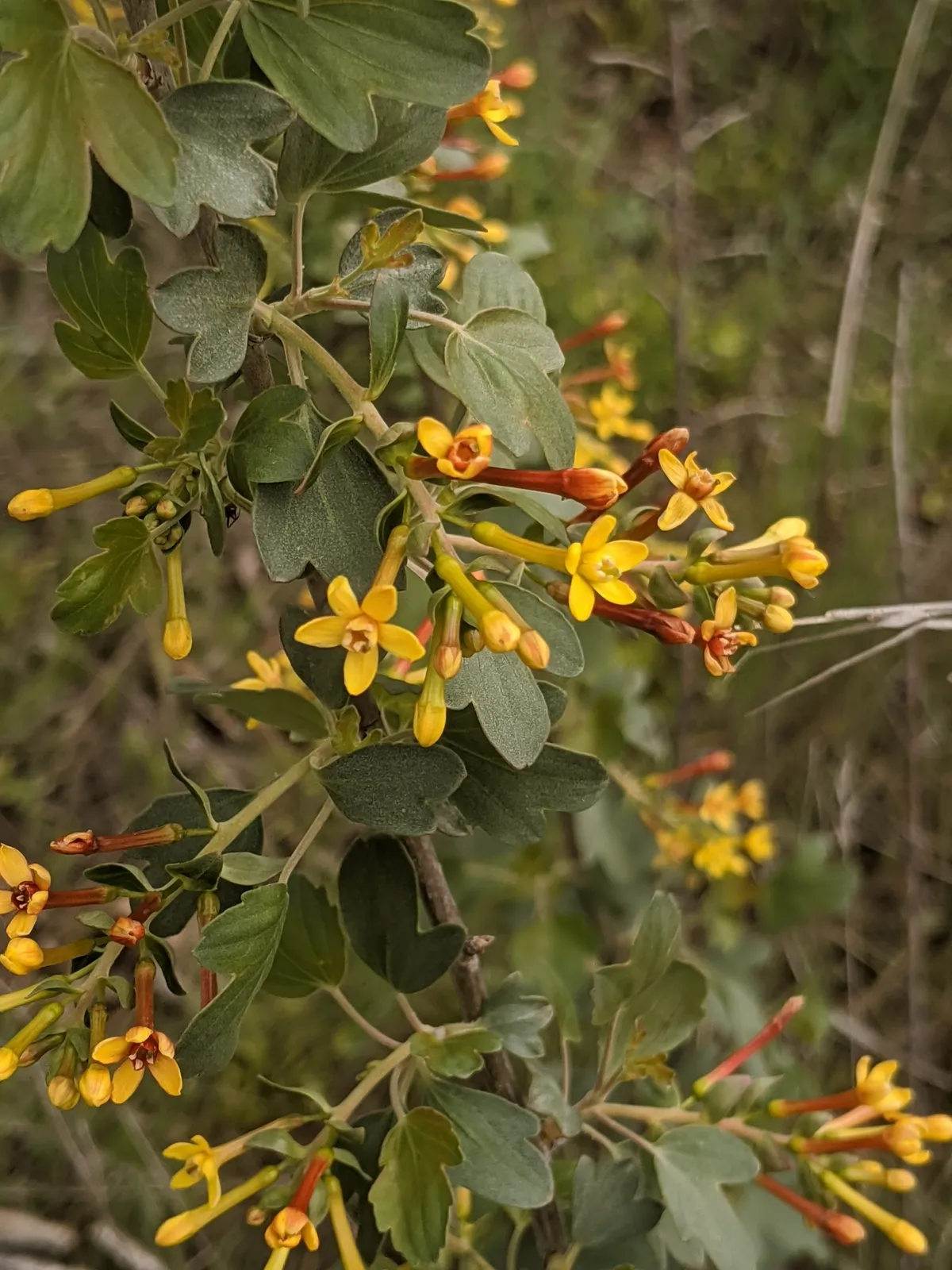
Golden Currant
Ribes aureum
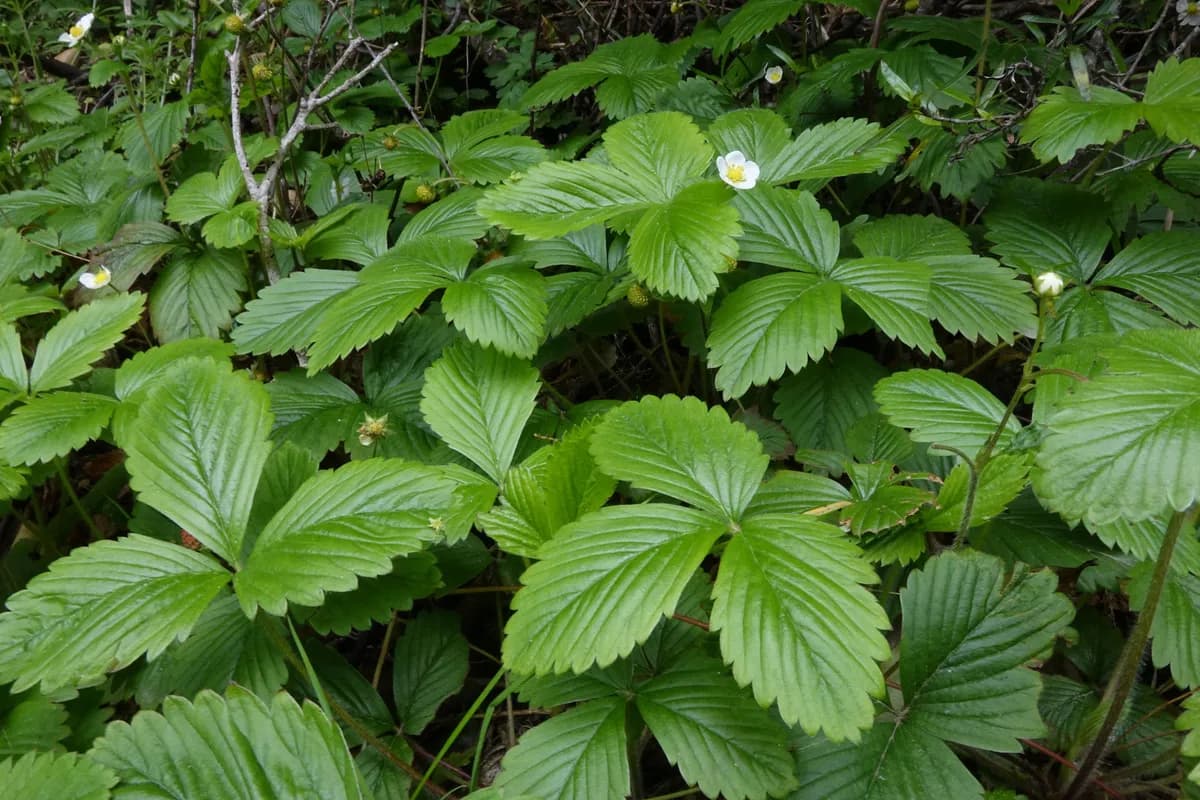
Wild Woodland Strawberries
Fragaria vesca
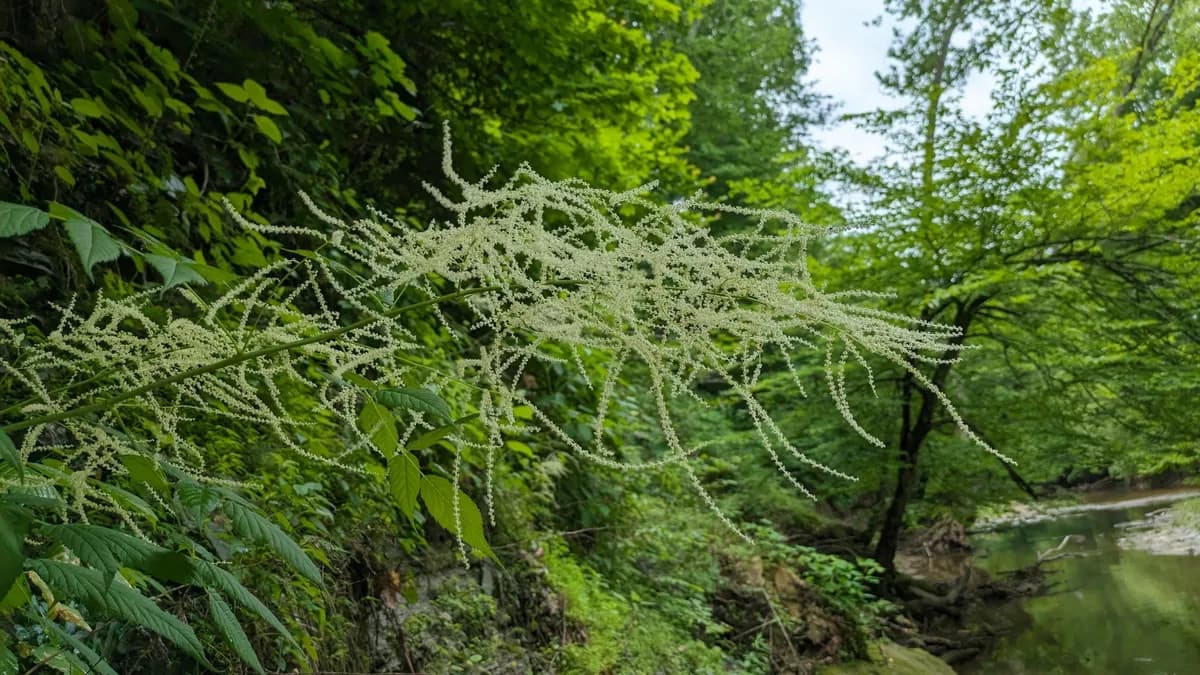
Goat's-beard
Aruncus dioicus
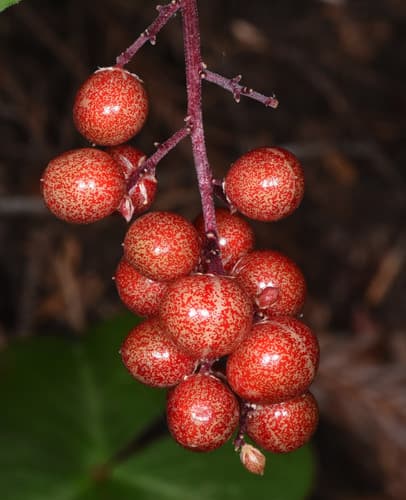
Solomon's-plume
Maianthemum racemosum
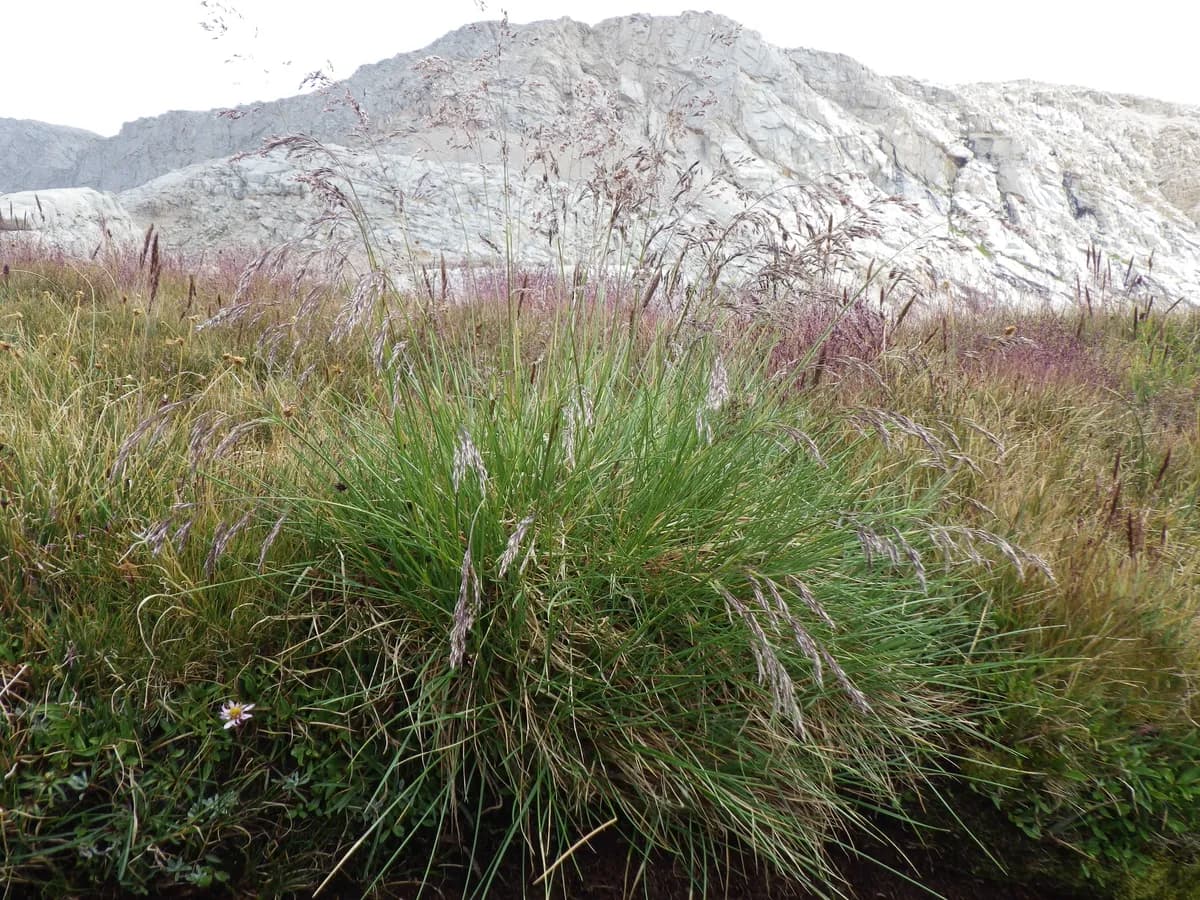
Tufted Hairgrass
Deschampsia cespitosa
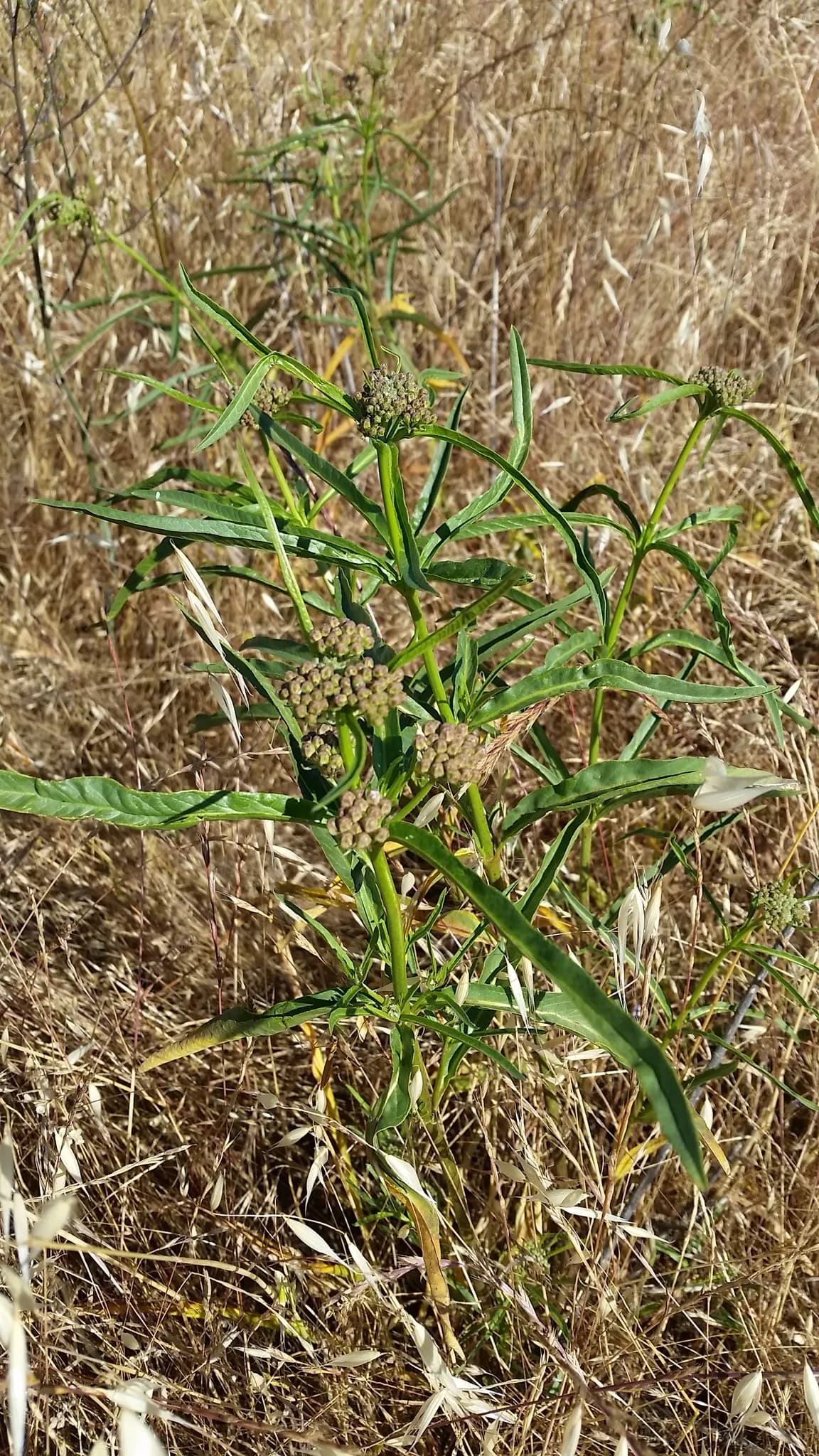
Narrowleaf Milkweed
Asclepias fascicularis
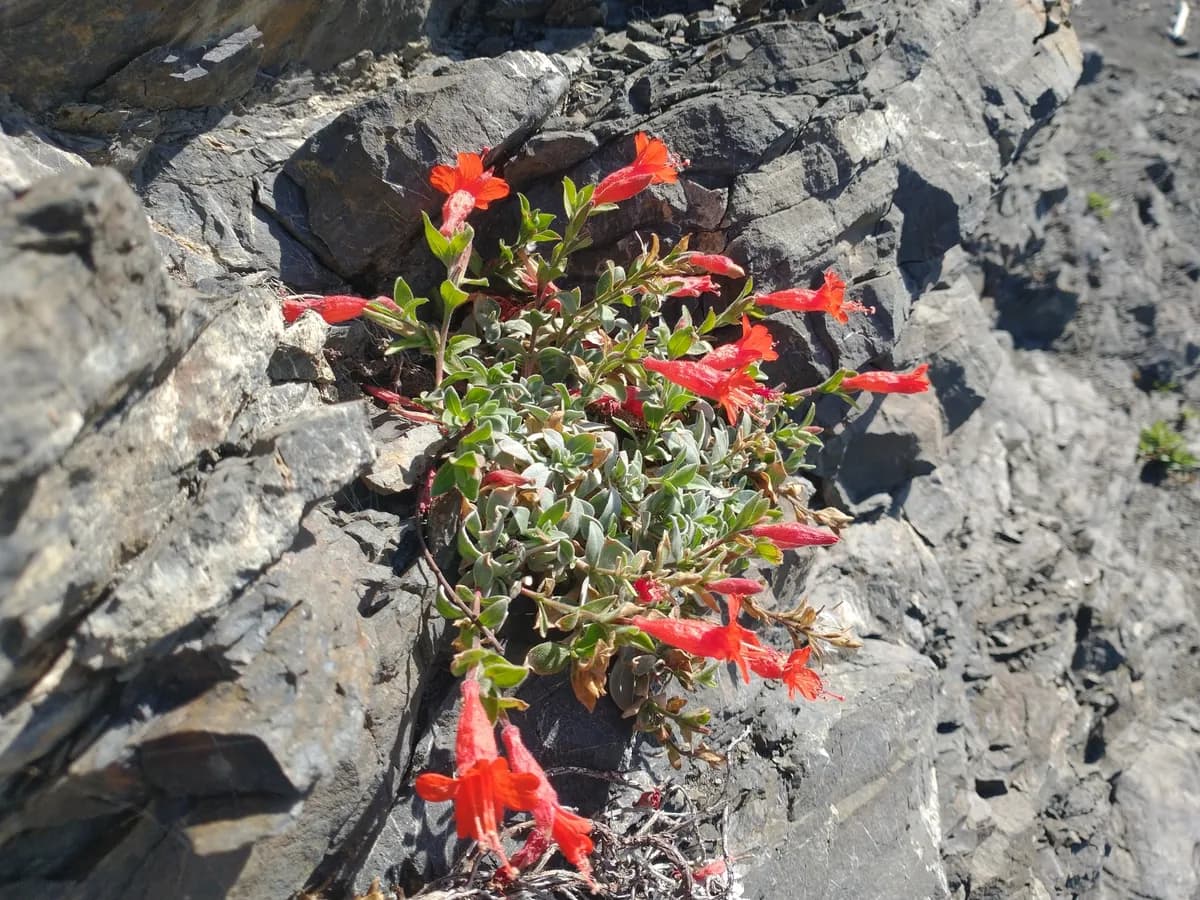
California Fuchsia
Epilobium canum
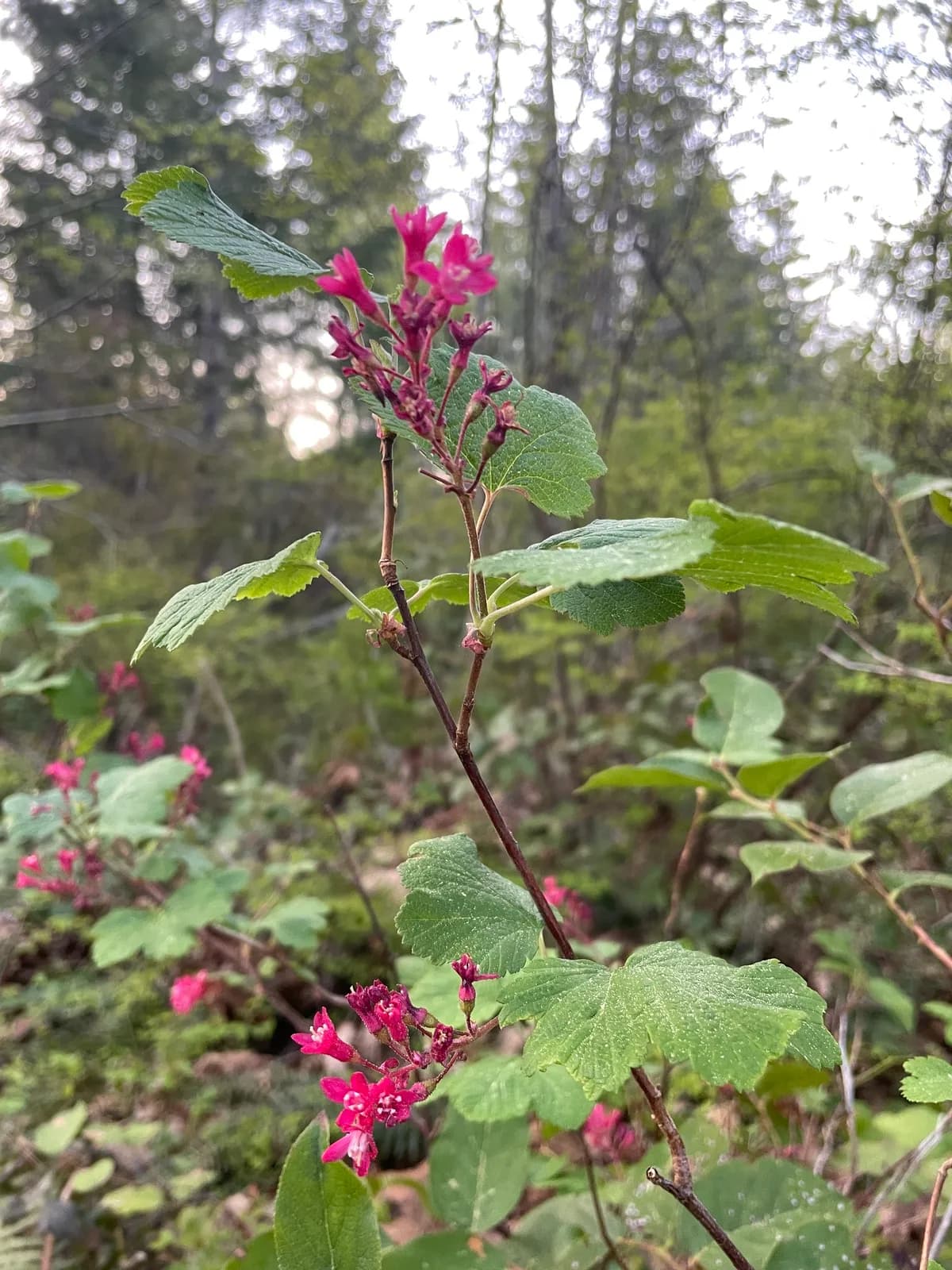
Flowering Currant
Ribes sanguineum
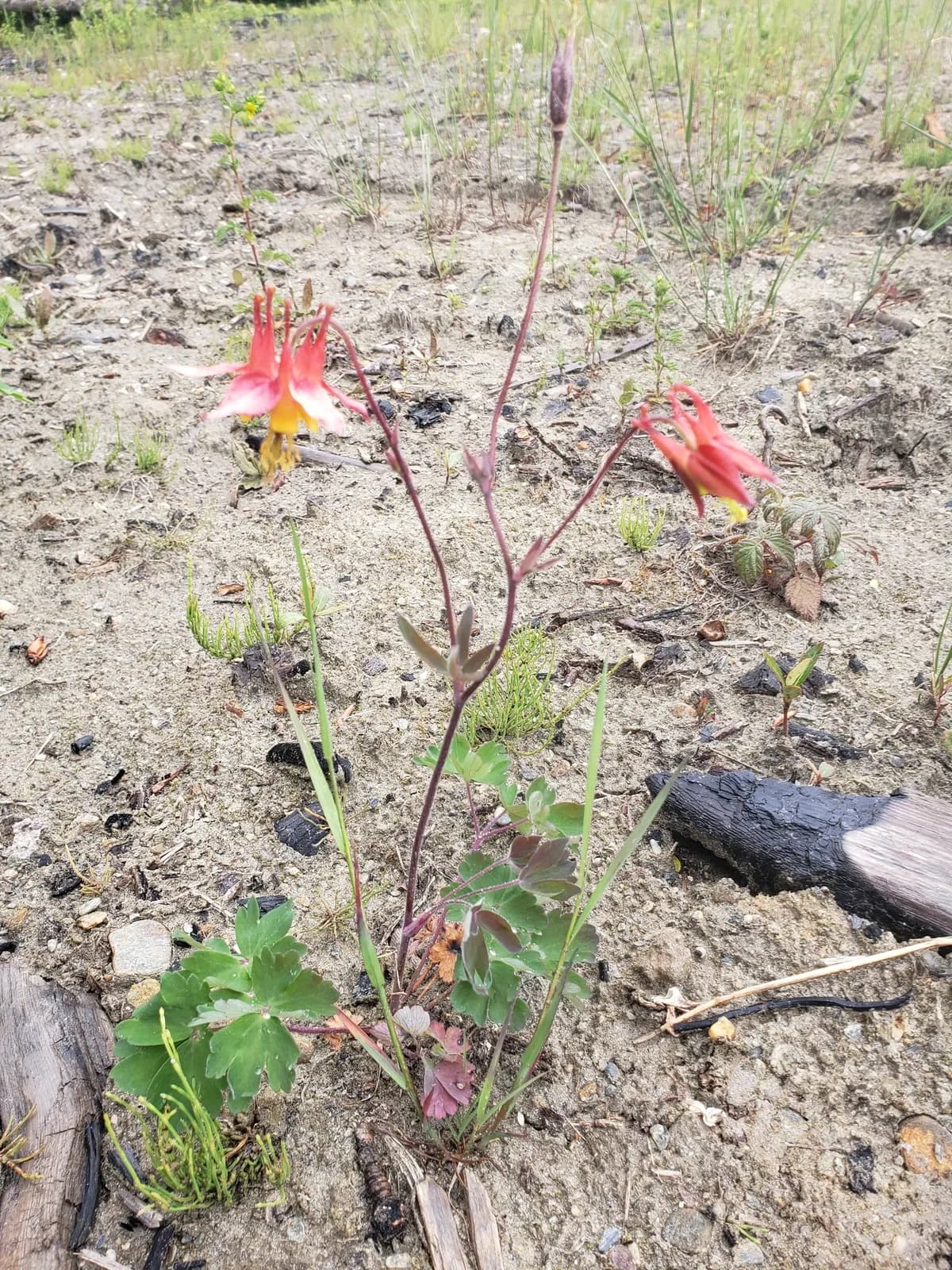
Western Columbine
Aquilegia formosa
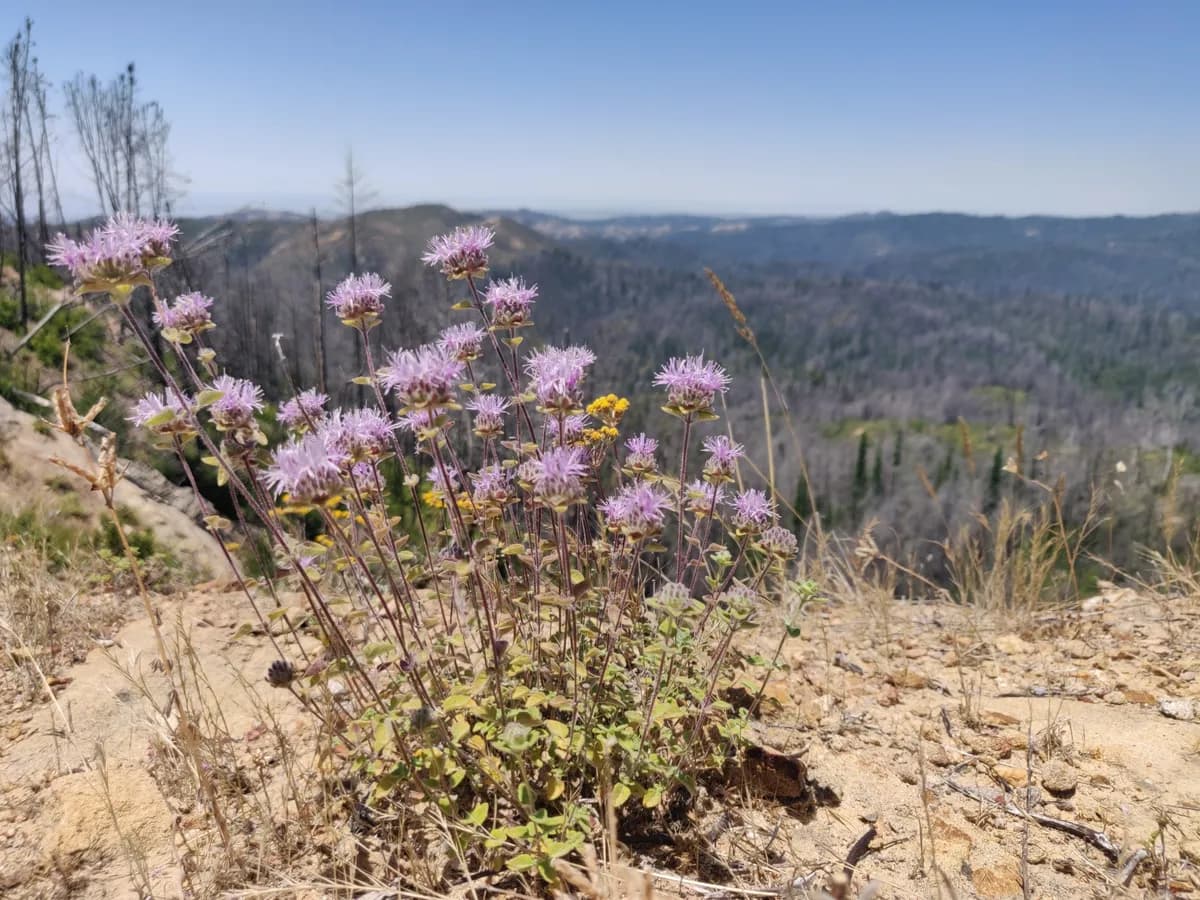
Coyote-mint
Monardella villosa
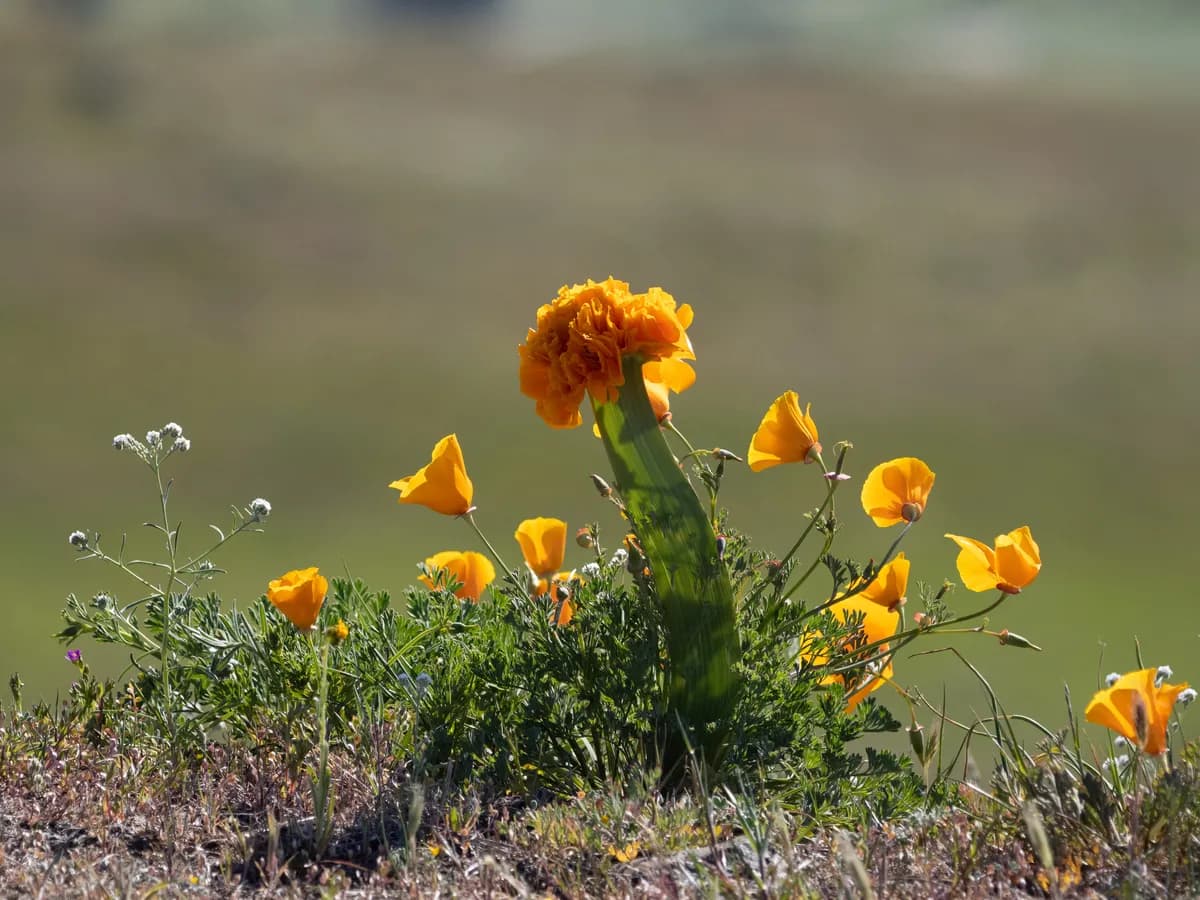
California-poppy
Eschscholzia californica
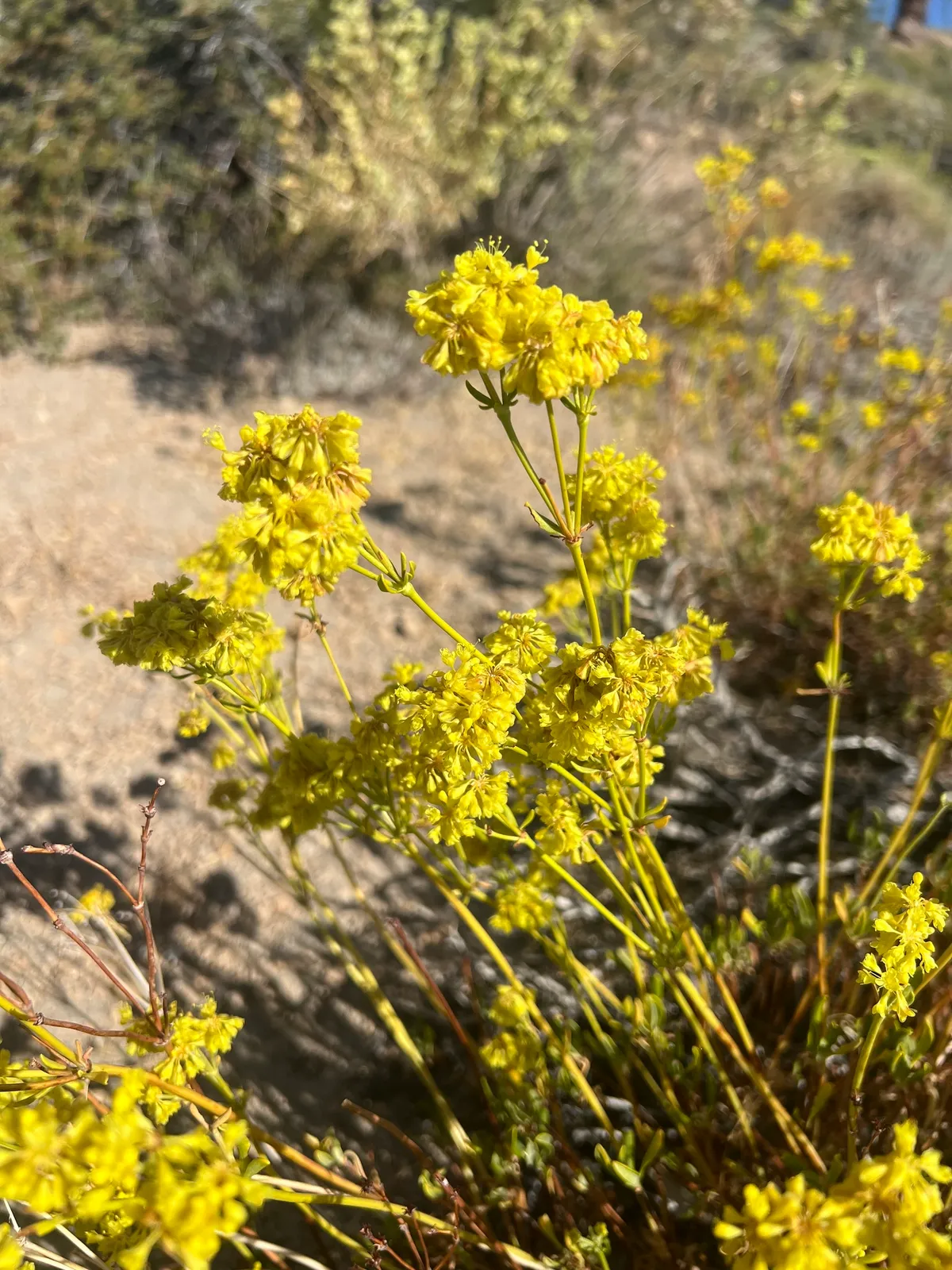
Sulfur-buckwheat
Eriogonum umbellatum
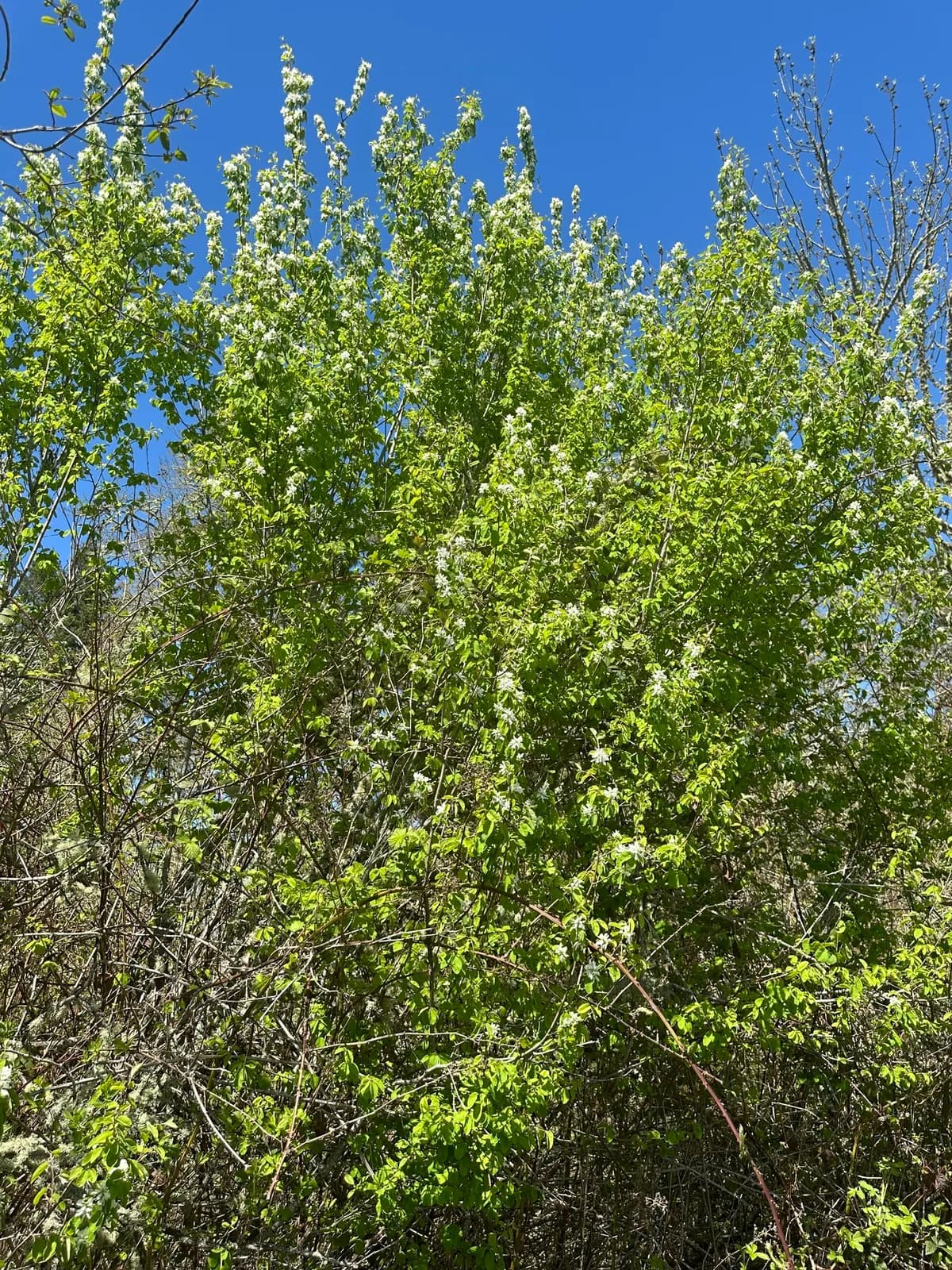
Pacific Serviceberry
Amelanchier alnifolia
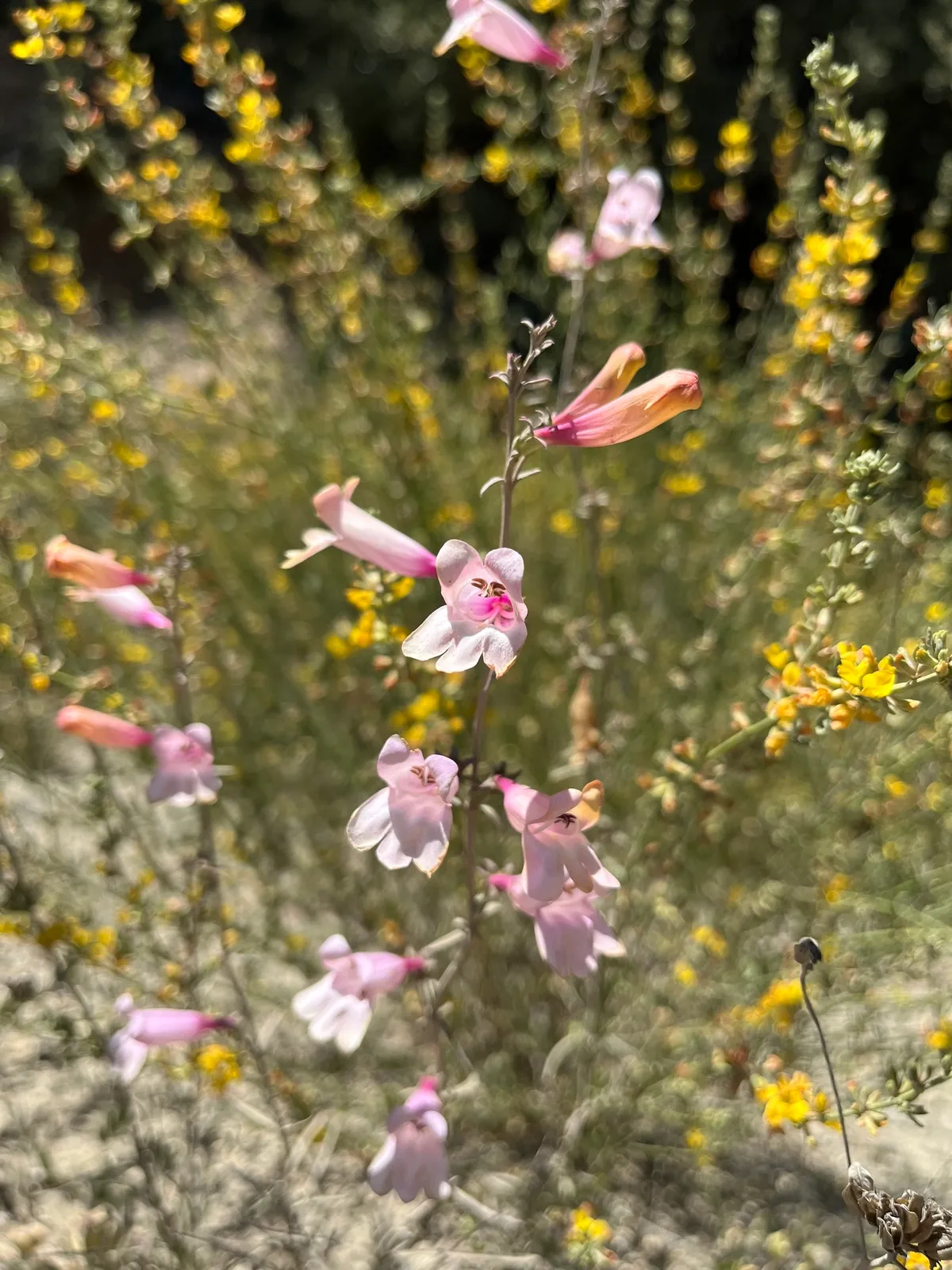
Bunchleaf Penstemon
Penstemon heterophyllus
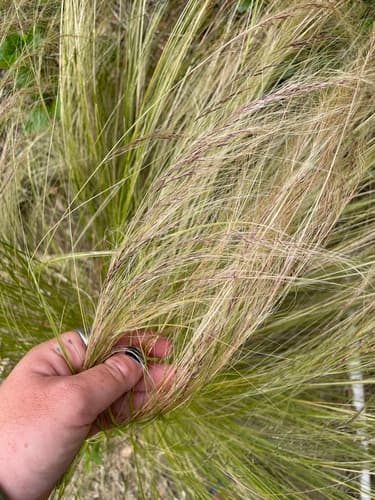
Mexican Feathergrass
Nassella tenuissima
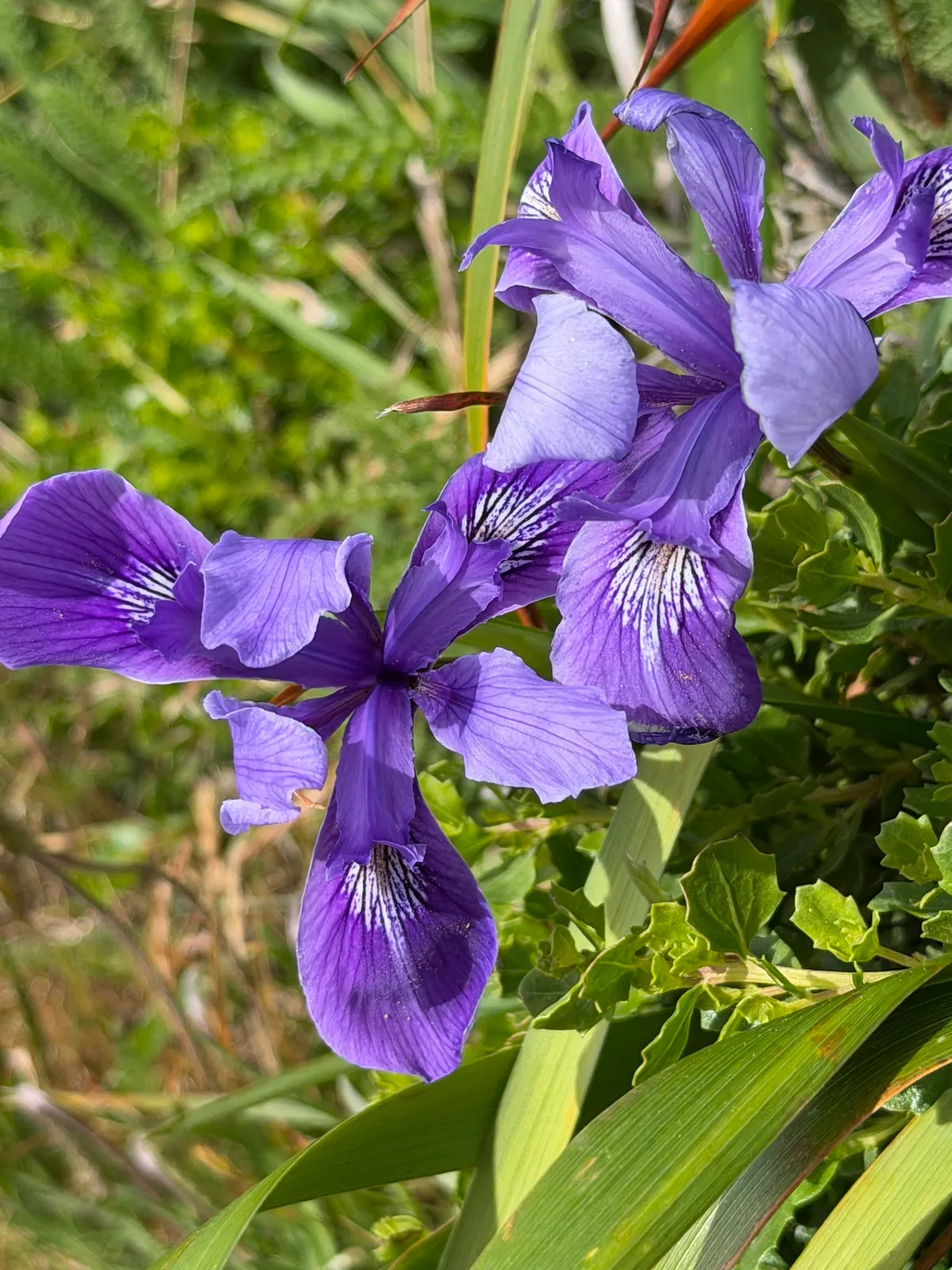
Marin Iris
Iris douglasiana
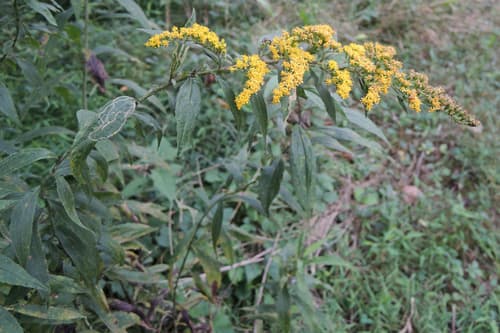
Canadian Goldenrod
Solidago canadensis
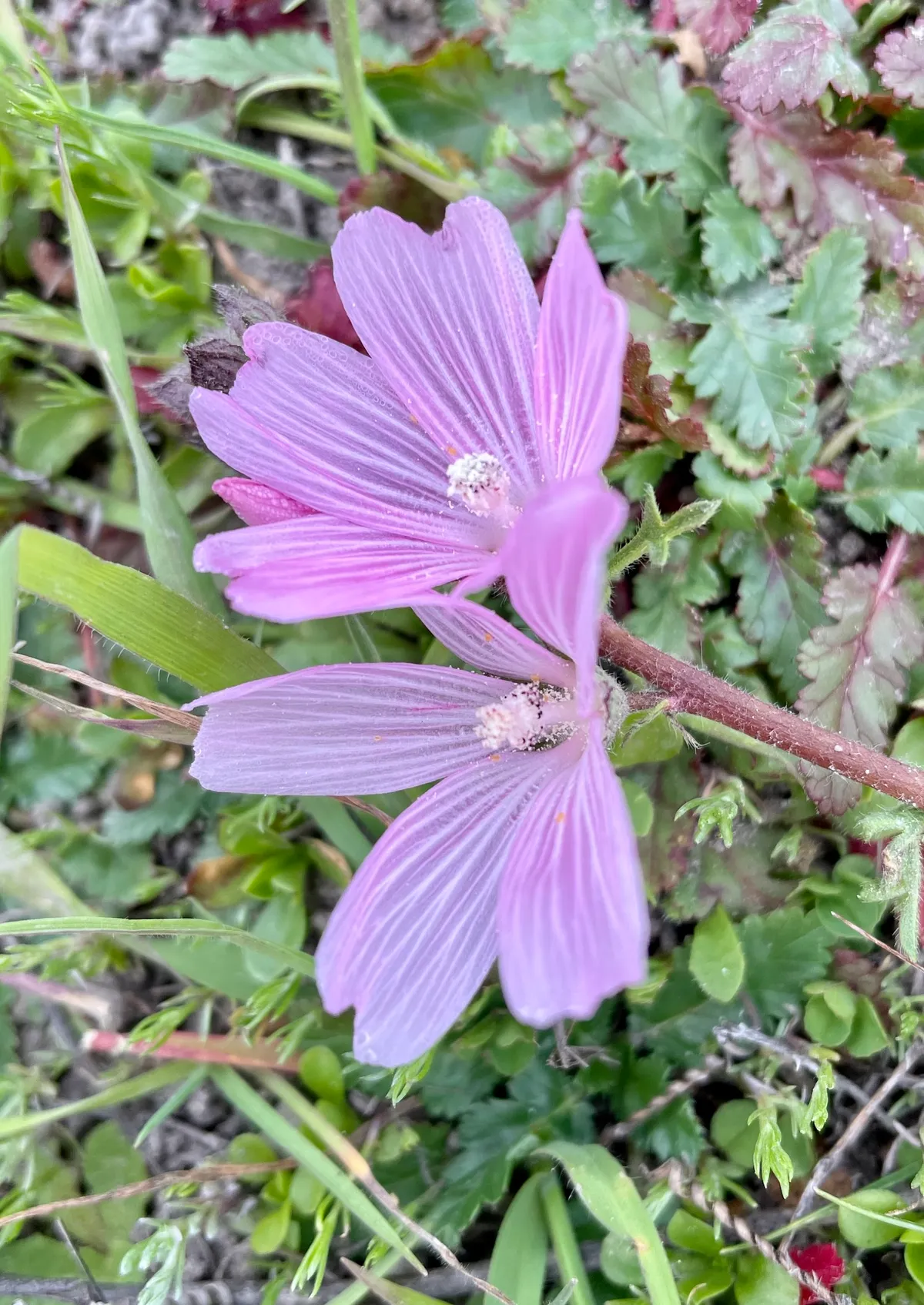
Checker-mallow
Sidalcea malviflora
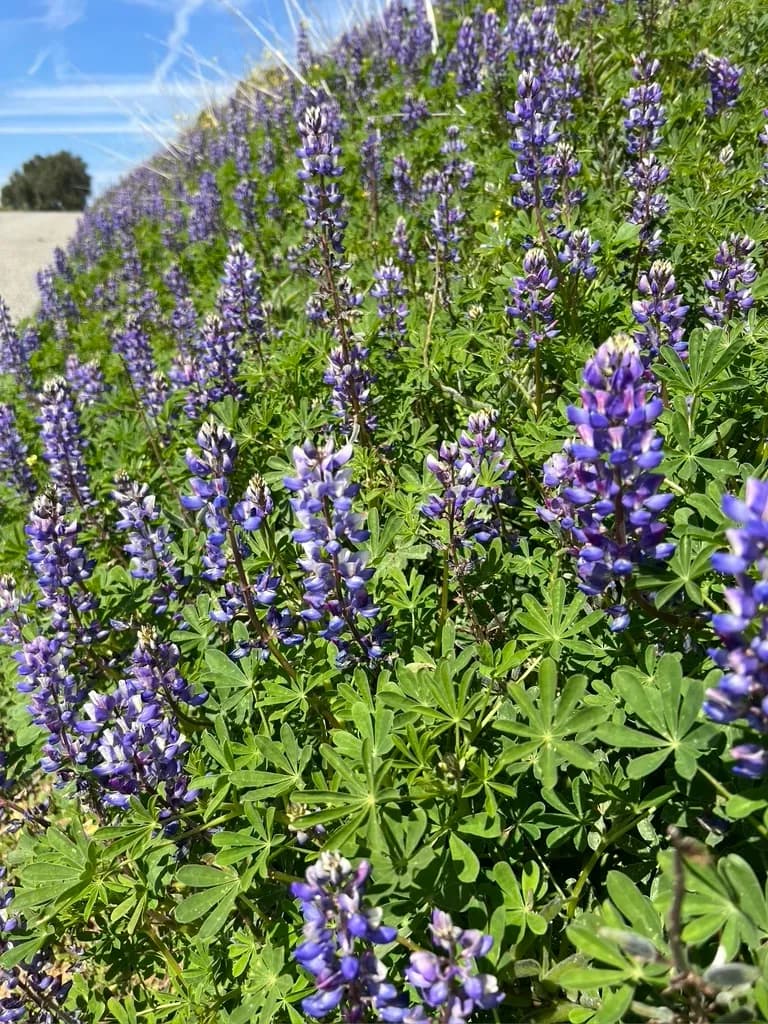
Arroyo Lupine
Lupinus succulentus
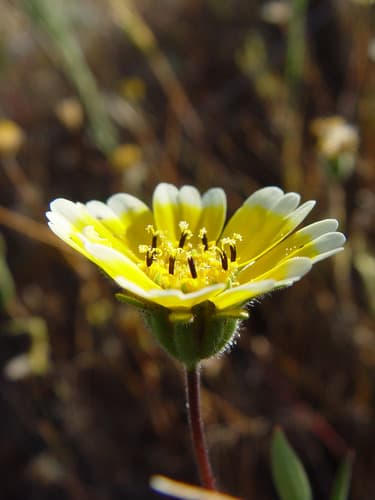
Coastal Tidytips
Layia platyglossa
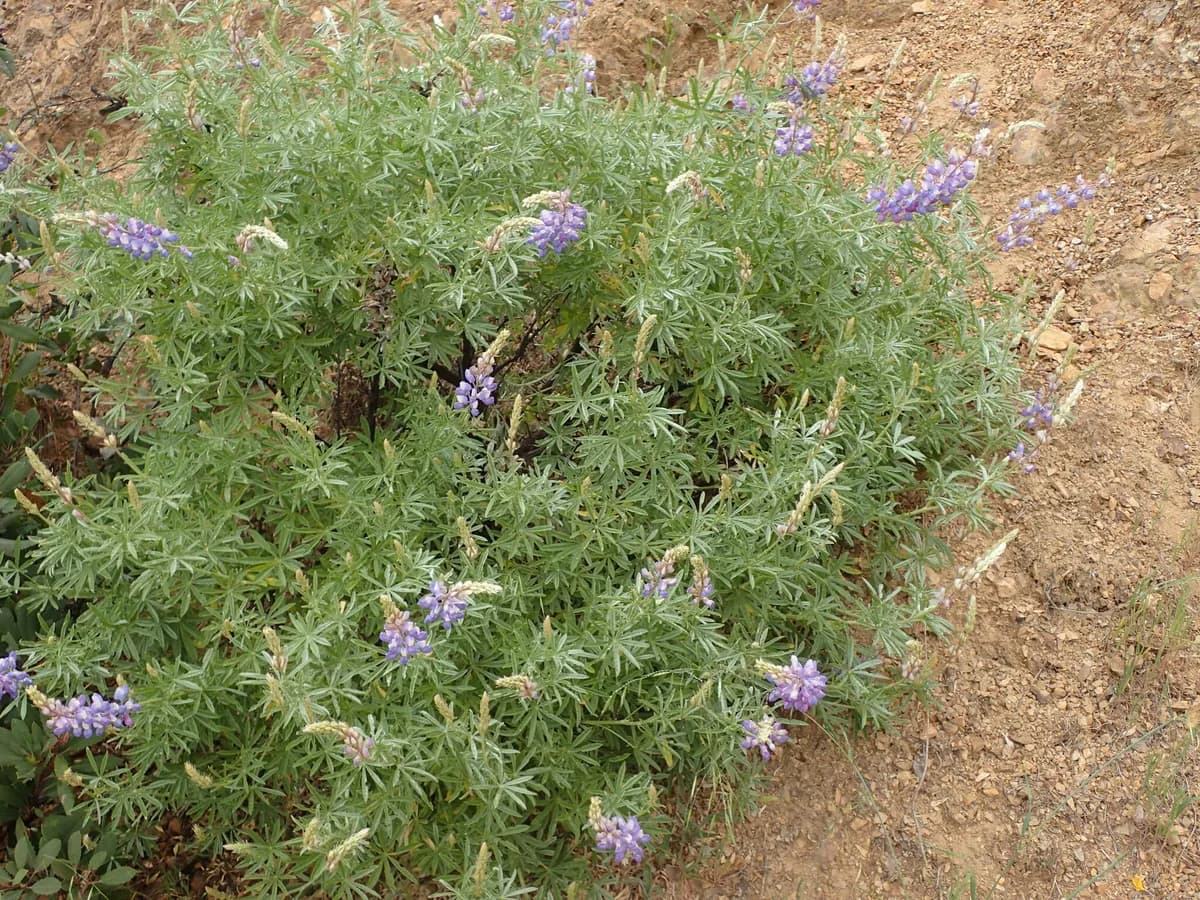
Foothill Lupine
Lupinus albifrons
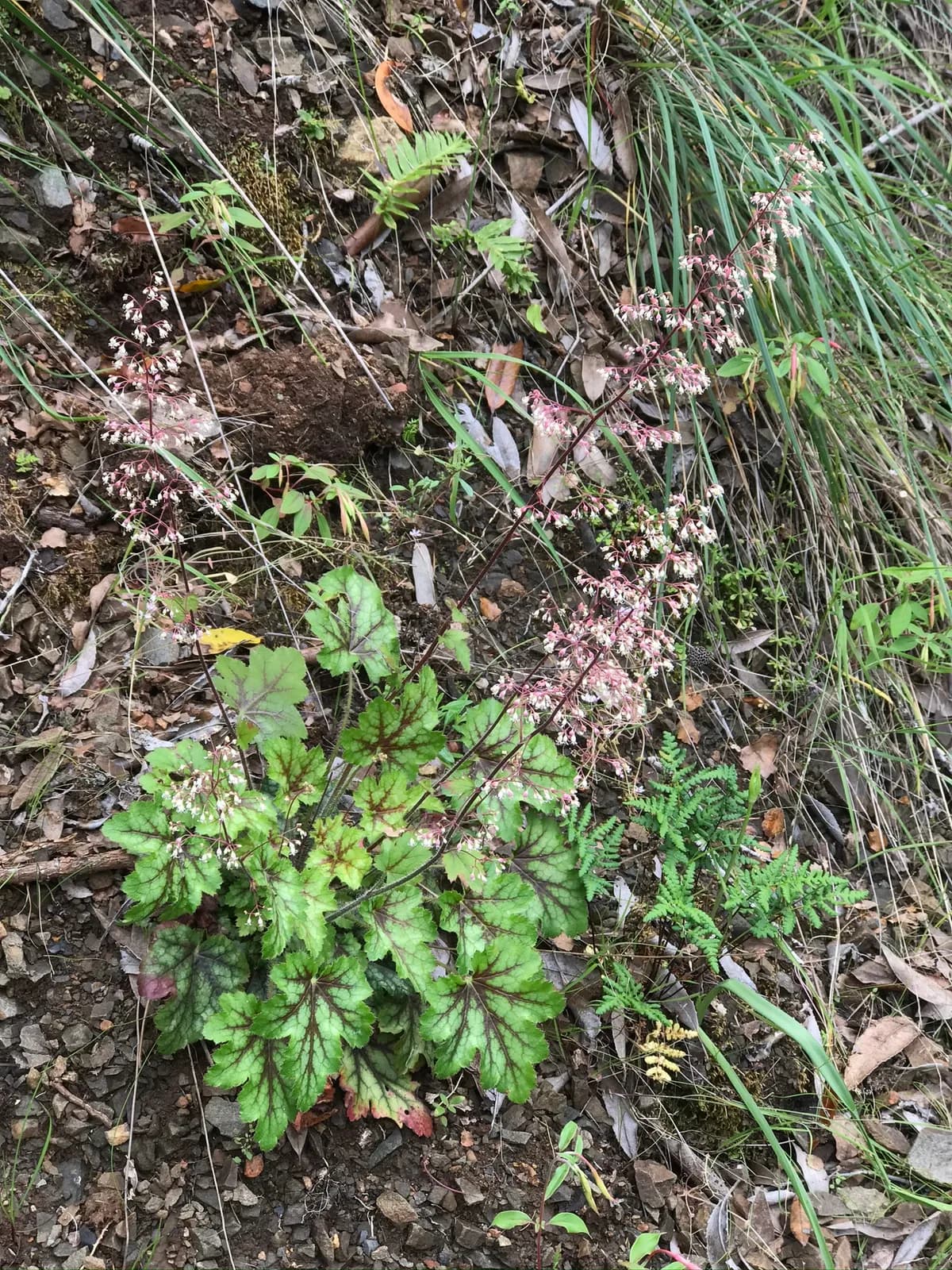
Crevice alumroot
Heuchera micrantha
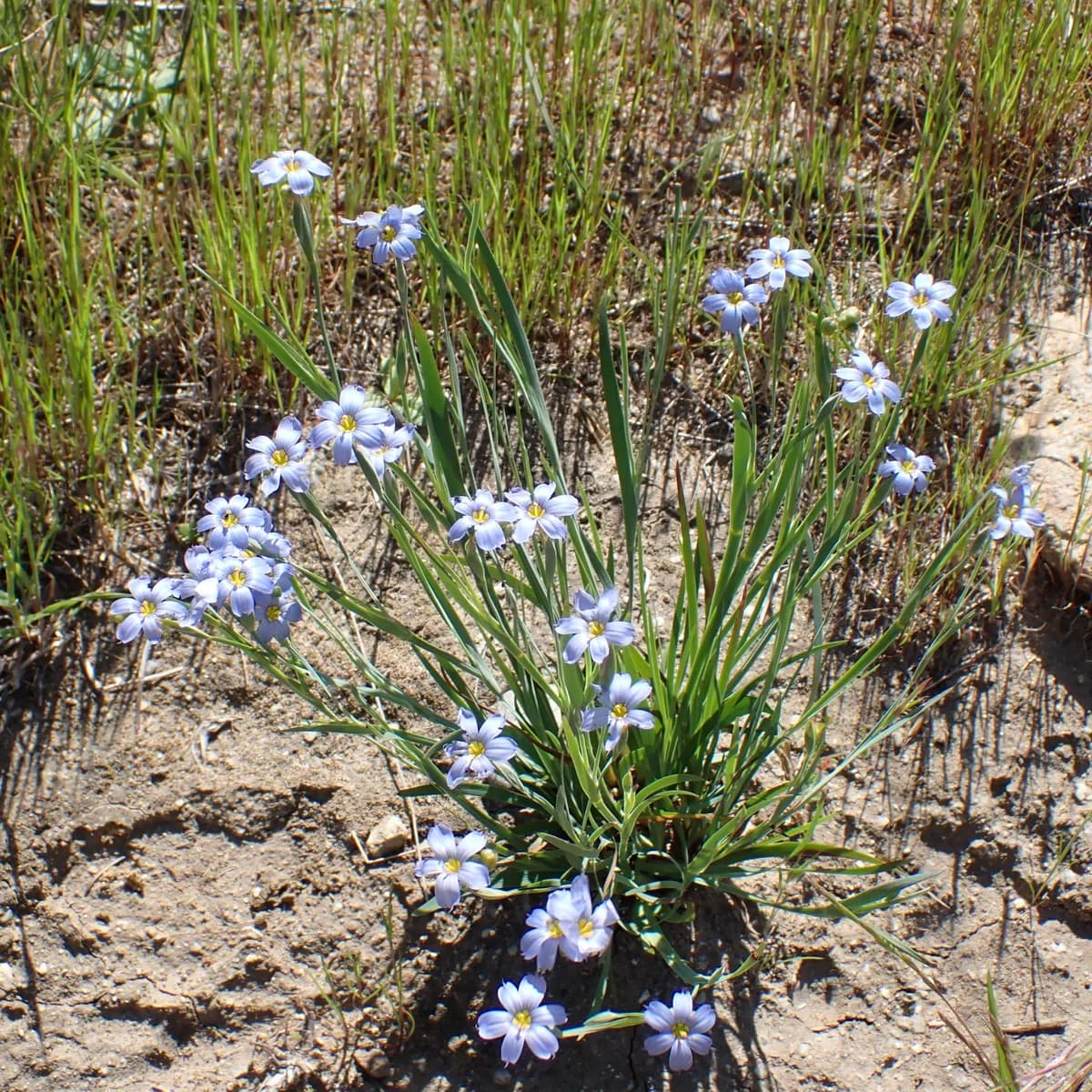
Western Blue-eyed Grass
Sisyrinchium bellum
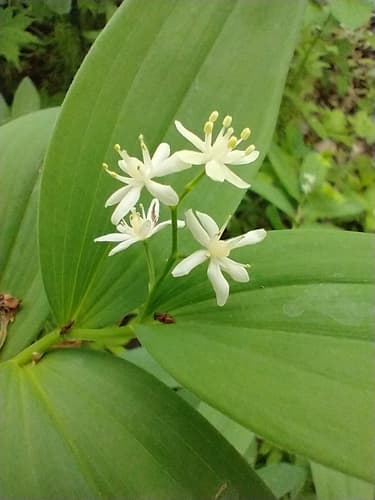
Star False Solomon's-seal
Maianthemum stellatum
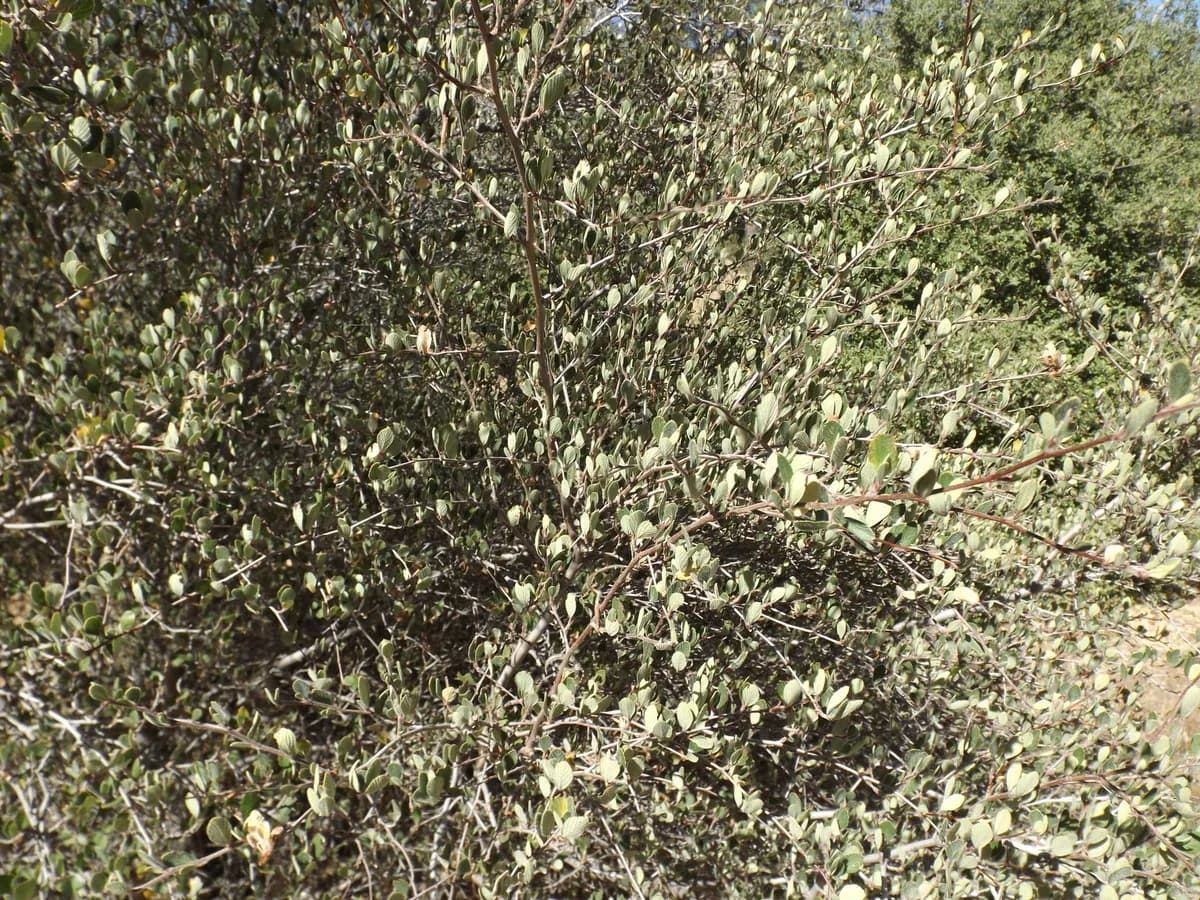
Birchleaf Mountain Mahogany
Cercocarpus betuloides
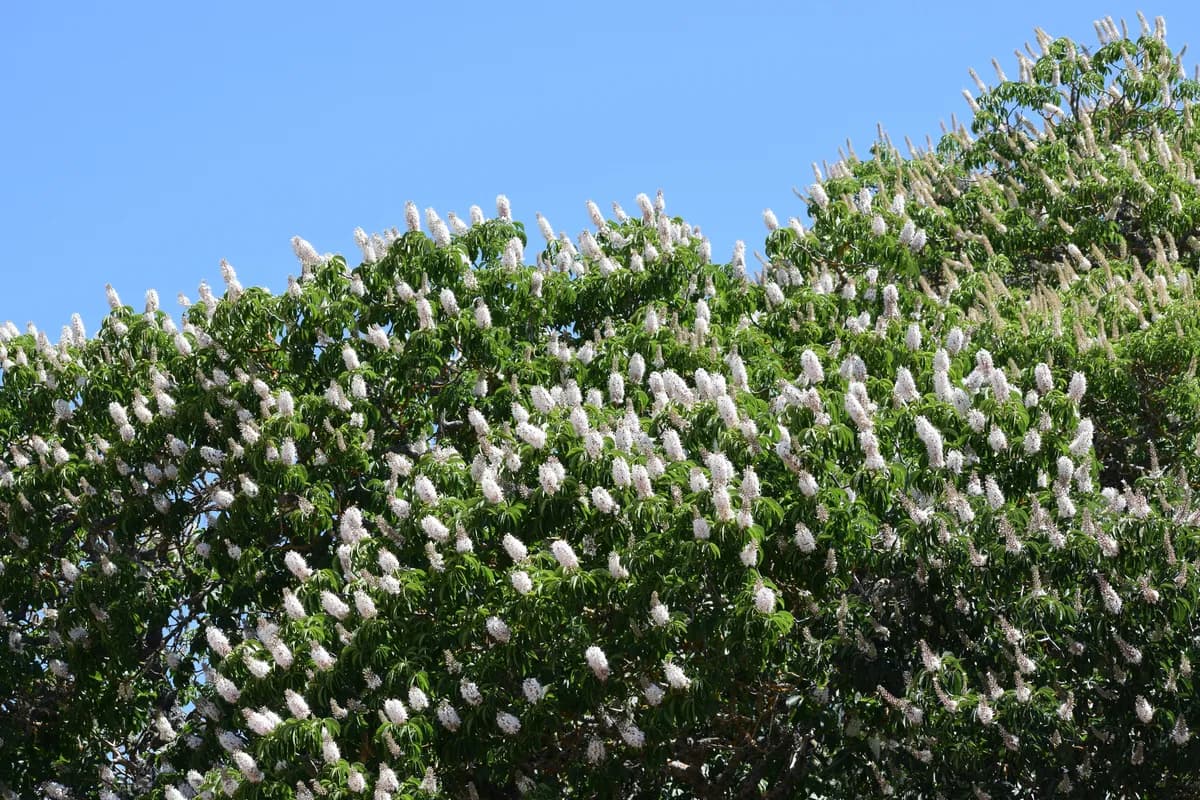
California Buckeye
Aesculus californica
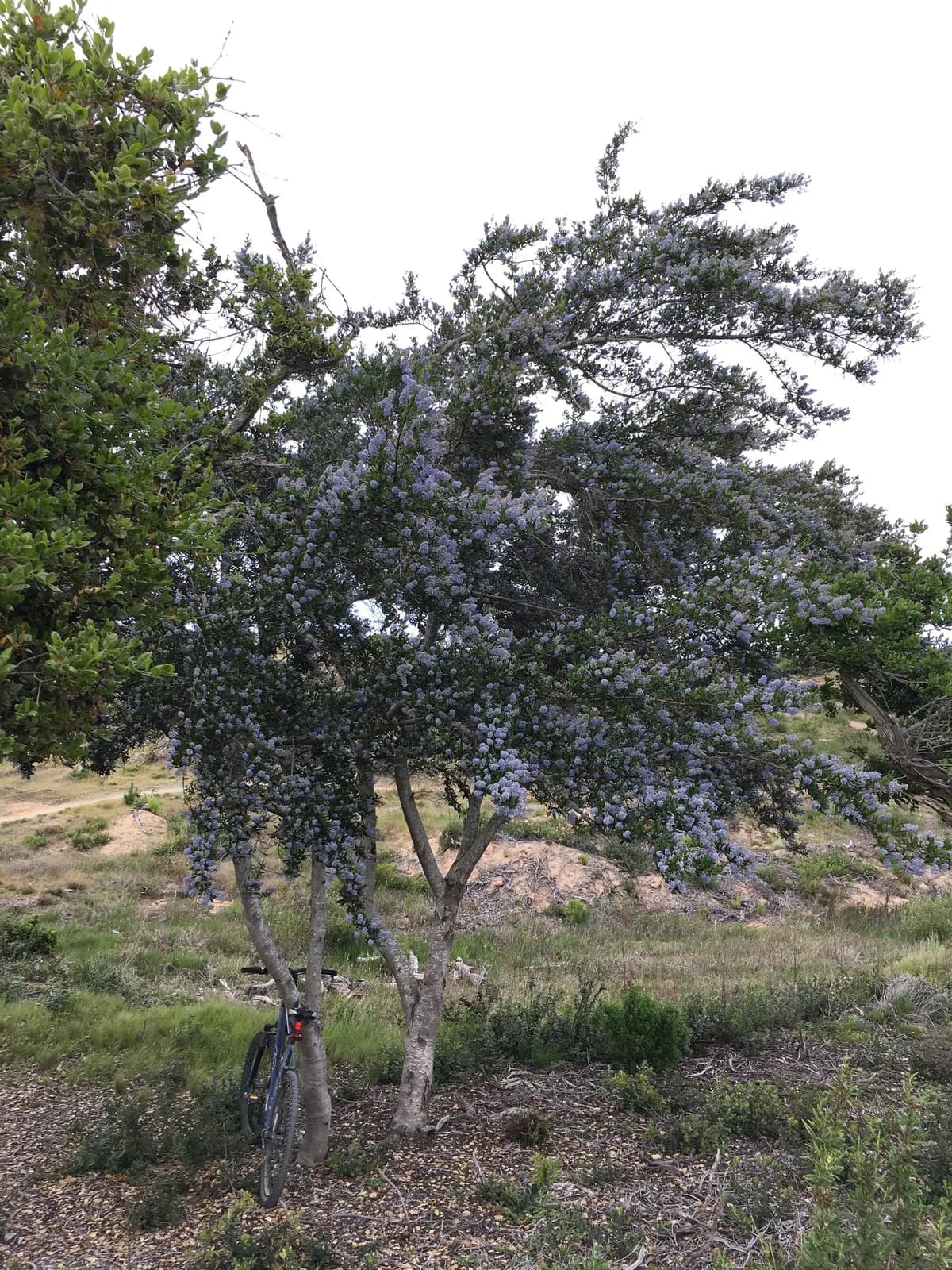
Blueblossom
Ceanothus thyrsiflorus
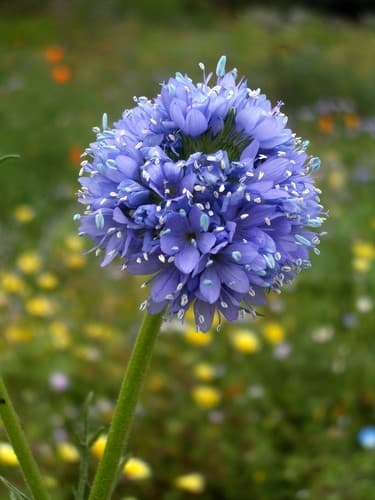
Blue Thimble-flower
Gilia capitata
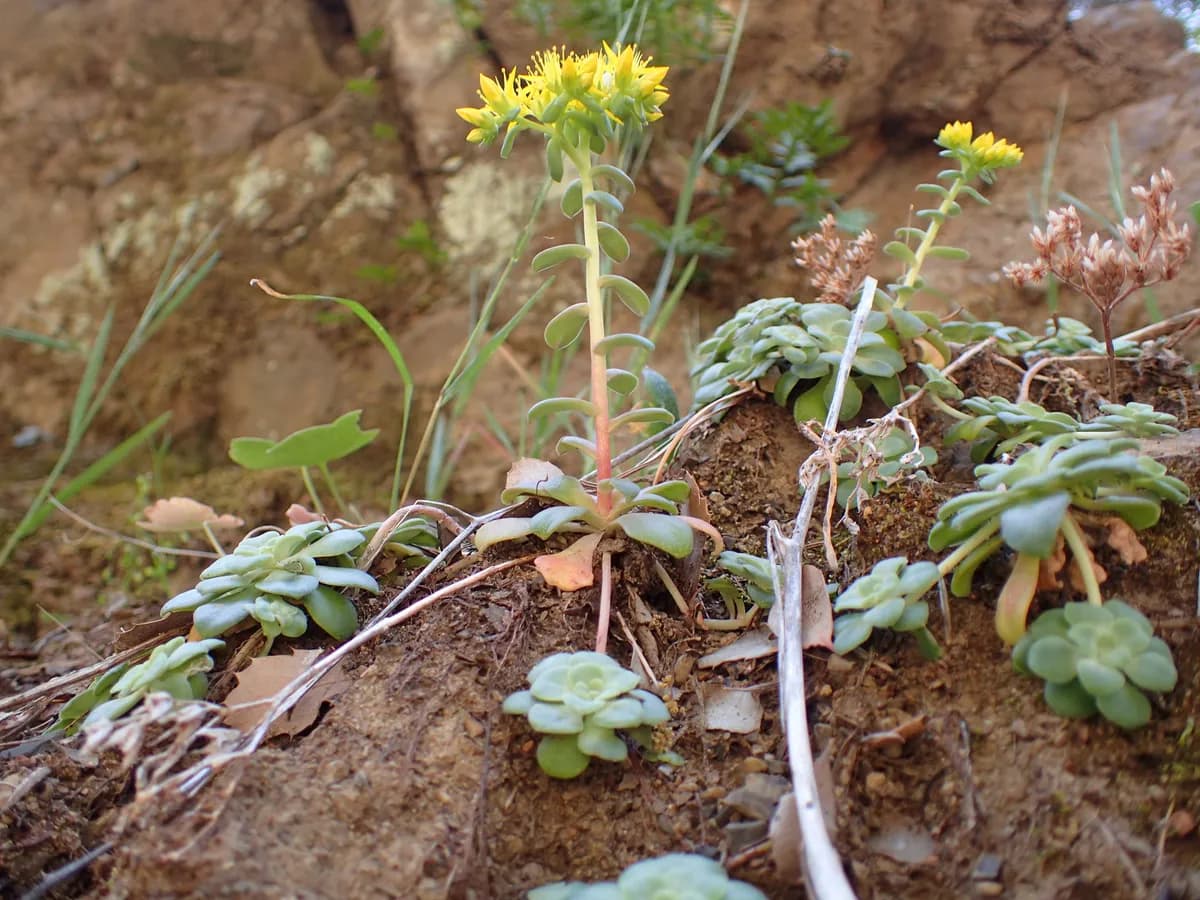
Broadleaf Stonecrop
Sedum spathulifolium
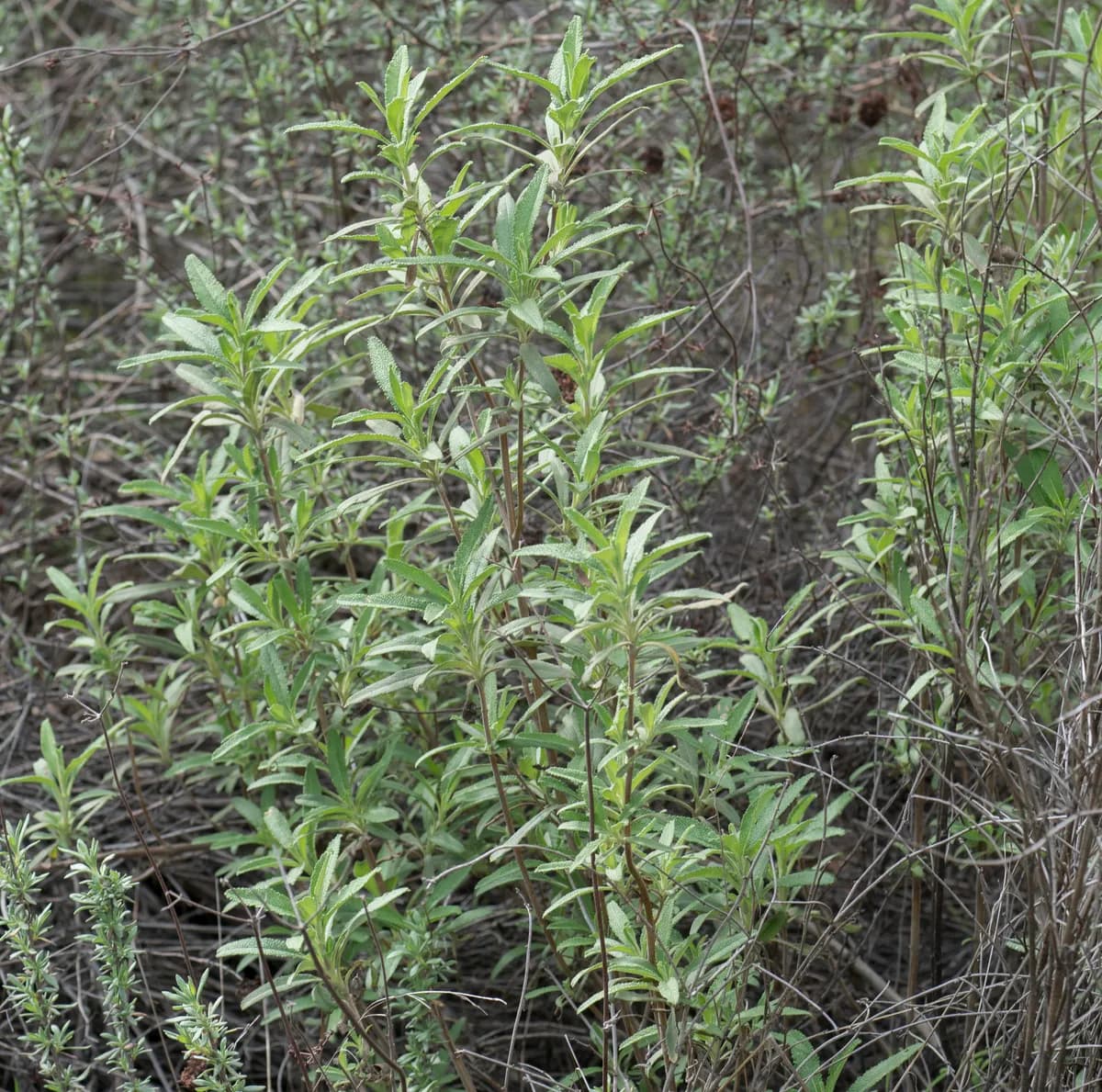
Black Sage
Salvia mellifera
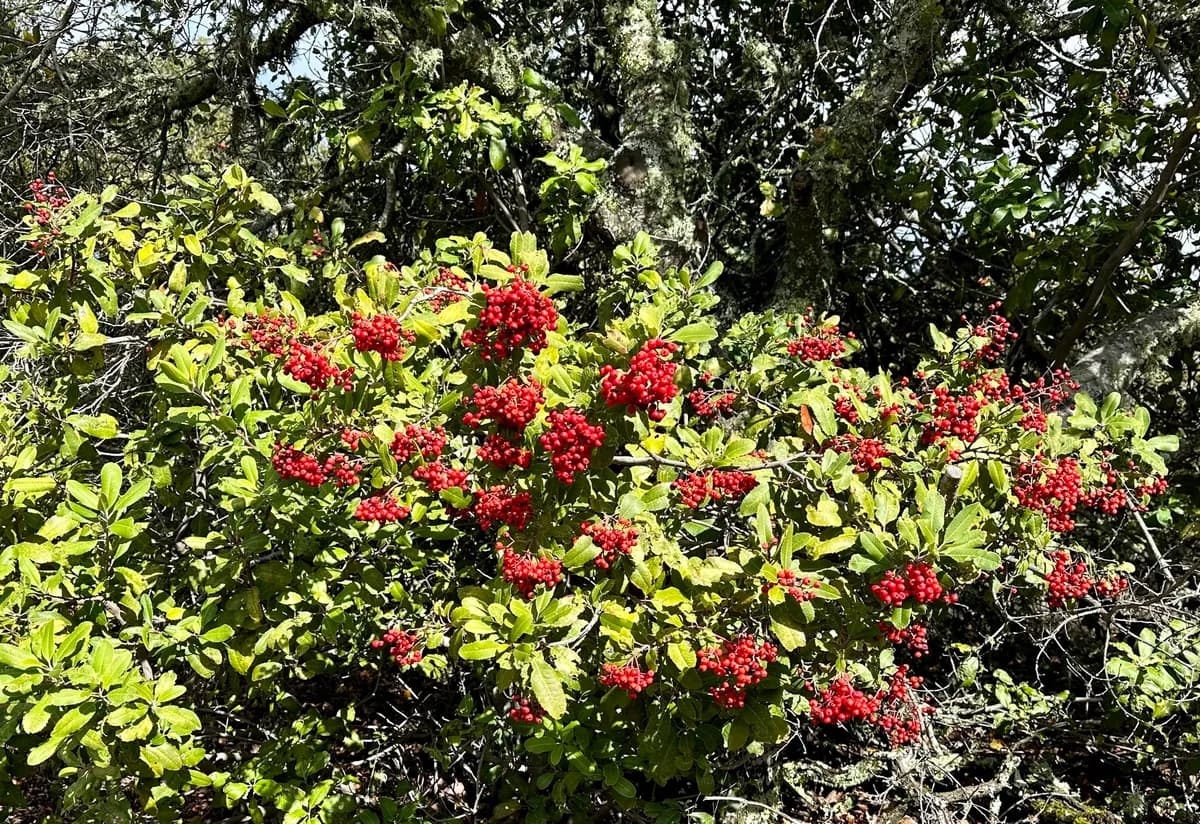
Toyon
Heteromeles arbutifolia
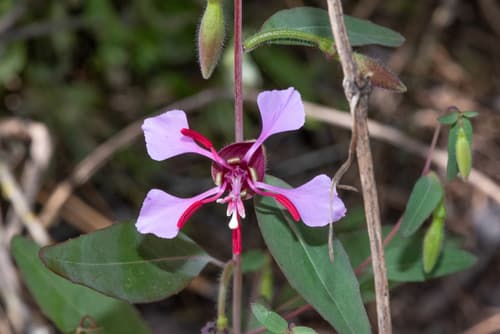
Clarkia
Clarkia unguiculata
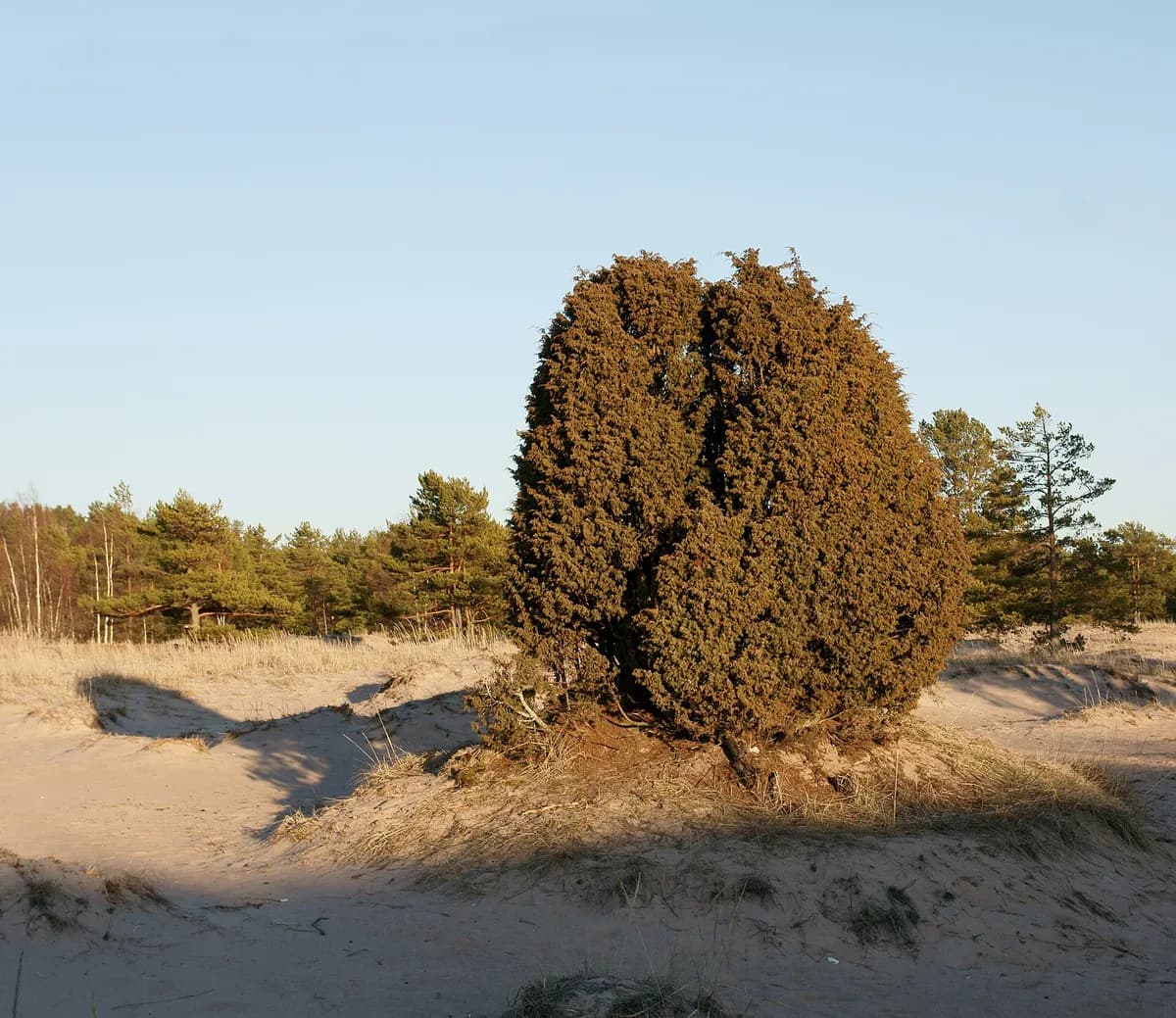
Common Juniper
Juniperus communis
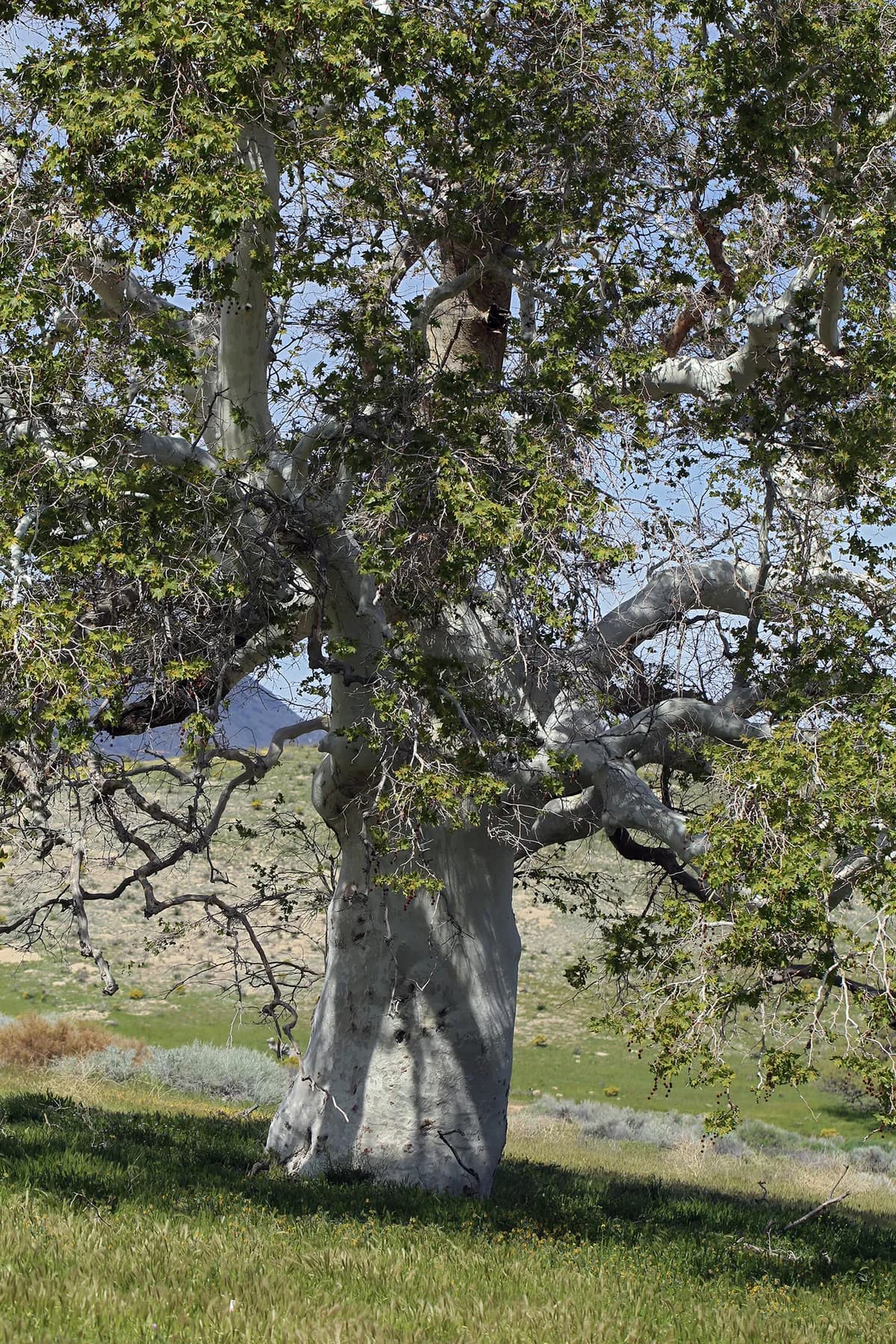
California Sycamore
Platanus racemosa
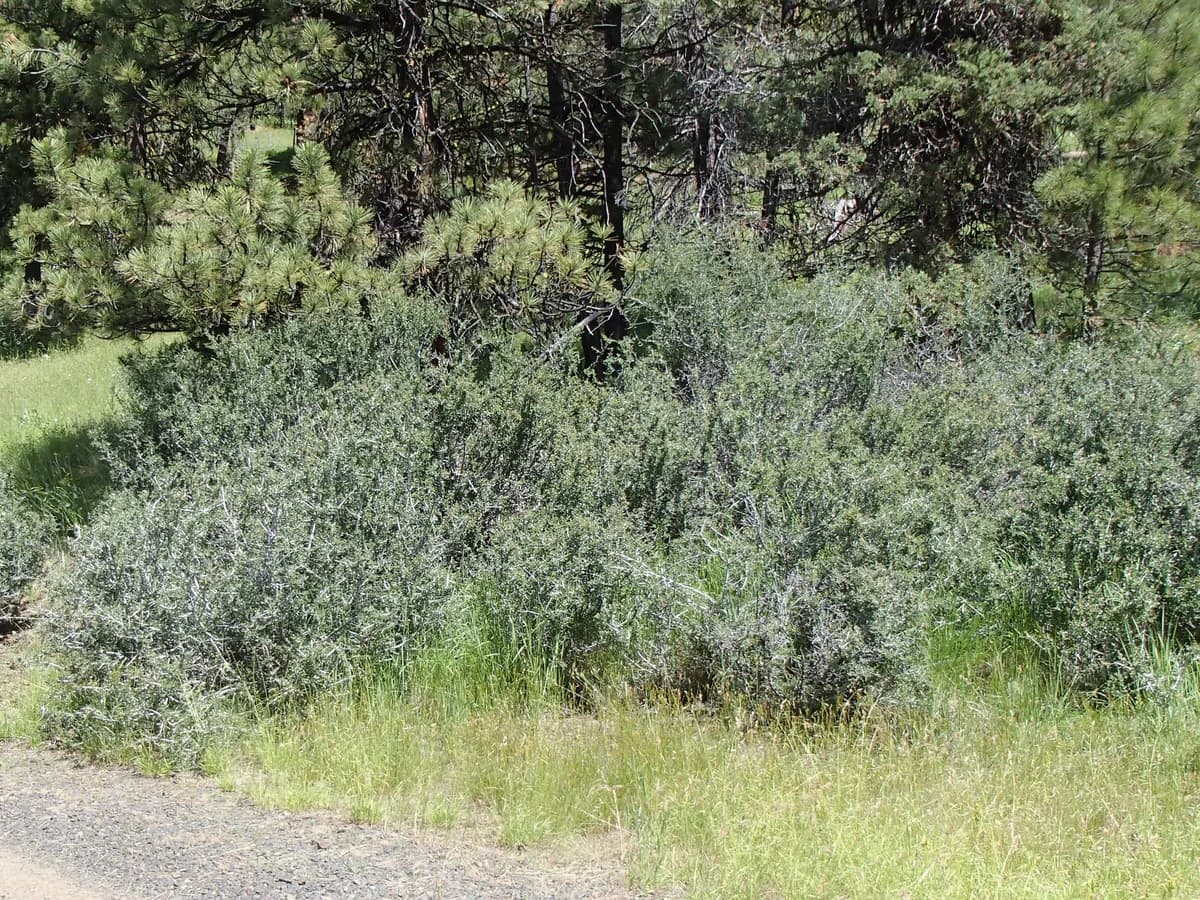
Cuneate Ceanothus
Ceanothus cuneatus
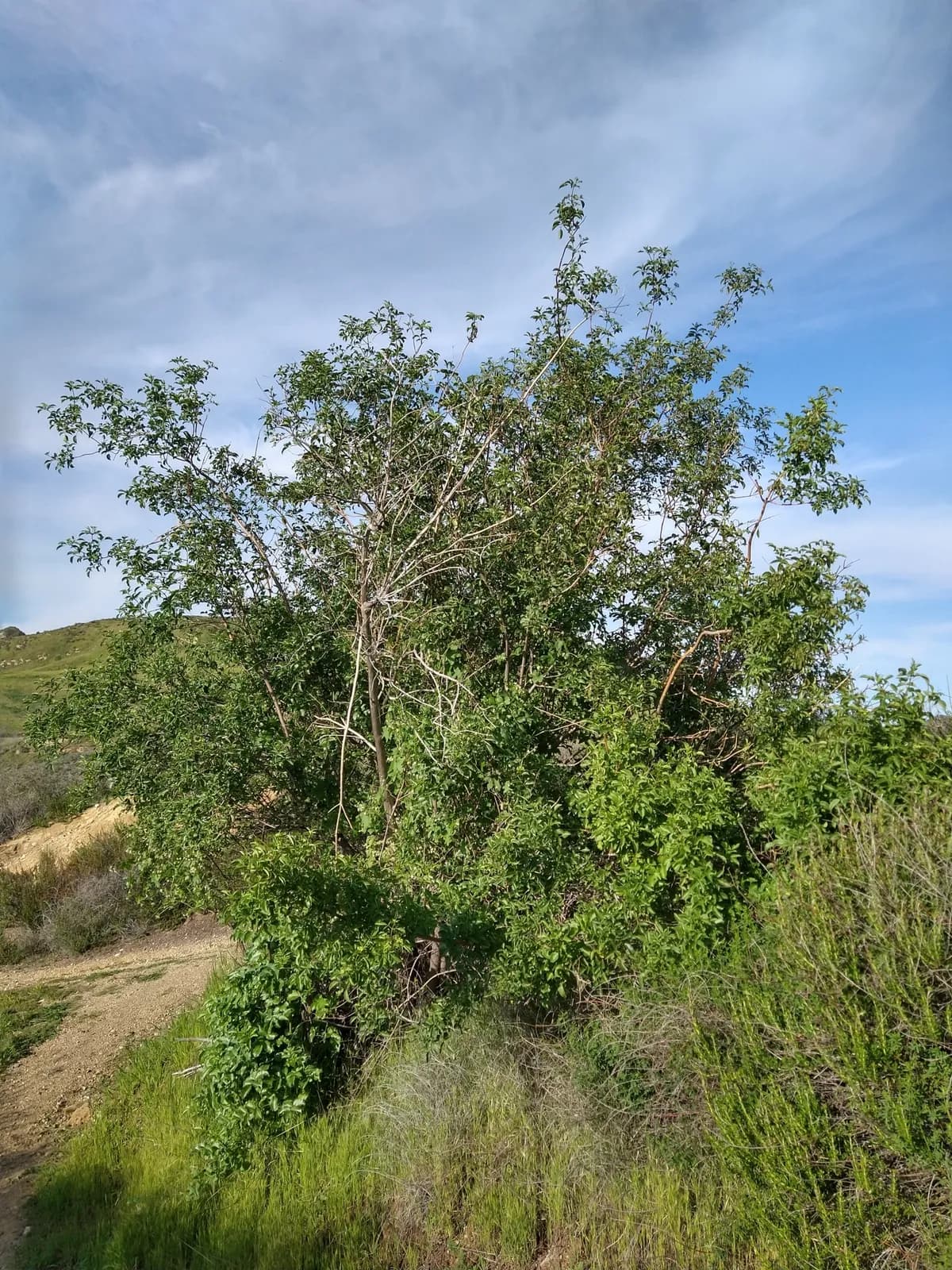
Blue Elderberry
Sambucus mexicana
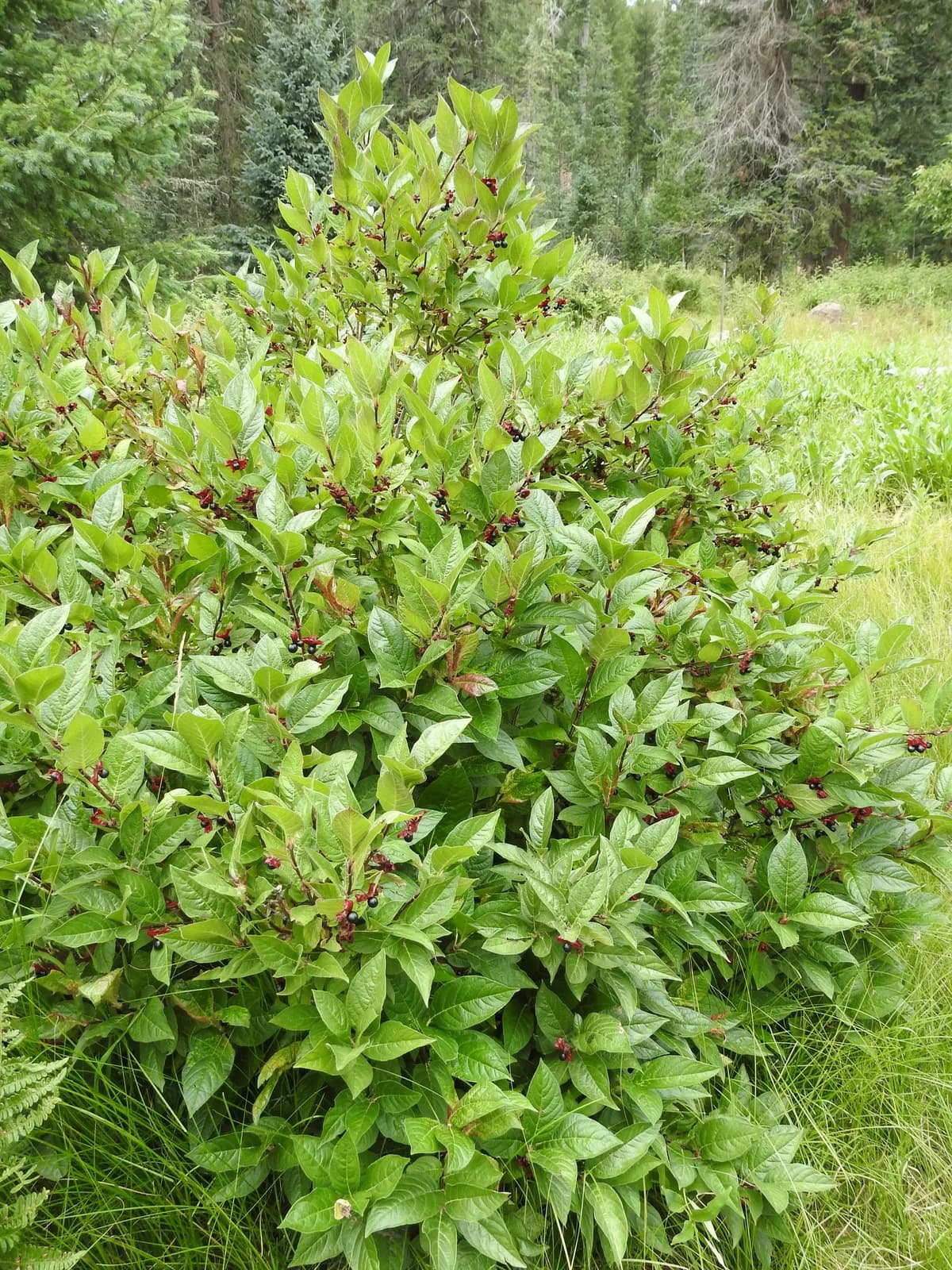
California Honeysuckle
Lonicera involucrata
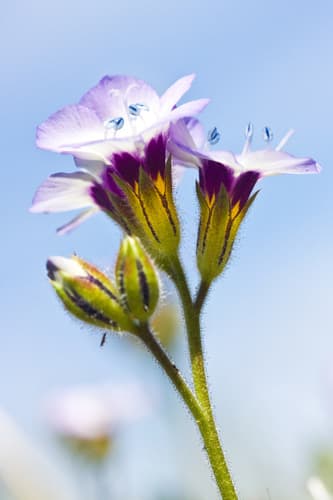
Bird's-eyes
Gilia tricolor
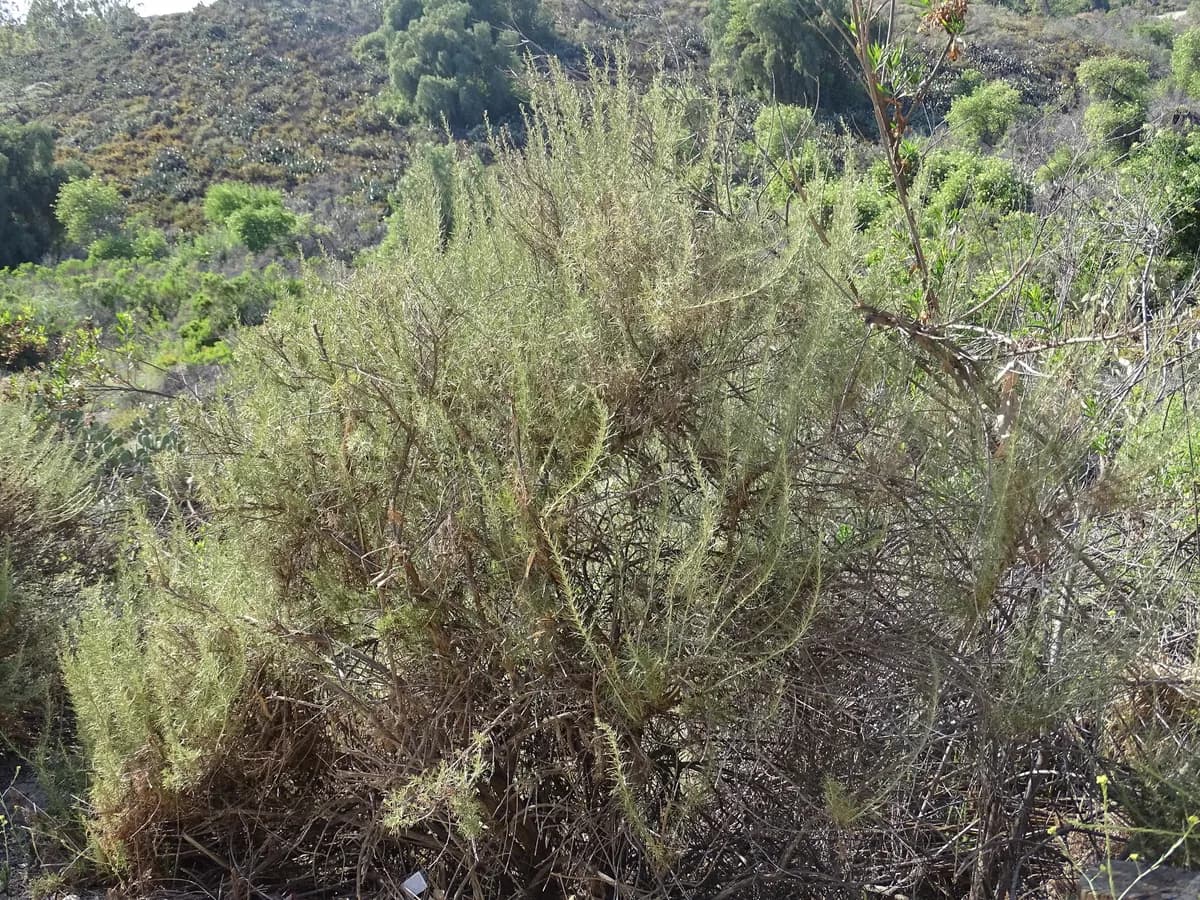
California Sagebrush
Artemisia californica
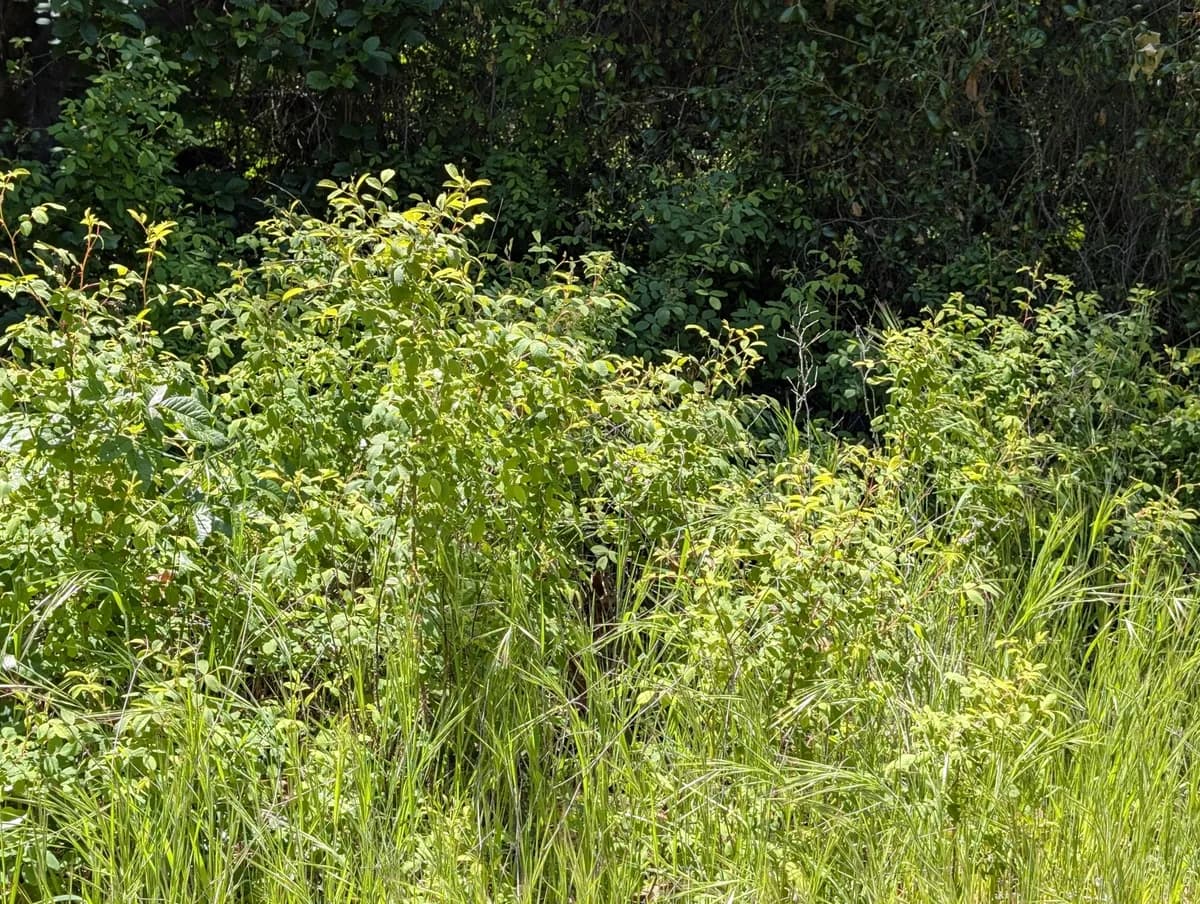
California Rose
Rosa californica
Showing 48 of 882. Enter your ZIP for the natives matched to your yard.
Fall care in the Coast Range
What to do right now for plants commonly grown here. Each links to the full regional care guide for that species, with sources.
- Western blue eyed grass
Fall in Eureka brings the rain back, and that is usually what wakes this plant back up from its summer rest.
- Common sneezeweed
Fall brings sneezeweed's heaviest bloom in Eureka, and despite the name it is not a hay fever culprit, since insects rather than wind do the pollinating.
- Narrowleaf milkweed
Bloom fades and seed pods form, splitting open later in fall to release fluffy seeds that can drift into nearby beds.
- Common yarrow
Fall is the best time to cut yarrow back and divide crowded clumps in a Eureka yard, setting it up for a clean look through the North Coast's wet winter.
- Graceful cinquefoil
Fall is cutback and tidy-up season for graceful cinquefoil as it starts to slow down with Eureka's returning rains.
- Giant wild rye
Fall is when Humboldt County's rains start returning, and it is a good time to groom the grass before winter.
- Prairie junegrass
Fall is a good time to tidy up Prairie Junegrass and get it ready for the wet season ahead.
Build a plan for the Coast Range
Pollinator Patch turns plants like these into a front-yard plan tuned for the soil, climate, and HOA expectations of the Santa Rosa area.