Bunchleaf Penstemon
Penstemon heterophyllus
Last reviewed: September 2026
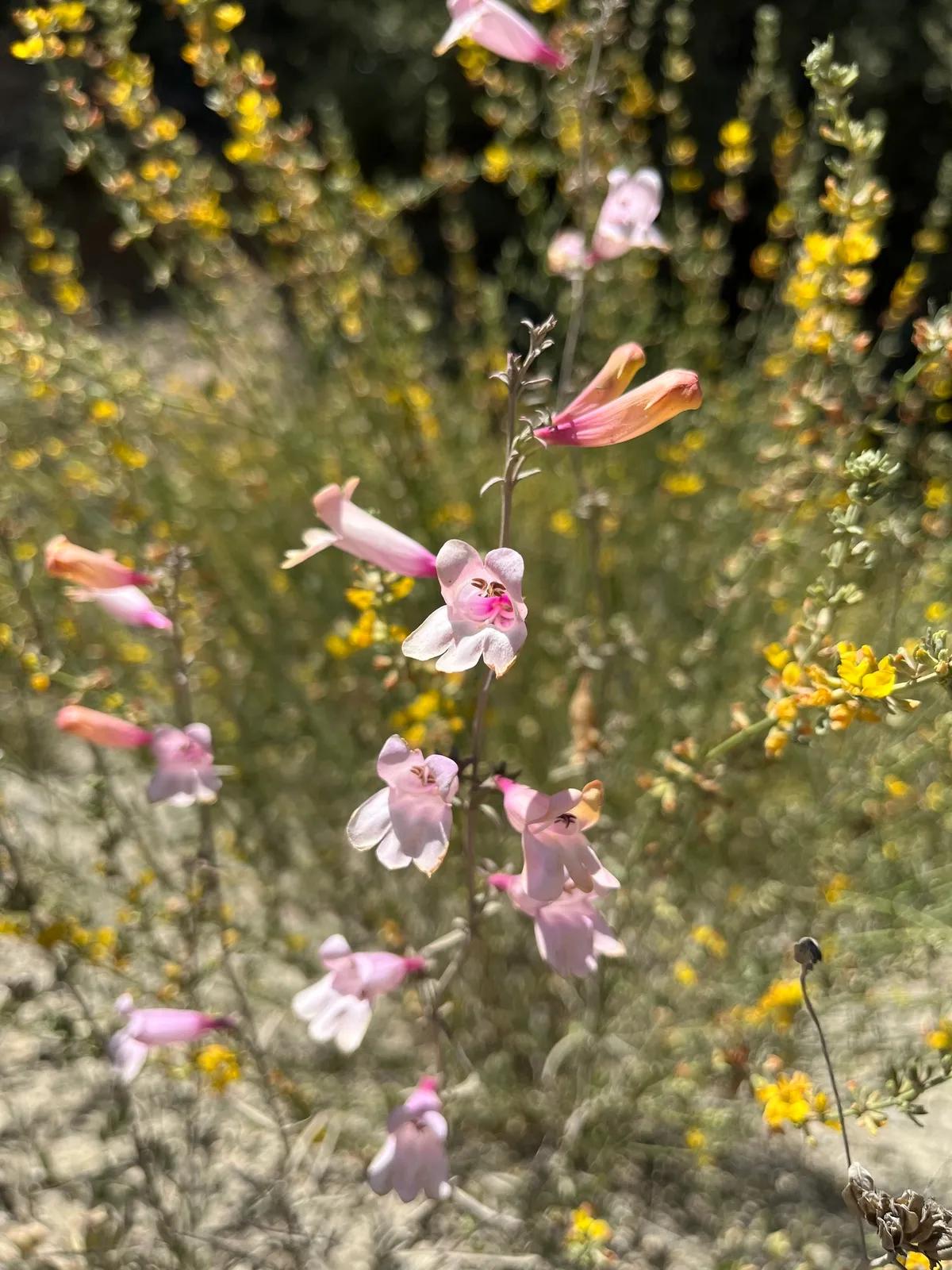
Penstemon heterophyllus, also called foothill penstemon, is a low water perennial forb that produces blue to violet flower spikes from April through June in dry, sunny sites.
Bunchleaf Penstemon (Penstemon heterophyllus) is not flagged as toxic to dogs or cats by Plants For A Future (PFAF) (opens in new tab) (last reviewed 2026-05-21). This verdict does not come from the ASPCA. If your pet shows symptoms after eating any plant, call the ASPCA at (888) 426-4435.
The USDA PLANTS Database (opens in new tab) does not flag Bunchleaf Penstemon as toxic to livestock.
Light
full sun
Water
low
Size
12"–24" H × 12"–24" W
Bloom
Apr, May, Jun
Native to
CA
Pollinators
bees, hummingbirds
Before you buy
Your city may pay you to plant this
Cities and water utilities offer rebates for replacing lawn with native and water-wise plants. We track 459 programs across 44 states, each with a link to the provider and the date we last checked it.
Find rebates in your areaPicture natives in your own yard
Upload a photo of your yard and Patch Vision shows a rendering of it planted with natives for your region, like Bunchleaf Penstemon.


Browse plants for this ecoregion
Bunchleaf penstemon is a low-growing native perennial with narrow blue-green leaves. From April to June, it produces striking violet-blue to lavender flowers on upright stems. This drought-tolerant plant maintains good structure throughout the year.
Growing Bunchleaf Penstemon
Grow Bunchleaf Penstemon in full sun and low water. Mature plants reach 12 to 24 inches tall and spread 12 to 24 inches wide. Expect low maintenance to keep it looking intentional in a front yard.
How to care for Bunchleaf Penstemon, by region
How to care for Bunchleaf Penstemon where it is actually grown: year-round basics plus what to do each season, region by region, with the sources for each.
Care guidance last updated: October 2026
Central California Foothills and Coastal Mountains (includes San Francisco, CA)
Year-round
Foothill penstemon is a California native perennial that does well in San Francisco gardens with full sun to light afternoon shade, fast-draining soil, and a light hand with water once it settles in.
- Give it full sun to light afternoon shade, it also tolerates part shade in foggier yards.
- Plant in well drained soil, on a slight mound or amended with grit if your yard has heavy clay.
- Water regularly through the first year to get roots established, then taper to occasional deep soaks.
- Cut off spent flower spikes through the bloom season to push out more flowers.
- It is native to California's Coast Ranges, including the San Francisco Bay Area, and it has special value to native bees.
Fall
Fall, roughly September into November, is the best window to plant or divide foothill penstemon in the Bay Area, and it is also time to cut back leggy growth and ease off supplemental watering as the rains return.
- Plant new foothill penstemon in September through November so roots can establish during the Bay Area's cooler, wetter months.
- New plantings still need water between rains through their first fall, check that the root ball feels damp before watering again.
- Cut back any remaining leggy or woody stems by about a third once the last blooms fade.
- Ease off supplemental watering once the season's first real rain arrives, usually by late October or November in San Francisco.
A fall cutback avoids a bare, leggy look heading into winter, a tidier silhouette for anyone keeping an eye on curb appeal.
Winter
Winter is San Francisco's rainy season, generally November through March, and foothill penstemon stays evergreen through it with little water needed and only rare frost risk.
- San Francisco's rainy season runs roughly November through March, well drained soil should need little to no supplemental water.
- Hard freezes are rare in San Francisco, and this species usually stays evergreen through winter here.
- Cooler inland-facing yards and low spots can still see an occasional light frost in December and January, keep an eye on new growth there.
- Leave a moderate amount of structure through winter rather than shearing hard, it protects the crown and holds a neater winter shape.
Keeping some winter structure instead of cutting to bare stubs avoids a dead-looking bed through the wet season.
Spring
Spring is bloom season for foothill penstemon in San Francisco, generally April through June, and the main jobs are letting rain handle the watering and deadheading to keep the flowers coming.
- Expect blue to purple flower spikes from around April into June, tapering into July in cooler yards.
- San Francisco's spring rain usually covers watering needs, add extra water only if a dry stretch runs more than a couple of weeks.
- Deadhead the first flush of spent flower spikes to encourage a second round of blooms.
- Check new soft growth for aphids and hose them off if you see clusters.
Deadheading through spring keeps the bed looking tended and HOA-friendly rather than left to go to seed.
Summer
San Francisco summers are dry with little rain and often foggy near the coast, so foothill penstemon needs an occasional deep soak and a midsummer trim to stay compact.
- San Francisco gets little to no rain from June through September, established plants usually need an occasional deep soak every few weeks, more often in sunnier, less foggy yards.
- If the first bloom flush already faded, shear stems back by about a third to keep the plant compact and encourage another round of flowers.
- The woody-based stems can flop by midsummer, a light stake or trim keeps the plant upright.
- Watch for spider mites during hot dry stretches, especially in sun-baked spots, and rinse foliage off if you see fine webbing.
A midsummer trim keeps the plant from sprawling into the walkway, a tidy shape that reads as intentional in a front-yard bed.
Sources: Lady Bird Johnson Wildflower Center, Penstemon heterophyllus plant profile, Calscape (CNPS), Foothill Penstemon care page, Theodore Payne Foundation Native Plant Database, Penstemon heterophyllus var. heterophyllus, UC ANR Master Gardener Program of Alameda County, Planting California Natives: The Time is Now (Fall/Winter)
Central California Valley (includes Sacramento, CA)
Year-round
Foothill Penstemon is a low-water California native that throws spikes of blue-to-violet flowers in spring and pulls in bees and hummingbirds. In heavy Sacramento clay it lives or dies on drainage, so plant it high and keep summer water away once it is settled.
- Plant on a slight mound in the heavy valley clay so water drains away from the crown, since sitting wet is the main thing that rots this plant.
- Put it in full sun, the light it wants for the strongest bloom on the Central Valley floor.
- Give it deep, infrequent water only through its first summer, then wean it to little or no summer water once the roots are established.
- Space plants about 18 to 24 inches apart so air moves around the crowns and stays dry.
Fall
Fall is the prime time to plant Foothill Penstemon around Sacramento, timed to the first rains so the roots settle in over the wet winter before next summer's drought. Getting the mound and drainage right now sets the plant up for years.
- Plant new penstemons in October or November as the first rains arrive so winter moisture establishes the roots before summer.
- Set each plant on a slight mound in the heavy clay so the crown sits high and water drains away from it.
- Water a new planting in well, then lean on the coming winter rains rather than running irrigation.
- Hold off on any fertilizer and keep mulch pulled back a few inches from the crown so it stays dry.
Laying out fall plantings on tidy spacing with a clean bed edge from the start gives the front yard an intentional, cared-for look that reads as HOA-friendly while the plants are still small.
Winter
Winter is the wet, cool growing season around Sacramento, and Foothill Penstemon quietly roots in while the rain does the watering. Your main job is to make sure the crown is not sitting in standing water during the wet, foggy months.
- Let winter rain do the watering and add no supplemental water, since the clay holds plenty of moisture through the cool months.
- Check after big storms that water is not pooling around the crown, and improve the mound or drainage if it is.
- Expect the plant to look low and evergreen-ish through the mild frosts and Tule fog, and leave it be.
- Do any light cleanup of dead stems on a dry day so you are not working wet, disease-prone foliage.
A quick winter tidy of dead stems and a crisp bed edge keeps the planting looking maintained through the gray, foggy months, which is the intentional look that heads off complaints.
Spring
Spring is peak bloom for Foothill Penstemon around Sacramento, with blue-to-violet flower spikes covered in bees and visited by hummingbirds. The soil is still moist from winter rain, so you mostly just enjoy it and start easing off any extra water.
- Let the winter-moist clay carry the plant through most of spring bloom and taper off any supplemental water as March turns into warmer May.
- Skip fertilizer, since this native blooms best in lean valley soil and feeding just pushes soft, floppy growth.
- Snip off spent flower spikes after the main bloom fades to tidy the plant and sometimes coax a lighter second flush.
- Watch that sprinklers or a wet lawn edge are not keeping the crown soggy as the weather heats up, since that is what starts the rot.
Deadheading the finished flower spikes keeps a front-yard planting reading as intentional and cared for rather than weedy, which is the look that avoids a violation letter.
Summer
In the hot, bone-dry Sacramento summer an established Foothill Penstemon wants to be left alone and kept dry. Summer water on a settled plant in heavy clay is the single most common way people kill it.
- Give an established plant no summer water once it is past its first year, since summer irrigation in the heavy valley clay rots the crown and roots.
- Only a plant put in the ground this past fall or spring gets occasional deep water through this first summer, then it too gets weaned off.
- Keep any nearby drip lines, sprinkler overspray, or a watered lawn from soaking the crown during the dry months.
- Expect the plant to look tired and rest in the heat, which is normal, and resist the urge to water it back to life.
If the resting plant looks ragged from the street, a clean cut-back of spent stems and a defined bed edge keeps the bed reading as an intentional low-water planting instead of neglect.
Sources: Calscape, California Native Plant Society, Foothill Penstemon, Las Pilitas Nursery, Penstemon heterophyllus horticultural notes, UC Master Gardeners of Tulare and Kings County, Plant Penstemons for Fast-Growing, Big Flowers
Klamath Mountains/California High North Coast Range (includes Medford, OR)
Year-round
Year-round care for bunchleaf penstemon around Medford, OR: full sun to part shade, well-drained soil.
- It grows in full sun or partial shade.
- It tolerates many soils as long as drainage is good.
- Once established it is drought tolerant, with at most three summer waterings a month.
- It reaches 3 to 5 feet tall and up to 5 feet wide, and some cultivars stay 12 to 18 inches.
- Deadhead to induce more flowering.
- It tolerates cold down to 10 degrees F.
Deadheading after bloom keeps the upright clumps neat.
Sources: Calscape: Penstemon heterophyllus
Southern California/Northern Baja Coast (includes Los Angeles, CA)
Year-round
Foothill penstemon is native to Southern California's coastal mountain ranges, including much of the LA basin's foothills, so it is already tuned to this area's dry summers and wet winters. Give a newly planted penstemon regular water through its first summer and fall so the roots dig in deep, then taper off sharply. Once established, treat it like most Southern California natives and let winter rain do the watering, with maybe one or two deep soaks in July and August if the leaves wilt in the afternoon heat. The single biggest way people lose this plant in LA yards is by keeping it too wet, especially where sprinklers run on a lawn schedule or the soil is heavy clay that holds water around the crown. If your yard has clay soil, work coarse pumice or decomposed granite into the planting hole, or set the plant on a slight mound so water drains away from the base instead of sitting there. A layer of gravel mulch pulled right up to the crown keeps the stem base dry and mimics the rocky slopes this plant grows on in the wild, while wood mulch against the stems invites rot. Foothill penstemon is not a long-lived plant in most home gardens, often three to five years, and it fades faster with rich soil, fertilizer, or too much water, so resist the urge to feed it or baby it.
- Water deeply once or twice a week through the first summer and fall to establish roots, then taper off.
- After year one, water only during long dry stretches in summer, roughly monthly or when leaves wilt in the afternoon.
- In clay soil, mix coarse pumice or decomposed granite into the planting hole, or plant on a raised mound so water drains away from the crown.
- Pull gravel mulch up to the base of the plant and keep wood mulch away from the stems.
- Skip fertilizer. Rich soil and heavy feeding shorten this plant's already short three to five year lifespan.
Fall
By September the bloom is done and LA's dry season is still holding on, so foothill penstemon can look tired and woody after a long hot summer. Once the worst heat breaks, usually late September into October, cut the whole plant back by about a third to remove leggy growth and keep a tidy mound. Let the last seed heads dry and drop first if you can, since that lets the plant reseed and gives birds something to feed on before you cut. Time the cutback to land before the first real rains arrive, so new basal growth is not sitting in wet, dead thatch at the base. Once the rains start, taper off any supplemental watering and let the wet season take over.
- Once summer heat breaks, usually late September into October, cut the plant back by about a third to remove tired, woody growth.
- Let the last seed heads dry and drop before cutting so the plant can reseed and birds can feed.
- Finish the cutback before the first fall rains so new growth is not sitting in wet, dead thatch.
- Taper off supplemental watering once fall rains begin. LA's wet season should take over from here.
- Fall is the easiest time to fix a soggy spot: work in gravel or regrade before the rains arrive.
A tidy fall cutback removes the leggy, spent summer growth so the bed reads as an intentional, HOA-friendly planting rather than overgrown heading into the dormant season.
Winter
Winter in Los Angeles is the rainy season, and foothill penstemon, which stays evergreen in mild climates, should mostly take care of itself as long as the spot drains well. The real risk this time of year is not cold. This plant tolerates temperatures down into the 20s and even lower, it is standing water after a heavy storm. If you notice puddling or soggy soil around the crown for more than a day after rain, that spot has a drainage problem worth fixing before next winter, since sitting water in cool, wet weather is exactly when crown rot sets in. Skip supplemental irrigation during a normal rainy winter. The plant is dormant or close to it and does not need it. Leave the fall cutback framework in place through winter rather than shearing again now.
- Do not irrigate during a normal rainy winter. Let rainfall handle all the watering.
- Watch for puddling after storms. Standing water at the crown for more than a day signals a drainage problem to fix.
- Cold is rarely the issue in the LA basin. This plant handles the 20s, so frost cover is not usually needed at lower elevations.
- Leave the fall cutback framework alone. New growth will emerge from it as days lengthen.
- If a downspout or gutter empties near the plant, redirect it. Concentrated runoff is worse than rain alone.
Keeping the low, cut-back winter silhouette intact instead of letting rain-soaked growth flop over keeps an HOA-friendly, tidy look through the dormant season.
Spring
Spring is when foothill penstemon puts on its best show in Los Angeles yards, usually blooming from April into May or June with violet blue spikes that draw hummingbirds. Rain is tapering off through these months, so this is normally still enough moisture without you doing much, unless the season turns dry, in which case one deep soak every couple of weeks is plenty. Watch new growth for aphids clustering on tender stems. A strong blast from the hose usually knocks them off without needing a spray. As the first flush of flowers fades, cut the spent flower spikes back to a healthy set of leaves to push out a second round of bloom later in spring.
- Let late-season rain do most of the watering. Add a deep soak every two to three weeks only if spring stays dry.
- Rinse aphid clusters off new stems with a strong spray of water instead of reaching for a pesticide.
- Cut spent flower spikes back to a leaf node once blooms fade to encourage a second flush.
- Do not fertilize. Established penstemon in lean soil blooms better than fed plants.
- Check drainage now. Standing water for more than a day after a spring storm means the spot is too wet for penstemon long term.
Deadheading spent spring bloom spikes keeps the plant tidy and full, which reads as an HOA-friendly, intentional bed instead of a leggy, faded one.
Summer
Summer is the season that makes or breaks foothill penstemon in Los Angeles gardens, because this is when overwatering does the most damage. The plant is built for hot, dry Mediterranean summers and wants to coast on very little water once established, so resist any urge to run it on the same irrigation schedule as thirsty lawn or tropical plants nearby. One deep soak every three to four weeks is usually enough for an established plant, less if it is in part shade or lean soil. Watch for a plant that suddenly wilts or collapses and lifts easily out of the soil when tugged. Extension research on penstemon ties that pattern directly to crown rot from overwatering after the bloom flush, and once it shows up there is no saving that plant. Keep deadheading through midsummer to stretch out the bloom period, then let the last flush go to seed by late summer.
- Cut back to one deep soak every three to four weeks for established plants, even during heat waves.
- Never let this plant share a sprinkler zone with lawn or thirsty tropical plants.
- A plant that suddenly wilts and lifts easily from the soil has crown rot from too much water, not too little.
- Keep deadheading through midsummer to extend bloom, then stop by late summer to let seed set.
- Afternoon wilting that perks back up by morning is normal heat response, not a sign it needs more water.
Regular deadheading through midsummer keeps the plant looking full and HOA-friendly during the stretch when neighbors and any HOA walkthrough see the most bloom.
Sources: Theodore Payne Foundation Native Plant Database - Penstemon heterophyllus var. heterophyllus, Calscape - Foothill Penstemon (Penstemon heterophyllus), Las Pilitas Nursery - Penstemon heterophyllus, Foothill Penstemon, UC ANR Master Gardeners of Tulare and Kings County - Plant Penstemons for Fast-Growing, Big Flowers, Colorado State University Extension - Growing Penstemons
In an HOA neighborhood
Bunchleaf Penstemon is an HOA-friendly choice. Maintenance level: low. Tidiness: 4 out of 5.
Works well in: front yard, foundation, street edge, mid zone.
- May look slightly less tidy after flowering period
Wildlife value
Excellent nectar source for native bees and hummingbirds. The tubular flowers are perfectly shaped for hummingbird feeding.
Common questions
- When does foothill penstemon bloom?
- Foothill penstemon typically flowers from April through June, with spikes of tubular blue to lavender blooms held above narrow foliage.
- How much water does this plant need once established?
- It performs best with low supplemental water. Established plants tolerate dry summer conditions and do not need regular irrigation.
- What pollinators visit Penstemon heterophyllus?
- The tubular flowers attract bees and hummingbirds, which use the blooms for nectar during the spring flowering period.
- How much sun does foothill penstemon need?
- It grows best in full sun and tolerates part sun, especially in hotter inland sites where light afternoon shade can reduce stress.
- Does this plant keep its leaves year round?
- Foothill penstemon holds onto its narrow leaves for most of the year, behaving as an evergreen to semi-evergreen subshrub in mild climates.
- Is Bunchleaf Penstemon toxic to dogs?
- Bunchleaf Penstemon is not flagged as toxic to dogs by Plants For A Future (PFAF). This verdict does not come from the ASPCA.
- Is Bunchleaf Penstemon toxic to cats?
- Bunchleaf Penstemon is not flagged as toxic to cats by Plants For A Future (PFAF). This verdict does not come from the ASPCA.
- Is Bunchleaf Penstemon toxic to livestock?
- The USDA PLANTS Database does not flag Bunchleaf Penstemon as toxic to livestock.
- Is Bunchleaf Penstemon HOA-friendly?
- Bunchleaf Penstemon is generally an HOA-friendly choice in the right placement, with low maintenance.
These answers were drafted with an AI model from this plant's data. Verify care details with a local expert.
Native range data from vouchered herbarium specimen records and regional native plant society lists. Pollinator and host plant associations compiled from GBIF, iNaturalist, and published ecological literature.
If something looks wrong
Common plant problems, and what to check first
These come up on almost any plant. Each guide lists the likely causes in the order they are worth ruling out, with one thing to check before you act on any of them, and links to the source it came from.
- It is dying right after planting
- Leaves turning yellow
- Wilting even though I watered it
- Brown crispy leaf tips
- Bugs on the plant
Ready to grow Bunchleaf Penstemon? Add it to your garden in Pollinator Patch to track it and get season-by-season care guidance.