EPA Level III Ecoregion
Central California Valley
570 native plants for the Central California Valley ecoregion (Sacramento area).
The Central California Valley runs from Redding down past Bakersfield and holds most of the state’s farmland, along with Sacramento, Fresno, and a string of fast-growing suburbs. Summers are long, hot, and dry, and winters bring nearly all of the rain. Natives from this valley floor, think valley oak, California fuchsia, and deergrass, are built for that rhythm and settle in well in front yards that get full sun.
Conditions: Deep alluvial soils, hot dry summers, 10–20 inches of winter rainfall, frequent summer water restrictions.
Cities and areas: Sacramento, Fresno, Bakersfield, Stockton, Modesto, Davis.
570 Native Plants for the Central California Valley
HOA-friendly picks listed first. Pet-safety status varies by species; each plant page shows its sourced ASPCA status. Native range data from vouchered herbarium specimen records and regional native plant society lists.
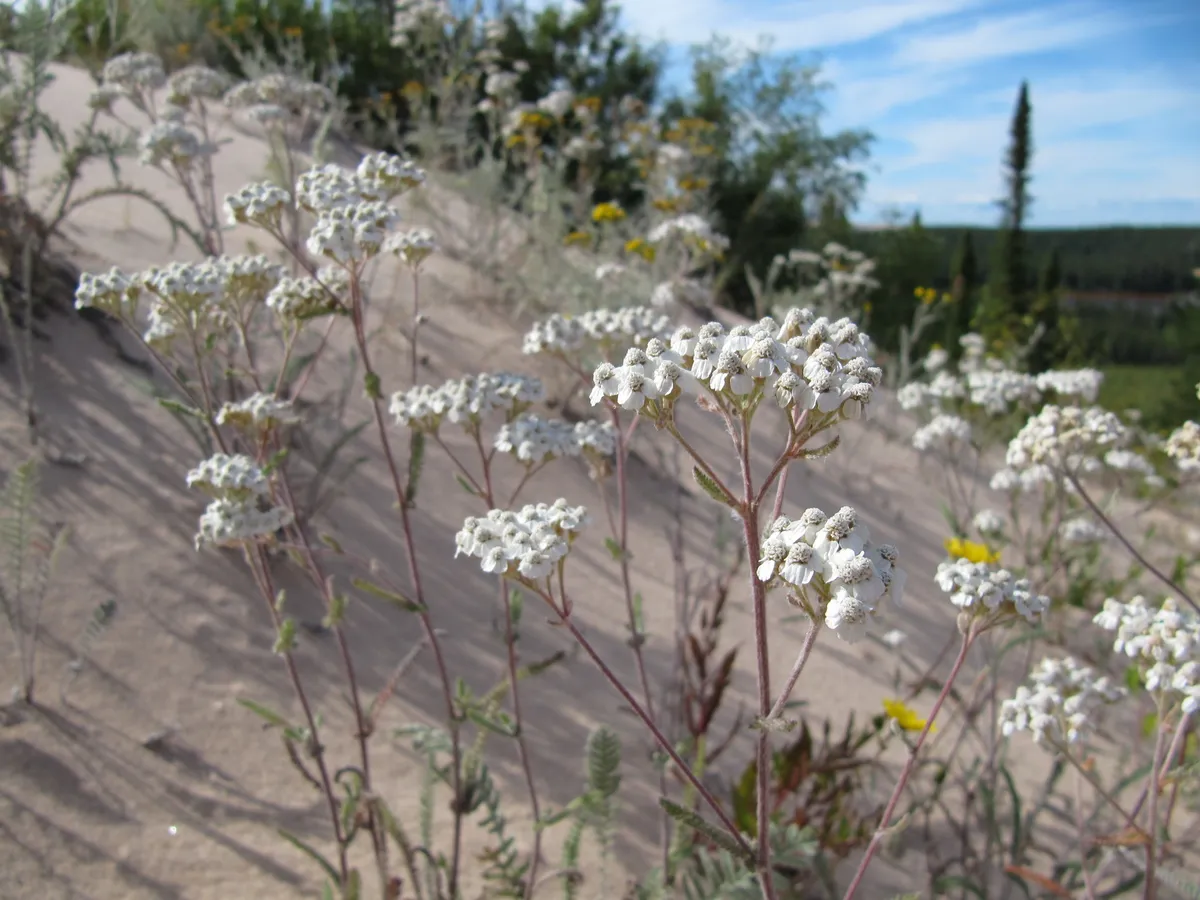
Common Yarrow
Achillea millefolium
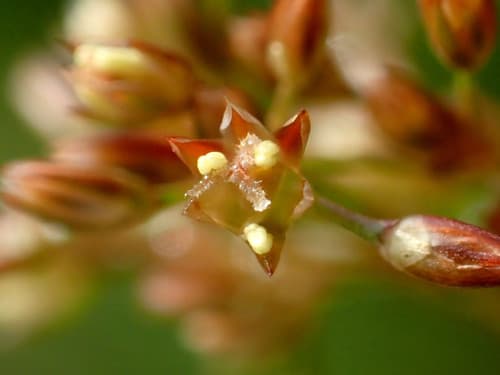
Soft rush
Juncus effusus
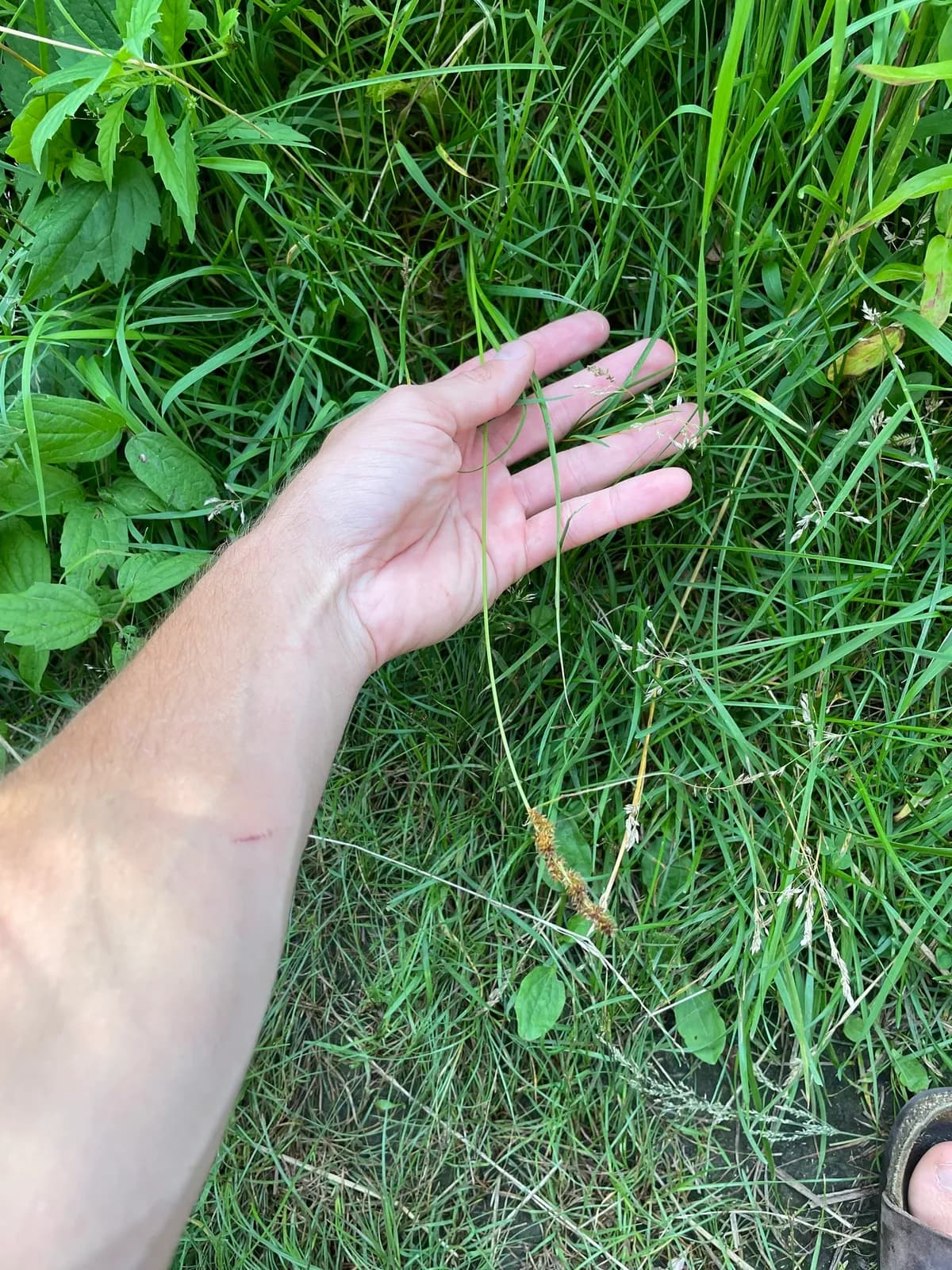
American Fox Sedge
Carex vulpinoidea
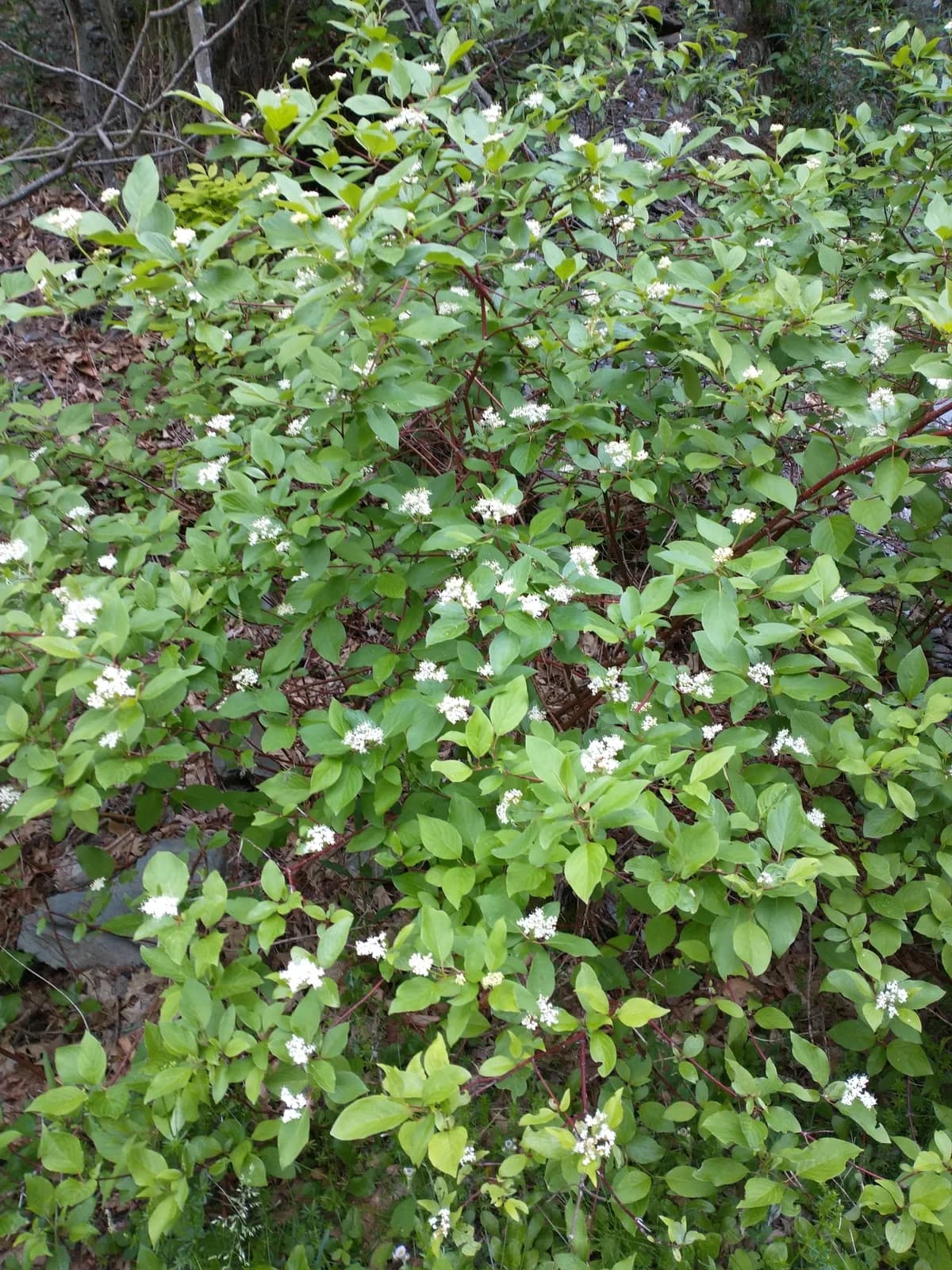
Red-osier Dogwood
Cornus sericea
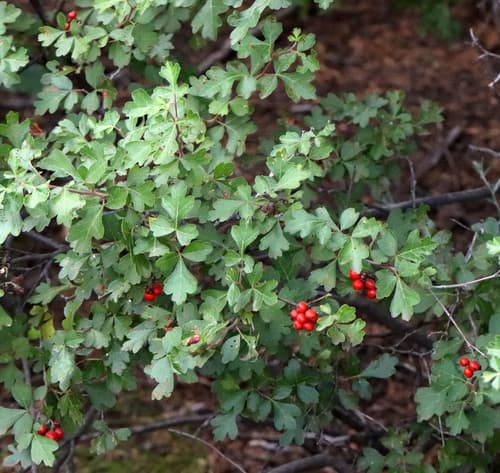
Aromatic Sumac
Rhus aromatica
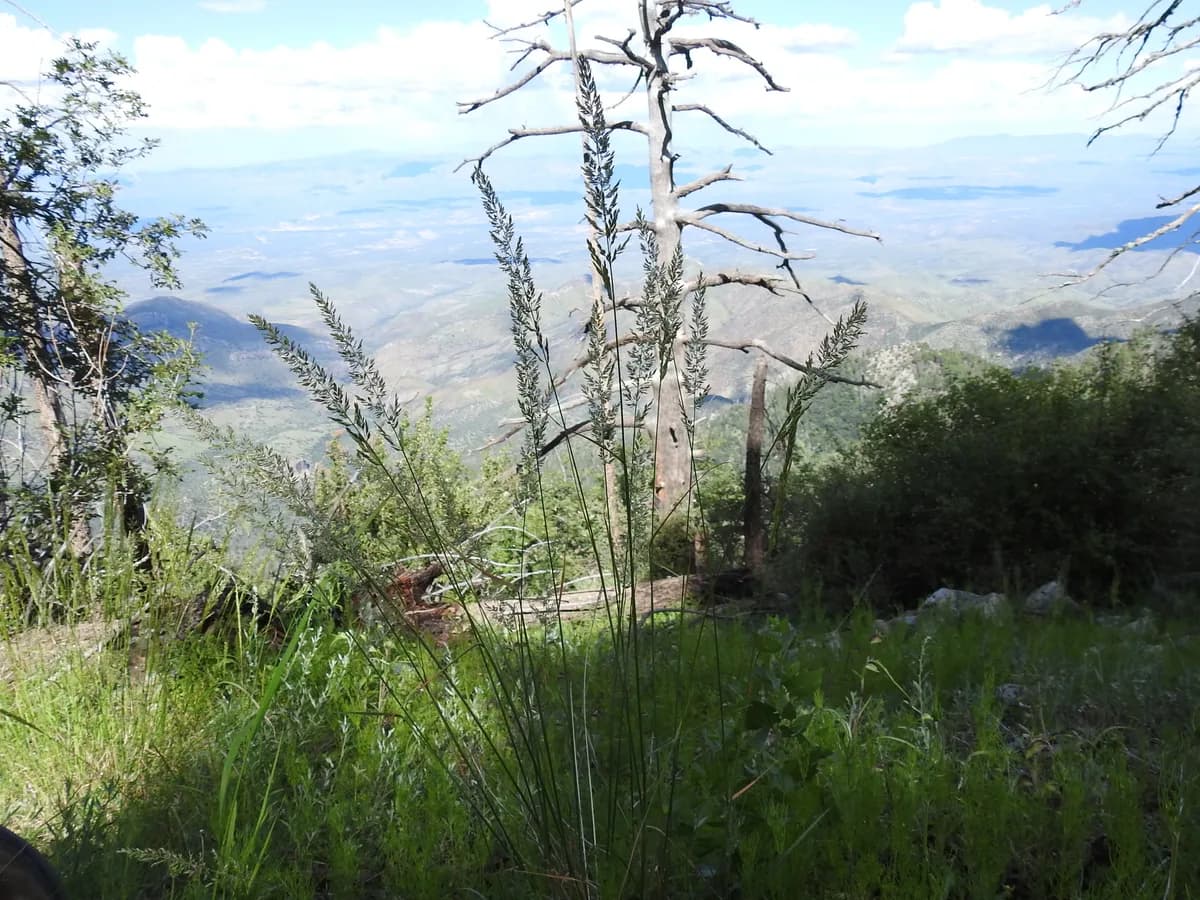
Prairie Junegrass
Koeleria macrantha
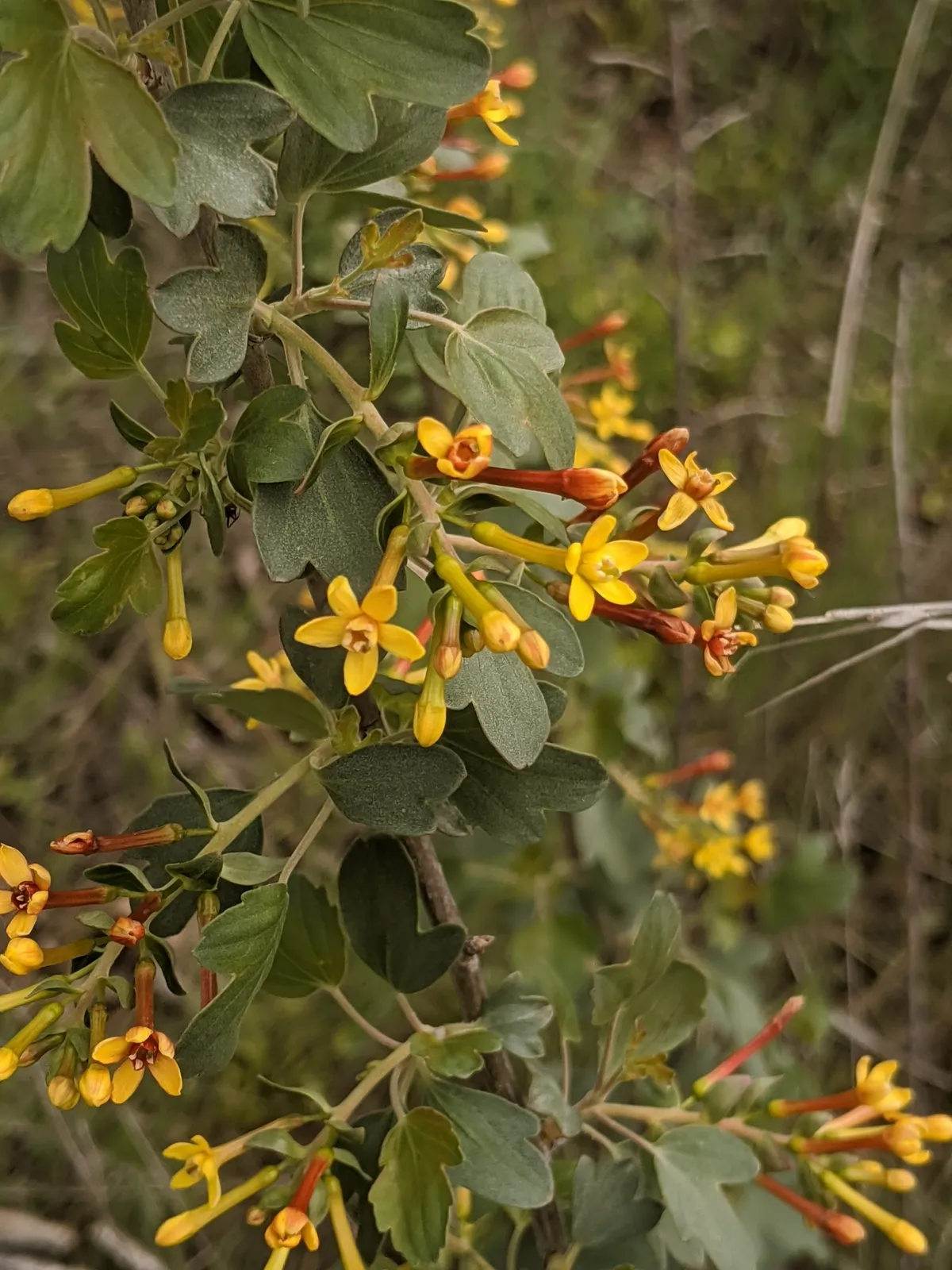
Golden Currant
Ribes aureum
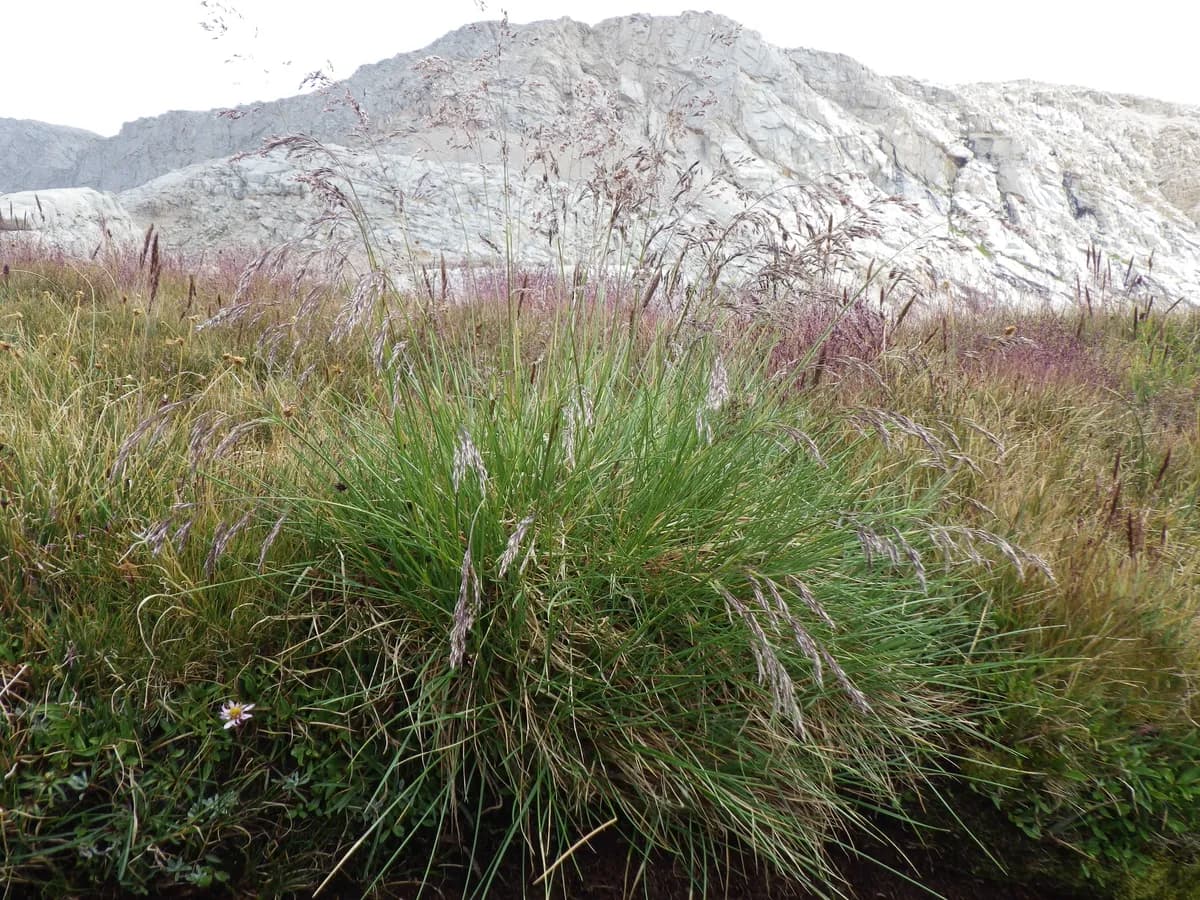
Tufted Hairgrass
Deschampsia cespitosa
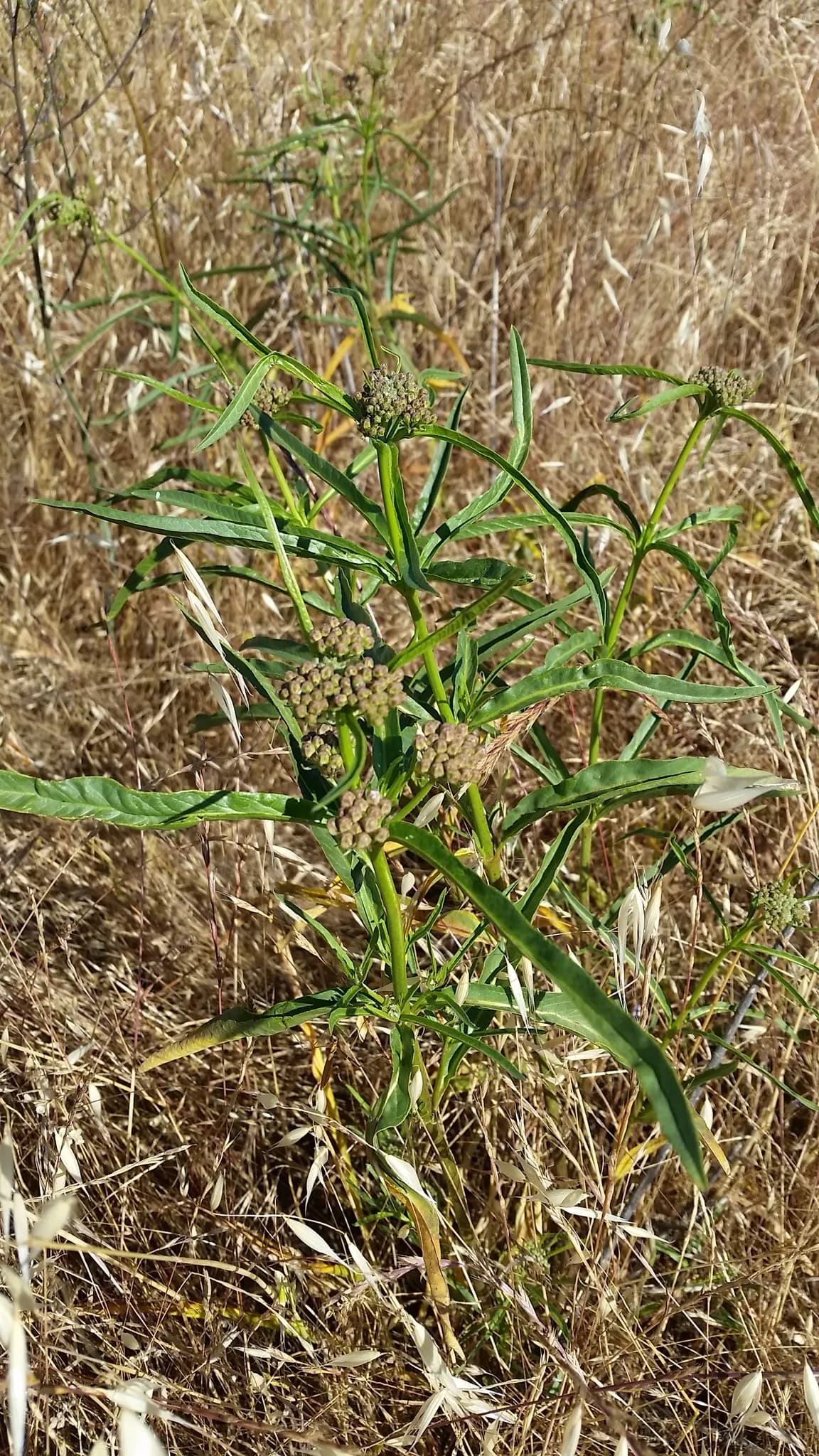
Narrowleaf Milkweed
Asclepias fascicularis
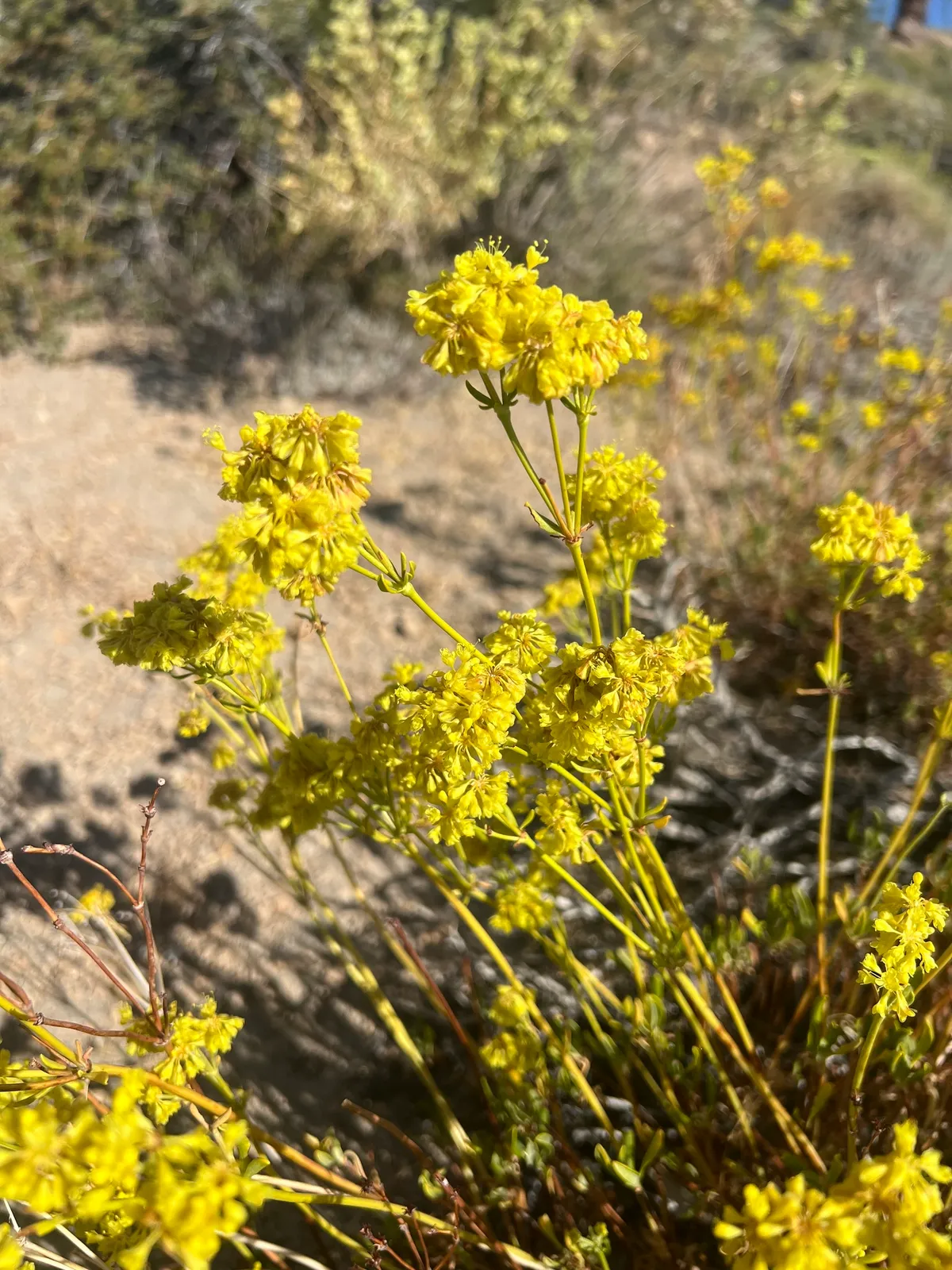
Sulfur-buckwheat
Eriogonum umbellatum
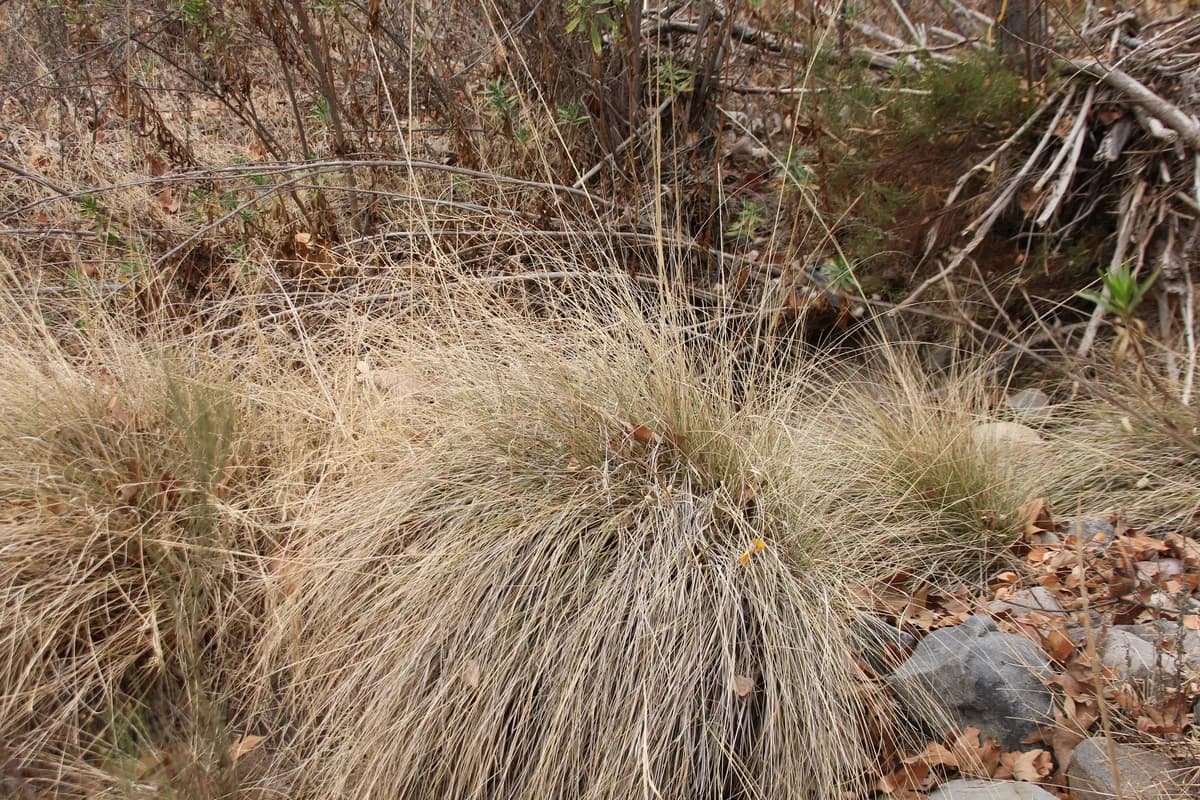
Deer Grass
Muhlenbergia rigens
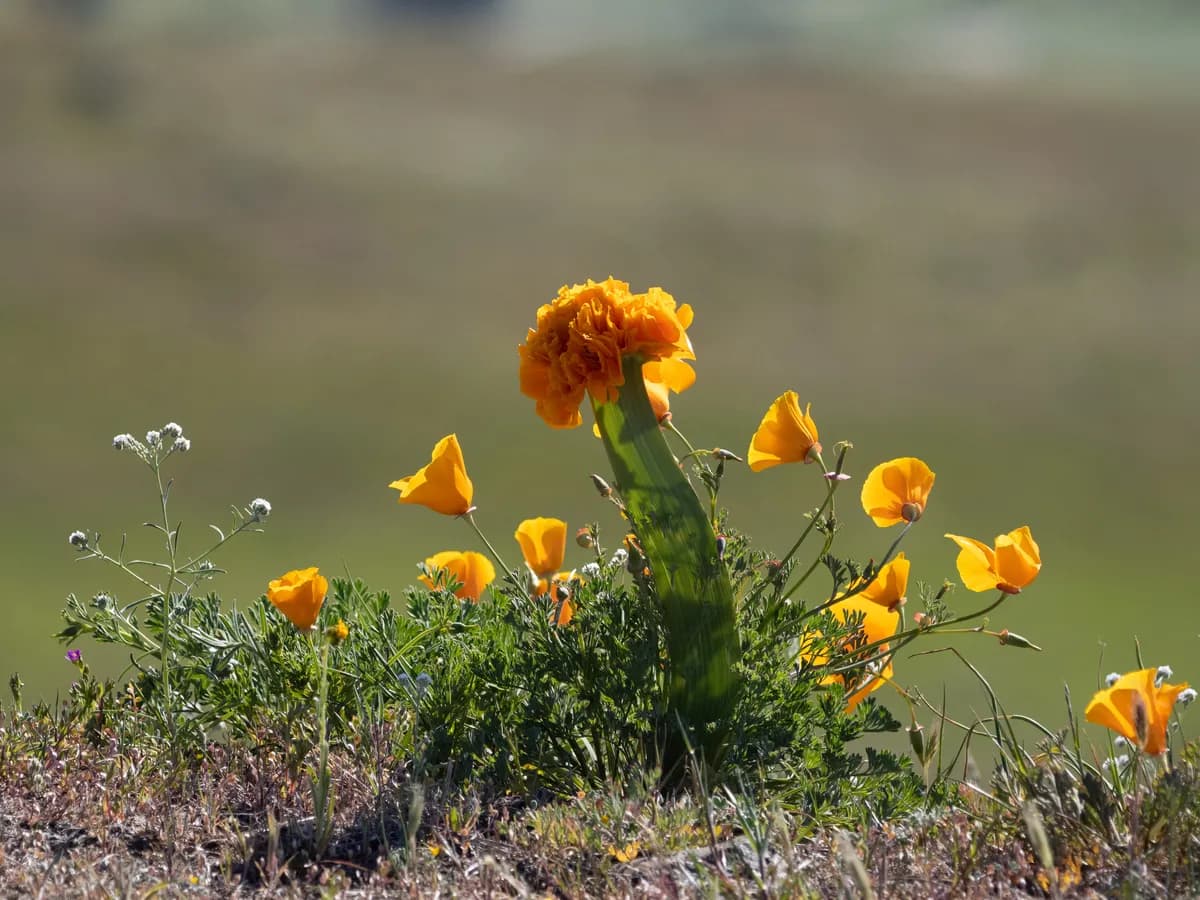
California-poppy
Eschscholzia californica
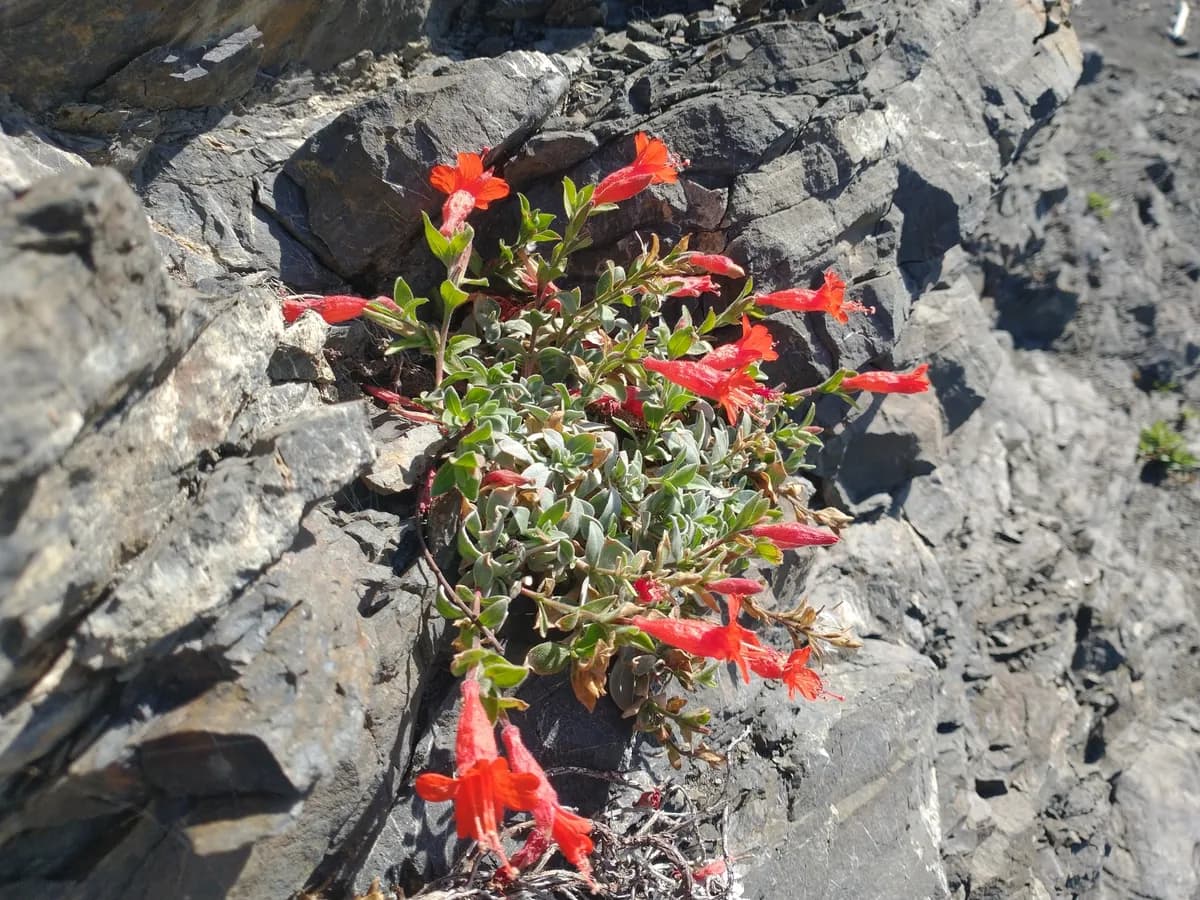
California Fuchsia
Epilobium canum
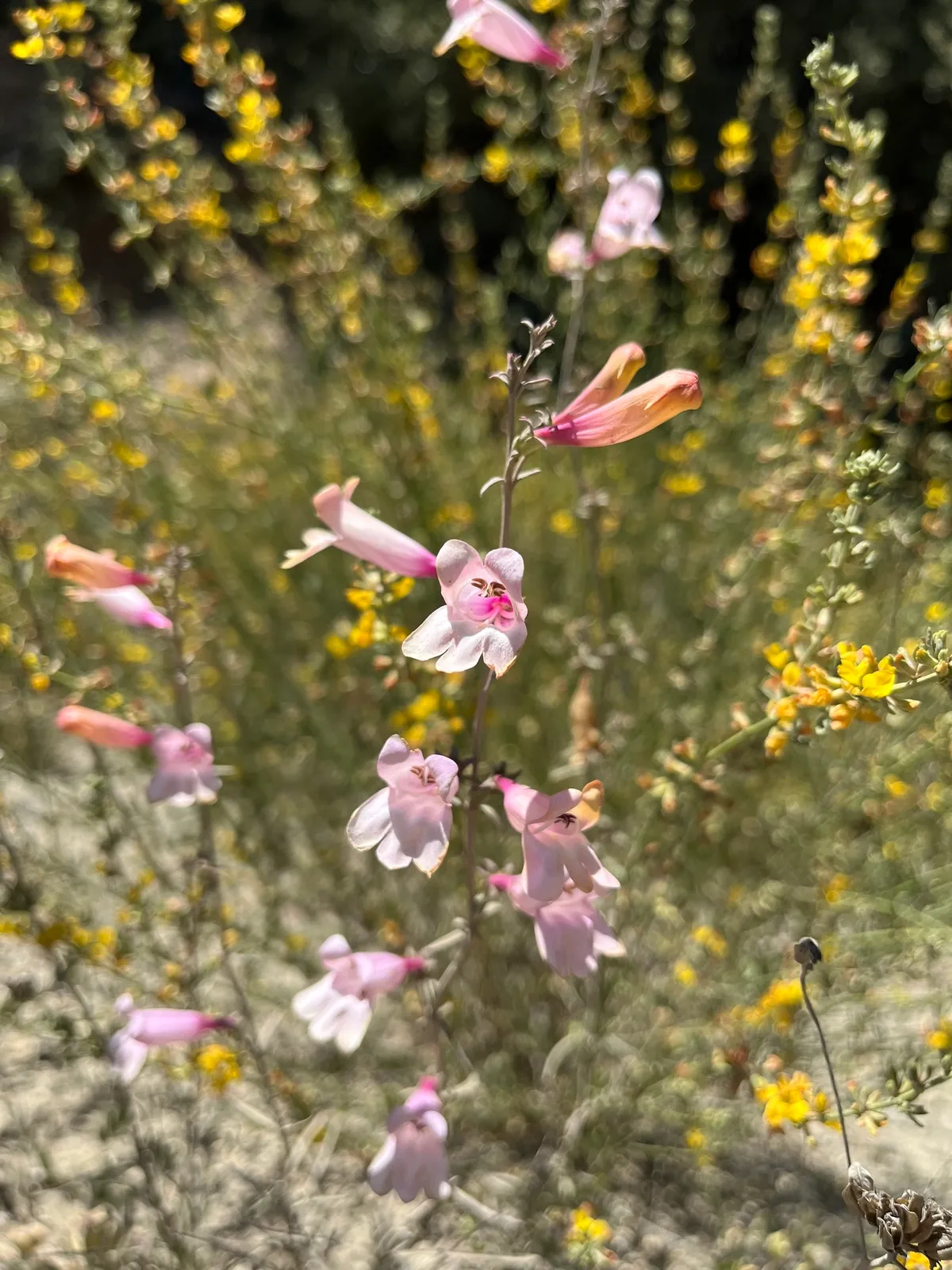
Bunchleaf Penstemon
Penstemon heterophyllus
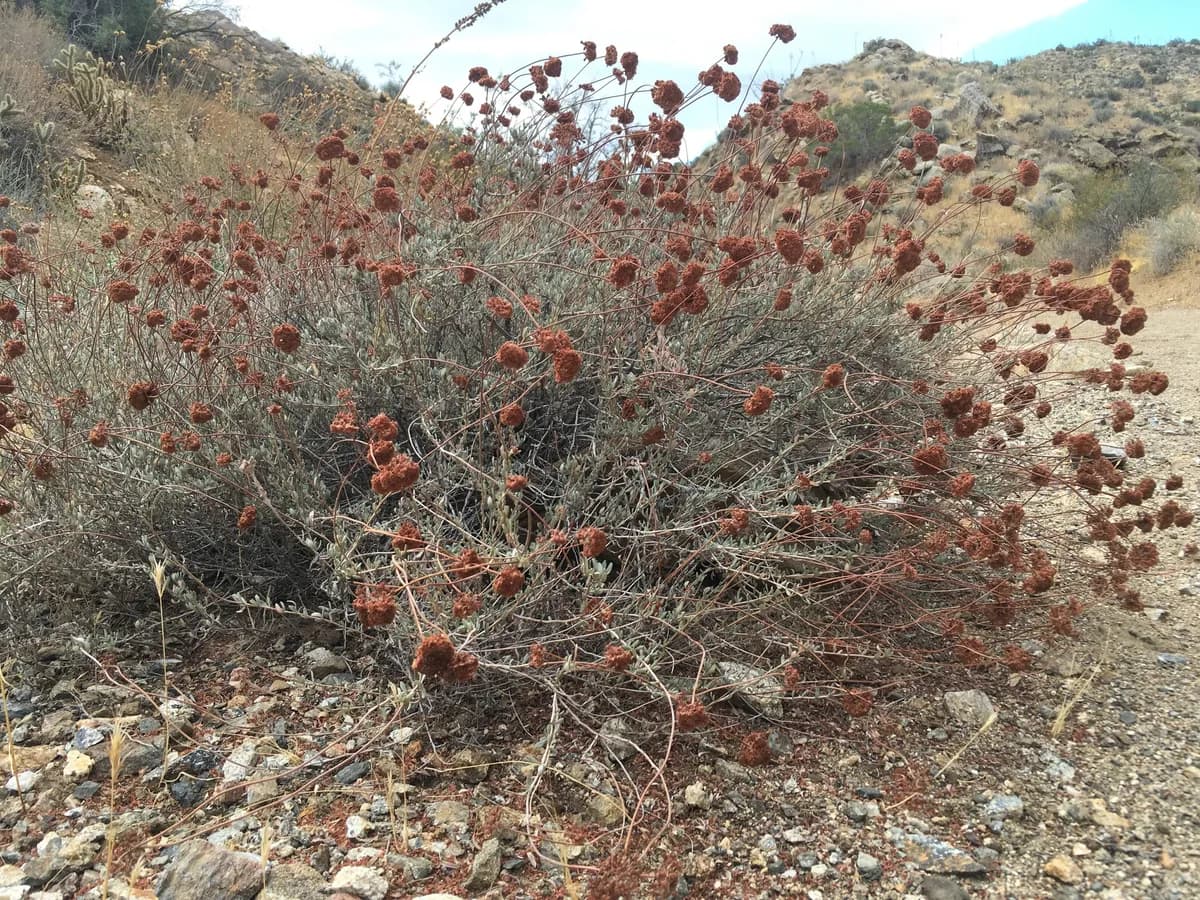
California Wild Buckwheat
Eriogonum fasciculatum
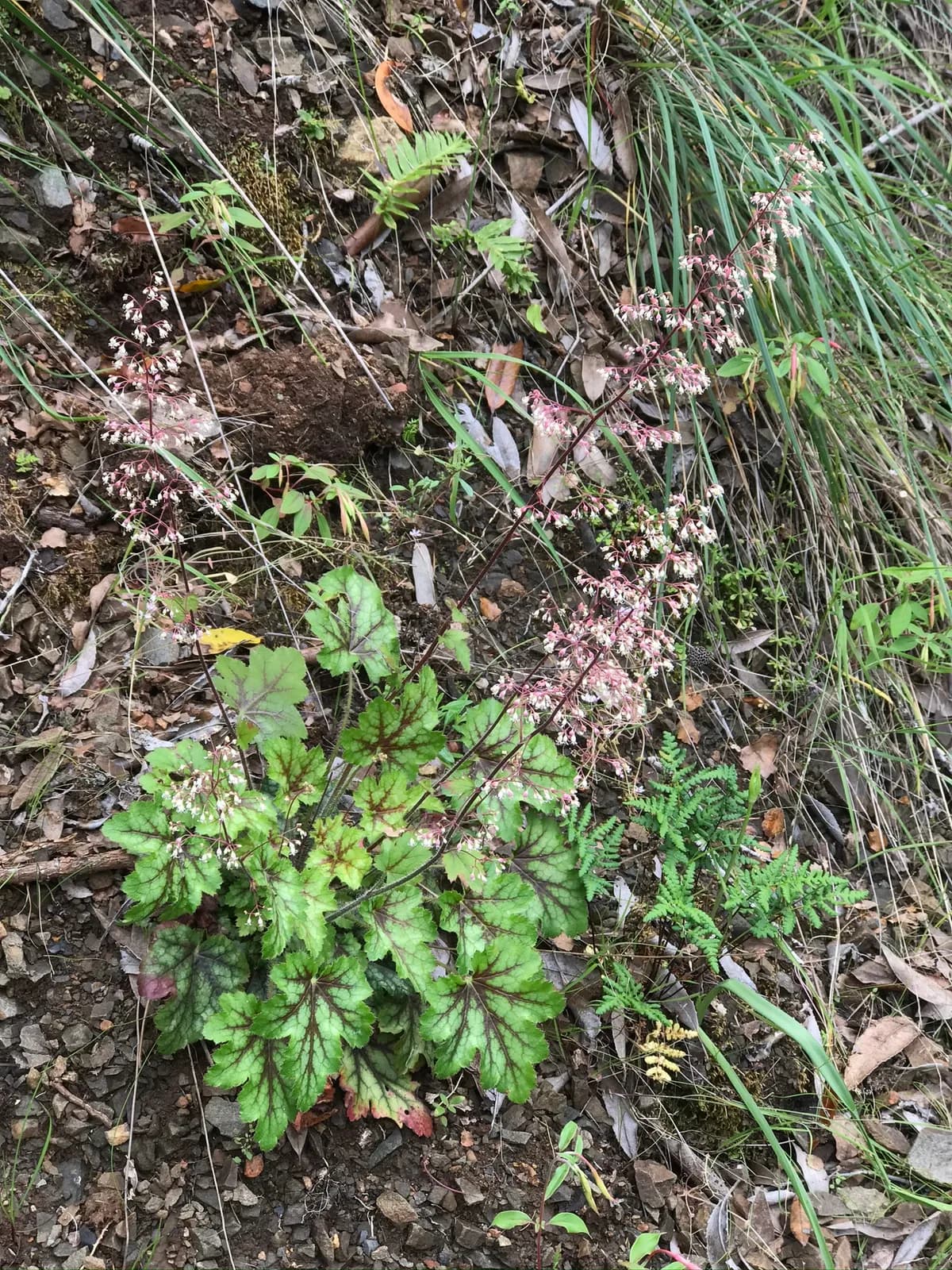
Crevice alumroot
Heuchera micrantha
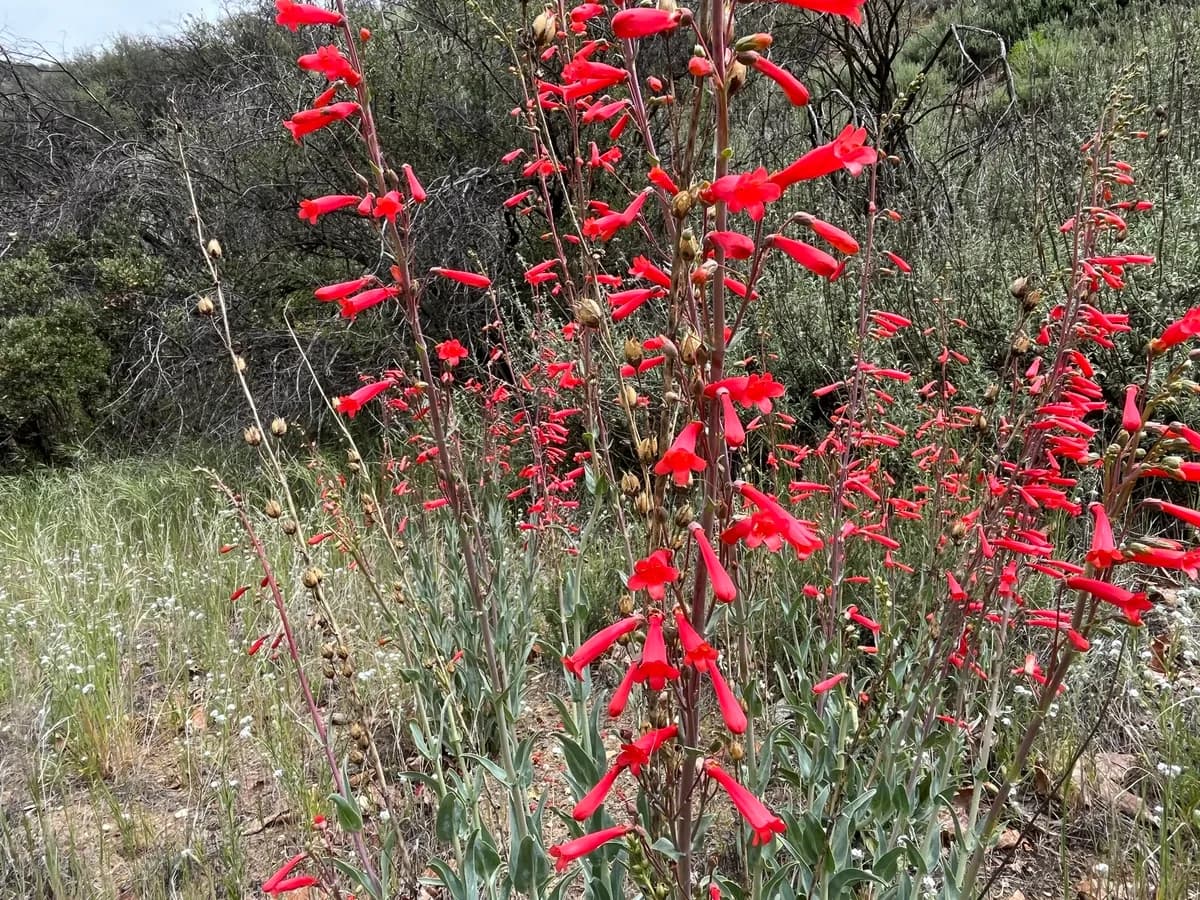
Scarlet Bugler
Penstemon centranthifolius
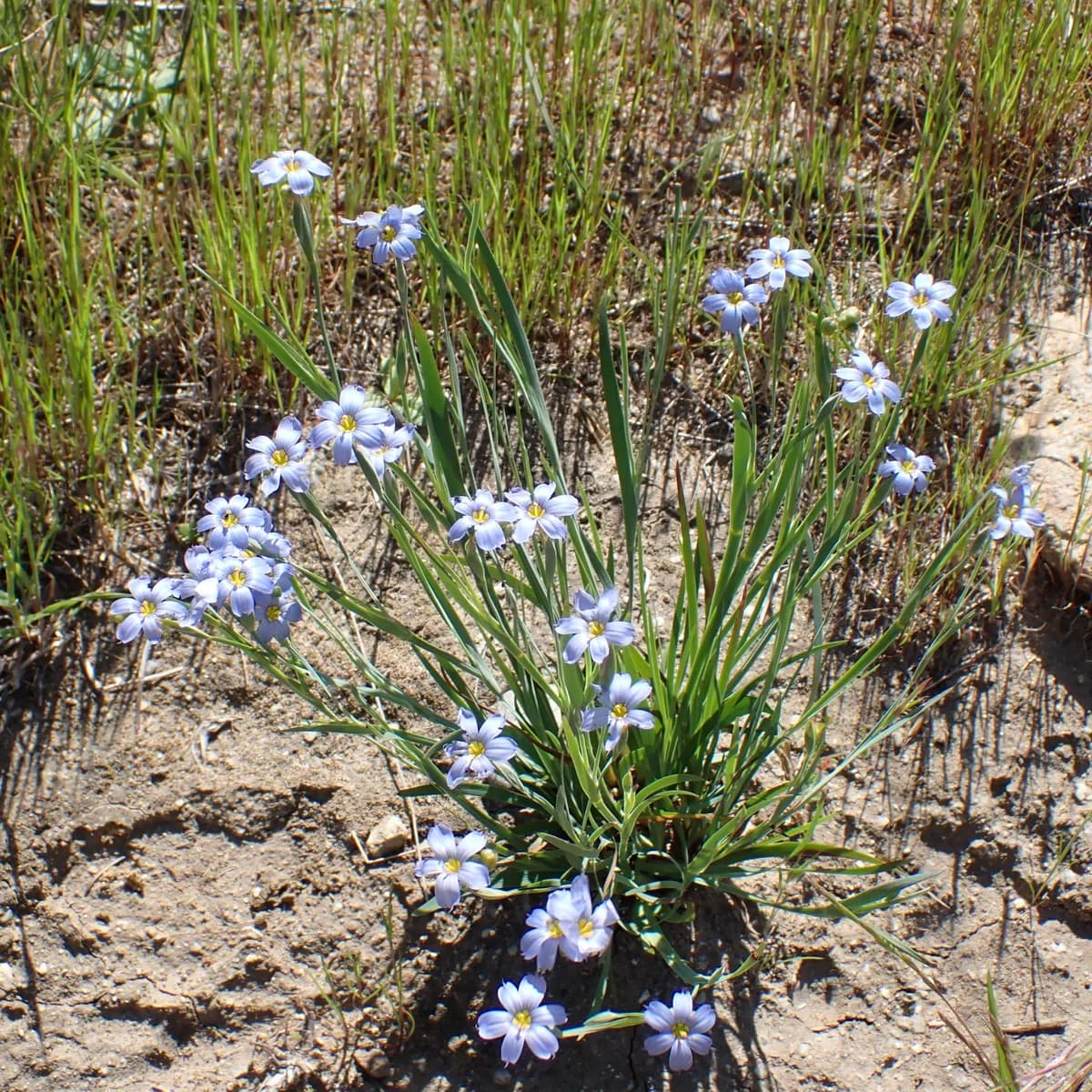
Western Blue-eyed Grass
Sisyrinchium bellum
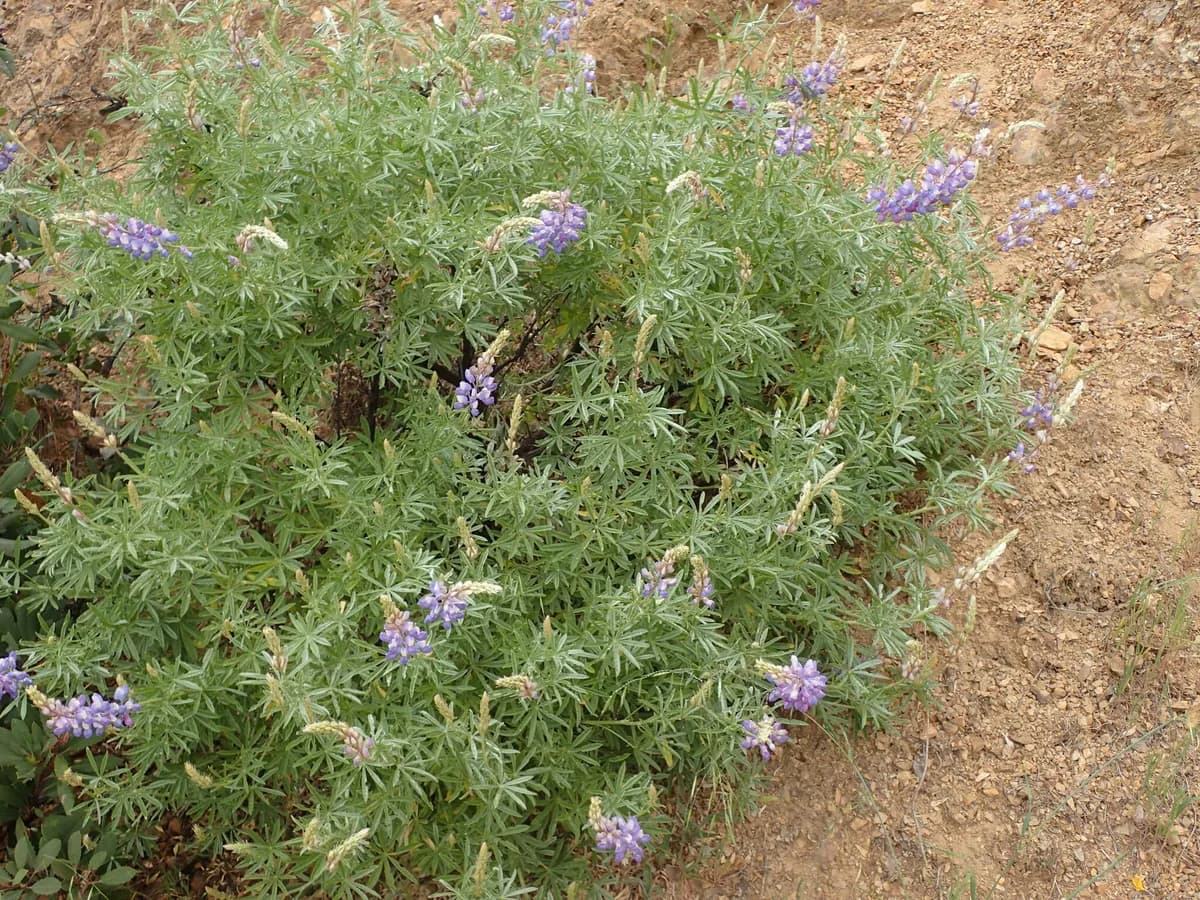
Foothill Lupine
Lupinus albifrons
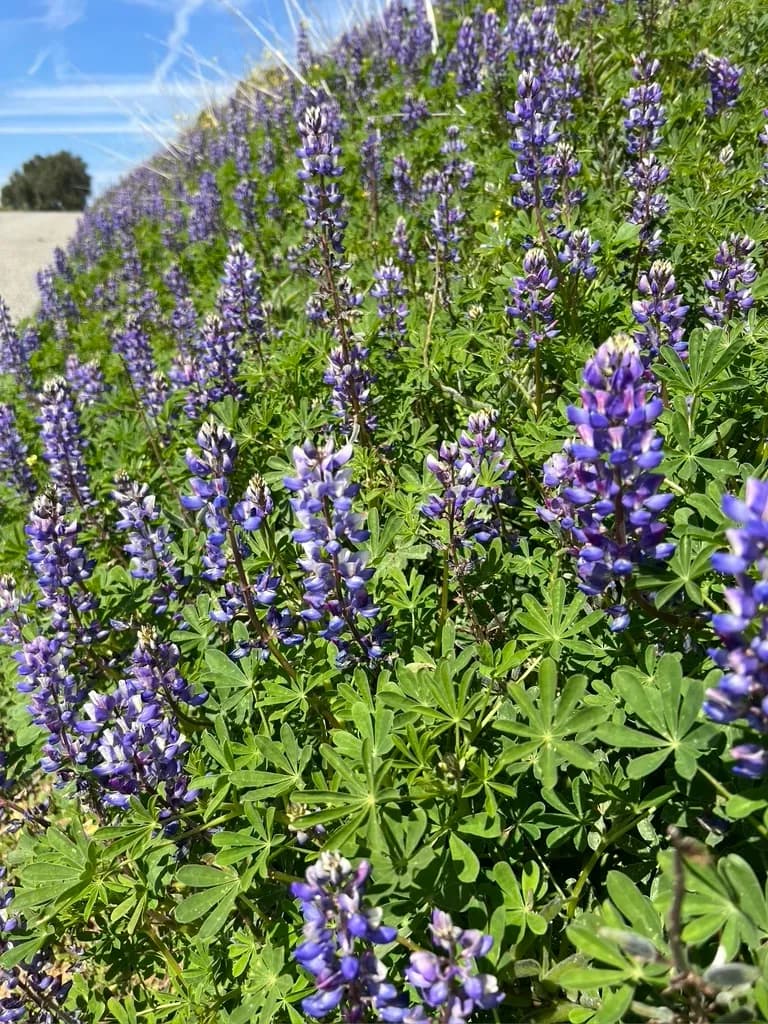
Arroyo Lupine
Lupinus succulentus
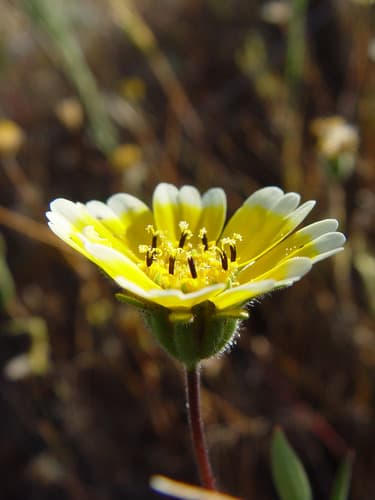
Coastal Tidytips
Layia platyglossa
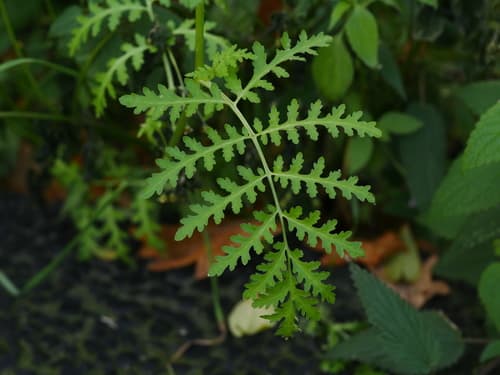
Fiddleneck
Phacelia tanacetifolia
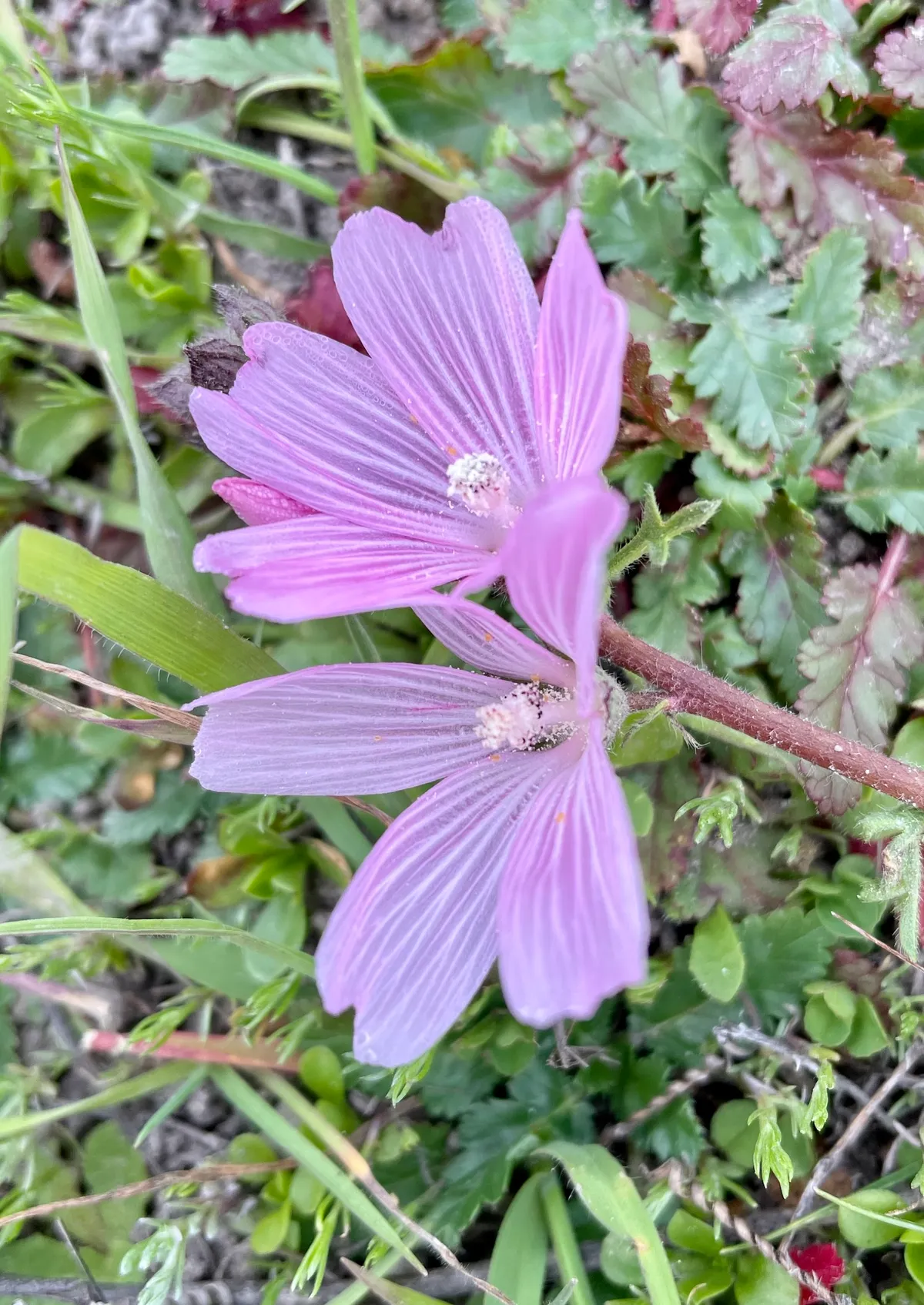
Checker-mallow
Sidalcea malviflora
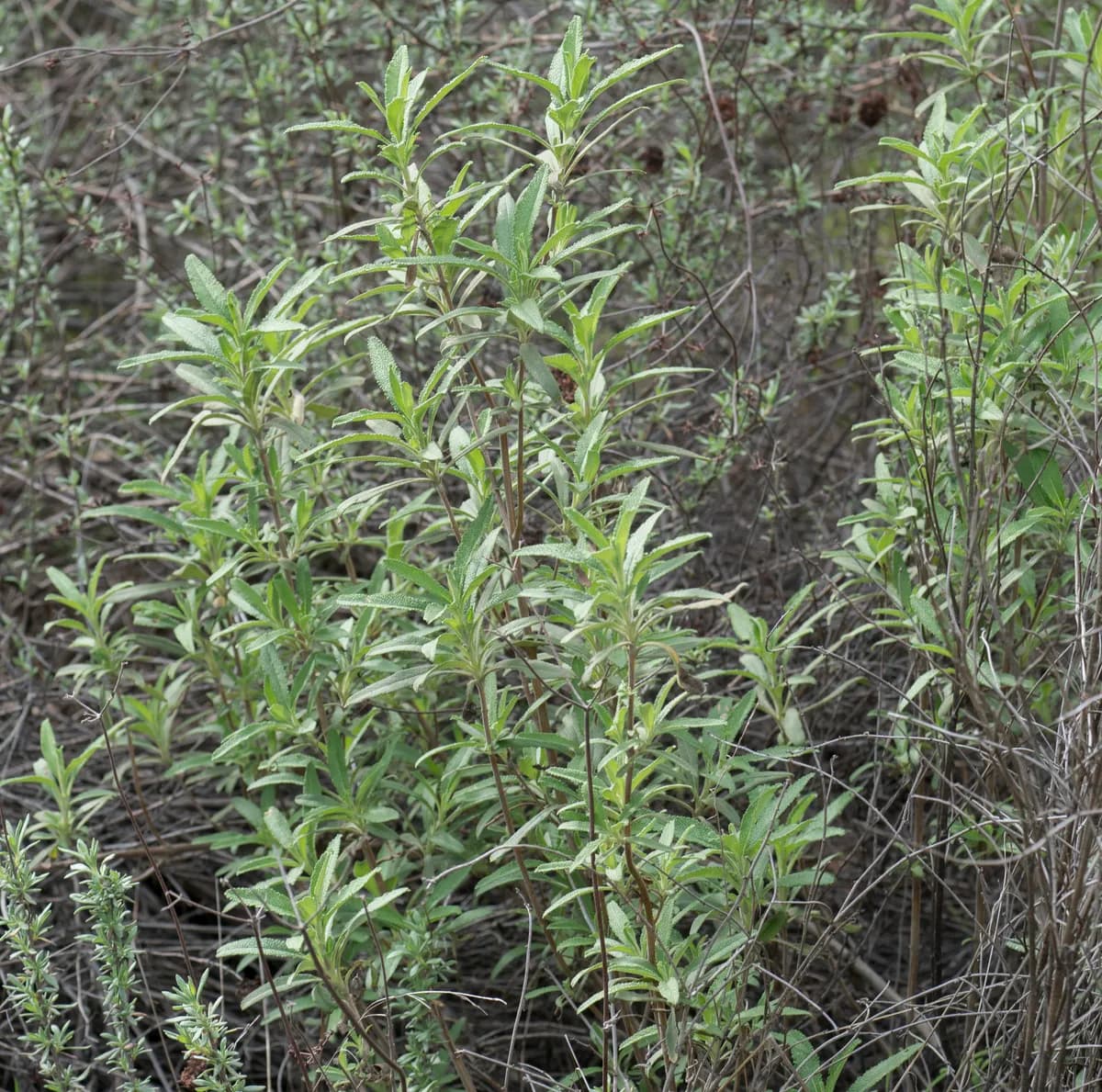
Black Sage
Salvia mellifera
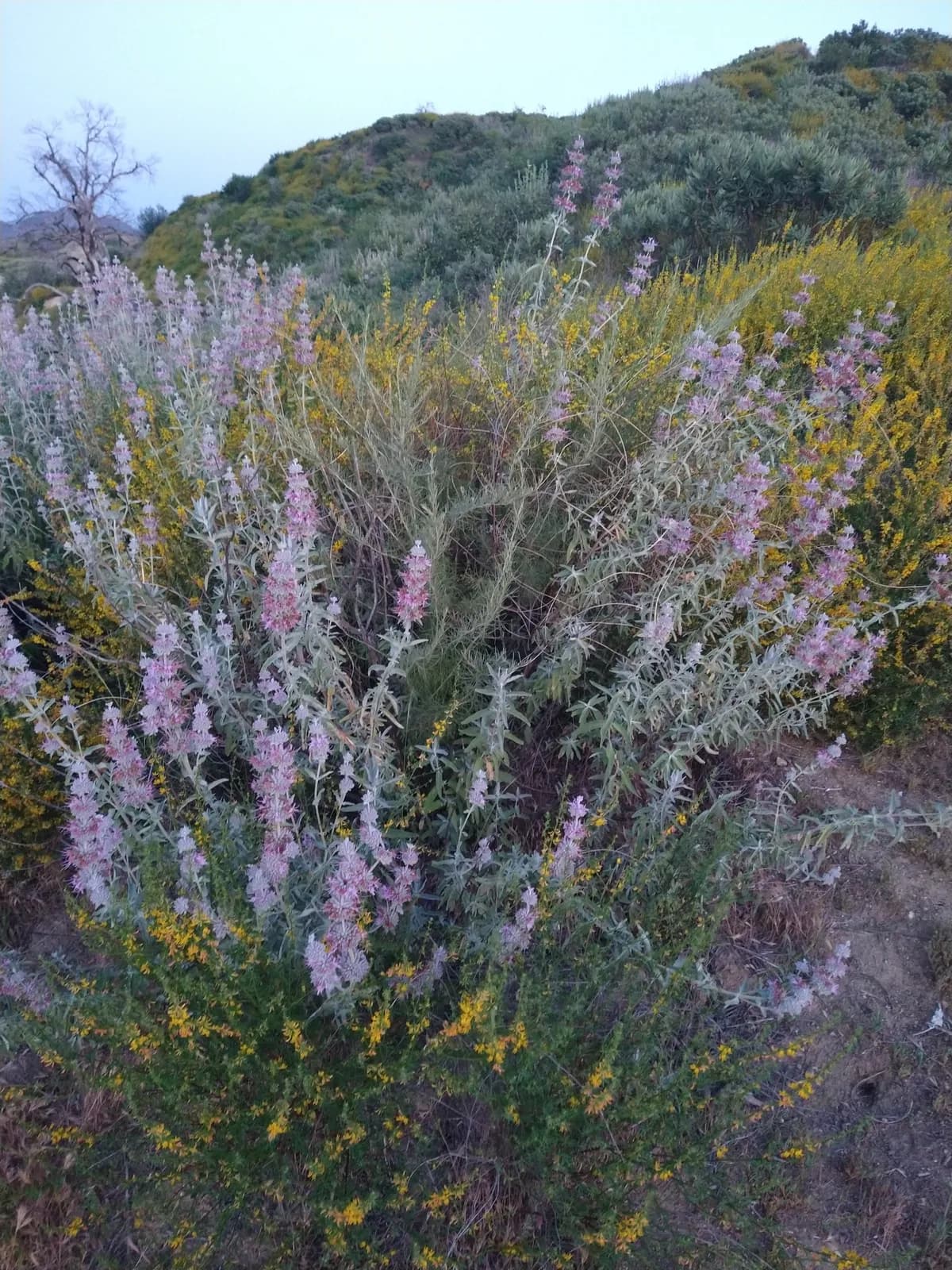
Purple Sage
Salvia leucophylla
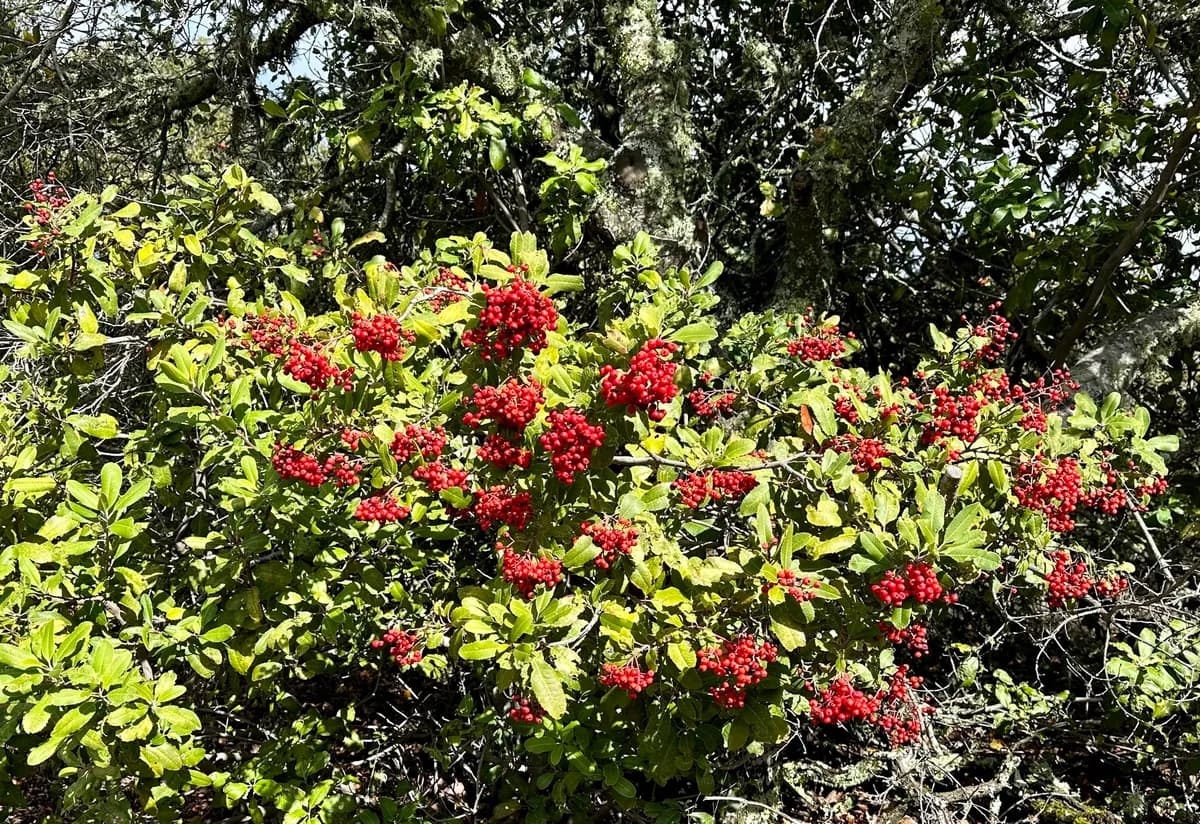
Toyon
Heteromeles arbutifolia
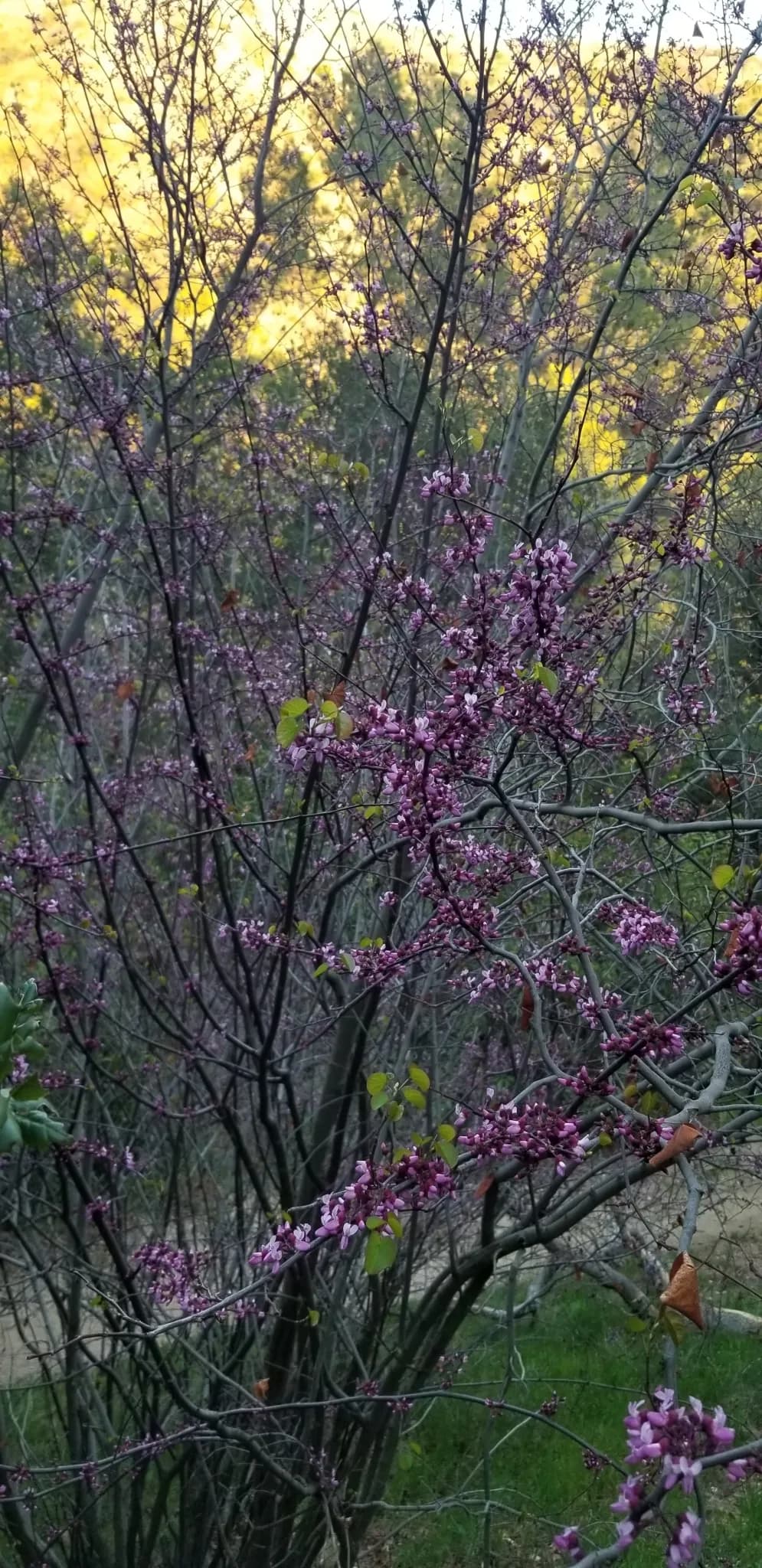
Western Redbud
Cercis occidentalis
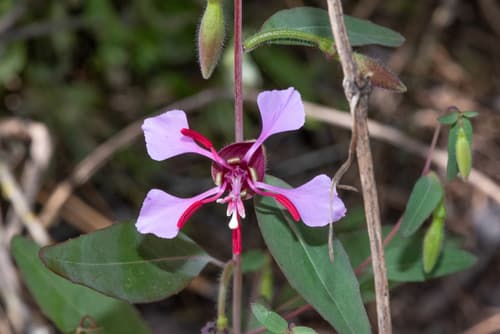
Clarkia
Clarkia unguiculata
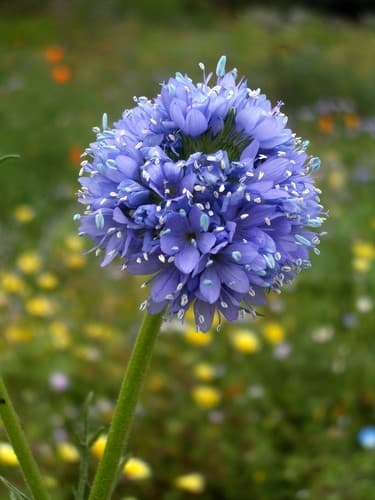
Blue Thimble-flower
Gilia capitata
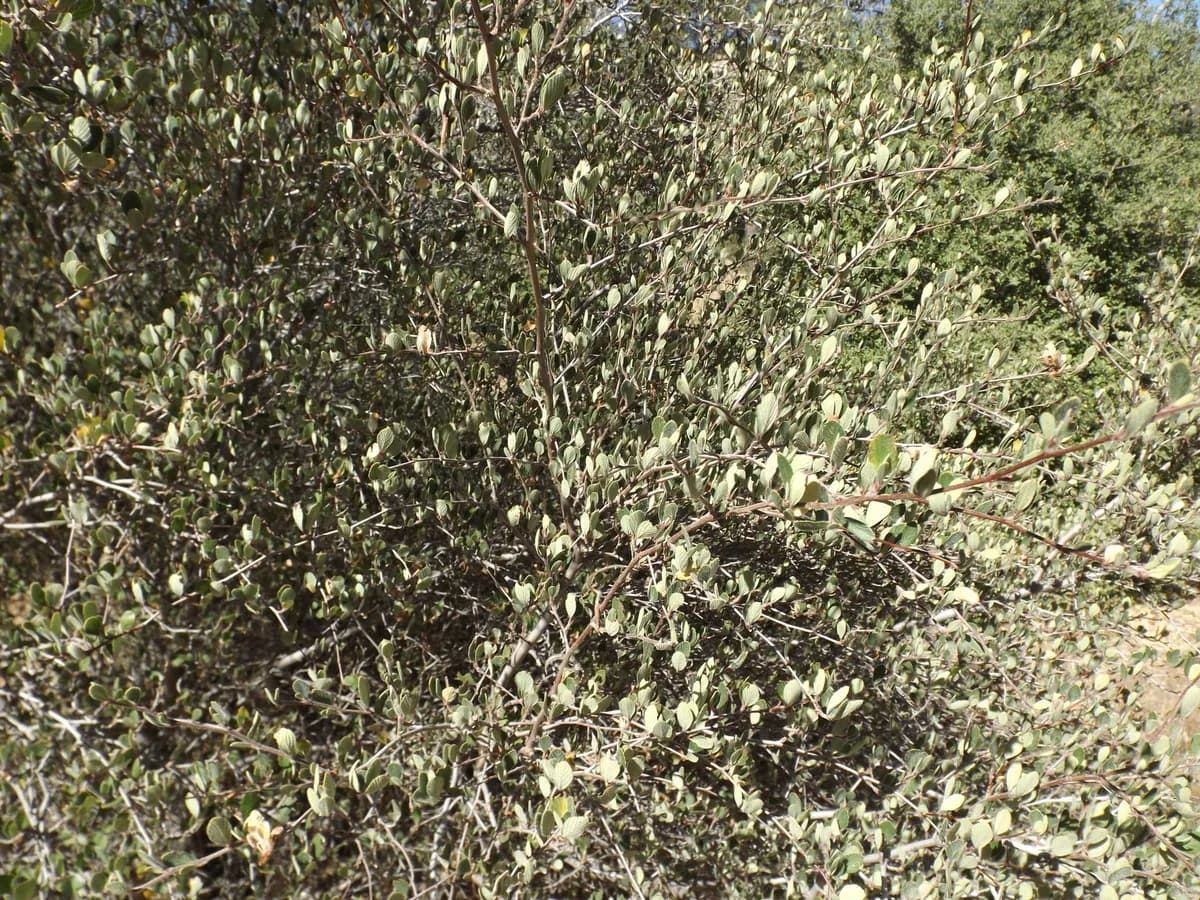
Birchleaf Mountain Mahogany
Cercocarpus betuloides
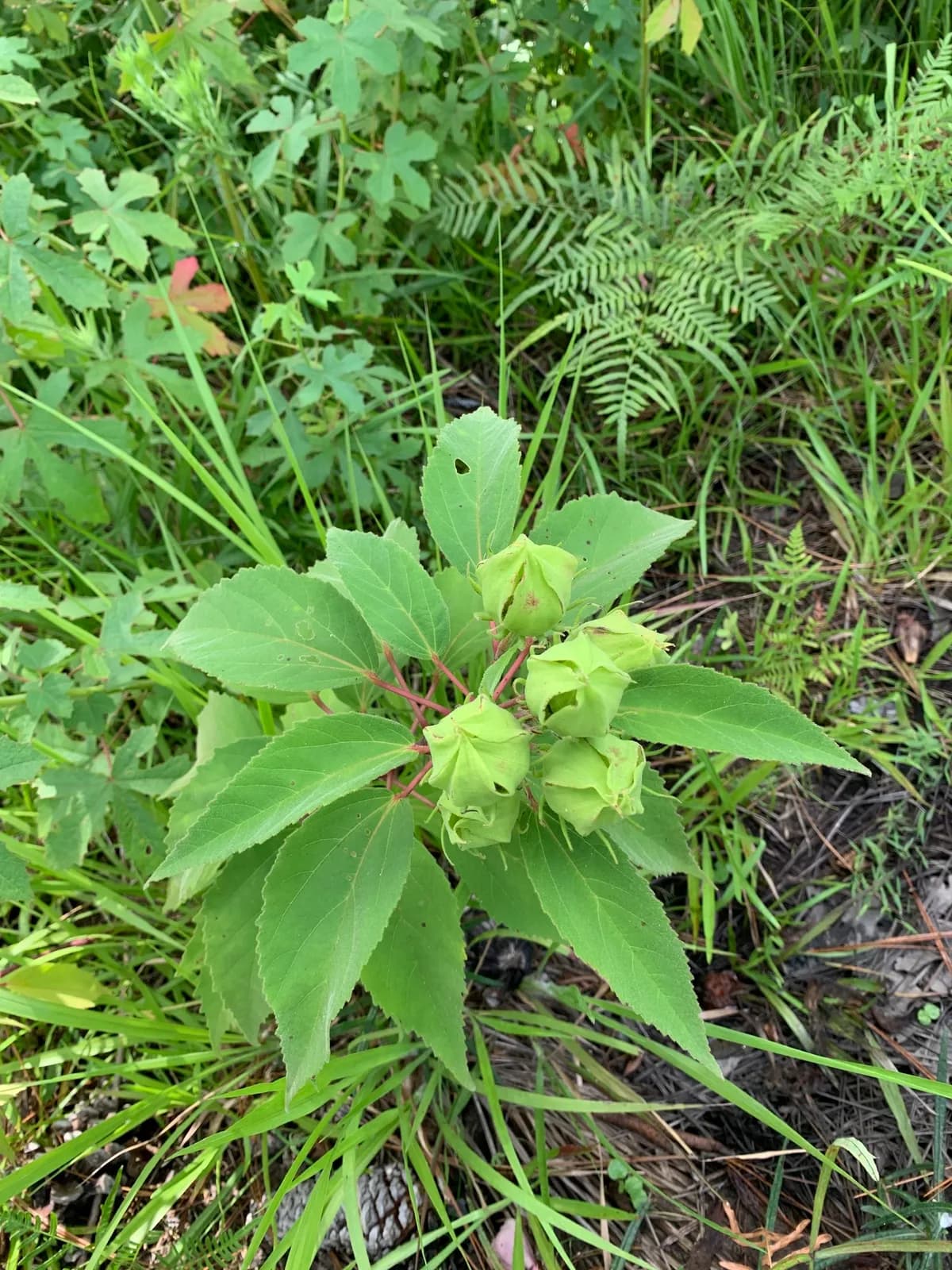
Rose-mallow
Hibiscus lasiocarpos
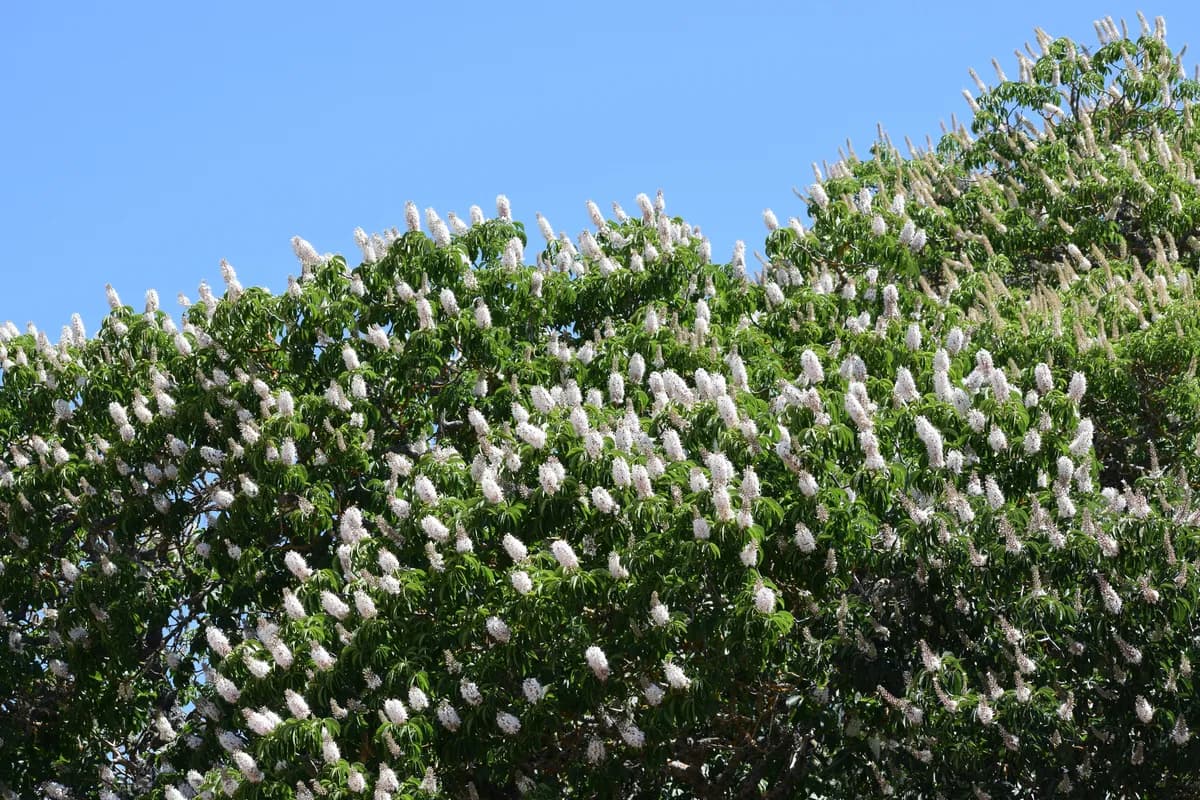
California Buckeye
Aesculus californica
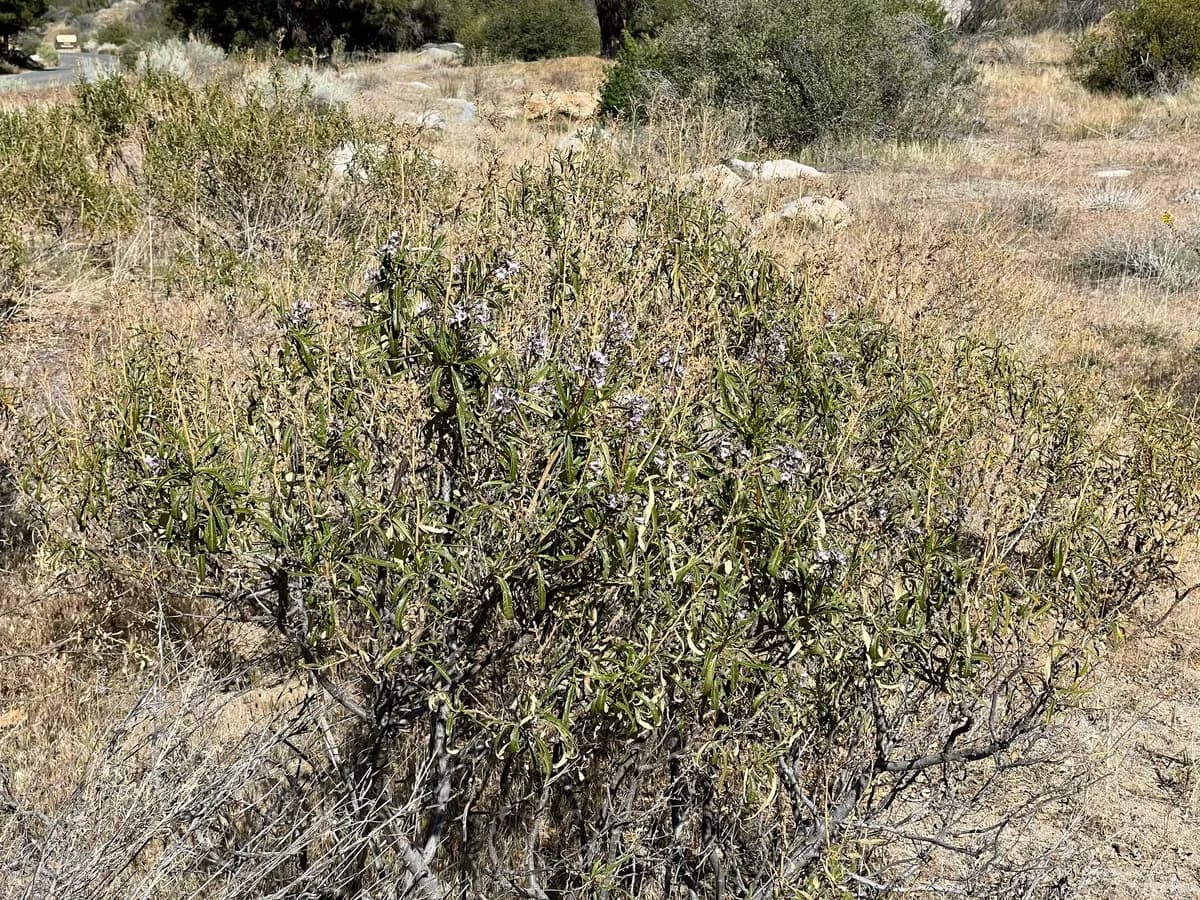
California Yerba Santa
Eriodictyon californicum
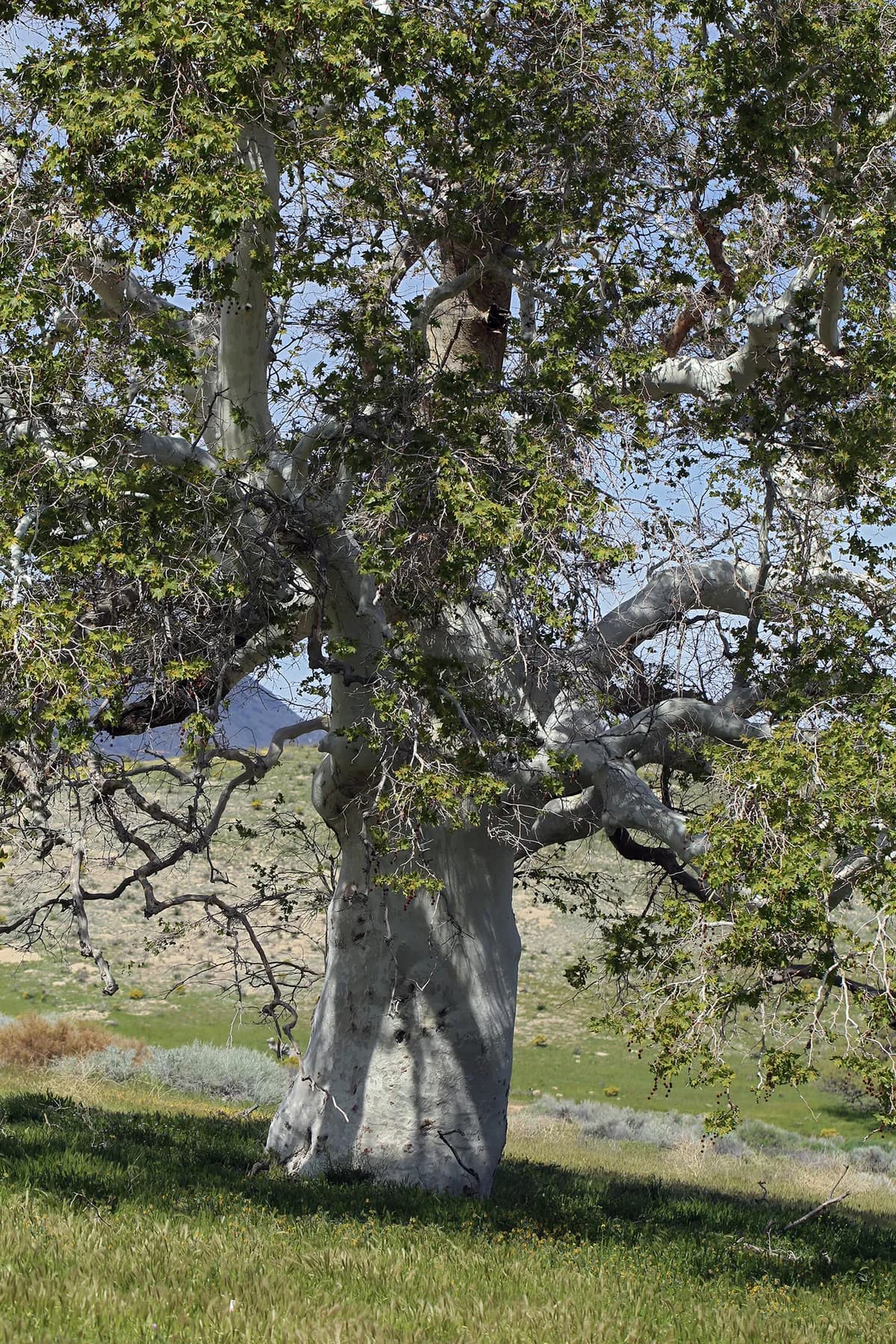
California Sycamore
Platanus racemosa
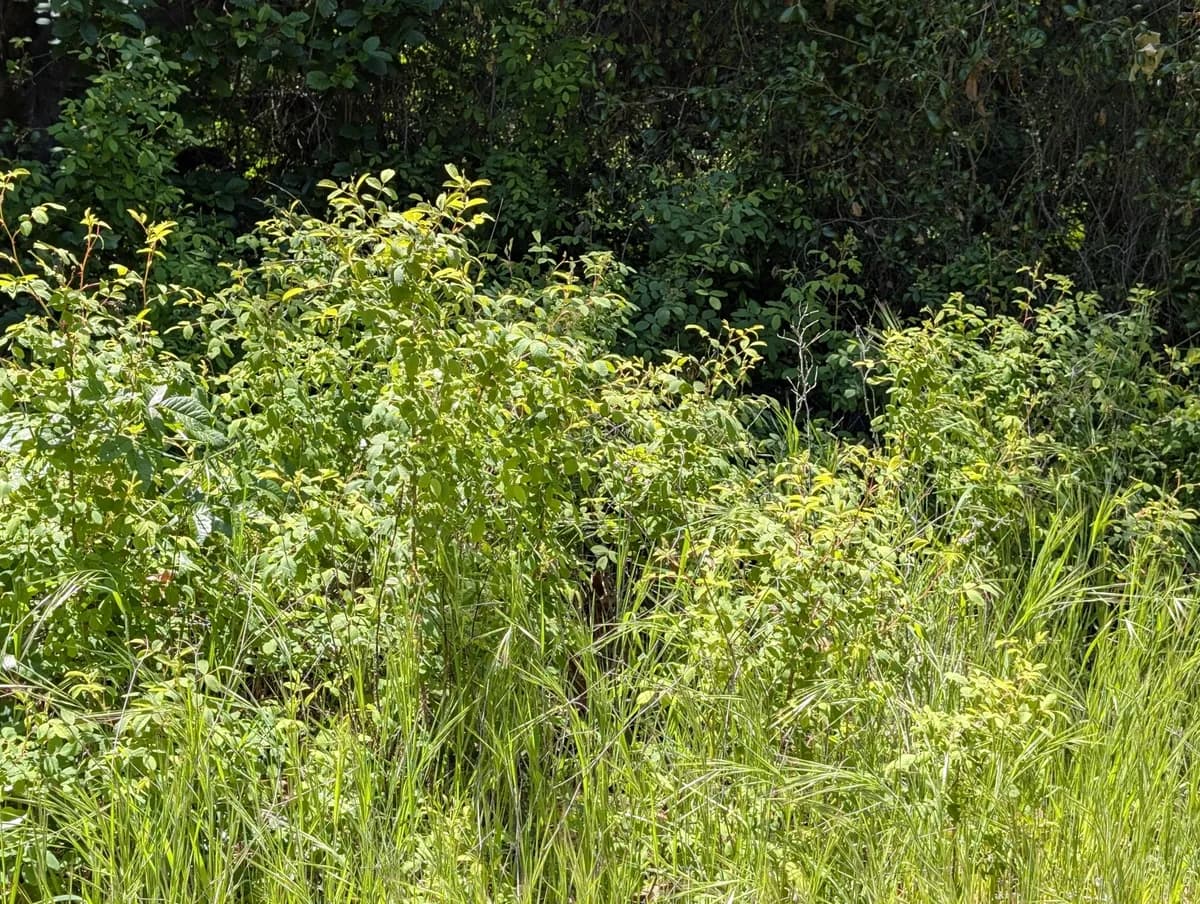
California Rose
Rosa californica
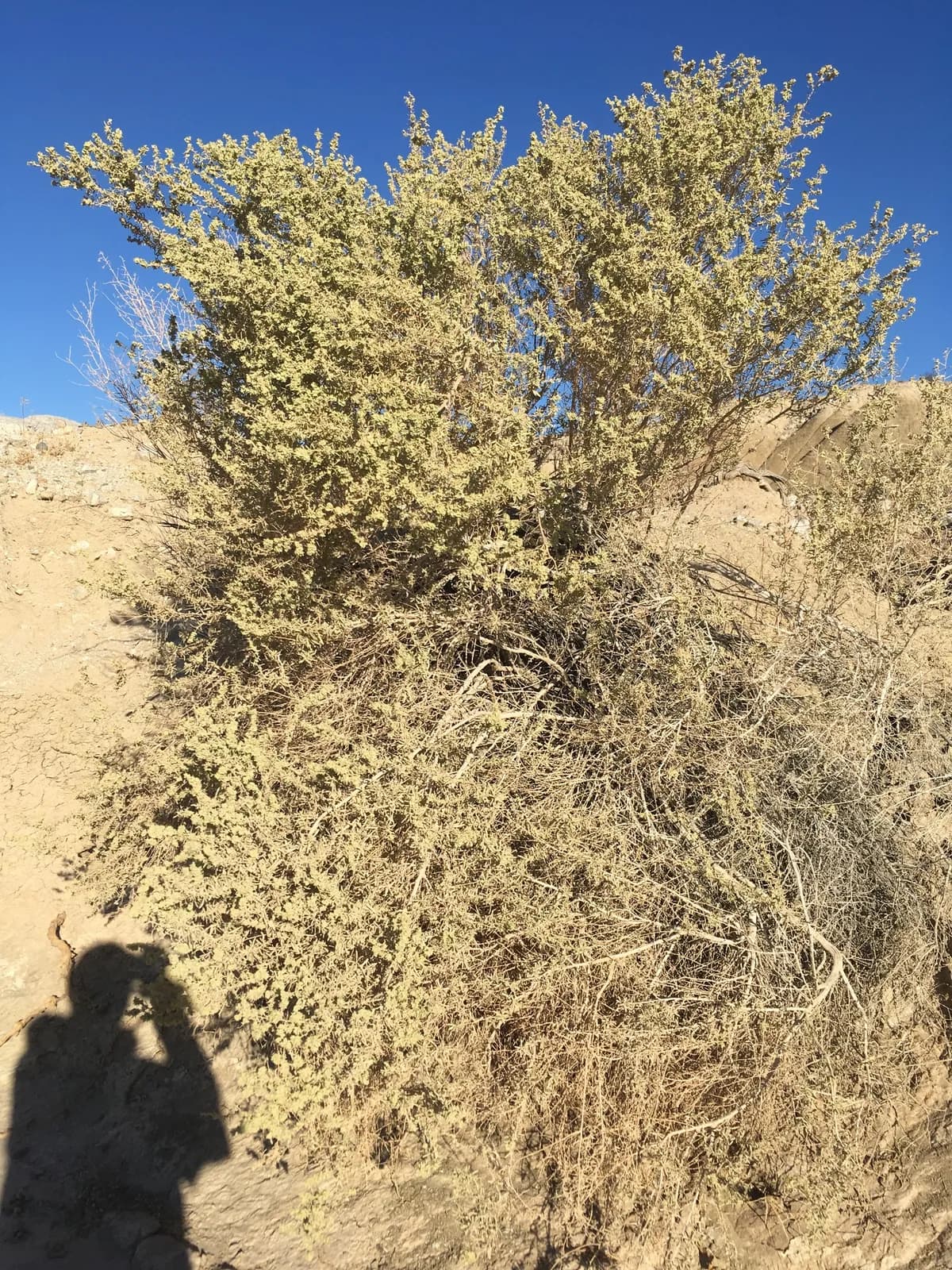
Four-wing Saltbush
Atriplex canescens
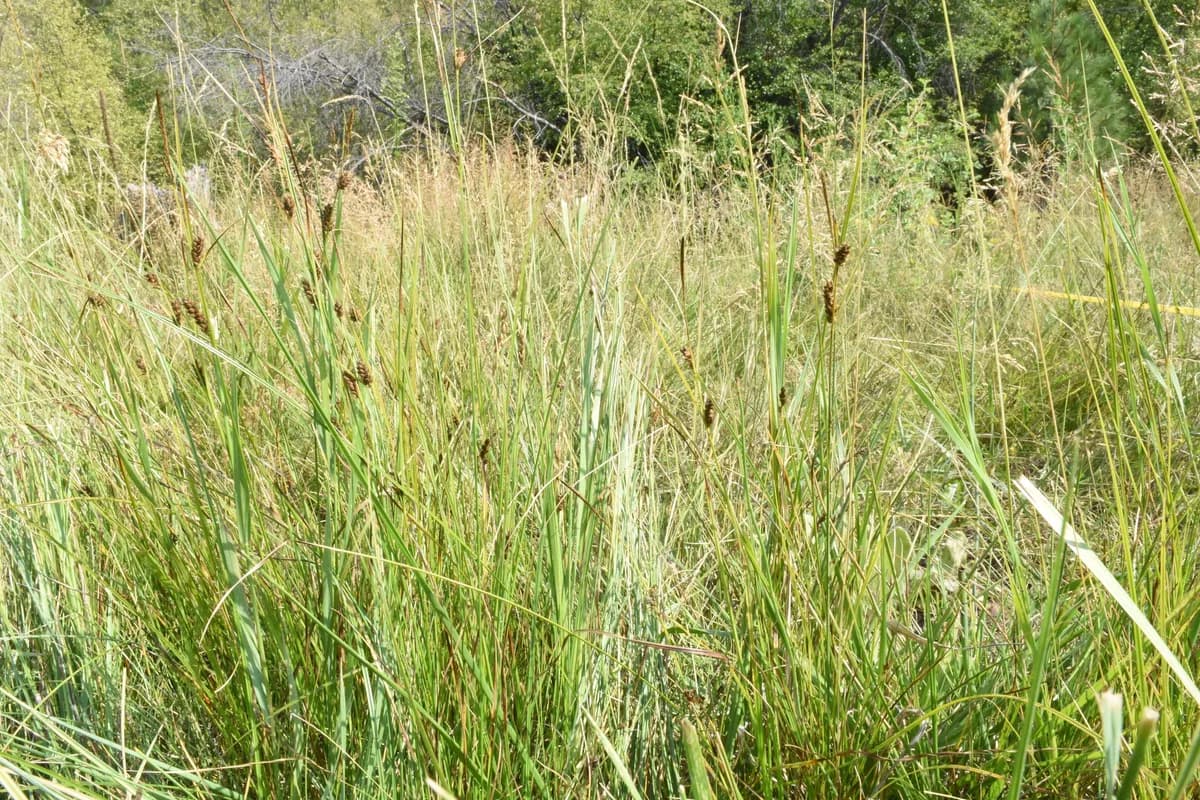
Woolly Sedge
Carex pellita
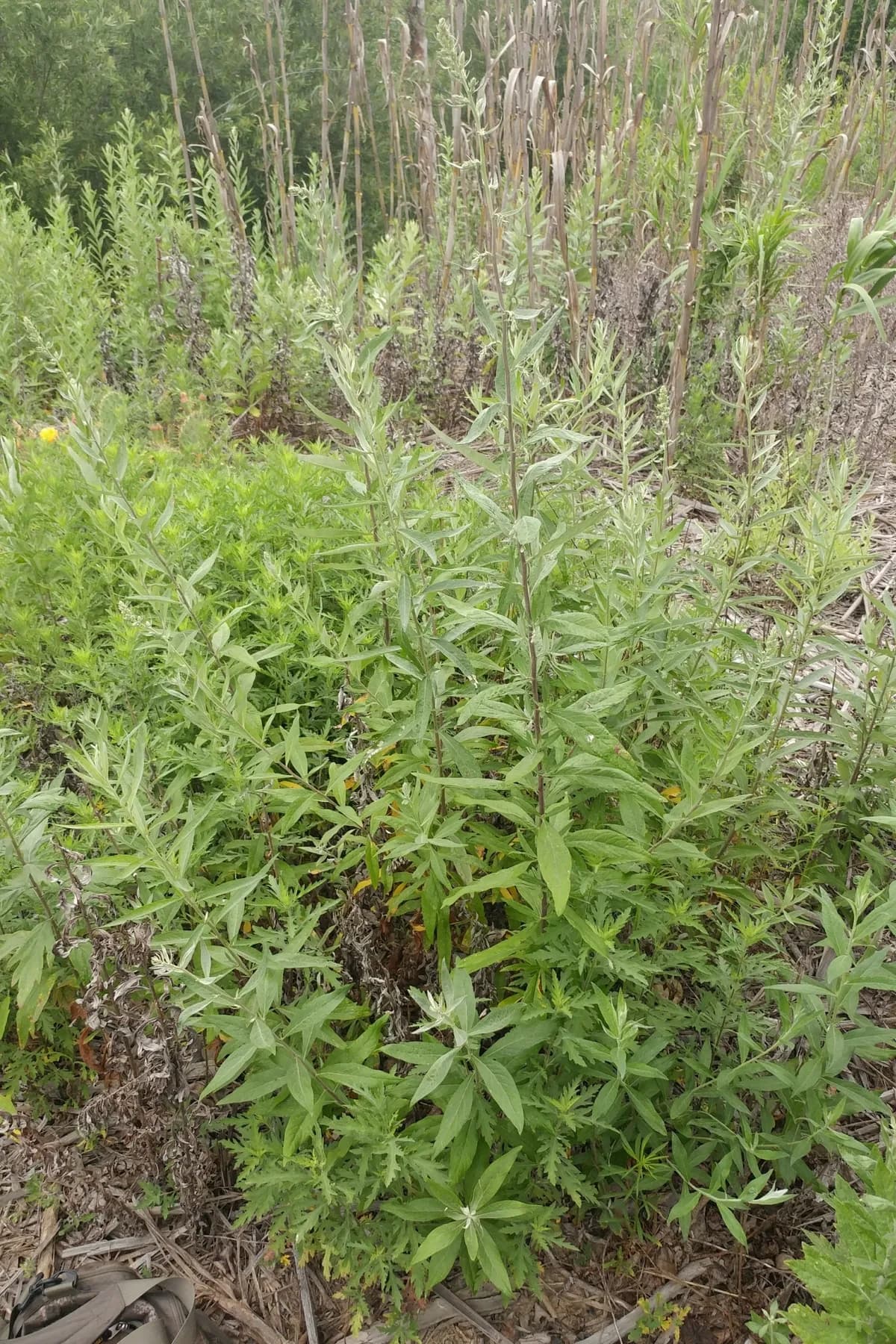
Douglas' Sagewort
Artemisia douglasiana
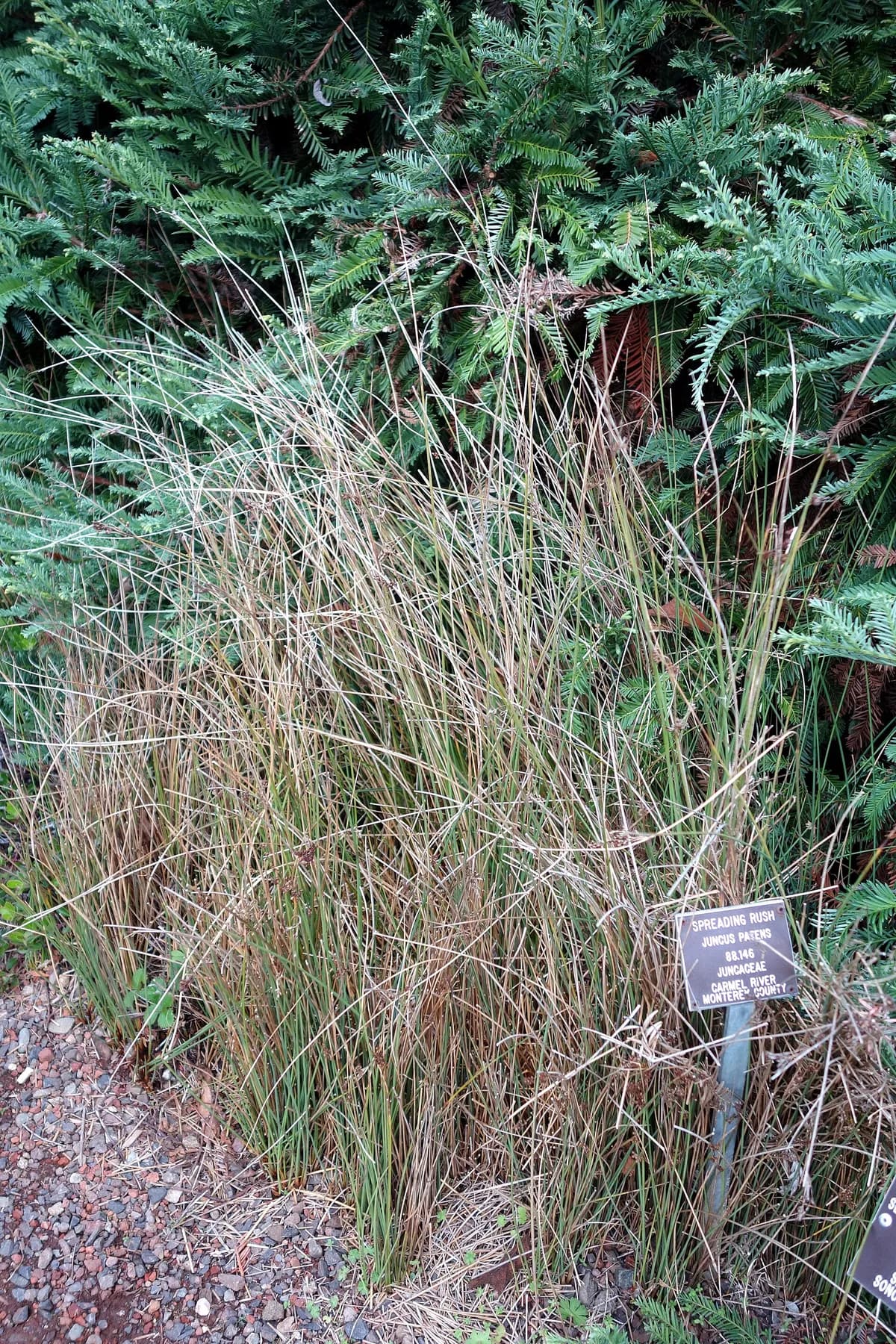
Spreading Rush
Juncus patens
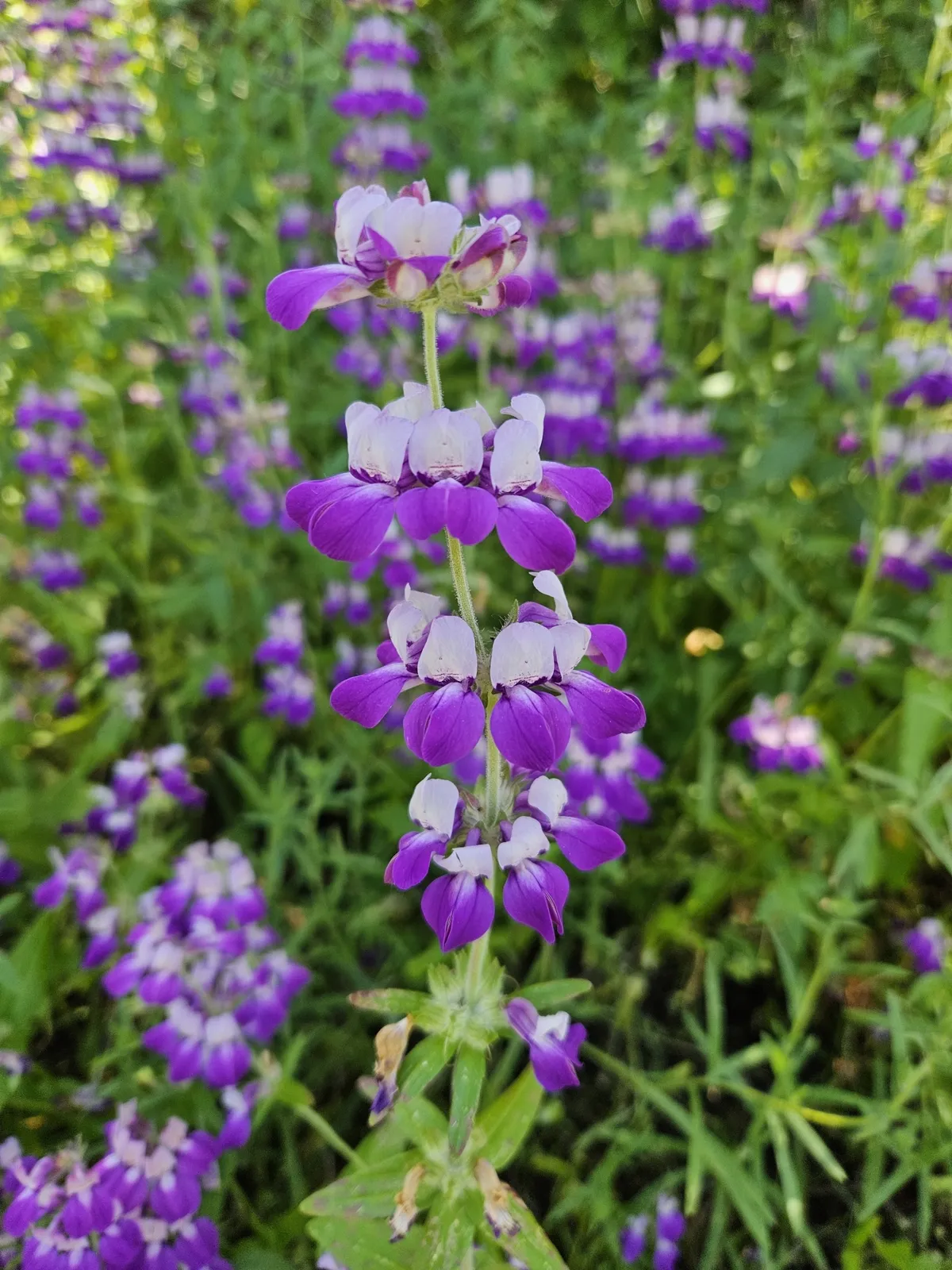
Chinese Houses
Collinsia heterophylla
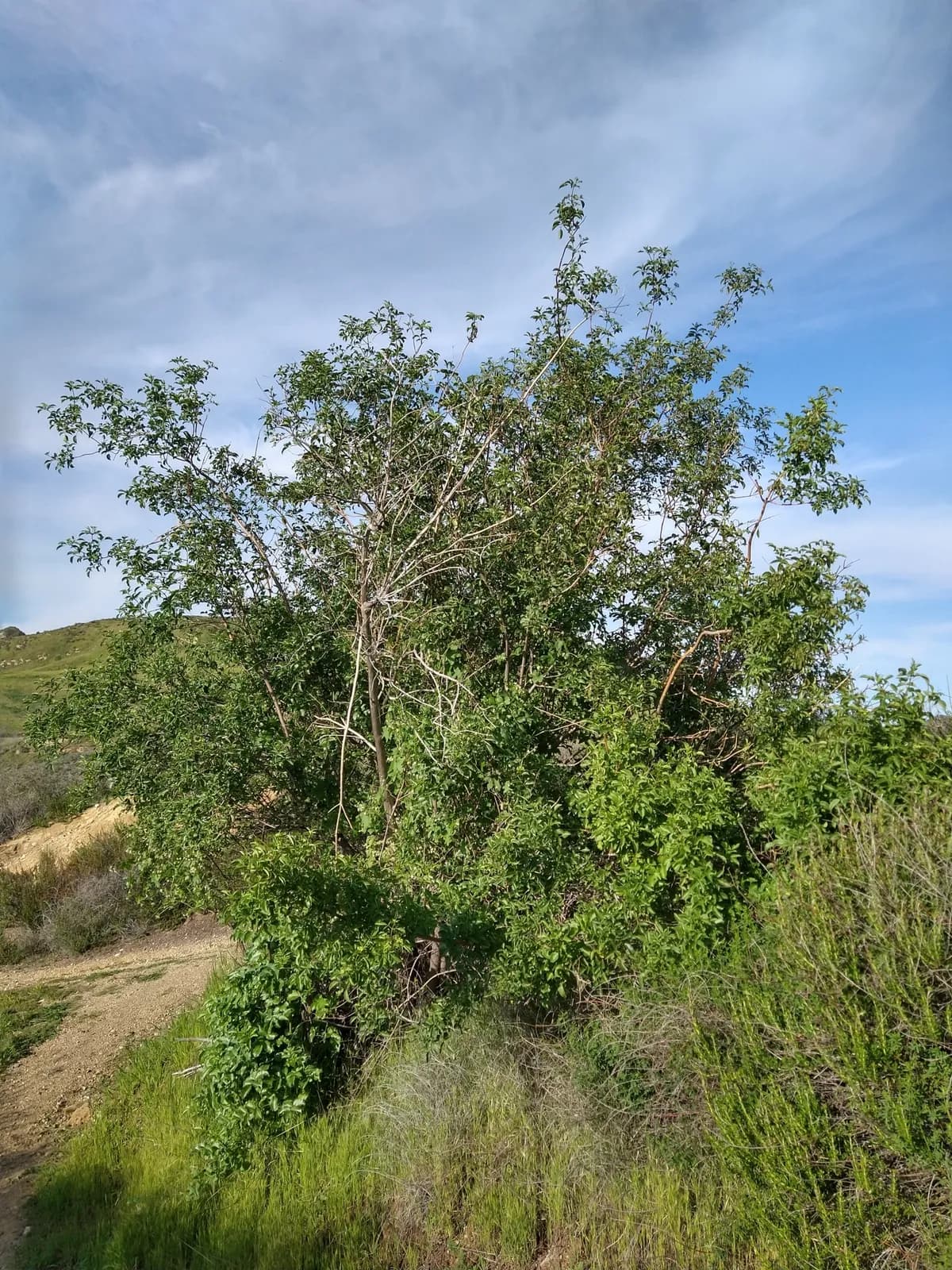
Blue Elderberry
Sambucus mexicana
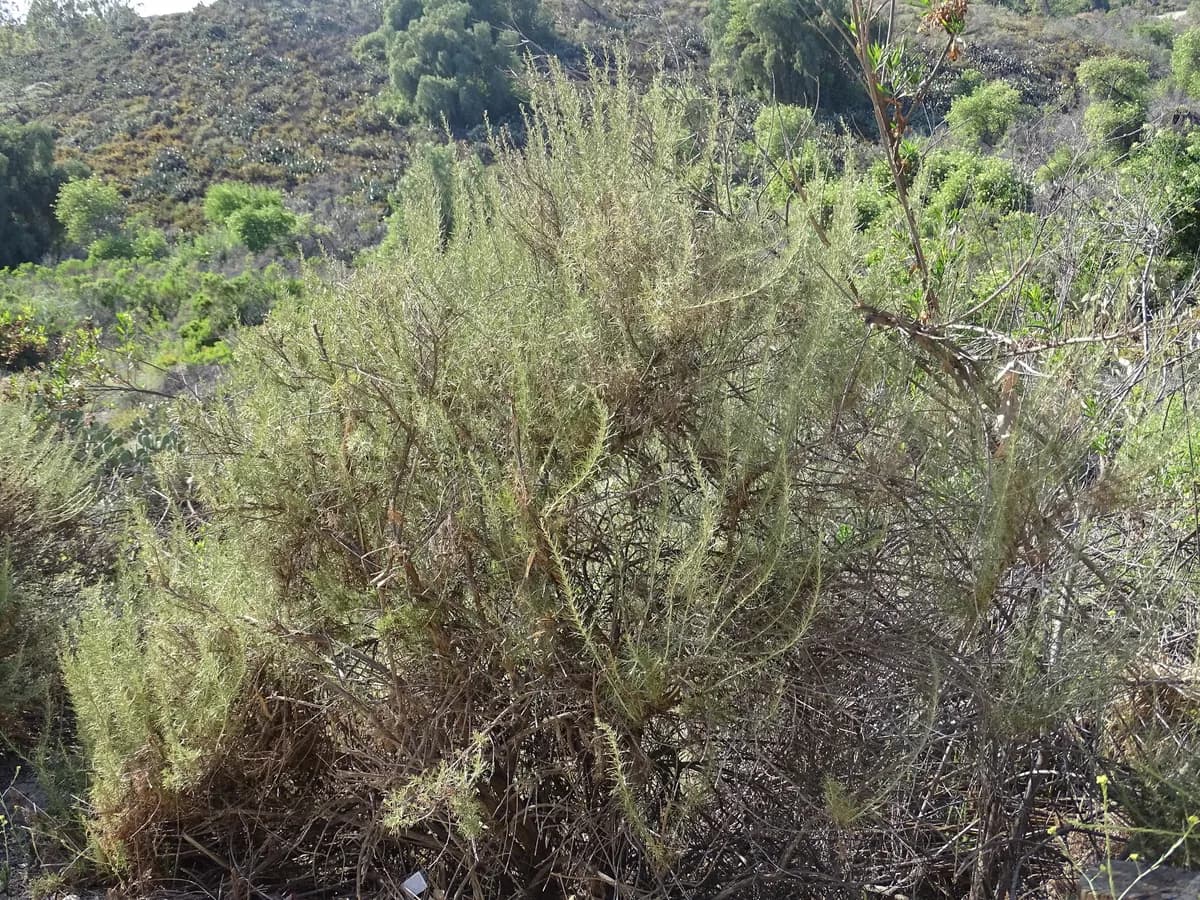
California Sagebrush
Artemisia californica
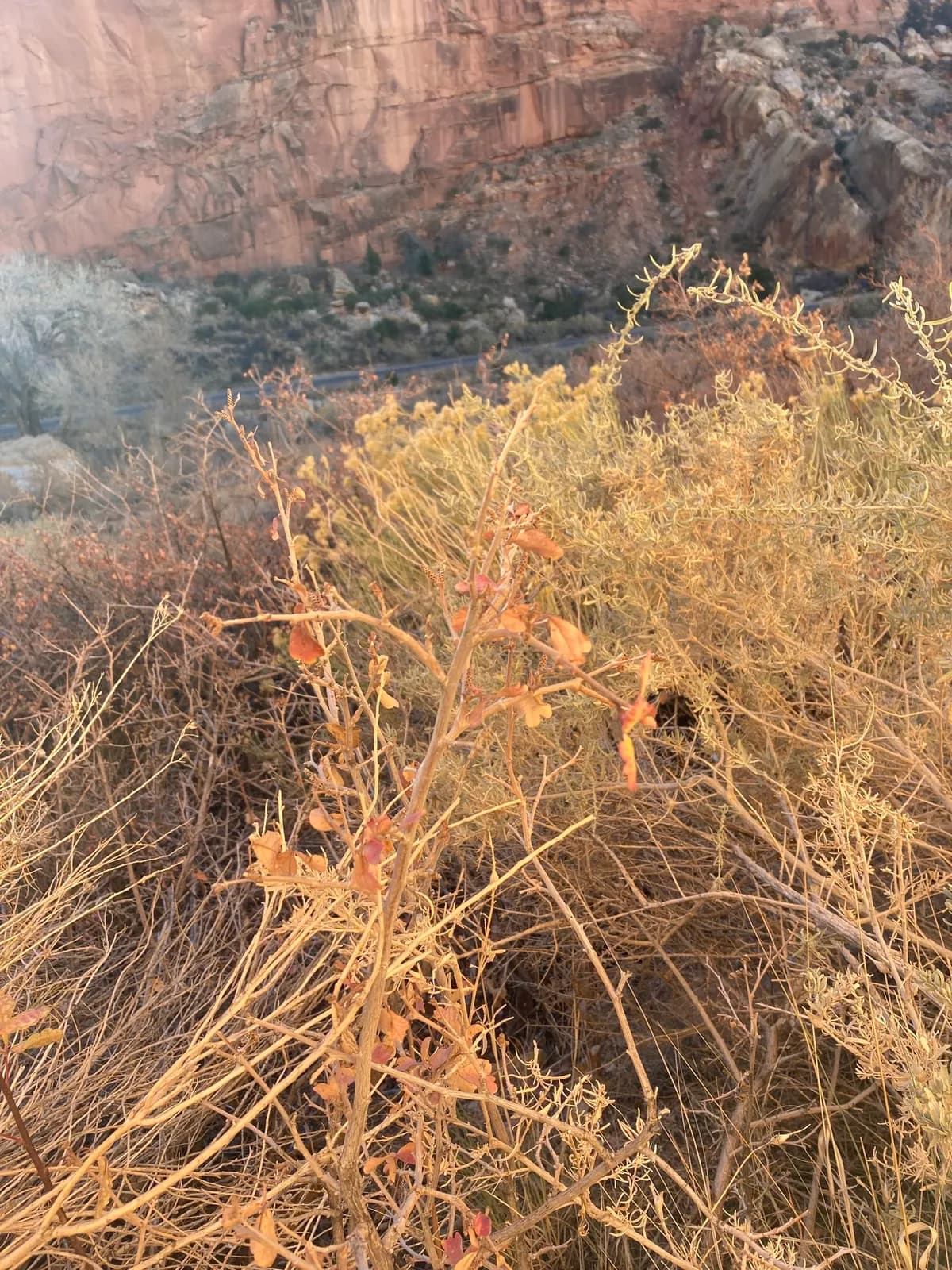
Skunkbush Sumac
Rhus trilobata
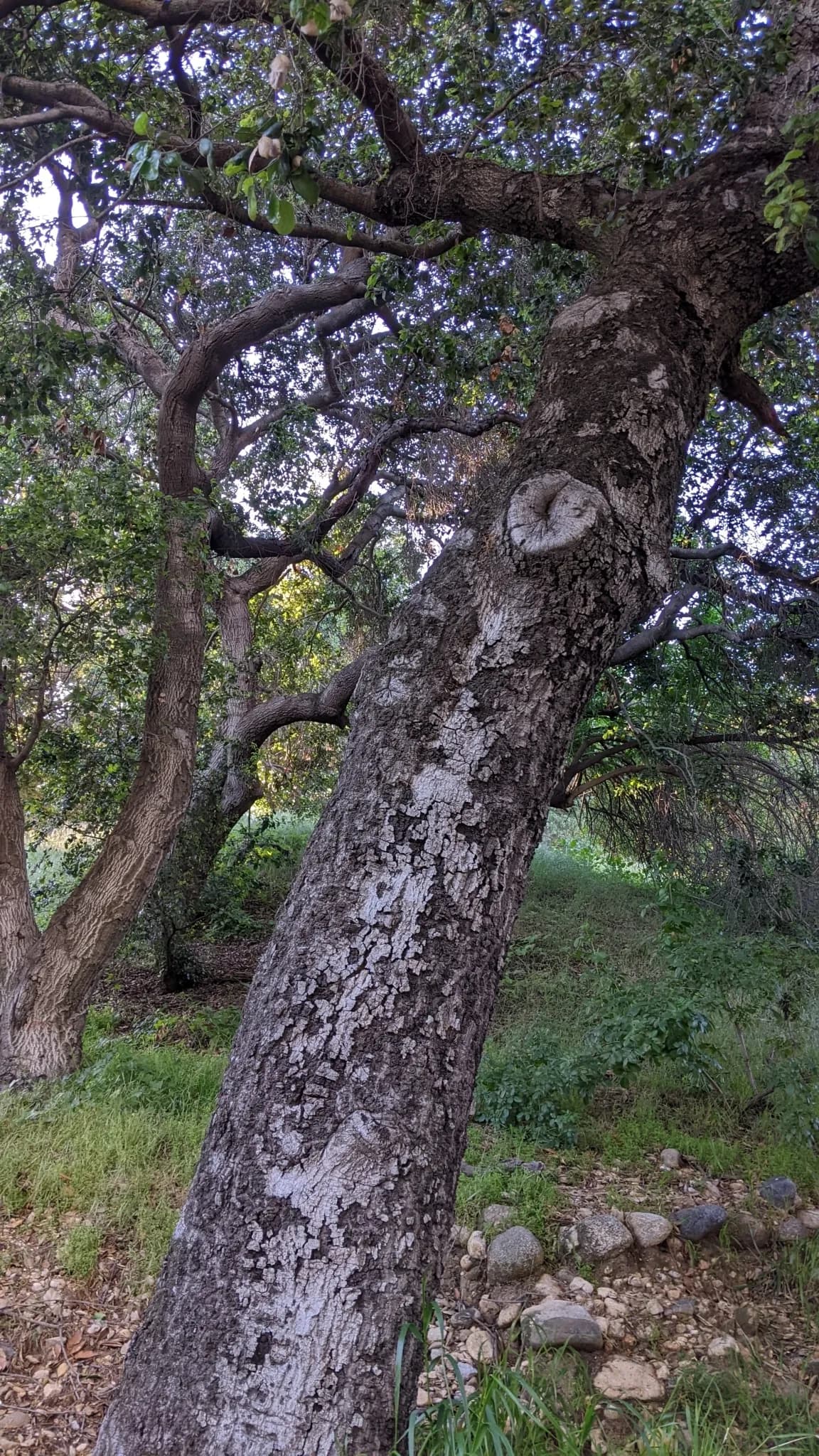
California Live Oak
Quercus agrifolia
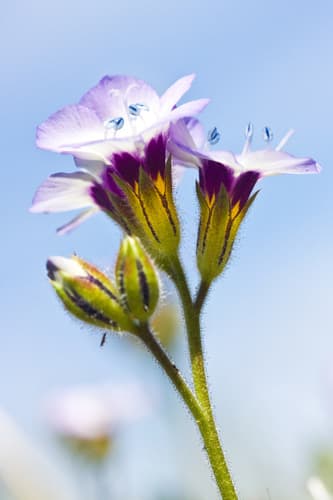
Bird's-eyes
Gilia tricolor
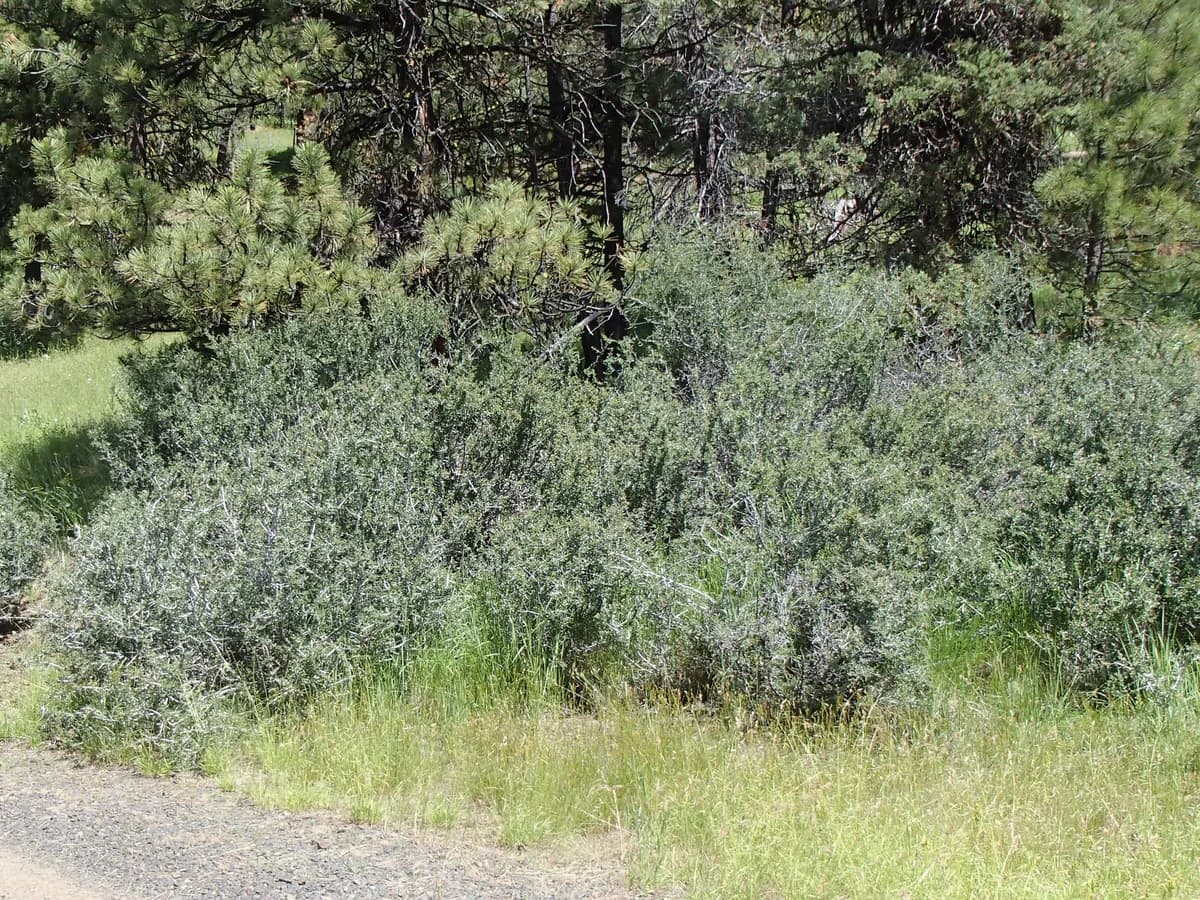
Cuneate Ceanothus
Ceanothus cuneatus
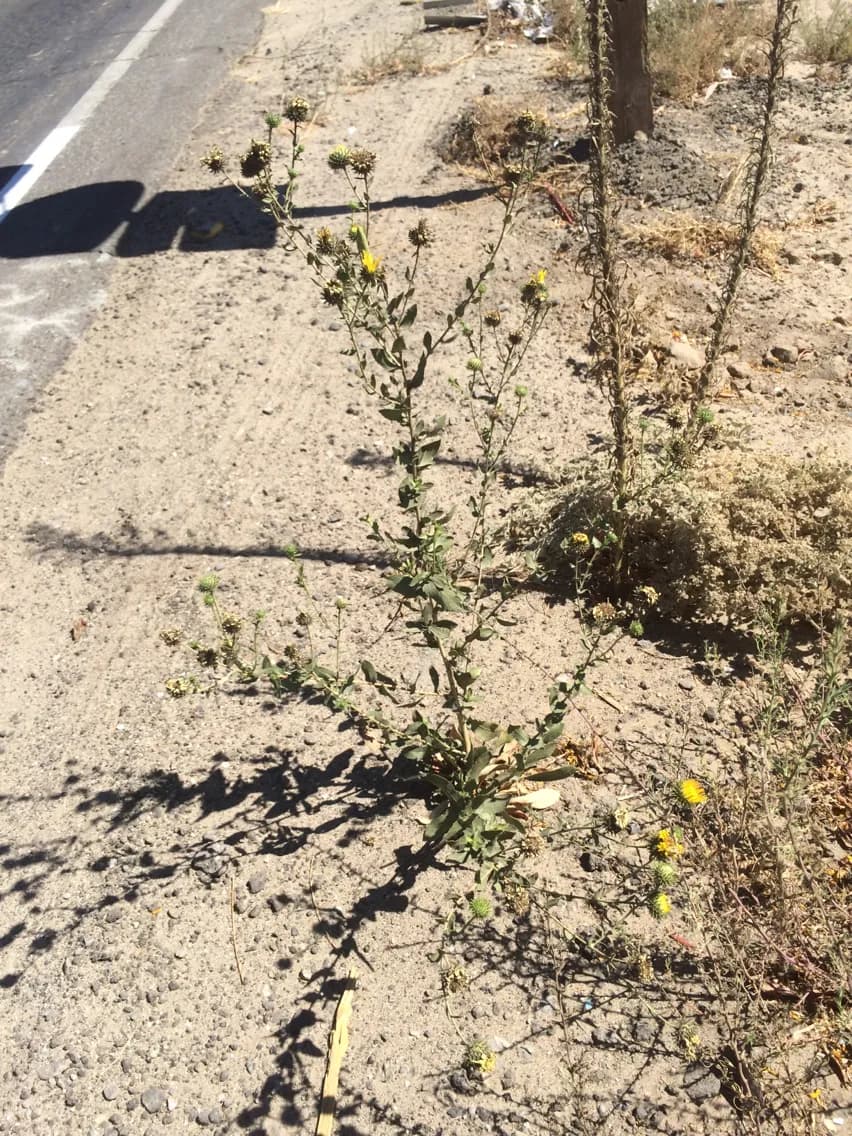
Great Valley Gumweed
Grindelia camporum
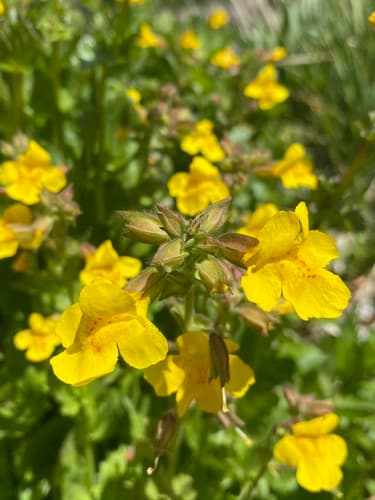
Seep Monkeyflower
Erythranthe guttata
Showing 48 of 570. Enter your ZIP for the natives matched to your yard.
Fall care in the Central California Valley
What to do right now for plants commonly grown here. Each links to the full regional care guide for that species, with sources.
- White sweet clover
Fall is when any missed seed drops and new seedlings get ready for next year.
- Fools onion
Fall is when the dormant corms wake up in Sacramento.
- Blue wild rye
Fall is the time to sow seed or let the clump perk up in Sacramento.
- California milkweed
Fall needs almost nothing from you.
- Frogfruit
Blooms continue into fall, so there is little to do.
- Splitawn sedge
Fall is when Sacramento's rain comes back, making it a good time to plant, divide, and tidy up the bed.
- Prairie junegrass
The first fall rains snap the clump out of summer dormancy, a good time to plant or divide.
- Hendersons shooting star
Fall is still dry season in Sacramento, so keep this spot bone dry until the first real rains arrive, usually sometime in October or November.
- Western blue eyed grass
Fall is the prime planting season. When the first rains arrive in October or November, the soil cools and this is the moment to set out new clumps or divide old ones so roots establish before summer.
- Sambucus nigra ssp caerulea
Fall is the prime planting season in the Sacramento Valley, and the best time to put a new Blue Elderberry in the ground. Planting now, timed to the first rains, lets roots settle in over winter before next summer's drought.
Build a plan for the Central California Valley
Pollinator Patch turns plants like these into a front-yard plan tuned for the soil, climate, and HOA expectations of the Sacramento area.