Rose-mallow
Hibiscus lasiocarpos
Last reviewed: October 2026
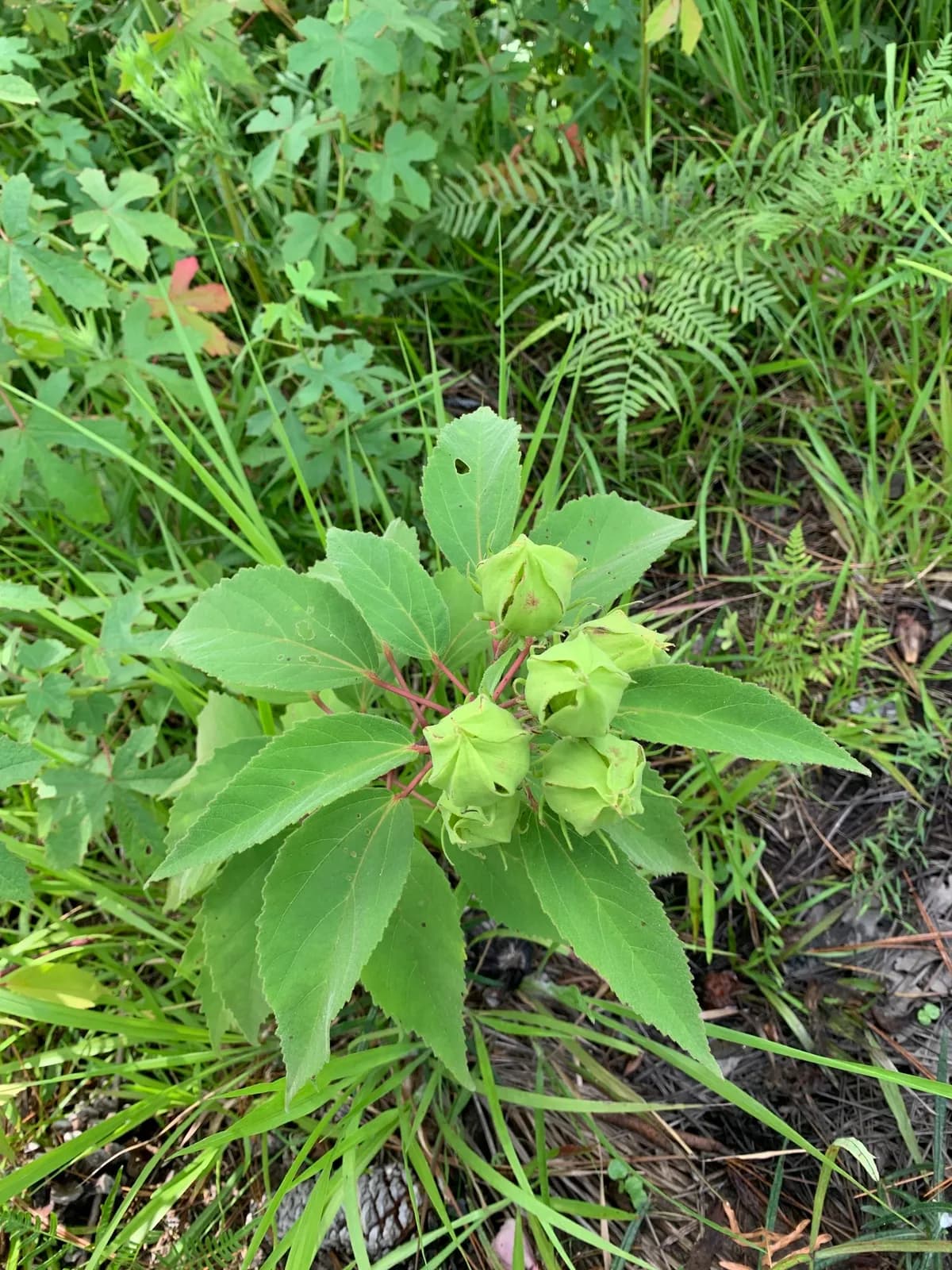
Hibiscus lasiocarpos, or hairy rose-mallow, is a tall wetland forb that blooms from June through September with large white to pale pink flowers marked by a dark red center.
Toxicity unknown
Rose-mallow (Hibiscus lasiocarpos) is not listed by the ASPCA Animal Poison Control Center (opens in new tab) or the other sources we check, so we have no verdict for it either way. Absence from those lists is not a clearance. If your pet shows symptoms after eating any plant, call the ASPCA at (888) 426-4435.
Light
full sun
Water
medium
Size
36"–96" H × 24"–36" W
Bloom
Jun, Jul, Aug, Sep
Native to
AL, AR, CA, FL and 12 more states
Pollinators
bees, butterflies, beetles
Before you buy
Your city may pay you to plant this
Cities and water utilities offer rebates for replacing lawn with native and water-wise plants. We track 459 programs across 44 states, each with a link to the provider and the date we last checked it.
Find rebates in your areaPicture natives in your own yard
Upload a photo of your yard and Patch Vision shows a rendering of it planted with natives for your region, like Rose-mallow.


Browse plants for this ecoregion
Rose-mallow is a tall native hibiscus that produces stunning large pink or white flowers up to 8 inches across from summer through early fall. This moisture-loving perennial forms an upright clump and dies back to the ground each winter. It thrives in wet soils and can handle seasonal flooding, making it perfect for rain gardens or low-lying areas.
Growing Rose-mallow
Grow Rose-mallow in full sun and medium water. Mature plants reach 36 to 96 inches tall and spread 24 to 36 inches wide. Expect moderate maintenance to keep it looking intentional in a front yard.
How to care for Rose-mallow, by region
How to care for Rose-mallow where it is actually grown: year-round basics plus what to do each season, region by region, with the sources for each.
Care guidance last updated: September 2026
Ouachita Mountains (includes Hot Springs, AR)
Year-round
Woolly rose mallow is a native wetland hibiscus that fits right into a Hot Springs yard. It dies back to the ground every winter, then comes back with big pink or white blooms with a deep red center from midsummer into fall.
- Give it full sun and soil that stays moist to wet. A low spot, ditch line, or rain garden edge is ideal.
- It's genuinely native to Arkansas wetlands and low woods, so this is a real native pick here, not just a look-alike swap.
- Plan for size. Stems commonly reach 3 to 6 feet tall in a single growing season.
- A specialist bee called the rose mallow bee depends on this group of hibiscus for pollen, so avoid spraying insecticide on open blooms.
- New growth is often the last thing to show up in a spring perennial bed. Don't dig it up thinking it died over winter.
Fall
As nights cool and the first frost gets closer, blooming winds down and the plant starts getting ready to die back for winter.
- Let it keep blooming right up until frost. No need to cut anything back early.
- After frost blackens the stems, you can leave them standing instead of cutting right away.
- Some gardeners leave the dead stems up over winter since hollow stems can shelter overwintering insects, then cut back in late winter.
- Skip fall fertilizer. A plant headed into dormancy doesn't need the push.
- If seed pods have formed, they're densely hairy and easy to spot if you want to collect seed to start more plants next year.
A bed of bare dead stems can look neglected from the street in fall. Keeping a clean edge or a small plant marker helps it read as intentional and avoids a violation letter.
Winter
Winter is fully dormant. All top growth dies back to the ground and there's nothing visible above the soil until spring. That's normal for this plant.
- Leave the dead stems standing through winter instead of cutting them to the ground now. It shelters overwintering insects and avoids disturbing the roots.
- No need to water through a normal Arkansas winter unless there's an extended dry spell.
- A light layer of mulch over the root zone is optional but can help in a harder winter.
- Mark the spot if you tend to forget where dormant perennials are, so you don't dig into the roots by accident.
- This plant's native range reaches as far north as Kentucky, southern Illinois, Indiana, and Missouri, all colder than Hot Springs, so a typical winter here will not kill an established plant.
Bare dead stems can look neglected in winter. A clean bed edge or a small marker helps it read as intentional and avoids a violation letter.
Spring
Spring is a waiting game for this plant. New shoots usually don't show until well after most of the yard has leafed out, so clear last year's dead stalks and keep the soil moist while you wait.
- Cut old dead stems down to about 6 inches before new growth starts. This is the standard cutback for this group of hardy hibiscus.
- New stems can take until mid to late spring to emerge from the roots, especially after a cool spring. Hold off on replanting the spot.
- Keep the area consistently moist. This plant does not handle a dry spring well.
- Top-dress with about 2 inches of compost once new growth starts.
- Watch for aphids on tender new growth. A strong spray of water usually knocks them off.
Clearing the dead winter stalks before new growth comes up reads as an intentional spring cleanup and avoids a violation letter.
Summer
Summer is the payoff season. Flowers open through July, August, and into September, with each bloom lasting just one day before the next one opens.
- Keep soil consistently moist through the hot summer stretch. This plant is built for wet ground and will droop under a dry summer.
- Deadheading is optional. Each flower lasts only a day and drops on its own.
- Watch for Japanese beetles skeletonizing leaves in midsummer. Hand-pick them into soapy water in the early morning when they move slowly.
- A specialist native bee relies on these flowers for pollen, so skip insecticide sprays on or near open blooms.
- Tall stems in a windy spot may need a stake or a spot near a fence for support.
Sources: Lady Bird Johnson Wildflower Center native plant database entry for Hibiscus lasiocarpos (Woolly rose-mallow), USDA Forest Service Wildflower of the Week: Hibiscus lasiocarpos (Hairy-Fruited Hibiscus), Clemson Cooperative Extension HGIC: Hardy Hibiscus (Hibiscus moscheutos) grow and care guide
In an HOA neighborhood
Rose-mallow is an HOA-friendly choice. Maintenance level: moderate. Tidiness: 3 out of 5.
Works well in: mid zone.
- Can look weedy when dormant in winter
- May appear too wild or informal for formal landscapes
- Requires consistent moisture which can be challenging to maintain
Wildlife value
The large showy blooms attract bees, butterflies, and beetles throughout the long flowering season. The substantial size and nectar production make it particularly valuable for larger pollinators.
Common questions
- When does hairy rose-mallow bloom?
- Hairy rose-mallow typically flowers from June through September, with individual blooms lasting only a day or two but the plant producing new flowers throughout the season.
- What kind of habitat does this plant need?
- It grows best in full sun and consistently wet to moist soil, and is often found along ditches, pond edges, marshes, and other low-lying wet areas.
- What pollinators visit hairy rose-mallow?
- The large showy flowers attract bees, butterflies, and beetles, which visit for pollen and nectar during the summer bloom period.
- Does hairy rose-mallow prefer wet or dry soil?
- It does best with high moisture and does not tolerate prolonged drought well, making it a good fit for rain gardens, pond margins, or naturally damp low spots.
- Is Rose-mallow HOA-friendly?
- Rose-mallow is generally an HOA-friendly choice in the right placement, with moderate maintenance.
These answers were drafted with an AI model from this plant's data. Verify care details with a local expert.
Native range data from the World Checklist of Vascular Plants (Kew). Pollinator and host plant associations compiled from GBIF, iNaturalist, and published ecological literature.
If something looks wrong
Common plant problems, and what to check first
These come up on almost any plant. Each guide lists the likely causes in the order they are worth ruling out, with one thing to check before you act on any of them, and links to the source it came from.
- It is dying right after planting
- Leaves turning yellow
- Wilting even though I watered it
- Brown crispy leaf tips
- Bugs on the plant
Ready to grow Rose-mallow? Add it to your garden in Pollinator Patch to track it and get season-by-season care guidance.