EPA Level III Ecoregion
Mississippi Alluvial Plain
932 native plants for the Mississippi Alluvial Plain ecoregion (Memphis area).
The Mississippi Alluvial Plain is the Delta, the flat wide floodplain the river built from Cairo down toward the Gulf, taking in Memphis, Greenville, Vicksburg, and Jonesboro. Soils are deep and heavy, the water table sits close to the surface, and ground that has not been leveled for row crops still floods. Natives like white wild indigo, rose-mallow, and dwarf palmetto are built for heavy wet soil and long humid heat.
Conditions: Deep heavy alluvial clay over a high water table, 48–56 inches of rain, hot humid summers and short mild winters.
Cities and areas: Memphis, Greenville, Vicksburg, Jonesboro, Clarksdale, Helena.
932 Native Plants for the Mississippi Alluvial Plain
HOA-friendly picks listed first. Pet-safety status varies by species; each plant page shows its sourced ASPCA status. Native range data from vouchered herbarium specimen records and regional native plant society lists.
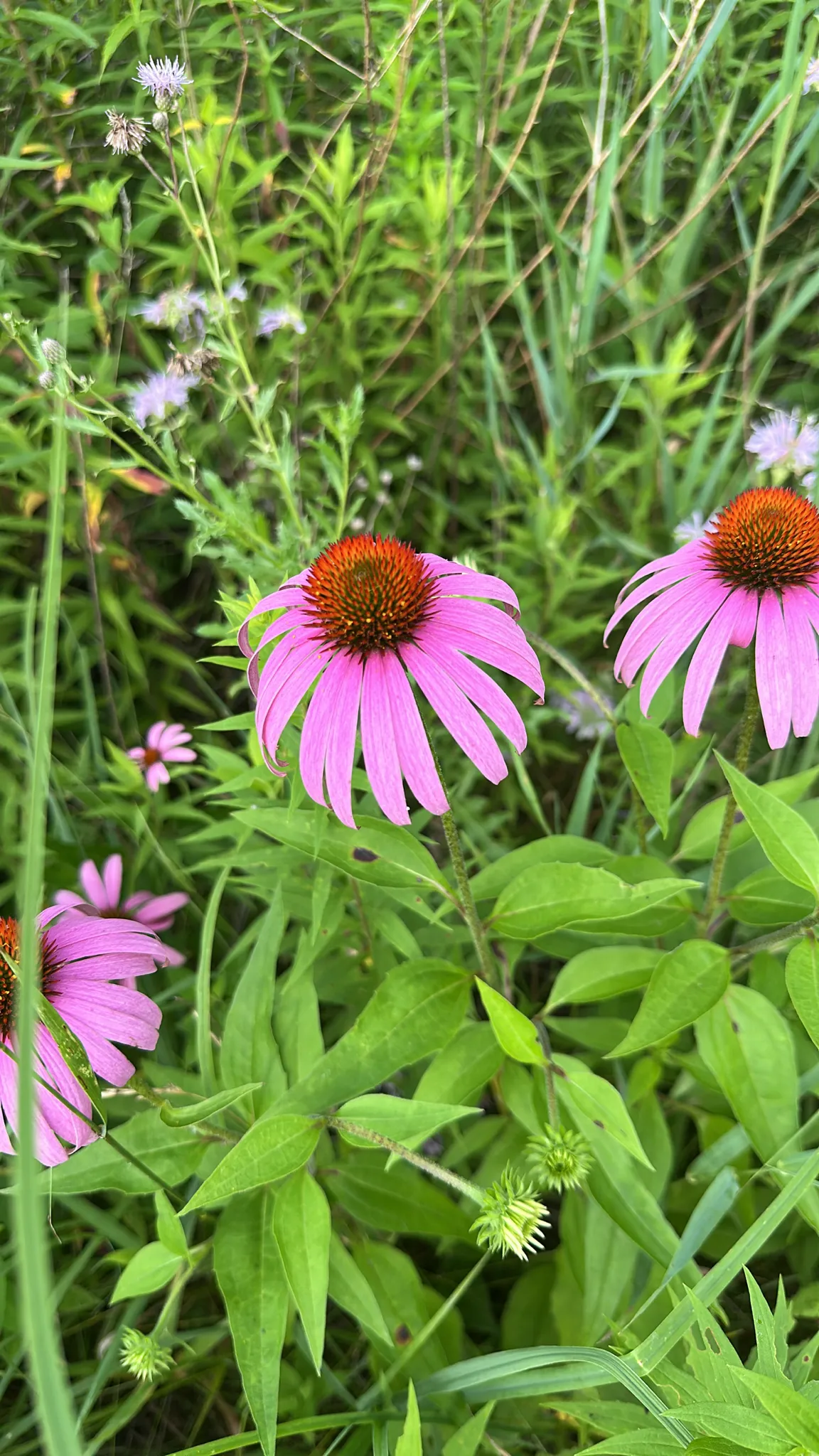
Purple Coneflower
Echinacea purpurea
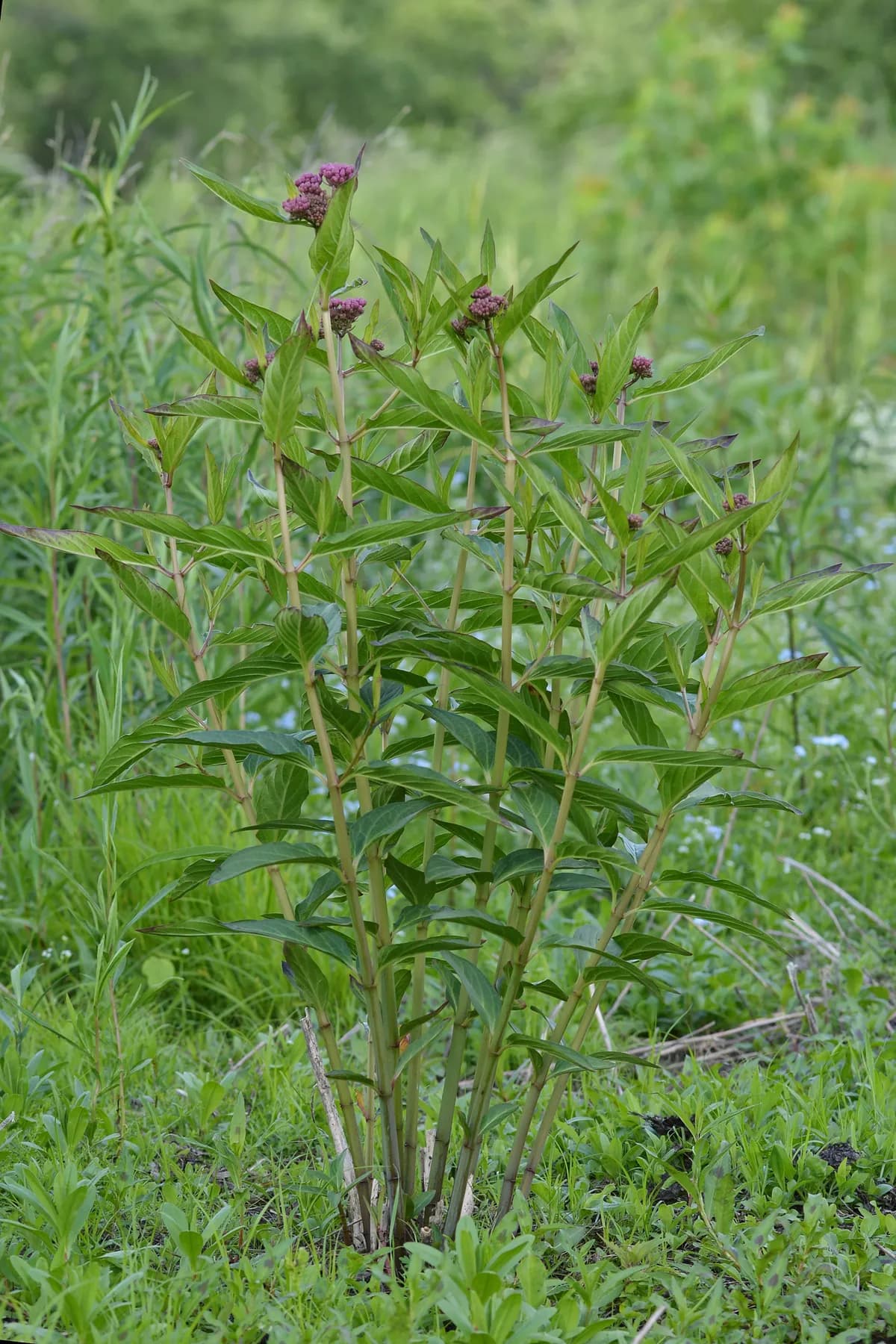
Swamp Milkweed
Asclepias incarnata

Little Bluestem
Schizachyrium scoparium
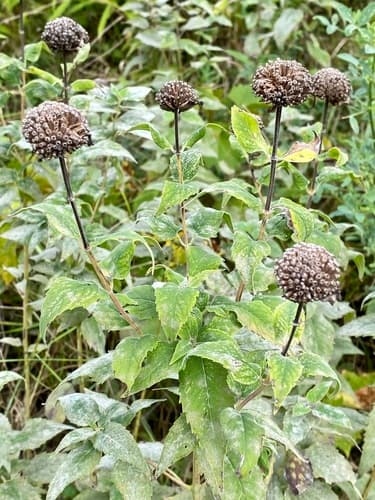
Wild Bergamot
Monarda fistulosa
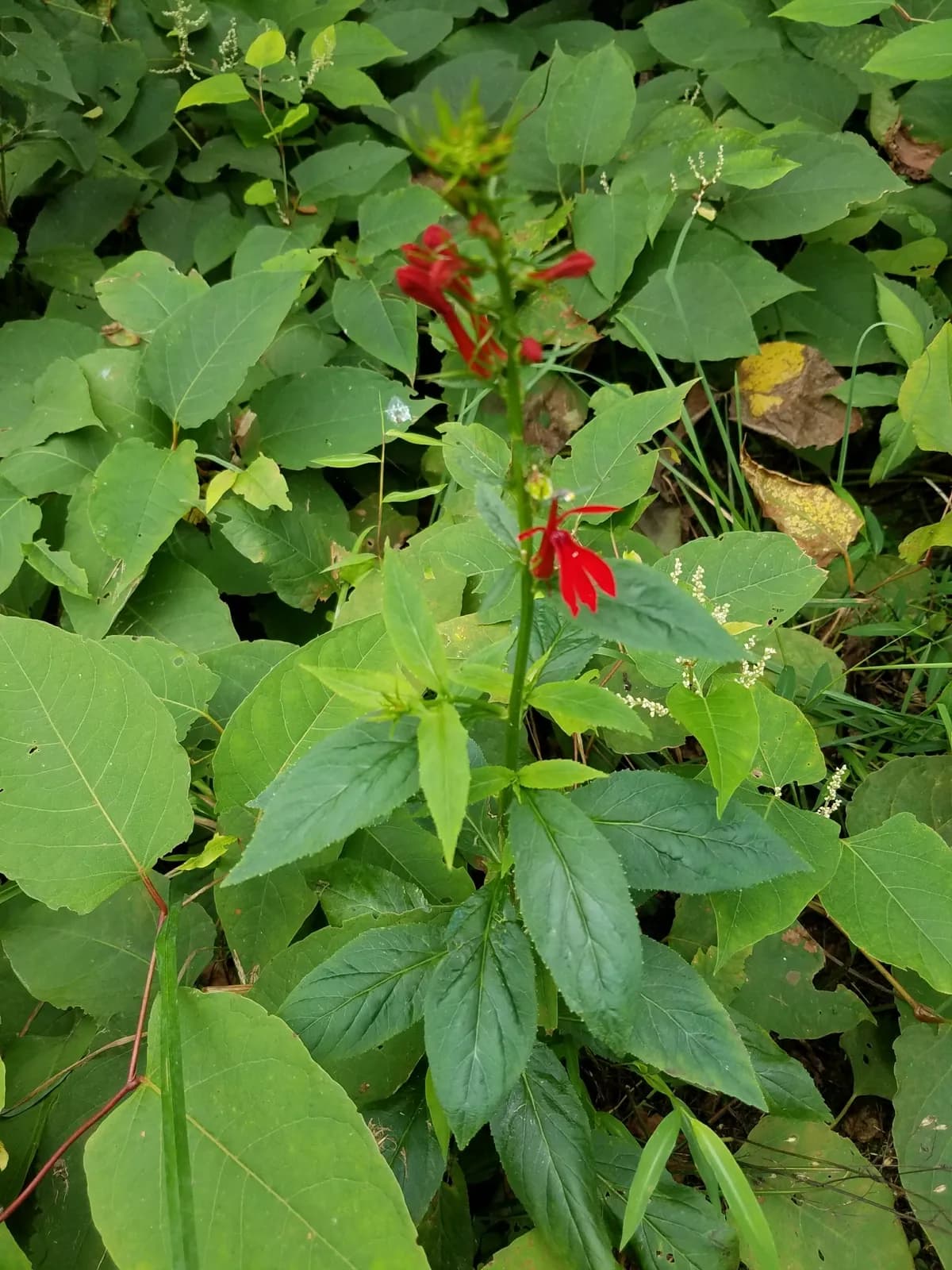
Cardinal Flower
Lobelia cardinalis
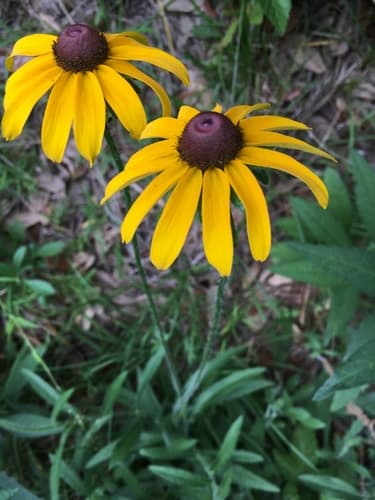
Black-eyed Susan
Rudbeckia hirta
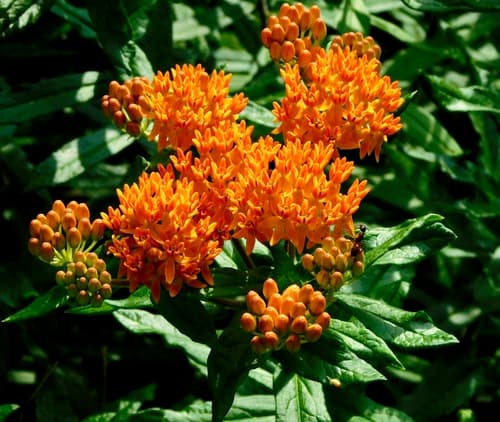
Butterfly Milkweed
Asclepias tuberosa
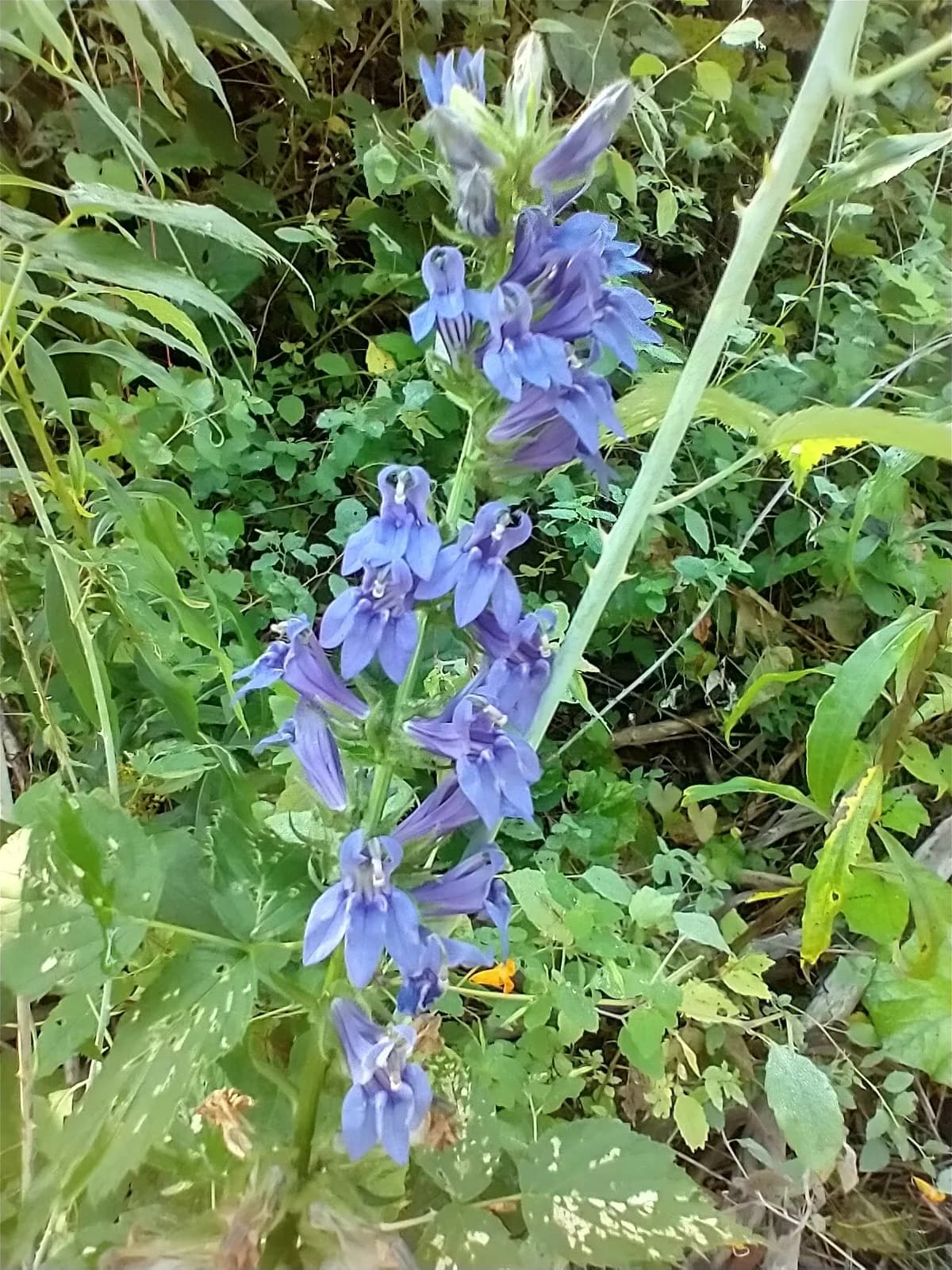
Blue Lobelia
Lobelia siphilitica
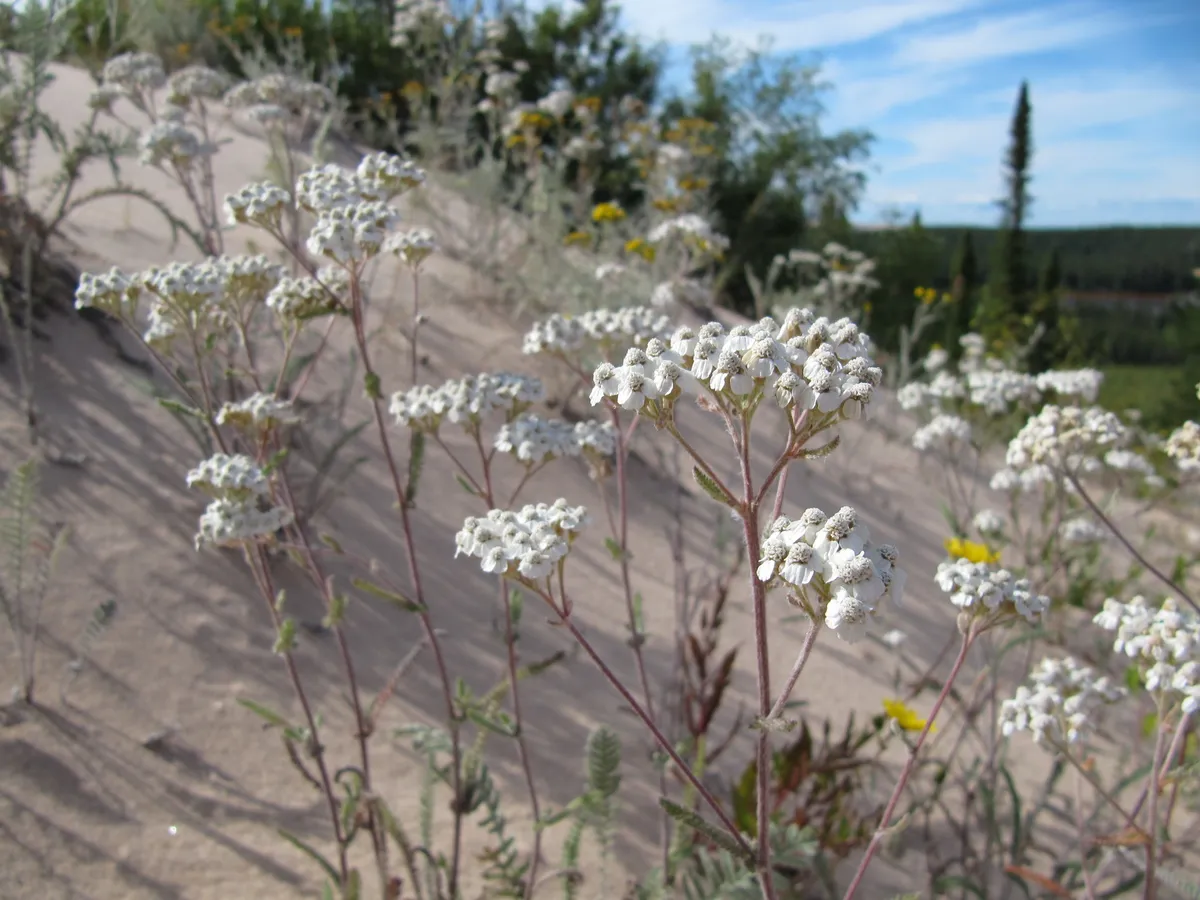
Common Yarrow
Achillea millefolium
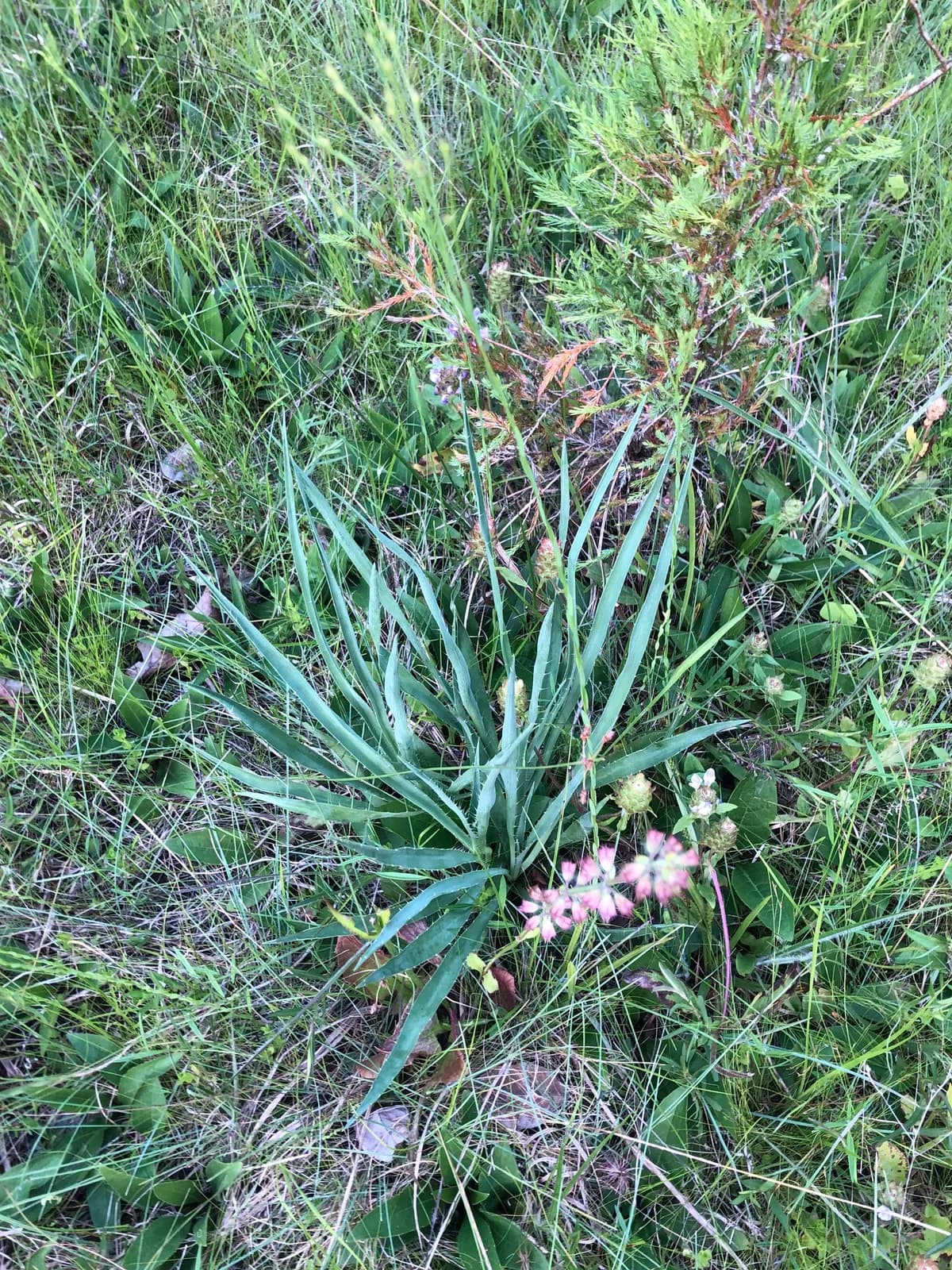
Rattlesnake Master
Eryngium yuccifolium
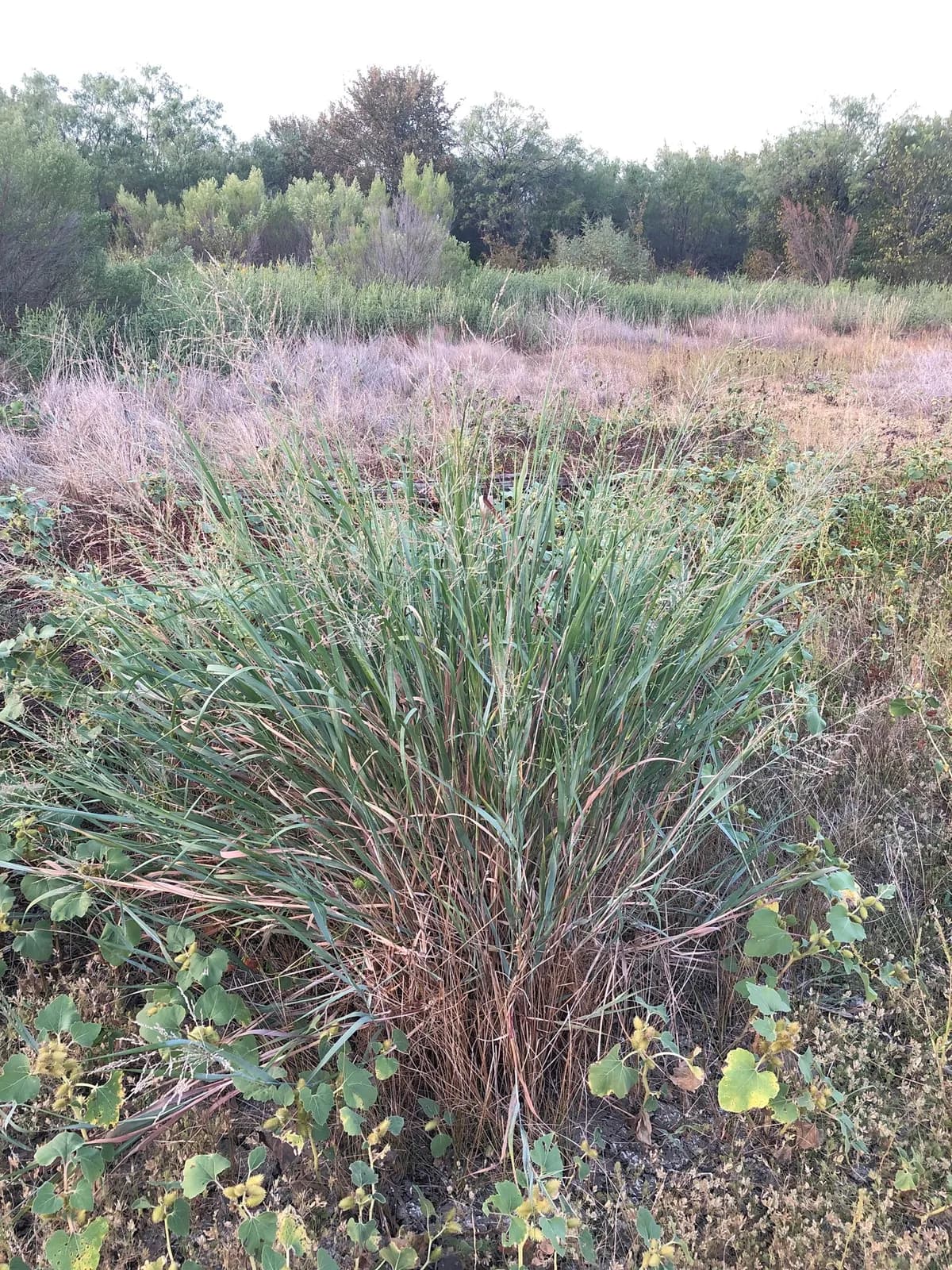
Switchgrass
Panicum virgatum
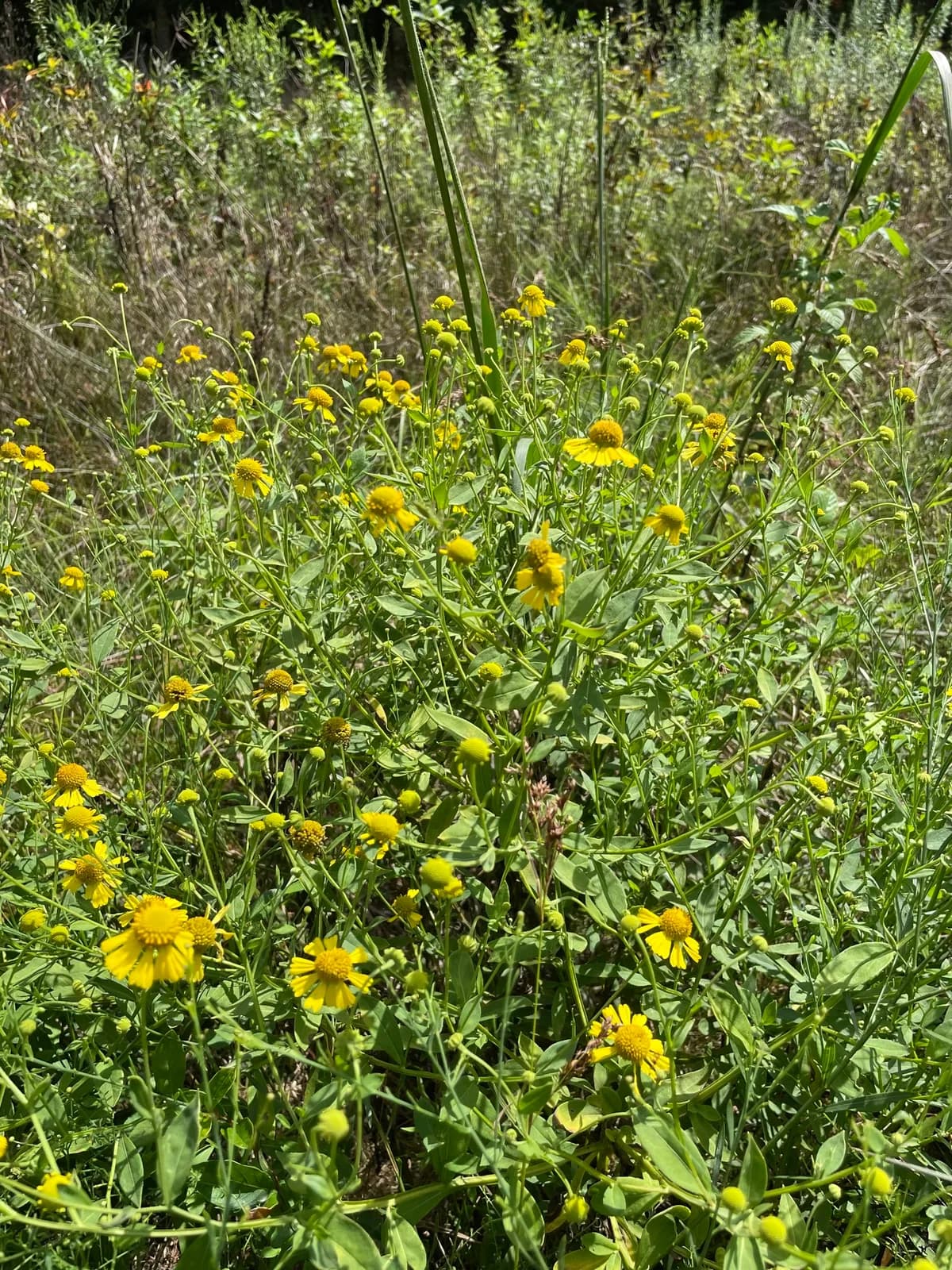
Common Sneezeweed
Helenium autumnale
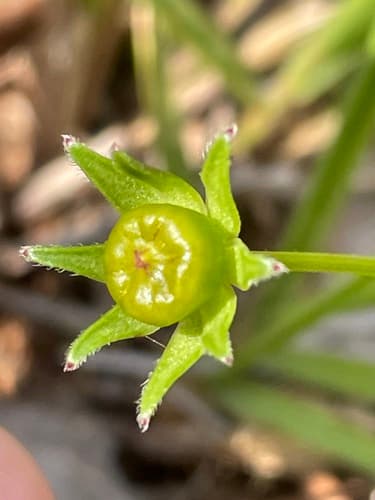
Lanceleaf Coreopsis
Coreopsis lanceolata
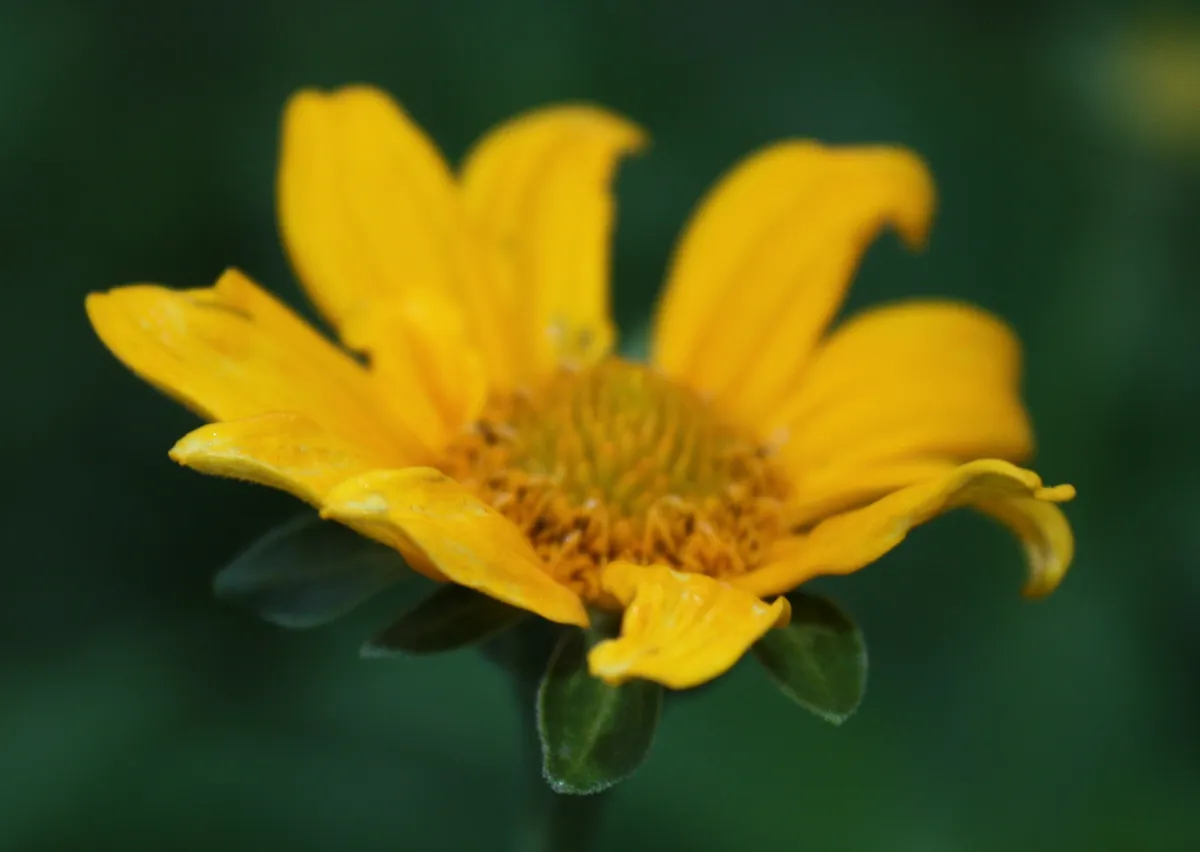
False Sunflower
Heliopsis helianthoides
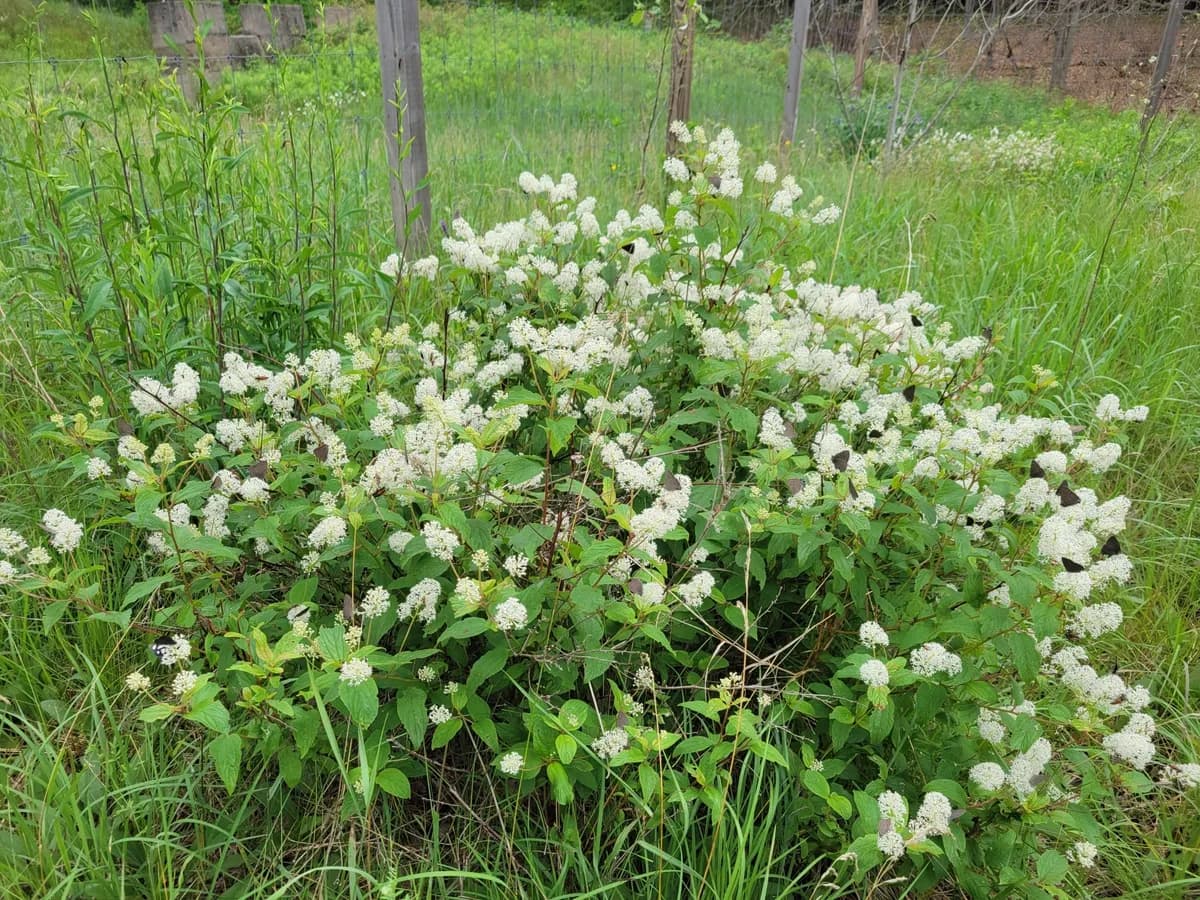
New Jersey-tea
Ceanothus americanus
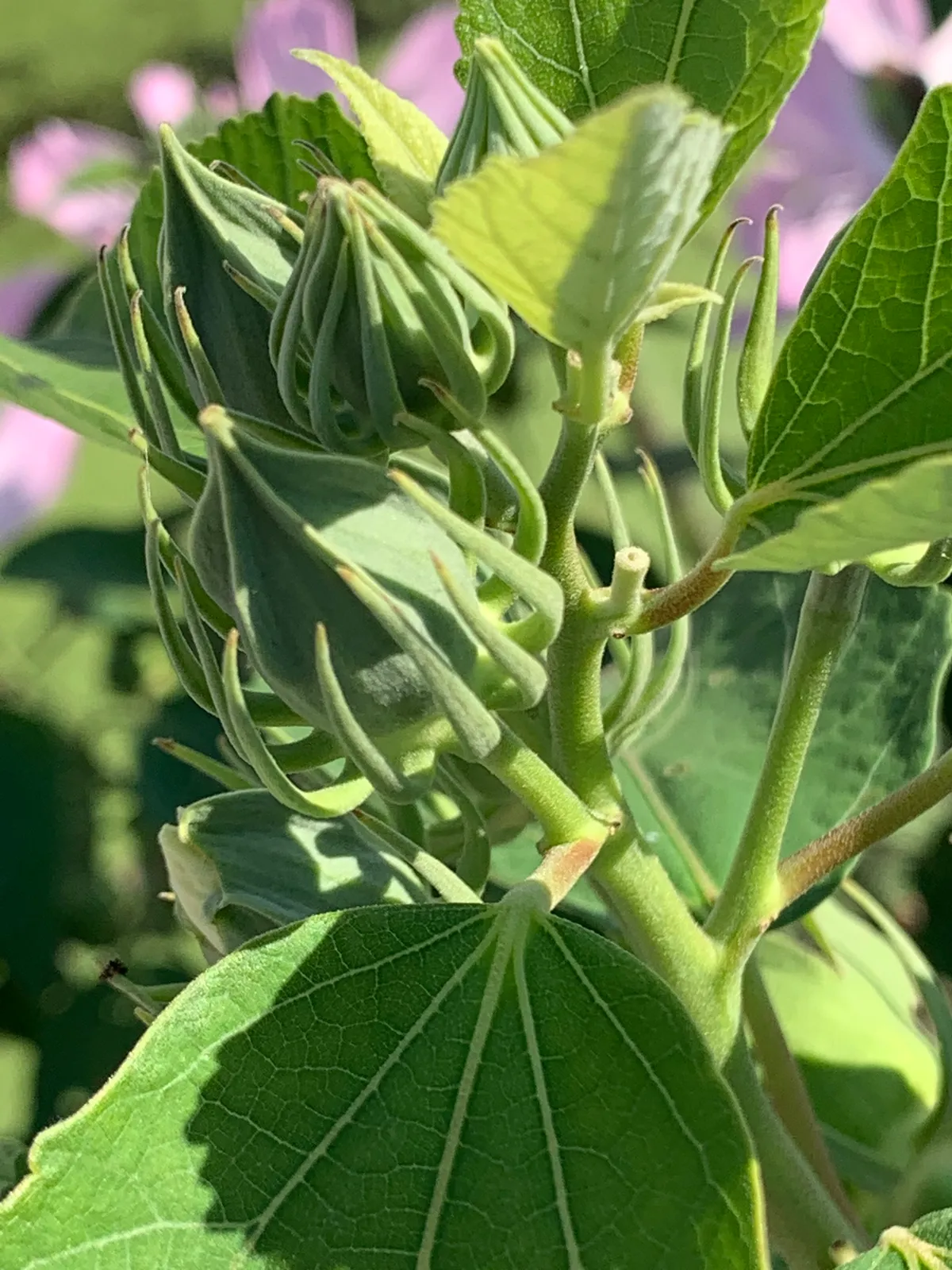
Mallow-rose
Hibiscus moscheutos
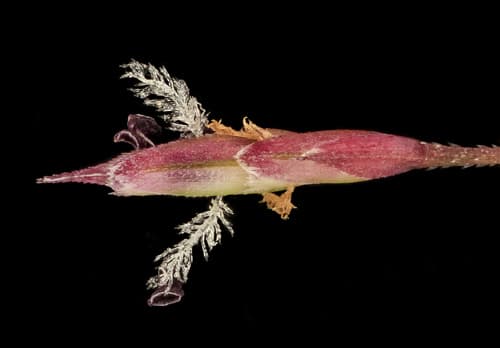
Purple Lovegrass
Eragrostis spectabilis
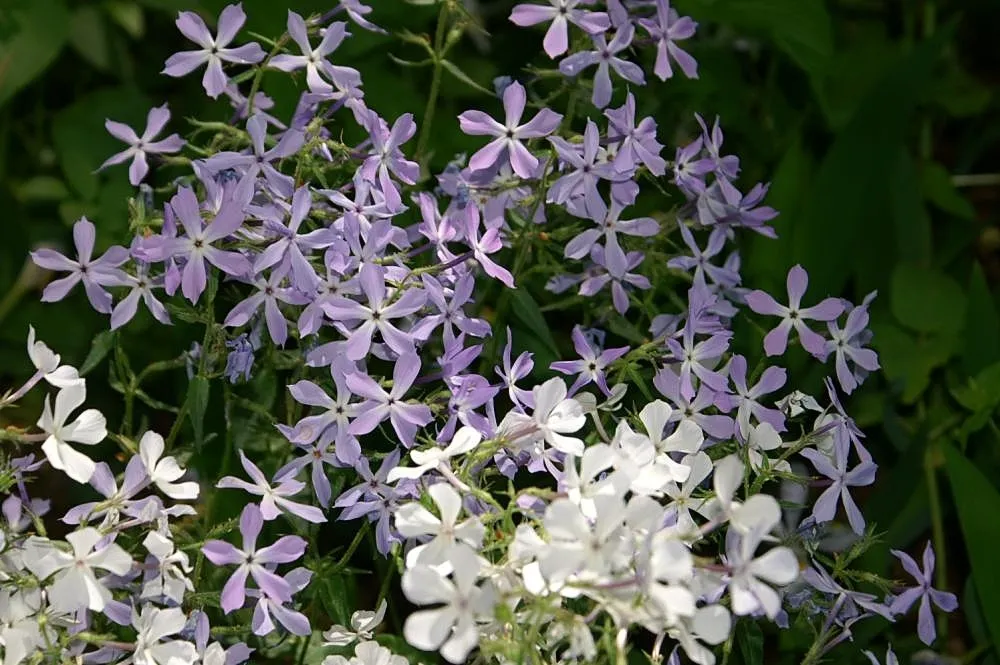
Blue Woodland Phlox
Phlox divaricata
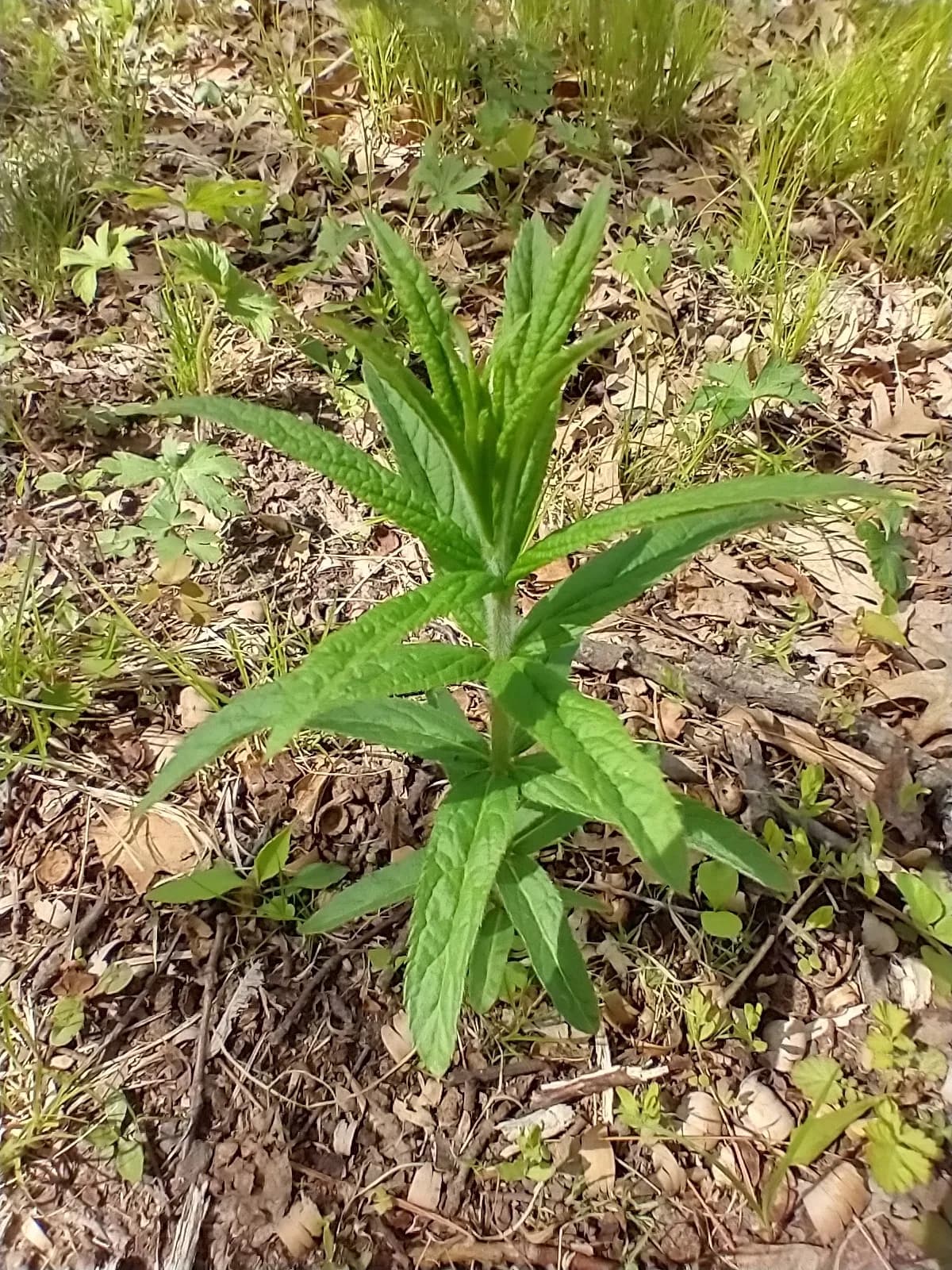
Culver's Root
Veronicastrum virginicum
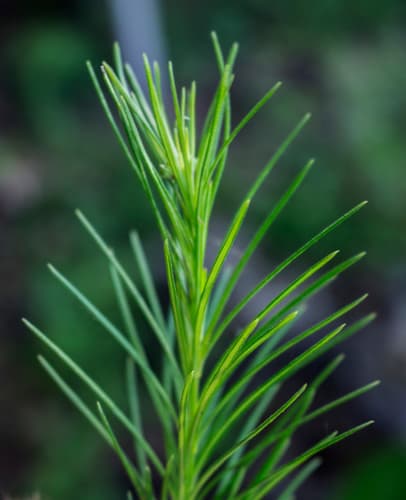
Whorled Milkweed
Asclepias verticillata

Inland Sea Oats
Chasmanthium latifolium
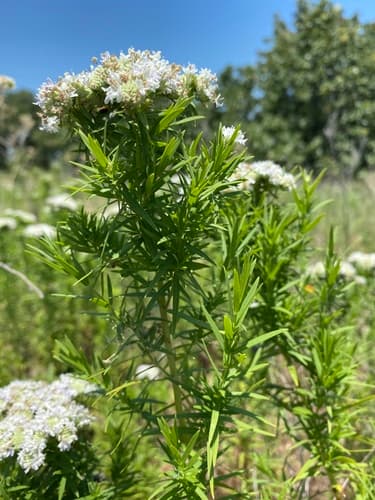
Narrowleaf Mountain Mint
Pycnanthemum tenuifolium
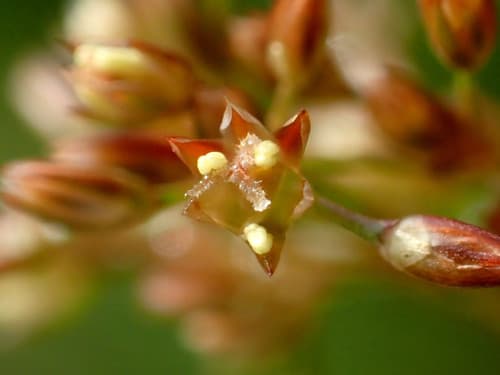
Soft rush
Juncus effusus
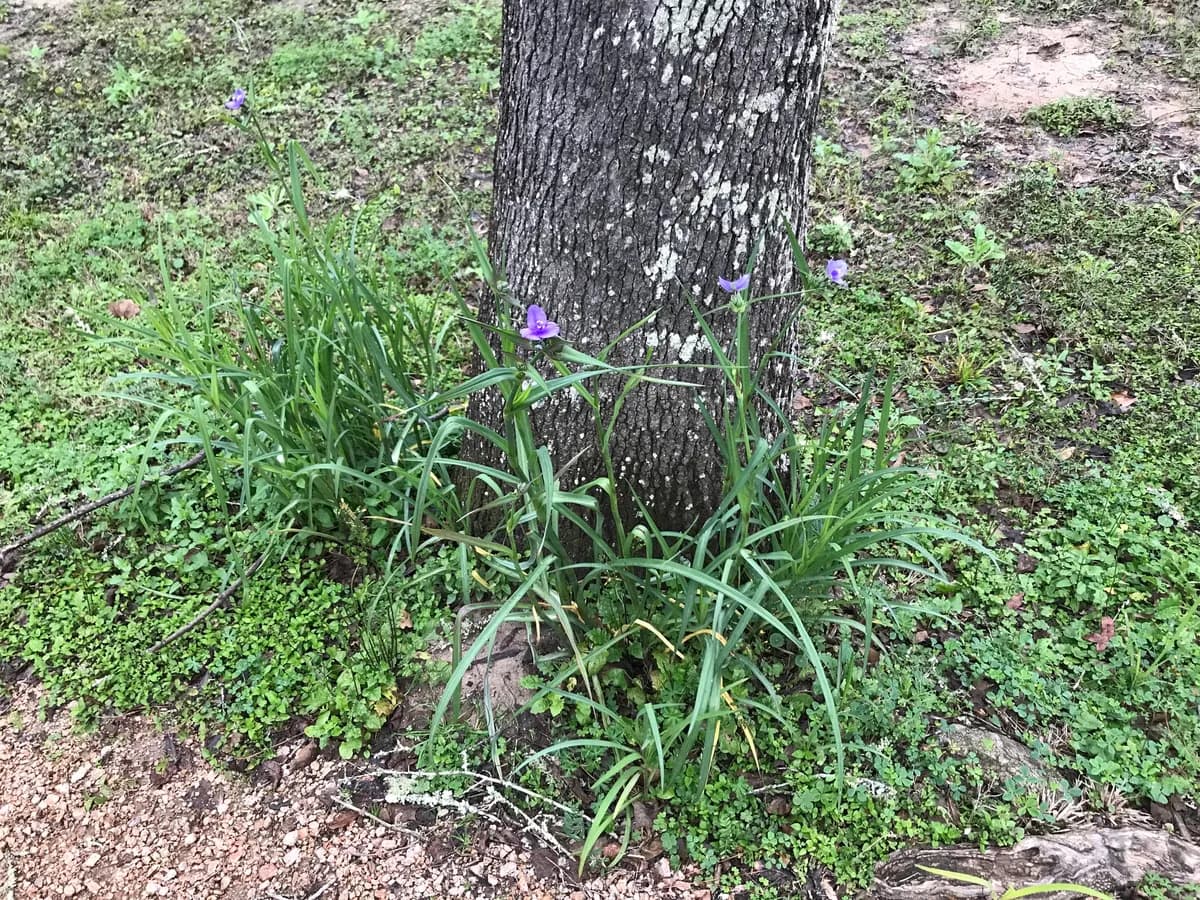
Smooth Spiderwort
Tradescantia ohiensis
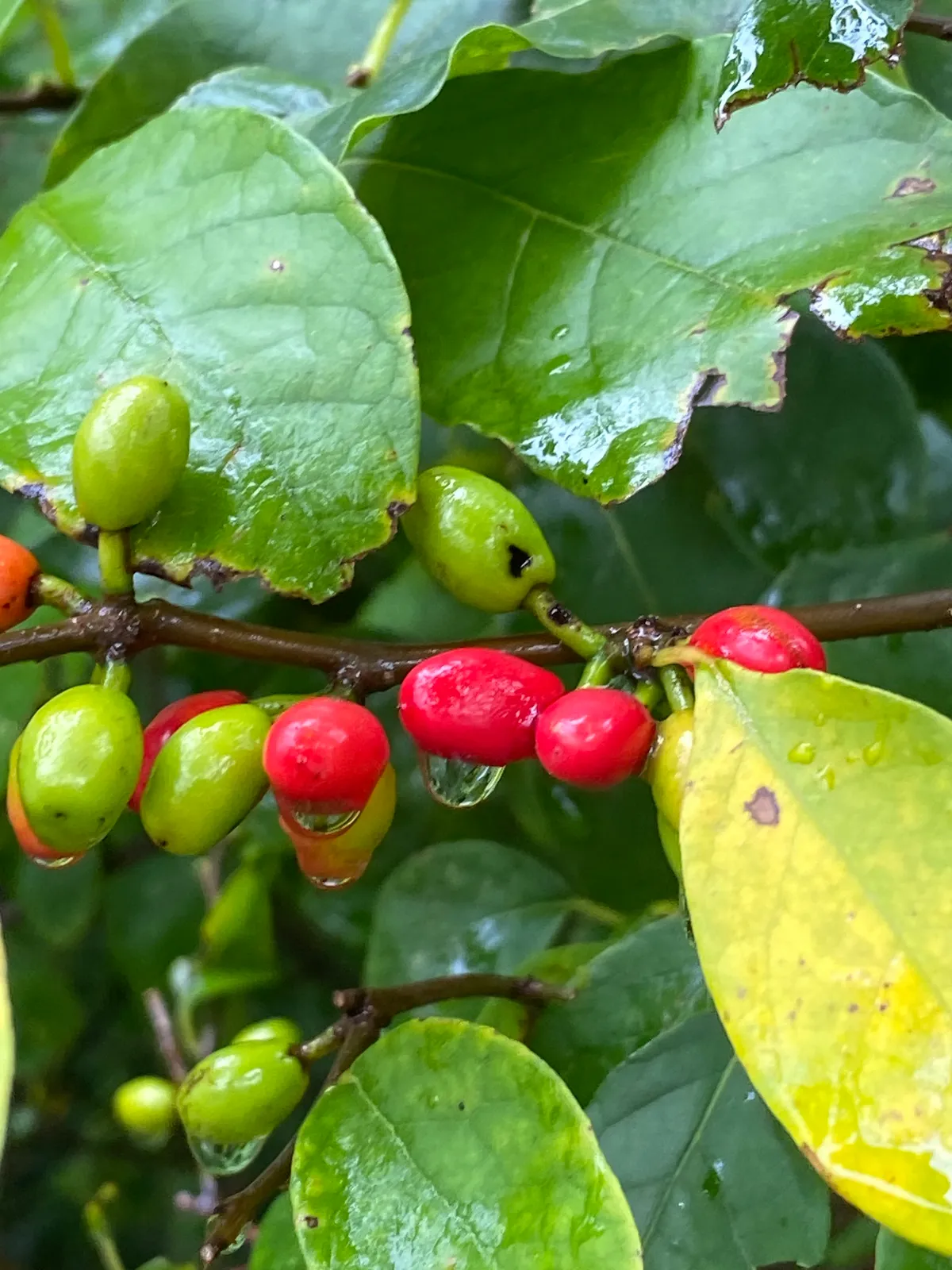
Spicebush
Lindera benzoin
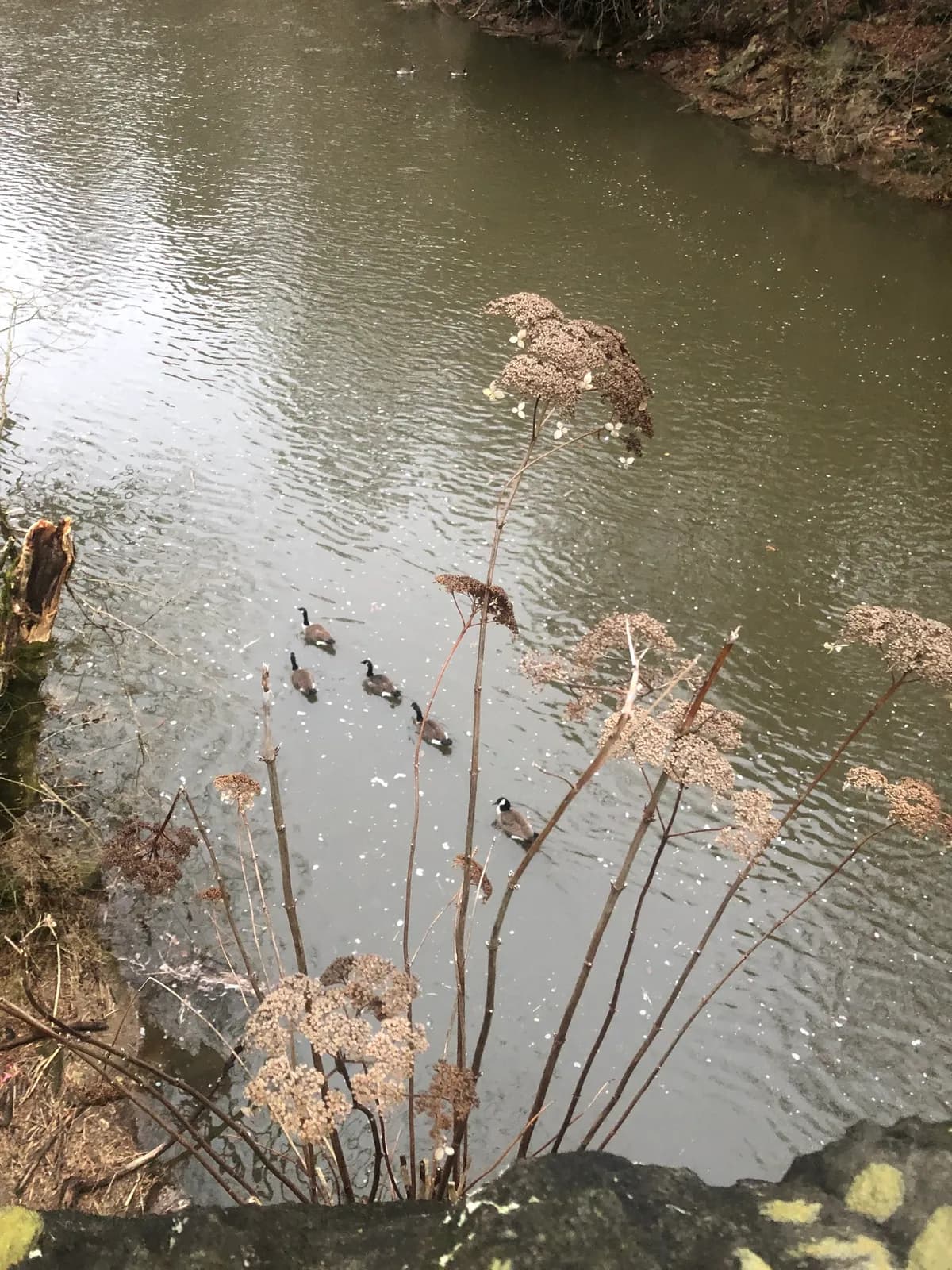
Sevenbark
Hydrangea arborescens
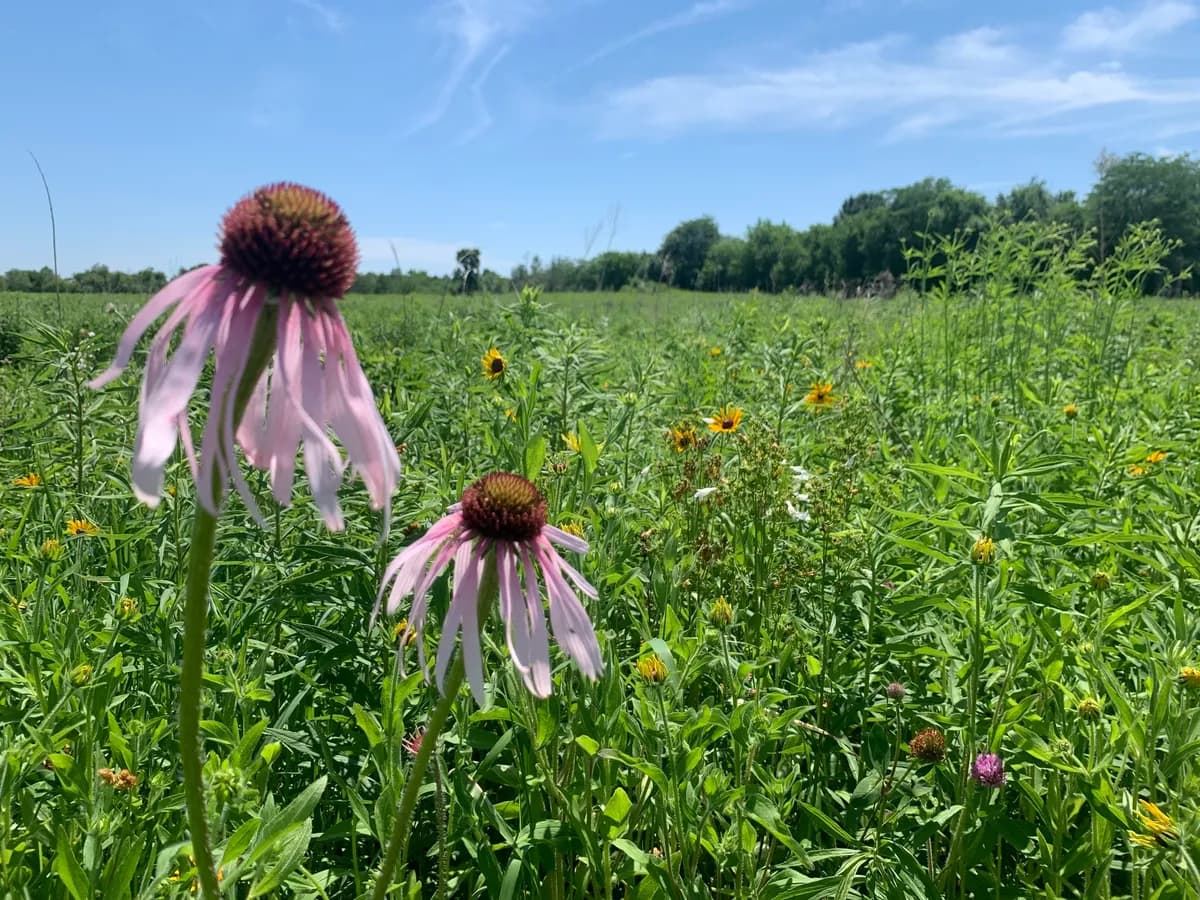
Pale Purple Coneflower
Echinacea pallida
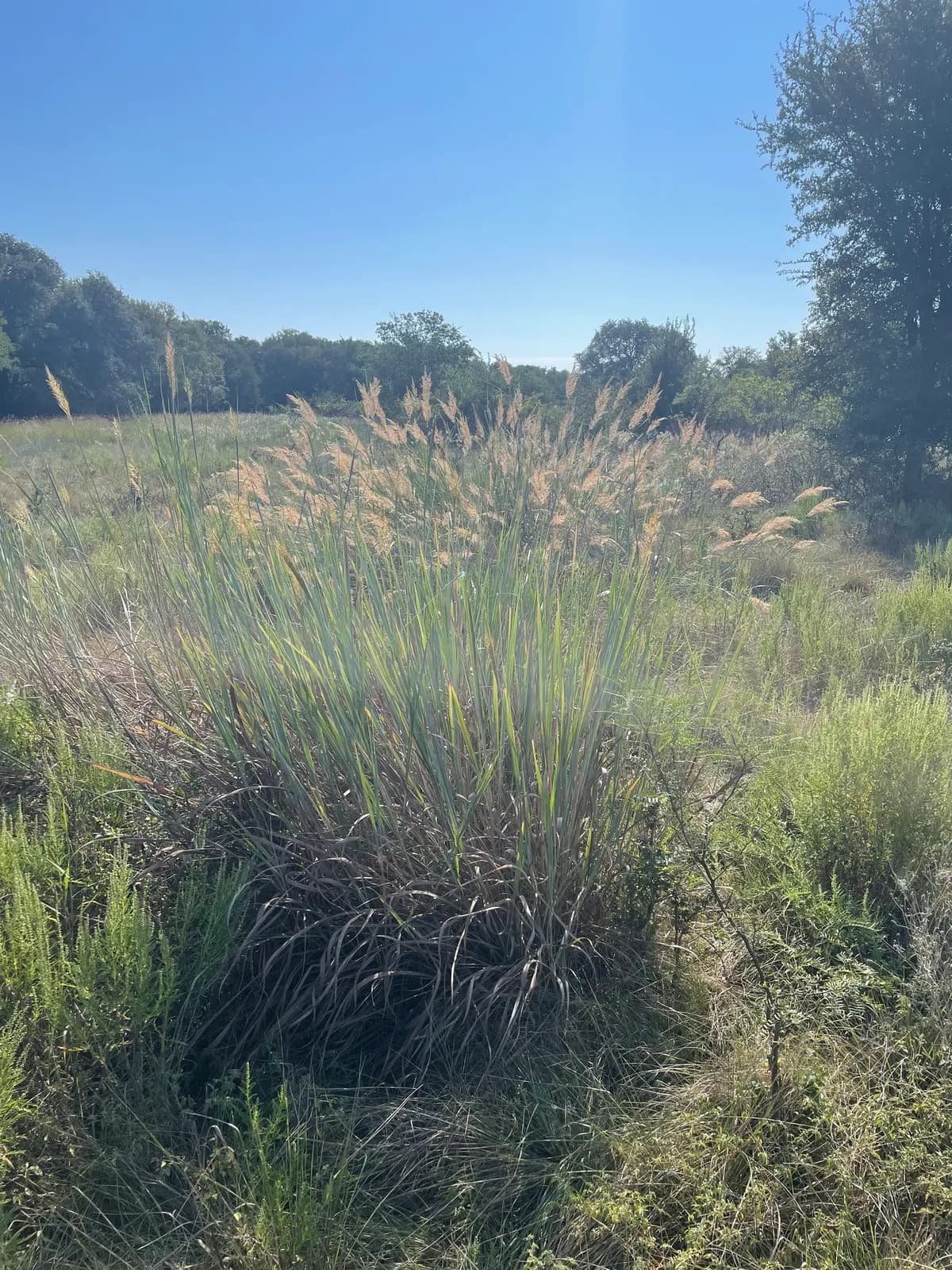
Indiangrass
Sorghastrum nutans
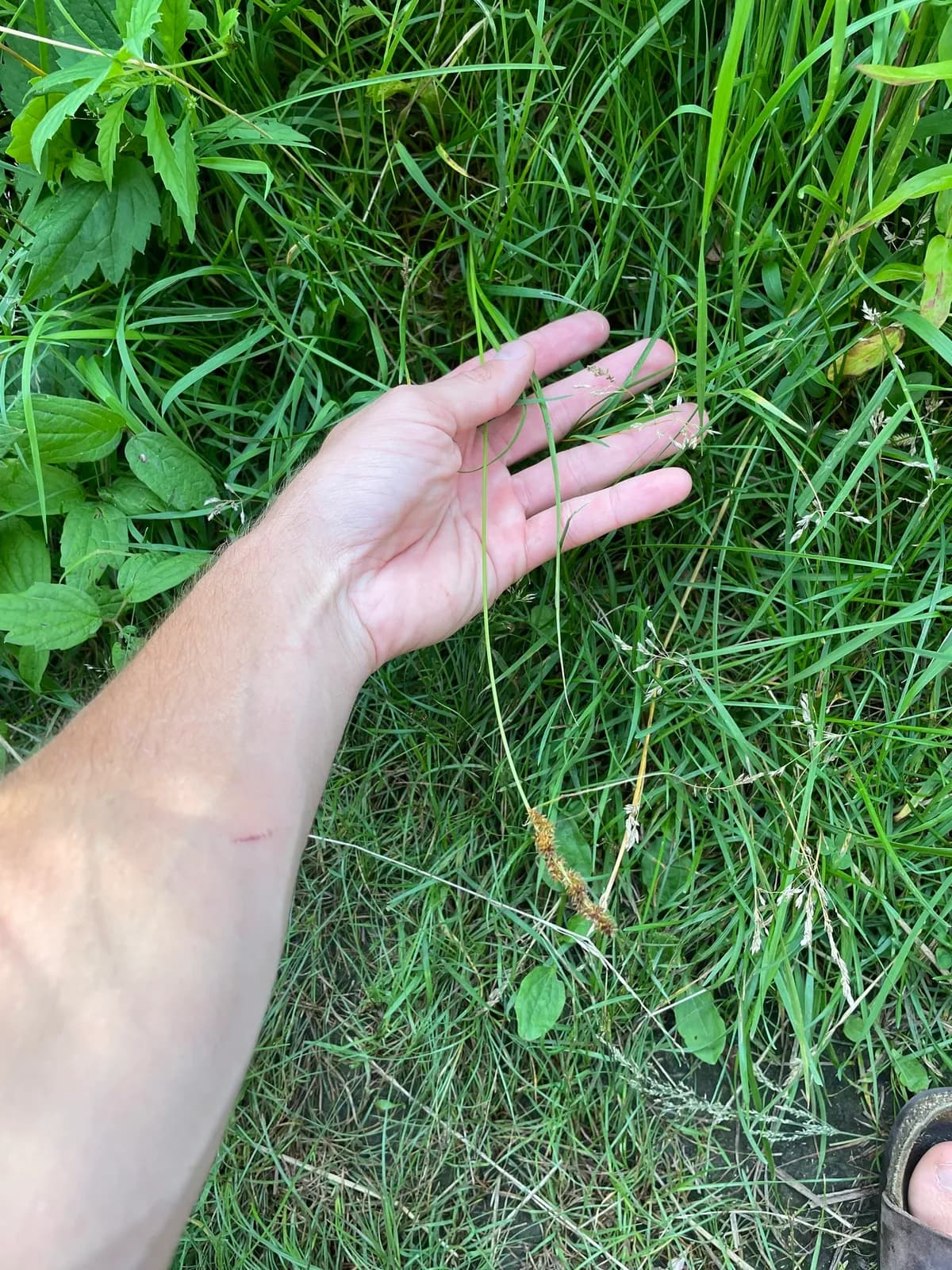
American Fox Sedge
Carex vulpinoidea
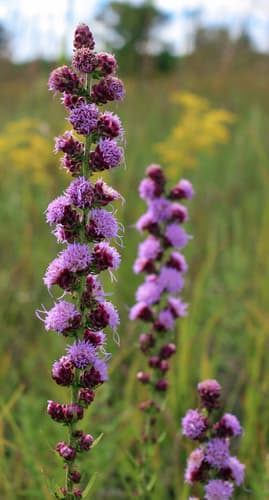
Tall Blazing Star
Liatris aspera

Coral Honeysuckle
Lonicera sempervirens
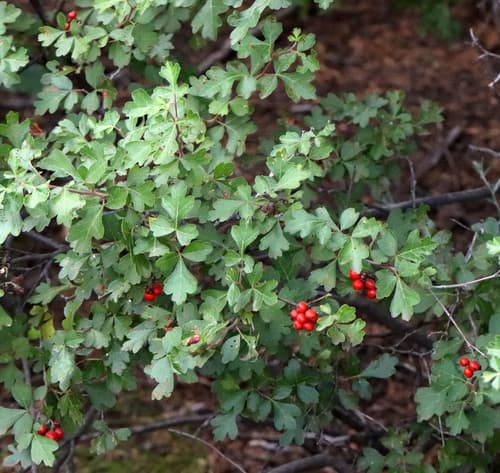
Aromatic Sumac
Rhus aromatica
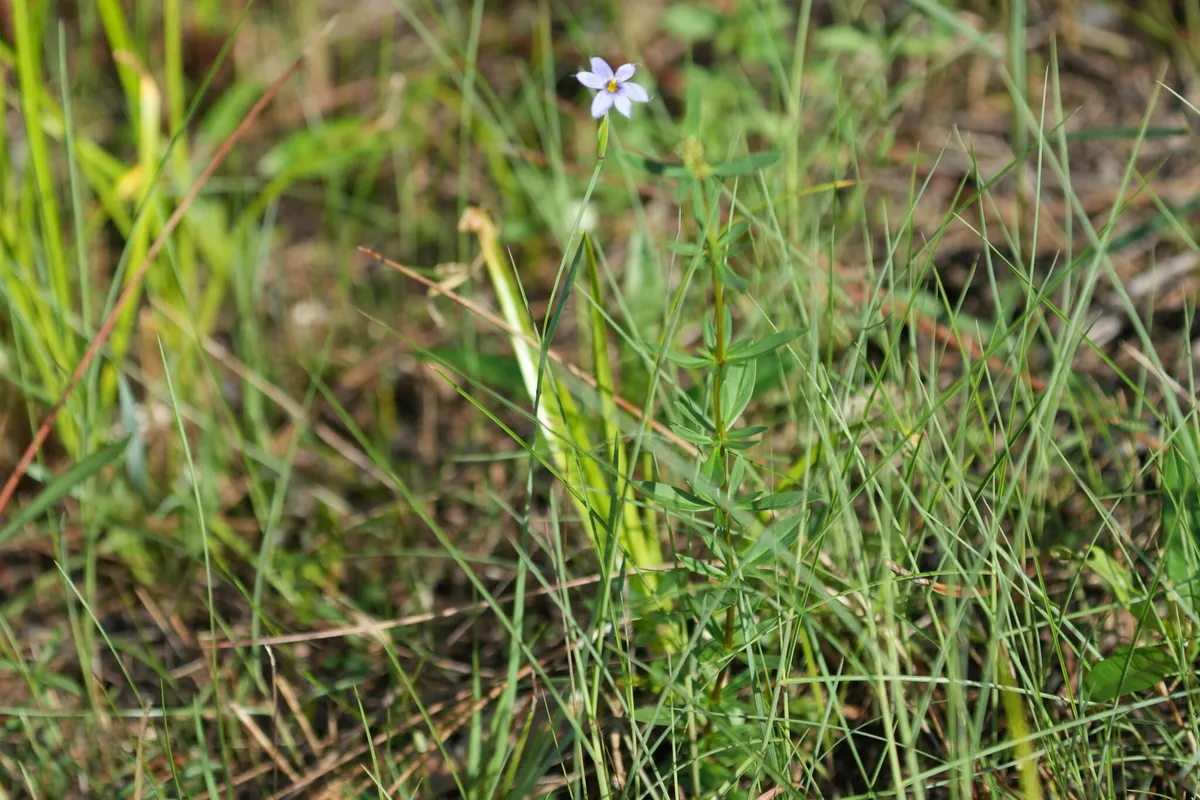
Narrowleaf Blue-eyed Grass
Sisyrinchium angustifolium
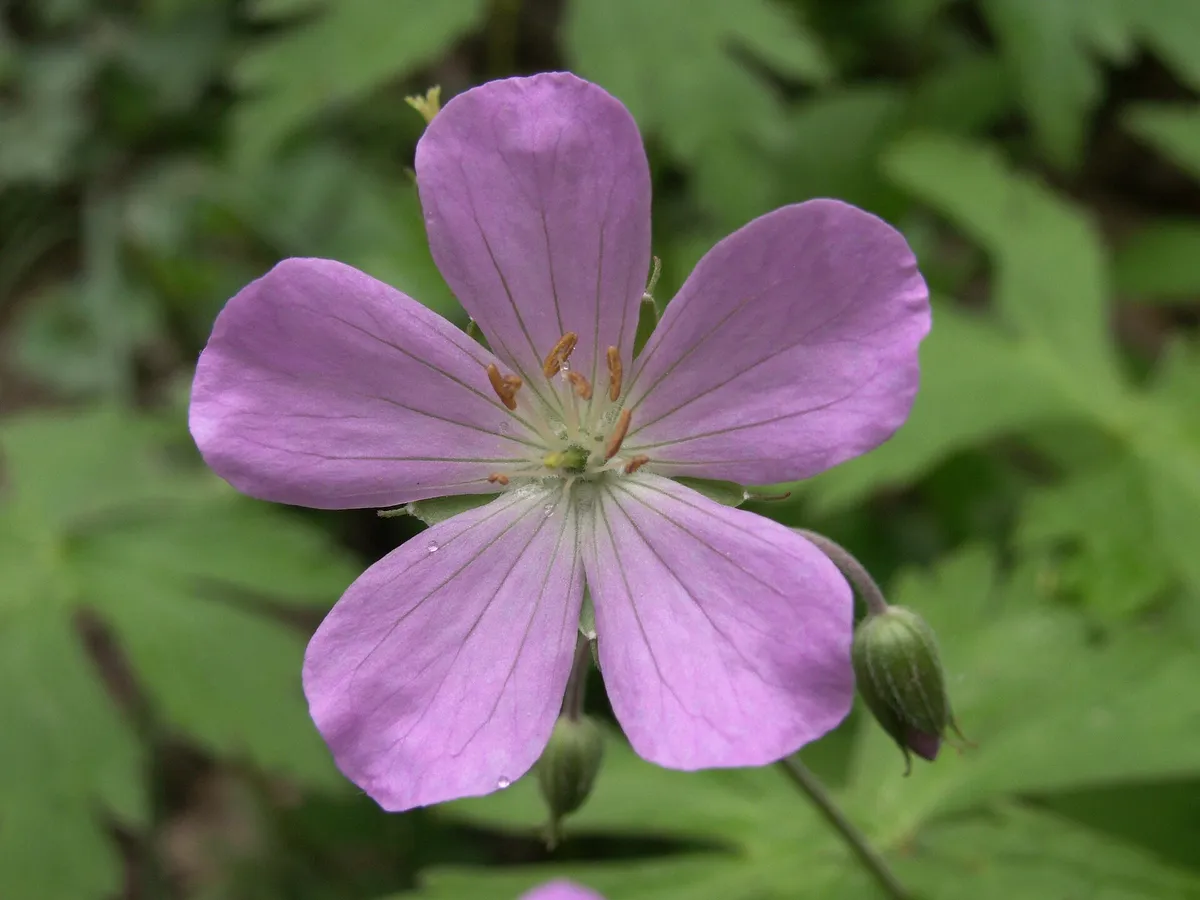
Spotted Geranium
Geranium maculatum
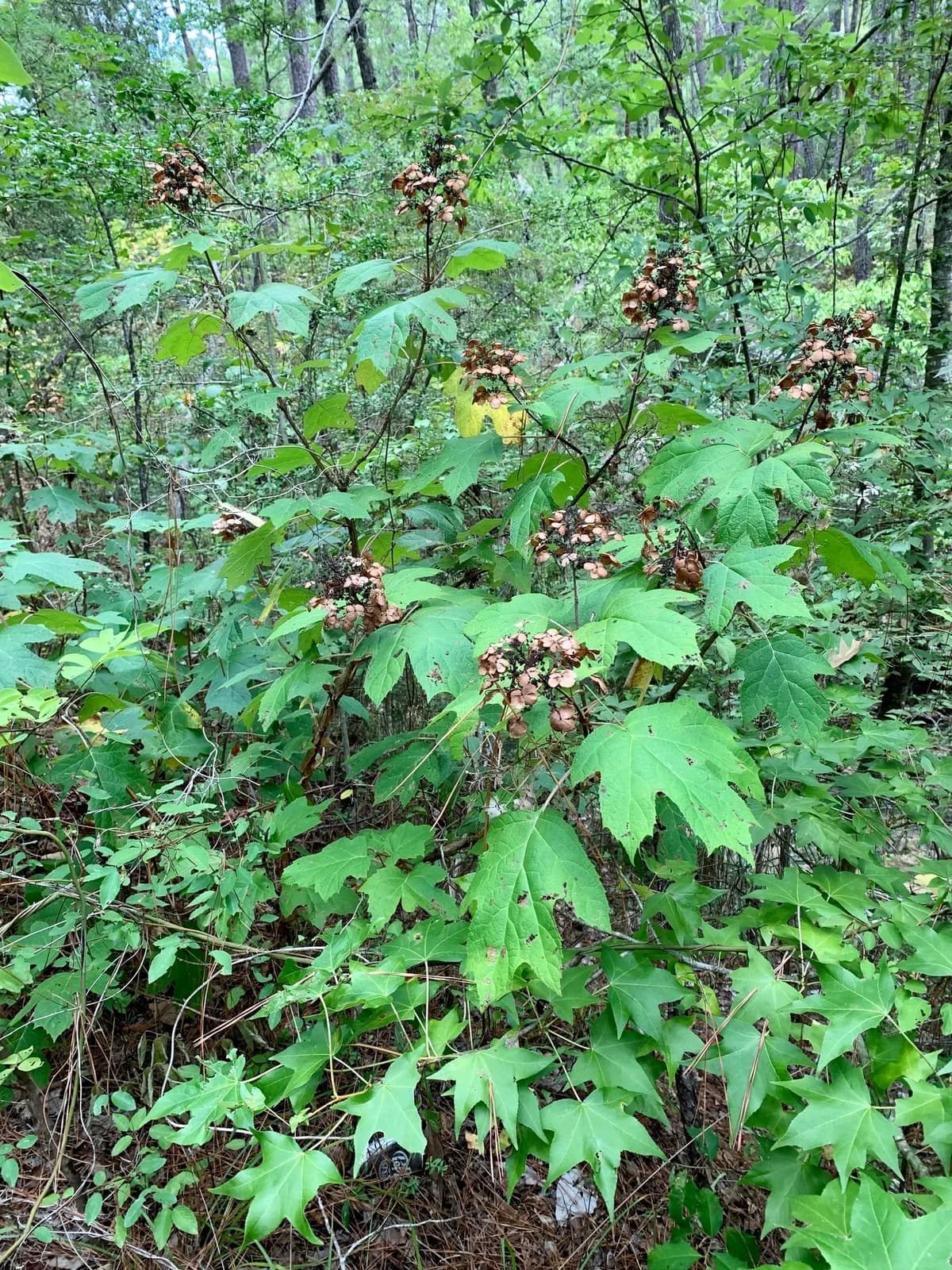
Oakleaf Hydrangea
Hydrangea quercifolia
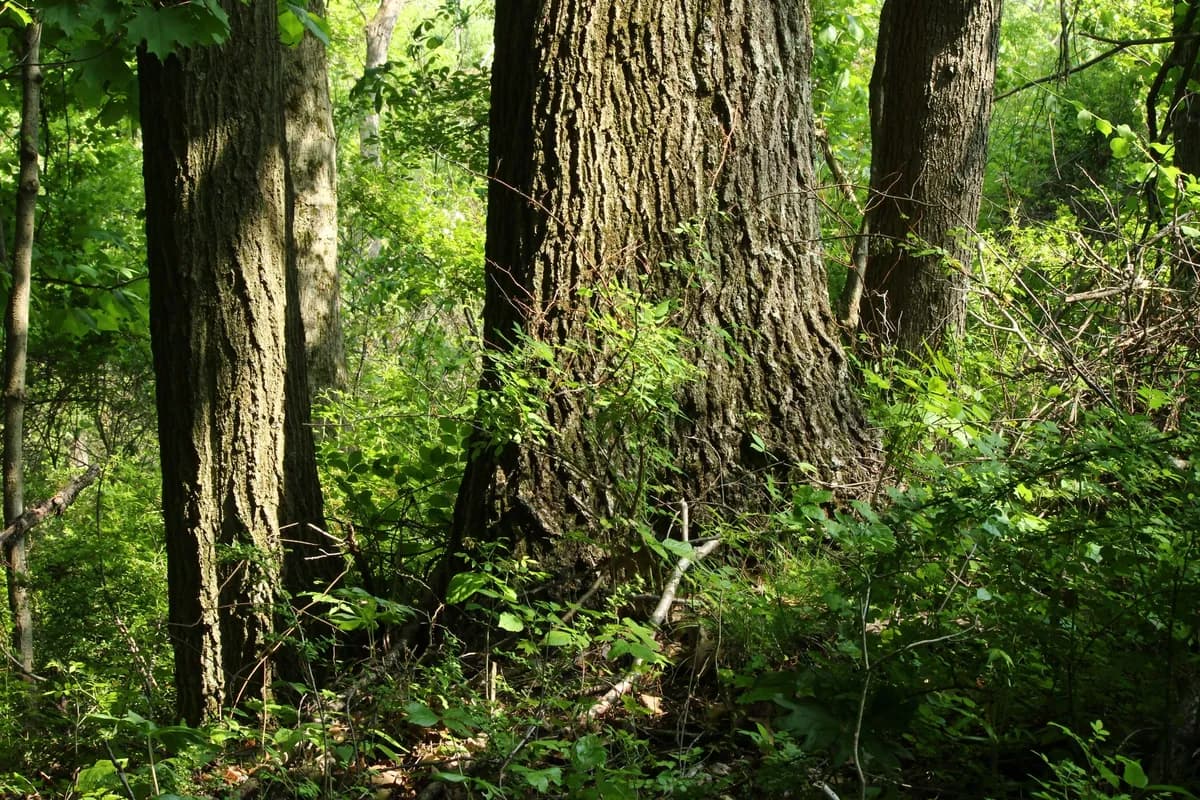
Northern Red Oak
Quercus rubra
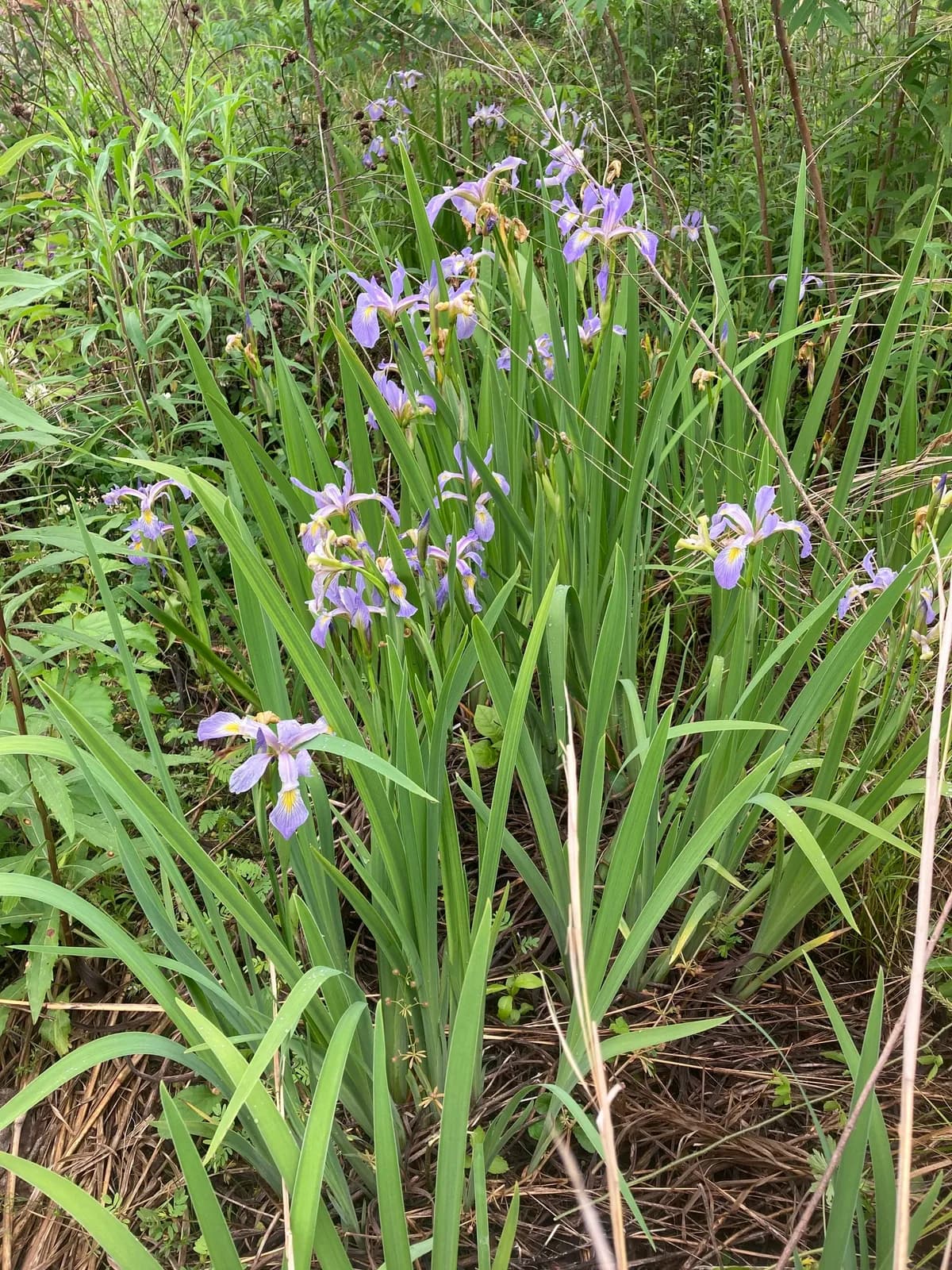
Southern Blue Flag Iris
Iris virginica
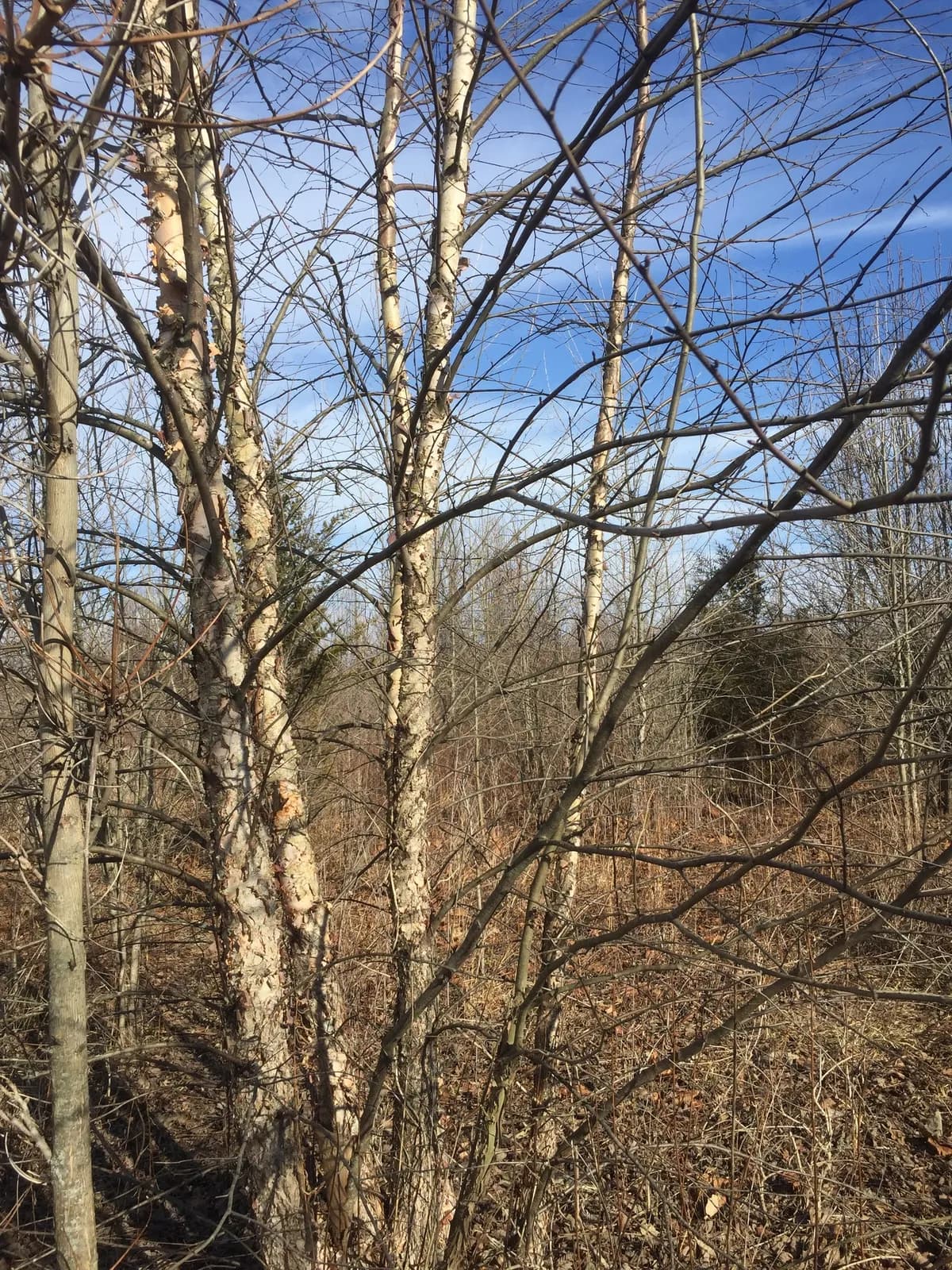
River Birch
Betula nigra
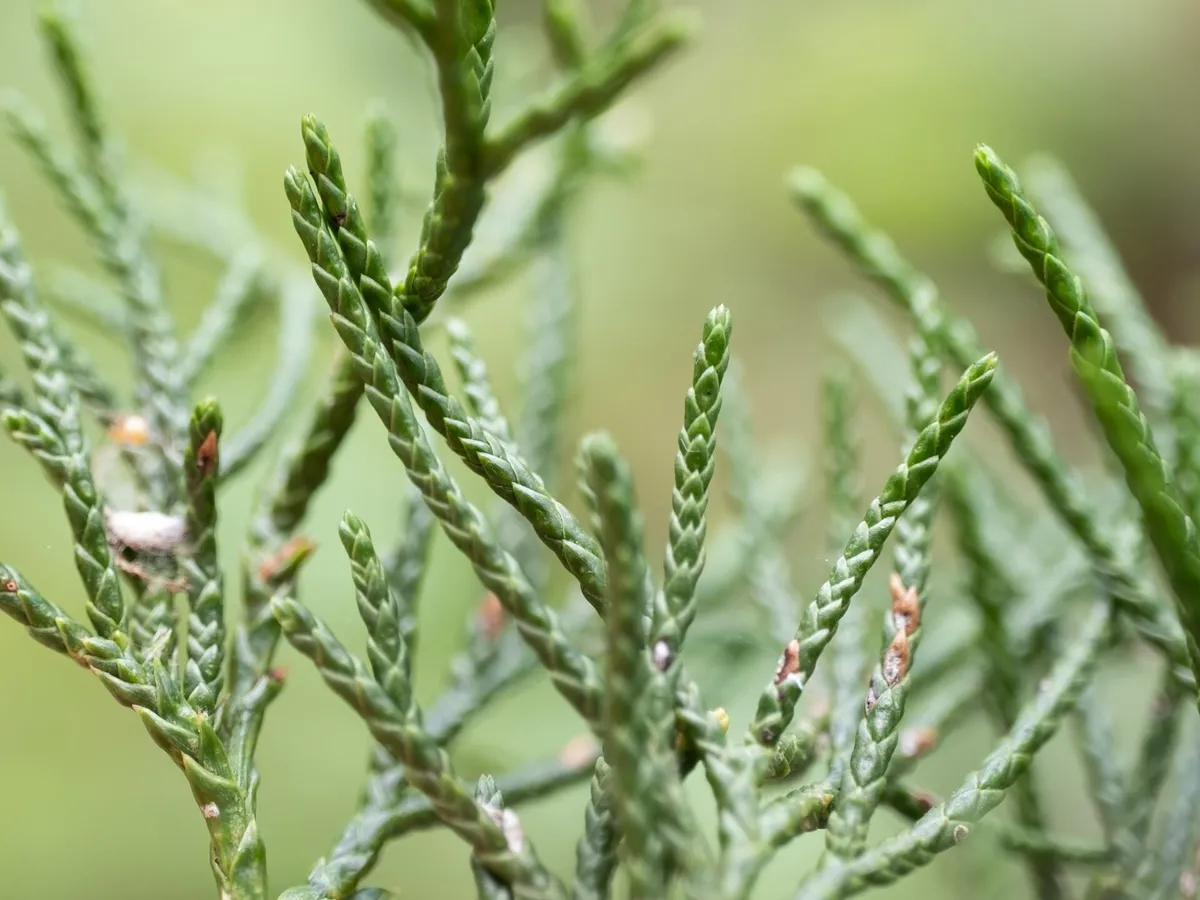
Eastern Red Cedar
Juniperus virginiana

Blunt Mountain Mint
Pycnanthemum muticum
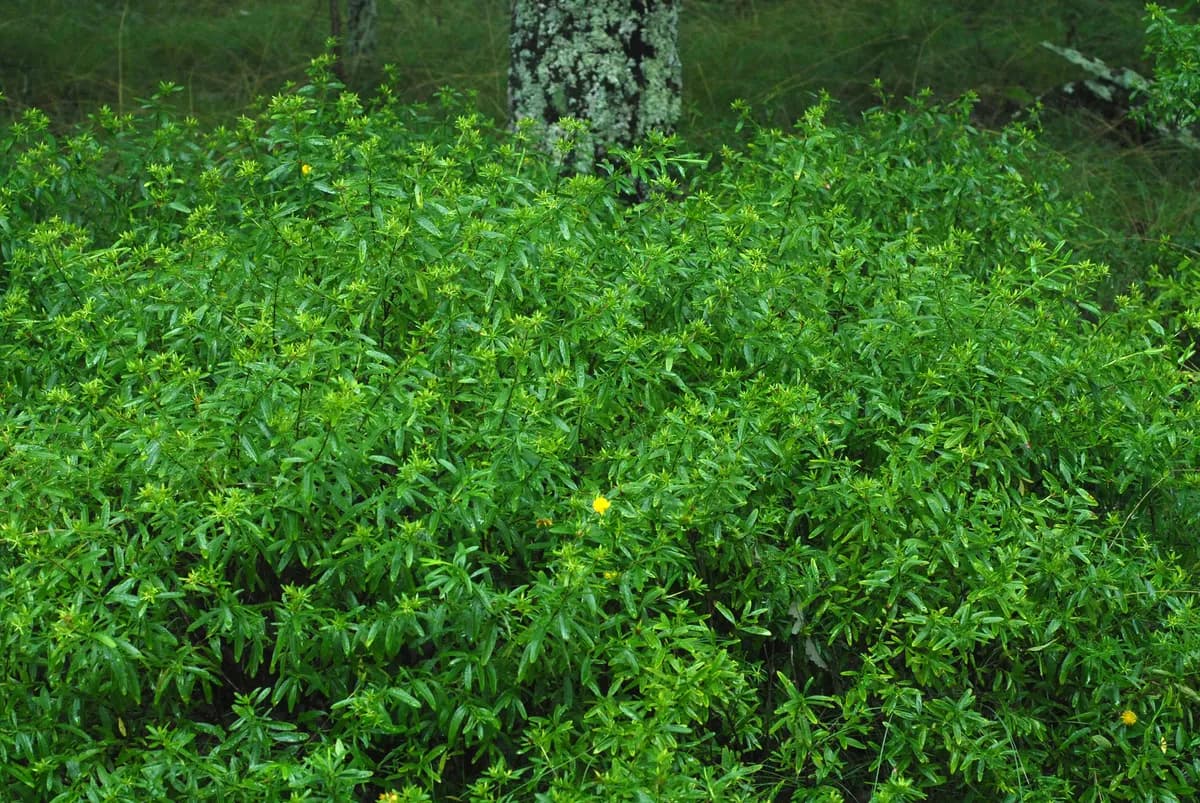
Broombush
Hypericum prolificum
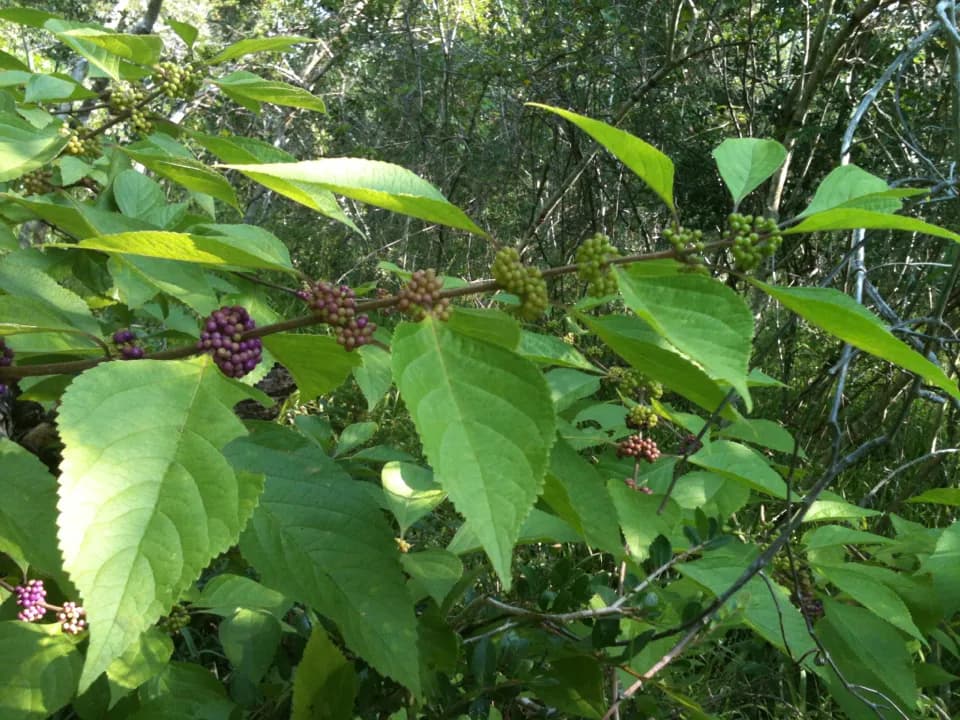
American Beautyberry
Callicarpa americana

Christmas Fern
Polystichum acrostichoides
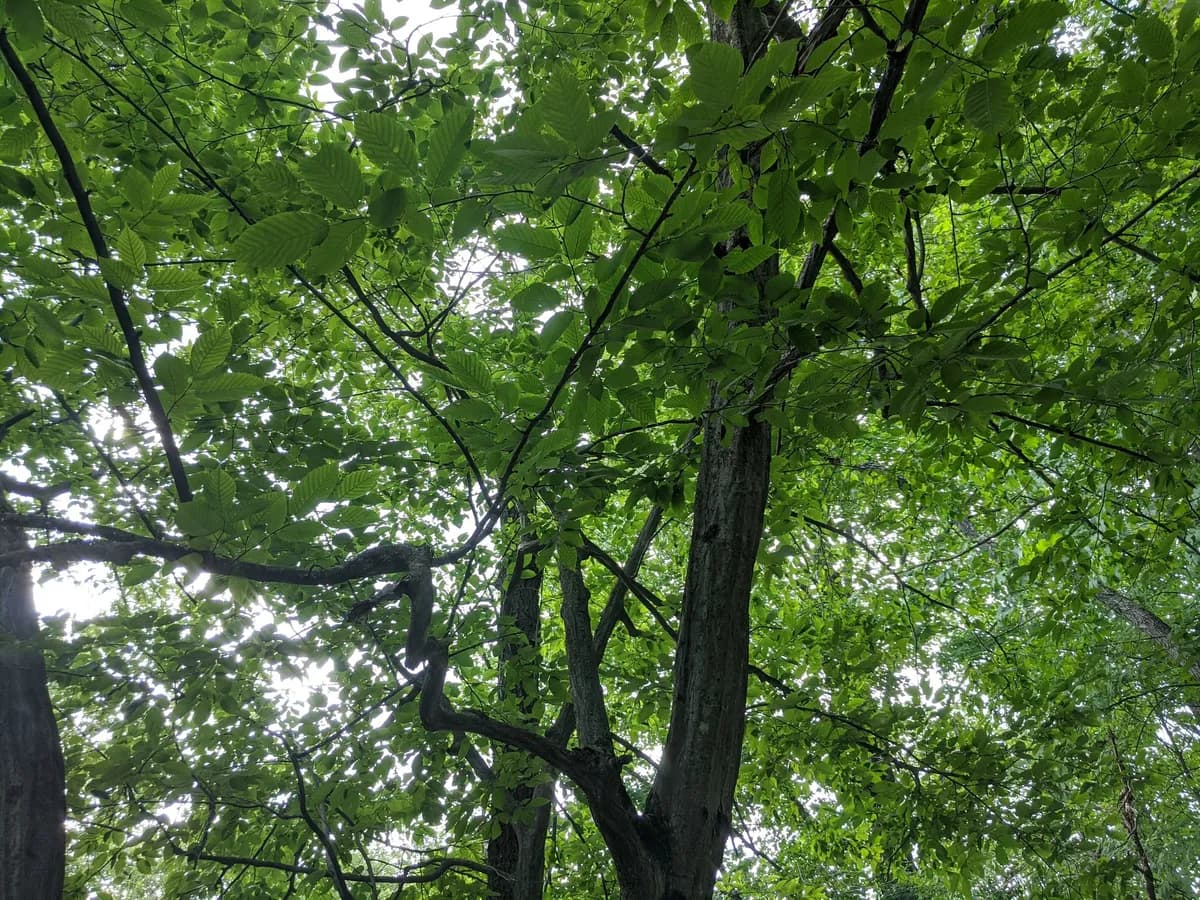
Hornbeam
Carpinus caroliniana
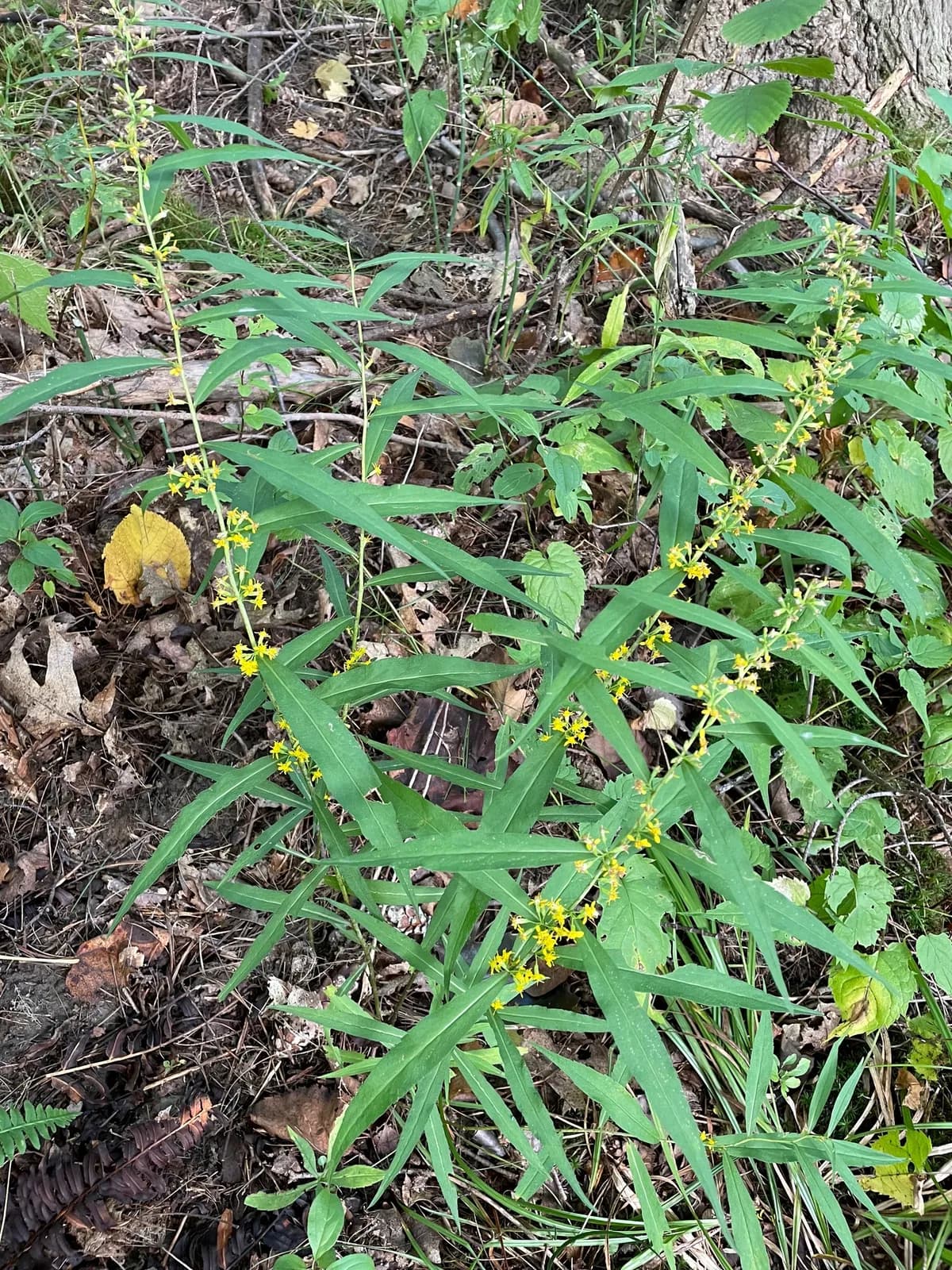
Blue-stemmed Goldenrod
Solidago caesia
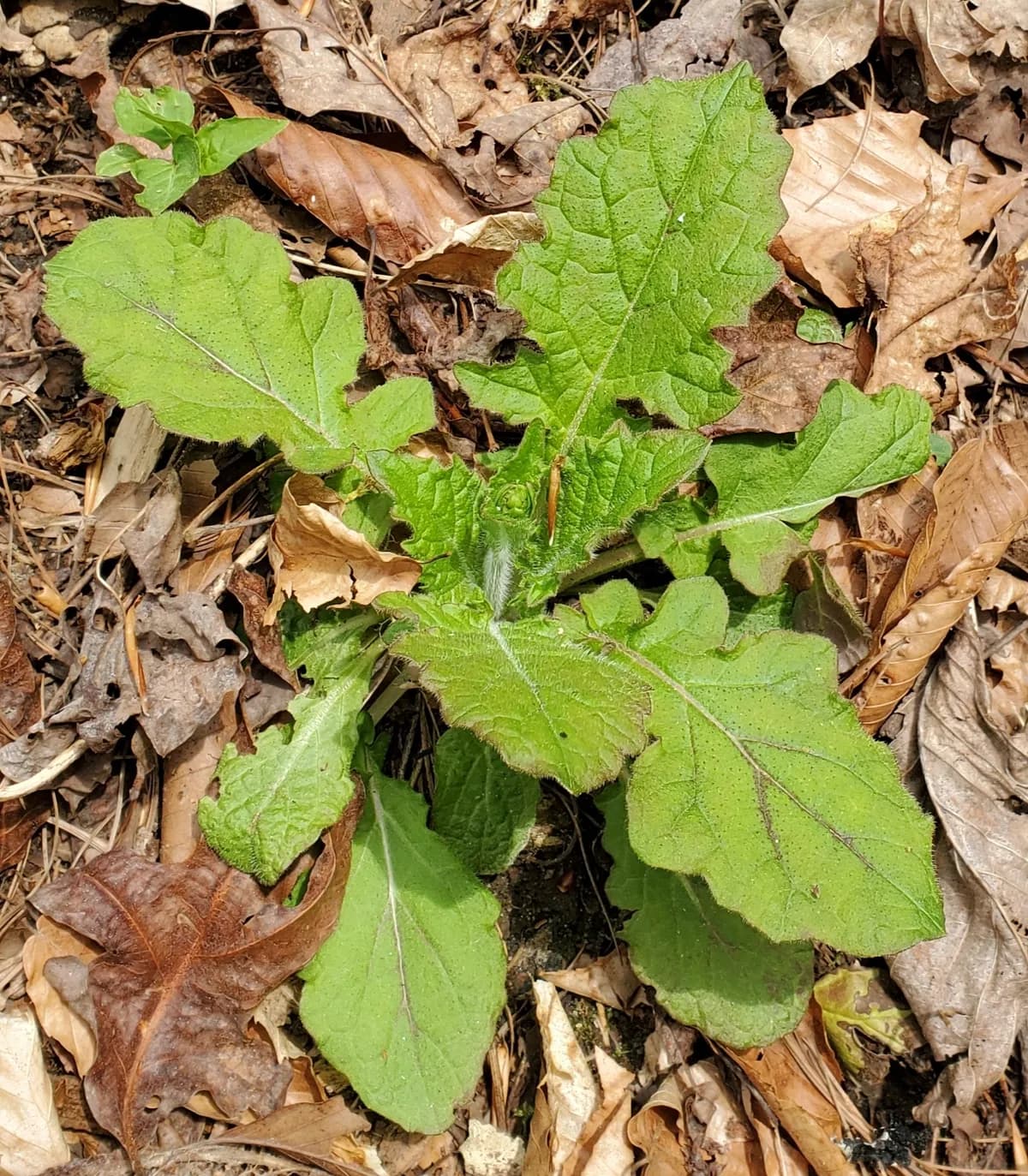
Lyre Leaf Sage
Salvia lyrata
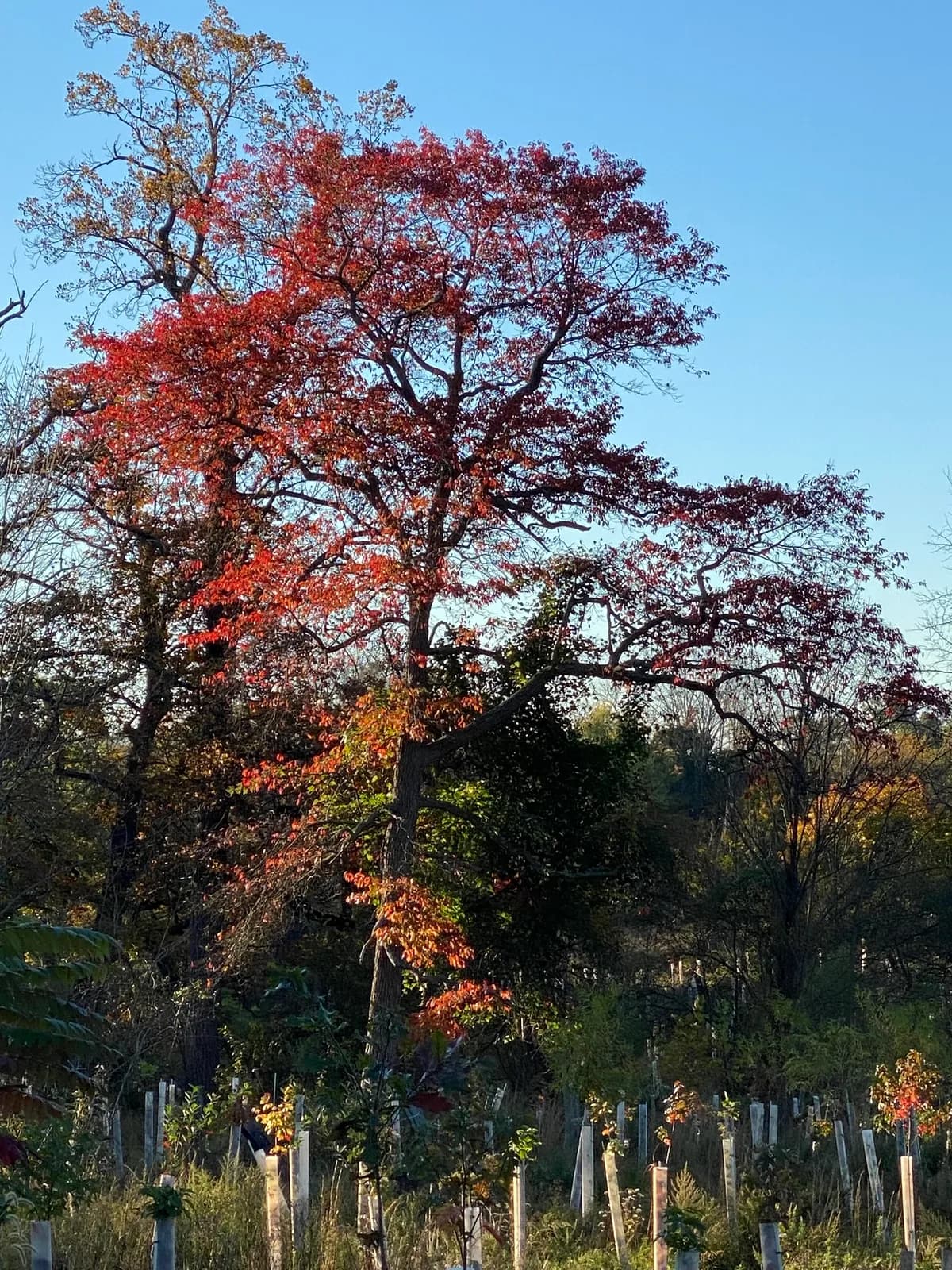
Black Gum
Nyssa sylvatica
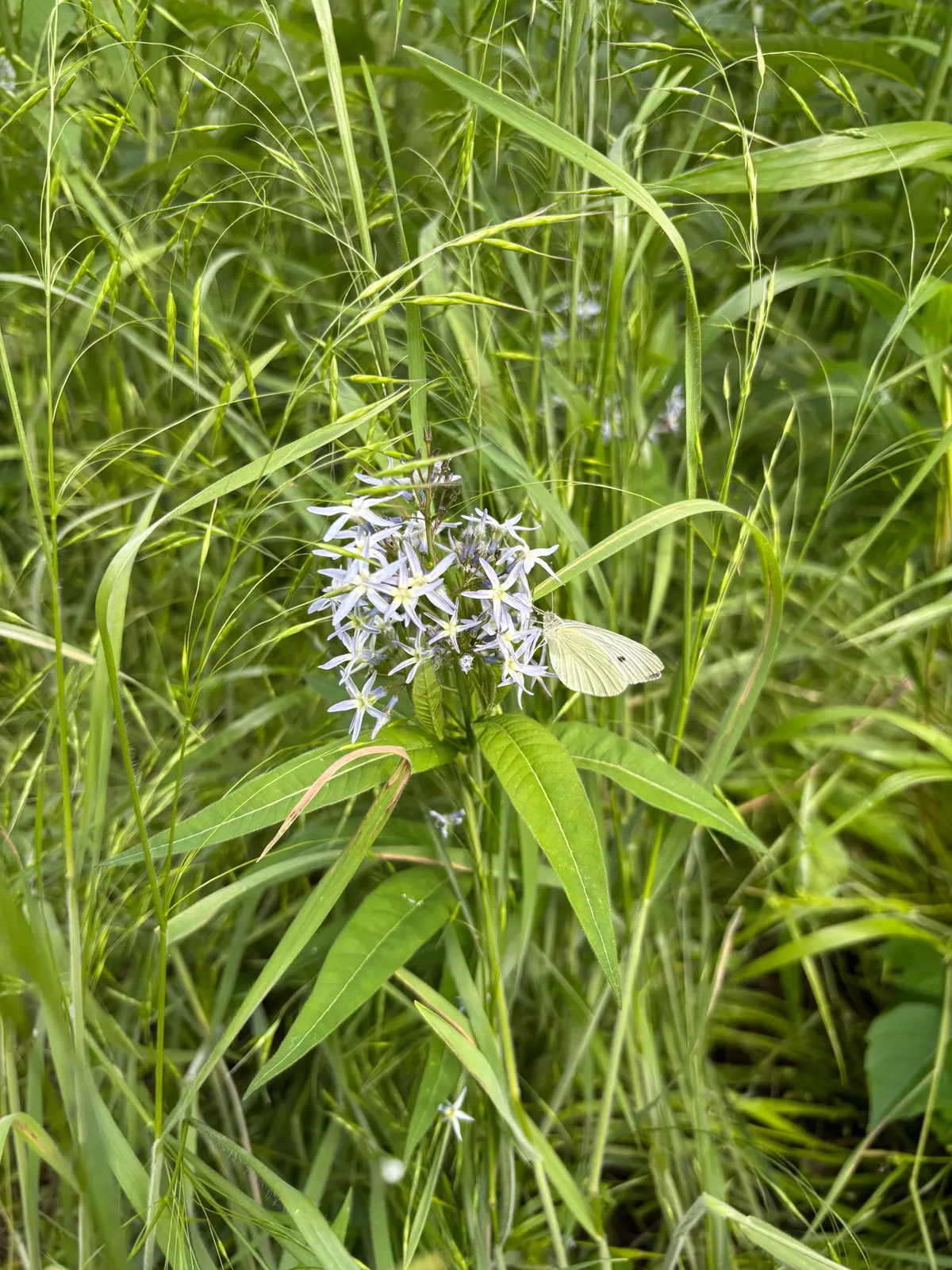
Eastern Bluestar
Amsonia tabernaemontana
Showing 48 of 932. Enter your ZIP for the natives matched to your yard.
Fall care in the Mississippi Alluvial Plain
What to do right now for plants commonly grown here. Each links to the full regional care guide for that species, with sources.
- Zinnia
Zinnias keep blooming into fall in Memphis until the first frost ends the season.
- Spiny sida
Flowering continues into early fall in Memphis, after which spiny sida sets its spiny seed pods.
- Camphorweed
Bloom continues into fall in Memphis, after which camphorweed sets seed for next year.
- Pink thoroughwort
Fall is peak season for pink thoroughwort in Memphis, with clusters of pink to white flowers drawing in late season pollinators.
- Purple lovegrass
Fall is the showiest season for purple love grass in Memphis, with a haze of purple-pink seed heads and bronze fall color.
- Smooth spiderwort
Fall around Memphis is mainly cleanup and division time for this plant, not a bloom season.
- Prairie spiderwort
Fall stays mild in Memphis well into October, with the average first frost landing around November 3.
- Stiff goldenrod
Fall bloom in Memphis runs long, from late summer into the area's average first frost in mid November.
- Narrowleaf blue eyed grass
Fall stays mild in Memphis, with the first frost usually not arriving until mid to late November, so this plant keeps some green foliage later into the year than it would up north.
- Long flower beeblossom
After the first Memphis frost, this gaura dies back for the year, and a fall cleanup plus limiting reseeding keeps beds tidy and manageable.
Build a plan for the Mississippi Alluvial Plain
The Pollinator Patch App turns plants like these into a front-yard plan tuned for the soil, climate, and HOA expectations of the Memphis area.