Oakleaf Hydrangea
Hydrangea quercifolia
Last reviewed: October 2026
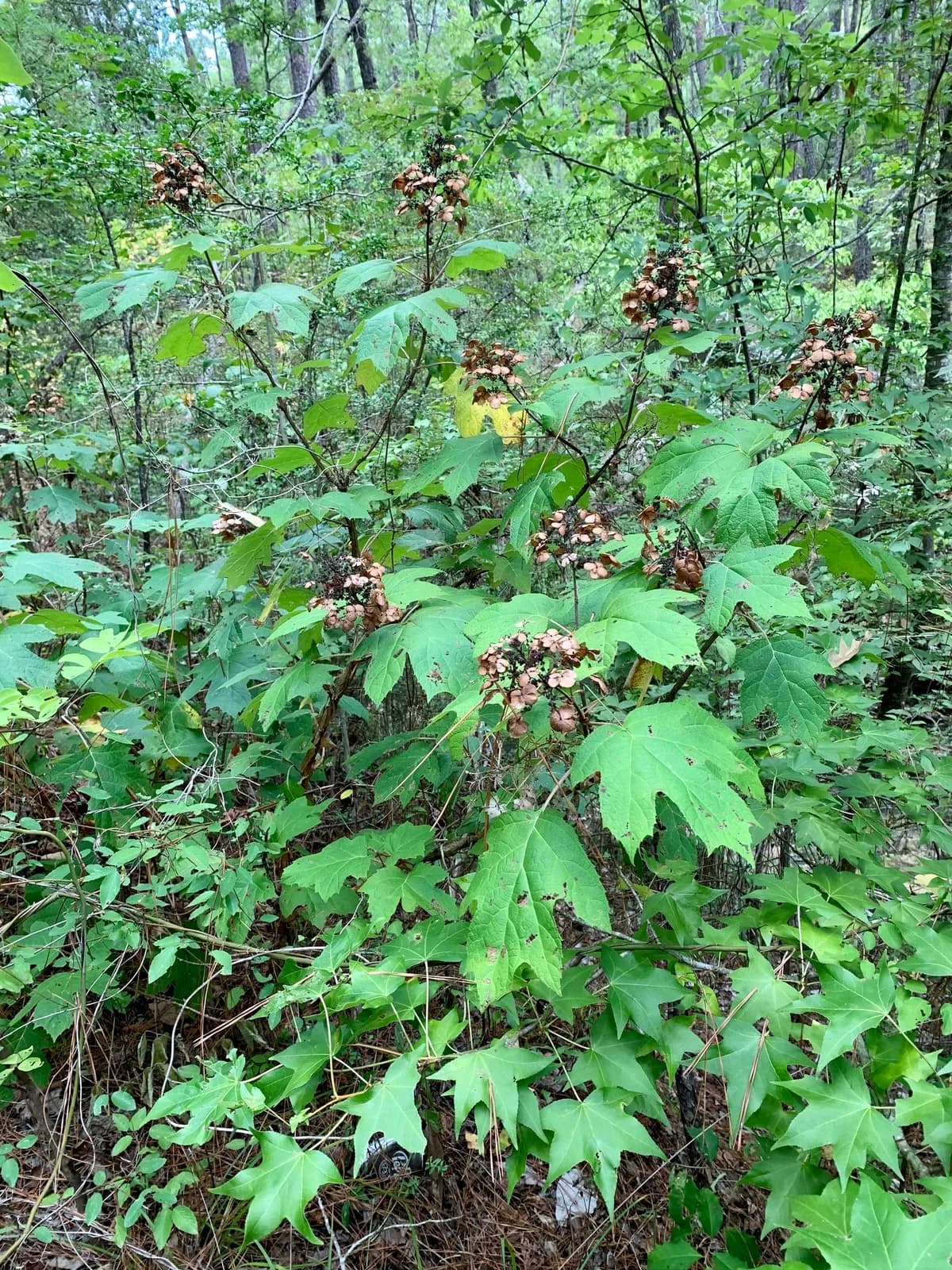
Hydrangea quercifolia is a part shade shrub that produces large cone shaped white flower clusters from May through July and attracts bees and butterflies. It suits humid, warm summer climates and offers red to bronze foliage in fall.
Oakleaf Hydrangea is toxic to dogs and cats.
Listed as toxic by the ASPCA Animal Poison Control Center (opens in new tab) (last reviewed 2026-07-02). If your pet has been exposed, call the ASPCA Animal Poison Control Center at (888) 426-4435 and your veterinarian's emergency line.
Pollinator Patch flags toxic plants so you can choose a pet-safe native alternative for your yard.
Native swaps for a yard with pets
Oakleaf Hydrangea is listed as toxic to dogs by the ASPCA Animal Poison Control Center. These natives fill a similar role in a planting and are not on the ASPCA toxic plant list for dogs or cats. Each plant's page carries its dated record.
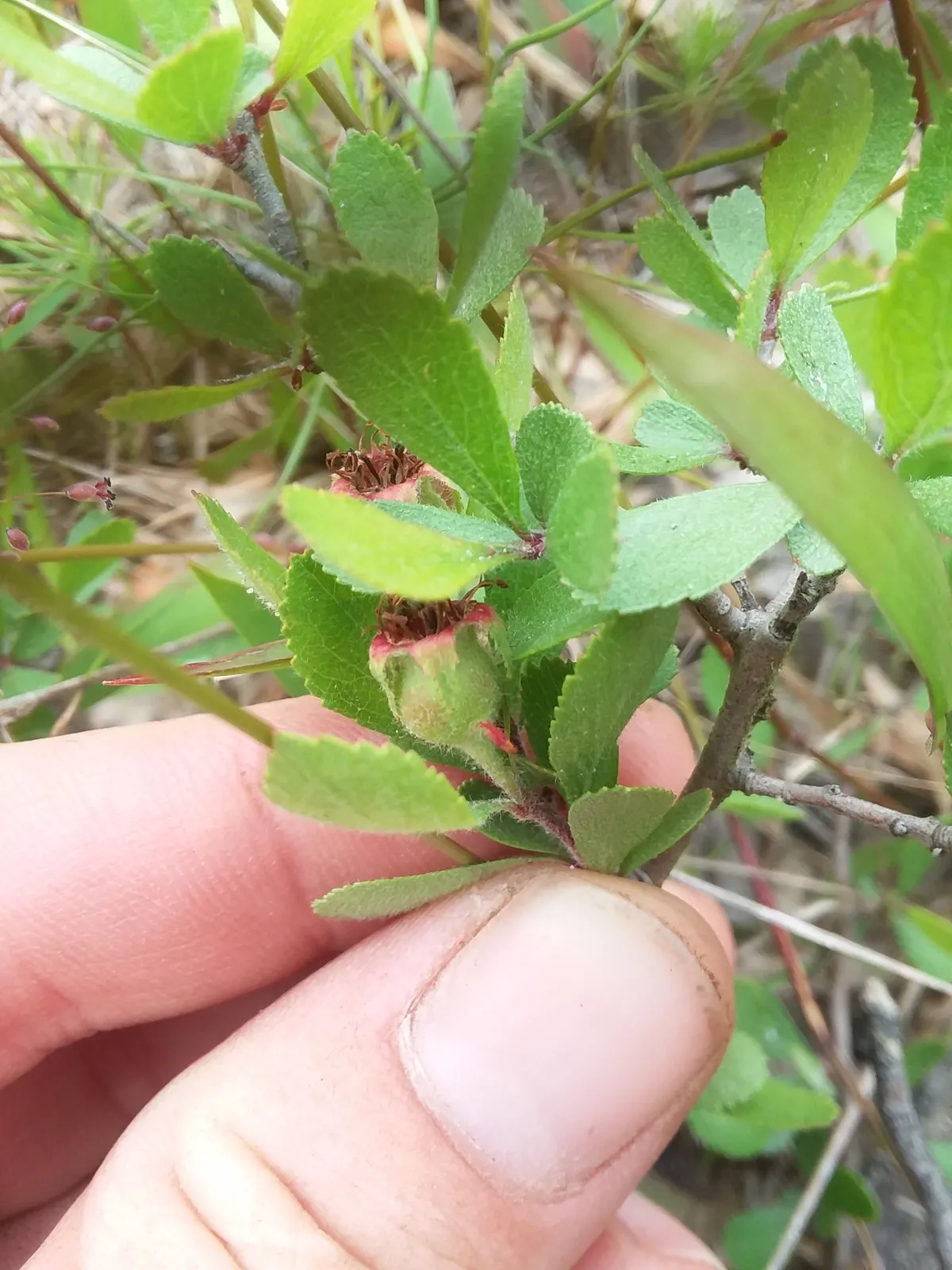
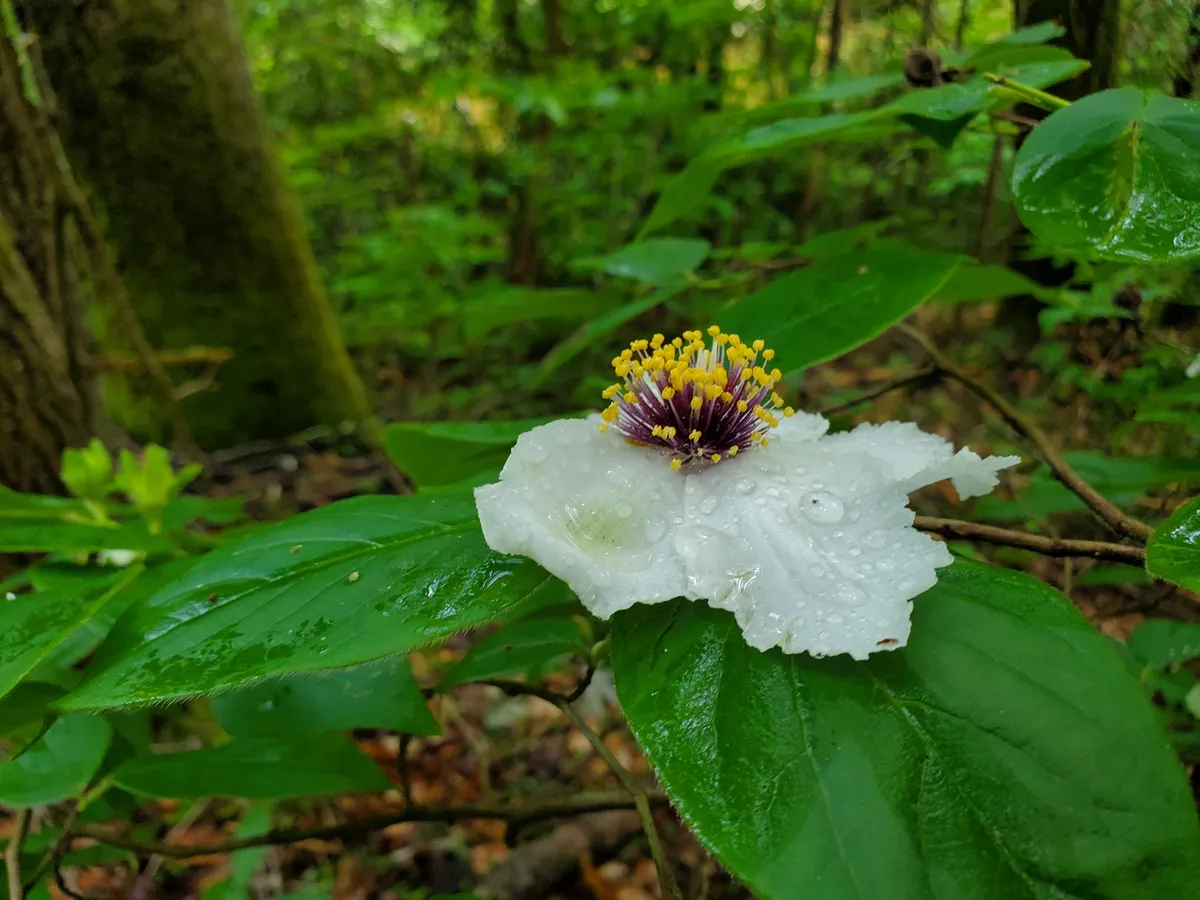
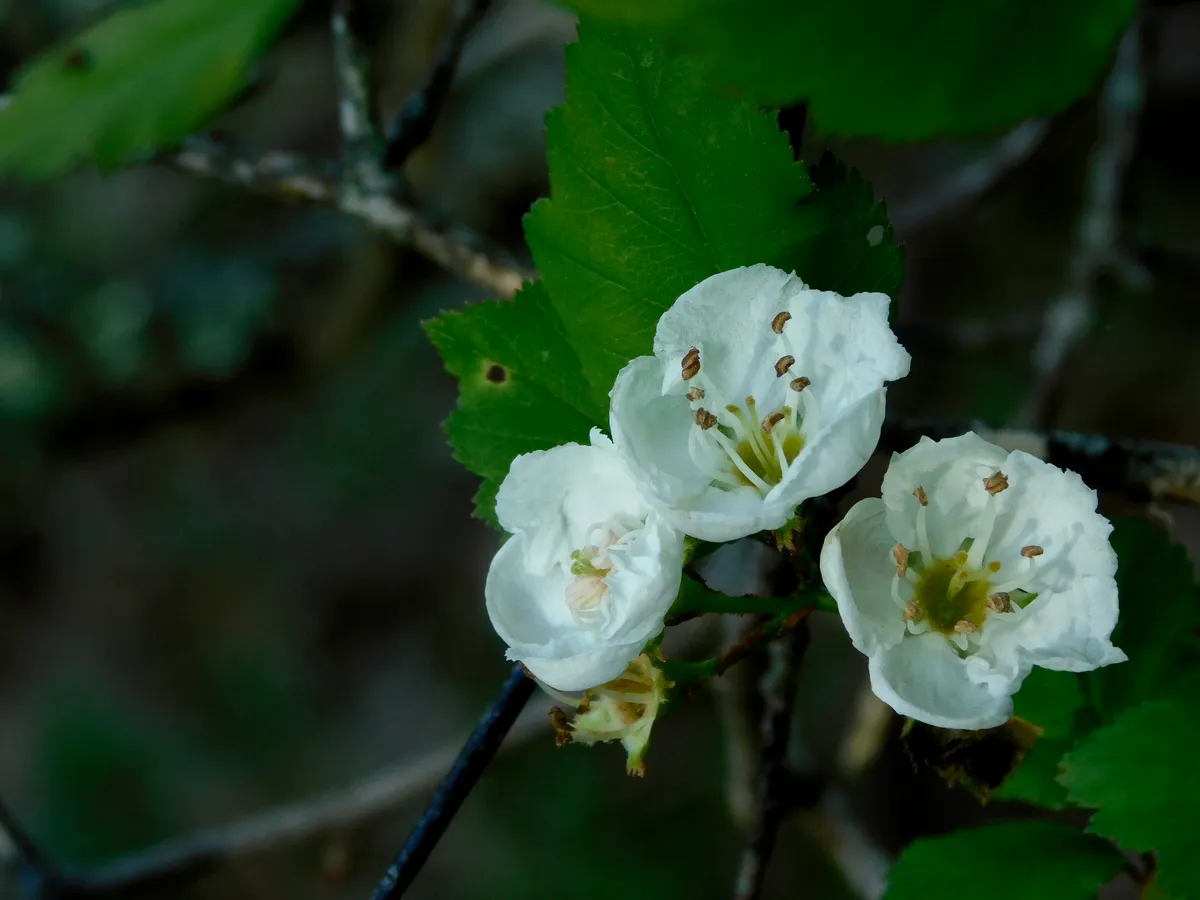
Light
part shade
Water
medium
Size
48"–96" H × 48"–96" W
Bloom
May, Jun, Jul
Native to
AL, FL, GA, LA and 3 more states
Pollinators
bees, butterflies
Before you buy
Your city may pay you to plant this
Cities and water utilities offer rebates for replacing lawn with native and water-wise plants. We track 459 programs across 44 states, each with a link to the provider and the date we last checked it.
Find rebates in your areaPicture natives in your own yard
Upload a photo of your yard and Patch Vision shows a rendering of it planted with natives for your region, like Oakleaf Hydrangea.


Browse plants for this ecoregion
Oakleaf hydrangea is a native deciduous shrub found on shady bluffs, ravines, and stream banks in the Southeast, from the Florida Panhandle through Georgia's Piedmont into the Appalachian and loess-bluff terrain of Tennessee. It produces large cone-shaped flower clusters that open white in early summer and age to pink and tan, held above deeply lobed, oak-shaped leaves that turn red, orange, and burgundy in fall. Mature bark peels to reveal a cinnamon-colored underlayer.
Growing Oakleaf Hydrangea
Grow Oakleaf Hydrangea in part shade and medium water. Mature plants reach 48 to 96 inches tall and spread 48 to 96 inches wide. Expect low maintenance to keep it looking intentional in a front yard.
How to care for Oakleaf Hydrangea, by region
How to care for Oakleaf Hydrangea where it is actually grown: year-round basics plus what to do each season, region by region, with the sources for each.
Care guidance last updated: October 2026
Mississippi Alluvial Plain (includes Jackson, TN)
Year-round
Oakleaf hydrangea is native to West Tennessee's loess bluffs and moist upland woods, the same terrain found around Jackson. Plant it on a well drained slope or bed with part shade, it does not like flooded or compacted soil.
- Plan for a mature size of 4 to 8 feet tall and wide
- Part shade, ideally morning sun only, mimics its native bluff and woodland habitat
- Well drained soil matters most, avoid low spots where water collects after rain
- Work compost into heavy soil at planting to improve drainage
A well spaced oakleaf hydrangea near the front of the house reads as an intentional foundation shrub, not overgrowth, once it has room to fill out.
Fall
Fall color is deep red, burgundy, and purple on the oak shaped leaves. Let the show happen, there is little to do.
- Leaf color turns through October, holding into early November most years
- Skip fertilizer this late, new growth will not harden off before frost
- Leave spent flower heads on the plant for fall texture if you like the look
- Fallen leaves can be left under the shrub as natural mulch
Strong fall color makes this a good pick for a front bed where seasonal change is visible from the street.
Winter
Winter shows off cinnamon colored peeling bark once the leaves drop. The plant is dormant and needs no attention.
- Peeling bark on older stems is a feature, not disease
- Next year's flower buds are already formed, so there is no pruning to do
- Mulch helps protect roots if a hard freeze is expected
- Keep foot traffic off the root zone while the ground is wet or frozen
A small label noting native winter interest helps if bare stems draw questions from neighbors during dormancy.
Spring
Spring is leaf out, and the flower buds are already set from last year. Skip pruning now so you do not lose this year's blooms.
- New leaves emerge in April, hold off on pruning until after flowering
- One light feeding with a balanced fertilizer in early spring is enough
- Watch new growth for aphids, a strong spray of water usually clears them
- Mature plants tolerate a late frost with little to no damage
Summer
Summer brings the big cone shaped white blooms, which fade to pink as the season goes on. Water deeply in dry spells, especially while the plant is getting established.
- Deep watering once a week during dry weather supports the large leaves
- White flowers aging to pink over the summer is normal, not a sign of a problem
- Prune lightly right after bloom if shaping is needed
- A layer of mulch helps hold soil moisture through hot, humid West Tennessee summers
Deadheading spent flowers keeps the planting looking tended for a street facing bed.
Sources: USDA PLANTS Database, Hydrangea quercifolia profile, Tennessee Smart Yards, Hydrangea quercifolia, NC State Extension Gardener Plant Toolbox, Hydrangea quercifolia, Missouri Botanical Garden Plant Finder, Hydrangea quercifolia
Mississippi Valley Loess Plains (includes Memphis, TN)
Year-round
Oakleaf hydrangea is native to the Memphis area, growing wild on the well drained Chickasaw Bluffs above the Mississippi River, not the flooded bottomland below. Plant it on a slope, berm, or raised bed with part shade, and keep it out of low spots that pond after rain.
- Give it room to reach 4 to 8 feet tall and wide at maturity
- Choose a well drained bluff-like site, avoid the lowest, wettest part of the yard
- Part shade with some morning sun matches its natural bluff woodland habitat
- Amend clay soil with compost at planting to help drainage
Planted on a slope or berm near the front of the house, this reads as an intentional, well placed native shrub rather than a plant struggling in the wrong spot.
Fall
Fall turns the oak shaped leaves deep red, burgundy, and purple. There is little to do besides enjoy it.
- Leaves change color through October and often hold into November
- Stop fertilizing, late growth will not harden off before the first freeze
- Leave spent flower heads on the plant if you like the papery fall texture
- Fallen leaves under the shrub double as free mulch
Strong fall color is a good reason to place this where it is visible from the street or front walk.
Winter
Winter shows the cinnamon colored peeling bark once leaves drop. The plant is dormant and needs no work.
- Peeling bark on older stems is a feature of the plant, not a sign of trouble
- Flower buds for next year are already set, so skip pruning entirely
- A layer of mulch protects roots if a hard freeze is coming
- Stay off the root zone when soil is wet or frozen to avoid compaction
A short note explaining native winter interest helps if bare stems with peeling bark prompt questions from neighbors.
Spring
Spring leaf out sets the stage for summer blooms, which already formed as buds last year. Do not prune now.
- New leaves appear in April, hold off on any cutting back
- A single balanced fertilizer feeding in early spring is enough
- Check new leaves for aphids, a strong water spray usually clears light infestations
- Established plants shrug off a late spring frost
Summer
Summer is bloom time, with large white cone shaped flower clusters that fade to pink as they age. Water deeply during Memphis's hot, dry stretches.
- Water deeply once a week without rain, more often the first year after planting
- Flowers aging from white to pink over summer is expected, not a problem
- Prune only right after flowering if shaping is needed, and only lightly
- Mulch keeps roots cool and holds moisture through humid Memphis summers
Deadheading spent flowers keeps a street facing bed looking tended.
Sources: USDA PLANTS Database, Hydrangea quercifolia profile, Tennessee Smart Yards, Hydrangea quercifolia, Missouri Botanical Garden Plant Finder, Hydrangea quercifolia, NC State Extension Gardener Plant Toolbox, Hydrangea quercifolia
Piedmont (includes Atlanta, GA)
Year-round
Oakleaf hydrangea is native to Georgia's Piedmont, including the woods and stream corridors around Atlanta. Look for a spot with morning sun and afternoon shade, on a slope or bank where water drains away instead of sitting. It wants part shade and soil that stays a little moist but never soggy.
- Give it room, mature plants reach 4 to 8 feet tall and just as wide
- Morning sun with afternoon shade keeps the big leaves from scorching in Piedmont summer heat
- Plant on a slope or berm if your yard holds water, it does not like wet feet
- Mulch 2 to 3 inches deep to keep roots cool, but keep mulch off the trunk
A single oakleaf hydrangea reads as an intentional foundation planting, not an overgrown shrub, as long as it has room to reach full size without crowding a walkway.
Fall
Fall is the payoff season, the oak shaped leaves turn deep red, burgundy, and purple before dropping. No pruning needed, just let the color show.
- Leaves shift to red, purple, and bronze starting in October in the Atlanta area
- Leave the fading flower heads on the plant, they turn a papery tan and add fall interest
- Do not fertilize now, new growth this late gets damaged by the first freeze
- A layer of fallen leaves left under the shrub acts as free mulch over winter
The fall color turn is one of the strongest curb appeal moments for this plant, worth placing where it is visible from the street.
Winter
Winter shows off the cinnamon colored, peeling bark once the leaves are down. The plant is dormant, so this is a hands off season.
- Peeling cinnamon brown bark on older stems is a feature, not a sign of disease
- No pruning needed, next year's flower buds are already set on the bare stems
- A light mulch layer helps protect roots in a hard freeze, but Piedmont winters are usually mild enough that established plants need no cover
- Avoid walking on or compacting the soil near the roots while the ground is wet
Bare winter stems with peeling bark can look sparse to a neighbor who does not know to expect it, a short note on the mailbox or a small sign explaining it is a native winter-interest planting heads off questions.
Spring
Spring is when oakleaf hydrangea leafs out and sets up this year's flower show. Do not prune now, the flower buds already formed on last year's growth.
- New leaves emerge in April, hold off on any pruning so you do not cut off flower buds
- A light feeding with a balanced, slow release fertilizer in early spring supports new growth
- Watch for aphids on new leaves, a strong water spray usually knocks them off
- If frost is forecast after leaf-out, the plant usually shrugs it off, established plants handle a late cold snap fine
Summer
Summer is peak bloom for oakleaf hydrangea, with big cone shaped white flower clusters that slowly age to pink. Keep the soil evenly moist through Atlanta's hot stretch.
- Water deeply once a week if there is no rain, more often for the first year after planting
- Flowers open white in early summer and fade to pink and tan as they age, this is normal, not a problem
- Prune right after flowering finishes if you need to shape the plant, next year's buds form soon after
- Skip pruning in late summer or fall, that wood is already carrying next year's blooms
Deadheading spent blooms in midsummer keeps the bed looking tended, but leaving some dried flower heads on through fall is a common, tidy look too.
Sources: USDA PLANTS Database, Hydrangea quercifolia profile, Georgia Native Plant Society, Oakleaf Hydrangea, NC State Extension Gardener Plant Toolbox, Hydrangea quercifolia, Missouri Botanical Garden Plant Finder, Hydrangea quercifolia, UGA Extension Fulton County, Comprehensive Guide to Pruning Hydrangeas
Ridge and Valley (includes Harrisburg, PA)
Year-round
Oakleaf hydrangea does well in Harrisburg's climate, which sits inside its hardiness range. Give it sun to part shade and rich soil that drains well but stays moderately moist.
- Hardy in USDA zones 5 to 9, so Harrisburg winters are fine.
- Plant in sun to part shade. It needs some sun to bloom.
- Use organically rich, well-drained soil with medium moisture. Mulch to hold moisture.
- Prune right after flowering, since flower buds form on old wood.
Left to form a loose mound with its bark and bronze fall leaves showing, it reads as intentional in a front bed.
Fall
The leaves turn bronze in fall, so this is the season to enjoy it and leave it mostly alone. Skip heavy pruning now.
- Leave the fall color in place.
- Do not prune now. Next year's flower buds are already set on old wood.
- Water if autumn turns dry, and keep mulch topped up.
The bronze fall leaves look planned and tidy without any work.
Winter
The shrub is deciduous and hardy through Harrisburg winters, so it needs little. The peeling brown bark adds winter interest.
- Leave the stems standing. Pruning now can remove flower buds.
- Keep a layer of mulch over the roots.
- Wait until early spring to trim any damaged stems.
Spring
Spring is a good window to check for winter damage and lay down fresh mulch. Wait for new growth to show before cutting back dead wood.
- Winter-damaged stems can be pruned in early spring.
- Refresh mulch to hold soil moisture as the weather warms.
- Water during dry spells so new growth does not stall.
Summer
Harrisburg summers are hot and humid, so steady moisture matters most now. Prune soon after the flowers fade.
- Water deeply during dry weeks and keep mulch in place.
- Prune right after flowering. Avoid pruning after August 1 so you do not remove next year's buds.
- Watch for aphids, spider mites, leaf spots and powdery mildew in humid weather.
Sources: NC State Extension Plant Toolbox: Hydrangea quercifolia, Clemson HGIC: Hydrangea
Southeastern Plains (includes Tallahassee)
Year-round
Oakleaf hydrangea is genuinely native to the Florida Panhandle, including the Tallahassee area, where it grows wild on shady bluffs and ravine slopes.
- This shrub is native right here in the Florida Panhandle, found on shady bluffs, ravines, and stream banks in counties like Leon, Gadsden, and Jackson (Florida Native Plant Society; UF/IFAS Gardening in the Panhandle).
- Give it dappled shade. It grows best with some morning sun and afternoon shade, especially once summer heat sets in (UF/IFAS Gardening Solutions).
- Plant it in fertile, acidic, well-drained soil. It likes a little moisture but will not tolerate soggy roots (UF/IFAS Gardening Solutions).
- It is an understory shrub in nature, usually found beneath hardwood canopy on well-drained slopes, so mimic that setting in a home landscape (Lady Bird Johnson Wildflower Center).
- Hydrangeas, including this species, are toxic to dogs and cats due to cyanogenic glycosides. Ingesting a large amount can cause vomiting and stomach upset (ASPCA Animal Poison Control Center plant database).
Fall
Fall is when the leaves turn and this is the last real window to prune before next year's buds set.
- Finish any pruning shortly after flowering ends and before new buds set for next year, since cuts made too late remove next summer's blooms (UF/IFAS Gardening in the Panhandle).
- The oak-shaped leaves turn shades of red, orange, and burgundy in fall, one of the reasons this shrub reads as more than a one-season bloomer.
- Leave the fall leaf color and dried flower heads in place. Both add interest through the cooler months.
- Reduce watering as growth slows, but do not let the root zone dry out completely.
Fall leaf color on the oak-shaped foliage adds visible seasonal interest without looking overgrown, which tends to read well in a front yard.
Winter
Winter is a dormant, low-maintenance stretch, though the top growth can die back in a hard freeze this far north in the plant's range.
- In the northern part of its native range, including the Panhandle, the top growth can die back in a hard freeze, this is normal and the plant usually returns from the base (UF/IFAS Gardening Solutions).
- Shelter from harsh winter winds helps reduce dieback, so a spot with some structure or tree cover nearby is an advantage.
- Hold off on any structural pruning until you can see which branches survived the winter.
- Peeling, cinnamon-colored bark on older stems is a normal winter feature of this species, not a sign of disease.
Spring
Spring is when new growth pushes out and flower buds swell on last year's wood, so avoid any pruning now.
- Do not prune in spring. This shrub blooms on old wood, so any cuts now remove the flower buds that formed last year (UF/IFAS Gardening in the Panhandle).
- Check for winter dieback on the tips of branches. In the northern part of its range the top can die back in a hard freeze, so trim only the clearly dead wood (UF/IFAS Gardening Solutions).
- A light feeding with an acid-forming fertilizer in early spring supports the season's new growth, but established plants often need none at all (UF/IFAS Gardening Solutions).
- Mulch around the base to hold moisture as temperatures climb, keeping mulch a few inches back from the stems.
Summer
Summer brings the big cone-shaped flower show, plus the shrub's biggest need: shade from harsh afternoon sun.
- Flowers show up as large cone-shaped clusters starting white, then aging to pink and eventually tan, and they can stay on the plant for months (UF/IFAS Gardening Solutions).
- Afternoon shade matters most in summer. Panhandle heat can scorch leaves if this shrub sits in full sun past midday (UF/IFAS Gardening Solutions).
- Water during dry spells to keep soil evenly moist, especially for plants that are not yet fully established.
- The dried flower heads look good left on the plant into fall, so there is no need to deadhead for appearance.
The big white summer flower clusters read as a tidy, intentional planting from the street, which works in favor of a neat curb appeal look.
Sources: Florida Native Plant Society - Hydrangea quercifolia, UF/IFAS Gardening Solutions - Oakleaf Hydrangea, Lady Bird Johnson Wildflower Center - Hydrangea quercifolia, ASPCA Animal Poison Control Center - Hydrangea, UF/IFAS Gardening in the Panhandle - Pruning Hydrangeas
Southwestern Appalachians (includes Chattanooga, TN)
Year-round
Oakleaf hydrangea is native to the Chattanooga area, growing wild on the bluffs and moist wooded slopes of the Southwestern Appalachians. Plant it in part shade on a well drained site, it does not tolerate standing water.
- Give it 4 to 8 feet of space in each direction as it matures
- Part shade, especially afternoon shade, matches its natural understory habitat here
- Choose a slope or raised bed if your soil holds water after rain
- Amend heavy clay with compost at planting so roots can establish
Placed near a foundation or fence line, this reads as a deliberate native shrub planting rather than an overgrown corner.
Fall
Fall foliage turns deep red and burgundy before the leaves drop. This is a low effort season, just enjoy the color.
- Leaves turn red, purple, and bronze through October and into November
- Skip fertilizing, late season growth gets damaged by the first frost
- Leave dried flower heads in place for fall texture if you like the look
- Fallen leaves can stay as mulch under the shrub instead of being raked away
Strong fall color makes this a good anchor plant near an entry or front bed where the seasonal change is visible from the street.
Winter
Winter reveals the cinnamon colored peeling bark on older stems. The plant is dormant, no care needed beyond leaving it be.
- Exfoliating bark is a feature of mature stems, not a health problem
- Flower buds for next year are already set, so there is nothing to prune
- A layer of mulch protects roots if a hard freeze is forecast
- Avoid foot traffic near the root zone when soil is wet or frozen
A short label or sign noting it is a native winter-interest shrub helps if bare stems with peeling bark draw questions from neighbors.
Spring
Spring brings new leaves and sets up the summer bloom. Leave the plant alone, pruning now removes the flower buds that already formed last year.
- New growth appears in April, do not prune, buds for this year's flowers are already on the stems
- A single spring feeding with a balanced fertilizer is enough for the year
- Check new leaves for aphids after a wet spring, a hose spray handles small infestations
- Established plants tolerate a late frost without damage
Summer
Summer is bloom season, cone shaped white flower clusters open and slowly shift to pink as they age. Water deeply during dry stretches, especially in the first couple of summers.
- Deep watering once a week during dry weather keeps the big leaves from wilting
- Color change from white to pink over the summer is normal aging, not a sign of stress
- Prune only right after bloom if shaping is needed, and only lightly
- Mulch helps hold moisture through Chattanooga's hot, humid stretch
Deadheading spent flowers keeps beds looking maintained if that matters for your street view, though leaving some heads on through fall is also a common, accepted look.
Sources: Reflection Riding Nature Center, Oakleaf Hydrangea, USDA PLANTS Database, Hydrangea quercifolia profile, Tennessee Smart Yards, Hydrangea quercifolia, Missouri Botanical Garden Plant Finder, Hydrangea quercifolia, NC State Extension Gardener Plant Toolbox, Hydrangea quercifolia
Texas Blackland Prairies (includes Dallas, TX)
Year-round
Oakleaf hydrangea is a deciduous shrub with big oak-shaped leaves, white cone-shaped flower clusters in early summer that fade to pink, deep burgundy fall color, and peeling cinnamon bark for winter. Around Dallas (Texas Blackland Prairies) the two things that make or break it are shade and pruning timing. Give it part shade with protection from hot afternoon sun, and only prune right after it blooms because it flowers on old wood. Heads up, this plant is toxic to dogs, cats, and horses, so keep pets from chewing it.
- Plant in part shade, especially shielded from hot western afternoon sun, in soil you have improved for drainage.
- Blackland clay stays soggy when wet and cracks when dry, so work in compost and pick a spot that never puddles.
- Water deeply through the brutal summer, aiming for evenly moist but never waterlogged roots.
- Prune only right after summer bloom, never in late winter or spring, or you cut off next year's flowers.
Fall
Fall is the best time to plant oakleaf hydrangea in Dallas, ideally October into November, so roots settle in cool soil before summer returns. This is also when the leaves turn a rich burgundy, one of the best shows this plant puts on. Enjoy the color and get any new plantings in the ground now.
- Plant October through November into improved, well-draining soil, the top planting window for this metro.
- Water new plantings regularly through fall so roots establish before winter, easing off as rains pick up.
- Refresh mulch to 2 to 3 inches to insulate roots through the coming freezes.
- Leave the burgundy fall leaves alone and skip pruning, the flower buds for next year are already set.
Let the burgundy fall foliage stay put, it reads as intentional seasonal color rather than a neglected shrub, which helps keep the front yard looking cared for.
Winter
Dallas winters are short and mild with only occasional freezes into the low 20s, and this shrub is fully hardy here down to zone 5. It drops its leaves and shows off peeling cinnamon bark, which is its winter interest. The most important winter rule is simple, do not prune, because a late-winter cut removes the buds that make next summer's flowers.
- Do not prune in winter, a late-winter or early-spring cutback removes next year's flower buds.
- Water occasionally during long dry warm spells, since even in dormancy roots should not fully dry out.
- Keep mulch in place to steady soil temperature through the occasional low-20s freeze.
- Enjoy the peeling cinnamon bark as winter structure and leave the bare stems standing.
The bare winter silhouette with its cinnamon bark reads as intentional structure, not a dead shrub, so leaving it standing helps the front yard look kept up and avoids a violation letter.
Spring
Spring is your second-best planting window in Dallas, from March into April, after the hard freezes pass. New leaves push out now and spring rain helps roots settle. Resist the urge to prune, because the flower buds are already set from last summer and cutting now removes this year's blooms.
- If planting, do it March through April into improved, well-draining soil, then water it in well.
- Spread 2 to 3 inches of mulch to hold spring moisture and keep roots cool before summer heat arrives.
- Do not prune now, the buds are already on the old wood and a spring cut removes this year's flowers.
- Watch spring rains, and if clay stays soggy for days, ease back on watering so roots do not rot.
Summer
Summer is the hard season here. Dallas highs run 95 to 100F and higher with long dry stretches, and this shrub does not love that heat. The afternoon shade you gave it really pays off now. Water deeply and often, and prune only in the weeks right after the flowers fade, because that is your one safe pruning window all year.
- Water deeply once or twice a week in the worst heat, checking that soil is moist a few inches down but not soggy.
- Keep a thick mulch layer to slow evaporation and protect roots from the baking clay.
- Watch for wilting in hot afternoons, and if it wilts even with moist soil, it needs more shade from the western sun.
- Prune right after the blooms fade in early to mid summer if you want to shape it, and stop pruning by late summer.
A light shaping cut right after bloom keeps the shrub looking tidy and intentional from the curb, which helps avoid a violation letter. Time it to the post-bloom window so you keep next year's flowers.
Sources: ASPCA Animal Poison Control Center, Hydrangea (toxic to dogs, cats, horses), Lady Bird Johnson Wildflower Center, Hydrangea quercifolia, Texas A&M AgriLife Extension, Oakleaf hydrangea culture and pruning
In an HOA neighborhood
Oakleaf Hydrangea is an HOA-friendly choice. Maintenance level: low. Tidiness: 4 out of 5.
Works well in: front yard, foundation, mid zone.
- Top growth can die back in a hard freeze at the northern edge of its range and returns from the base in spring
Wildlife value
Summer flower clusters draw bees and butterflies during peak bloom (UF/IFAS Gardening Solutions); the shrub's understory structure provides cover in its native shaded-slope habitat.
Common questions
- When does oakleaf hydrangea bloom?
- Oakleaf hydrangea typically blooms from May through July, producing large cone shaped clusters of white flowers that often fade to pink or tan as they age.
- How much light does oakleaf hydrangea need?
- It grows best in part shade, though it can also handle a few hours of morning sun or deeper shade, especially in hot, humid climates where afternoon sun can scorch the leaves.
- How much water does oakleaf hydrangea need?
- This shrub prefers consistently moist, well drained soil but tolerates short dry spells once its roots are established, making it more drought tolerant than many other hydrangea species.
- Do pollinators visit oakleaf hydrangea flowers?
- Yes, the flower clusters draw bees and butterflies, particularly the fertile florets that offer nectar and pollen in the center of each bloom head.
- Does oakleaf hydrangea have fall interest?
- Its oak shaped leaves turn shades of red, orange, and burgundy in autumn, and the peeling cinnamon colored bark adds winter interest after the leaves drop.
- Is Oakleaf Hydrangea toxic to dogs?
- Yes. Oakleaf Hydrangea is listed as toxic to dogs by the ASPCA Animal Poison Control Center (aspca.org). If your pet has been exposed, call the ASPCA Animal Poison Control Center at (888) 426-4435.
- Is Oakleaf Hydrangea toxic to cats?
- Yes. Oakleaf Hydrangea is listed as toxic to cats by the ASPCA Animal Poison Control Center (aspca.org). If your cat has been exposed, call the ASPCA Animal Poison Control Center at (888) 426-4435.
- Is Oakleaf Hydrangea HOA-friendly?
- Oakleaf Hydrangea is generally an HOA-friendly choice in the right placement, with low maintenance.
These answers were drafted with an AI model from this plant's data. Verify care details with a local expert.
Native range data from the World Checklist of Vascular Plants (Kew). Pollinator and host plant associations compiled from GBIF, iNaturalist, and published ecological literature.
If something looks wrong
Common plant problems, and what to check first
These come up on almost any plant. Each guide lists the likely causes in the order they are worth ruling out, with one thing to check before you act on any of them, and links to the source it came from.
- It is dying right after planting
- Leaves turning yellow
- Wilting even though I watered it
- Brown crispy leaf tips
- Bugs on the plant
Pollinator Patch flags toxic plants like Oakleaf Hydrangea and shows pet-safe natives for your ecoregion instead.