Sevenbark
Hydrangea arborescens
Last reviewed: October 2026
Hydrangea arborescens, or sevenbark, is a woodland shrub that blooms from June through August with rounded clusters of white flowers. It thrives in part shade and moist, well drained soil along stream banks and forest edges.
Sevenbark is toxic to dogs and cats.
Listed as toxic by the ASPCA Animal Poison Control Center (opens in new tab) (last reviewed 2026-05-21). If your pet has been exposed, call the ASPCA Animal Poison Control Center at (888) 426-4435 and your veterinarian's emergency line.
Pollinator Patch flags toxic plants so you can choose a pet-safe native alternative for your yard.
Native swaps for a yard with pets
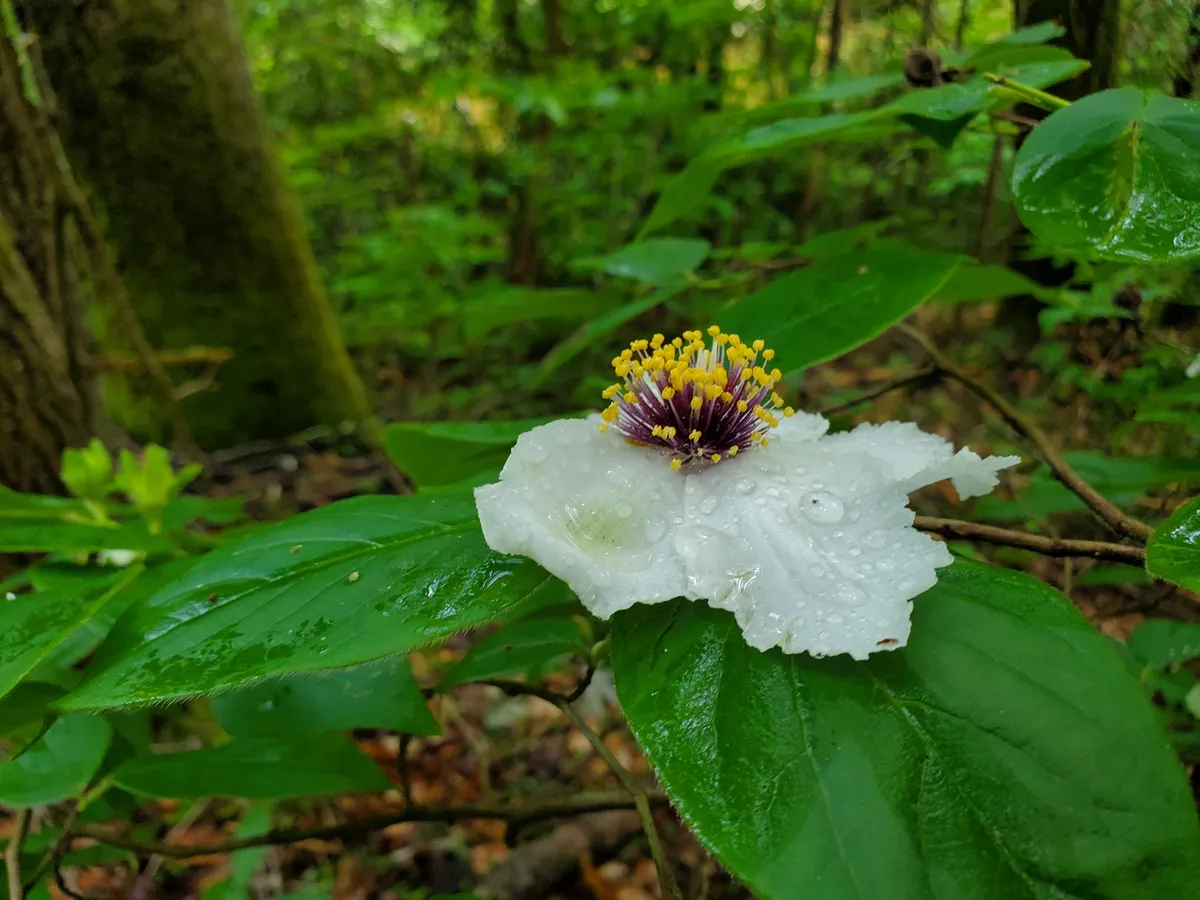
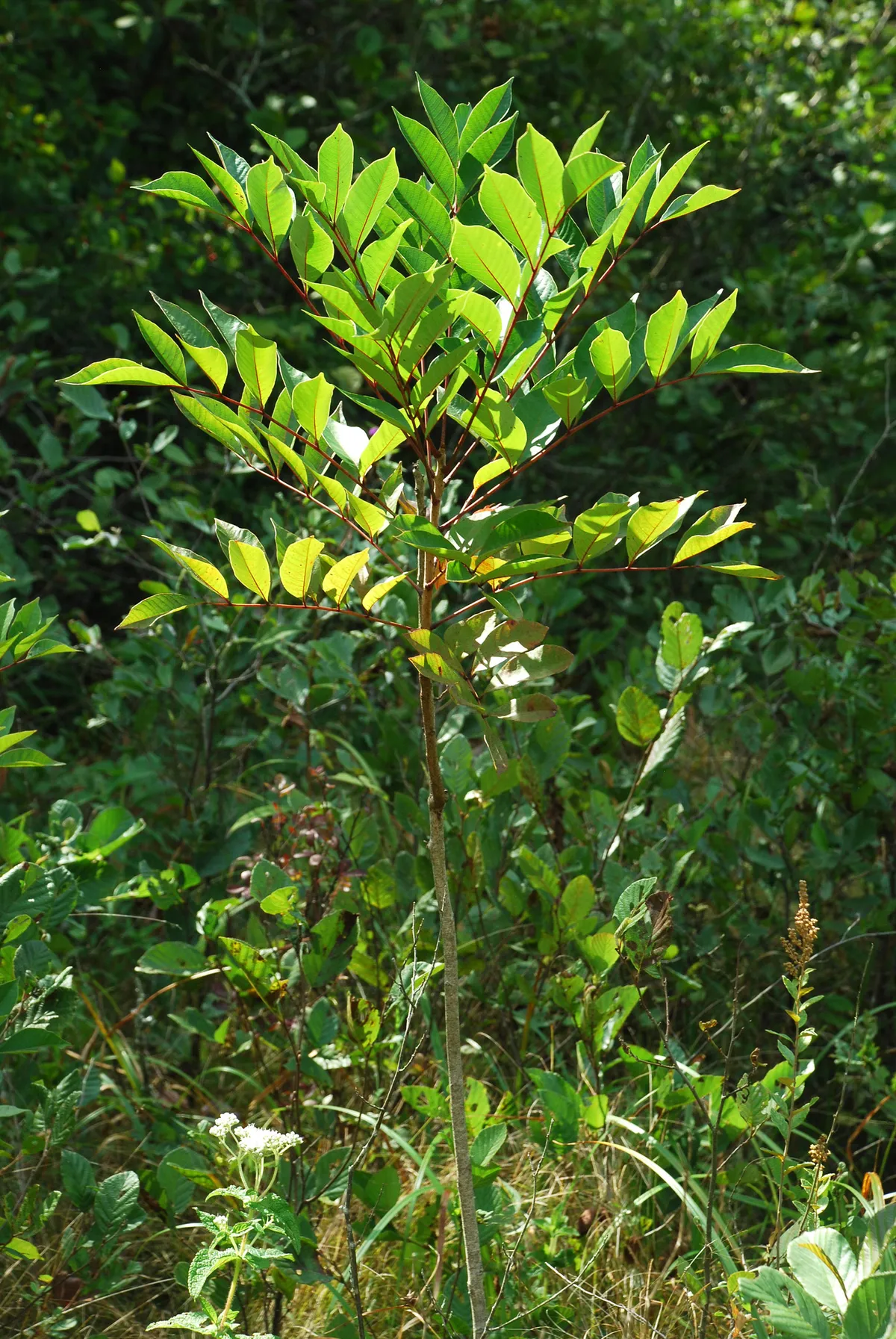
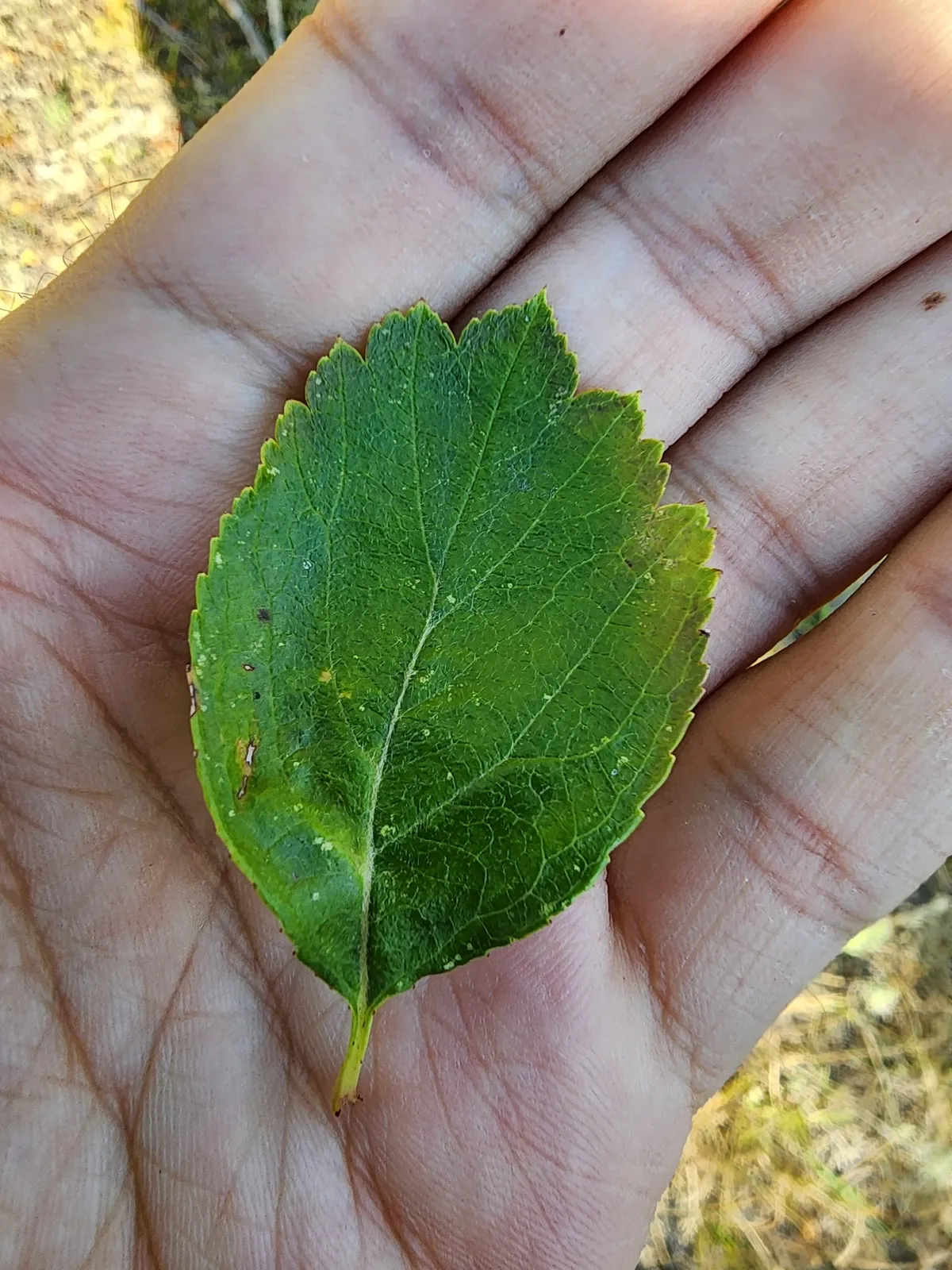
Sevenbark is listed as toxic to dogs by the ASPCA Animal Poison Control Center. These natives fill a similar role in a planting and are not on the ASPCA toxic plant list for dogs or cats. Each plant's page carries its dated record.
Light
part shade
Water
medium
Size
36"–72" H × 36"–72" W
Bloom
Jun, Jul, Aug
Native to
AL, AR, DE, FL and 18 more states
Pollinators
bees, butterflies, beetles
Before you buy
Your city may pay you to plant this
Cities and water utilities offer rebates for replacing lawn with native and water-wise plants. We track 459 programs across 44 states, each with a link to the provider and the date we last checked it.
Find rebates in your areaPicture natives in your own yard
Upload a photo of your yard and Patch Vision shows a rendering of it planted with natives for your region, like Sevenbark.


Browse plants for this ecoregion
Sevenbark is a native deciduous shrub that produces clusters of white flowers from June through August. It has attractive exfoliating bark and grows in a rounded form, making it suitable for foundation plantings and mixed borders.
Growing Sevenbark
Grow Sevenbark in part shade and medium water. Mature plants reach 36 to 72 inches tall and spread 36 to 72 inches wide. Expect low maintenance to keep it looking intentional in a front yard.
How to care for Sevenbark, by region
How to care for Sevenbark where it is actually grown: year-round basics plus what to do each season, region by region, with the sources for each.
Care guidance last updated: October 2026
Eastern Corn Belt Plains (includes Columbus, OH)
Year-round
Smooth hydrangea is hardy in USDA zones 3 to 9 and likes part shade with steady moisture.
- It blooms on new wood, so cutting it back hard is fine.
- It does best in well-drained, moist soil and needs extra water in hot, dry summers.
- The ASPCA lists hydrangea as toxic to dogs, cats, and horses, so keep pets from chewing it.
Fall
Fall is quiet and the dried flowers can stay.
- Leave dried blooms for winter interest.
- Keep pets away from fallen leaves and stems, since the ASPCA lists it as toxic.
Winter
Late winter is a good time to cut it back.
- Cutting nearly to the ground in late winter encourages vigorous new stems.
- Cutting to the ground every winter is common practice, and the peeling bark is attractive if you leave canes.
A hard late-winter cut keeps it tidy and in bounds near a front walk.
Spring
Spring is for pruning weak stems and watching new growth.
- Remove weak or damaged stems in early spring.
- Mulch to hold moisture before summer heat.
Shaping in early spring is fine and will not cost you blooms.
Summer
Summer calls for steady water.
- Water deeply in hot, dry weather.
- Big flower heads can droop after heavy rain, so trim or support stems if needed.
Sources: NC State Extension Plant Toolbox: Hydrangea arborescens, Lady Bird Johnson Wildflower Center: Hydrangea arborescens, ASPCA toxic plant list: Hydrangea
Piedmont (includes Atlanta, GA)
Year-round
Smooth hydrangea is a tough, cold-hardy shrub that likes part shade and steady moisture, and it is toxic to pets if eaten.
- Give it part shade, about 2 to 6 hours of direct sun. It can take more sun if the soil stays moist.
- Use neutral to acidic, well-drained soil. It adapts to clay, loam, and sand.
- It blooms on new wood, so it is forgiving to prune.
- It is rated for USDA zones 3a through 9b, so Atlanta heat is within range.
- Hydrangea is toxic to dogs and cats per the ASPCA. Eating it can cause vomiting, depression, and diarrhea. Keep pets from chewing it and call a vet or ASPCA Poison Control if they do.
Fall
Fall needs little. Keep pets from chewing leaves and leave pruning for later.
- Hold off on hard pruning. It is done in late winter.
- Rake fallen leaves away from where pets chew, since hydrangea is toxic to dogs and cats per the ASPCA.
Winter
Late winter is the pruning window for smooth hydrangea.
- Prune back close to the ground in late winter. It blooms on new wood, so this encourages vigorous stems.
- It is very cold hardy, so winter freezes in Atlanta are not a concern.
Spring
Spring is for light cleanup and getting moisture habits set.
- Remove weak and damaged stems in early spring.
- Mulch to hold moisture, since it likes moist soil.
- Plant in a spot with morning sun and afternoon shade.
Summer
Atlanta summers are hot, so consistent water and some shade matter most.
- Water during dry spells. Full sun only works if moisture stays consistent.
- Afternoon shade helps in hot weather, since it prefers 2 to 6 hours of direct sun.
- It attracts butterflies, moths, and other pollinators when in bloom.
Sources: NC State Extension Plant Toolbox, Hydrangea arborescens, ASPCA, Hydrangea
In an HOA neighborhood
Sevenbark is an HOA-friendly choice. Maintenance level: low. Tidiness: 4 out of 5.
Works well in: front yard, foundation, mid zone.
- May appear sparse in winter without leaves
Wildlife value
Host plant for brown hooded owlet moth, hydrangea sphinx moth.
The summer blooms attract bees, butterflies, and beetles, providing nectar during peak growing season. Birds may use the dense branching structure for nesting cover.
Common questions
- When does Hydrangea arborescens bloom?
- Sevenbark typically flowers from June through August, producing flat to rounded clusters of white blooms on new growth.
- How much light and water does sevenbark need?
- This shrub does best in part shade with medium to consistently moist soil. It can struggle in full sun if the soil dries out, so afternoon shade helps it thrive.
- What pollinators visit Hydrangea arborescens flowers?
- The flat clusters of fertile flowers attract bees, butterflies, and beetles, which feed on the nectar and pollen through the summer bloom period.
- What kind of habitat suits this shrub best?
- Sevenbark grows well along stream banks, moist woodland edges, and shaded slopes where soil stays cool and evenly moist through summer.
- Is Sevenbark toxic to dogs?
- Yes. Sevenbark is listed as toxic to dogs by the ASPCA Animal Poison Control Center (aspca.org). If your pet has been exposed, call the ASPCA Animal Poison Control Center at (888) 426-4435.
- Is Sevenbark toxic to cats?
- Yes. Sevenbark is listed as toxic to cats by the ASPCA Animal Poison Control Center (aspca.org). If your cat has been exposed, call the ASPCA Animal Poison Control Center at (888) 426-4435.
- Is Sevenbark HOA-friendly?
- Sevenbark is generally an HOA-friendly choice in the right placement, with low maintenance.
These answers were drafted with an AI model from this plant's data. Verify care details with a local expert.
Native range data from vouchered herbarium specimen records and regional native plant society lists. Pollinator and host plant associations compiled from GBIF, iNaturalist, and published ecological literature.
If something looks wrong
Common plant problems, and what to check first
These come up on almost any plant. Each guide lists the likely causes in the order they are worth ruling out, with one thing to check before you act on any of them, and links to the source it came from.
- It is dying right after planting
- Leaves turning yellow
- Wilting even though I watered it
- Brown crispy leaf tips
- Bugs on the plant
Pollinator Patch flags toxic plants like Sevenbark and shows pet-safe natives for your ecoregion instead.